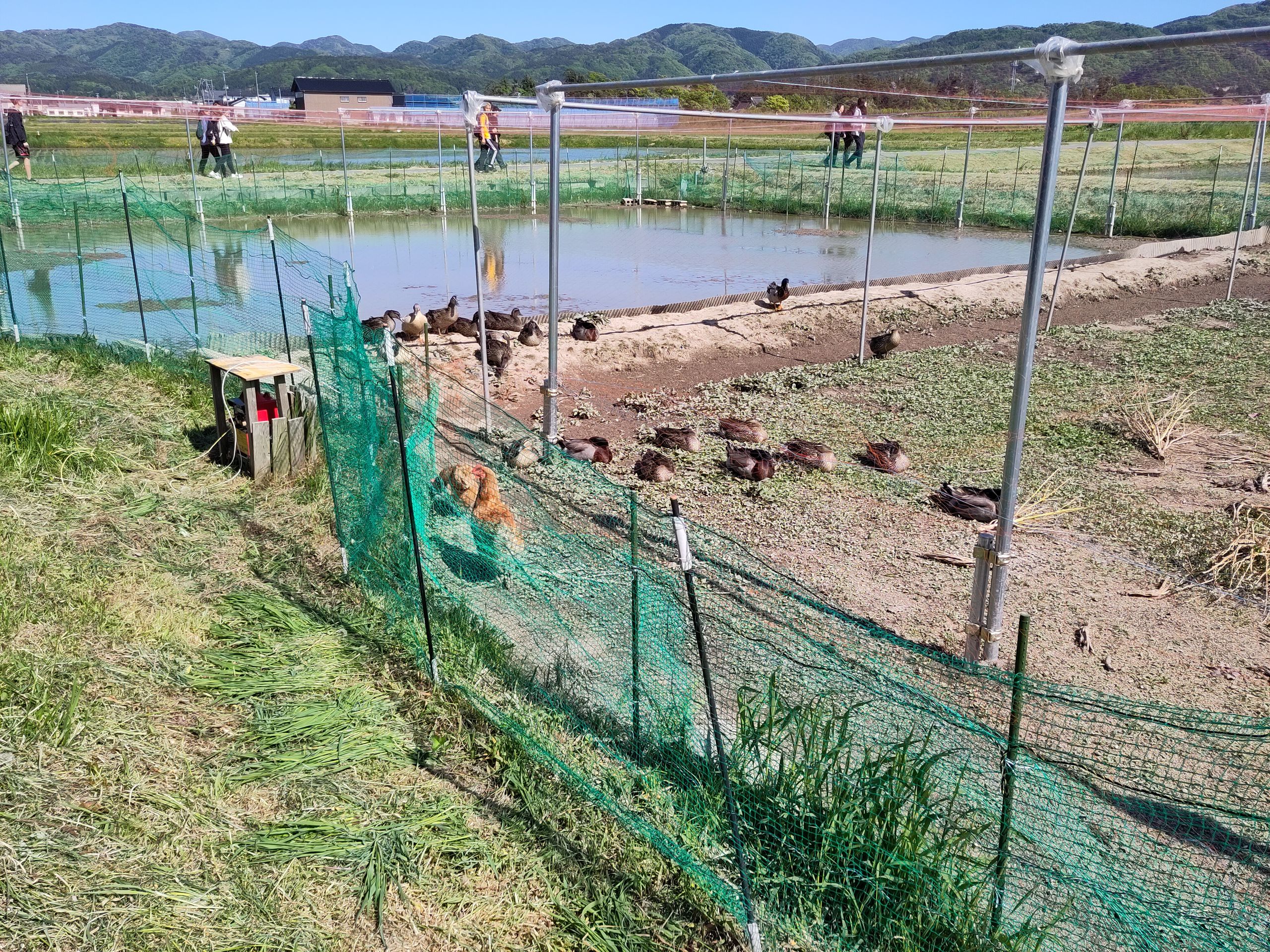
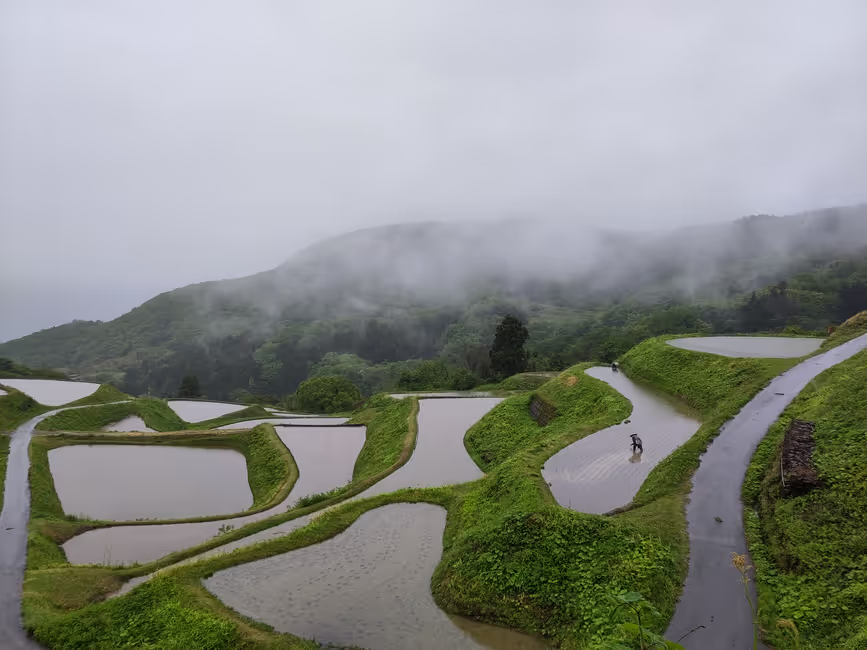
Since we are a large group with our school class, we divide ourselves into two groups and engage in different activities in the morning and afternoon. Our group starts by documenting pollution at various coastal locations. We take a bus to these places, spend about 15 minutes observing and assessing the situation, record our observations in prepared forms, and then move on to the next spot. In conclusion, despite Sado being a sparsely populated island, there are still many "busier" roads along the coast that contribute to light and noise pollution. However, the worst issue, as is likely the case everywhere, is plastic waste. There is at least some amount of litter at every location, and nowhere is completely clean. At one viewpoint, we even find obvious signs of intentionally placed garbage that was not washed ashore by the sea. It's truly sad that on such a beautiful island, we couldn't find a single clean beach that day. But hopefully, that will change in the next few days (small spoiler). After the lunch break, we switch with the other group and visit a rice field owned by a farmer who places great importance on using as few artificial weed killers and fertilizers as possible. He enlists the help of chickens and ducks, which feed on weeds and pests before he plants the field, also providing natural fertilizer with their droppings. Additionally, he has developed a method to allow the seedlings to grow longer in the nursery trays before transplanting them to the field. This gives the rice plants an advantage over the weeds, which are repeatedly eaten by the ducks. He also allows the grass at the edges to grow taller than most farmers, as it provides habitat for important insects that contribute to soil quality. He wishes that more people would use fewer environmentally harmful substances in rice and vegetable cultivation. However, many of the rice fields are owned by older people who have been cultivating rice their whole lives and are difficult to convince to change their practices. It is crucial to maintain good relationships with neighbors in rice cultivation since the fields are close together and interconnected in terms of water and surrounding green belts. After his presentation, we were tasked with painting a picture of the surroundings and depicting how the different areas of the landscape are interconnected. In winter, the mountains accumulate water in the form of snow, which melts in spring. This water is used to irrigate the rice fields and eventually flows into the sea after the rice cultivation. If a lot of chemicals are used in cultivation, they end up in the sea, just like any other waste. Fertilizers lead to excessive algae growth, covering the water surface and preventing light from reaching below. This creates difficulties for other animal and plant species. Therefore, it is important to find methods of practicing agriculture without harming the environment in this way.
umweltcamp-in-sado-japanWie ein Newsletter: jeder neue Beitrag kommt per Mail.