
22 nach Kiduliai
Strecke: 73 Kilometer, kumuliert: 1‘927 Kilometer | Höhenmeter: 280, kumulierte Höhenmeter 6’940 Meter, Entfernung von zuhause: 1’347 Kilometer (Luftlinie) Eigentlich sollten es...

Veröffentlicht: 01.05.2025
Strecke: 90 Kilometer, kumuliert: 2‘017 Kilometer | Höhenmeter: 350, kumulierte Höhenmeter 7’290 Meter, Entfernung von zuhause: 1’398 Kilometer (Luftlinie)
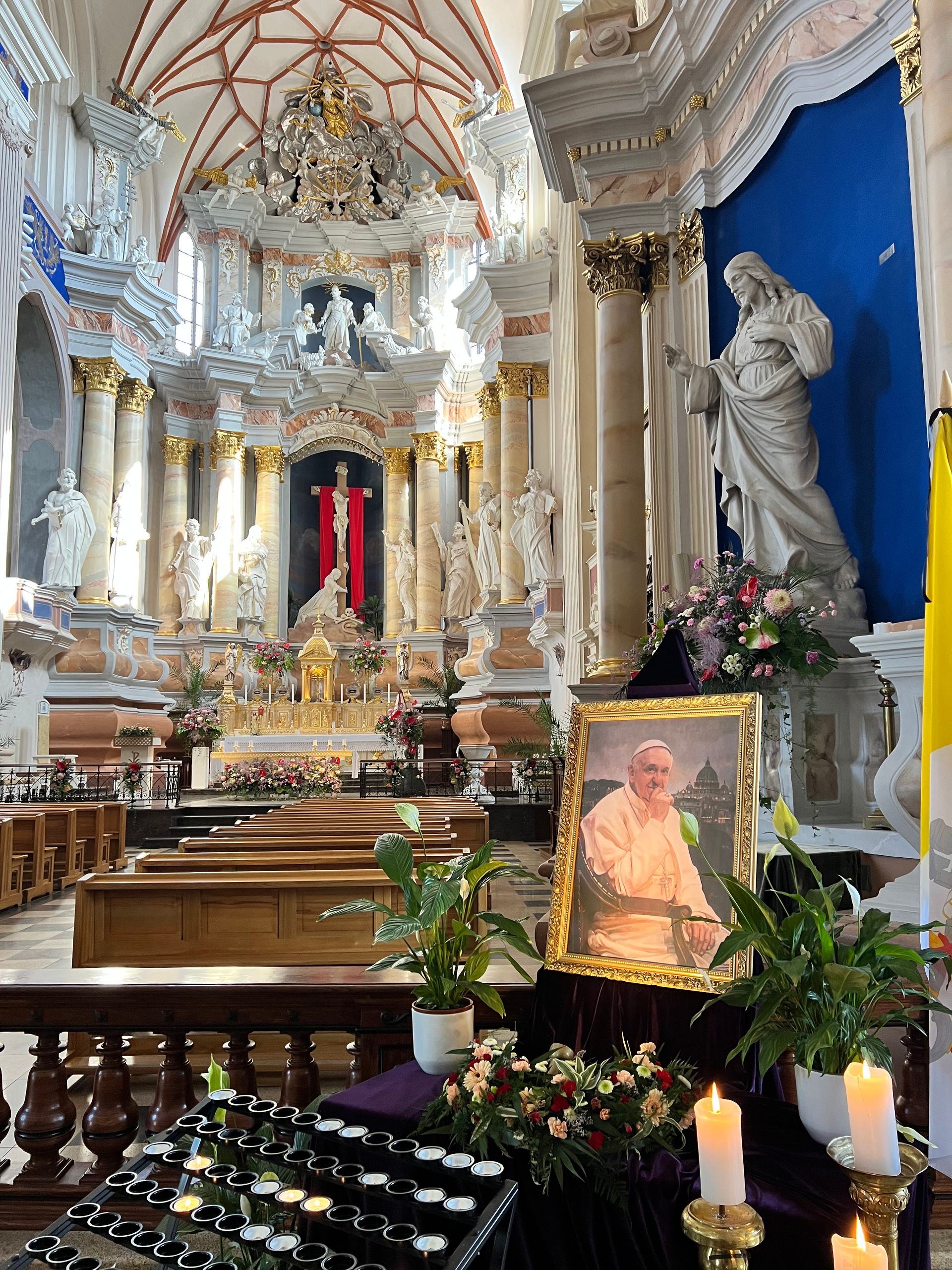
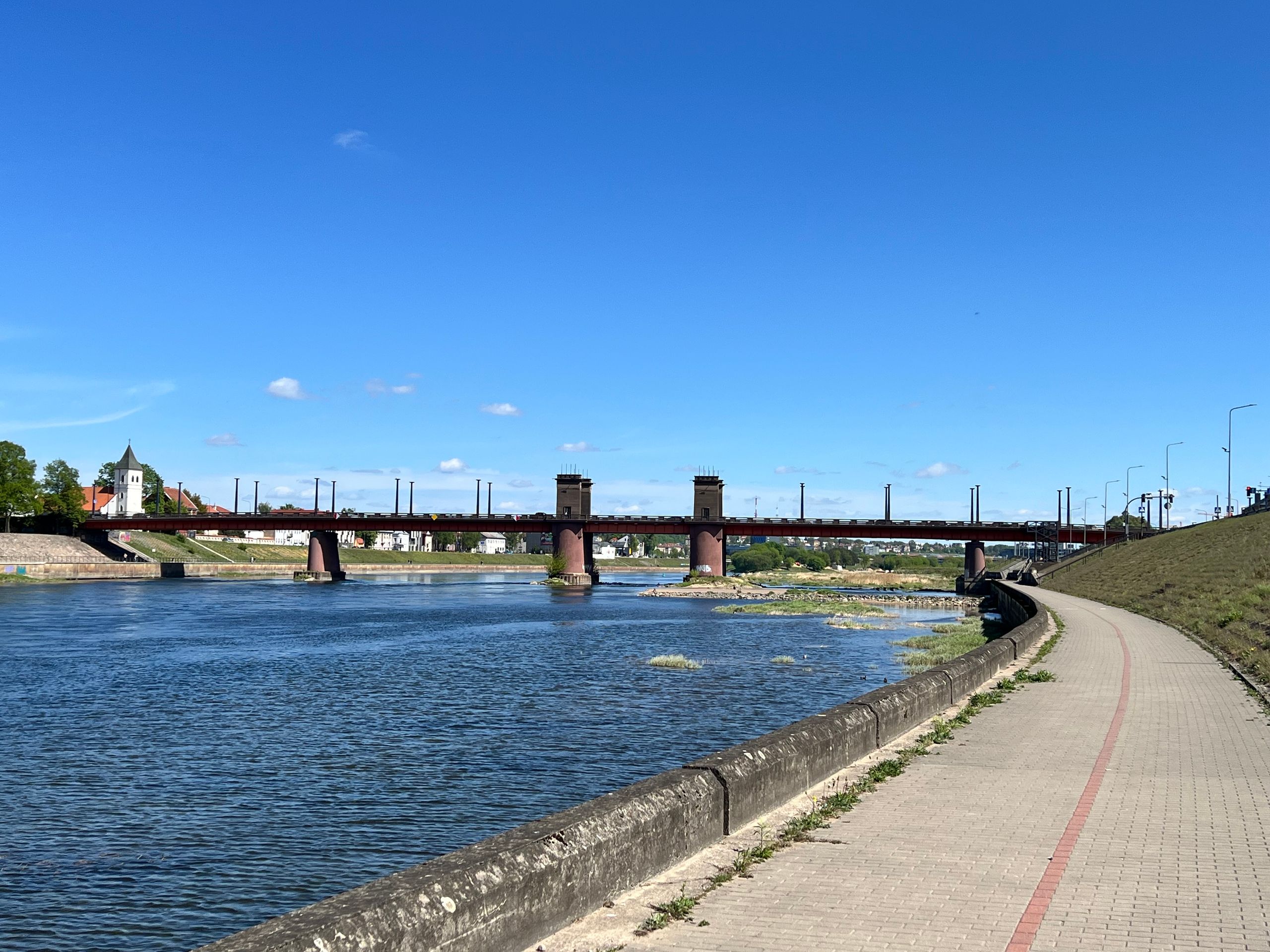
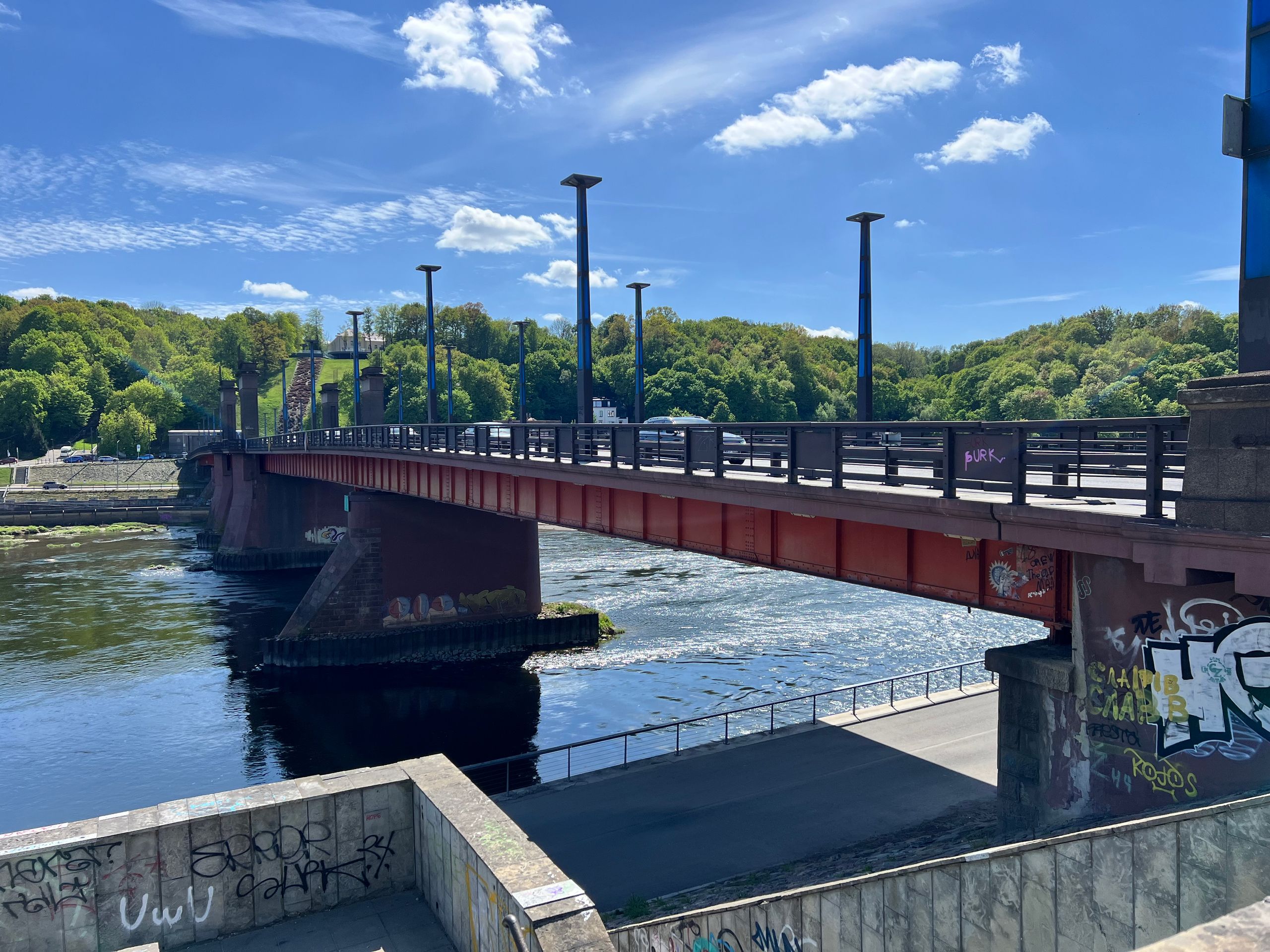
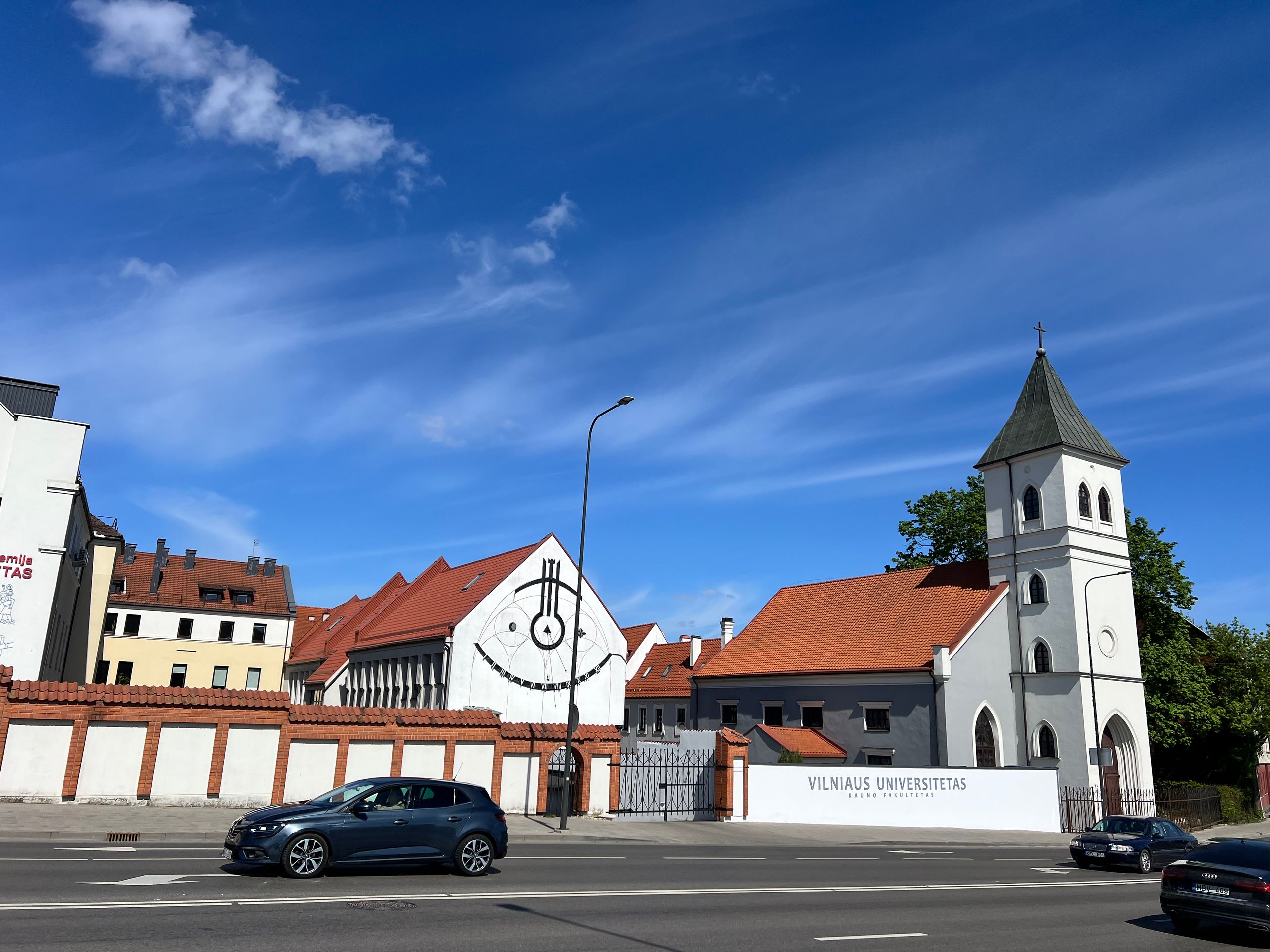
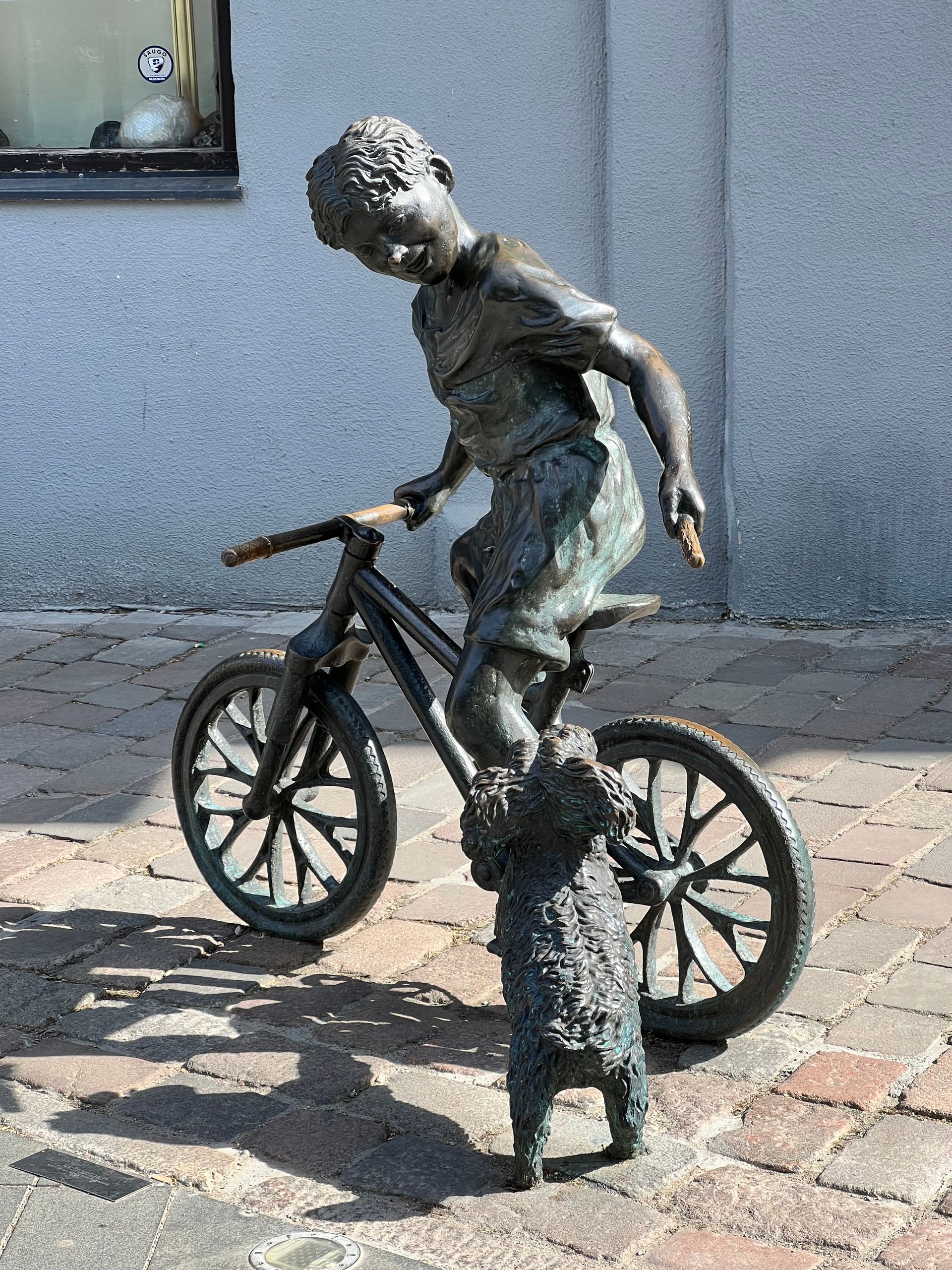
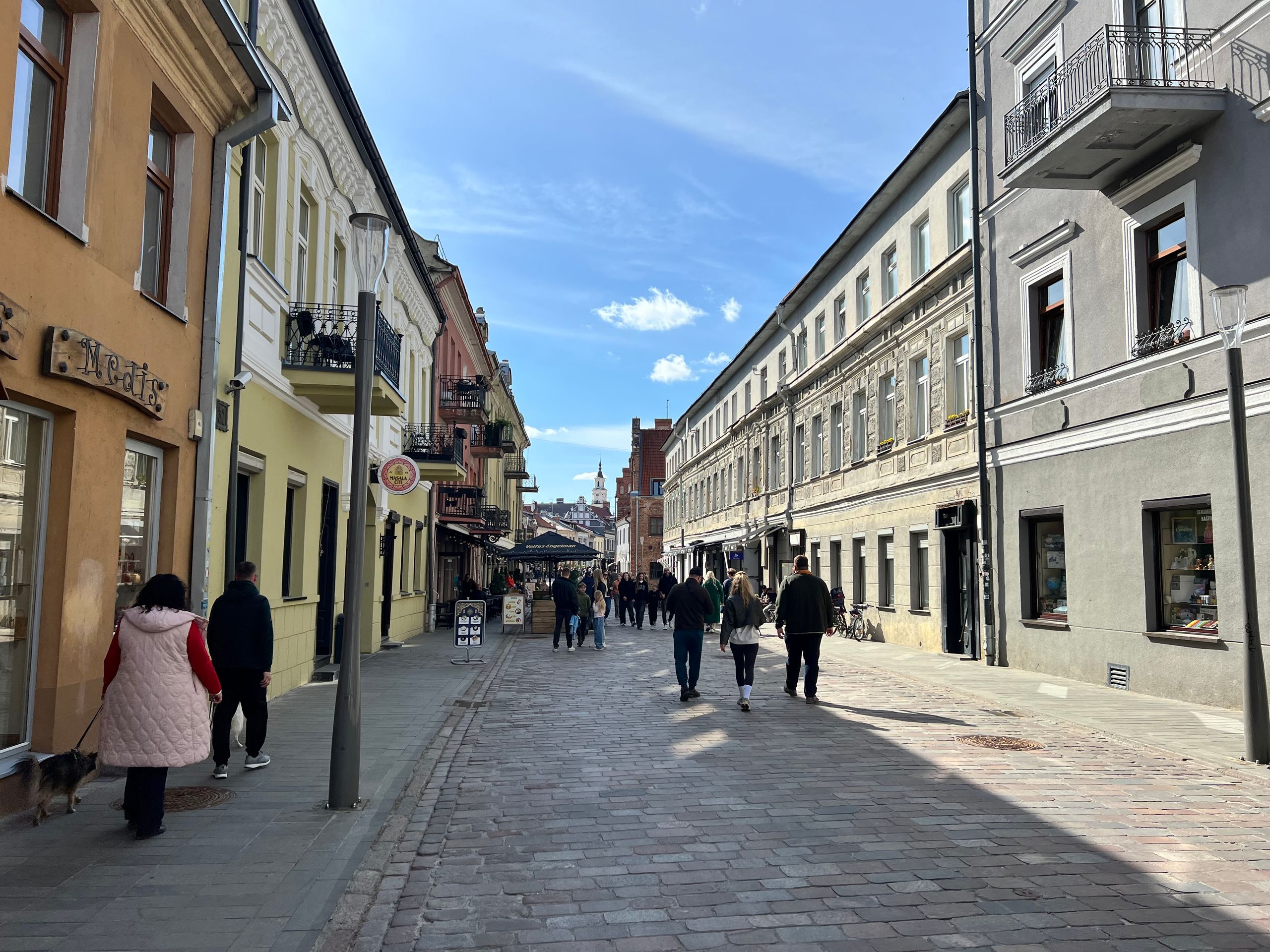
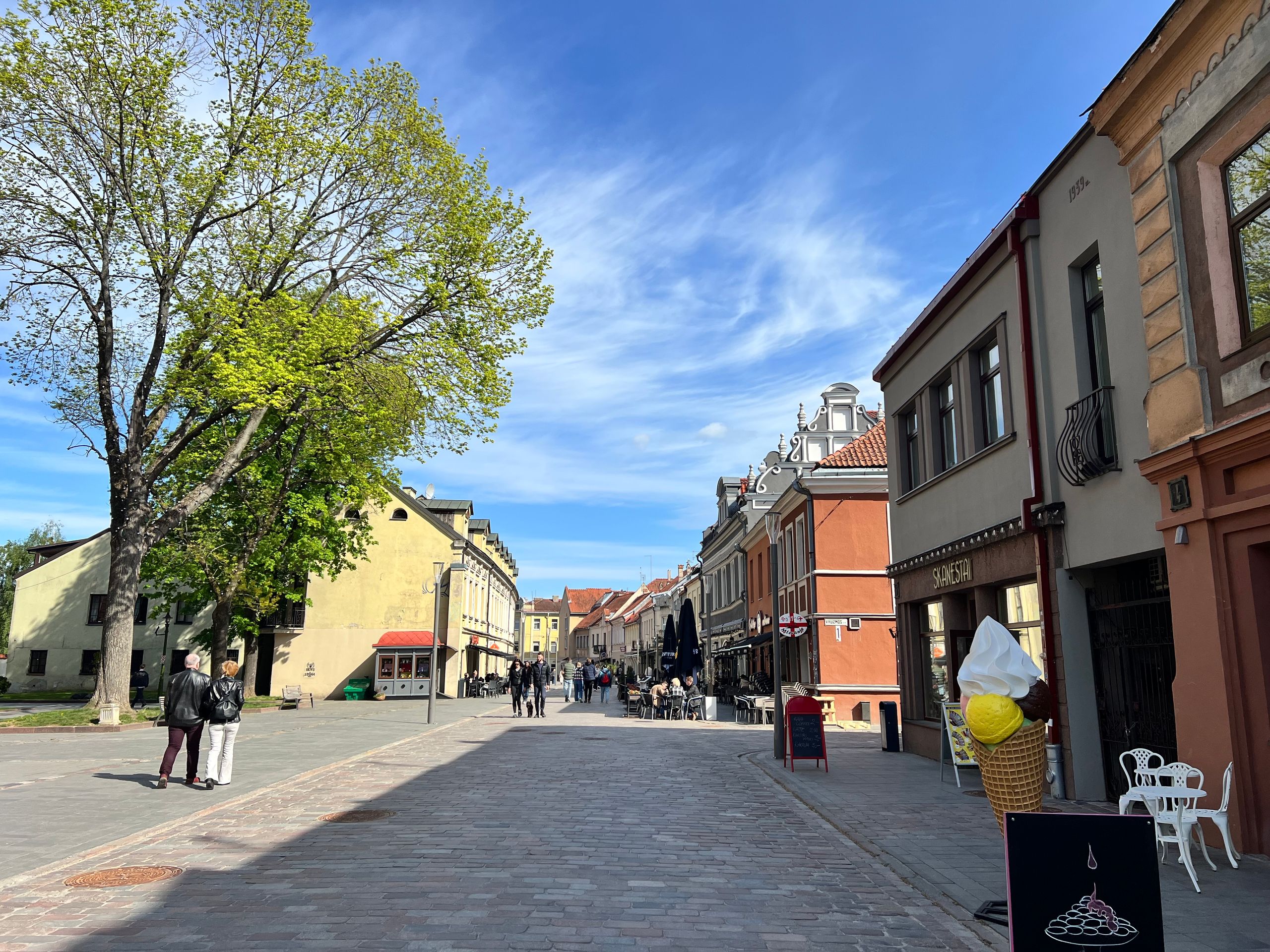
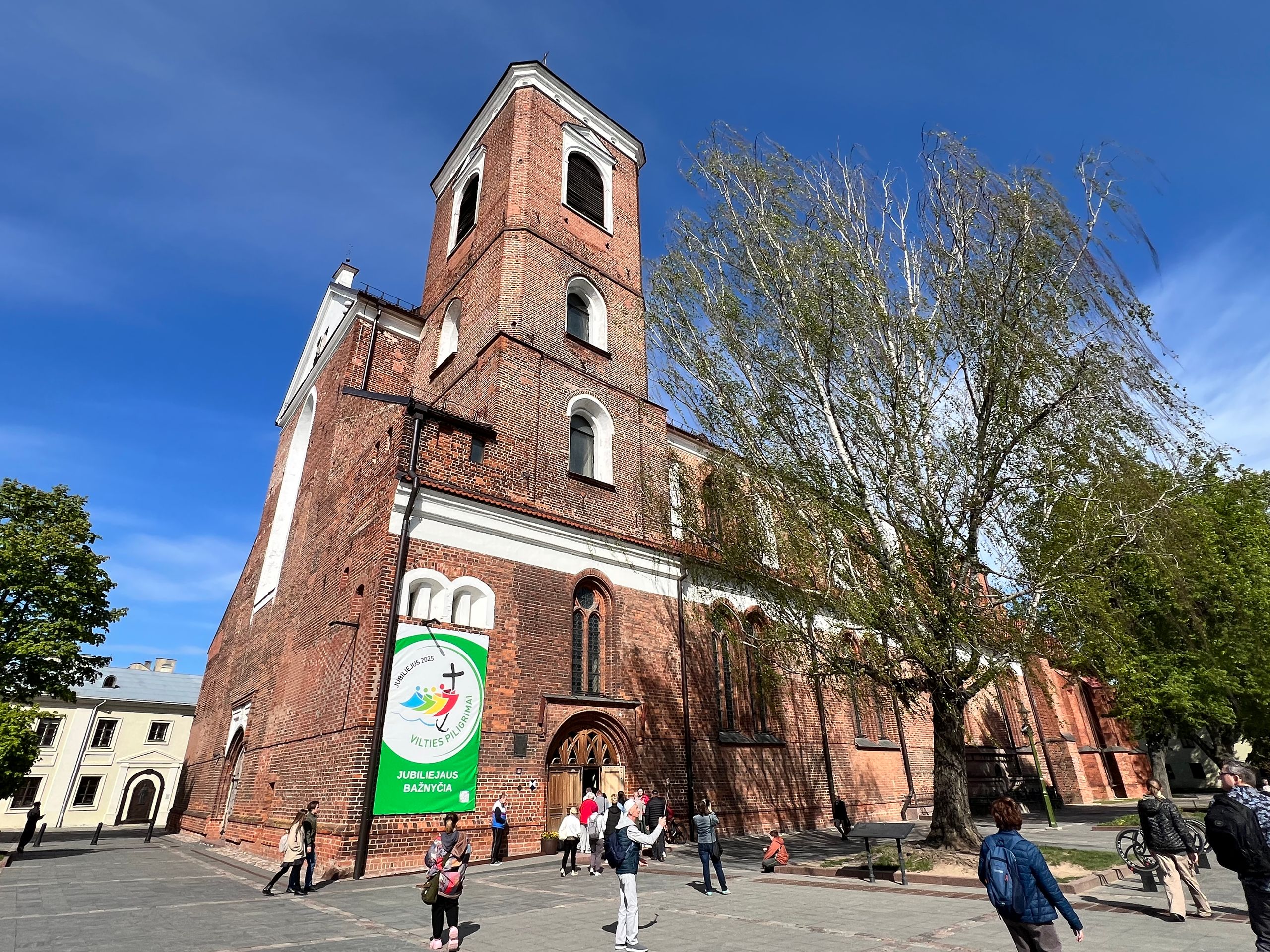
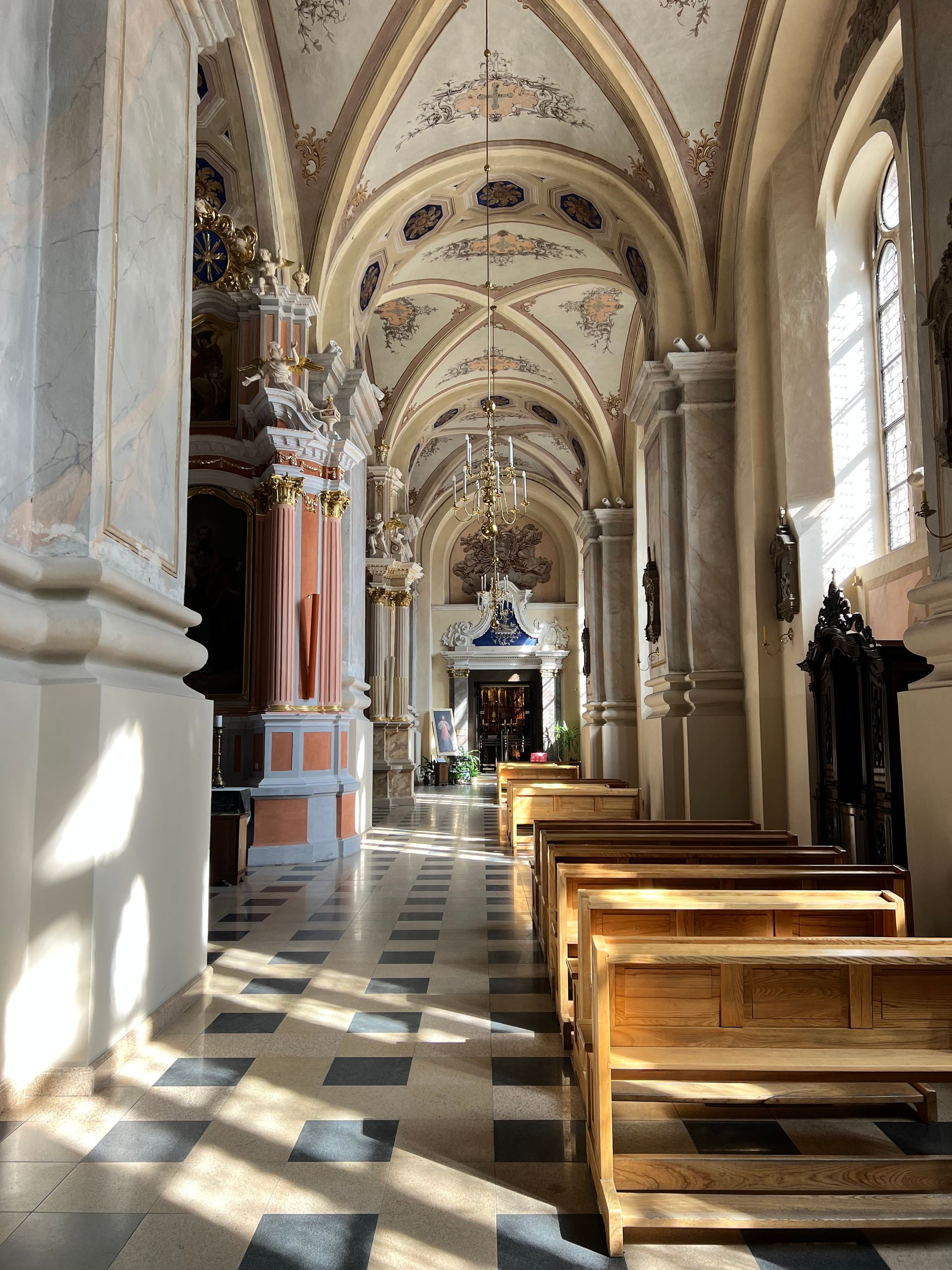
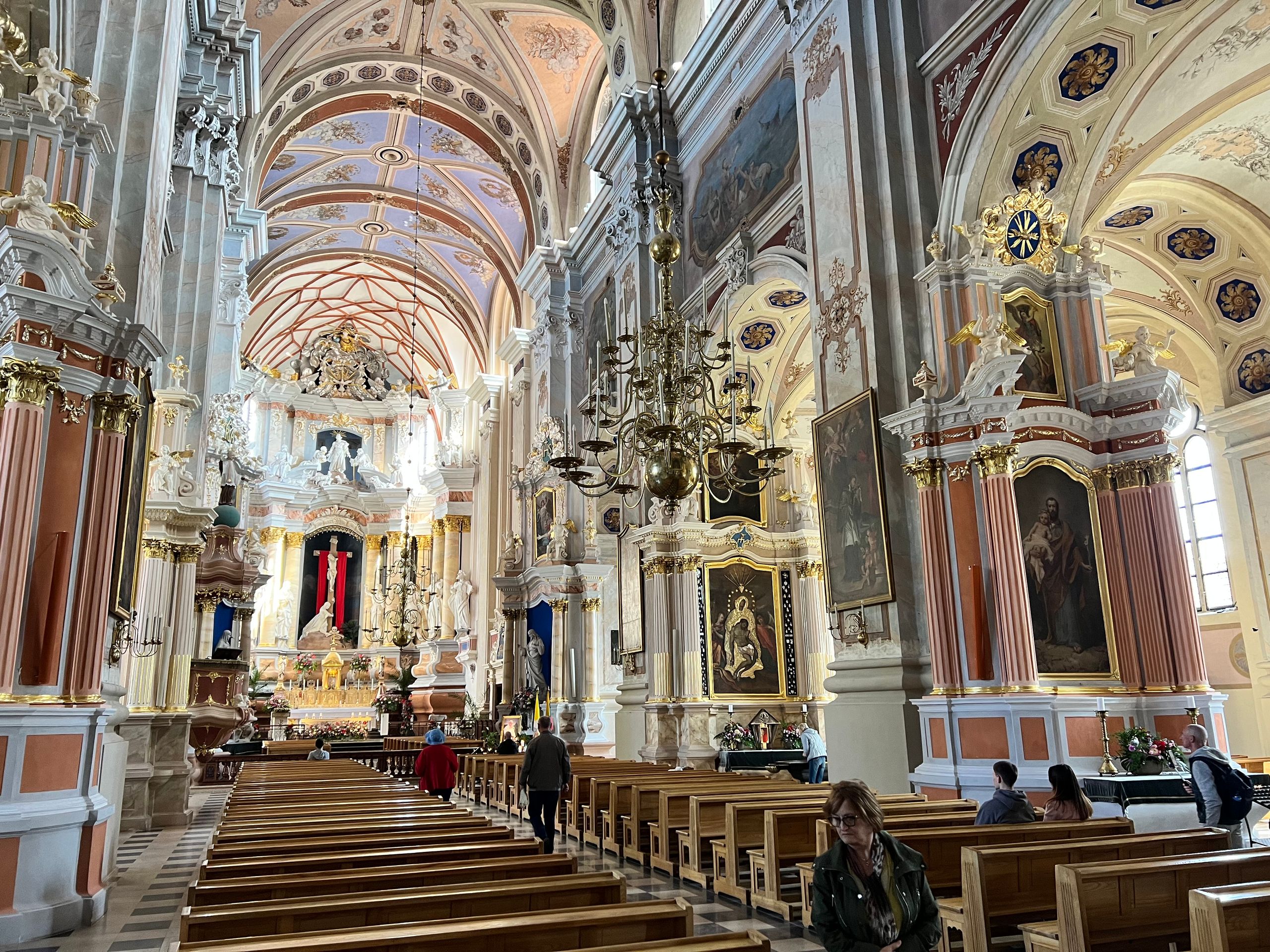
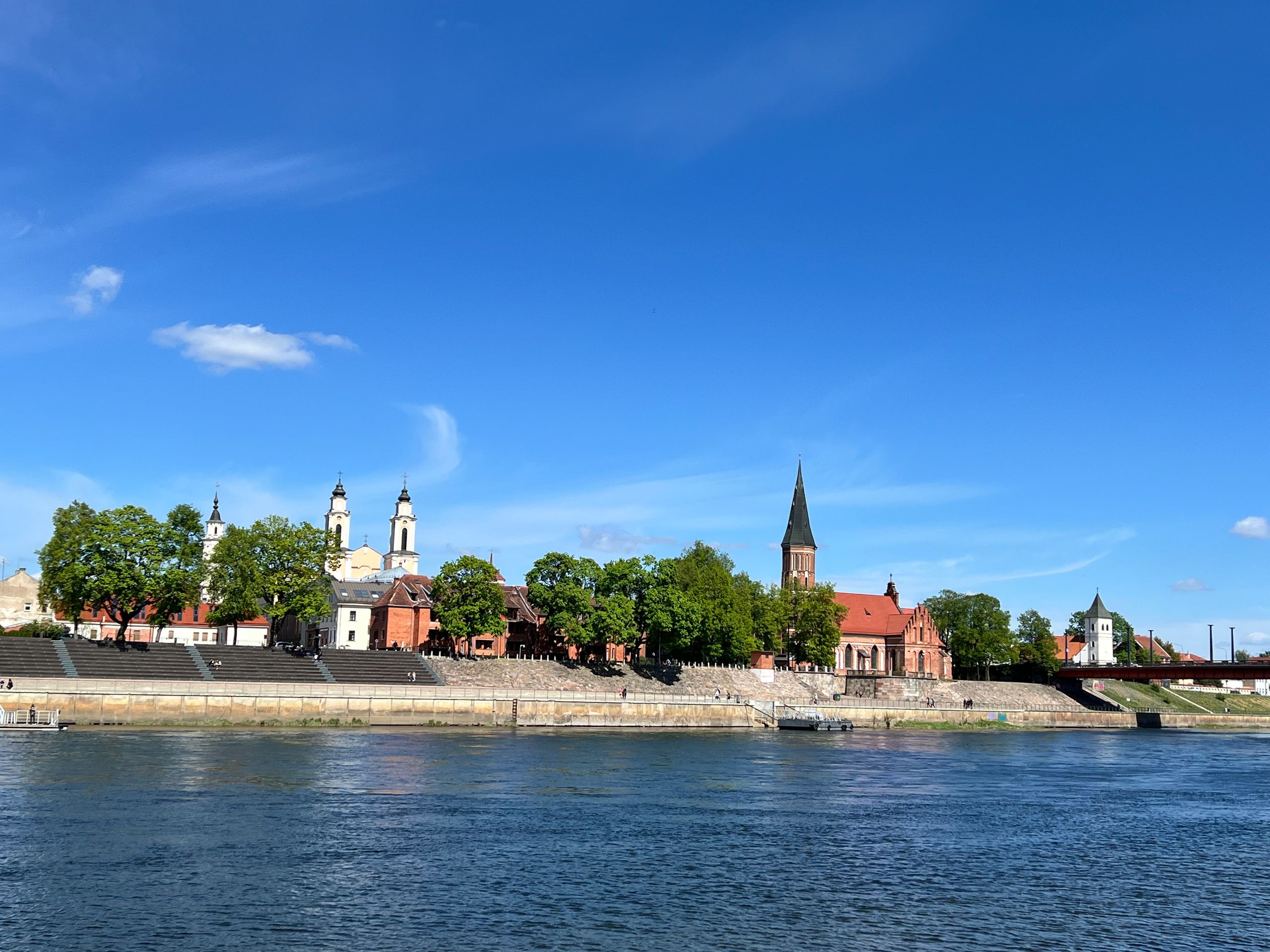
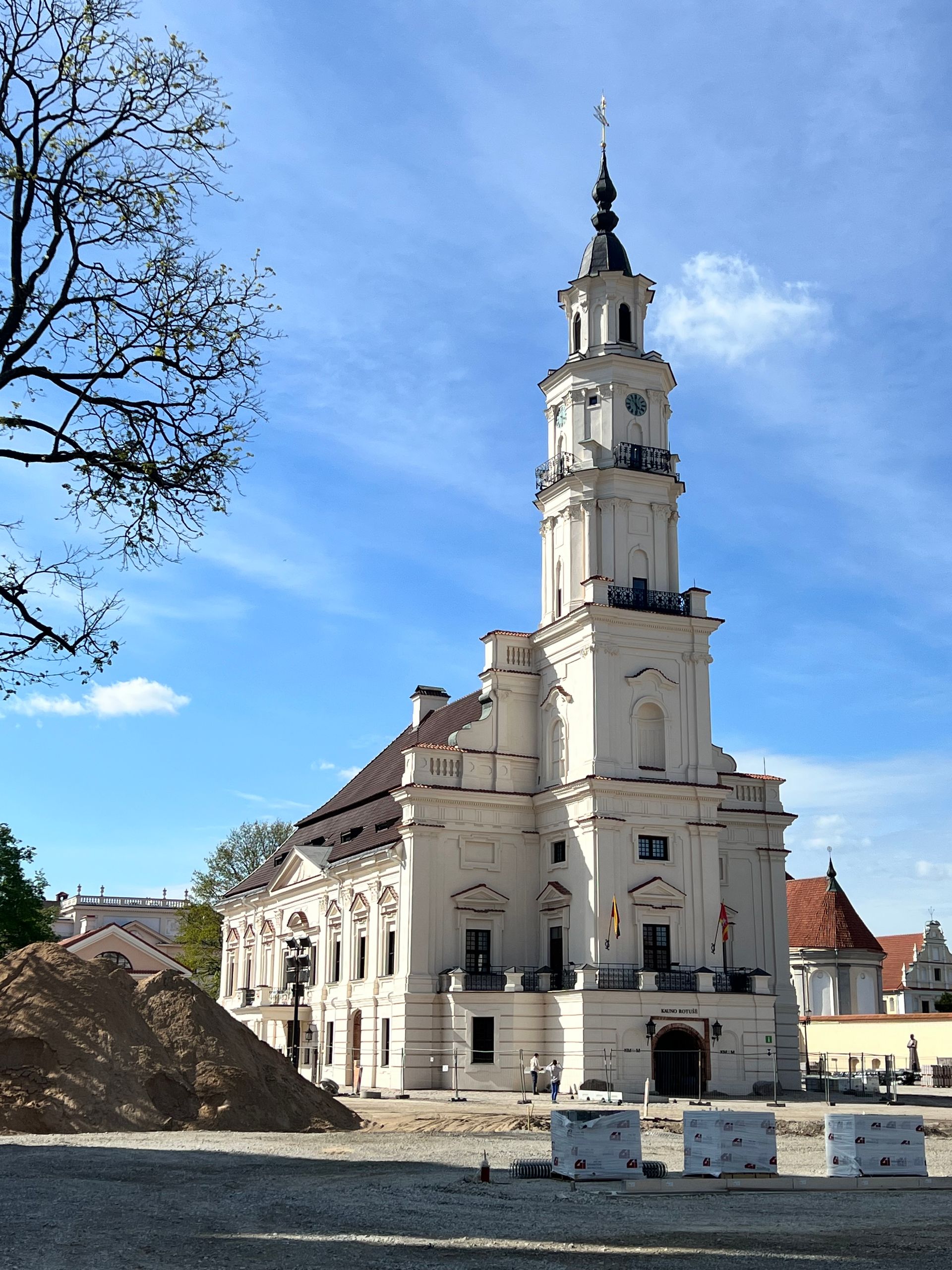
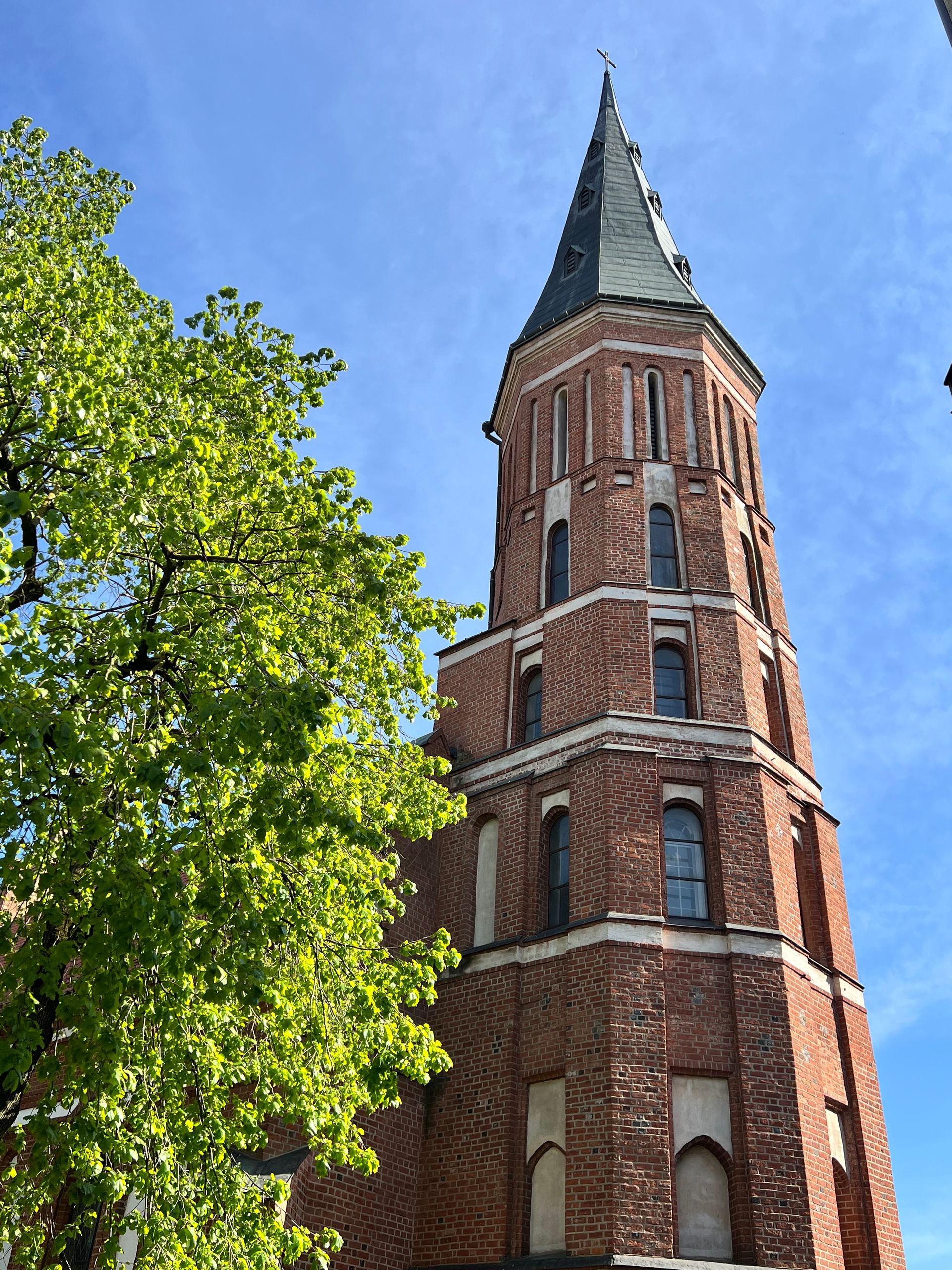
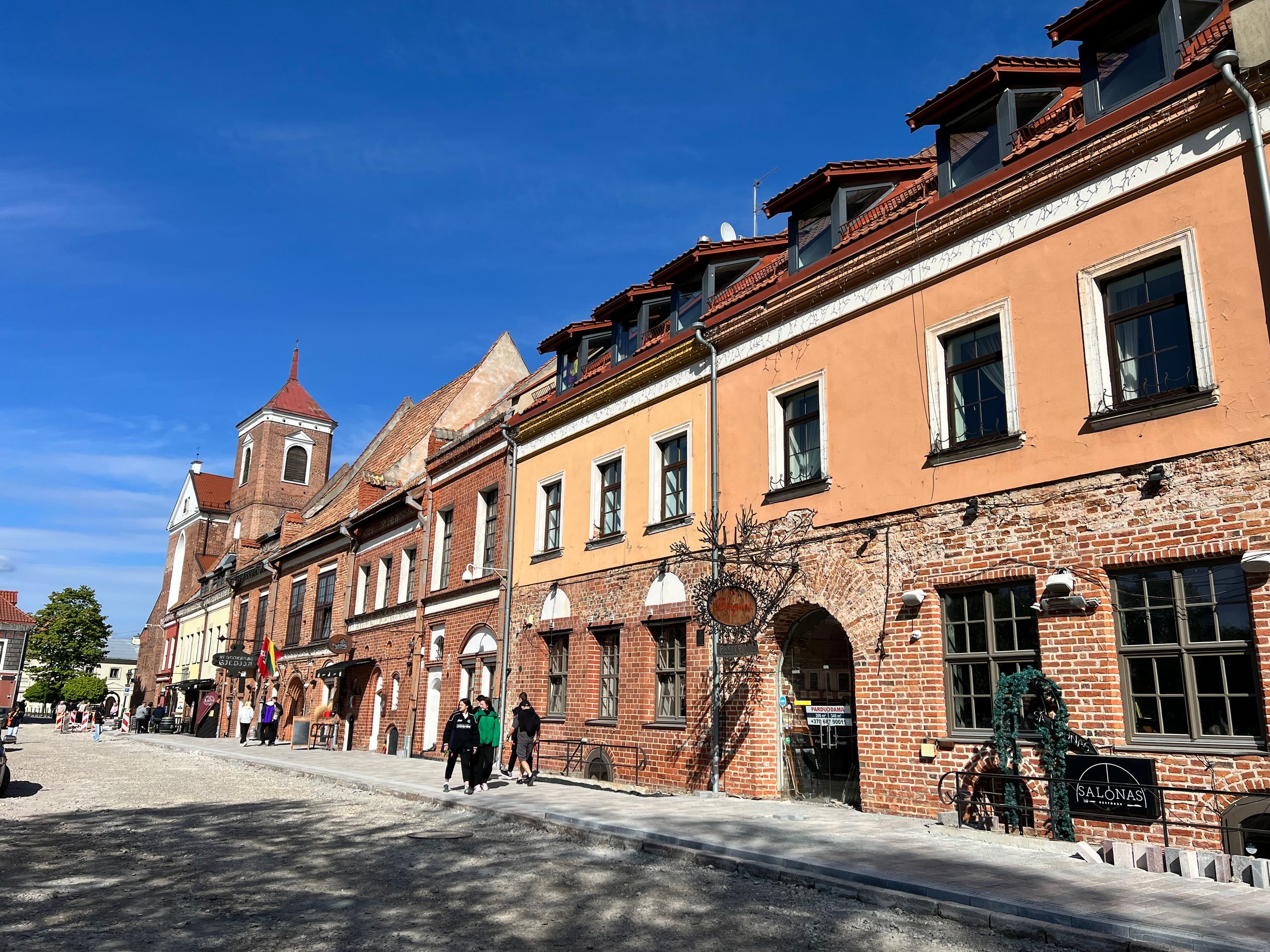
Kaunas, die zweitgrösste Stadt Litauens, liegt am Zusammenfluss der Flüsse Neris und Nemunas. Sie ist bekannt für ihre reiche Geschichte, beeindruckende Architektur und das lebendige Kulturleben. Als ehemalige Hauptstadt zwischen den beiden Weltkriegen zeigt Kaunas eine einzigartige Mischung aus Jugendstil, neoklassizistischen und modernen Gebäuden. Der Altstadtbereich, mit der beeindruckenden Aleksotas-Burg und der wunderschönen Kathedrale, zieht zahlreiche Touristen an. Auch das Maironis-Museum für Literatur und die umfangreiche Sammlung in der Bildergalerie sind einen Besuch wert. Kaunas ist zudem für seine universitäre Atmosphäre und zahlreiche Festivals, wie das Kaunas Jazz Festival, bekannt. Diese Stadt ist ein faszinierendes Ziel für Kulturinteressierte und Geschichtsfreunde. (Soweit das Internet)
Auf diese Stadt habe ich mich sehr gefreut. Ursprünglich wollte ich über Vilnius, die heutige Hauptstadt, heimwärts fahren. Doch nach verschiedenen Überlegungen habe ich mich für den Küstenweg entschieden, womit Kaunas fast auf dem Weg liegt. Ab hier geht es dann weiter in Richtung Süden.
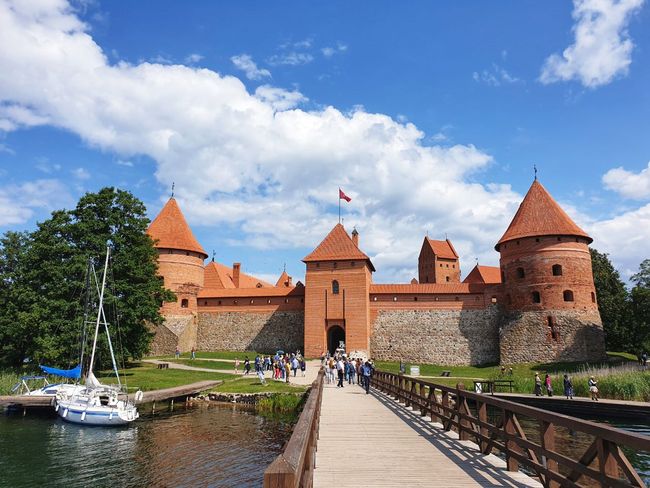
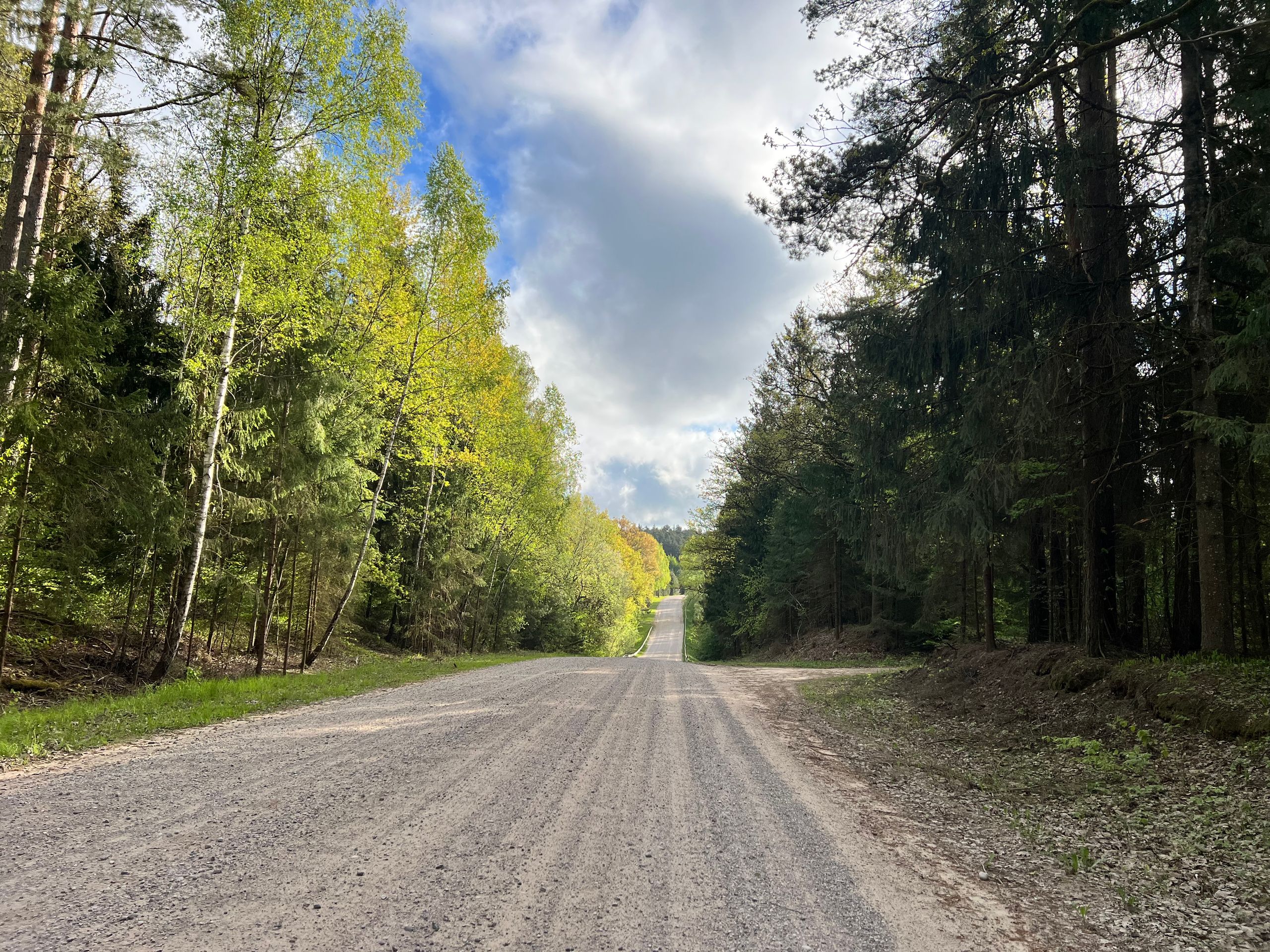
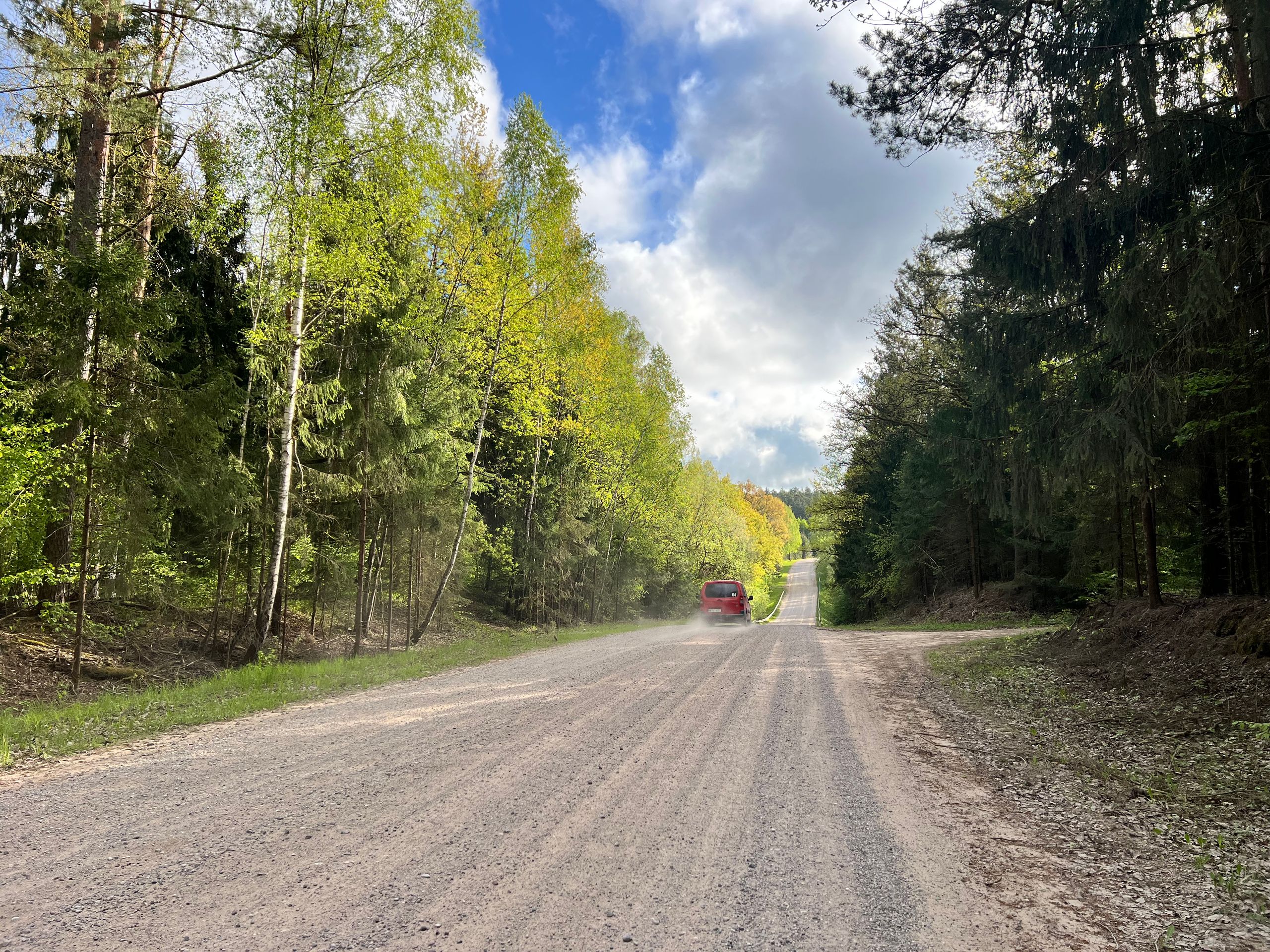
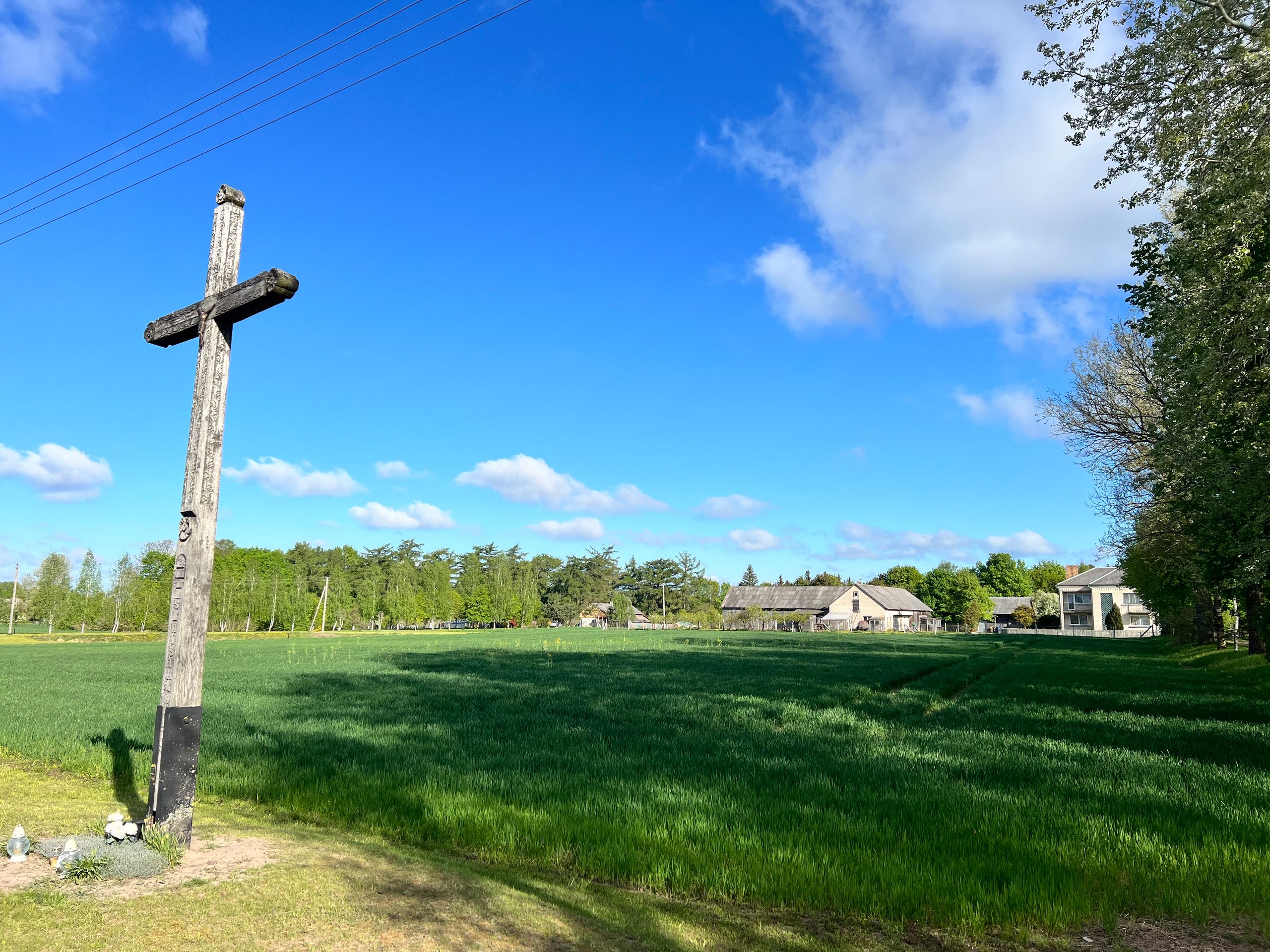
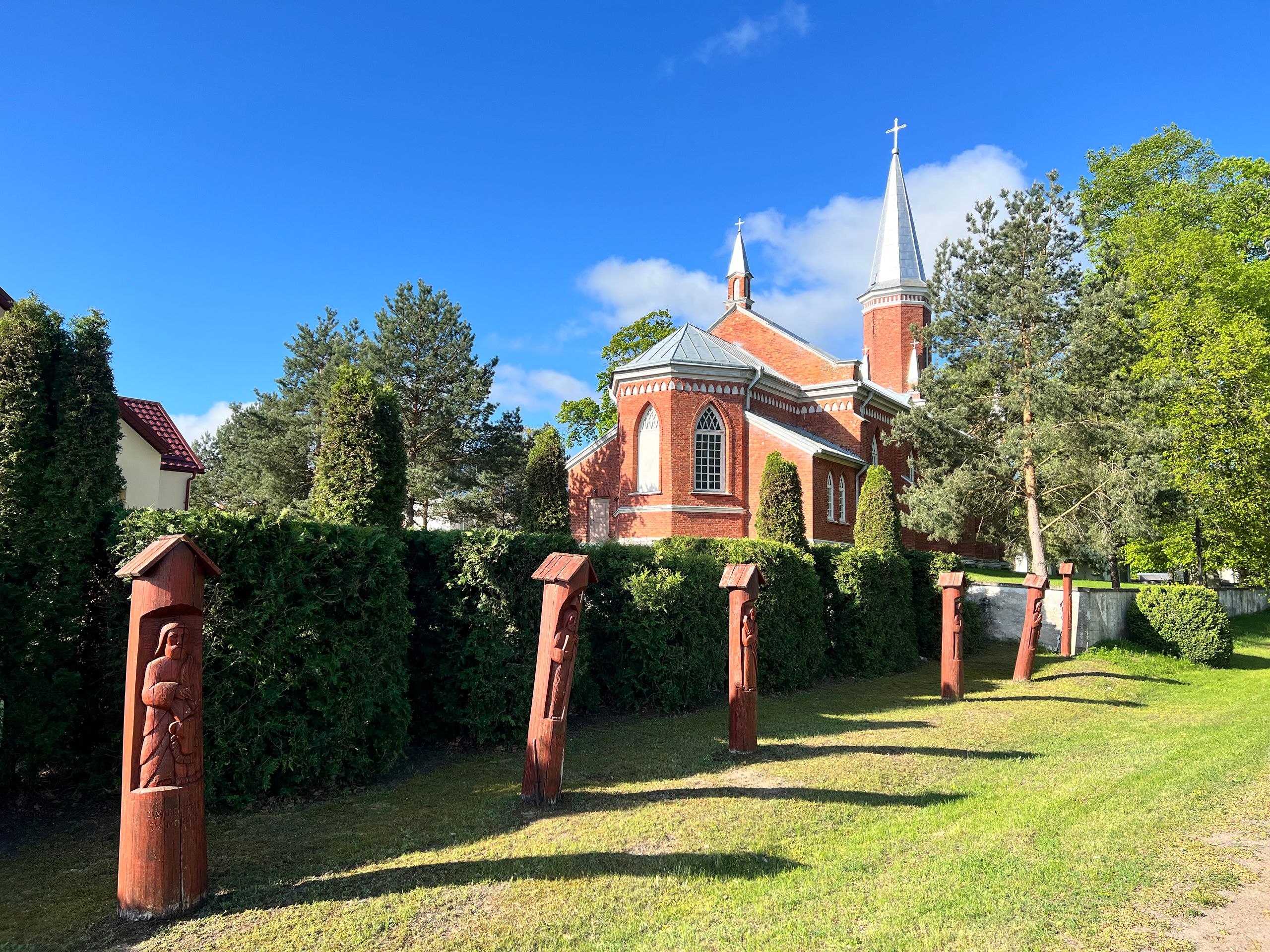
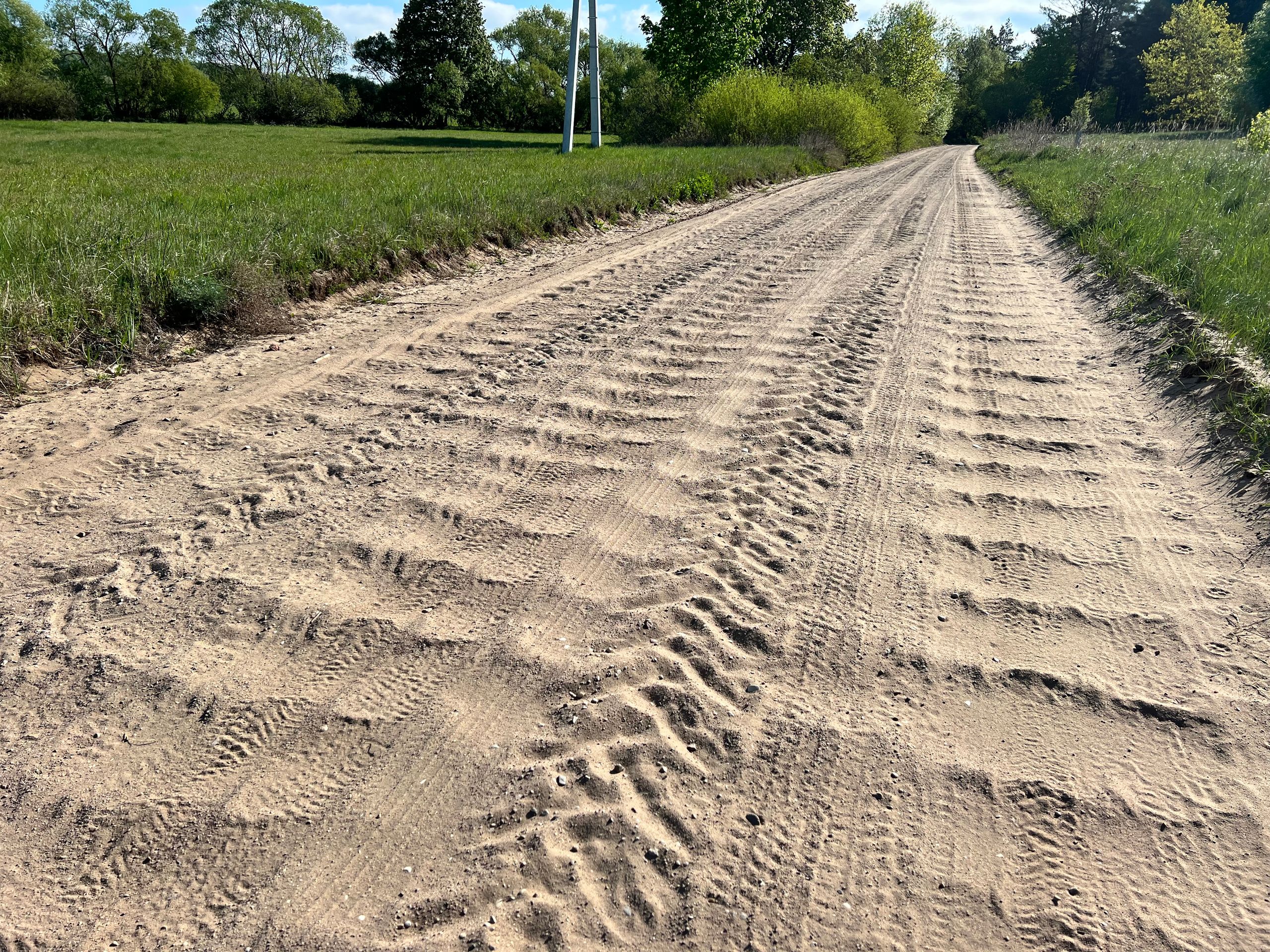
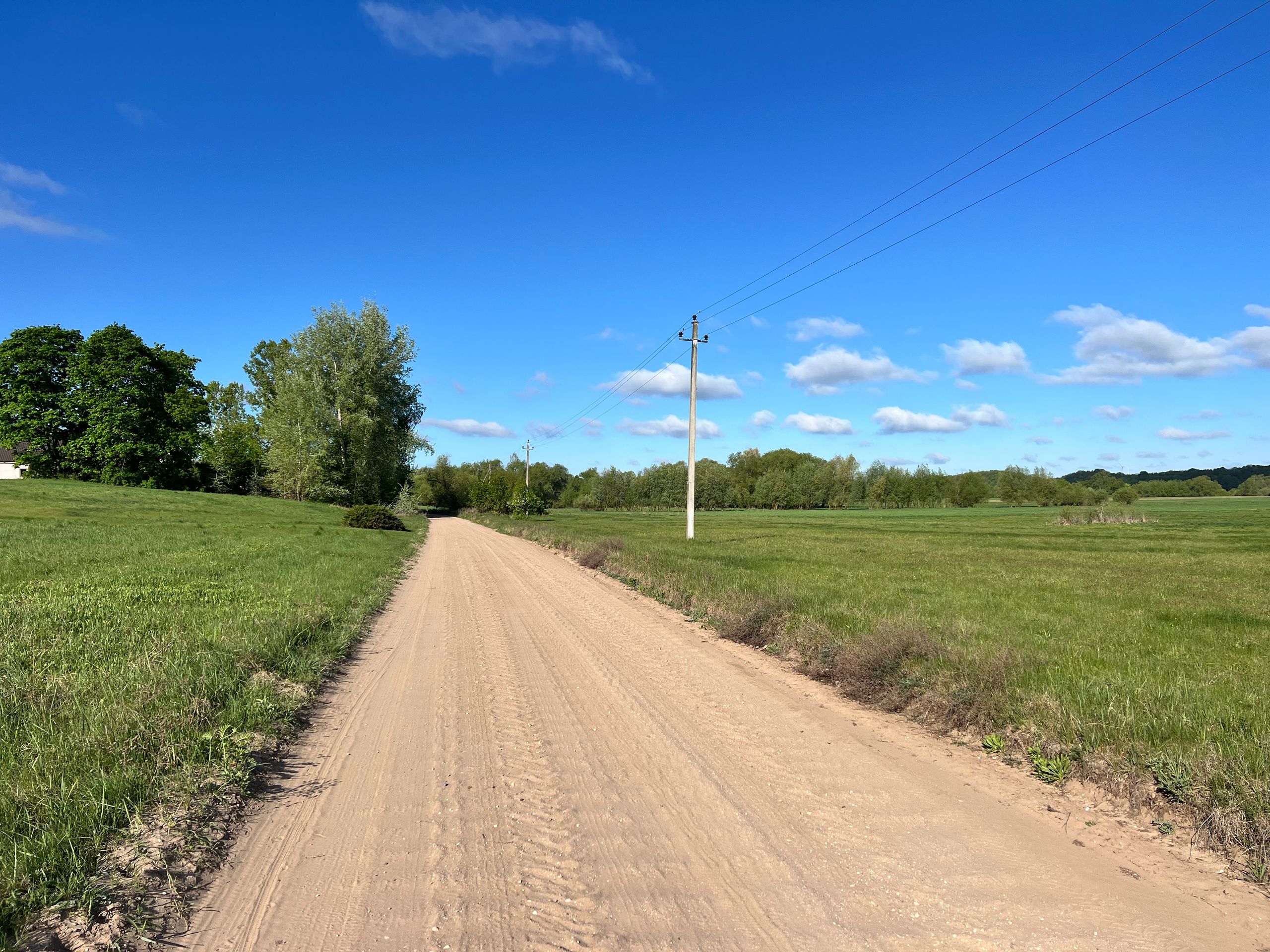
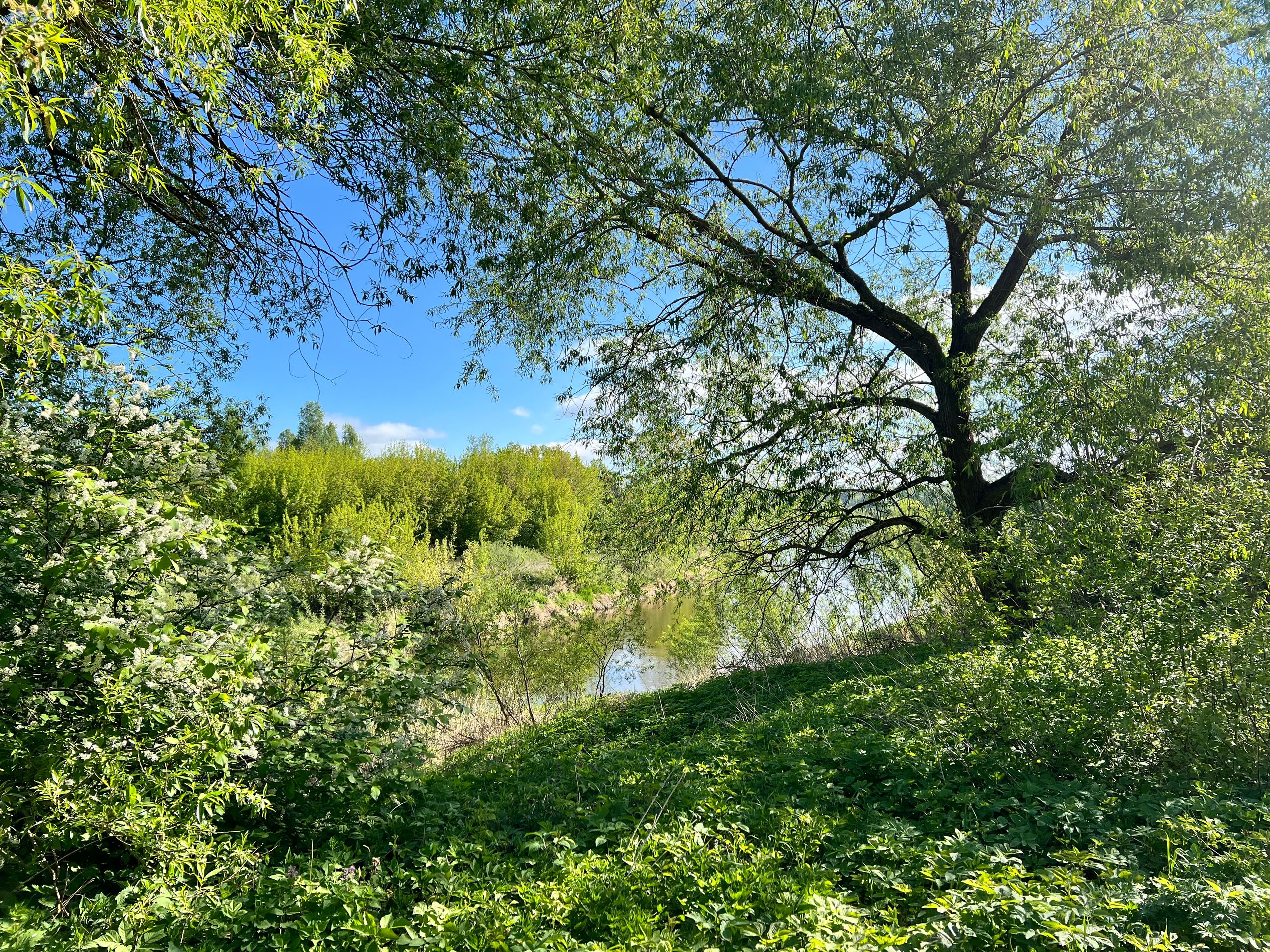
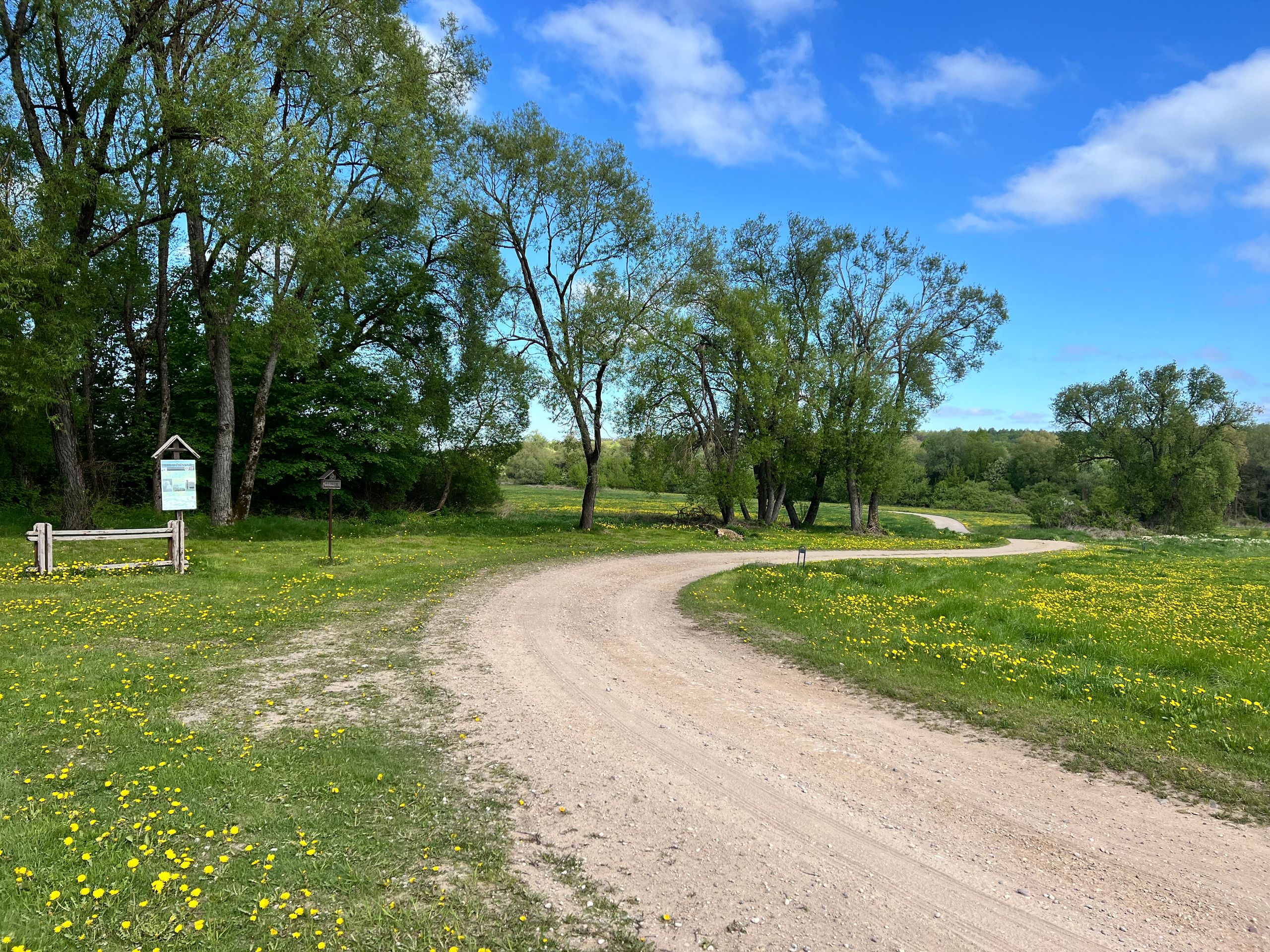
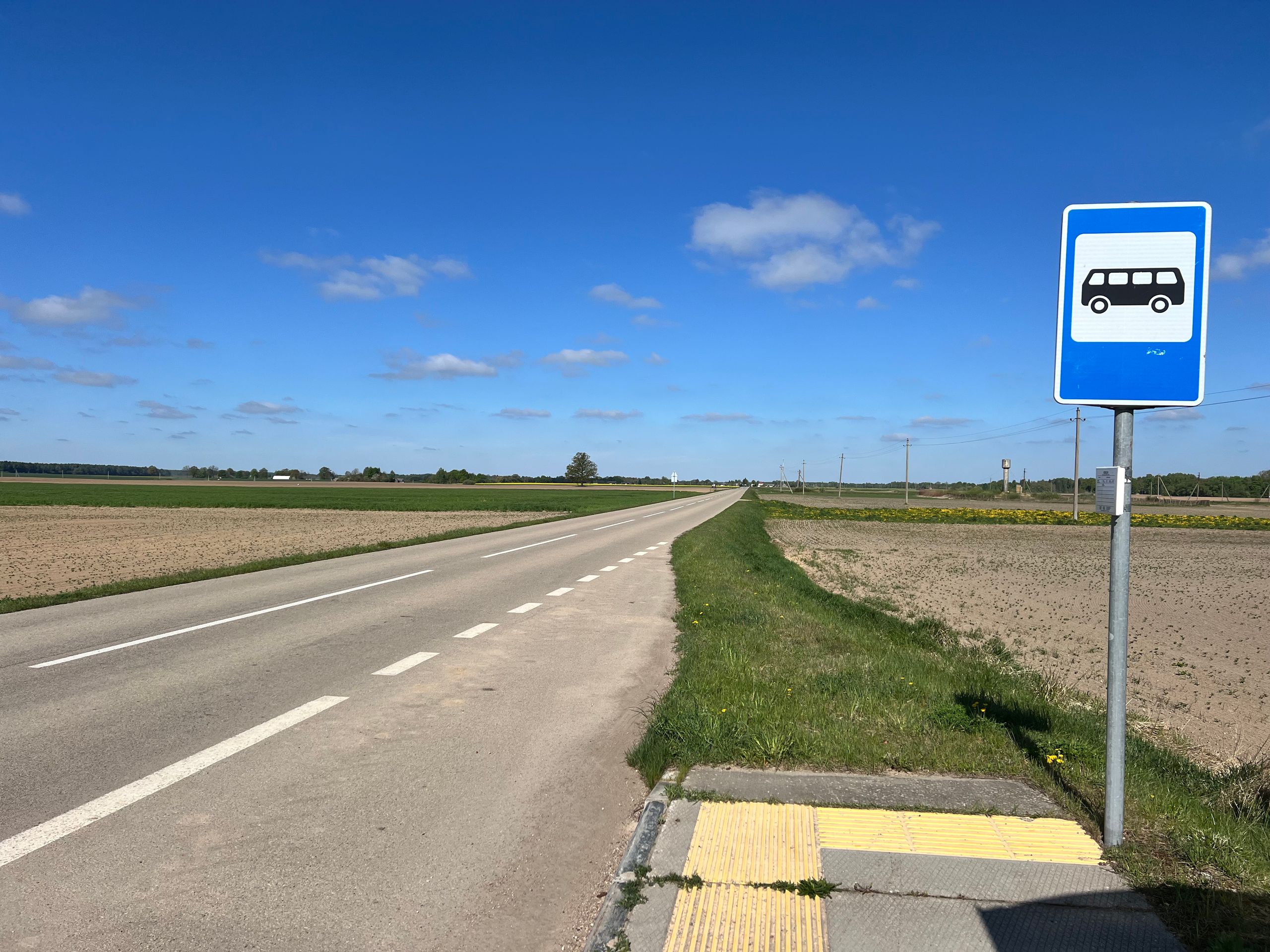
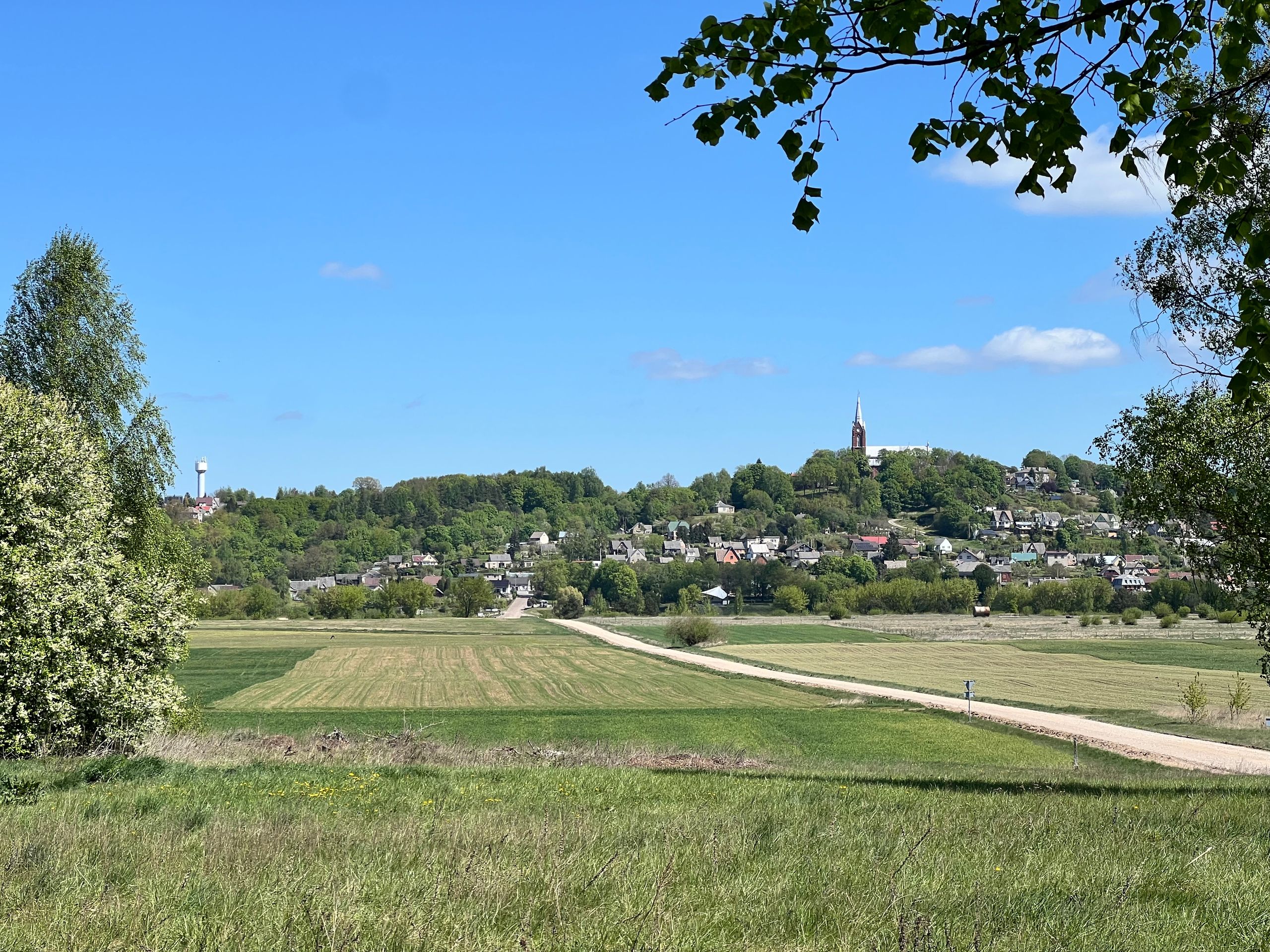
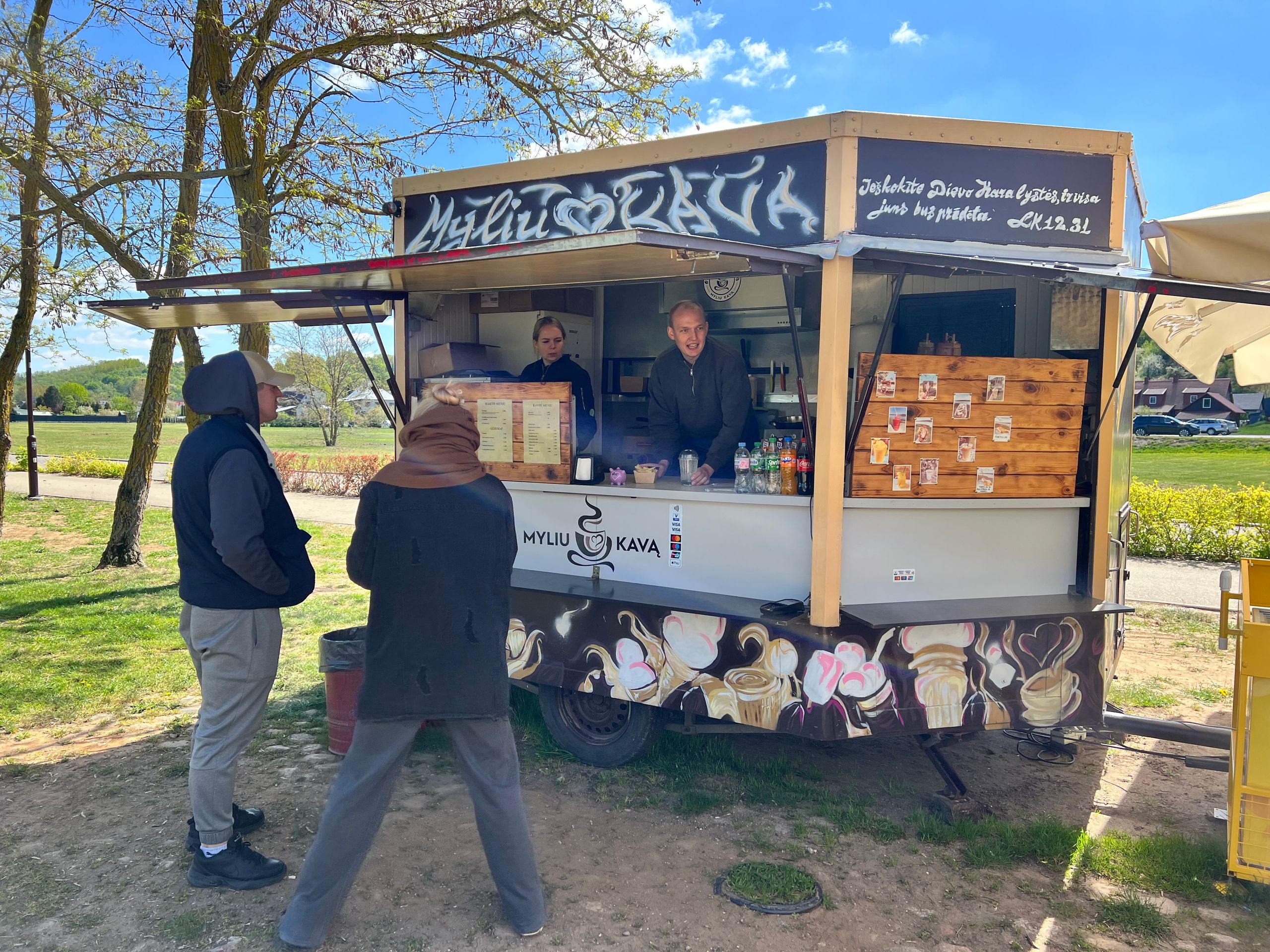
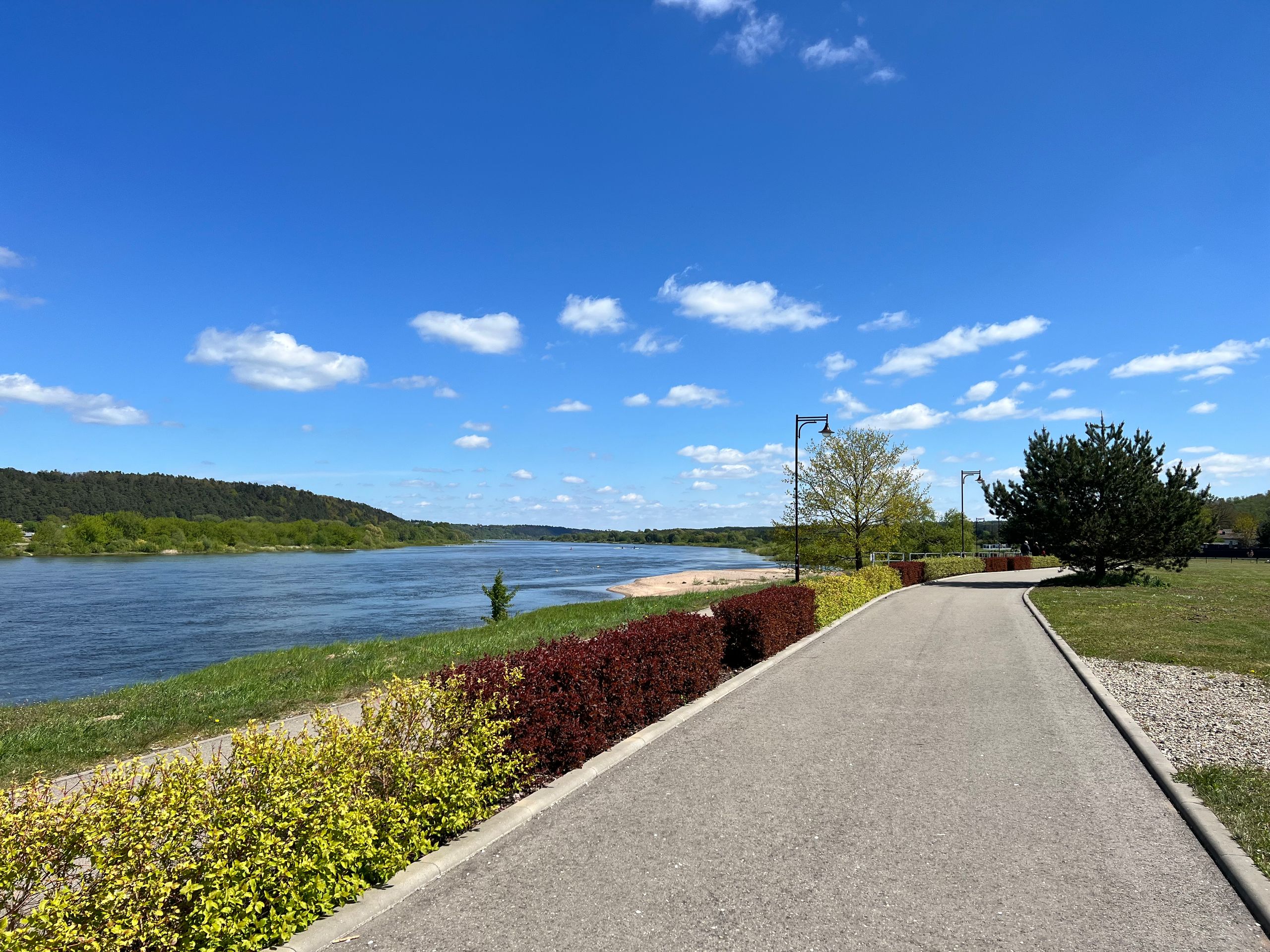
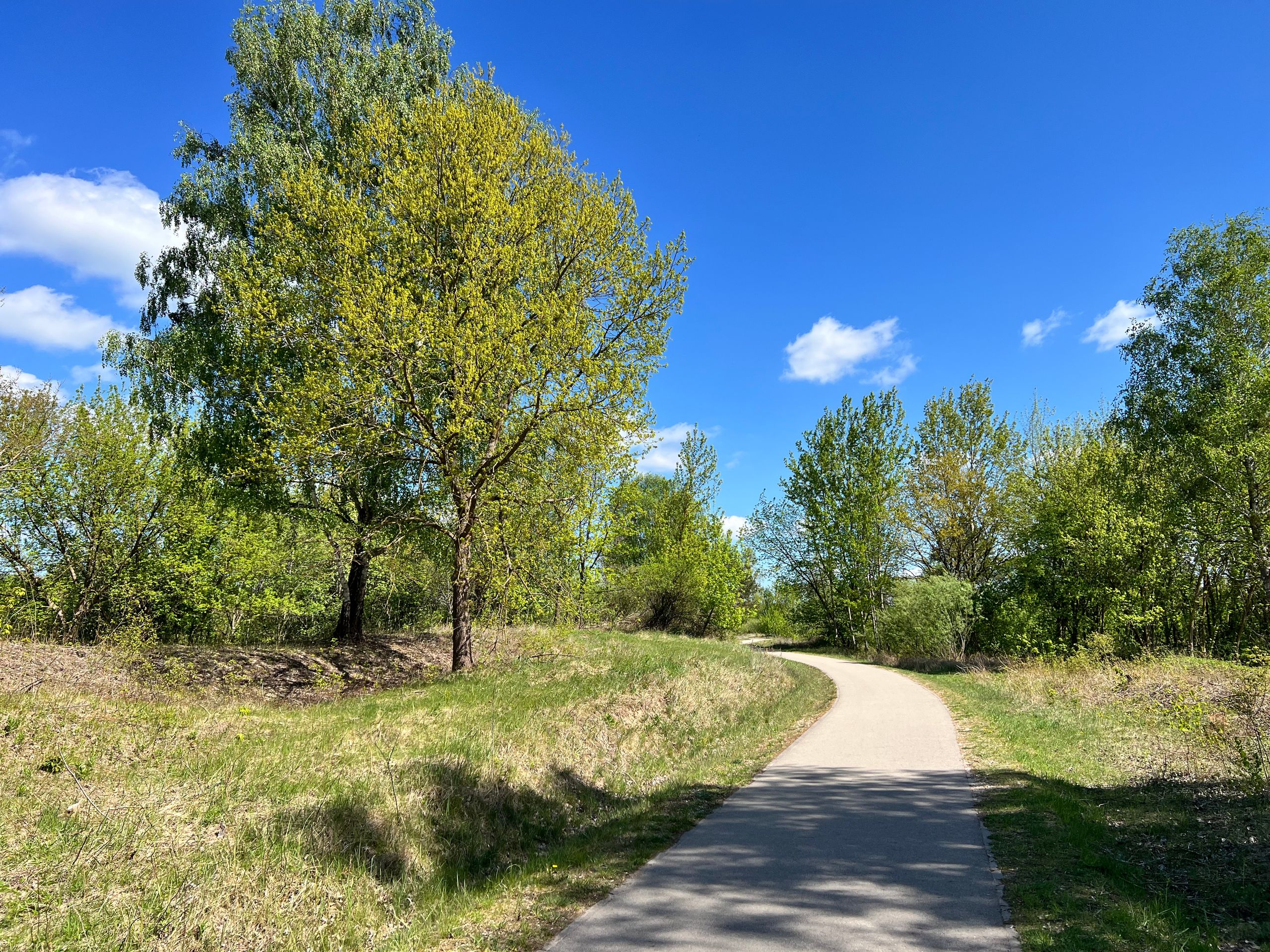
Die heutige Tour startete auf einer angenehmen Strasse. Leider hat sich das bald geändert und es wurde richtig schlimm: staubig, sandig und wellig. Staubig war es besonders dann, wenn ein Auto kam. Sandig, so dass es fast nicht zu fahren war. Wellig, dass ich richtig durchgeschüttelt wurde. Auf einem der Fotos ist das gut zu erkennen. Und so blieb es über viele Kilometer; das Durchschnittstempo lag knapp über 10 km/h. Dann endlich kamen Häuser und die Hoffnung auf eine gute Strasse stieg. Doch danach kam wieder Naturstrasse, allerdings besser zu befahren. Dafür war die Landschaft wirklich schön, besonders als mich der Weg durch einen Wald führte.
Später kamen dann nur noch geteerte Strassen bis zu einer Abzweigung, wo die Strasse wieder schlecht aussah. Also verzichtete ich auf diese kleine Abkürzung und folgte der Strasse mit sehr wenig Verkehr.
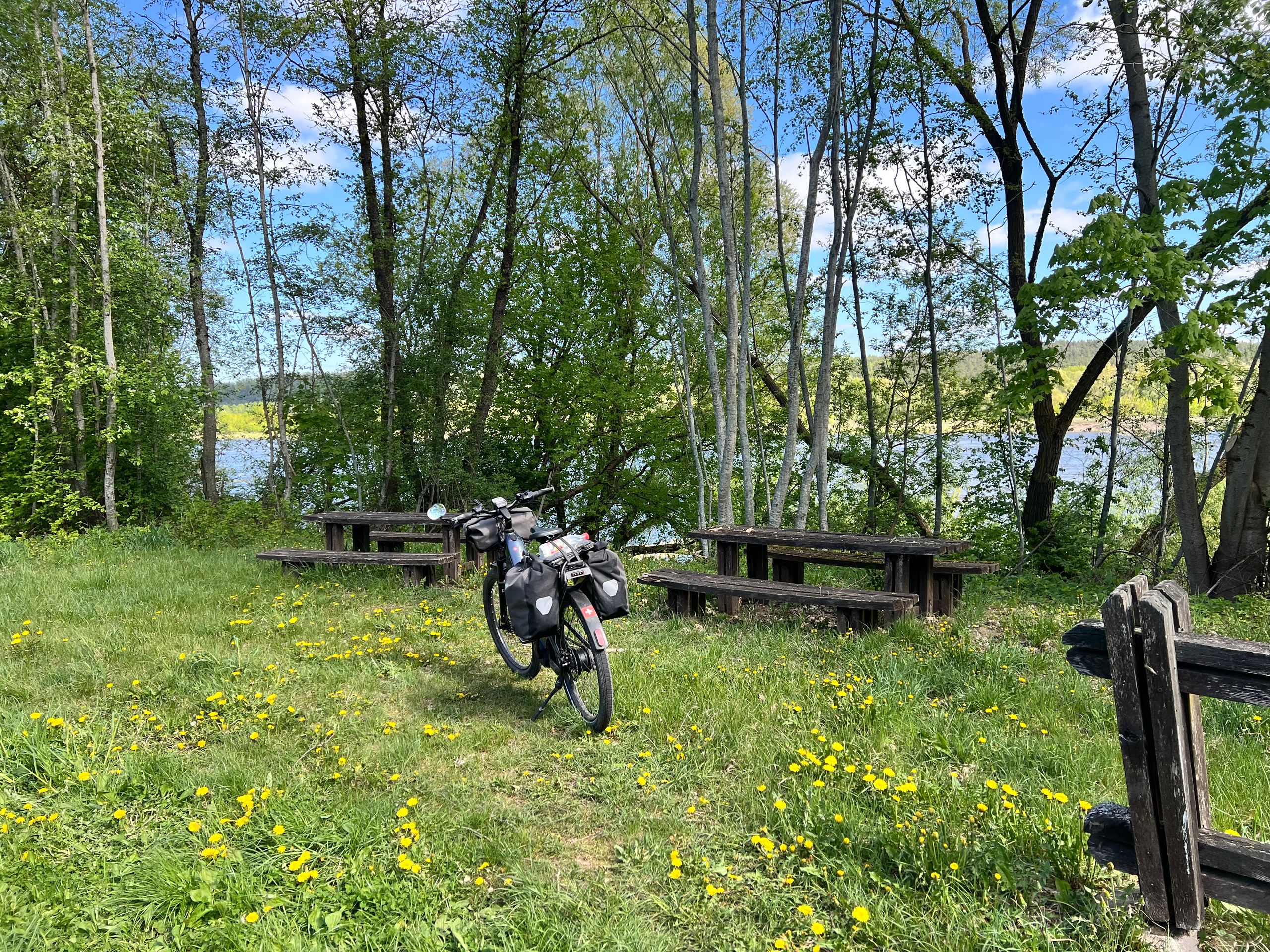
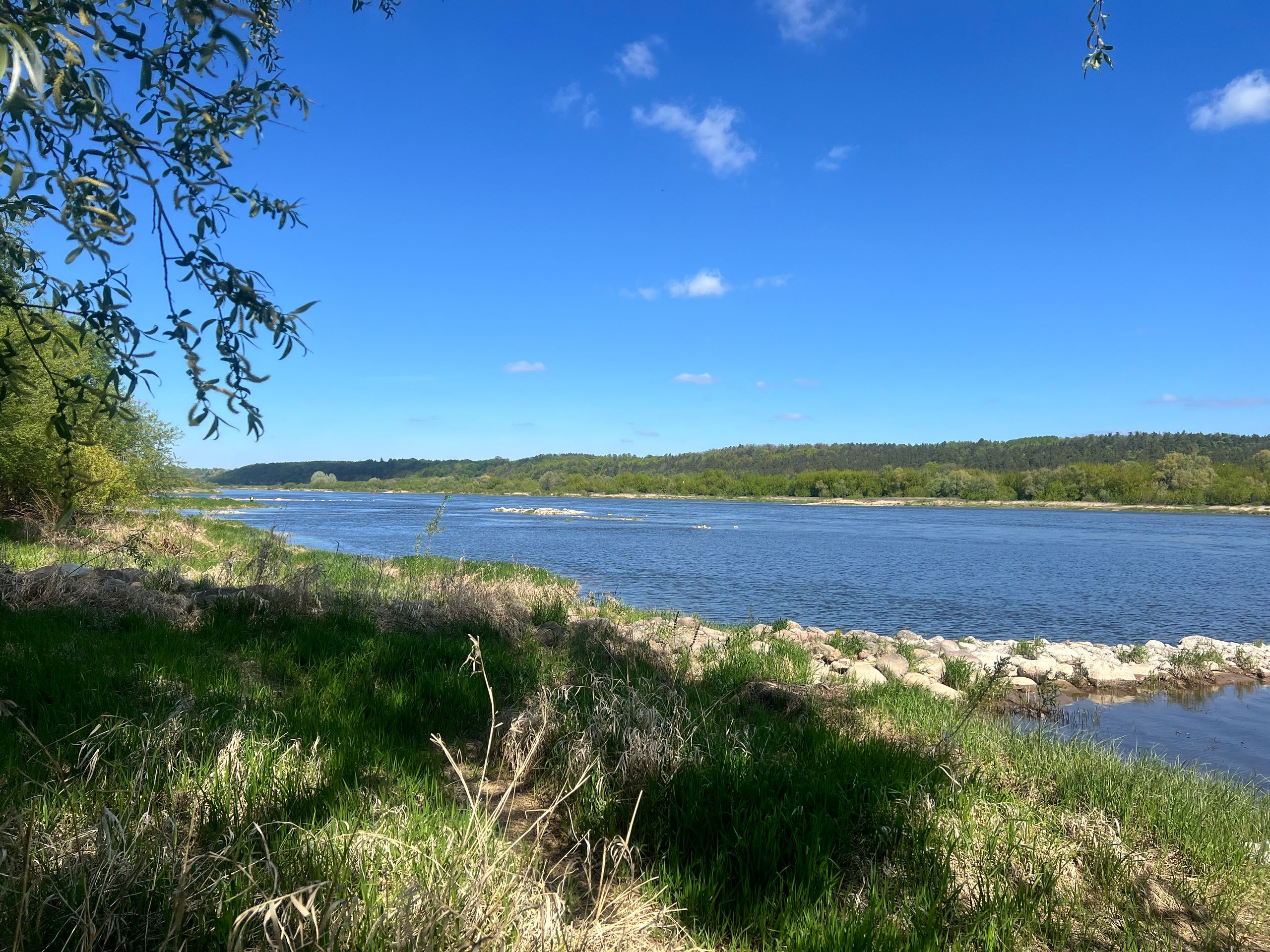
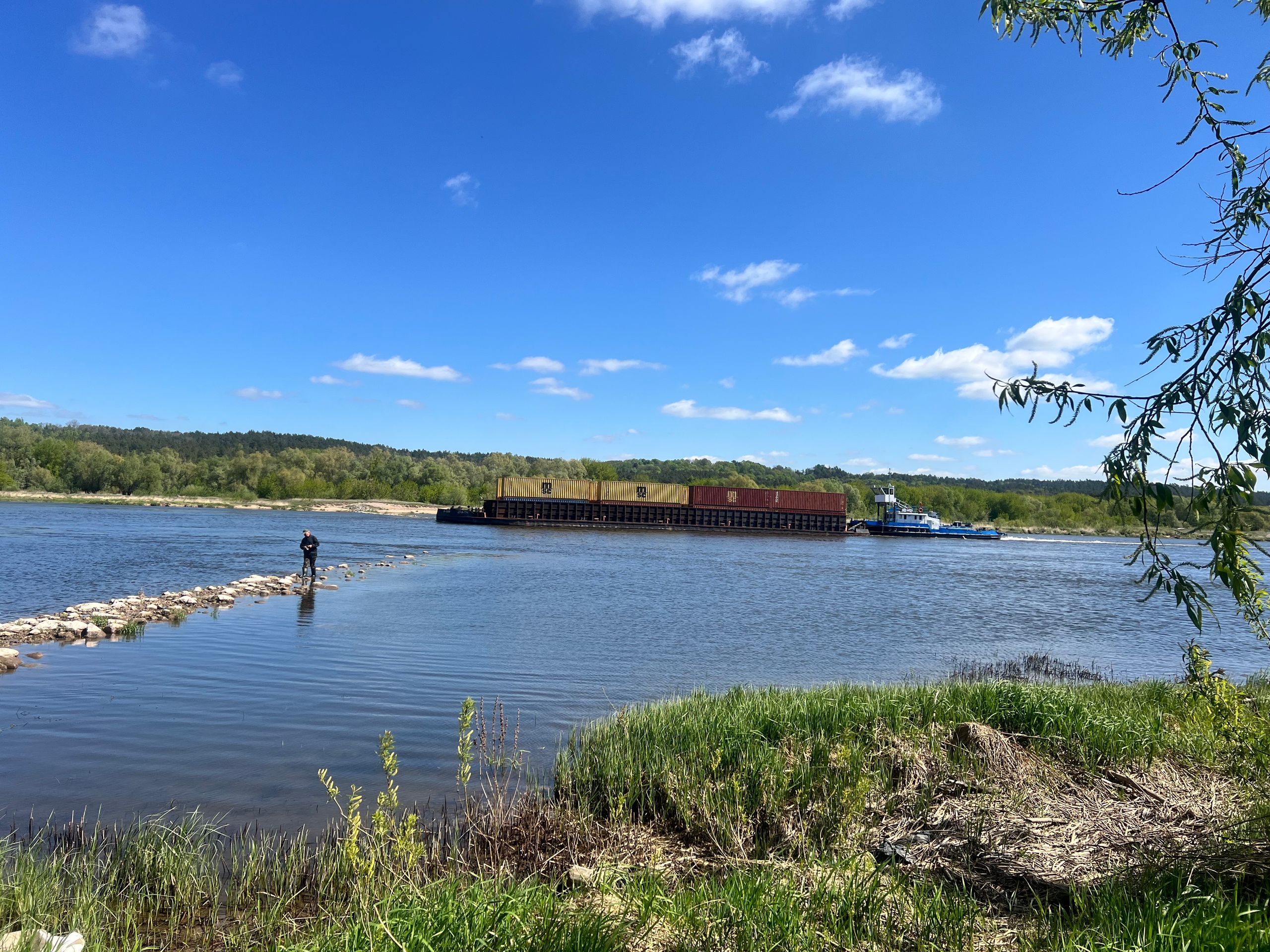
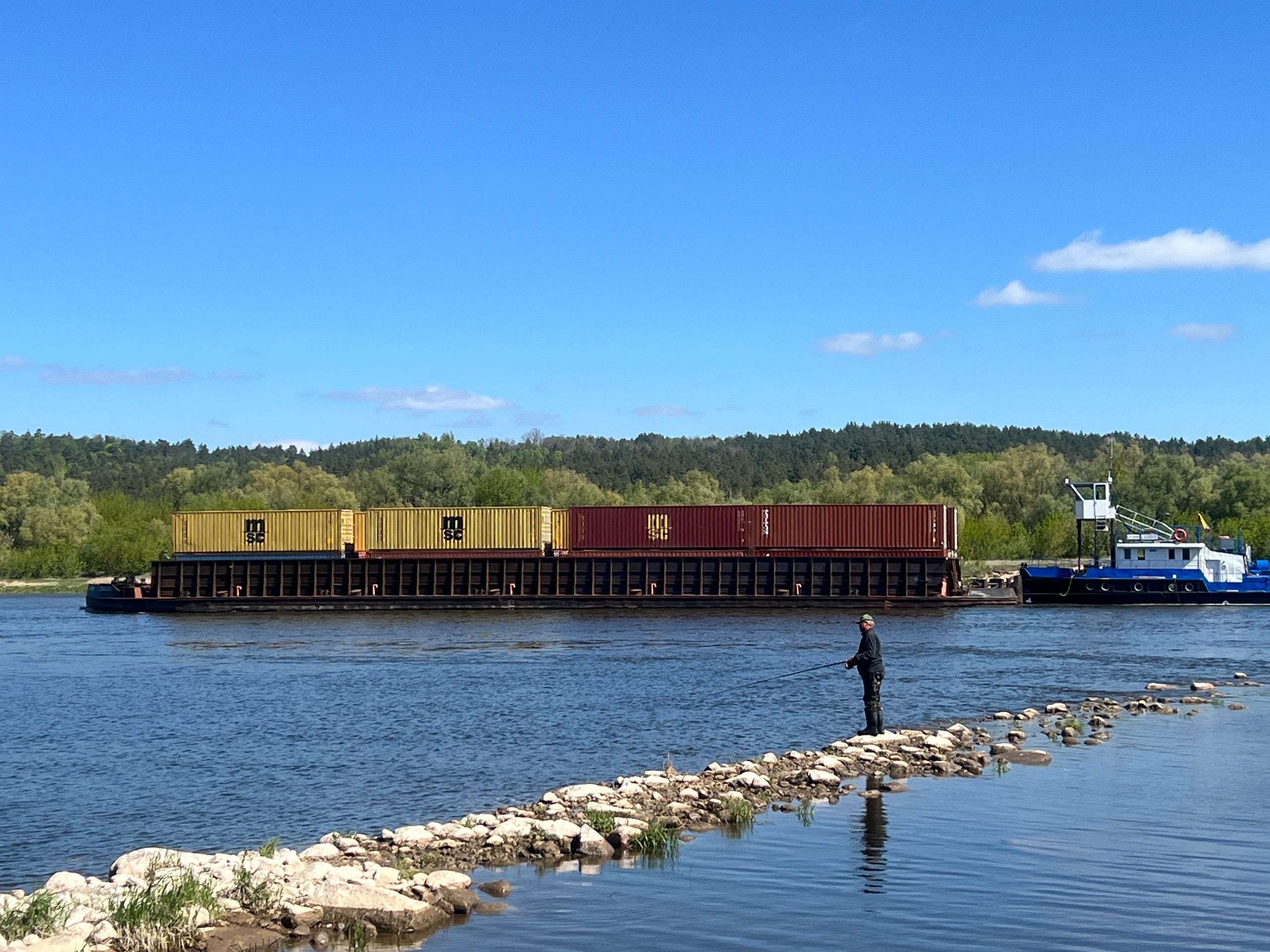
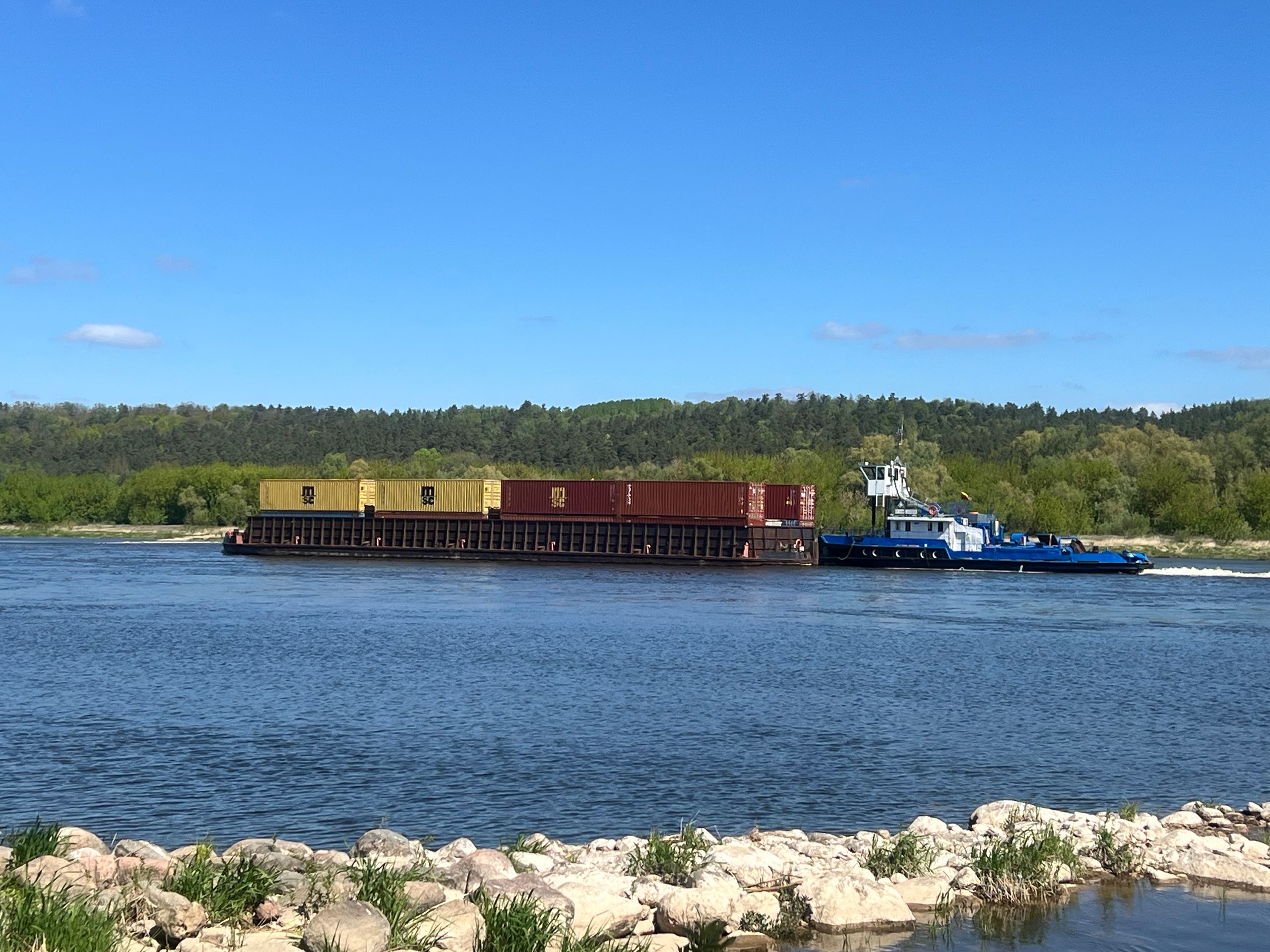
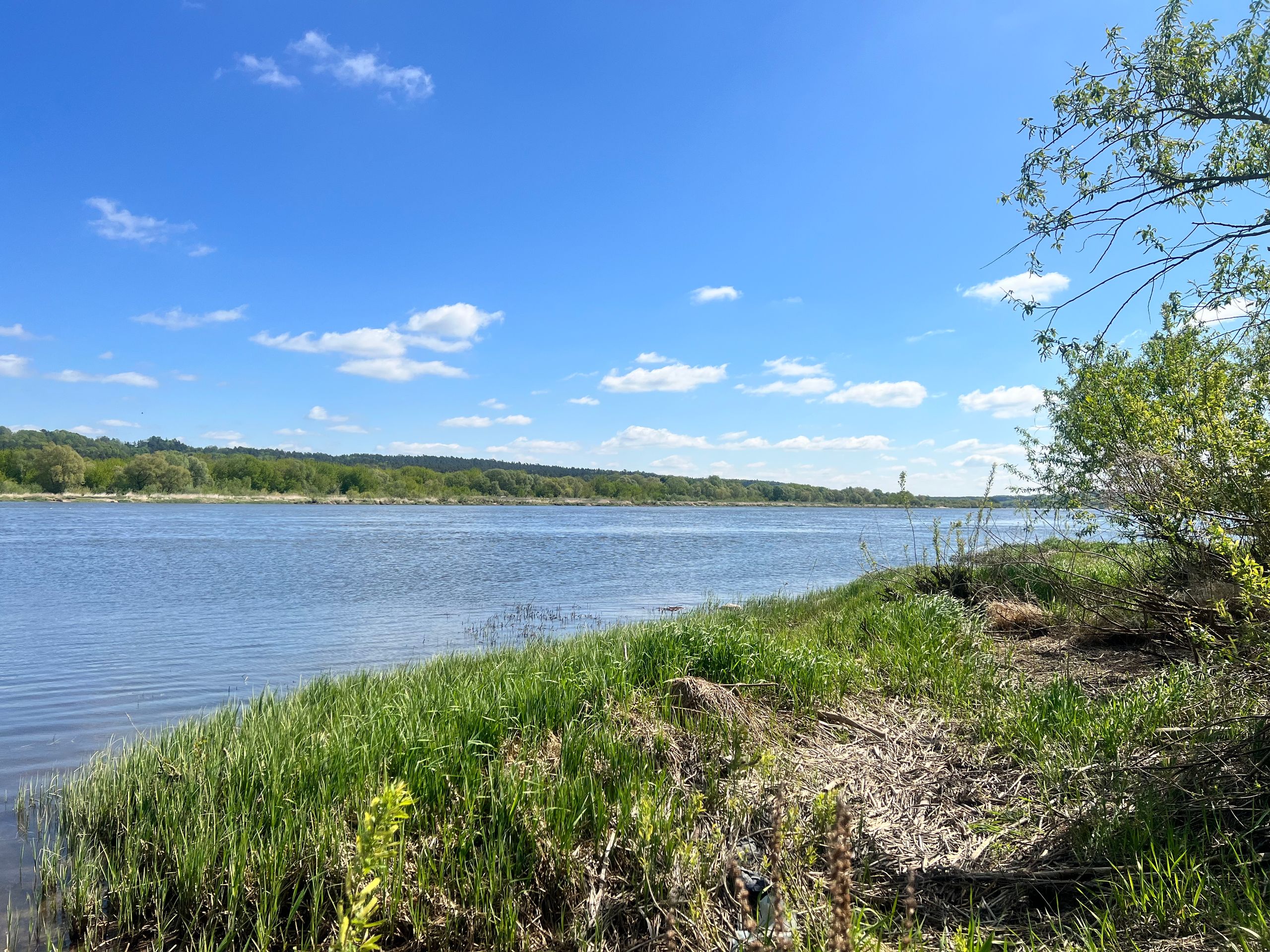
Bei meiner Mittagspause, etwas abseits von der Strasse und nahe dem Fluss, kam ich mit einem Fischer kurz ins Gespräch. Er sprach recht gut Deutsch; er hätte das in der Schule gelernt, da ihm Deutsch besser gefällt als Englisch.
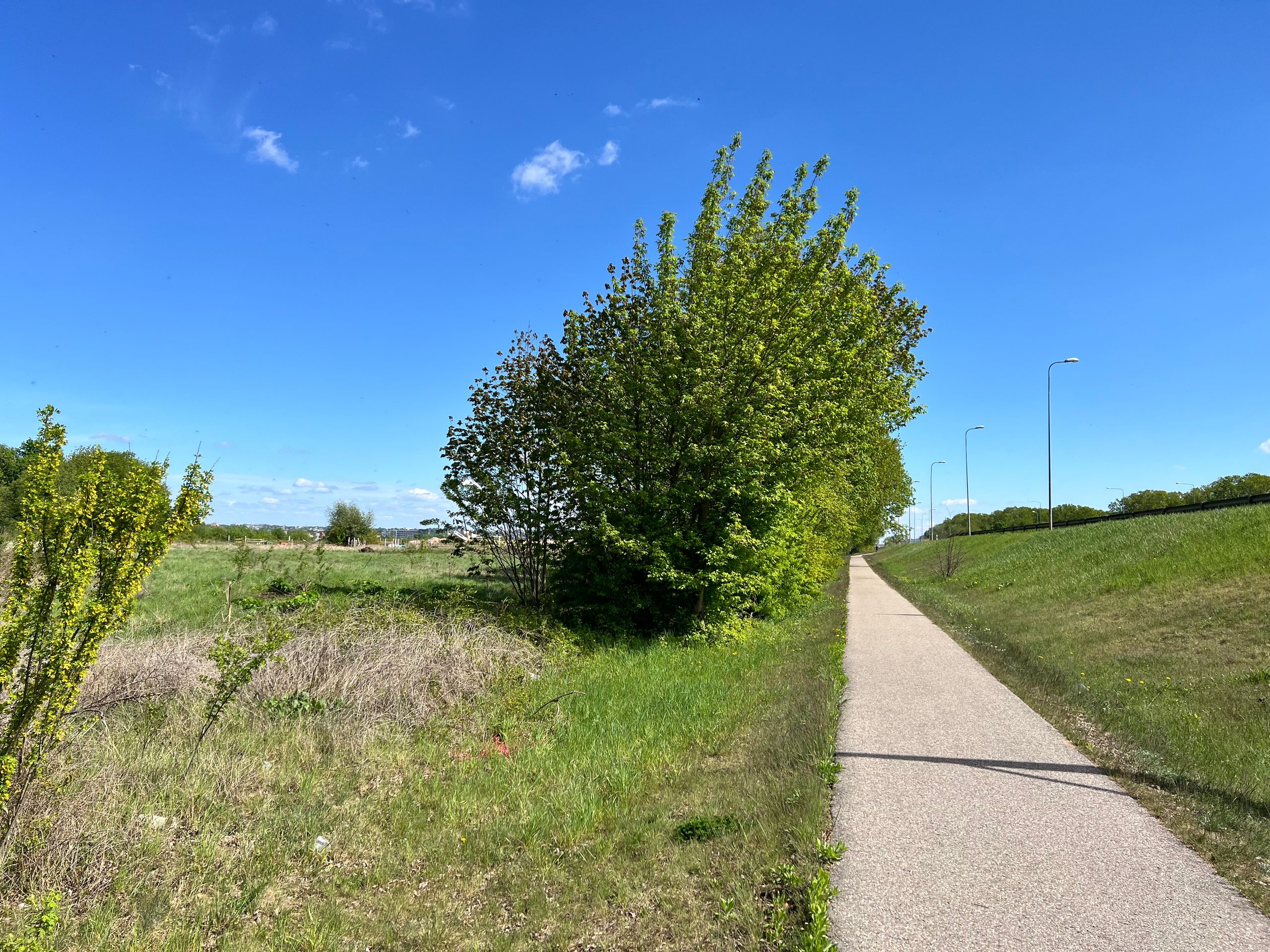
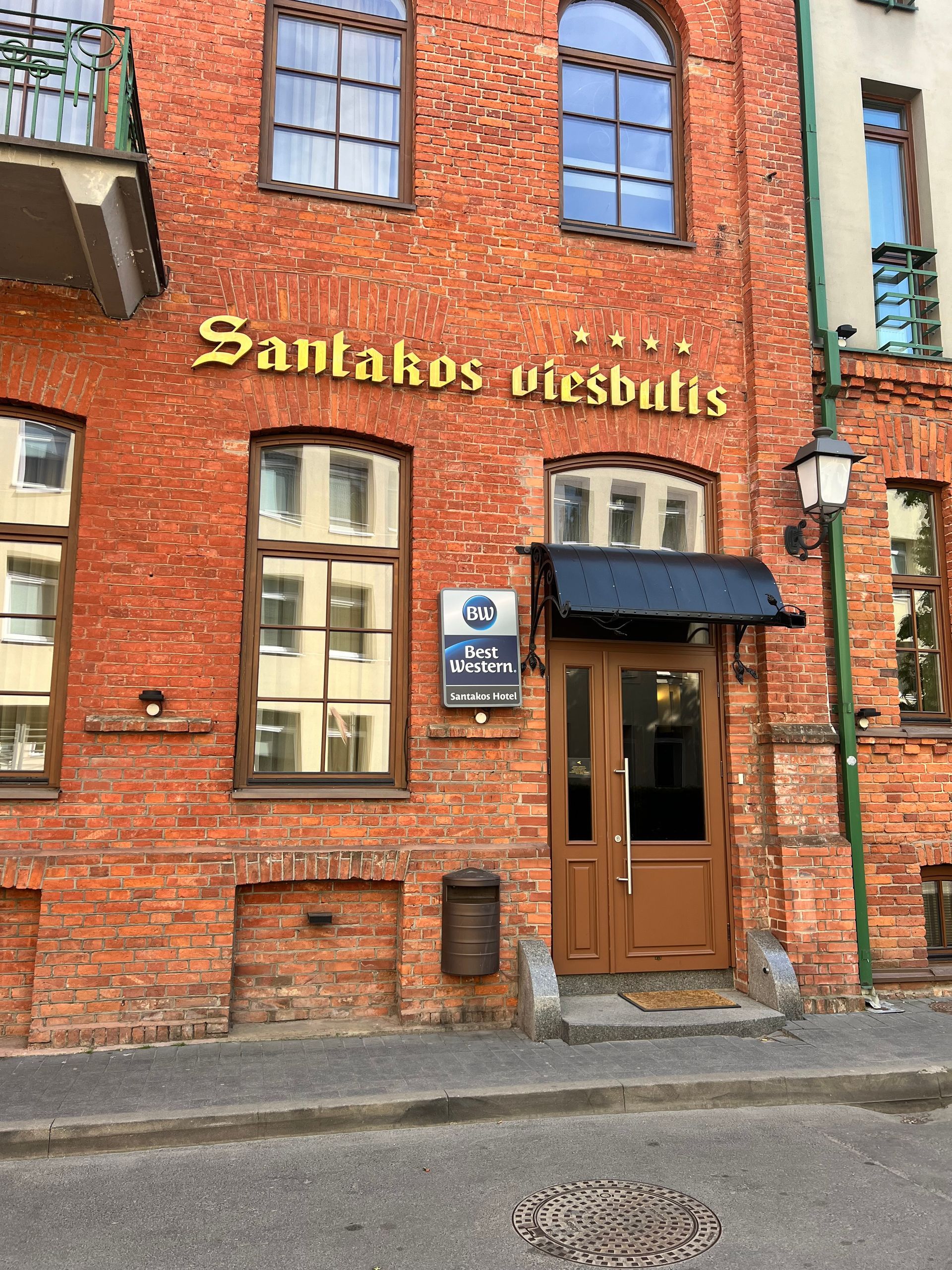
Etwa 20 Kilometer vor Kaunas begann eine lange Strecke auf einem Radweg. Wegen einer Baustelle hörte dieser plötzlich auf, als Kaunas schon in Sichtweite war. Dank der Komoot-Karte fand ich den Weg erneut und konnte ihn bis zur Brücke über den Nemunas befahren. Schon bald war das Hotel gefunden, allerdings ohne Essen, da wegen dem ersten Mai kein Personal arbeitete.
https://www.komoot.com/de-DE/tour/2206989995?ref=itd
---
**Español:**
Kaunas, la segunda ciudad más grande de Lituania, se encuentra en la confluencia de los ríos Neris y Nemunas. Es conocida por su rica historia, impresionante arquitectura y vibrante vida cultural. Como antigua capital entre las dos guerras mundiales, Kaunas muestra una mezcla única de estilos art nouveau, neoclásico y moderno. El casco antiguo, con el impresionante castillo de Aleksotas y la hermosa catedral, atrae a numerosos turistas. También merece una visita el museo de literatura Maironis y la extensa colección en la galería de arte. Kaunas también es conocida por su ambiente universitario y sus numerosos festivales, como el Festival de Jazz de Kaunas. Esta ciudad es un destino fascinante para los amantes de la cultura y la historia. (Hasta donde indica Internet)
He estado muy emocionado por esta ciudad. Originalmente quería regresar a casa pasando por Vilnius, la actual capital. Sin embargo, después de varias consideraciones, decidí optar por la ruta costera, lo que hace que Kaunas esté casi en el camino. A partir de aquí, continuaré hacia el sur.
La excursión de hoy comenzó en una carretera agradable. Desafortunadamente, eso cambió pronto y se volvió realmente malo: polvoriento, arenoso y ondulado. Polvoriento, especialmente cuando pasaba un coche. Arenoso, casi imposible de recorrer. Y ondulado, que me sacudió bastante. En una de las fotos se puede ver bien. Y así continuó durante muchos kilómetros; la velocidad media fue de poco más de 10 km/h. Finalmente, empezaron a aparecer edificios y la esperanza de una buena carretera aumentó. Sin embargo, después vino otra vez camino de tierra, aunque era mejor para andar. Por otro lado, el paisaje era realmente hermoso, especialmente cuando el camino me llevó a través de un bosque.
Más tarde, solo quedaban carreteras asfaltadas hasta un desvío, donde la carretera volvía a estar en mal estado. Así que decidí renunciar a este pequeño atajo y seguir la carretera con muy poco tráfico.
En mi pausa de almuerzo, un poco apartado de la carretera y cerca del río, tuve una breve conversación con un pescador. Hablaba bastante bien alemán; lo había aprendido en la escuela, ya que le gusta más el alemán que el inglés.
Aproximadamente 20 kilómetros antes de Kaunas comenzó un largo tramo en un carril bici. Debido a una obra, de repente se detuvo, justo cuando Kaunas ya estaba a la vista. Gracias al mapa de Komoot, encontré el camino otra vez y pude recorrerlo hasta el puente sobre el Nemunas. Pronto encontré el hotel, aunque sin comida, ya que en el primero de mayo no trabajaba personal.
---
**English:**
Kaunas, the second largest city in Lithuania, is located at the confluence of the Neris and Nemunas rivers. It is known for its rich history, impressive architecture, and vibrant cultural life. As the former capital between the two world wars, Kaunas showcases a unique blend of Art Nouveau, neoclassical, and modern buildings. The old town area, featuring the impressive Aleksotas Castle and the beautiful cathedral, attracts numerous tourists. The Maironis Museum of Literature and the extensive collection in the art gallery are also worth a visit. Kaunas is additionally recognized for its university atmosphere and various festivals, such as the Kaunas Jazz Festival. This city is a fascinating destination for culture enthusiasts and history buffs. (As far as the internet says)
I was very much looking forward to this city. Originally, I wanted to return home via Vilnius, the current capital. However, after various considerations, I chose the coastal route, which makes Kaunas almost on the way. From here, I will continue south.
Today's tour started on a nice road. Unfortunately, that changed soon, and it became really bad: dusty, sandy, and bumpy. Dusty, especially when a car came by. Sandy, making it almost impossible to ride. Bumpy, which shook me quite a bit. One of the photos shows this well. And it stayed that way for many kilometers; the average speed was just over 10 km/h. Finally, houses appeared, and the hope for a good road grew. However, after that, there was dirt road again, but it was easier to ride on. The landscape was really beautiful, especially when the path led me through a forest.
Later, there were only paved roads until a fork where the road looked poor again. So, I skipped this little shortcut and followed the road with very little traffic.
During my lunch break, a bit off the road and near the river, I had a brief conversation with a fisherman. He spoke quite good German; he had learned it in school because he prefers German over English.
About 20 kilometers before Kaunas, a long stretch on a bike path began. Due to a construction site, it suddenly stopped just when Kaunas was in sight. Thanks to the Komoot map, I found the way again and was able to ride it up to the bridge over the Nemunas. Soon, I found the hotel, although without food, as there was no staff working due to Labor Day.