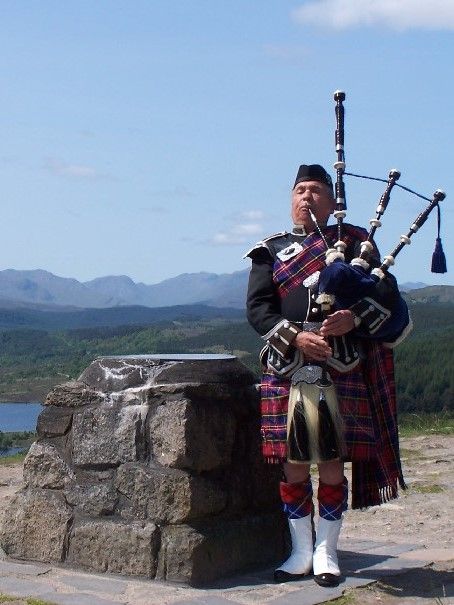

BLOG 13: Blackford Highland Games
Wir besuchen die 151. Auflage der sehr traditionsreichen „Blackford Highland Games“ in der gleichnamigen Ortschaft. Die Highland Games sind seit Jahrhunderten ein wichtiger Teil...

Veröffentlicht: 18.06.2023

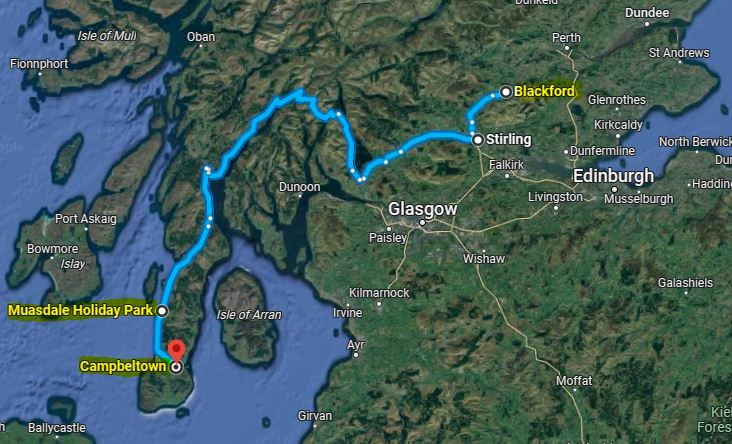









Nach unserem Abstecher nach Blackford geht es zurück in den Westen – die Halbinsel Kintyre ist unser Ziel. Hier waren wir schon auf unserer ersten Schottland Reise als junge Studenten vor 45 Jahren, damals mit dem VW-Campingbus von Gerhards Eltern.
Kintyre ist kein so bekanntes Touristenziel, hat aber (für uns) zwei Highlights: schon damals der Song „Mull of Kintyre“ von Paul McCartney & Wings und heute noch die Geschichte als eine der früheren Hochburgen der Whisky – Brennereien in Schottland.
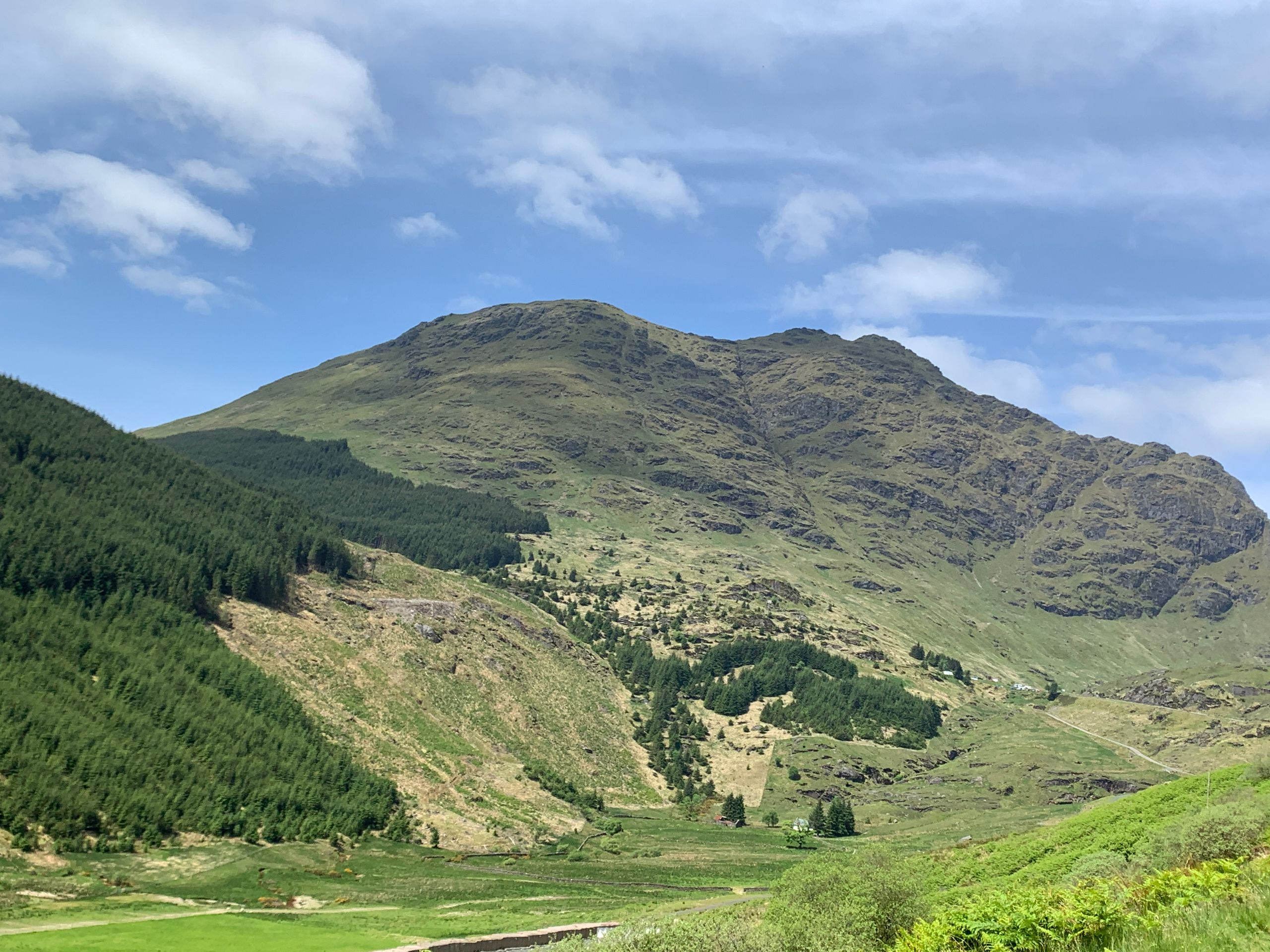
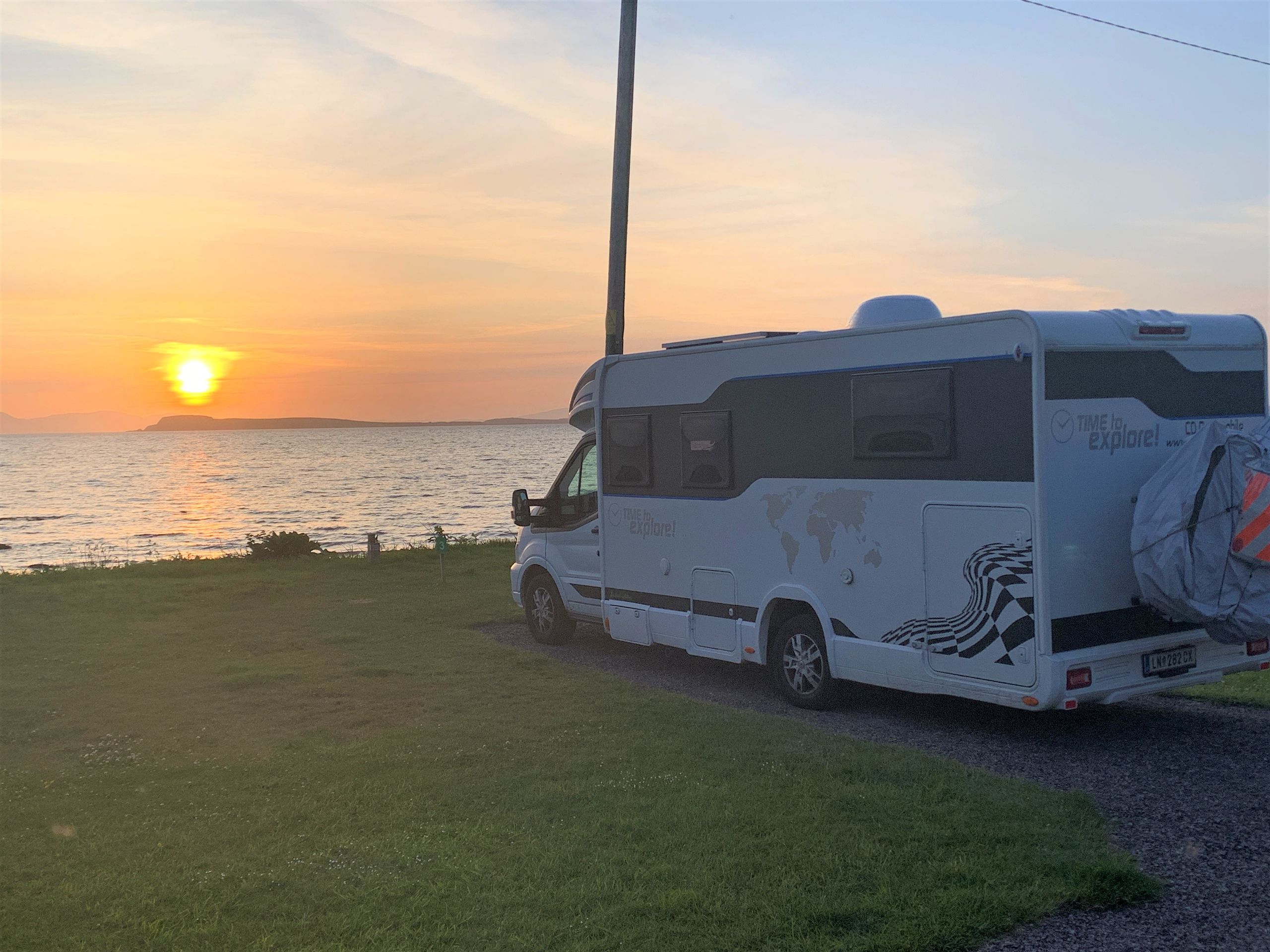
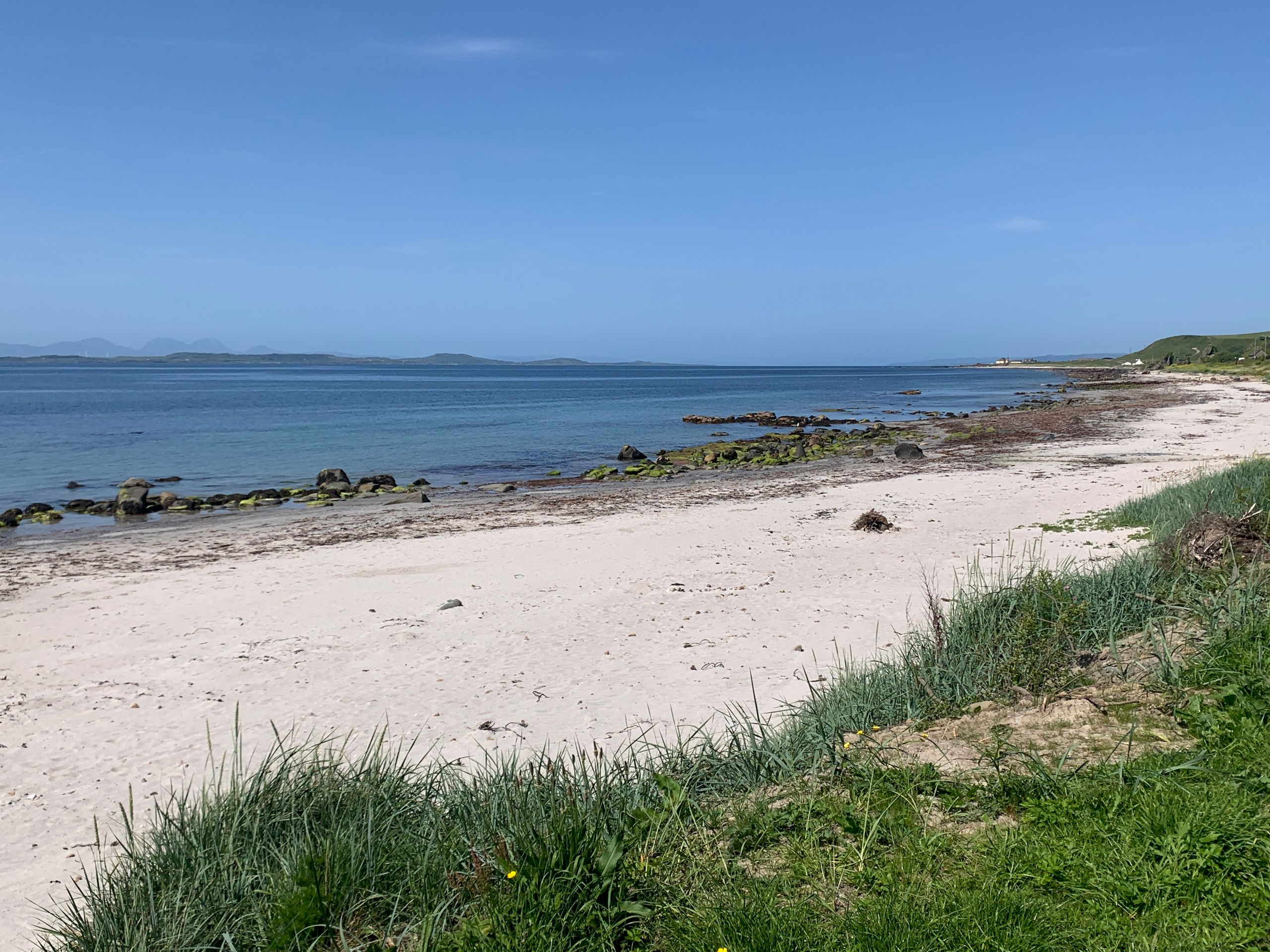
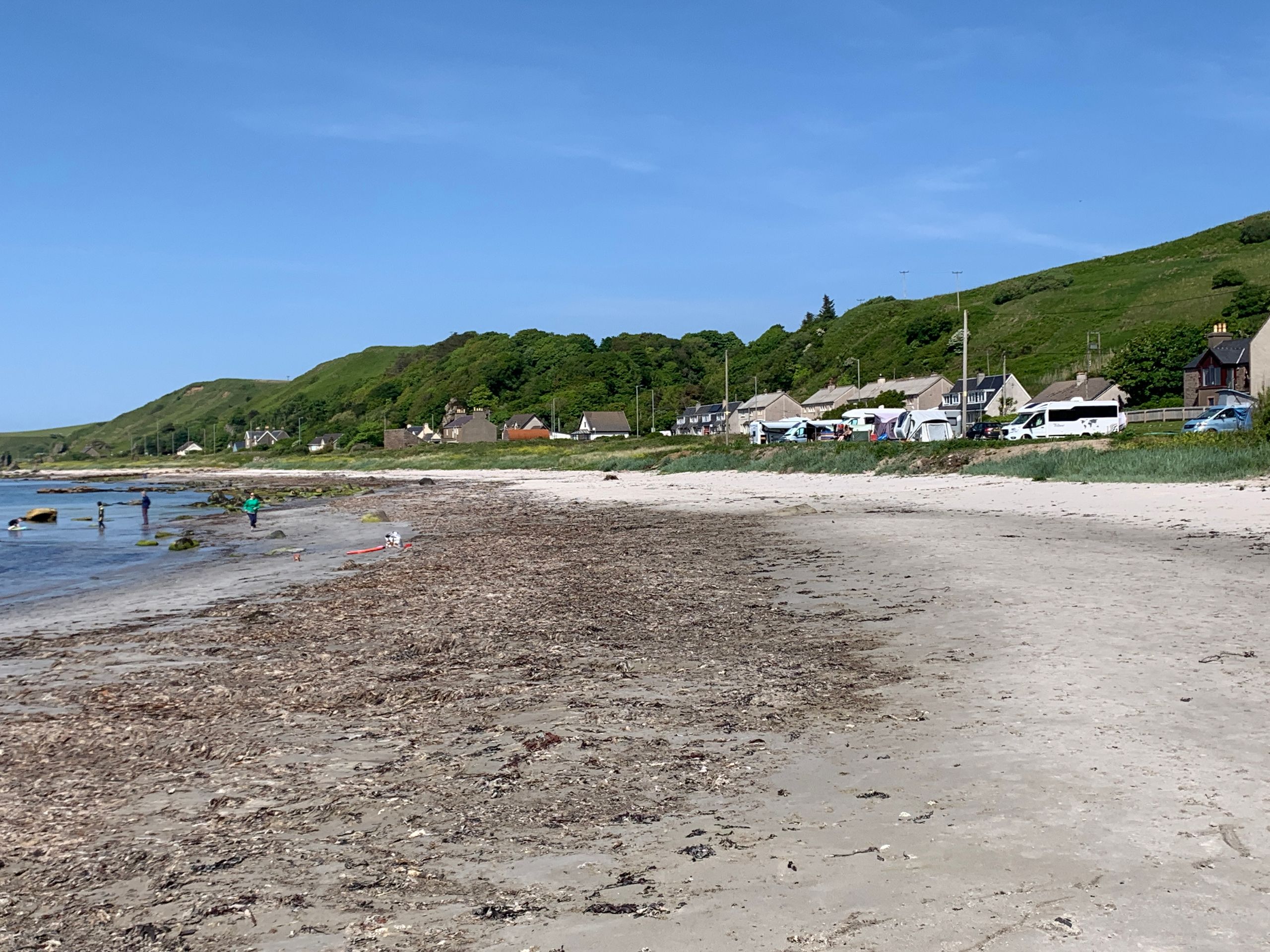
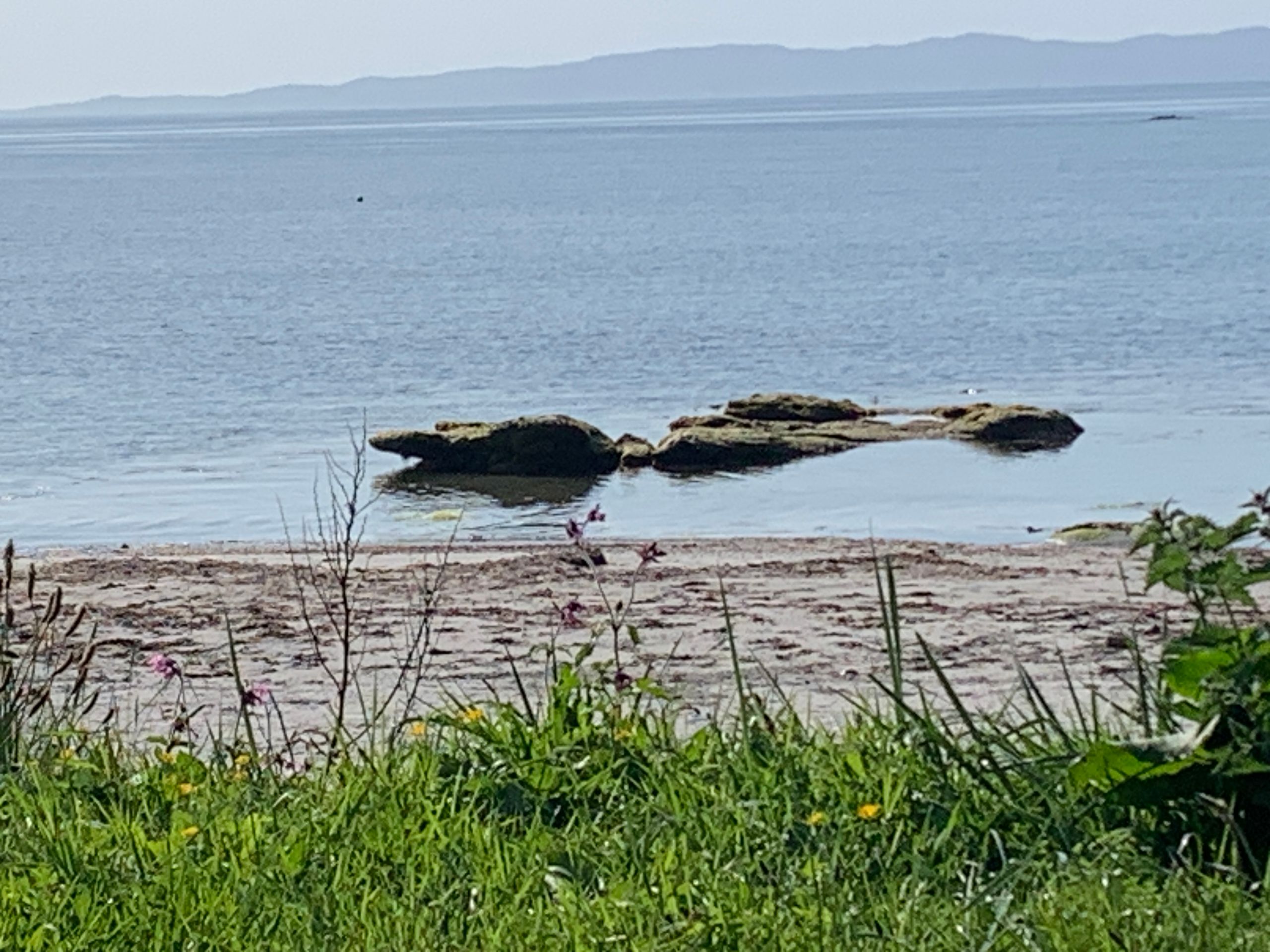
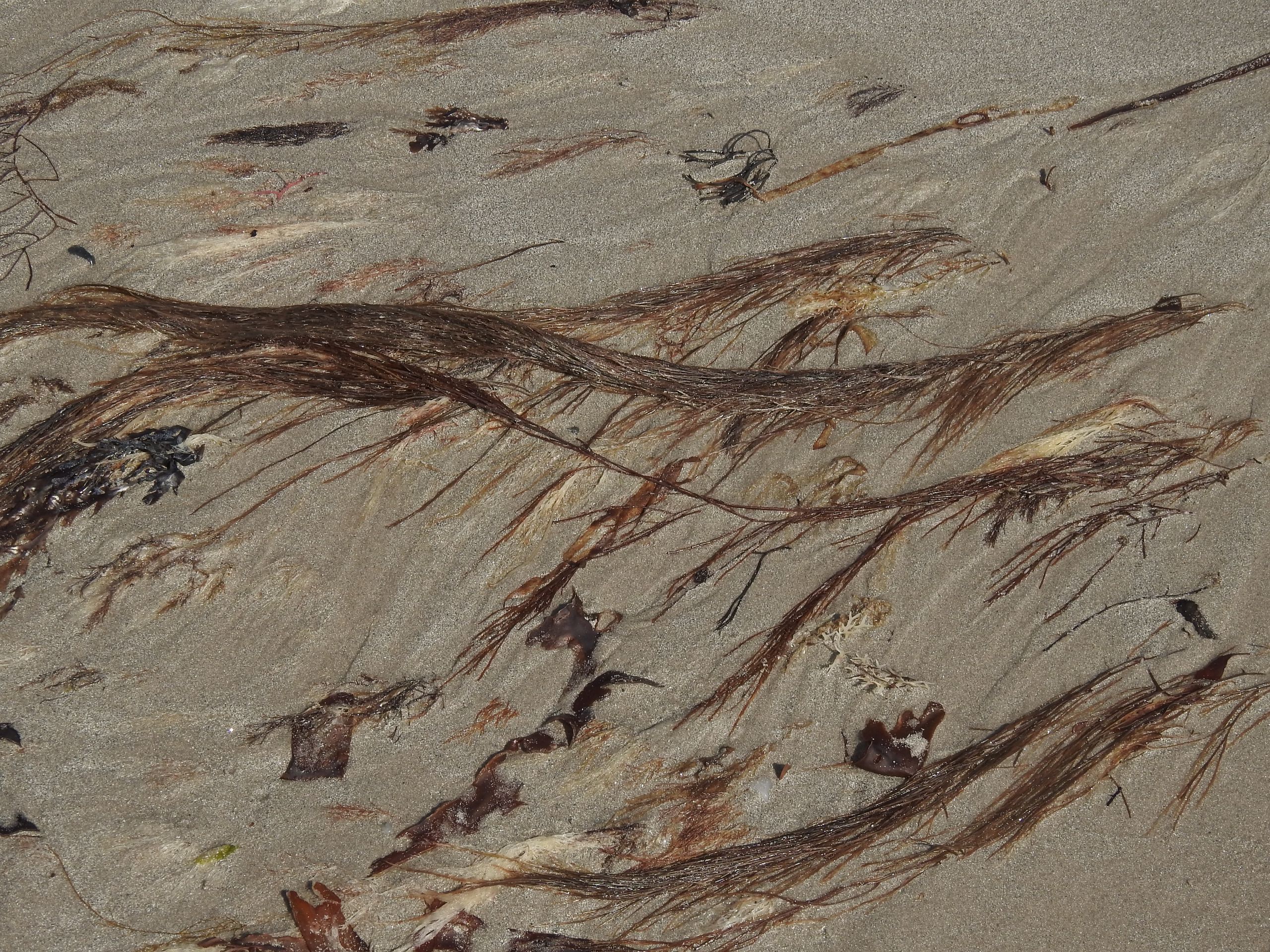
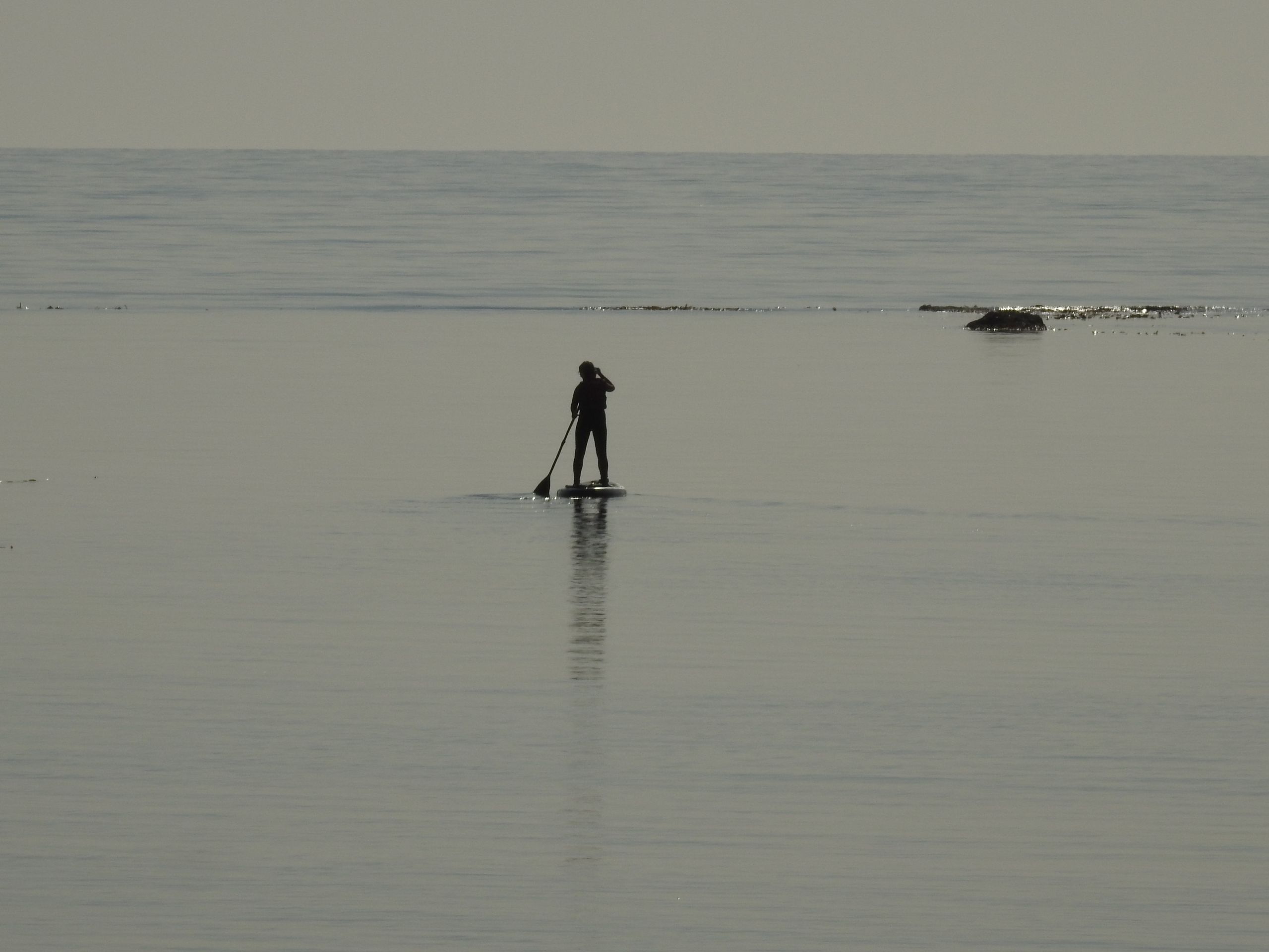
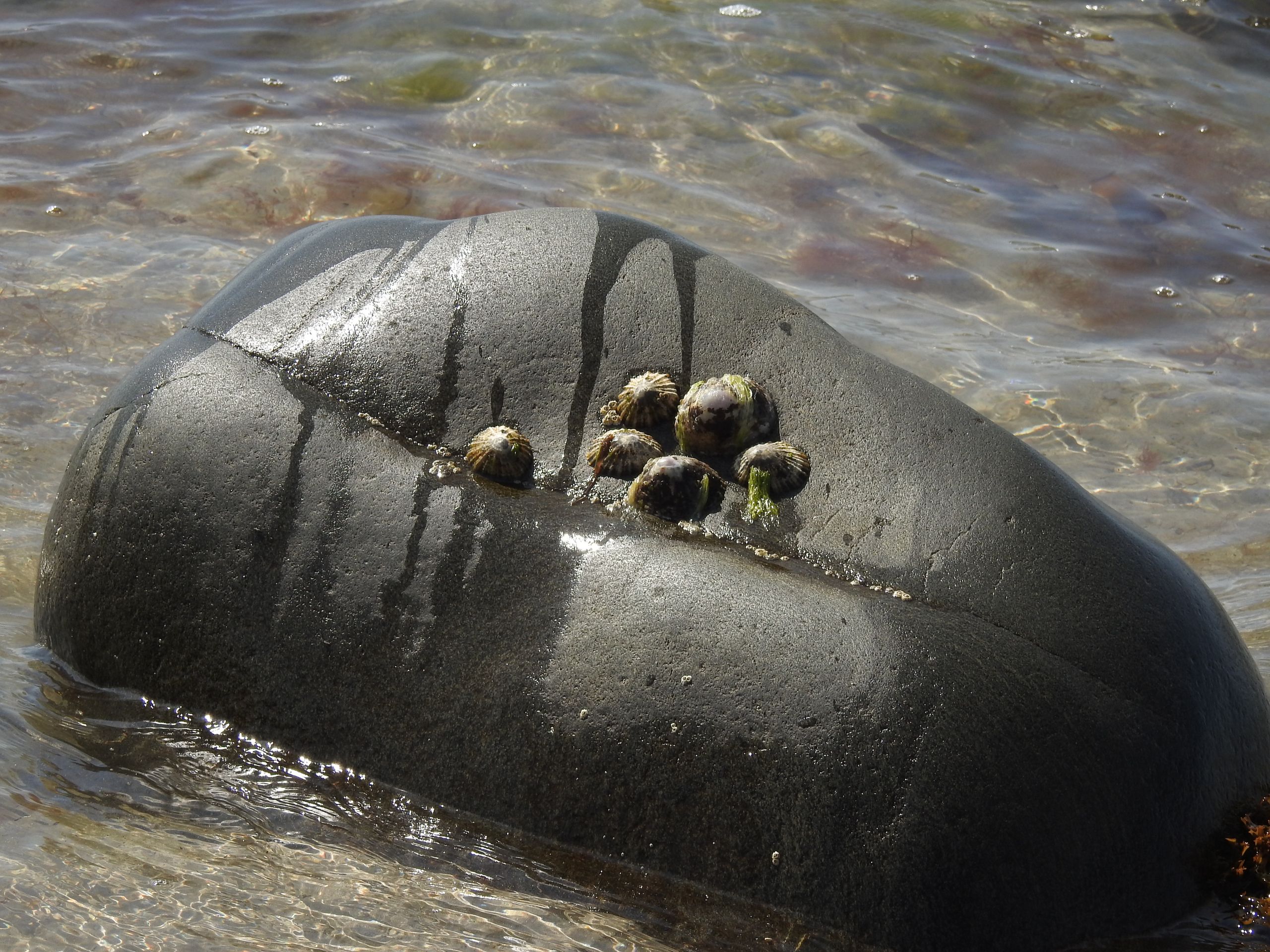
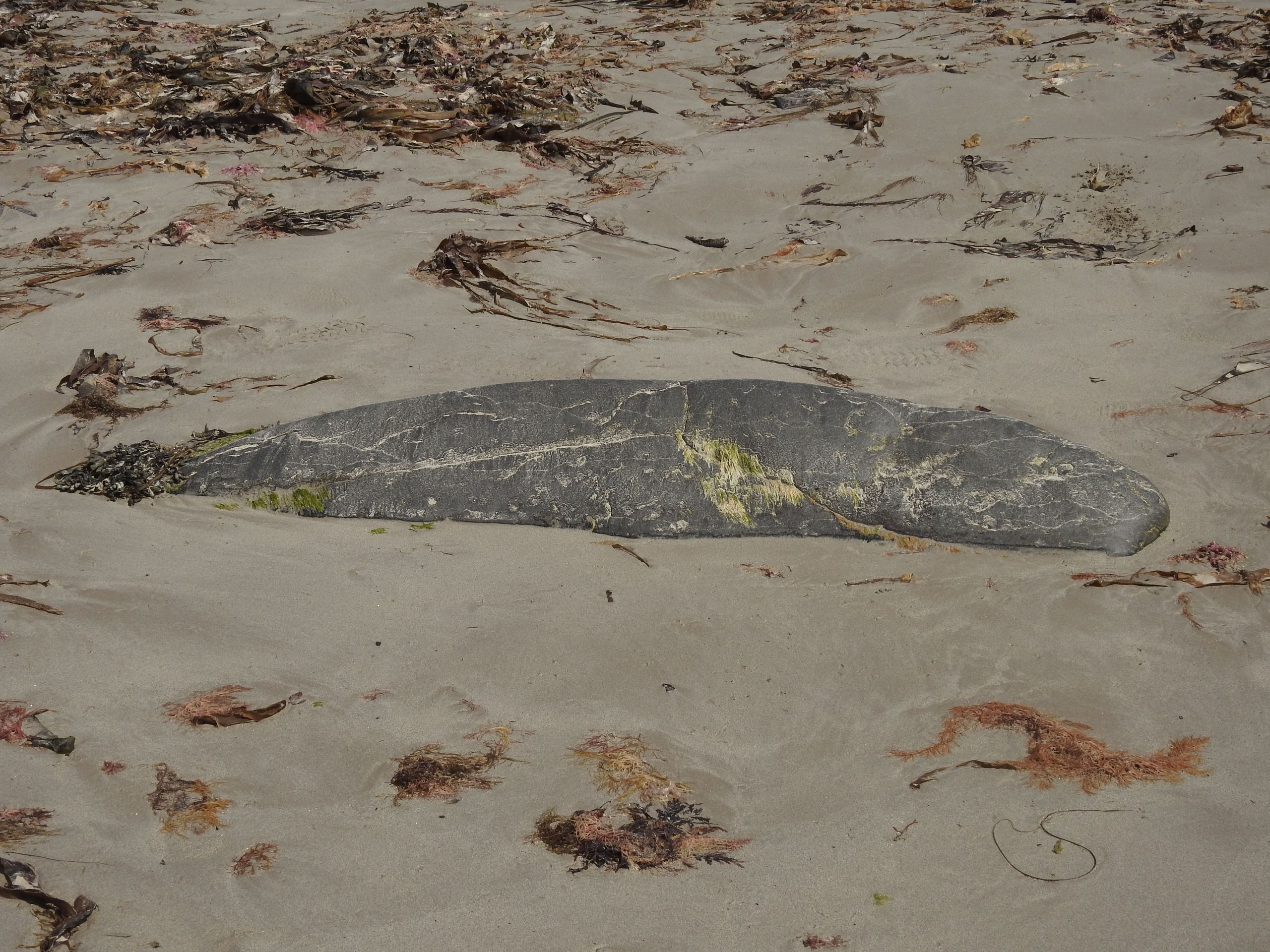
Zunächst geht es 250 km quer durchs Land und die Berge zum „Muasdale Holiday Park“ an der Westküste von Kintyre. Trotz dem etwas hochtrabenden Namens handelts es sich um einen kleinen Campingplatz mit nur 10 Plätzen und ein paar fixen Wohnwagen, aber schön direkt an der Küste gelegen. Hier haben wir Gelegenheit, ein bisschen zu relaxen und die Landschaft zu genießen – der Temperaturtest des Wassers durch Cosima (geschätzte 10 bis 12 Grad) lässt uns, obwohl ein paar SU Paddler unterwegs sind, von einem Bad Abstand nehmen….
Weiter geht es dann die etwa 25 km in die Hauptstadt Campbeltown. Die lange und recht mühsame Fahrt zur Südspitze – dem „Mull of Kintyre“ ersparen wir uns, wir waren seinerzeit schon dort – damals war es kein Problem im VW-Bus zu übernachten – heute ist es verboten und unser Wohnmobil ist nicht so wirklich optimal für die sehr schmalen Sträßchen hinunter.
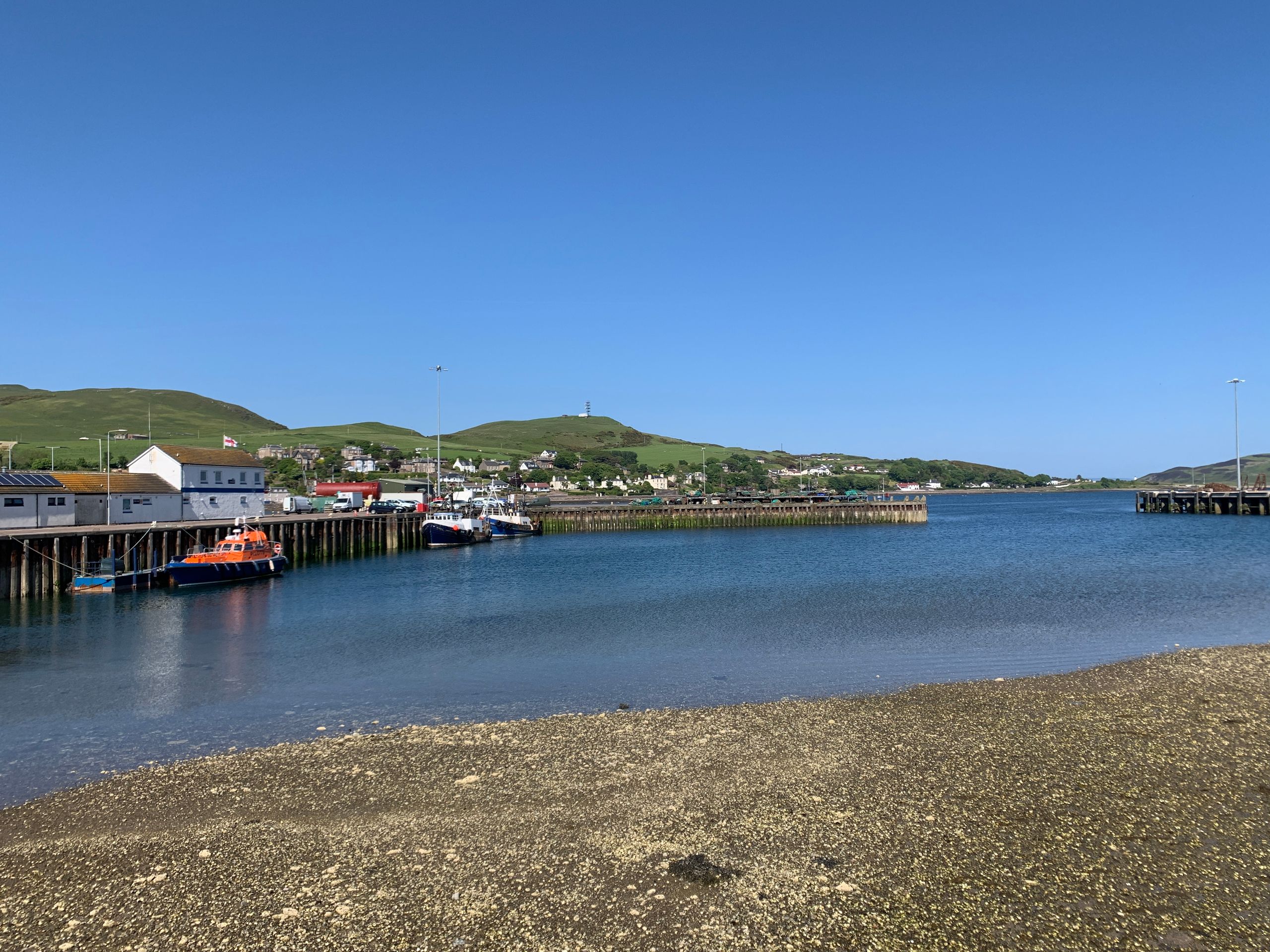
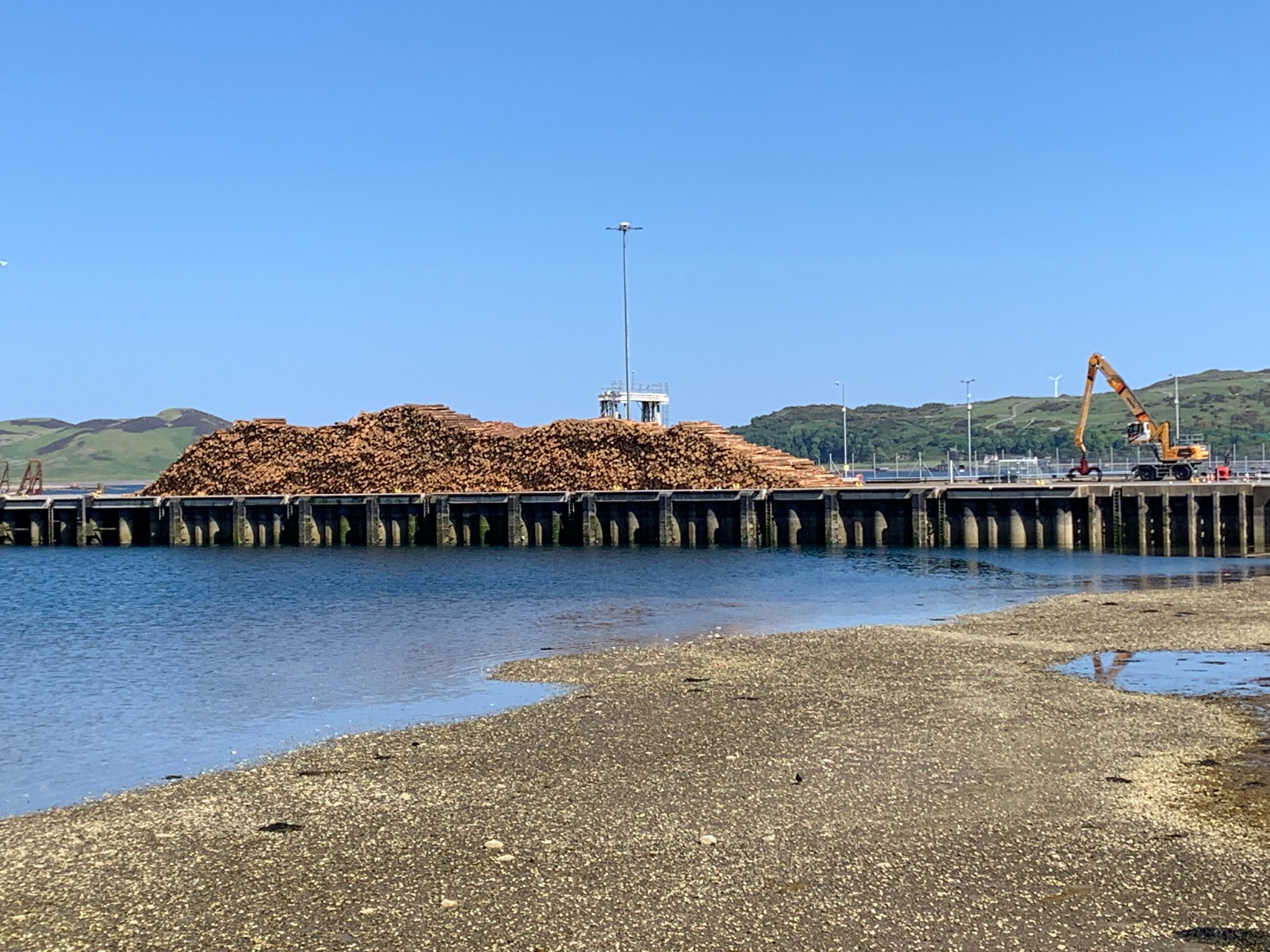
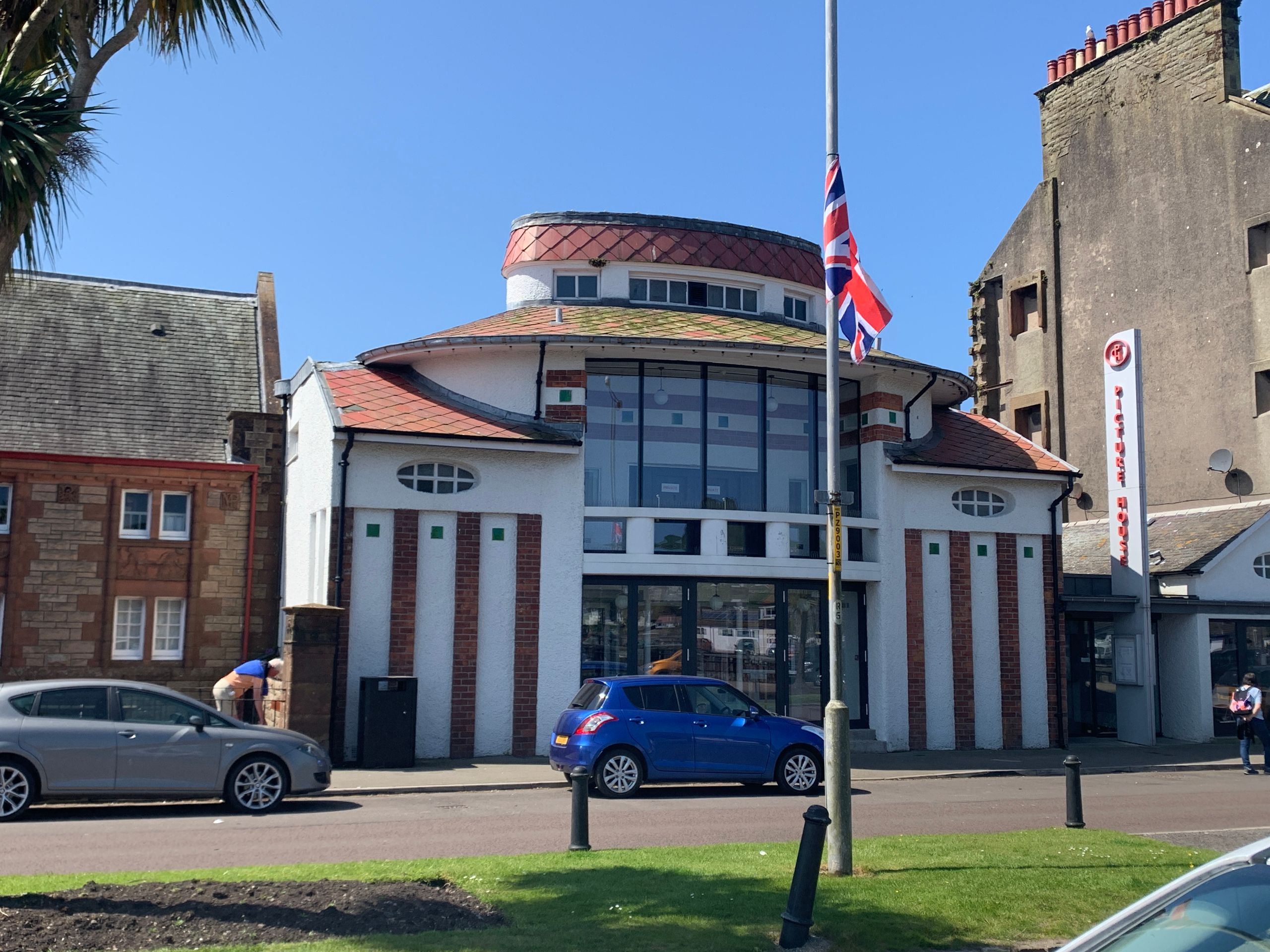
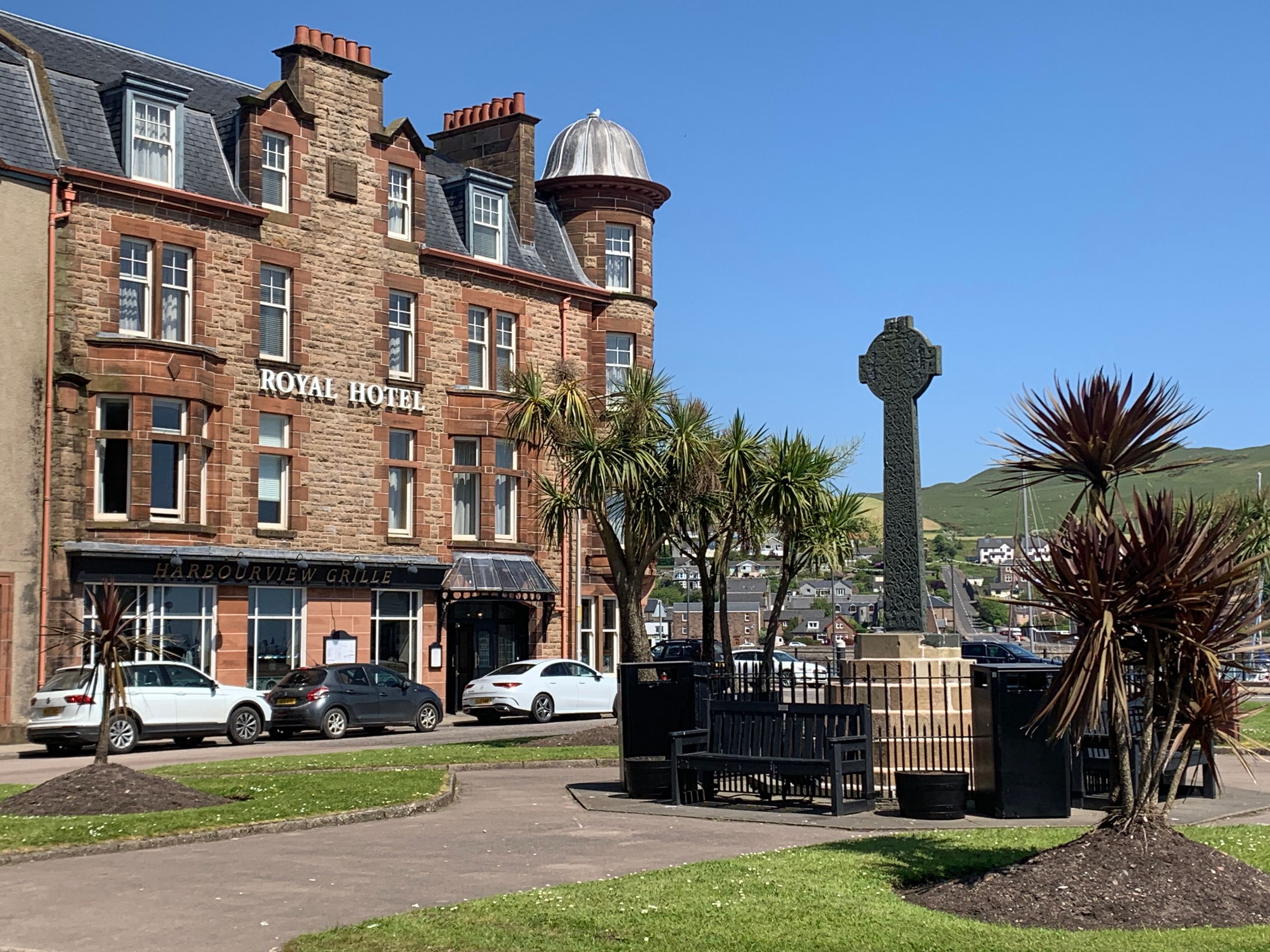
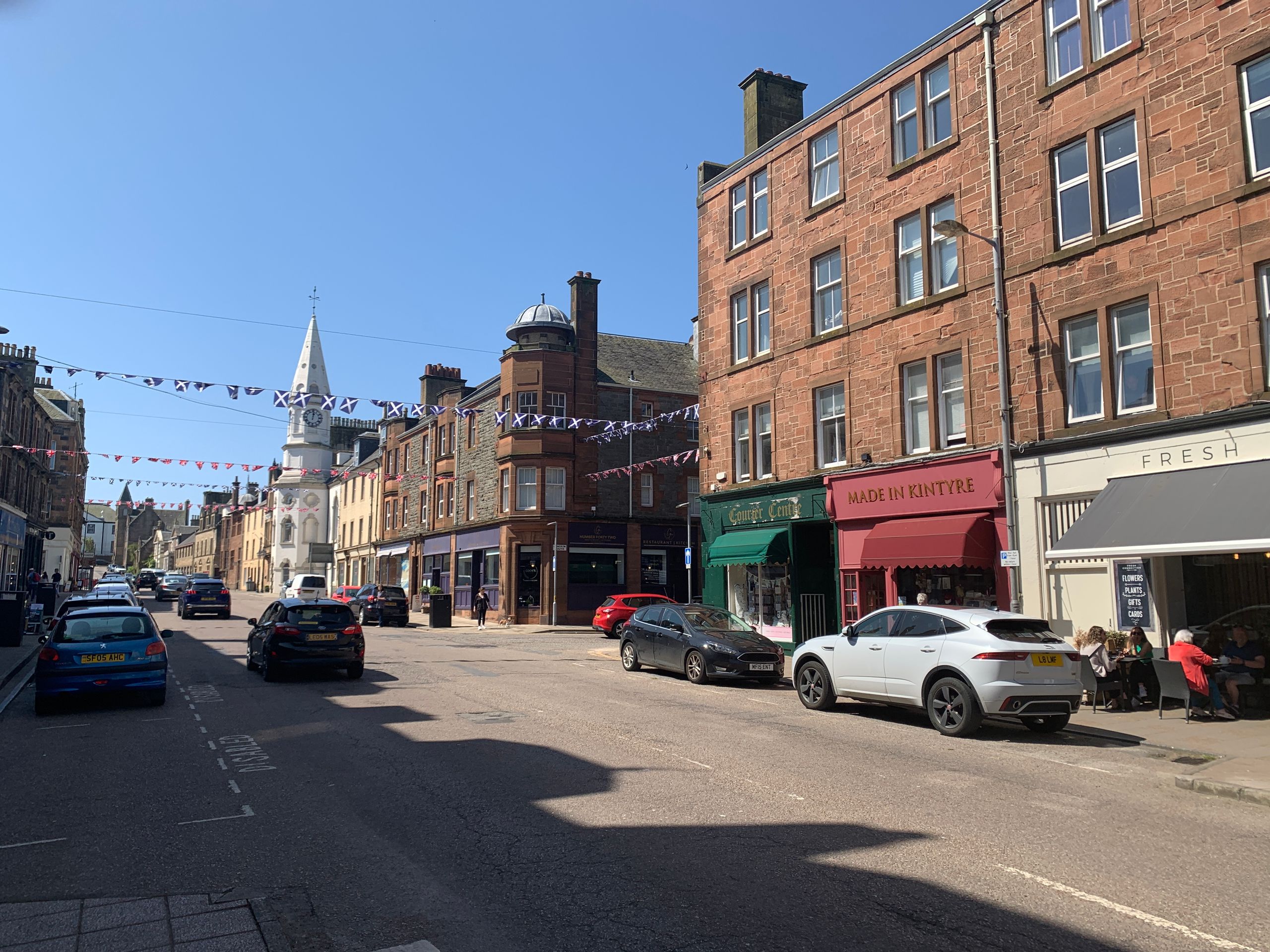
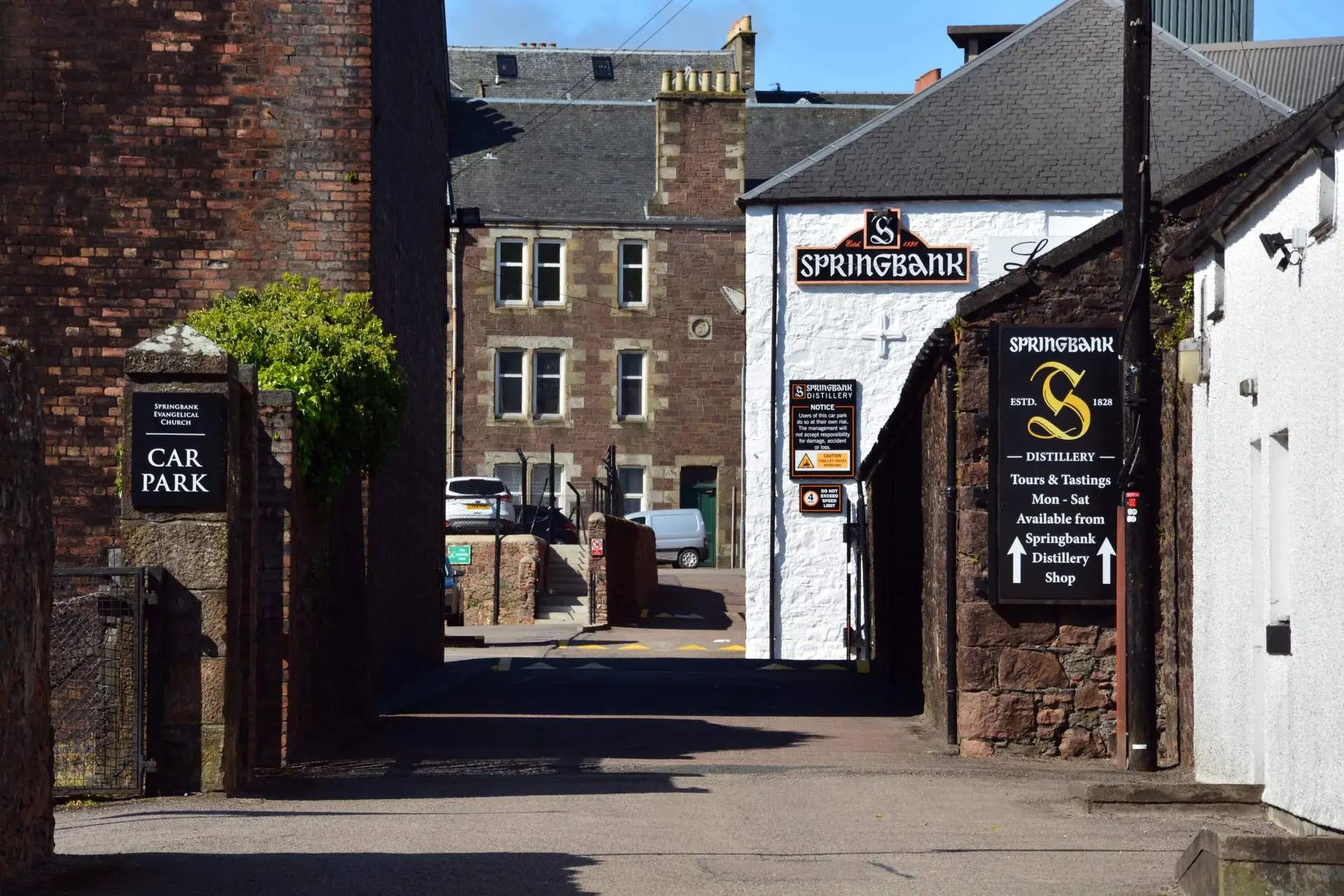
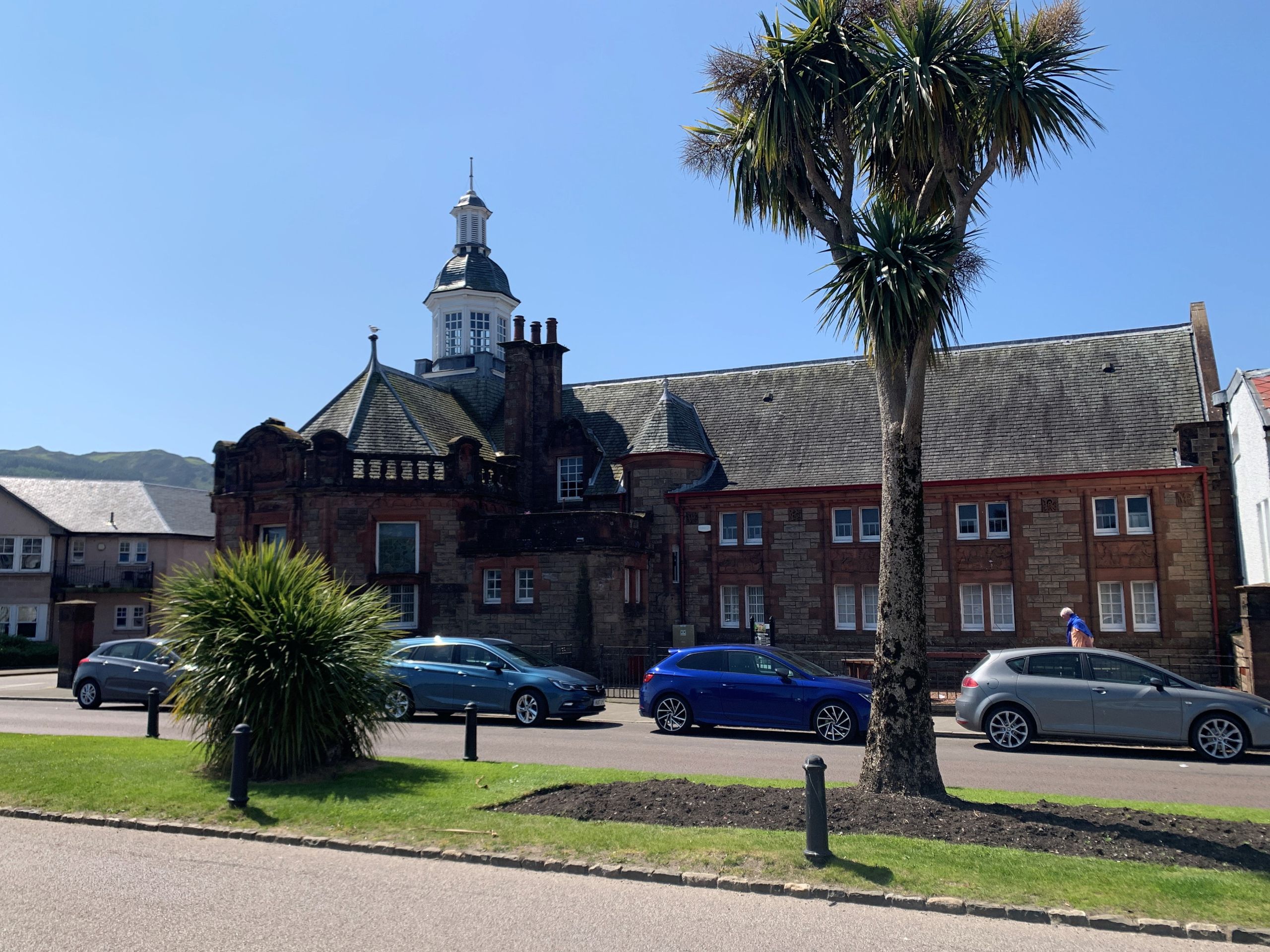
In Campbeltown finden wir zum Glück schnell einen Parkplatz am Hafen, unser heutiges Hauptziel die Whisky Distillery Springbank liegt mitten in der Stadt und verfügt zwar über einen Parkplatz, aber das schmale Zufahrtsgässchen hält uns davon ab. So spazieren wir bei wieder strahlend schönem Wetter und angenehmen 21 Grad durch die Straßen von Campbeltown zu unserer Führung in der Distillery.
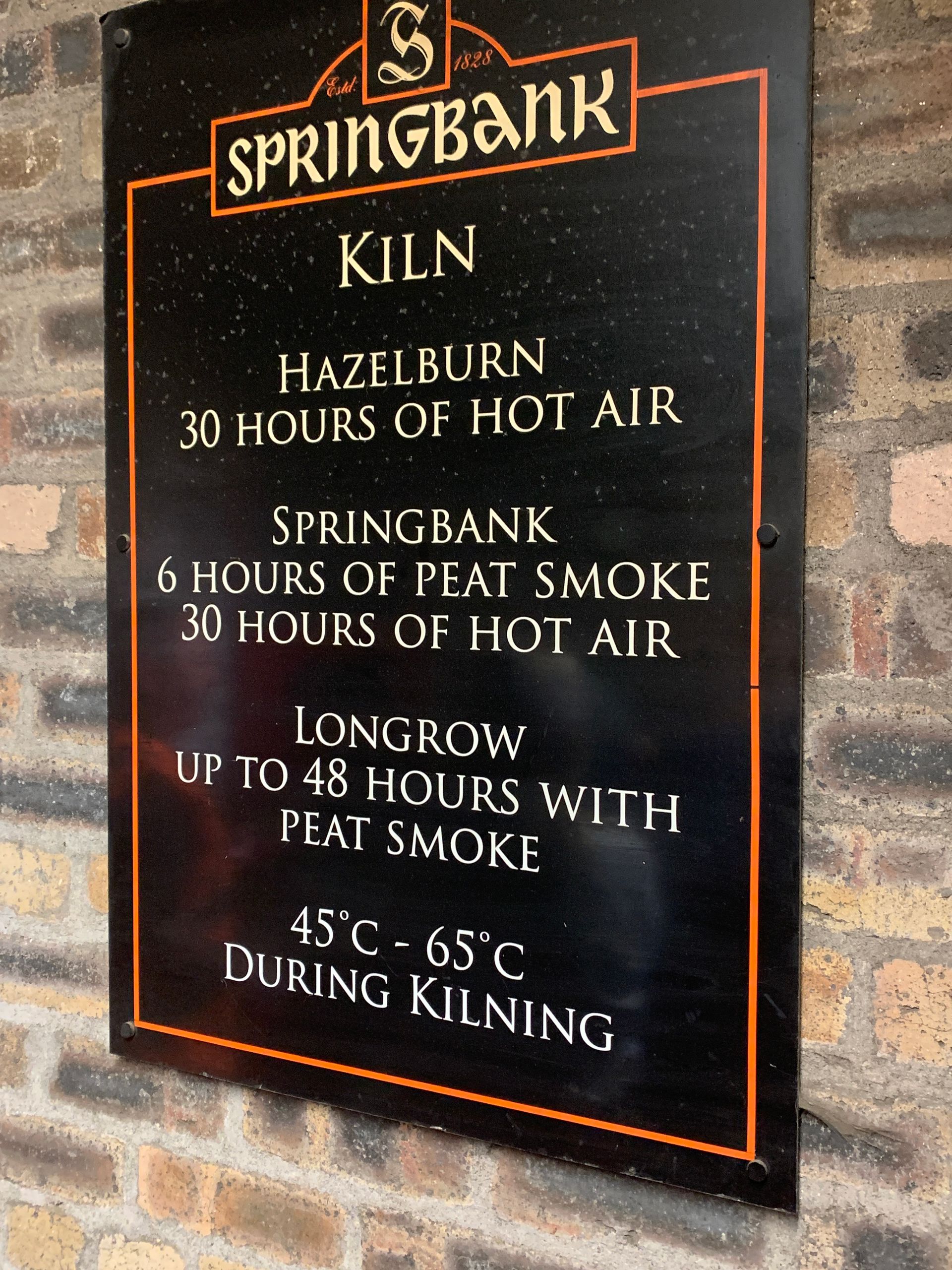
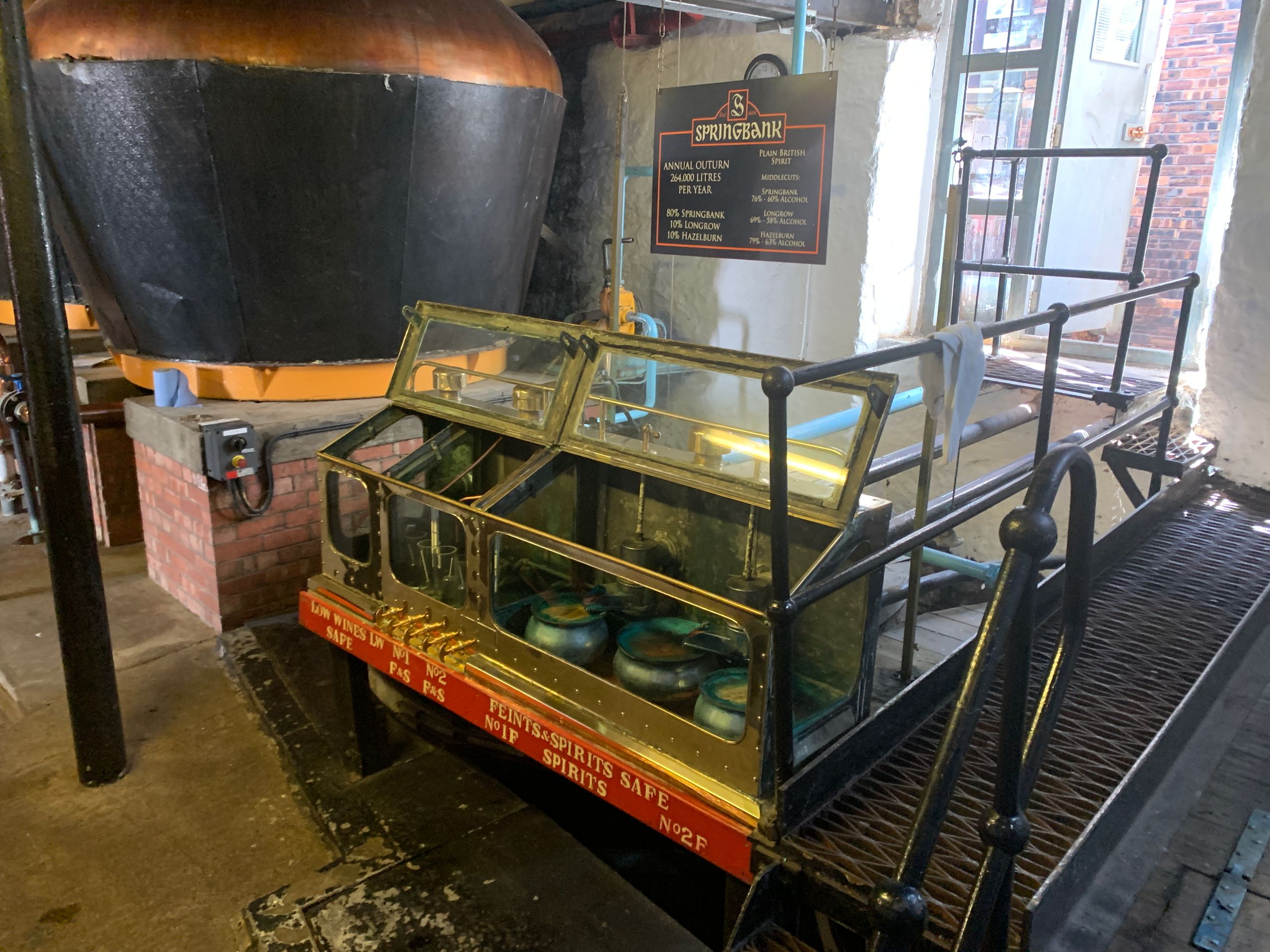
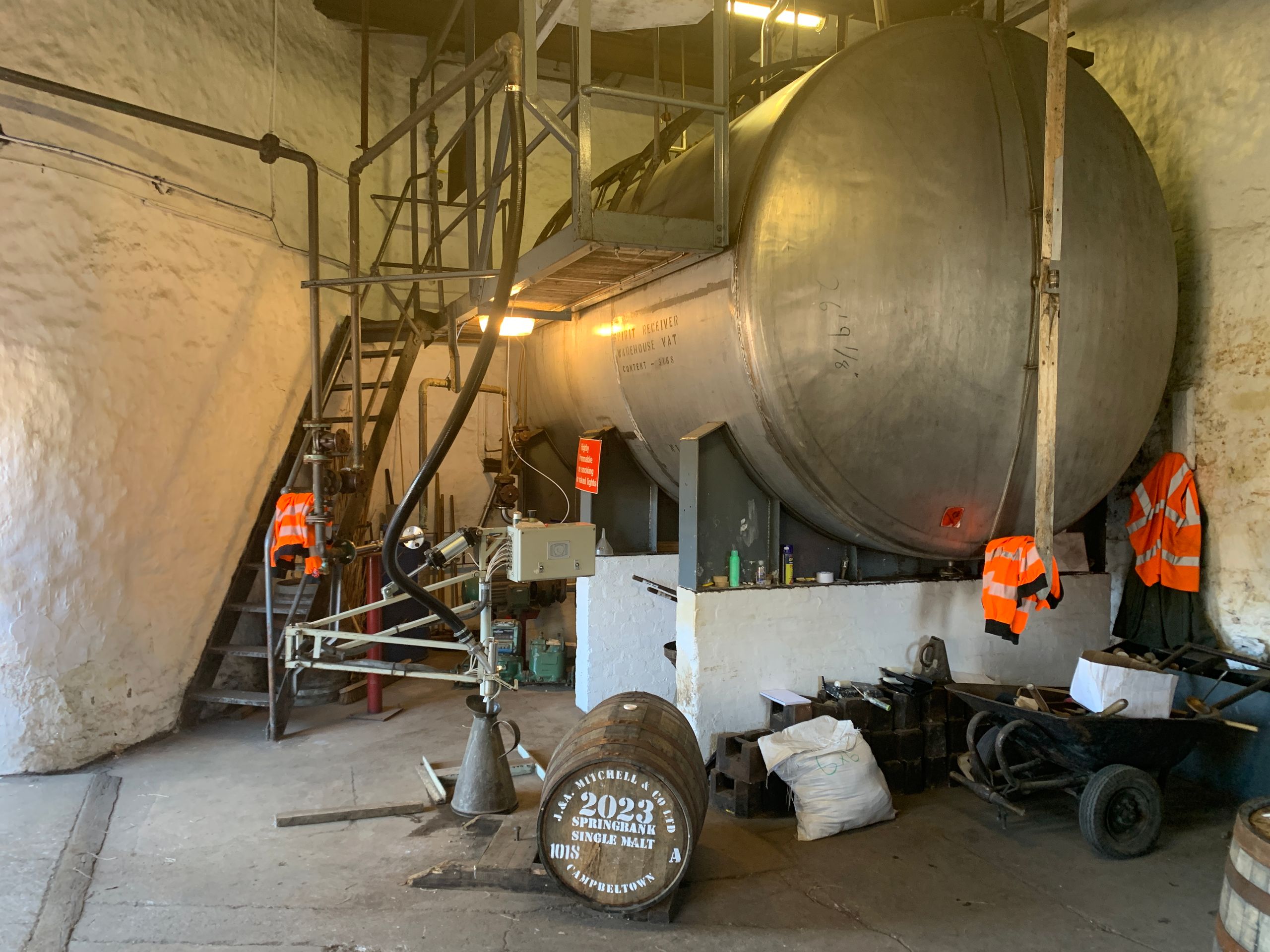
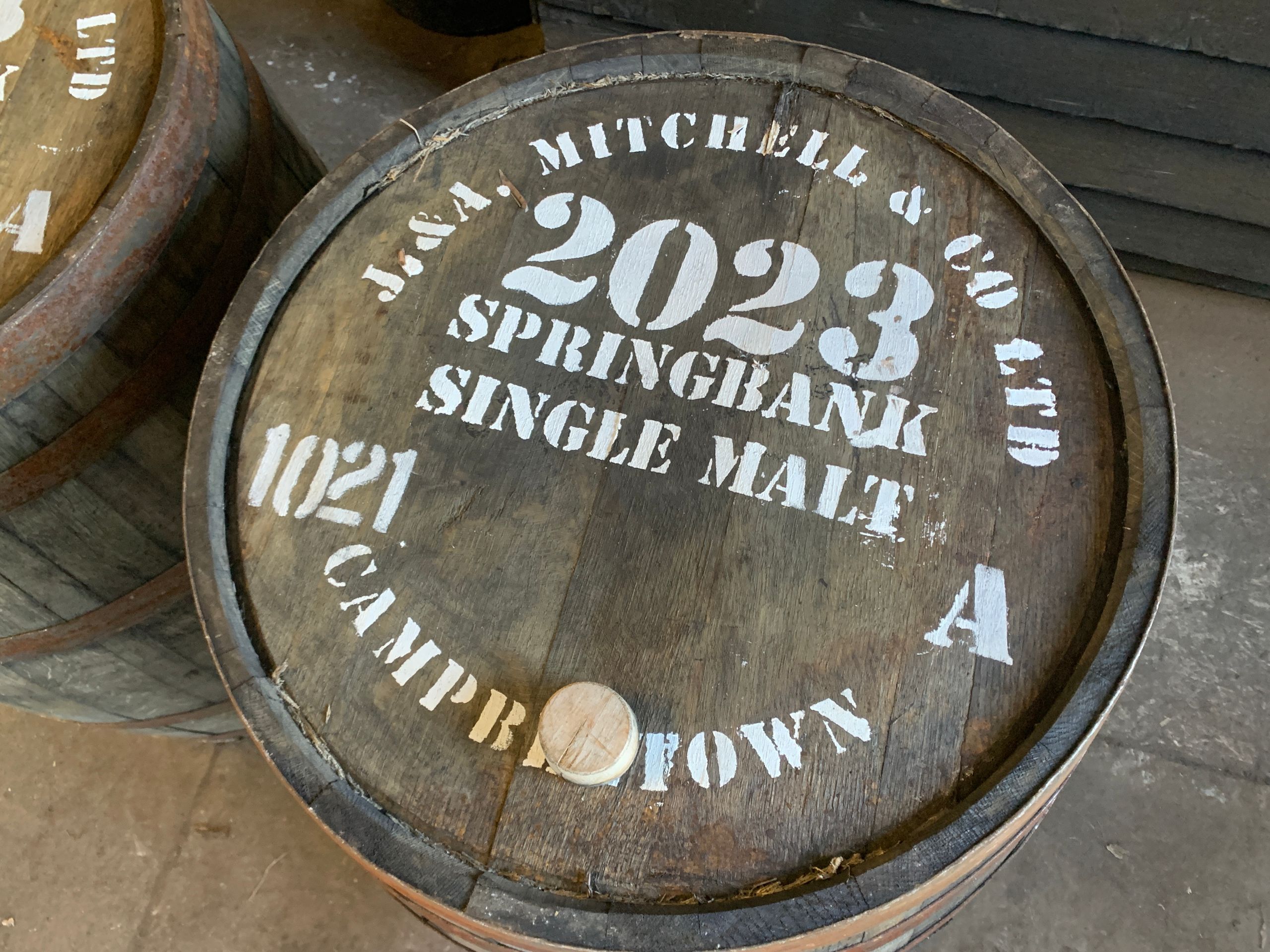
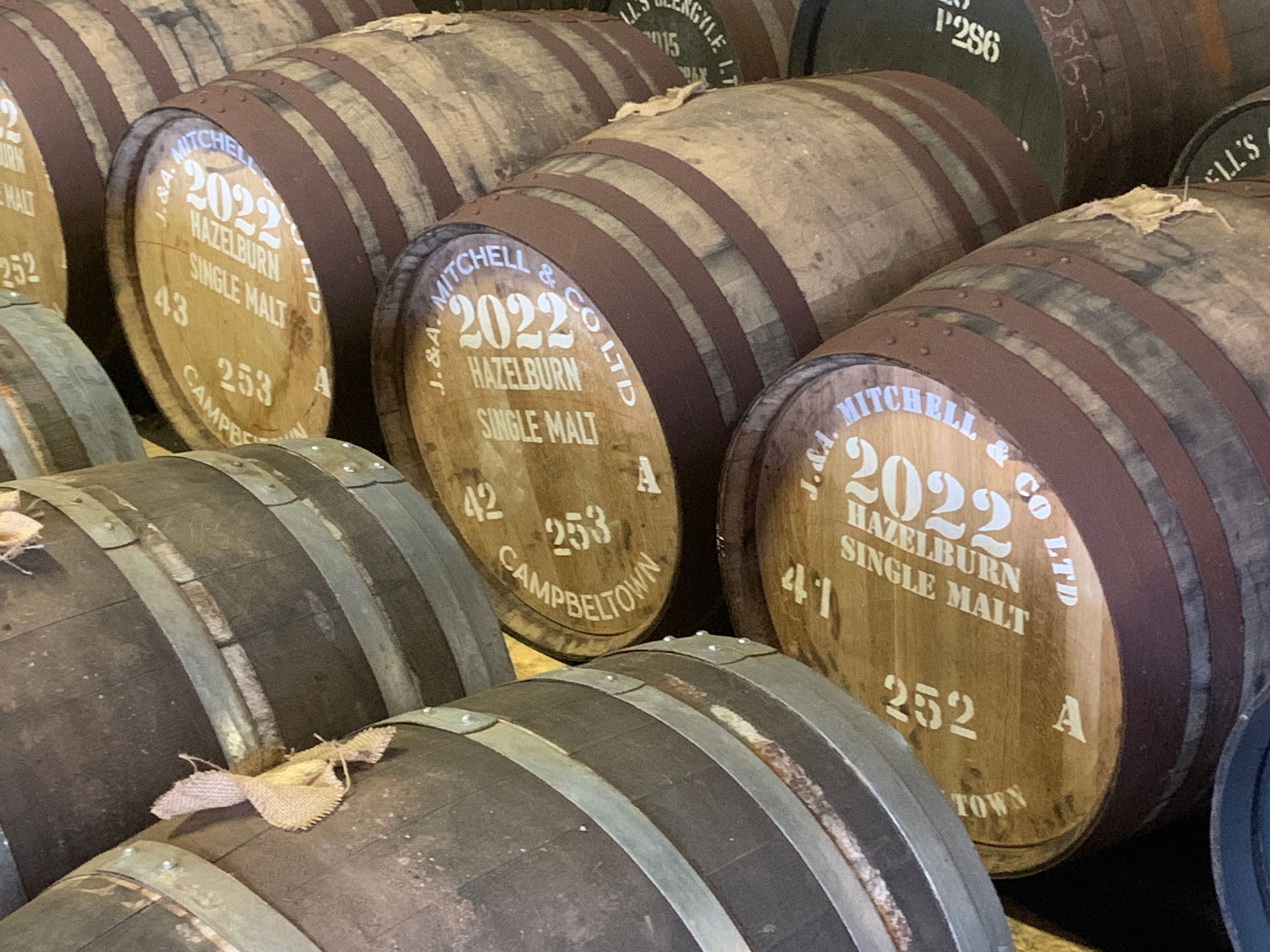
Springbank Distillery mit der Dependance Glengyle ist neben Glen Scotia eine der letzten verbliebenen Brennereien der Whiskyregion Campbeltown, in der es früher rund 30 Brennereien gab. Springbank ist seit 1837 im Besitz der Familie Mitchell und hat sich ihre Unabhängigkeit bis heute bewahrt. Gleichzeitig ist sie eine der wenigen Brennereien, die mehr als einen Single Malt herstellen – außer Springbank wird hier auch Longrow und, seit Ende 1997, Hazelburn gebrannt. Diese sind nach den ehemaligen Hazelburn- (geschlossen 1925) und Longrow-Brennereien (geschlossen 1896) benannt - aber die drei Single Malts haben alle einen durchaus unterschiedlichen Charakter.
Die Brennerei wurde im Jahre 1828 durch die Familie Reid gegründet und war damit die vierzehnte, die in Campbeltown dokumentiert wurde. 1837 wurde die Lizenz zum Brennen von Whisky erworben. Als 1920 die Prohibition in den Vereinigten Staaten begann, hatten die Destillerien (nicht nur) in Schottland sehr stark unter dem Absatzeinbruch zu leiden. Ein Großteil der über 20 Destillerien, die es zu der Zeit auf Kintyre gab, musste in den Folgejahren ihren Betrieb einstellen, und auch Springbank hat von 1926 bis 1935 nicht produzieren können.
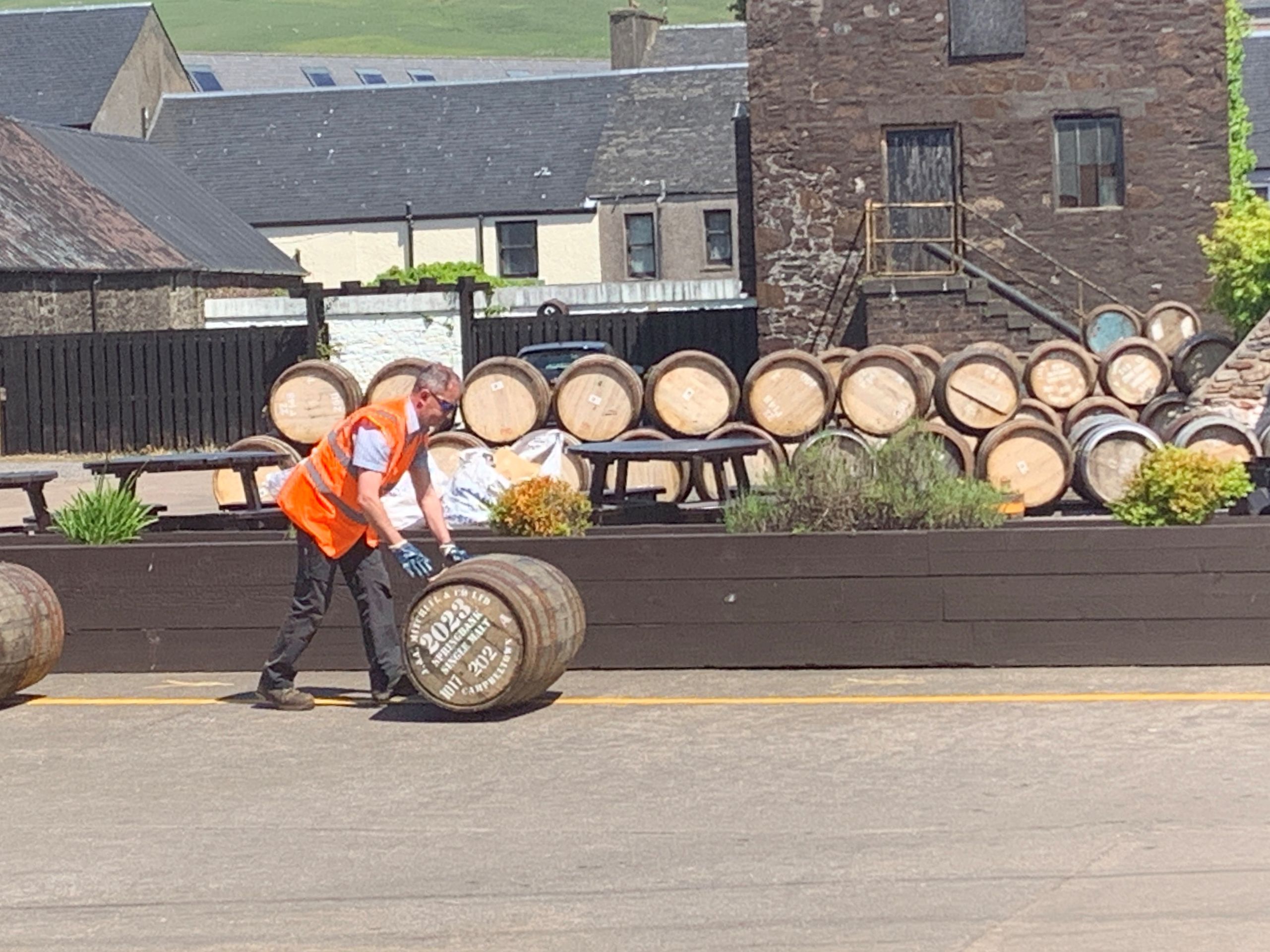
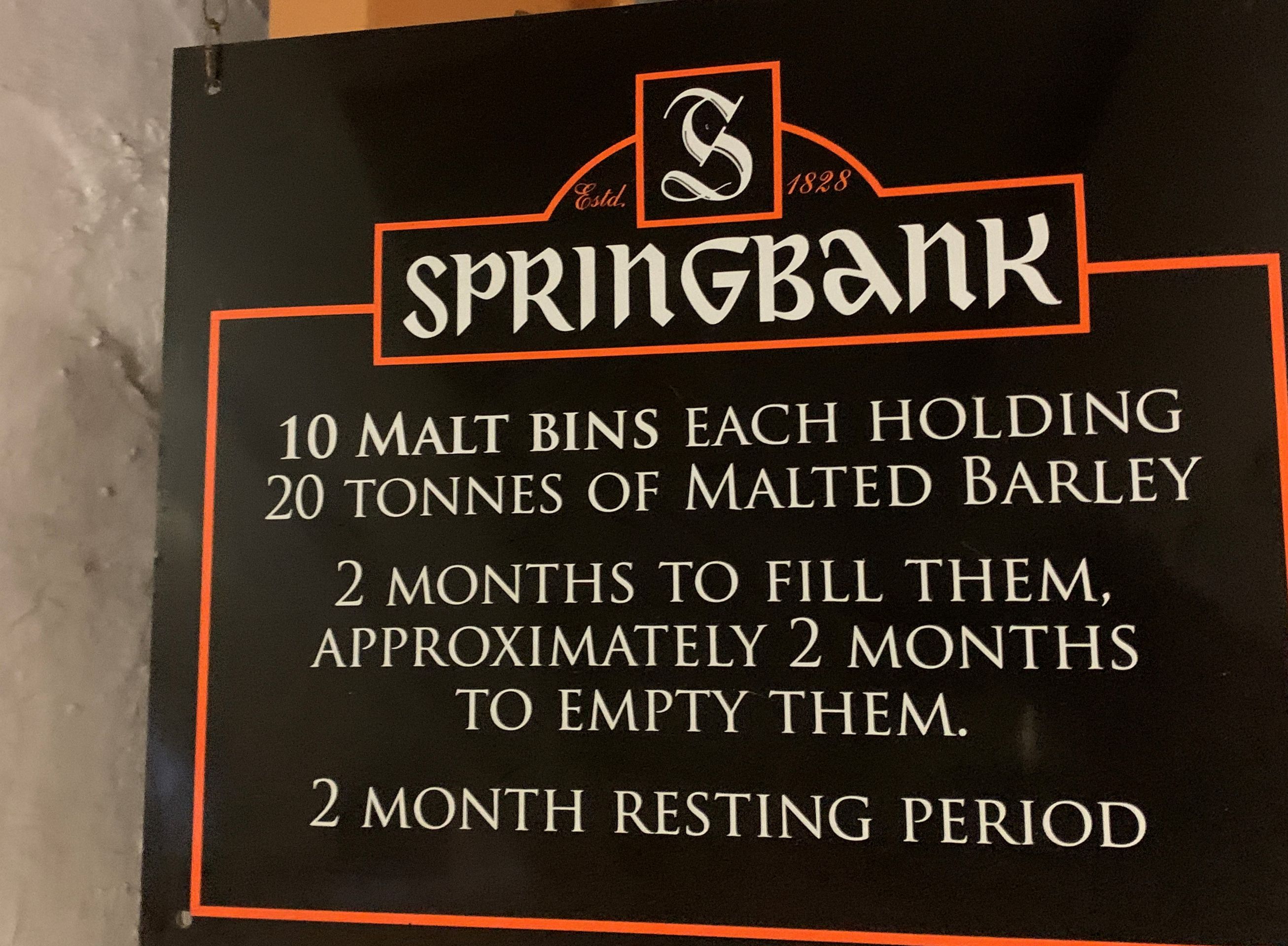
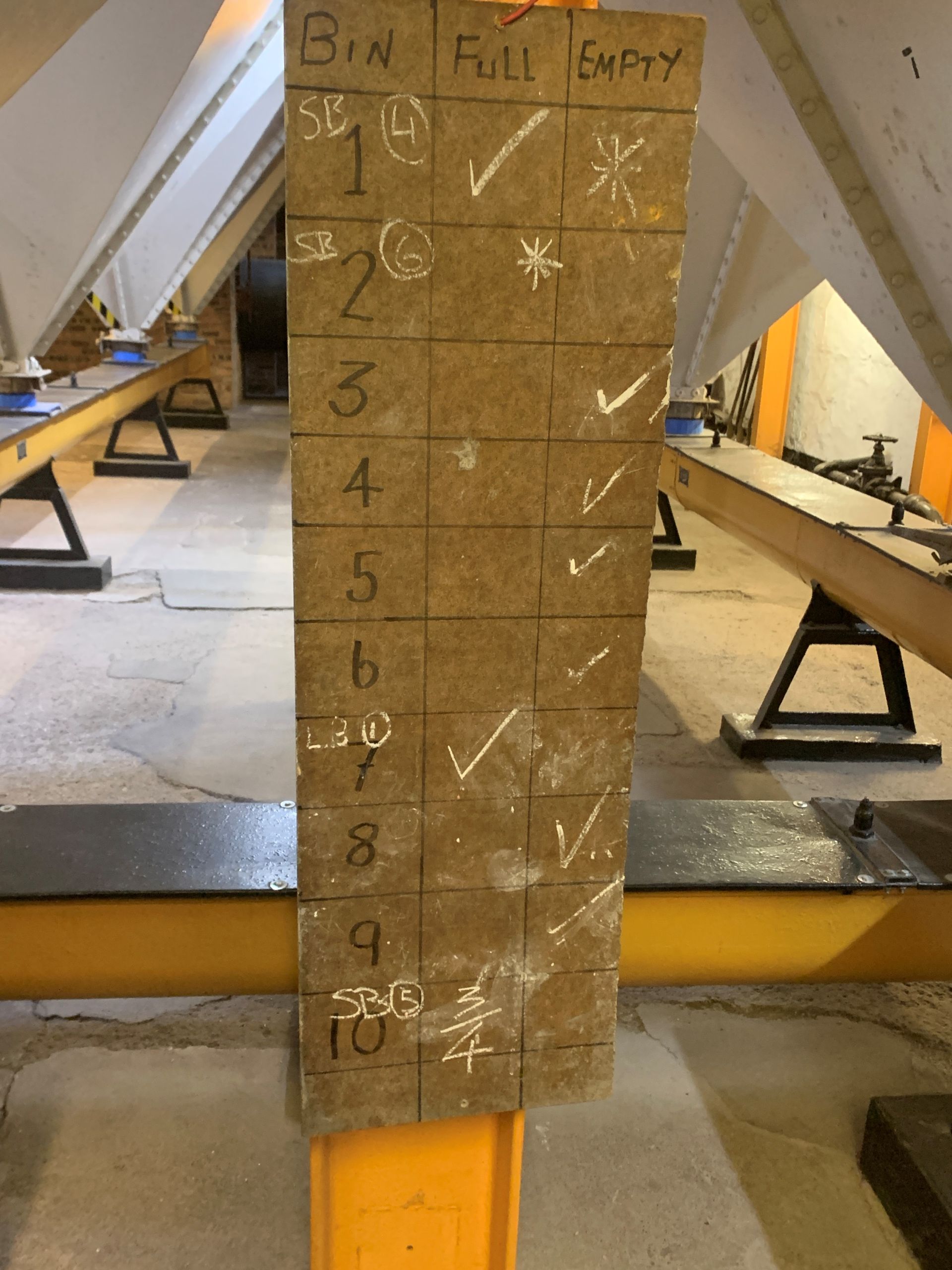
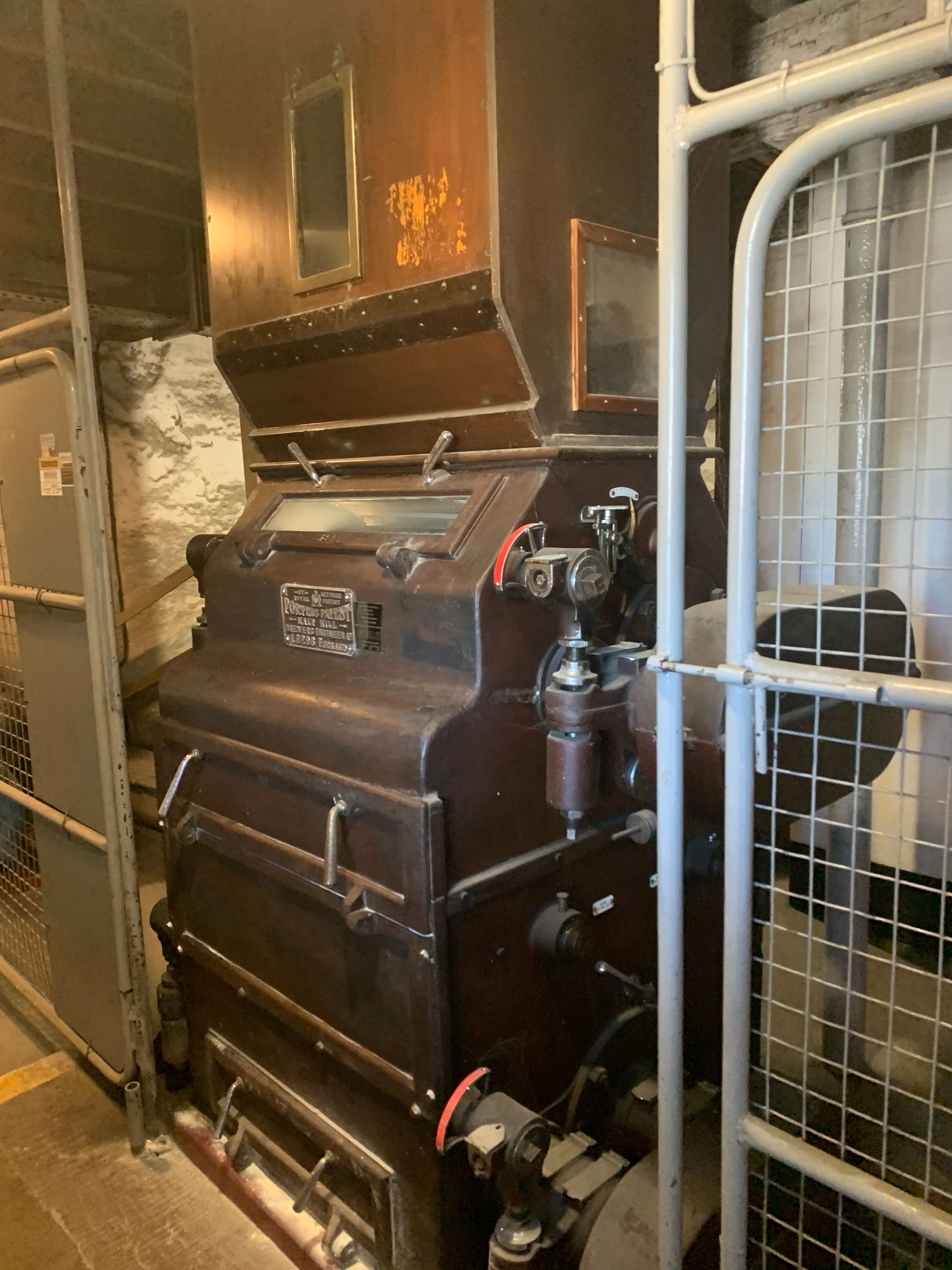
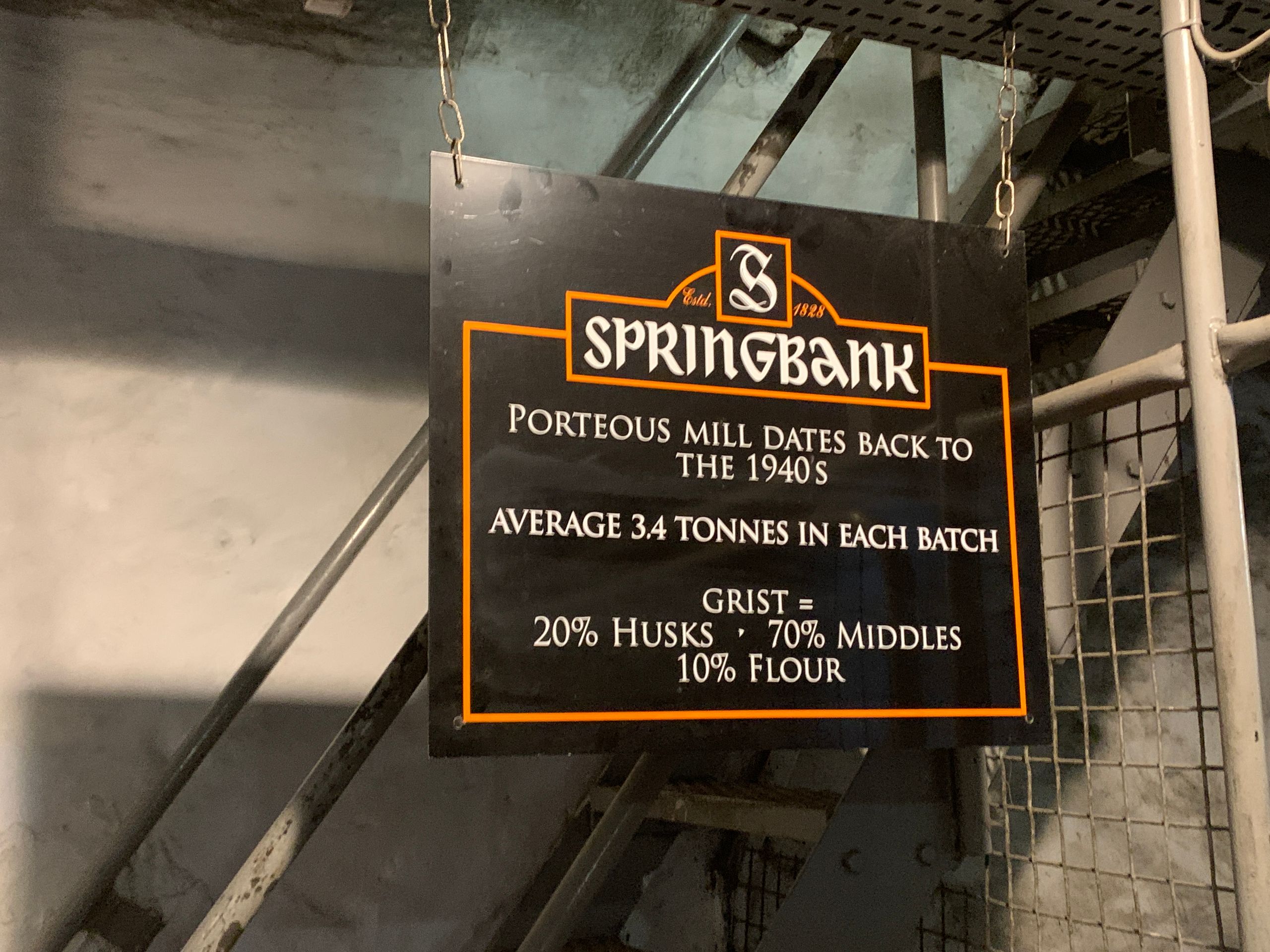
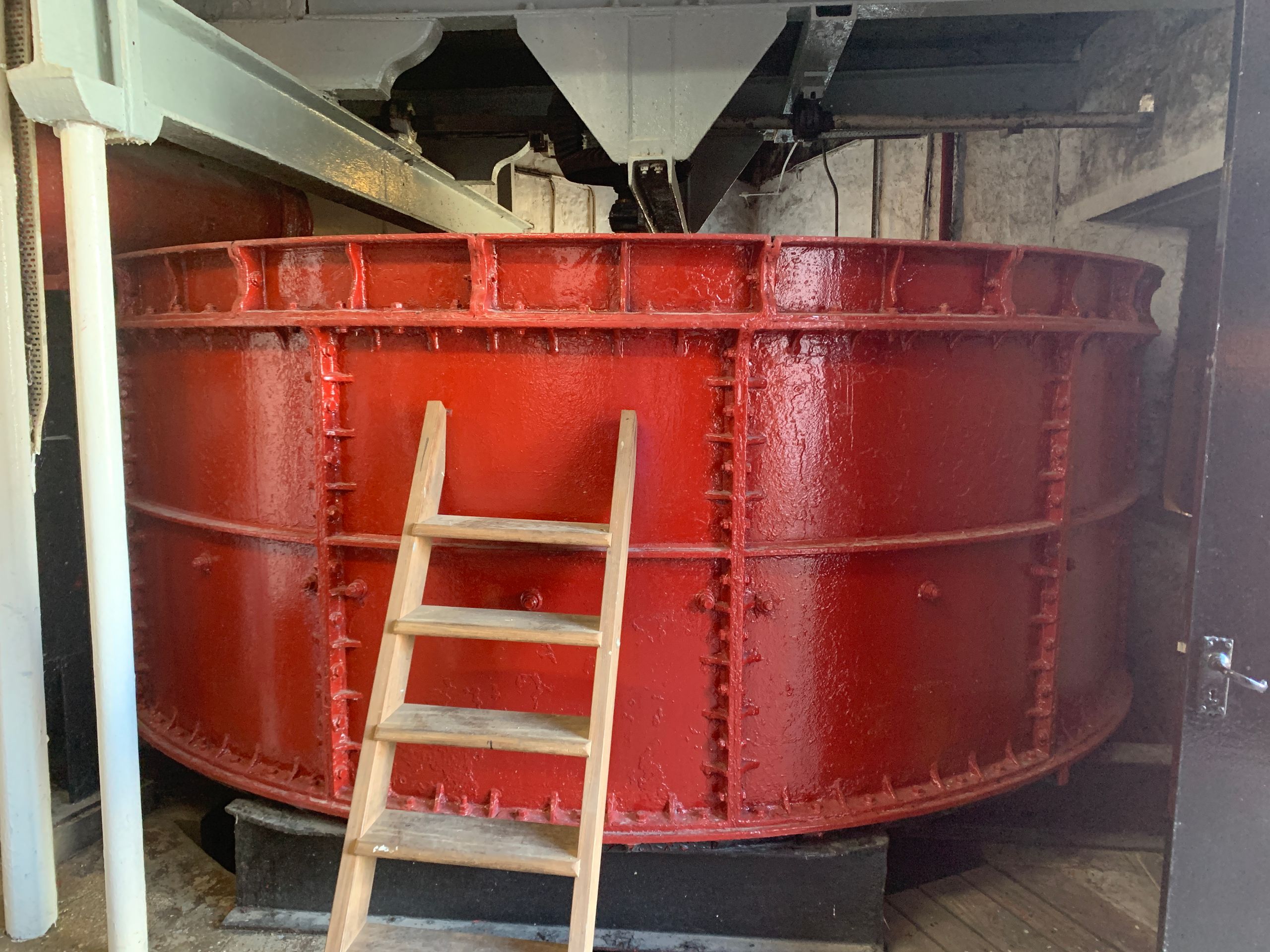
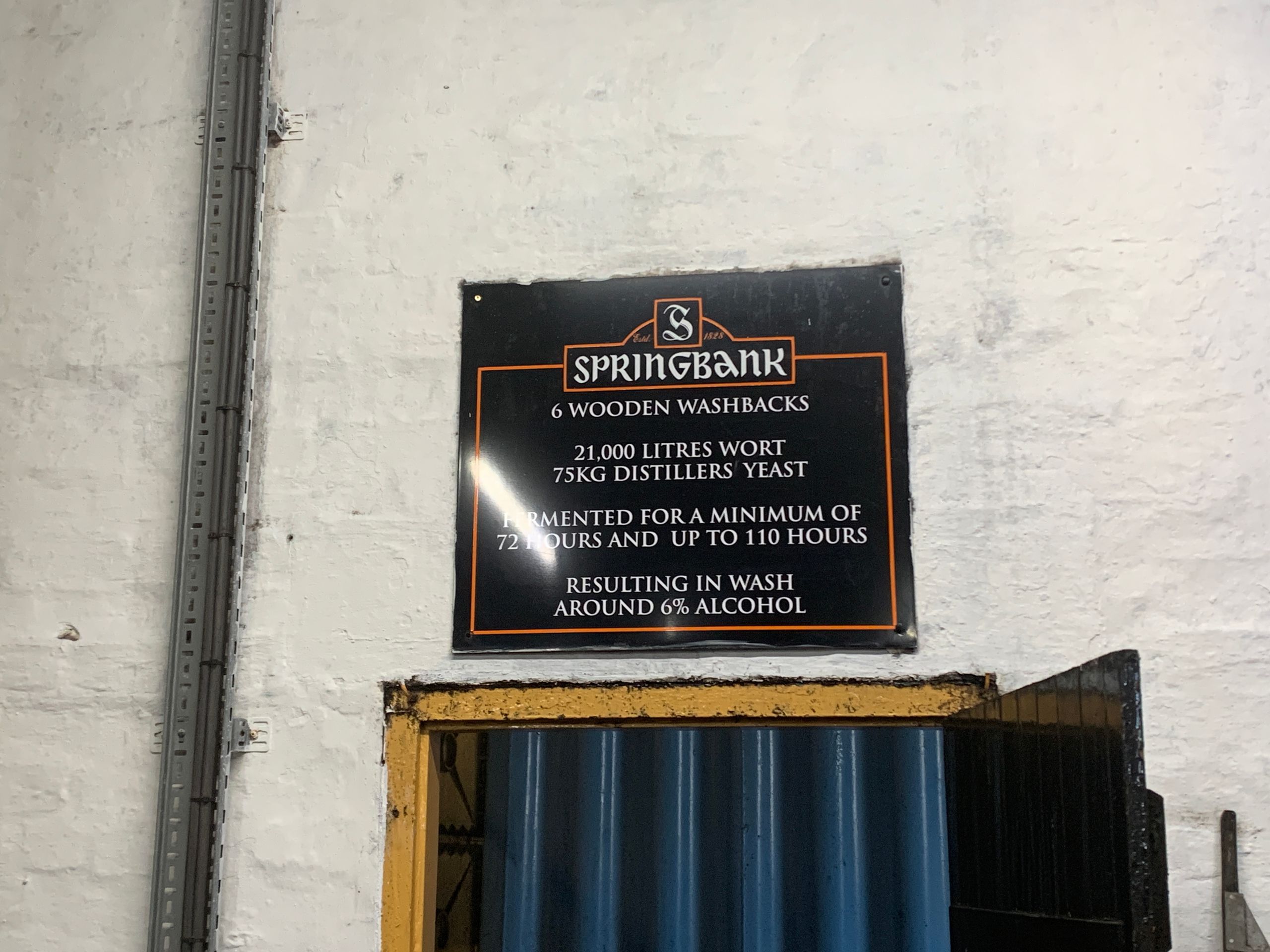
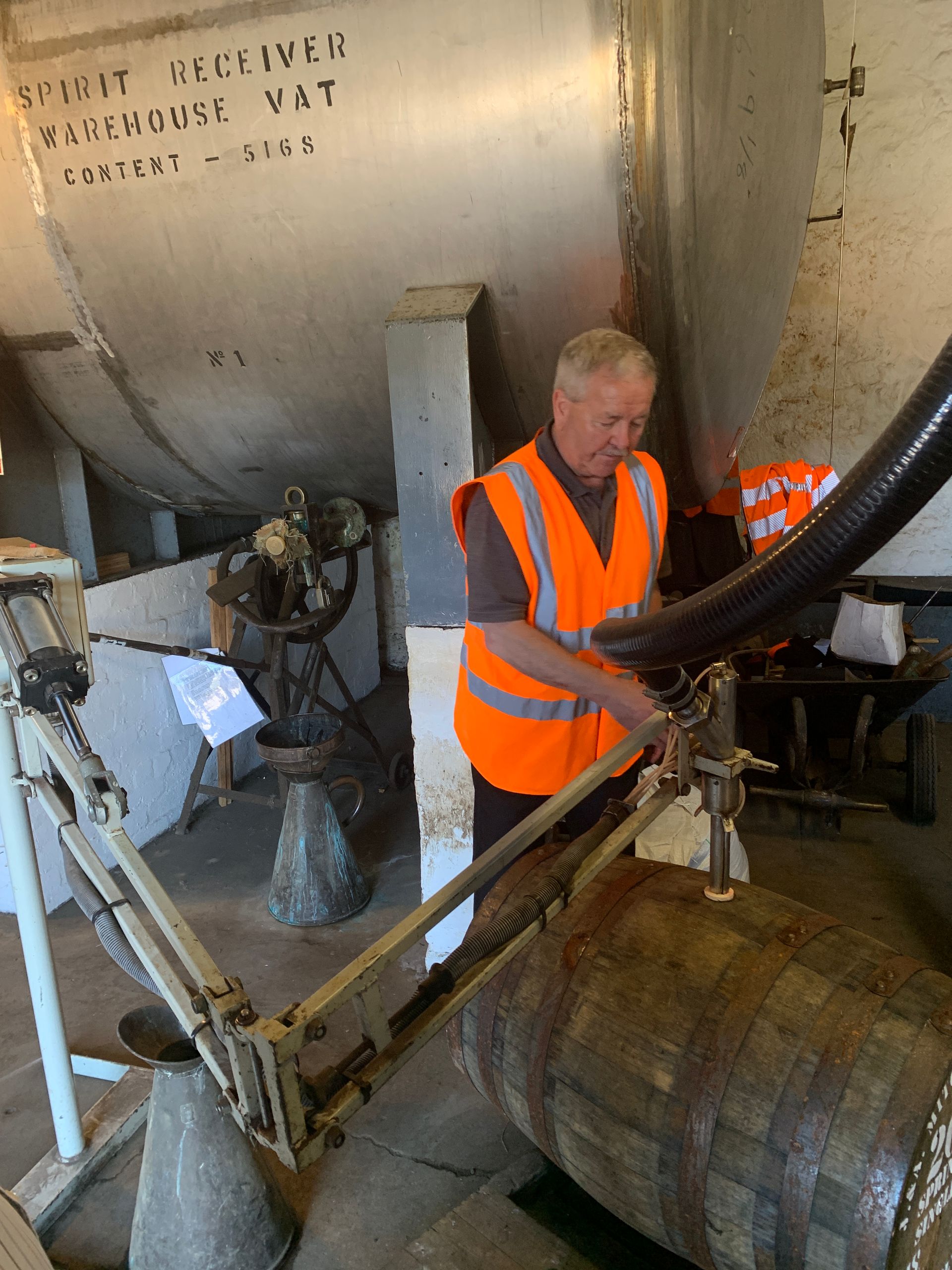
Für die heutige Zeit ist der immer noch hohe Grad an manueller Tätigkeit bei Springbank recht unüblich. Während andere Whiskyproduzenten die Produktion weitestgehend automatisiert haben, wird Springbank häufig als 'lebendes Museum' bezeichnet. So gibt es in der Produktion keinen einzigen Computer, und die gesamte Produktion geschieht mit vielen manuellen Schritten. Springbank beschäftigt in der Produktion weitaus mehr Personen als z. B. die weitaus größere Destillerie Glenfiddich.
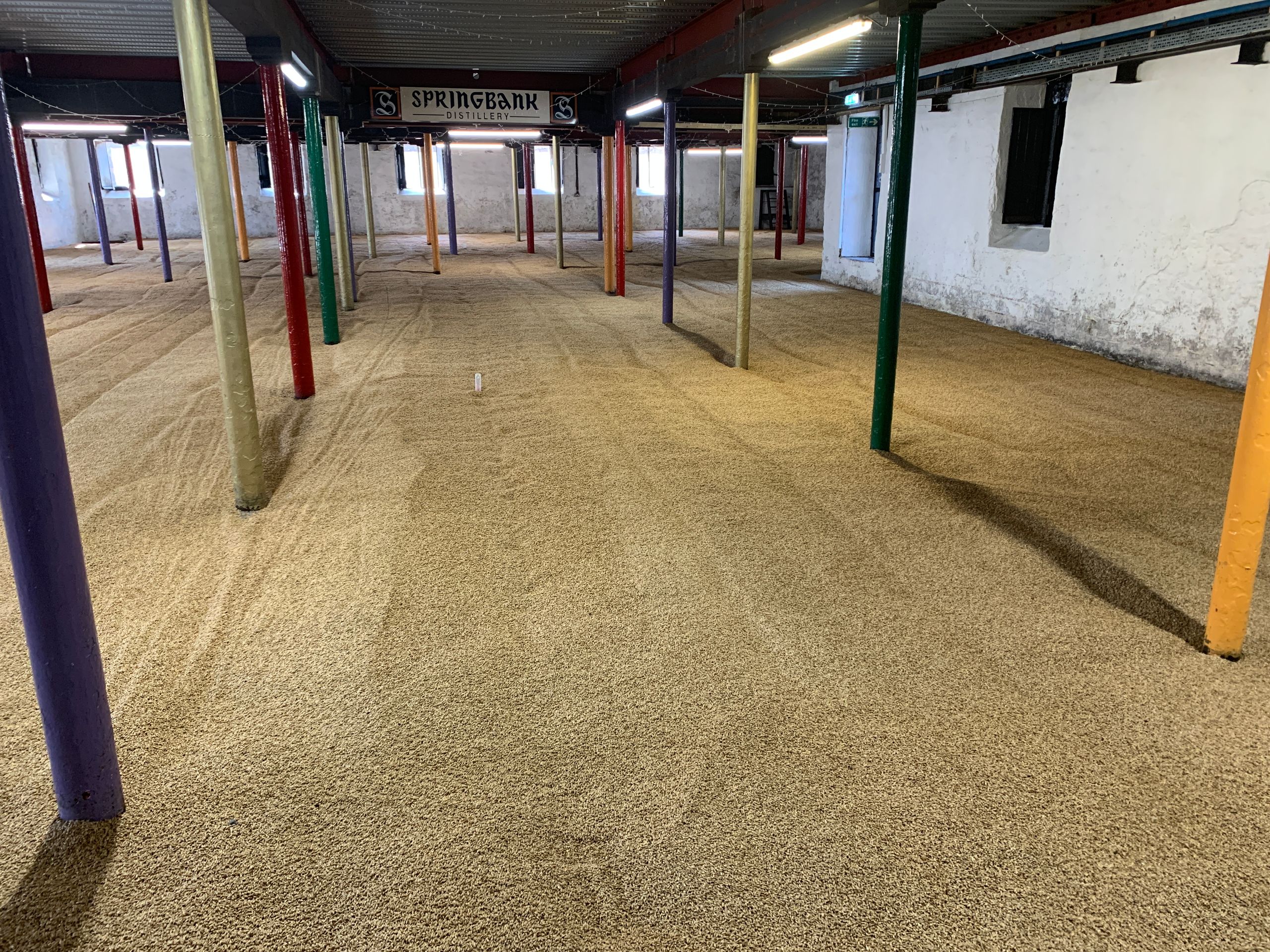
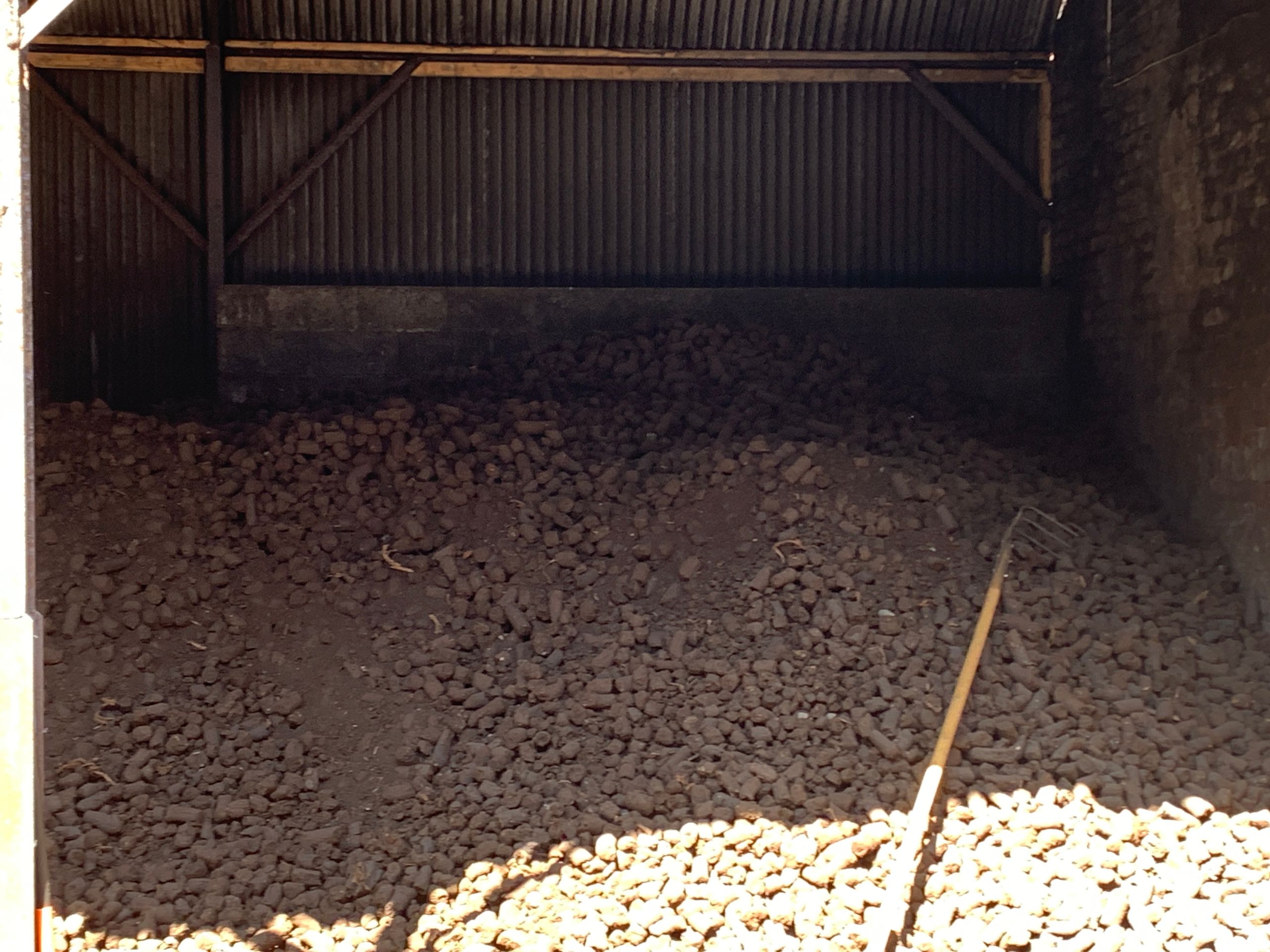
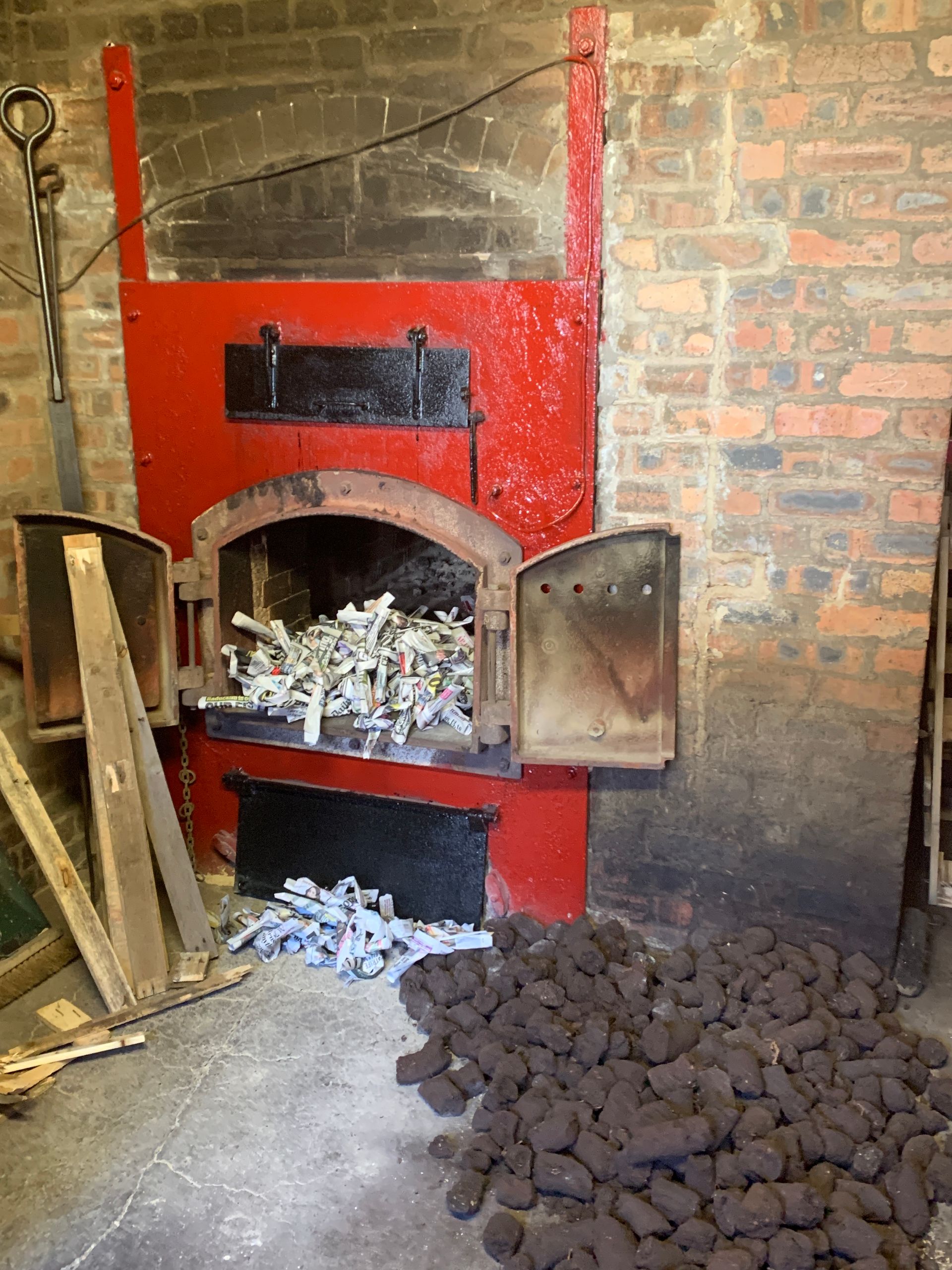
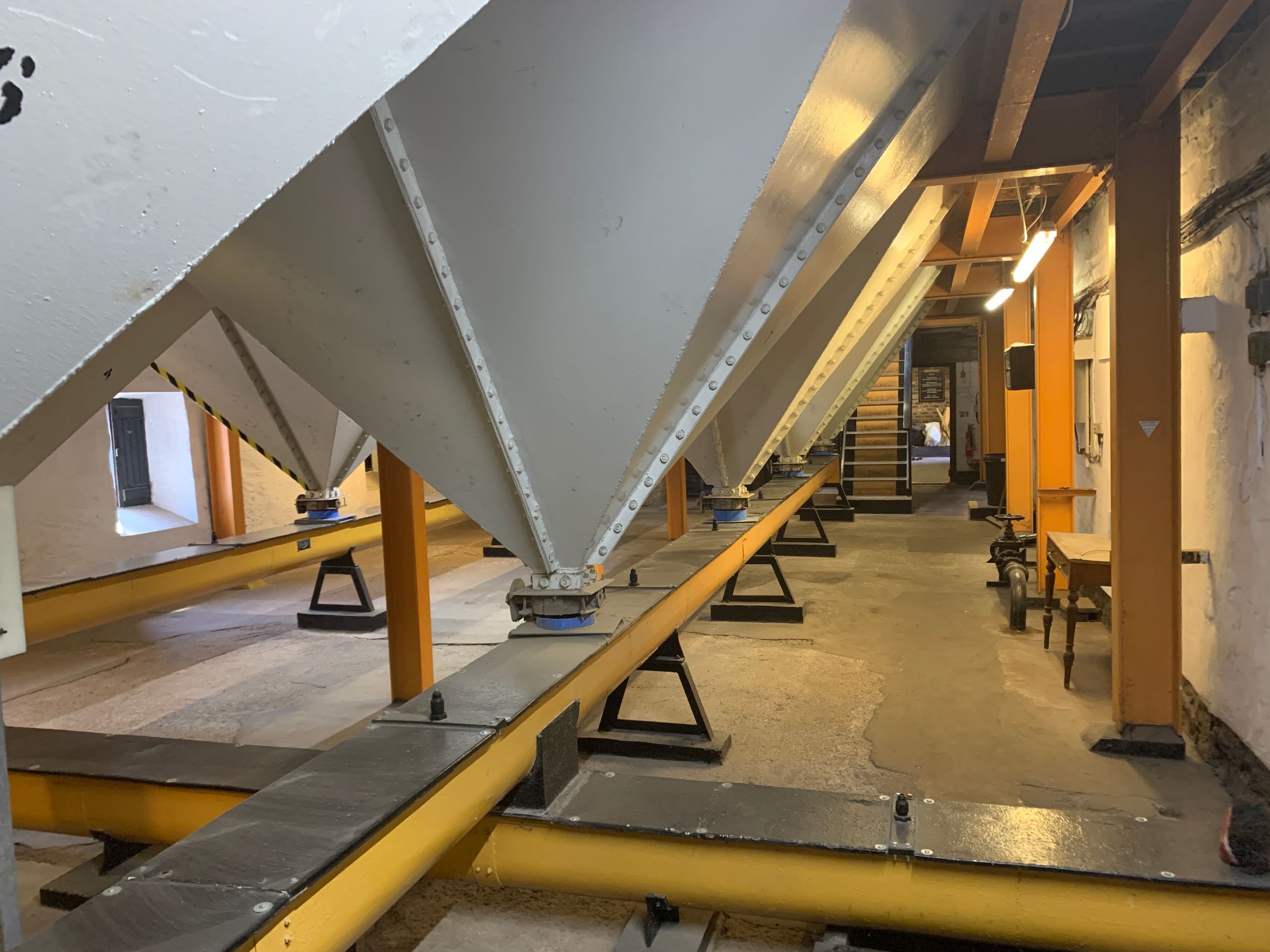
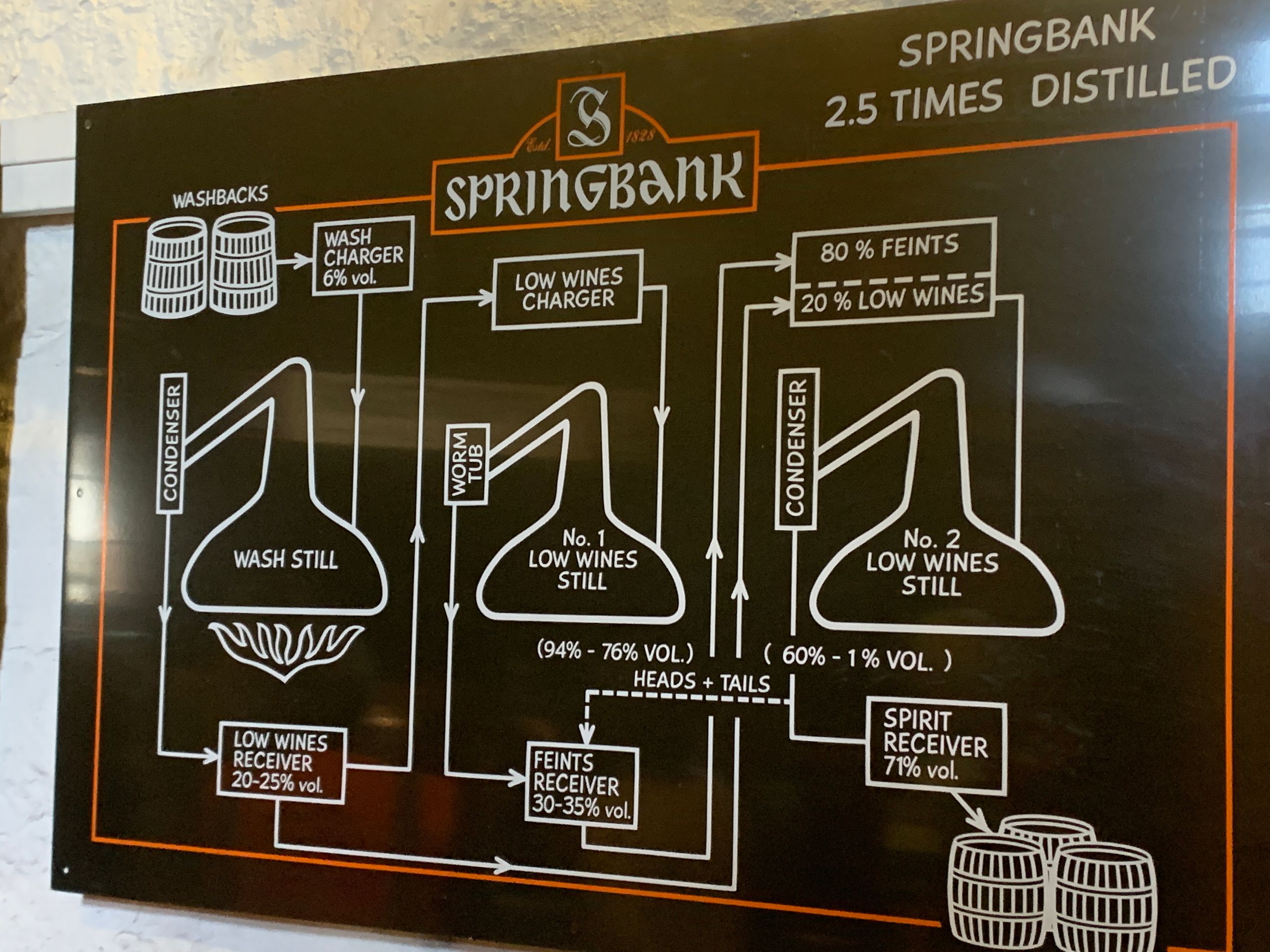
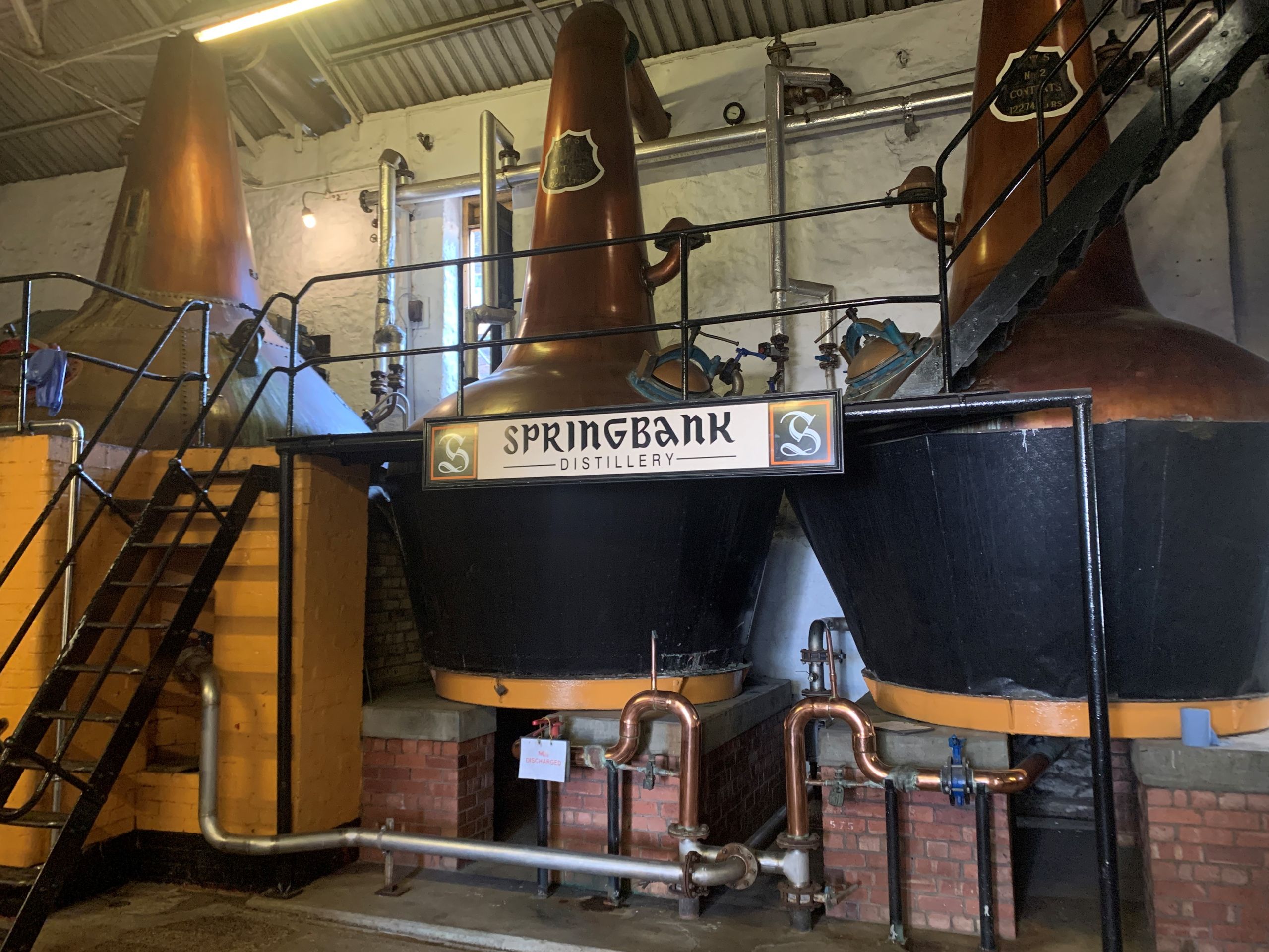
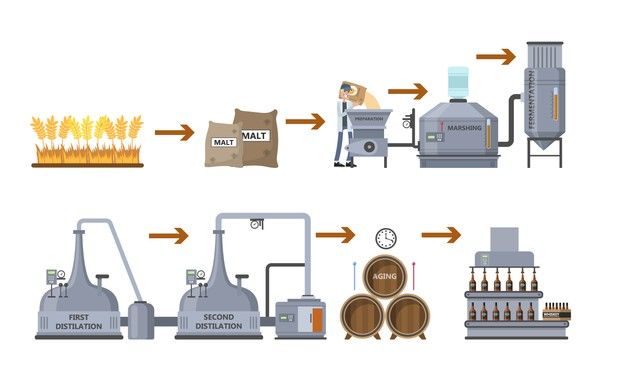
Ungewöhnlich an der Destillation des Springbank ist auch, dass der Nachlauf aus dem ersten Brennvorgang gesammelt und dreimal, der Rest jedoch nur zweimal gebrannt wurde. Daher spricht man meist von zweieinhalbfacher Destillation. Das verwendete Malz kommt (ebenso wie bei Longrow und Hazelburn) ausschließlich aus der eigenen Mälzerei – Springbank ist damit die einzige Brennerei in Schottland, die die gesamten Produktionsschritte im eigenen Haus durchführen.
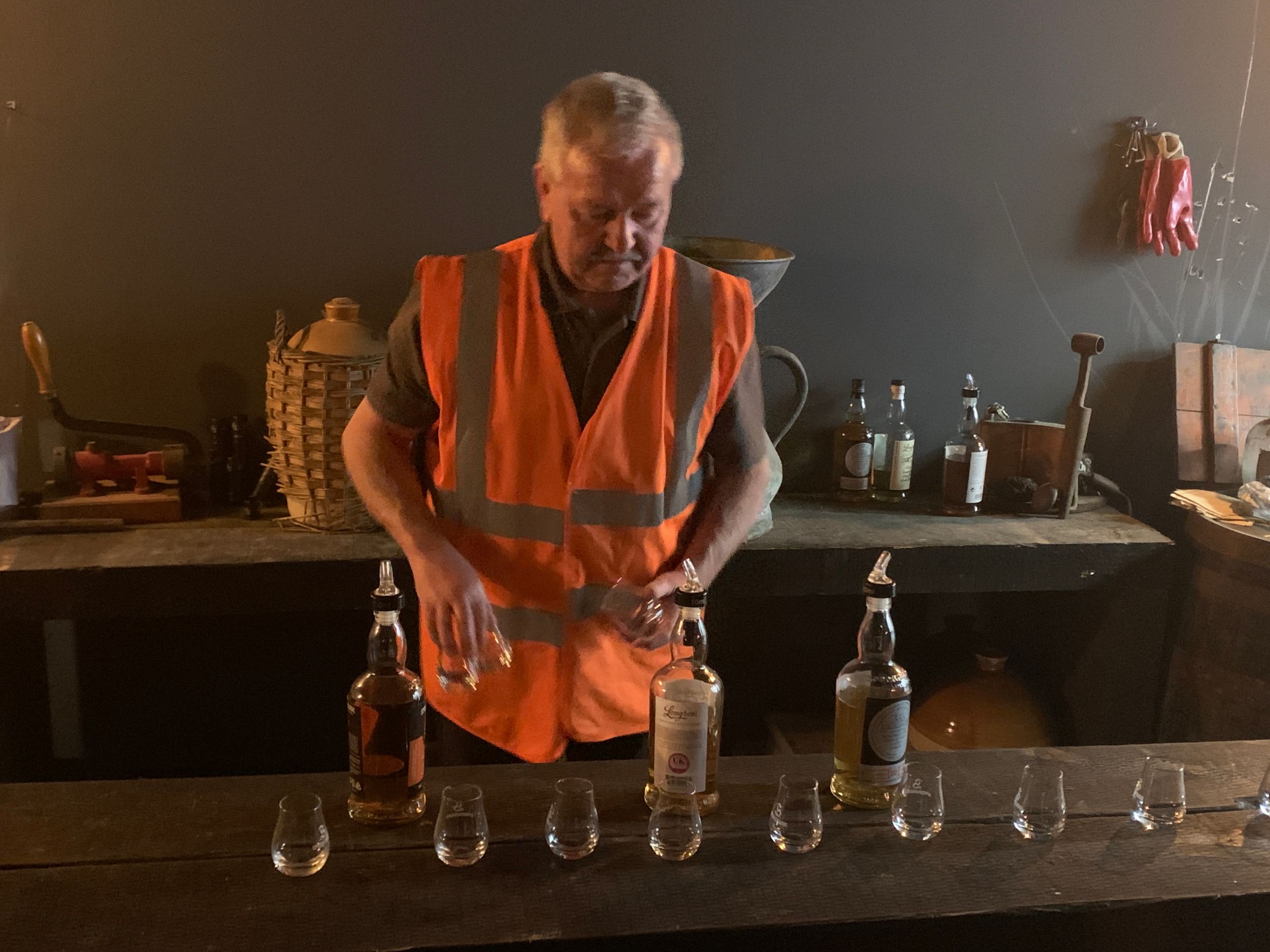
Die Führung ist sehr persönlich und, man darf – im Gegensatz zu den anderen Brennereien – alles fotografieren und auch angreifen. Unser Führer war auch recht witzig und freundlich. Für uns war es der beste drei Besuche mit Führung in Brennereien. Absolut empfehlenswert!
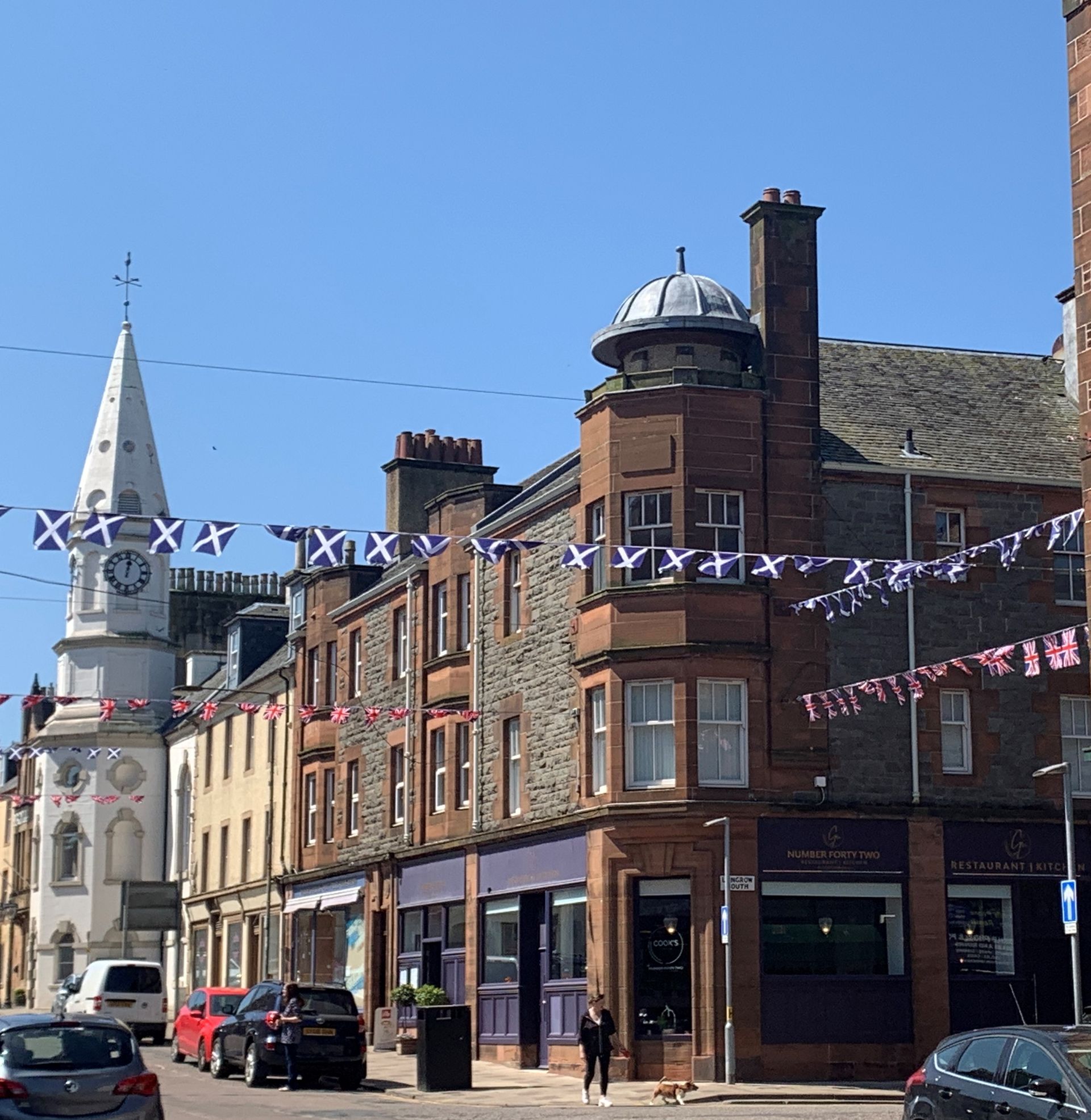
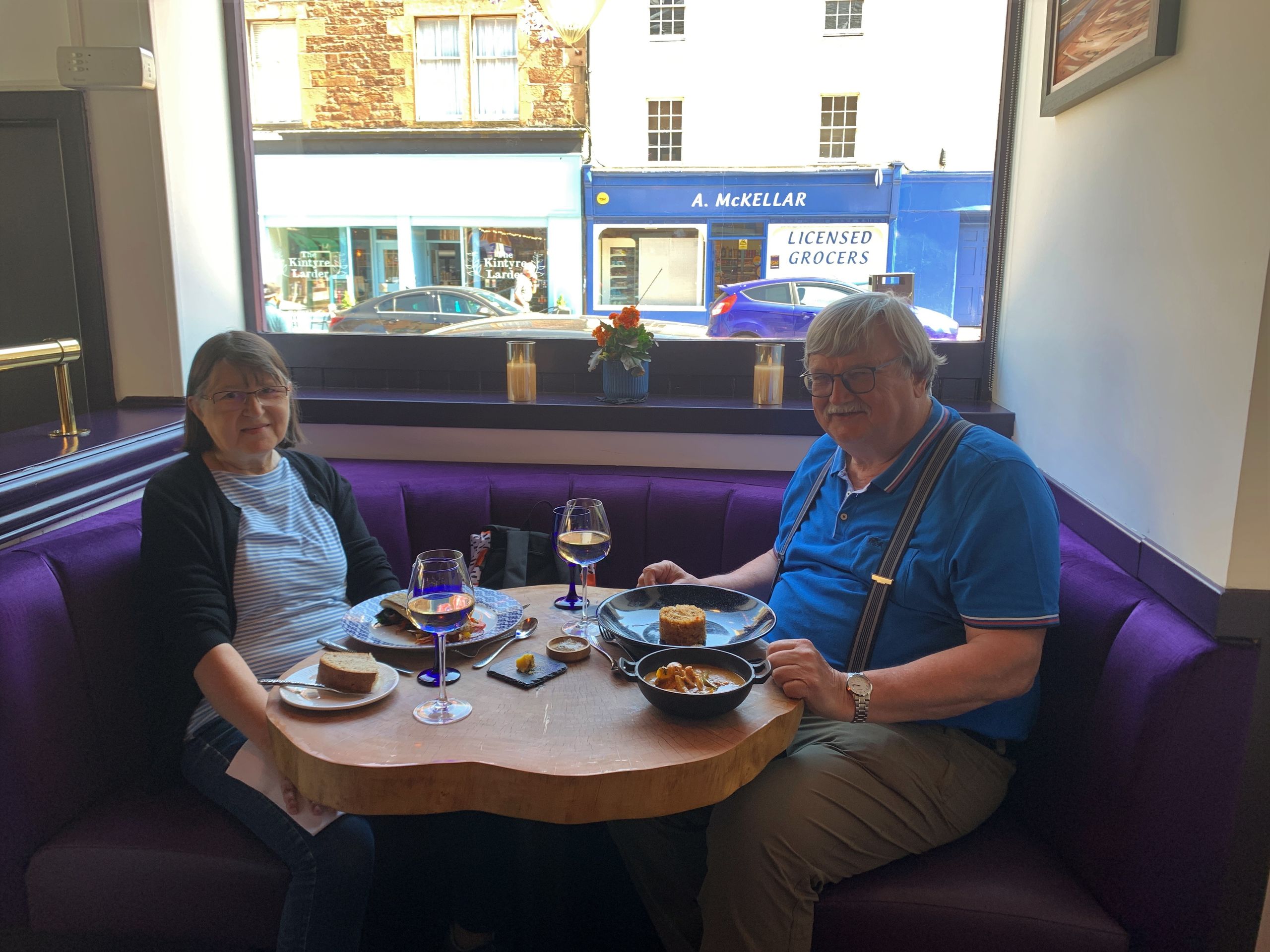
Nach der „anstrengenden“ Führung und Verkostung stärken wir uns im angeblich besten Lokal von Campbeltown, dem „Number Forty – Two“. Cosimas Fisch ist sehr gut und Gerhards Fish Curry könnte aus Indien kommen, der Koch ist allerdings aus Polen…
Am Rückweg zum Auto beim Hafen schauen wir noch im „Lady Linda McCartney Memorial Garden“ beim Burnet Building vorbei – sozusagen als Vorbereitung für den nächsten Tag,
XXXXXXXXXXXXXXXXXXXXXXXXXXXXXXXXXXXXXXXXXXXXX
After our detour to Blackford, we head back west - the Kintyre Peninsula is our destination. We were here on our first trip to Scotland as young students 45 years ago, back then in Gerhard's parents' VW camper van.
Kintyre is not a well-known tourist destination but has two highlights for us: back then the song "Mull of Kintyre" by Paul McCartney & Wings and today the history as one of the former strongholds of whisky distilleries in Scotland.
First it's 250km across country and mountains to Muasdale Holiday Park on the west coast of Kintyre. Despite the somewhat pompous name, it is a small campsite with only 10 pitches and a few fixed caravans, but beautifully situated right on the coast. Here we have the opportunity to relax a bit and enjoy the landscape - the temperature test of the water by Cosima (estimated 10 to 12 degrees) makes us refrain from a swim, although a few SU paddlers are on the way....
It then continues about 25 km to the capital Campbeltown. We save ourselves the long and quite tedious drive to the southern tip - the "Mull of Kintyre", we were already there then - at that time it was no problem to spend the night in a VW bus - today it is forbidden and our mobile home is not really ideal at the very narrow streets.
Fortunately, we quickly find a parking space at the harbor in Campbeltown. Today's main destination, the Whisky Distillery Springbank, is in the middle of the city and has a parking space, but the narrow access lane keeps us from using it. So, as the weather is beautiful again and it's a pleasant 21 degrees, we walk through the streets of Campbeltown to our tour of the distillery.
Springbank Distillery with the Glengyle branch is, along with Glen Scotia, one of the remaining distilleries in the Campbeltown whisky region, which used to have around 30 distilleries. Springbank has been owned by the Mitchell family since 1837 and has retained its independence until today. At the same time, it is one of the few distilleries that produce more than one single malt - in addition to Springbank, they also have Longrow and, since the end of 1997, Hazelburn are also distilled here. These are named after the former Hazelburn (closed 1925) and Longrow distilleries (closed 1896) – all with quite different characters.
The distillery was founded by the Reid family in 1828, making it the fourteenth documented in Campbeltown. In 1837 the license to distil whisky was acquired. When Prohibition began in the United States in 1920, distilleries (not only) in Scotland suffered greatly from the slump in sales. Most of the more than 20 distilleries that existed on Kintyre at the time had to cease operations in the following years, and Springbank was also unable to produce from 1926 to 1935.
In today's world, the still high level of manual work at Springbank is quite unusual. While other whisky producers have largely automated production, Springbank is often referred to as a 'living museum'. There is not a single computer in production, and it involves many manual steps. Springbank employs far more people in production than e.g. the much larger distillery Glenfiddich.
What is also unusual about the Springbank distillation is that the tailings from the first still are collected and distilled three times, while the remainder is distilled only twice. Therefore, one usually speaks of two and a half times distillation. The malt used comes (as with Longrow and Hazelburn) exclusively from their own malthouse - making Springbank the only distillery in Scotland to carry out all production steps in-house still today.
The tour is very personal and, in contrast to the other distilleries, you can take photos and touch everything. Our guide was also quite funny and friendly. For us it was the best of three guided visits to distilleries. Highly recommended!
After the "exhausting" tour and tasting, we strengthen ourselves in what is said to be the best restaurant in Campbeltown, the "Number Forty - Two". Cosima's fish is very good and Gerhard’s Fish Curry could be from India, but the chief is from Poland…
On the way back to the car at the port, we stop by the "Lady Linda McCartney Memorial Garden" at the Burnet Building - so to speak, in preparation for the next day,