storiesfromthepaths
storiesfromthepaths
vakantio.de/storiesfromthepaths

Einmal Lofoten und zurück

Veröffentlicht: 09.09.2025
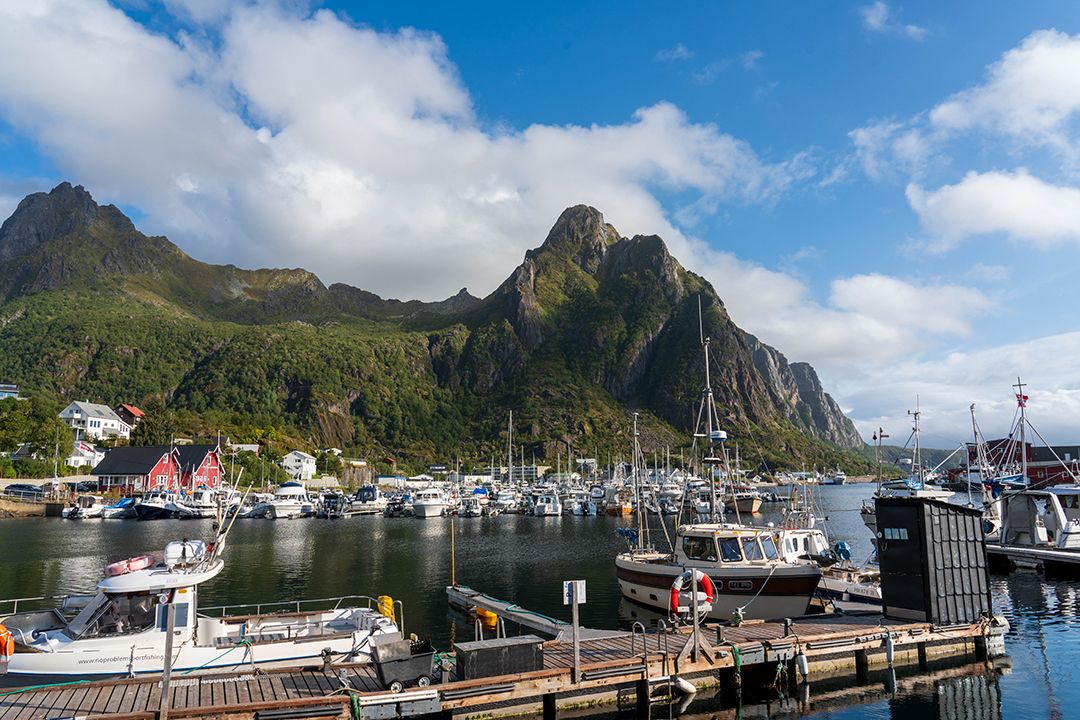
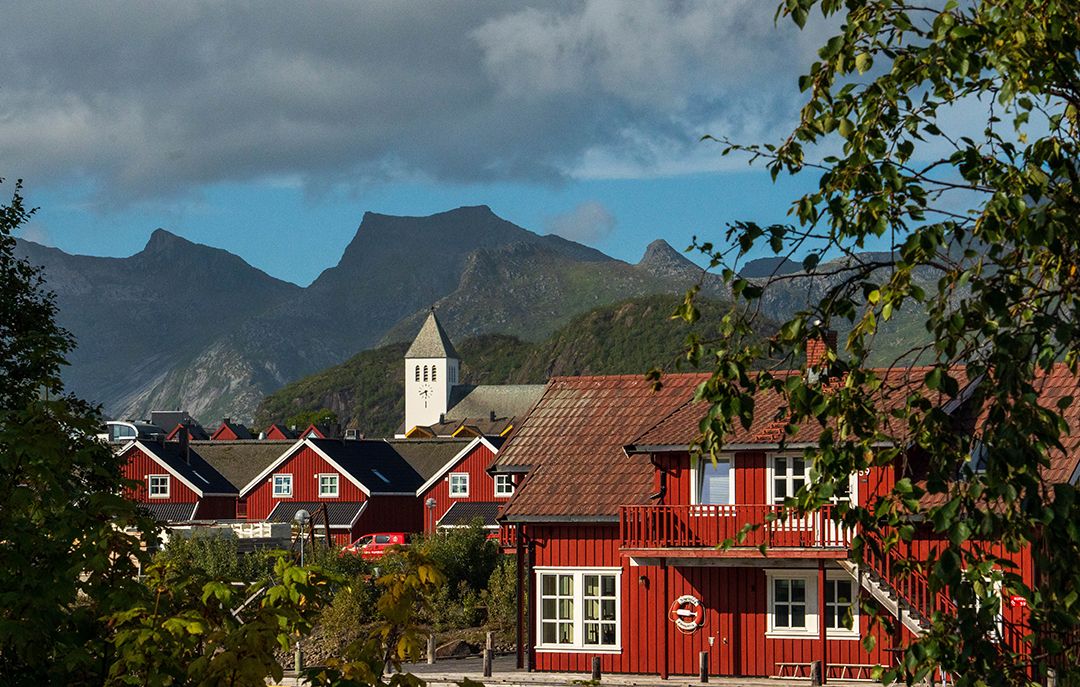
Die nächste Etappe steht an – und vor der haben wir, aus guten Gründen, ein bisschen Angst: die Lofoten. In den letzten Jahren sind sie zum absoluten Hotspot in Norwegen geworden und in der Hochsaison hoffnungslos überlaufen. Wir mögen diesen Übertourismus nicht besonders und schämen uns regelmäßig für unsere Landsleute, die hier ganz offensichtlich die Mehrheit der Besucher stellen. Schon je näher wir den Lofoten kommen, desto voller werden die Straßen – und desto breiter die Wohnmobile.
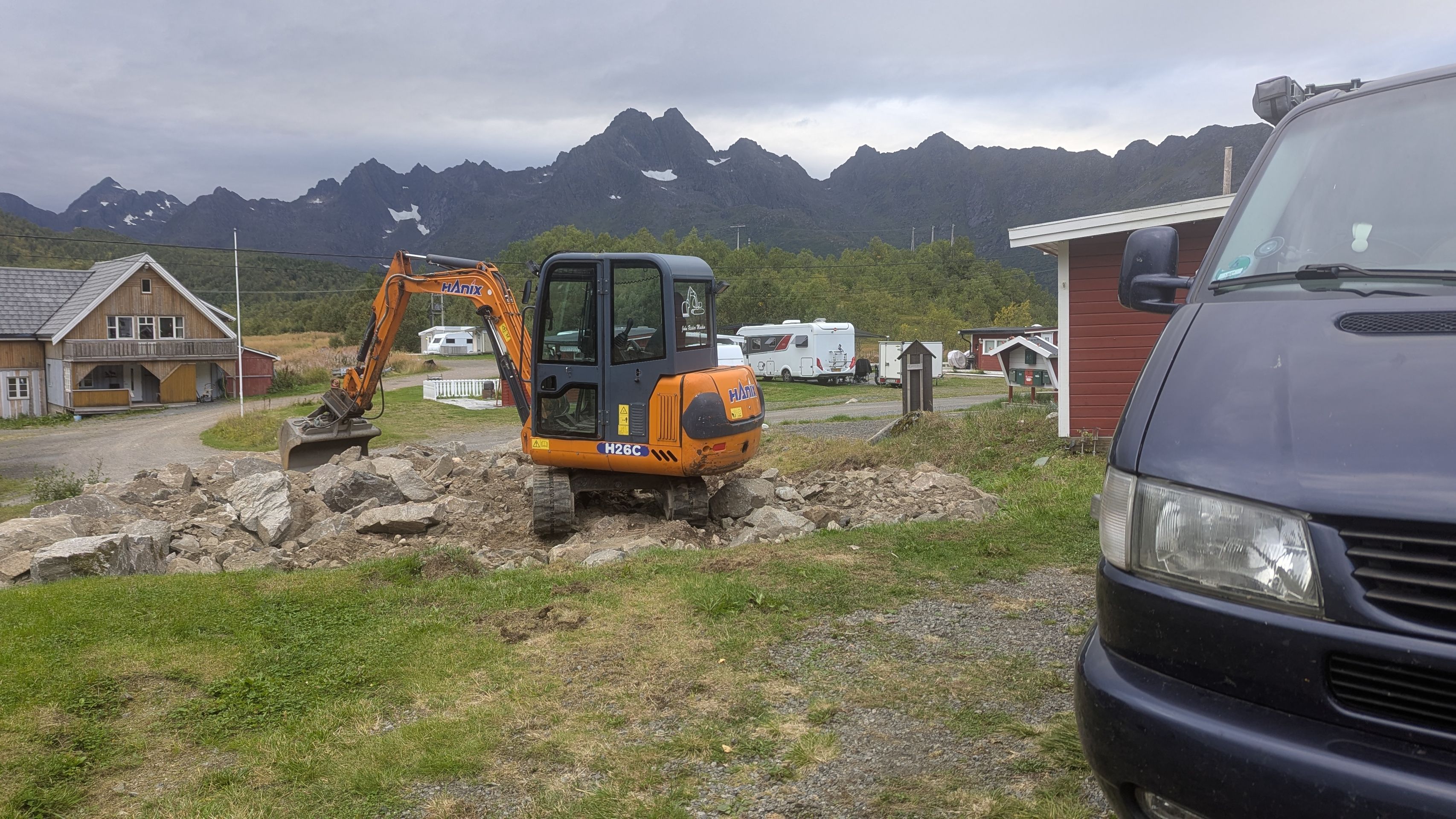
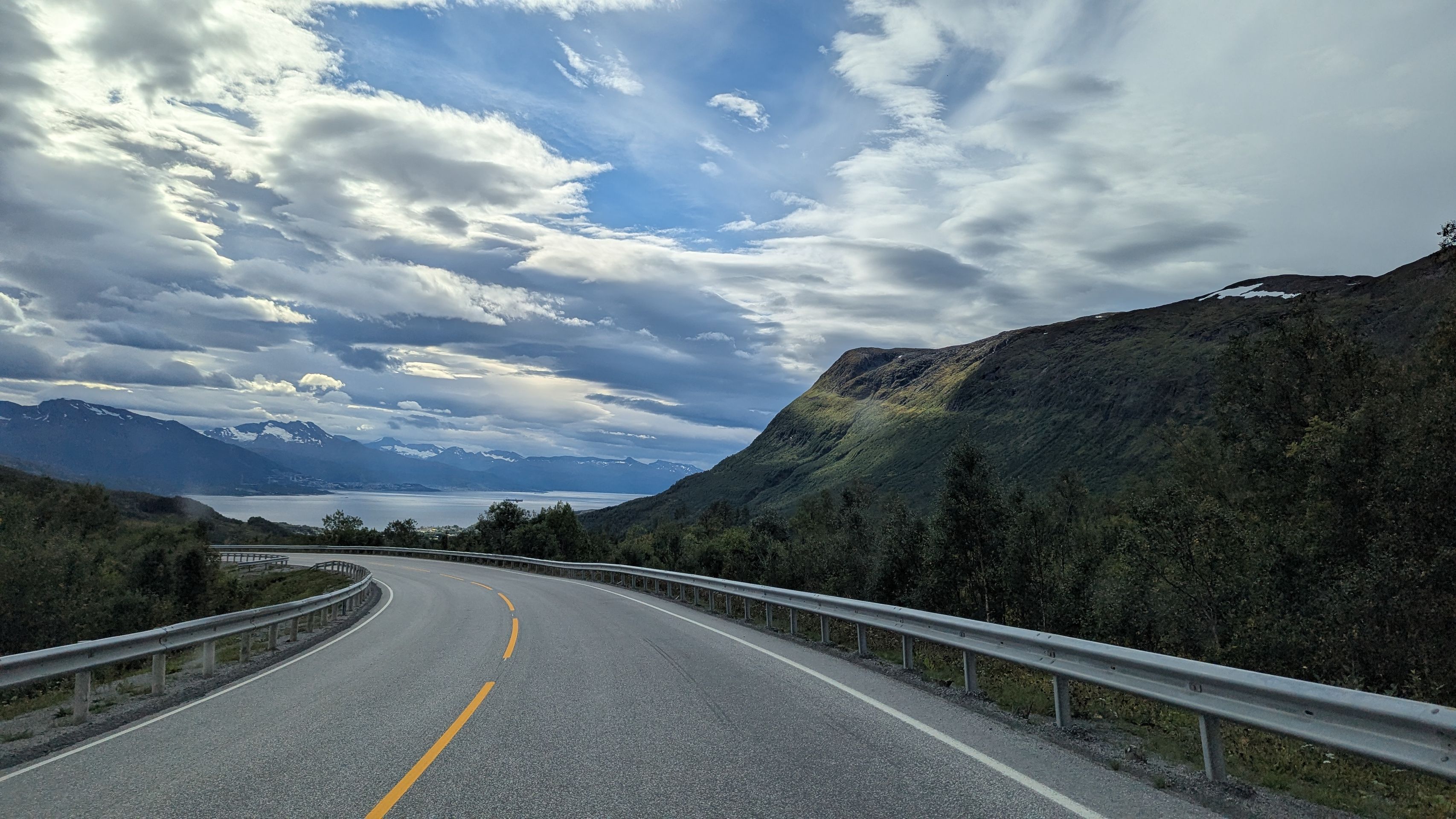
Der Tag ist ein Wechsel aus Regen, Sonne und viel Wind. Schon hier ragen die Berge eindrucksvoll in den Himmel, und hinter jeder Kurve wartet die nächste Postkarten-Aussicht. Gegen 17 Uhr erreichen wir unser Camp, das sich leider nicht ganz so schön entpuppt wie beschrieben. Der Platz neben dem Bagger lässt immerhin erahnen, wie toll die Aussicht eigentlich sein könnte. Also machen wir es uns bei Regen mit einem Buch im Bulli gemütlich und brechen am nächsten Morgen direkt nach dem Frühstück wieder auf.
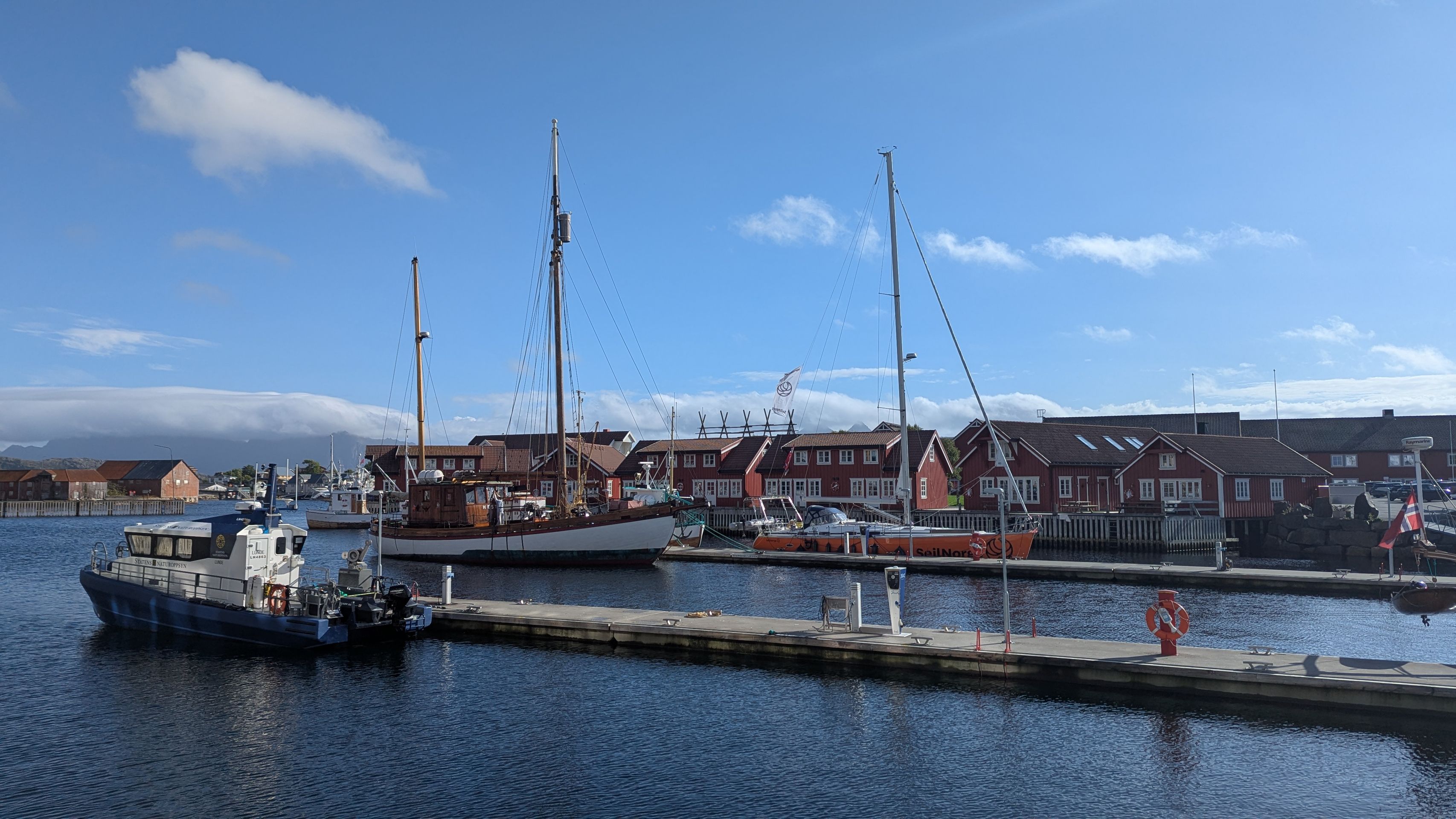
Die nächste Station ist Svolvær, das Tor zu den Lofoten. Spontan kommt uns die Idee, mal nach einer Autowerkstatt zu schauen – und tatsächlich landen wir in einem VW-Autohaus. Ob sie noch am selben Tag etwas machen können, ist unklar, aber sie wollen ihr Bestes versuchen. Für uns heißt das: ein entspannter Tag mit Spaziergang zum Fisk Arkona, Torte und frischem Brot aus der Konditorei sowie einer kleinen Souvenirshop-Runde.
Dann tatsächlich die erlösende SMS: Die Spur am Bulli ist eingestellt, das Auto abholbereit. Yay!
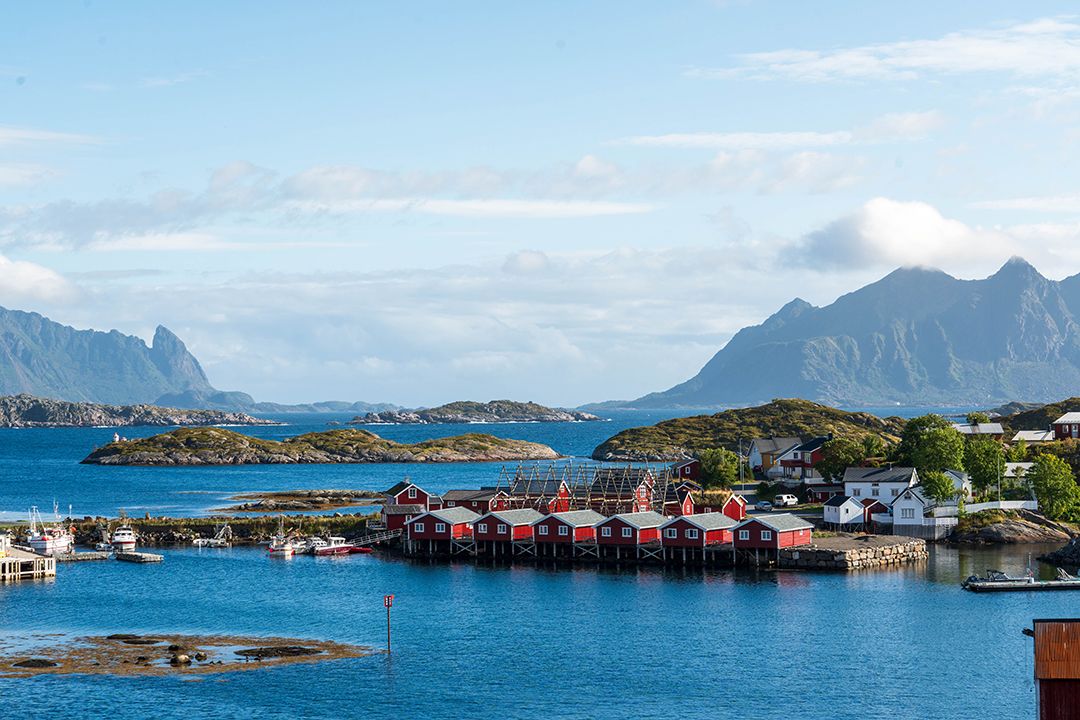
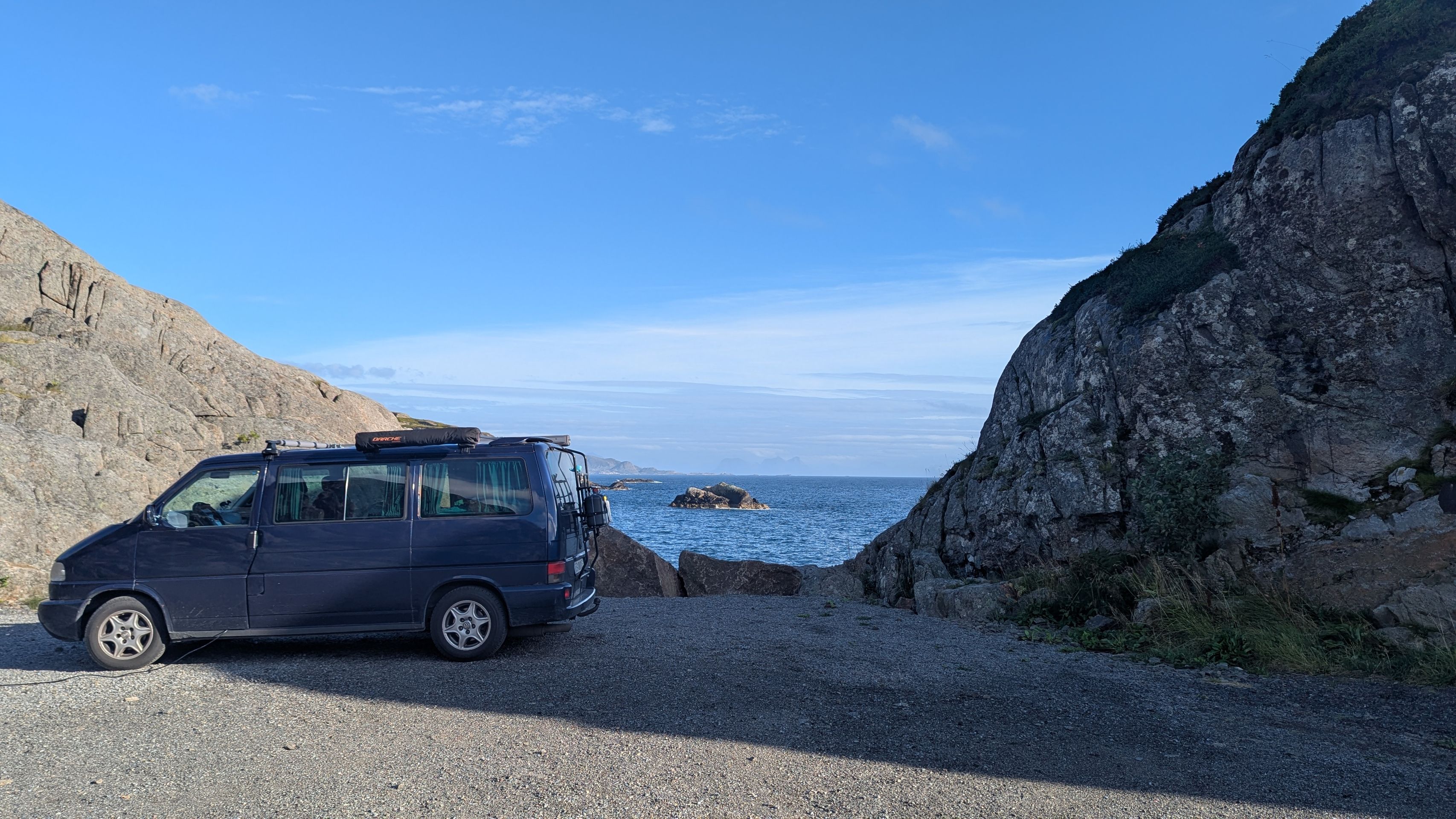
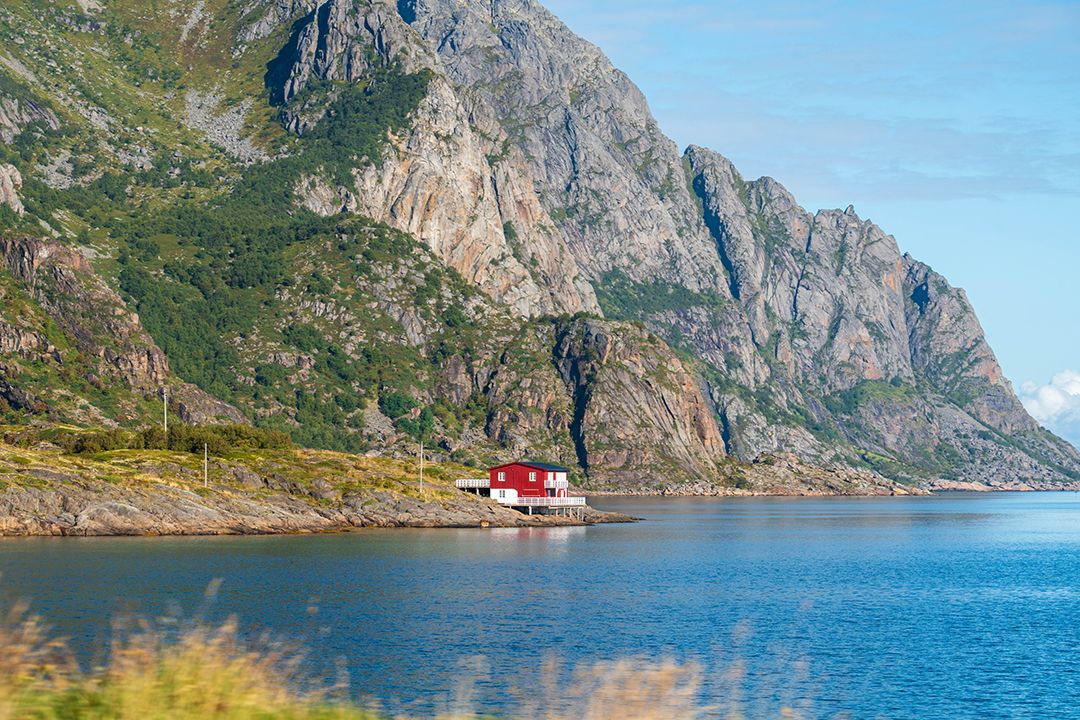
Als Nächstes wartet ein echtes Highlight: unser Campingplatz. Zwar teurer als üblich, aber traumhaft gelegen – direkt am Meer, in mehrere Bereiche aufgeteilt, und wir haben fast eine ganze Sektion für uns allein, inklusive Meerblick. Jetzt fehlen nur noch die Polarlichter.
Am nächsten Morgen werden wir erst gegen neun Uhr wach – weil es im Bulli tatsächlich mal zu warm wird. Die Sonne scheint, hurra! Viel Schlaf hatten wir ohnehin nicht: Bis halb drei haben wir wachgelegen, voller Spannung auf die Nordlichter. Ein kurzer Tanz der Aurora direkt über uns, dann zog die Wolkendecke zu. Immer mal wieder blitzten Sterne durch, aber die Nordlichter ließen uns warten.
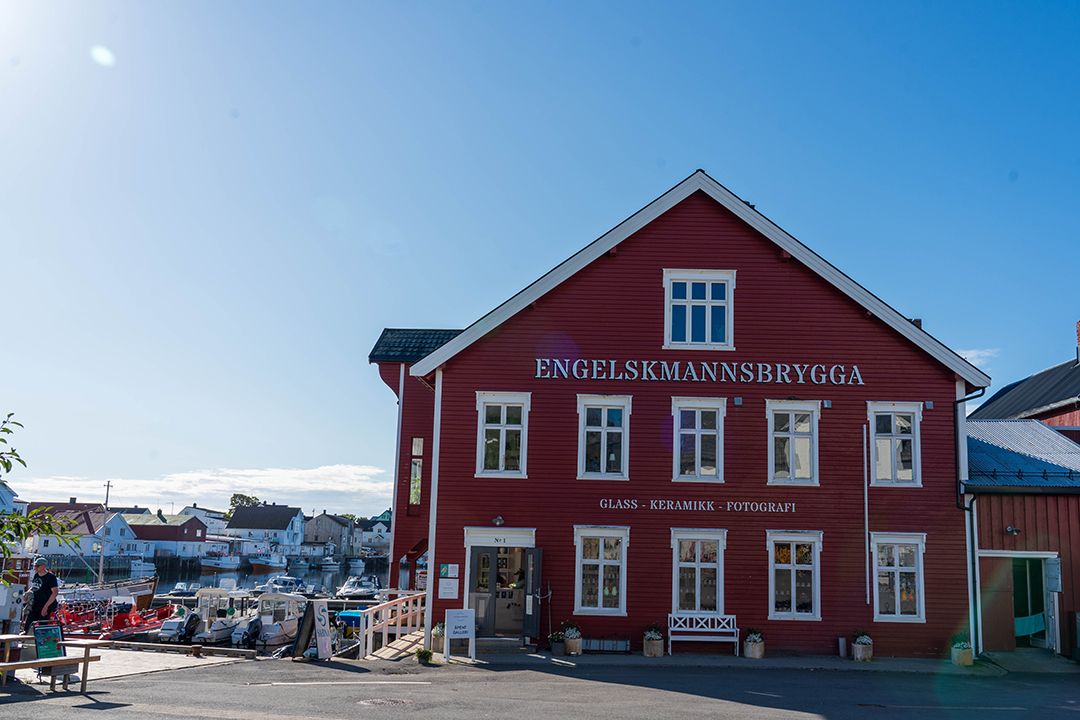
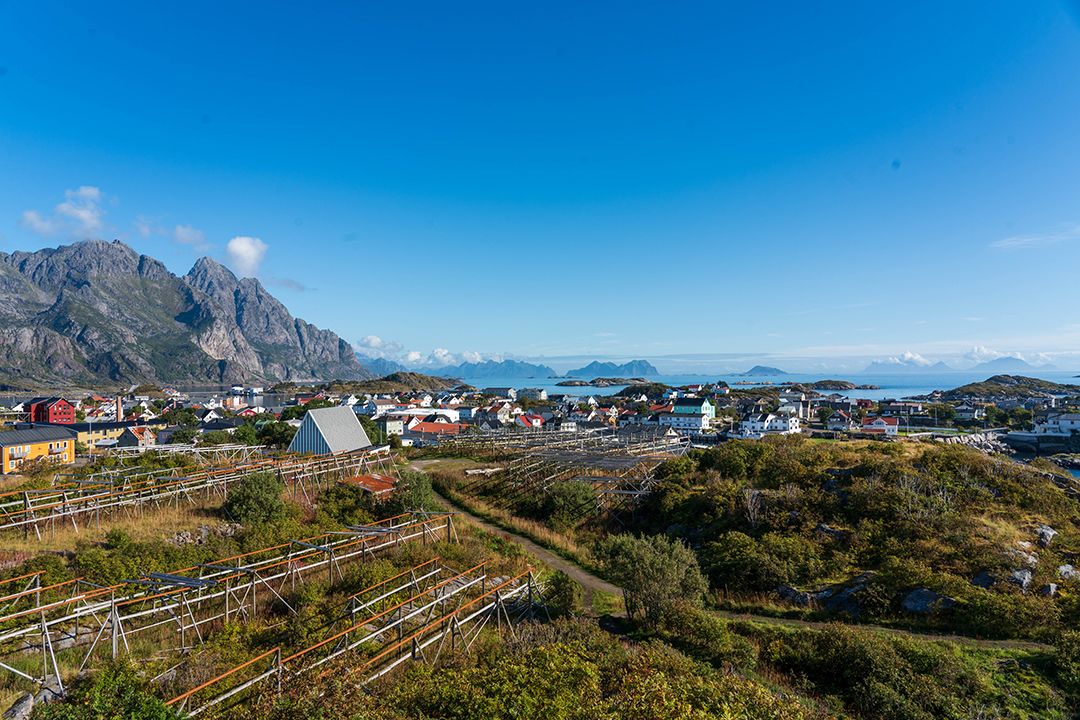
Also frühstücken wir gemütlich mit Sonne im Gesicht und Meerblick vor Augen, bevor es weiter nach Henningsvær geht. Eigentlich wollten wir die Wanderung zum Festvægtind machen, doch schon am Wanderparkplatz sehen wir die Massen an Wohnmobilen – und drehen wieder um. Stattdessen bummeln wir durch die kleinen Gassen, stöbern in hübschen Läden und landen schließlich mit Flat White und leckerem Essen in einem Café am Wasser.
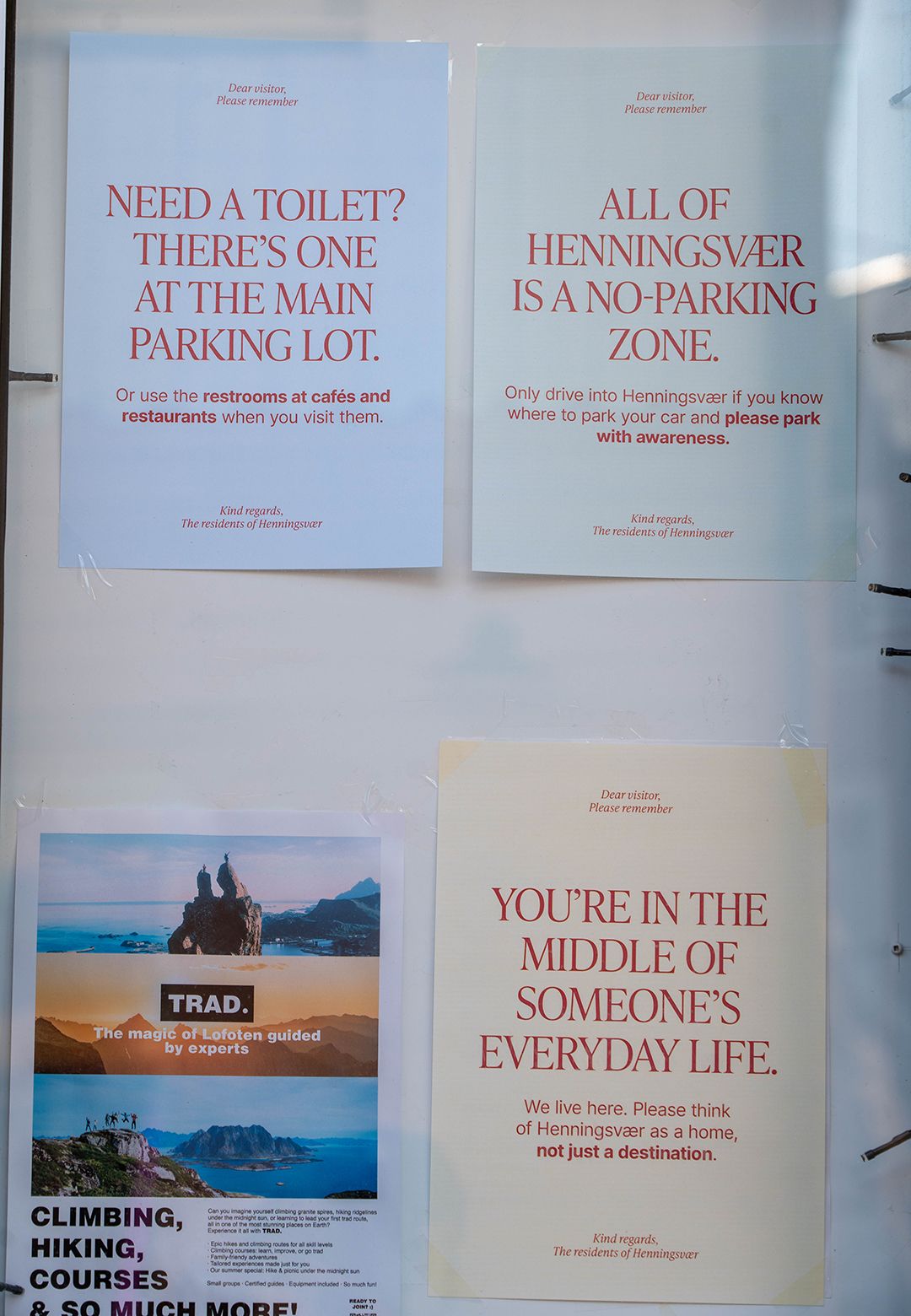
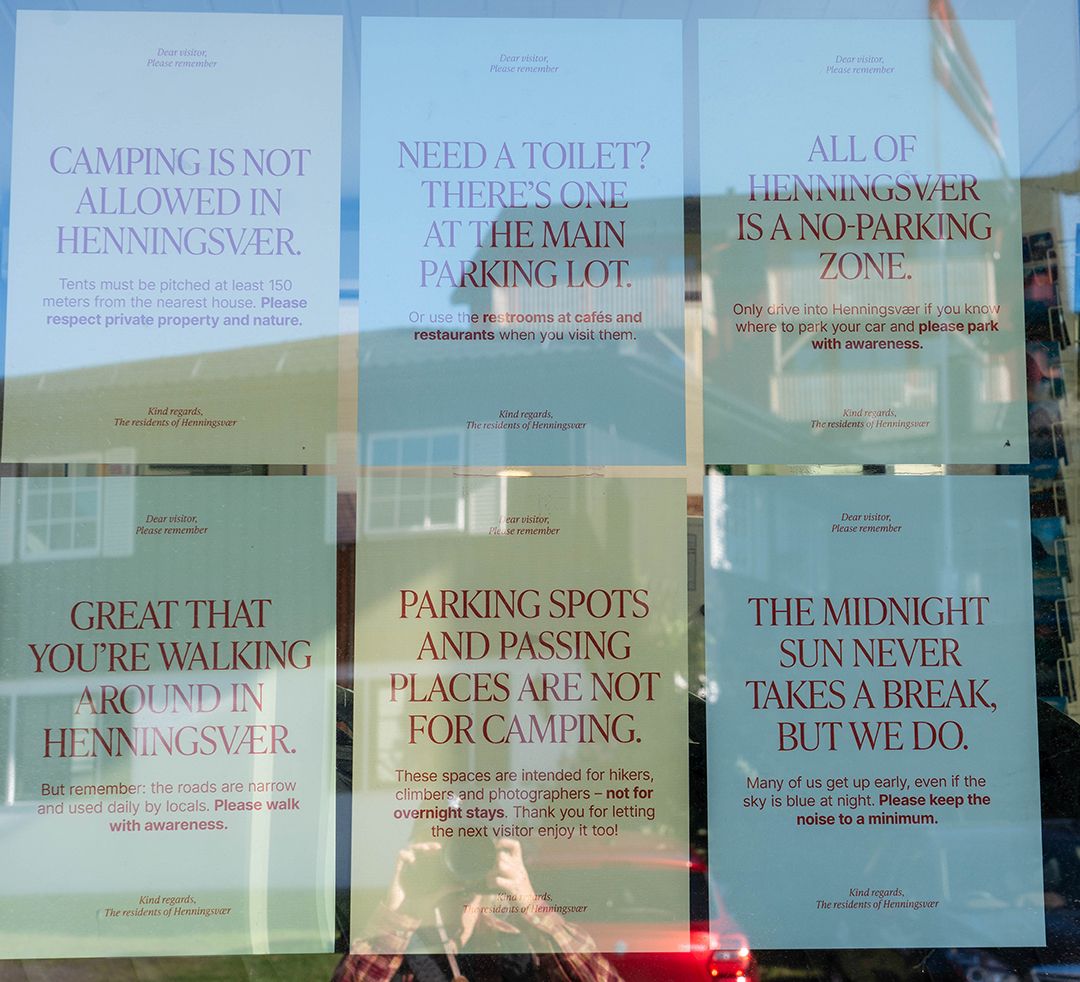
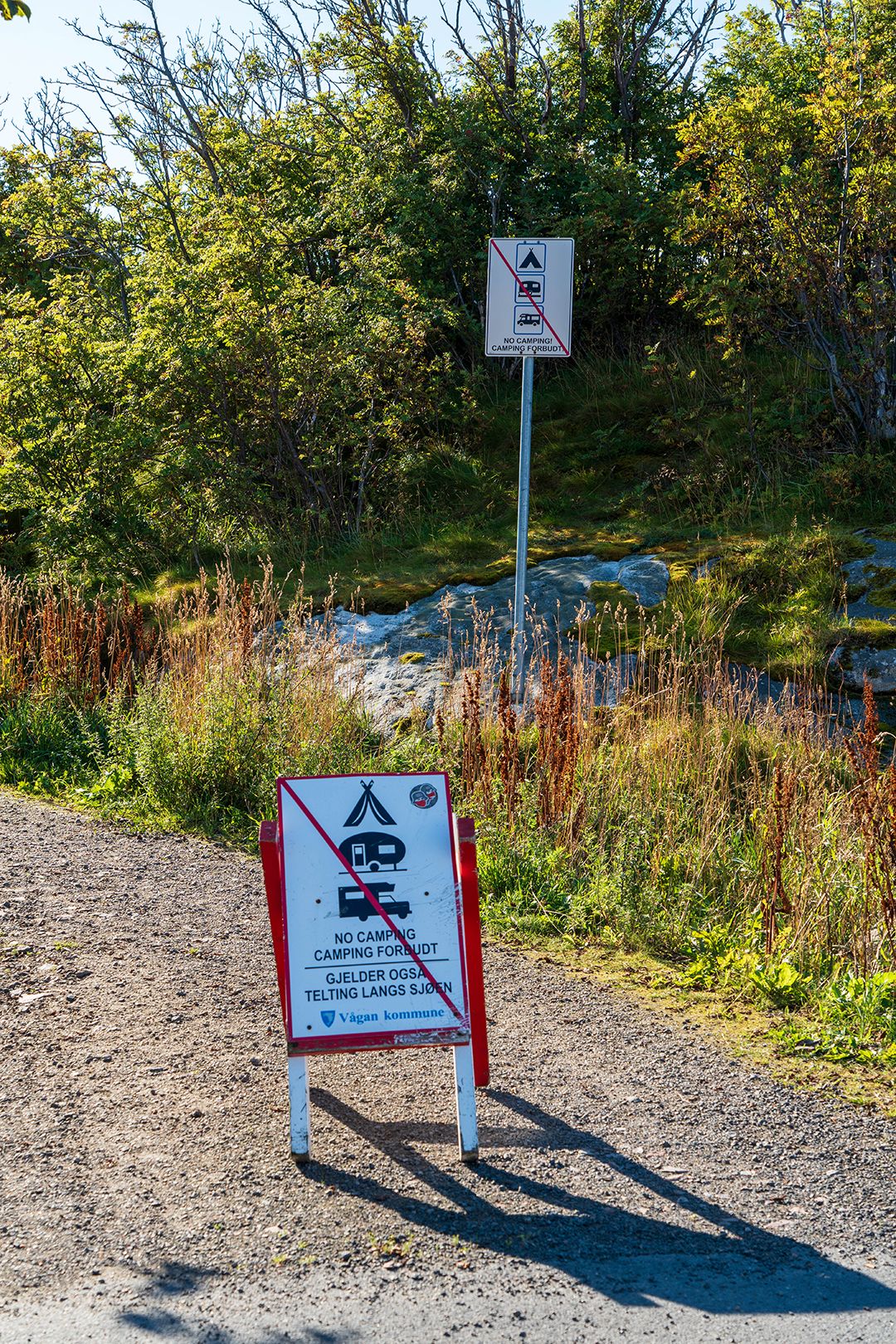
Auch hier fallen uns überall Schilder auf, die Touristen an Dinge erinnern, die eigentlich selbstverständlich sein sollten. Wenn es jetzt schon so voll ist – wie muss es erst in der Hochsaison sein? Eine absolute Horrorvorstellung!
Wir beschließen, unseren Platz von letzter Nacht noch einmal aufzusuchen. Der war perfekt für die Polarlichtjagd, und die Vorhersage verspricht einiges. Leider ist er schon belegt, als wir zurückkommen – aber ein Stückchen weiter finden wir ebenfalls einen schönen Platz. In der Nachmittagssonne sitzen wir in unseren Schaukelstühlen am Meer, beobachten sogar Delfine, die vorbeiziehen – so friedlich!
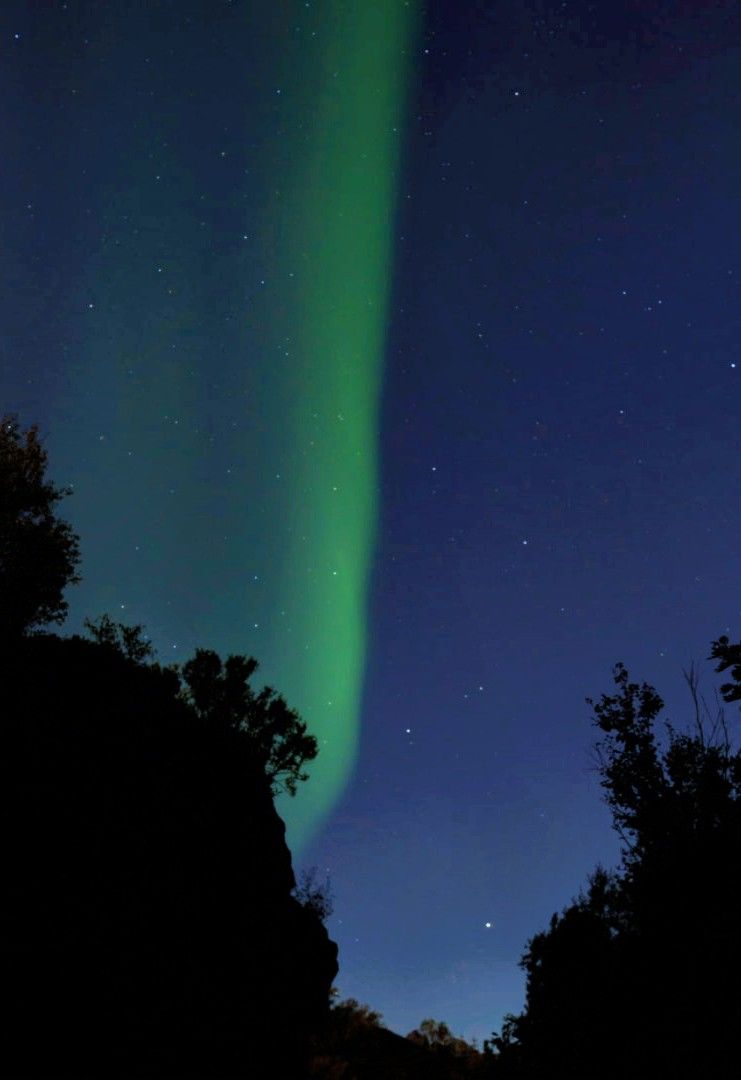
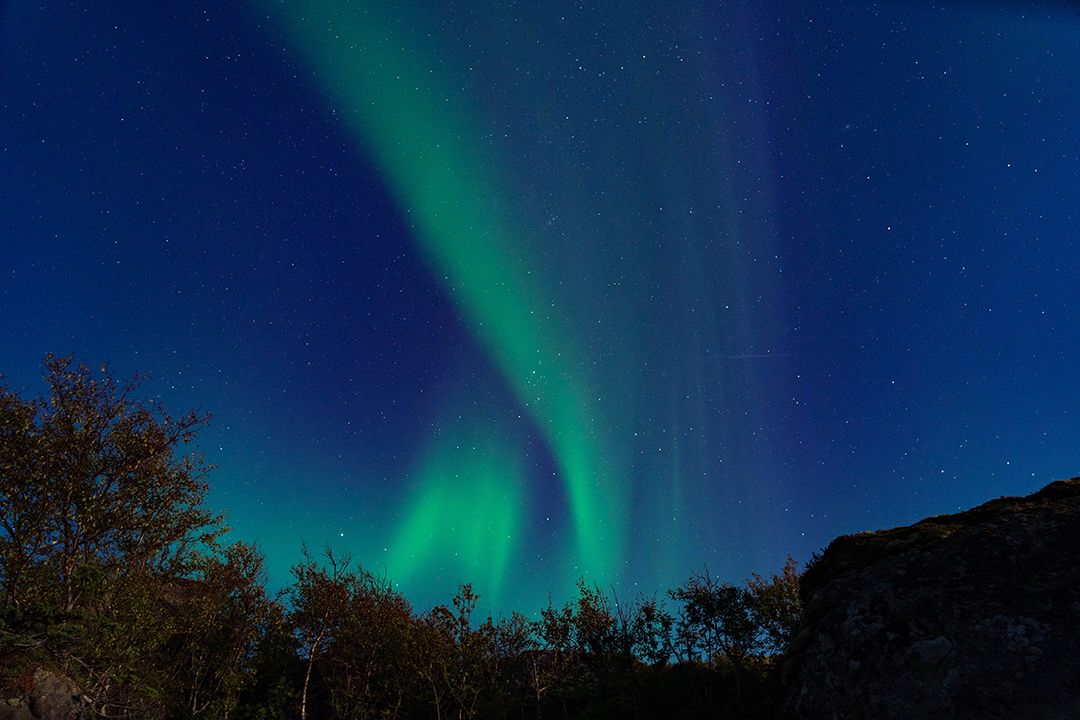
Und dieses Mal haben wir mehr Glück mit den Nordlichtern: Gegen 0:30 Uhr fallen wir schließlich durchgefroren, müde, aber glücklich ins Bett.
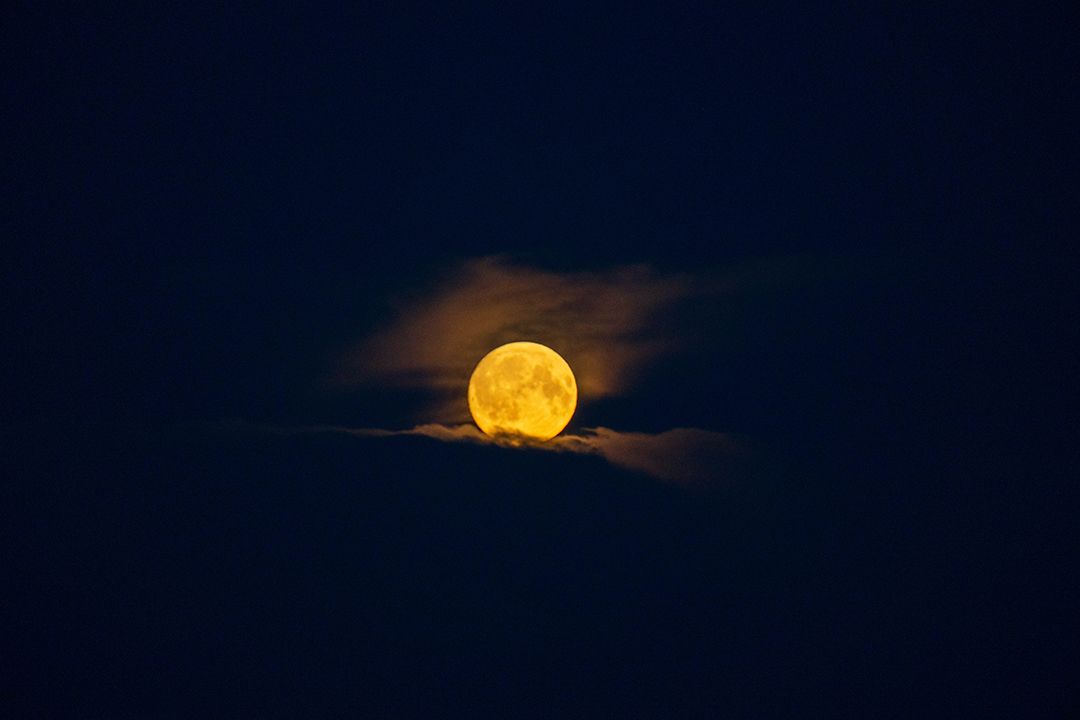
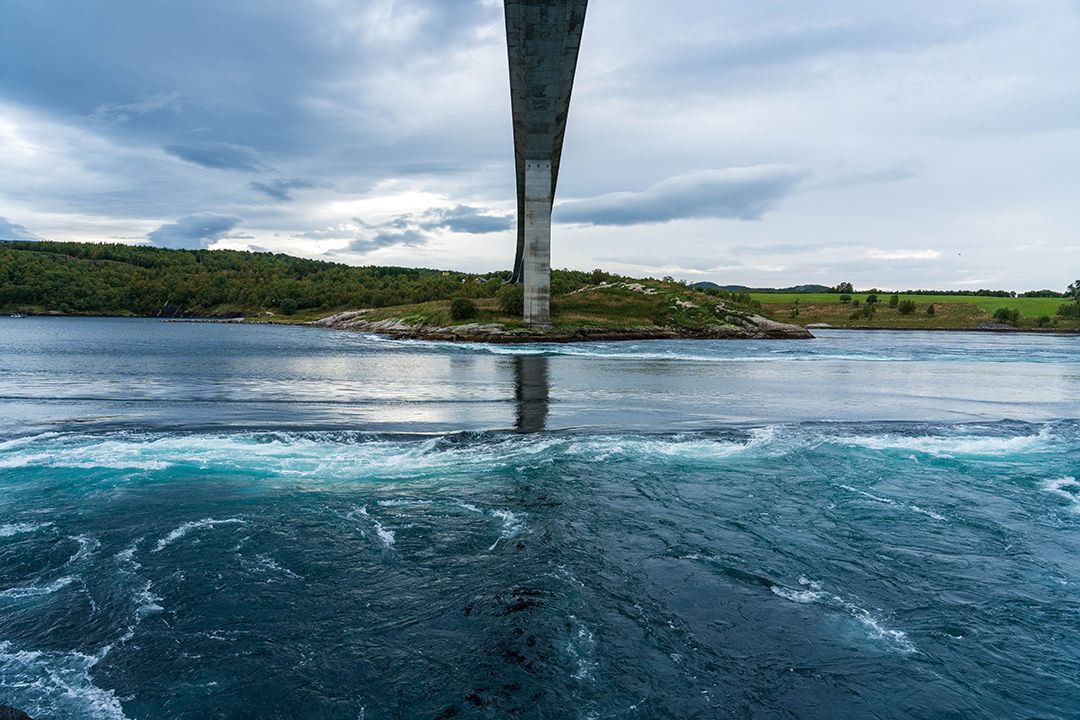
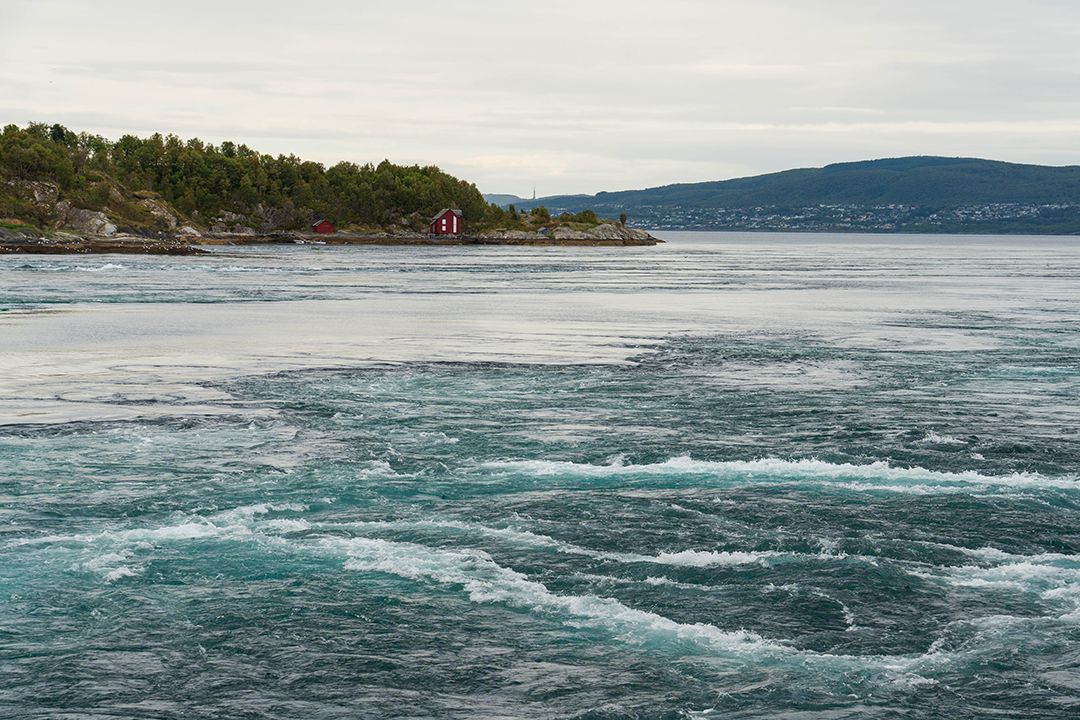
Mit den ersten Sonnenstrahlen geht es für uns ein Stück zurück nach Norden. Man wird es kaum glauben – aber wir haben mal wieder unseren Plan geändert. Eigentlich wollten wir im Süden der Lofoten die Fähre zur Insel Værøy nehmen und von dort weiter nach Røst, bevor es nach Bodø gehen sollte. Doch in der vorletzten Nacht hat ein Sturm die Fähre und die Anlegestelle in Moskenes beschädigt. Also geht es nach Lødingen und mit der Fähre zurück aufs Festland wo wir bald auf die berühmte Küstenstraße FV17 fahren. Dort halten wir an einer großen Brücke von der man einen guten Blick auf den Saltstraumen hat. Der Saltstraumen bei Bodø gilt als stärkster Gezeitenstrom der Welt, wo sich viermal täglich Millionen Kubikmeter Wasser mit bis zu 37 km/h durch eine enge Meerenge pressen und riesige Strudel entstehen. Und wir haben Glück, dass gestern Vollmond war und es noch viel beeindruckender sein muss als sonst. 

Nach einem Stopp im Supermarkt, wartet südlich auch schon das nächste Abenteuer. Aber dazu mehr im nächsten Beitrag.


Aurora Dreams and Changing Plans in Northern Norway


The next stage is upon us – and we approach it with a little trepidation: the Lofoten Islands. In recent years they’ve become Norway’s ultimate hotspot, hopelessly crowded in high season. Mass tourism isn’t really our thing, and we often feel a bit embarrassed for our fellow countrymen, who clearly make up the majority of visitors here. The closer we get to the islands, the busier the roads become – and the wider the campervans.


The day brings a mix of rain, sunshine, and plenty of wind. Even here, the mountains rise dramatically into the sky, and behind every curve lies yet another postcard view. By 5 p.m. we reach our campsite, which turns out to be less charming than described. The spot next to the digger at least gives us an idea of what the view *could* be like. So we settle in with a book in the van as the rain falls, and head off again the next morning right after breakfast.


Our first stop is Svolvær, the gateway to the Lofoten. On a whim, we decide to check out a car workshop – and end up at a VW dealership. Whether they can fix the van the same day is uncertain, but they promise to try. For us, that means a relaxed day: a stroll to the Fisk Arkona, coffee and cake at a bakery, fresh bread to take away, and a little round of souvenir shopping.


Then, the long-awaited SMS arrives: the alignment is done, and the van is ready for pickup. Yay!


Next comes a real highlight: our campsite. More expensive than usual, but worth it – right on the sea, divided into several sections, and we almost have an entire one to ourselves, complete with ocean view. Now all we need are the Northern Lights.


The following morning we wake around 9 a.m. – because for once it’s actually too warm in the van. The sun is shining – hurrah! Not that we got much sleep anyway: until nearly 3 a.m. we stayed awake, waiting for the aurora. For a brief moment it danced right above us before clouds rolled in. Every so often a few stars broke through, but the aurora kept us waiting.


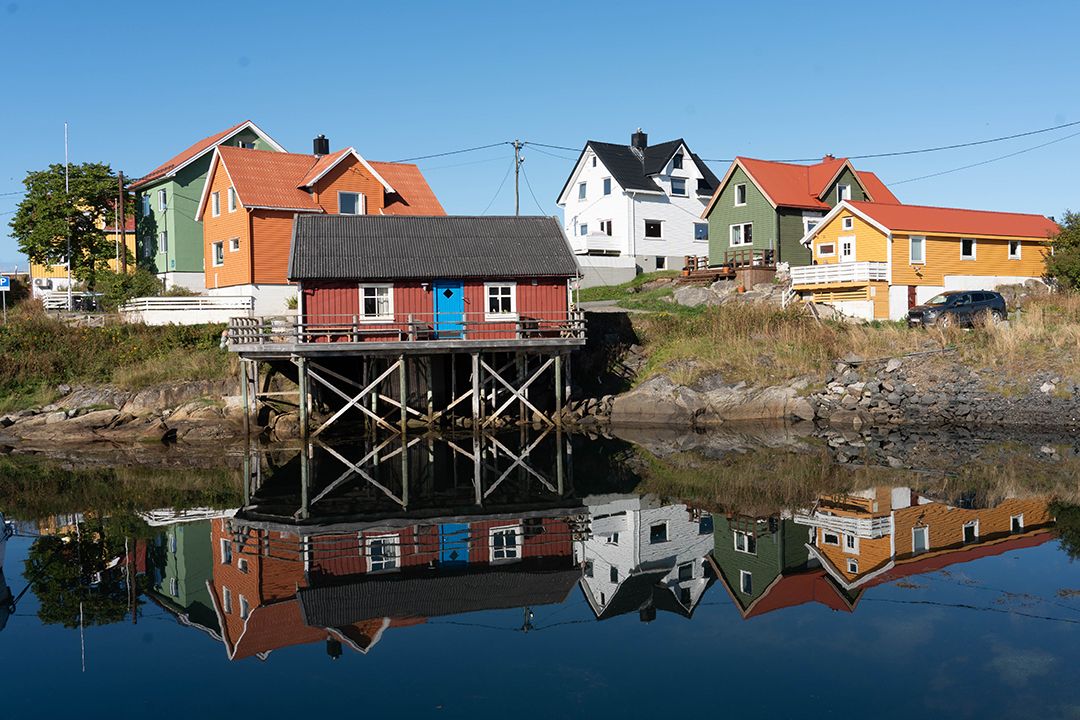
So we enjoy a leisurely breakfast with sunshine on our faces and the sea before us, before continuing to Henningsvær. The plan was to hike up Festvægtind, but already at the trailhead we see the crowds of campervans and turn back. Instead, we wander through the narrow streets, browse some lovely little shops, and end up with flat whites and delicious food at a café by the water.


Here too, we notice signs everywhere reminding tourists of things that should really go without saying. If it’s this crowded now, what must it be like in peak season? The thought alone feels like a nightmare.


We decide to return to our campsite from the night before – it was perfect for aurora hunting, and tonight’s forecast looks promising. Unfortunately, our spot is already taken when we arrive, but just a little further on we find another beautiful place. In the afternoon sun we sit in our camp chairs, watching dolphins pass by – so peaceful.


And this time, we get lucky: around 12:30 a.m. the Northern Lights appear, and though we’re frozen to the bone, we crawl into bed tired but happy.


With the first rays of sunlight, we head north again. Hard to believe, but we’ve changed our plans once more. Originally, we wanted to take the ferry from the south of the Lofoten to Værøy, continue on to Røst, and then to Bodø. But a storm two nights ago damaged both the ferry and the pier at Moskenes. So instead, we drive to Lødingen and catch the ferry back to the mainland, where the famous coastal road FV17 awaits.


One of the highlights along the way is the Saltstraumen Bridge, offering a great view of the Saltstraumen itself – the strongest tidal current in the world. Four times a day, millions of cubic meters of water rush through a narrow strait at speeds of up to 37 km/h, creating massive whirlpools. We’re especially lucky: with yesterday’s full moon, the phenomenon is even more impressive than usual.


After a quick supermarket stop, the next adventure already awaits further south. But more on that in the next post.

Antworten

Norwegen
Reiseberichte Norwegen