Travelogues Saudi Arabia
Flüge nach Saudi Arabia37 Travel reports · 6 travel bloggers · 746 photos · Best time to travel: January & March · Create a travel blog · About Vakantio
Vacation in Saudi Arabia : Highlights & Travel Tips
Saudi Arabia offers travelers a rare mix of deep history, dramatic landscapes, and fast-changing modern culture. From the sandstone tombs of AlUla and the archaeological wonders of Diriyah to the Red Sea’s coral reefs and the highland scenery of Asir, the country feels both ancient and newly discovered. For visitors looking for something beyond the usual Middle East itinerary, Saudi stands out for its large-scale desert beauty, strong traditions of hospitality, and the chance to experience destinations that have only recently become more accessible to international tourism.
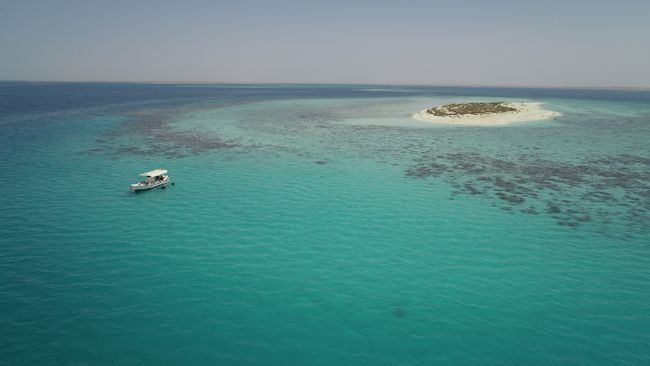
Key highlights include exploring Riyadh’s blend of heritage and contemporary city life, wandering the historic district of Al-Balad in Jeddah, diving or snorkeling along the Red Sea coast, and venturing into vast desert environments such as the Empty Quarter. AlUla is one of the country’s signature experiences, combining striking rock formations, heritage sites, and luxury desert stays. Practical tips: travel is generally most comfortable in the cooler months, especially for outdoor sightseeing; dress modestly and respect local customs; book major attractions and internal flights in advance because distances between regions are large; and plan for a mix of modern urban travel infrastructure and more remote areas where guided tours can greatly improve the experience.
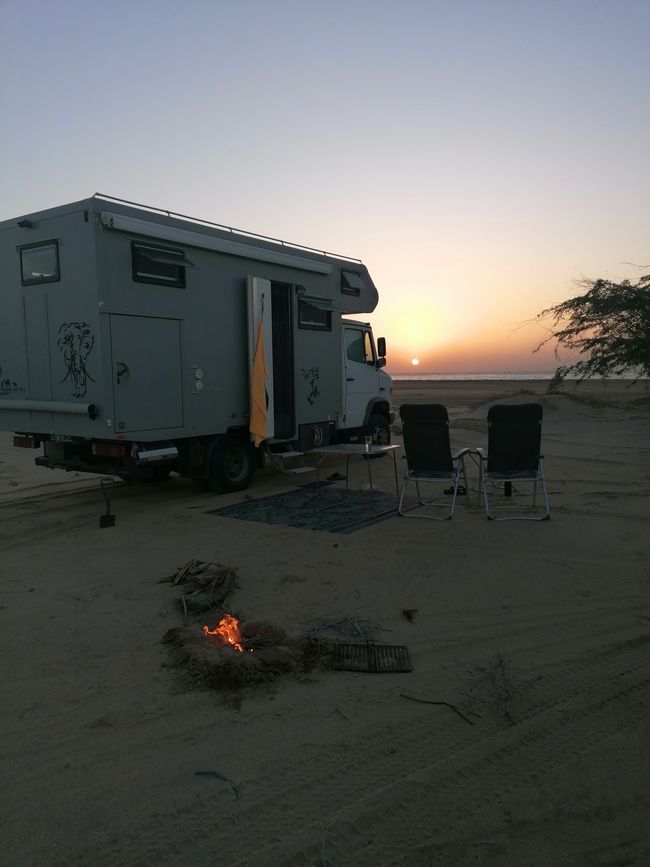
Best time to travel Saudi Arabia
Based on the available popularity data, March is the strongest month to visit Saudi Arabia, with January as another good option. These months likely offer the best balance of traveler interest and more comfortable conditions for sightseeing, while April, May, October, and December appear less popular and several summer months have no usable data.
Best travel reports from Saudi Arabia
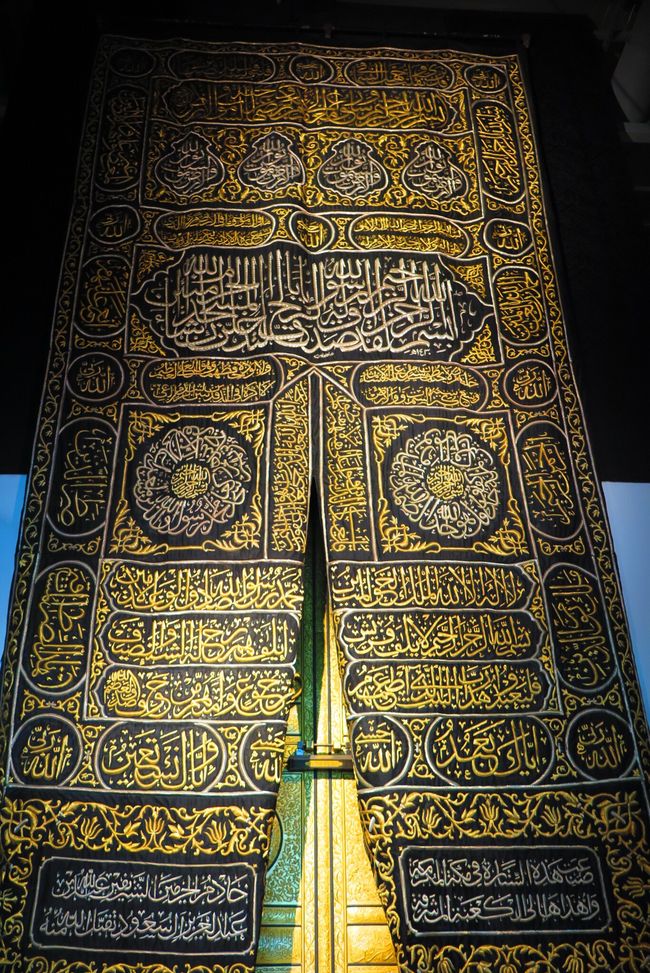
Saudi Arabia, The Land of the Two Holy Mosques
which translates to
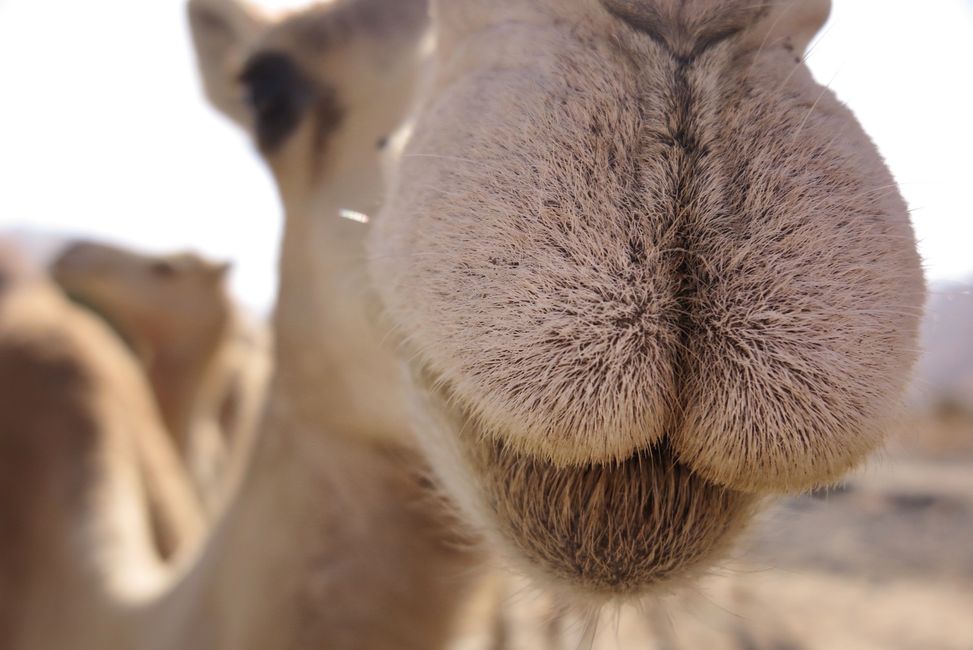
Under the gaze of the camel, The ships of the desert seldom come alone.
Camels fit into the desert like sneakers on a sports field. They have wide feet equipped with fat pads, allowing them not to sink quickly. They possess particularly long...
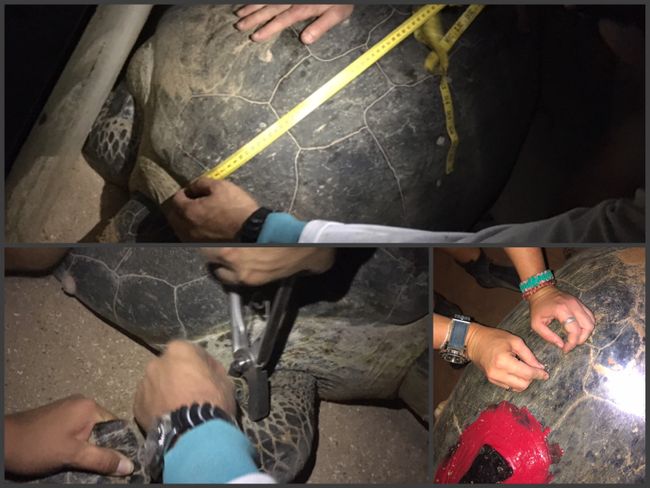
Fieldwork with Turtles
Report on the fieldwork for tagging green and hawksbill turtles in the Red Sea.
In the deserts around Riyadh
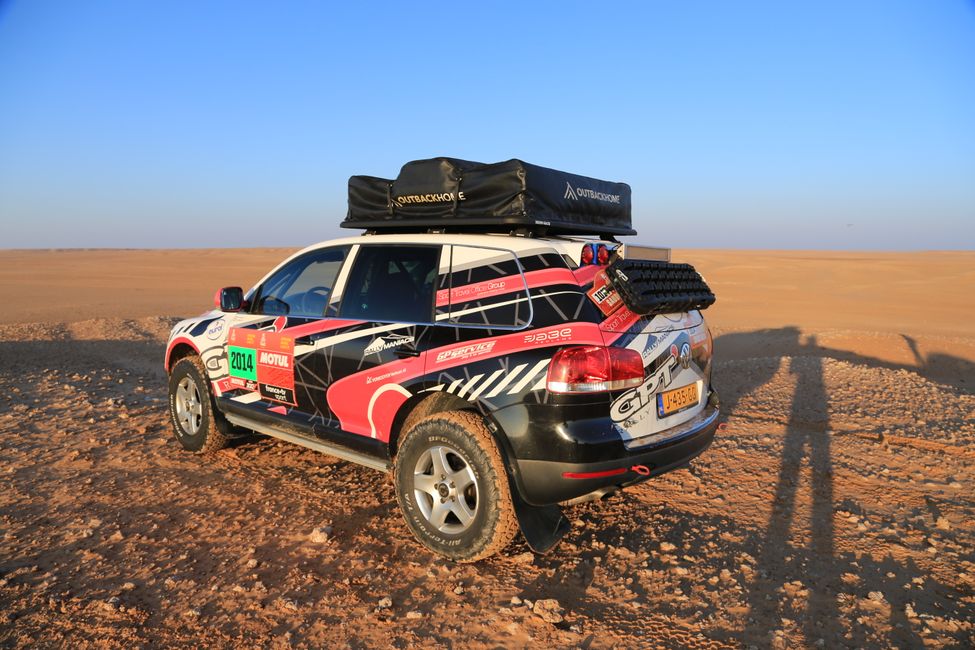
Once again on tour in the desert with Roel and the other boys and girls from GPTours. Yesterday, around 50 VIP guests from Holland flew in, who were allowed to drive in the...
Unhappy End
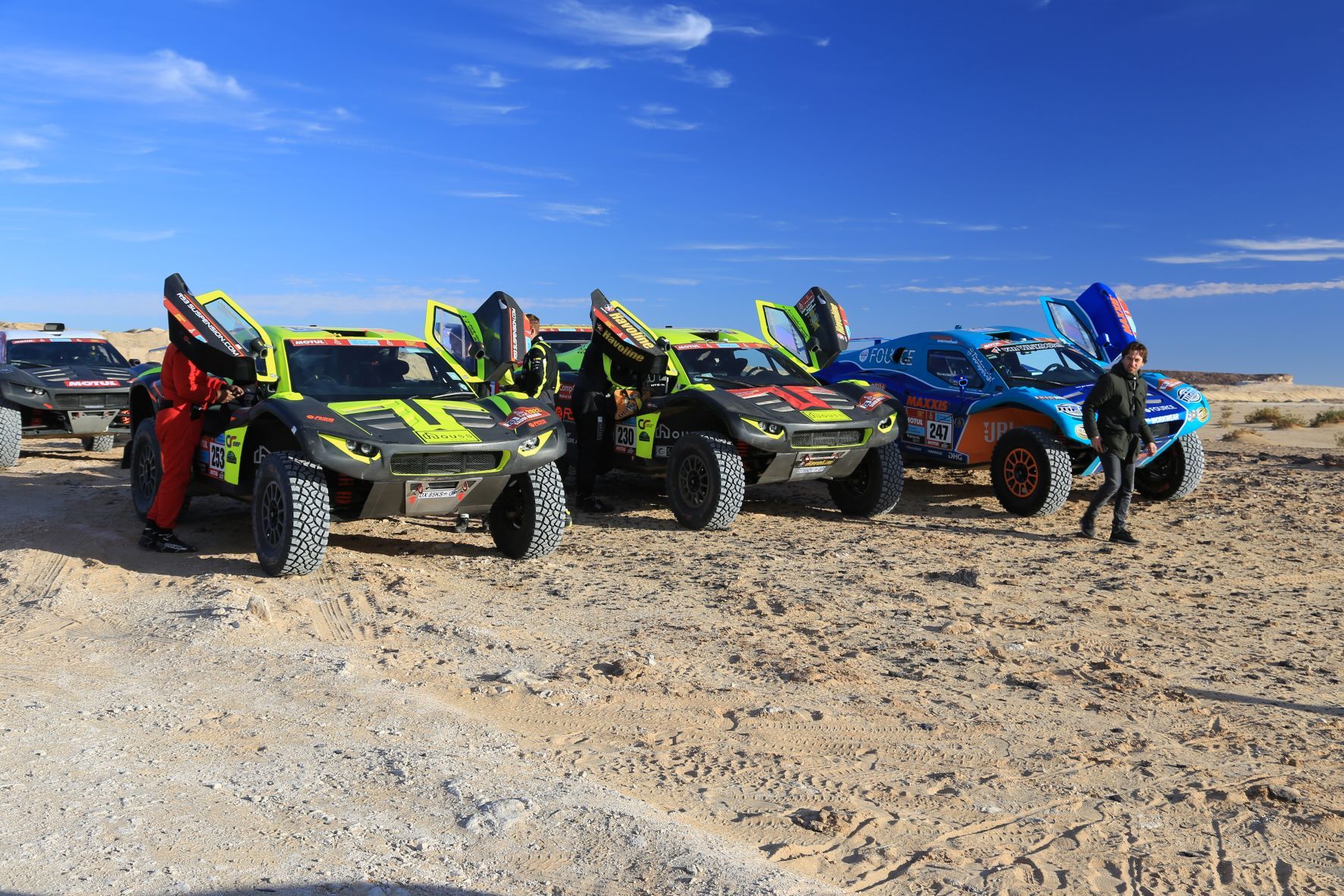
Actually, the day started quite normal: getting up early, heading to the next - and final bivouac: Bisha in the south. .. the usual search for water, driving through cities,...
Seagrass evaluation in the Al Wadjj Lagoon
Today, I (Felix) would like to say a few words myself! While Susann has been diligently working on her doctoral thesis in the past week, I went on a small expedition to the lagoon...
Latest travel reports from Saudi Arabia
Easter, between Sudan and Saudi Arabia, April 9, 2023
Easter has also broken out on our ship. Huge chocolate Easter eggs, painted eggs, rabbits and turtles (???). There was also an Easter basket in the cabin. After safely sailing...
KSA Hishma Desert
Magical
KSA on the Red Sea
Not easy to get to the Red Sea as camping is only allowed at a distance of 500m and swimming is prohibited anyway! The megaproject Neon is in full swing, 1000s of trucks are on...
KSA Mushroom Rock and Wadi Dhisha
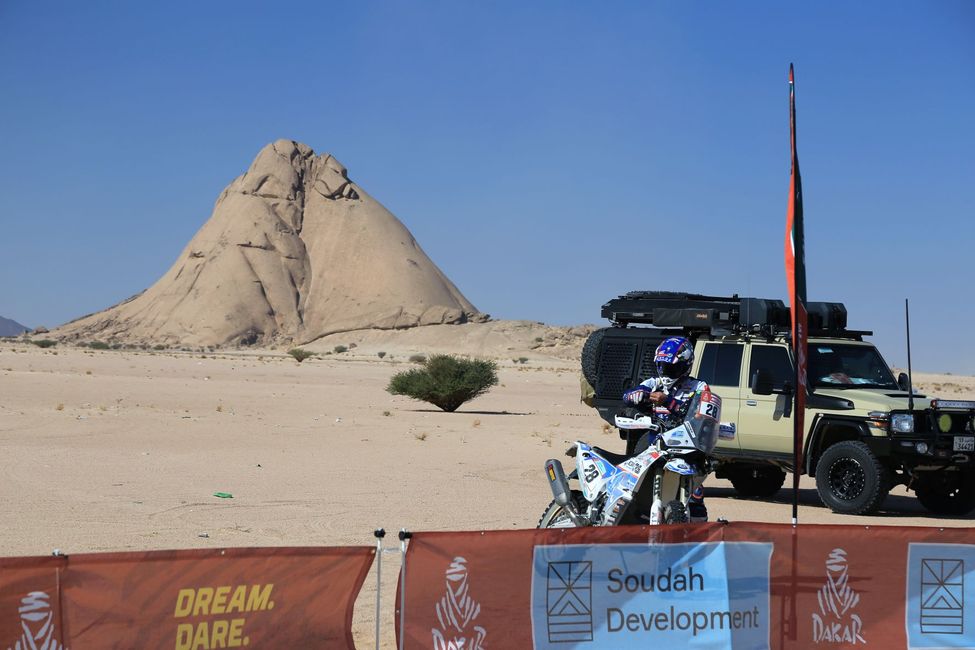
The Mushroom Rock is really very photogenic. Wadi Dhisha is the most beautiful valley we have visited so far. Originally, only cars are allowed to pass through, but if you're...
Travel bloggers who have visited Saudi Arabia


All travel reports from Saudi Arabia
Camping life and off to the south
Just from Al Dawadimi > Wadi Ad Dawasir, said the Dakar organization - so 800km in the truck = 12 hours on the road south. But first, dispose of wastewater: for this,...
Race-Days
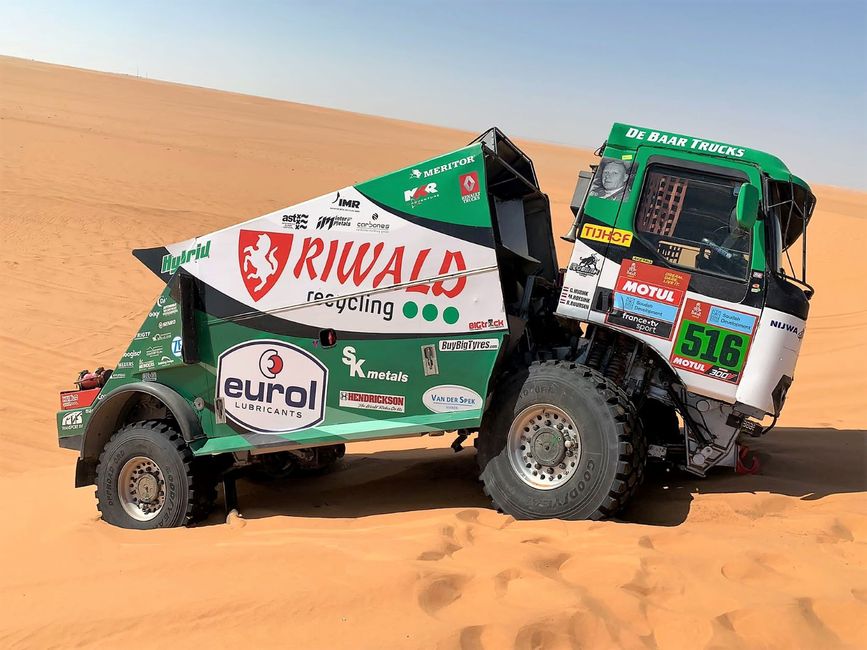
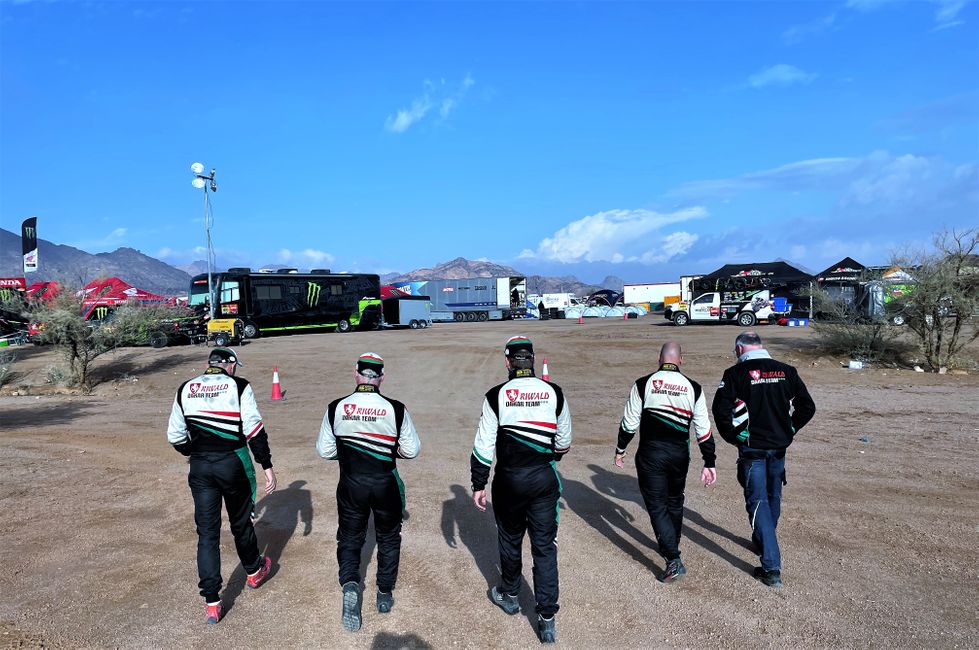
This is the 'Dakar'.. every day everything can suddenly be different: In the prologue, both trucks were still in the top ten, then on the 2nd day several hours ! time loss for...
Biwakleben and off to the northeast
Liasion to Al Qaisumah- another 600km drive. But first quickly the water aria part 2 - however, thanks to the tank truck and 2-stroke pump (started with hand and rope) quickly...
The never-ending story of water
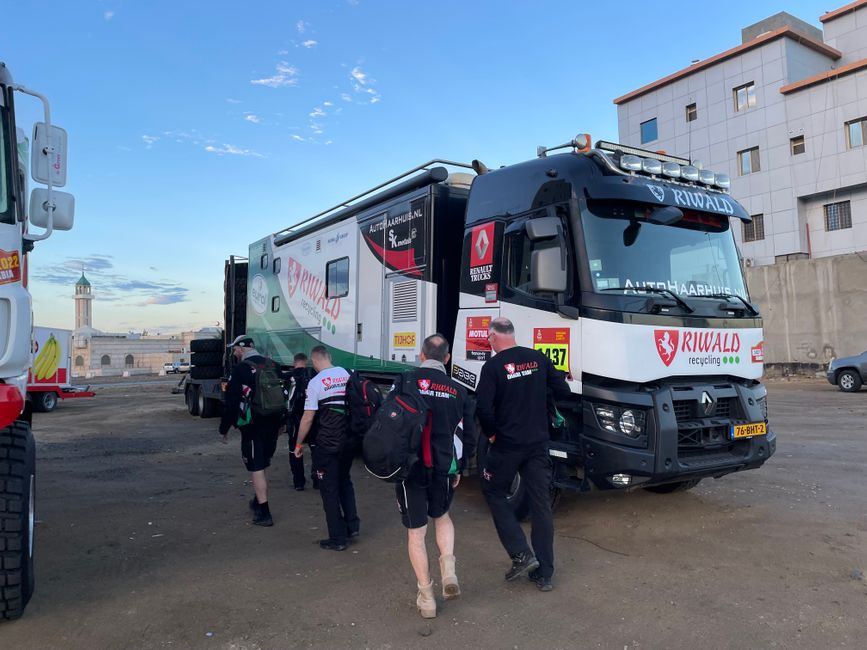
What does a service truck like our 'Dakar hotel' with built-in shower, toilet, kitchen, and sleeping places need a lot of? Right! Especially diesel and water. Diesel? No problem...
KSA Mushroom Rock and Wadi Dhisha
The Mushroom Rock is really very photogenic. Wadi Dhisha is the most beautiful valley we have visited so far. Originally, only cars are allowed to pass through, but if you're...
KSA, Near the Red Sea
Wonderful coast, only staying and swimming not allowed!! The entire border of KSA is closely monitored by the Border Control. Most of the time, permission to stay is granted,...
Preparations and testing
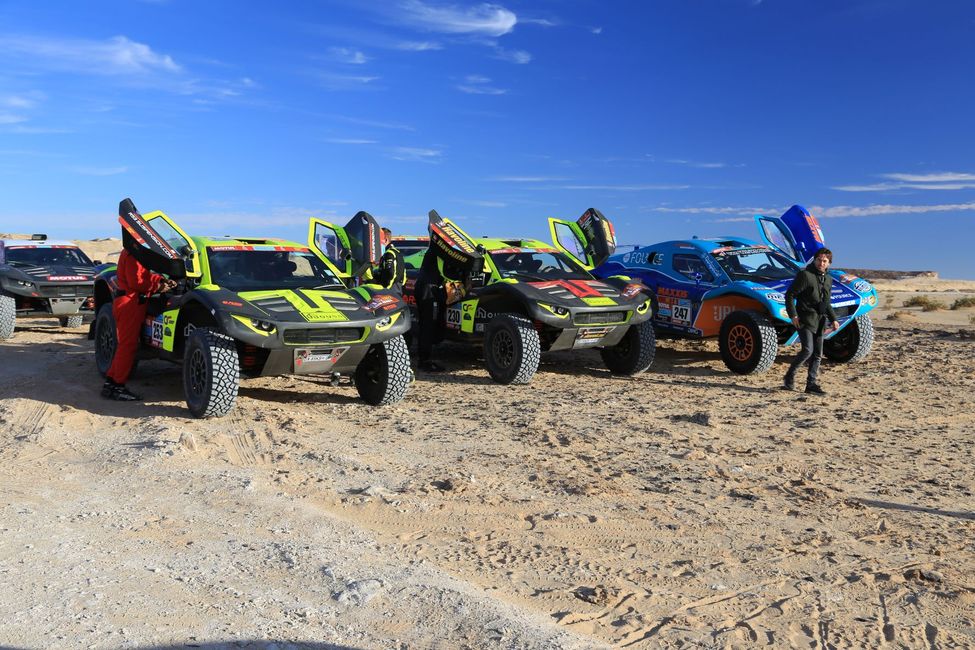
So now off to the bivouac in King Abdullah's Sport City, where the crew had already brought the cars from the port. Everything is being prepared, triple checked and inspected. ...
Testing and testing again!
Now the final tests of the racing vehicles, then we can finally get started. About 40m outside of the bivouac there is a good test track with almost tracks, sand, and also some...
KSA on the Red Sea
Not easy to get to the Red Sea as camping is only allowed at a distance of 500m and swimming is prohibited anyway! The megaproject Neon is in full swing, 1000s of trucks are on...
KSA, the highest dune in Arabia
The Red Sea is gigantic for snorkeling, you can see all kinds of fish and corals. Received a bottle of homemade red wine from a nice Austrian living in KSA. Sand duning with...
KSA Off to Riyadh
After 550 km of absolutely straight road, we reach Riyadh, the capital of the Kingdom of Saudi Arabia (KSA) Visit to the National Museum, with meteorite and prehistoric...
KSA, In the land of volcanoes
In the middle of Saudi Arabia, there is a region with thousands of extinct volcanoes. Here we met a couple from Switzerland whom we had met 3 years ago in Sweden! The two of...
Small addition...
30h at the reef
Saudi Arabia, Al Khafji
Warm welcome from the Saudis After the wedding, the women, separate from the men, organize their own daily activities. When taking pictures, the face cover is naturally removed!...
800km to Ha'il
12 hours on the road - starting in Jeddah at over 25 degrees, then encountering thunderstorms, rain, and temperatures below 15 degrees while traveling. Then, amazing landscapes...
Ksa, Al Ula
Saudi National Day, everyone dresses in traditional attire. Women in black as usual and men in white! It could be mistaken for a carnival, but the costumes and weapons are worn...
KSA, The White Volcano
In the area, there are exclusively volcanoes that have ejected black lava, but one of them decided to spit out white lava.
KSA, Jeddah
Old town of Jeddah, often still inhabited. But not by Saudis! A liter of diesel costs 19 cents here, but 10 gigabytes of internet costs 40€! Clothing store, modern or...
Sleeping Dragons in the KSA Desert
Mountains that look like dragons! We have never seen such landscapes before. Monkeys that are not always very friendly.
Saudi Arabia, through the Rub' al Khali
Attention desert pictures, contagious! The Rub' is the largest sand desert in the world, we drove over 700 km in it.
Easter, between Sudan and Saudi Arabia, April 9, 2023
Easter has also broken out on our ship. Huge chocolate Easter eggs, painted eggs, rabbits and turtles (???). There was also an Easter basket in the cabin. After safely sailing...
Flight to Jeddah
Train to Frankfurt, 30 minutes later - but no problem, then a smooth flight with Saudi-Air to Jeddah, I think the 2nd largest city in Saudi on the Red Sea - about 2 million...
KSA, Rock Art of Jubbah
The rock art is between 40,000 and 80,000 years old.
KSA, village made of stone
The small one is at most 1 hour old. Partially, the old villages are rebuilt as museums.
Frequently asked questions about Saudi Arabia
Are there any travel reports for Saudi Arabia ?
Yes — on Vakantio you will find 37 authentic travel reports from 6 travel bloggers about Saudi Arabia , with real photos, maps and tips.
When is the best time to travel to Saudi Arabia ?
Most travelers in the Vakantio community were in Saudi Arabia during January & March — based on 37 real travel reports.
How can I blog about Saudi Arabia myself?
Create a free travel blog on Vakantio , publish posts with photos and location — privately for friends or publicly for everyone.
Are the travel reports for Saudi Arabia authentic?
Yes — all travel reports come from real travelers in the Vakantio community, with their own photos, maps, and travel details. No editorial advertising.
Data and studies on Saudi Arabia
- 1
- 2