

Under the gaze of the camel, The ships of the desert seldom come alone.
Camels fit into the desert like sneakers on a sports field. They have wide feet equipped with fat pads, allowing them not to sink quickly. They possess particularly long...

Published: 22.04.2026
The stereotype of Saudi Arabia includes proud desert nomads, wealthy oil sheikhs associated with harems and Arabian Nights.
Until recently, Saudi Arabia was one of the most closed-off countries in the world.
The preacher Abd El Wahhab (1703-1792) directed the order.
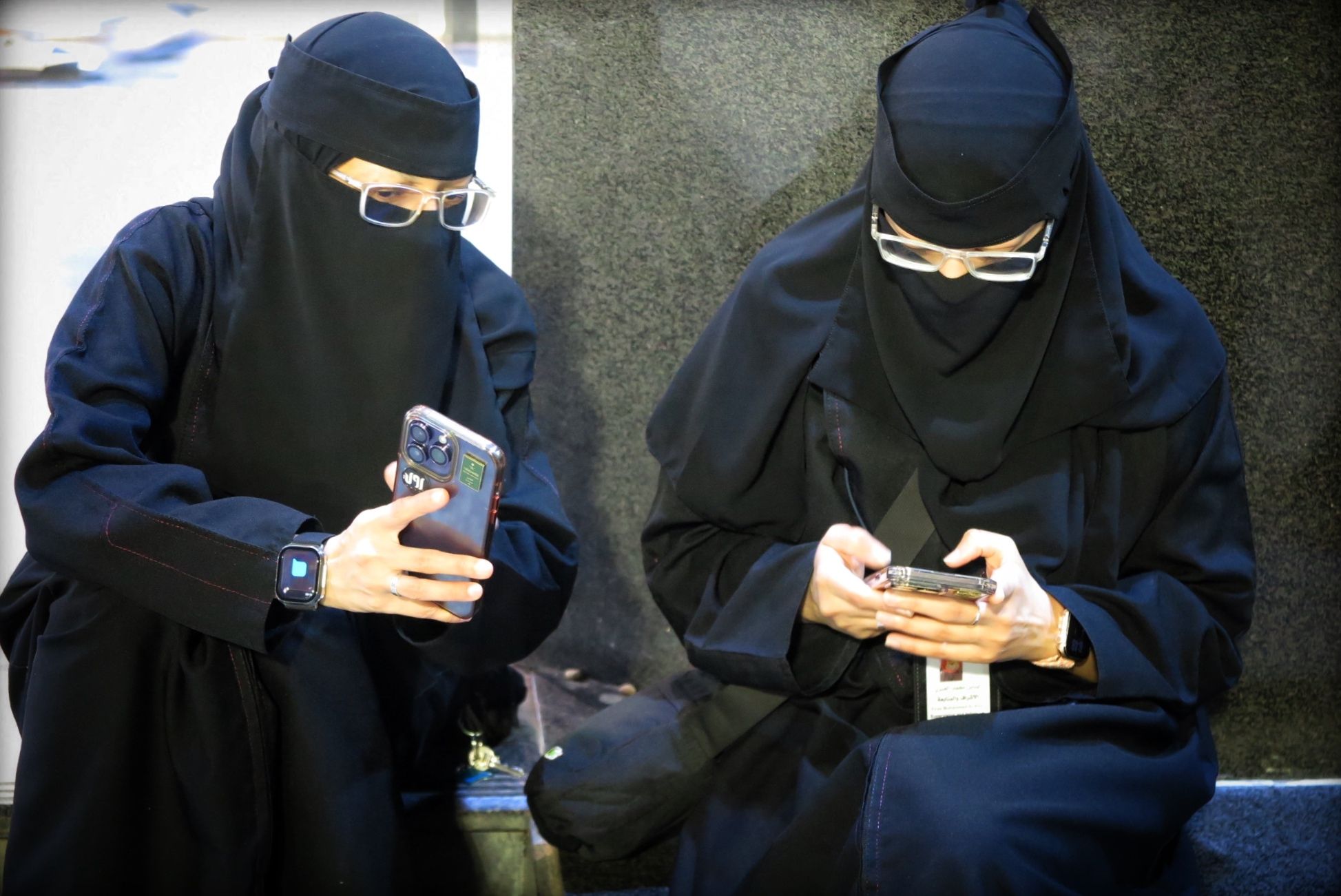
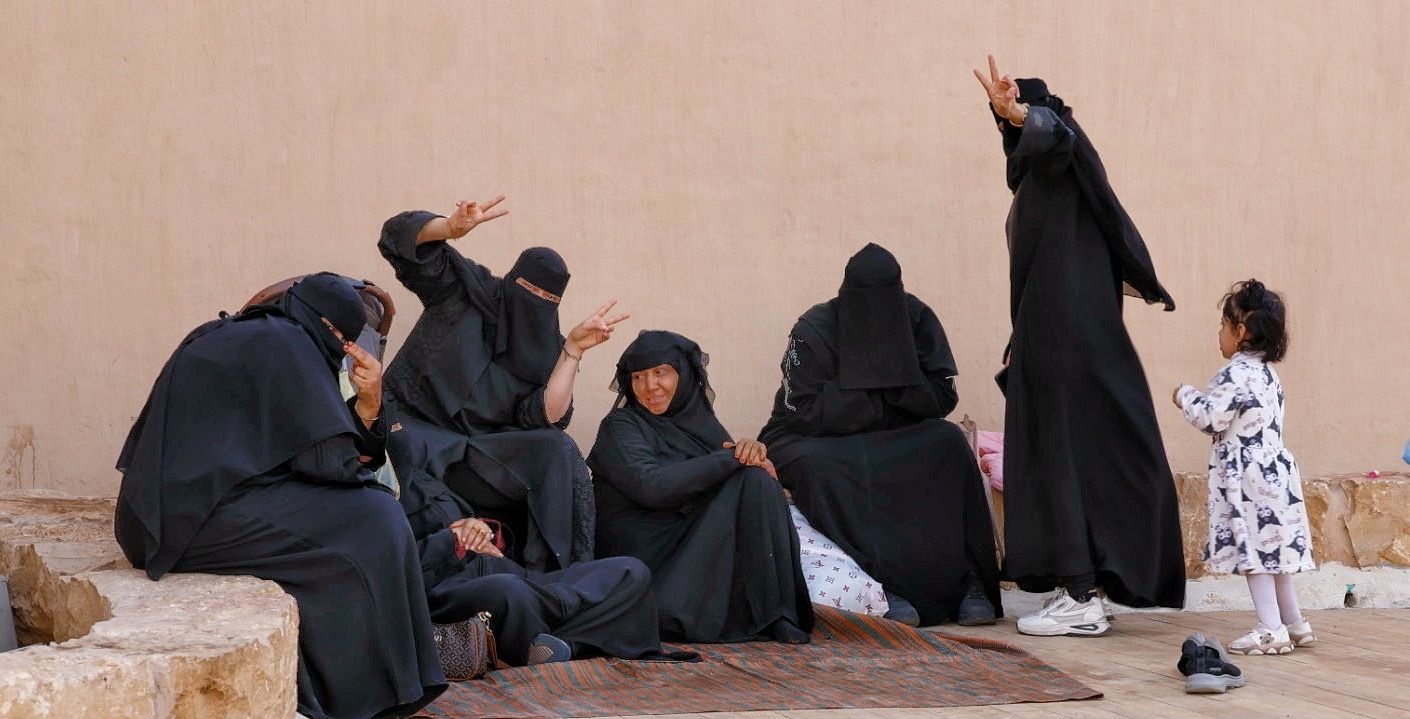
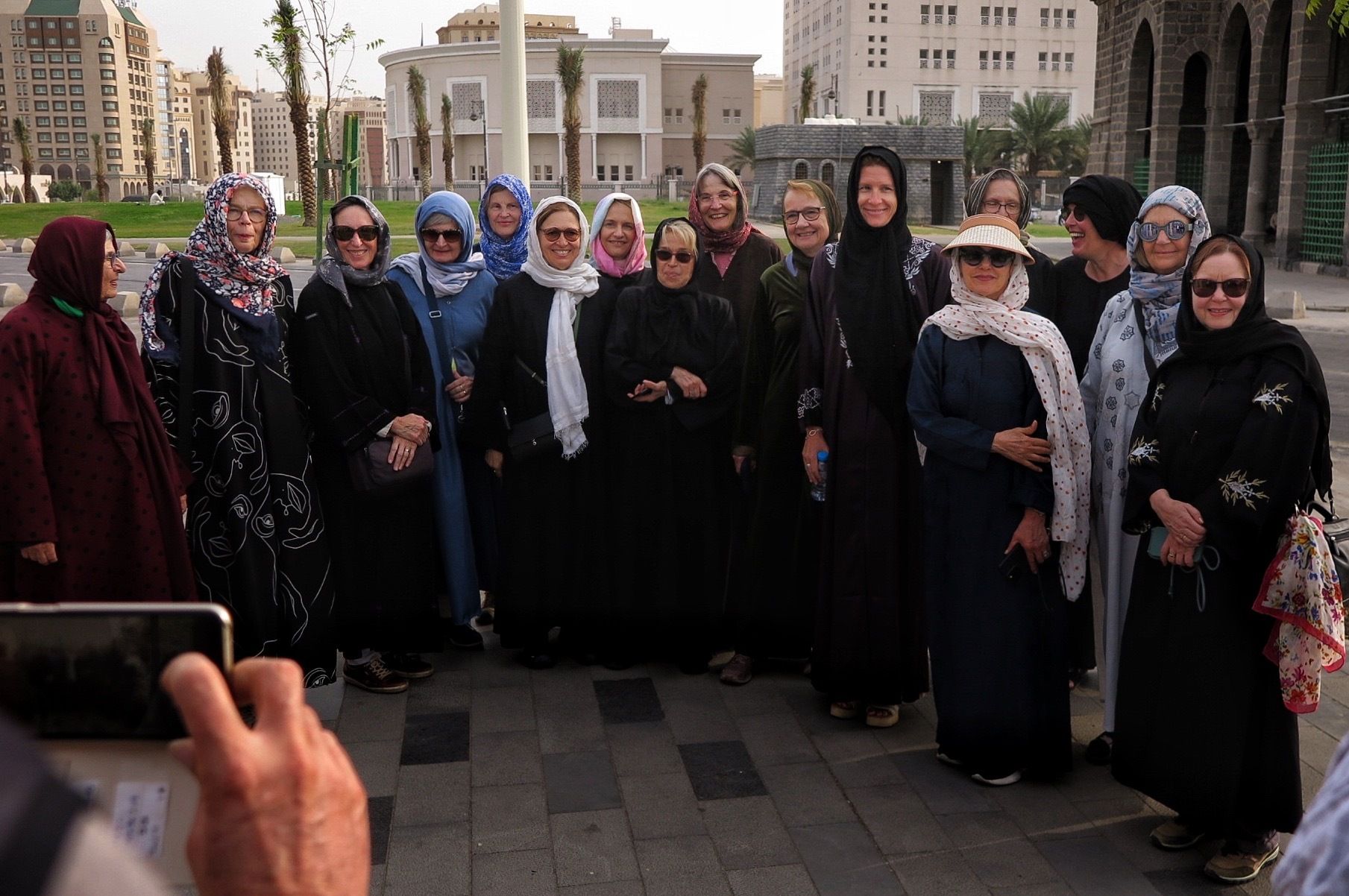
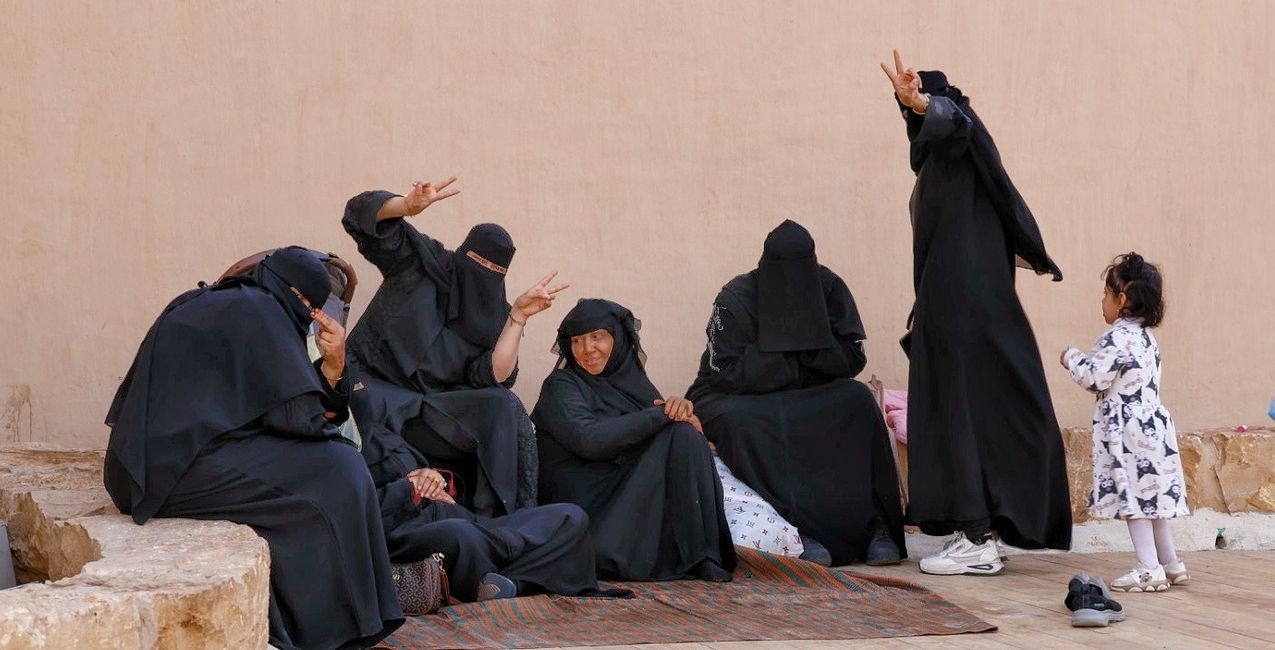
Five daily prayer times during which all public and commercial life comes to a standstill, meaning businesses had to close five times a day, women were covered, and if a strand of hair showed, they could expect penalties from the religious police.
Due to oil wealth, there was no need to promote tourism.
Women's life took place in the domestic environment.
The invisible walls of religion forbade pleasures such as theater, cinema, and music.
Strict gender separation, men must obey God, and women must obey their husbands.
Only in the year 2000, with satellite television, did the desire for change begin to emerge.
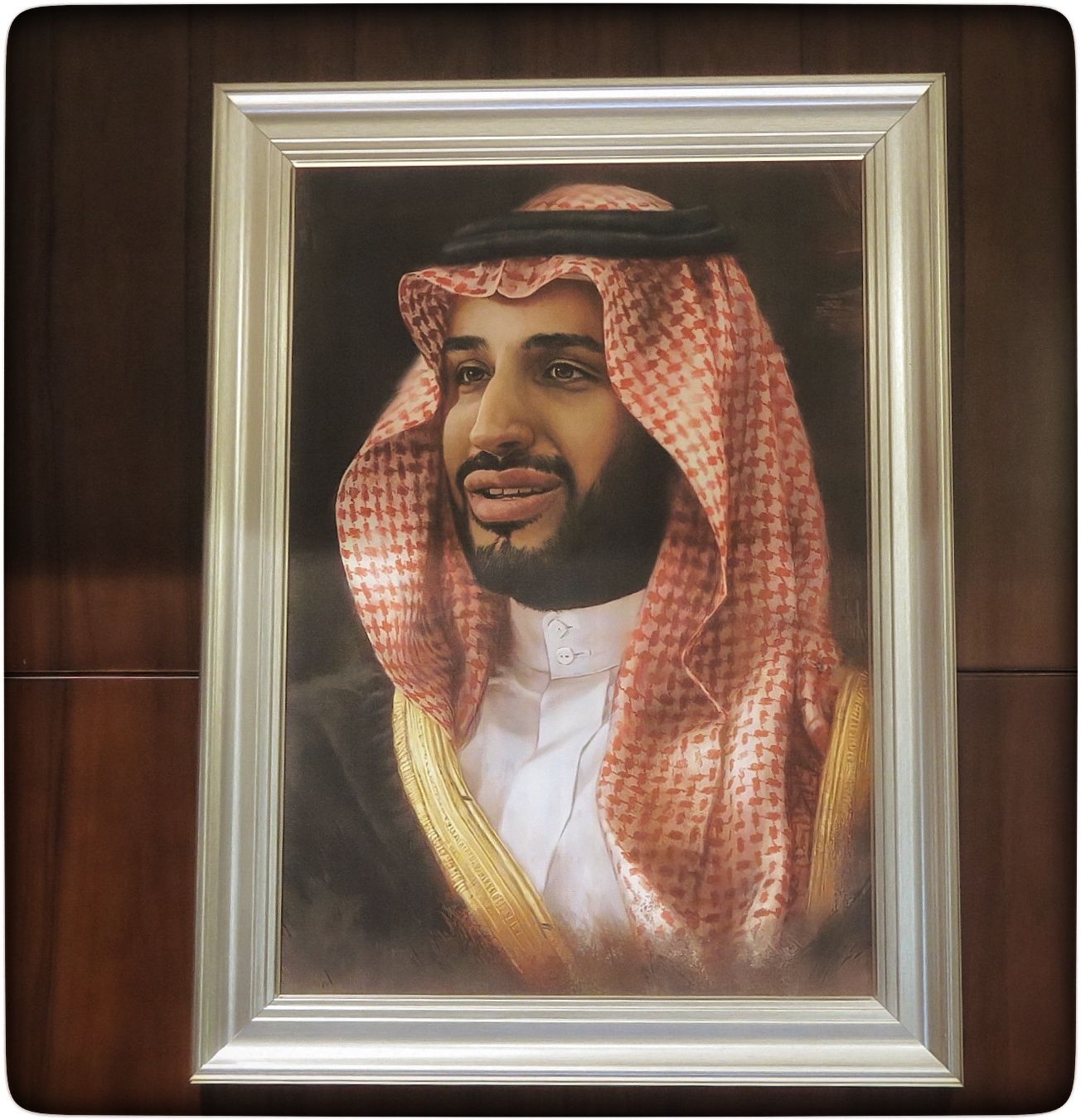
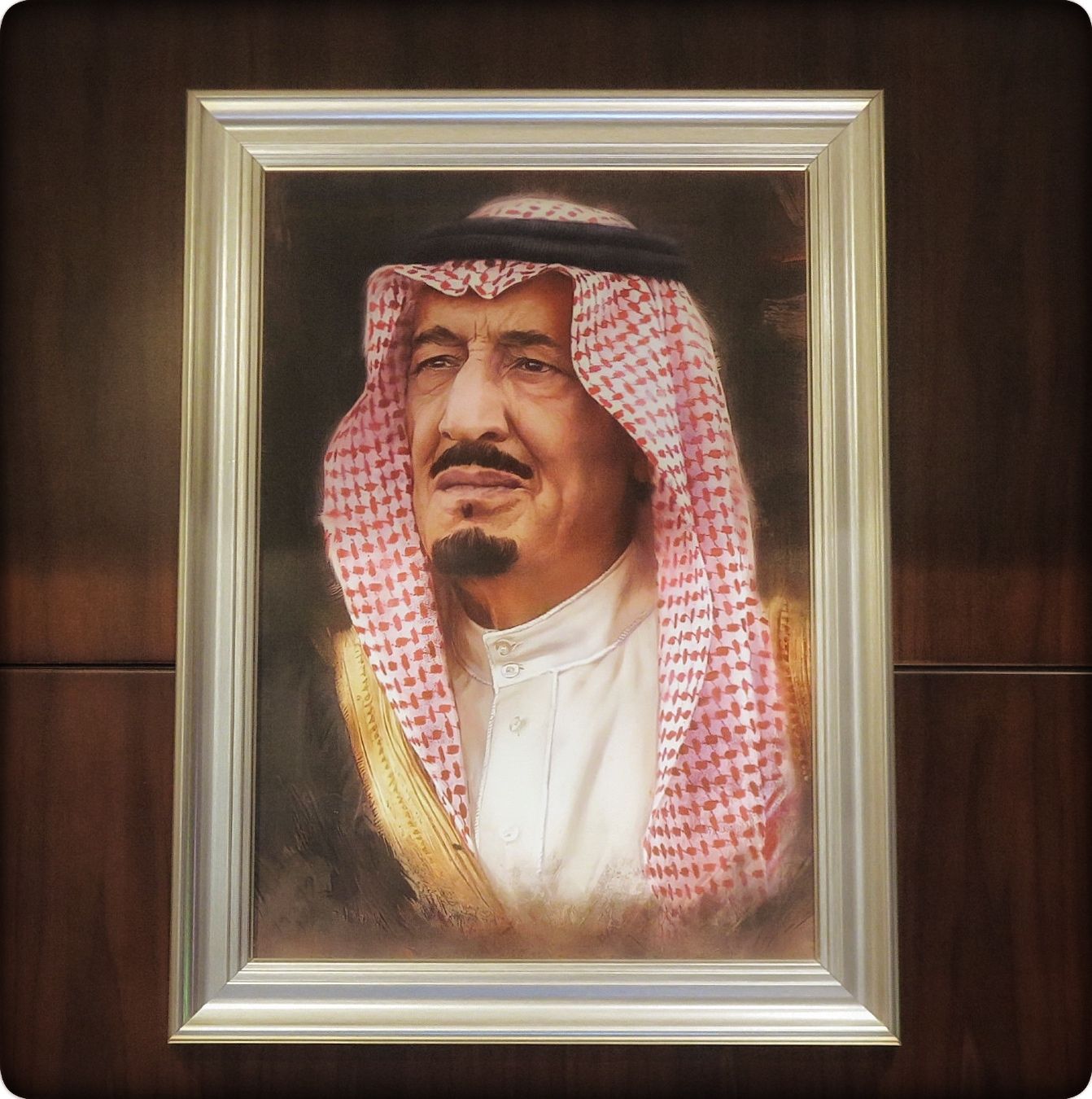
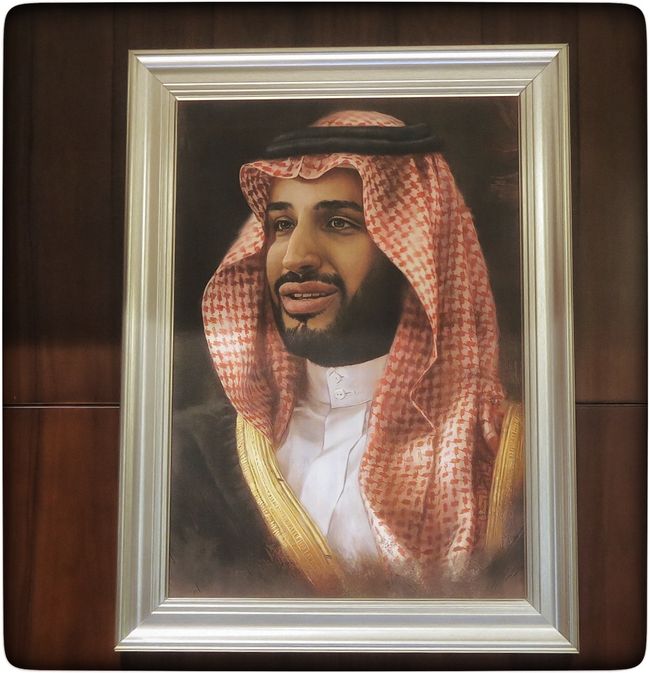
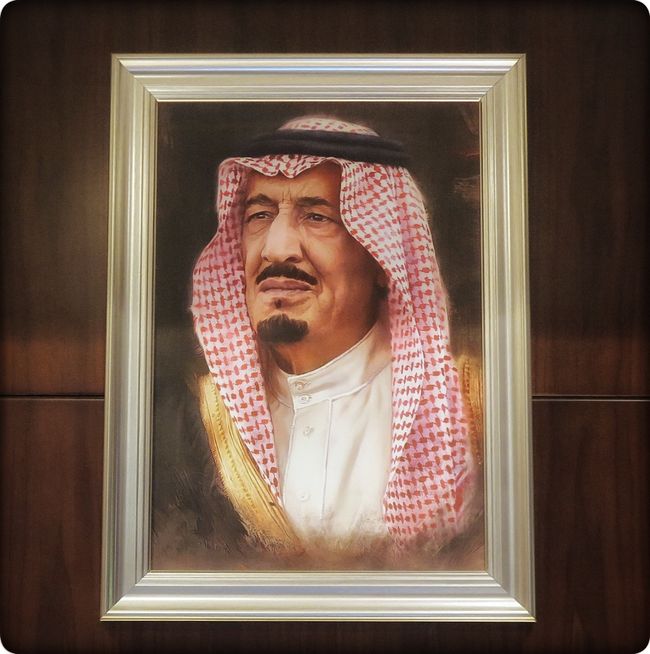
King Salman ibn Abd al-Aziz since 2015 and his son, Crown Prince Mohammed bin Salman (MbS), are characterized by radical modernization and economic expansion.
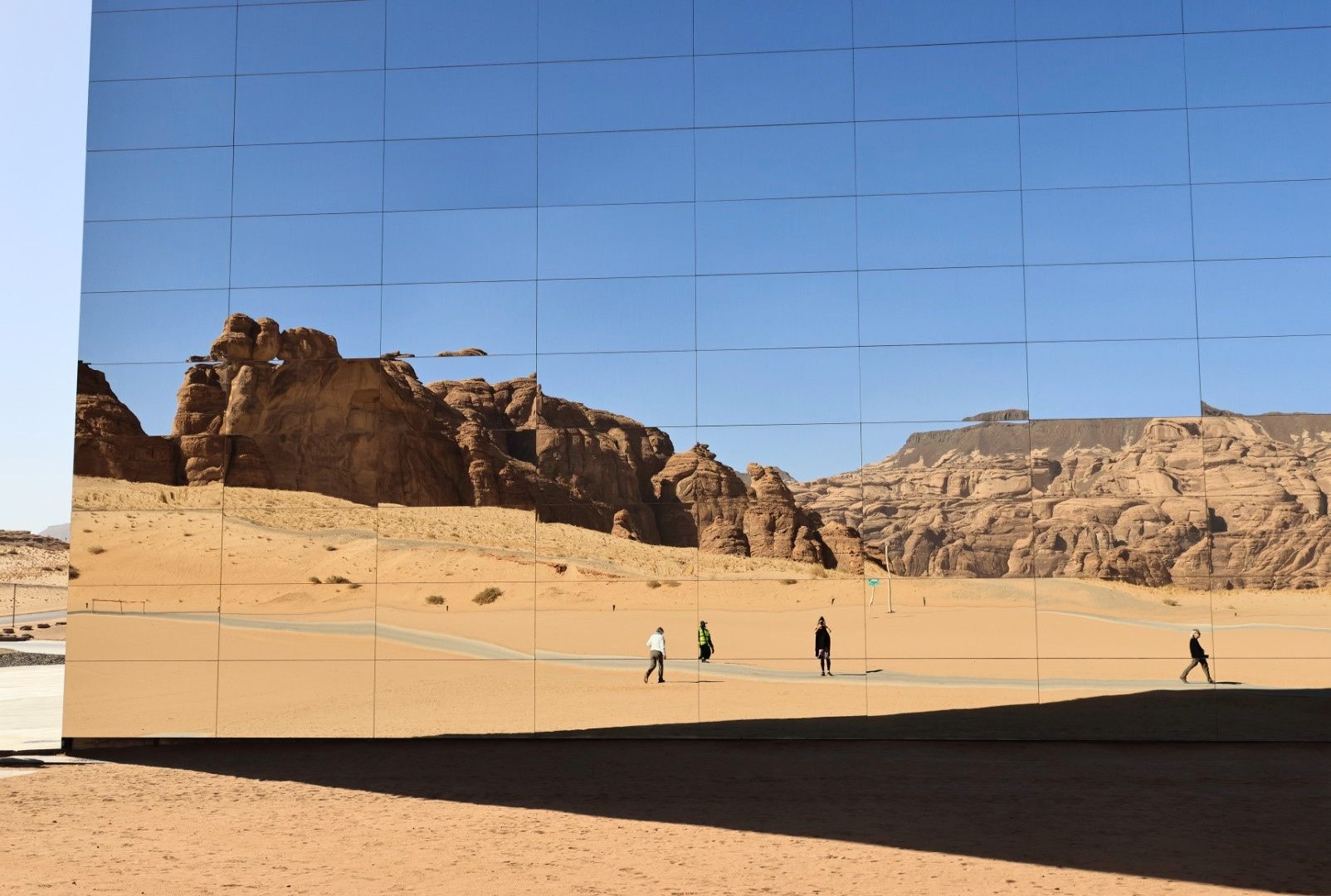
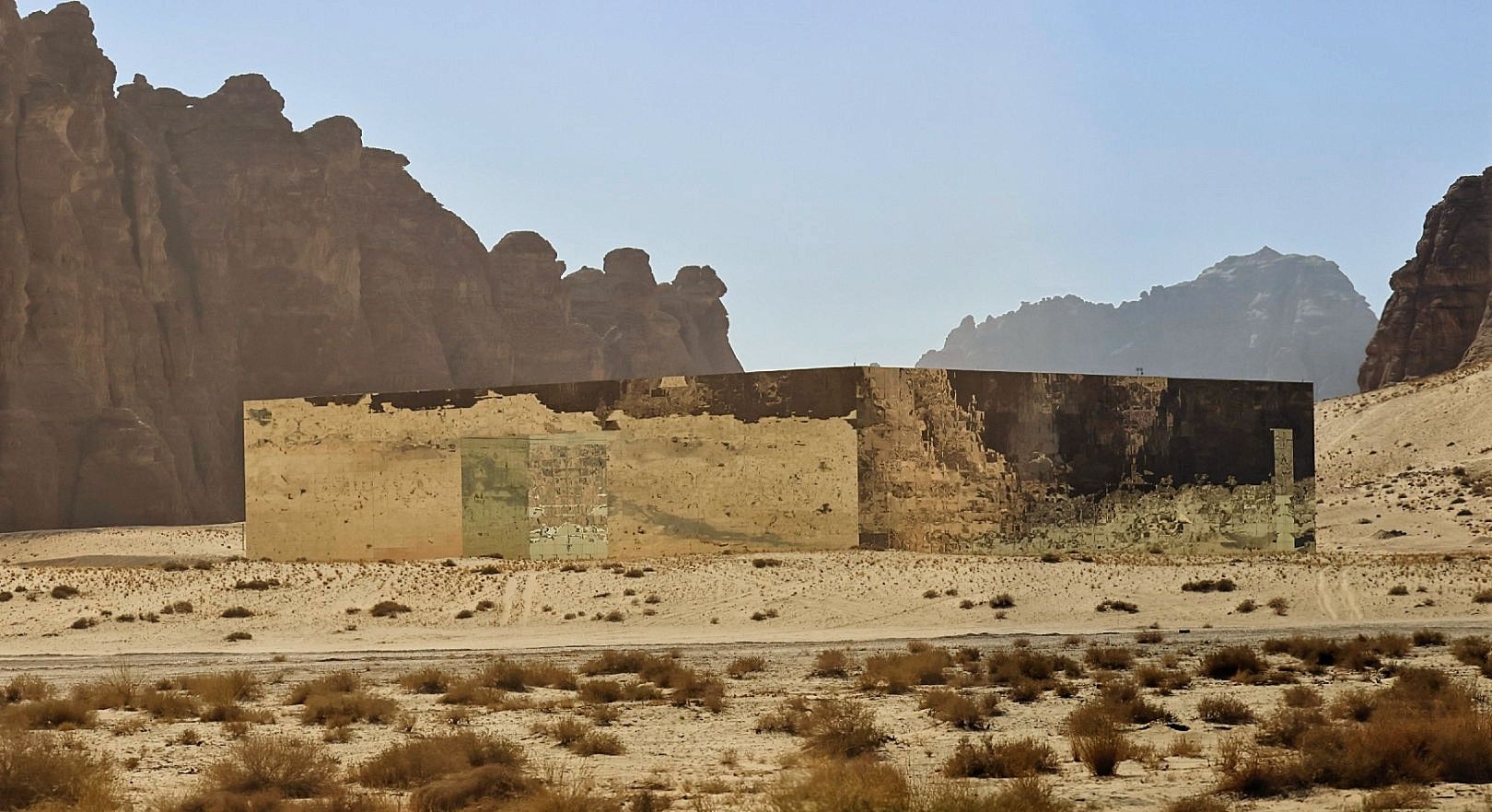
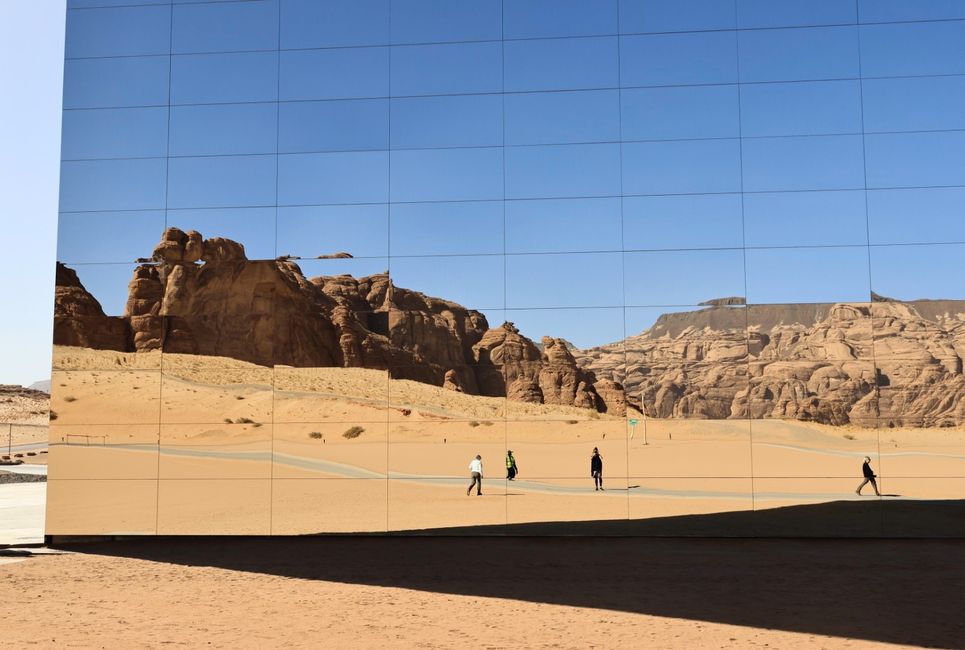
The future NEOM project includes the precursor 'The Maraya Concert Hall' (Maraya-Mirror Reflection), all part of Vision 2030.
The concert hall was thus built within 72 days and cost several million euros.
Implementing this vision is not possible without expats. Expats are individuals mostly from India and Pakistan (the two countries are the largest personnel providers) who live and work here for two years (after which the work visa must be renewed) without being naturalized.
The education system includes a preschool from age 3, but it is not mandatory.In primary school (6 years), subjects taught include natural sciences, Islamic studies, sports, and English. Girls and boys are separated.
The university serves to orient towards nature, technology, history, medicine, and computer science.
Meanwhile, there is the world's largest women's university in Riyadh.
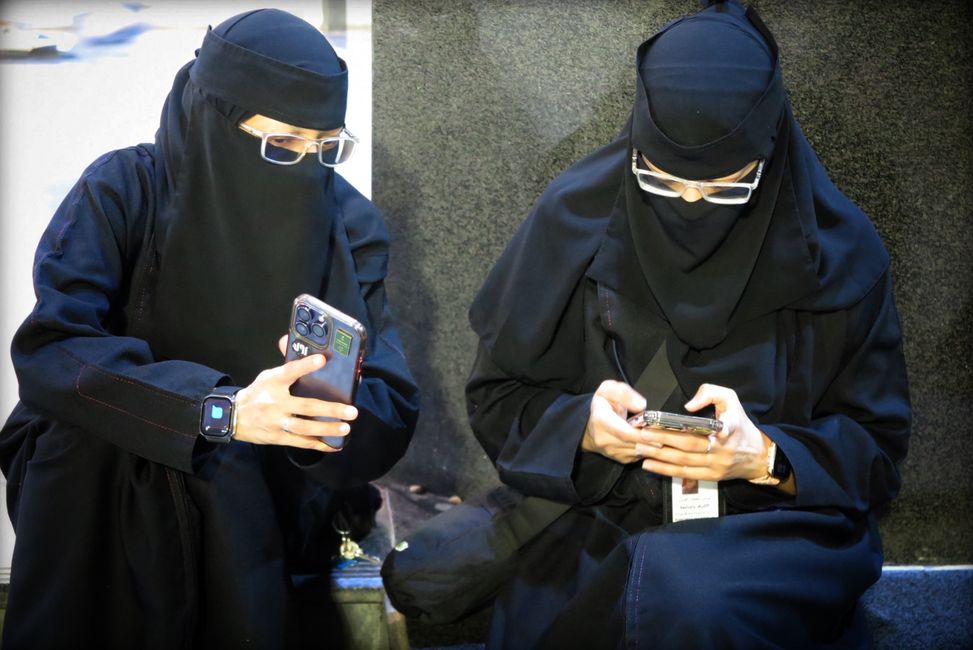
No matter what one studies, Islam is included and studies are always in Arabic.
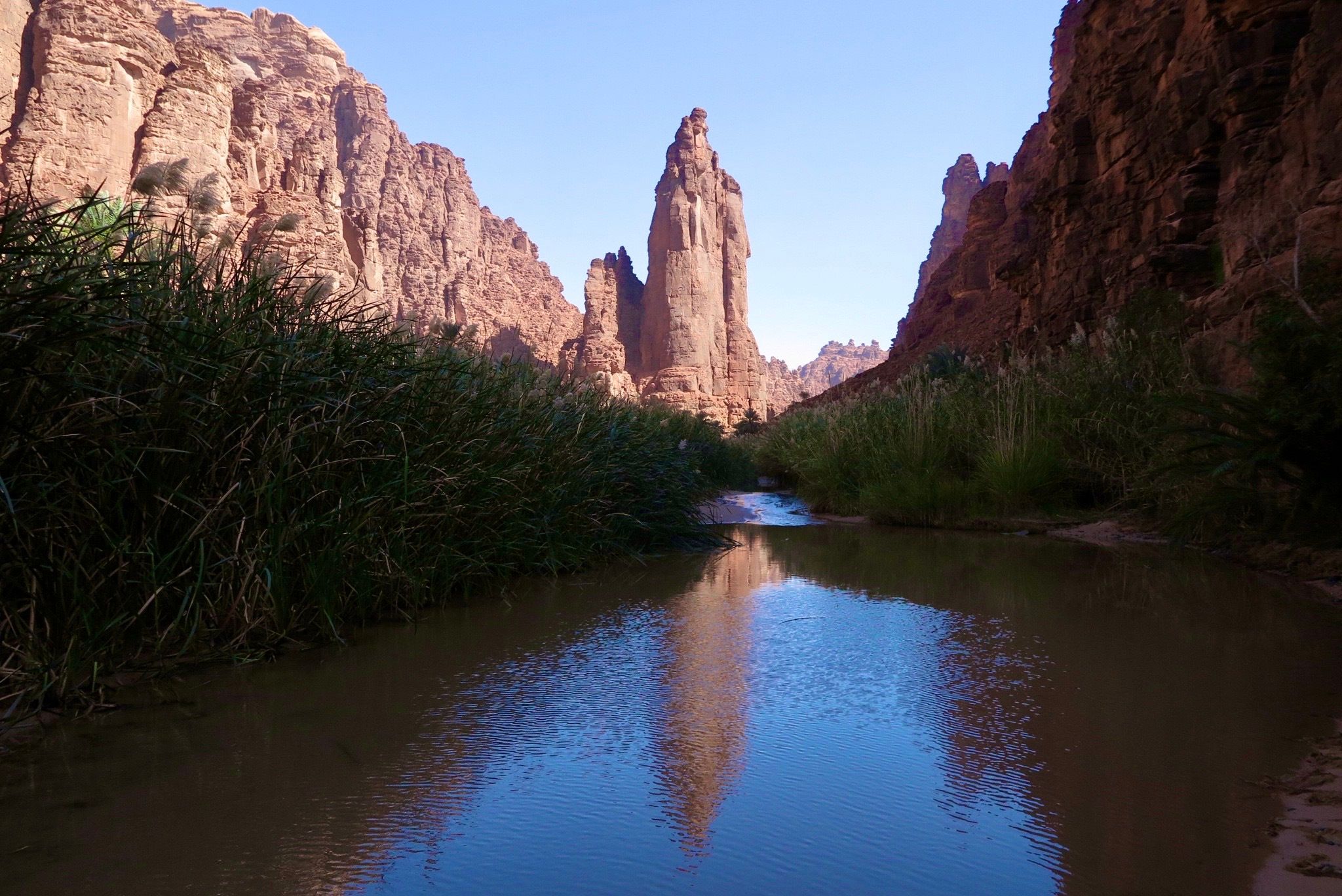
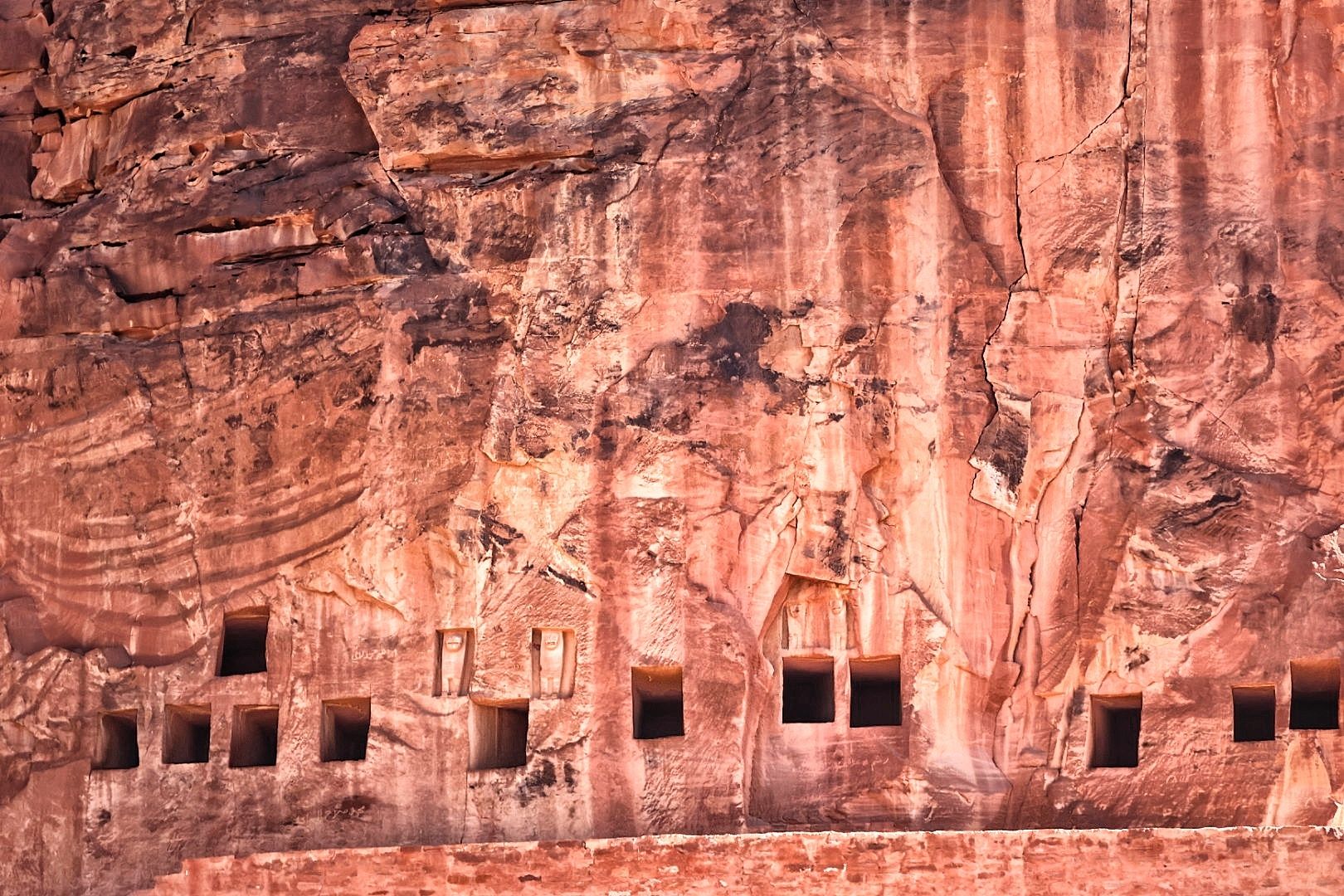
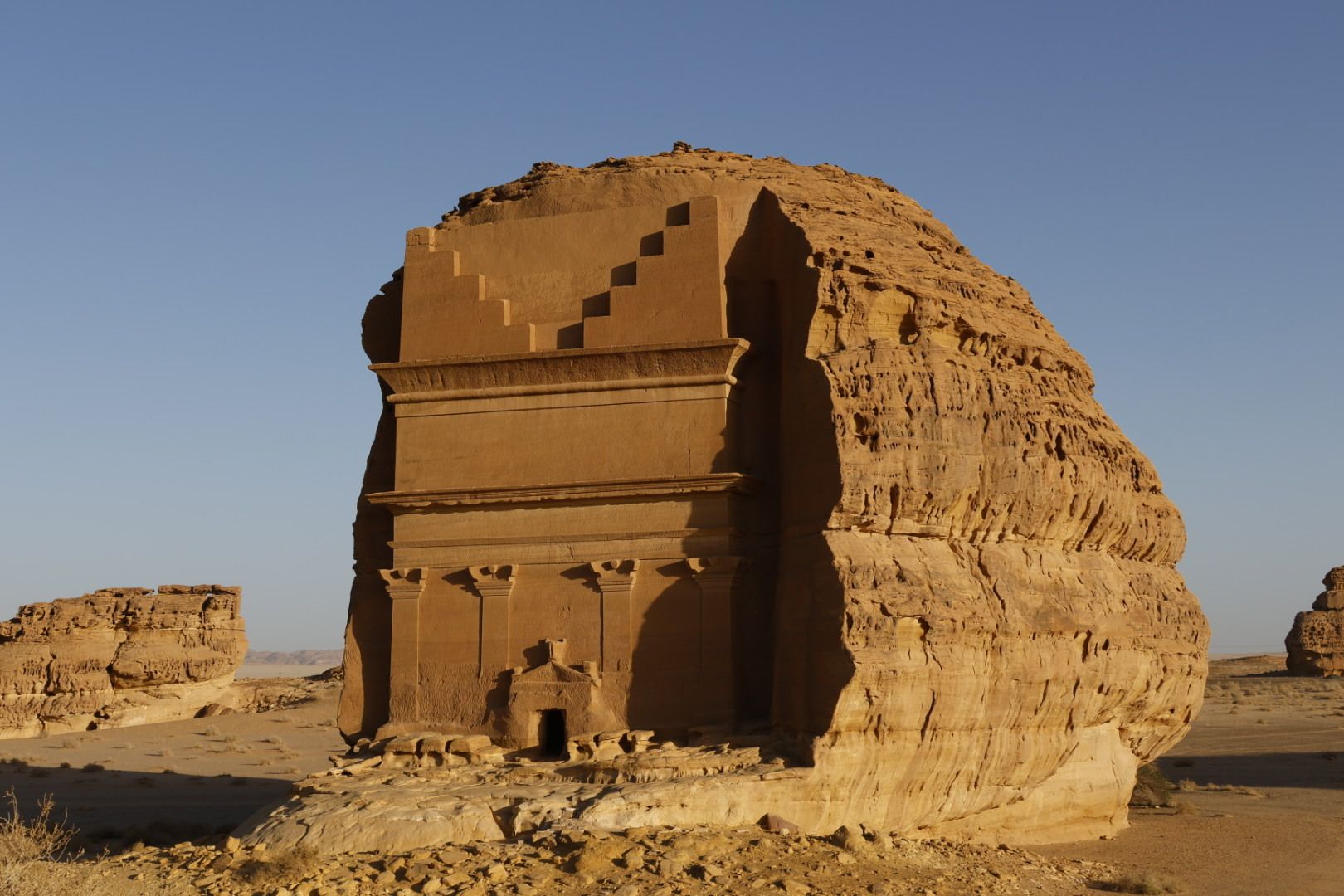
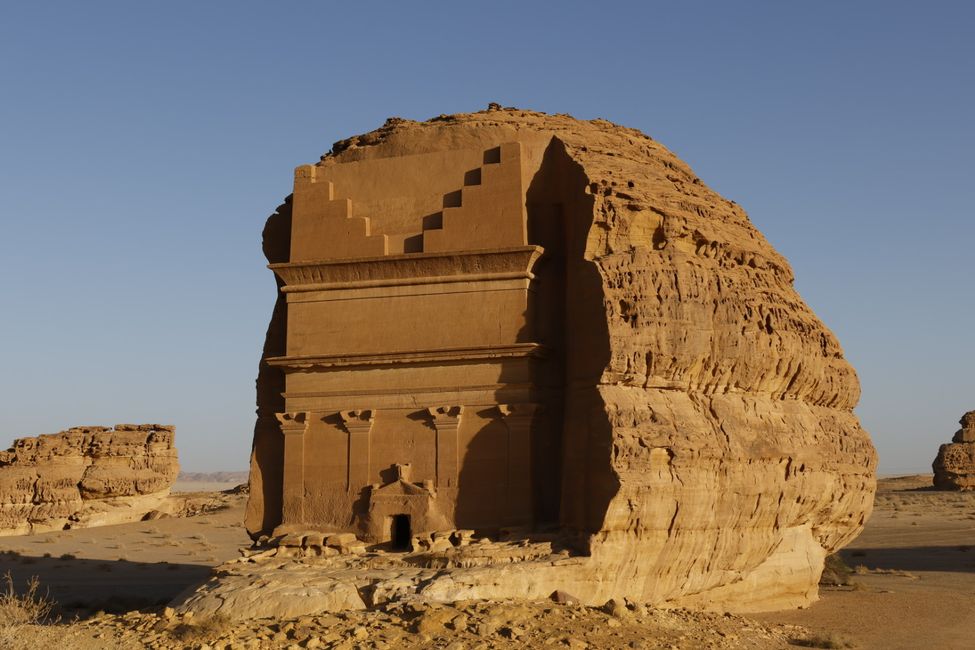
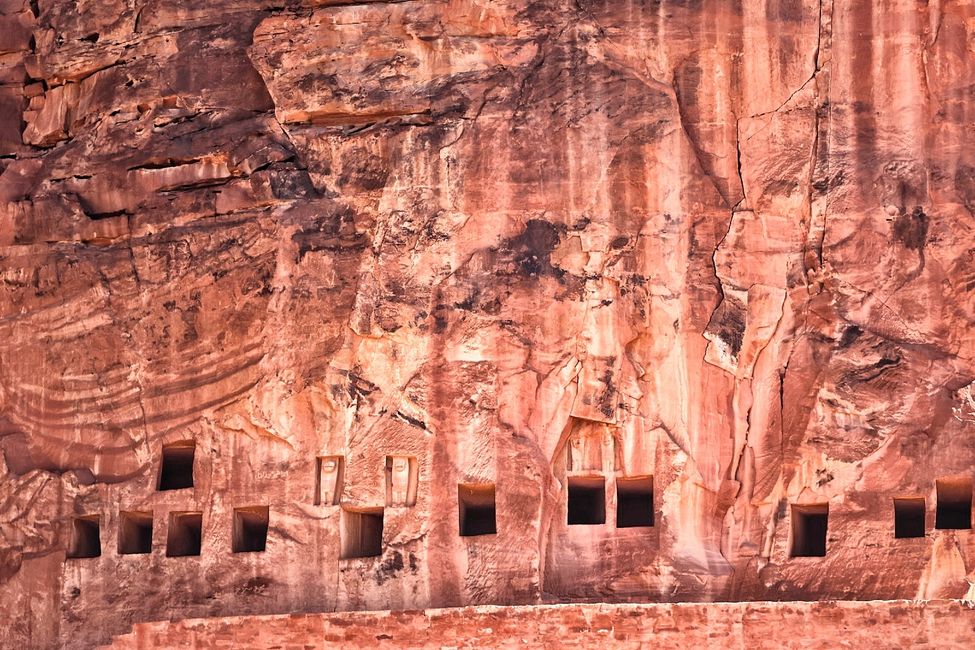
Cultural tourism is also being promoted. Among the UNESCO World Heritage sites is HEGRA, the rock tombs of the Nabataeans from the 1st century BC to the 1st century AD.
They are near Al-Ula, the exalted place with its historically reconstructed town, a dream of every archaeologist.
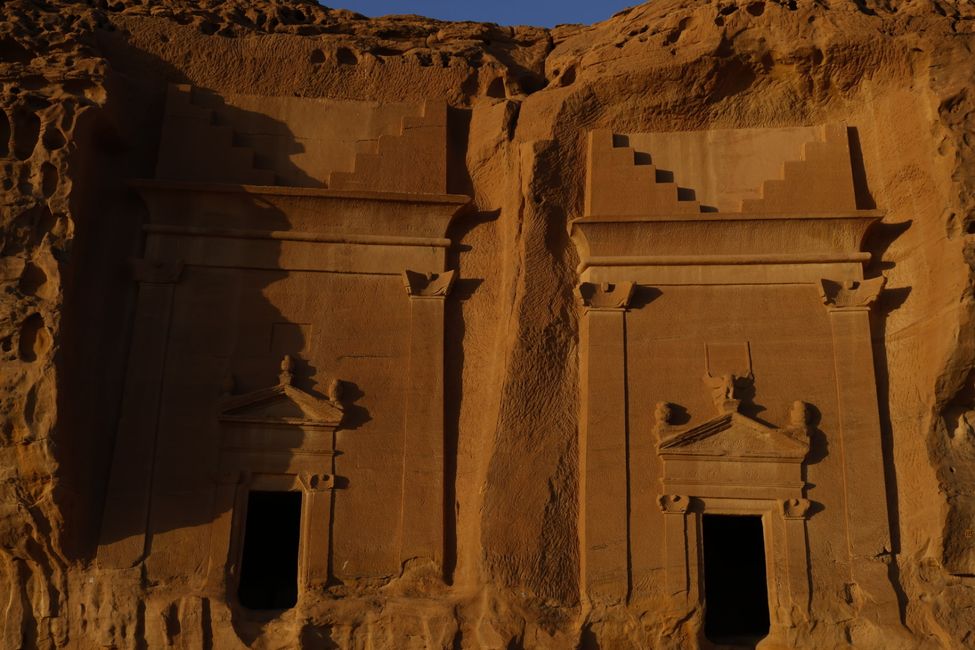
The lions above the tombs symbolize power and strength; they are the guardians. It is assumed that high-ranking members of the dadanitic society were buried here.
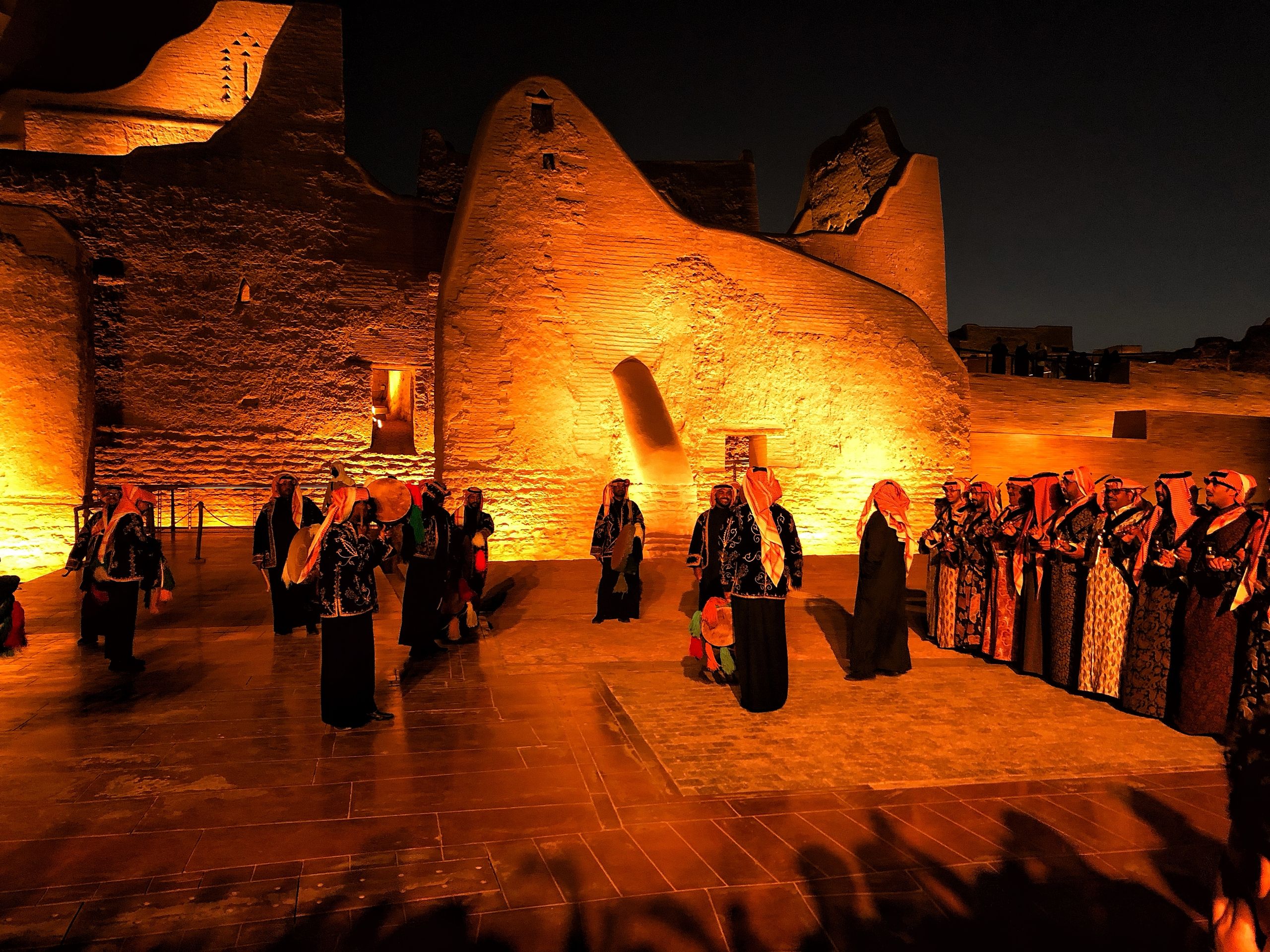
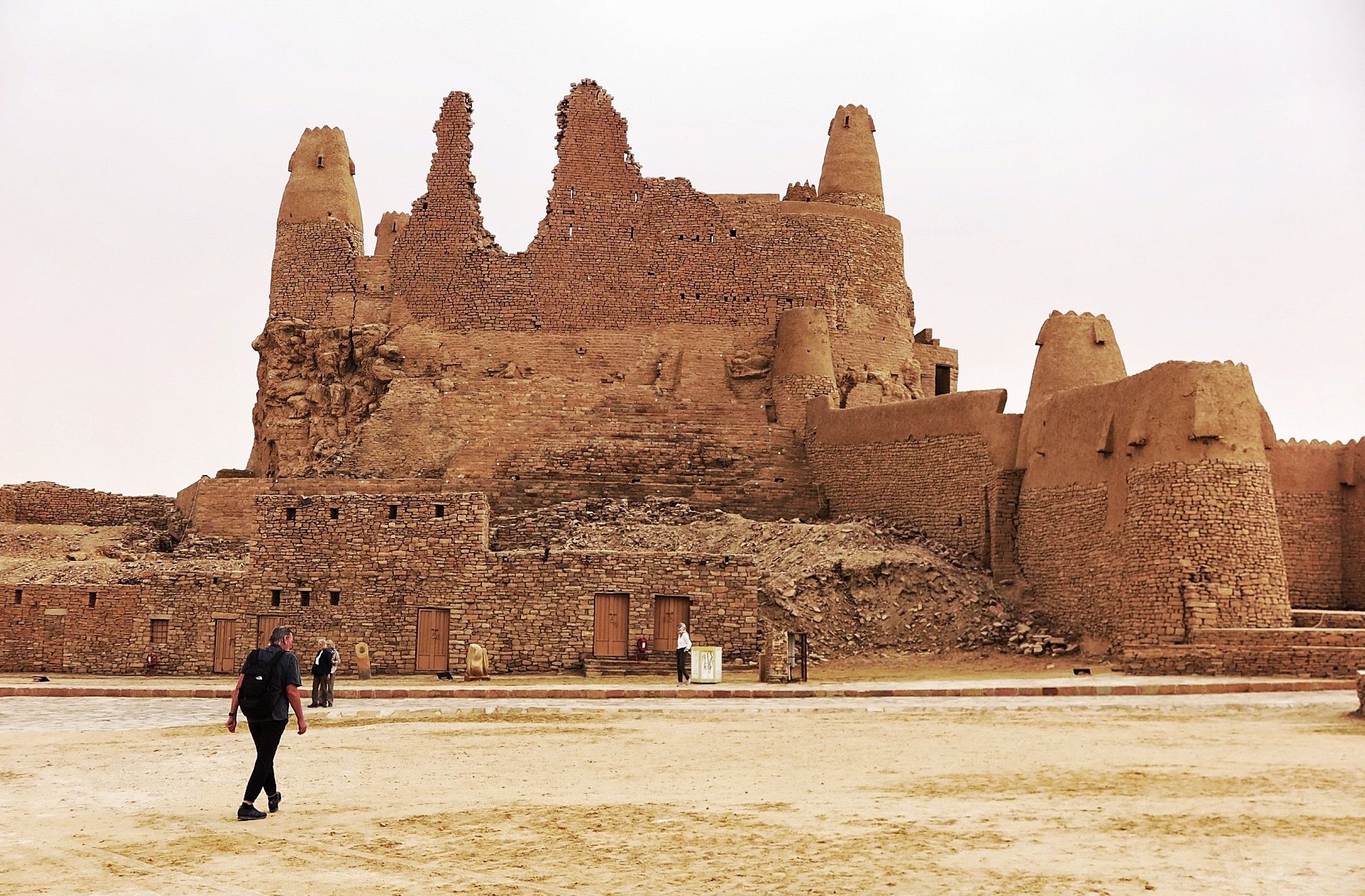
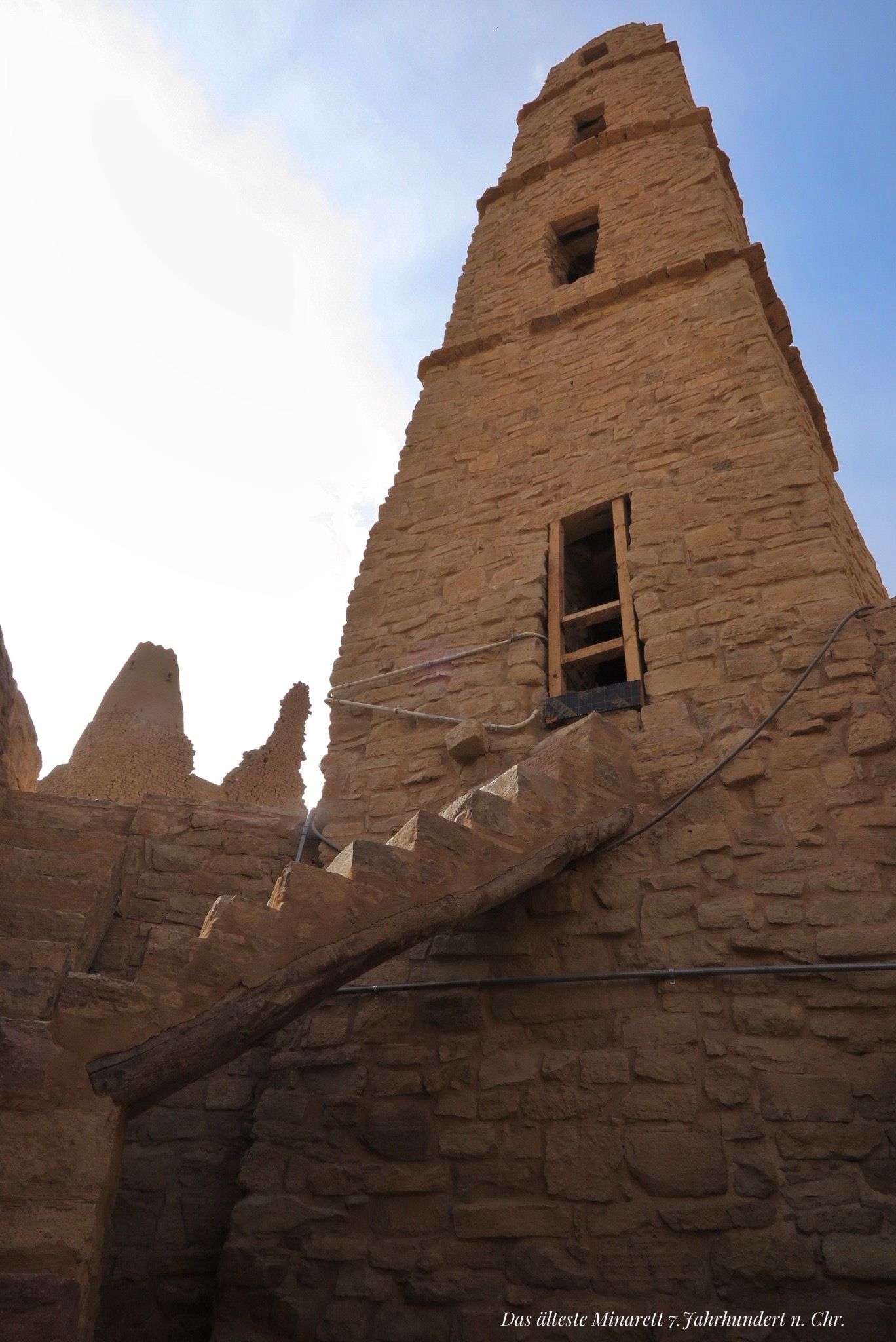
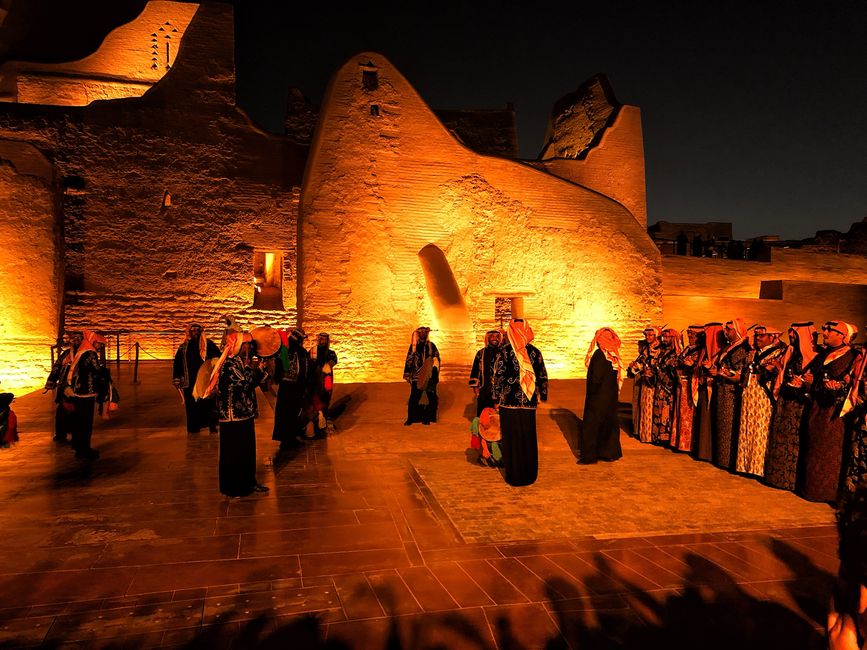
Northwest of Riyadh, the historical mudbrick city of ad-Diriyah developed in the 18th century into the first capital of the Saudi Arabian state, the seed of the House of Saud and Wahhabism.
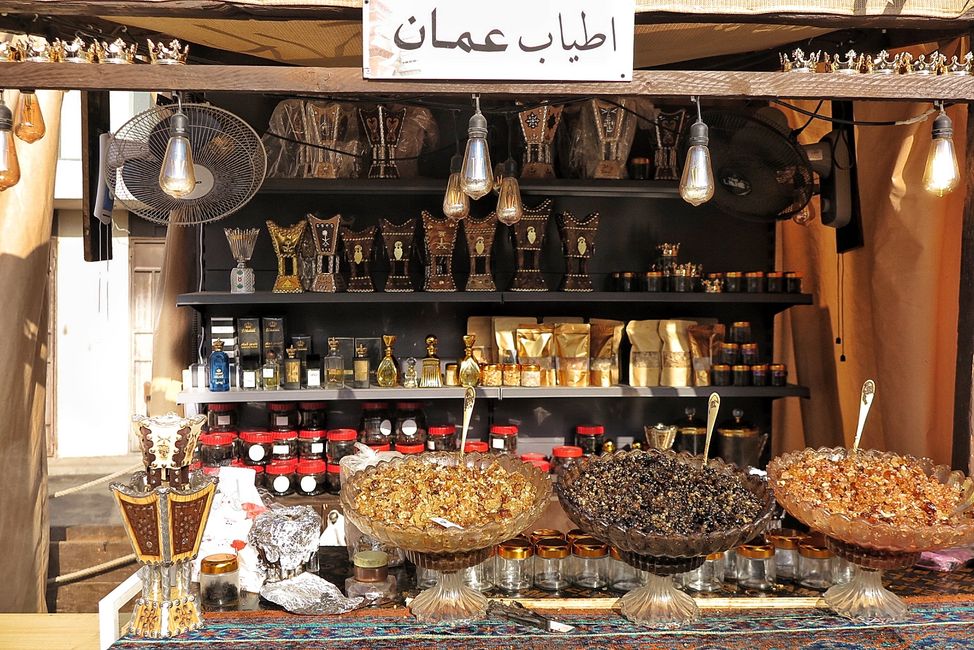
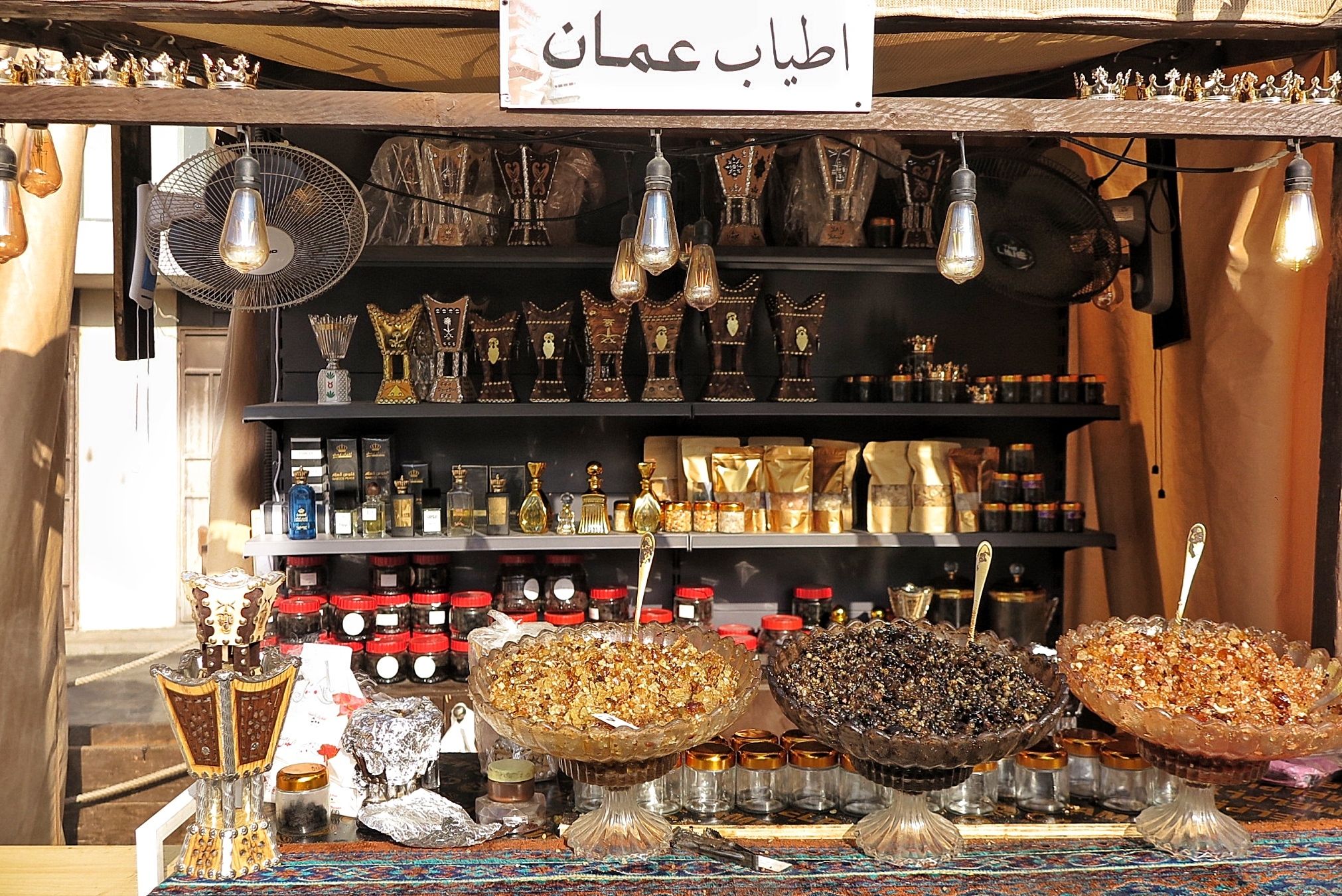
While the frankincense was used in Arabic for disinfection purposes, it was needed in Roman history for cultic purposes.
Trade (myrrh, spices, and gems) along the incense route has decreased as the caravanserai is very expensive, and maritime trade has taken over.
Typical Arabic scents include amber, rose, oud agarwood, sandalwood, musk, and saffron.
Incense is refined with Bukhur, which are perfumed wood pieces.
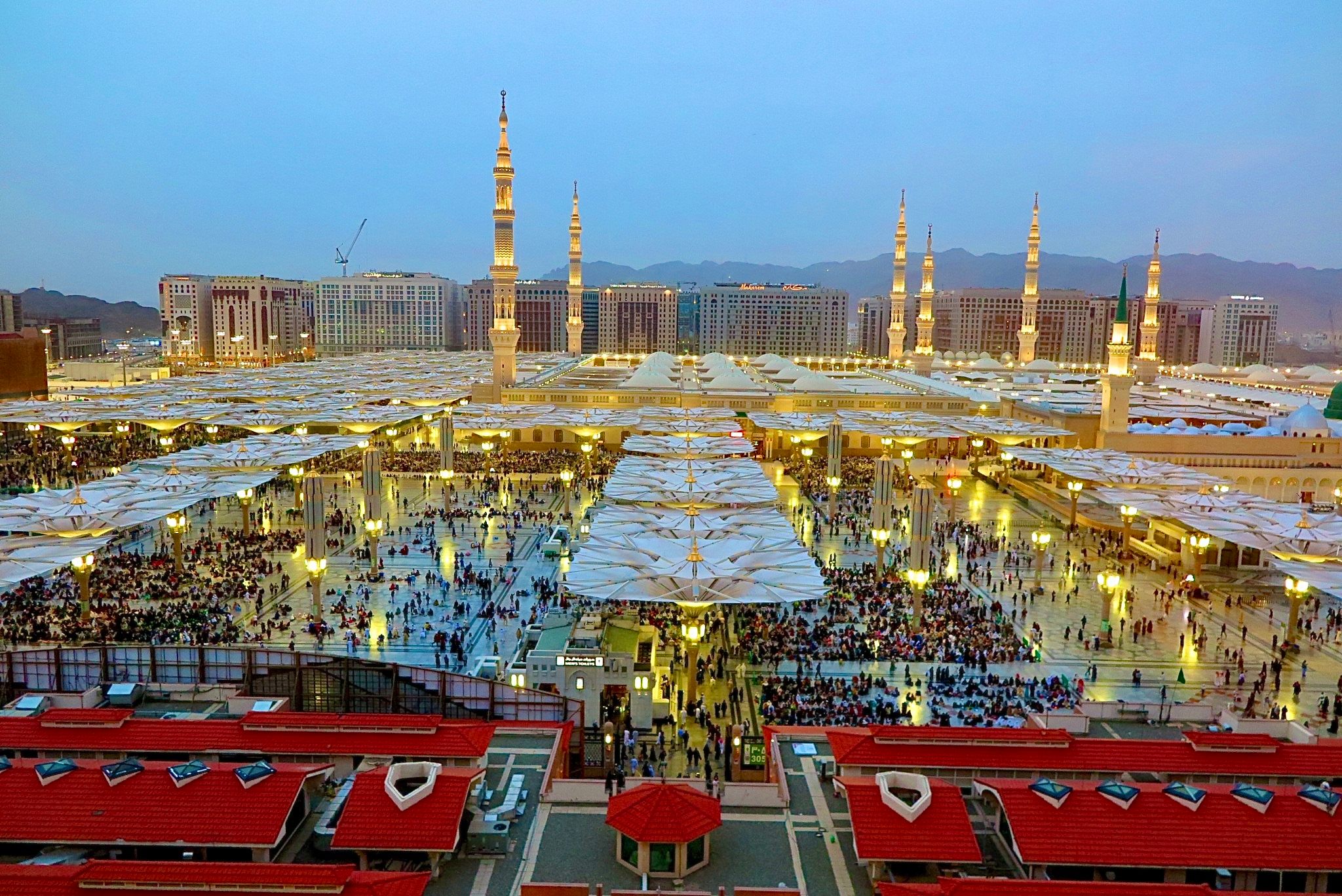
Medina means