

Icons of Korean History
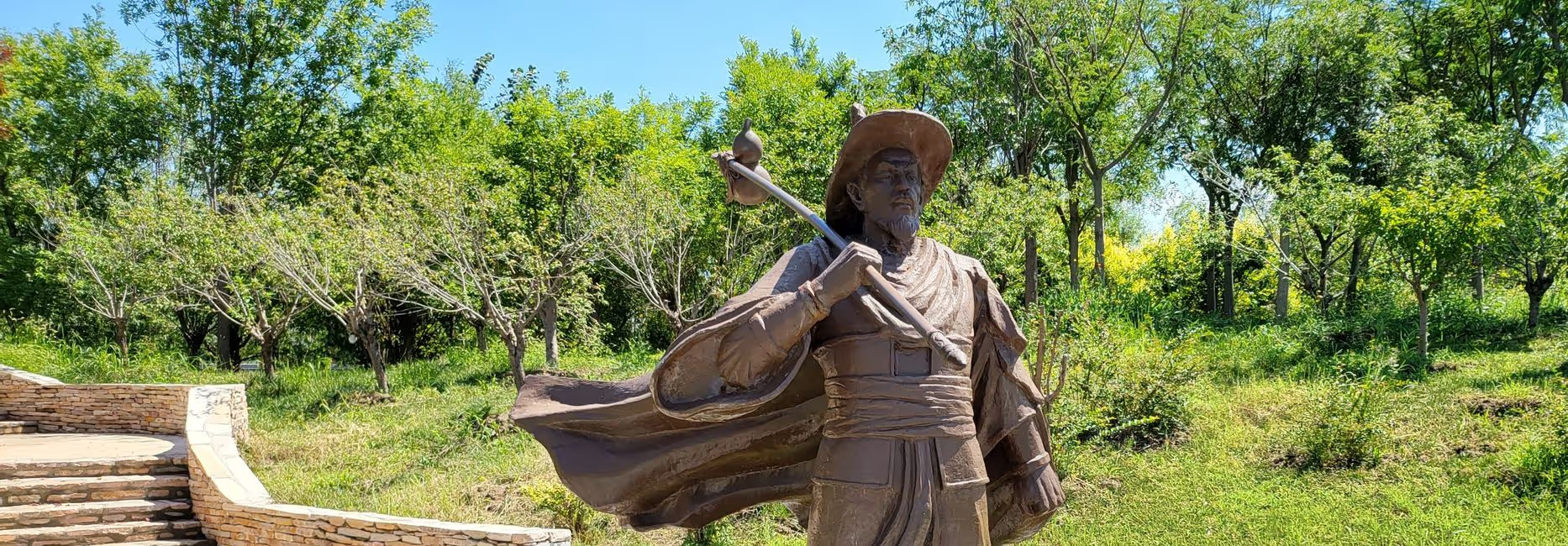
Admiral Yi Sun-sin on Gwanghwamun Square
Published: 19.09.2025
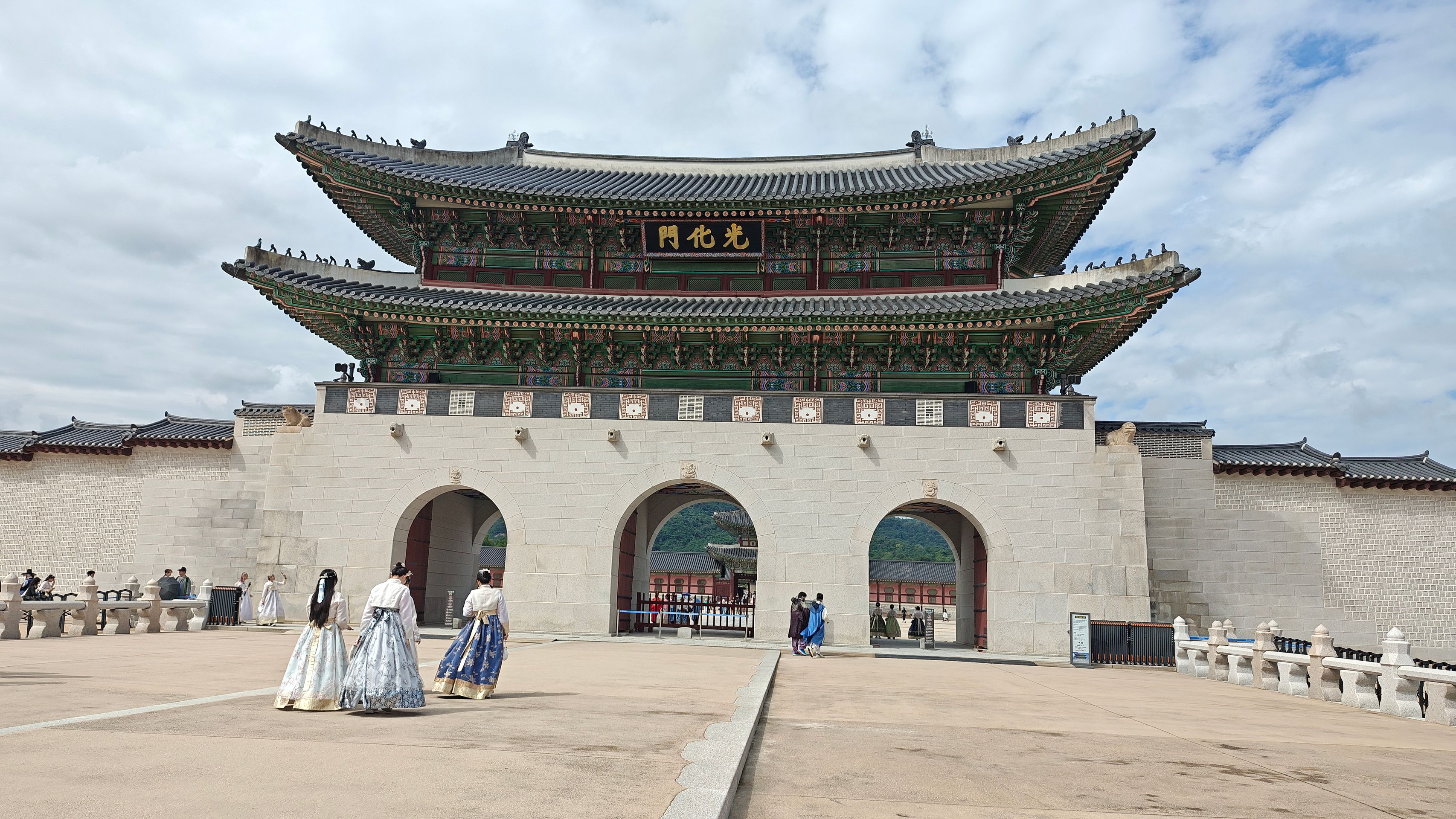
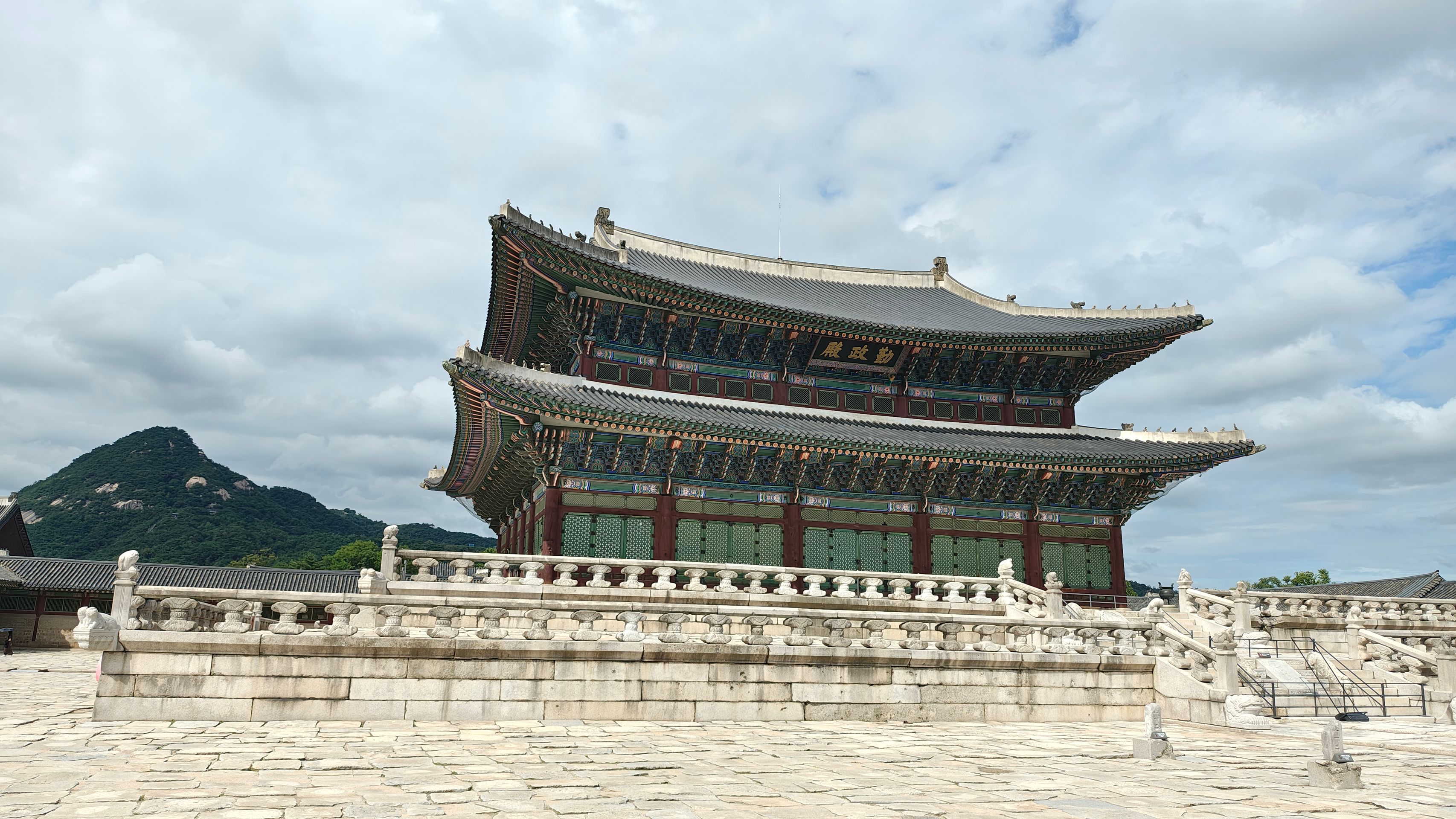
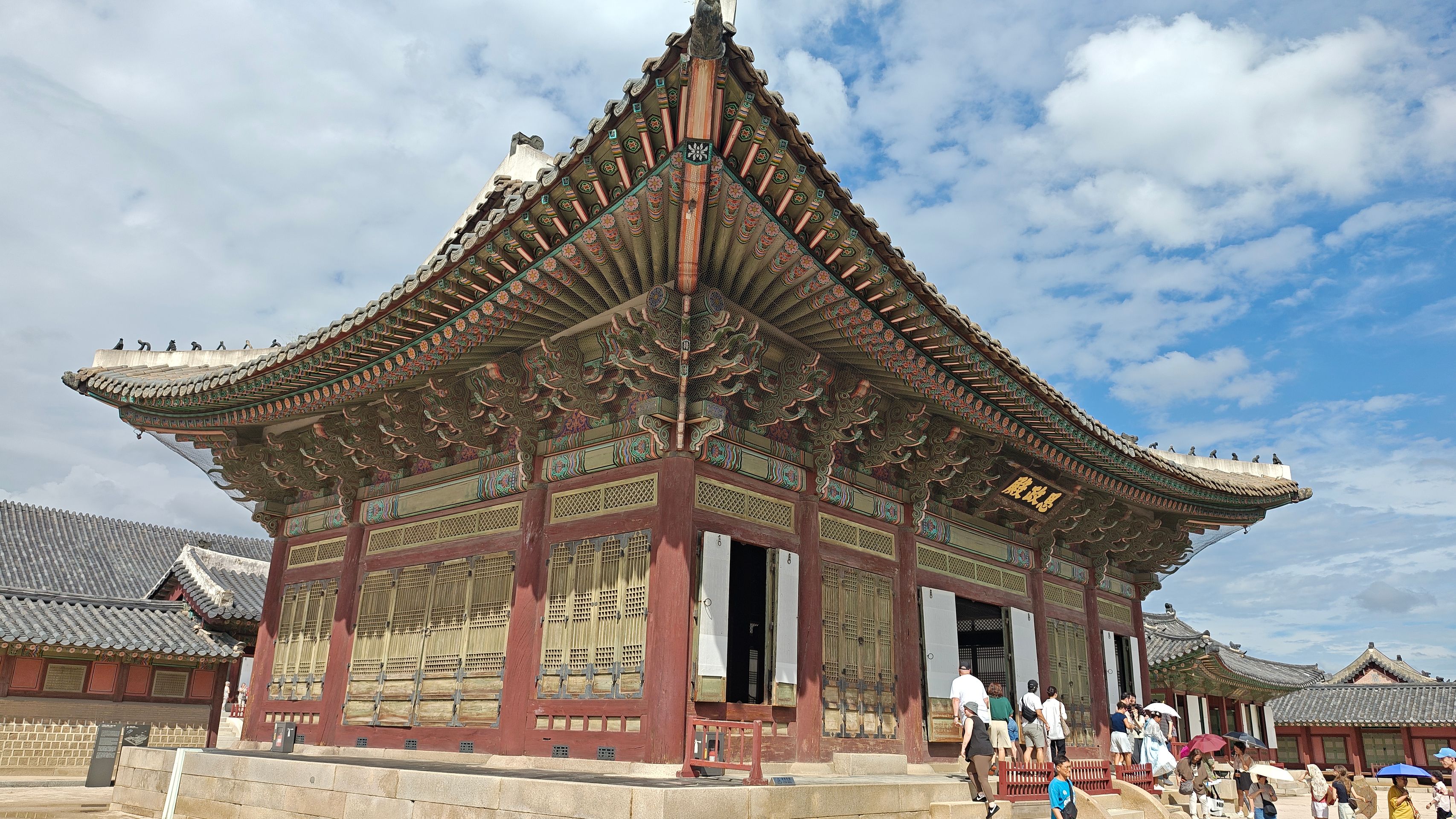
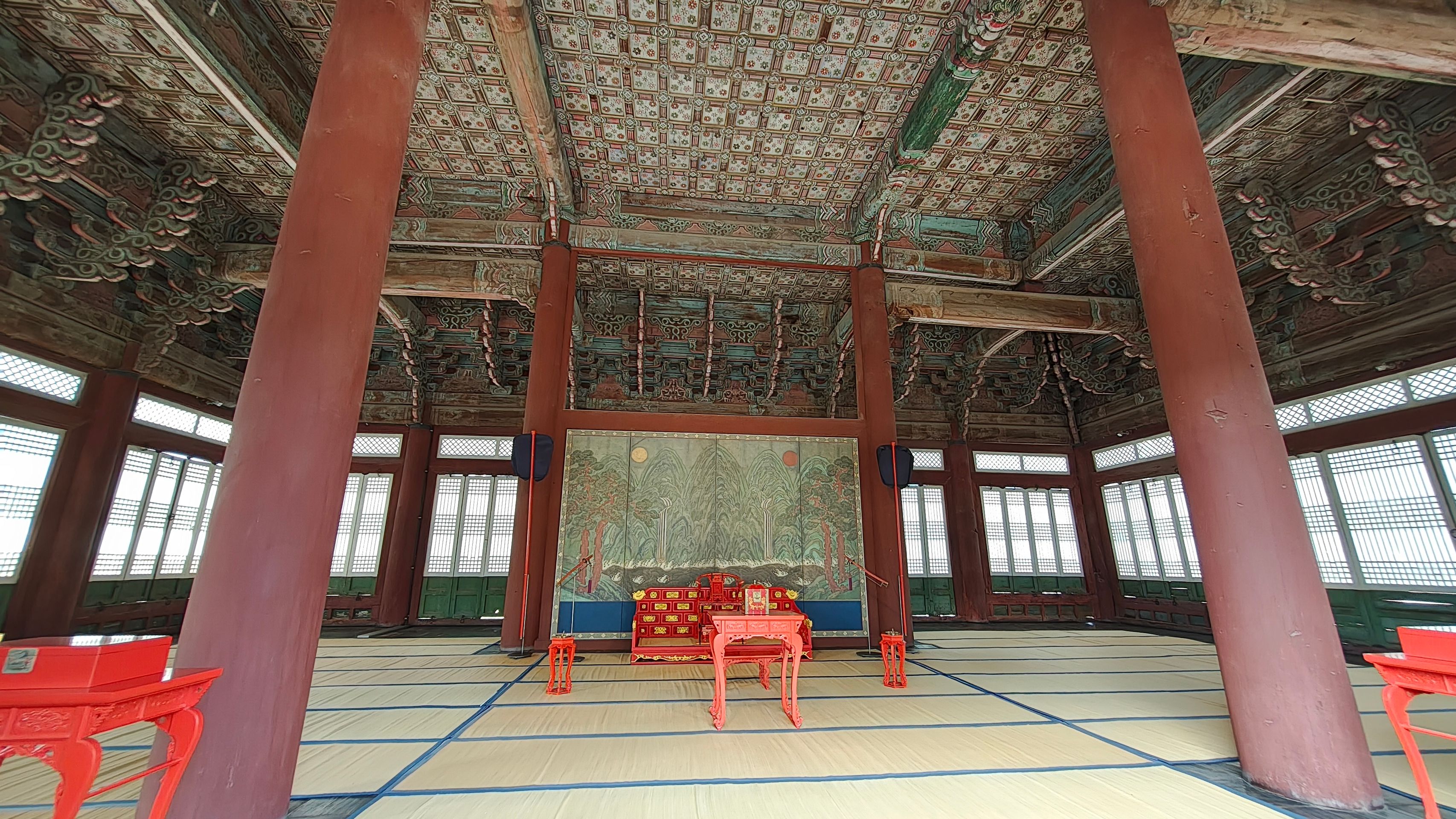
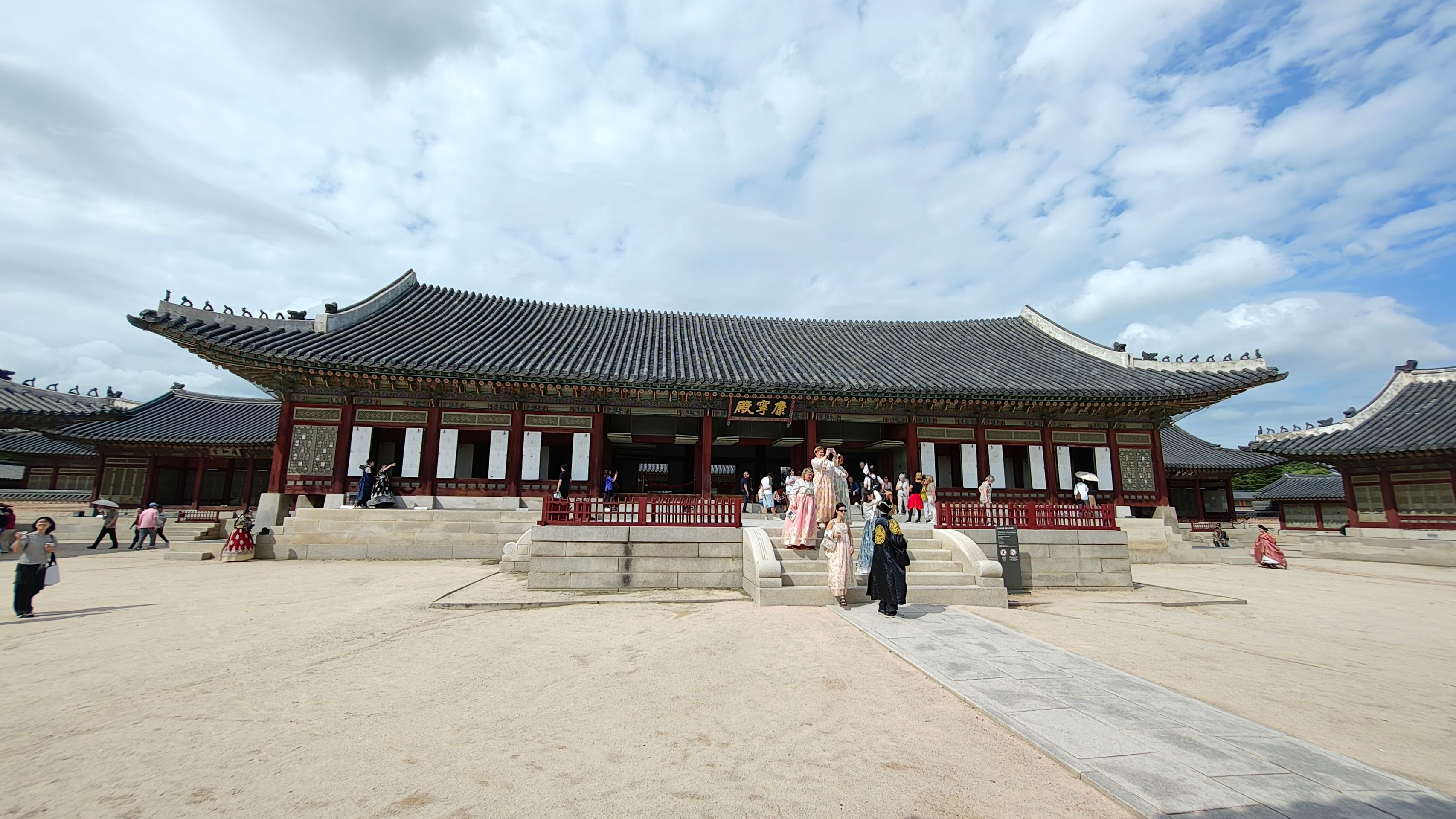
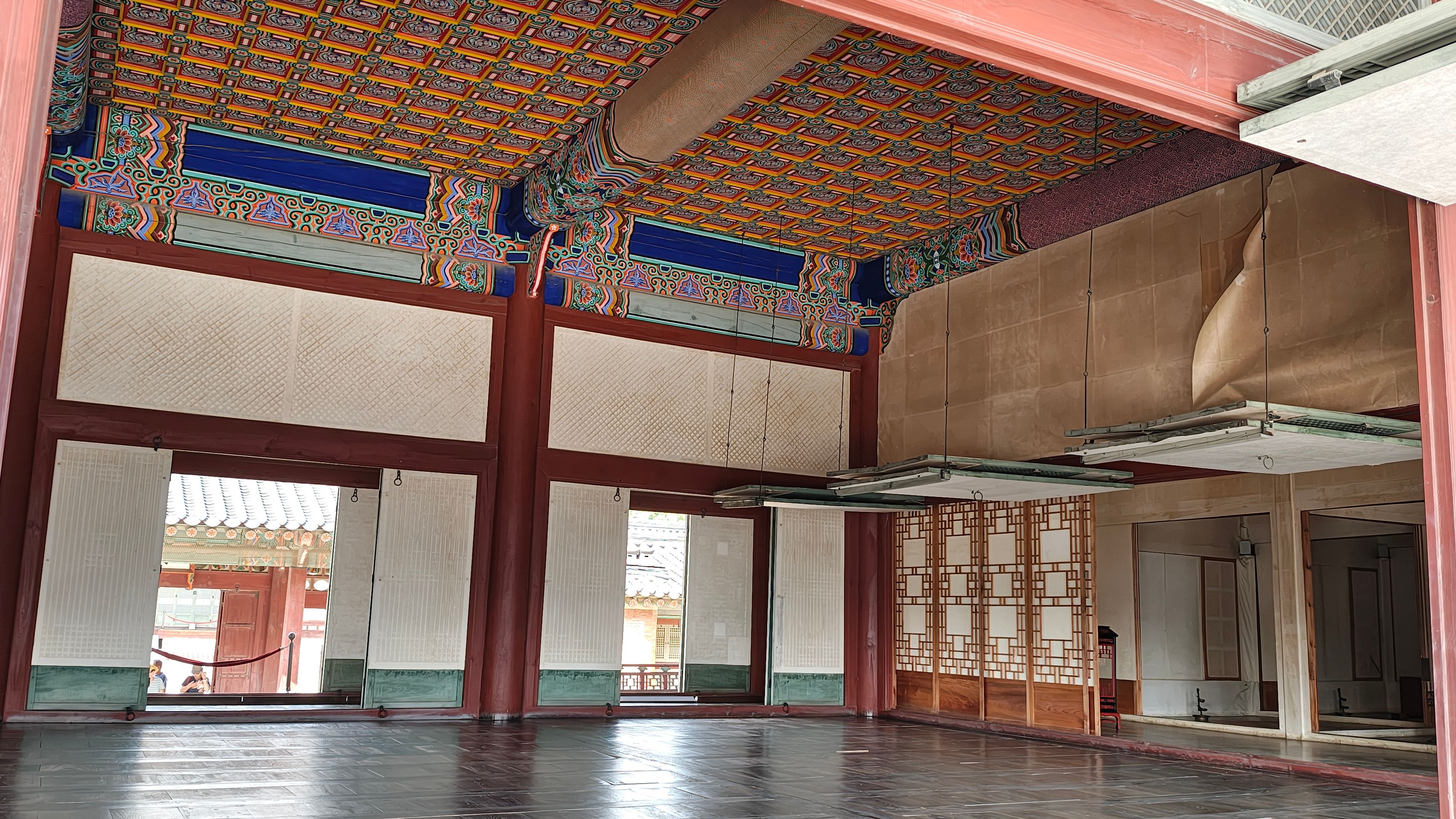
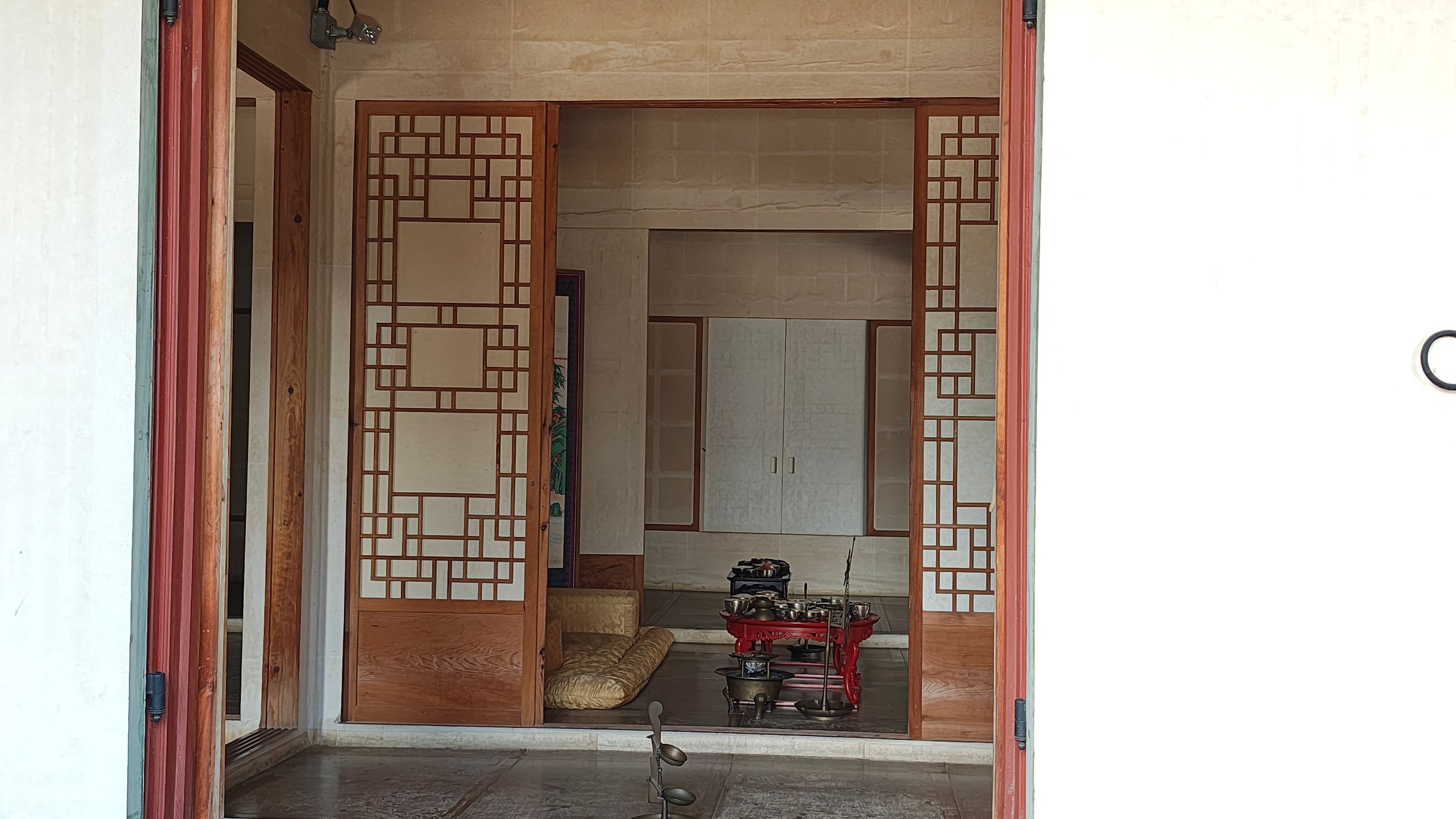
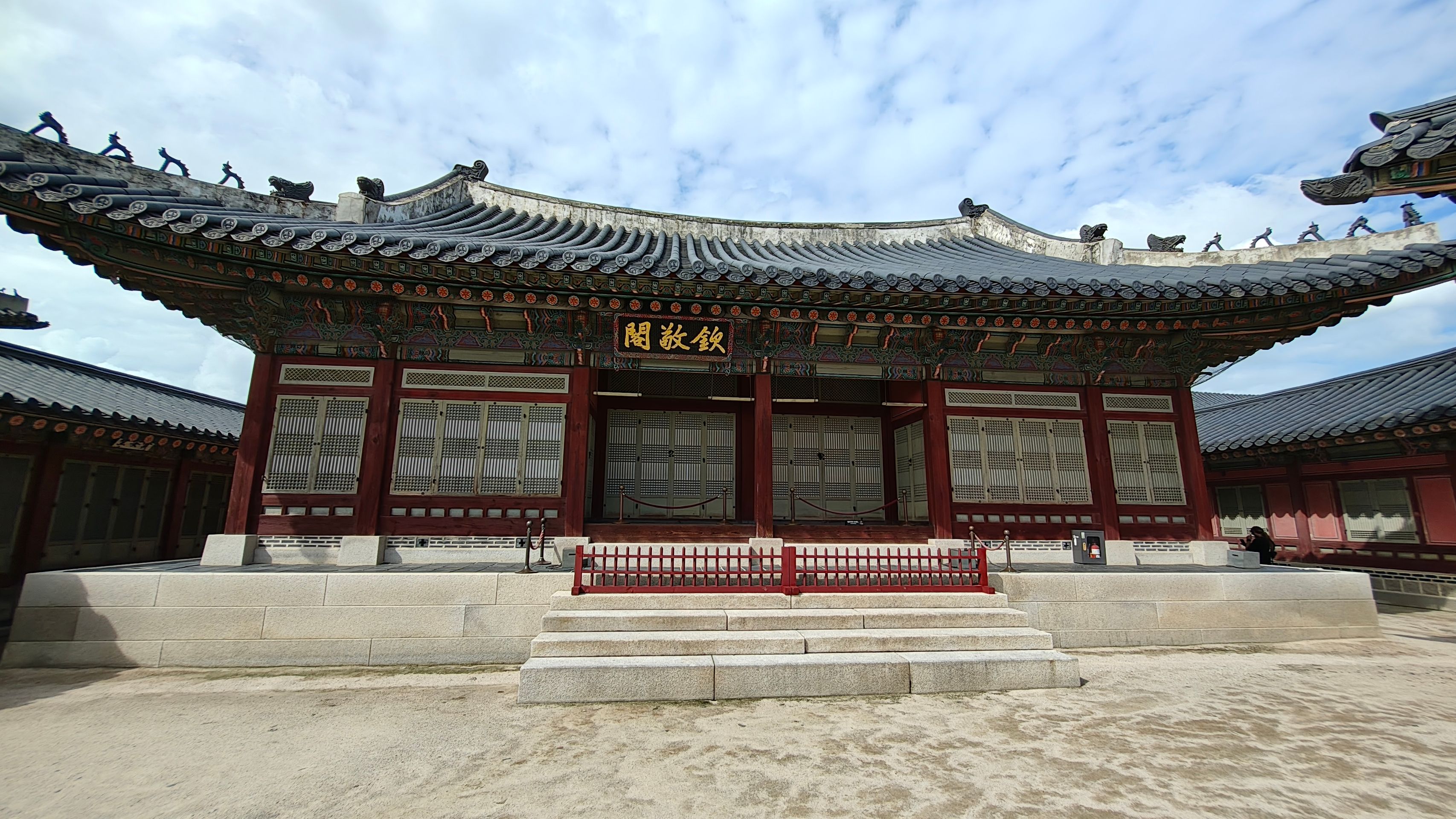
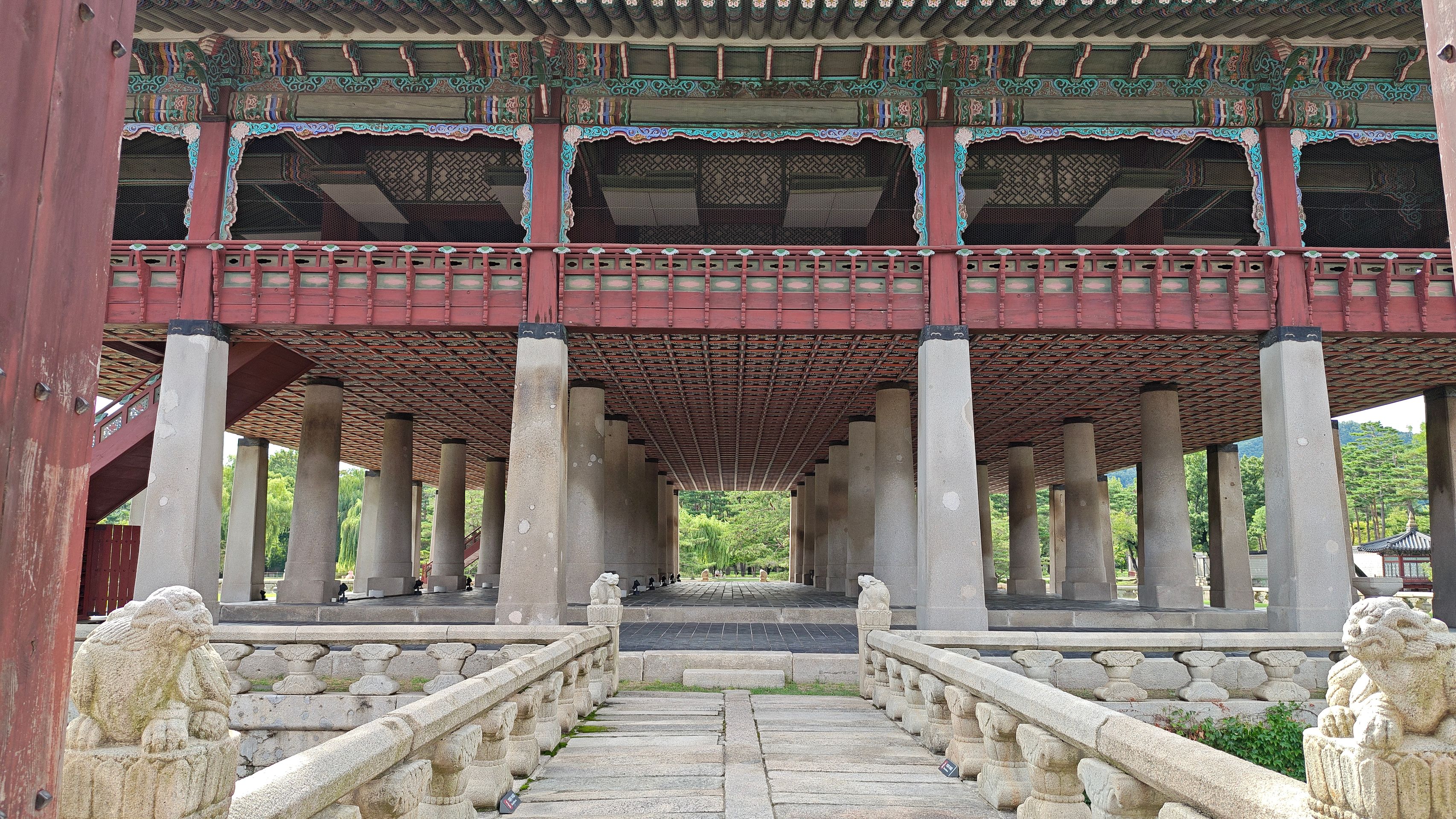
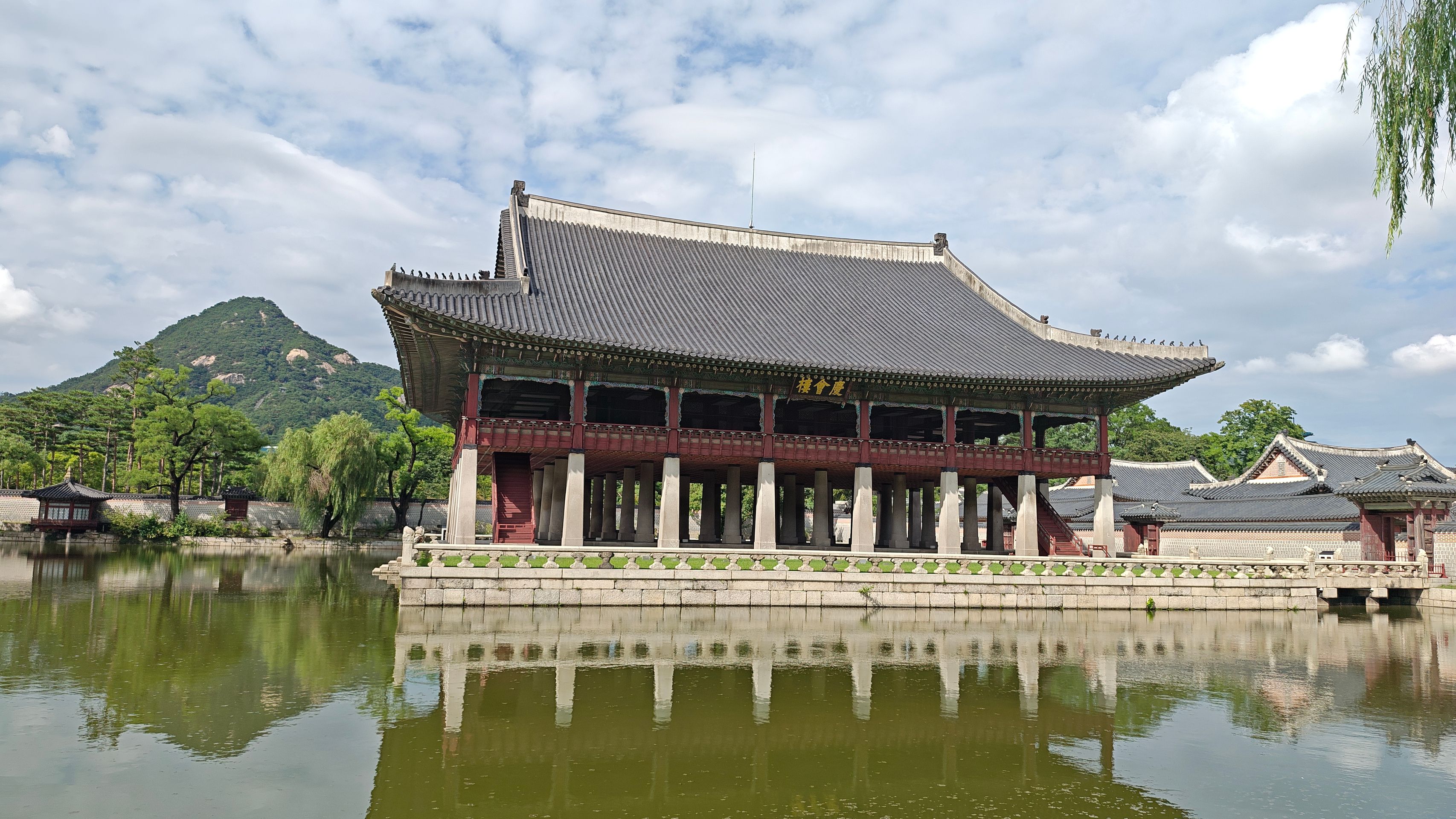
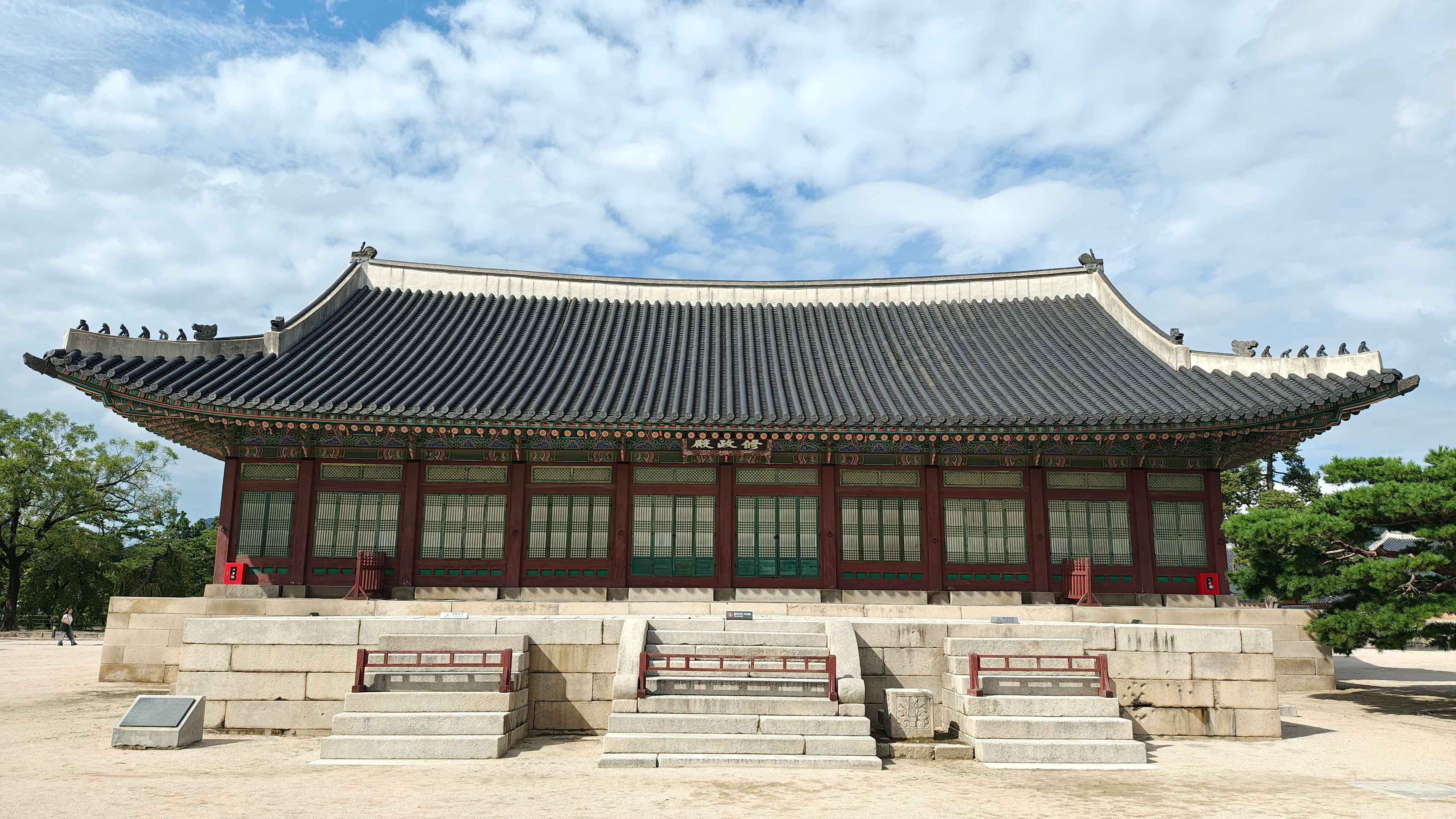
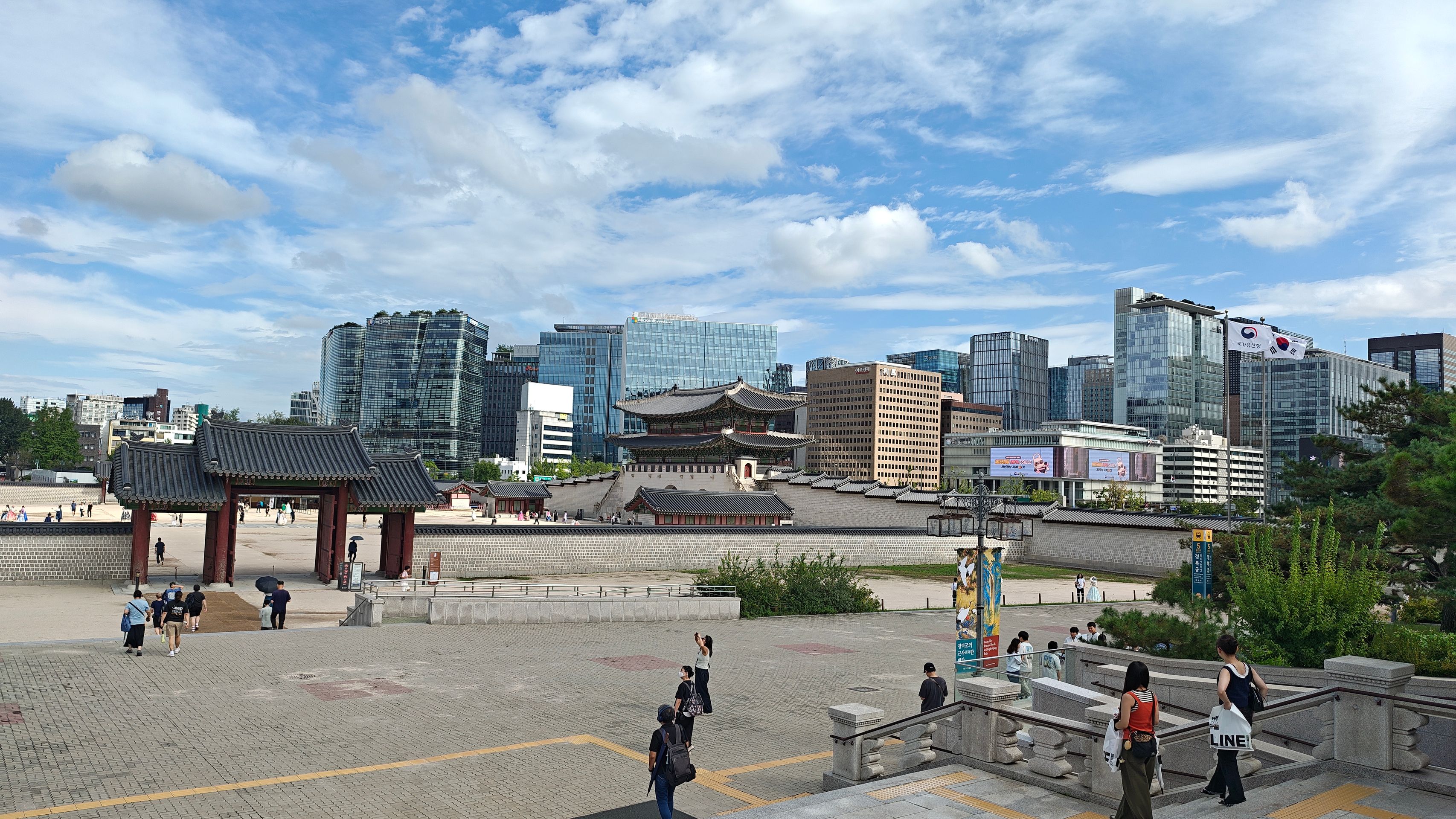
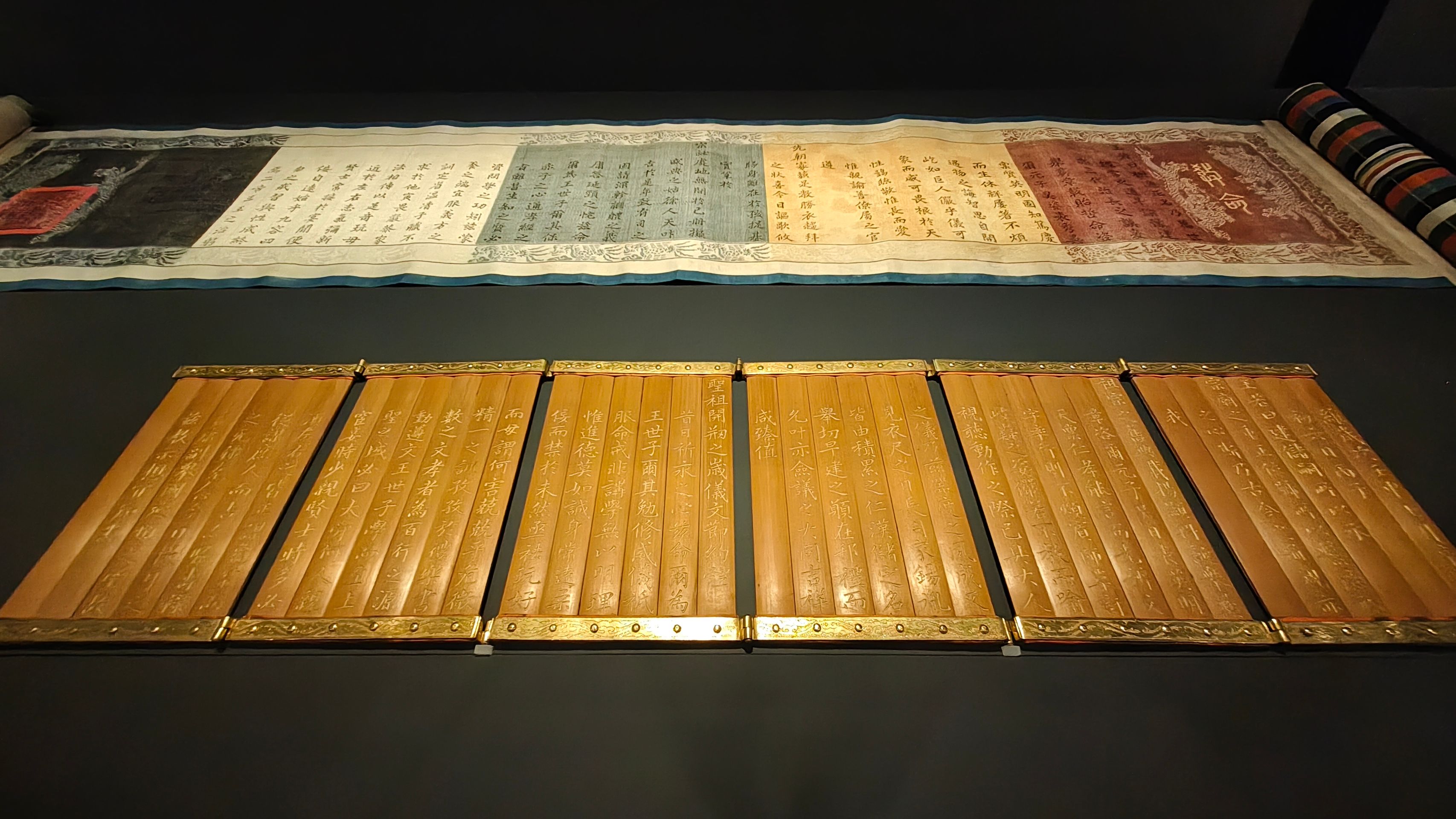
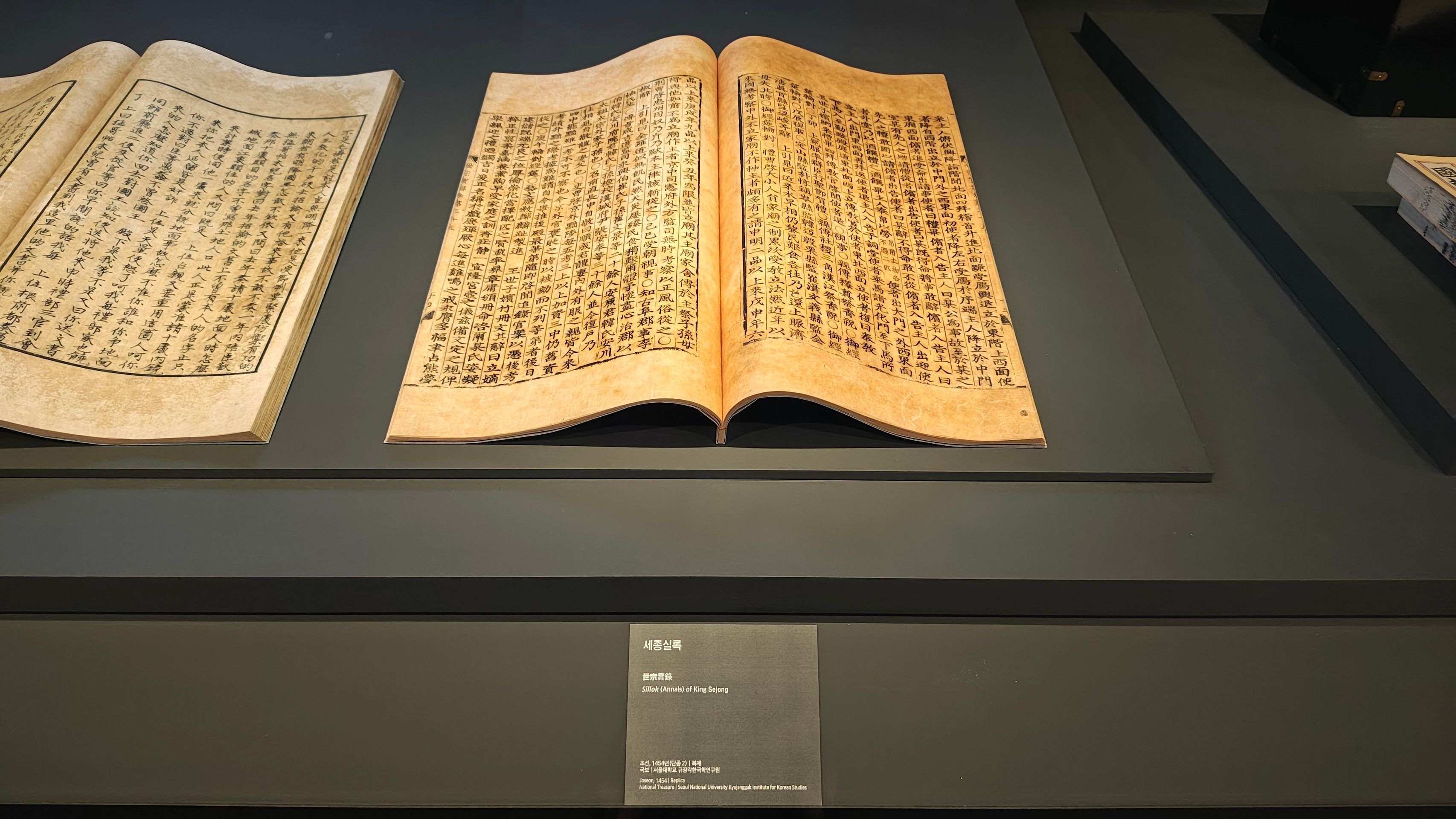
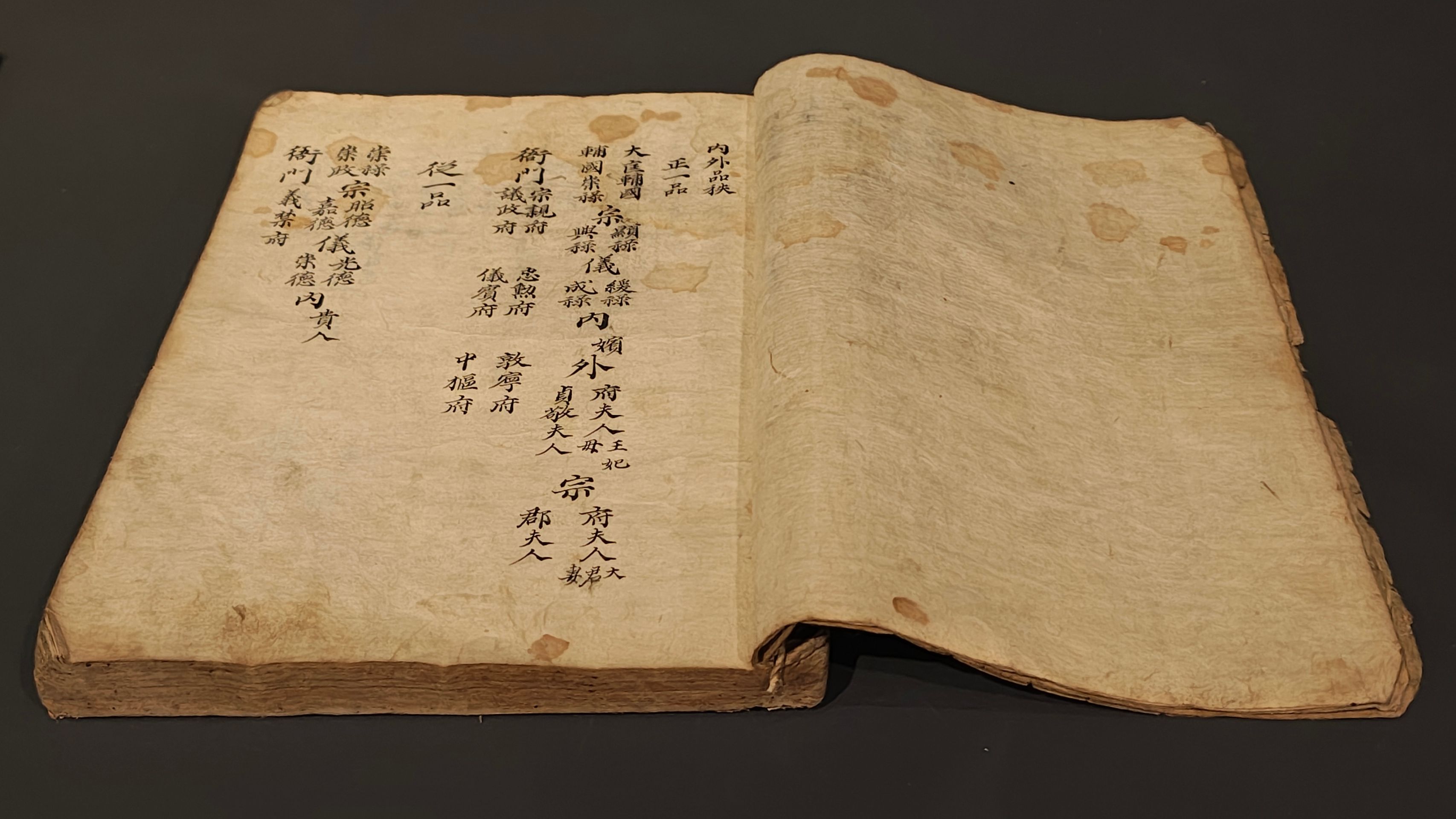
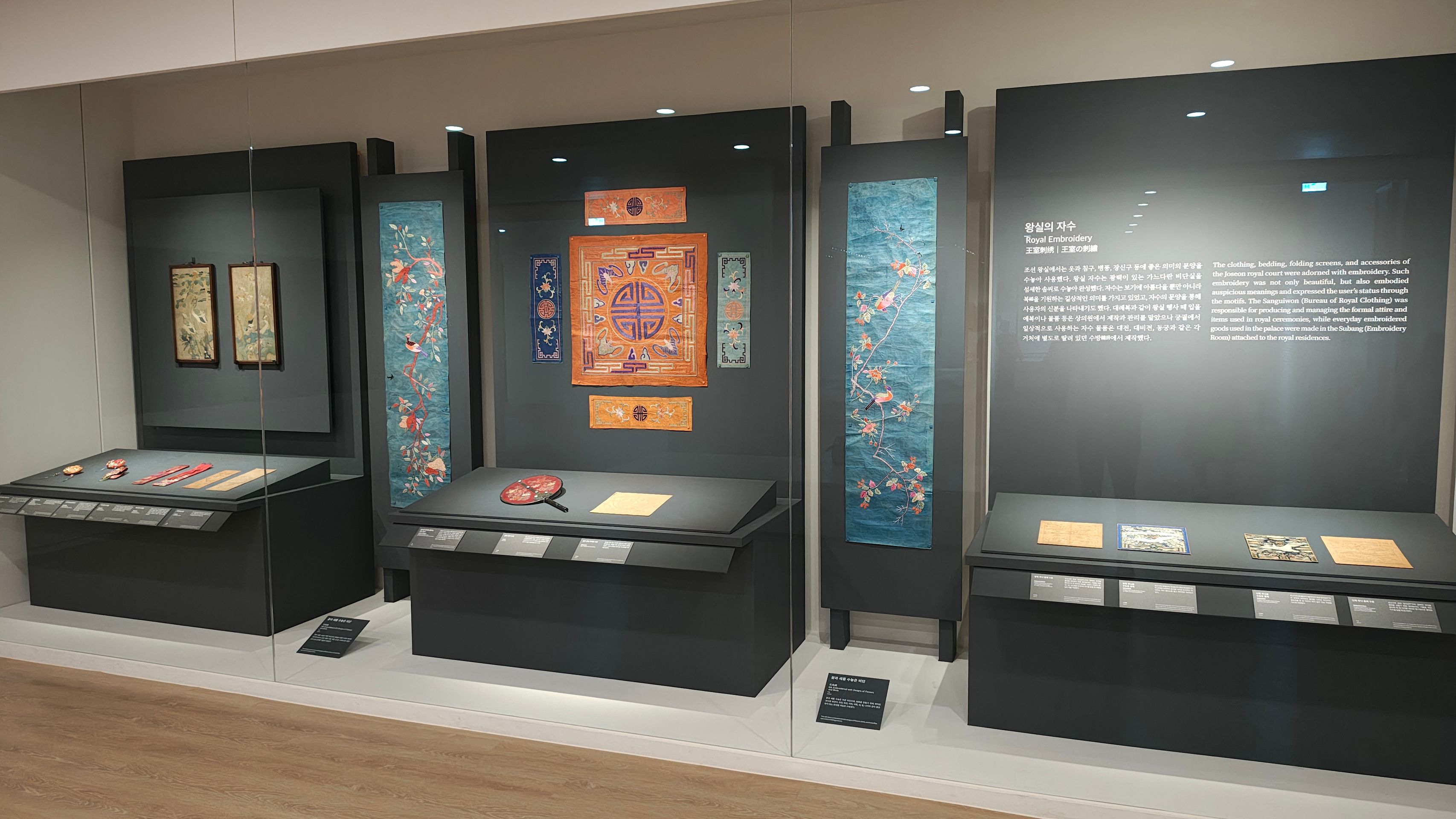
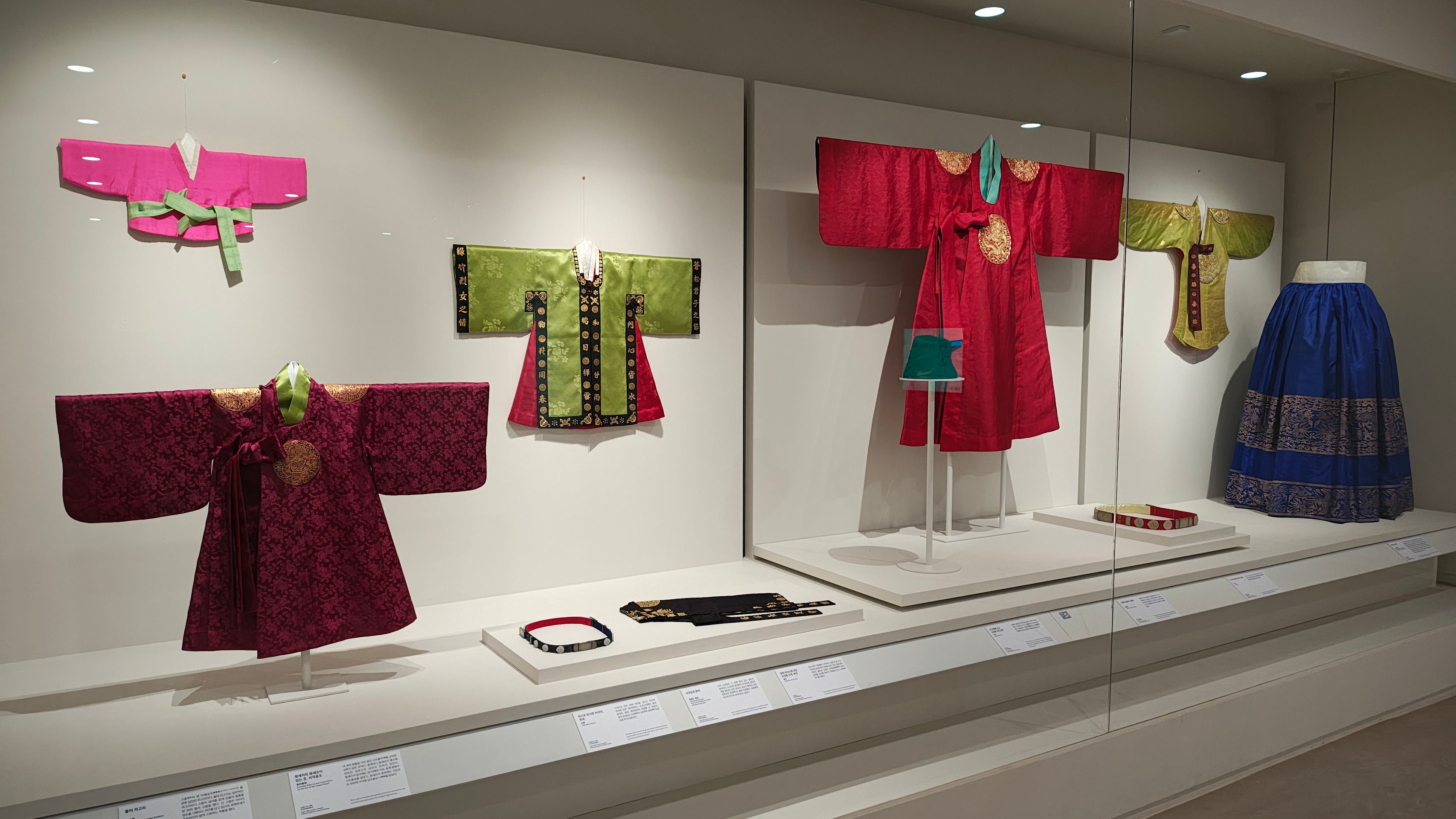
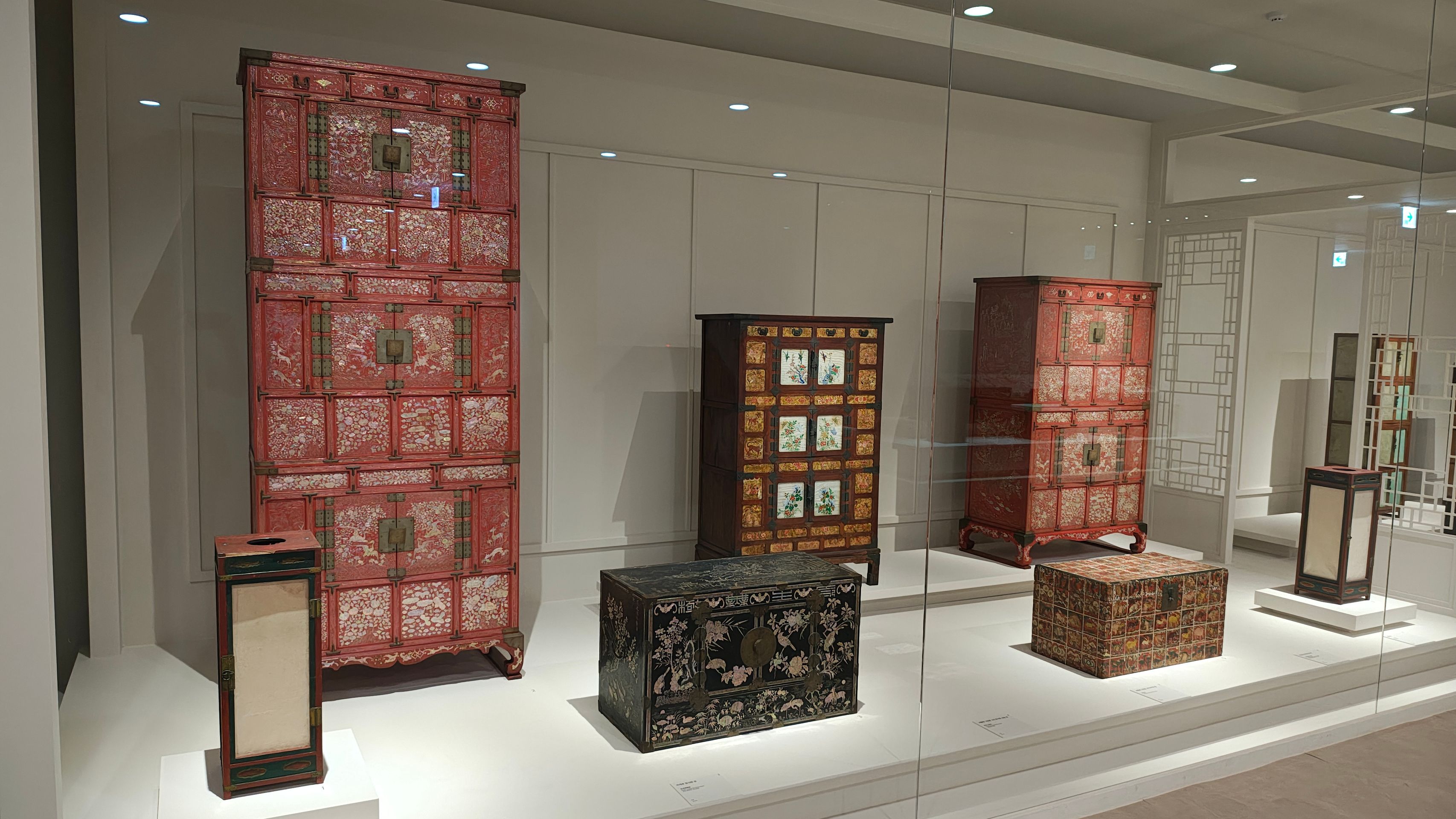
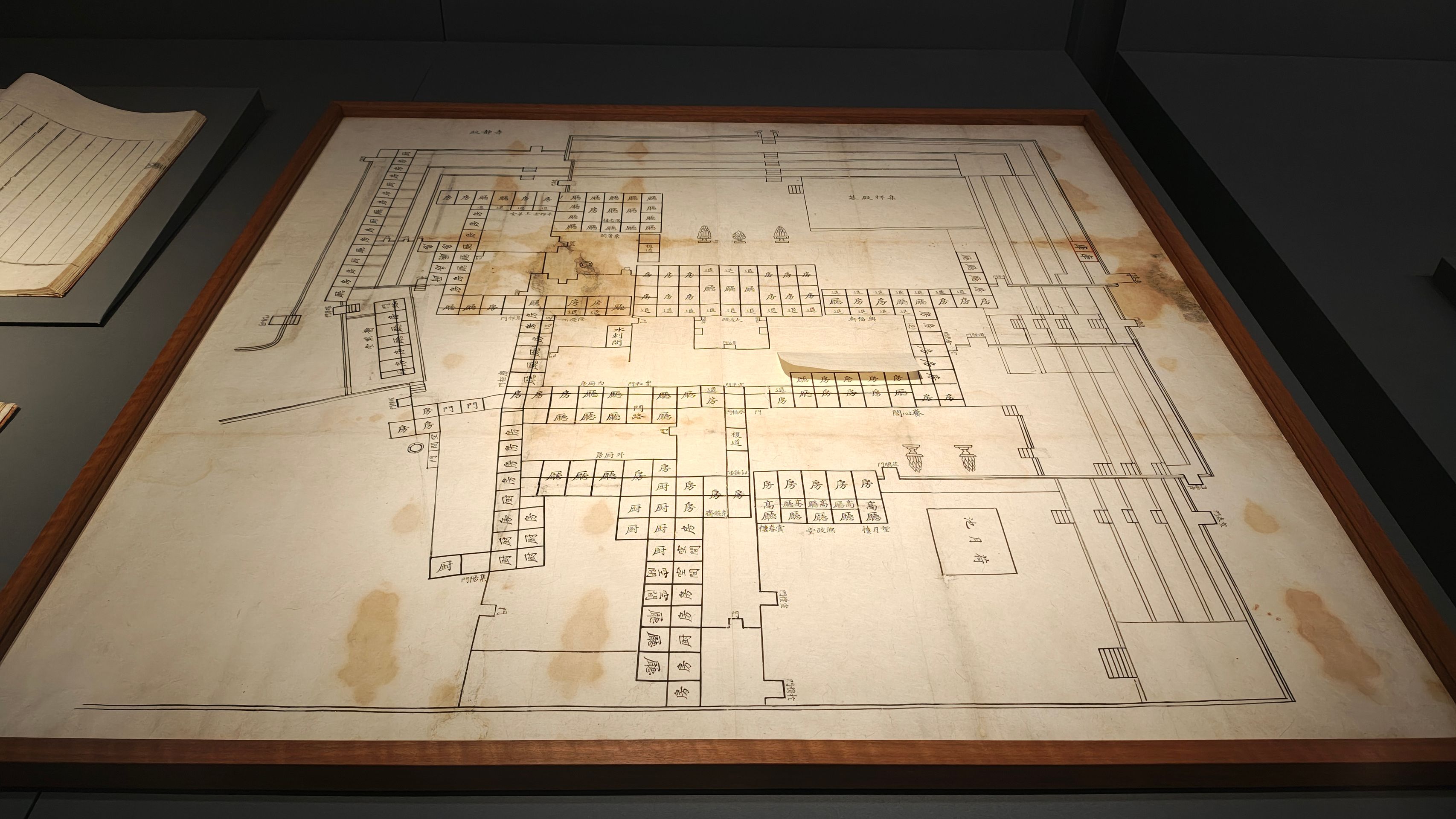
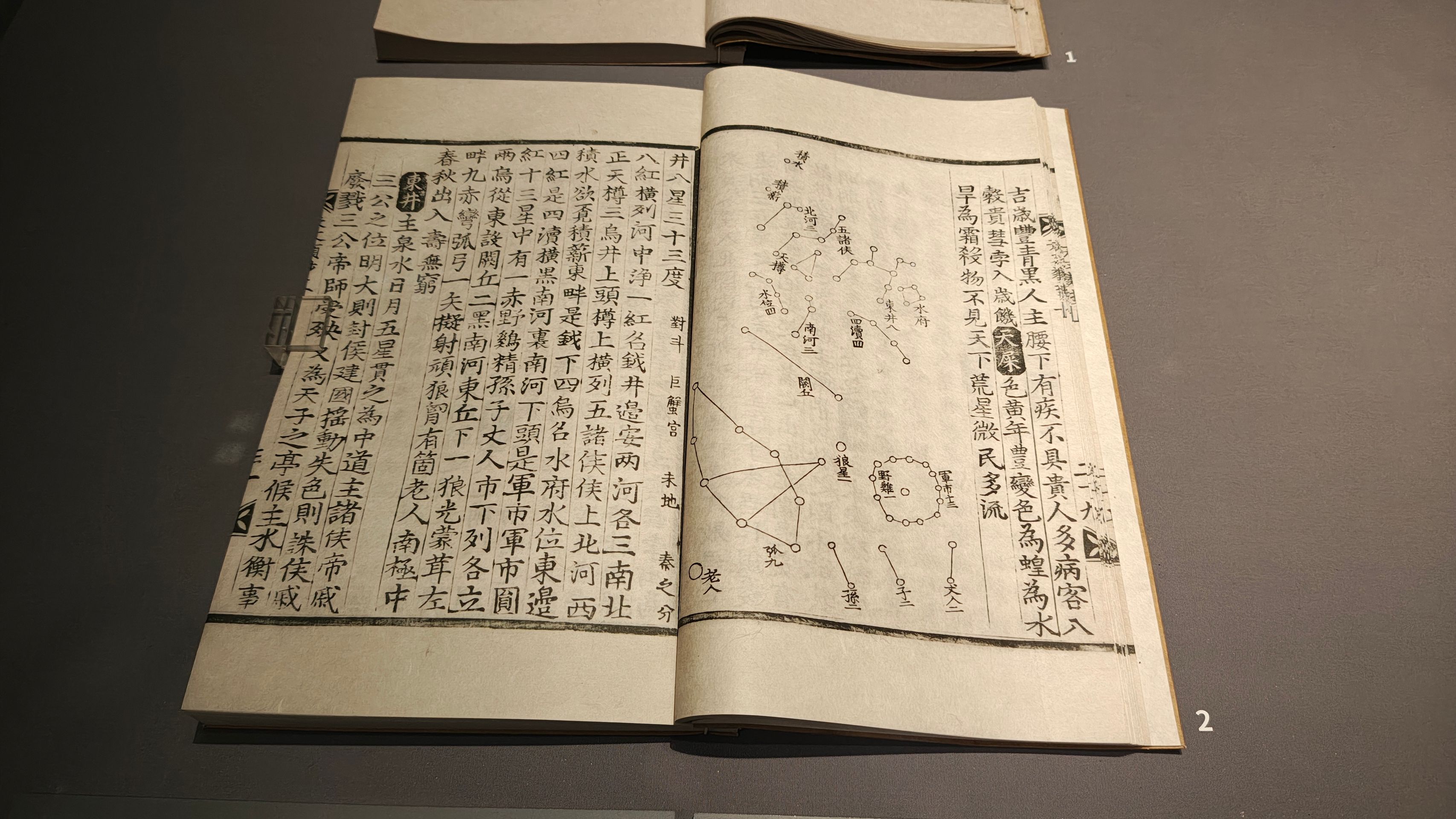
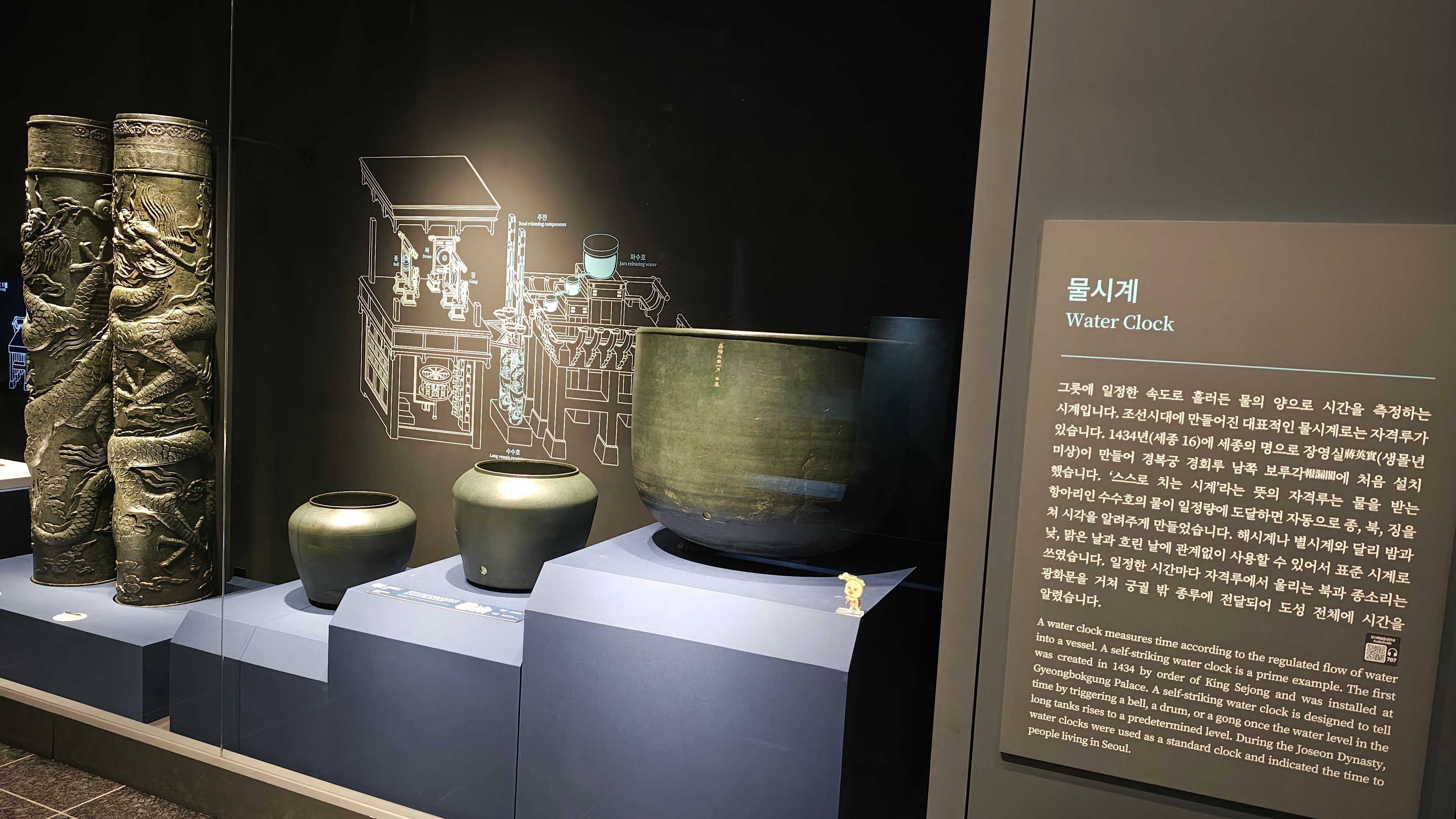
After our first attempt to visit Gyeongbokgung Palace failed (also see my blog post "The Silhak Philosophy"), we are now making our way back to the palace complex and the entrance at Gwanghwamun Gate. Numerous people dressed in traditional Hanbok attire are seen, and the riddle is solved at the ticket counter. Anyone wearing such clothing can enter the palace for free. However, the math doesn't quite add up, as renting such attire is more expensive than the admission fee of just 3.70 euros for two people. But it’s a nice marketing gimmick, as it allows for beautiful photos for all other visitors too. Honestly, it must be said that some people, due to their body shape, do not provide a pleasing enhancement in this outfit for the photo. Much of the palace itself was destroyed by the Japanese during earlier conflicts and during the occupation period, notably at the end of the 16th century and again in the early 20th century. Since 1990, it has been painstakingly reconstructed, with work expected to continue until 2045. We focus on a few important buildings, as the architecture of the other buildings is similar. The buildings themselves have only a spartan decoration that can be viewed from the outside, or they are completely closed due to the lack of interior furnishings. First, the large Geunjeongjeon Hall invites photography. The stone slabs paving the large square in front are laid on a sophisticated drainage system and reflect sound from the balcony to the square perfectly, allowing even those in the back rows to understand the King's speech. In the next courtyard is the Sajeongjeon Hall, which functioned as a government office. Here, and at the adjacent Cheonchujeon, you can see the infrastructure of underfloor heating very well. However, my main goal is the next courtyard of Gangnyeongjeon, which was the King's residence. Here are some furniture pieces on display, although the splendor of the ceiling design dominates the house. Afterwards, we go to the Heumgyeonggak building, which served as a royal astronomy office, and its reconstruction was only completed in 2021. In this area, some scientific buildings were erected. The proximity to the private chambers of King Sejong emphasizes how important this institution was for the ruler personally. Our path now takes us past Gyeonghoeji Pond with the representative structure of the Gyeonghoeru Pavilion, which is even depicted on the 10,000-won banknote, which was in circulation from 1983 to 2007. Finally, we head to the Sujeongjeon (formerly called Jiphyeonjeon) building, where the King developed the Korean alphabet (also see my blog post "Icons of Korean History"). This little round in the royal grounds must be enough for us, and we head over to the adjacent National Palace Museum. At first, I find it a bit difficult to orient myself, as we enter through the wide outdoor stairs on the upper floor, and the stairs are somewhat hidden. For me, the highlights of the exhibition are written documents and books, including government wisdoms from earlier kings for later kings, legal regulations for the work of the ministries, study notes, bamboo documents, lists of competent and qualified officials, and excerpts from the Sillok from the time of King Sejong. The Sillok, the "Annals of the Joseon Dynasty," is a detailed governmental record kept by officials in the form of a diary, to which even the King did not have access, so he could not commit historical falsification. An invaluable record of historical documentation that is now accessible online to everyone: Online-Sillok. I myself have browsed through the records and came across the following entry, where King Sejong is said to have expressed himself on July 2 during his 30th year of reign: “In the past, the heat never bothered me. However, since the climate has become more extreme in recent years, I have started to put my hands in cold water when it’s hot. As soon as I do this, the feeling of heat disappears immediately.” Climate change already in 1447 in Korea. Additionally, we visit the palace museum where large red official seals, objects, clothing, and headgear from the royal court, impressive embroidered silk fabrics, and colorful furniture with lacquer work are on display. A special exhibition showcases huge hundred-year-old murals, which are not quite to my taste, although I can appreciate the crane paintings. Afterwards, we visit an exhibition on items from the brief Korean Empire period (also see my blog post "The Tragedy of the Empress"), which includes detailed records about the reconstruction of Gyeongungung Palace, which was destroyed by fire in 1904, or the plan of Changdeokgung Palace. I also look at the elaborate exhibition on scientific achievements, which I described in my blog post "The Father of the Korean Nation and Culture". By this time, my wife had already given up and went in search of dining options since we had relentlessly carried out our museum day without a break. After all, such museums also have closing times. The chosen restaurant should then show us another unexpected side of Seoul, about which I will write in the next blog post.