

A proponent of Korean independence and national unity
as

Published: 18.09.2025
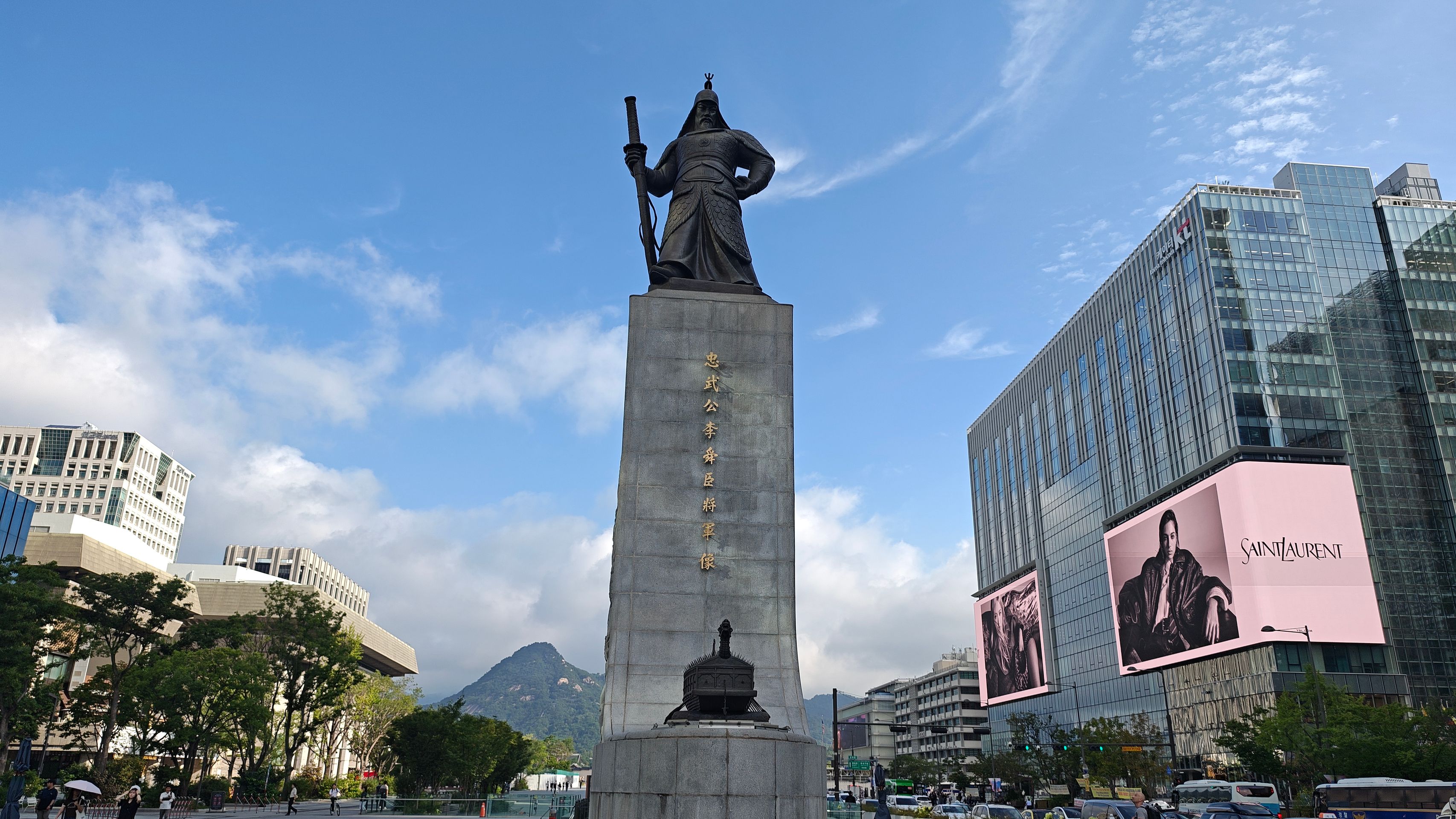
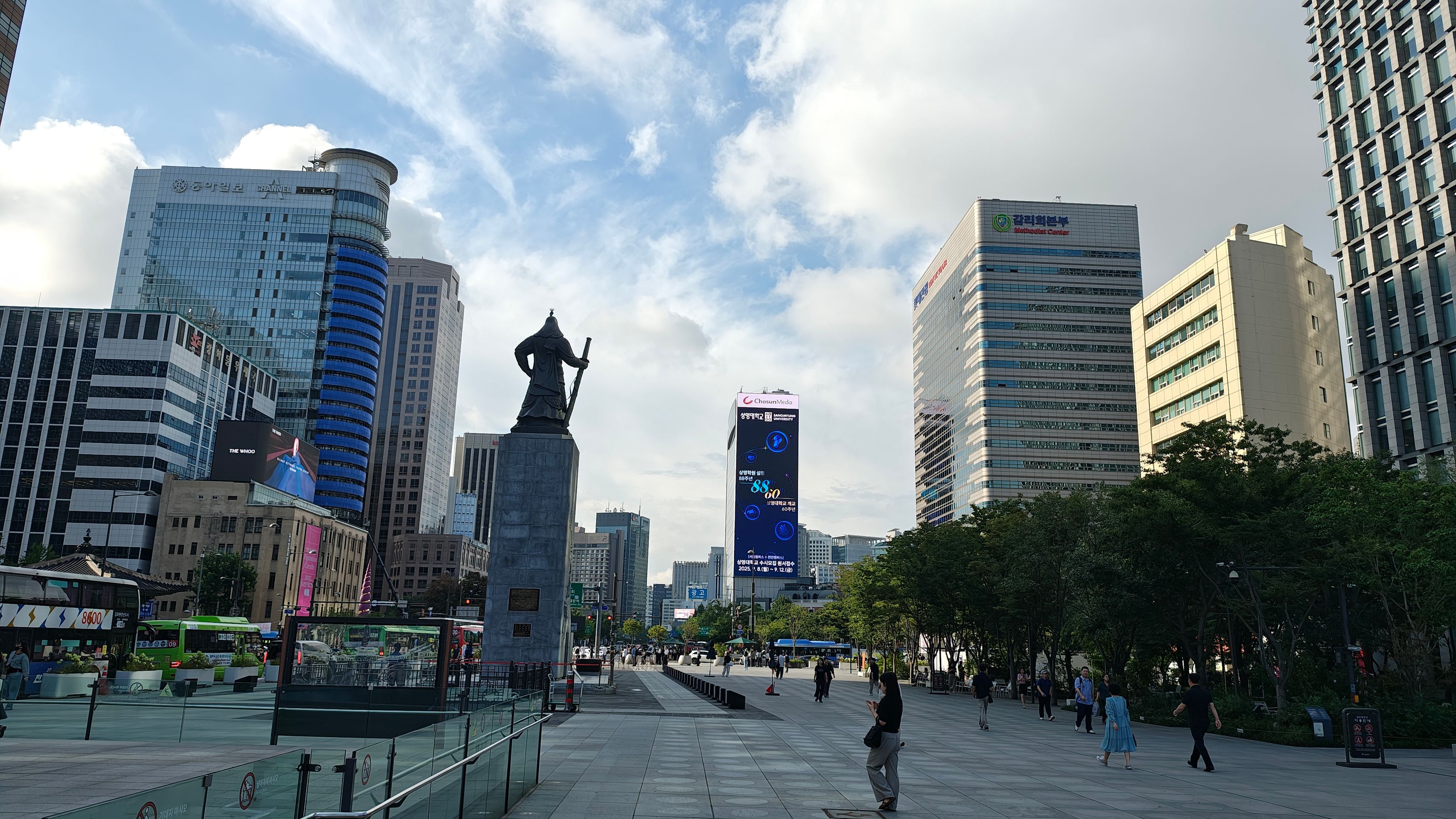
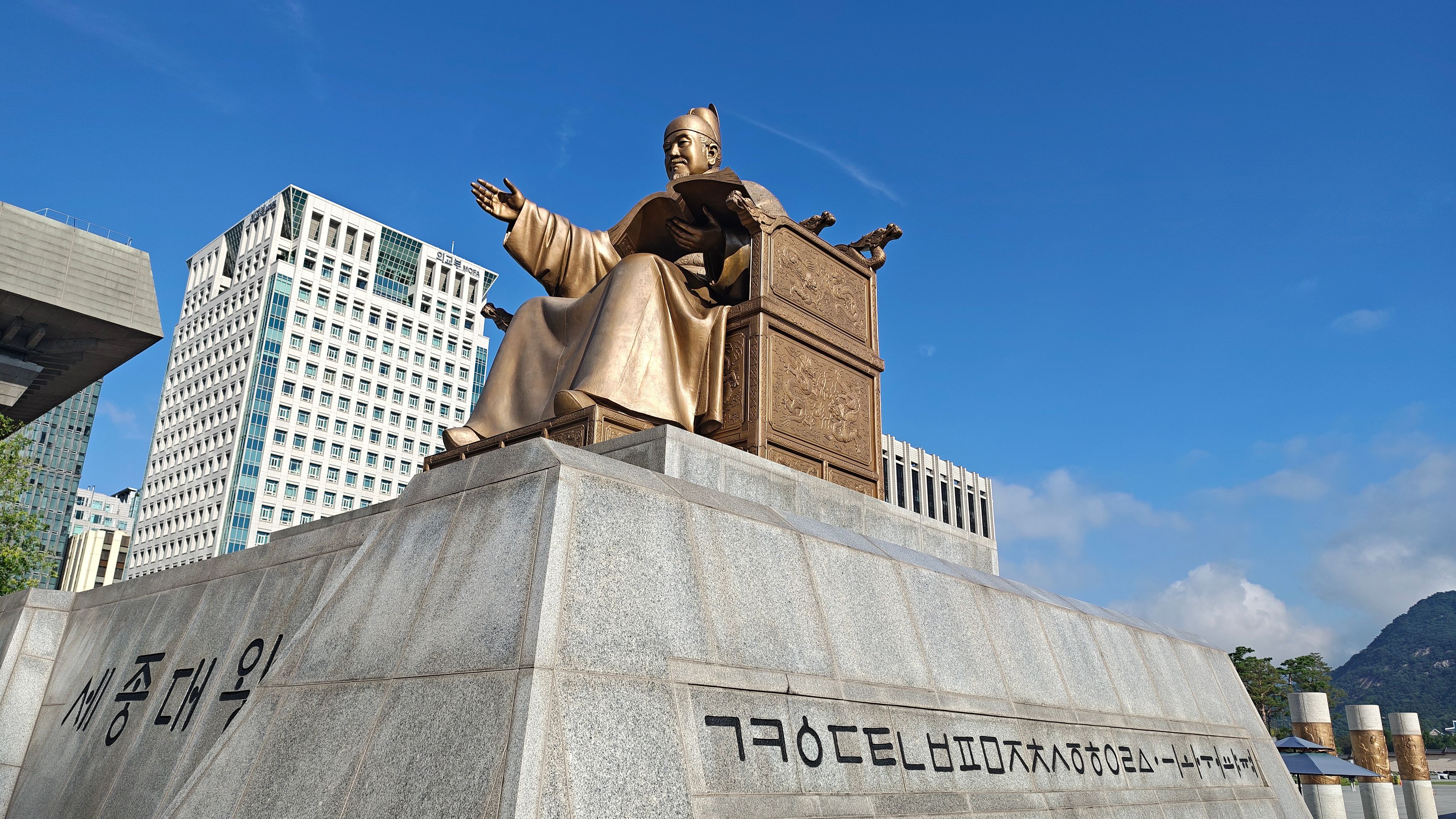
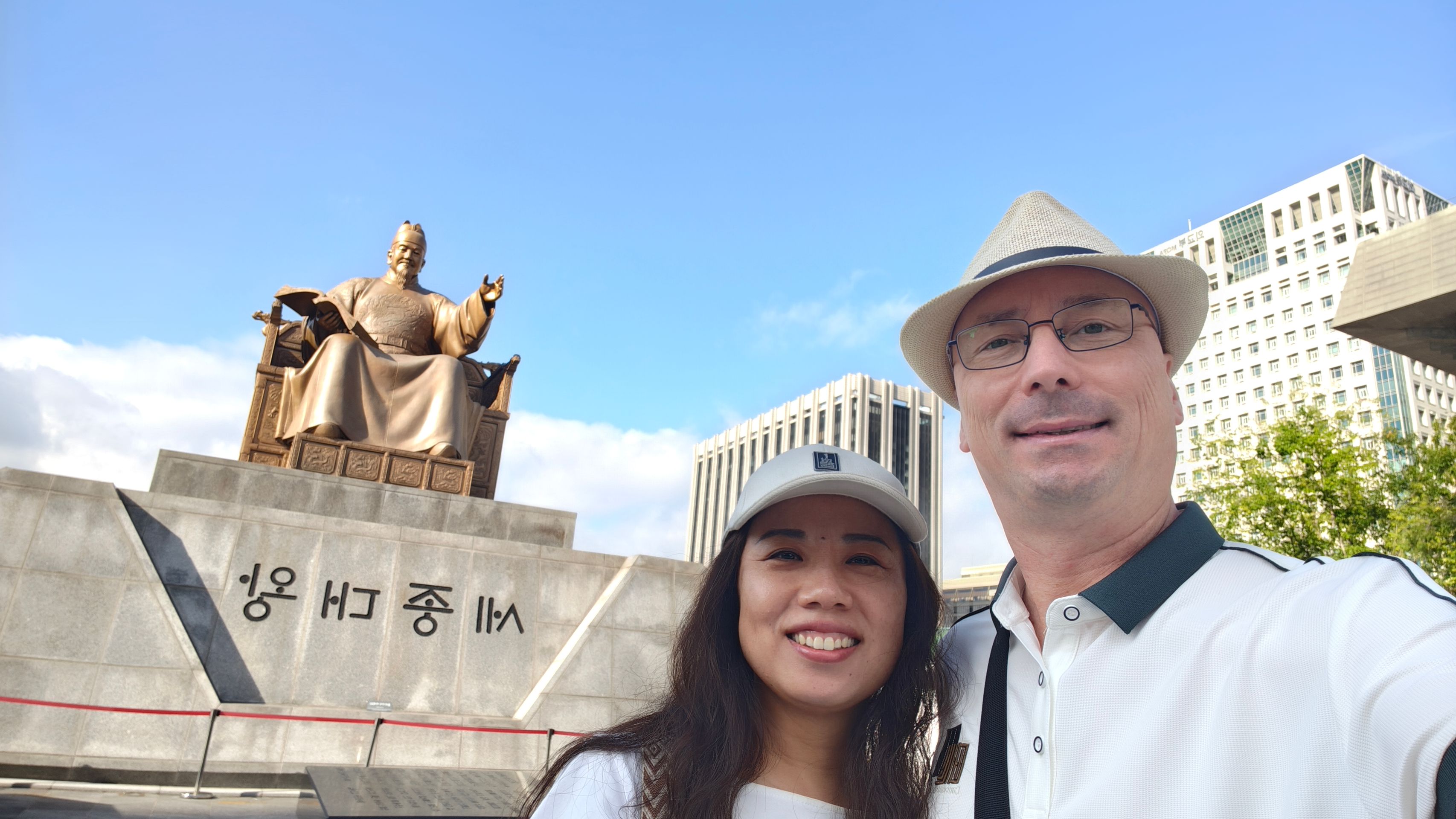
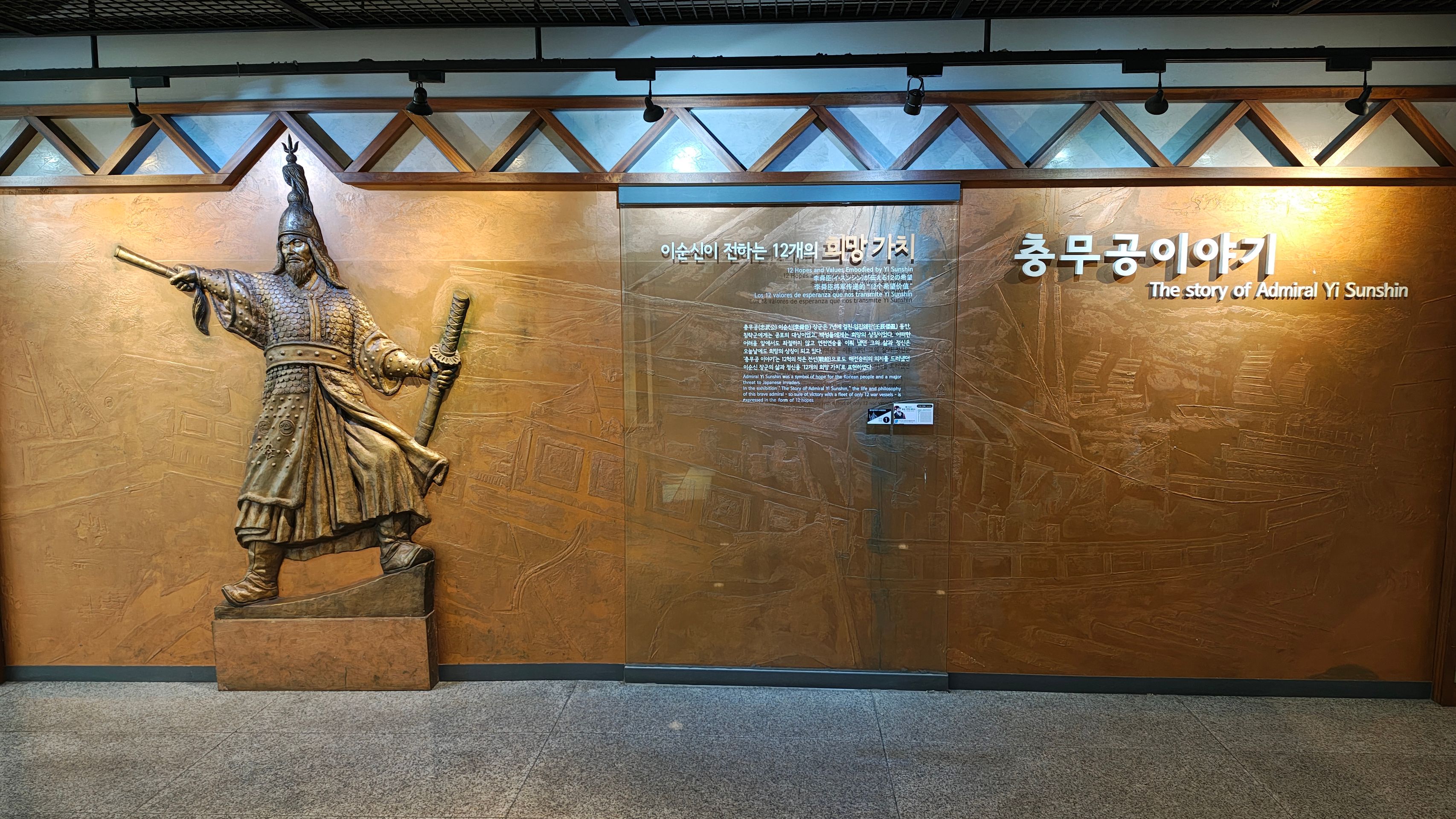
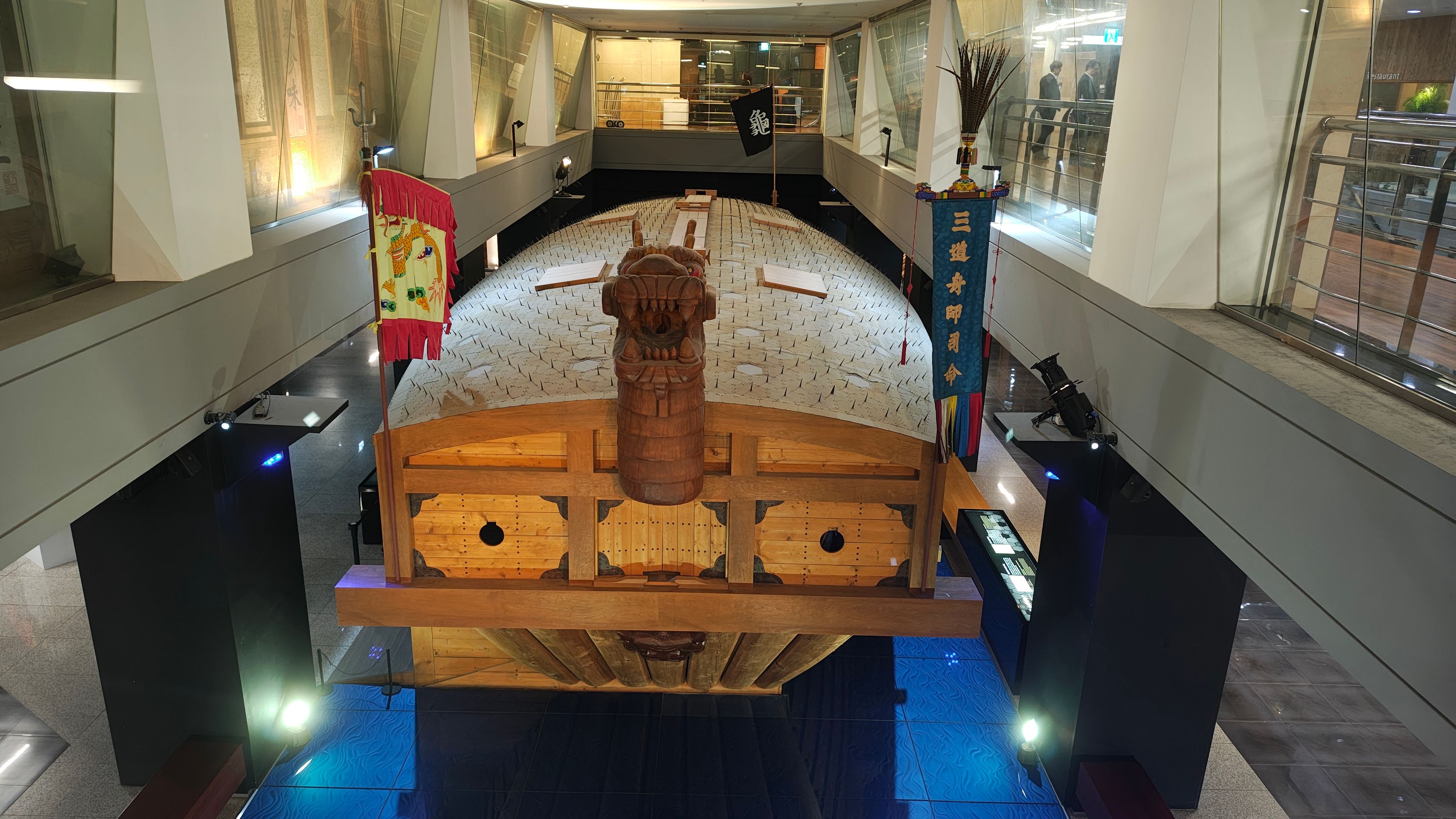
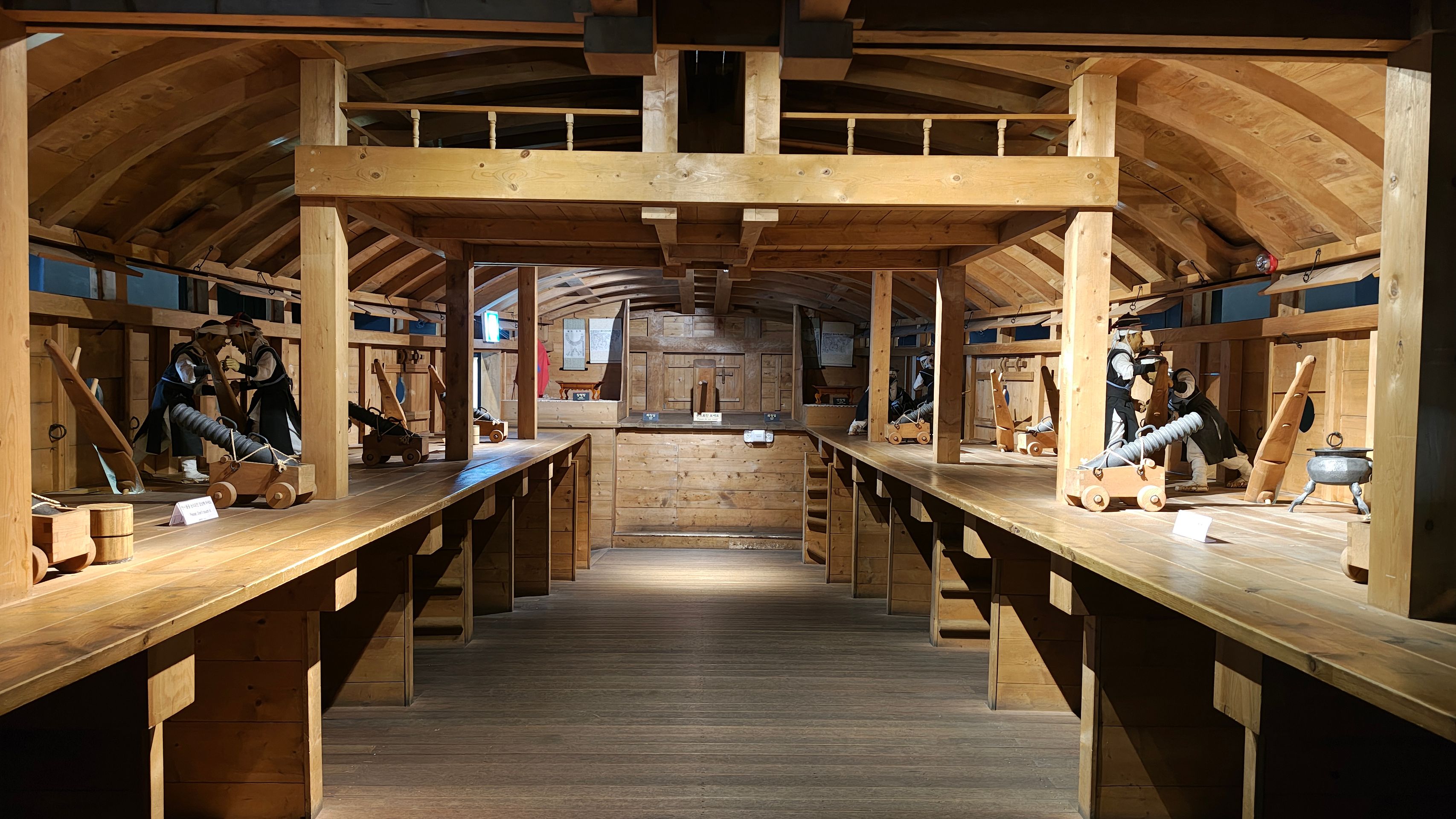
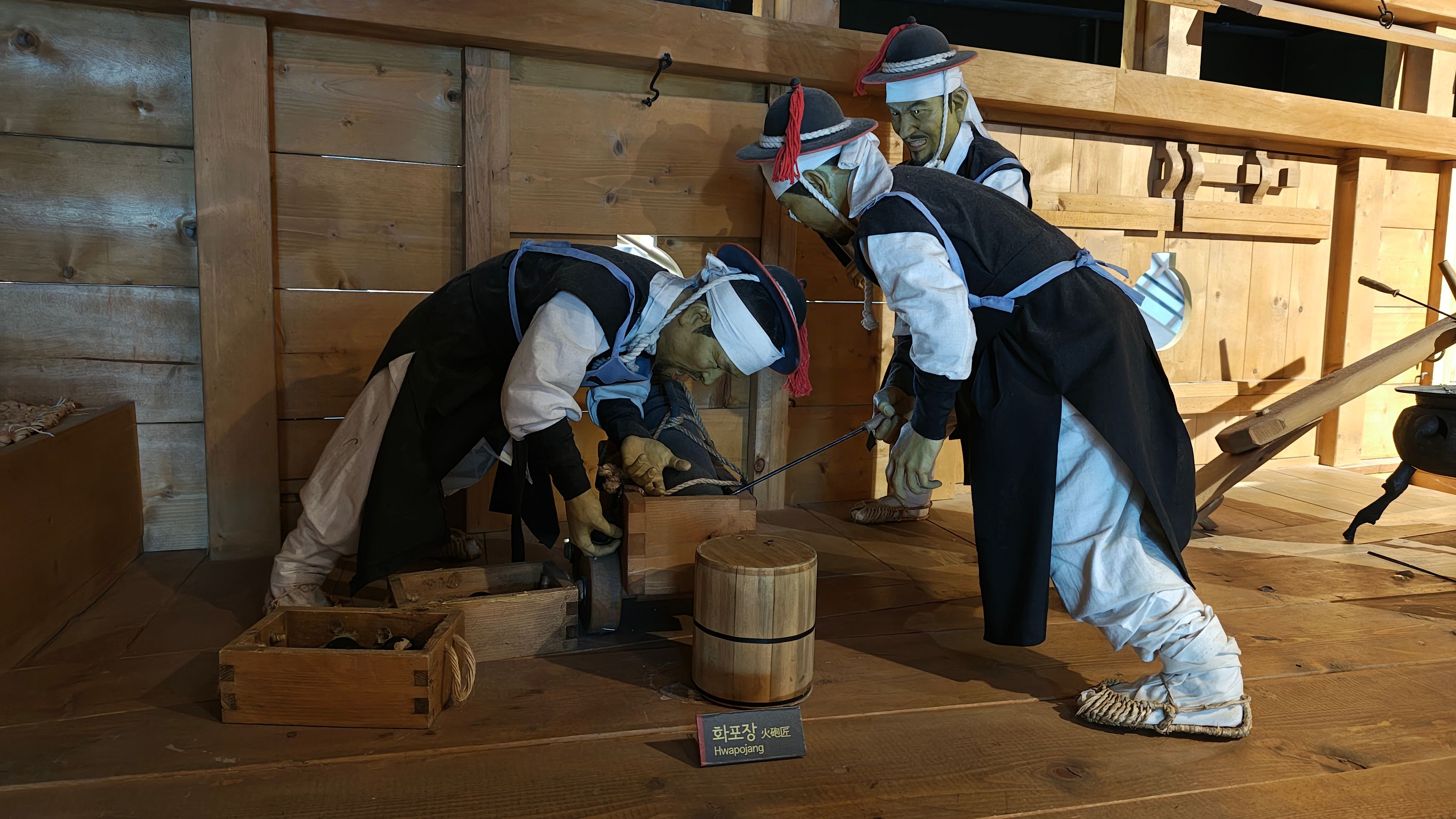
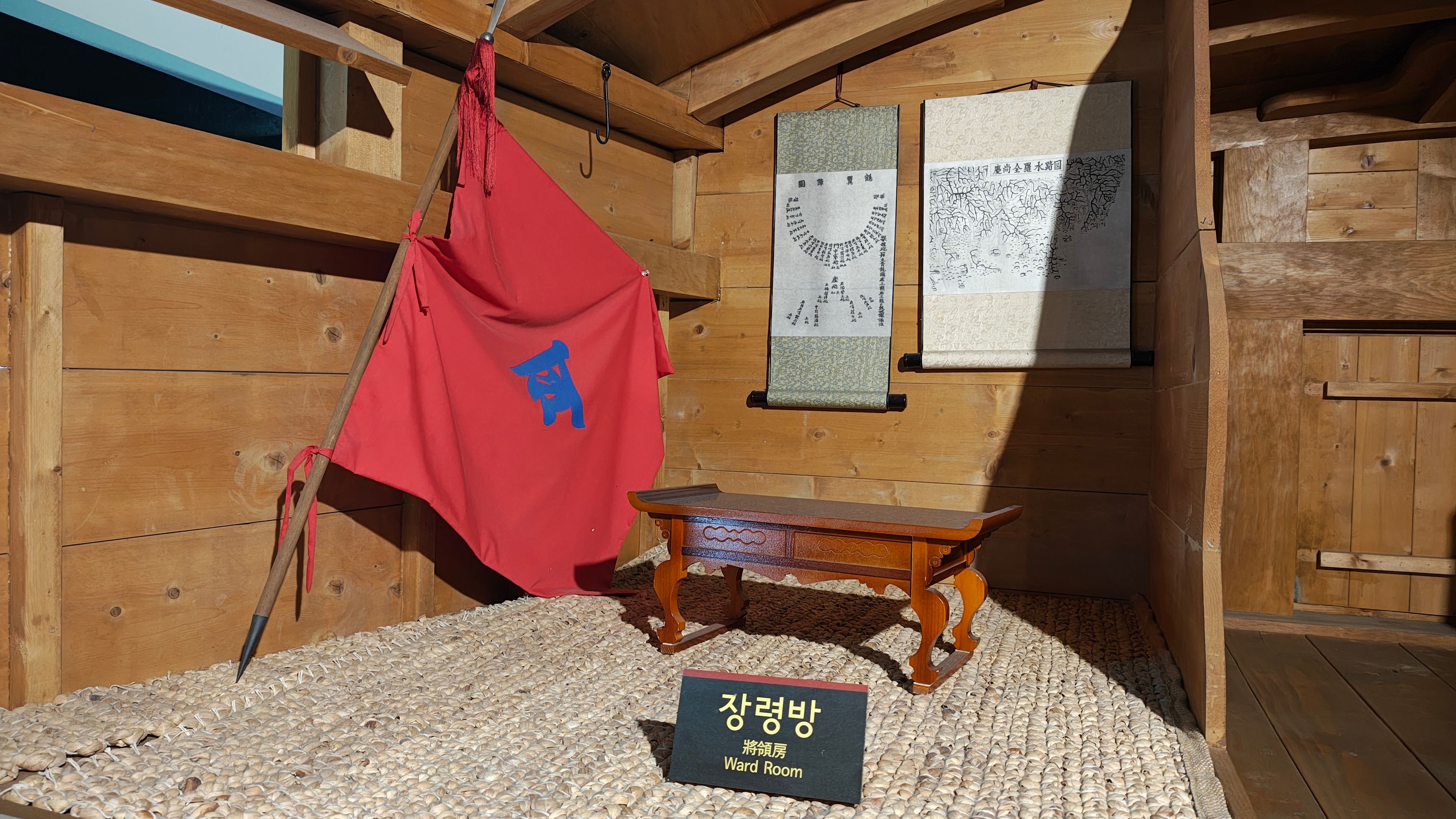
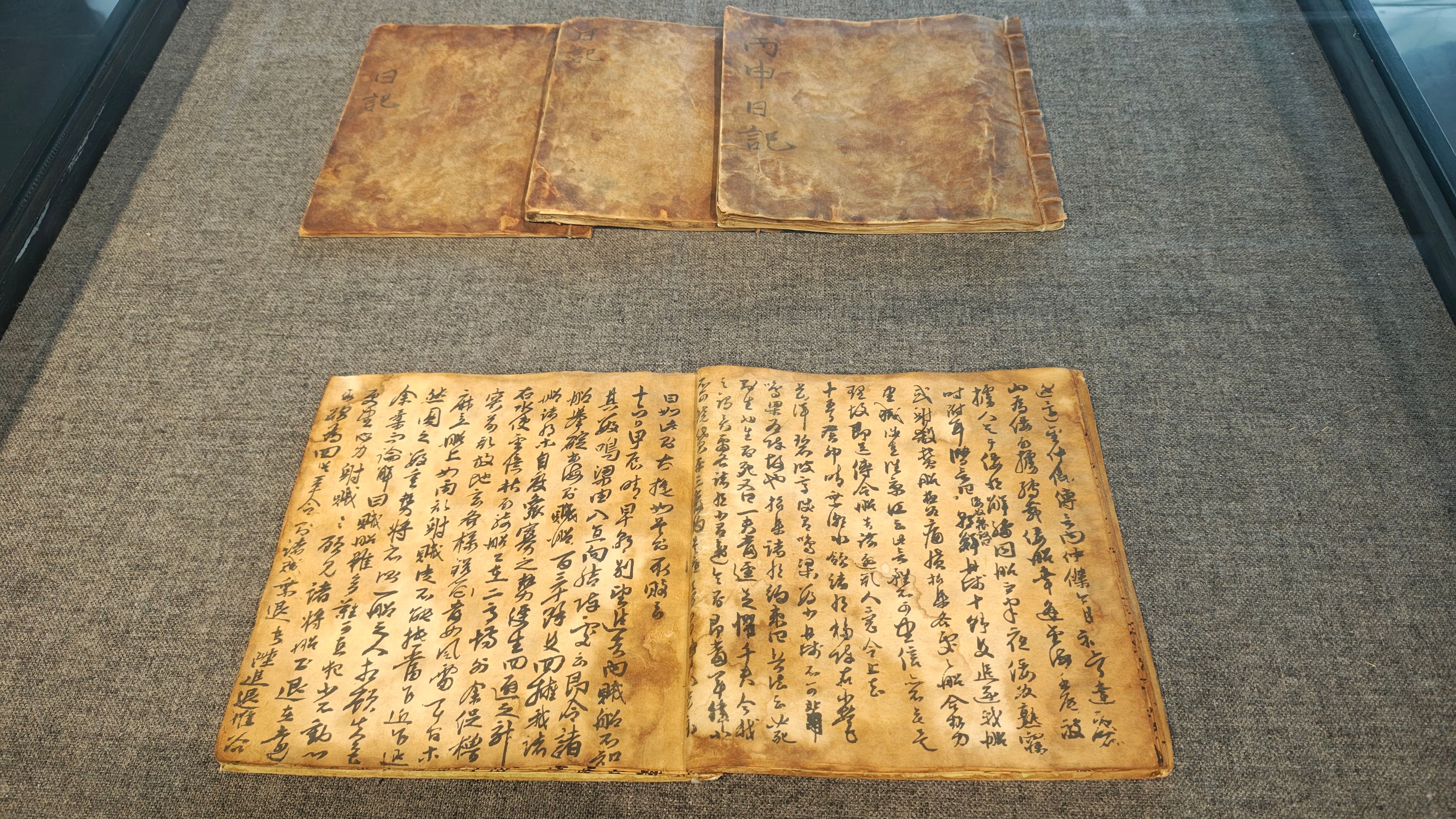
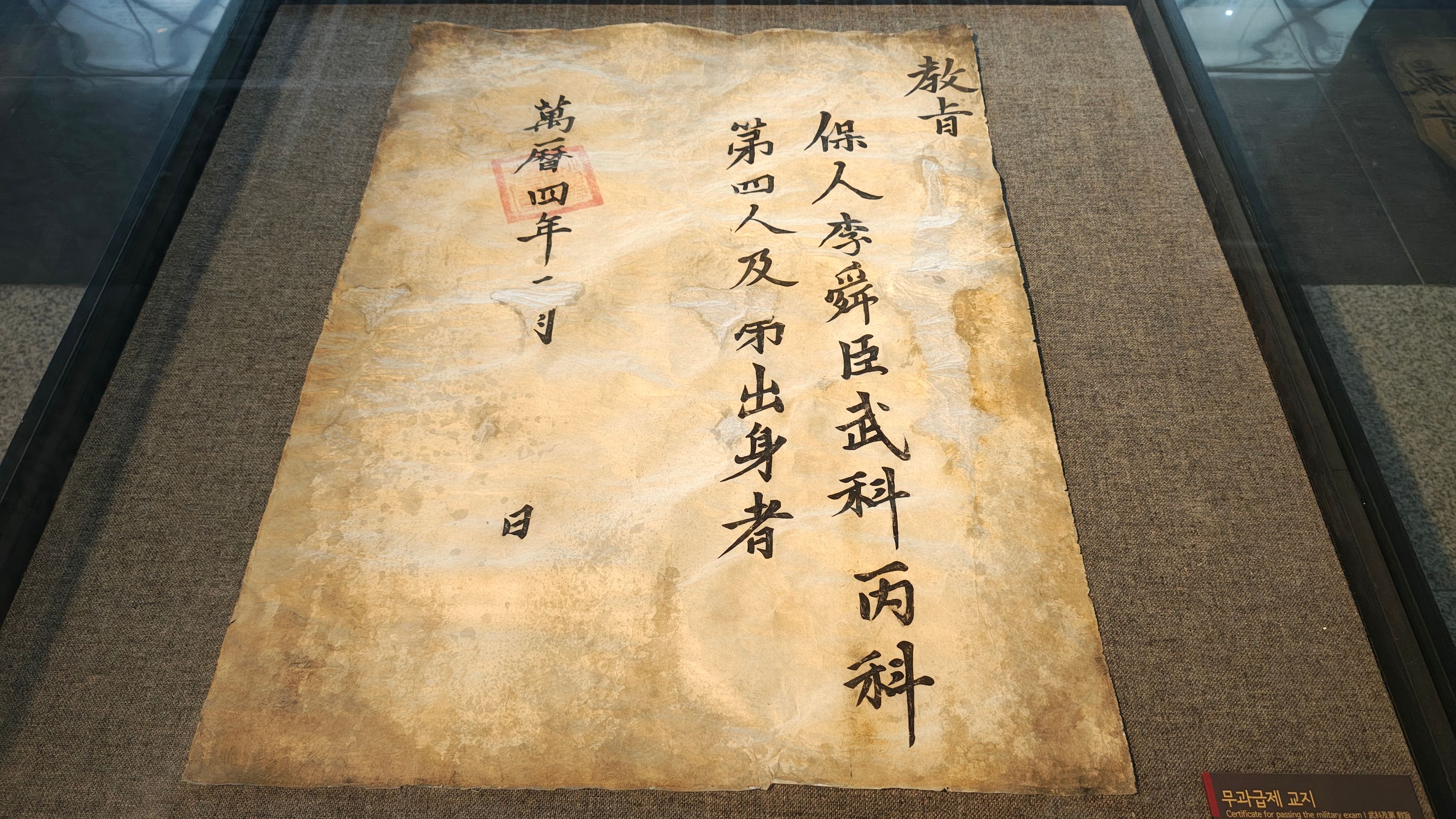
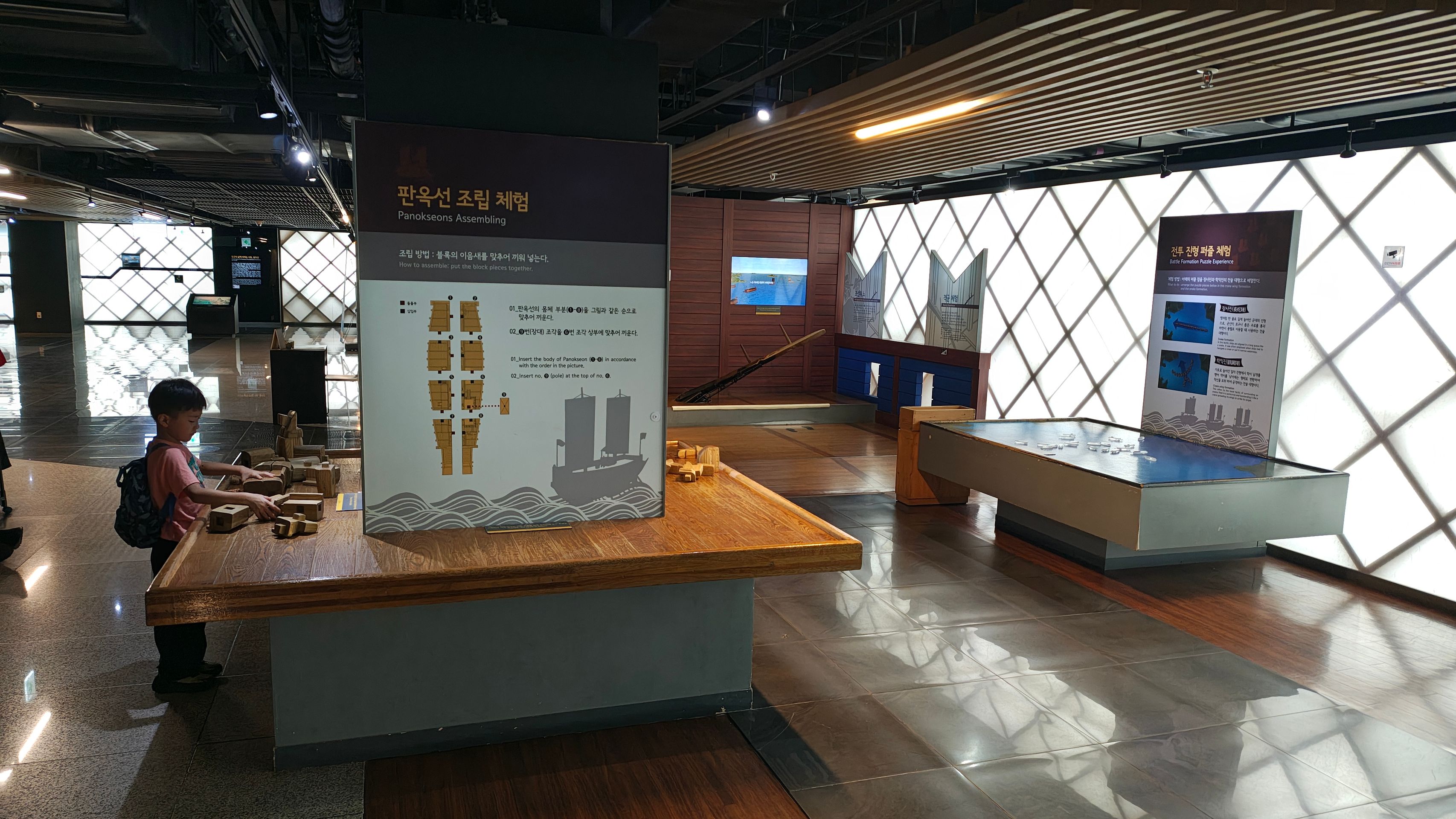
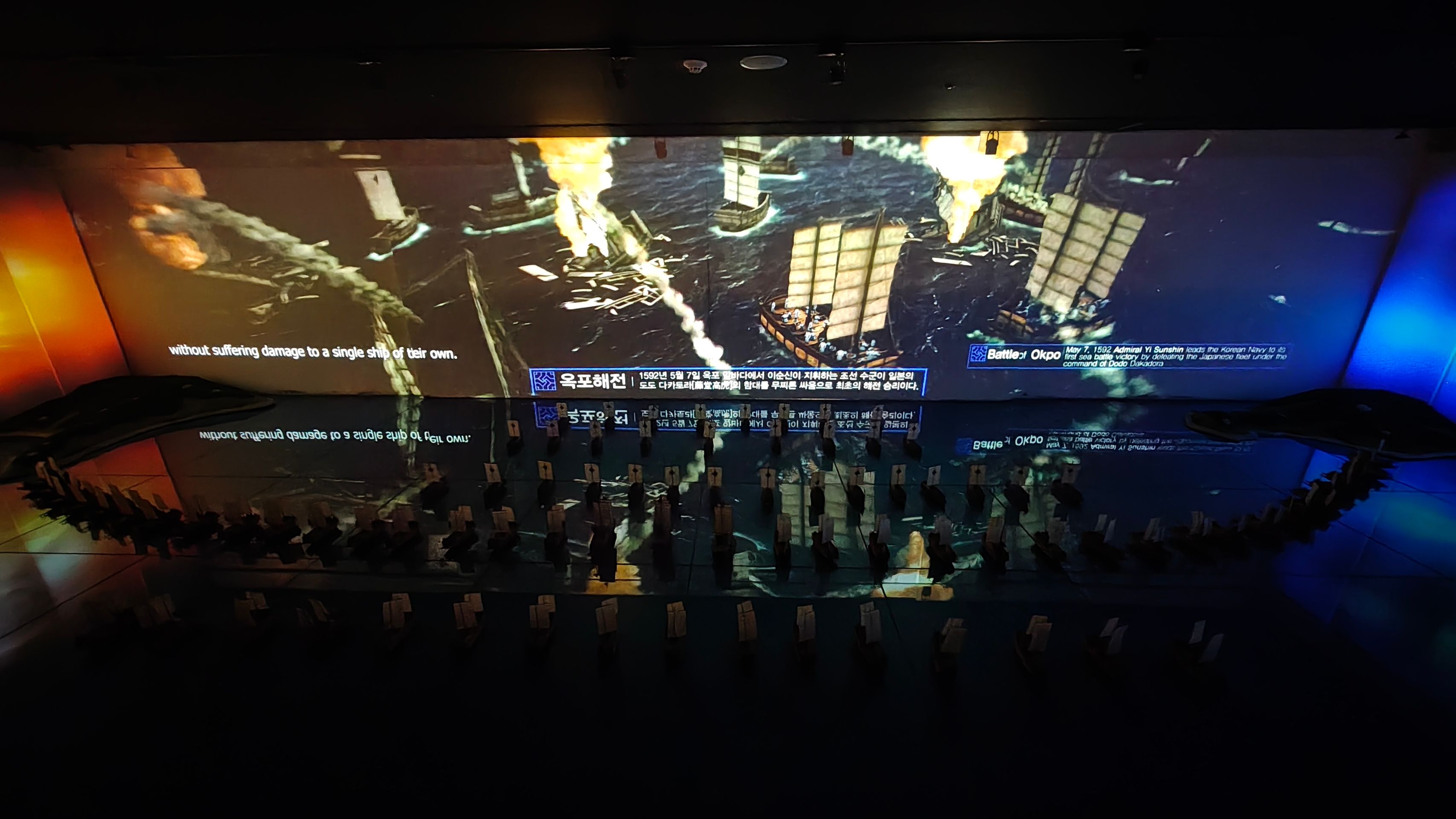
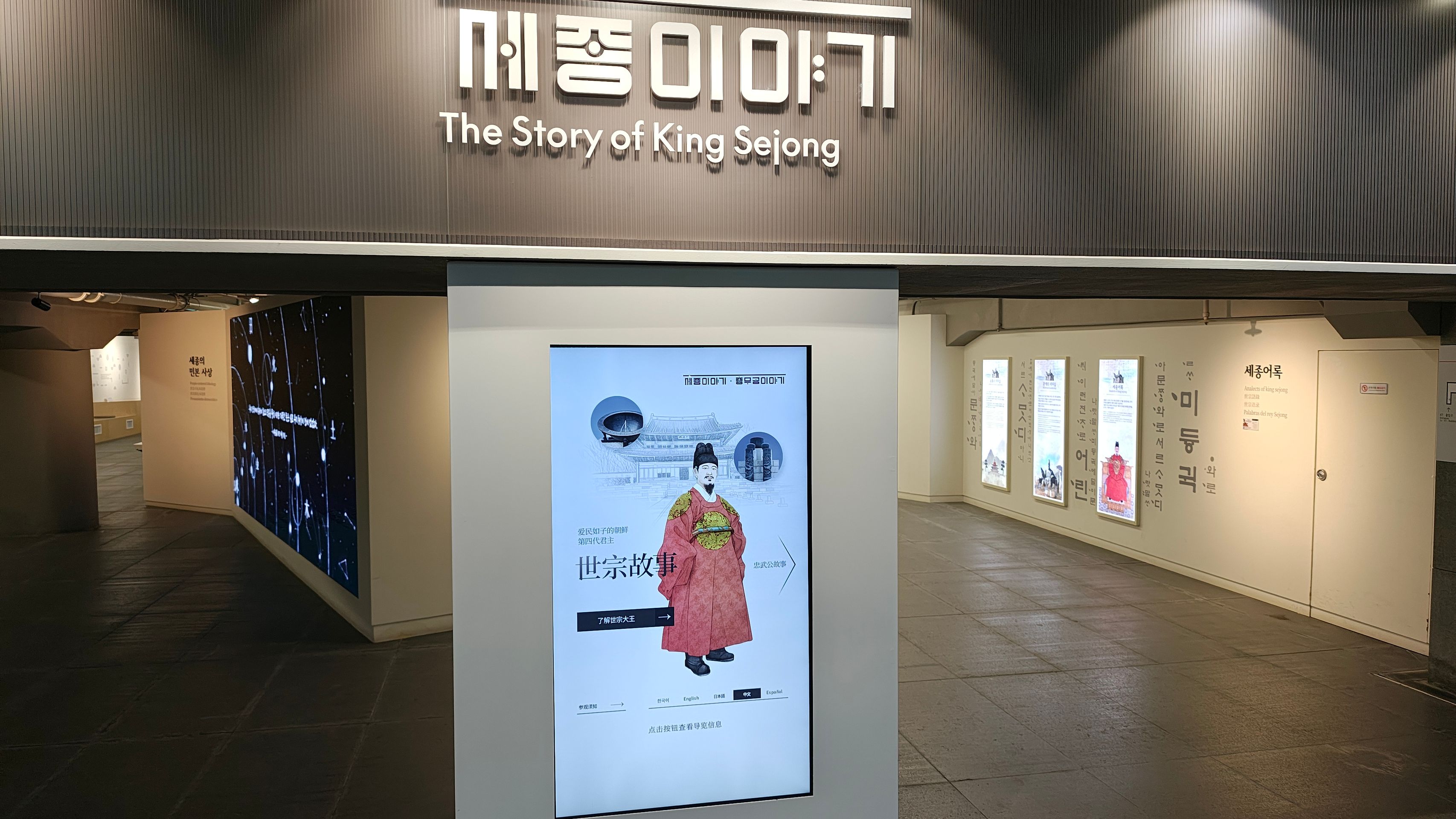
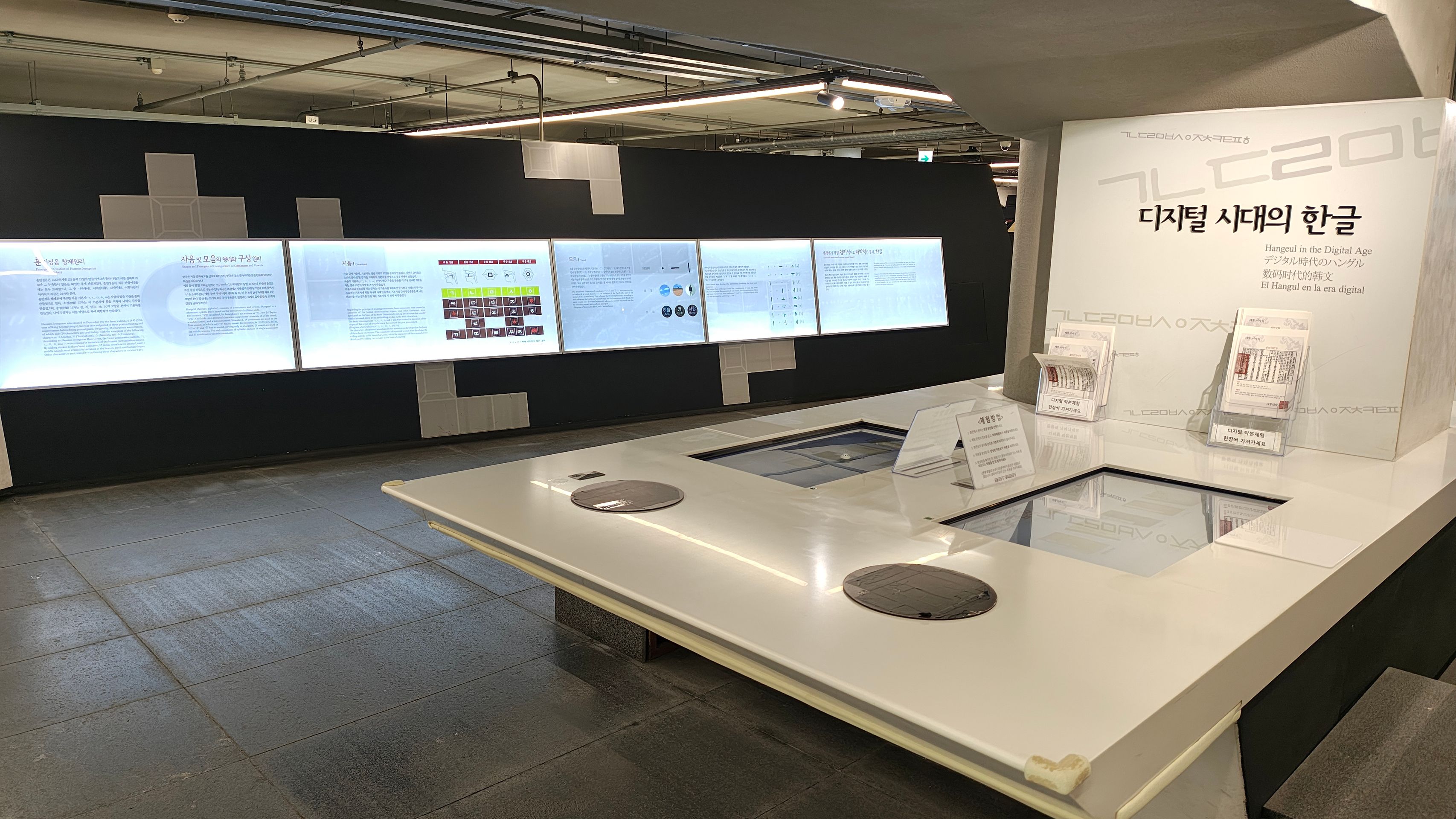
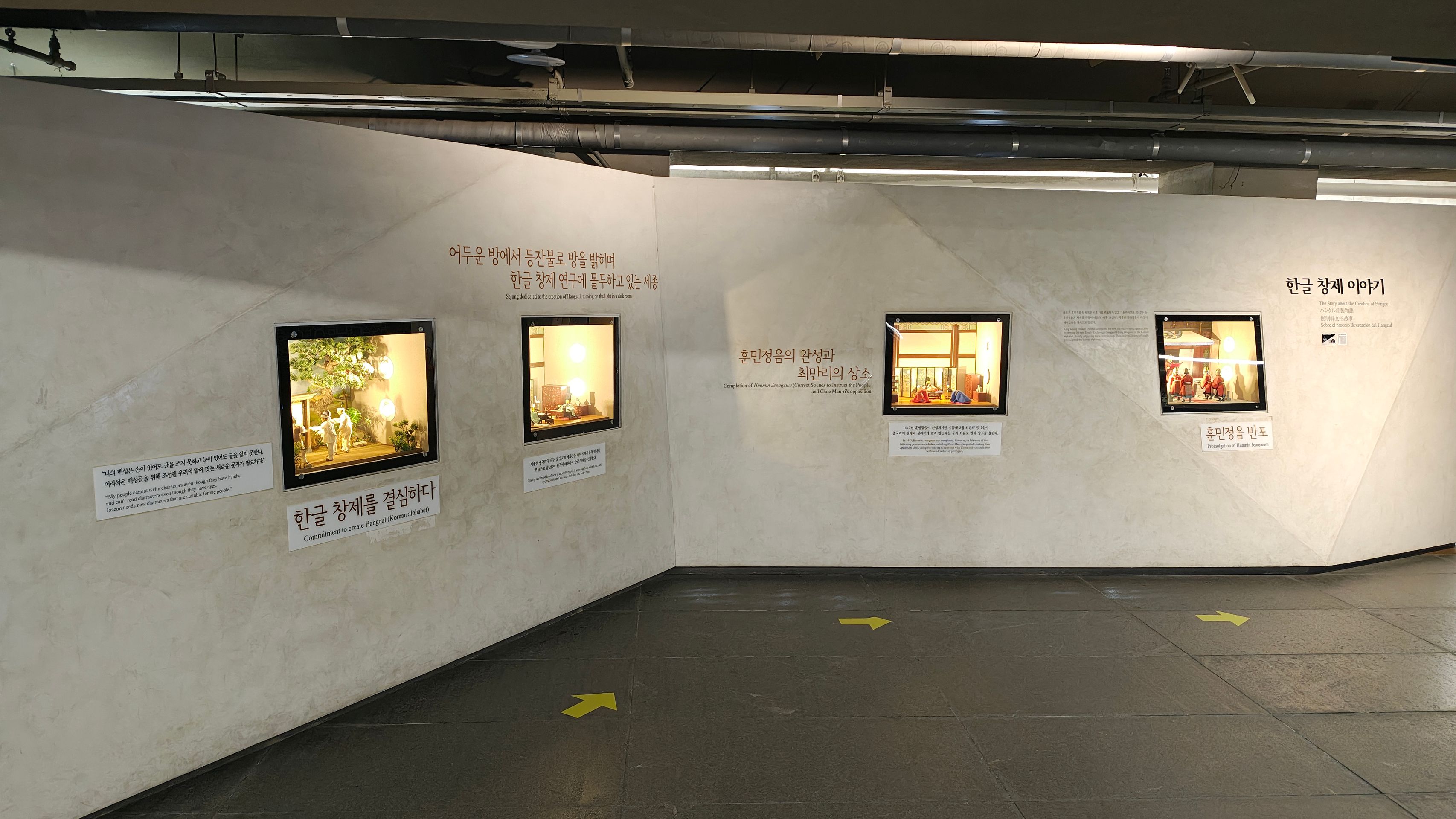
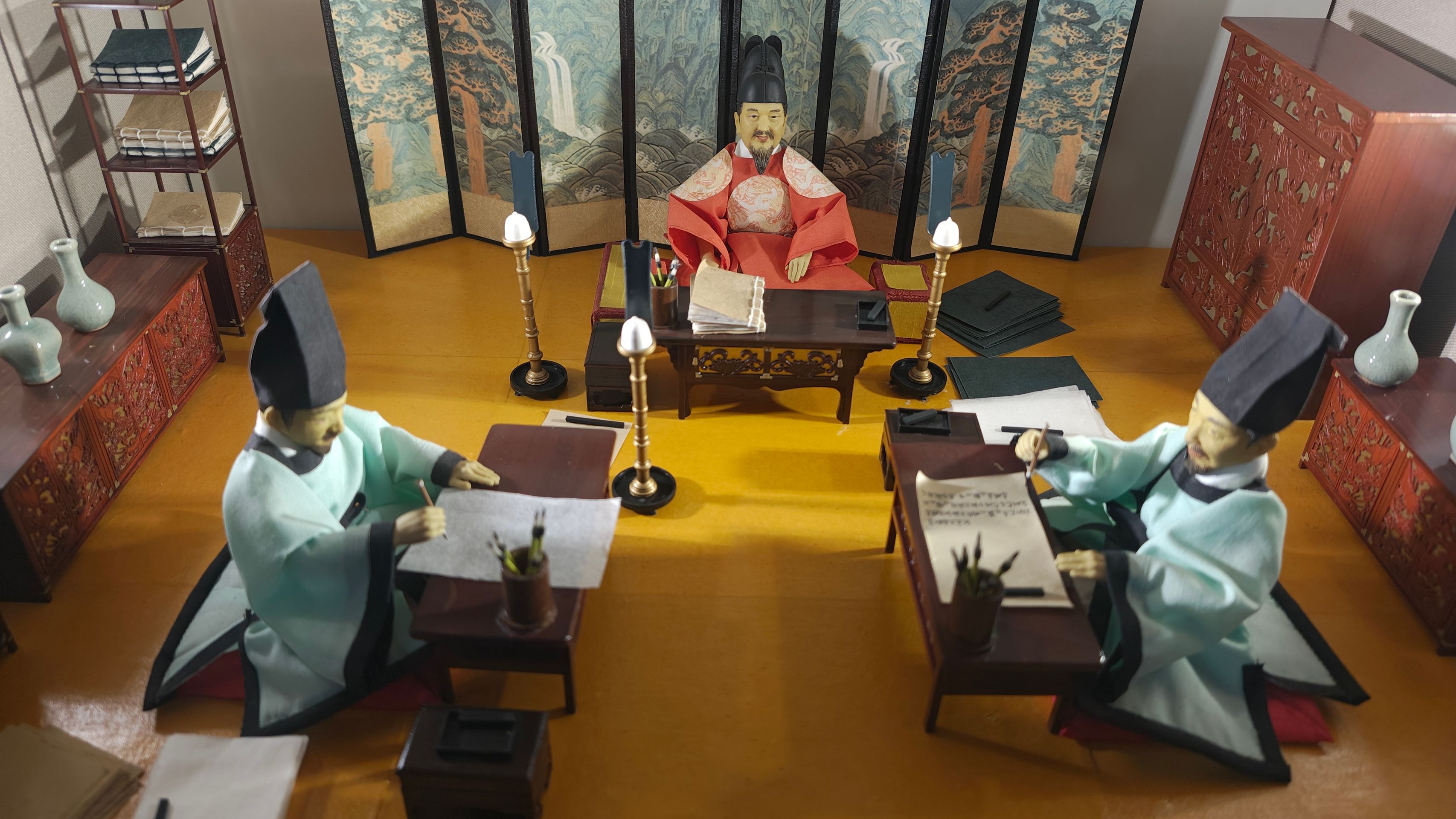
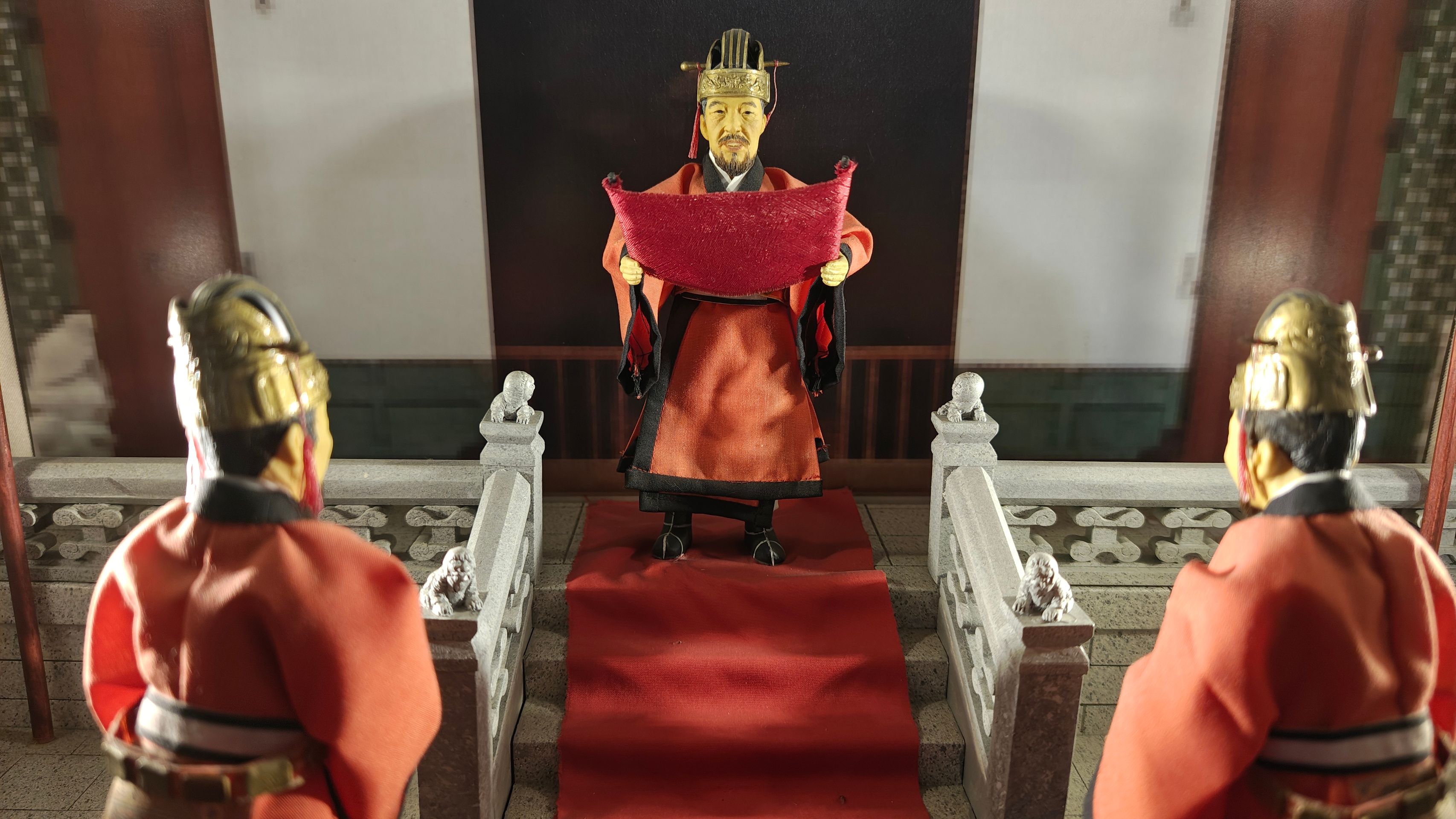
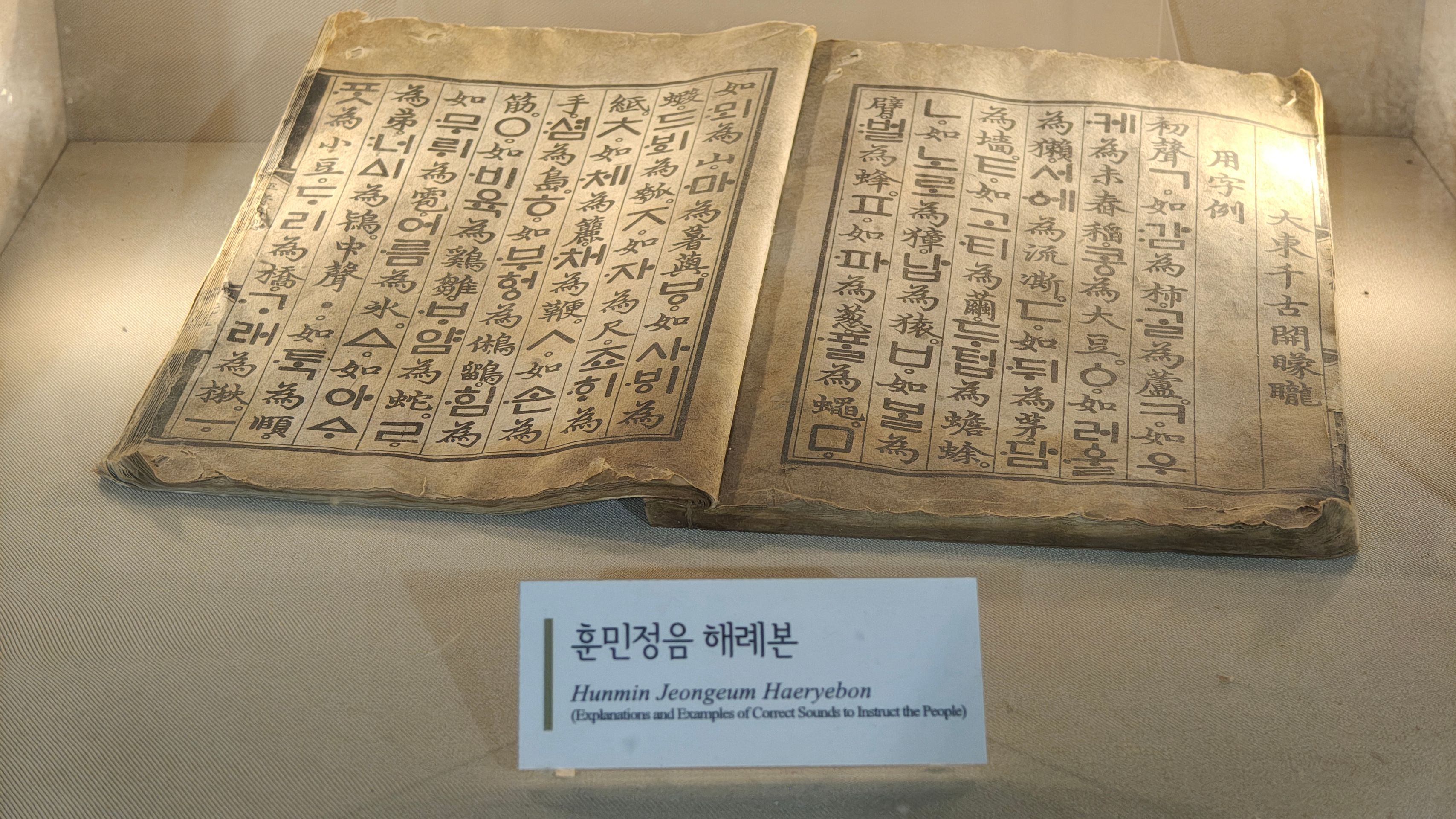
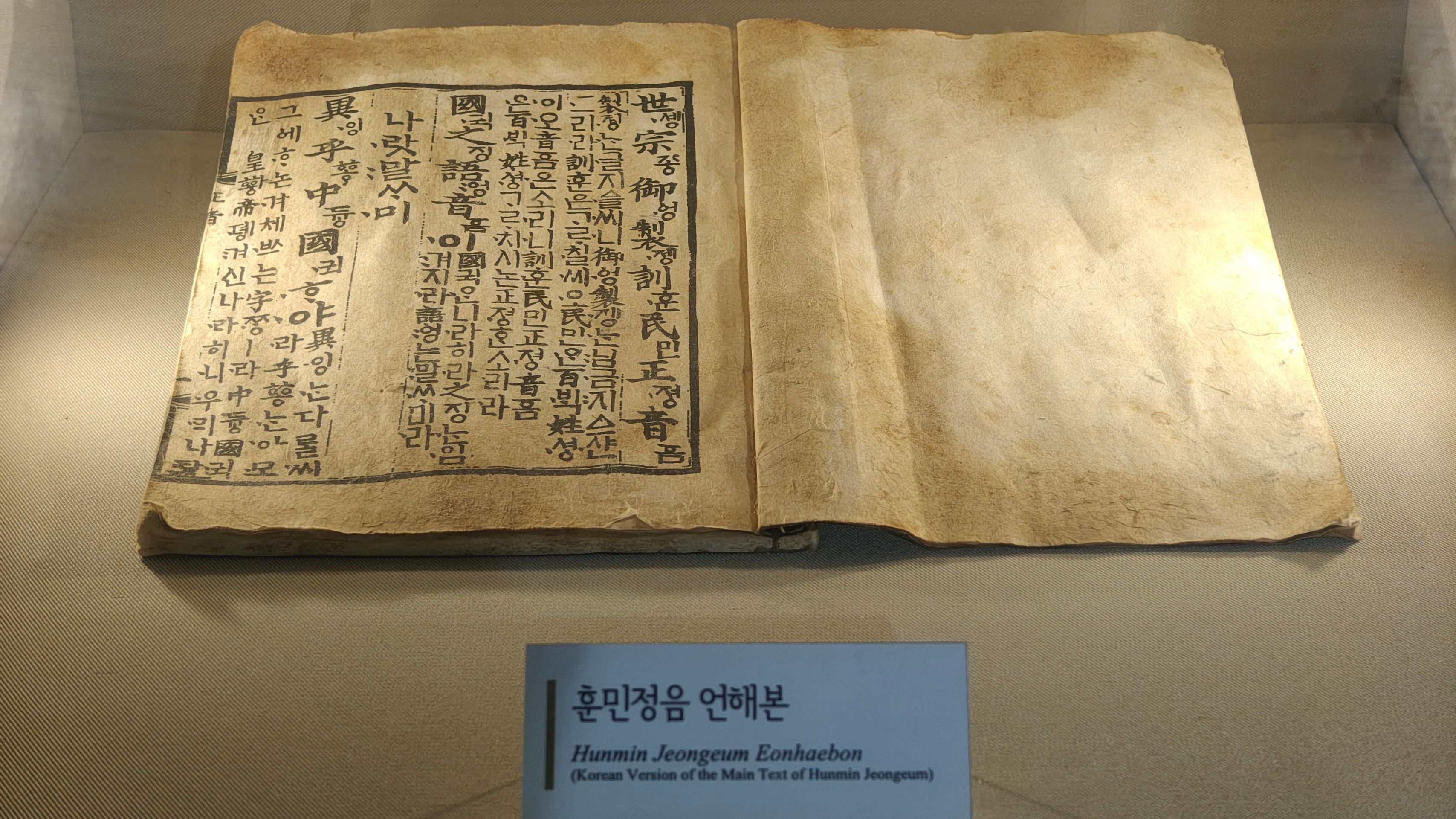
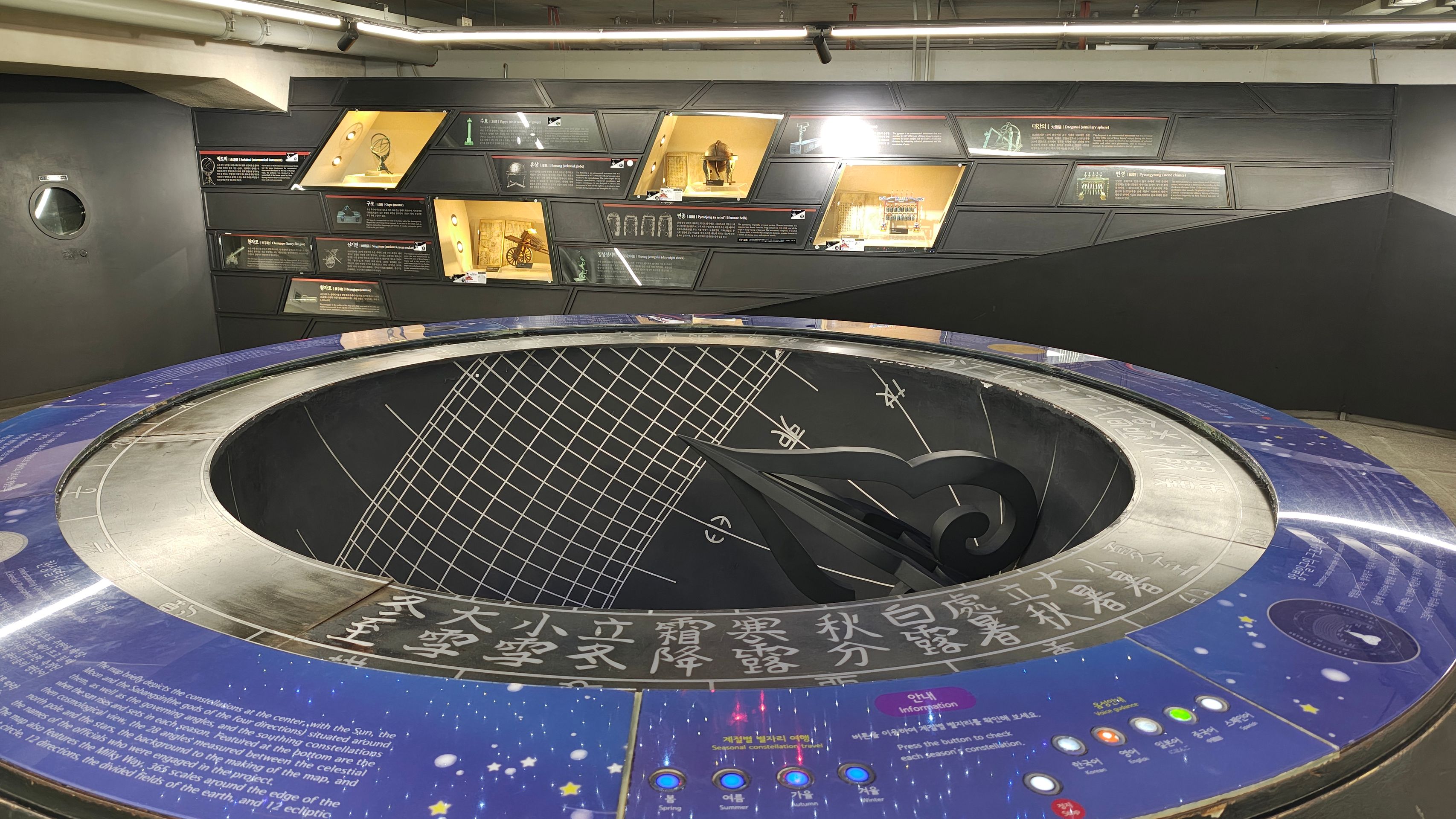
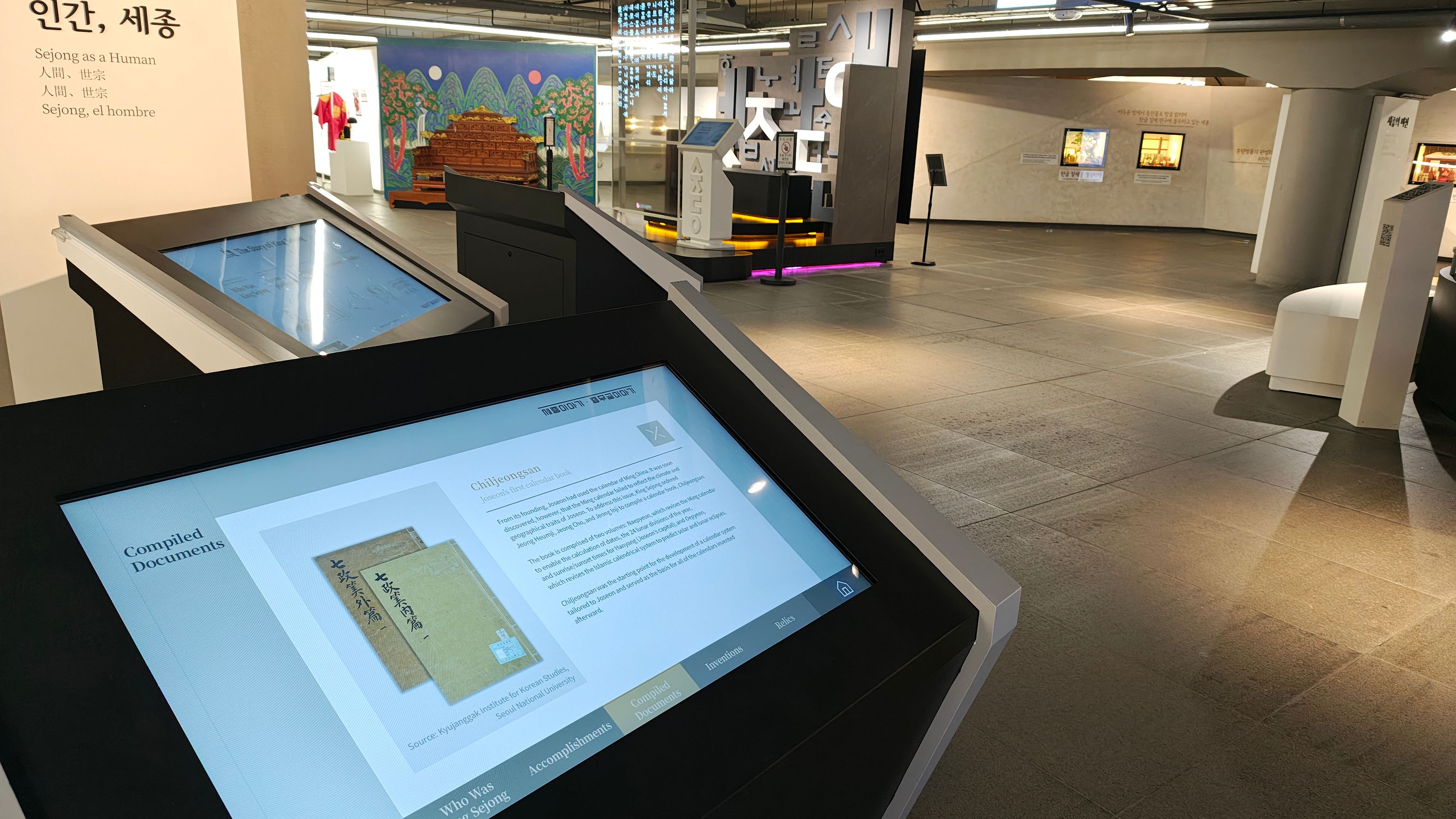
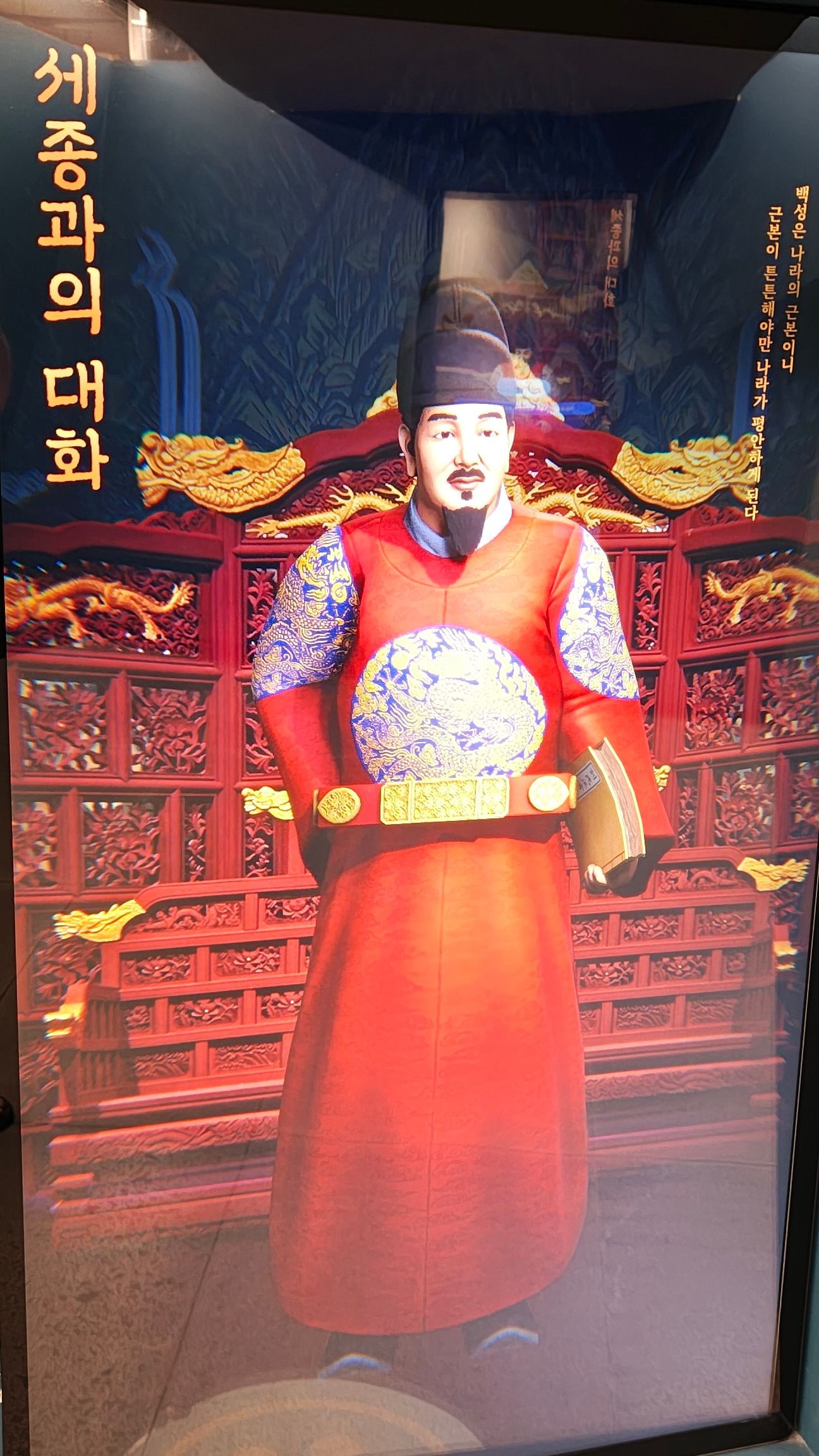
Those who delve into Korean history and culture will repeatedly encounter two figures who stood out for their integrity, wisdom, and moral principles. Admiral Yi Sun-sin and King Sejong the Great thus find a prominent place on Gwanghwamun Square in Seoul, represented by large statues. We travel to this square by subway and, after taking a few photos of the statues, we dive into the underground exhibition about these two remarkable individuals, which is also accessible from the nearby Sejong Center. First, we encounter the exhibition dedicated to the Admiral, who won all his battles against the overwhelming Japanese invaders and even kept a diary that reflects his integrity. Alongside his tactical skills, he also had a keen understanding of troop formation. He constructed the turtle ship, which, besides its maneuverable design and the firepower at the bow, also featured a roof with spikes, making boarding difficult. A smaller, walk-through replica of such a ship is on display. Inside, figures illustrate the functions of various ship areas, making for a vivid and impressive experience for us. From 1592 to 1598, Yi fought a total of 23 battles against the Japanese, astonishingly winning every single fight. Among them was the Battle of Myeongnyang in 1597, where he defeated a Japanese fleet of over 130 ships with just 13 of his own, destroying about 30 enemy vessels without losing a single ship of his own. This battle is a military historical masterpiece in tactics and psychology. Several battles are explained and re-enacted in the museum, accompanied by a large video screen. Many interactive elements for children await the younger visitors, though only a handful of children were present during our visit. We then encounter a young man sitting behind a desk, courteously offering us a cinema experience. It's a 4D presentation lasting 12 minutes, and since we have time and entrance is free, we sign up. We explore a few more parts of the exhibition and return just in time for the show to begin. Another couple has joined us, and we enter the small screening room. I initially expected 3D glasses, but the presentation starts without them. A film projection is now displayed on a 180-degree wall, and our seats, where we are strapped in, shake back and forth with the camera movement. After a brief test flight through Seoul, the young man checks on our comfort. It felt natural to do so, as turning away from the screen reveals only shaking cinema seats without any illusion. Soon, we are thrust into battle as fire arrows and turtle ships dart through the raging sea towards the opposing Japanese fleet. What can I say? We achieve glorious victory. It's not a grand virtual experience, but it adds a fun touch to our exhibition visit. Drunk with triumph, we stroll over to the exposition about King Sejong. We already visited his tomb yesterday in Yeoju, as referenced in the blog post “The Father of the Korean Nation and Culture.” Many aspects of his reign from 1418 to 1450 are highlighted, including the previously mentioned scientific achievements and the invention of the Korean language Hangul. It's worth noting that the king himself developed this language, rather than one of his supported scholars. He aimed to replace the challenging Chinese characters used at the time with a simplified system so that the common people could learn to read and write. Ultimately, King Sejong introduced the Korean alphabet Hangul in 1446, which, alongside its simple writing style, also considers the mouth's shape during pronunciation. Individual consonant and vowel letters are grouped into syllable blocks. For me, this is an extraordinary achievement, especially knowing the rationale behind its creation. However, the Confucian scholars were far from pleased and blocked the writing system wherever they could. They viewed their privileged status, based on their ability to read and write, as threatened if the common folk could also acquire these skills. The exhibition showcases pivotal early works, including the Hunminjeongeum, which can be translated as “The Correct Sounds for the Instruction of the People.” Several life-size screens display King Sejong, and I can ask him questions in different languages through microphones, to which he responds according to a certain scheme. Engaging in a conversation with the king is a humorous idea. The exhibitions of both icons impress with technology, design, and ideas. Full of impressions, we ascend once more to Gwanghwamun Square and now head directly towards the gate of Gyeongbokgung Palace.