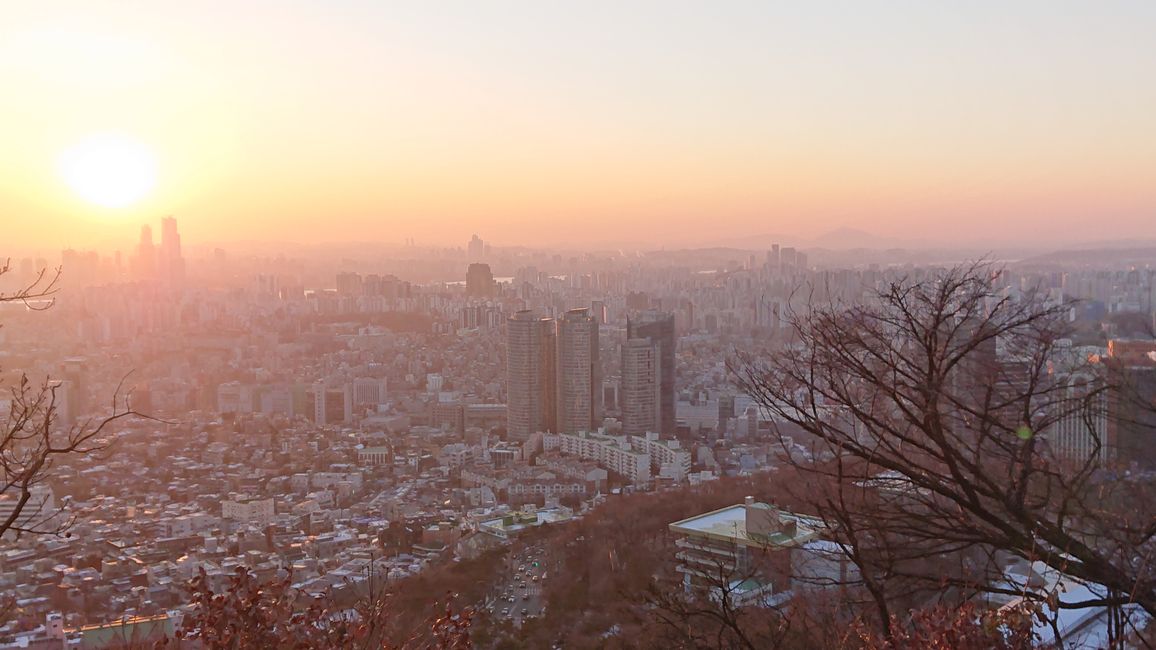


The pedestrian walkway on Seoullu 7017
In the evening in Seoul, we take the metro to Hoehyeon Station and first stop at a restaurant where we order and pay via tablet at the table. The advantage: the menu is available...
Published: 17.09.2025
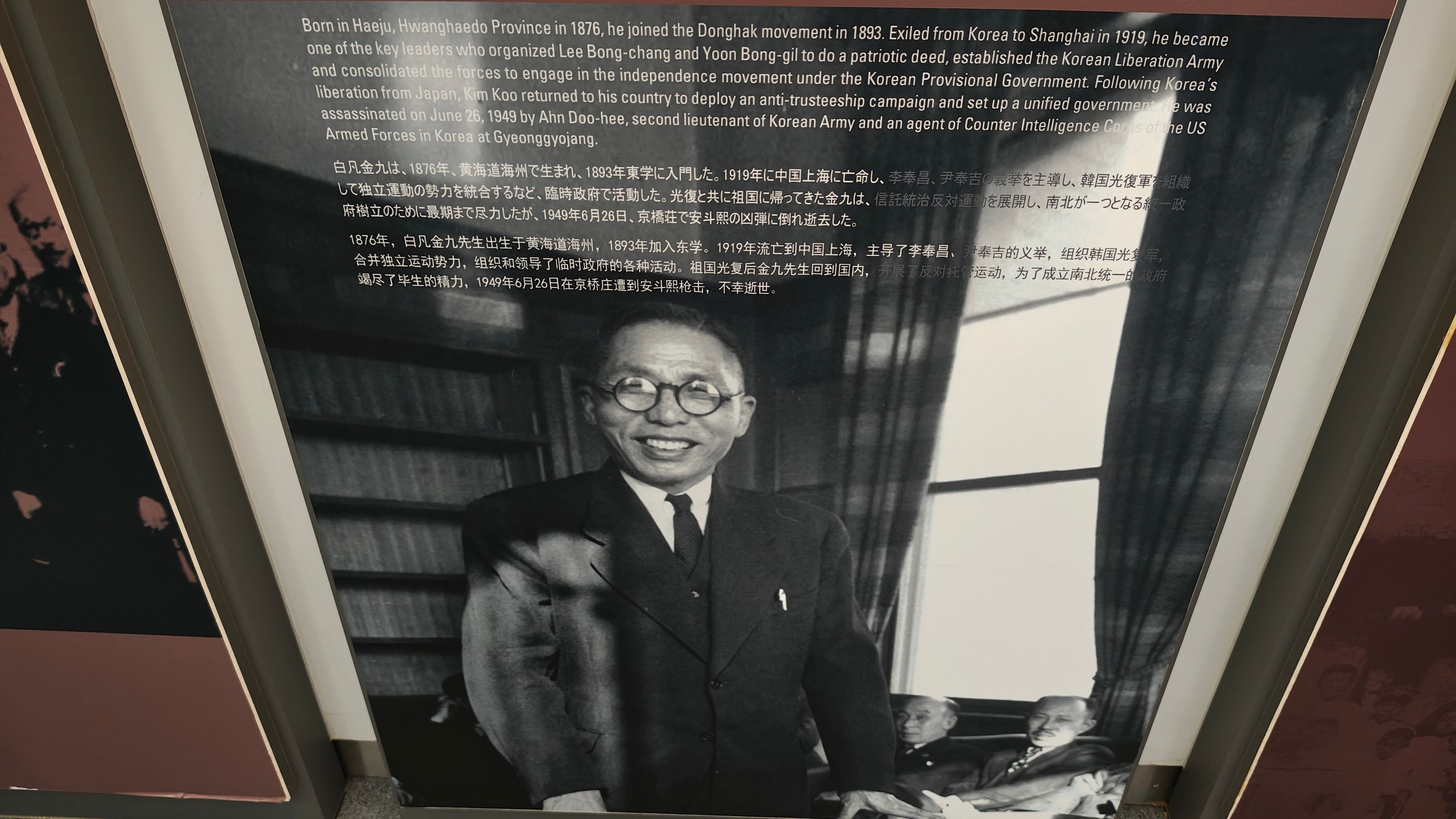
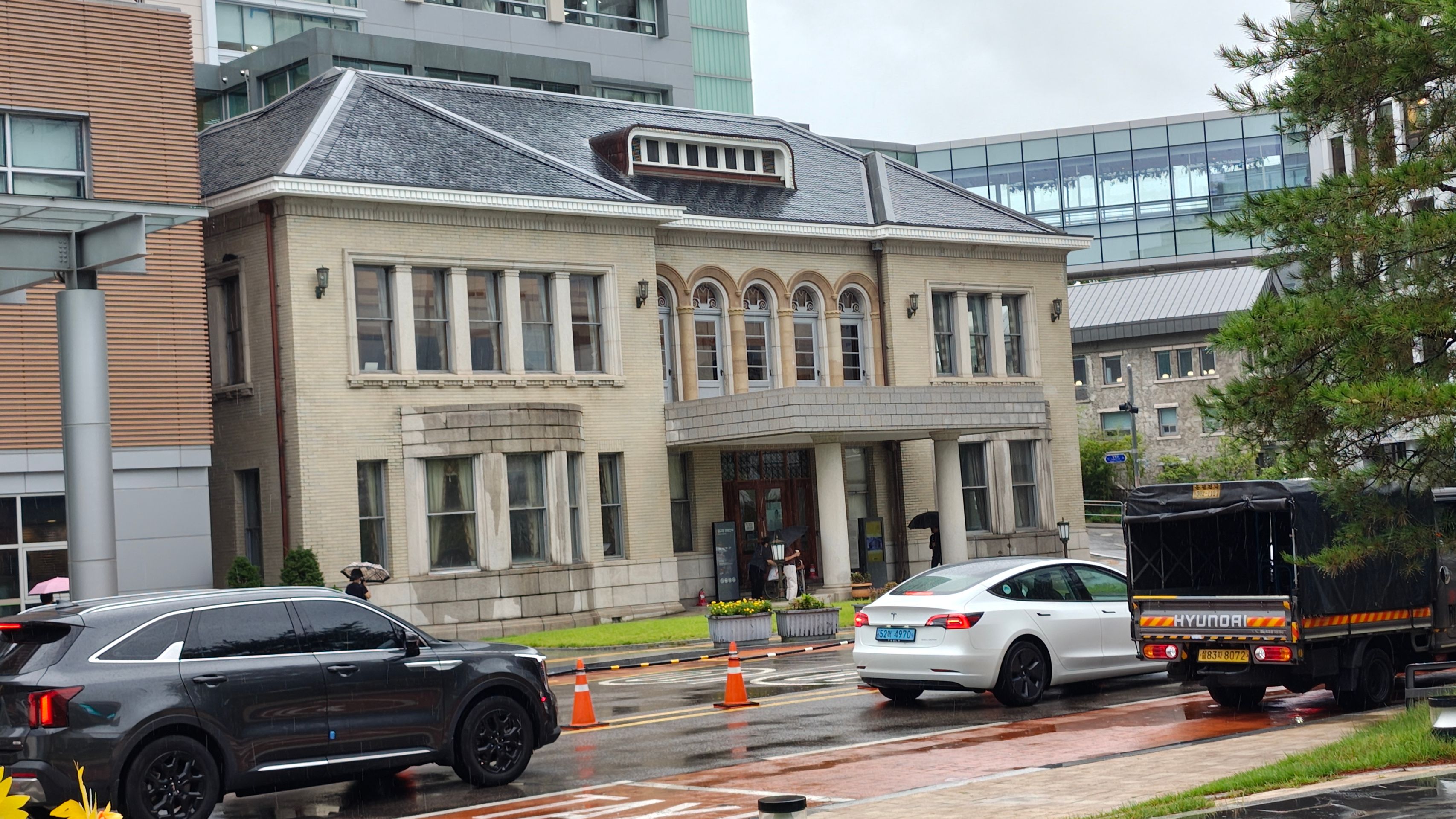
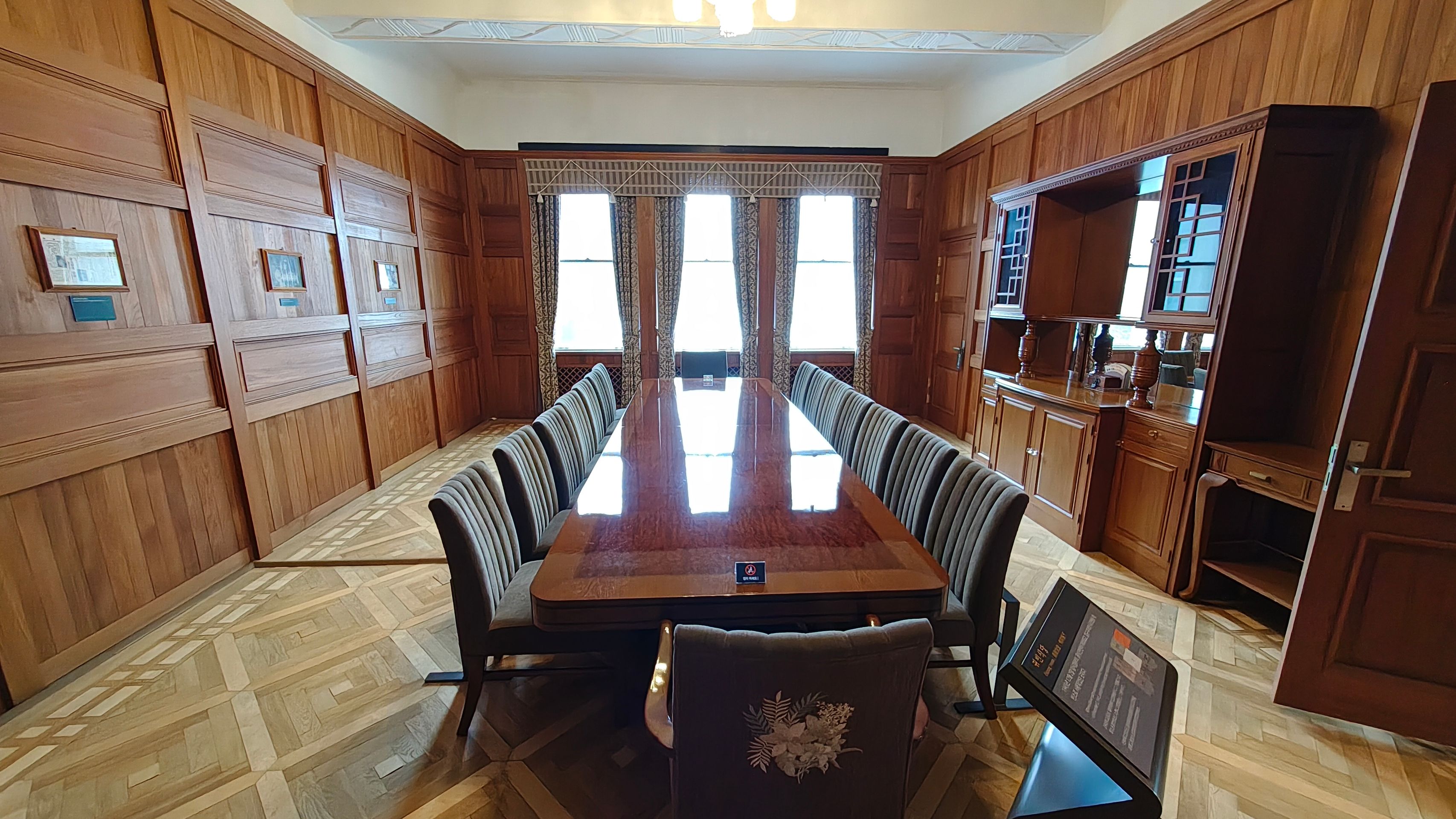
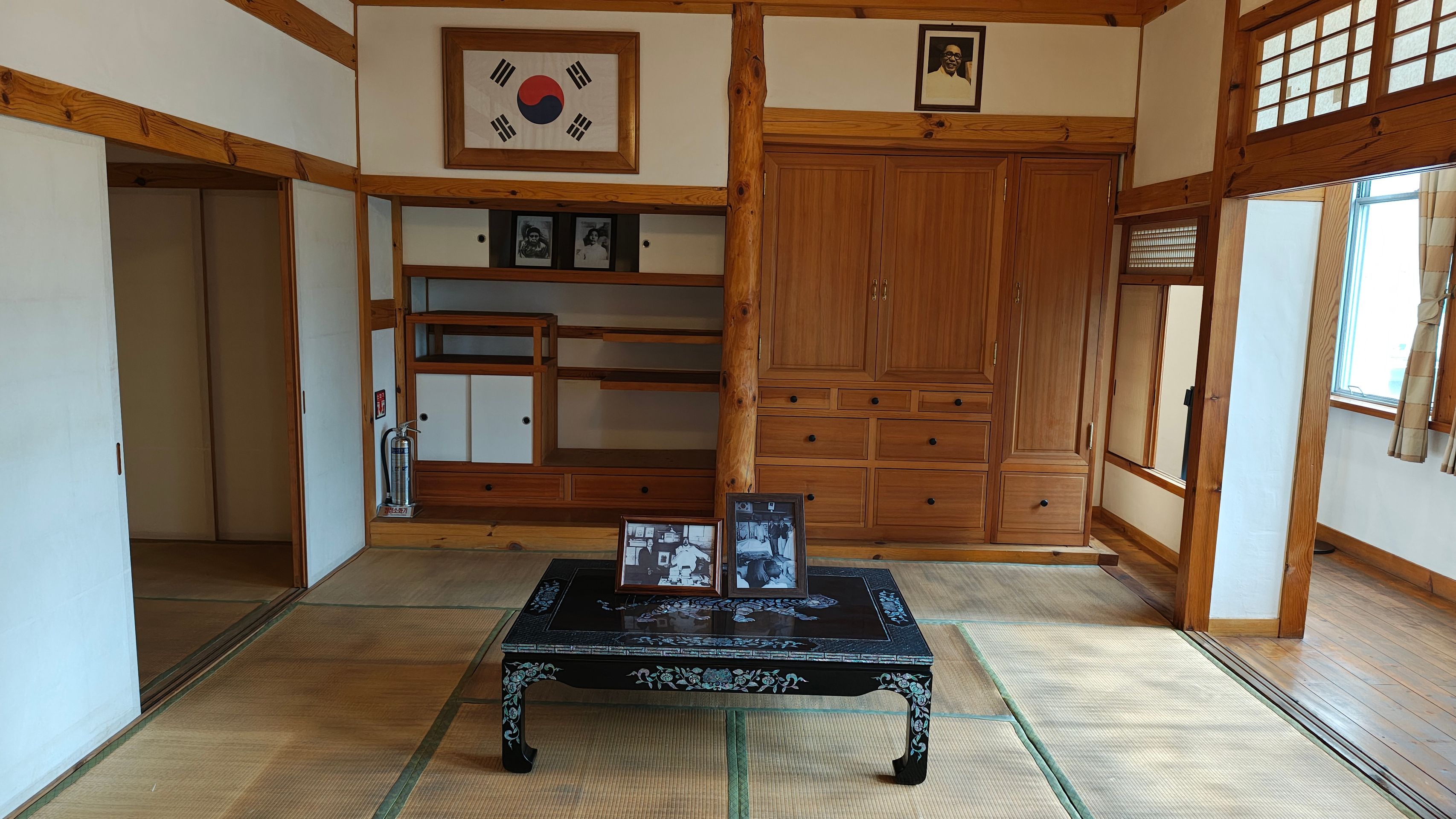
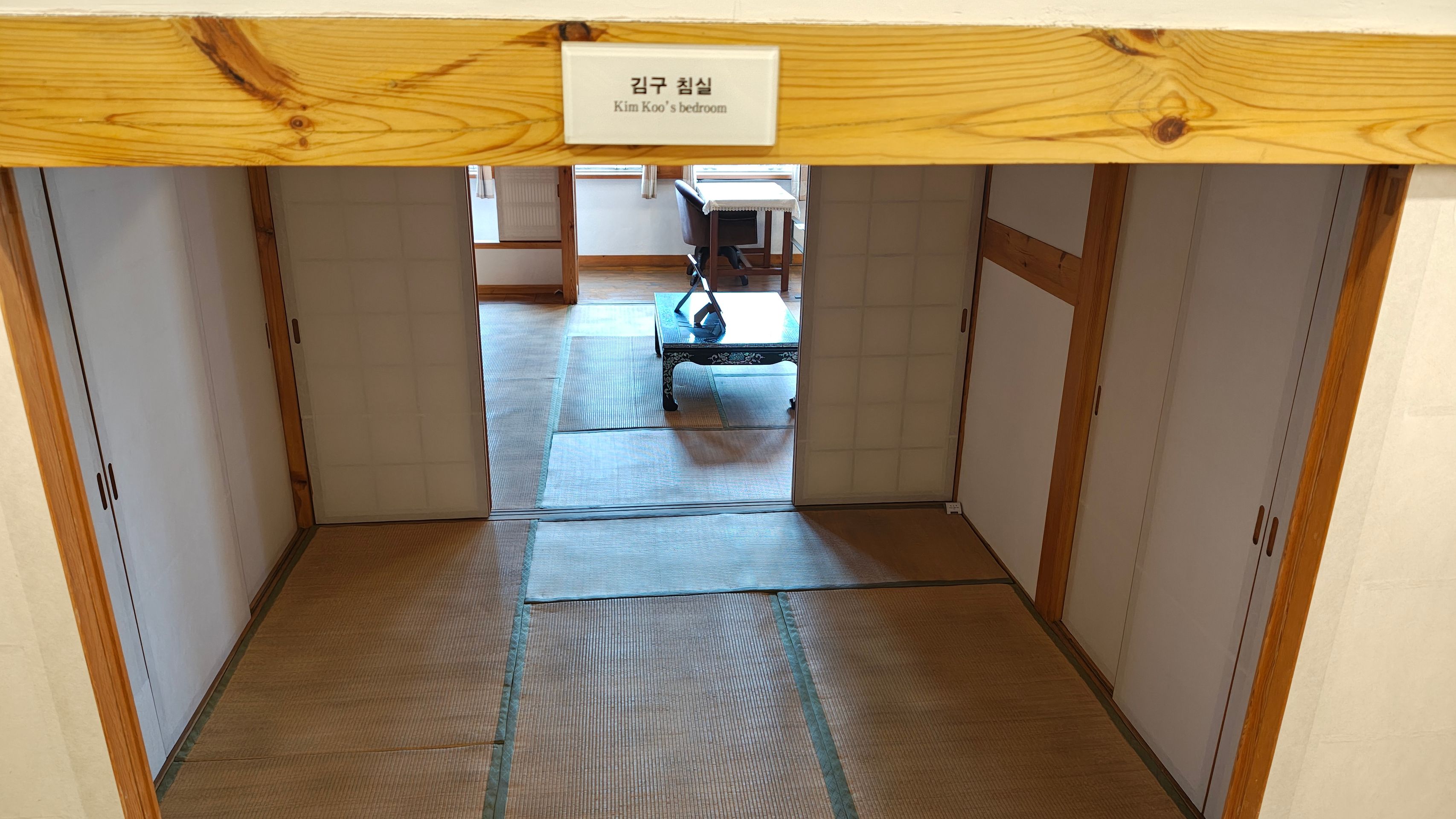
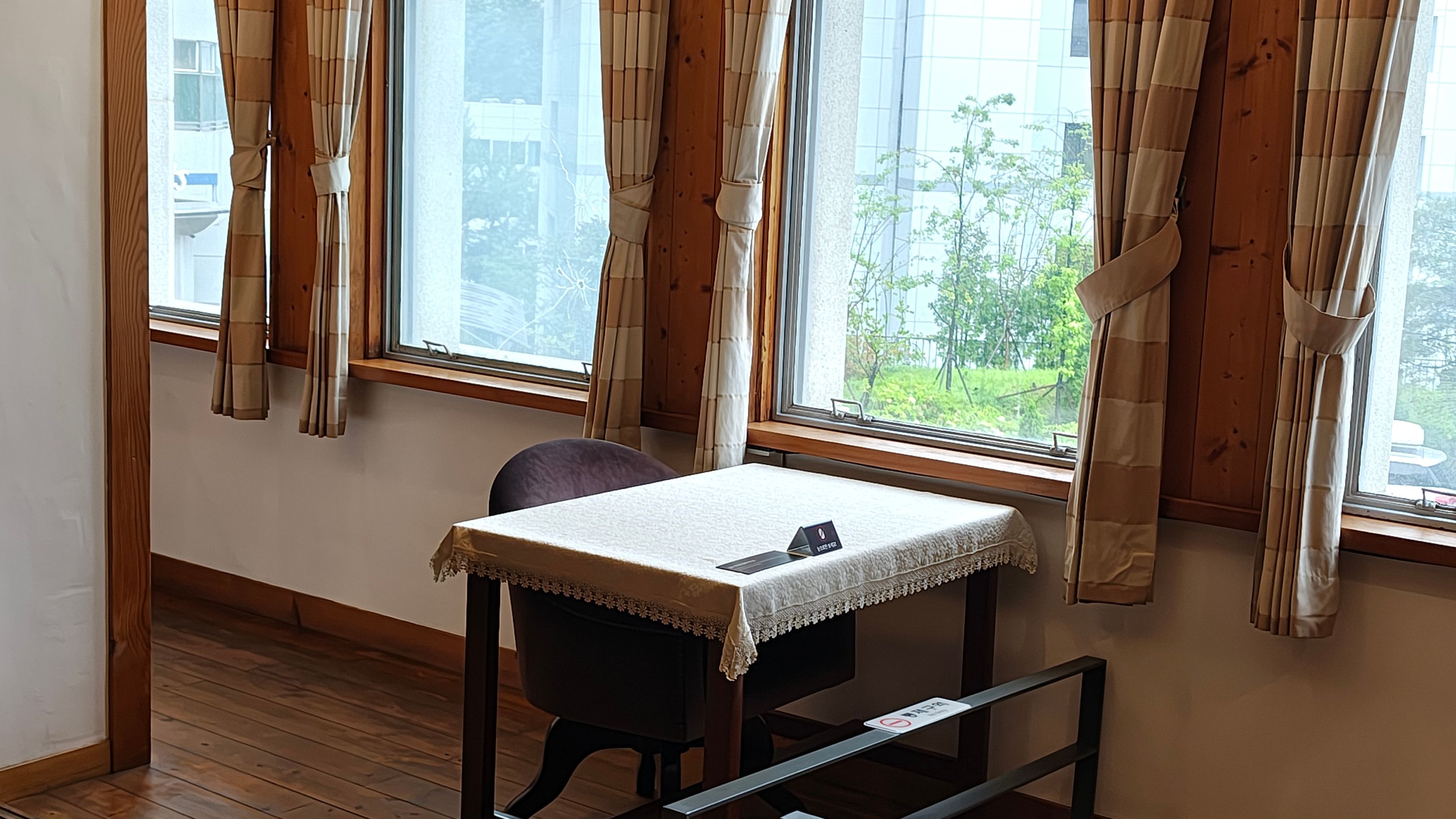
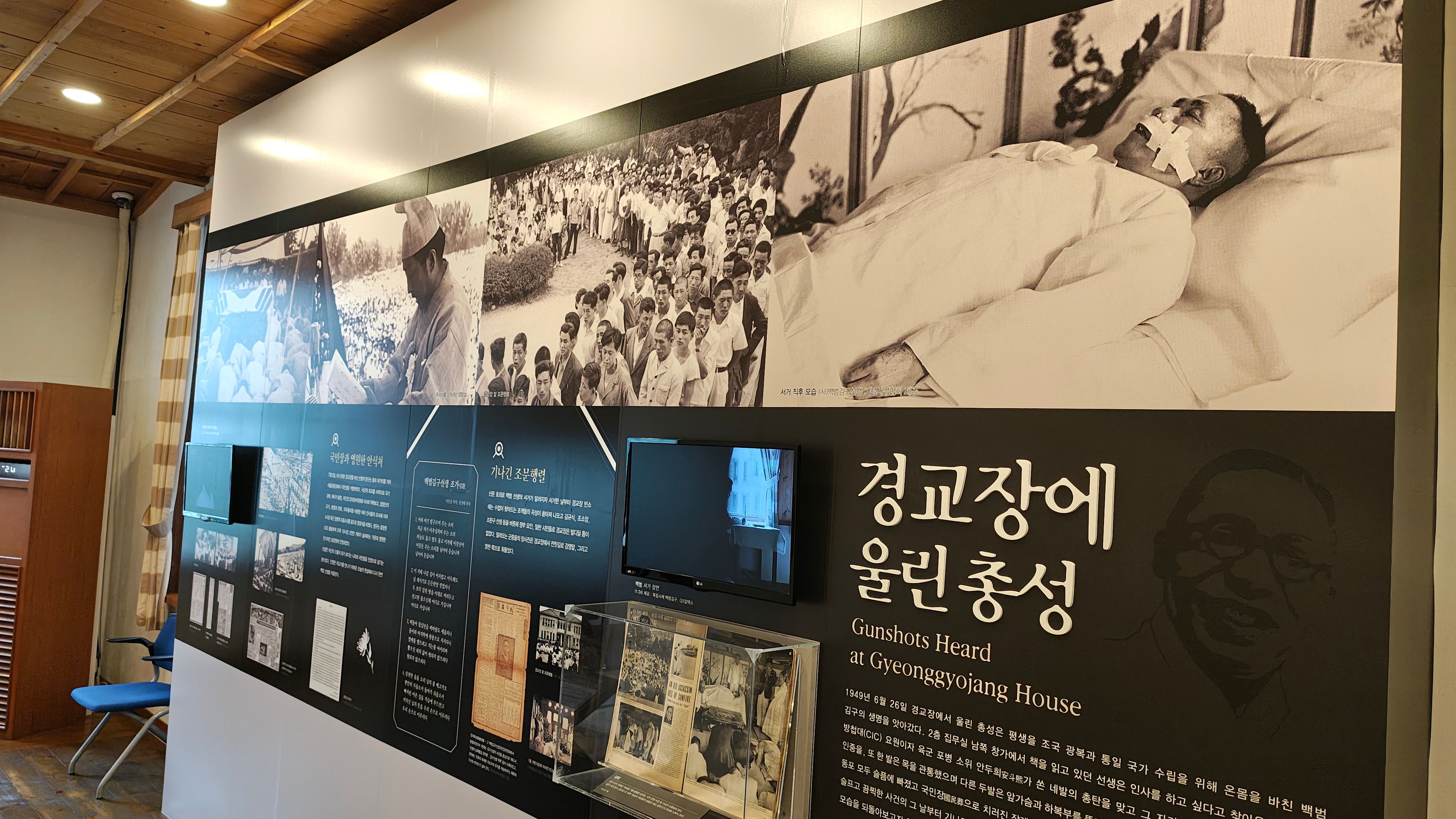
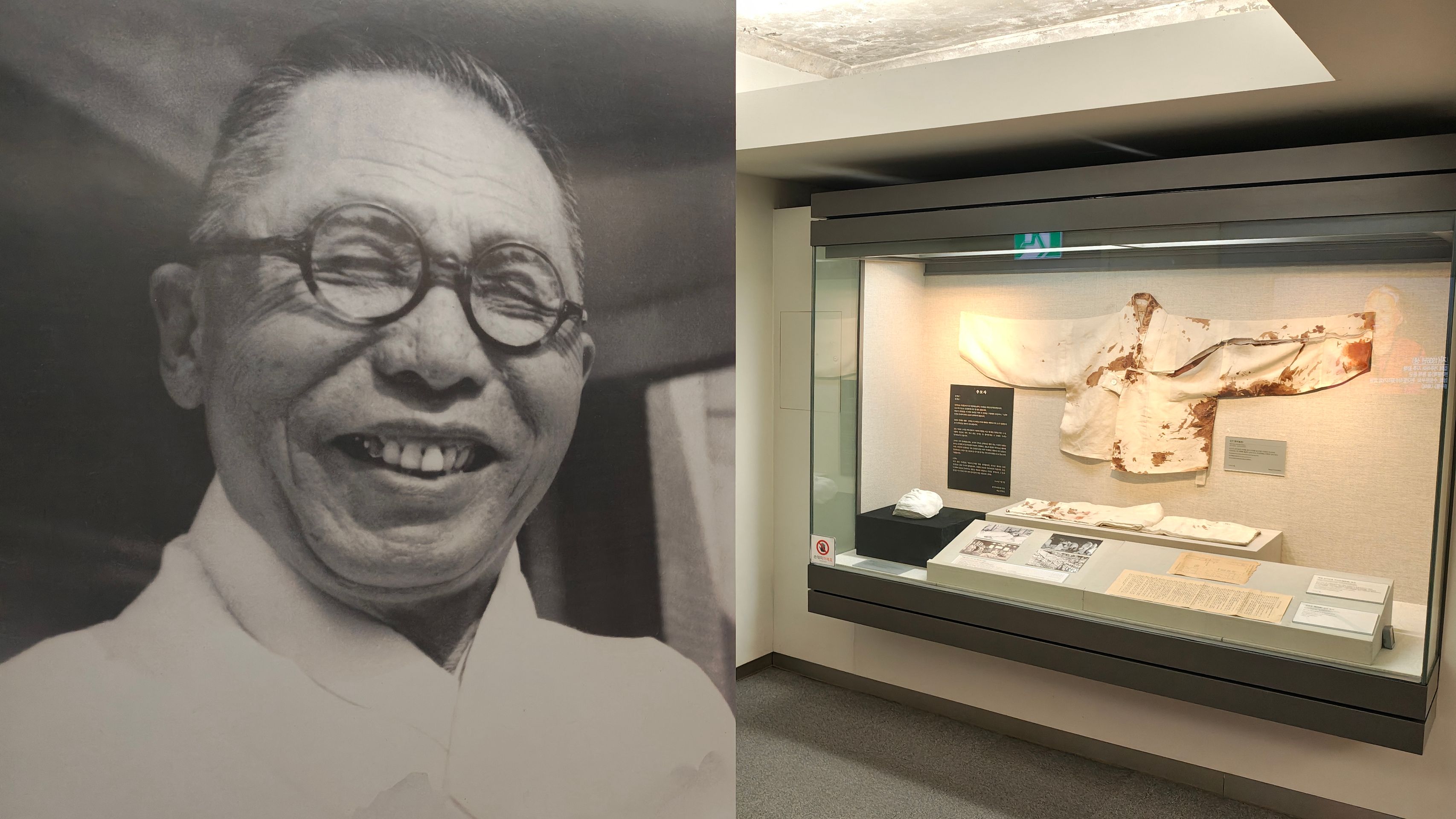
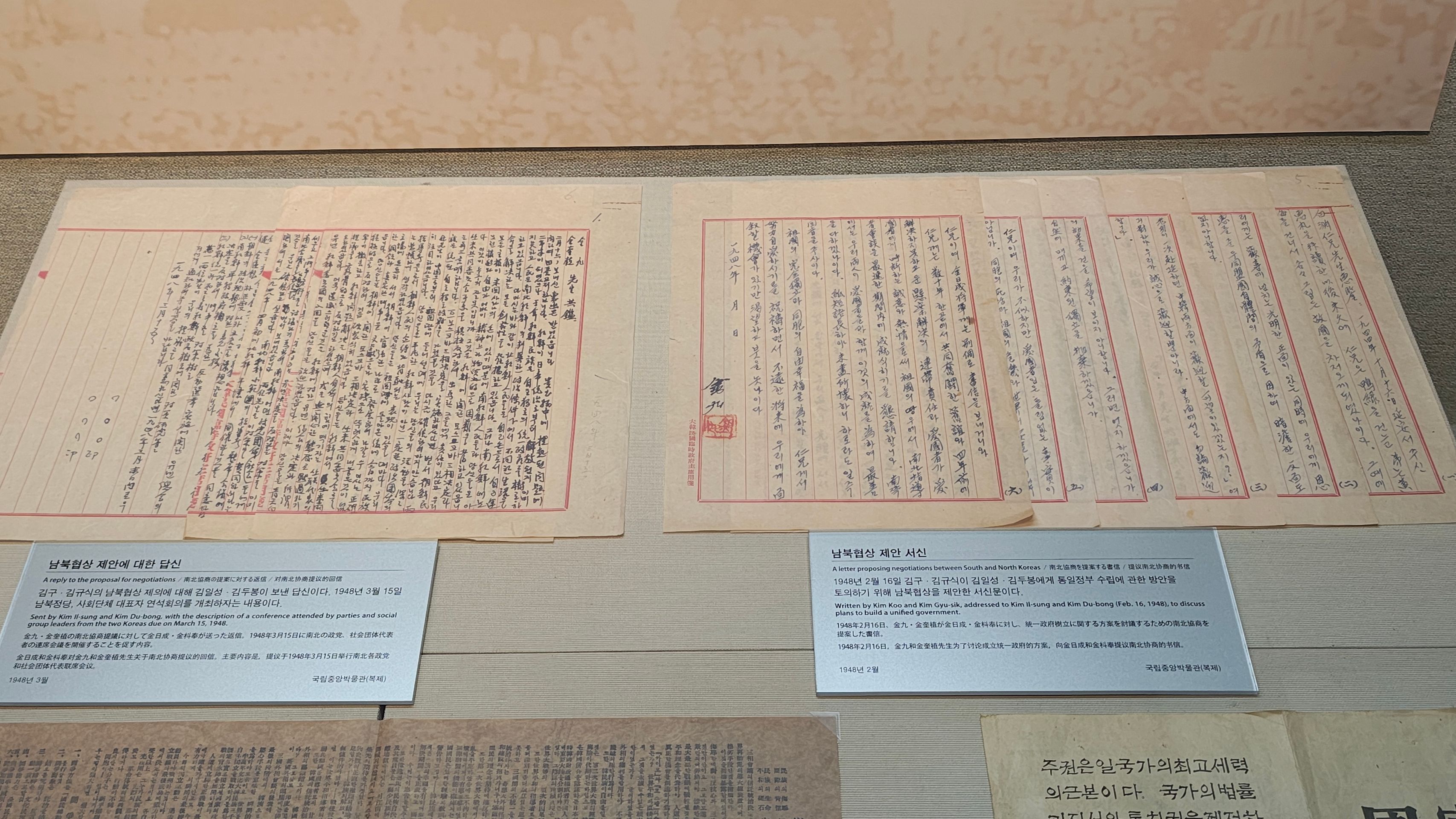
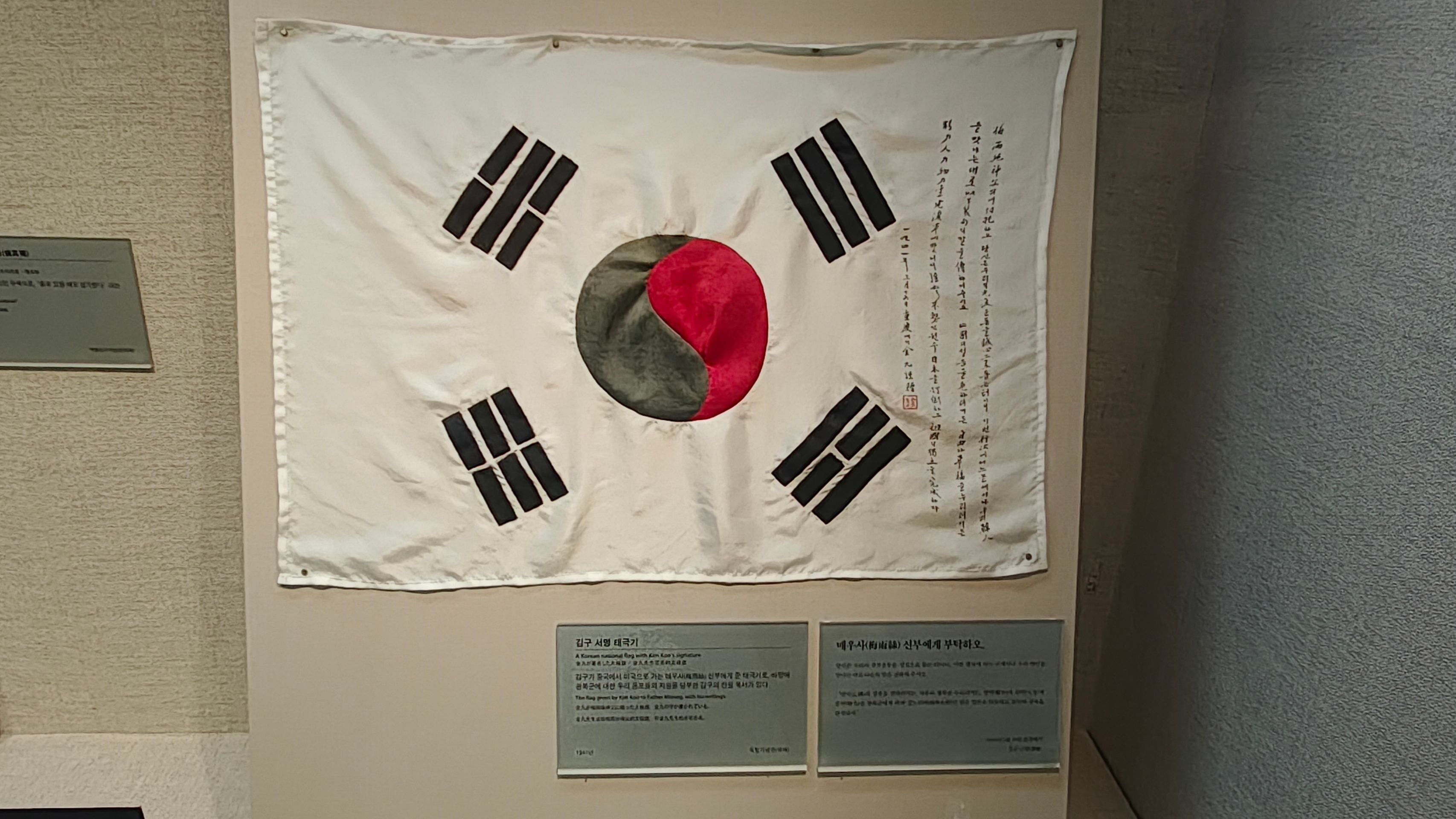
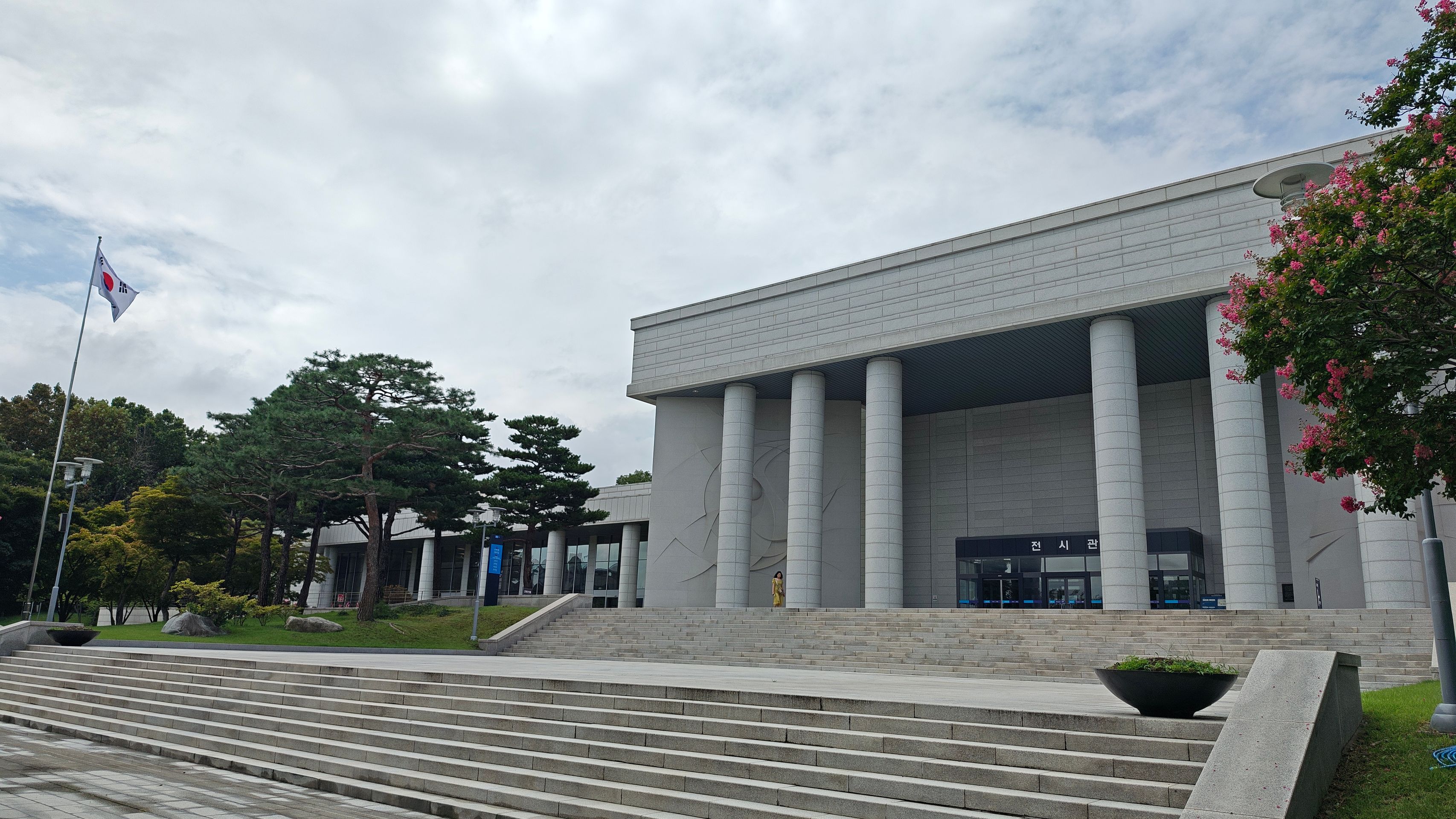
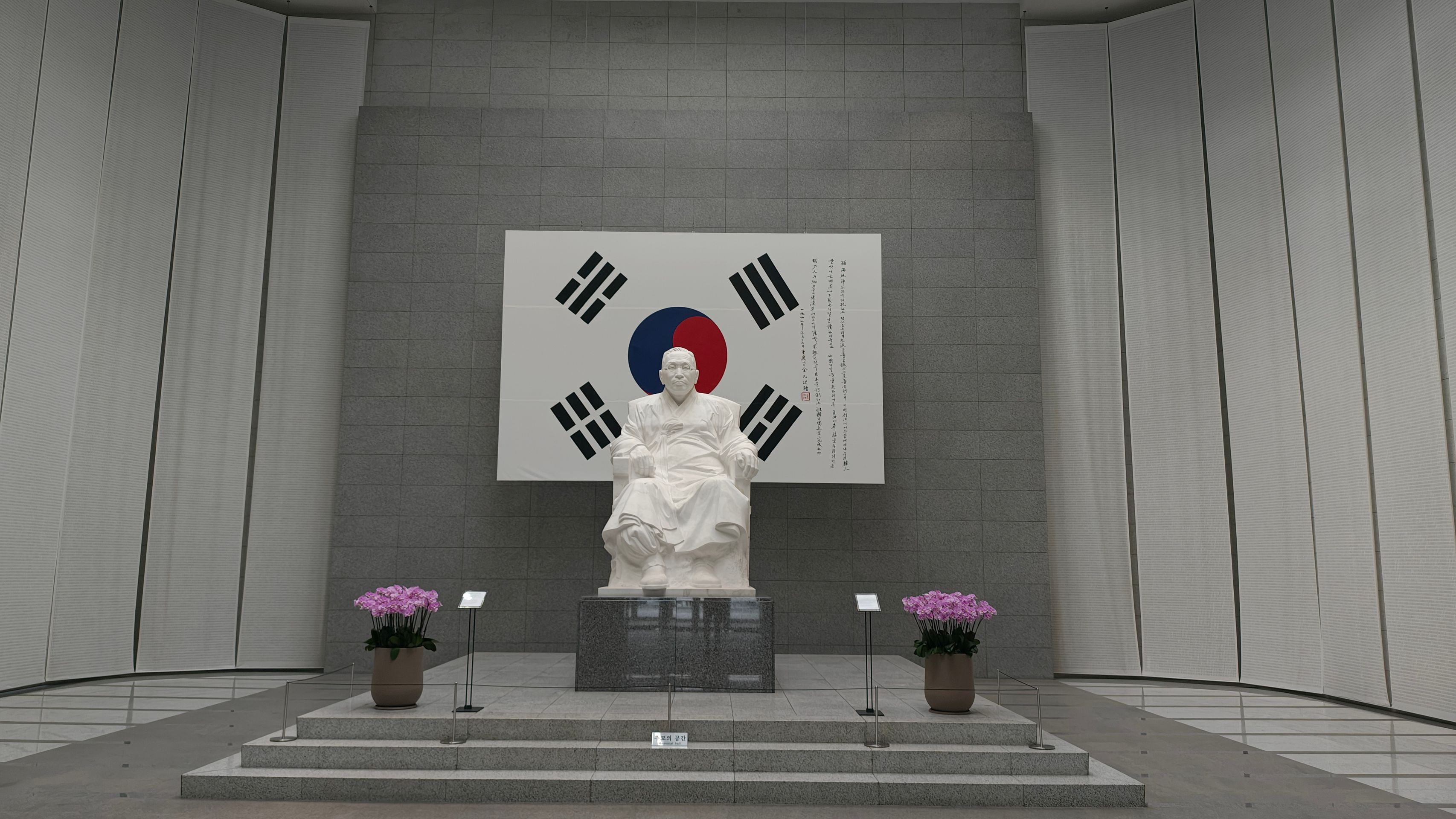
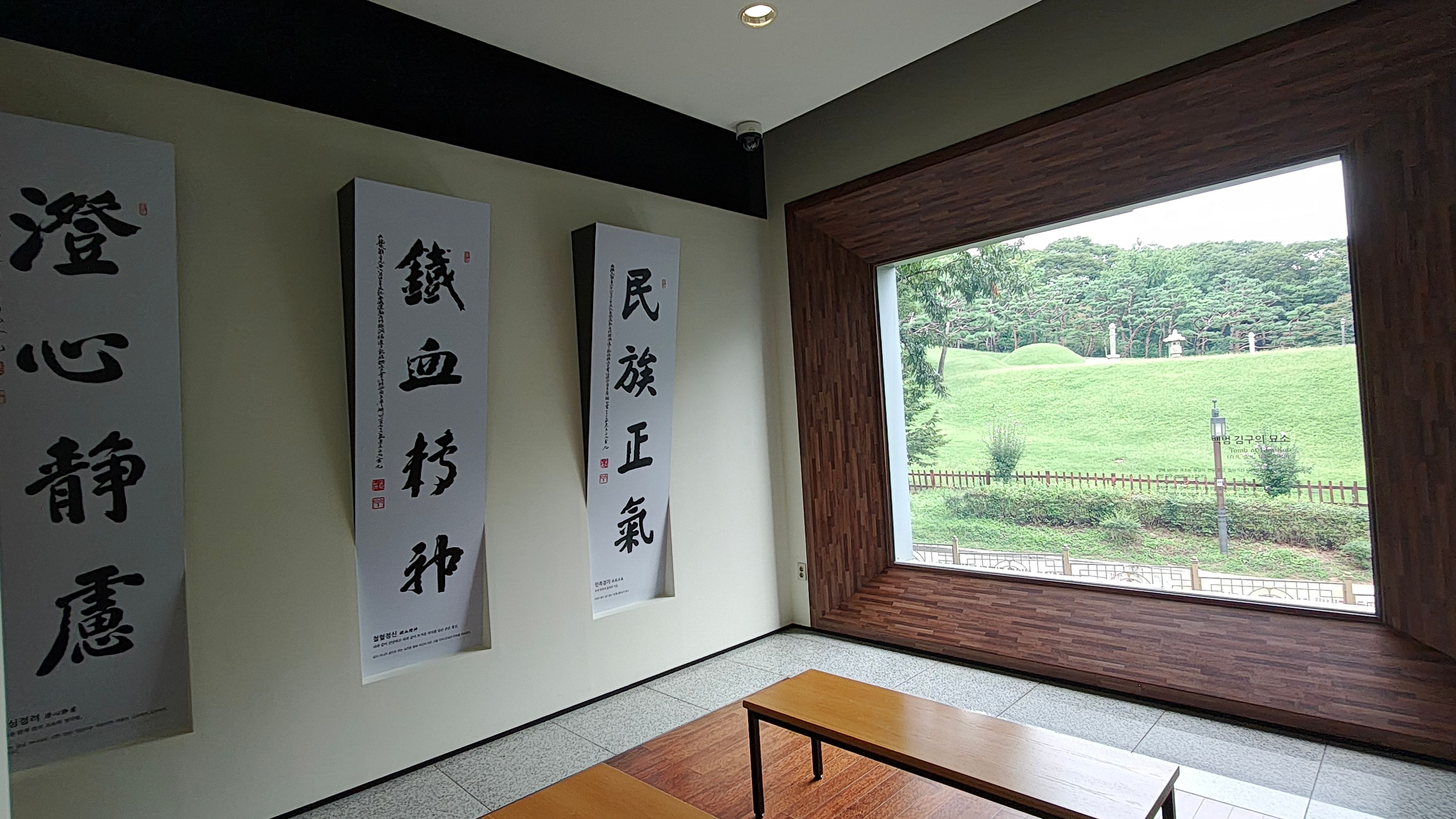
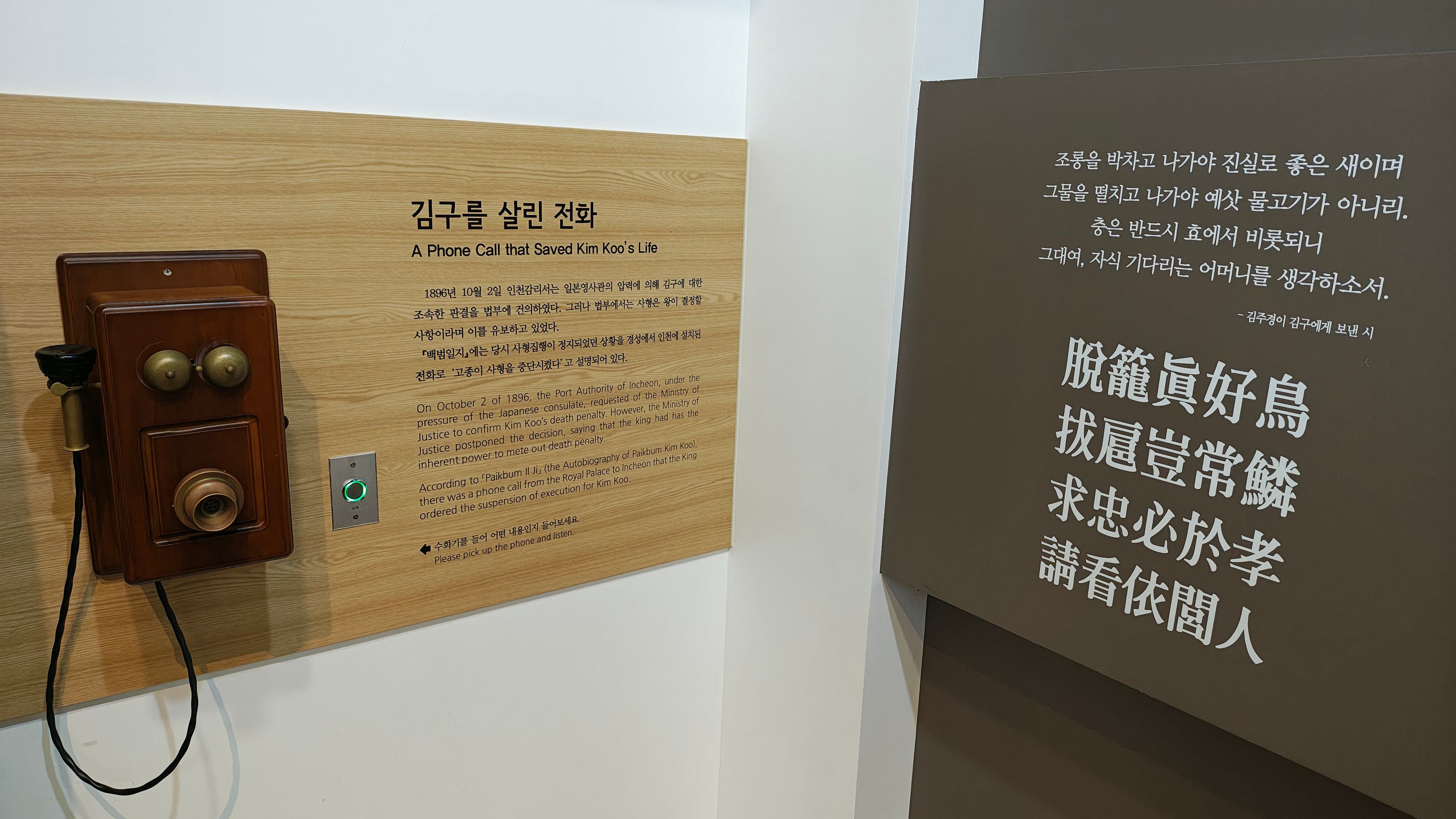
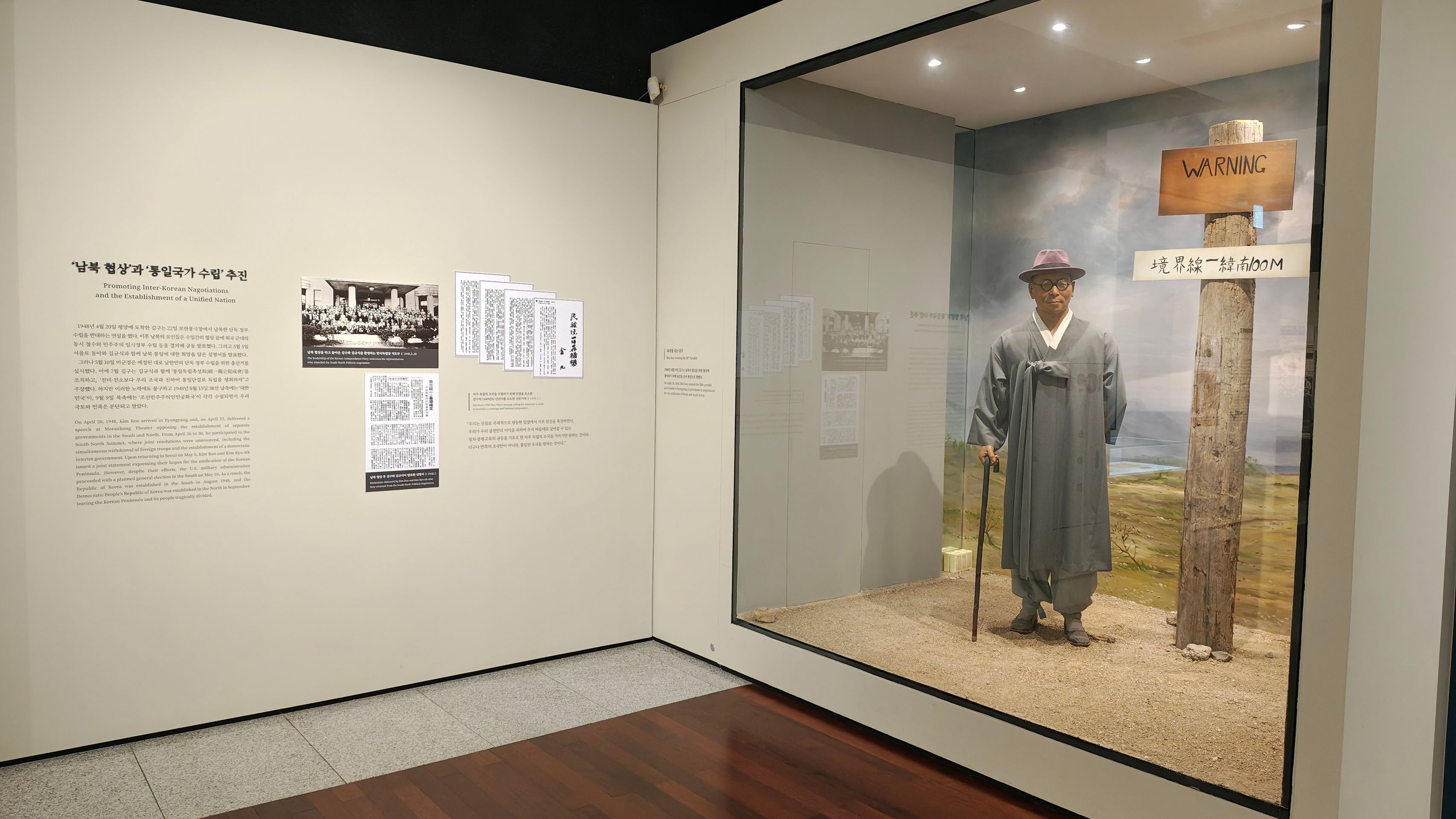
Today it rains as announced, and we start our museum day with a very special personality: Kim-Koo. For this, we take the metro to Seodaemun Station and walk in the rain to the Gyeonggyojang House, which stands among tall buildings on a hospital site. The villa was previously surrounded only by a park, but later use as a hospital has led to the construction of the buildings seen today. However, 80 years ago it housed the provisional government of Korea after the end of the war and the Japanese occupation period. Kim-Koo worked and lived here, and he was a dedicated politician advocating for a unified Korea. He sought to prevent the division of the country between the Soviet-occupied North and the American-occupied South and initiated numerous high-level meetings and campaigns to achieve his political goal. This ultimately led to his downfall when a Korean officer, an agent of the American CIA, shot him in this house, which now serves as a museum due to this tragedy. We enter the foyer, where we first need to change our shoes: street shoes off, house slippers on. On the upper floor, the rooms have been restored in old Korean style, where one can visit Kim-Koo's spartan bedroom (where one sleeps on the floor) and his study. By the window stands the small desk where he was practicing calligraphy when he was shot by the officer with the pistol. In the glass of the window, two bullet holes can be seen. Other rooms, including those on the ground floor, are designated as office and meeting rooms in the style of that time. We descend the stairs to the basement and look at the small museum, where Kim-Koo's bloody shirt, which he wore on the day of his assassination, is also displayed. Photos of the masses mourning his death, however, obscure the political climate of the time. Kim-Koo had clearly lost the previously held election in the National Assembly against a pro-American candidate because he had boycotted the elections as an attempt to prevent the division of the country. The signs were clearly pointing toward the division of the country. Why they still killed this old man, who fought for Korean interests his entire life, remains somewhat incomprehensible and is likely rooted only in the aggressive, inhumane power politics of the U.S. or the murderer’s fanatical attitude. To learn more about Kim-Koo, we take the metro to Hyochang Park. There, not only is Kim-Koo's grave located, but also a huge structure serving as a memorial and museum. In the entrance hall, a large seated statue of Kim-Koo is installed, and the rooms upstairs contain the exhibition dedicated to his life and work. His political commitment to the Korean nation began when he became outraged over the assassination of Empress Myeongseong (see also my blog post: The Tragedy of the Empress) in 1895. He even killed a Japanese officer of the occupying army as an act of revenge. Naturally, he went to prison for this and narrowly escaped the death penalty as the Japanese emperor was so impressed by his loyalty to his own royal house that he made a phone call to prevent the execution. Kim-Koo spent some time in a Buddhist monastery and then came into contact with the Confucian school. Here, his values developed, particularly through his mentor Go Neung-seon. A significant part of the exhibition focuses on his activities in the exile government. He was the last president of this Korean government, which was founded in China during the Japanese occupation of Korea. In addition to organizing the resistance, important diplomatic threads were spun, ensuring that in December 1943, the major powers in Cairo promised Korea's independence after the war. In a corner of the museum, a small prayer room is set up where one can look through a large glass pane at Kim-Koo’s grave lying outside in the park. To me, he is a tremendous personality as he fought for a unified, independent Korea after the war despite all hardships and resistance. He wanted a self-sufficient, unified Korean nation and no political dominance of the Soviets in the North and the Americans in the South. He always had an eye for the common people, which is why he also adopted the nickname Baekbeom, roughly translating to