

The Tragedy of the Empress
Empress Myeongseong shows us the way on the main road
Published: 14.09.2025
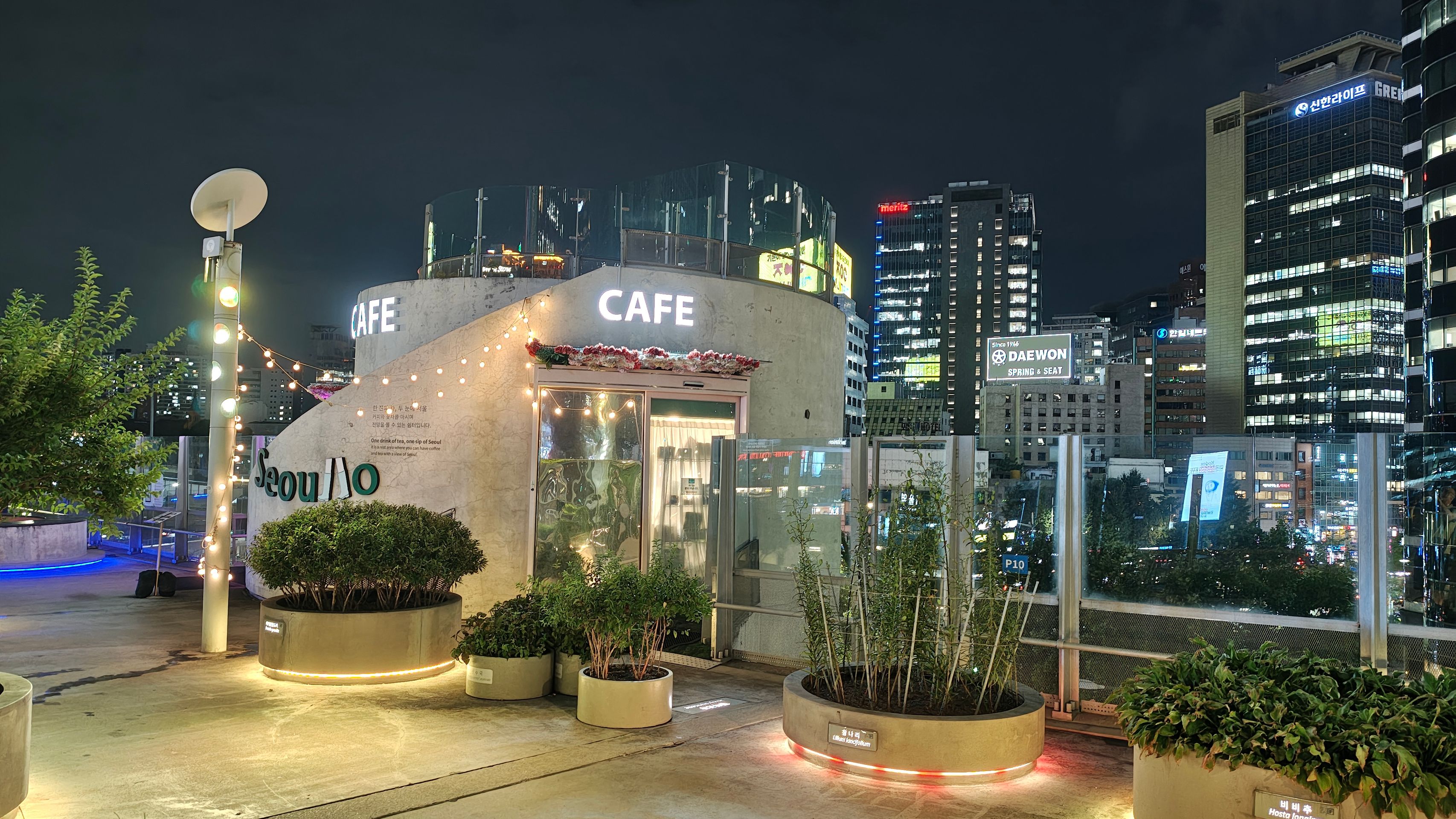
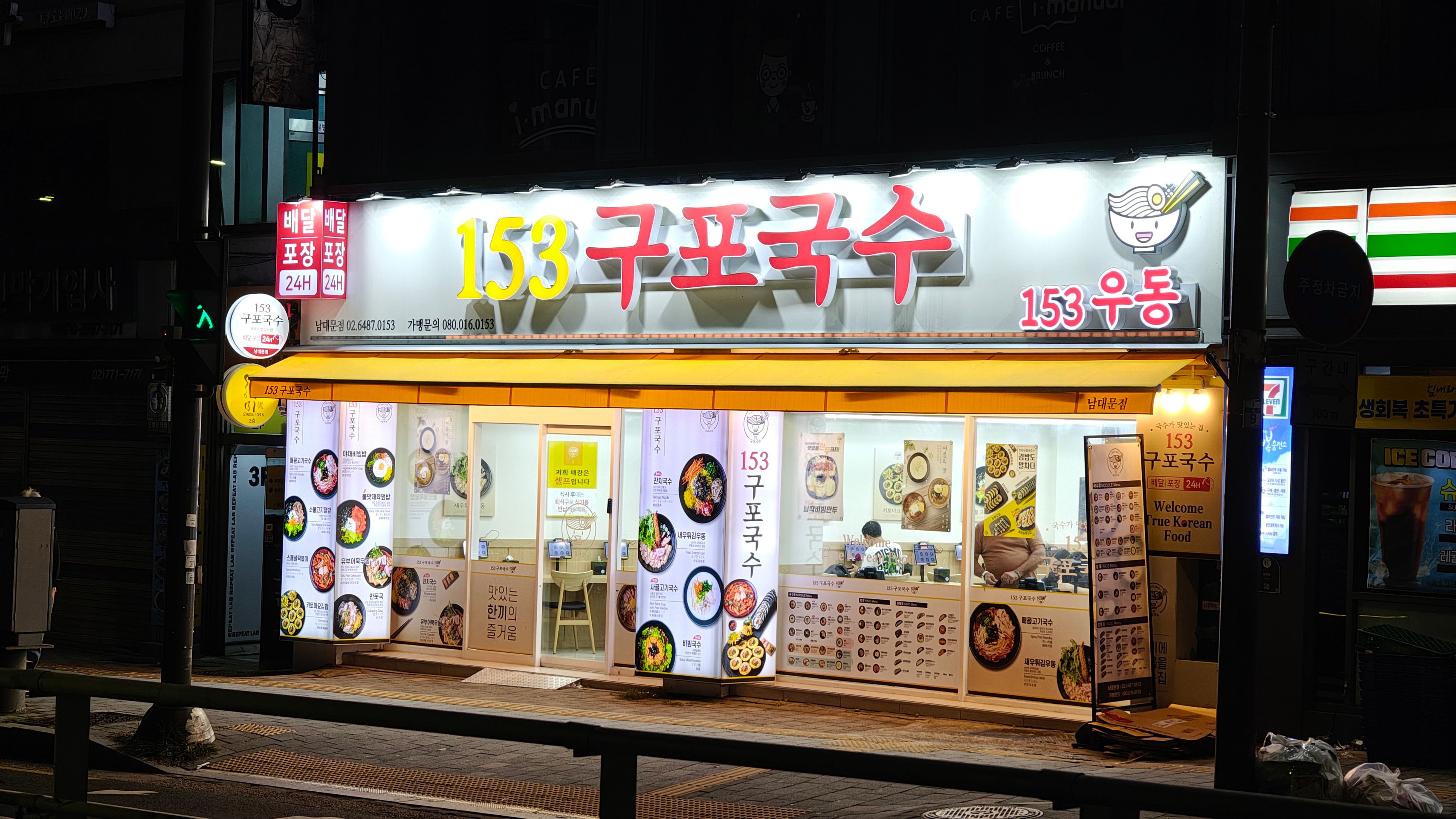
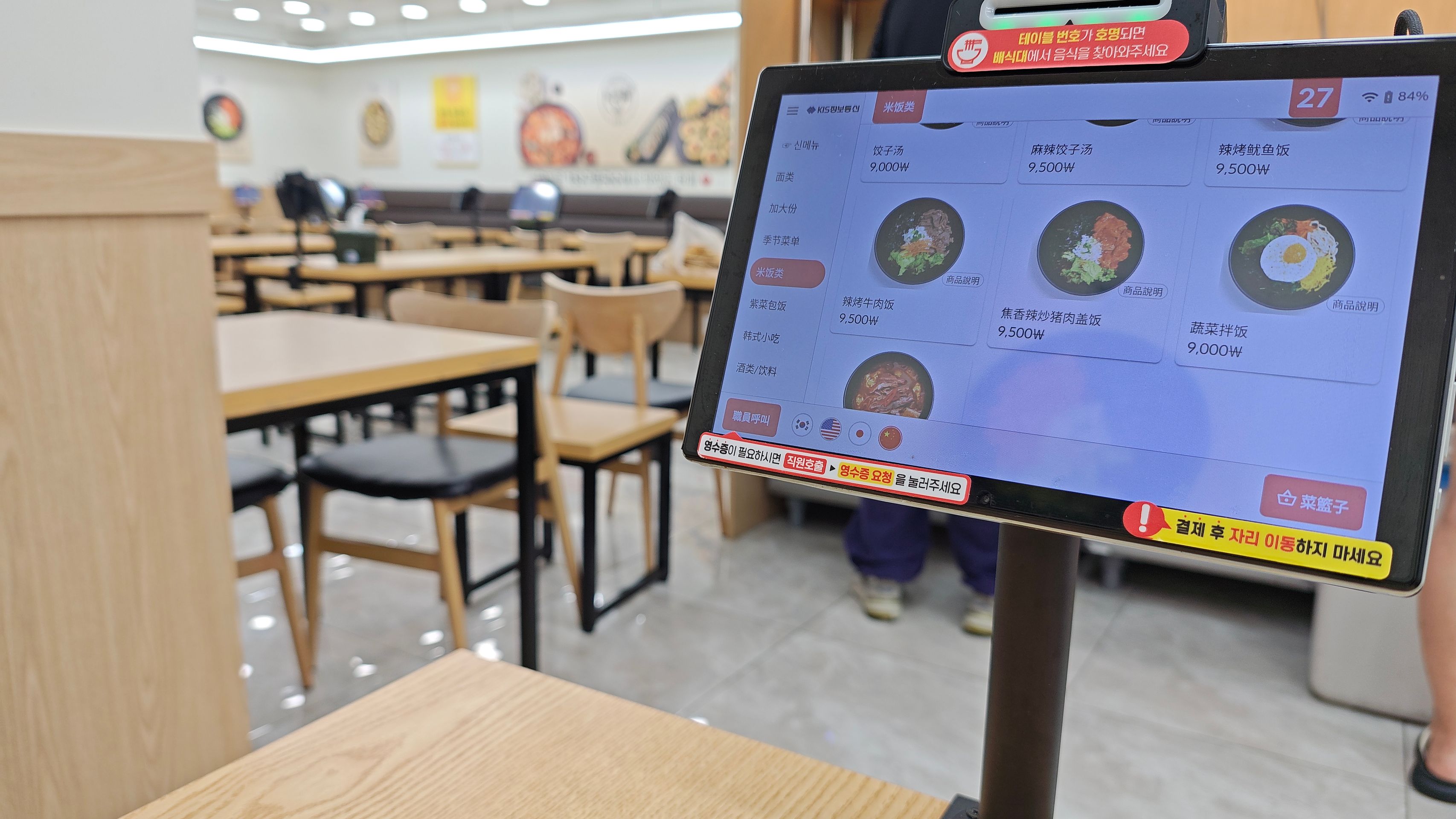
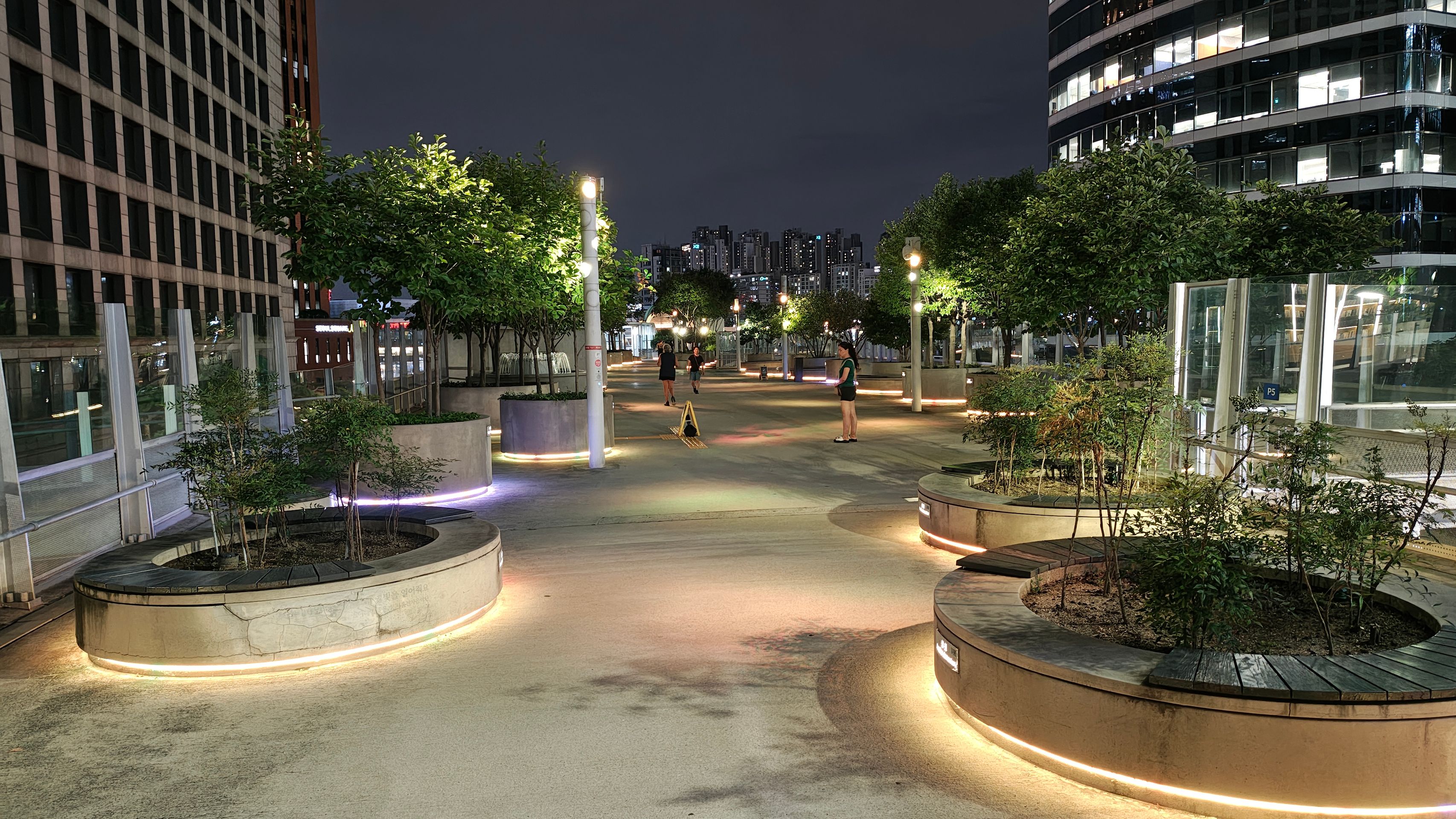
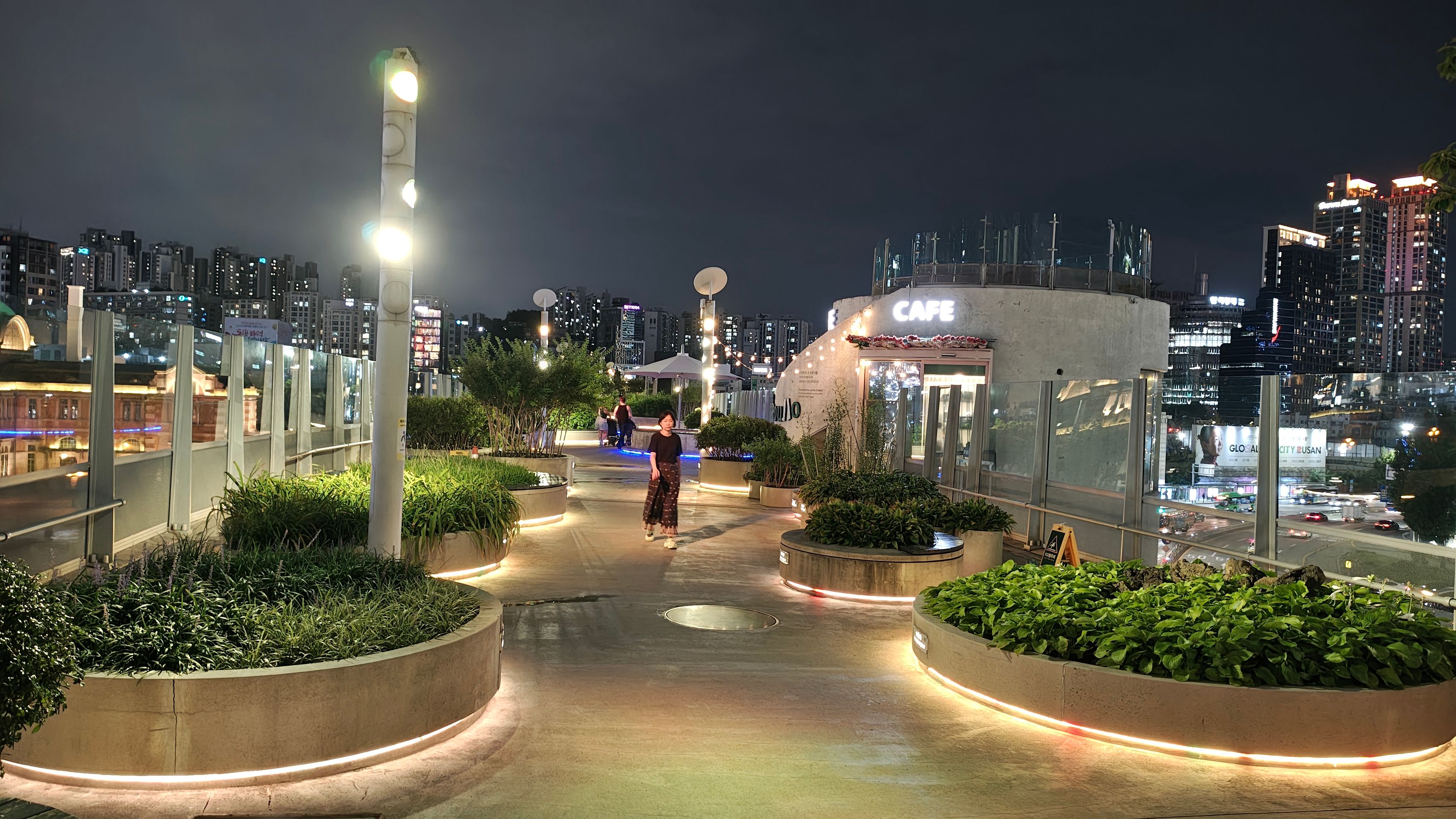
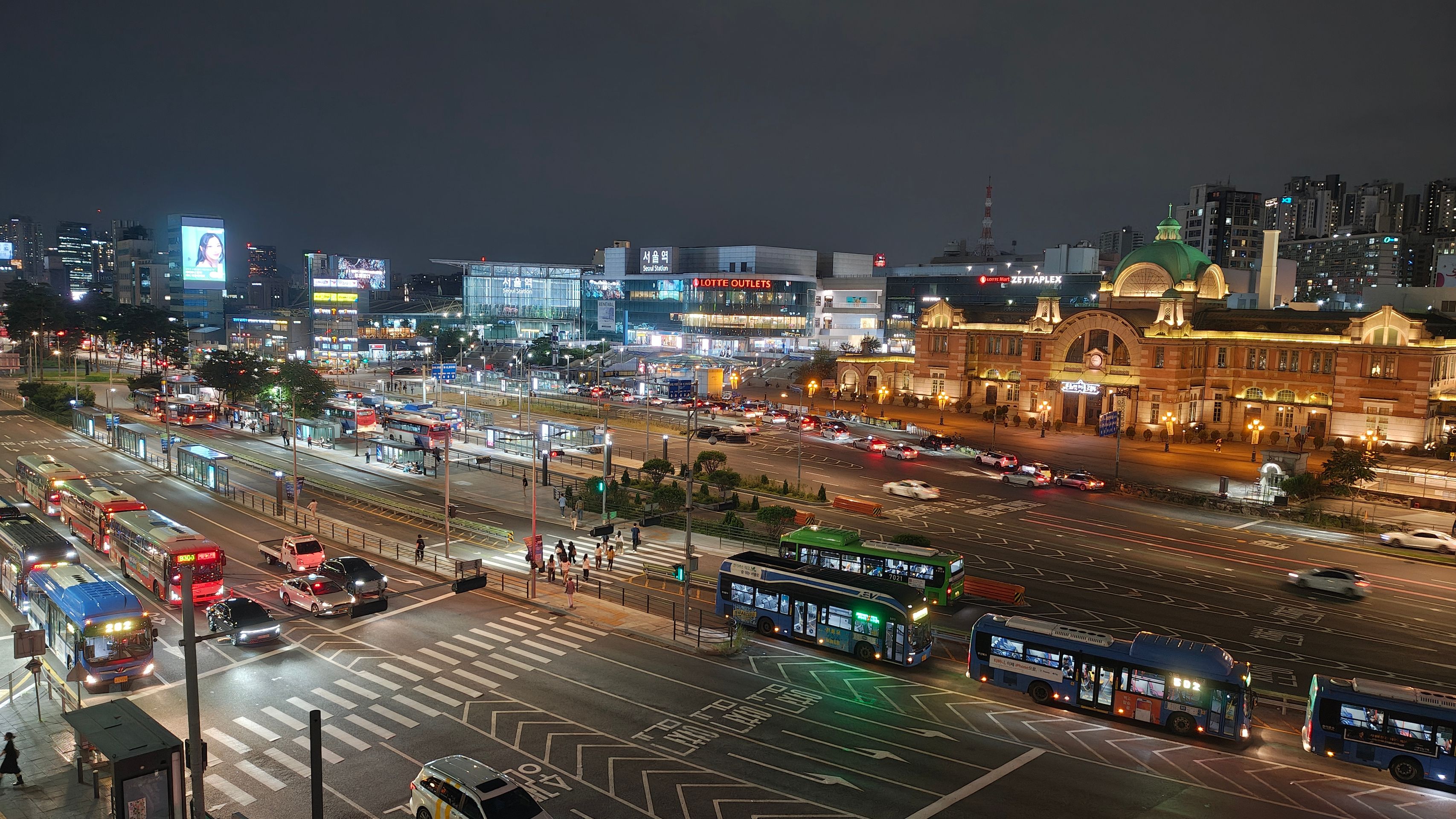
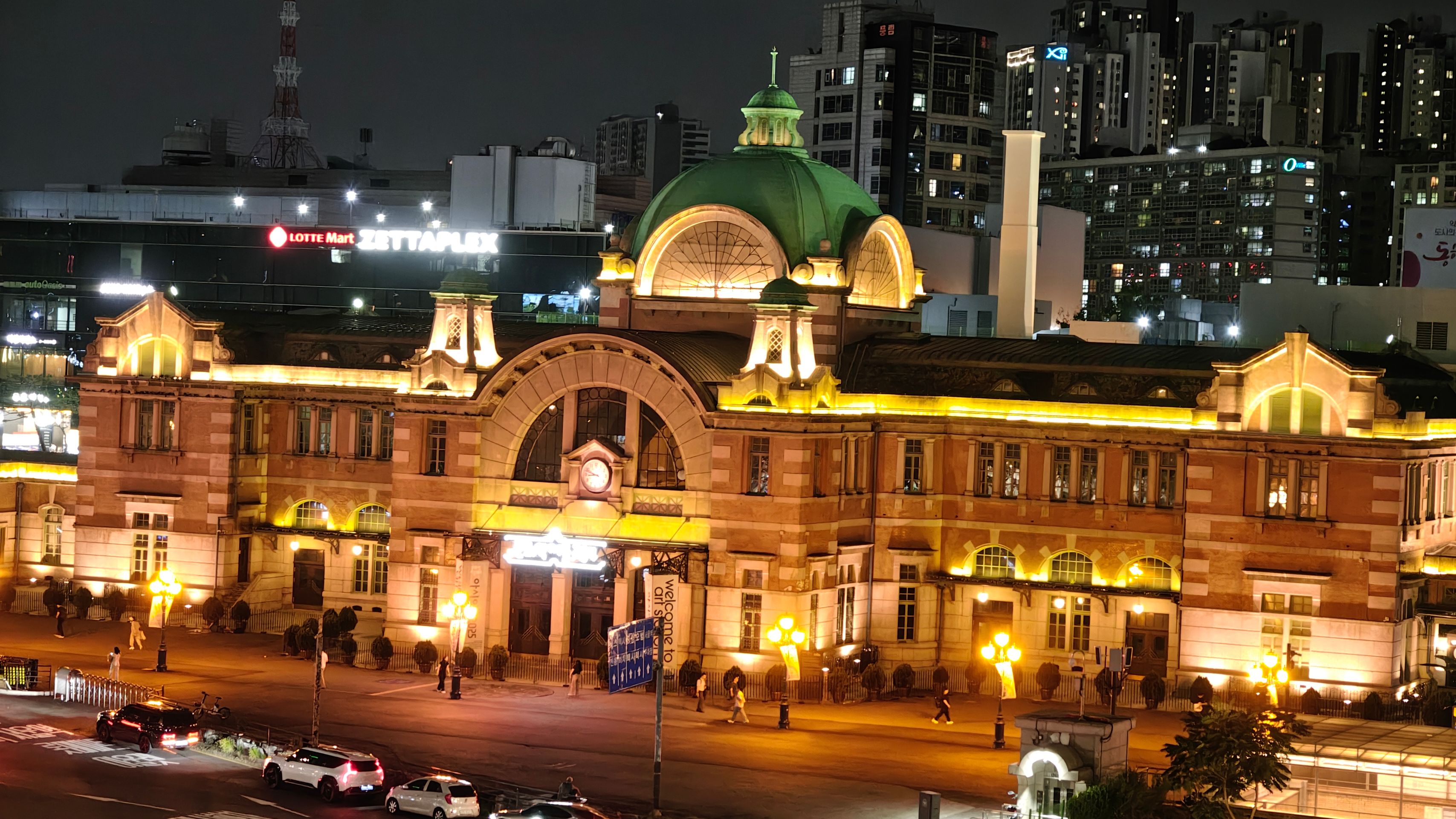
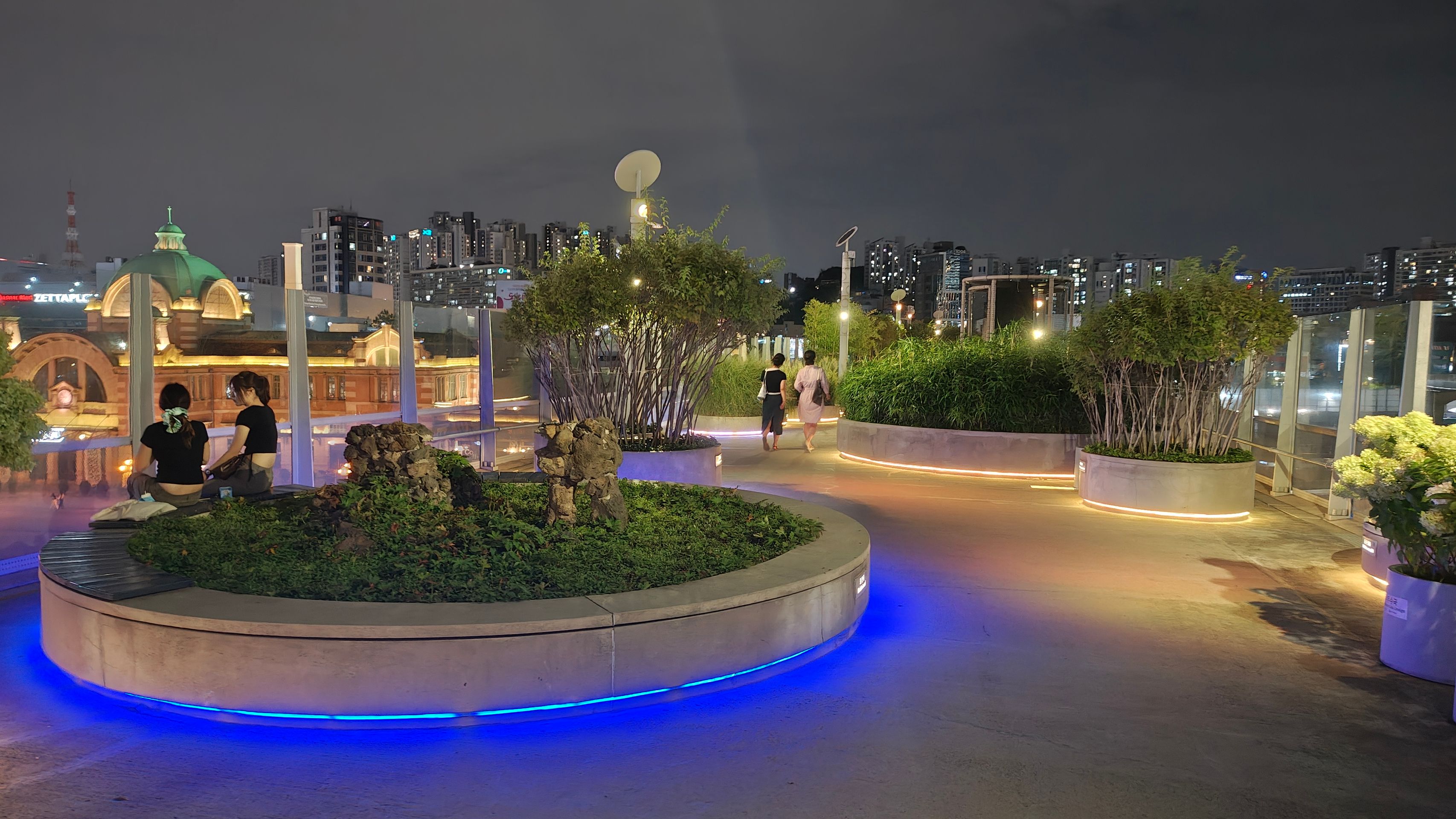
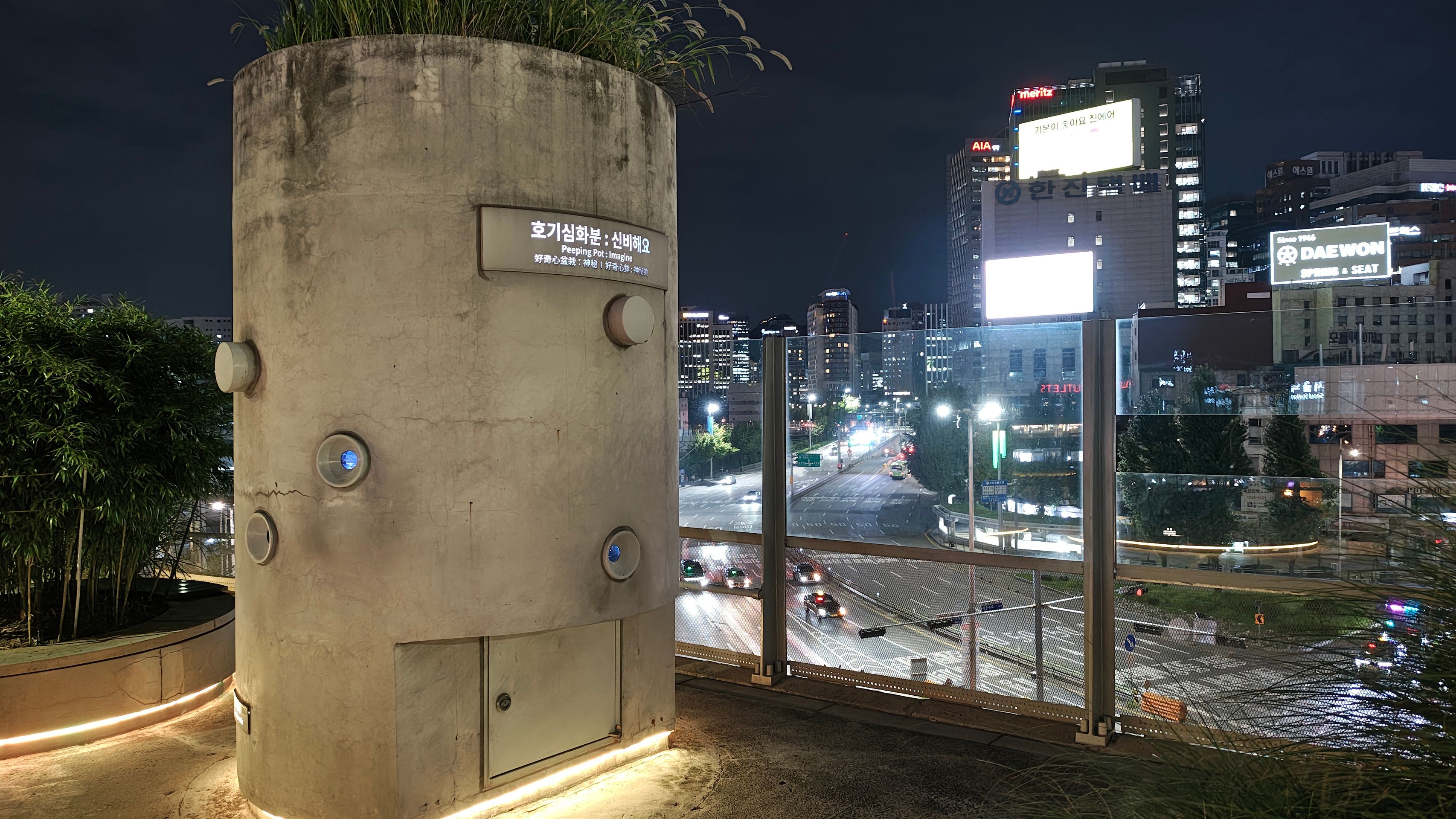
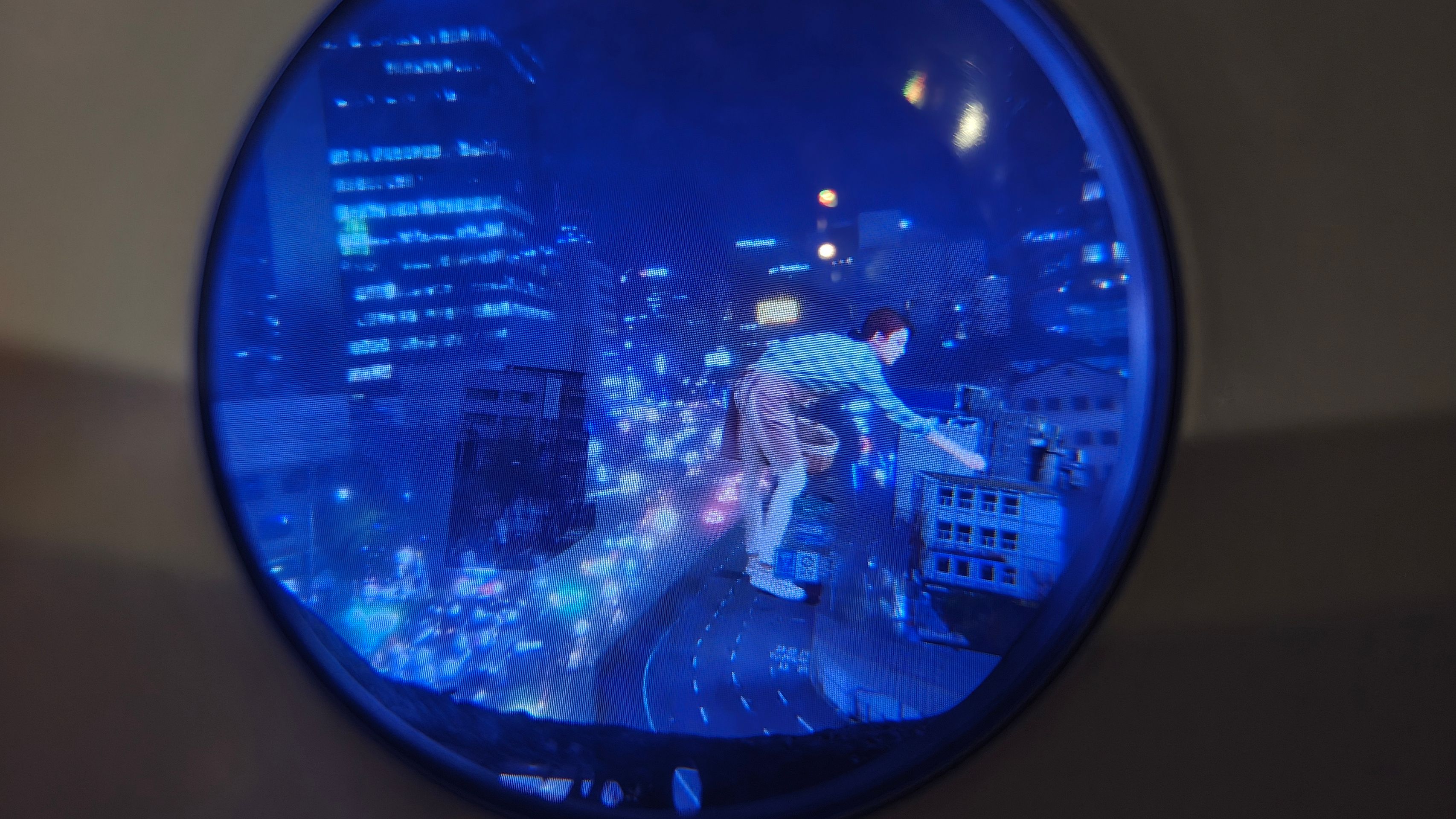
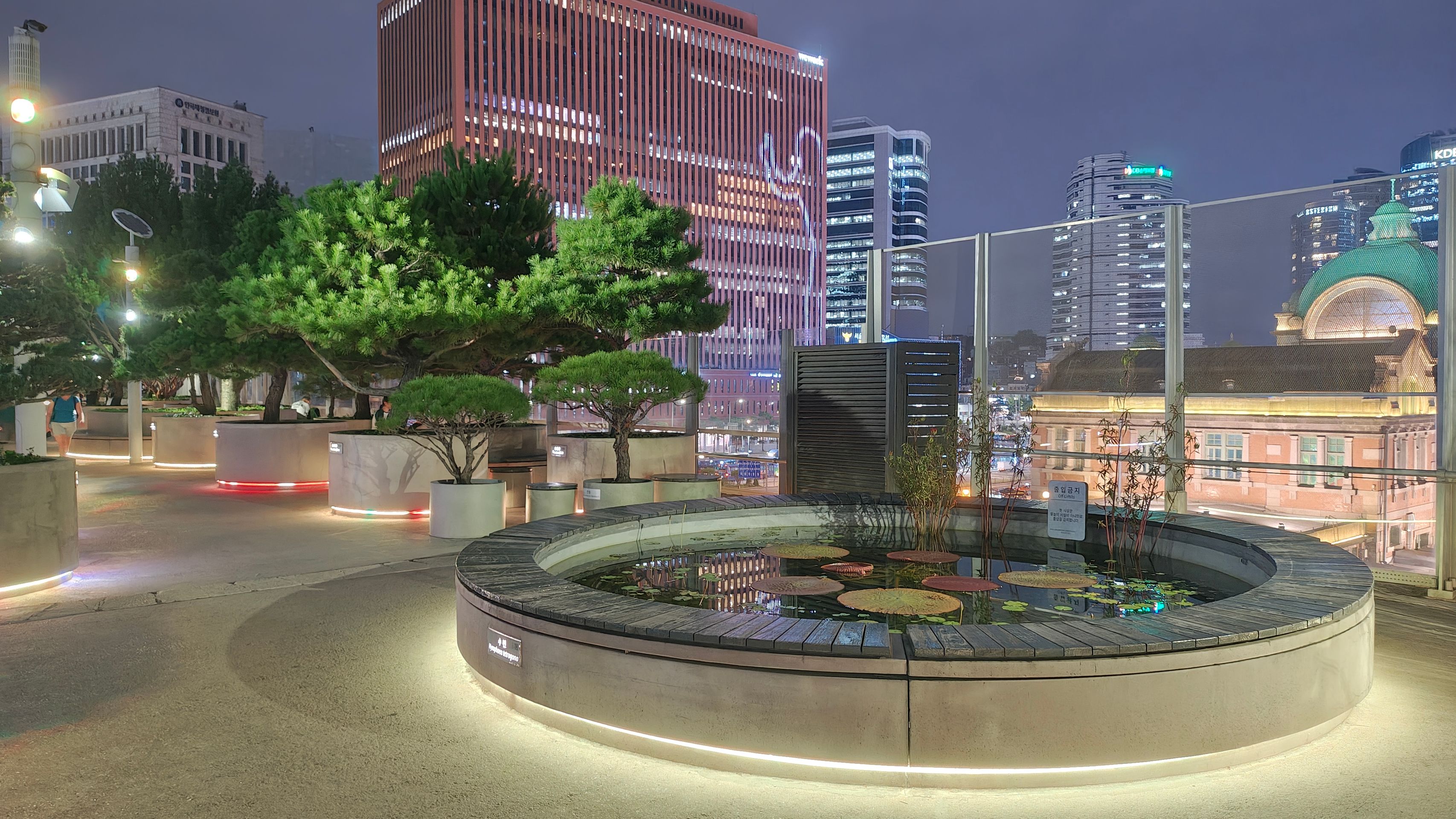
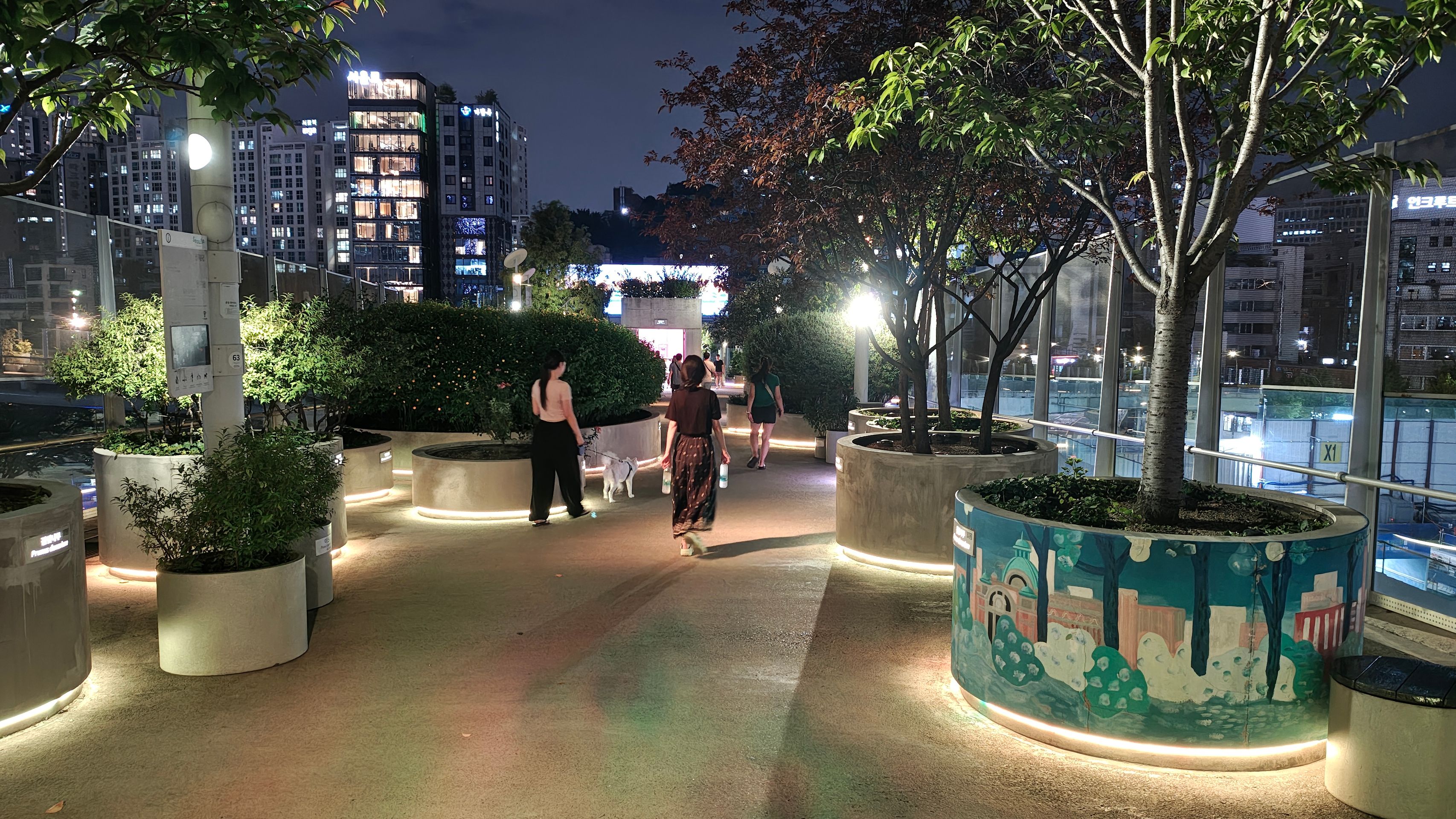
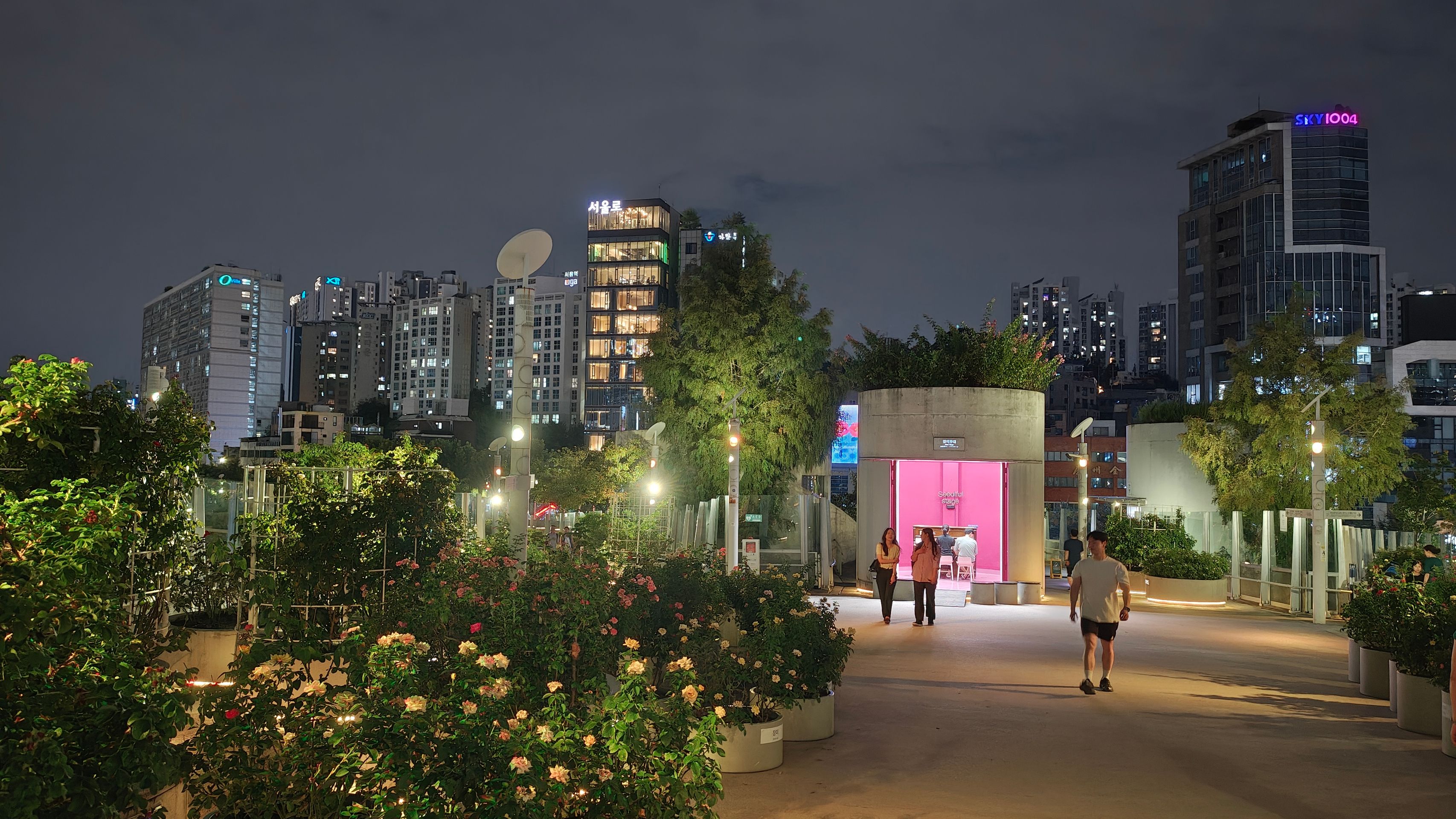
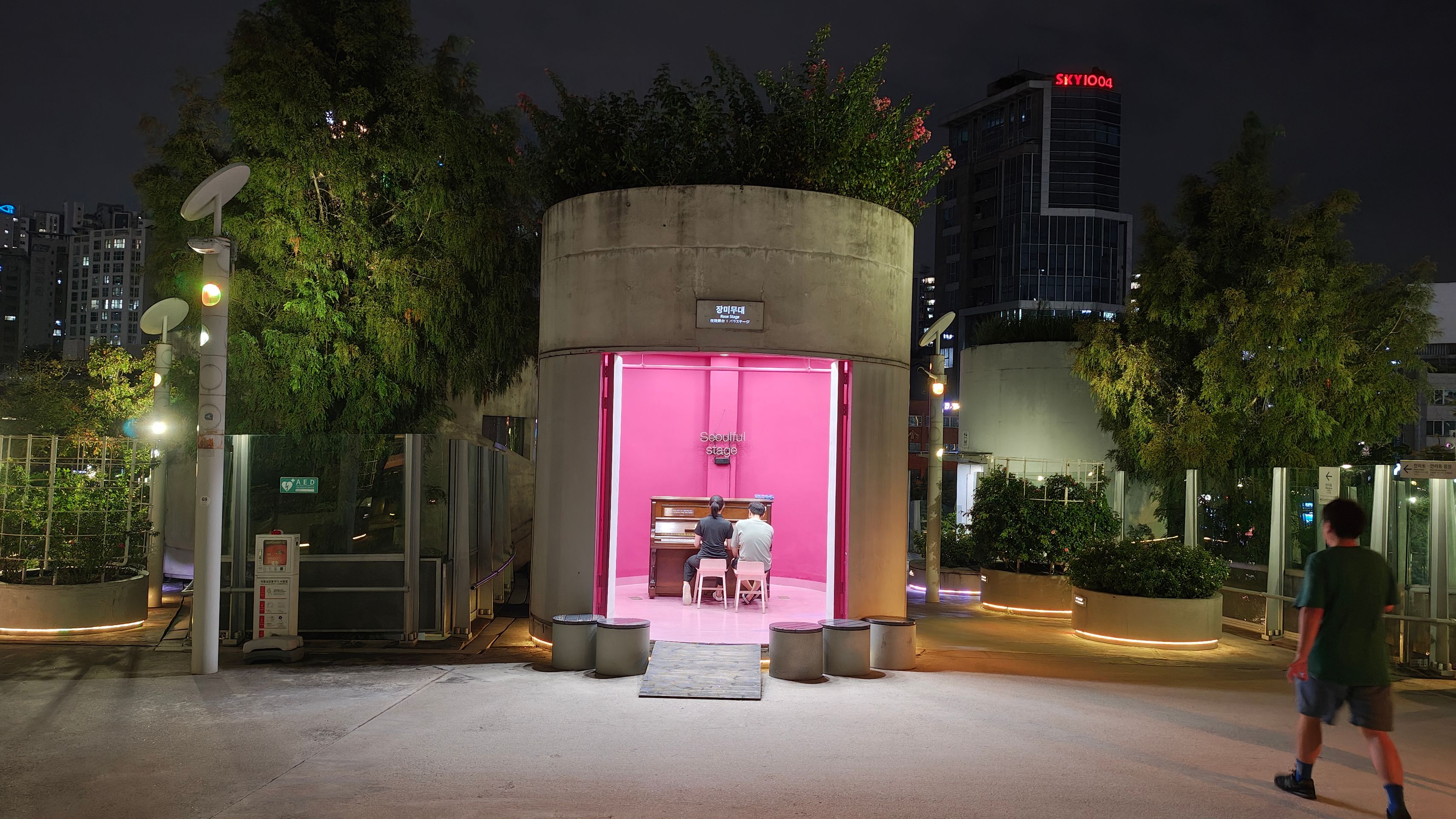
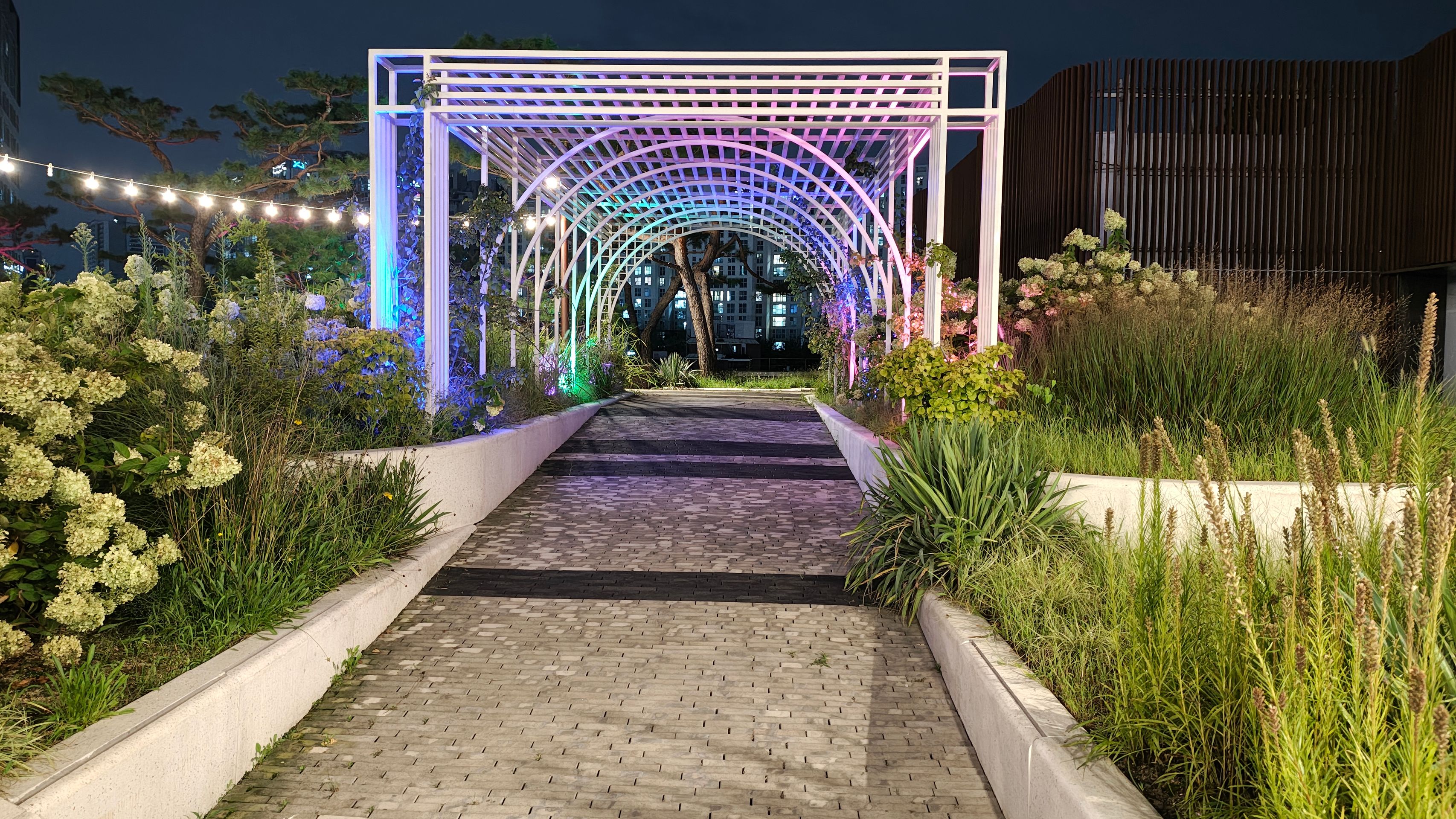
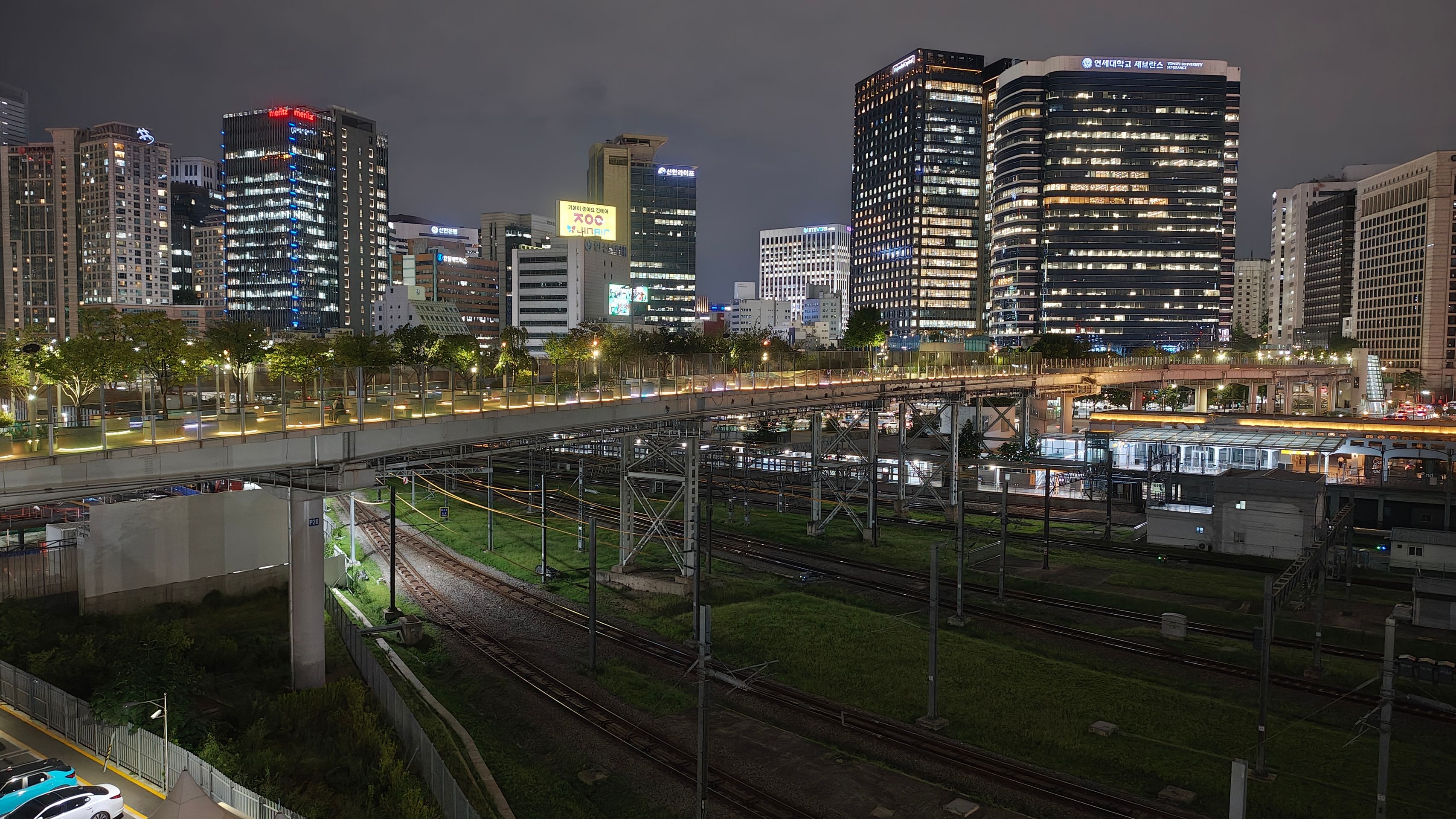
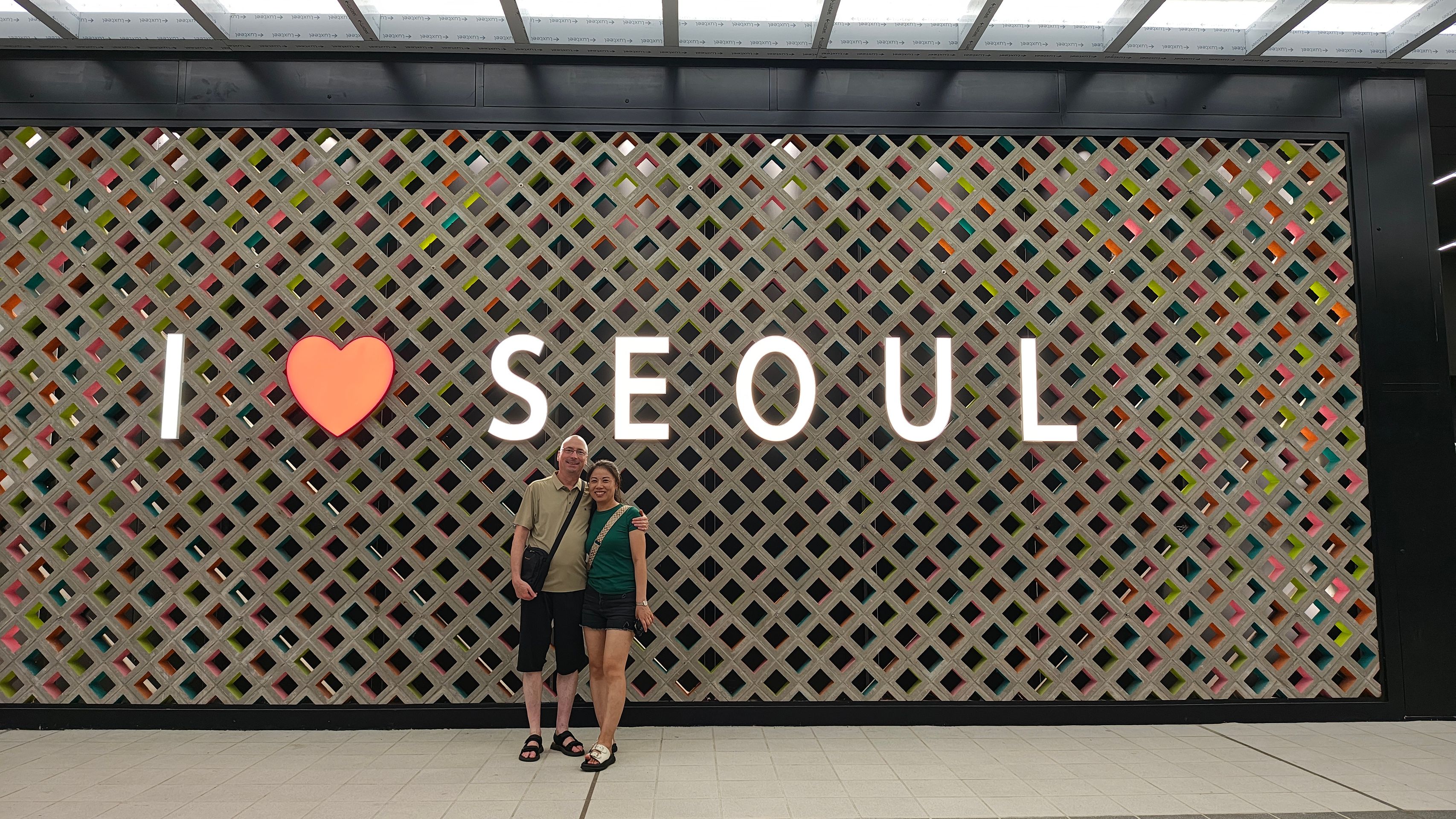
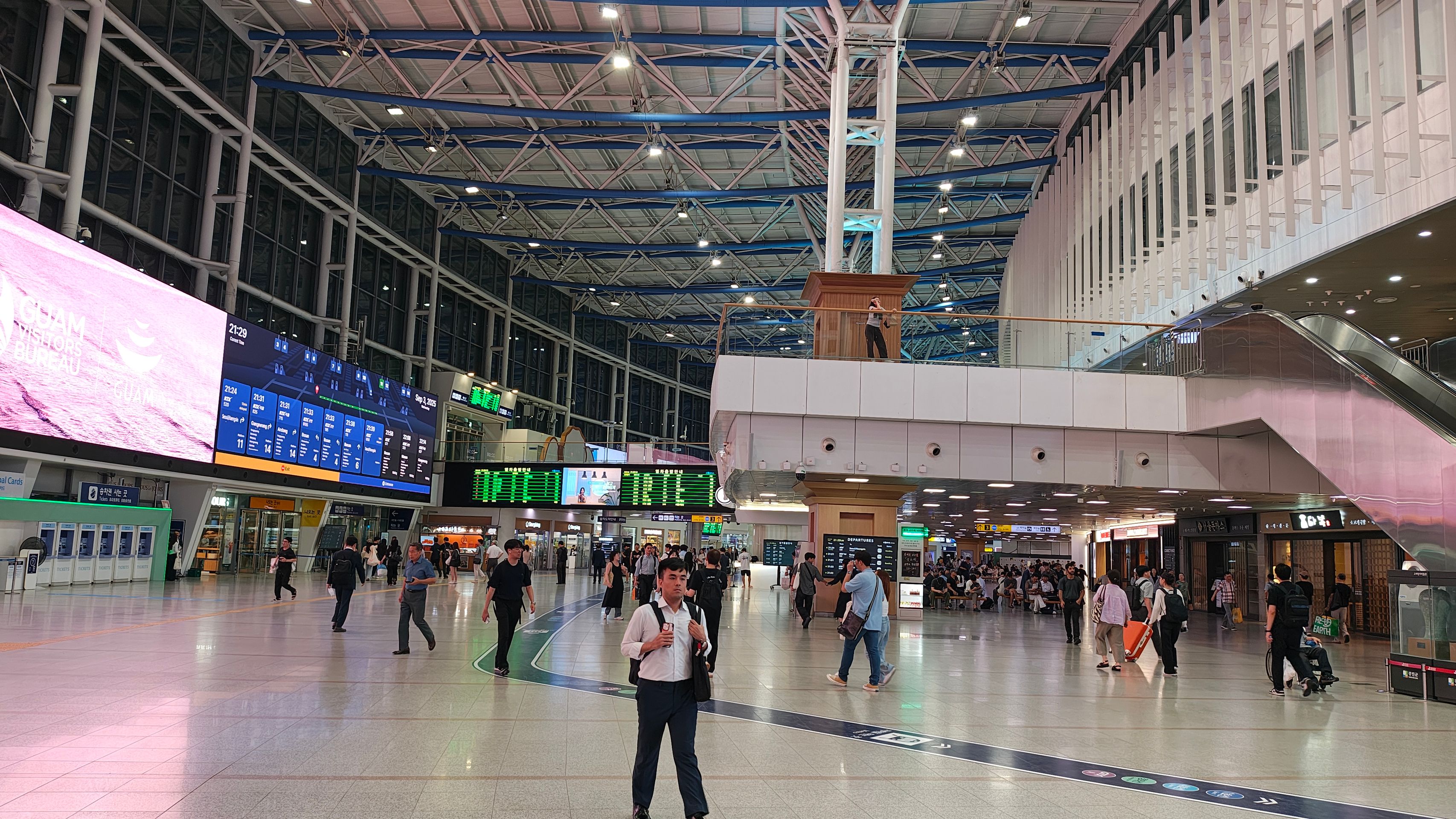
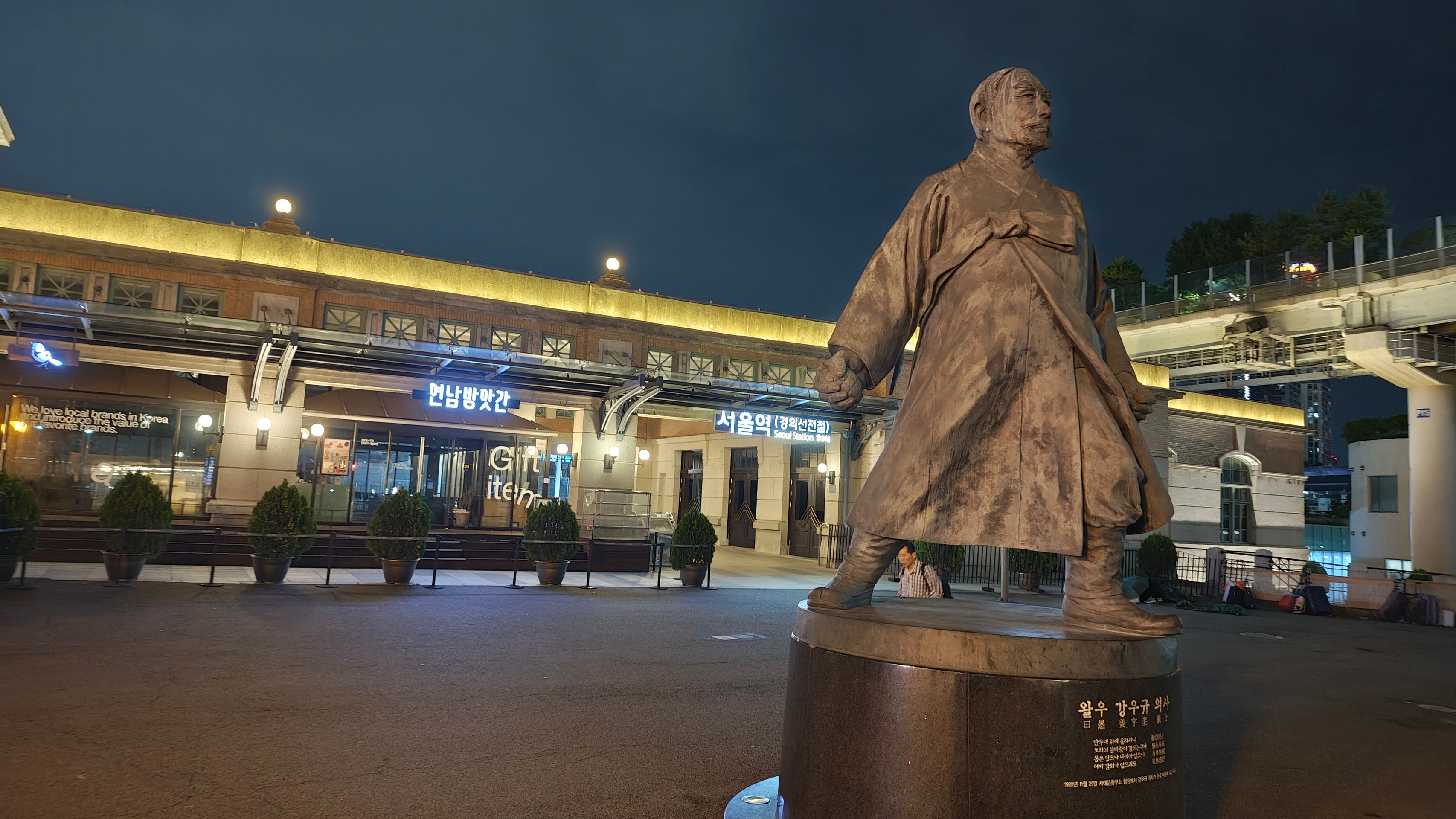
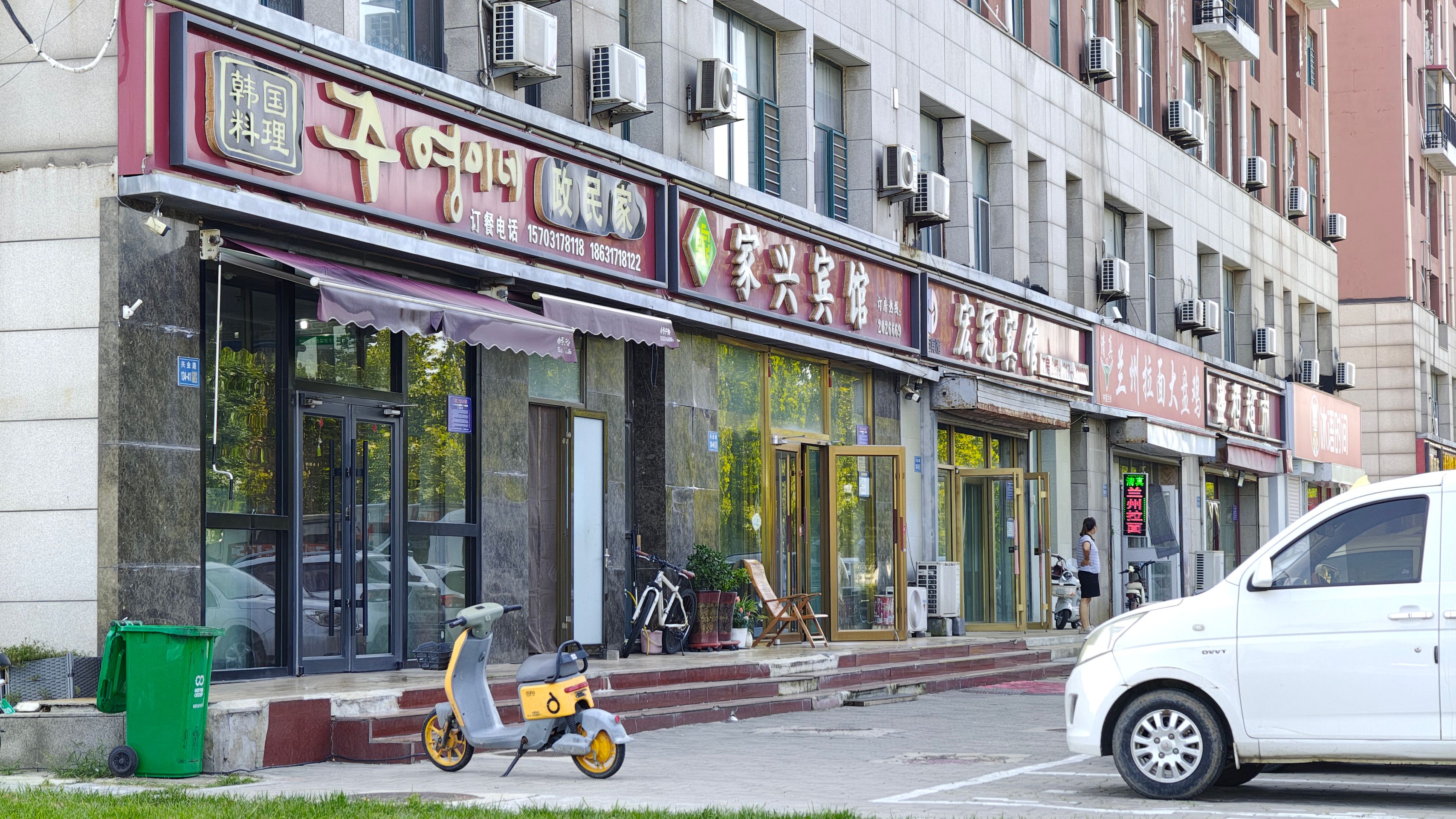
In the evening in Seoul, we take the metro to Hoehyeon Station and first stop at a restaurant where we order and pay via tablet at the table. The advantage: the menu is available in different languages, allowing us to quickly switch between Chinese and English. The Bibimbap is very delicious, while the Kimchi is probably not homemade. I should perhaps elaborate a bit on the Bibimbap since I keep mentioning it and some may wonder: what kind of dish is that? In a bowl, rice is placed in the center, topped with various vegetables, salad, and mushrooms. The seaweed is important as it gives the dish its characteristic aromatic flavor. On top, a fried egg is placed. Together with a splash of tomato sauce, sometimes more spicy and sometimes less, the entire meal is mixed together with chopsticks and a spoon before consuming. It's delightful! So delightful that upon returning to China, we visit a Korean restaurant near our apartment in the neighboring residential complex to enjoy the meal once more. But let’s stay in Seoul for now, because after the meal, we take a walk on Seoullu 7017. This is a former bridge road that was exclusively for cars over the tracks of Seoul's main station. In 2015, the road was closed to vehicle traffic for safety reasons, and planning began for it to become a pedestrian zone. This promenade is planted with over 50,000 trees, shrubs, flowers, and herbs, which are typical for Korea and organized by botanical themes. Additionally, at a height of 17 meters, there is a fantastic view of the main station and the old station building, which now houses an art exhibition. There are some art installations on the bridge, including a camera aimed at an intersection, through which you can see the image via round observation holes and how virtual figures are projected into the scene. Overall, it's a lovely ambiance to take a break, which some people do there. By the way, the numbers in the name “Seoullu 7017” stand for 1970, when the street was opened to vehicle traffic, and 2017, when pedestrians finally gained control over the bridge. The numbers “7017” can also be pronounced in Korean as “Seoullu,” which translates to something like “Way to Seoul.” On the other side of the tracks, there is a small round pavilion with a piano in it. The interior is illuminated in pink. The music is transmitted loudly outside, and when we arrive, someone is playing the instrument excellently, creating a wonderful atmosphere to see and hear: Piano playing on Seoullo 7017. At this point, we leave the artistically designed path and move down from the shopping center toward the station again. Along the way, we pass a large wall with the inscription “I ♥ Seoul,” where we take photos and selfies. A young woman approaches us, and I think we should take a photo of her, but she has no smartphone in her hand. Finally, we realize she wants to help us take a picture, so we can both pose in front of the inscription. It is the incredible friendliness of Koreans that is once again evident here, and it constantly encounters us in Korea. We stroll around the modern station and stroll over to the historical station, taking a look at the statue of Kang Woo-kyu, who on September 7, 1920—almost exactly 105 years ago—threw a hand grenade at the Japanese governor-general in Korea right at this spot, fighting against the Japanese occupation. The attempt was unsuccessful, however. Our evening outing was certainly not unsuccessful, and thus we descend to the metro station with many impressions in tow to head back to the hotel.