

The father of the Korean nation and culture
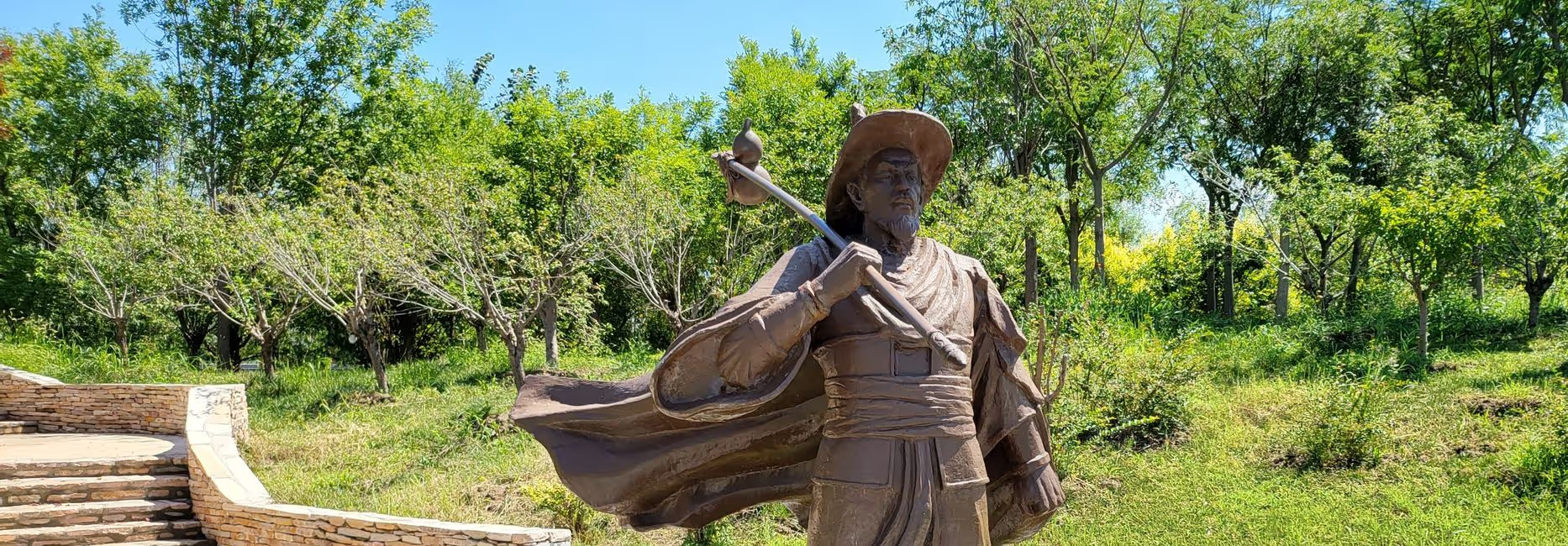
The foundation of Korean culture and the state-leading framework of the Joseon era was established by King Sejong (1397-1450), the fourth king of the dynasty. He is the inventor...
Published: 13.09.2025
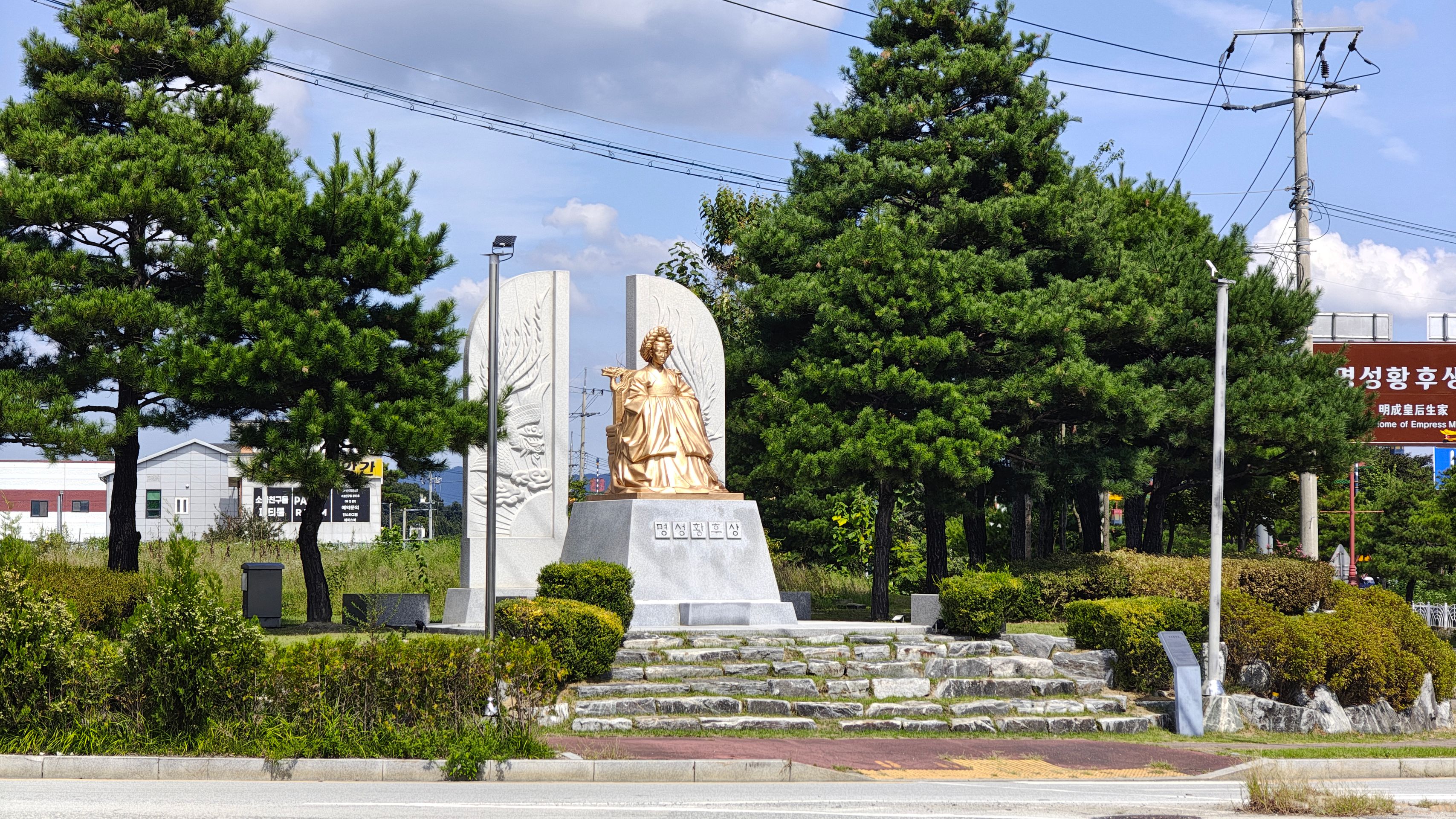
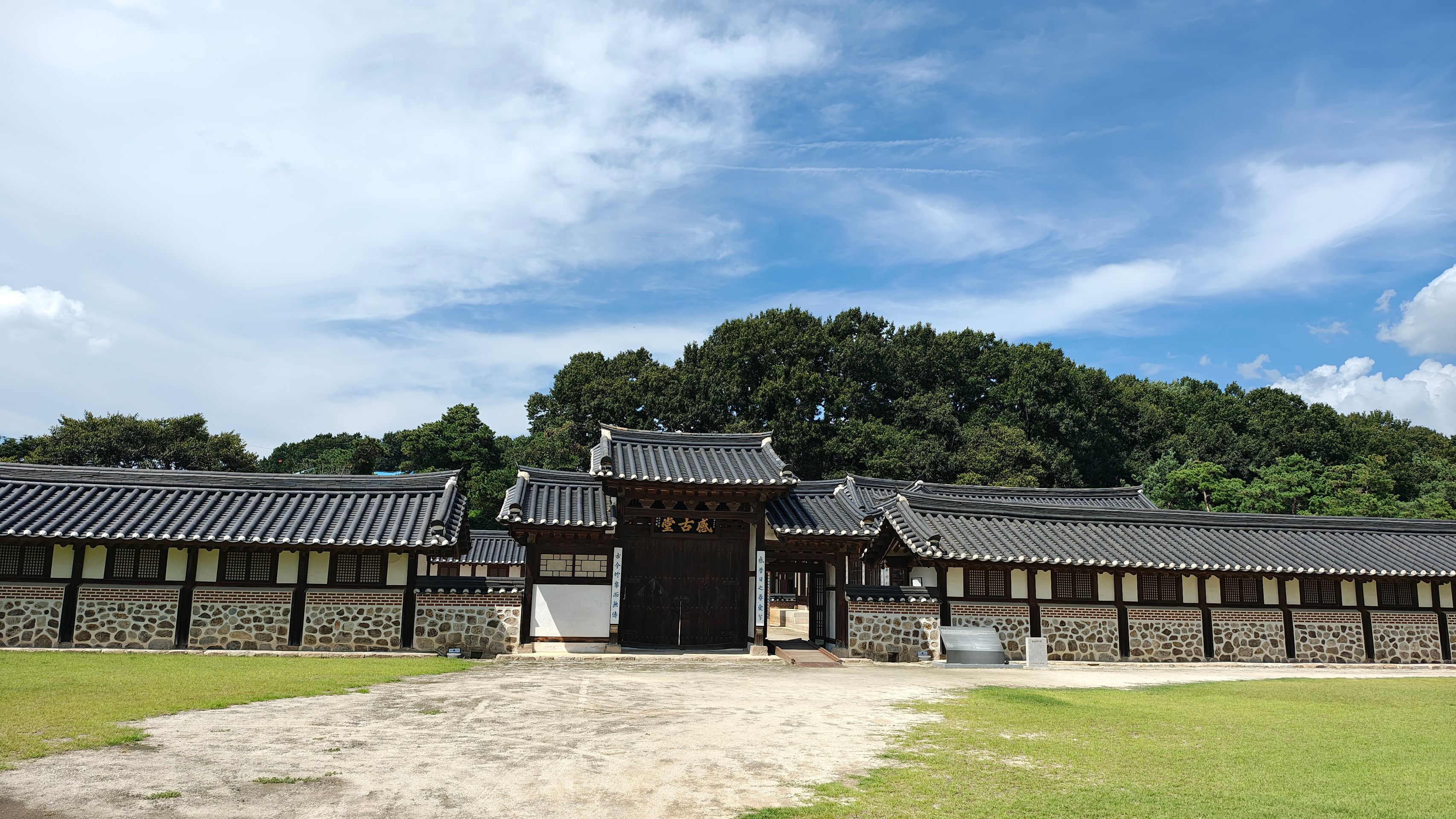
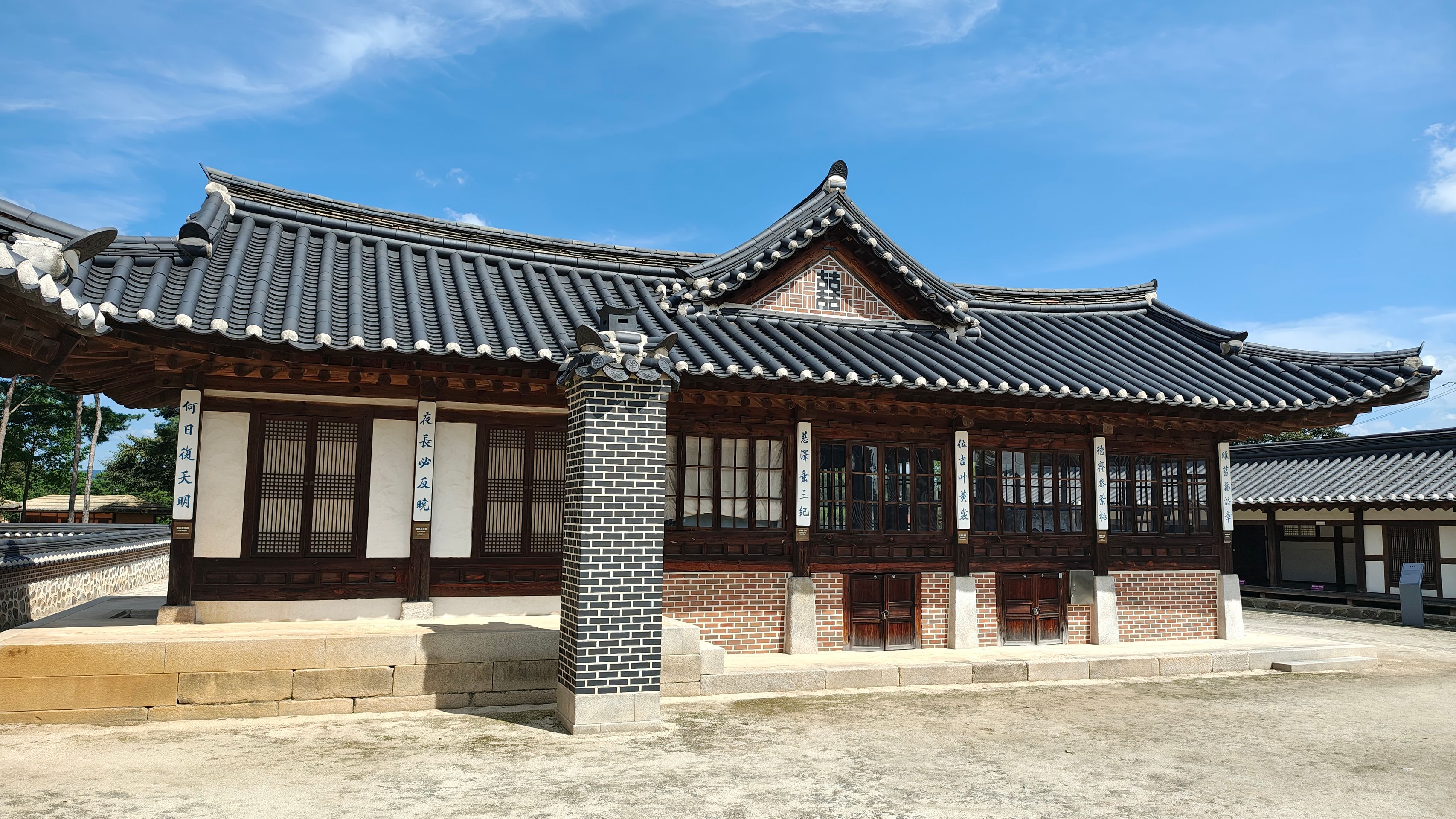
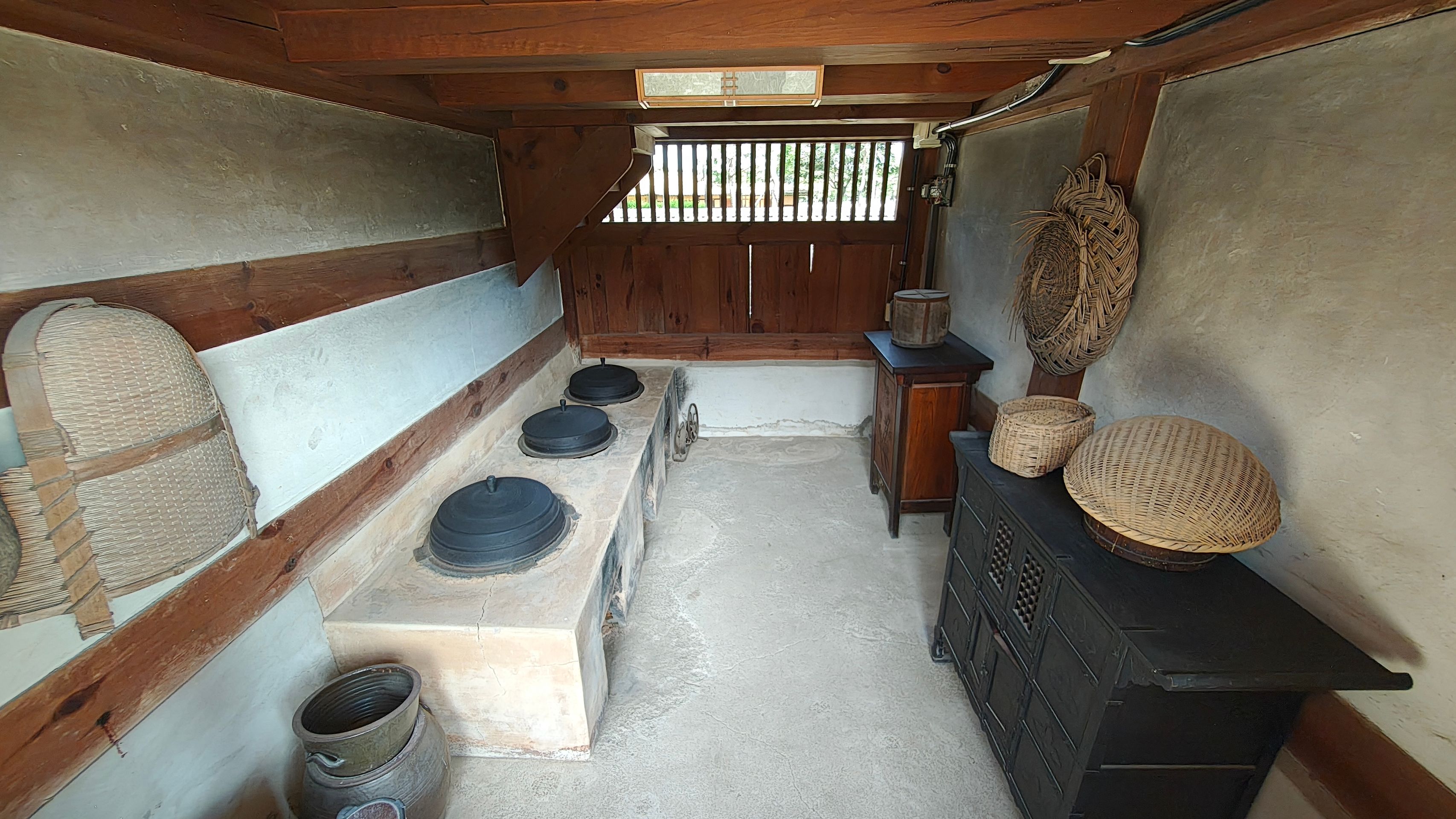
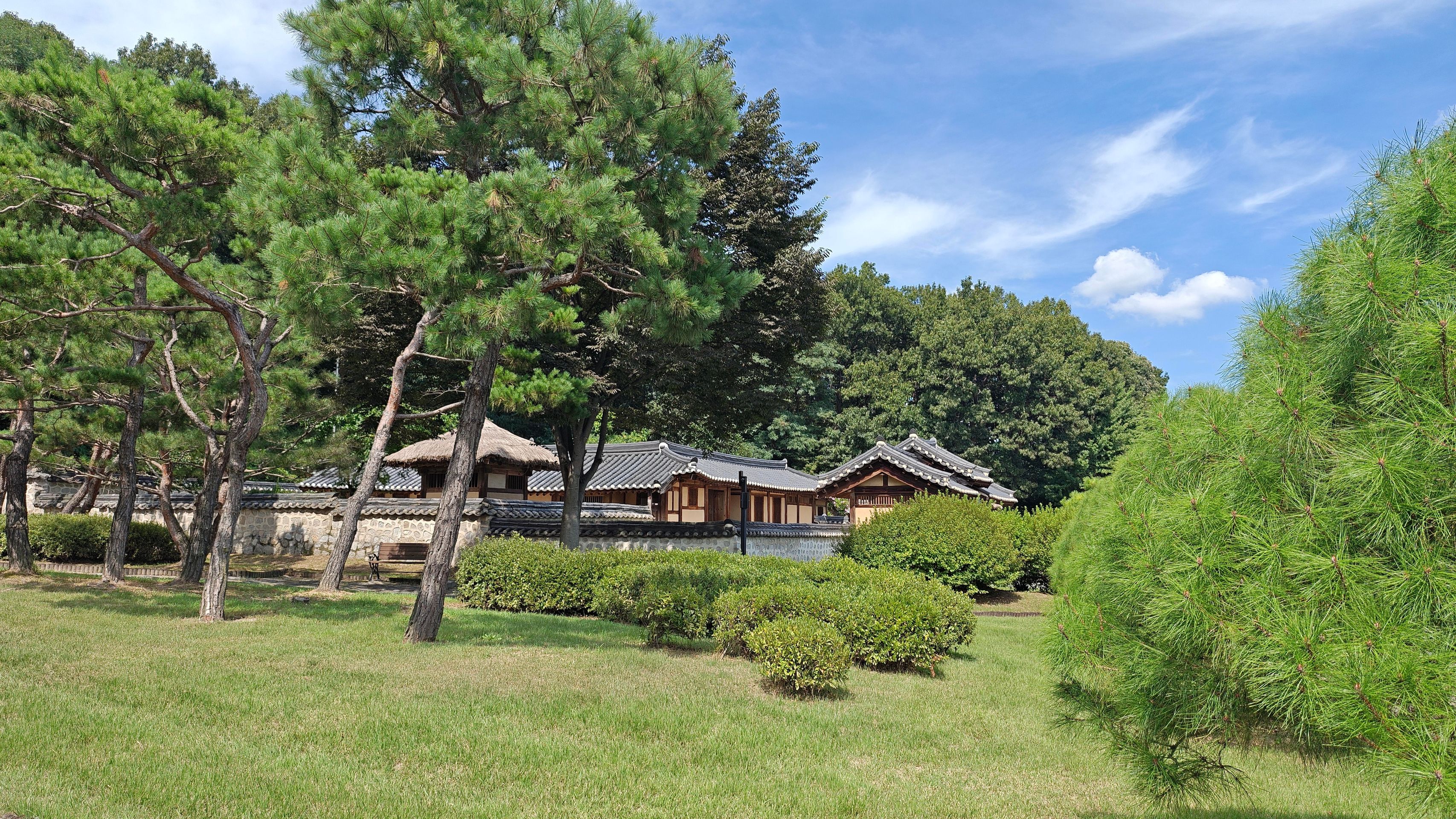
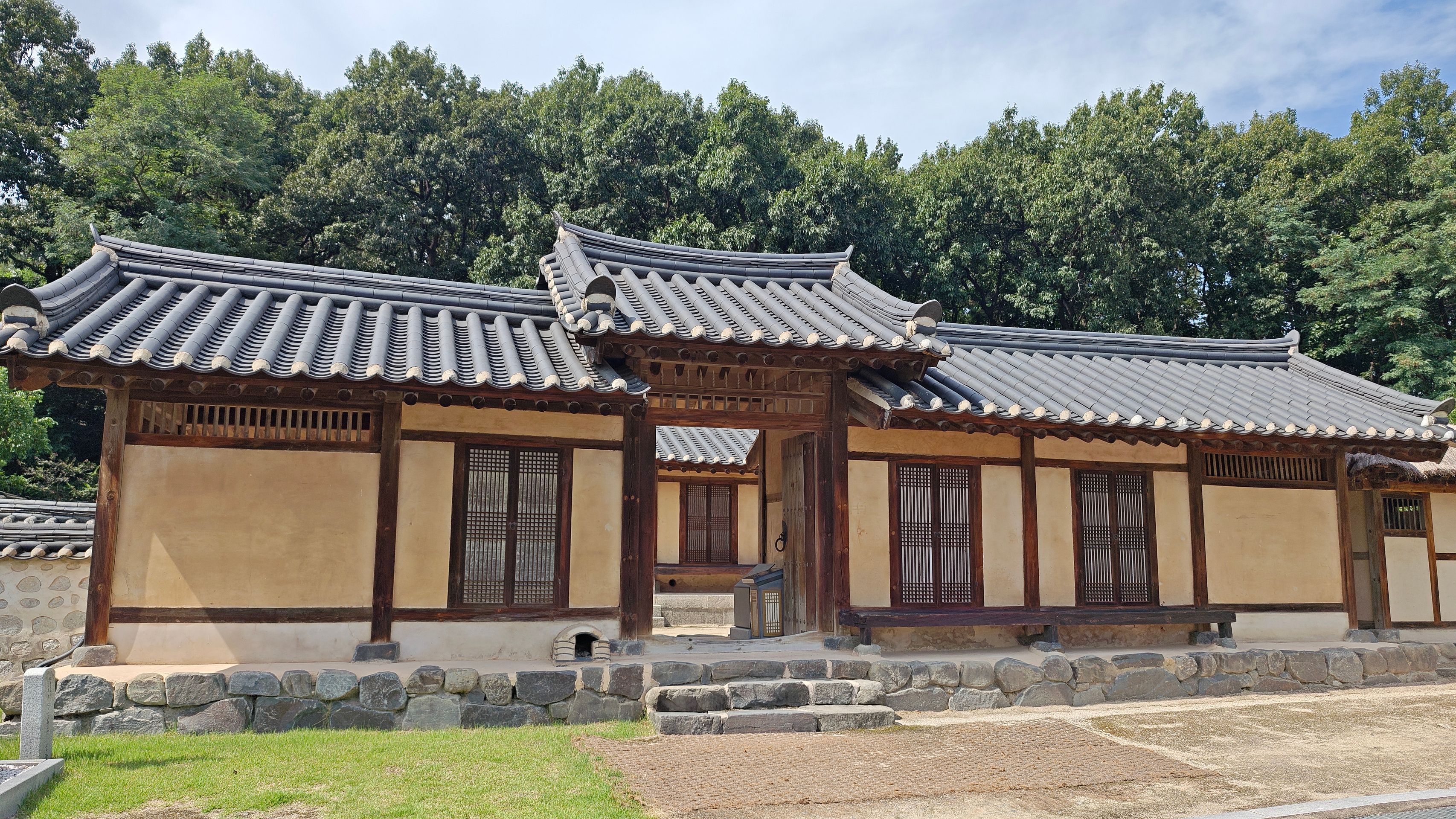
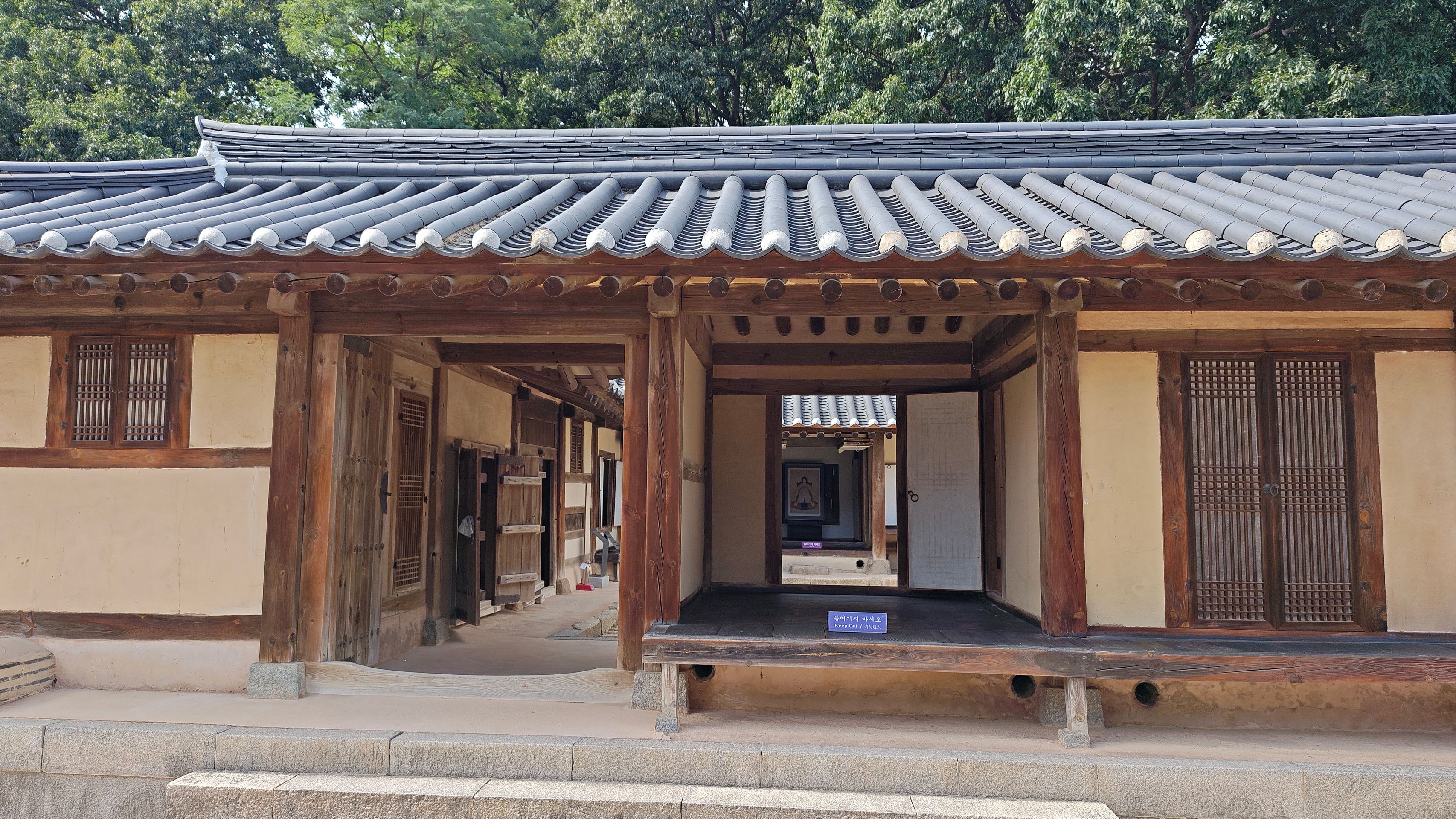
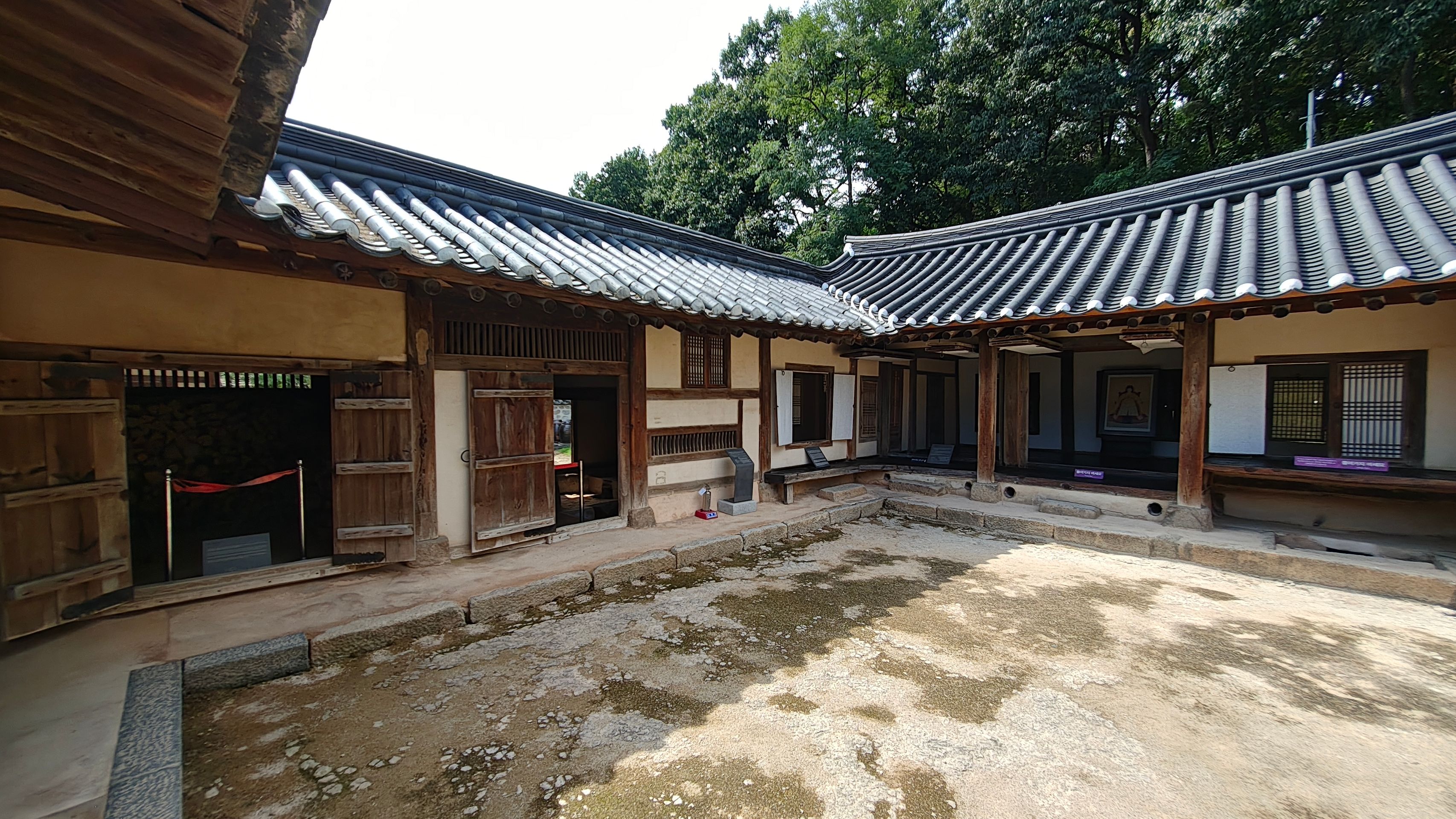
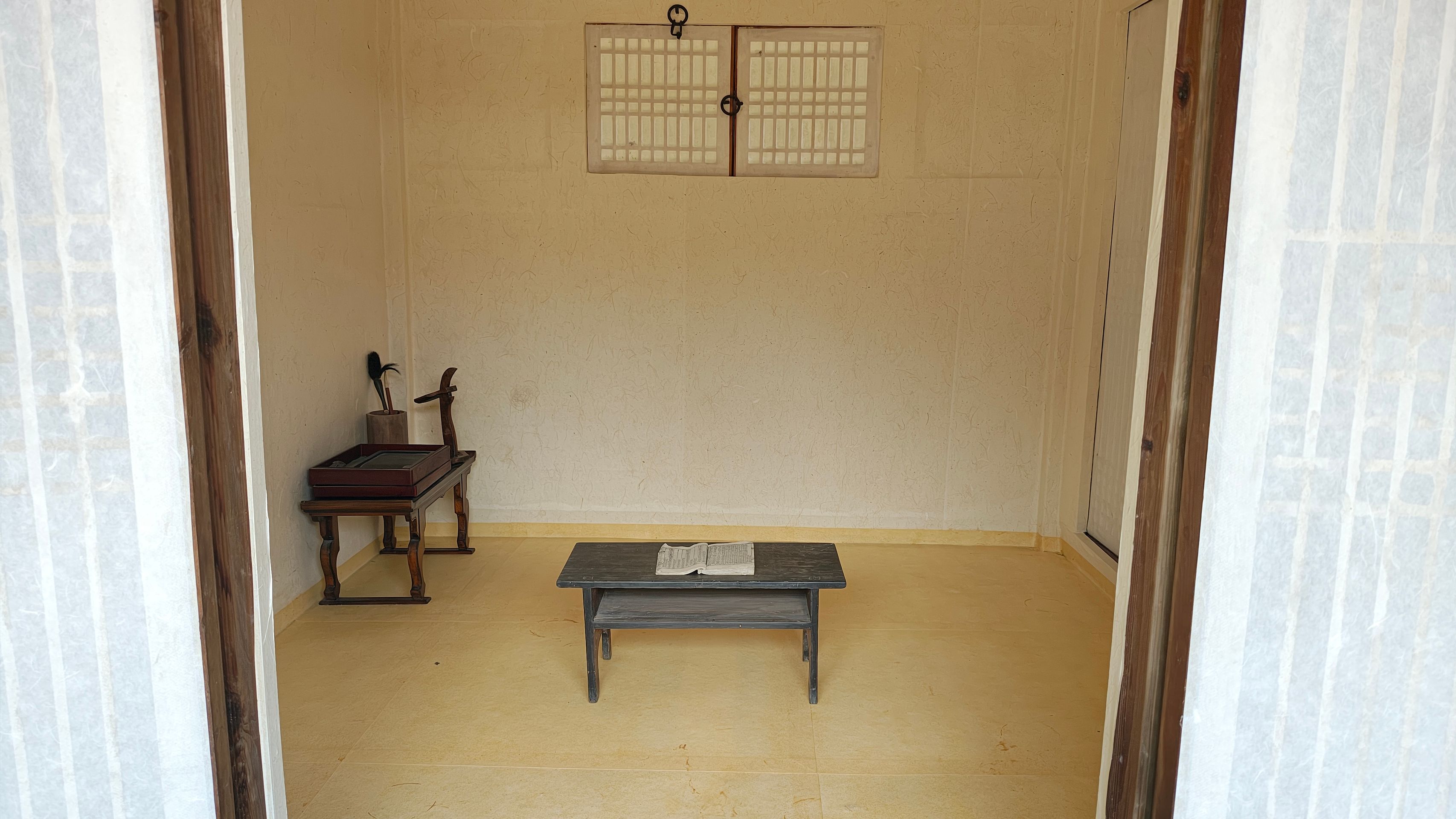
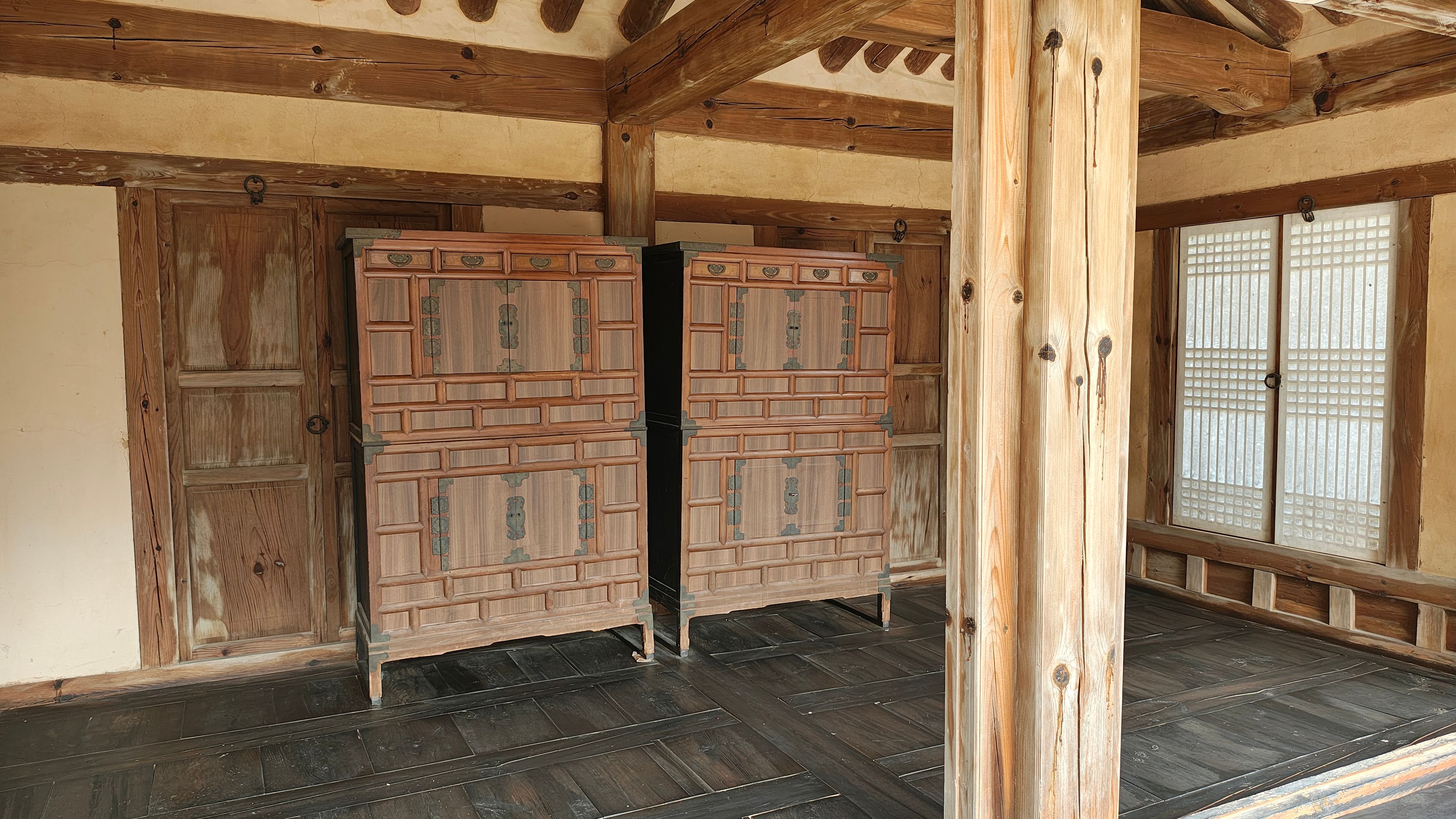
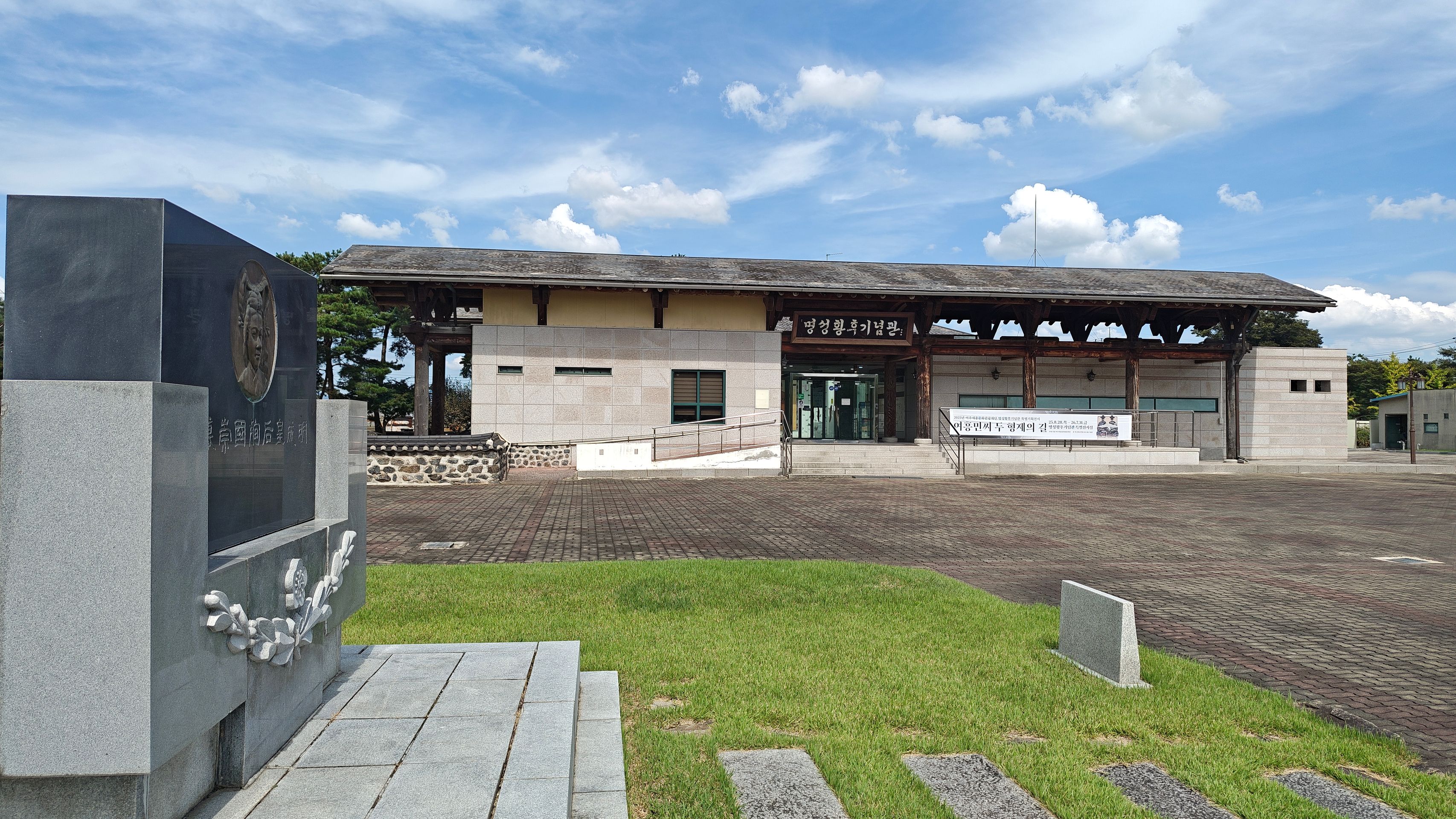
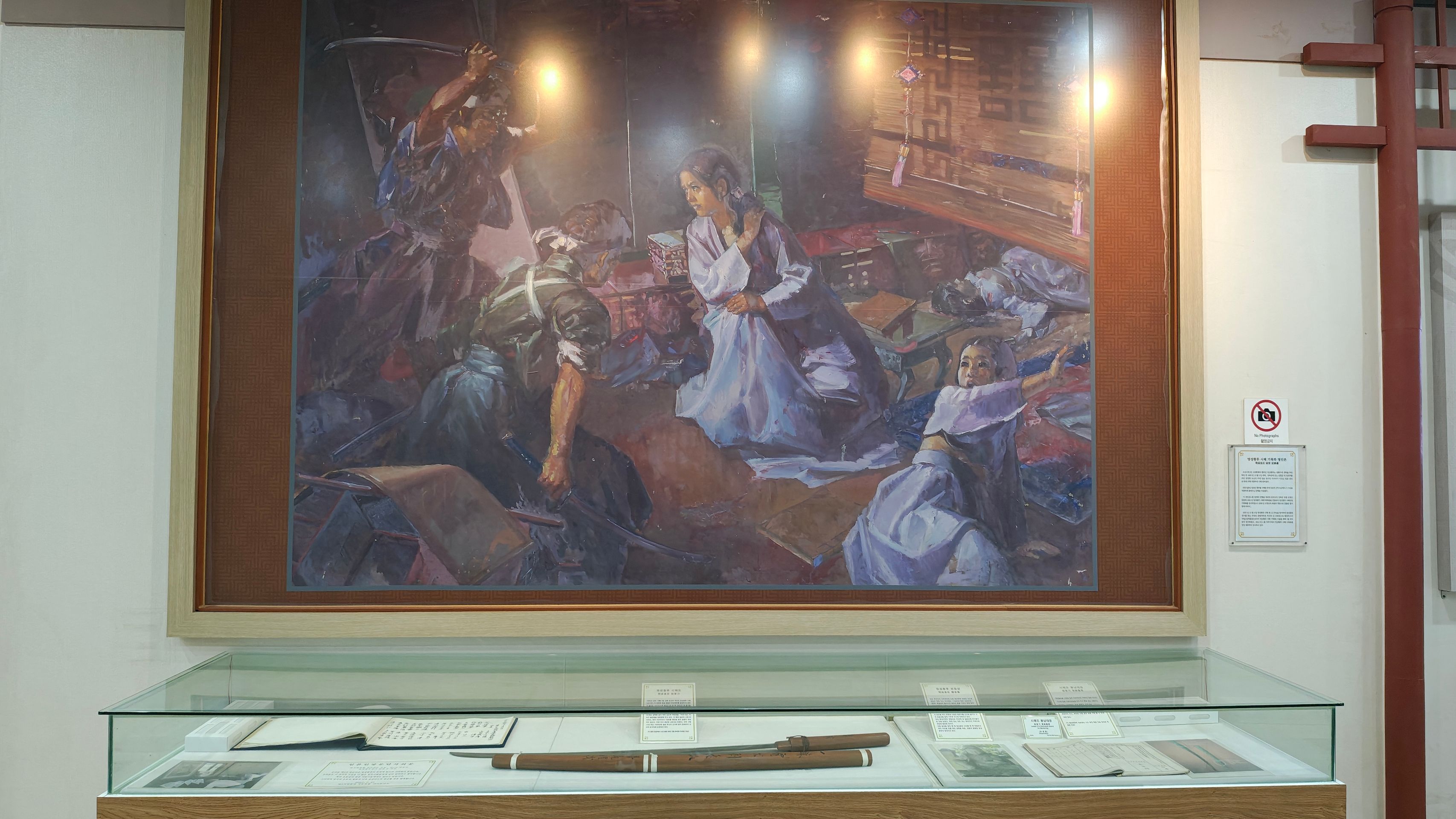
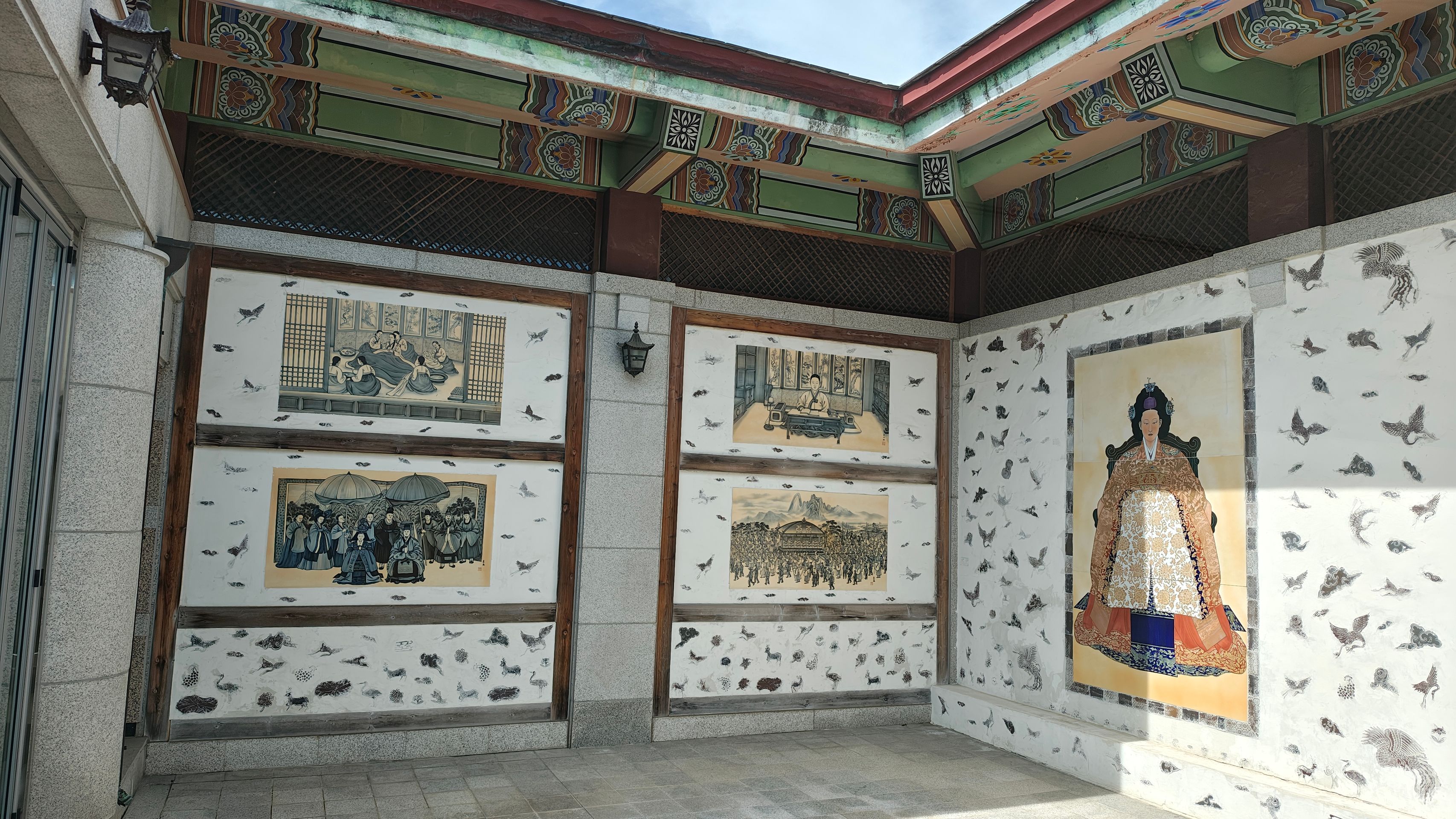
In Yeoju, in addition to the royal tomb of King Sejong, there is another historical landmark. Here stands the birthplace of Empress Myeongseong, born on November 17, 1851. A museum complex has been established around the house, along with the Gamgodang house where the empress lived as a child. We take a bus to downtown Yeoju, transfer to another bus going south. However, from the stop on the main road, we still have to walk about 15 minutes to the museum in the heat of over 30°C. We move quickly to minimize our exposure to the blazing sun. First, we arrive at the Gamgodang house, which was originally located in Seoul, saved before its demolition due to large construction projects, and rebuilt here. After visiting, we stroll over to the birthplace. It dates back to 1687, with only the main house being from that period; the rest has been reconstructed. Both house complexes provide an interesting insight into Korea's old living culture. After that, we go to the Memorial Hall, which includes an exhibition about the empress's family and especially addresses her murder. During the reign of her husband, King Gojong, who took power in 1863, there was a fierce political struggle for foreign influence in Korea. King Gojong's father, Heungseon Daewon-gun, as regent pulled the strings for the king. He intentionally chose Myeongseong as his son's wife because she came from the impoverished Min clan, thus not wanting to strengthen other noble families, and he also aspired for a submissive and weak queen. But he was mistaken. Myeongseong systematically positioned family members in power and forged a partnership with Russia to push back Japanese influence. In 1873, Heungseon Daewon-gun was even forced to resign from his office because he blocked the reforms the queen sought. In doing so, she created two formidable enemies. Initially, her humiliated father-in-law supported a military coup in 1882 against members of the Min family. Myeongseong narrowly escaped an assassination attempt, being aware of the danger and constantly changing her bedroom in the palace. With the help of Chinese troops, the coup plotters were defeated, and her father-in-law had to go into exile in China. The Japanese government saw Queen Myeongseong as an obstacle to greater Japanese influence in Korea, so the Japanese envoy in Seoul, Miura Goro, plotted her assassination. On October 8, 1895, armed men stormed the Gyeongbokgung Palace, murdered Myeongseong, and burned her body. Despite Myeongseong's safety precautions, her location was betrayed by Jo Hui-yeon, a high-ranking Korean officer. One of the most brutal moments was the confusion of the empress with one of her court ladies, who was mistaken by the assassins for the empress and was brutally killed before the perpetrators realized their mistake. The court lady Bae Sang-ah was tortured to identify the empress. After she spoke under torture, she was also killed. The assassination by Japan is referred to as Eulmi-Saja (을미사건). The murder ignited immense hatred and resistance against Japan among the Korean populace, leading to the first guerrilla activities by volunteer units (Uibyeong). Myeongseong became a national martyr symbol in the struggle against the later Japanese occupation. Though King Gojong fled to the Russian legation and declared the Korean Empire in an act of desperation in 1897, which posthumously led to Myeongseong being declared empress, he ultimately failed after the Russo-Japanese War ended in 1905 with a Japanese victory, bringing Korea under full Japanese occupation. The next day, we will be thoroughly confronted with the history of the long struggle for Korea's independence as we visit places commemorating Kim Koo. But first, we conclude our visit to the Memorial and walk back towards the main road. I probably didn't drink enough during all the historical walking, so suddenly I feel a sharp pain in my right calf on the way back. It seems I really had quite an extensive walking program under the blazing sun. Slowly and slightly limping, I reach the bus stop. Luckily, the air-conditioned bus goes to the station, even if it takes a detour in the northern part of Yeoju. The train takes us back to Seoul, while my calf can recover during the long train ride.