

Visiting King Seongjong
Why is Korean culture so interesting? Because a ruling dynasty that lasted over 500 years significantly shaped this culture. King Taejo founded the dynasty in 1392. He declared...
Published: 11.09.2025
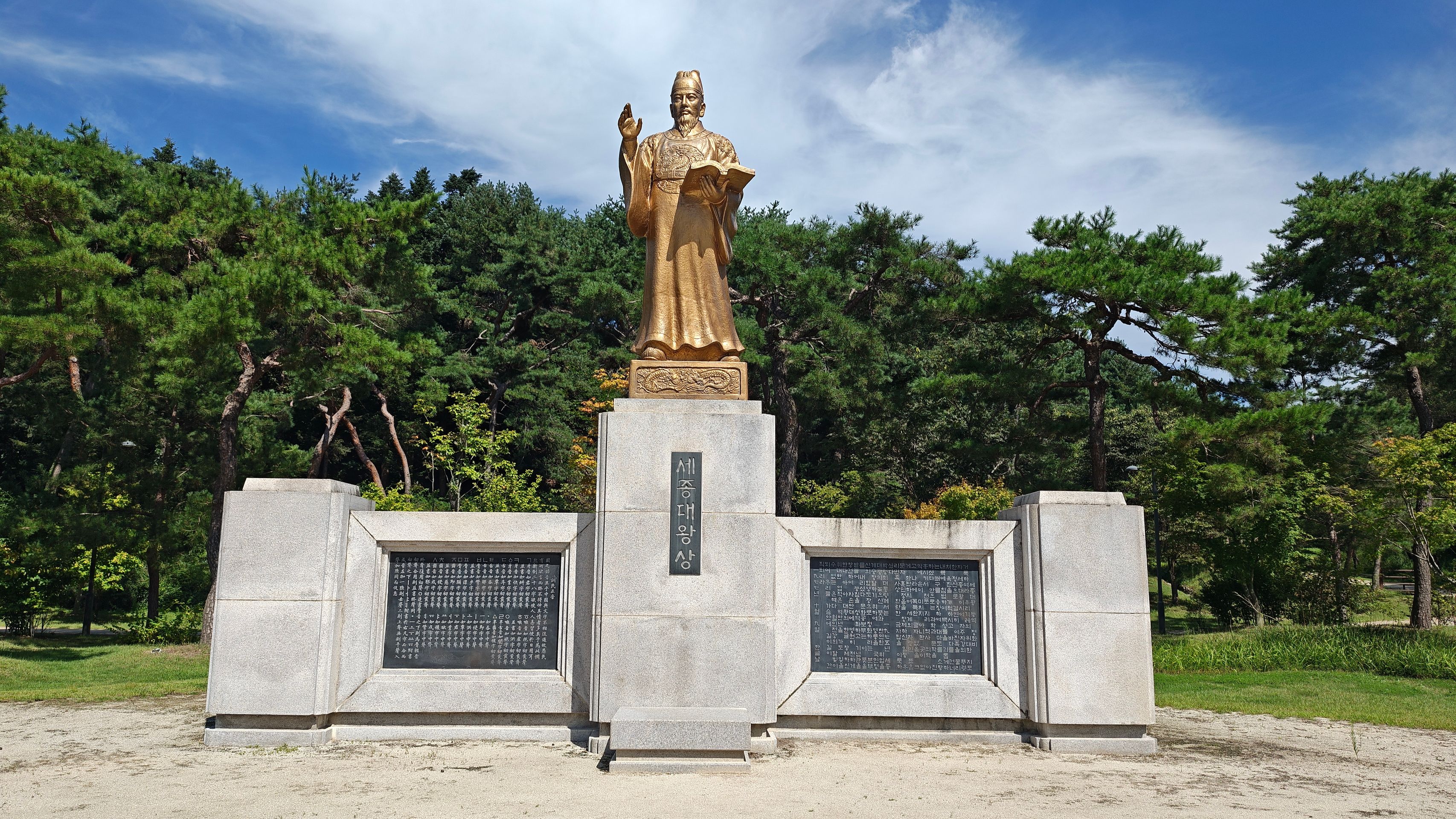
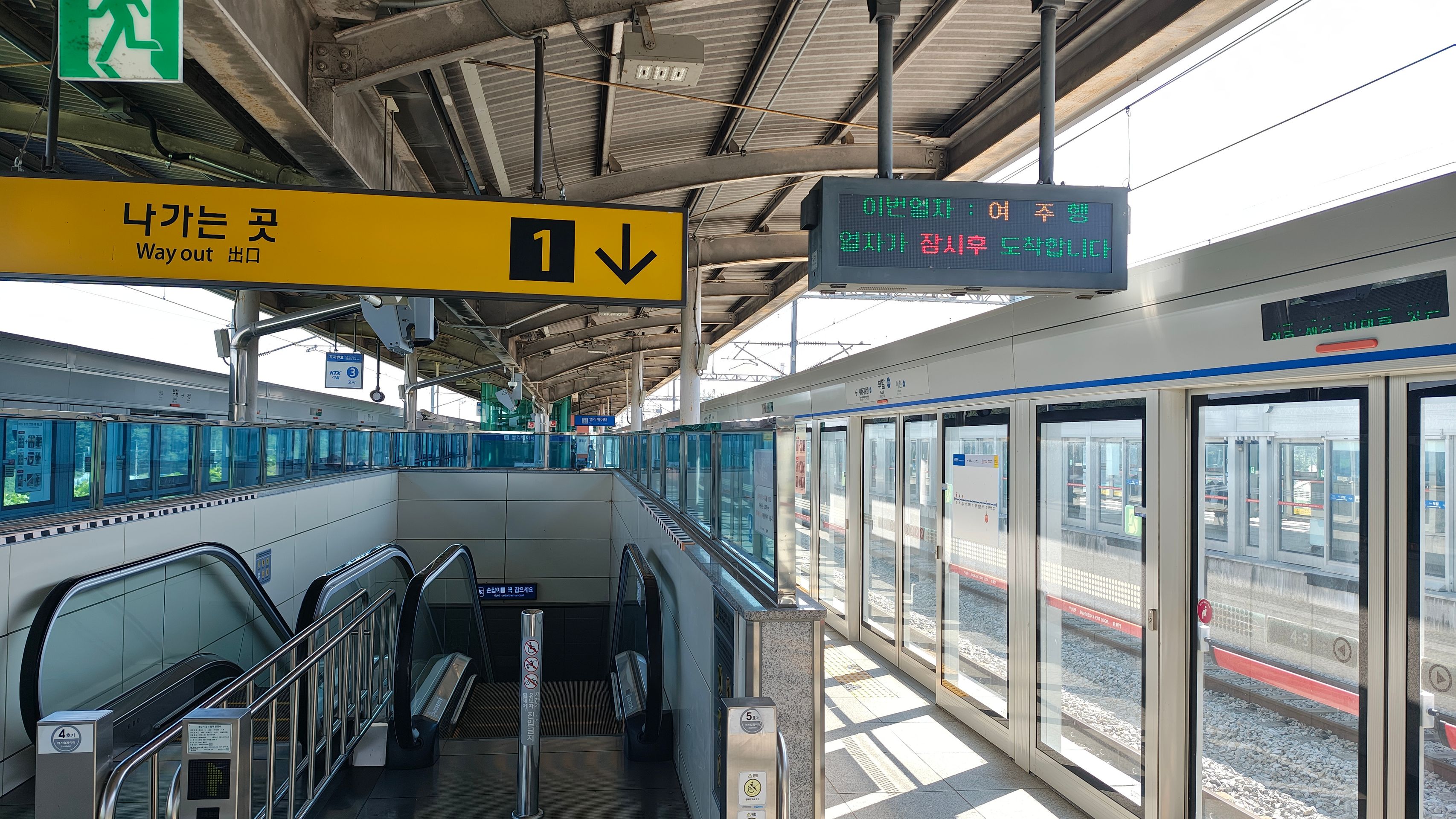
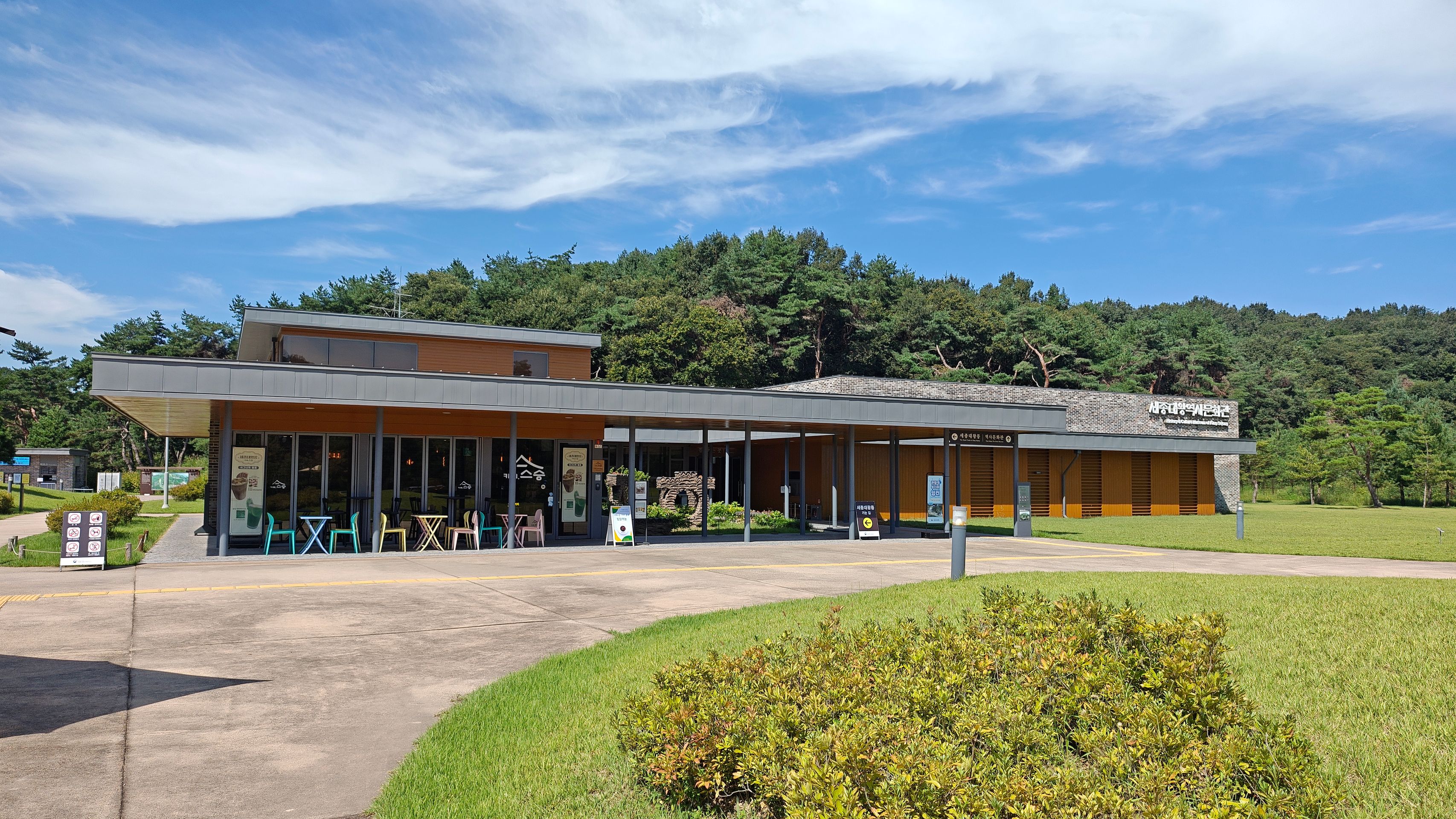
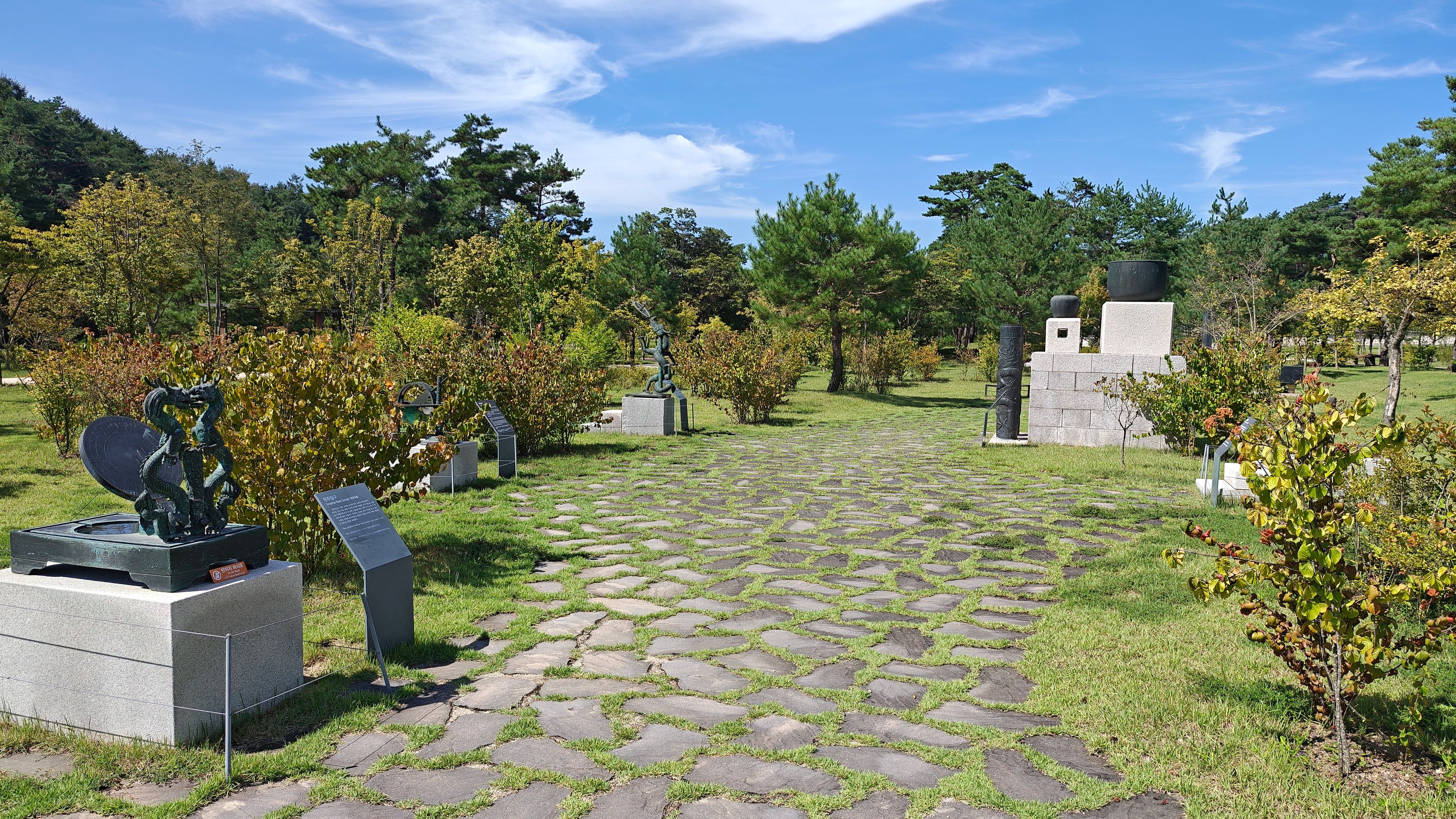
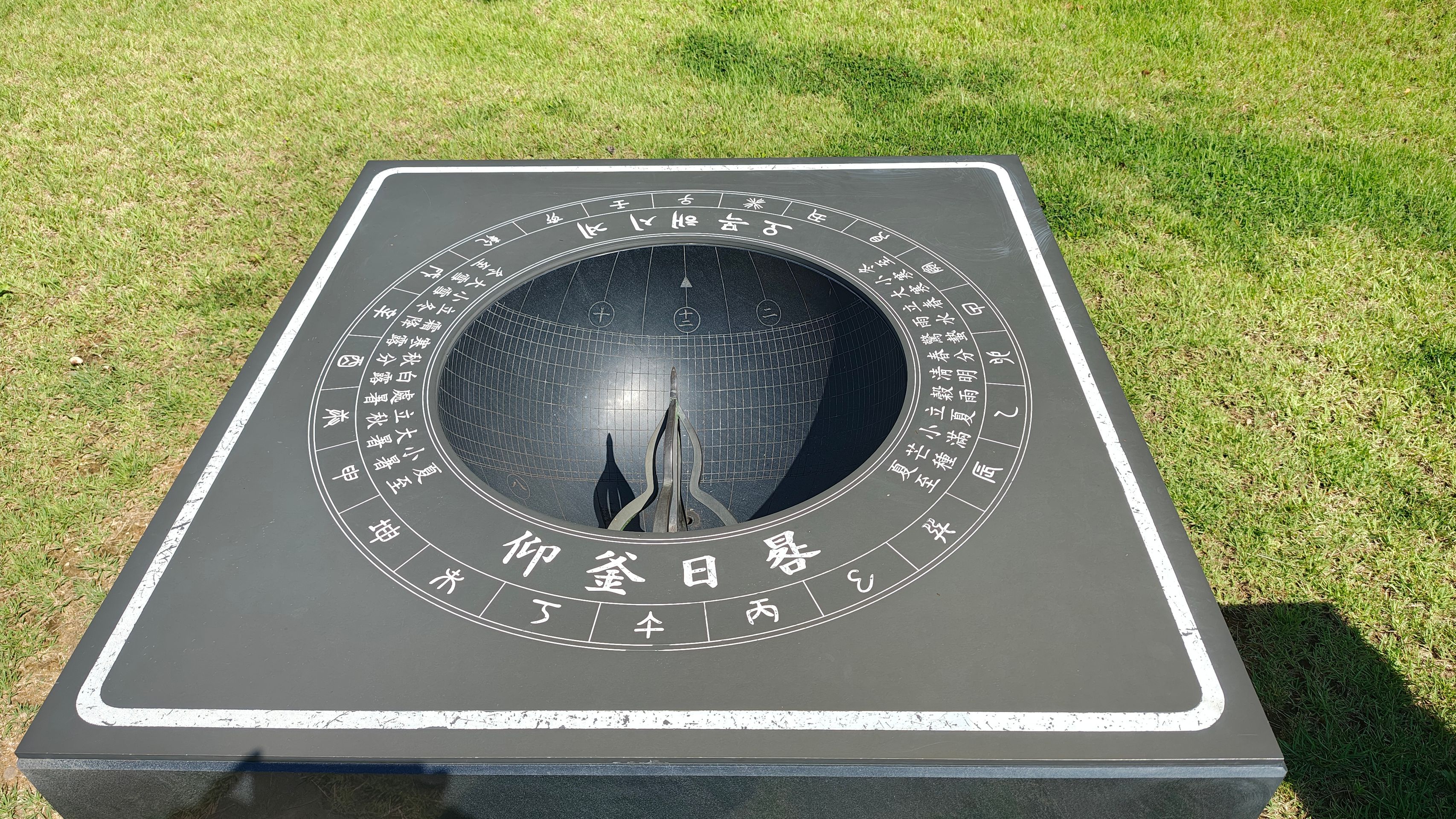
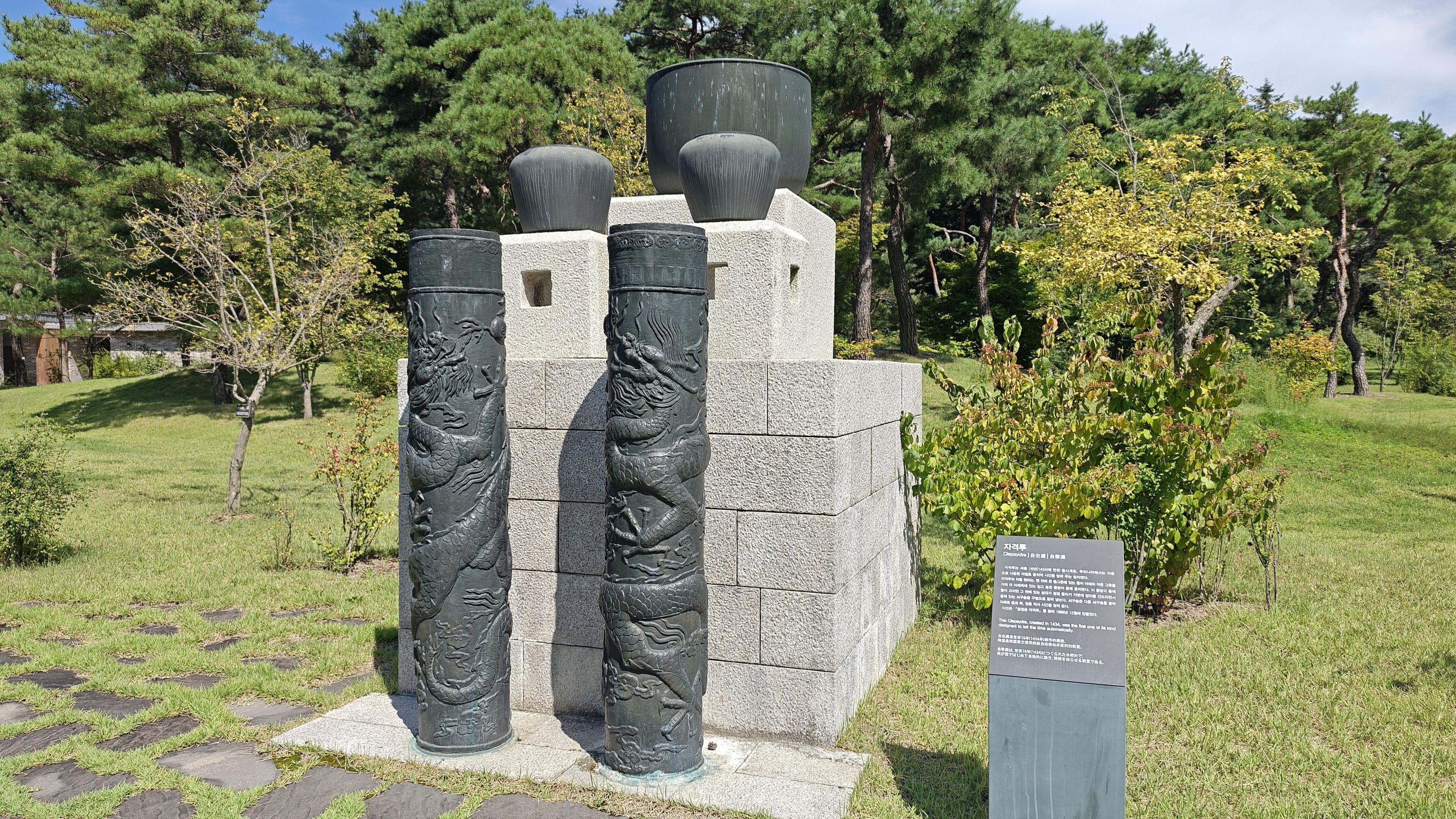
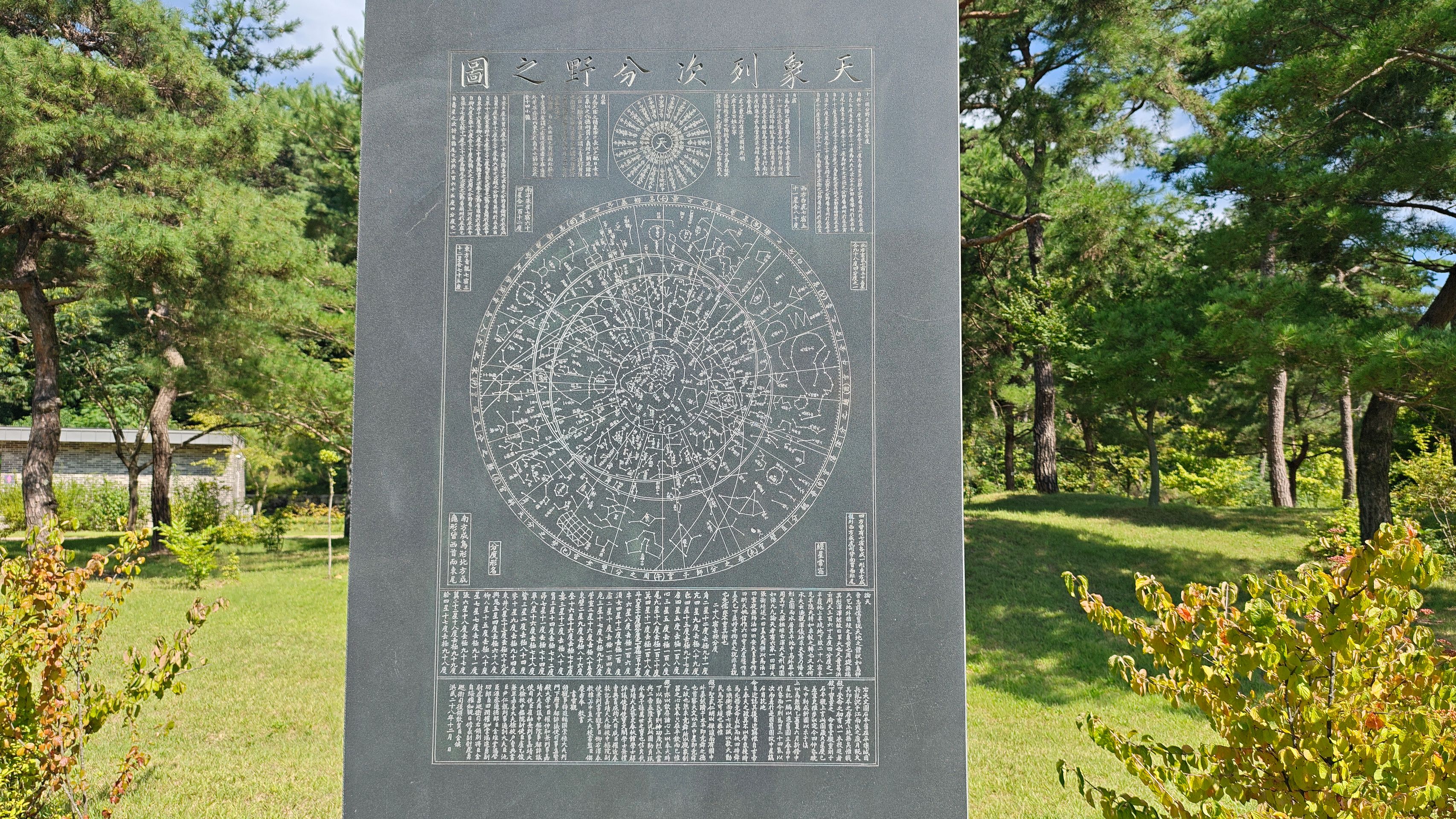
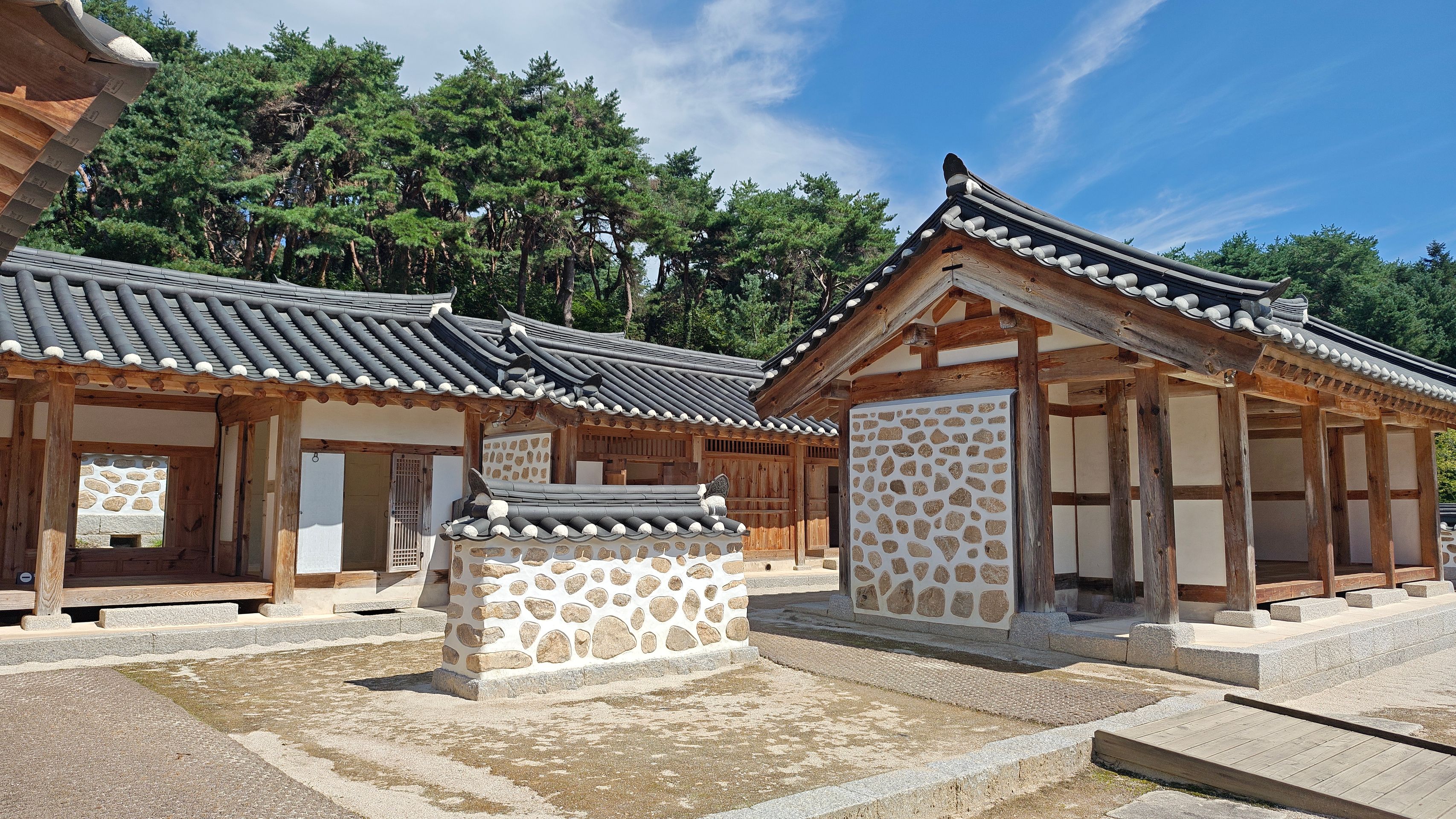
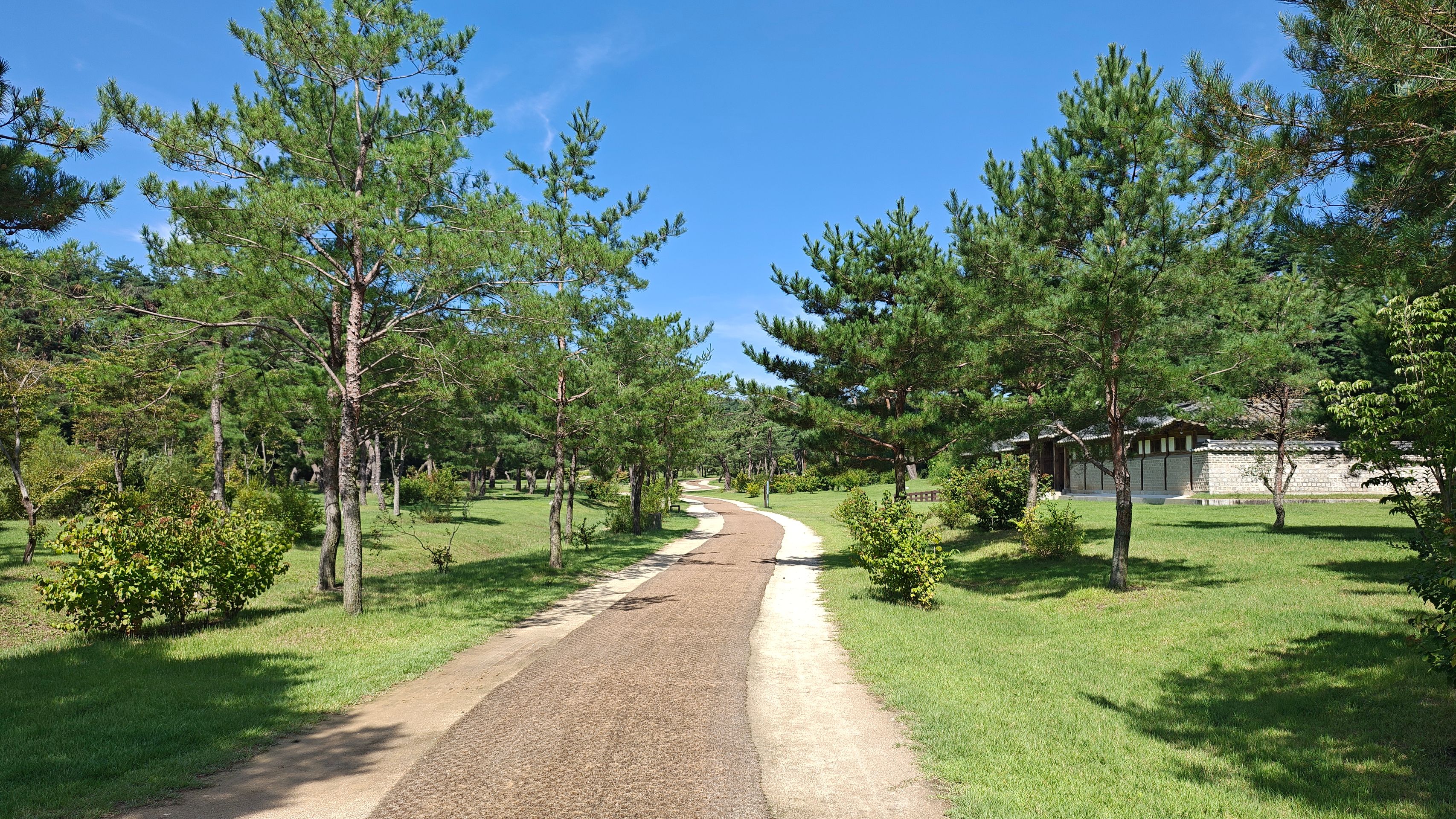
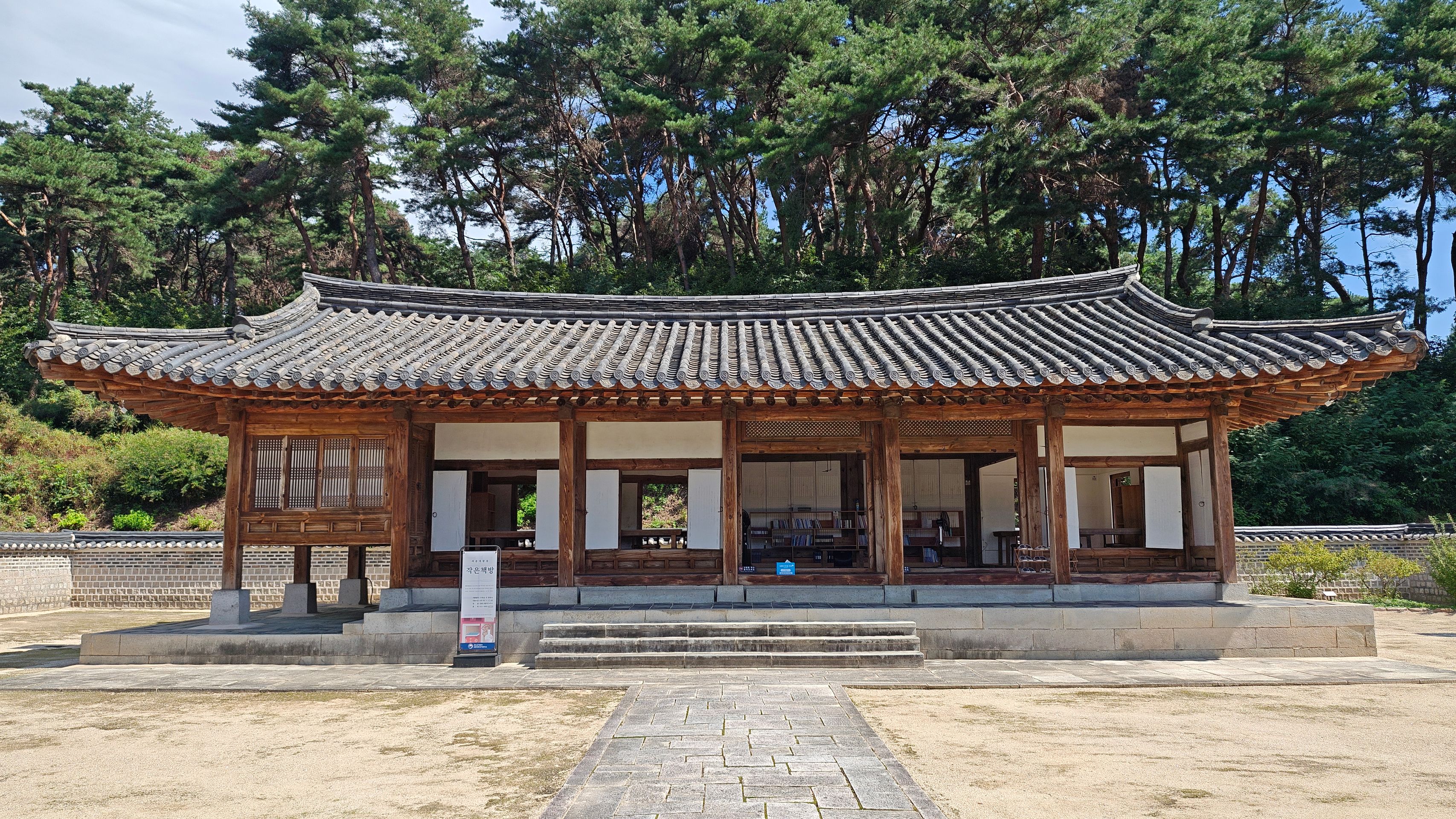
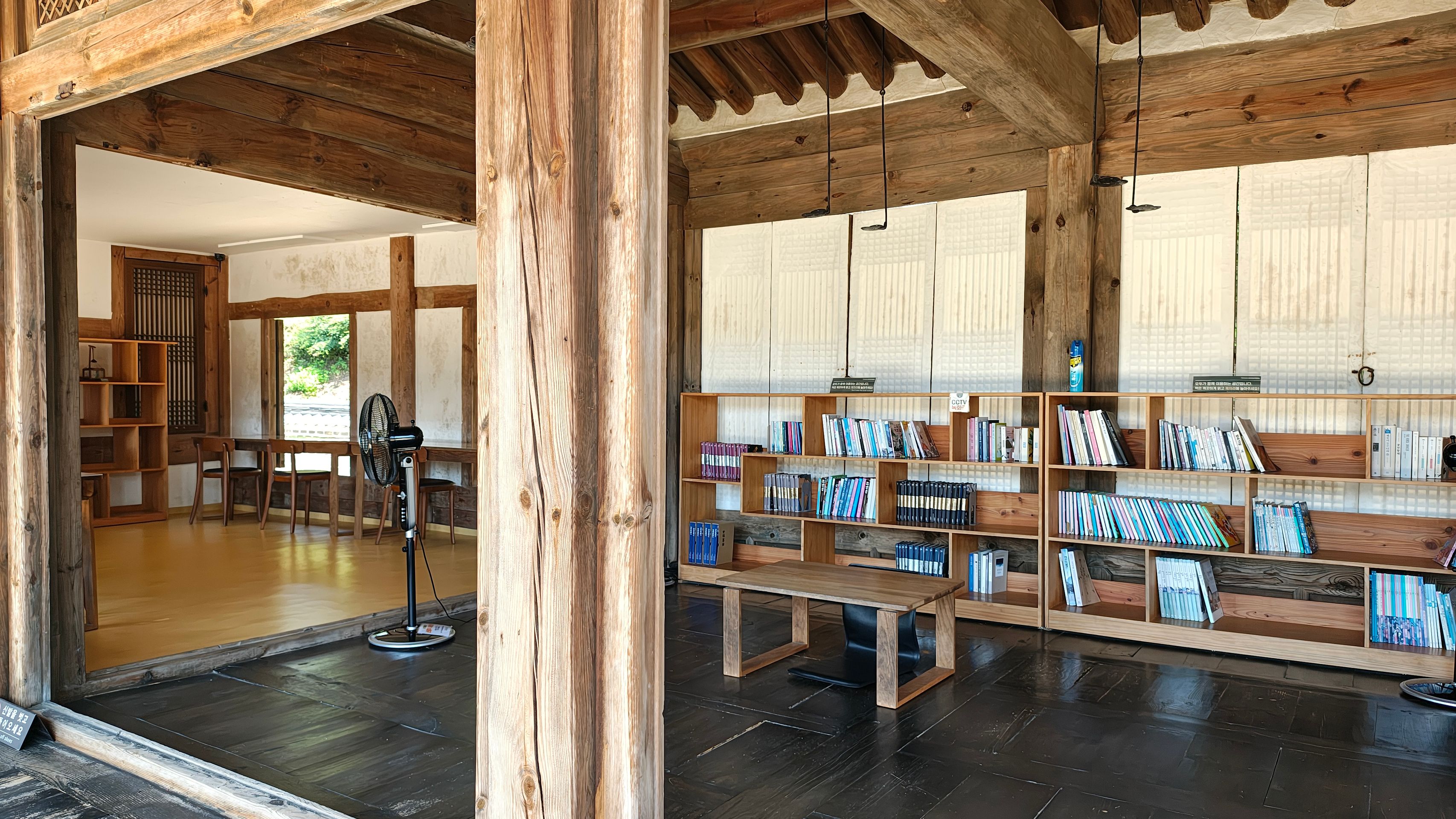
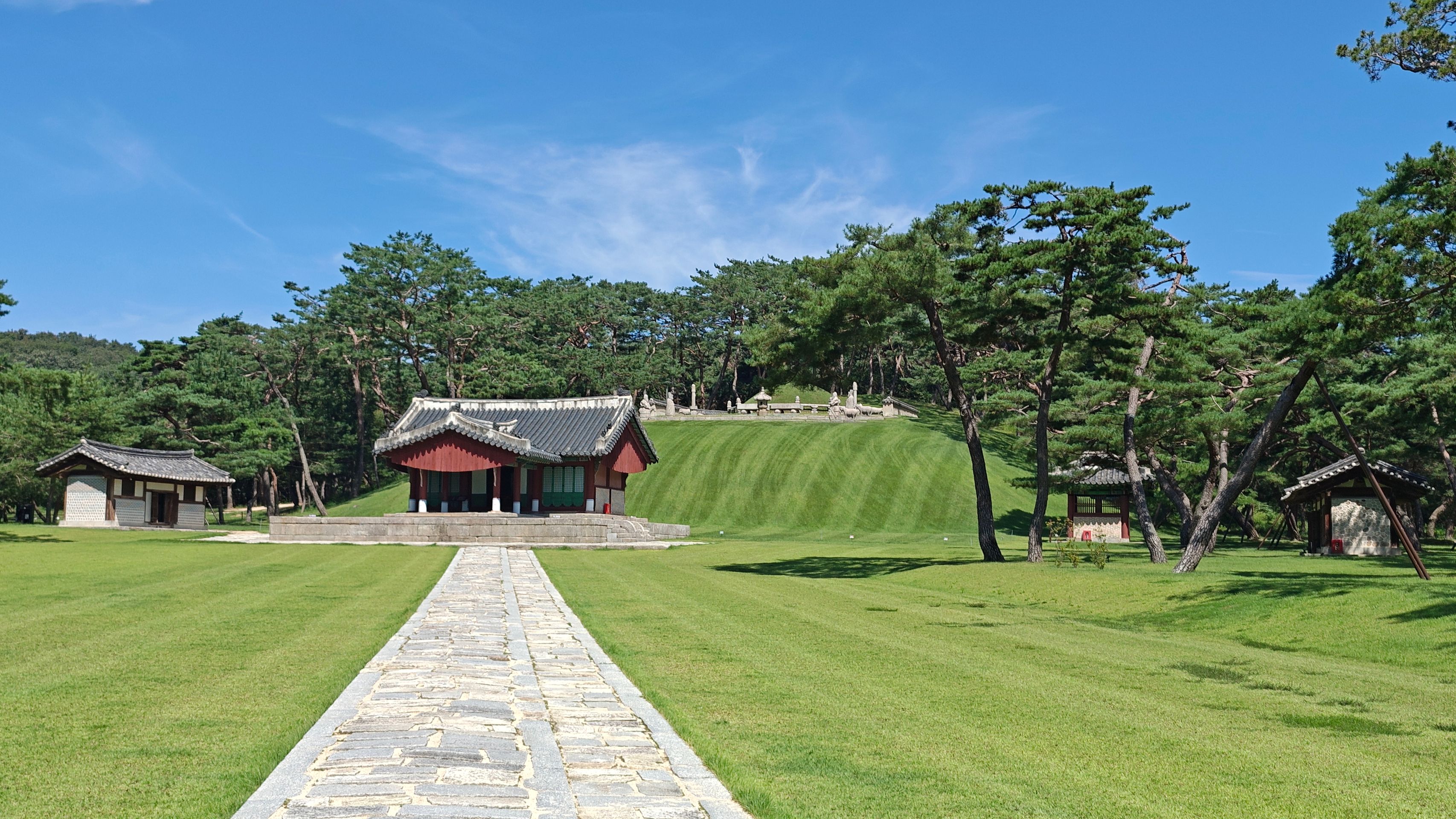
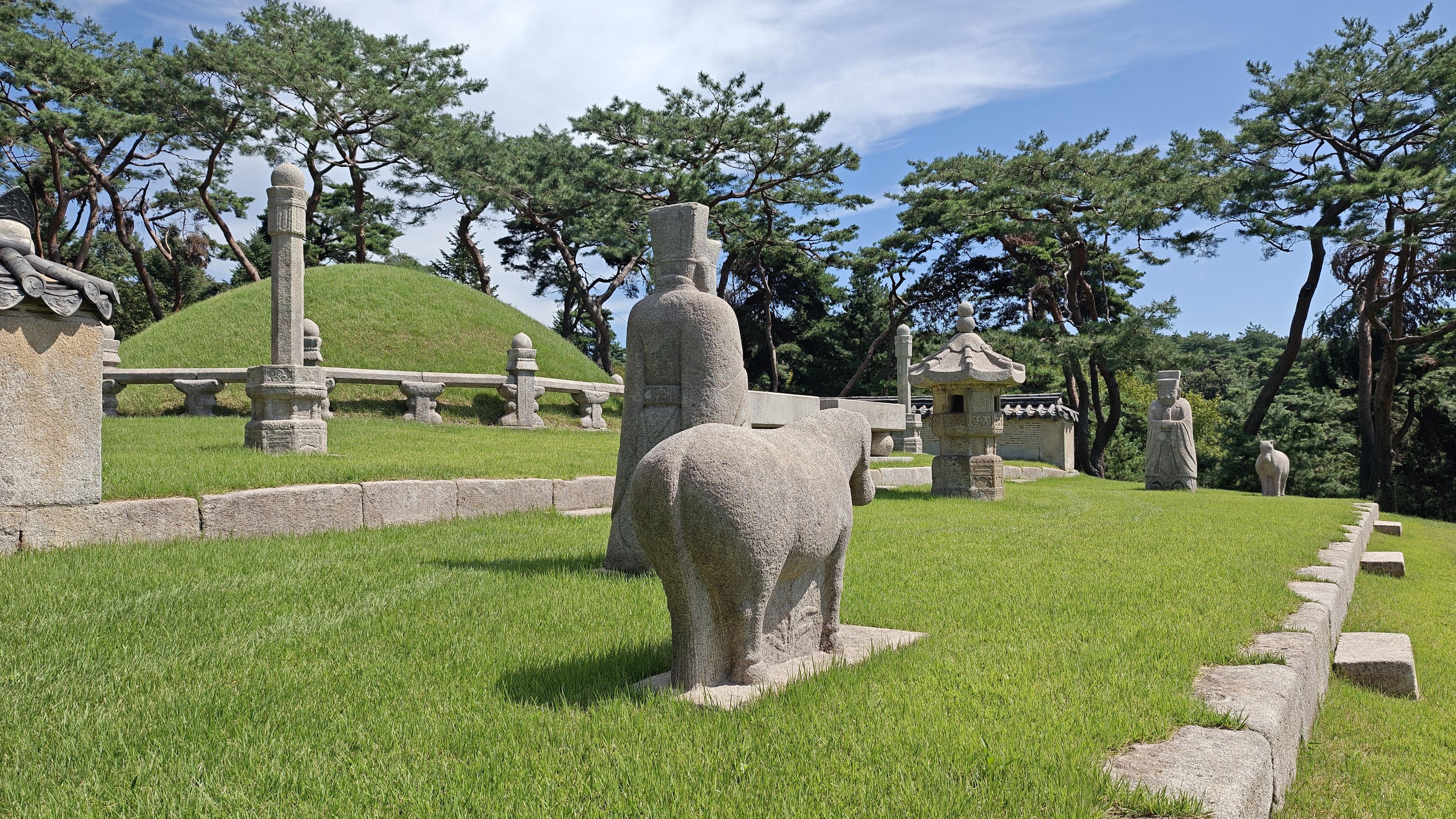
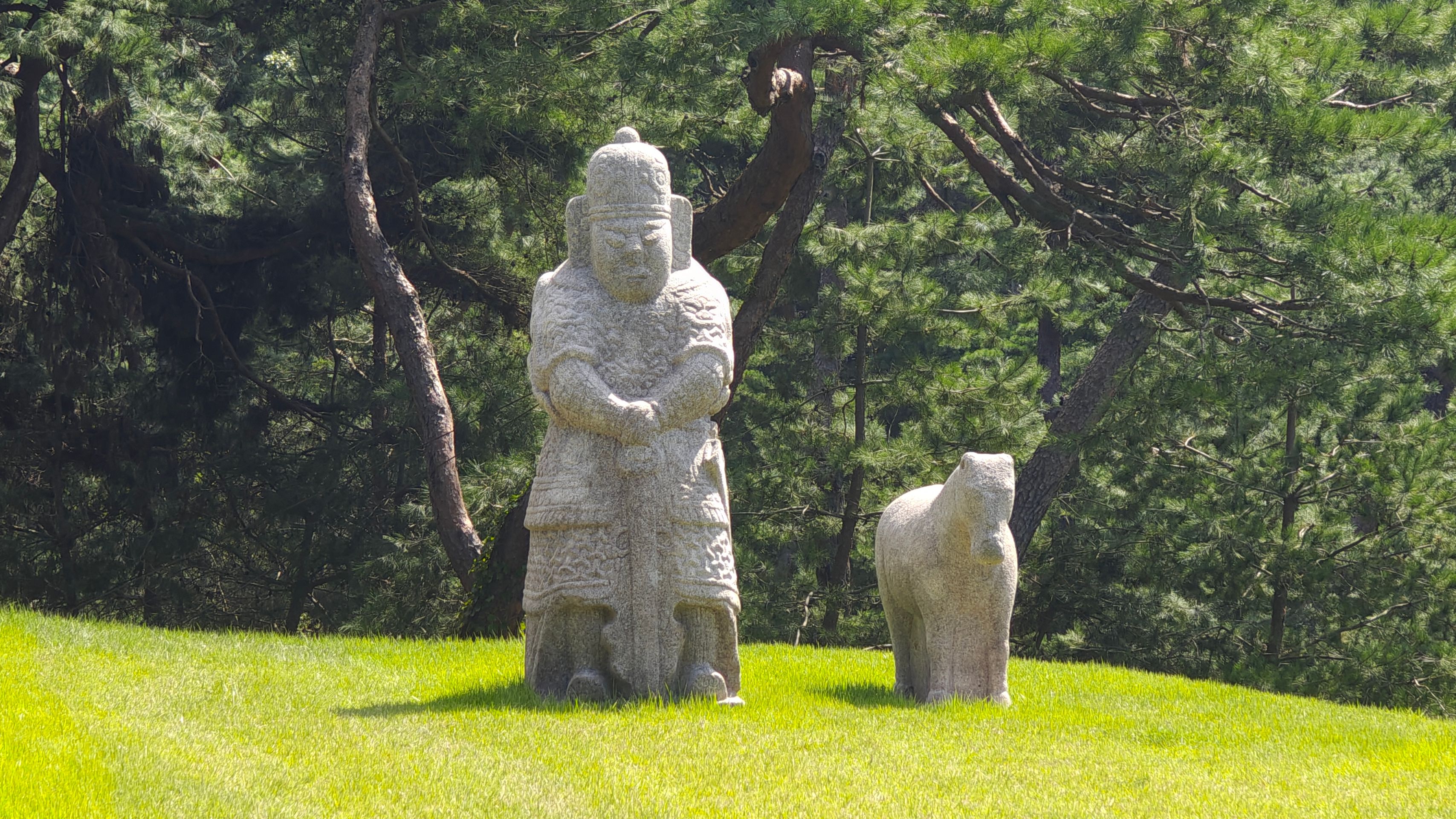
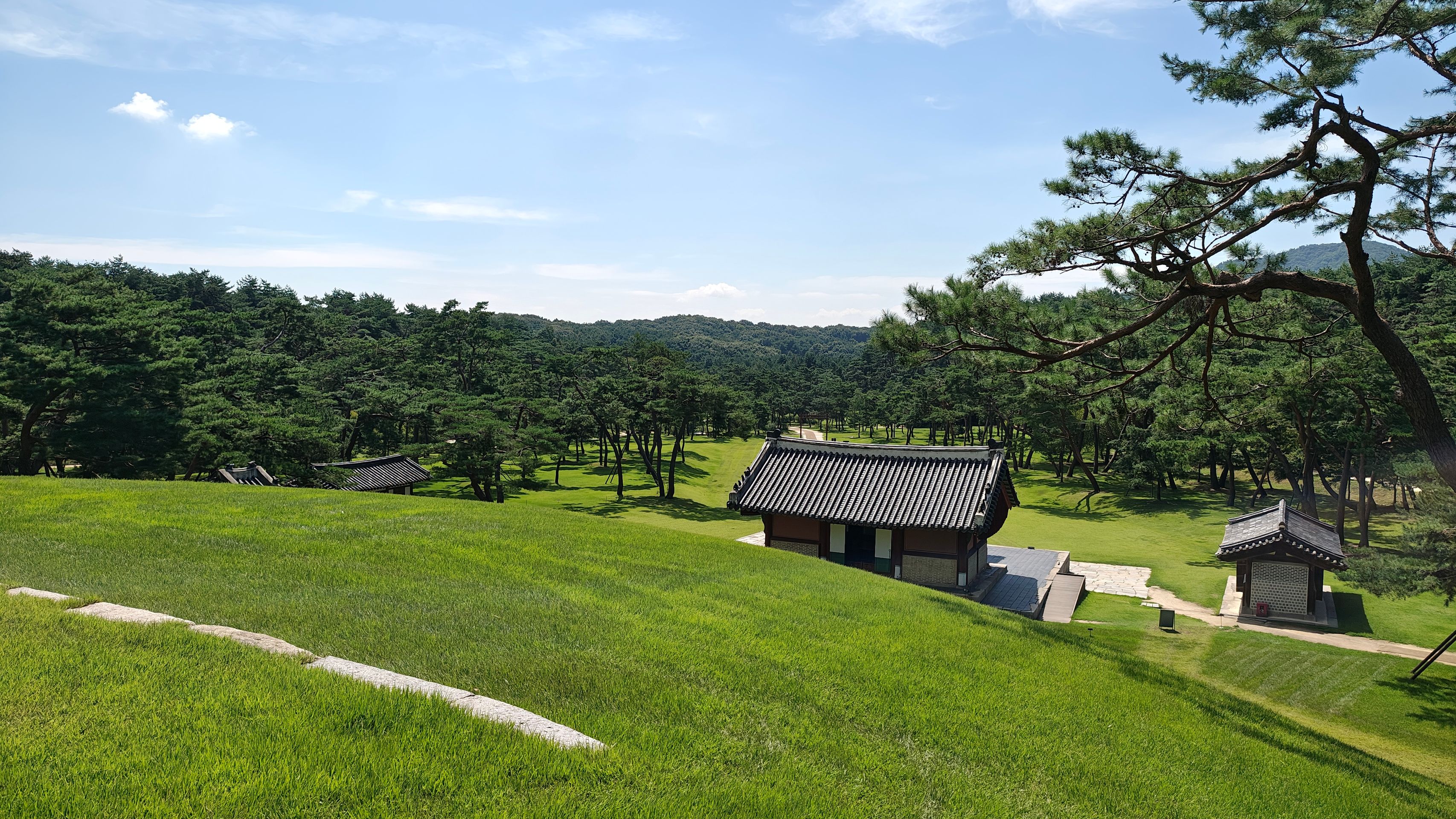
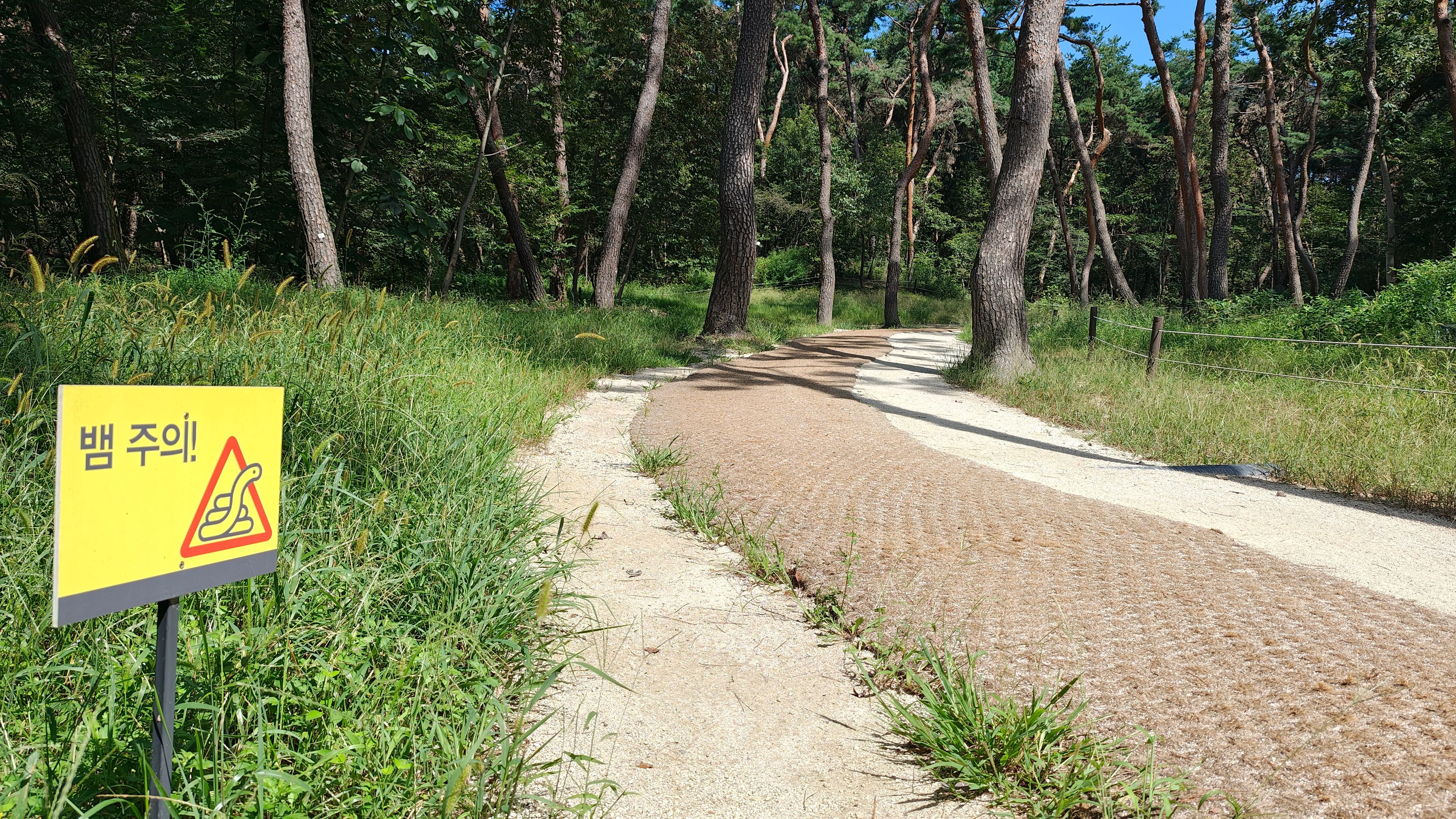
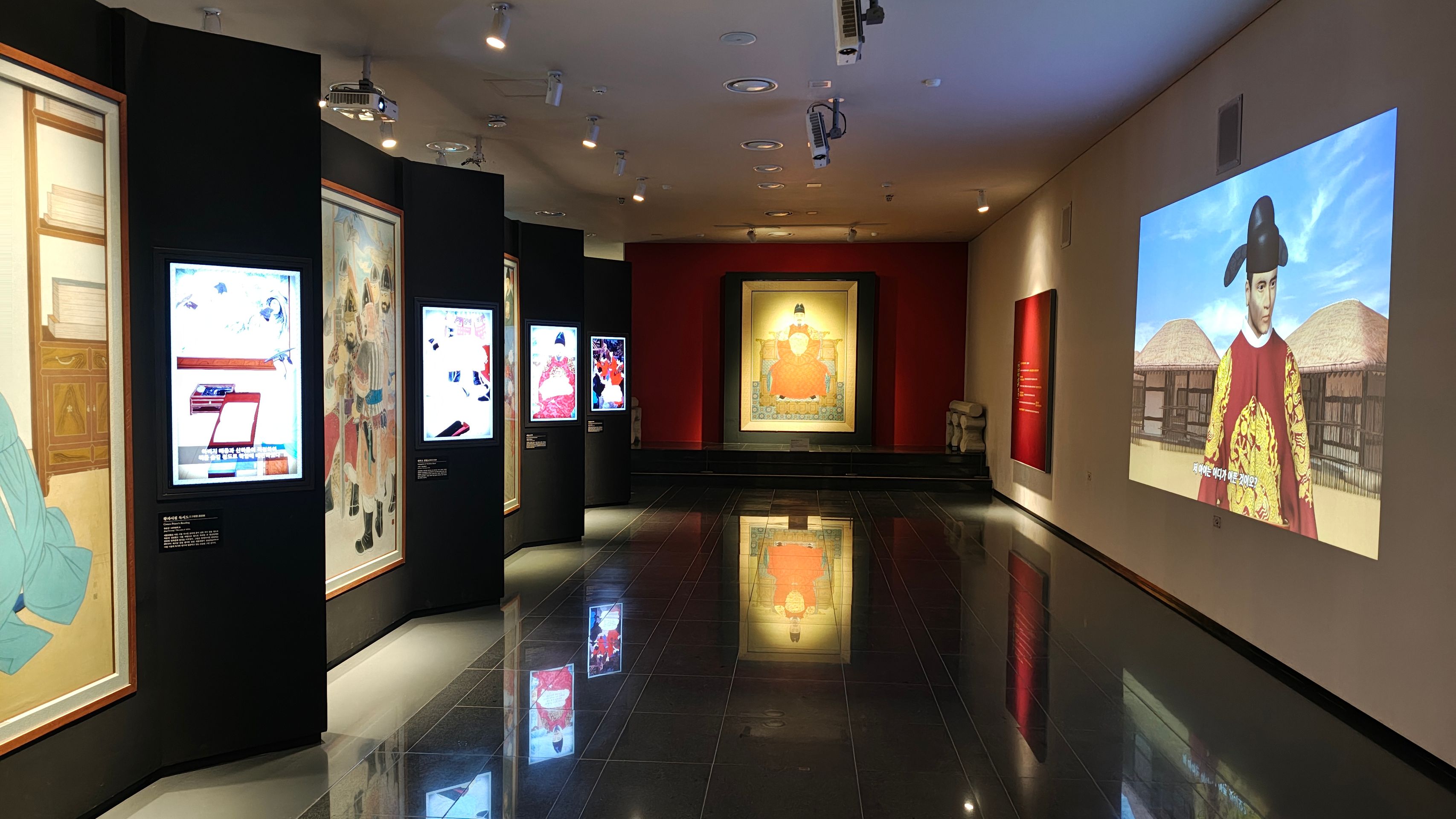
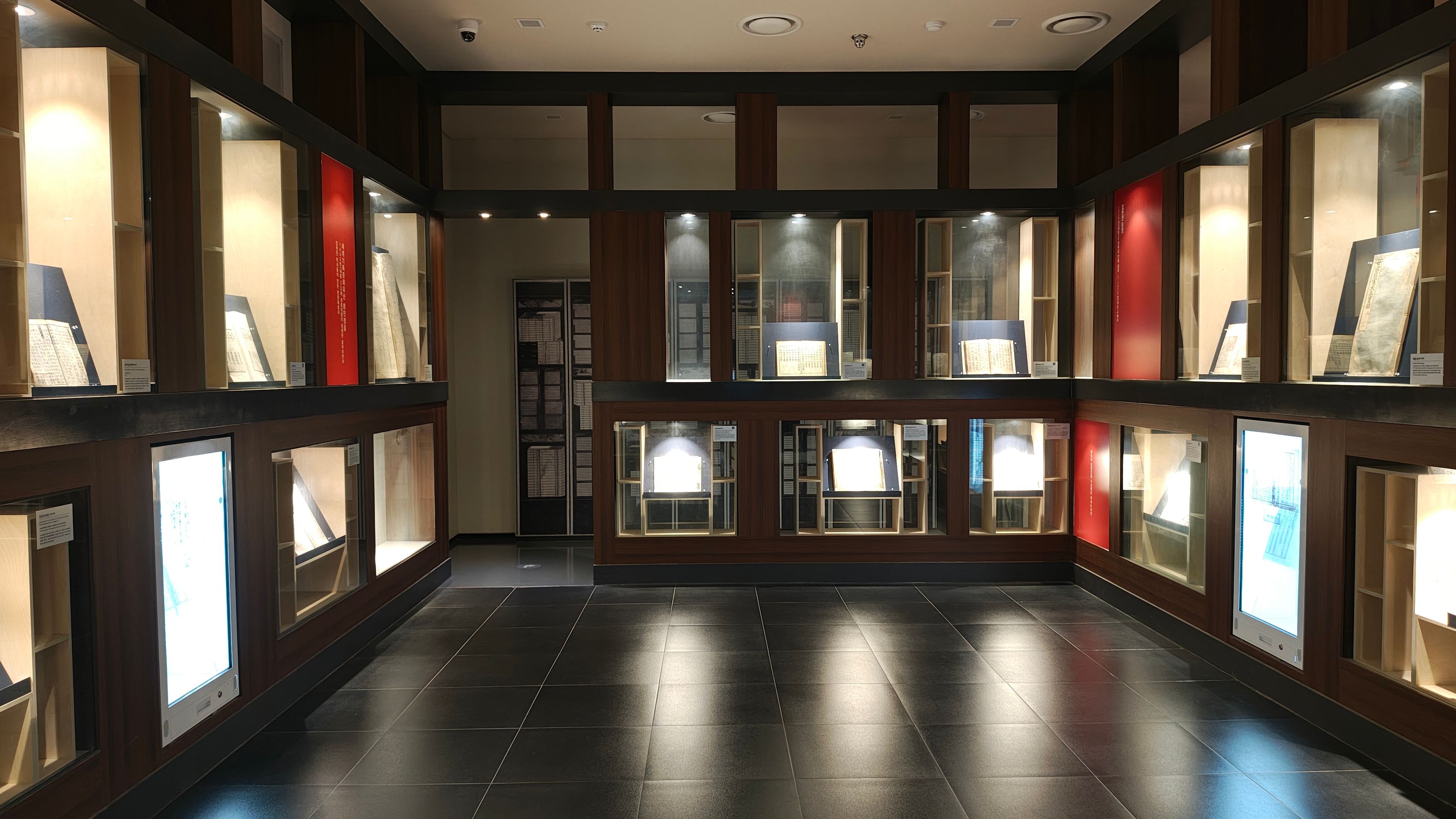
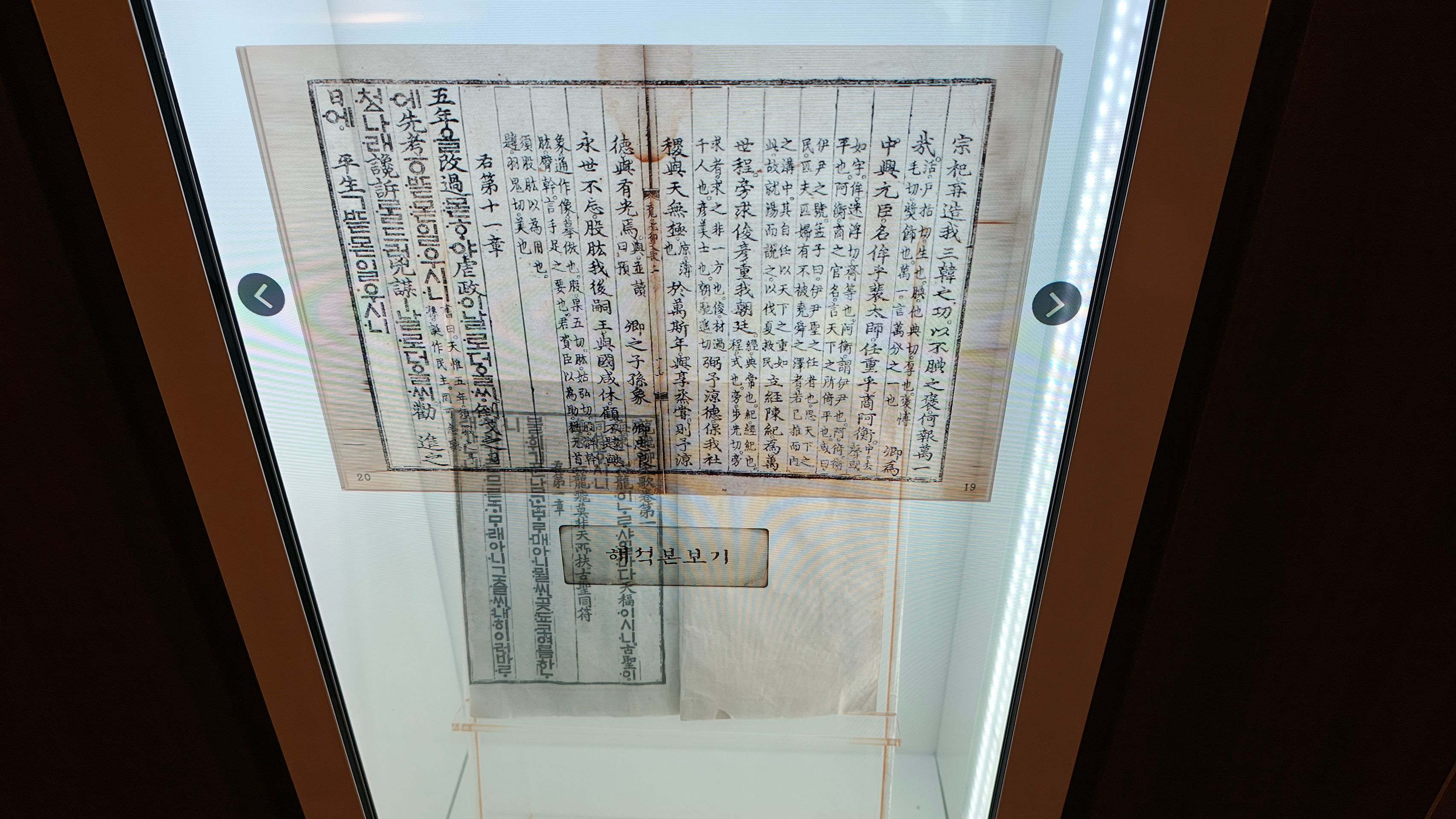
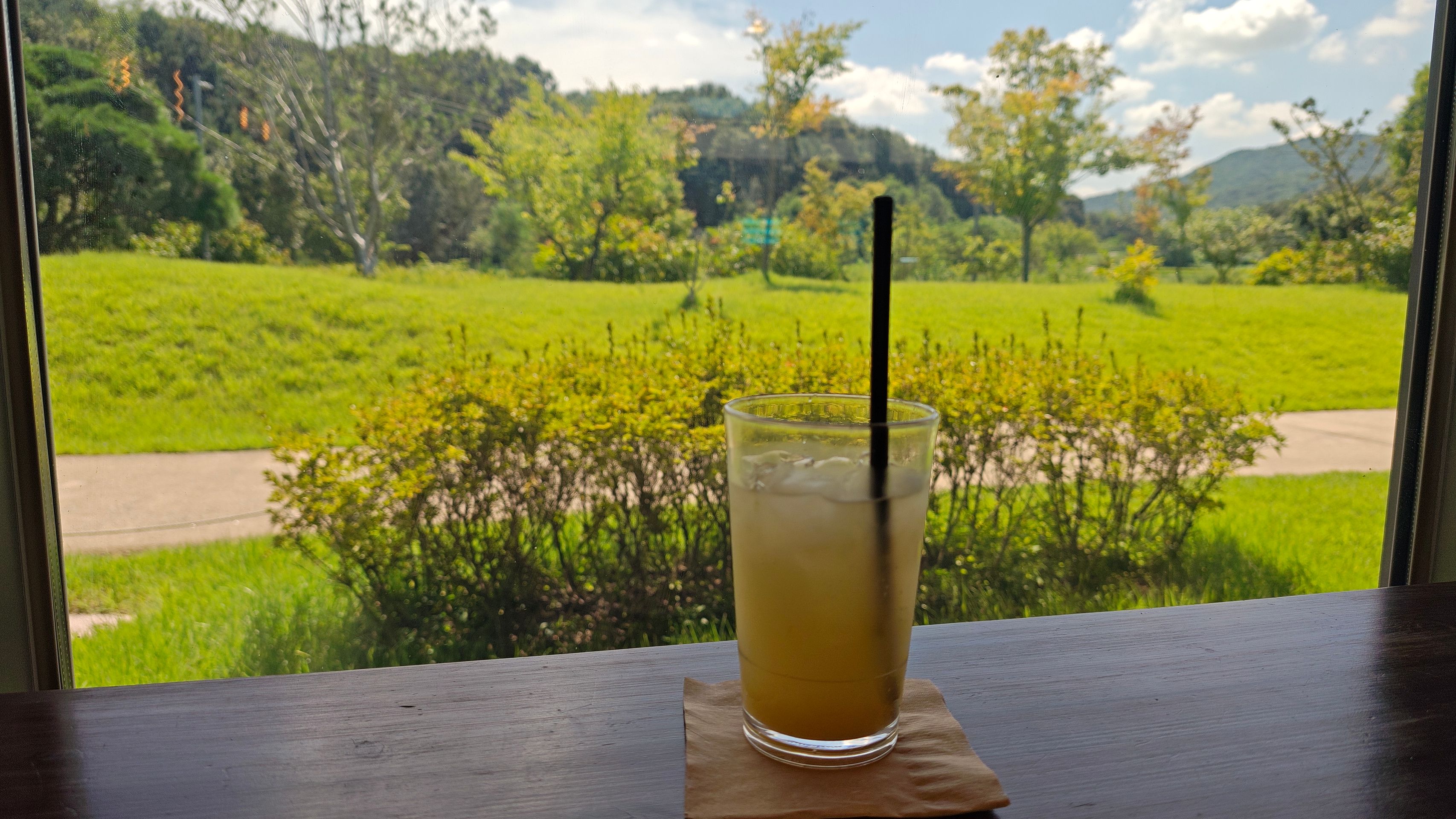
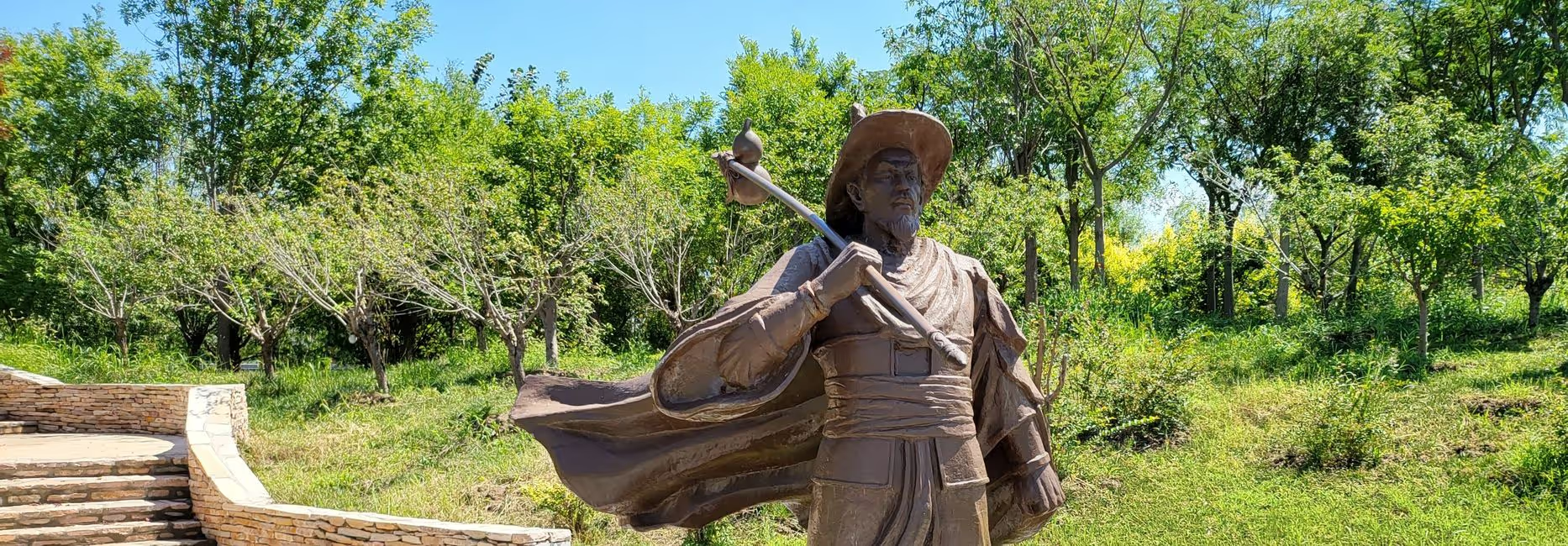
The foundation of Korean culture and the state-leading framework of the Joseon era was established by King Sejong (1397-1450), the fourth king of the dynasty. He is the inventor of the modern Korean script and is posthumously referred to as ‘the Great’. Due to his immense significance in Korean history, we must pay our respects at his tomb. However, it is not located in Seoul, but in the town of Yeoju, upstream on the southern Han River. So we board the commuter train in the morning and embark on a journey through hilly, forested highlands. Almost at our destination, I hear an announcement on the Bubal station over the train’s intercom saying “Last Station.” All the other passengers get off, prompting us to disembark as well. Indeed, this train terminates one stop before our intended station. We wait for 15 minutes, and then the train arrives to take us to Sejongdaewang. A bus finally takes us close to the entrance of the tomb. All of this is pretty straightforward to organize, especially if you trust the Naver Map app. Contactless payment with a smartphone also works here outside of Seoul using the Tmoney app. We walk past the museum since the morning temperatures are likely more pleasant than later in the midday heat. The entrance fee is a mere 1000 won, a record low, which is about 0.62 euros for two people. Along the way, next to a statue of King Sejong, several technological achievements from his reign are on display, as he promoted science and technology. I had already hinted in the blog post “The Silhak Philosophy” that we would repeatedly encounter these, and here I would like to delve into a few. The sundial Angbuilgu (앙부일구) is a precise, hemispherical sundial, developed in the 16th year of King Sejong’s reign in 1434 by a team of scholars led by Jang Yeong-sil, a brilliant scientist and inventor, at the royal observatory Ganui-dae. It was one of the most advanced and accurate sundials in the world and testified to the high level of knowledge in Korean astronomy, mathematics, and metalworking in the 15th century. King Sejong had several of these sundials cast in bronze and installed them in public places in the capital Hanseong (Seoul). This allowed the general population for the first time to have easy and reliable access to official time, at least when it was sunny. To measure time at night and in cloudy weather, Jang Yeong-sil (장영실) developed the water clock Ja-gyuk-ru. His exceptional technical talent was personally recognized and promoted by King Sejong, who overlooked Jang’s humble origins and gave him a high position at court. Jang Yeong-sil not only developed the water clock and the sundial Angbuilgu but also celestial globes, improved weapons, and advanced agricultural techniques. In 1438, he achieved a breakthrough with a precise clepsydra, often regarded as one of the most advanced water clocks of its time. The genius of it was the automatic signaling. At every full double hour (the common time measurement in Asia), a mechanism would trigger an acoustic signal. A small ball would be released, roll down a track, and fall into a metal bowl, producing a loud gong sound. At the same time, small statues appeared holding signs with the corresponding hour number. In the park, there is also a star map from 1395 on display, showing 1,467 stars. And of course, the famous rain gauge cannot be missed. The Cheugugi (측우기), developed in 1441, shines not so much for its technical construction, but rather as the world's first standardized rain gauge. Its introduction marks the beginning of scientific, quantitative meteorology. We now pass by the offices of the tomb administration, which were built in the old style with small rooms. The path then leads to the shrine, which today houses a reading room with books; I believe that would have pleased King Sejong: knowledge transfer instead of idol worship. Now we come to the small wooden buildings in front of the burial mound and walk up the path to the hill on the left, where conspicuous yellow signs warn of snakes. However, I think the snakes would prefer a cool spot in the woods to bother visitors during their stroll in this heat. At the grave site, I take a moment to reflect on the accomplishments and character of the great king and his influence on Korean culture and history, which I will revisit in detail during our museum visits. For now, we head back. We do not visit other graves in the expansive grounds. Now, in the midday heat, we seek refuge in the cool rooms of the museum at the entrance of the tomb complex. Here I particularly find the exhibition of books and documents interesting, where you can also browse electronically. This includes historical records from Sejong’s reign, agricultural guidelines, educational documents, and government instructions. At the end of the exhibition, the structure of the tomb and the burial ceremony are explained in a multimedia format. To conclude our completely successful visit, we have a small snack and a welcome refreshment in the adjacent tasteful café.