

Goethe in Seoul
Shin Kyuk-ho founded the candy factory 'Lotte Confectionery' many decades ago. The name 'Lotte' is derived from the character Charlotte from Johann Wolfgang von Goethe's 'The...
Published: 09.09.2025
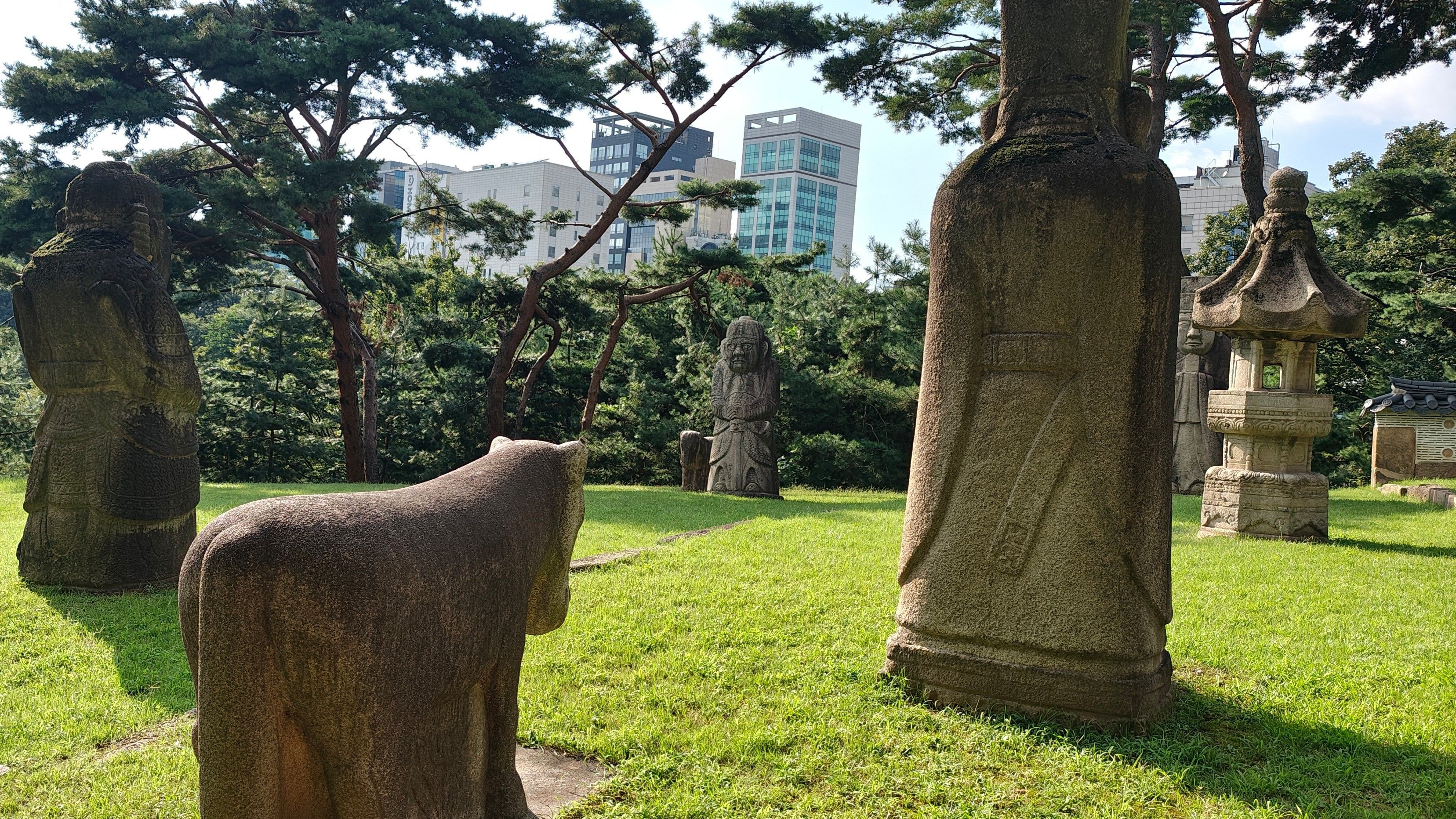
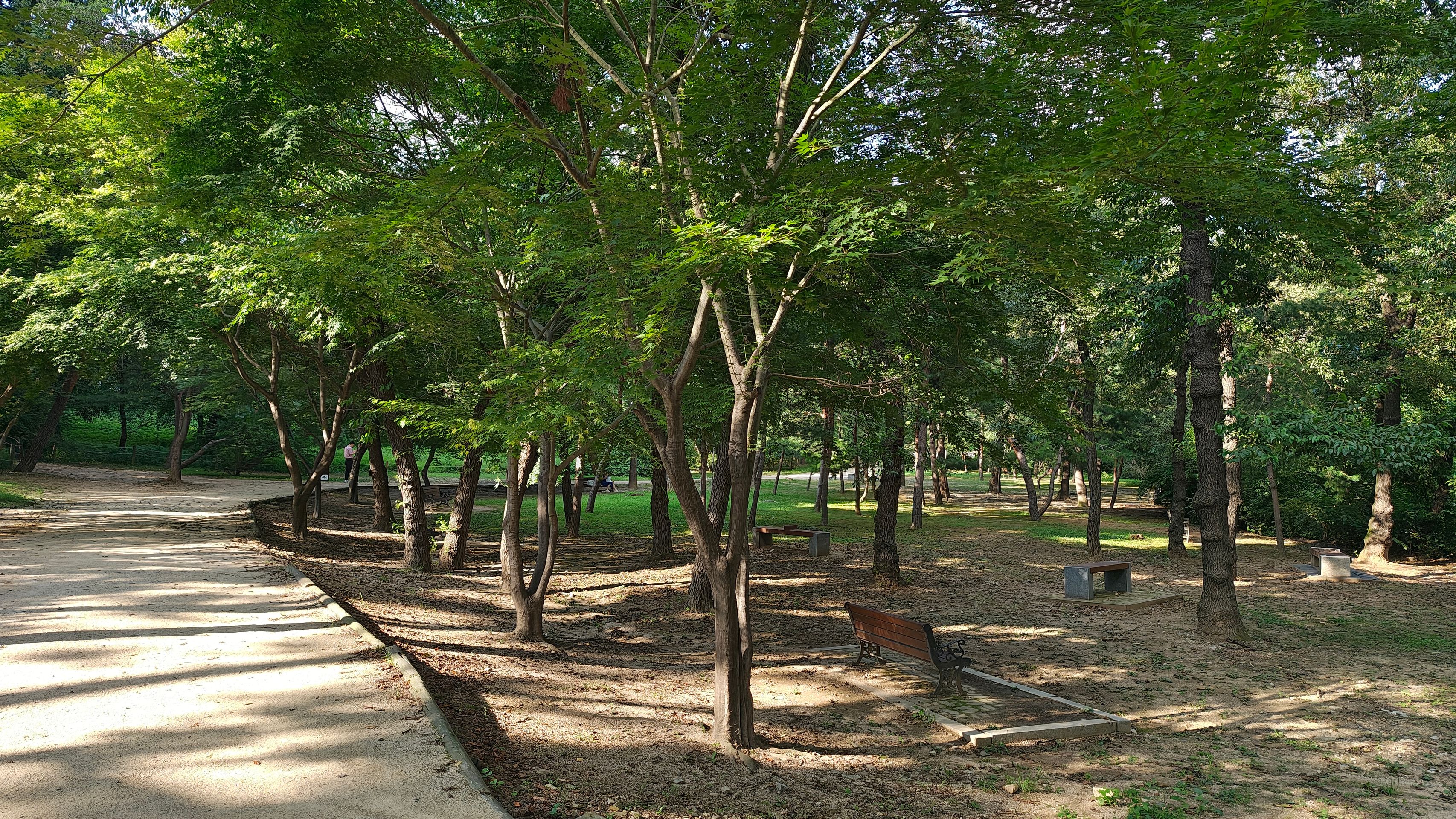
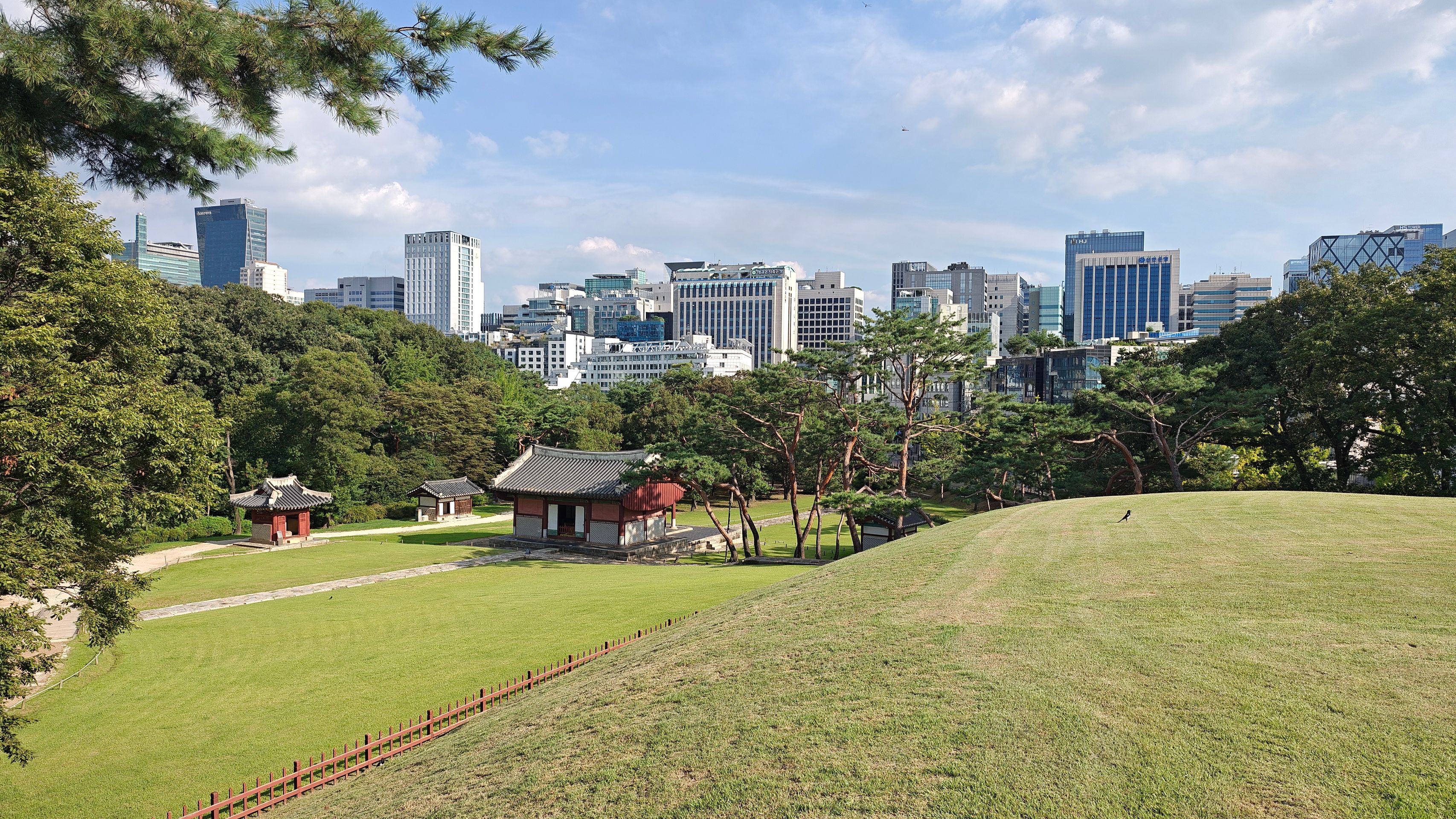
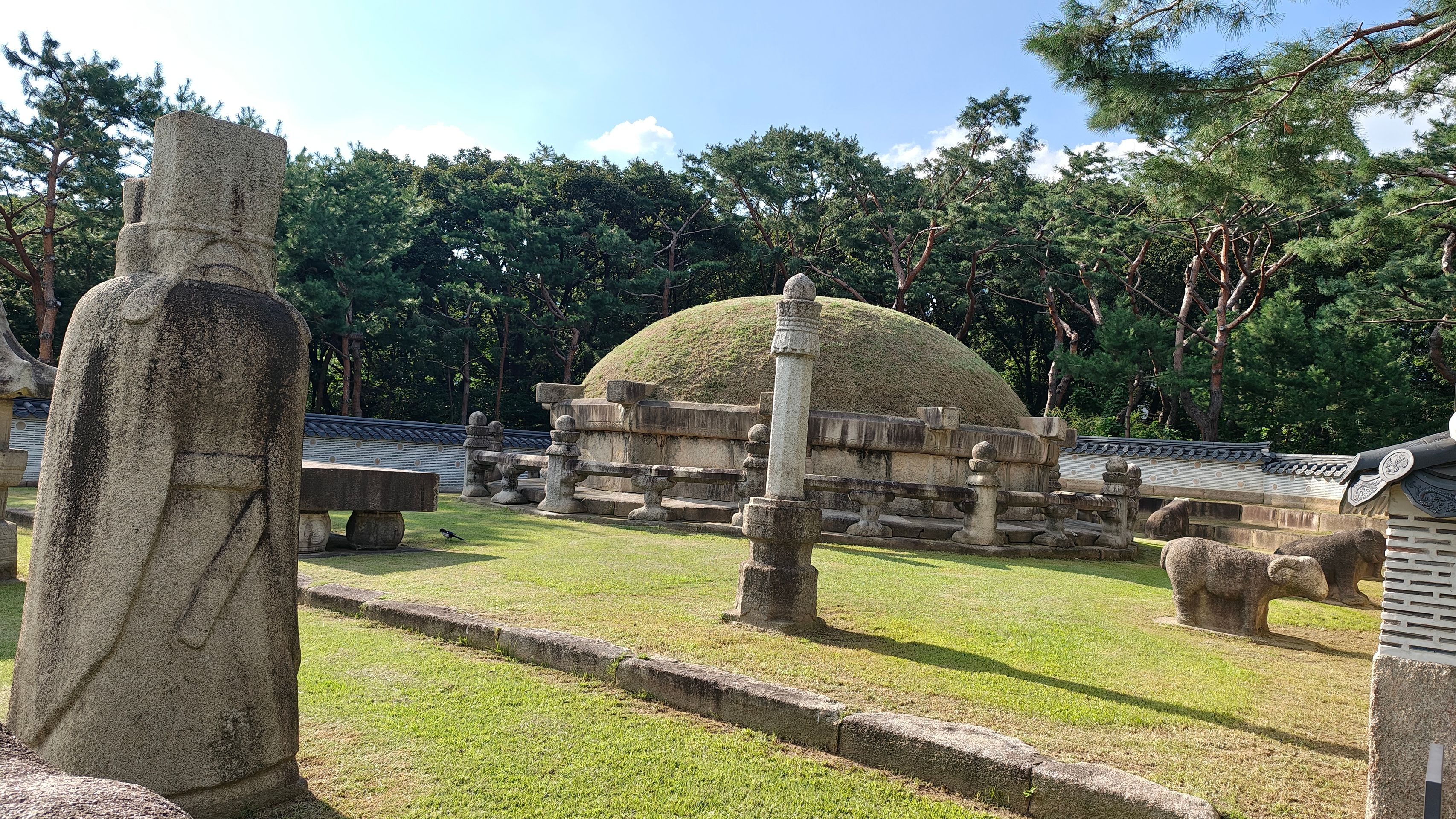
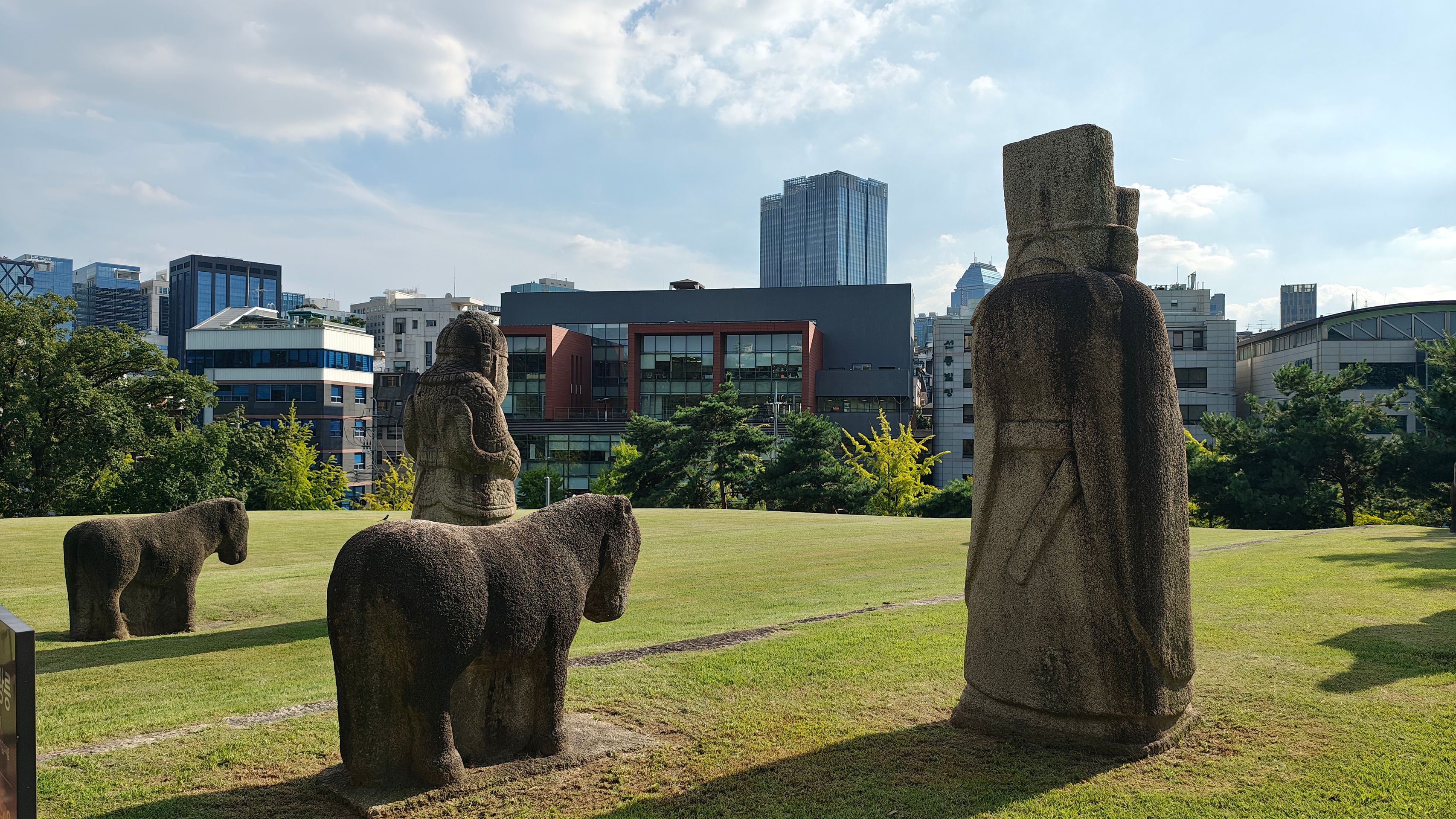
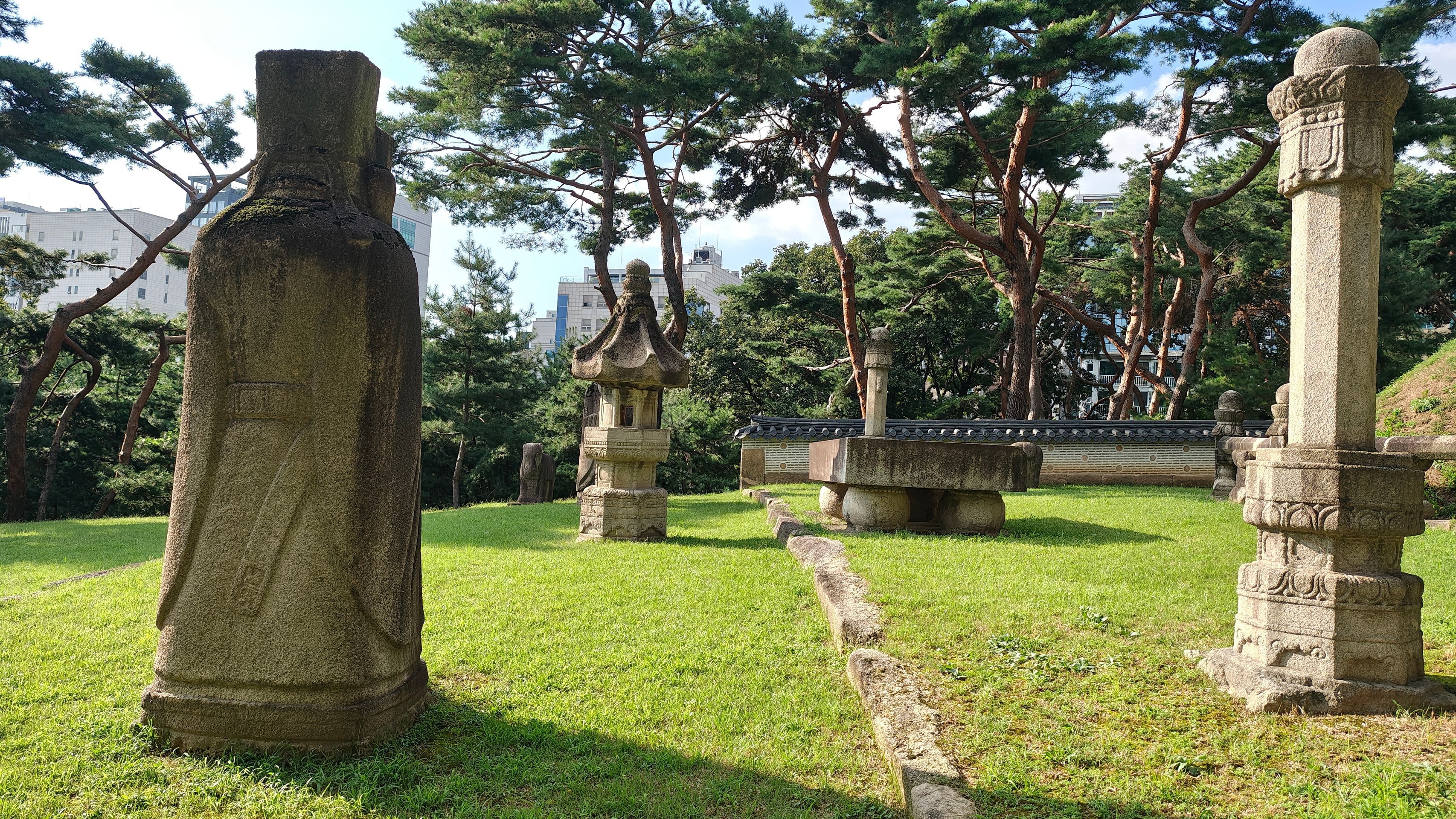
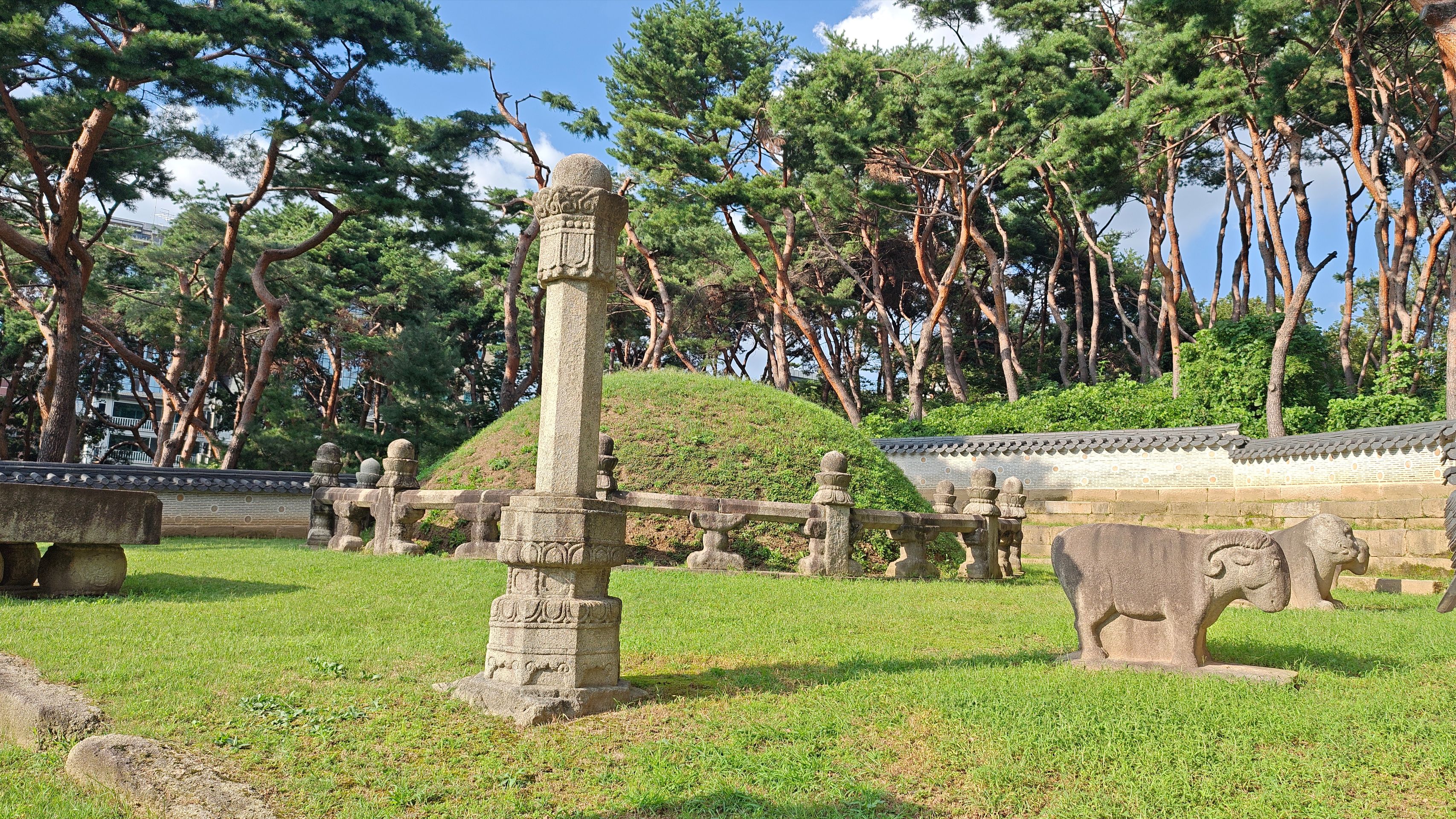
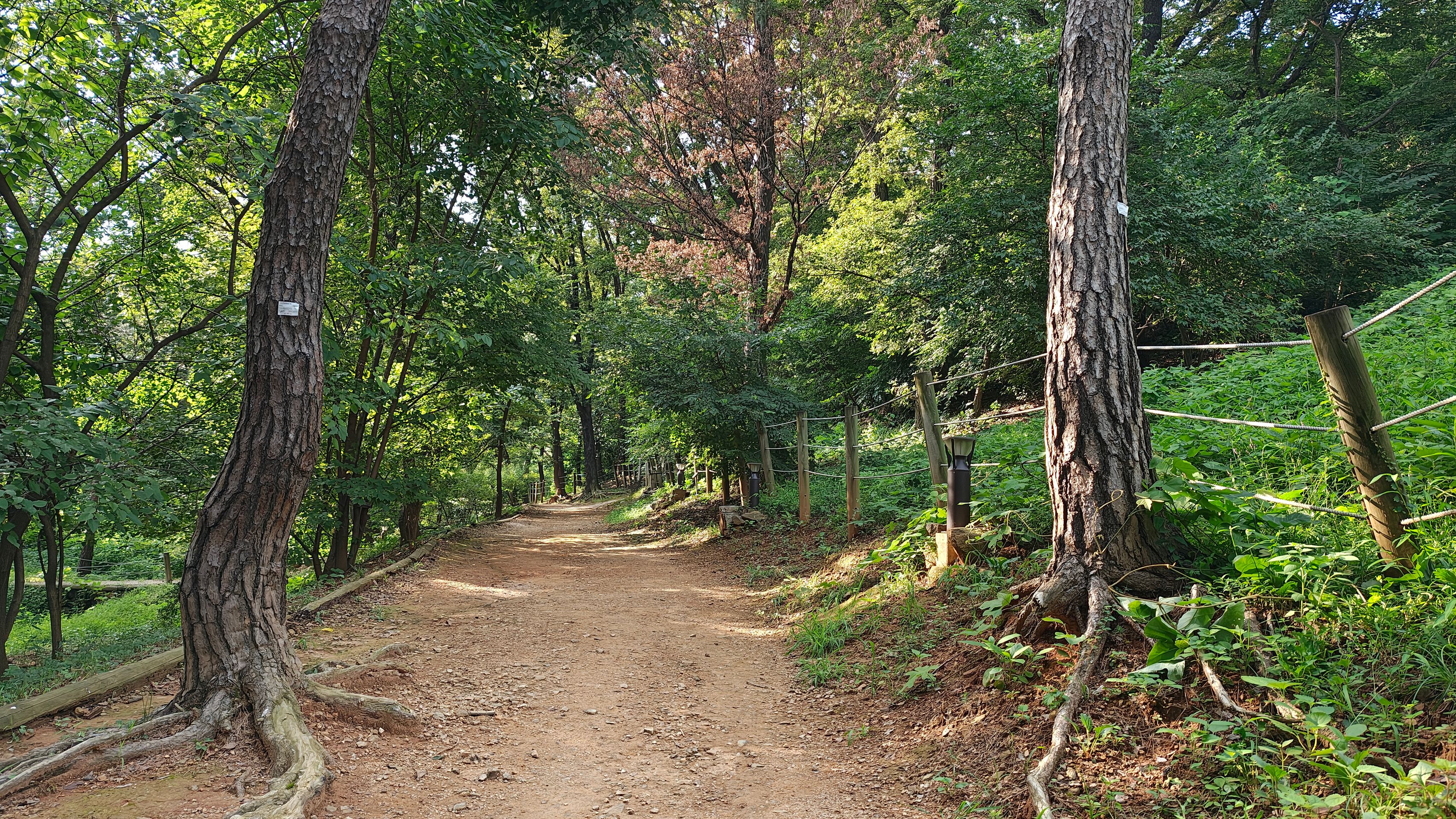
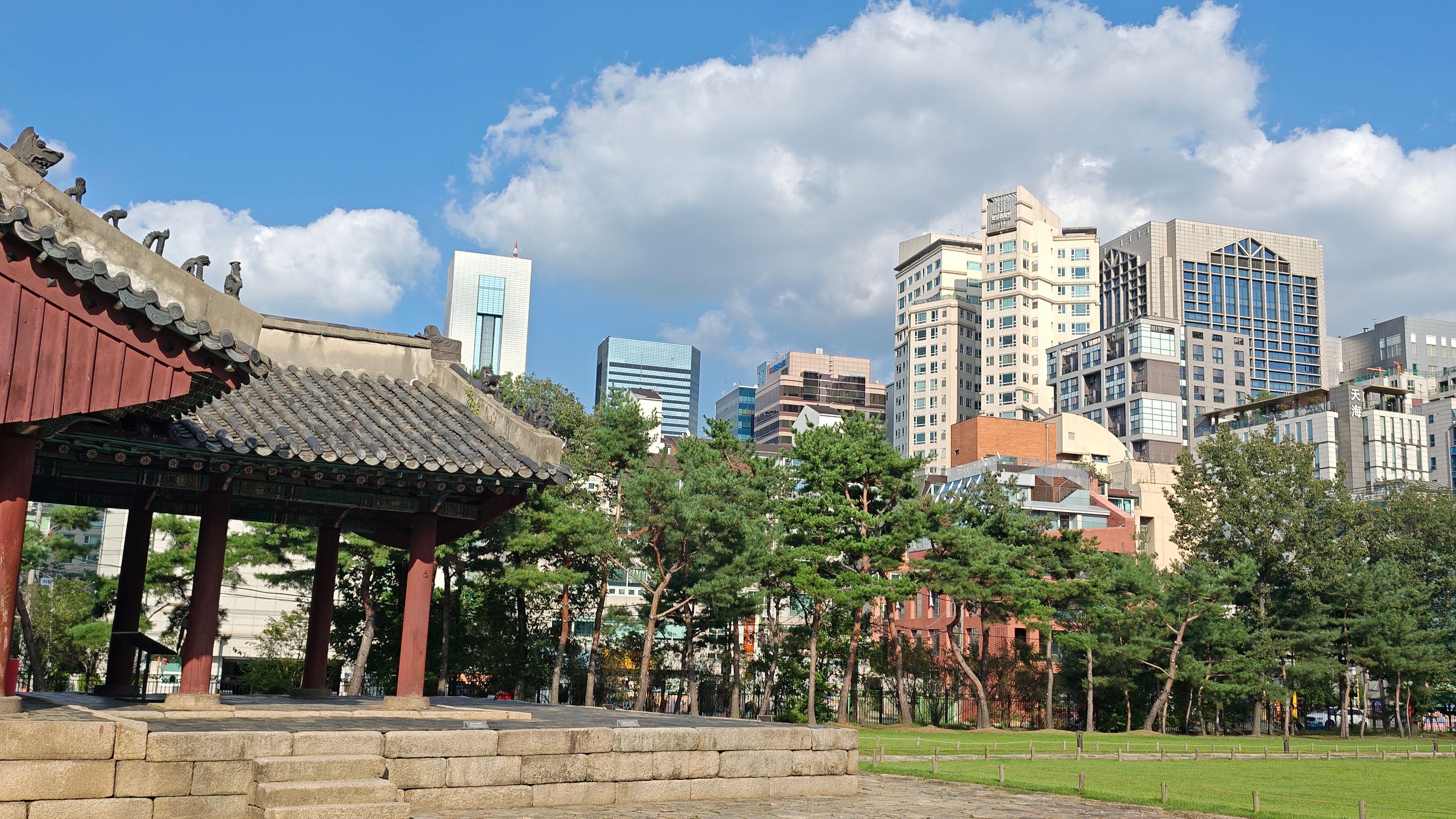
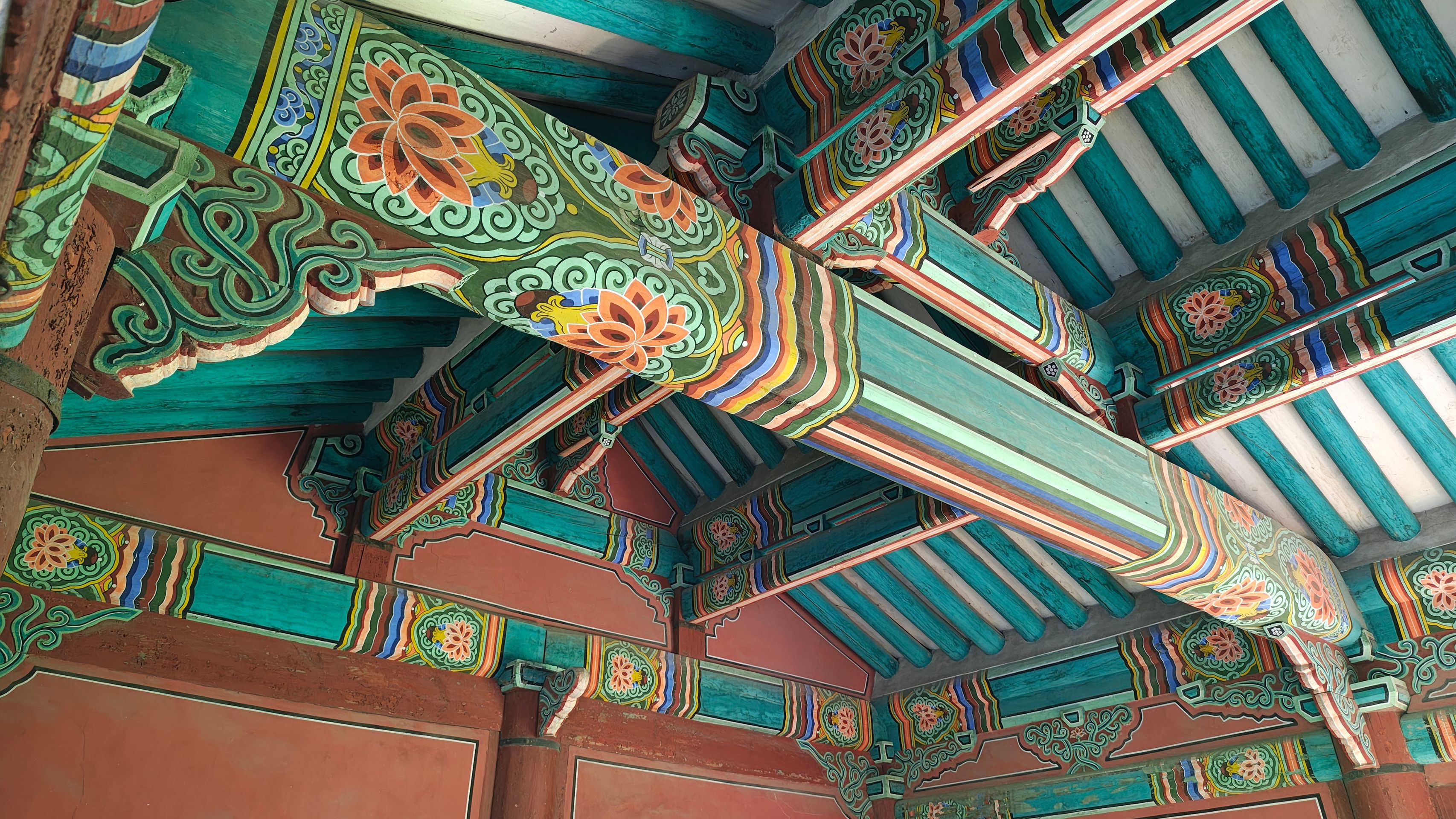
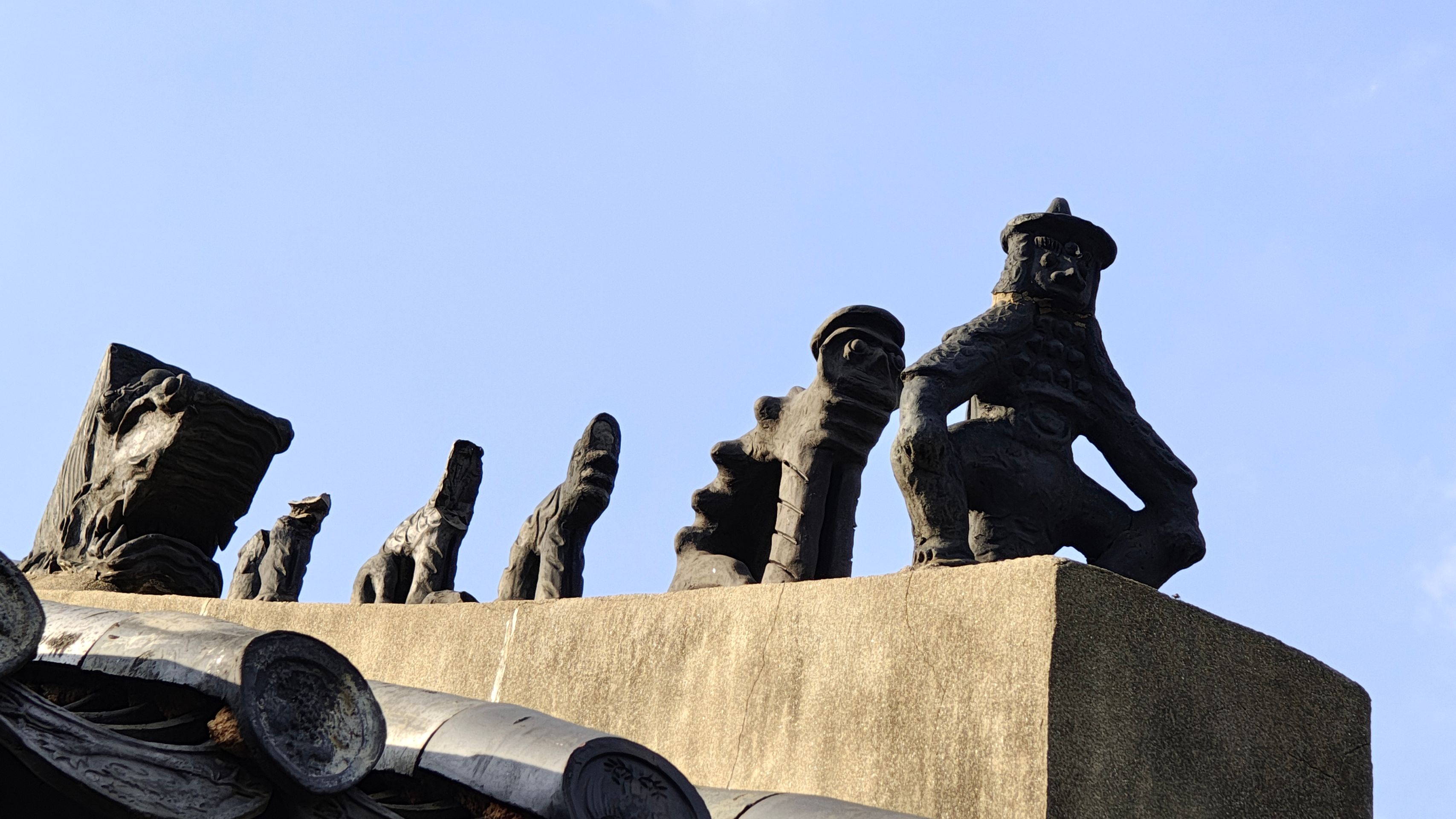
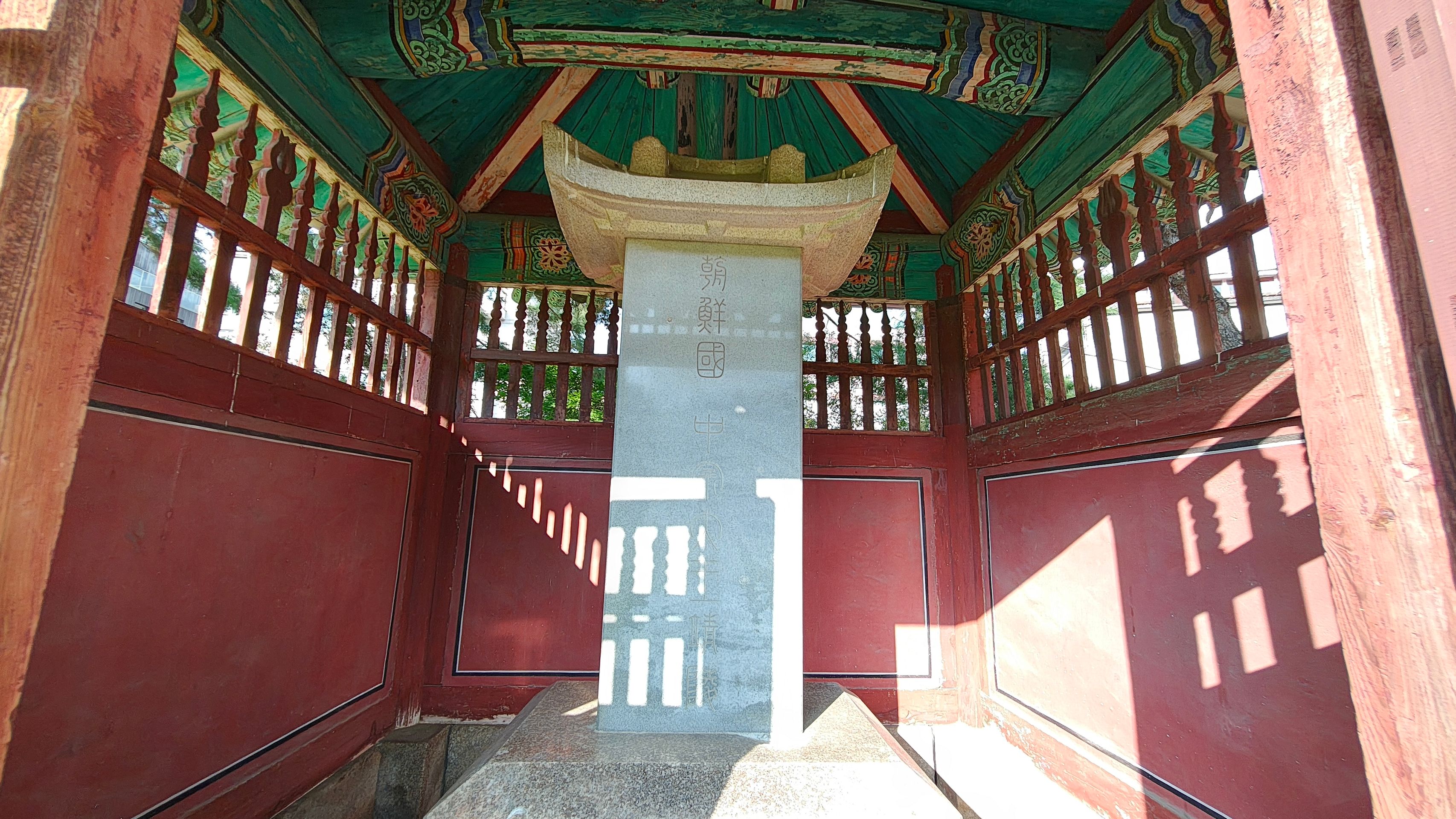
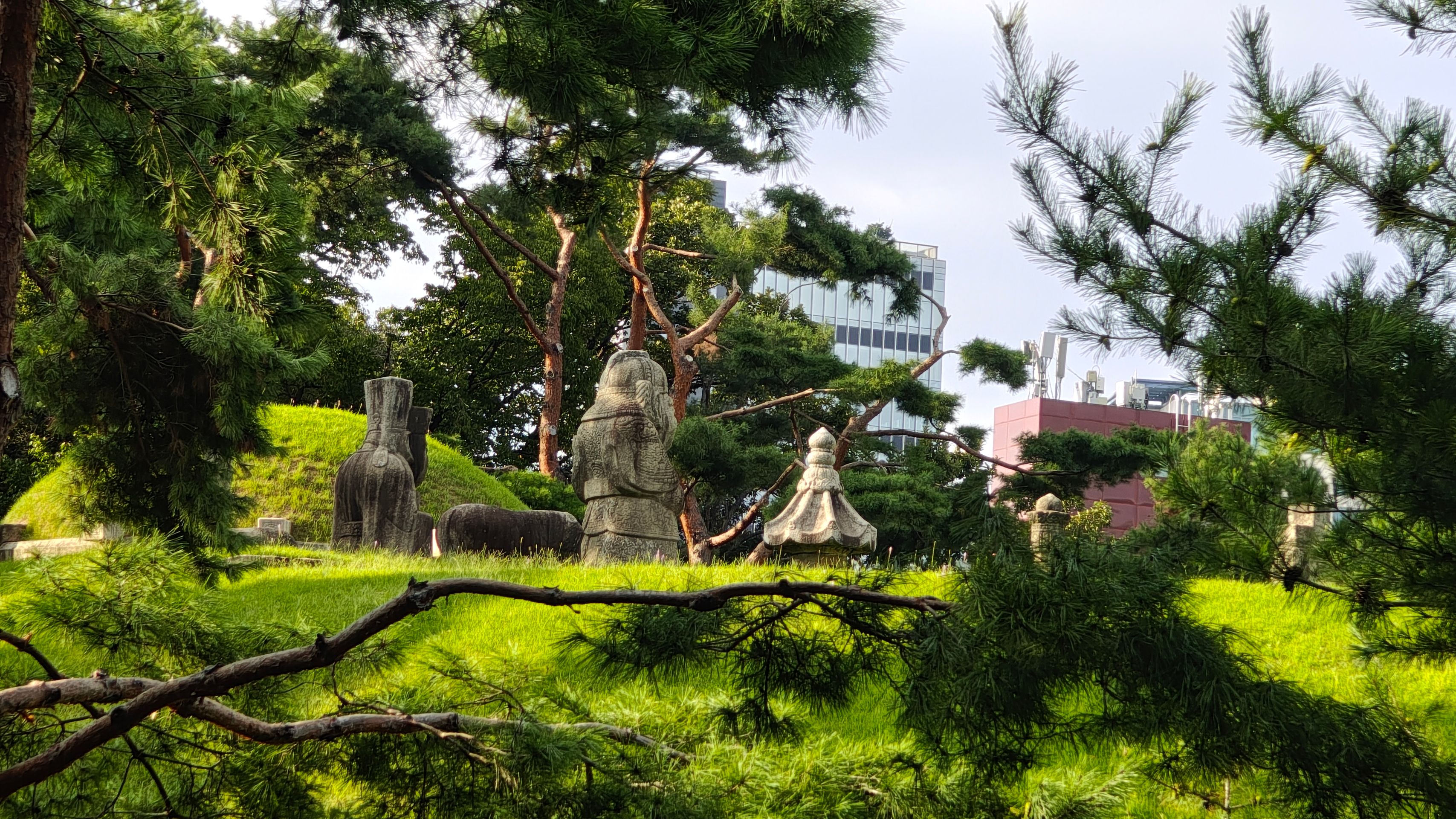
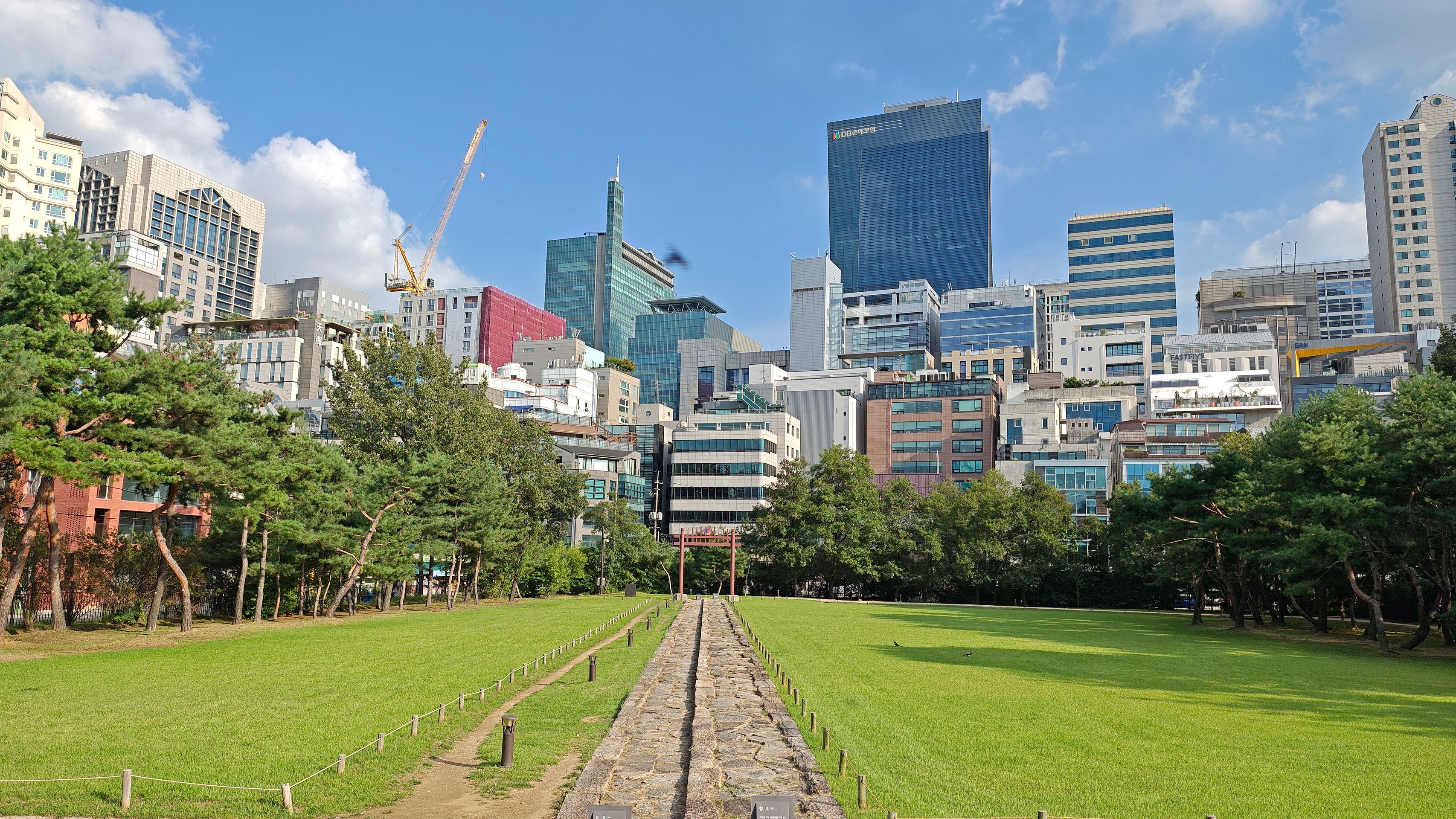
Why is Korean culture so interesting? Because a ruling dynasty that lasted over 500 years significantly shaped this culture. King Taejo founded the dynasty in 1392. He declared Confucianism the official state philosophy, profoundly influencing society, politics, and culture. Buddhism was pushed back, as the monasteries had previously developed a corrupt ruling elite. Two rulers during the Joseon era made significant contributions to this important Korean development, and we will visit their tombs. We begin our visit at the first ruler's tomb in the Gangnam district (see also Gangnam Style), with the tomb of King Seongjong, who reigned from 1469 to 1494. We take the subway to Seolleung Station (also the name of the tomb) and walk towards the entrance. There, we fuel up with a lunch, of course Bibimbap, but without seaweed, which makes it less tasty. However, there was a very good homemade Kimchi, the traditional Korean dish that is always served as a side dish with every meal. The cook speaks Chinese, which makes ordering easier for us. With a full stomach, we can now embark on the hike in Seonjeongneung Park. The entrance fee of 2000 Won for two people seems to be merely symbolic, as it converts to only 1.24 Euro. We turn left and quicken our pace in the wooded area, as we are harassed by numerous insects. We don't linger long at the short exhibition because I already read historical information about the king during the selection of our visit. We reach the tomb hill via a small path on the east side of the hill, so we pass by the shrine. All tomb hills are similarly designed, with stone enclosures and stone figures. In the middle of the city area of Gangnam, King Seongjong found a busy place for his final resting place. However, when he moved here, it was still a quiet rural area. Seongjong's greatest achievement was the publication of the Gyeongguk daejeon (경국대전), the “Great Legal Code for National Administration.” This was the complete and final codification of all laws, administrative regulations, and social norms of the Joseon Kingdom and was deeply steeped in Confucian principles. It regulated the examination system for officials (Gwageo), the hierarchy of administration, the distribution of land, taxes, and social rituals, all based on Confucian values such as duty, hierarchy, and morality. The Gyeongguk daejeon became the constitution of Joseon and remained fundamentally unchanged for the next 400 years. It institutionalized Confucianism as the operational system of the state. We hike along the northern side of the park to the tomb of his wife, Queen Jeonghyeon. She survived her husband by 36 years and was a strong scheming woman who ultimately elevated her incompetent son, King Jungjong, to the top of the state in a coup. Our path now leads us to his tomb. This tomb hill cannot be climbed, so we primarily visit the shrine and the stele at his grave. His reign was a phase of stagnation and internal strife, though it must be fairly noted that the scheming power structures were initiated by his mother. The coup plotters who brought him to power formed a new powerful aristocracy and took key positions in the government. Jungjong was often little more than a puppet of this faction. One of the greatest tragedies of his reign was the struggle for power known as the Gimyo Sahwa (기묘사화) of 1519. Scholar Jo Gwang-jo initiated ambitious programs against corruption and to promote talents. The established elite felt threatened and incited the king against Jo Gwang-jo by fabricating false evidence of alleged treason. King Jungjong, uncertain and driven by fear, yielded and had Jo Gwang-jo executed and his supporters banished. This purge was a huge setback for the reform efforts and paralyzed politics for years. We do not allow ourselves to be paralyzed and end our tour in the serene park setting before re-entering the vibrant part of Gangnam.