From the Iguaçu Falls to Rio
Welcome, heartfelt welcome to the land of three climatic zones with their respective rainy and dry seasons. Brazil is almost as large as all of Europe combined. In November, a...

Published: 16.04.2026
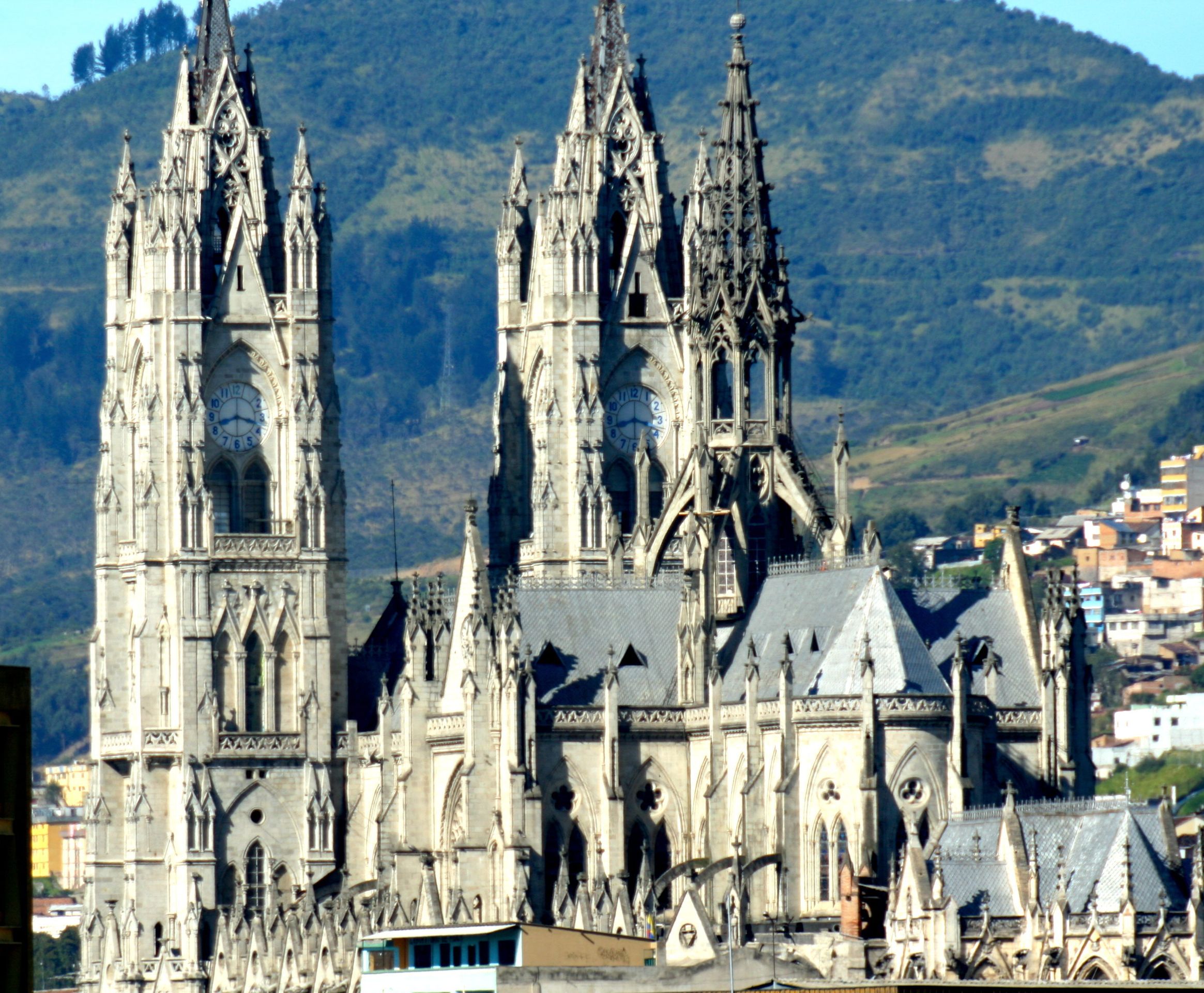
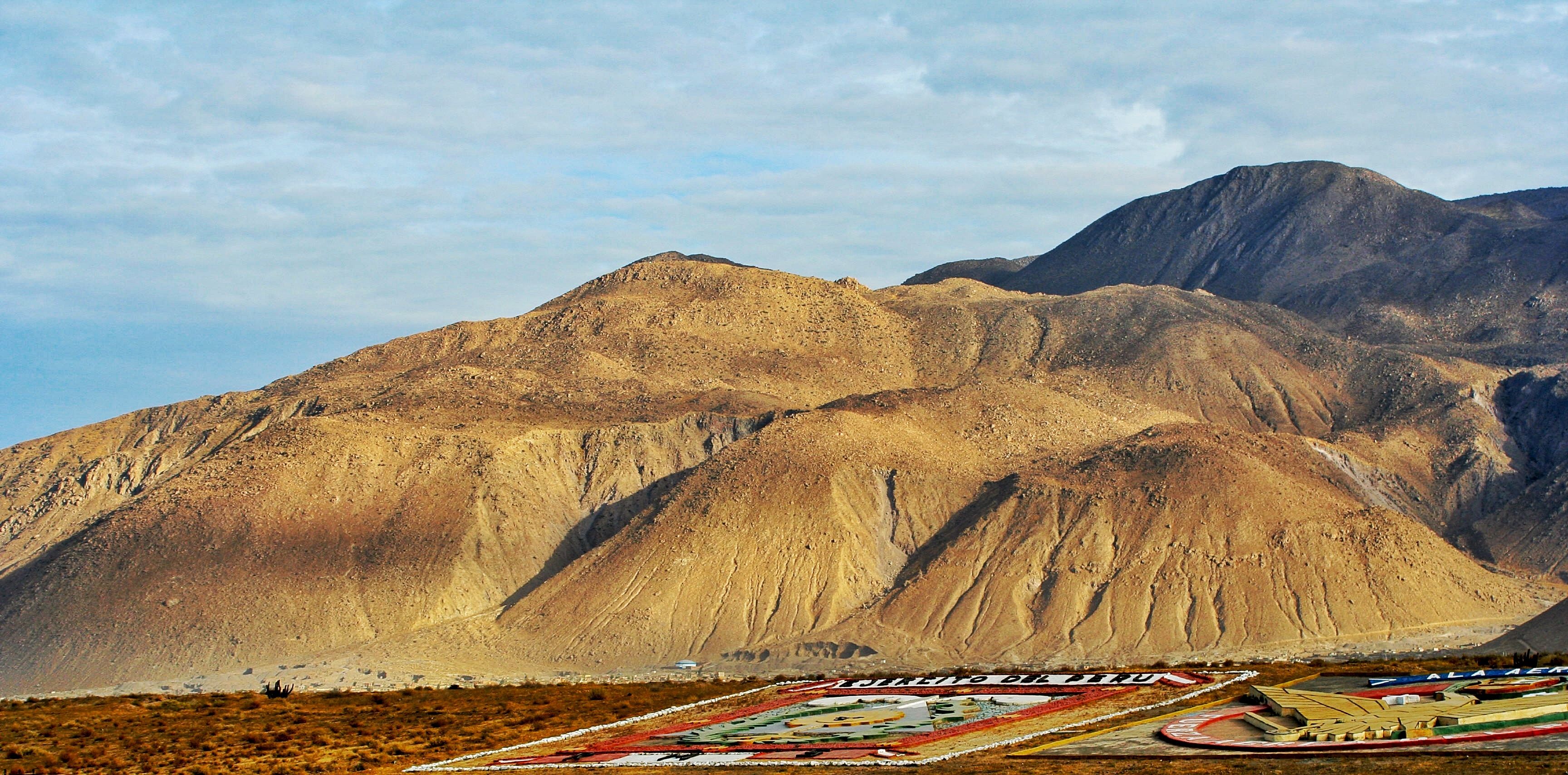
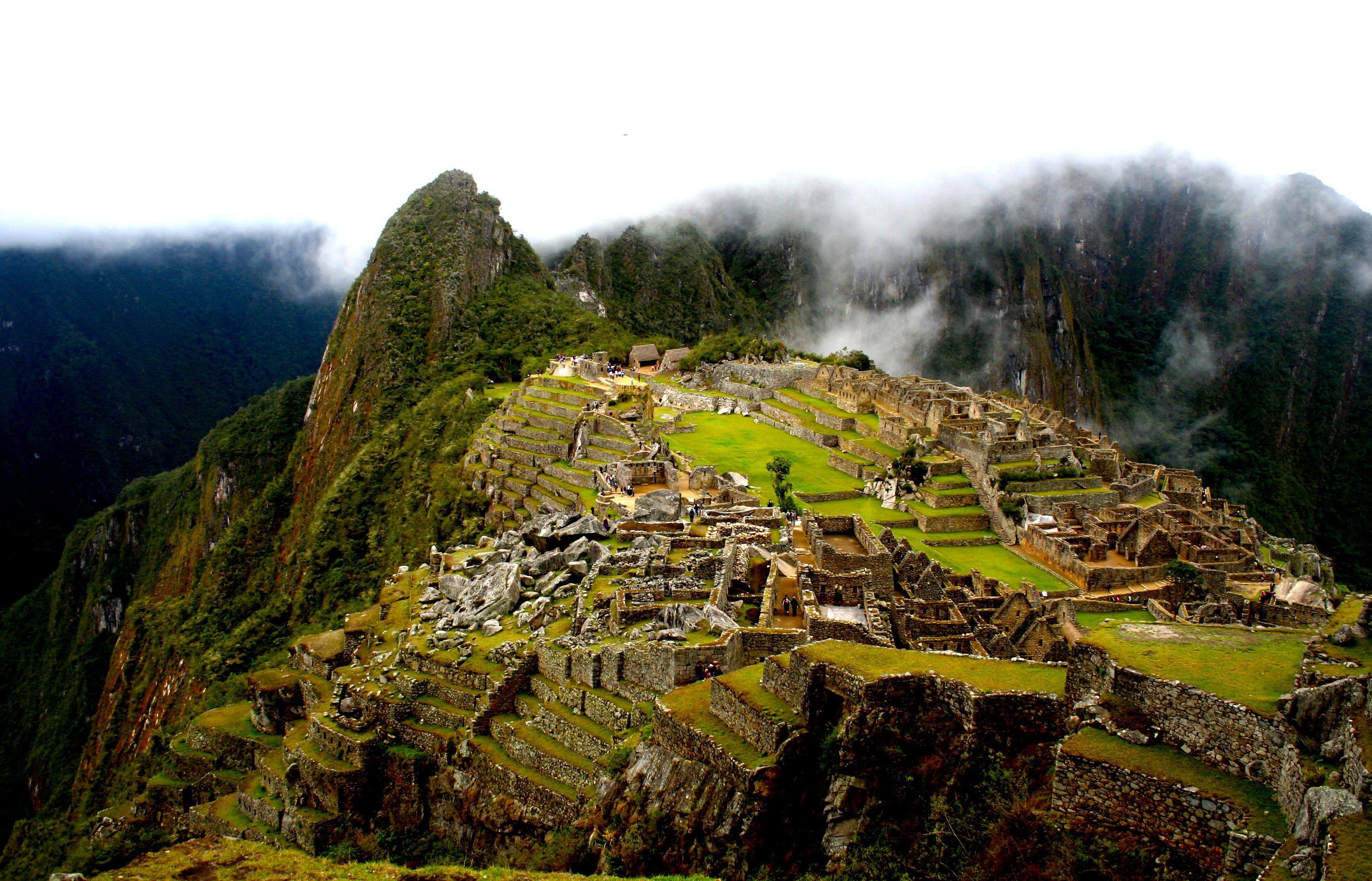
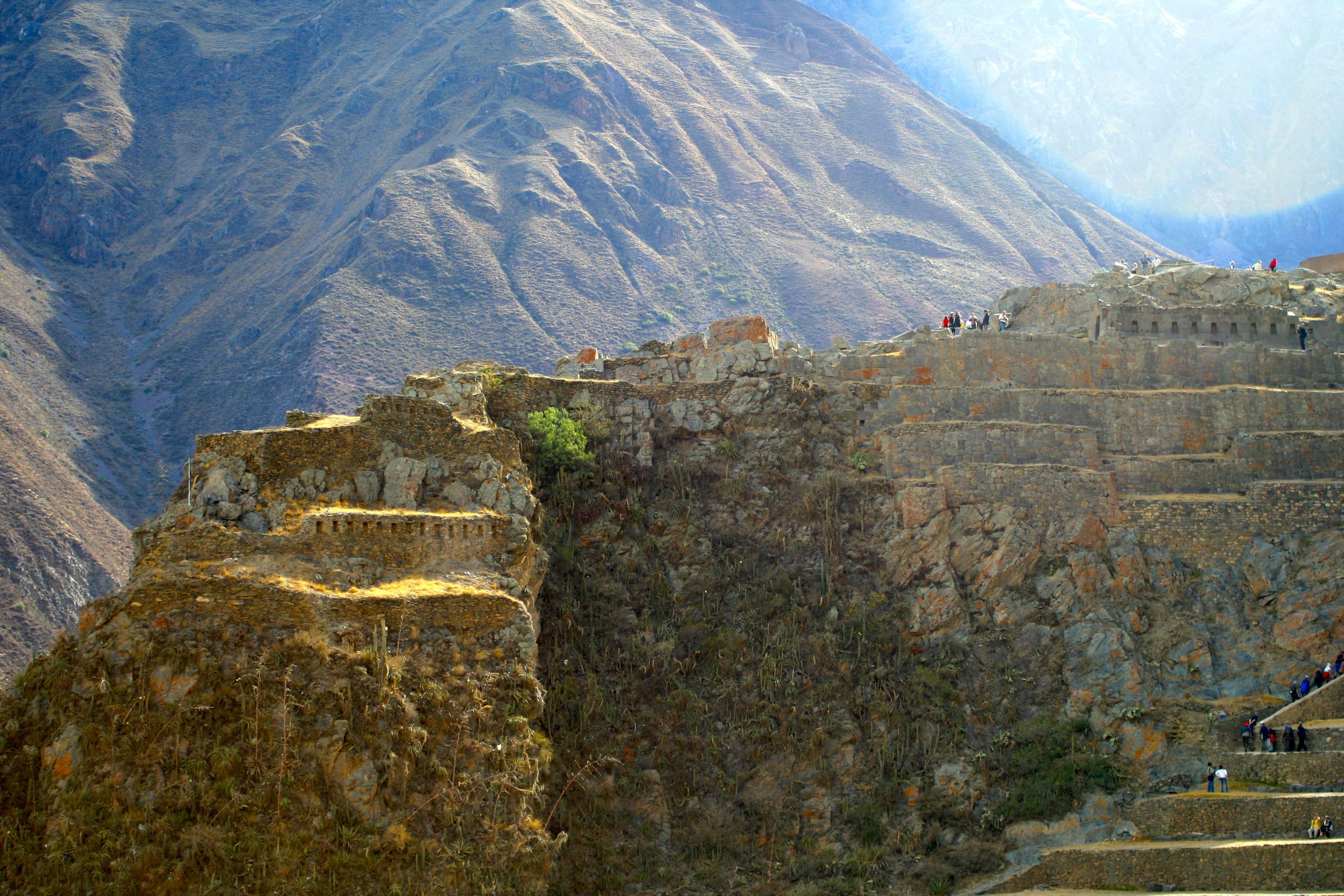
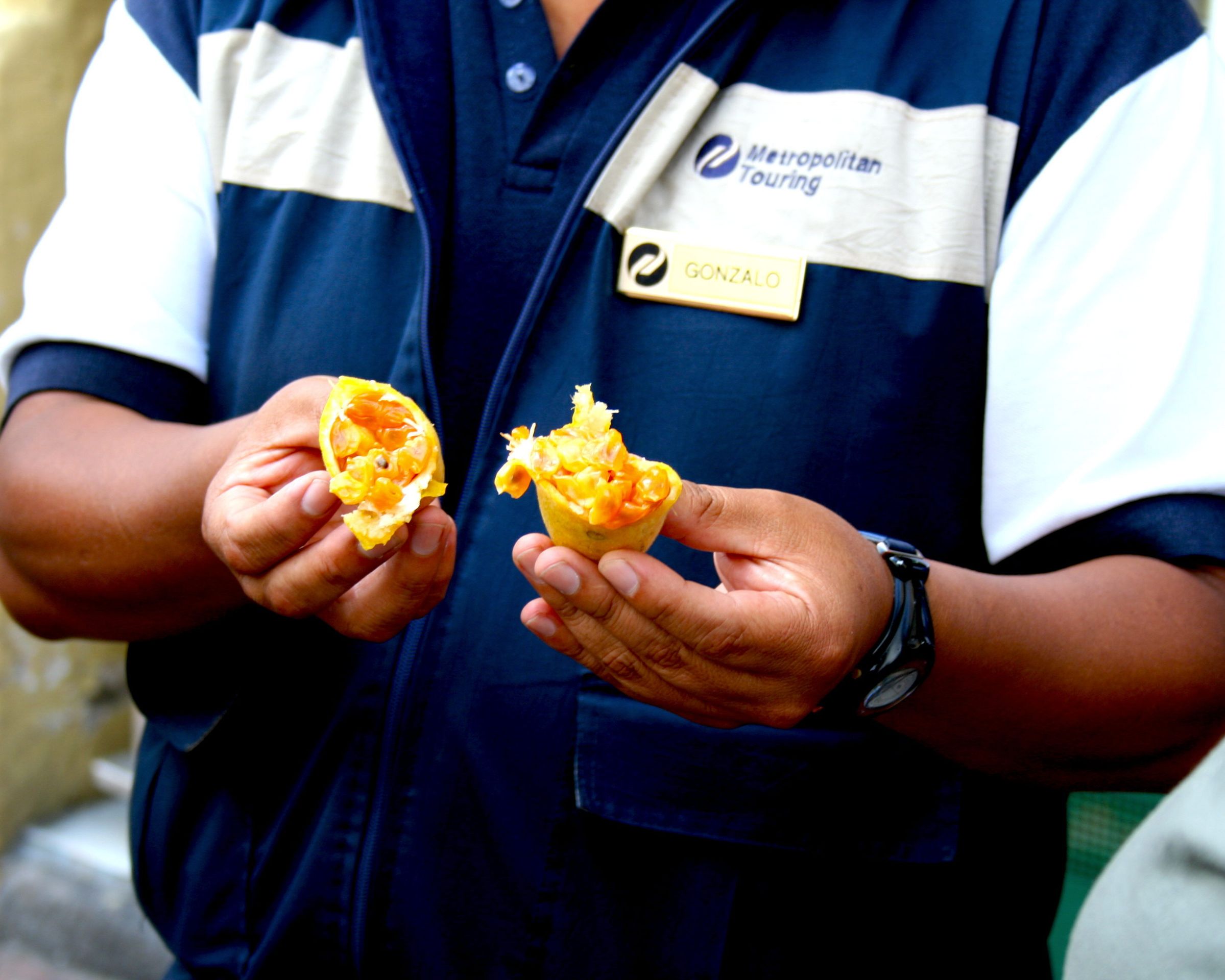
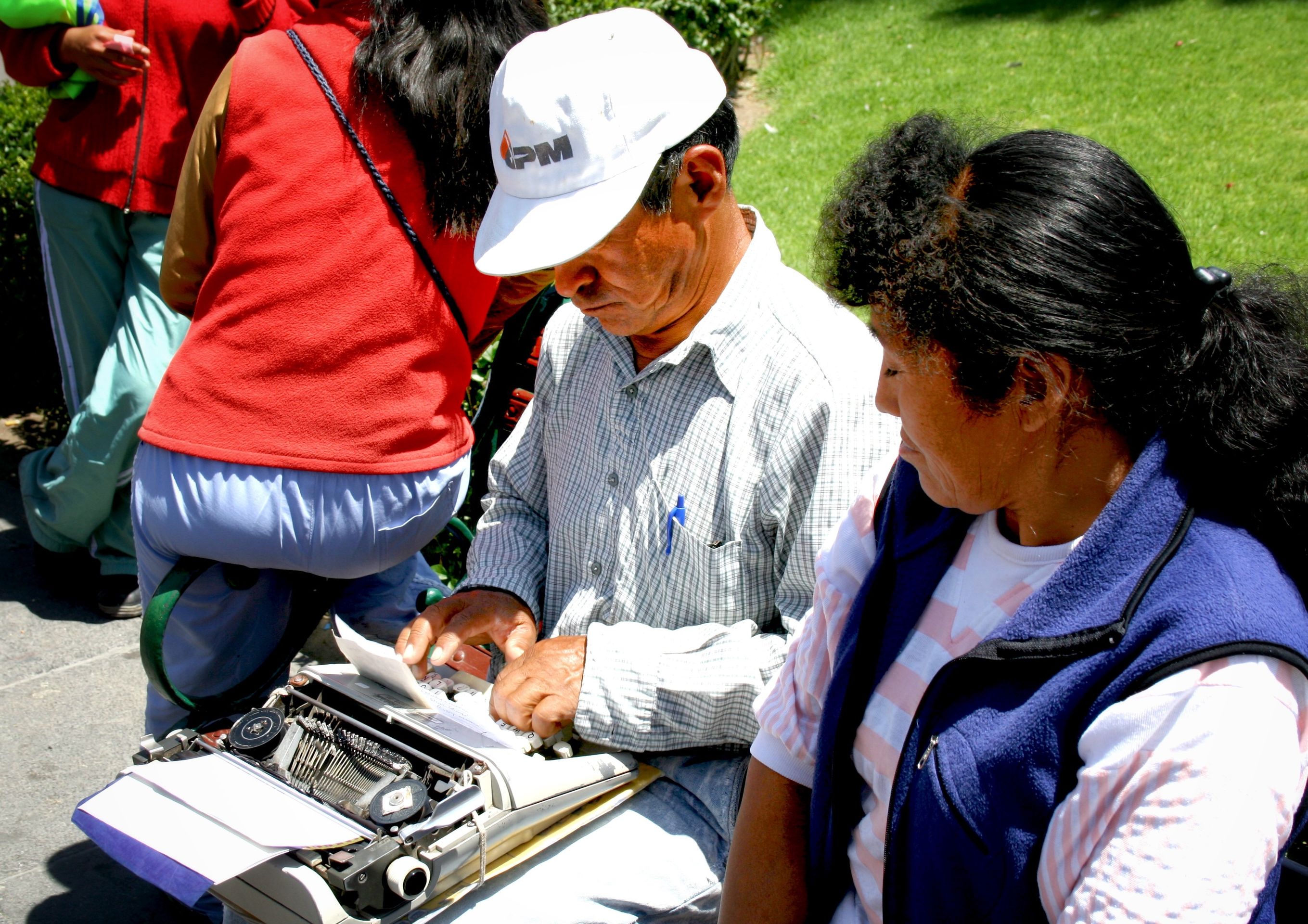
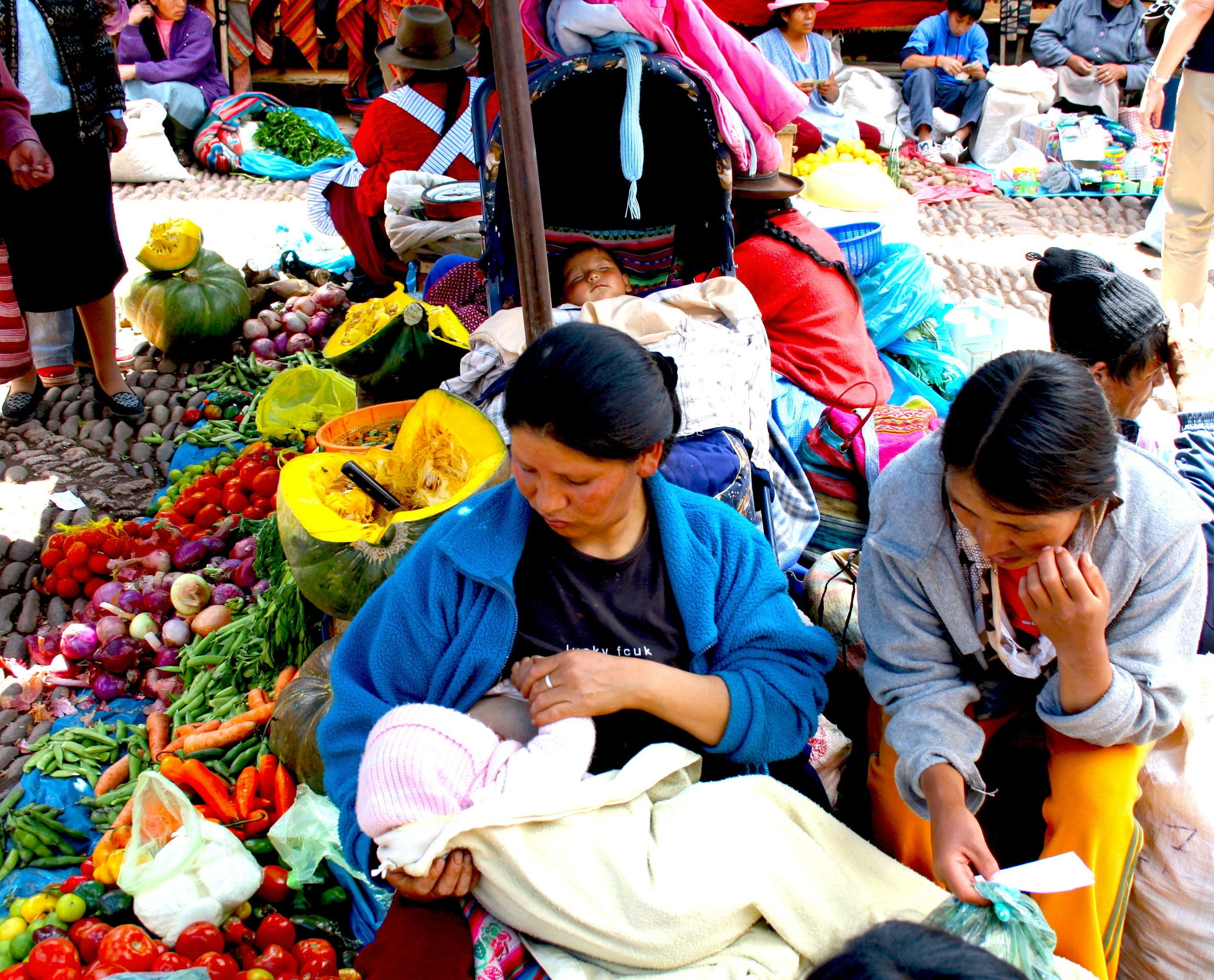
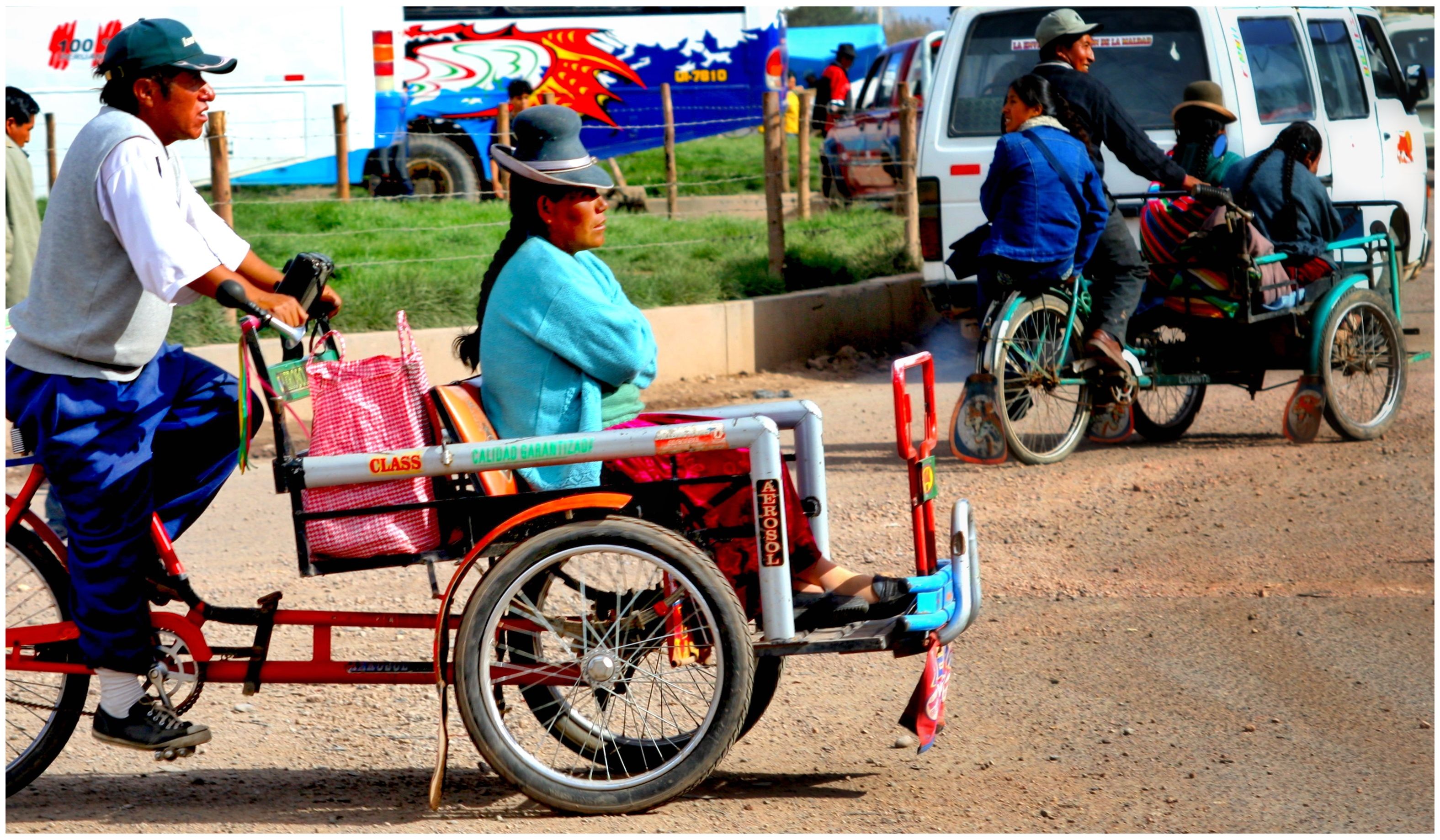
Quito, the capital of Ecuador, is 2850m high and sits at the foot of the Pichincha volcano, which last erupted in 1999. The city is known as the monastery of Ecuador due to its numerous churches, including the neo-Gothic Basilica del Voto Nacional, the largest cathedral in South America.
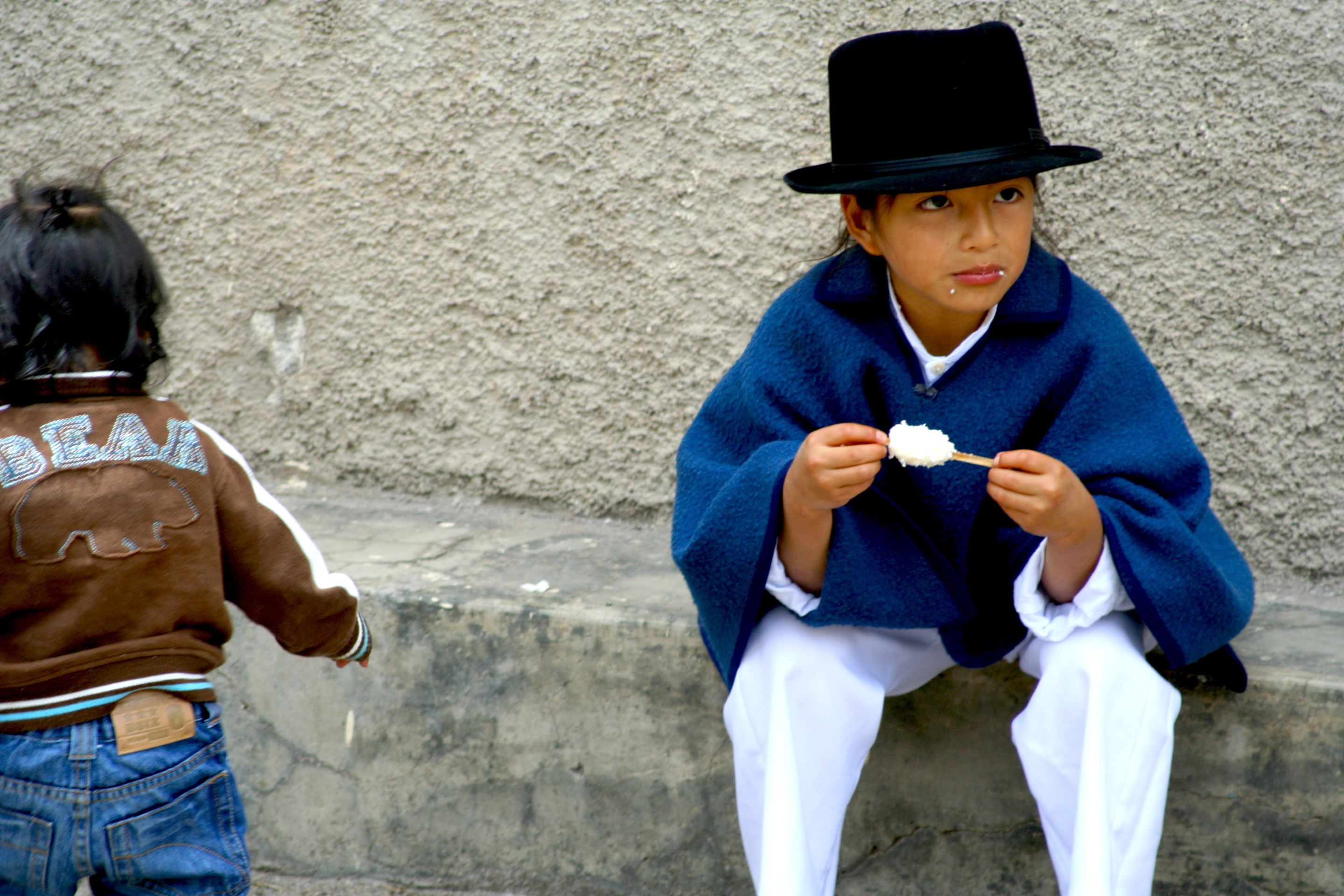
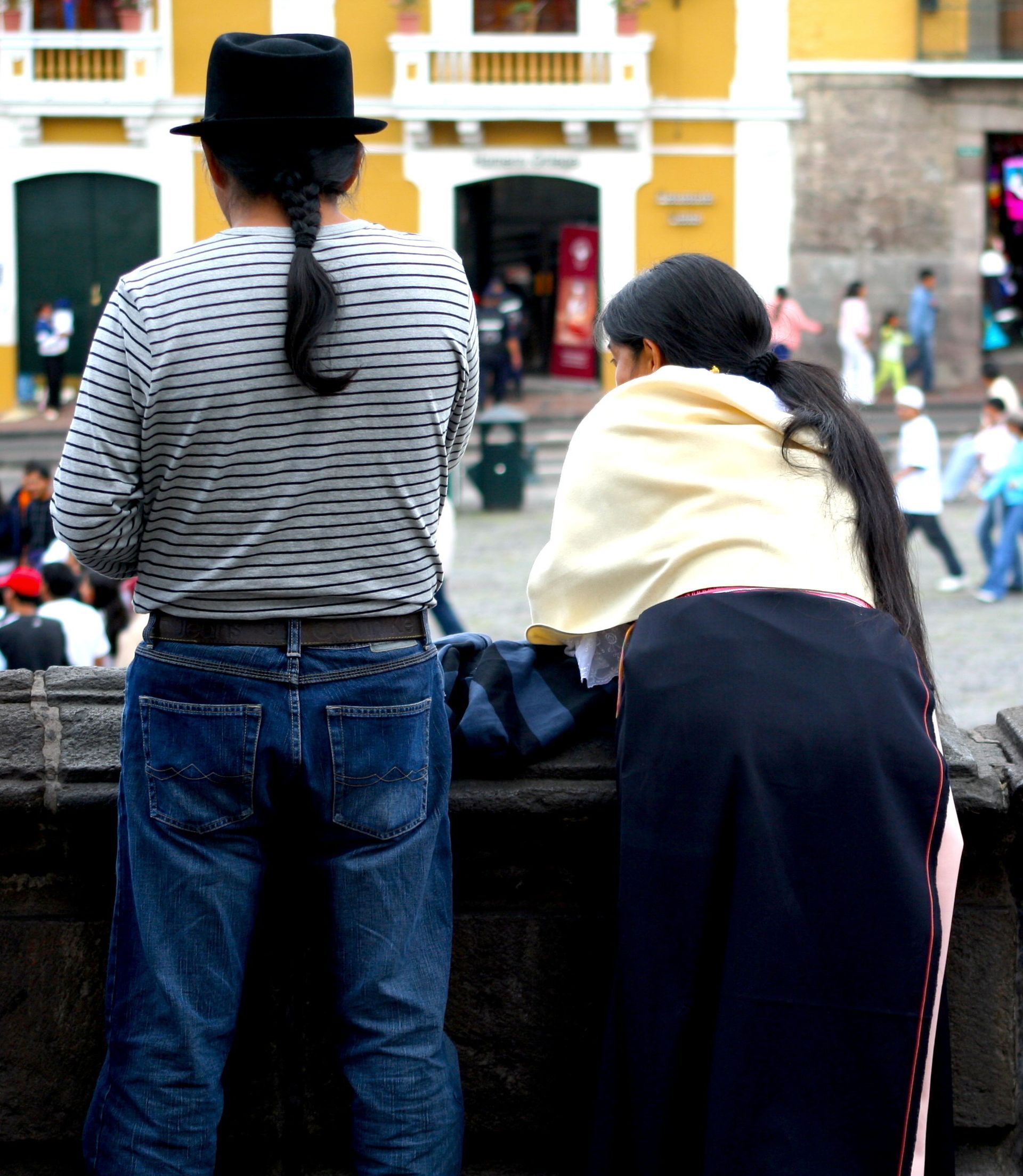
Otavaleños typically have long hair, wear white trousers, black hats, and ponchos. They are famous for their textiles, speak Kichwa, and are now considered a prosperous indigenous ethnic group in Latin America.
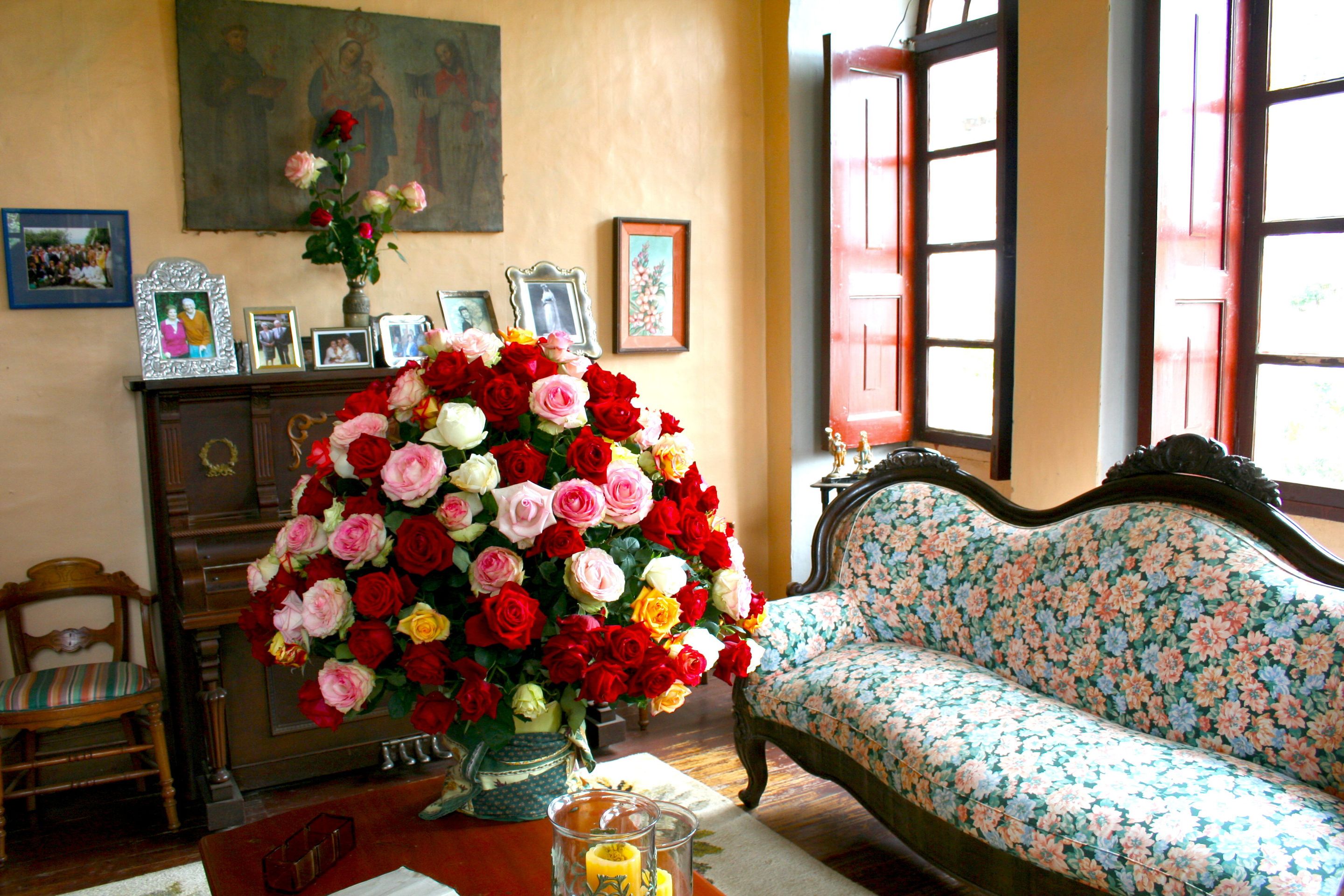
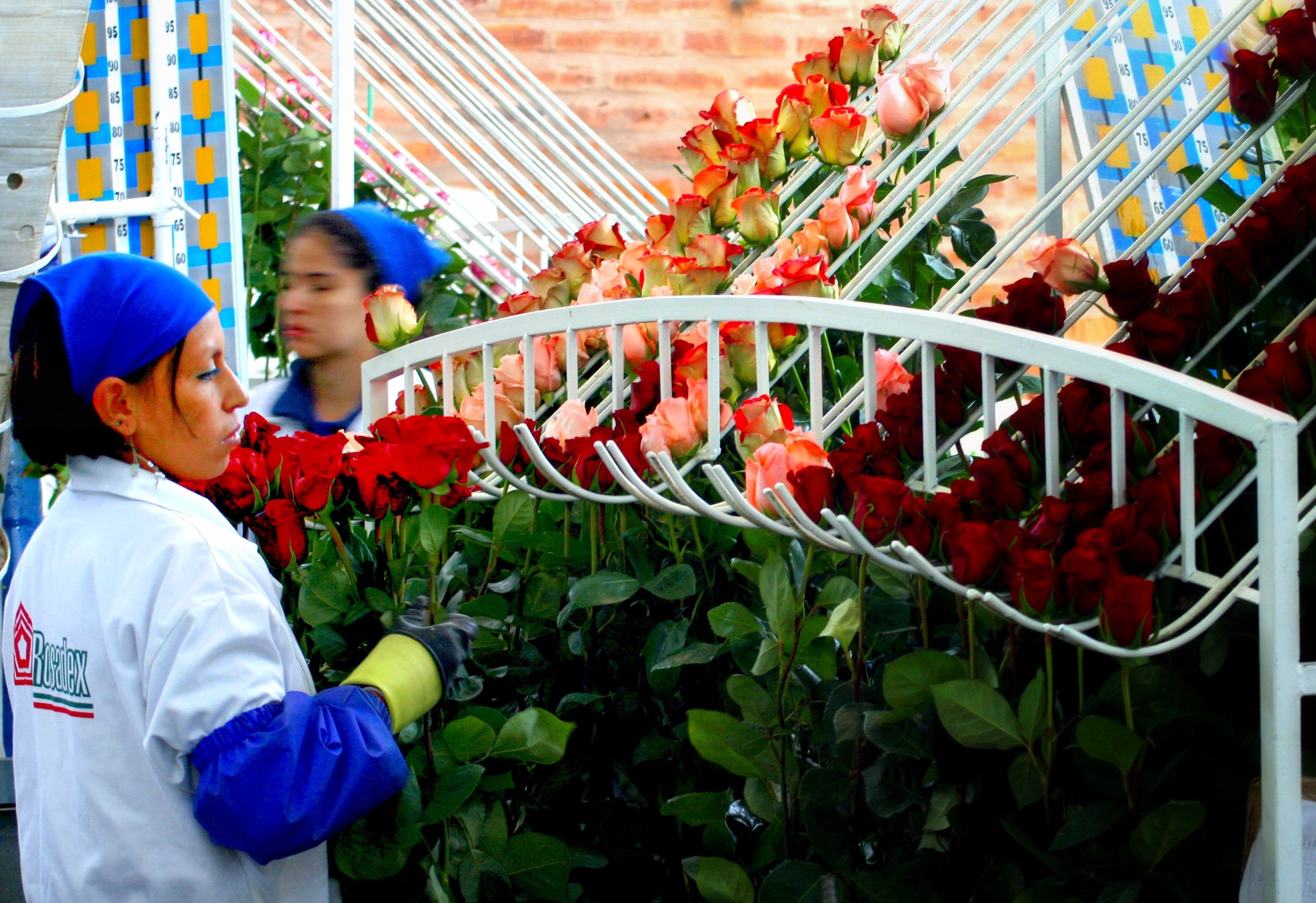
Ecuador ranks first in rose exports. Thanks to its high altitude, fertile volcanic soil, and many hours of sunlight, roses grow relatively slowly, resulting in vibrant colors, large blooms, and thick stems.There are more and more rose growers offering their flowers under Fairtrade. This means that the workers are paid better and have expanded insurance coverage.
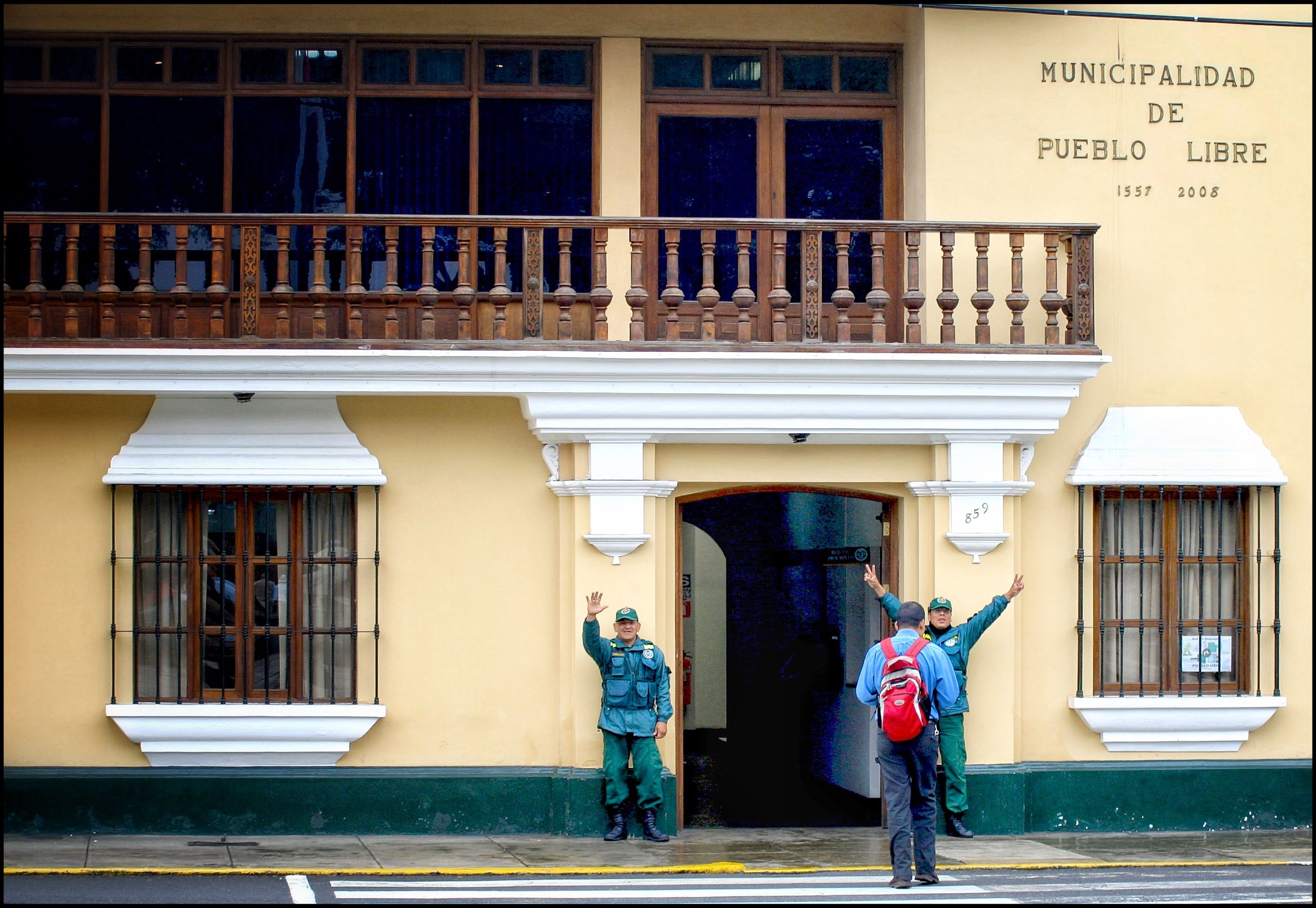
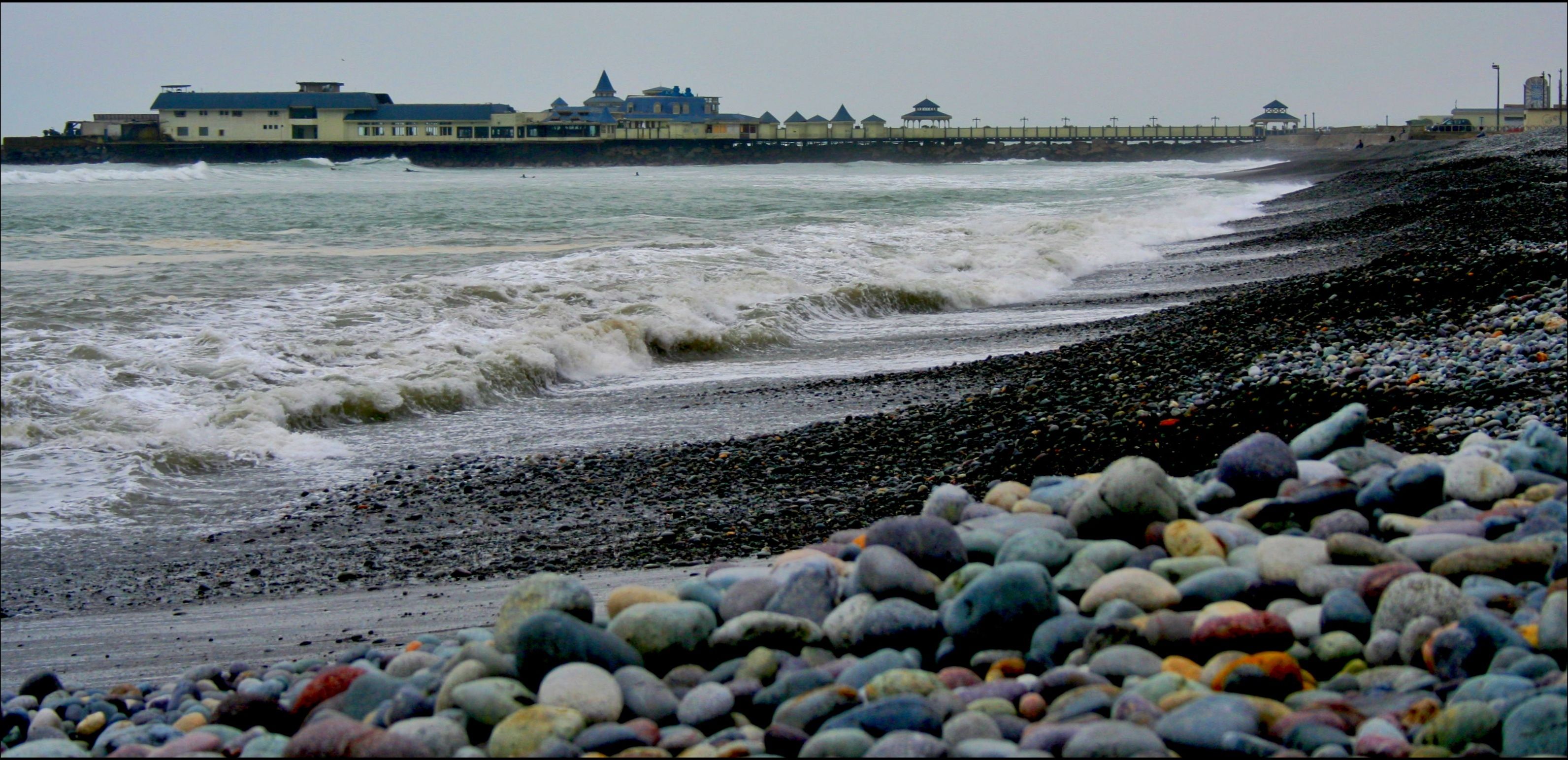
In Lima, there is high humidity from the Pacific Ocean, yet it rarely rains.
I would say Great climate in Lima.
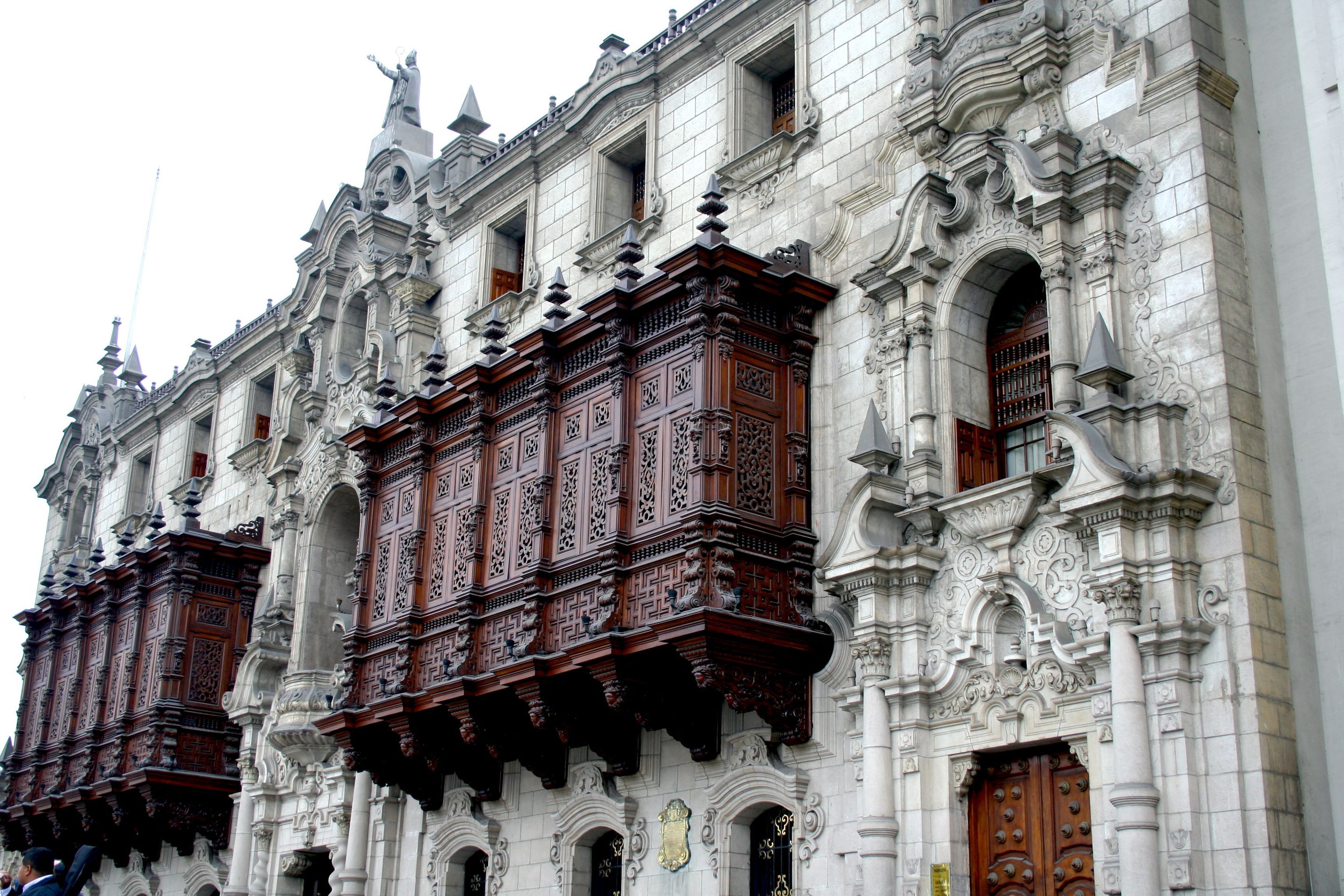
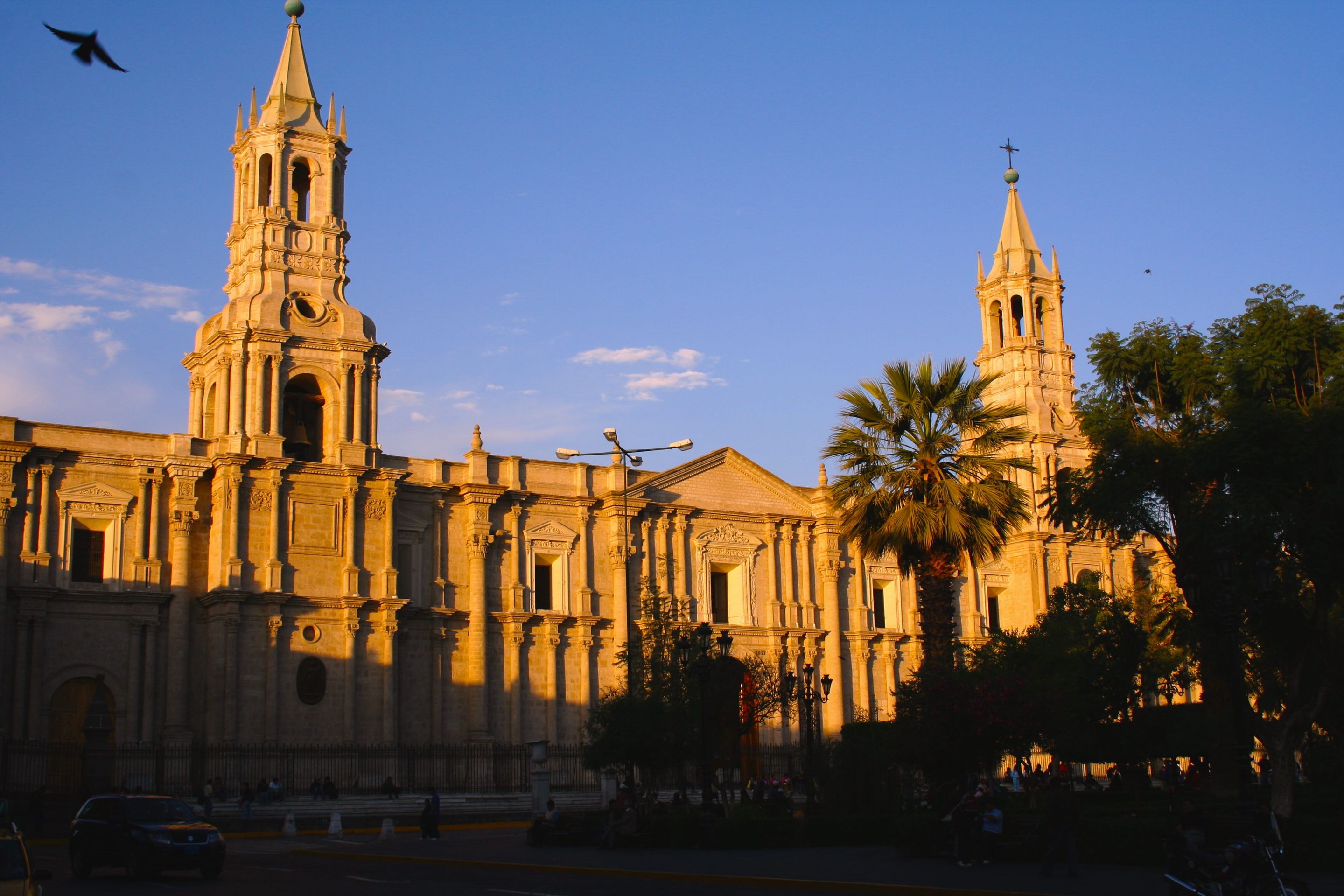
At the Plaza de Armas, the Spanish colonial architecture is evident through the magnificent wooden balconies.
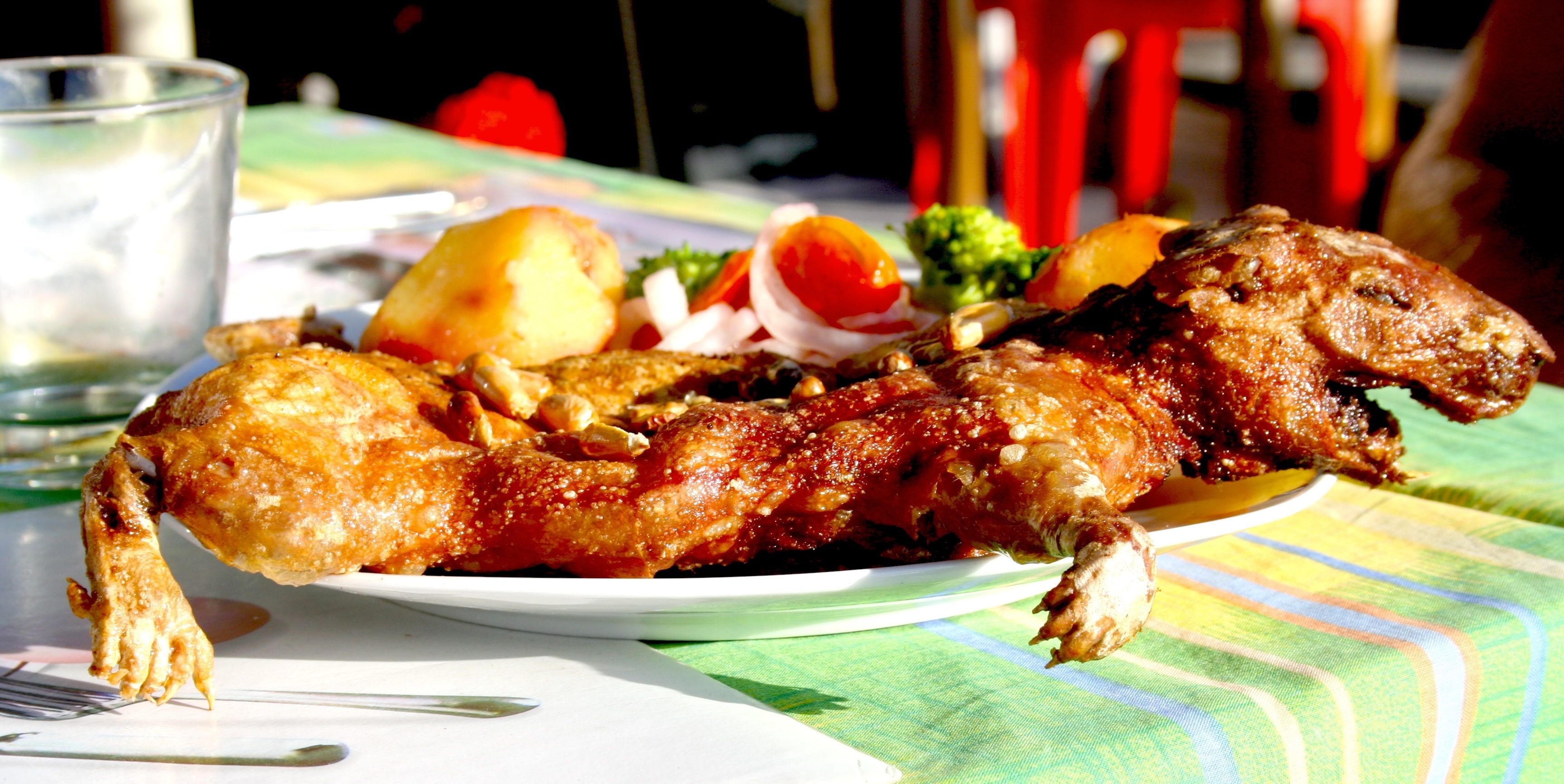
Arequipa is also known for Cuy Chactado, a Peruvian specialty where the animal/guinea pig is weighted down with flat stones during frying and seasoned with spices like cayenne pepper.
Mainly corn is cultivated, which is nutritious and resistant to the essential oils of the eucalyptus trees.
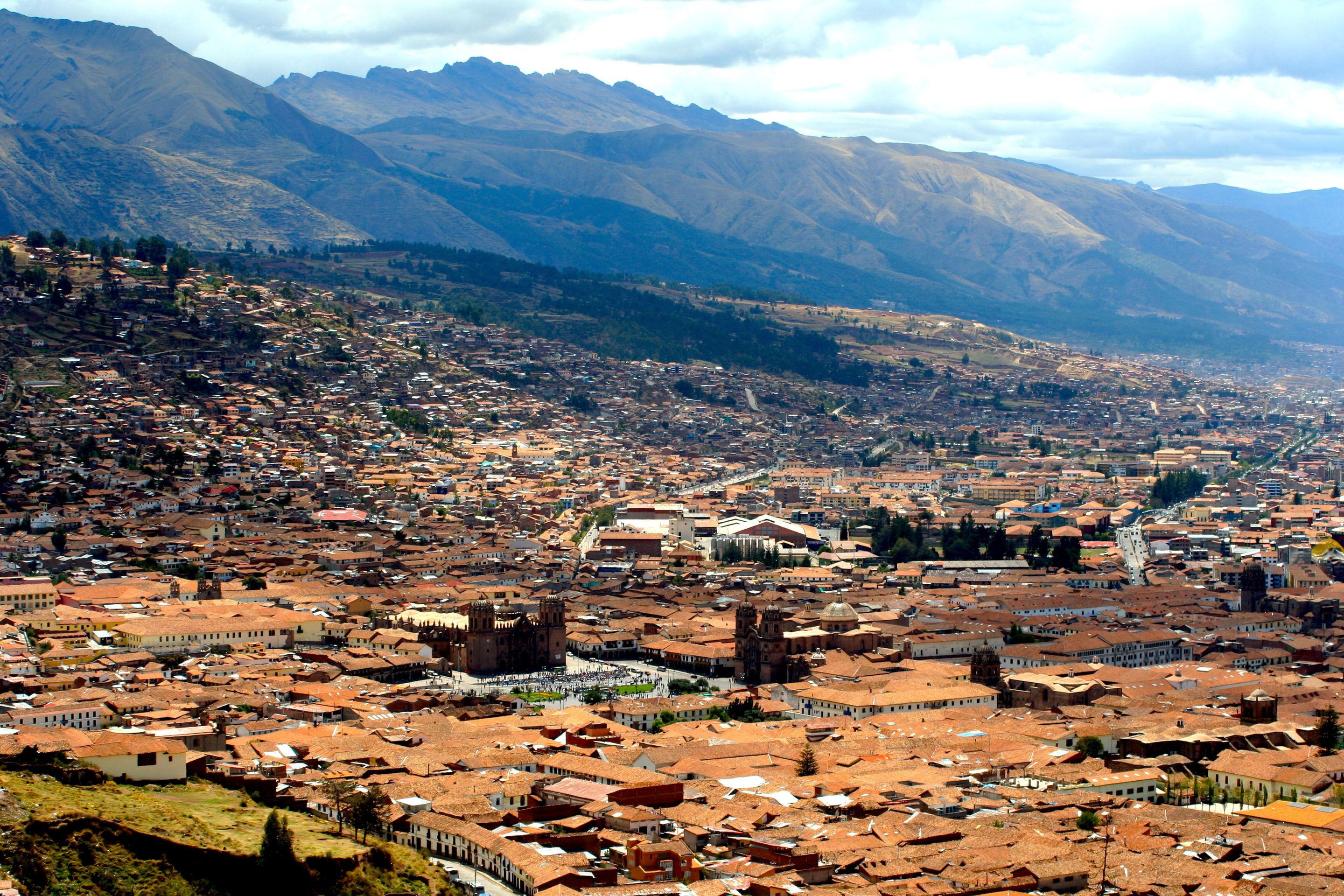
The Incas were expelled from Cusco by the Spaniards in 1535.
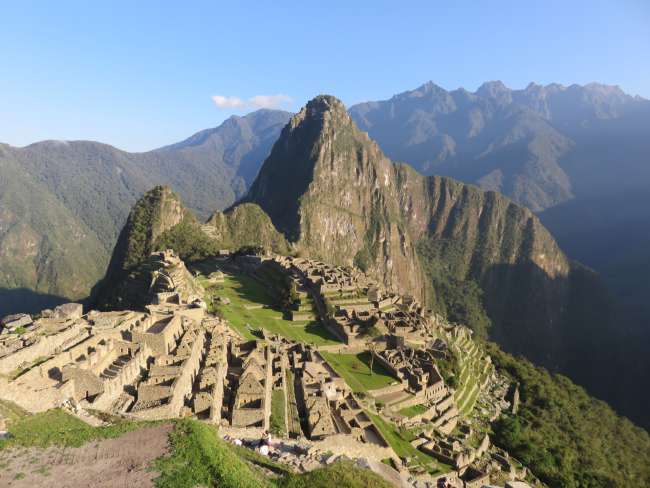
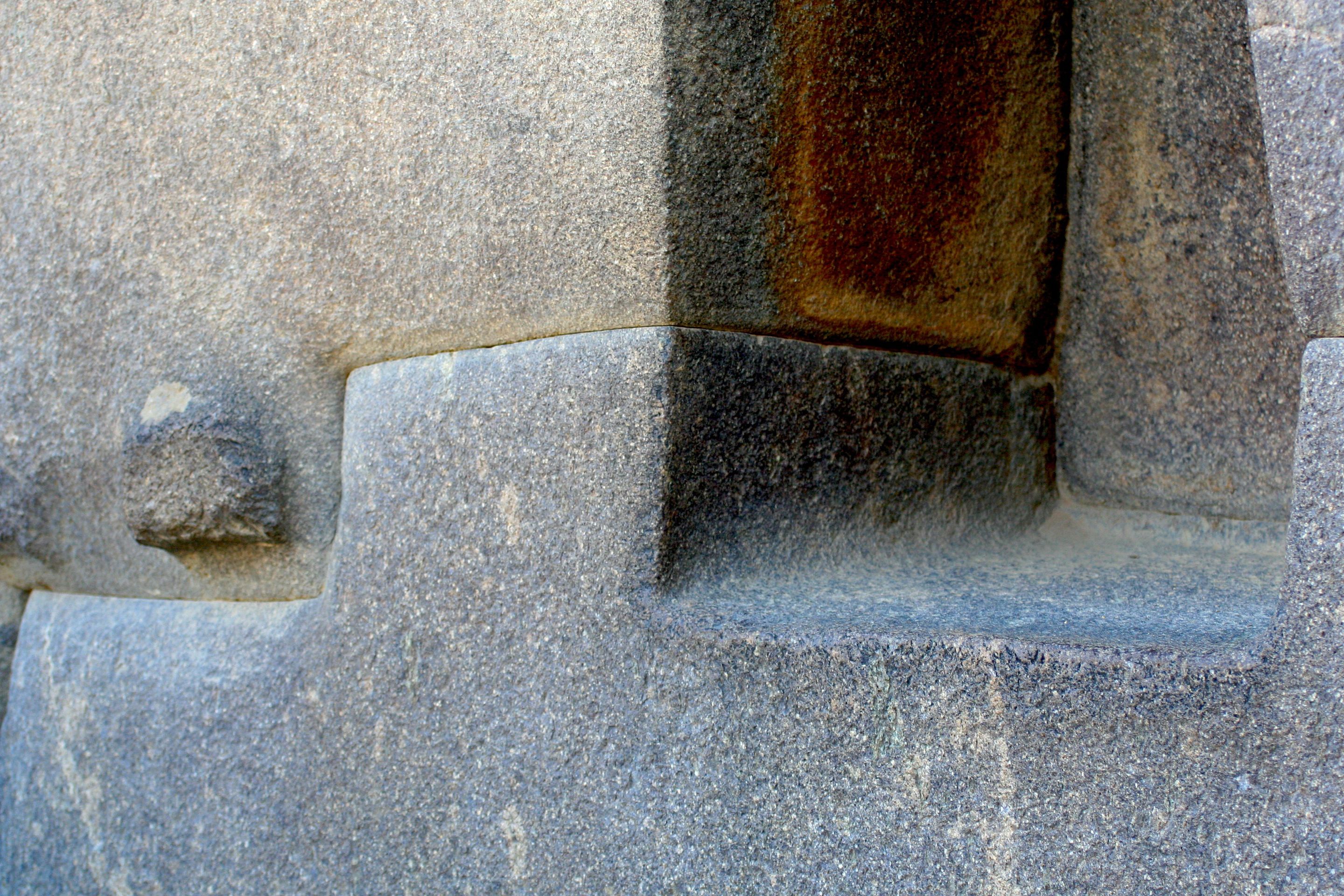
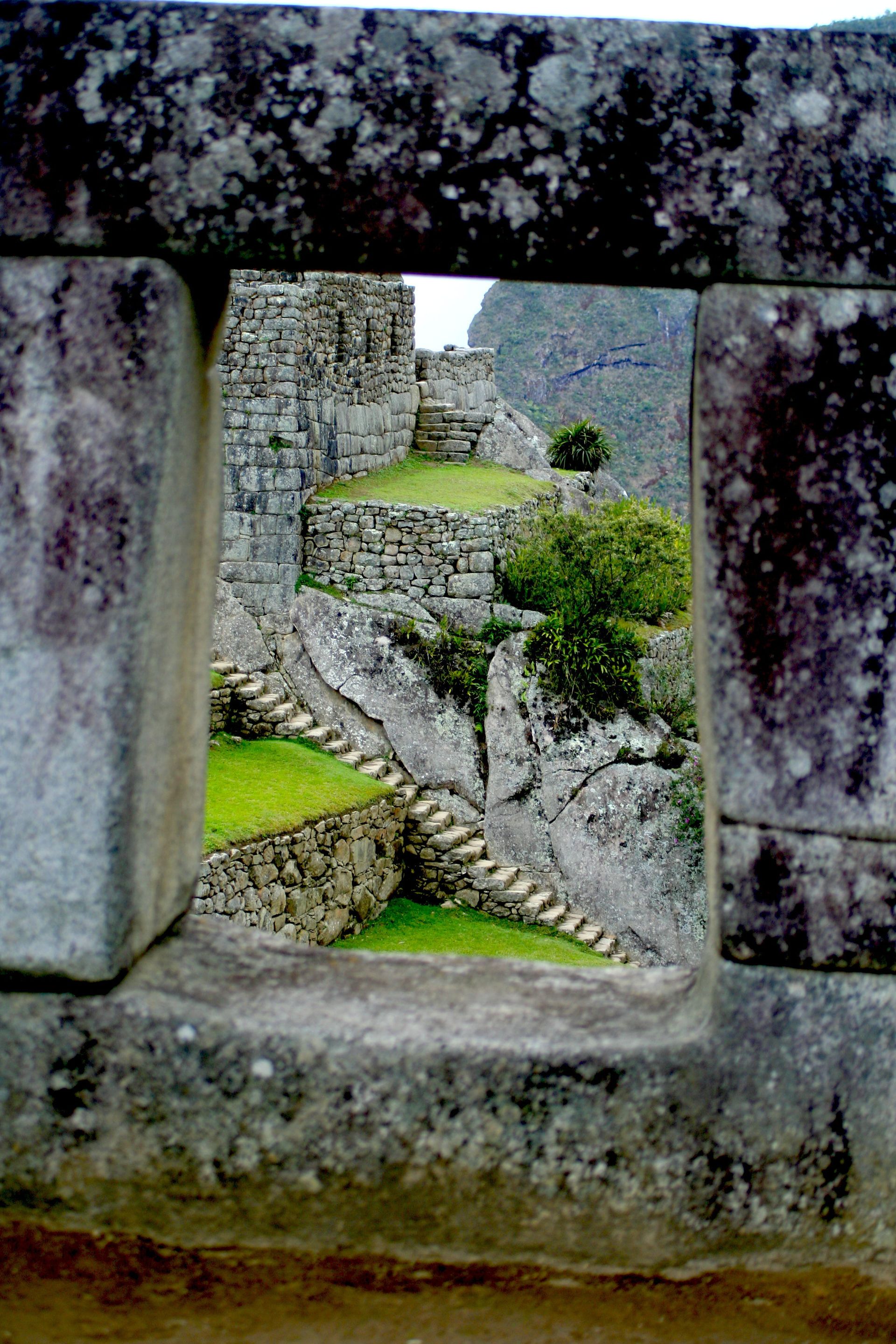
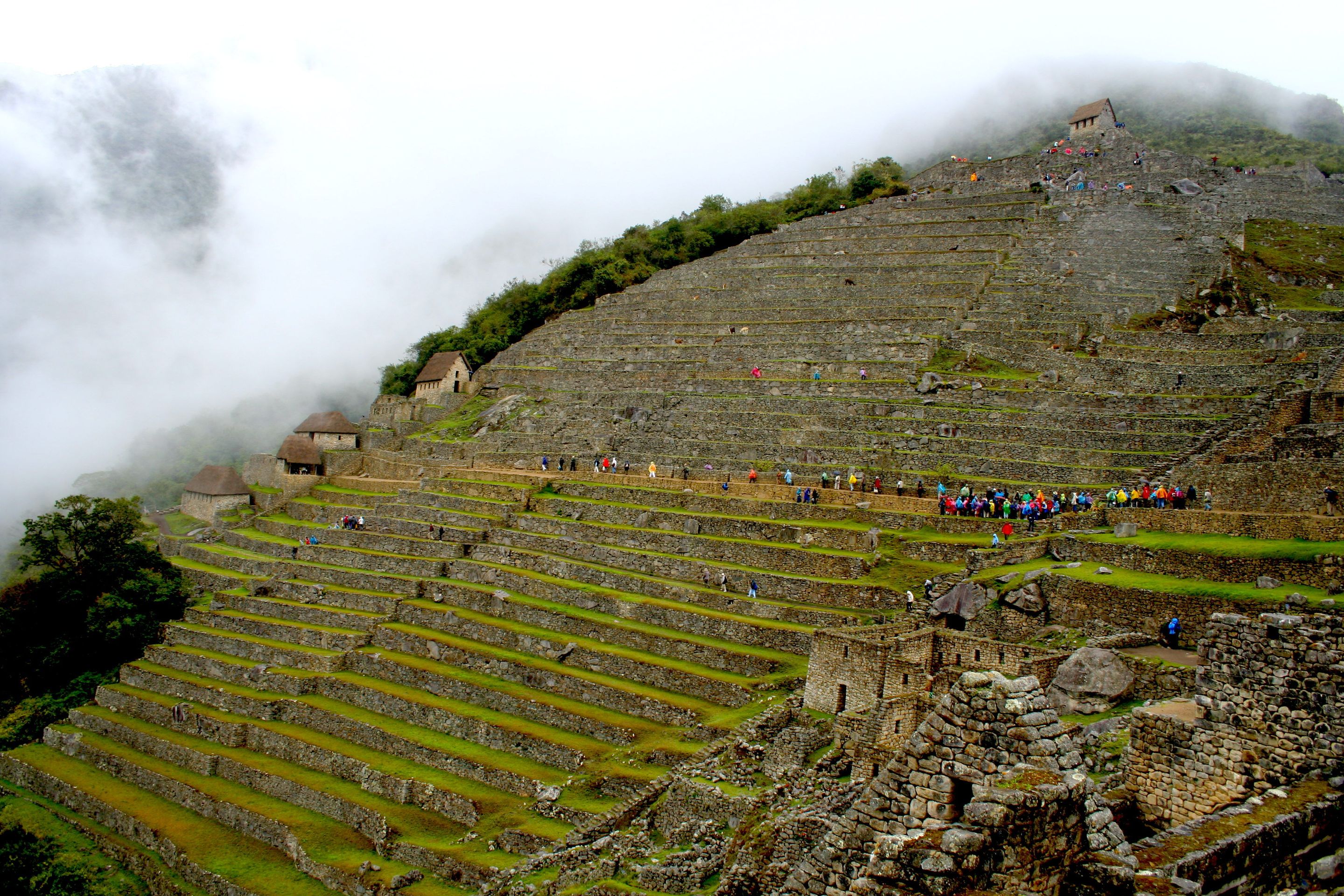
The Incas created terrace fields for potatoes, which were then dried for preservation. The structures generally have slanted walls and trapezoidal windows for interlocking, making them stable. The stones were blasted with the help of a wedge and often have 8-12 corners.
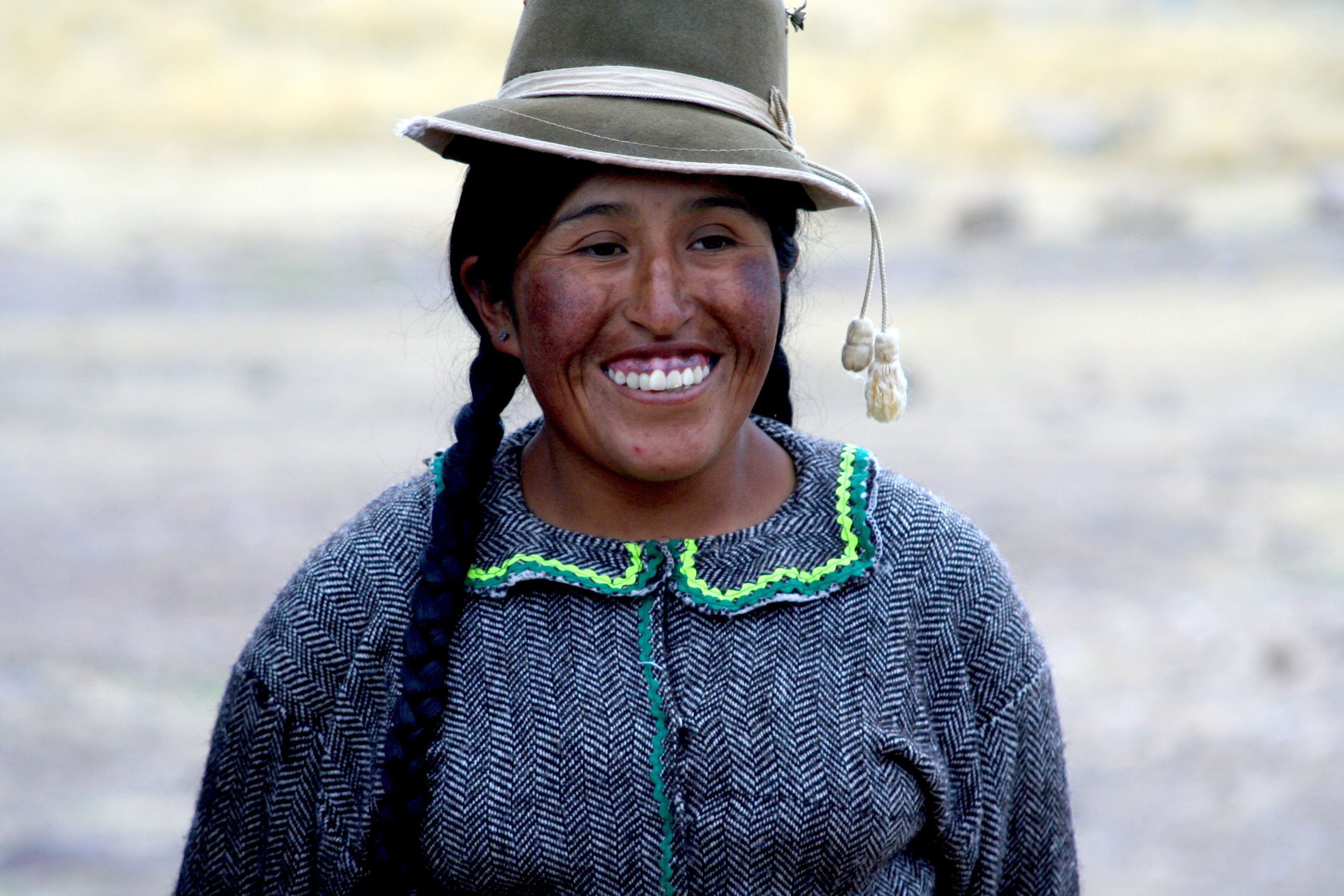
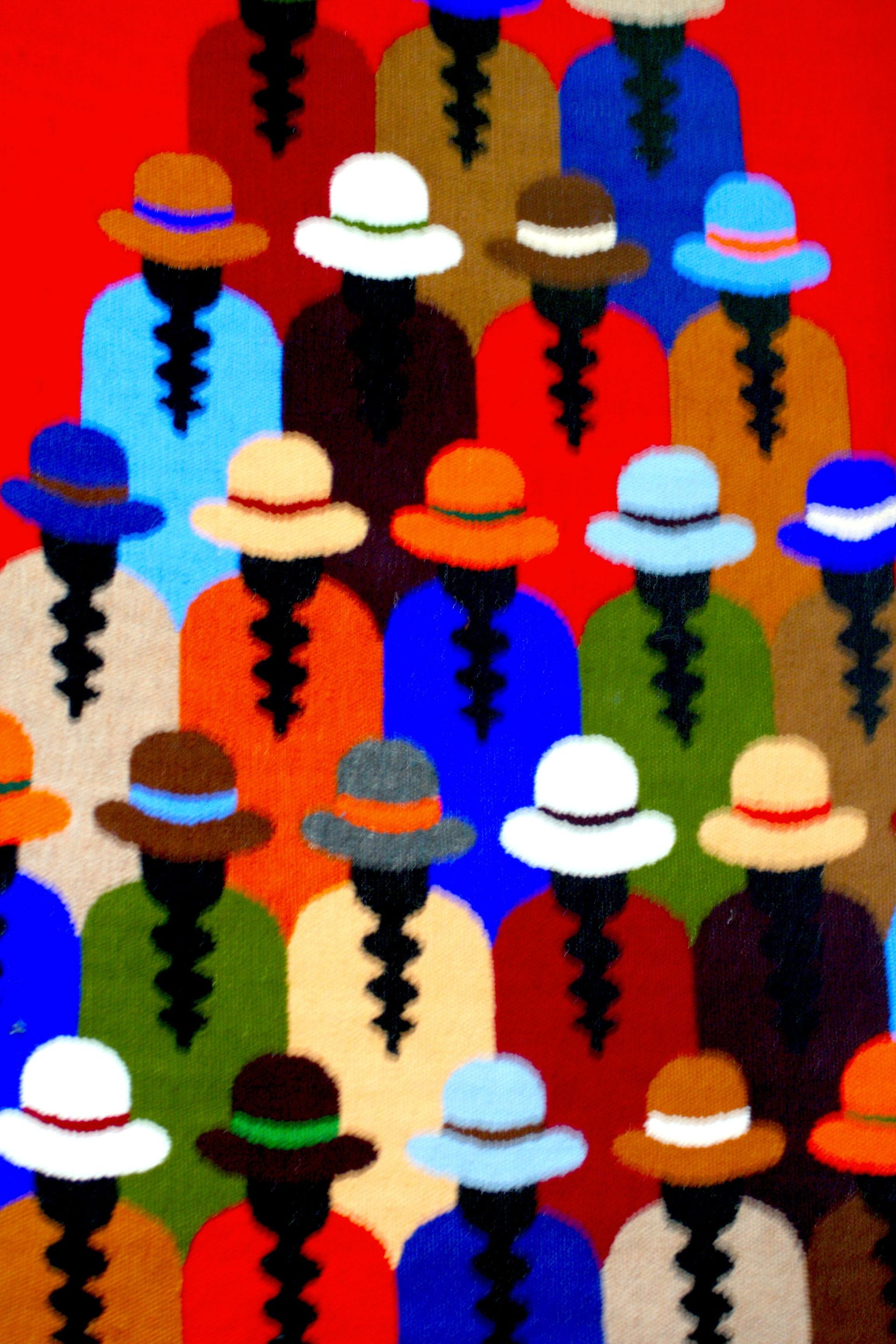
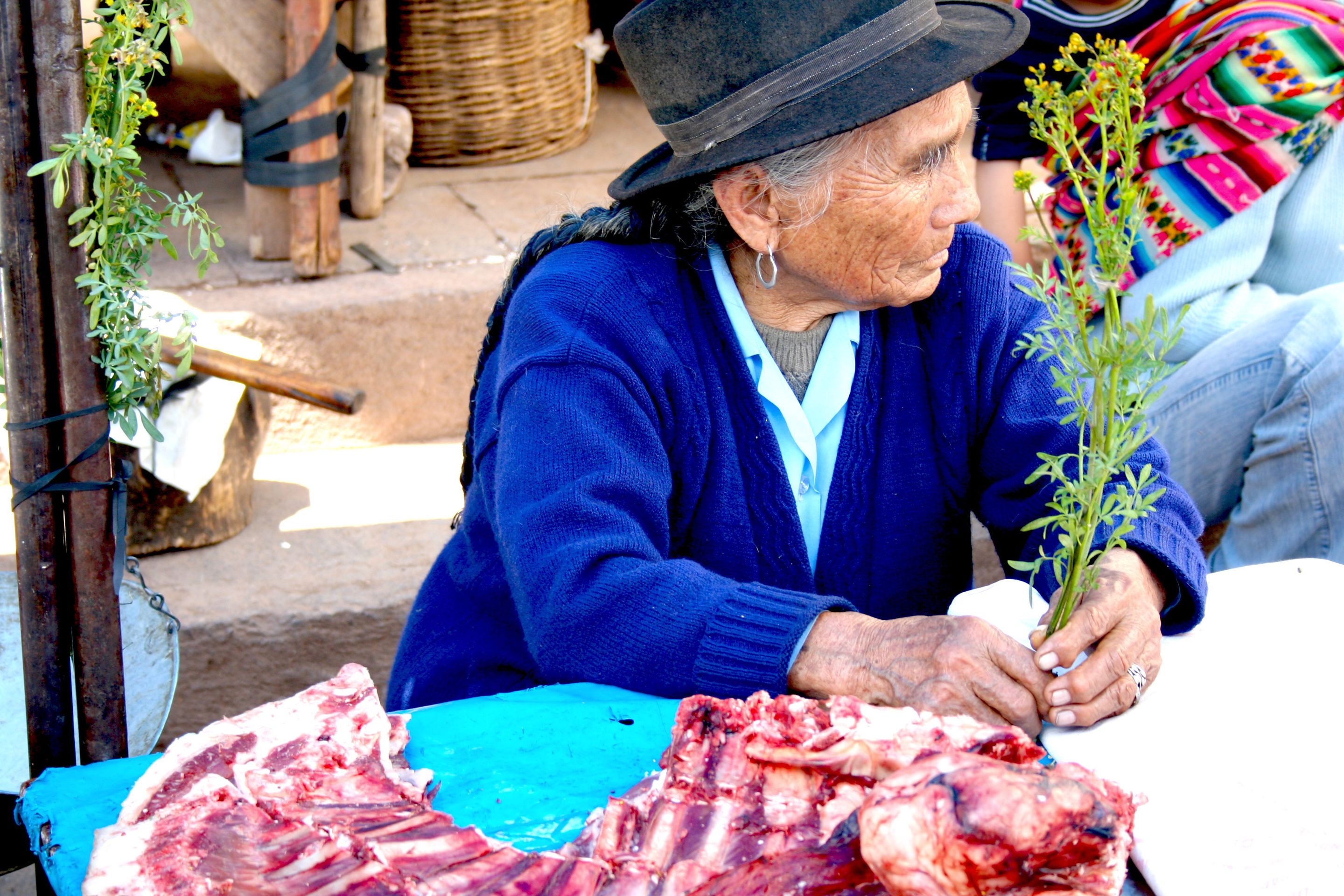
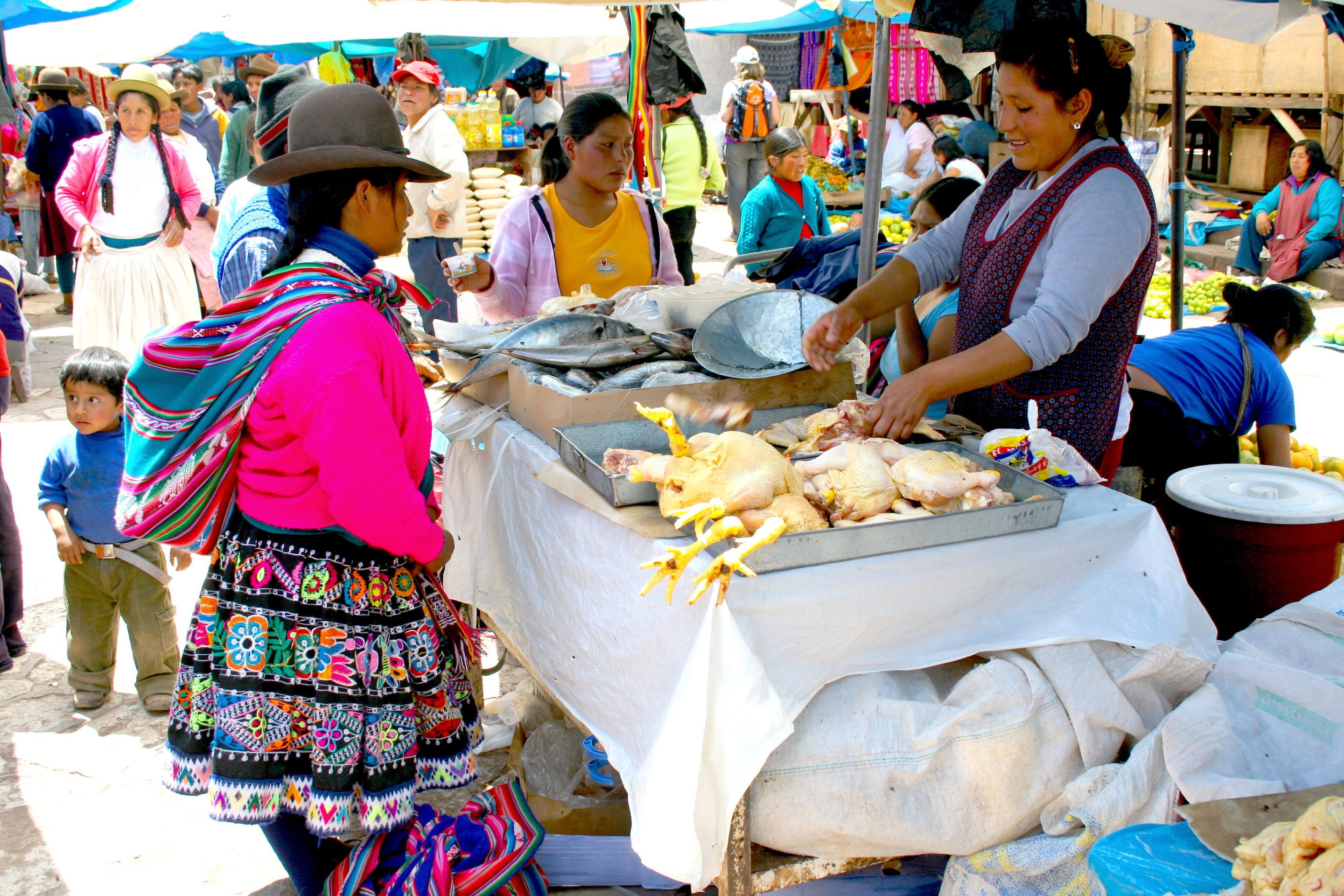
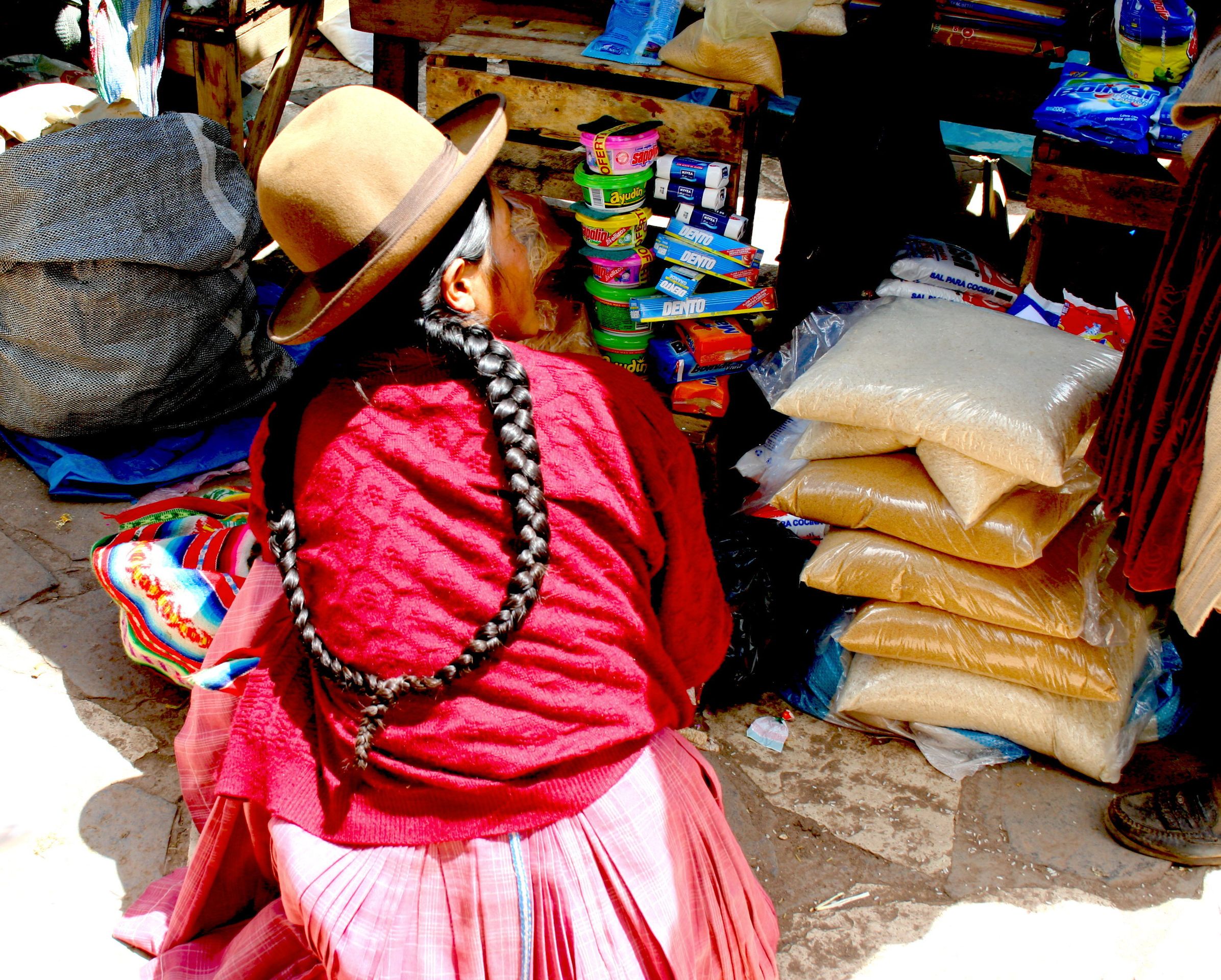
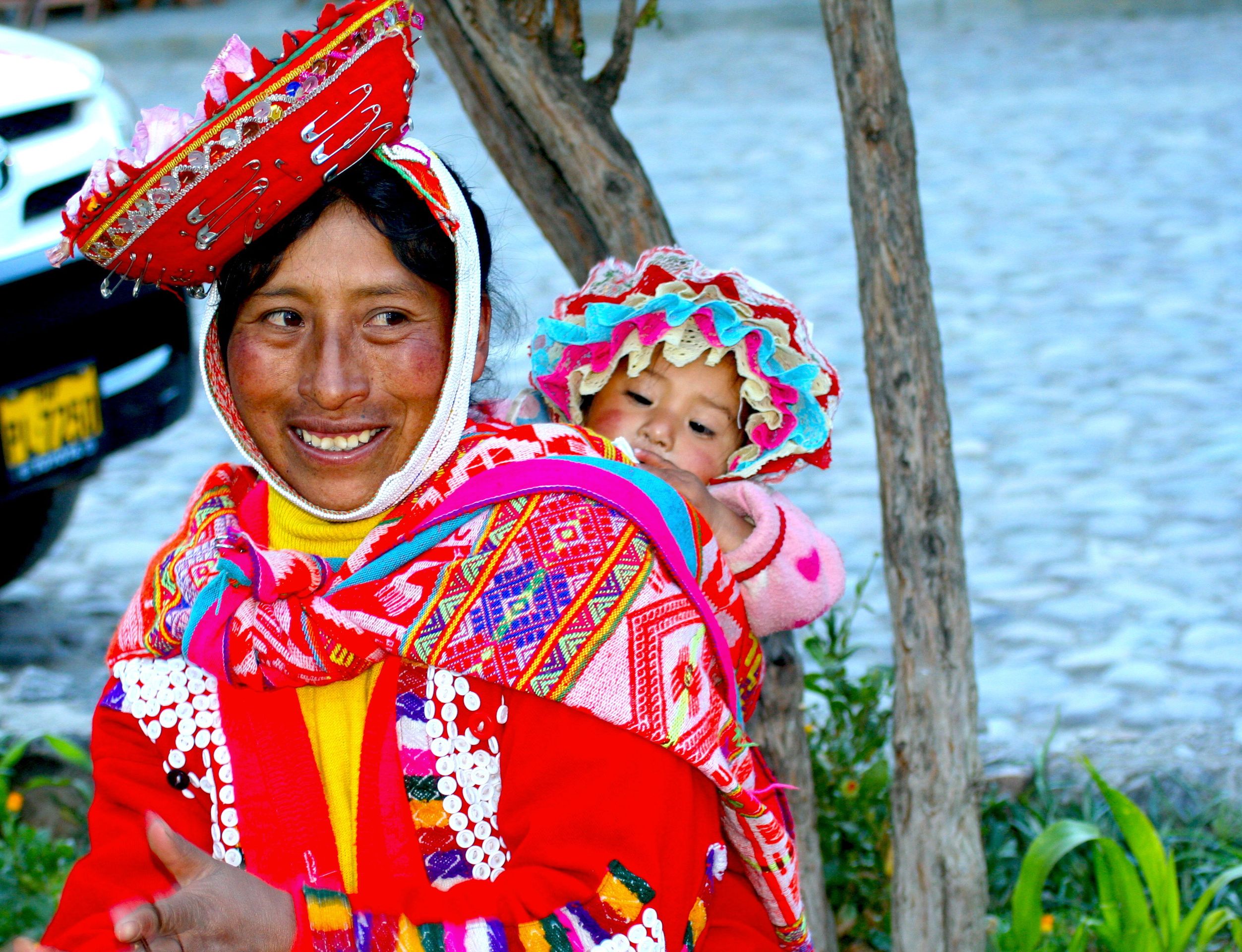
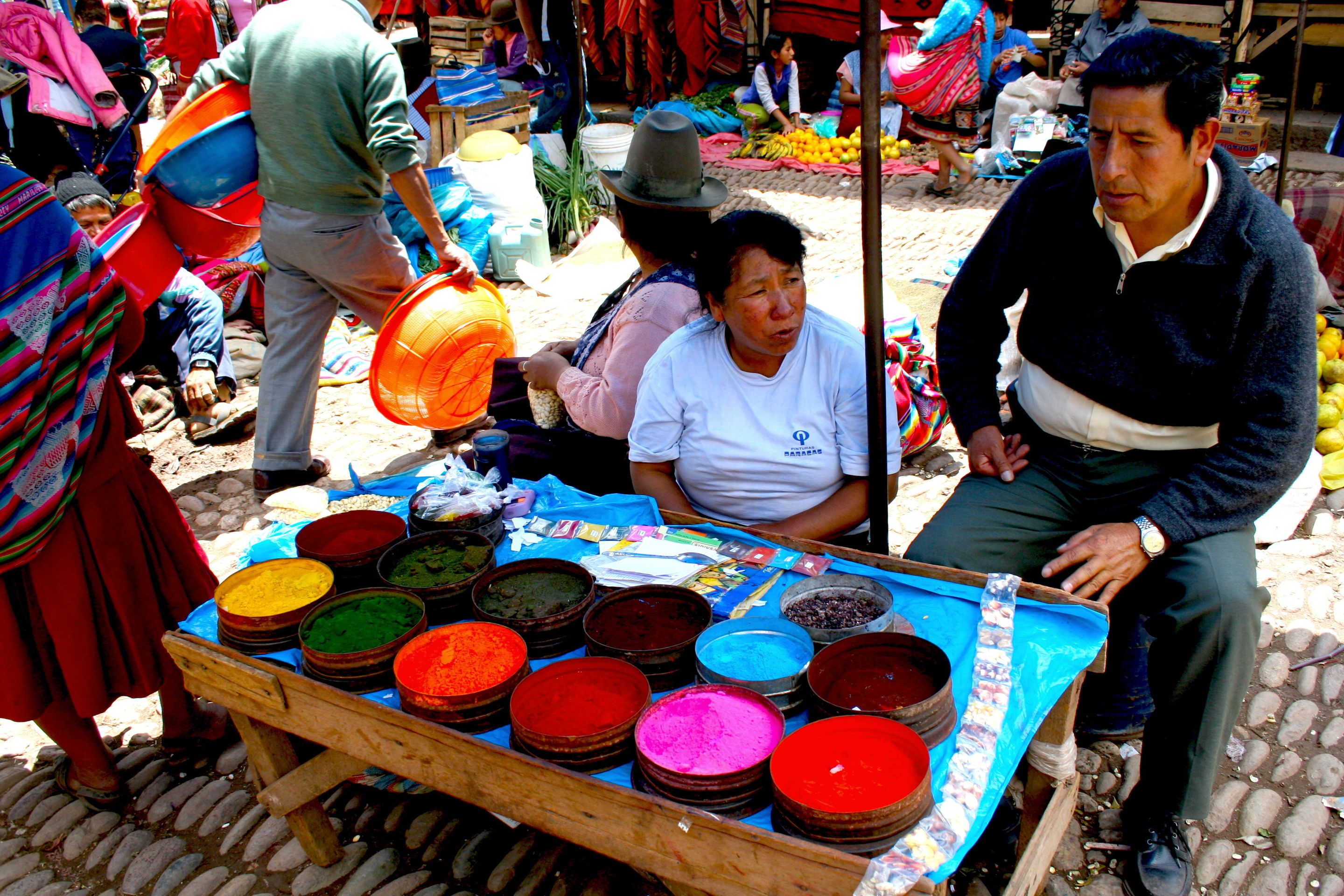
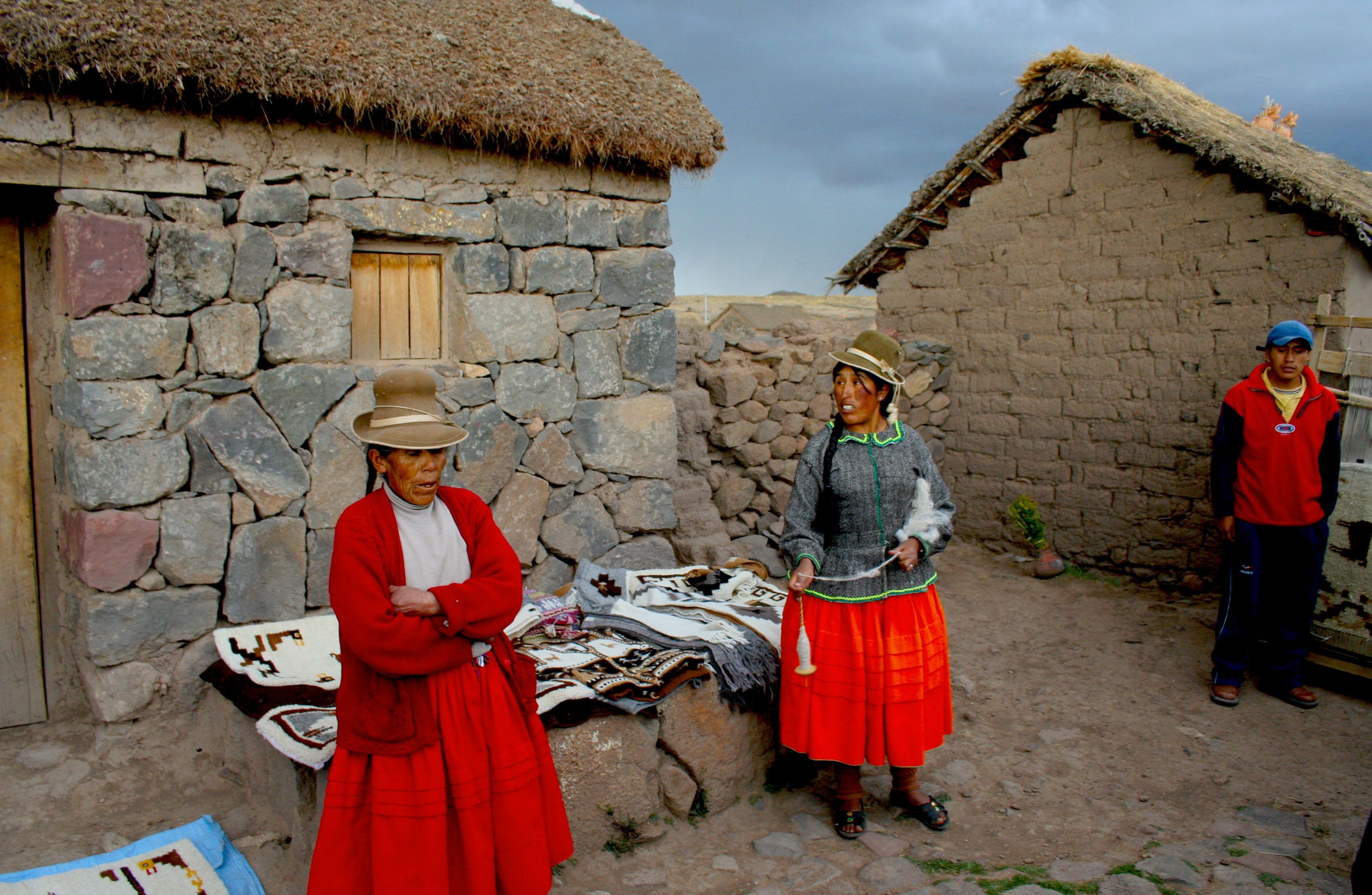
At the Chincero Market, about 15km from Cusco, chickens are offered plucked but otherwise complete with heads and feet. The Quechua women traditionally wear their long braids, large hats, and colorful clothing. For this, they need natural dyes, which are an important part of textile production.Agriculture is a top priority. They grow potatoes, corn, and quinoa. The potatoes are enhanced with homemade cow cheese and a paste made from healing clay.
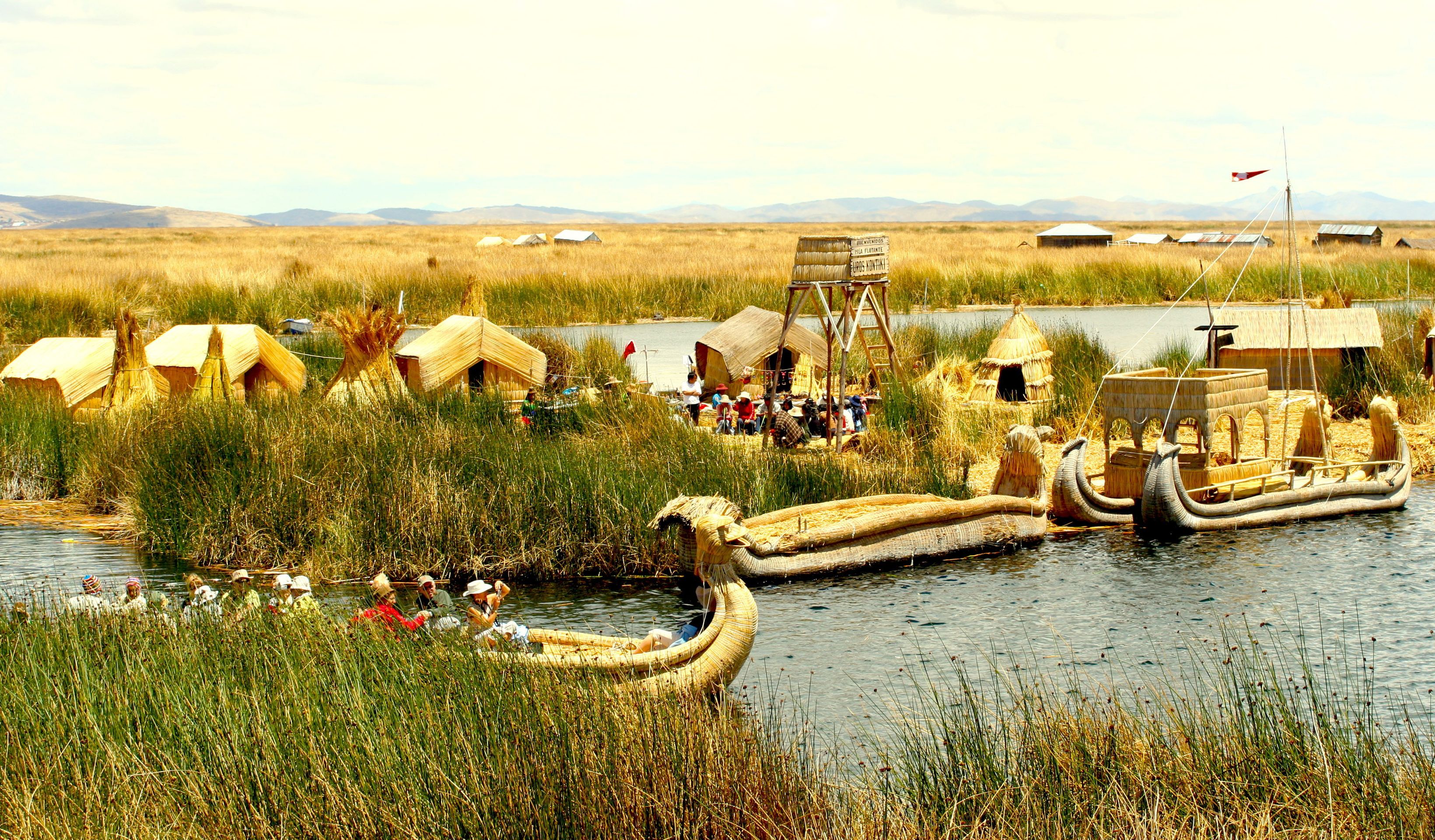
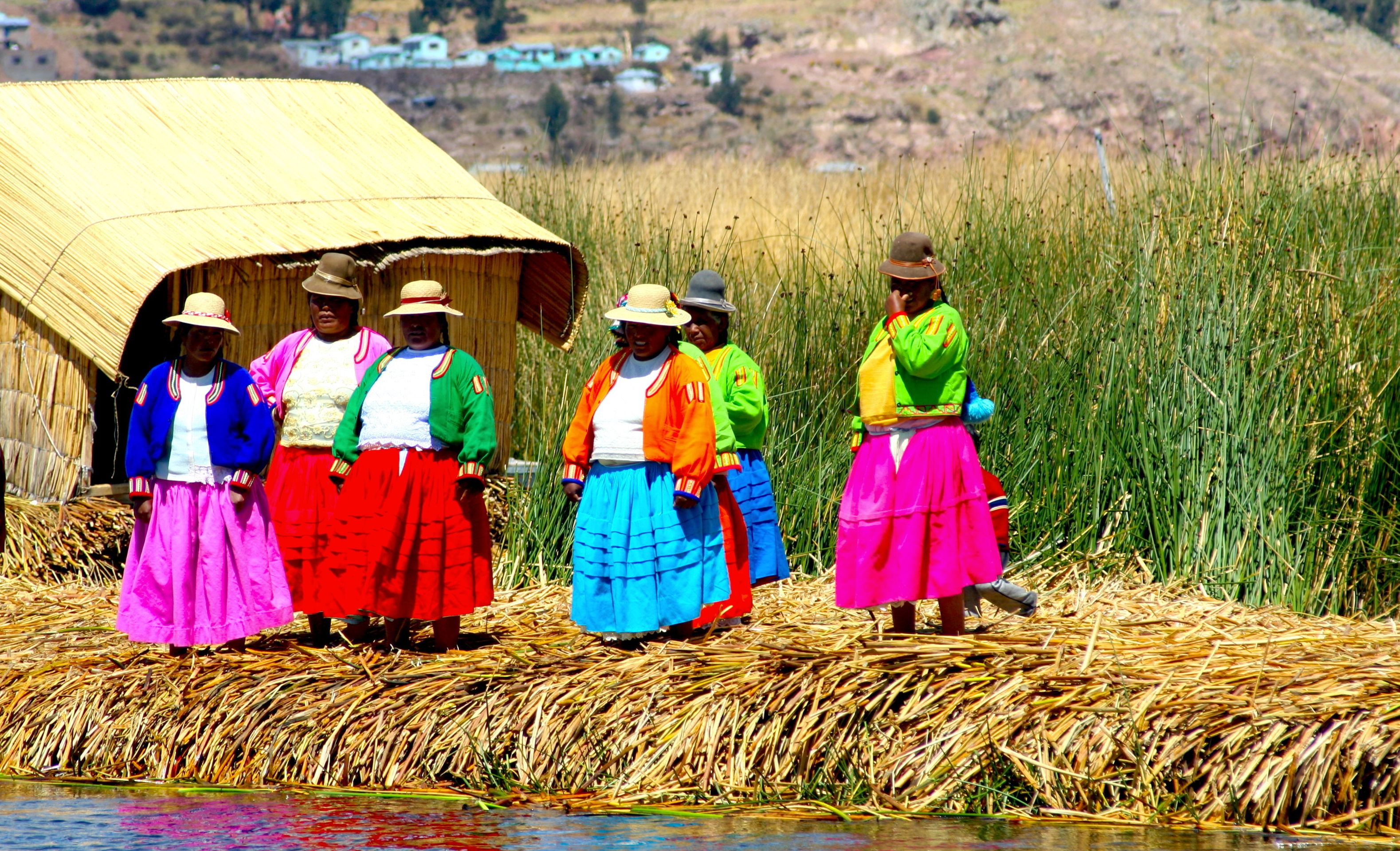
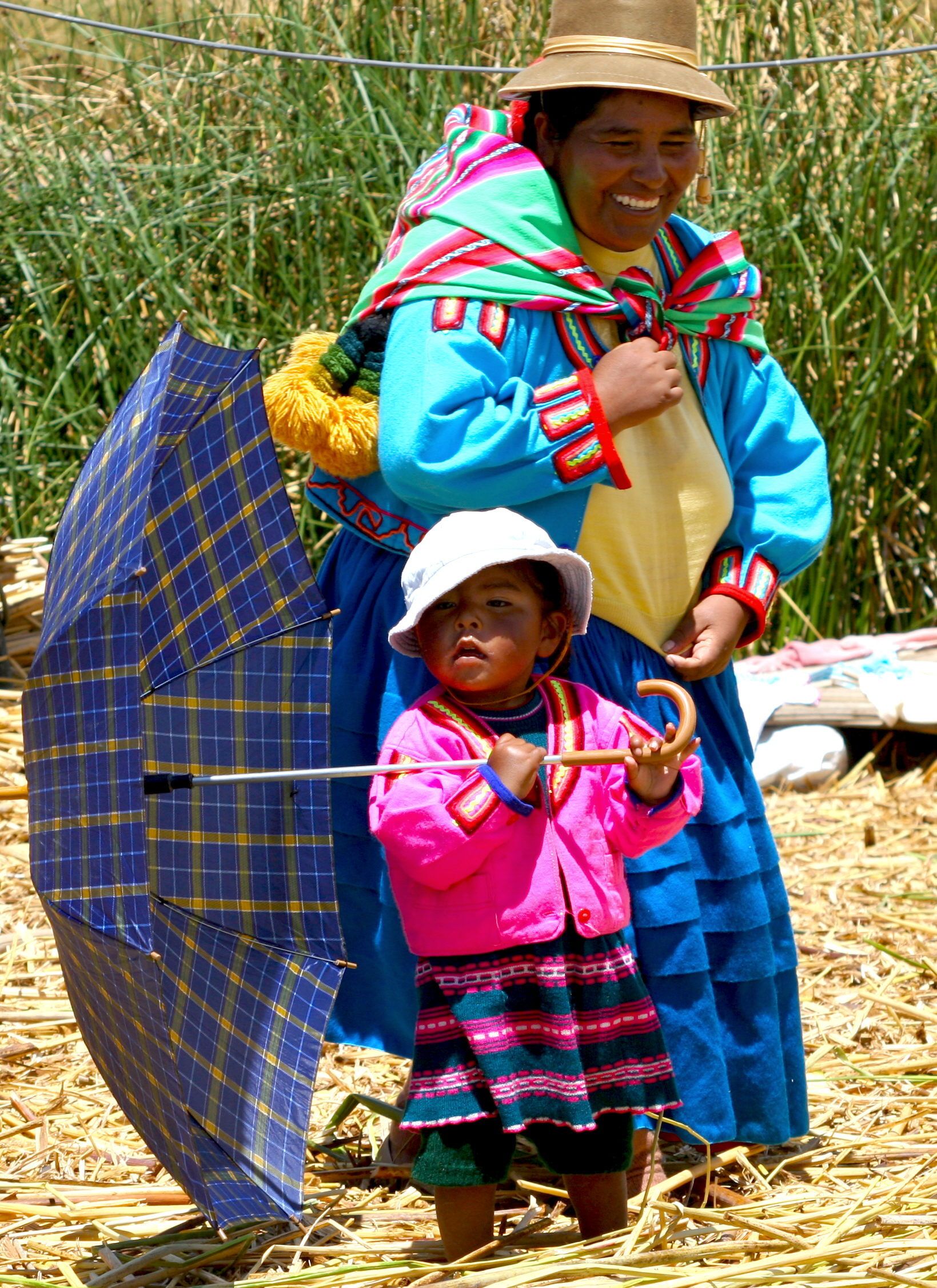
The residents, called Uros, build their houses when the reed roots reach a depth of one meter. They live off fishing, primarily catfish and trout. The islands served as a defense mechanism. There is even a watchtower; when danger looms, they quickly dismantle the reed houses and set them up elsewhere.
Ecuador and Peru offer impressive landscapes and sights like Machu Picchu and Lake Titicaca. When you're there, make sure to try Pisco Sour, the national drink. It consists of grape brandy, lime, egg white, a bit of Angostura bitter, and sugar syrup. Cheers and goodbye:-)