Ecuador and Peru In Quechua, Machu Picchu means "Old Peak"
Quito, the capital of Ecuador, is 2850m high and sits at the foot of the Pichincha volcano, which last erupted in 1999. The city is known as the monastery of Ecuador due to its...

Published: 16.04.2026
“Time is the most important ingredient in the recipe of life.' Charles Darwin
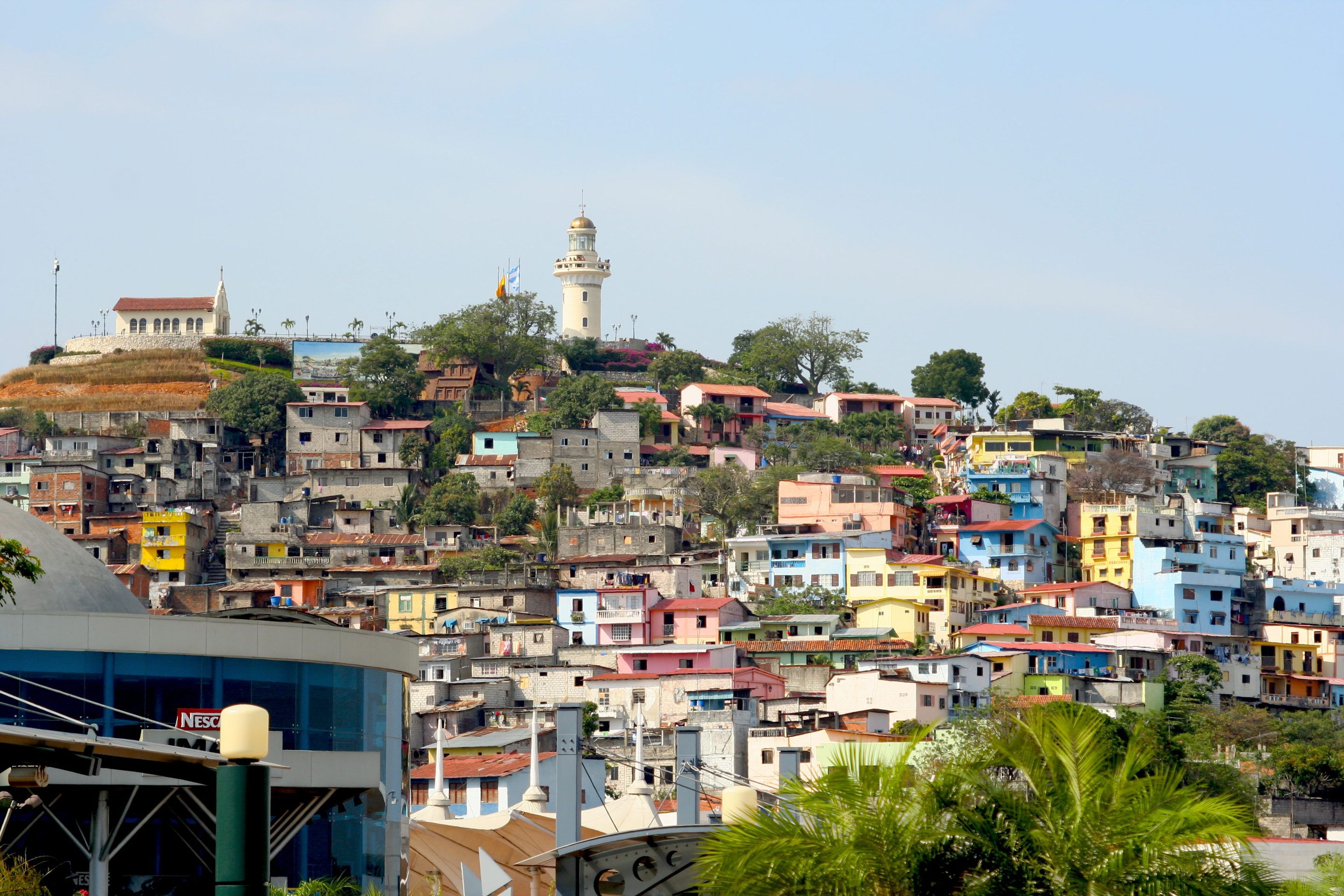
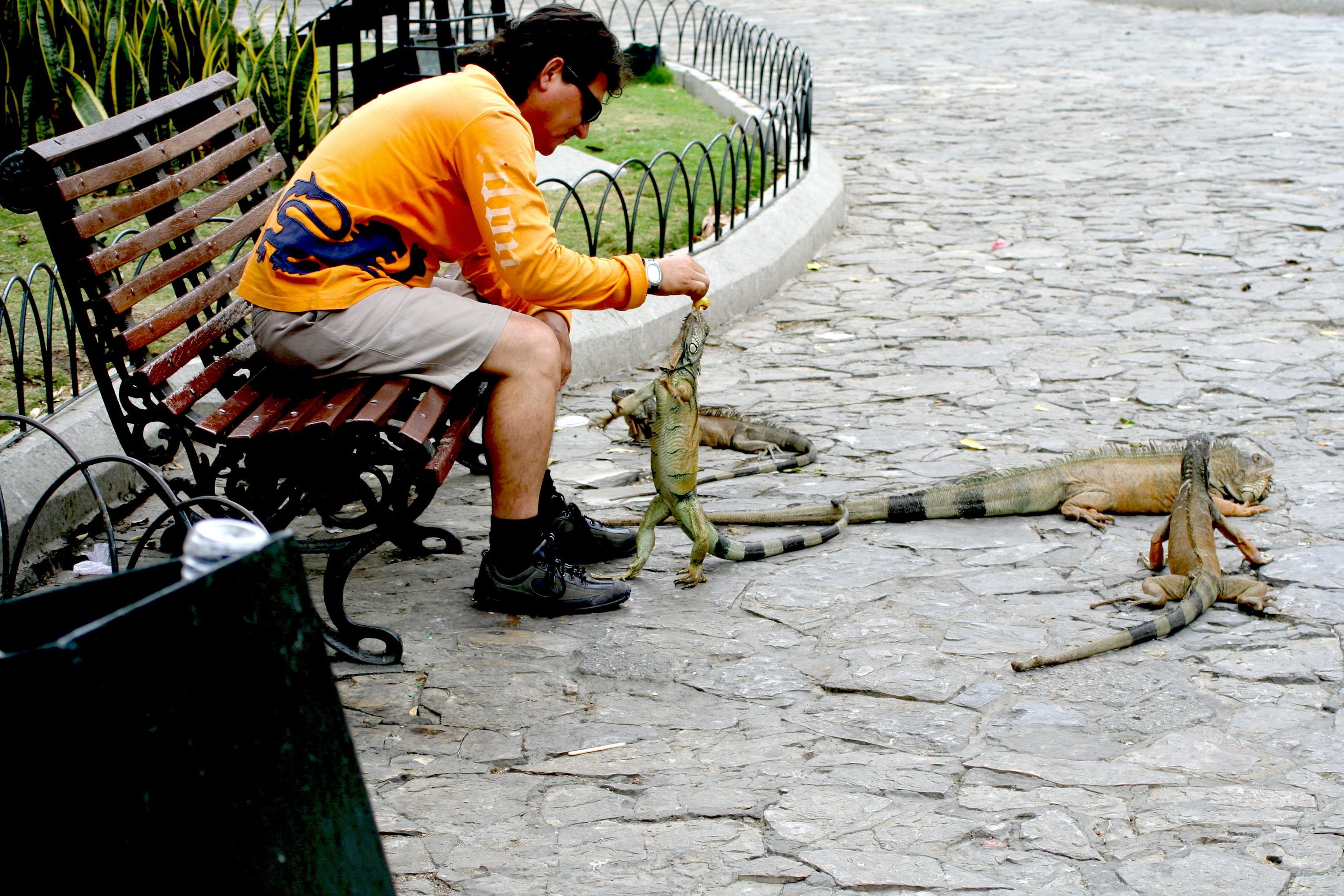
After about 17 hours (pure flight time), we landed in Guayaquil/Ecuador. A bustling, colorful city with a Parque Seminario, the city park for iguanas and turtles instead of pigeons and squirrels.
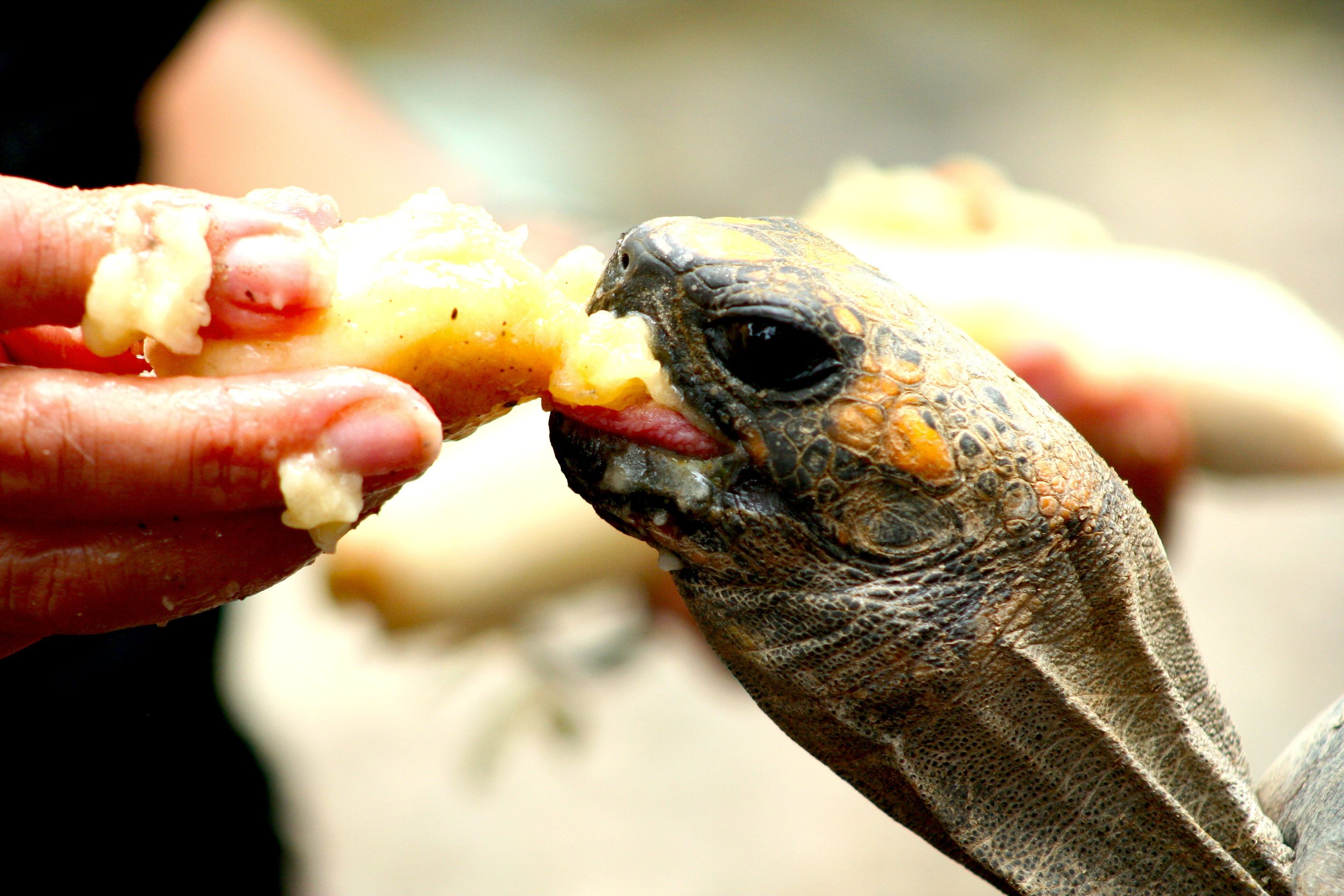
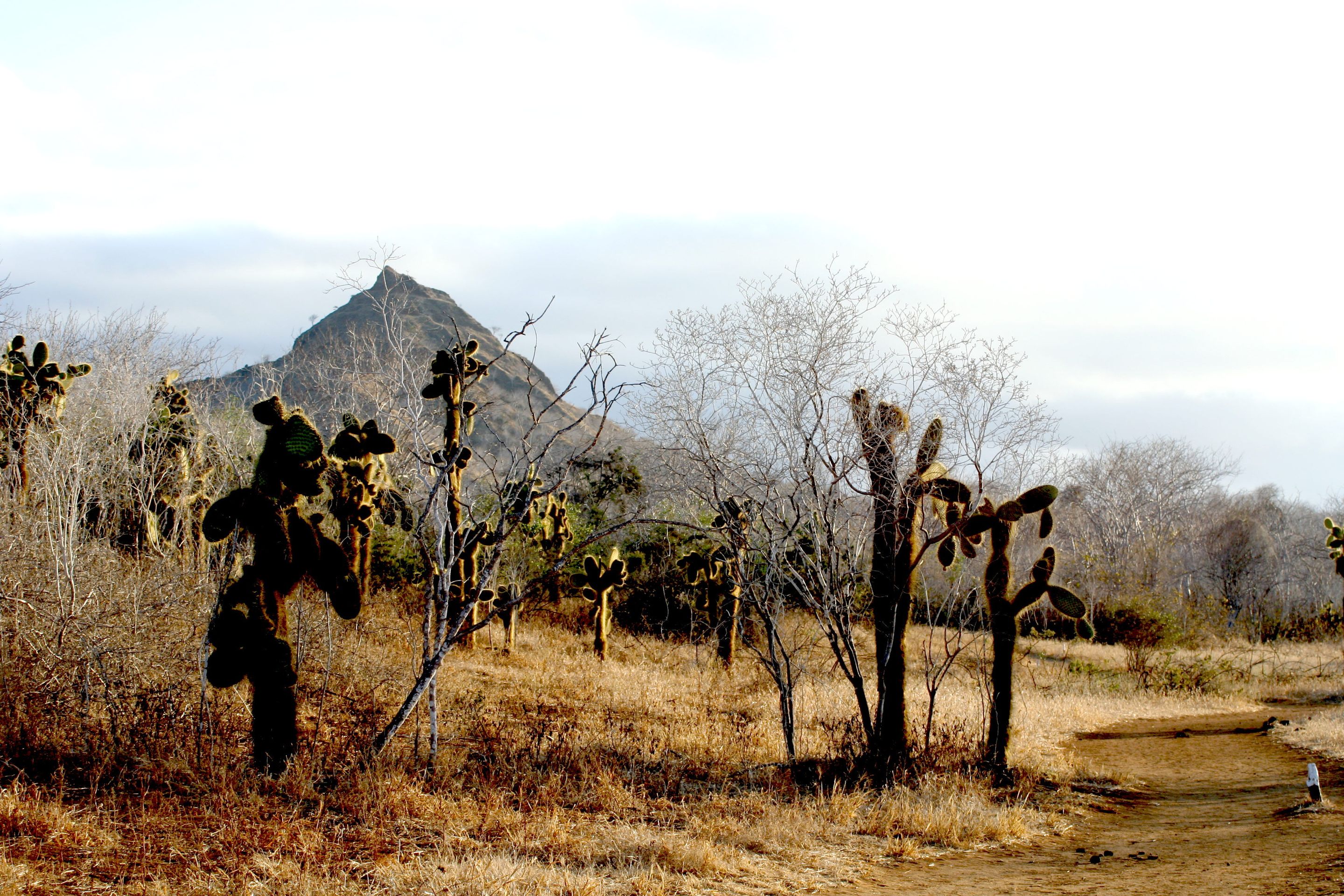
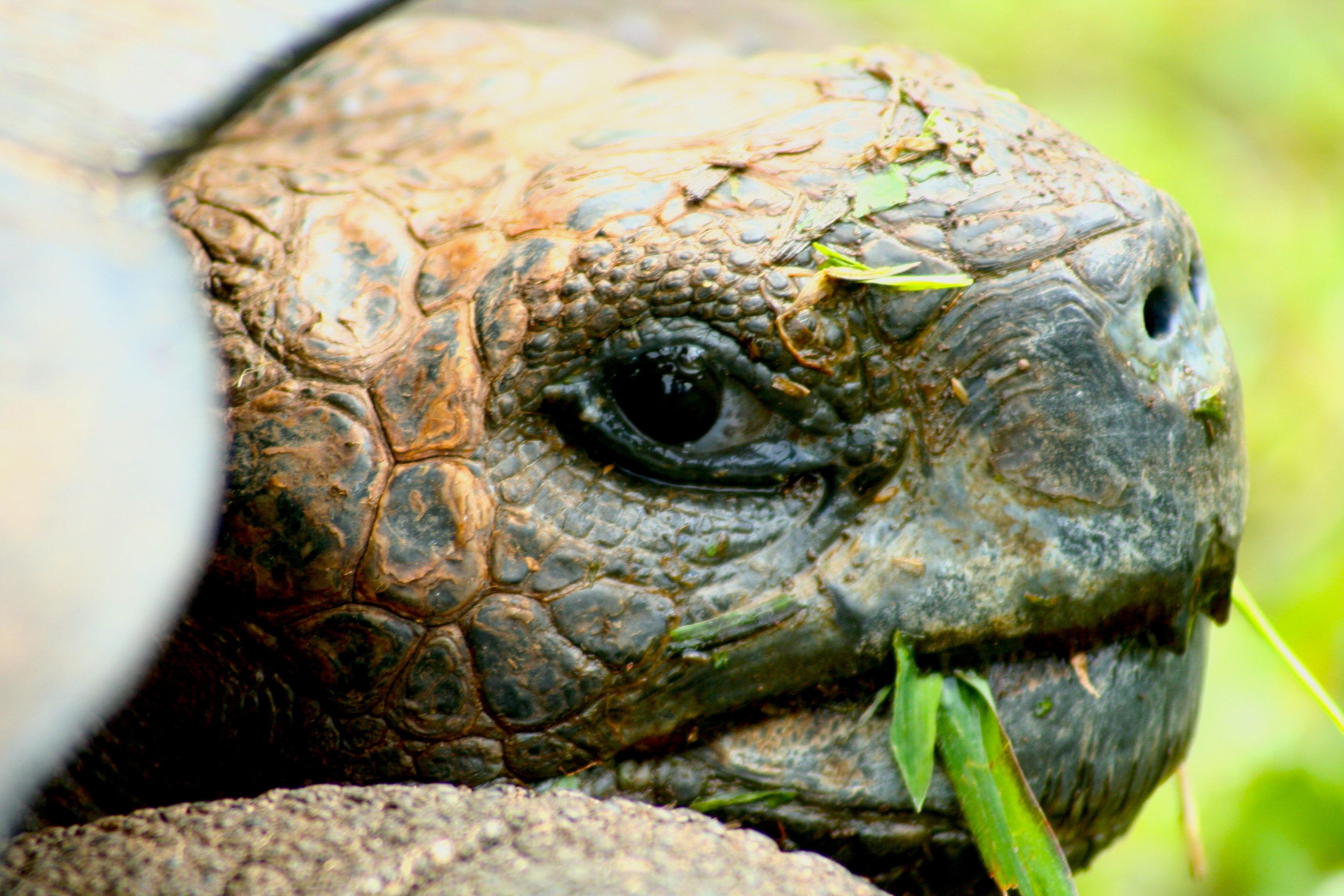
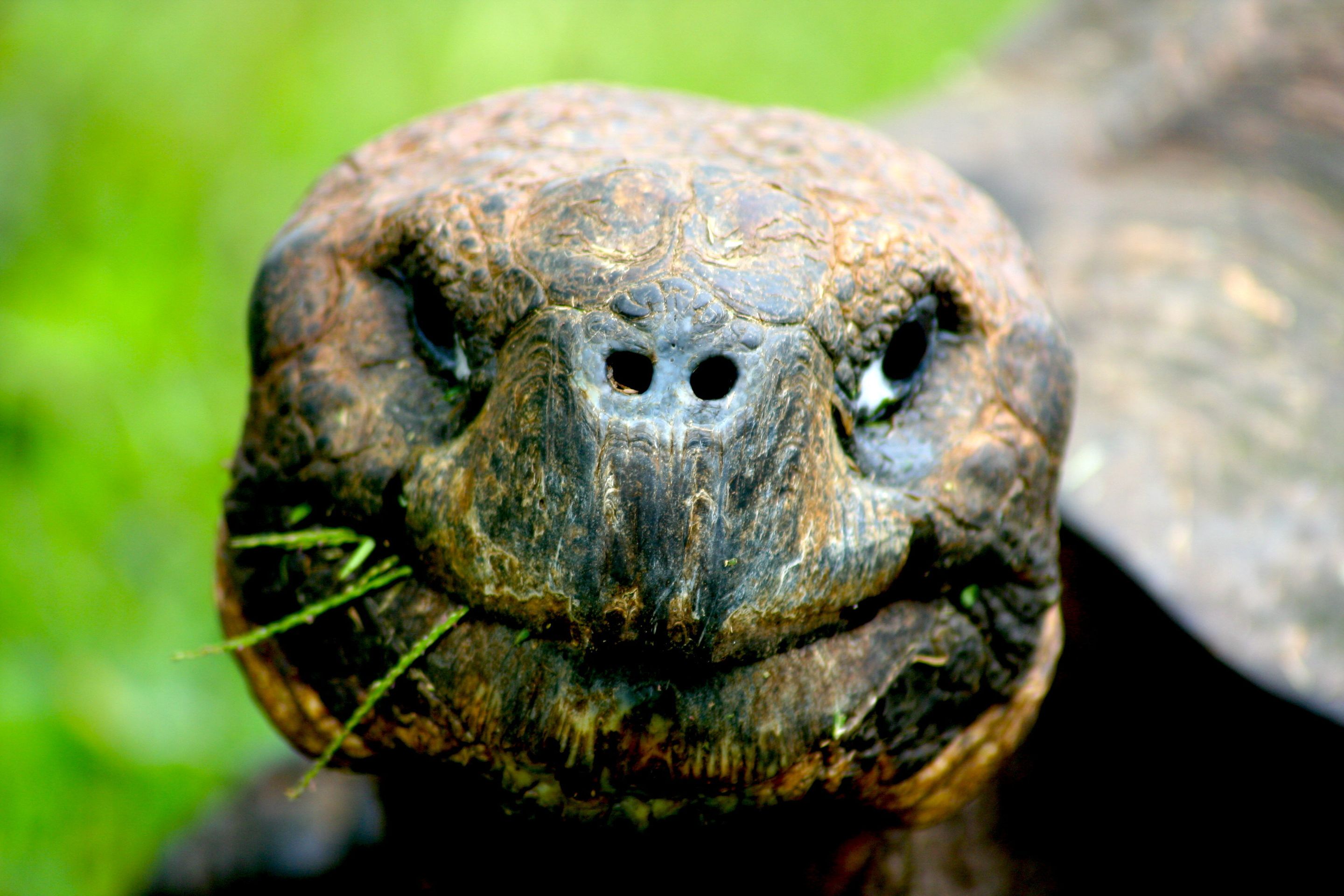
The onward flight to San Cristobal, the easternmost of the Galapagos Islands, is very short. From there, we take a boat to Santa Cruz, the second-largest island. Here you can find extinct volcanoes, a lush plant world, and giant tortoises.Lonesome George, the last of the Pinta giant tortoises, was introduced to us in 2008, when he was a robust 96 years old. Unfortunately, he passed away in 2012, having barely reached 100 years.
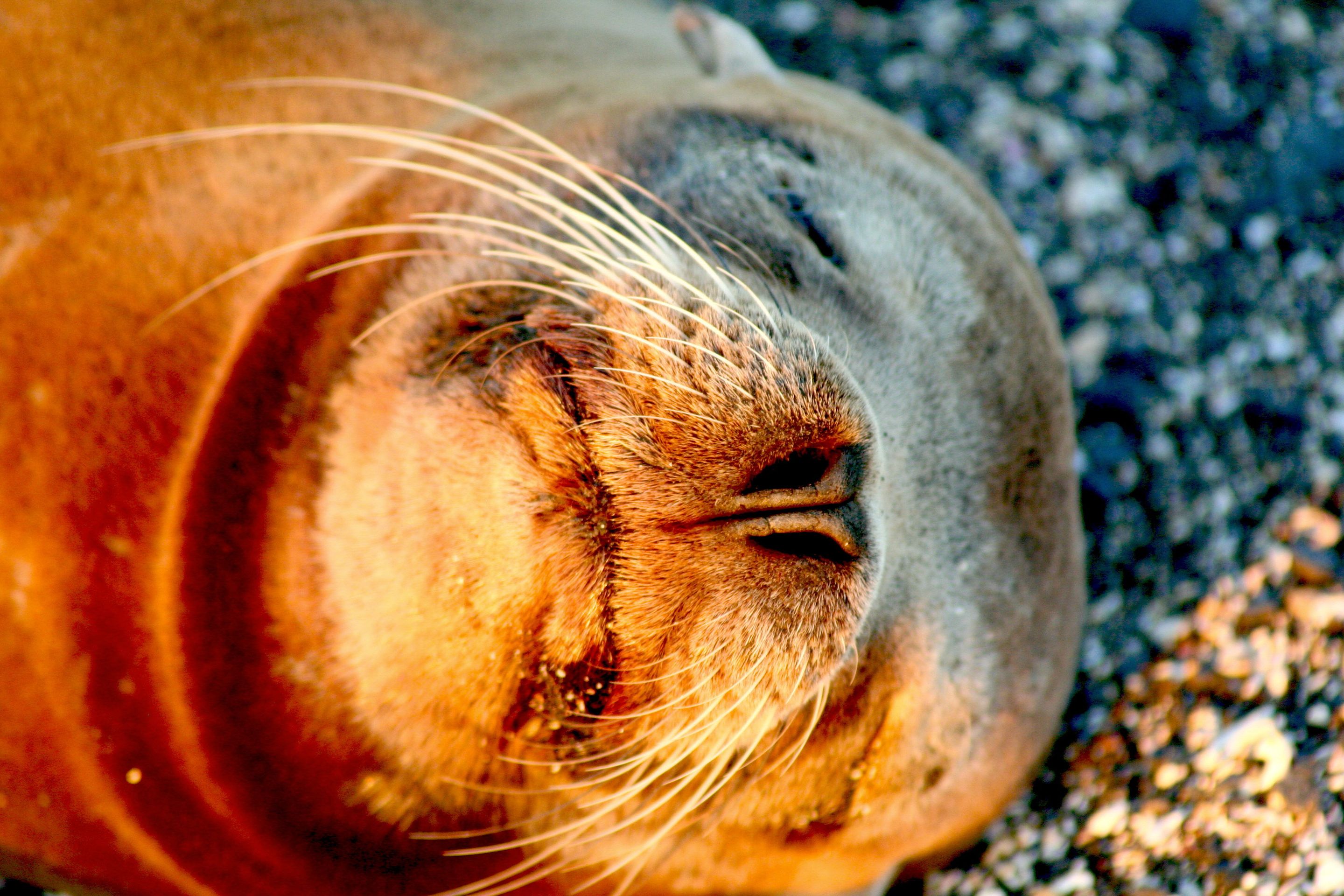
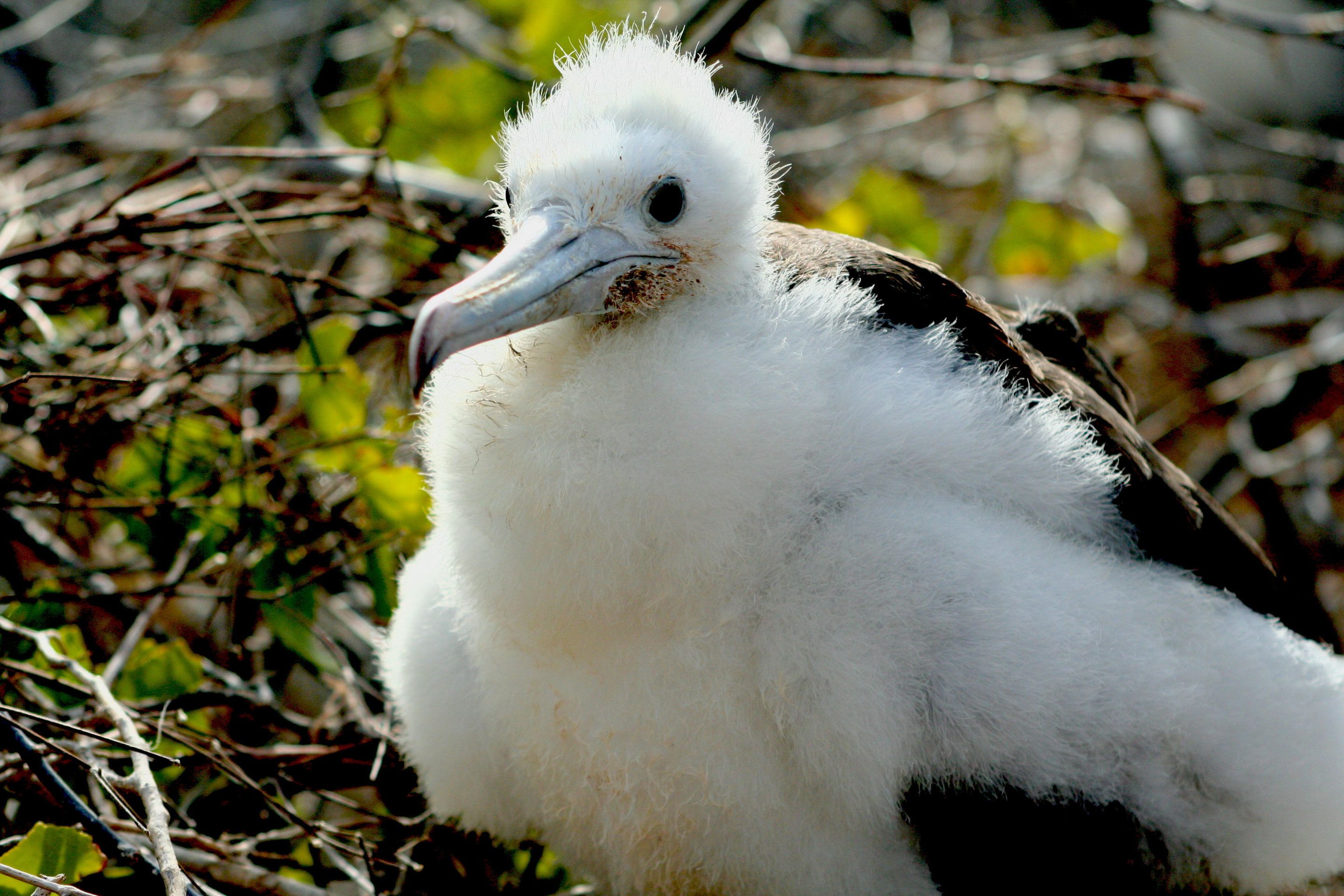
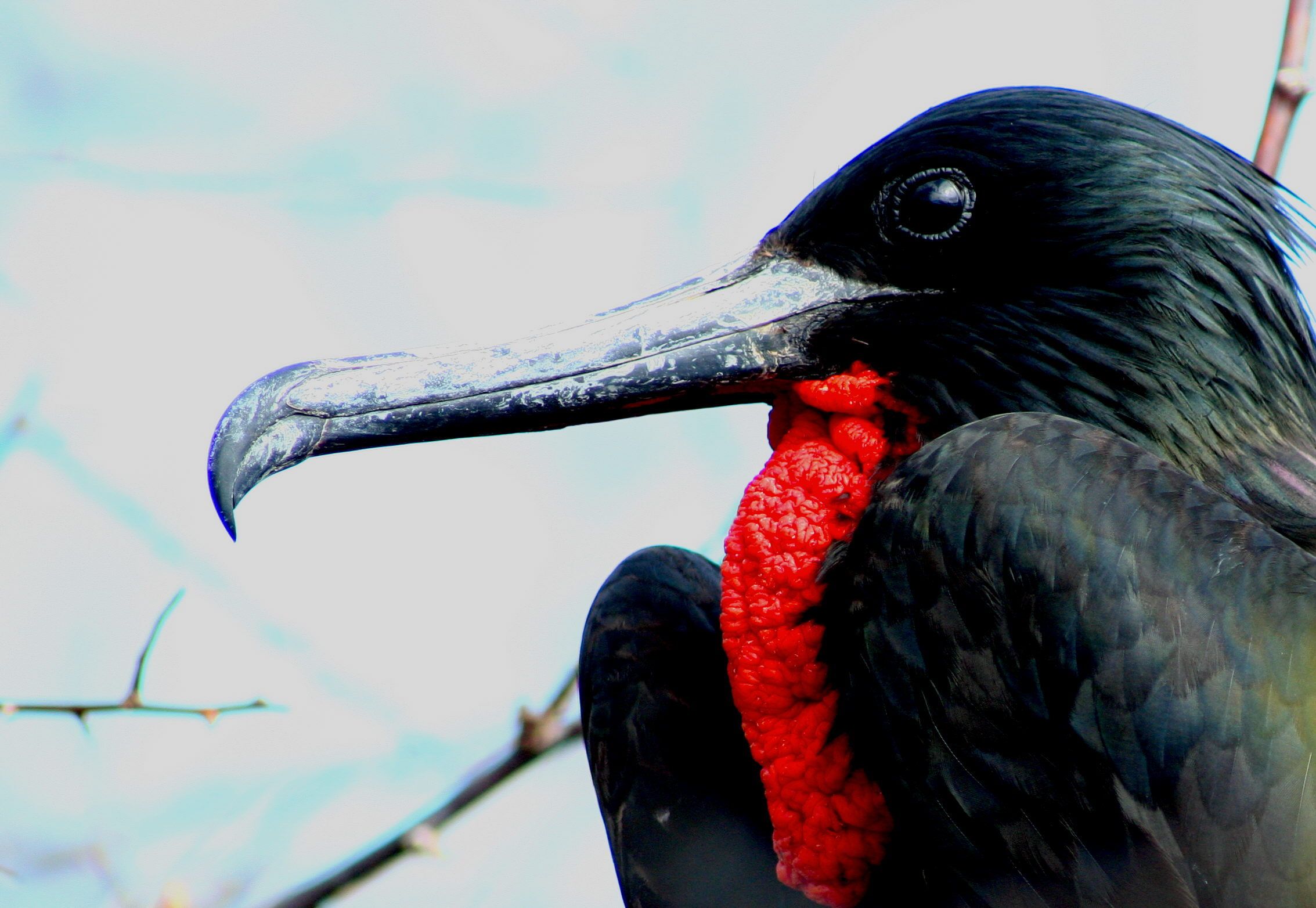
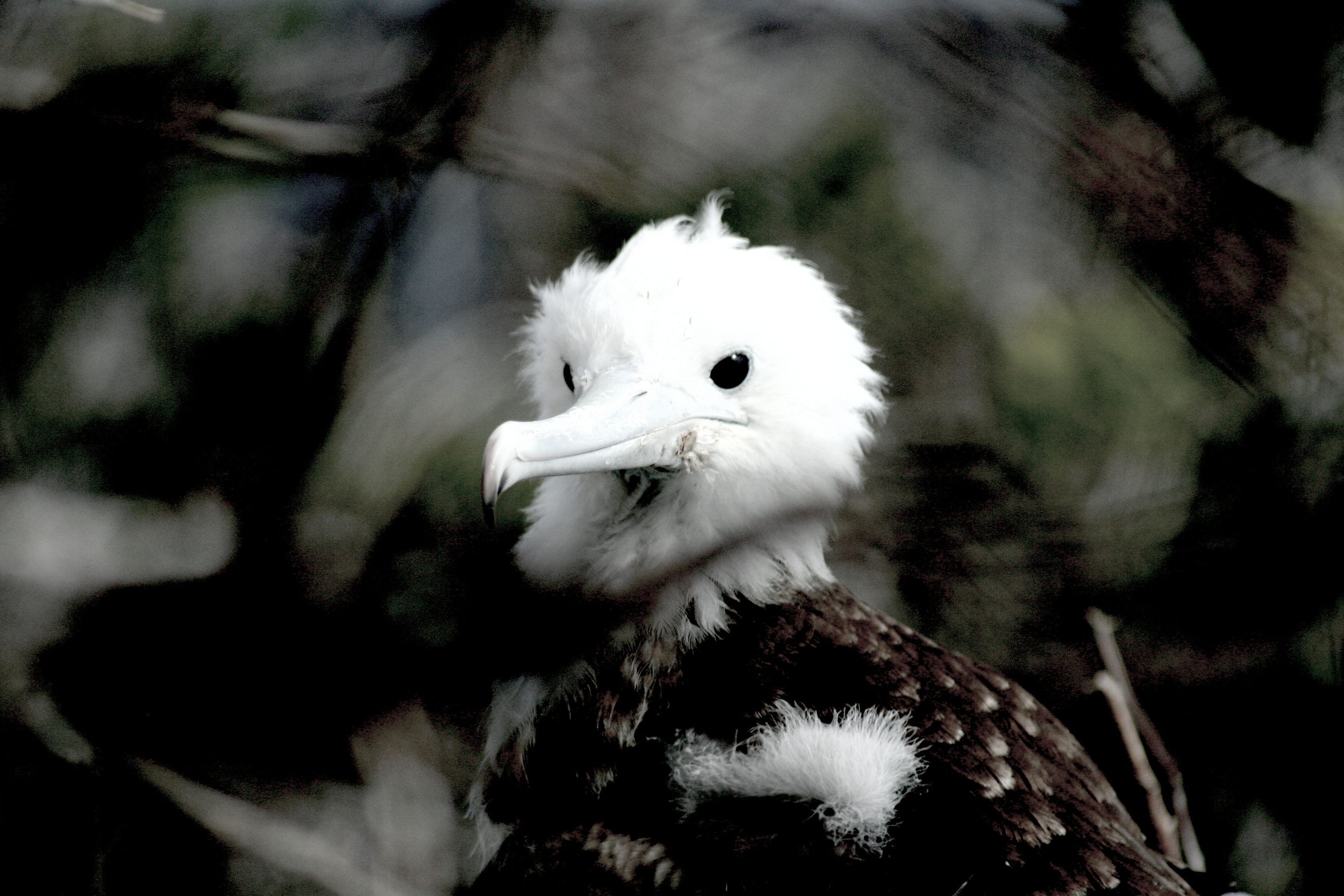
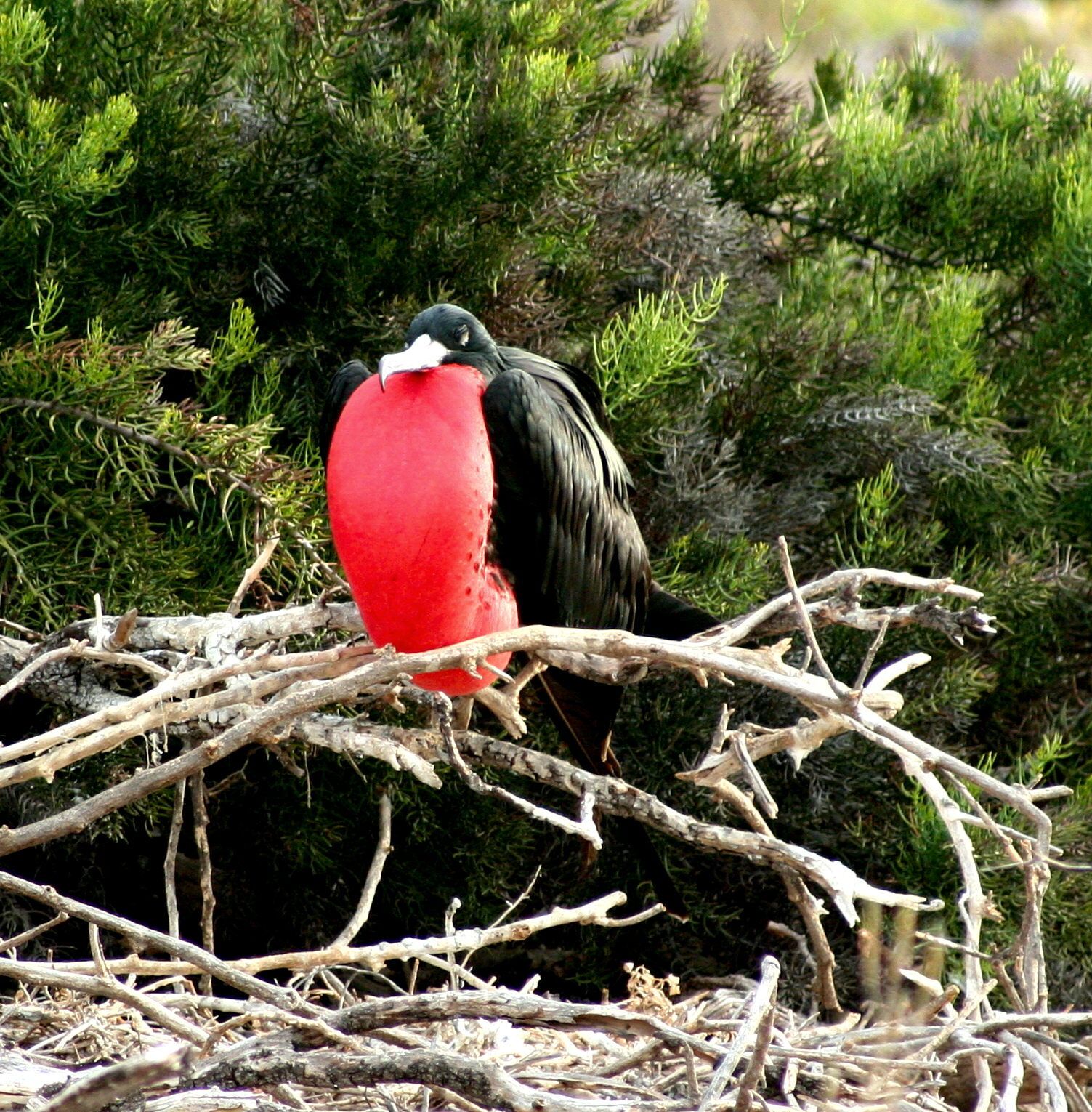
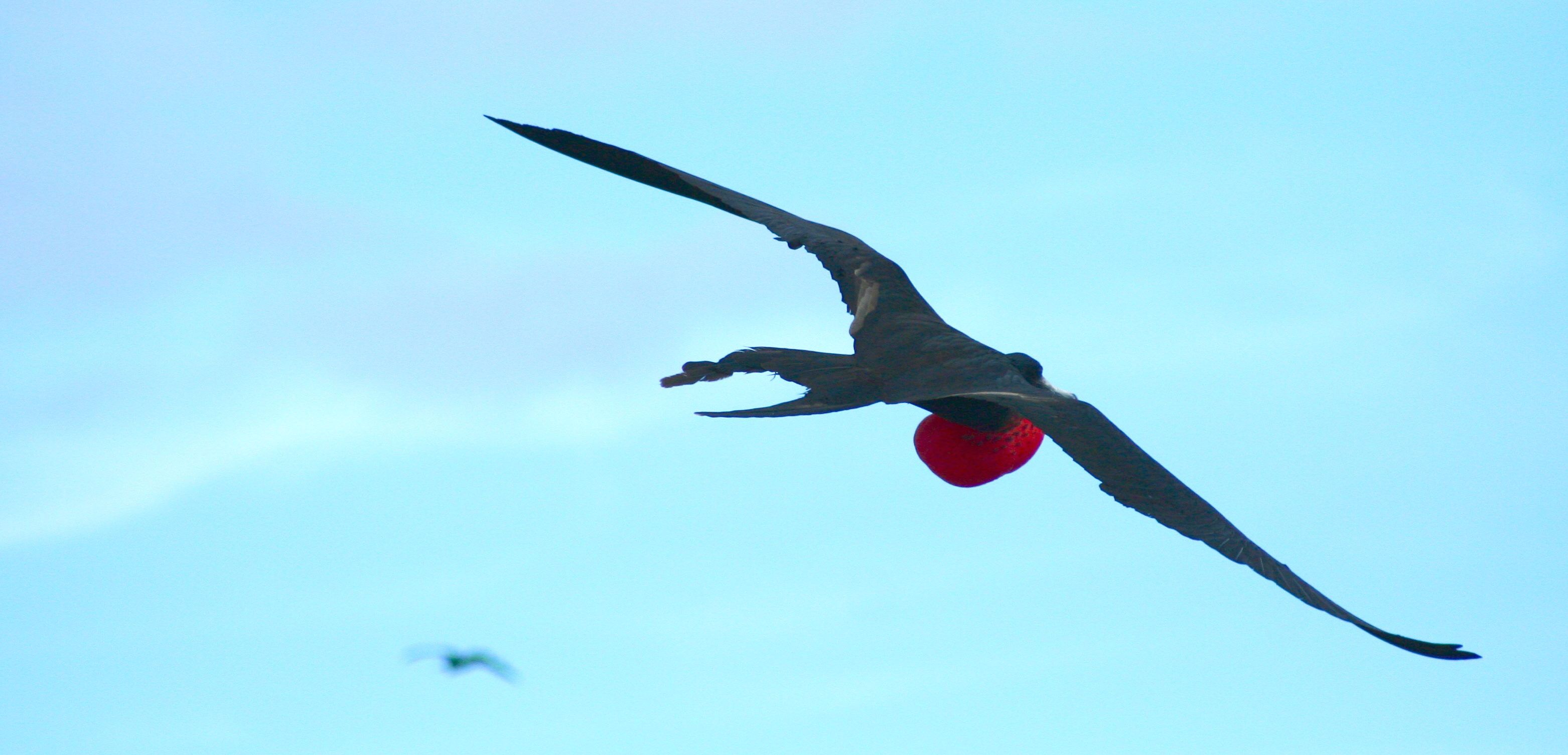
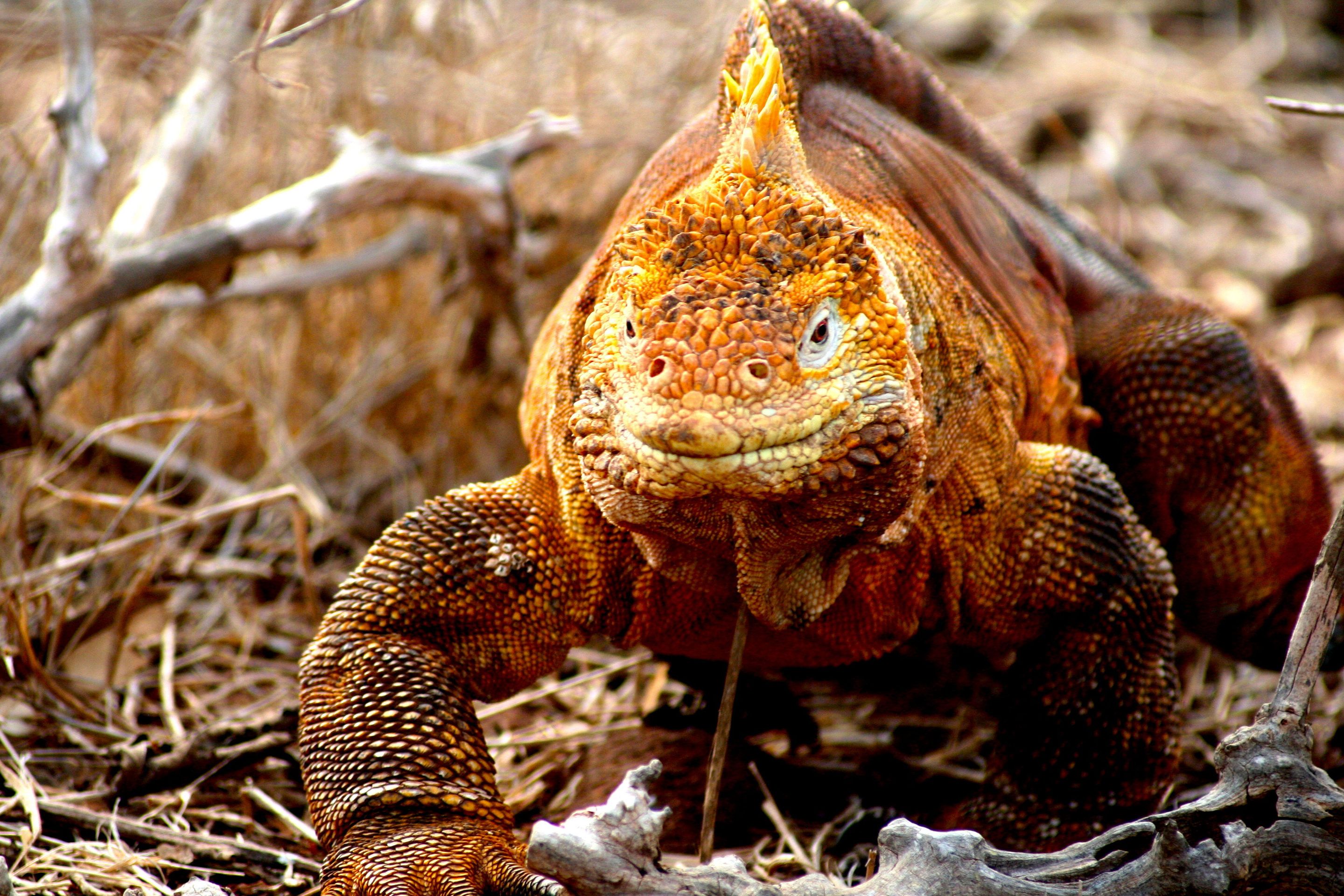
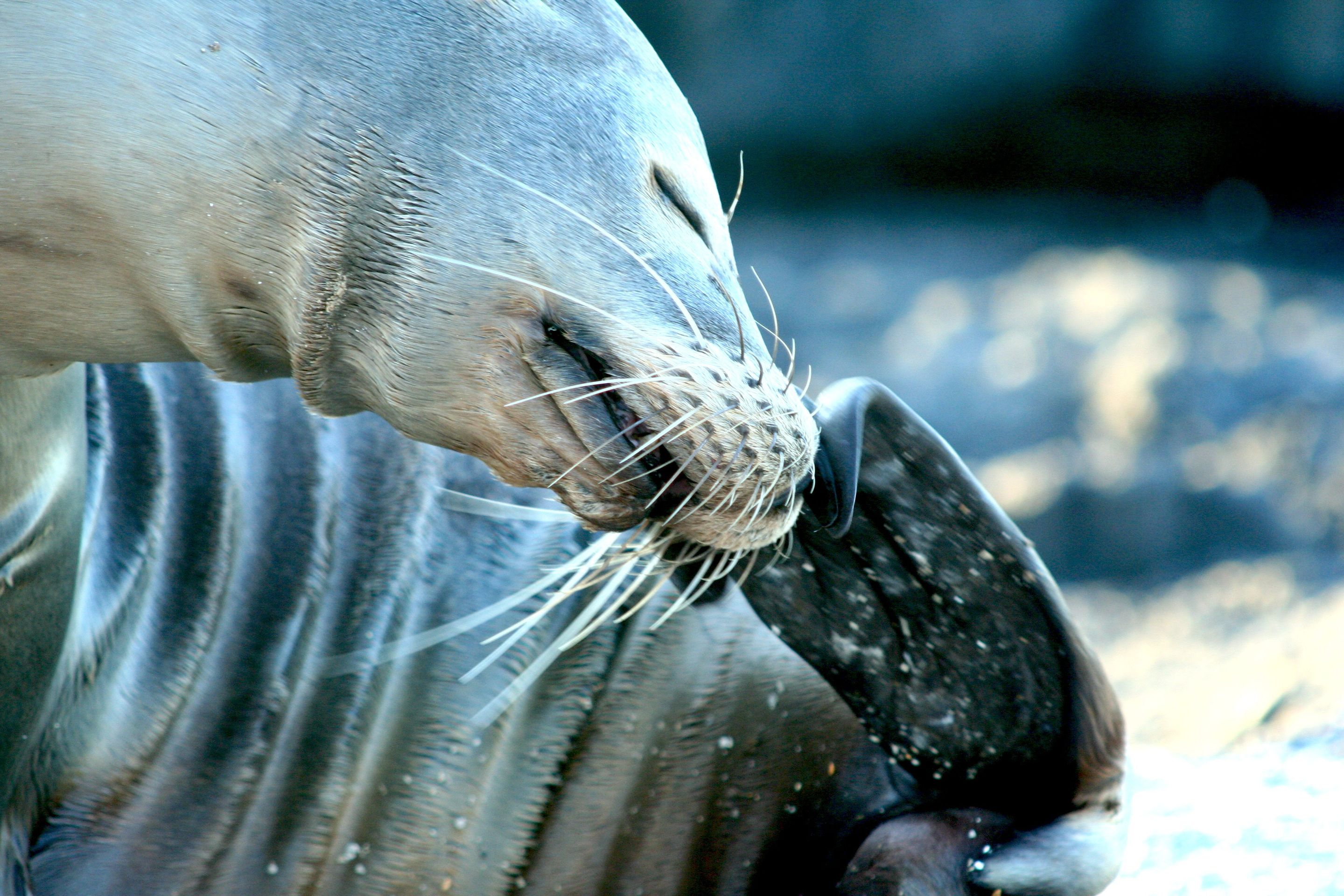
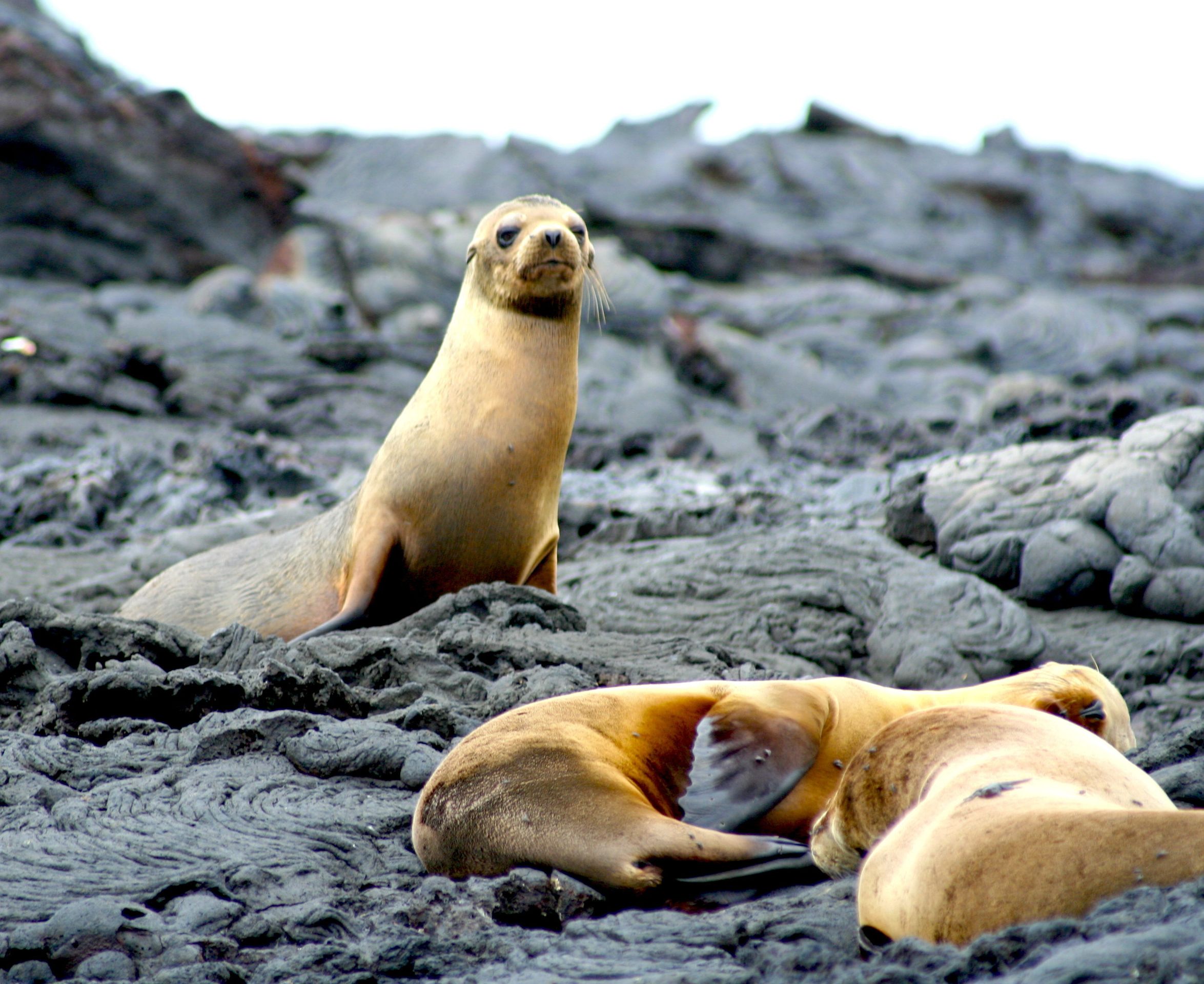
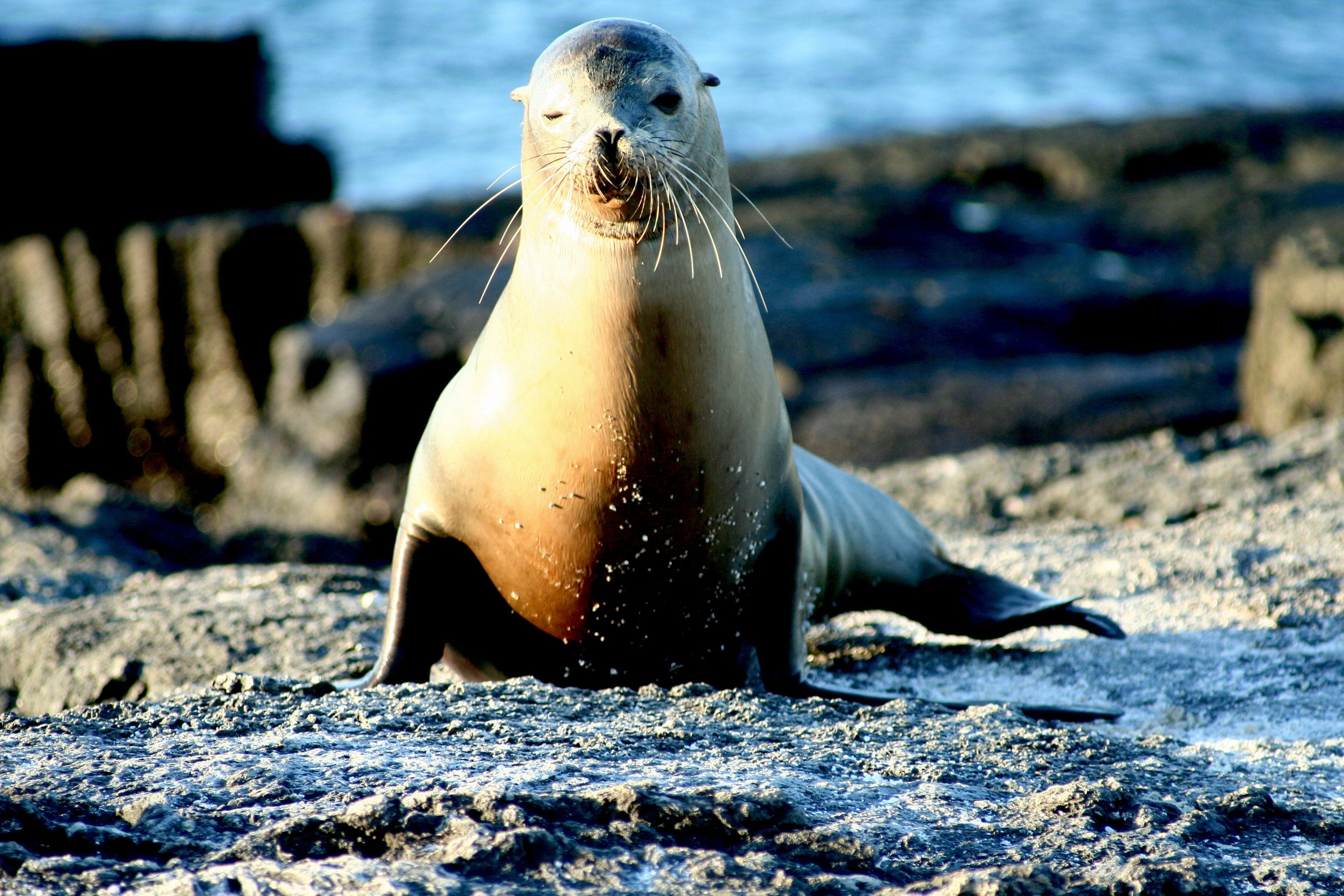
Our next stop is Seymour Norte, a Galapagos island that is about 2 square kilometers in size. Here, frigatebirds are hard to miss, as the males display their red throat pouch during mating season, except in the summer months (which are too hot), so almost all year round. Additionally, land iguanas and sea lions call this place home.
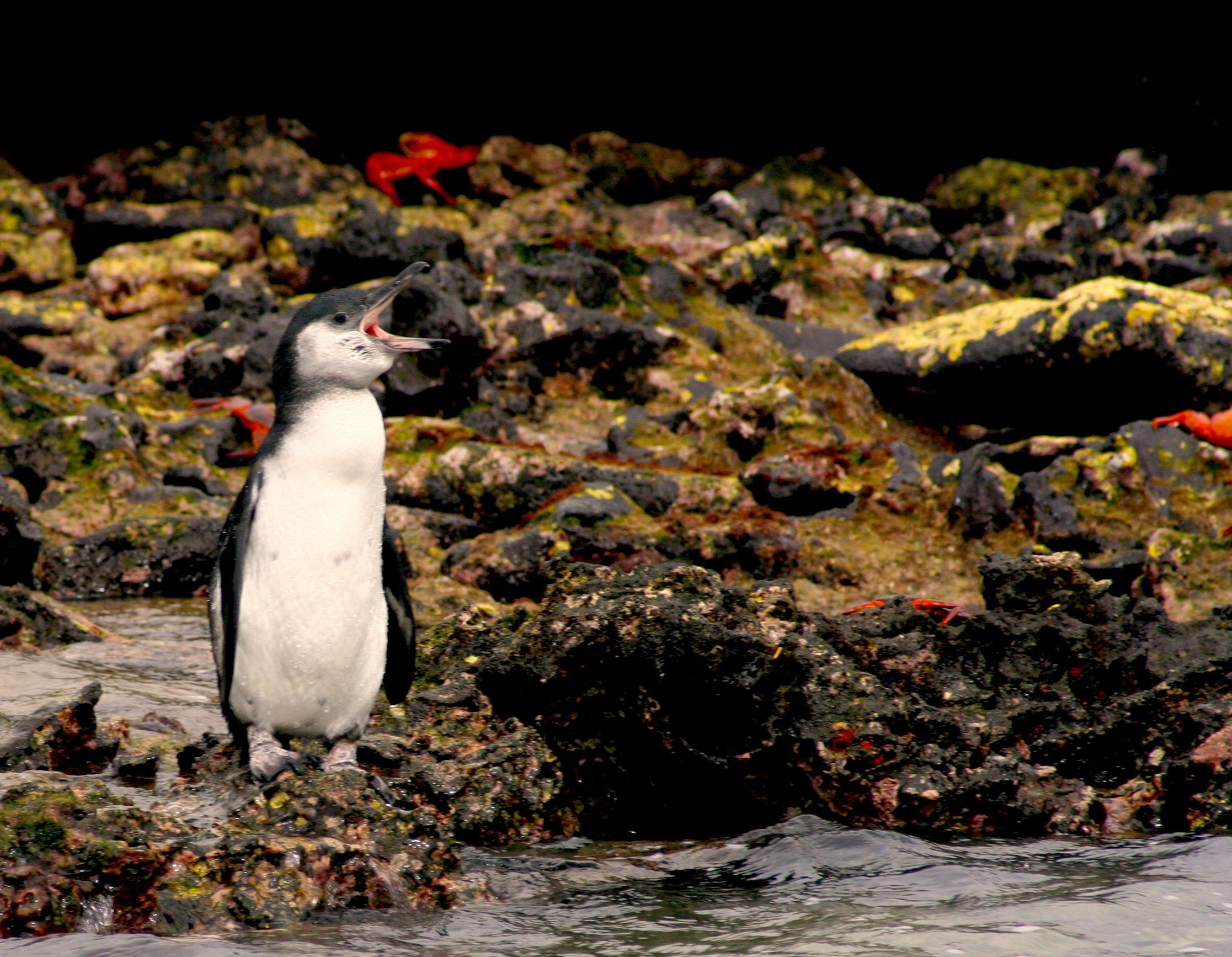
The northernmost penguin species that is also endemic to the archipelago is native here. Its name is of course “The Galapagos Penguin' ;-)) who would have thought?
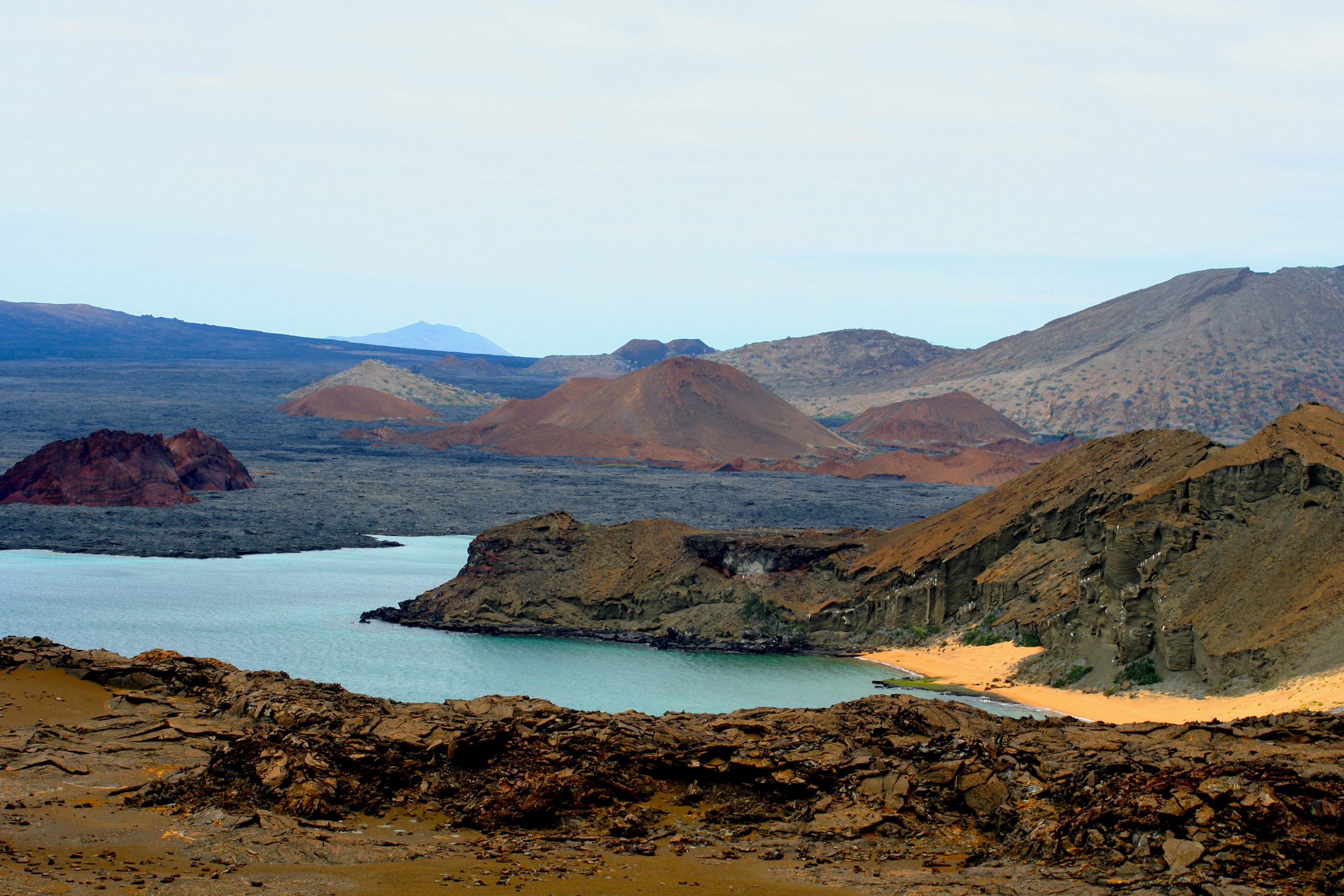
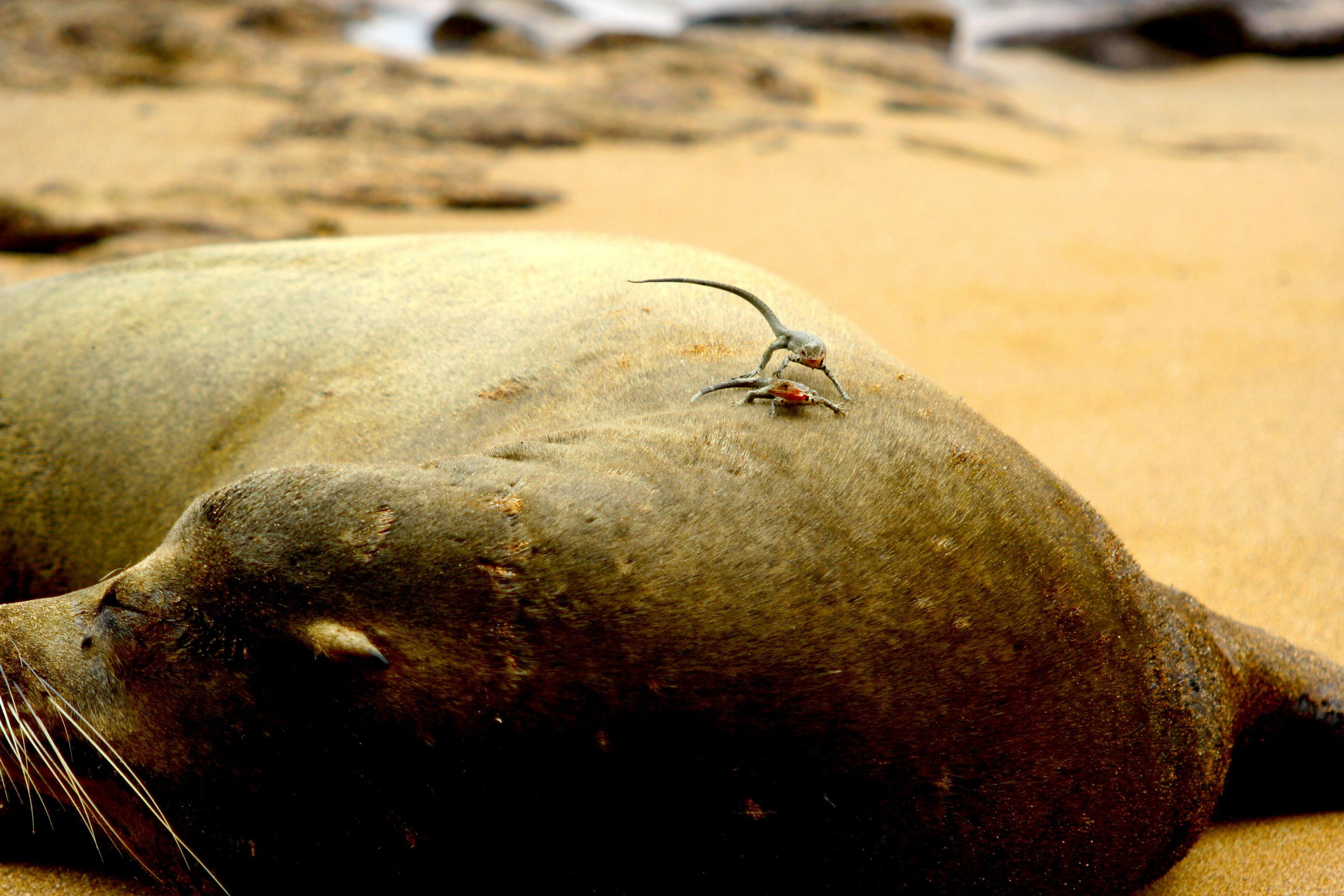
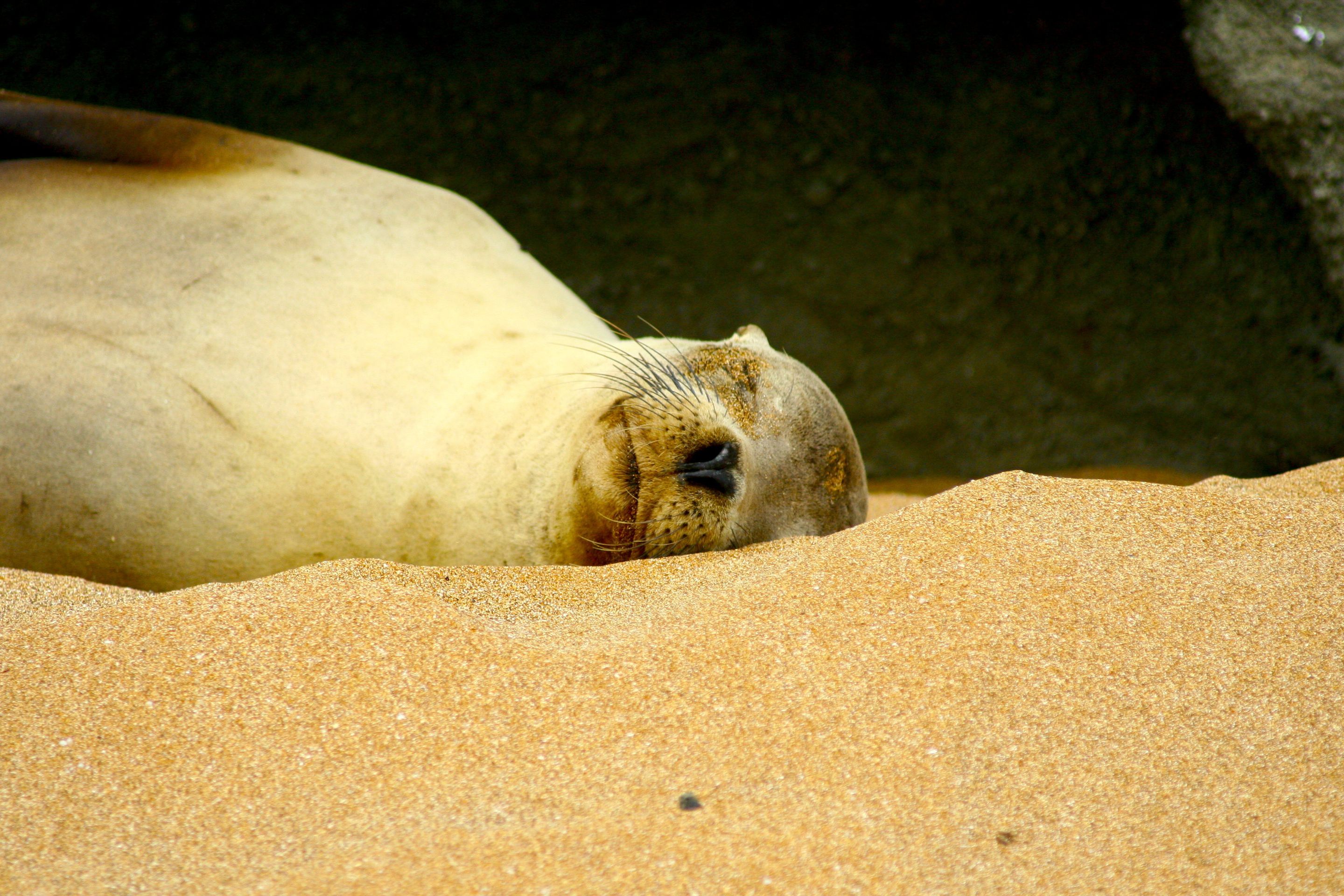
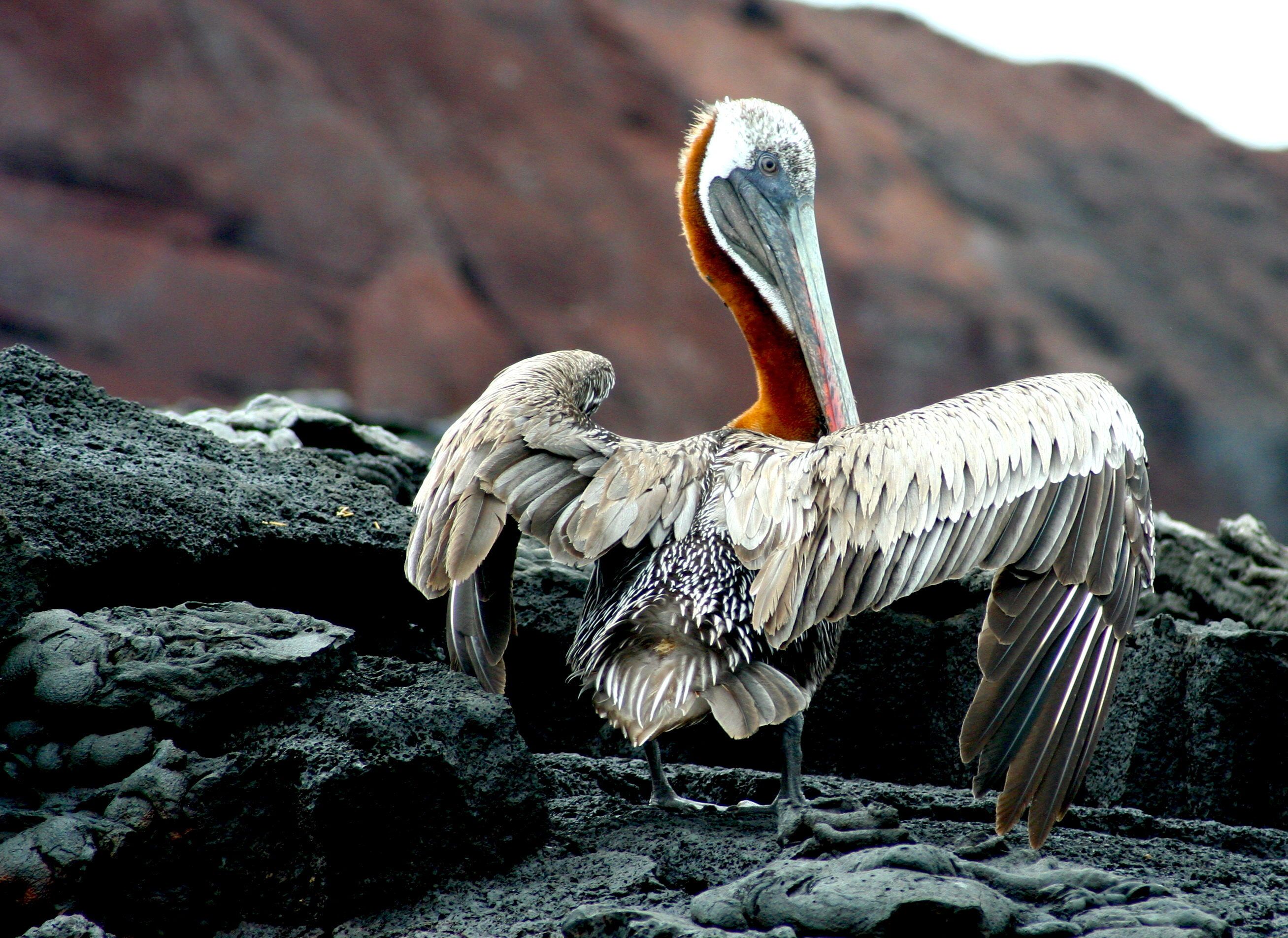
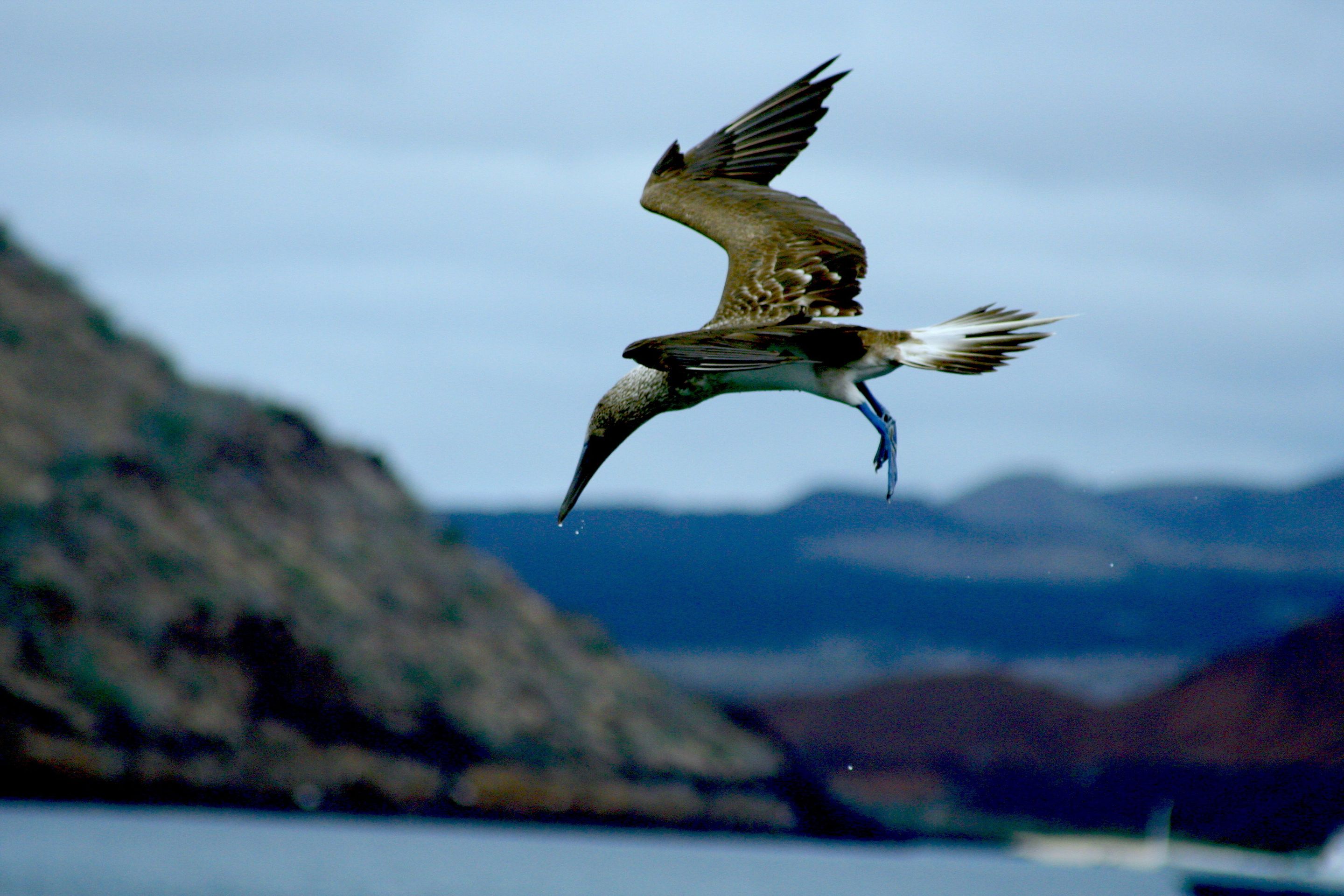
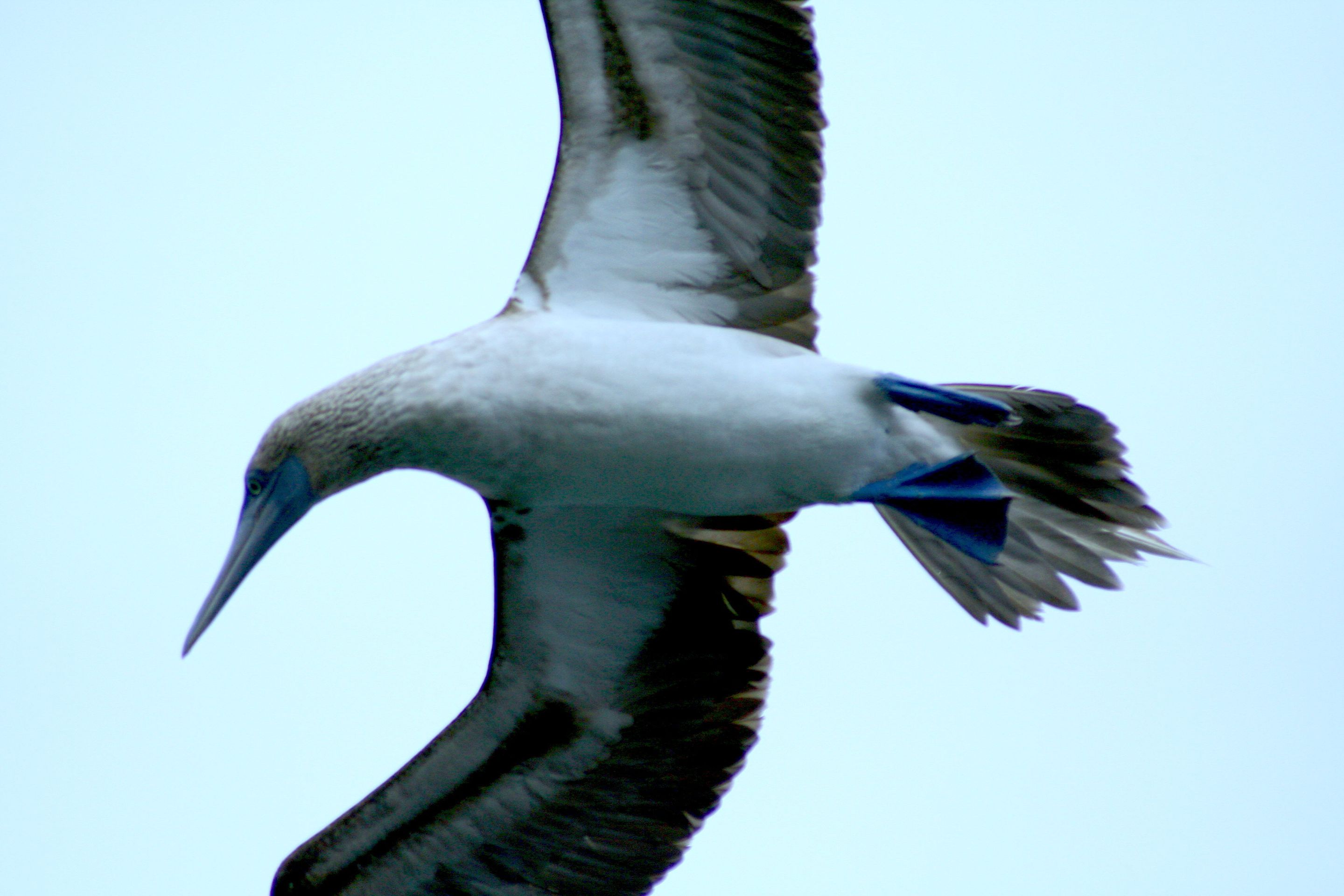
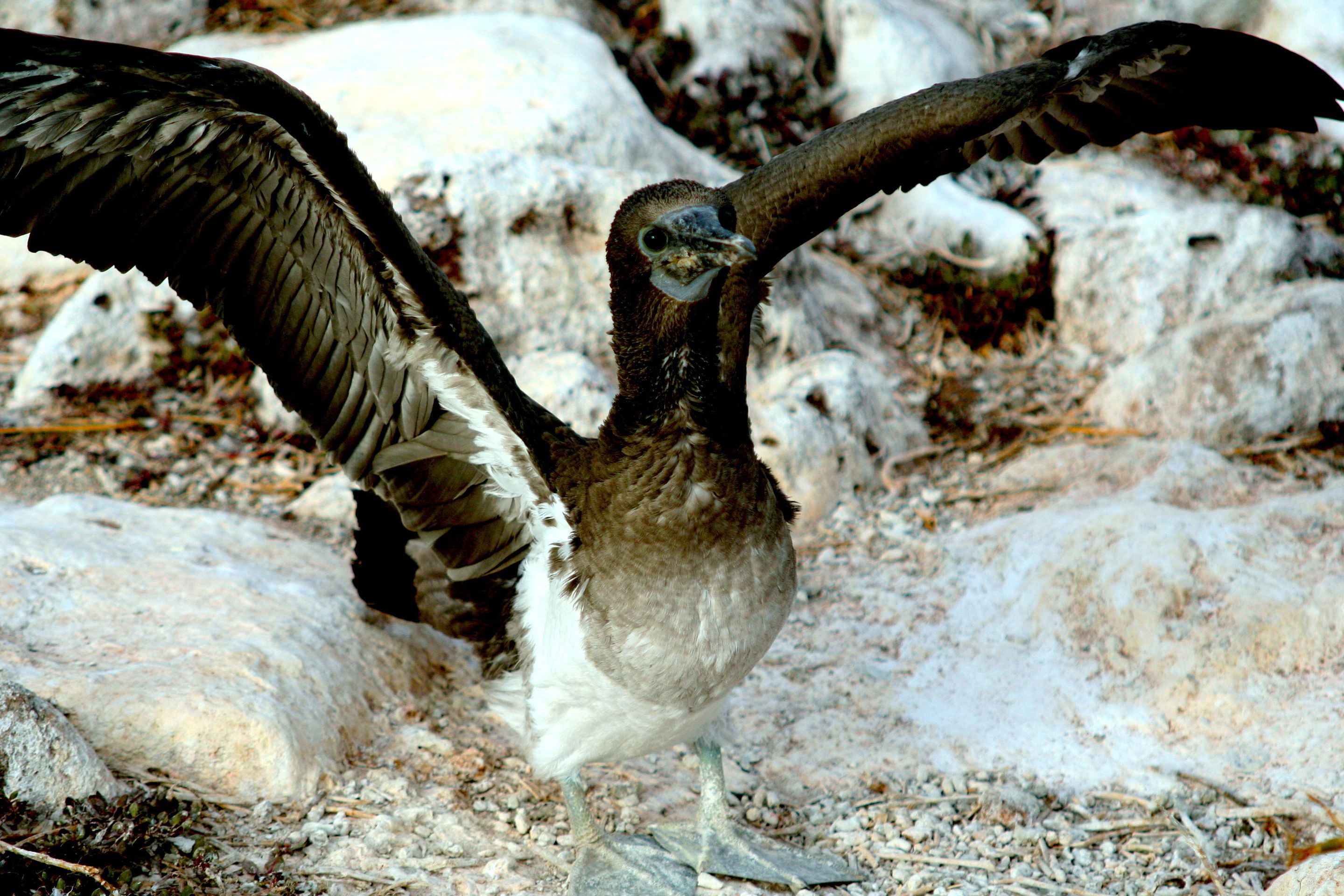
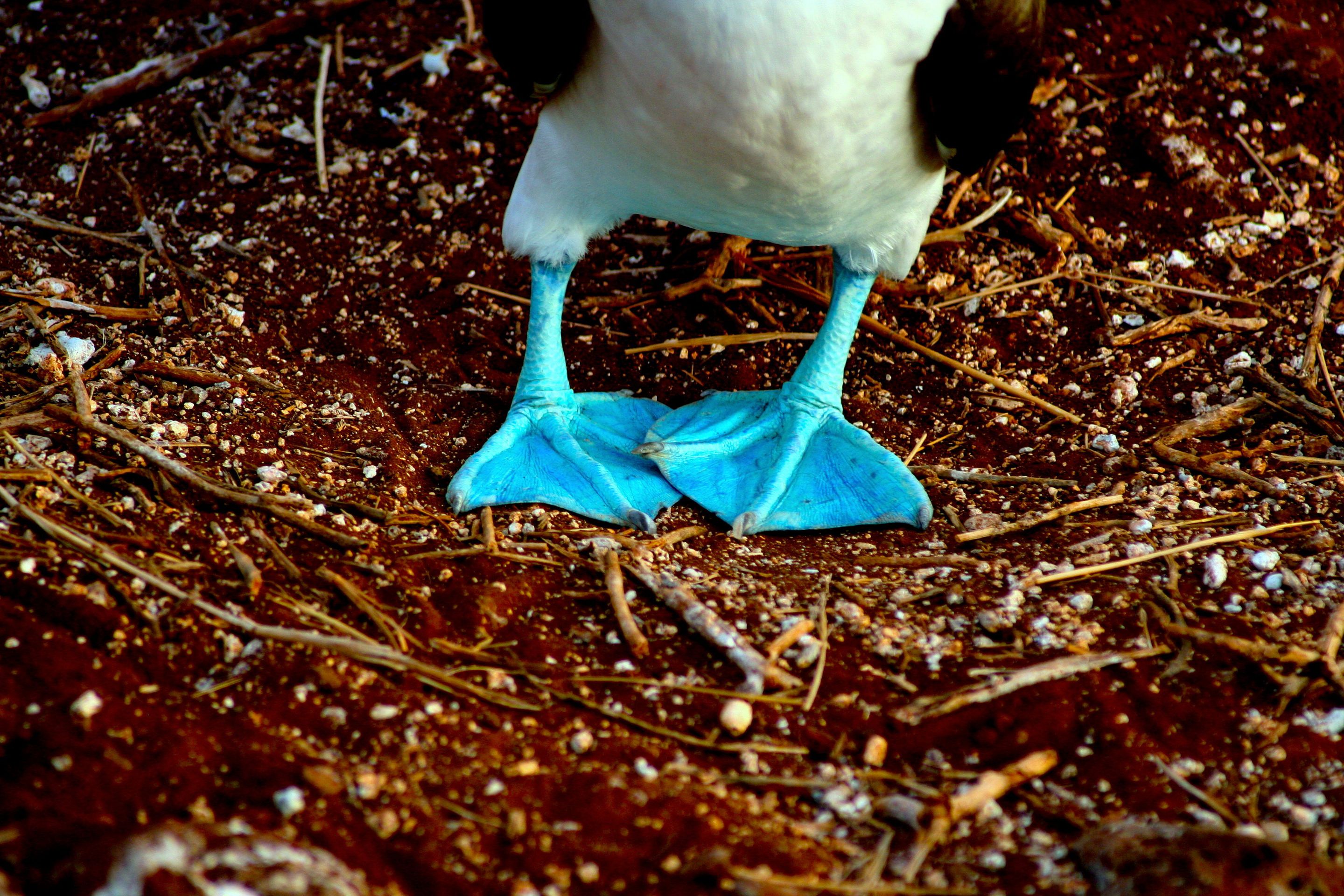
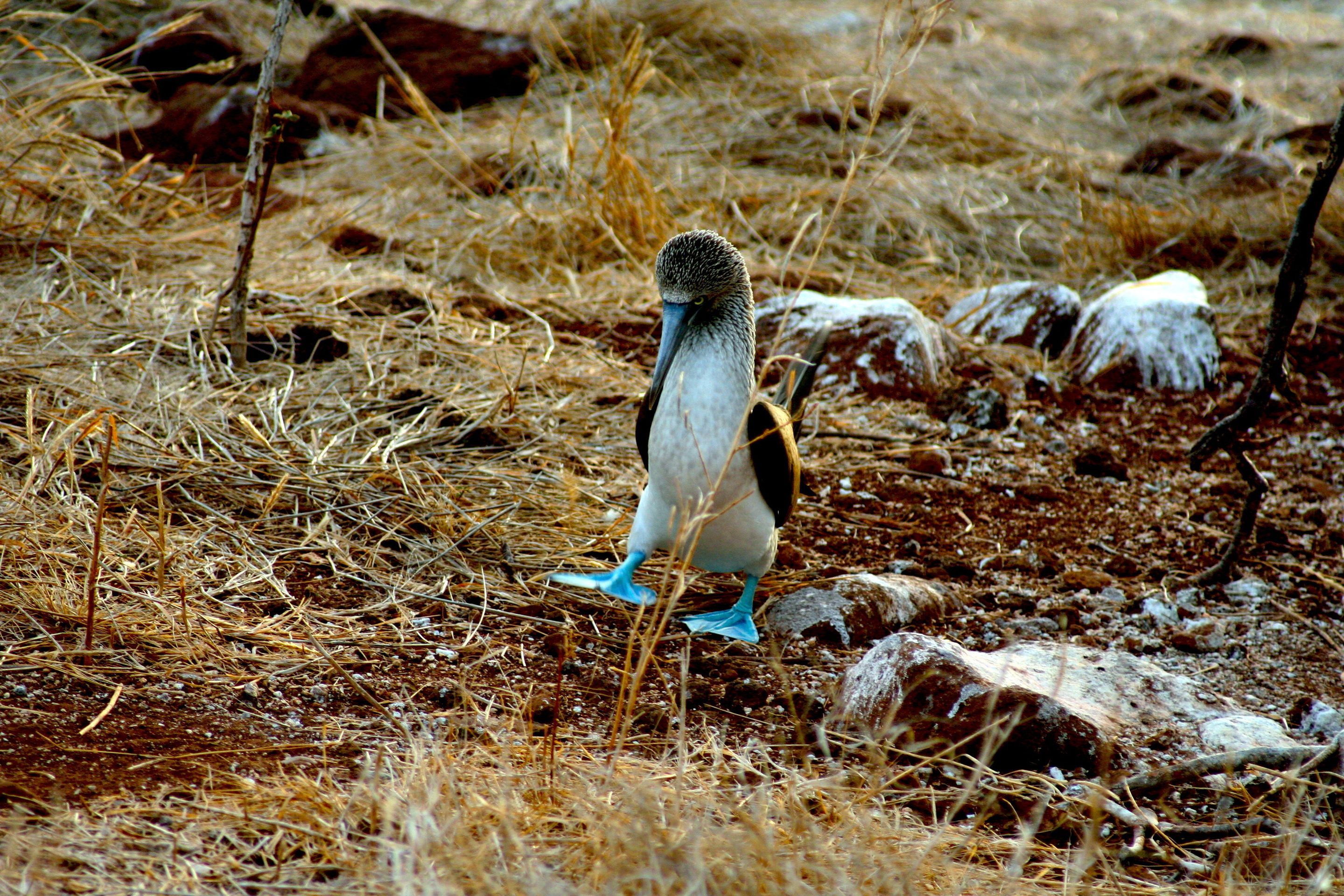
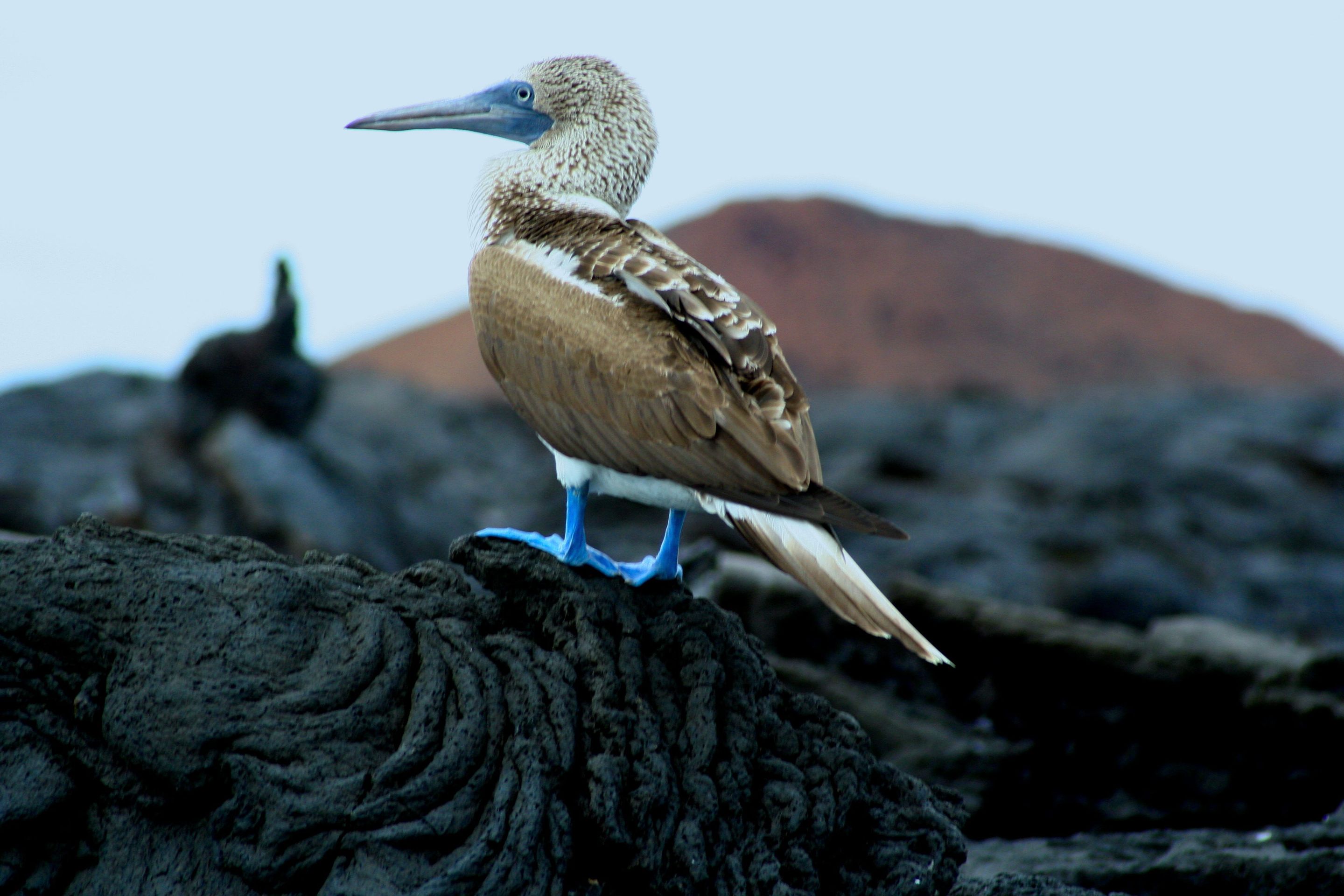
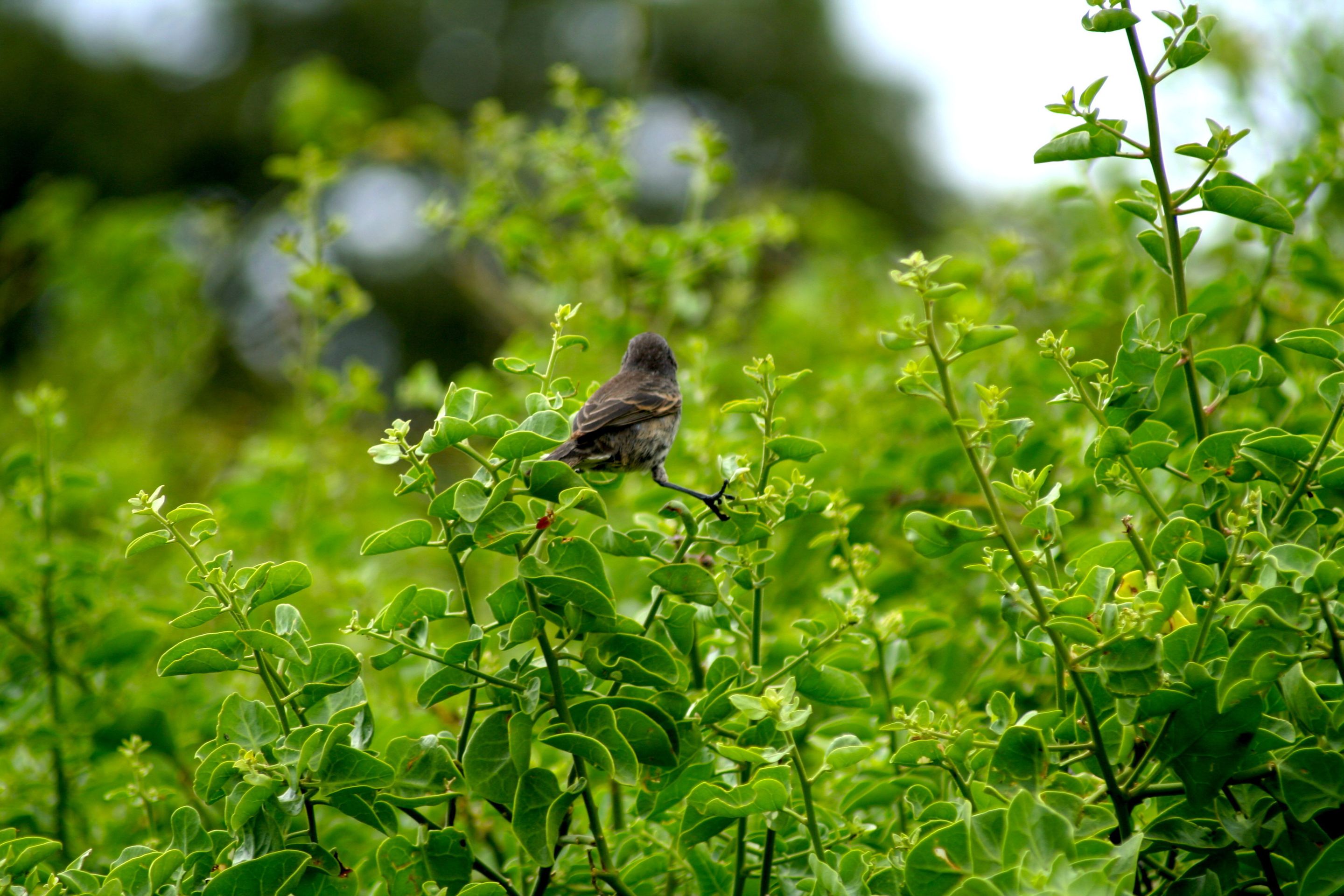
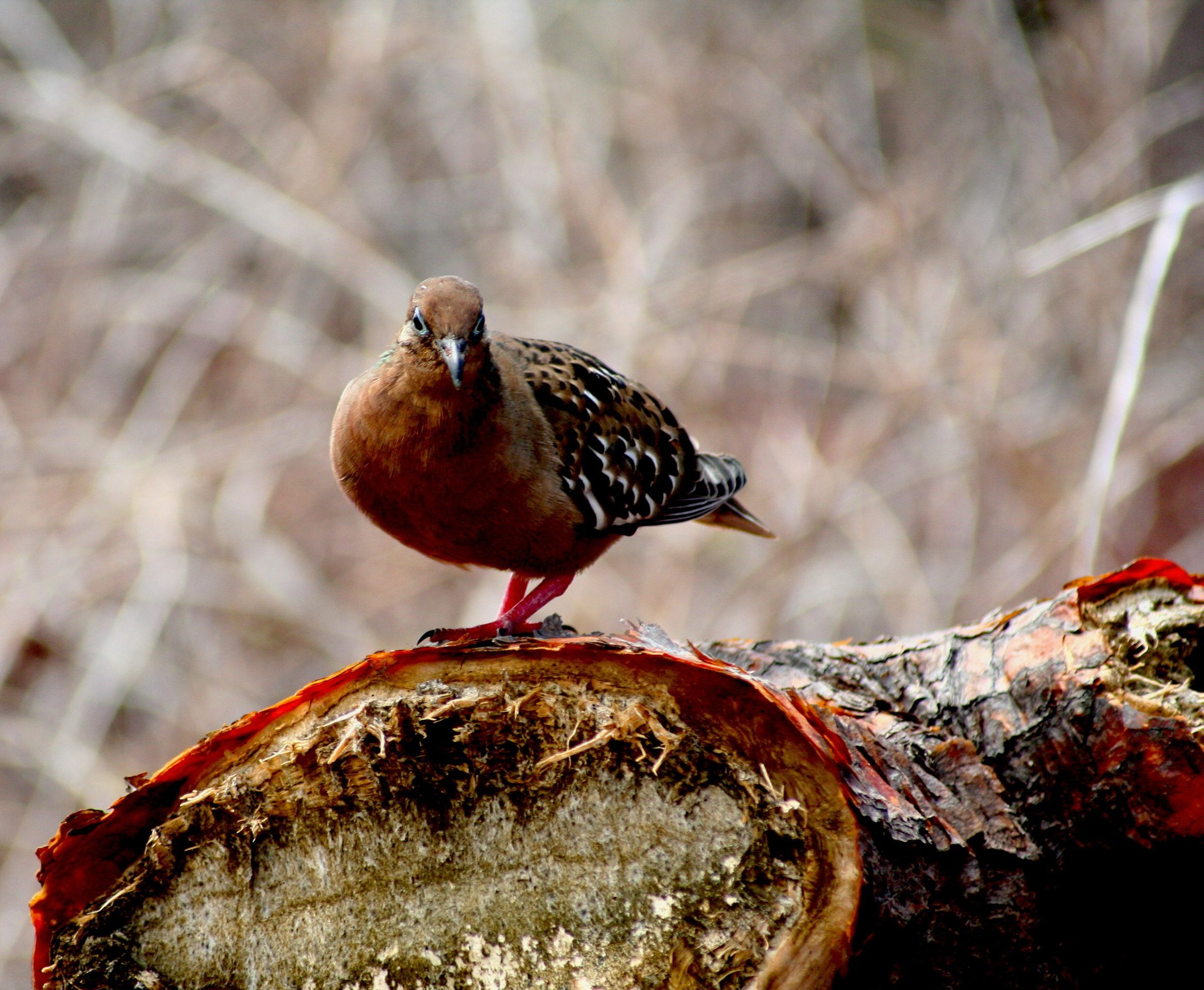
Rábida, approximately 5 square kilometers in size, is characterized by red, partly yellow sandy beaches colored by iron oxide-laden volcanic slag. Galapagos sea lions, brown pelicans, boobies, Darwin's finches, and the Galapagos pigeon thrive here.
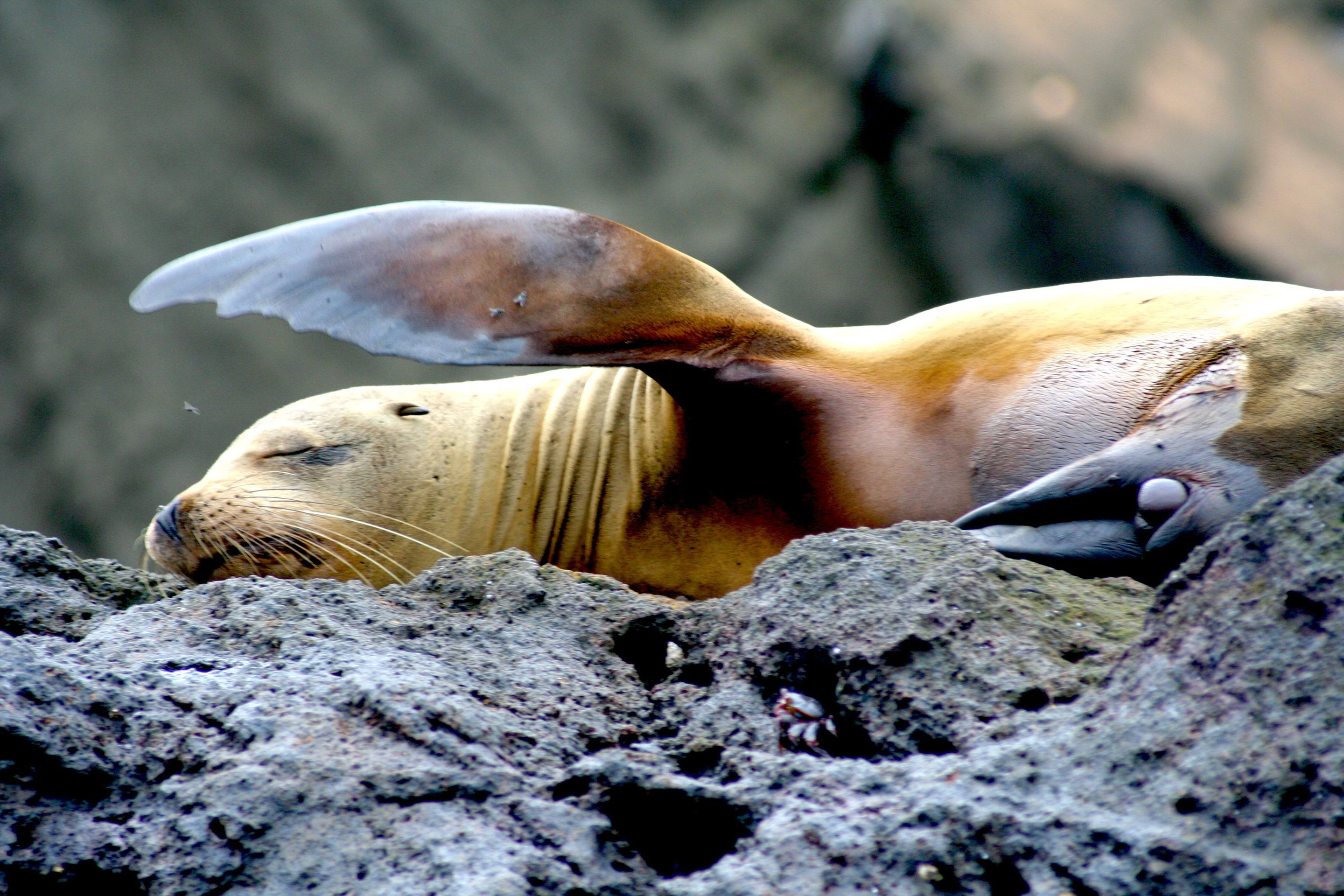
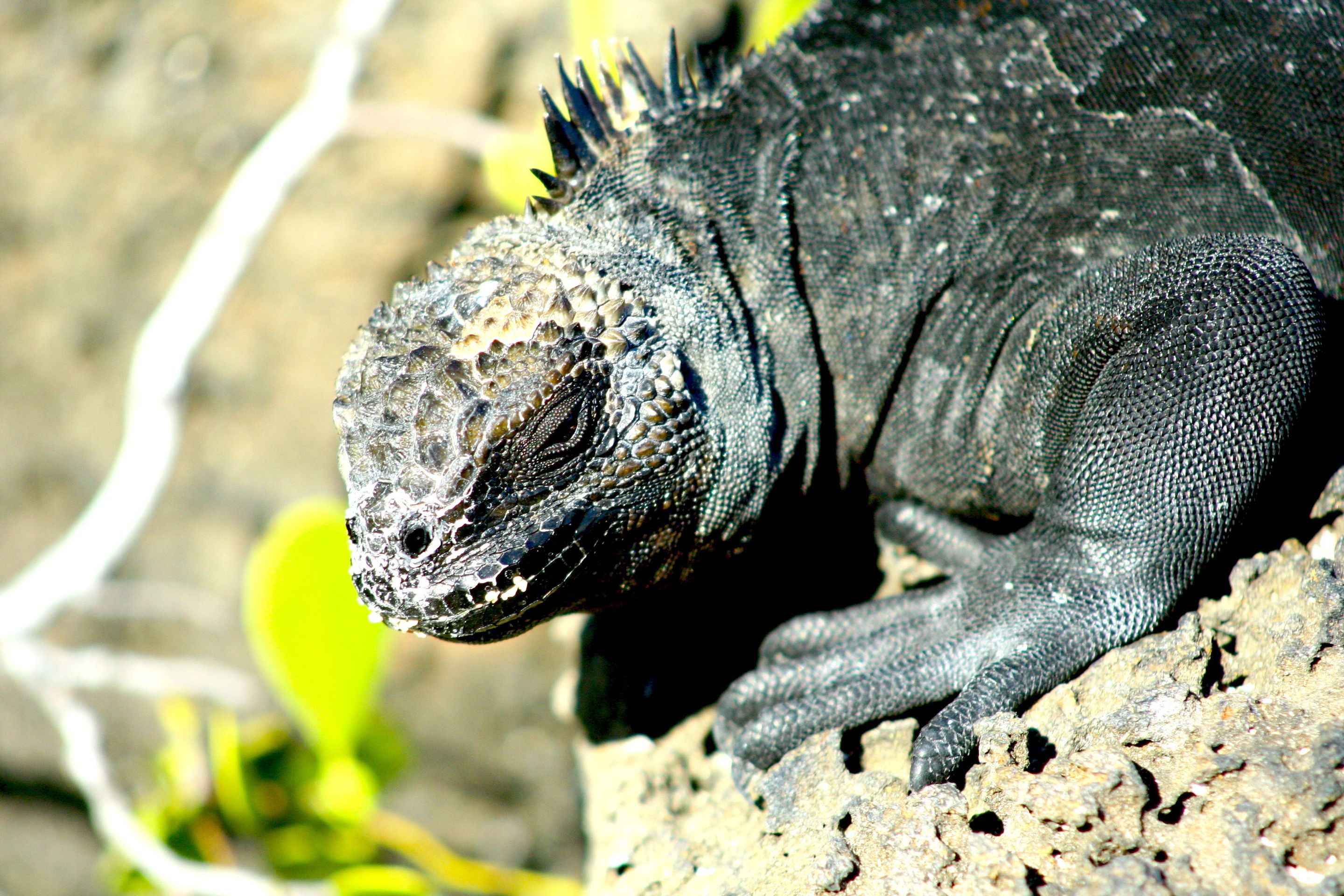
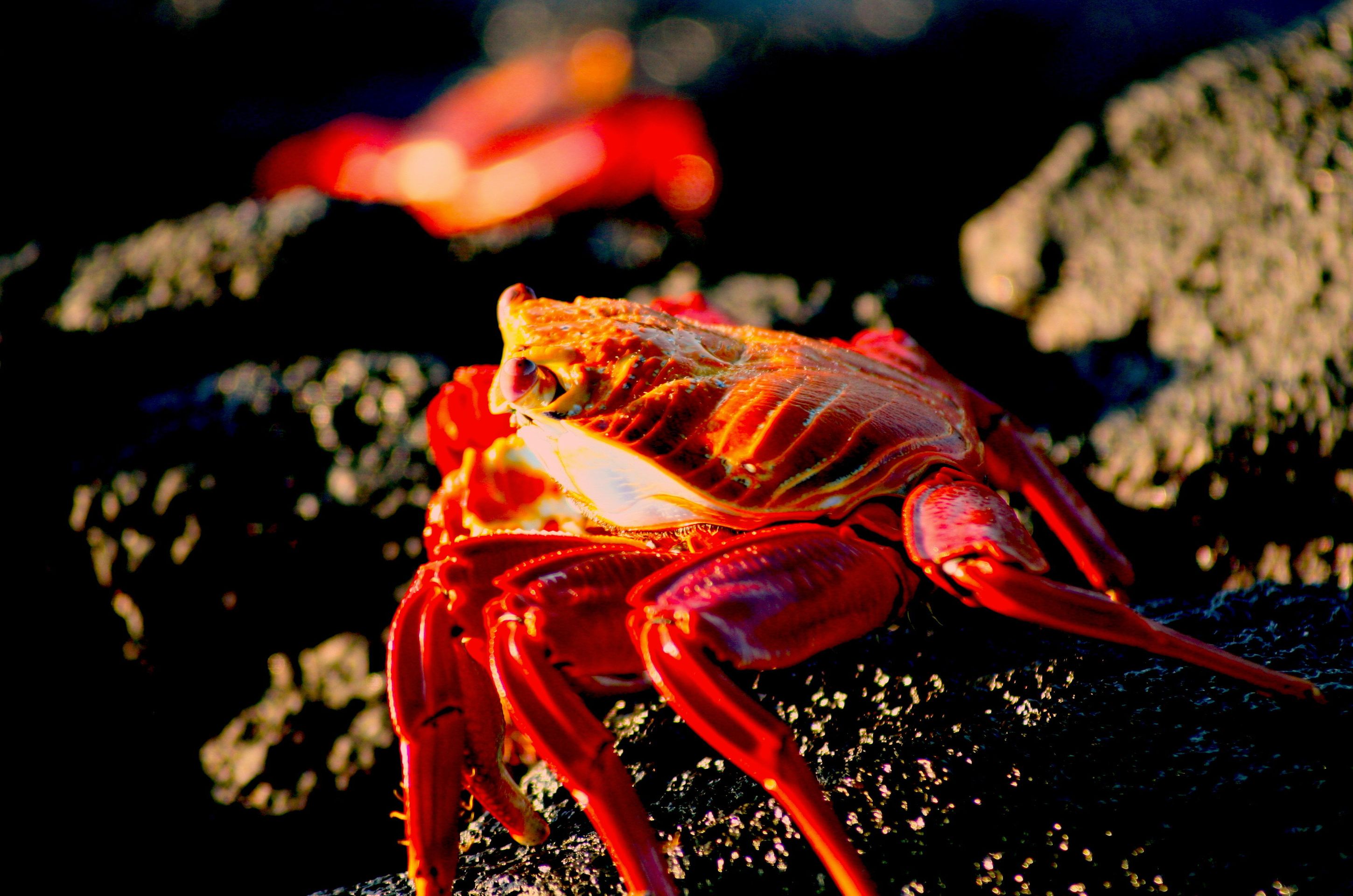
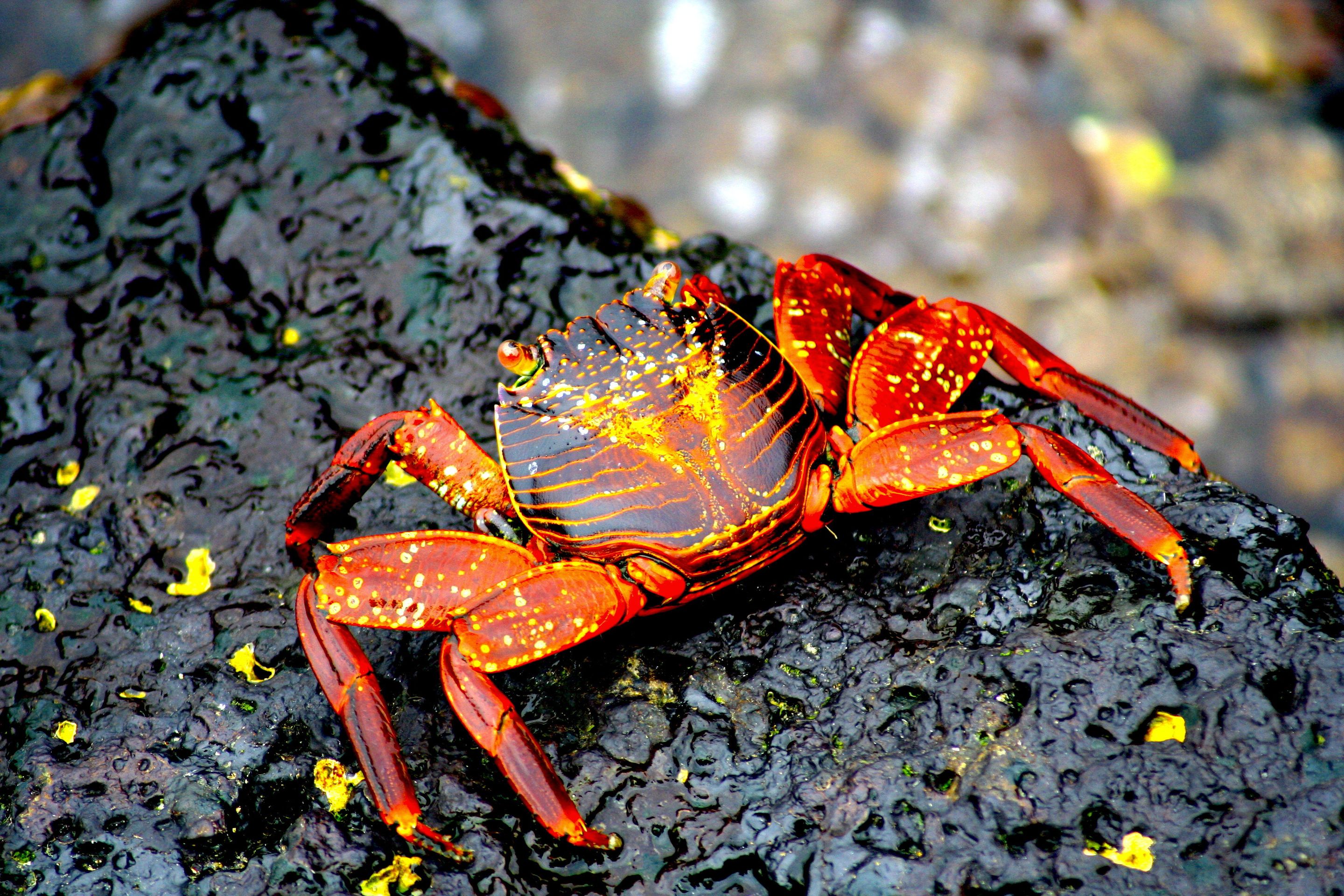
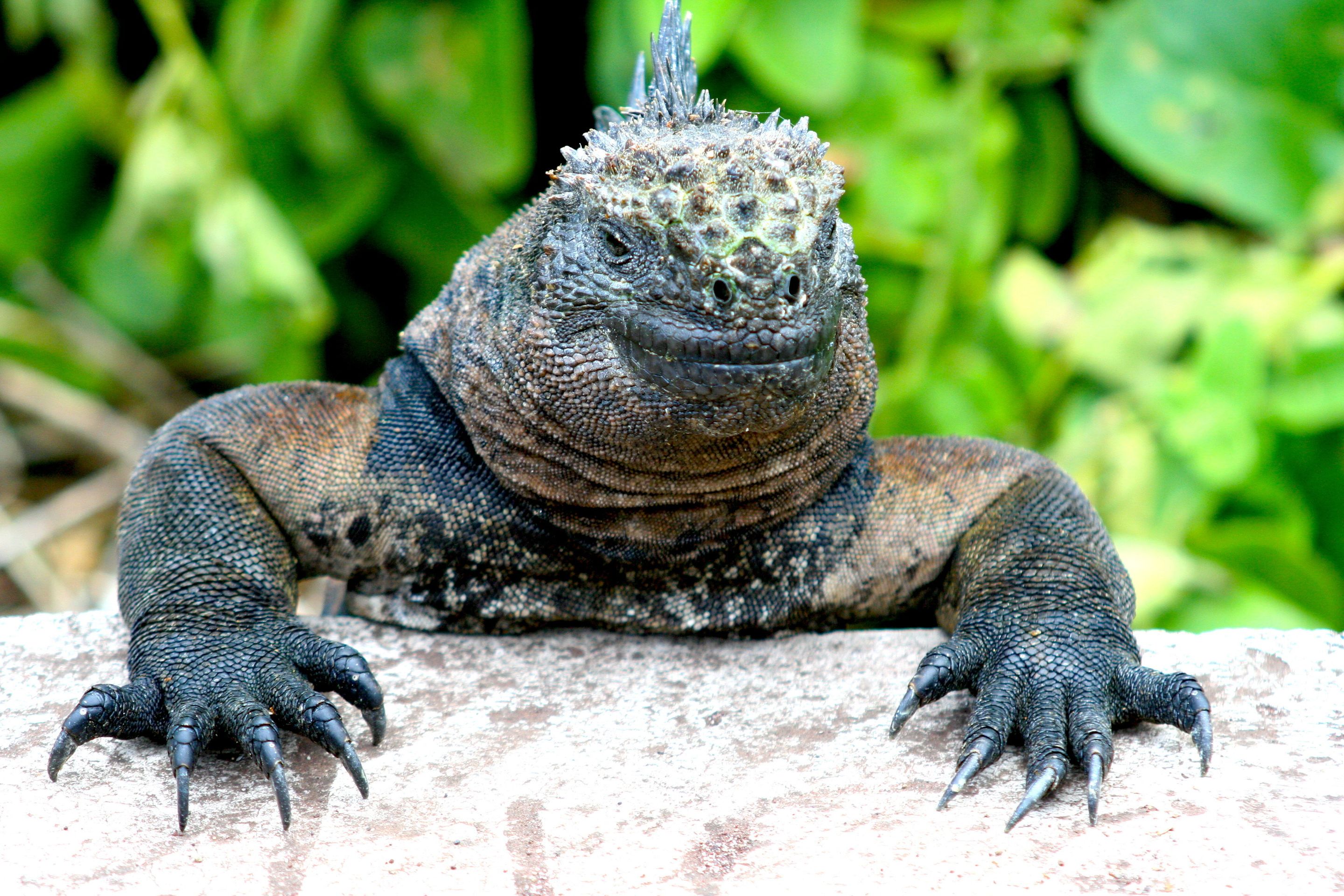
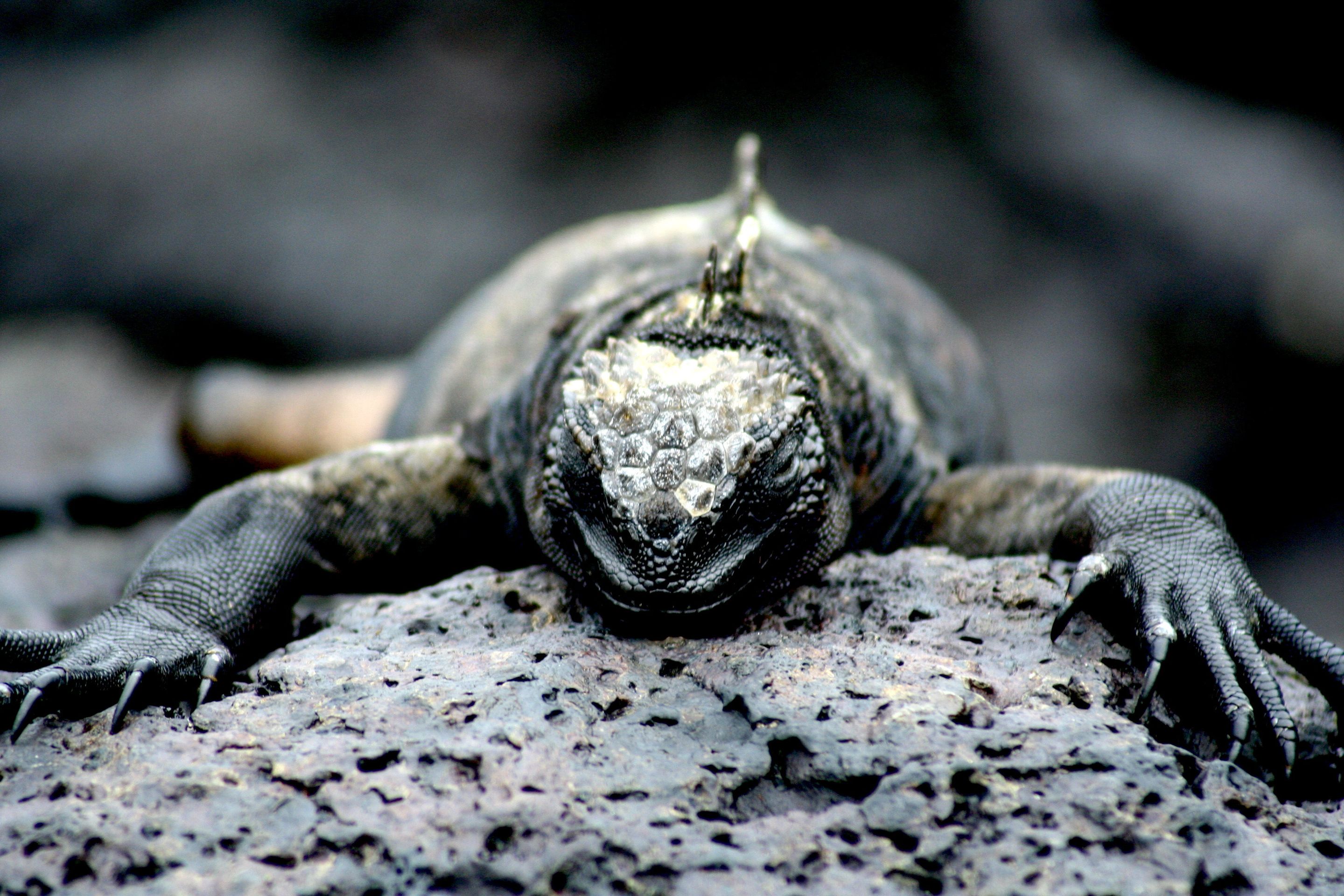
San Salvador is marked by black lava where sea lions, marine iguanas, and red rock crabs like to bask and sleep.