
Ecuador and Peru In Quechua, Machu Picchu means "Old Peak"
Quito, the capital of Ecuador, is 2850m high and sits at the foot of the Pichincha volcano, which last erupted in 1999. The city is known as the monastery of Ecuador due to its...

Published: 15.04.2026
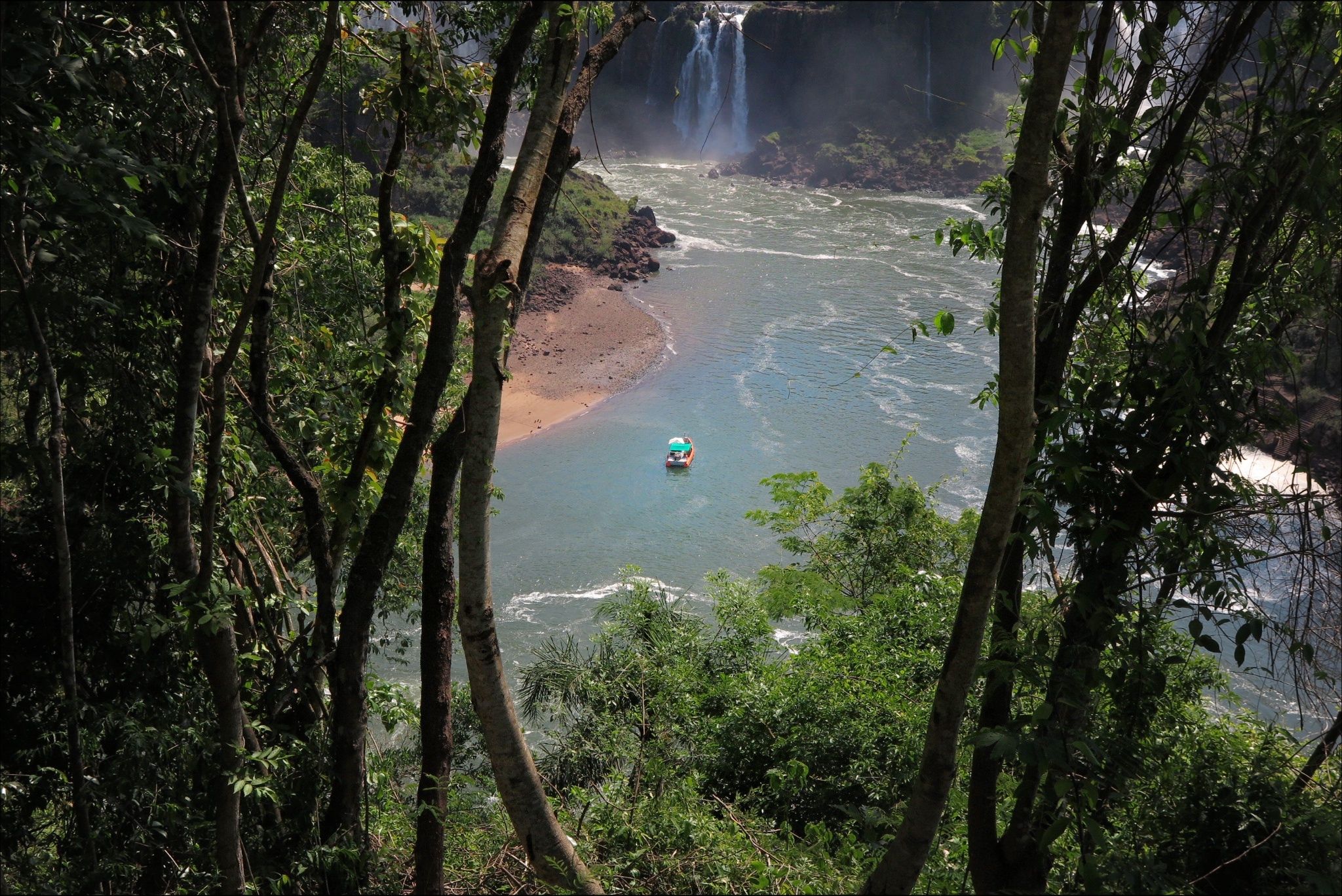
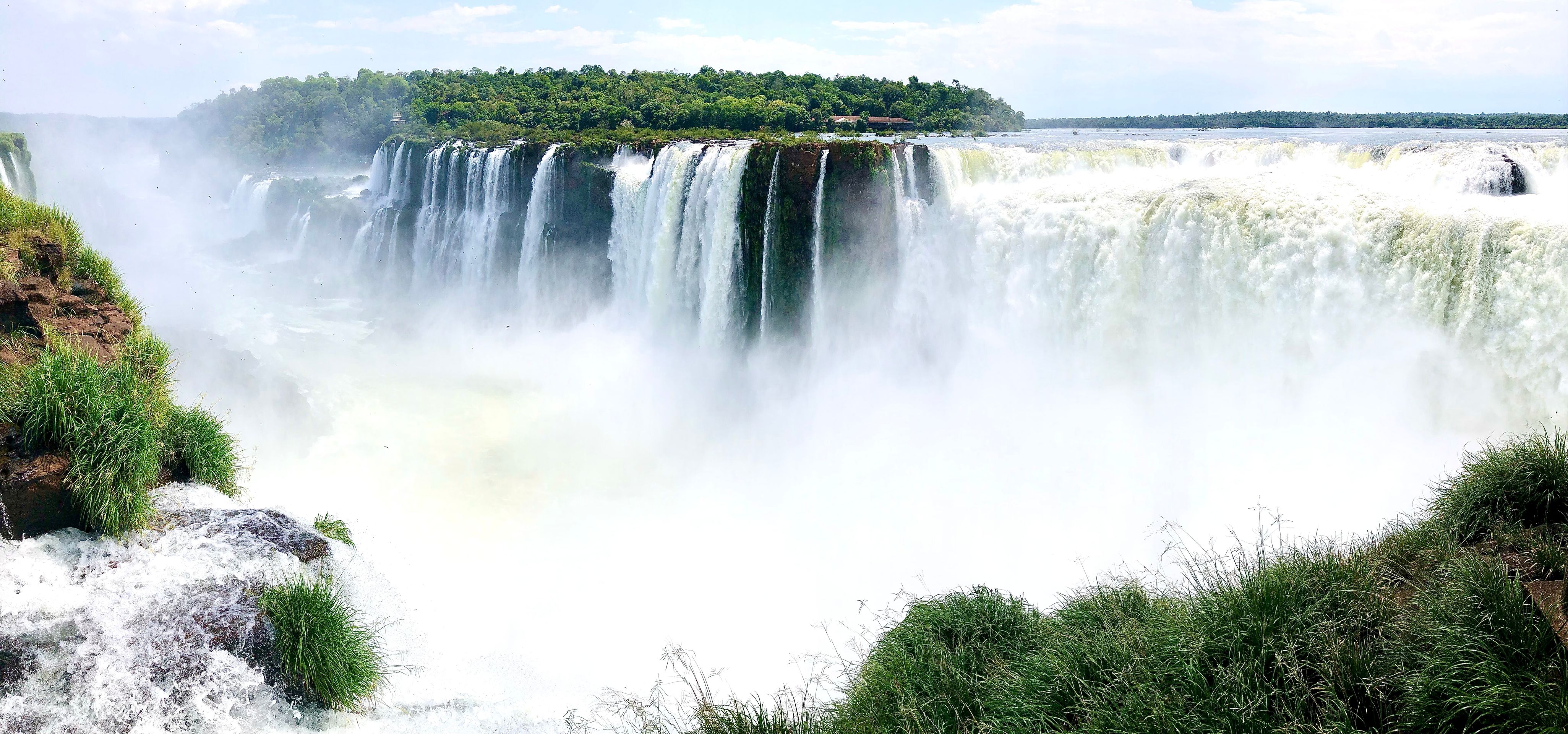
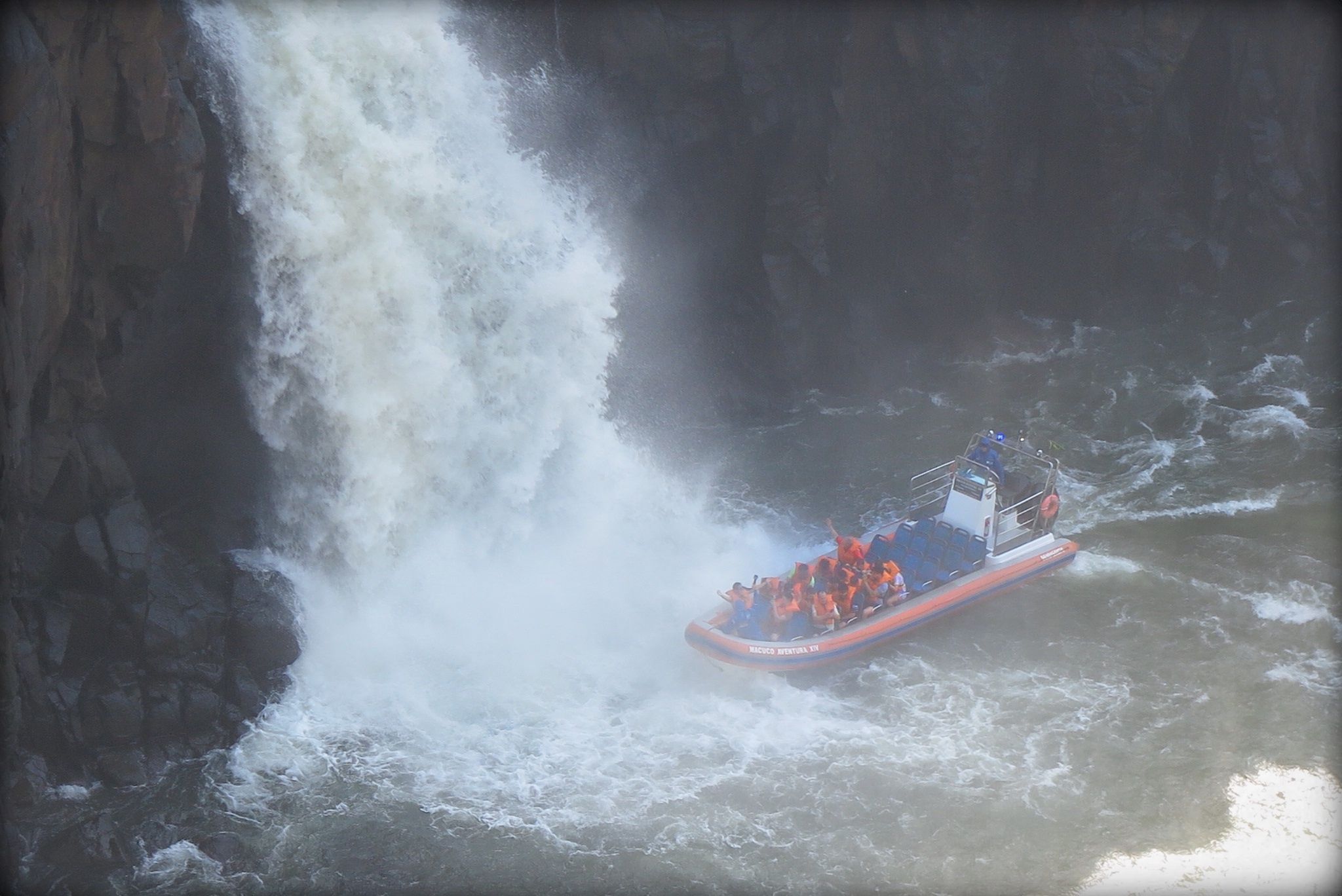
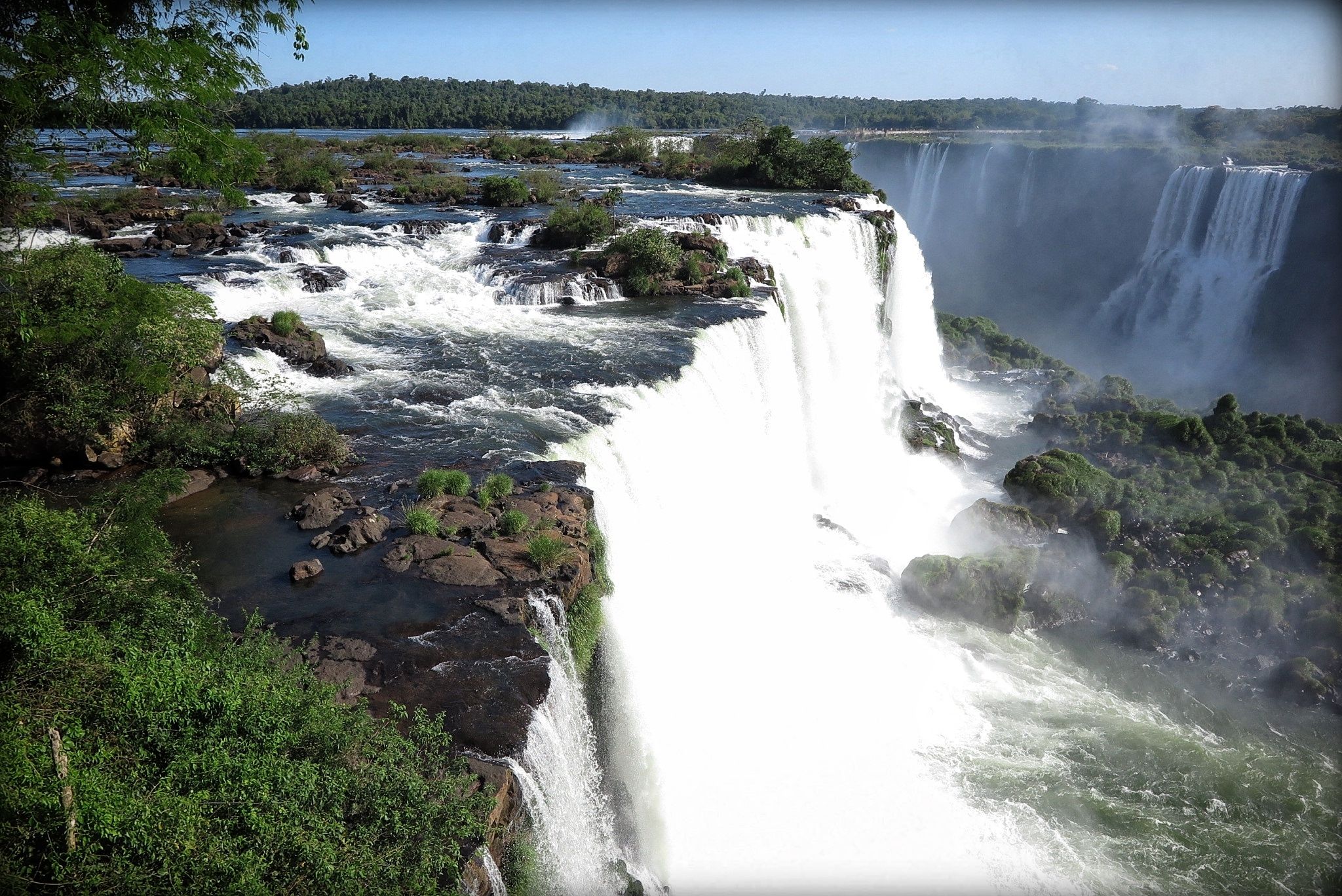


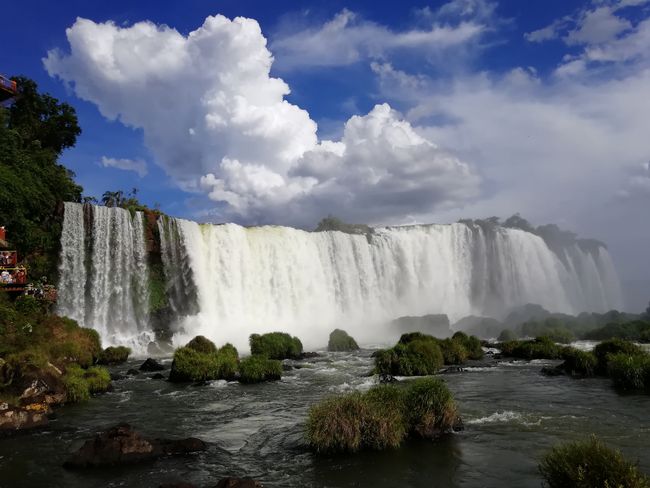
Foz do Iguaçu comes from the indigenous language of the Tupi Guaraní people and means great water. The waterfalls were discovered by Cabeza de Vaca in 1542, and we could admire them from both the Brazilian and the Argentine sides.
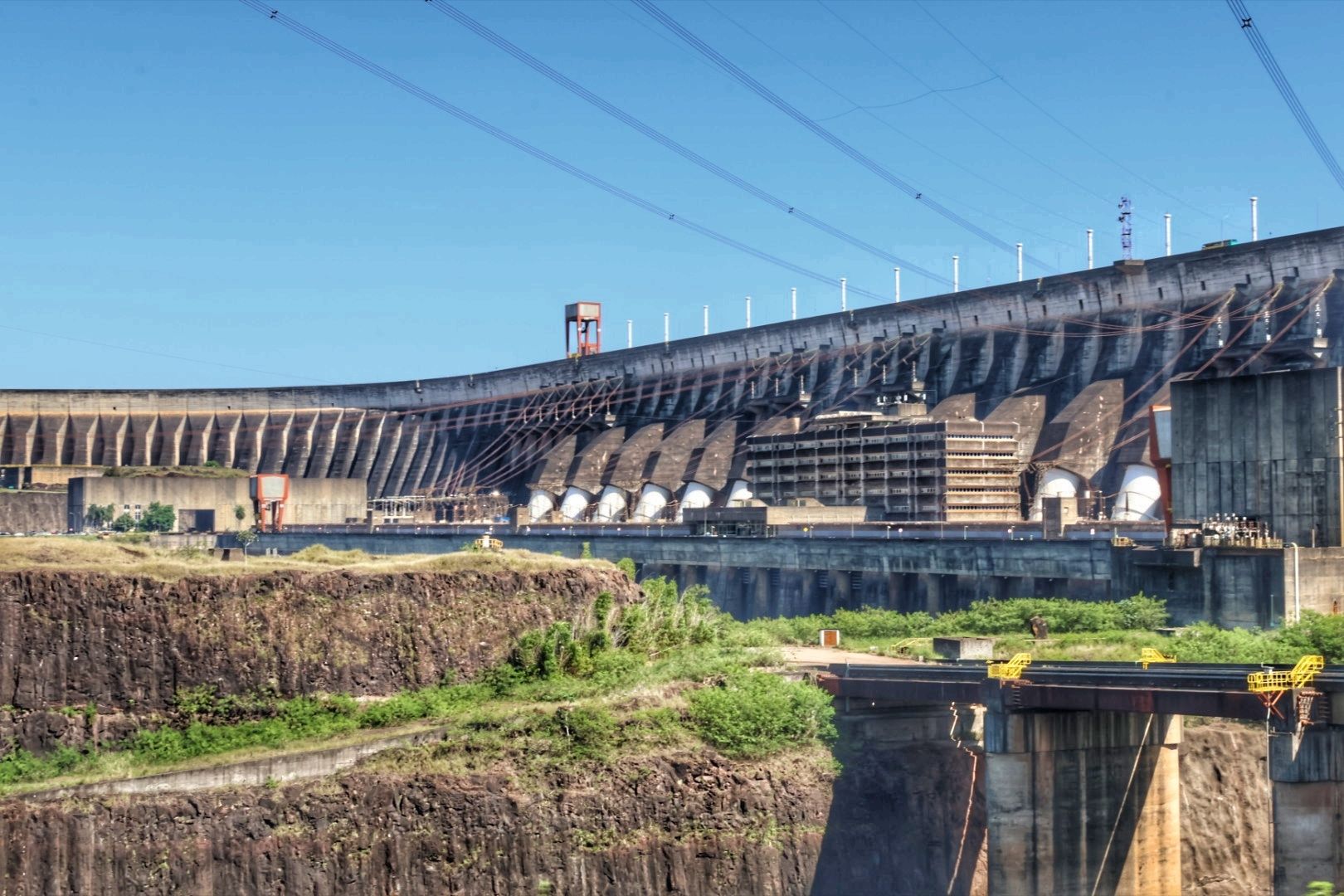
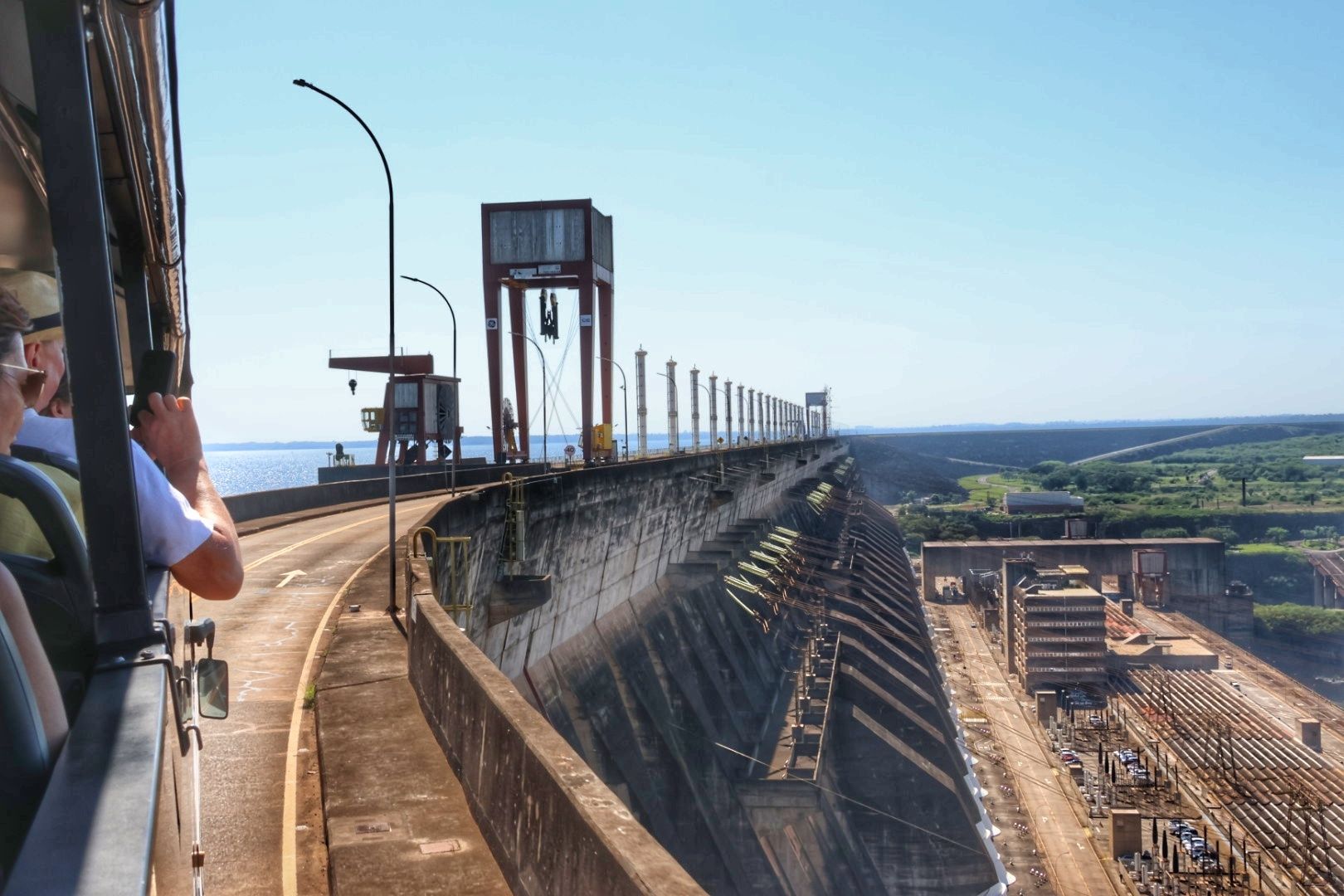
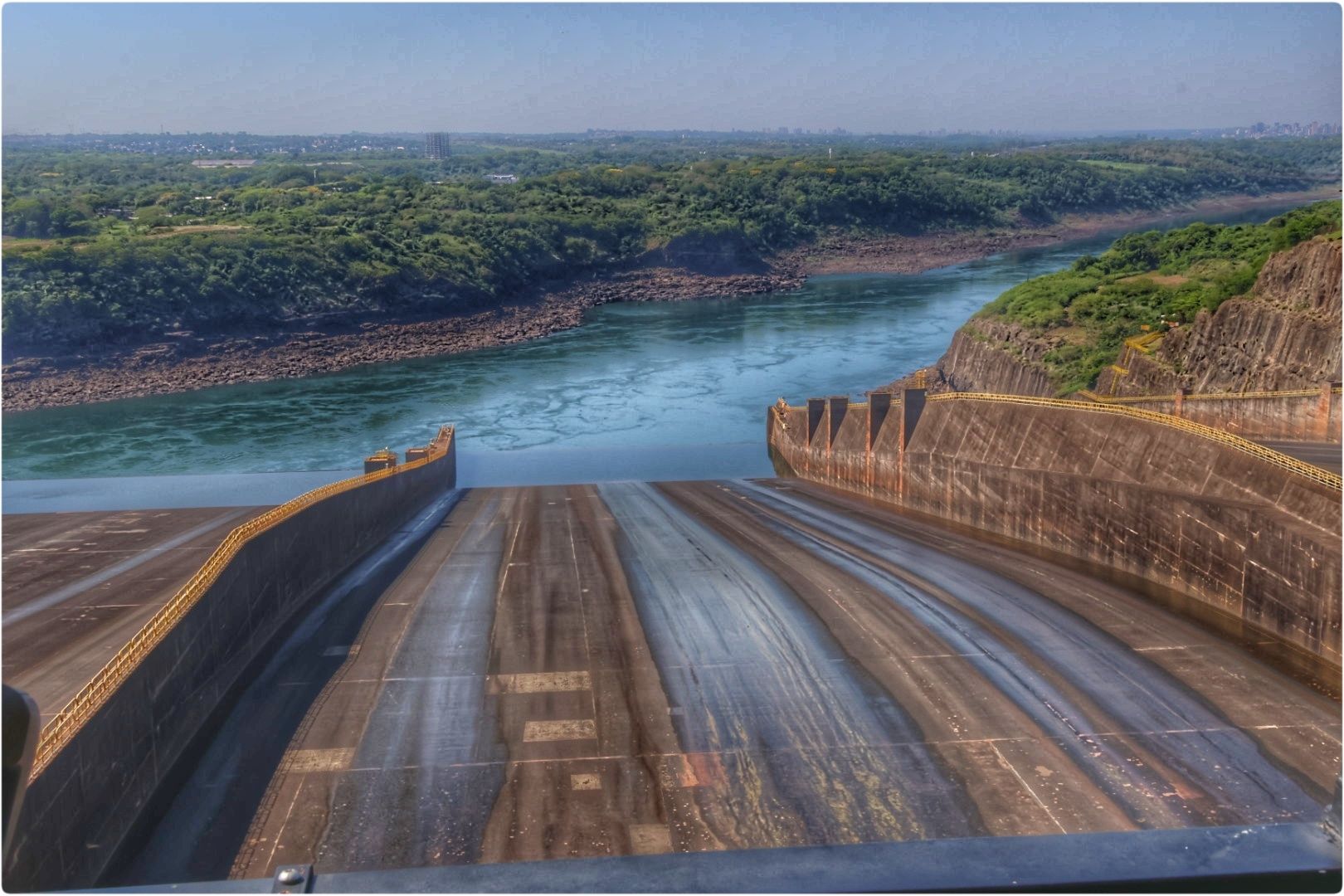
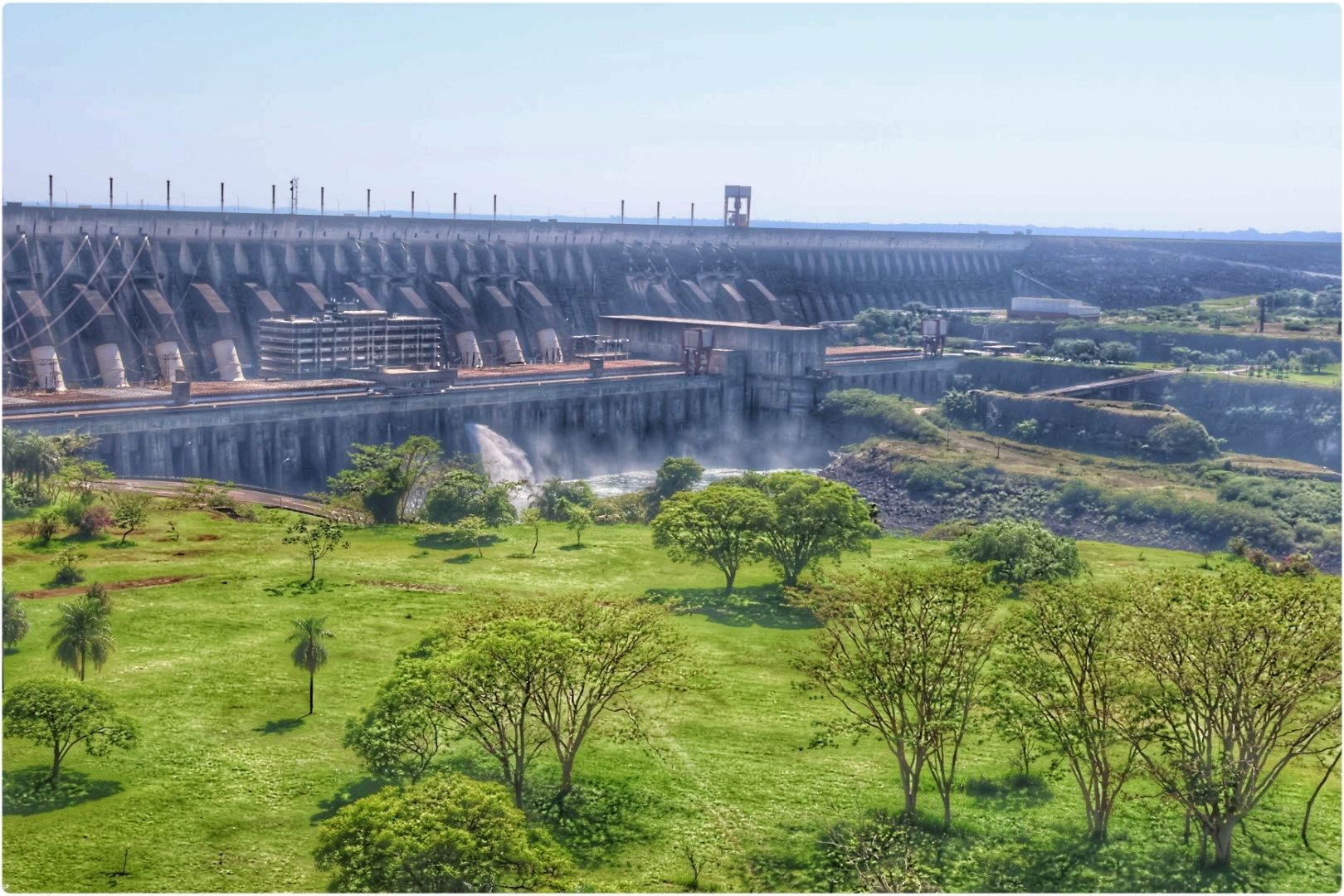
The next superlative in Brazil for us is the Itaipu Hydroelectric Power Plant Binational. It is the second-largest after the Three Gorges Dam in China. It stretches around 8km, stands nearly 200m high, and has a storage capacity of 29 million km³. This means that if the dam breaks, Buenos Aires will be 4m underwater.
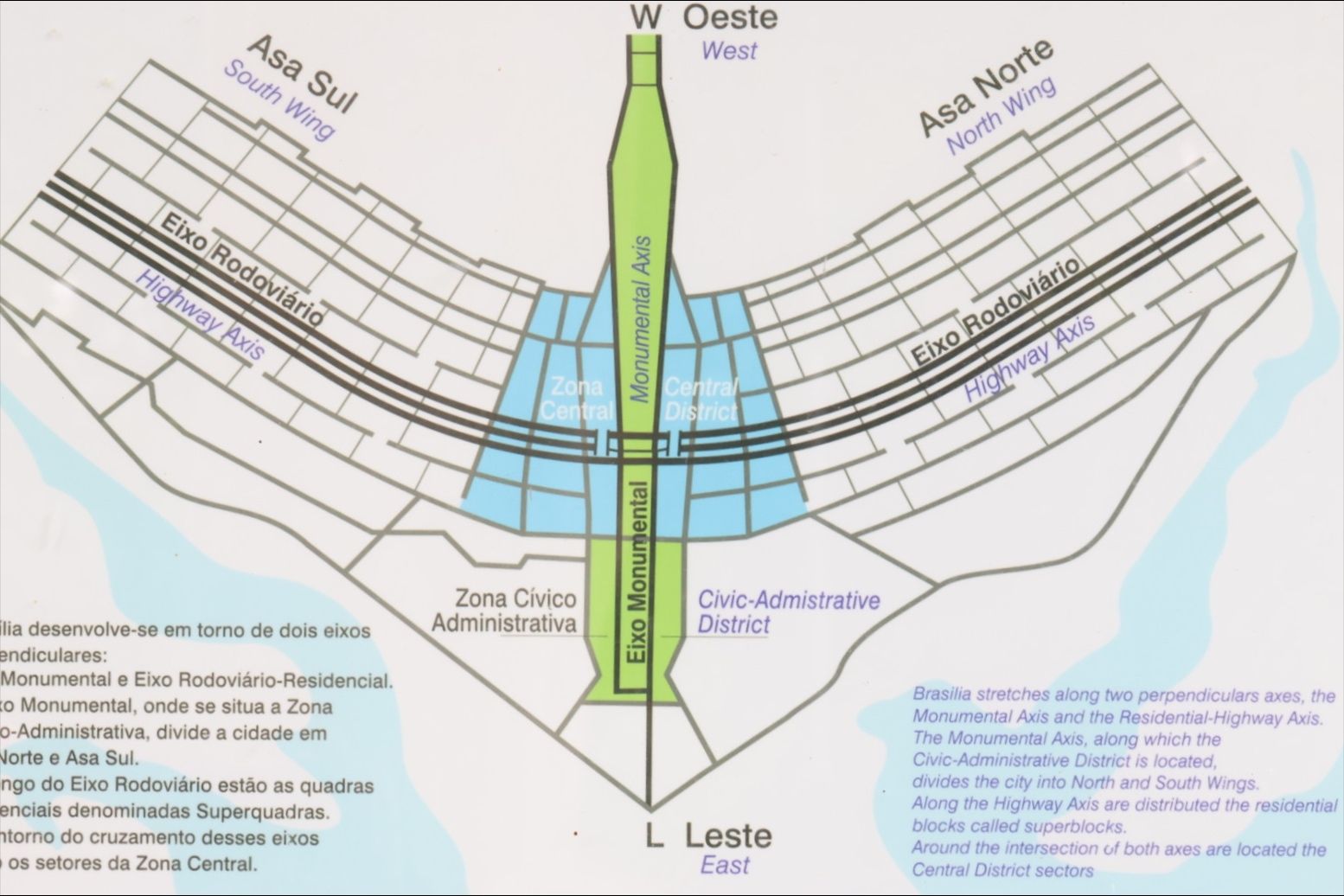
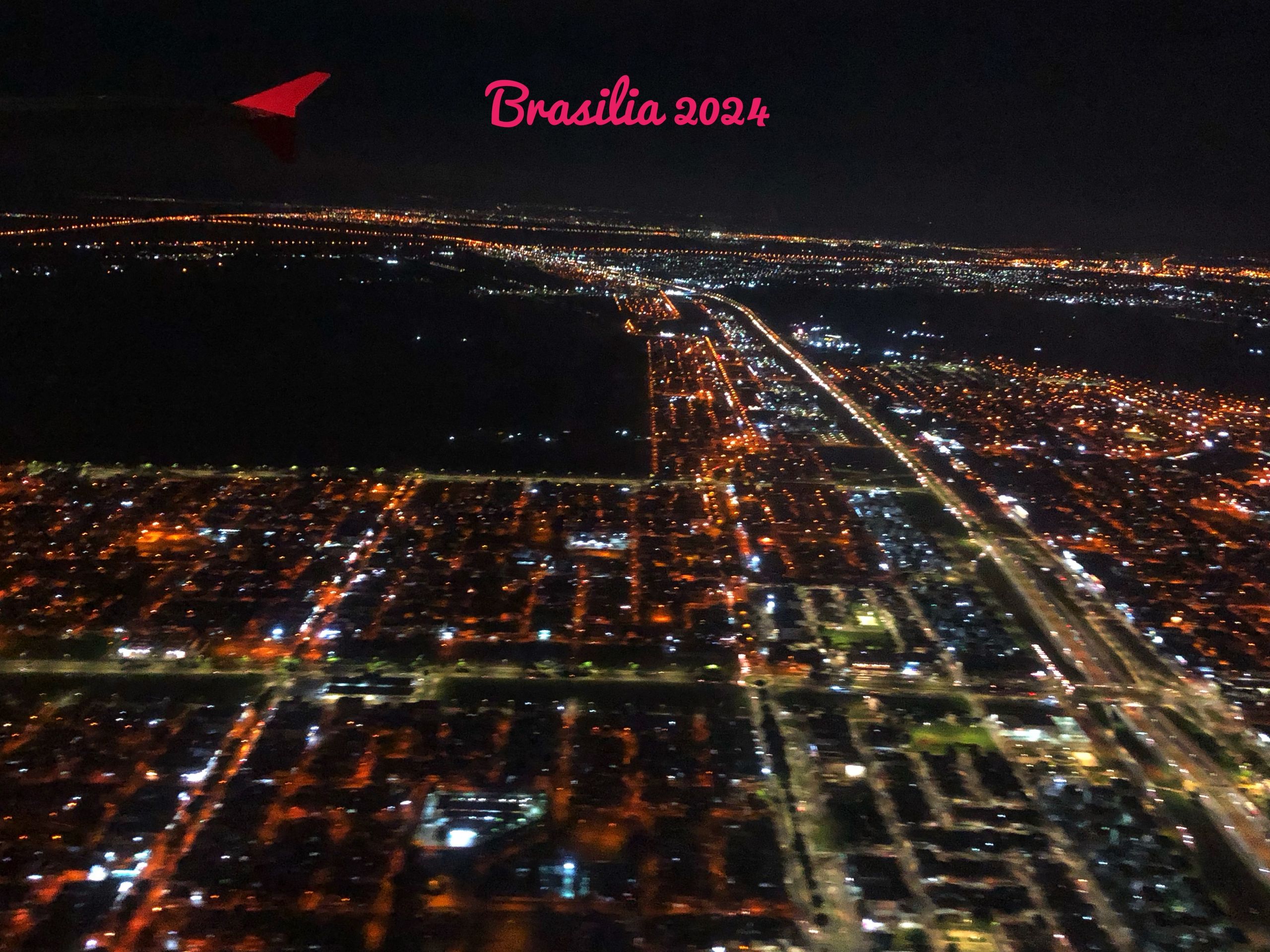
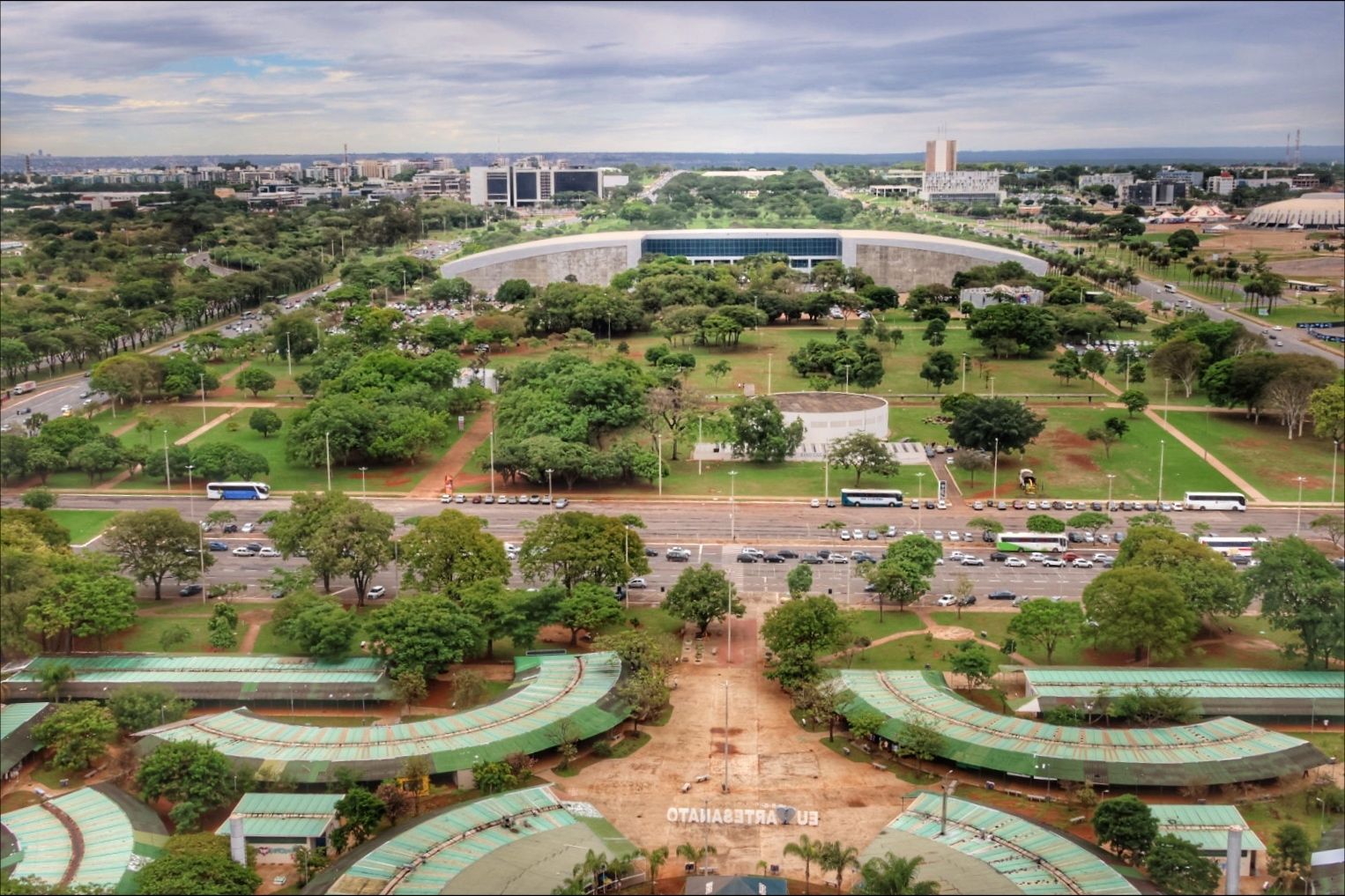
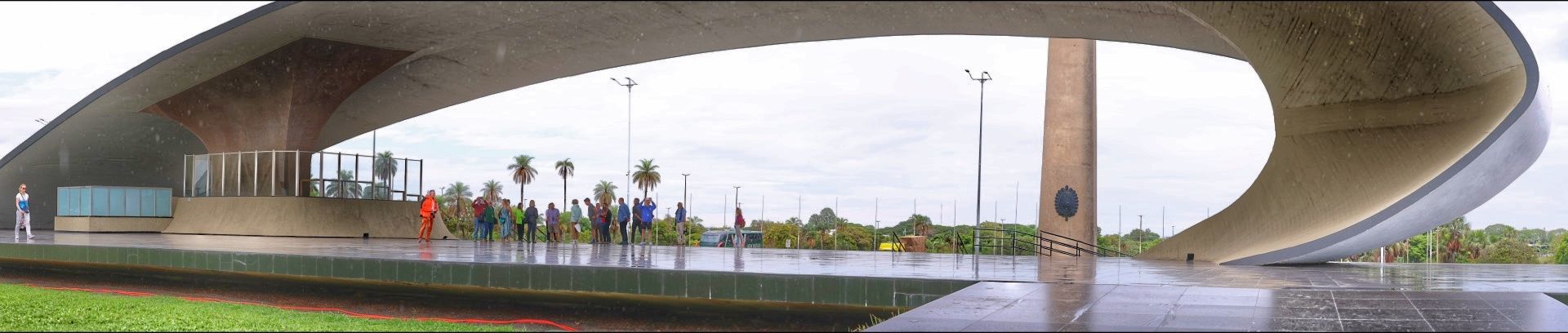
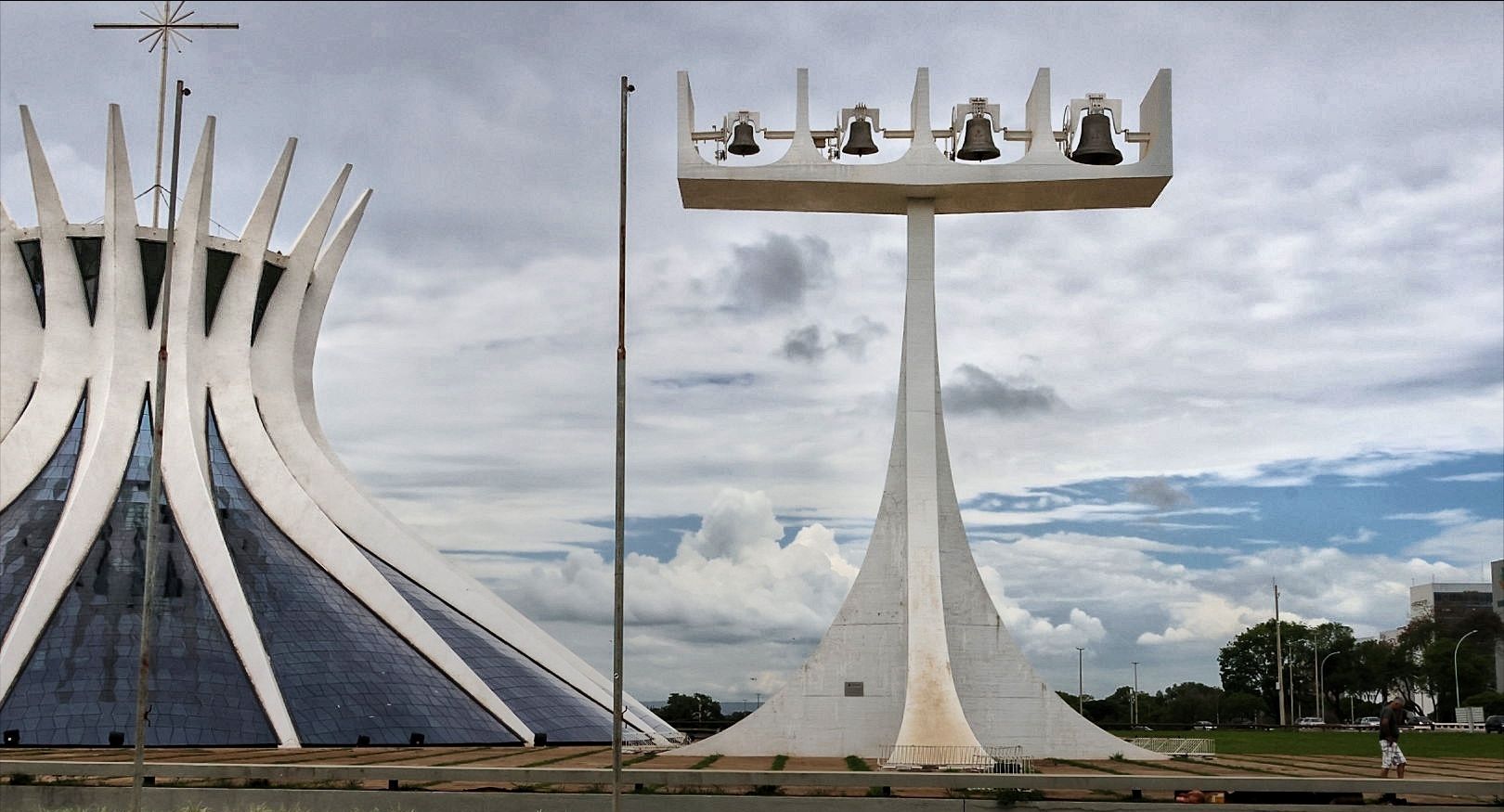
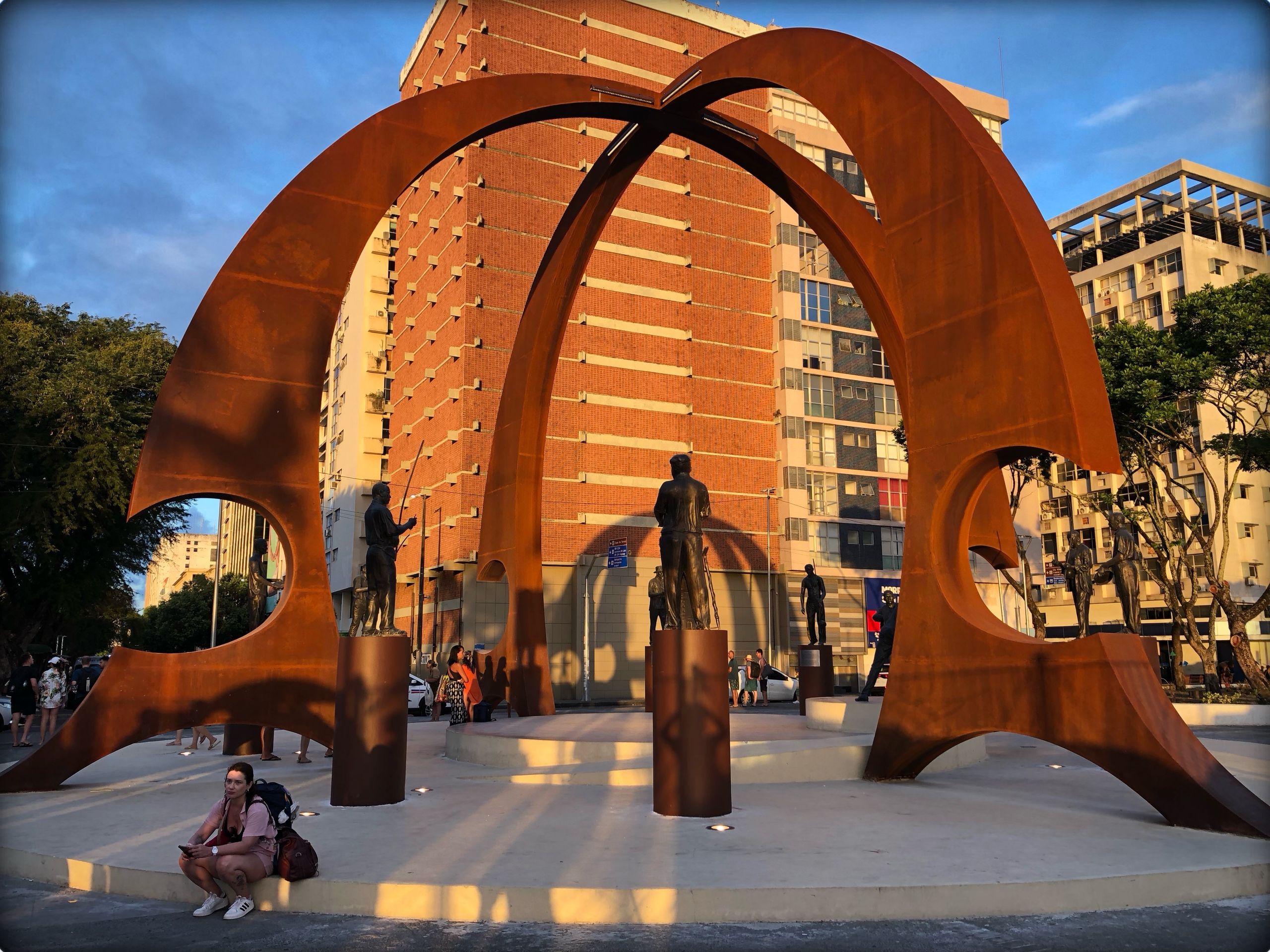
Designed by architect Oscar Niemeyer, it was built in almost 4 years (completed in 1960) and even today gives off a futuristic, rather cool impression. There are no street names; residential areas, business districts, cultural zones, and hotel complexes are divided into sectors.
To realize all this quickly, about 35,000 workers were recruited from the North, who were sent to satellite towns after the city was completed. There is great poverty, crime, and not least the favelas, a climber plant, that favors the drug trade and clan activities.
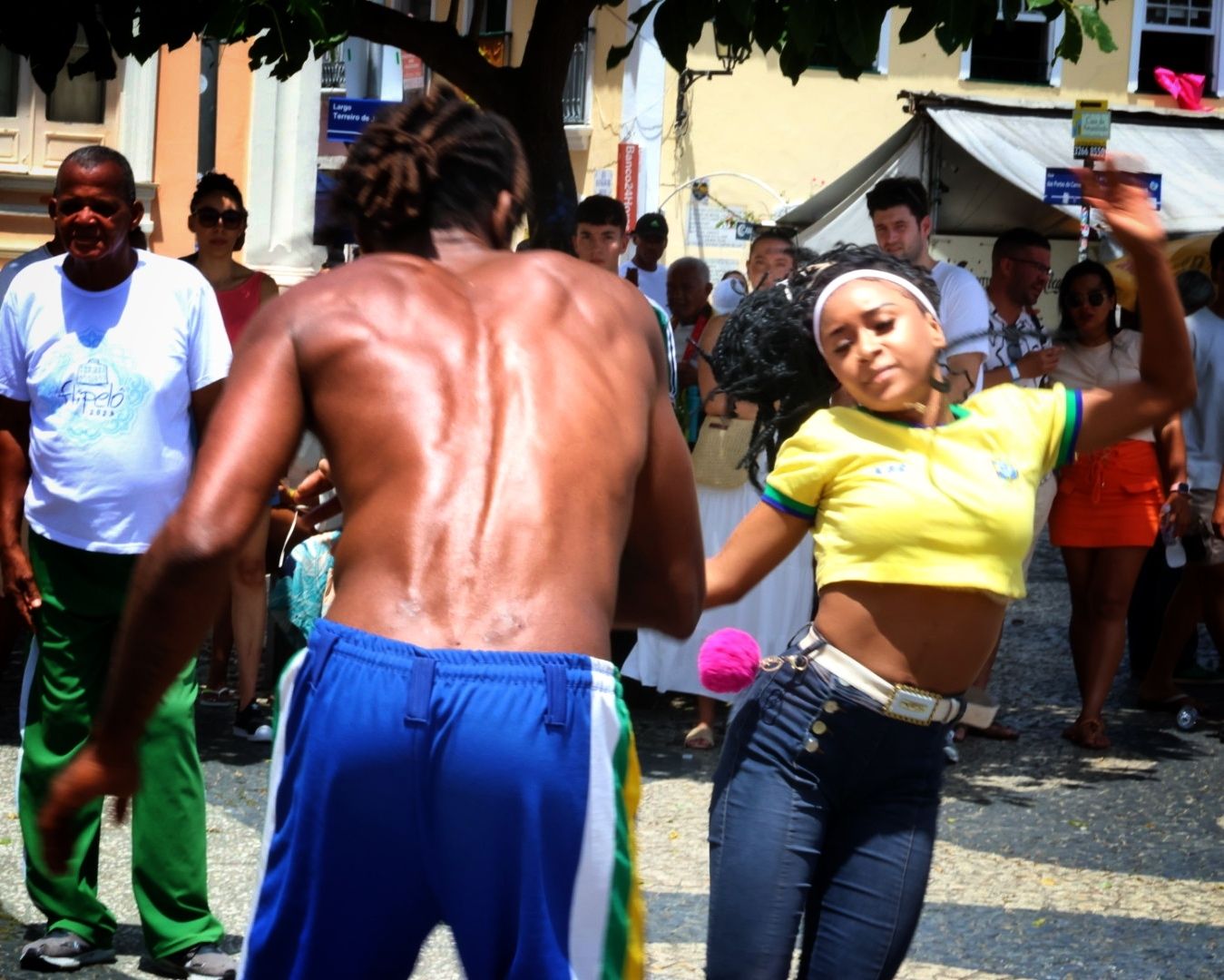
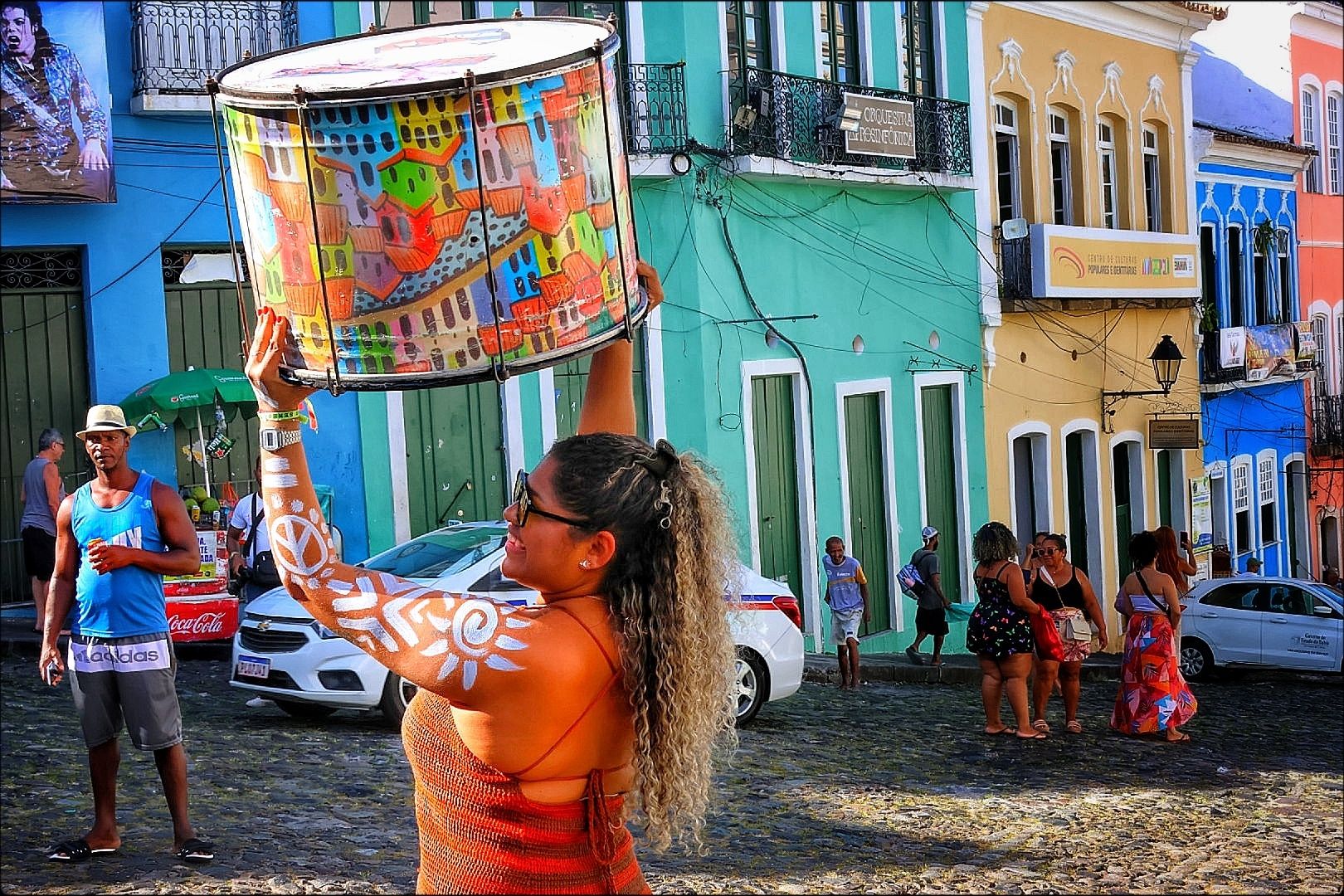
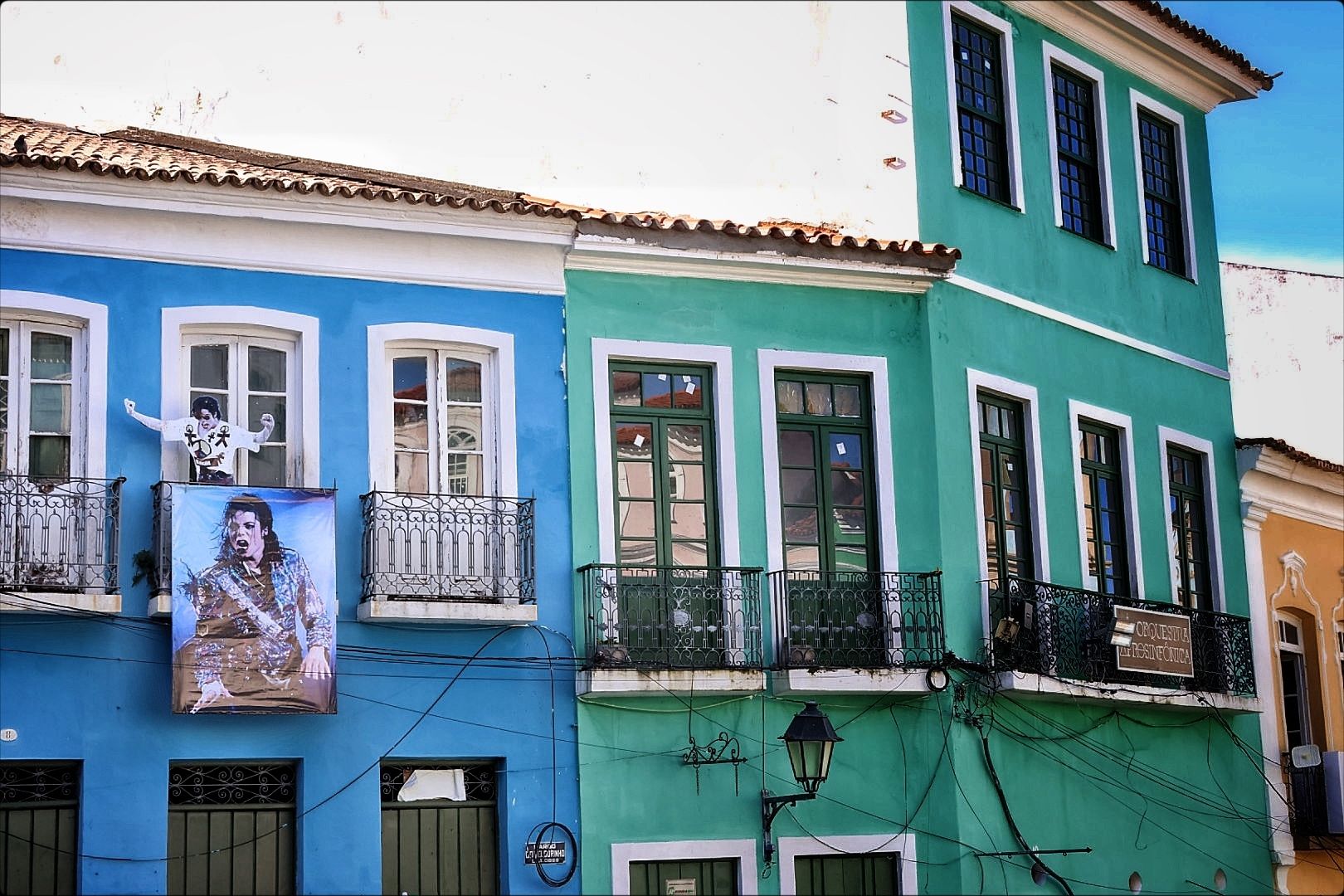
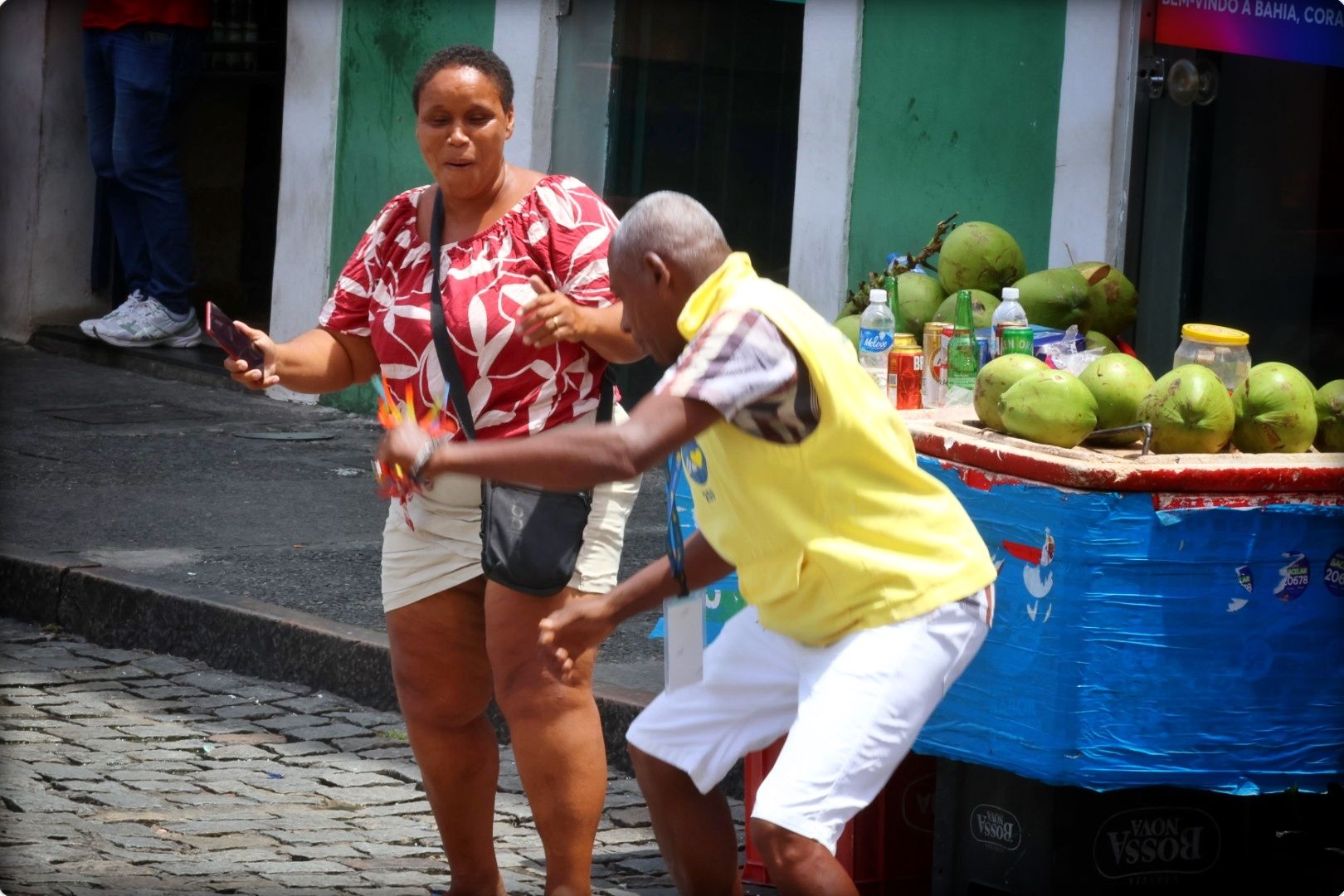
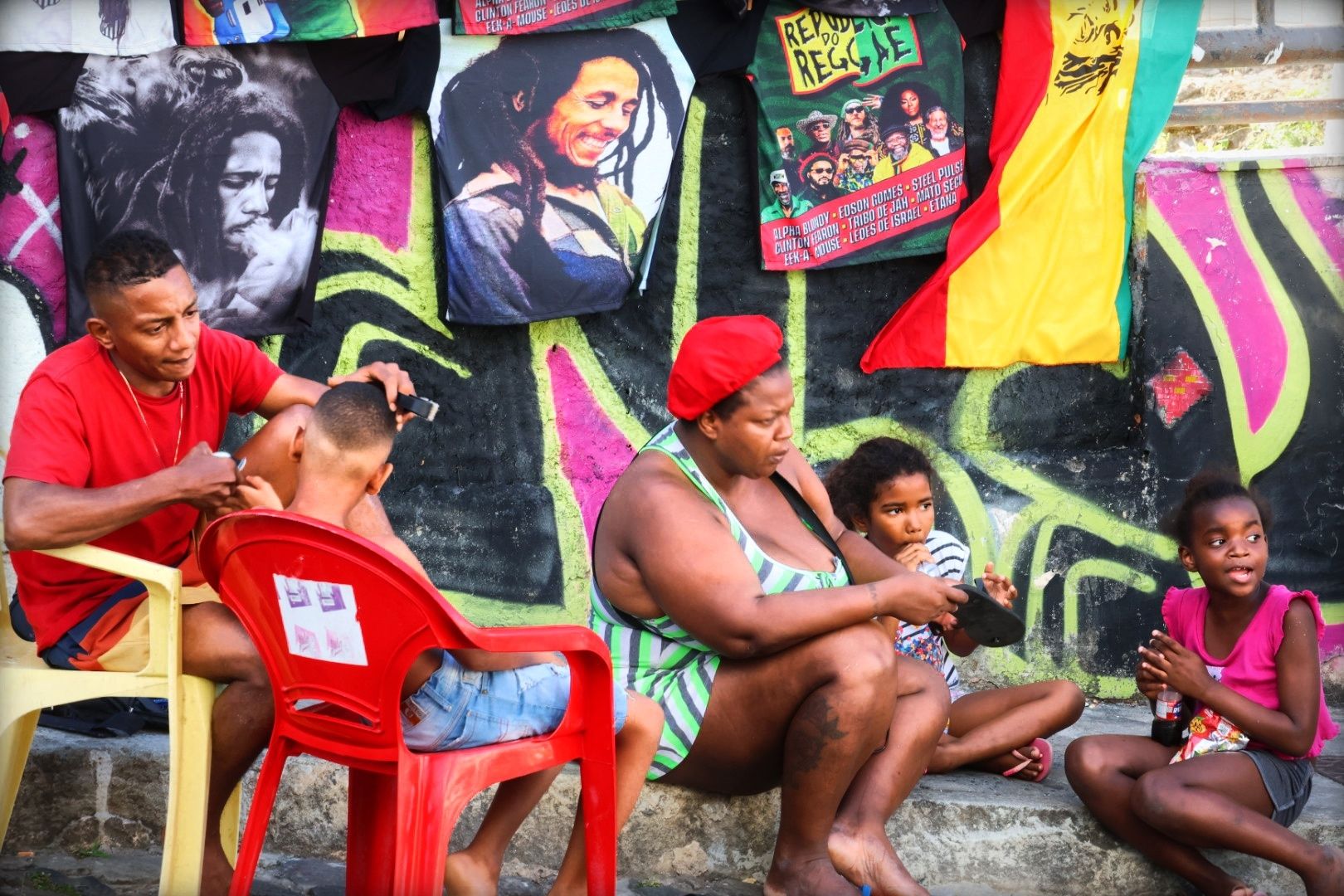
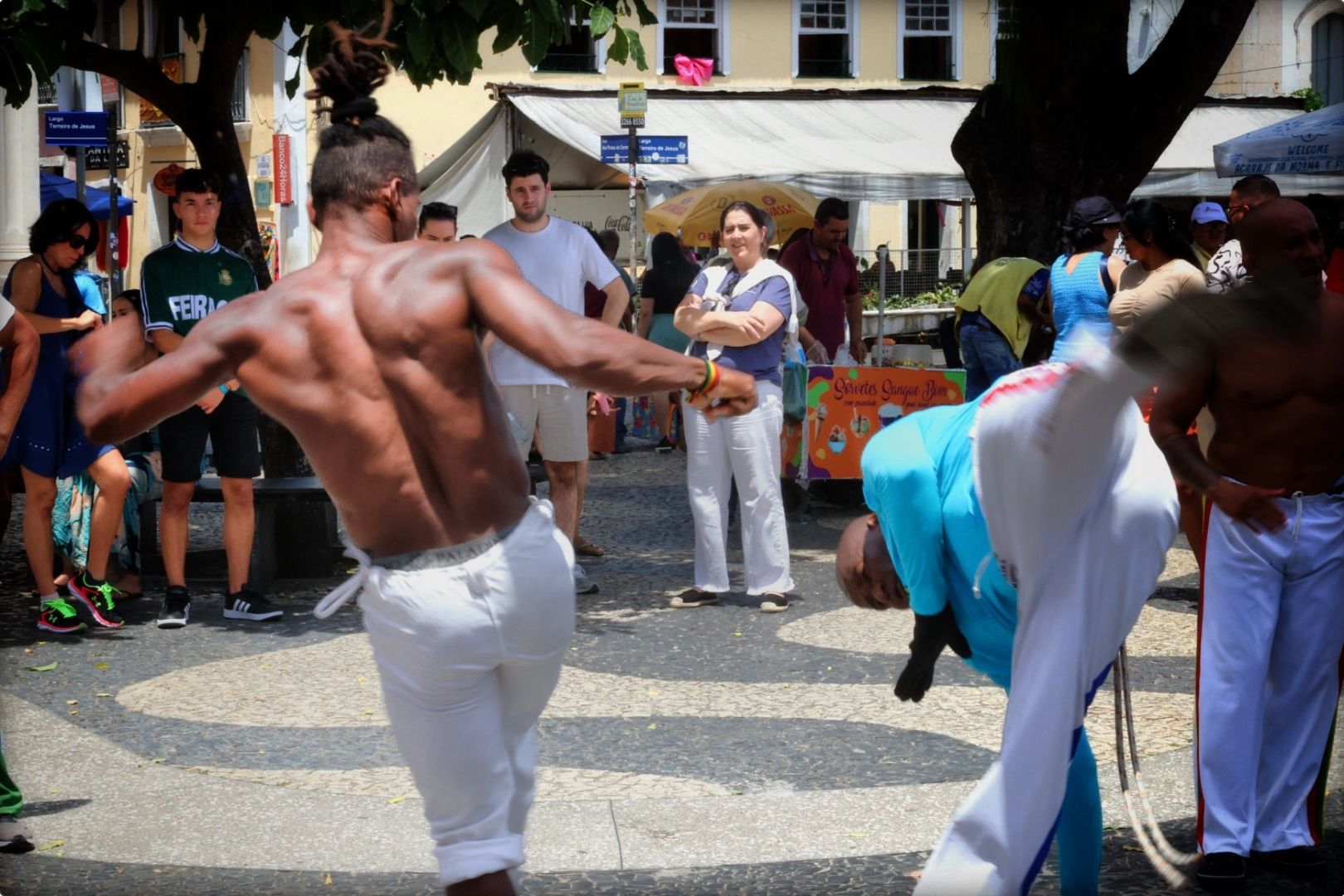
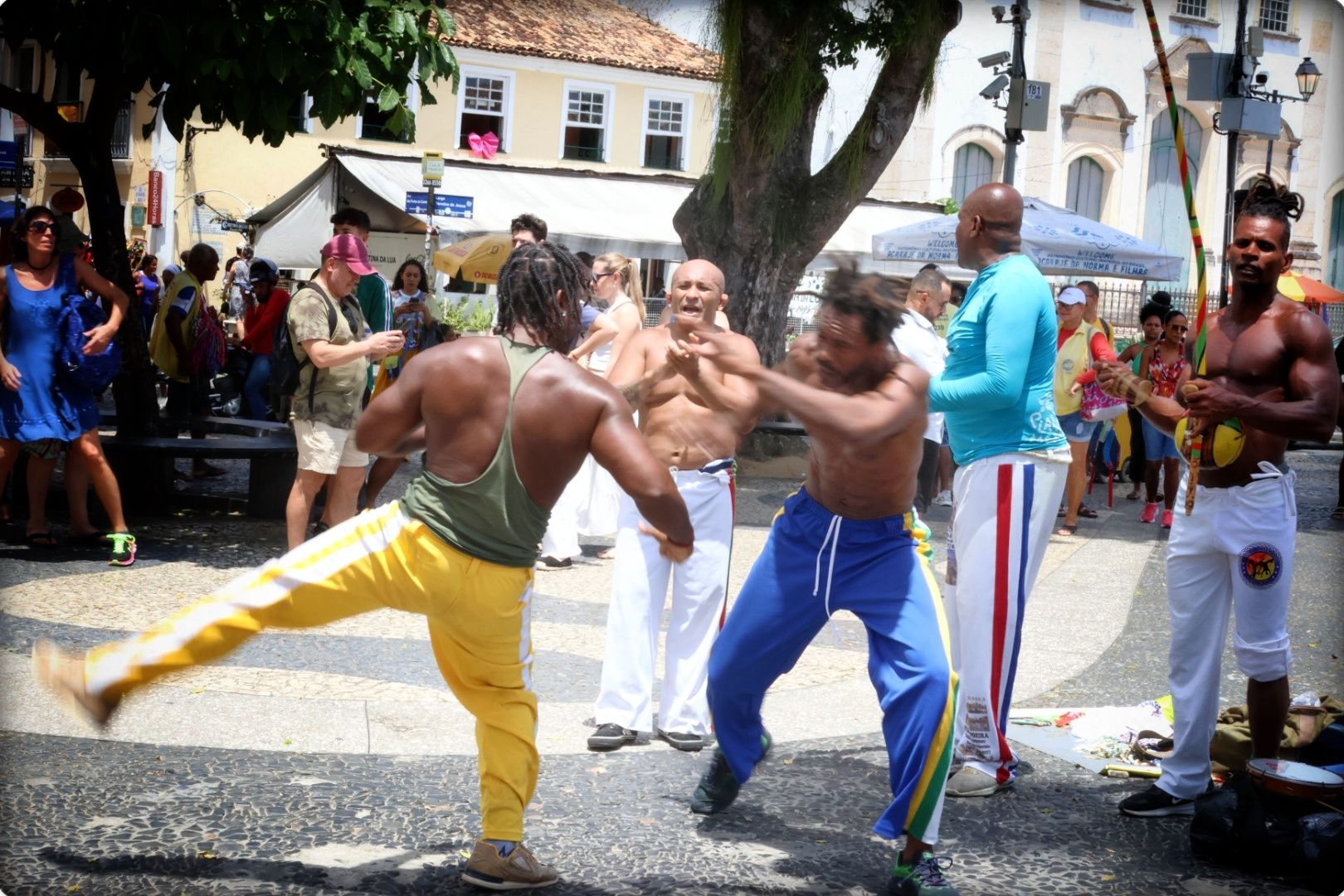
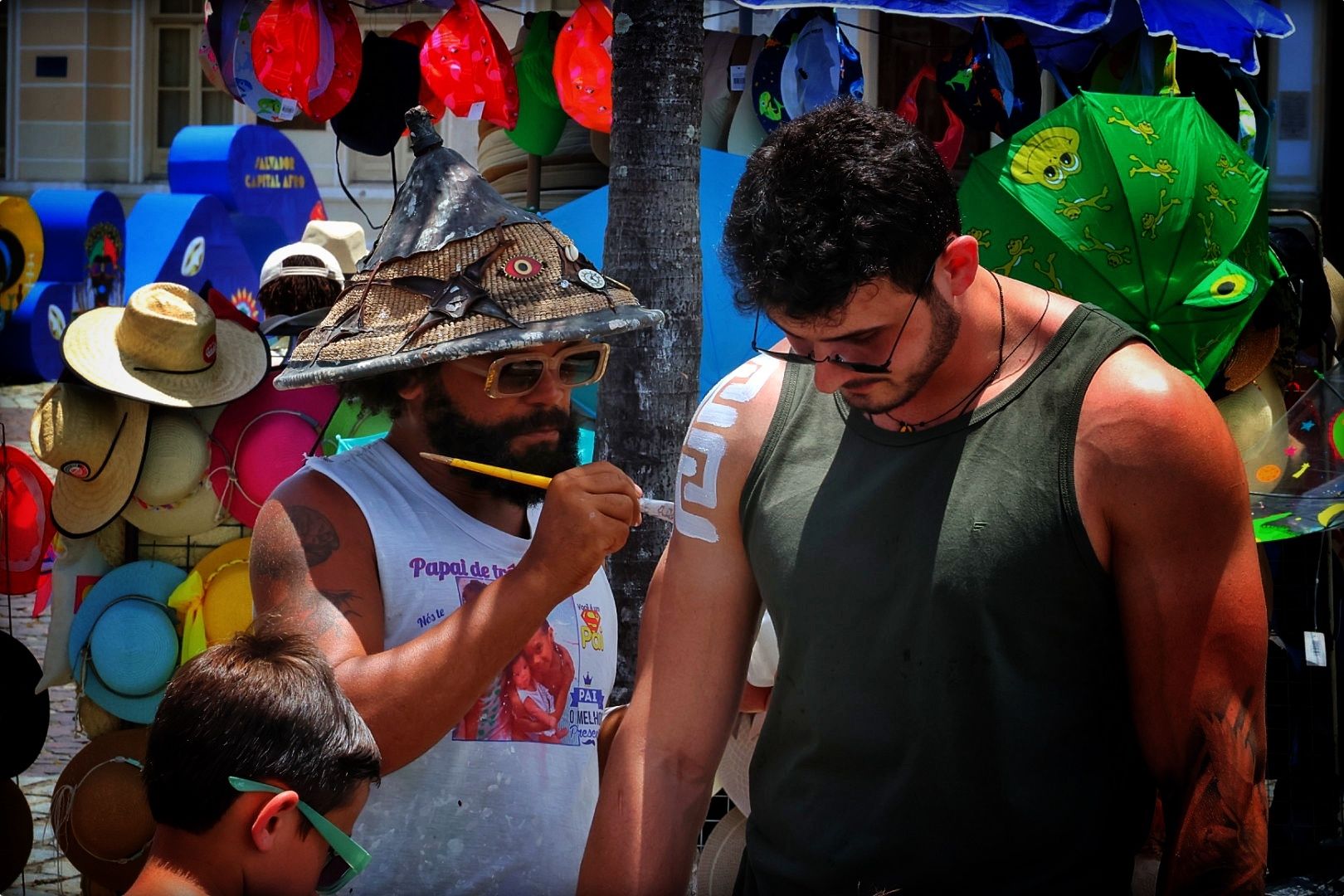
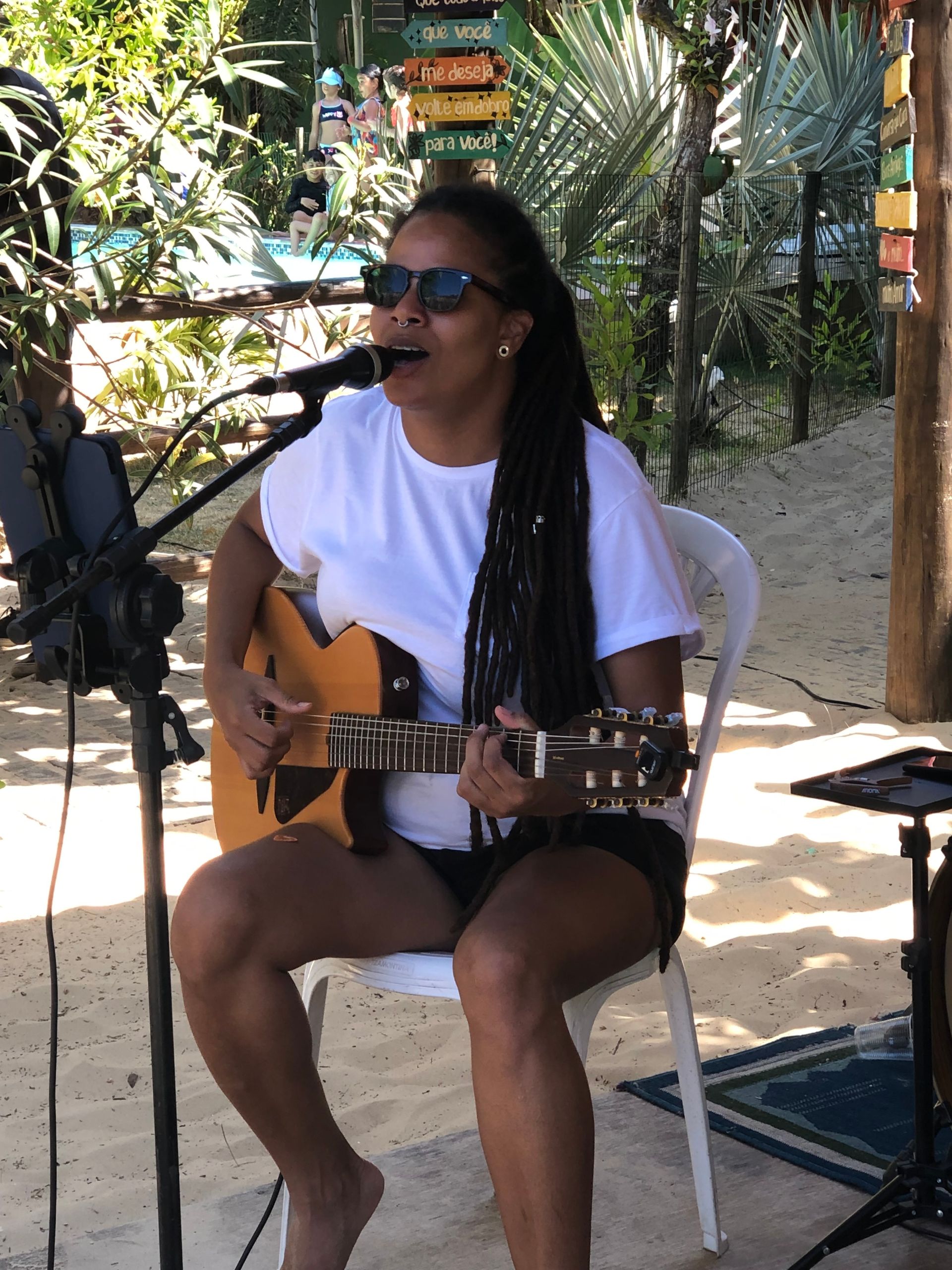
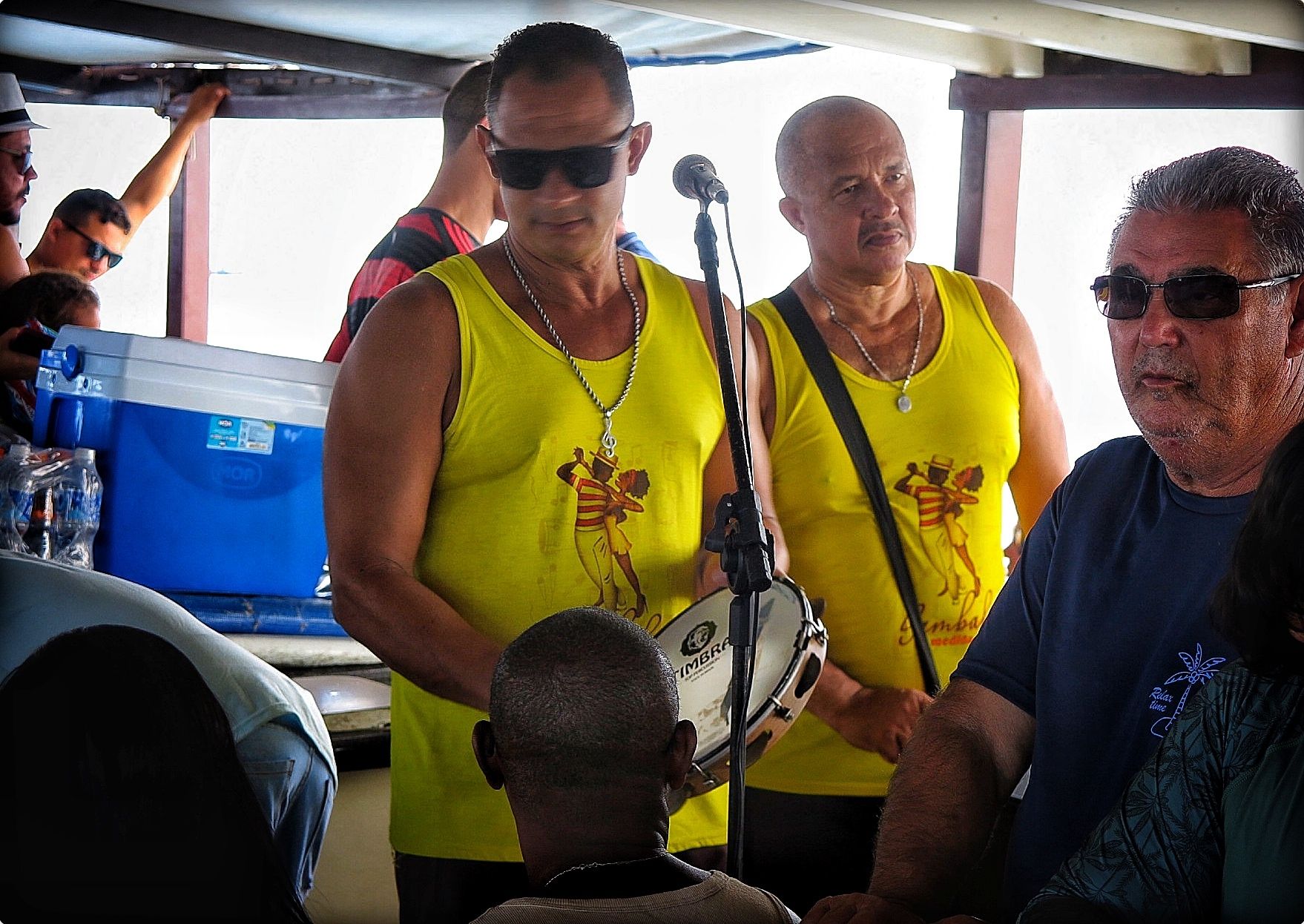
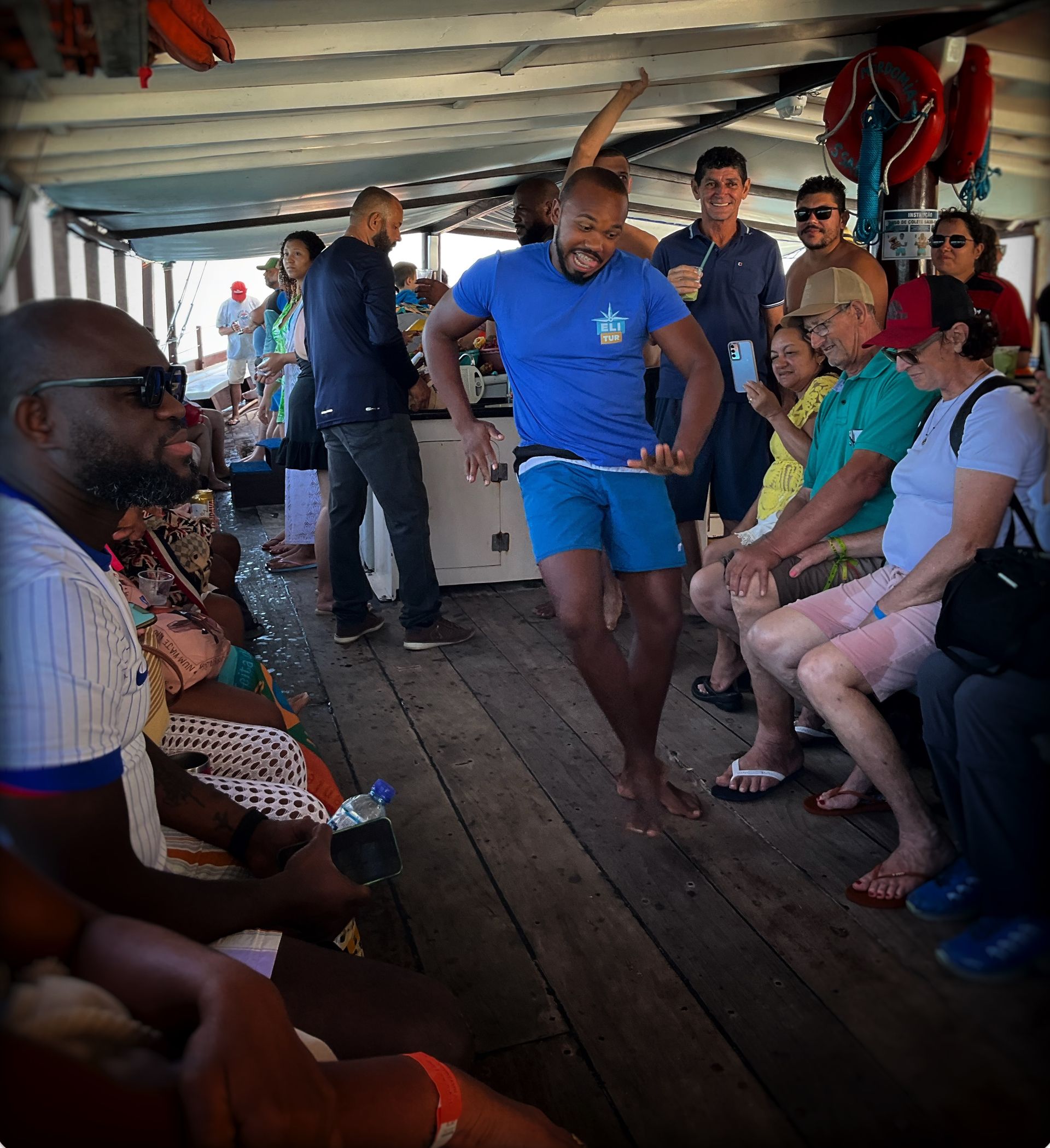
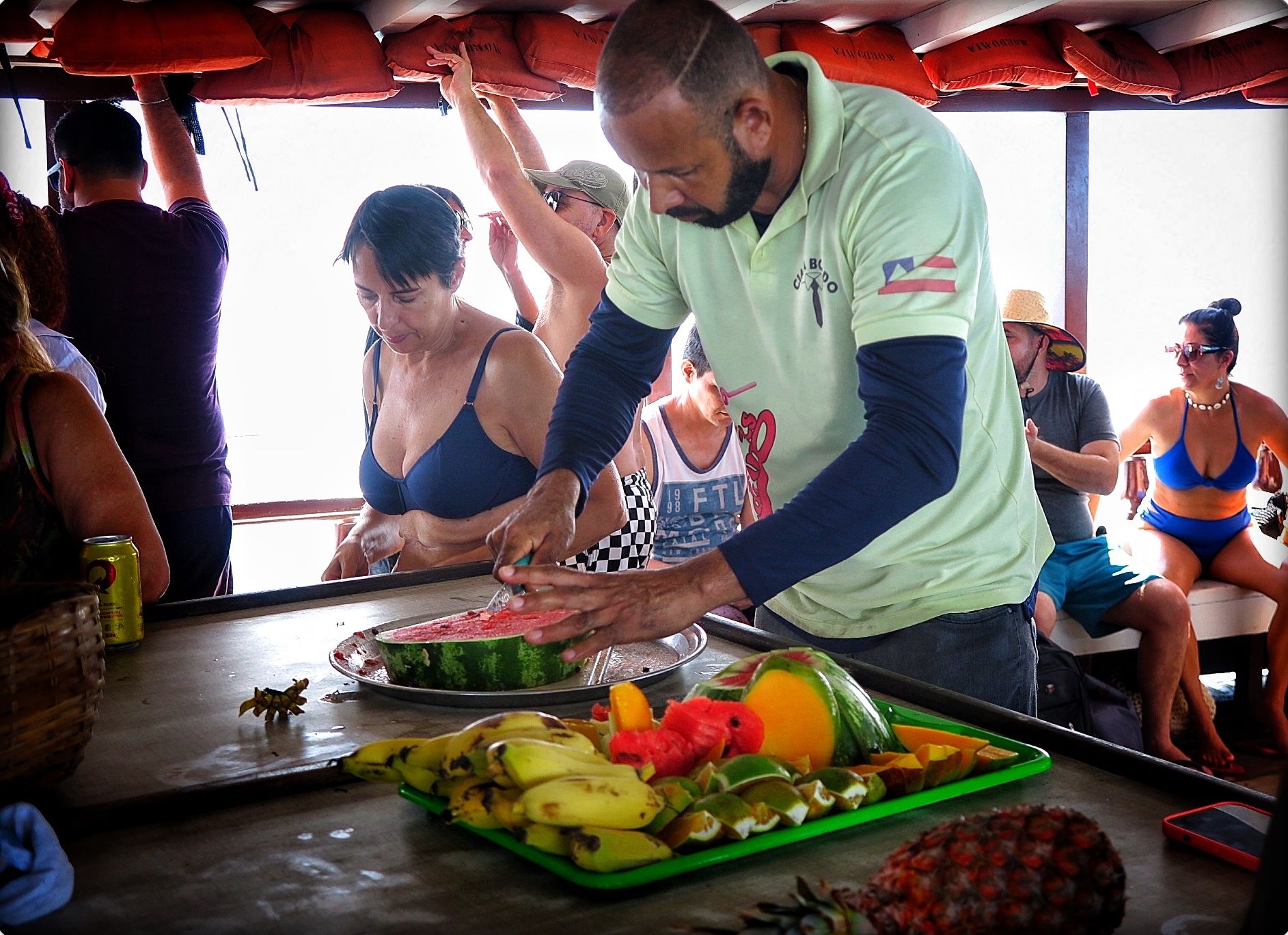
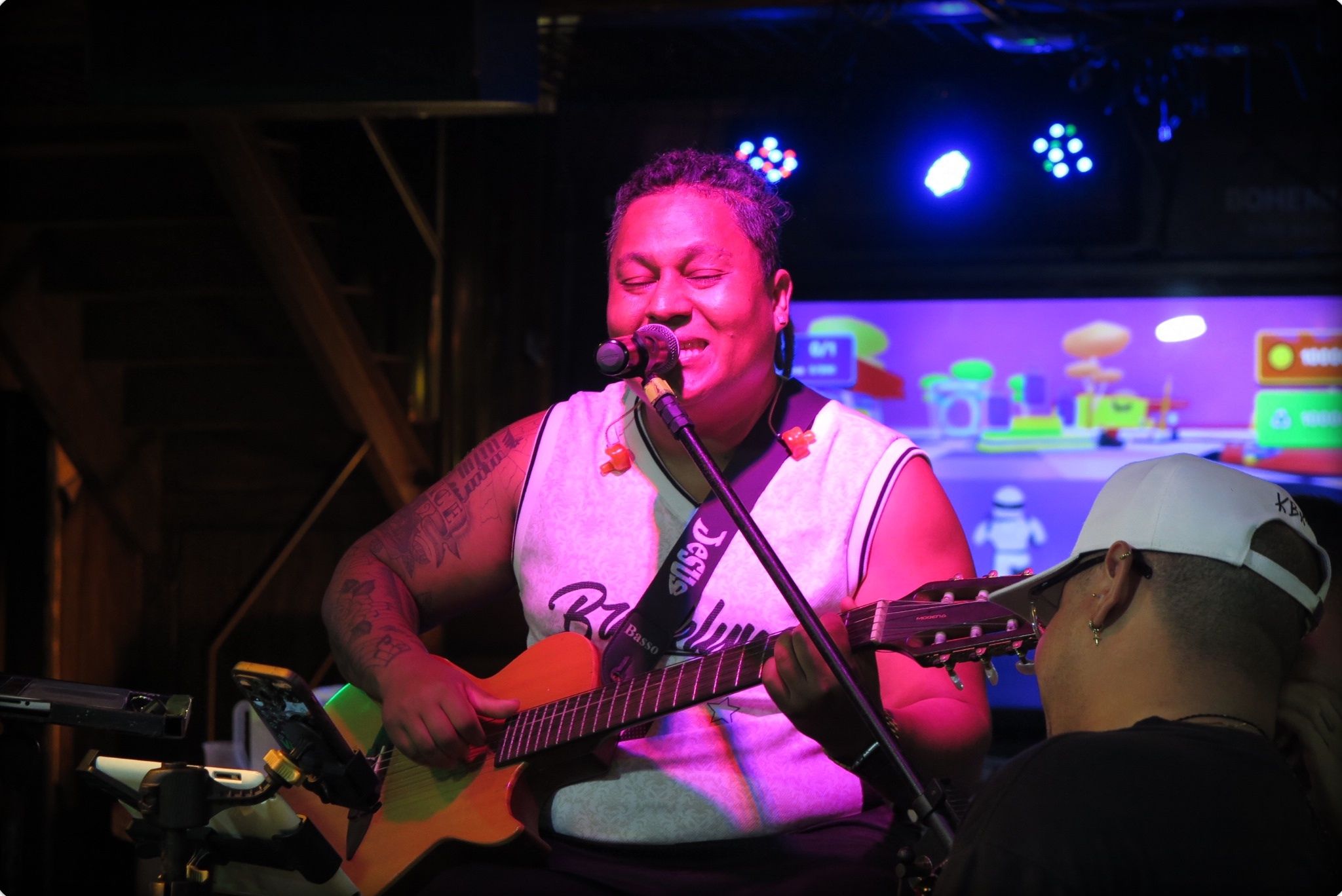
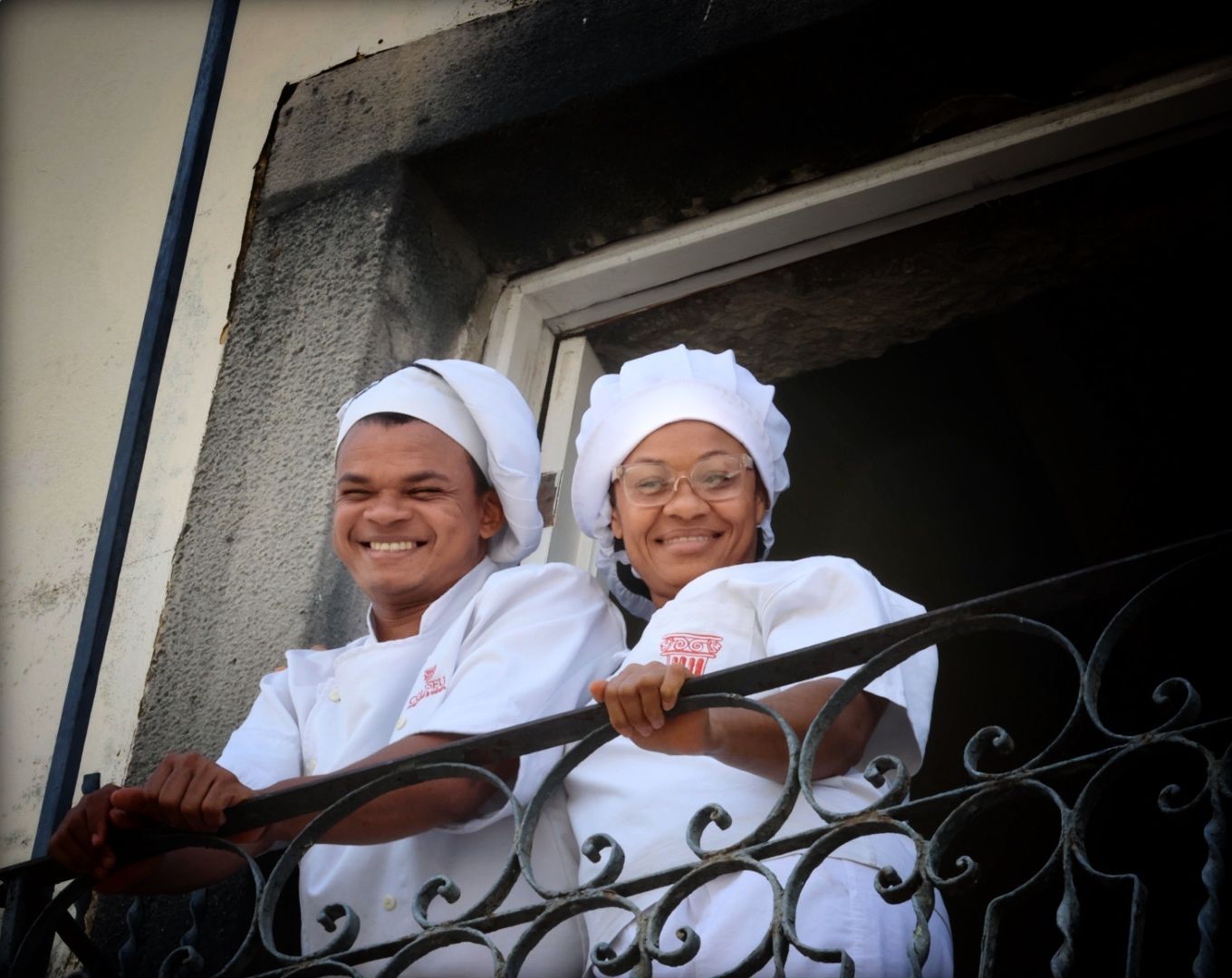
The old town of Pelourinho is characterized by restaurants with excellent Bahian cuisine, Afro-Bahian souvenir shops, each bar features a live band with samba rhythms, reggae, depending on the mood, and the Capoeira dancers, among much more.
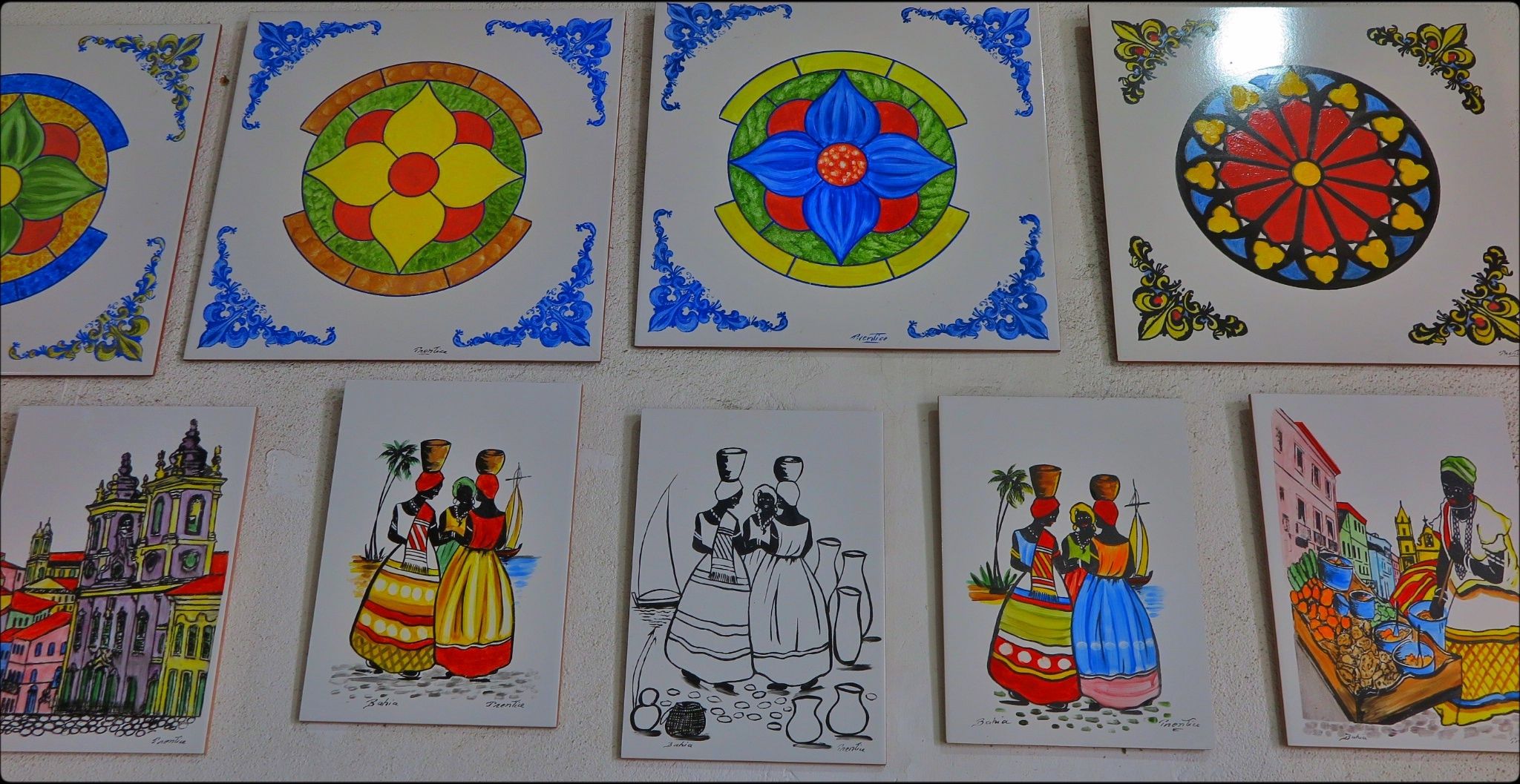
Since 1987, the city has been a UNESCO World Heritage Site, with many funds flowing in from UNESCO, projects for street children were initiated, and the old town was colorfully restored in the Afro-Bahian style to stimulate tourism again.
[video]https://www.youtube.com/watch?v=QNJL6nfu__Q[/video]
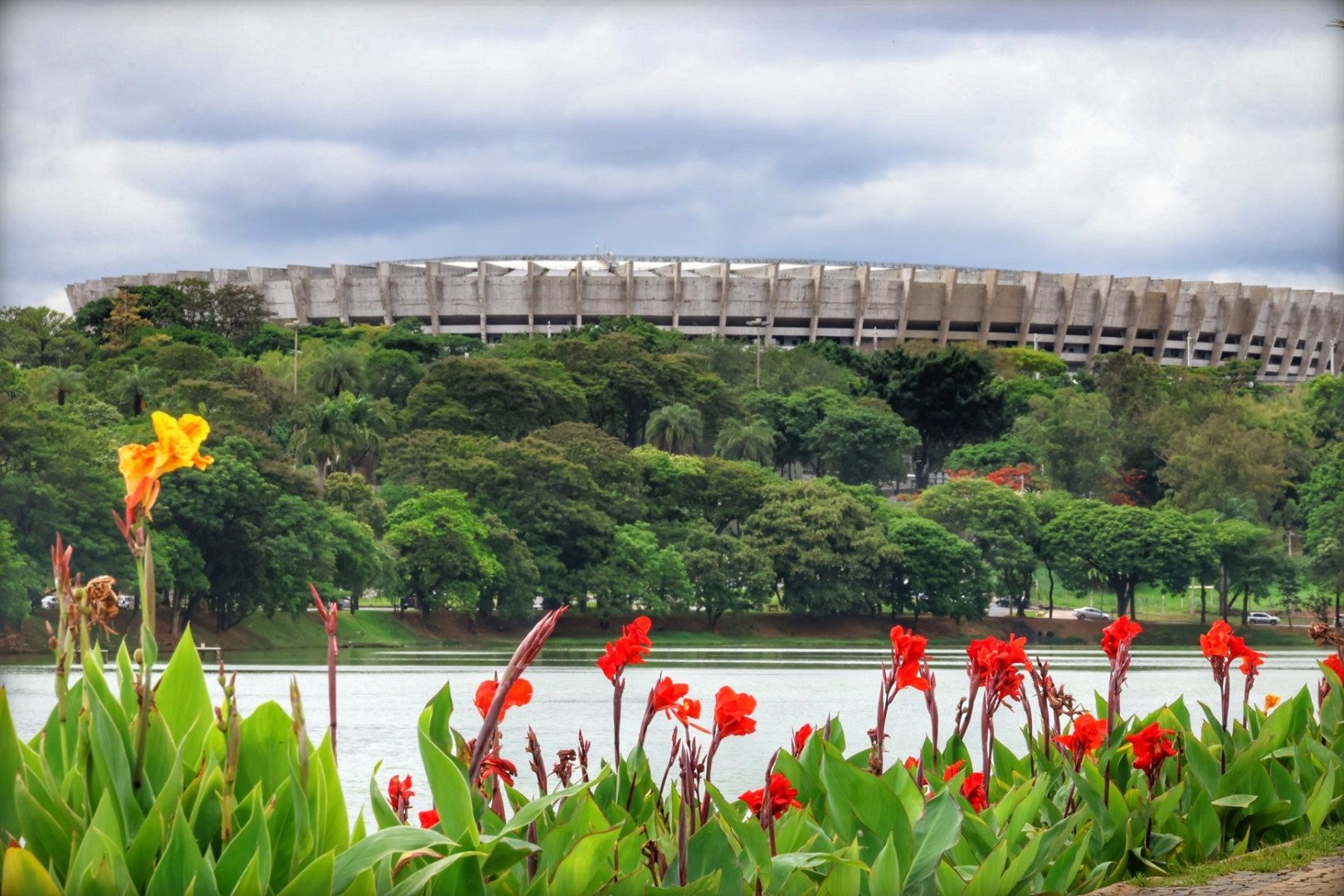
when little Uruguay beats Brazil 1:2 in 1950, it is the end of the world. Seven people died, three from heart attacks.
If you say to a Brazilian “sete para um” in Belo Horizonte, he immediately knows you are “alemão.” The legendary football match against Germany in 2014 ended 1:7 for Germany :-))
Politically, Brazil had a president who in recent years gained a bad reputation due to right-wing populism, misogyny, homophobia, and being a supporter of gun ownership. Messiah Bolsonaro was president from 2019 to 2022. Currently, the office is held by Lula da Silva. His name stands for less deforestation in the Amazon; as the founder of the PT Workers' Party, he initiated a tax reform and is significantly involved in the expansion of the BRICS alliance.
Now for the history. The Portuguese were able to expel the Moors 250 years earlier than the Spaniards. The focus was on the spice trade; for example, cinnamon and pepper were very popular, along with the related discovery of new continents.
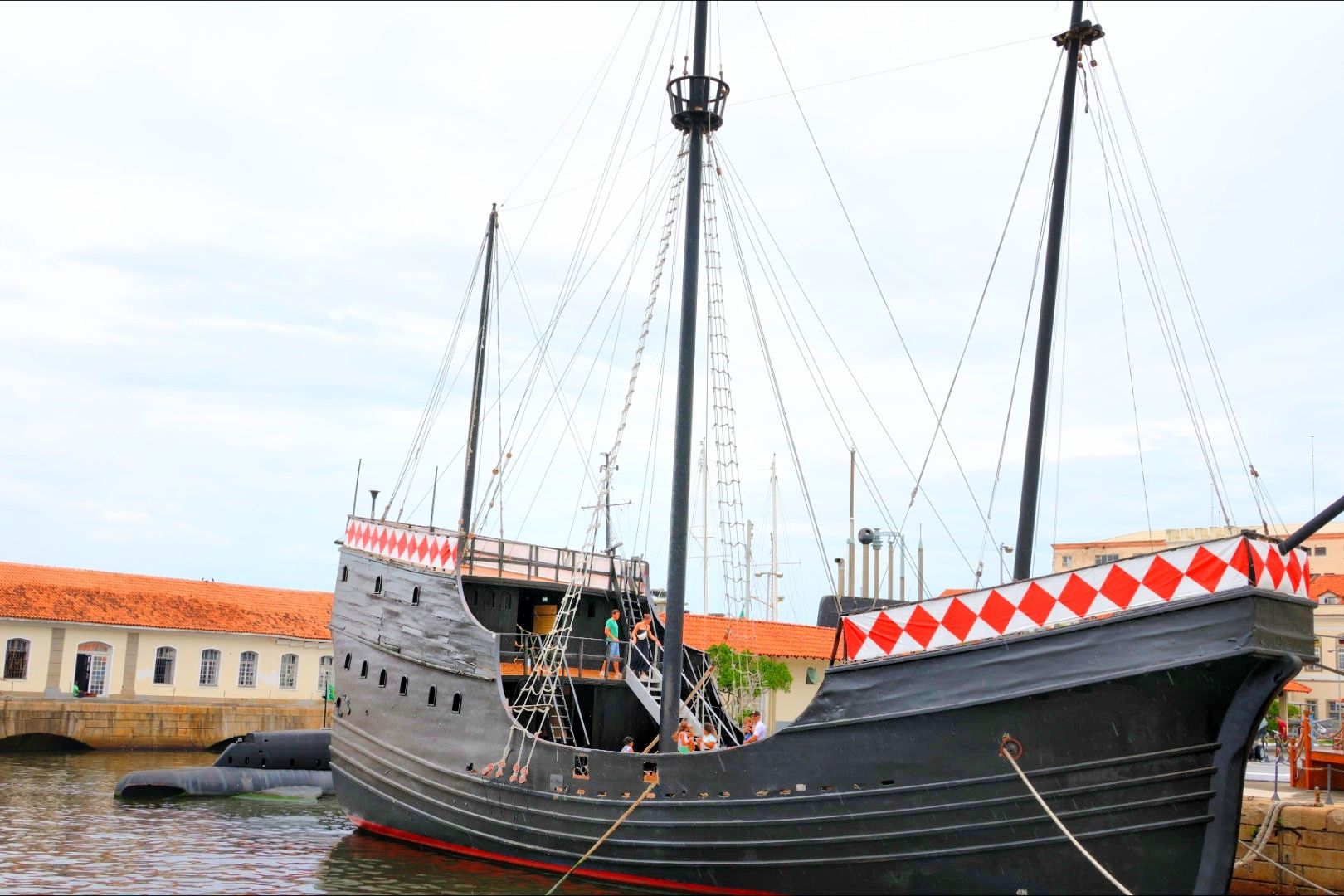
The Portuguese Pedro Álvares Cabral landed with the caravel, a sleek sailing ship with a shallow draft and excellent wind characteristics, in northern Brazil in the 15th century.
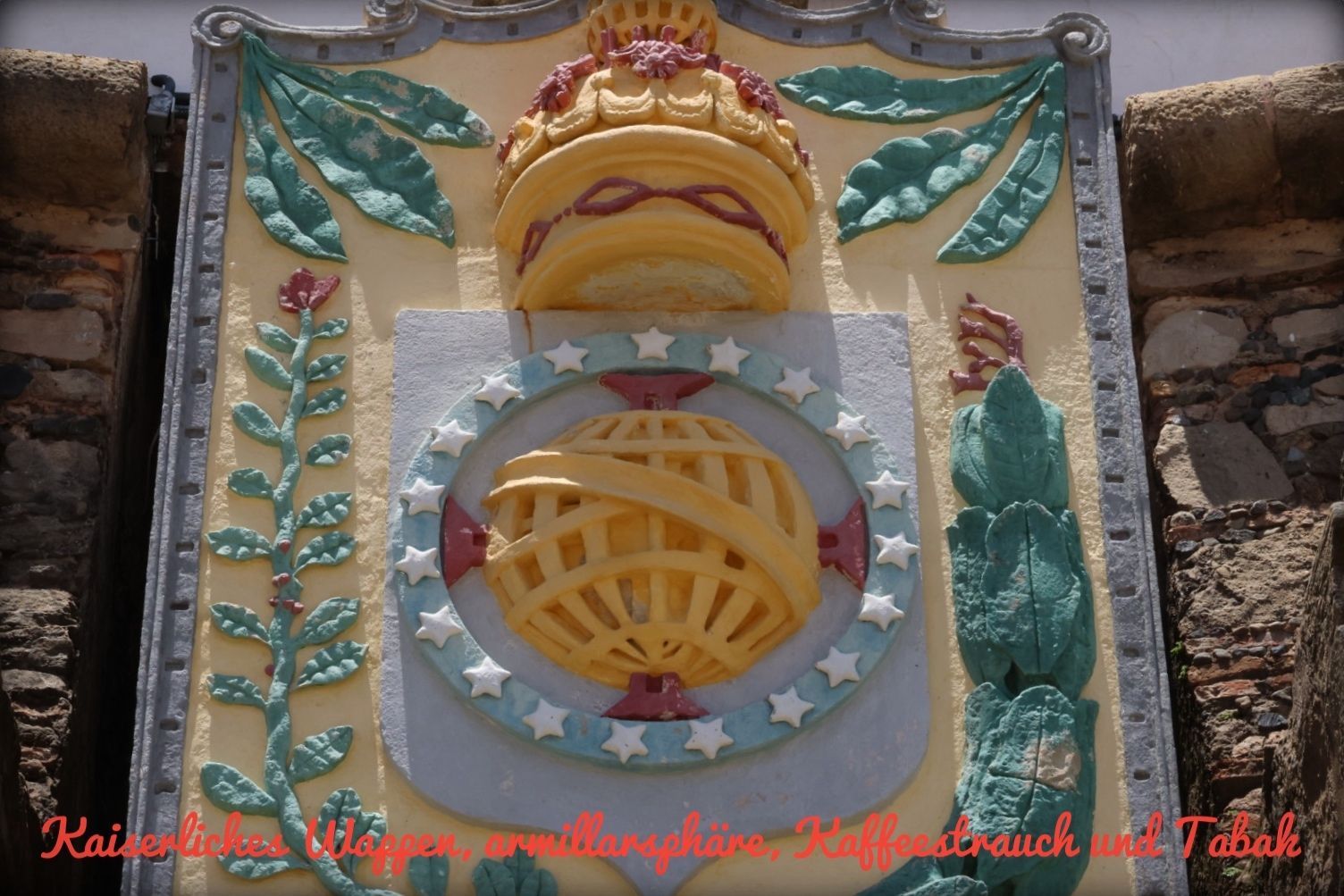
Nautical instruments such as armillary spheres and sextants were indispensable.
The conquest marked the beginning of colonization. Indigenous women were raped, the Tupi Guaraní were forced to work on sugarcane plantations, many died from European diseases, leading the Portuguese to intensify the slave trade from Africa.
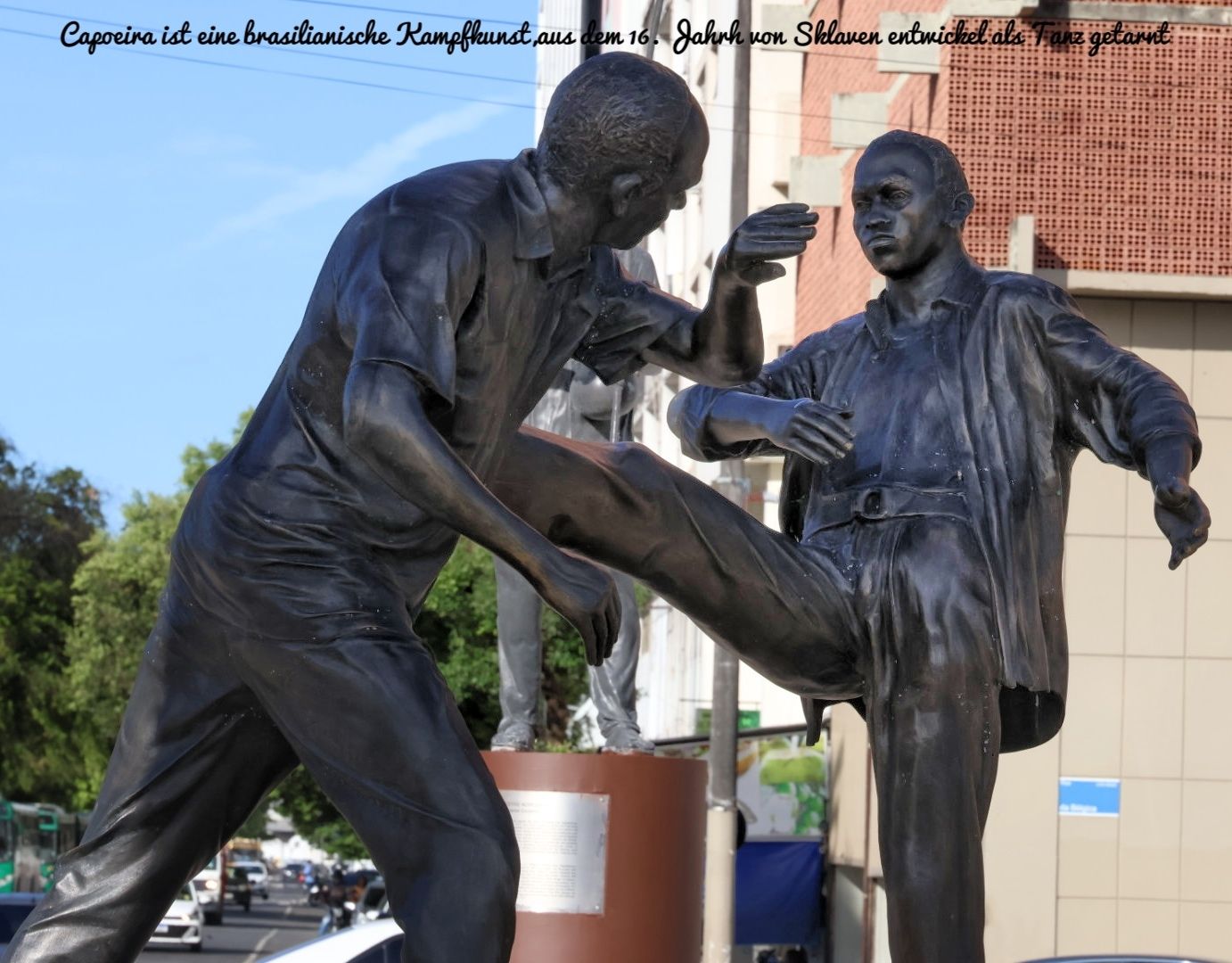
A dance or also a game, fluid movements where one does not make contact. The slaves disguised their training in hand-to-hand combat with it.
The Capoeira circle has been part of the intangible cultural heritage of humanity since 2014.
In the 17th century, the gold rush began in Brazil.
With the Lei Áurea, the golden law, slavery was finally abolished in Brazil in 1888 by Princess Isabella.
On November 15, 1889, following a military coup, the republic was founded.
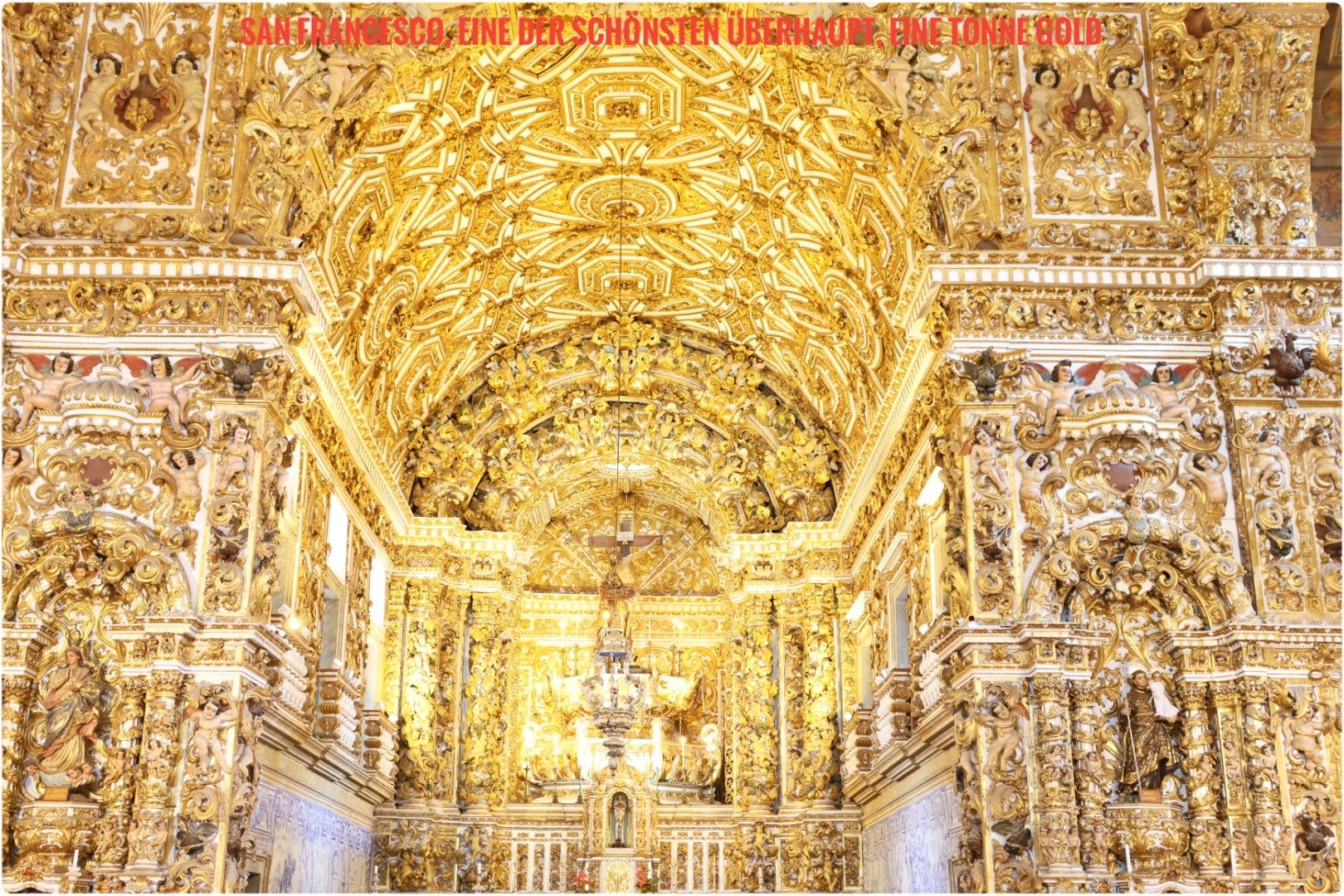
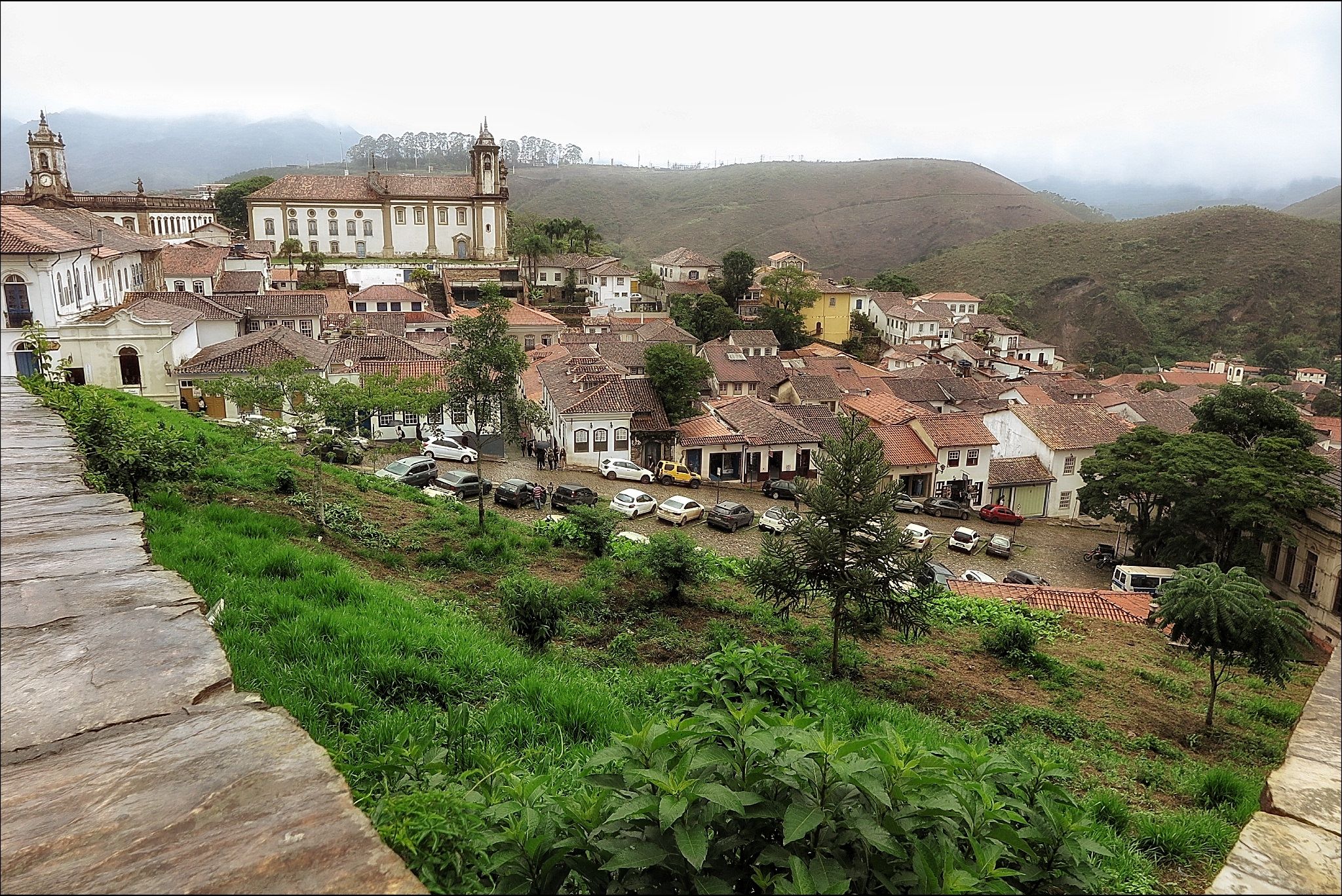
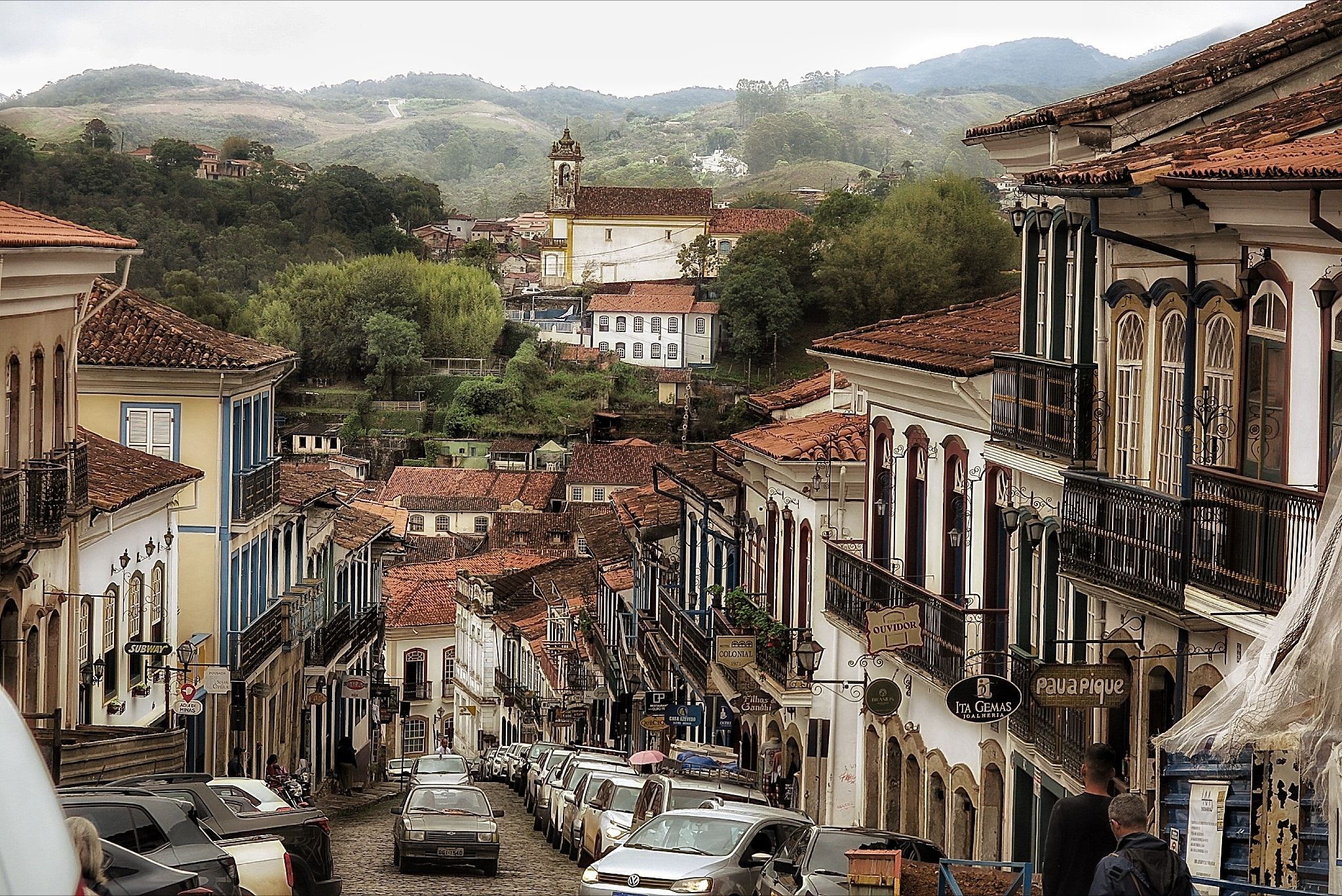
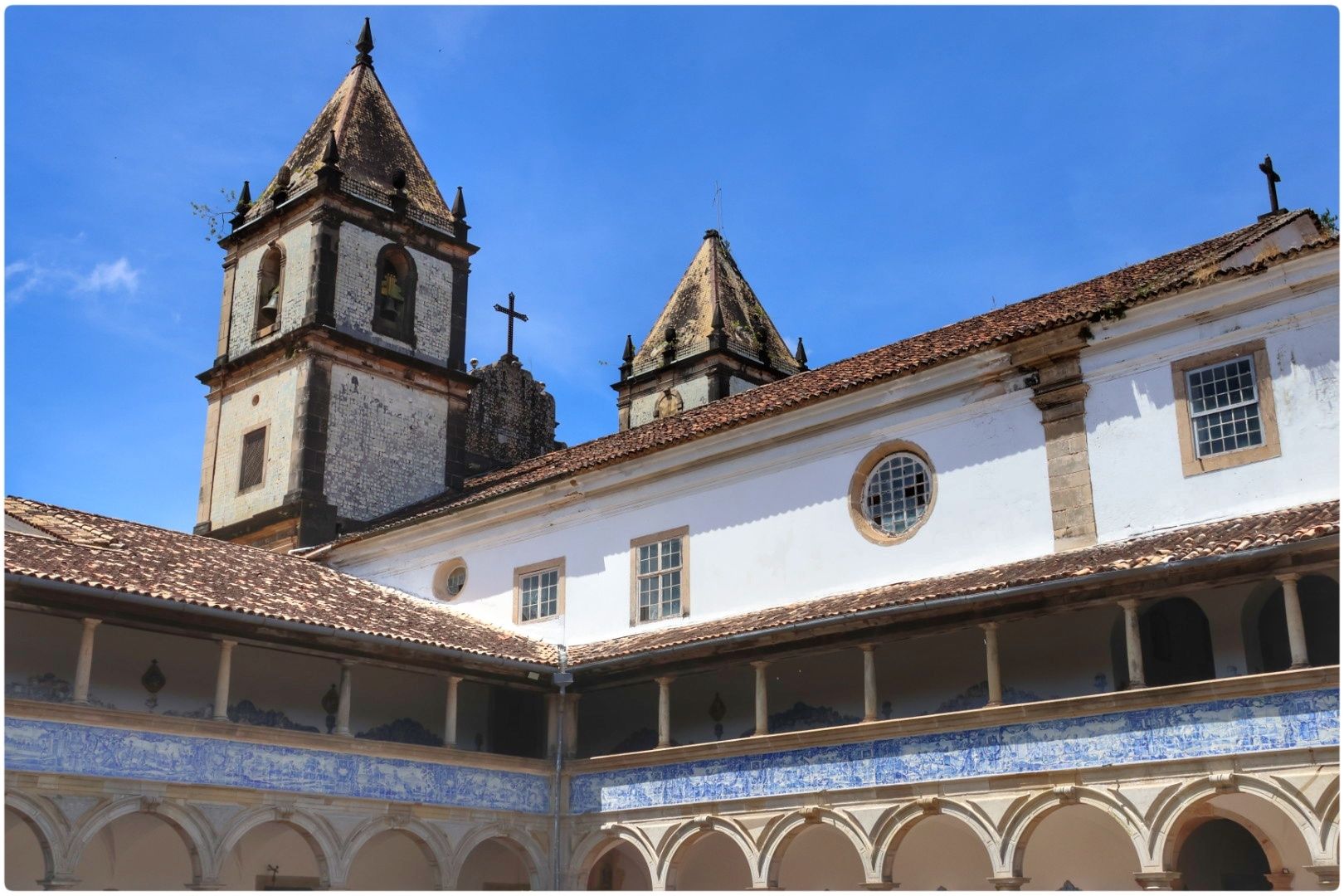
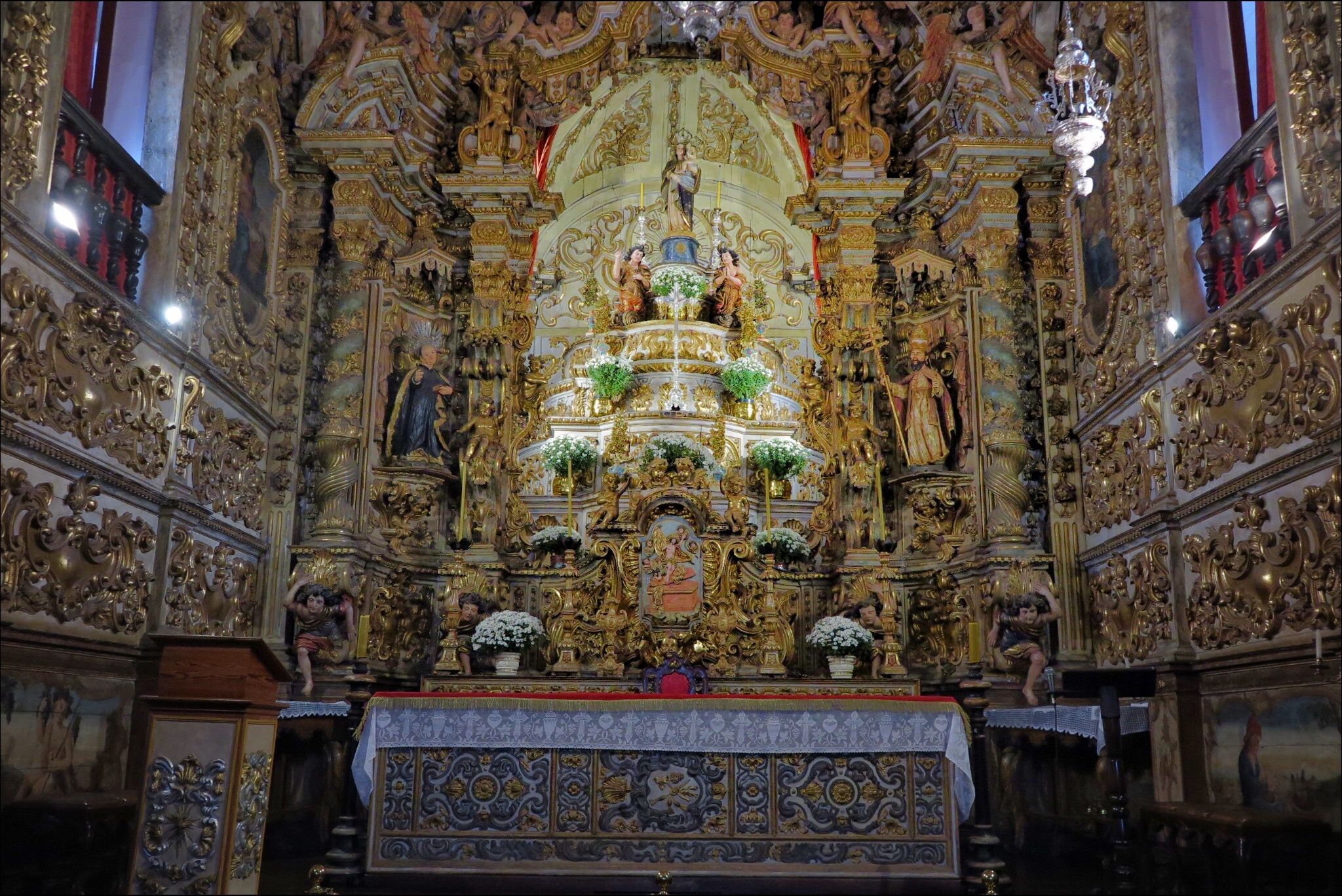
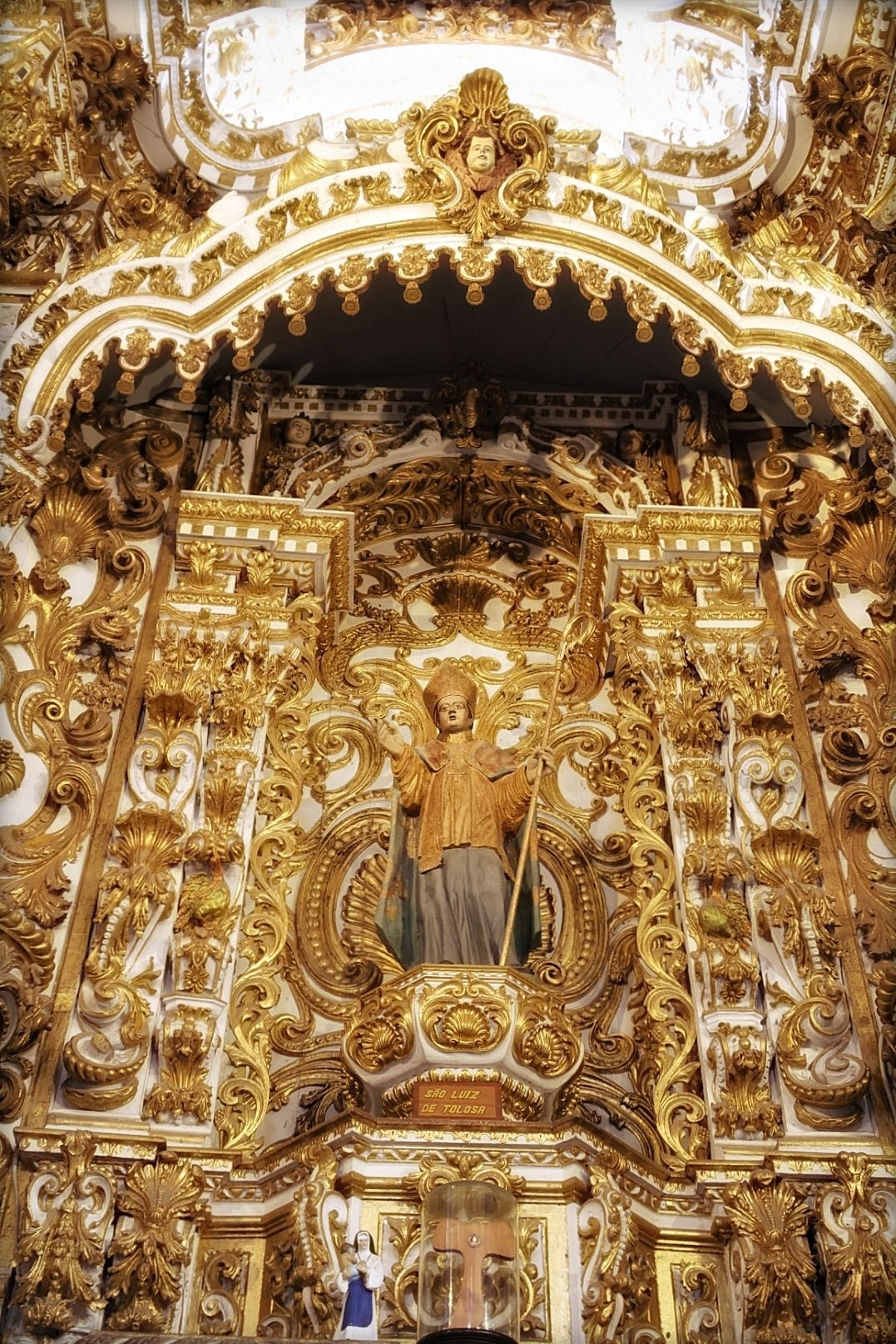
Ouro Petro means black gold, located in the state of Minas Gerais in the central area of the gold rush region. 800 tons of gold were sent to Portugal in the 18th century, not including the gold, such as gold leaves that remained for decoration in the colonies.
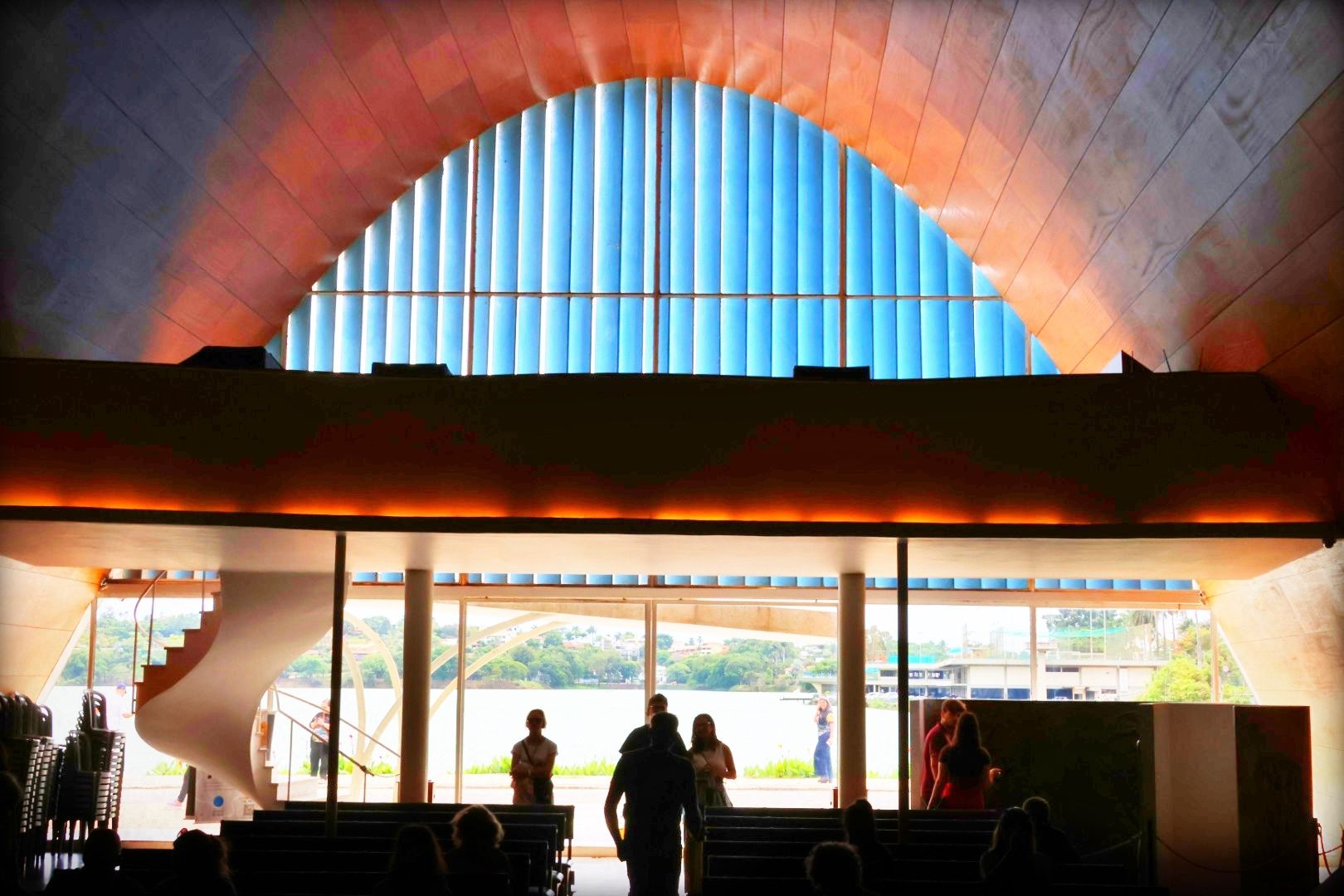
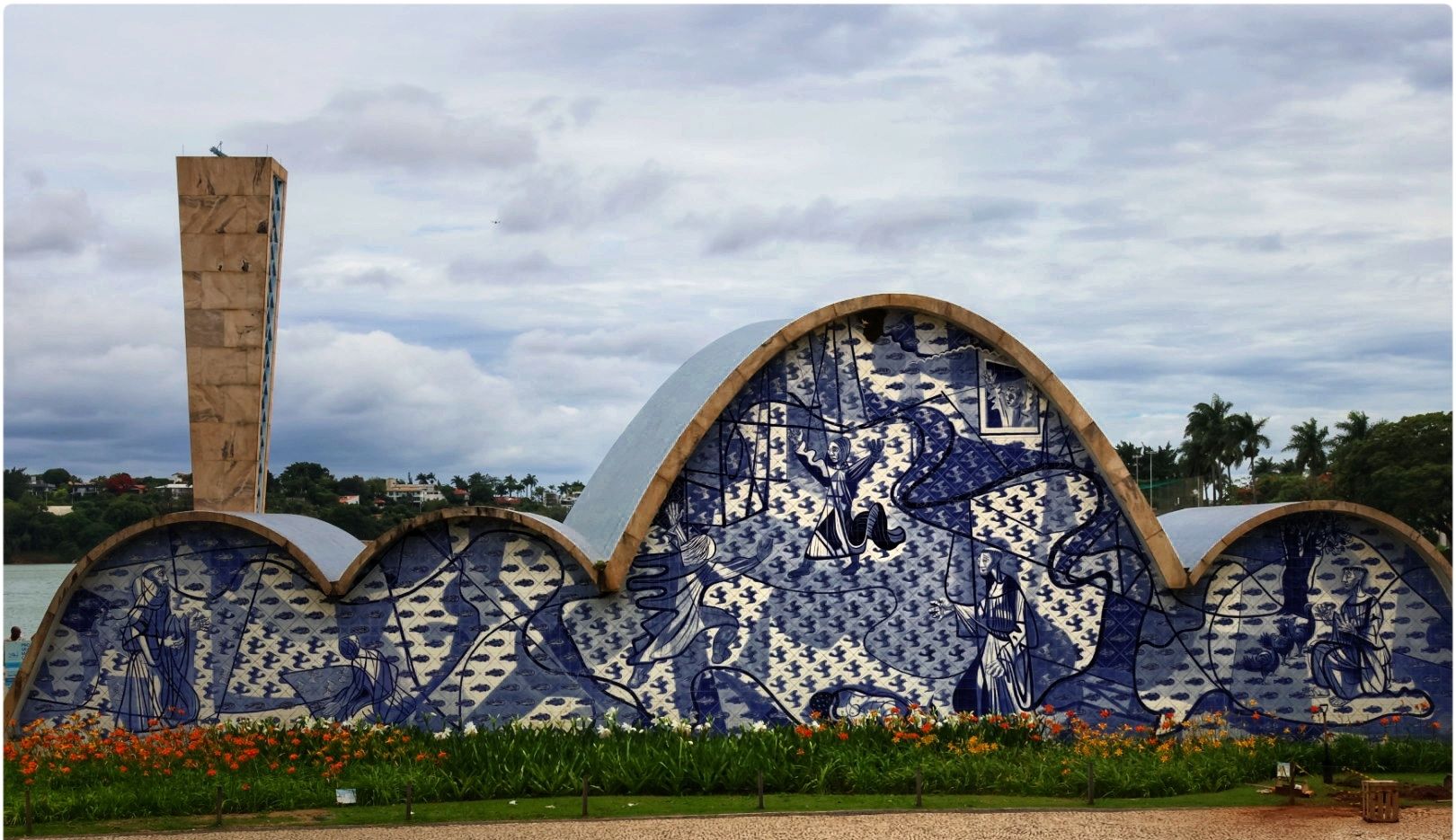
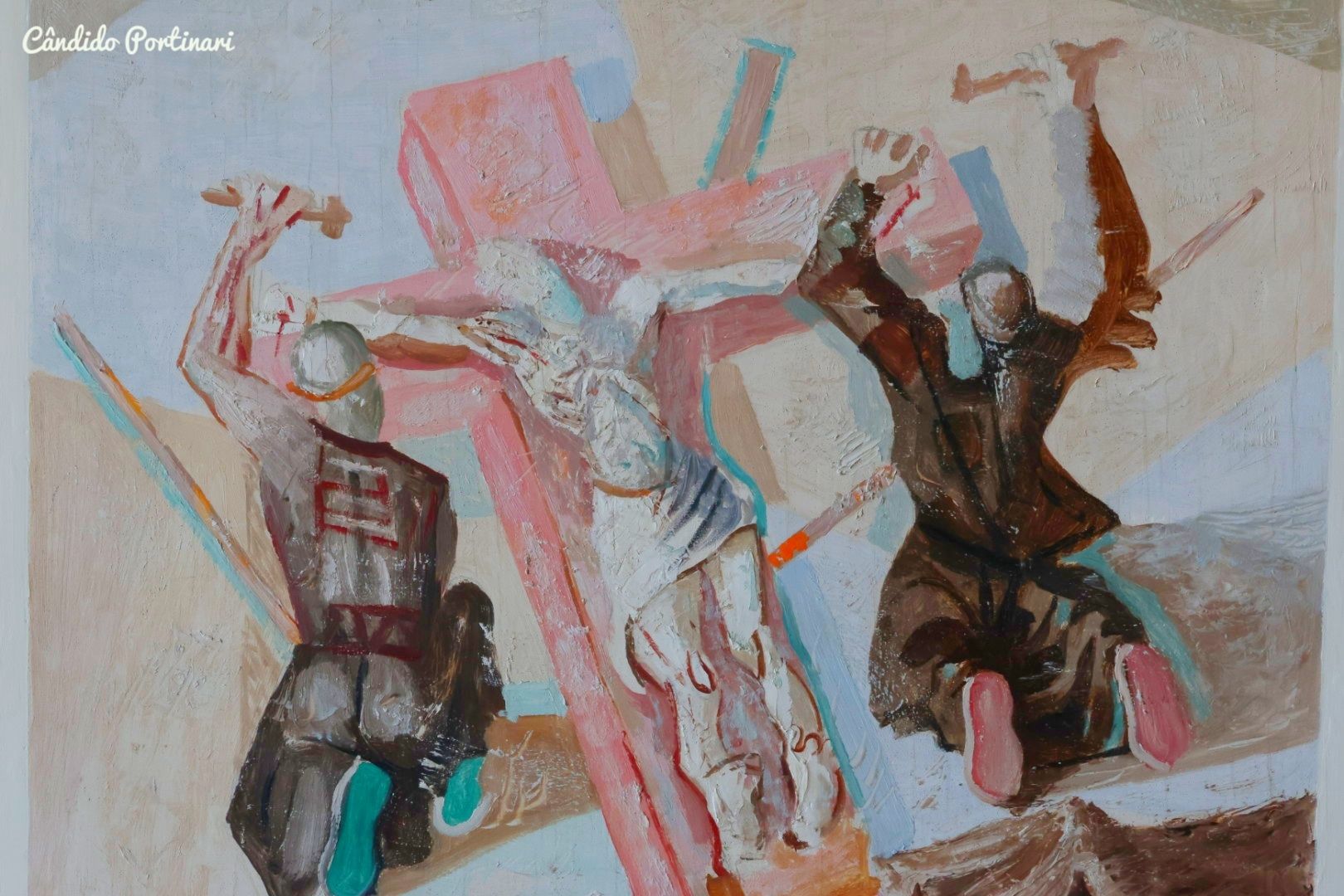
The first project by Oscar Niemeyer was initiated in 1940 in Pampulha. Niemeyer adapted his works to the landscape. Soft contours, wavy shapes can be found in his architecture. The tiles and wall designs are done by Cândido Portinari, the Picasso of Brazil, who frequently collaborated with Niemeyer.
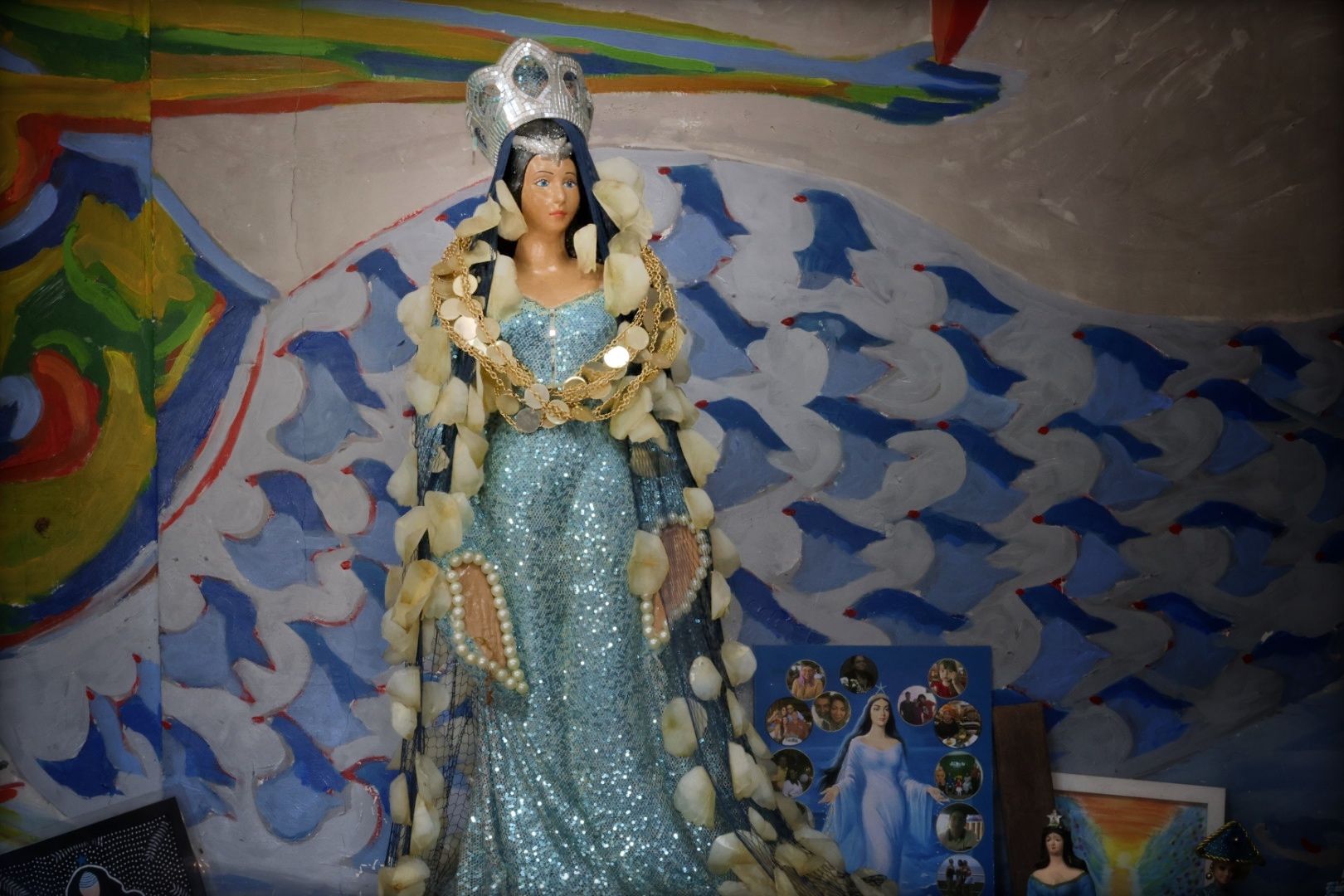
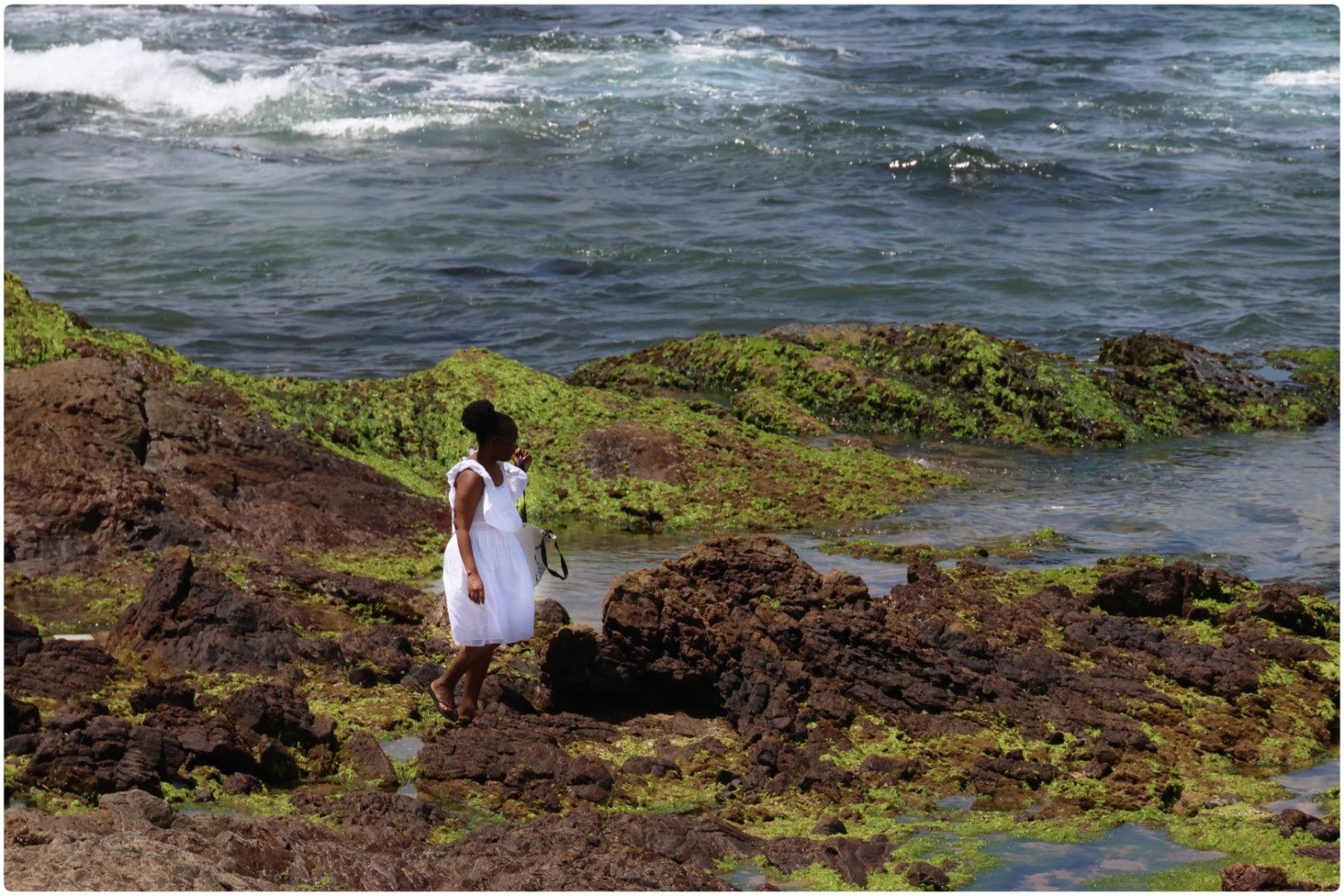
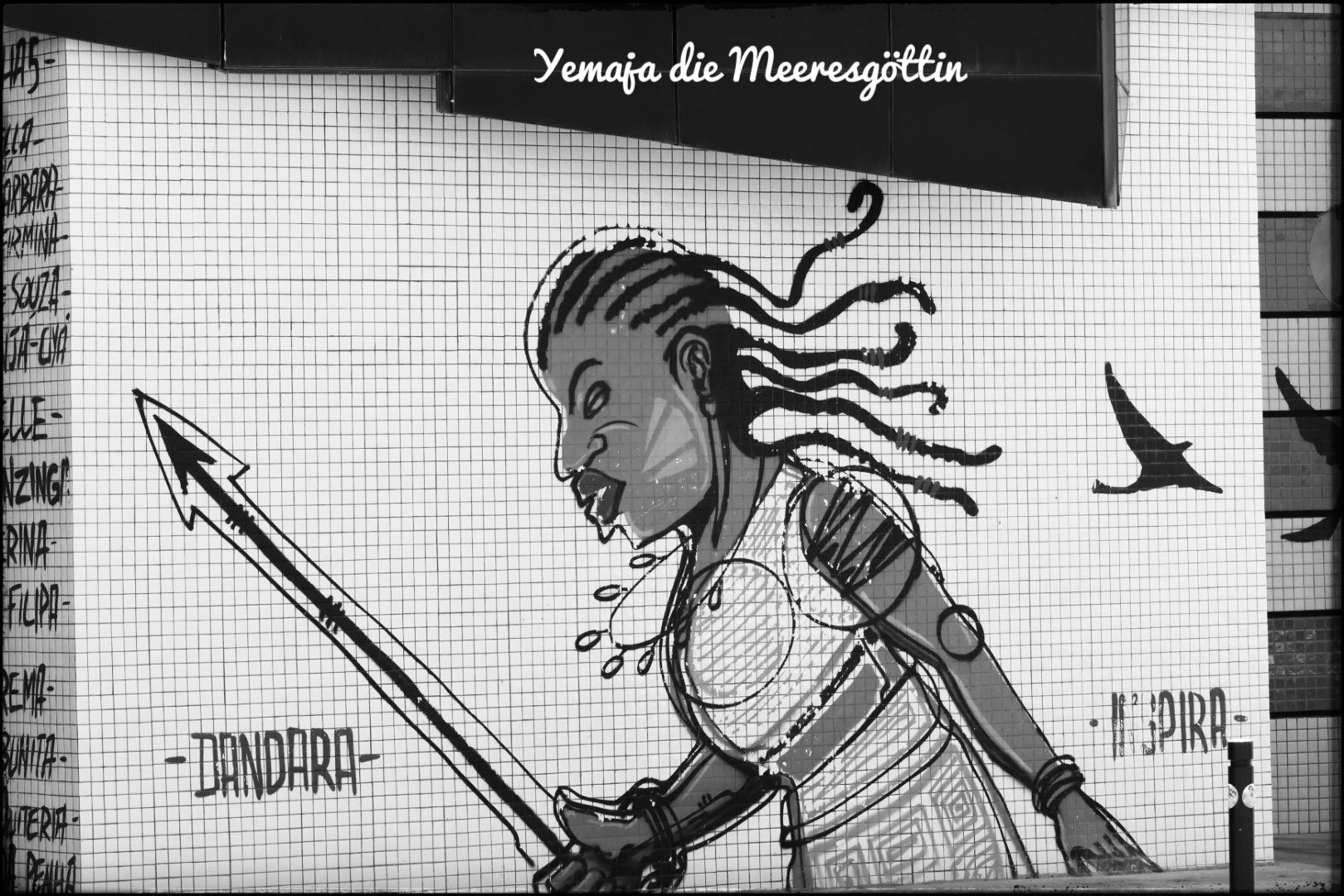
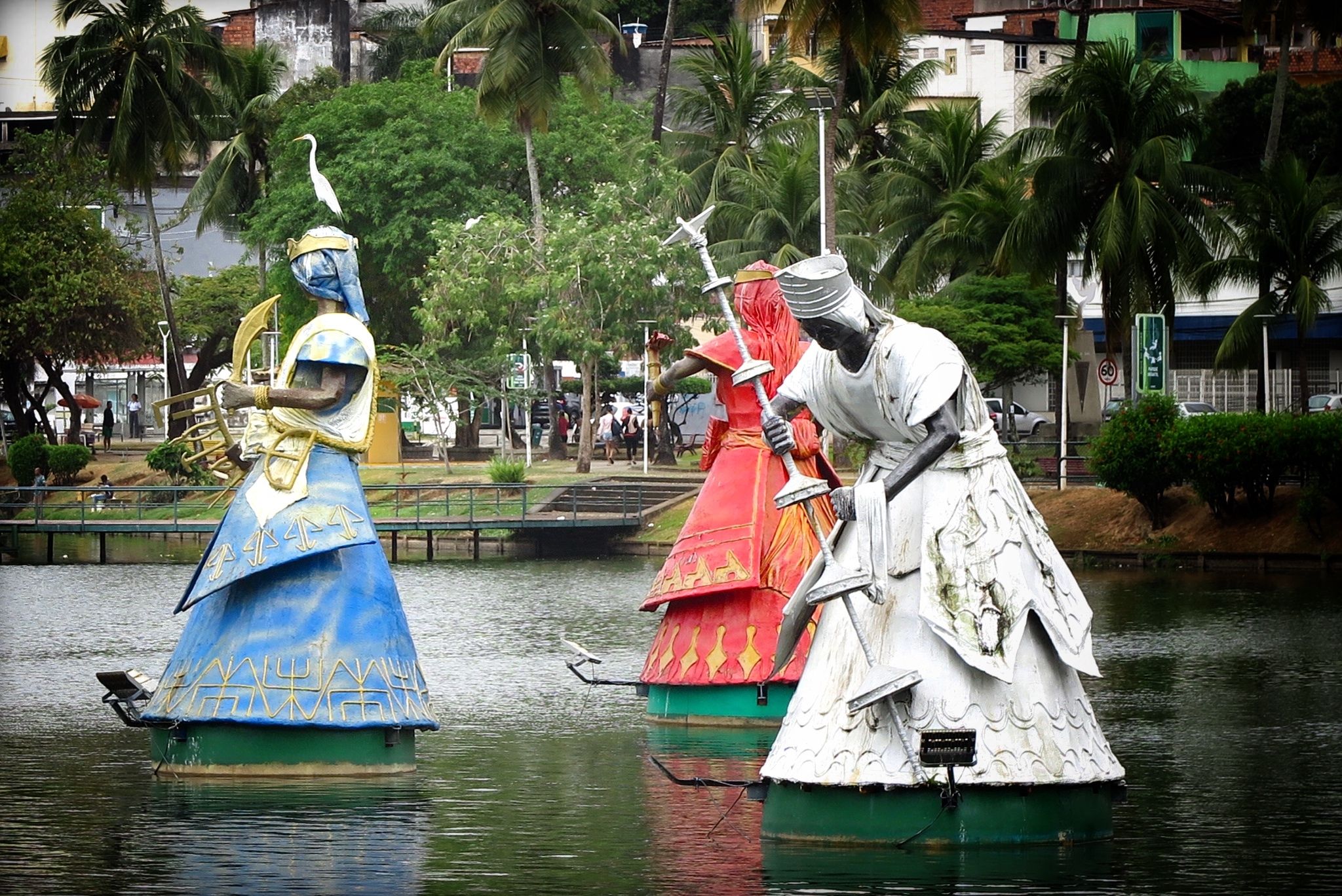
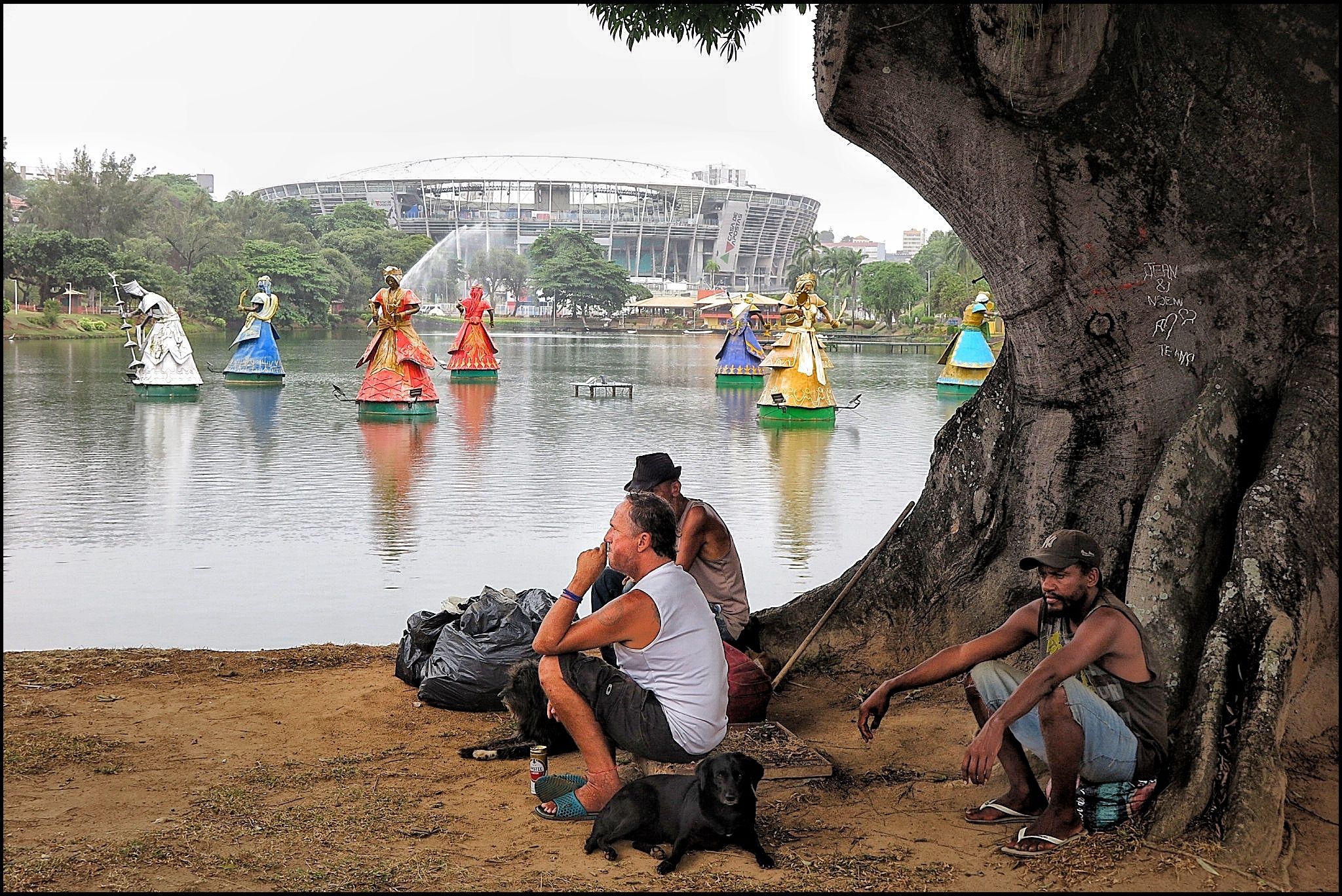
The religion of Candomblé was brought over through the slave trade. One of the gods is Yemanjá the sea goddess that comes from the nourishing deep waters, and her protective energy can be found wherever there are oceans. In Salvador de Bahia, Candomblé is honored and practiced.
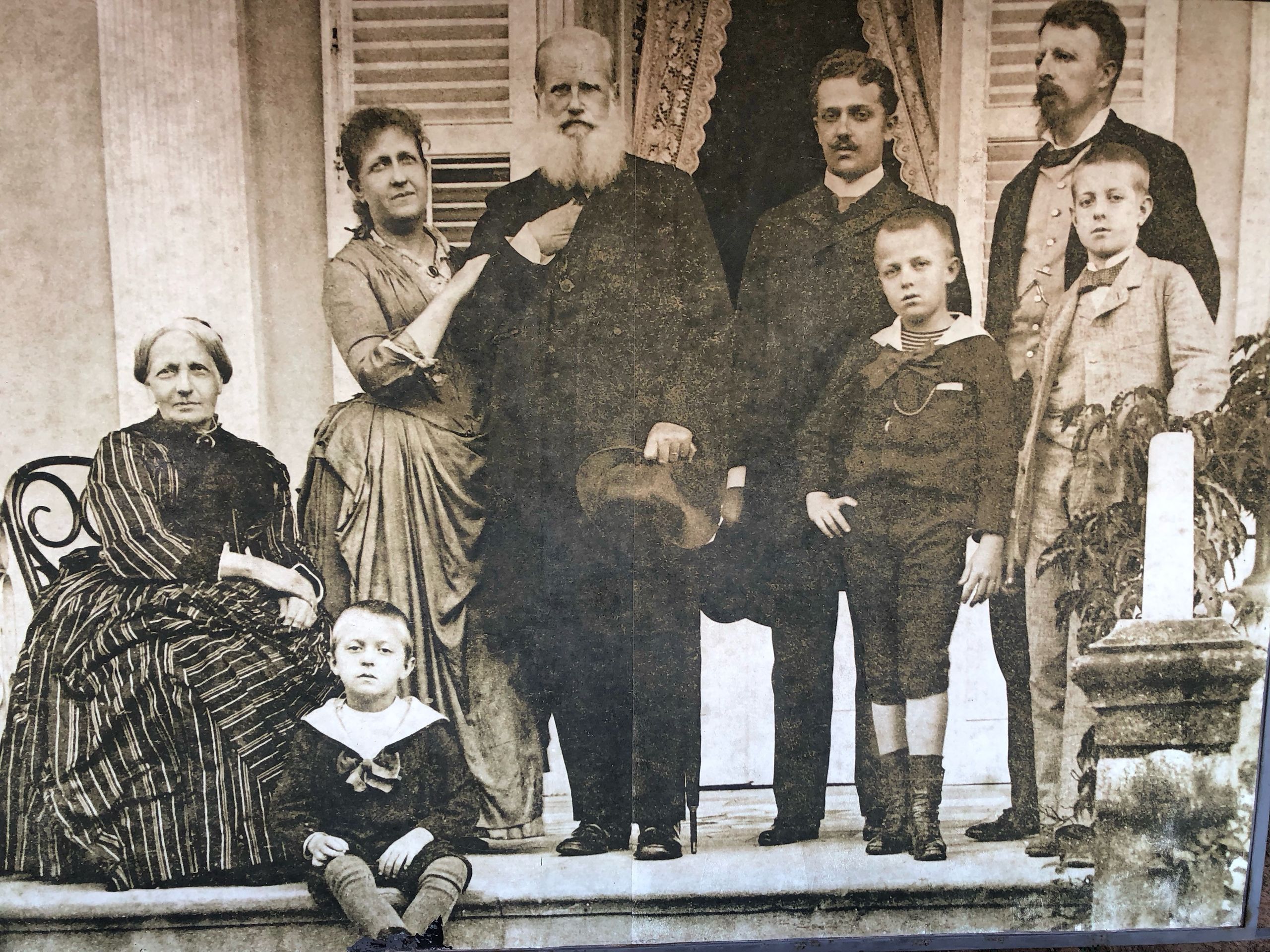
Petrópolis is located about 20 km north of Rio de Janeiro. This suburb is characterized by villas, well-kept parks, and the summer residence of Brazilian Emperor Pedro II.
Built from 1840-1845, you can still experience the history in the rooms today.
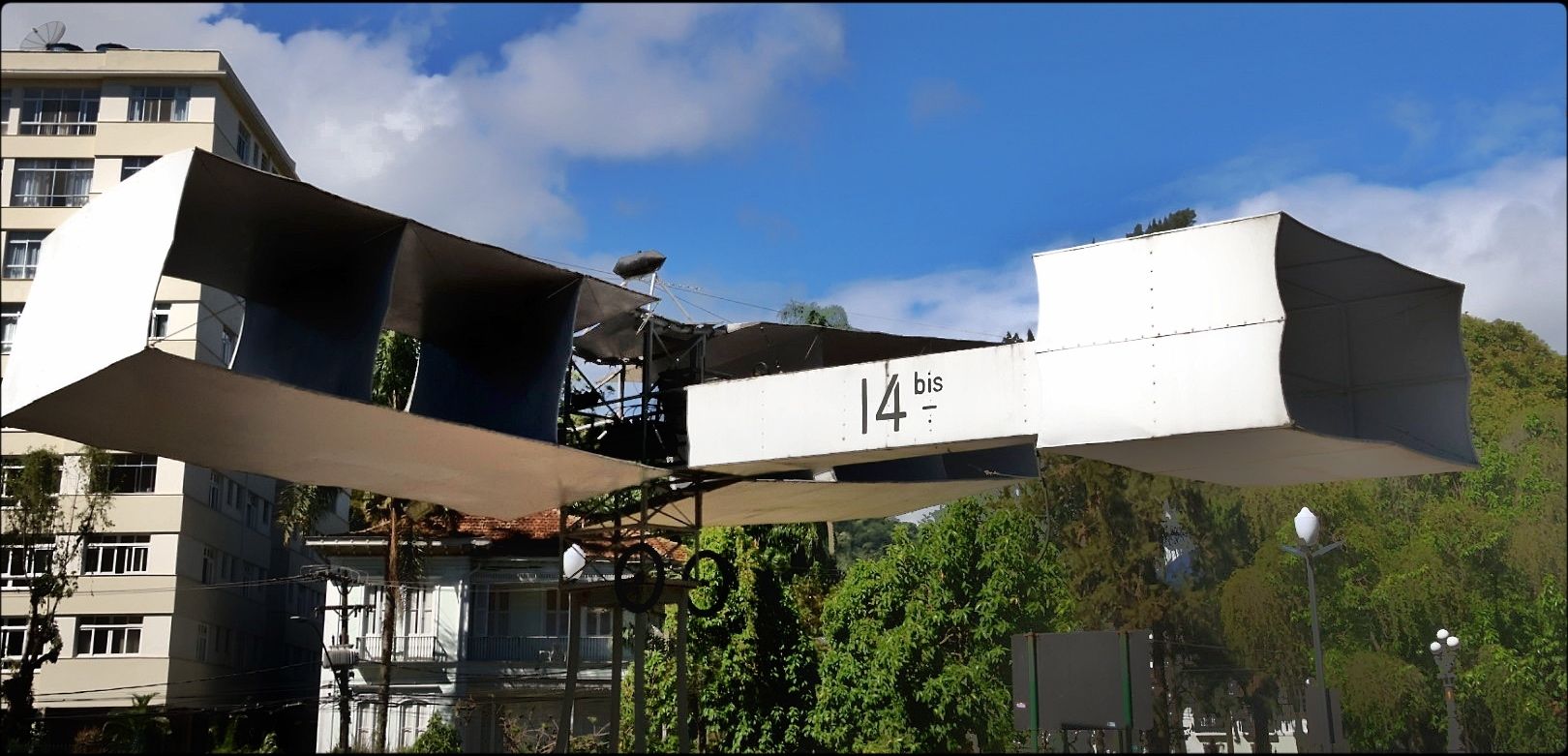
In Petrópolis, there is also the 14 from Albert Santos-Dumont. He significantly influenced motorized air travel at the beginning of the 19th century.
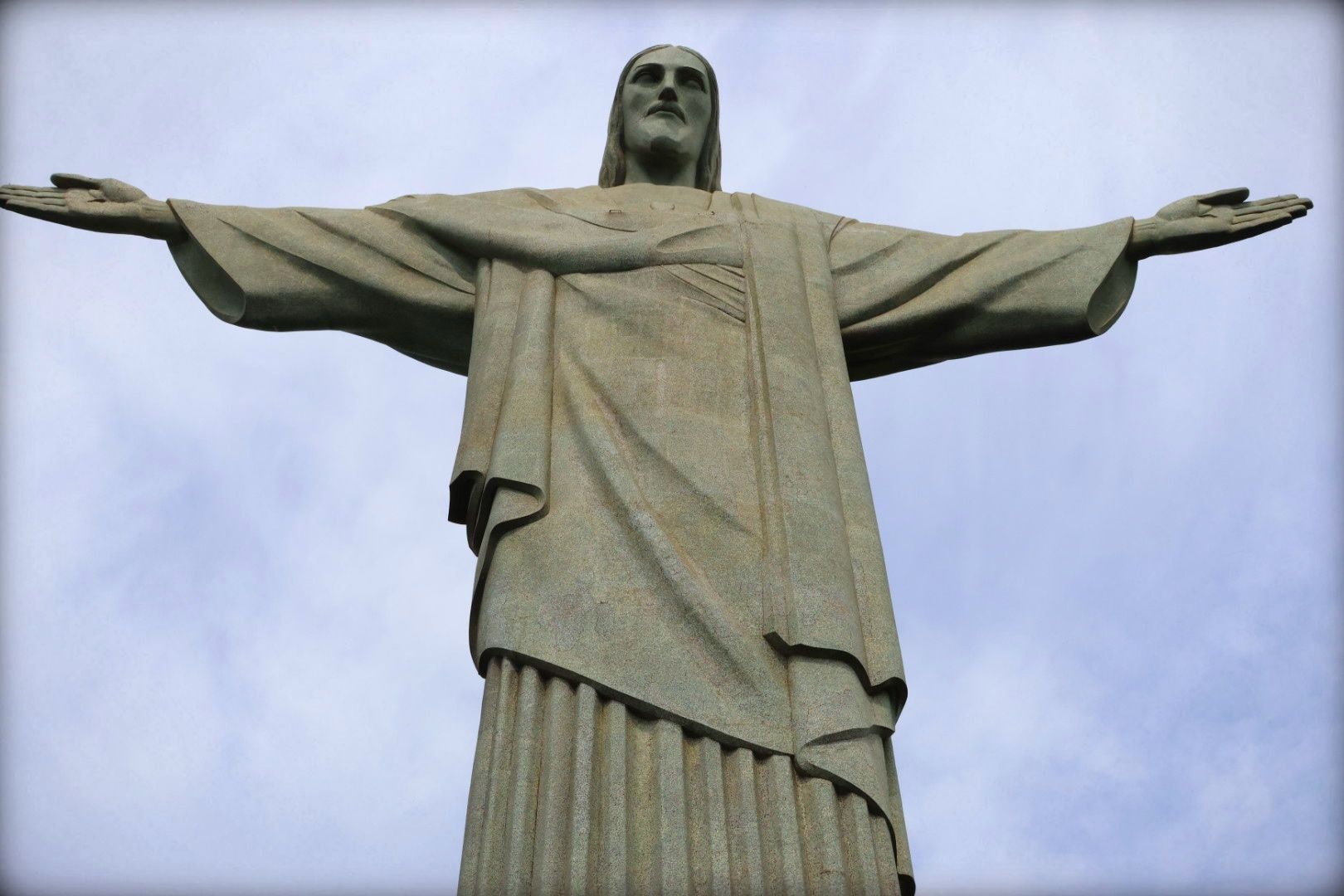
Rio is located in Guanabara Bay, and from everywhere you can see Christ the Redeemer. His statue was planned to commemorate the hundredth anniversary of Brazil's independence in 1922. Since 2007, the monument has been one of the new seven wonders of the world.
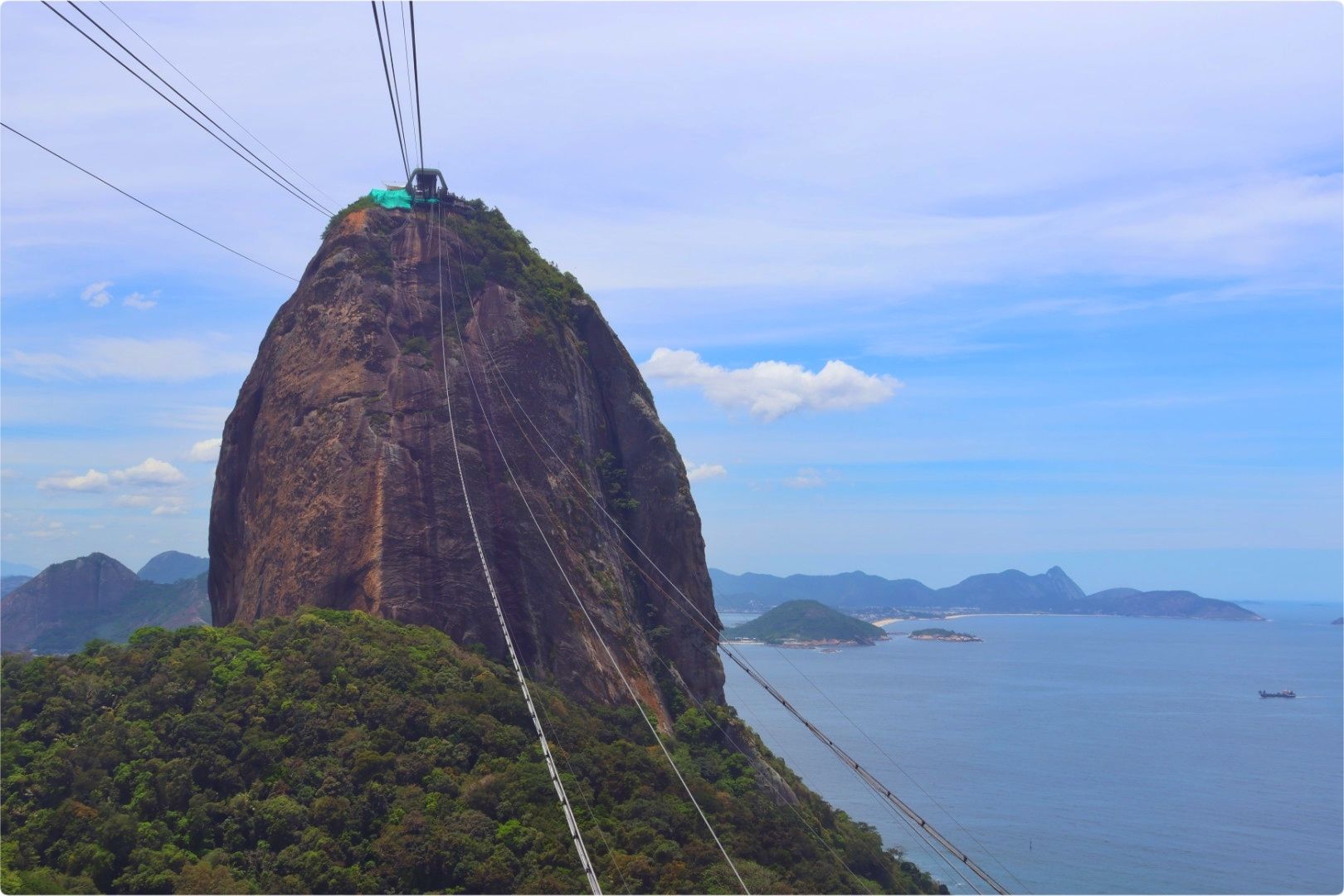
The almost 400m high Sugarloaf is hundreds of millions of years old and is made of iron-rich granite. The Sugarloaf got its name from the sugar blocks that were shipped to Europe. The sugar was then scraped off for use.
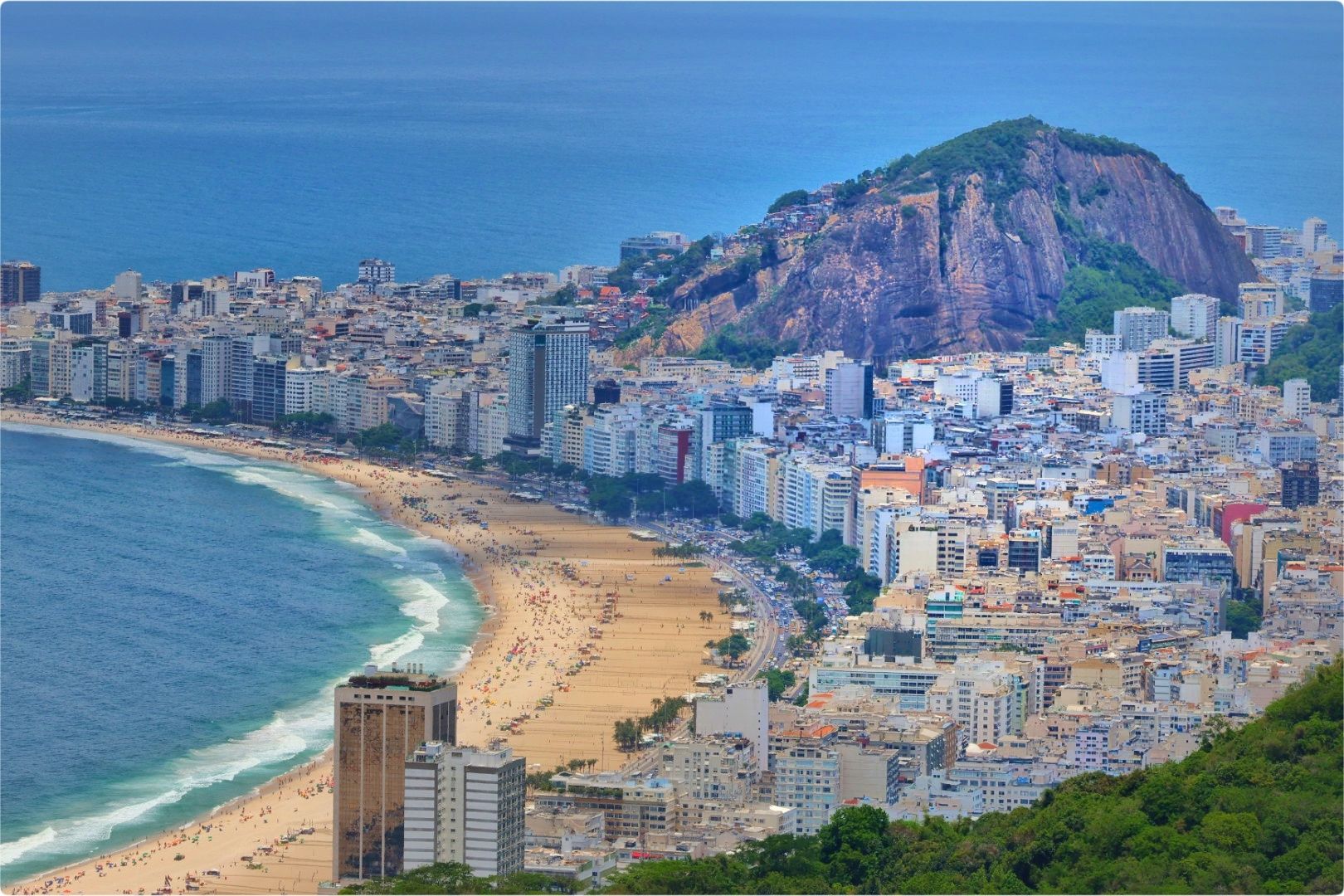
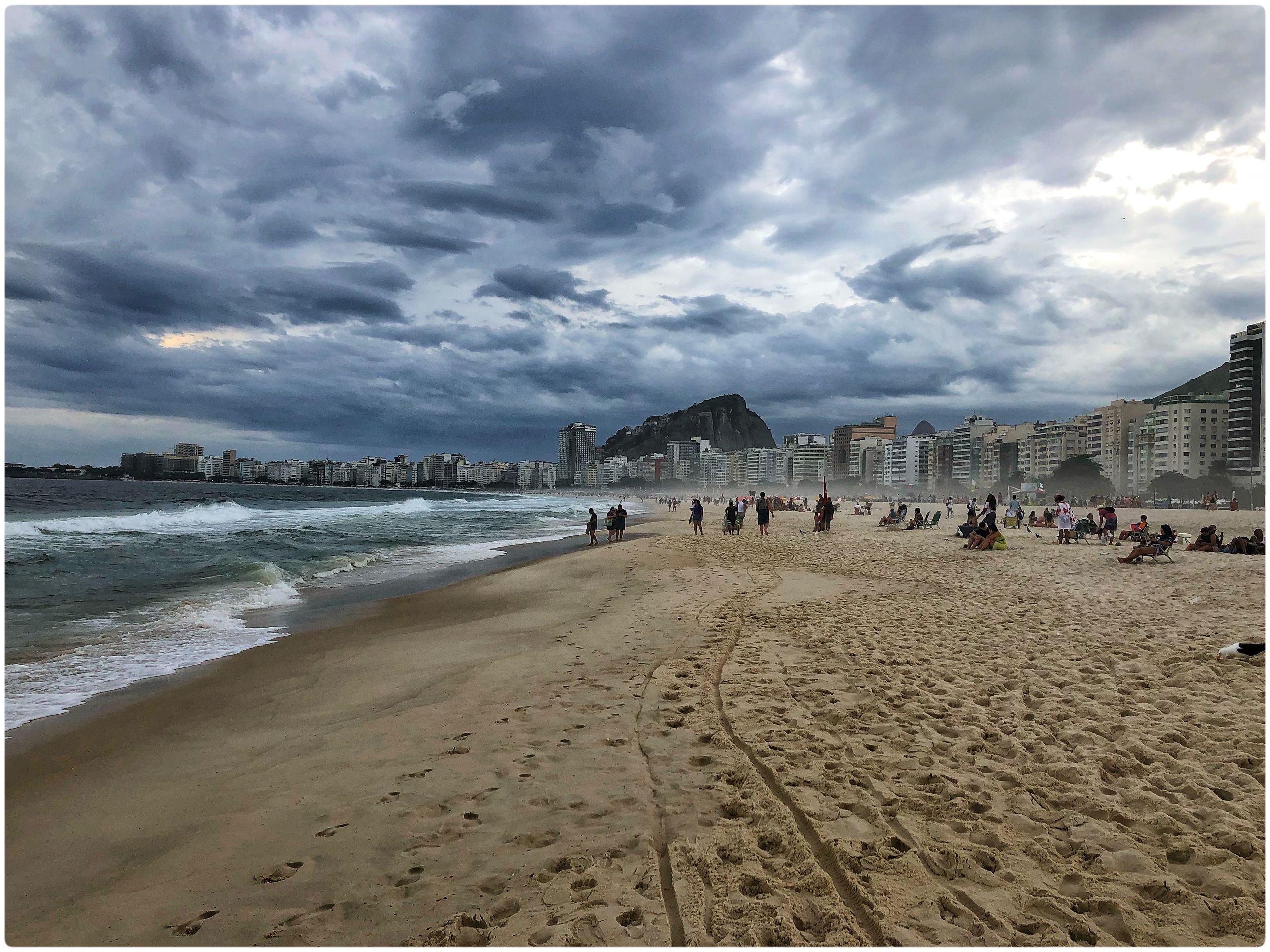
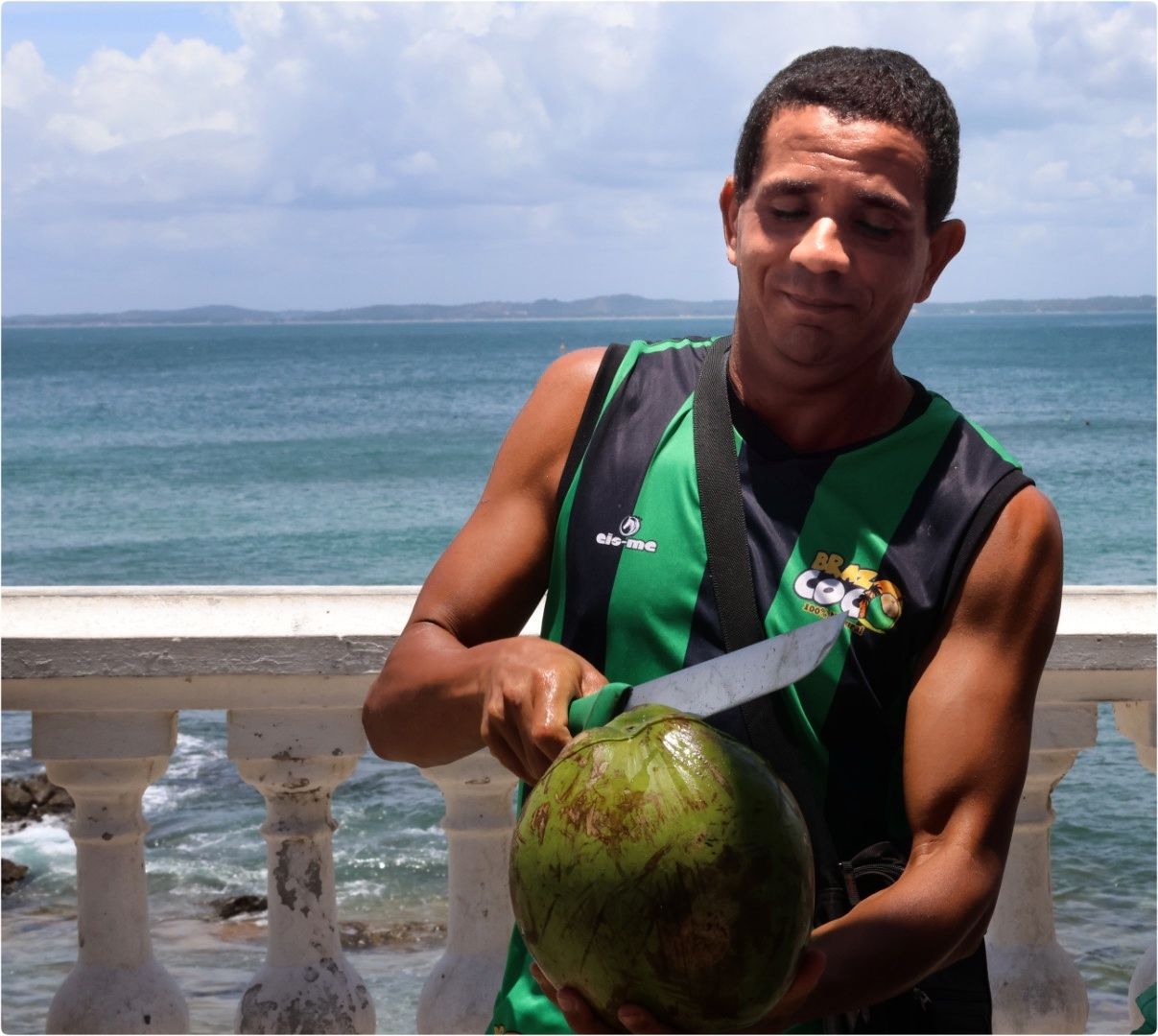
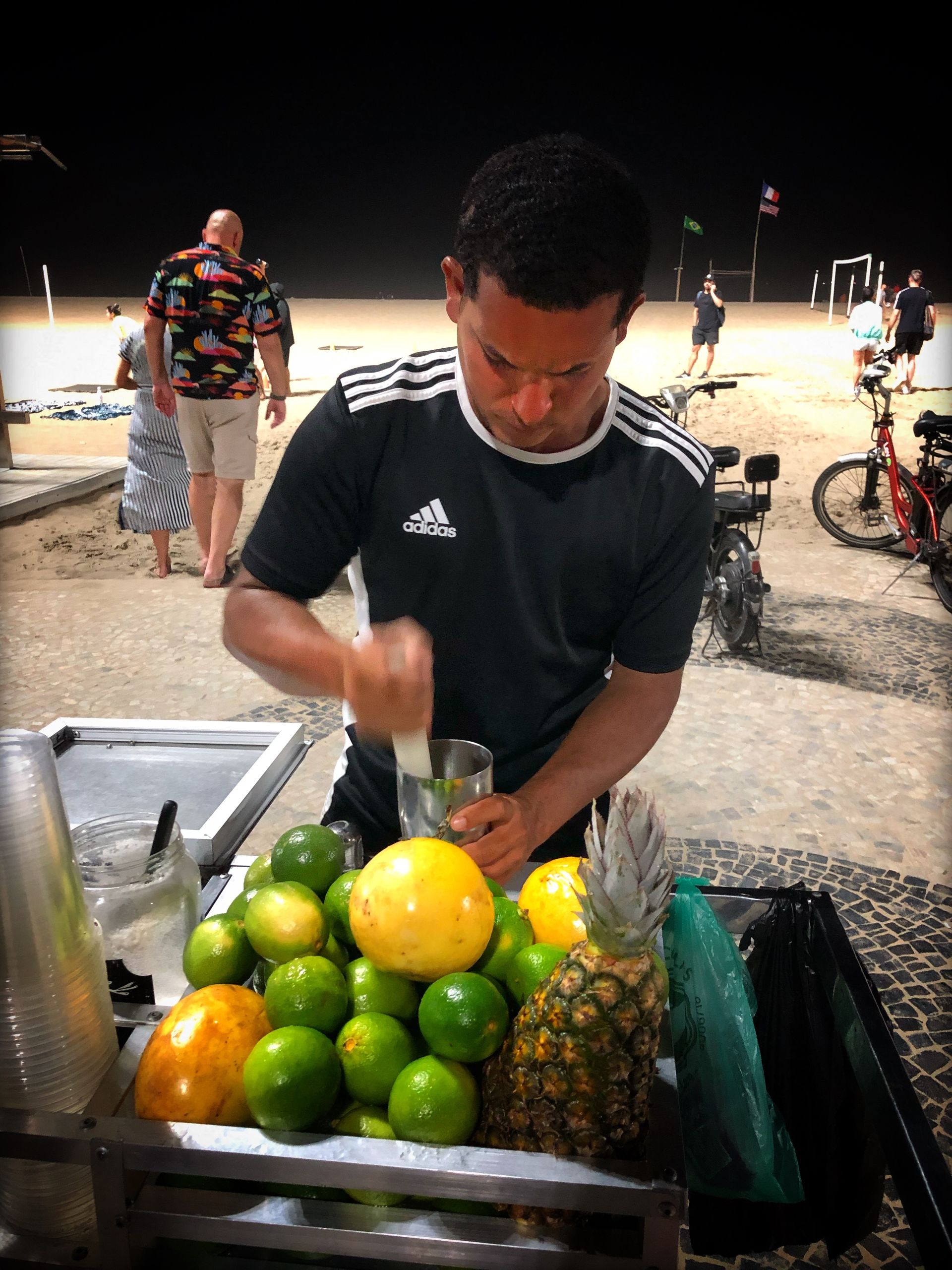
Copacabana, Caipirinha, Aqua de Coco represents the lightness of life.
[video]https://www.youtube.com/watch?v=otu8OAaH9O4[/video]
In Rio de Janeiro, especially in the Niterói district, Oscar Niemeyer can be found again. The MAC museum blends beautifully into the bay.A completely different style characterizes the architect Santiago Calatrava. He created a theater in the new port area of Rio de Janeiro.
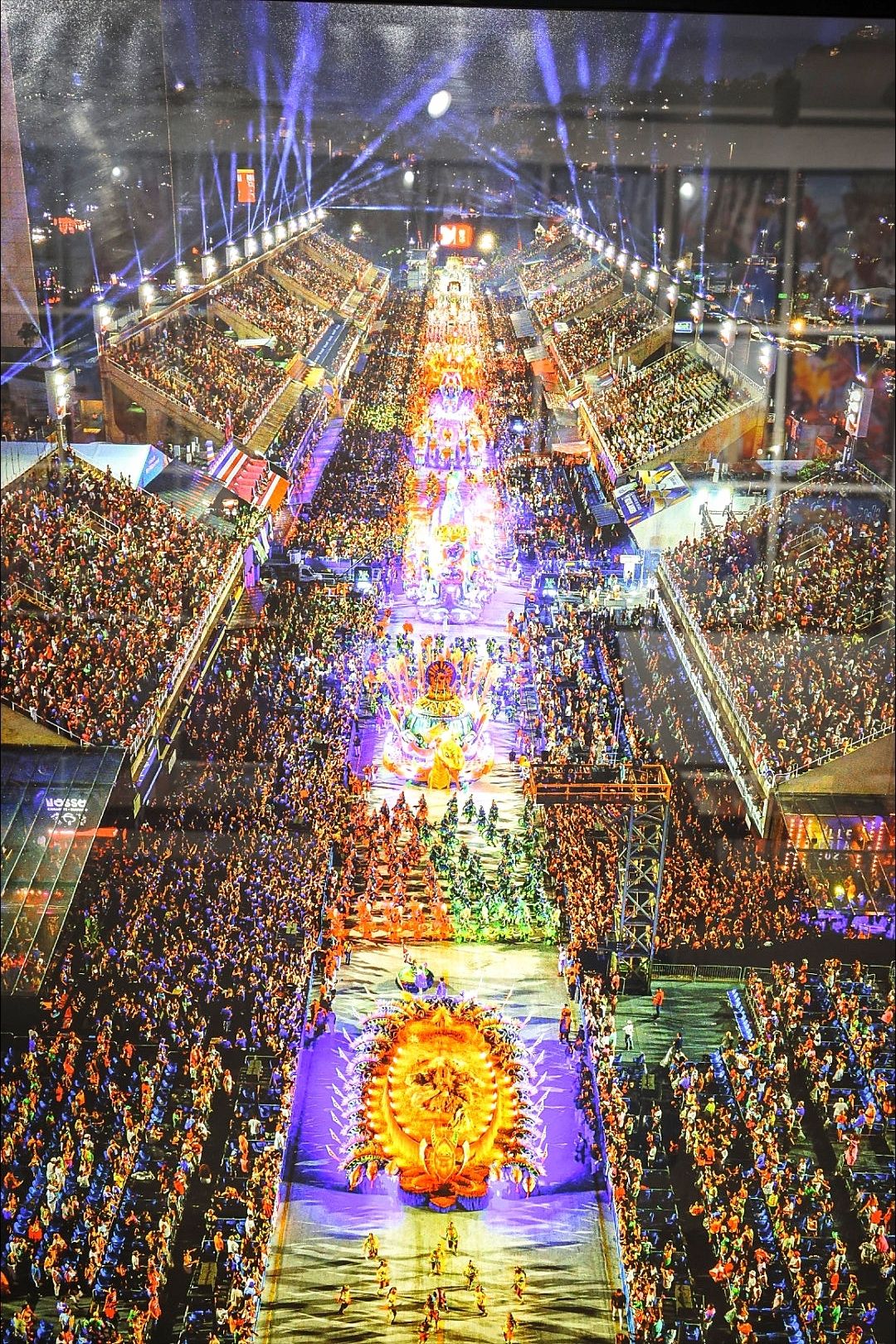
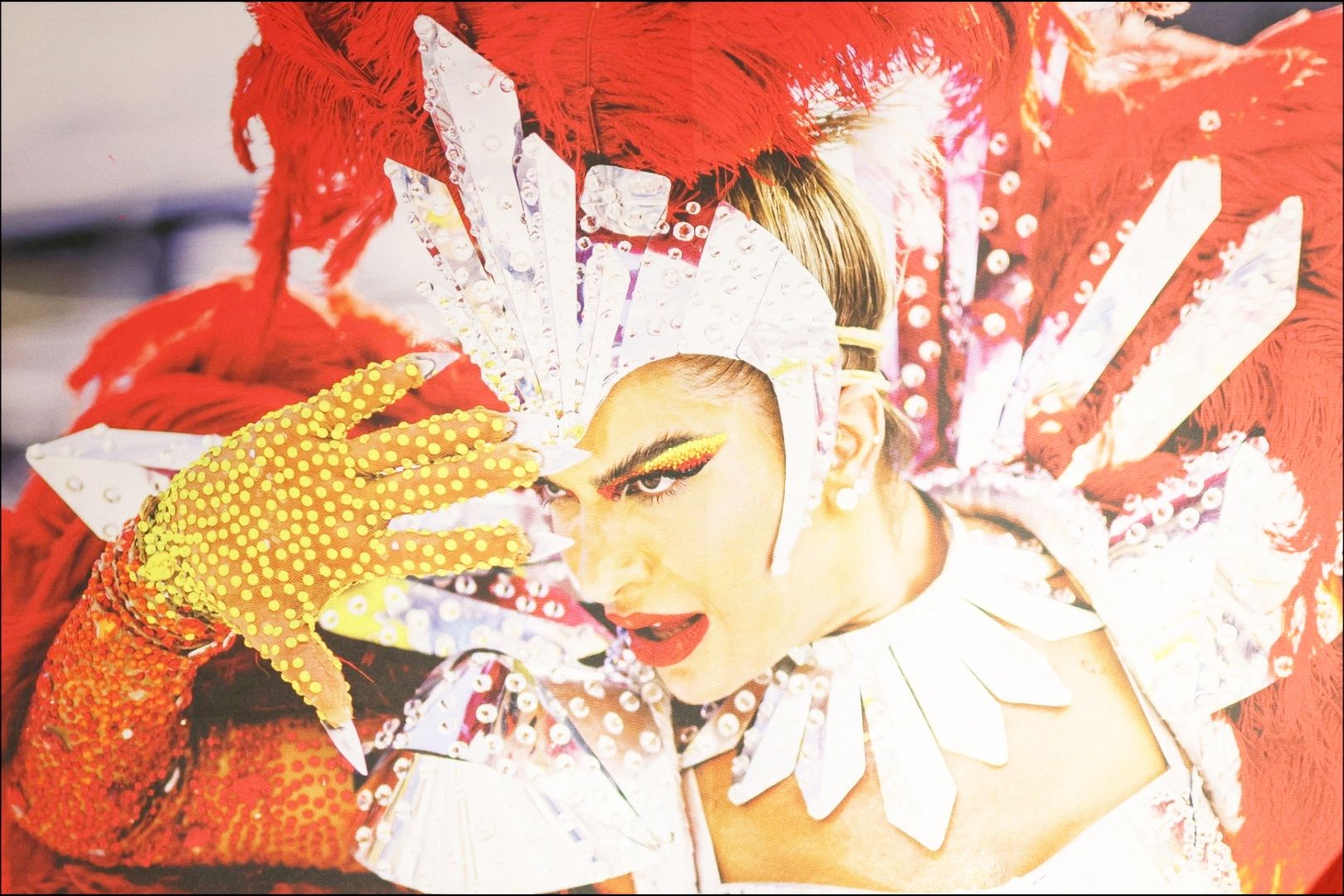
The Sambódromo is a stadium for visitors for the annual samba parade. Participants take part in a competition and parade, dancing 700m past the spectators. The carnival lasts five days and ends on Fat Tuesday.
In the vicinity, there are about 70 samba schools.
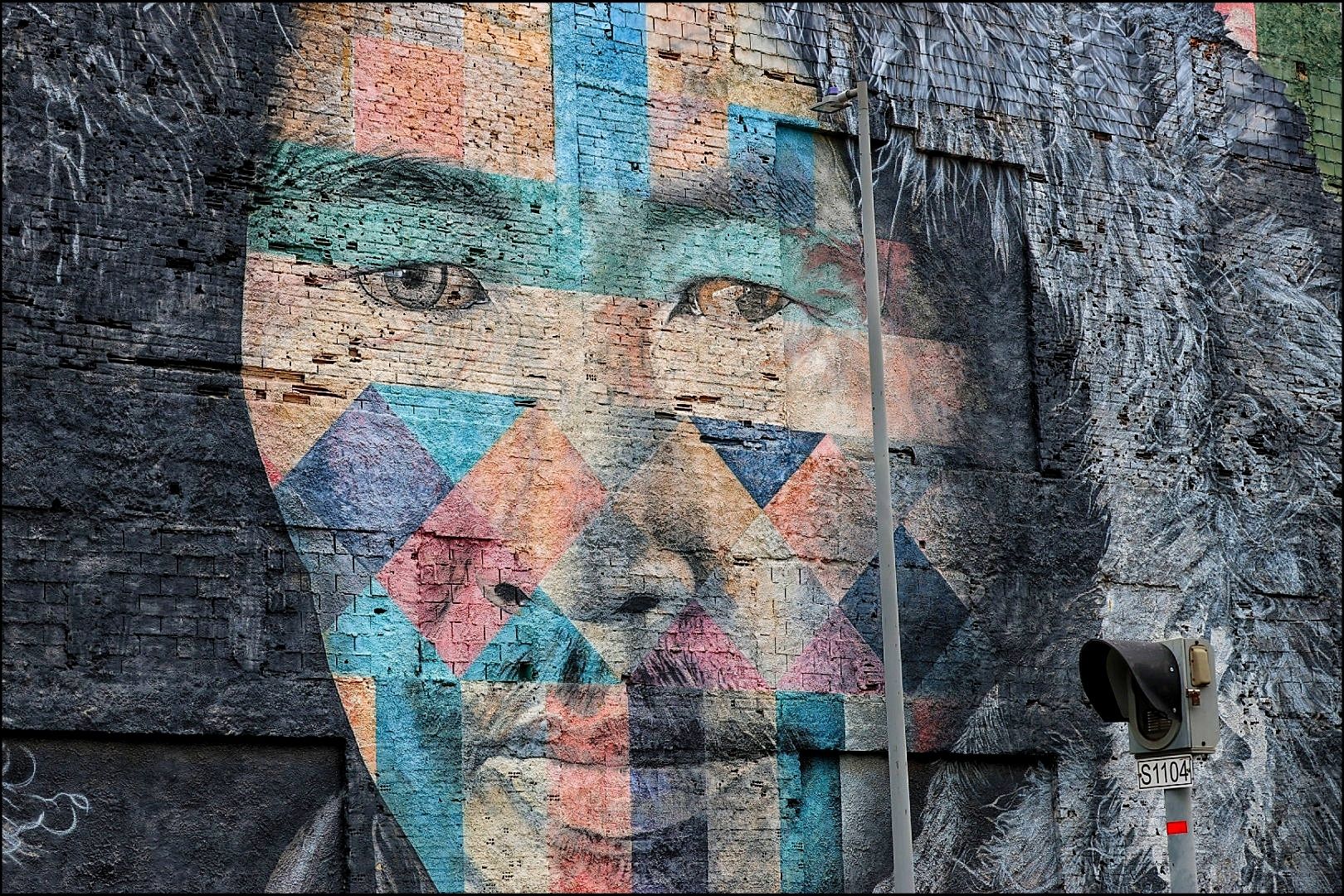
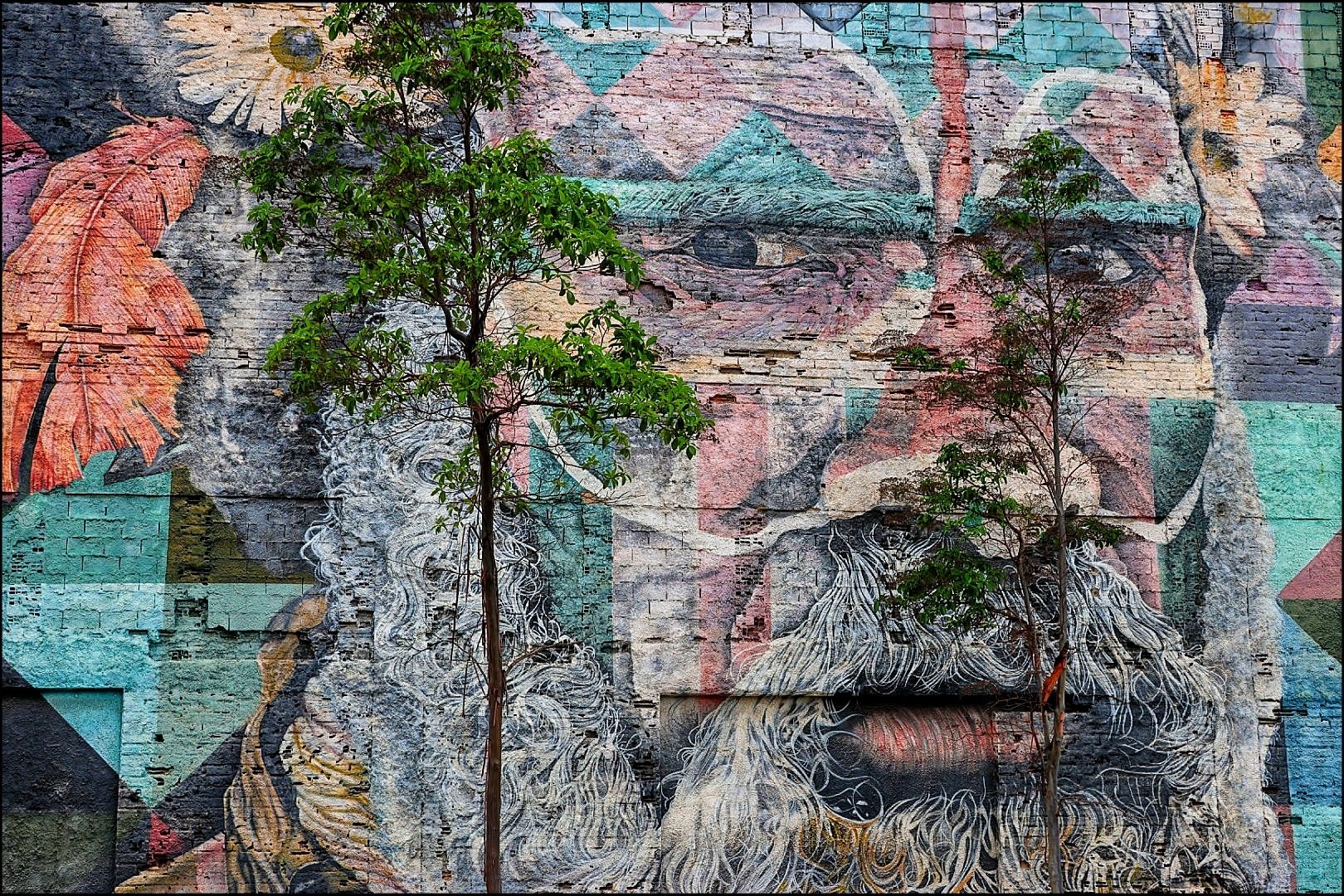
who has also worked with Banksy, here in the Speicherstadt of Rio, you can admire a conglomerate of different ethnicities.
Last but not least the
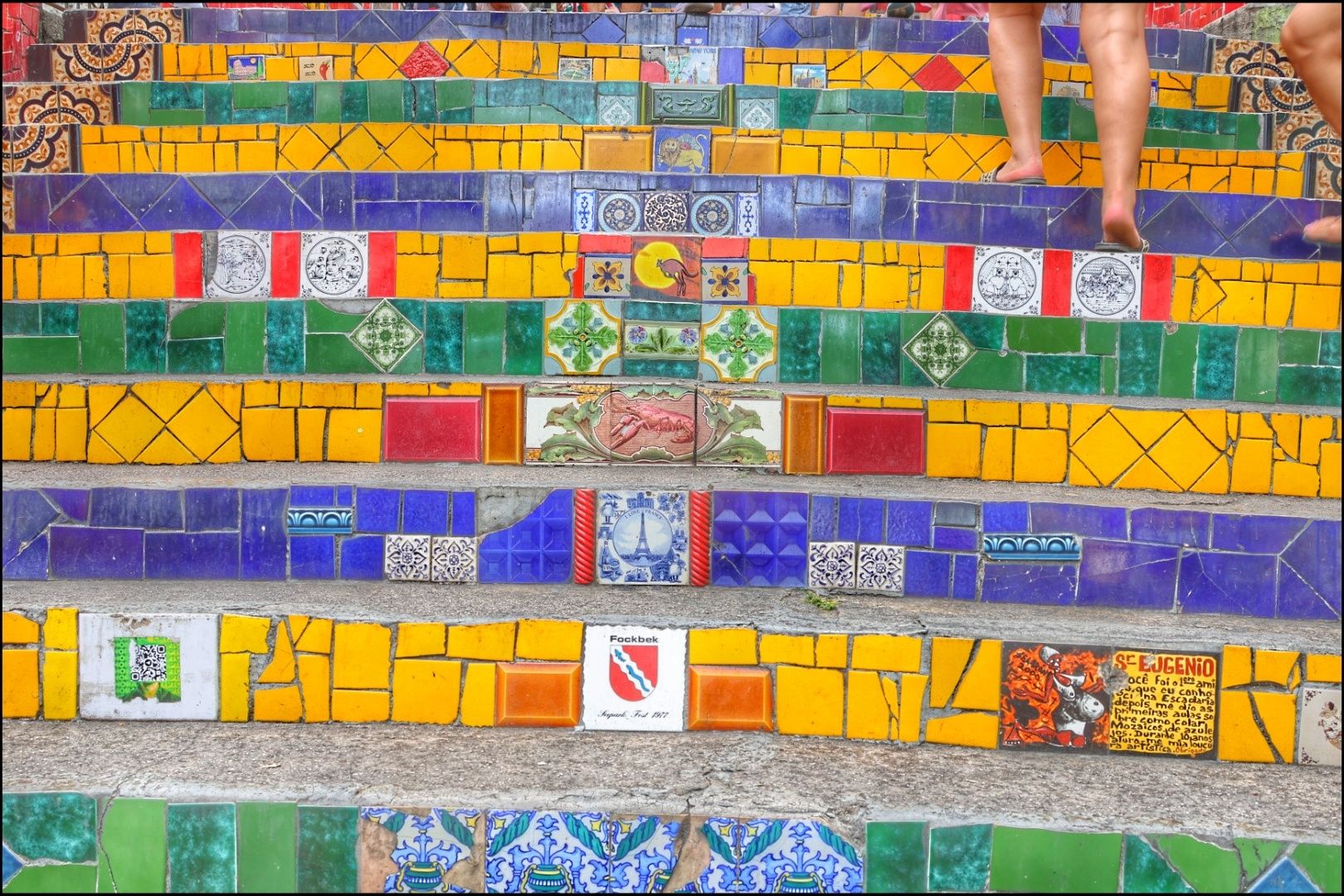
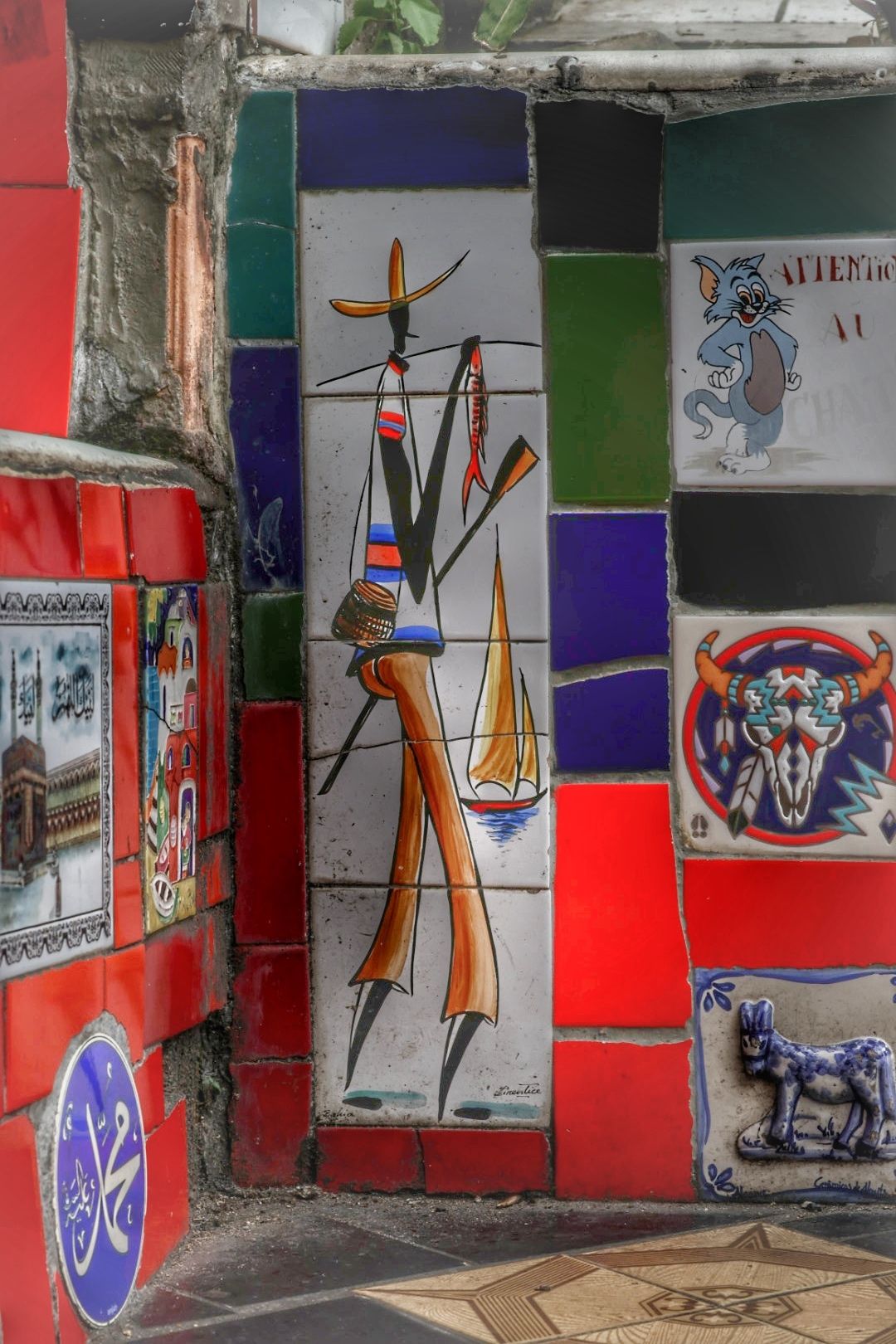
Famous steps of Escadaria Selarón
in the artist district of Santa Teresa.
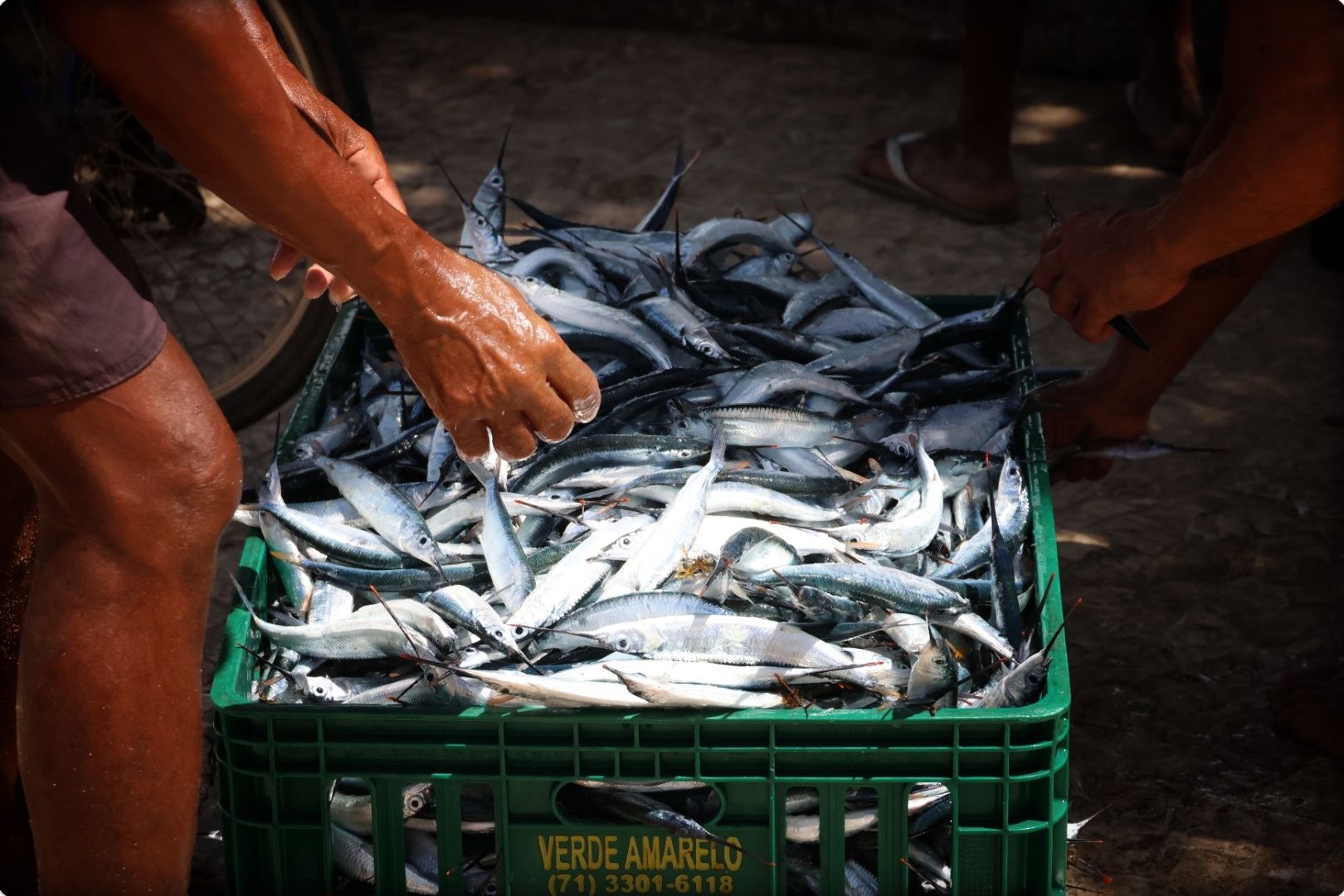
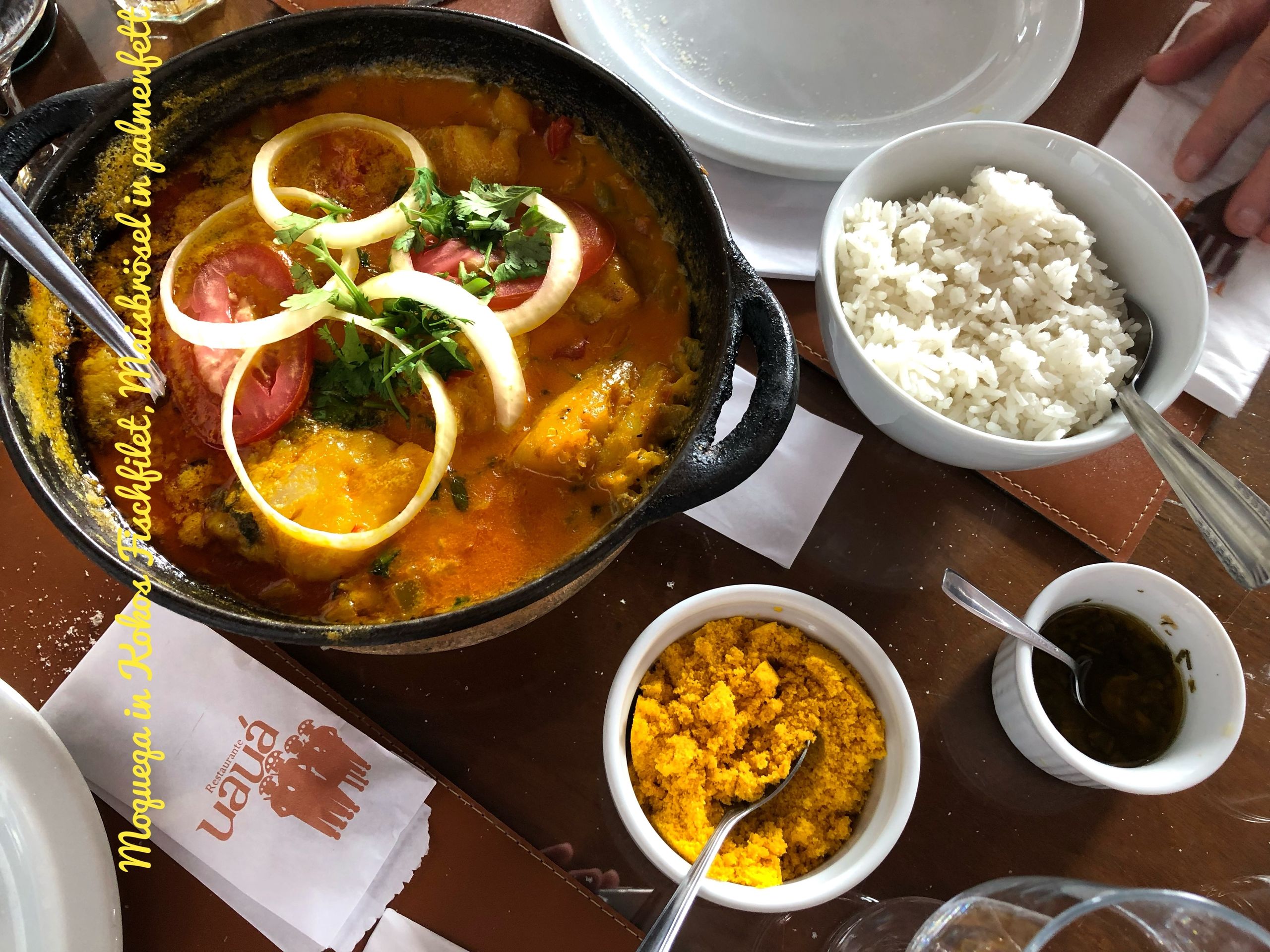
Moqueca, a traditional fish stew, is a must-try.
By the way, Brazilians love diminutives, for example, cafezinho, the little coffee, casinha, the little house, or dinheirinho, the little tip.
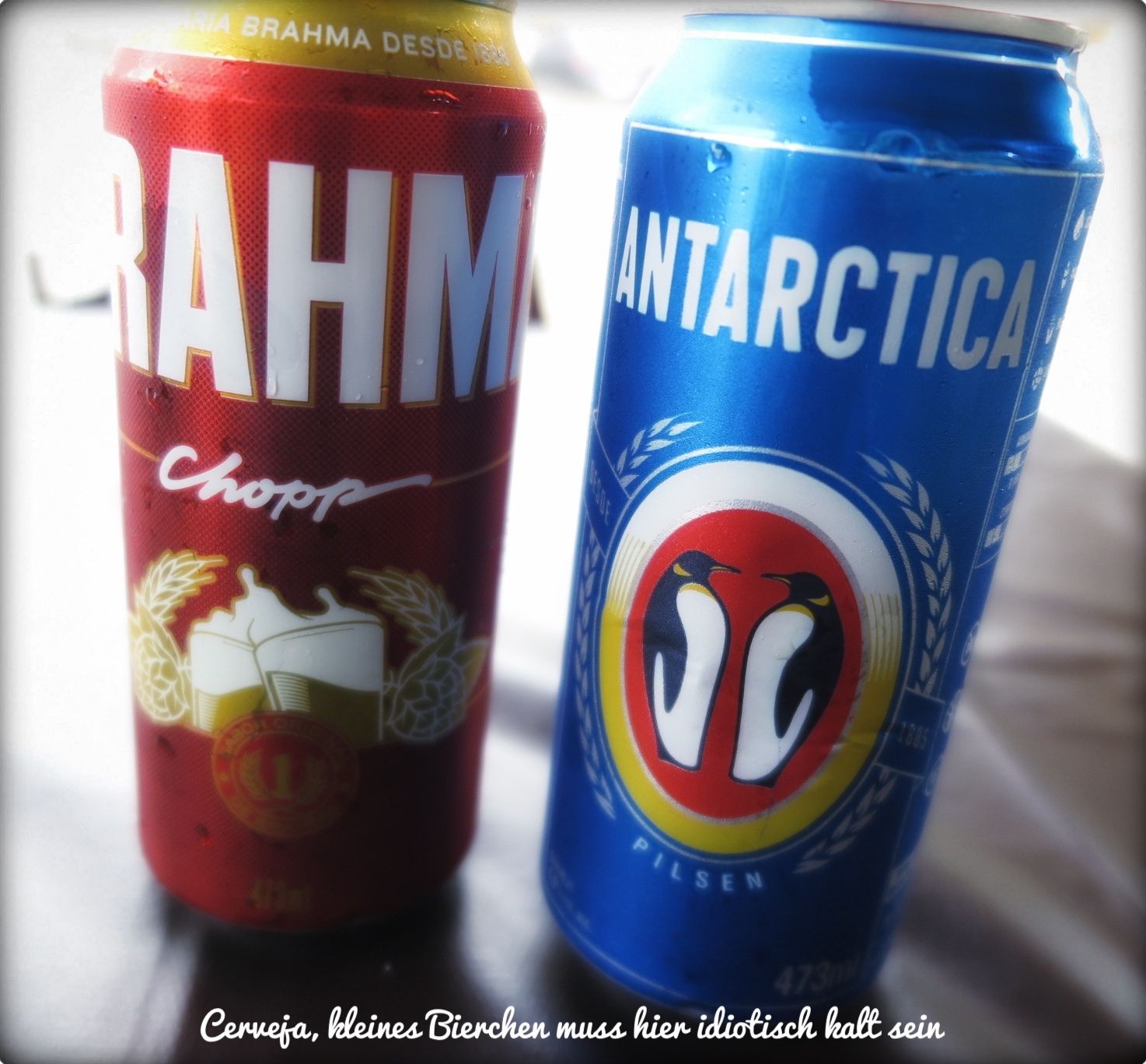
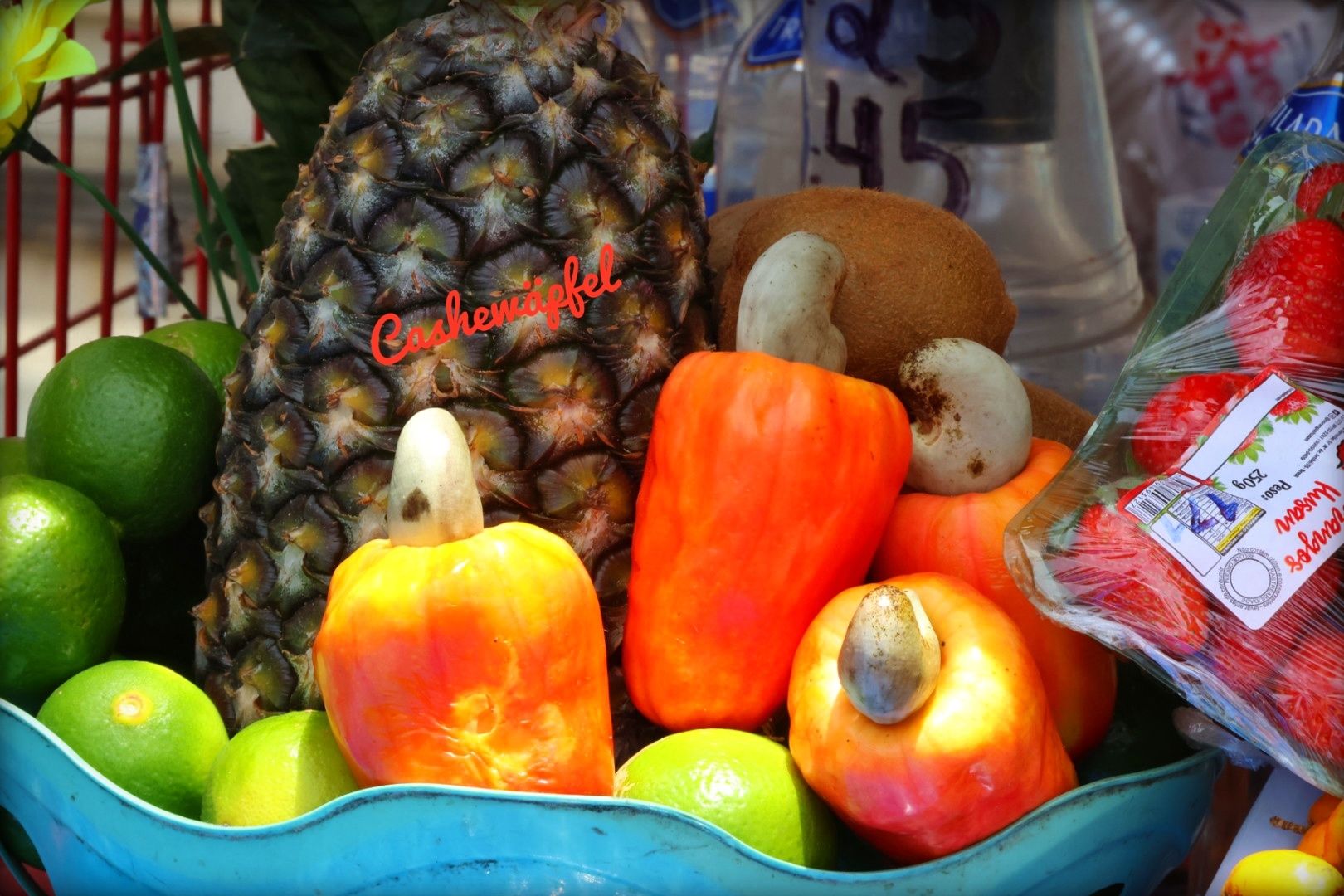
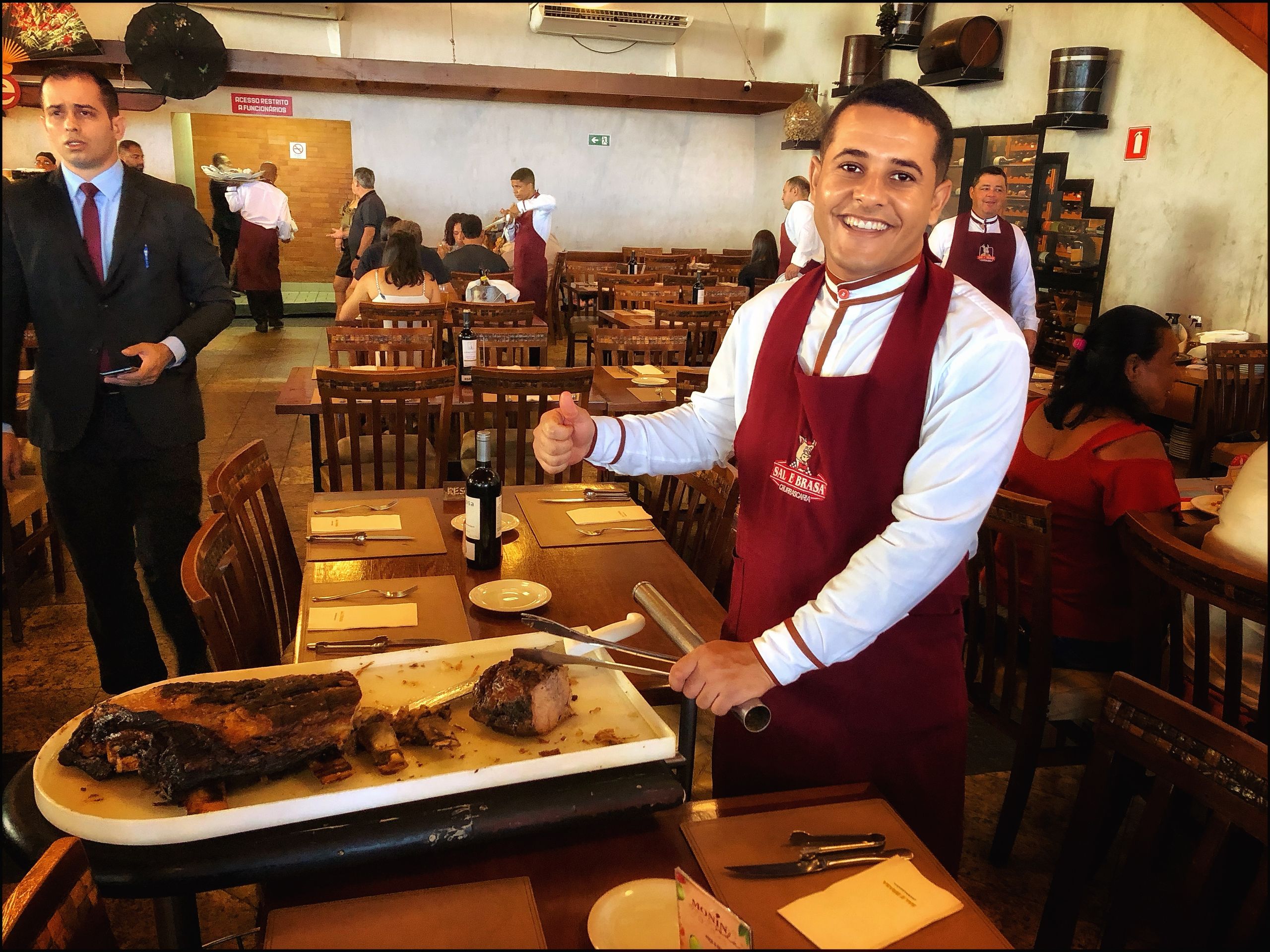
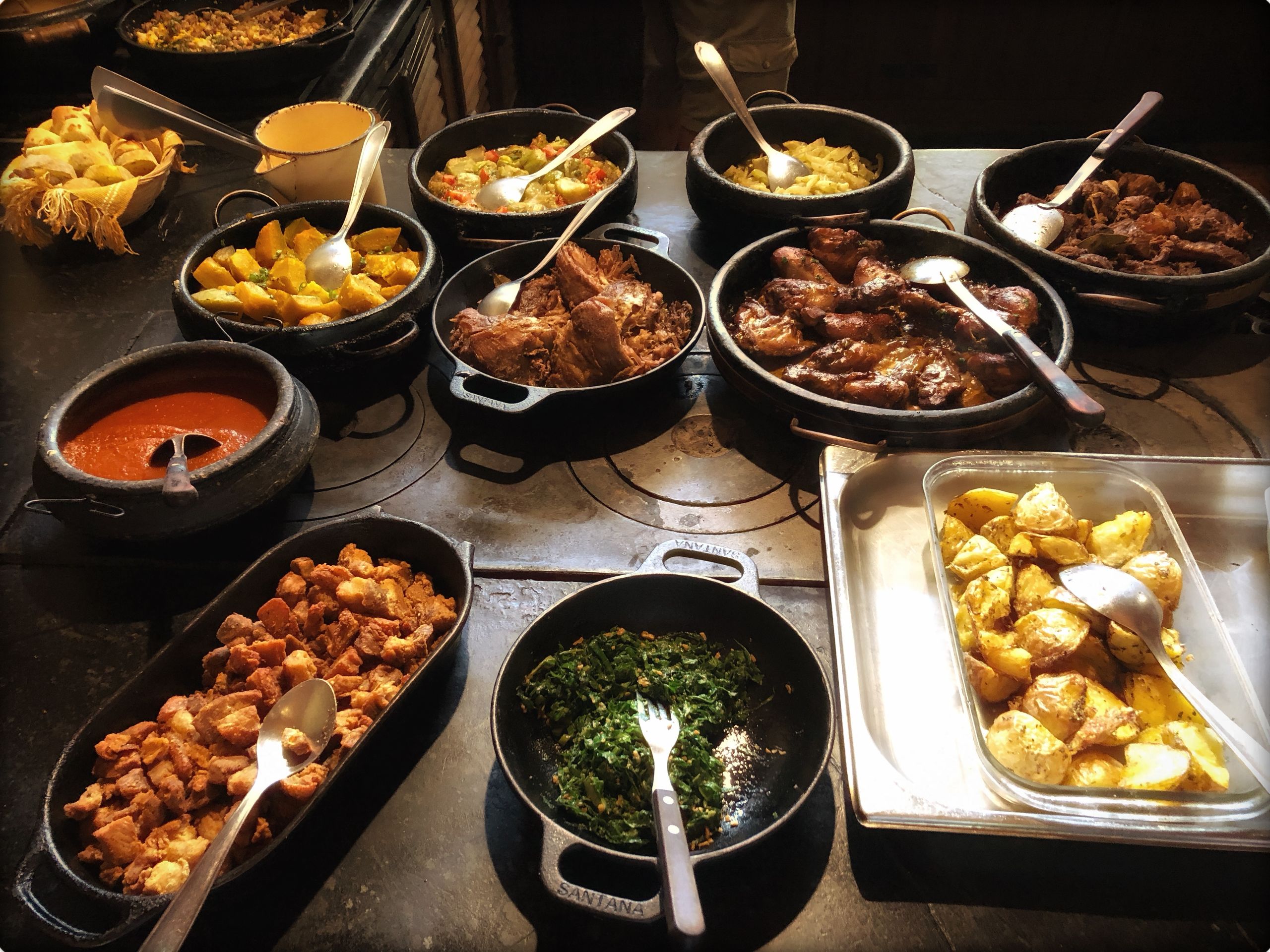
But back to the culinary aspect. In the morning, Brazilians tend to eat fruit with a bit of cheese and guava jam, at lunch, a salad or a warm dish with beans, and in the evening, very hearty baked potatoes, mashed with meat, or as mentioned above a traditional fish stew with farofa made from cassava, and of course a beer.
Music is for Brazilians much more than entertainment; it is the heartbeat of their identity. Samba or soft Bossa Nova can be heard not only at Copacabana.
#Brazil,#Rio,#Moqueca,#Vakantio,#Katrin Fischbach,#Kobra,#Stairs,#Food,#Banksy,#Samba,#Copacabana,#Sugarloaf,#Redeemer,#Petropolis,#Capoeira