

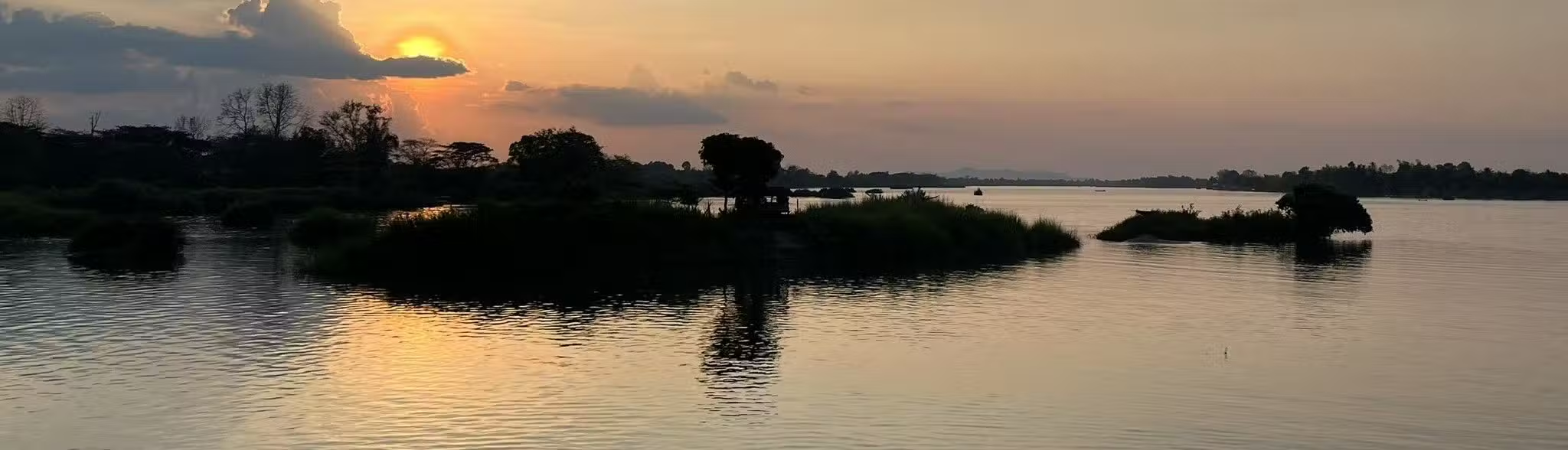
Hua Hin al tramonto
A giugno 2025 mi sono rilassato a Hua Hin. Quando lì la notte scende, la vita inizia nelle strade dei bar, nei ristoranti e nei food court.
Pubblicato: 31.05.2026
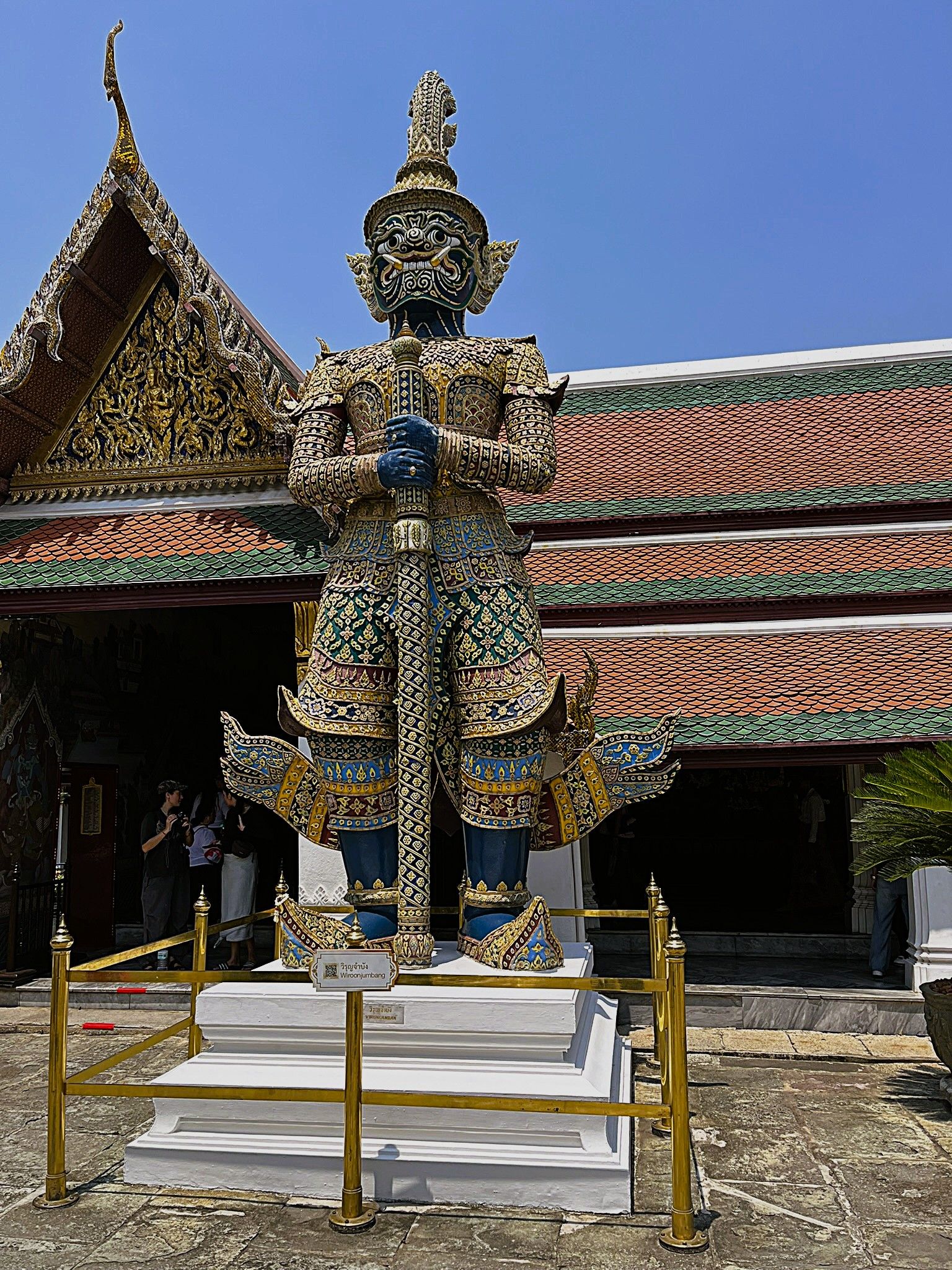
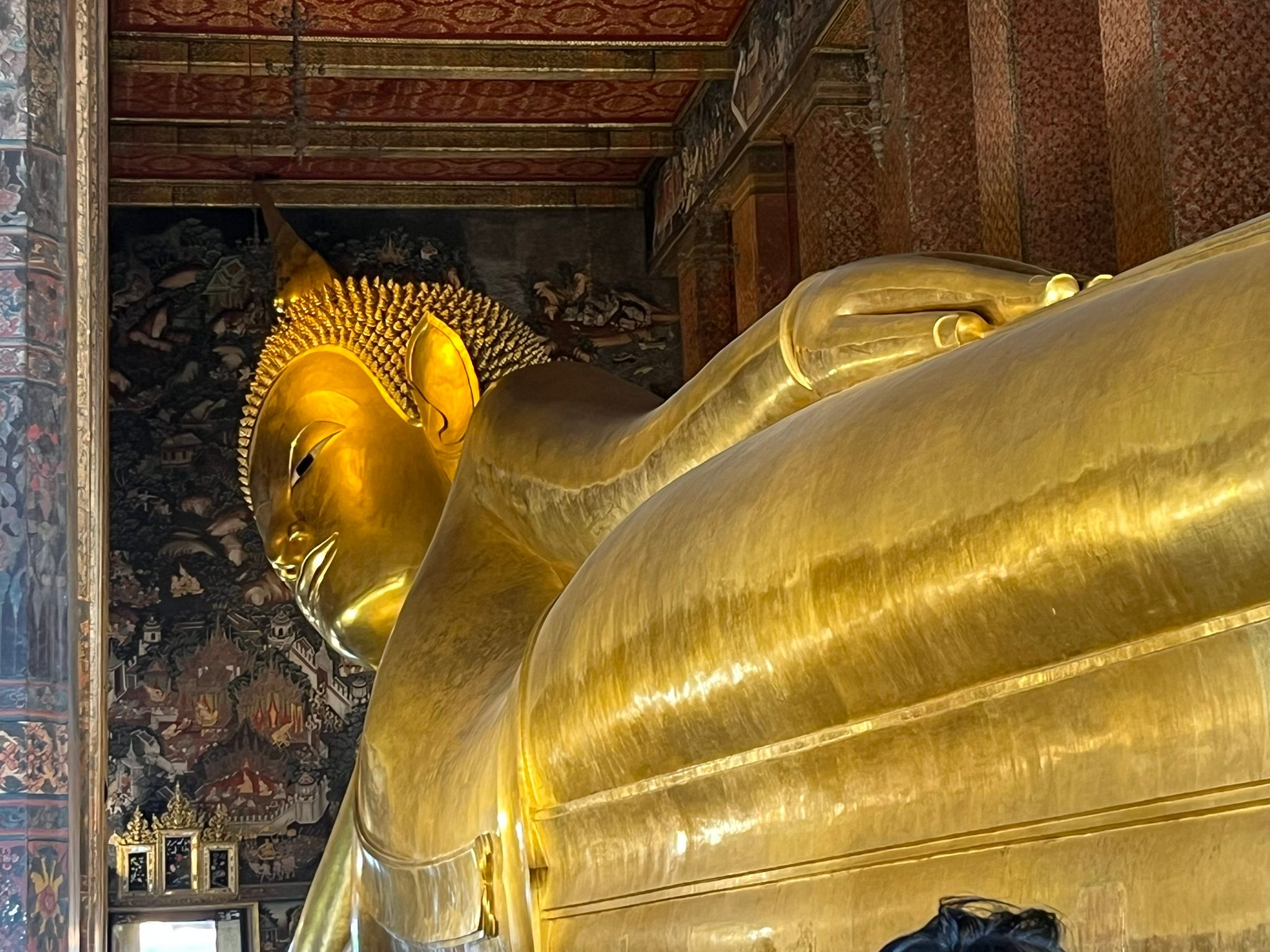
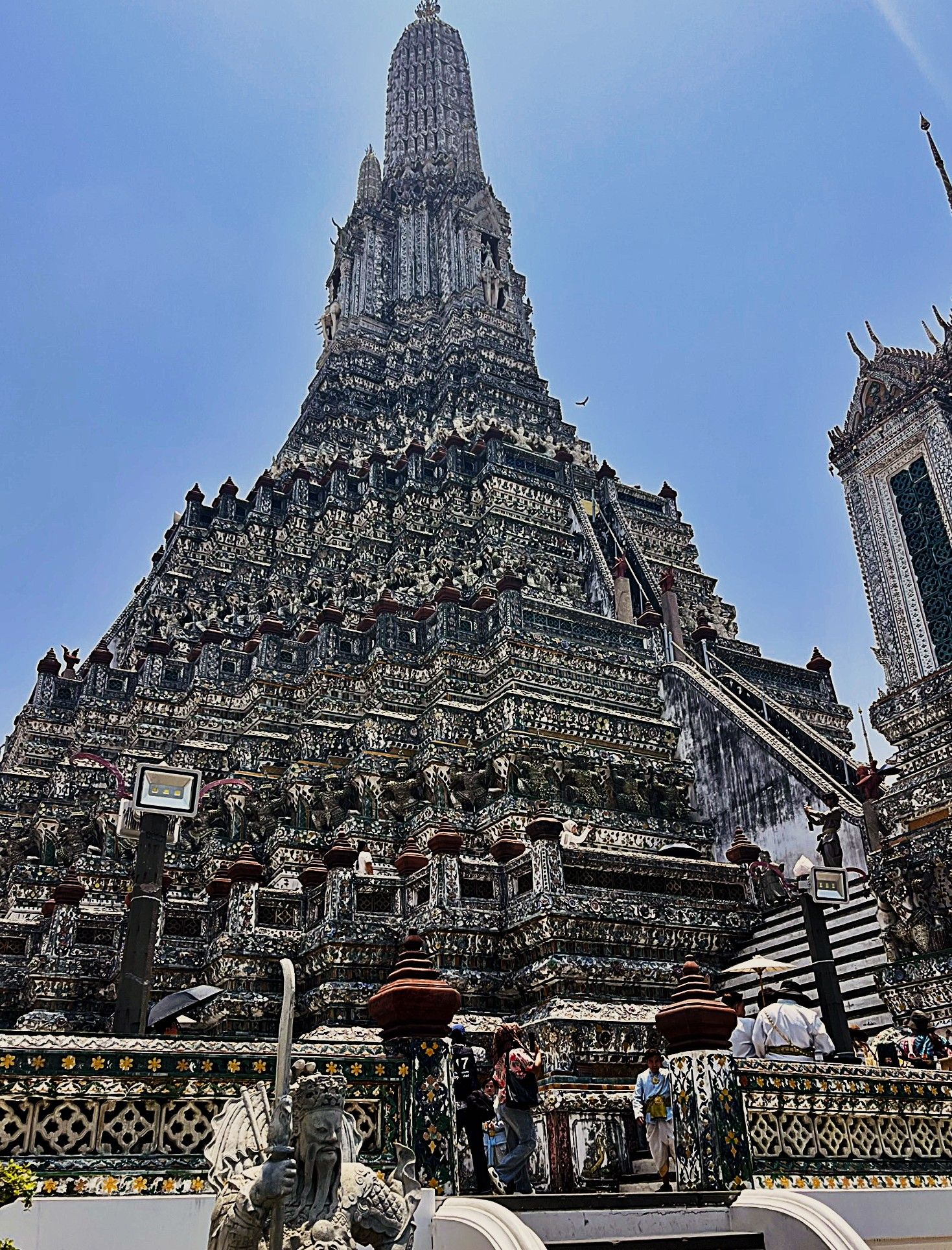
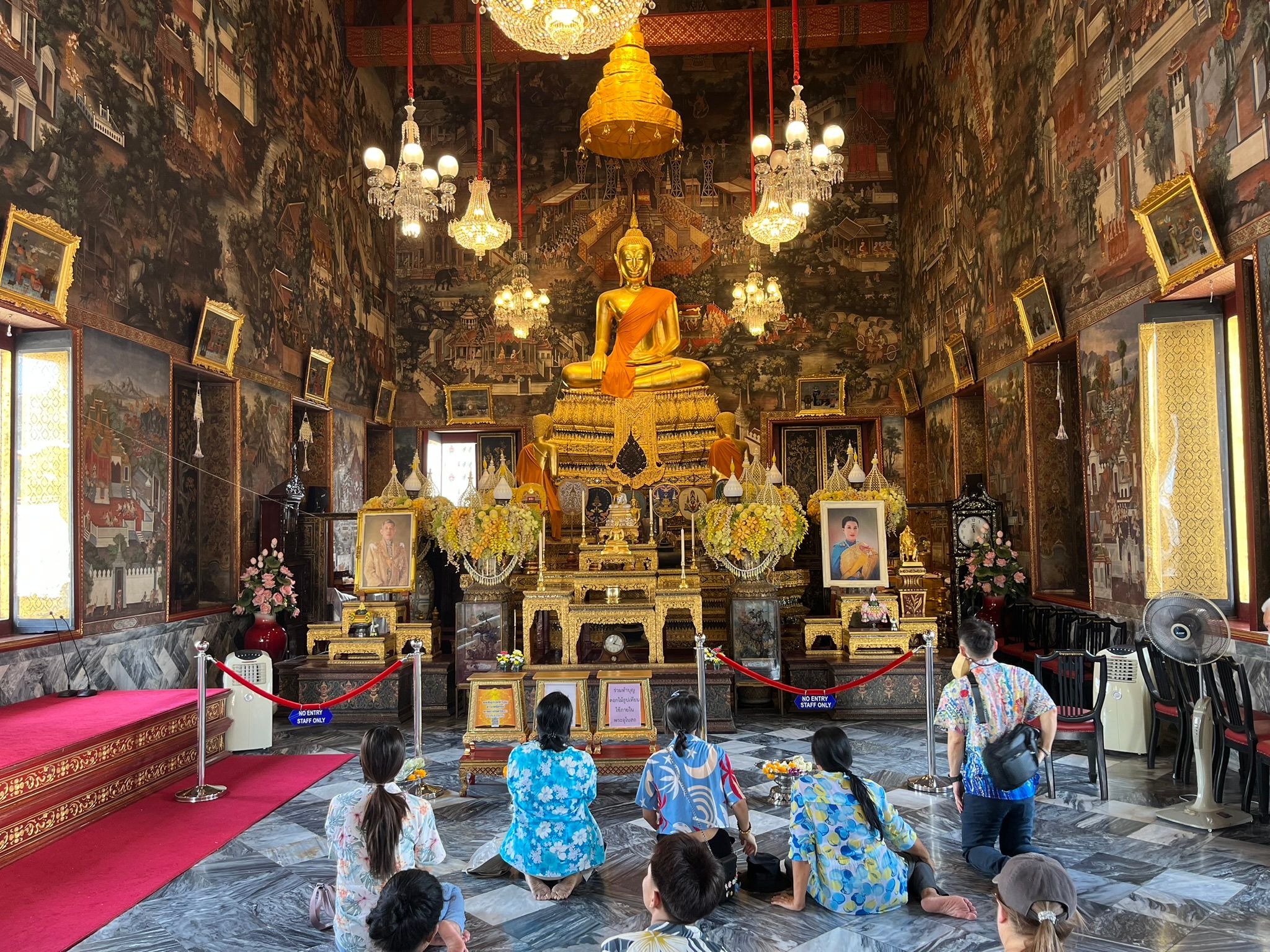
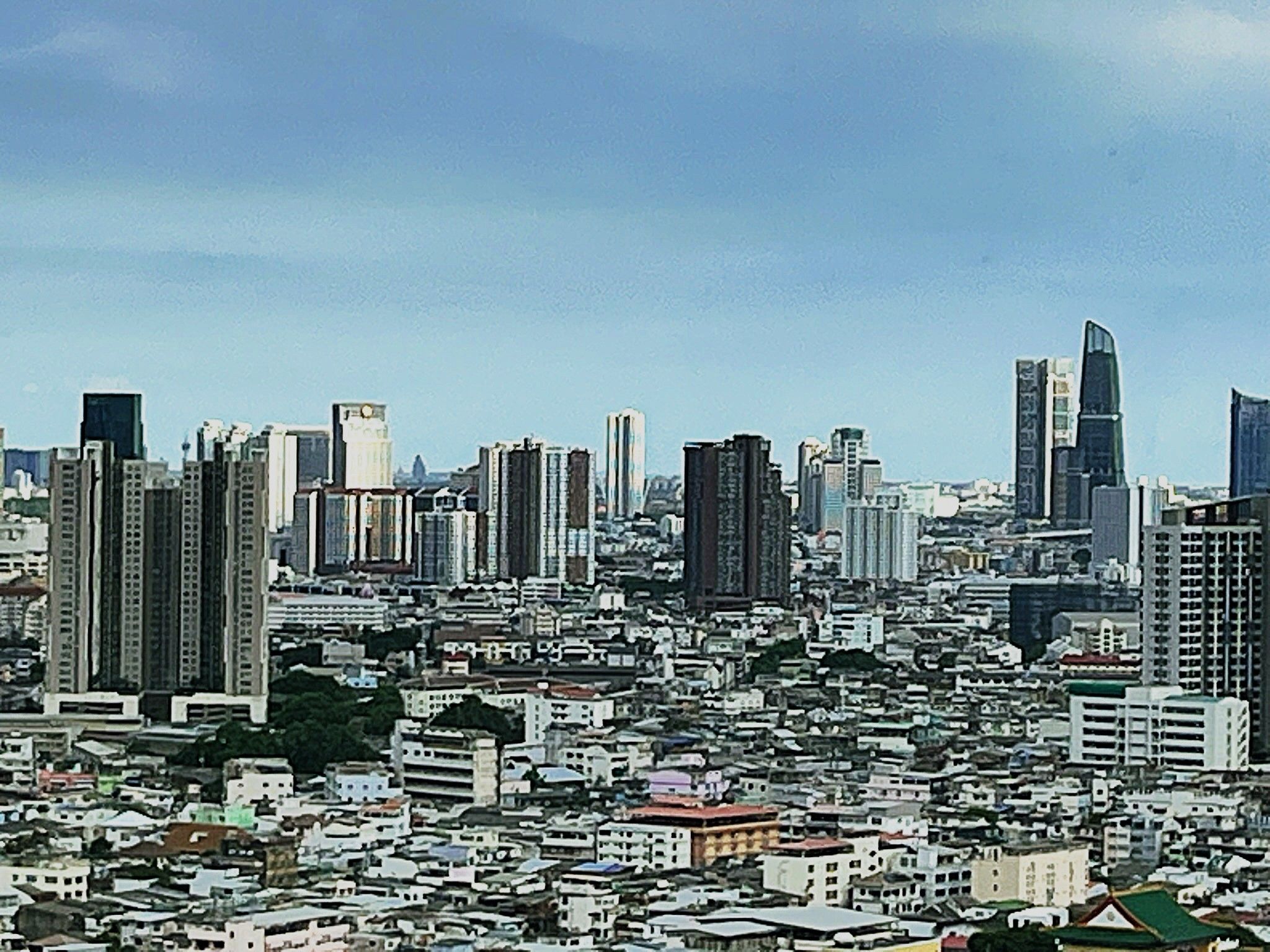
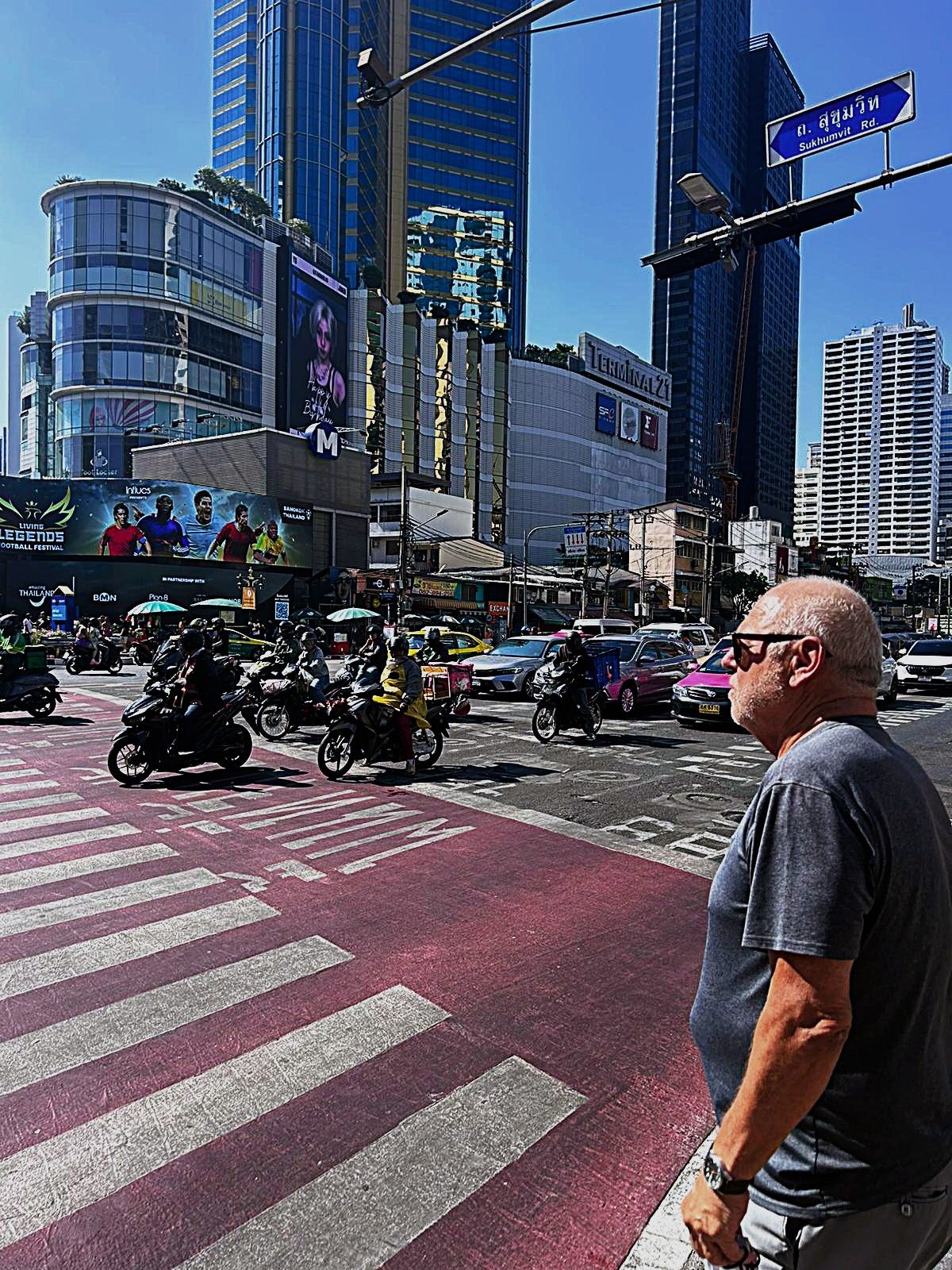
On June 16, 2025, I returned to Bangkok from Hua Hin, wonderfully refreshed. Here I met a group of Swiss travel professionals, with whom I spent a few days in the metropolis. Bangkok is a fascinating metropolis of global significance. I say this with admiration, as I am not a fan of megacities. They are too big, too loud, too hectic, too dirty, and usually too anonymous for my taste.
During my trip to the Philippines in May and early June 2025, I made a large detour around Manila, where about 24 million people live in the metropolitan area; I remember from a previous visit endless traffic jams, garbage dumps, polluted air, and constant harassment from random people trying to sell me something.
I will also skip Jakarta on my trip through Indonesia in 2026, although some of my acquaintances are enthusiastic about it. The UN declared Jakarta the largest city in the world in November 2025; 42 million people are said to live in the urban area. That’s about 40 million too many for my taste. Ho Chi Minh City, formerly Saigon (about 15 million), has not really inspired me, Cairo (about 23 million) is a nightmare, and Beijing (about 22.5 million) and Delhi (about 33.5 million) are the same.
Popular destination for city trips
However, I have somehow made friends with Bangkok after an estimated ten visits, even though around 16 million people live here now. With far more than 30 million international arrivals, Bangkok ranked near the top or even first in global city tourism in 2024, which is not surprising: The vibrant and diverse city offers everything one expects on a city trip.
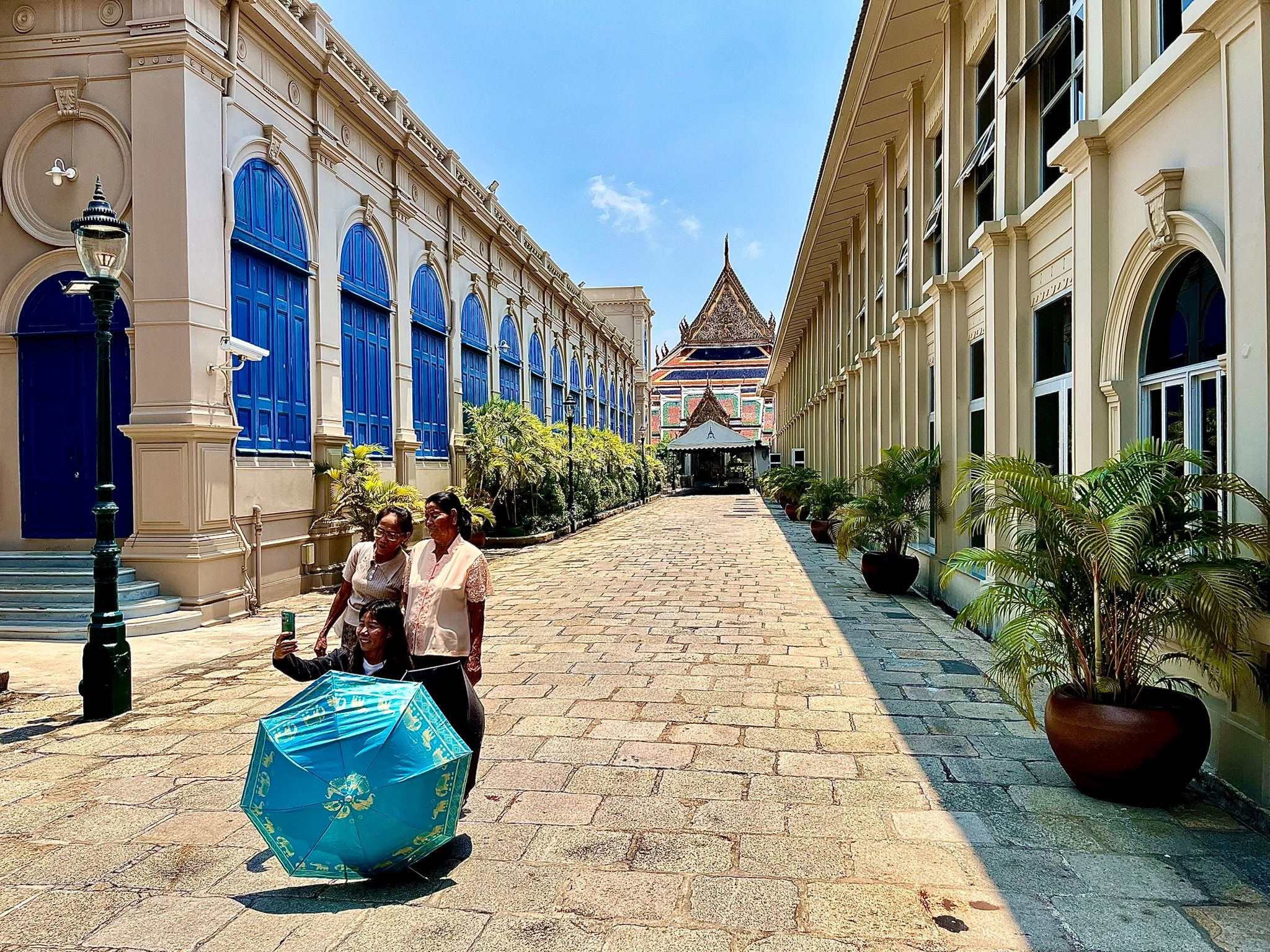
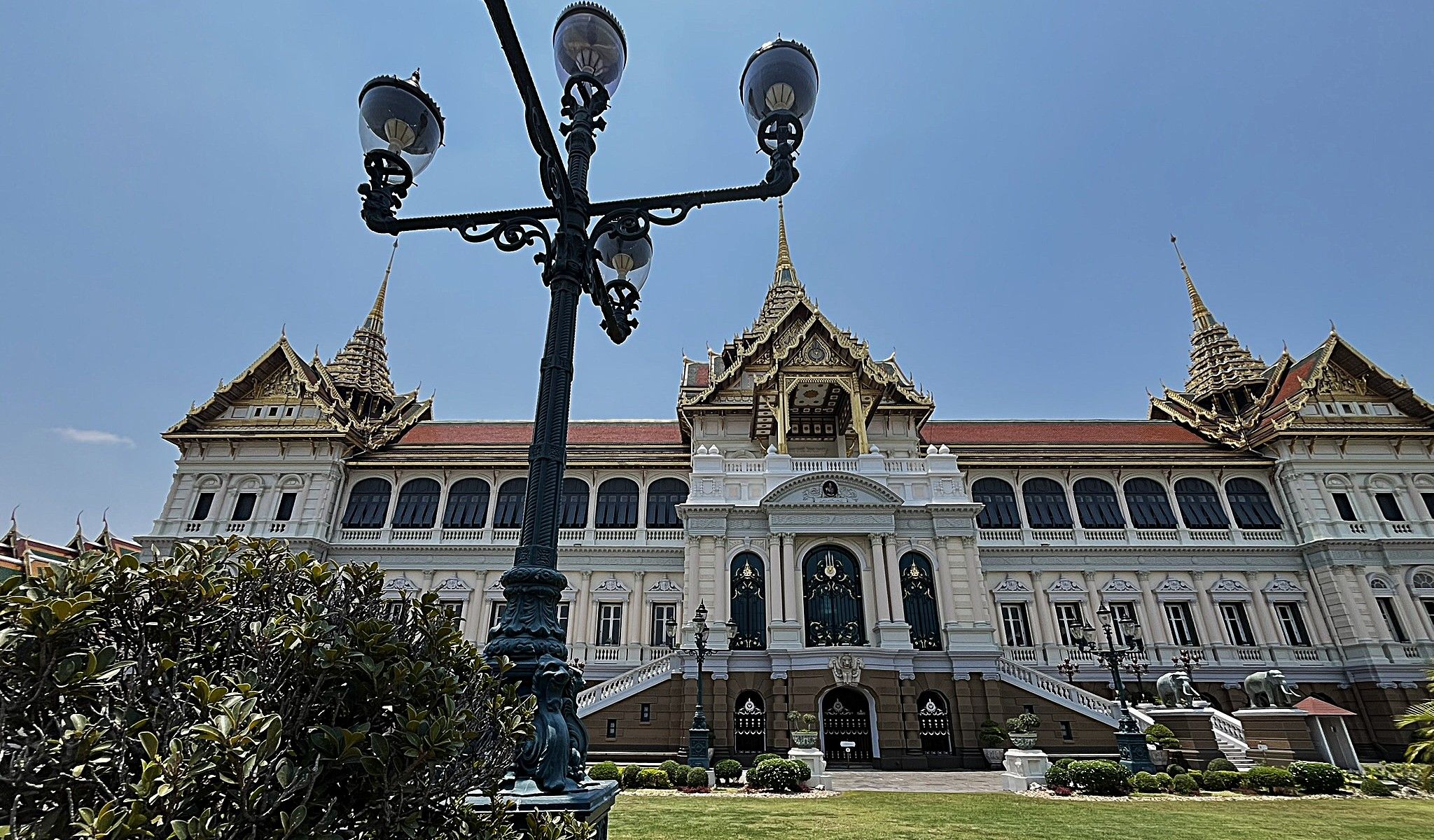
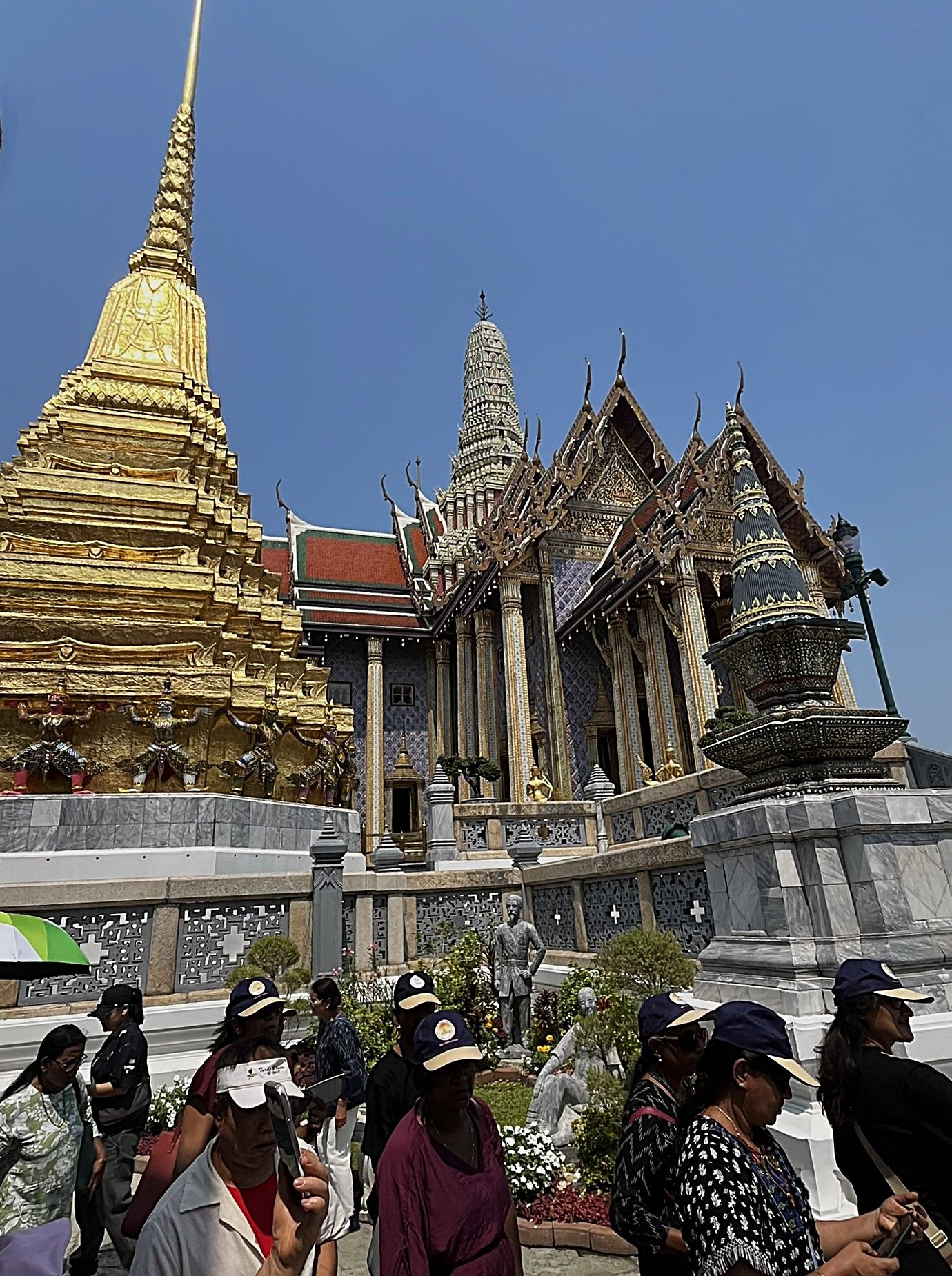
The most famous sights are the Grand Palace with Wat Phra Kaeo, the highest religious site in the country; Wat Pho, home to the 46-meter-long reclining Buddha; and Wat Arun, the temple of the dawn, idyllically located by the Chao Phraya River.
The Maeklong Railway Market in the southwest of the city, a street of shops right next to the train tracks, is also a magnet. Here, crowds of tourists photograph each other; tourists arriving by train, and tourists waiting for the train. On the supposedly dangerous railway track through the market, the train crawls at a snail's pace, making even seemingly daring selfies safe.
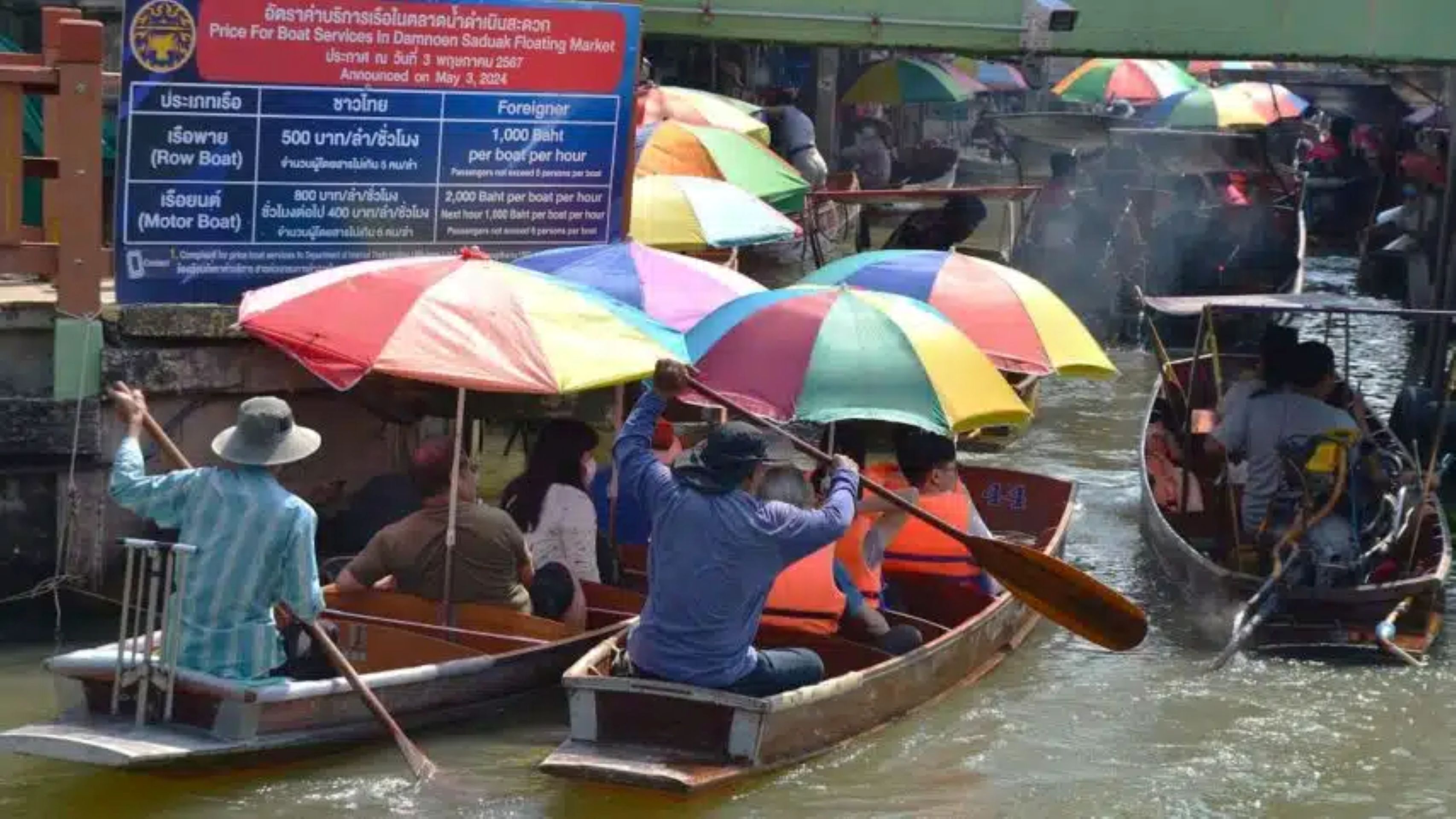
Also found in the southwest of Bangkok is the Damnoen Saduak Floating Market. Theoretically, here, vendors navigate their wooden boats through narrow canals selling drinks, fruits, street food, souvenirs, and handmade crafts. However, in reality, due to the tourist boats with smoky gasoline engines, hardly anything of the market is visible.
From street food to Michelin stars
Fine dining is prevalent in gourmet restaurants that have turned Bangkok into a culinary paradise. There are now 33 restaurants with Michelin stars, including one by the famous Swiss star chef Andreas Caminada, the IGNIV Bangkok in the St. Regis Hotel. Seven restaurants received two Michelin stars, and one even has three. (Singapore, infinitely wealthier than Bangkok, has the same number of Michelin establishments.)
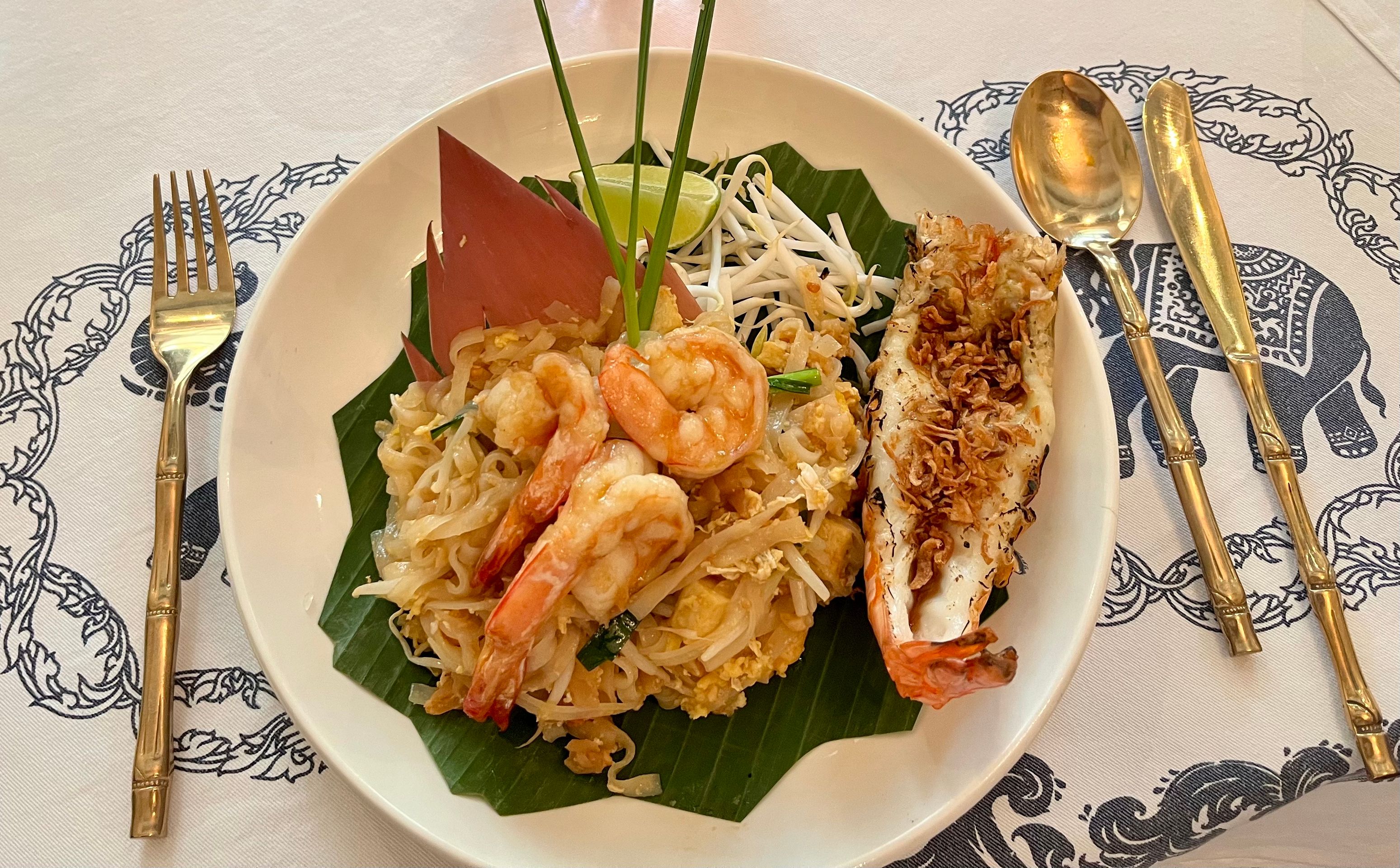
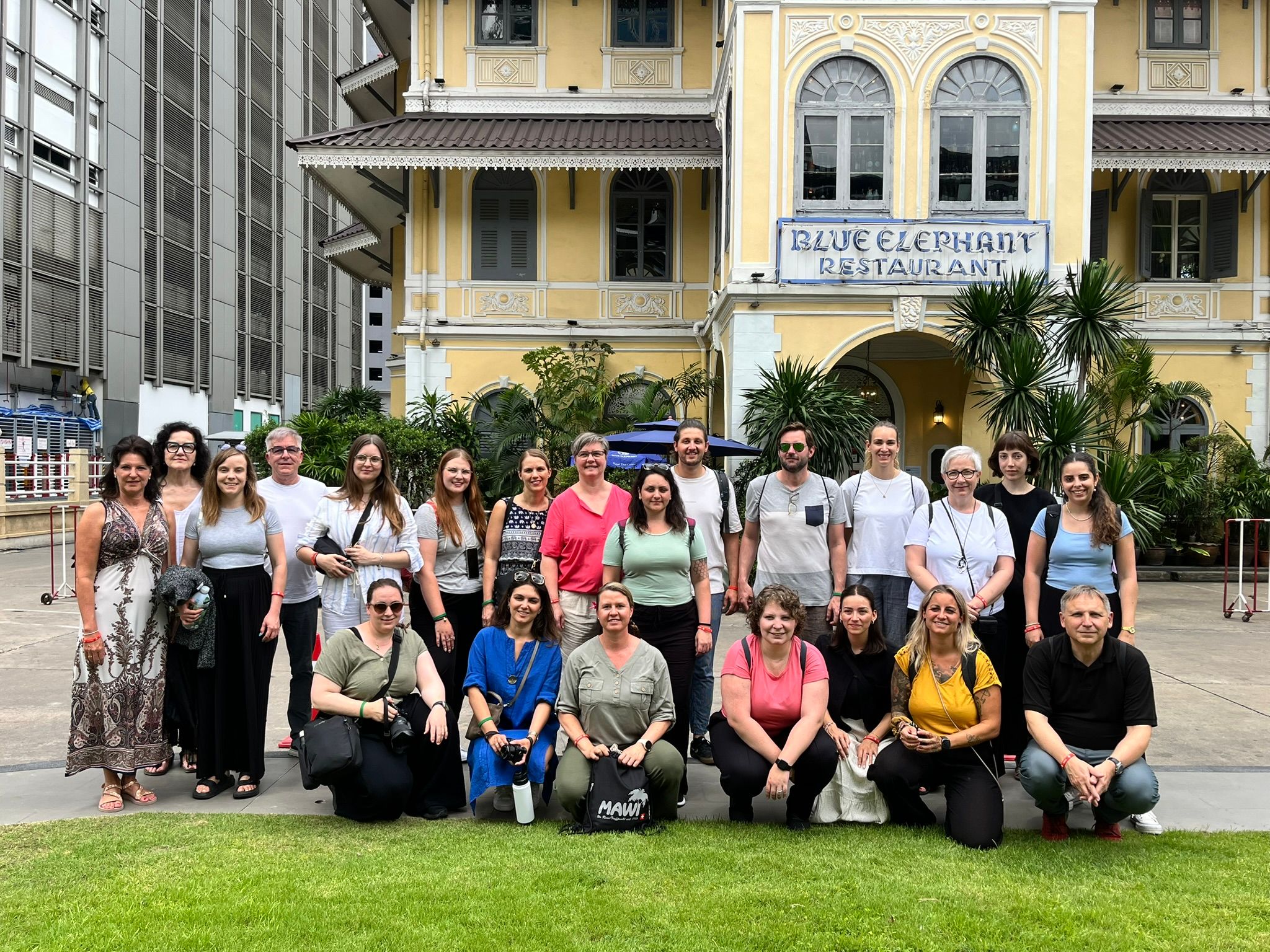
The Blue Elephant, in a dignified, more than 120-year-old building in the business and finance district Sathorn, does not have a star rating. However, this establishment with several classic dining rooms and a bar entirely decorated in blue is legendary for its traditional, royal Thai cuisine. The national dish Pad Thai, made with glass noodles, eggs, crushed peanuts, and bean sprouts, is prepared here not with pork or chicken but in a gourmet version with giant prawns and a lobster.
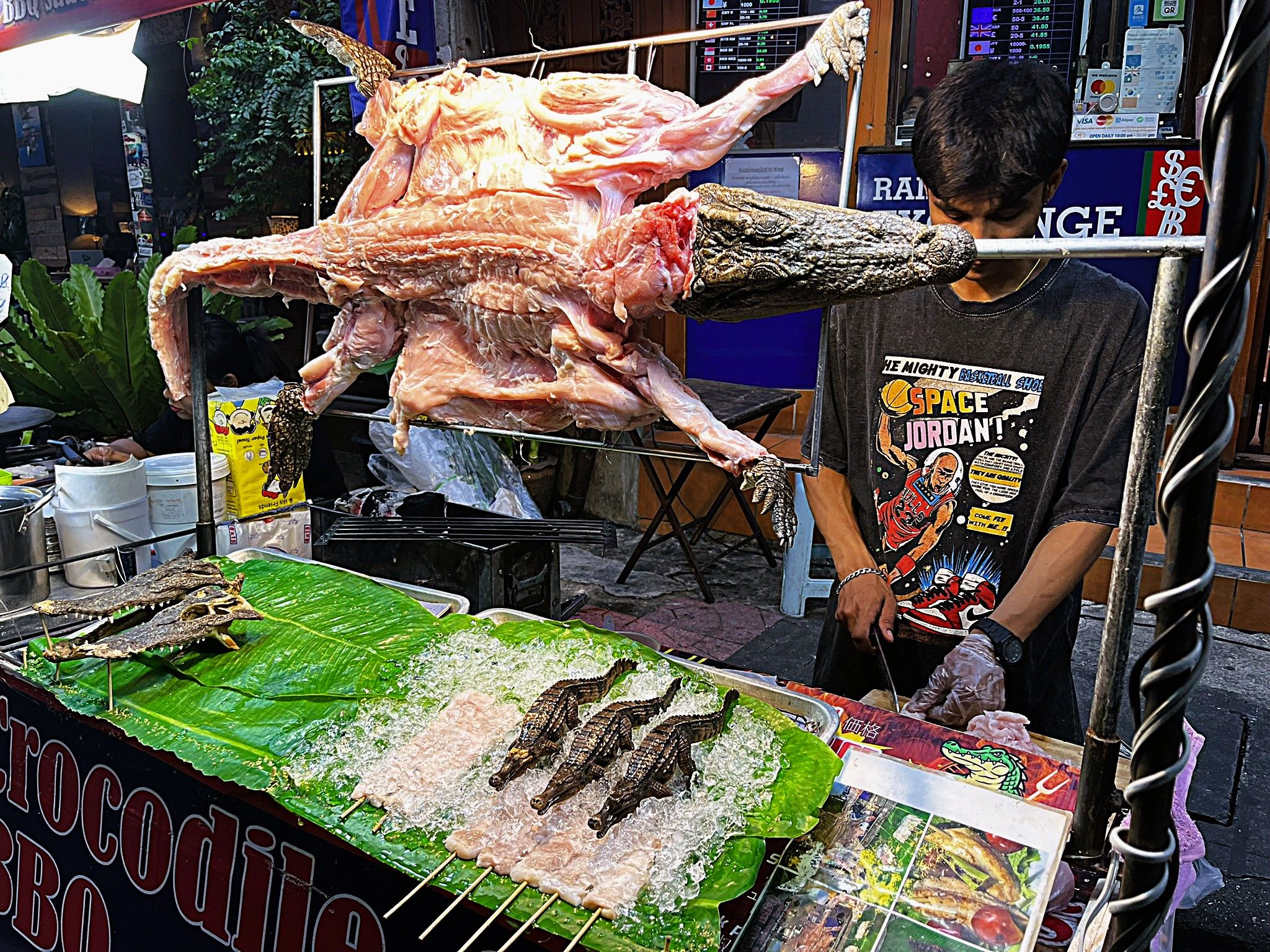
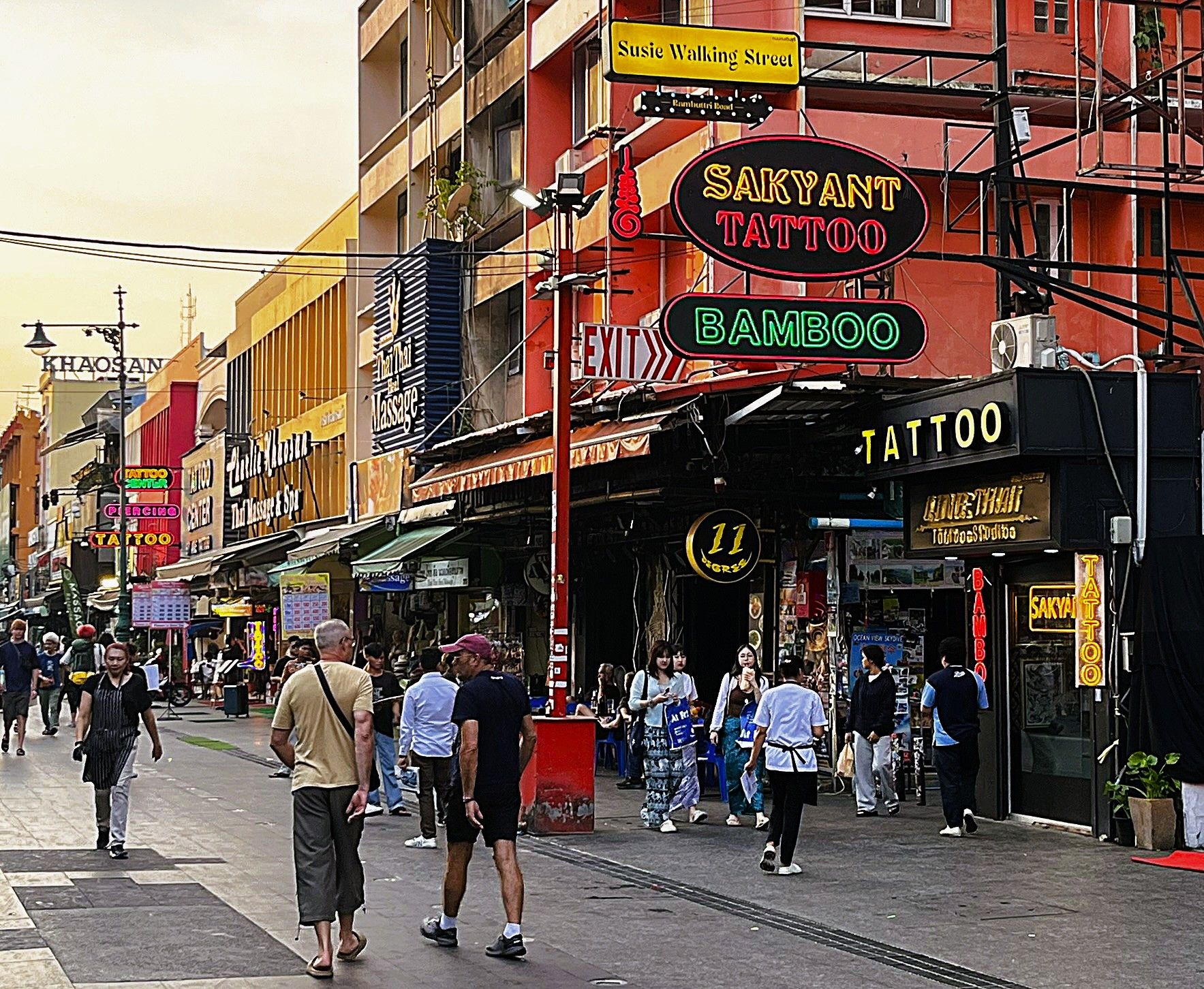
At the other end of the price scale, but equally delicious, is the street food available at countless stalls throughout the city. One of the most famous food streets is Yaowarat Road in Chinatown. Around Khao San Road, the epicenter of budget tourism in the central district of Phra Nakhon, there are countless hostels, bars, and tattoo studios, as well as countless street food stalls. At one, I spotted something that I have no desire to try: Crocodile Kebab, a whole crocodile roasted on a spit, from which the seller cuts off pieces.
In the north of the city center, I visit Chatuchak, a huge weekend market with more than 15,000 stalls. Here, in addition to an overwhelming variety of clothing, electronics, crafts, furniture, antiques, jewelry, plants, and even pets, there are also hundreds of food stalls.
I have eaten countless times at street kitchens in Bangkok, other Thai cities, Vietnam, Cambodia, Laos, Malaysia, the Philippines, and so forth. Only once, in Yangon, Myanmar, did it result in a gastrointestinal uproar. In other words: Eating on the street is just as safe as in a restaurant, just much, much cheaper.
The best view of Bangkok
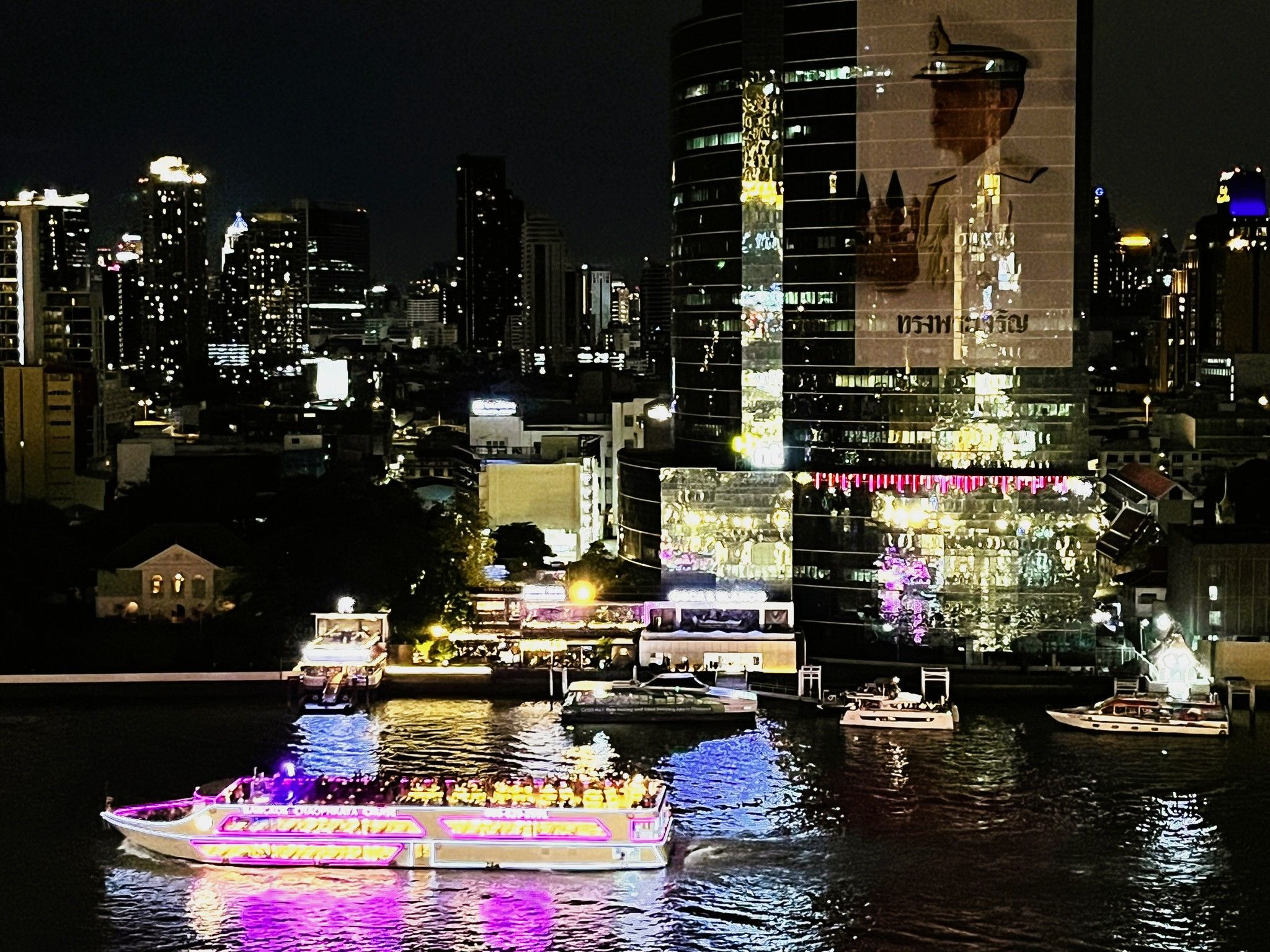
For those who don’t want to compromise on European standards, Pier 21, the food court on the fifth floor of Terminal 21 shopping mall, is a great place. Pier 21 is known for its street food stalls offering dishes at incredibly low prices, typically between 40 and 80 Baht – one to two Swiss francs. No wonder Pier 21 is just as popular among tourists and expats as it is among locals. In other shopping malls, you pay significantly more, for example, in the luxury center Iconsiam, where a panoramic view from the terrace over the Chao Phraya River, with ferries and tour boats, is also included.
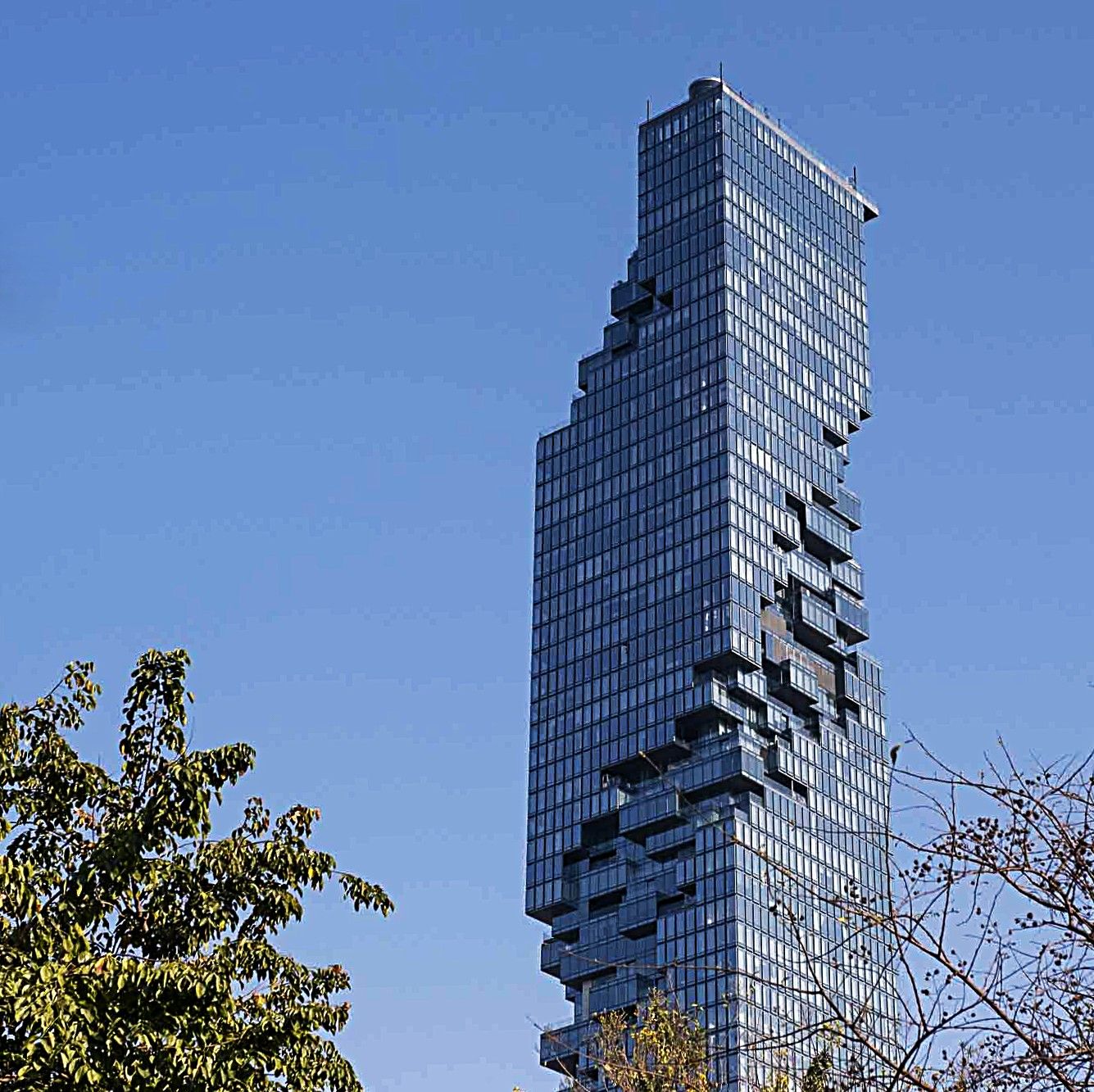
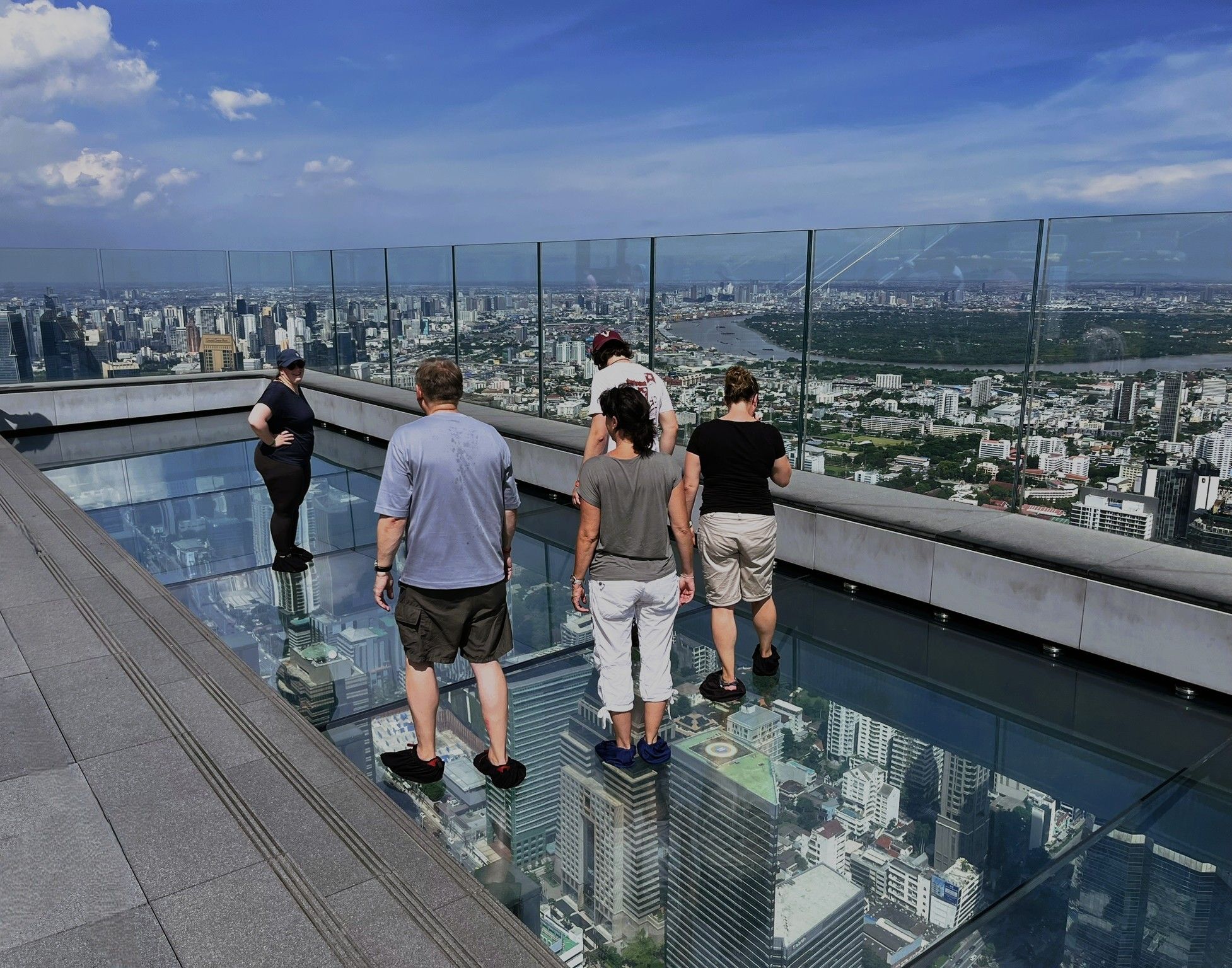
The best view of Bangkok, however, is from the King Power Mahanakhon in the Silom/Sathon business district, one of the tallest buildings in the city at 78 stories, topped by the tourist attraction “Mahanakhon SkyWalk.” It is an observation platform at dizzying heights, partly featuring a glass floor. Even skyscrapers look small and cute from up here.
The Mahanakhon is a particularly conspicuous skyscraper, as it appears as if entire rows of pixels have been broken off from the façade. The spectacular building, which opened in 2016, was designed by architect Ole Scheeren, originally from Karlsruhe and mostly working in Asia. The building houses, among other things, the hotel “The Standard” and extremely expensive condominiums. By the way, the word Maha Nakhon means “Great City” and is part of the ceremonial name of Bangkok: Krung Thep Maha Nakhon (“Great City of Angels”). To complicate things further: this is just the short form; the entire formal name has 168 characters, which I will spare my readers.
Against traffic congestion
Before it gets too indulgent here, we need to talk about Bangkok's (and many other megacities’) main problem: In many neighborhoods of the downtown area, there is almost a permanent traffic jam. Cars, scooters, tuk-tuks, trucks move forward, if at all, only at a snail's pace and pollute the air.
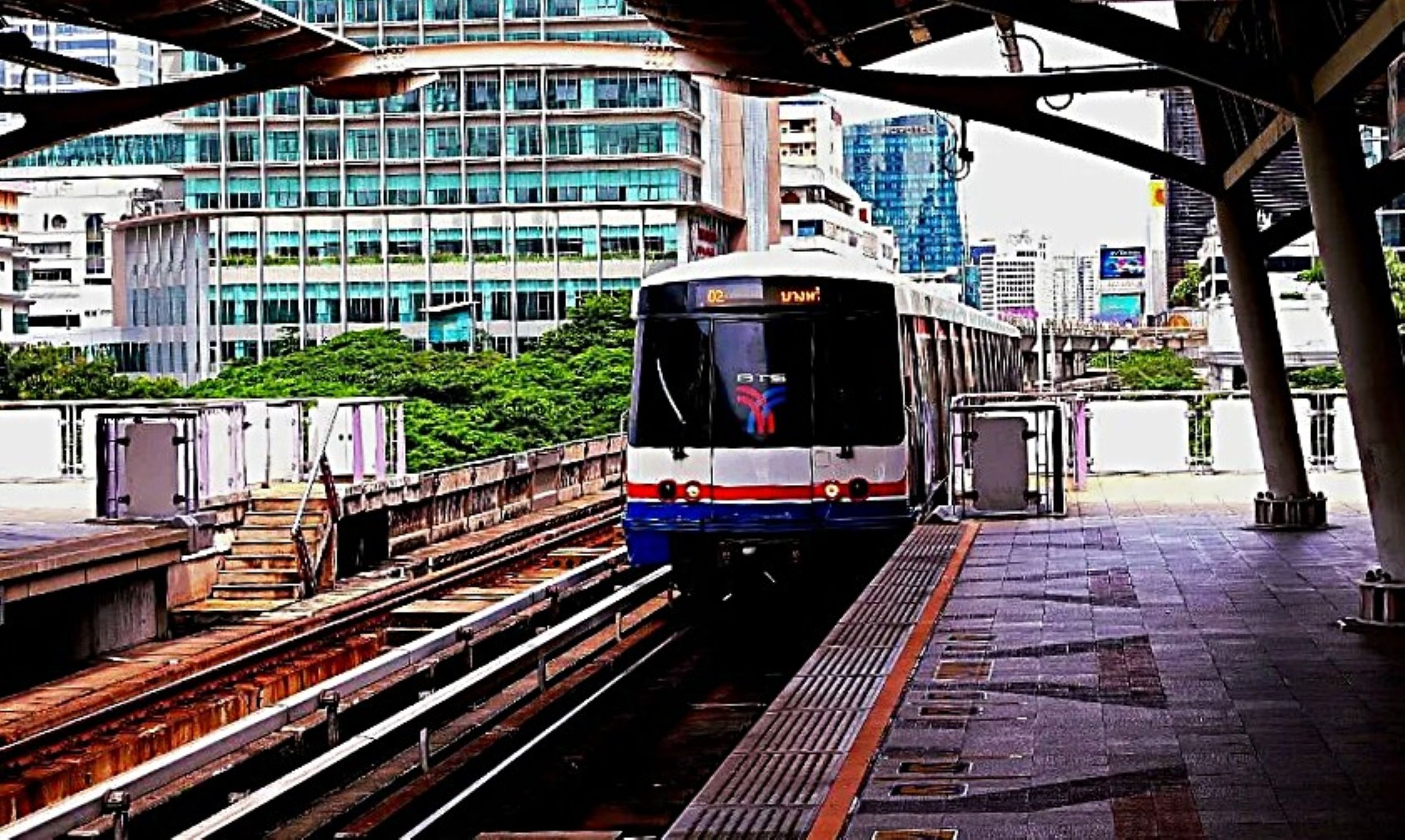
But unlike some other Asian metropolises, Bangkok offers a range of alternatives. The magic words are BTS and MRT. To quickly traverse the city, the SkyTrain BTS, the elevated train, is the ideal mode of transport. BTS connects two main lines to many important business, shopping, and tourist districts. Short-distance trips cost 16 Baht or 40 cents, and the longest about 1.50 francs. They are labeled so logically that using them is child’s play. The Skytrain is complemented by the Metropolitan Rapid Transit (MRT), a mostly underground metro system that opened 20 years ago and is continuously being expanded.
Consequently, many tourist attractions are much easier to reach by public transport than by taxis or tuk-tuks. Here are a few examples: The Chatuchak market is accessible via the BTS station Mo Chit or the MRT station Chatuchak Park. The Terminal 21 shopping mall is directly connected to the BTS station Asok and the MRT station Sukhumvit by a pedestrian bridge.
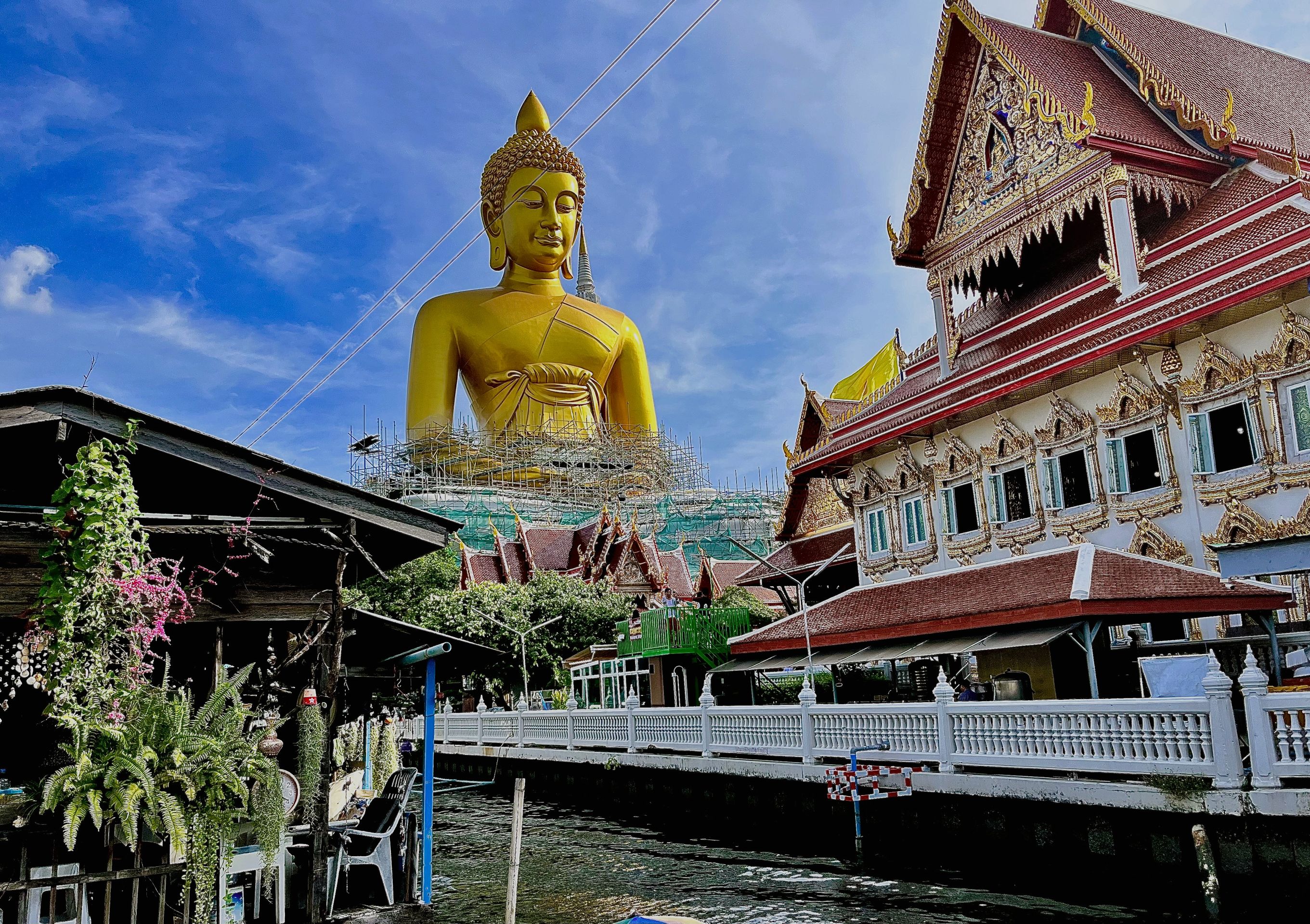
Also reachable by public transport is the Paknam Temple with the gigantic golden Buddha statue. One takes the train to Talat Phlu with its food market. Then you stroll through the back alleys, treat yourself to a generous ice café at Café Pracha, walk past small houses reminiscent of a village, not a million-city, and arrive at the impressive Buddha statue in less than a quarter of an hour. To get to the Grand Palace with Wat Phra Kaeo, take the Skytrain to Saphan Taksin station, then the Chao Phraya Express boat to Tha Chang Pier.
Speaking of boats: The waterways were, long before roads, sky trains, and subways, the most important transport arteries of Bangkok. The 370-kilometer-long Chao Phraya meanders north to south through the city and eventually flows into the Gulf of Thailand.
The river and its extensive system of canals (called Klongs) have been heavily utilized since ancient times and still today. Ferries on the Chao Phraya are a popular means of transport, fast, cheap, and reliable. However, one sometimes wonders whether the river, with all the ferries, sightseeing boats, water taxis, and private boats, will soon face a traffic collapse.