

Bacolod and the Sugar Barons
After Dumaguete in the southeast of the Philippine island of Negros, I visited its larger rival Bacolod in the southwest in mid-September 2026.

Published: 27.09.2026


The crossing from Bacolod on the island of Negros, across the Strait of Guimaras, to Iloilo on the island of Panay on September 19, 2026, is completed in less than an hour. This is all the more welcome as Oceanjet, the company that connects numerous destinations in the Philippines, uses an older speedboat without air conditioning on this route. It gets hot; the breeze rushing in through the open windows offers little cooling; Filipinas pull out their fans.
At first glance, Iloilo appears more modern and cleaner than Bacolod, and Moi, a friendly local woman I spoke to in a breakfast cafe, explains this with the city's desire to preserve the old while simultaneously creating modern infrastructure and managing the waste problem.
packed churches
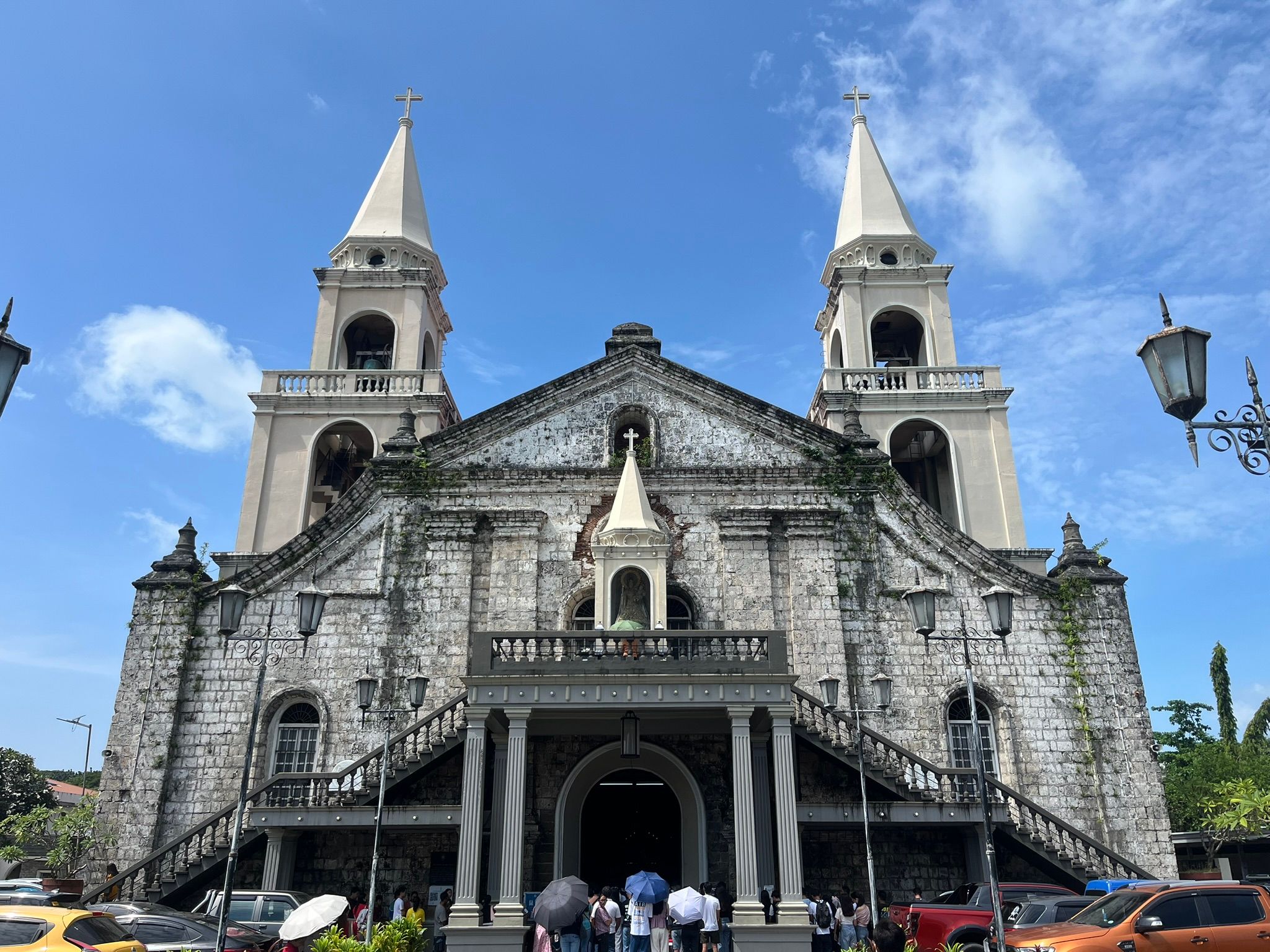
It's Sunday morning. The Jaro district welcomes visitors with the ringing of church bells. Here, people are still going to church, in such numbers that not everyone can fit inside the Jaro Metropolitan Cathedral. Many crowd outside under the shady awnings, or they have opened umbrellas to protect themselves from the blazing sun. The turnout isn't limited to the Catholic church. Across Jaro Plaza, a small park, the Evangelical Church is also packed.
The cathedral, dedicated to Saint Elizabeth of Hungary and the seat of the Archbishop of Jaro, was completed in 1874 and is an eclectic—others would say curious—mixture of Filipino Baroque for the facade and two pseudo-Gothic towers. These were added only after a devastating earthquake severely damaged the cathedral in 1948; it had to be rebuilt by 1956.
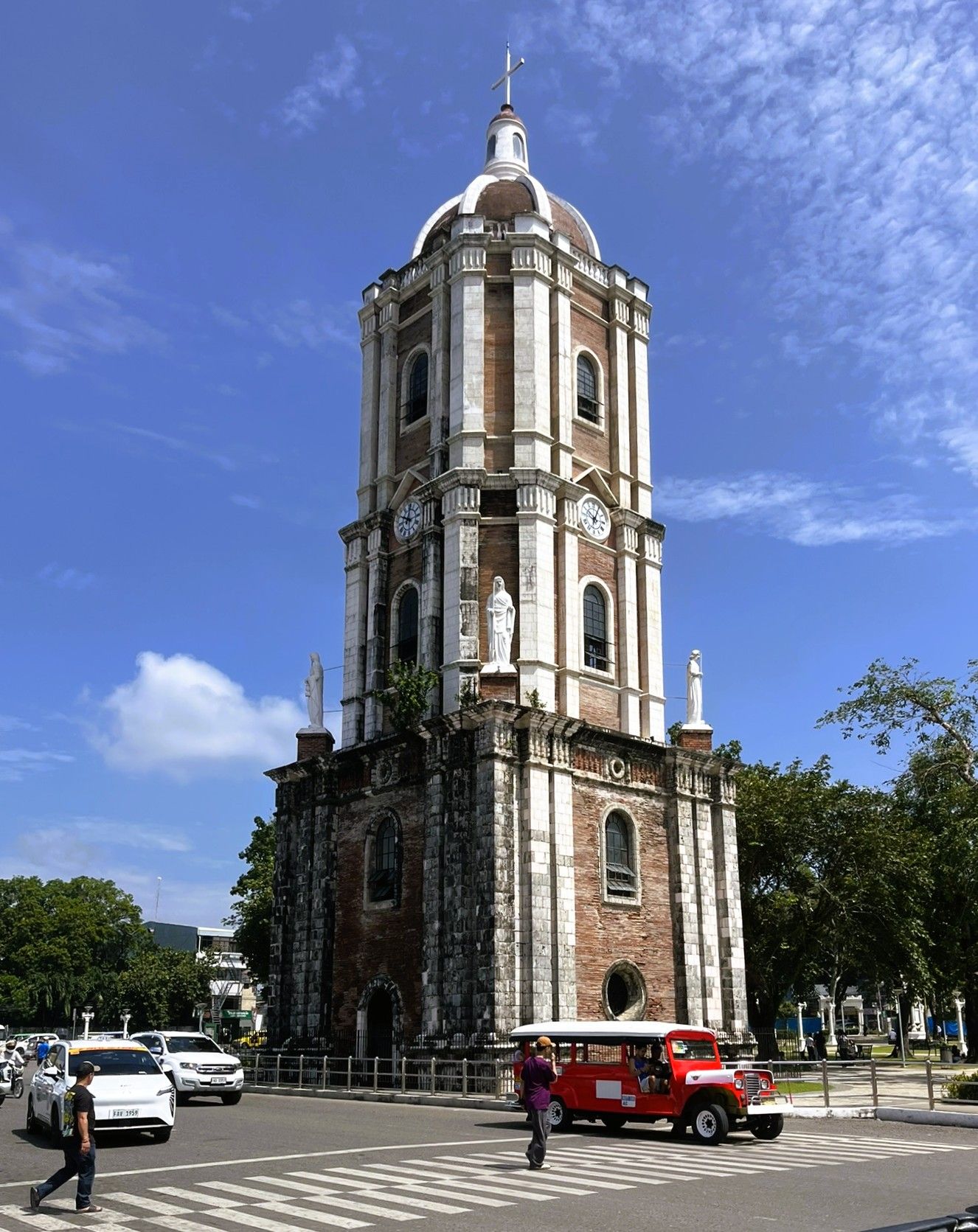
The freestanding bell tower across the street is older than the cathedral and has also been shaken several times: Augustinian monks erected it in 1744; earthquakes in 1787, 1868, and 1948 damaged it. Most recently, it was restored by the National Historical Commission and reopened in its current splendor four years ago.
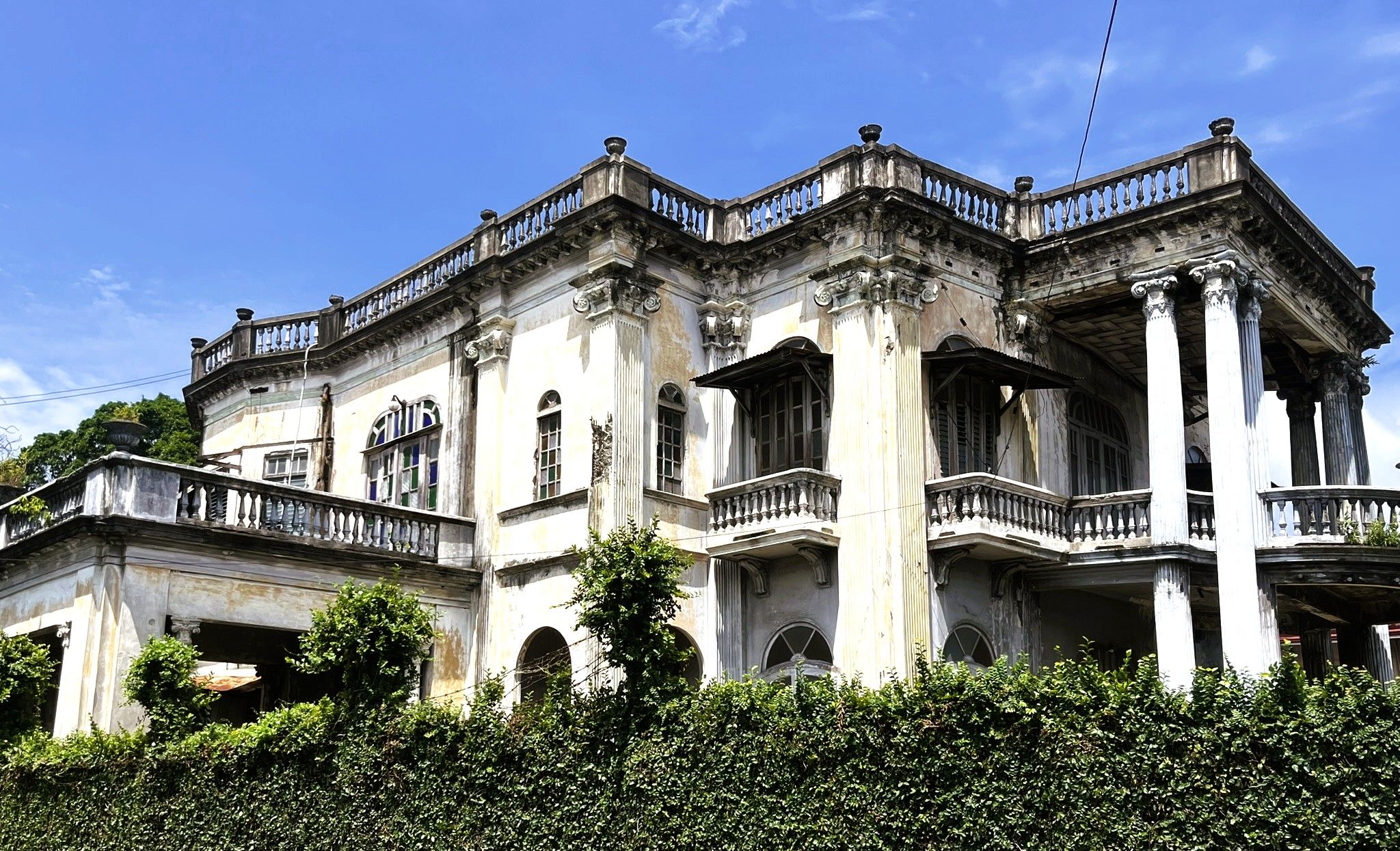
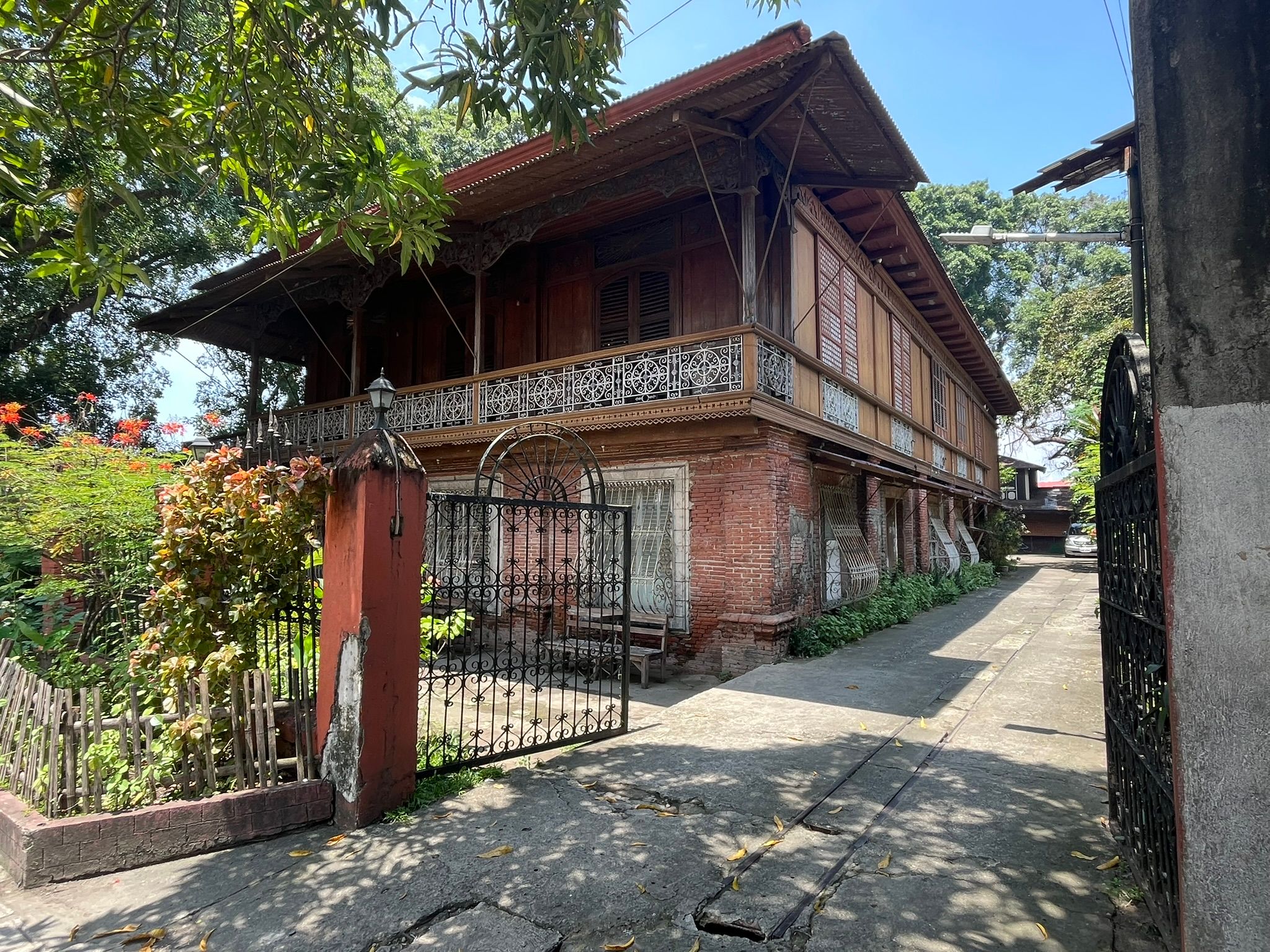
Right next to the cathedral and the imposing bell tower, a scene of decay unfolds: the Ledesma Mansion. In 1928, the sugar baron Don Joaquin Ledesma commissioned the magnificent villa. Once a venue for lavish banquets and receptions for high society, today the house stands empty, its balconies sagging, its gate boarded up with sheet metal.
Much better preserved, also in the Jaro district, is the Casa Mariquit. It was built in 1803 and is the oldest surviving residential building in Iloilo.
A royal road
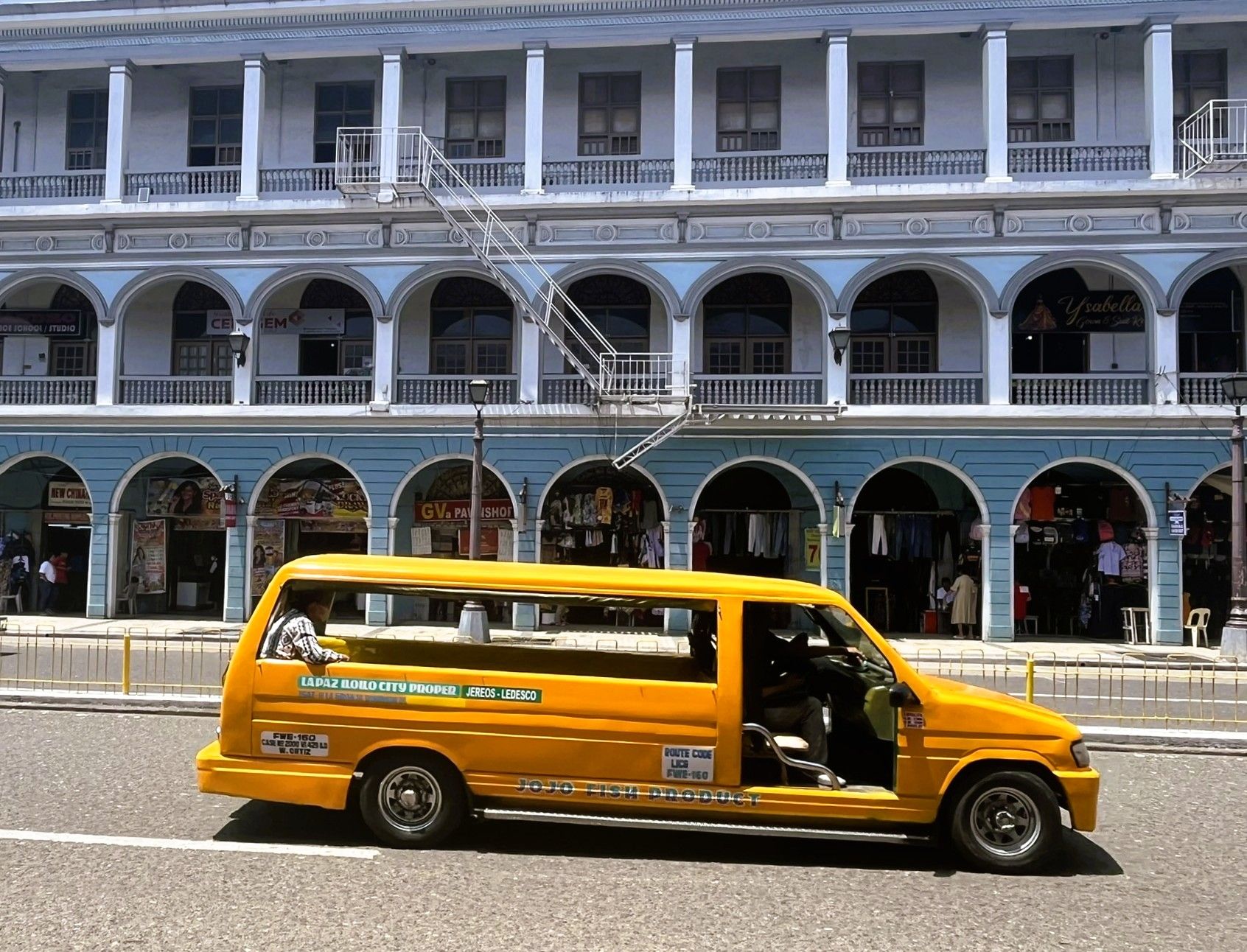
From Jaro to City Proper, as the city center is called, you travel four kilometers in an uncomfortable tricycle and enter a different world. The former Calle Real, now officially named JM Basa Street in honor of the revolutionary José María Basa, was already the central axis of the city during the time of Spanish colonization, with numerous shops offering local as well as imported goods, most of which were built of wood.
During the American era, commercial buildings, department stores, cinemas, and hotels were added, whose facades still shape the image of the street today: Neoclassicism, Beaux-Arts, Art Deco, built with money from the sugar trade or by Chinese entrepreneurs and American companies who wanted to do business here.
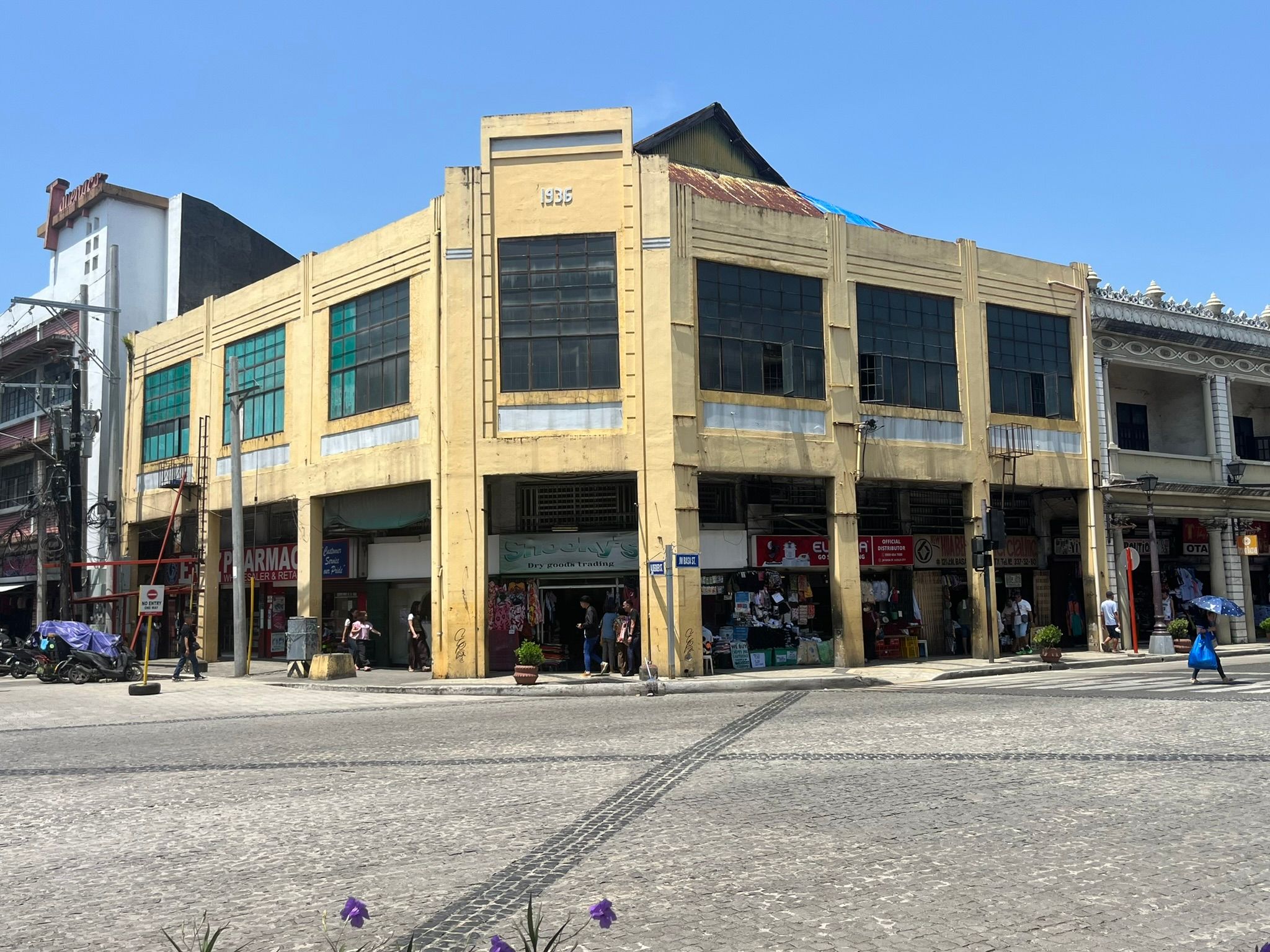
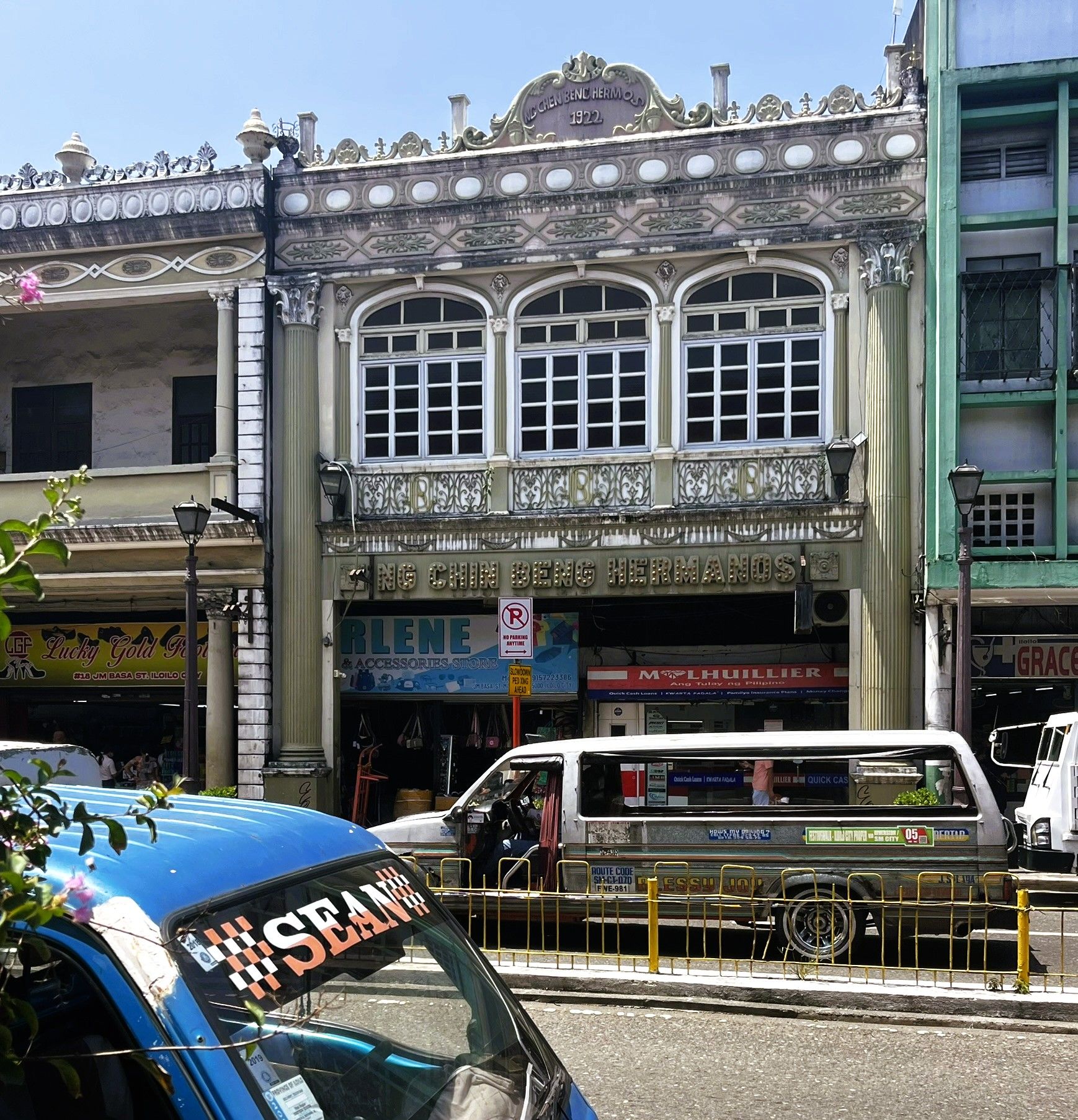
Buildings like the former Villanueva Building, built in 1936 in the Art Deco style as a "new bazaar," characterize the "Royal Street." Likewise, the Ng Chin Beng Building from 1922, named after a merchant from Xiamen whose company became the largest trading house in the province: The relatively small building impresses with its delicate facade, which combines the neoclassical colonial style with Chinese influences.
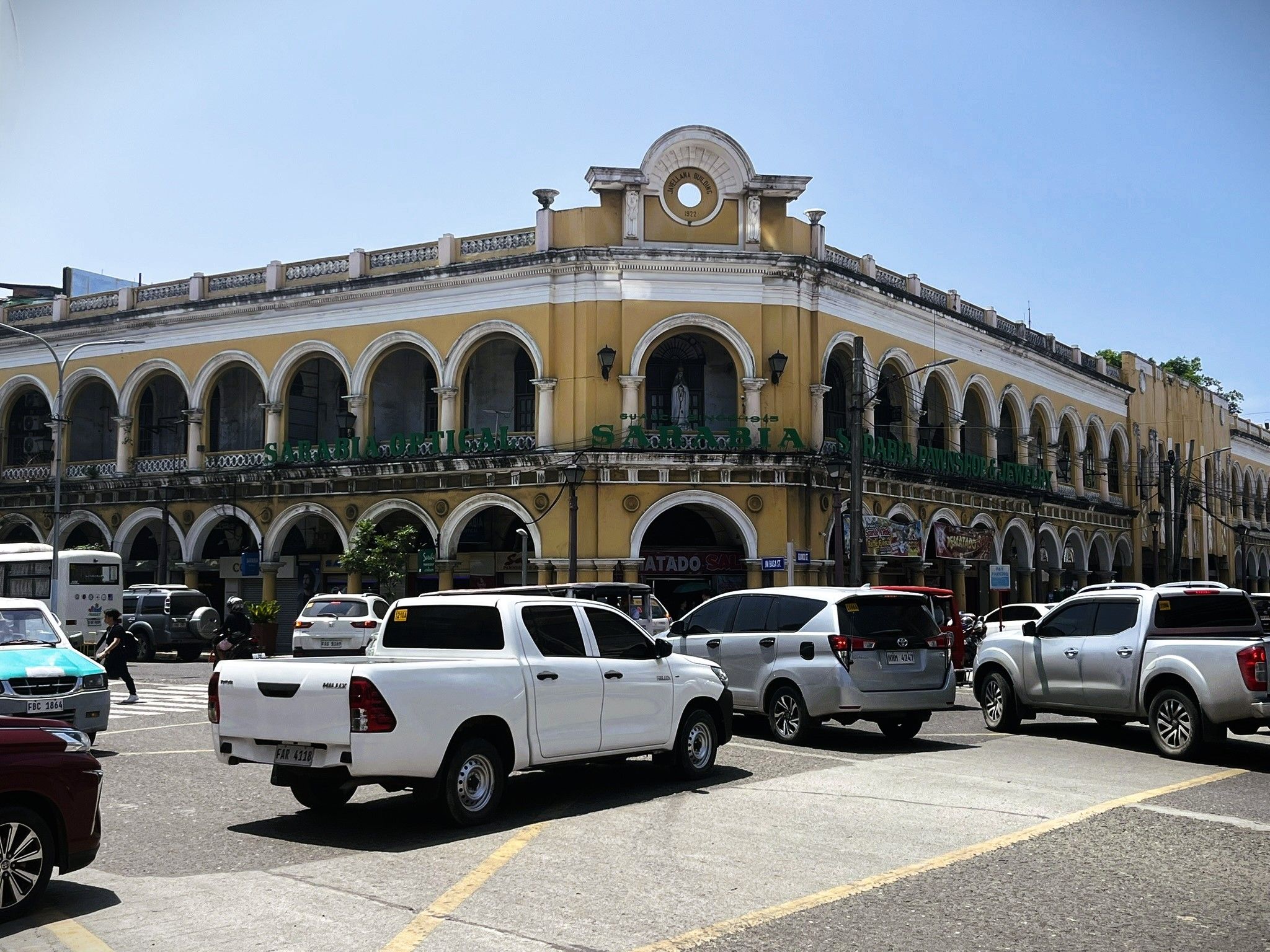
The yellow, neoclassical Javellana building, dating from 1922, was originally constructed as an office building. Today, it houses, among other tenants, the long-established company Sarabia Optical. The three-story, blue facade of the former luxury hotel "Washington International" is particularly striking.
New splendor in old walls
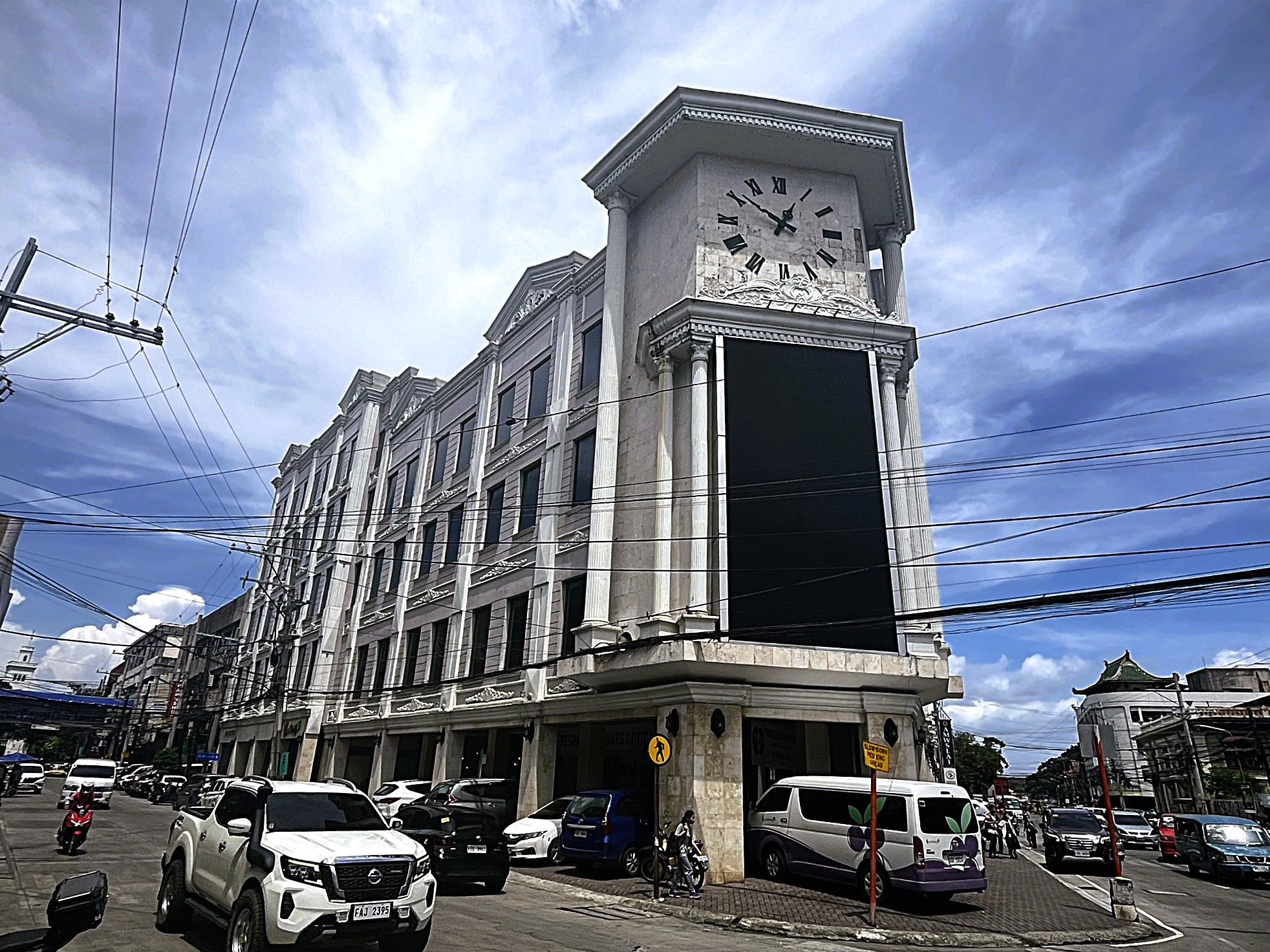
In a side street, a newer hotel has sprung up in gleaming splendor within old, listed walls: the "Goldberry Lite Hotel," with its striking facade crowned by a giant clock. It was built in 1933 by Eugenio Lopez Sr., the future founder of the most important Philippine media empire, ABS-CBN. He named it after his wife, the Doña Pacita Building.
Later, the Doña Pacita Building housed the University of Iloilo. In 2008, the building was slated for demolition, but a municipal heritage preservation program saved it: it reopened as a hotel in 2018.
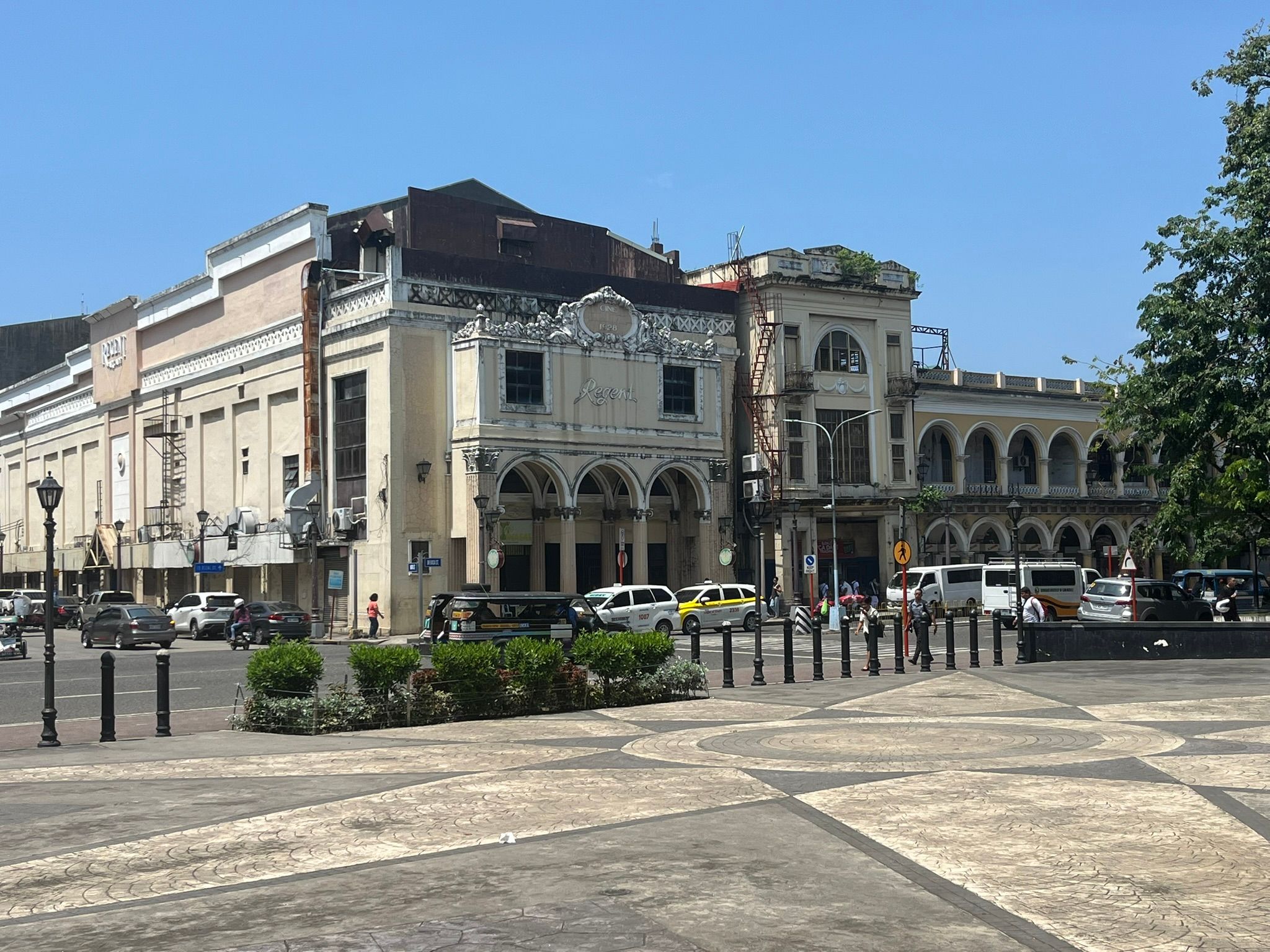
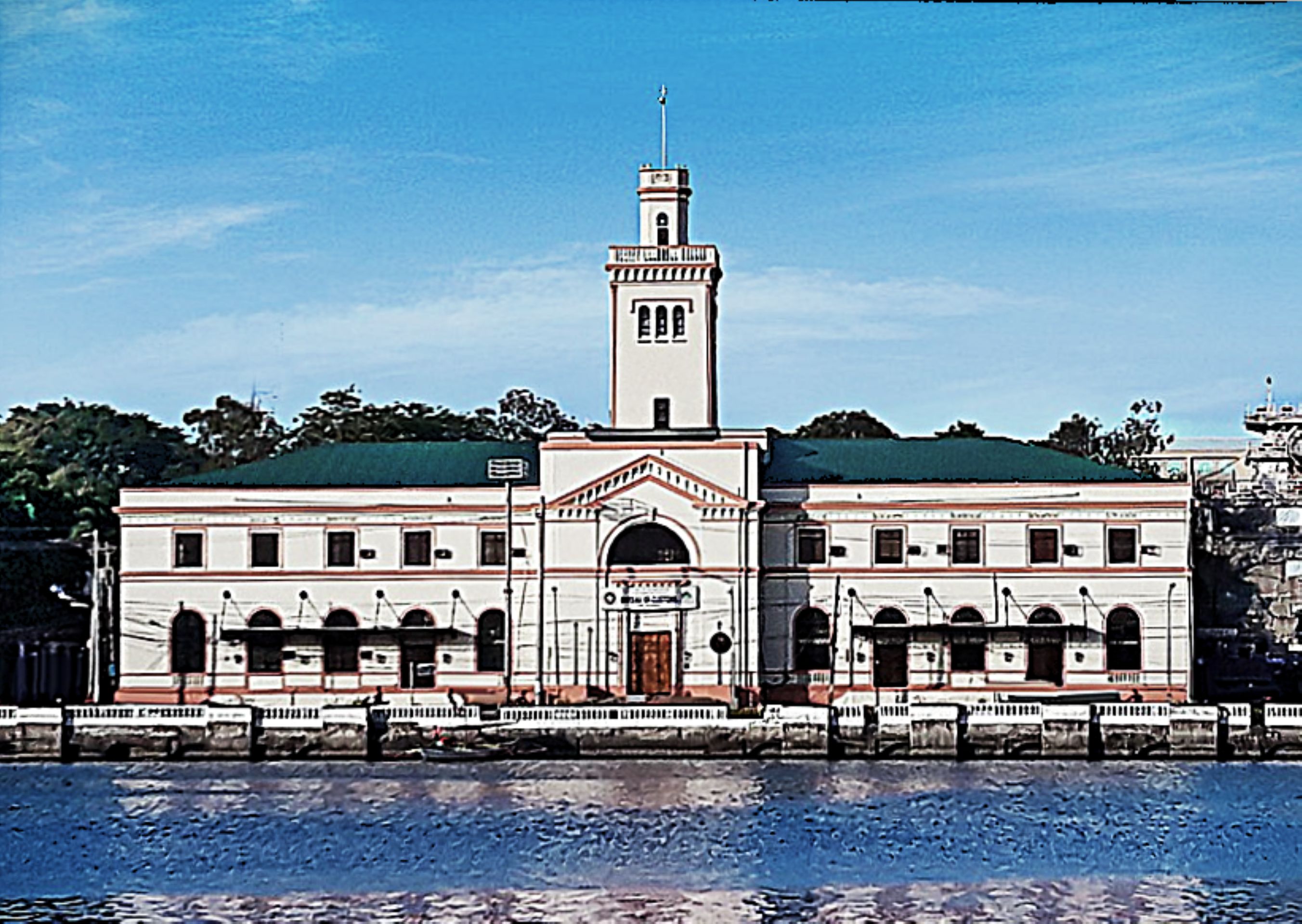
At the lower end of Calle Real, separated by a small park, stand the former Regent cinema and the old customs house. In the shady park, school and university students from the nearby institutions of higher learning gather. They eat reheated noodles from paper cups. To Madonna's "Material Girl," a group of high-spirited young women practice dance steps.
The «Regent» is a magnificent building dating from 1928 with a neoclassical facade. No longer a cinema, the building now houses shops, beauty salons, and fast-food restaurants.
The old Aduana, the neoclassical customs house dating from 1916, with its tower, has housed the Museum of Philippine Maritime History since 2023. Two galleries trace the thousands of years of Philippine seafaring history, from the first dugout canoes to today's navy, passenger and merchant shipping.
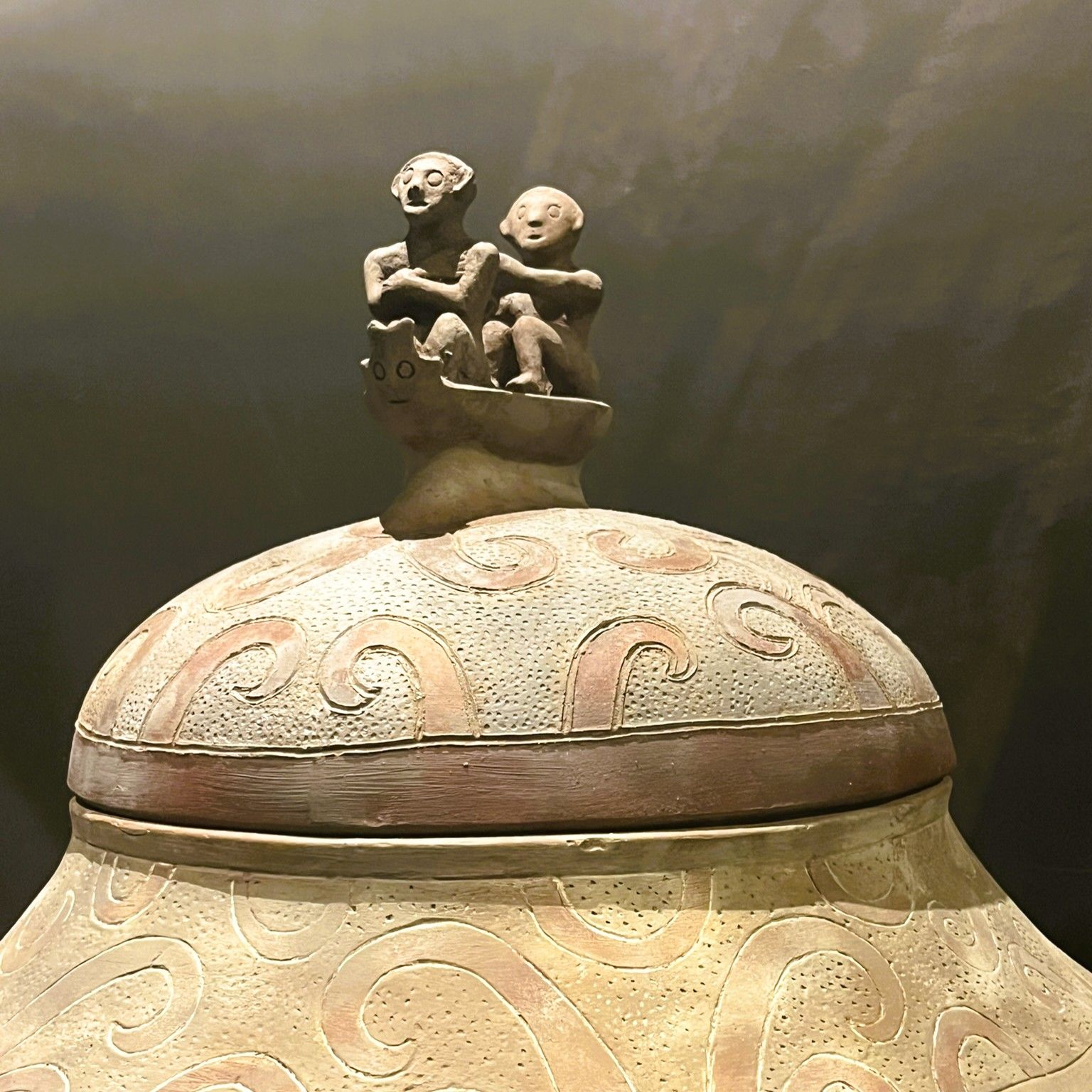
Two examples: On the lid of the almost 3000-year-old Manunggul vessel, two human figures sit in a boat; the one in the back rows the one in the front on its journey to the afterlife. Or the famous Spanish galleons: Filipinos had to build them for the colonial rulers in slave-like conditions in several shipyards, including one near Manila.
The maritime tradition of this country with more than 7,600 islands remains strong to this day: Approximately a quarter of all seafarers on passenger and cargo ships worldwide – an estimated quarter of a million people – come from the Philippines. This nation of over 117 million inhabitants forms the human backbone of global shipping. The (often meager) wages of these men and women are among the country's most important sources of foreign currency.
A strange symbiosis of mall and market
A few steps away from Calle Real, at the corner of Iznart and Rizal, stands a complex that many Ilonggos consider an abomination: The Iloilo Central Market, opened in 1912, with an Art Deco facade from 1938, was the counterpart to the elegant department stores of Calle Real: a place for daily supplies of fresh and dried fish and other seafood, rice, fruits, and vegetables.
In 2022, the city decided to rebuild the market in partnership with the real estate company SM Prime. The historic facade was demolished, angering preservationists. The complex reopened at the end of 2025 – now with an attached shopping center called "SM at Iloilo Central Market".
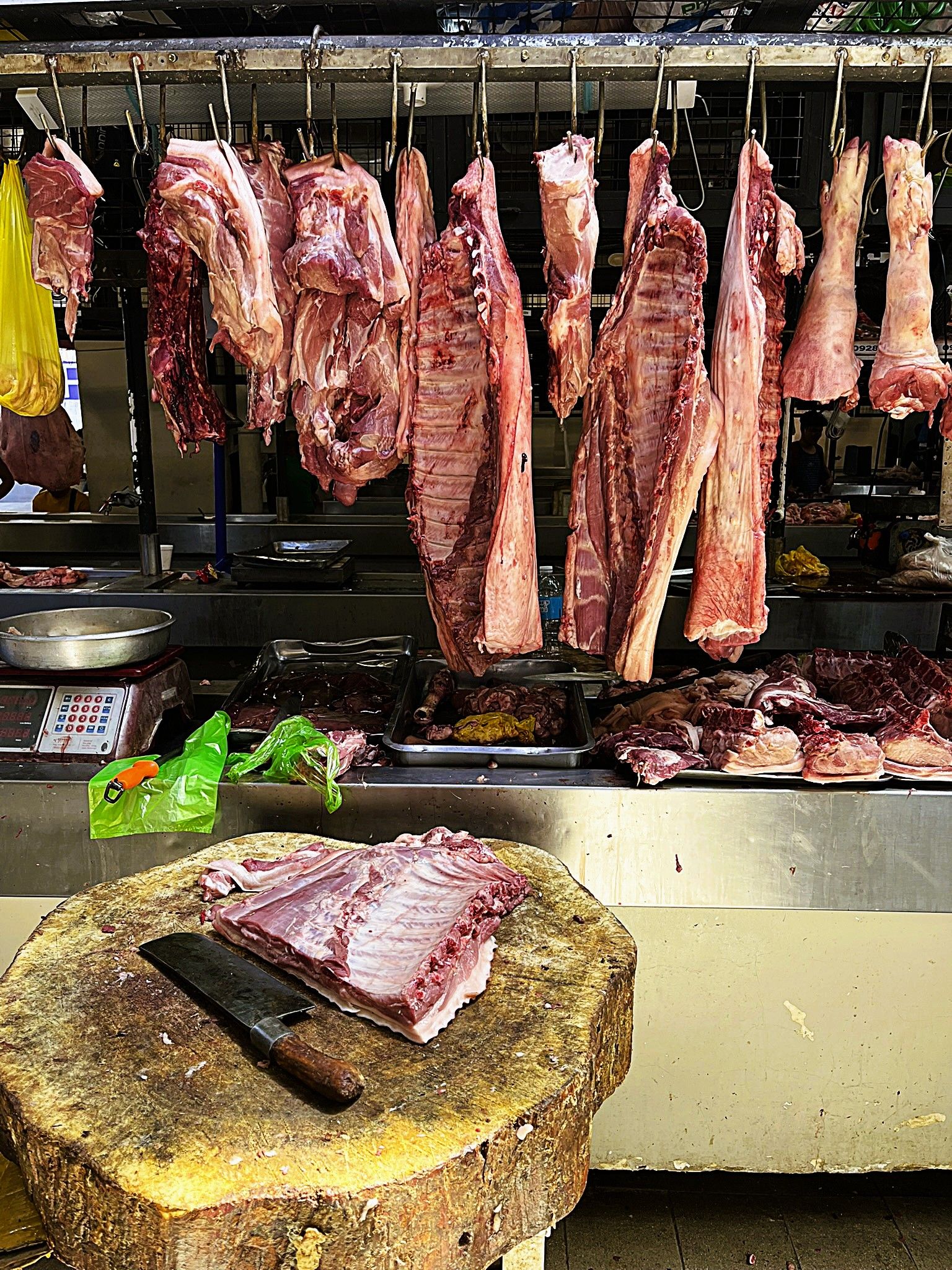
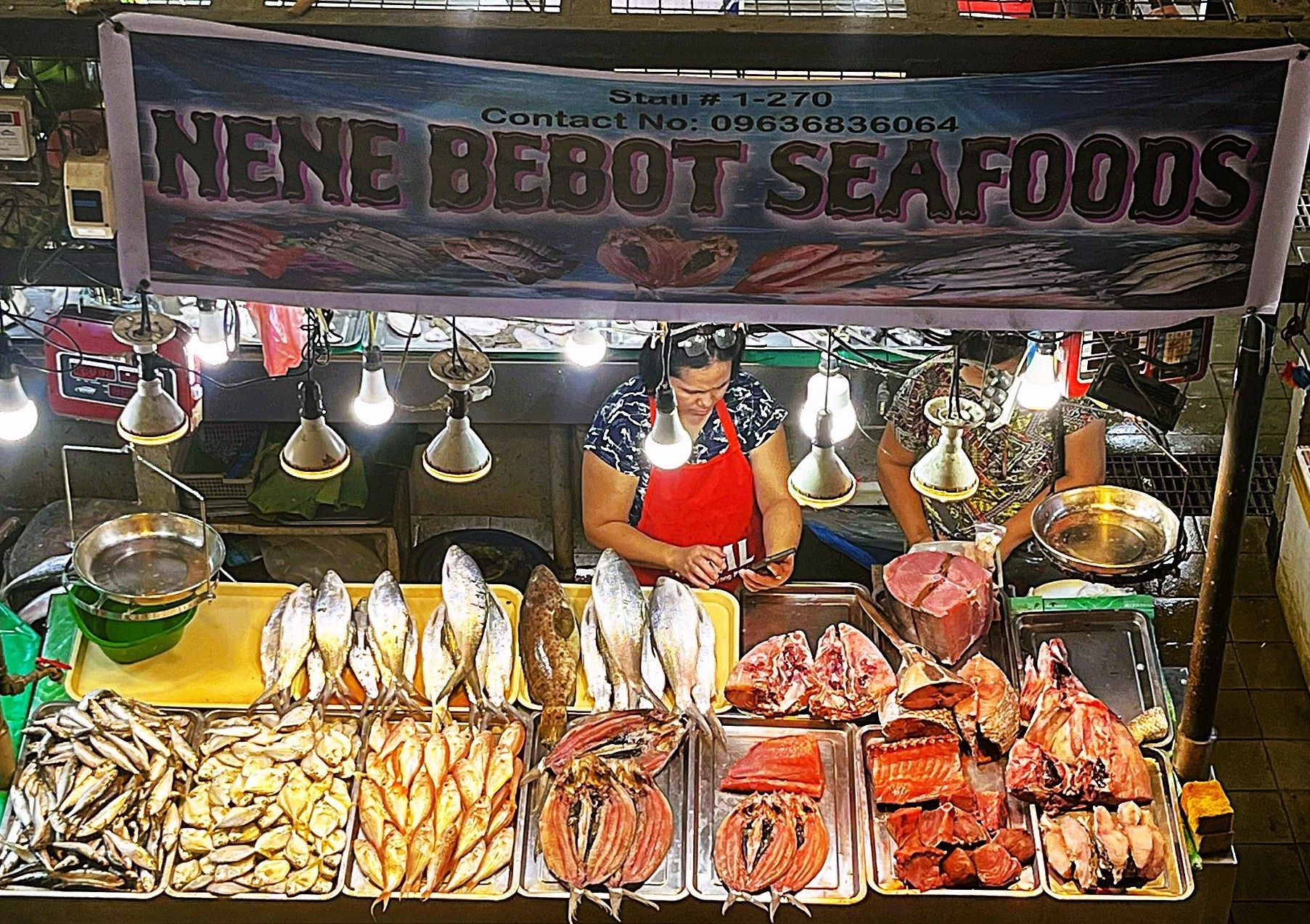
The contrast is immediately noticeable, both in terms of feel and smell: In the modern, clean market hall, meat counters line up as they always have, with large pieces of slaughtered animals hanging above them; vegetable stalls line up next to vegetable stalls; fish shops line up next to fish shops, and the air smells accordingly. It's humid.
Entering through a glass door, scrutinized by a uniformed security guard, one enters the mall section with its usual boutiques and branches of chain stores. Here, under one roof, two fundamentally different iloilos present themselves: one damp, unpretentious, catering to the daily shopping needs of ordinary people; the other bright, cold, sterile, and interchangeable with almost any other mall between Davao, Cebu, and Manila.
In recent years, some of the business activity has shifted from Iloilo Proper to the Mandurriao district. Legend has it that two crocodiles named Mandu and Riao once fought over their territory here. Mandurriao was once salt marshes and fishing grounds; today it is Iloilo's most fashionable address, with office towers, modern hotels, bars, and restaurants.
A real mess at the end
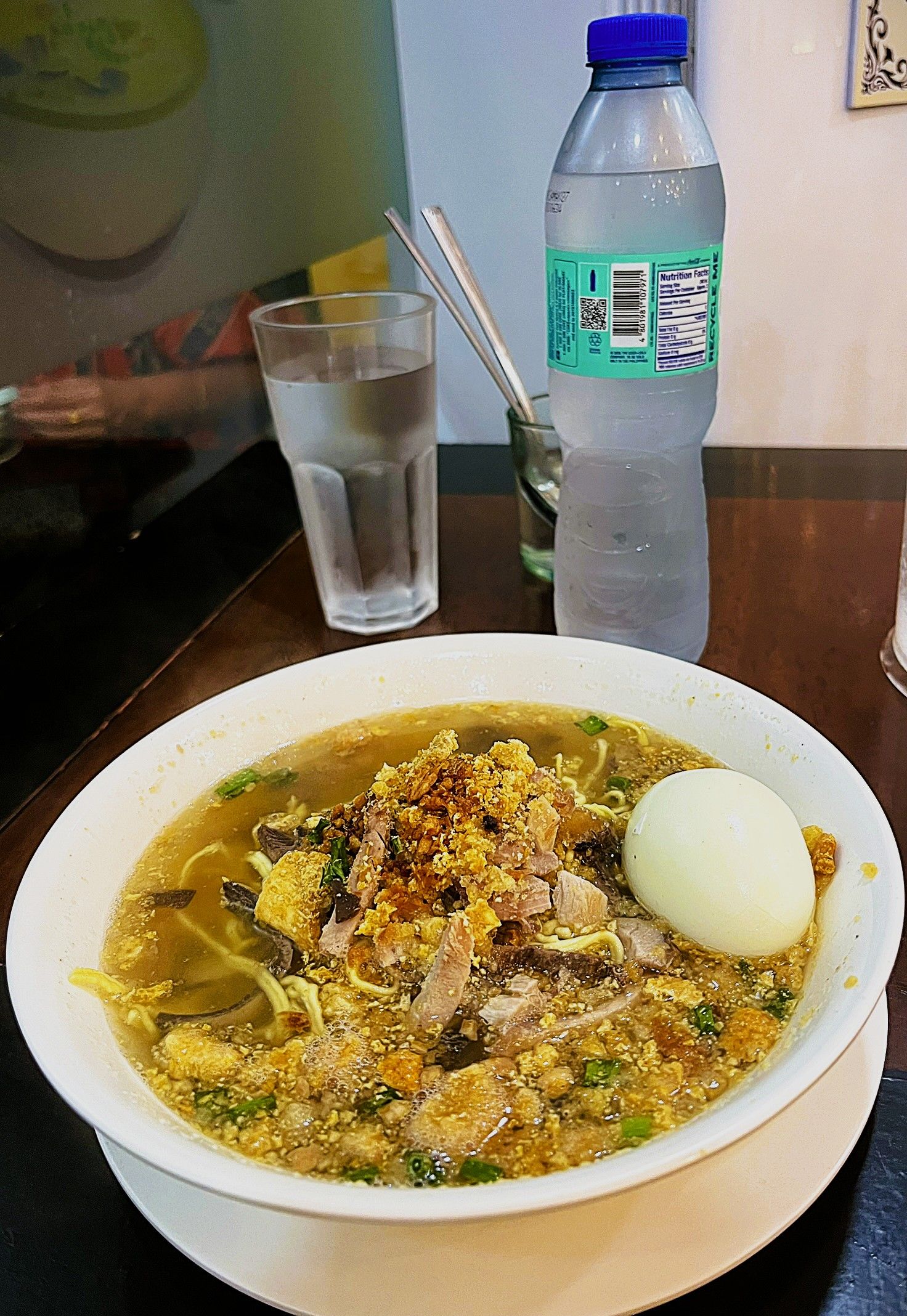
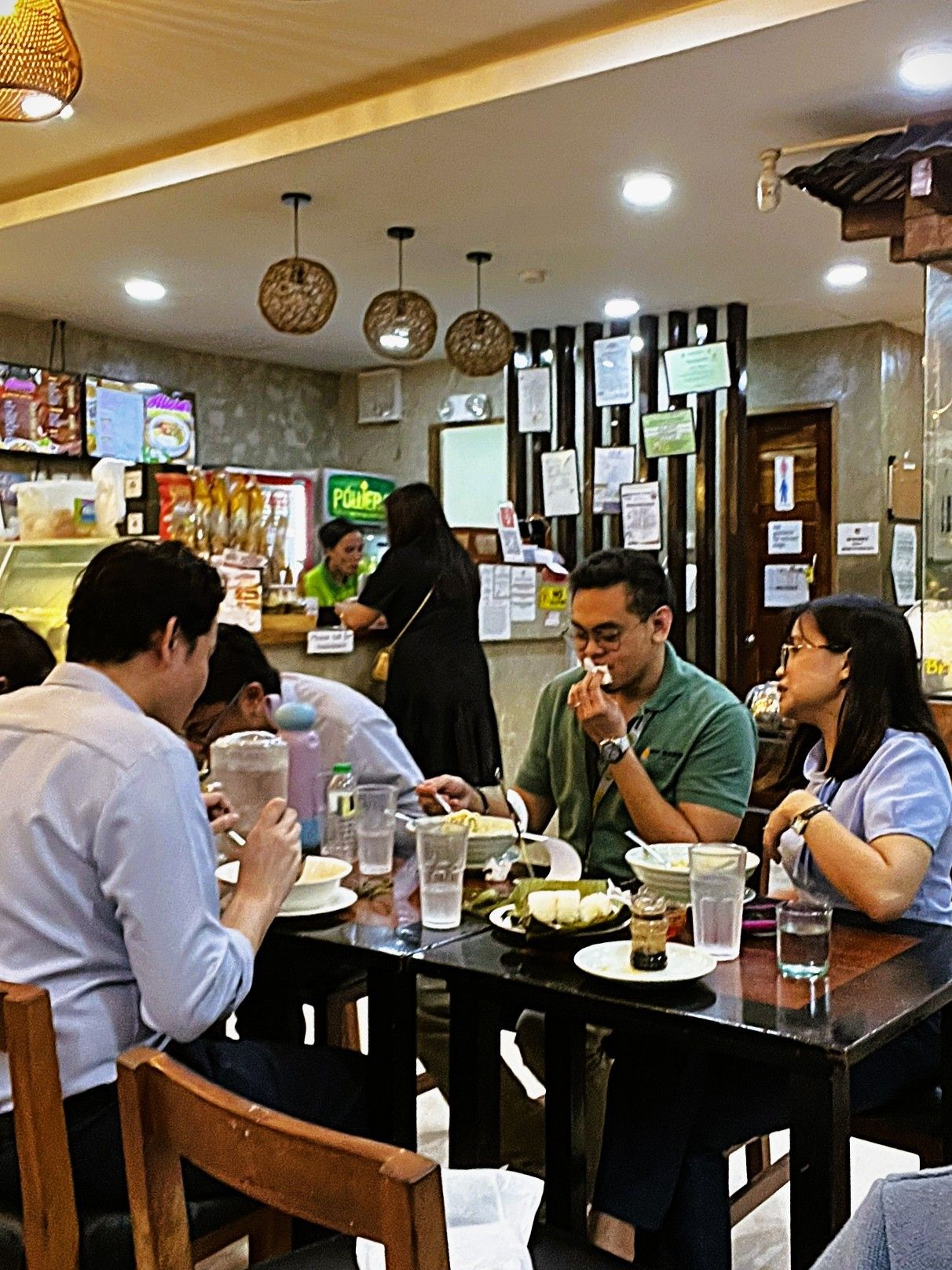
Before continuing my journey towards Boracay after four days, I plunge into a culinary adventure that is neither kosher nor halal, but on the contrary, a complete mess: At the Alicia restaurant in Mandurriao, the classic Batchoy is served, a broth made from boiled bones with noodles, pork offal and crispy chicharrones, which are pork rinds fried in hot oil with a thin layer of fat underneath.
If Chicken Inasal Bacolod is the regional culinary contribution, then Batchoy is the equivalent in Iloilo. But while I prefer Iloilo as a town, I definitely find the Bacolod chicken more appealing.
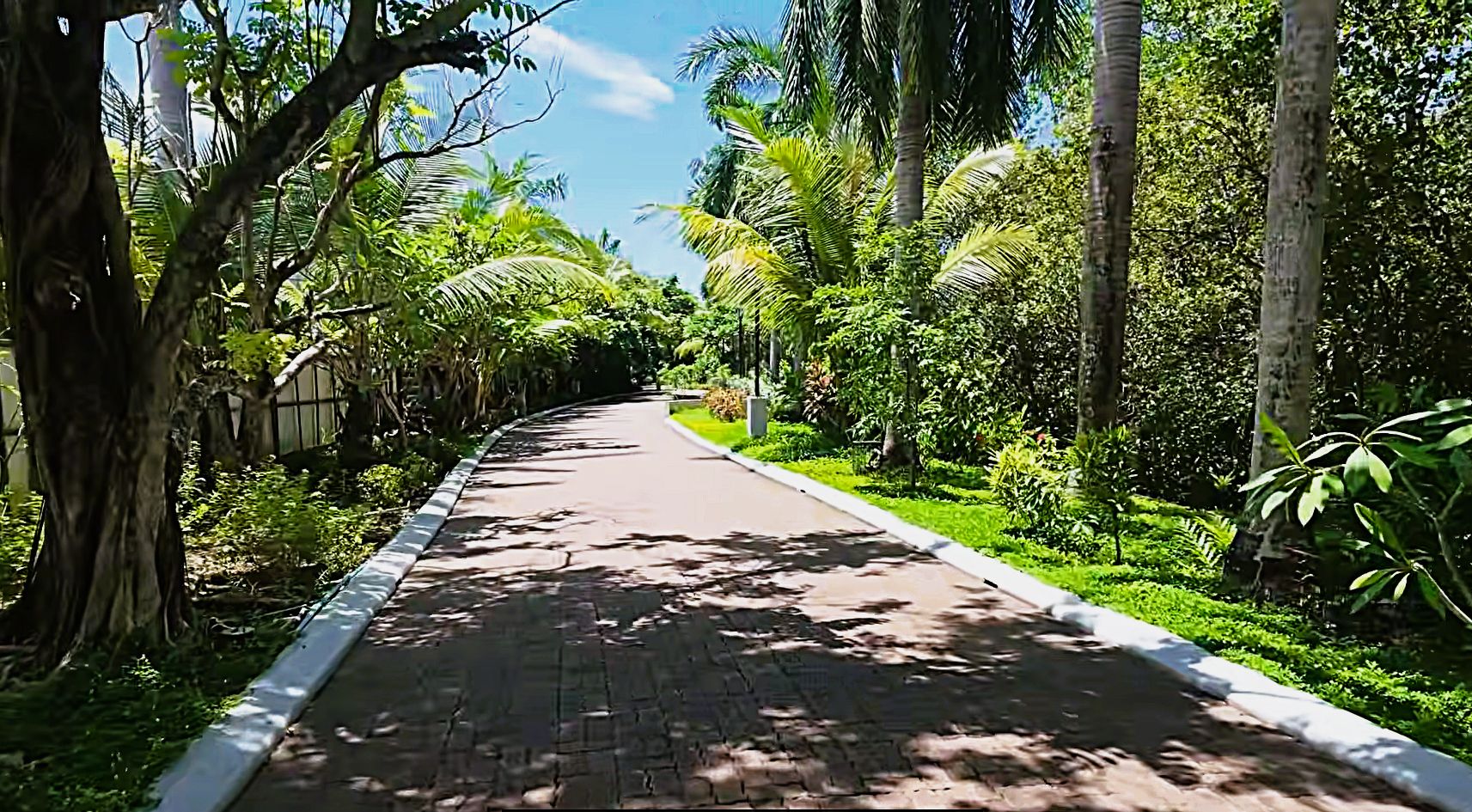
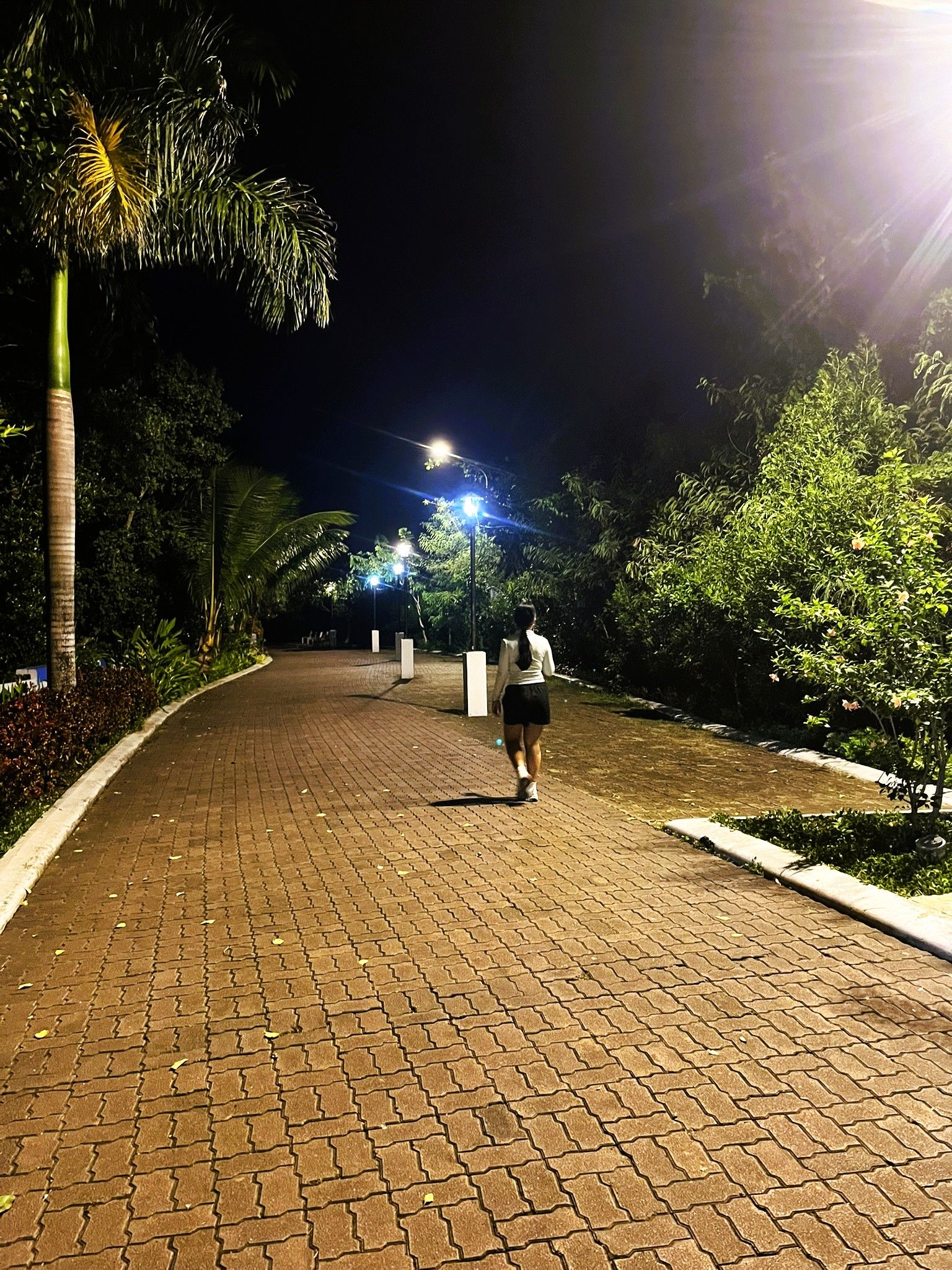
After the feast at Alicia's, a digestive stroll is just what you need. Luckily, the esplanade is only a few meters away. The Iloilo River Esplanade is over nine kilometers long and ideally combines the practical with the pleasant: it was designed as both flood protection and a promenade and opened in 2012.
The paved, wide path for walkers, families, joggers, and cyclists, shaded by trees and nestled within green spaces, is an urban recreation area par excellence. The river restoration that preceded its construction has brought back fishing and mangroves. "Twenty years ago, you'd hold your nose when you came to the river," Moi says with a laugh. "Today, anglers are sitting on its banks again."
If I needed one more argument to definitively place Iloilo in the category of pleasant provincial towns, it would have been this long, narrow park, a modern achievement that is just as important to humanity as old cathedrals and colonial trading houses.