

The Water World of the Mekong Delta
Whoever wants to understand the Mekong Delta must go on the water. That is precisely what I did in October 2026.
Published: 24.10.2026
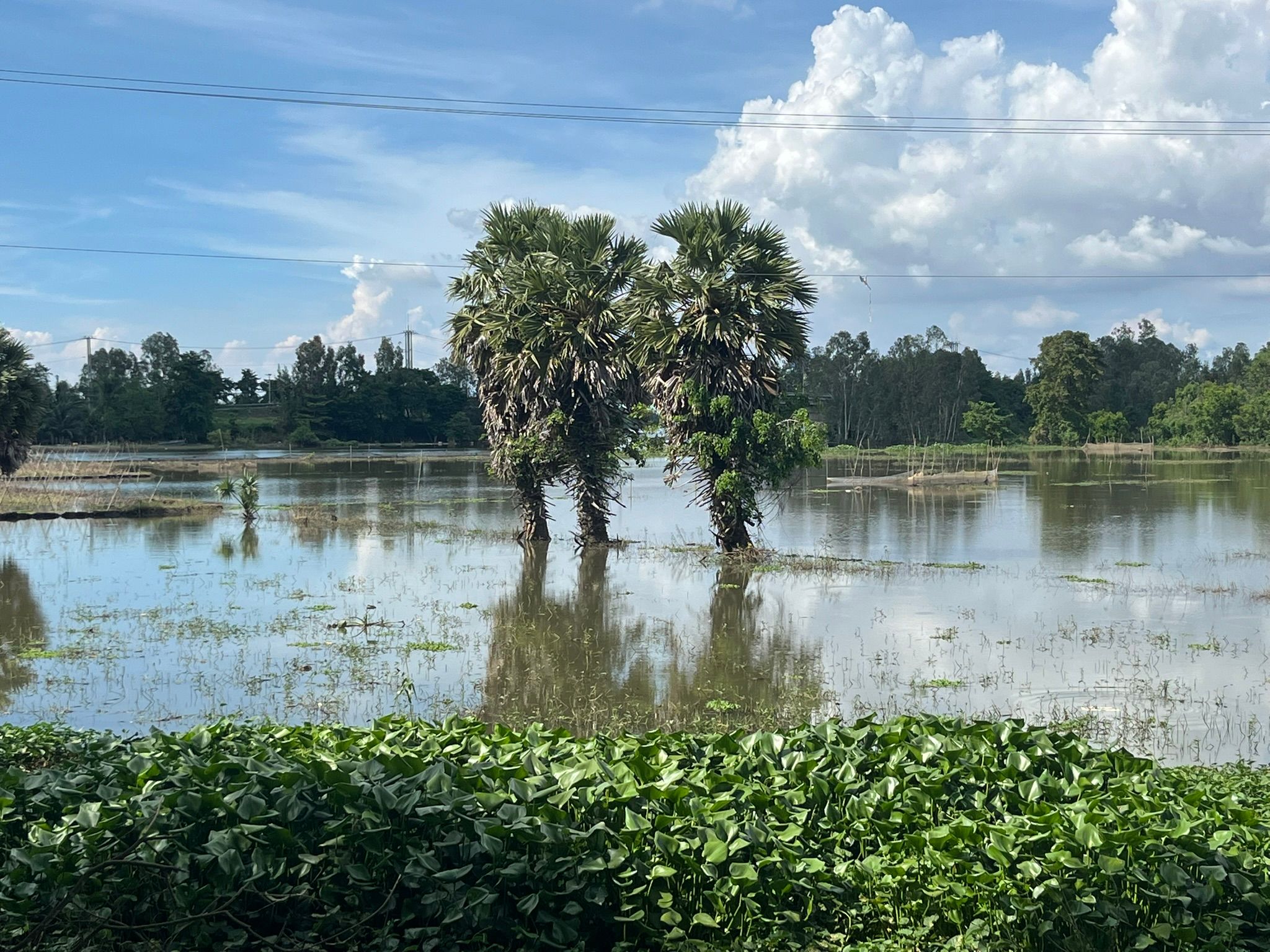
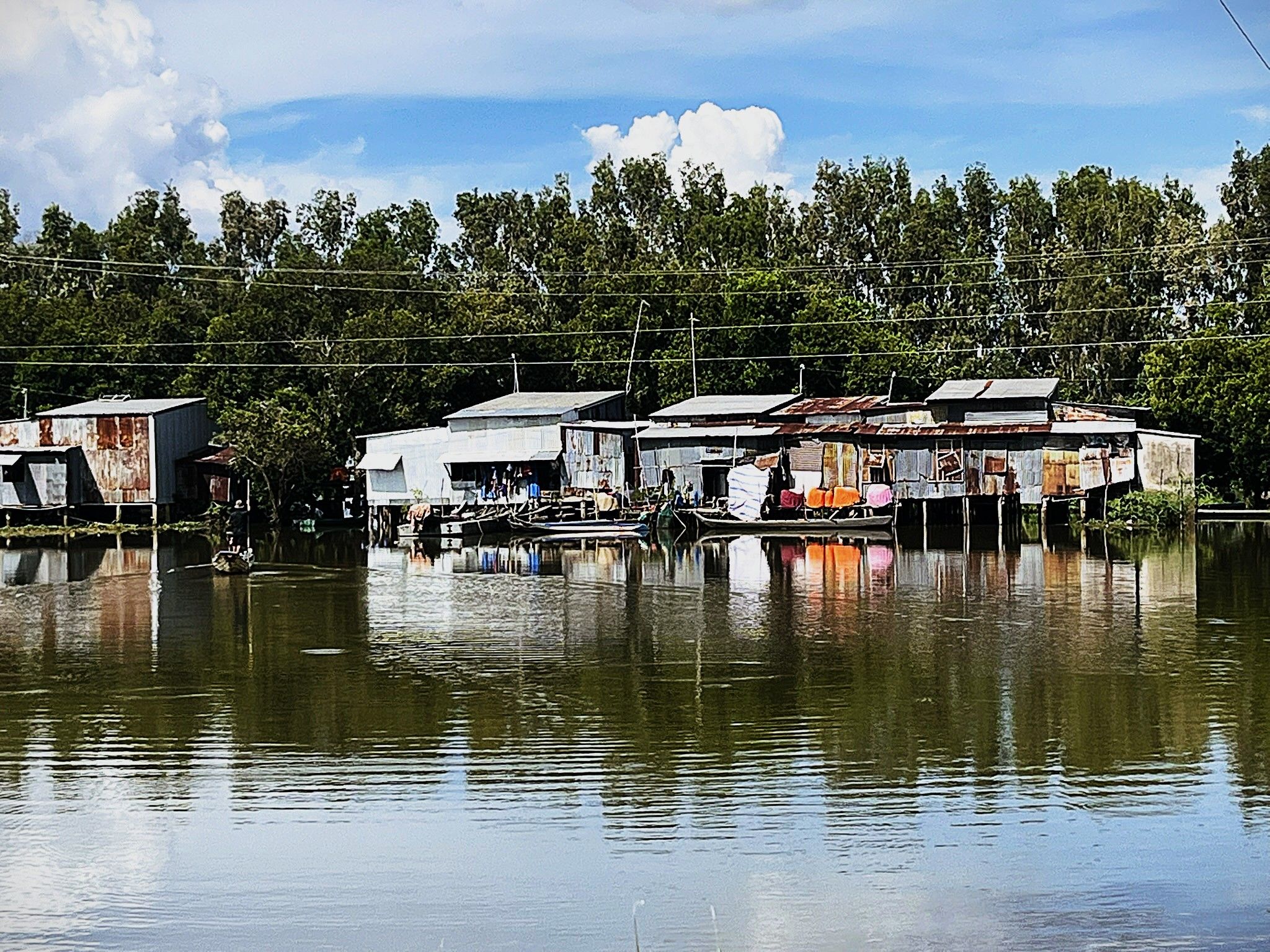
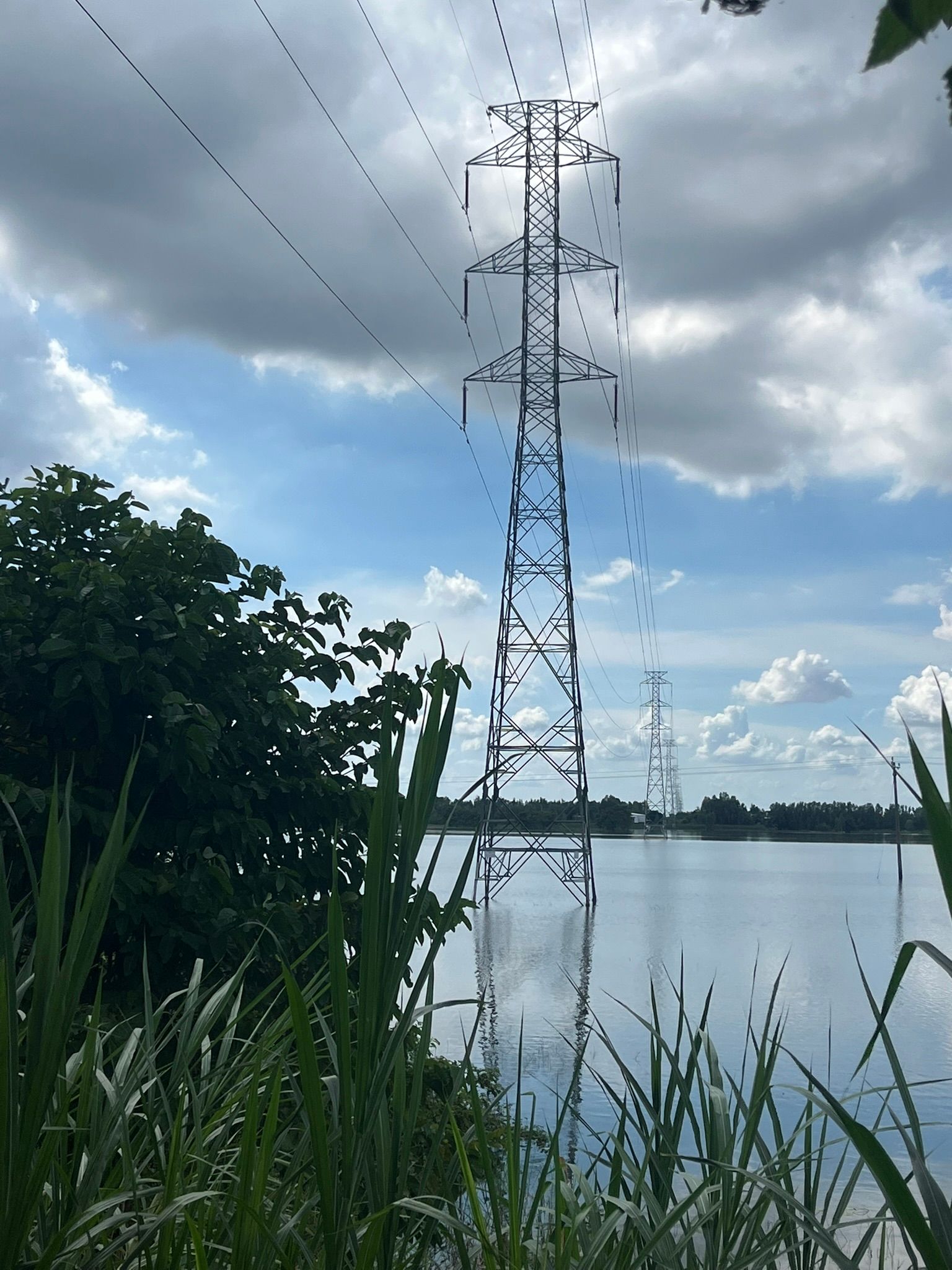
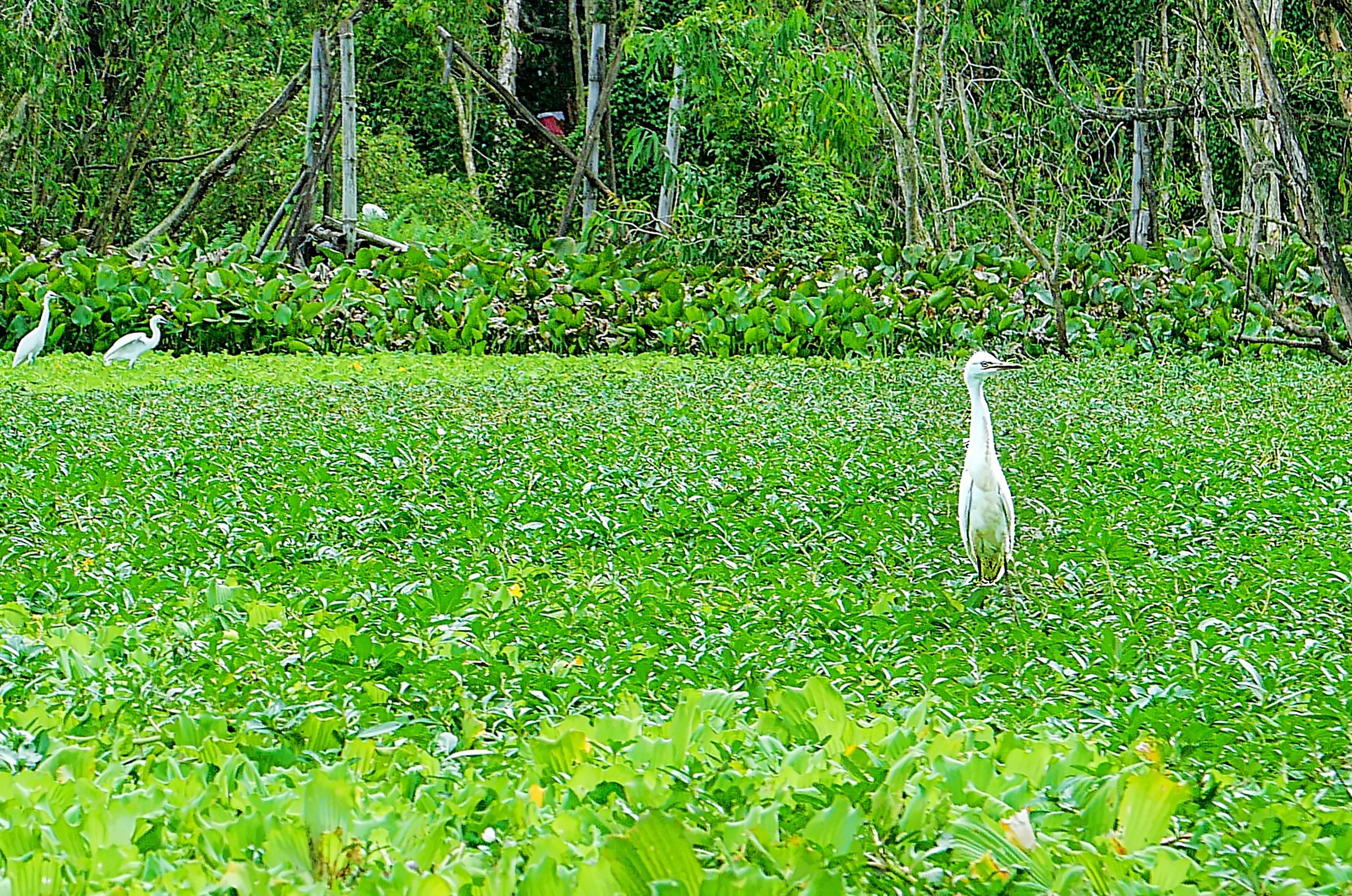
On the first morning, the motorbike driver called by the receptionist is already waiting, and we set off. Tra Su is located 30 kilometers southwest of Chau Doc. After passing the Sam Mountain, the sacred mountain of the city, the forty-minute drive goes through flat land that is now, in the rainy season, widely flooded. Power lines, groups of trees, and houses on stilts loom out of the water, where they are mirrored. The flood comes every year, and the people have adapted to it
A forest destroyed in war
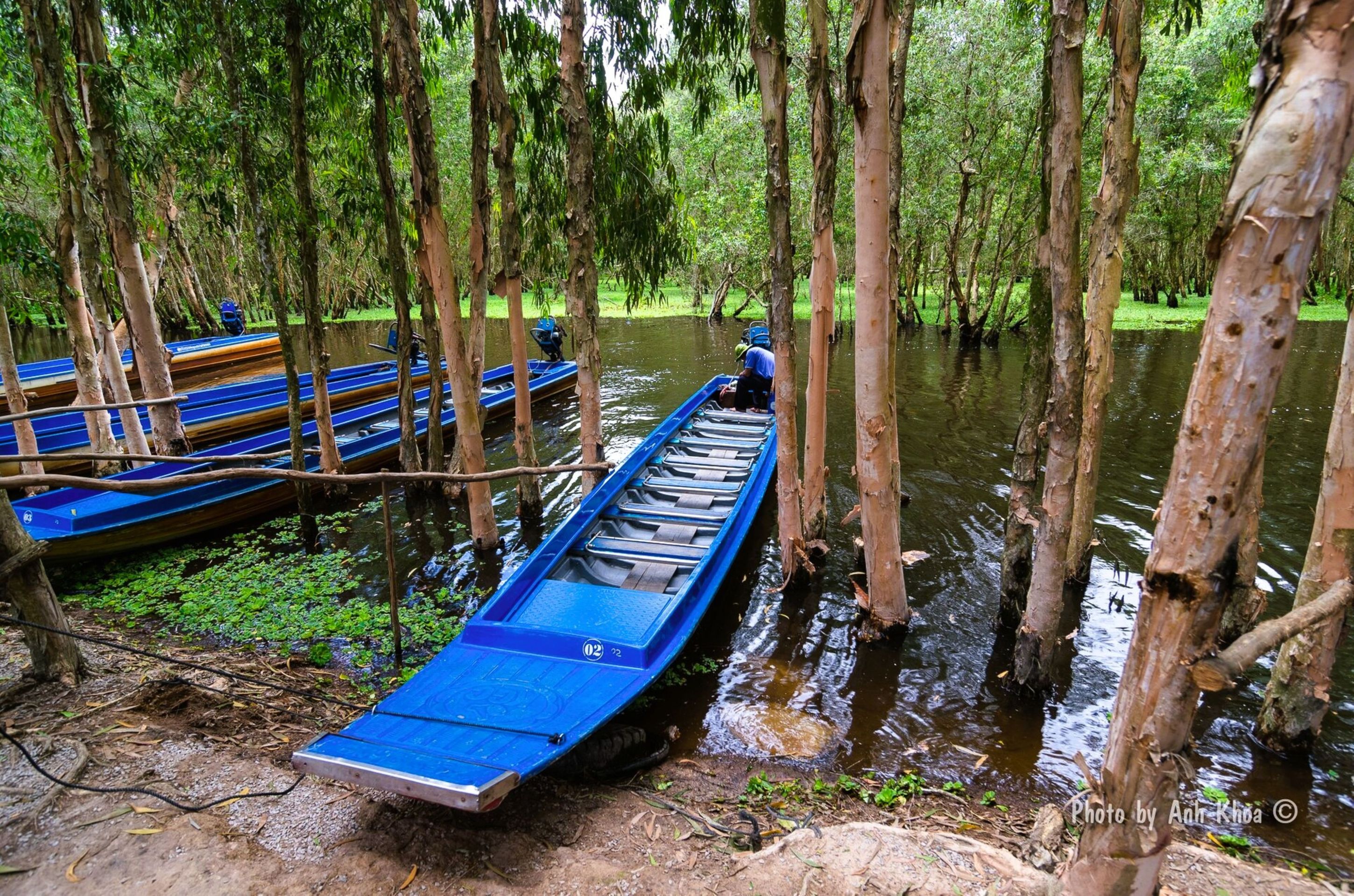
The 850-hectare Tra Su Forest is also underwater during the wet season, a wetland that we visitors explore by motorboat. It is located only about ten kilometers from the Cambodian border and is younger than it looks. In the Vietnam War, which is referred to here as the 'American War' or 'Resistance War Against America', the forest was destroyed.
According to Vietnamese reports, U.S. forces bombed it several times because it was used by guerrilla fighters of the communist National Front for the Liberation of South Vietnam, the Vietcong, as a retreat and operational area. Starting in 1983, a state authority constructed dikes, reforested the Tra Su Forest, and made other parts of the area usable for agriculture.
In the morning, it is still calm. Later, many visitors arrive, mainly locals but also Thais, Chinese, and Koreans; I do not see any Westerners. I get a boat for myself alone; other boats are filled with cheerful groups and families. I cannot communicate with the boat driver due to the lack of a common language.
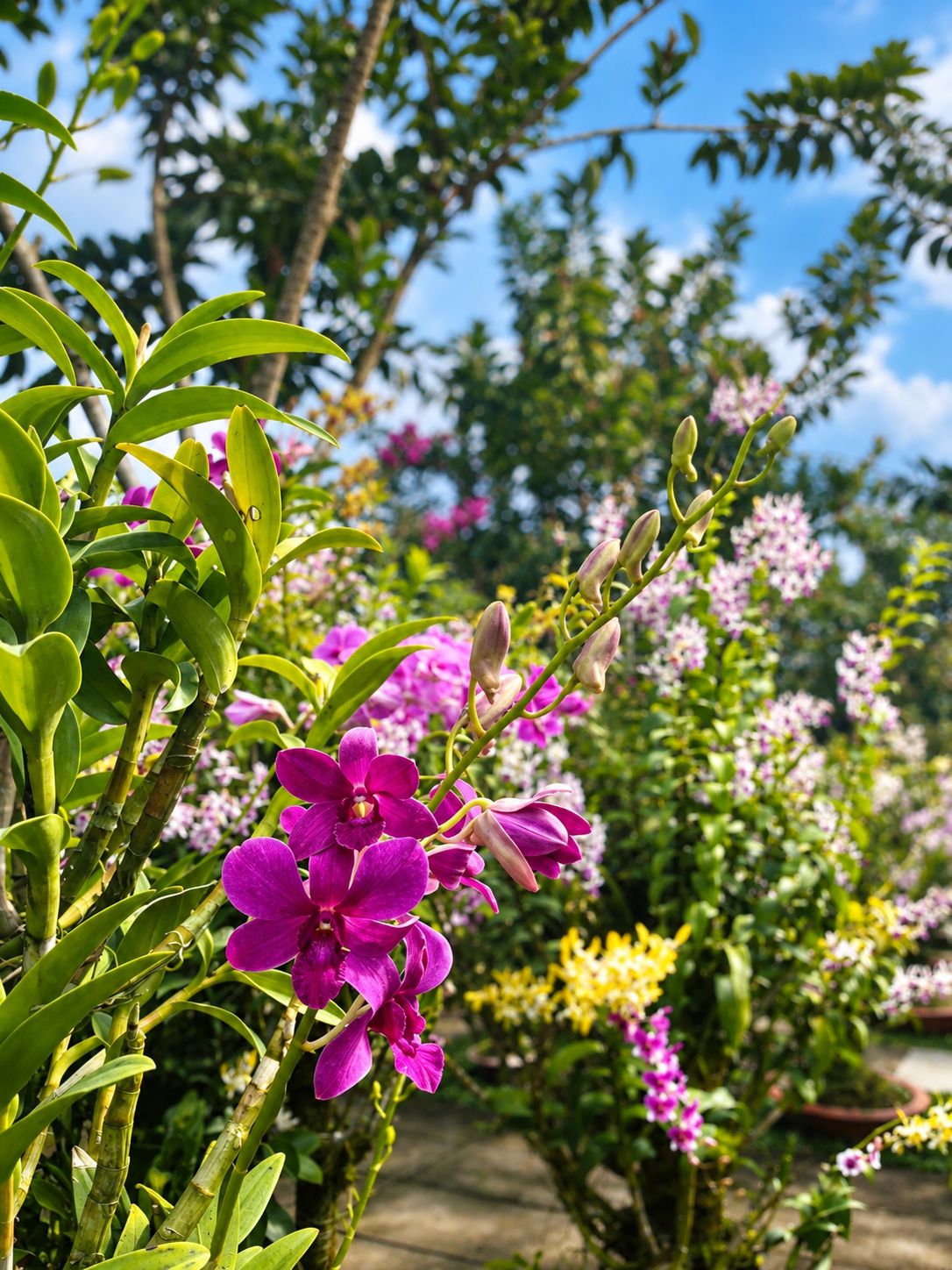
Between the entrance and the boat dock, a tourist village has been established with restaurants, coffee bars, souvenir stands, hat shops, and decorated swings for selfies; conservation is also a business here. After all, there is a colorful orchid garden.
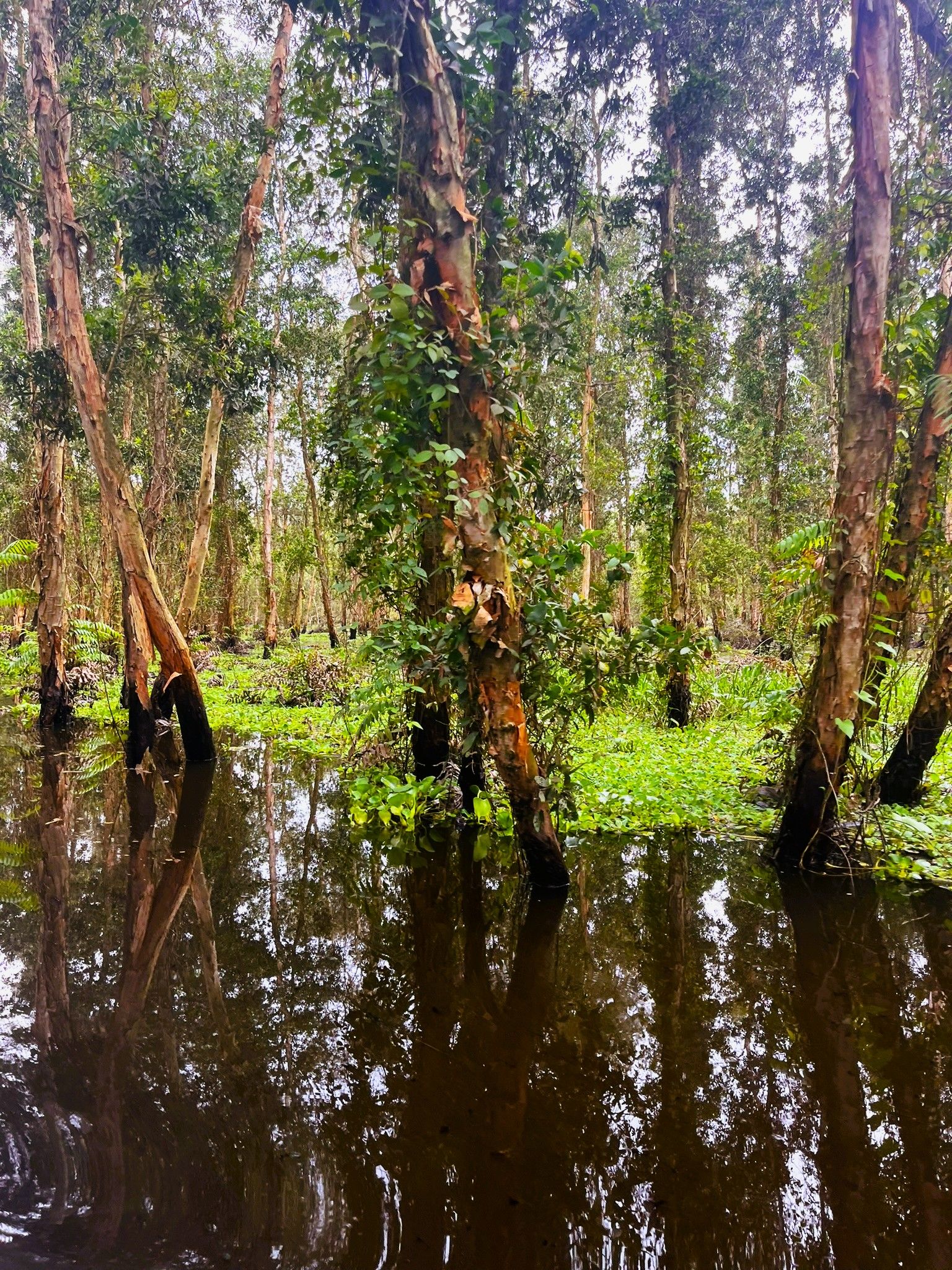
The Kajeput trees, whose bark peels off in paper-thin strips, stand thickly in the water. I have already seen them on my trips around Can Tho. Guide Vy explained to me there why: Kajeput grows in hot, humid lowlands, in swamps and on acidic, nutrient-poor soils, where other tree species hardly survive. The forest is home to over 140 plant species and 120 animal species; I see herons, cormorants, and flocks of smaller birds.
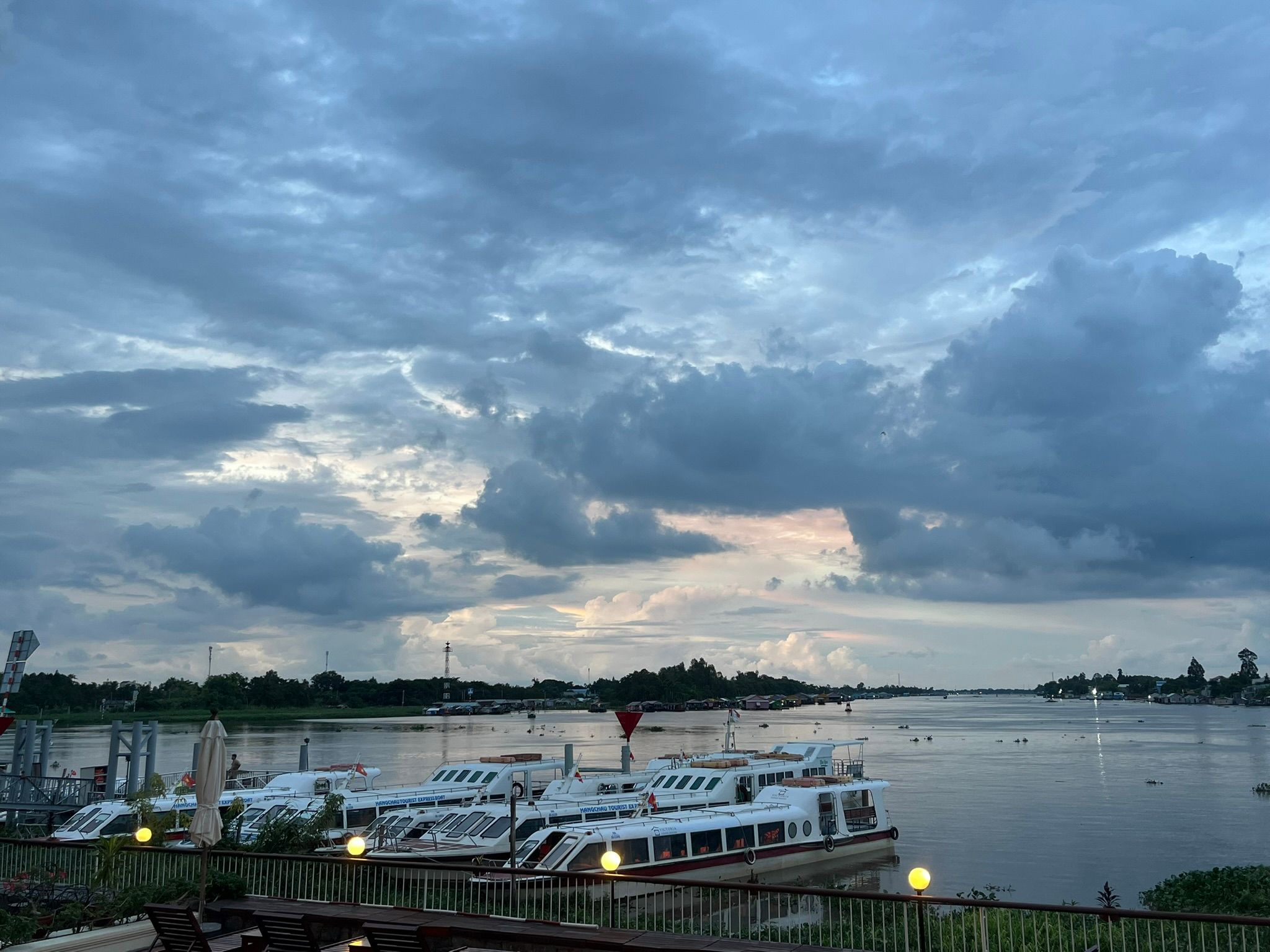
I return to the motel just in time. Dark, towering clouds and gusts of wind have signaled the event; shortly after, a rainstorm descends on Chau Doc, so heavy that one thinks of Noah and the Ark. But the flood lasts only minutes and stops as abruptly as it started.
Colonial style - back in fashion
The streets dry quickly. I take a motorbike taxi down to the banks of the Bassac. On the terrace of the 'Victoria Chau Doc Hotel', a four-star establishment overlooking the pool, river, and twilight, I order a gin and tonic and for a moment feel like a rich colonialist; only the tailored white tropical suit and Panama hat are missing.
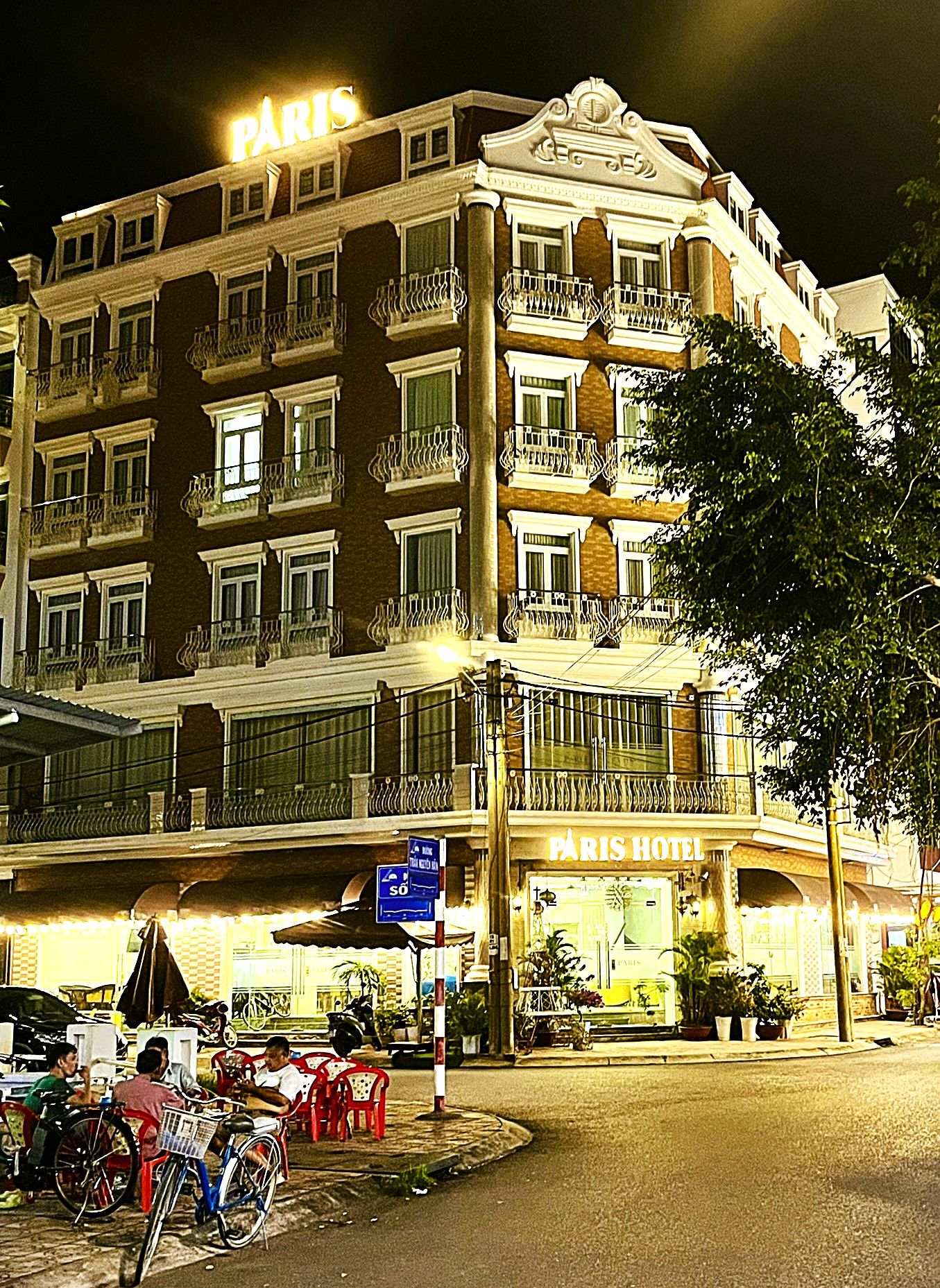
In fact, the hotel is designed in a style that vaguely recalls the French colonial era. However, the spacious building was only opened in 1999. Later, just around the corner, I stumble upon another building that I initially take for a fine example of colonial architecture, until I learn at the reception that the 'Hotel Paris' opened just two years ago.
A new building, then, and not an isolated case: Officially, the overcoming of colonialism and imperialism is celebrated at every opportunity, but replicas in the French colonial style have been considered très chic for about a decade.
Alone in the hustle and bustle
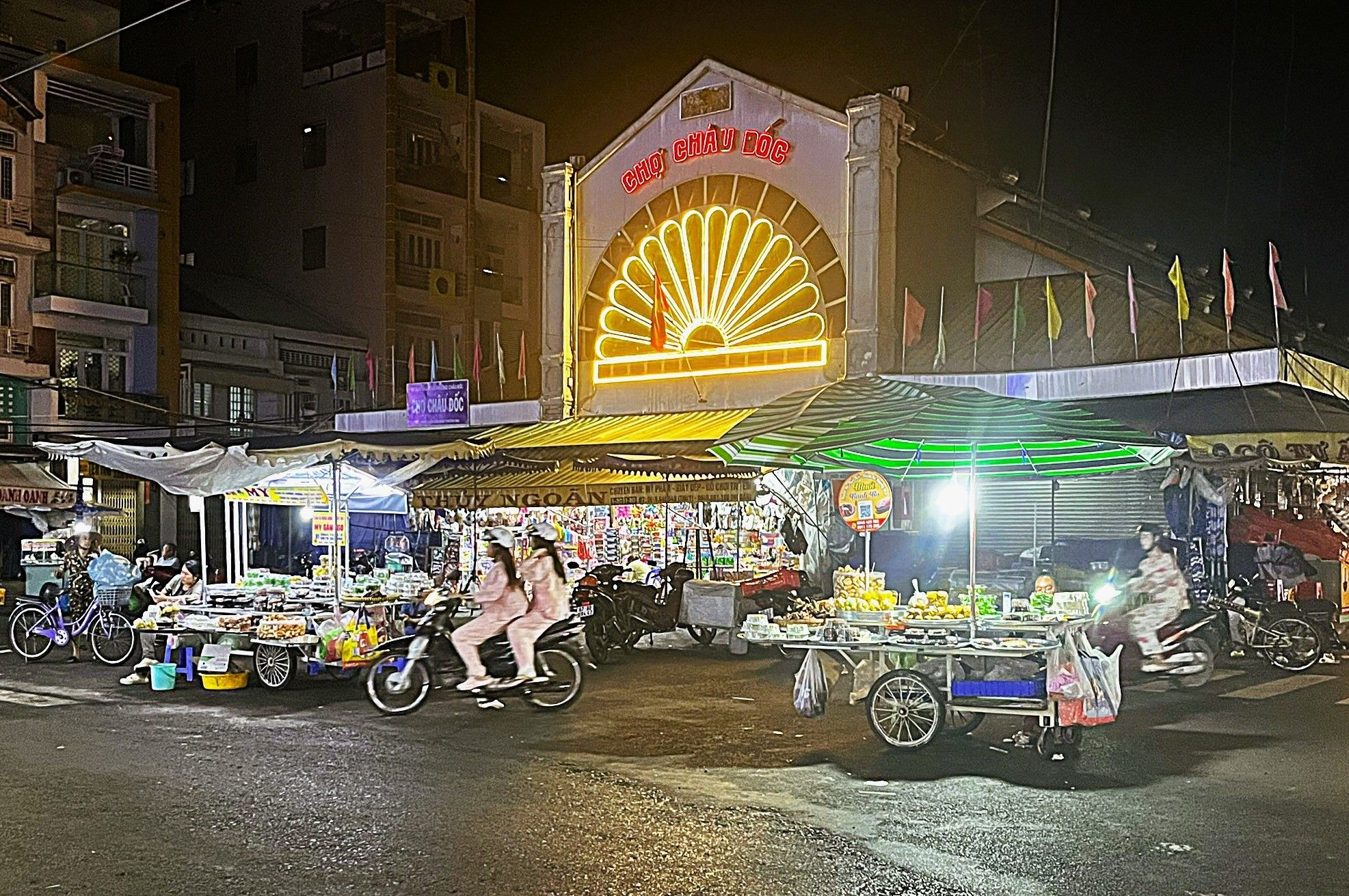
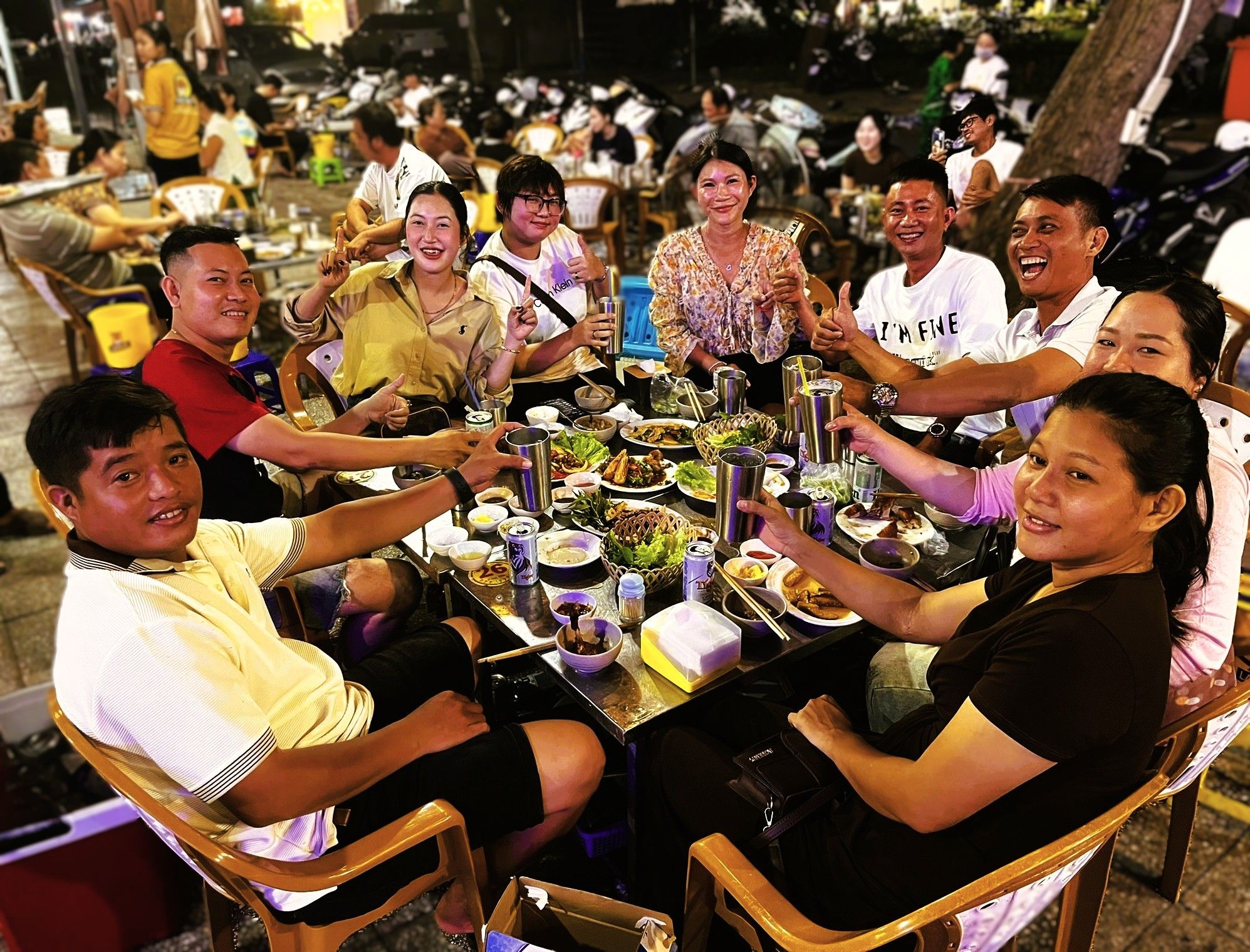
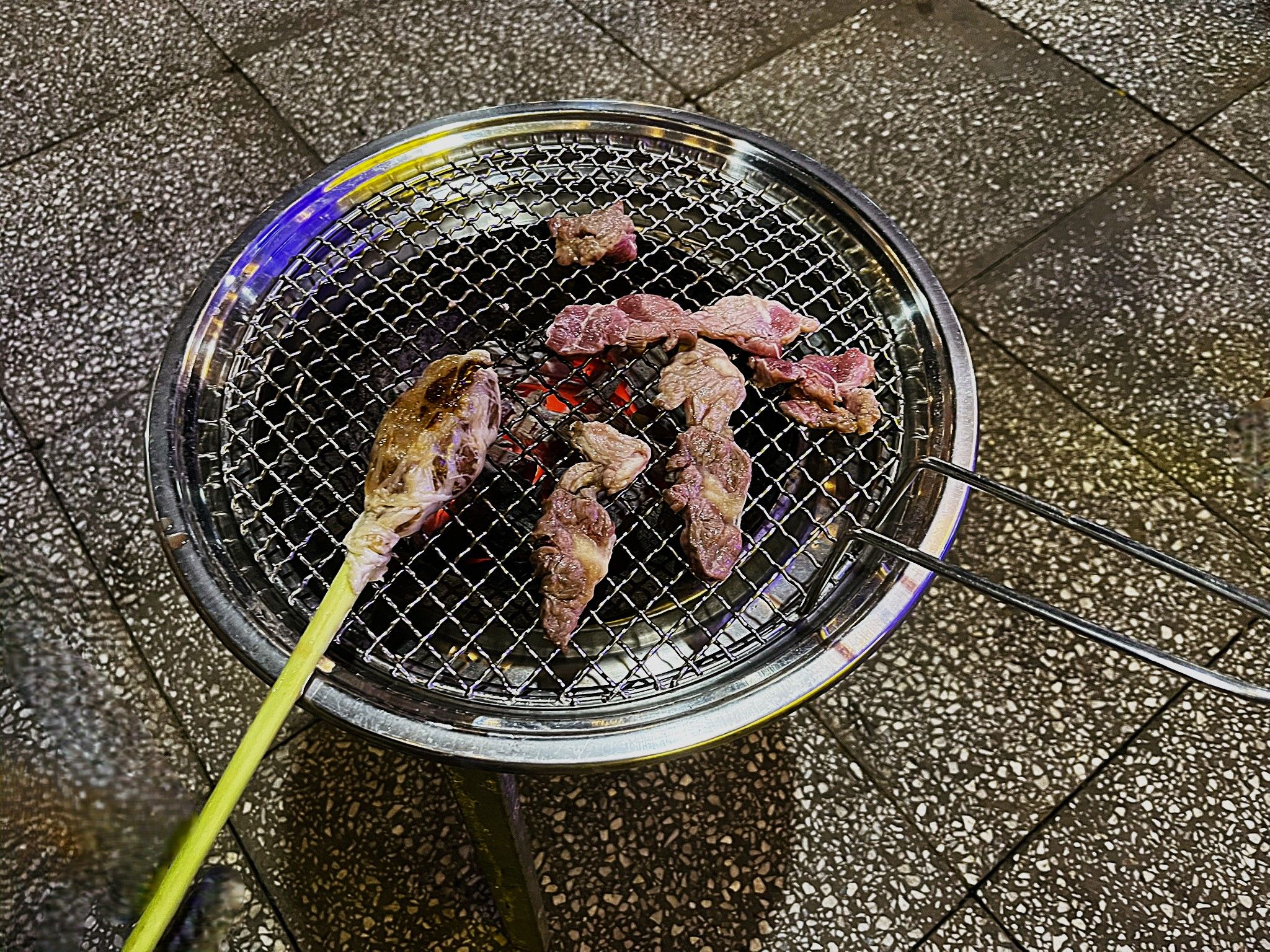
I venture deeper into the nighttime city. In the alleys and on the squares around the market, Chau Doc is especially lively in the evenings. I sit in a well-frequented restaurant, alone, and soon feel somewhat out of place as groups around me are celebrating loudly and drinking. Meat, fish, and shrimp sizzle on tabletop grills, broths simmer in hot pots; everyone reaches into shared bowls.
I do not understand the menu, and the staff do not speak English. So I randomly point to a few dishes at the next table and receive pork in three variations: as sliced meat for the hot pot, as schnitzel, and as minced meat skewers for grilling, along with rice noodles, water spinach with roasted garlic, and a Saigon beer or two. The portions are far too large; at the end, the lavish dinner costs about five Swiss francs or just under five and a half euros.
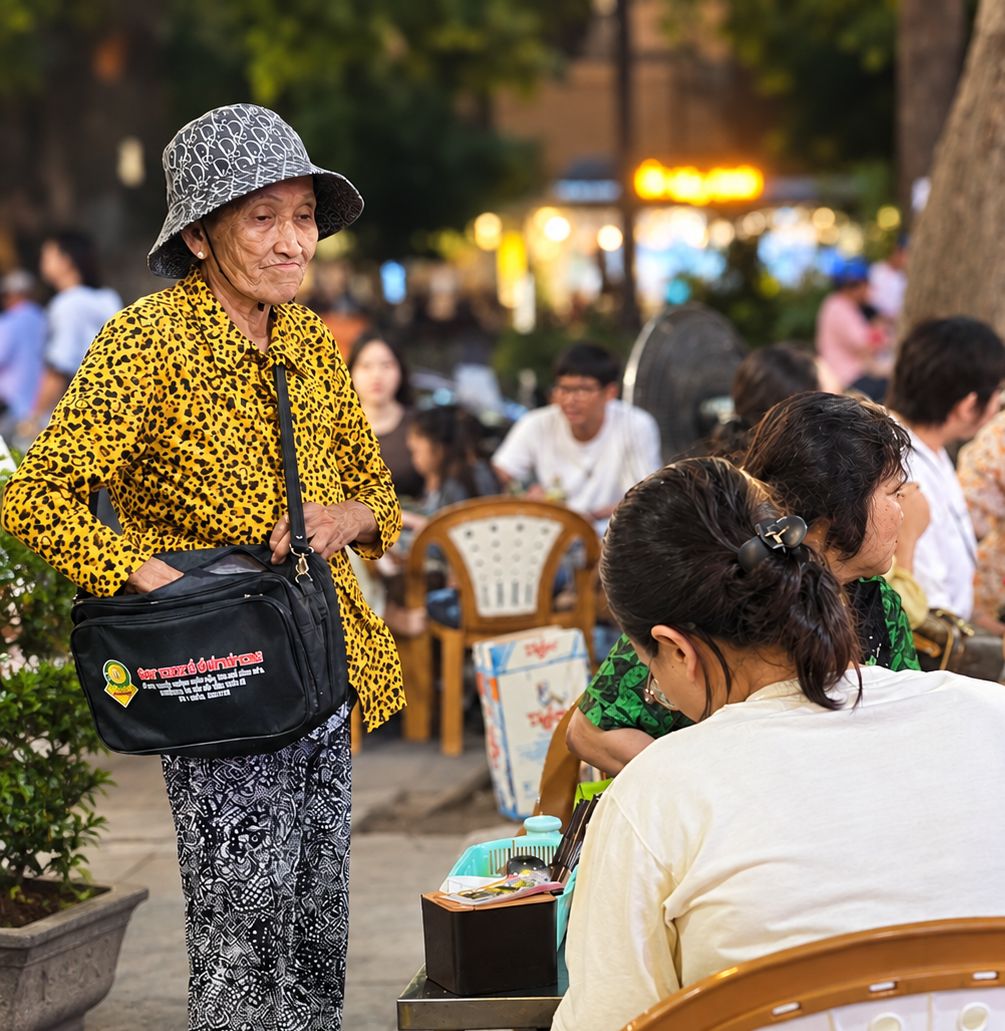
Between the tables, lottery sellers walk around. Some guests buy, others wave off or call something jokingly after them. The atmosphere is relaxed, but I feel like a spectator in a theater whose language I do not understand.