
Iloilo cherishes the past and builds the future
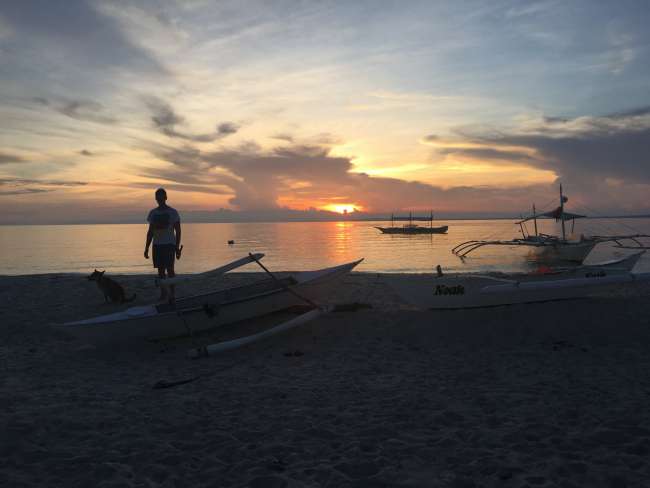
On September 19, 2026, I travelled from Bacolod on the island of Negros to Iloilo on Panay. Of all the Philippine cities, Iloilo could become my favorite.
Published: 29.09.2026
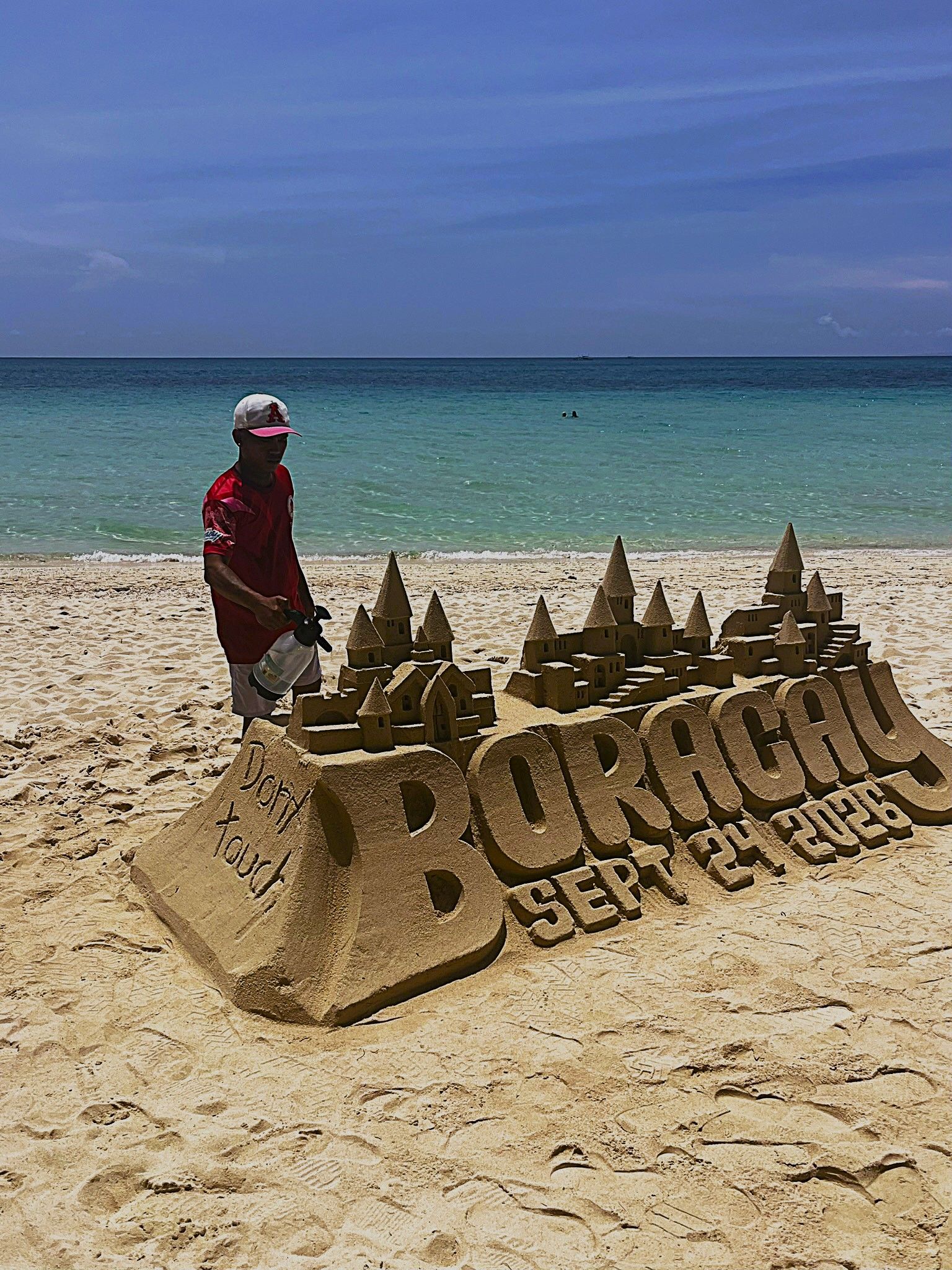
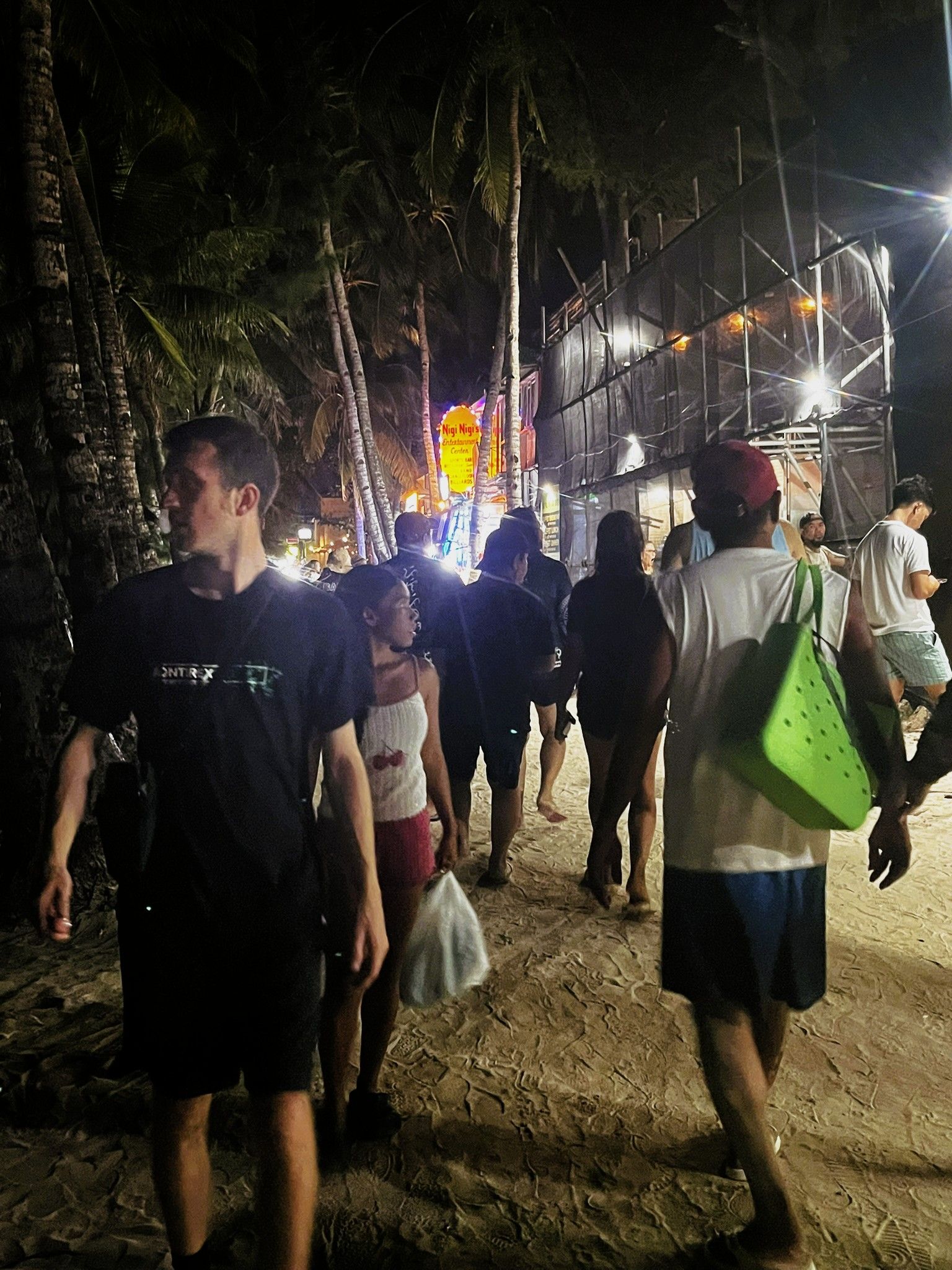
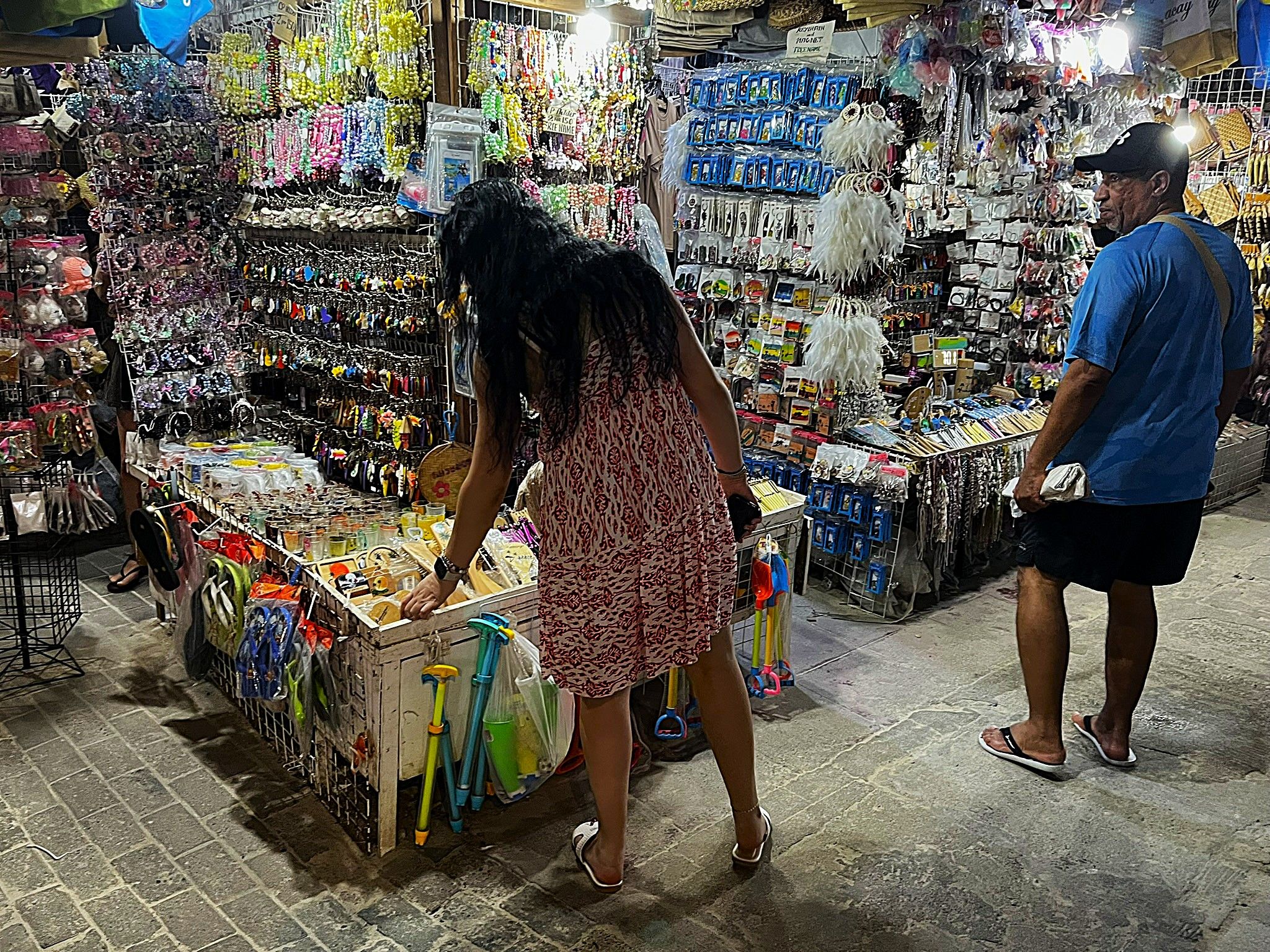
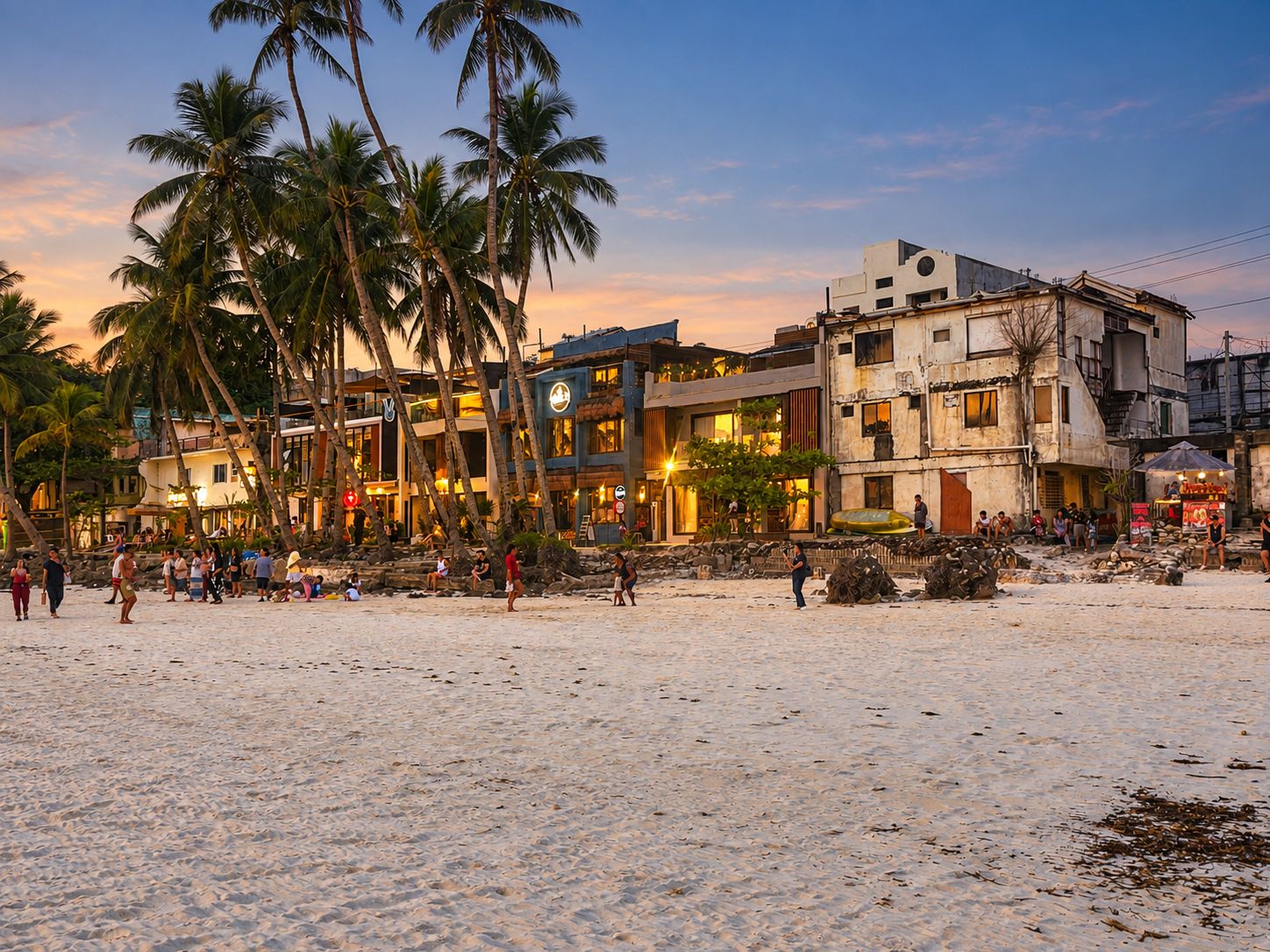
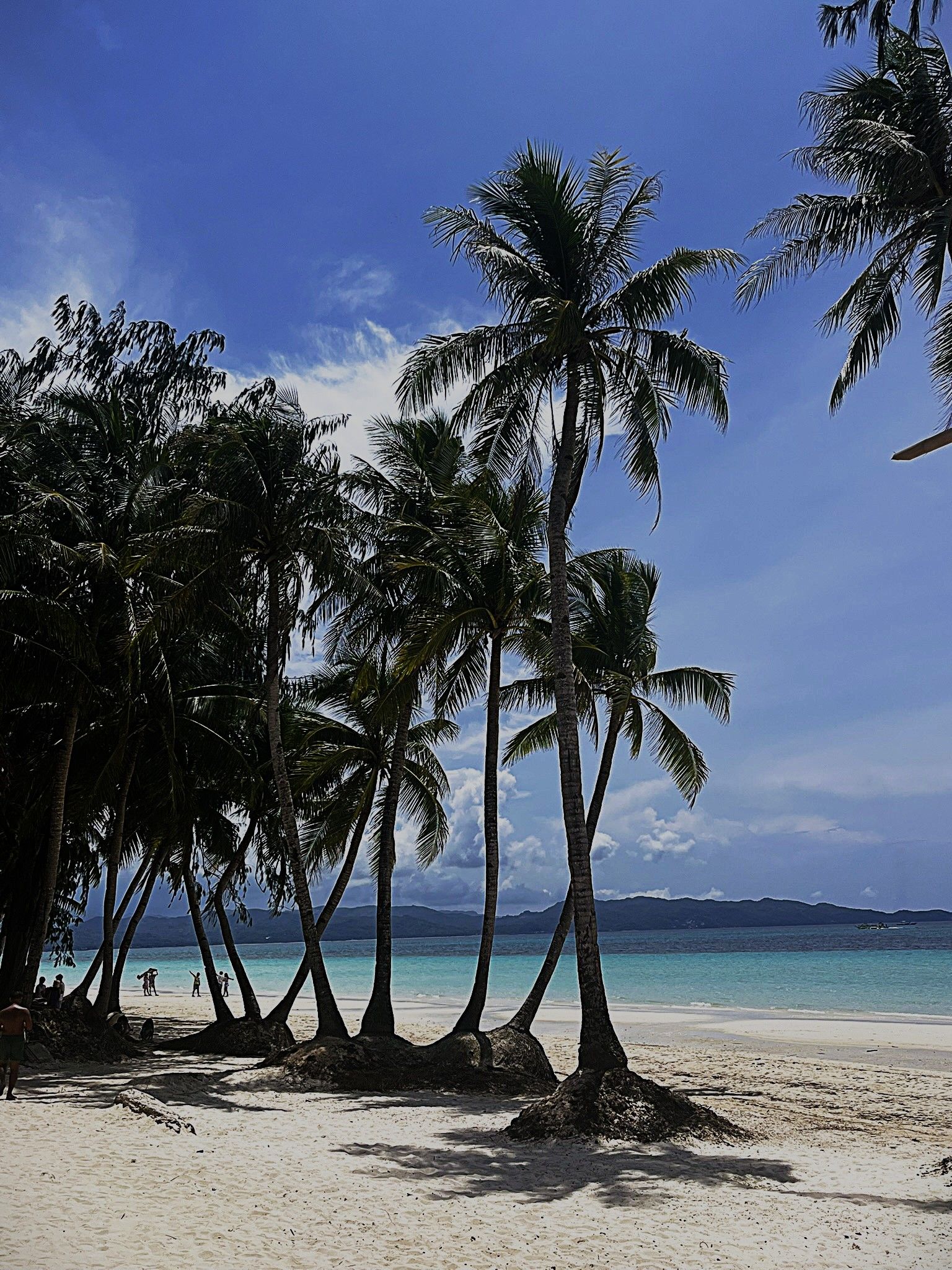
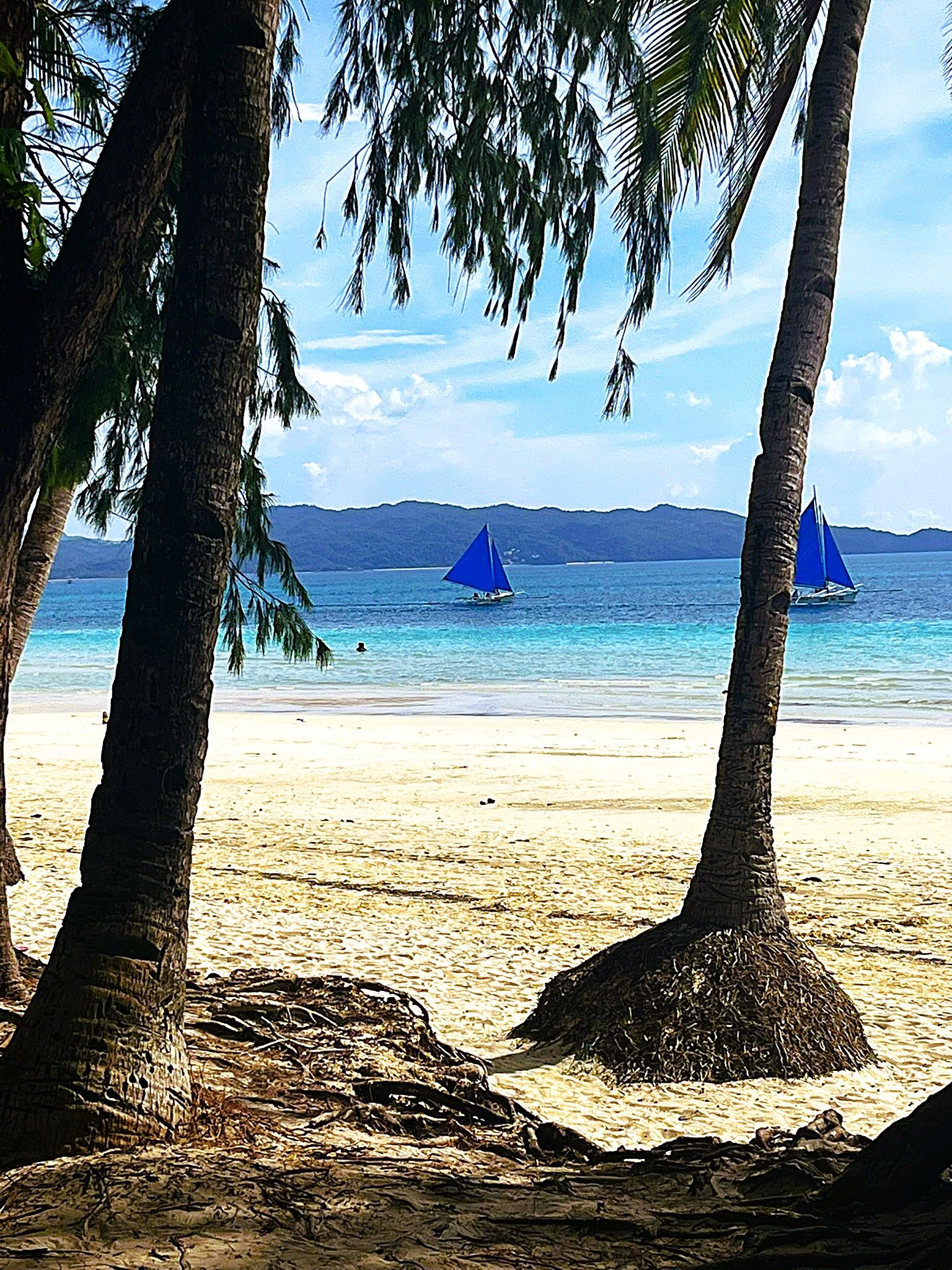
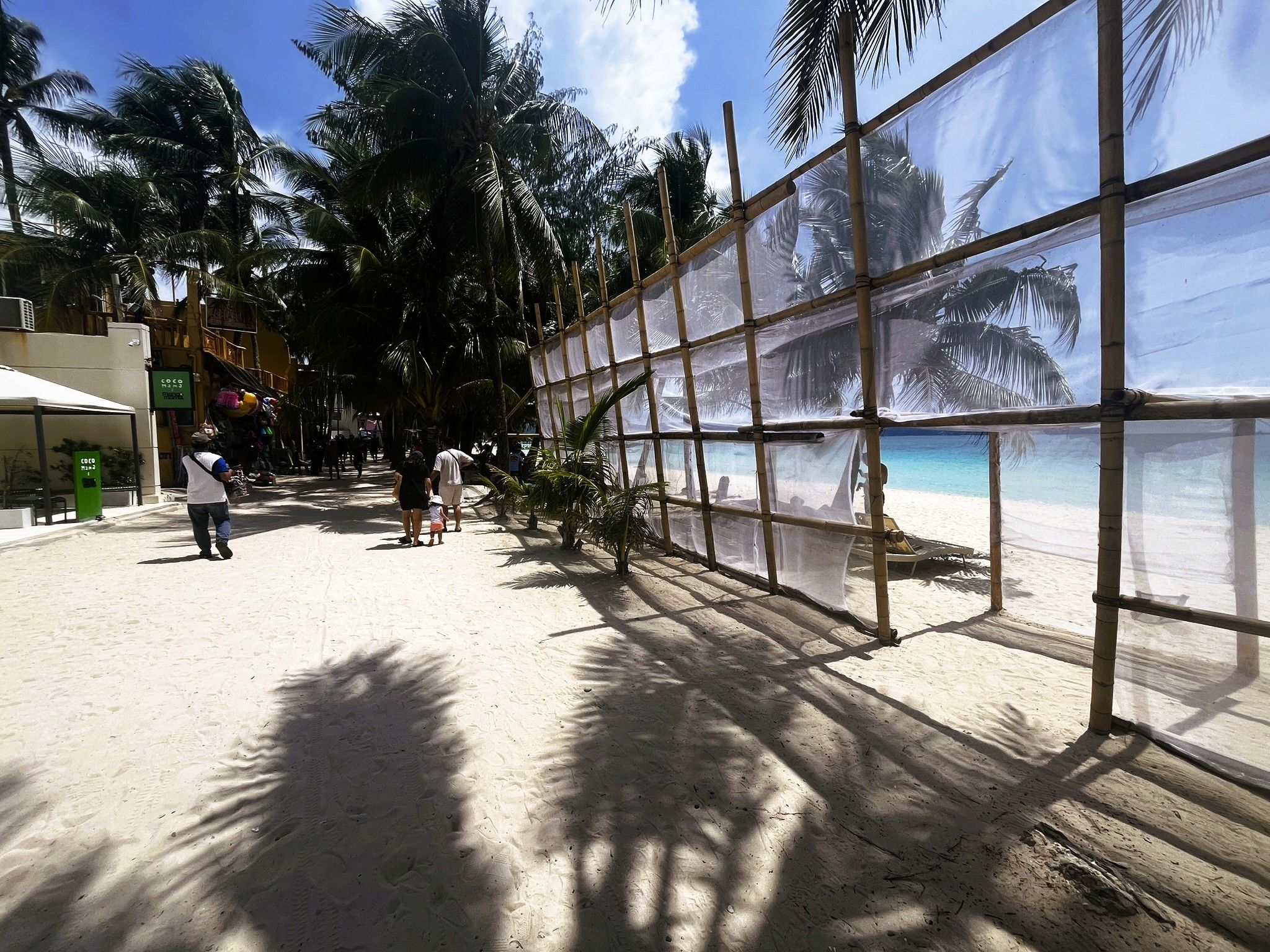
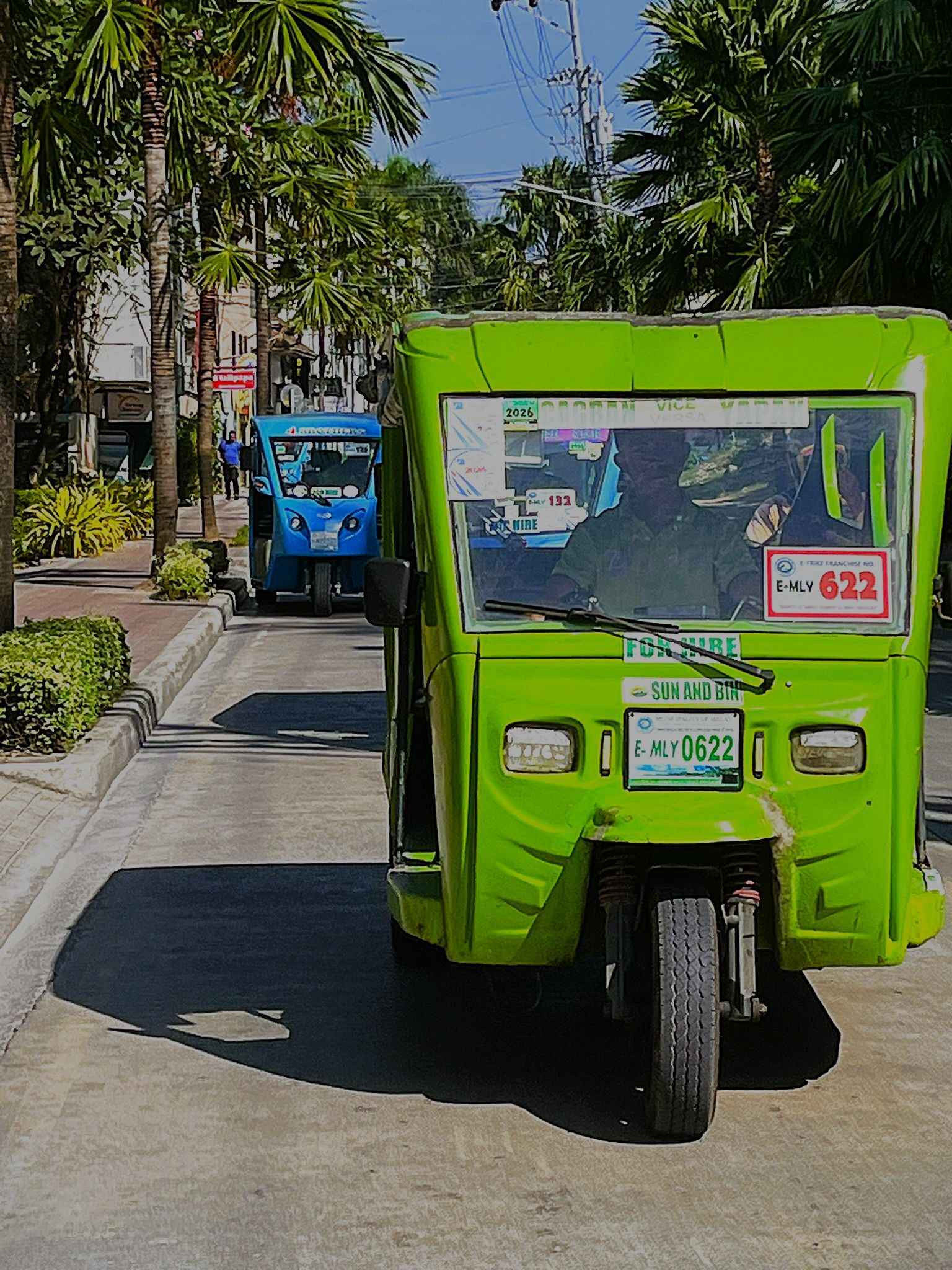
As the conclusion of my month-long journey across the Philippines, from east to west, I have chosen an island that can evoke a range of feelings: Boracay.
On September 23, I board the Ceres bus in Iloilo. We travel for seven hours across the island of Panay, stopping in Passi, a city with almost 90,000 residents, surrounded by sugarcane and agriculture. Then in Mambusao, a rural municipality in the island's interior with around 40,000 people, and finally in Kalibo, the capital of Aklan province.
The eastern half of Panay is flat. Rice, sugarcane, and corn as far as the eye can see. To the west, the mountain range rises, with peaks over 2000 meters high. One might think there is hardly anyone living here, which would be completely wrong. Every few kilometers, we pass through a town. The bus stops repeatedly to pick up new passengers or drop others off.
The statistics confirm it: Approximately 4.7 million people live on Panay across 12,000 square kilometers; that’s about 390 residents per square kilometer. (In Switzerland, it’s about 220, in Germany about 235.)
Only by boat to Boracay
In Caticlan, far northwest, the bus ride ends. Anyone wishing to go to Boracay must take a boat, and although the harbor appears chaotic at first glance, the procedure runs surprisingly smoothly and professionally. One registers on an iPad, pays for the crossing, port fees, and environmental contributions, receives a plastic card with the name of the ship and the seat number, hauls their baggage over a narrow gangway onto the vessel, and finds their seat. After a short fifteen minutes, one arrives at the mythical island.
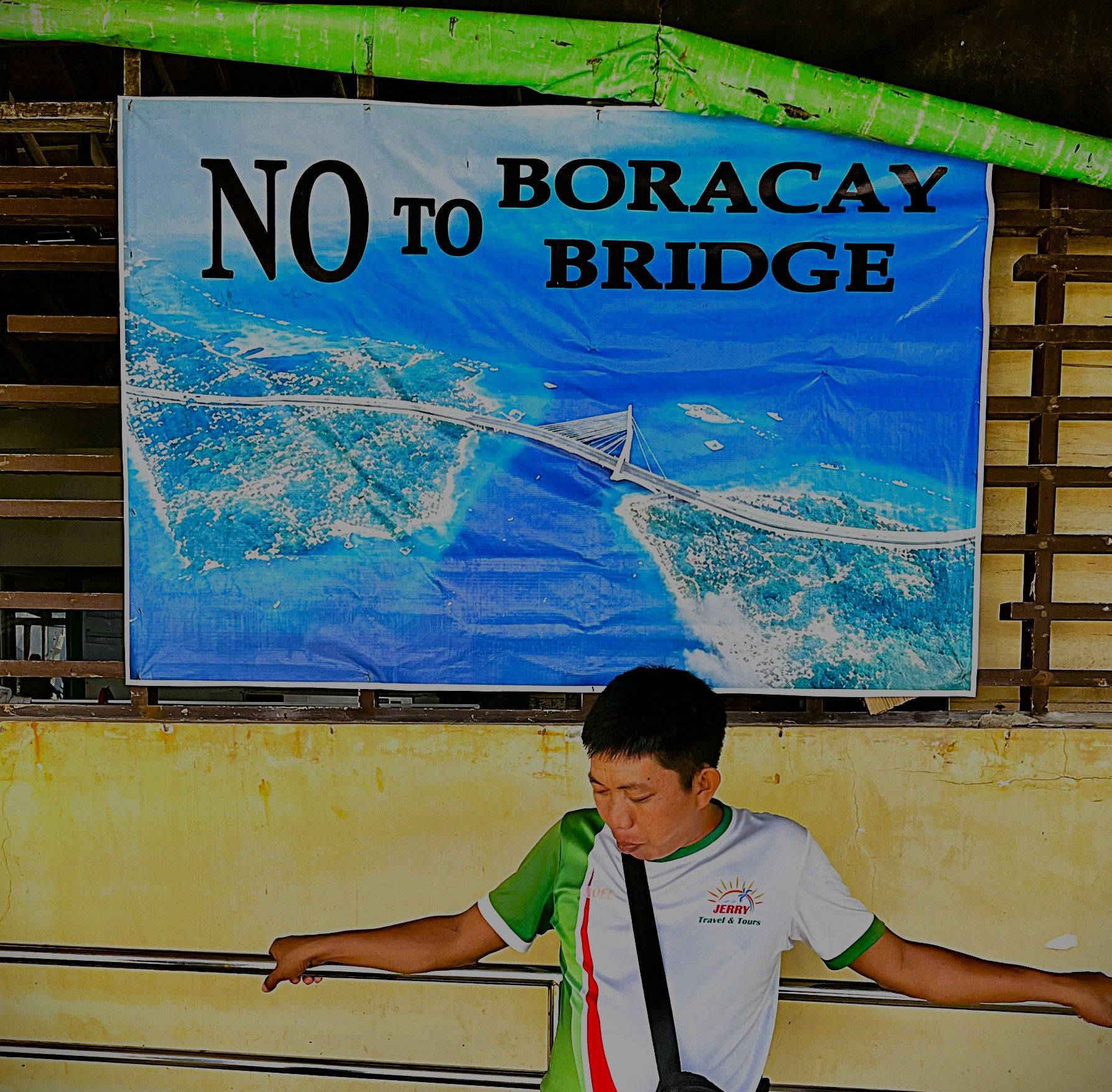
There is no other way. Not yet: The Ministry of Public Works in Manila has commissioned a project for the construction of a bridge, 2.54 kilometers long, 1.14 of which is over water. San Miguel, the country's largest corporation led by Ramon Ang (who also produces the favorite beer of Filipinos, San Miguel), is set to build it.
The company unsolicitedly submitted a bid in 2024; in March 2026, it received the go-ahead: San Miguel would finance the bridge; investments of 7.78 billion pesos (over 100 million euros or Swiss francs) are planned. San Miguel would later recoup these costs through tolls and eventually hand over the bridge to the state.
Bridge threatens jobs and the environment
Proponents argue logistics and safety: goods would reach the island more easily, and the sick and injured could get to hospitals on Panay more quickly. Additionally, water and electricity lines would be incorporated into the bridge to improve supply to the island. Public Works Minister Vince Dizon states that San Miguel consulted with the provincial government and reached an agreement. In reality, the province of Aklan vehemently opposes the bridge: the provincial parliament and the municipal council of Malay, which includes both Boracay and Caticlan, are against it.
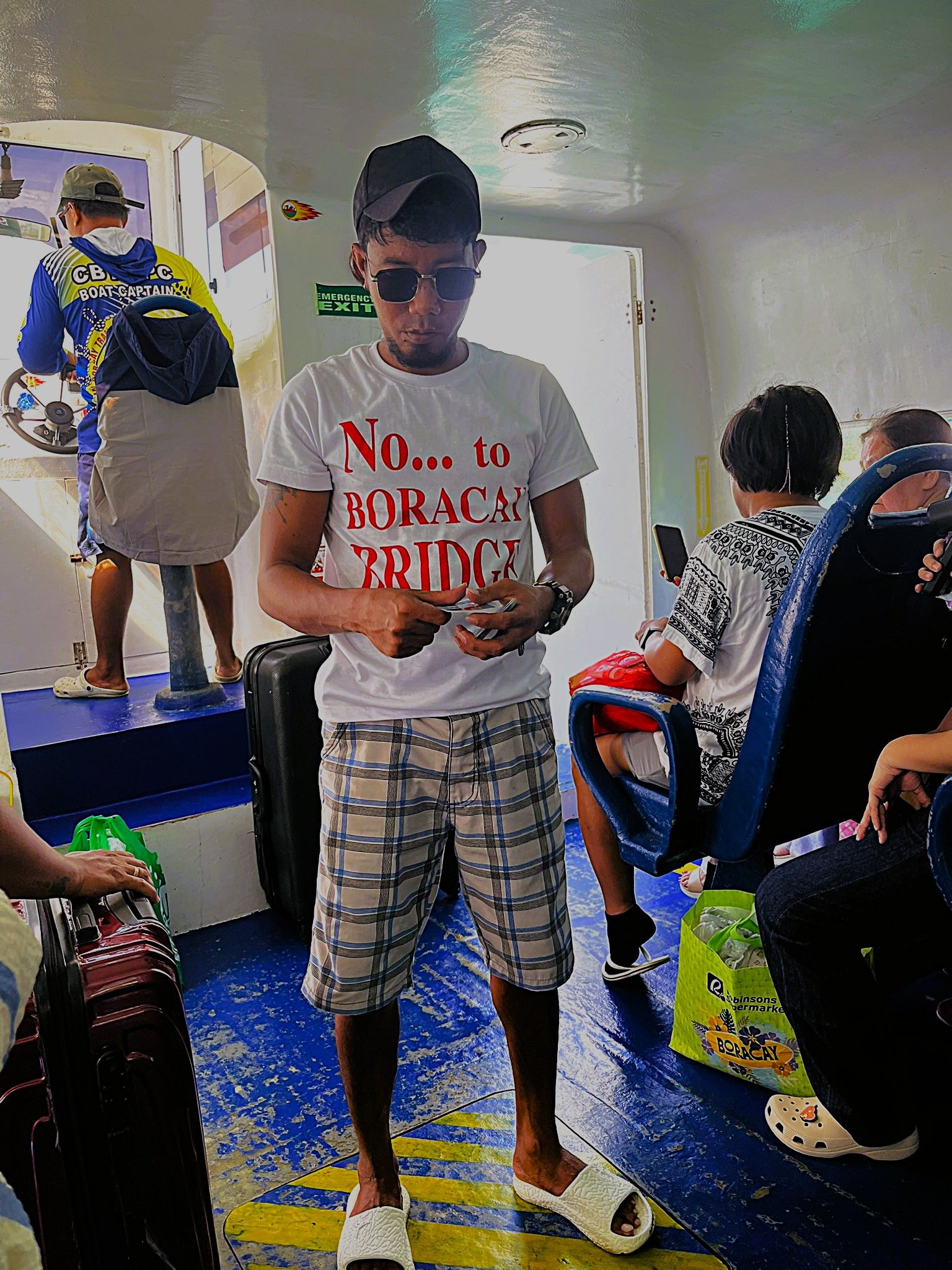
Hardly on Boracay, one sees the posters: “Boracay must remain an island.” That the man collecting the plastic cards on the return trip aboard the “Victoria” is wearing a t-shirt opposing the bridge's construction is understandable. Hundreds of boatmen rely on the Caticlan-Boracay cooperative for their livelihoods. Without the ferry service, they would be unemployed; boat operators who purchased their vessels with loans would be ruined.
The Boracay Foundation, an economic association founded 30 years ago that includes businesses, hoteliers, and individuals, fears for the beaches and demands an independent environmental review. So far, San Miguel has not submitted an application for one. In late May 2026, Governor Jose Enrique Miraflores of Aklan province announced that San Miguel was dropping the project. The company disputed this: nothing had been decided. The construction has not started yet. The bridge is not off the table.
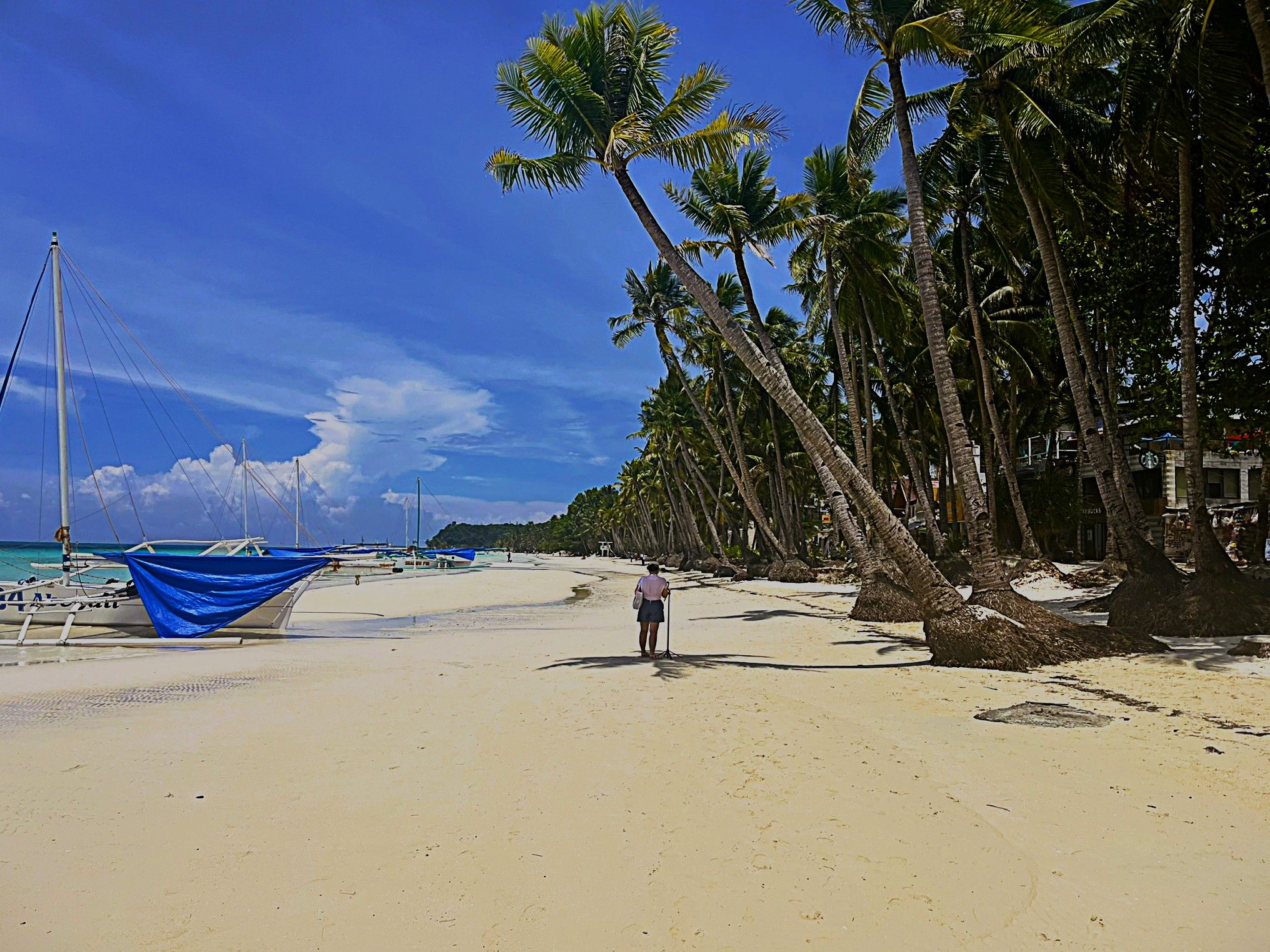
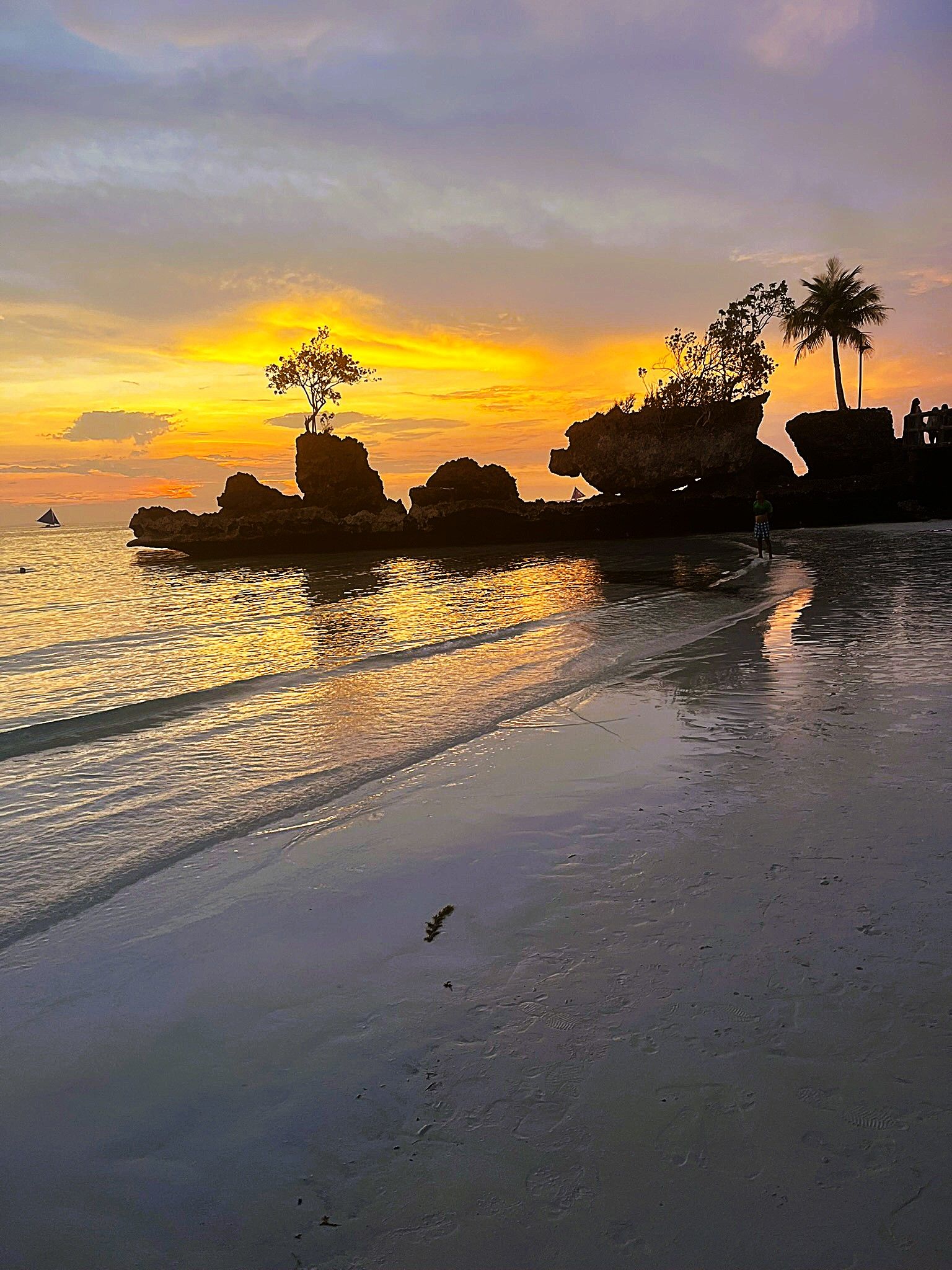
However, one does not usually mention Boracay and the environment in the same breath. The island is considered overcrowded. Now it is the off-season, and the beaches are relatively empty. Only in the evening do crowds gather at Willy's Rock to capture the famous rock in the light of the setting sun on their phones. Along the beachfront promenade and in the open-air shopping center D'Mall, there is significant hustle and bustle. One can hardly imagine how it operates here during the peak season.
Once a