
Siquijor, my Philippine longing place
In mid-September, I spent five days on Siquijor Island, an hour's boat ride from Dumaguete City on Negros Island. I would have liked to stay much longer.

Published: 25.09.2026
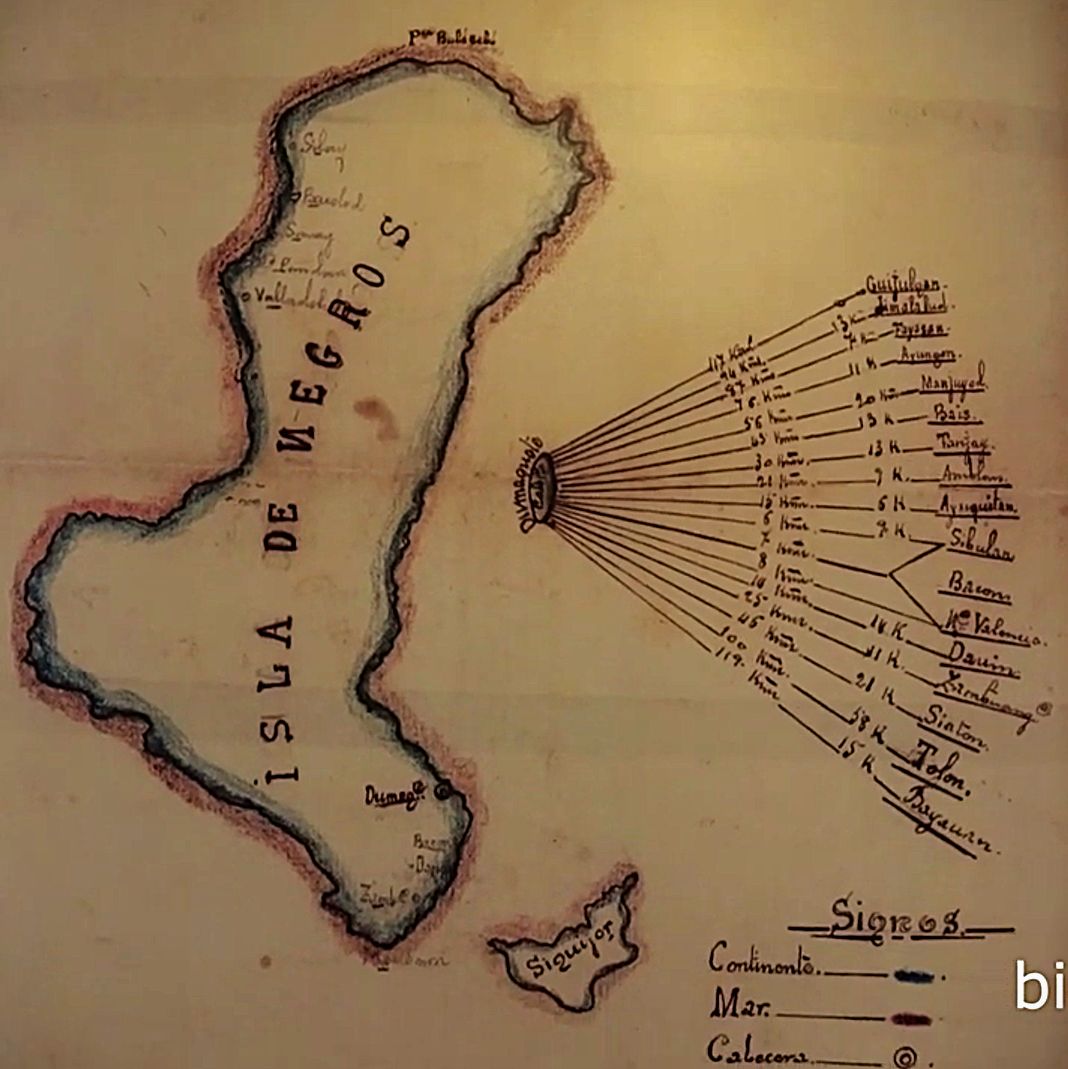
On September 16, I took a bus from the Ceres company from Dumaguete in the southeast to Bacolod in the northwest of Negros Island, a six-hour journey across the mountains. There was a stop in a coastal town I had never heard of but has about 200,000 inhabitants: Kabankalan was separated from the neighboring town of Ilog in 1907; Ilog itself was the first capital of Negros under Spanish rule from 1734 to 1795.
Dumaguete and Bacolod are closely linked by an ongoing rivalry: in 1849, the larger Bacolod (current population of the metropolitan area: over 1.4 million) became the capital of the island. In 1890, this was divided into two provinces: Negros Occidental and Negros Oriental; Bacolod remained the capital of West Negros; East Negros received Dumaguete (current population including suburbs: over 250,000) as its provincial capital.
Raids, Revolution, Occupation
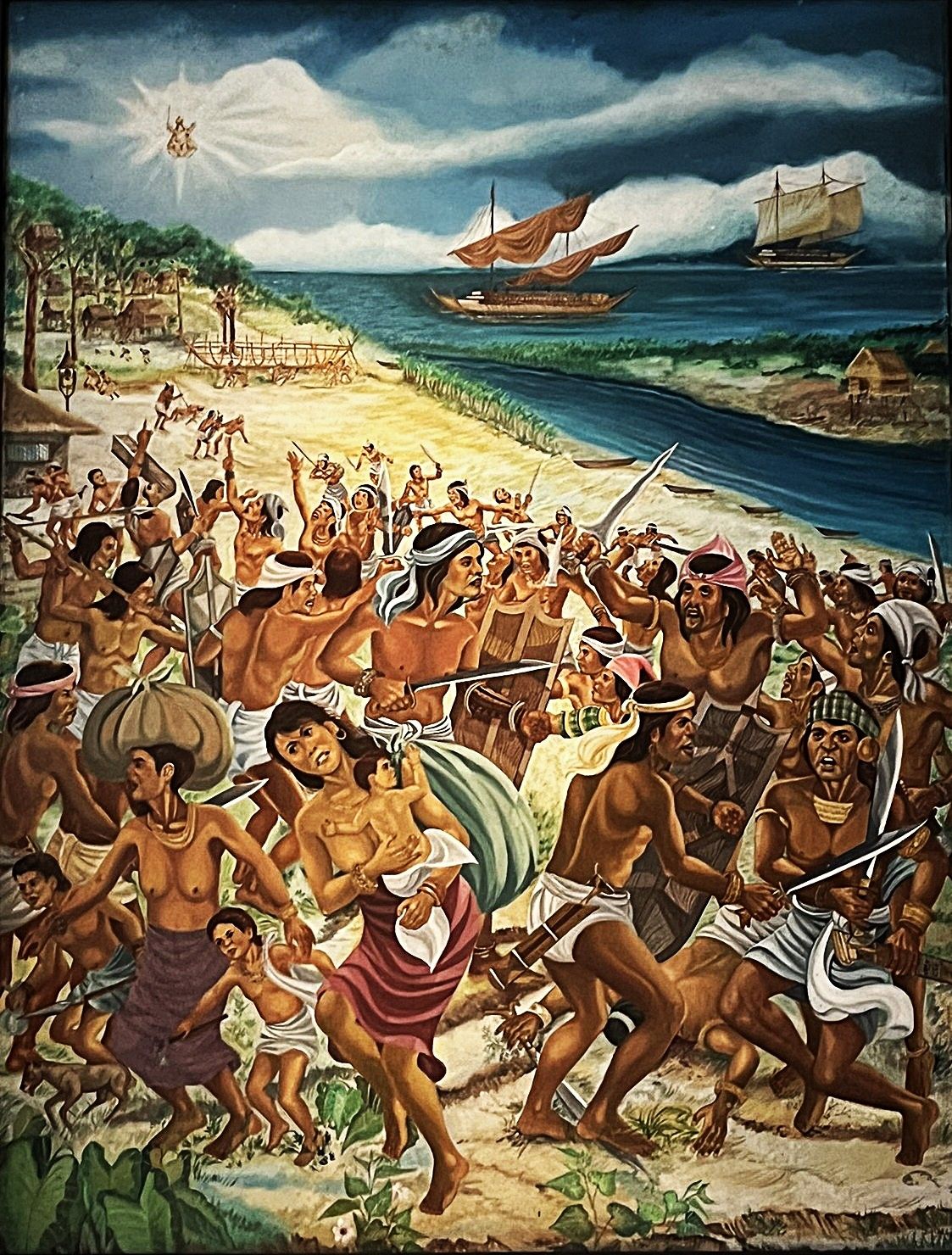
On the first morning after my arrival, I visit the Negros Museum on Gatuslao Street in Bacolod and immediately come across a depiction of Ilog. A painting shows the town – then a small coastal settlement – being raided by Moros. This happened several times in the 18th century. On some occasions, the Moros succeeded in plundering the town, massacring many residents, and abducting others as slaves. However, Ilog successfully defended itself several times, once – as legend has it – thanks to an appearance of the Christ child.
The Spaniards referred to the Muslim population groups in the southern Philippines as "Moros". (It was the same term, Moors, they used for the Muslim invaders who ruled parts of the Iberian Peninsula for almost 800 years, until 1492.) Those who think that the raids by Muslim pirates mainly from the island of Mindanao, the Sulu Archipelago, and southern regions of Palawan against towns in Negros are ancient stories from the 18th century must only consult the travel advisories of the EDA (the Swiss Foreign Ministry) to be corrected.
The EDA still advises against traveling to Mindanao today (with the exception of the city of Davao and a few islands in the north like Siargao and Dinagat), and there are explicit warnings against the Sulu Archipelago, as well as certain areas in the south of Palawan. There is an increased risk of terrorist activities and kidnappings, it states. The suspects are still the same as they were in Ilog and numerous other places in the Philippines; only the predatory intent has been intensified by a political one: The EDA refers to the gangs as "Islamist groups like Abu Sayyaf and IS-related organizations".
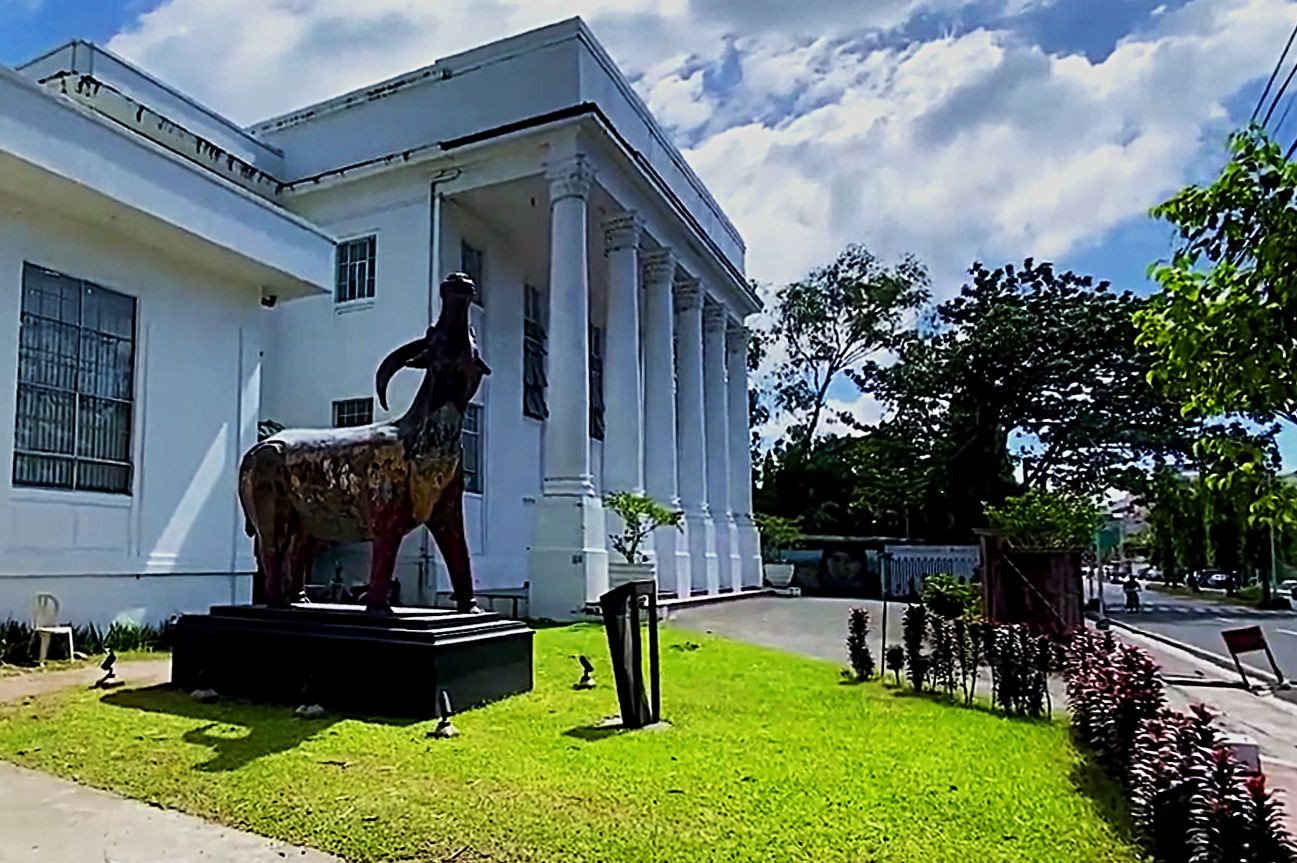
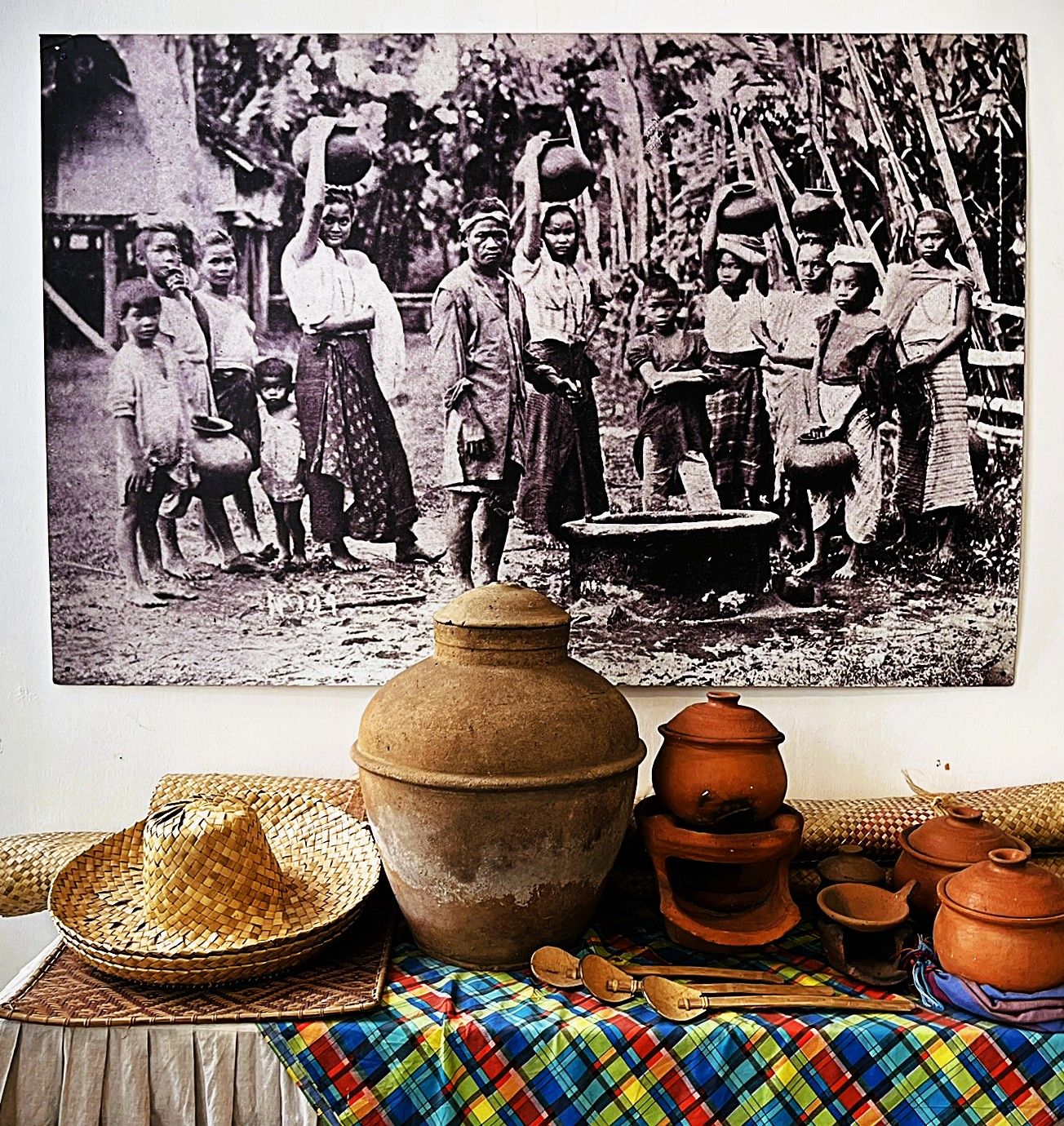
The museum is housed in a building from 1925, designed to resemble a Greek temple with its columns, and served as the capitol of Negros Occidental until the early 1970s. On the ground floor, there are changing exhibitions of contemporary Philippine art. More interesting is the first floor, where there are historicist representations of the indigenous people. Additionally, the "Hacenderos Salon" here, with its furniture, clothing, and jewelry, complemented by historical photographs, depicts the lifestyle of those elites from Bacolod and its surroundings who became immensely wealthy through the cultivation and processing of sugarcane.
The city played an important role in the uprising of Filipinos against the Spaniards: In November 1898, a provisional junta under Aniceto Lacson declared the Republic of Negros. However, independence did not last long: By March 1899, American troops occupied the revolutionary capital. On May 21, 1942, the Japanese marched in; almost exactly three years later, the city was liberated.
Witnesses of the Former Wealth
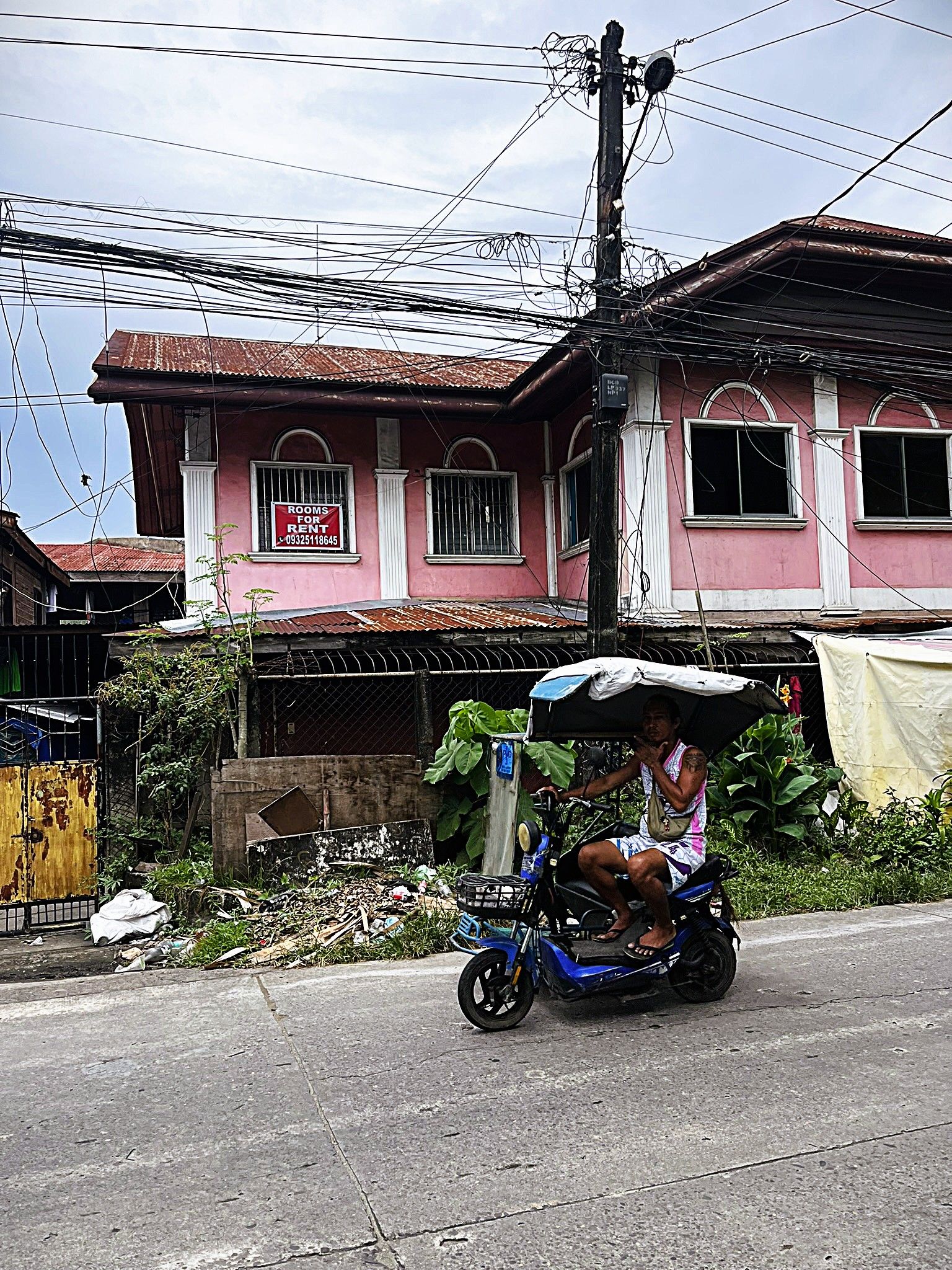
Bacolod is rather chaotic, with ugly modern buildings, extensive settlements of brick houses with corrugated roofs, adjacent to new large constructions. The Japanese occupiers used them as a garrison and demolished much of what they did not need or what seemed suspicious to them. A few years later, on April 14, 1955, a significant part of downtown was destroyed by a large fire; numerous shops and residential buildings, as well as the Central Market, fell victim to the flames.
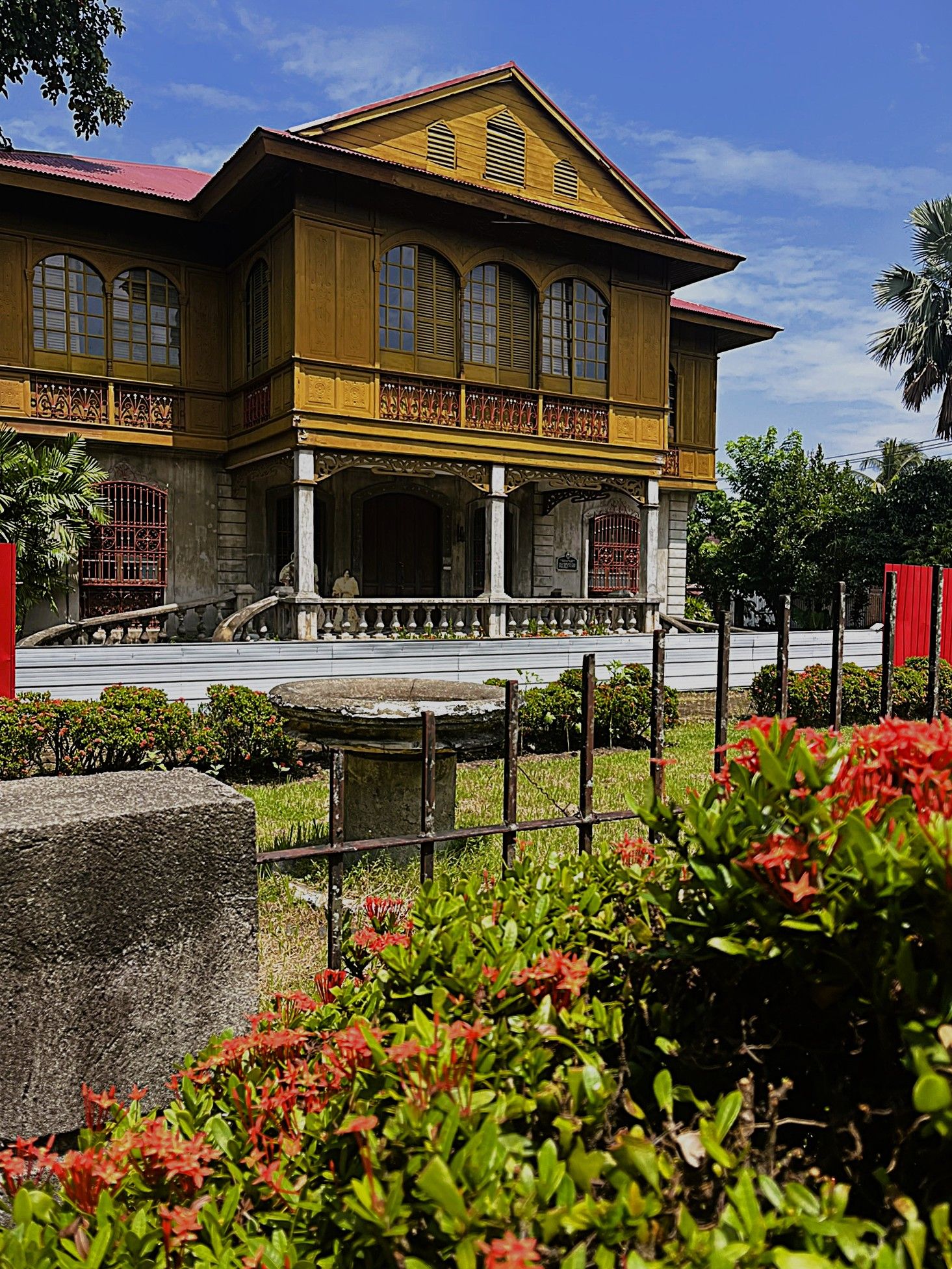
I experience the bygone wealth more directly in Silay, about fifteen kilometers to the north. Here stand some well-preserved, luxurious residences of the former sugar barons. The most famous is the Victor Fernandez Gaston Ancestral House, unfortunately closed for renovation. Victor's father, Yves Leopold Germain Gaston, came from Normandy, married a Filipina, founded a hacienda, and installed the first steam-powered sugar mill on the island.
Son Victor, born and raised here, built this city house in 1897, where he lived with his children until his death in 1927 as a widower. This was because, around the time of the house's construction, his wife Filomena Maquiling died after giving birth to their twelfth child. Later, the house fell into disrepair. Dedicated Negrenses restored it and opened it as a museum in 1990.
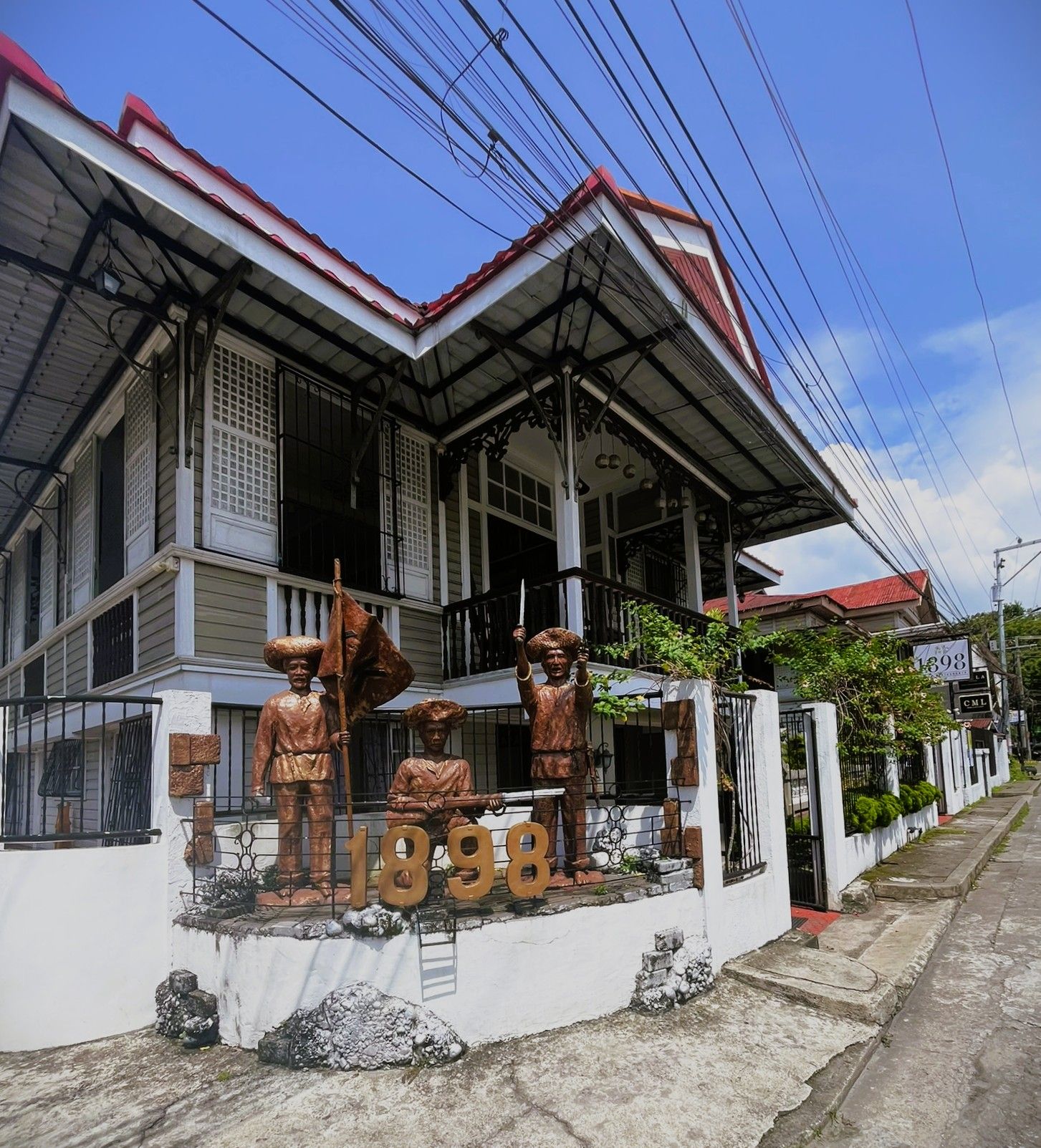
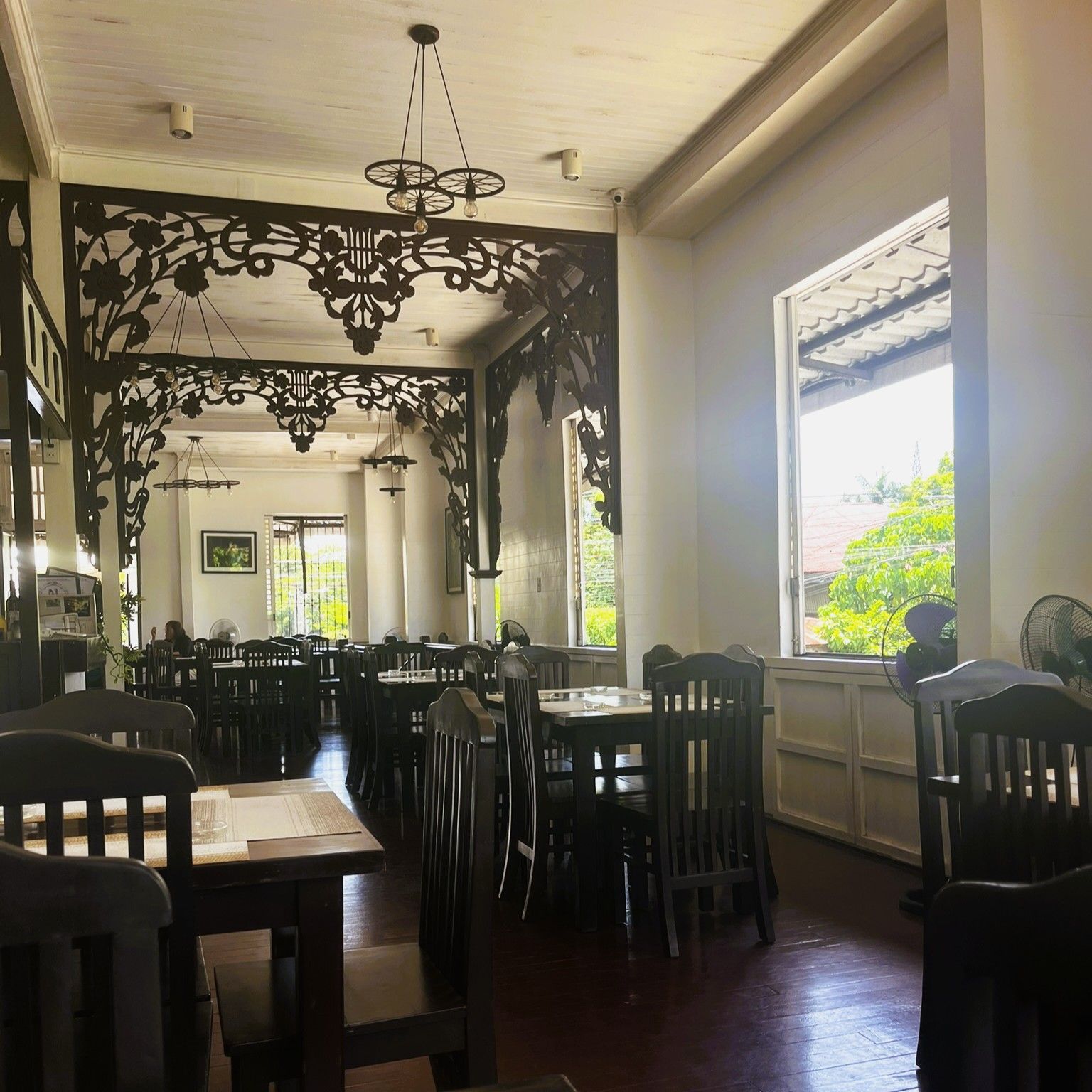
For lunch, I go to "1898 Casa & Restaurante". The name, as a sculpture in the front garden demonstrates, does not come from the year of construction of the elegant double villa, but from June 12, 1898, when the Philippines proclaimed their independence from Spain. This was short-lived: Already on December 10, 1898, Spain ceded its claim to the USA.
Instead of granting the Filipinos the hoped-for freedom, the Americans began a war in early 1899, which ended in the renewed subjugation of the country. It was not until 1946, after they had also been occupied by Japan, that the Philippines truly became independent.
The two identical villas were built in the mid-1930s, during the American colonial period, by Generoso Yuson Gamboa Sr. (1876–1952) for his two sons and their families. Gamboa was one of the hacenderos who became rich through sugar. In the 1930s, he served briefly as mayor of Silay.
Neorenaissance on Negros
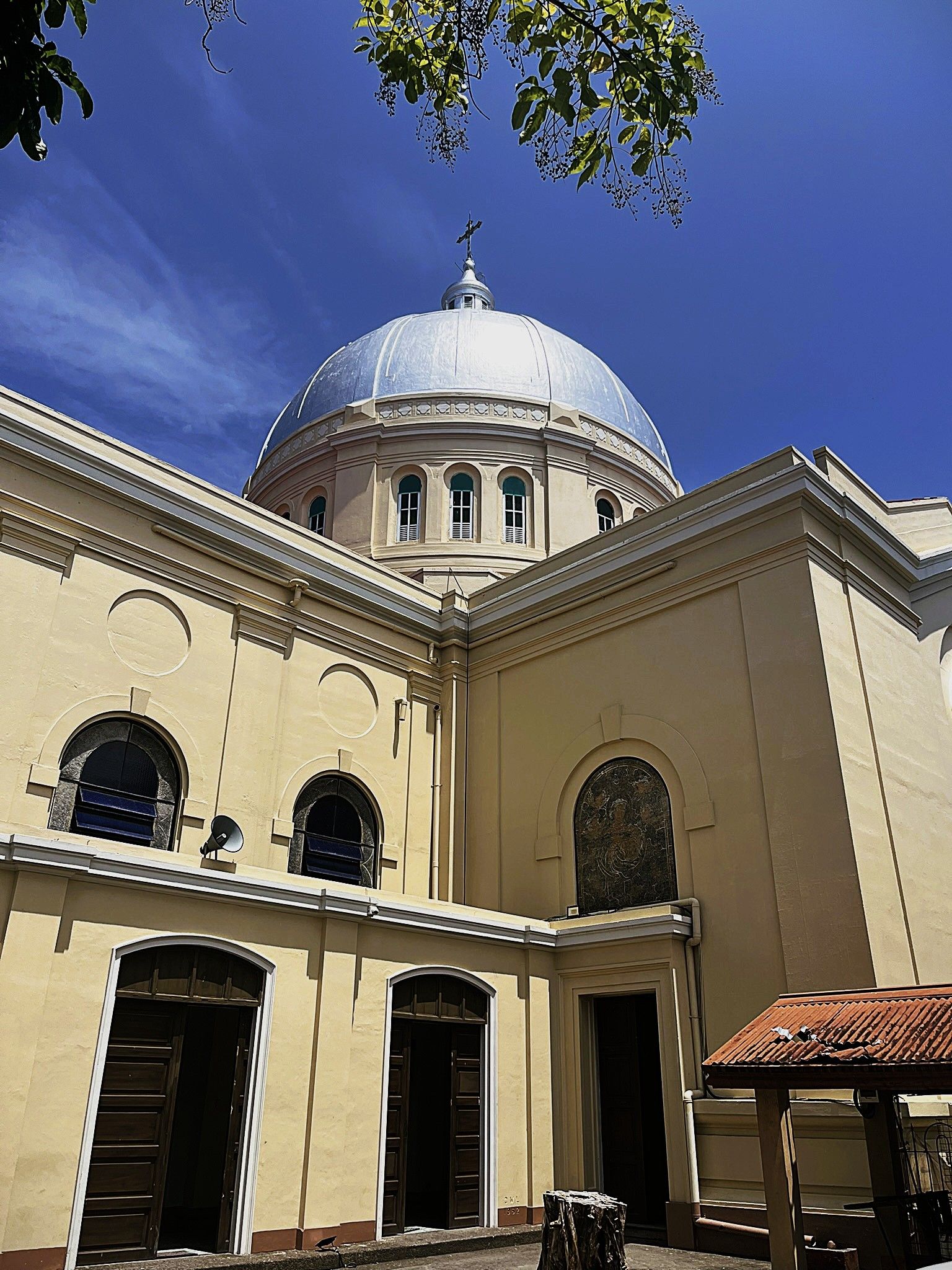
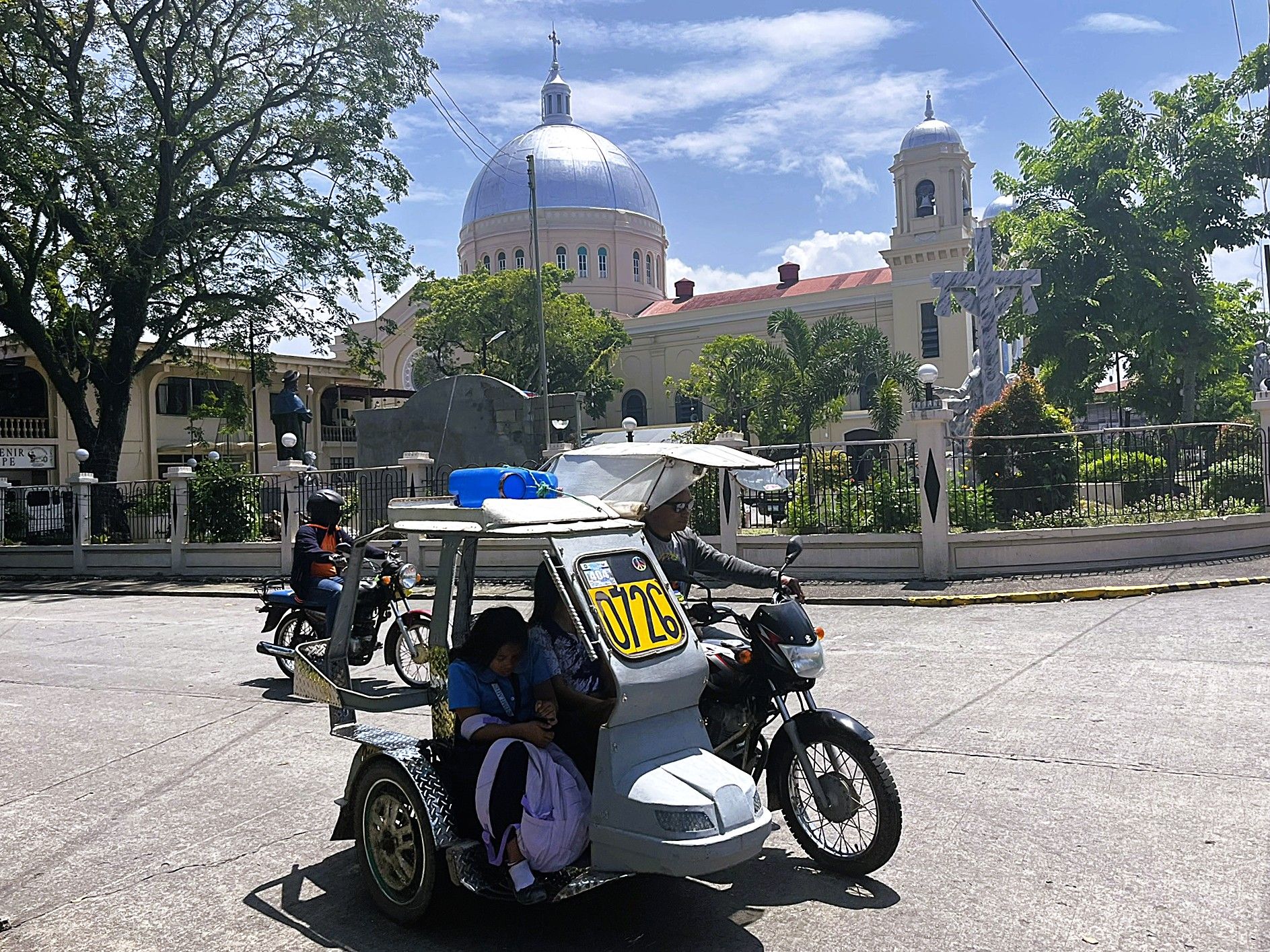
Another gem of Silay is the San Diego Pro-Cathedral. (A pro-cathedral is a parish church that serves as the bishop's seat whenever the actual cathedral, in this case, San Sebastian in Bacolod, cannot be used, for example, due to renovation work.)
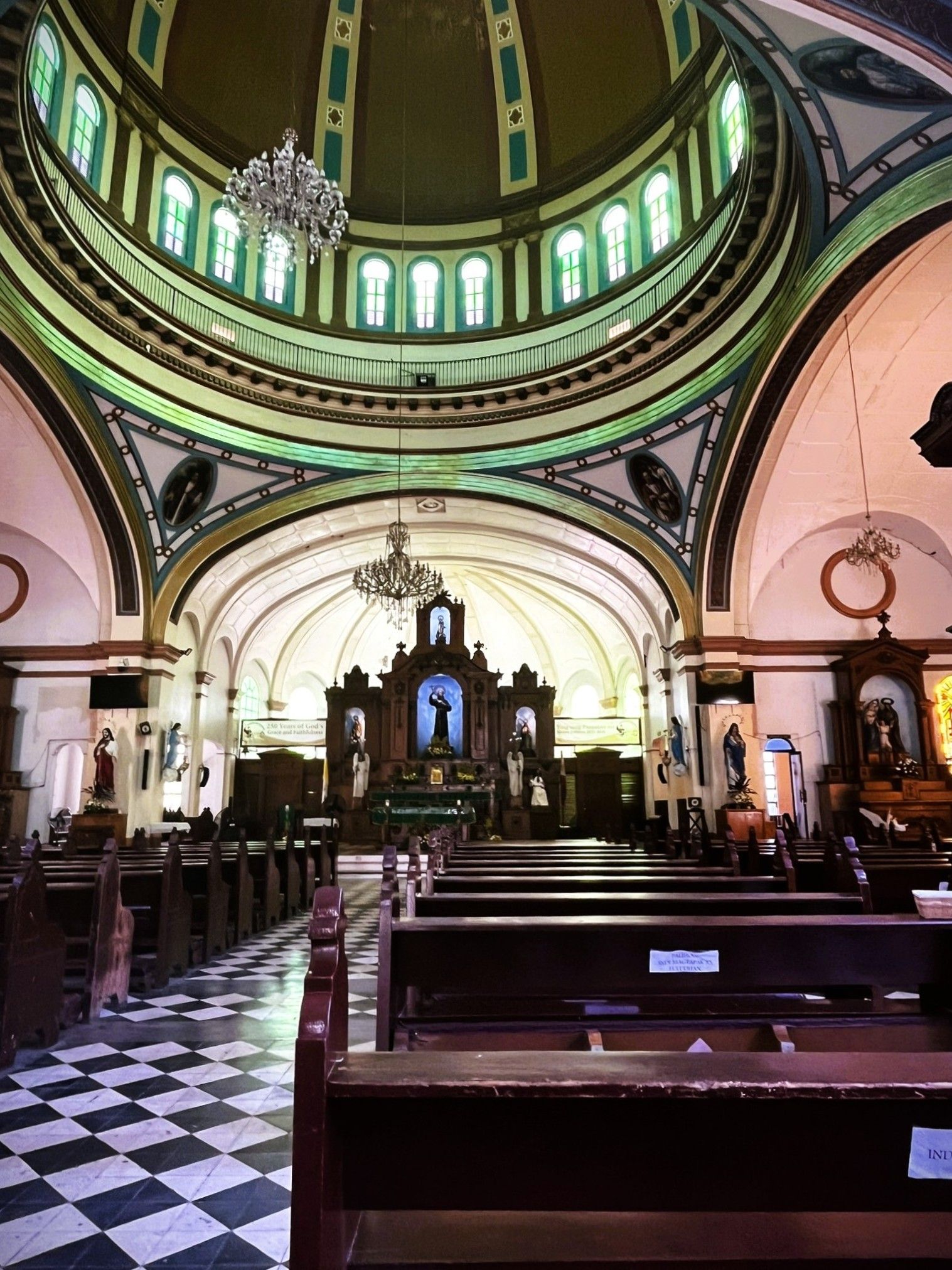
The church, built starting in 1925, resembles an Italian dome from the Renaissance, which is not surprising: The sugar baron Don Jose Ledesma, who financed the construction, supported by donations, brought in the Italian architect Lucio Bernasconi. He designed the church in the shape of a Latin cross and crowned it with a forty-meter-high dome.
More than the manors, the church of San Diego symbolizes the former opulence: a wealthy local patron, an architect brought in from afar, and a city that manifested what it could afford.
Bacolod at Night
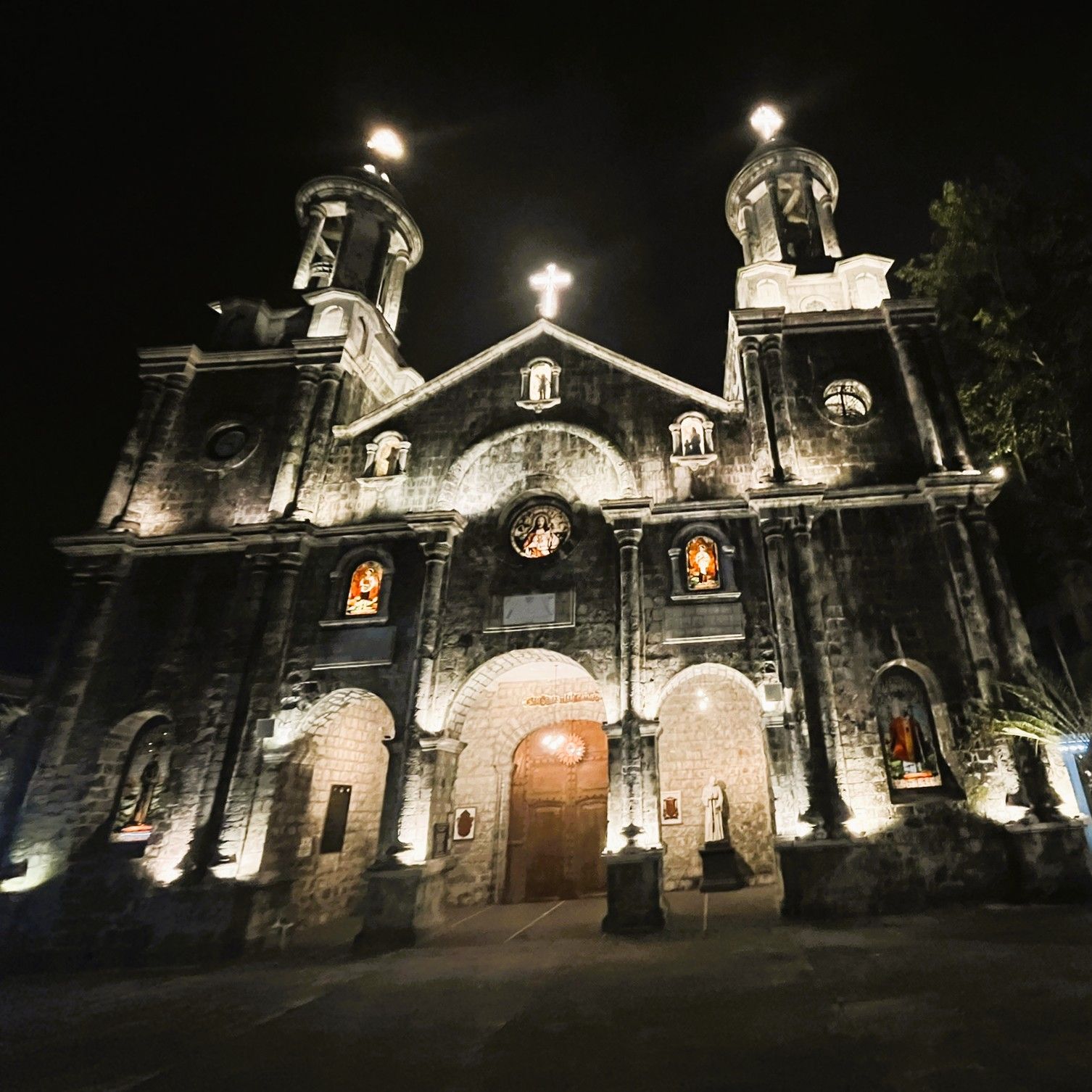
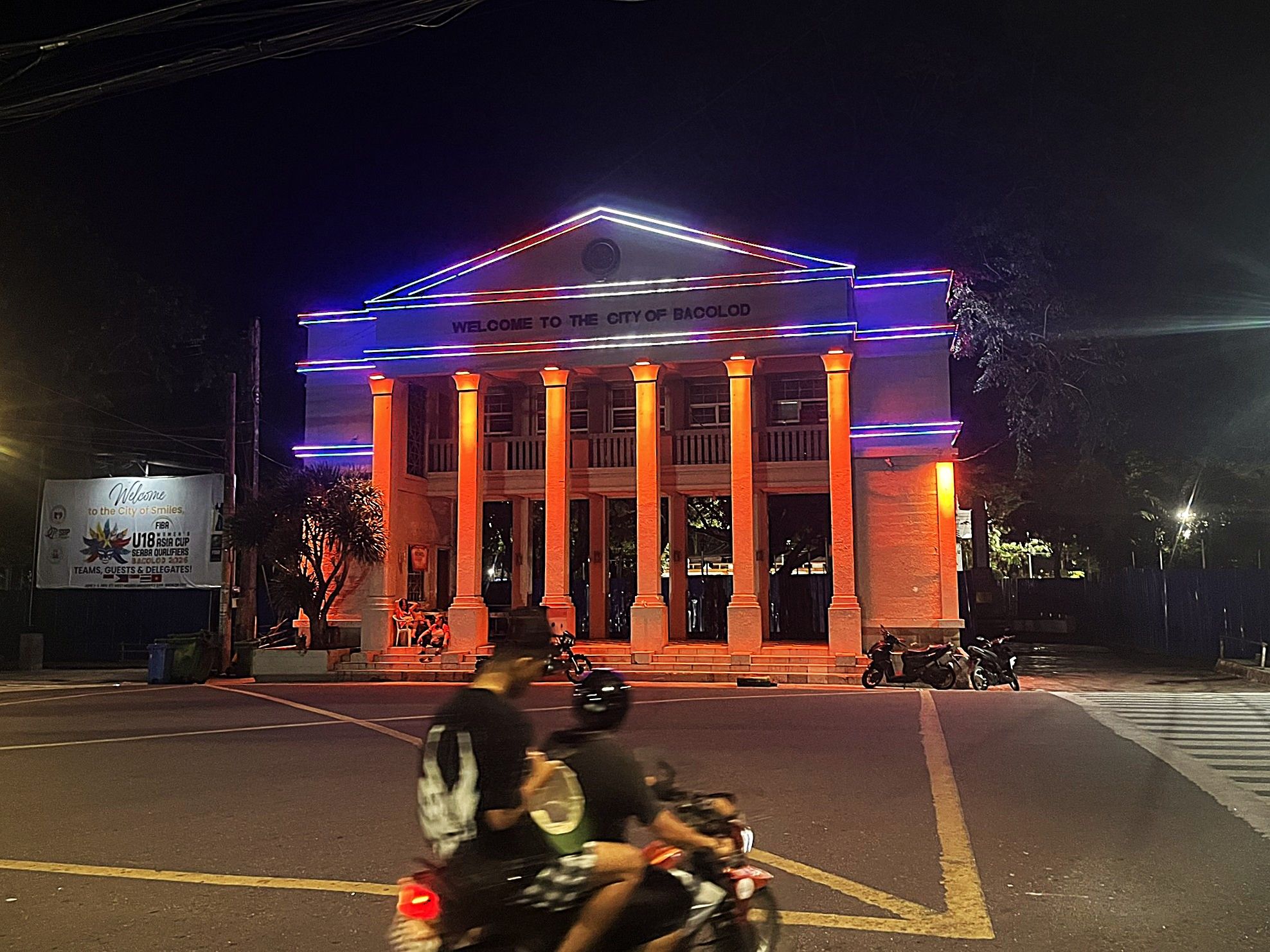
One of my evening walks takes me past the discreetly illuminated cathedral to the Bacolod City Charter Anniversary Monument, a reproduction of the facade of the new government center. At least at night, this is double kitsch: First, the monument with its pseudo-Greek columns is only seven years old. And secondly, at night it is bathed in a permanently oscillating color orgy.
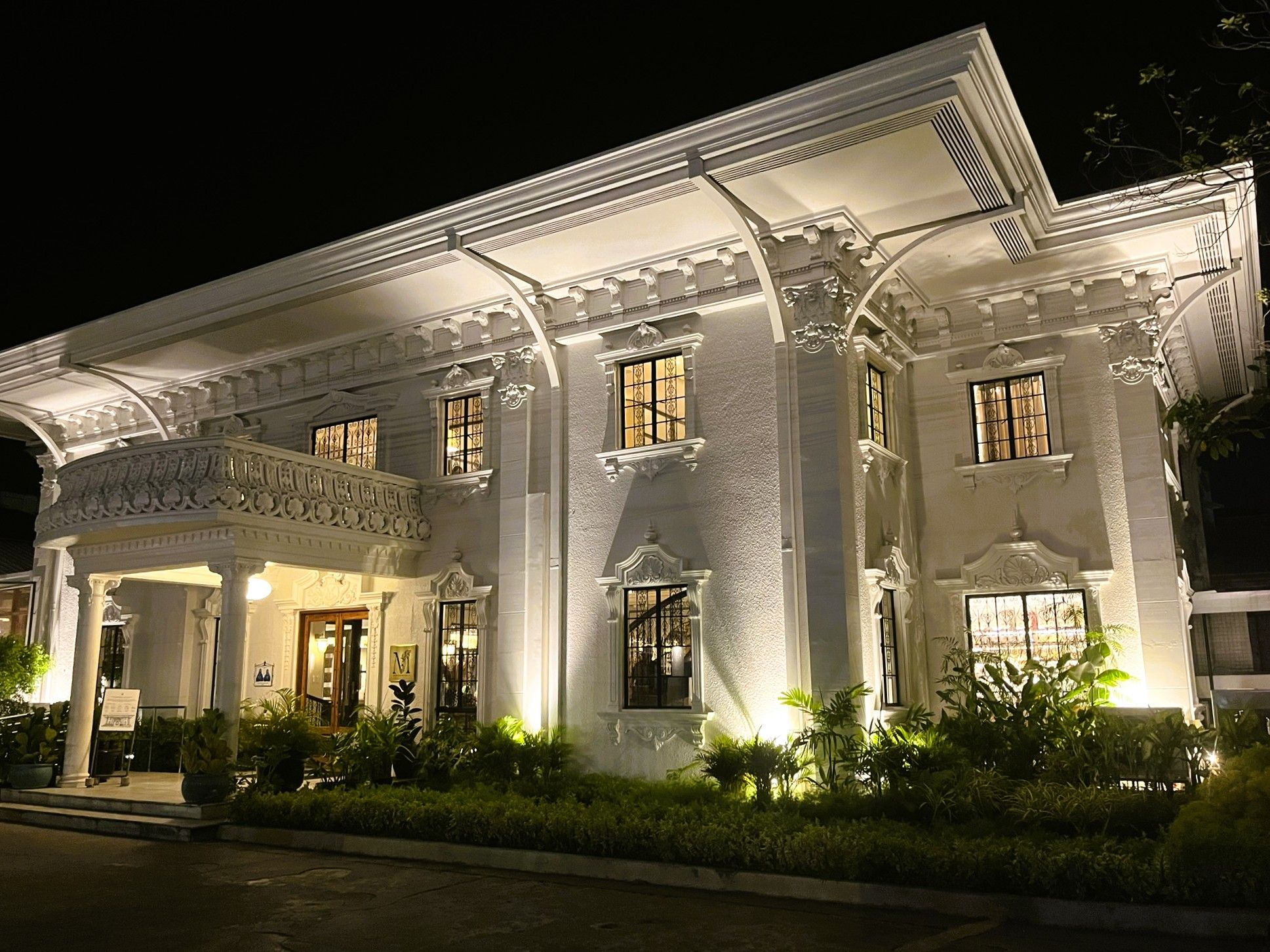
For dinner, I chose one of the finest (though by no means the most expensive) restaurants in town: "Maria Kucina Familia" in the Mirasol Mansion on La Salle Avenue. Bacolodnons reverently refer to the house in neoclassical style because of its bright white facade and imposing columns as the "White House". The mansion is younger than its style suggests: It was built in the early 1970s for the wealthy Mirasol family as a conscious quotation of the long-gone era of the sugar barons.
At some point, the Mirasol family gave up the house; it stood empty until heritage preservation took it over and developed the idea of a new use. After careful restoration, the restaurant moved in April 2026, having previously been located at another address for nearly a decade. The rooms were turned into thematic rooms: music room, library, art salon. The full splendor of the house reveals itself when you climb one of the two curving staircases under the high ceiling and the glass panels. The restaurant is also very well frequented on a regular evening; it serves an elegant Asian fusion cuisine.
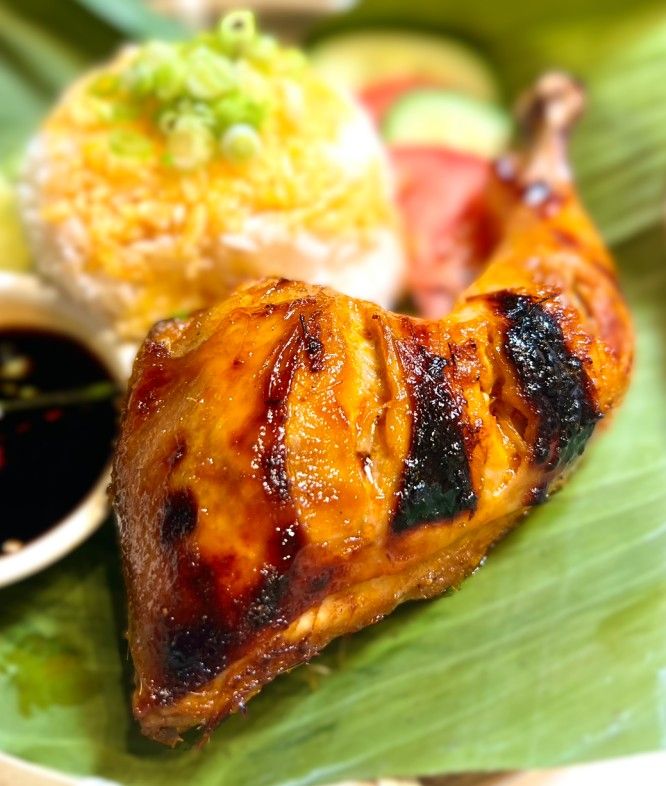
On another evening, I of course also try the famous Chicken Inasal in a less upscale restaurant. The chicken pieces marinated with many spices and then grilled are considered the culinary flagship of the city, and rightly so: I have eaten chicken dozens of times during my travels in Southeast Asia, but hardly any was as flavorful and tender as Bacolod's Inasal.
After three days, I take an Oceanjet fast ferry again. We glide past the green island of Guimaras, from where the allegedly best mangoes in the world come, my favorite tropical fruit. The journey to Iloilo City takes just under an hour, just long enough to prepare me for the next city experience.