

Mui Ne, and above all a hint of fish sauce
After an exciting week in the Mekong Delta, a beach vacation was due again. To that end, I traveled to Mui Ne on October 14, 2026, about 200 km east of Ho Chi Minh City.

Published: 21.11.2026



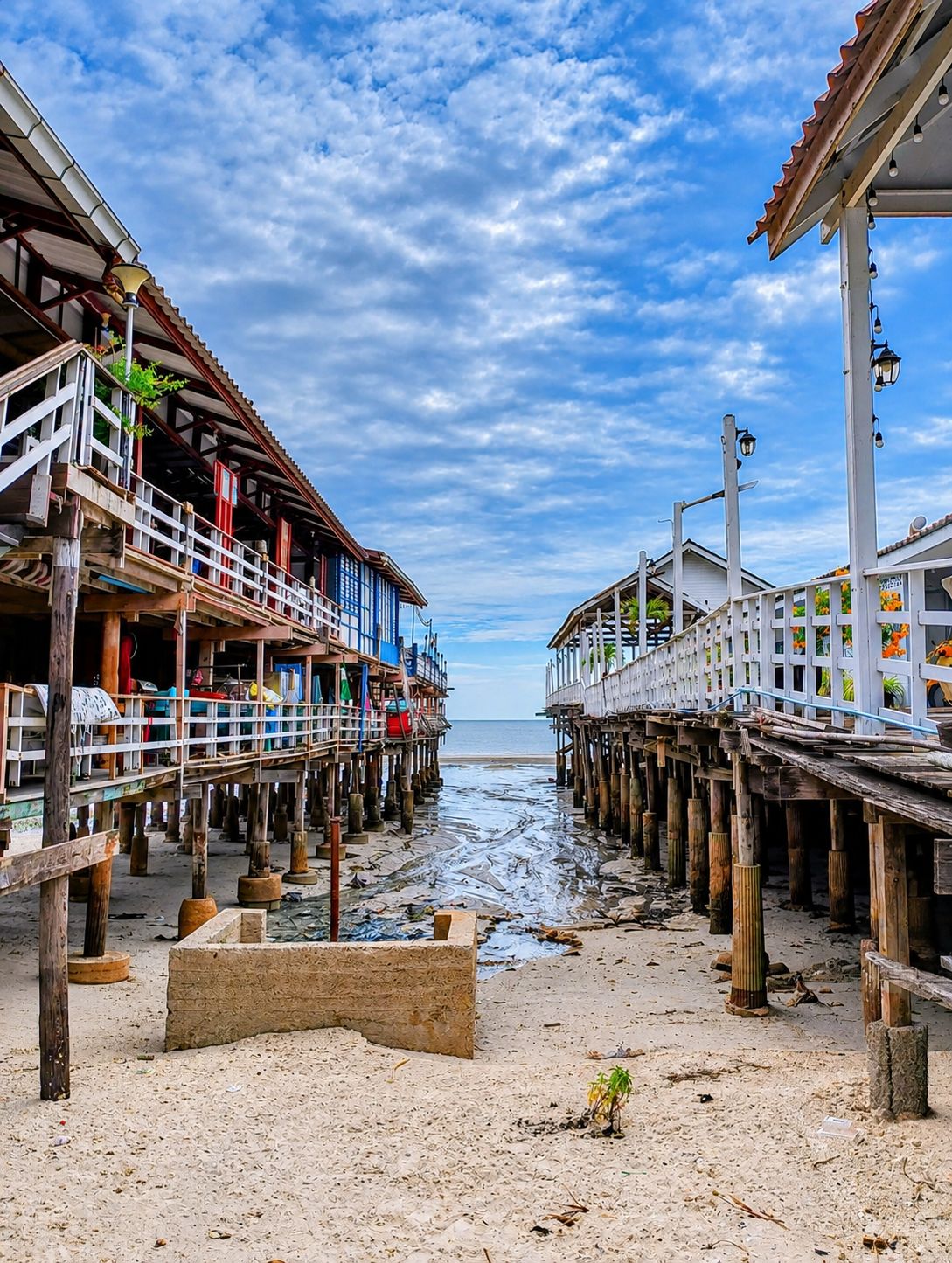
After more than five months of traveling through Indonesia, Malaysia, the Philippines, and South Vietnam, with a few final days in Ho Chi Minh City, I arrived in Hua Hin on October 26, 2026. I flew with AirAsia to Don Mueang, the old Bangkok airport, primarily used by budget airlines, and took a bus from there towards Hua Hin.
Hua Hin is something like my base camp in Southeast Asia. One can indulge in idleness here more freely than elsewhere; everything is simple, except that one is harassed by a new immigration regulation: in mid-September, the visa-free stay for Swiss, Germans, Austrians, and around five dozen other nationalities was reduced from 60 to 30 days. So, I cannot stay in Thailand for more than a month at a time, and I will spend my money for a few weeks in Cambodia afterward. It’s nice there too.
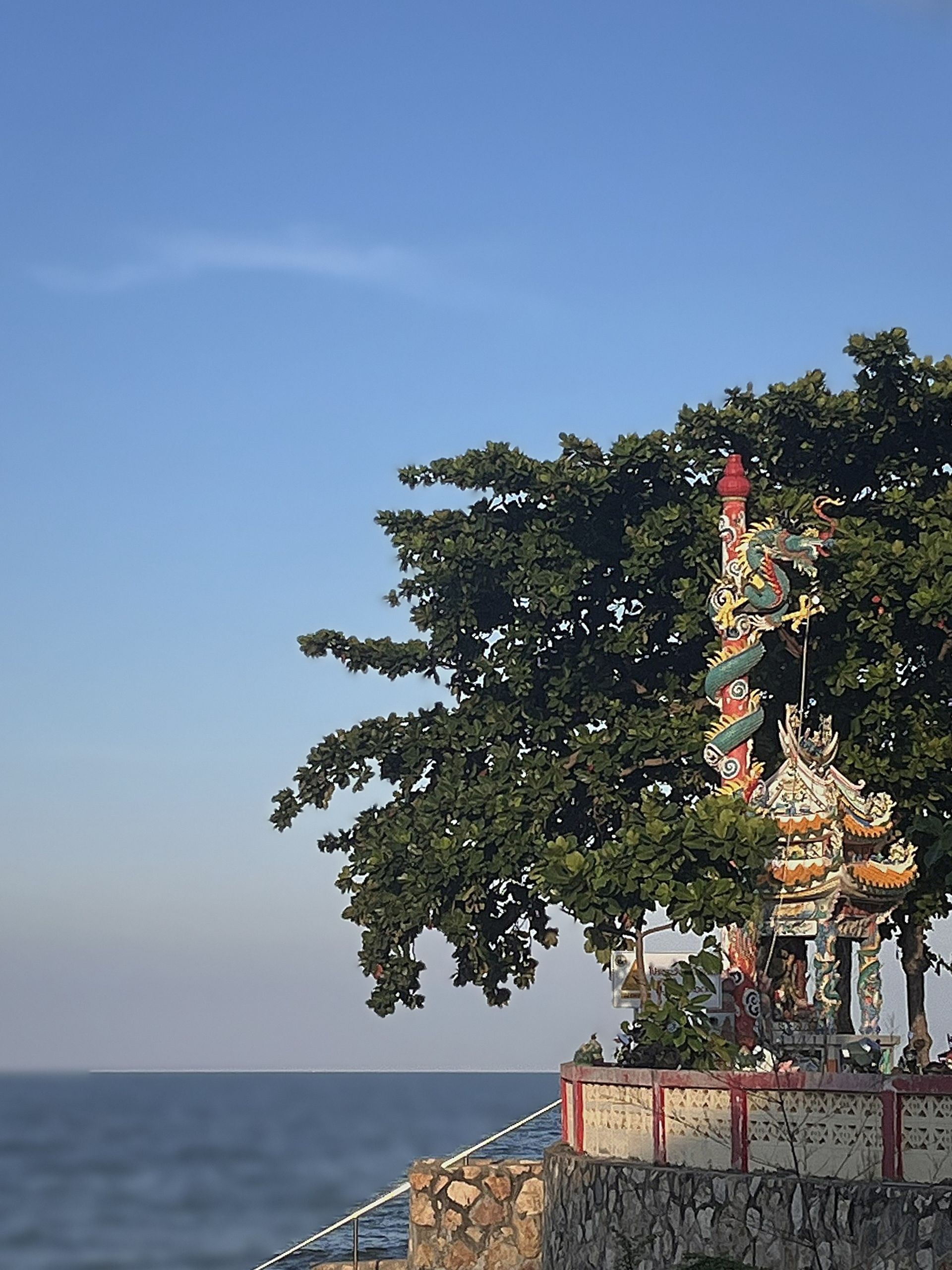
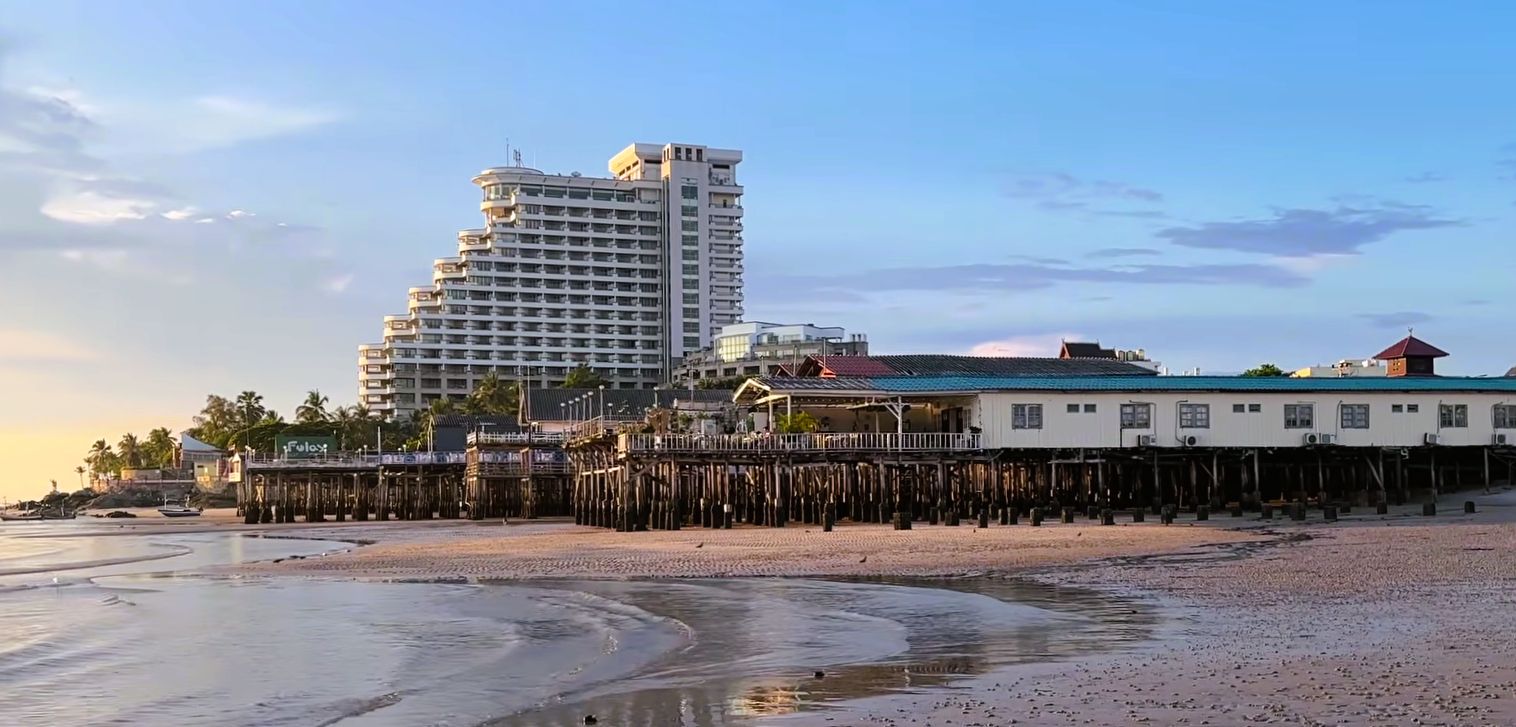
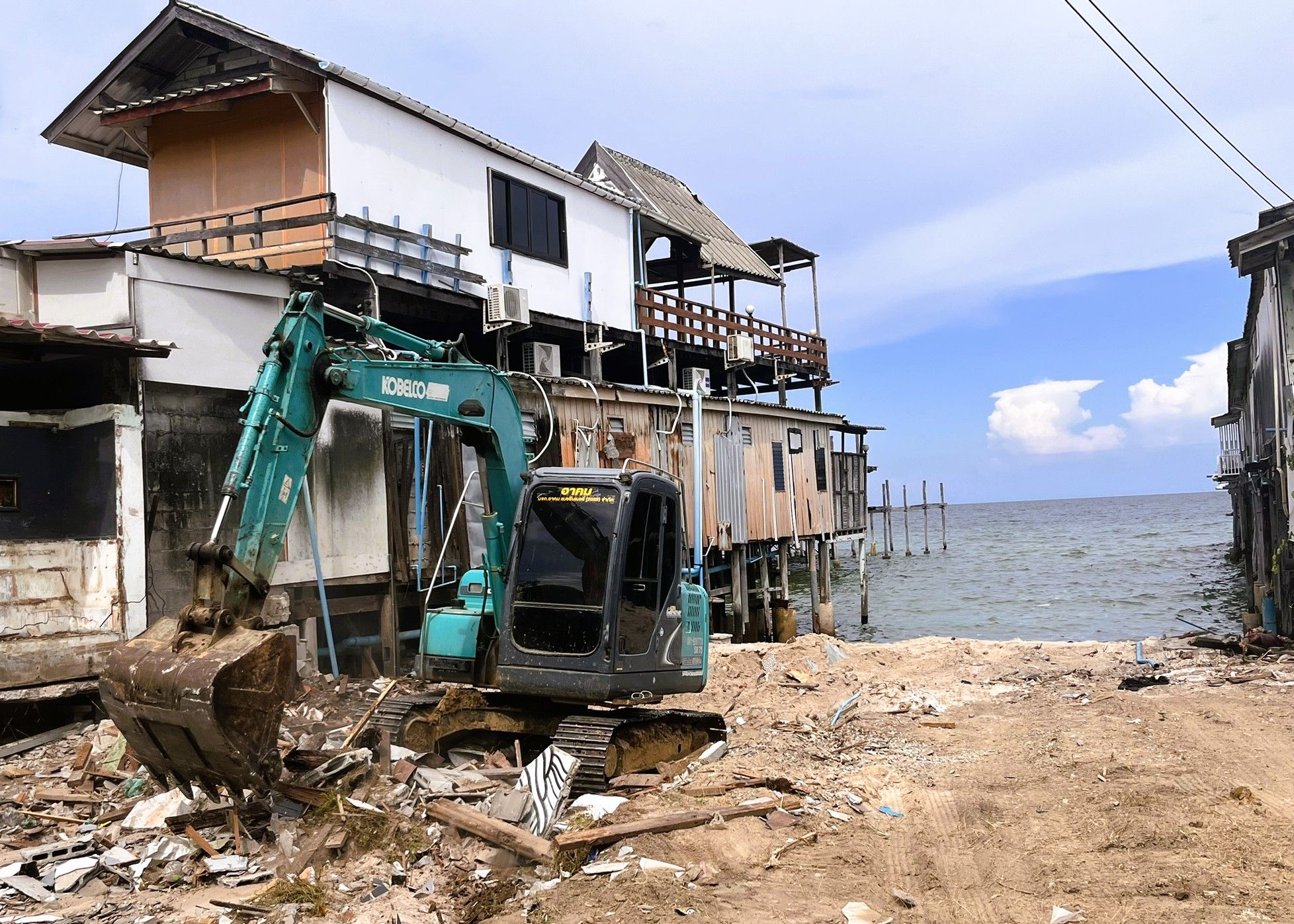
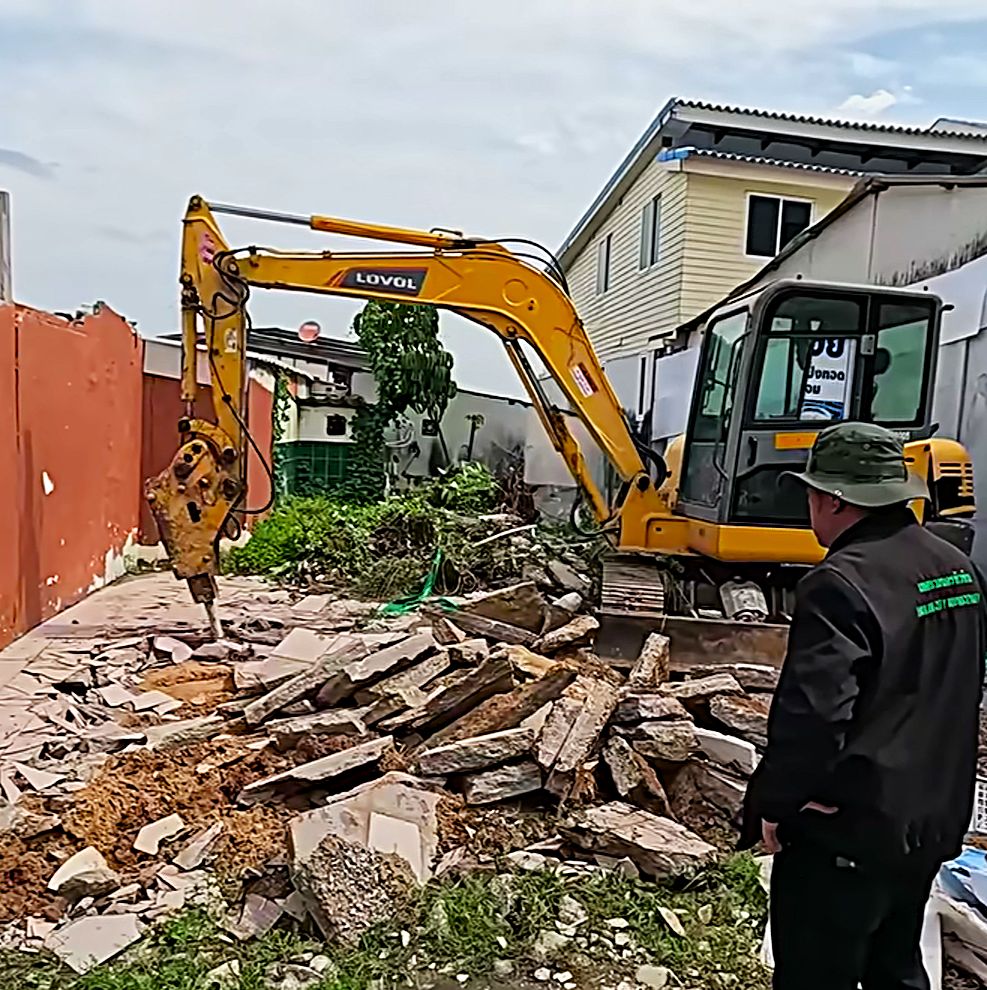
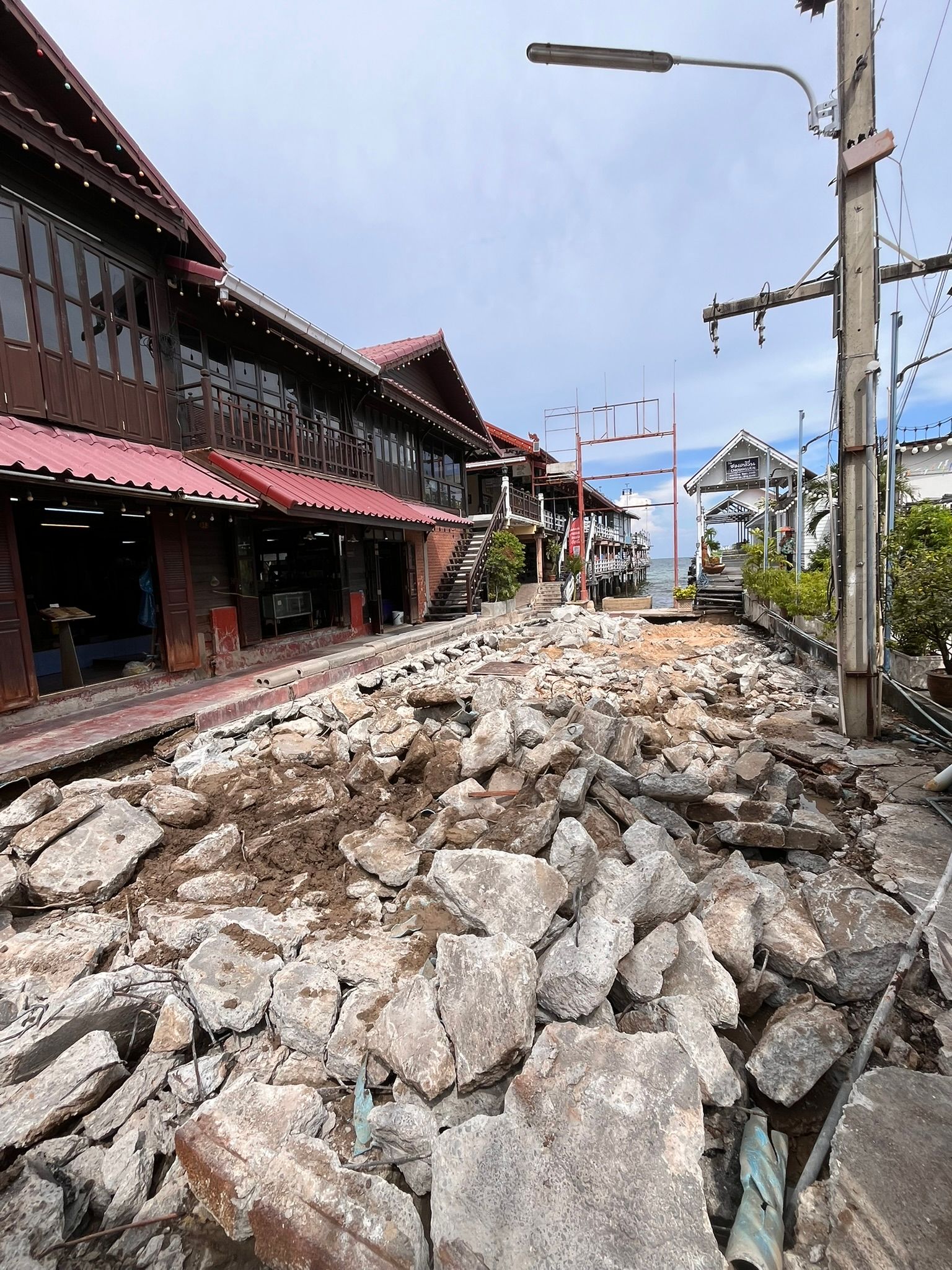
Another noticeable change is happening. At the beach between the Chinese temple Chao Mae Thap Thim, which stands next to the all-dominating “Hilton” hotel, and the fishing pier, heavy construction machines are working noisily, rumbling, and rattling. Over approximately 400 meters, where the central Naresdamri Road runs along the shore, buildings are being demolished.
From Fishing Village to Holiday Destination
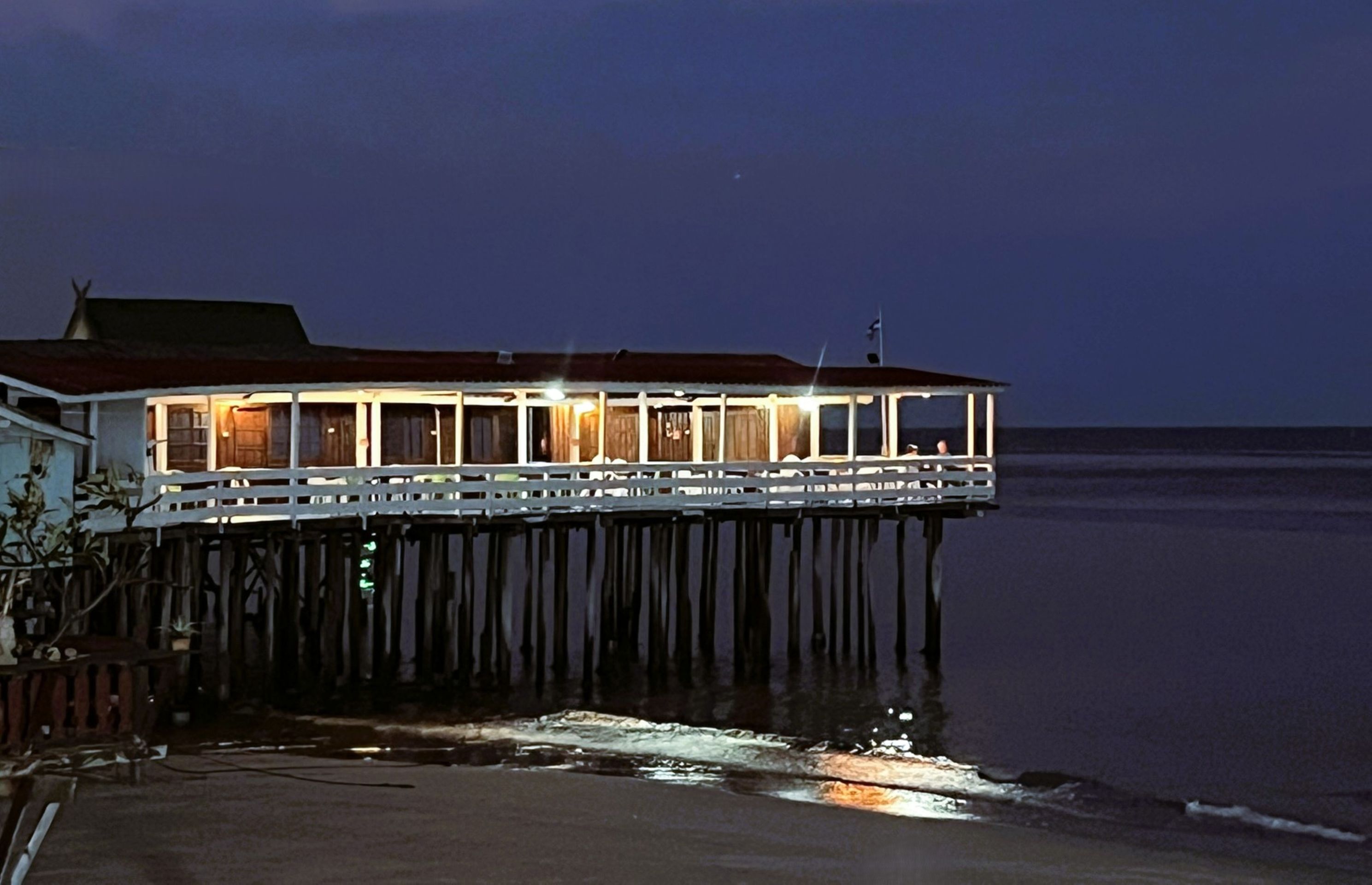
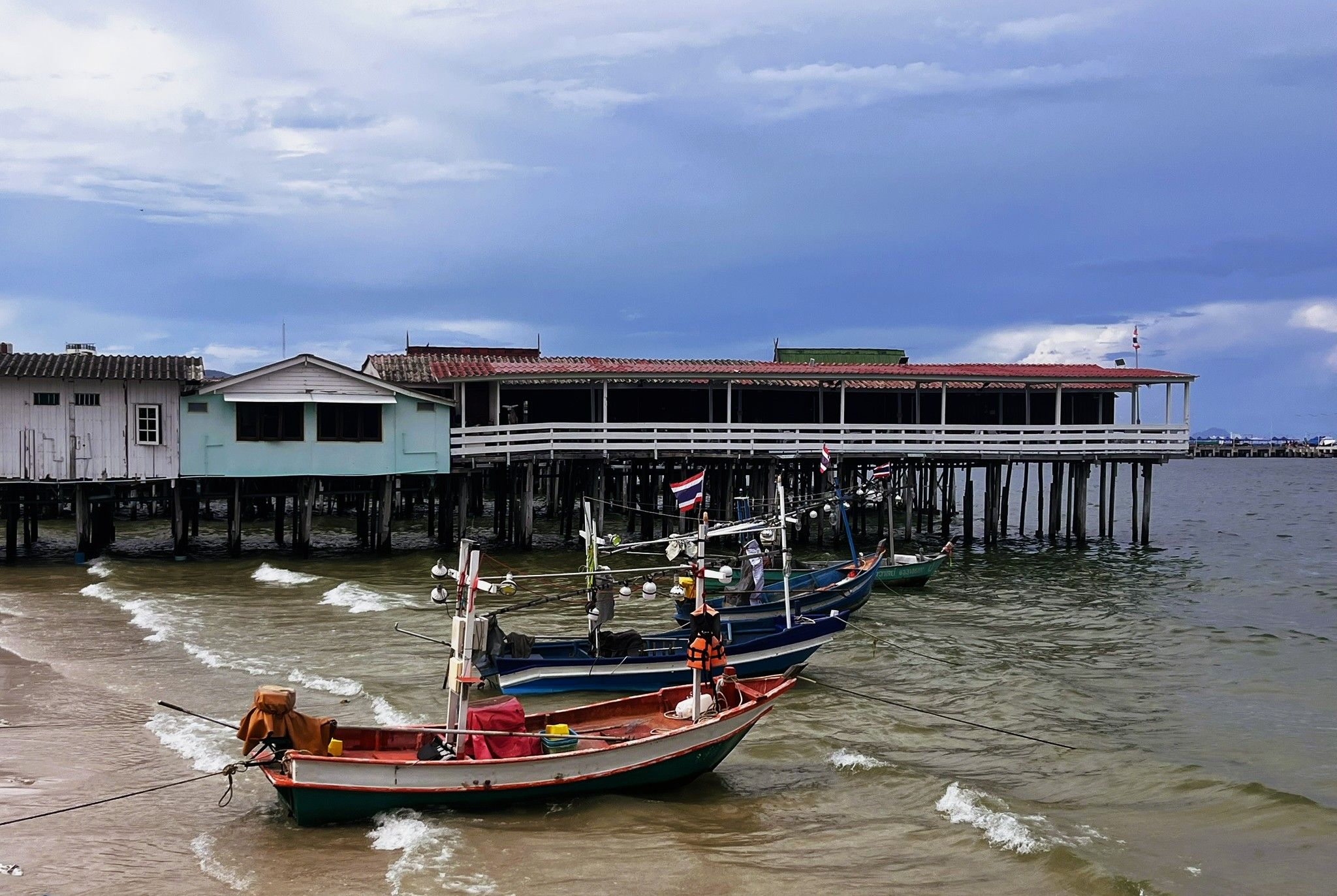
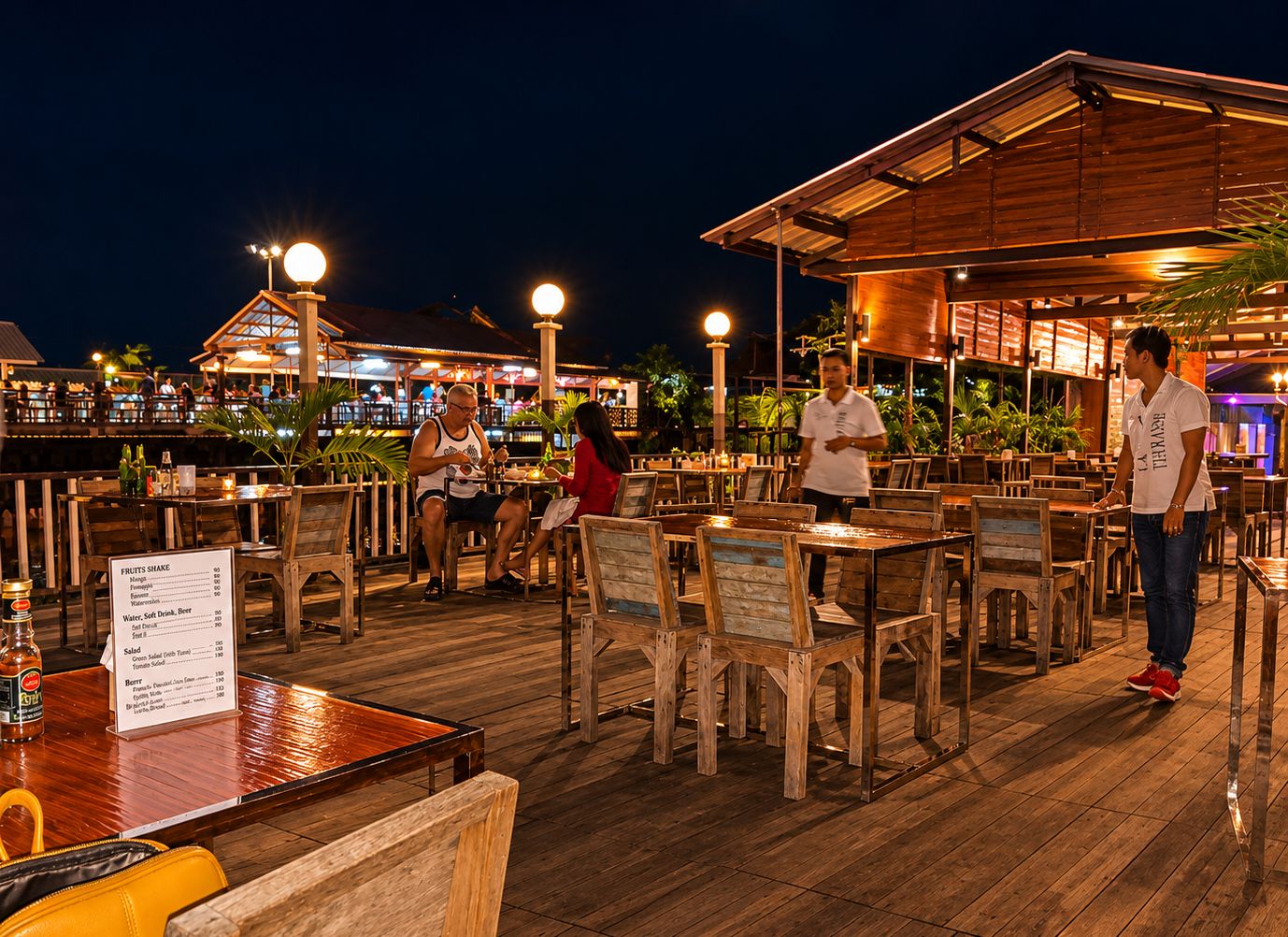
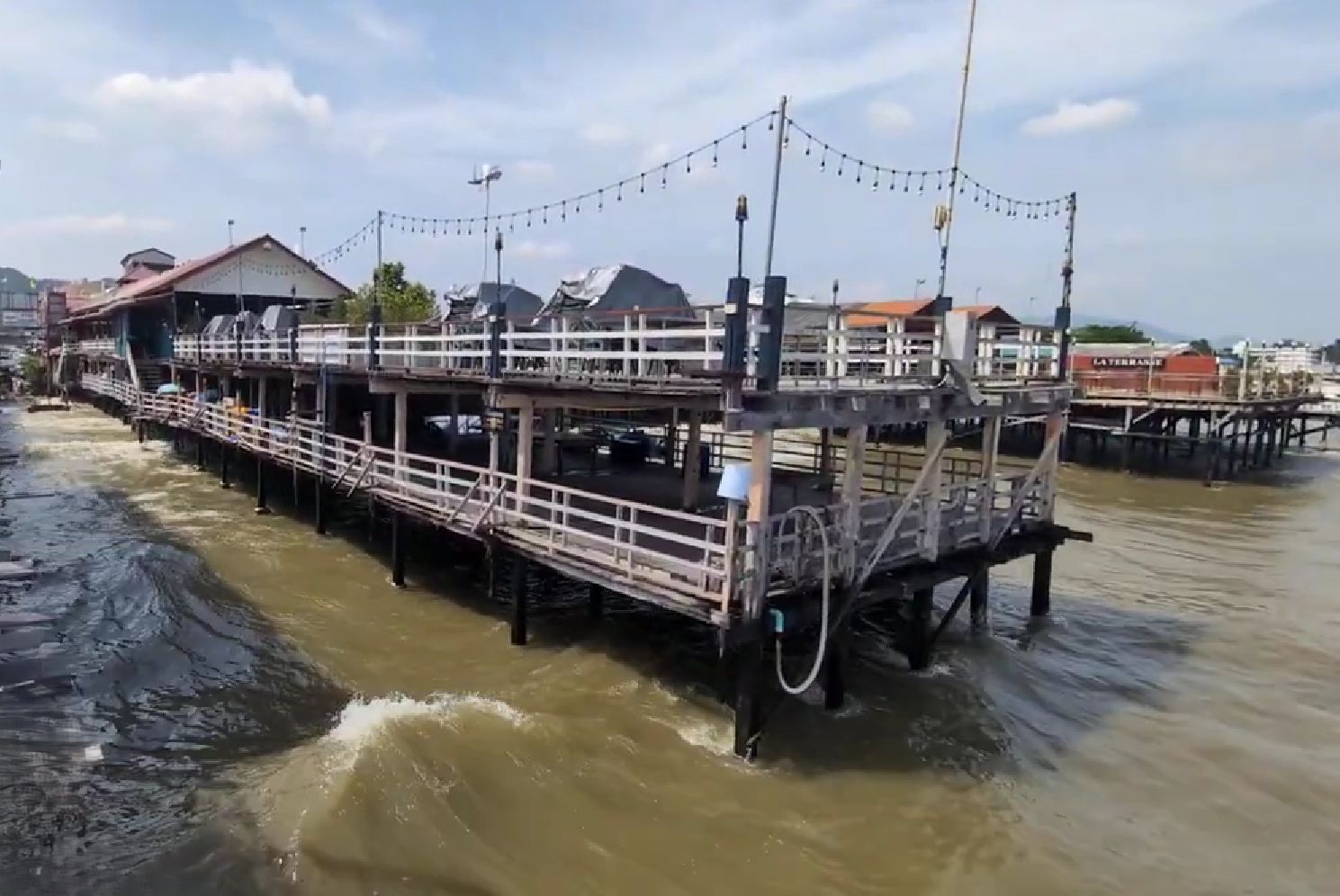
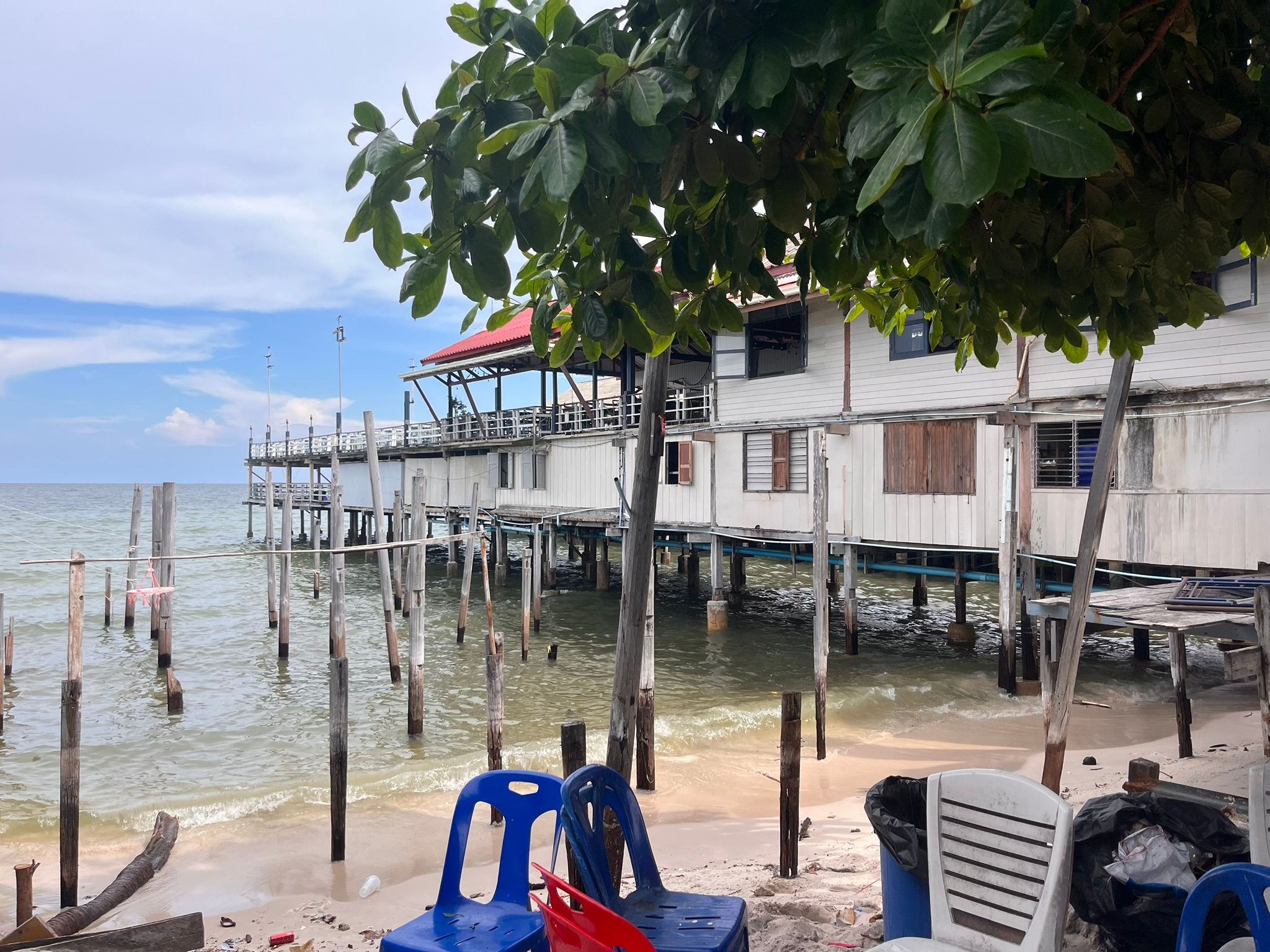
This stretch of beach was the center of the fishing village before it was transformed into a holiday destination from the early 20th century, promoted by the royal family (see my blog https://vakantio.de/vogel-fliegt-aus/fern-der-sorgen-in-hua-hin from June 10, 2025). Where fishermen's boats once docked (and some still do today), houses on stilts have been built over the decades; guesthouses and restaurants with terraces on wooden pillars followed, some of which extend far into the sea. A landmark of Hua Hin emerged on Naresdamri Road that looks picturesque in photographs, especially in the evening light, and is particularly appreciated by tourists and expats.
However, many of the buildings were erected unlawfully and are of questionable quality: some are in poor, sometimes rotting condition, posing structural dangers. For over two decades, authorities have wanted to have them cleared away.
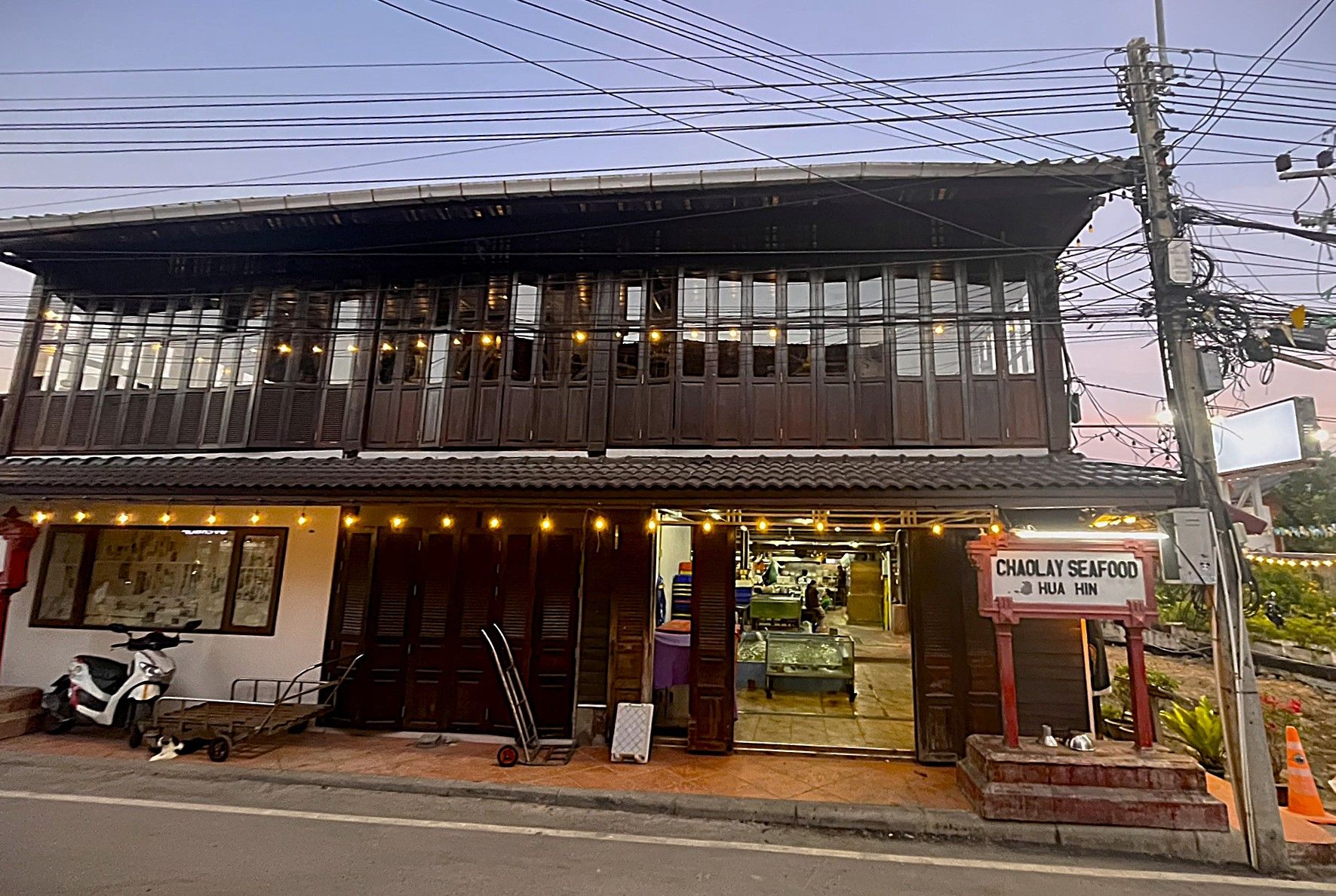
Among other things, the French-Mediterranean restaurant La Terrasse is located here, listed by Tripadvisor as one of the best places in Hua Hin, owned by Spanish-French property developer José Valls. The well-known seafood restaurant Chaolay, with its perfectly maintained dark teak wood structure on the street and a terrace extending far out into the sea, is also at risk. A large construction machine has already demolished the concrete parking lot next to Chaolay.
At the end of the promenade, near the Chinese temple, Praphaphan Thomson runs the quaint Seabreeze with a tiny balcony for just about ten guests. Sometimes during happy hour, I allow myself a cheap, perfect gin and tonic here. Praphaphan says she will close Seabreeze on December 10, just when the main tourist season begins in Hua Hin.
In contrast to many others affected, Praphaphan Thomson does not see her livelihood threatened. Her late Scottish husband left her some assets, and besides Seabreeze on the beach, she operates the upscale Irish restaurant Crowford in the city center and Shaken not Stirred, a bar where steaks and other menus can also be served.
Legal Options Exhausted
The situation is different for many affected families, some of whom have lived on the disputed land for generations, which the state classifies as public property. Some claim their ancestors moved there nearly two hundred years ago. They point to old property and tax documents, house registrations, water and electricity connections for decades, and historical aerial photographs.
This was followed by a seemingly endless series of lawsuits after authorities first acted against the buildings in 2002. The Marine Department, responsible for coastal waters, failed in an early proceeding because it sued tenants instead of owners. However, in 2014, the Supreme Court definitively ruled that buildings on public land should be removed.
That same year, the then-military government took action and sent soldiers. Some operators still refused. In 2016, around 40 buildings were to be removed. Part of the owners complied; since then, there have been some gaps in the rows of houses, some now overgrown or used as parking lots. Others went back to court.
In 2018, the Administrative Court confirmed demolition orders in several cases, and lastly, in 2025 and 2026, the Supreme Administrative Court declared the city’s orders lawful. 19 affected individuals then approached the National Human Rights Commission. On October 22, it announced after discussions with both sides that it would not block the enforcement of the rulings but wanted to examine whether the authorities were safeguarding the procedural and human rights of those affected. It was about replacement housing, moving costs, losses for families living off their restaurants and rooms, and participation.
On September 3, the city administration announced after a meeting led by Mayor Nopporn Wutthikul that a contractor had been commissioned to initially demolish 15 buildings on Naresdamri Road. The administration gave the owners 30 days to remove their buildings themselves, which no one did. Now they will act according to law and the court ruling, said the mayor a few days ago during a tour of the affected area.
What Comes Next?
They will start where the owners agree, or nothing stands in the way, asserted Nopporn Wutthikul. The project should be completed by January 22, 2027.
And after that? The affected individuals speculate that the properties in the attractive beachfront location could be sold to real estate speculators from Bangkok or China and paved over with luxury hotels or expensive residential complexes. The mayor contradicts this: the city plans no large projects; it envisions spaces for strolling and lingering, sports facilities, reorganized parking, a wider road, and a stage for tourism promotion. There is no definitive design plan, as highlighted by the newspaper “Hua Hin Today.” First, there will be demolitions; then, the population and interest groups will have a say.
Legally, the matter seems clear. Authorities have won the essential proceedings over twenty years. But whether Hua Hin will truly become more attractive after the demolition of the illegal, partly dilapidated, but picturesque stilt houses remains to be seen; I have my doubts.
Praphaphan Thomson has set the closing date for Seabreeze as December 10. I still have a few happy hours left on the little balcony.