BLOG 24: Surroundings of Granada 2 / Volcán Mombacho & The Isletas de Granada
Today we'll start by driving to about half the height of the Mombacho Volcano. The upper section, with its very steep, single-lane road, requires a Toyota pickup truck.

Published: 20.03.2026

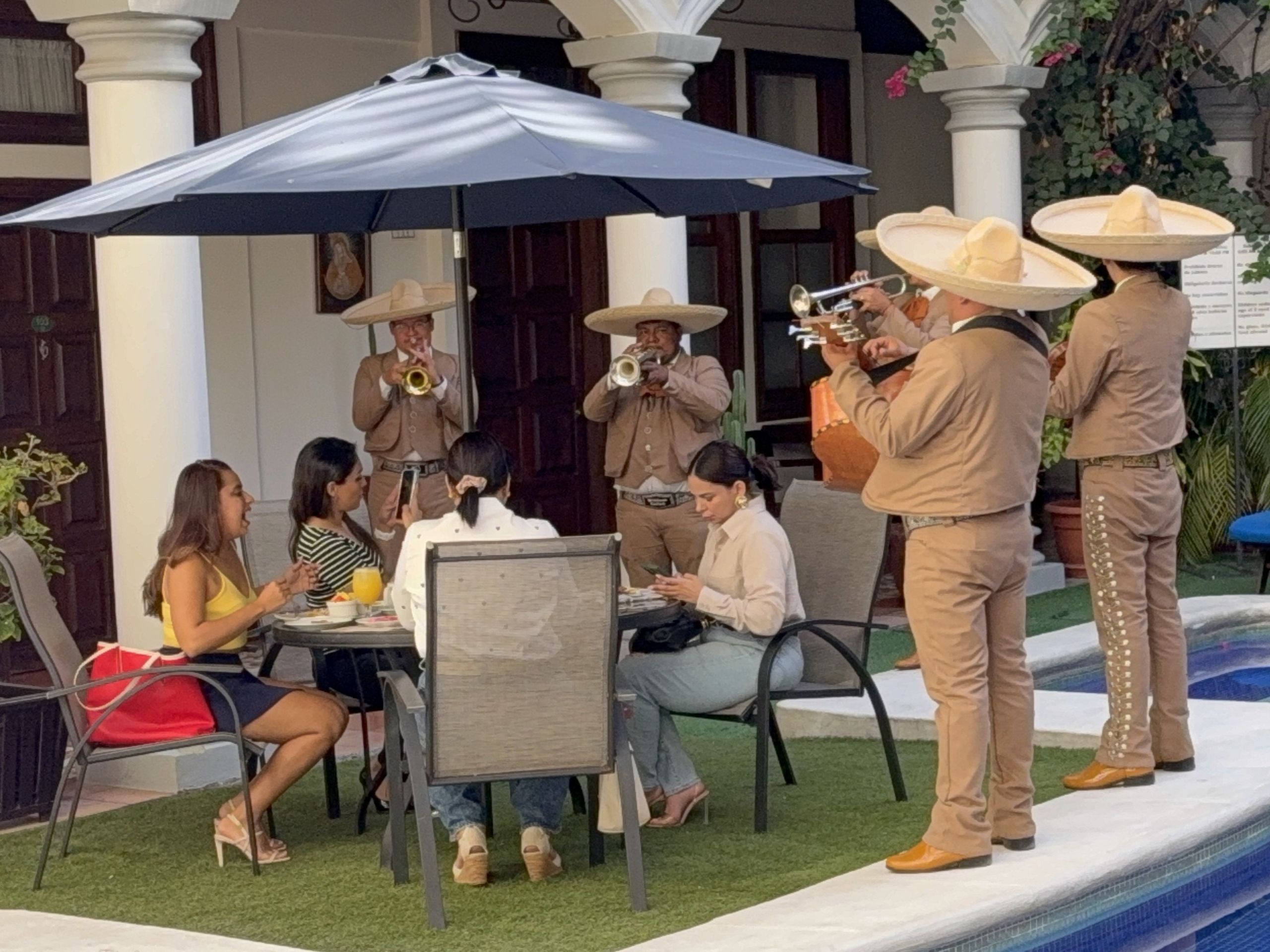
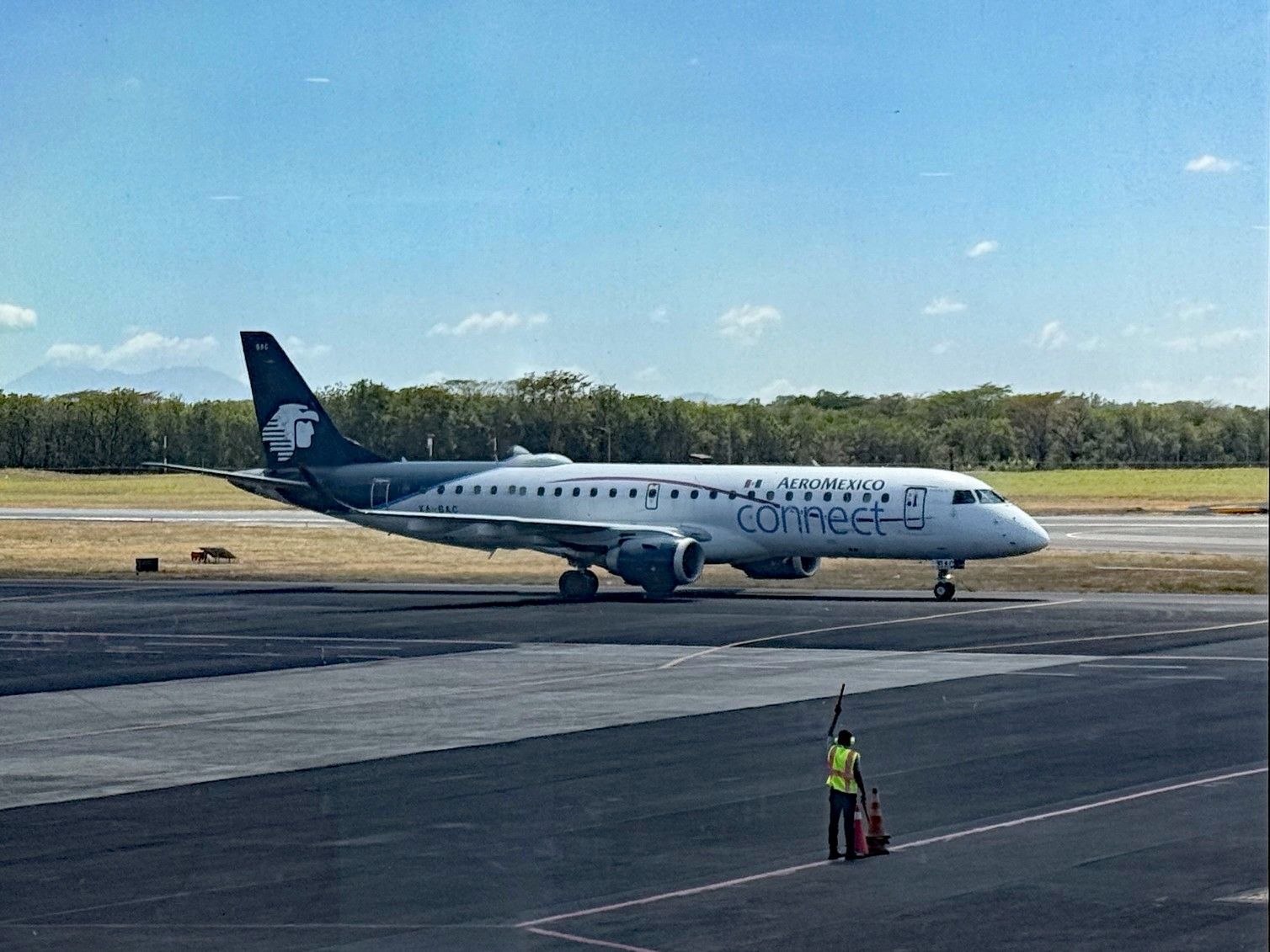
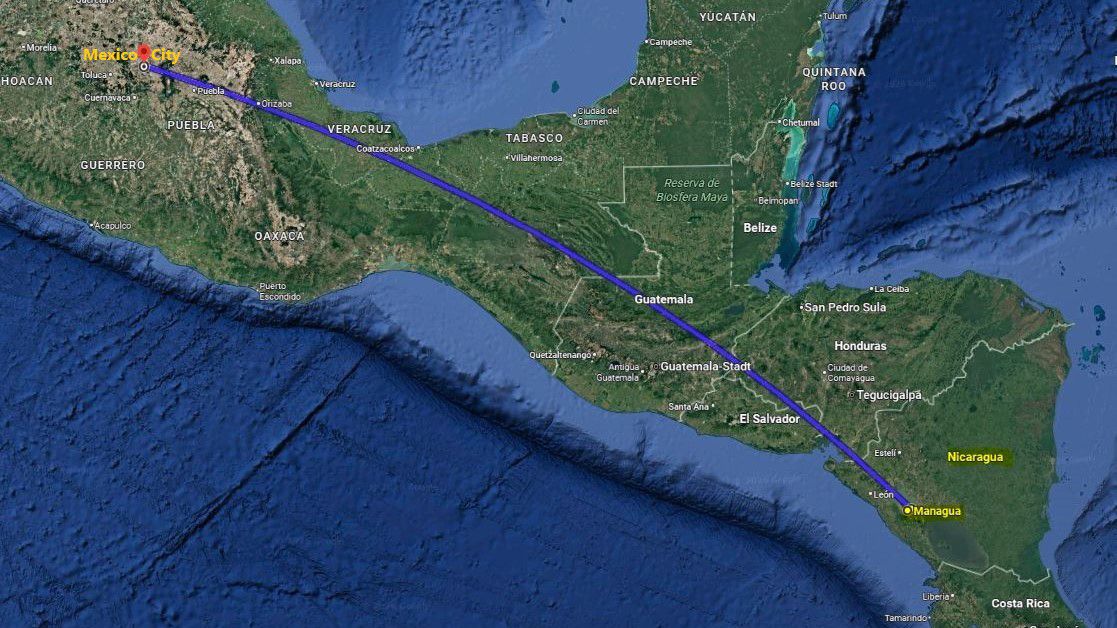
Before heading to Mexico City from Managua's airport "Aeropuerto Agusto C. Sandino" around noon, we have time for a cozy breakfast at the hotel – today accompanied by music, as a Mariachi band performs a birthday serenade at a nearby table.
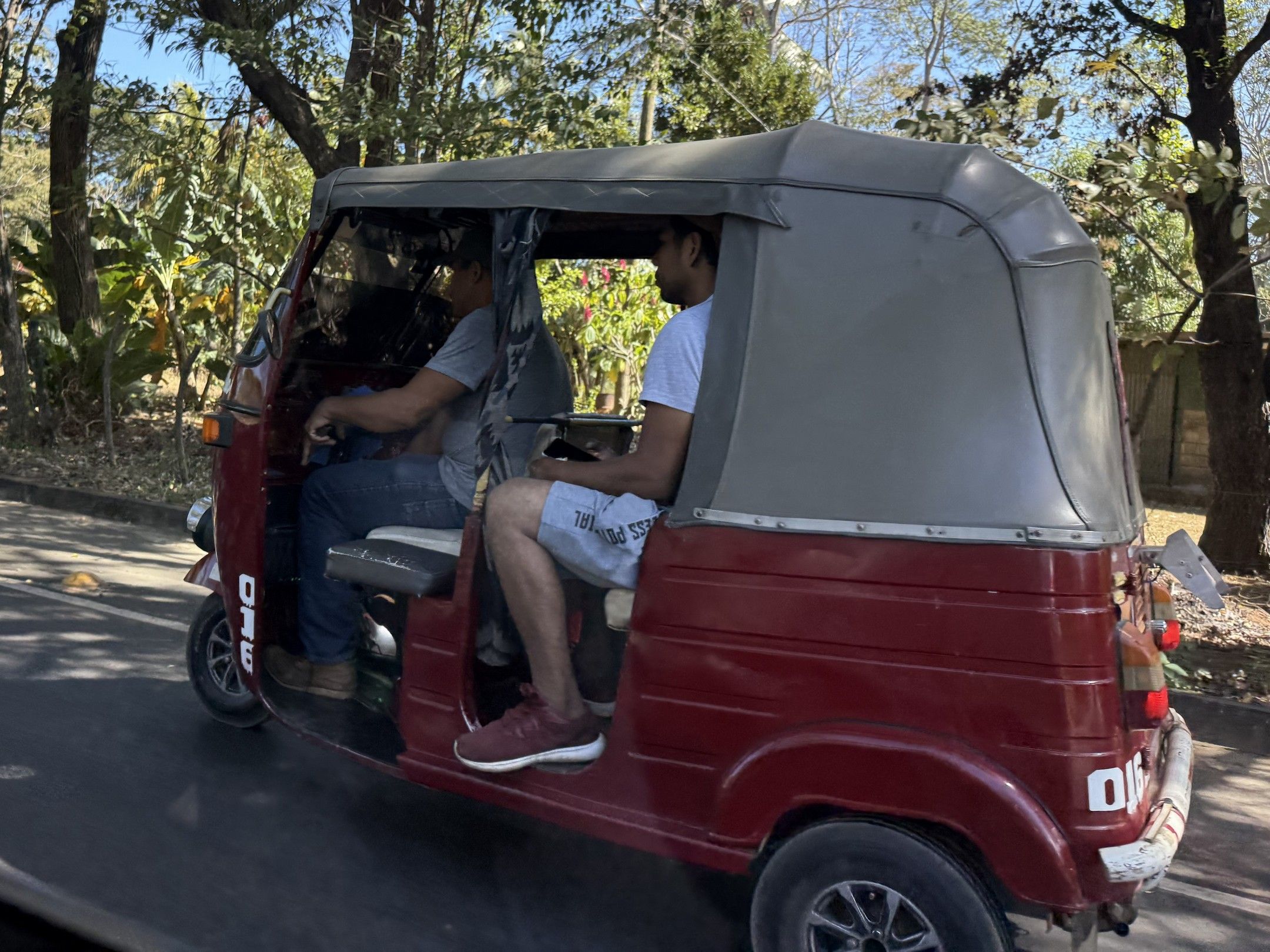
The drive from Granada to the airport takes about an hour by car; fortunately, we do not have to use one of the numerous "Made in India" TukTuks.
Our flight is the only one currently scheduled at this time, so we get through all the checks quite quickly.
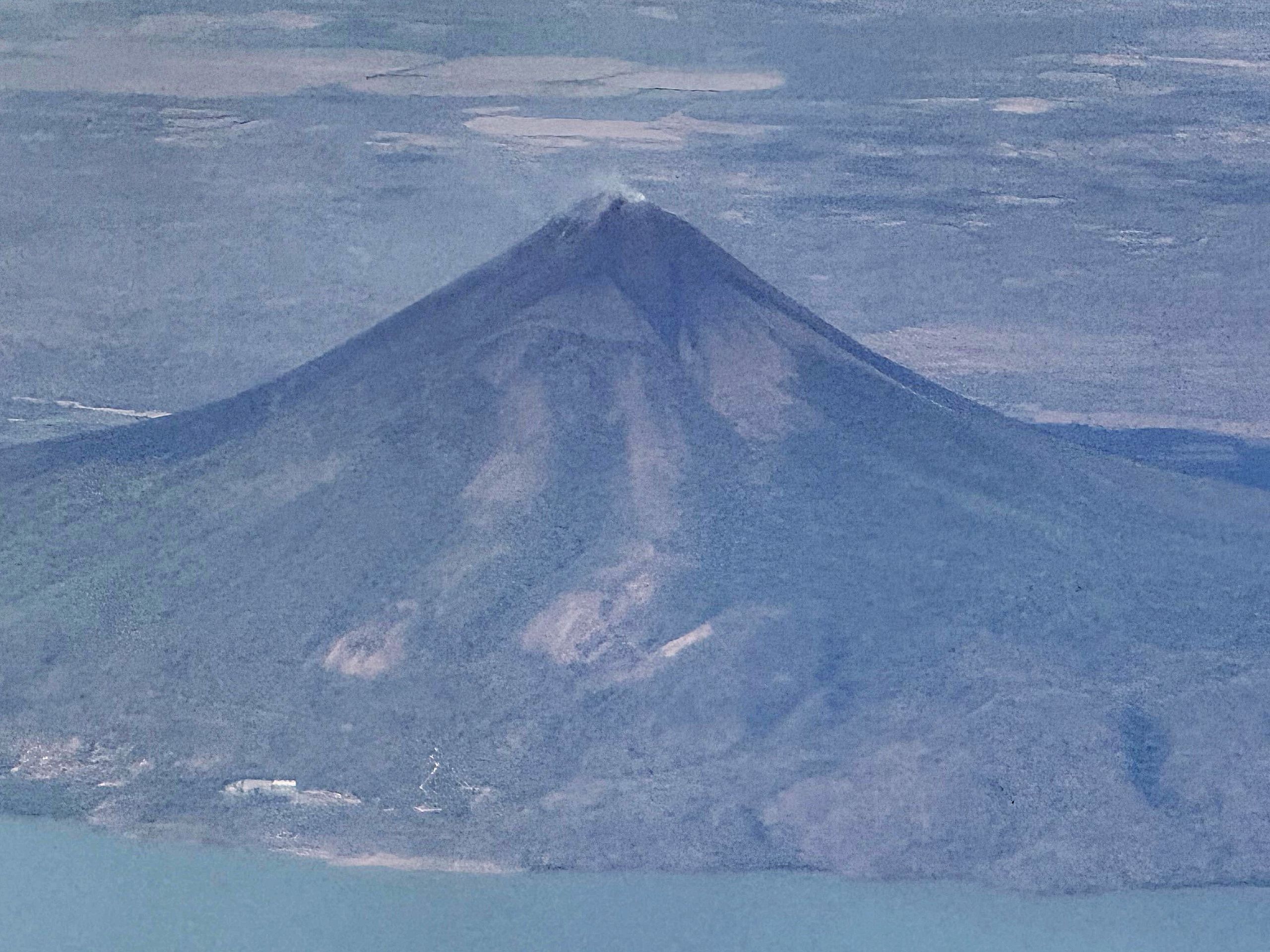
After taking off to the northwest, we are treated to a beautiful view of Lago Xolotlán and the lightly smoking Momotombo volcano.
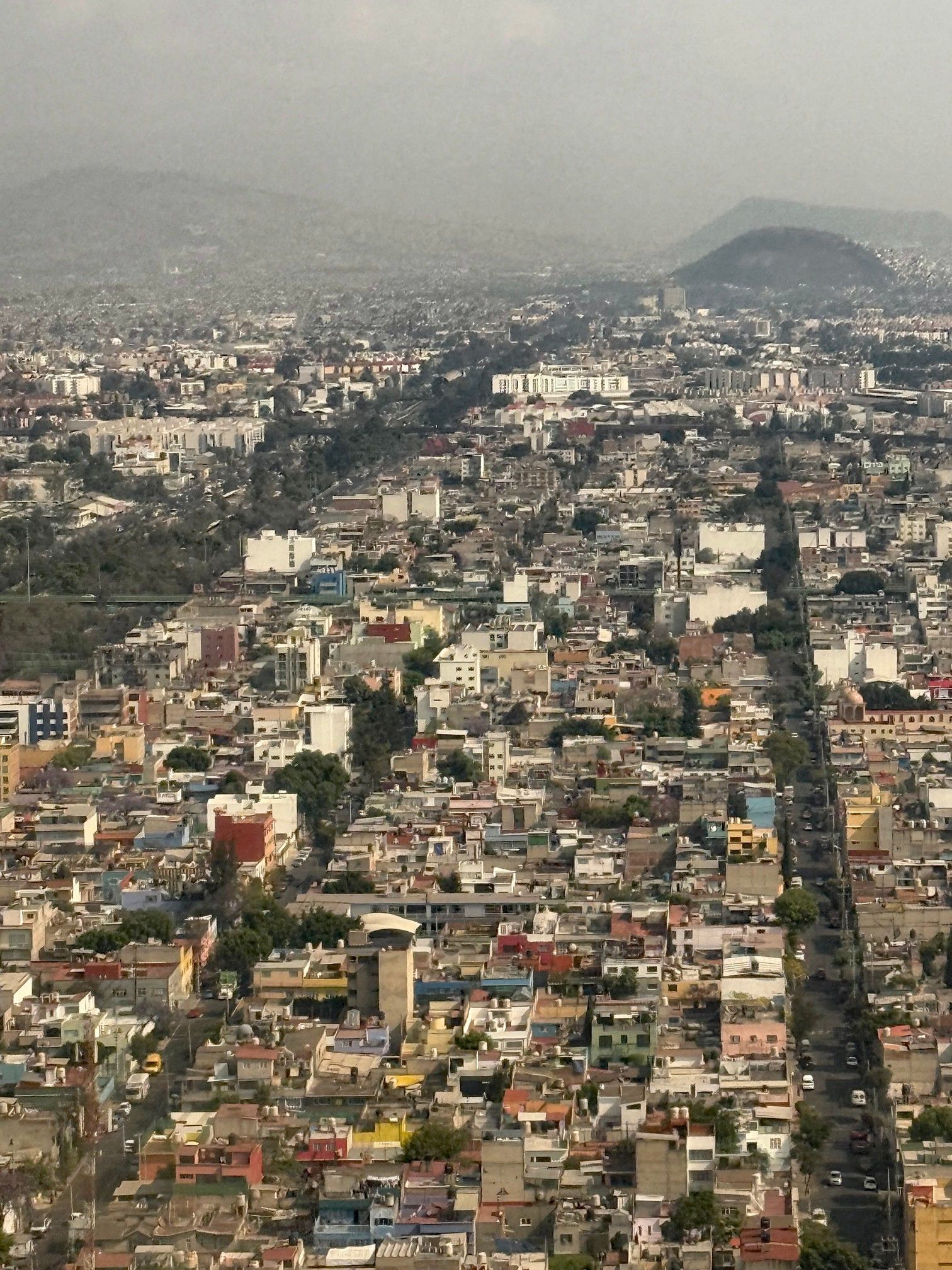
As we approach the airport "Benito Juarez", one can catch a glimpse of the gigantic size of Mexico City – the city has about 23 million inhabitants in its metropolitan area, making it the largest city in North America at present. Mexico is located at an altitude of about 2300 m above sea level.
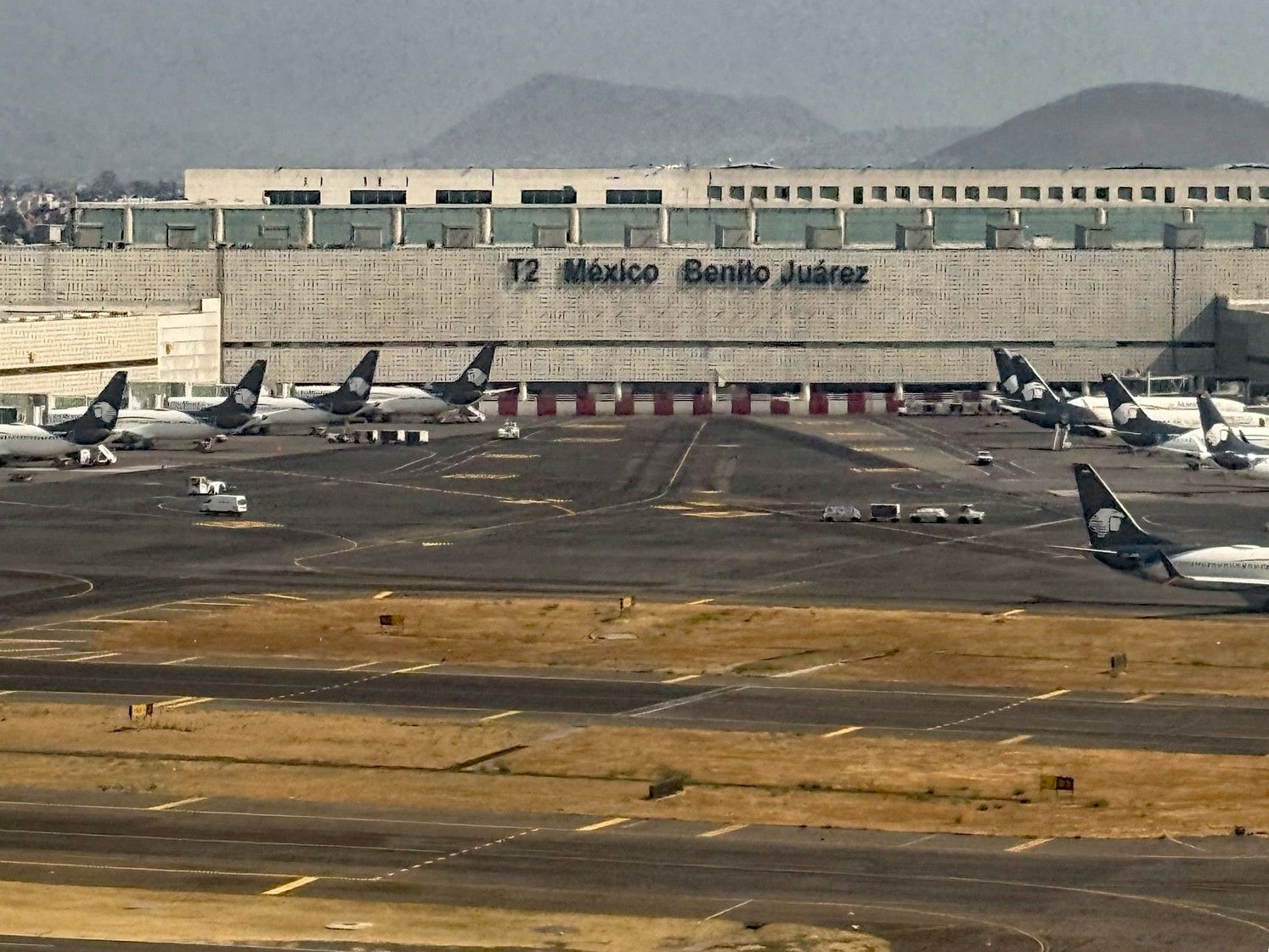
The airport is currently one big construction site, but we quickly pass through immigration, our luggage arrives shortly after, and we only have to wait a few minutes at customs – a little more than half an hour after landing, we are already in our pickup's car.
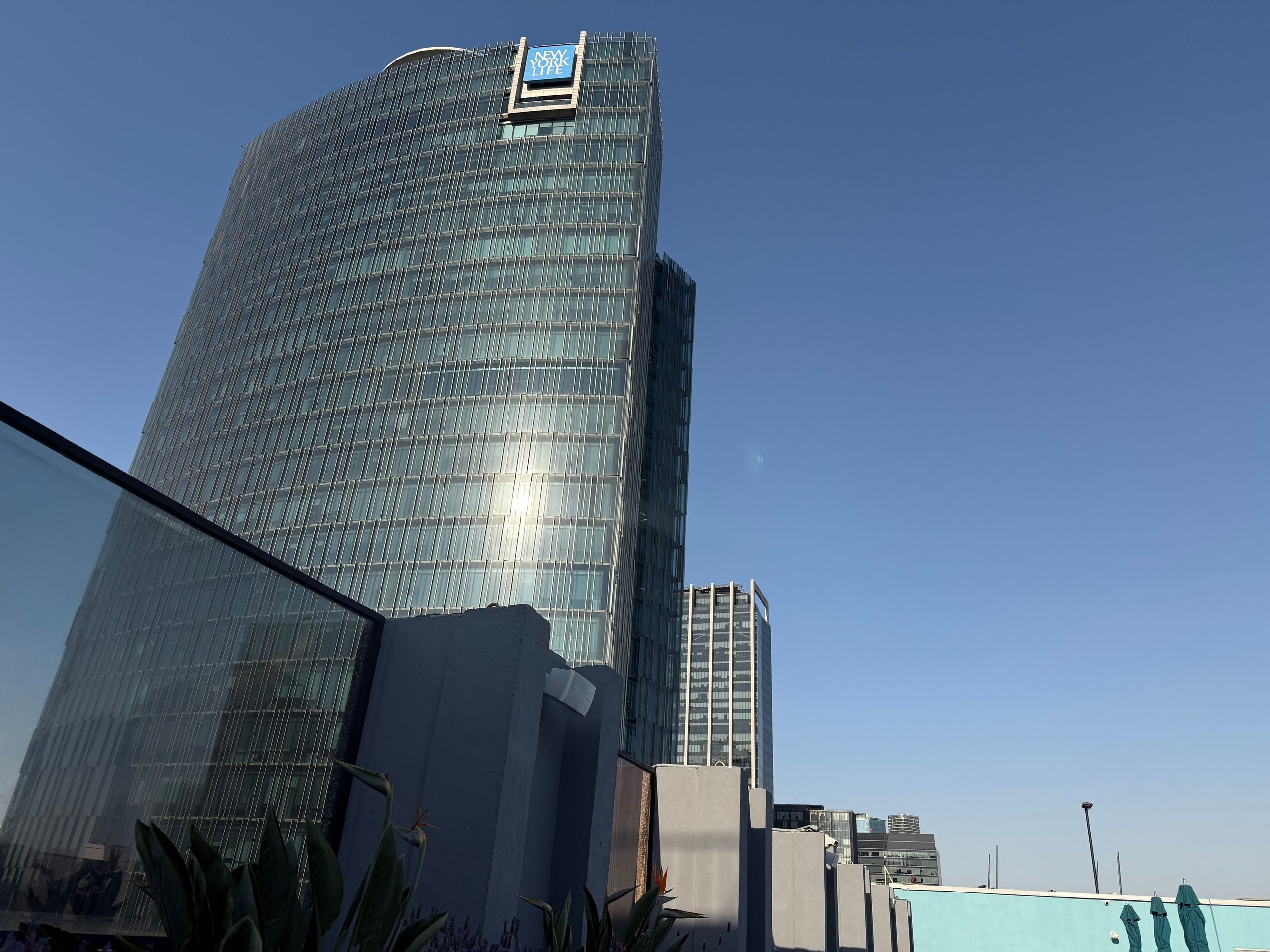
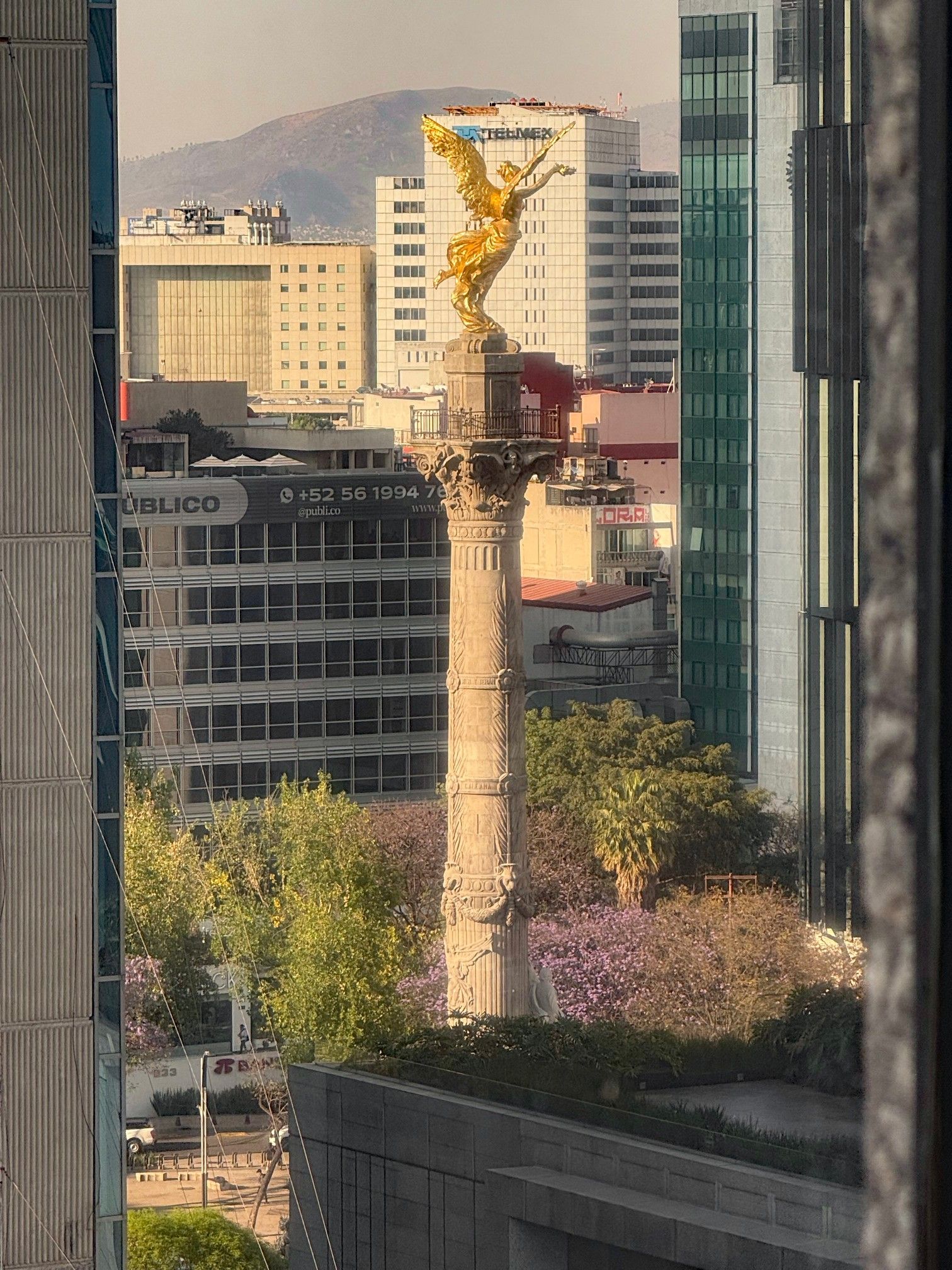
Our hotel is in the financial district near Plaza Reforma with the famous independence monument – "El Ángel de Independencia".
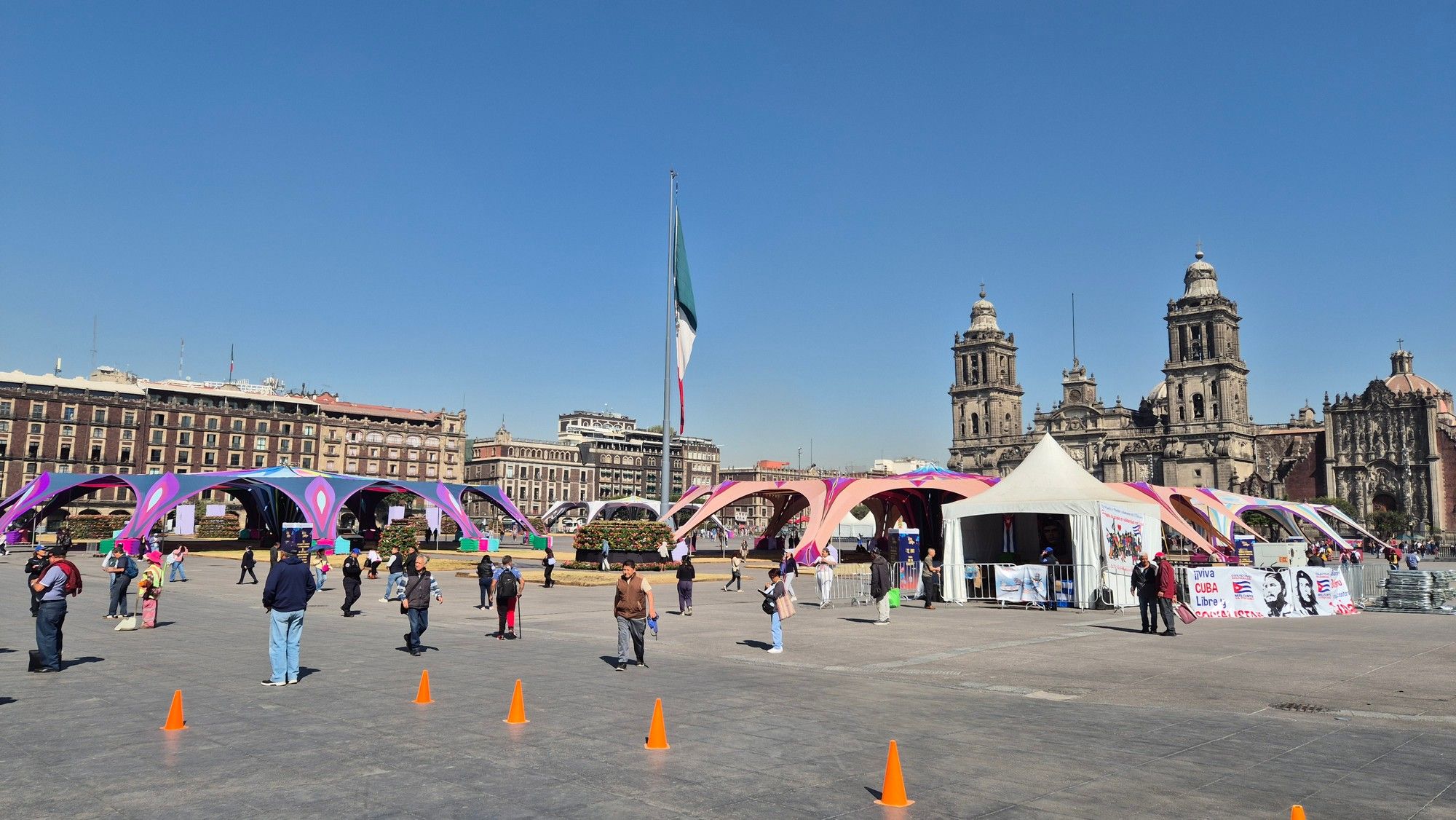
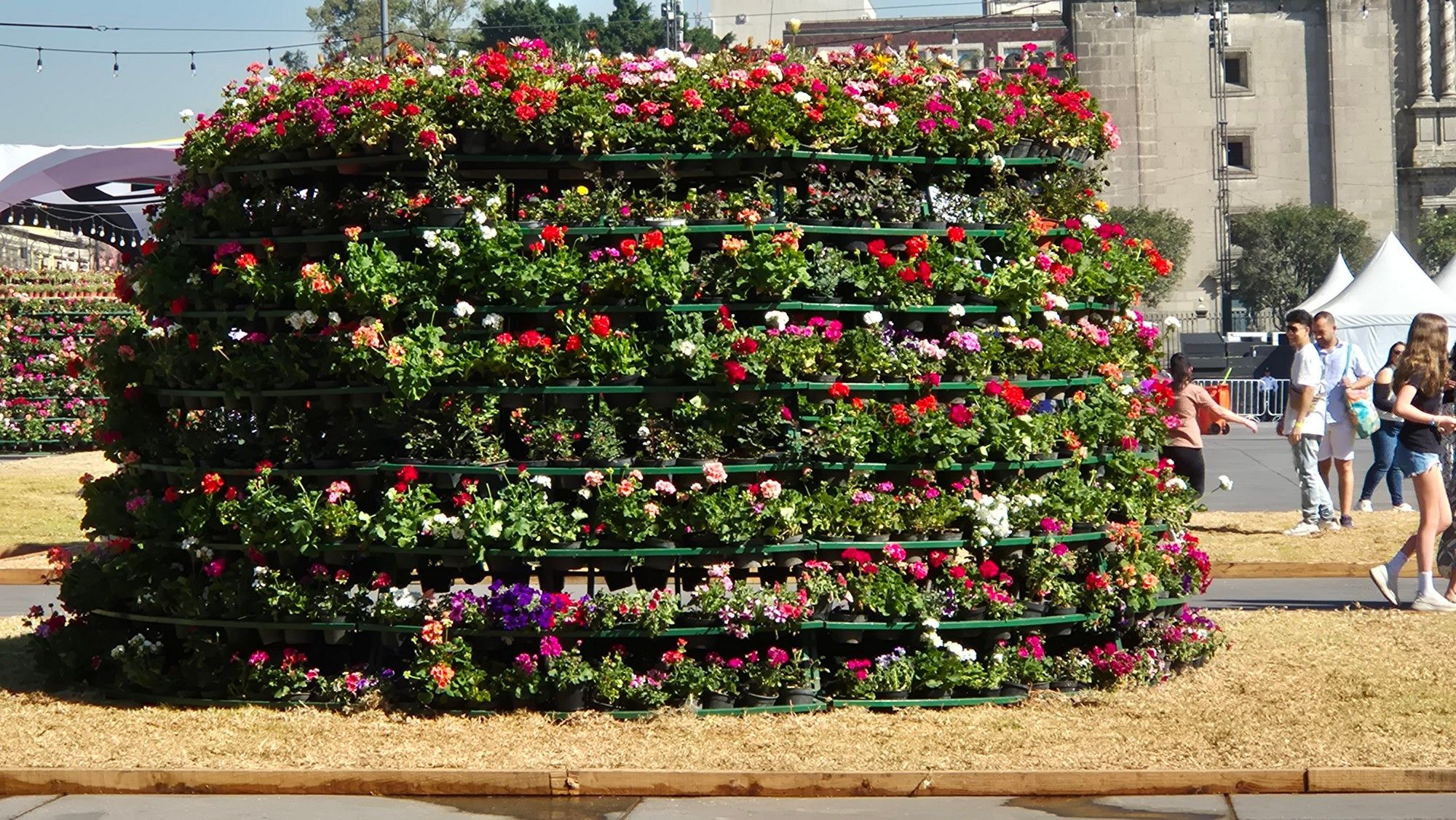
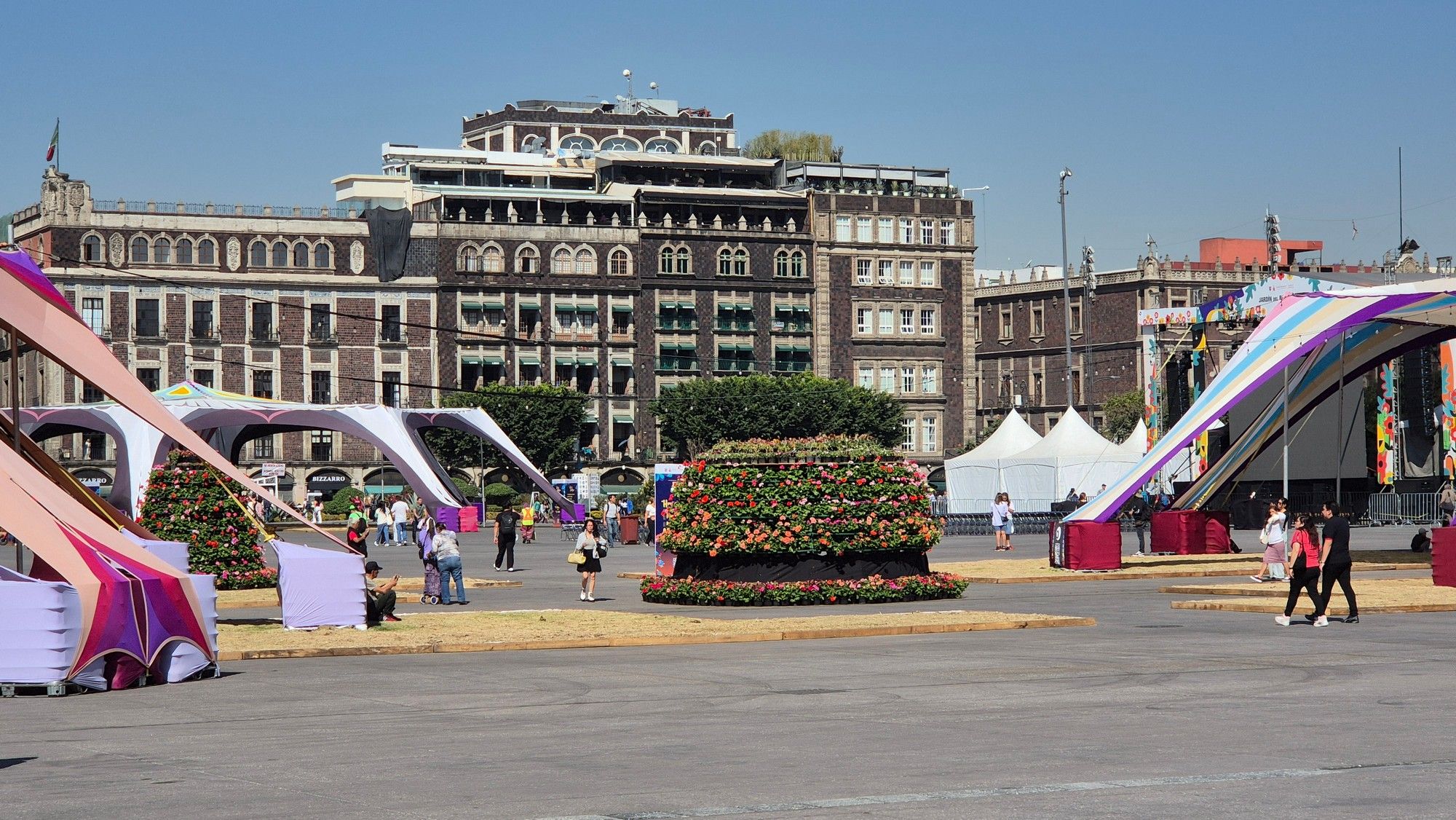
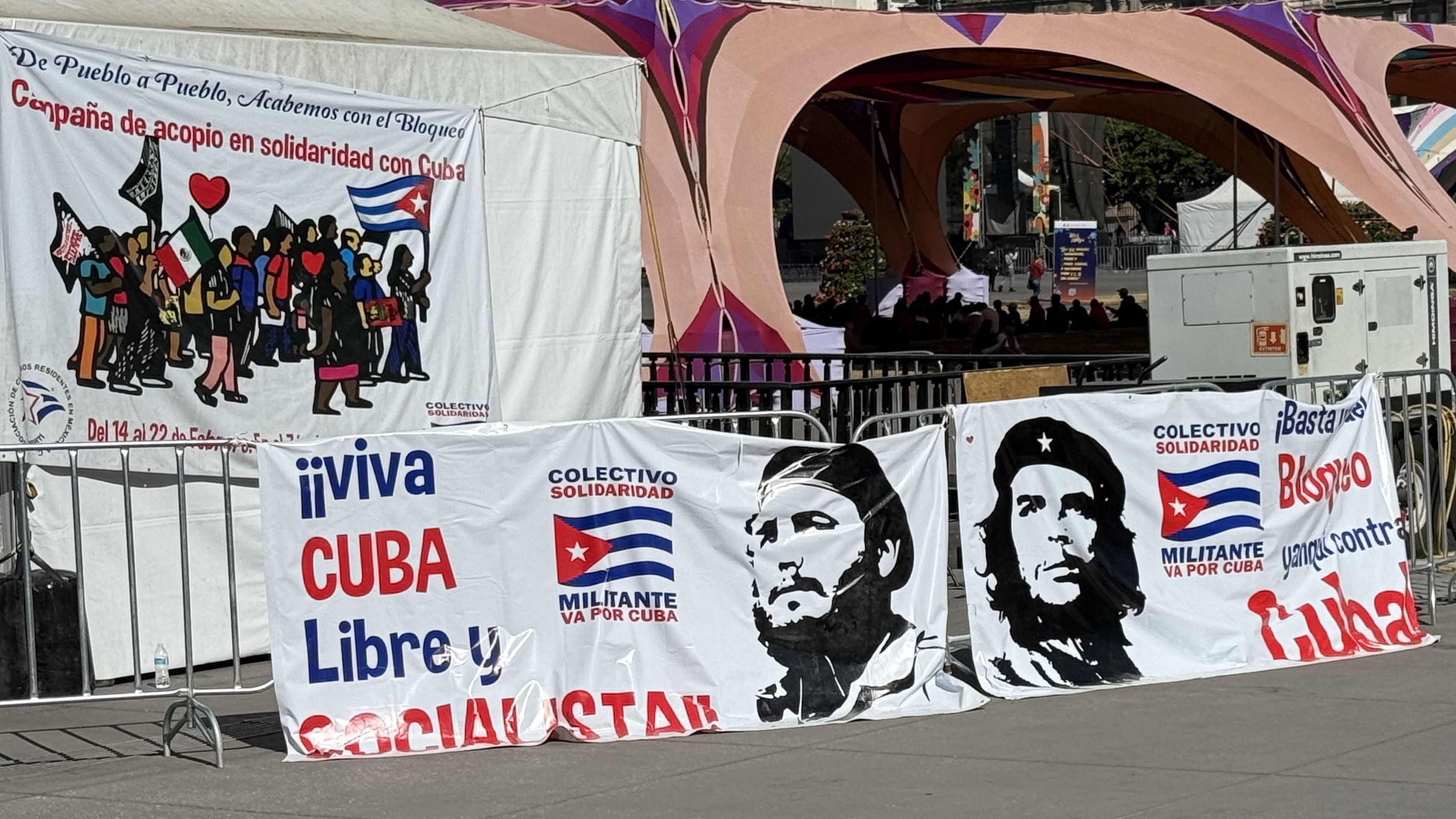
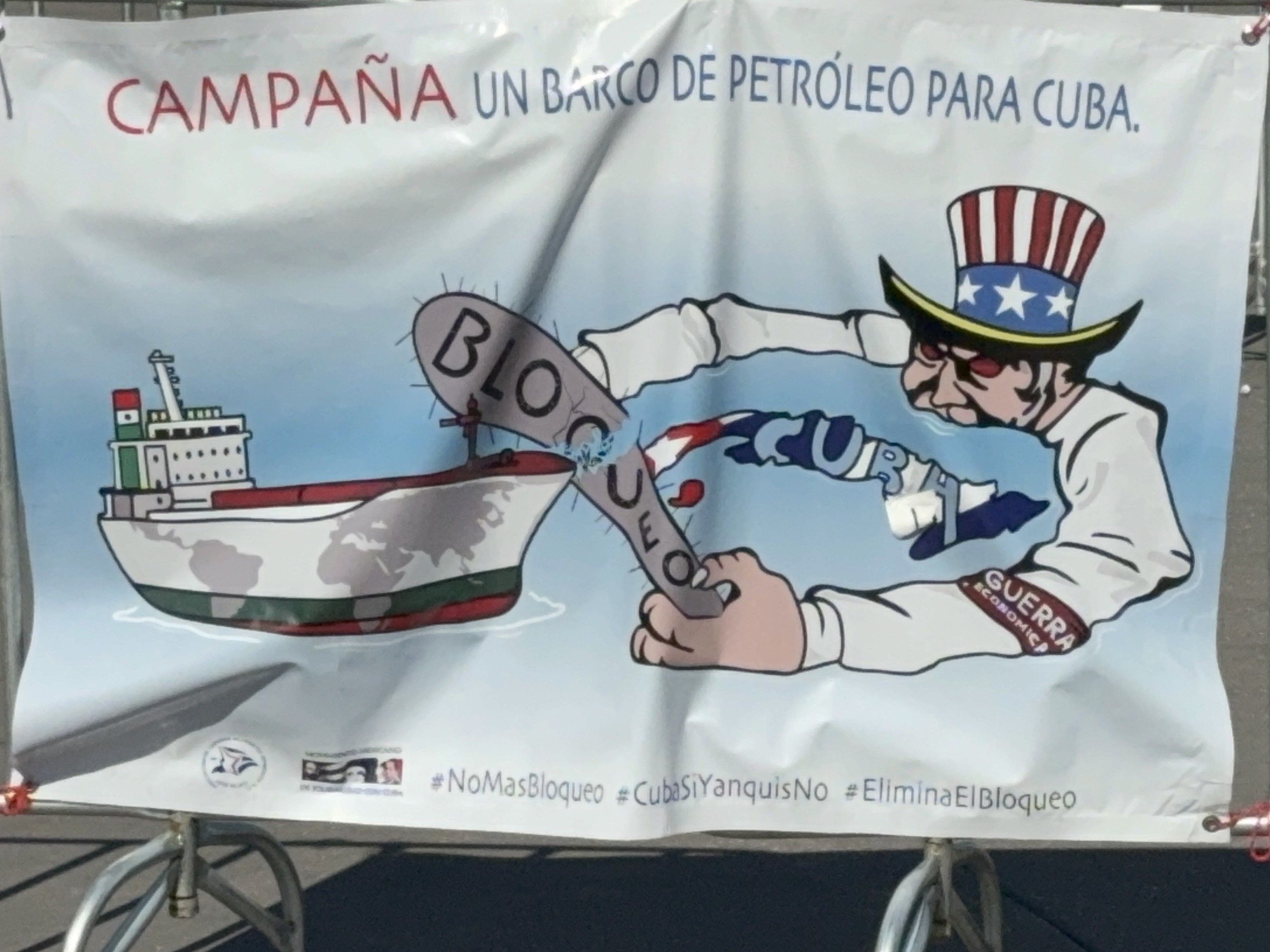
The first way into the city naturally takes us to the central "Zócalo" – officially "Plaza de Constitución". The huge square measures about 250 m x 250 m and is used not only for Valentine's Day but also for various demonstrations and actions. Today, solidarity with Cuba is being called for, and the old fighters Fidel Castro and Che Guevara are not to be missed. It is evident that the popularity of the USA has suffered a great blow here in Mexico recently.
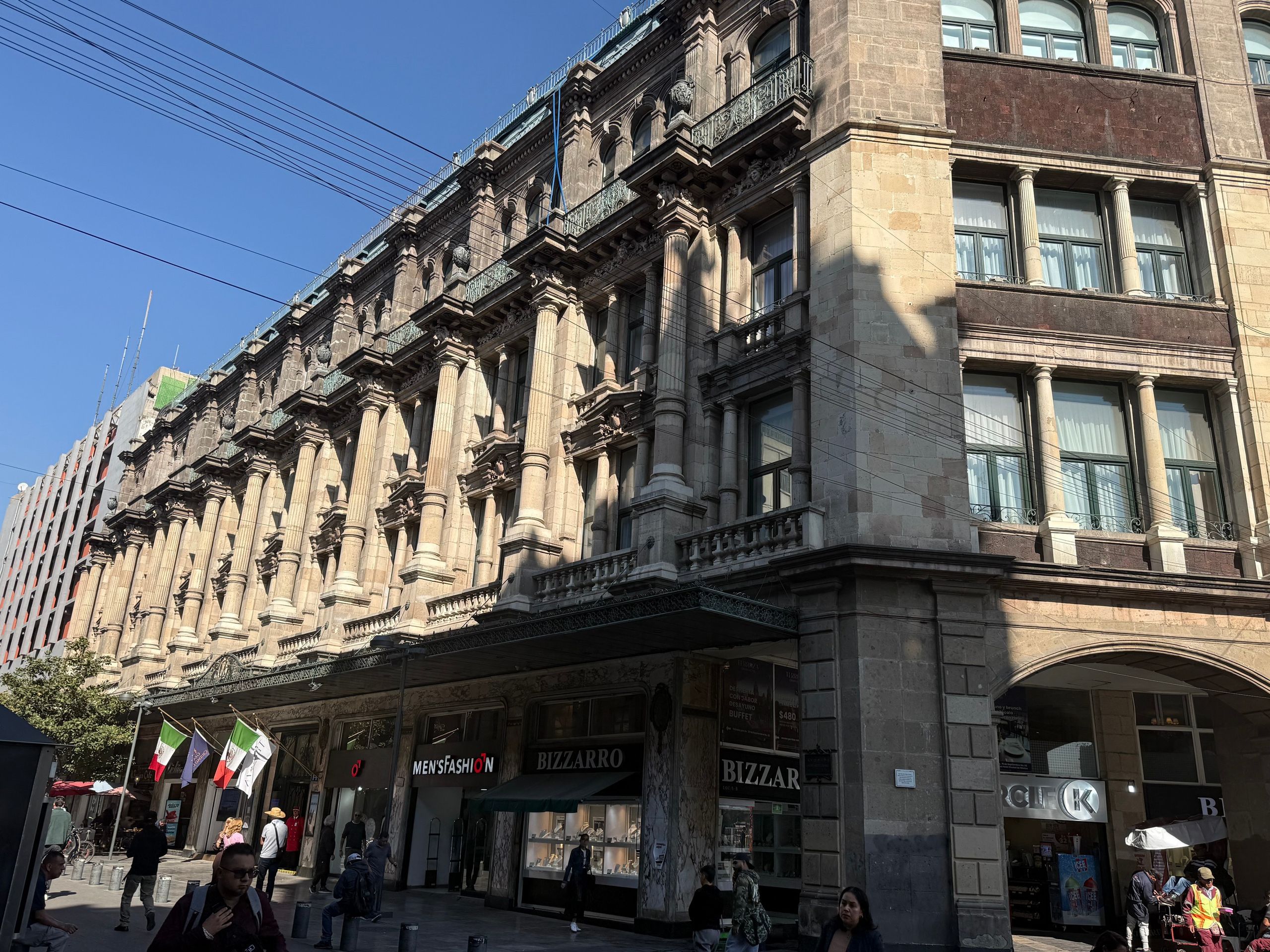
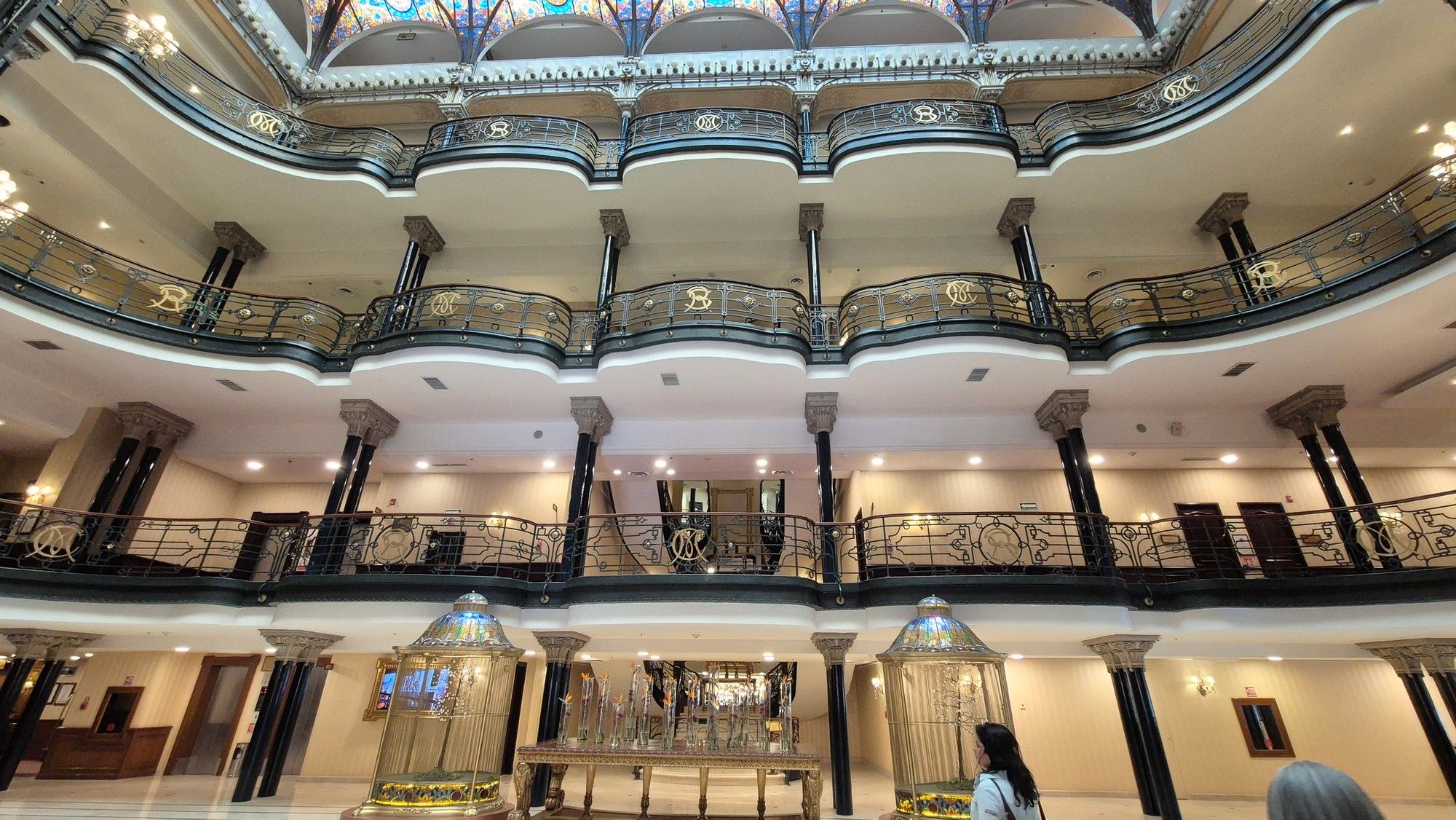
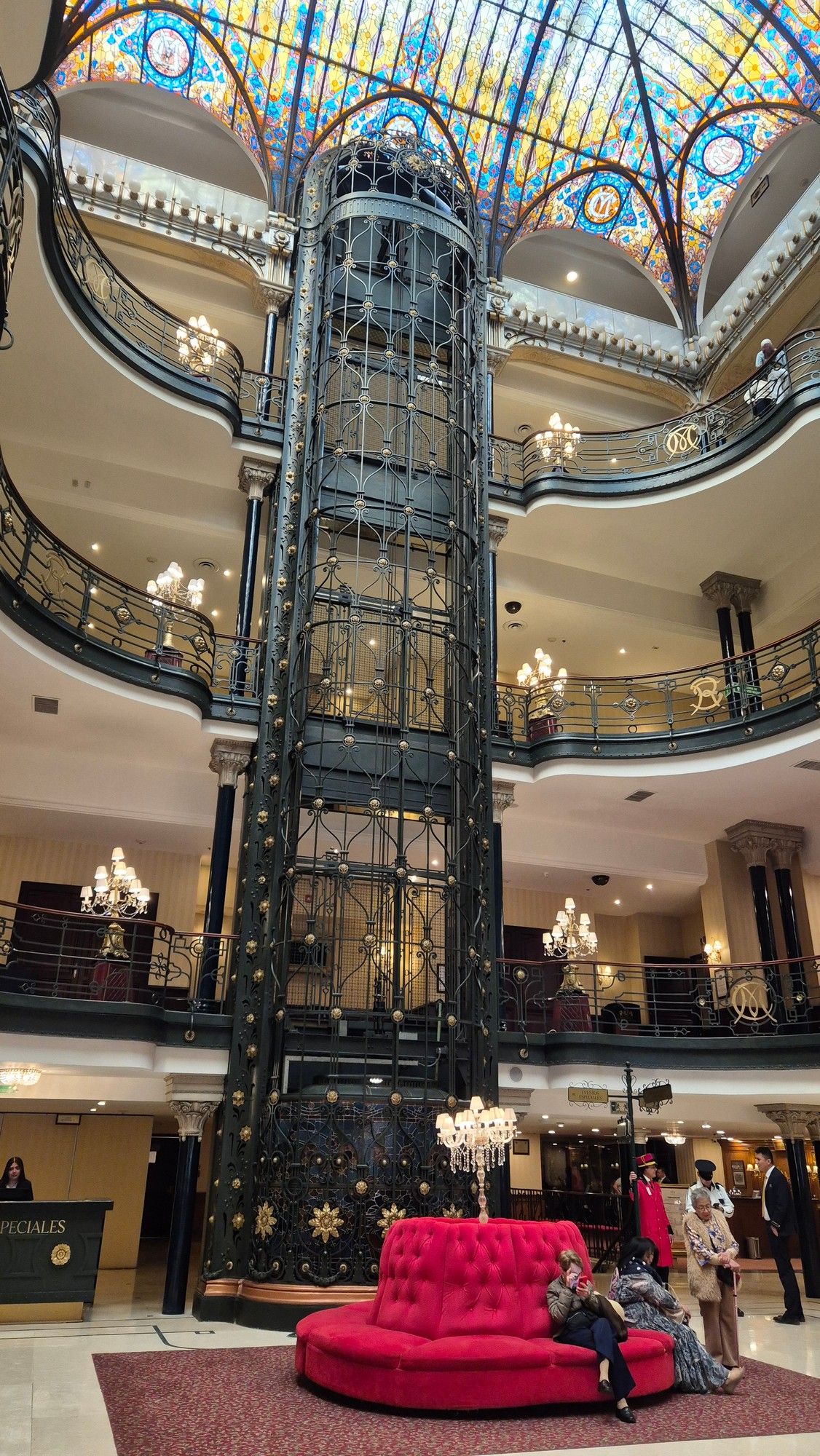
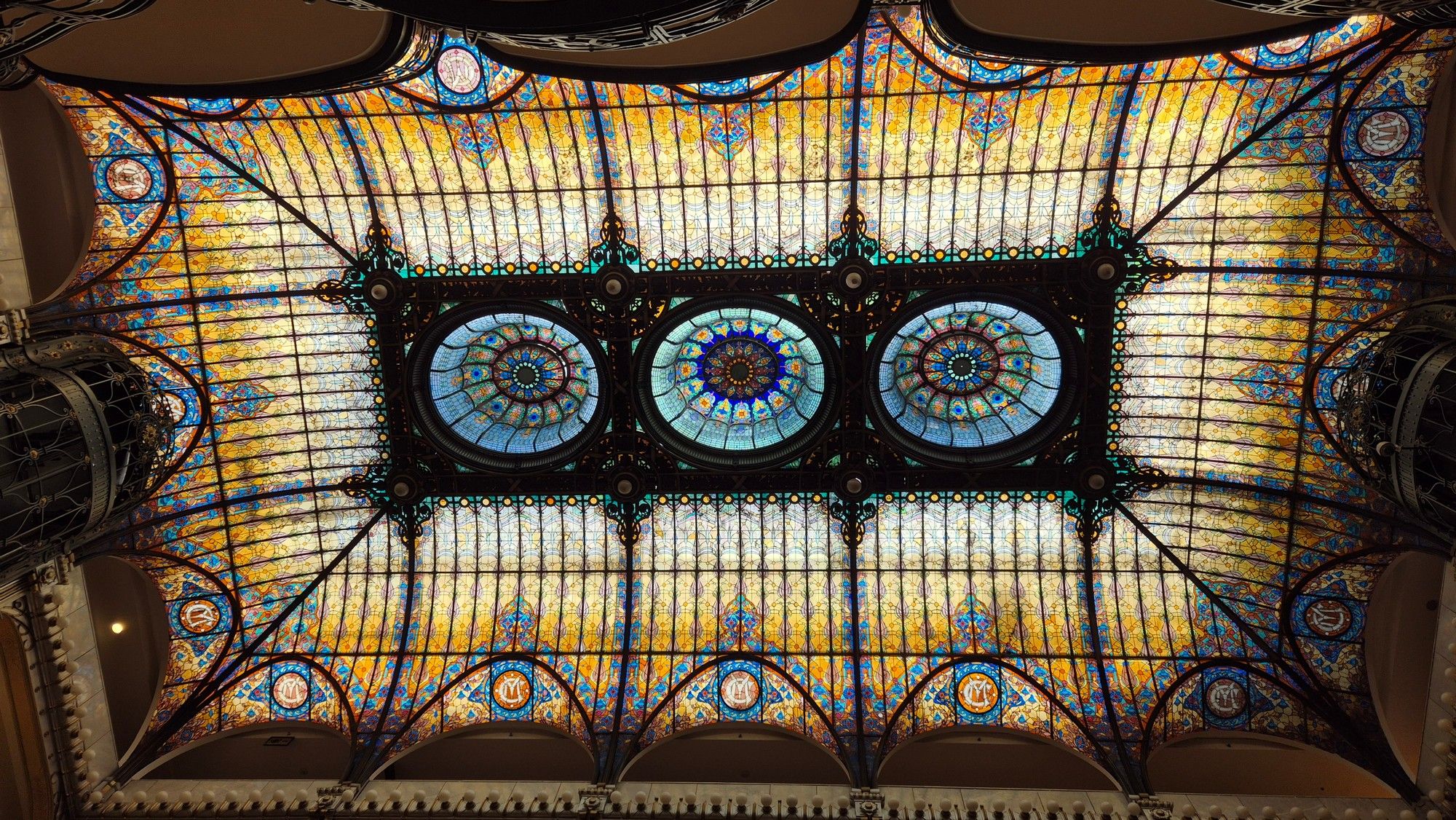
The square is surrounded by impressive buildings – including the beautiful "Gran Hotel Ciudad de México" – originally built from 1895 to 1899 as a department store called "Centro Mercantil" in the Art Nouveau style. The department store closed in 1958, and the building was renovated for the 1968 Olympic Games and transformed into a hotel. A comprehensive restoration from 2003 to 2005 restored the old glory, especially of the famous Tiffany glass dome over the lobby.
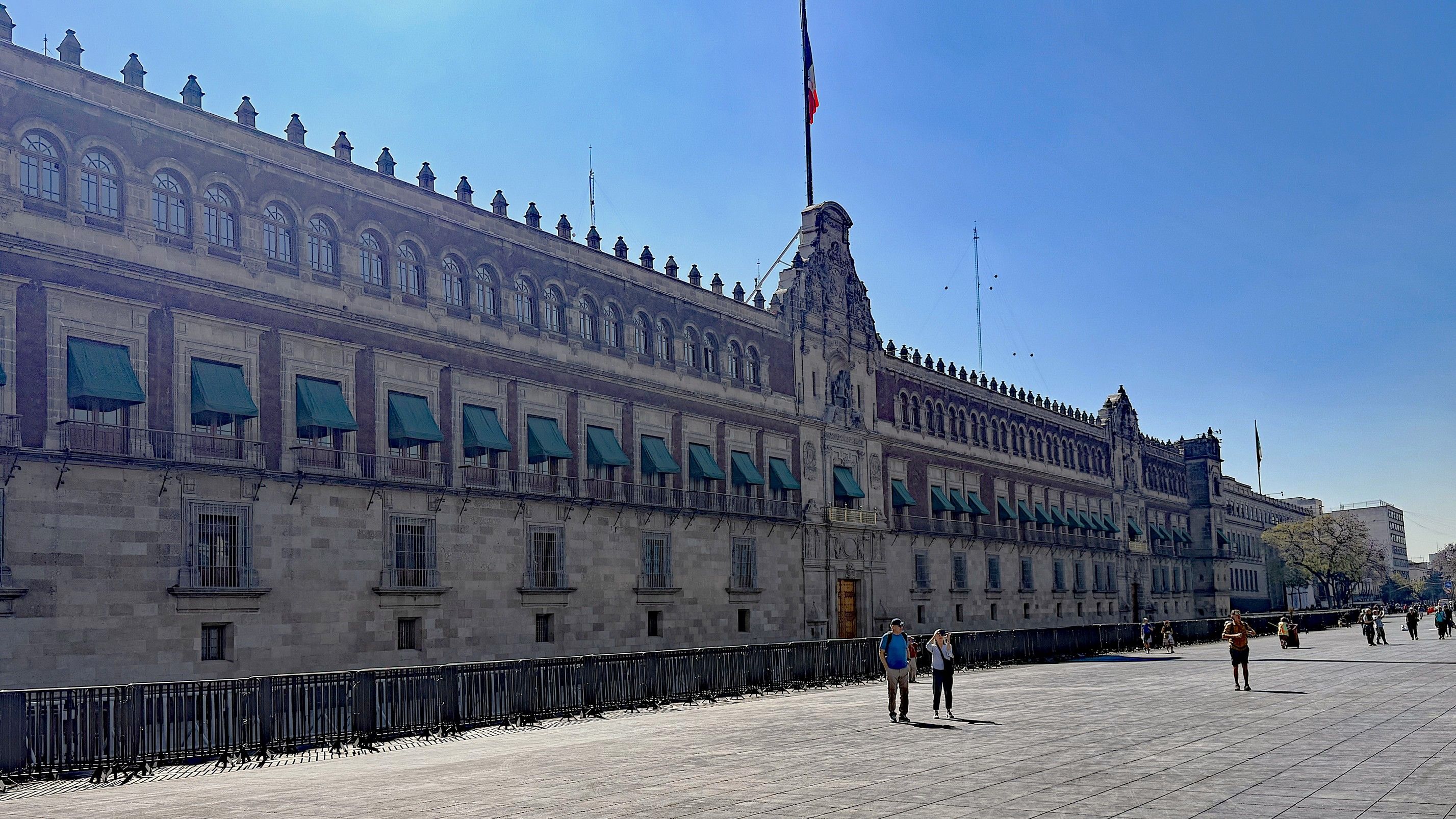
Opposite is the National Palace, whose interior, adorned with beautiful mosaics depicting the history of Mexico, has unfortunately been inaccessible for several years.
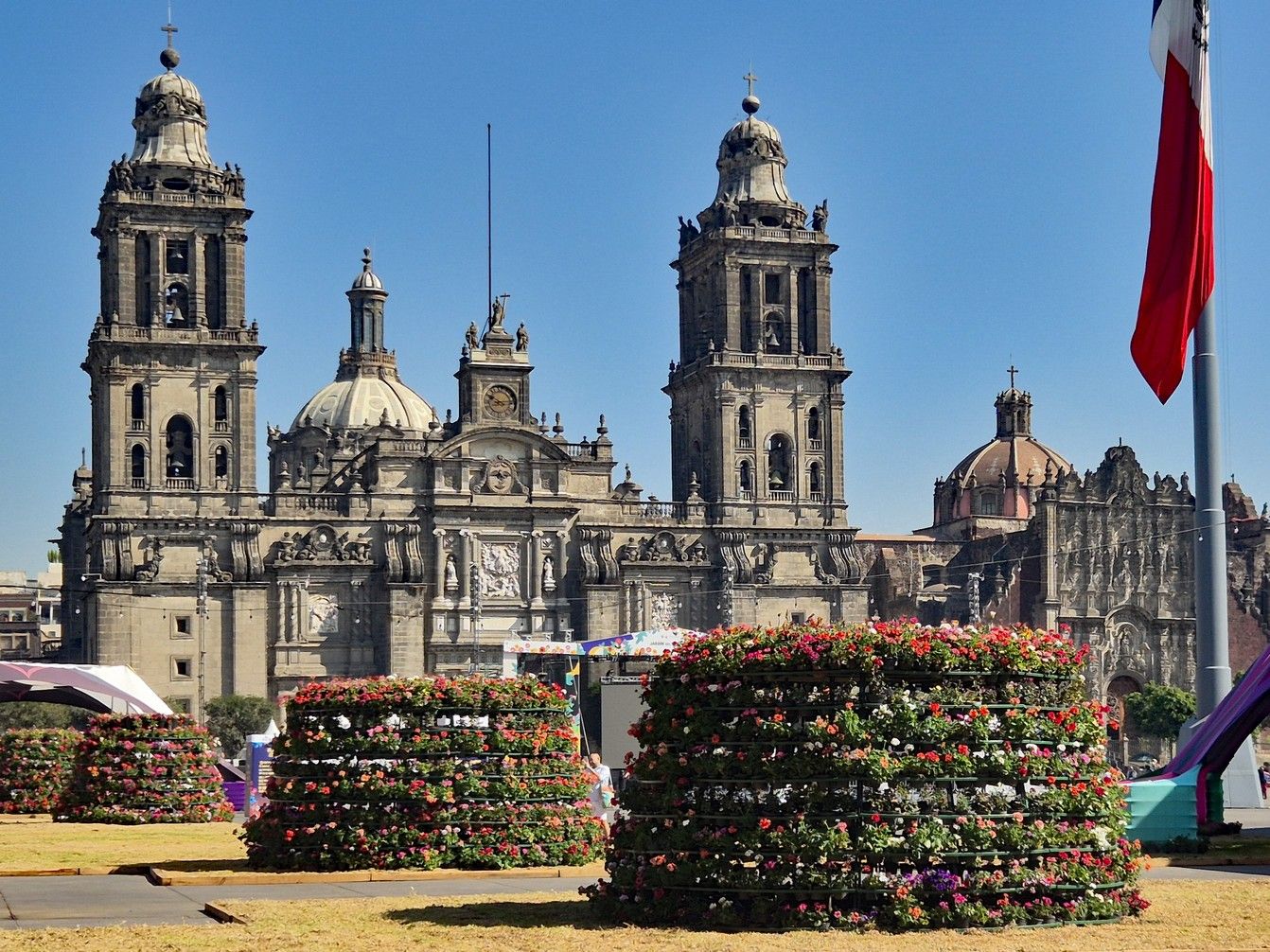
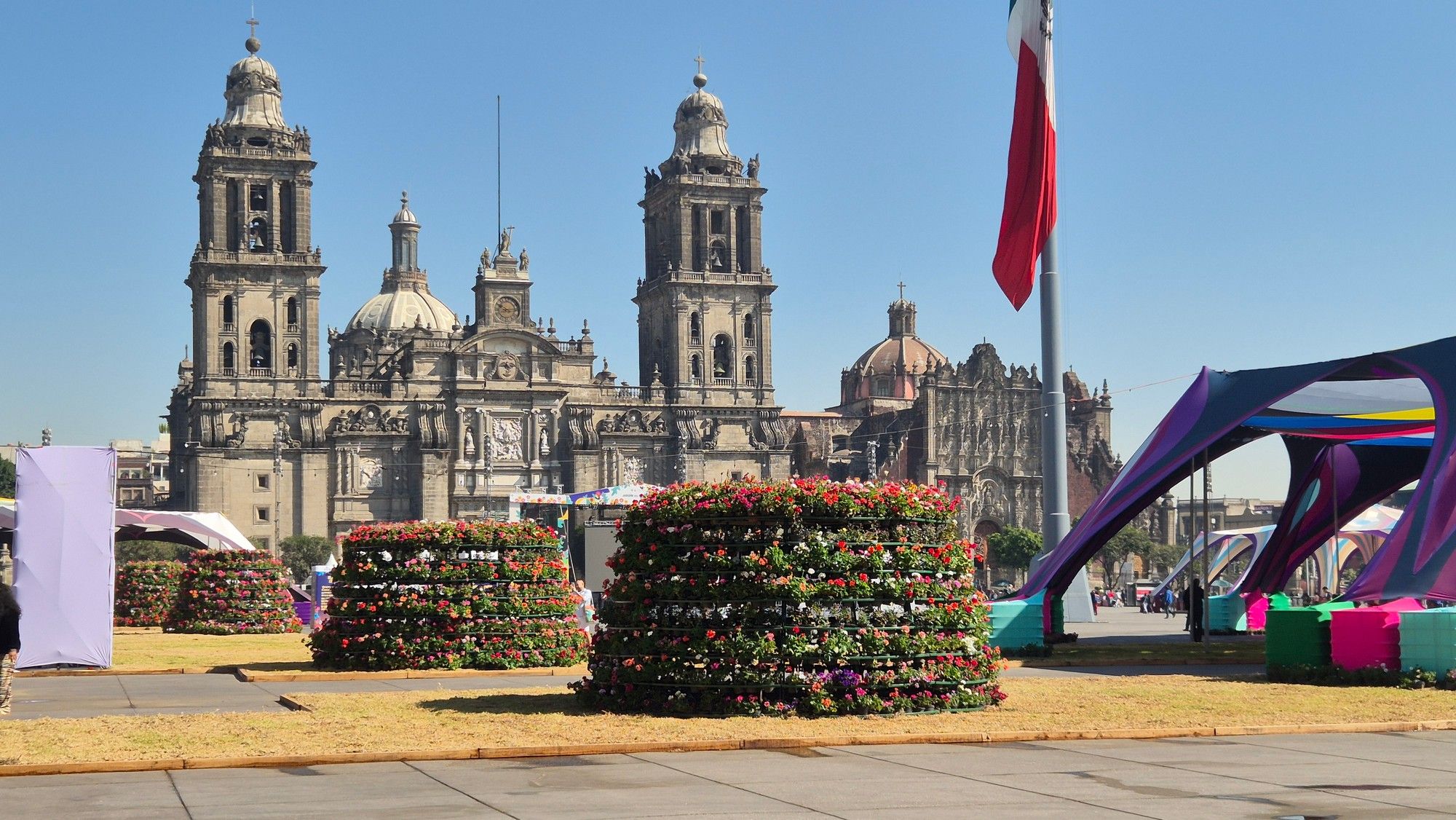
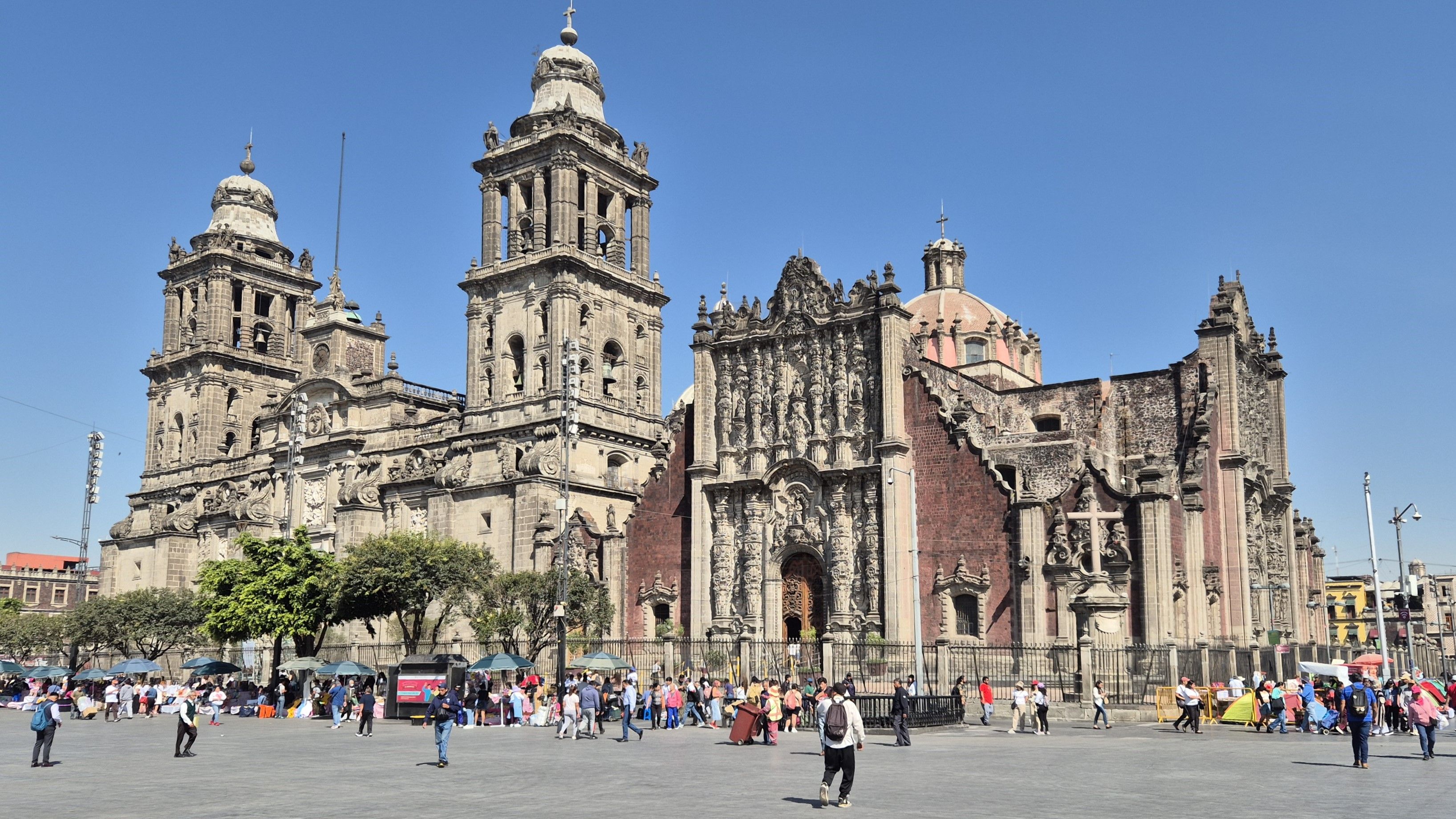
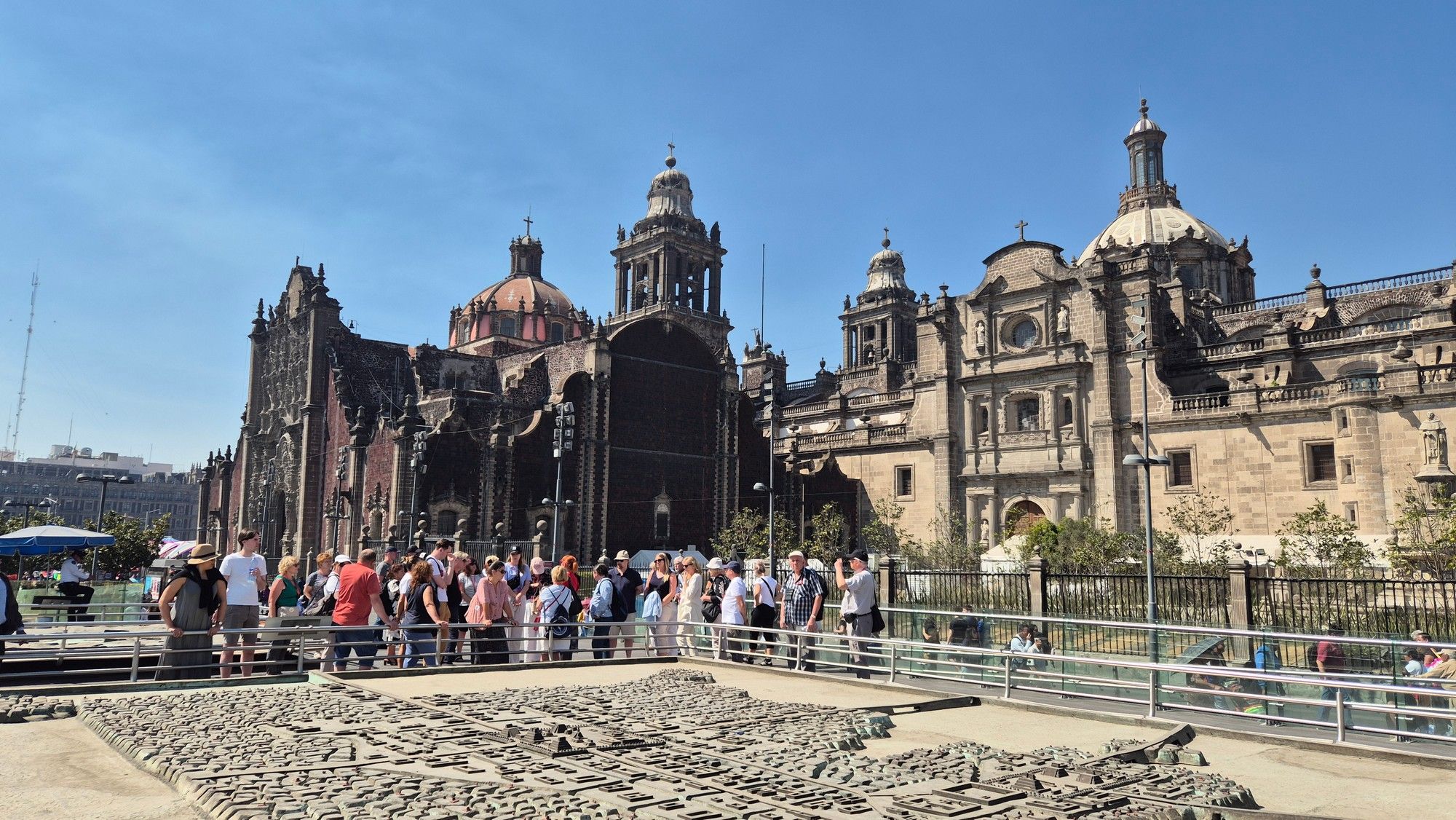
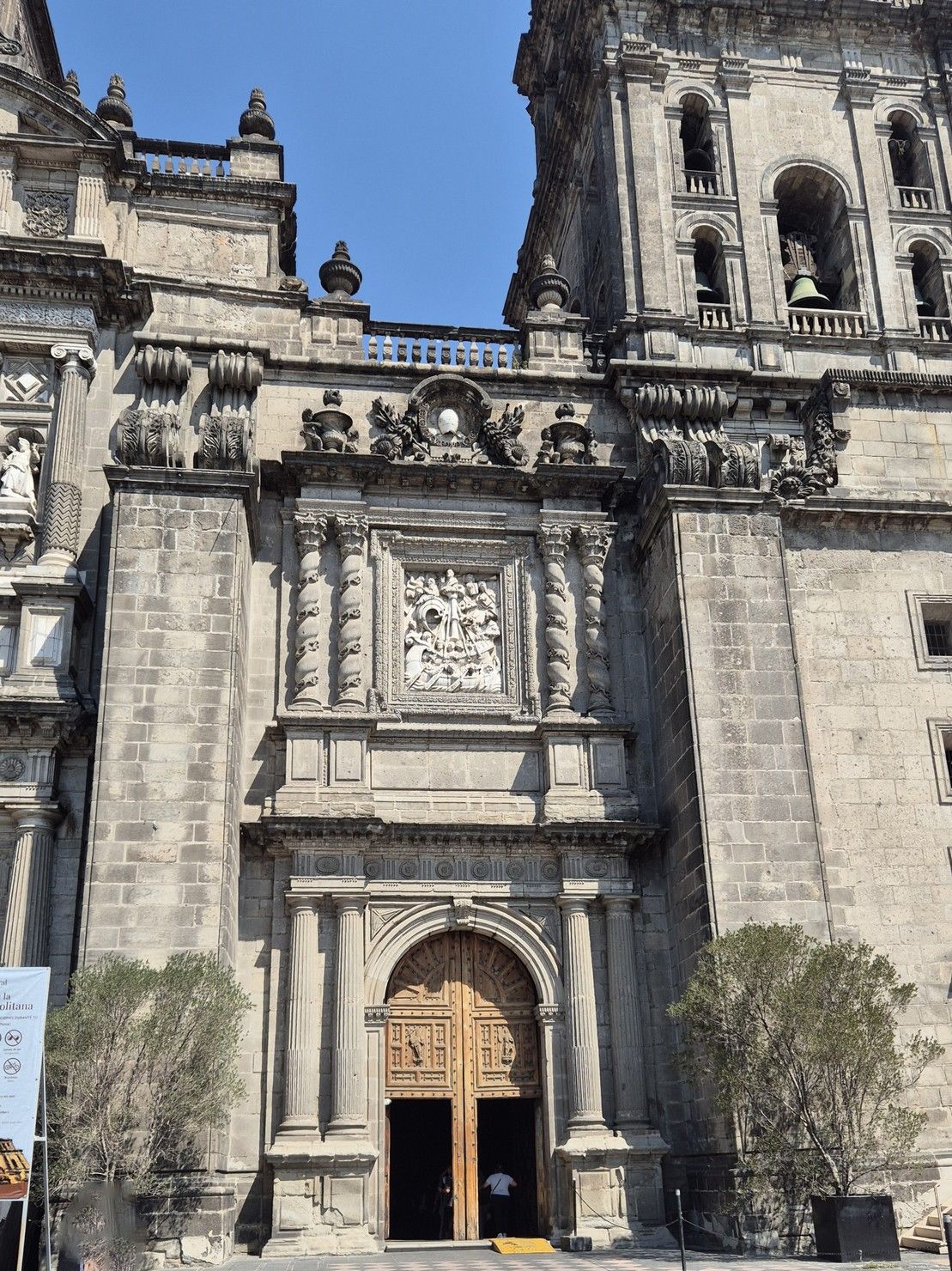
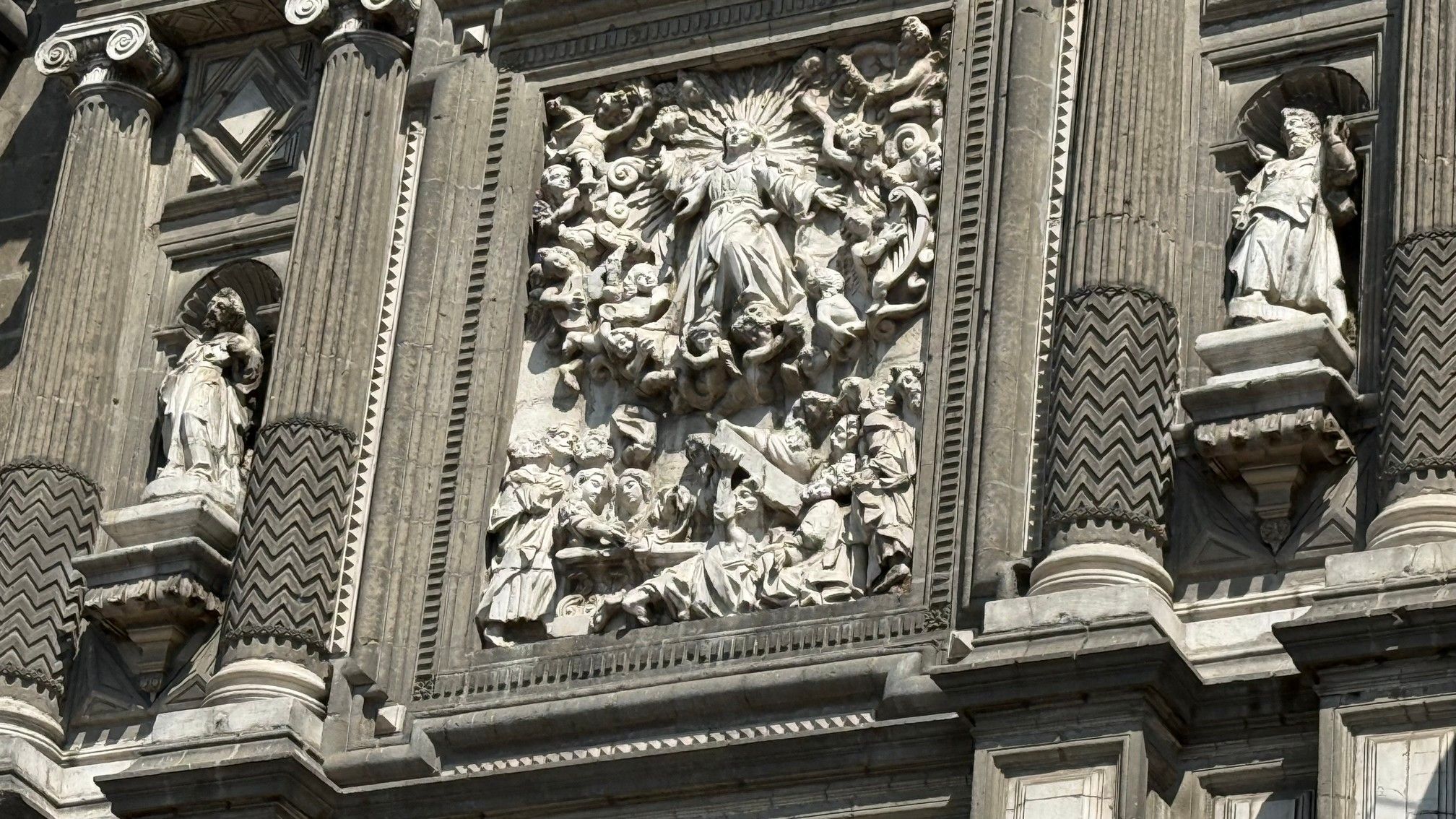
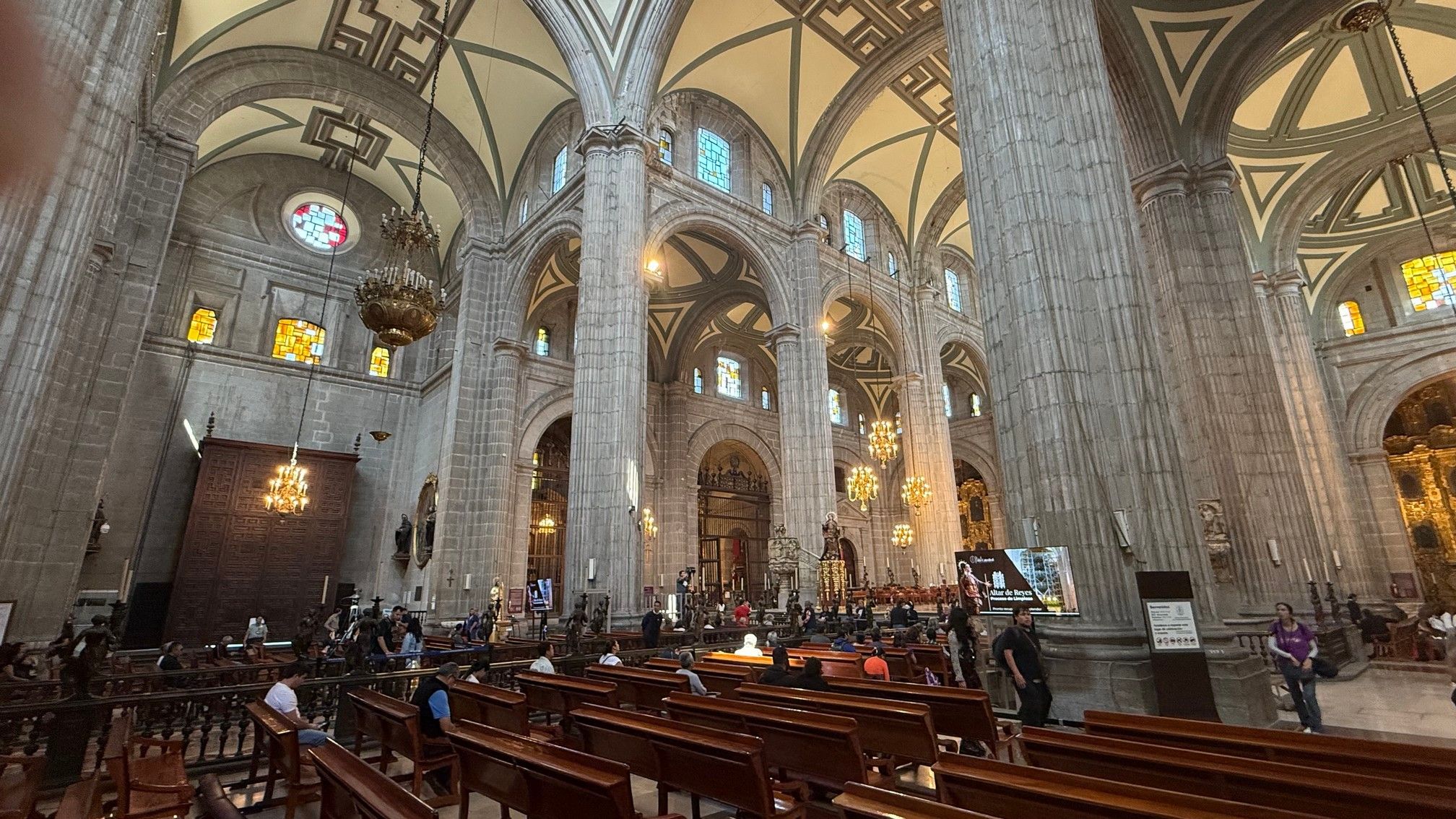
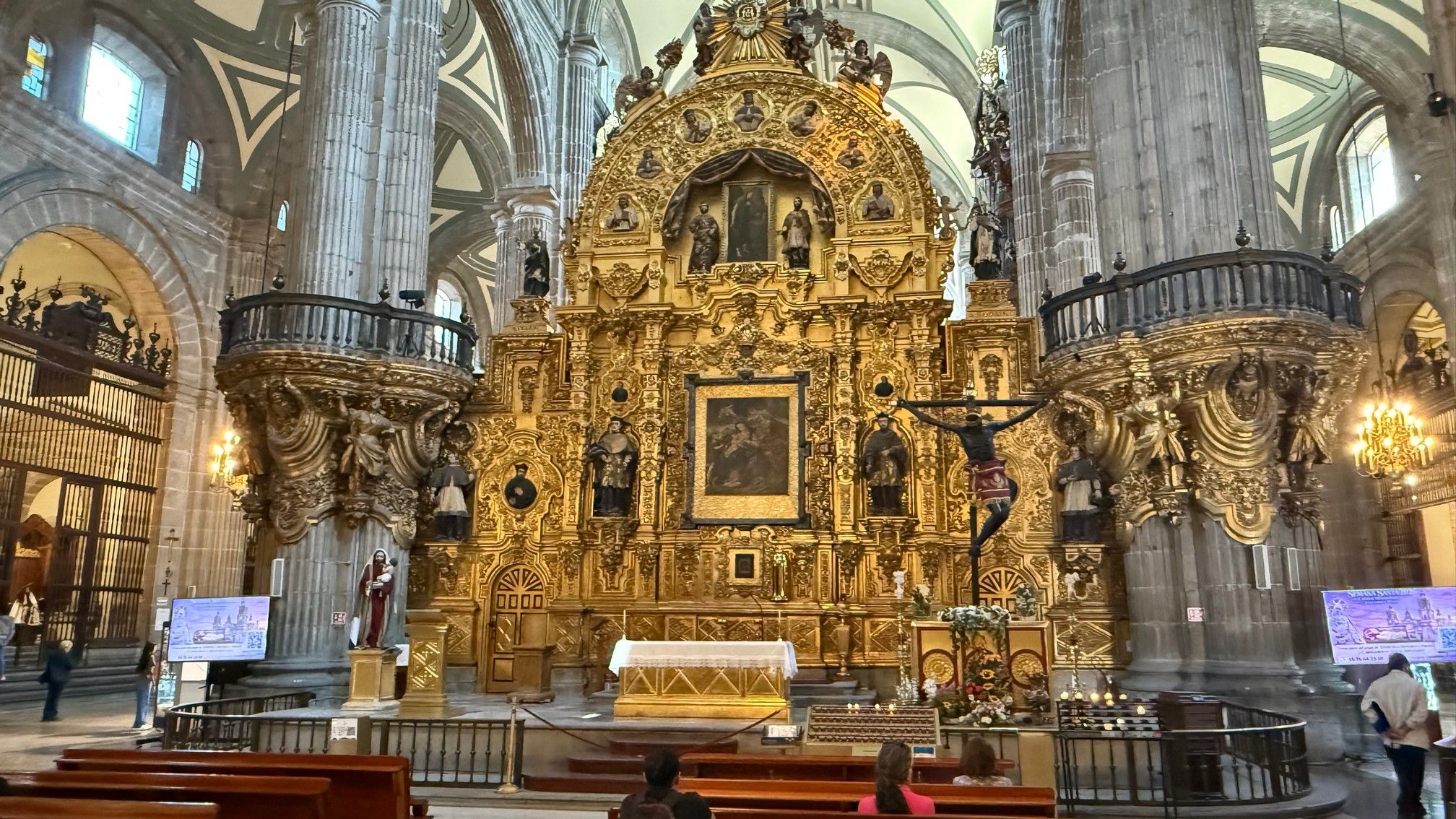
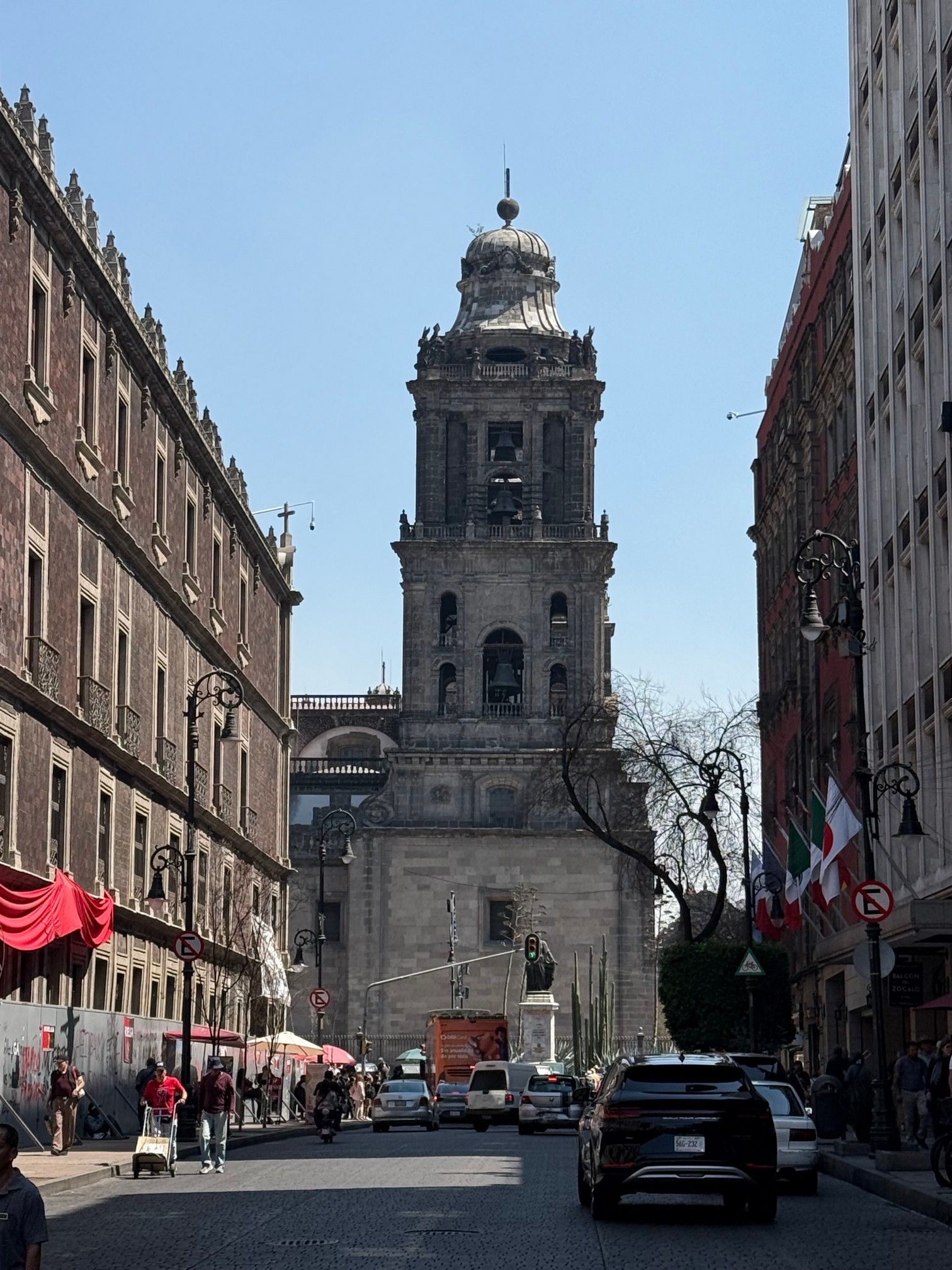
The north side of the square houses the gigantic cathedral – fully named "Catedral Metropolitana de la Asunción de María de la Ciudad de México" – which we will visit later.
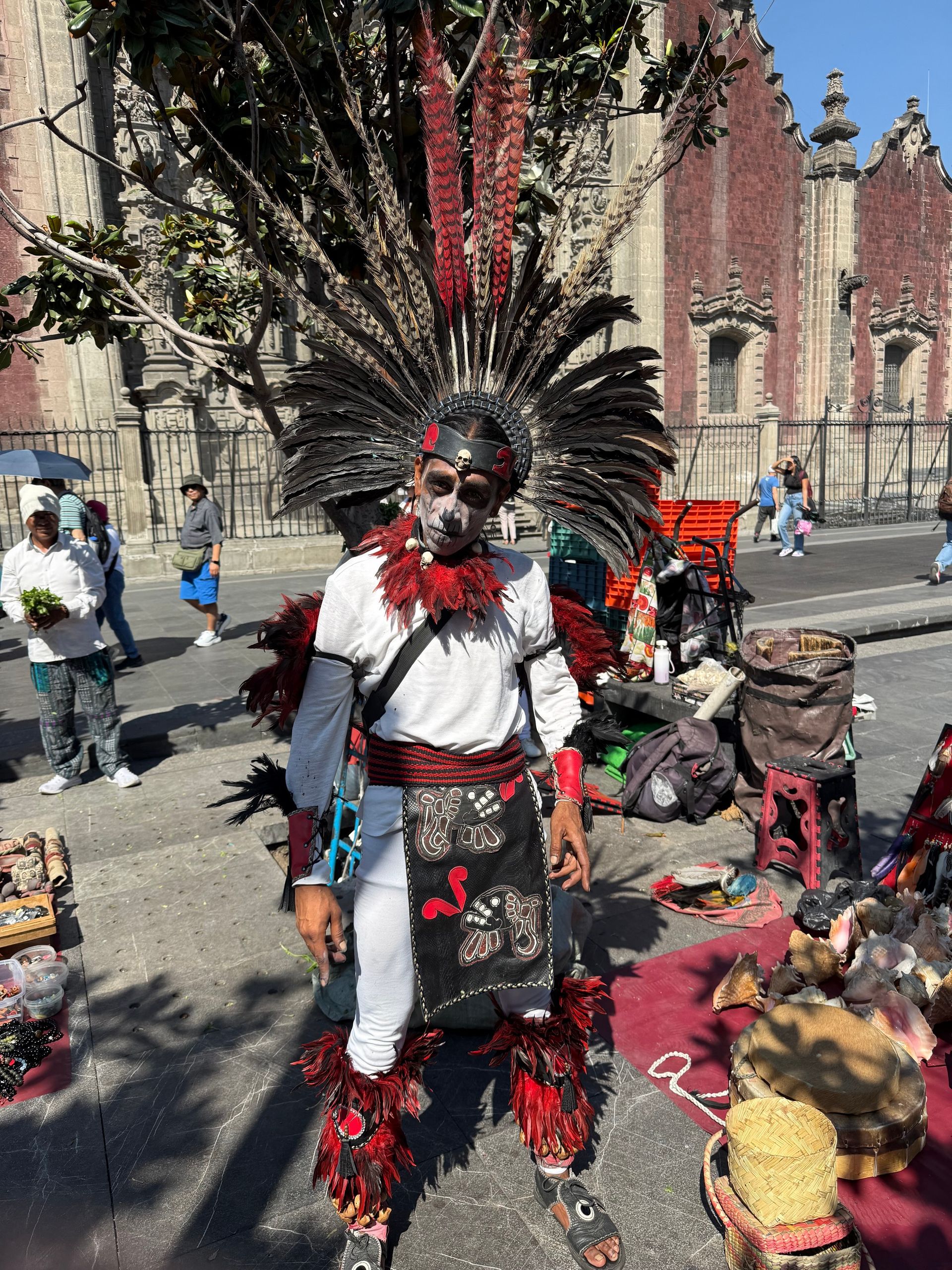
There's a lot going on, and even self-proclaimed shamans and masked performers hope for tourist revenues.
The Aztec warrior in the picture is dressed for the Día de los Muertos (Day of the Dead) in Mexico. He wears a traditional feathered headdress, known as Penacho.
The face is painted as a skull, which is a central element of this Mexican celebration.
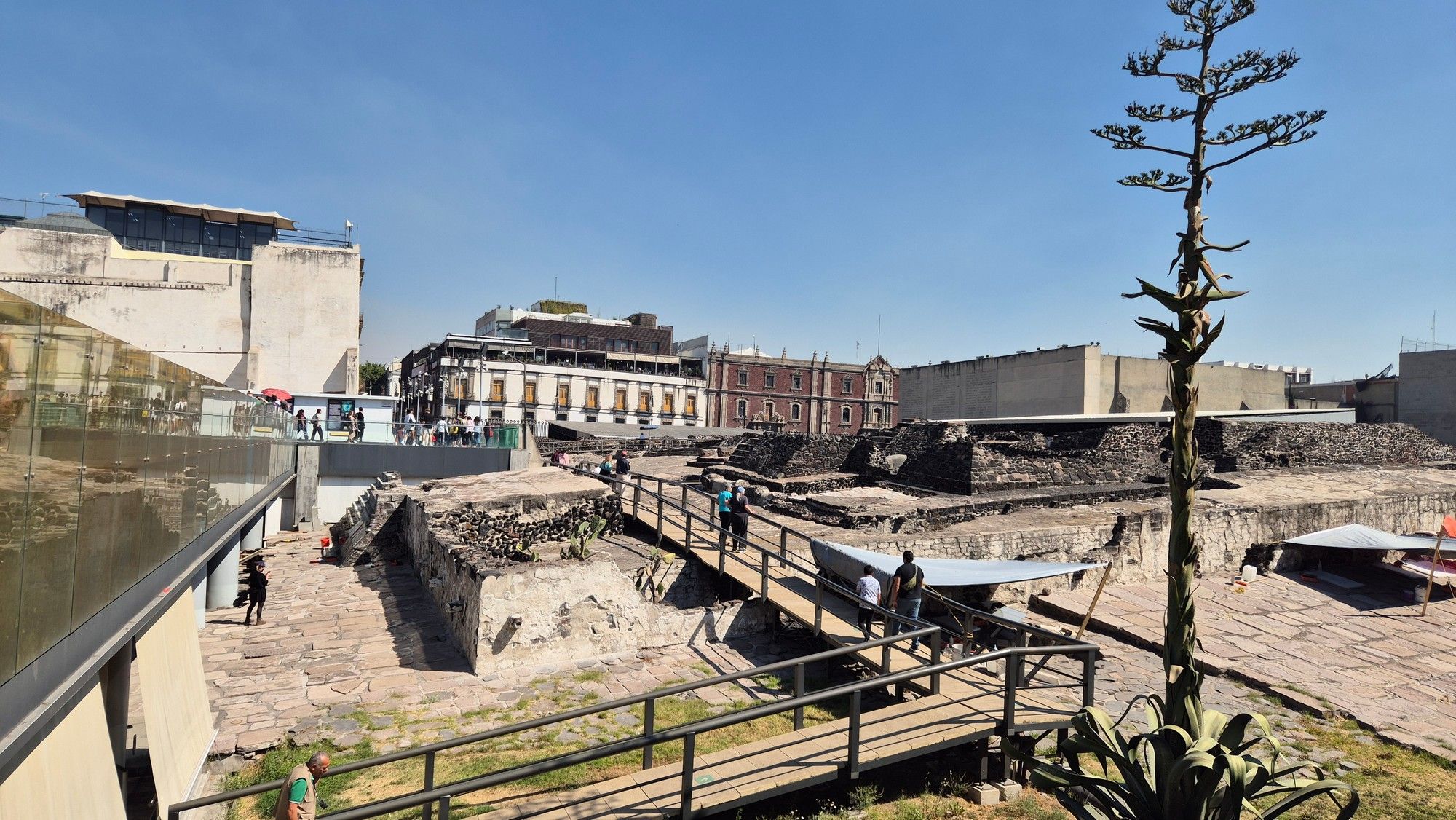
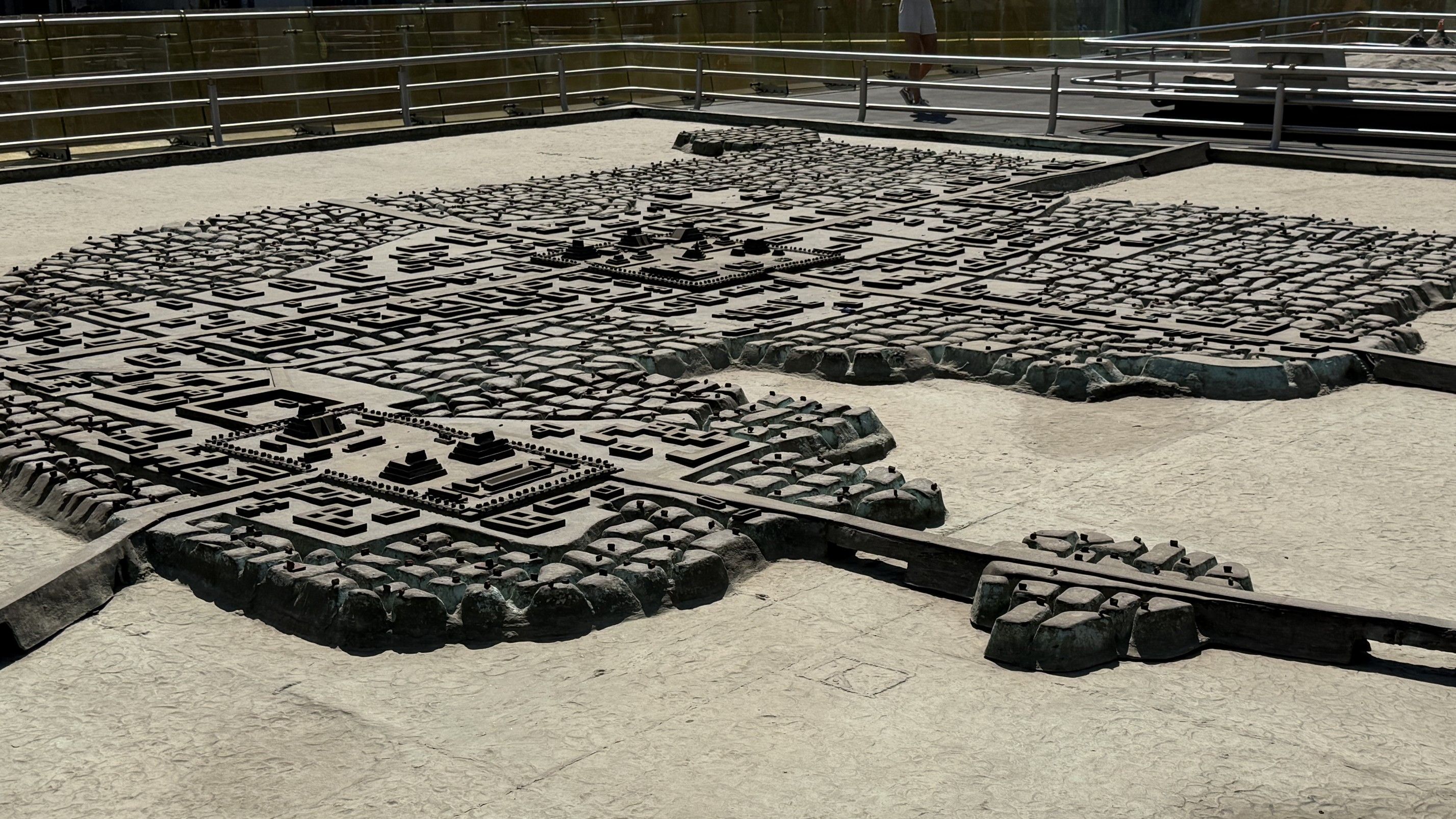
A little further, we stand before the archaeological excavation of the Aztec "Templo Mayor" – a bronze model placed nearby gives an idea of the vast dimensions of the Aztec capital Tenochtitlán.
The city was founded around 1325 by the Aztecs on an island in Lake Texcoco. It developed into a powerful center with impressive pyramids like the Templo Mayor.
Under the leadership of Hernán Cortés, the Spanish and their indigenous allies besieged and destroyed the city from 1519 to 1521. On the ruins of Tenochtitlán, they founded the colonial capital Mexico City.
As the seat of the Viceroyalty of New Spain, the city was rebuilt according to European models with churches and palaces. Large parts of the lake were gradually drained. However, the former lakebed remained unstable, and Mexico City continues to struggle with widespread subsidence (up to 9 meters in the center) to this day.
After independence in 1821, the city experienced turbulent times, including occupations by American (1847) and French troops (1861–1867).
The tragic episode of the hapless Habsburg Archduke Ferdinand Maximilian, a brother of Emperor Franz Joseph, falls during this French occupation.
French Emperor Napoleon III wanted to establish a military and economically aligned empire in Mexico. Since 1861, he had already intervened with troops because Mexico (under President Benito Juárez – an indigenous Zapotec) had expelled both the Spanish envoy and the Papal Legate from the country. Benito Juárez had halted payments on the 82 million US dollars in debts that were unjustly demanded by Europeans.
In this situation, Ferdinand Maximilian was proclaimed Emperor Maximilian I of Mexico on April 10, 1864, against the resistance of the Mexican people at the behest of the French Emperor.
Upon arriving in Mexico, the Habsburg found that all American states supported the deposed Mexican President Juárez, viewing Maximilian as an unwanted European intervention.
After two years in Mexico, Maximilian issued a decree that declared supporters of Juárez as robbers who could be killed without trial. About 9000 people were murdered under this decree.
After the end of the American Civil War, the French had to withdraw their troops from Mexico in 1866 under pressure from the USA. After that, Emperor Maximilian could not hold out much longer against the popular Juárez, also because his appeals for help in Europe went unanswered.
He was captured in 1867 by the legitimate government of President Benito Juárez, tried by a military court, and executed.
In the 20th century, there was massive population growth to what is now over 20 million people in the metropolitan area. Milestones were the Olympic Games in 1968 and the devastating earthquake of 1985, which officially claimed over 10,000 lives, while other sources speak of up to 25,000 victims. Mexico City was largely destroyed in many areas.
But back to our tour, we arrive at the cathedral and, of course, go inside.
The origins of the Cathedral of Mexico City date back to the early days of the Spanish conquest. It was built on the ruins of the Aztec temple Templo Mayor, with the cornerstone laid in 1571 and construction officially begun in 1573. It took until 1813, nearly 250 years of construction, for the exterior to be completed. The design of the cathedral was, of course, influenced by Spanish cathedrals.
This long construction period resulted in a mix of various architectural styles, including Gothic, Baroque, and Neoclassicism.
The cathedral extends over an area of more than two hectares, with dimensions of about 61 meters in width and 128 meters in length. Its two towers rise 67 meters high and house 35 bells.
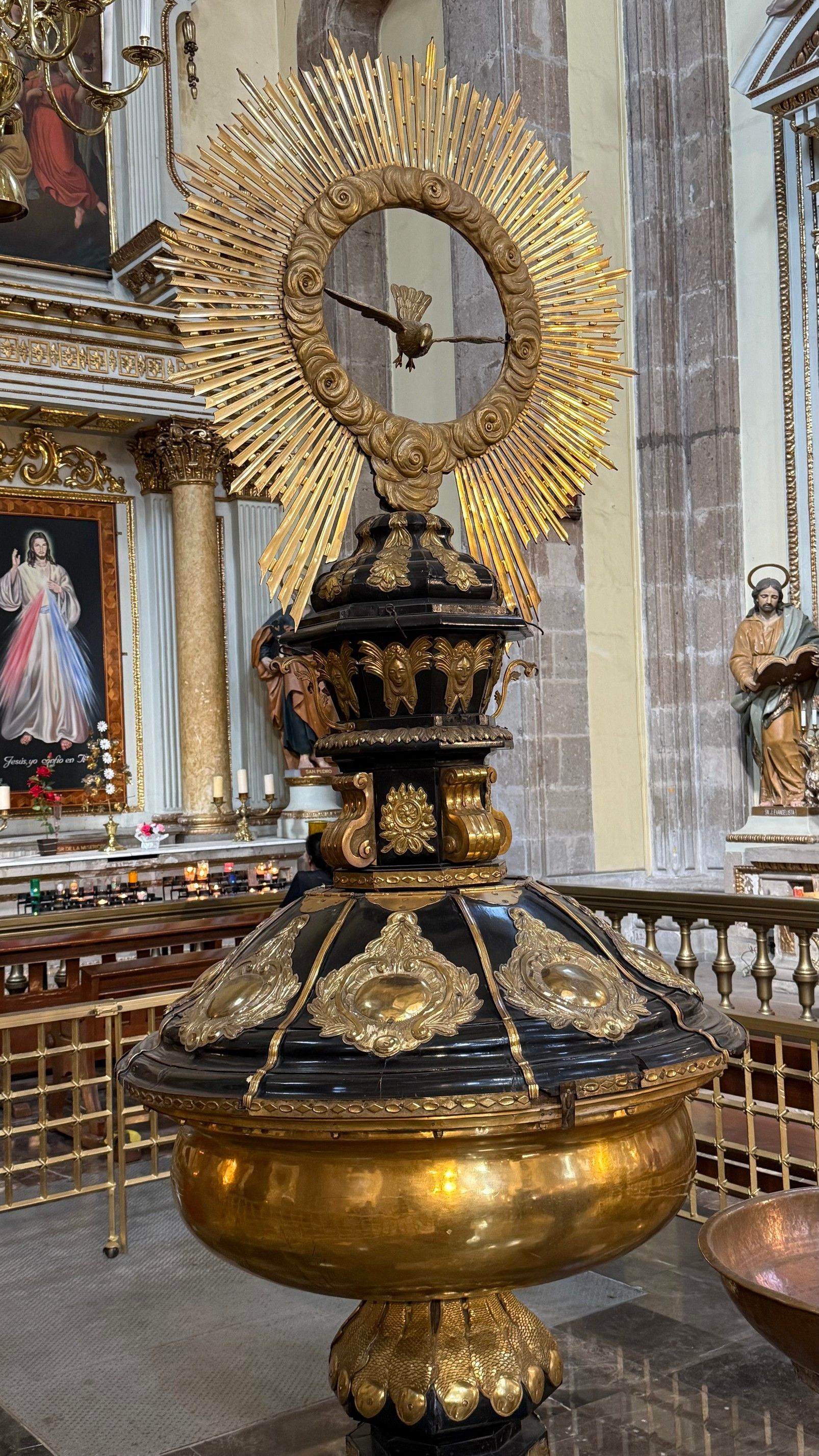
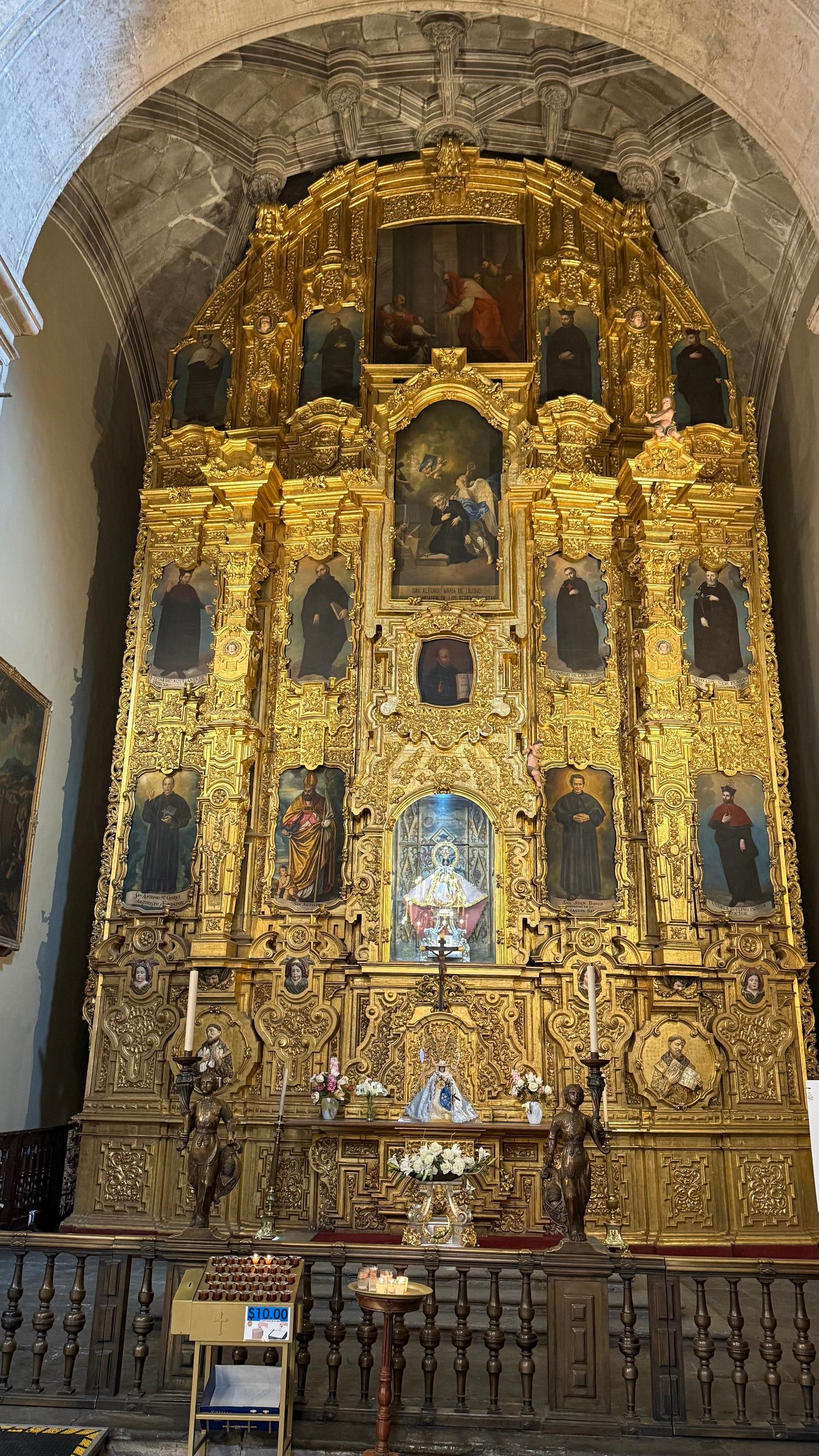
Inside, the cathedral features five naves supported by 51 vaults, 74 arches, and 40 columns. Two main altars dominate the cathedral.
After a short break – it has gotten quite hot – we continue by car with our guide Gabriel through the somewhat chaotic traffic toward Guadalupe, a part of the metropolitan area.
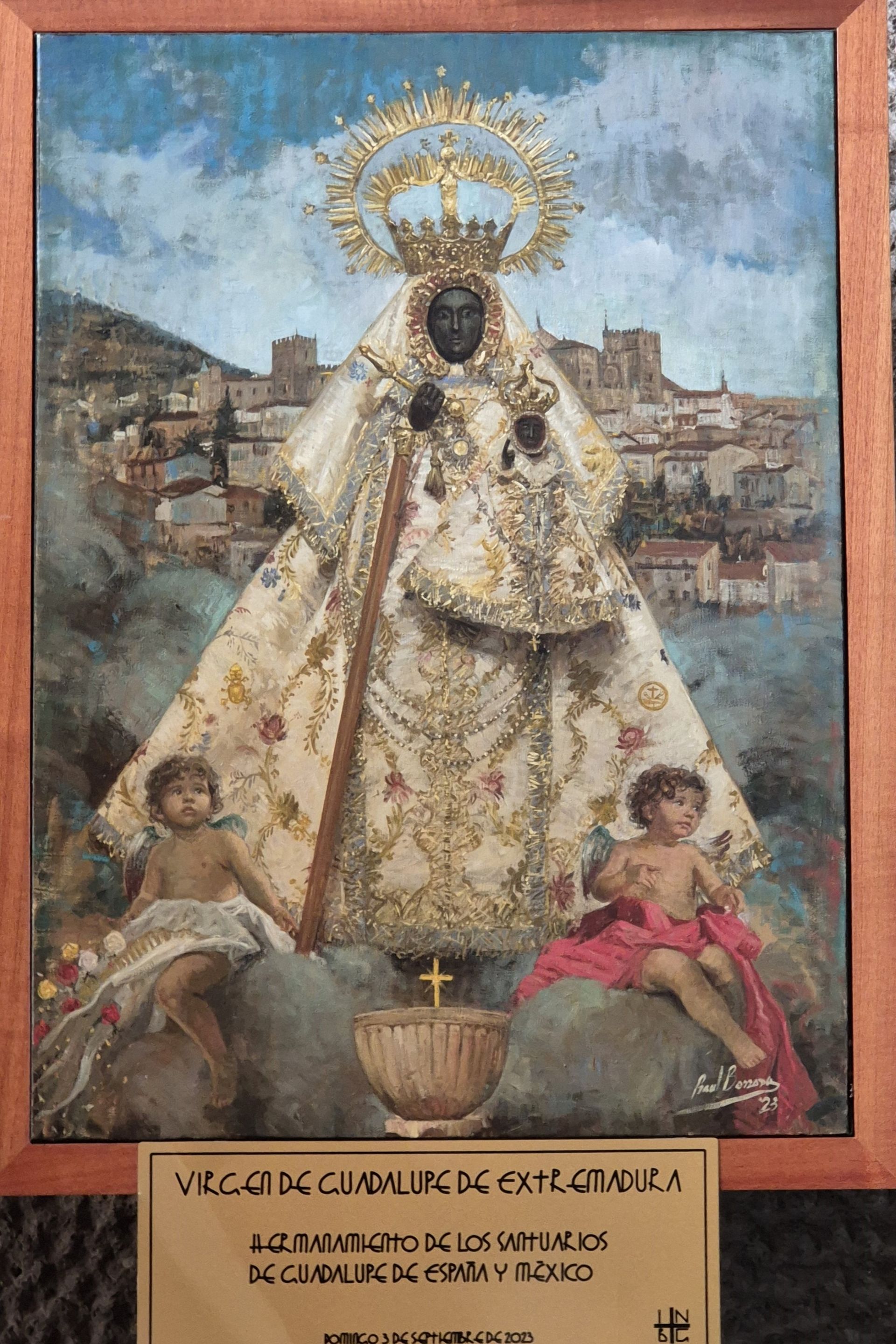
The story of the Virgin of Guadalupe is the heart of Mexican identity and makes her pilgrimage site in Mexico City the most visited Marian shrine in the world, with about 20 million pilgrims annually.
The story dates back to December 1531, just ten years after the Spanish conquest.
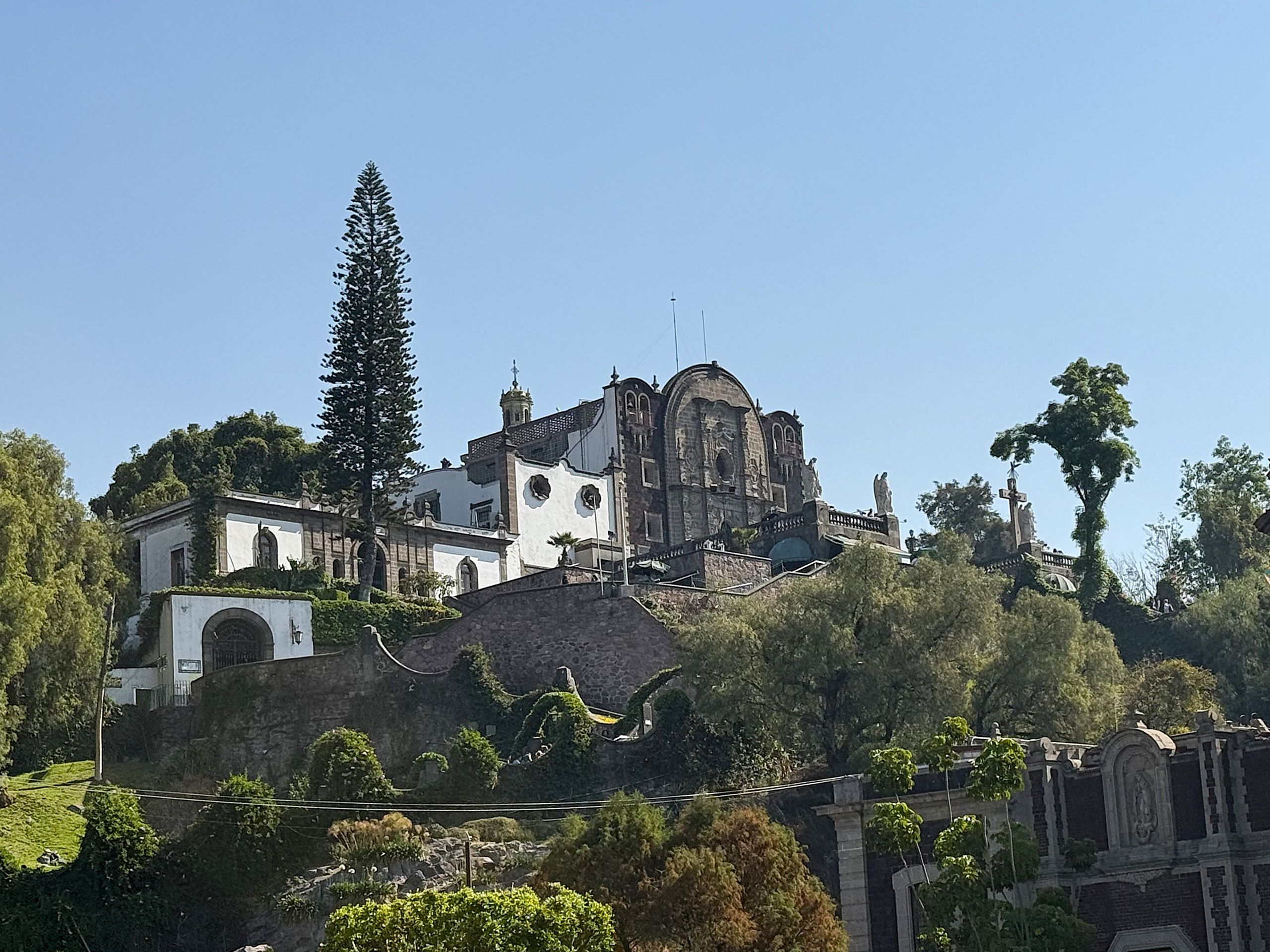
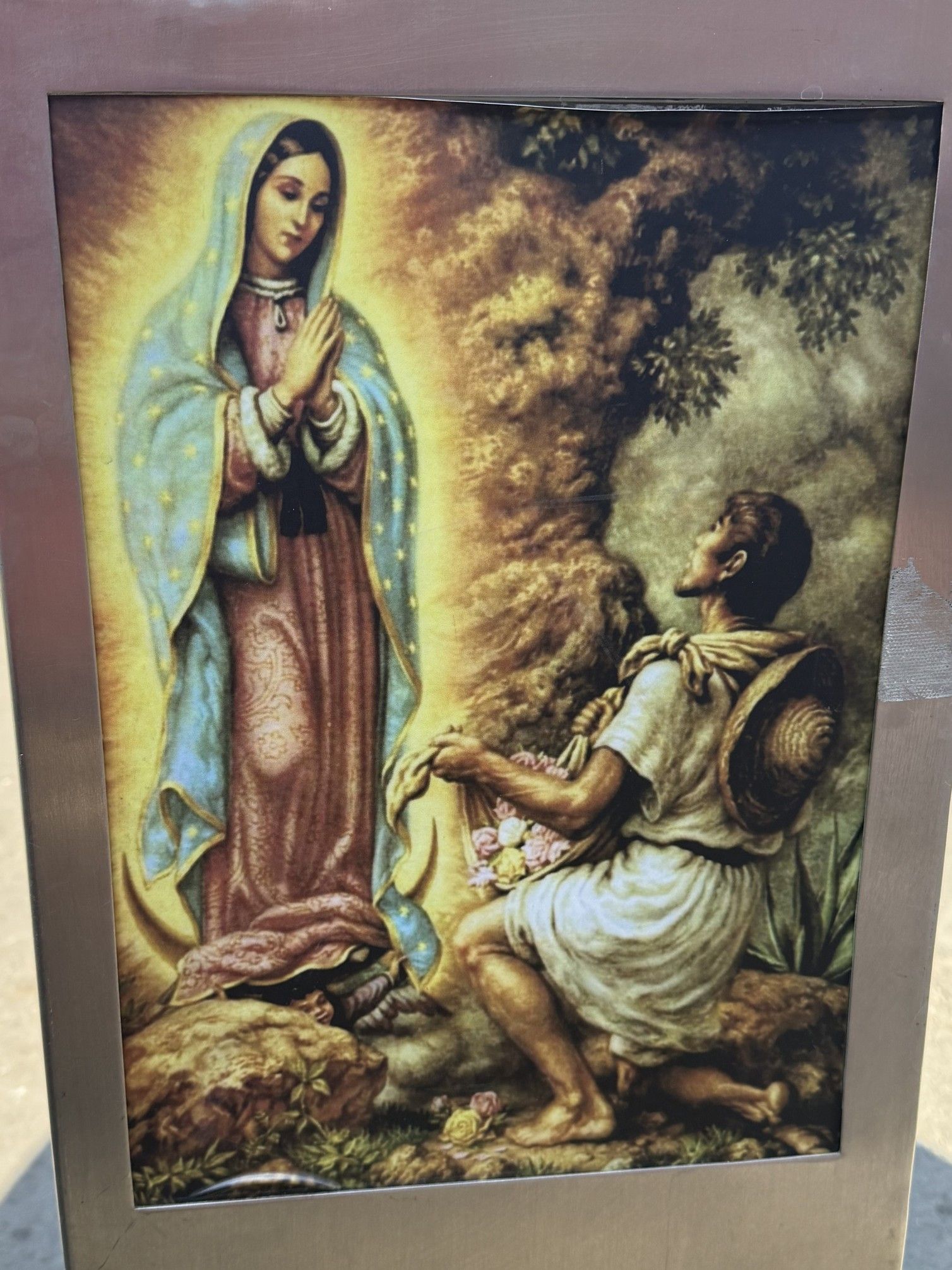
An indigenous farmer, Juan Diego Cuauhtlatoatzin, saw a dark-skinned woman on the hill of Tepeyac. She introduced herself as the Mother of God and asked Juan Diego to tell the bishop of Mexico that a chapel should be built at this site.
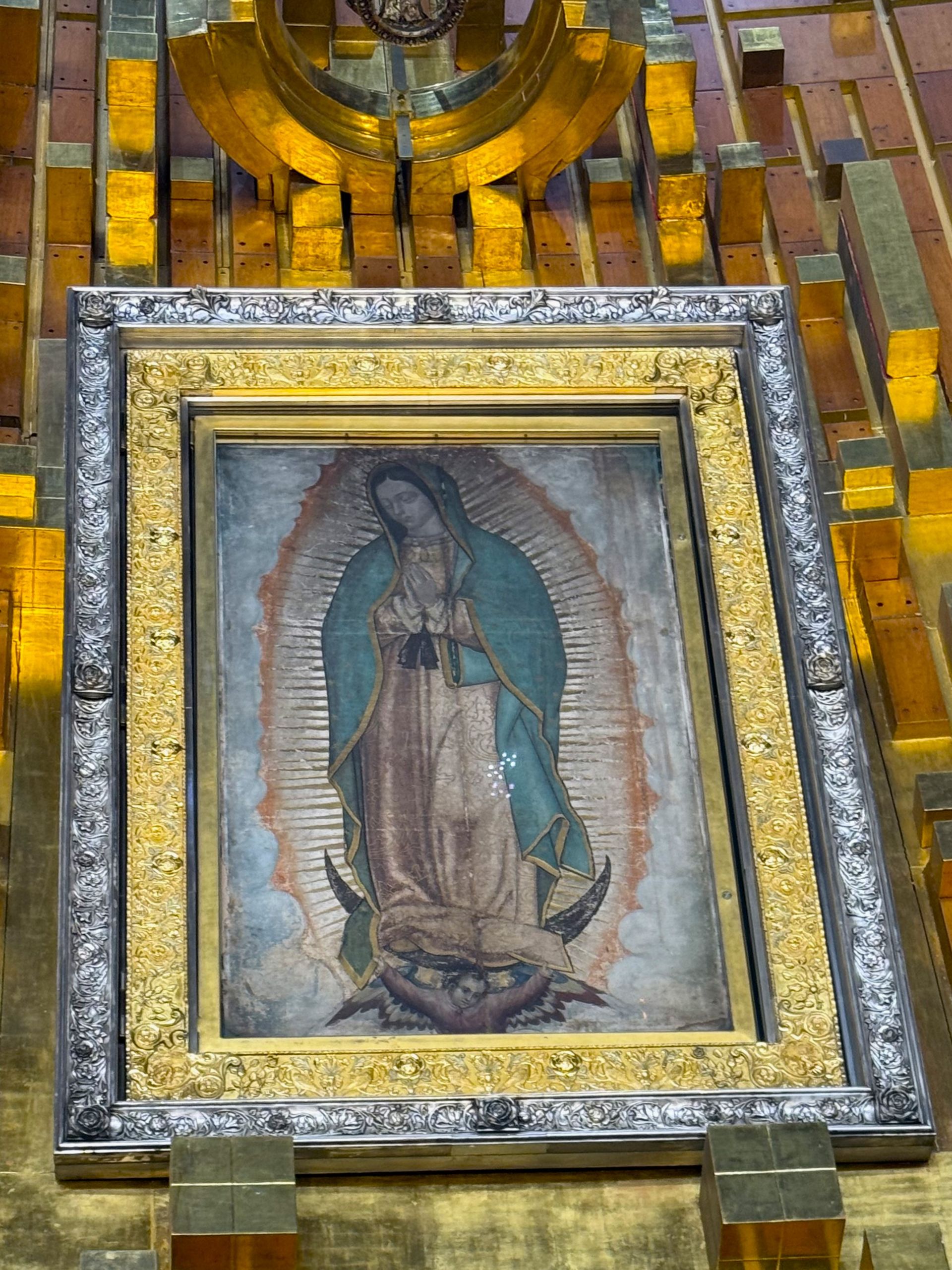
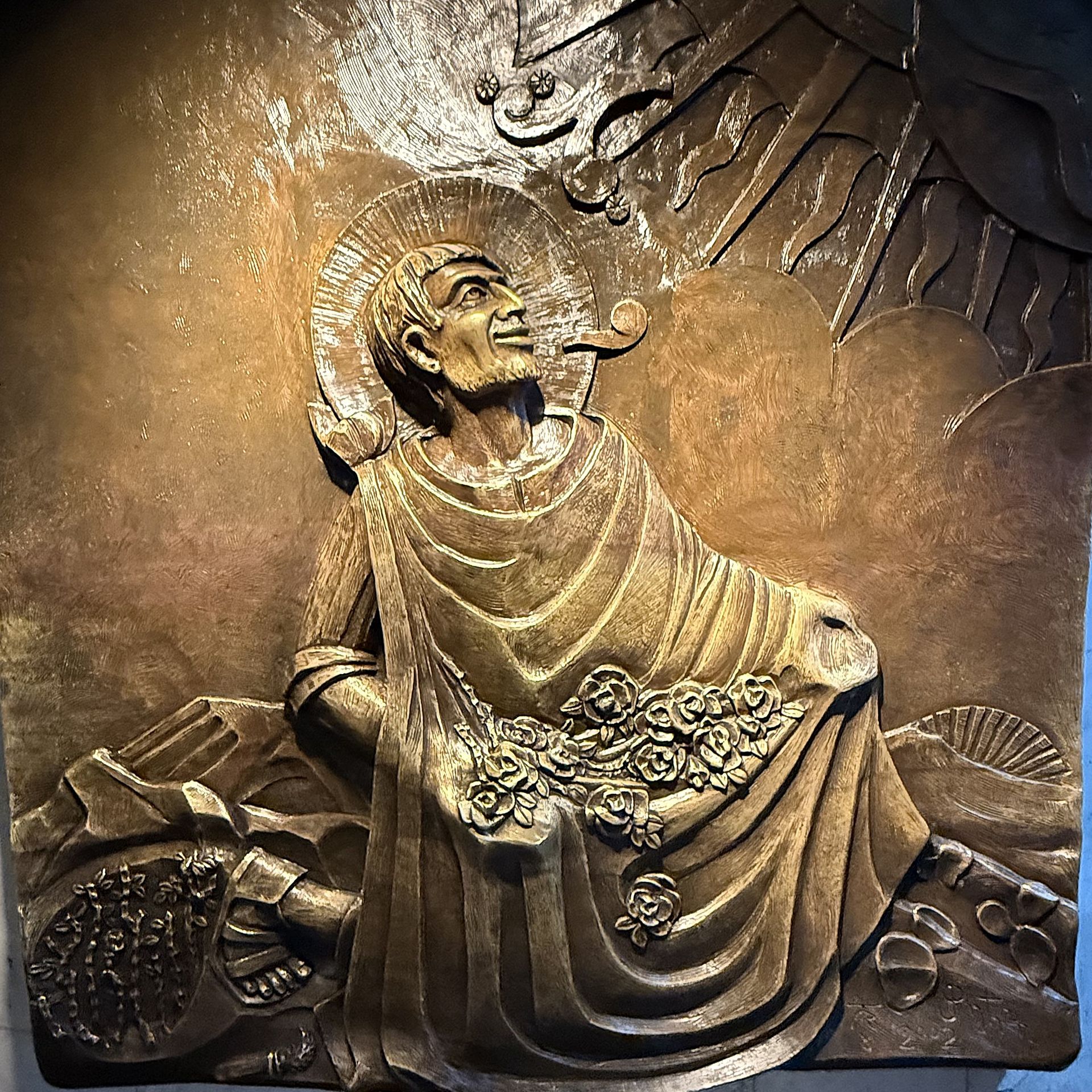
Since the bishop did not believe the "unbelieving" Indian and demanded evidence, the virgin made roses bloom in the barren hill in the middle of winter. When Juan Diego poured these out of his cloak (the Tilma) before the bishop during a second visit to the episcopal palace, the image of the Virgin appeared on the fabric, as if by miracle. Now the bishop was also convinced of the miracle of the Marian apparition. The image on the tilma is still exhibited as a venerated image in the basilica and is considered scientifically inexplicable. Juan Diego was canonized by Pope John Paul II in 2002.
Mary of Guadalupe is revered as "Patroness of Mexico" and "Queen of the Americas". She unites indigenous and Christian symbols, which were used by the Catholic Church for the missionization of the Indians and were thus crucial for the Christianization of Latin America. December 12 is the most important feast day, when millions of people gather with music and dances to the basilica.
Today, there are three churches dedicated to Maria.
The original church on the hill Tepeyac, where the Marian apparition allegedly took place - today not regularly accessible.
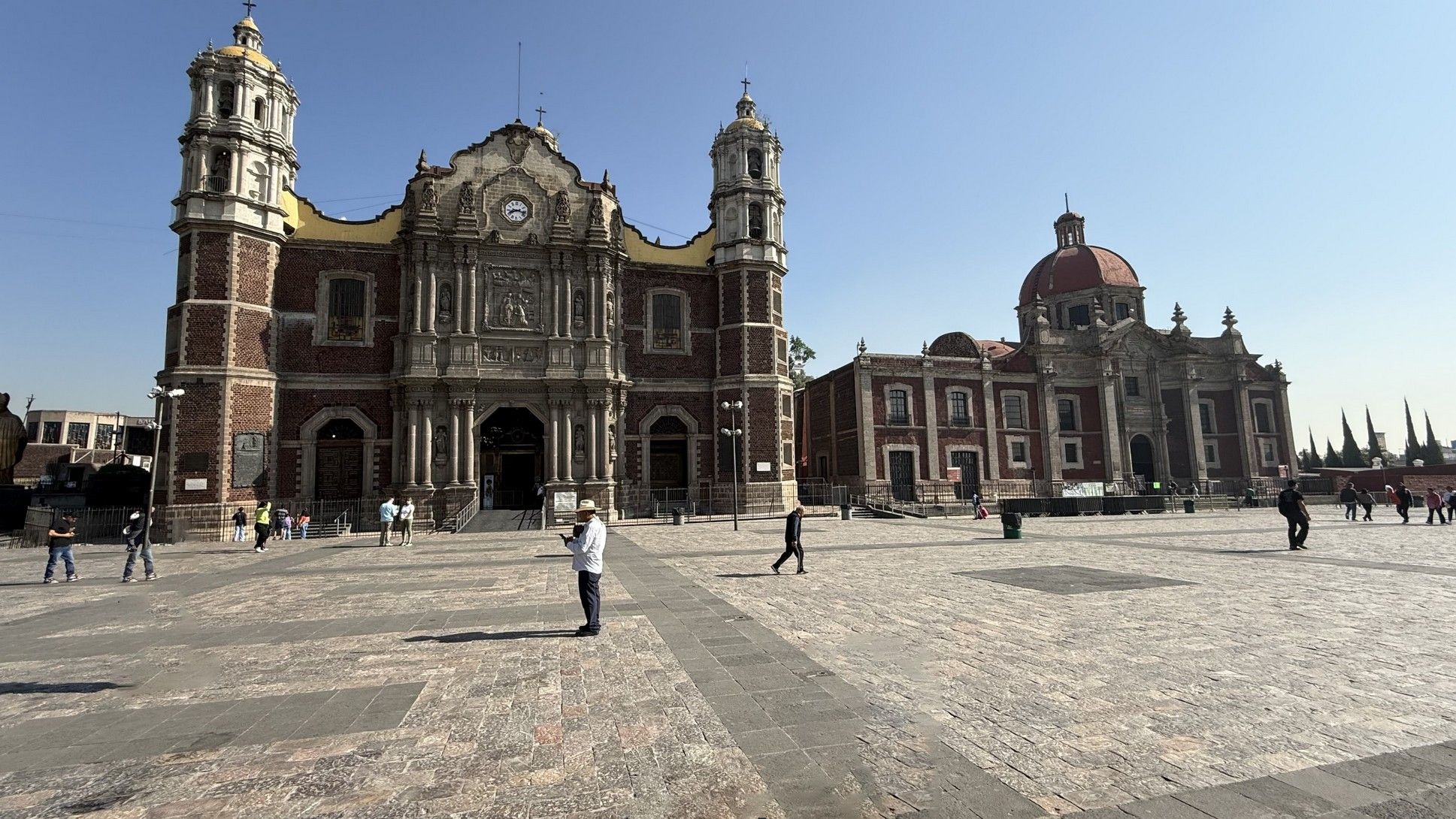
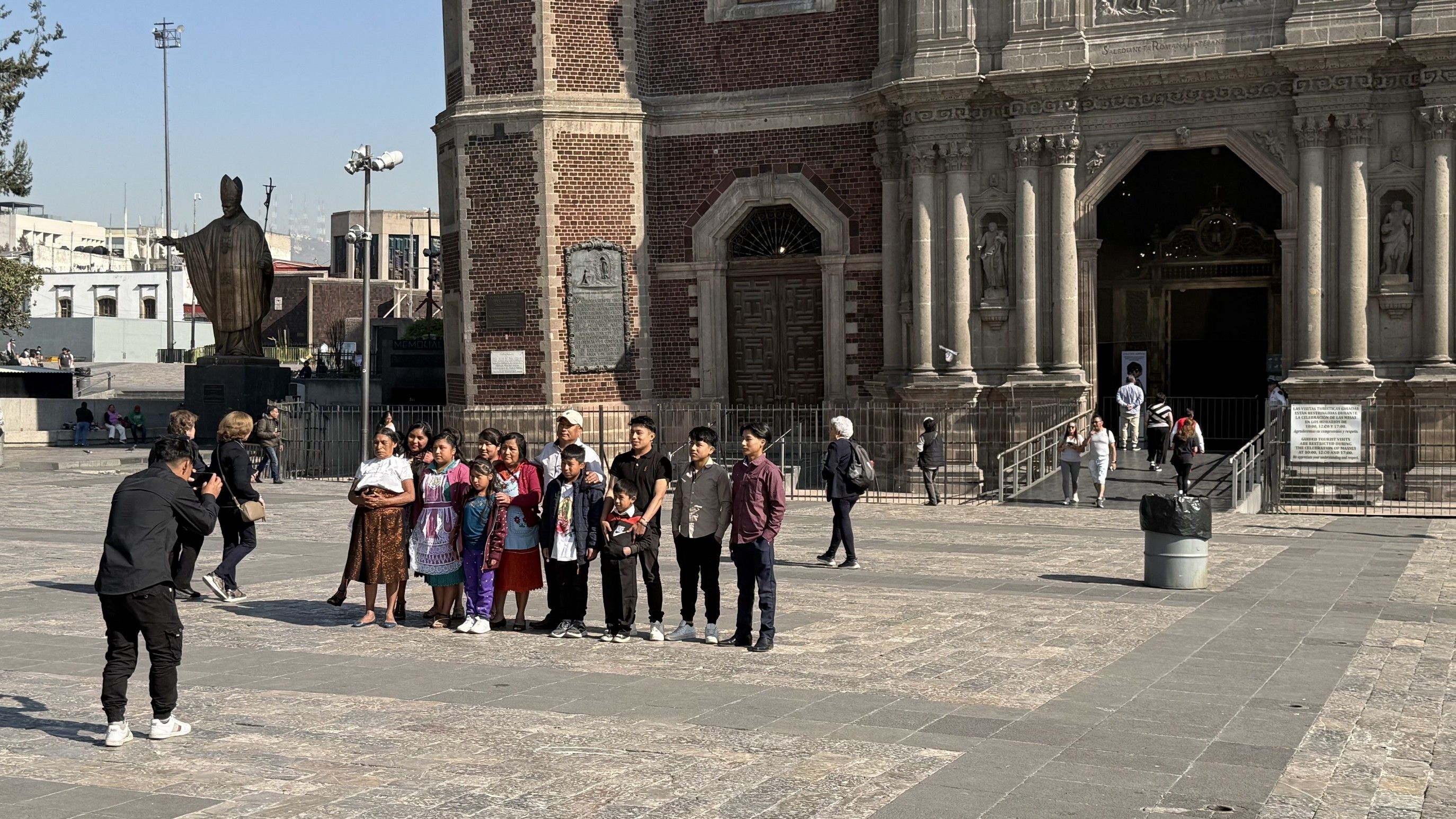
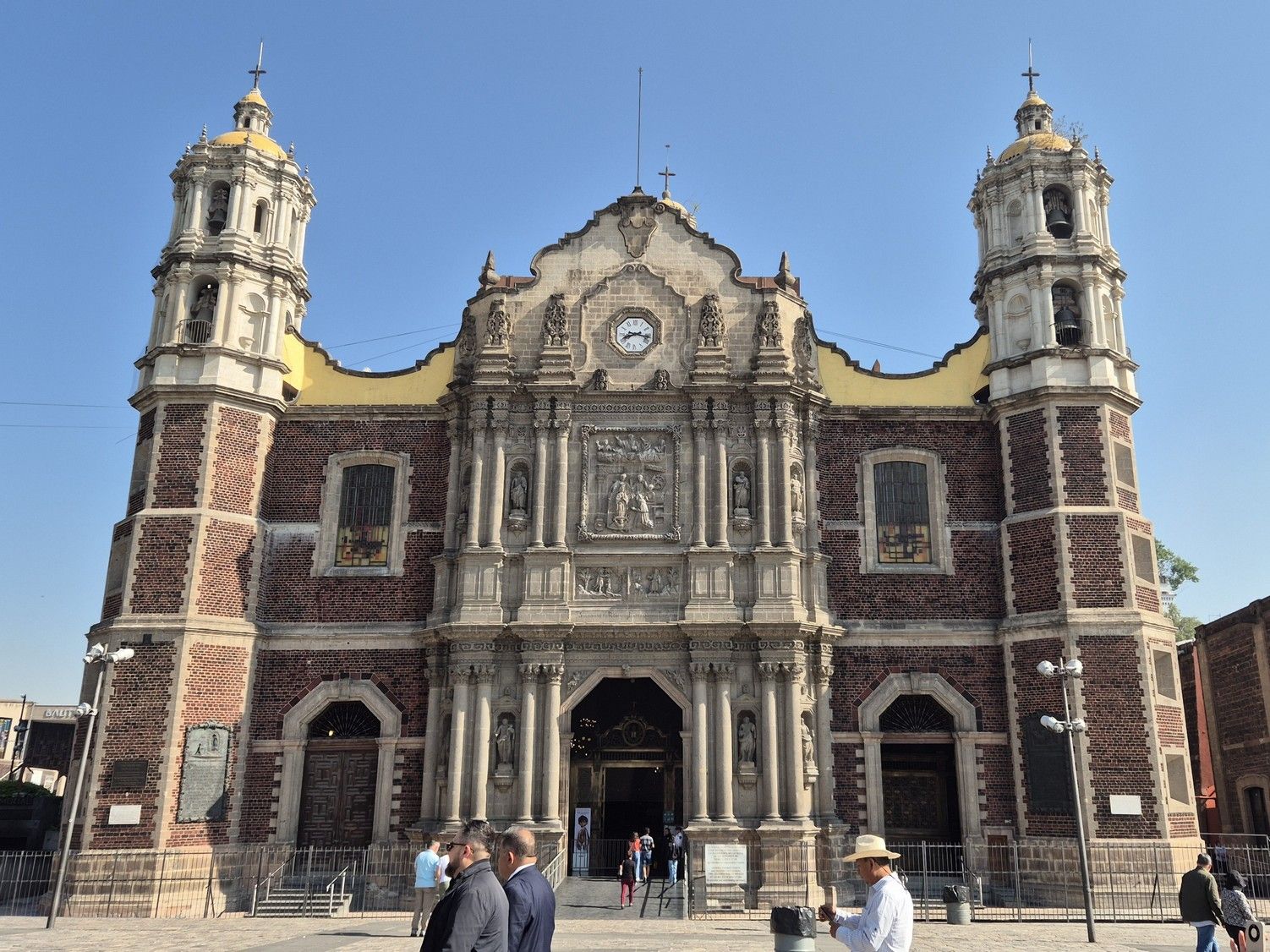
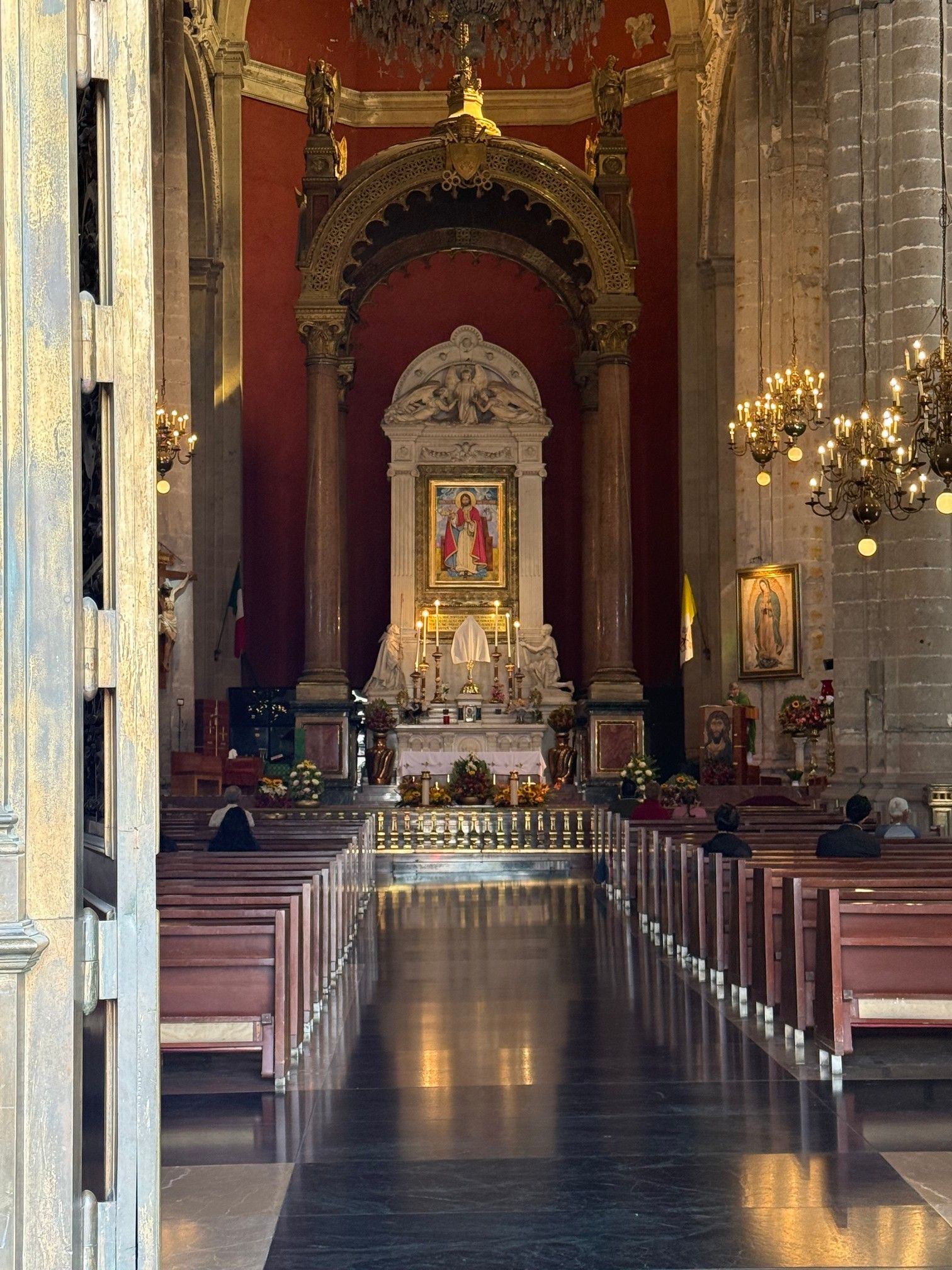
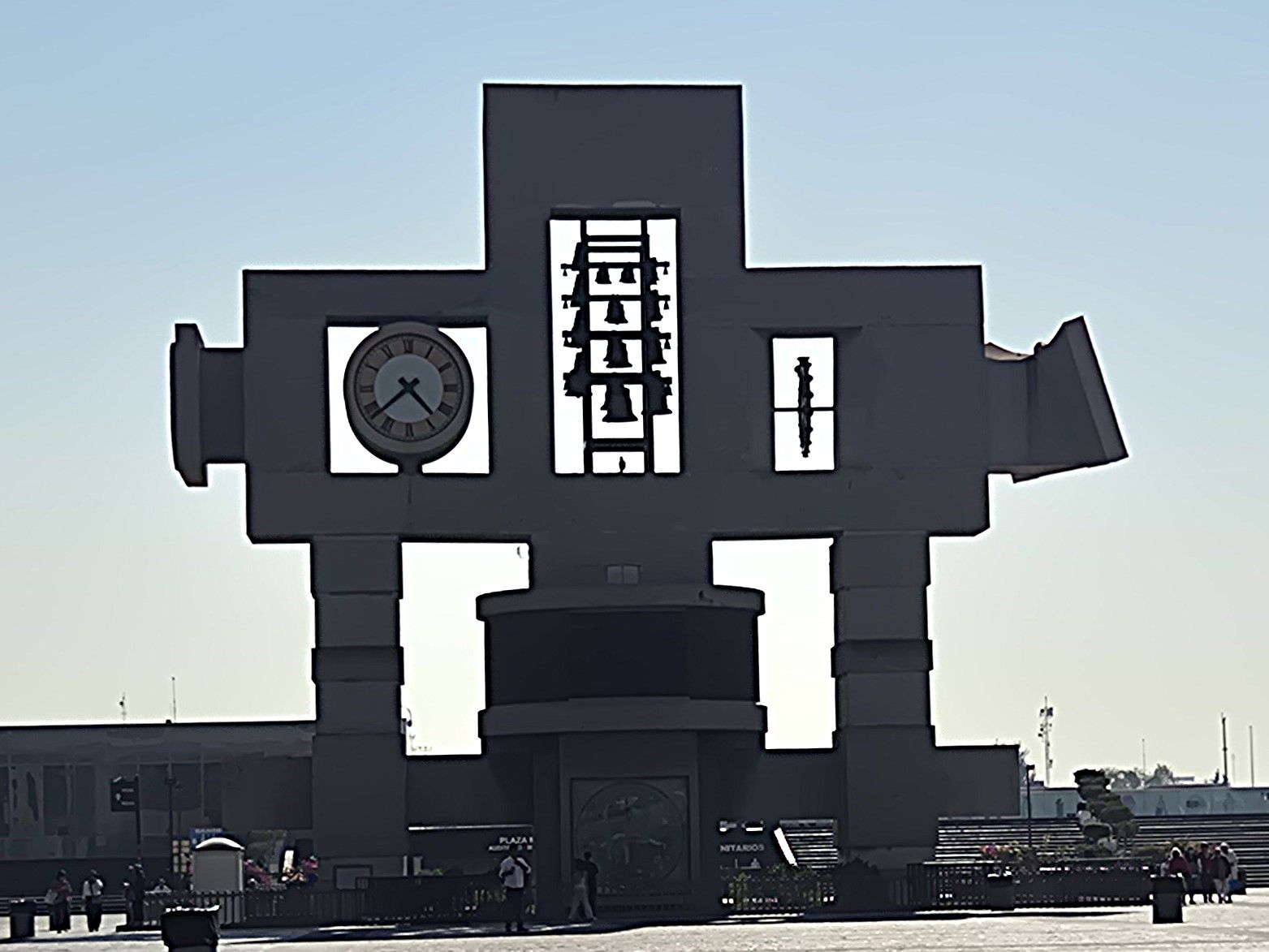
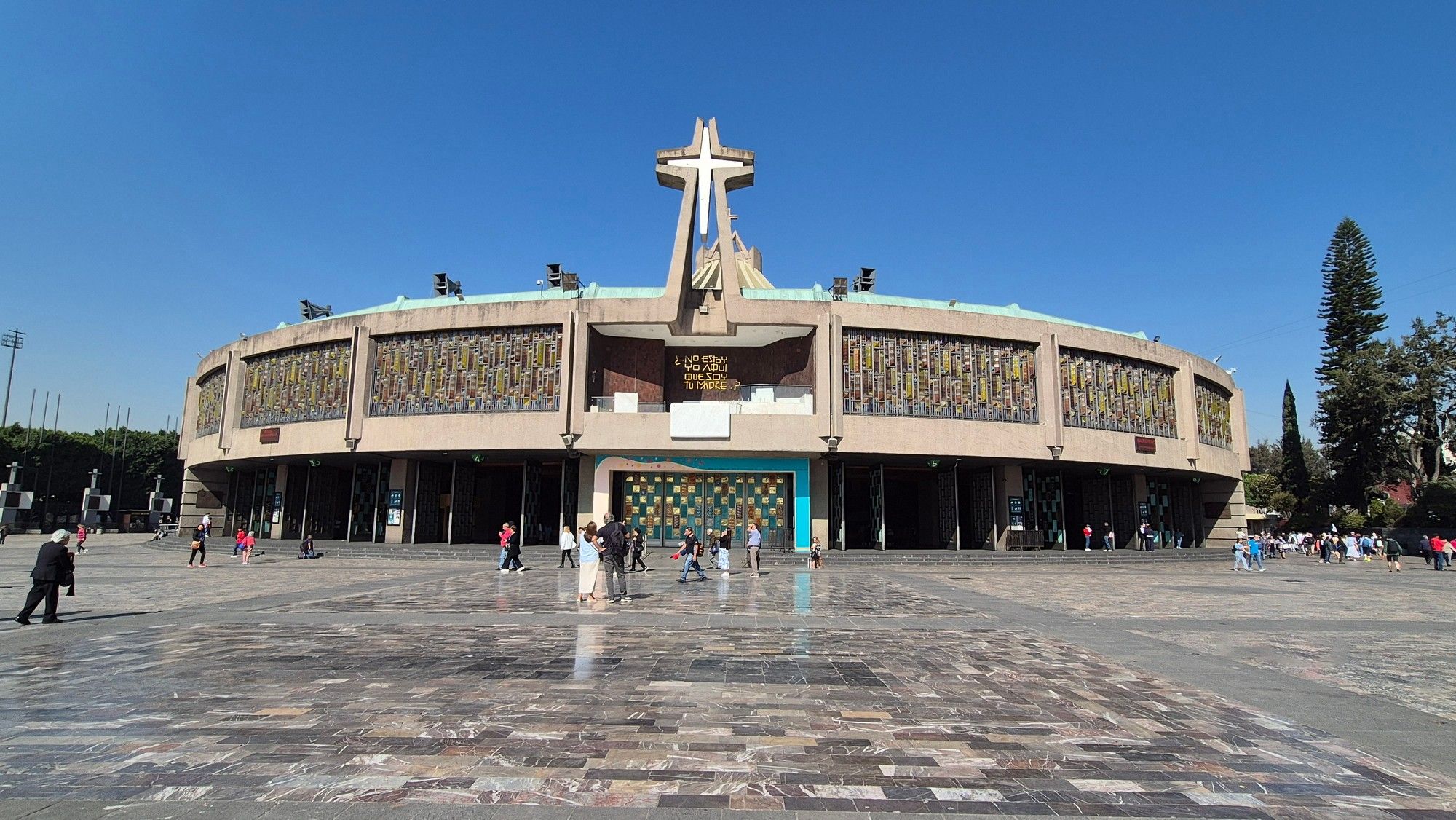
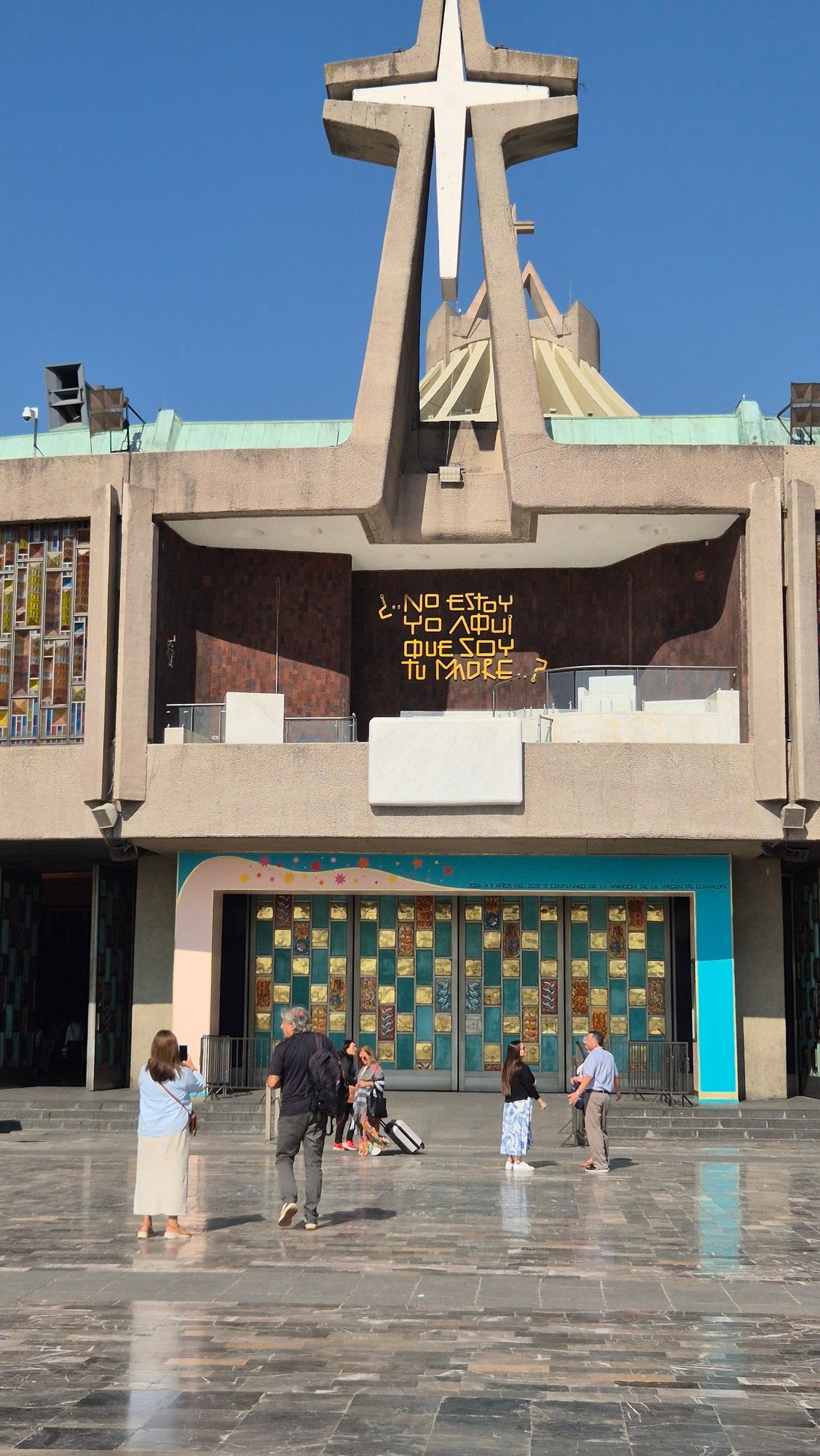
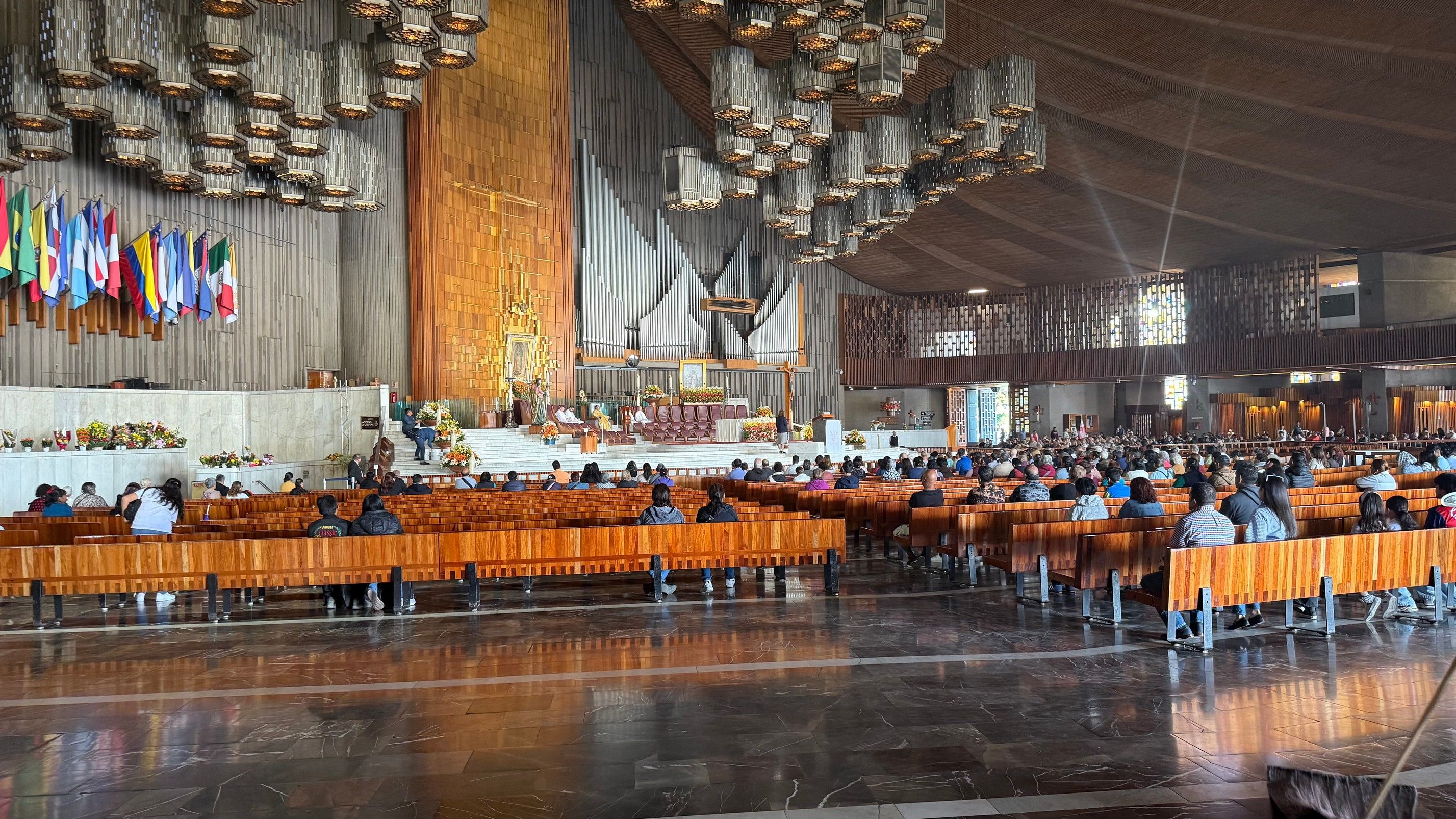
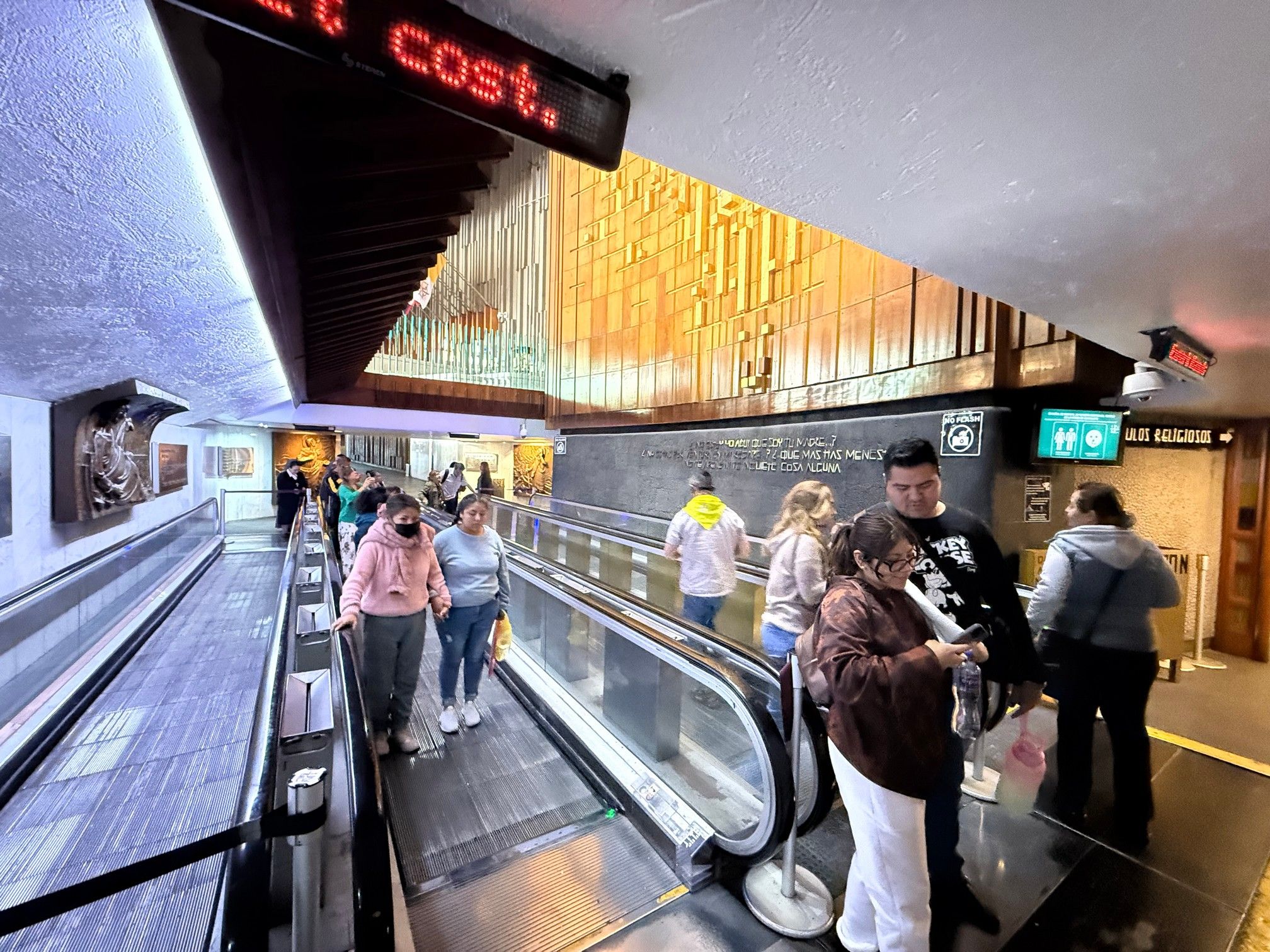
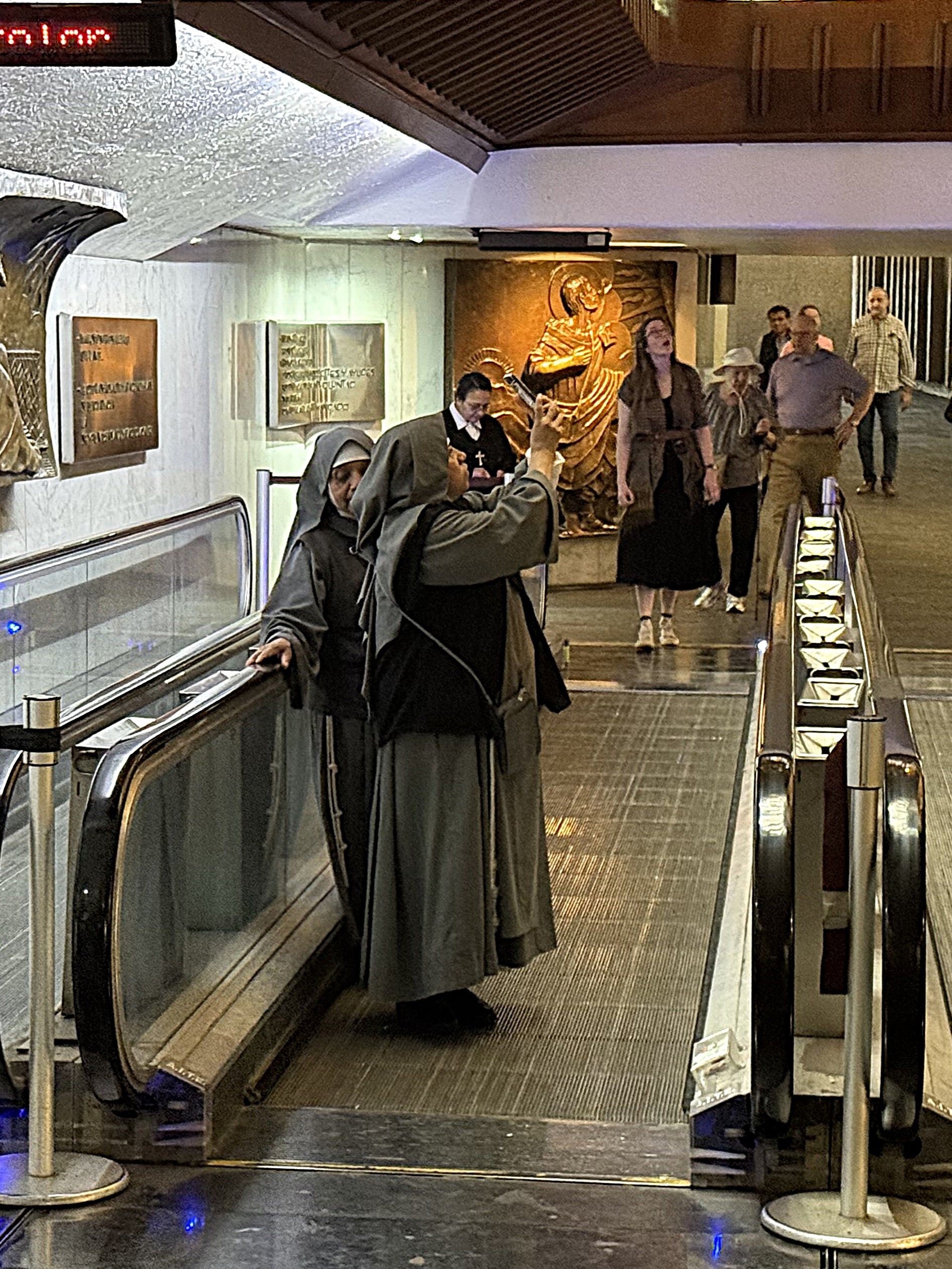
In addition, there are two main buildings on the site below, the Antigua Basílica - the Baroque building from the 18th century has dangerously sunk due to the soft soil. Along with the modern round church Nueva Basílica, consecrated in 1974, designed by architect Pedro Ramírez Vázquez. It can accommodate up to 40,000 people and allows a steady flow of visitors through rolling paths under the revered image on the tilma. Inside, this church has a very atmospheric quality.
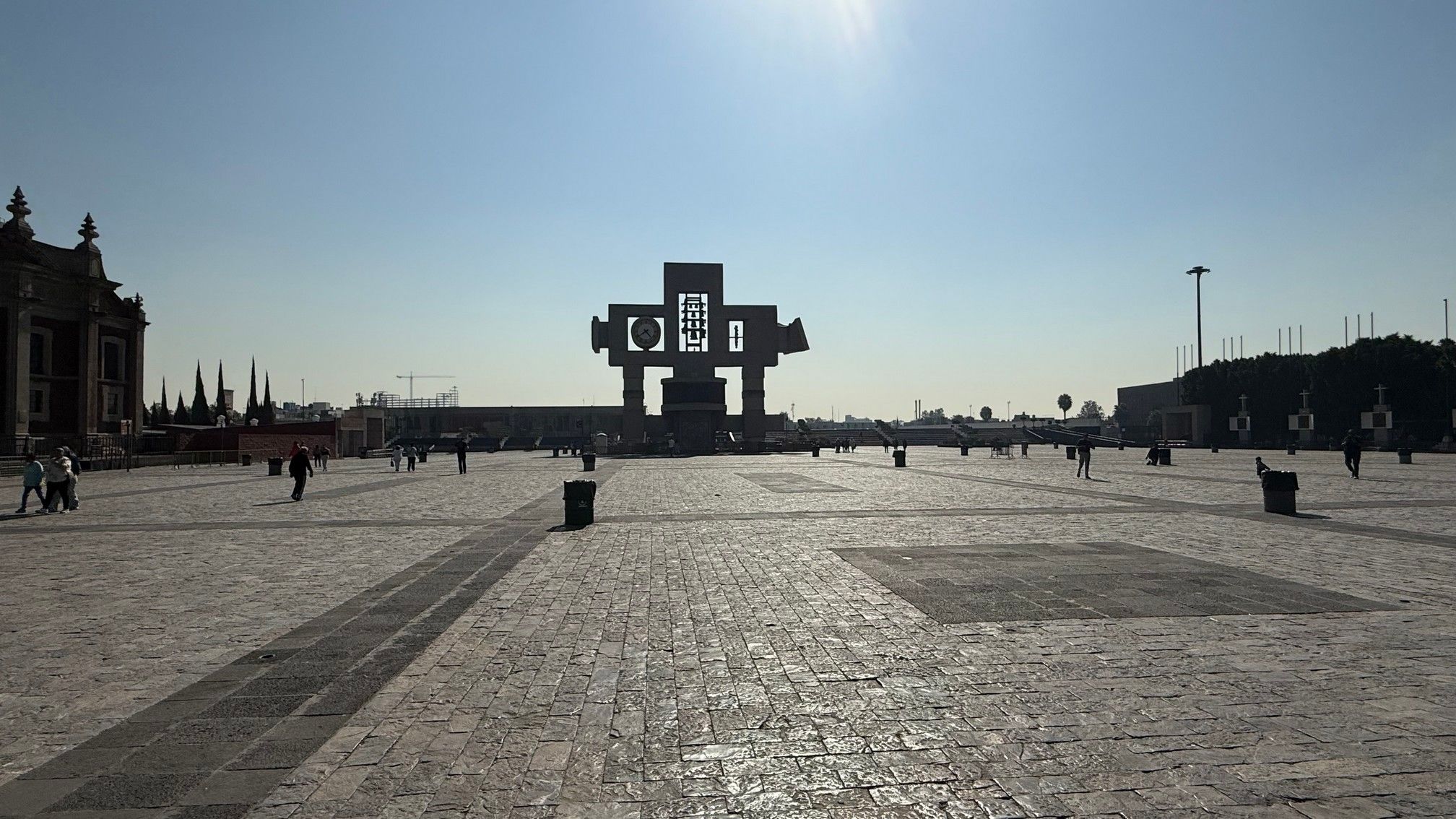
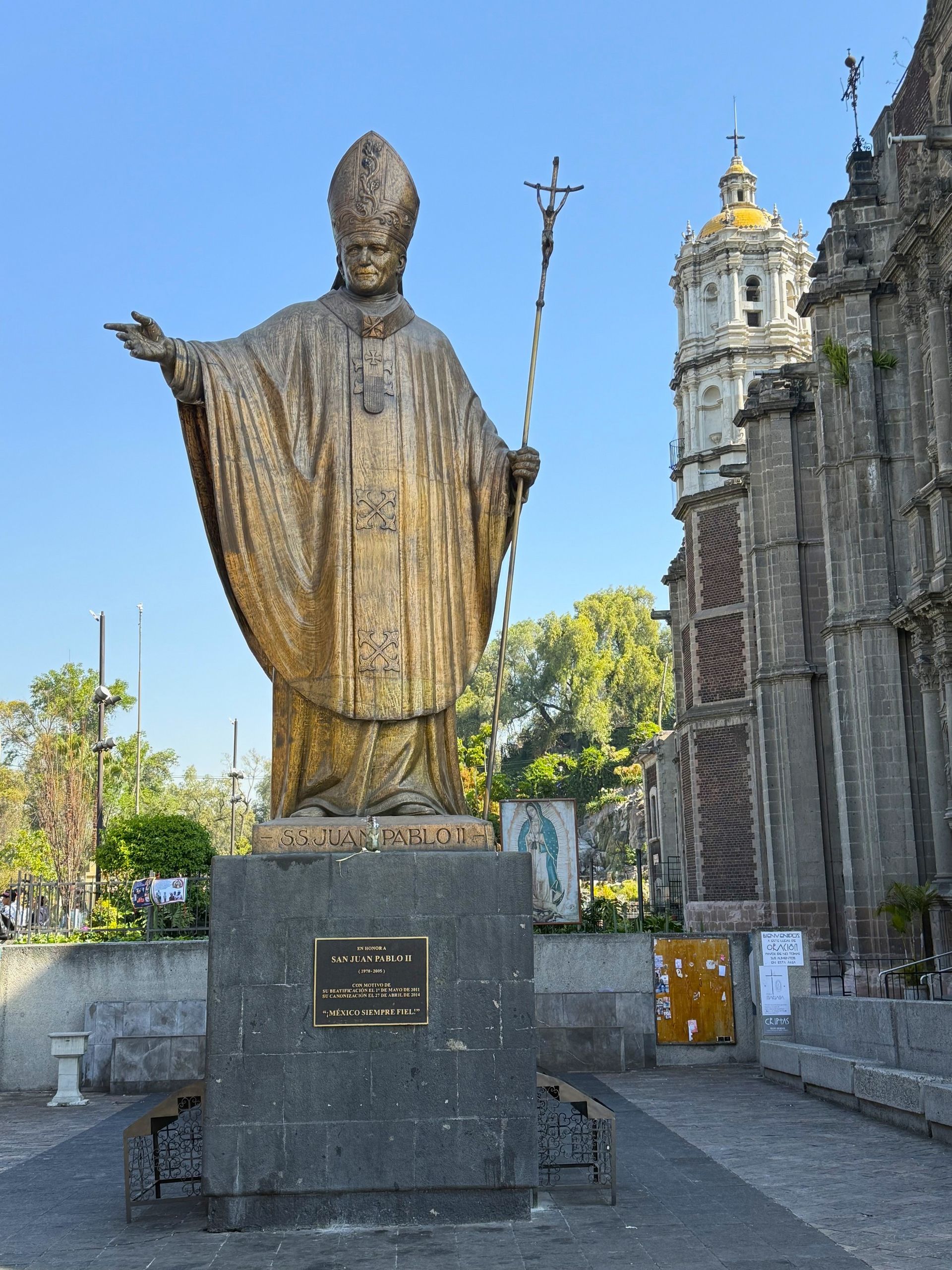
These two churches stand at the enormous square "Plaza de las Américas", where open-air masses for hundreds of thousands of believers are held on December 12 and during papal visits. Both Pope John Paul II and Pope Francis have visited the site.