BLOG 25: From Nicaragua to Mexico City
Mexico City

Published: 24.03.2026
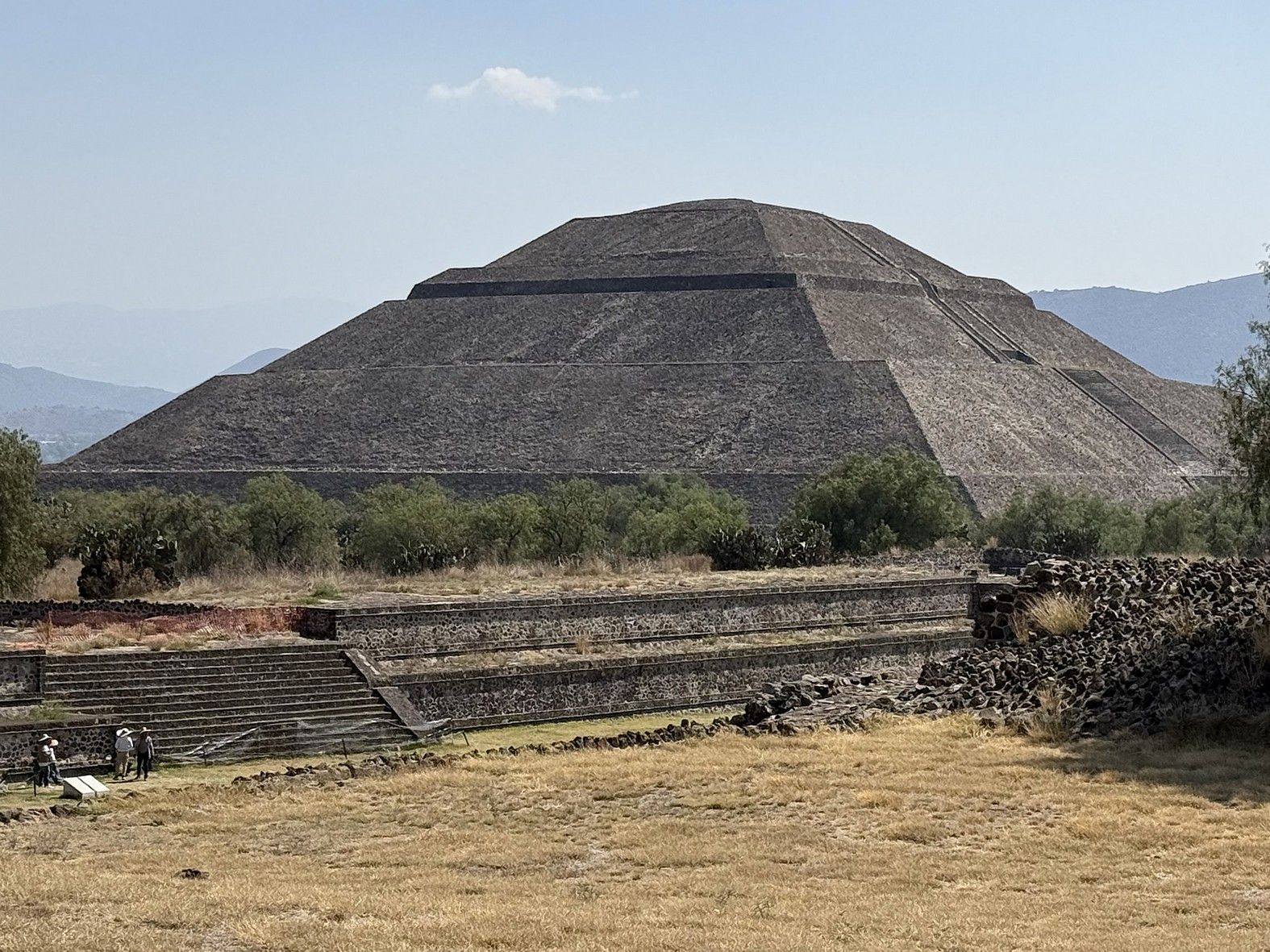
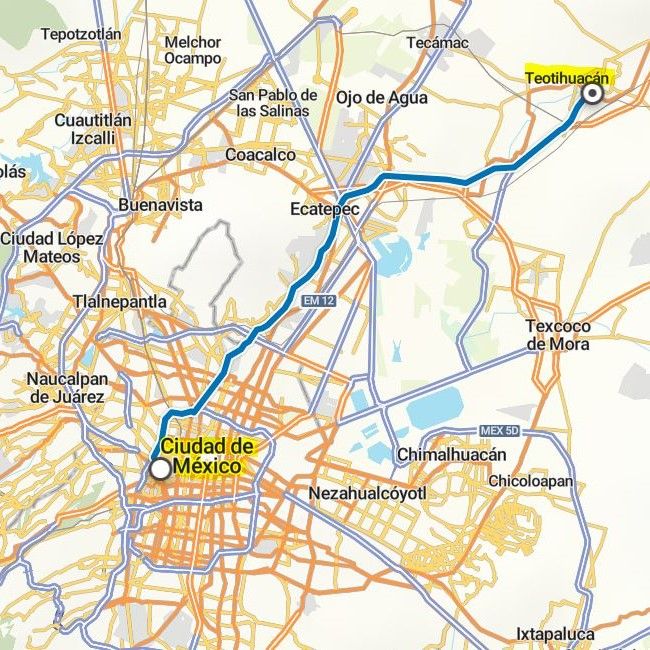
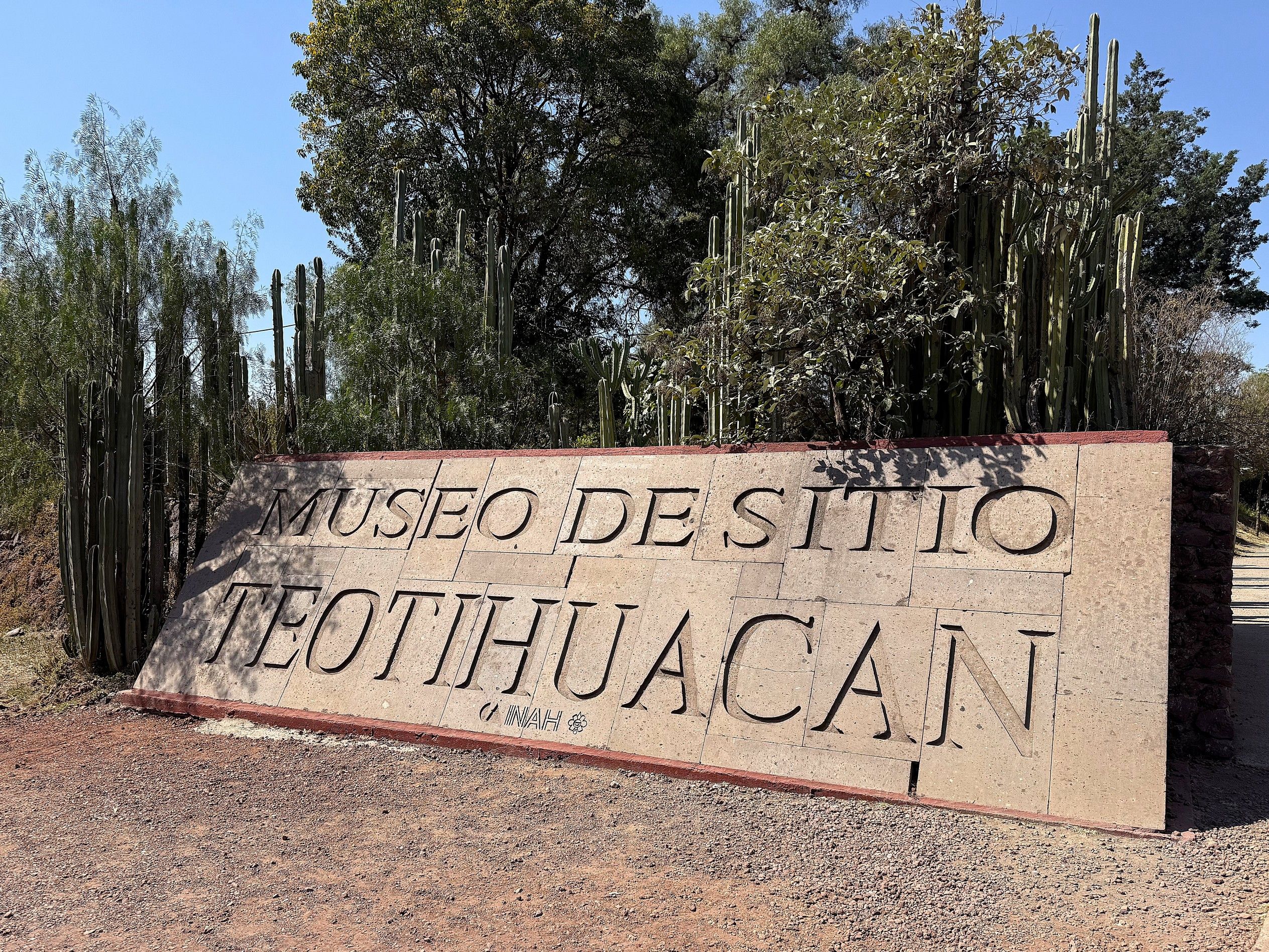
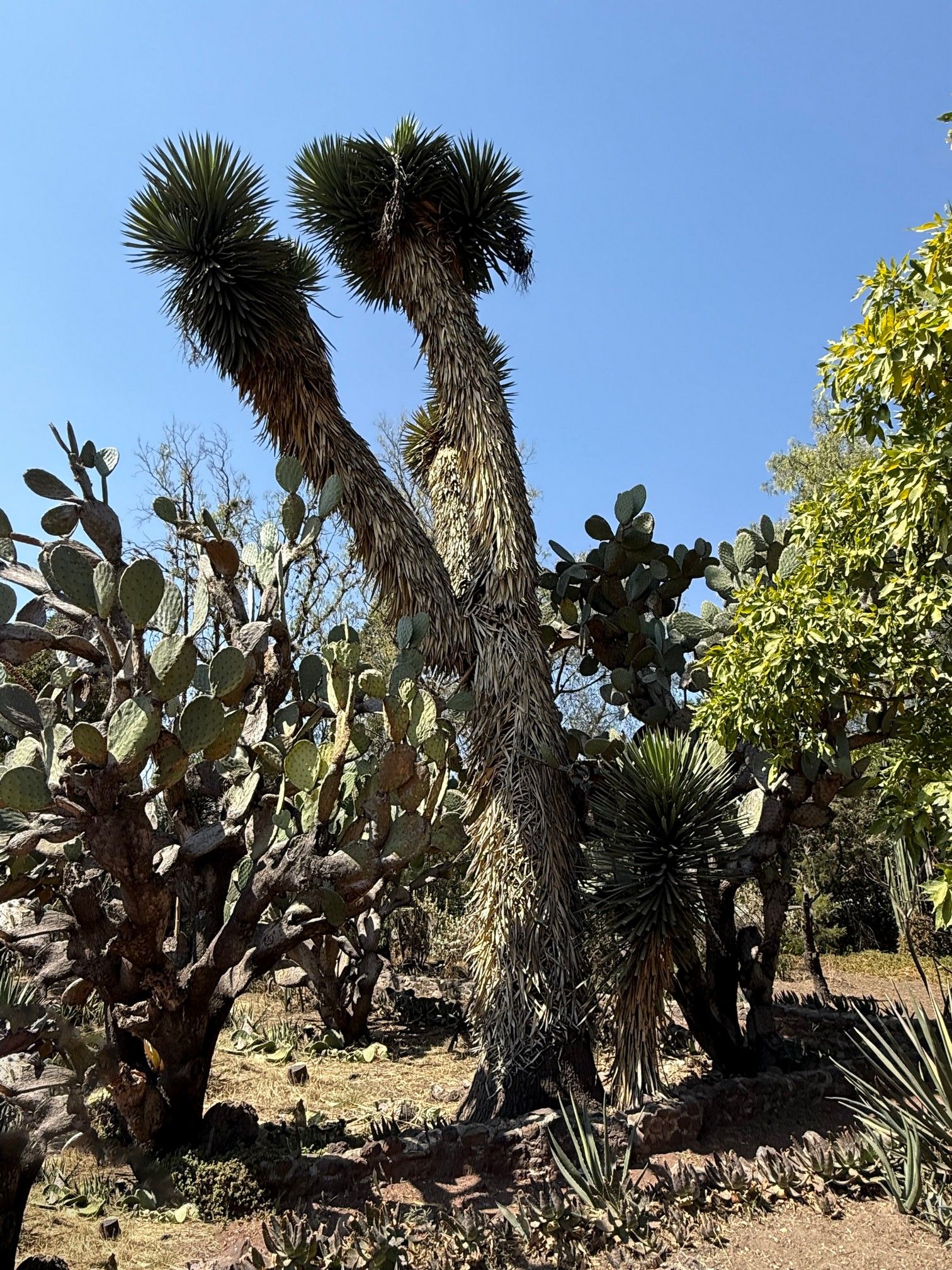
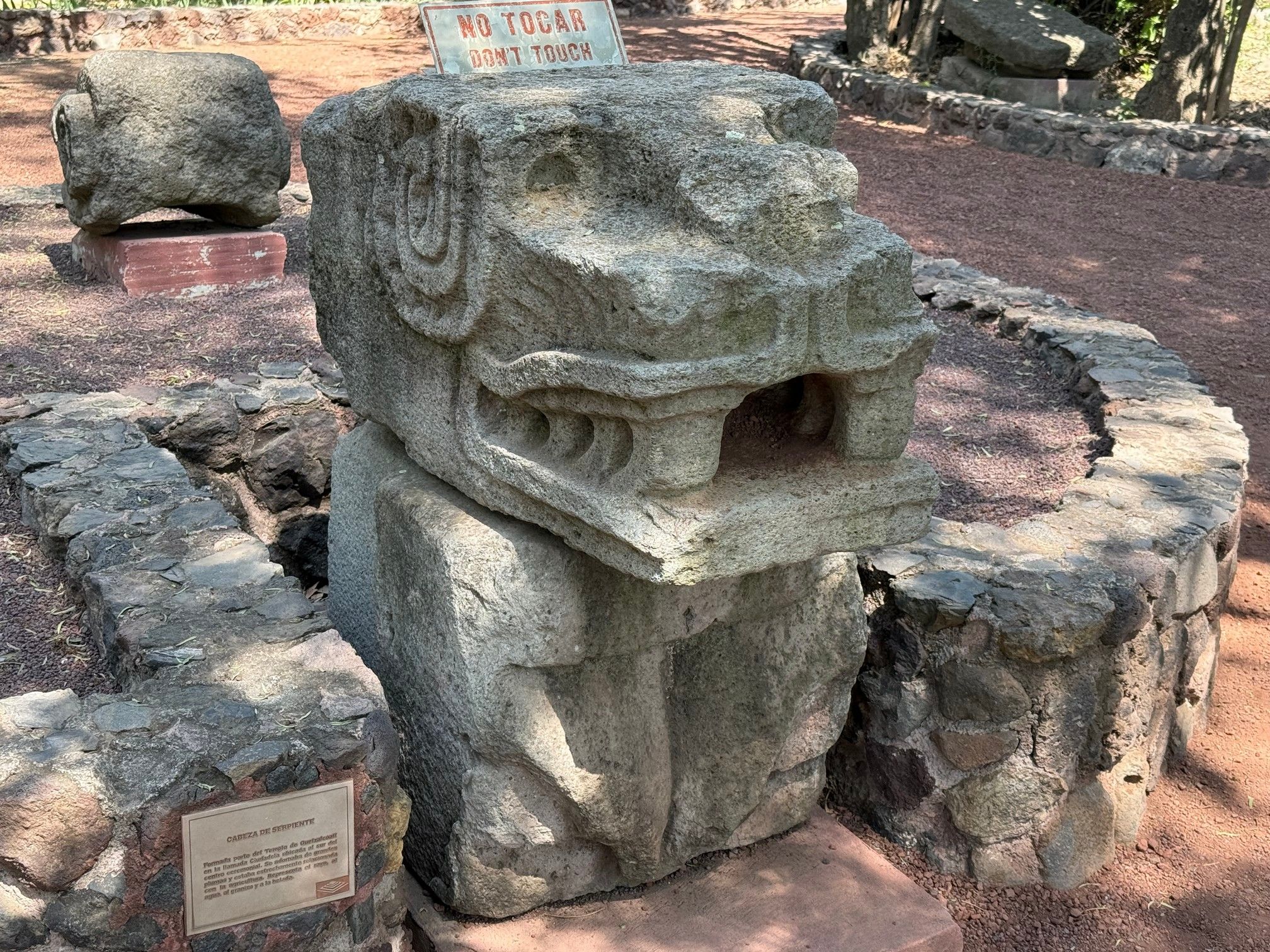
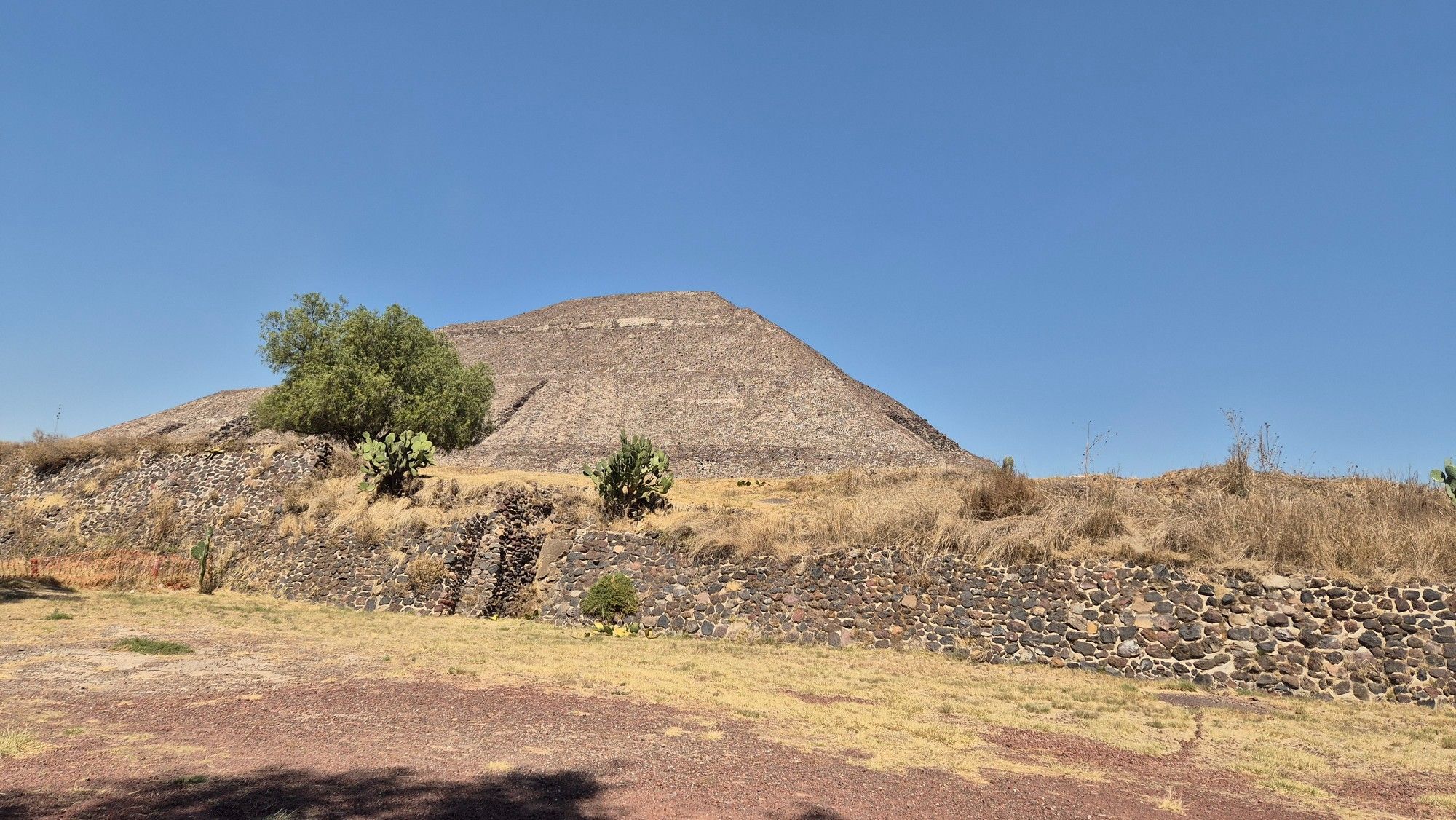
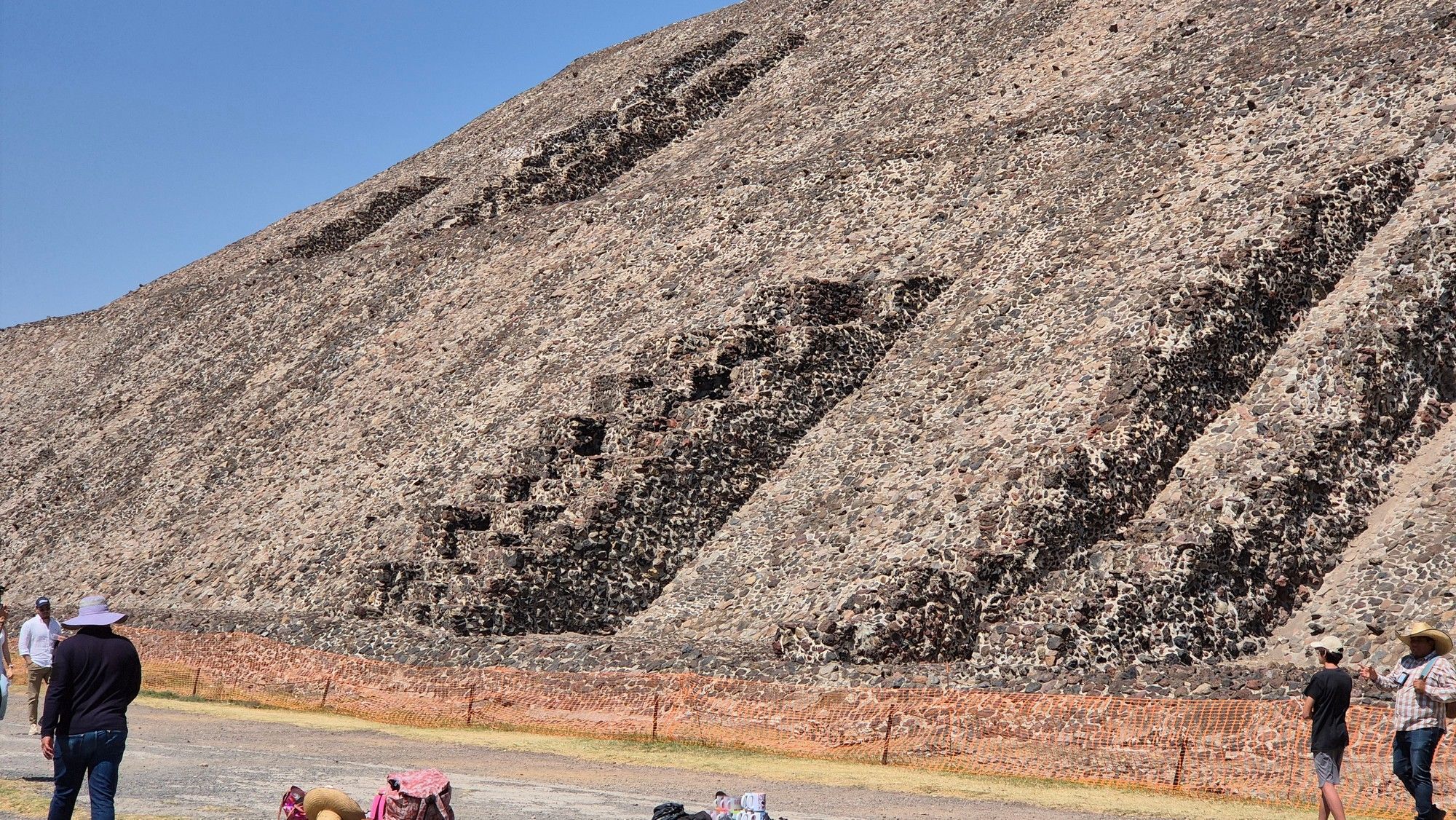
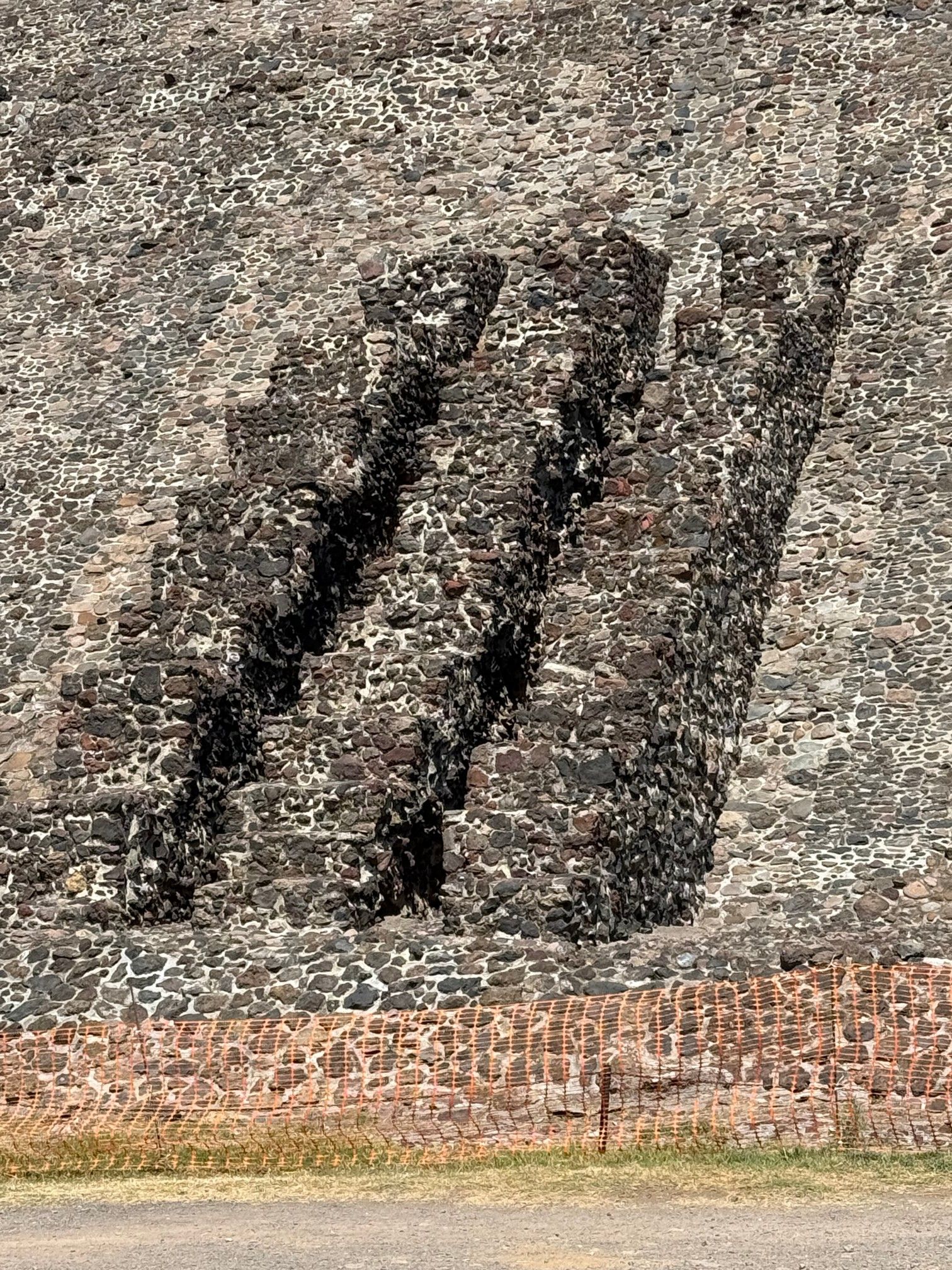
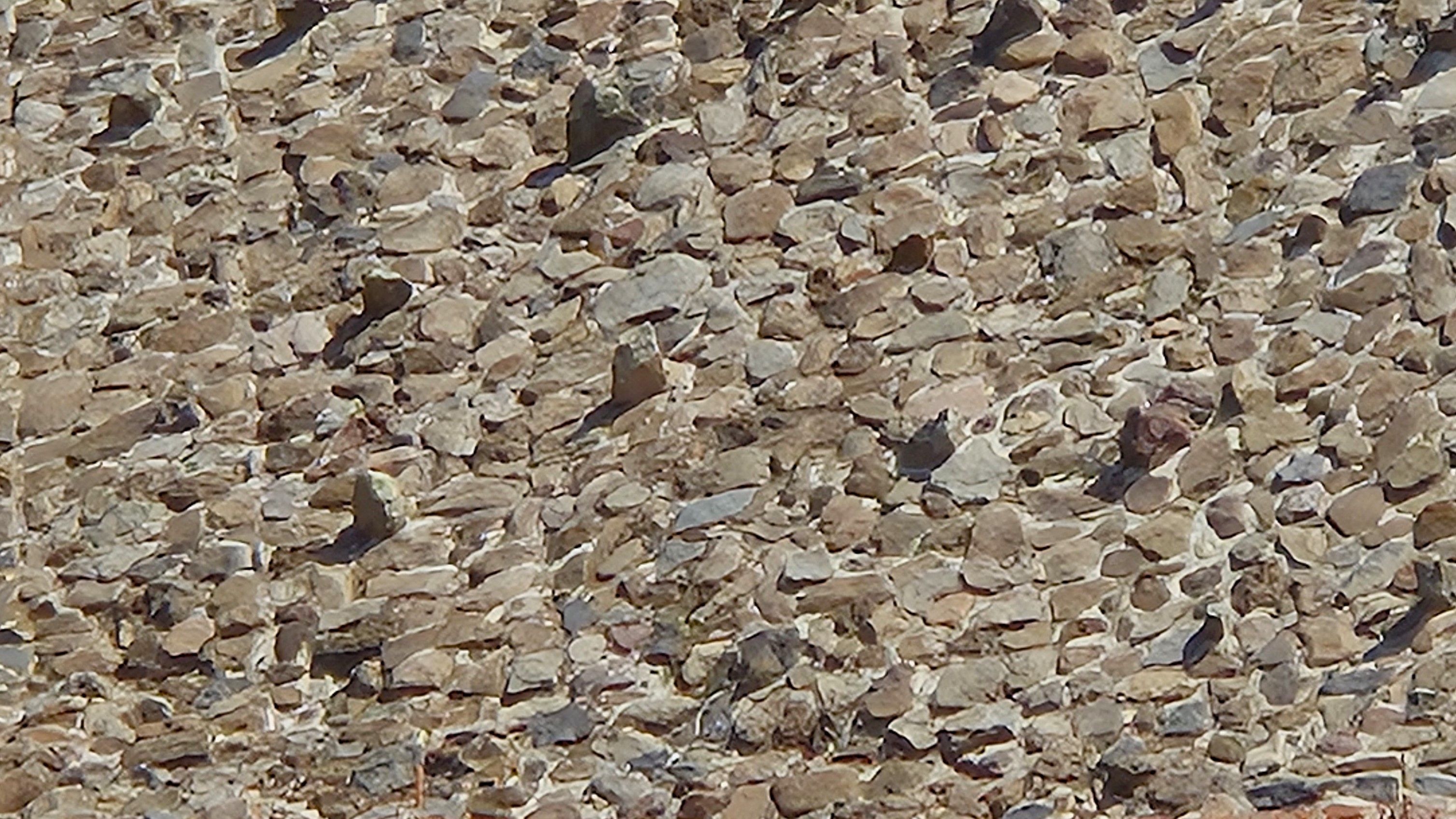
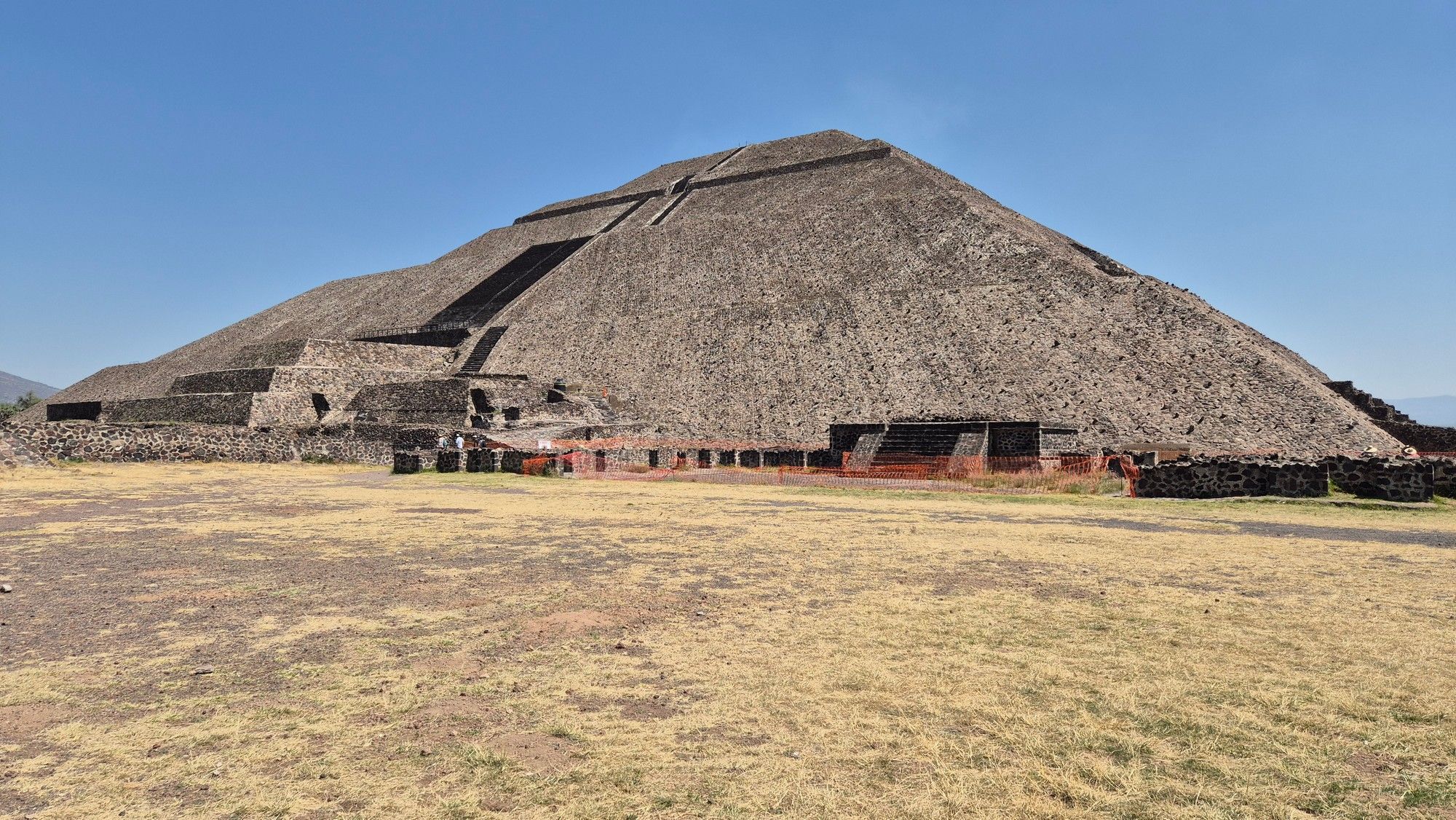
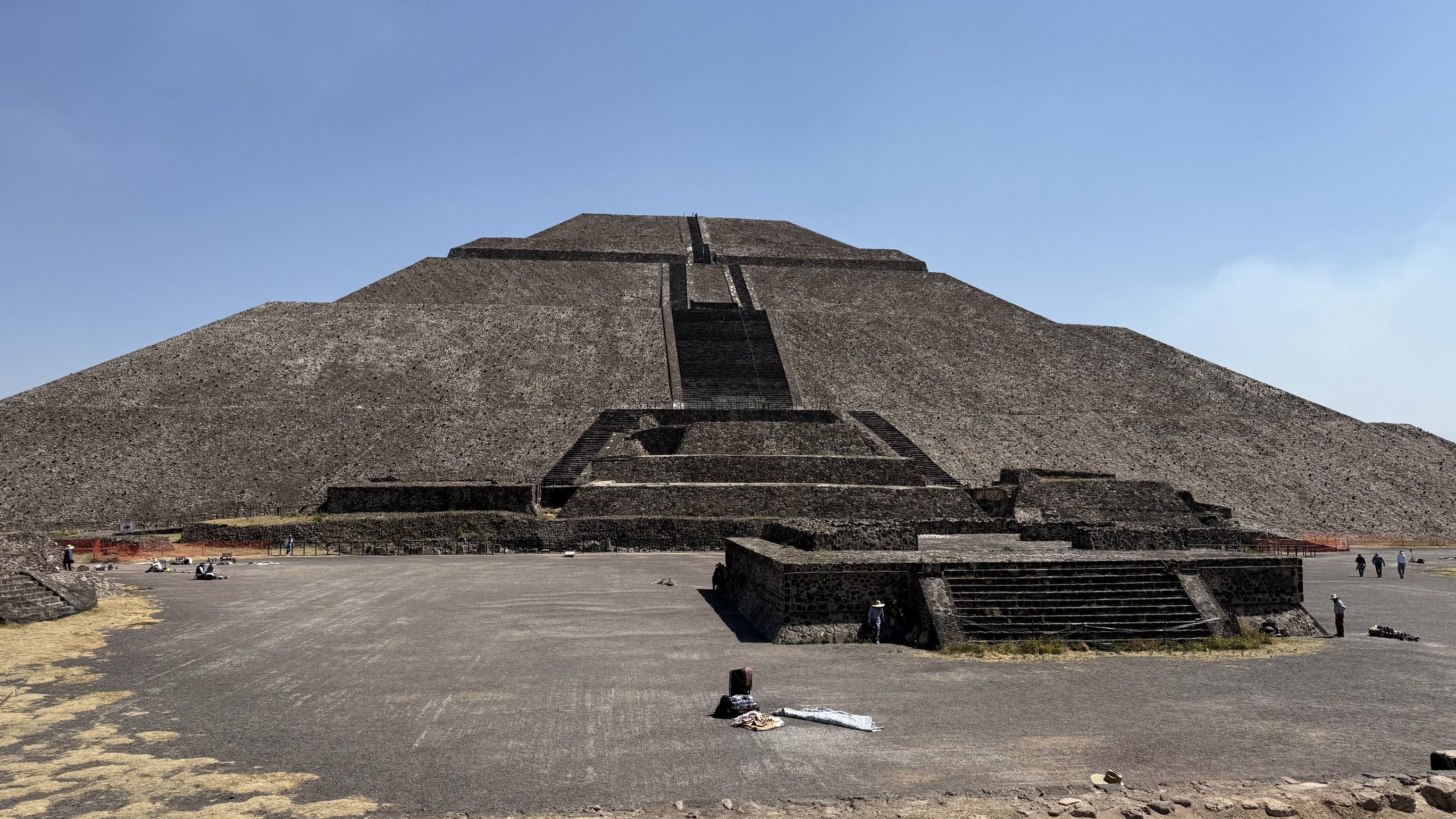
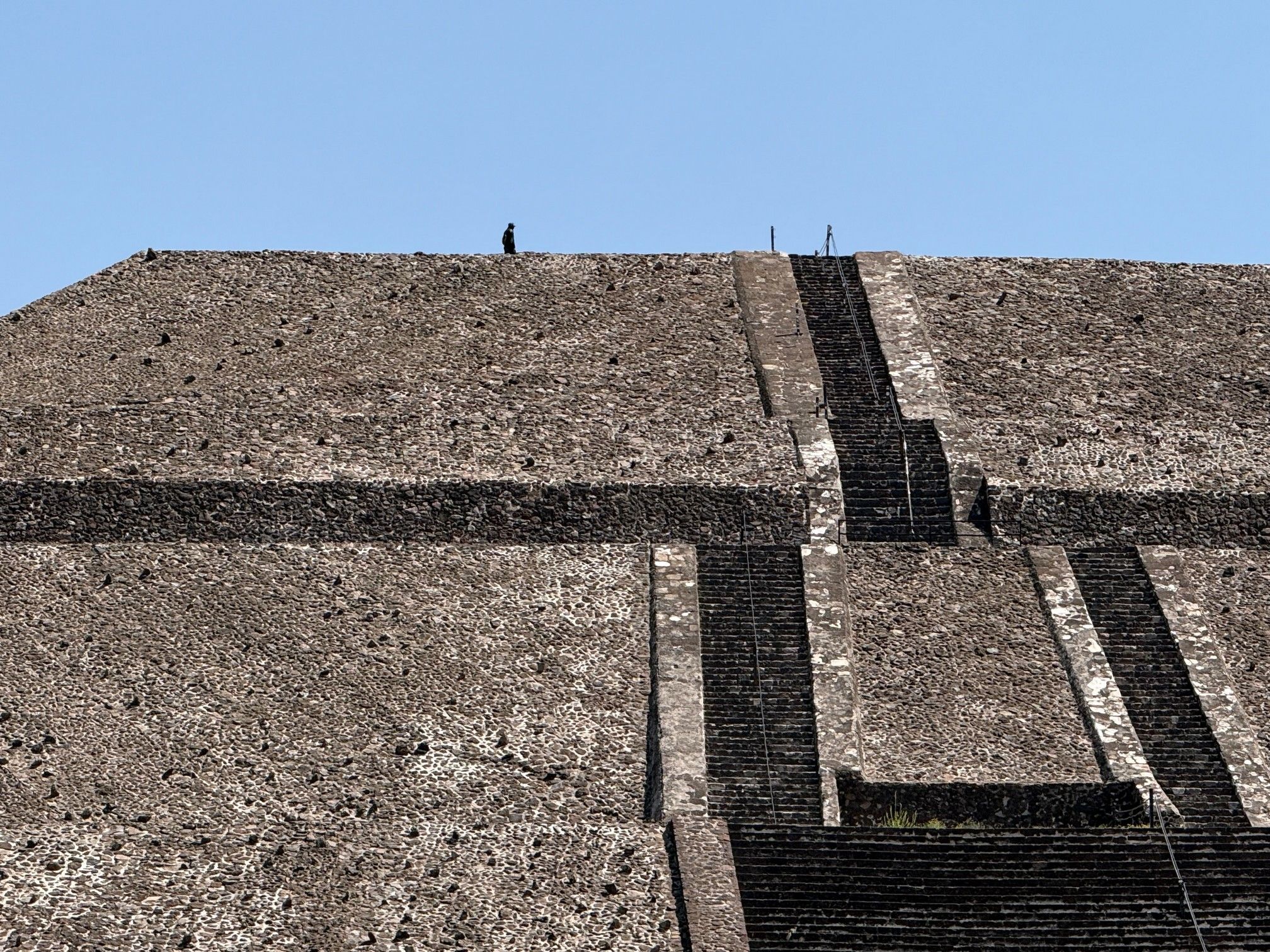
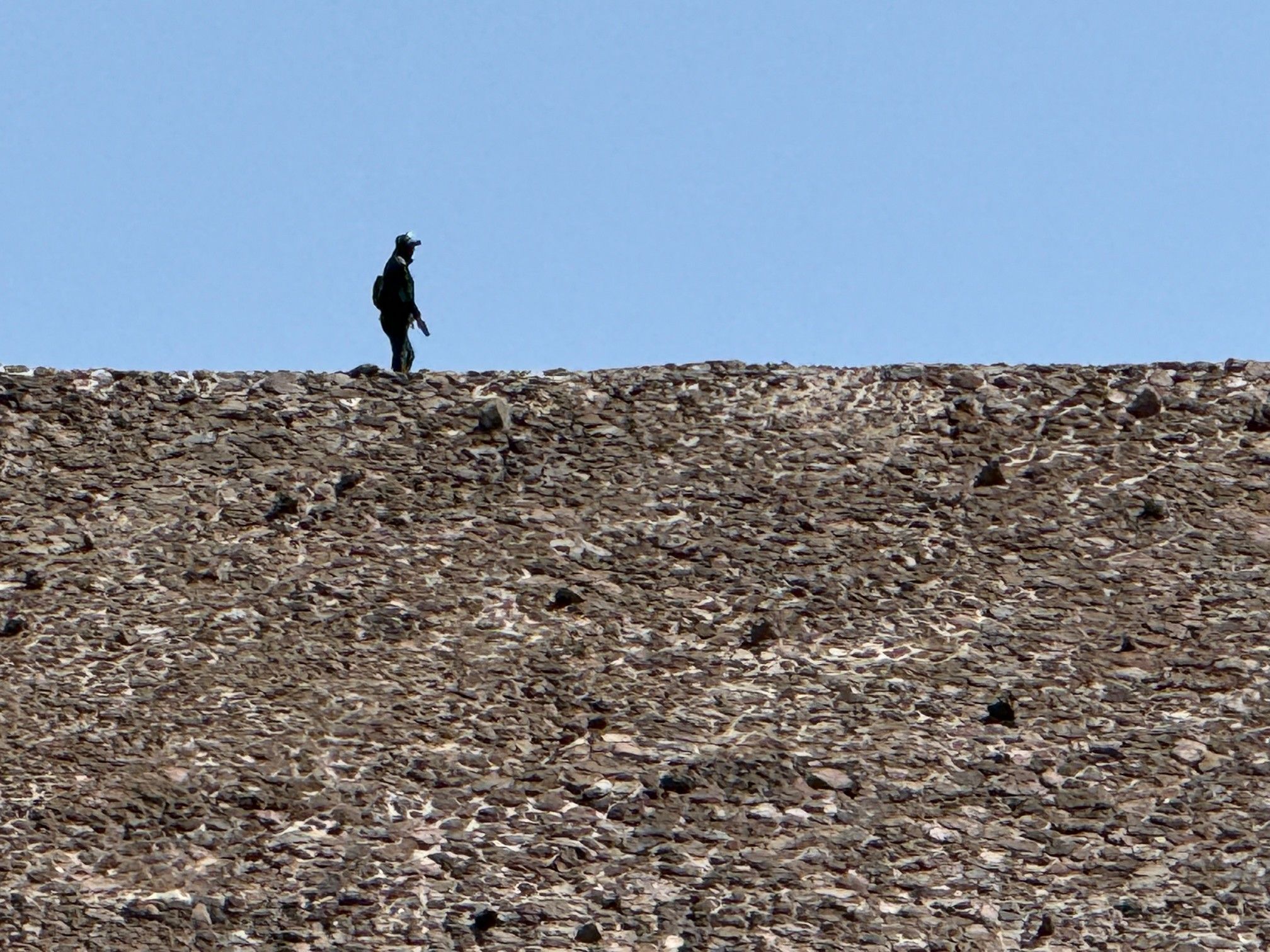
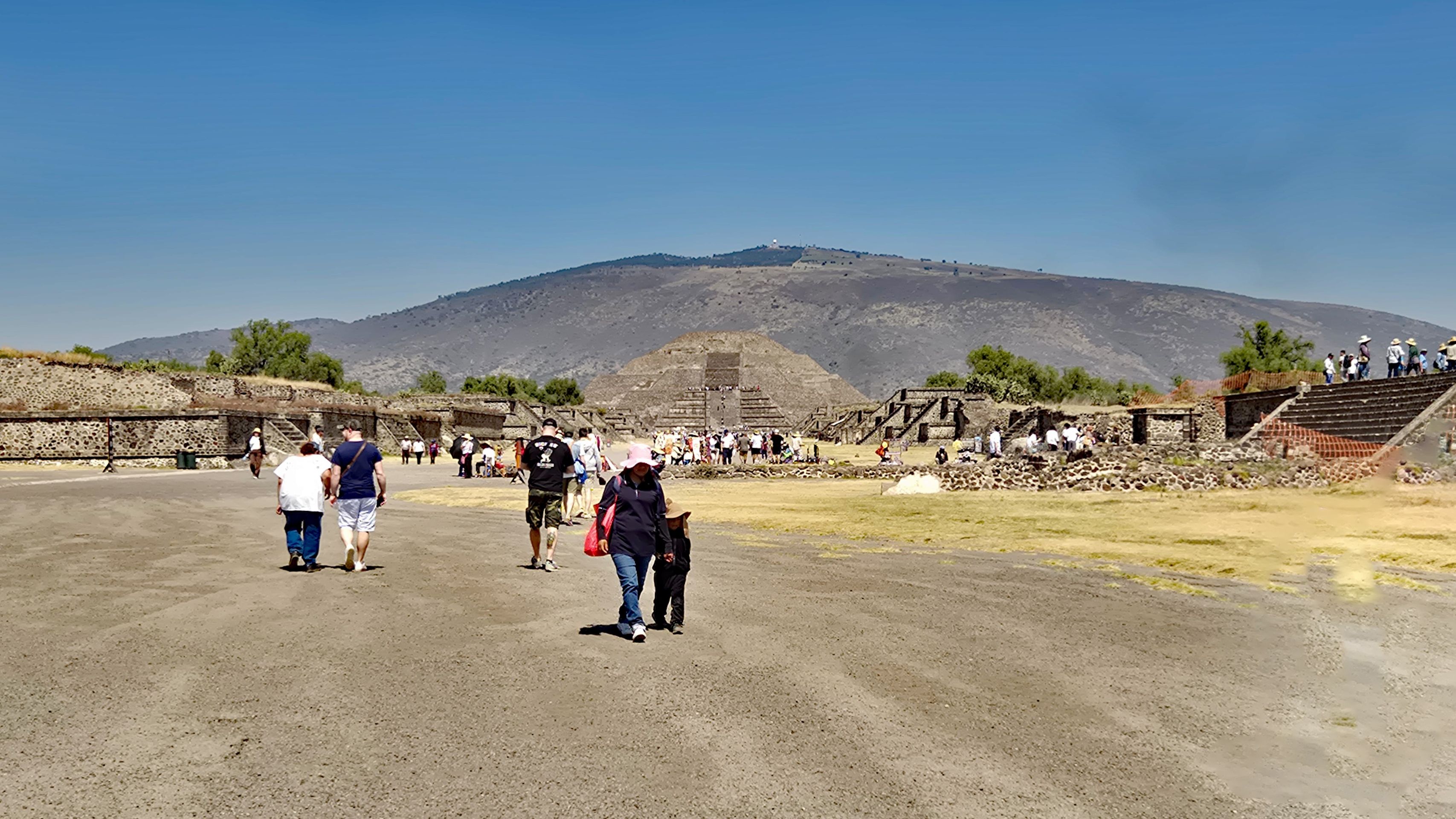
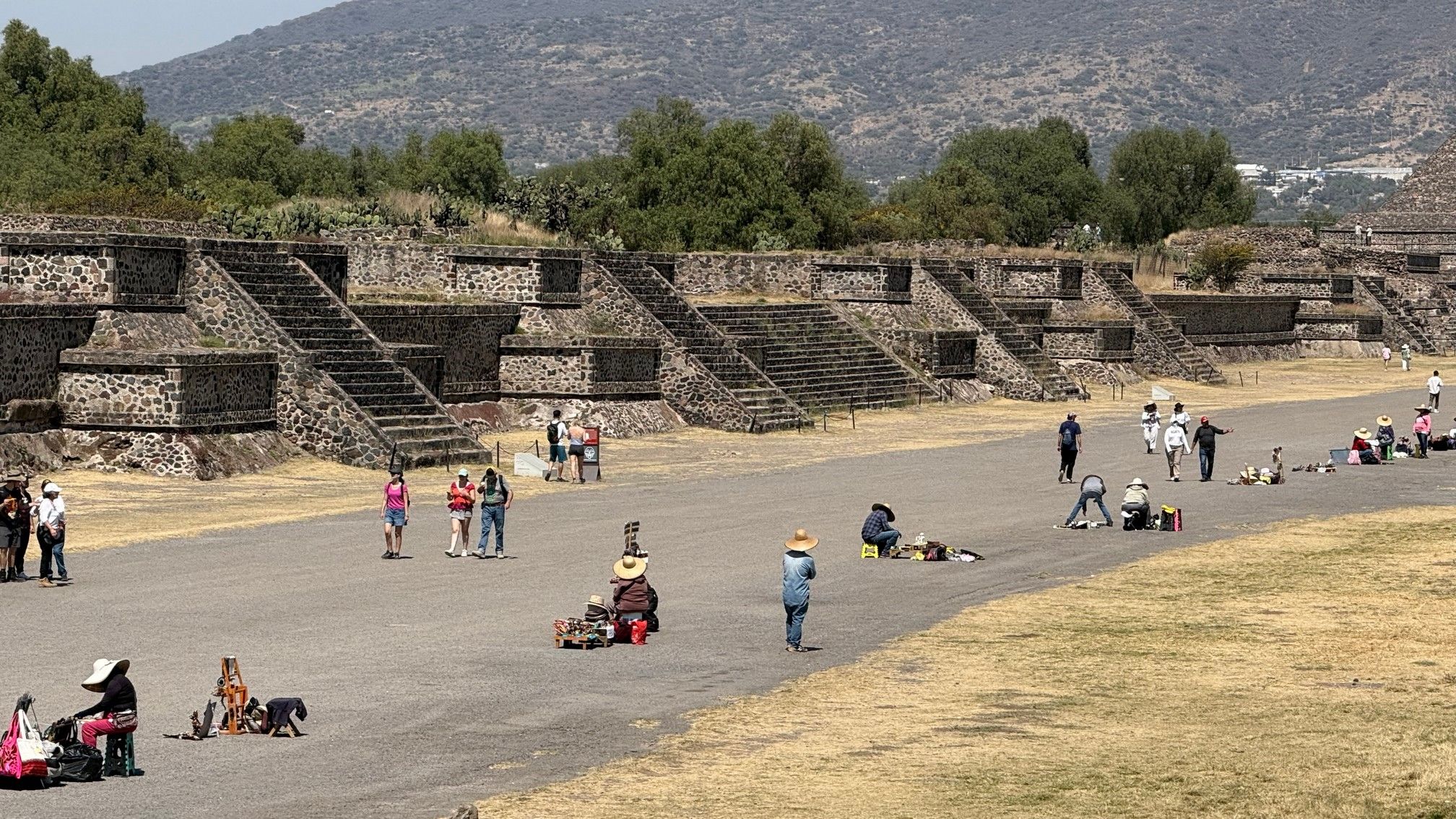
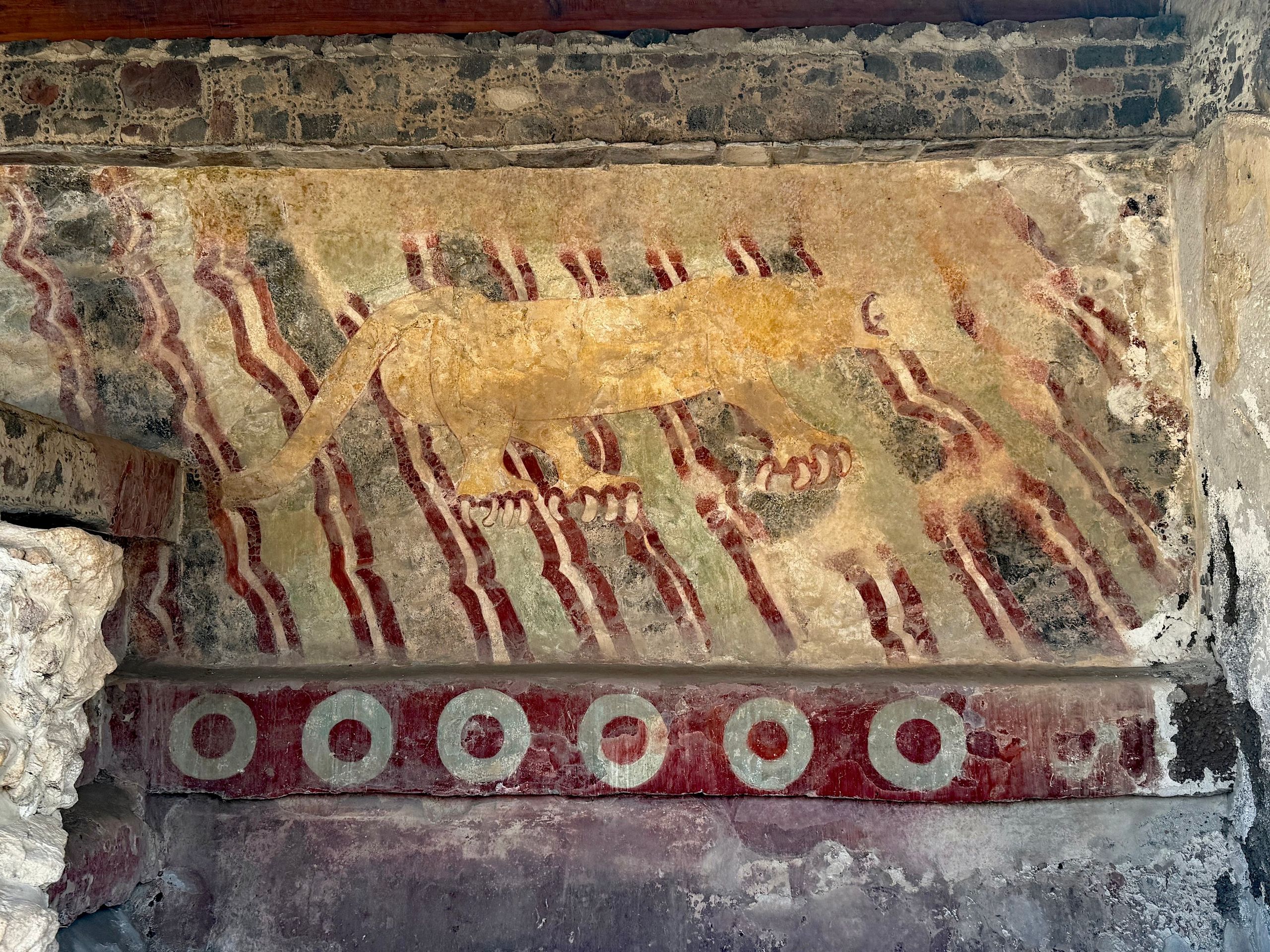
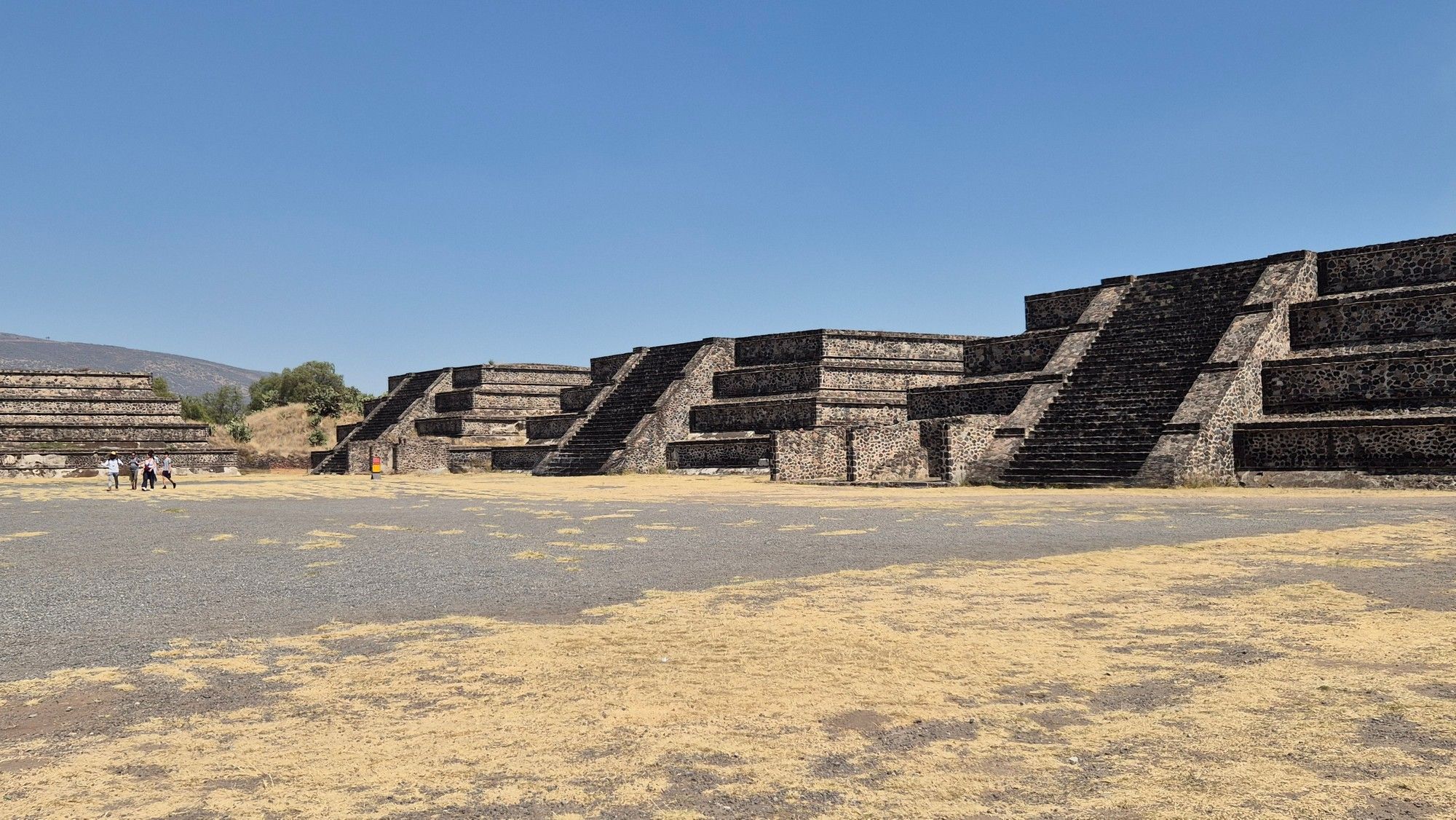
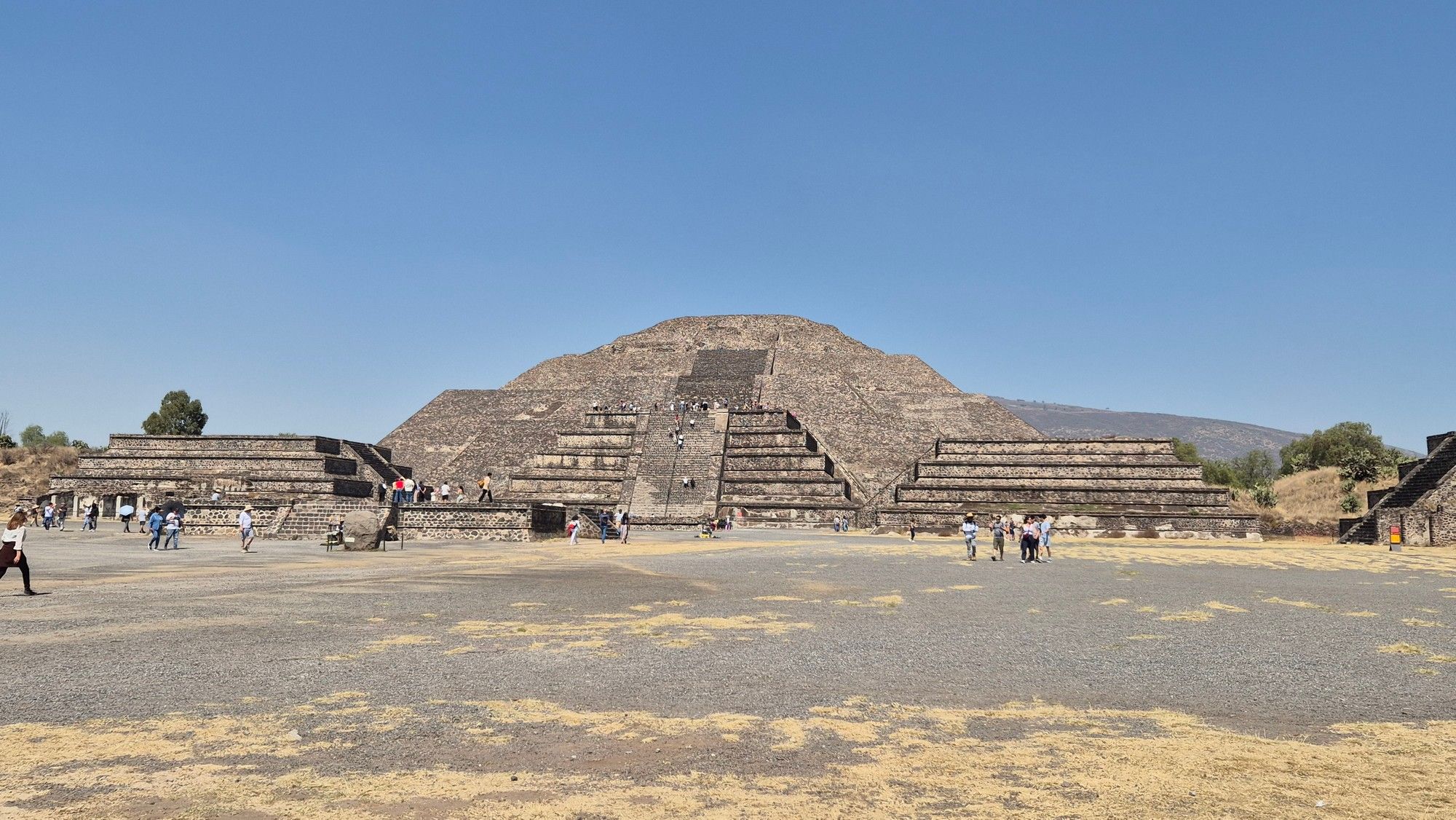
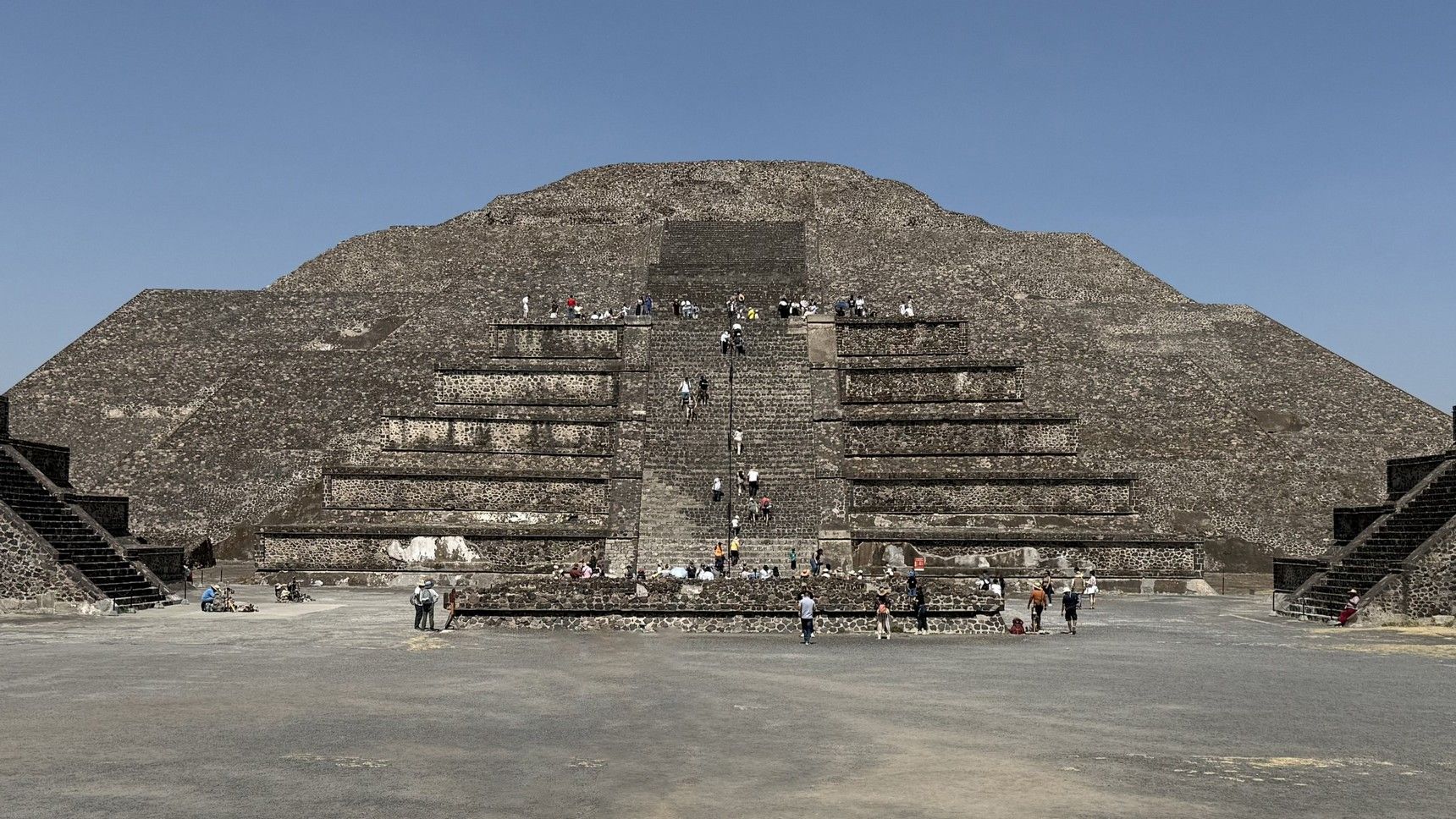
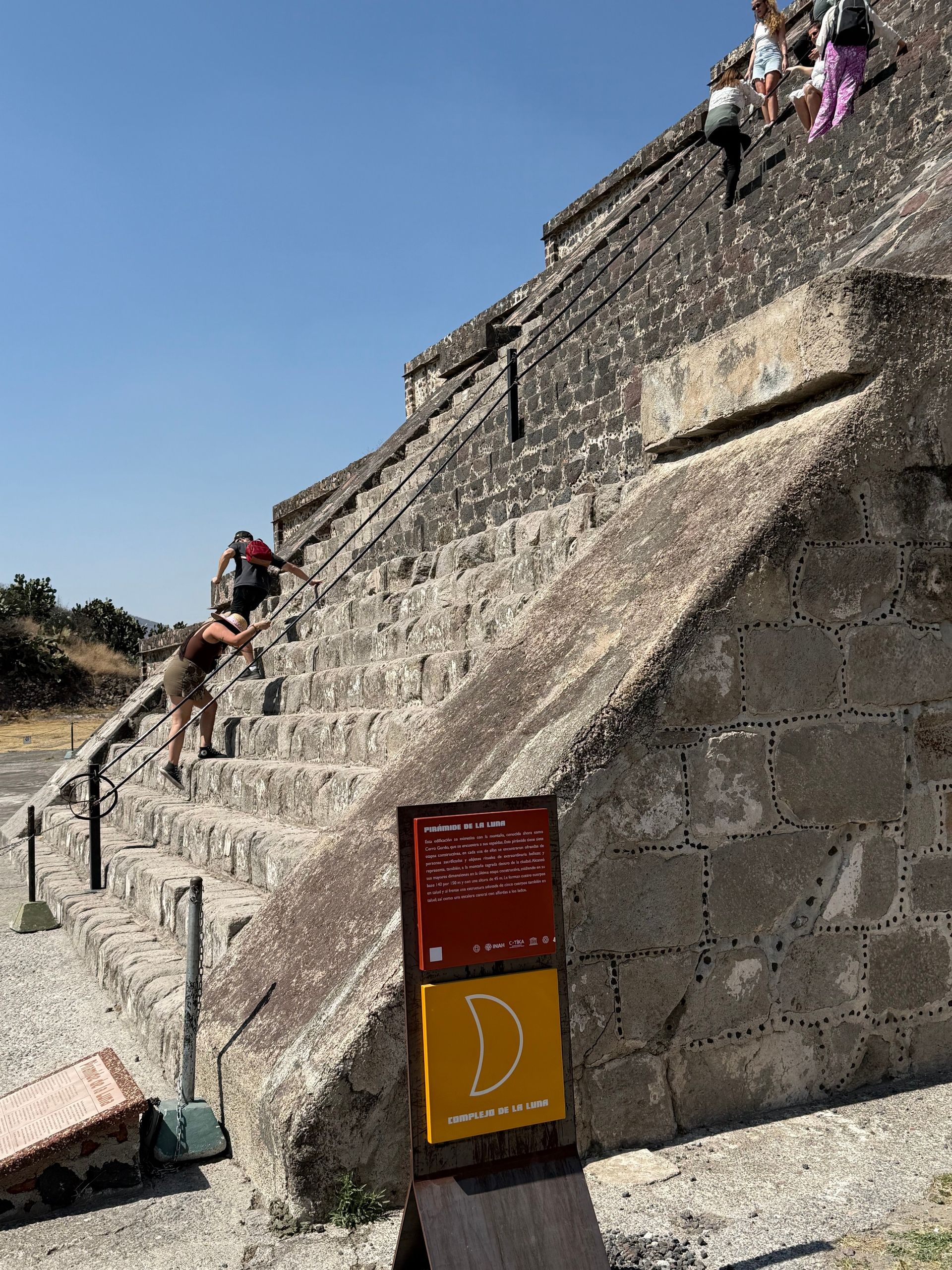
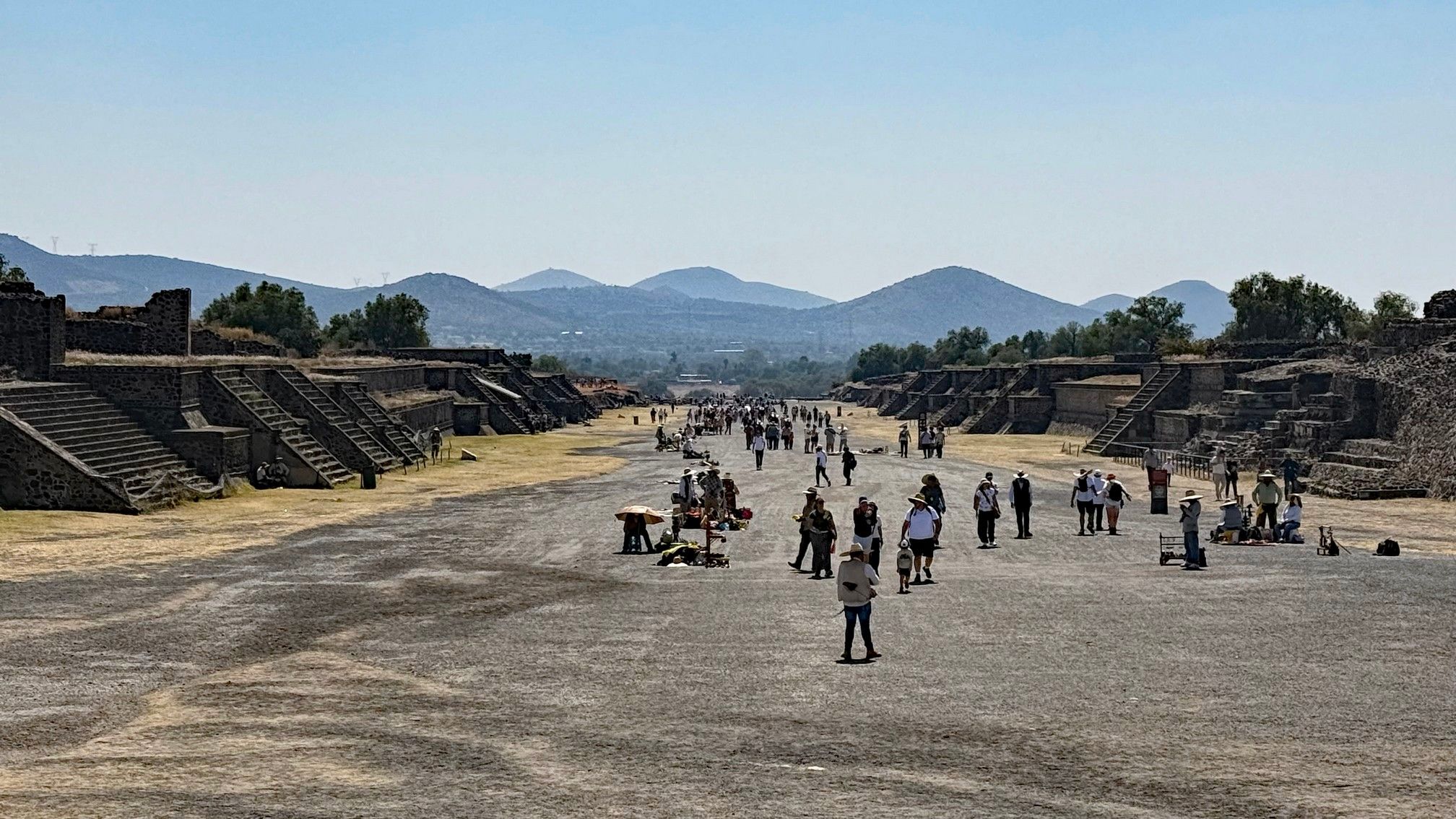
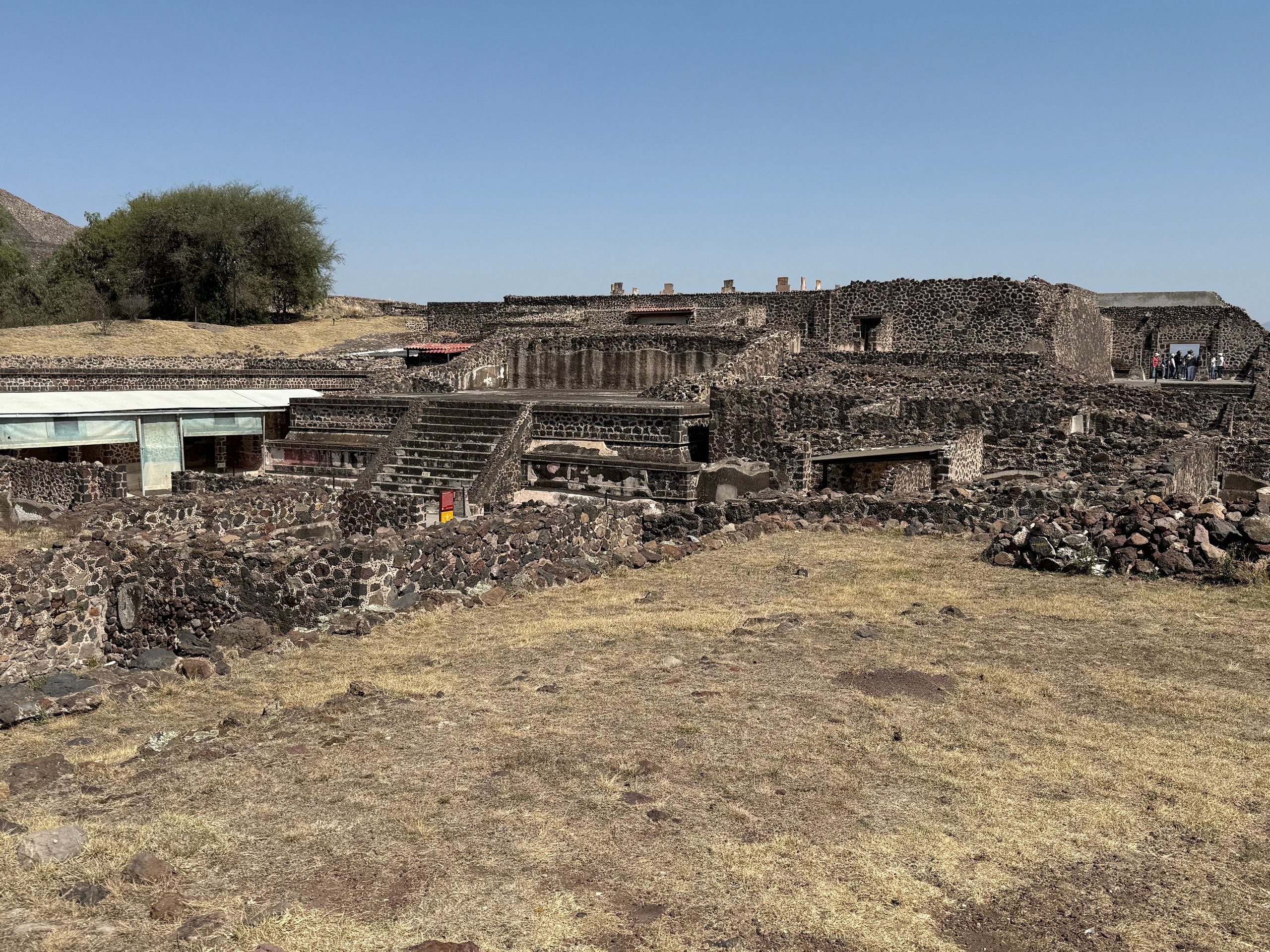
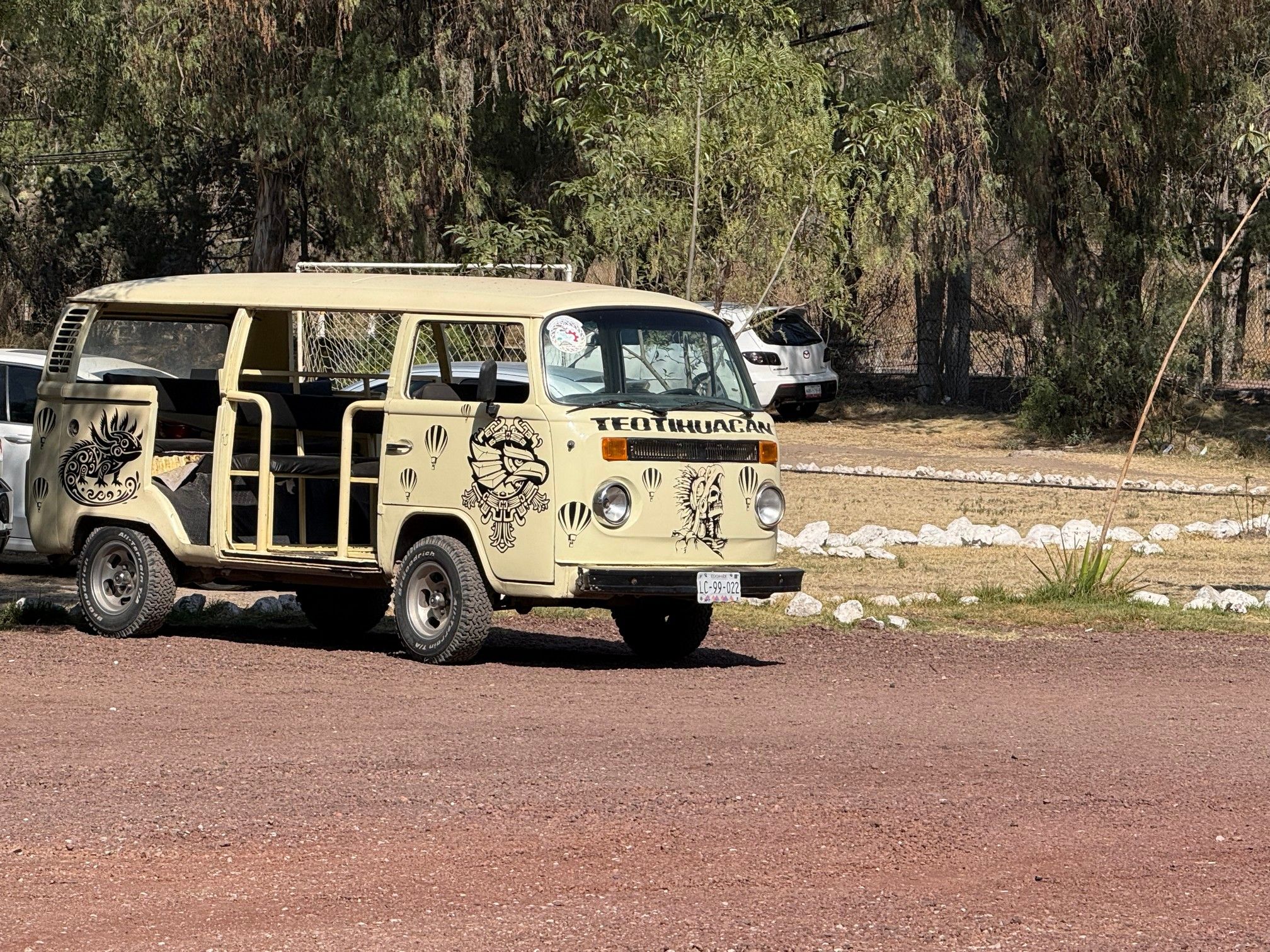
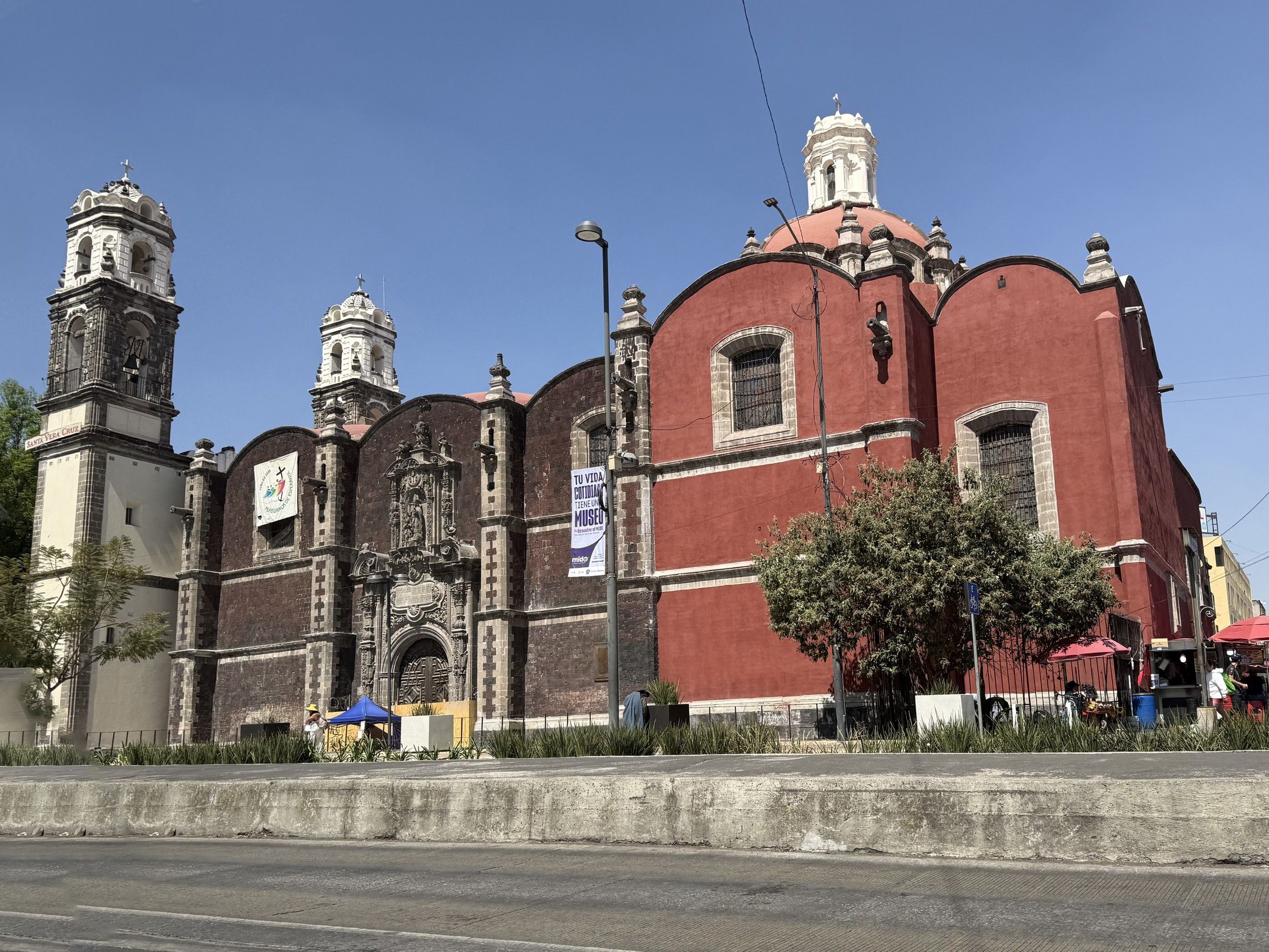
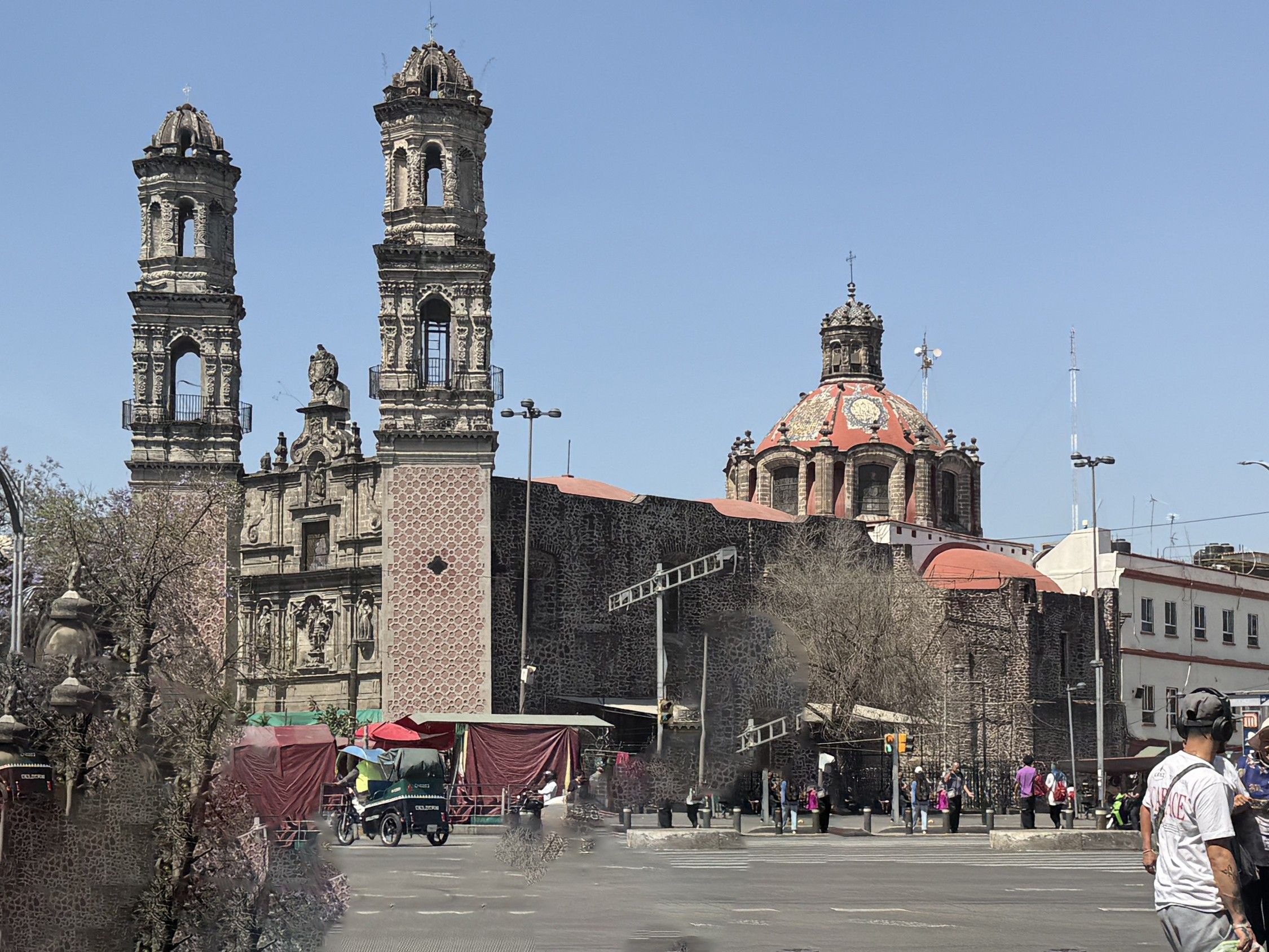
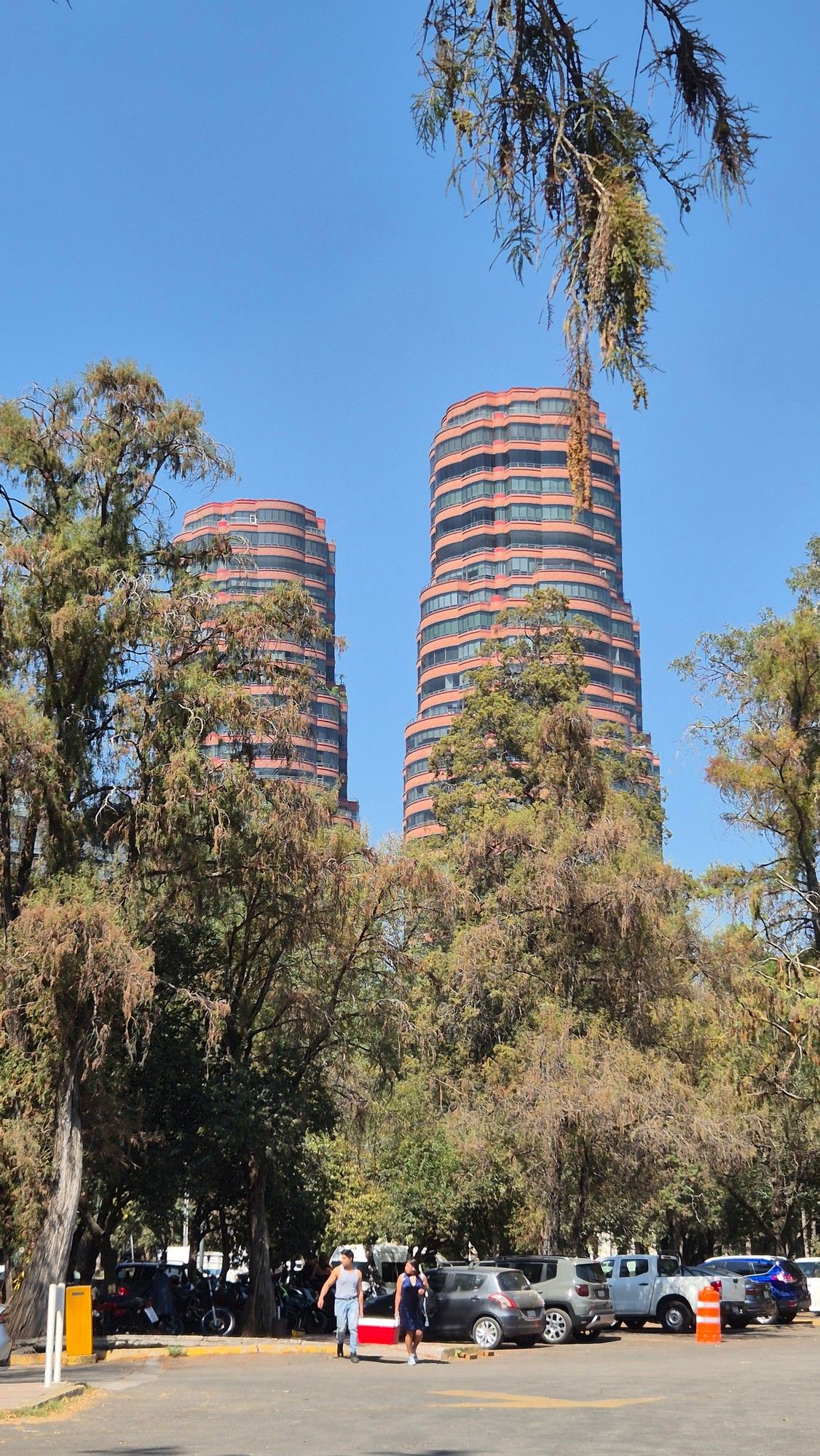
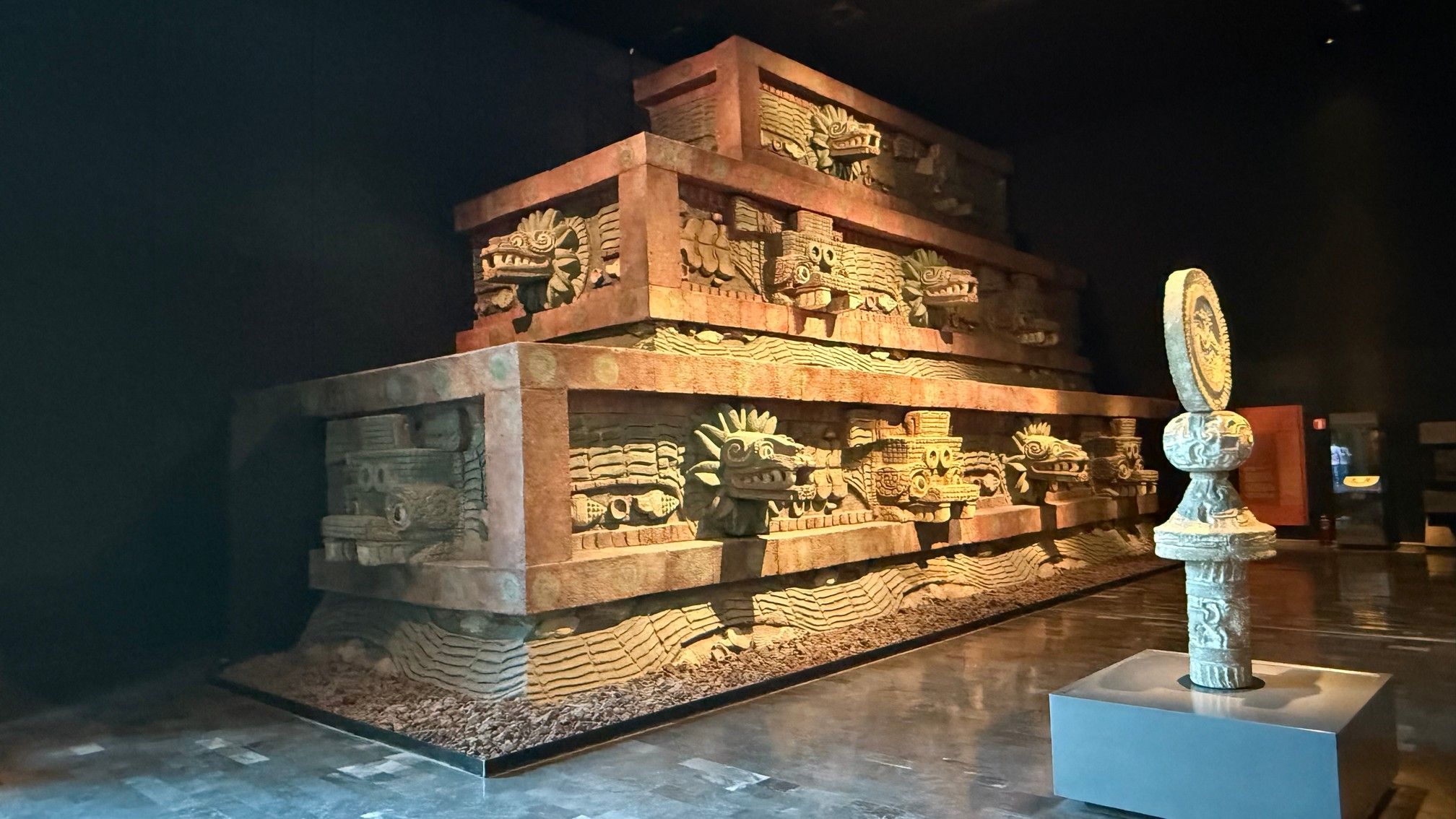
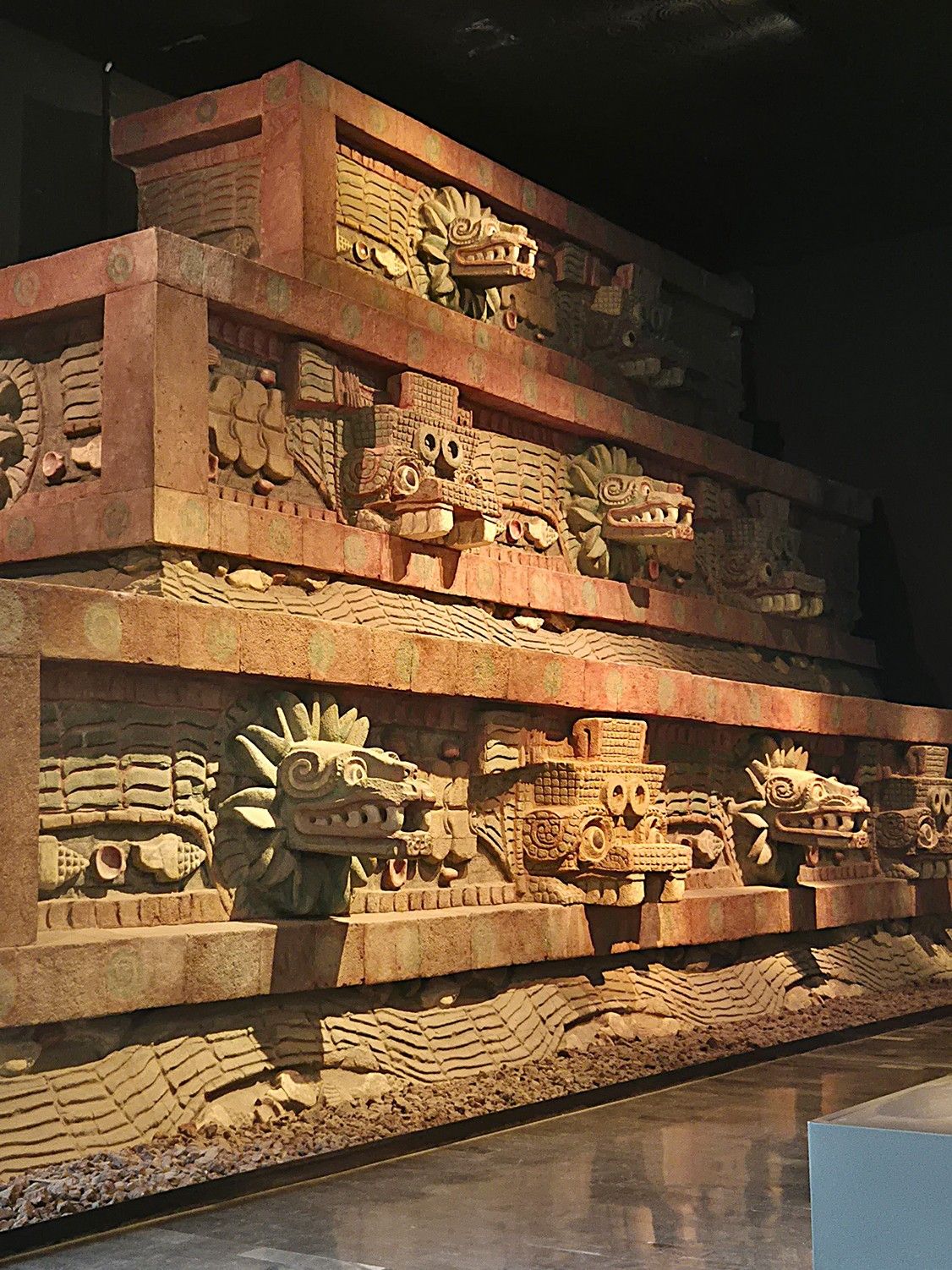
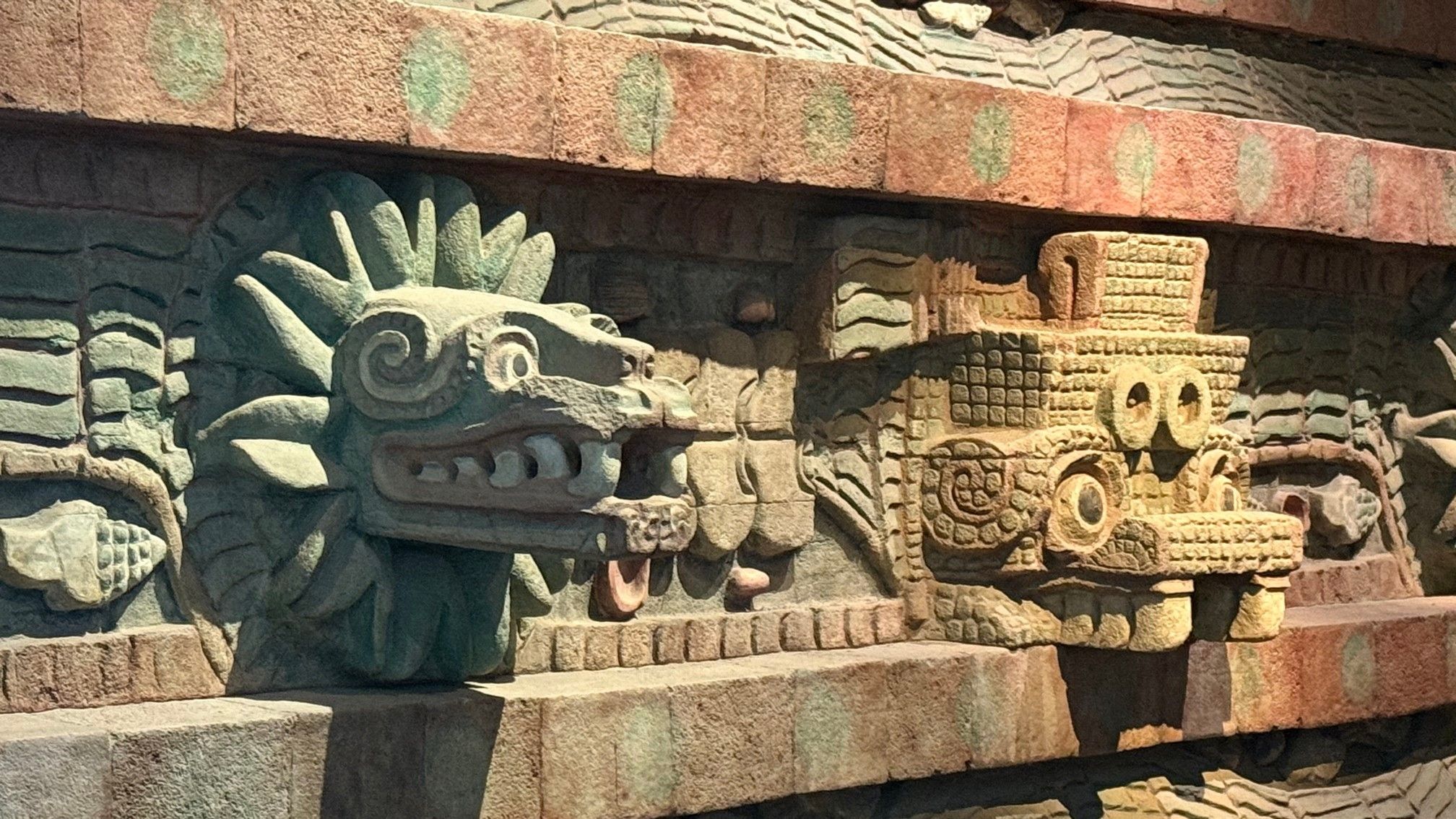
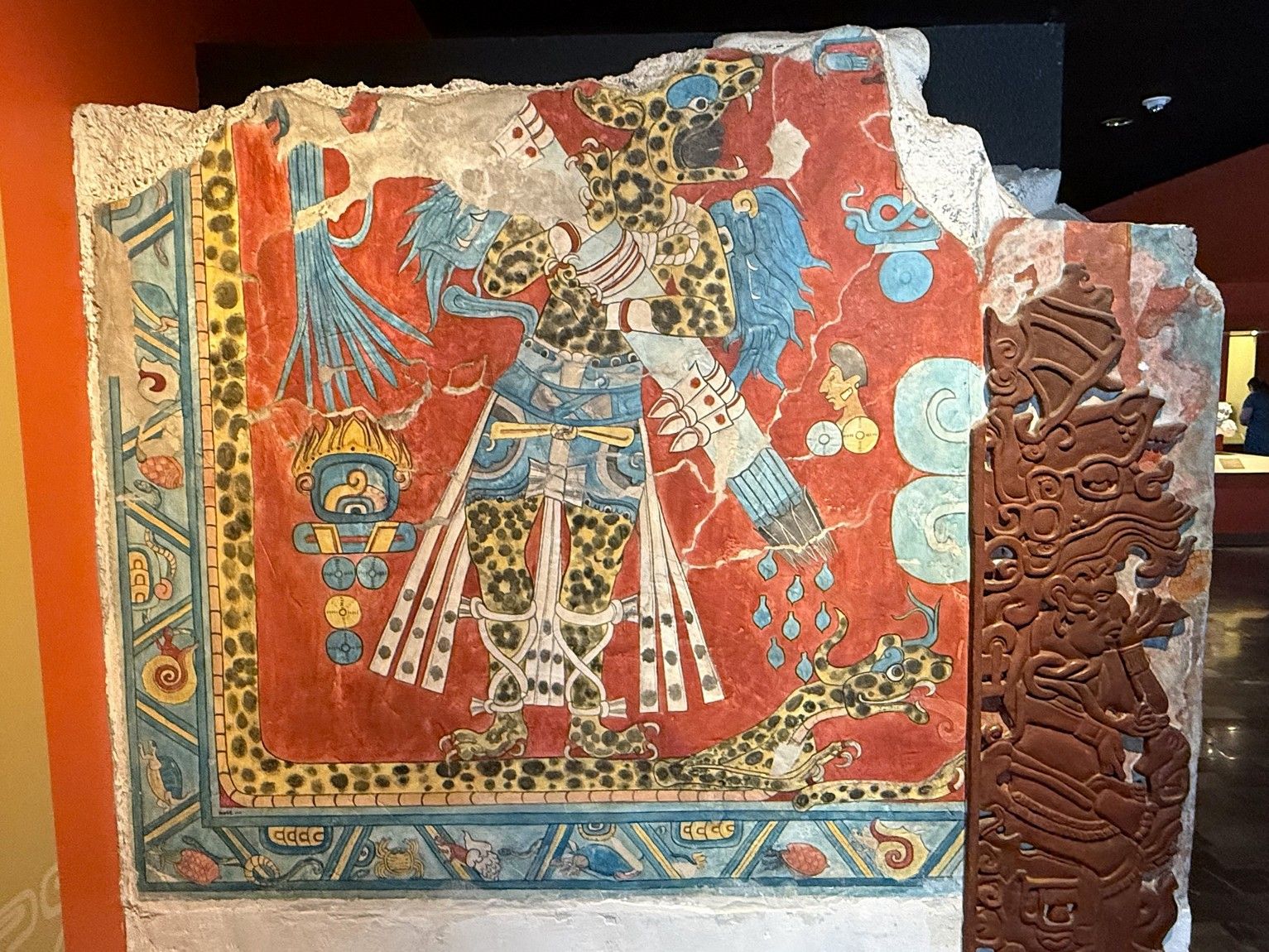
Today, we first travel about 50 km by car with our very good guide Gabriel to Teotihuacán.
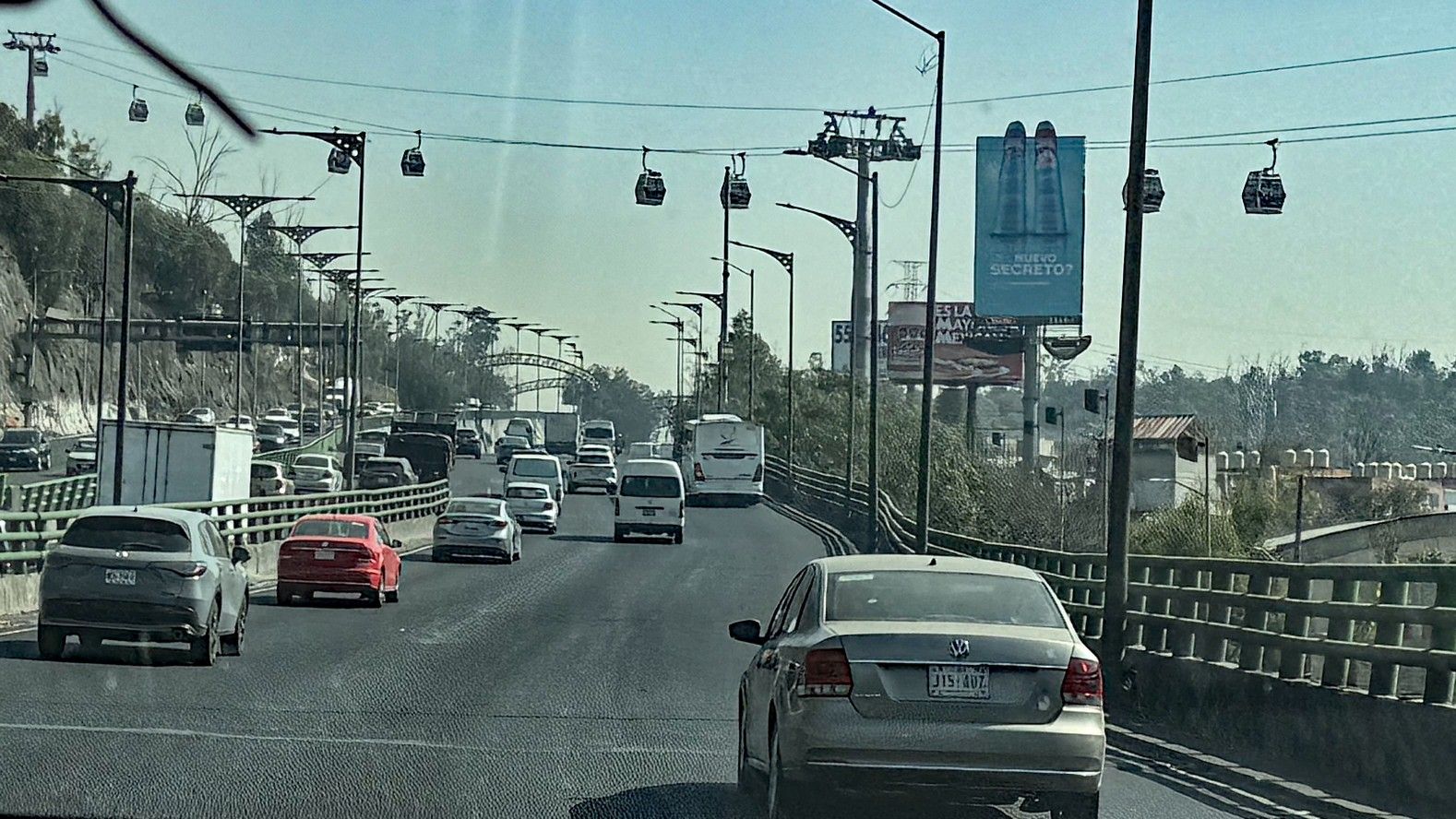
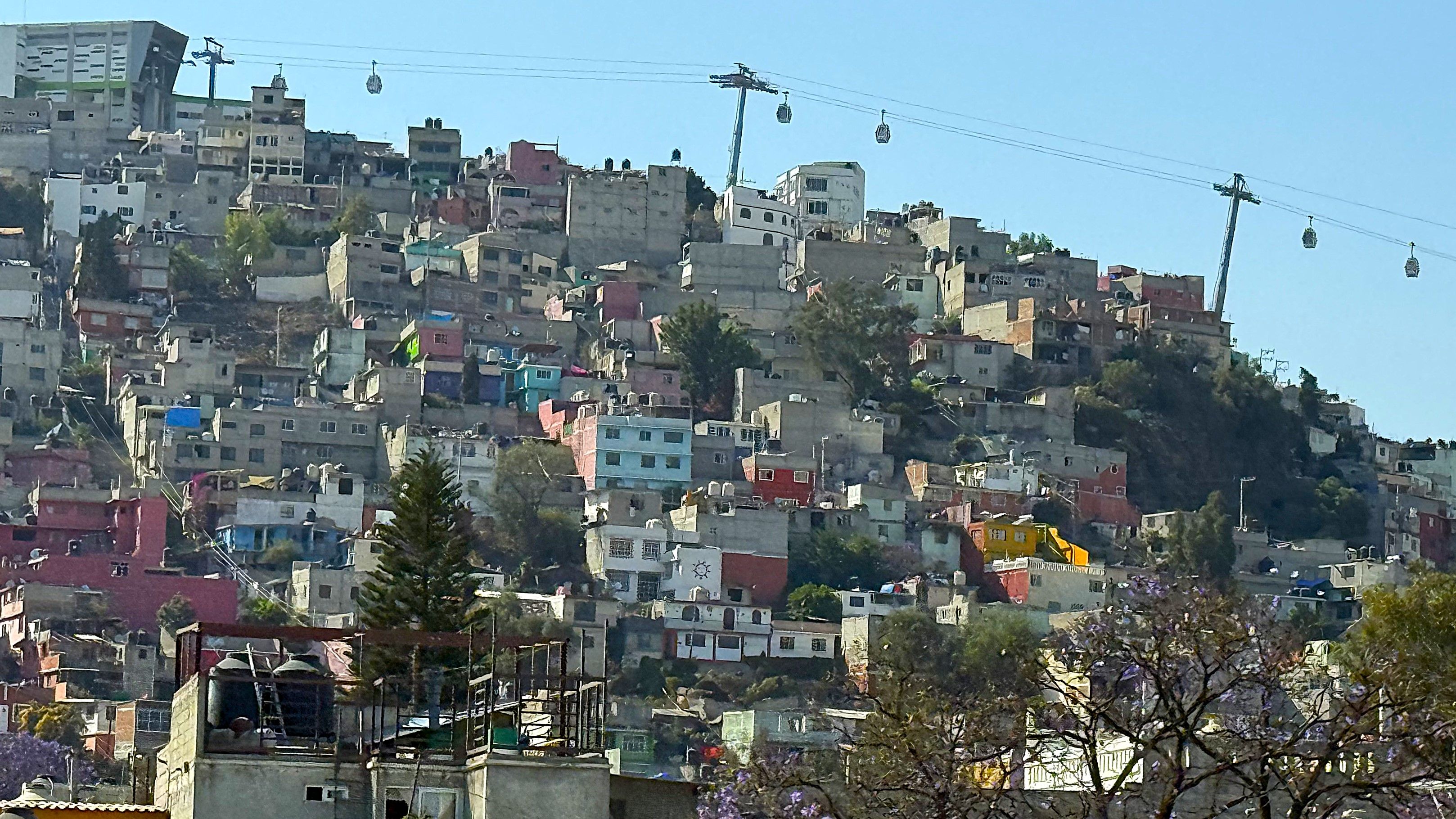
On the way, we see the urban cable car “Cablebús,” built by the Austrian company Doppelmayr, which has constructed two such cable cars for urban public transport in recent years, one of which is over 9 km long. Recently, the company received the contract to build a third line with a length of 15 km. In densely populated and hilly urban areas like Mexico City, this seems to be a sensible solution for connecting outlying districts.
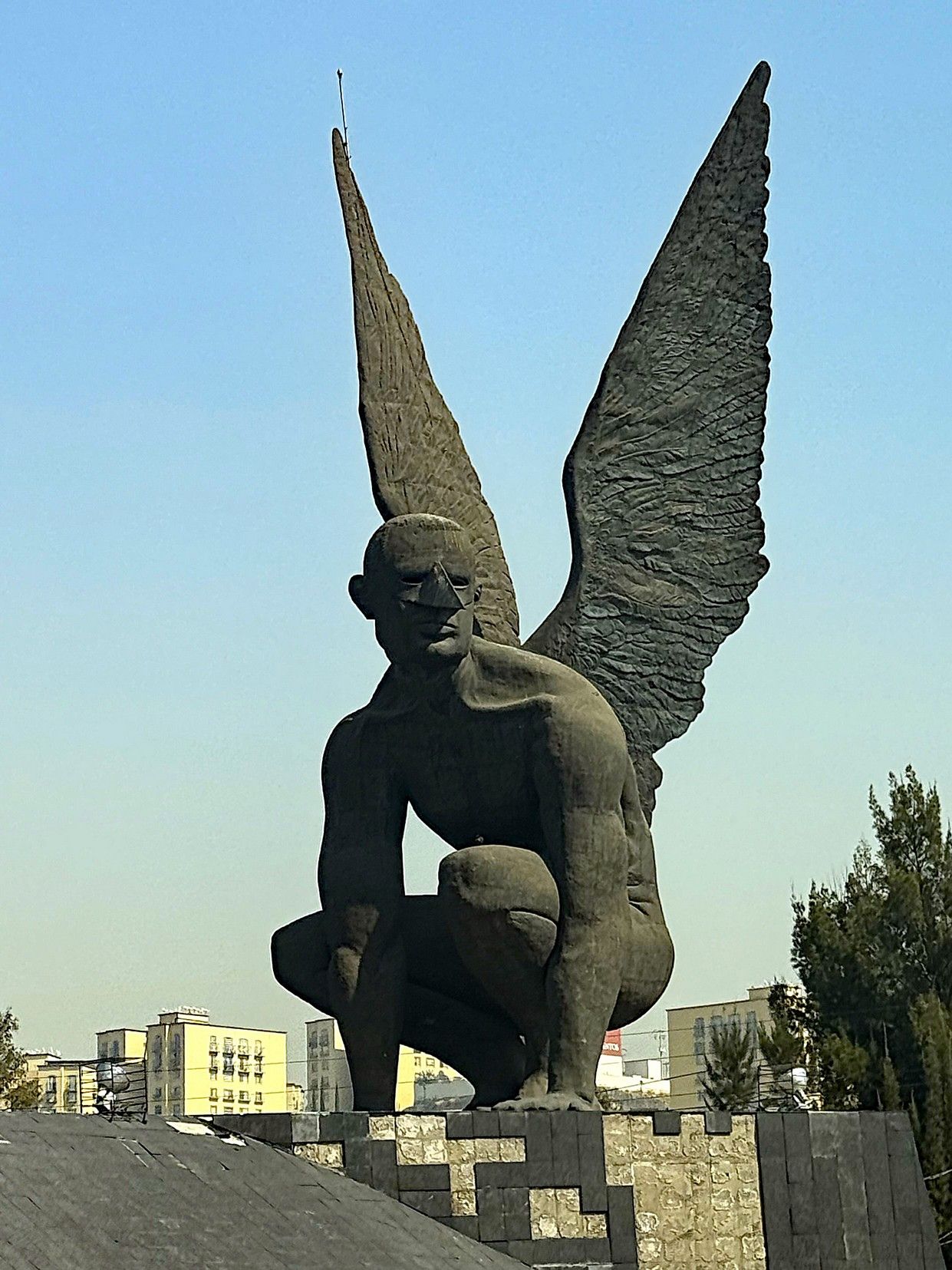
Later, we see “El Vigilante” (The Guardian) - the monumental, 25 m high bronze statue located right along the city highway. It was created by the renowned Mexican sculptor Jorge Marín. The figure depicts a contemplative angel with a bird mask, ready to fly, symbolizing the importance of reflection before new challenges.
Our destination is the archaeological sites of Teotihuacán.
The pyramid city, inhabited from about 100 BC to 650 AD, is located in a wide valley in central Mexico at an altitude of about 2,300 m, which is roughly the same height as Mexico City. Although Teotihuacán has been scientifically researched for over a century, 95% of the ruins remain unexcavated.
Until its mysterious end in the 7th century, marked by a devastating fire, Teotihuacán was a powerful political, military, economic, and cultural center that influenced all of Mesoamerica. At its peak, the city, with more than 150,000 inhabitants across about 20 square kilometers, was one of the largest metropolises of that era.
We still do not know exactly who the residents of Teotihuacán were, nor do we even know their original name. When the Aztecs arrived in the central Mexican highlands from the north in the first half of the 14th century and discovered the ruin city, they linked it to their own creation myth and named it Teotihuacán – 'the place where the gods were created'. The names of the Sun and Moon pyramids, as well as the 'Avenue of the Dead', also originate from the Aztecs.
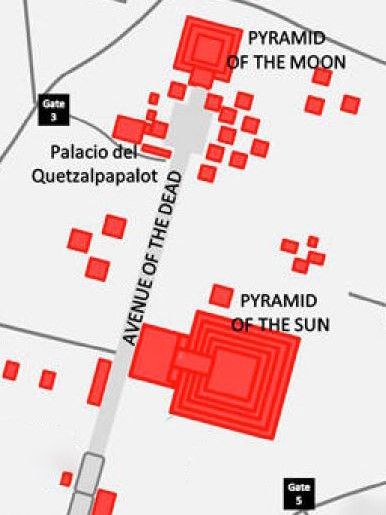
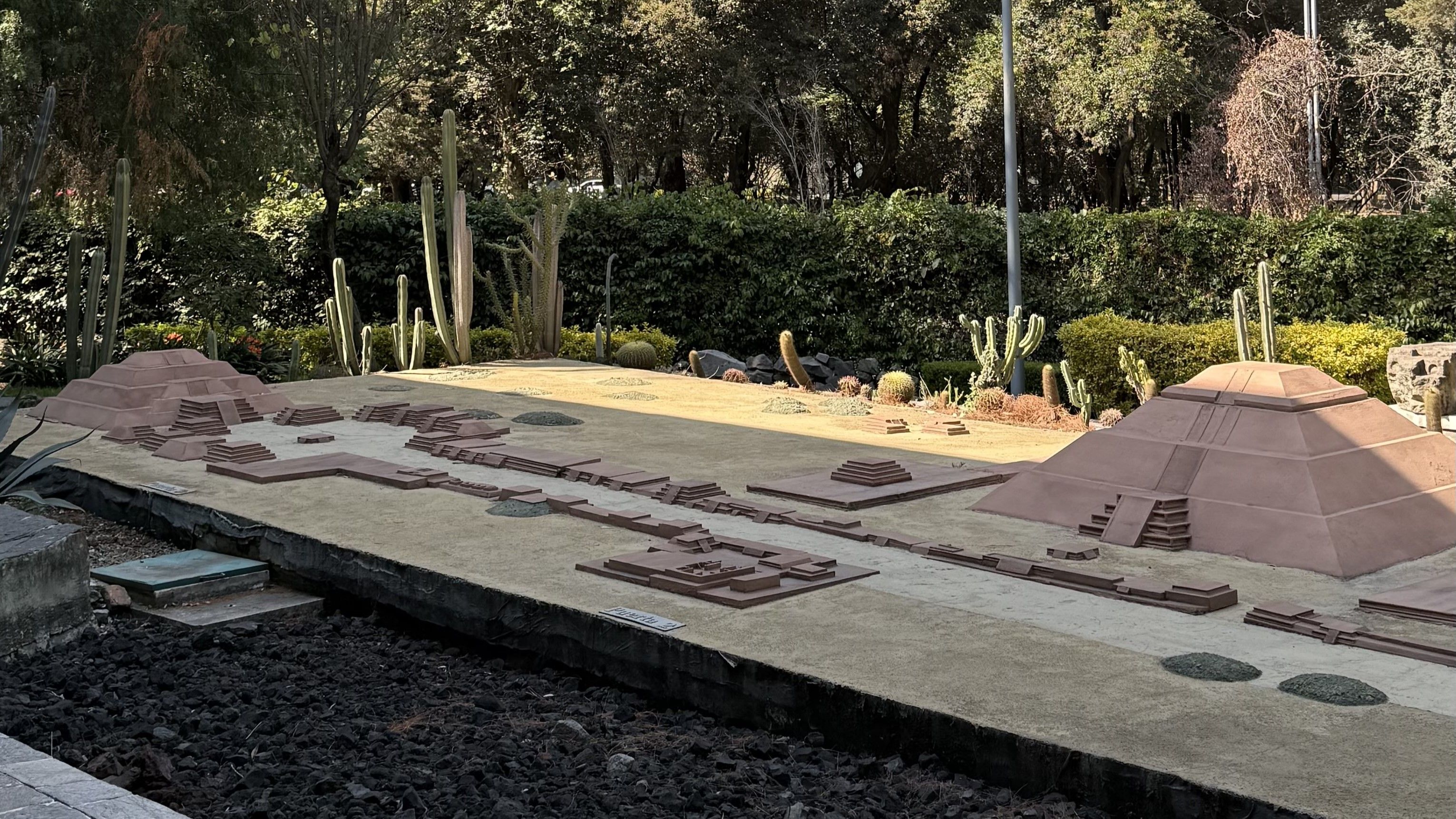
In a north-south direction runs the 'Avenue of the Dead,' which begins at the Moon Pyramid and passes by the Sun Pyramid. The main pyramids are the 63-meter high Sun Pyramid with a base length of 225 meters and the 48-meter high Moon Pyramid at the northern end of the two-kilometer-long Avenue of the Dead.
Teotihuacán has kept many secrets to this day, as nothing is known about the ruling system or the leaders—no inscriptions, no names.
The immense wealth of Teotihuacán was based on a well-developed trade network with monopolized long-distance trade.
Teotihuacán was the most complex and populous urban center during the period between the 3rd and 6th centuries – a cultural and economic 'superpower' in Mesoamerica. The dominant position of Teotihuacán came to an end in the 7th century. The reasons remain unclear; it is possible that the destruction was the result of fire, invasion, or internal uprising, while other sources suggest an internal societal collapse due to water and food shortages. Following this trauma, a part of the city remained inhabited for about another century. After that, the place was abandoned.
We can only partially explore this mysterious and very impressive site, given its vast expanse, and furthermore, the sun is ruthless in the sky.
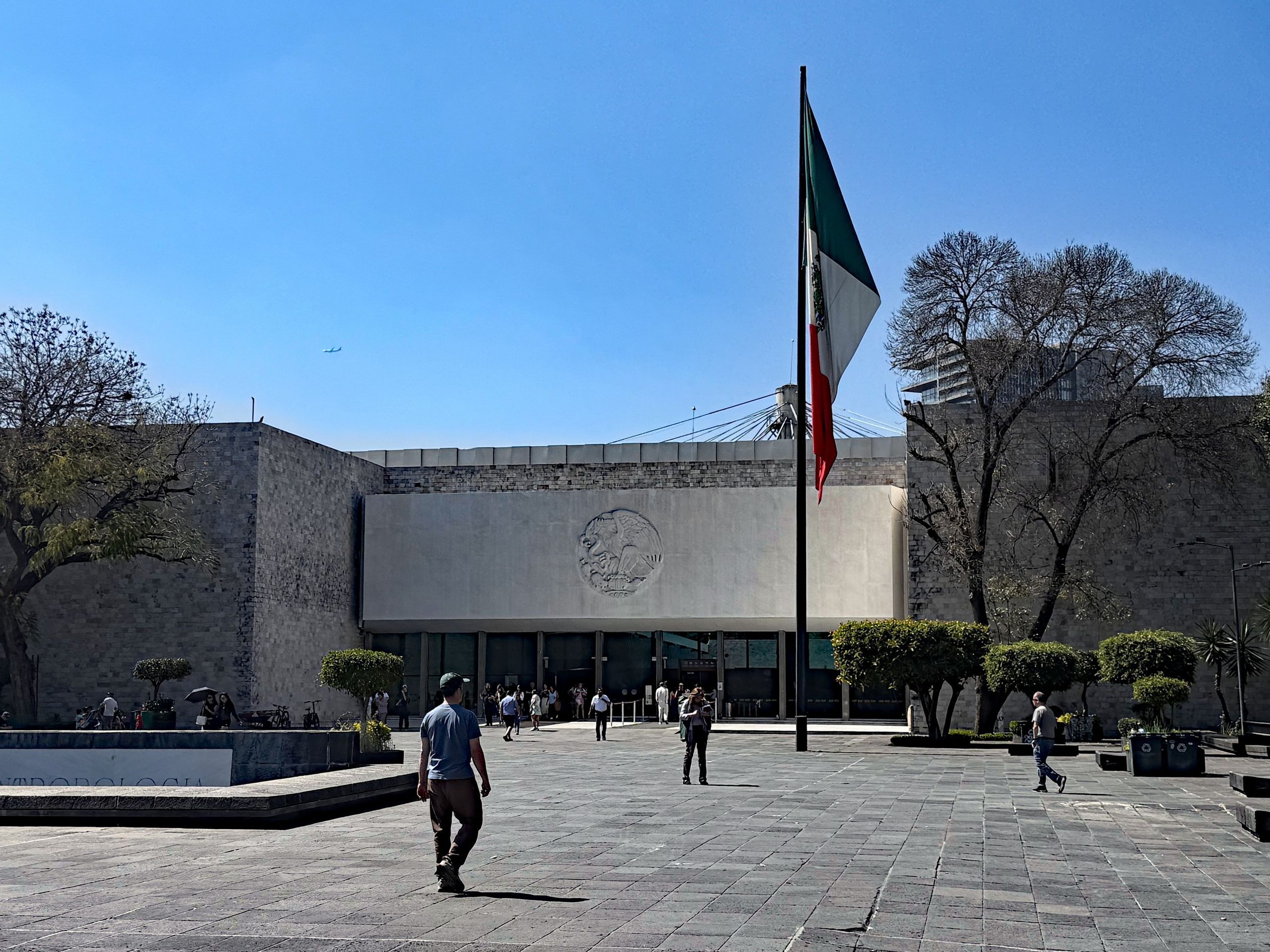
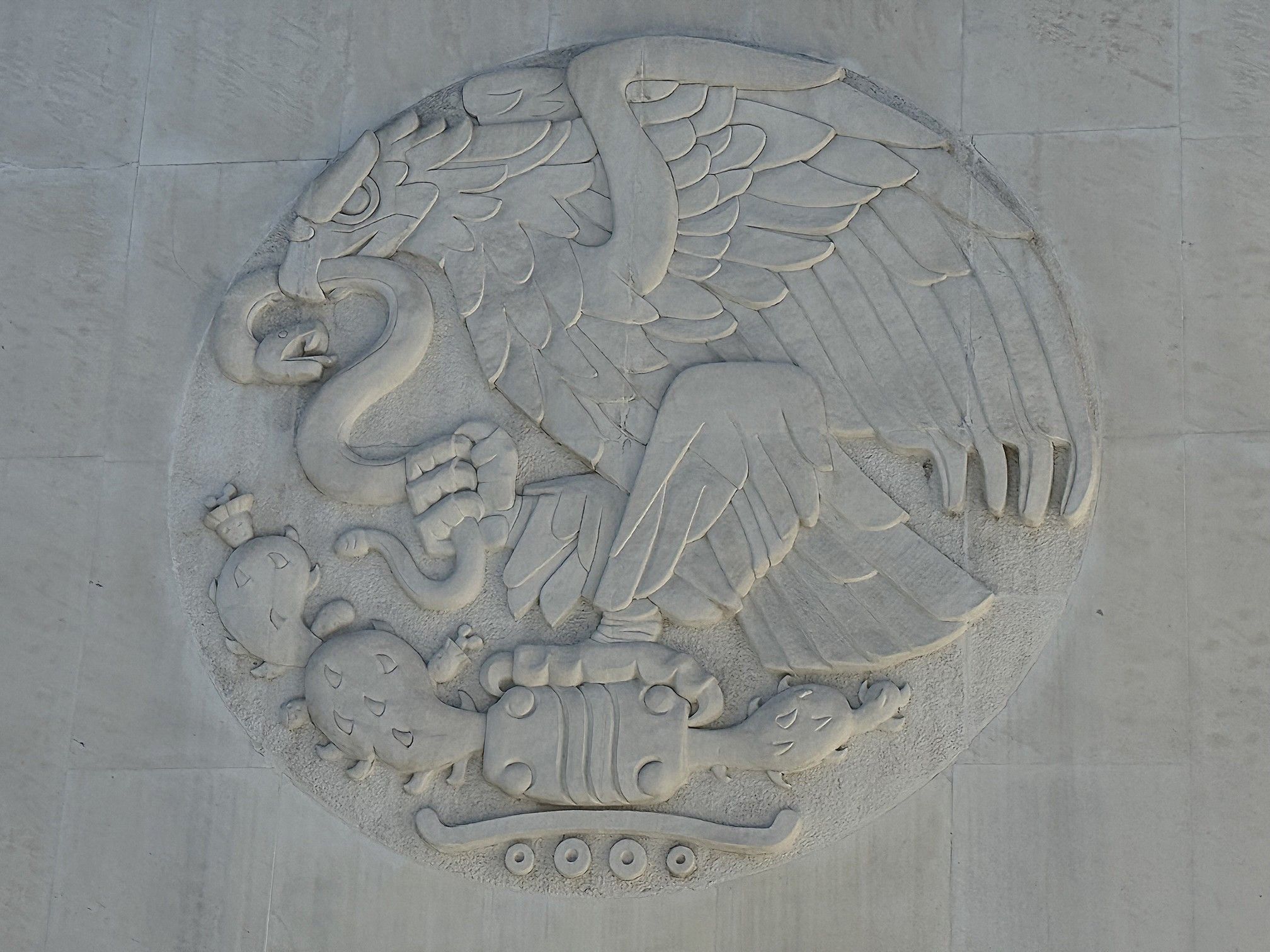
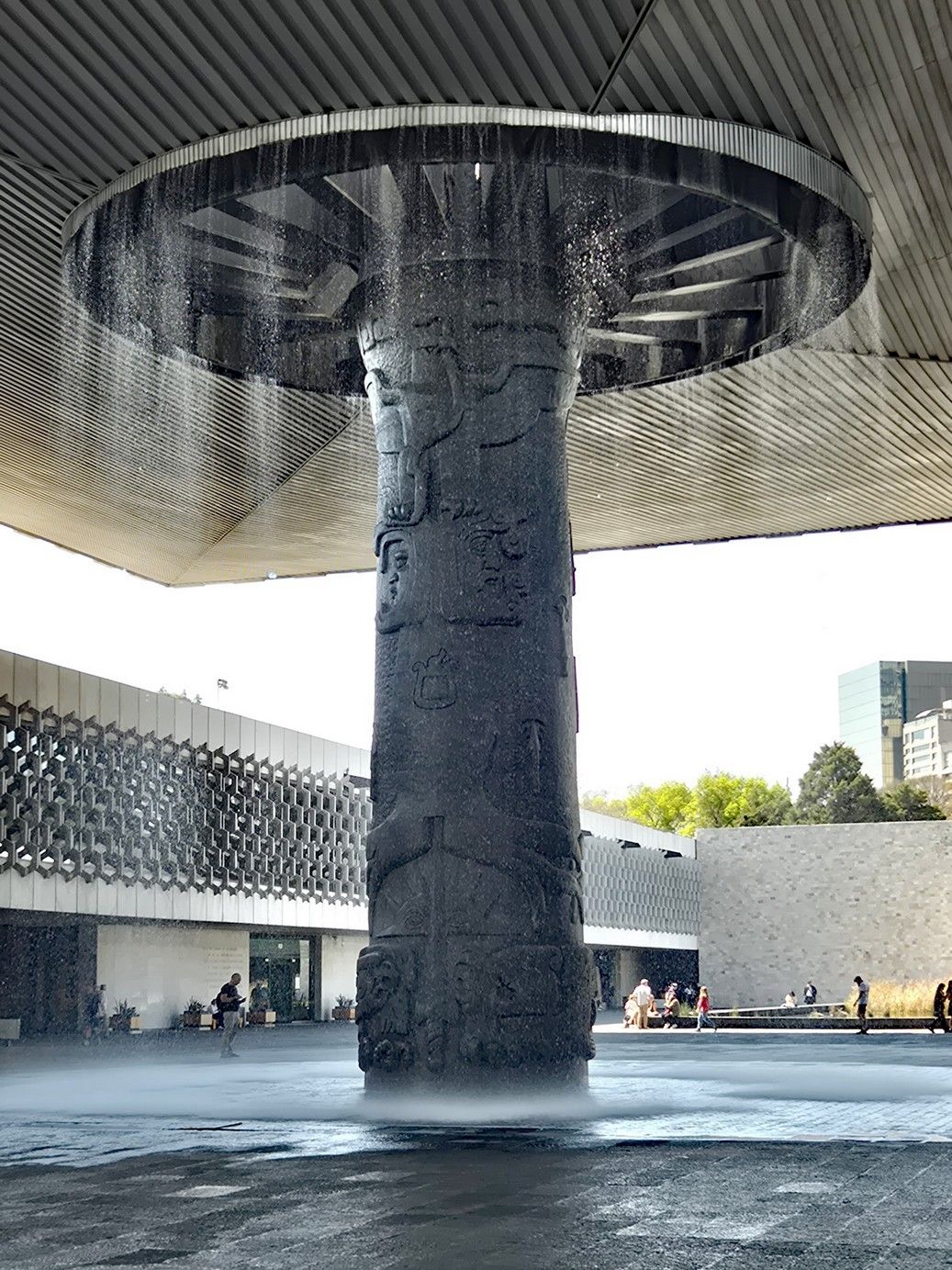
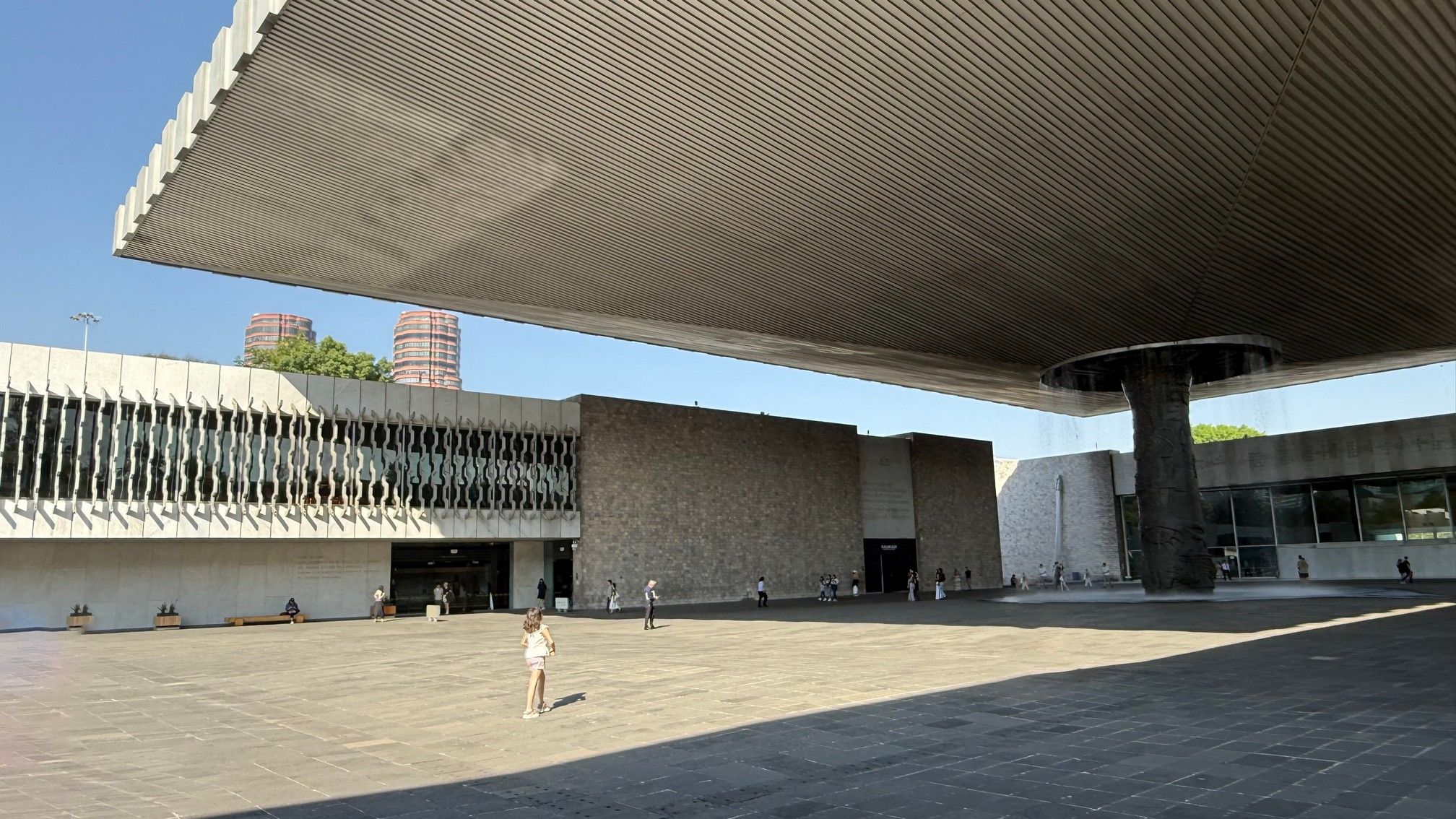
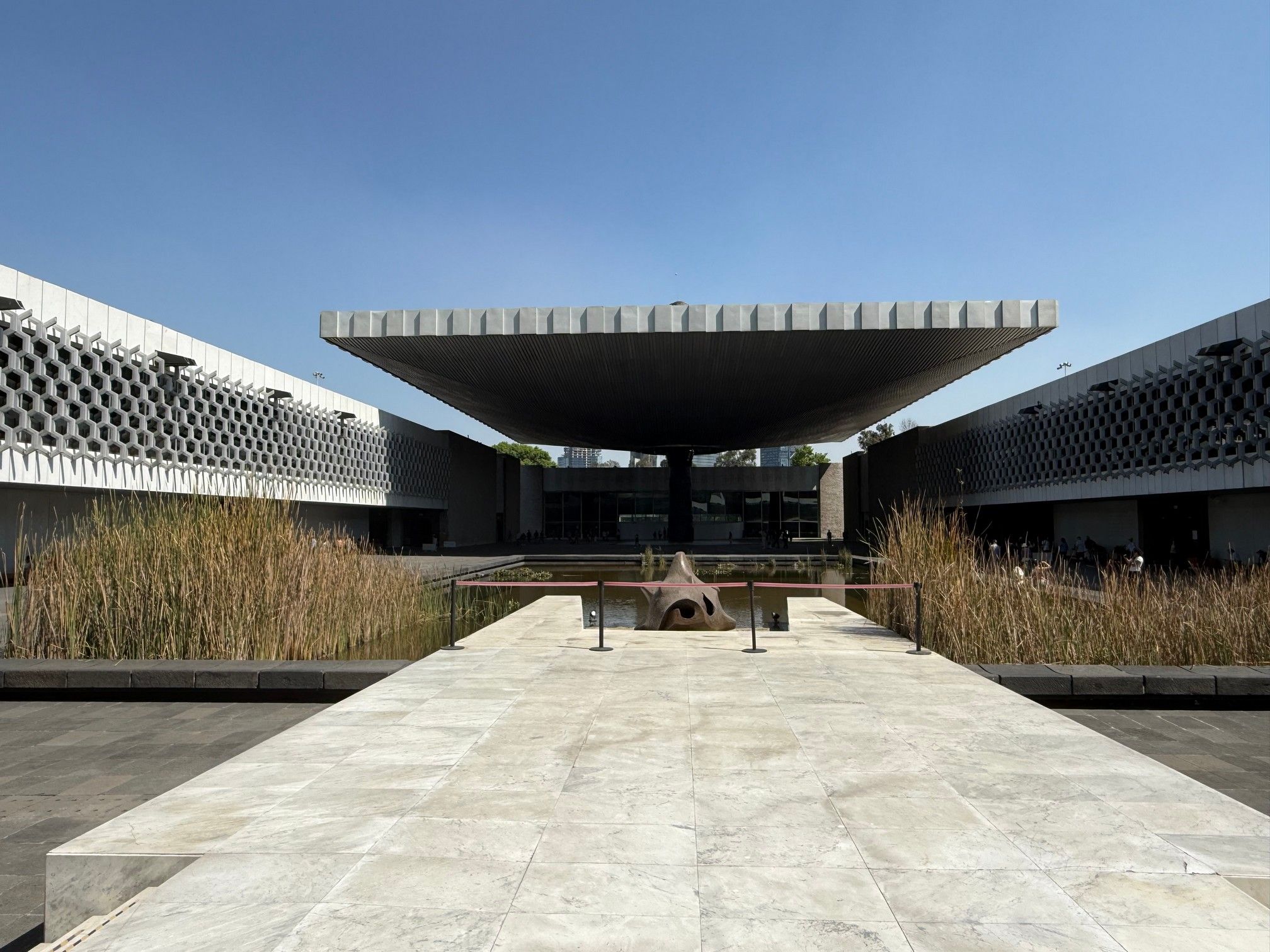
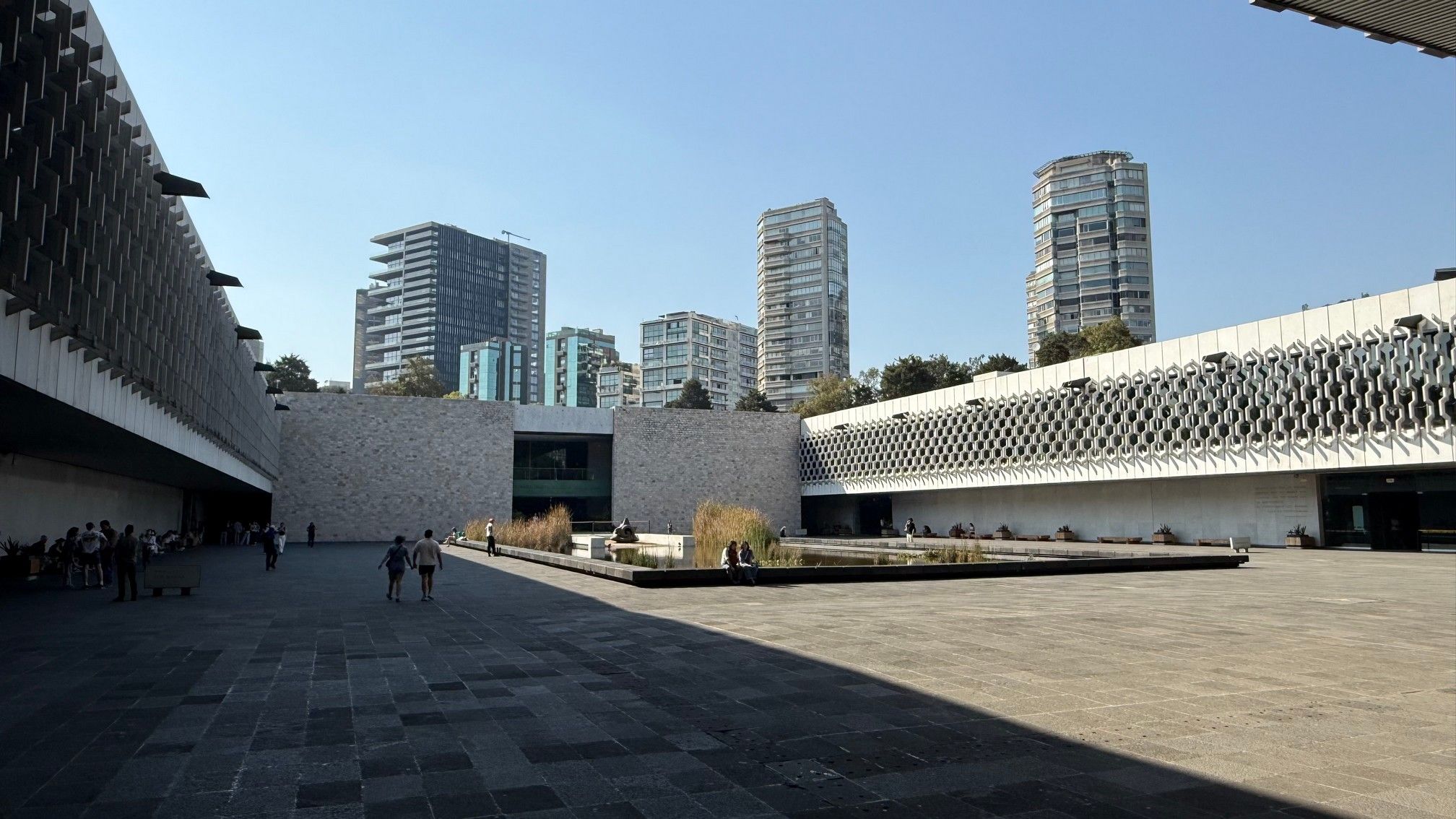
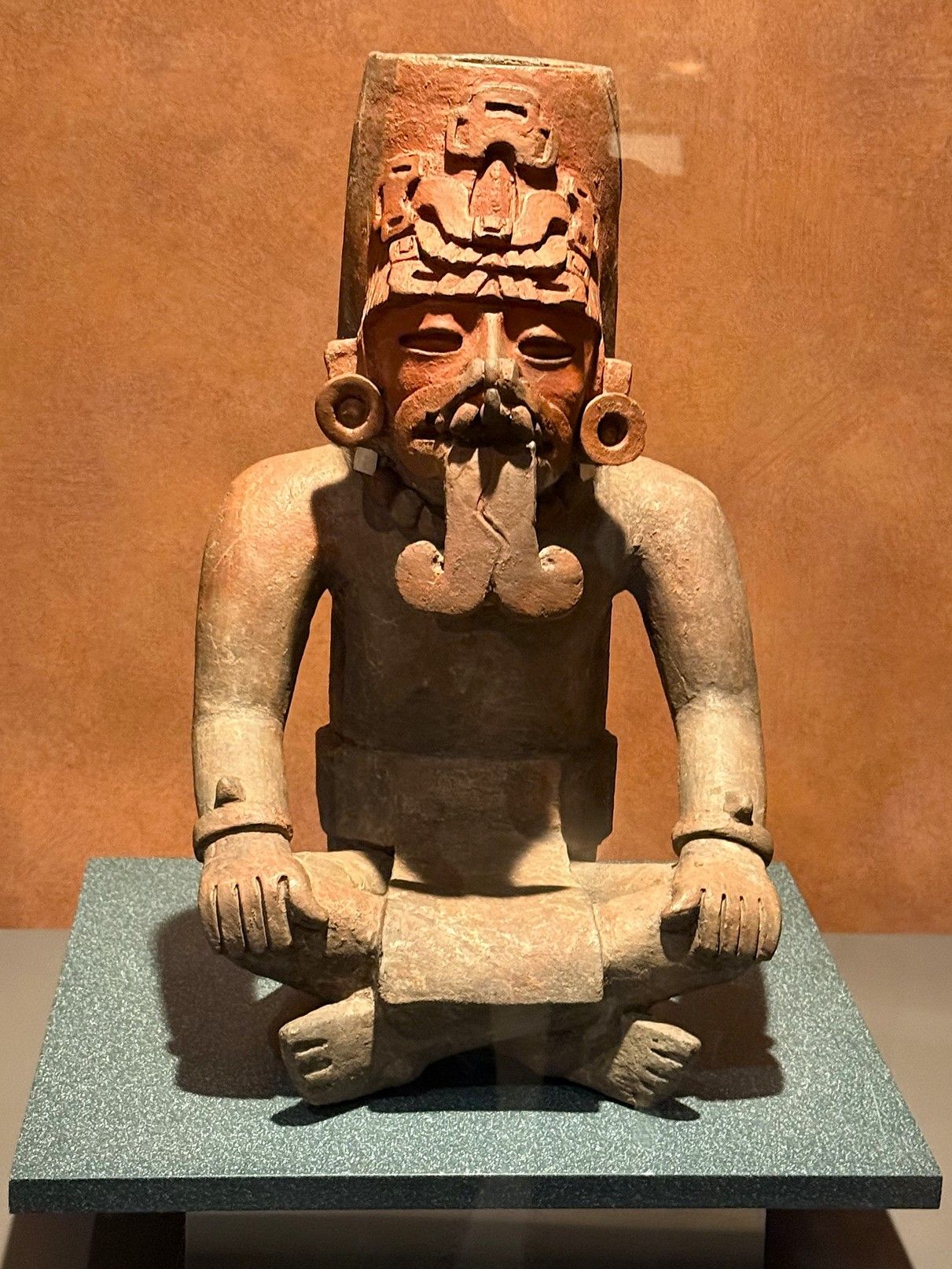
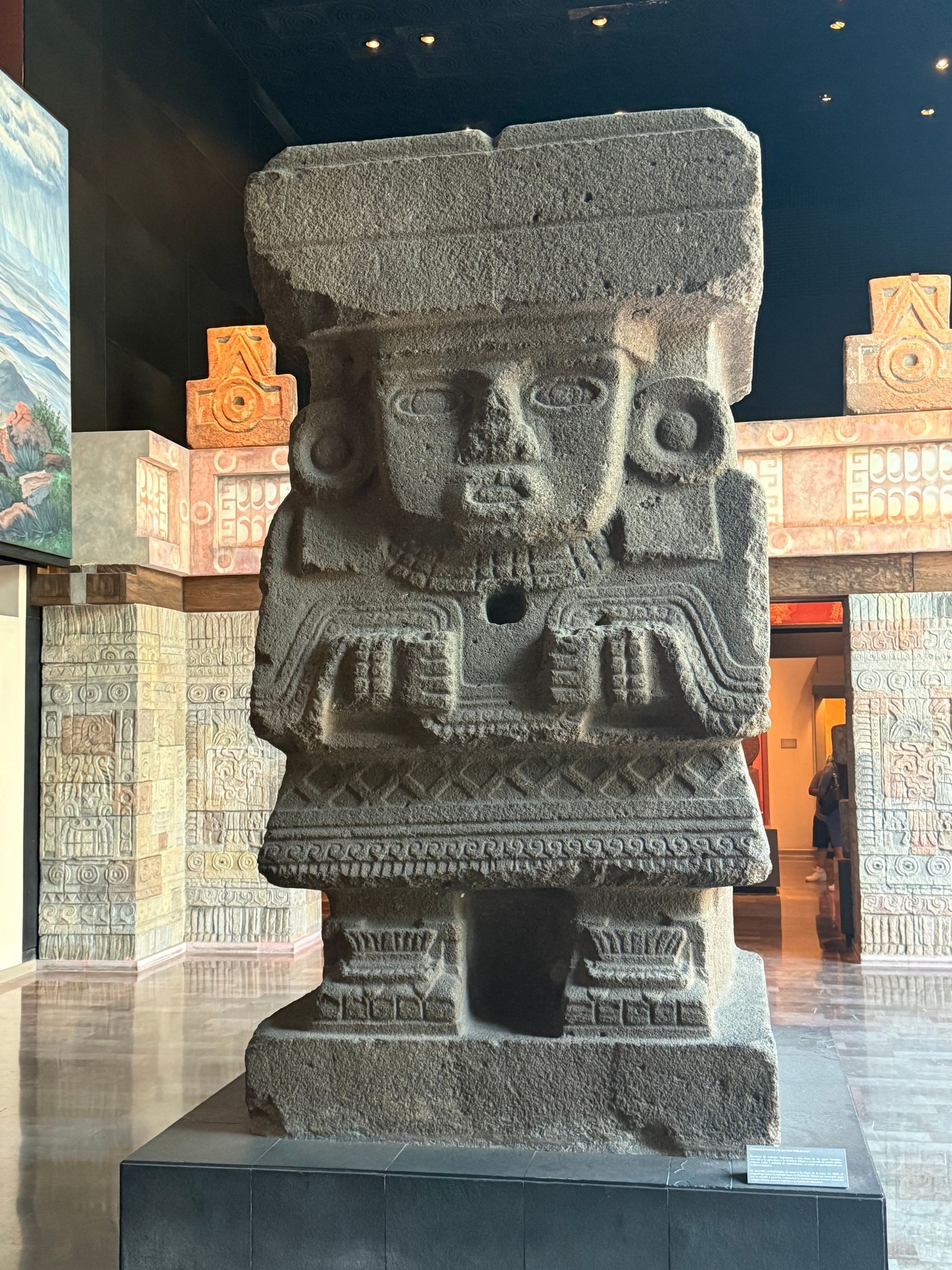
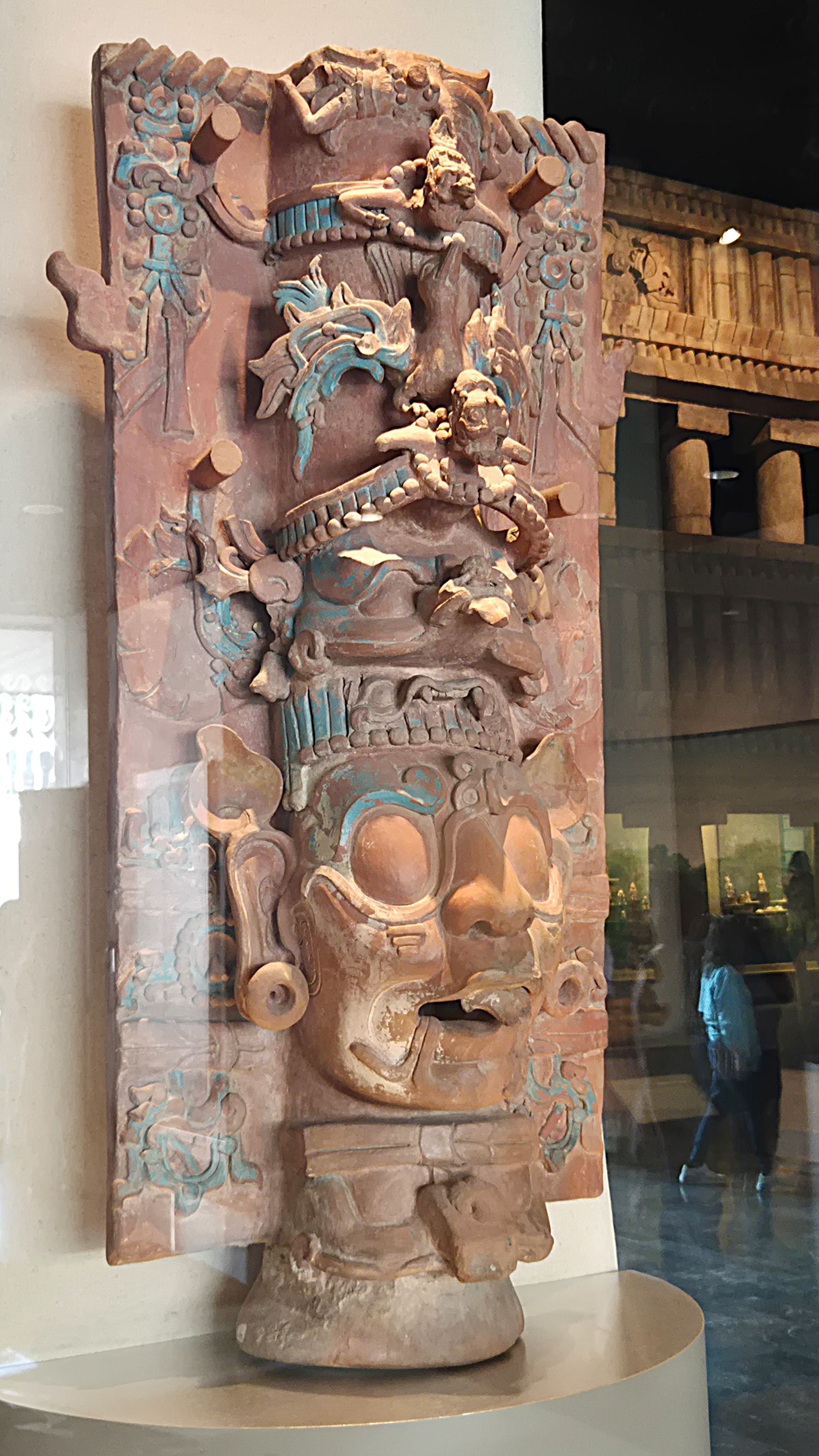
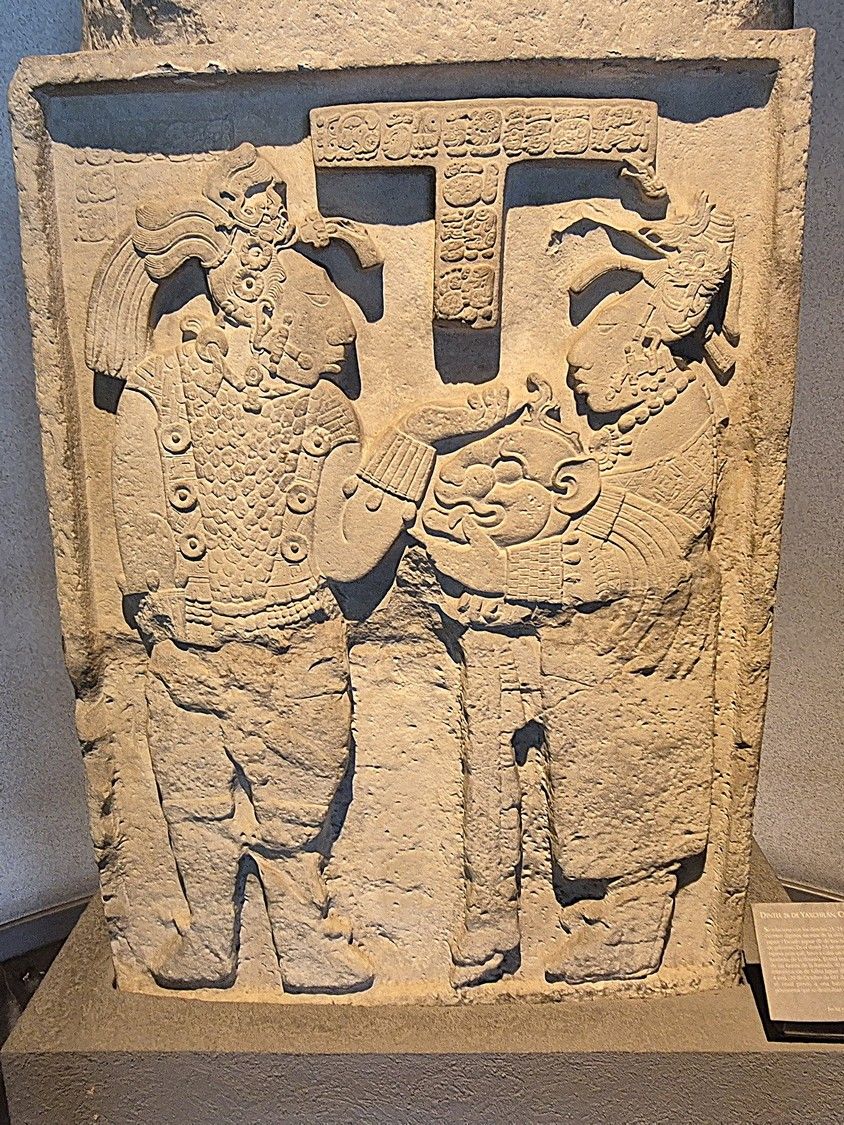
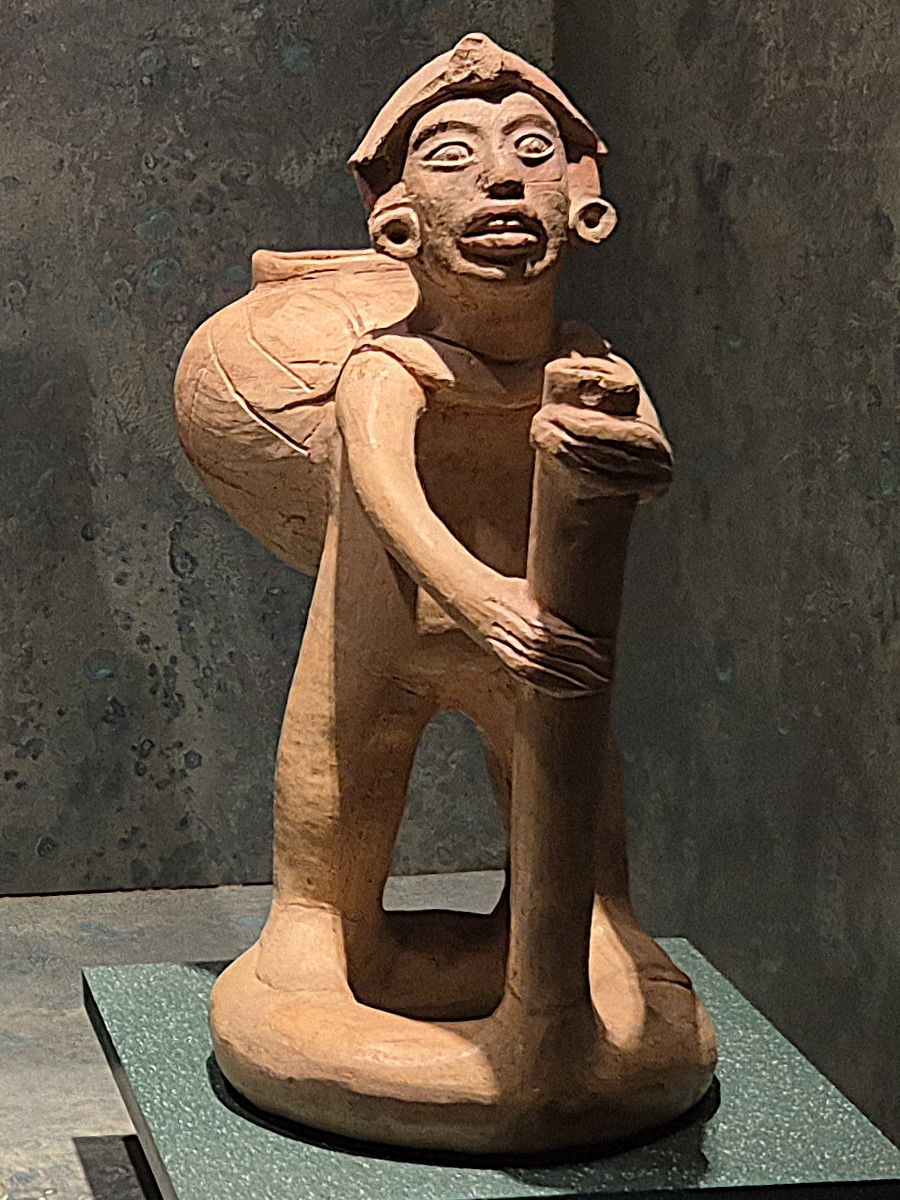
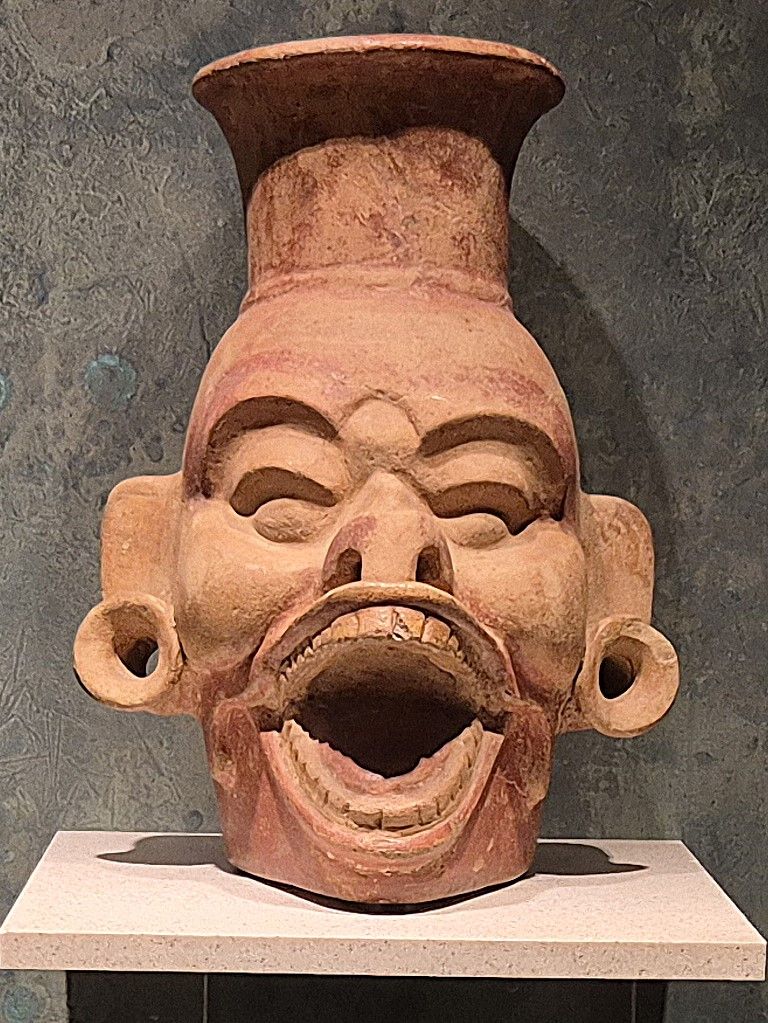
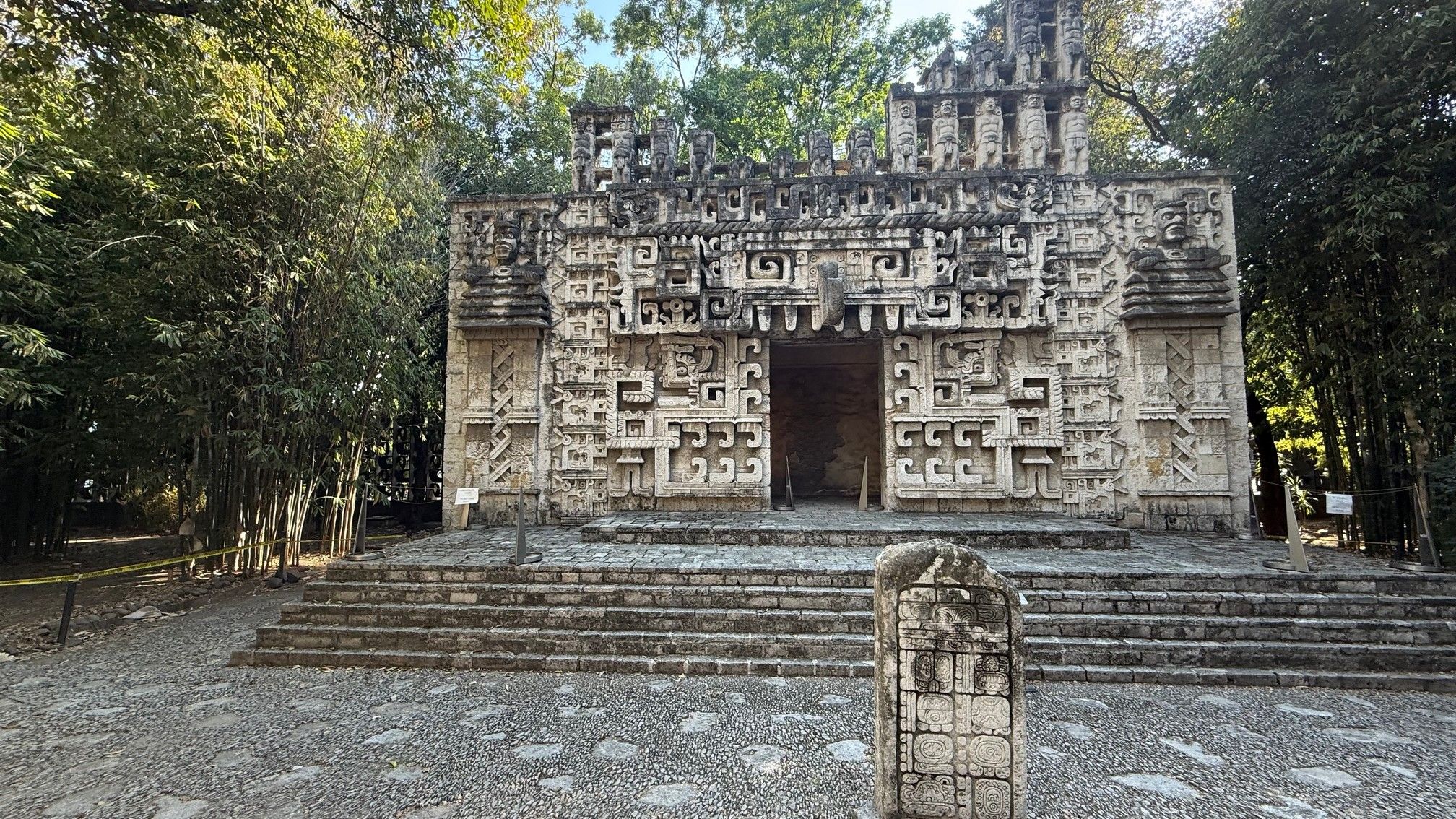
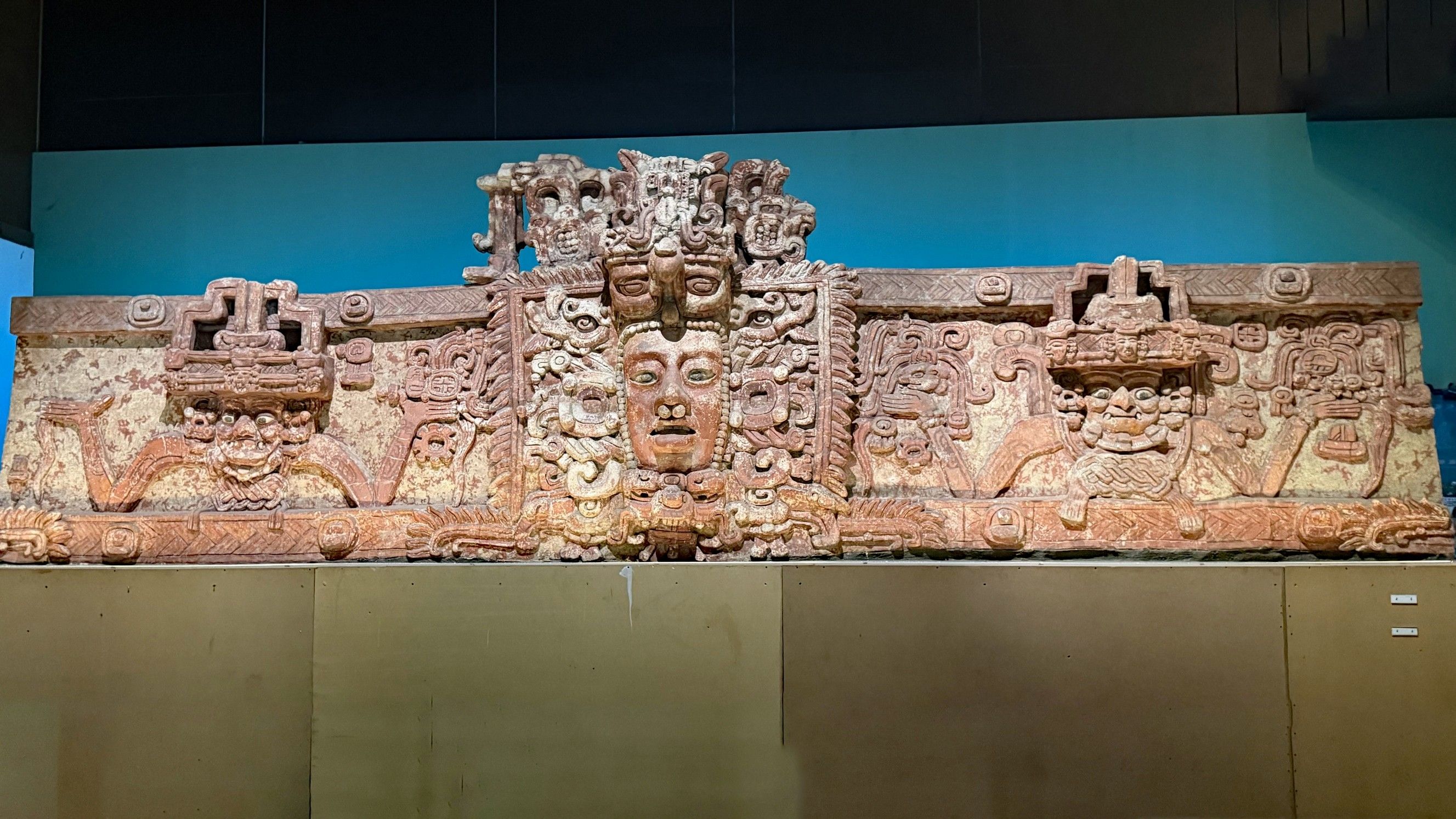
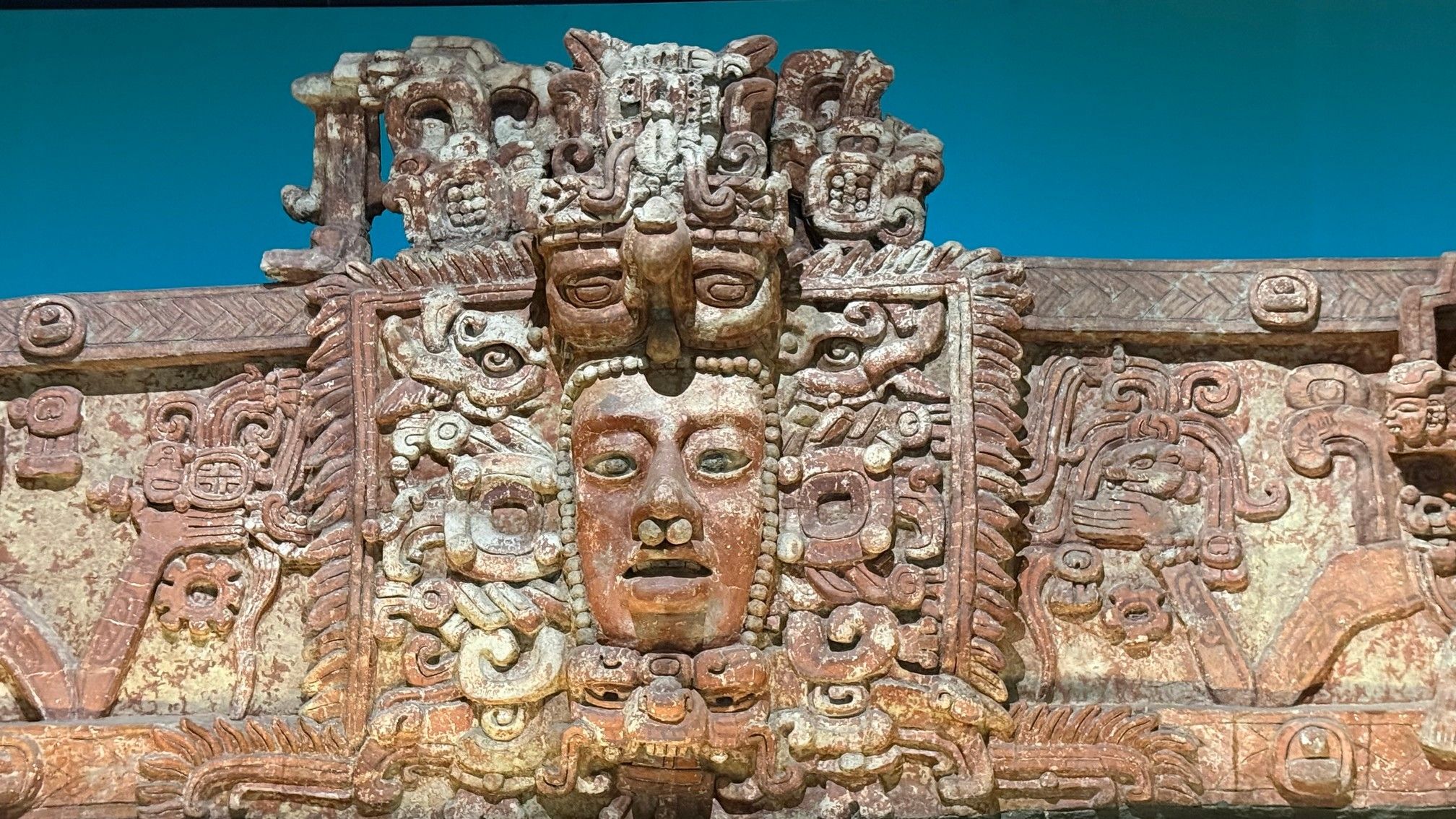
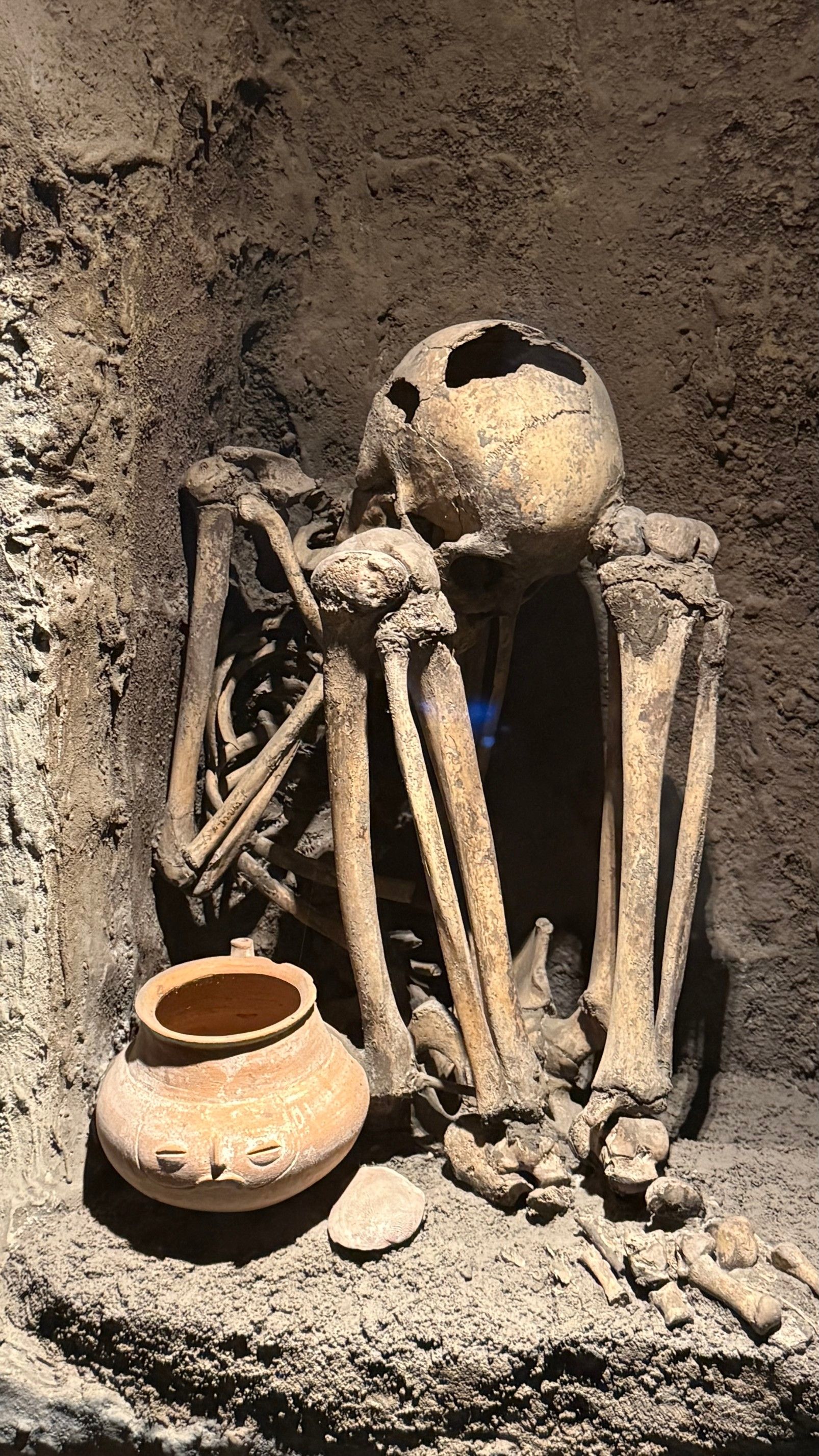
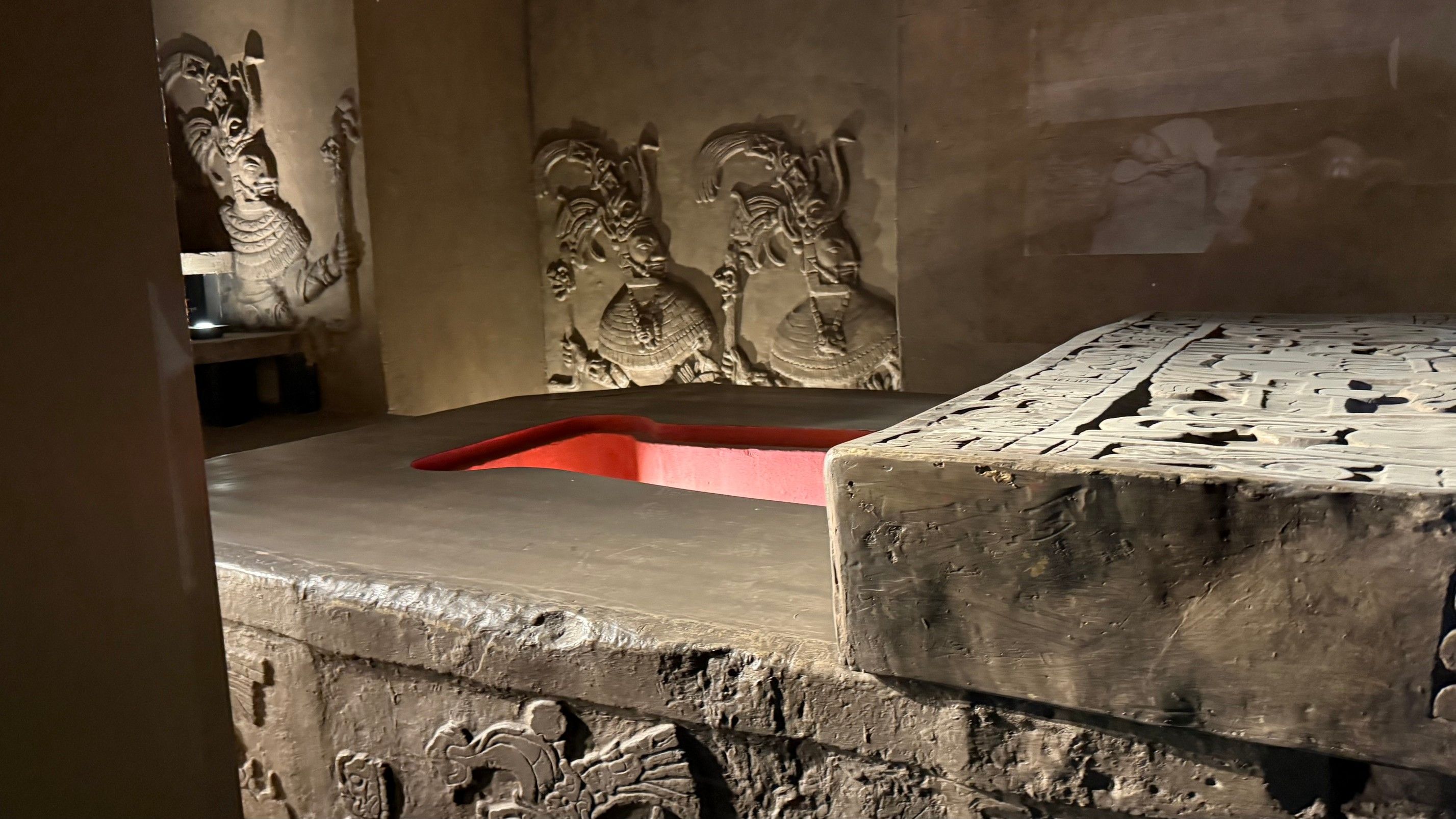
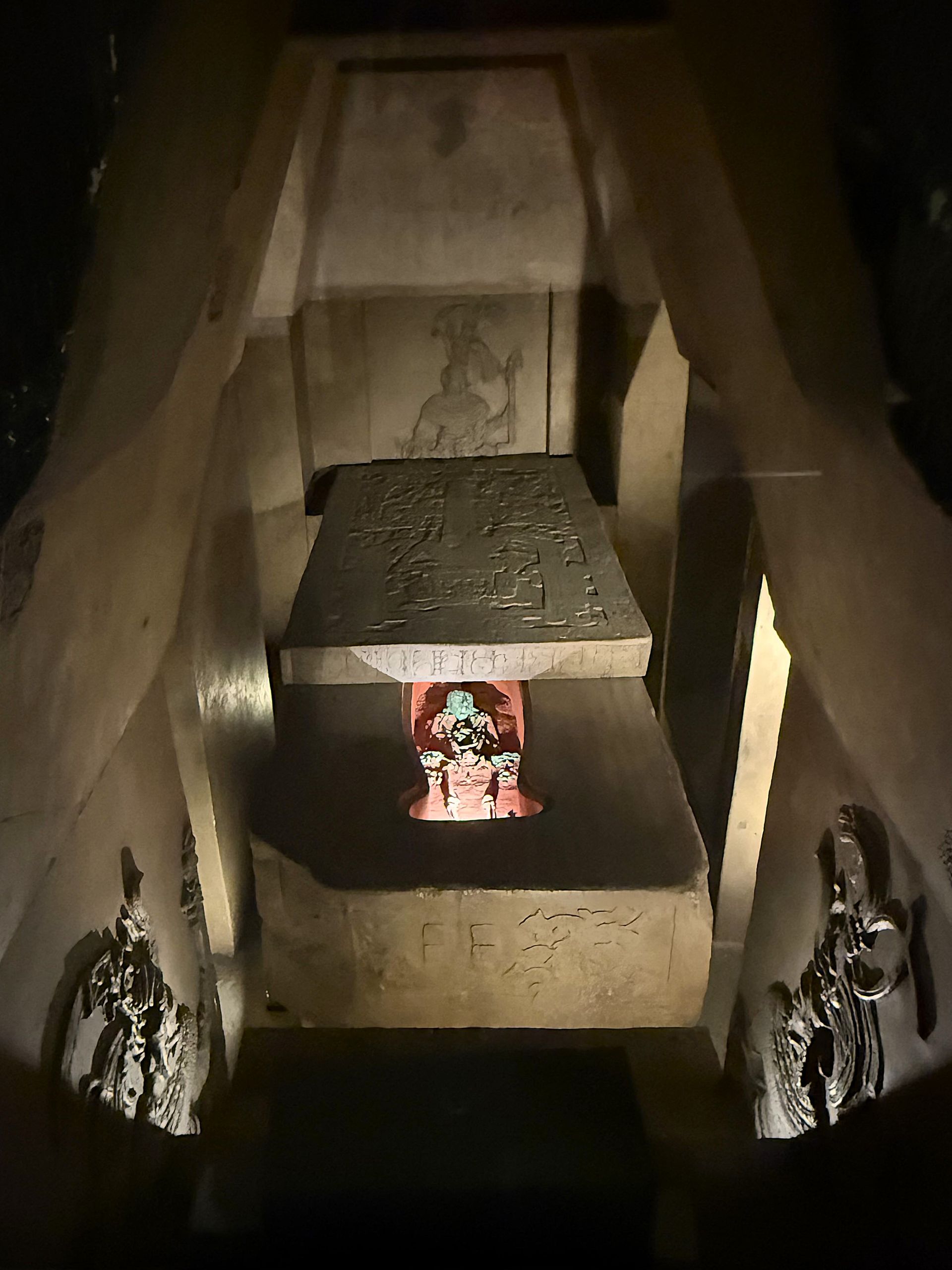
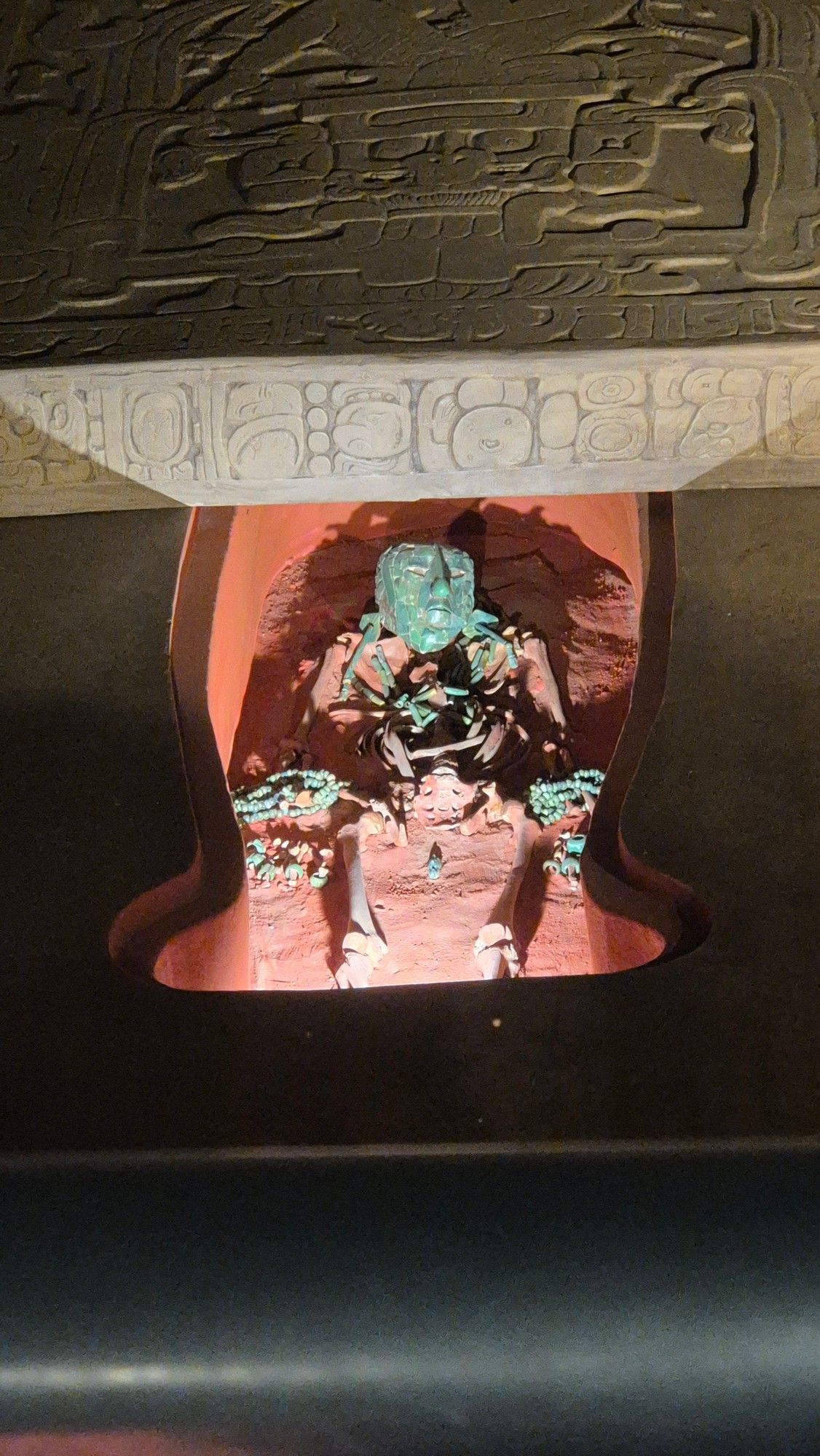
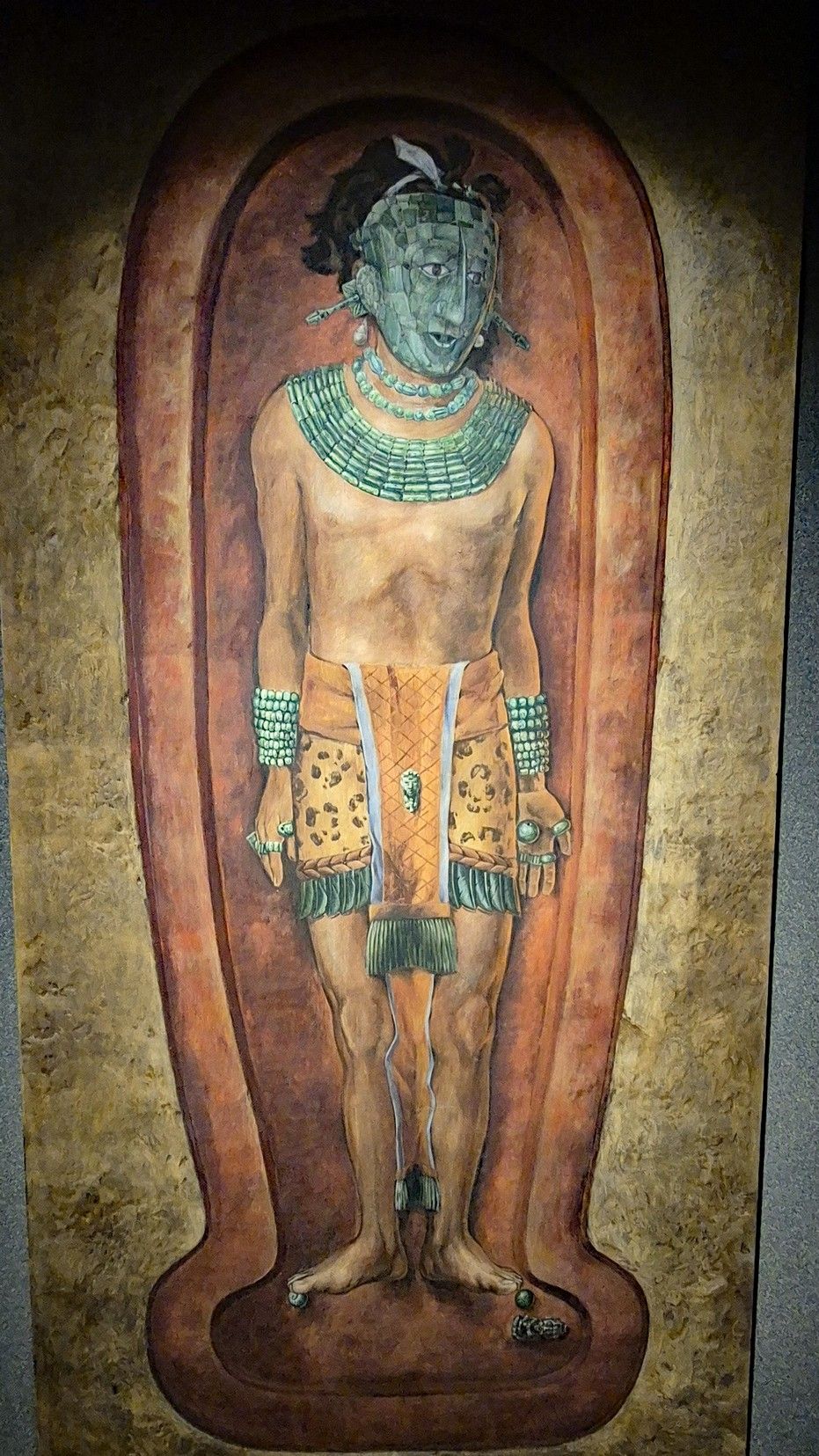
After a refreshment at a local “Tschecherl,” we head back to Mexico City. Another highlight awaits (and is the reason for our detour to Mexico City): the “Museo Nacional de Antropología” – the National Museum of Anthropology. Due to the vast dimensions of this museum, we will limit our visit to three main areas – Aztecs, Teotihuacán, and Maya – the three dominant cultures in the pre-Columbian history of Mexico.
The Maya culture in Mexico developed over thousands of years (approximately 2000 BC – 16th century AD) into one of the most significant high cultures of Central America. Known for their astronomy, mathematics (the number zero), writing, and monumental architecture (pyramids in Palenque, Chichén Itzá), it comprised autonomous city-states with divine rulers. Following the peak in the classic period (approximately 250–900 AD) and the partial decline from the 9th century, most lowland cities were abandoned. Reasons included droughts, environmental destruction, and continuous warfare between the city-states.
After about 150 years, a certain recovery began, especially in northern Yucatán.
Upon the arrival of the Spaniards in the 16th century, the high culture was already weakened but put up fierce resistance until the last stronghold Tayasal fell in 1697.
The Aztecs (1325 – 1521) were a powerful, warlike high culture in central Mexico's highlands. They developed into a superpower in just a few decades and ruled central Mexico for 100 years. Their society is in many ways more modern than that of contemporary Europe. As brilliant builders, they established their capital Tenochtitlán in the middle of a lake. By the mid-16th century, it was one of the largest cities in the world. The Aztec state was also progressive in many respects. The ruler was elected, and state-employed judges ensured compliance with the relatively modern legal order. Nobles and commoners were treated equally in court. Education was compulsory for all children, including those of slaves.
The Aztecs not only had their language—Nahuatl (still spoken by about 1.5 million people in Mexico)—but also their pictographs and many books. Many loanwords, such as chocolate or tomato, came into the German language via Spanish. However, the high culture of the Aztecs also had its dark sides: horrific human sacrifices for the benefit of the gods. Tens of thousands are said to have died this way every year. Almost all victims were war prisoners and slaves from conquered provinces. This greed for human sacrifices and the subjugation of the surrounding city-states ultimately led to the downfall of the Aztecs. In 1519, Hernán Cortés landed. He exploited the enmity of the subdued peoples against the Aztecs, as well as the superior weaponry of the Spaniards, to overthrow the empire by 1521. Alongside military superiority, introduced diseases like smallpox led to a dramatic population decline among the Aztecs and Maya. Unfortunately, after the conquest, the Spaniards not only destroyed buildings such as temples but also burned indigenous books, leading to the loss of a large part of historical and scientific knowledge.
Back to the museum.
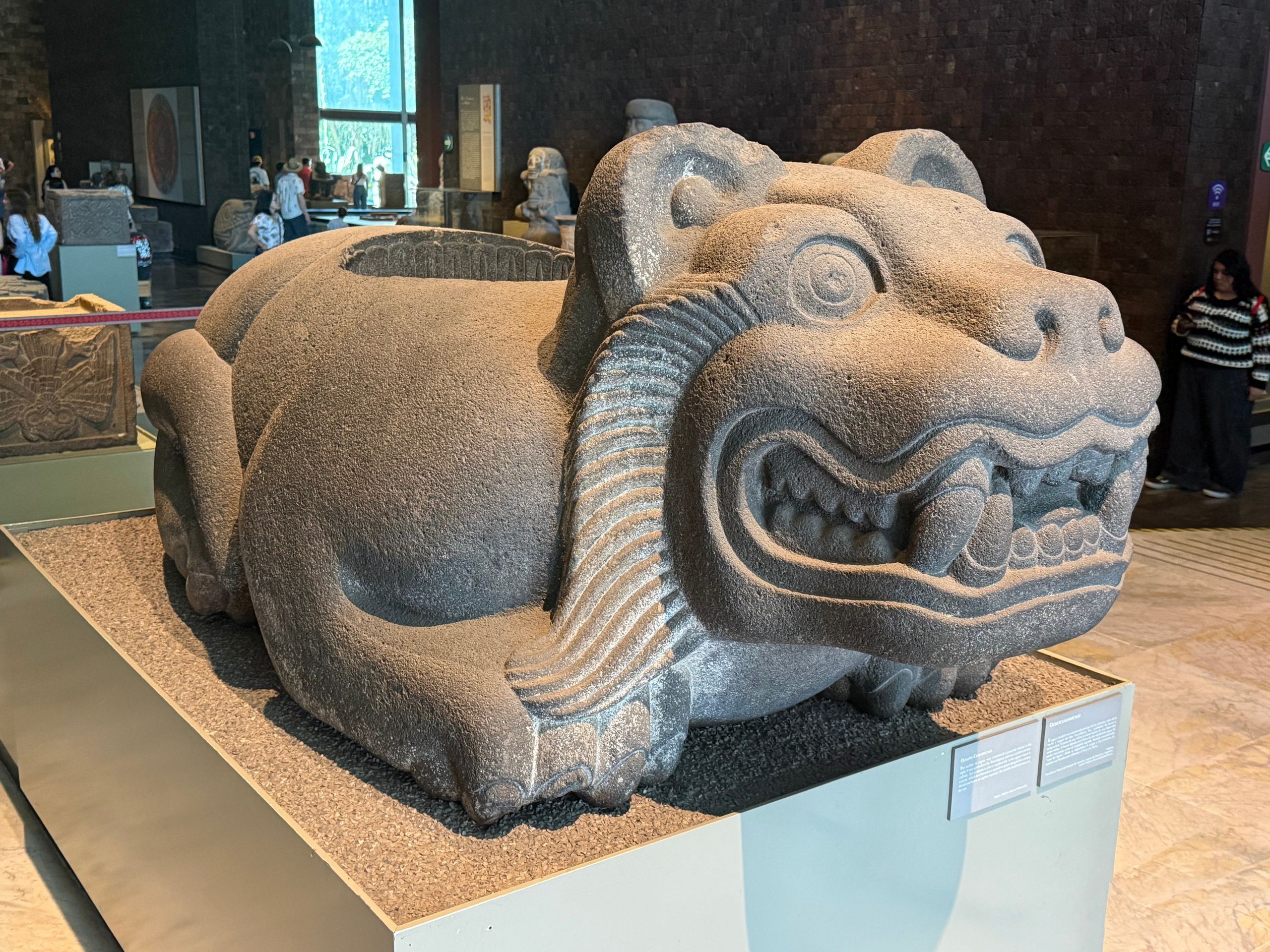
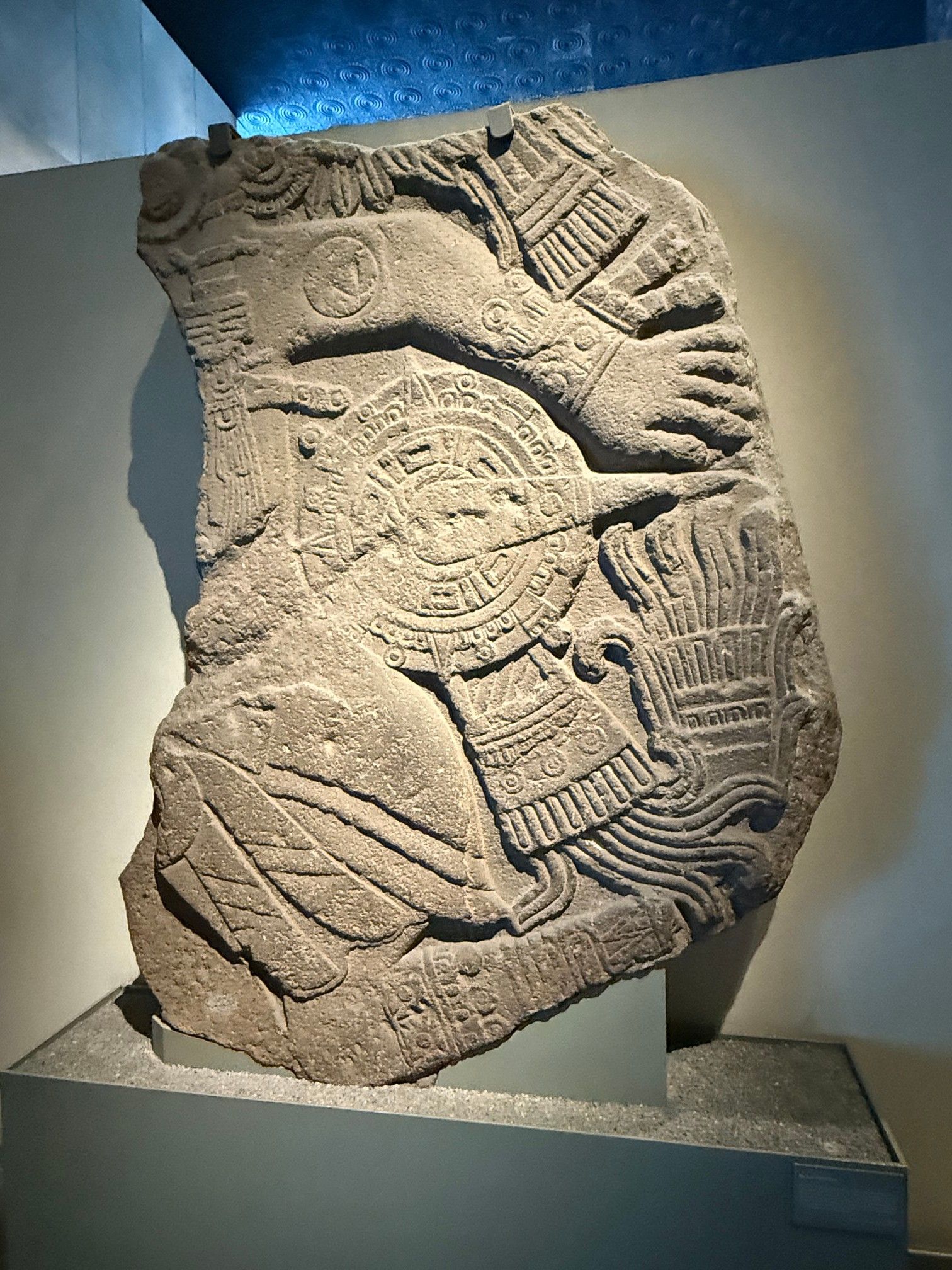
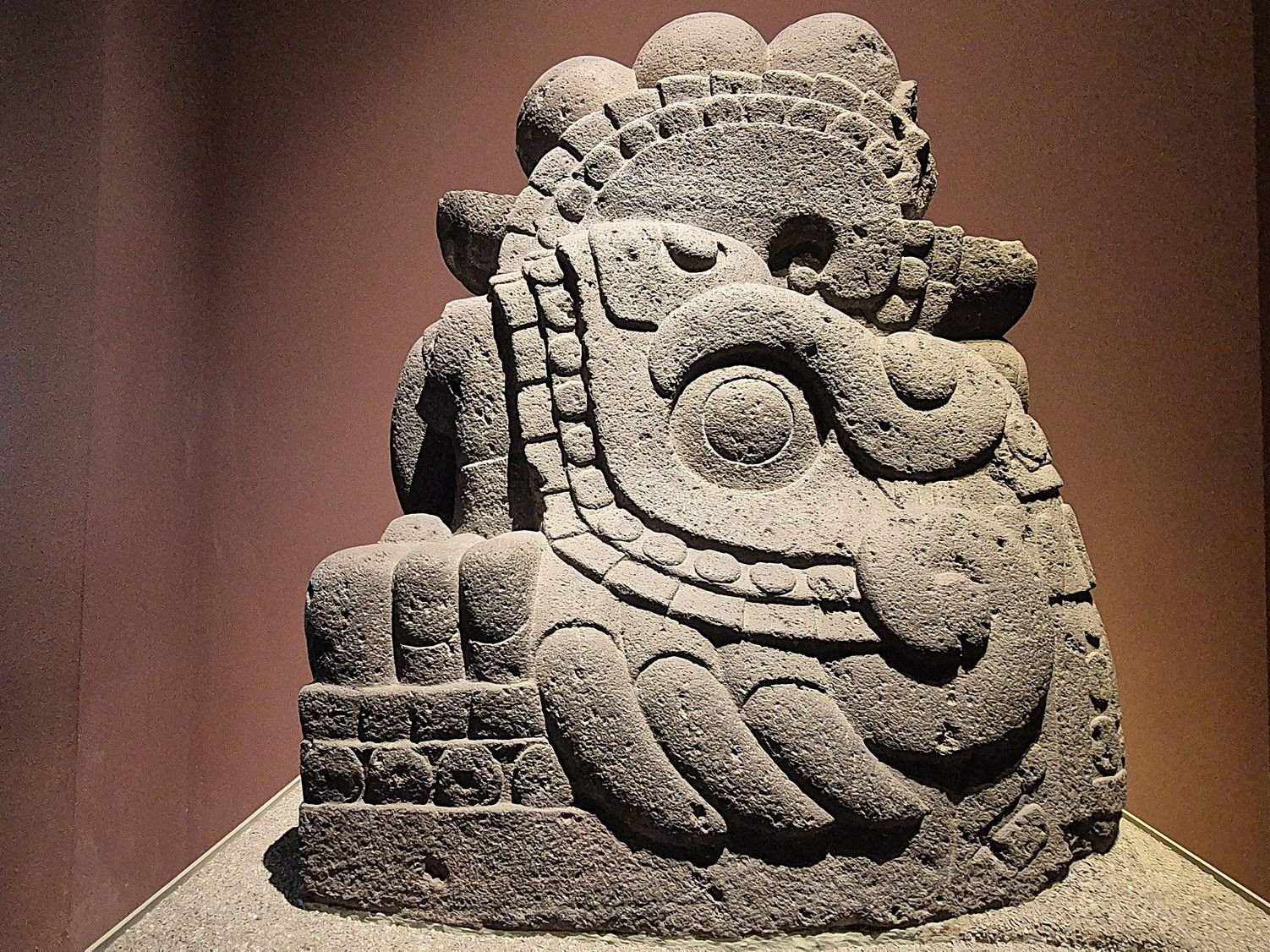
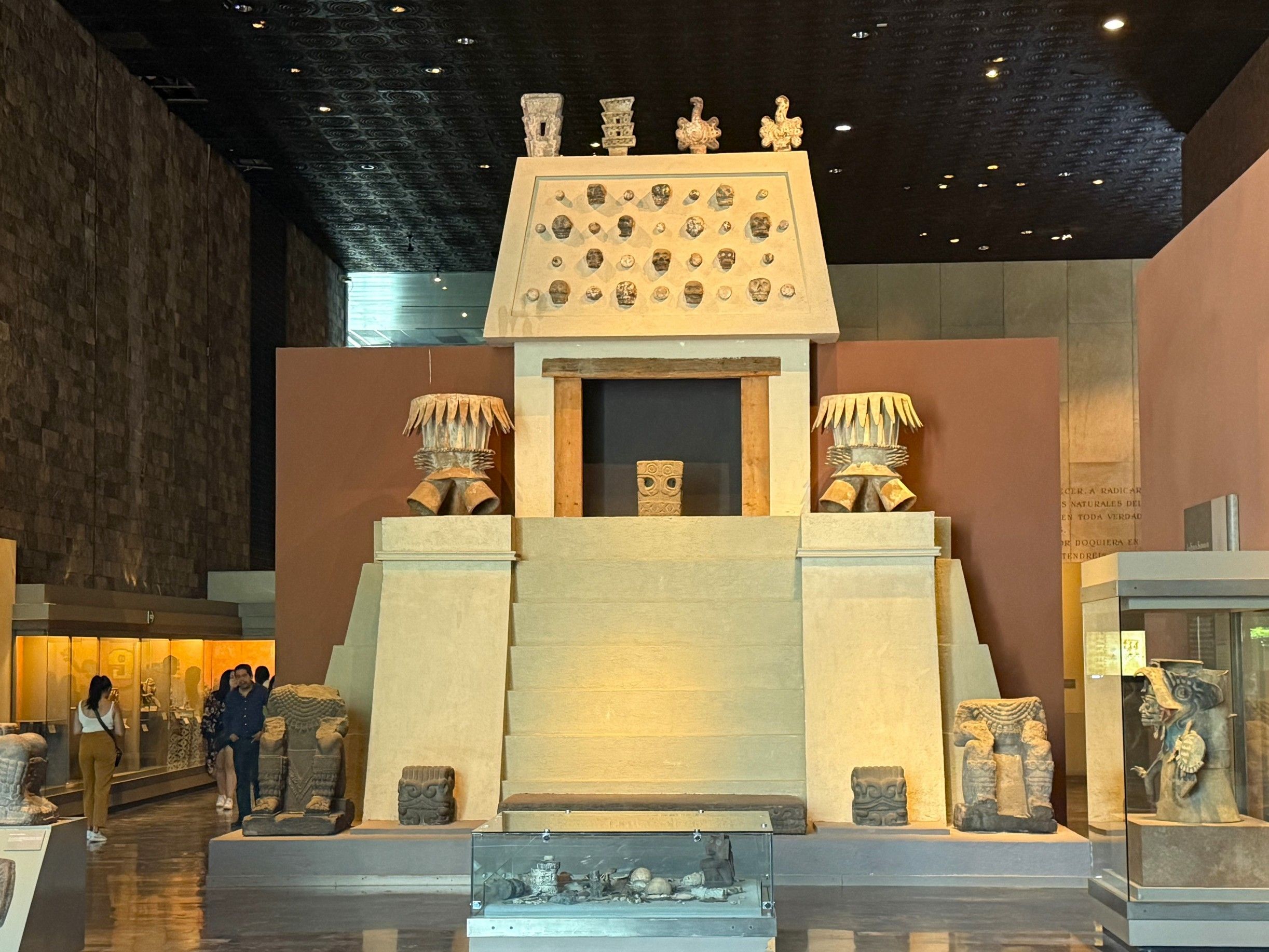
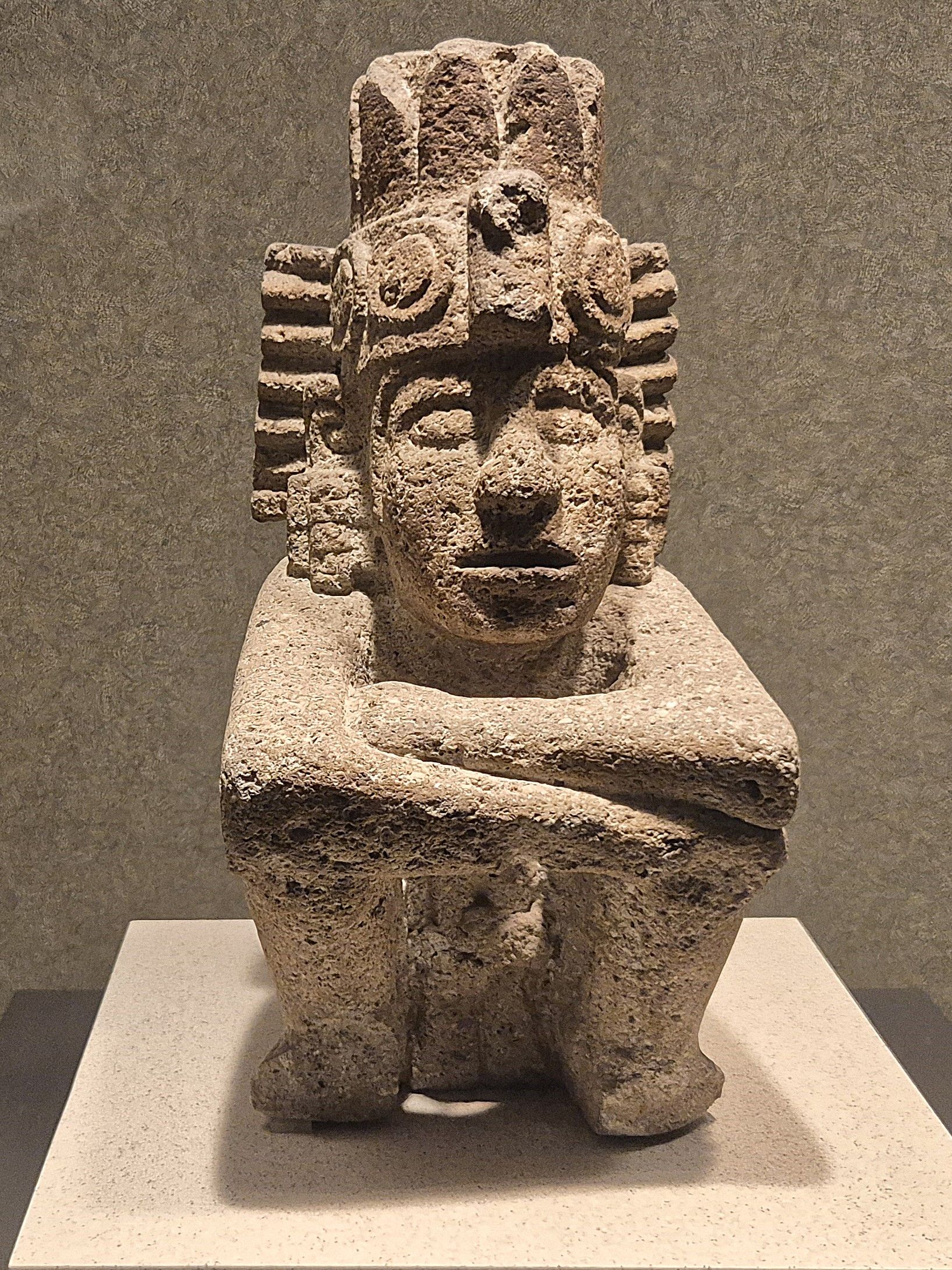
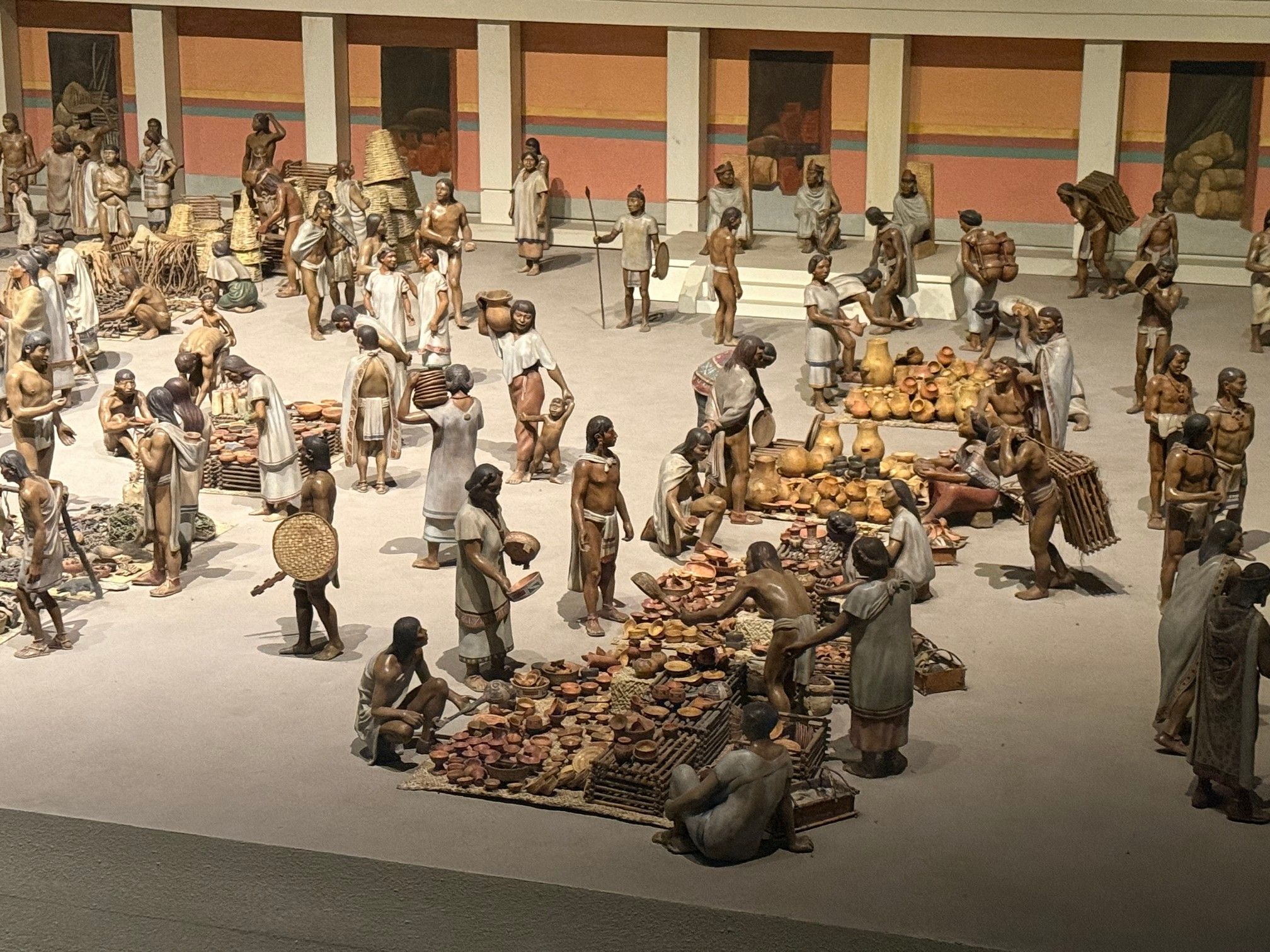
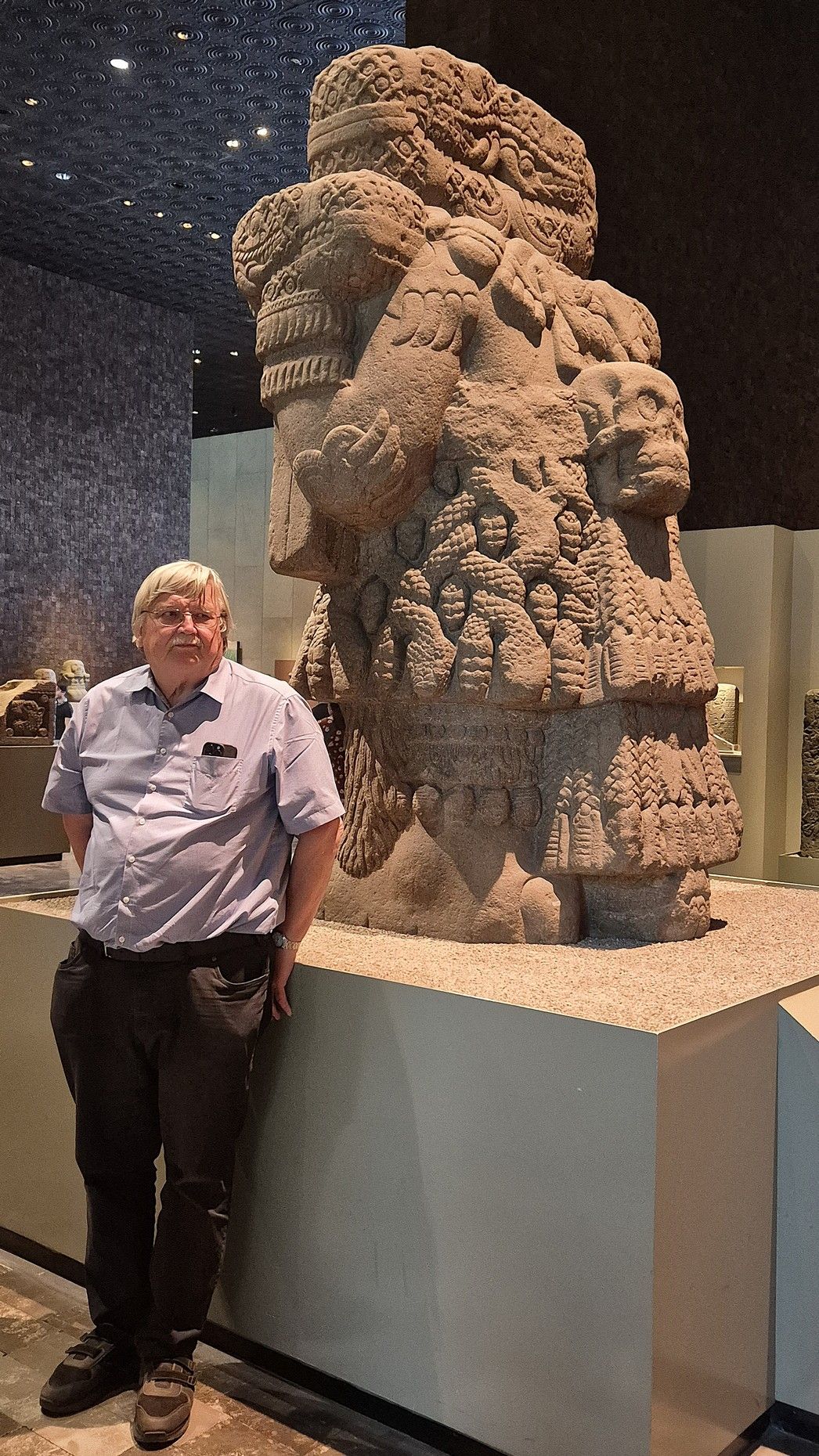
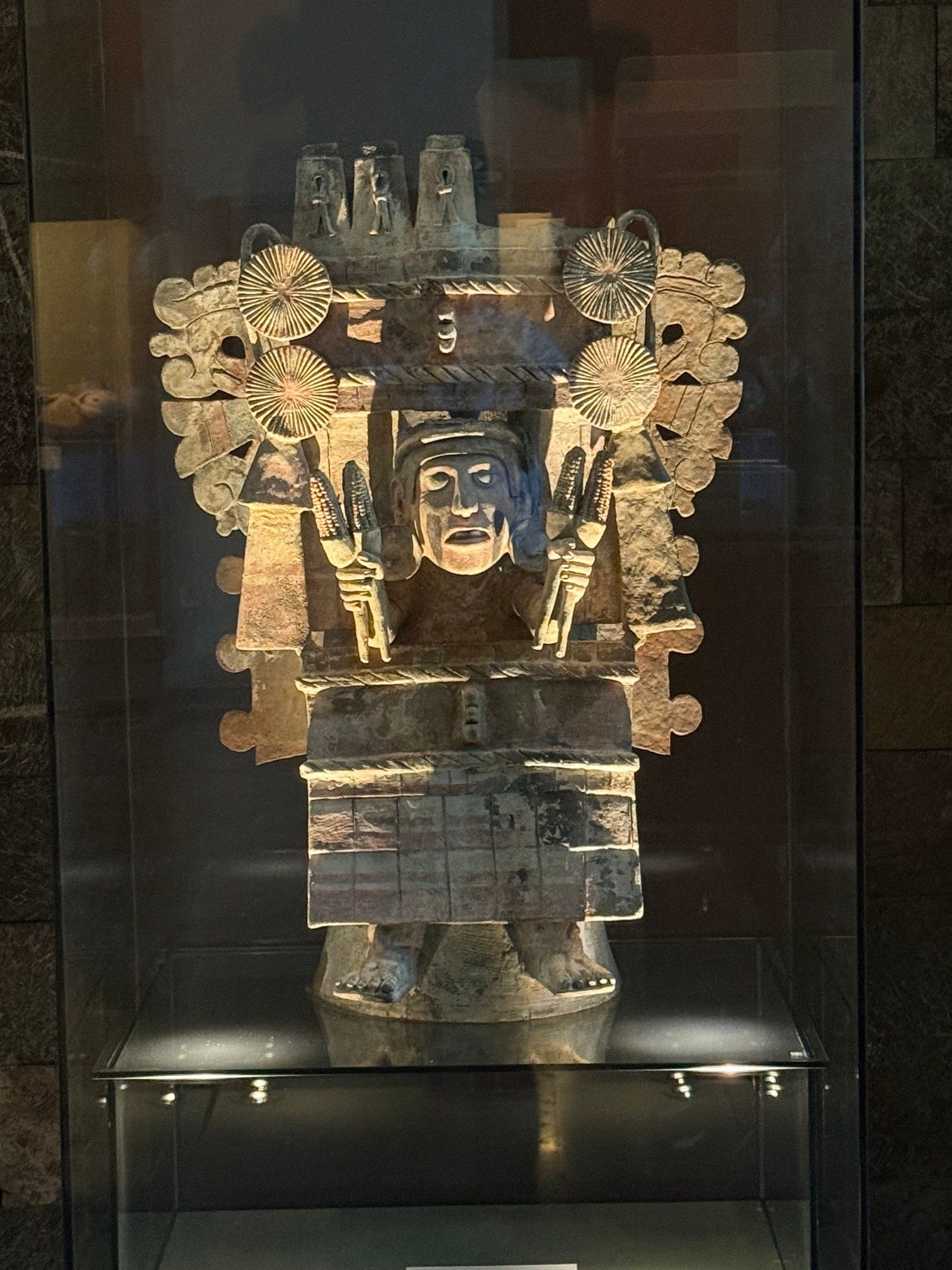
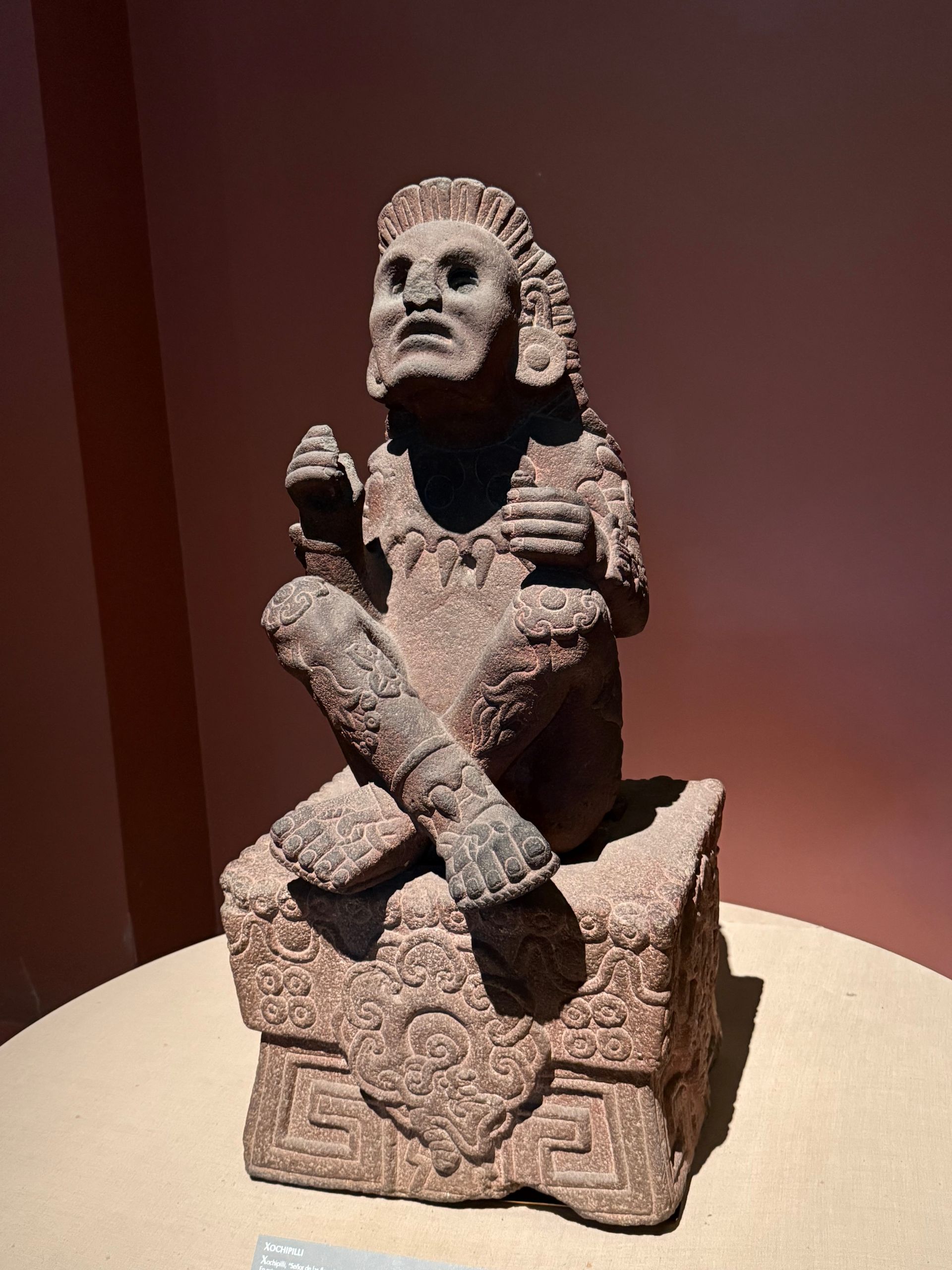
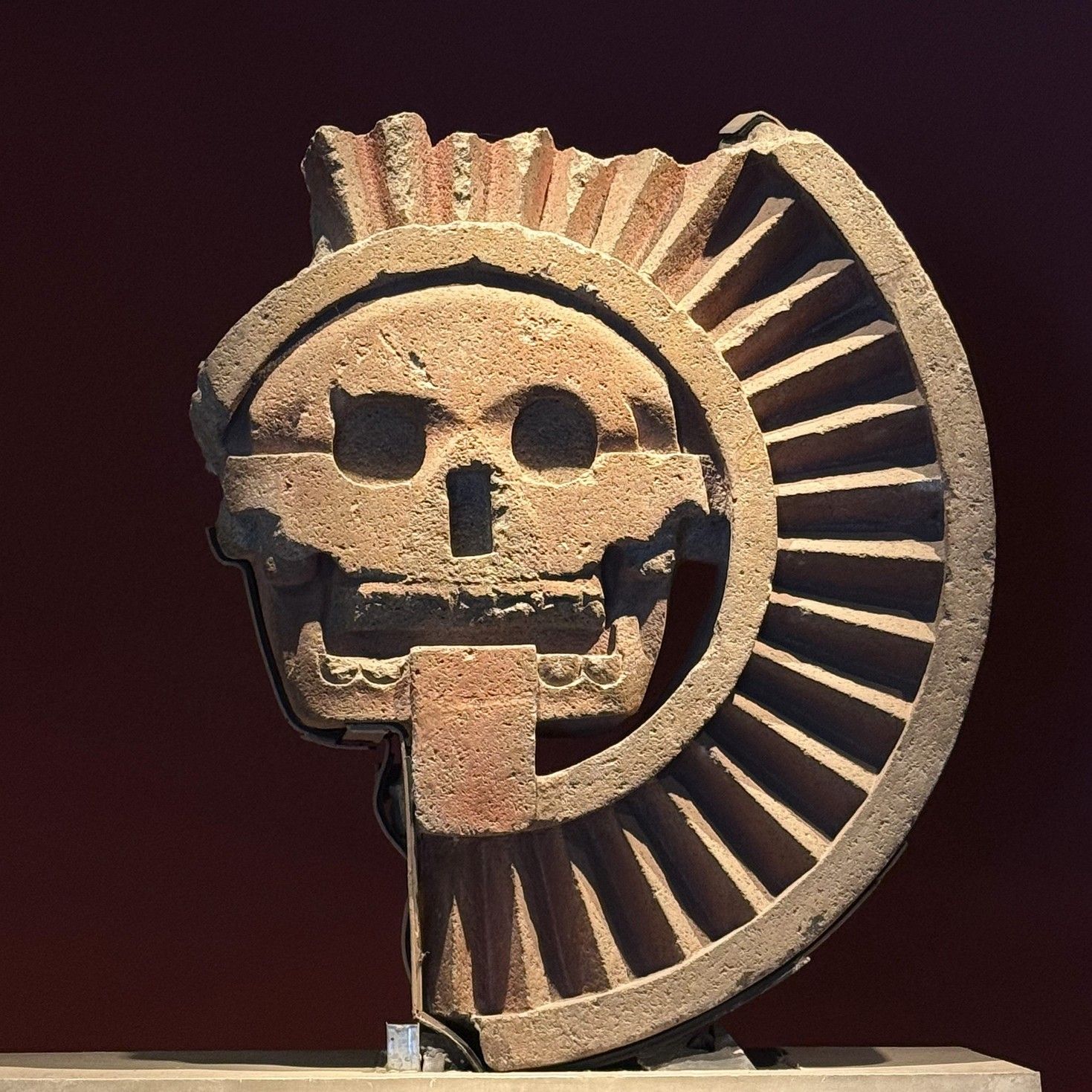
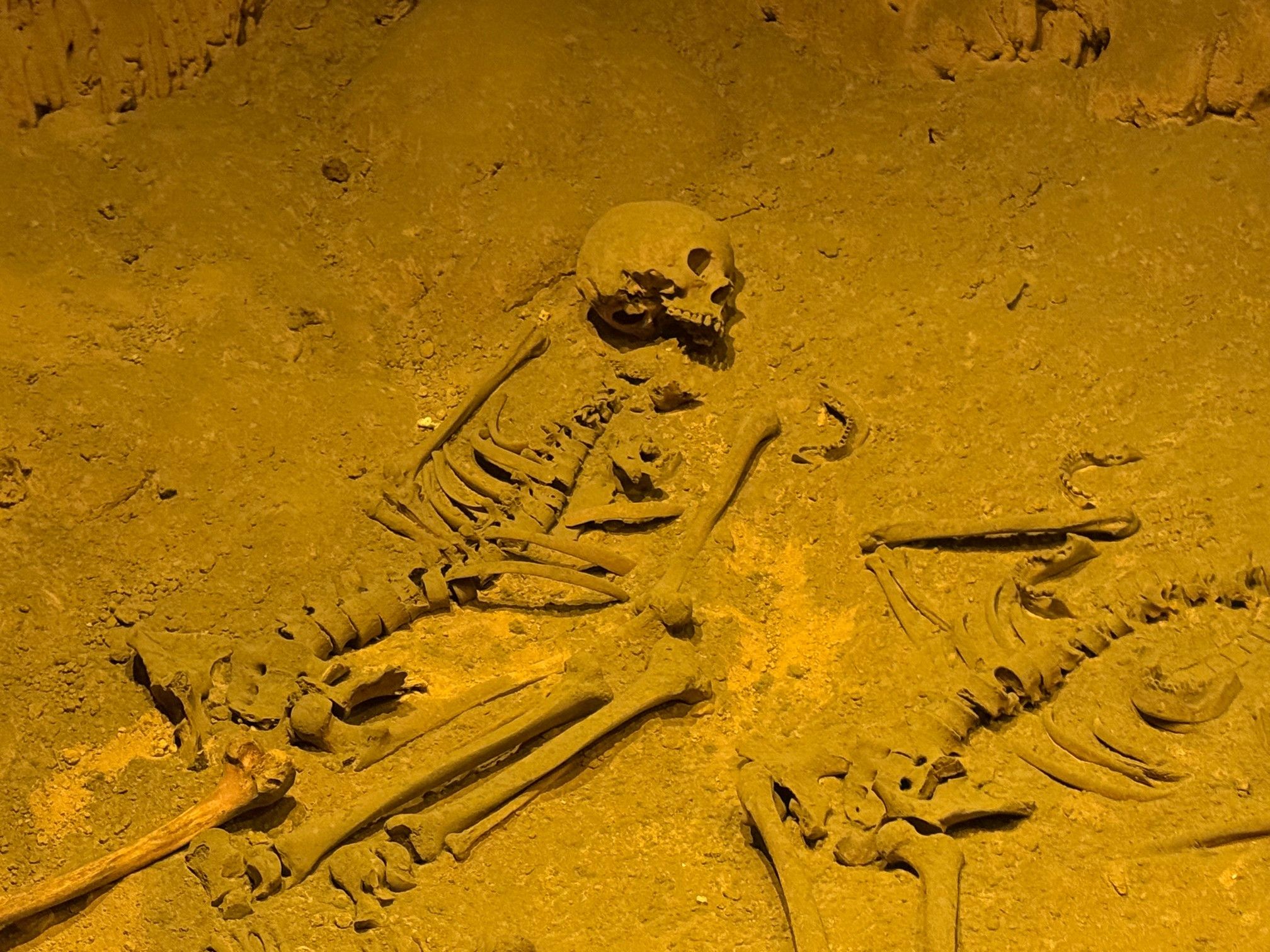
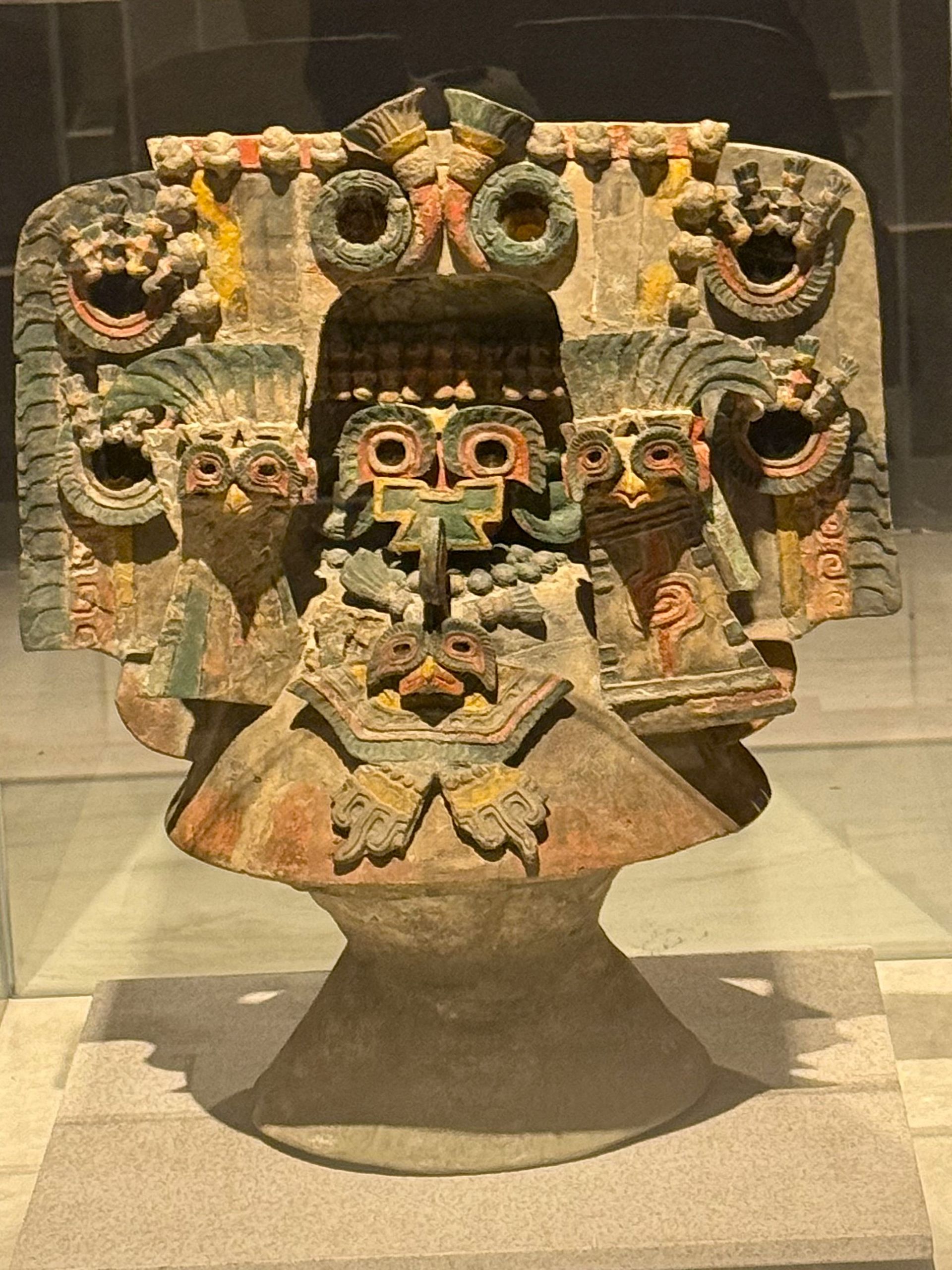
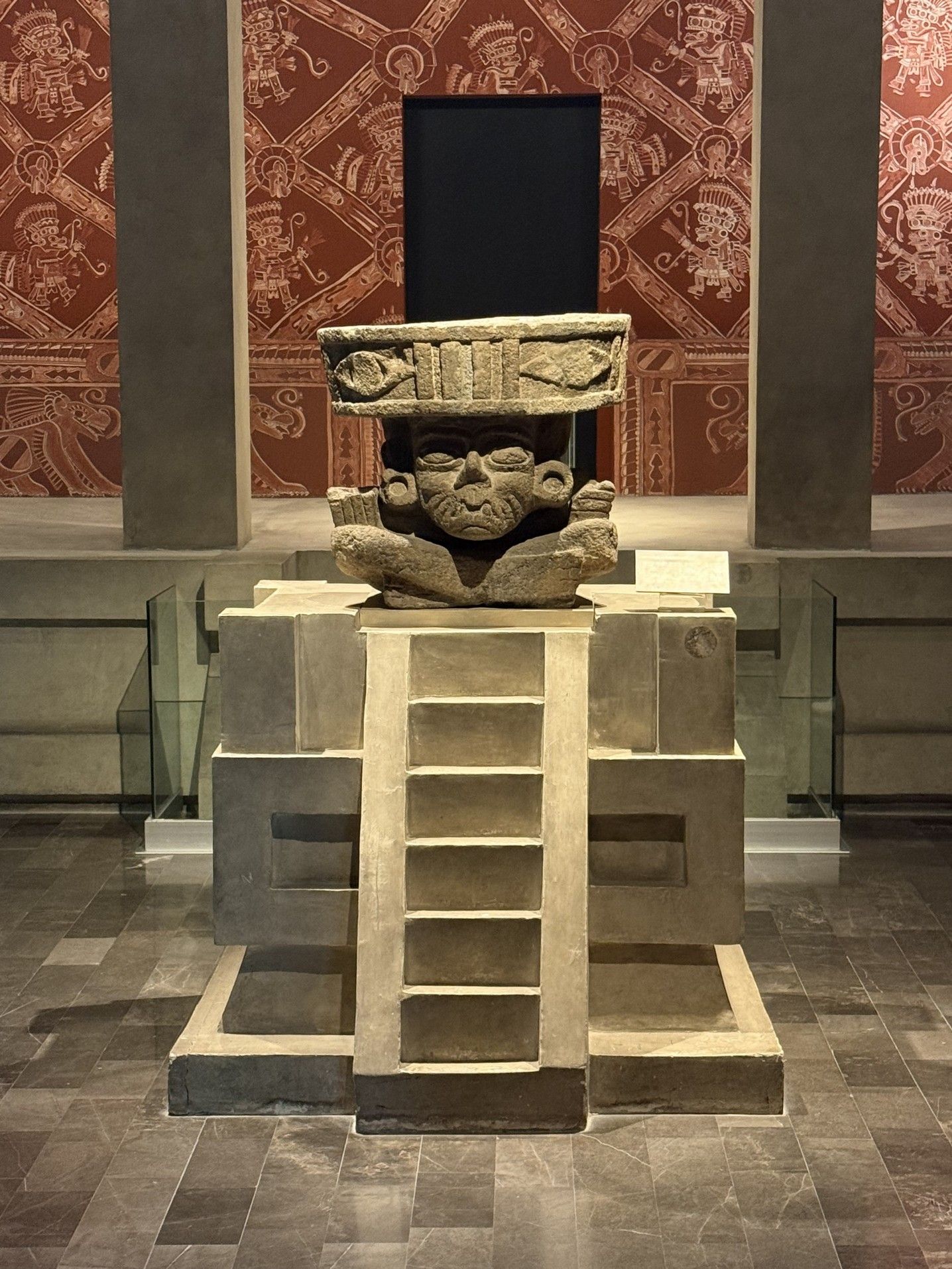
Of course, one could and should provide a more detailed explanation for each of the photos of the exhibits – but this would exceed the scope of a blog.
I can only refer to Google-(Lens/AI) here – for every photo, you get an accurate description.
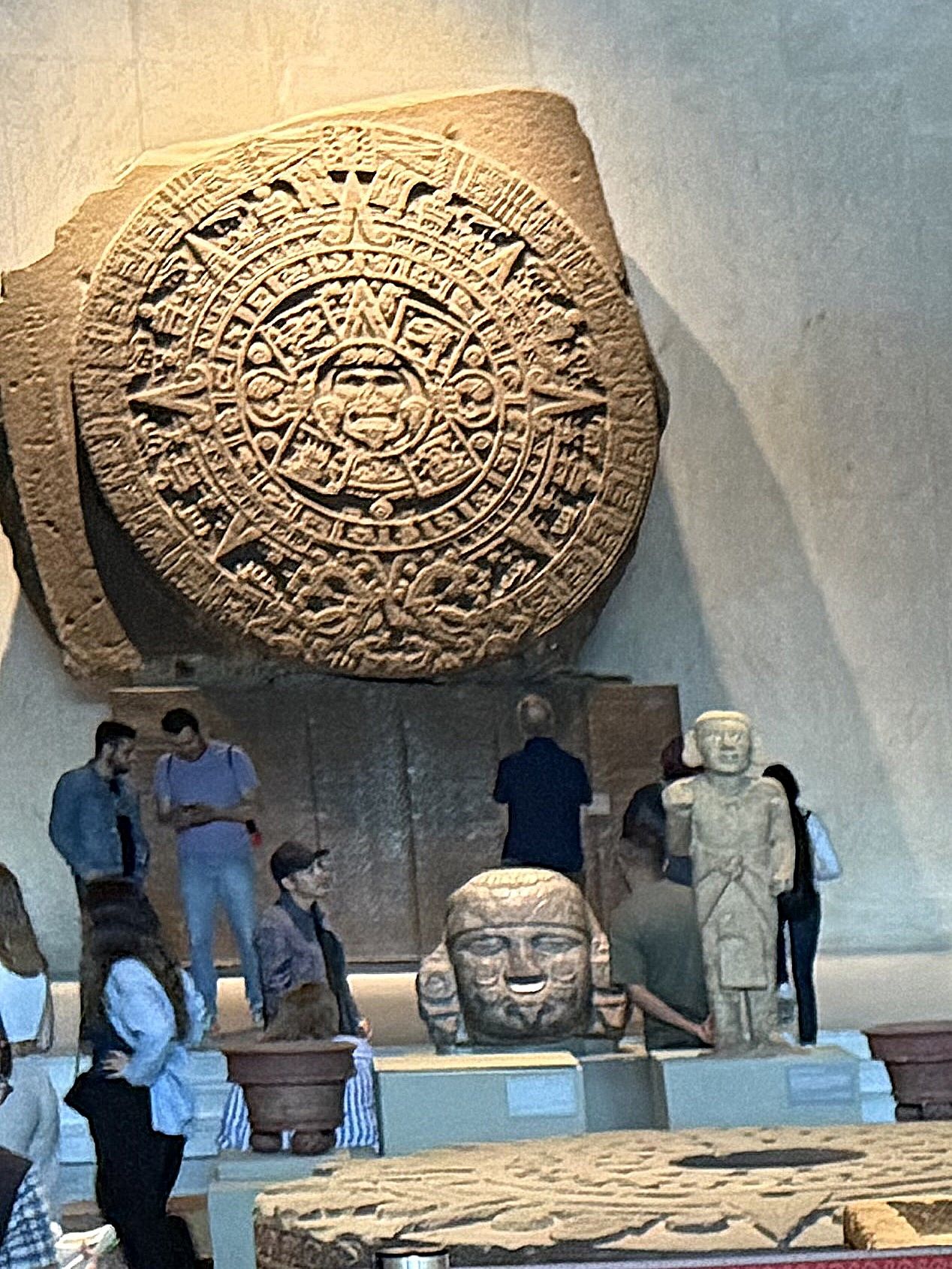
However, I would like to mention two exhibits here:
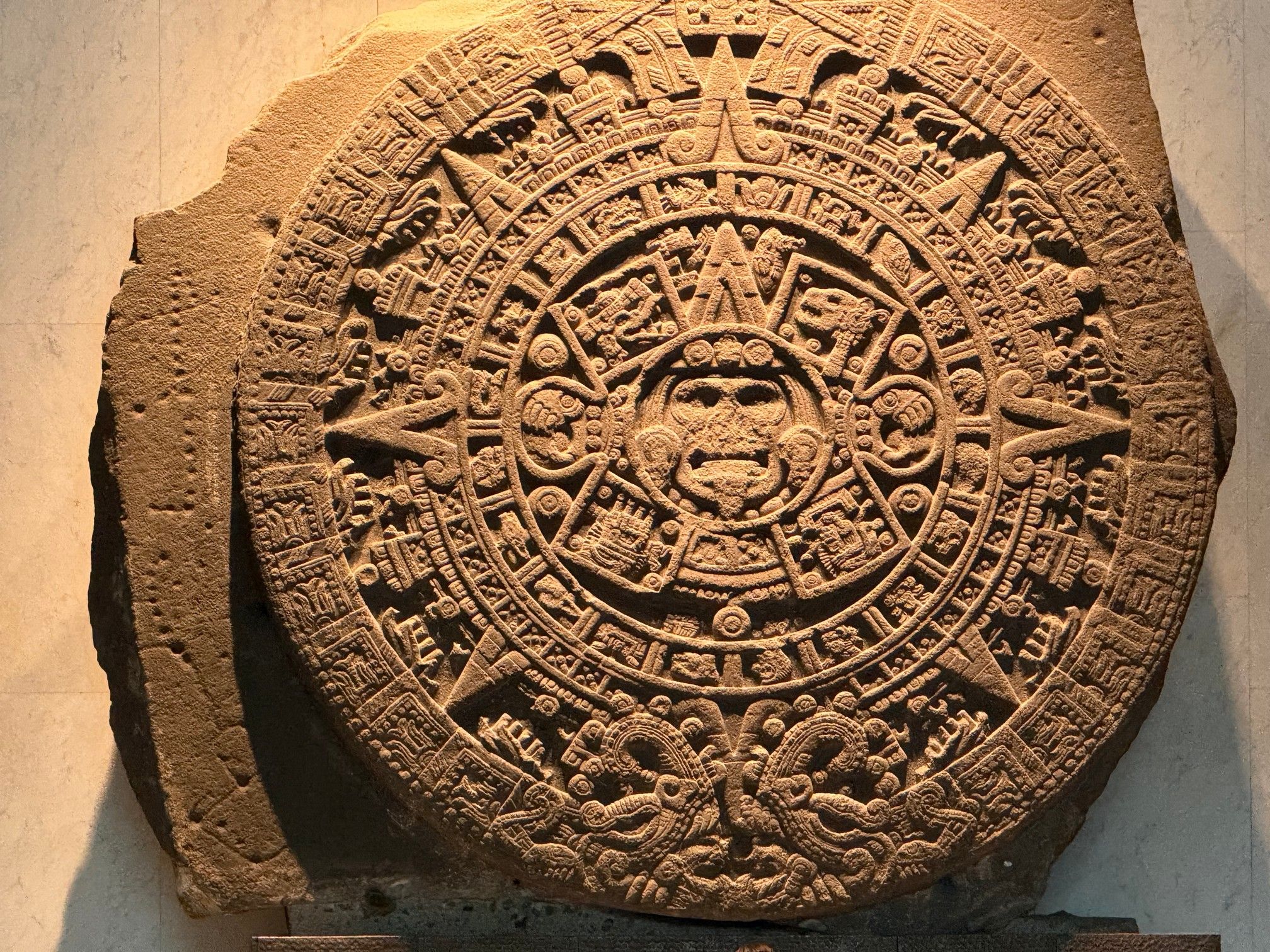
The Aztec Sun Stone, made of basalt with a diameter of almost 3.6 meters. The stone dates back to the early 16th century and was made during the reign of Moctezuma II. It was rediscovered in 1790 during construction work near Mexico City's cathedral after being buried shortly after the Spanish conquest. The central image likely represents the sun god Tonatiuh or the earth god Tlaltecuhtli. It is likely a sacrificial altar (Cuauhxicalli) and not, as is often falsely claimed, an Aztec calendar.
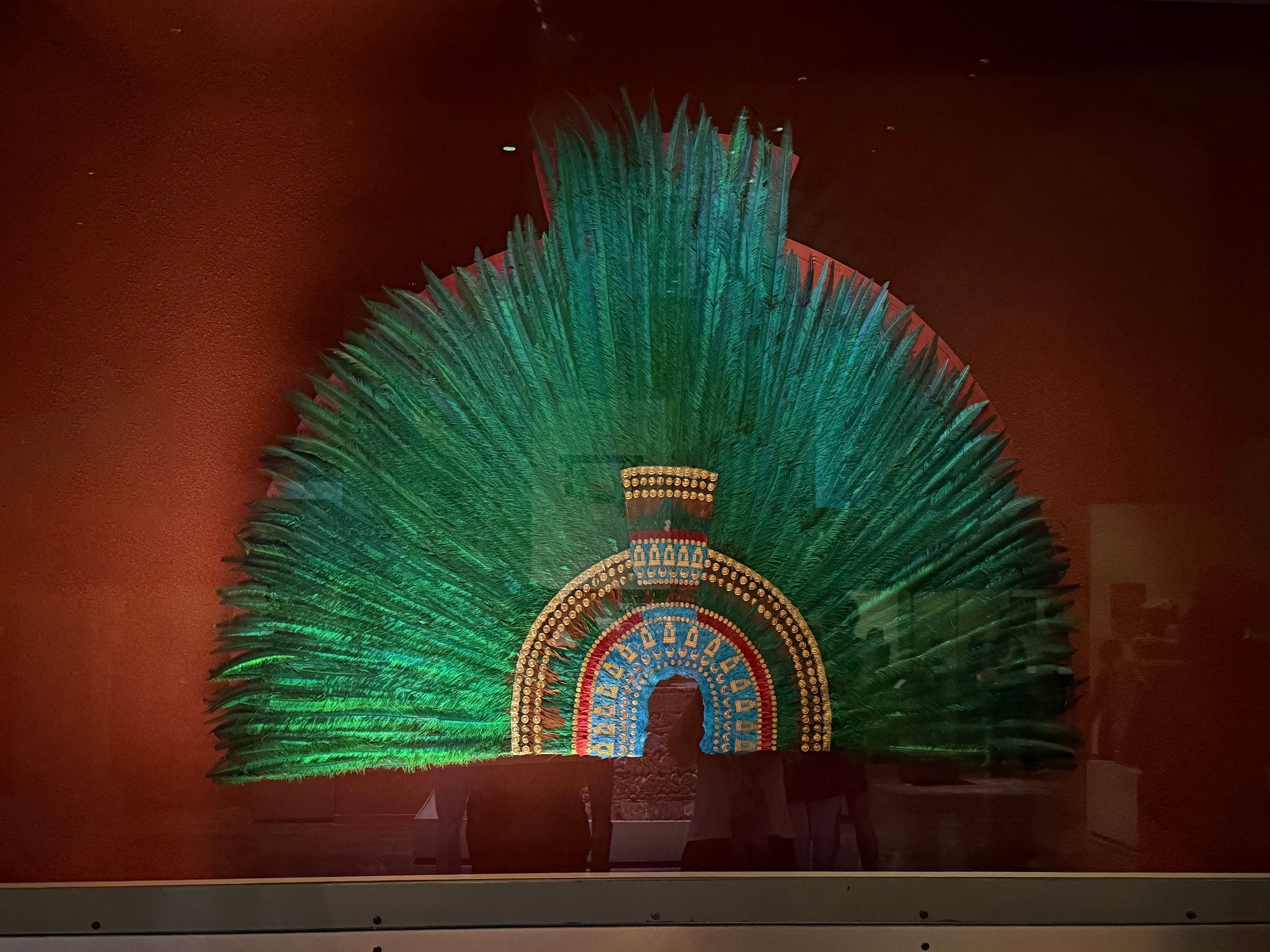
The Feather Crown of Moctezuma, a splendid Aztec headpiece from the 16th century. The exhibit here in the museum in Mexico is a replica. The original is currently located in the World Museum Vienna in Austria. The ornament consists mainly of the bright green feathers of the quetzal bird, as well as feathers from other birds, and is adorned with gold details and was probably a priest's headpiece. The artifact is the subject of a historical dispute, as Mexico is demanding the return of the object from Austria. Due to the extreme fragility of the feathers, a return transport by Austrian experts is considered too risky. It is also noteworthy that the headpiece was first documented in an inventory list of the collection of Archduke Ferdinand II at Ambras Castle in 1596.