BLOG 21: Managua - Revolution & Rum
Plaza de la Fe - San Juan Pablo II

Published: 15.03.2026
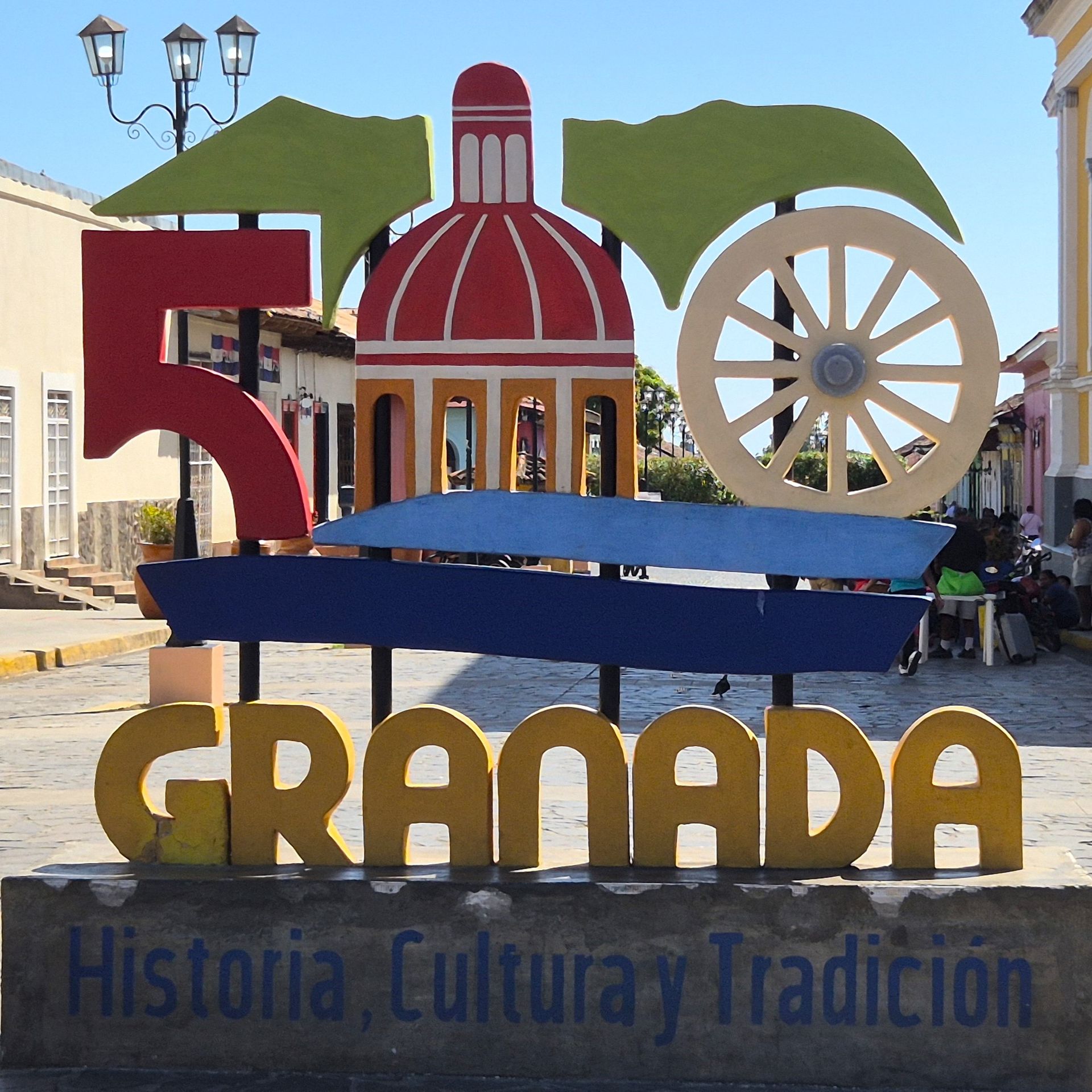
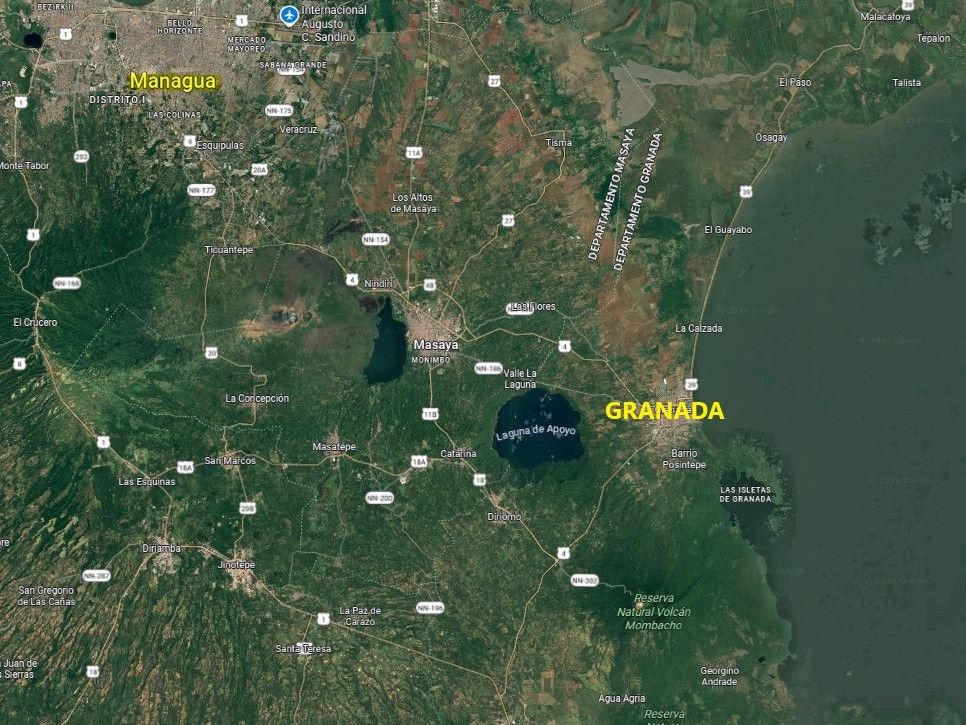
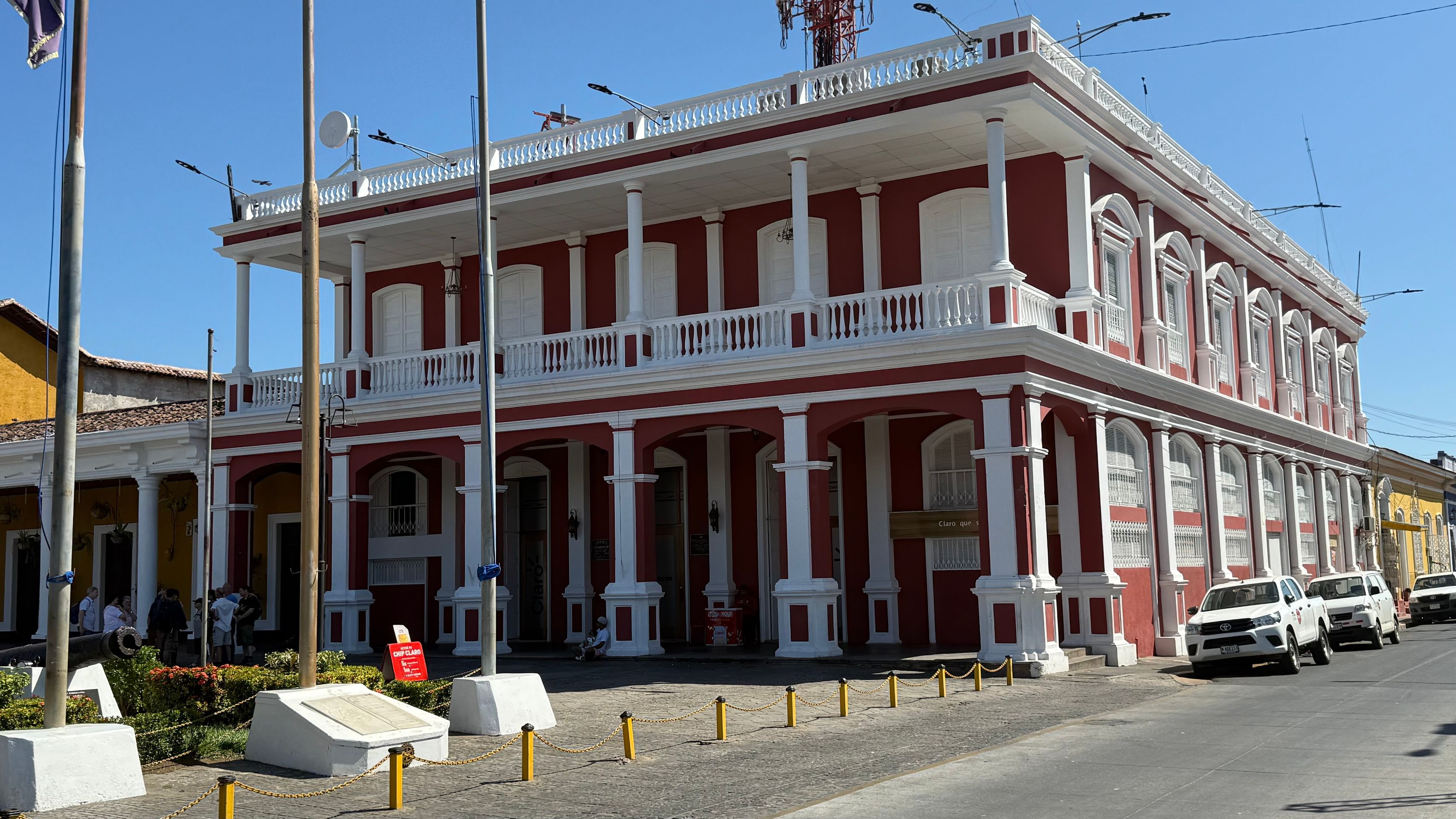
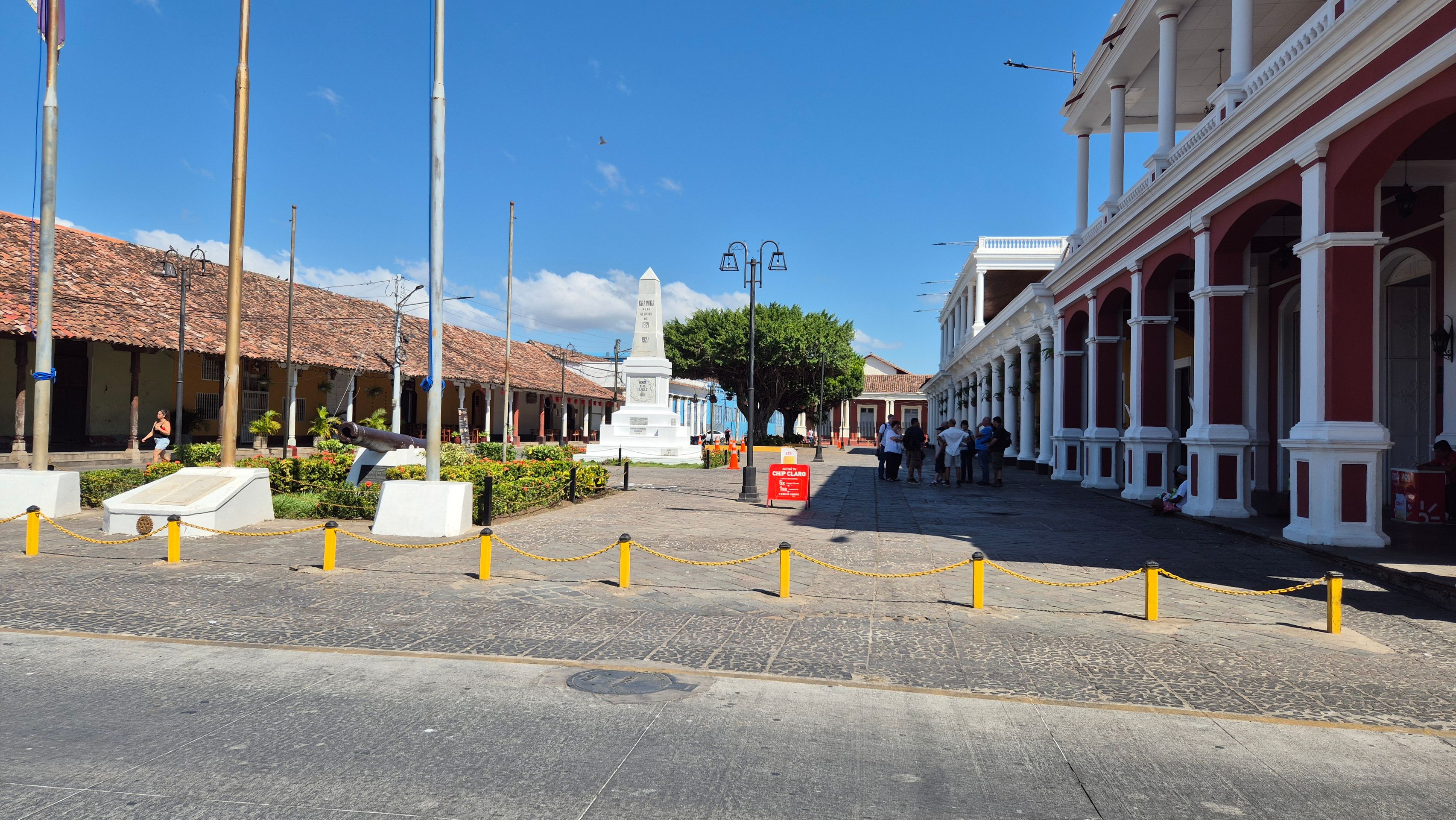
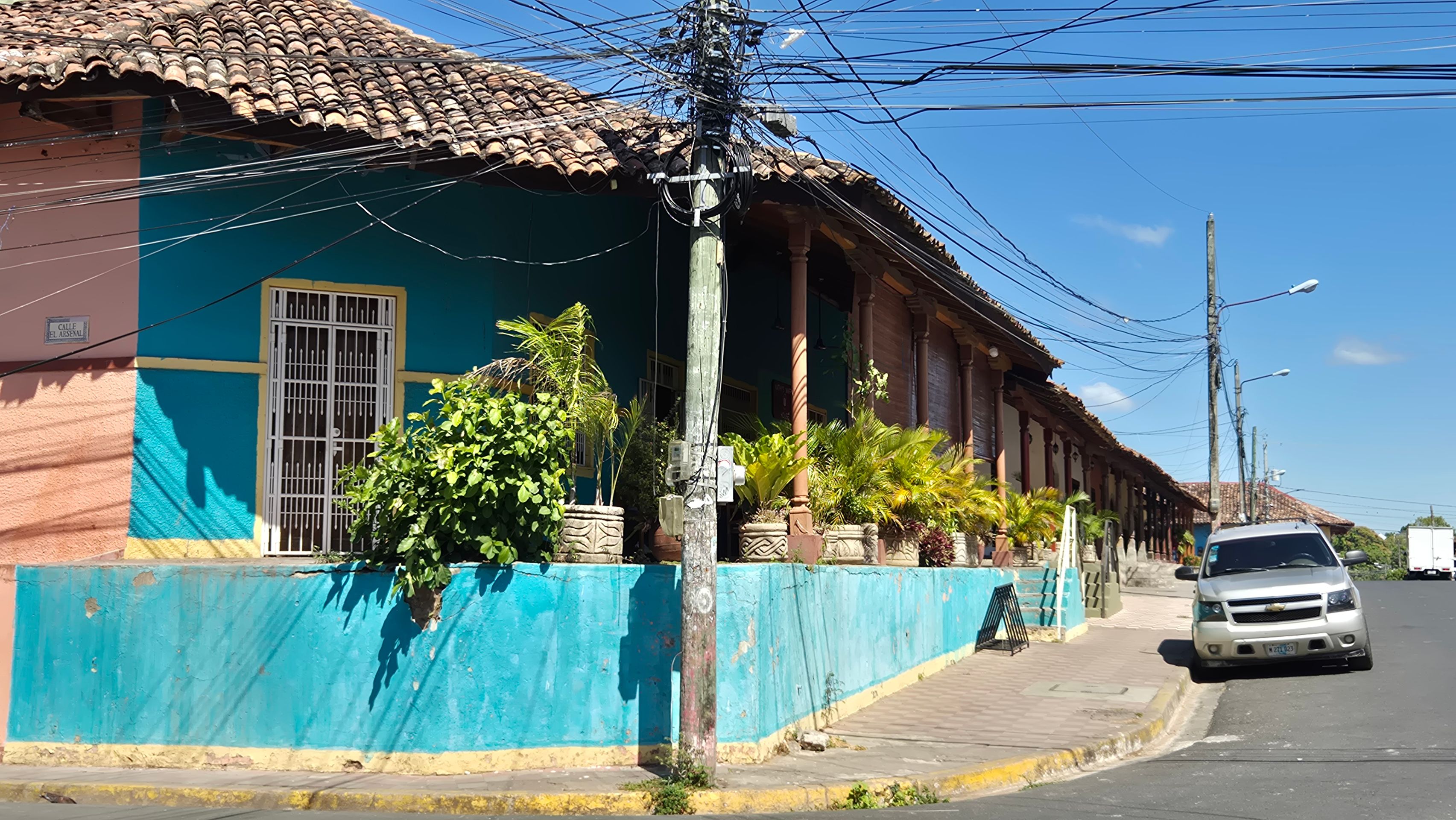
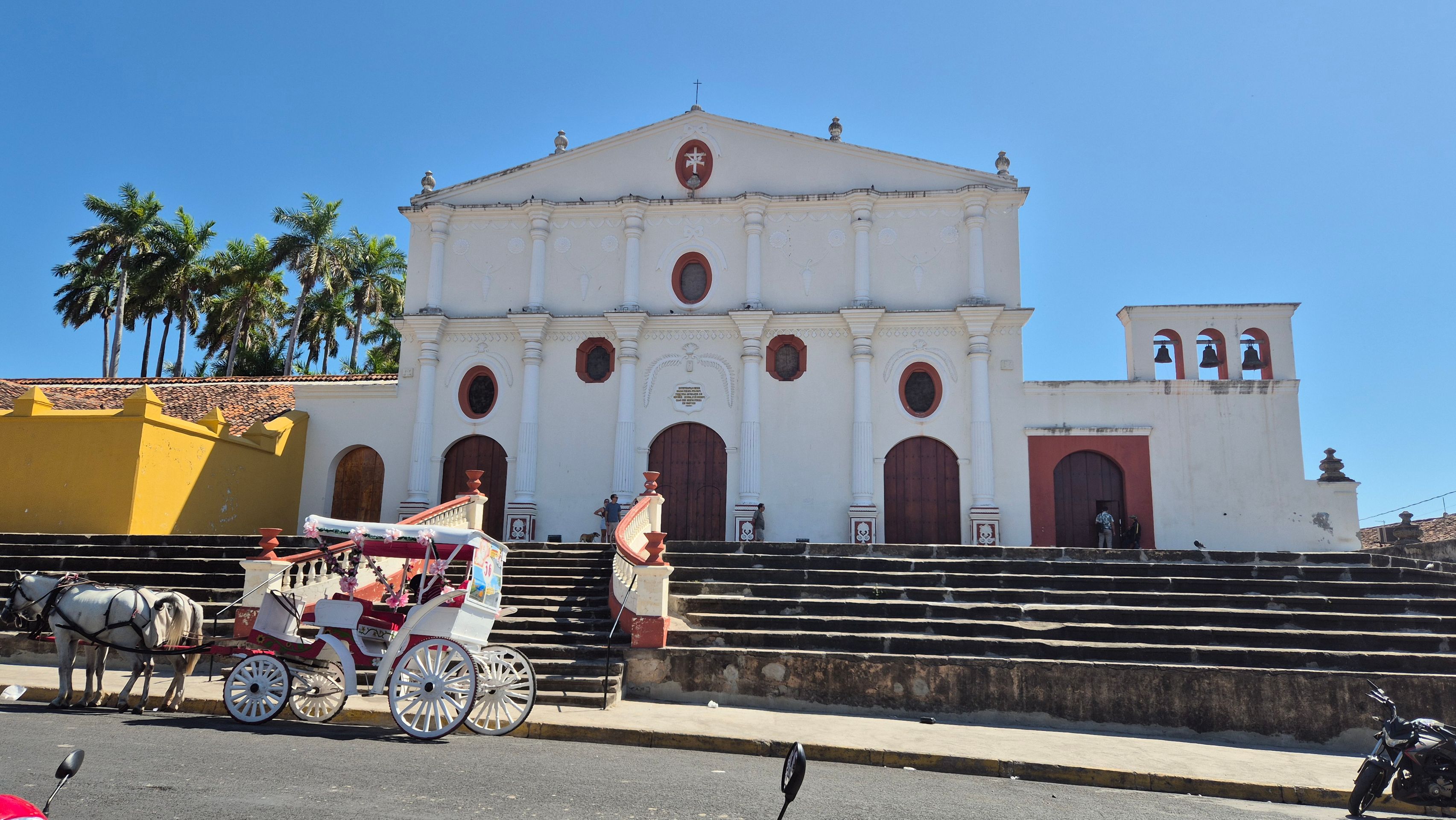
Granada was founded in 1524 by the Spanish conqueror Francisco Hernández de Córdoba.
During the colonial period, Granada was one of the most significant ports in Central America. The shipping route went via Lake Nicaragua and the San Juan River to the Caribbean. Important goods included cocoa and tobacco.
As a result of the growing wealth and the conflicts of the Spaniards with England, Holland, and France, the city was repeatedly attacked, looted, and partially destroyed by European pirates.
Granada was considered a stronghold of the Conservatives in the conflict with the Liberals. The center of the Liberals was the city of León, which often served as the capital. Between 1846 and 1852, Granada was the capital; since then, Managua has been the metropolis of Nicaragua.
In November 1856, the city was burned down during the Nicaraguan Civil War by the American mercenaries of the infamous adventurer and self-proclaimed short-term president William Walker.
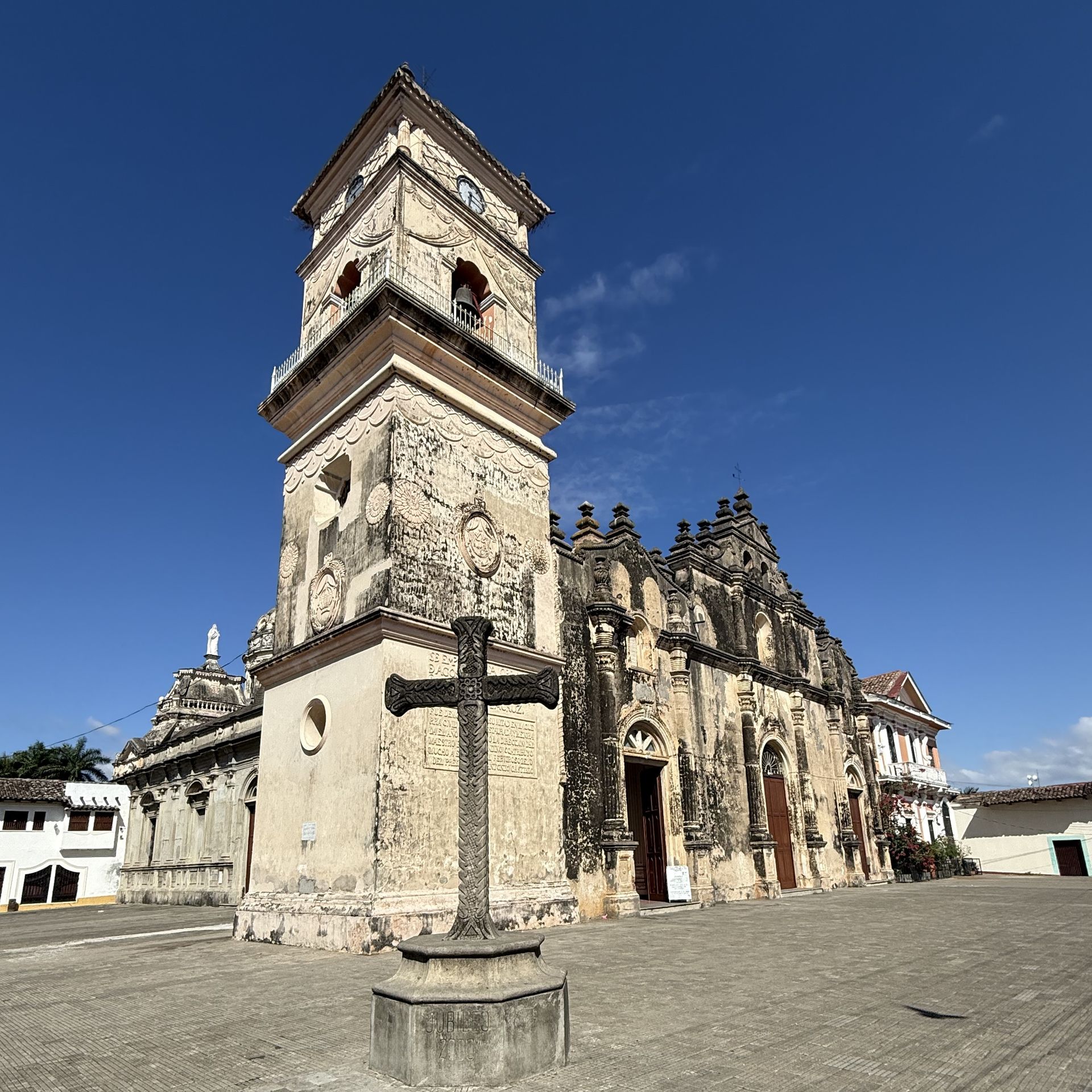
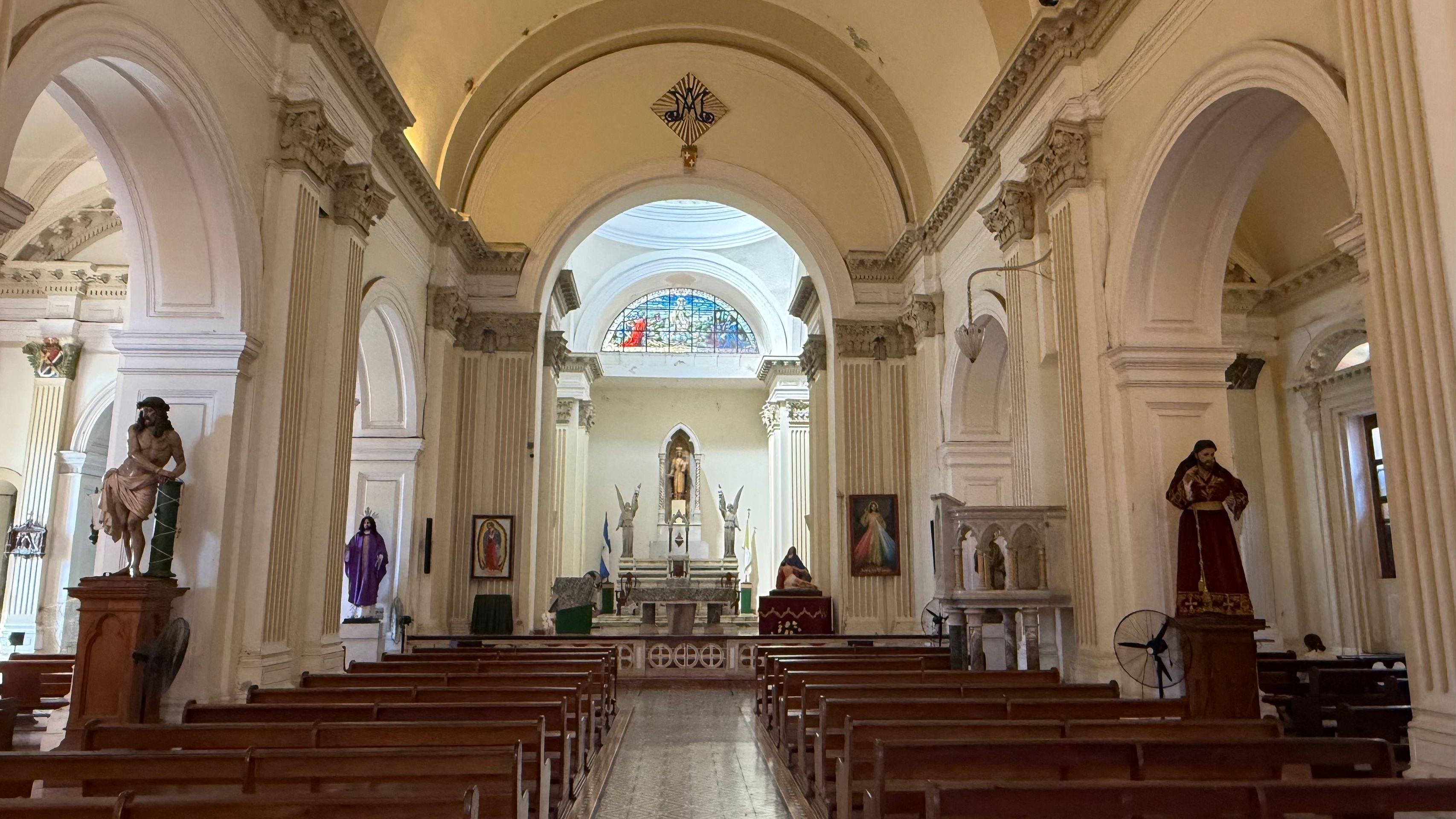
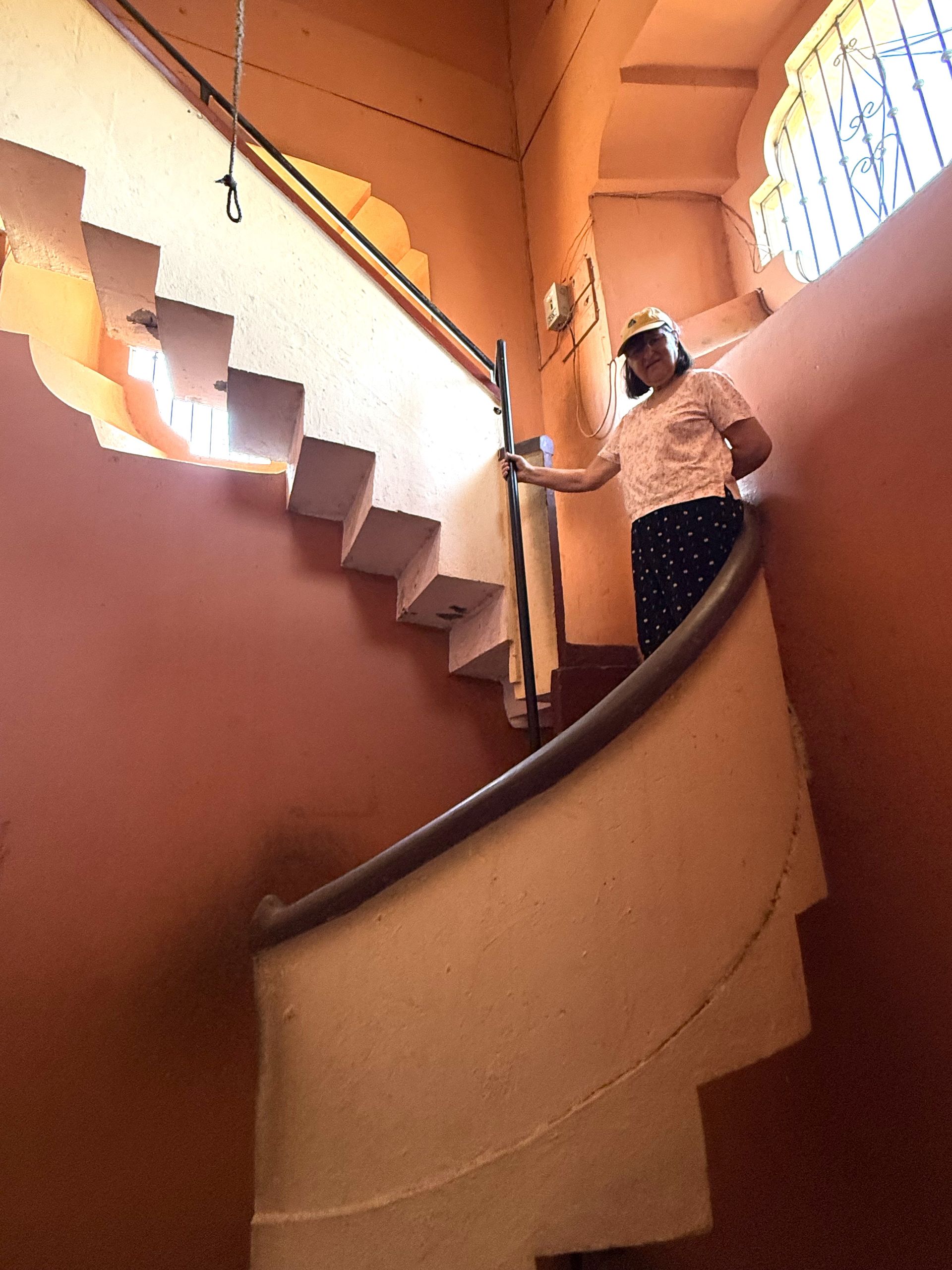
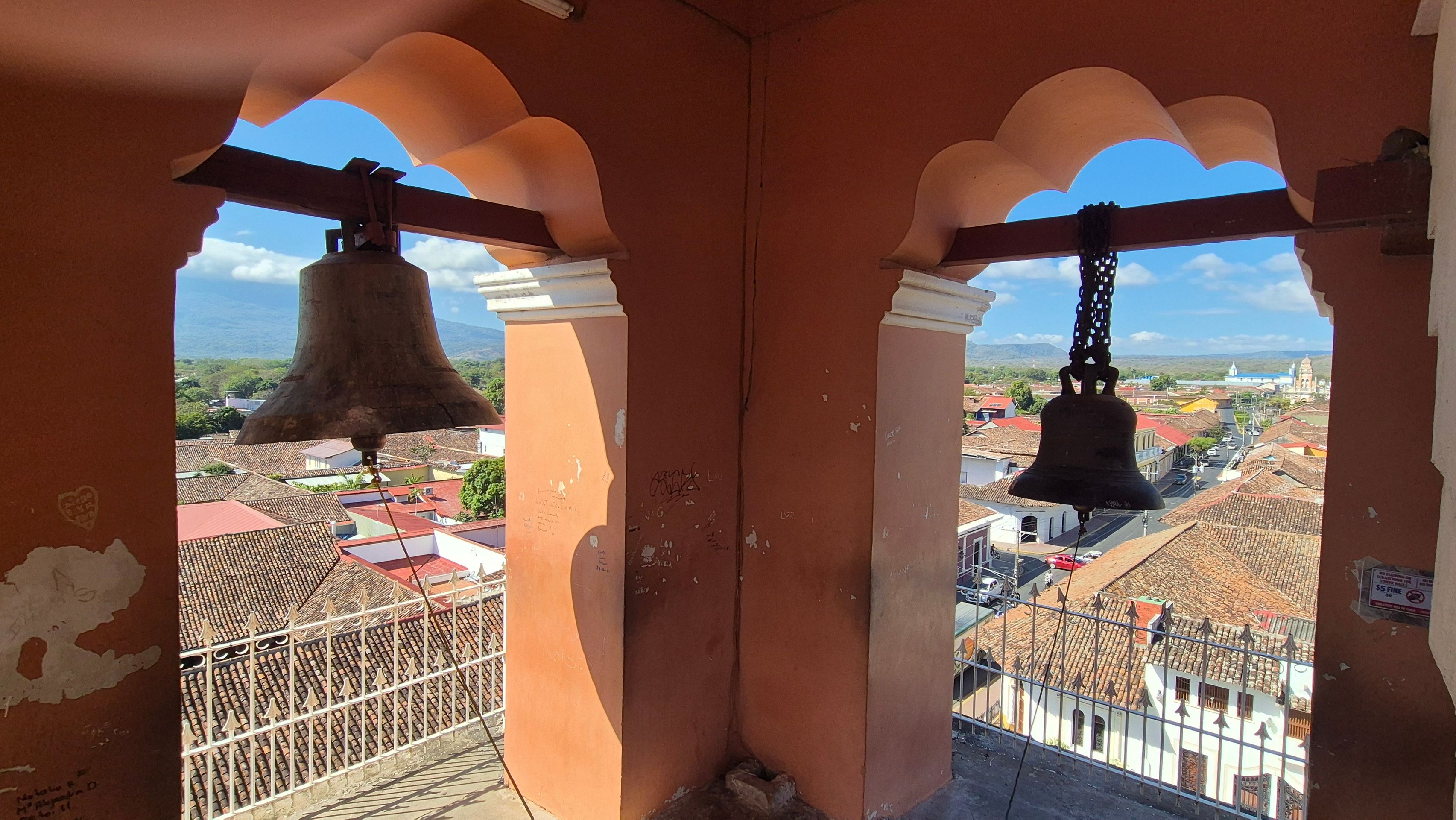
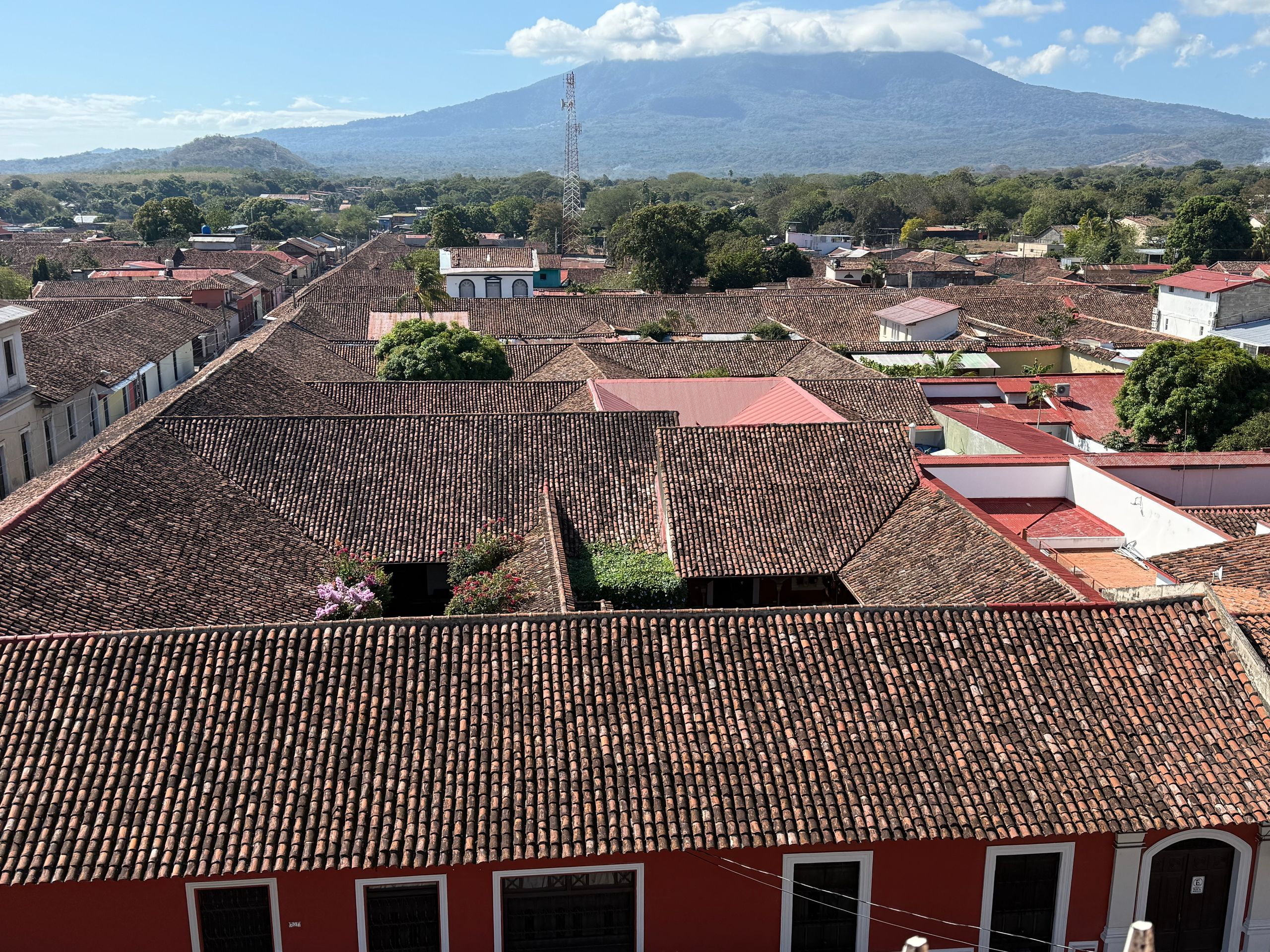
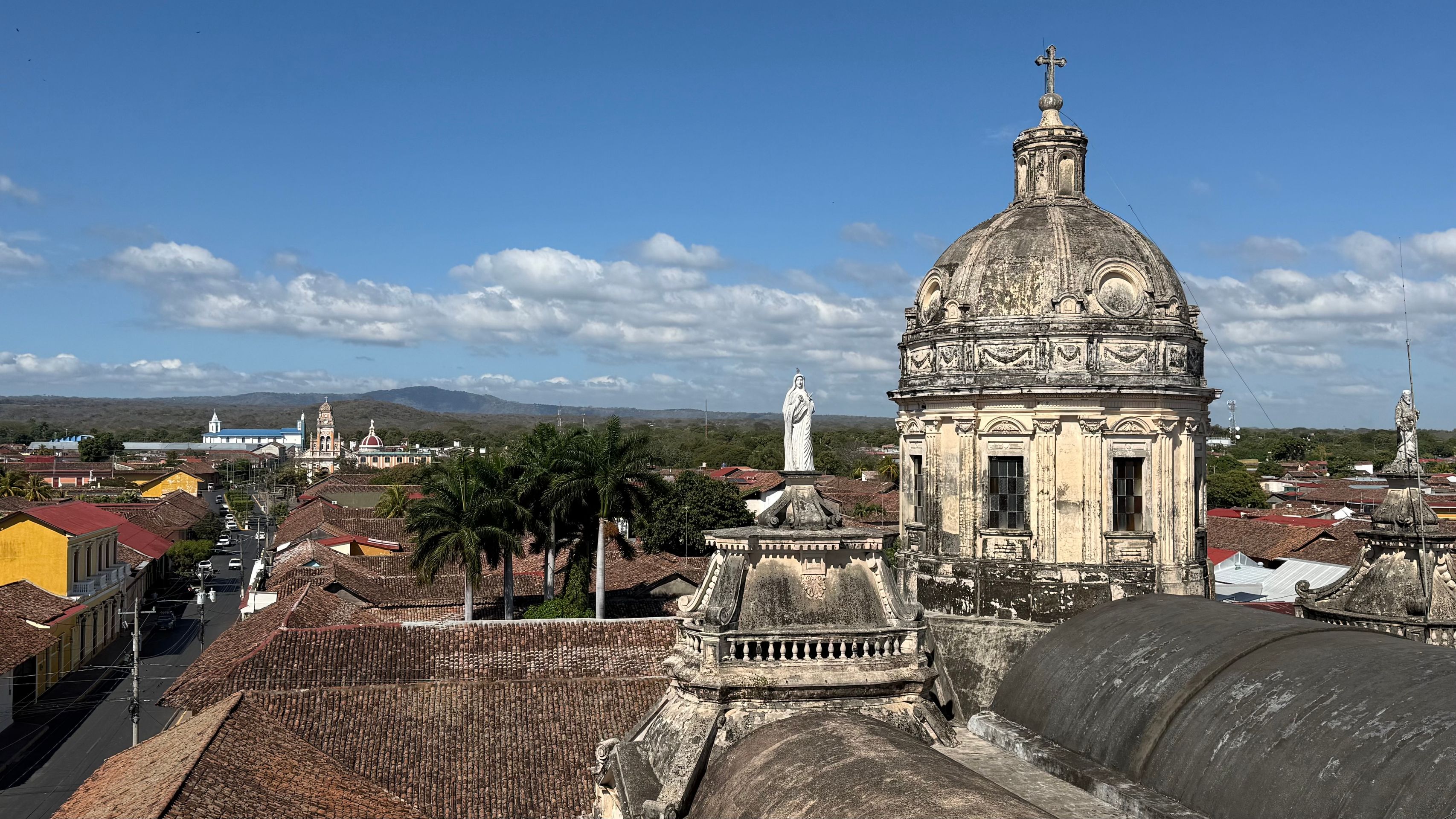
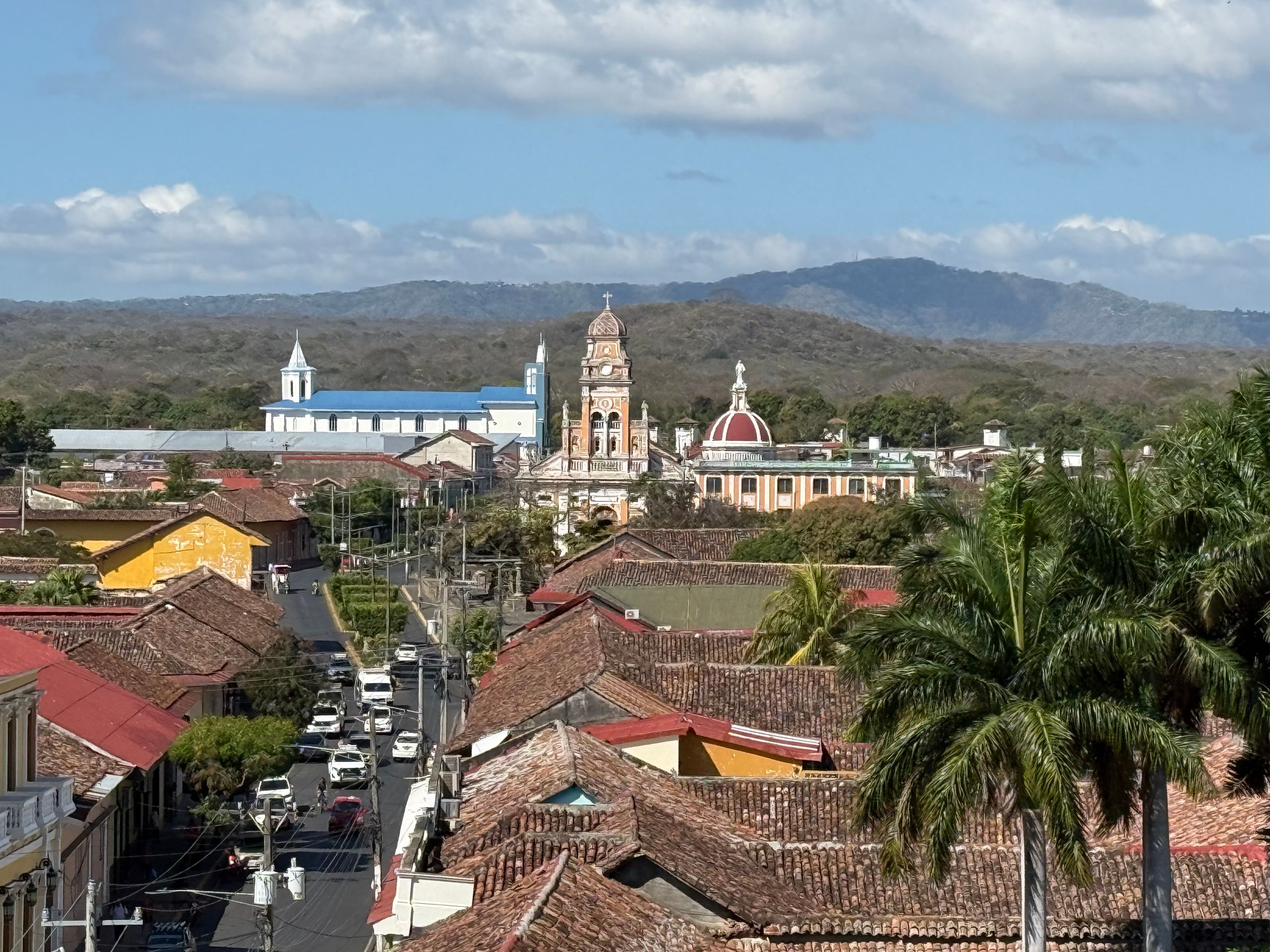
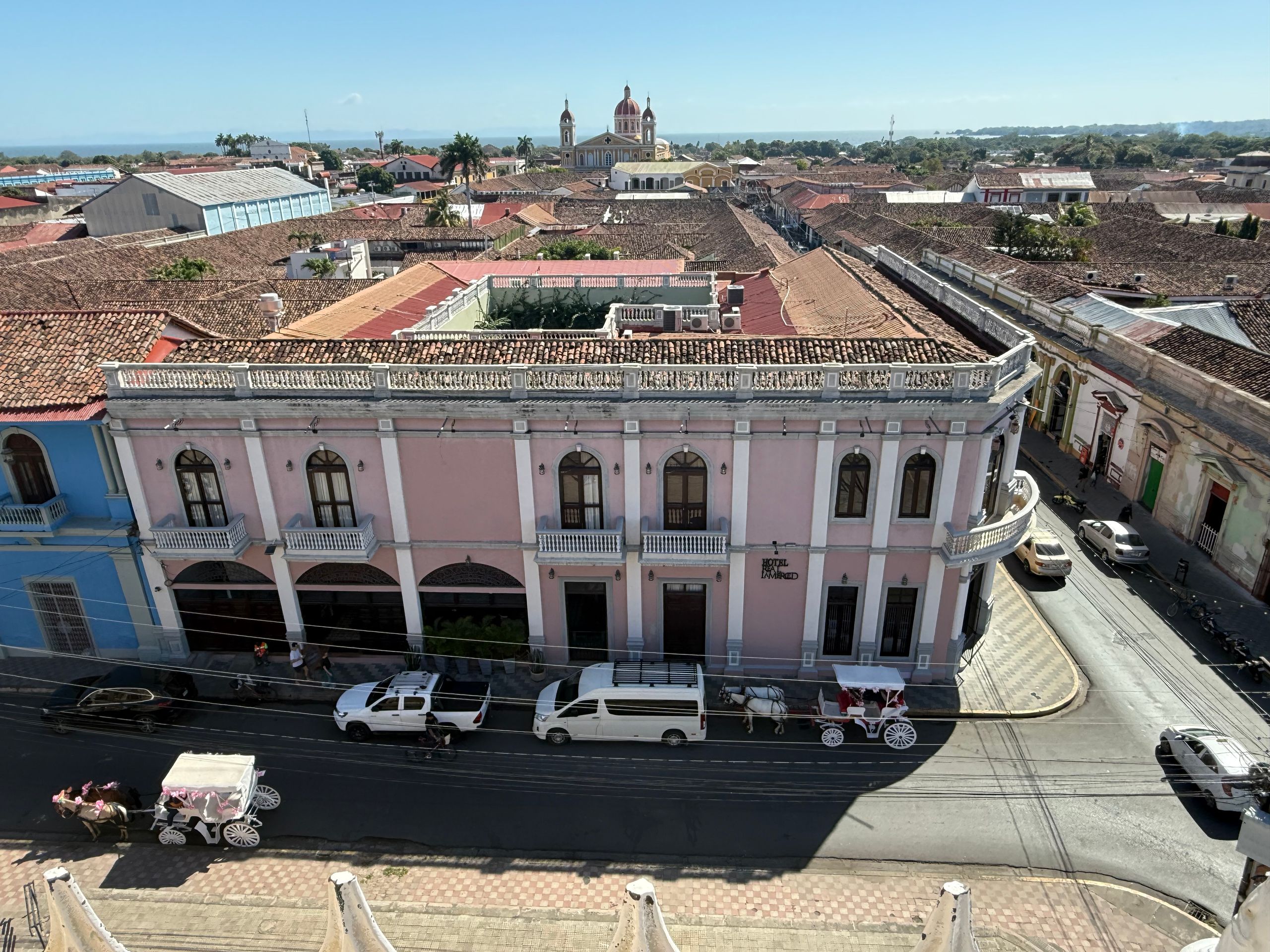
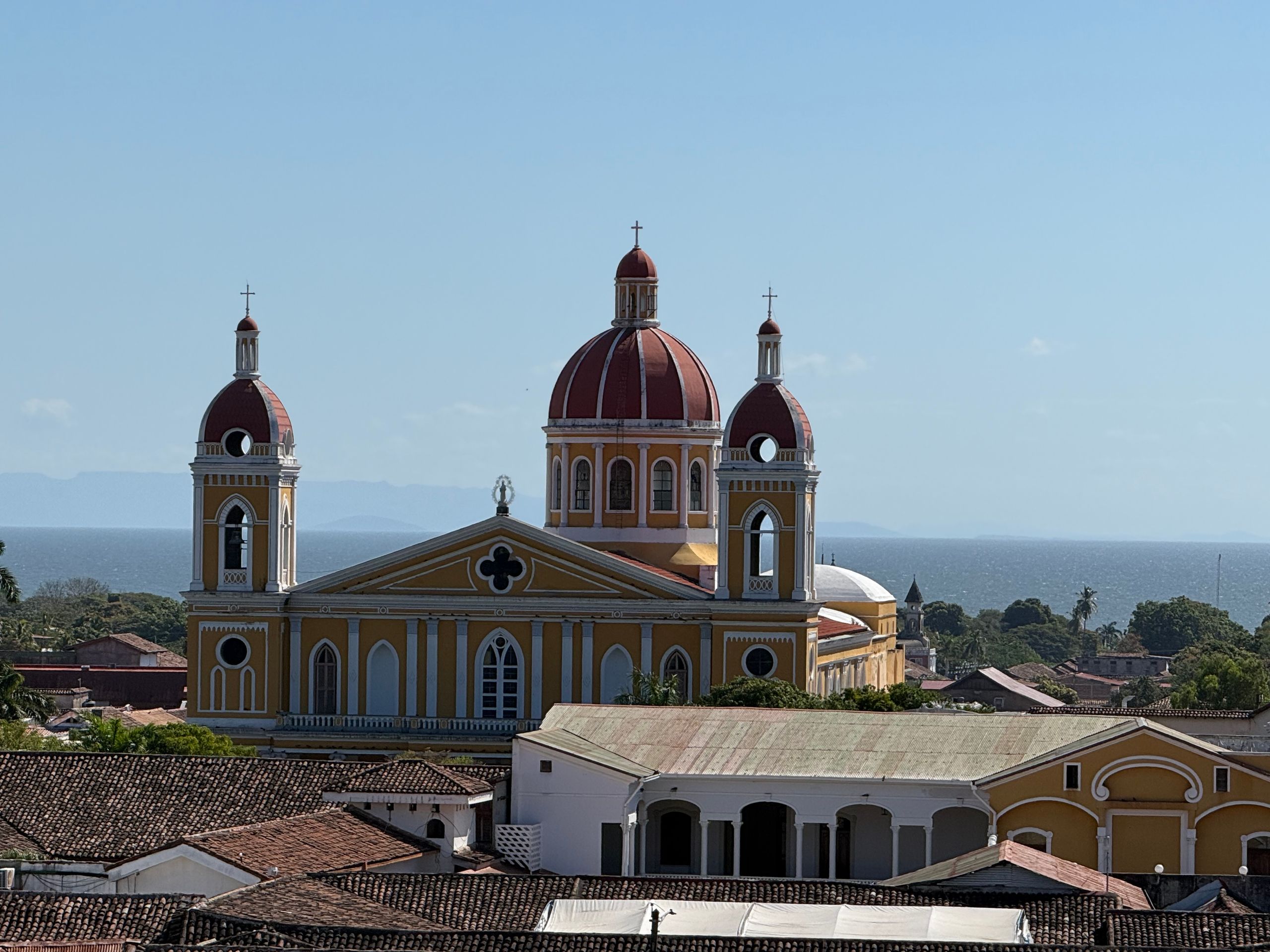
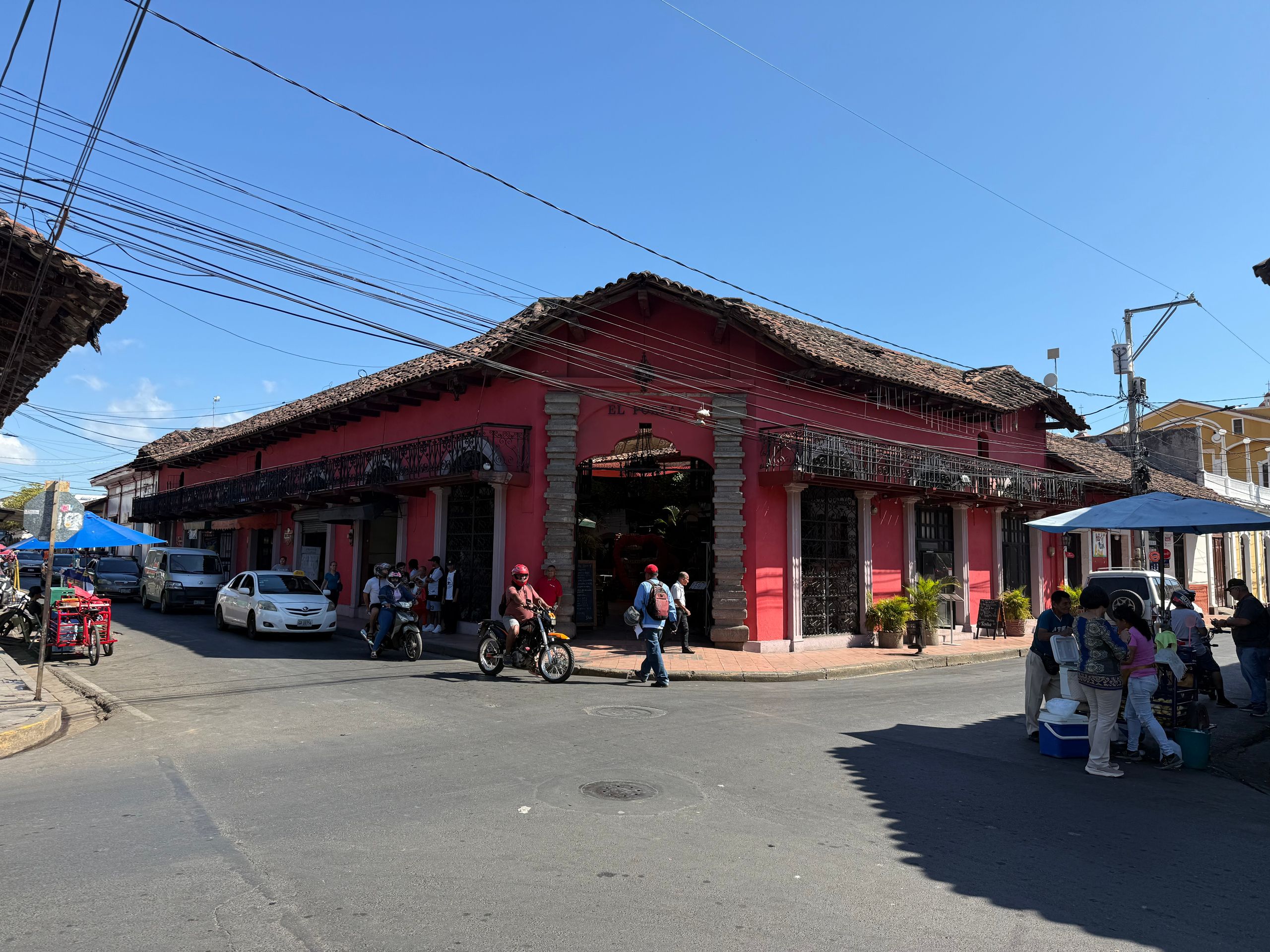
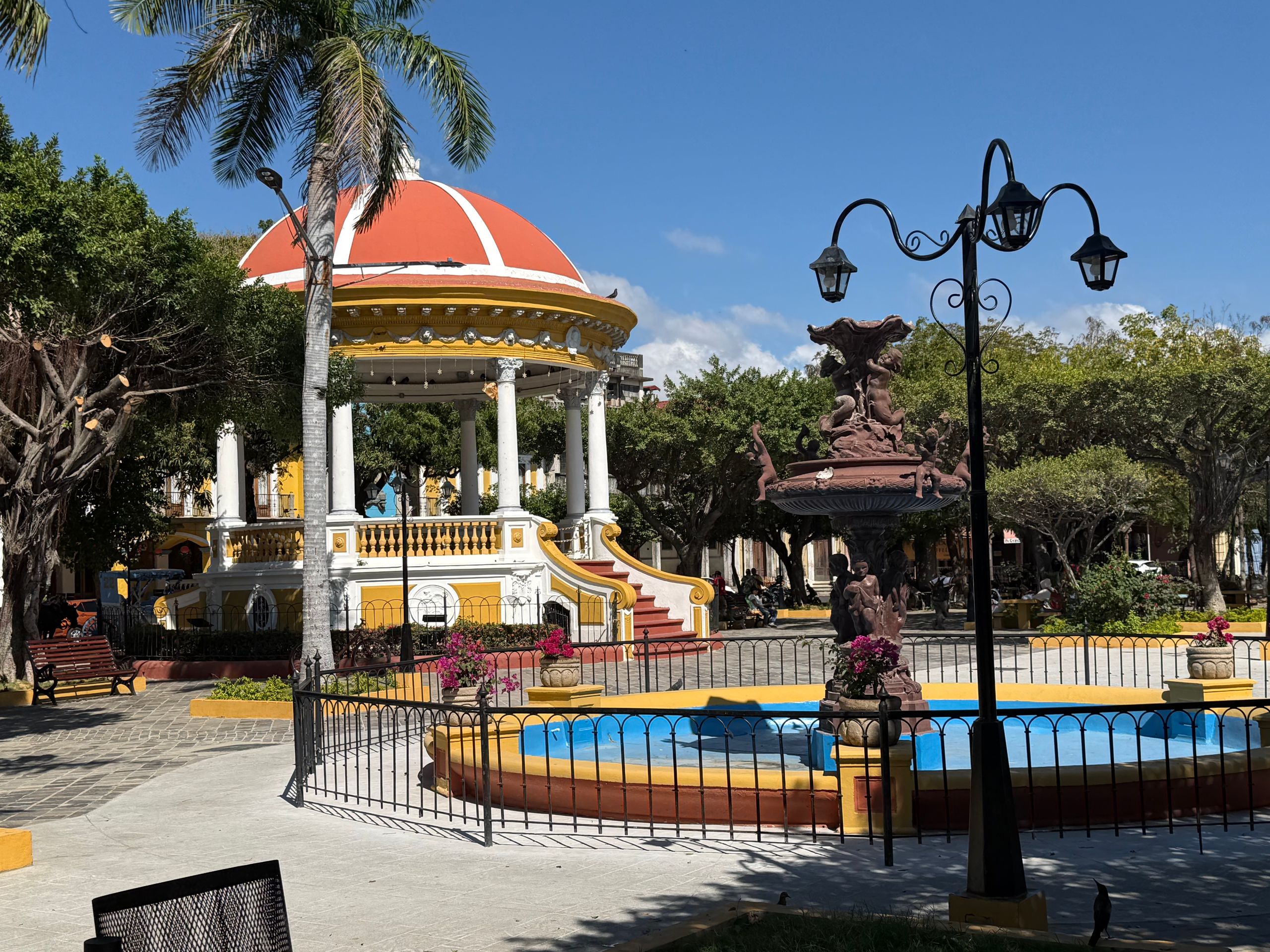
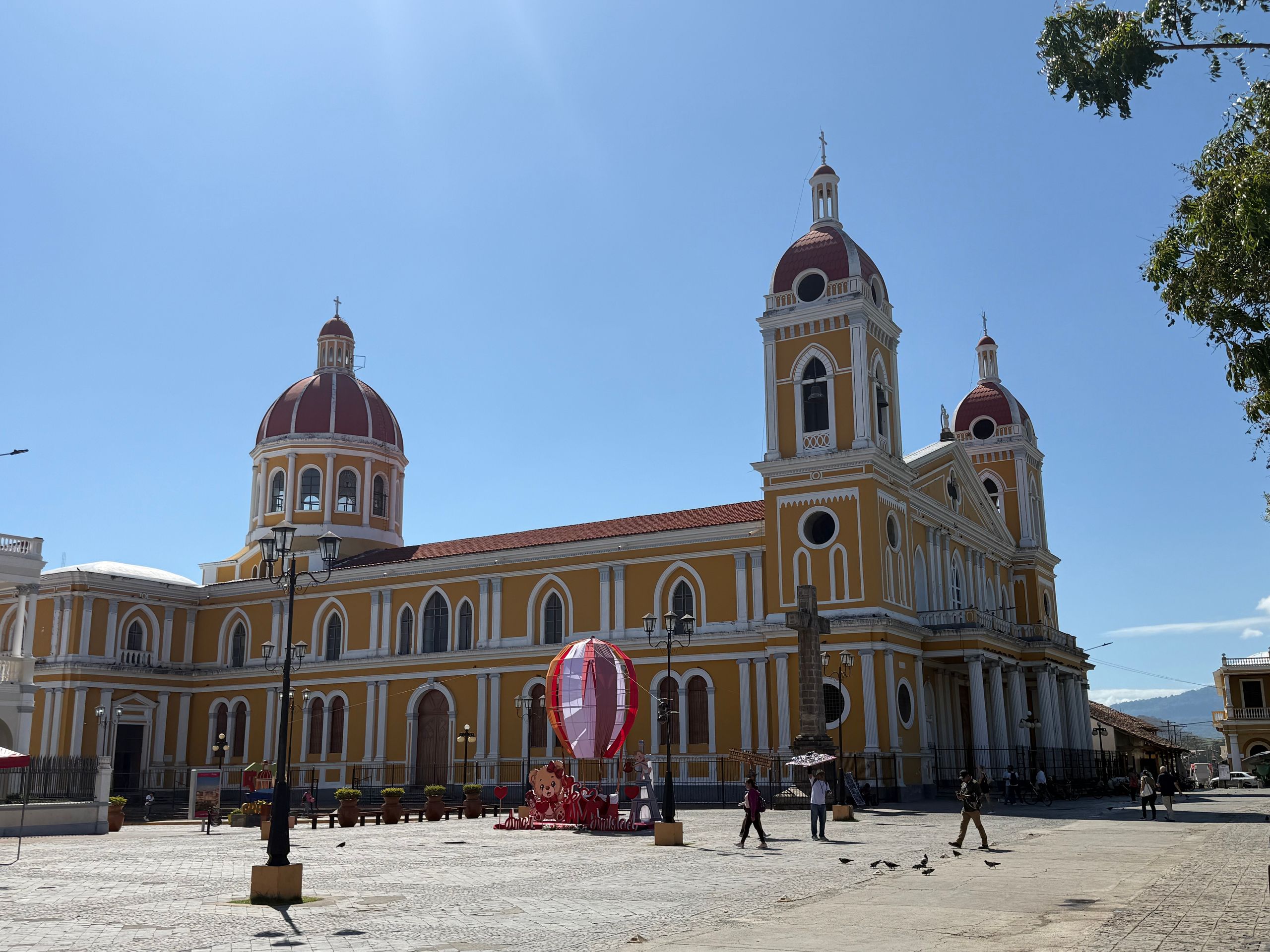
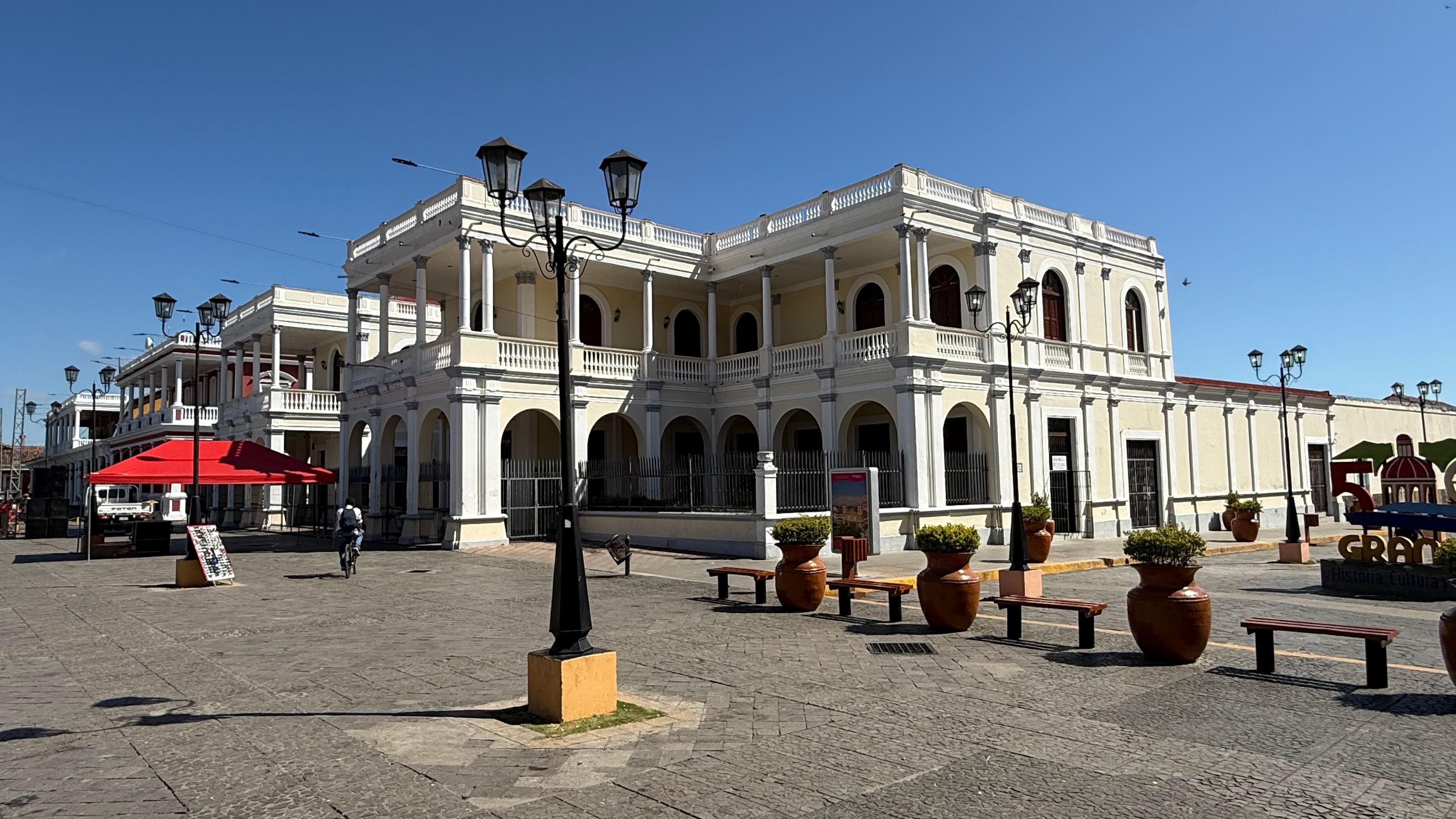
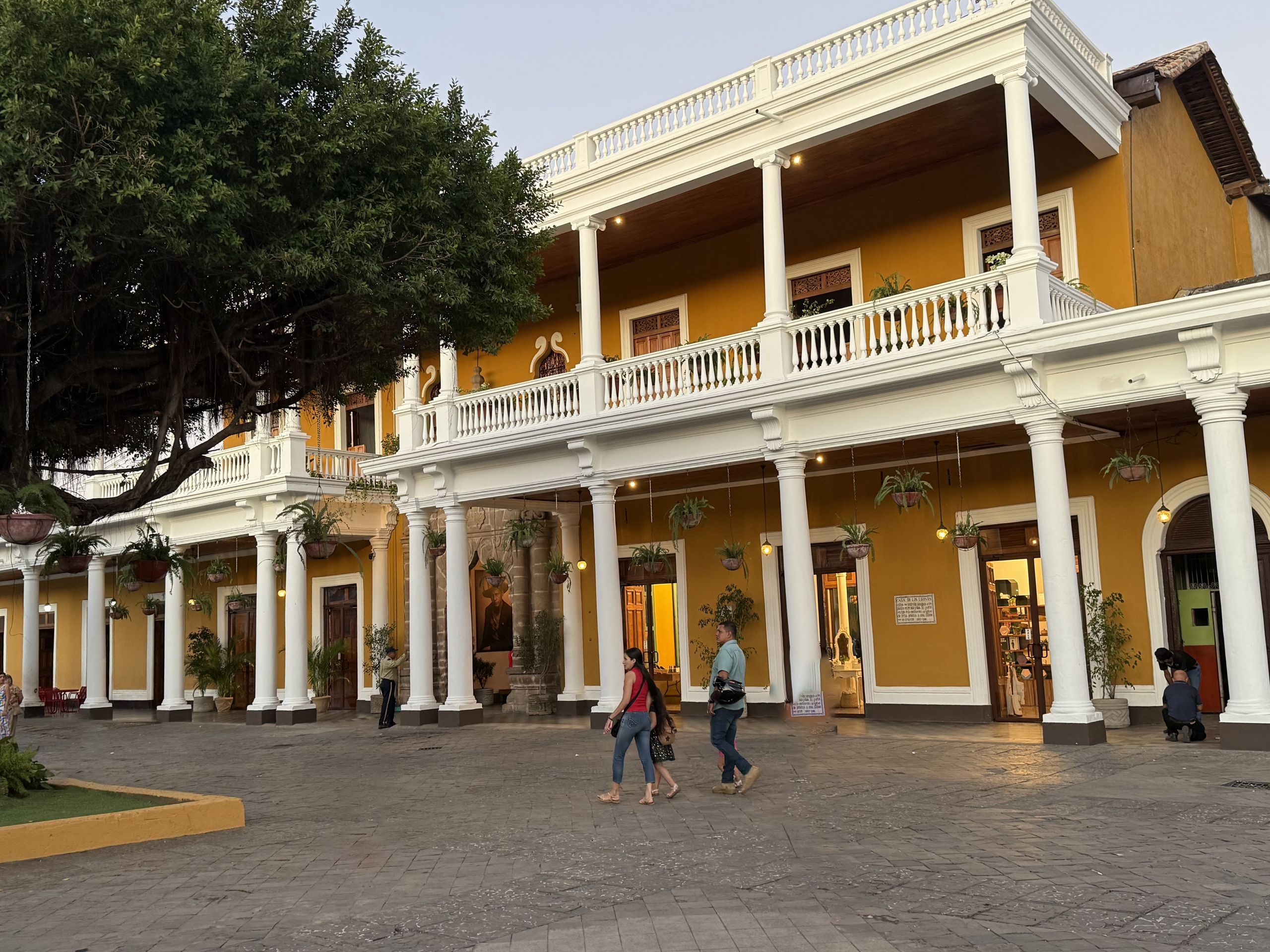
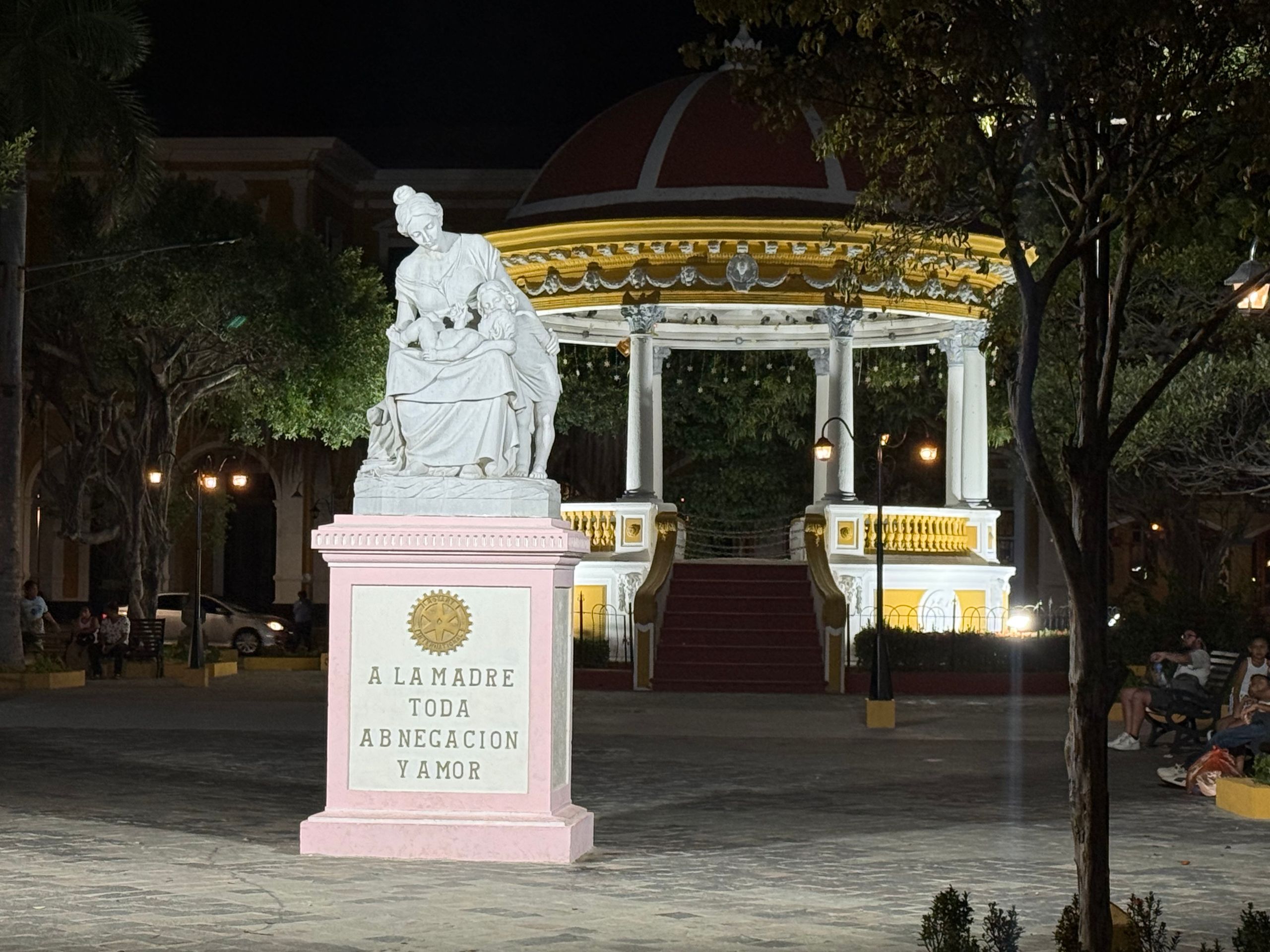
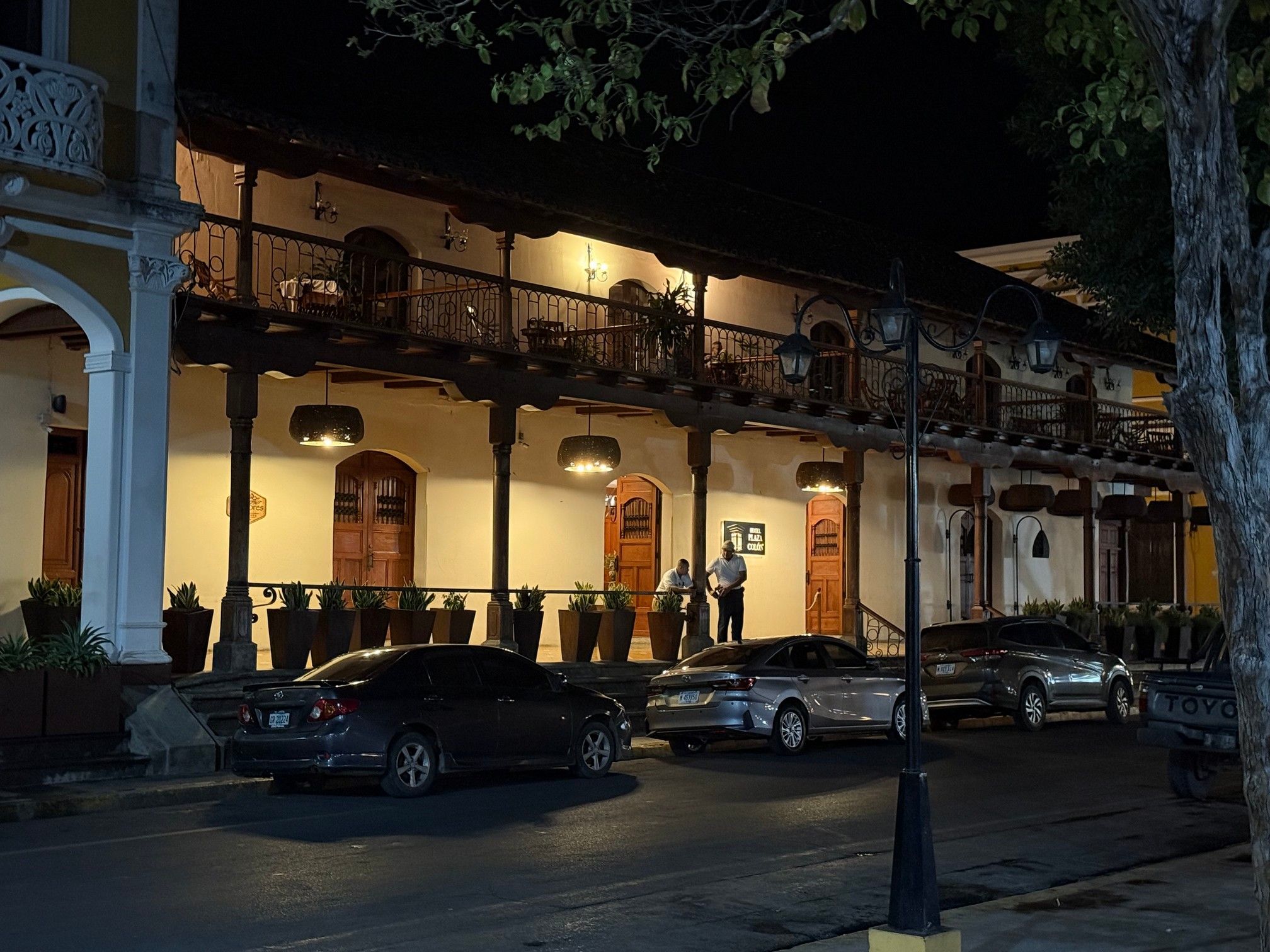
We begin our city tour opposite our hotel at the Iglesia de Nuestra Señora de Las Mercedes, built from 1782 to 1783. The façade features a baroque architectural style, while the floor plan can be classified as colonial style. The name refers to Maria de la Merced, “the Merciful”. This church also caught fire in 1856. We will also climb the bell tower, where there is a beautiful view of the city and the nearby Mombacho volcano. Furthermore, we will walk through the rather narrow streets to the Plaza Mayor with the Parque Central and the cathedral. The church, first built in 1529, is considered one of the most important colonial buildings in Central America. The original structure was destroyed in the great fire of 1856. The current building dates from 1880 and was last renewed in 1905. During the day and in the evening, there is a lively activity on the Plaza and the surrounding streets – partly pedestrian zone – and open-air events take place regularly.
We continue our walk to the Iglesia San Francisco de Asis; this church was first erected in 1524, burned down in 1685, rebuilt, and then again destroyed in 1856 by Walker's mercenaries, or rather marauders. Reconstruction began again in 1868.
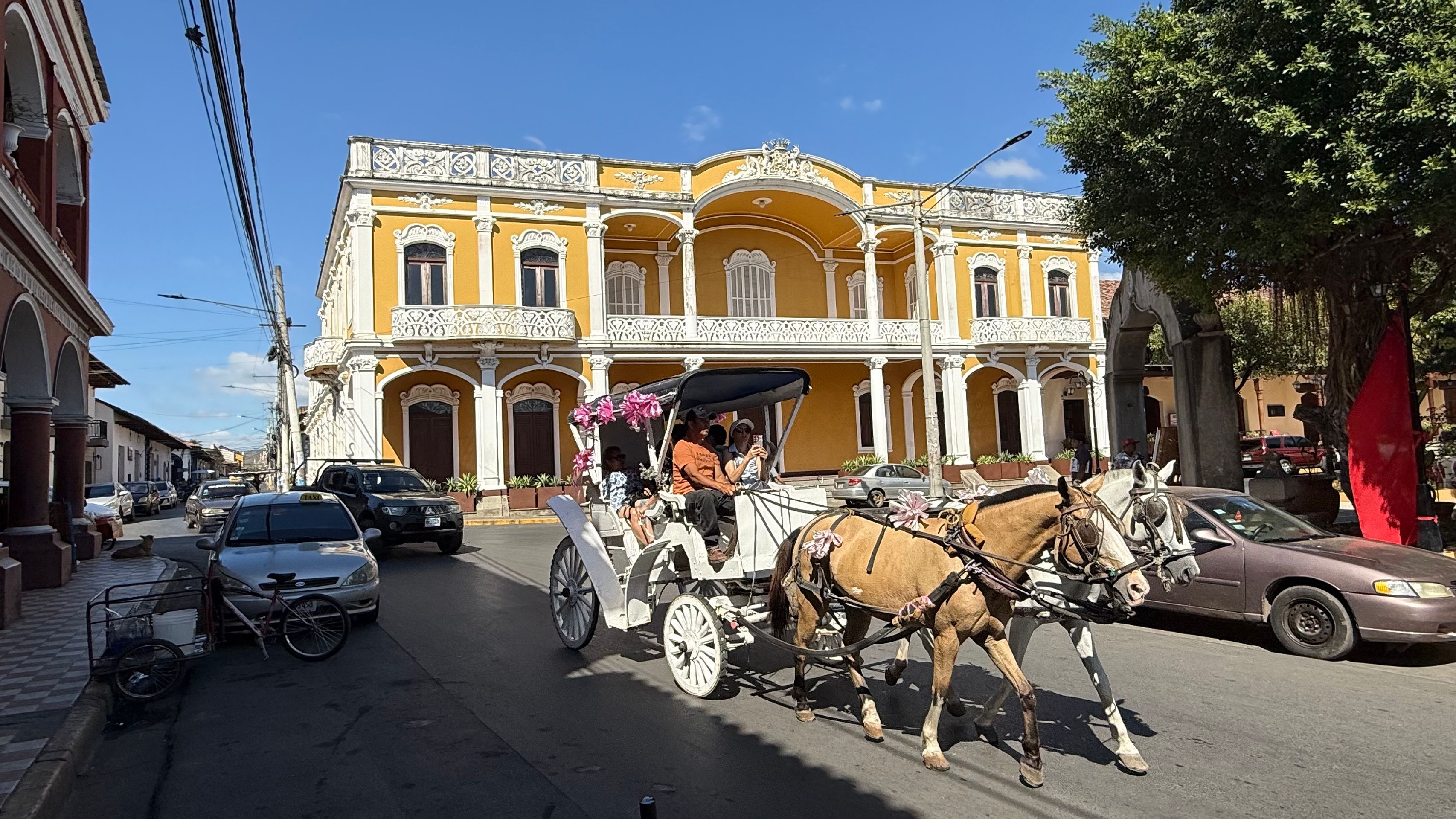
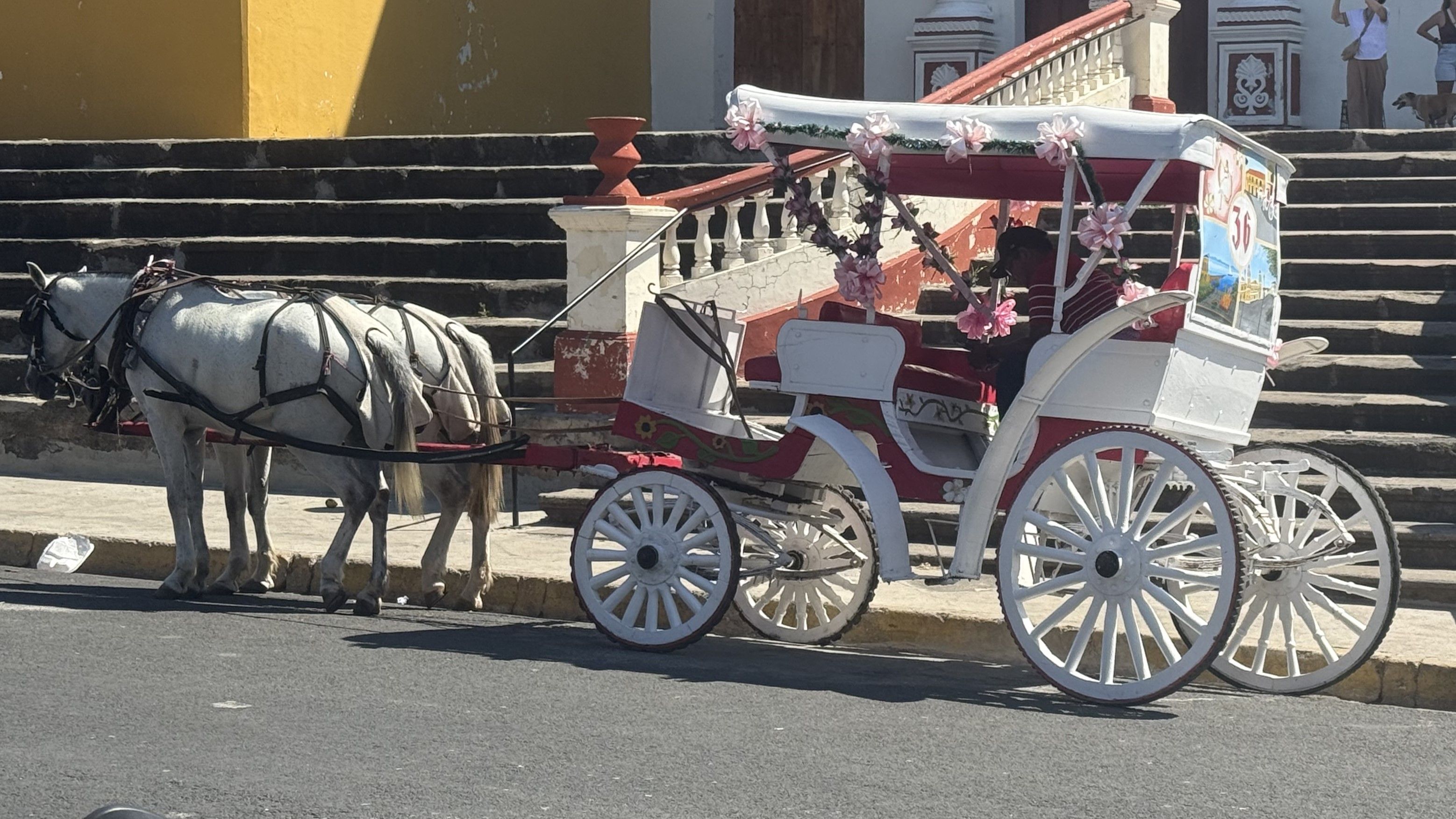
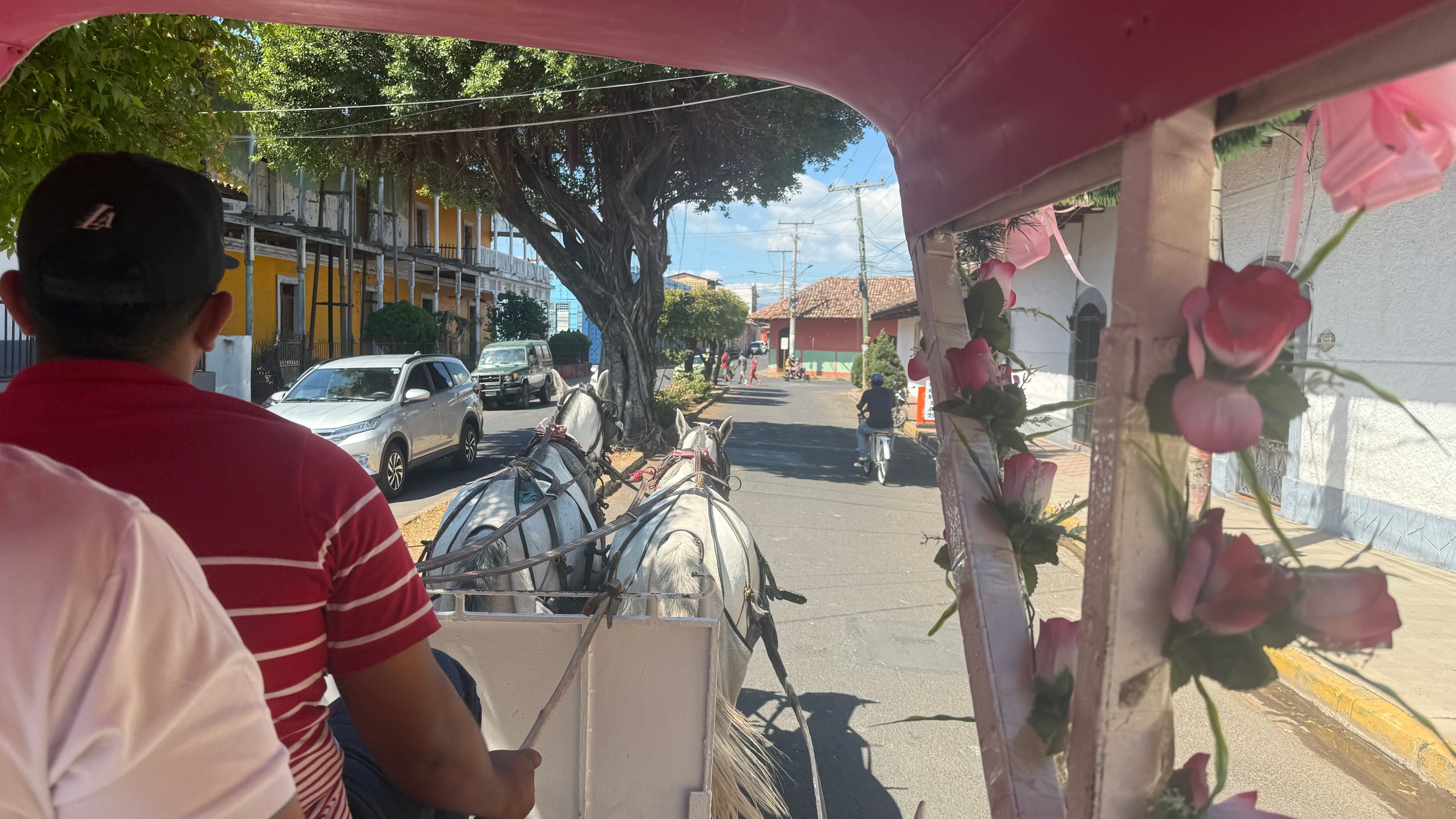
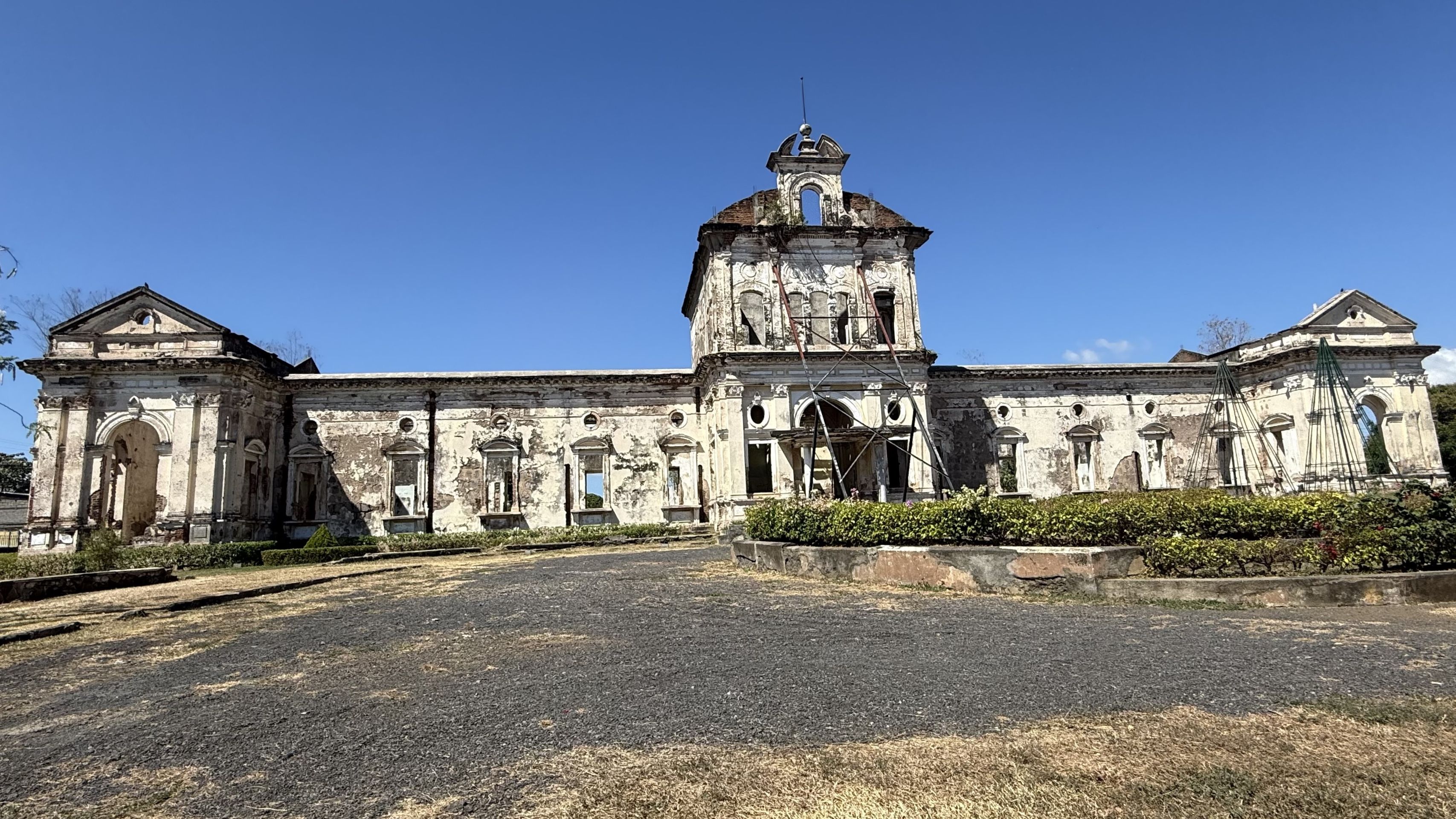
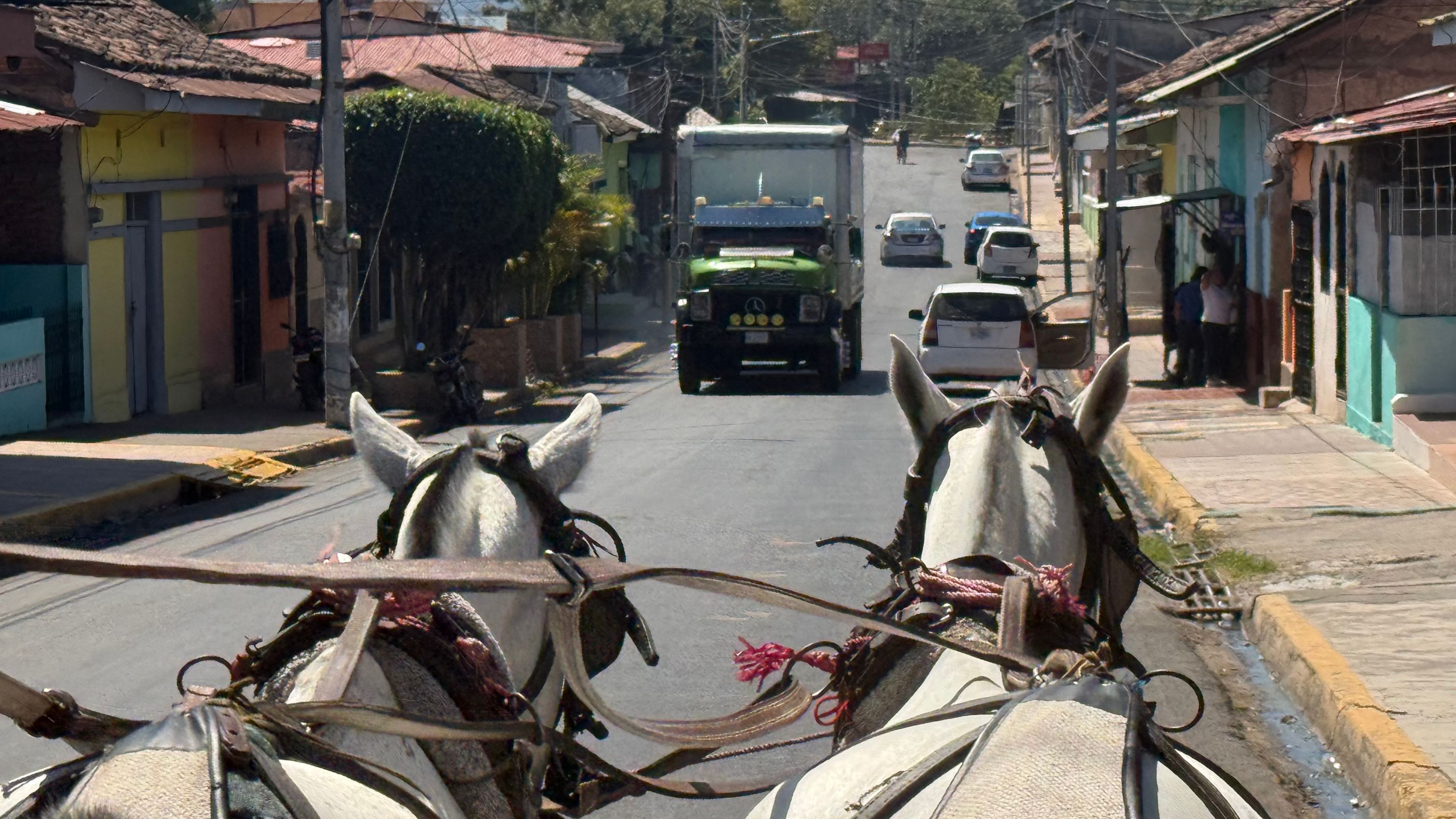
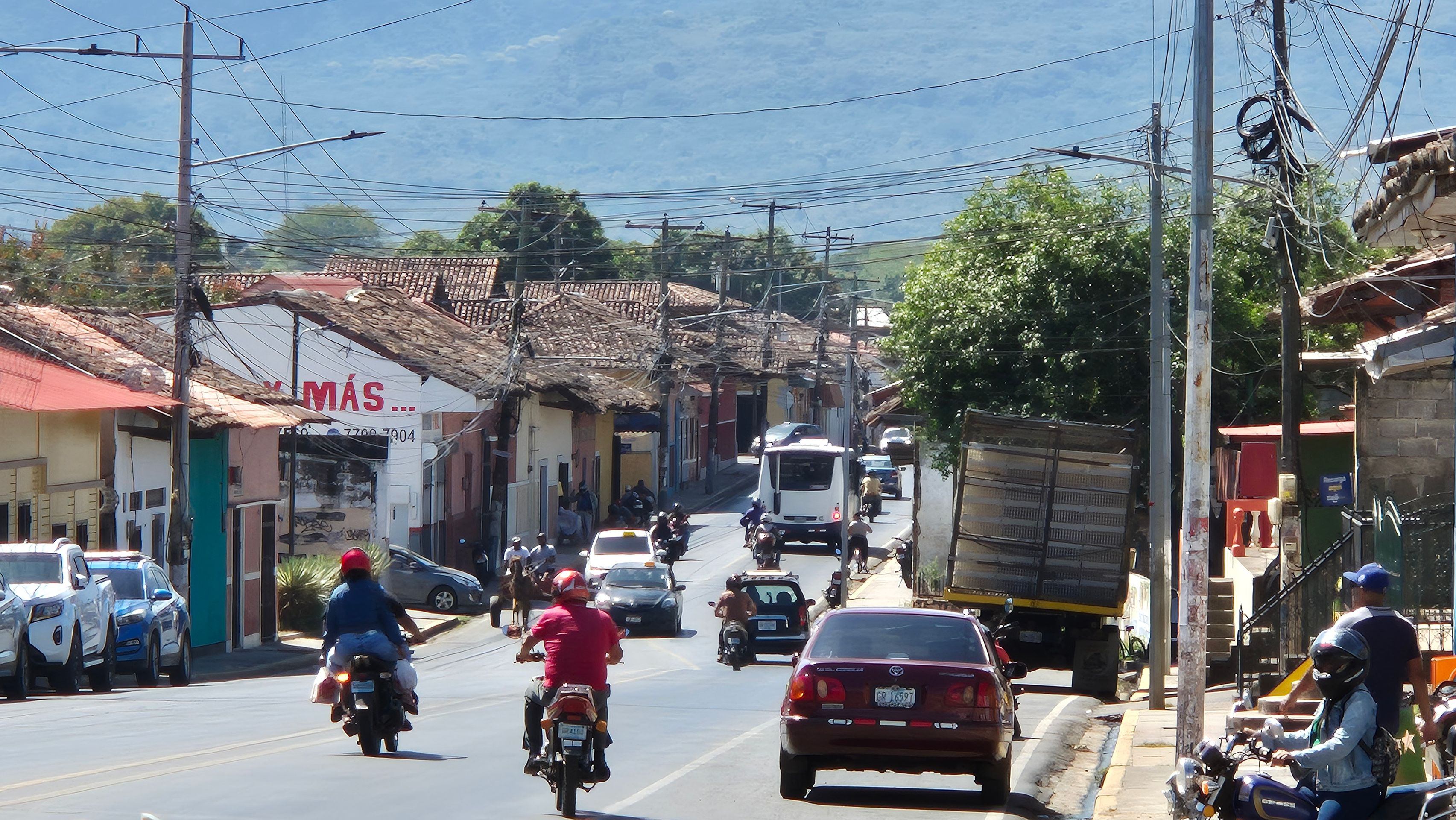
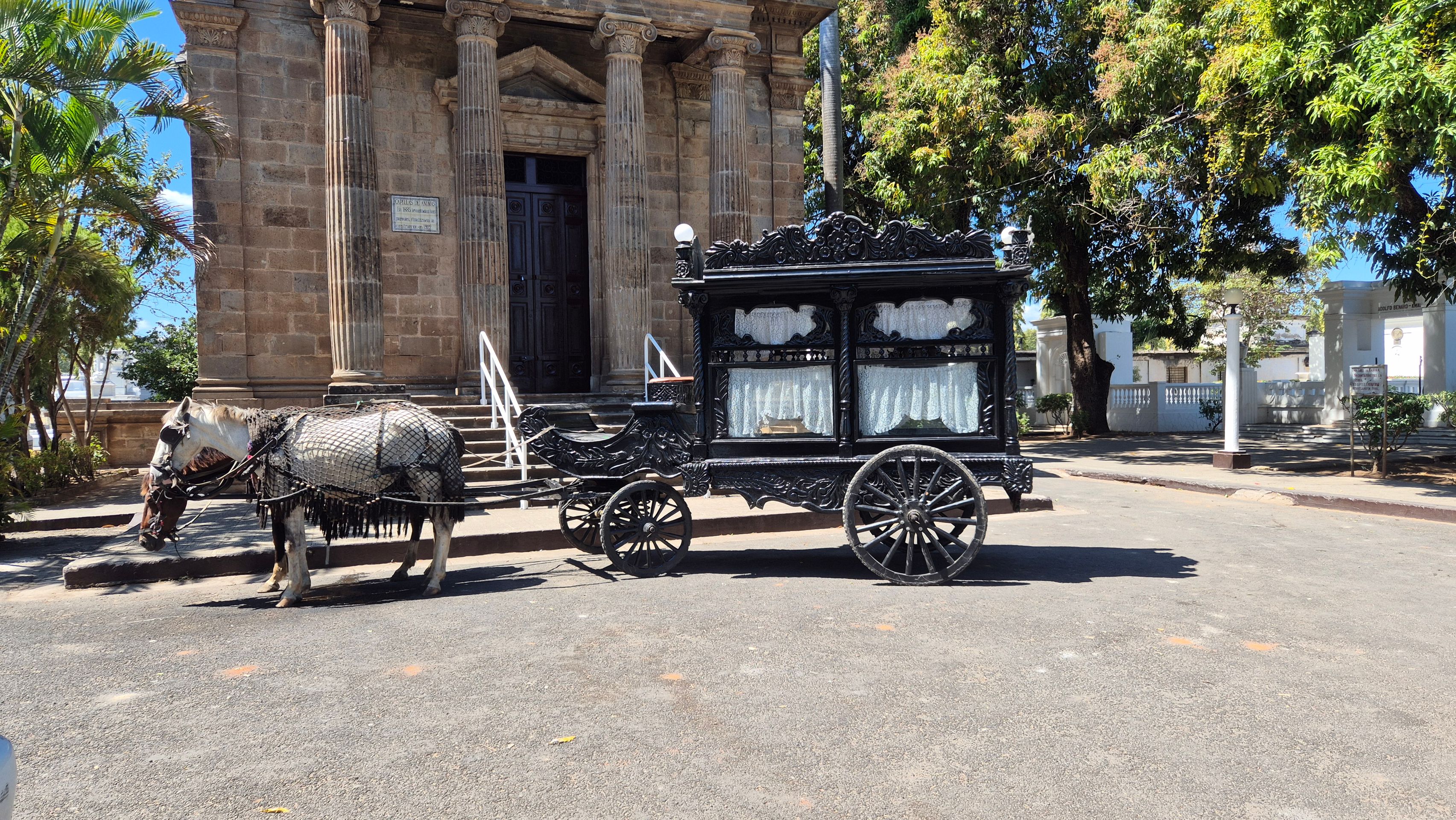
Here, a horse-drawn carriage is already waiting for us, which will take us on a comfortable city tour. The first stop is at the former Hospital San Juan de Dios, now a ruin. The once magnificent building was erected in 1905 and abandoned only about 20 years ago, left to rampant looting – which explains its current catastrophic state. Our guide Huascar tells us that there have been discussions and plans for reconstruction in the city government for many years, but nothing is happening.
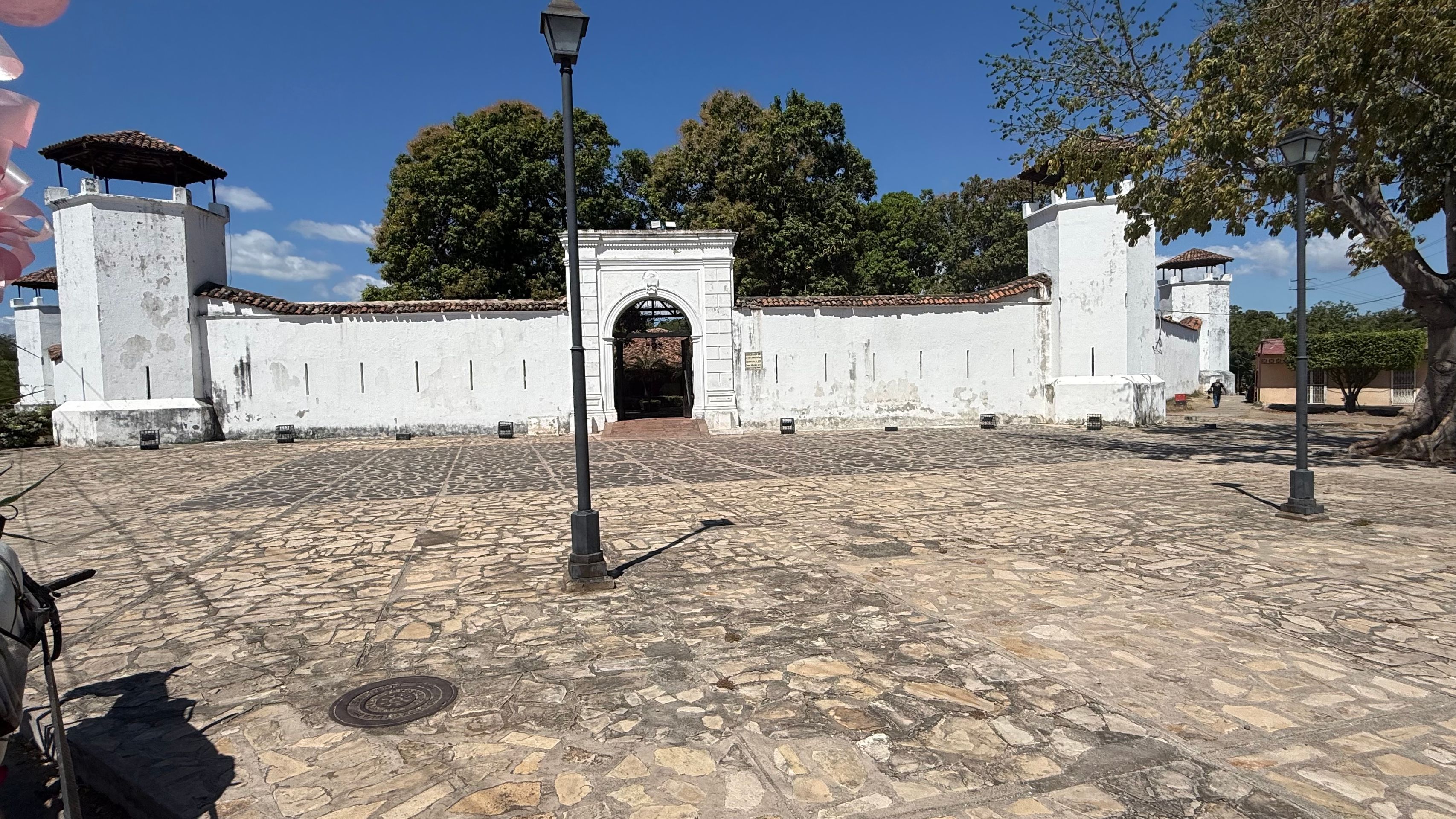
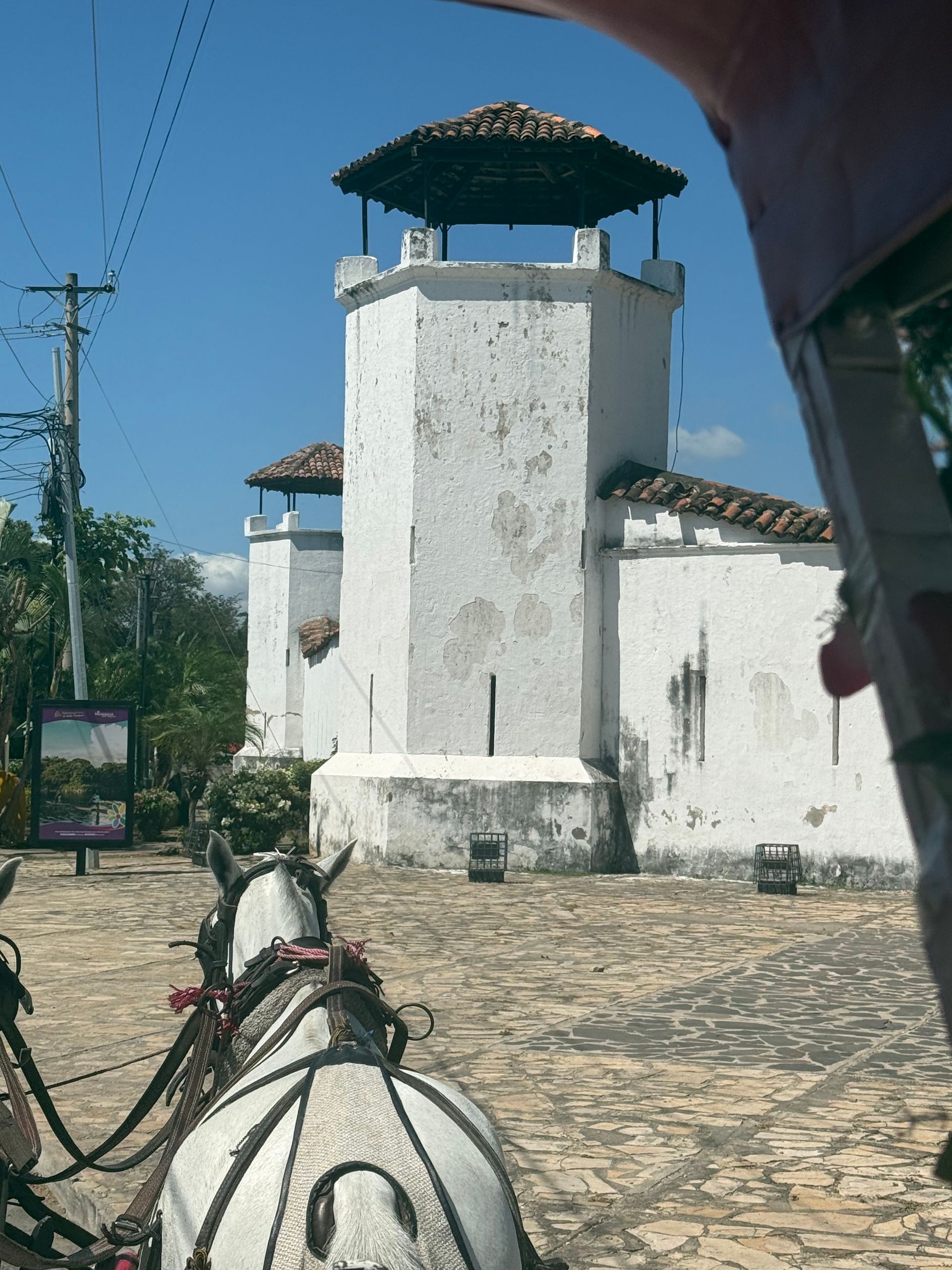
We pass by the Fortaleza de la Pólvora – a fortress built in the 1740s to defend against pirates and to store gunpowder. Today it is only a historical site.
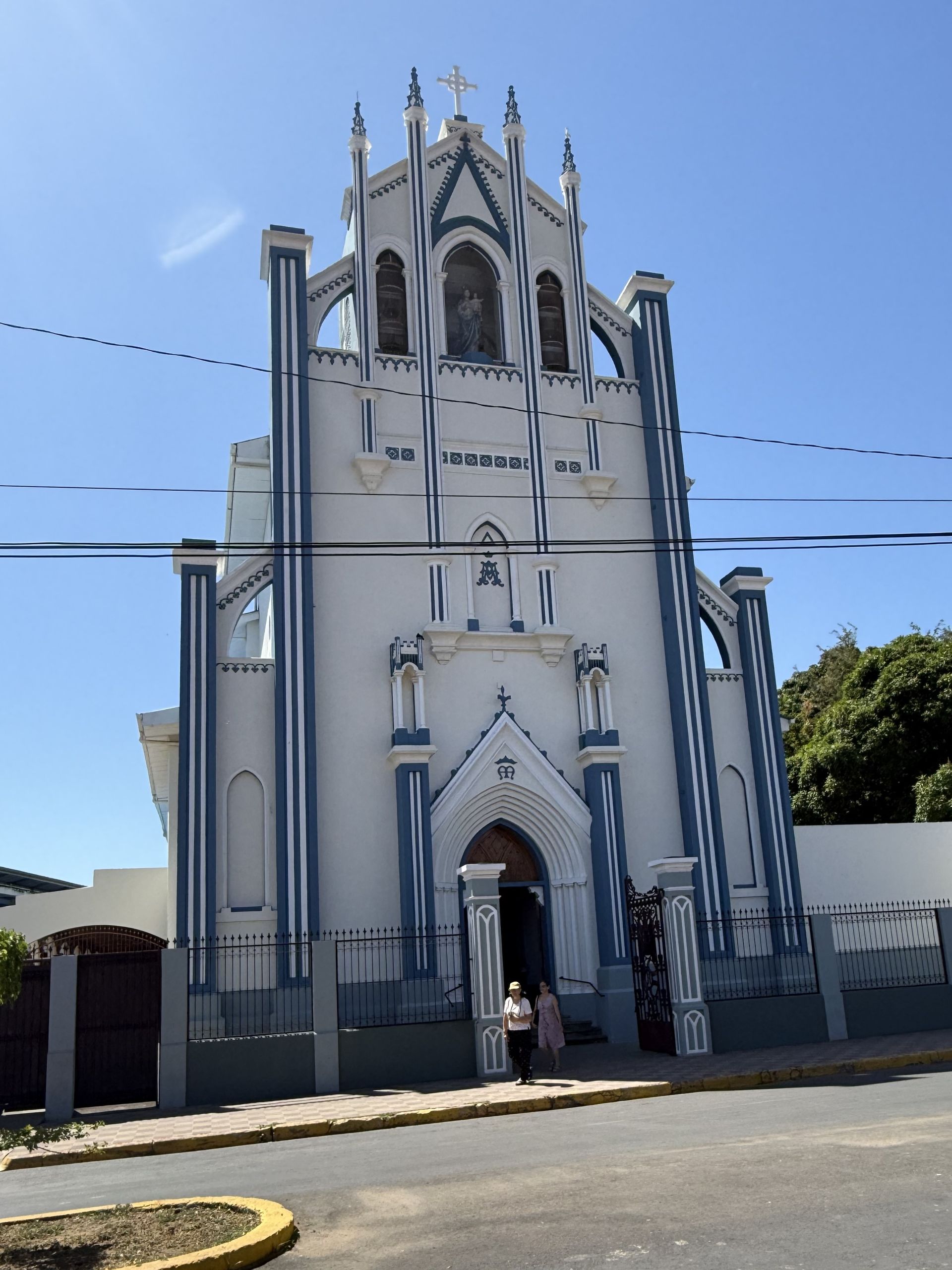
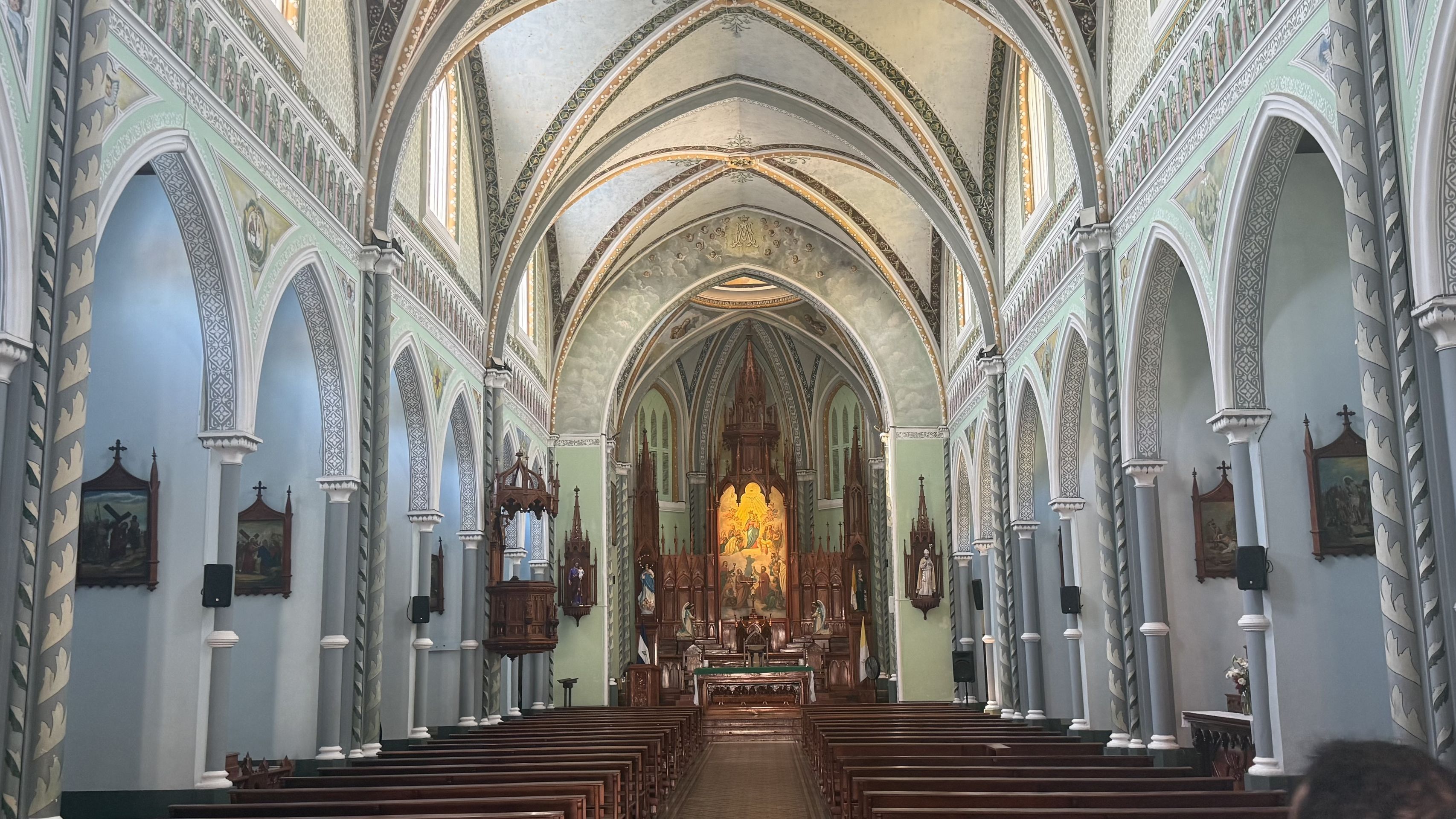
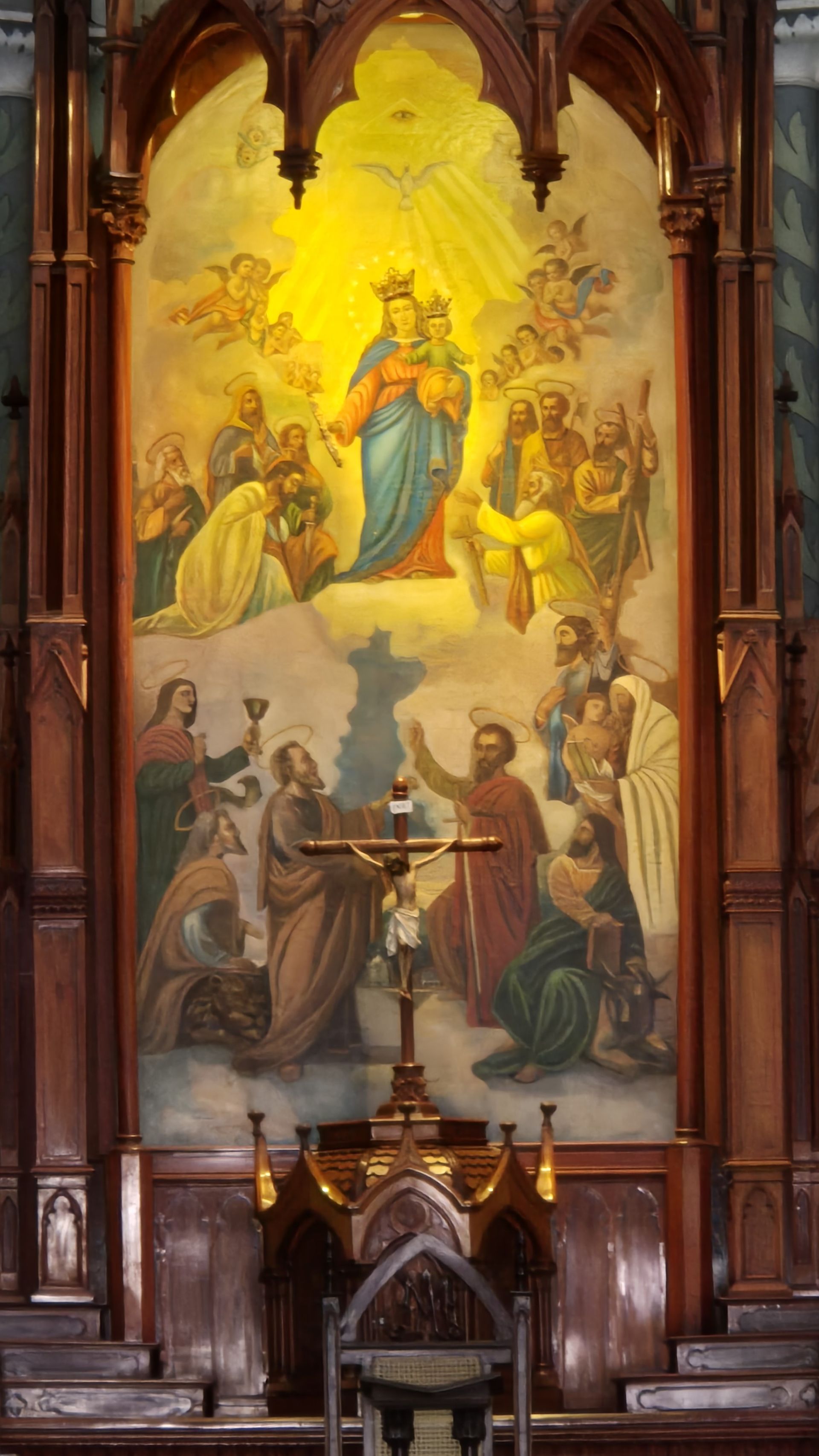
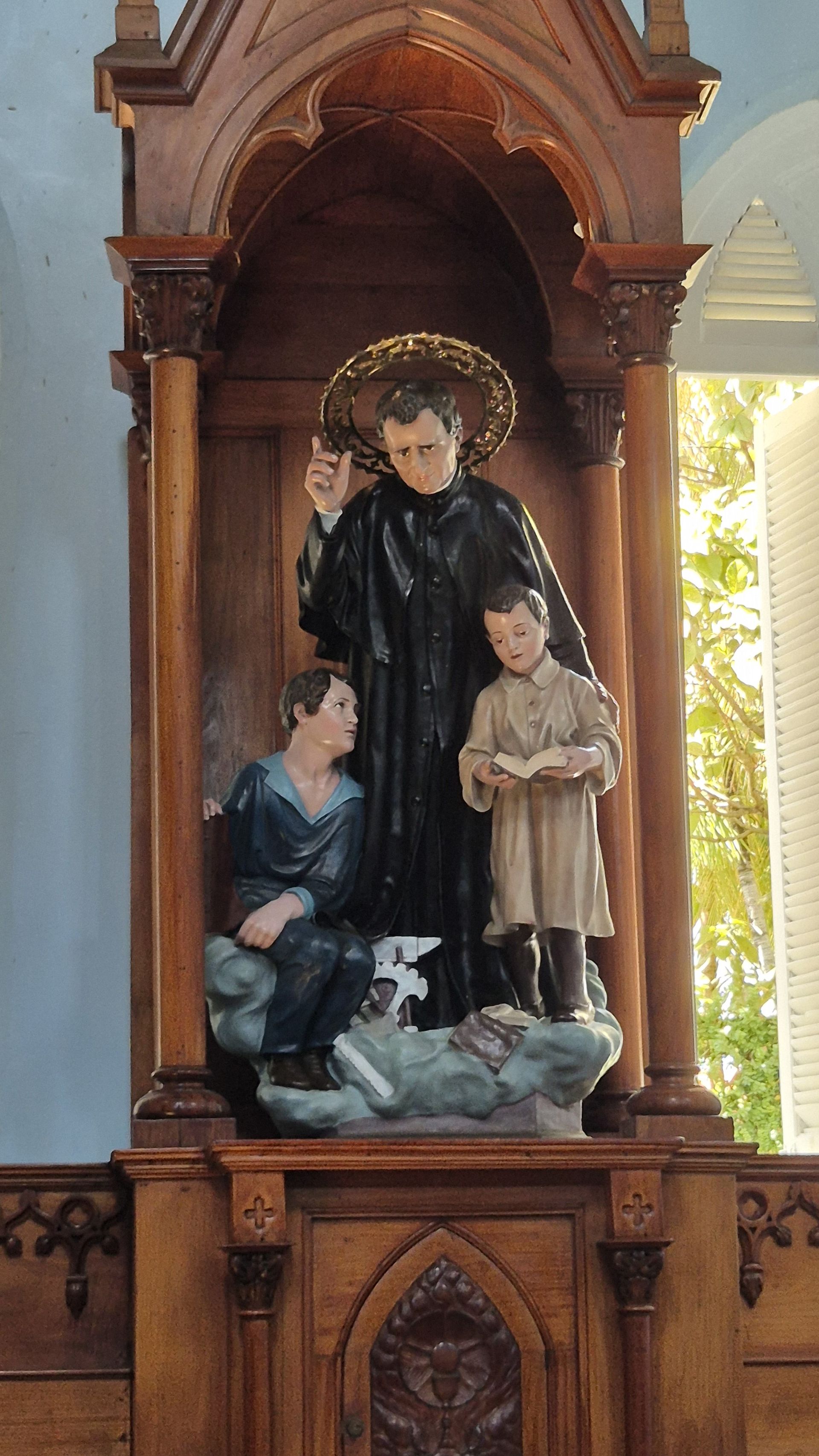
The next stop is at the church María Auxiliadora (Mary Help) next to the Salesian school, which our guide Huascar attended as a child. Its neo-Gothic style is unique in the city, and it is one of the few remaining buildings in the country that follows this architectural style.
The church was built in 1921/22 to commemorate the hundredth anniversary of the independence of Nicaragua and Central America, dedicated to the Mother of God and the veneration of Don Bosco. It is historically significant as it represents the first Salesian work in Nicaragua.
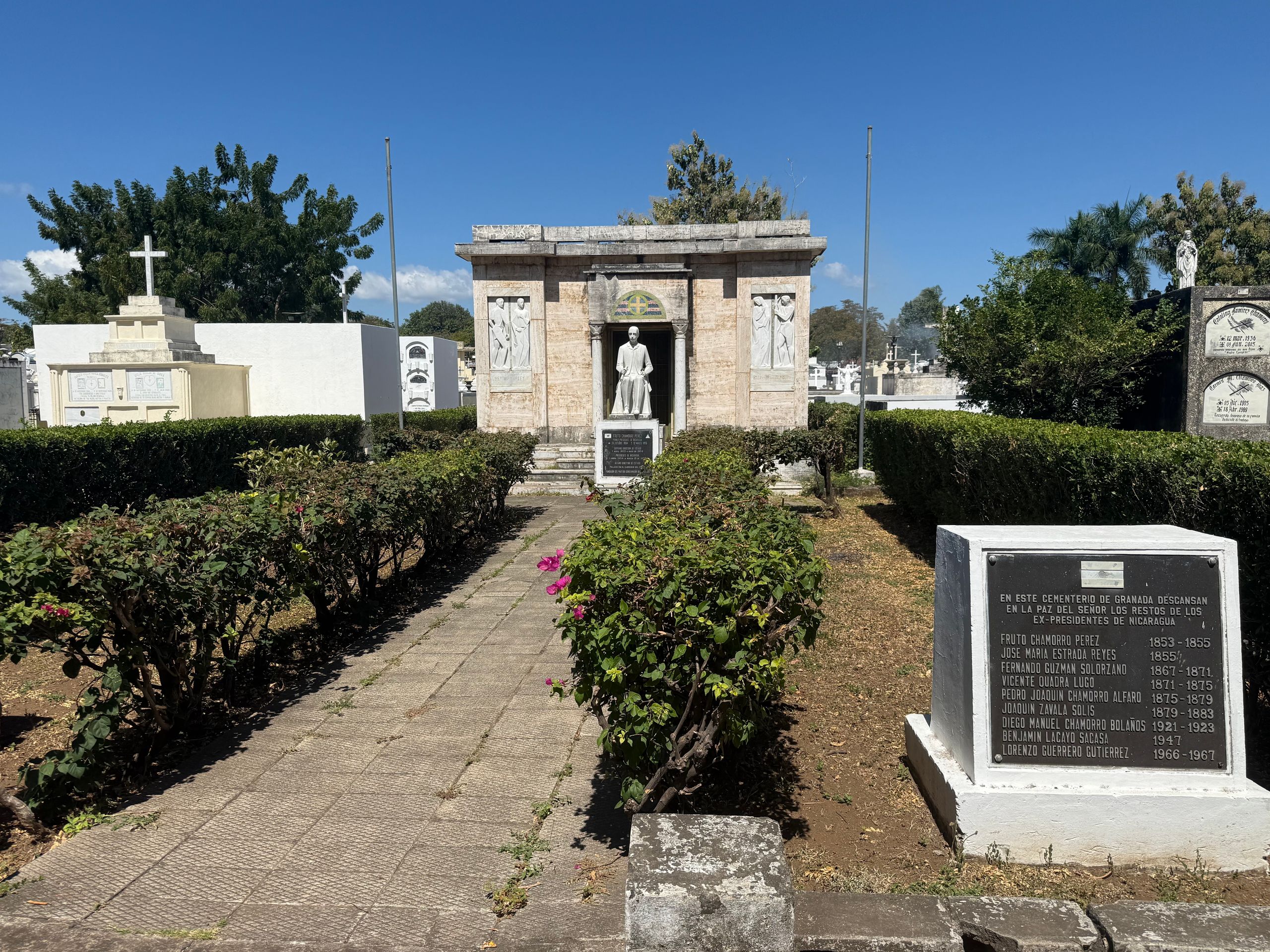
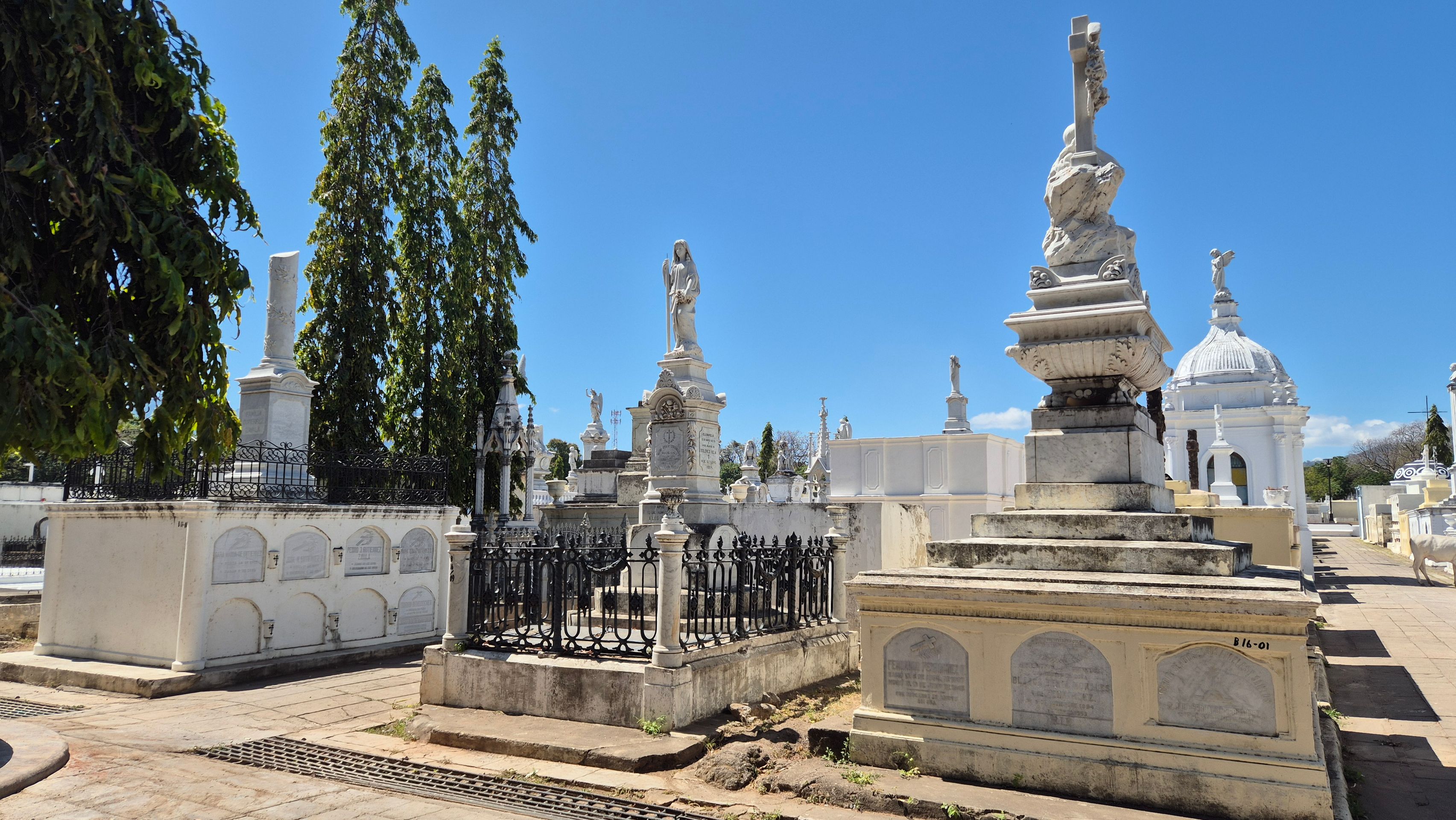
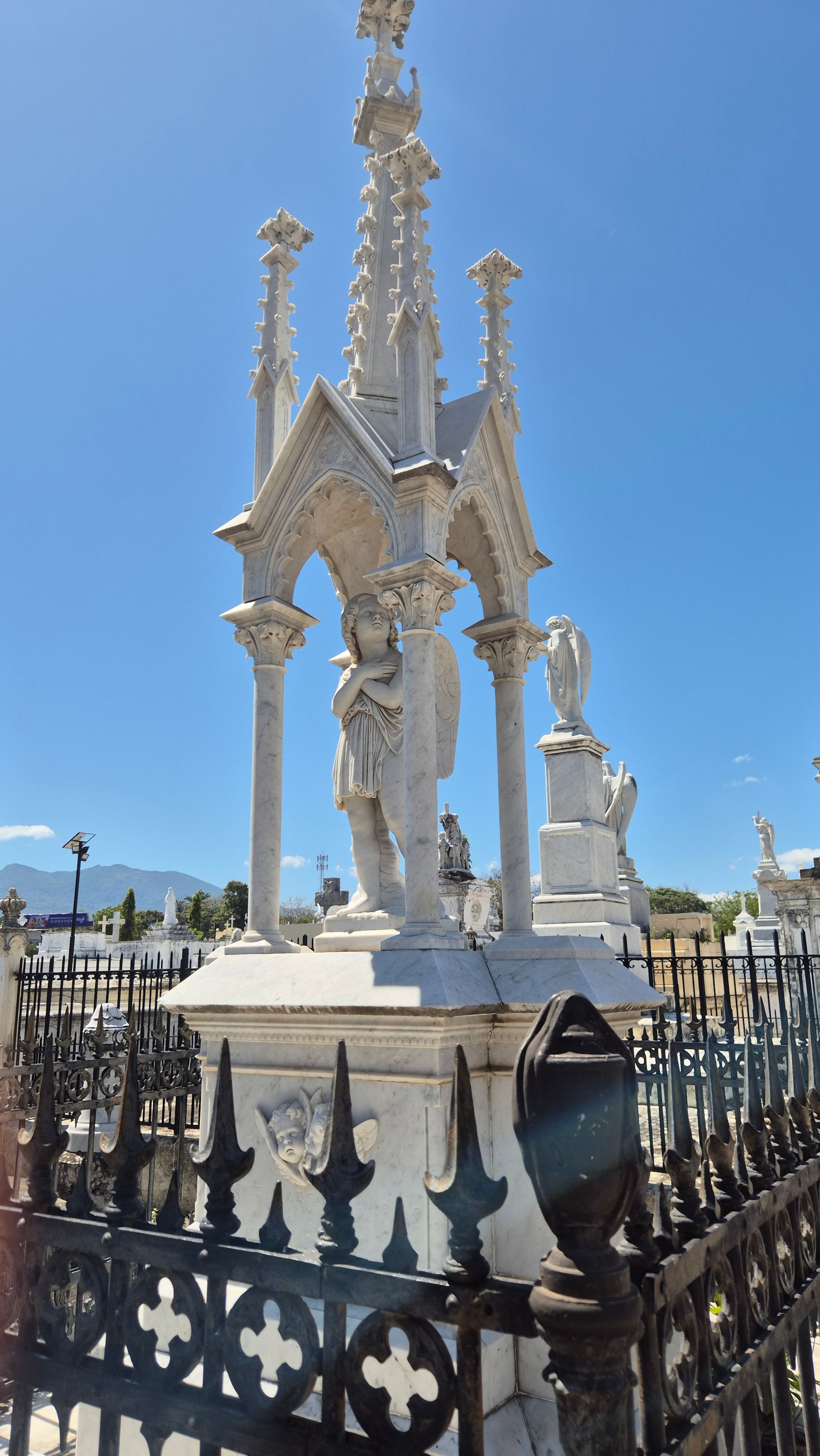
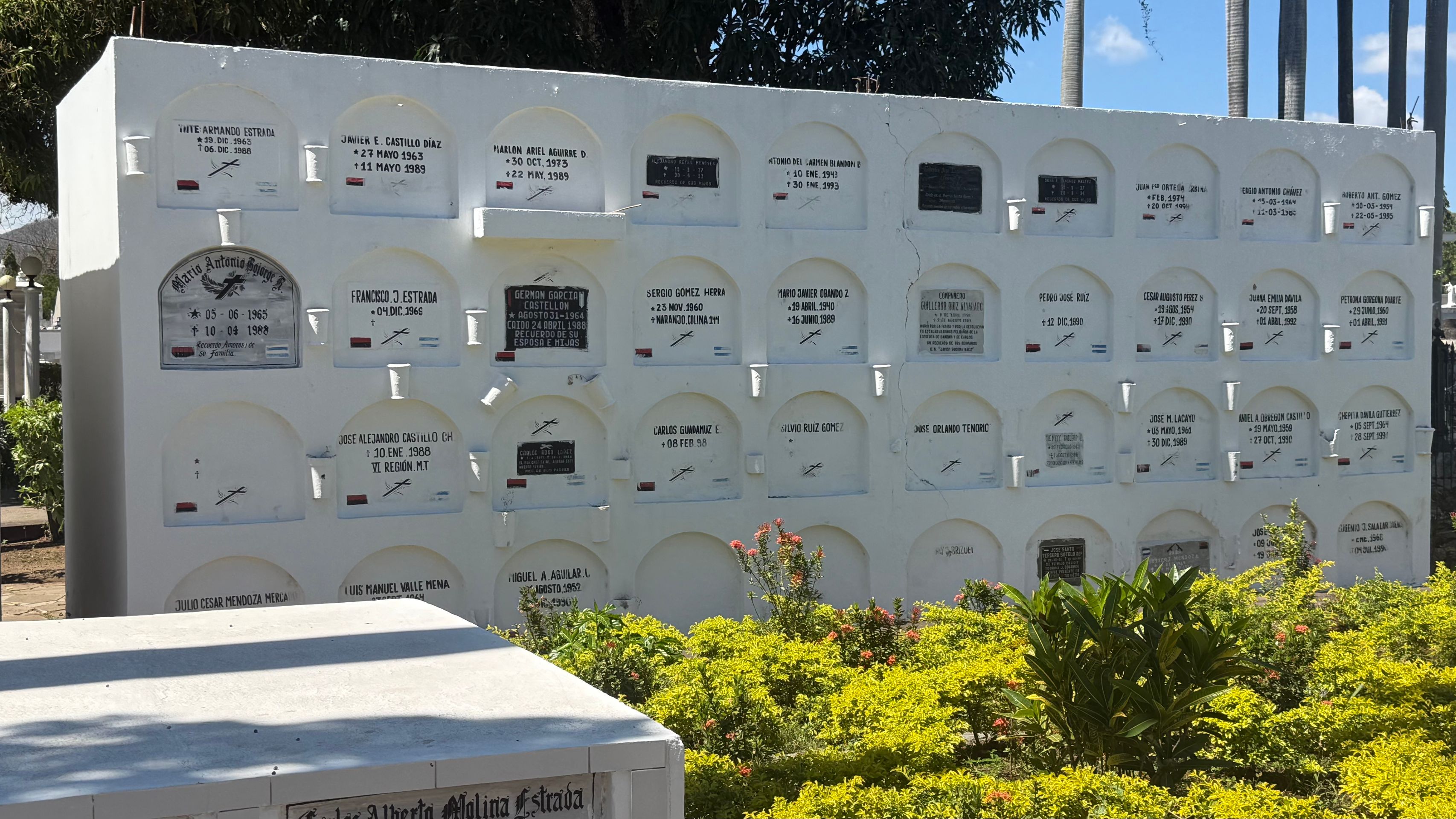
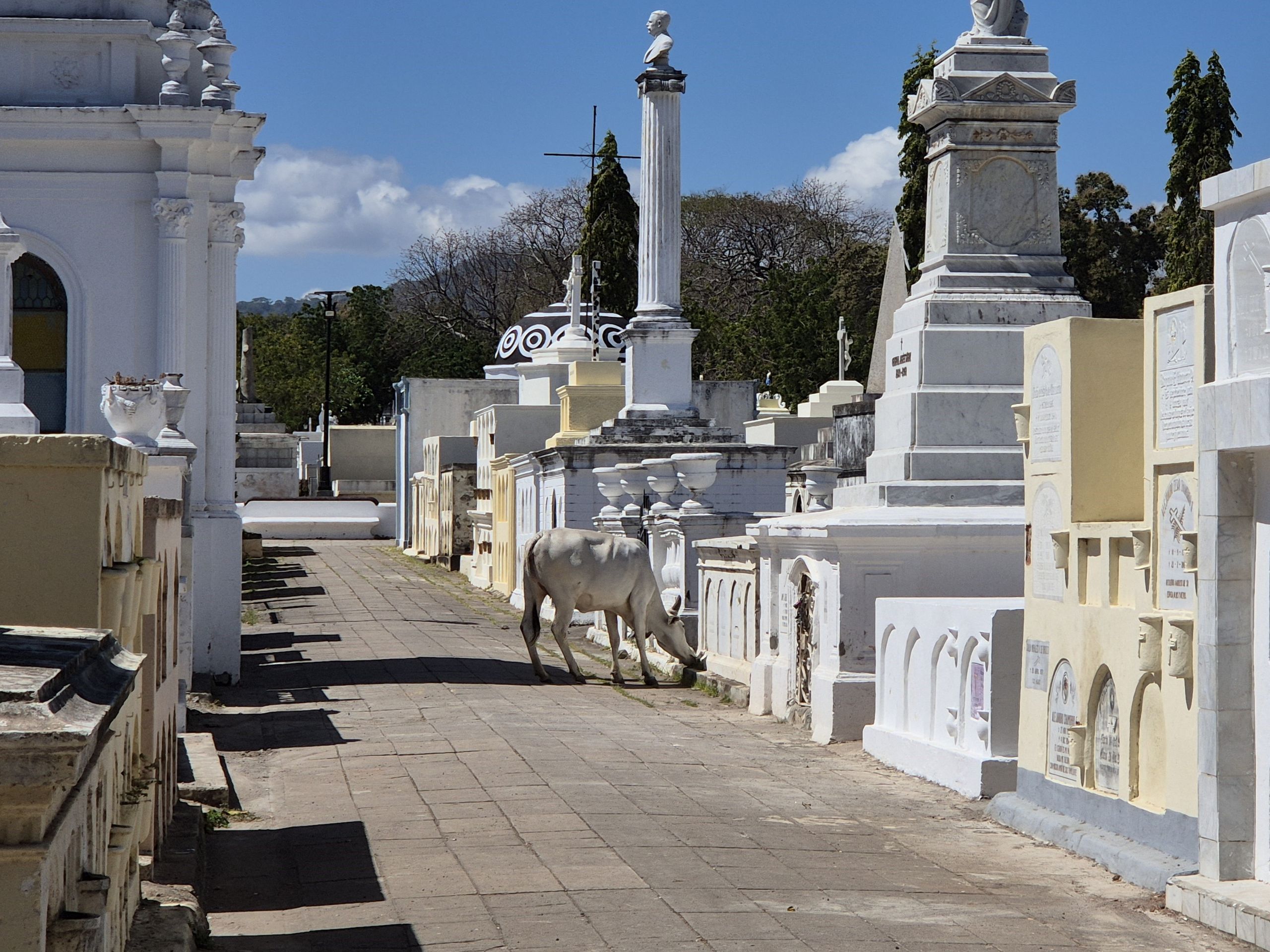
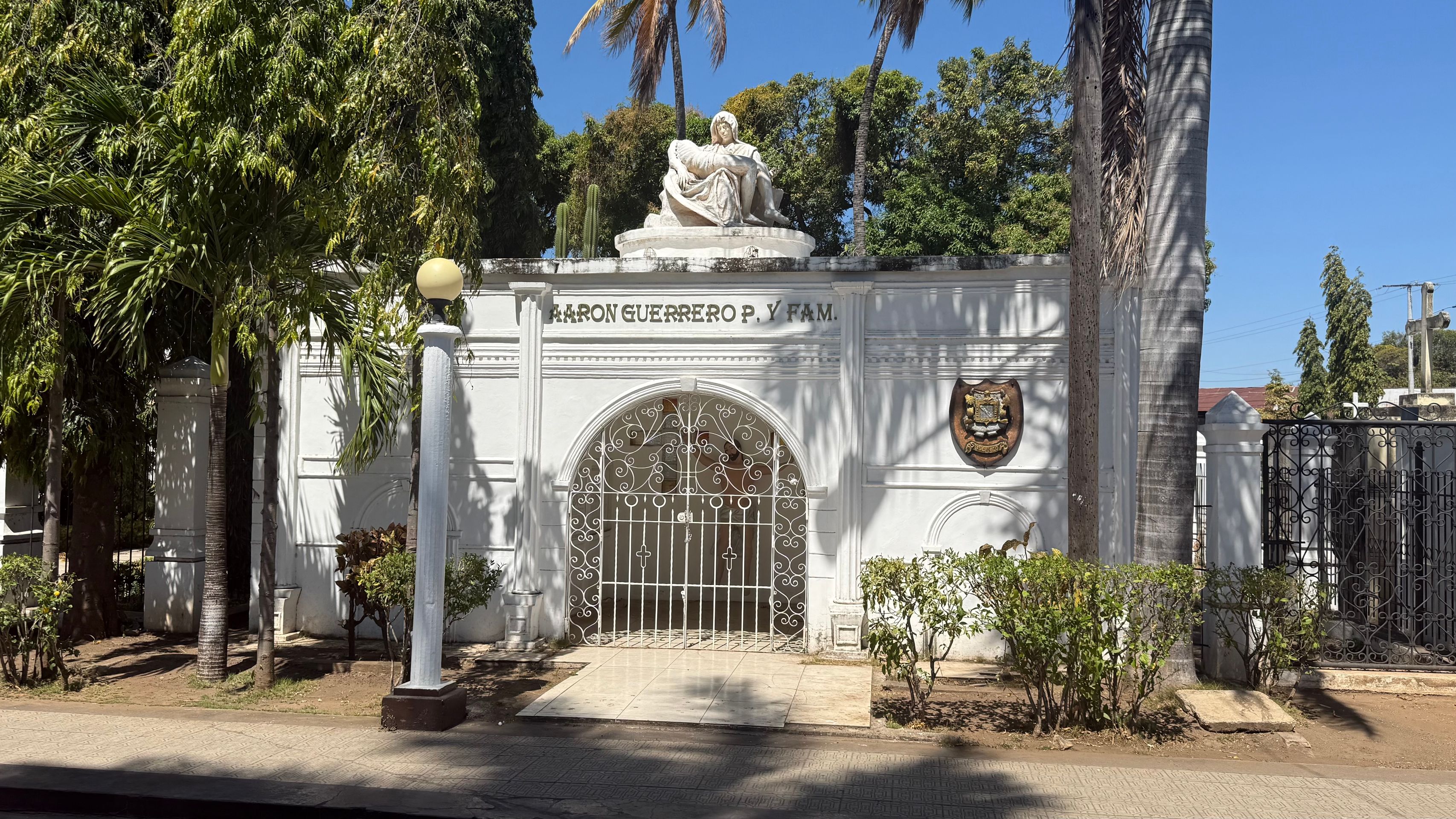
Our next destination is the Cementerio de Granada. It is one of the oldest cemeteries in Central America, founded in 1830. It is known for its Neoclassical, Gothic, and Baroque styles, reflected in the many marble sculptures and mausoleums.
The cemetery was declared a historical and artistic heritage of the nation in 2012 and serves as a kind of open-air museum.
Here lie many important figures of Nicaragua, including nine former presidents as well as artists, poets, and musicians.
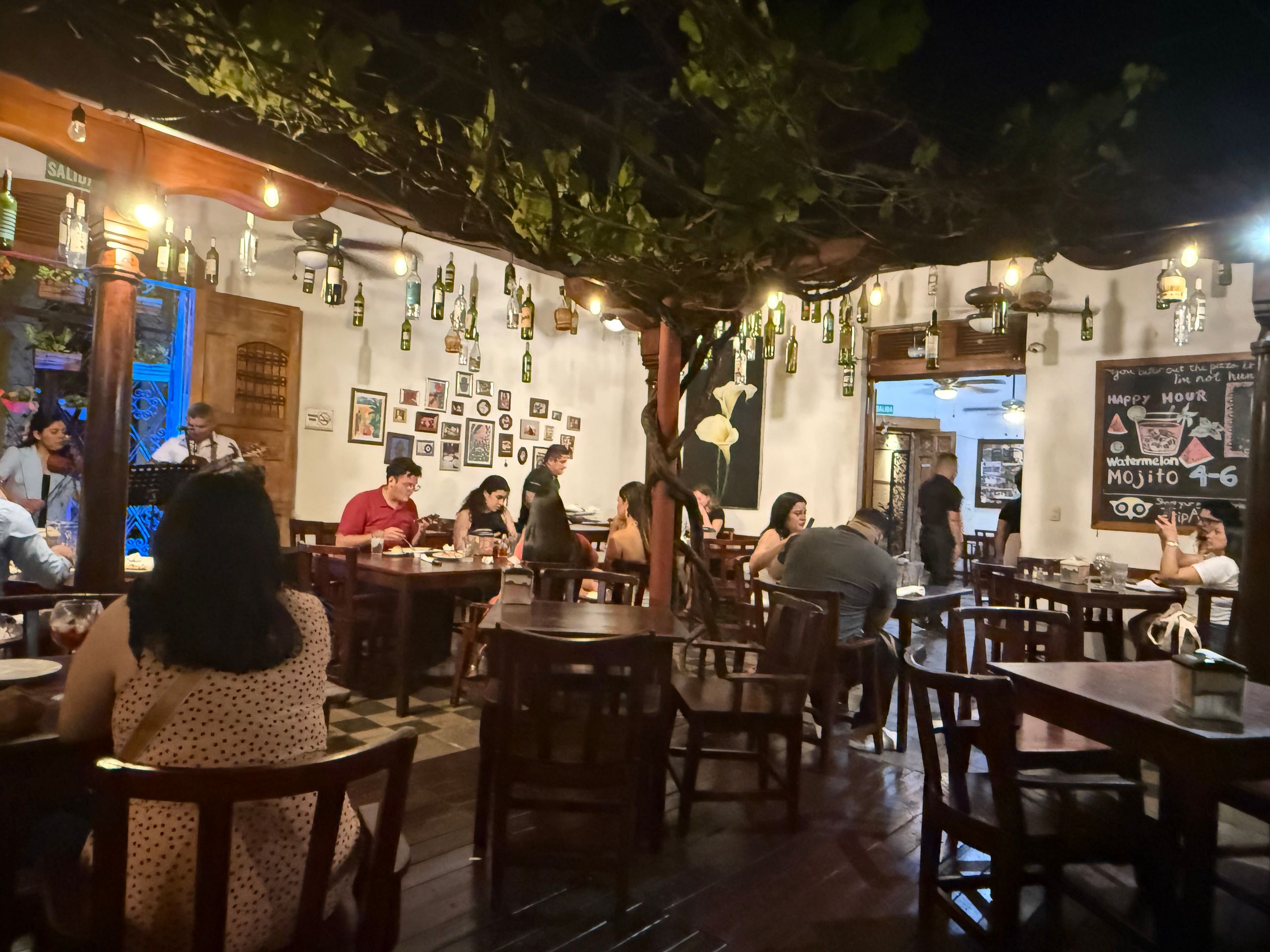
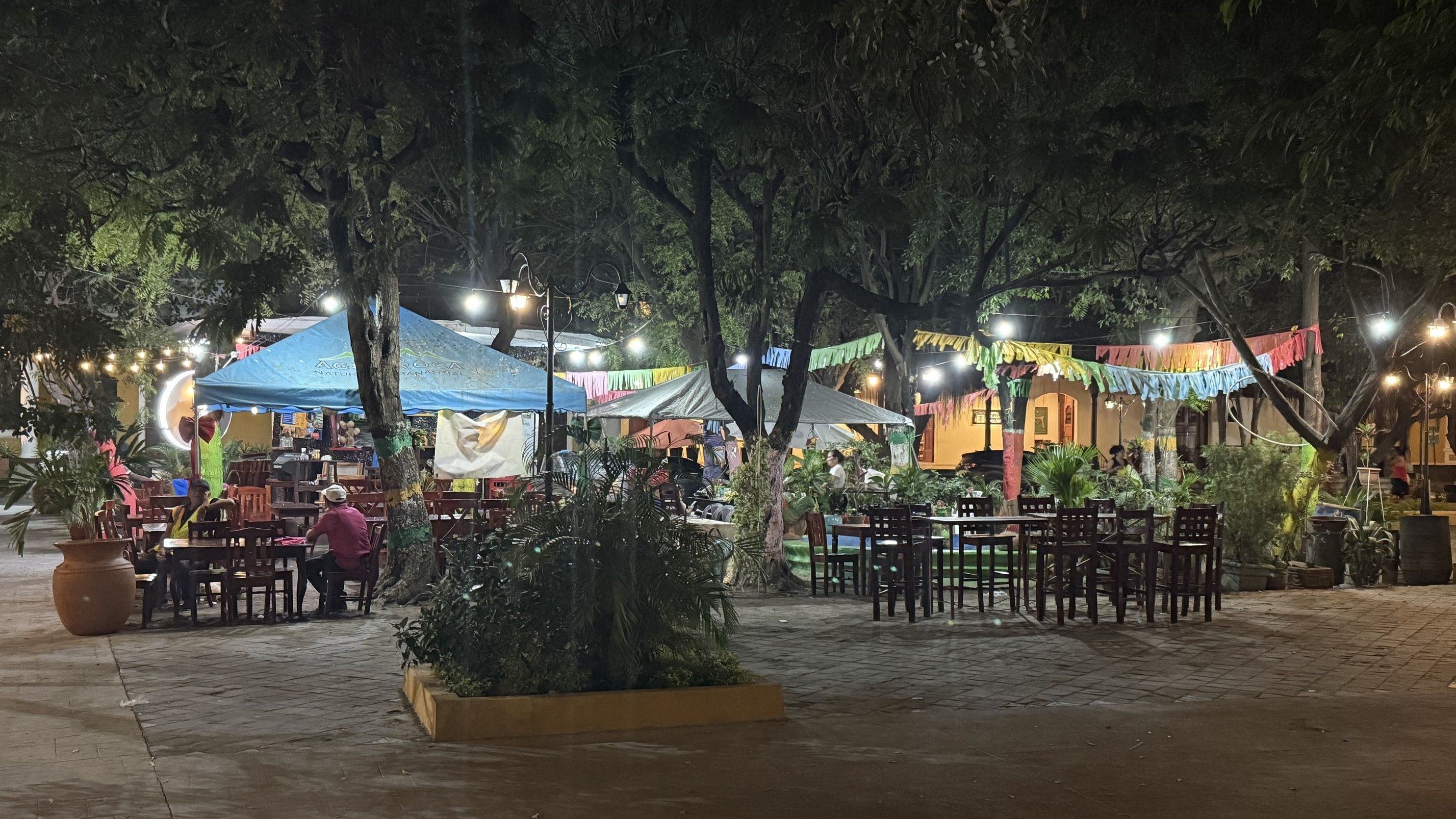
In the evening, we enjoy the colorful hustle and bustle at and around the Plaza Mayor and dine once again – as so often in Nicaragua – deliciously at the restaurant “Pita Pita” accompanied by local music.
We really enjoy Granada and its vibrant life and feel much more comfortable here than in Managua.