
BLOG 20: Nicaragua - Pacific Coast & Mangrove Forest
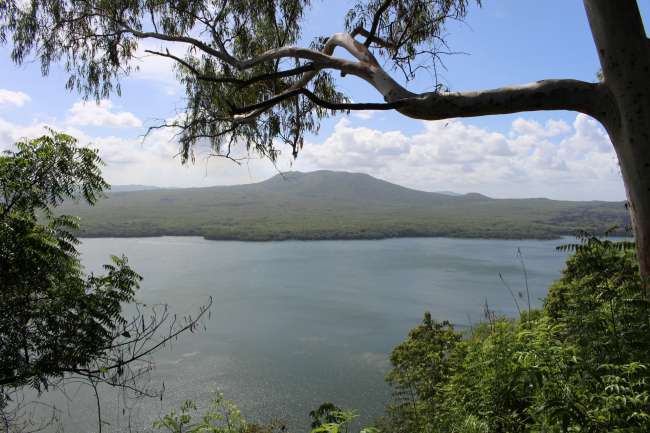
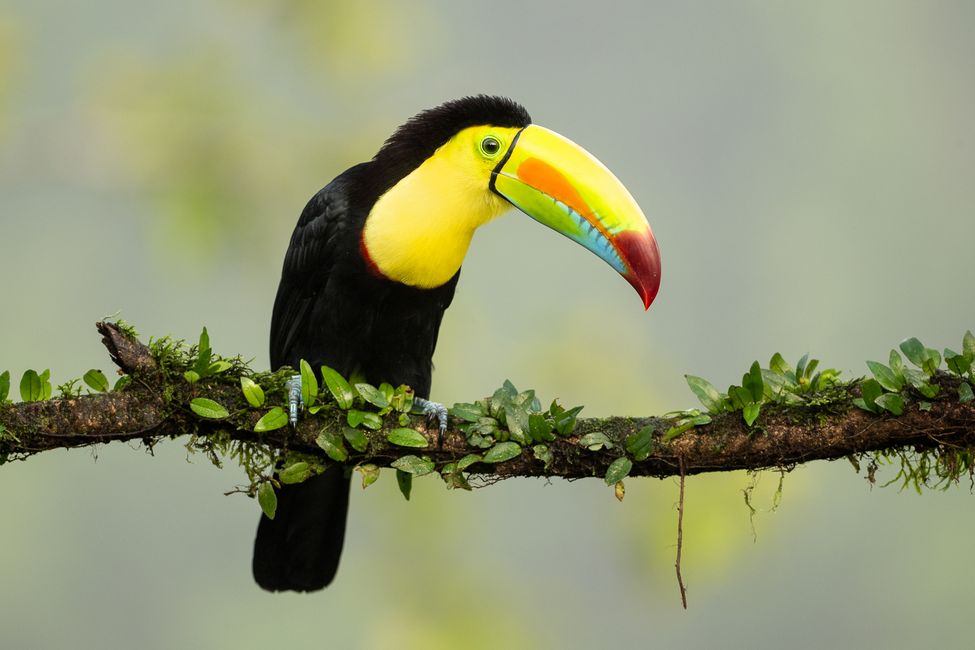
Nicaragua also has nature to offer. Today, we’re heading about 25 km west of Leon to the Pacific coast. Near the village of Las Peñitas, we embark – once again wading thr

Published: 13.03.2026
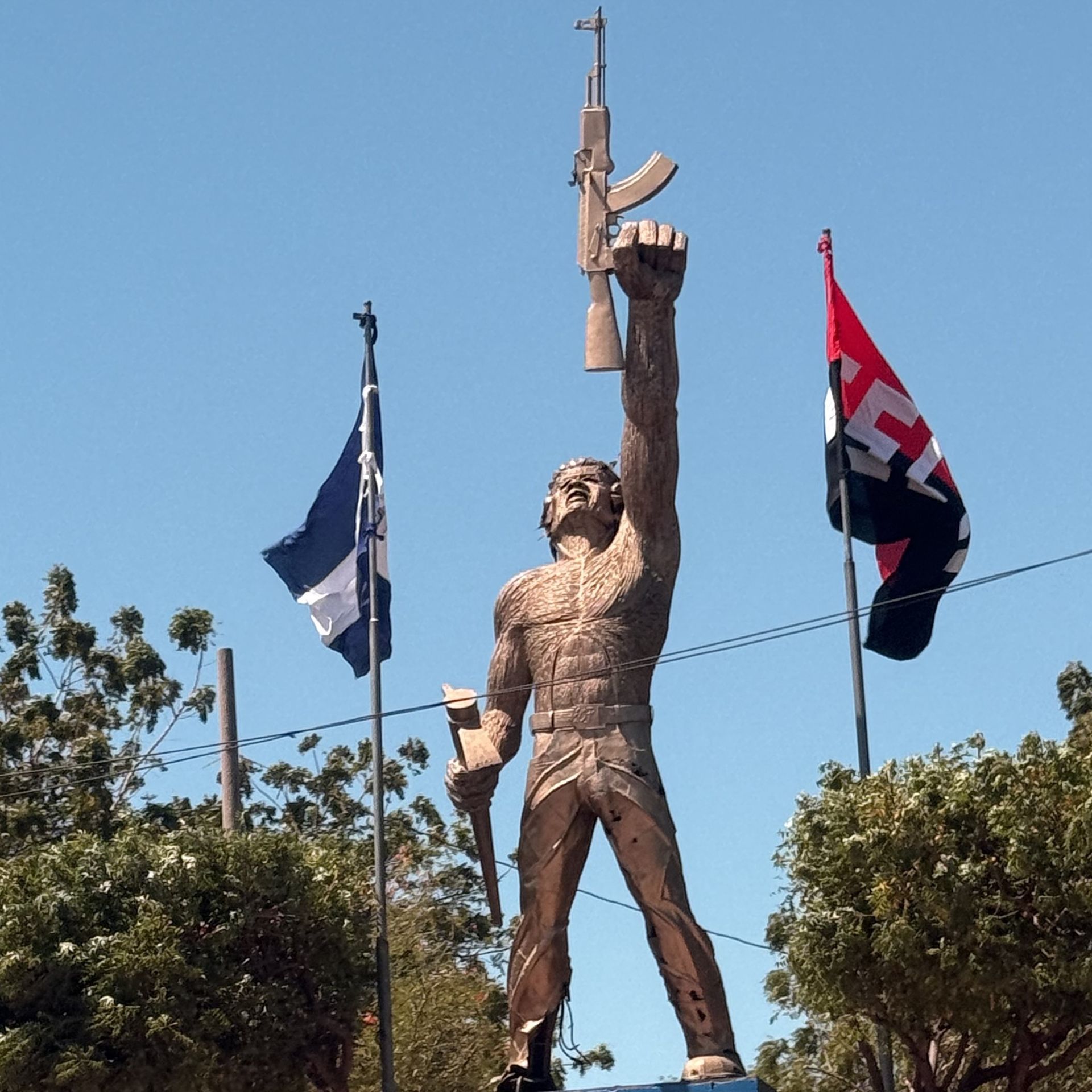
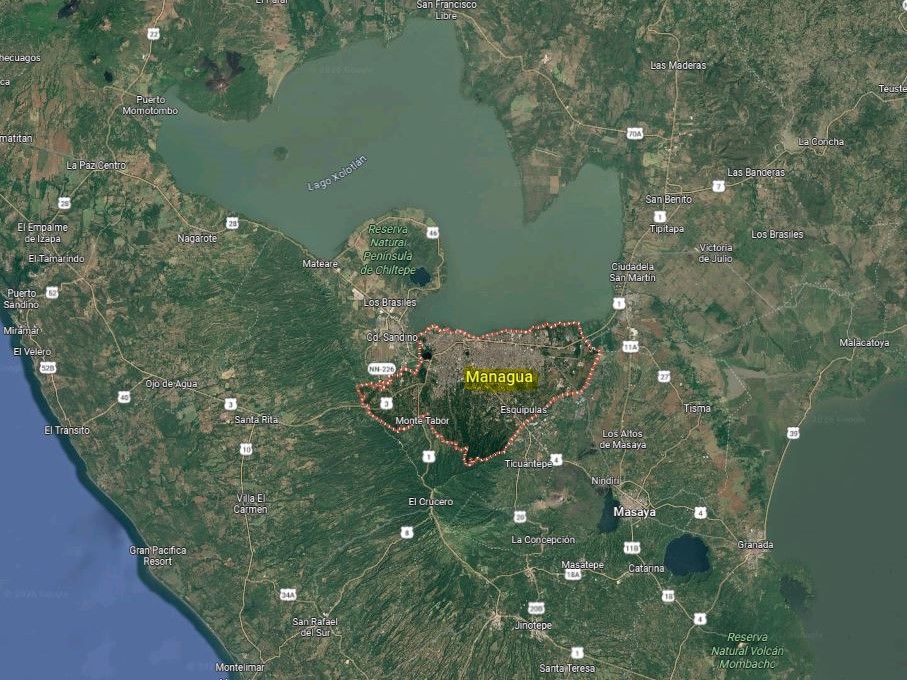
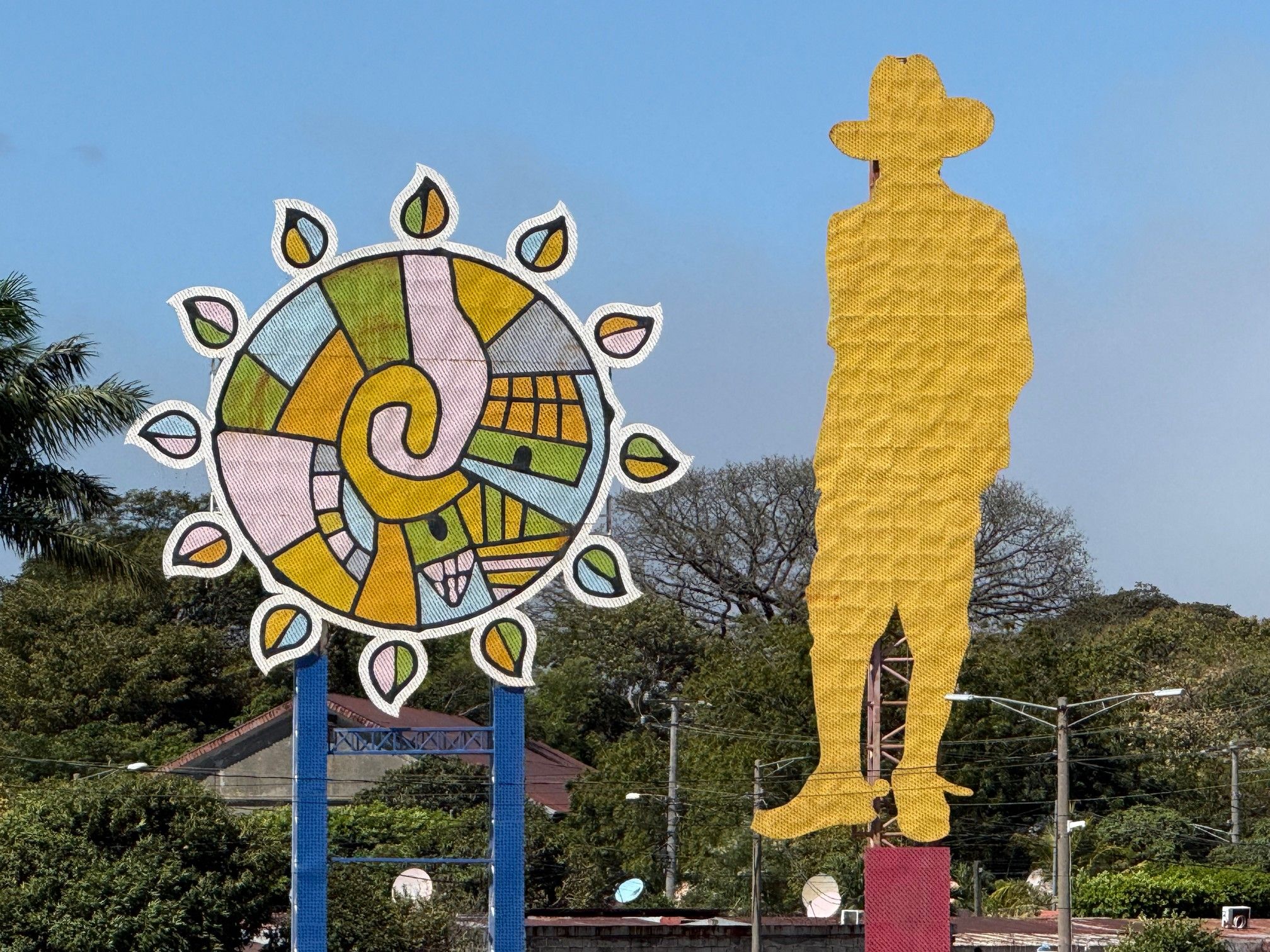
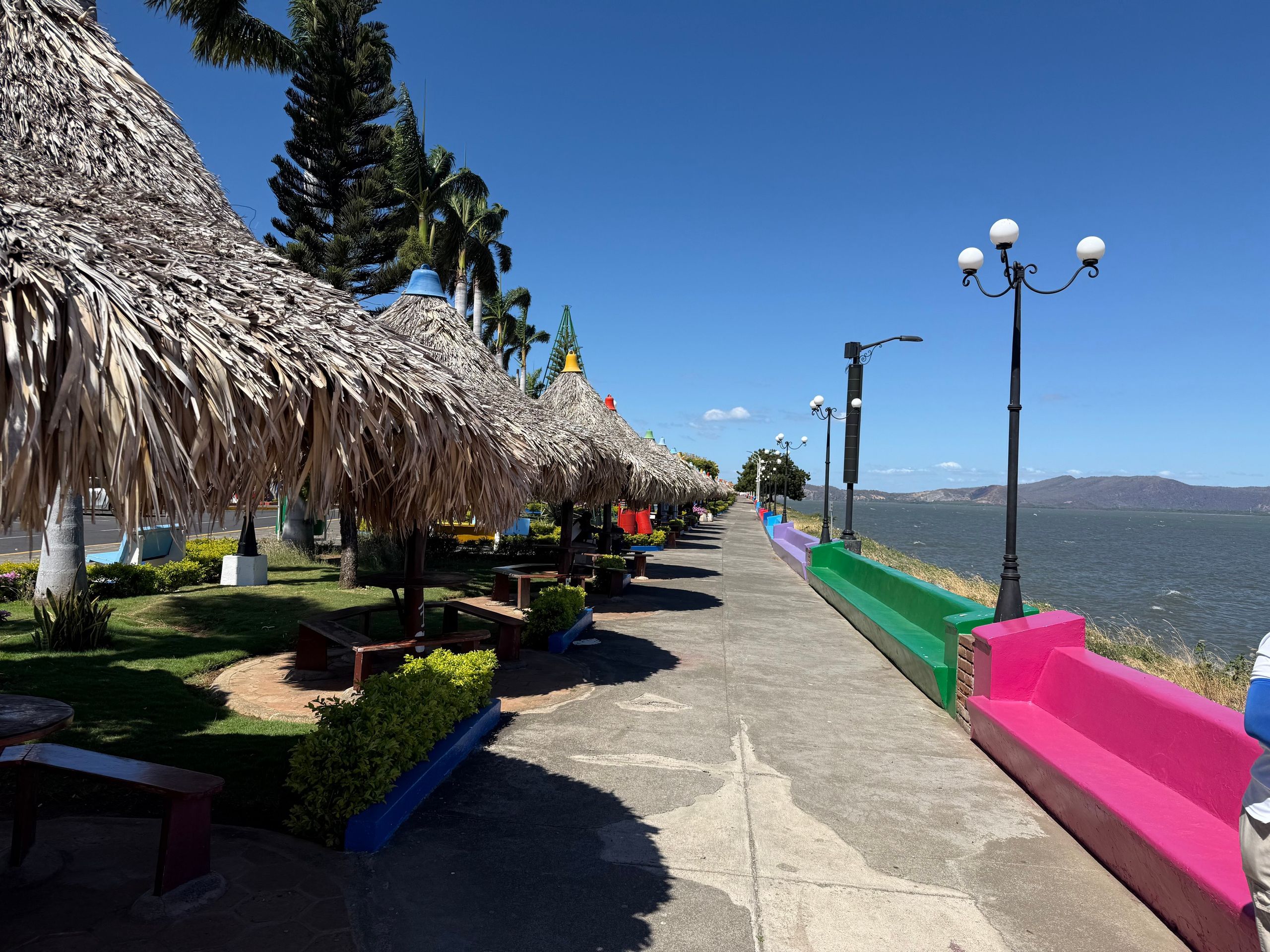
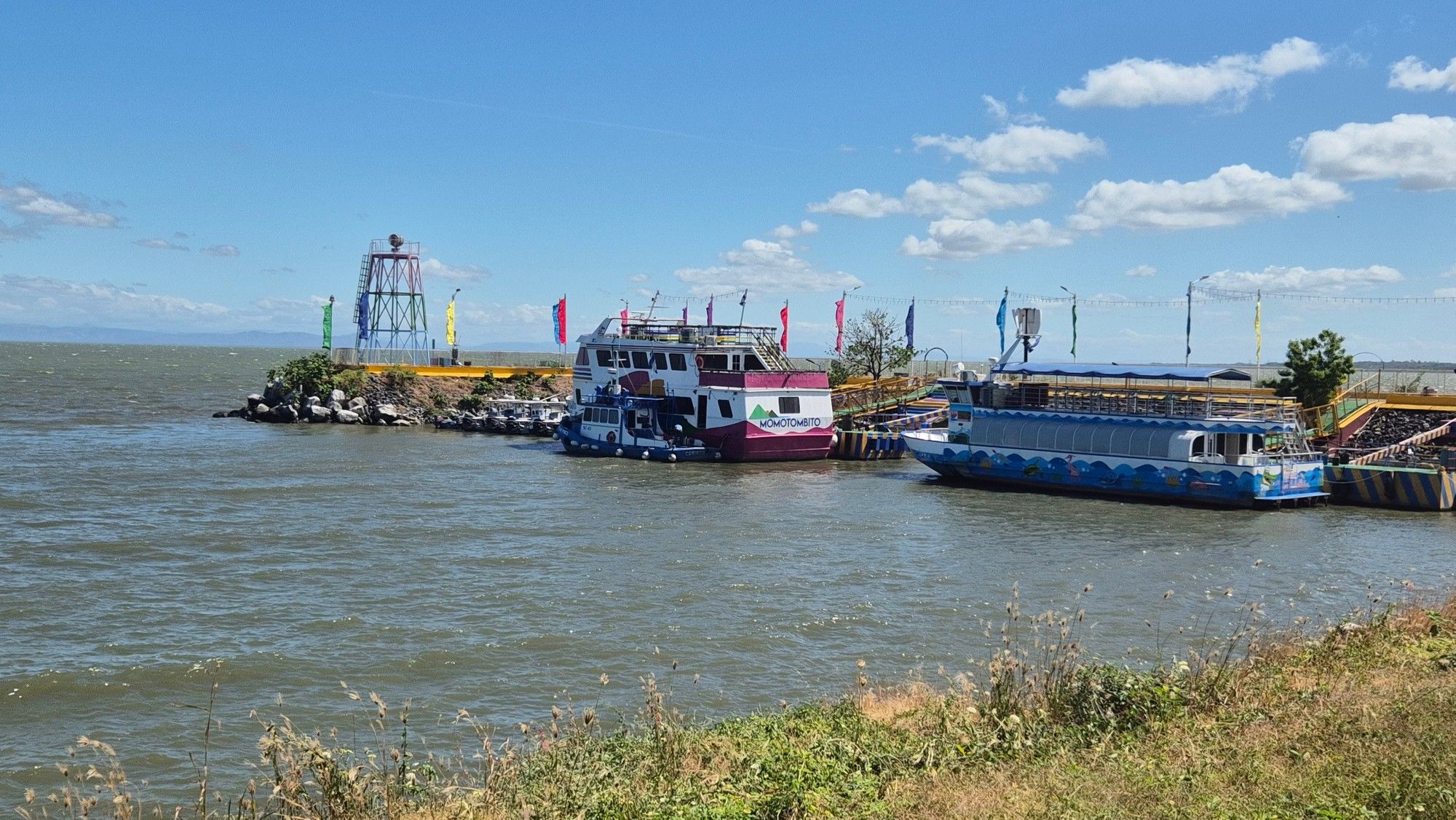
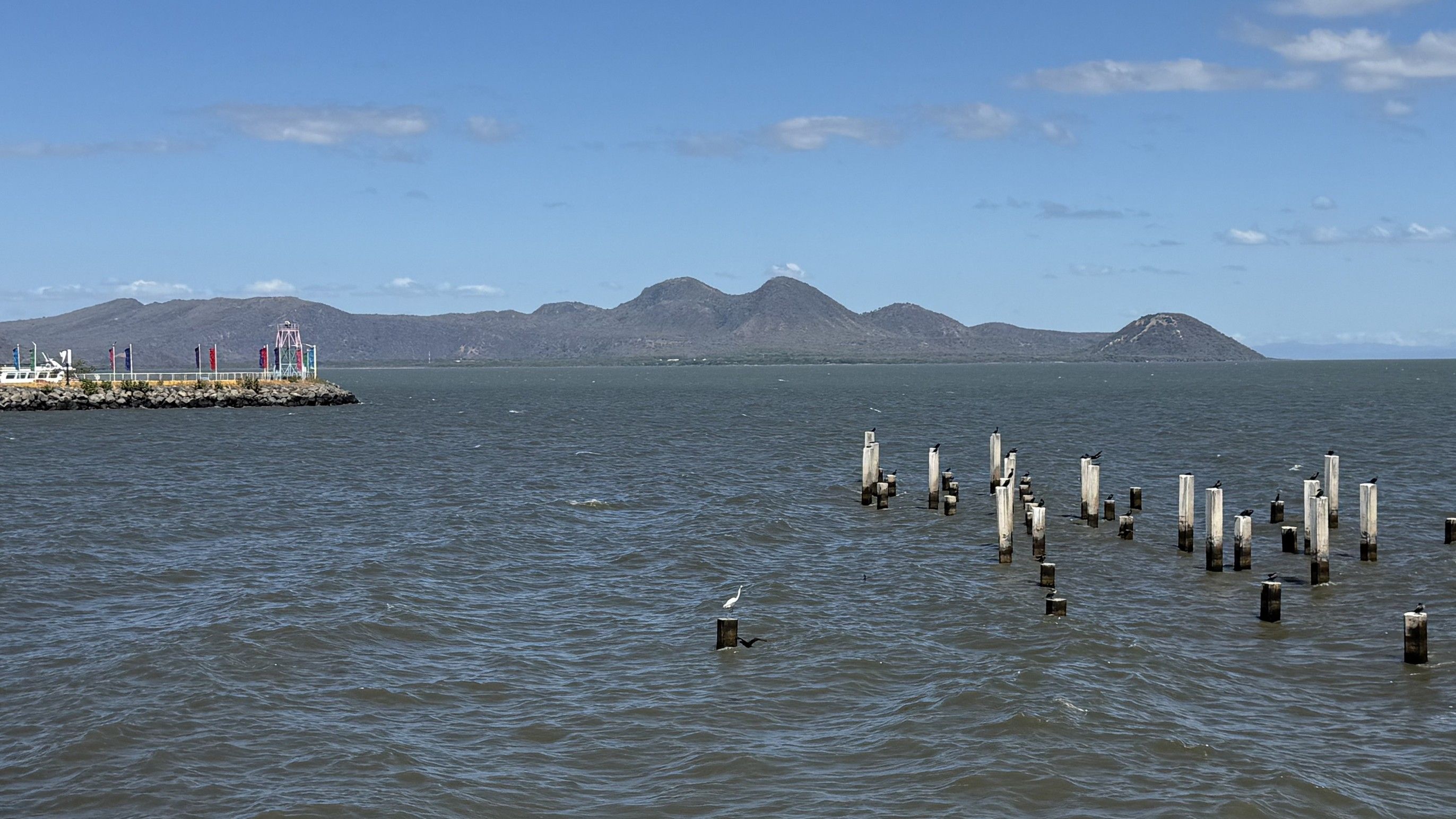
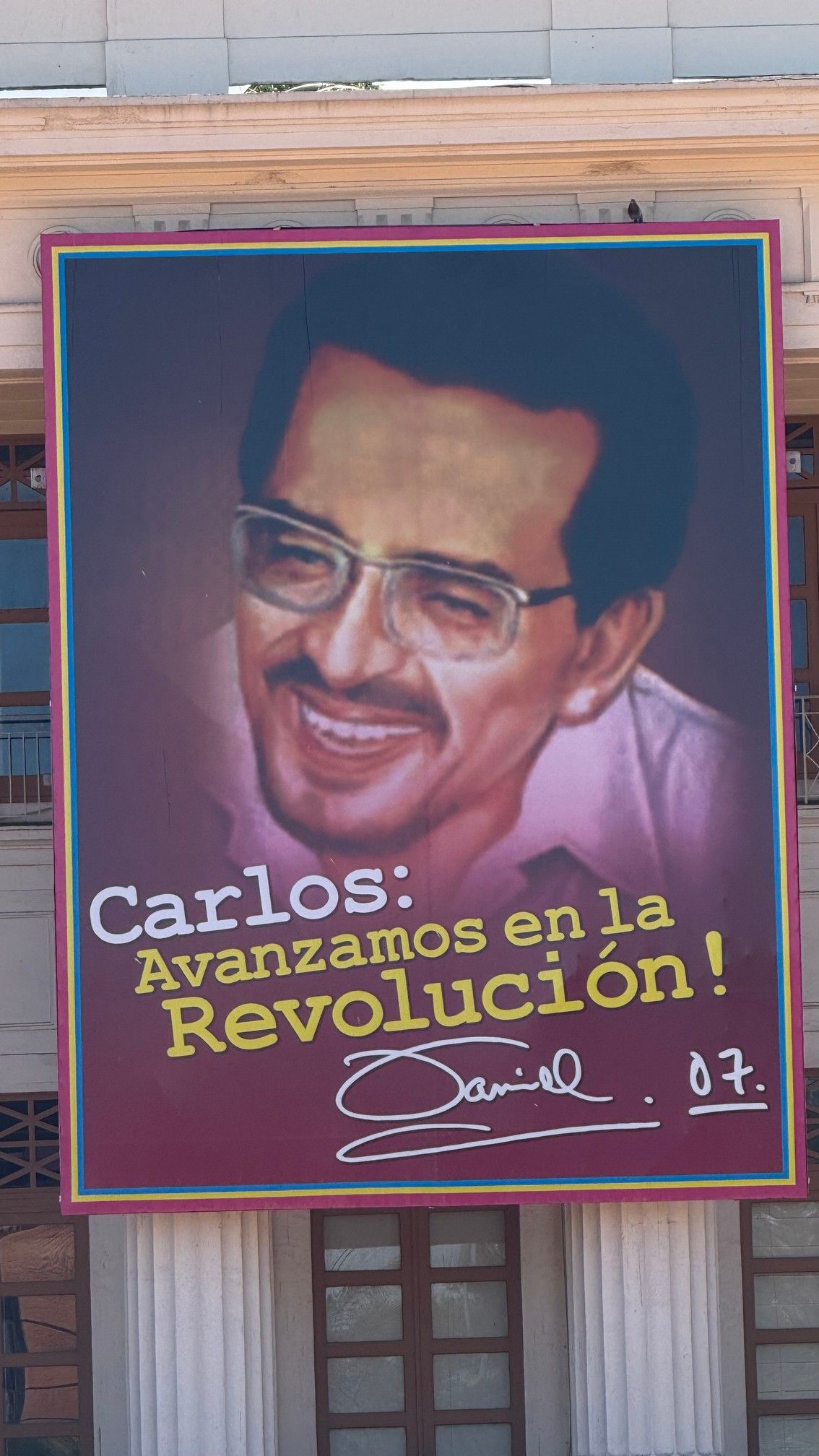
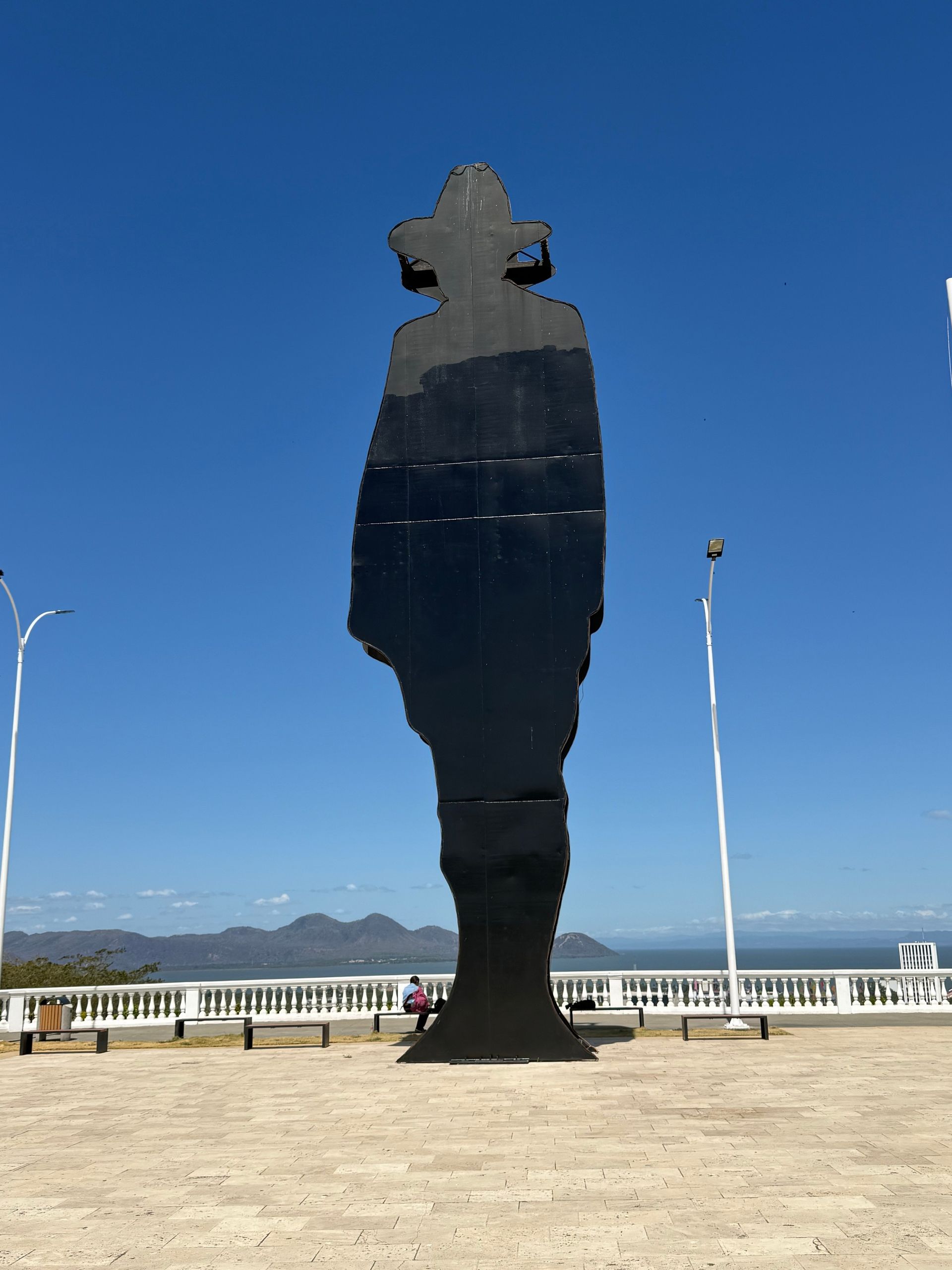
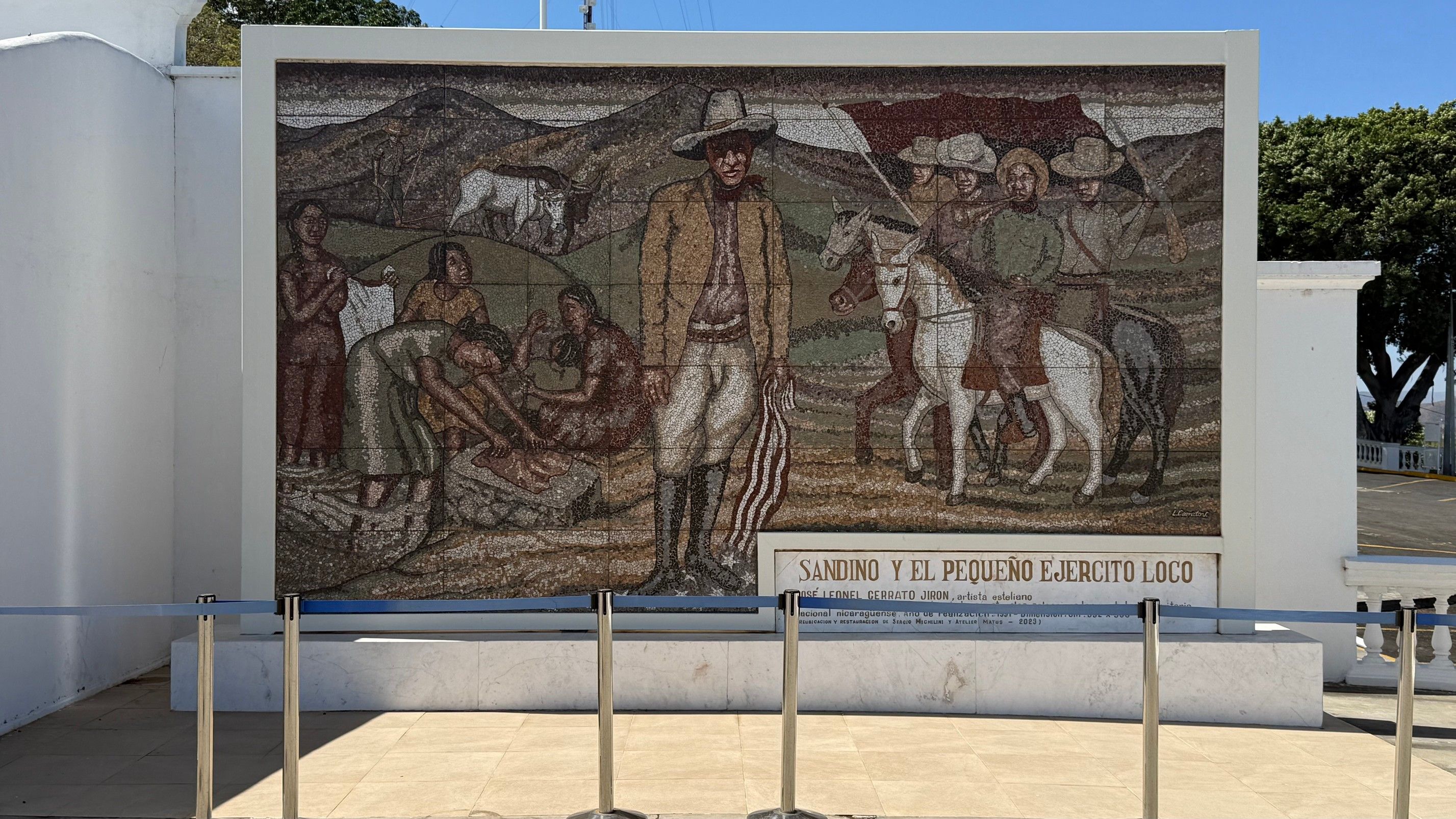
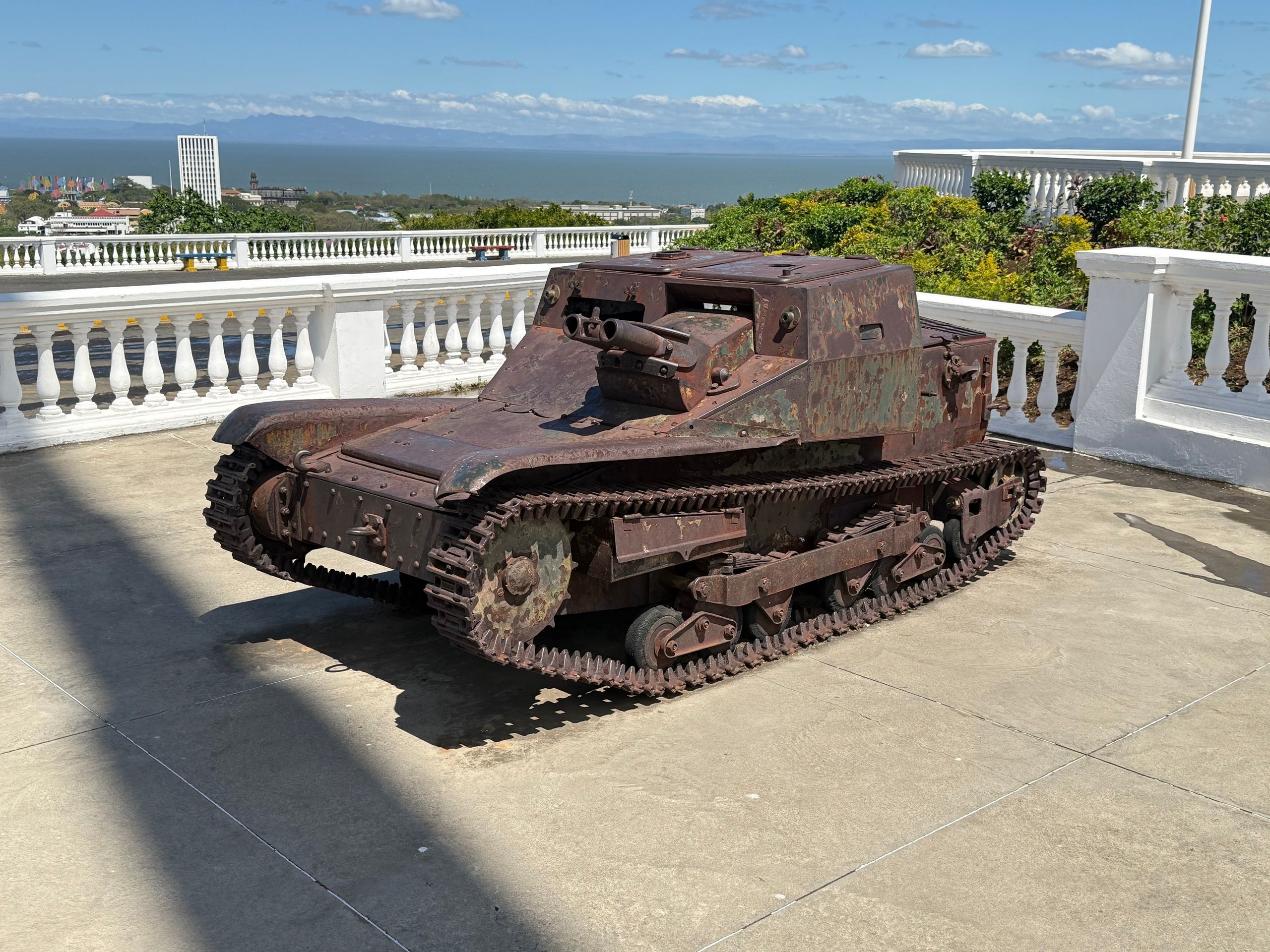
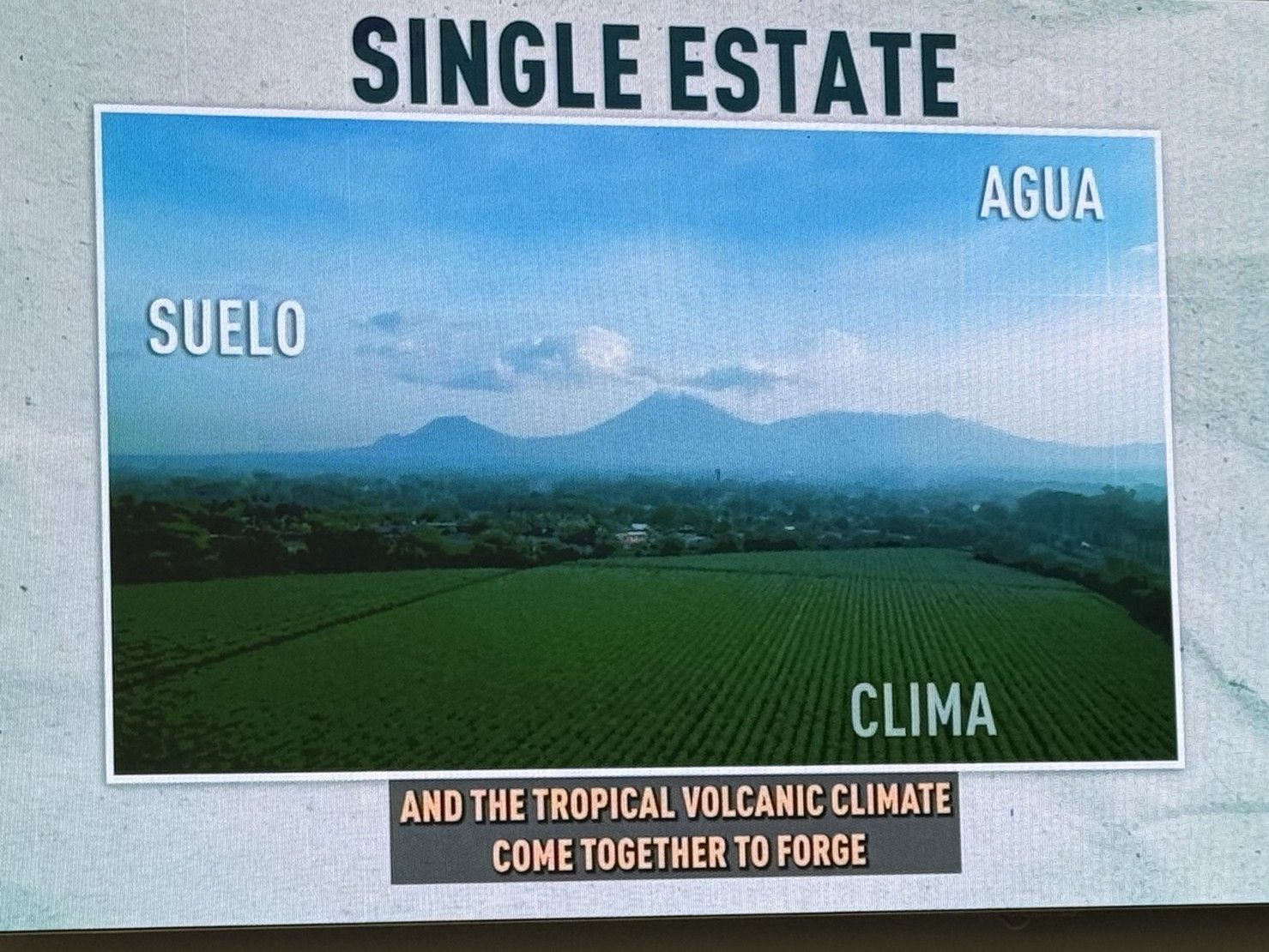
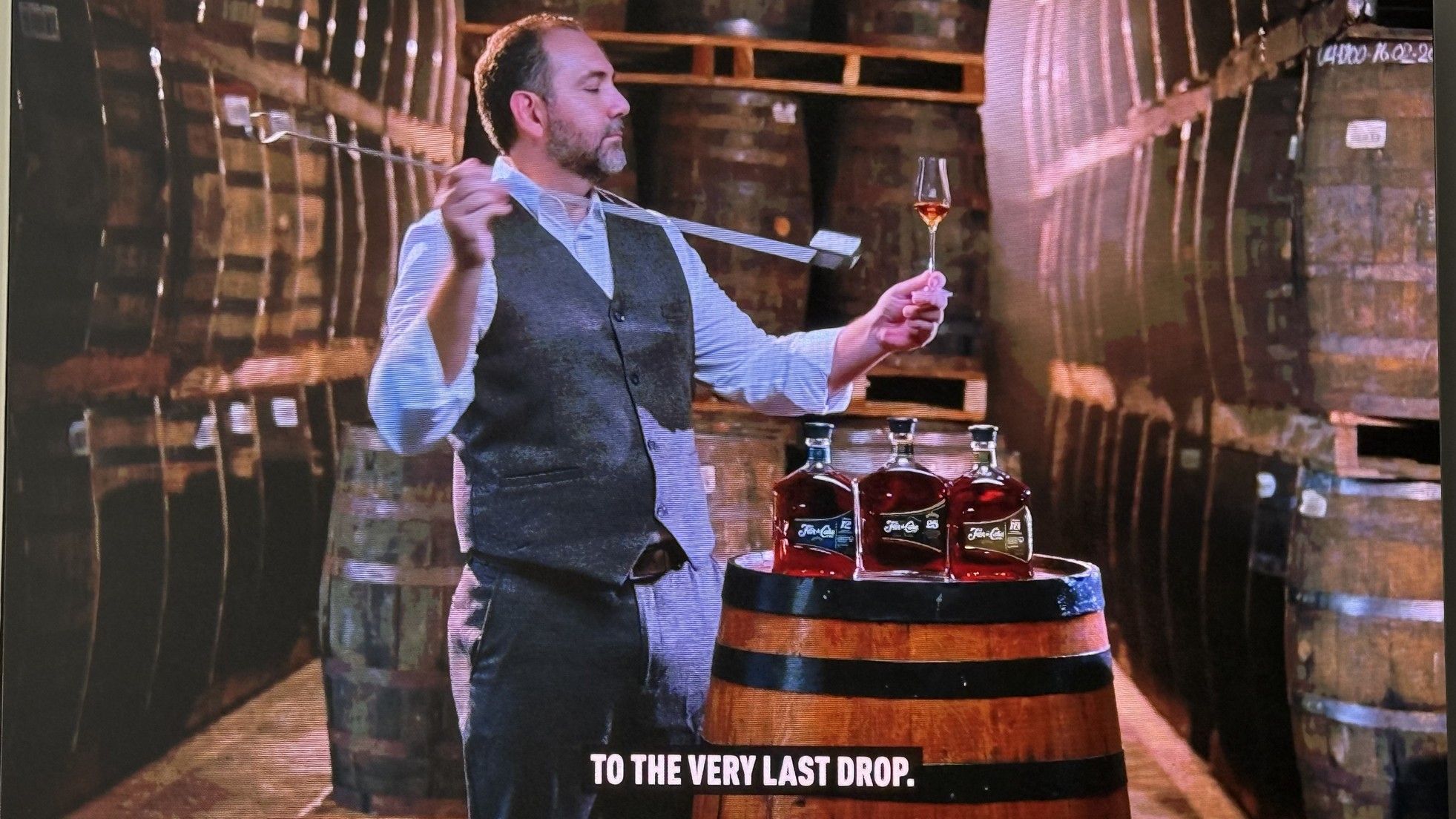
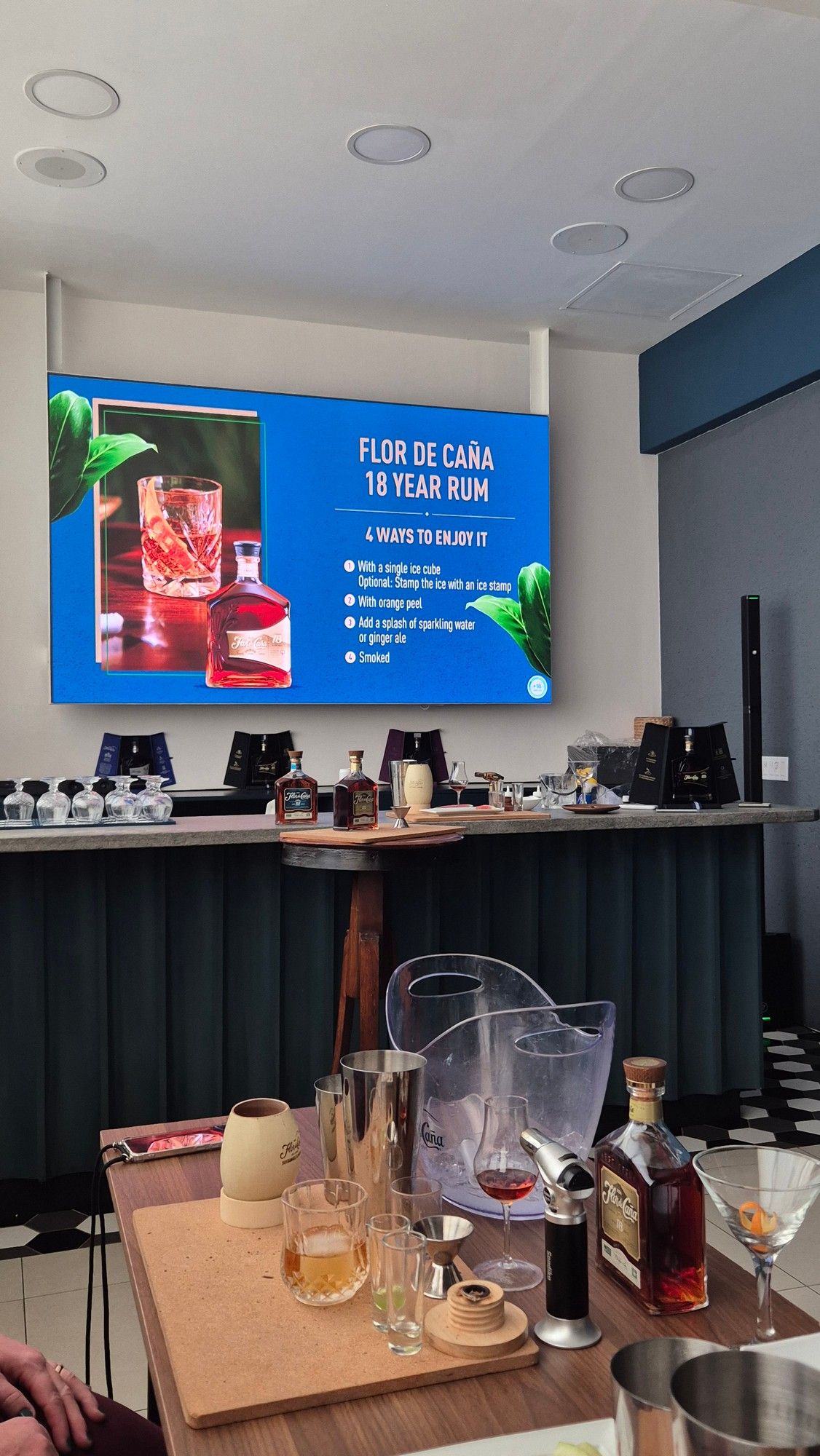

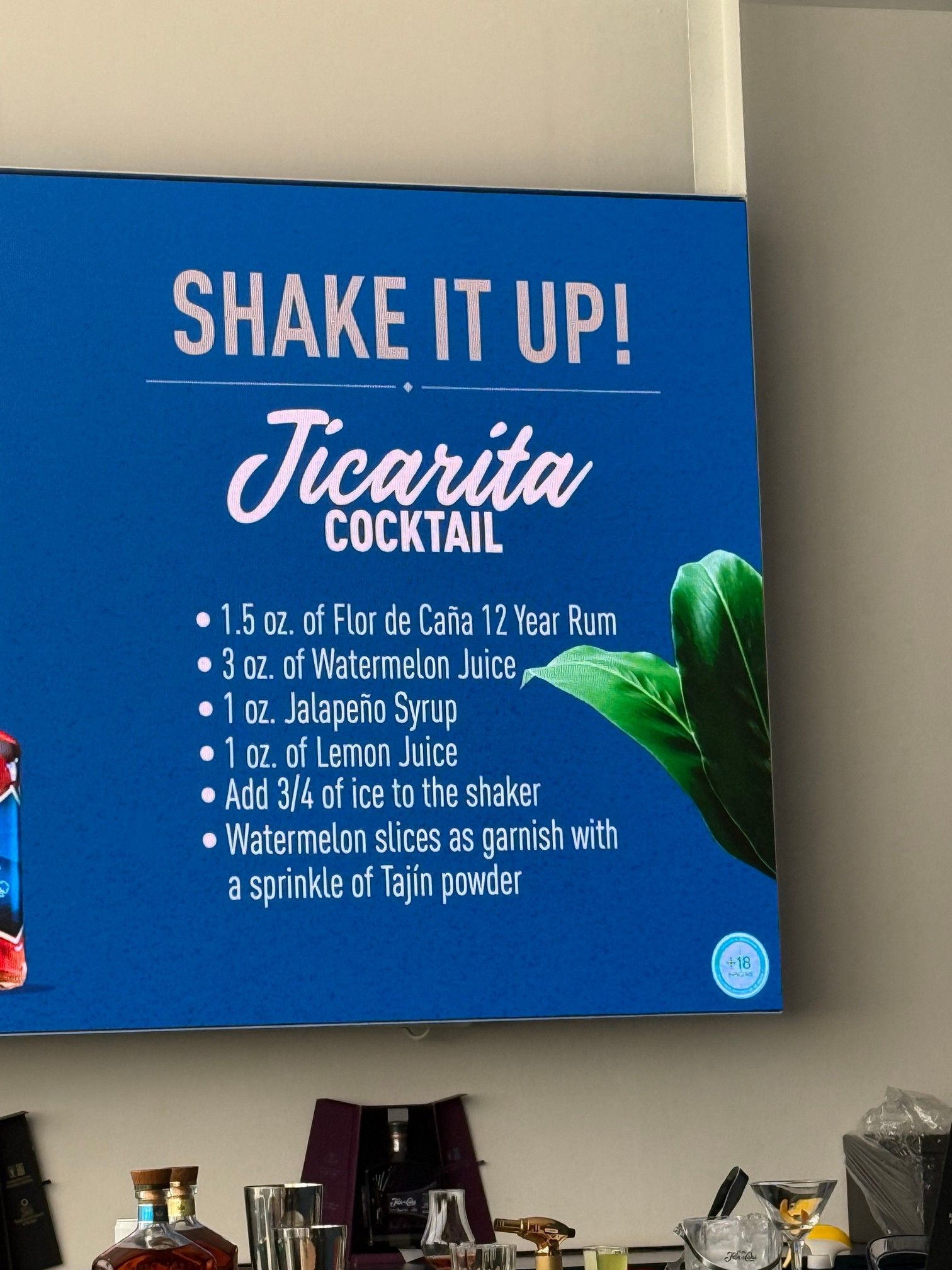
Today, the itinerary includes traveling from Leon to Granada. The main highlight is visiting the capital, Managua. We will start with the 'mandatory practice' of visiting the sites and monuments of the Sandinistas, and then head to the Boutique of the world-famous rum producer 'Flor de Caña'.
As previously mentioned in an earlier blog, here follows a brief overview of Nicaragua's turbulent history after the 'daily description' – it's so tumultuous that even a 'summary' becomes quite lengthy…
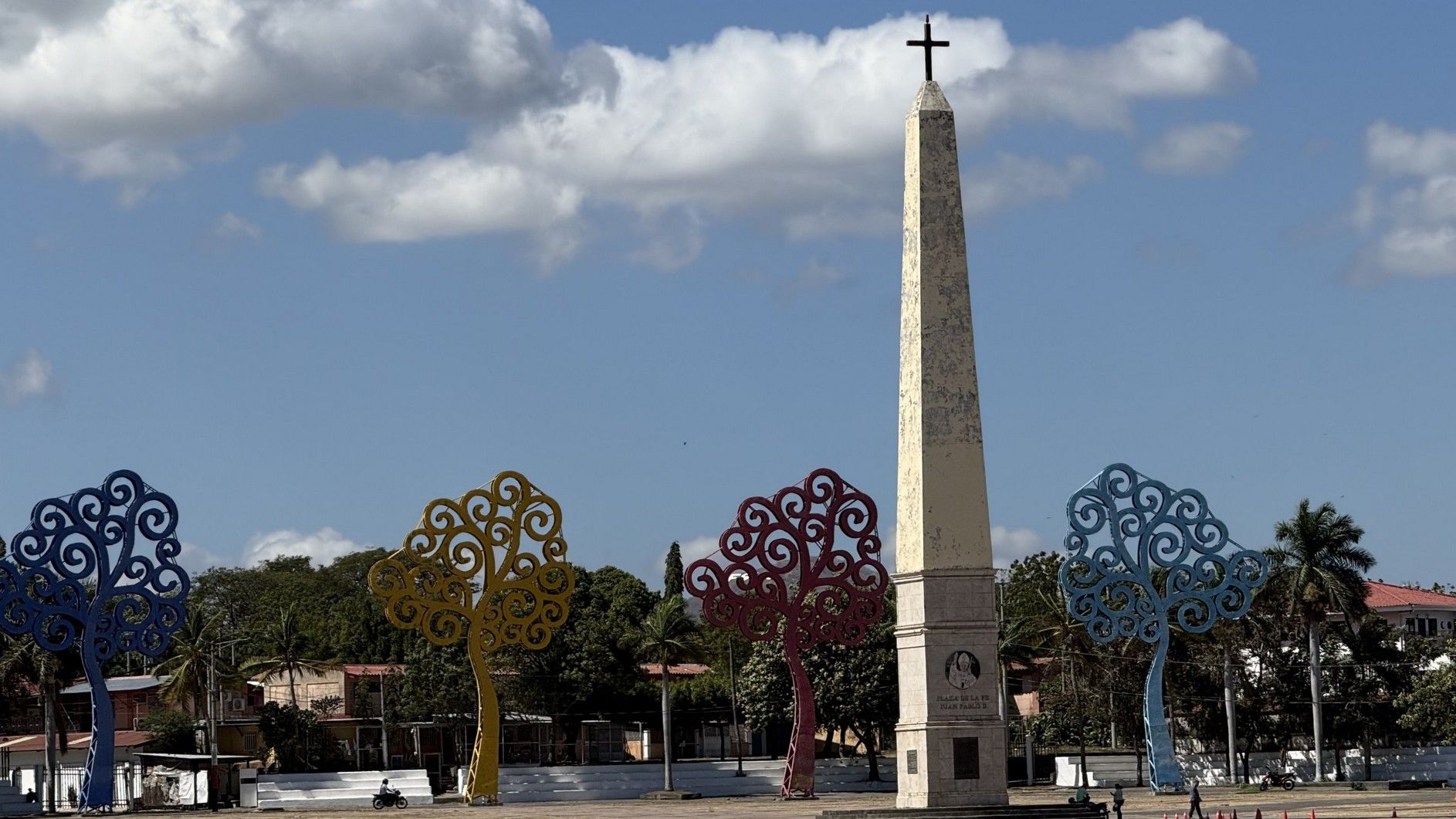
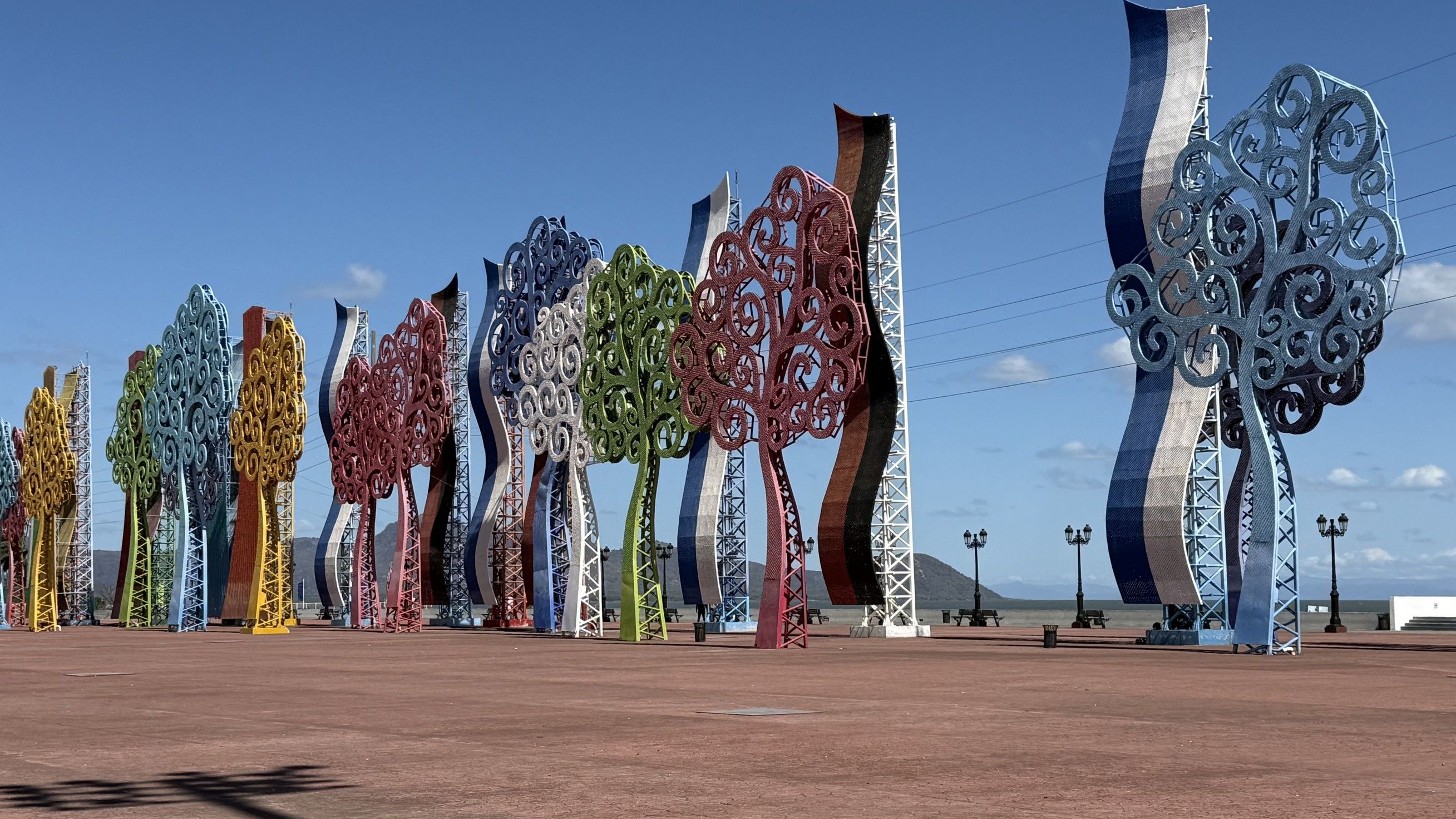
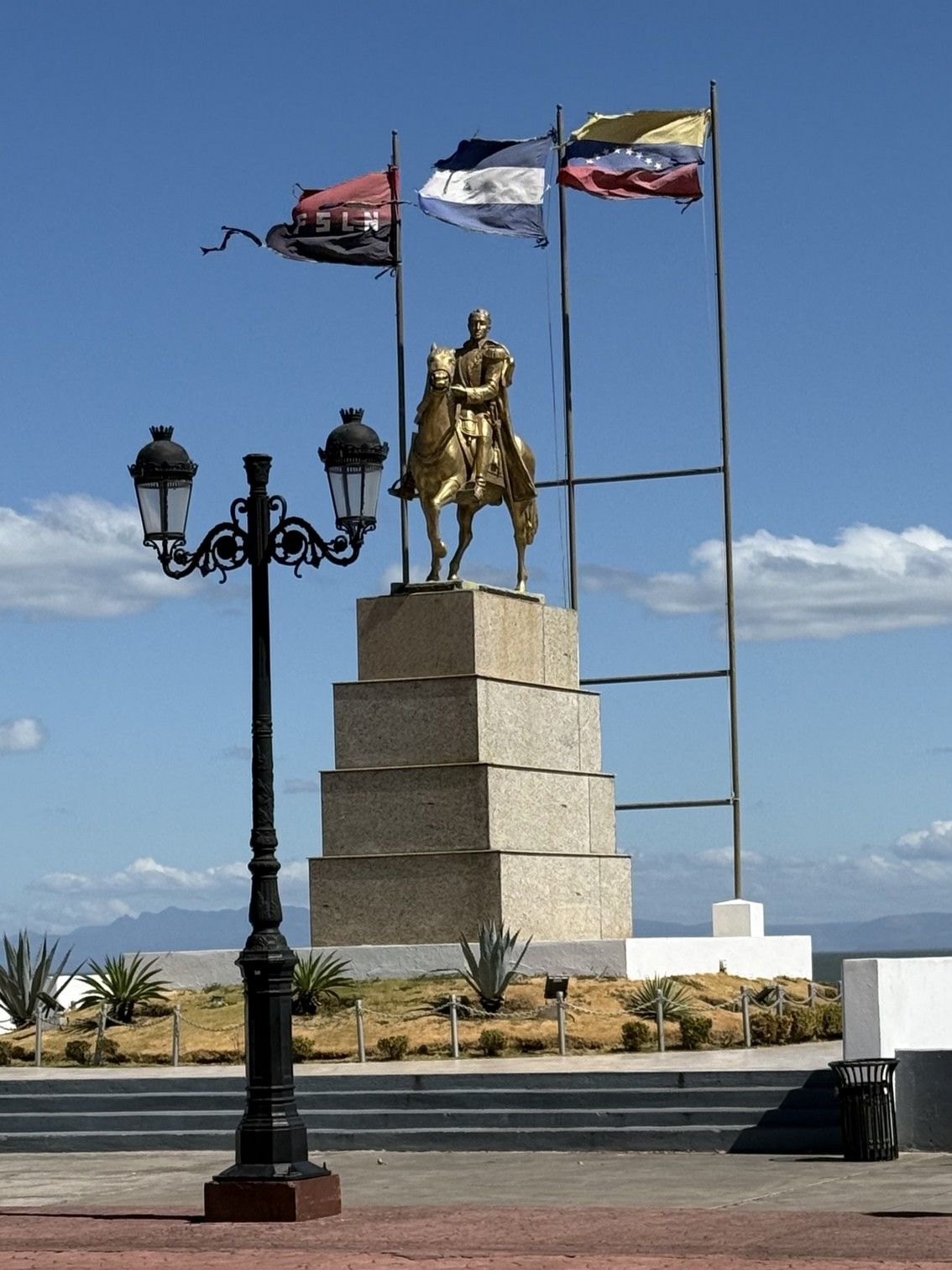
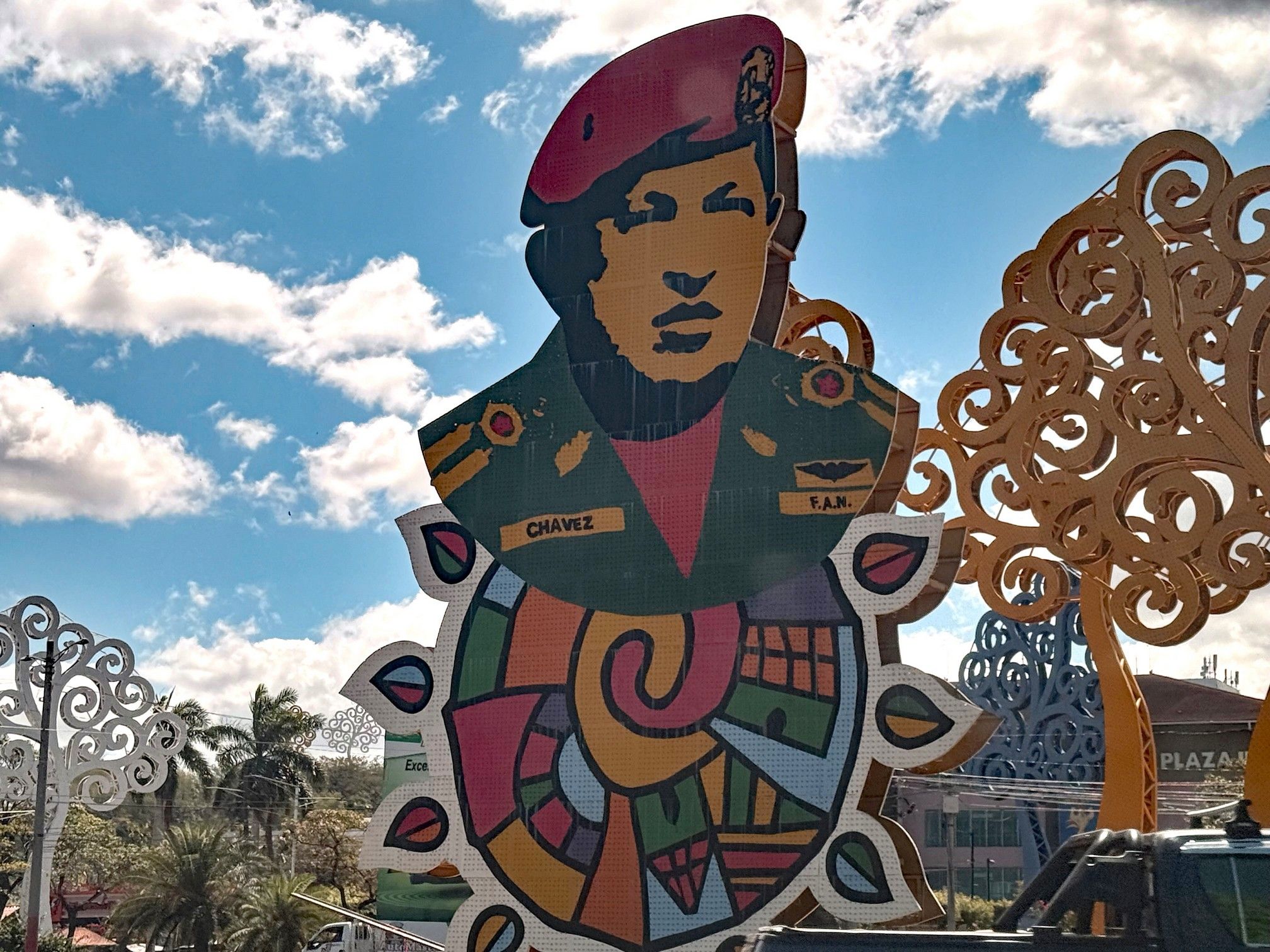
In Managua, we begin at the large square 'Plaza de la Fe – San Juan Pablo II'. Pope John Paul II visited Nicaragua twice, in 1983 during the Contra War, where he emphasized the contrast between the Sandinistas and the 'people's church' with Ernesto Cardenal. Ernesto Cardenal was only rehabilitated by Pope Francis in 2014, with his suspension lifted. His second visit in 1996 was more relaxed, as the Sandinistas were no longer in power. There is a certain irony in the fact that at this plaza, where John Paul held masses, symbols of Sandino and Hugo Chavez, as well as the monument for the freedom hero Simon Bolivar, are placed.
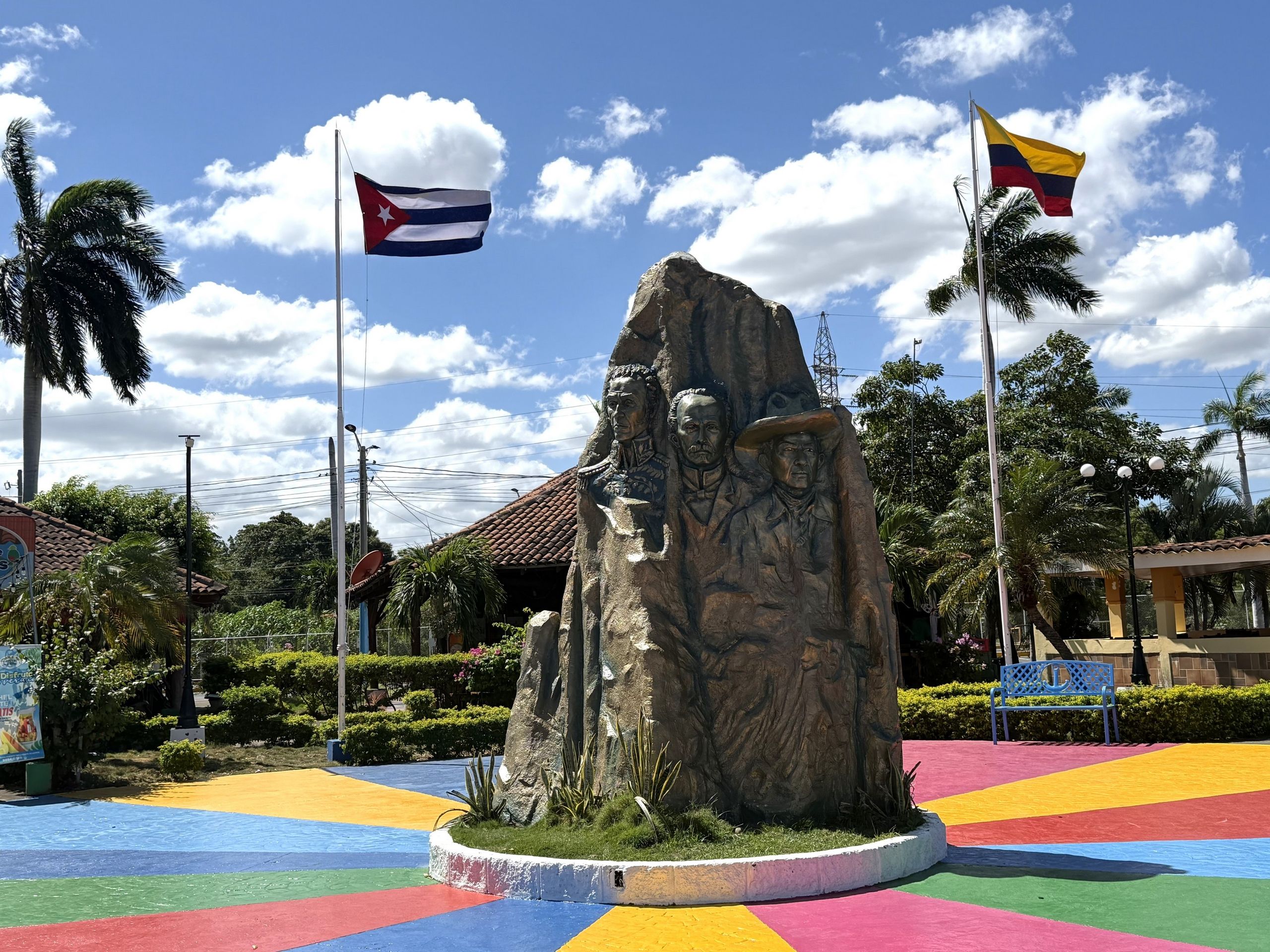
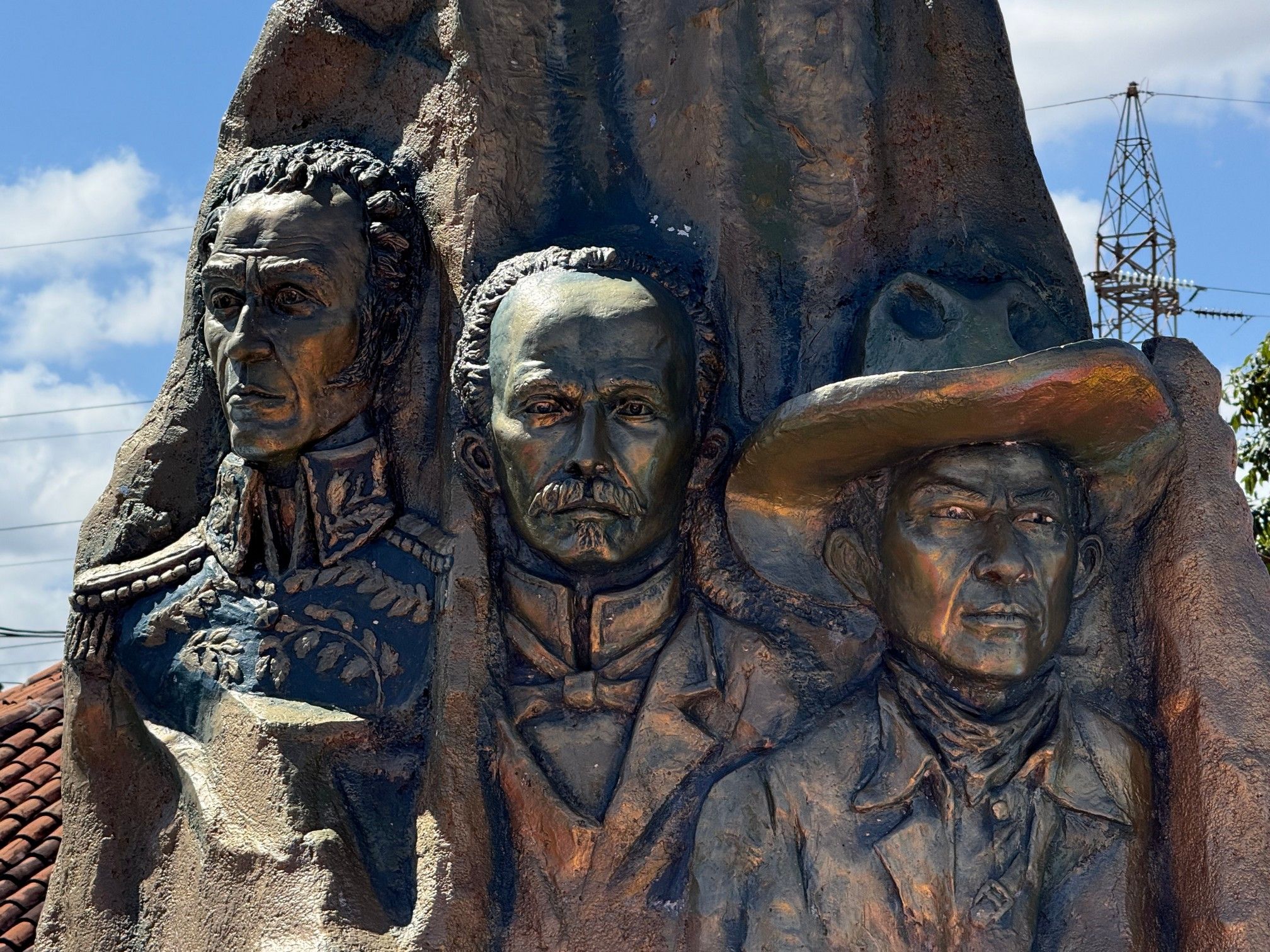
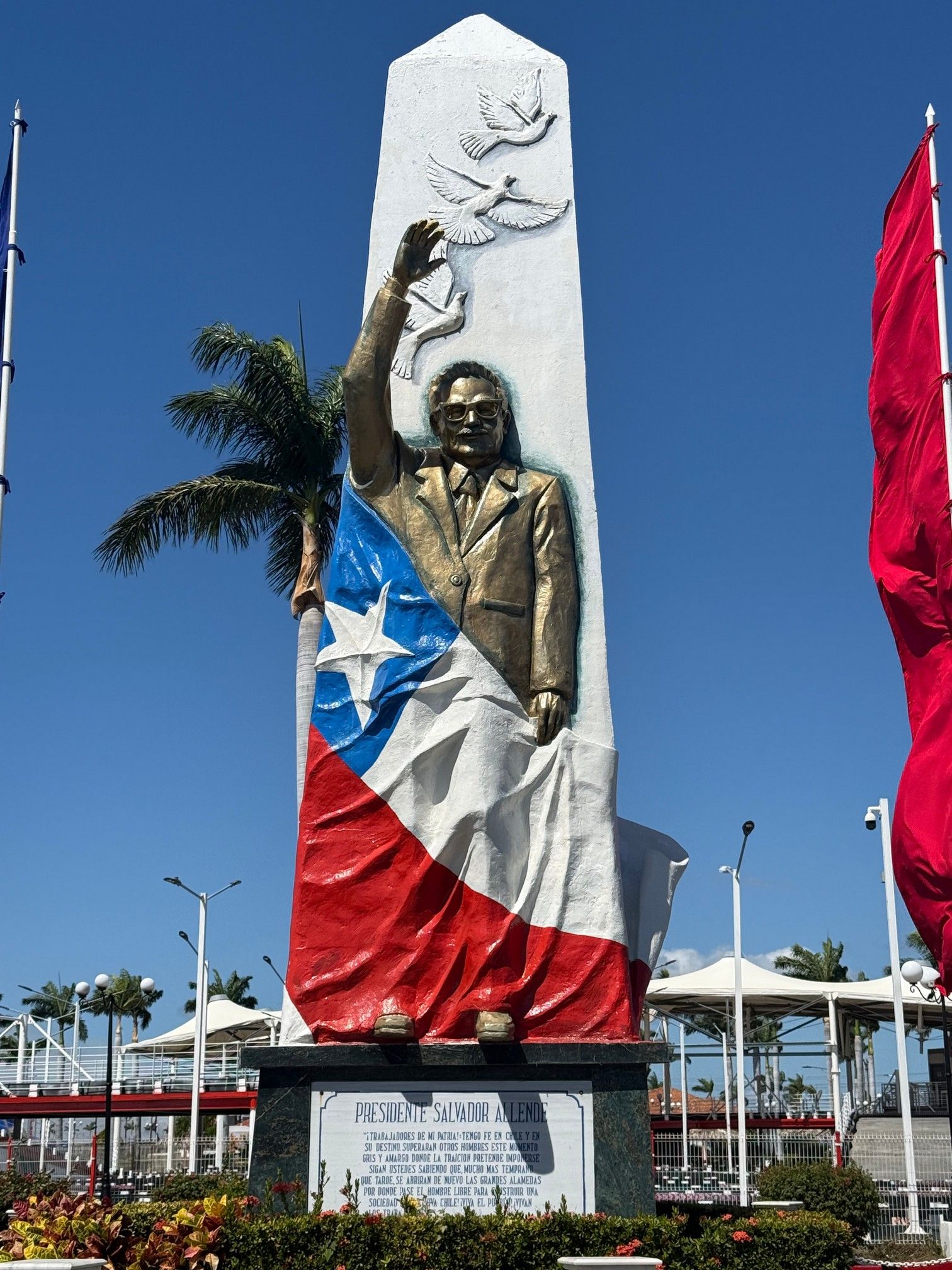
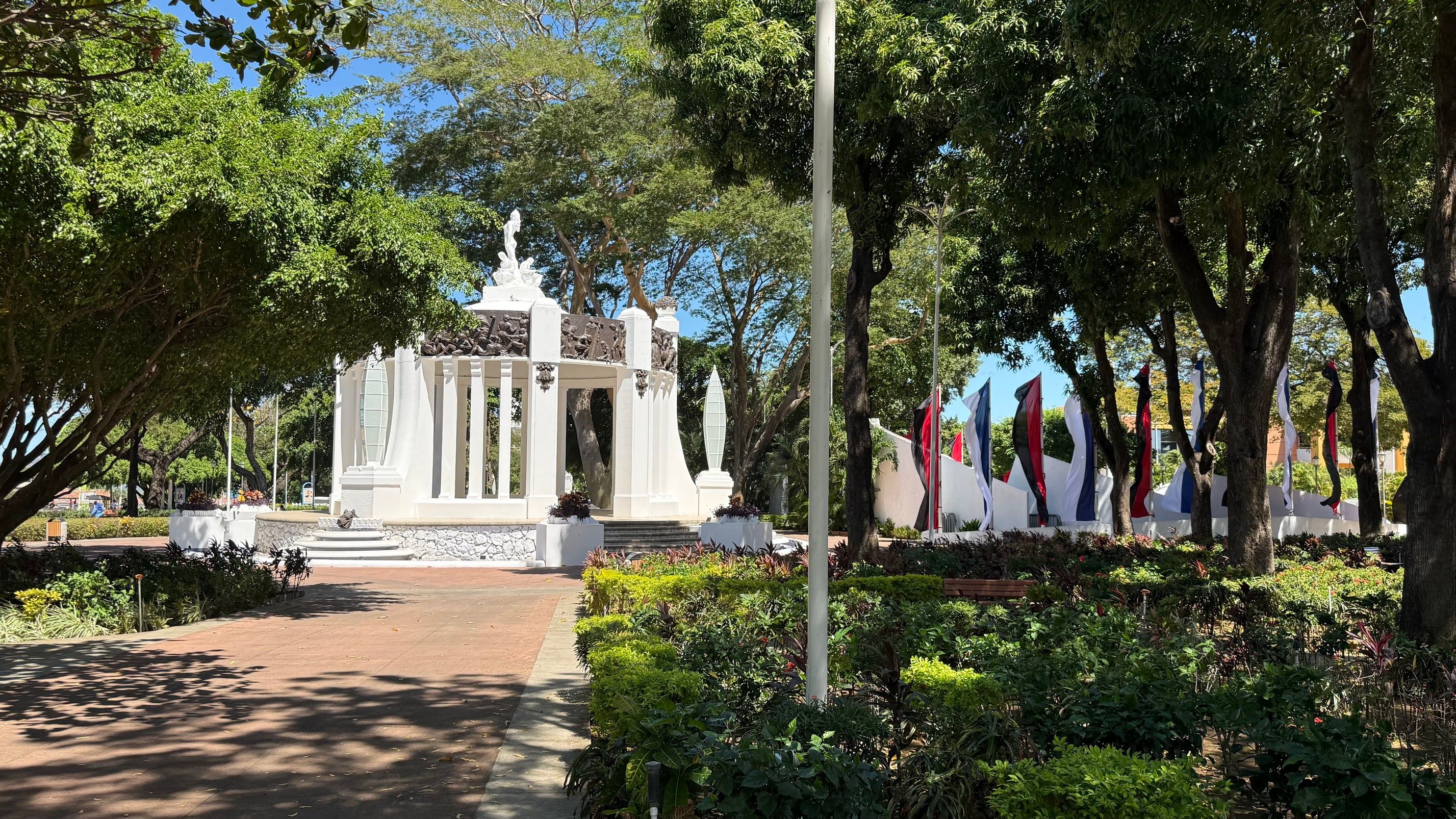
Right next door, at the shore of Lake Xolotlán (Lake Managua), is the Salvador Allende Recreation Park, with monuments for its namesake and revolutionaries from Cuba, Venezuela, Nicaragua, etc. Beyond the political message, it is a very beautiful facility, frequented by the people of Managua in the evenings and on weekends – there are also restaurants and bars there.
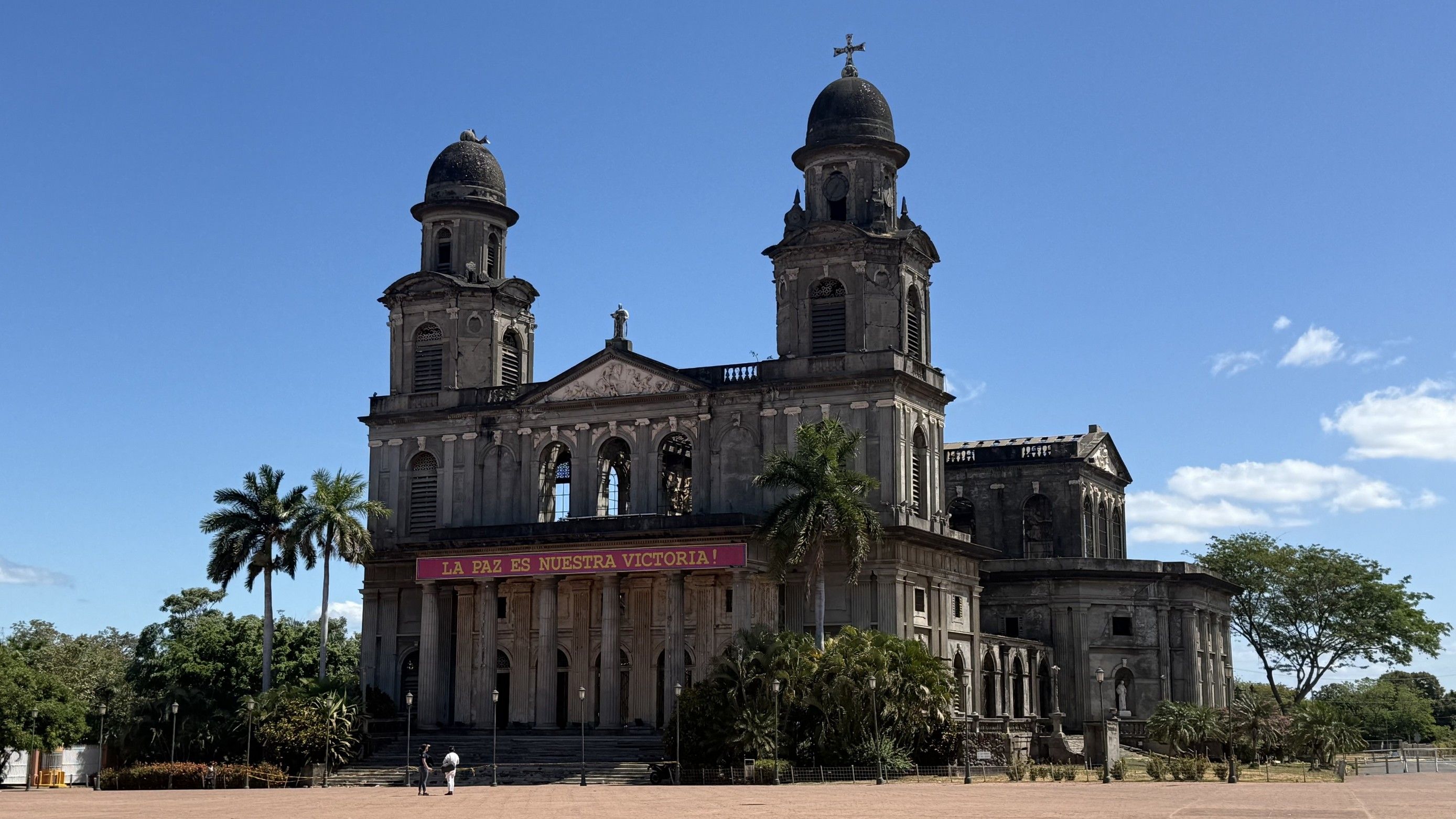
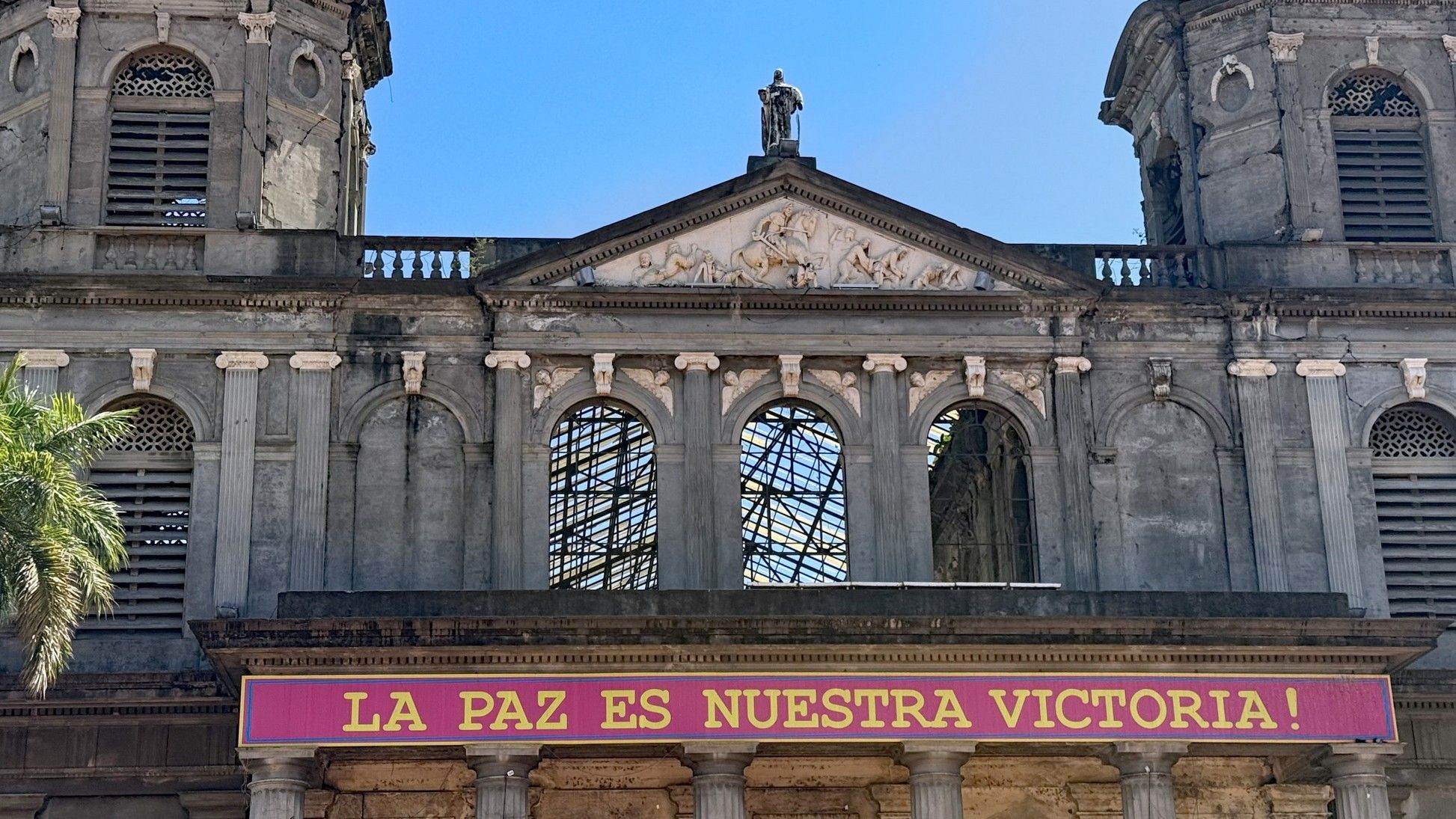
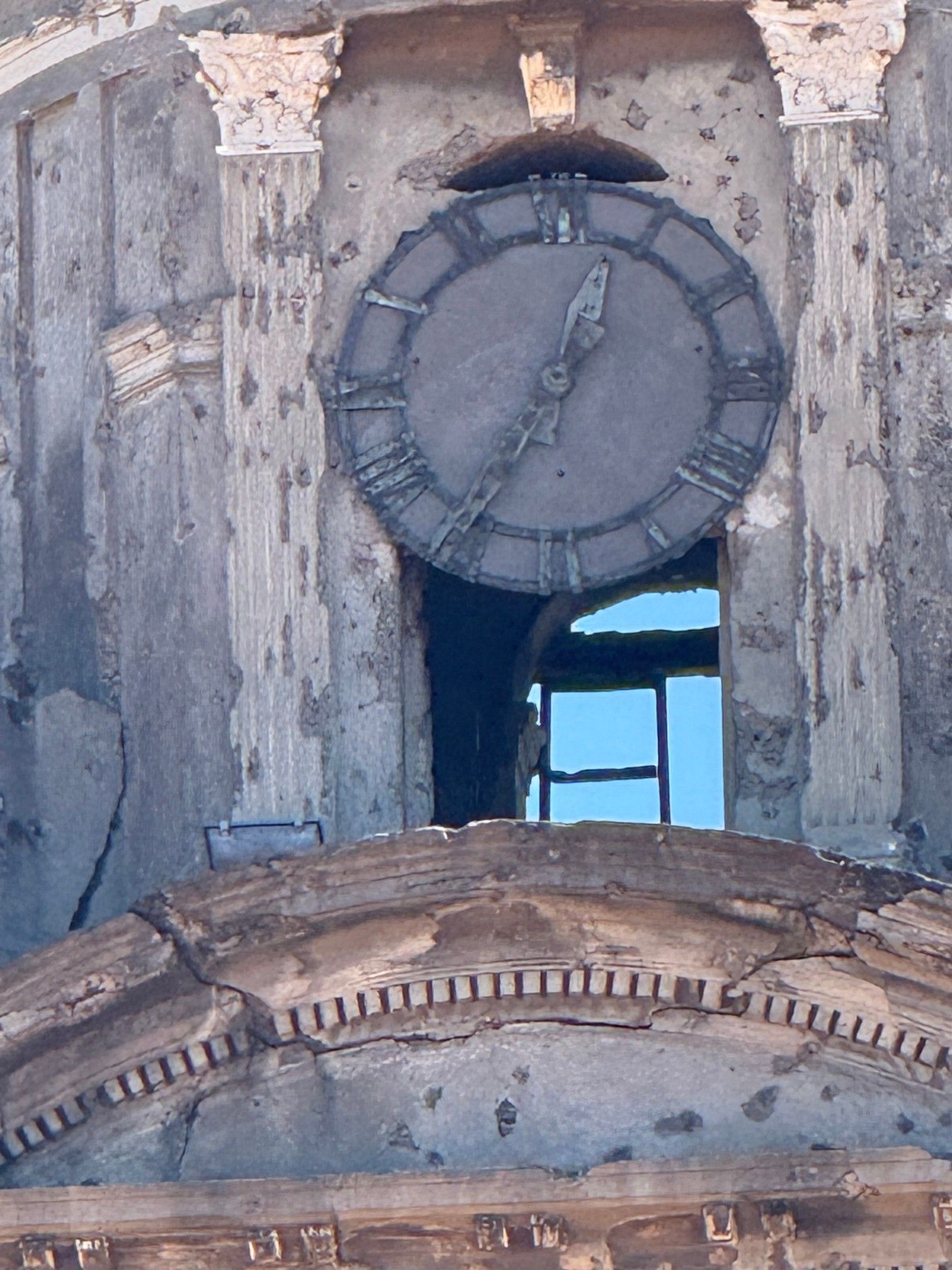
Not far away is our next stop - the Plaza de la Revolución. The first eye-catcher is the cathedral destroyed in the 1972 earthquake. In addition to the many bullet holes in the plaster (Revolution 1979), the clock that stopped at 00:35 during the earthquake on December 23, 1972, is remarkable. About 10,000 people died in the earthquake, and Managua was 80 to 90% destroyed. As if the quake and its aftermath were not bad enough, the then dictator Anastasio Somoza Debayle and his National Guard embezzled a large part of the international aid funds and goods.
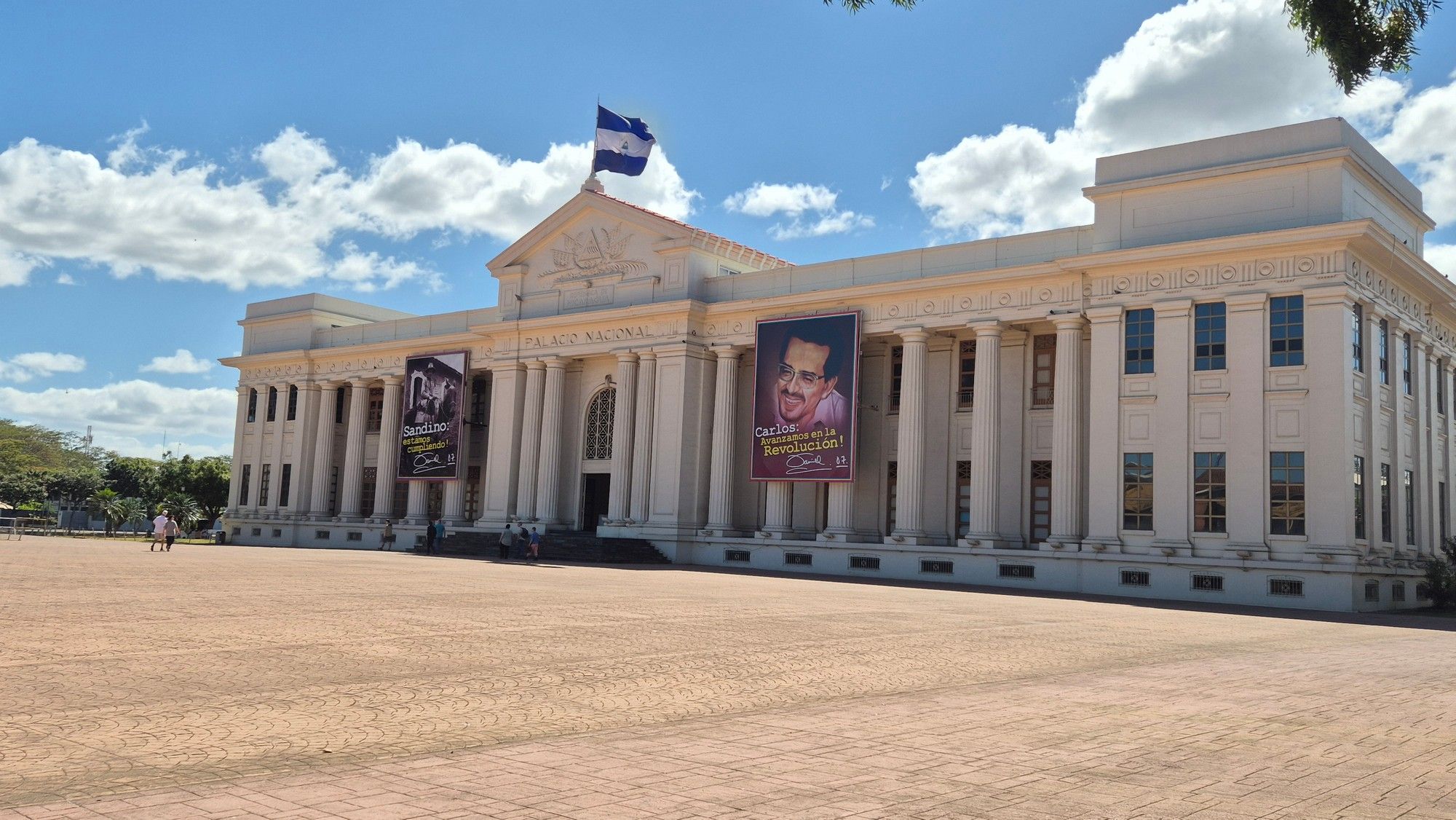
On the west side of the vast square is the Palacio Nacional, now a 'revolutionary' museum, which thankfully we can skip.
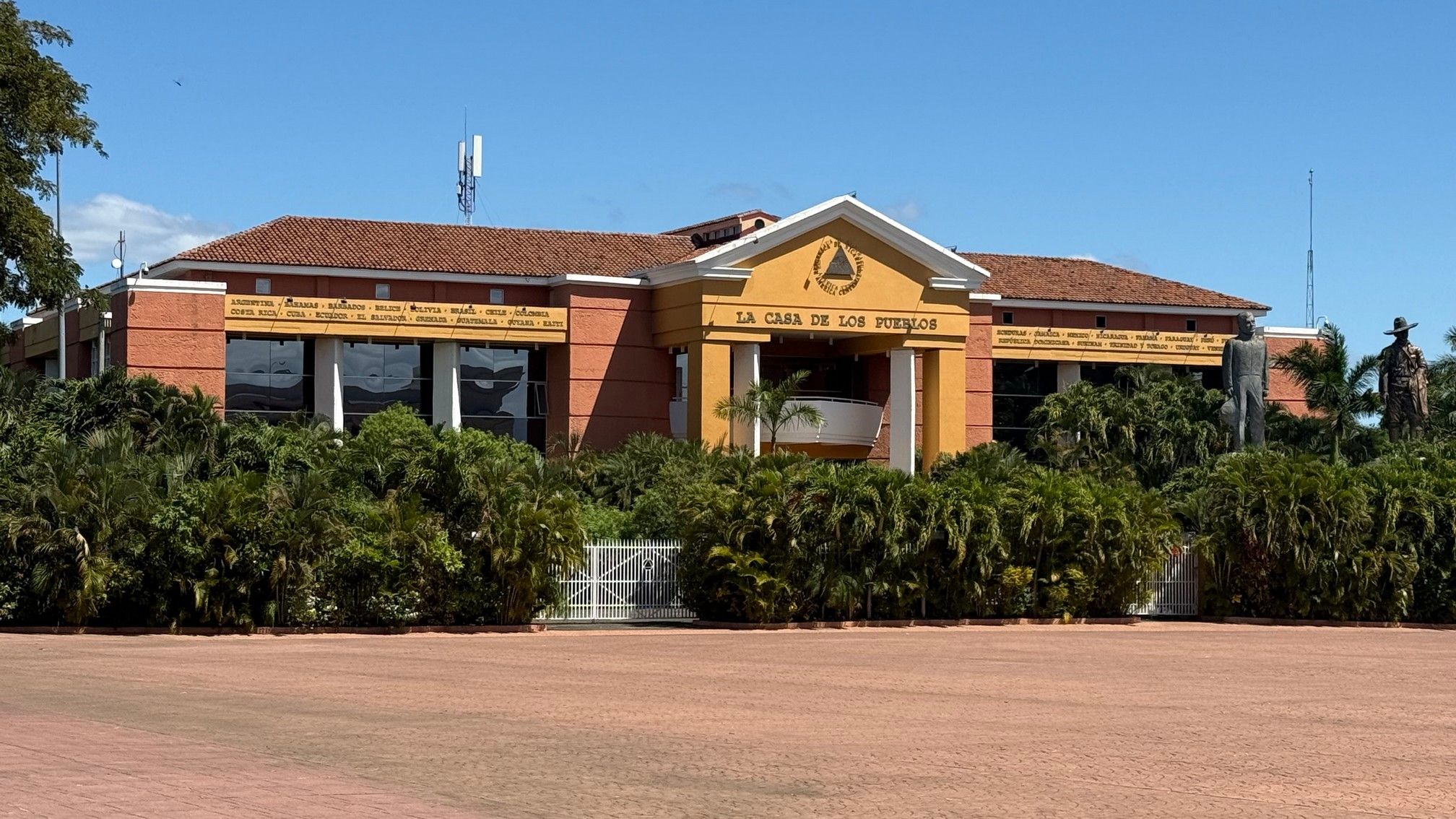
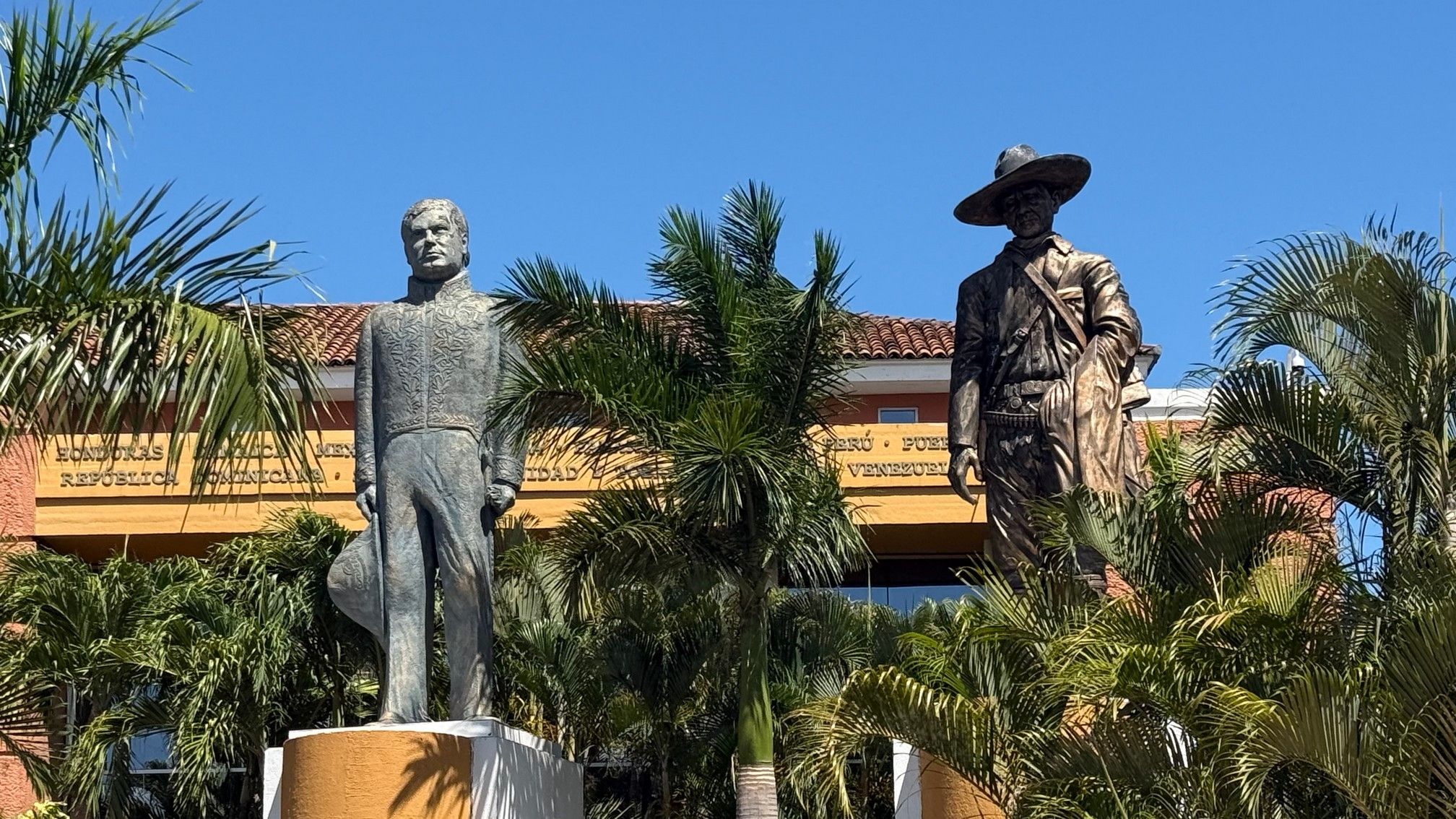
On the east side, there is a monument for Sandino and (probably?) President Ortega in front of the Casa de los Pueblos – erected after the earthquake, it used to be the president's office, and today it is used by Ortega for receptions, etc.
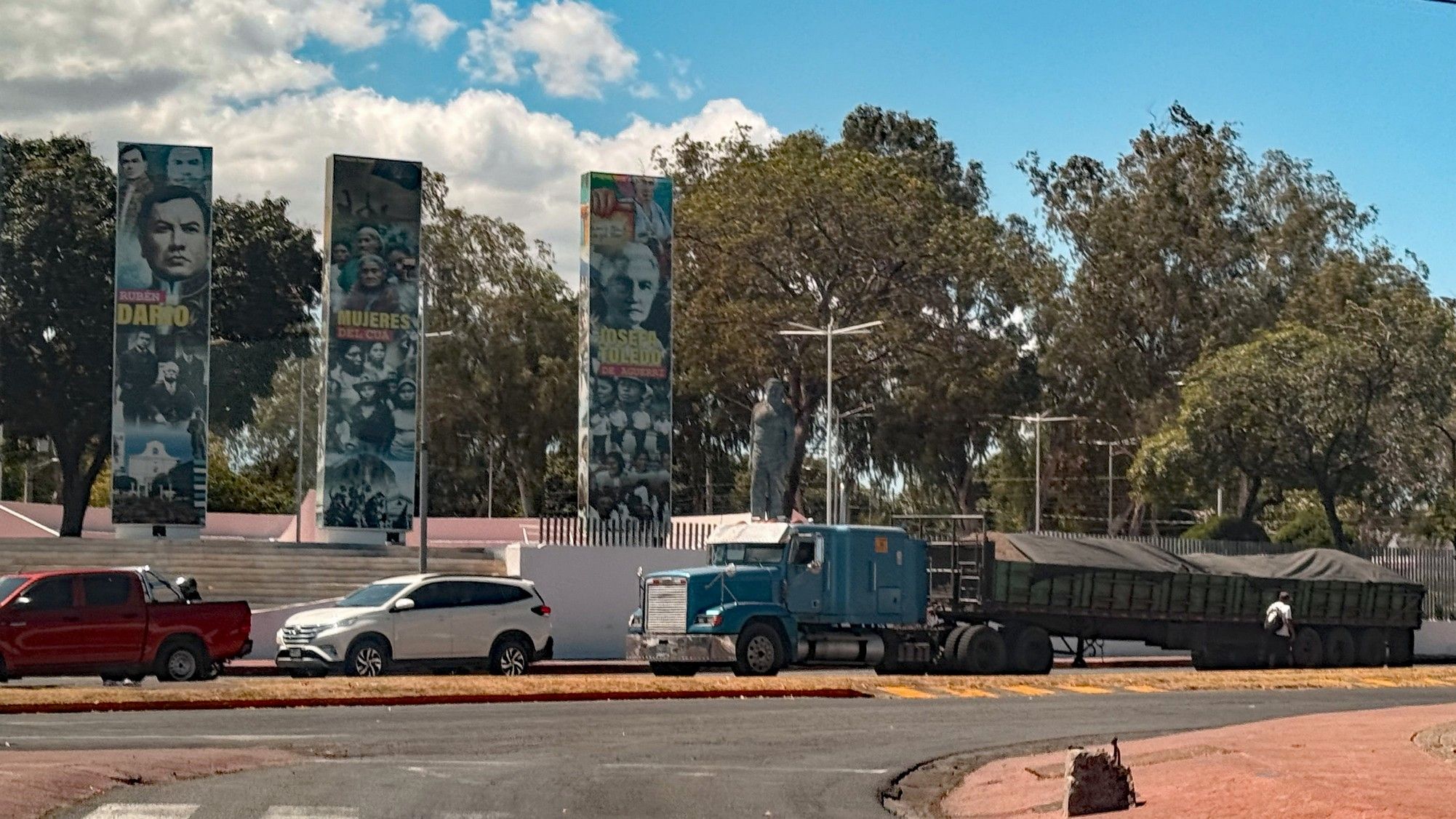
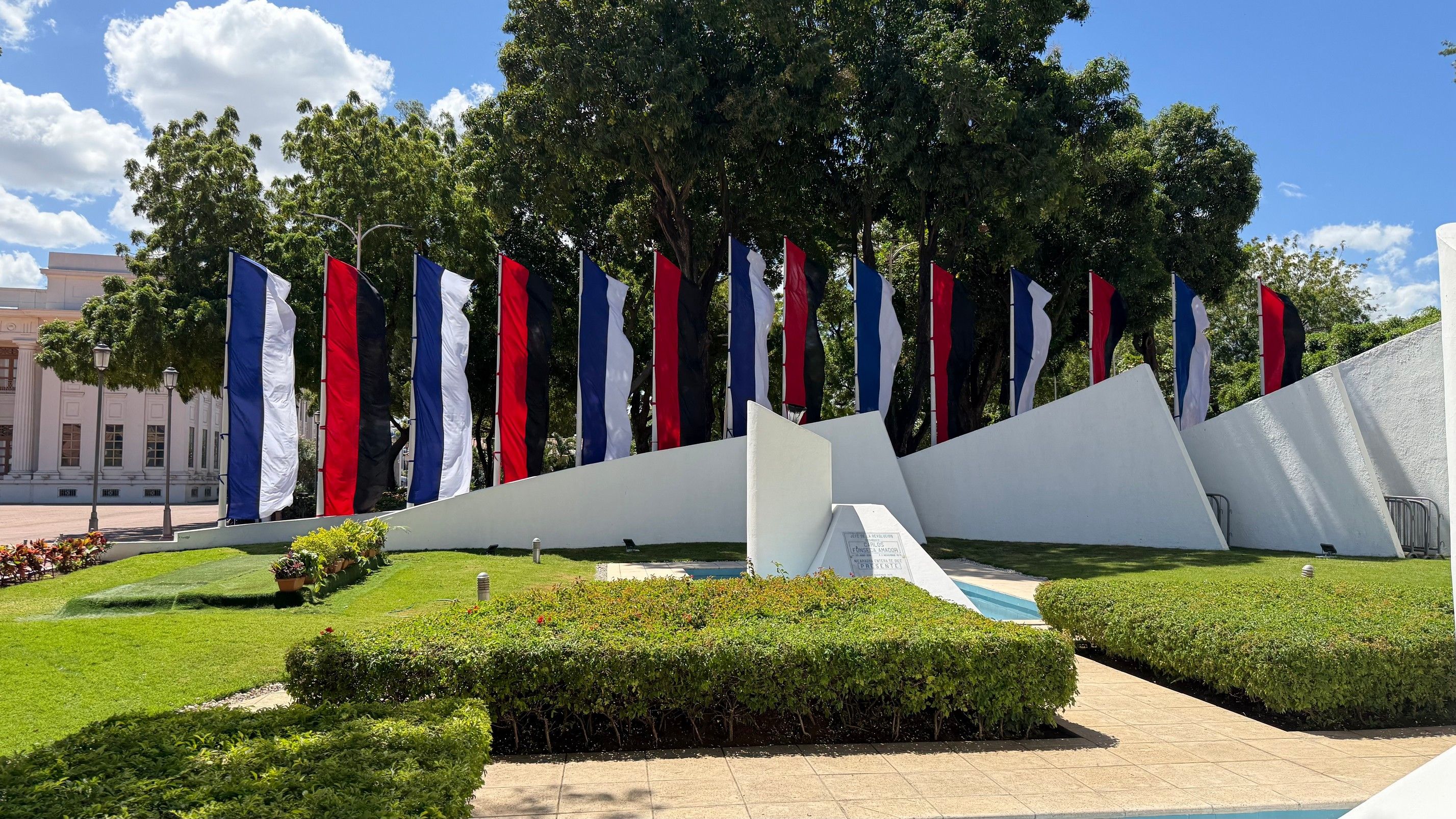
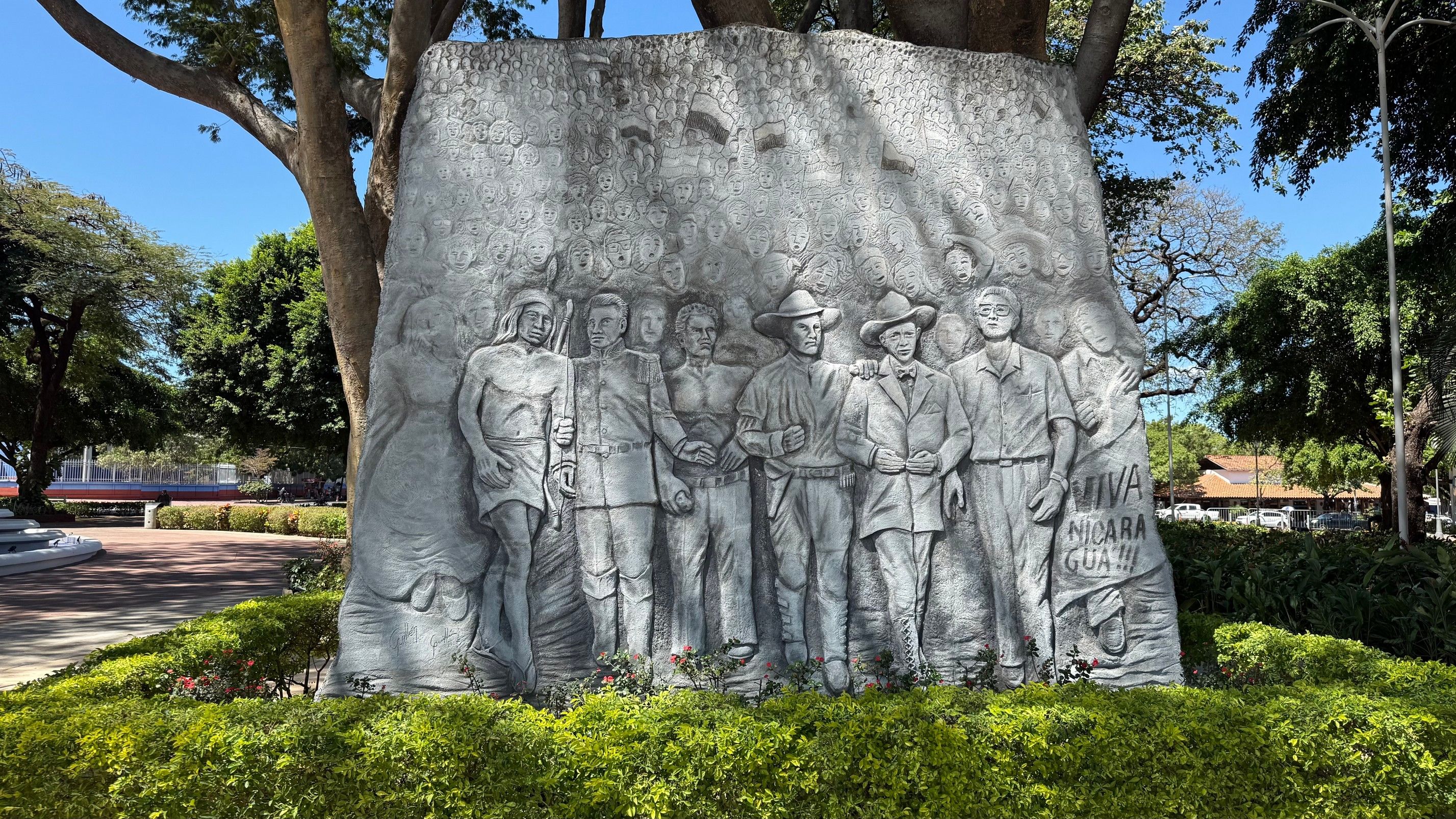
The north side is closed off by Parque Central, featuring remarkable monuments to Sandinista revolutionary heroes.
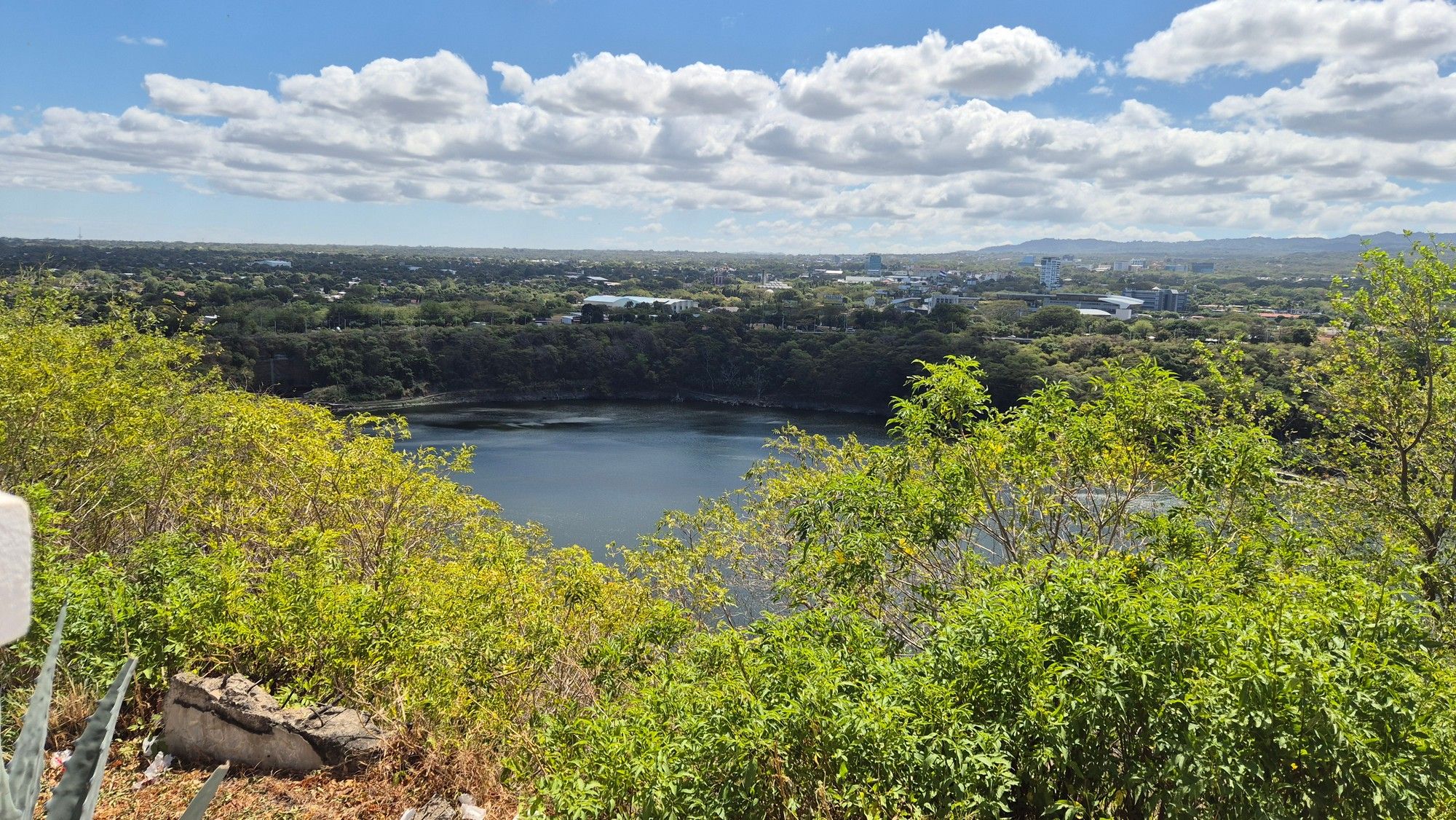
We continue to the viewpoint Loma de Tiscapa on a hill, where the presidential palace of the Somozas used to stand - until the earthquake - where Sandino and his comrades were also murdered.
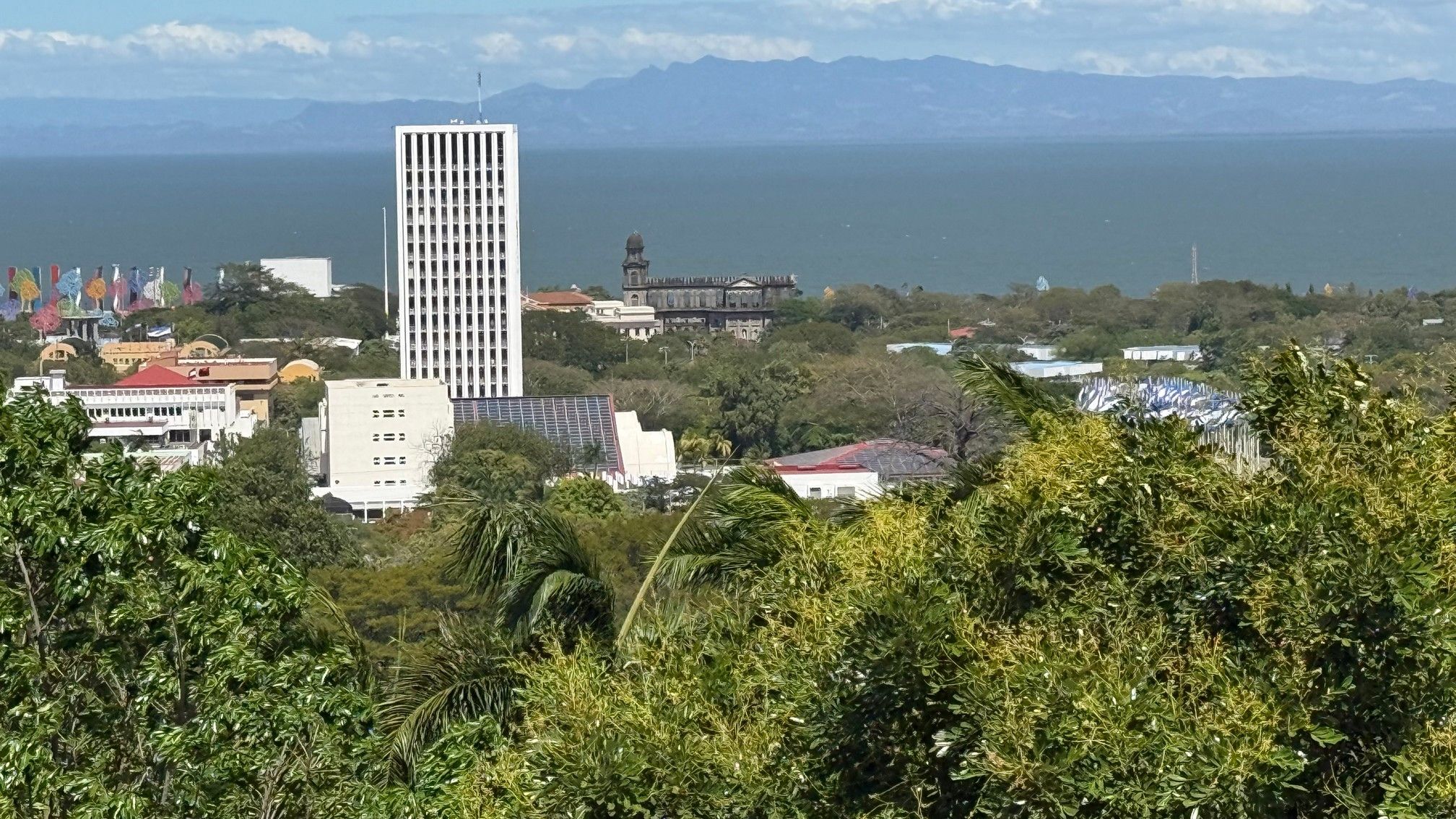
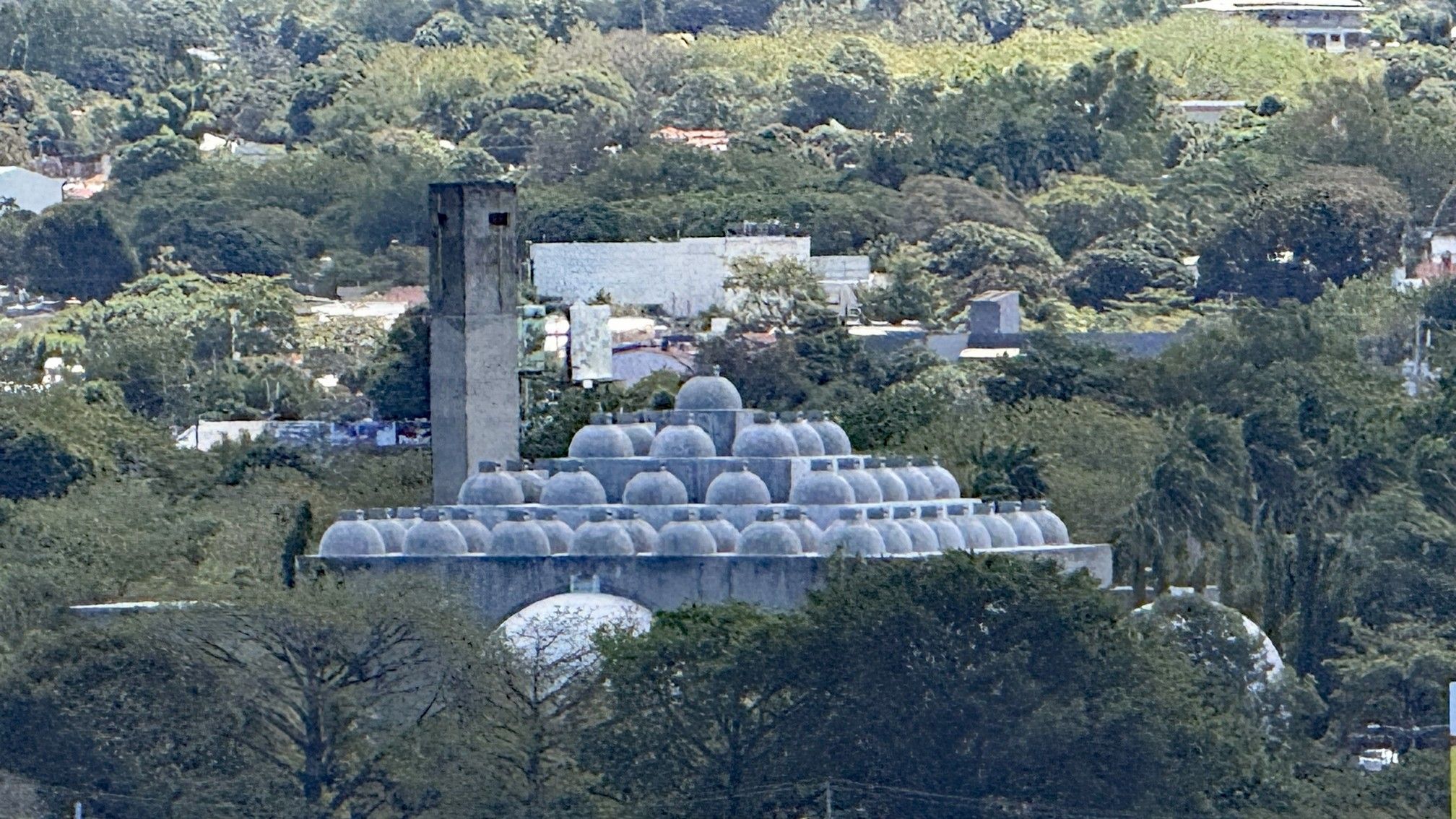
One has a beautiful view of the city and the lake, and notably, the former 'Bank of America Tower', which is one of the few buildings in the city to have survived the massive earthquake largely unscathed. In the other direction, one sees the new cathedral - a concrete structure that appears quite peculiar to us - resembling a mosque.
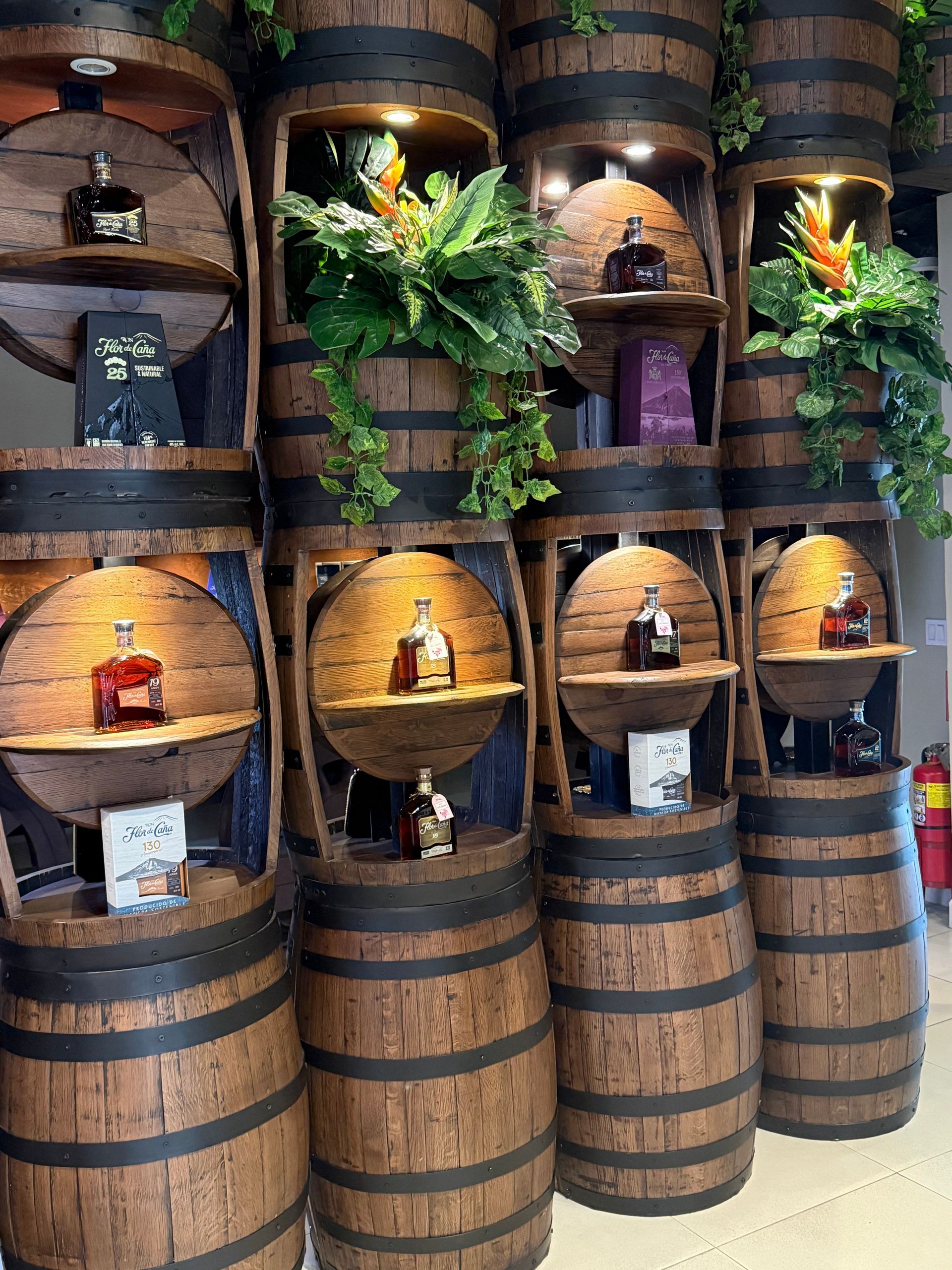
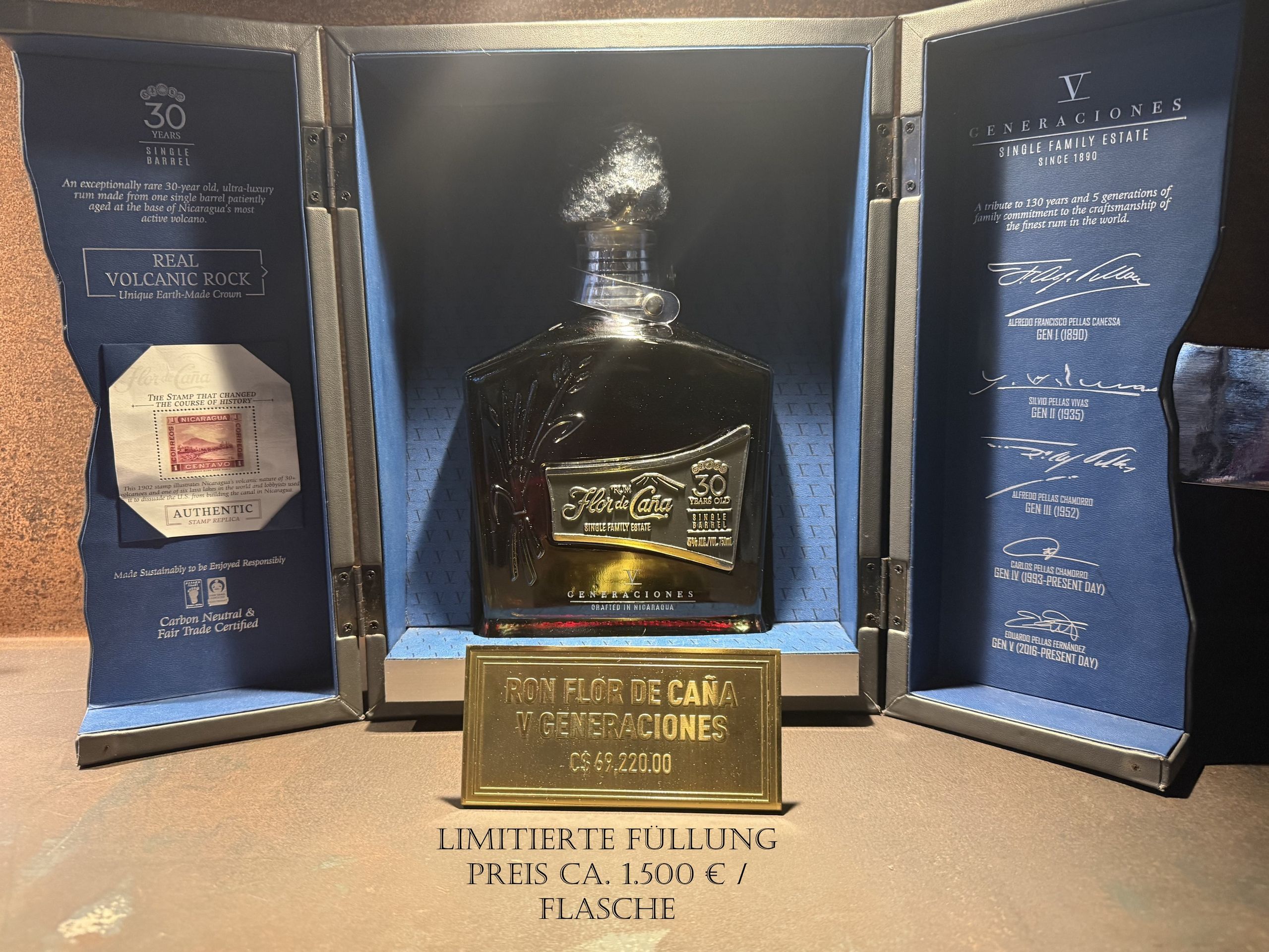
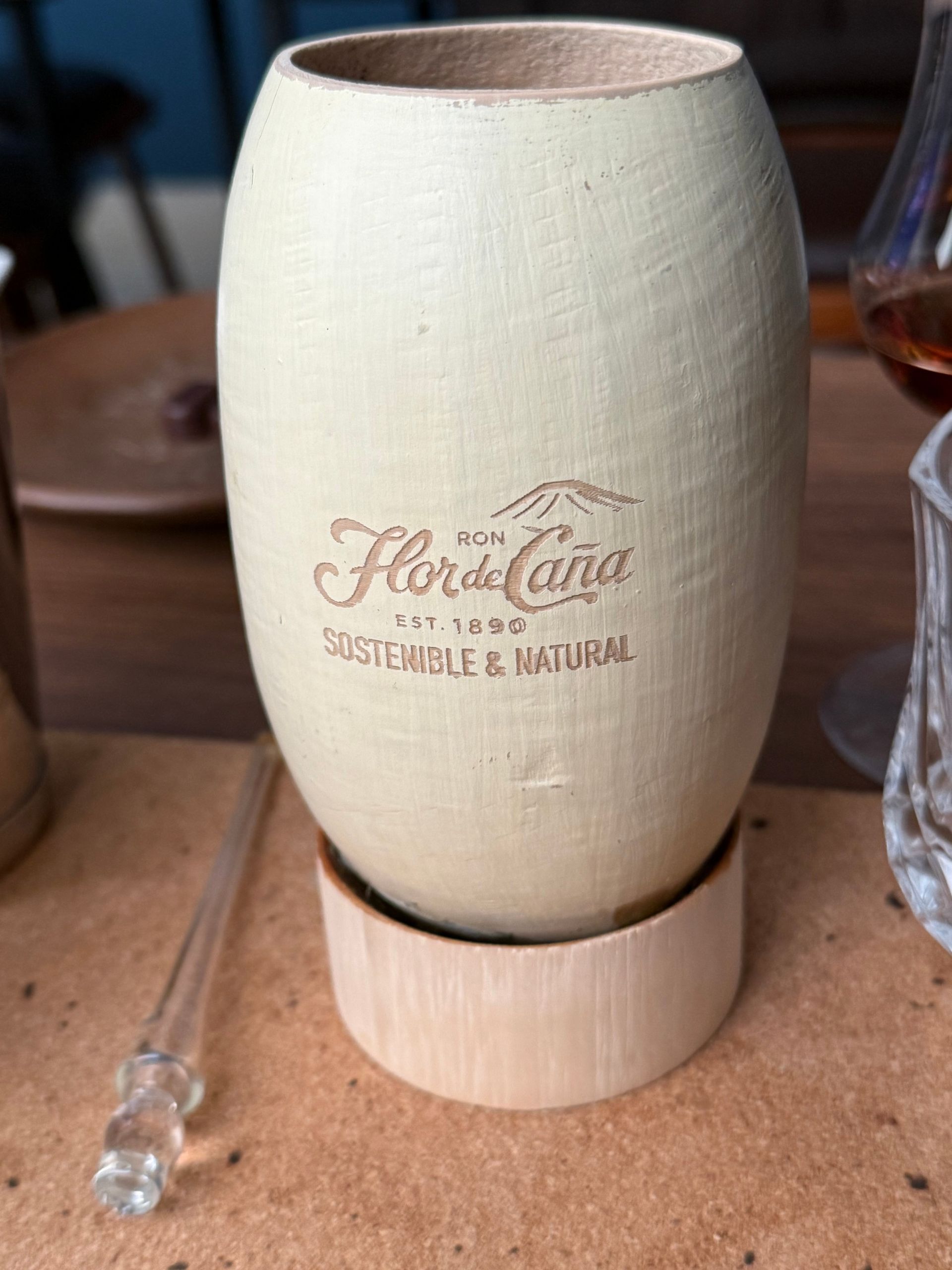
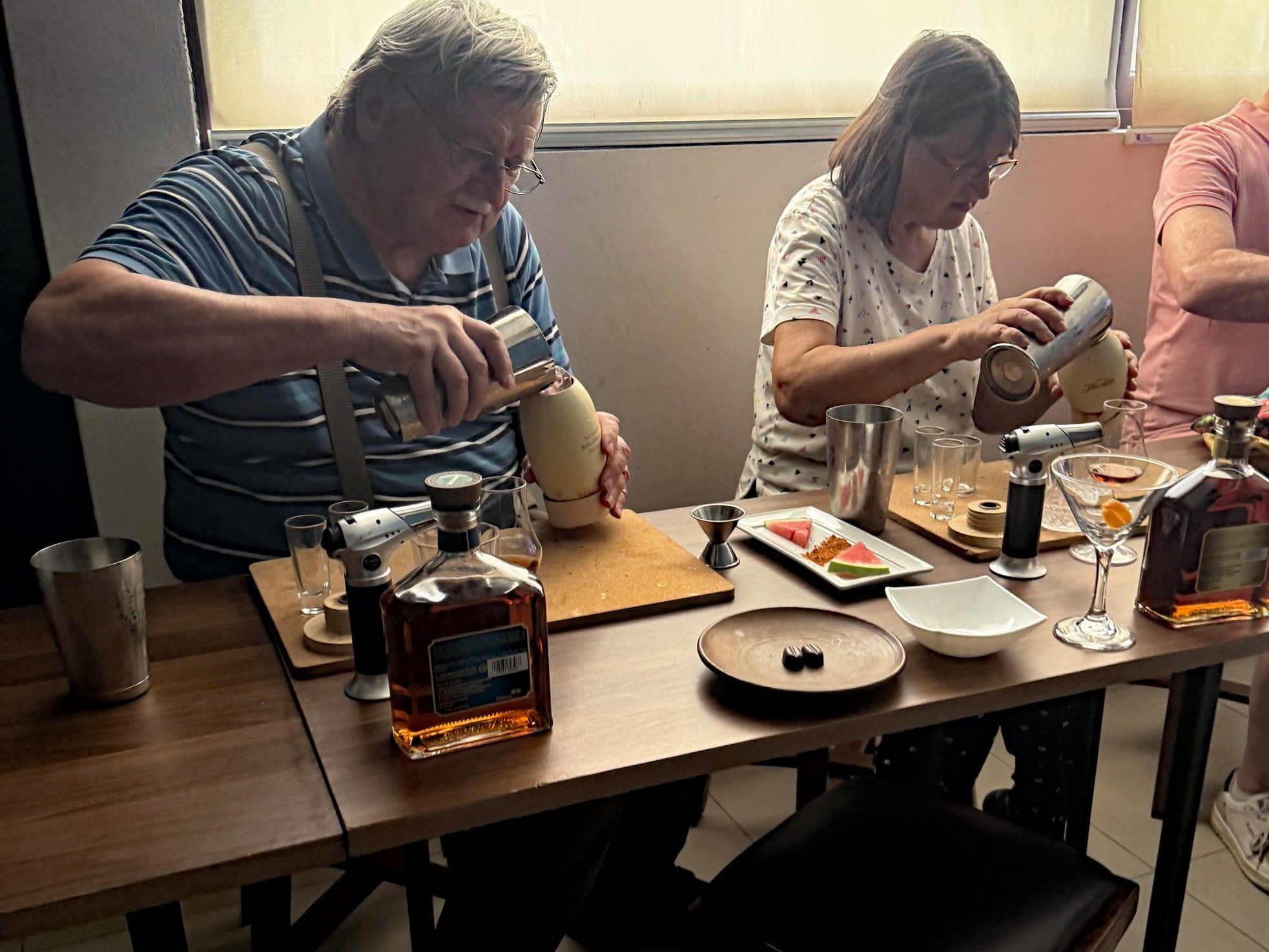
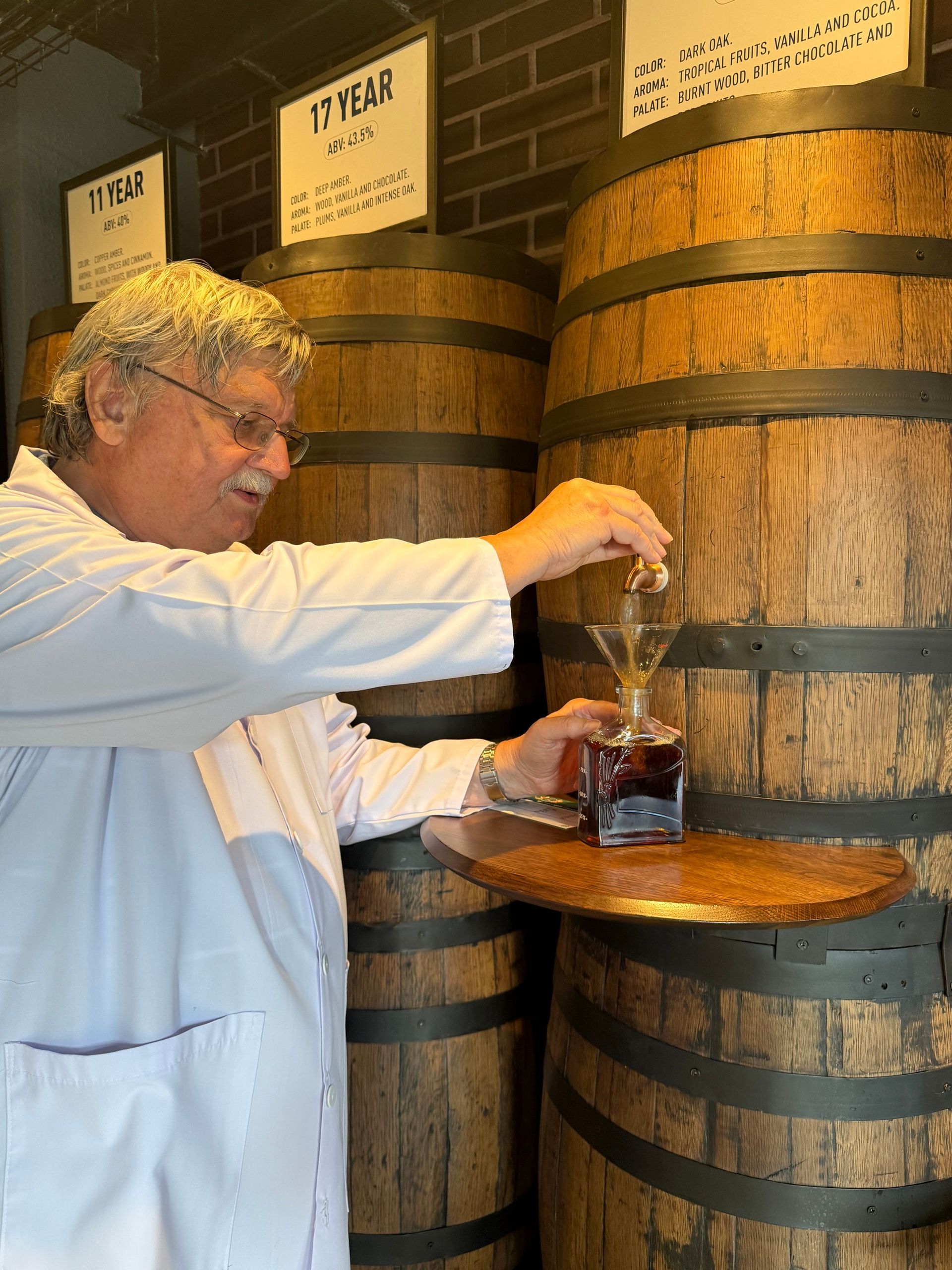
After a refreshment in an excellent restaurant, we now head to the 'Flor de Caña Boutique'. Actually, we would have liked to visit the production site, but it is located somewhat off the beaten path, north of Leon, and tours are only available on Saturday and Sunday. Additionally, there is not much to see, as the actual production is 'strictly secret.' So we have our tour in Managua, we see the same video presentations and then can mix cocktails in the 'Rum Lab', try various ways of drinking rum, and finally, as 'Maestro del Ron', we can bottle our own rum blend (and take it with us...).
All in all, an interesting day, of course with a bit of 'Sandinista bias'
Nicaragua's History:
Many more detailed information can be found on the internet at:
https://de.wikipedia.org/wiki/Geschichte_Nicaraguas
Wikipedia also has detailed information on the key figures involved; for example, the adventurous or crazy life of William Walker is certainly worth reading.
A brief overview of the very turbulent history of Nicaragua:
Nicaragua was settled about 3000 years ago by wandering hunters and gatherers from Mexico.
In 1502, Christopher Columbus became the first European to set foot in the land on the Caribbean coast. At that time, the cacique (chieftain) Nicarao was said to be the indigenous leader in the central area – from his name, 'Nicaragua' is thought to be derived.
Between 1522 -1524, the region was annexed for the Spanish crown, and the cities of León and Granada were founded. Their rivalry shaped the history of Nicaragua for a long time, as it repeatedly led to civil war-like conflicts.
Until 1821, Nicaragua was a Spanish colony. After that, Nicaragua declared its independence from Spain and initially joined Mexico briefly and then the Central American Federation. In 1839, Nicaragua became an independent republic.
After Nicaragua became one of the most important east-west transit routes during the gold rush in the USA in the 1850s, the USA - i.e., a company financed by US billionaire Cornelius Vanderbilt - was granted exclusive rights to build a canal between the Atlantic and Pacific Oceans. This project, among other reasons due to the high risk of earthquakes and volcanic eruptions, was ultimately never realized – the Panama Canal was built later instead.
During this time, the episode 'William Walker' occurred:
The contrasts between the liberal elite from León and the conservative elite from Granada characterized the politics of the young country. When the divisions within the Nicaraguan oligarchy escalated into a civil war in 1856, the 'Liberals' called upon the North American adventurer William Walker with a small private army to help them against their conservative opponents. However, Walker aimed for the subjugation of all Central America, declared himself president of Nicaragua, and reintroduced the slavery that had been abolished in 1824. It wasn't until 1857 that he was defeated by the united army of Central American states and fled to the USA. Later in 1857 and then in 1860, he attempted further raids into Central America; he was initially captured by the British - in whose sphere of influence he had now penetrated - and then handed over to the Honduran government and executed on September 12, 1860. Today, William Walker remains a negative symbol of the 'US Conquistador' for Nicaraguans.
Multiple times, the United States and European powers (England, Germany, Spain) demonstrated in the 19th century how little the sovereignty of the state mattered to them; for instance, the rule of Walker, evidently the result of the unlawful takeover of power by a foreign mercenary troop, was directly recognized by the USA. Obviously, Mr. Trump has 'shining examples' in US history!
Between 1909 and 1933, Nicaragua was occupied multiple times by US troops, and puppet governments were established, against which General Augusto Sandino waged a guerrilla war with his 'El pequeño ejército loco' – 'the little crazy army' – from 1926 to 1933. In early 1933, the Americans officially withdrew from Nicaragua – mainly due to the economic crisis – after they had established the National Guard (Guardia Nacional) and appointed General Anastasio Somoza as its leader, installing another puppet government. Sandino had signed a peace agreement with this government – however, he was murdered along with his closest officers at a banquet organized by Somoza on February 21, 1934, in the old National Palace by the National Guard.
This marked the beginning of the decades-long rule of the Somoza clan – Anastasio Somoza ruled as president and dictator until his assassination in 1956. After that, his eldest son Luis Somoza Debayle took over until 1963. Another son, Anastasio Somoza Debayle, followed. His rule was characterized by extreme corruption and violence. He had undesired opposition figures thrown alive from helicopters into volcanic craters or into the open sea.
It is worth mentioning that the clan received strong military and financial support from US governments over all those years due to its staunchly anti-communist stance.
The widespread embezzlement of aid funds after the severe earthquake of 1972 in Managua, which caused about 10,000 deaths, turned large parts of society, including the economy, against him and the clan. However, the USA continued to support the regime.
When the Somozas had opposition leader Pedro Chamorro murdered in January 1978, protests, strikes, and street fighting ensued, escalating into a brutal civil war fought on both sides. At this point, US President Jimmy Carter limited military and economic aid and soon stopped it altogether.
On July 17, 1979, Somoza fled.
The liberation struggle against the Somoza dictatorship cost the lives of 50,000 Nicaraguans and left a destroyed country.
The Sandinistas took power and initially launched a large-scale educational campaign in the country.
The US government under Ronald Reagan viewed the Sandinistas, classified as communist, as a thorn in its side. However, the US Congress rejected any aid for the 'Contras' (opponents of the Sandinistas, mainly former members of the notorious National Guard). Through secret arms sales from the USA to Iran (!), the support was now secretly financed (the 'Iran-Contra Affair').
The Contras also acted extremely brutally against civilians; the Contra war caused over 30,000 more deaths in the country until 1990.
Moreover, Nicaragua was economically bled dry due to the war and the US trade embargo. The decisive factors for the coming peace were probably the end of the Cold War and the exposure of the Iran-Contra Affair. Support for the Contras by the USA and for the Sandinistas by the Soviet Union was halted.
In 1990, free elections were held, and the Sandinistas under Daniel Ortega lost the election to the united Nicaraguan opposition. Peace was agreed upon, and both Contras and Sandinistas laid down their arms.
The transition of power from Ortega to Violeta Chamorro was peaceful.
From 1990 to 2007, liberal governments were in power, whose struggle against corruption was probably not very successful, so in 2007, Daniel Ortega and the Sandinistas regained the presidency.
Ortega was reelected in the presidential elections of 2011 and 2016. The country remains the second poorest in Latin America, just ahead of Haiti, and under Ortega's rule, the personalized and authoritarian traits of politics have increased again. Family members of Ortega have taken on key positions in the government, and publically, his wife, Rosario Murillo, who has been vice president since 2017, has taken command.
In April 2018, protests against a planned pension reform led to bloody suppression by police and pro-government paramilitaries (about 350 dead).
In the run-up to the 2021 election, the government arrested numerous opposition politicians, and Daniel Ortega was reelected without serious competition for a fourth term, which would actually not have been constitutionally possible. Since 2018, almost a million Nicaraguans are said to have fled the country.
In conclusion, one can only hope that the suffering population may yet have a chance for a peaceful future.
Now the tourism industry, which had completely collapsed in the meantime, is being promoted again. Of course, as visitors, one sees only the surface, but Nicaragua has shown itself to us as a beautiful, peaceful country, without any noticeable police or military presence.