
BLOG 19: León / Nicaragua - 'Capital of the Revolution'
León has about 200,000 inhabitants and is located not far from the Pacific Ocean. It is also a center for peanut and sugar cultivation. Cotton, which was grown in a domin

Published: 10.03.2026
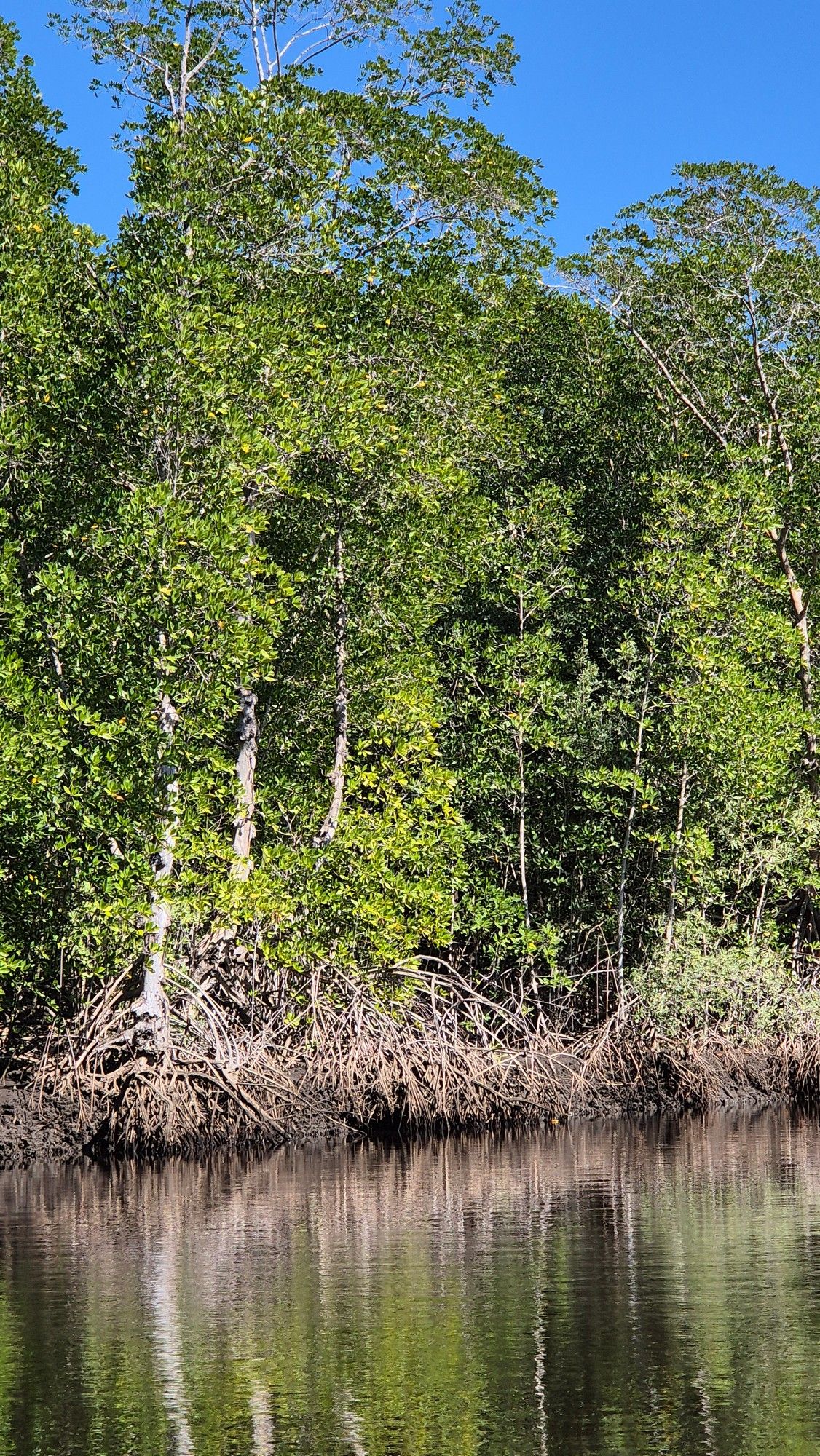
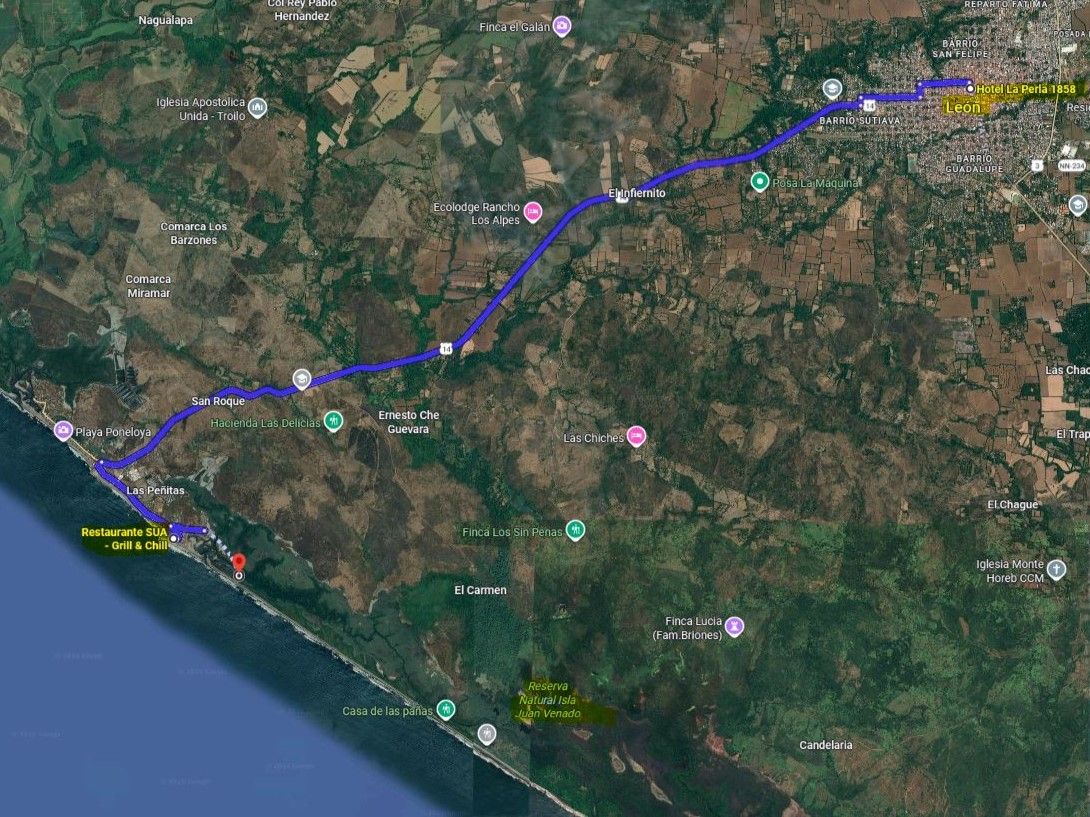
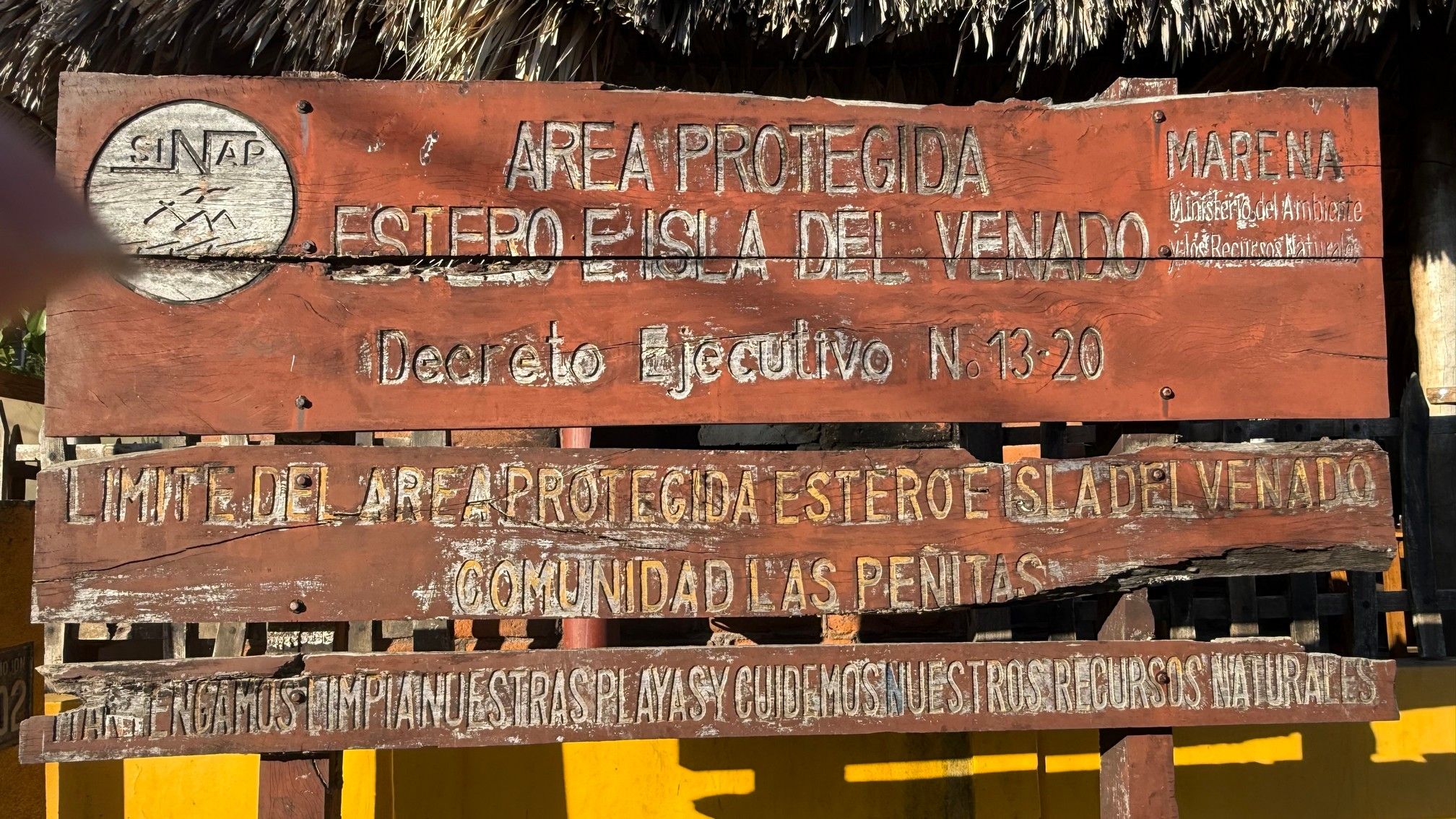
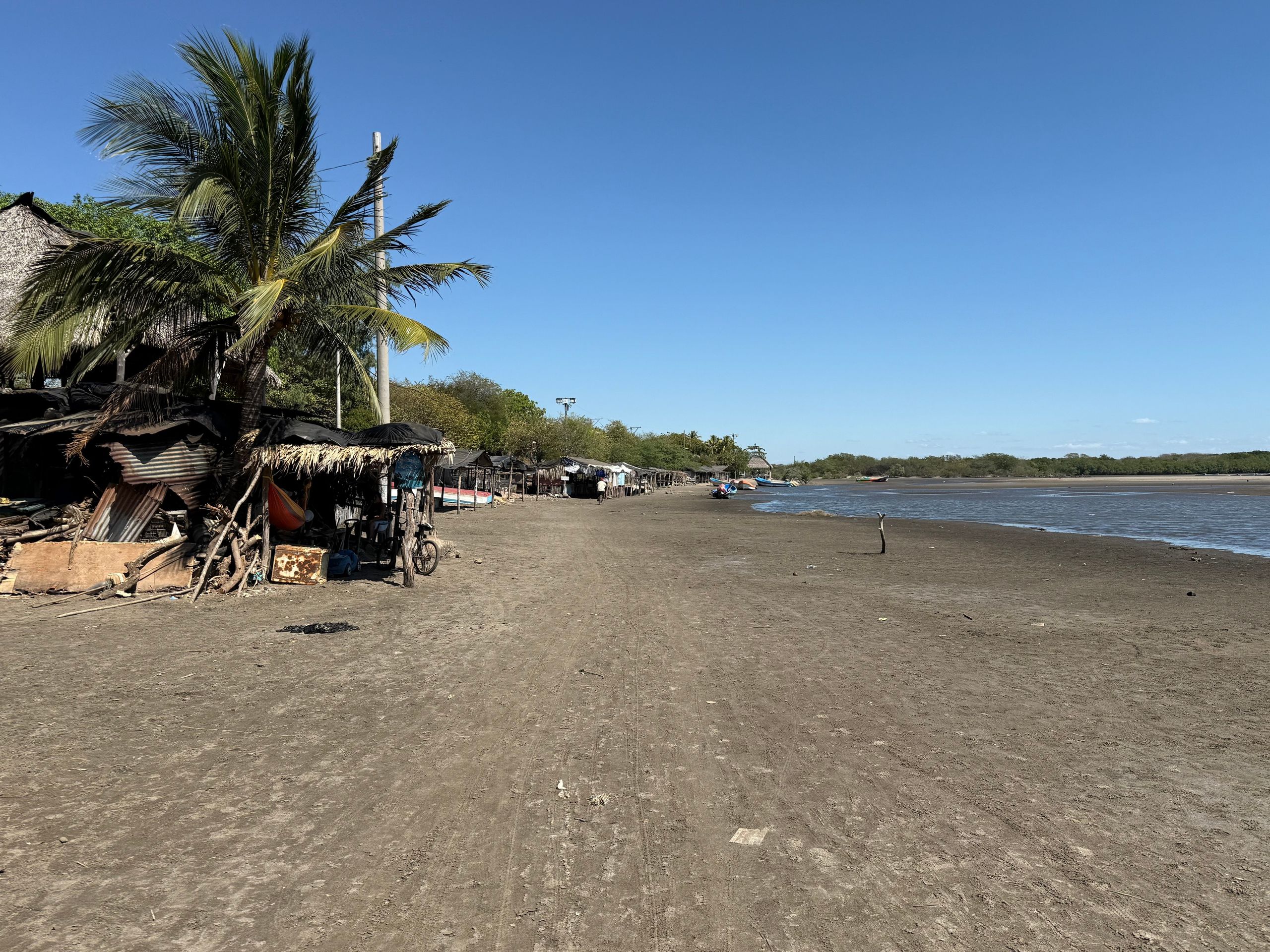
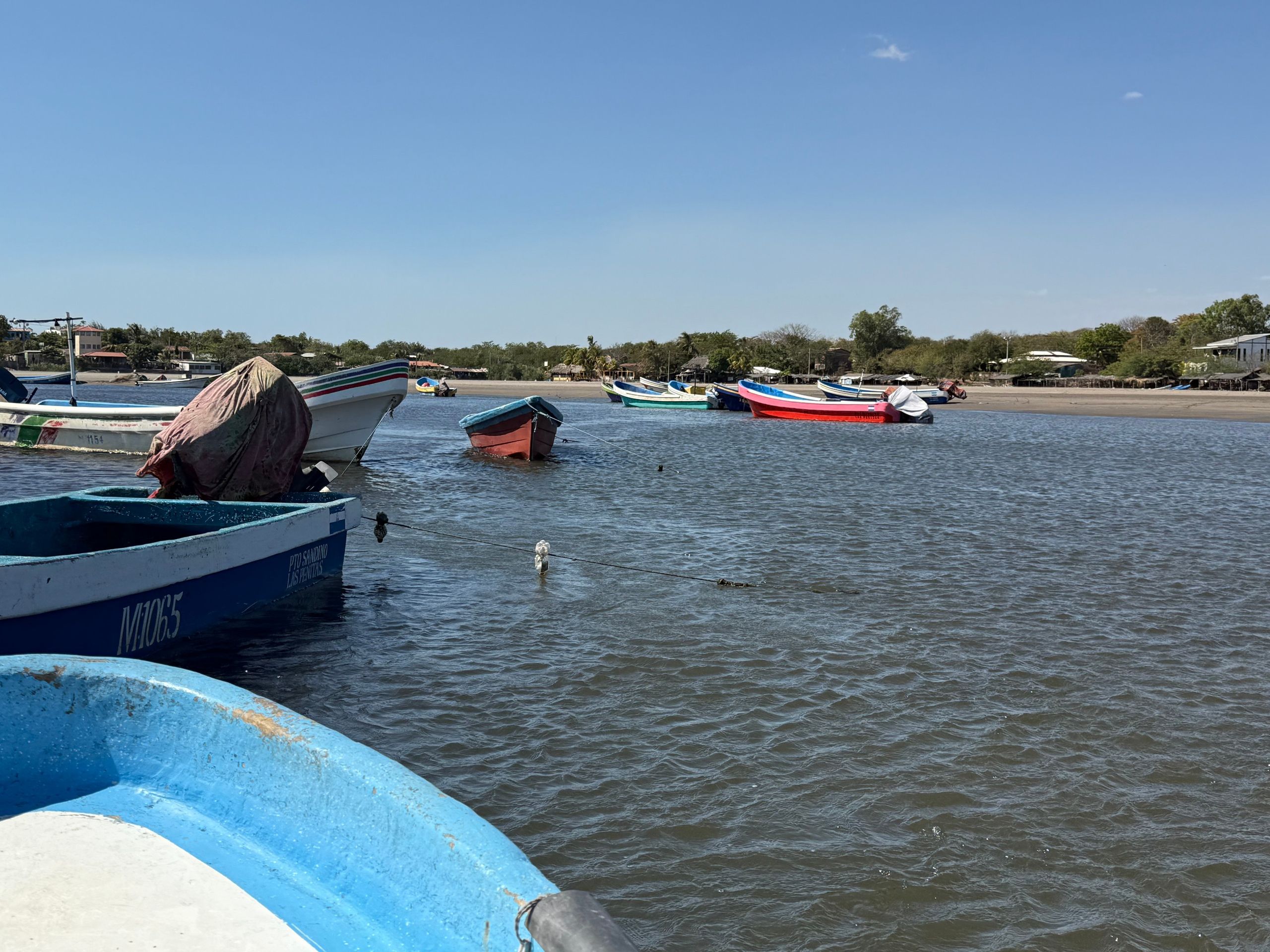
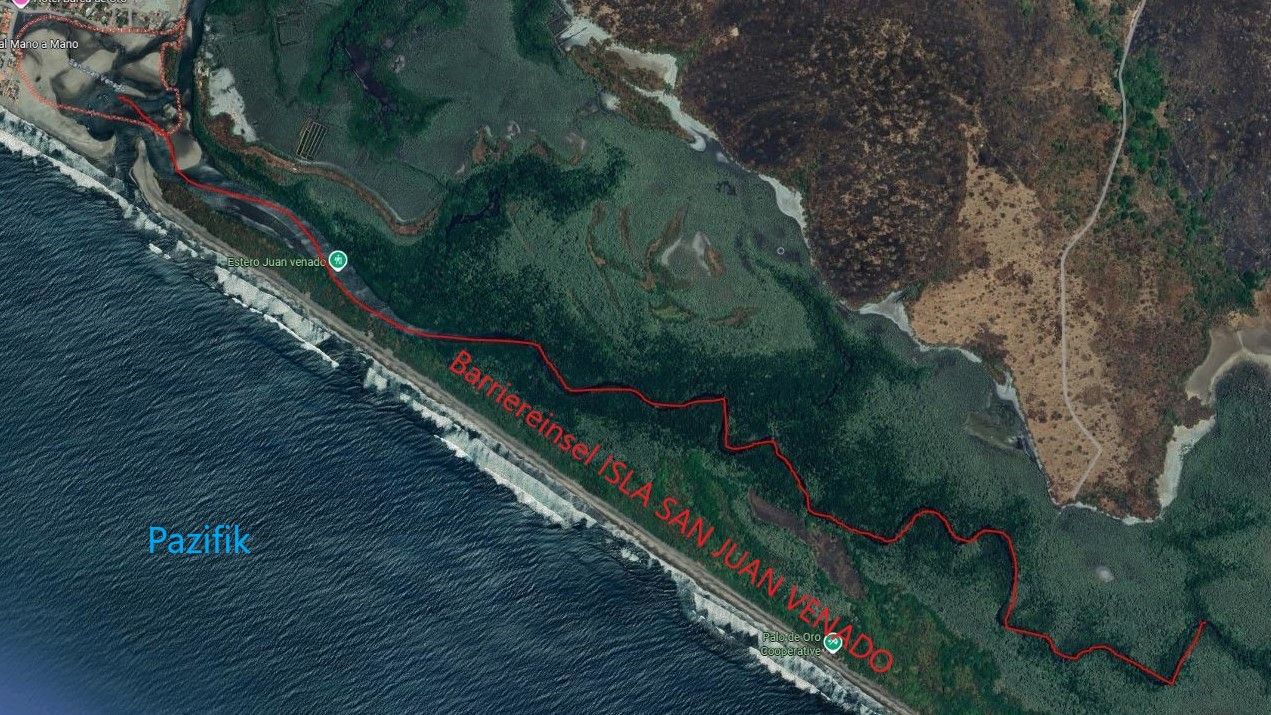
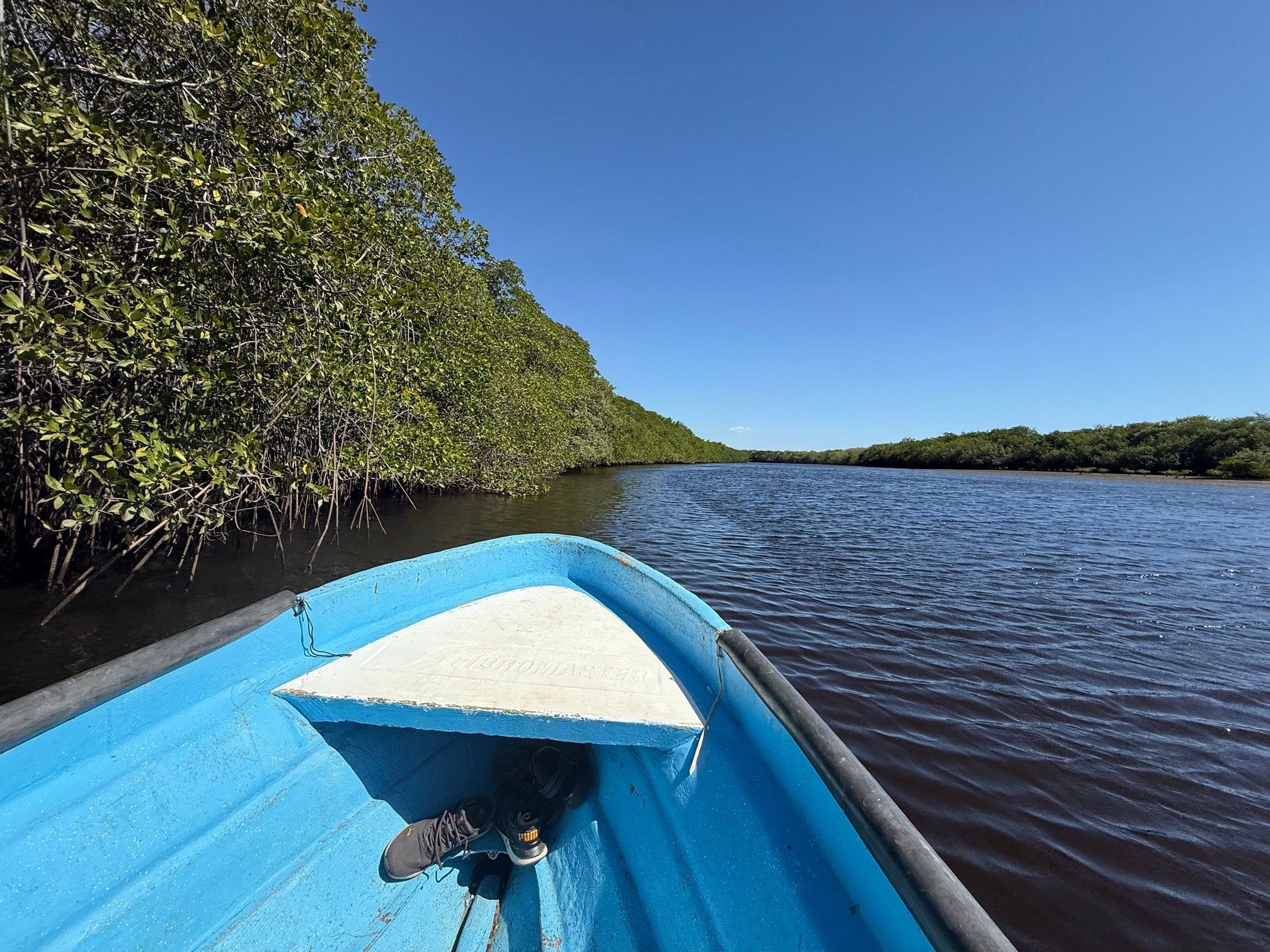
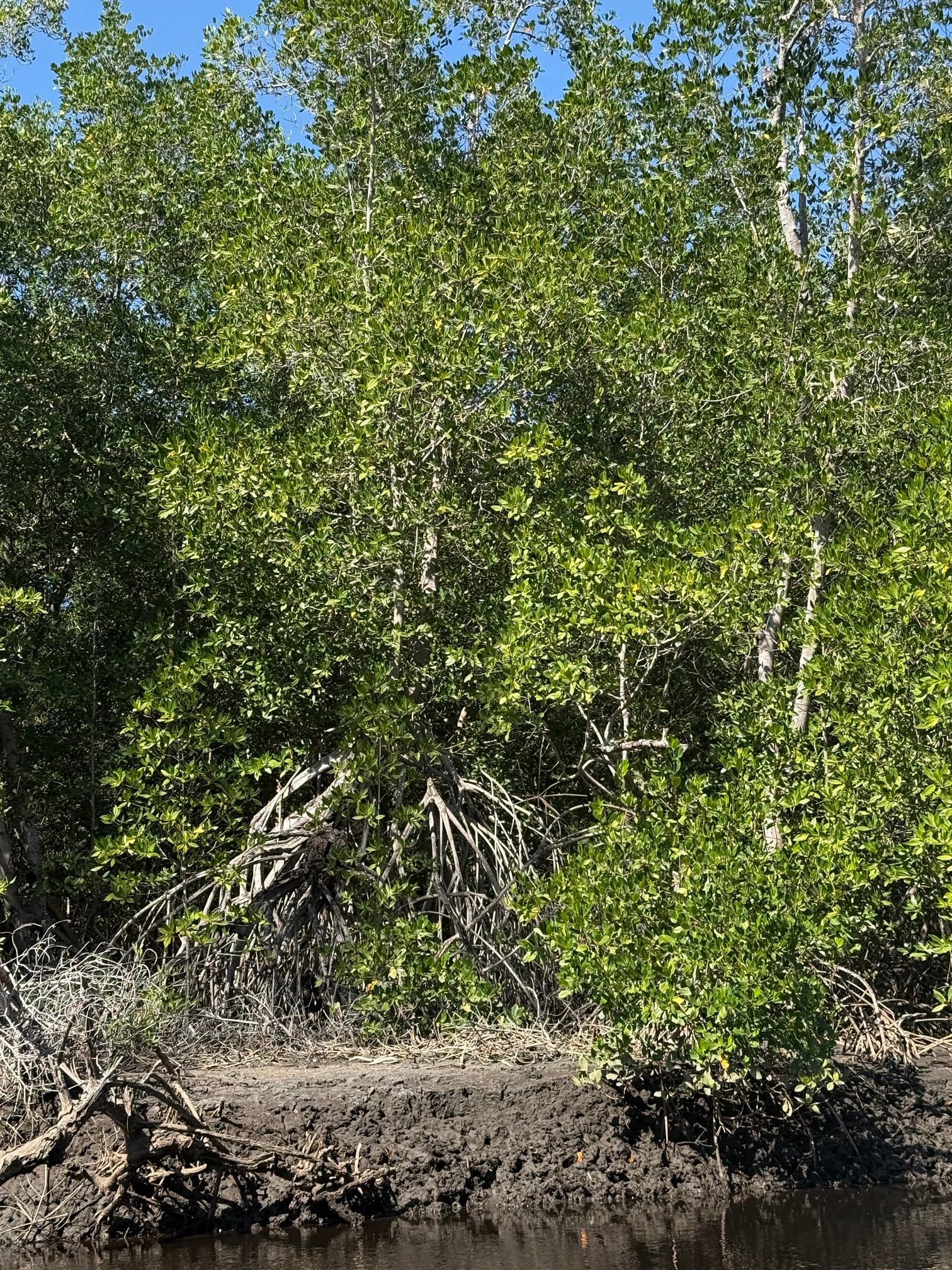
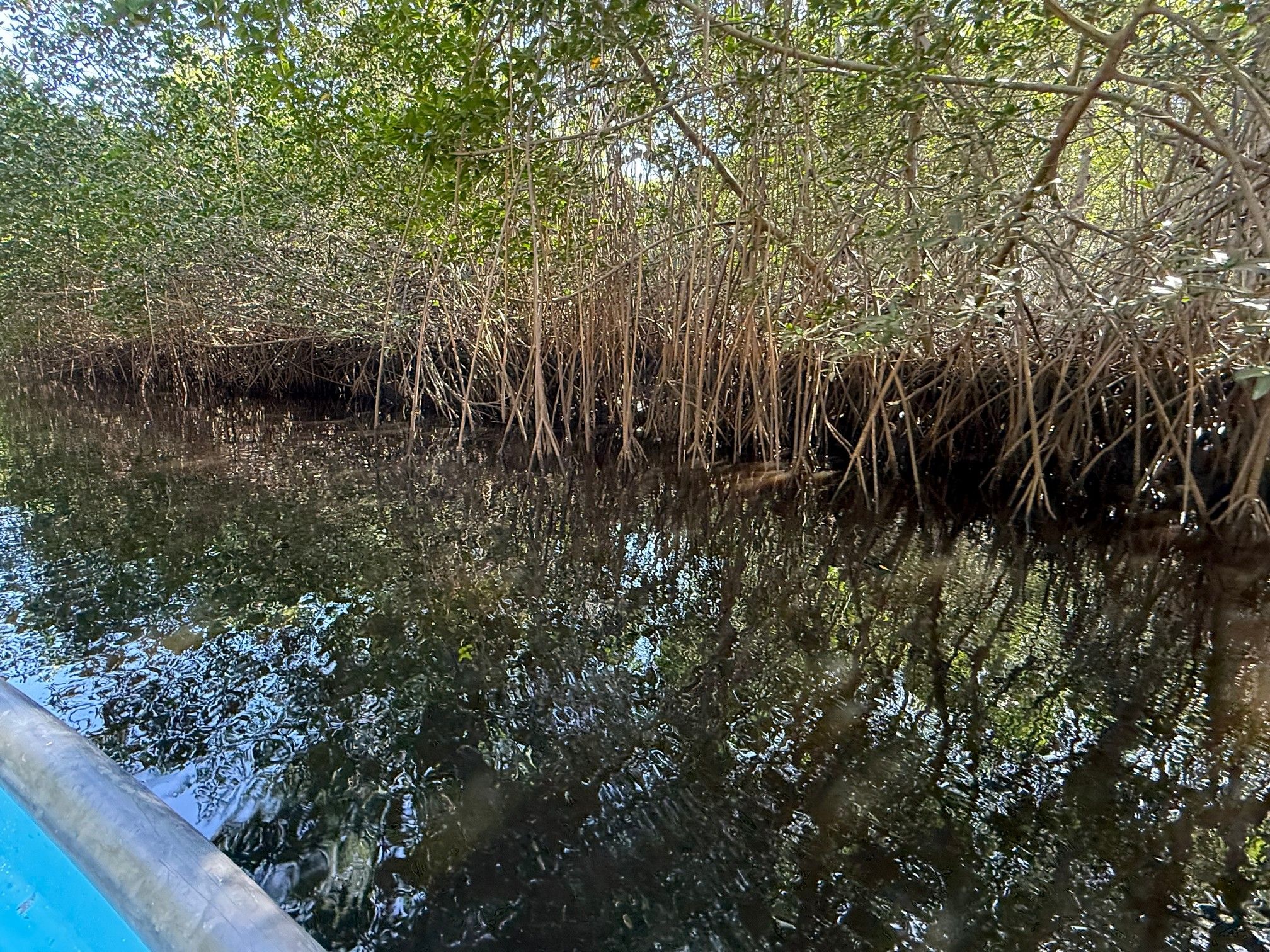
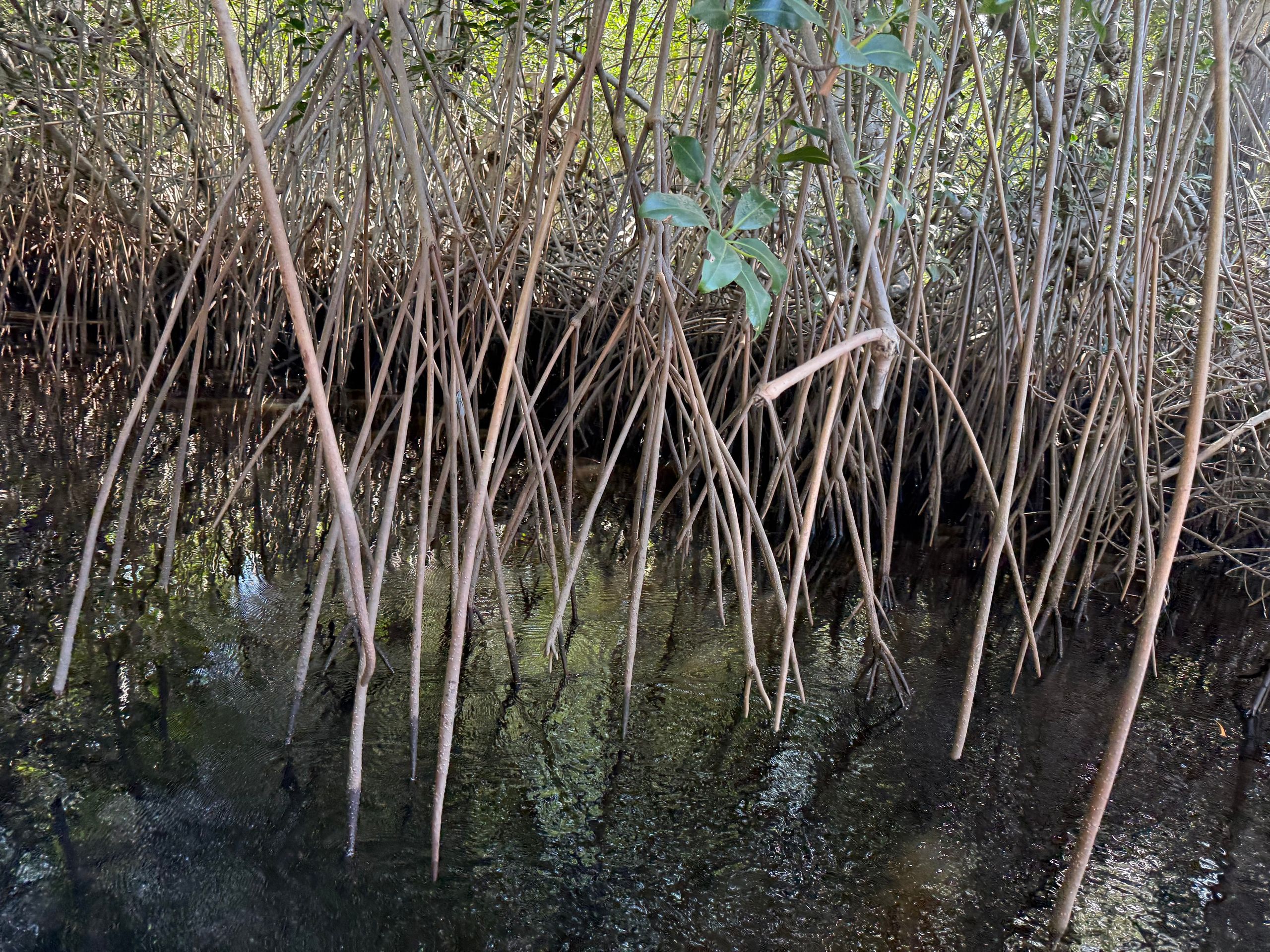
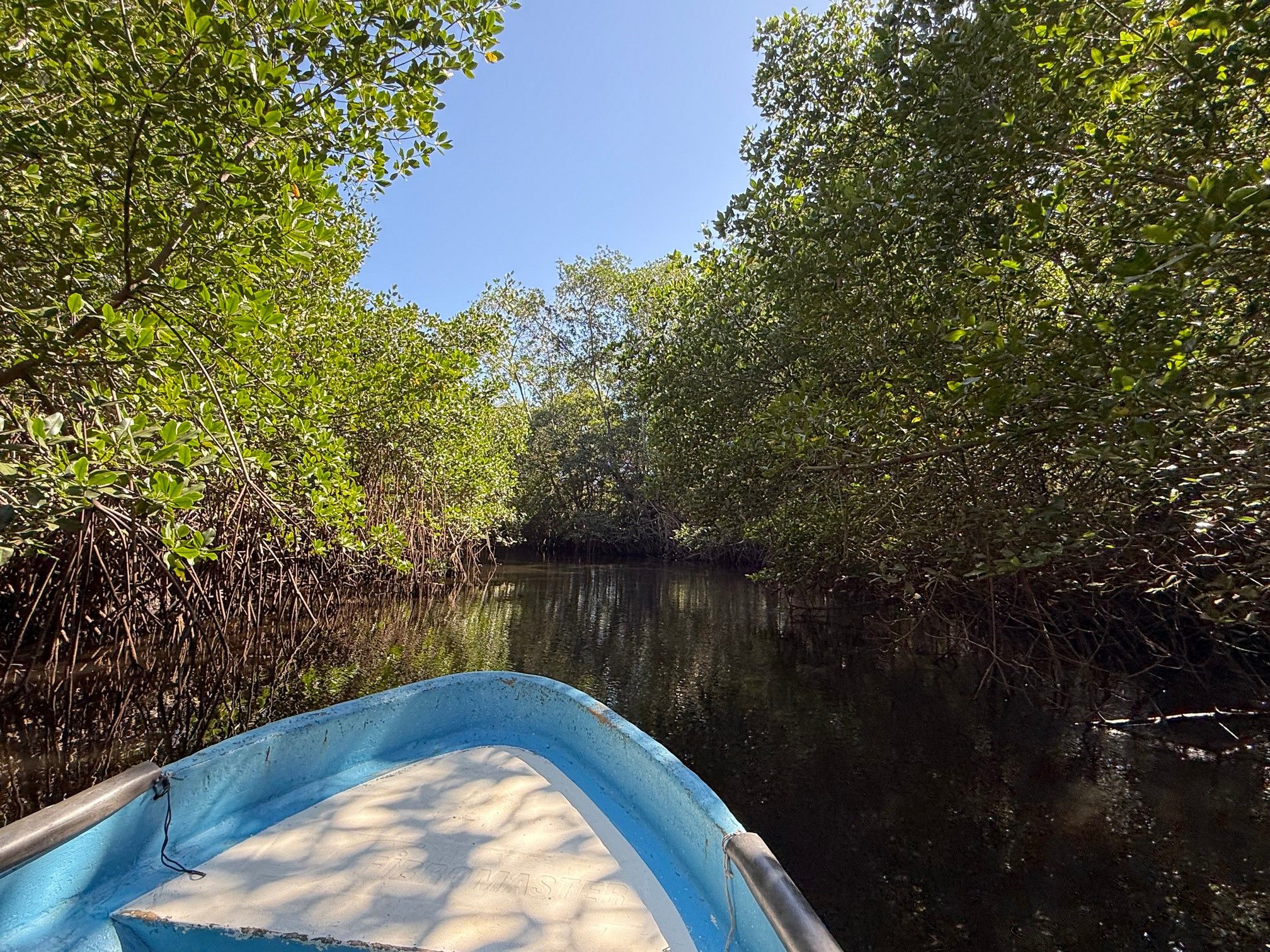
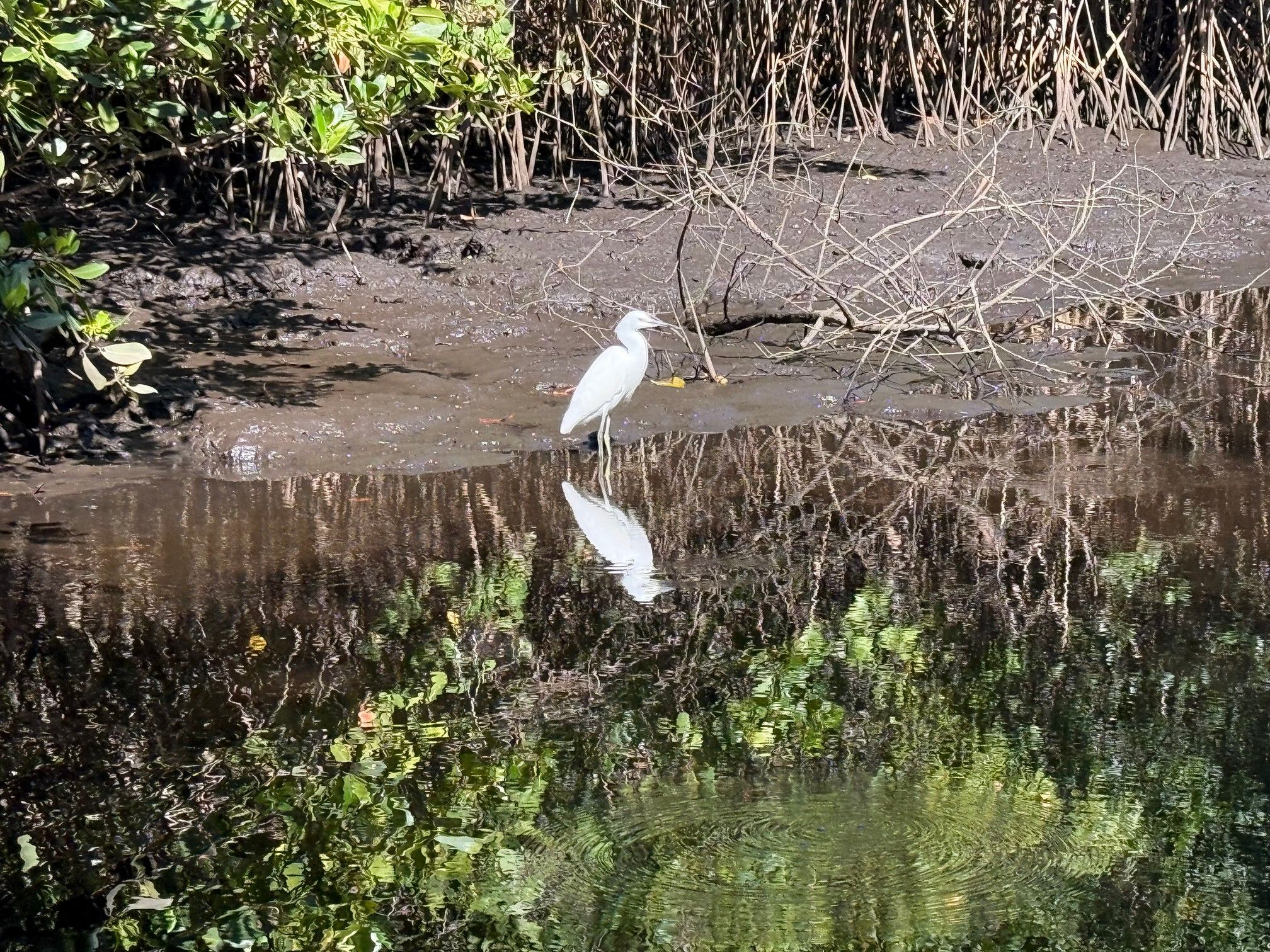
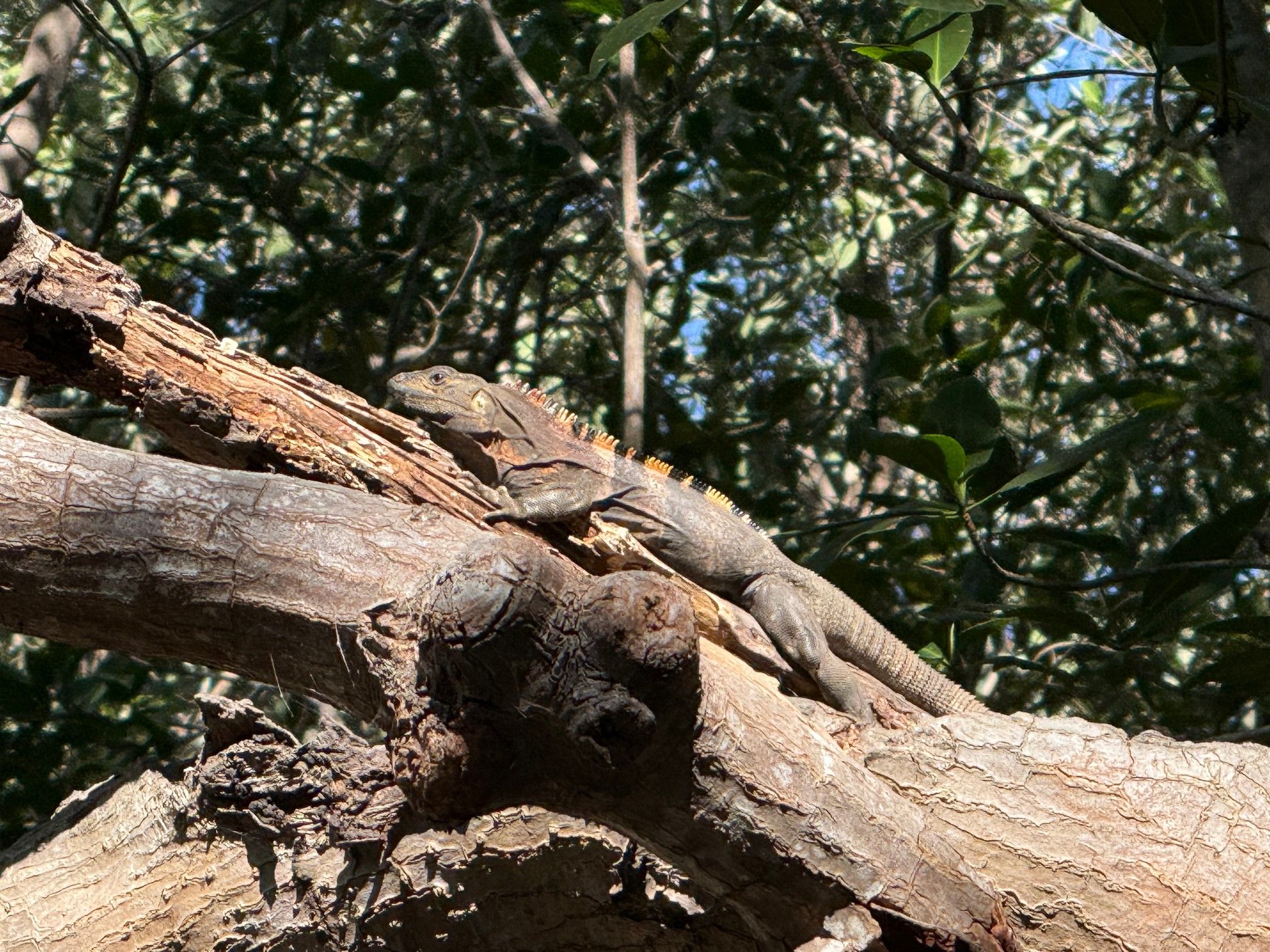
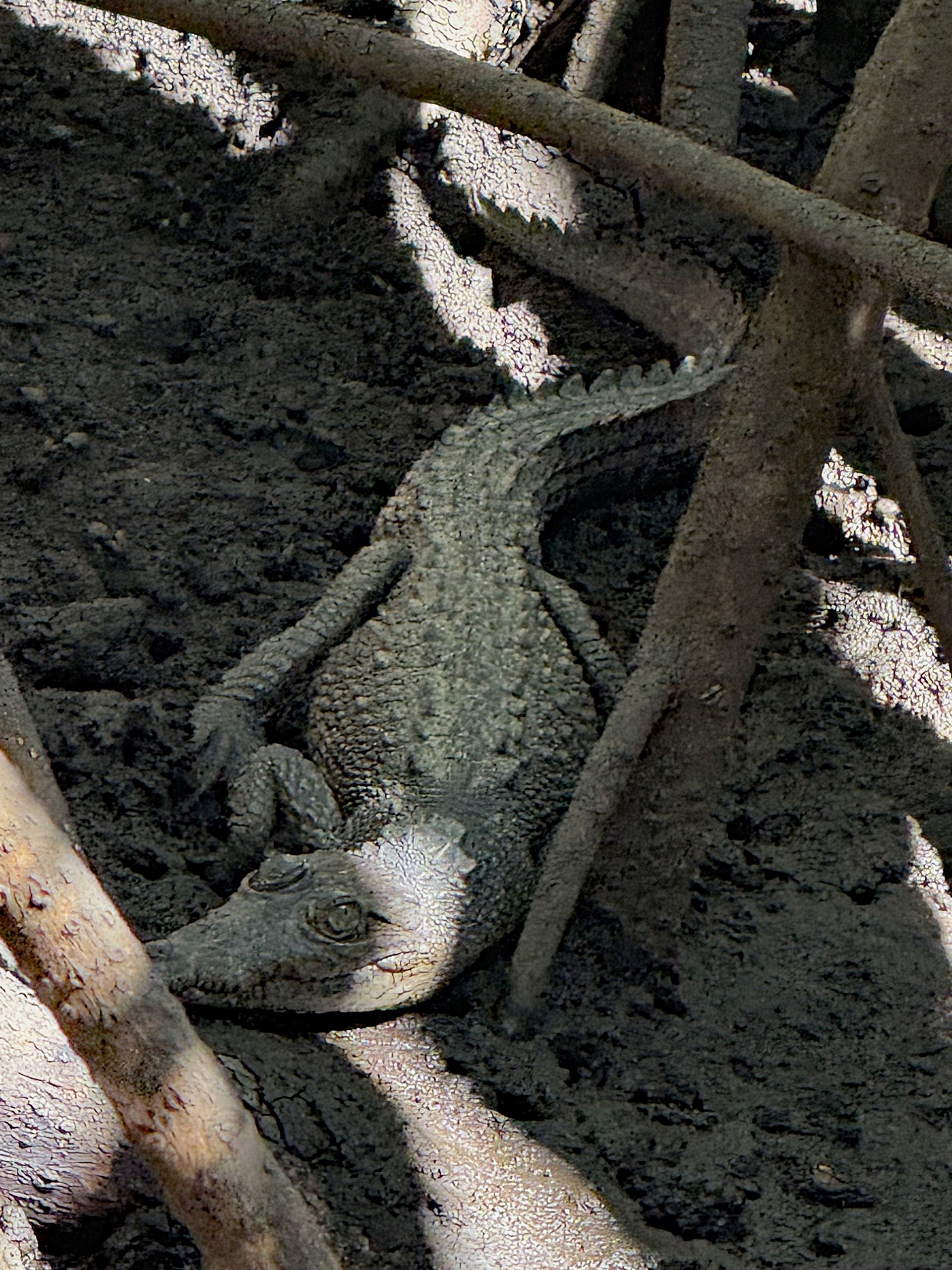
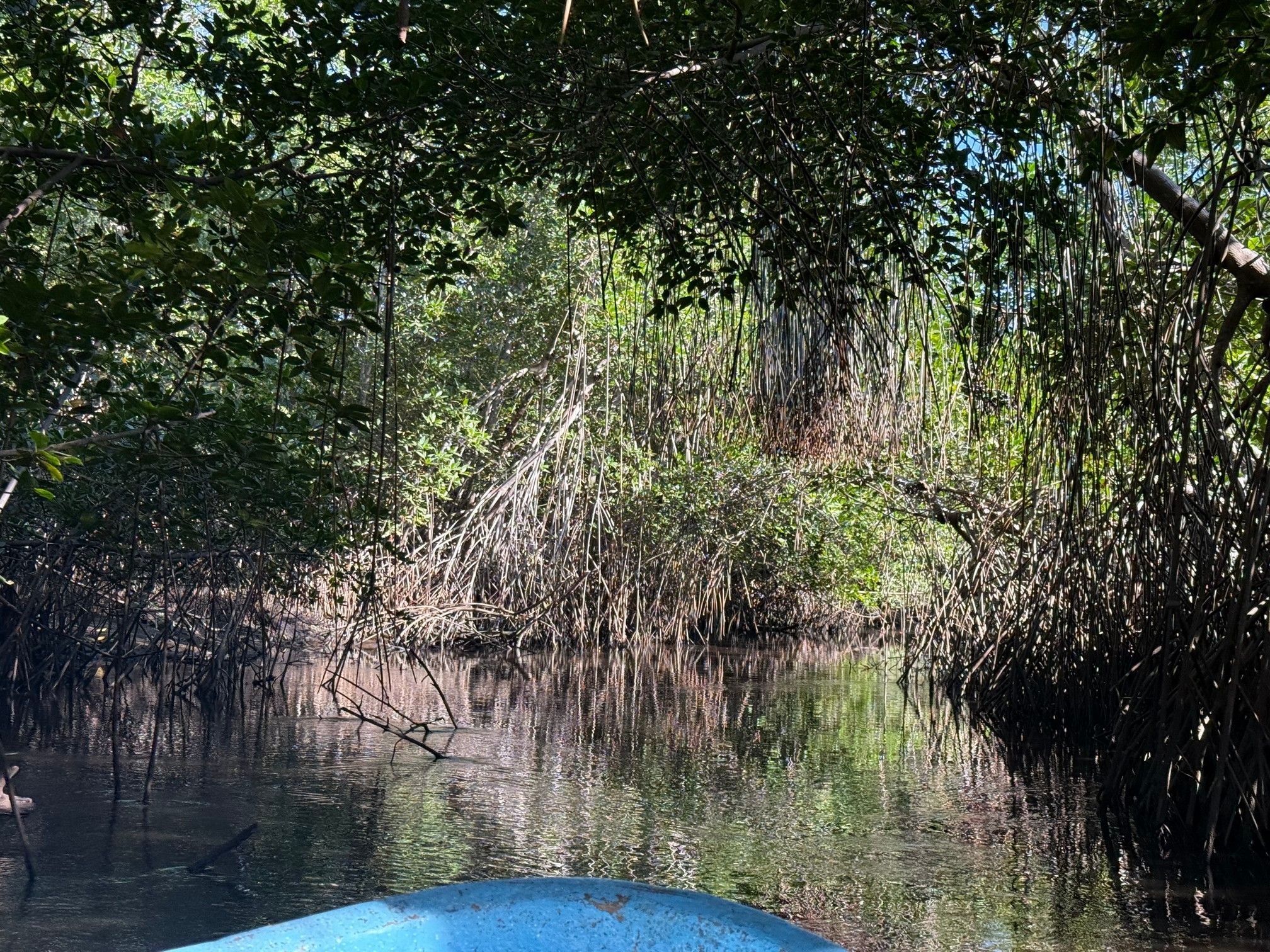
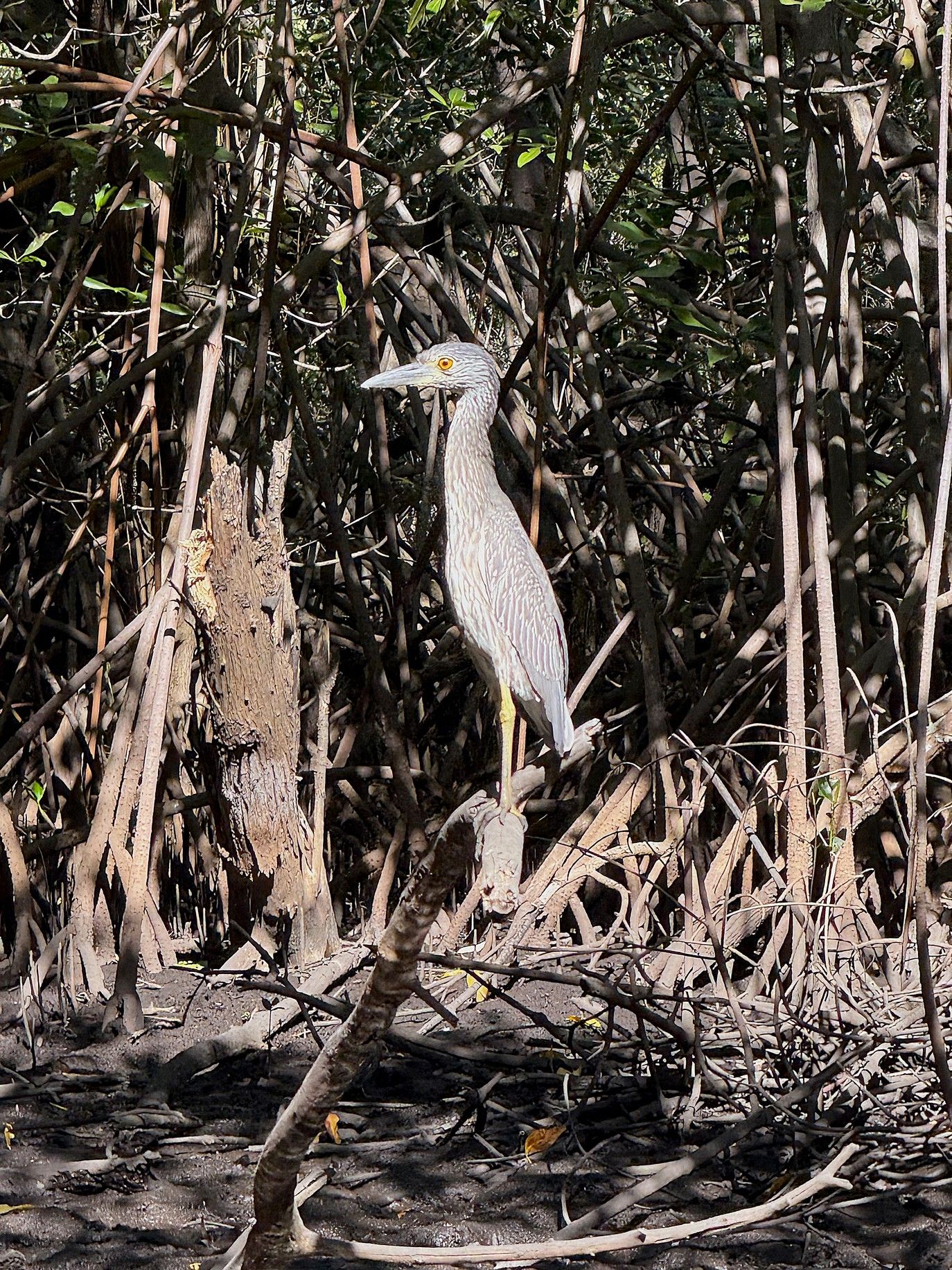
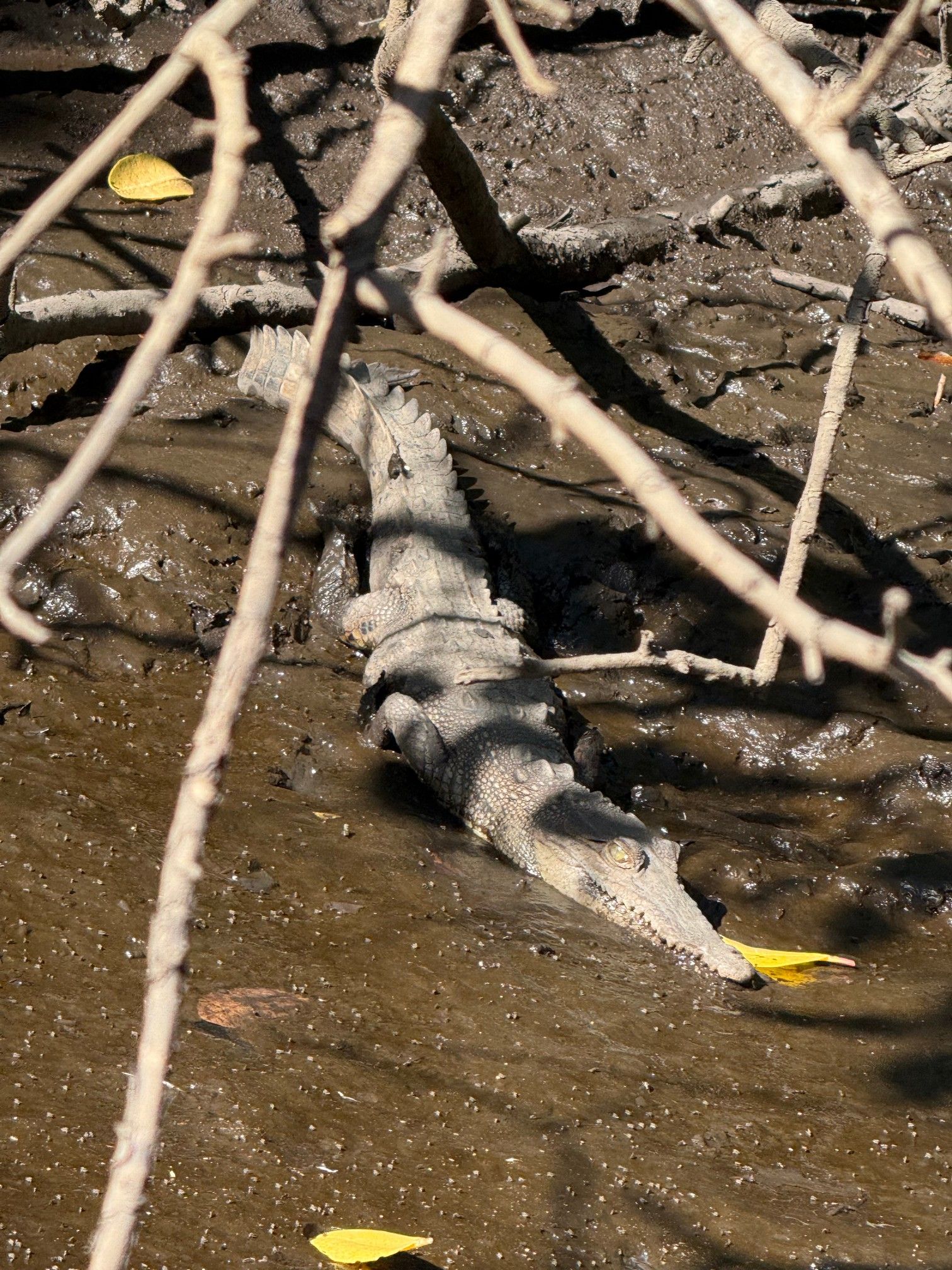
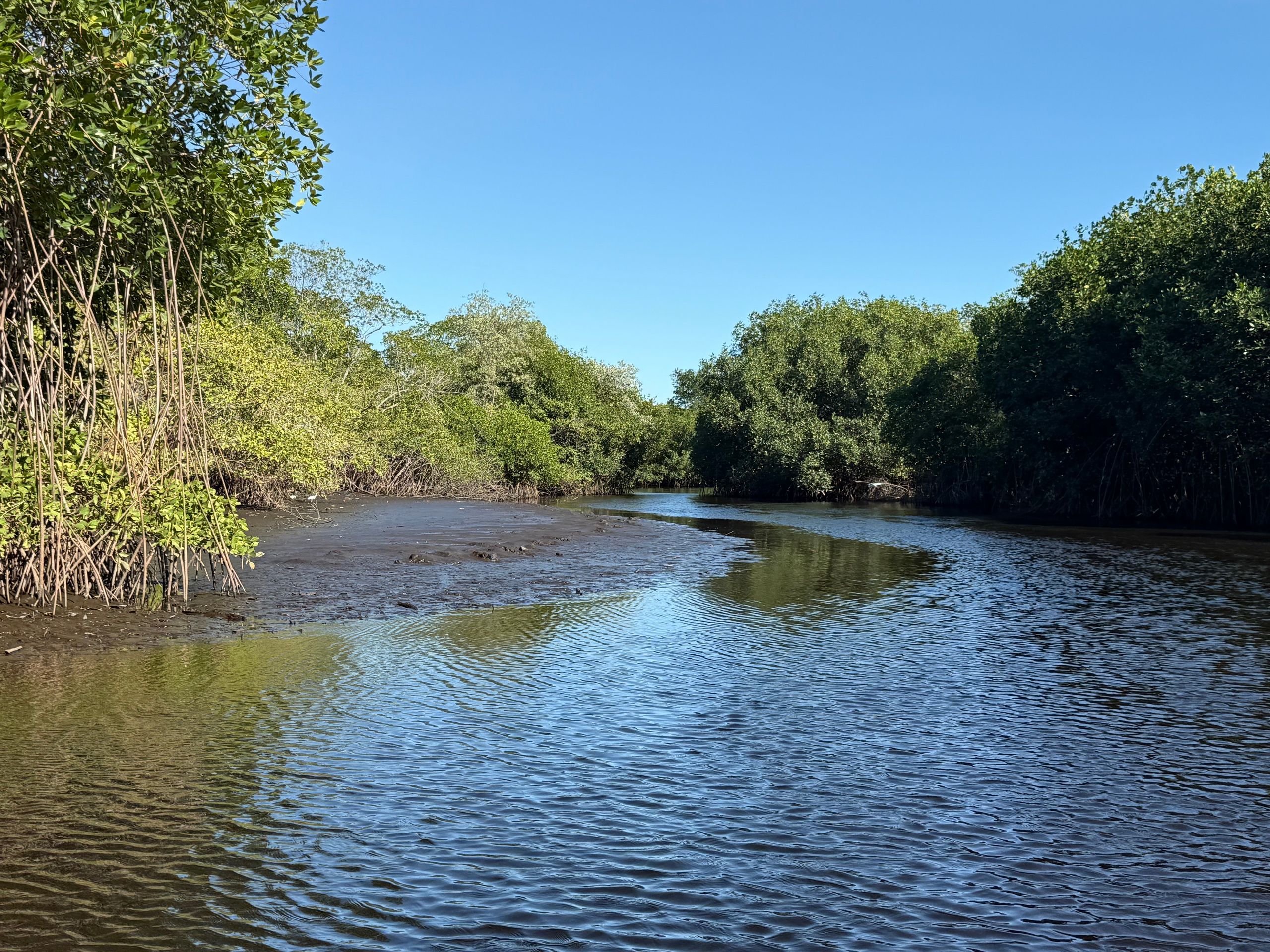
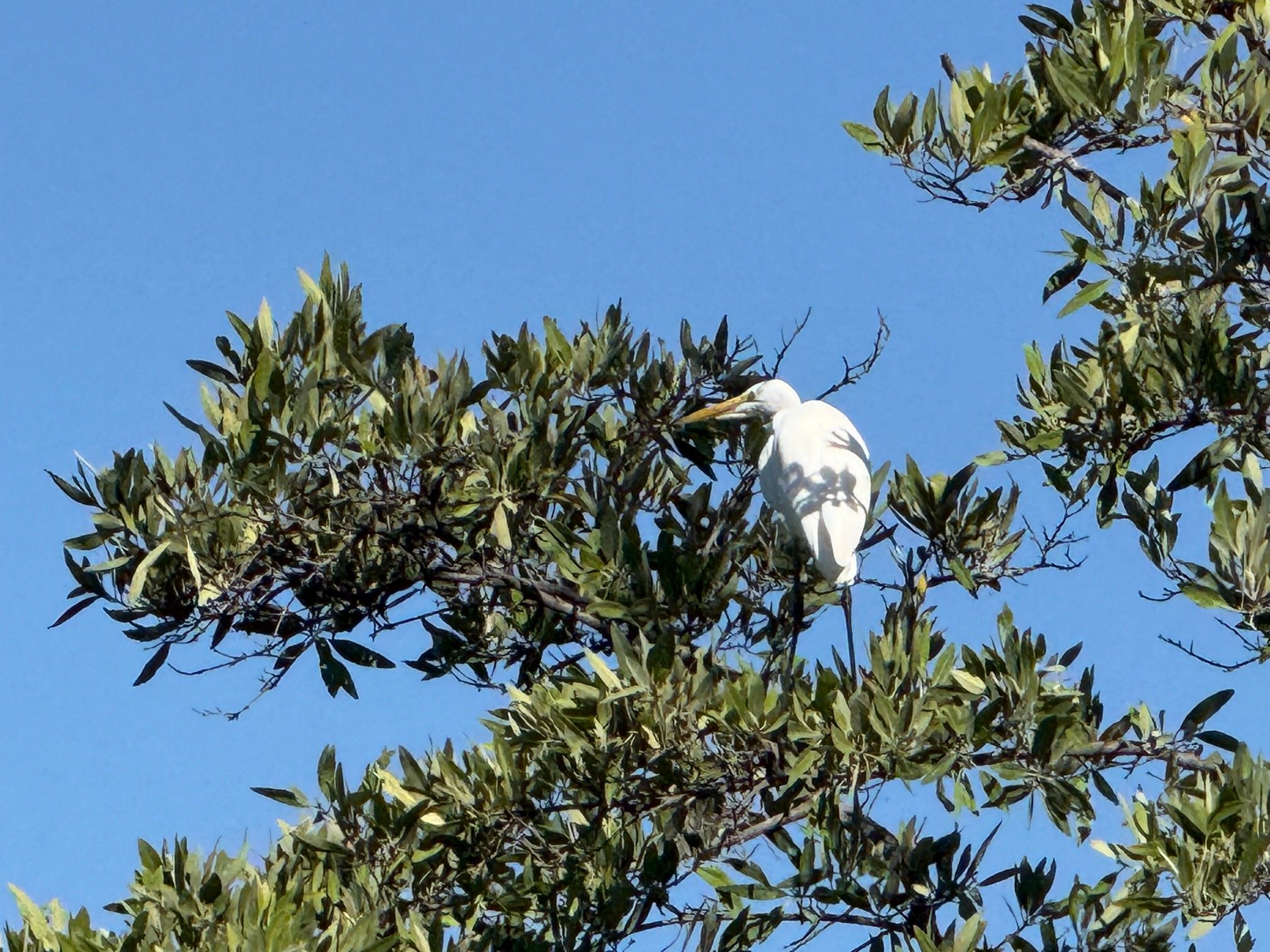
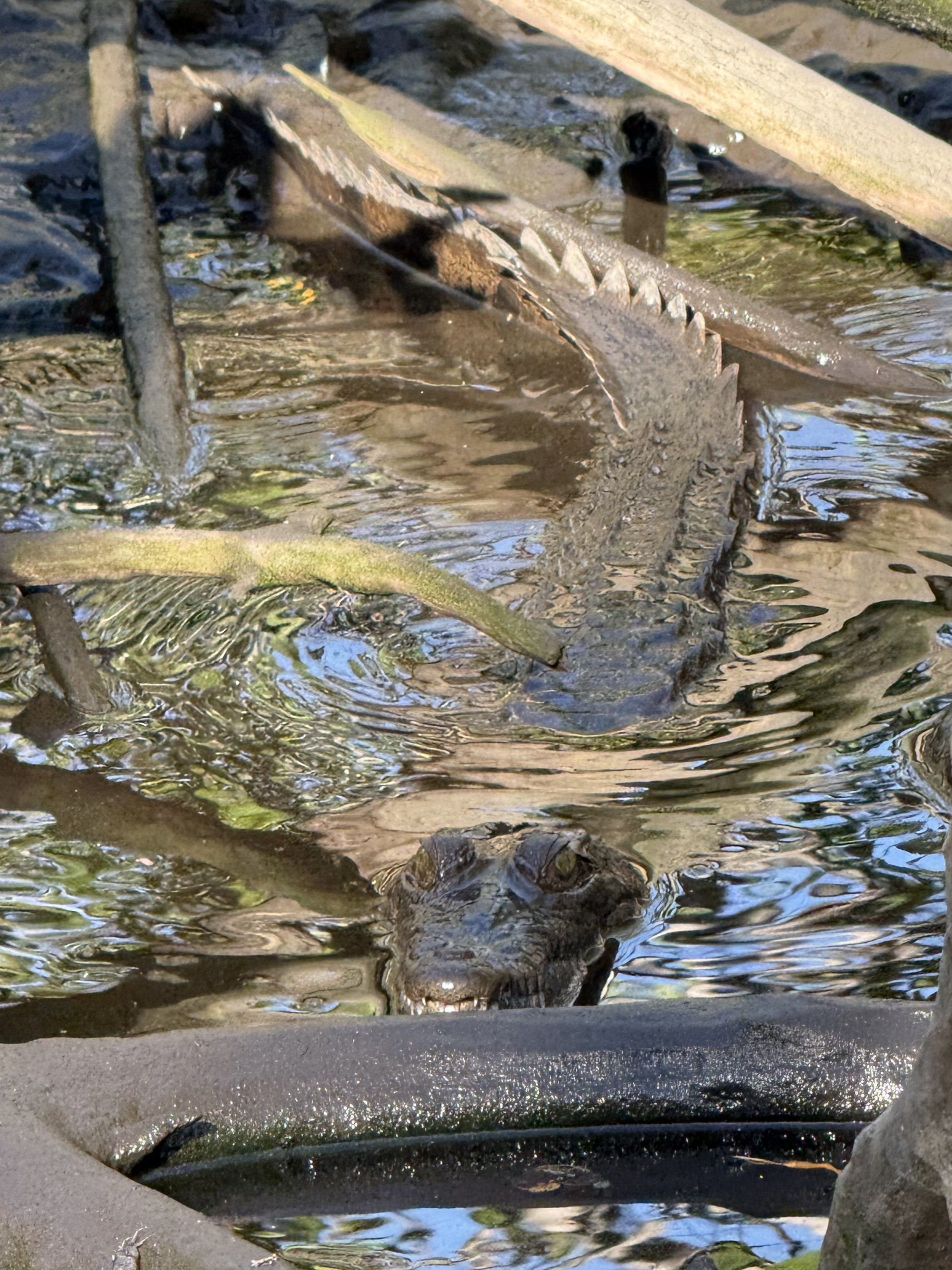
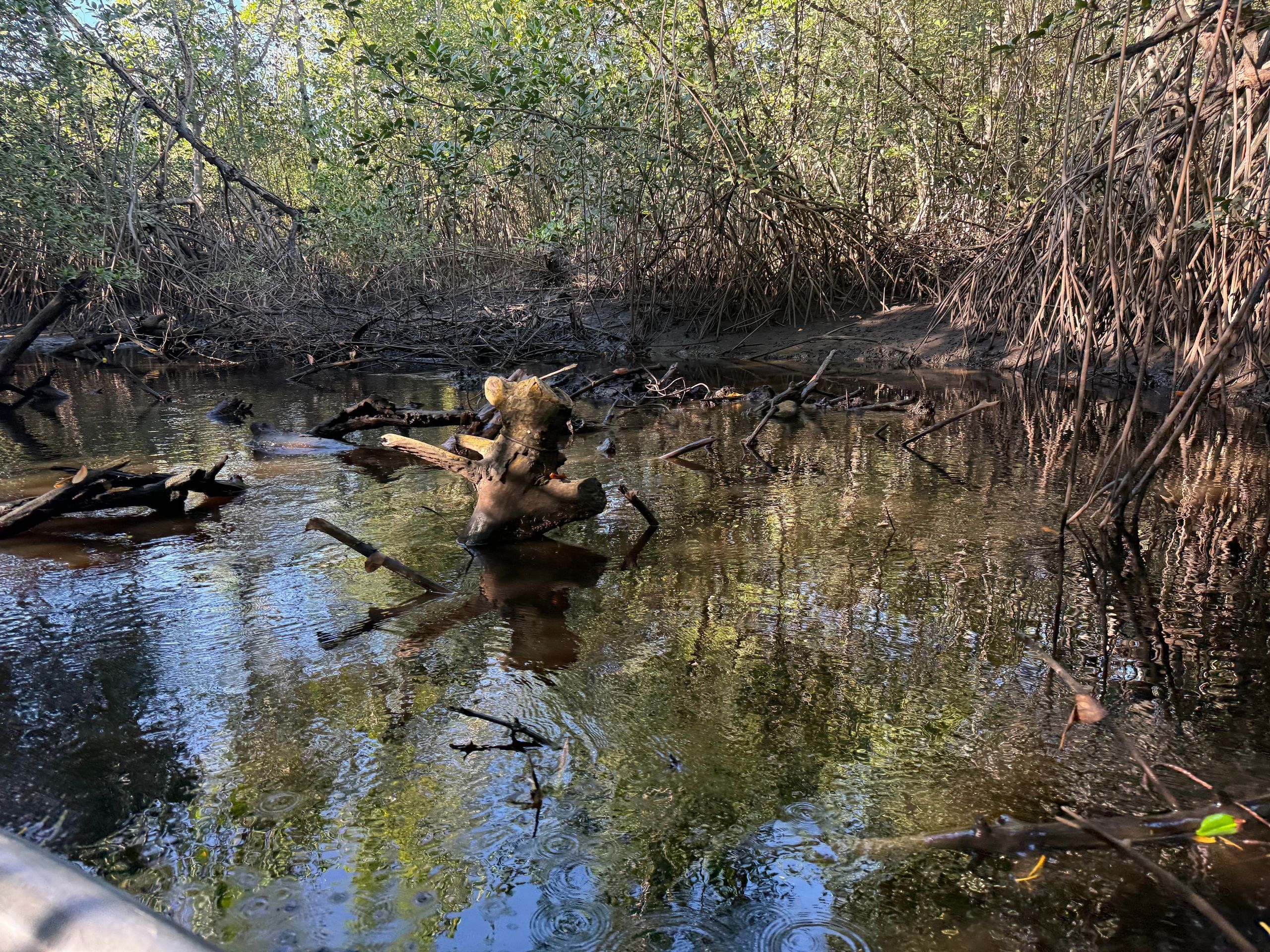
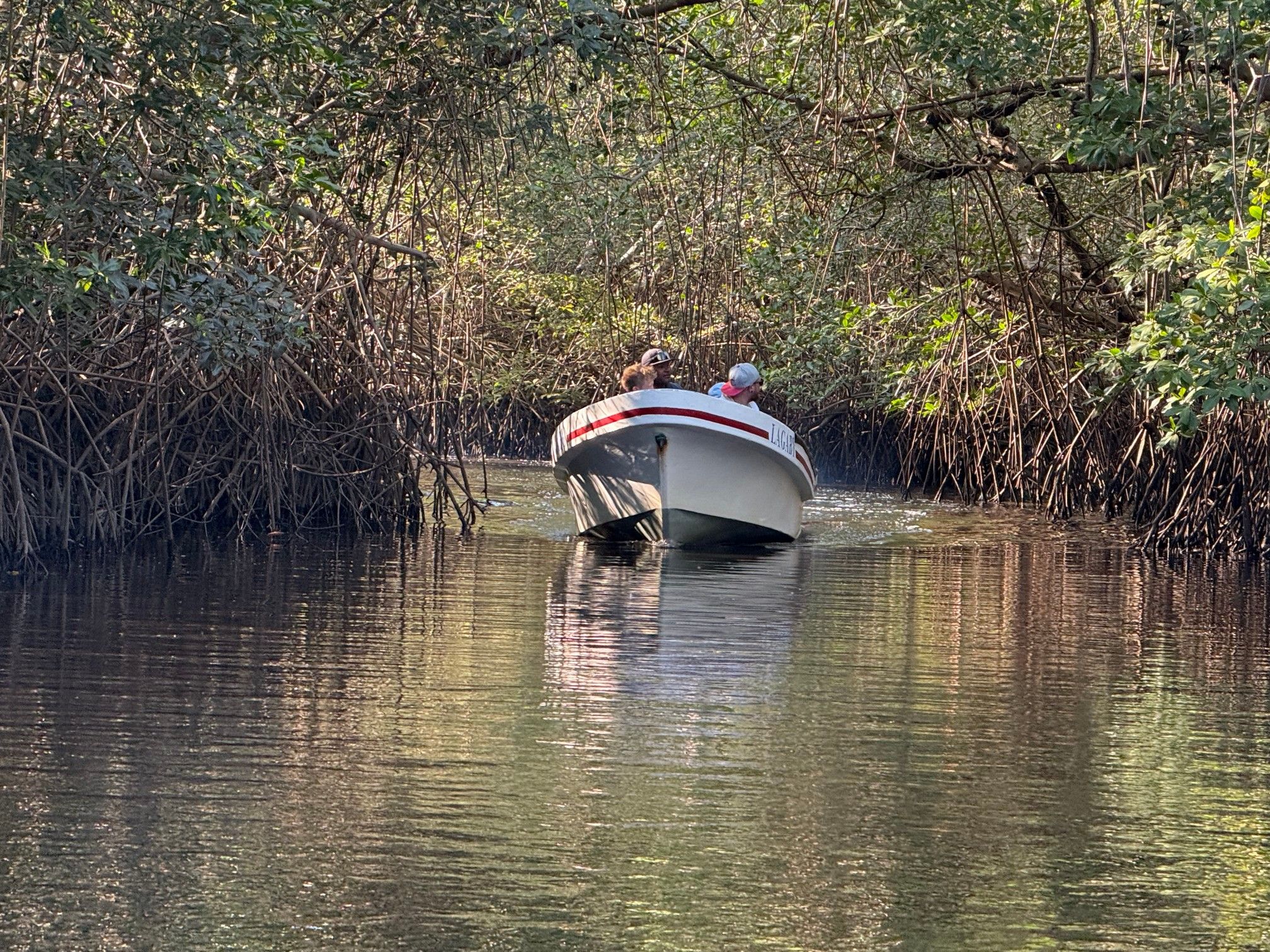
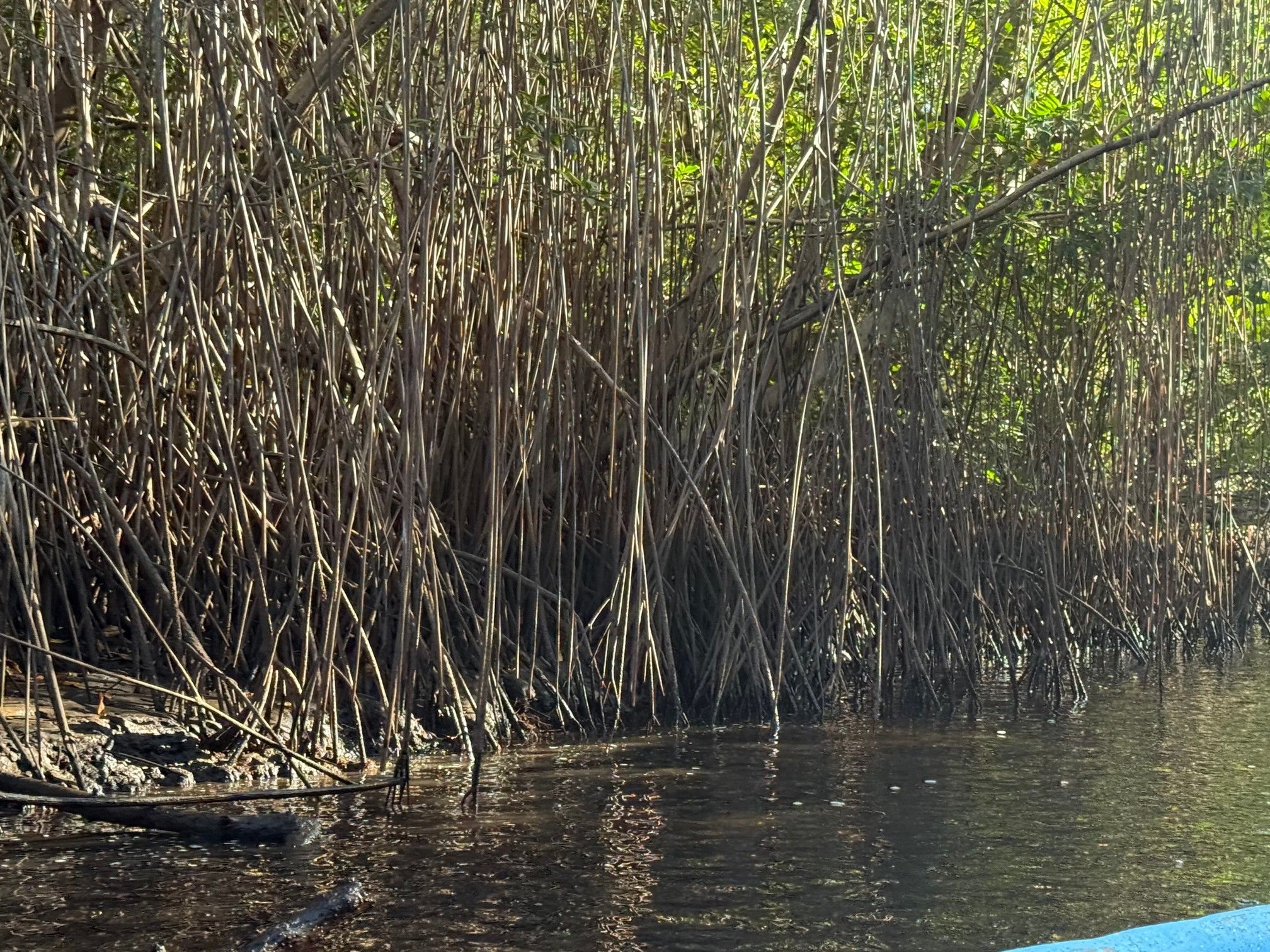
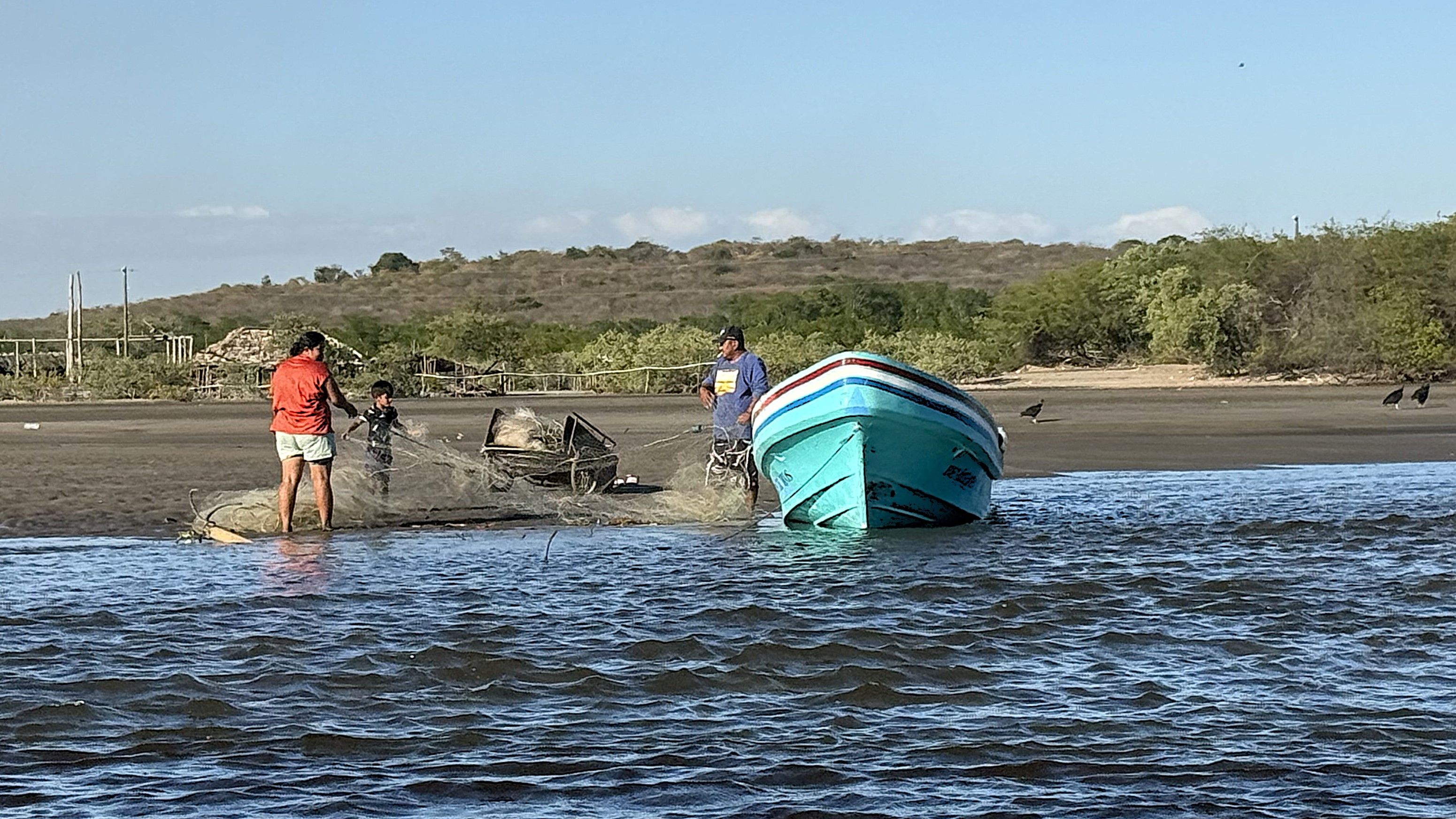
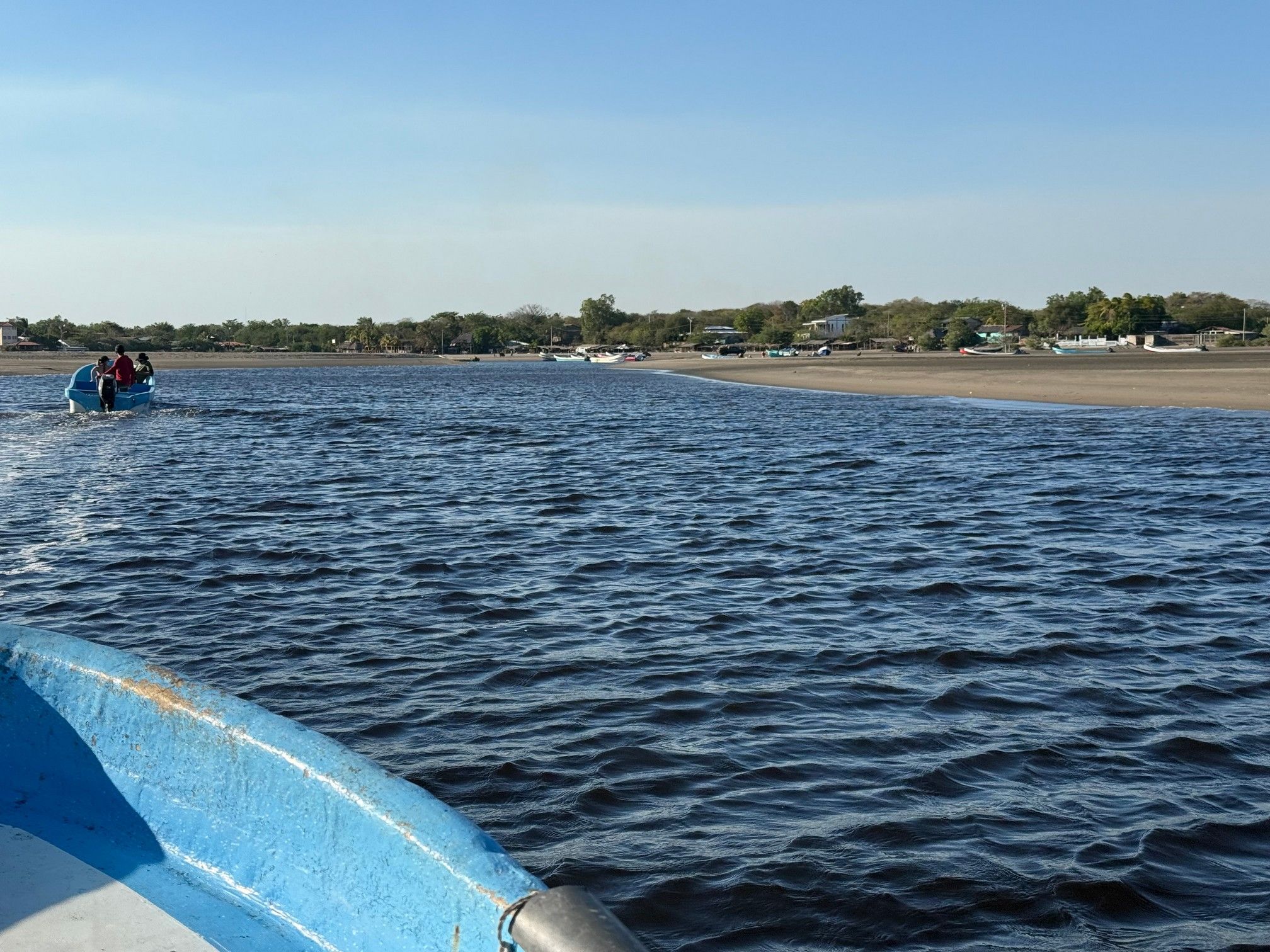
Nicaragua also has nature to offer. Today, we’re heading about 25 km west of Leon to the Pacific coast. Near the village of Las Peñitas, we embark – once again wading through water – into a small motorboat to explore the Juan Venado Nature Reserve along a canal through the mangrove landscape.
The so-called barrier island lies directly off the coast and is practically nothing more than a narrow, long strip of sand and mangrove swamp.
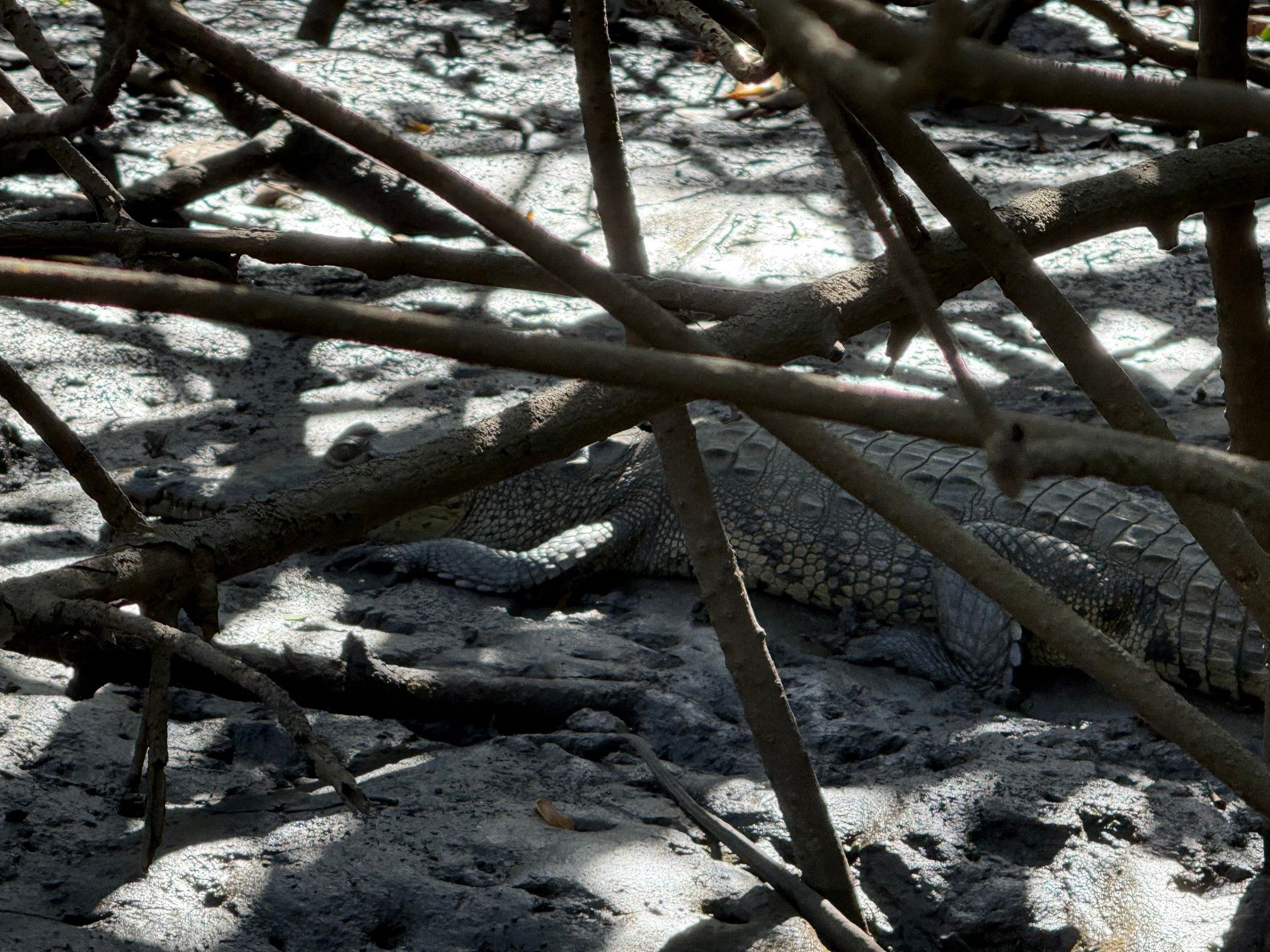
The reserve, with a length of 22 km, provides tropical rainforests and mangrove forests that serve as a habitat for a wide variety of flora and fauna. Various bird species (106 different species have been recorded) and crocodiles can be seen here. The island also serves as a nesting site for the endangered Olive Ridley sea turtle, although now is not the right season for that.
The boat ride with a leisurely puttering and moderately oil-smelling outboard motor is interesting; we also see some – partly well-camouflaged – crocodiles and a number of birds. The howler monkeys make themselves known primarily through sound…
We might be a bit too early for wildlife observation in the afternoon; however, on our return, we do encounter a few other tourist boats, which ends the idyllic experience.
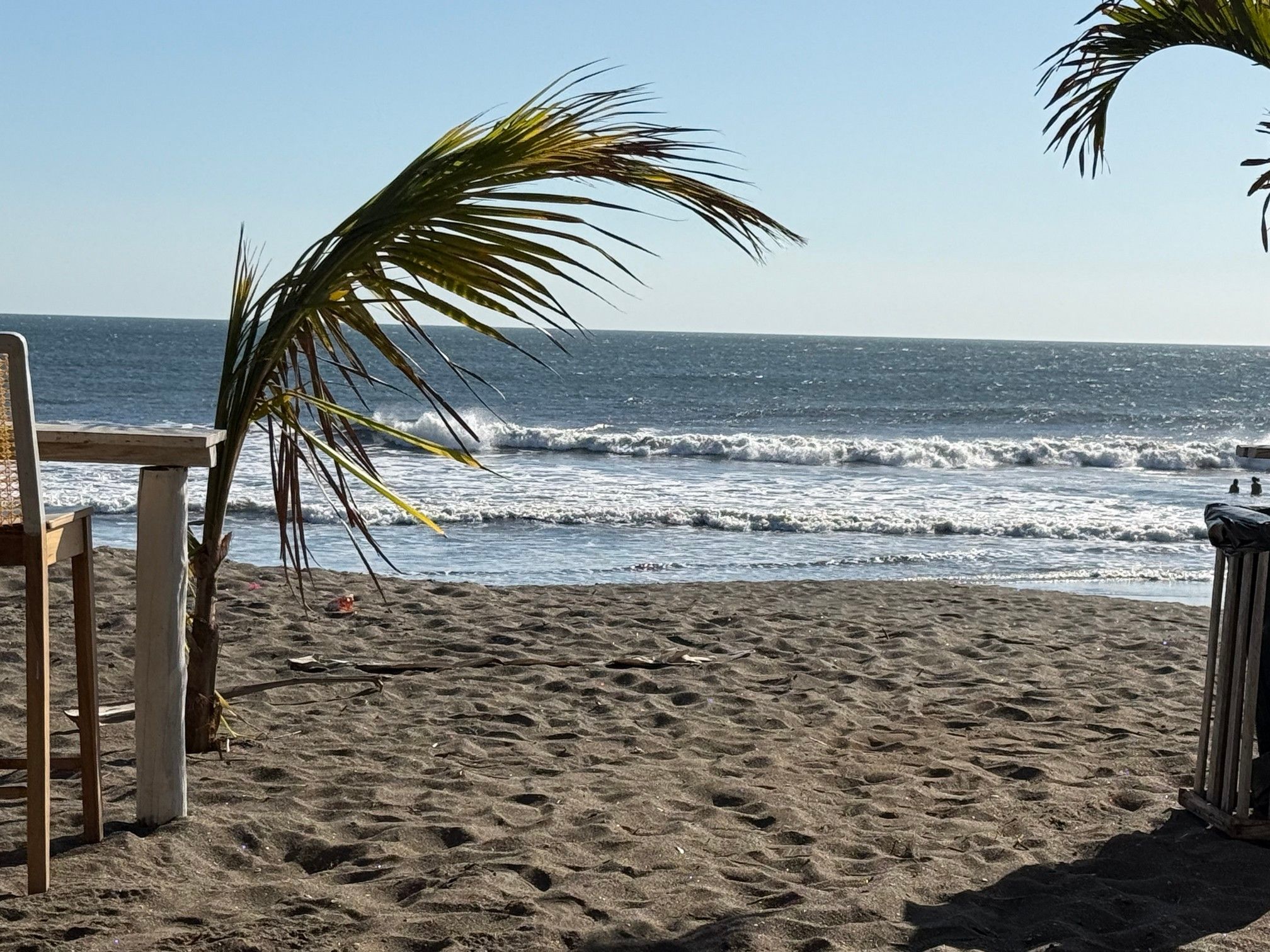
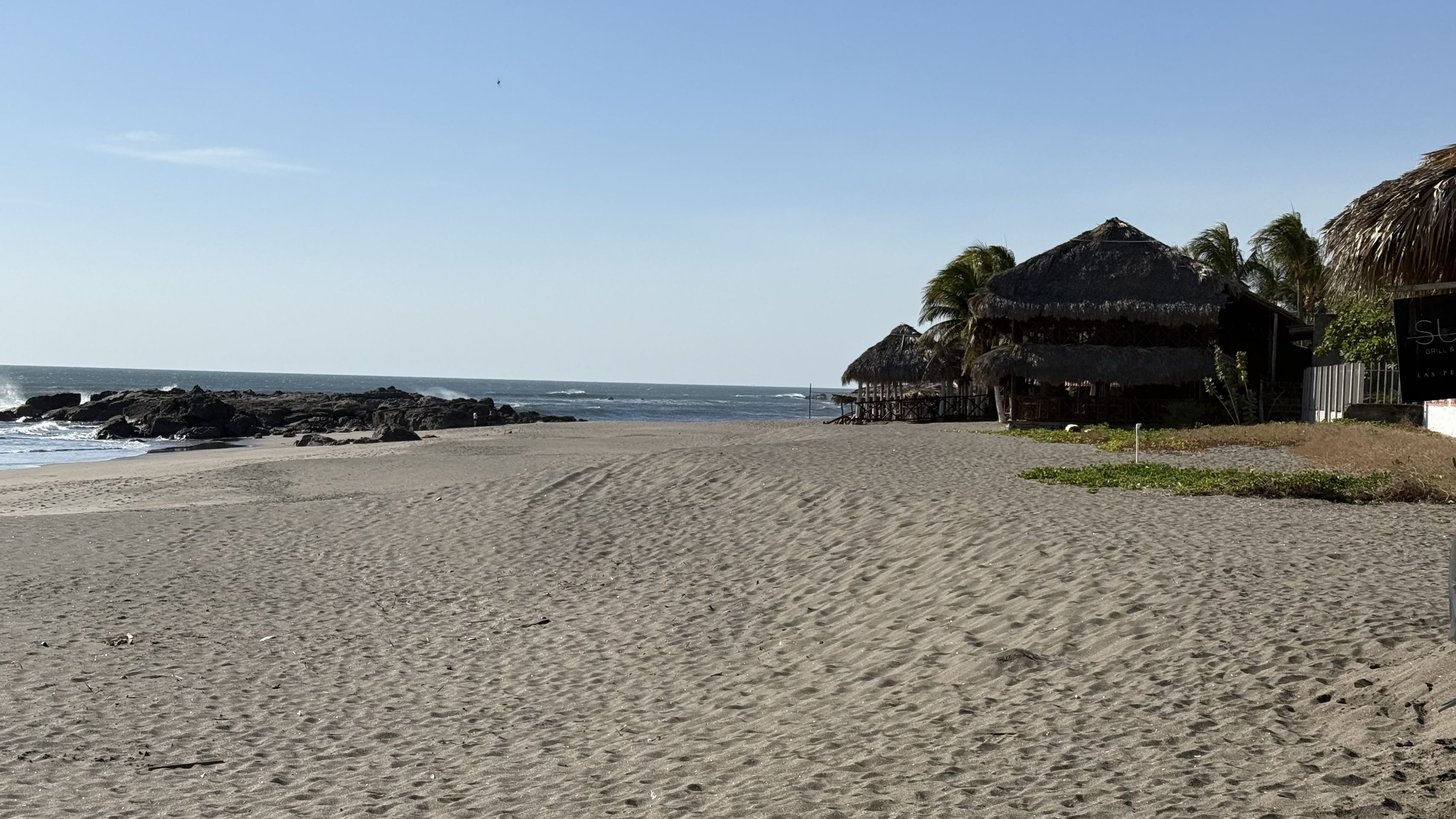
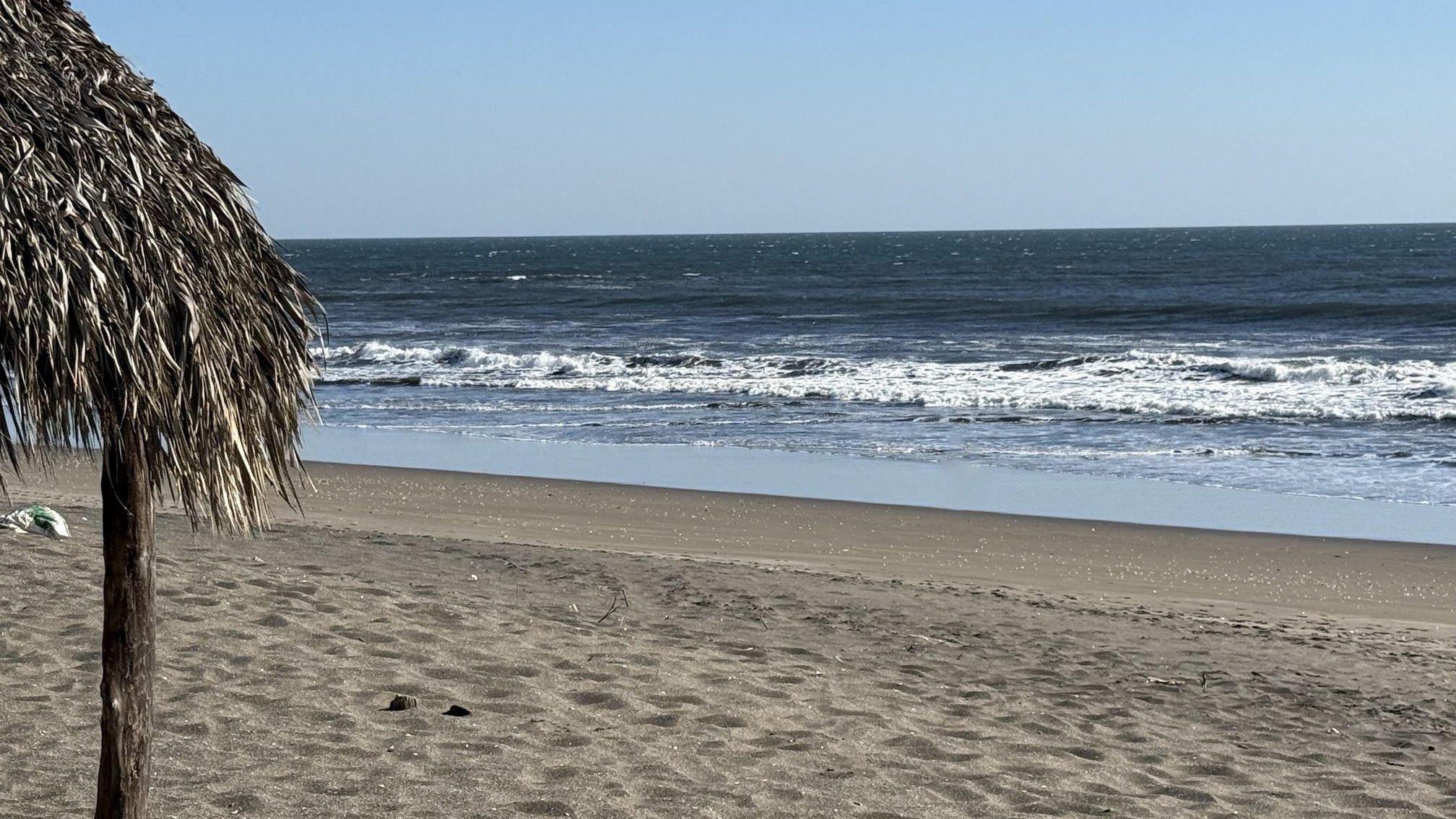
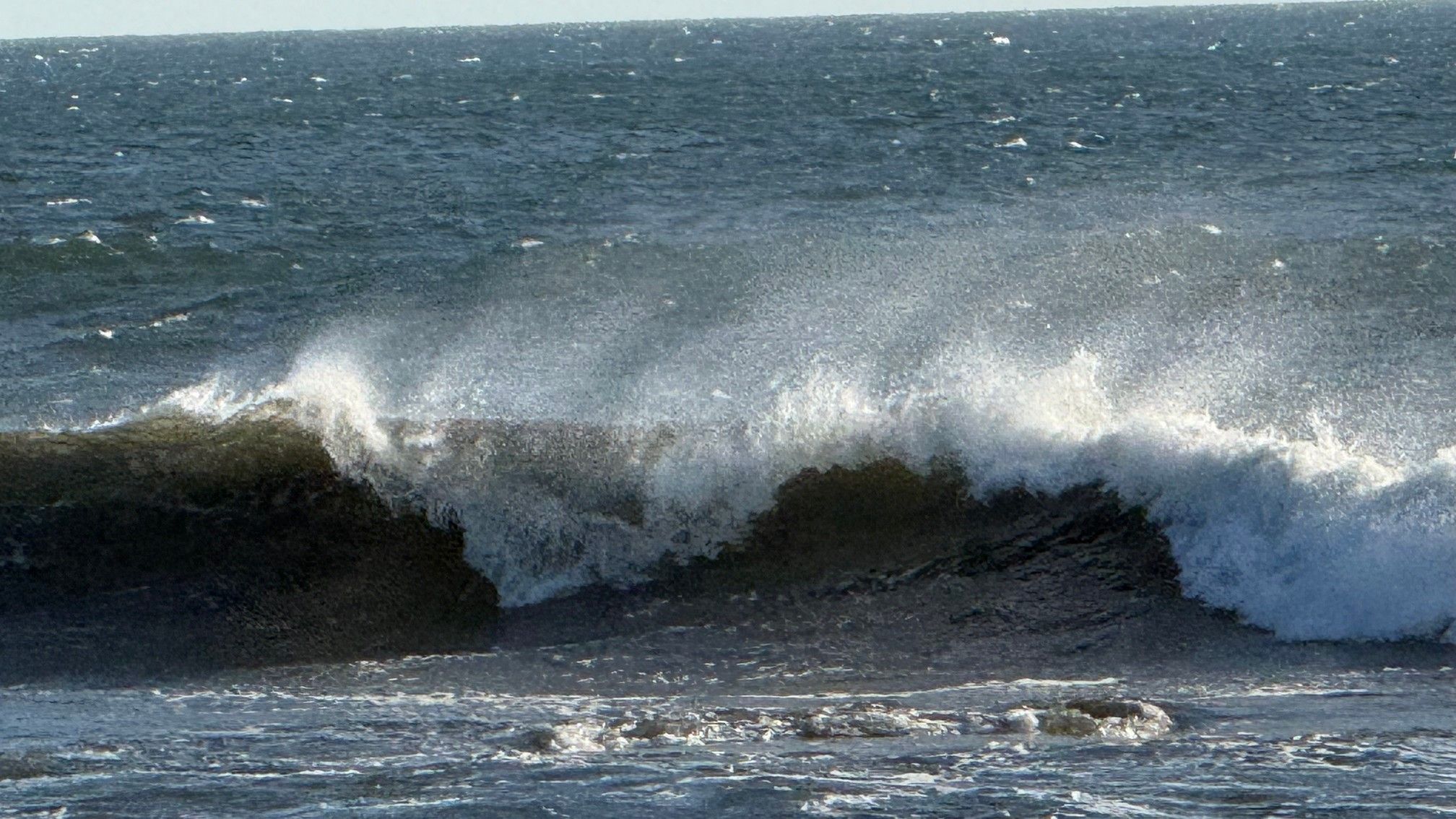
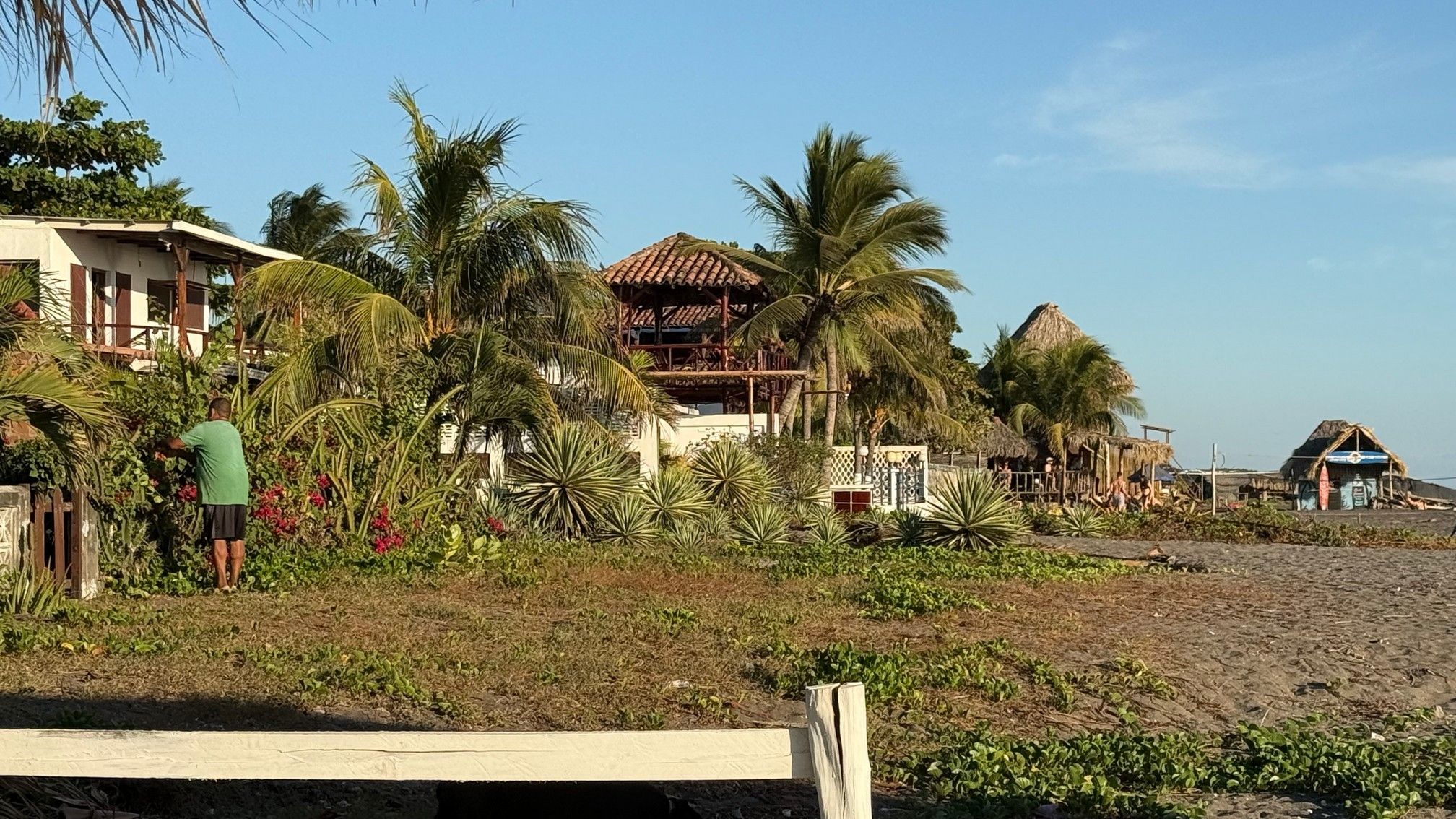
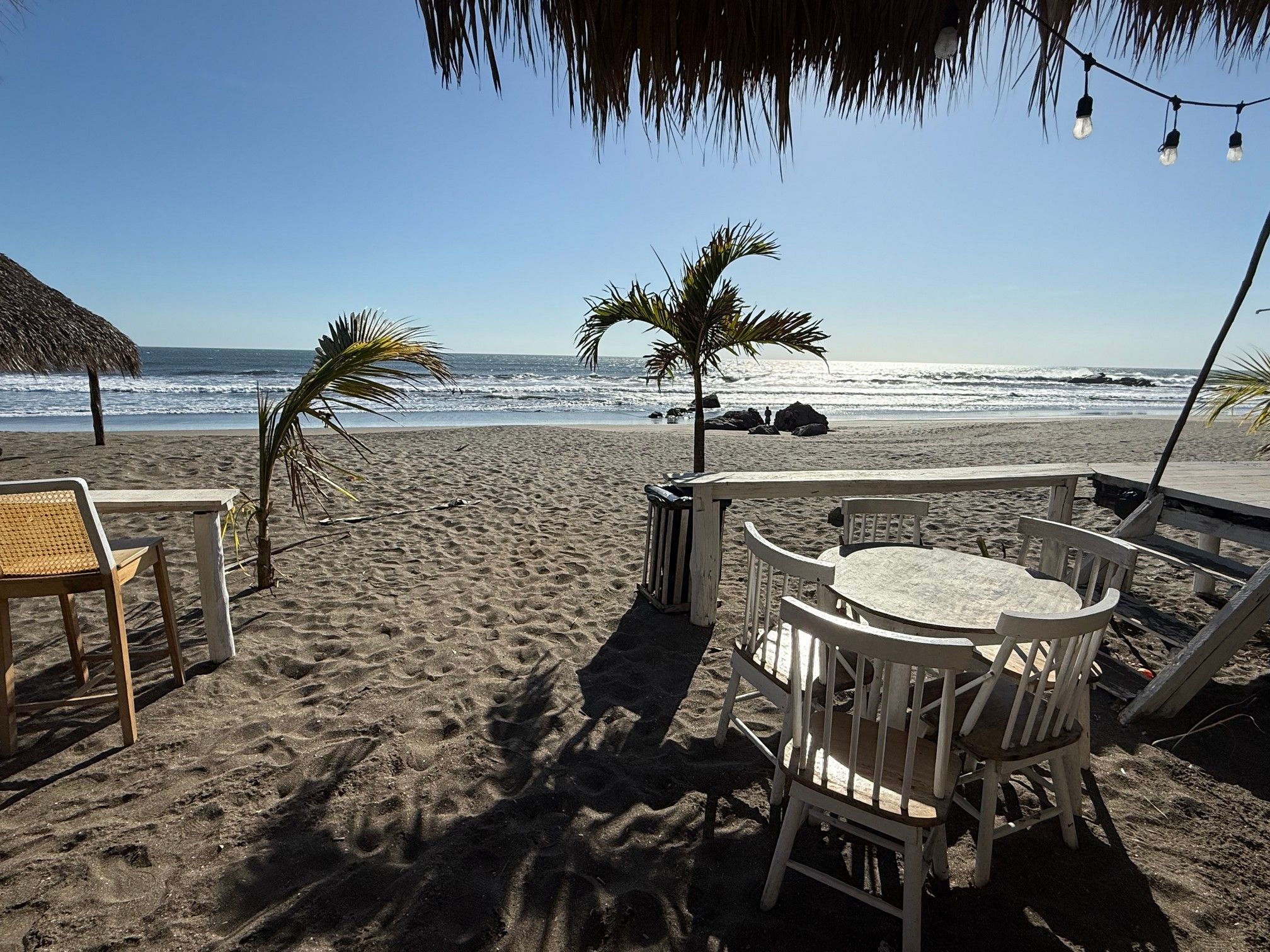
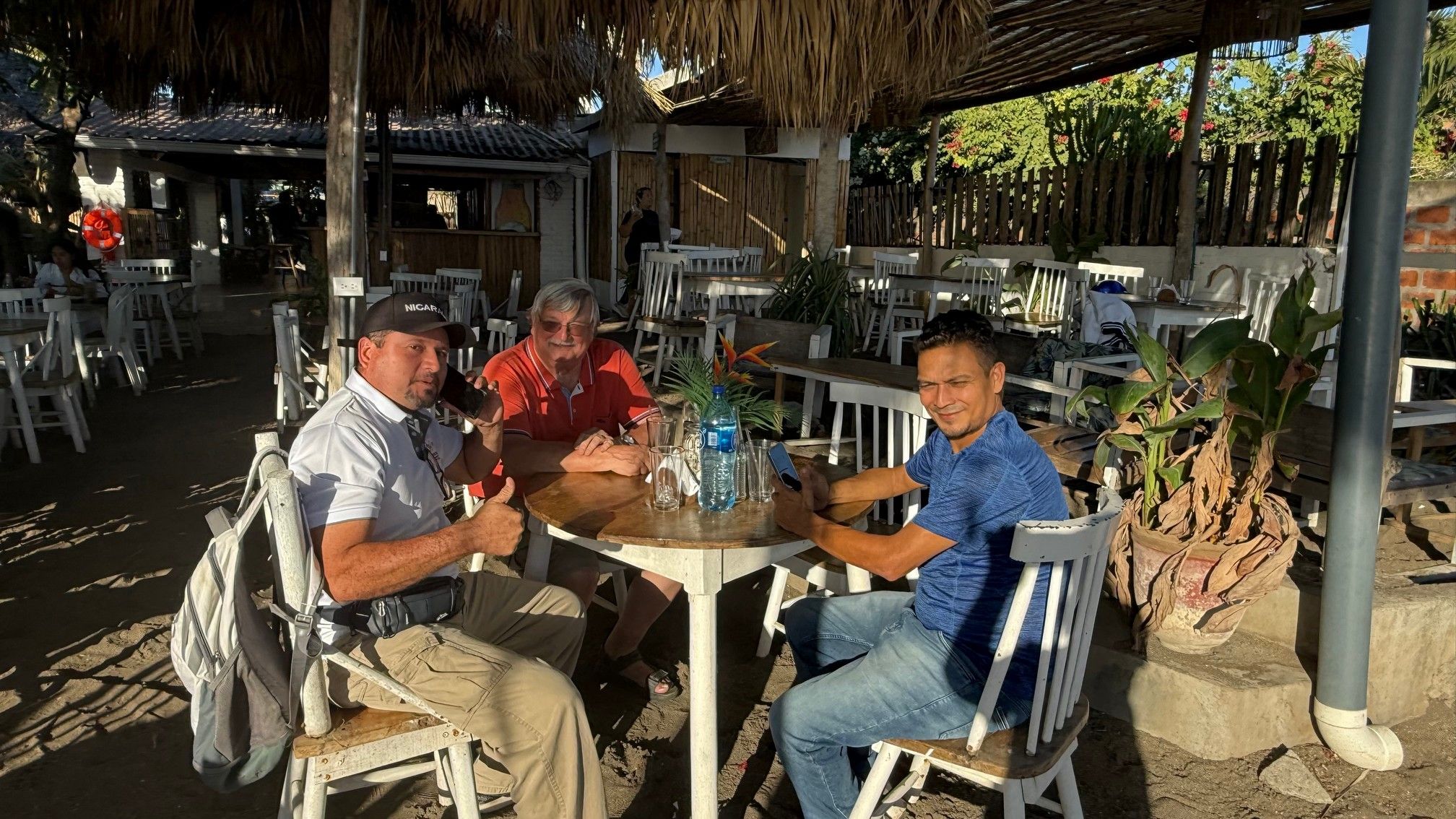
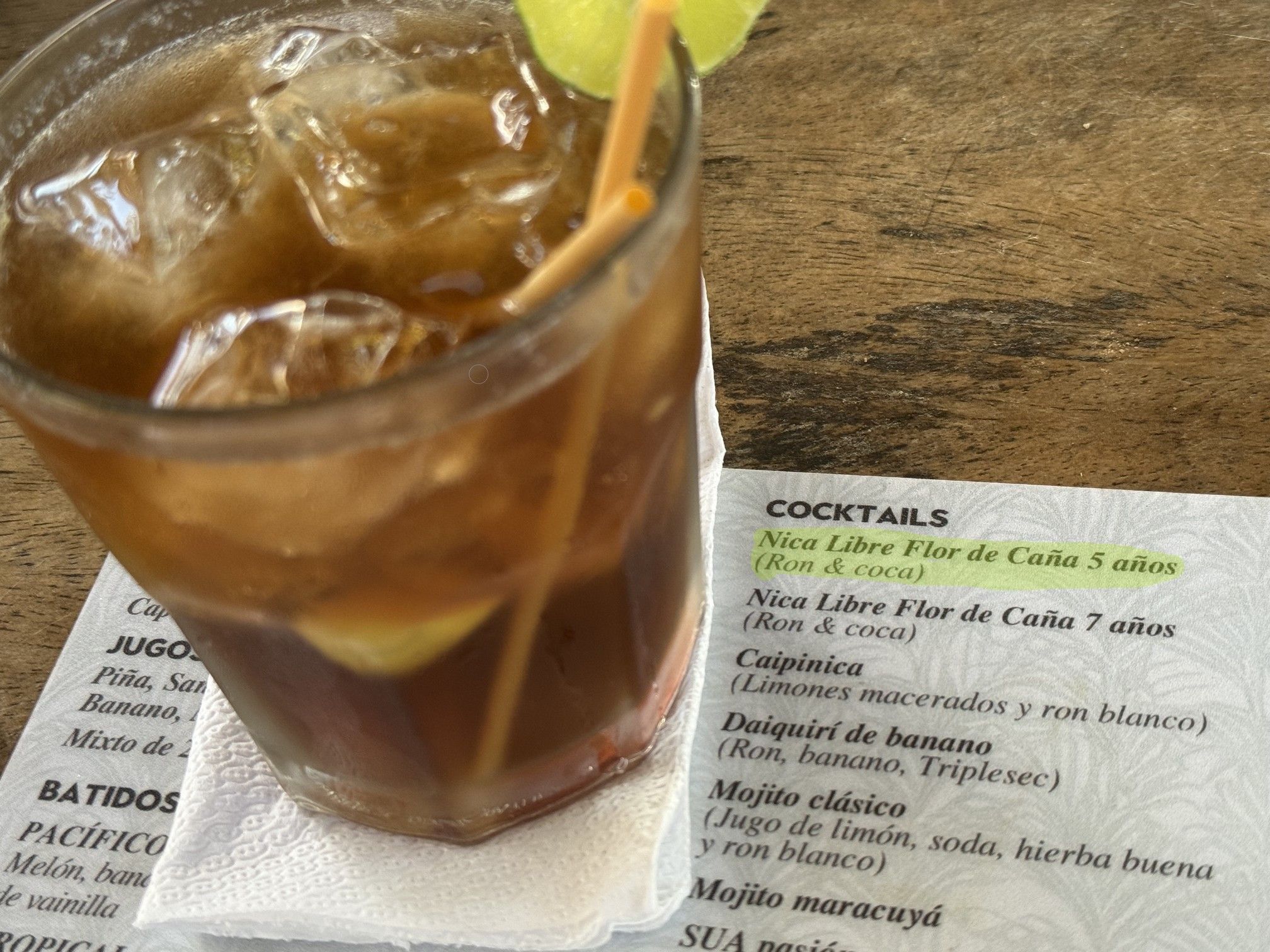
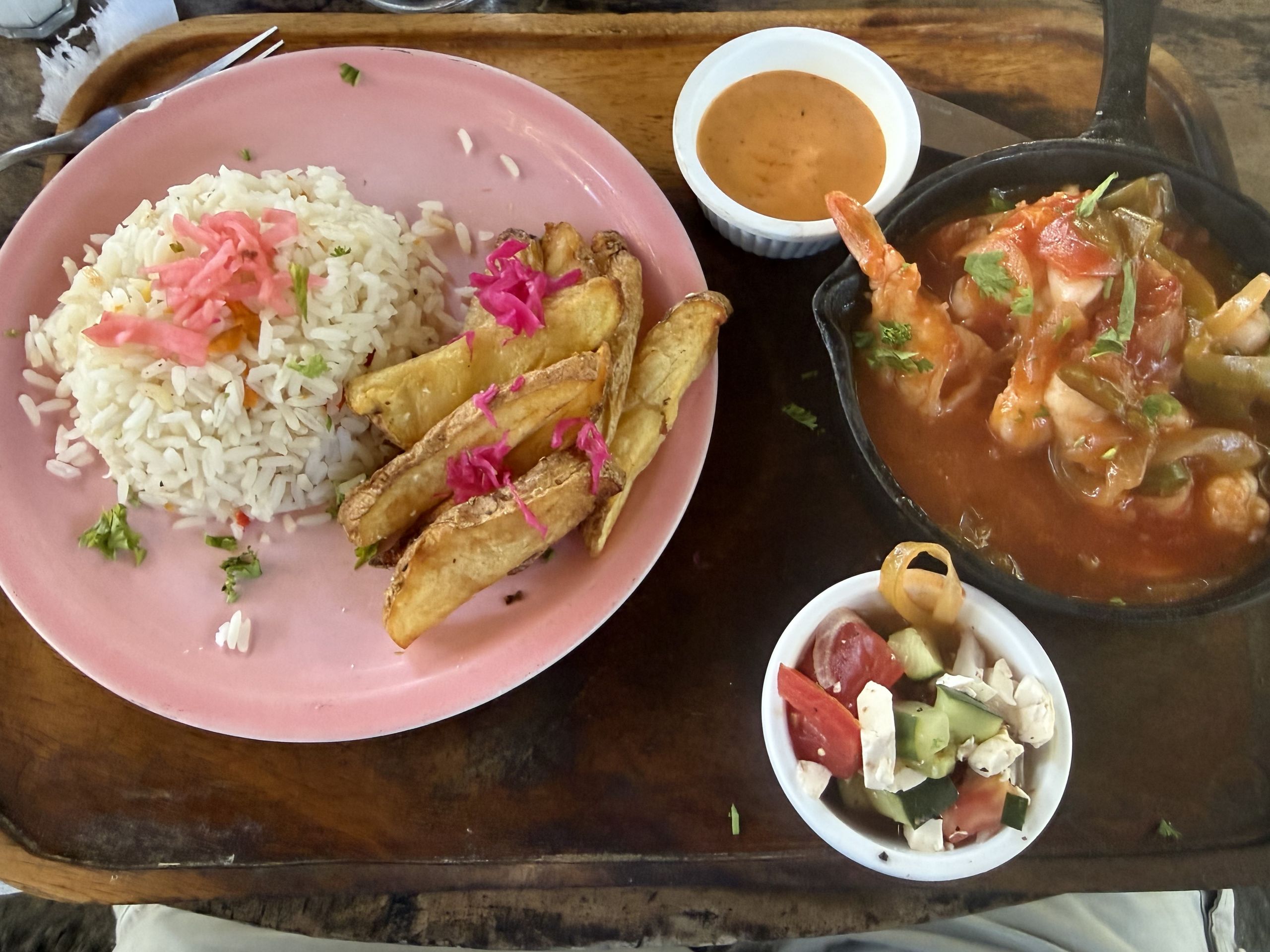
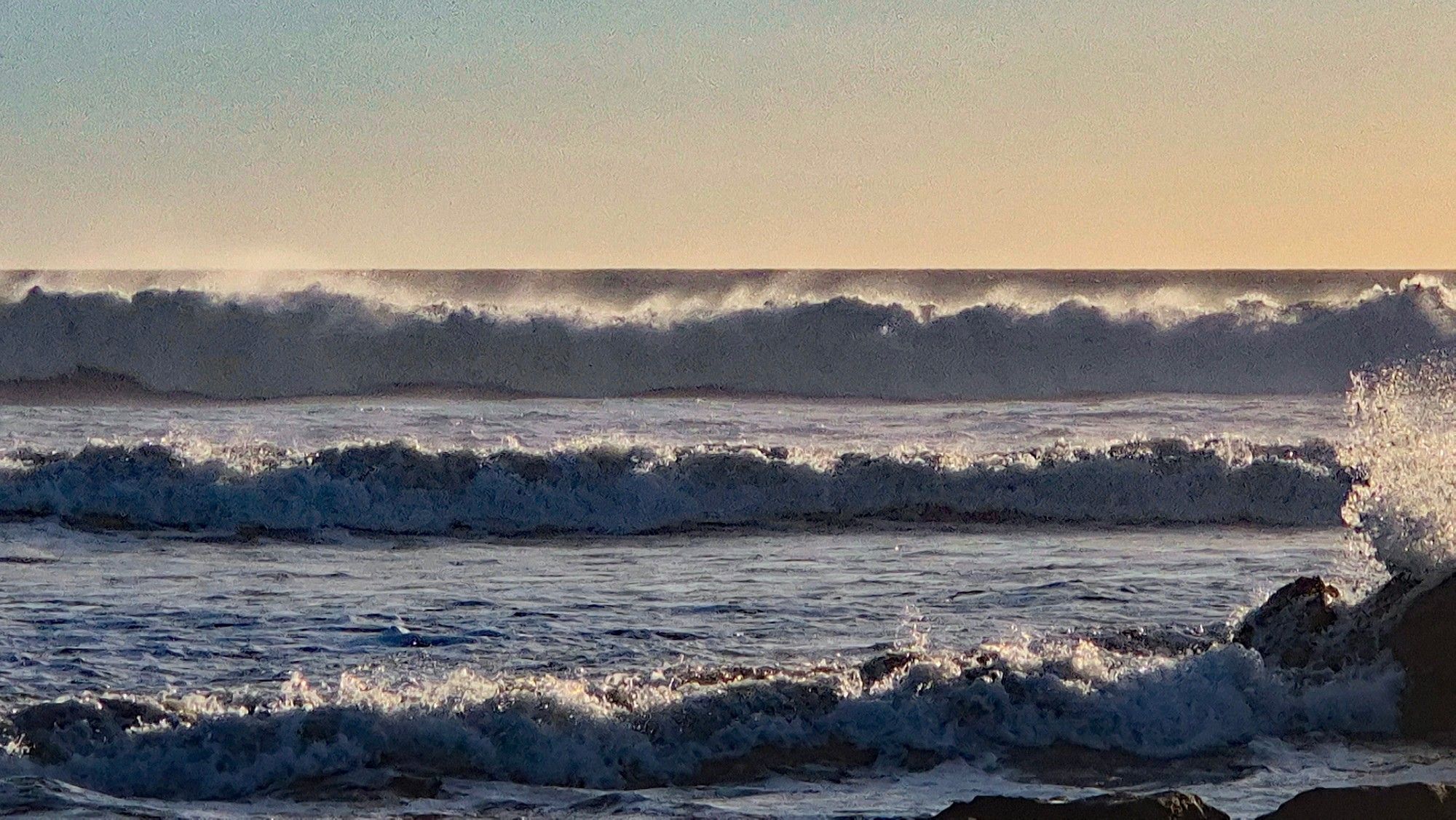
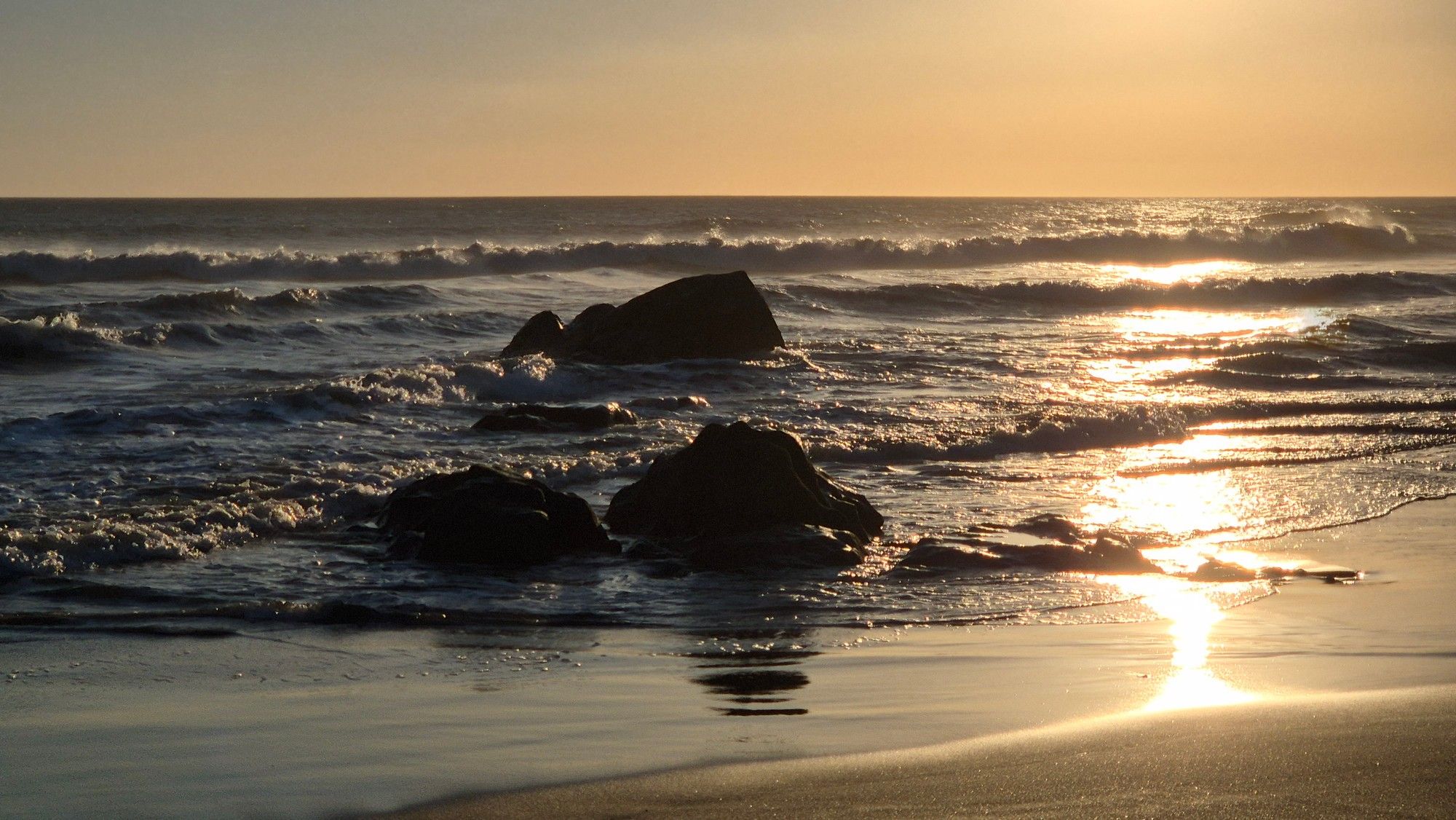
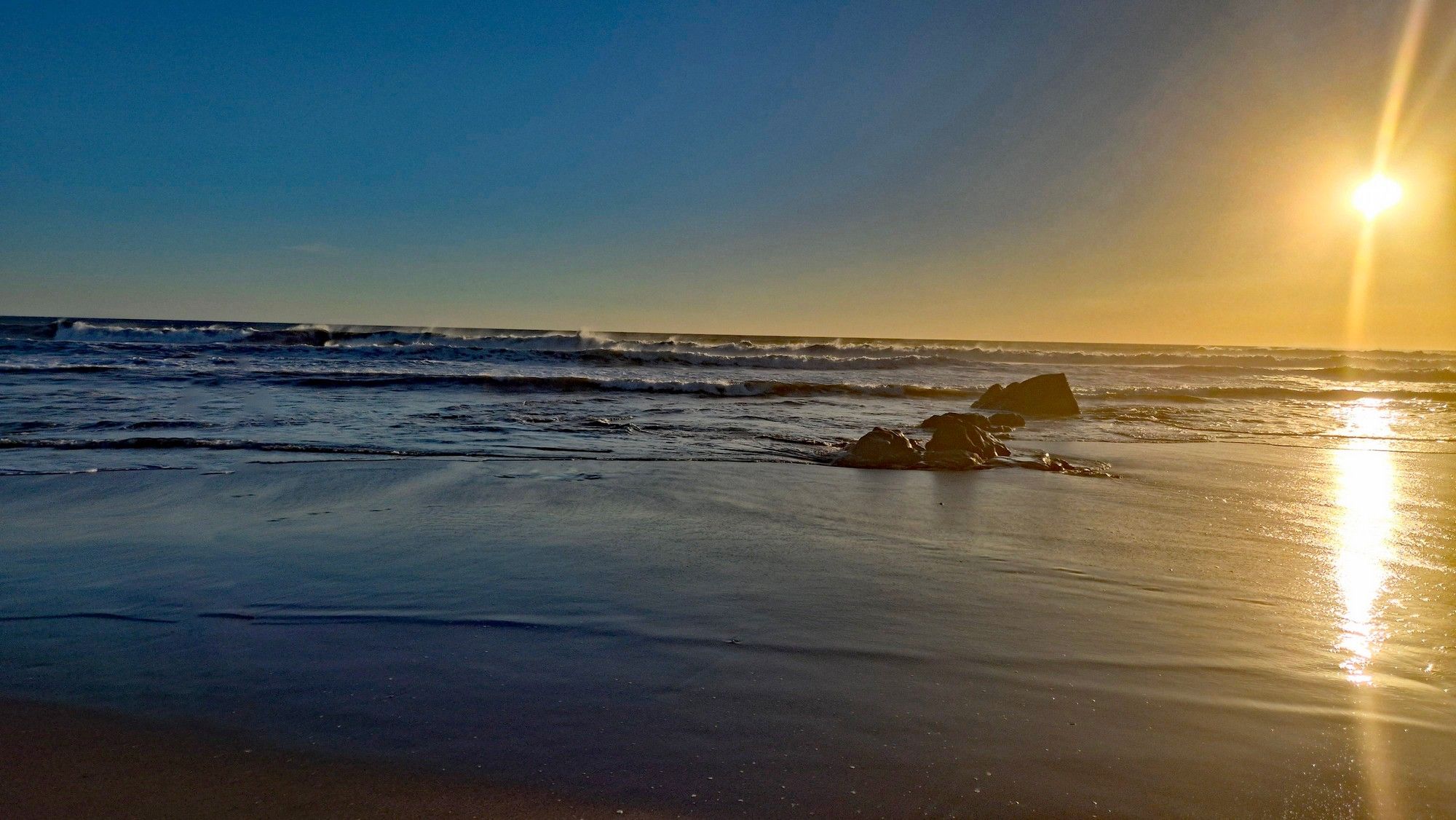
The day concludes with a visit to the beach – the Pacific waves are indeed impressive – and at the restaurant “SUA – Grill & Chill”. The food there with a view of the sea is very good – they also serve excellent fish and shrimp. The “politically correct” cocktail “Nica Libre” (cola with rum) is original from Florida and referred to by Gringos and exiled Cubans as “Cuba Libre”.