BLOG 18: Let's go to Nicaragua!
Today we have to wake up early, at 5:00 AM – shortly after midnight – we will be picked up in the cold, rain, and fog at the Volcano Lodge. We quickly head down to the va

Published: 08.03.2026
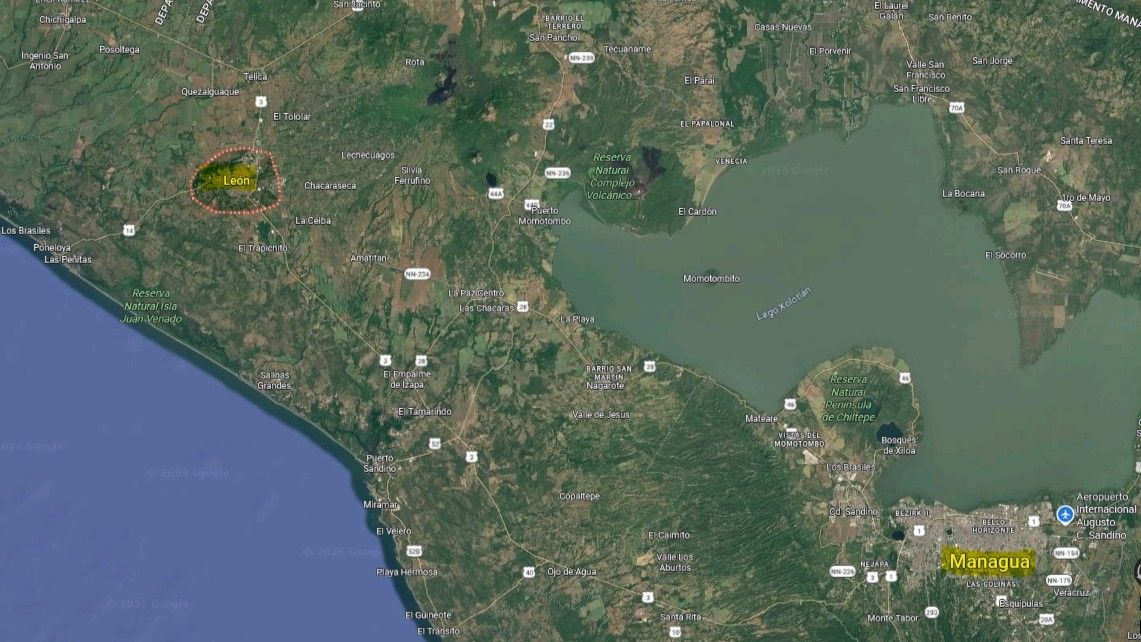
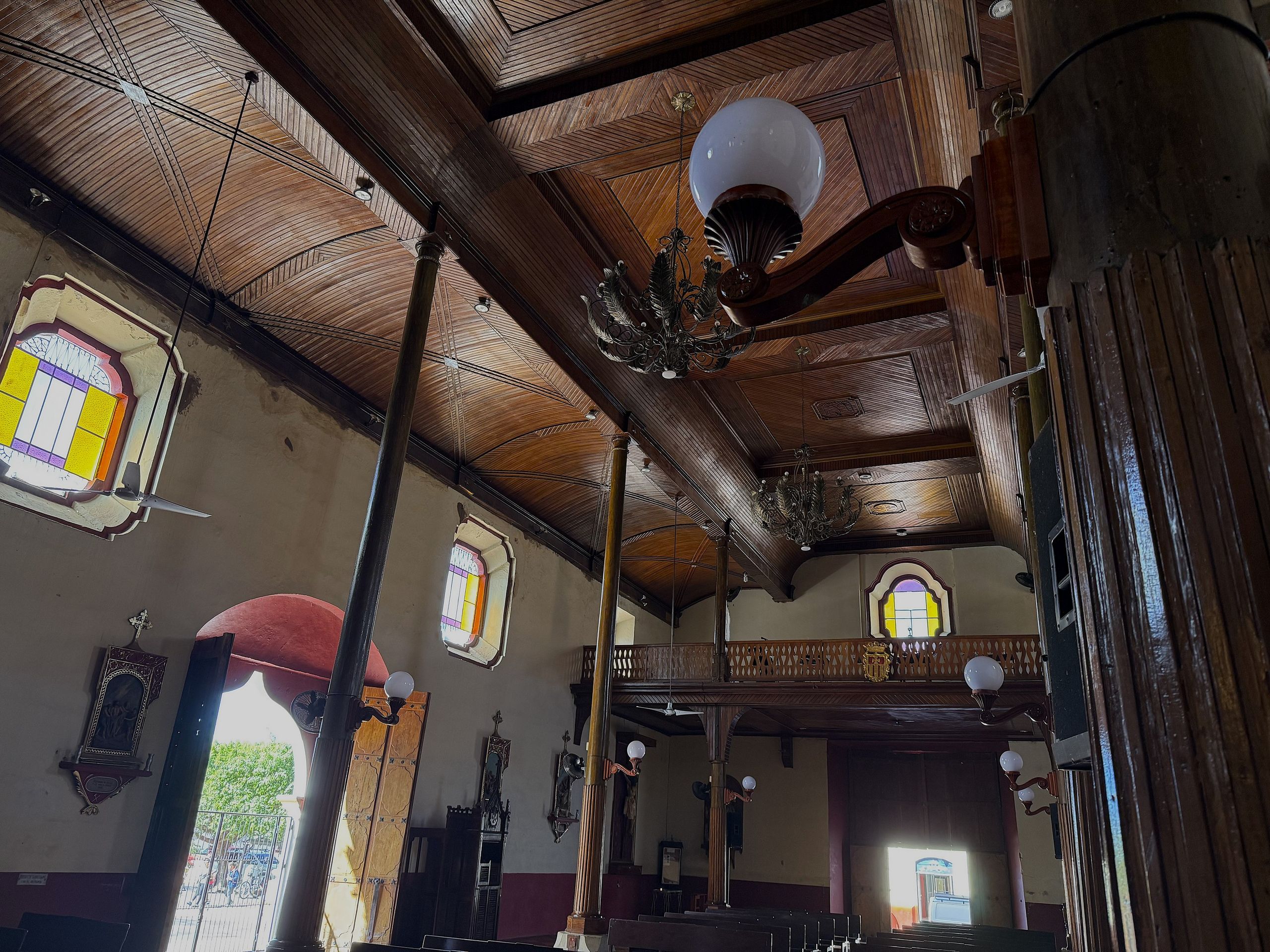
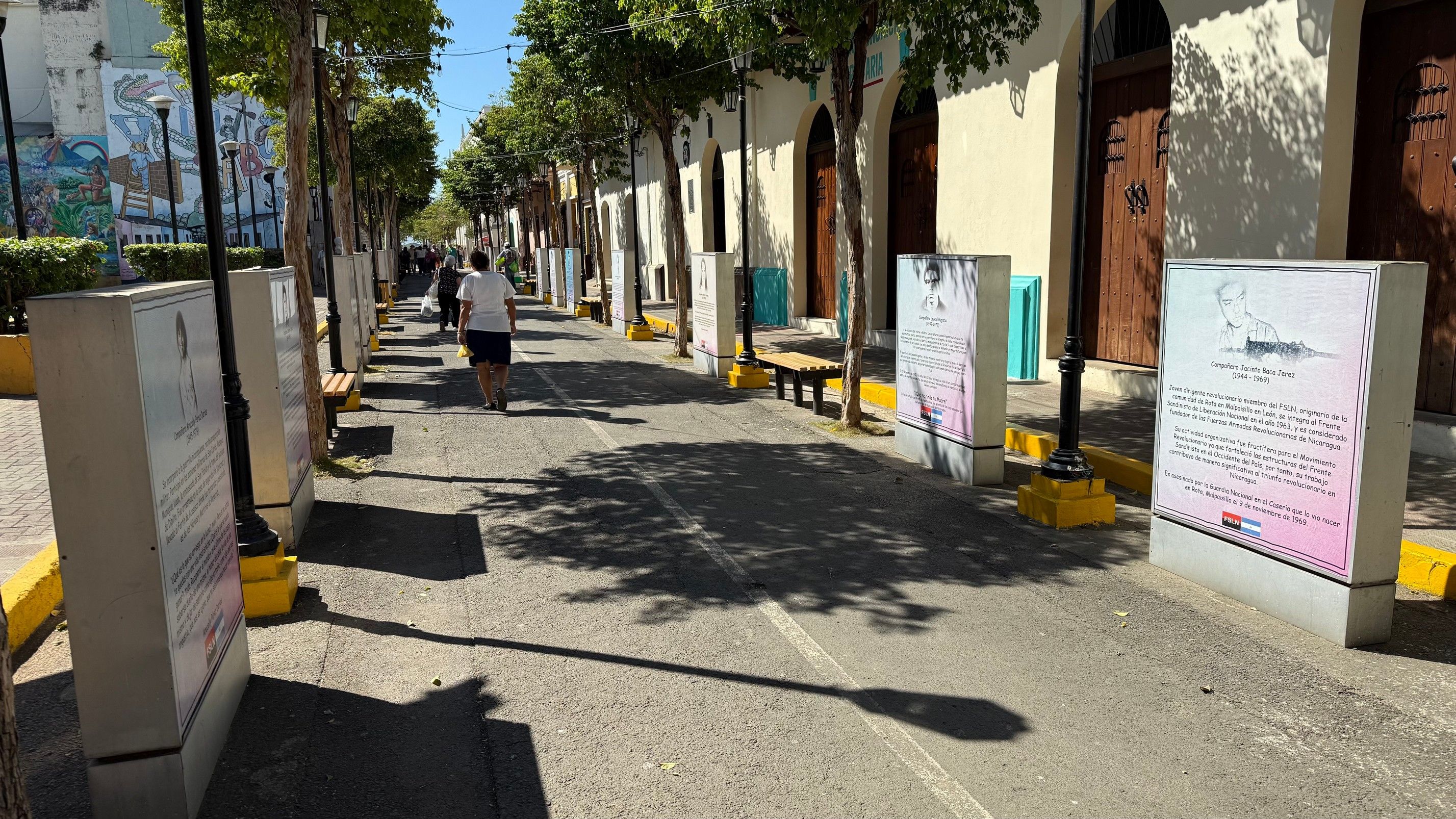
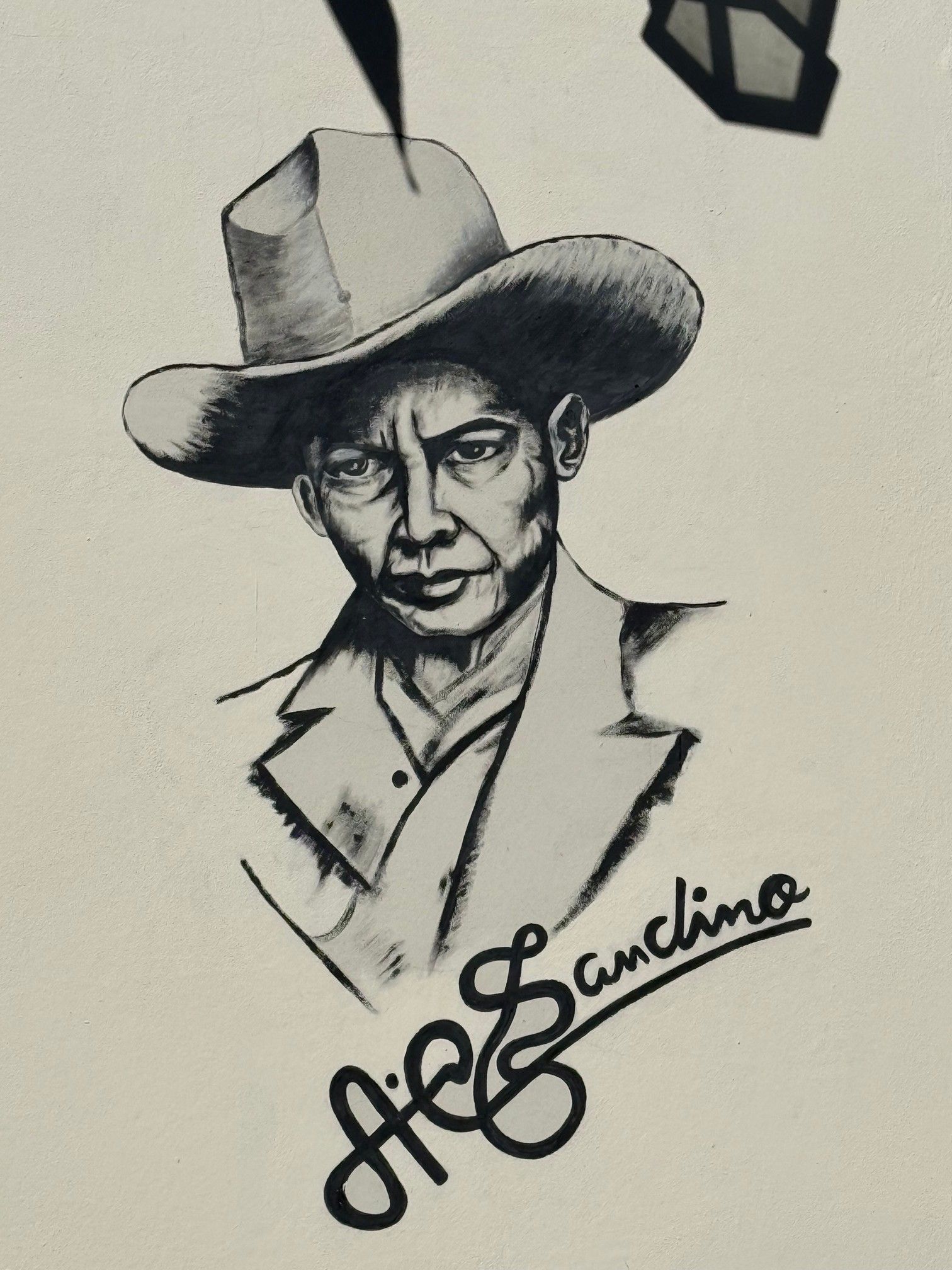
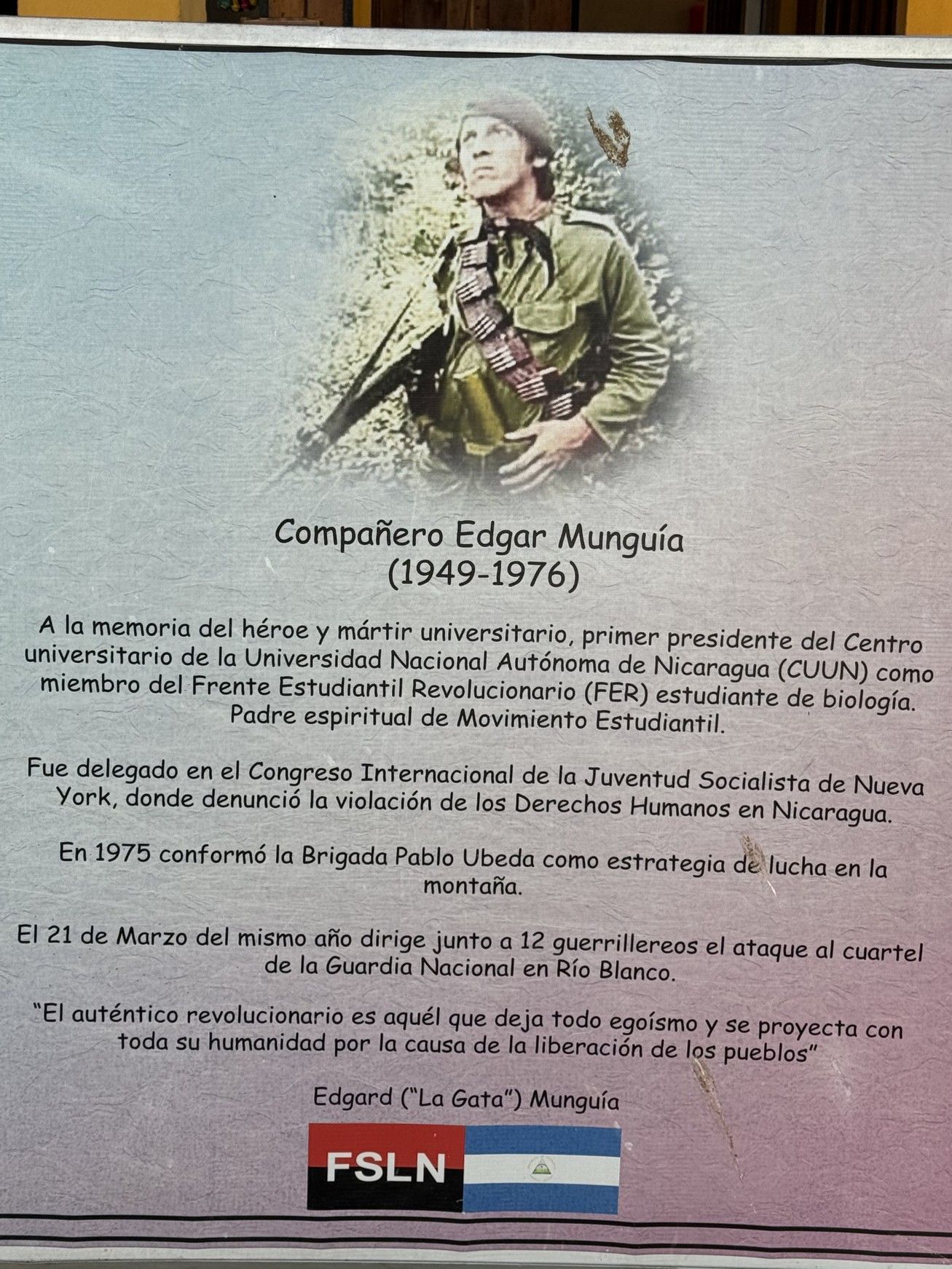
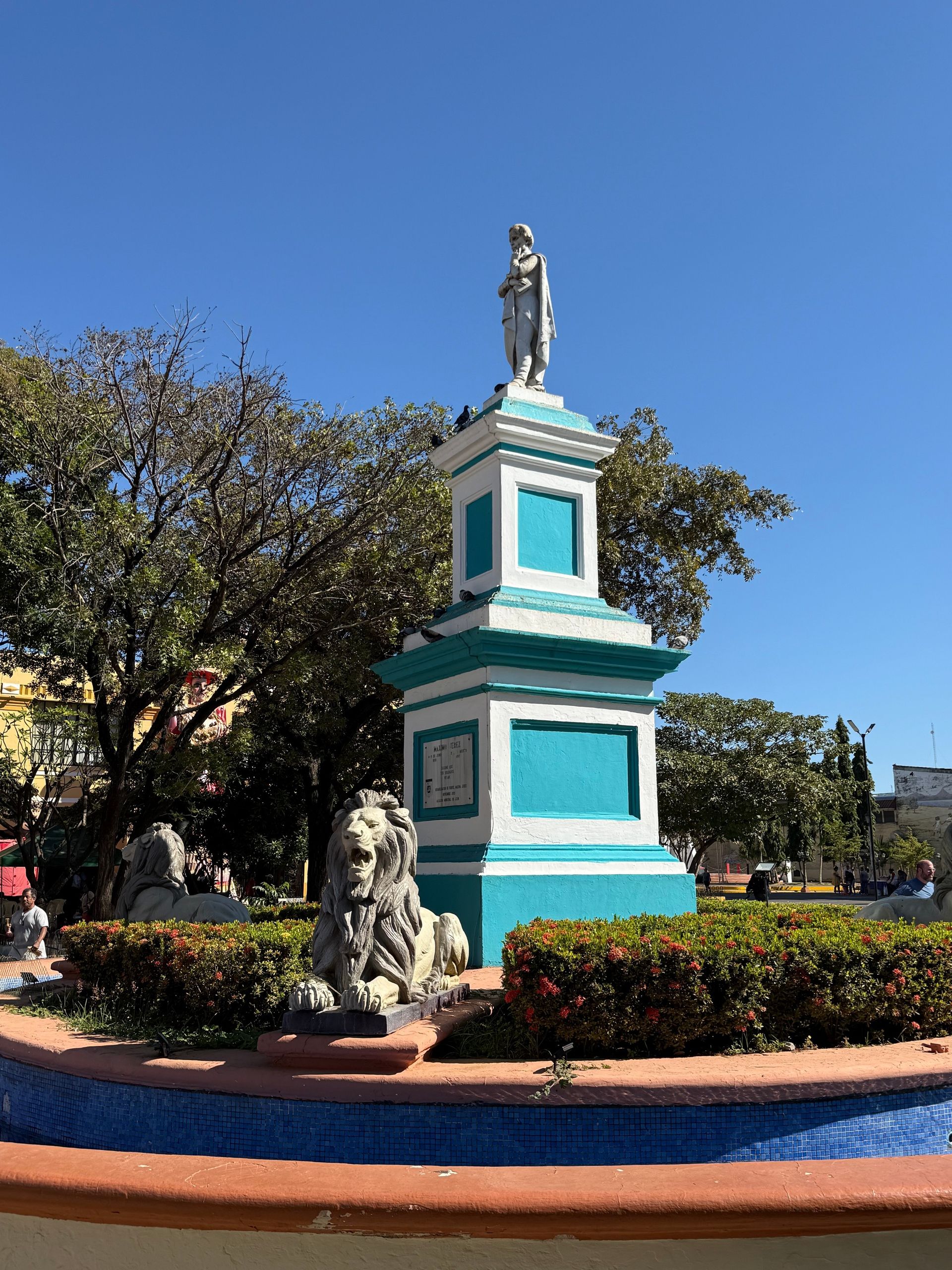
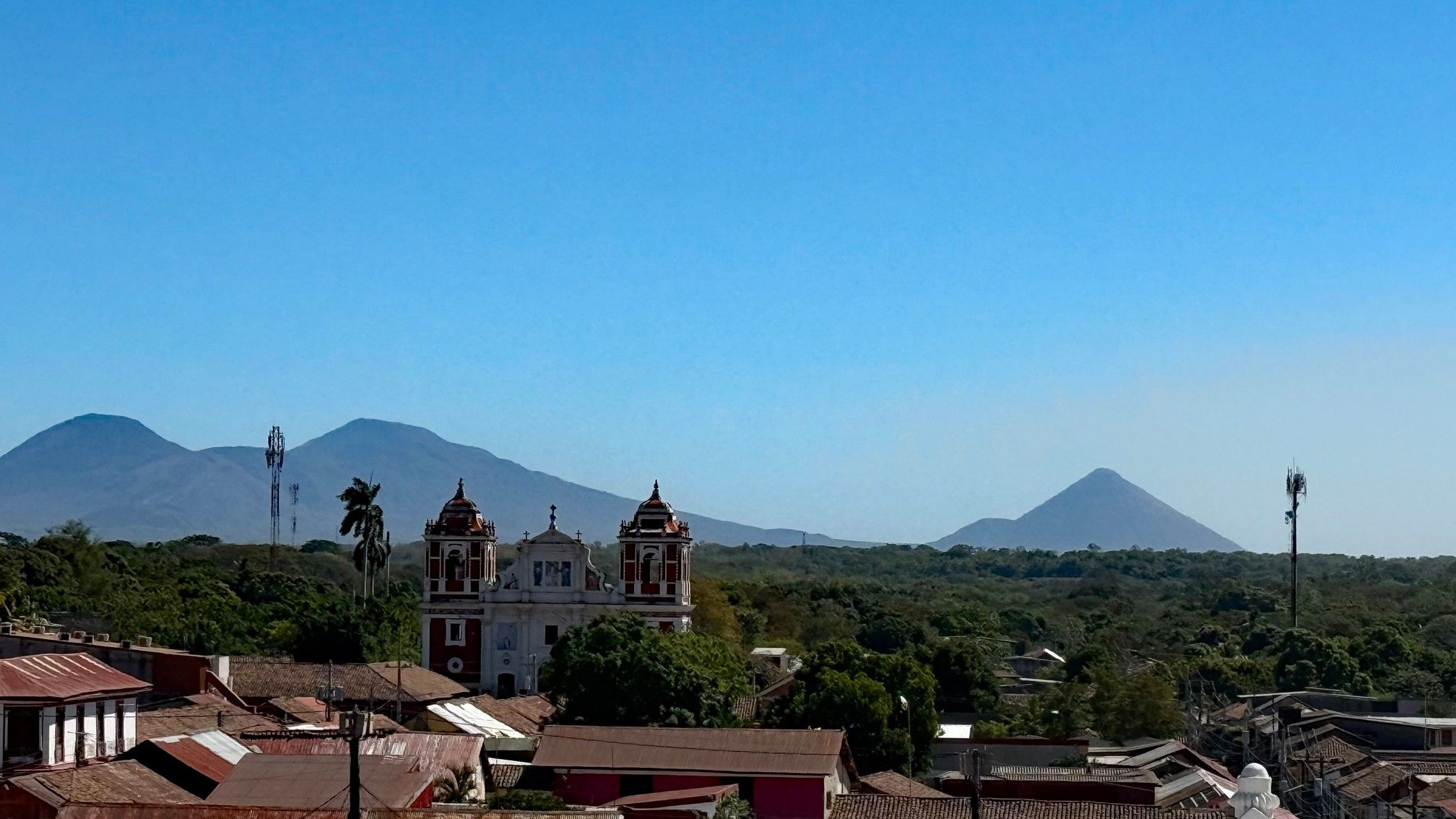
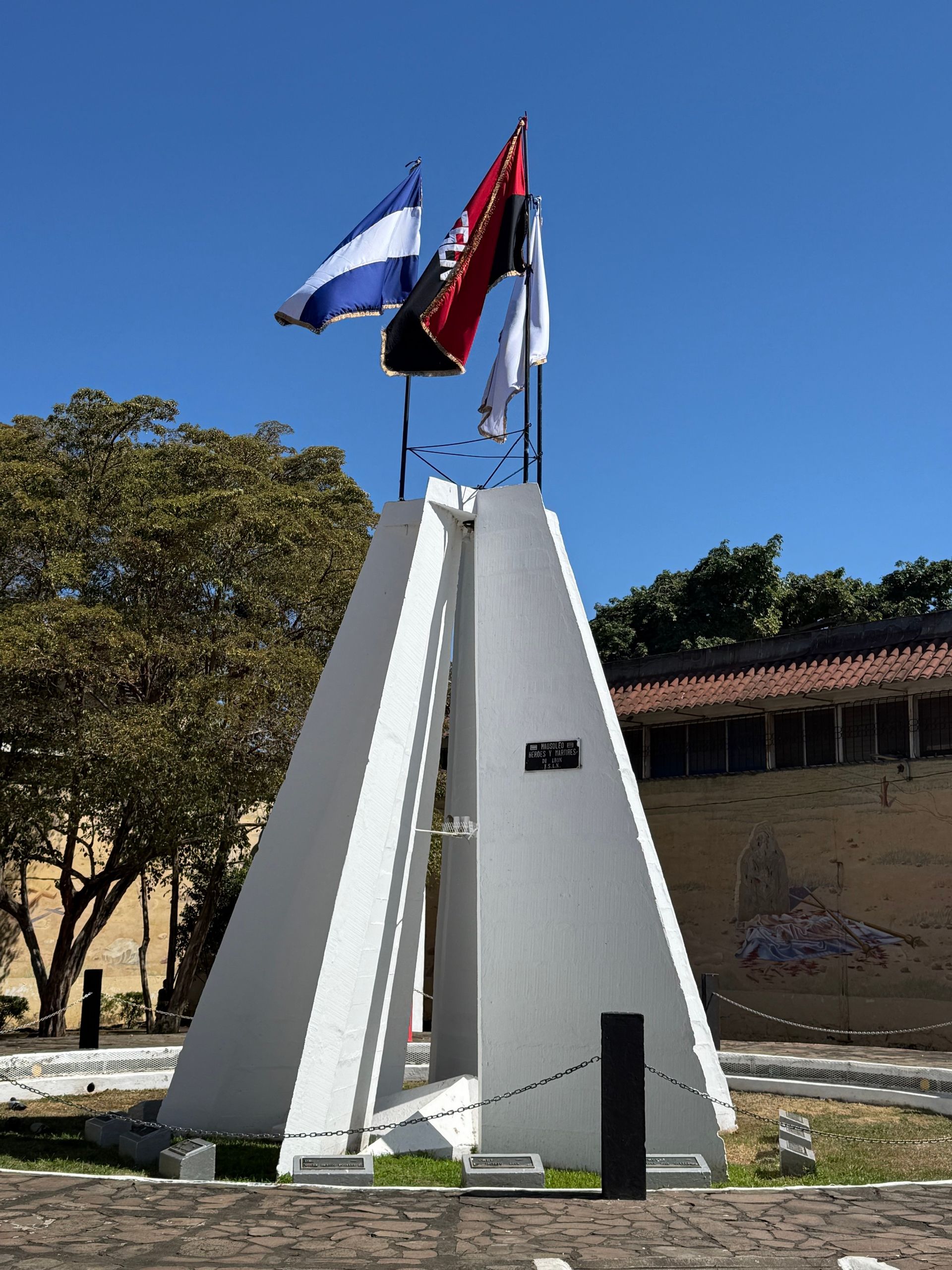
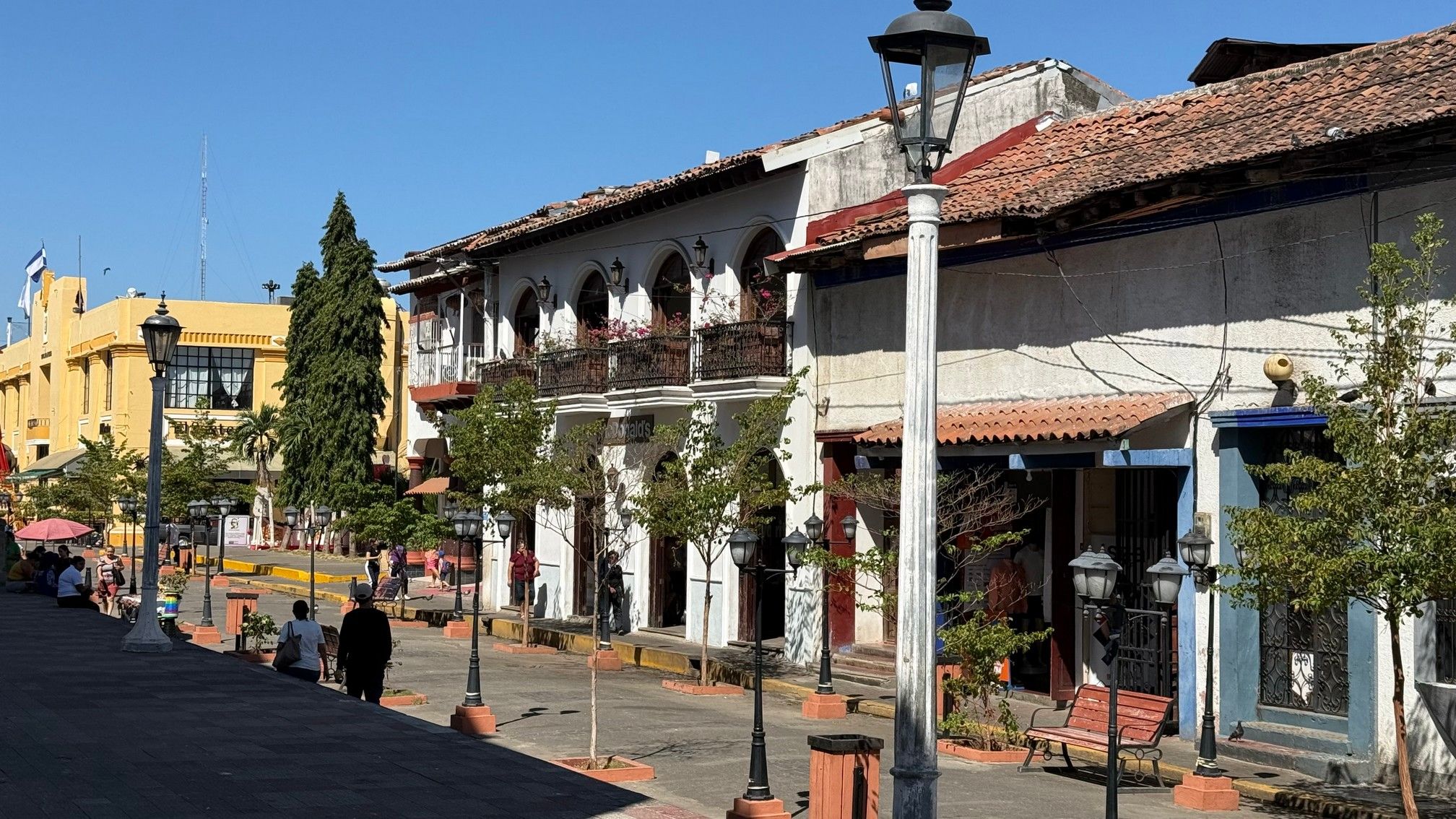
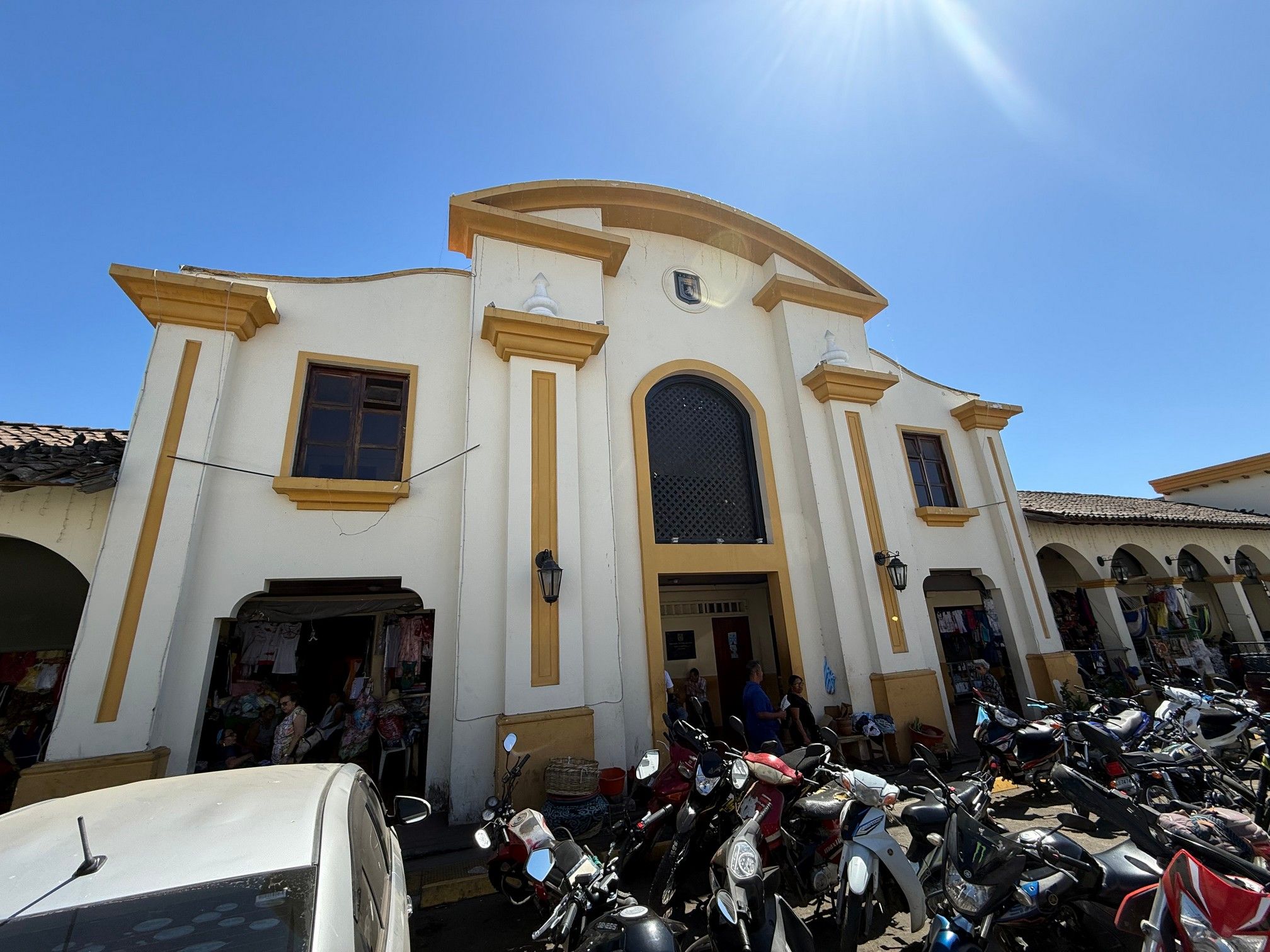
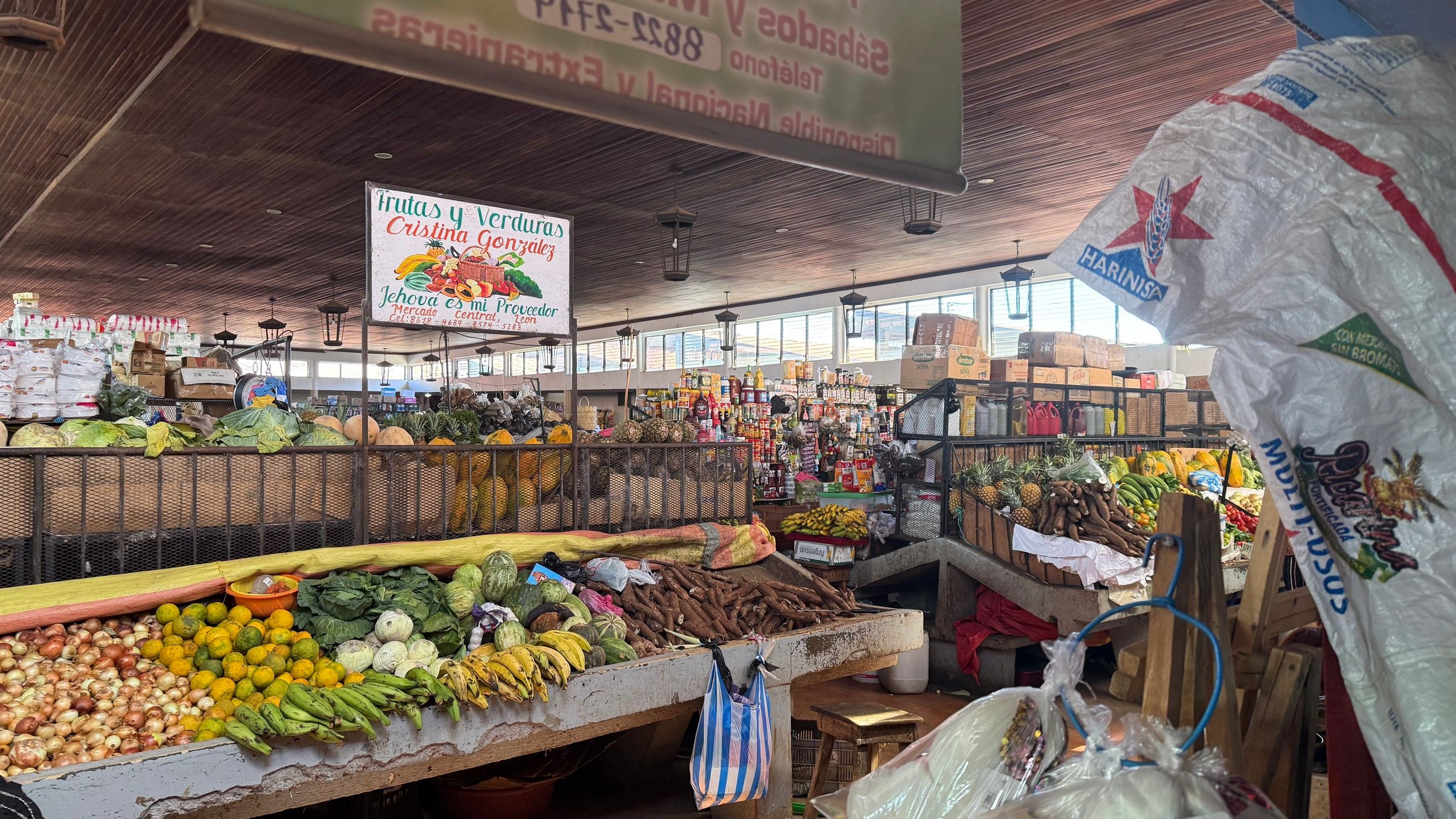

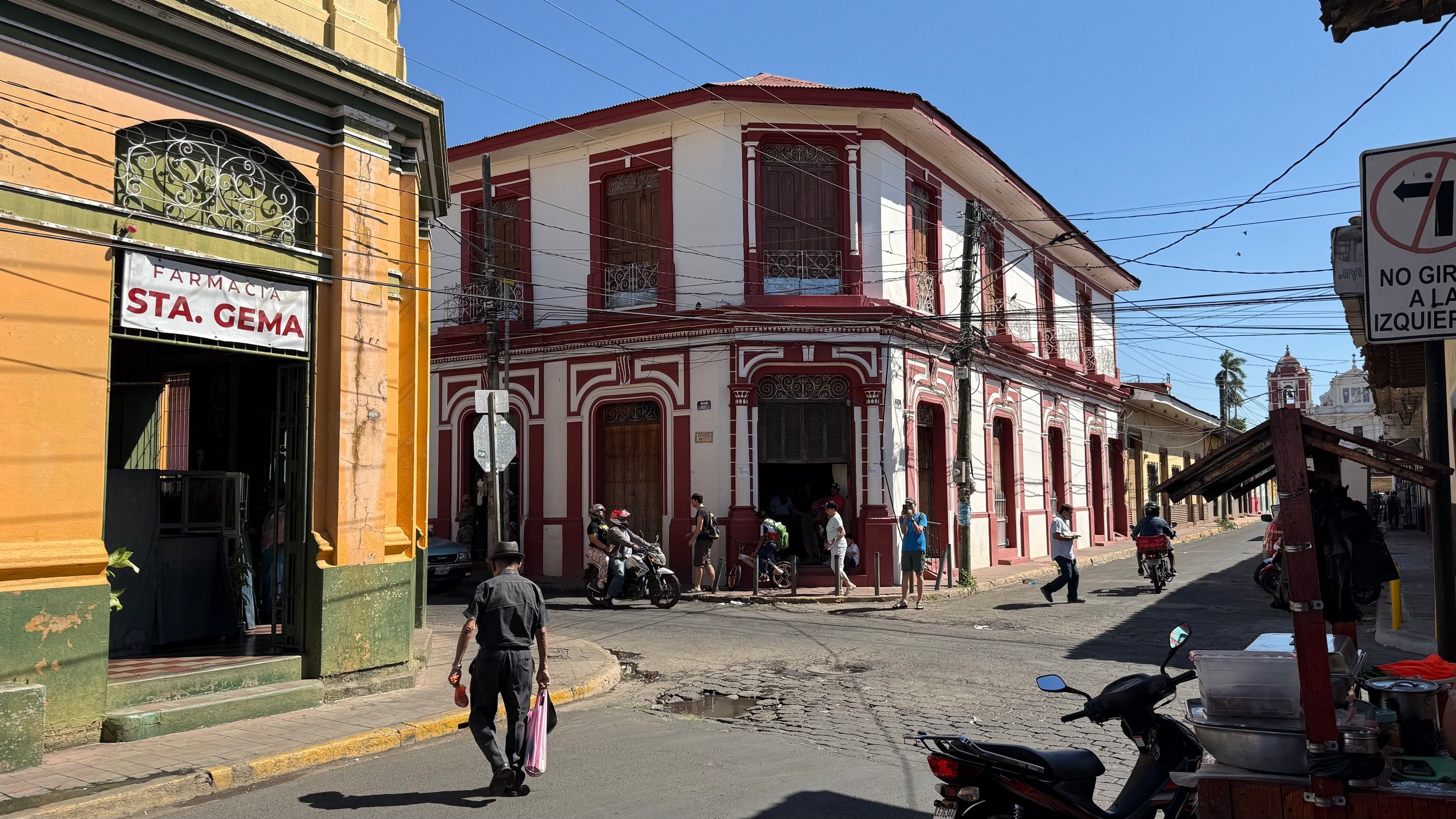
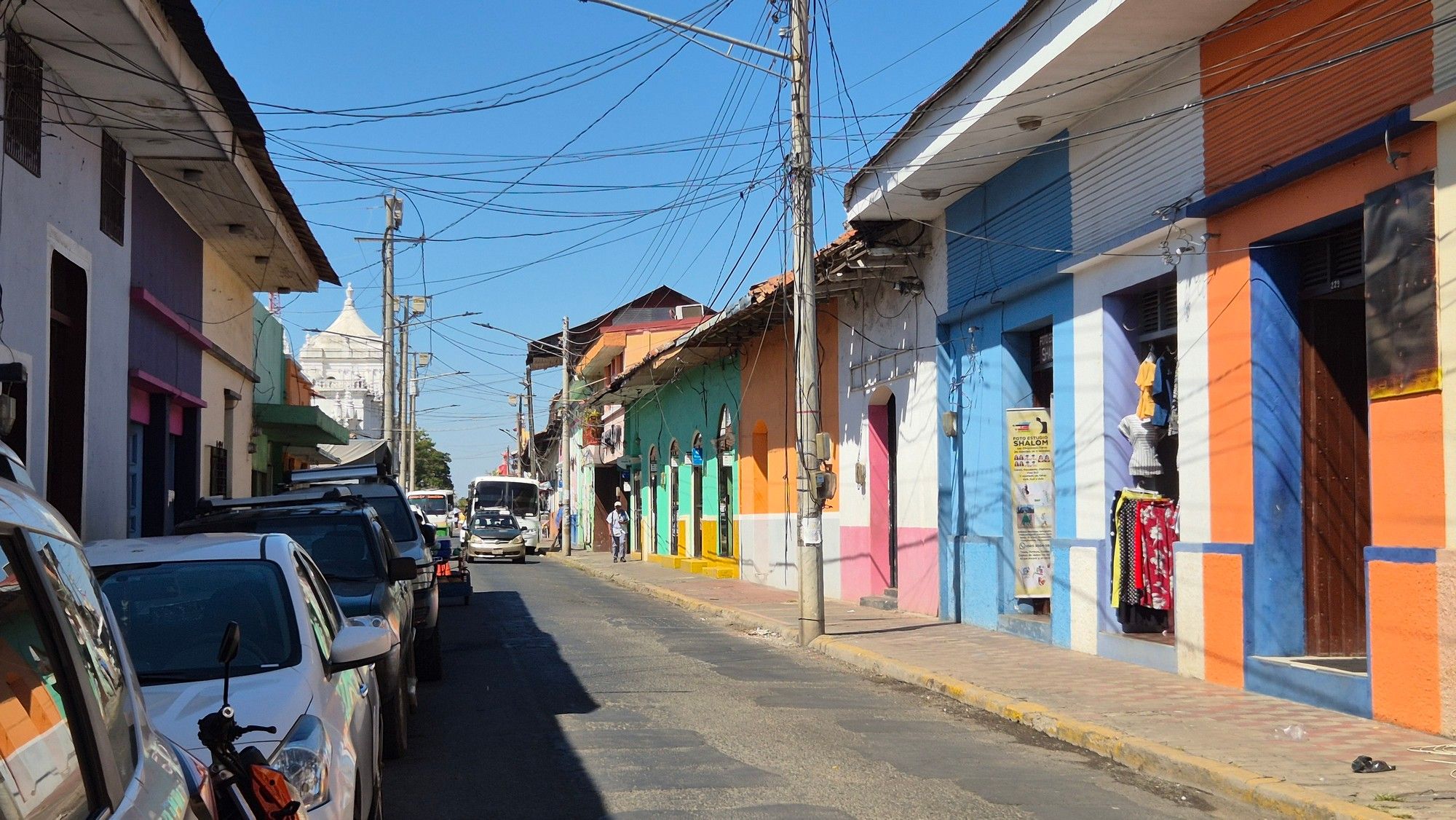
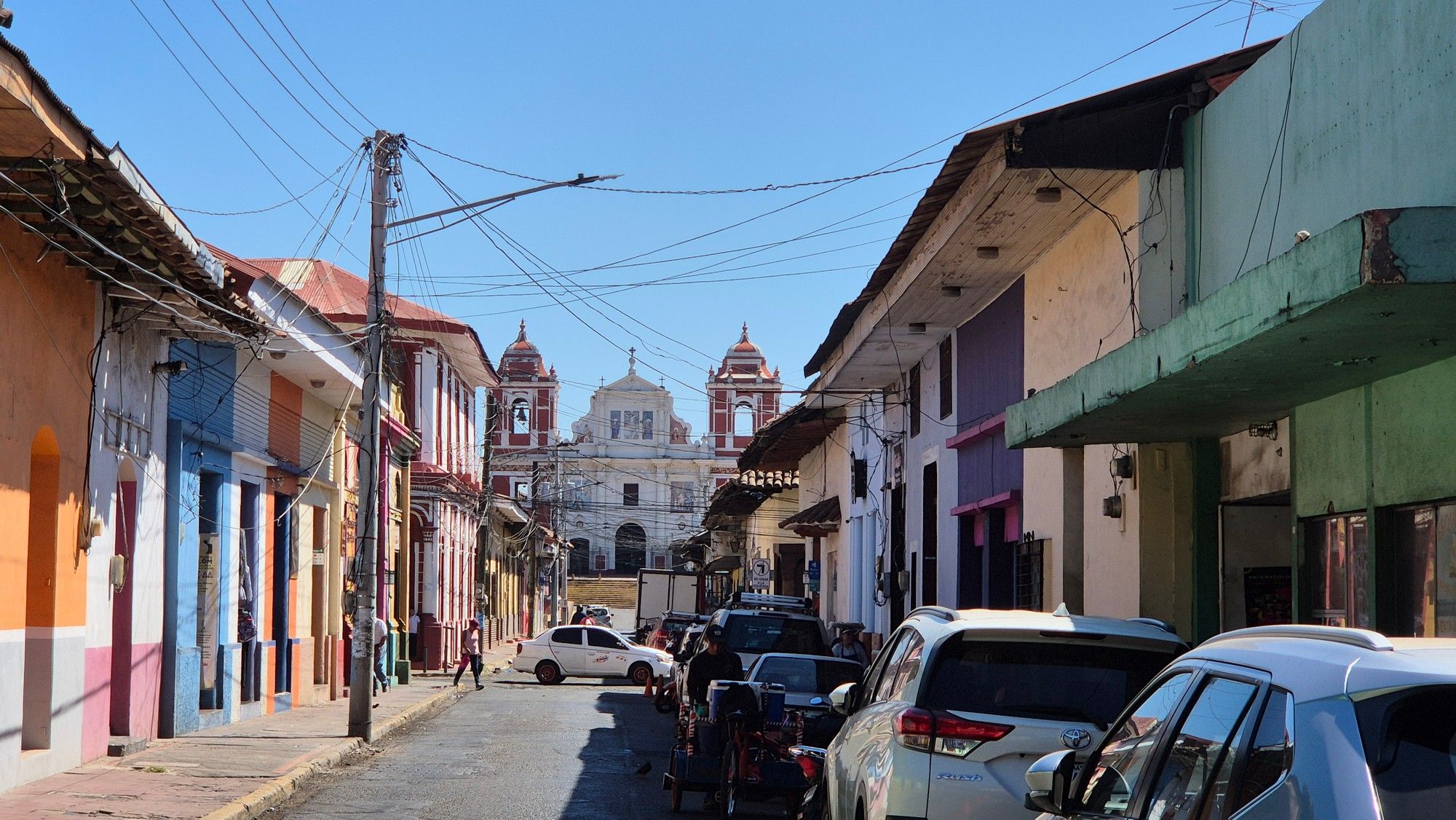
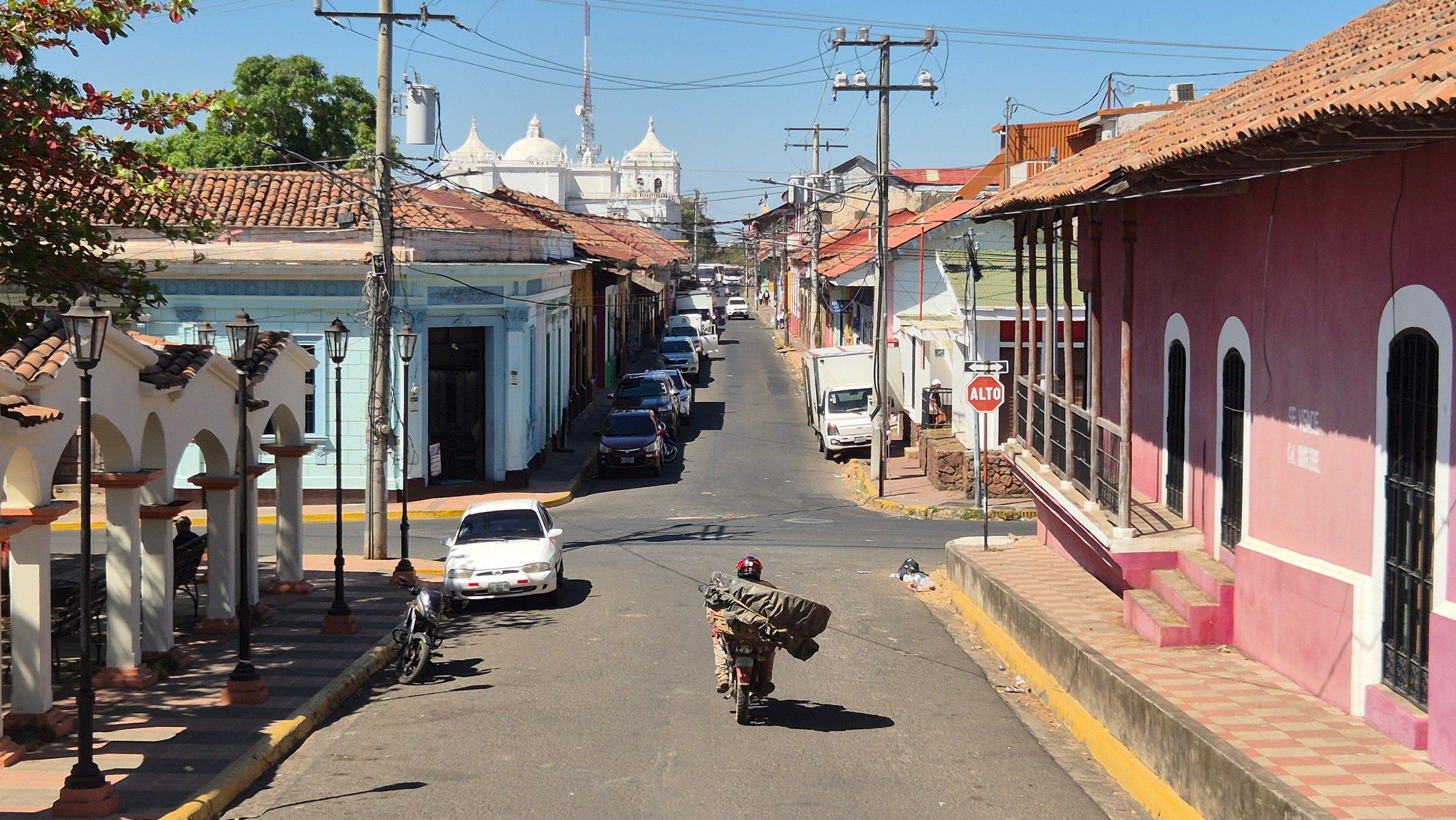
León has about 200,000 inhabitants and is located not far from the Pacific Ocean. It is also a center for peanut and sugar cultivation. Cotton, which was grown in a dominating manner until the 1980s with enormous damage to the environment, is no longer produced.
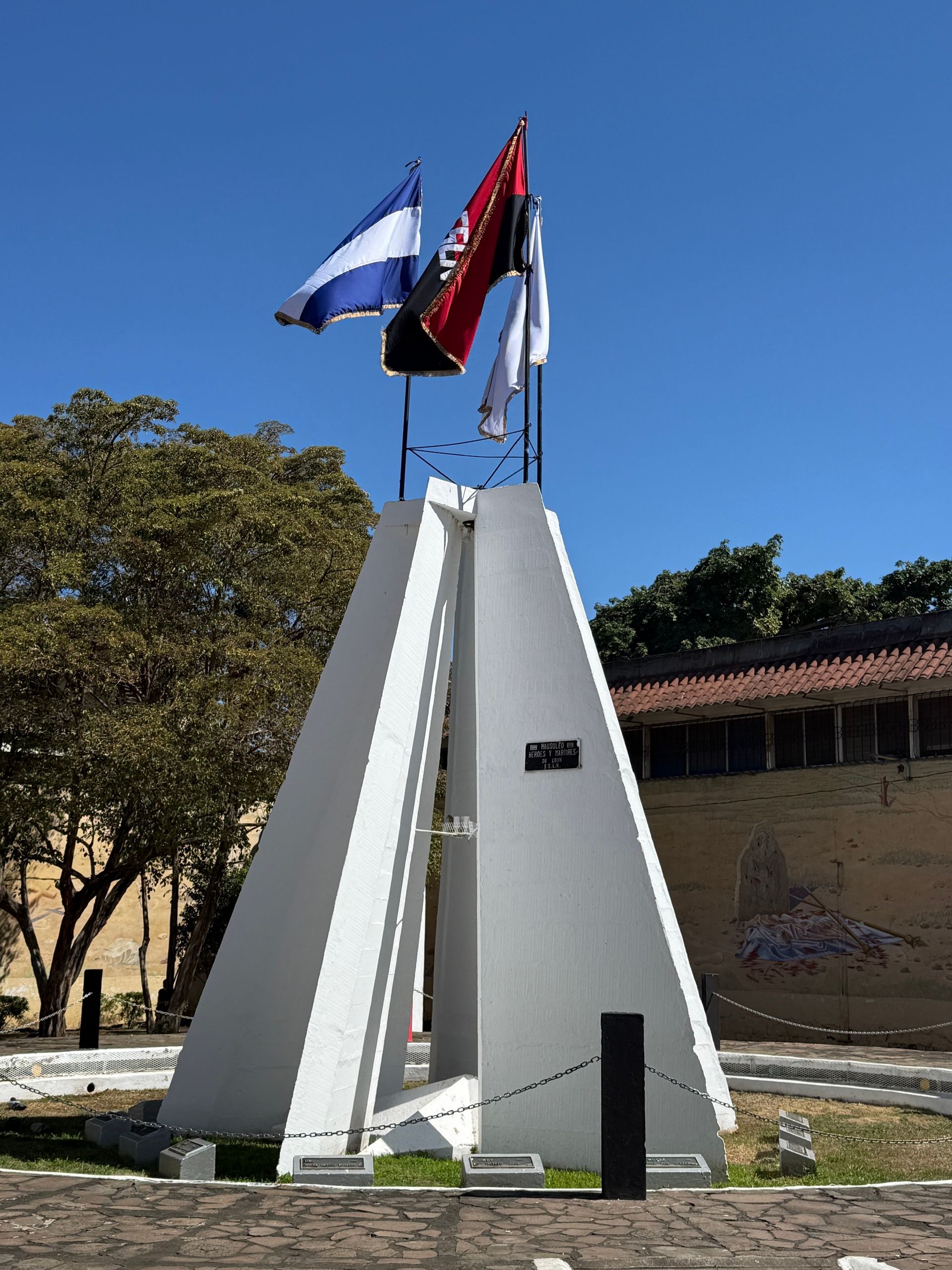
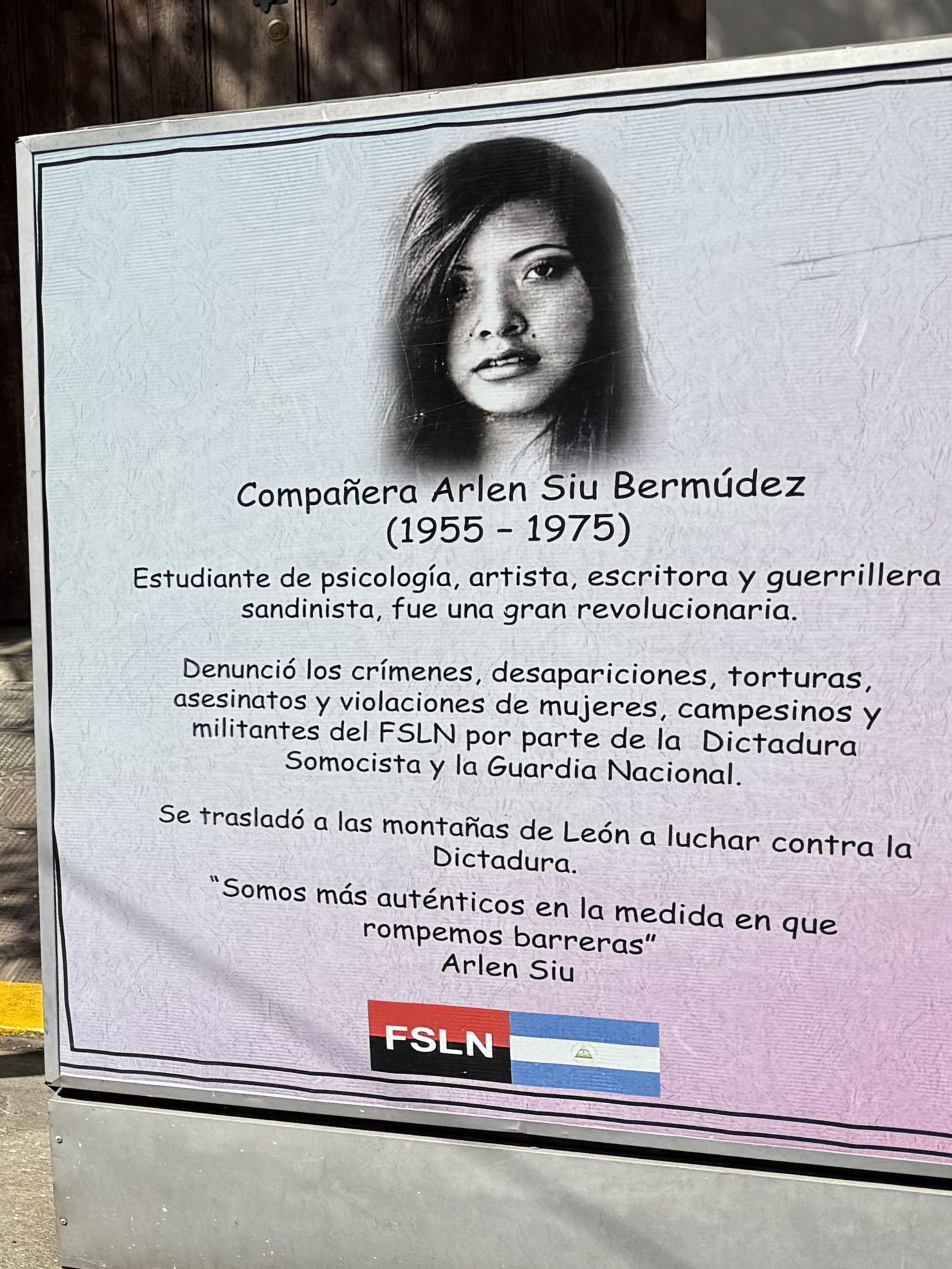
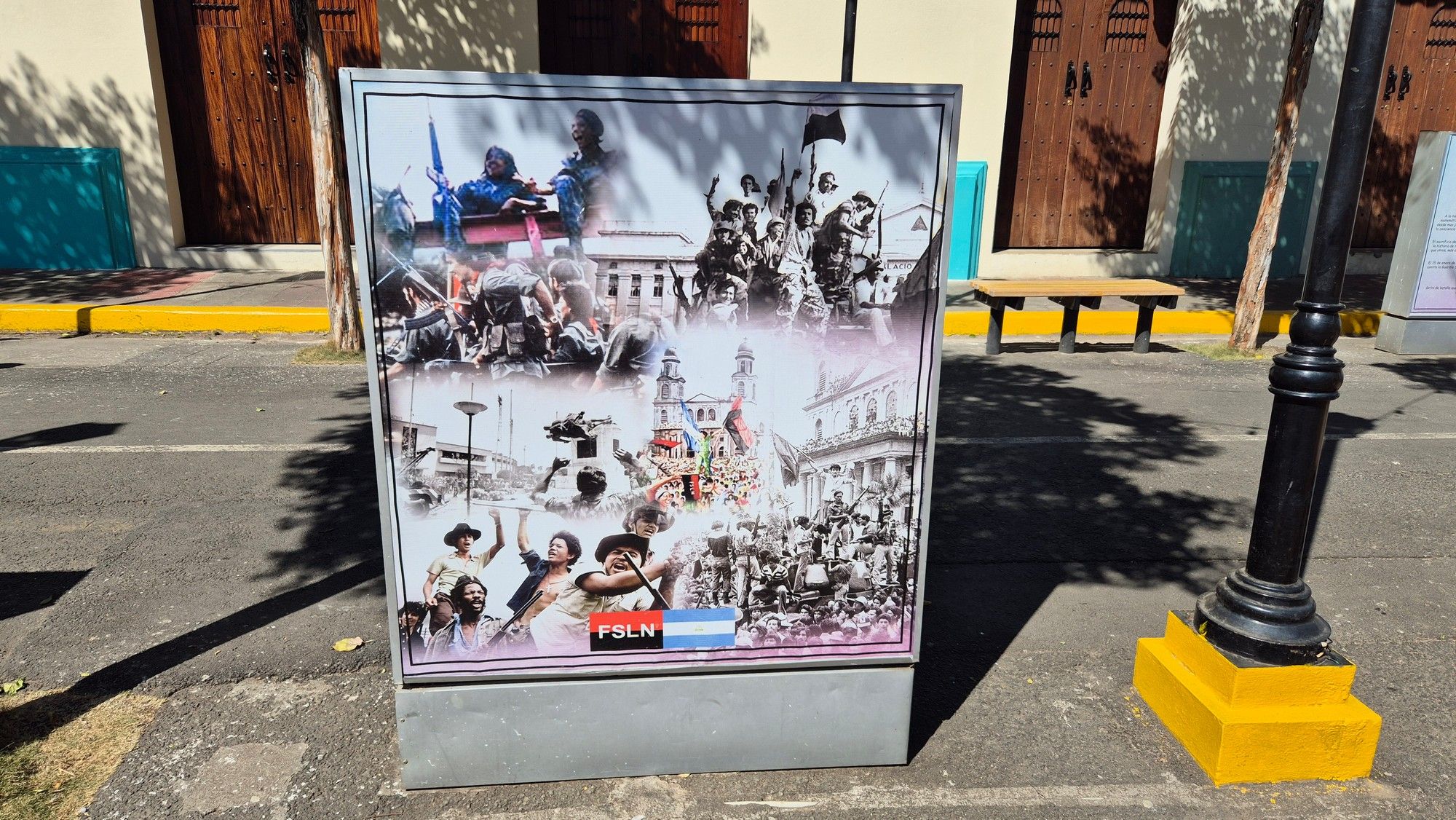
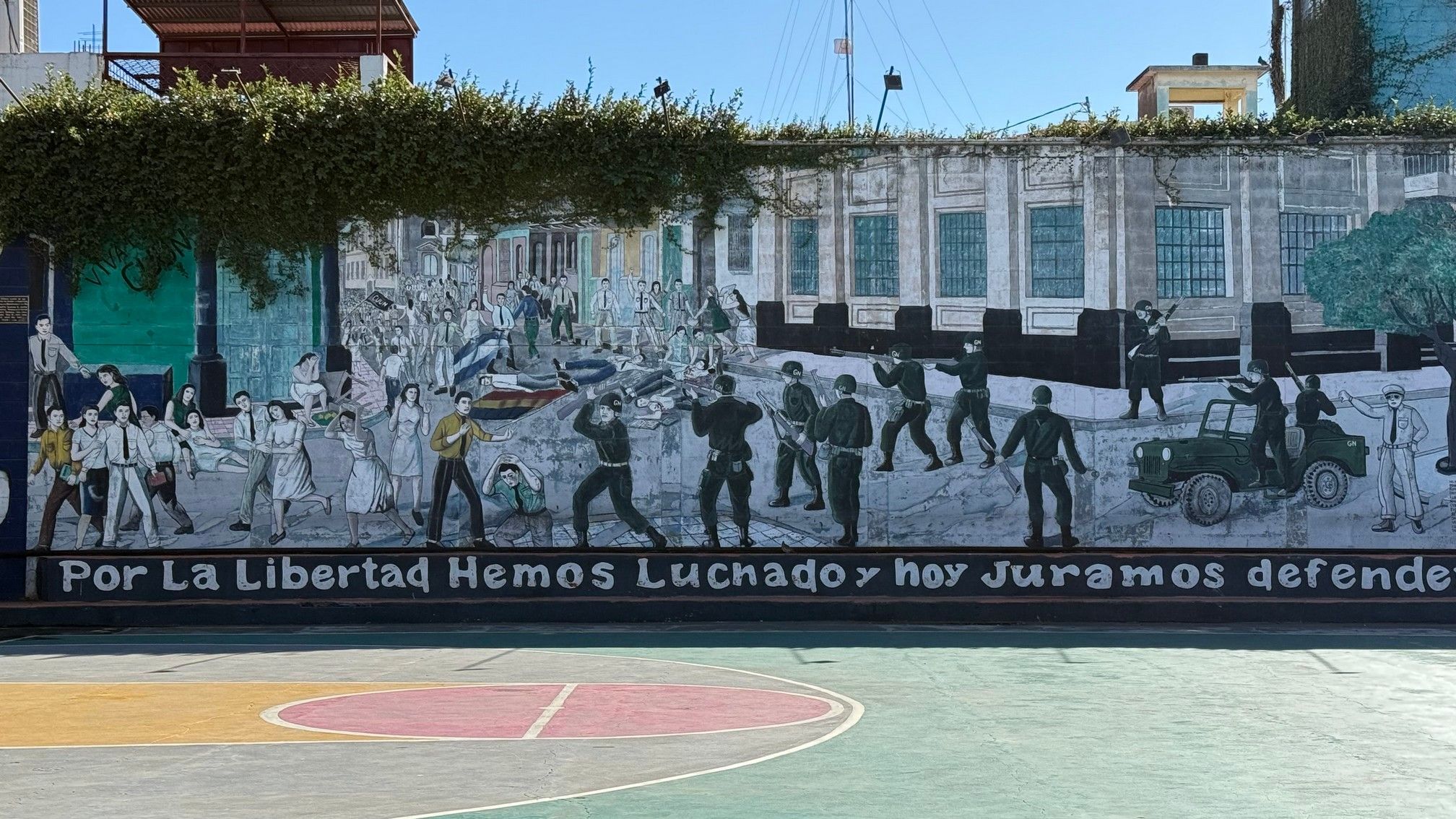
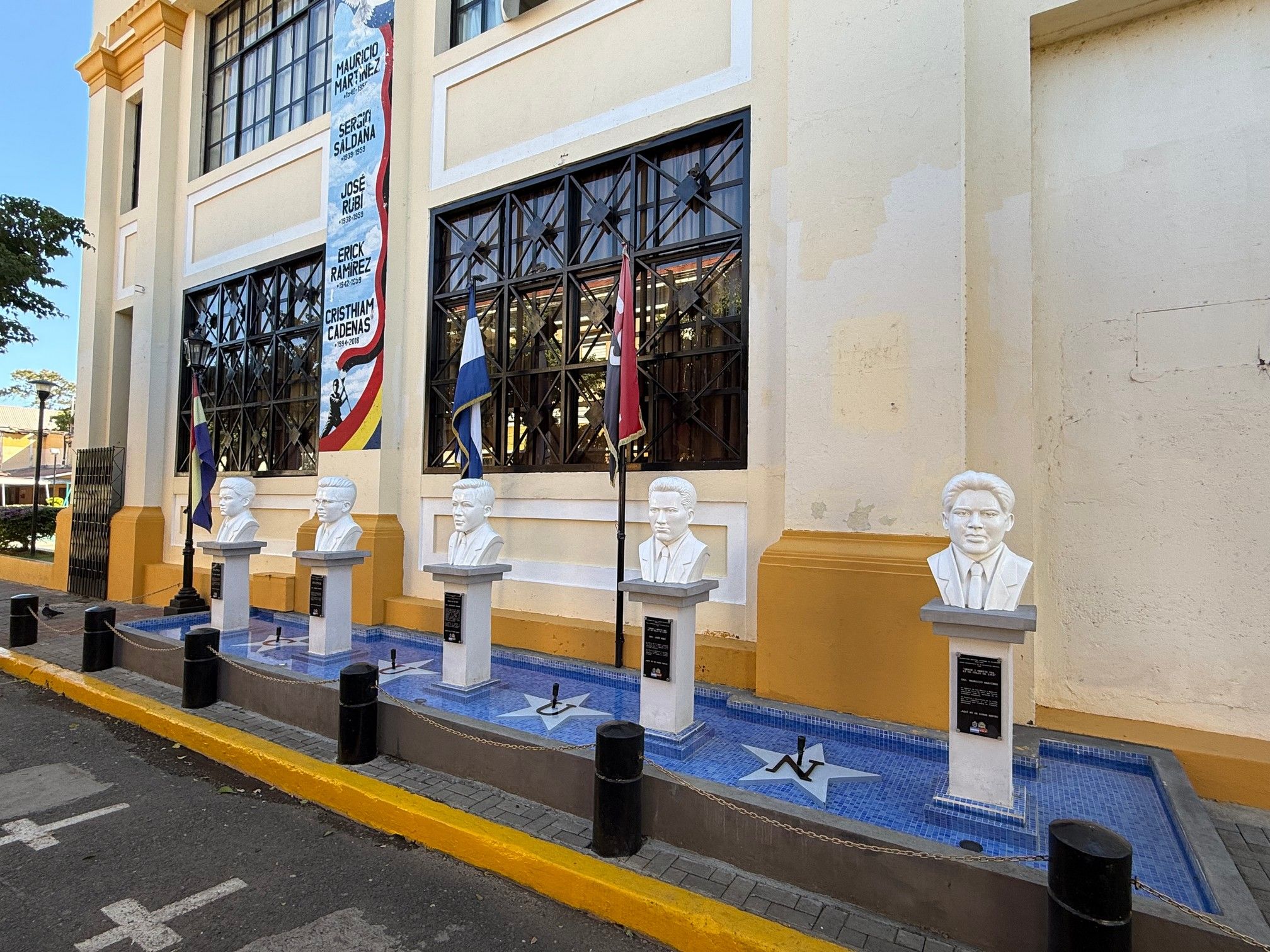
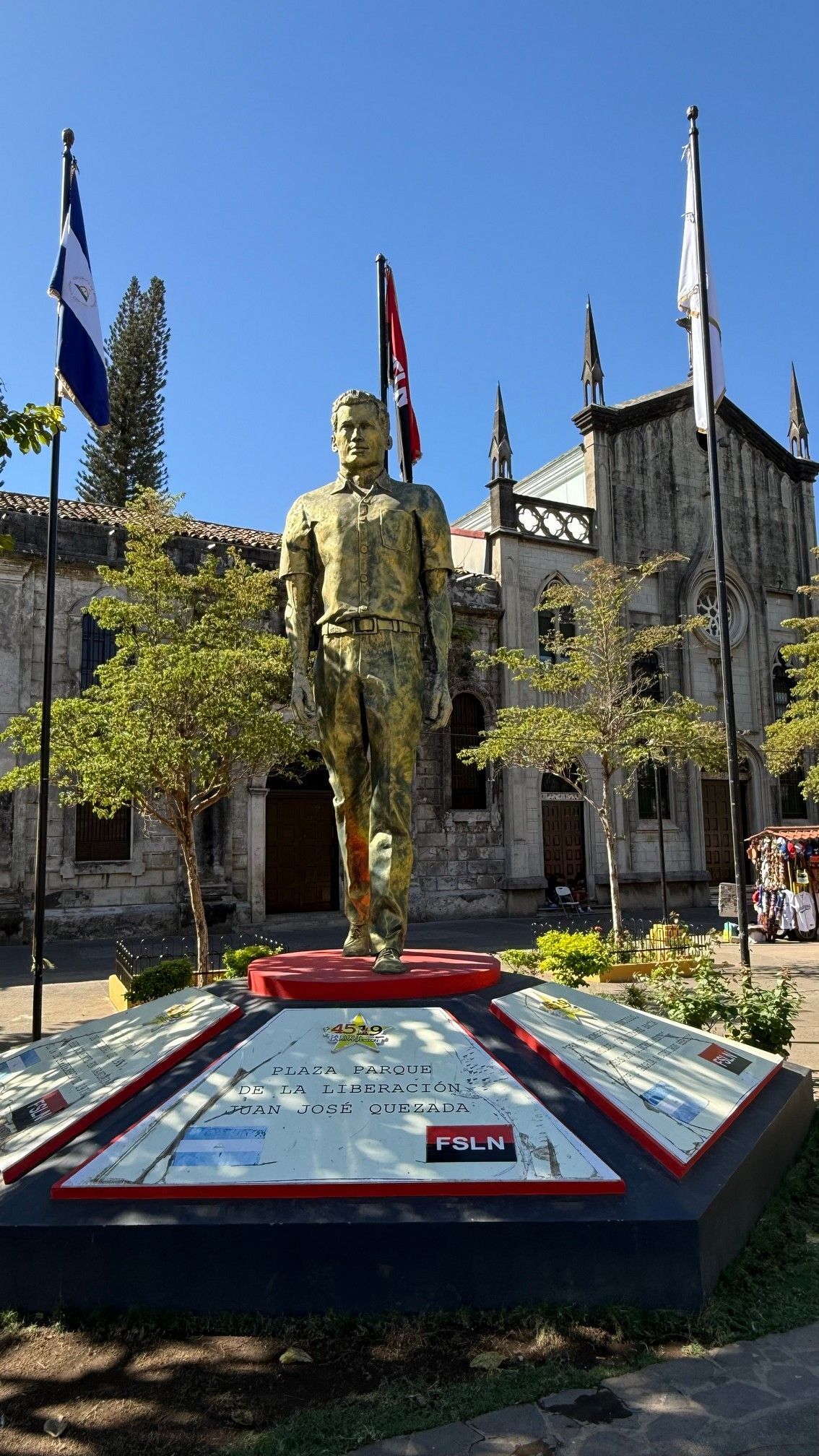
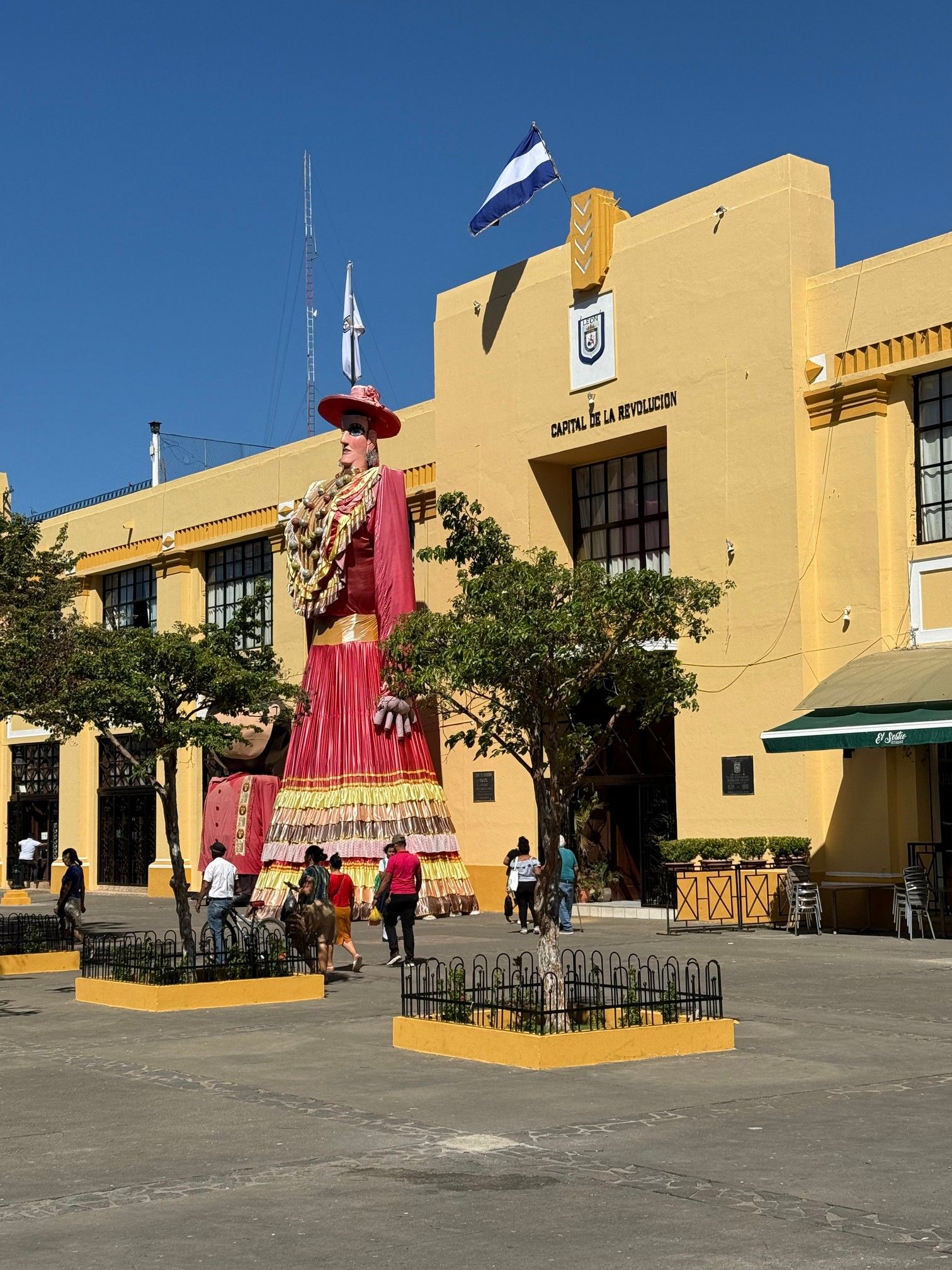
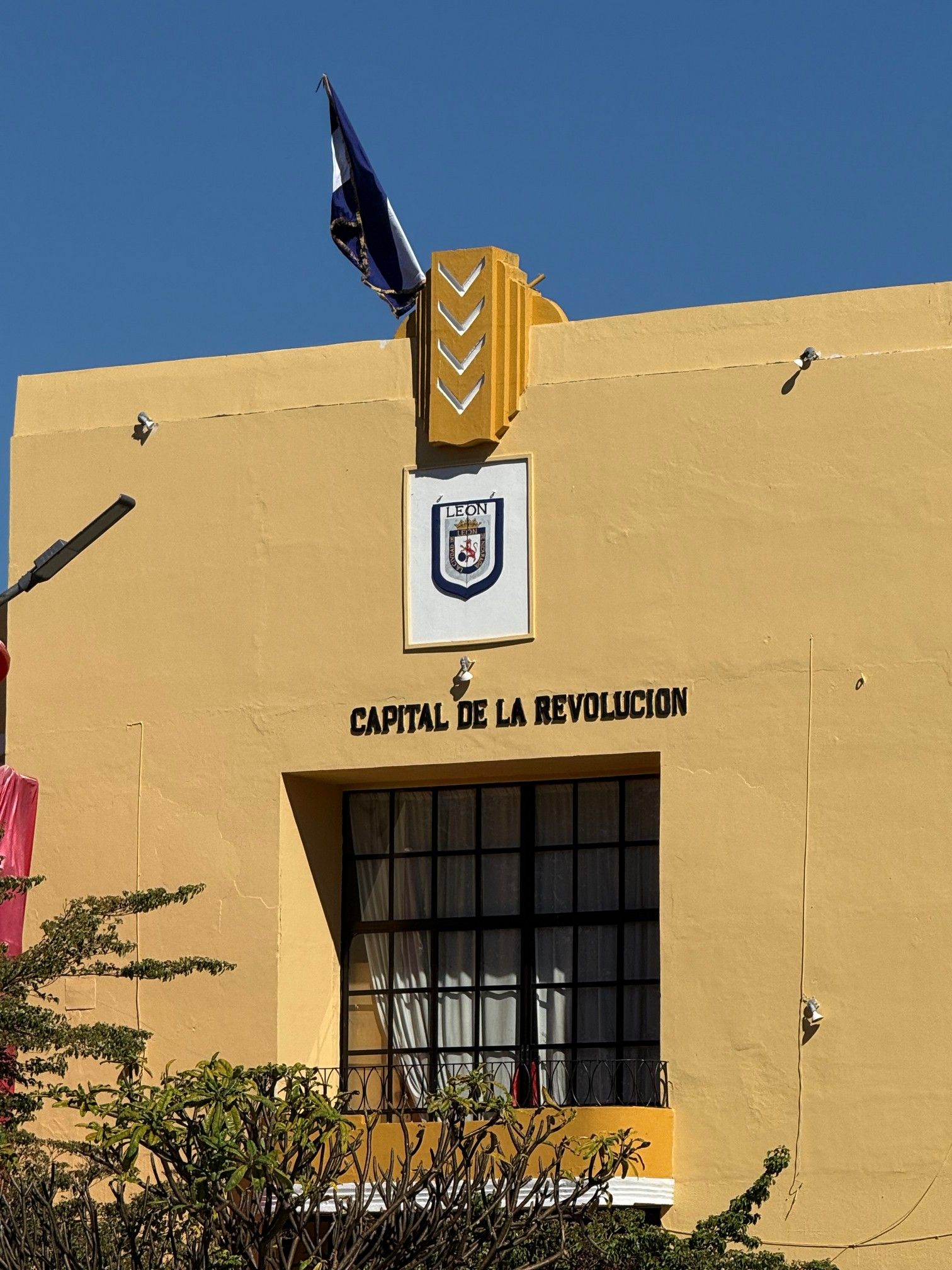
León is considered the heart and the 'cradle' of the Sandinista Revolution (FSLN – “Frente Sandinista de Liberación Nacional”) in Nicaragua. The Sandinistas fought against the dictatorship of the Somoza clan since the 1960s. The city was a center of revolutionary struggles in 1978/79, marked by intense street fighting, and was the first city liberated by the Sandinistas in 1979. Today, many monuments and murals commemorate the struggles and the many Sandinistas who died in them. Additionally, the black-red flag of the FSLN is seen everywhere alongside the blue-white-blue national flag.
Even today, León is seen as an intellectual metropolis of Nicaragua and traditionally represents the liberal element of the country.
More about the bloody and turbulent history of Nicaragua follows in the blog about Managua.
But there is not only Sandinista culture to see; churches and the Mercado Central are also very attractive.
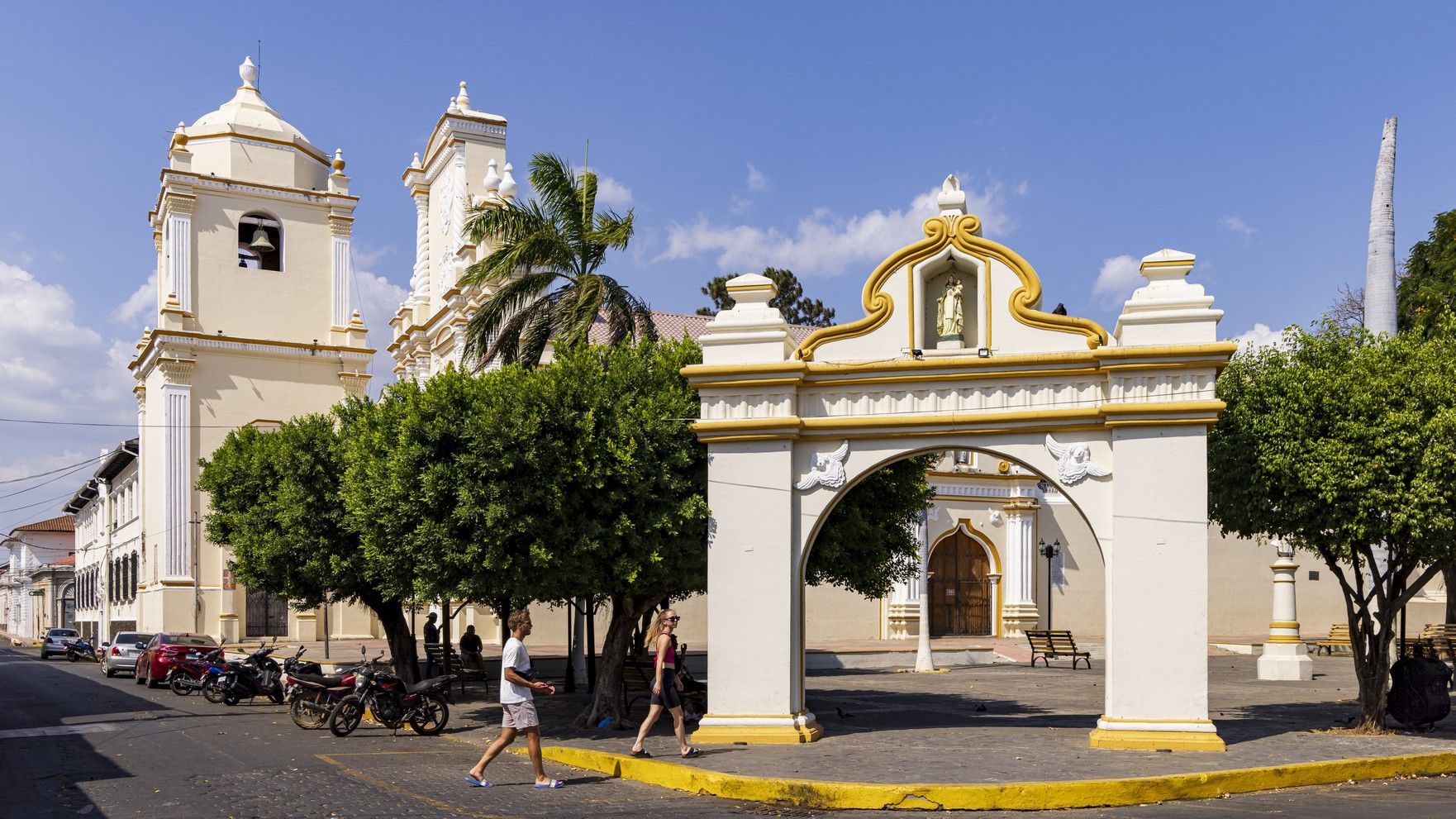
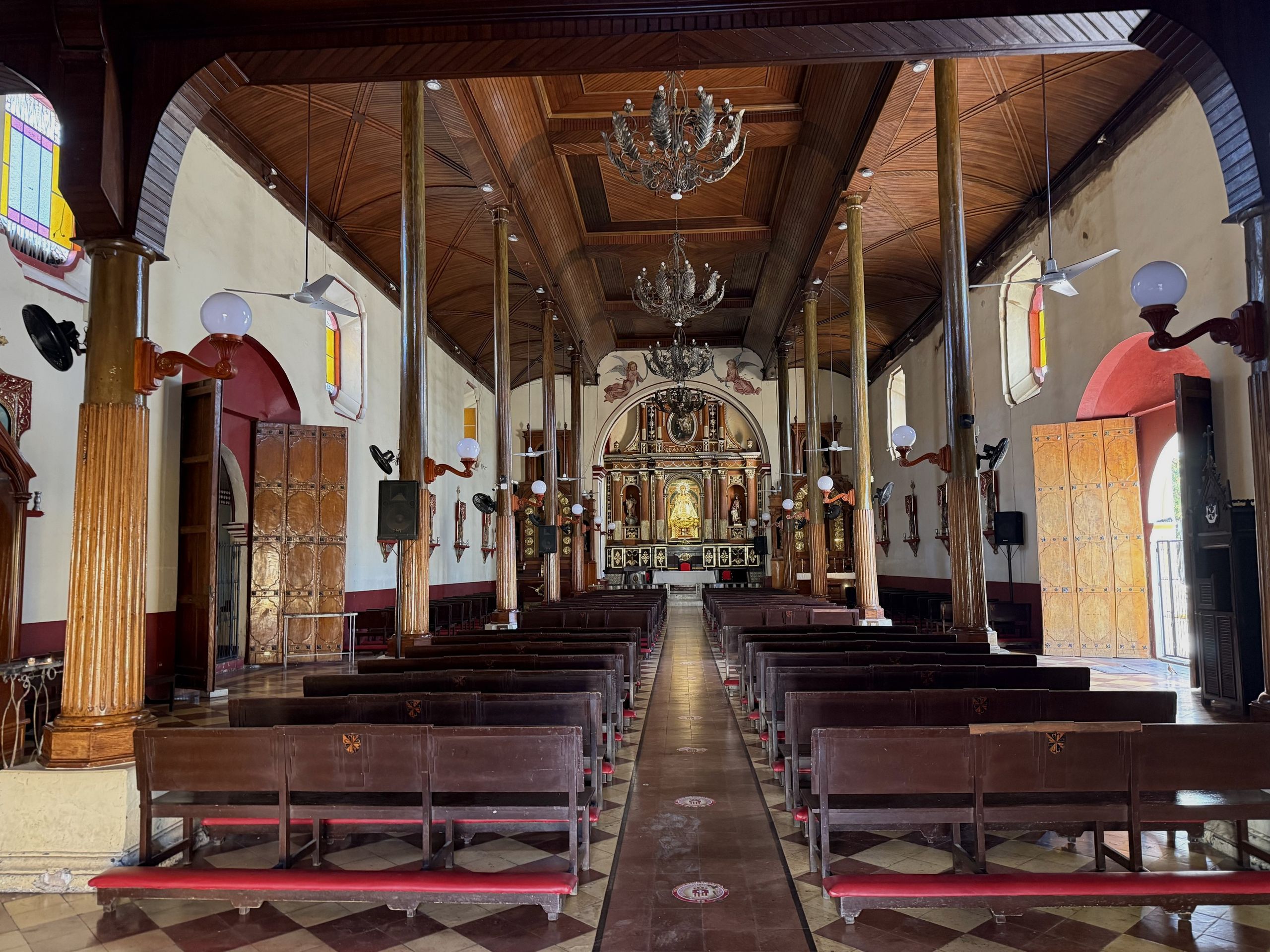
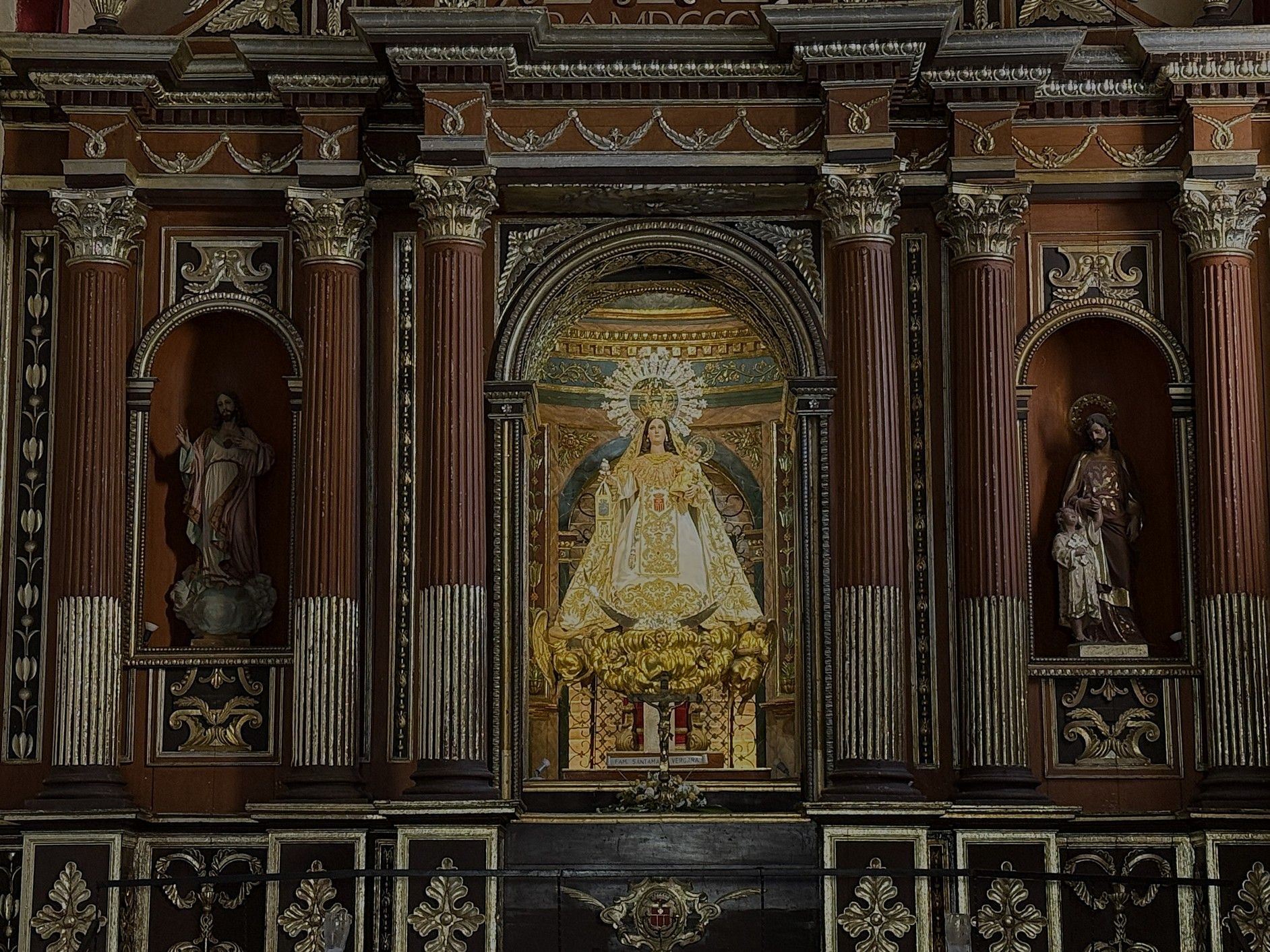
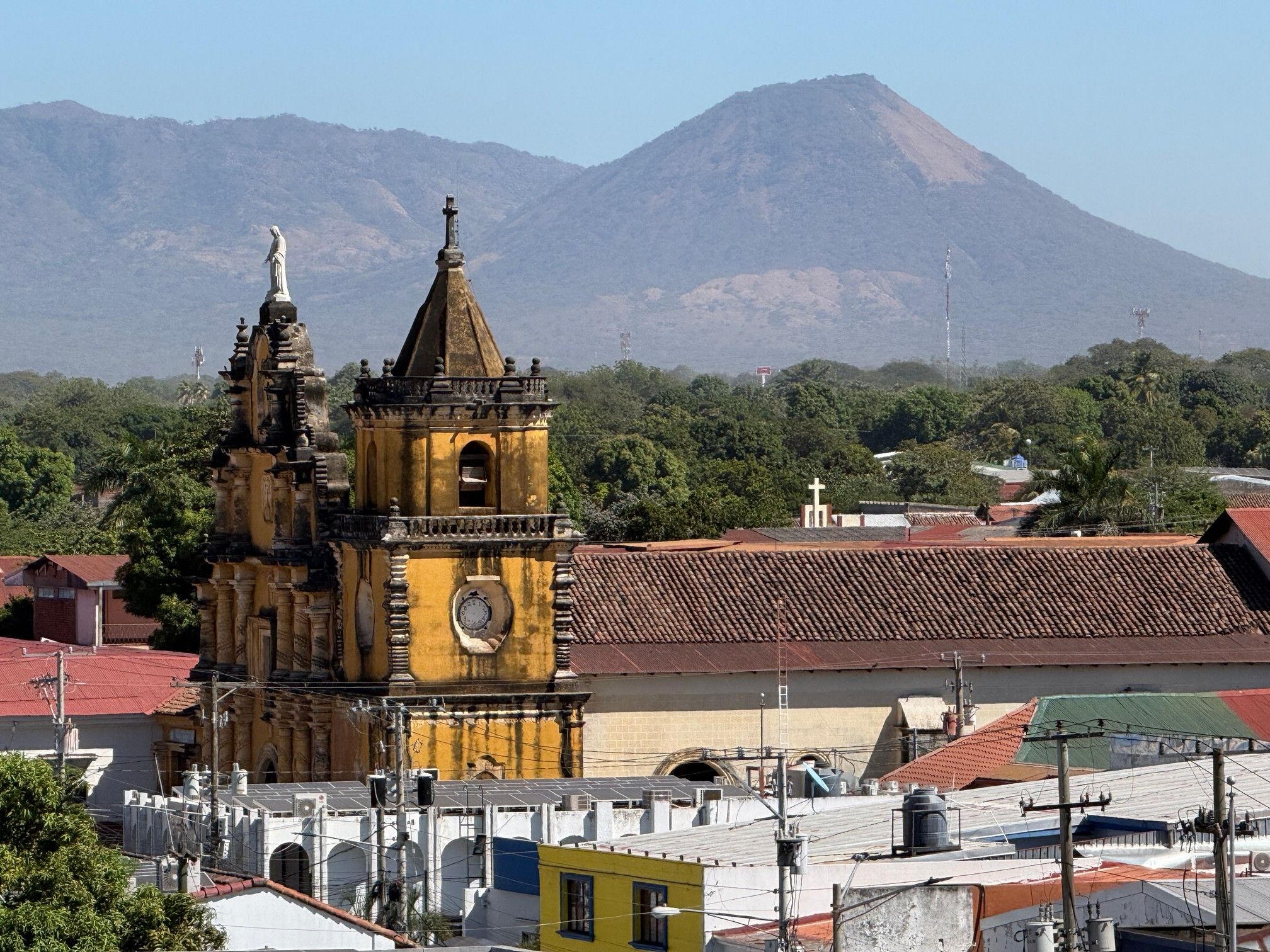
The Church La Merced is the consecrated place for León's patron saint, the Virgen de la Merced. The statue originally comes from Spain and was erected in 1528 in the old town – León Viejo – in the church of the same name. When the Momotombo volcano erupted in 1609, the church and town were destroyed – but the statue remained unharmed and was transferred to the new church in the new city of León.
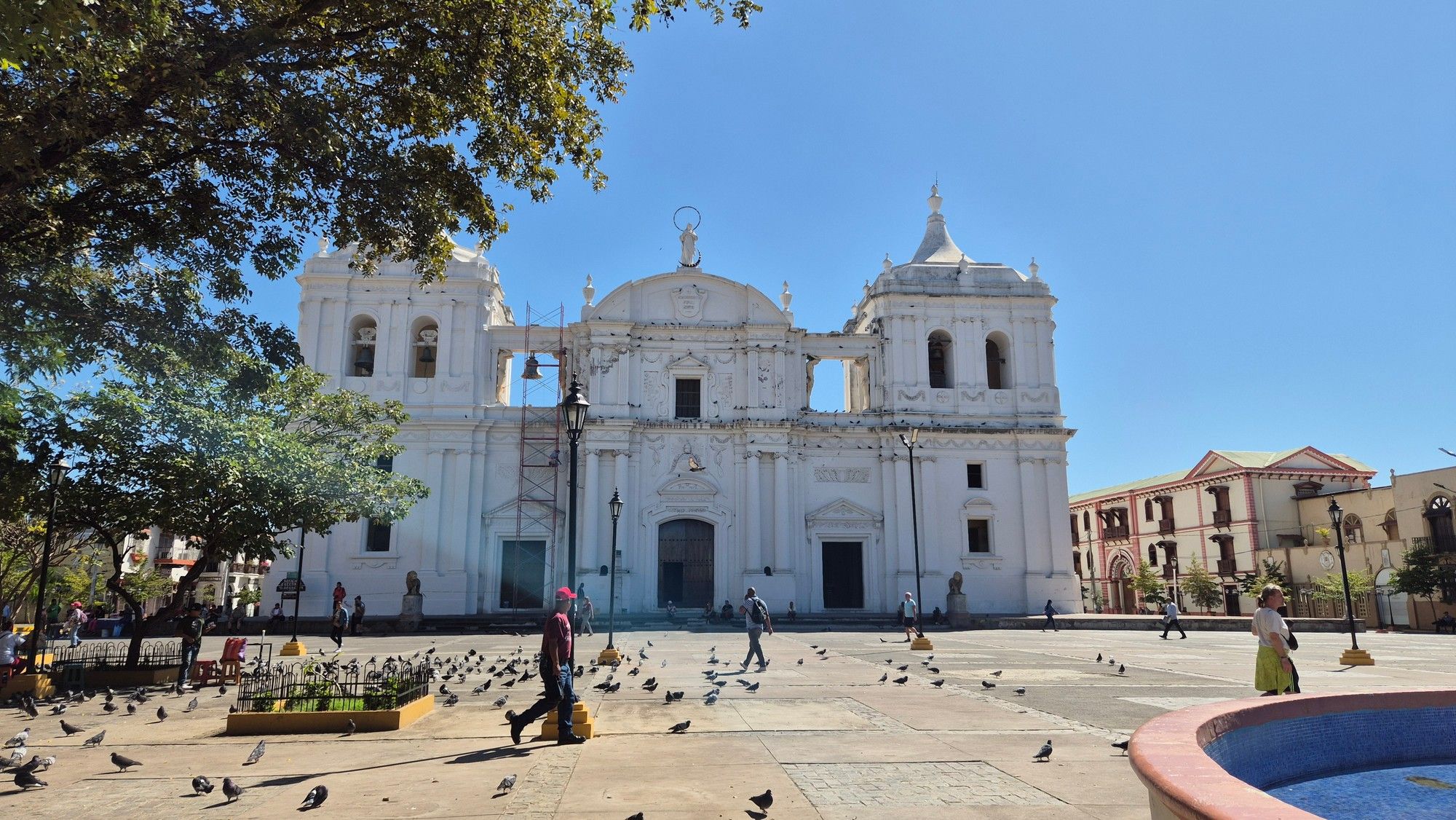
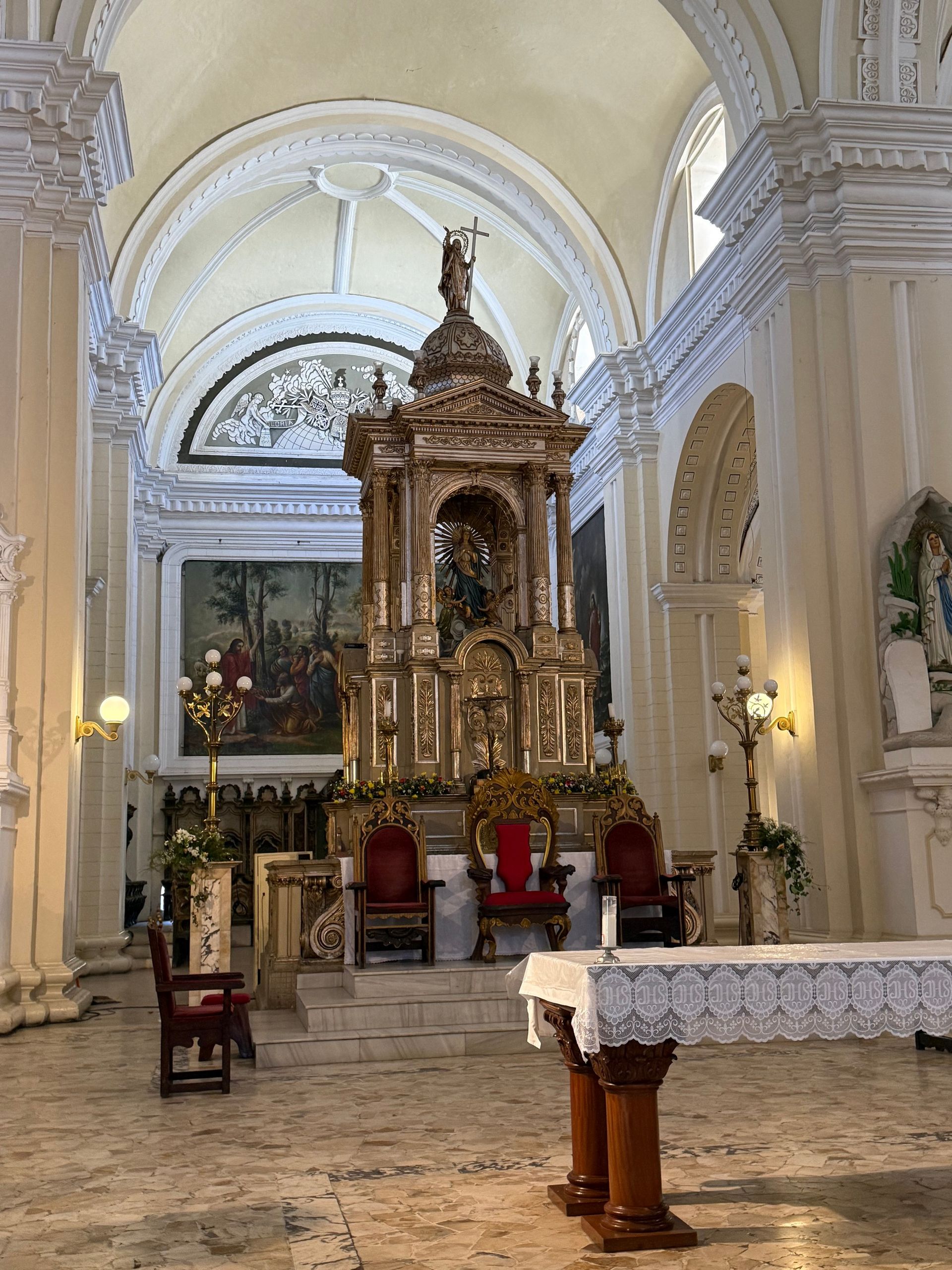
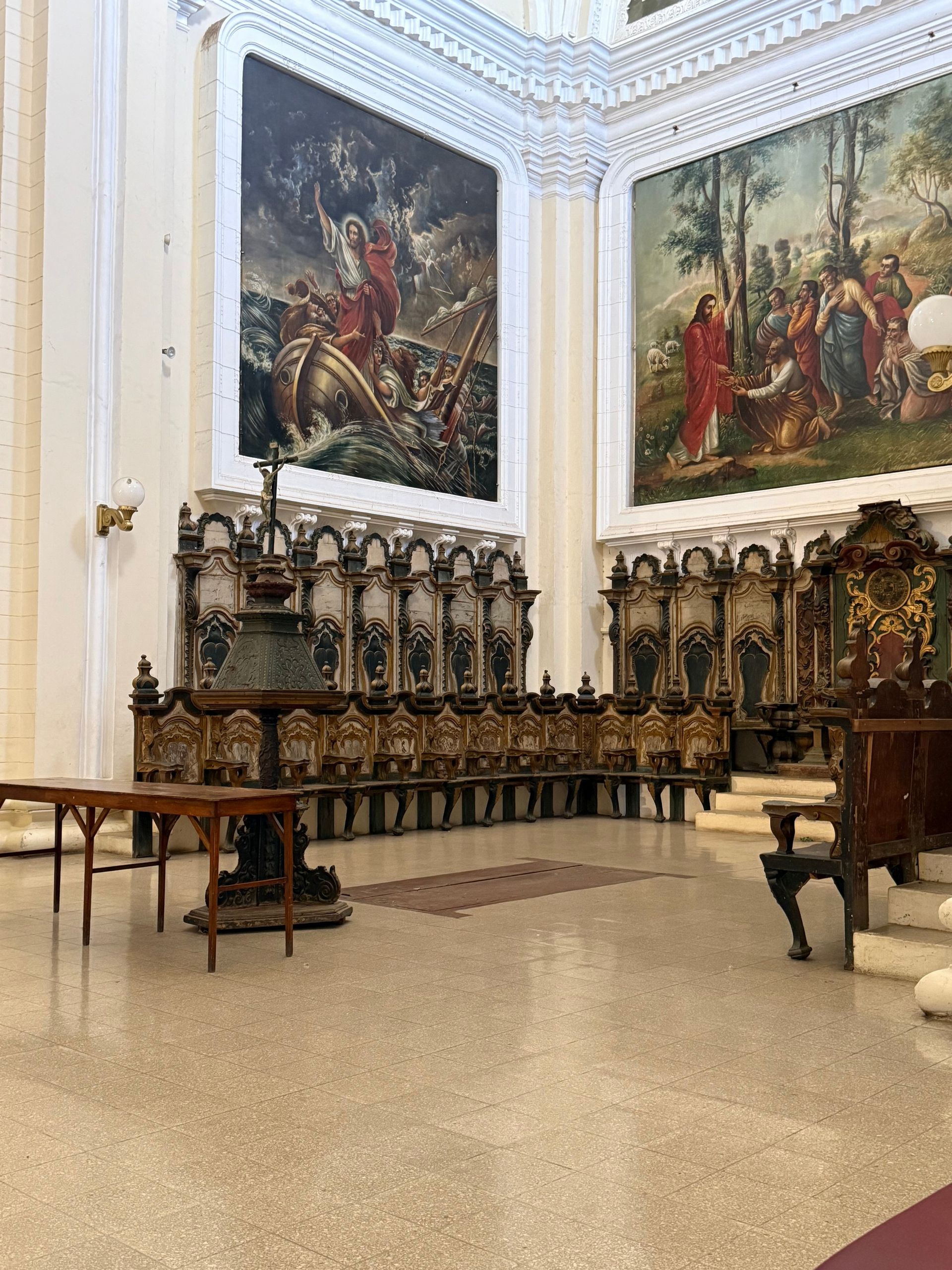
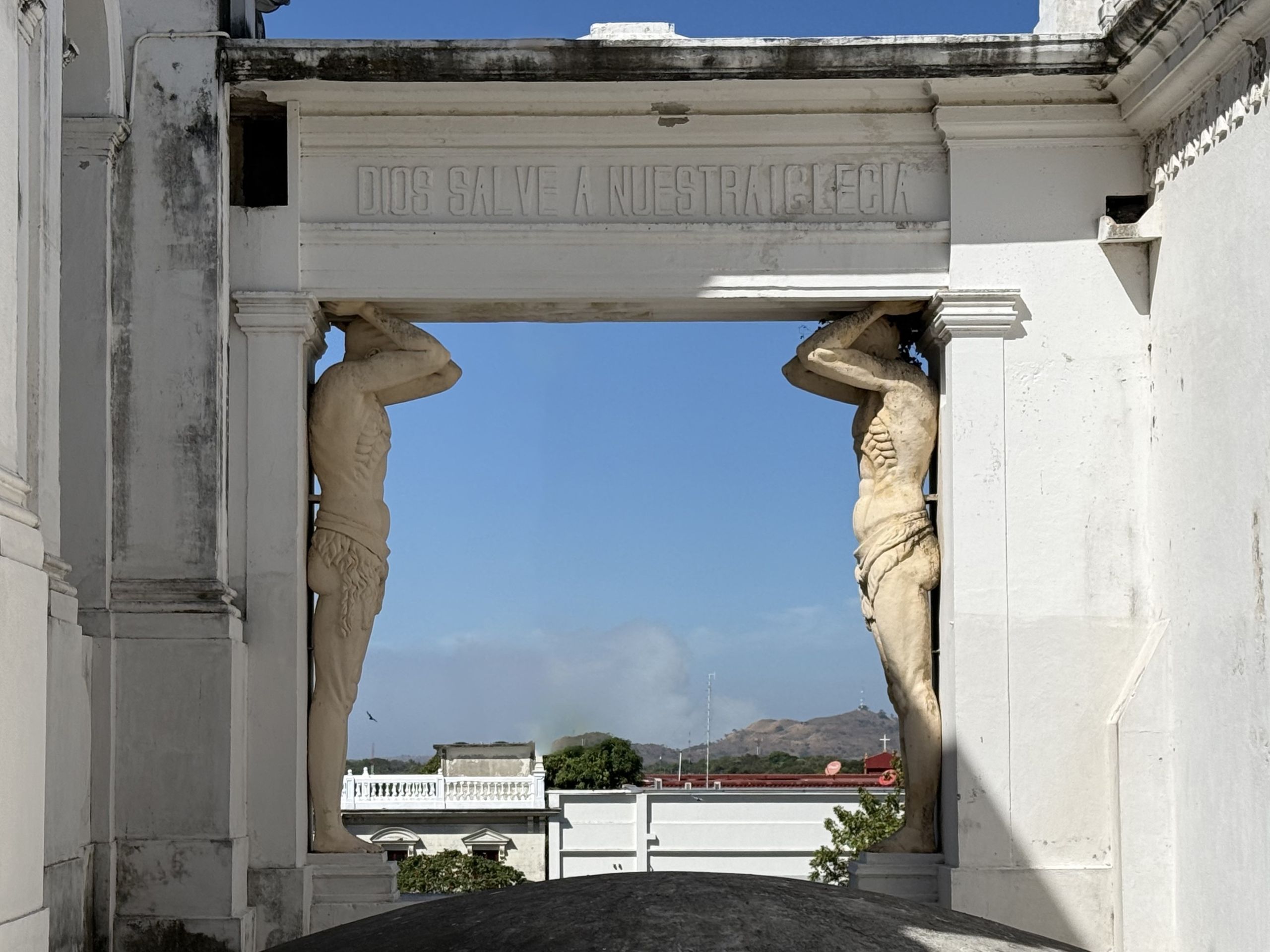
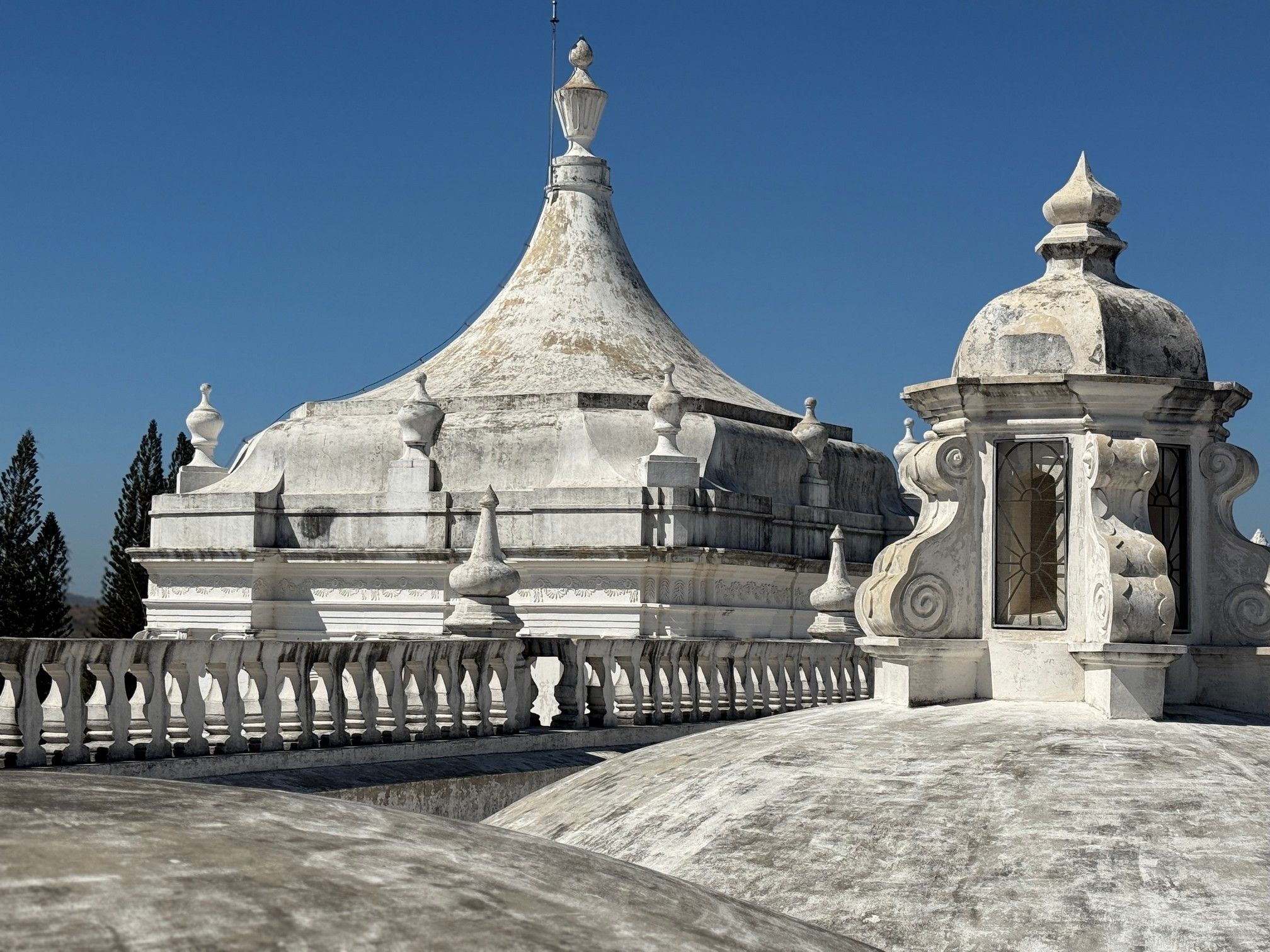
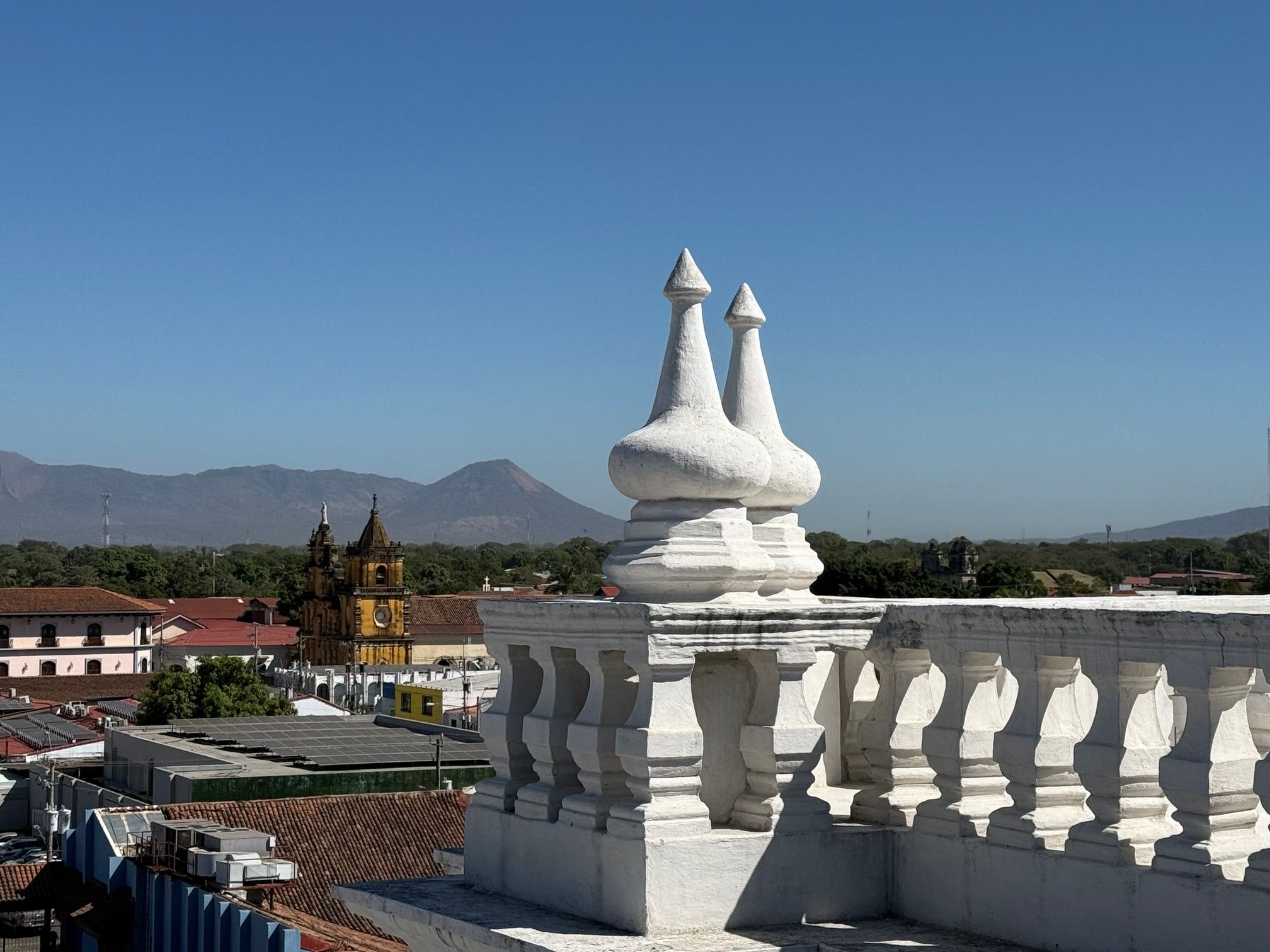
The Parque Central with its monuments is dominated by the Cathedral of León “Basilica de la Asunción”, completed around 1860 after over 100 years of construction. From the roof of the church, there’s a beautiful view of the city and the surrounding volcanoes.
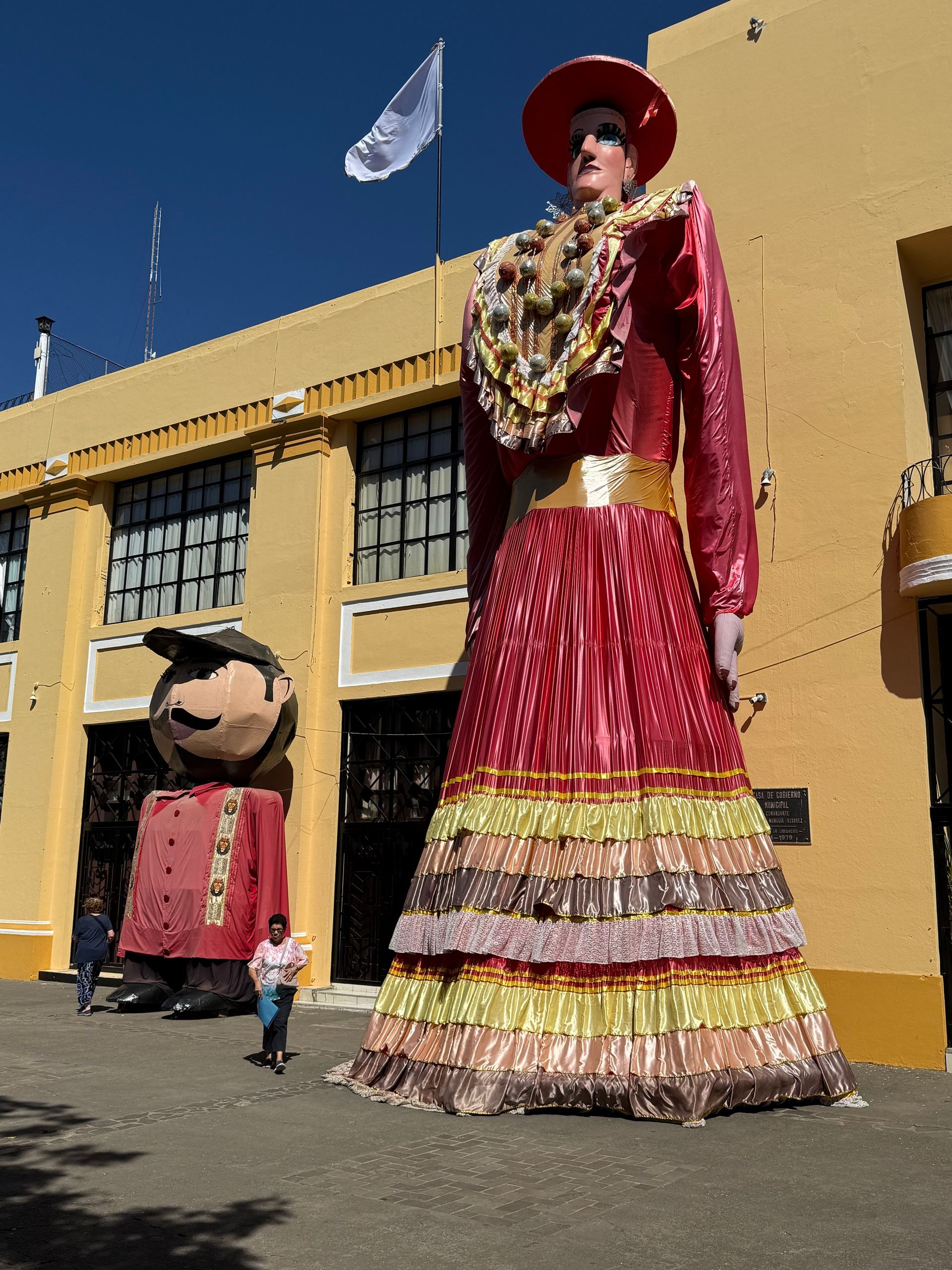
In front of the town hall, two traditional giant puppets stand that play a central role in Nicaraguan folklore. The figures are part of the celebrations around the 'Purísima' (Feast of the Immaculate Conception). “La Gigantona” represents a colonial Spanish woman, while “El Chinchinte” symbolizes an indigenous man who is hopelessly in love with the Spanish lady.
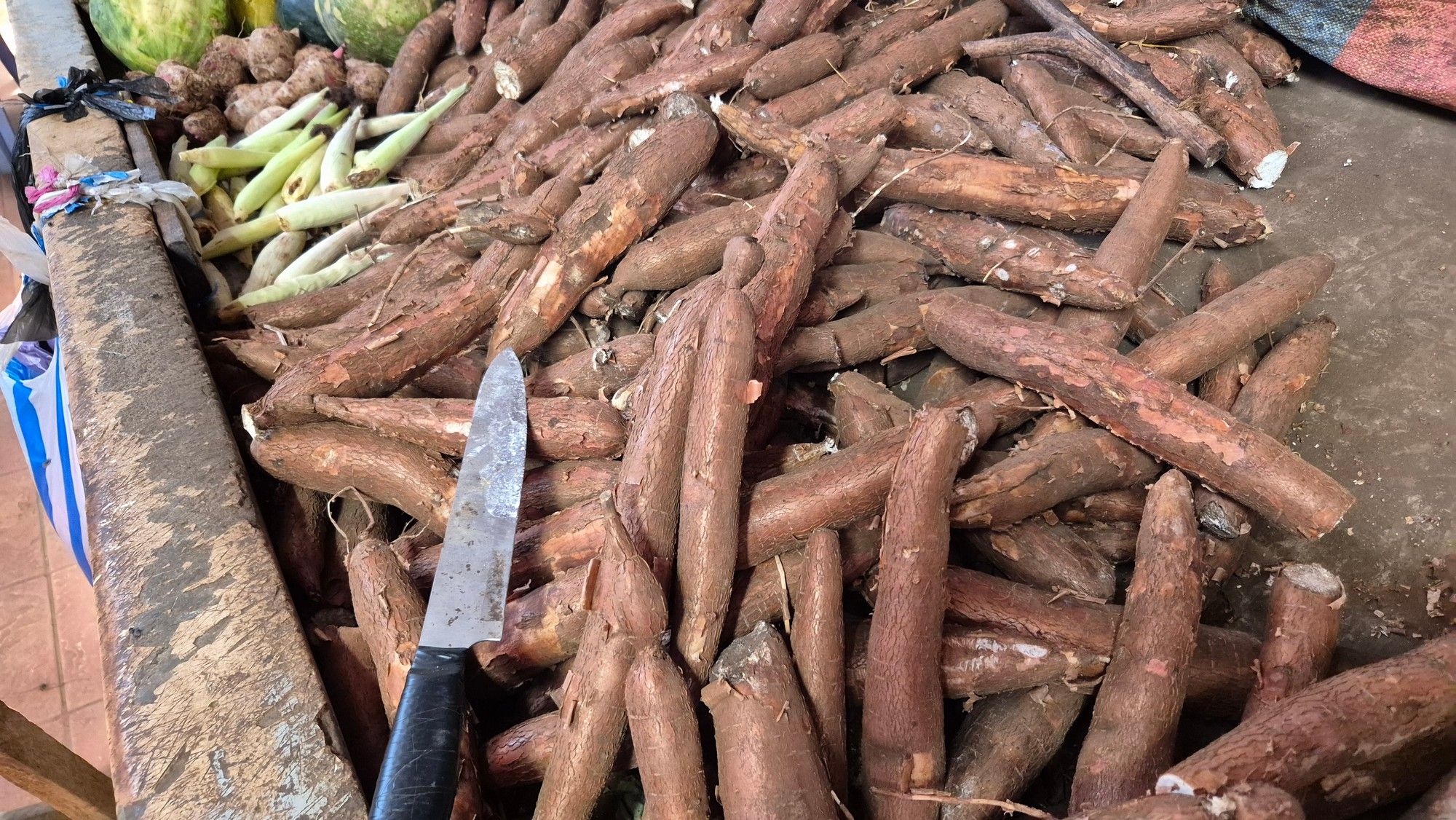
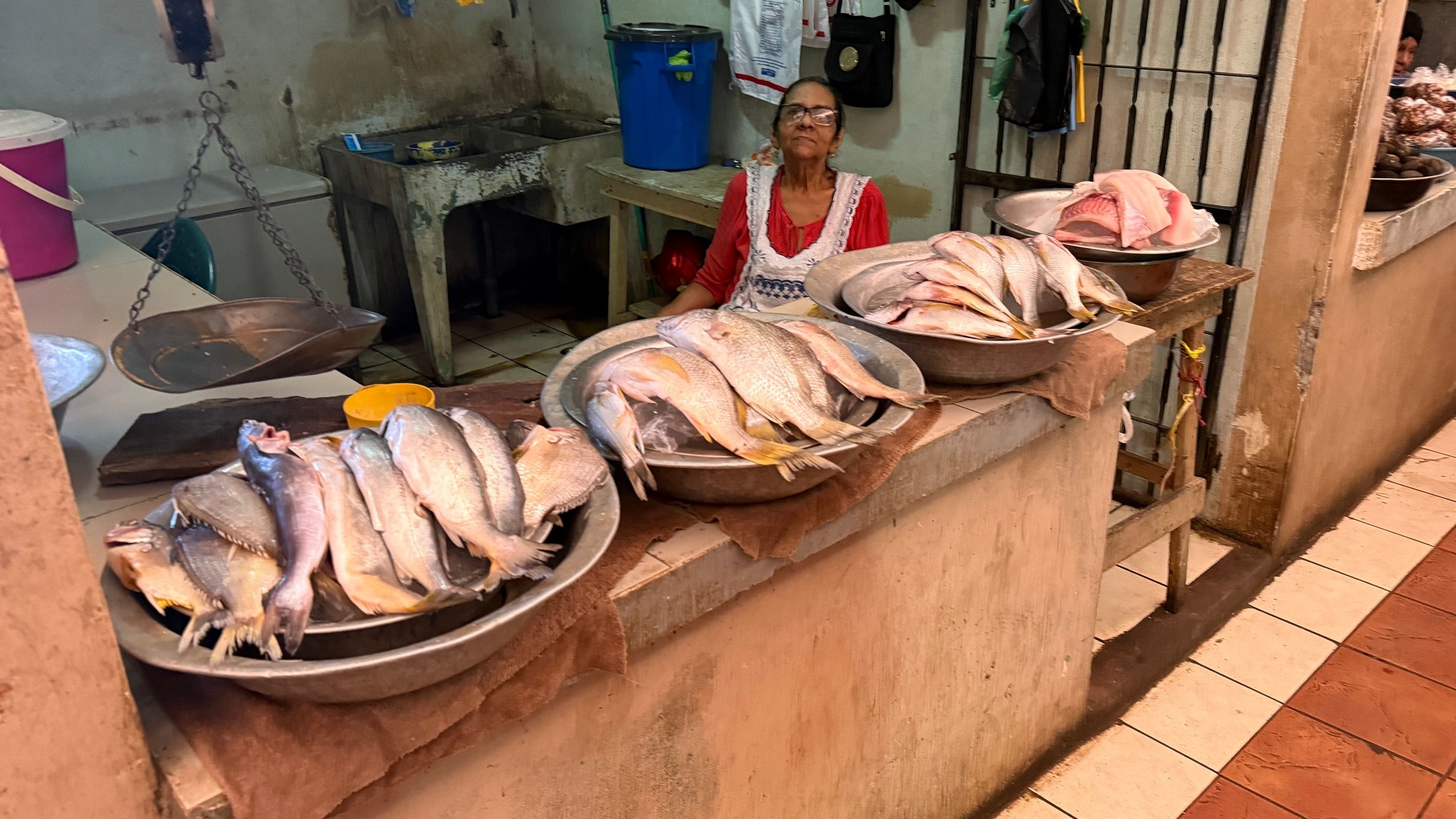
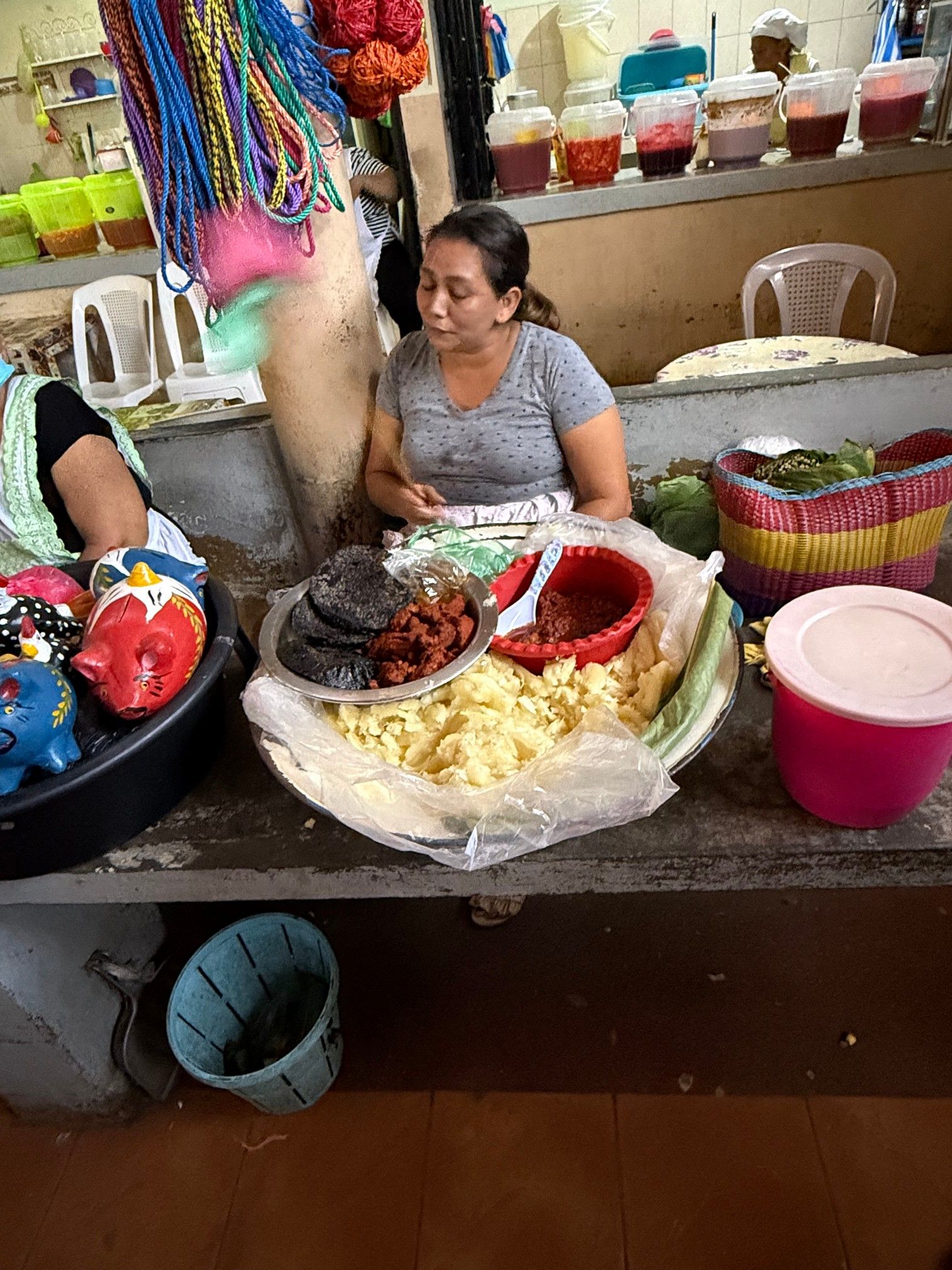
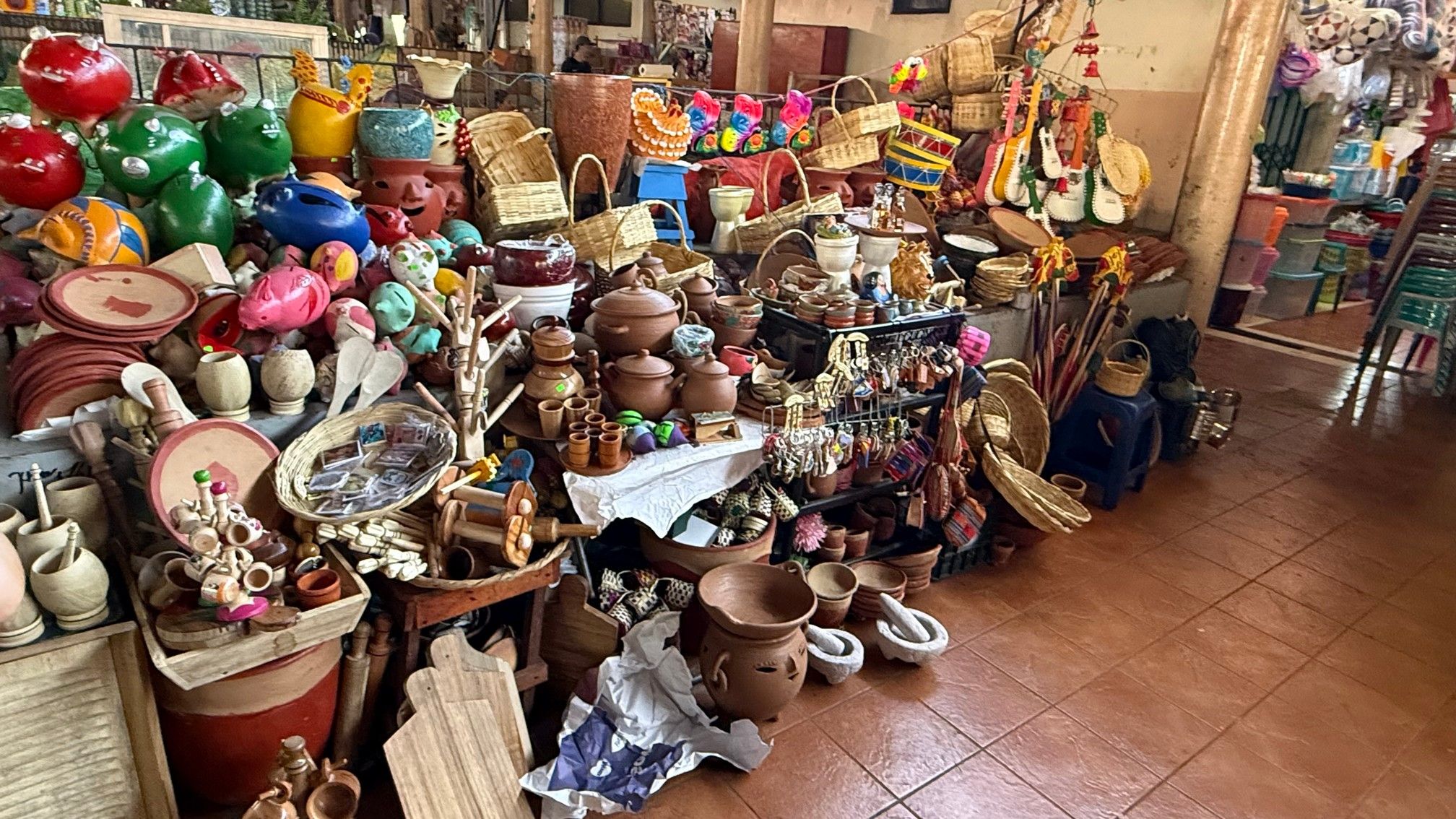
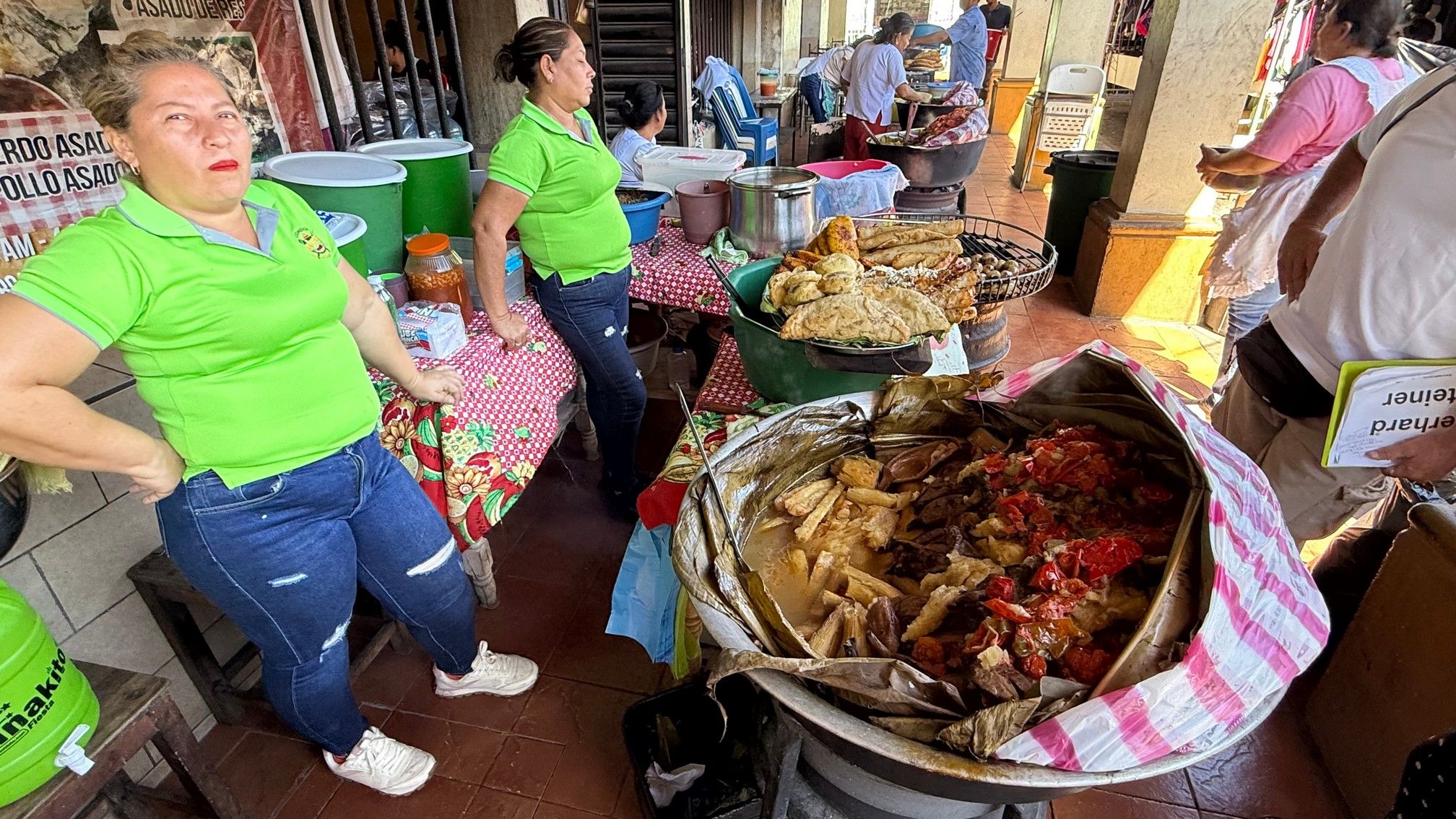
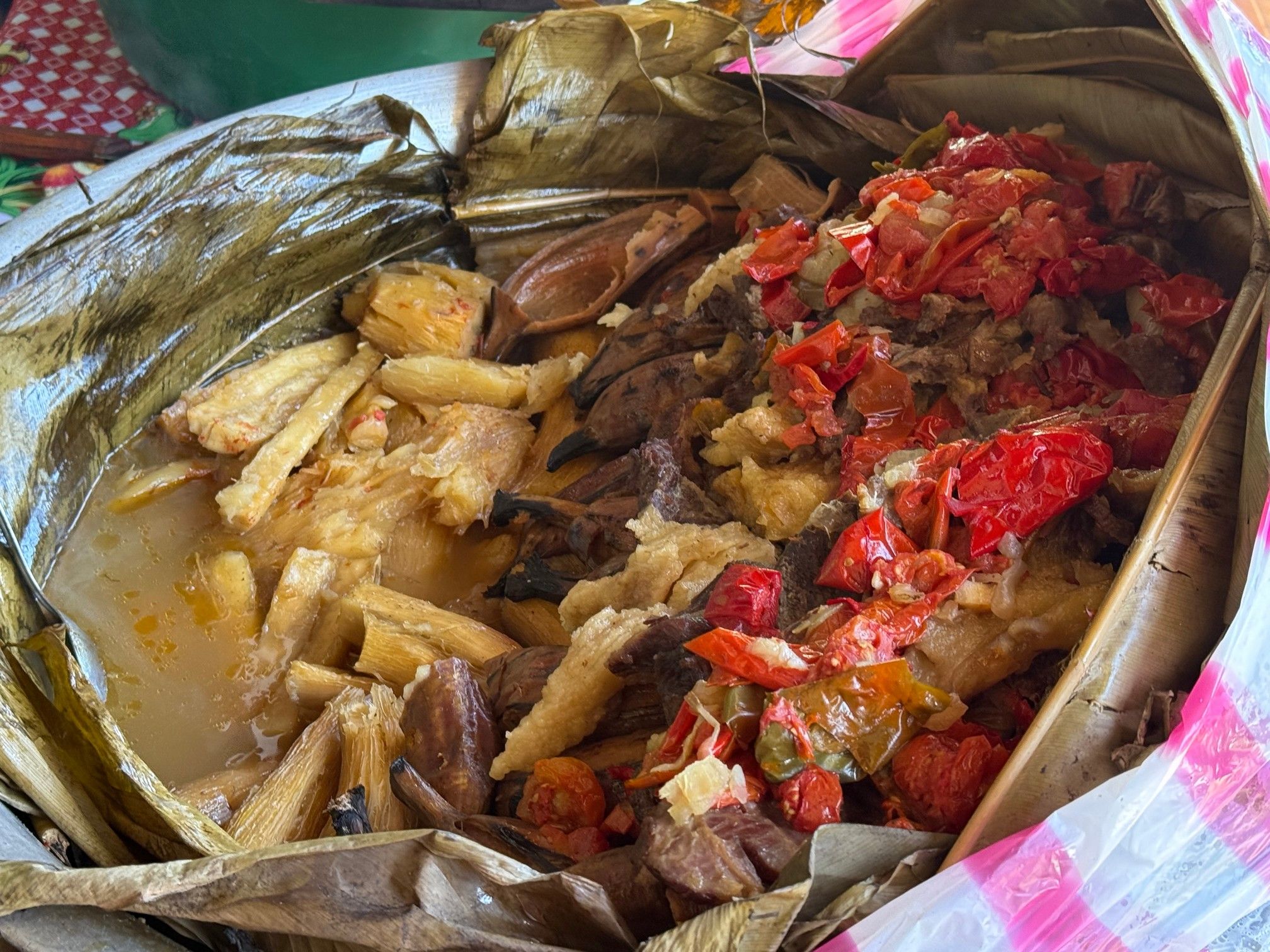
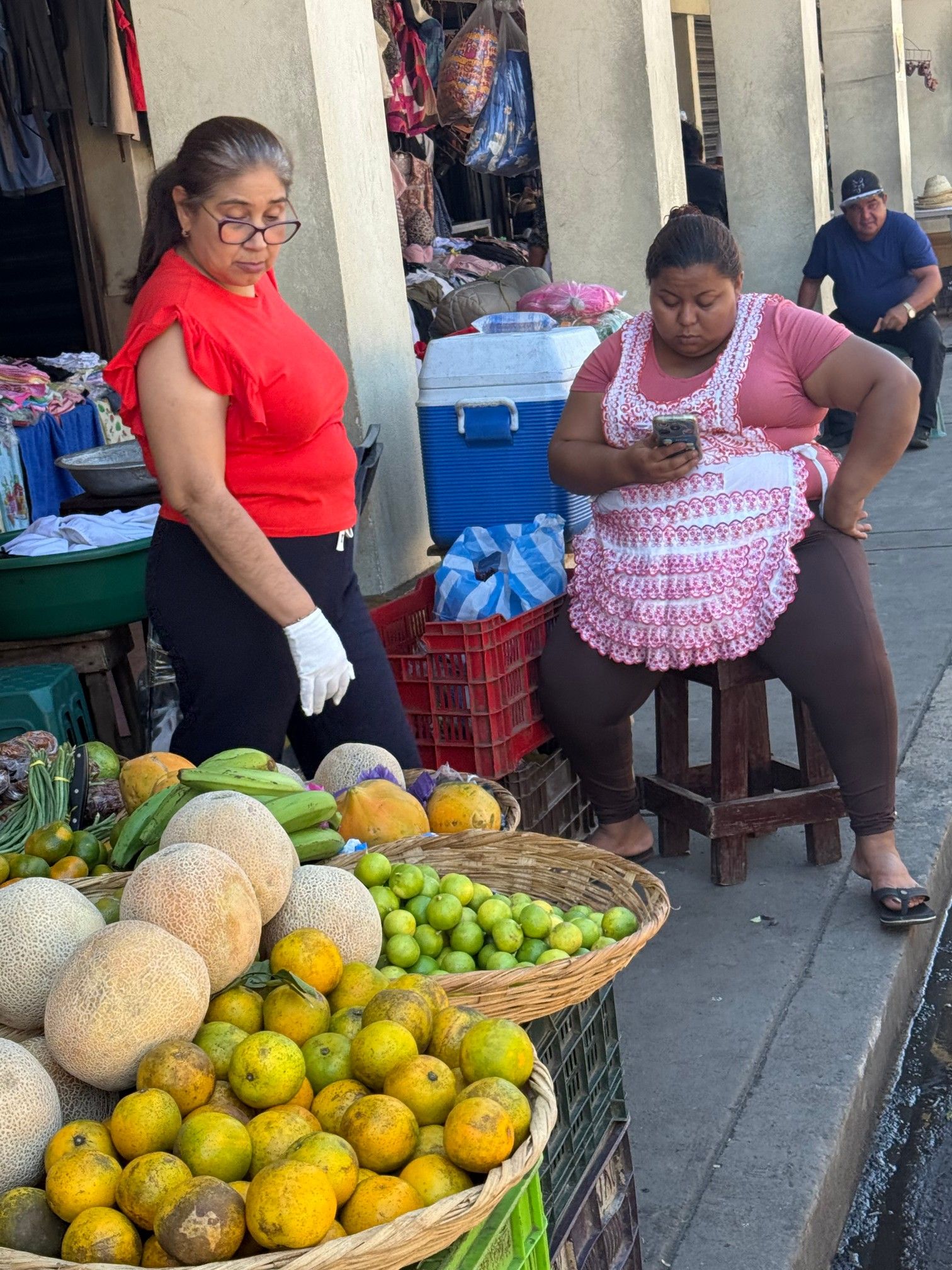
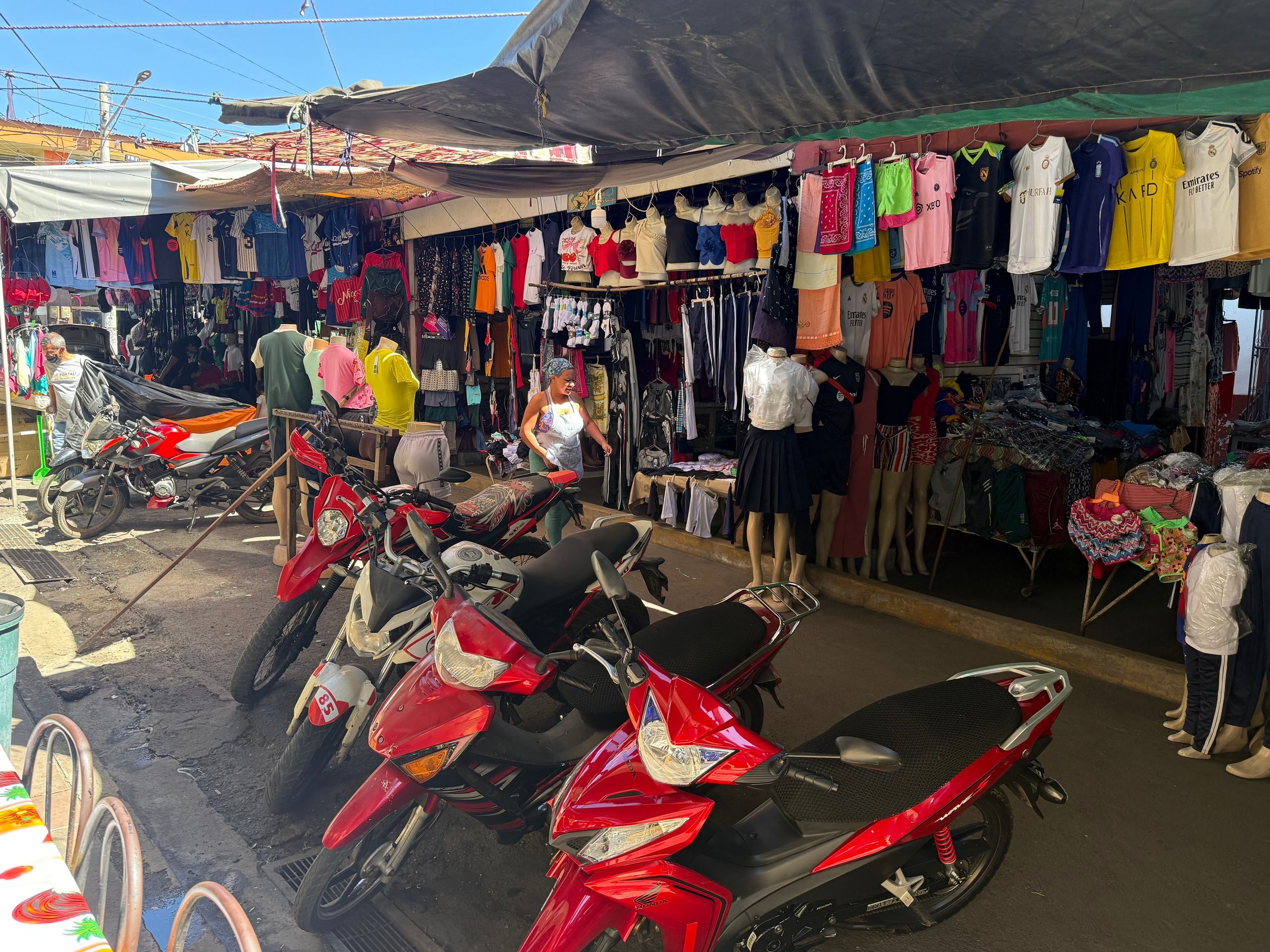
The Mercado Central is full of goods and crowded with people; you can buy just about everything to eat and live – all presented in a very small space. The local cuisine is also well represented – however, we are not brave enough to eat something here.
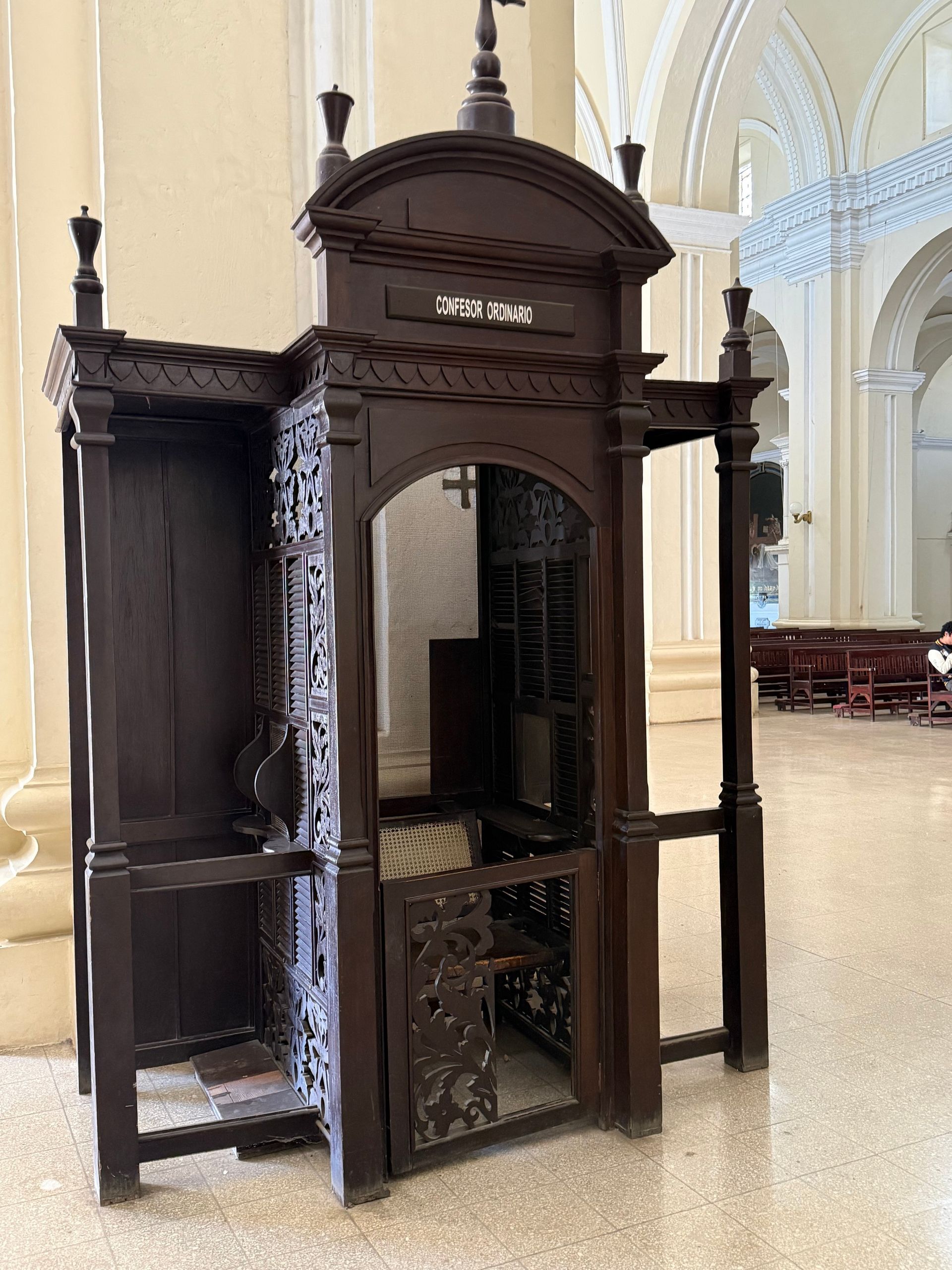
León is also a city of churches – there are more than twenty of them.
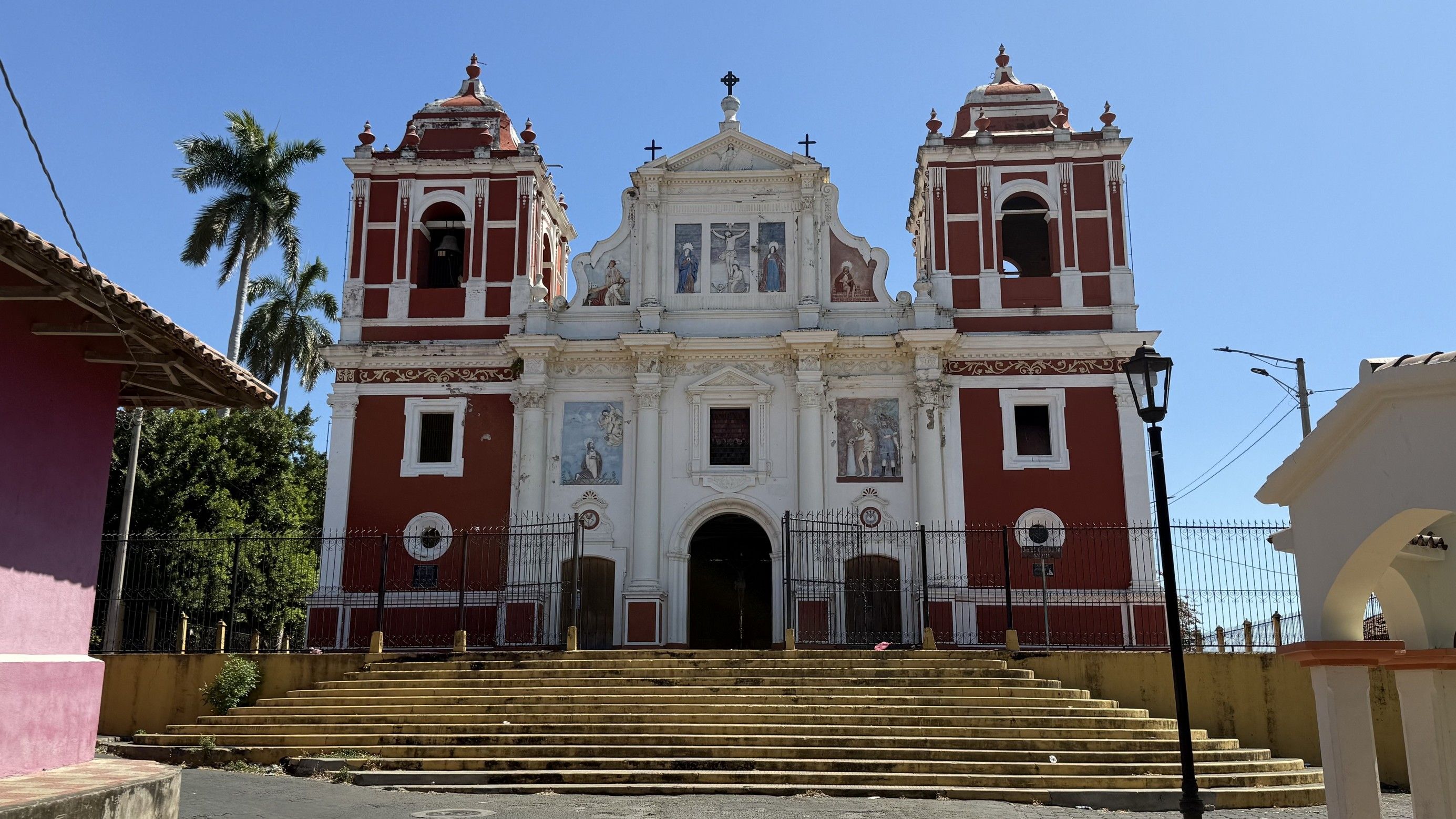
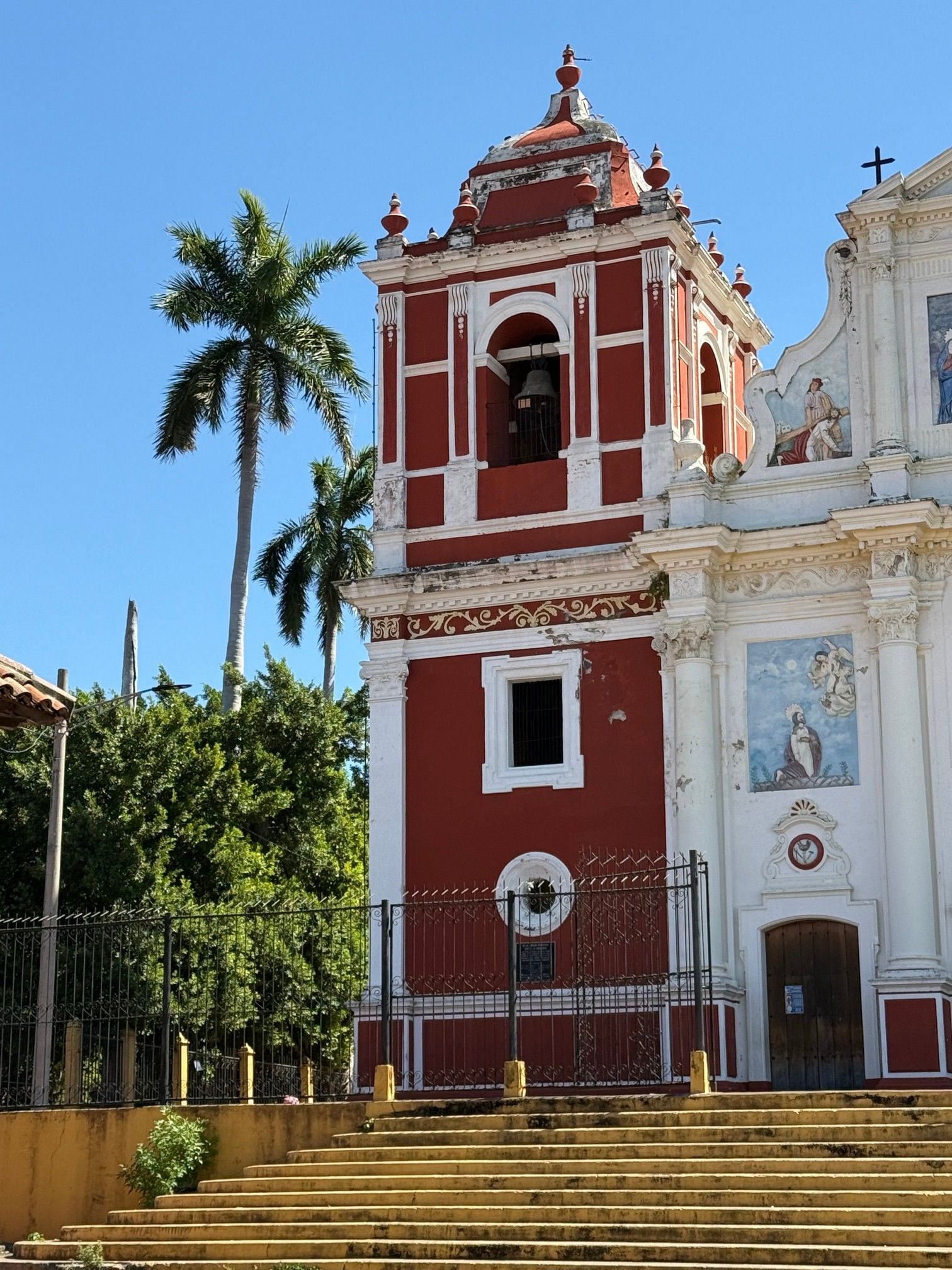
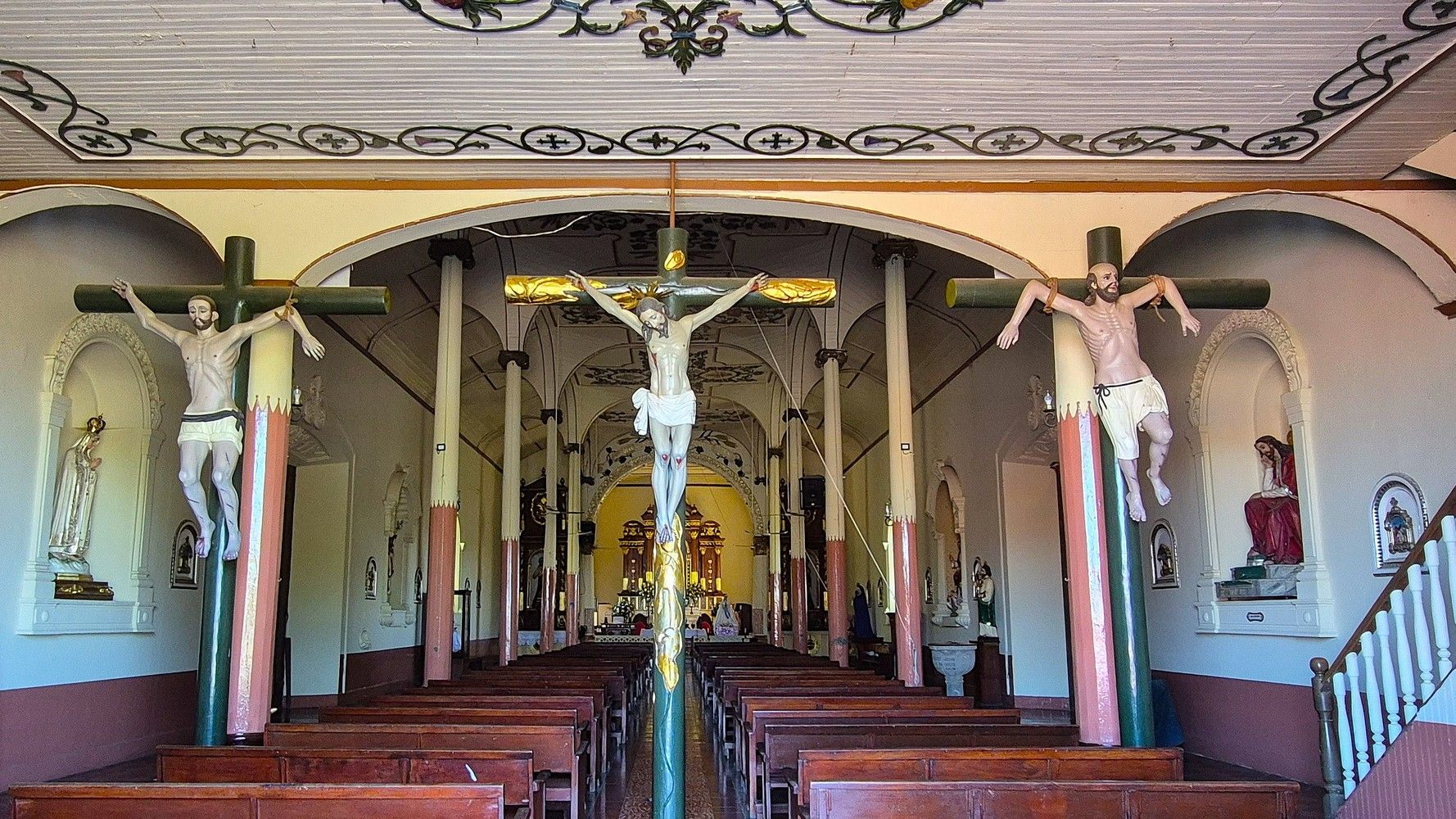
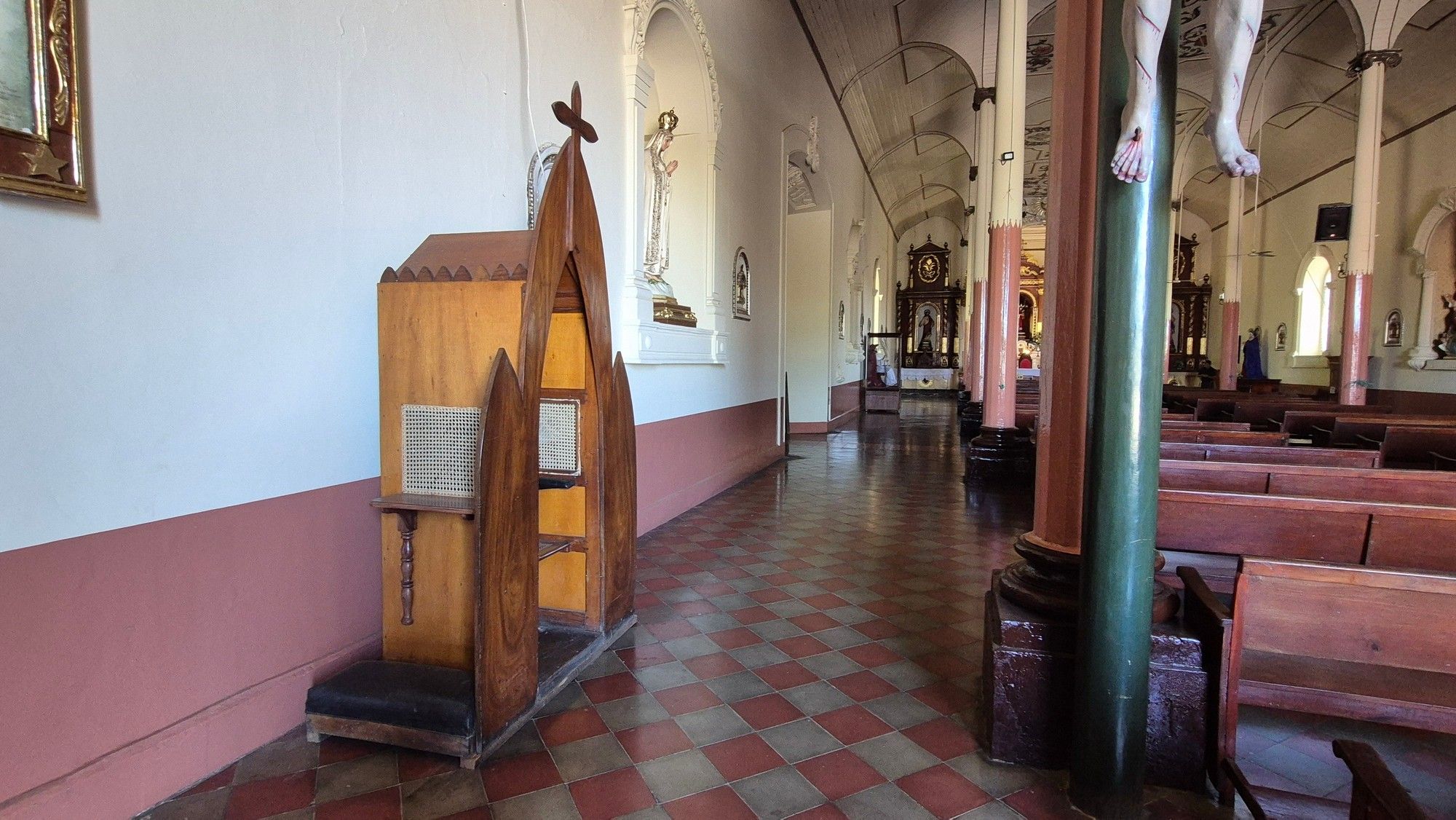
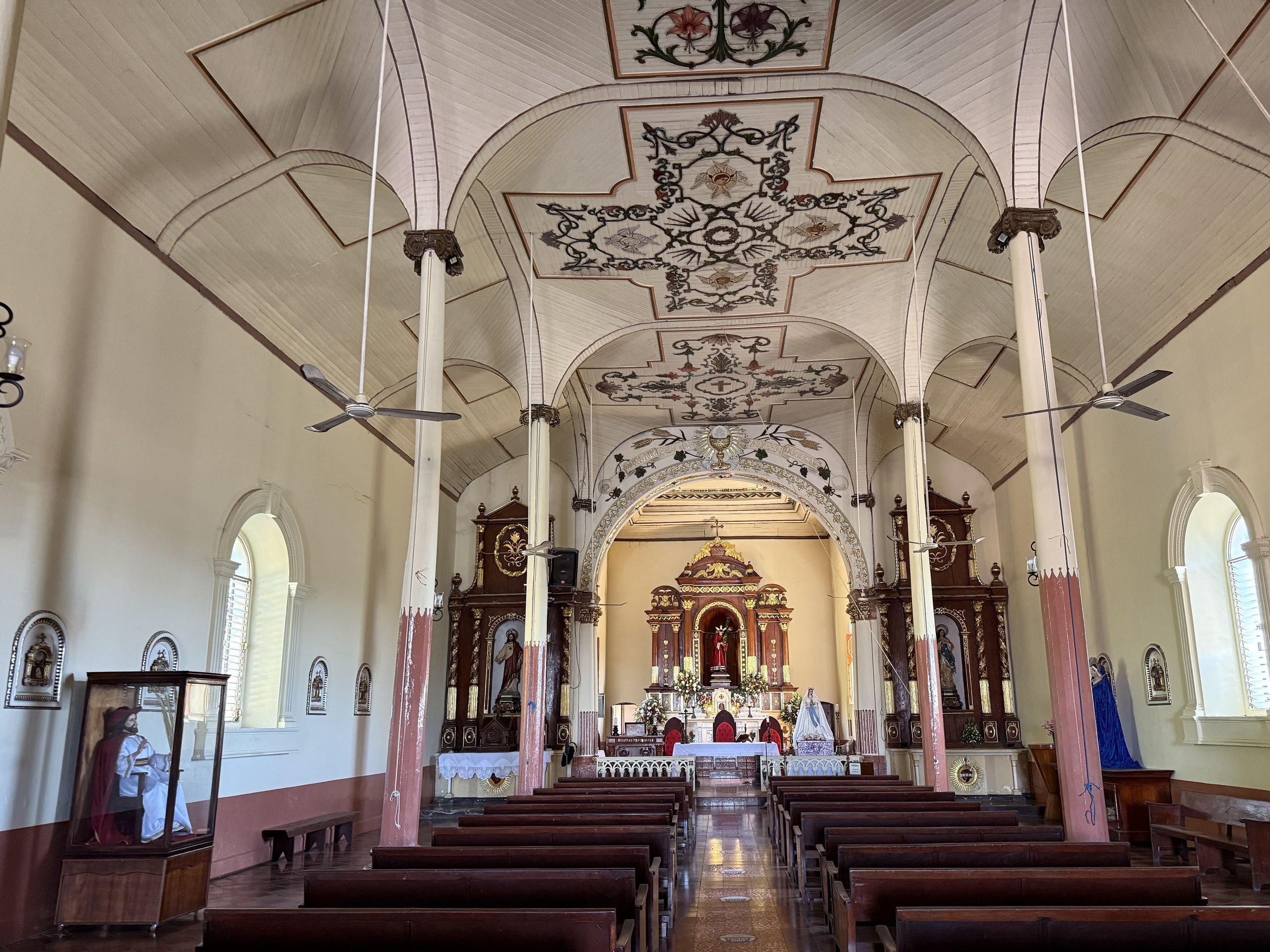
A short walk – one looks for the shady side of the street when it’s around 30 degrees – leads to the Red Church: “Iglesia El Calvario - Dulce Nombre de Jesús” on “Hasenhügel”.
The church, designed in neoclassical colonial style, was built from 1810 in place of the hermitage destroyed by an earthquake in 1764.
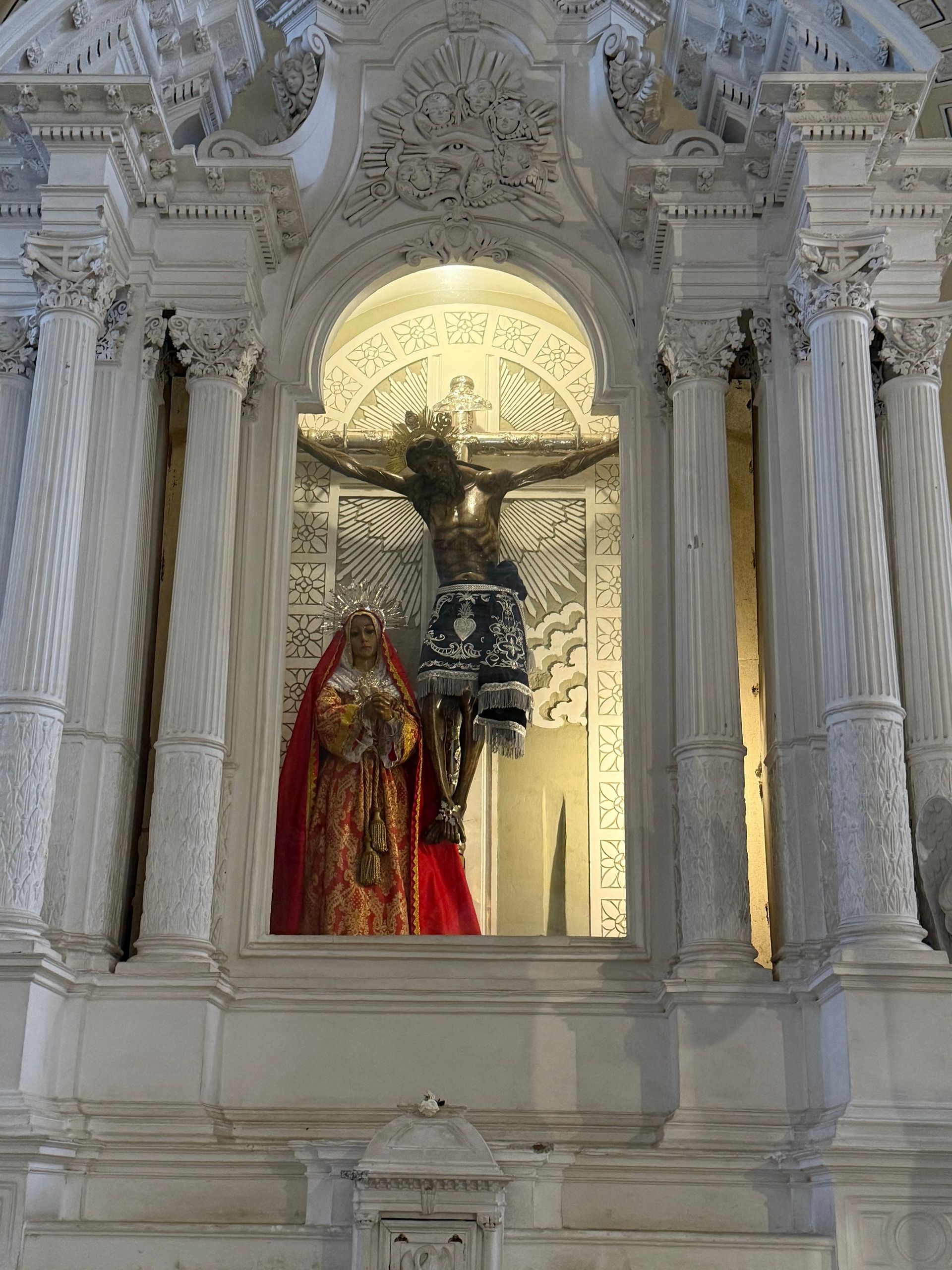
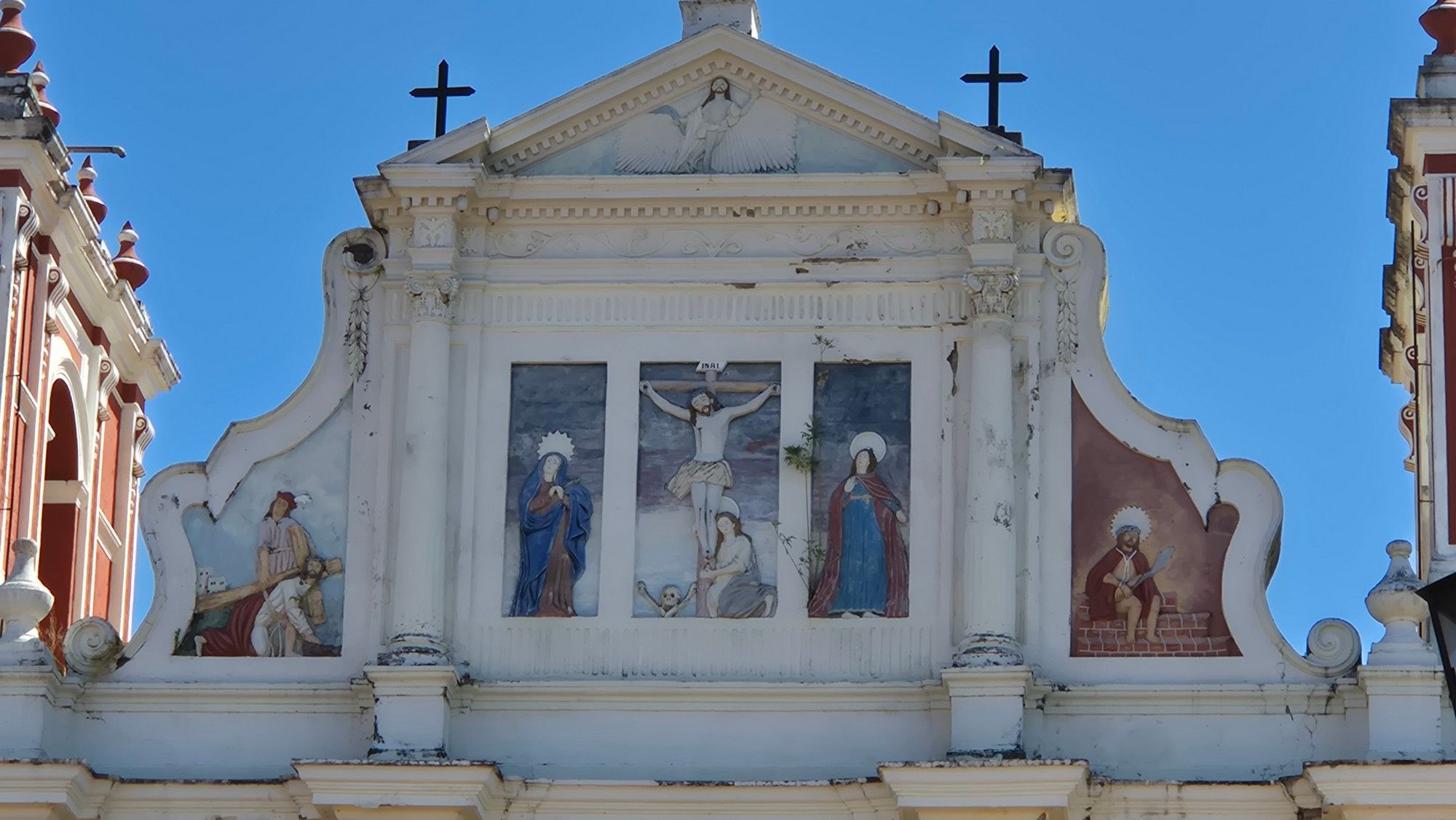
Inside the church, three life-size representations of the three crucified from Calvary catch the eye, as well as sculptures of biblical figures that are highly revered by the congregation of León. An ornately decorated silver altar piece contains the image of the Holy Name of Jesus from Calvary, the patron saint of this church, and forms the centerpiece of the main altar.
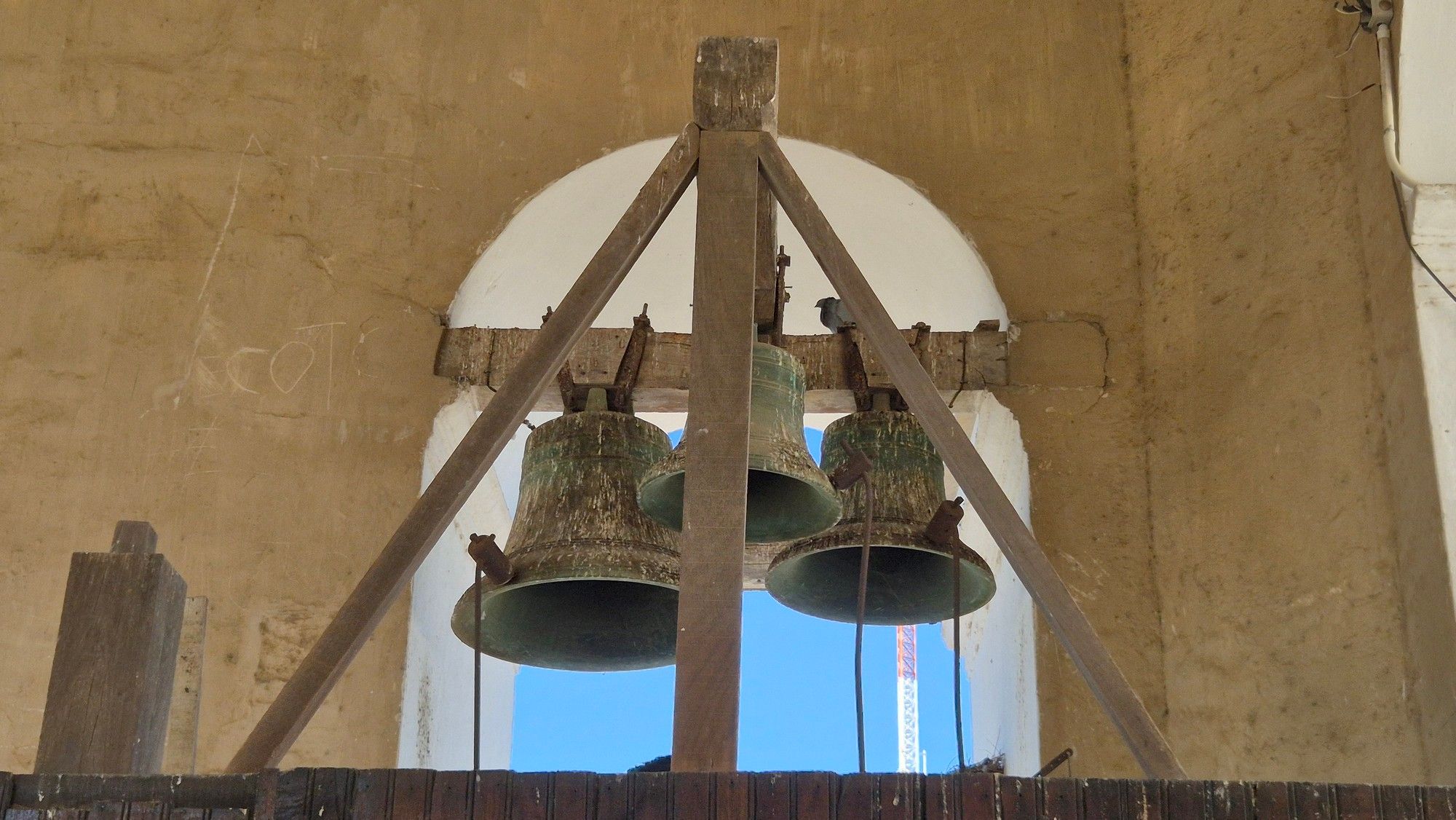
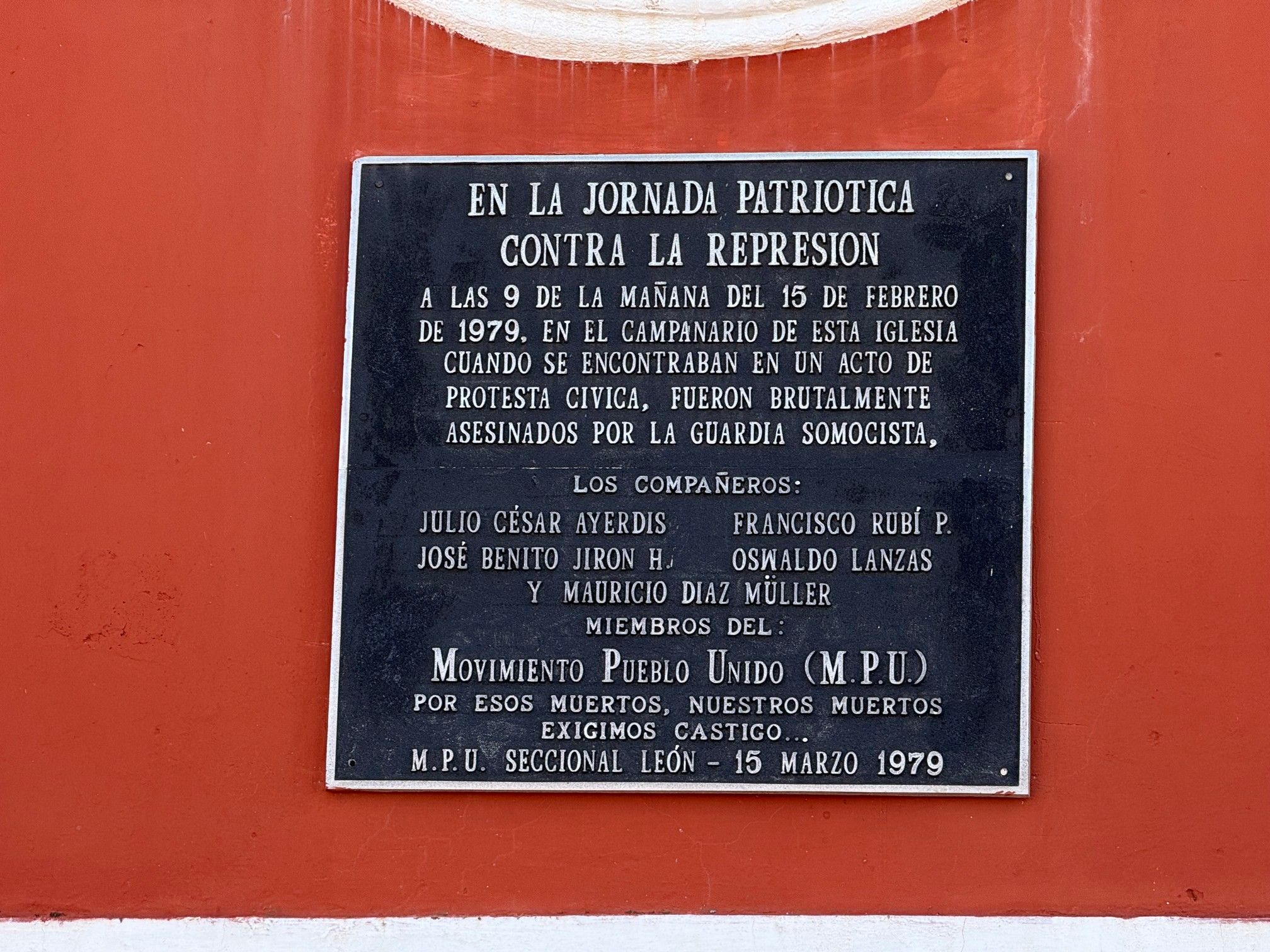
During the Somoza dictatorship, on February 15, 1979, five young members of the United People's Movement were murdered by the National Guard in the northern bell tower of the Church El Calvario while they were protesting against the injustices there. Their bodies were dragged from the bell tower to the church steps, which reaffirmed El Calvario as a place of martyrdom; a memorial plaque on the church facade commemorates this event.
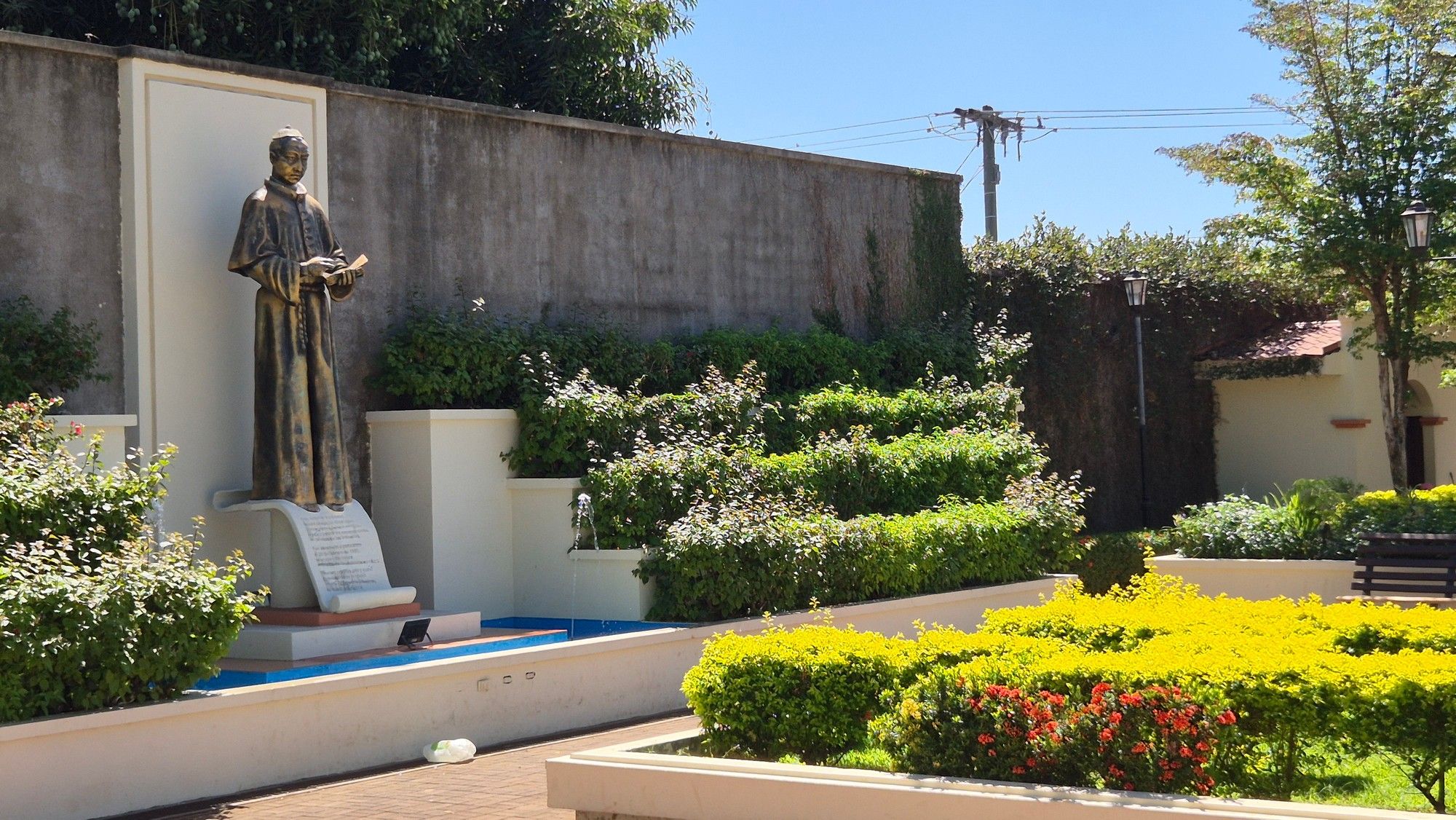
Opposite the Church El Calvario is the recently renovated Fray Antonio de Valdivieso Park, a homage to Bishop Valdivieso (1495–1550), a martyr for the human rights of Nicaragua's indigenous population and for the defense of the unity of Hispanic-American peoples against injustice and the neo-feudalism of the “Encomenderos” in the 16th century. The Encomenderos were Spanish colonists who were granted the right by the Spanish crown to demand labor and tribute from the indigenous population. In return, they were supposed to protect and, above all, Christianize the indigenous people. However, in practice, this often led to brutal exploitation and slavery.