
Memories
Evening lantern rides in Hoi An

Published: 26.09.2025
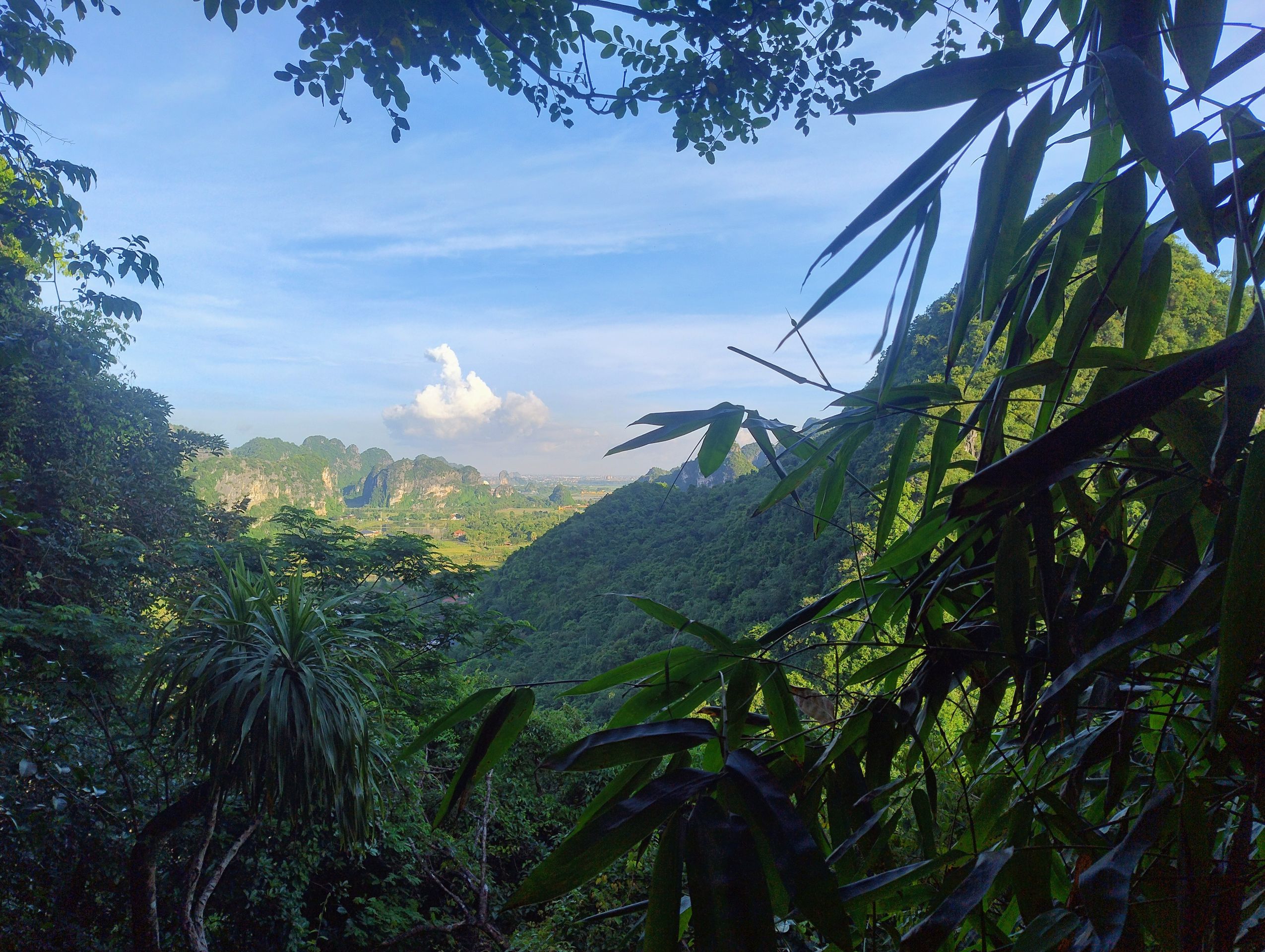
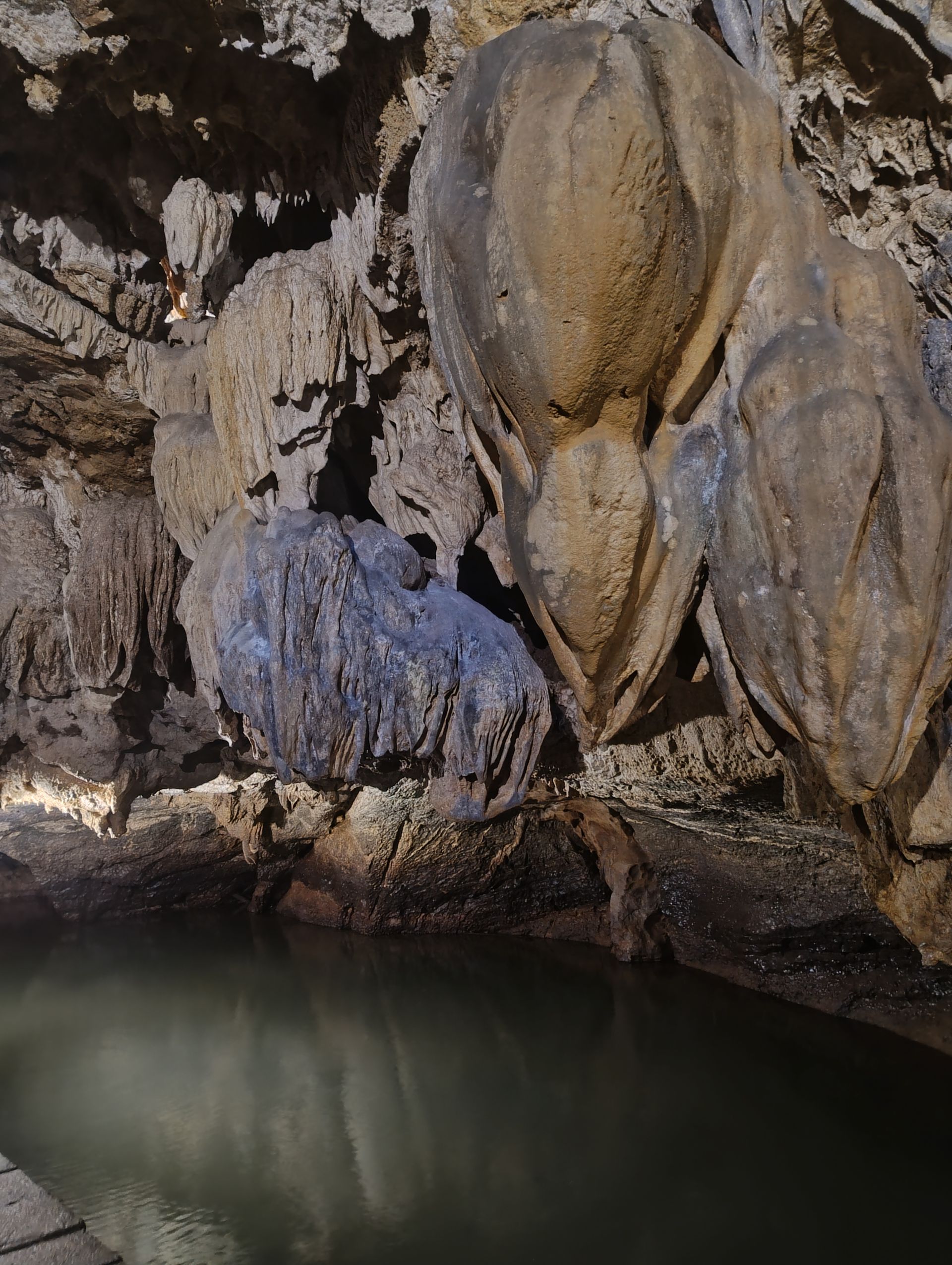
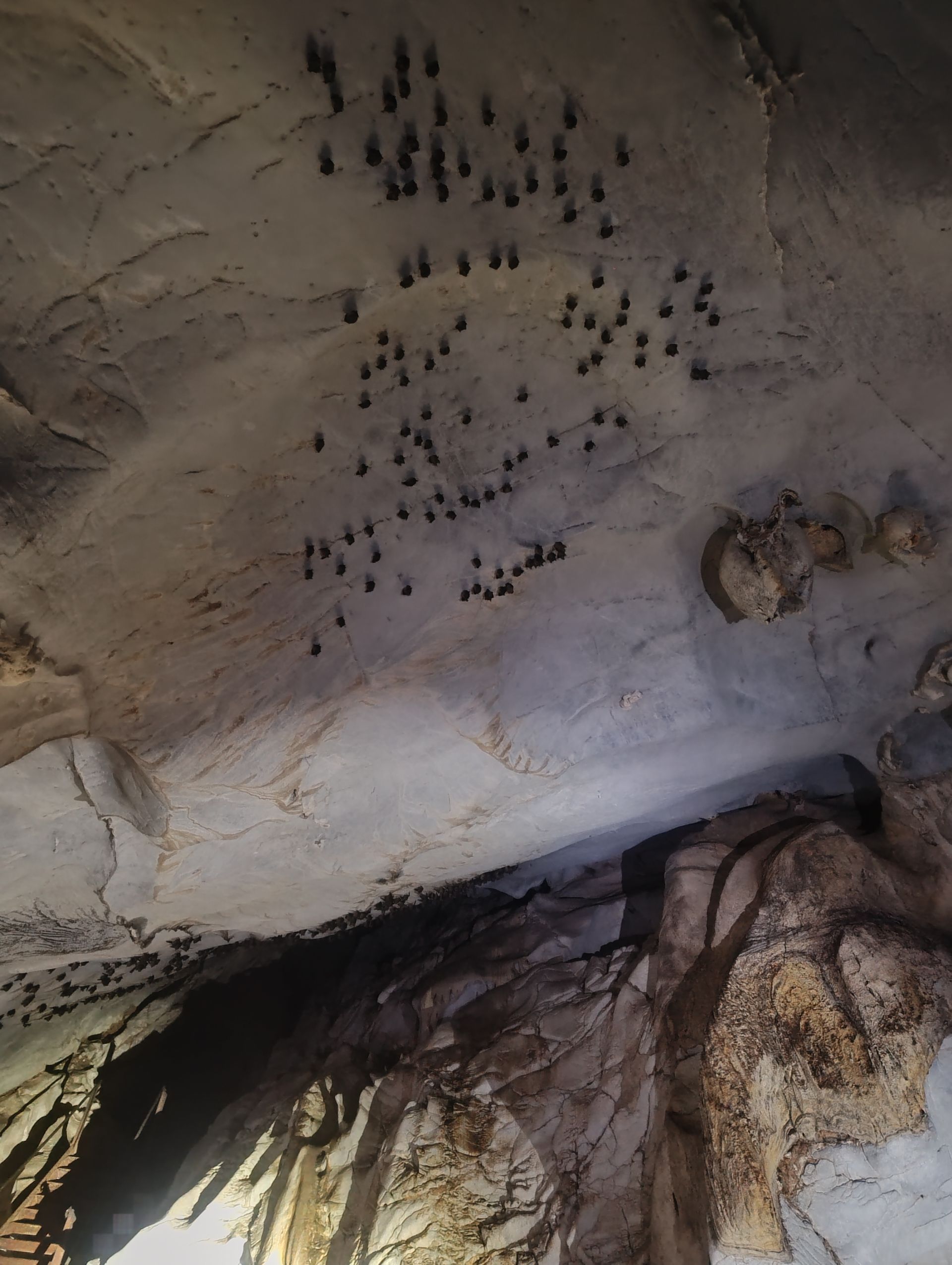
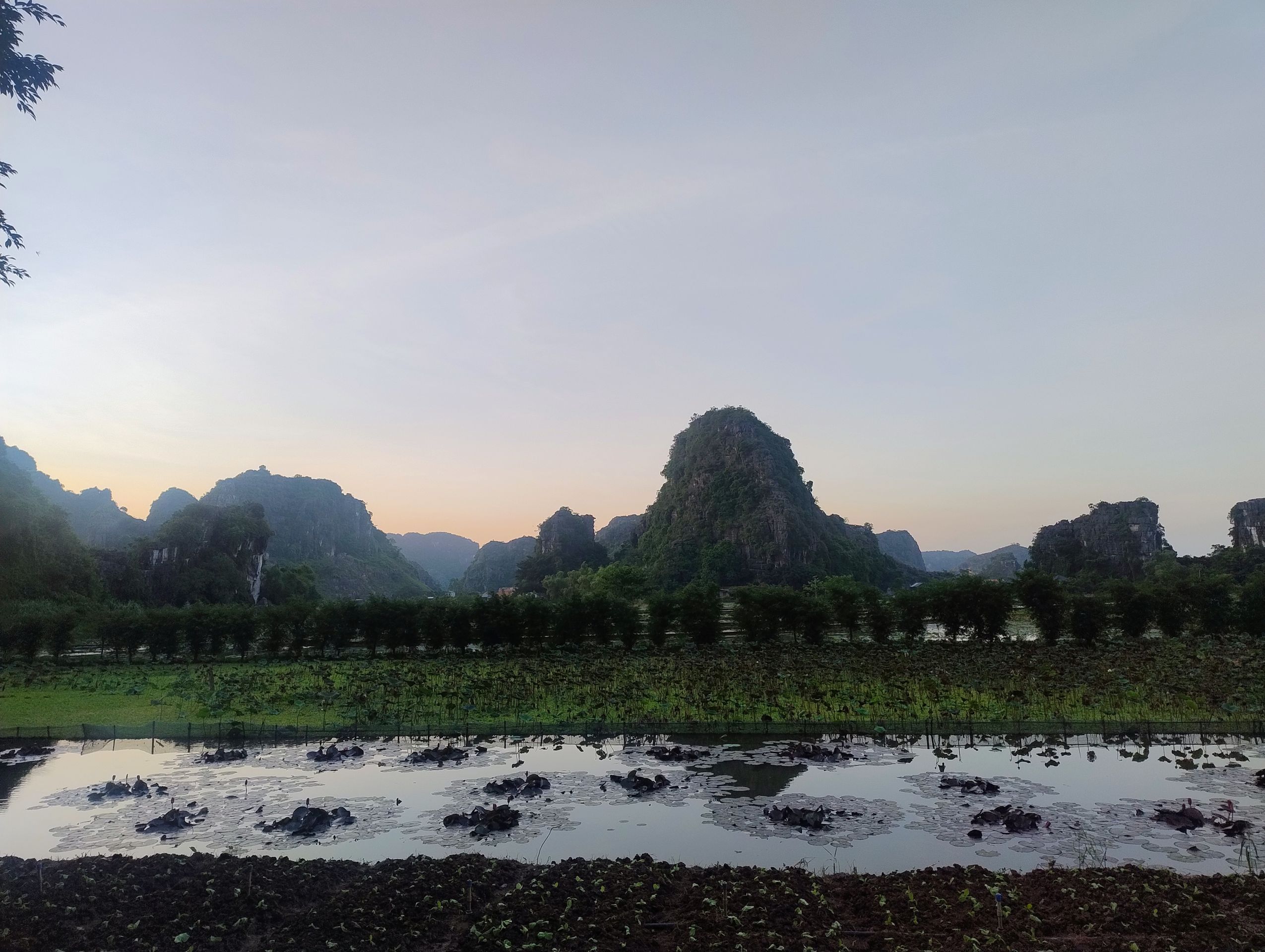
I slept soundly on the night train from Hue to Ninh Binh. So, I set out for a bike tour through the rocky rice field landscape. The gearless bike rides easily, and I'm making good progress. I hike up a rock staircase that ends at a pagoda carved into the stone. I marvel at the bats in the cave, darting just a few meters above my head. It won't be the last cave I see, nor the last bat.
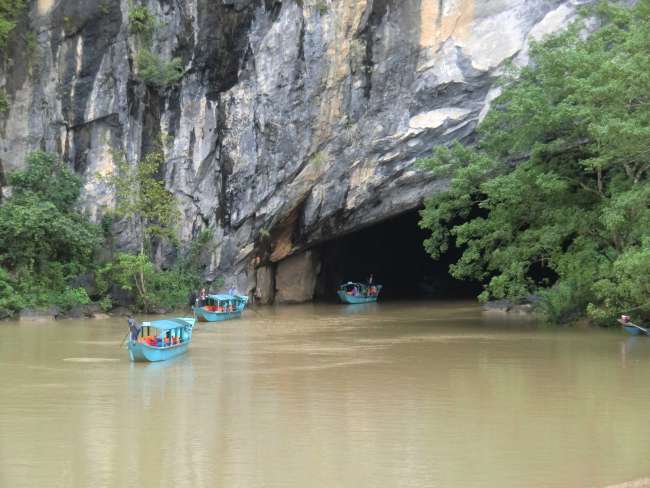
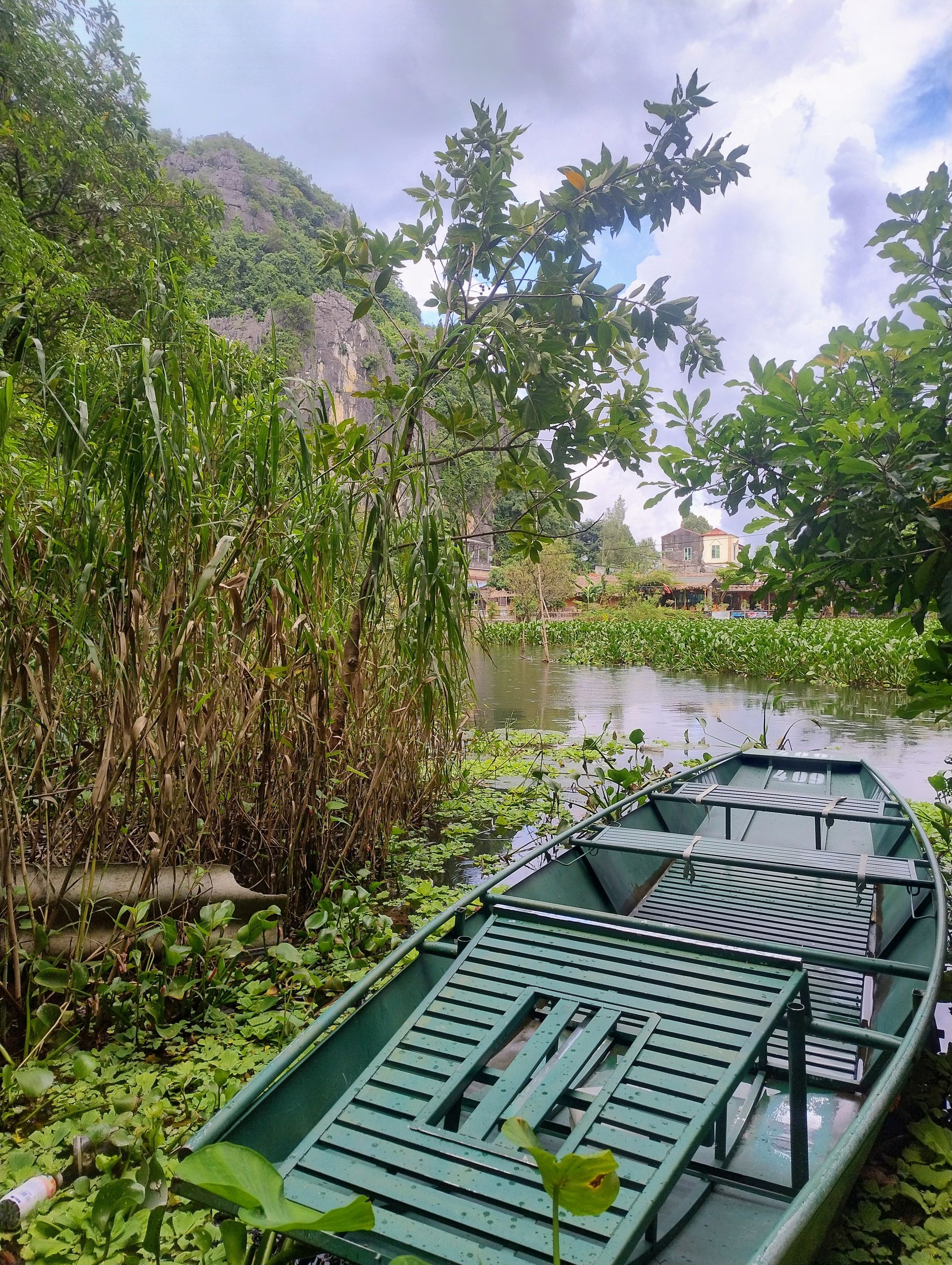
Continuing towards Bird Park, one of the main attractions in Ninh Binh, I manage to visit two more walkable caves and one that can be traversed by boat. The heavy metal boats are often operated by older men and women who paddle with their feet.
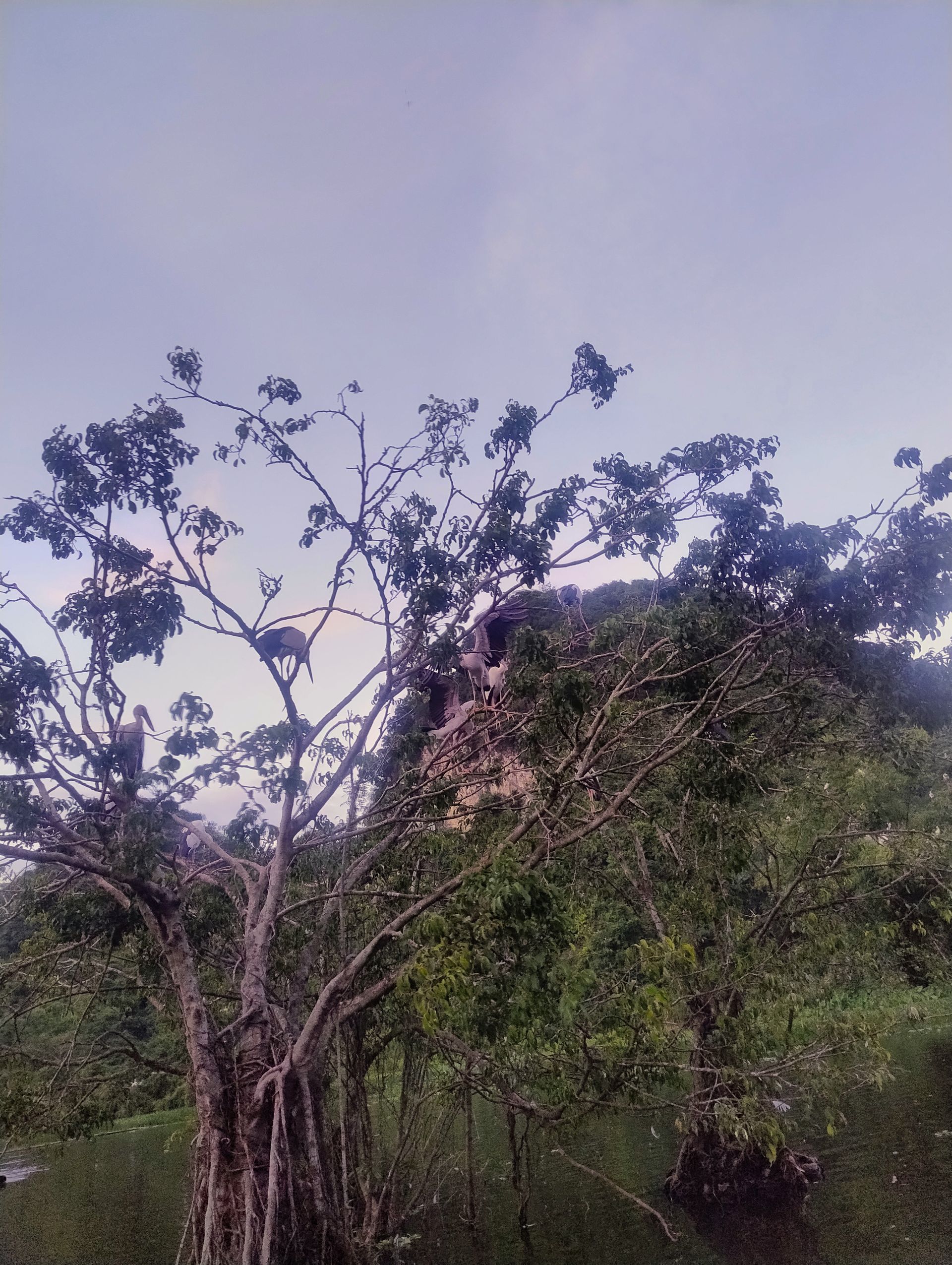
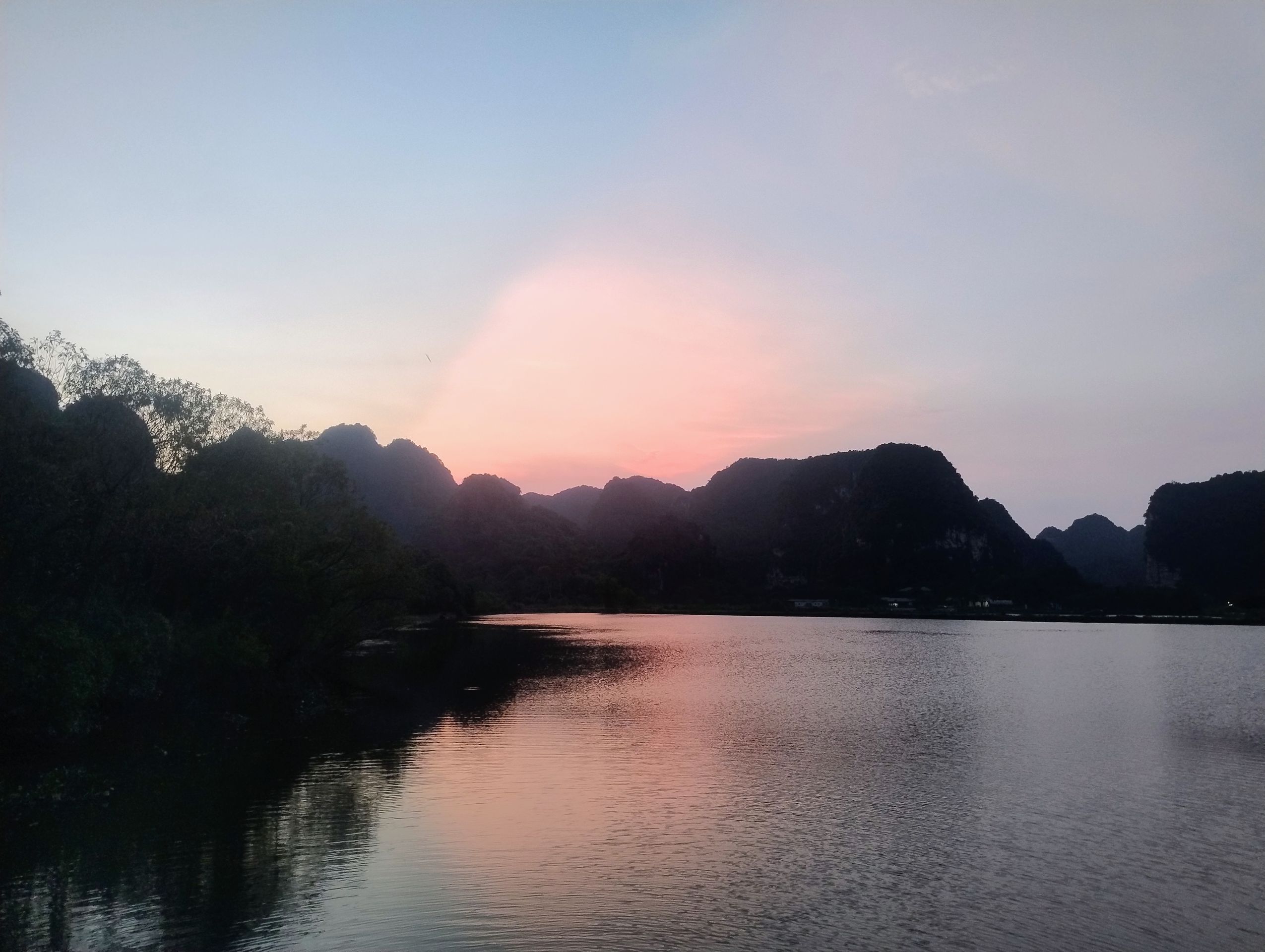
In the boat, we continue into the birdwatching area. The Filipino couple in the boat behind me starts whispering after we pass the noise prohibition signs. Eco-tourism, at least in theory, as the Korean tour group in another boat keeps chatting loudly. The hundreds of storks in the mangroves seem accustomed to the slowly passing boats, squabbling among themselves on the branches. Flocks of cranes fly in formation between the green rocks. Muffled 'Oh' and 'Wow' exclamations can be heard from the boats as the sunset makes the backdrop perfect. Back on land, I'm in a hurry because my rental bike has no lights.
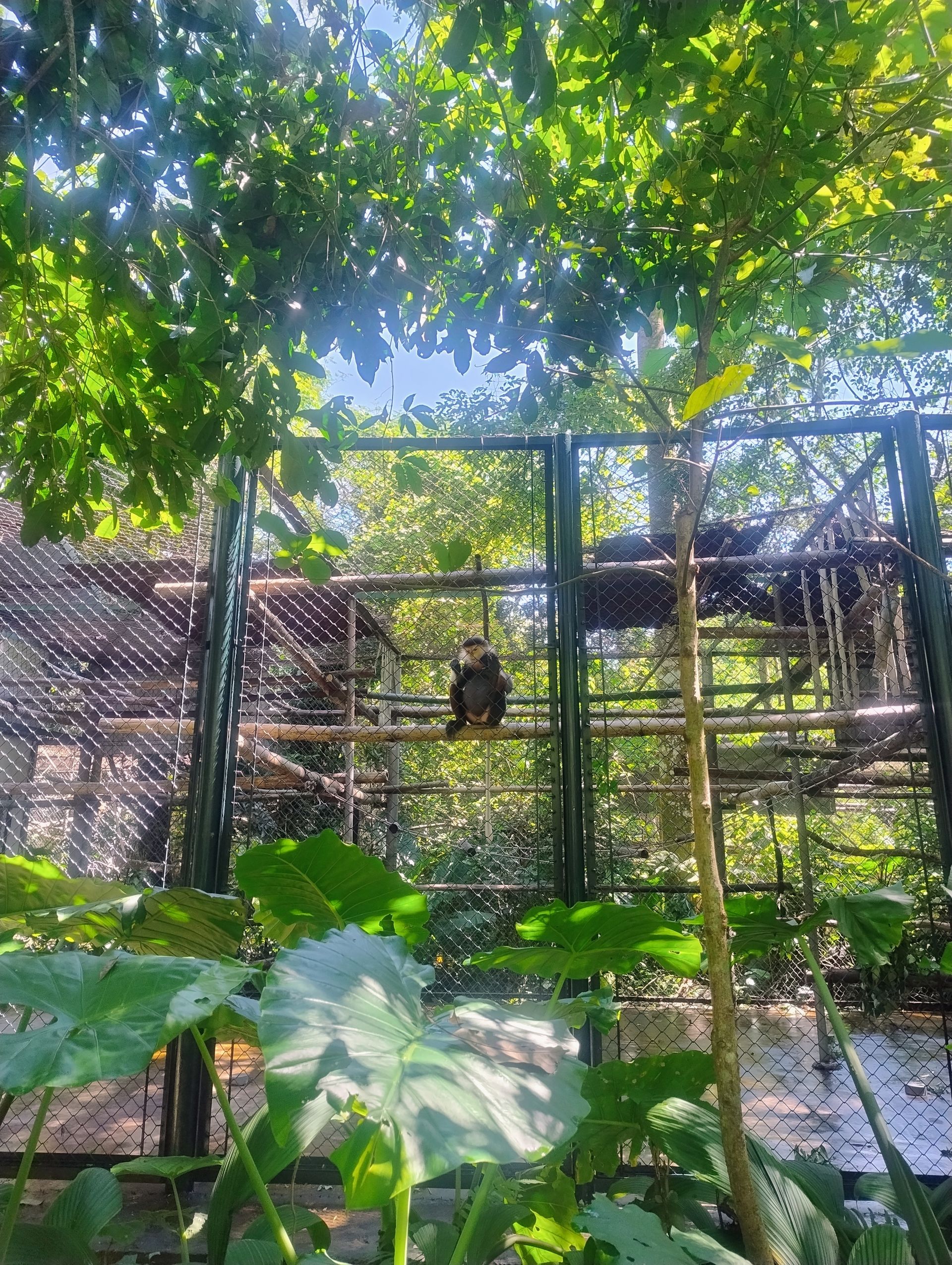
To prevent a new pandemic from arising, we wear masks through the rescue center. The monkeys here are fed after being rescued from poachers and then later released in safer areas. Only baby monkeys or injured animals that can never live independently stay here forever. I have no choice but to believe this, also because I read nothing to the contrary online. Nevertheless, the cages are small and in no way species-appropriate. The Leipzig Zoo supports the project. At least here, that seems to be a mark of quality. We don’t even get to see the slow lorises as they are nocturnal. The langurs look almost computer-animated. They have finely drawn colorful faces that look completely human. Superstitious Chinese think they can derive potency drugs from them and thus consider them game animals.
In the evening, I meet Leo again, whom I had met in Hoi An. With his more intense travel pace, he had already made it to Phong Nha National Park. It’s a paradise, where I experienced a jungle hike, including cave exploration, in 2018 with a group. He confirms that it's still the same rather quiet backpacker place I remember.
Leo also tells me about the organized motorcycle tour from Hoi An over the mountains to Hue. It's called Easy Rider when you sit on the back of a motorcycle for day or multi-day tours and let yourself be driven from viewpoint to viewpoint. His driver was very friendly and answered Leo's interested questions about politics and society eagerly. My traveling companion tells me that many Vietnamese work until they are 80 because they only receive a vanishingly small pension then. Most depend on support from their children, who often work in underpaid service jobs, too. Only as a government employee would one receive a good pension starting at 65.
These are the things you can easily overlook or misconstrue when traveling, and I include myself in that. When I observed older people working in the fields, on rickshaws, or at their small stalls, I often had the naive thought: 'Oh, look at that. So active in their old age.' But the elderly Vietnamese in the boat is clearly paddling through the caves of Ninh Binh not for the same reasons that 70-year-old Fred sits at the rowing machine in the gym.
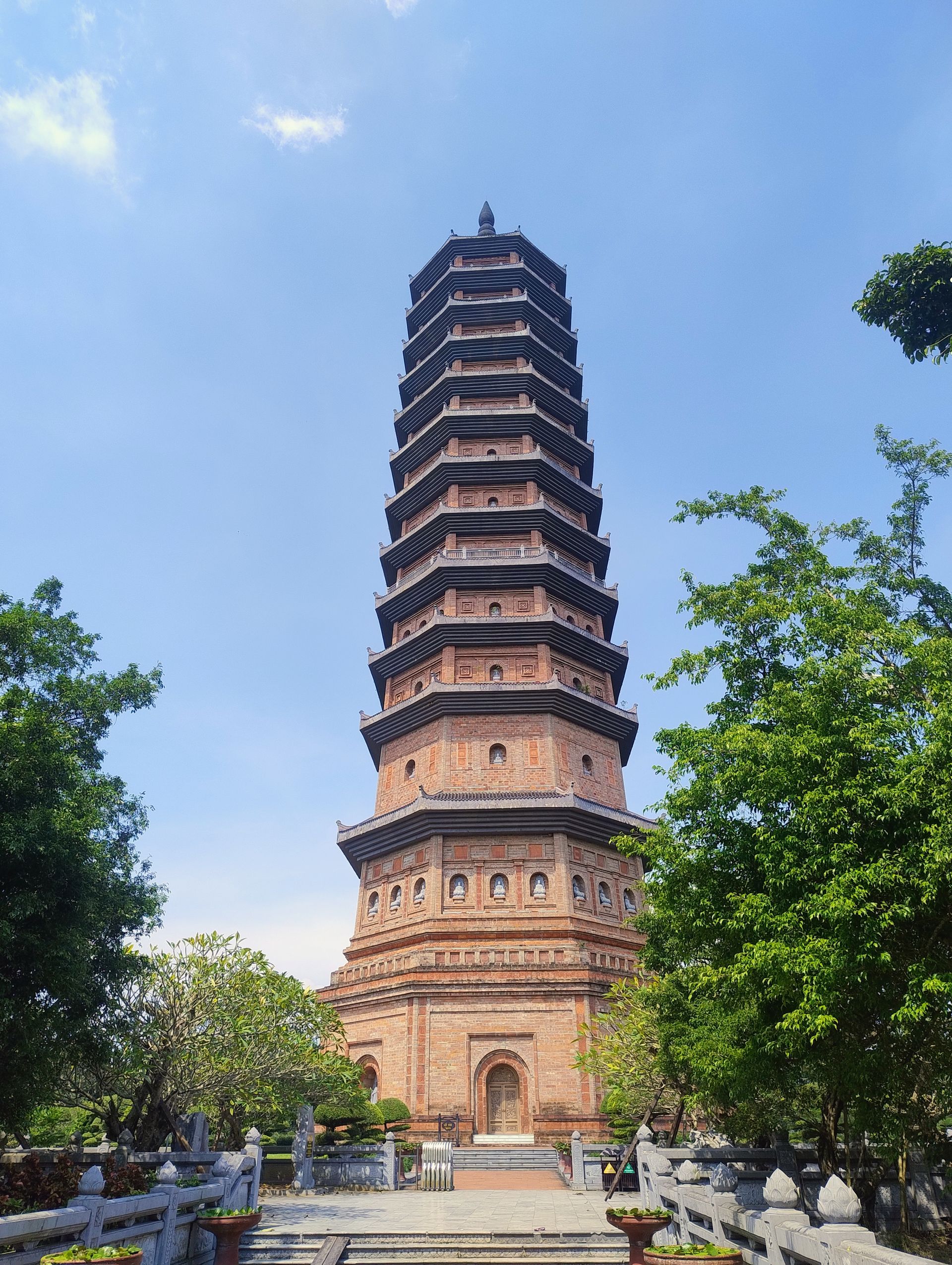
Throughout the complex, we feel quite lonely. Aside from a few other tourists, we are the only ones on the premises, which might be about one-tenth the size of Saarland. Although the origins of Bai Dinh date back to the Vietnamese imperial era, only a few shrines in caves remain, which are now inhabited by bats. Everything else was built about twenty years ago. As an international pilgrimage site, the many temples can accommodate hundreds of Buddhists at the same time. A conference center allows for meetings. Hundreds of urinals in the men's restroom at the entrance prevent long lines when a delegation of monks suddenly needs to go. Along with unicorns that look like lions, phoenixes, and dragons, turtles are among the sacred animals in Vietnam. About a thousand stone statues of them with wise sayings on their shells line the hallways. Pathetic music blares from the speakers, and we wonder whether the faithful only show up en masse on certain days or why the complex doesn't seem to be at capacity today. It is Sunday, but then again, many German churches are empty too.
Much more interesting, however, is that children use the open-air museum as a practice field for their English classes. In small groups or as a complete class with teachers, they engage tourists in conversation. 'Hello, how are you?', 'Where are you from?'. Three kids follow me through a pagoda and give me opportunities with childlike questions to reflect on life’s real issues: 'What's your favorite sport?', 'What's your favorite food?', 'What is your favorite animal?'. 'Hm... monkey, no wait.. cat!'. I find out that all three enjoy math the most in school. Unusual. However, they are somewhat overwhelmed with more complex follow-up questions. As soon as they finish their memorized questionnaire, they move on to the next tourist and wave goodbye: 'Bye, bye! Tam biet!'
The two Dutch people are the opposite of Antonio, the 5-minute cup noodle traveler known from the Angkor Wat episode. They sold their house a few months ago and are now taking all the time in the world as slow travelers. At first, they tick off a few sights, and afterward, they stay one or two weeks in the same place before they slowly move on. Unlike the self-proclaimed 'foodies' who must try a new dish at every meal, the two always return to the same beloved street food place for lunch or dinner. I find that very sympathetic, as I'm the self-proclaimed inventor of the 'place of habit' rule. The only issue is that they haven't yet adjusted to the early Vietnamese daily rhythm. Sometimes the breakfast window closes already around half past nine. 'But then we just go and sleep some more after,' reports the friendly Dutch woman with the short haircut and laughs. I can also reassure them that Cambodia, at least in the tourist area of Siem Reap, is anything but criminal and dangerous and encourage them to visit Angkor Wat. With their travel pace, they'll surely see more than I did in two days. As it gets dark, I take a Grab taxi, and we thank each other for the nice conversation. The detour to Sunset Point was definitely worth it.