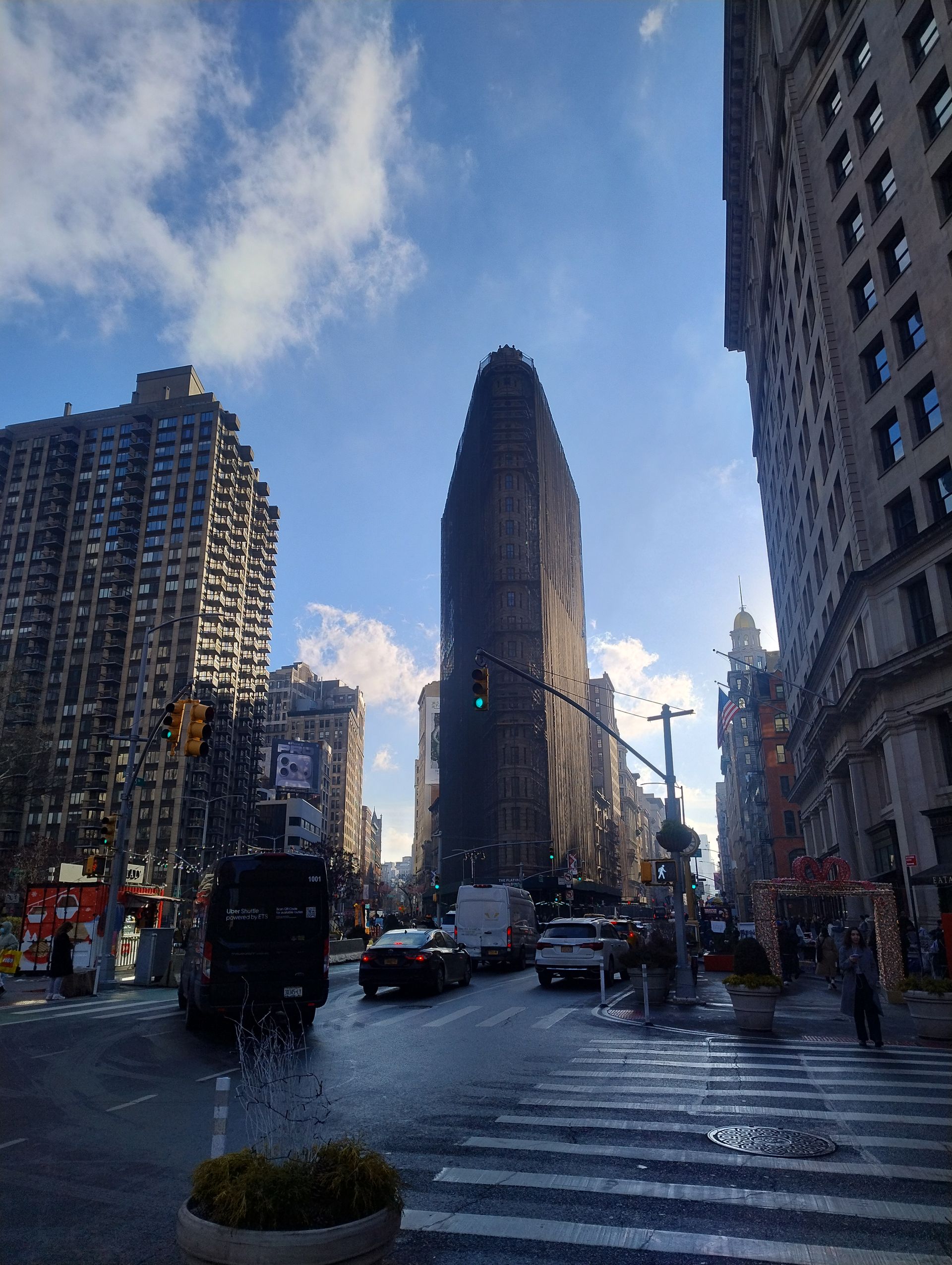
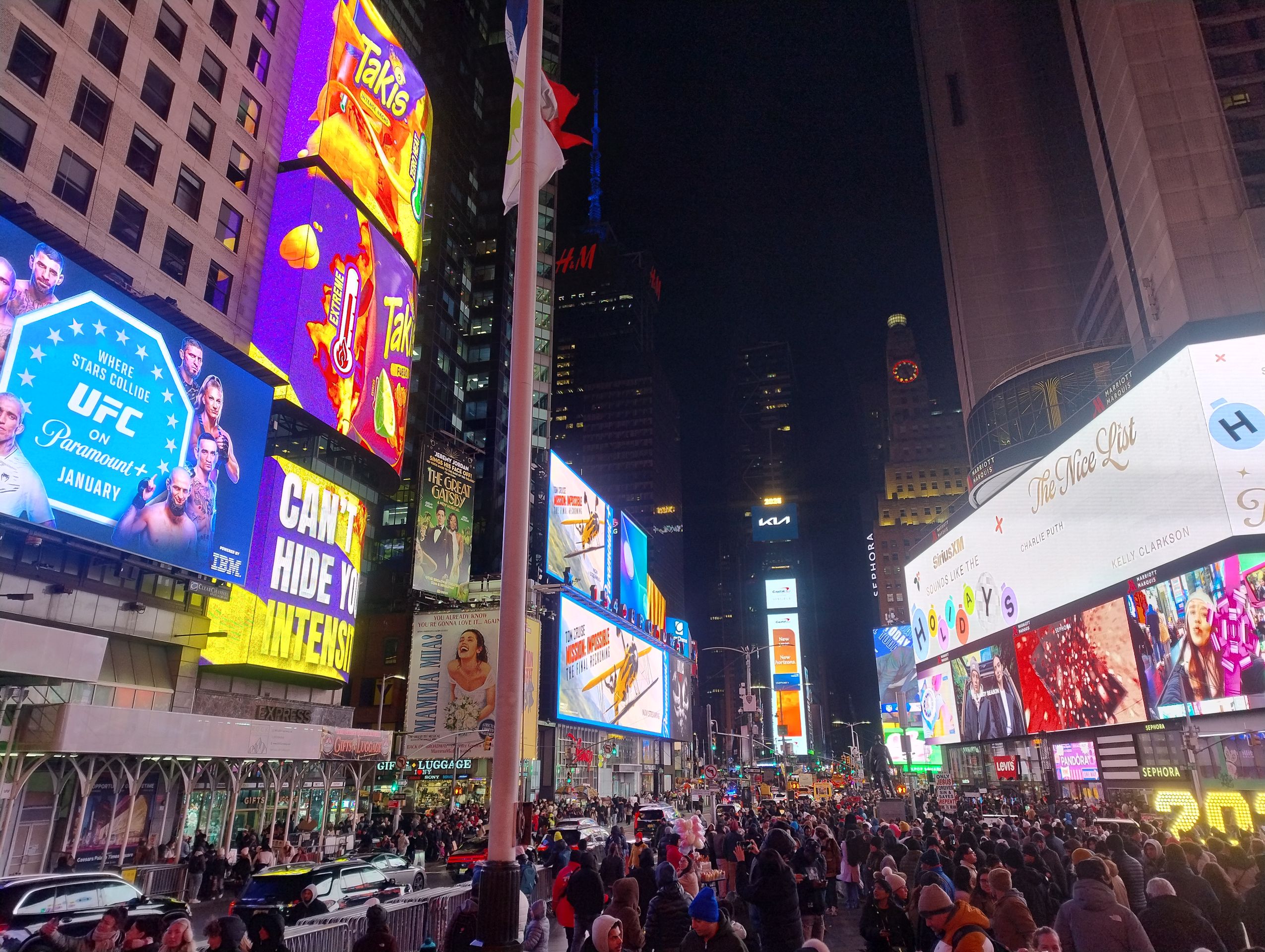
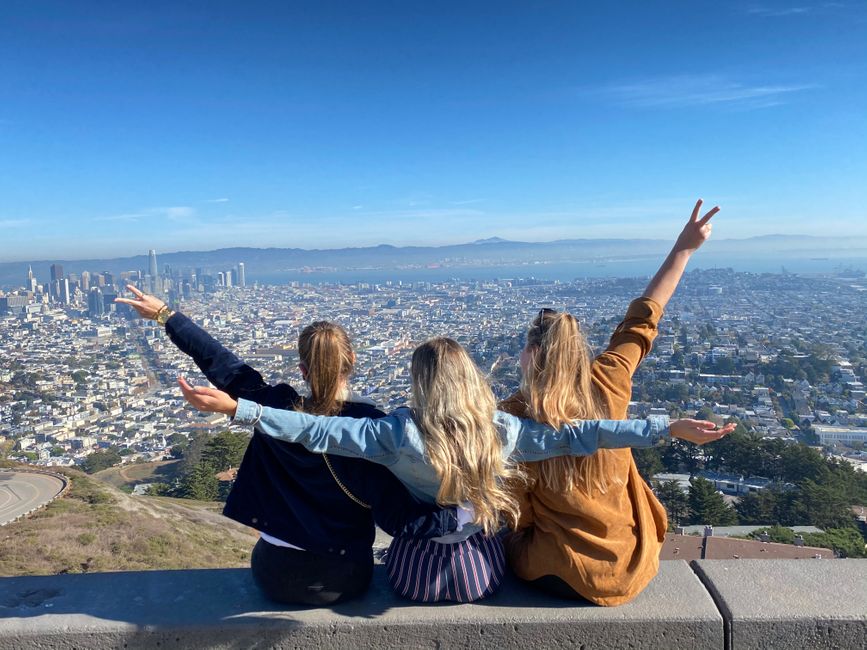
The Amtrak train spits me out at Penn Station. I have arrived at my destination in my world tour. Little was concrete, but Christmas in New York, the Big Apple, was something I had set in my mind from the beginning. So here I am - well on time - at my last station on the platform. No parade for me, no one is clapping. Instead of the finish line and entrance cheers, New York commuters just stubbornly pass by me on their way to the subway, which takes them home after work. Typical New York. I let myself be swept along in the flow of commuters. I know the drill. I was here once before in 2019, and I follow the familiar metro signs to the E line. The
USA is experiencing inflation, and New York has become even more expensive than it already was. The Airbnb from nearly seven years ago with a Jewish circus couple in Brooklyn no longer exists. Back then, I paid 200 € for my room for ten days. My hostel bed in Queens now costs me almost 100 $ a night.
At least I don't have to spend money on the usual tourist attractions. Ellis Island, Rockefeller Center, done. I have free time and am not chained to the bucket list items that typically occupy travelers on a first trip to New York. During the day, I walk through Manhattan, and in the evening, I go to one of the many comedy clubs in Brooklyn or the East Village.
A comedy basic vocabulary:
Comedian - a clown on stage who ideally makes you laugh
Host - a comedian who acts as a moderator, guides the program, and introduces their colleagues
Open Mic - shows where anyone who dares to make the critical audience laugh can take the stage; some are complete beginners, some newcomers
Bit - a series of related
Jokes = jokes; several bits form a
Set - the 'construction kit' of different bits becomes the
Act - the performance in front of a live audience
Material - the jokes can be old or newly tested; accordingly, one speaks of old material or new material, with comedians testing new jokes, sometimes more, sometimes less laughter; if the audience remains silent, the comedians must either completely remove the joke from the set or revise it if necessary
Wording - the exact sentence structure, breaks, gestures, and facial expressions can often be crucial
Heckler - in comedy slang, refers to people who intentionally or unintentionally disturb the show with interjections and comments; a comedian who has targeted a heckler often shows no mercy; he/she has the microphone, humor, and eloquence to make a heckler’s life hell for the rest of the show and to expose them
Crowdwork - some comedians consciously make the audience part of the program, using it as a cue-giver and for improvisation
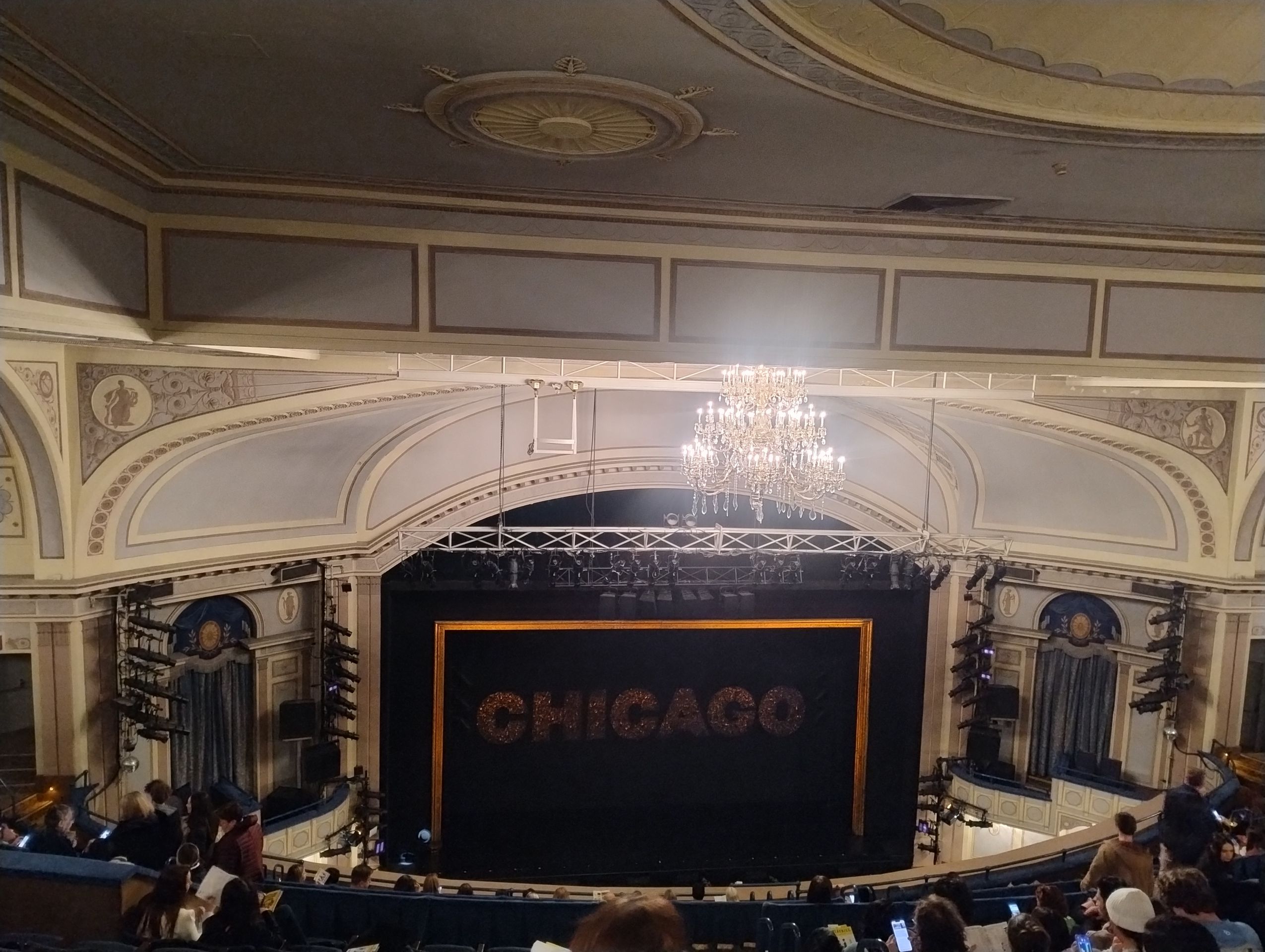
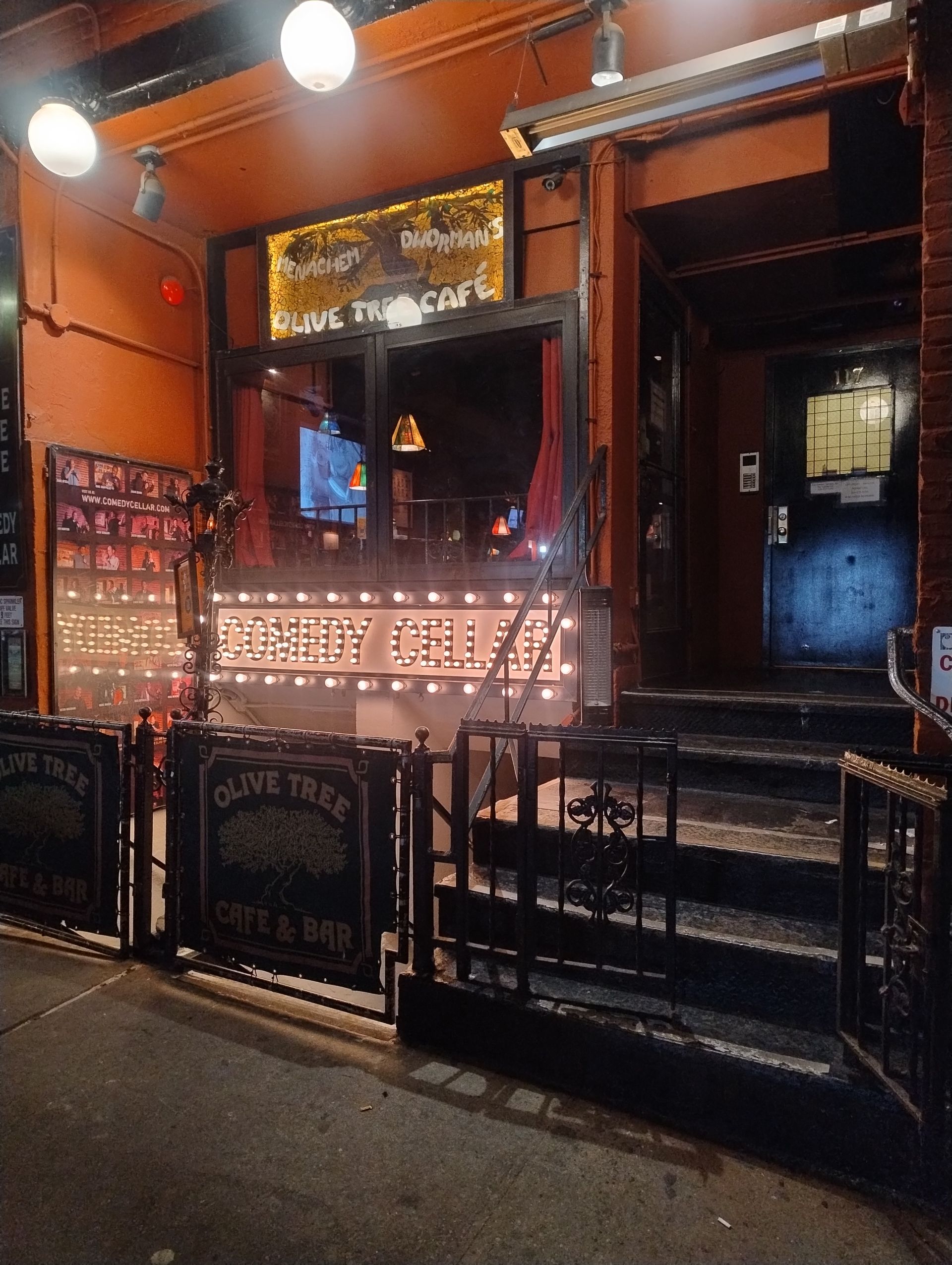
The Comedy Cellar is the most legendary comedy club in the world. In the Cellar, there are three different rooms where shows take place, sometimes simultaneously. Those who haven't managed to secure a reservation can put their name on the 'stand by' list on the same evening and hope to snag a spot. There is strict door policy. A few girls are turned away with fake IDs. I have to put my phone in a padded envelope and may not take it out until the end of the show. All guests sit there without the opportunity to bridge social awkwardness with their phones. Fortunately, a few fail videos from the 90s play on the flatscreens before the show starts, so you're not left staring blankly into space. I strike up a conversation with some people who are also there alone before and after the show. Matt has traveled all the way from Connecticut.
The audience is instructed not to distract themselves or the comedians by filming with the screens in front of their faces. They are testing new bits where they are still working on the wording and don't want jokes to end up online prematurely.
'I'm so sad that I can't record it.', a woman next to me complains. The dimly lit cellar room is packed with tables and chairs. The more spectators, the more profit. There is also a '2 items minimum policy'. This means that every guest must order at least two items in addition to the ticket price and will only be allowed to exit at the end with a stamped receipt.
The table with the four-person group next to me is chattering. This quickly backfires in a comedy show. One of the women in the group apparently wants to test the waters and loudly comments on every other joke: 'Oh man.' 'Oh no.' 'Damn.' The staff reminds her twice to please be quiet. When she still cannot refrain, the comedian is annoyed: 'Girl, have you been to a comedy show before? Apparently not.. You really are the worst person... I wish that you never find true love.' The hall laughs. She is quiet for the rest of the show. Comedy is a serious matter.
Judah Friedlander is a political comedian I have already seen at the Cellar in 2019. Today he is a special guest at the Tiny Cupboard Club in Brooklyn. He sets up a camera on each side. 'This is just so my mum can watch me... and this is so my dad can watch me.'
That night, he exclusively does crowdwork. Most of it consists of compliments that are quite funny in their absurdity. He congratulates a man on an 'exceptional clap' and asks him to repeat his applause for the whole room. 'This is an A-class clap, you all. Beautiful.' He walks through the audience: 'Where are you from?' 'What do you do?' 'Long Island - that's in the top five of my New York islands.' He doesn't know what to make of me. An archivist from Germany - when I briefly describe what I do and the audience remains silent, he responds mildly: 'I'm impressed, but the rest of the crowd doesn't seem to be. I'm sorry.'
After the show, he tells me that he has performed in Berlin before. Now he has to hurry to the next show in Bushwick. Waddling through the cold with his shopping cart and both cameras, he chases after the bus.
When a comedian doesn't fill stadiums, they have to work hard to pay rent for their shoebox in New York. Some perform at up to four venues in a single evening in addition to their regular daytime job. I learn this in the film 'Is this thing on'. The newly released dramedy I watch during the day at the cinema. The Comedy Cellar is an actual filming location for many scenes in the film, which is about a man who spontaneously signs up for an open mic because he doesn't want to pay the club's entrance fee and makes people laugh with stories about his relationship problems. The story is inspired by a British comedian.
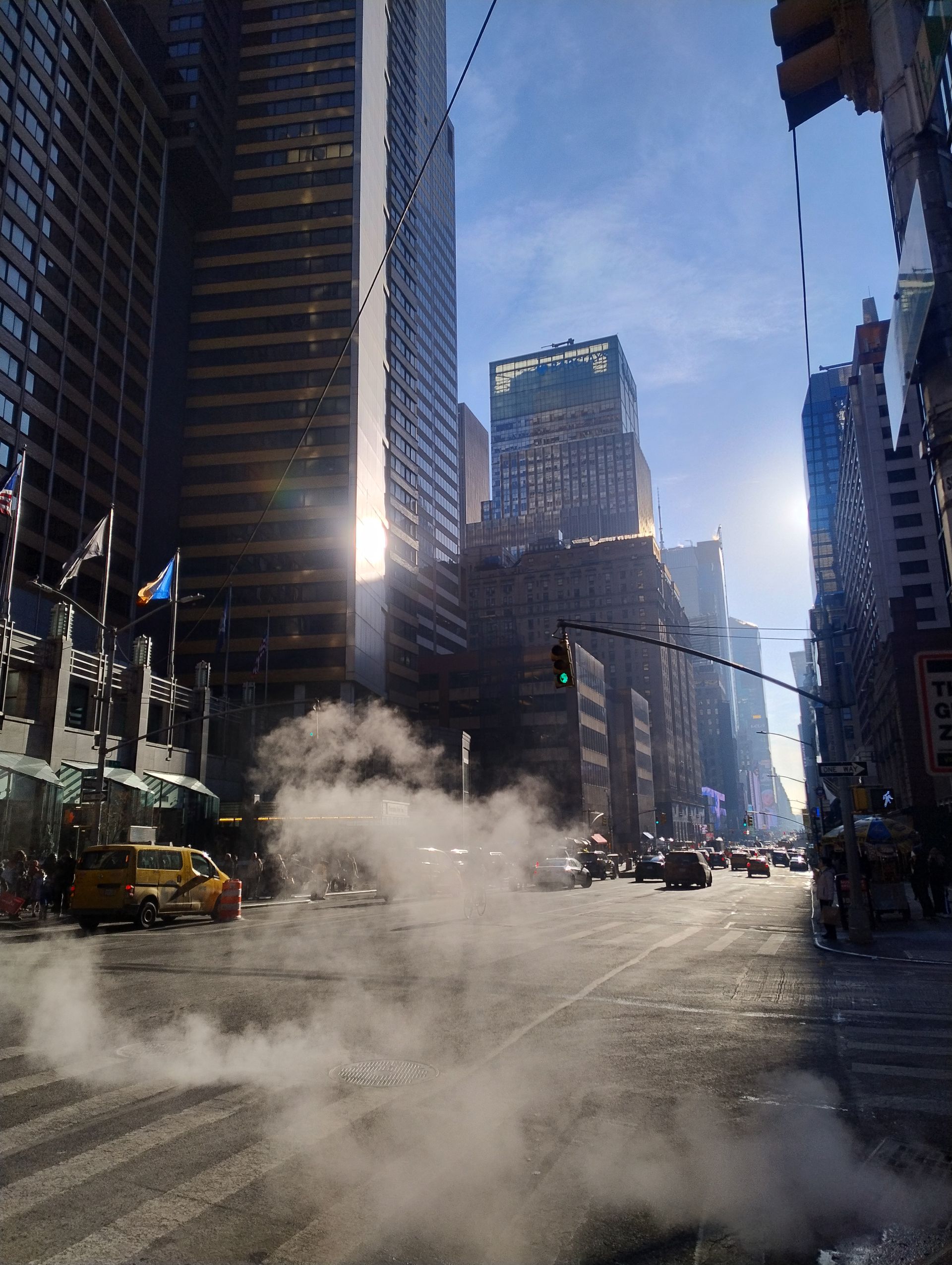
If you're wandering around Manhattan, you don't have to wait long before encountering the stereotype of the brusque New Yorker. 'Fuckers, they don't know what a fucking bike lane is man!', a cyclist yells at another as a truck cuts him off. In Little Italy, a cyclist angrily slams their fist on the window of a car that blocks the bike lane.
I find myself getting caught up in the atmosphere. As I walk across the intersection during 'Go', a left-turning car ignores me, and I have to stop to avoid getting run over. I throw my arms up and make a 'What the hell?' gesture towards the f*****g van.
Even the street musician at Strawberry Field Mosaic is getting upset. An Indian had requested 'Imagine', filmed a video, and then simply left without applause before the song ended. 'Some people don't appreciate music. Well, the show is over now... because of this guy,' he says, pointing angrily at the culprit.
A break from NYC is in order, and I visit family. My cousin Emanuel and his wife Brittney live in Philadelphia, a two-hour bus ride away. I last saw them in 2017 during one of their visits to Germany.
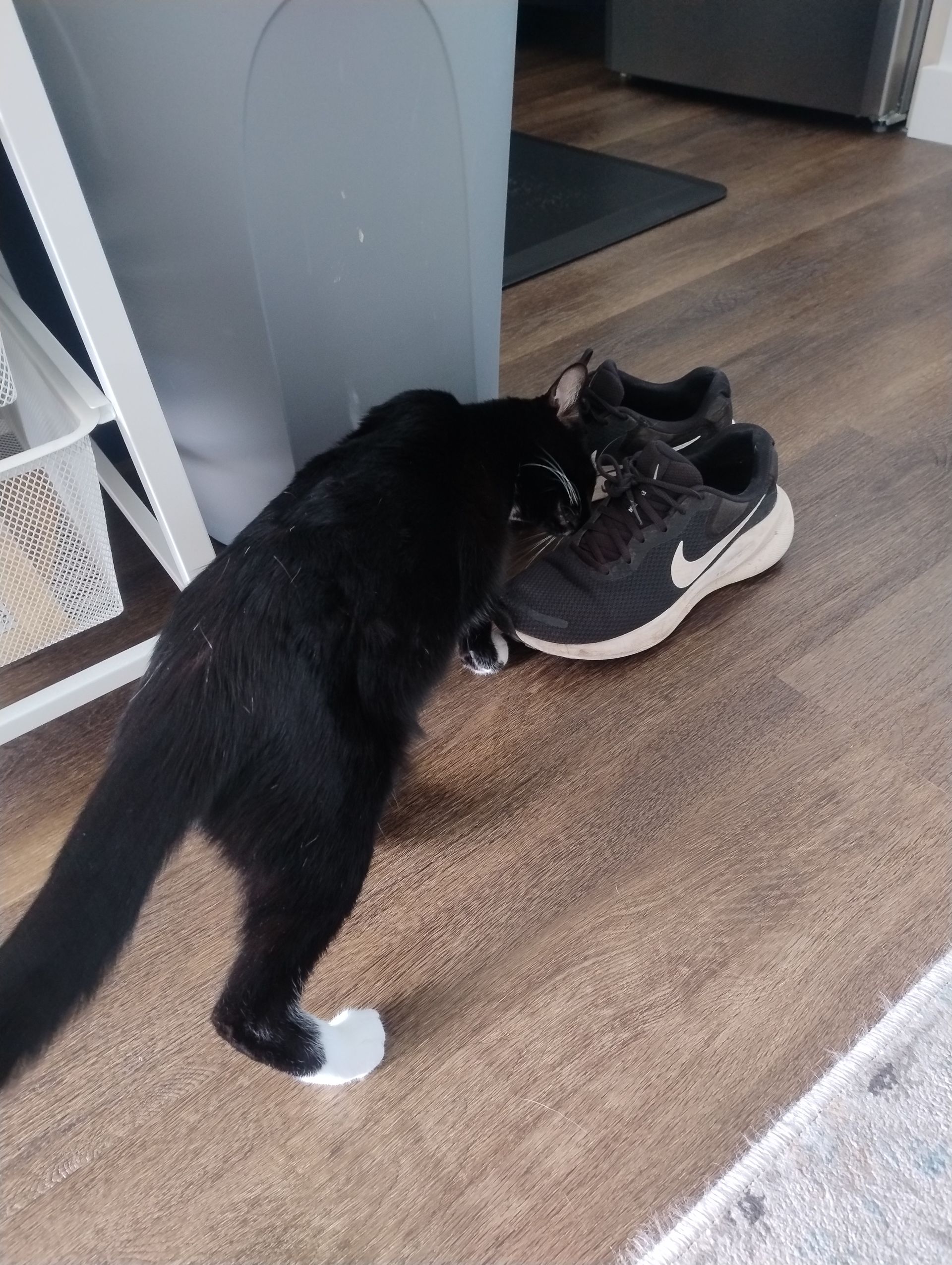
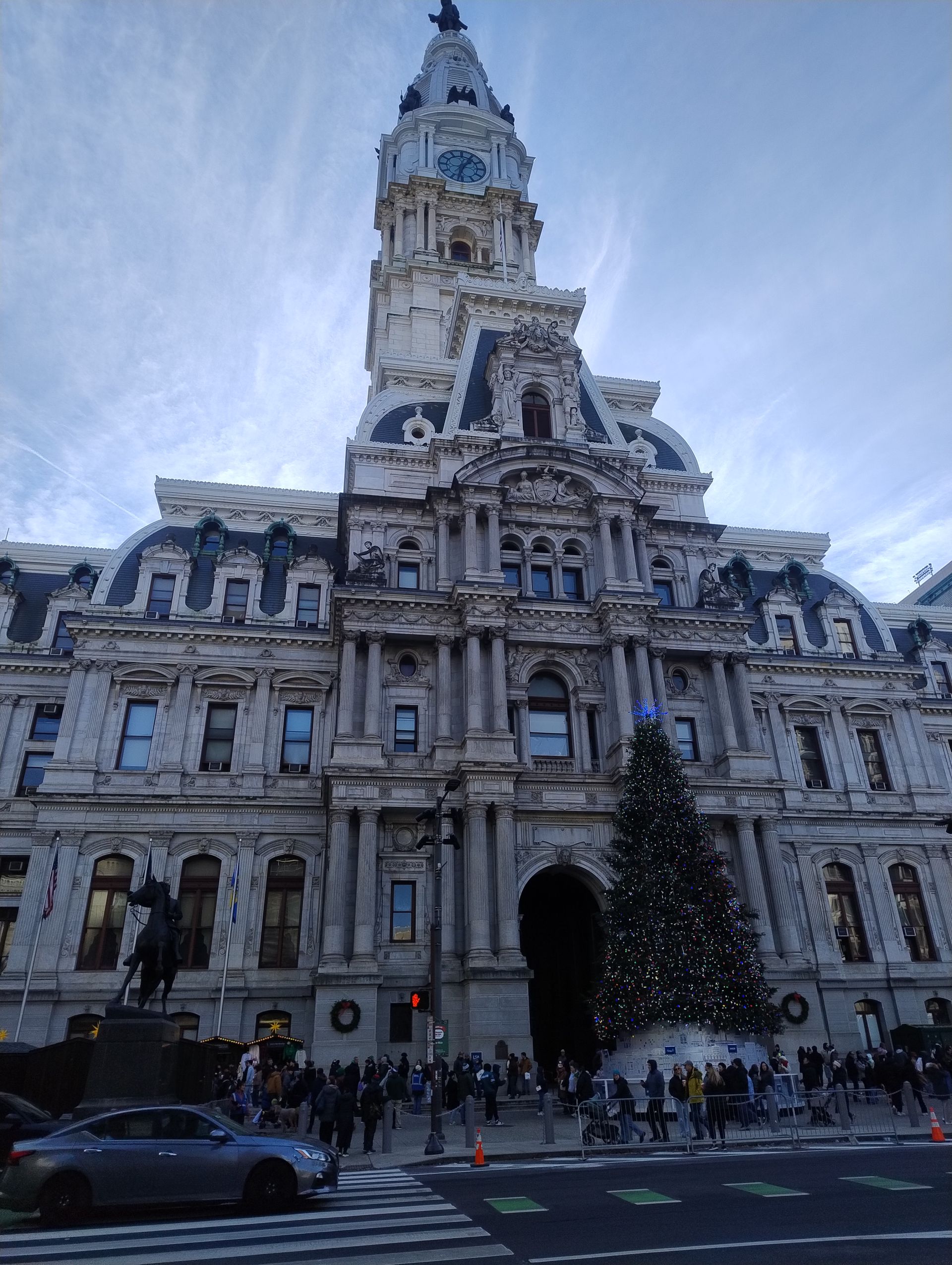
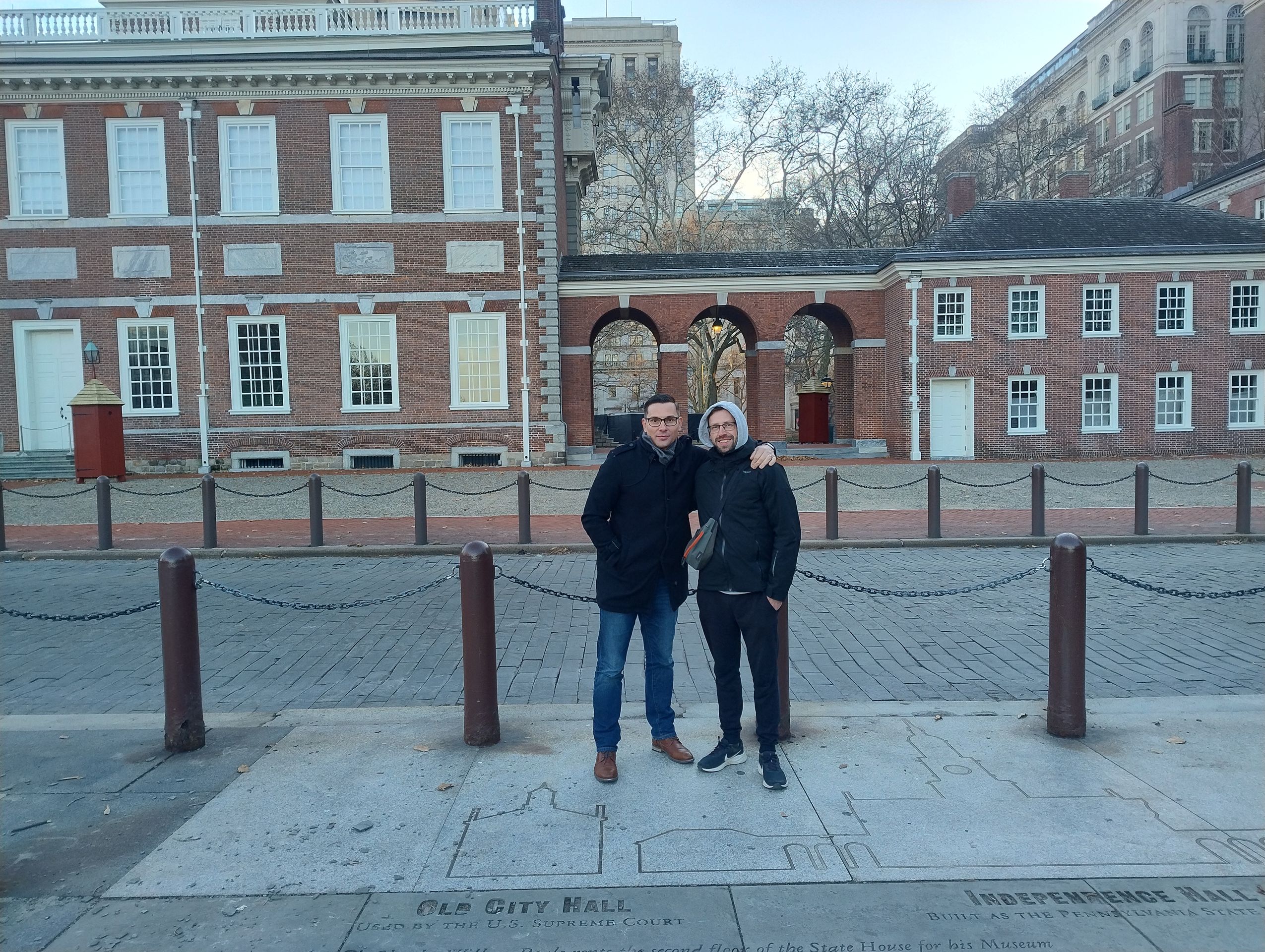
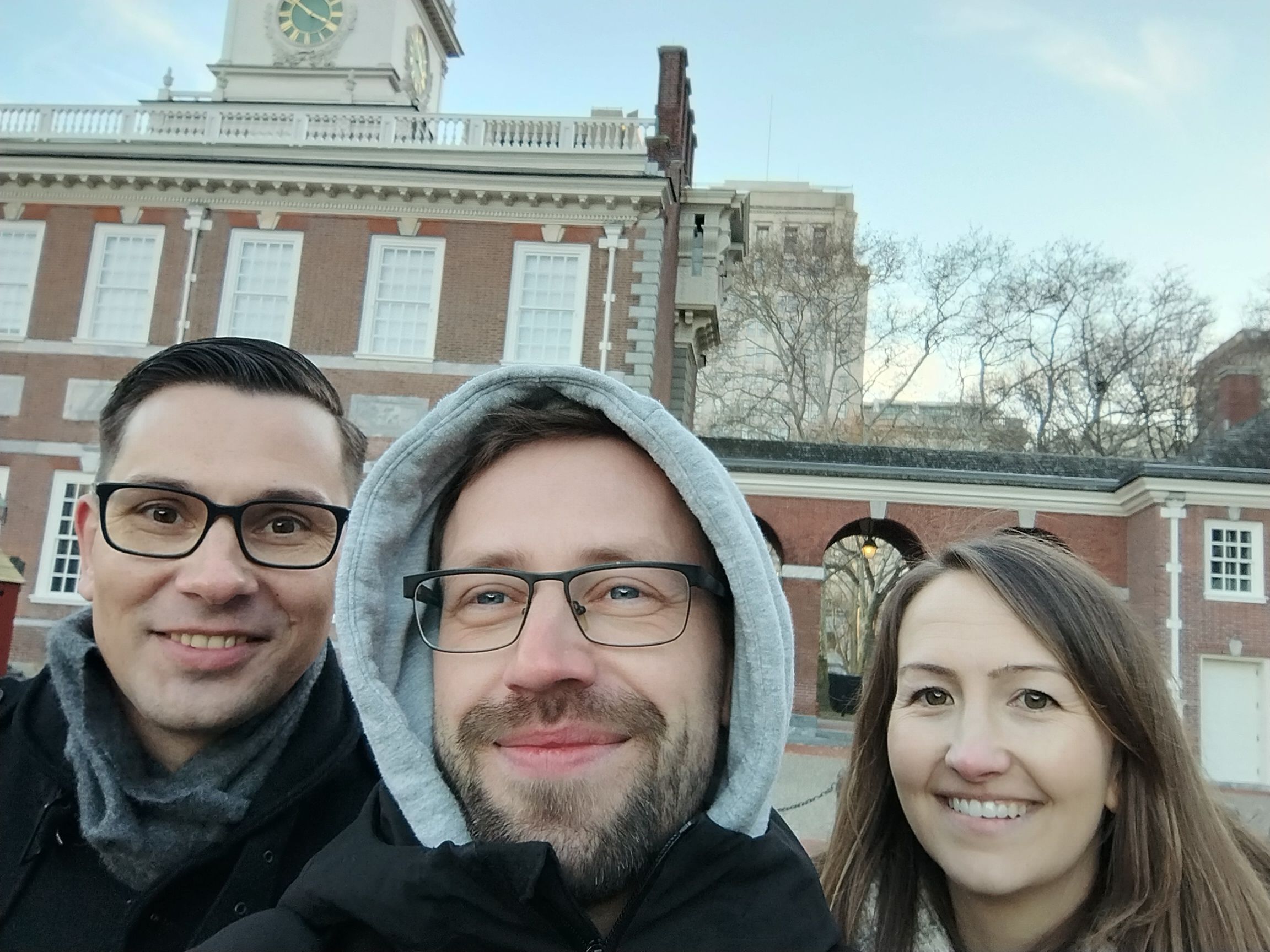
Their one-year-old black cat Millie is super cute and performs little tricks. From their centrally located apartment, Emanuel and Brittney have a great view of the Philadelphia skyline. We can even walk downtown - a rarity by American standards. Strolling through the Christmas market at the historic city hall, the two guide me to the old town, where we can see the Liberty Bell. Philadelphia was the center of the American Revolutionary War and served as the capital for the first years of the young republic.
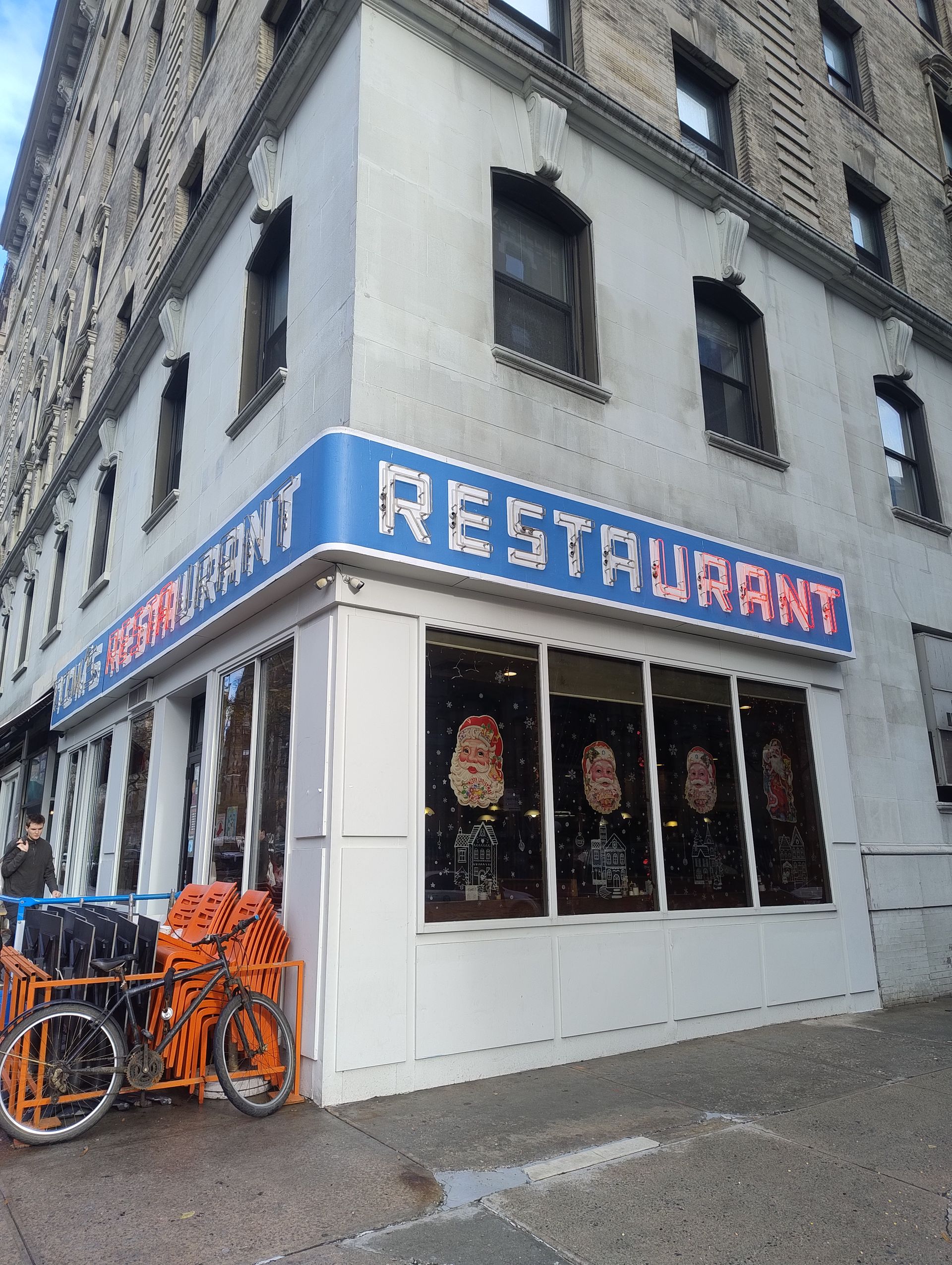
My two tour guides also show me a filming location from the classic Rocky film. The scene with the famous trumpet music, where Sylvester Stallone jogs through the city's iconic streets, ends at the steps of the Philadelphia Museum of Art. At least here, I can imitate my grand entrance.
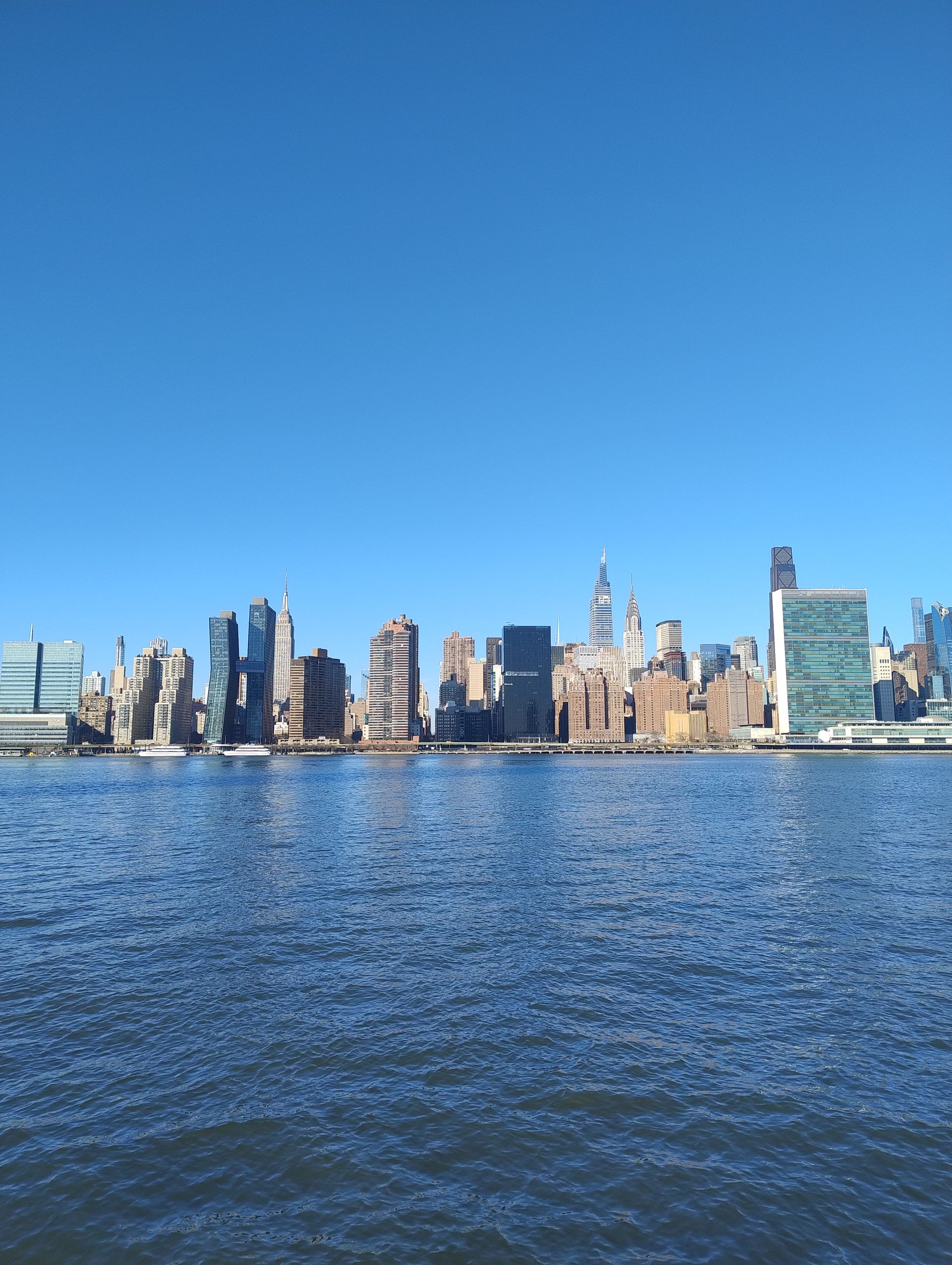
'Are my eyes deceiving me or is that a miniature boat there?', an older gentleman approaches me at Hunter's Point South Park, a viewpoint on the Hudson River in Brooklyn. He points to a white buoy that, in shape, does resemble a tiny boat. It could be a buoy, I say, or someone might be steering the supposed boat remotely and keeping it on course in the current. The man laughs and walks away: 'Have a good one.' 'You too.' Aced it. As someone who typically doesn't excel at small talk with Americans, I'm disproportionately proud of my newly acquired chit-chat skills.
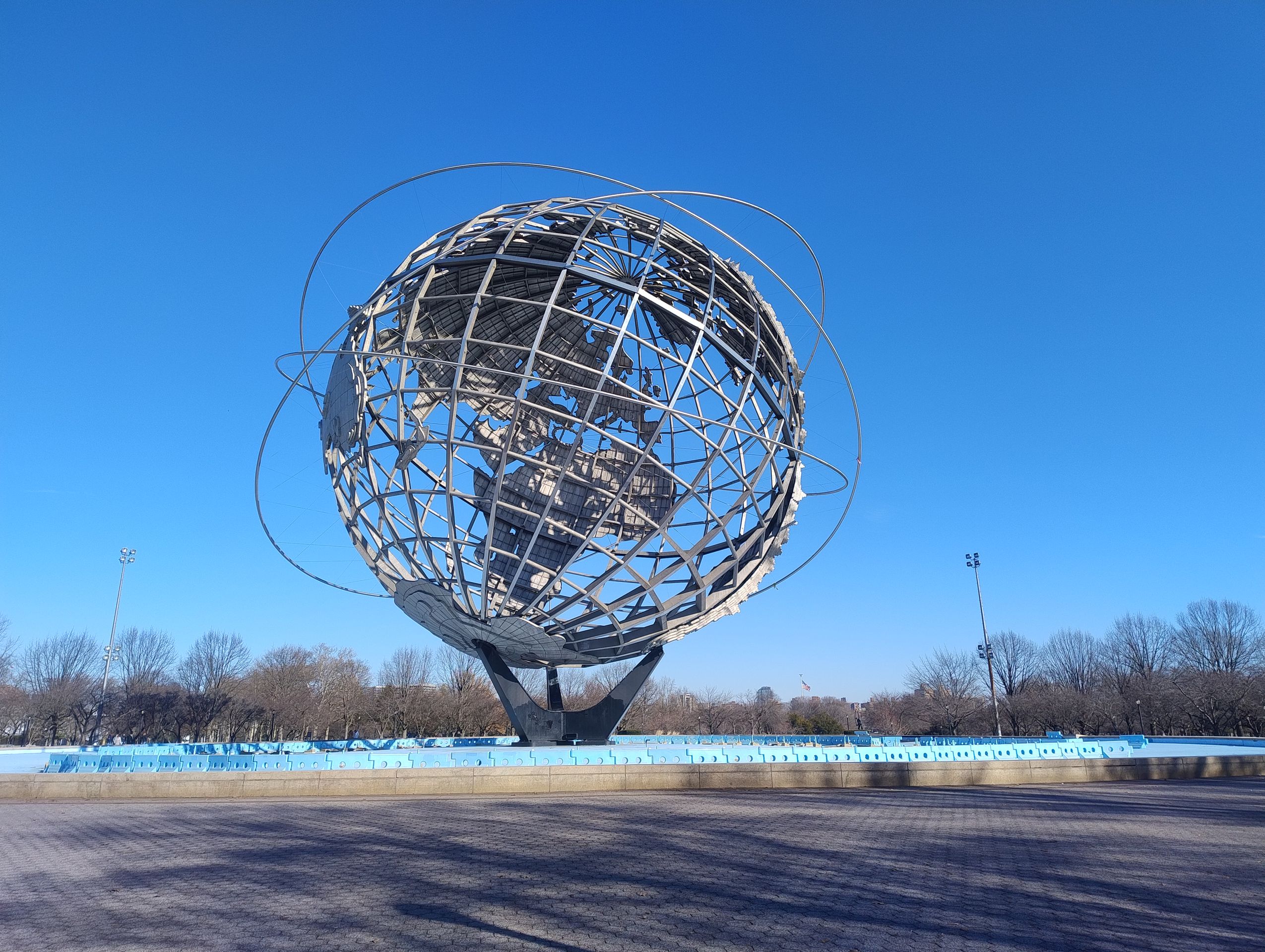
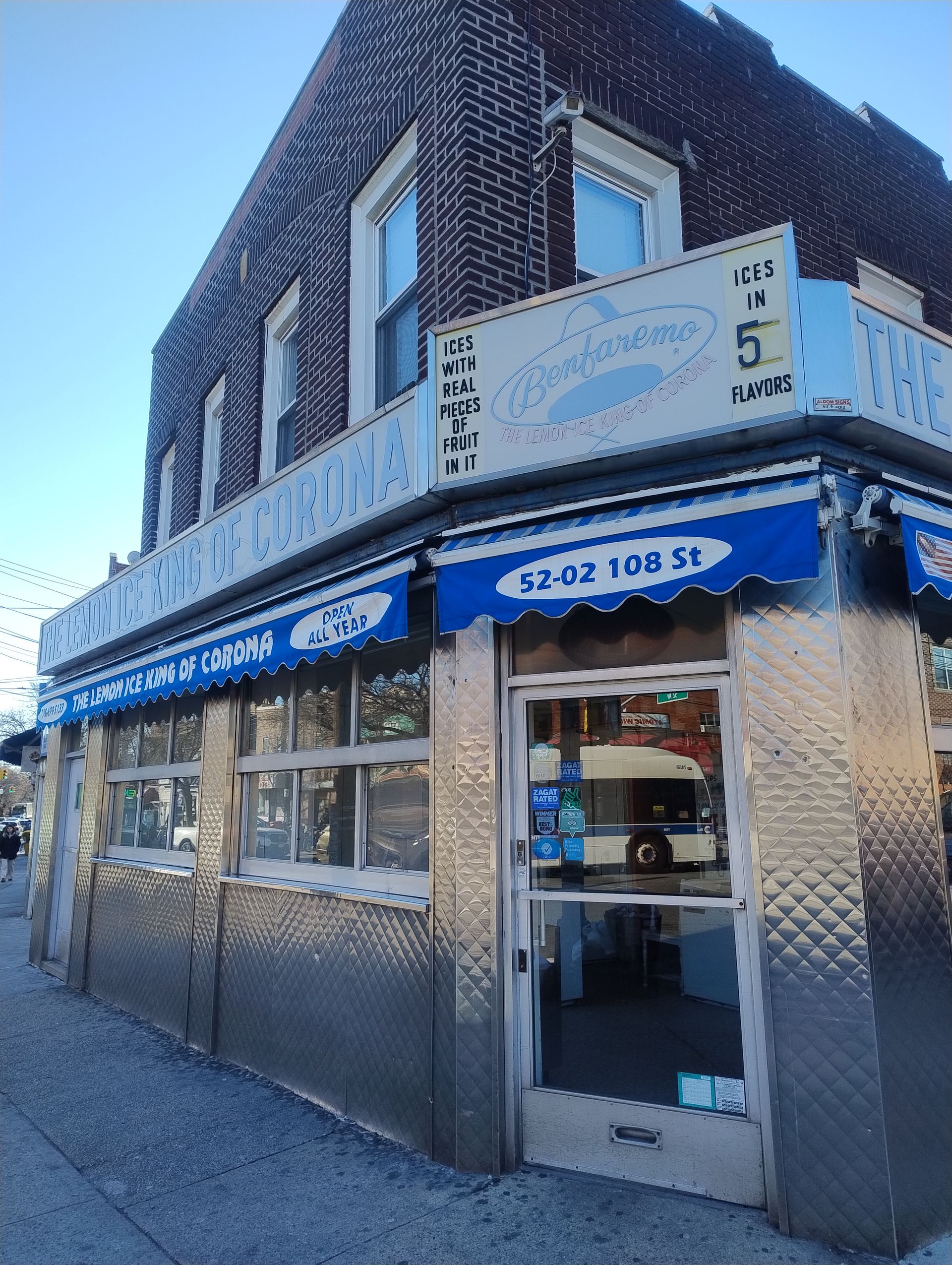
In Flushing, Queens, I am following the traces of my favorite show 'King of Queens'. The ice cream shop 'The Lemon Ice King,' where the main character Doug drops his ice cream cone in the intro, is also closed, just like it was during my visit in 2019. So I walk to the South American milkshake store on the corner across the street. The server greets me with a smile and a 'Buenos Dias'. I hear 'Feliz Navidad' and 'Rudolph The Red Nose Reindeer' in Spanish while I enjoy my strawberries. Flushing is a mixed neighborhood with a high percentage of Latin American and Asian communities. It only just occurs to me that the melting pot New York, at one point, represents the perfect endpoint for my trip.