
It's all good man (Albuquerque)
Traveling by train across great distances in the USA feels like a time travel. It’s the exact opposite of the meticulously timed and super punctual train journeys in China and the...

Published: 14.12.2025
The series is also a homage to Carm's hometown. The Bear is Chicago, and Chicago is The Bear. The episodes have rhythm. The fast-cut scenes in the cramped kitchen corridors are accompanied by fast jazz beats. Loud and sharp, the chefs throw kitchen slang at each other in a Chicago accent: 'Corner!', 'Behind!', 'Hands!', 'Heard!', 'Chef! Yes, Chef!'. Jazz, food, and a rough warmth. That's Chicago, at least for me. Thanks to The Bear.
Dusty is immediately interested when I explain that I'm from Germany. He has been to Berlin often. Techno is his thing. He's still worn out from his flight from New Orleans. His travel bag is behind him.
Chicagoan Will is a chef and, along with friends, has founded a fine dining restaurant. The embodiment of Carm from The Bear, I think. And the more he shares, the more parallels there are to the main character of the series. He says the most realistic scene is when the chef eats food scraps that ended up on the floor after a fight. There were times when Will ate the same thing every day in a row because it was easier. Three meals a day wouldn't be manageable with the grueling 14-hour shifts, he explains.
However, what's unrealistic about the series is how many chefs and kitchen staff are employed in the kitchen. At least for a simple sandwich shop. A restaurant owner wants to save as much as possible, and that usually starts with the workforce.
My papaya salad is fantastic. The last one I had was in Vietnam. The great thing about Chicago, Will enthuses, is that due to the diversity of neighborhoods and their migrant population, the dishes are truly authentic. The restaurants cater to their clientele. Chinese-American restaurants are also frequented by Chinese-Americans. Thai-American venues have Thai-American customers, and so on. There are fewer tourists and Americans who prefer it less spicy, to whom they have to adapt.
Will studied before his culinary career and understands some German. He's a Kafka fan and is interested in philosophy, including Nietzsche and Heidegger. 'In and of itself.' He and Dusty know a few expressions and phrases in German. Dusty has been not only to Berlin but also to Hamburg and Munich. I learn that the two have only just met, but they seem like old friends, you know, Americans. Dusty works in IT, but as I understand it, he's currently looking for a second job. Will helps him get an interview with a restaurant chef friend. That's the US in a nutshell.
At the second bar, we meet Raven. Dusty and he apparently already know each other, but again, I could be mistaken. Raven is British, or as he respectfully puts it, English: 'Out of respect for the Scottish, the Irish, and the Welsh.' He is an attentive listener and is interested in my journey, especially the emotional sides of it. He has lived in the States for twenty years. I clearly see that he feels comfortable here in Chicago, but also that he misses Europe.
We stay until the closing hour of the third bar, and around 4 AM, I order an Uber. The taxi app isn't working, and Raven helps me find and install another app. He patiently stands by me in the freezing cold, waiting for the taxi to arrive. Will earlier gifted me his scarf when he saw me shivering. No arguments. As promised, the Chicagoans insist that I arrive warm and safe at my hostel.
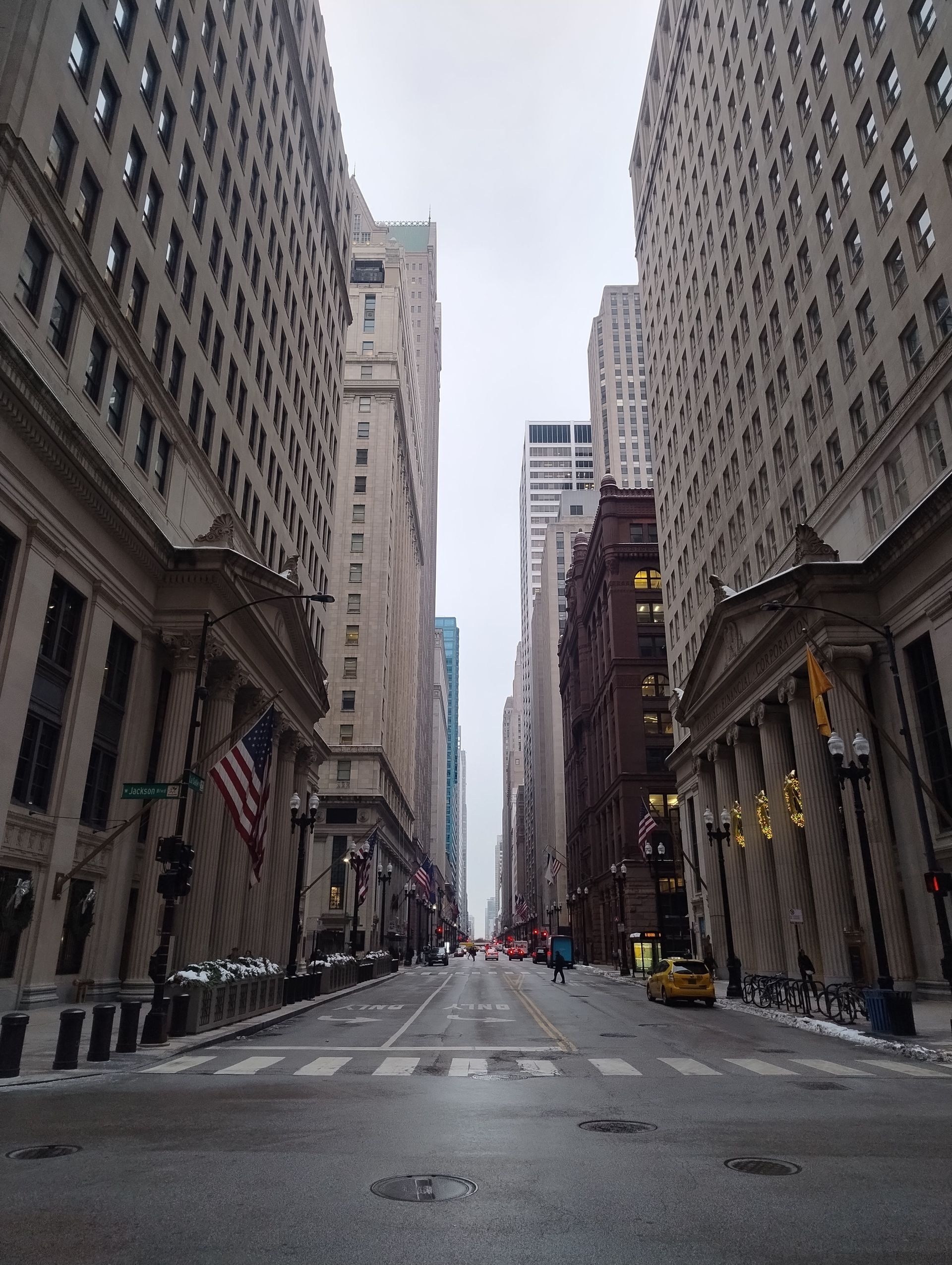
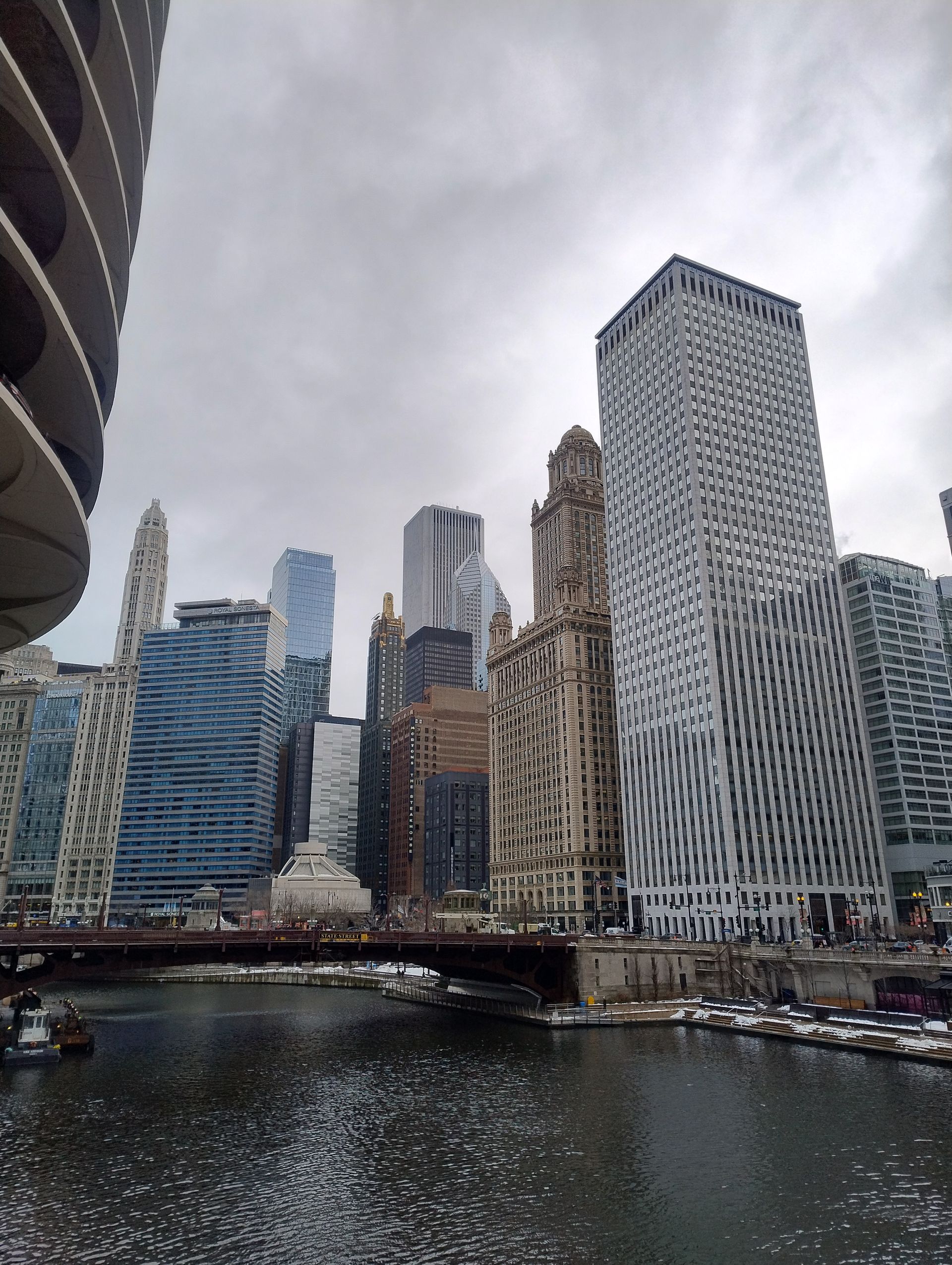
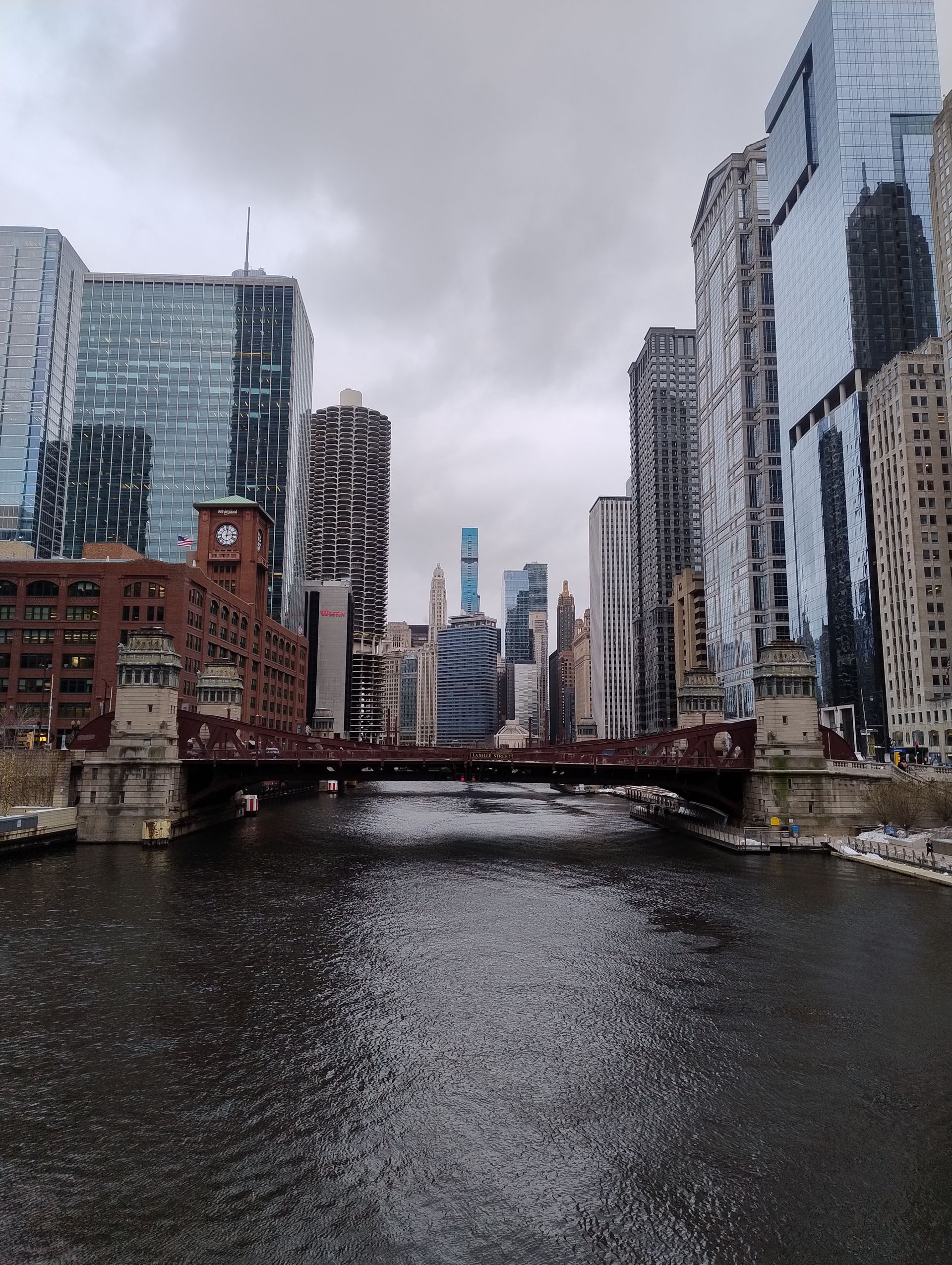
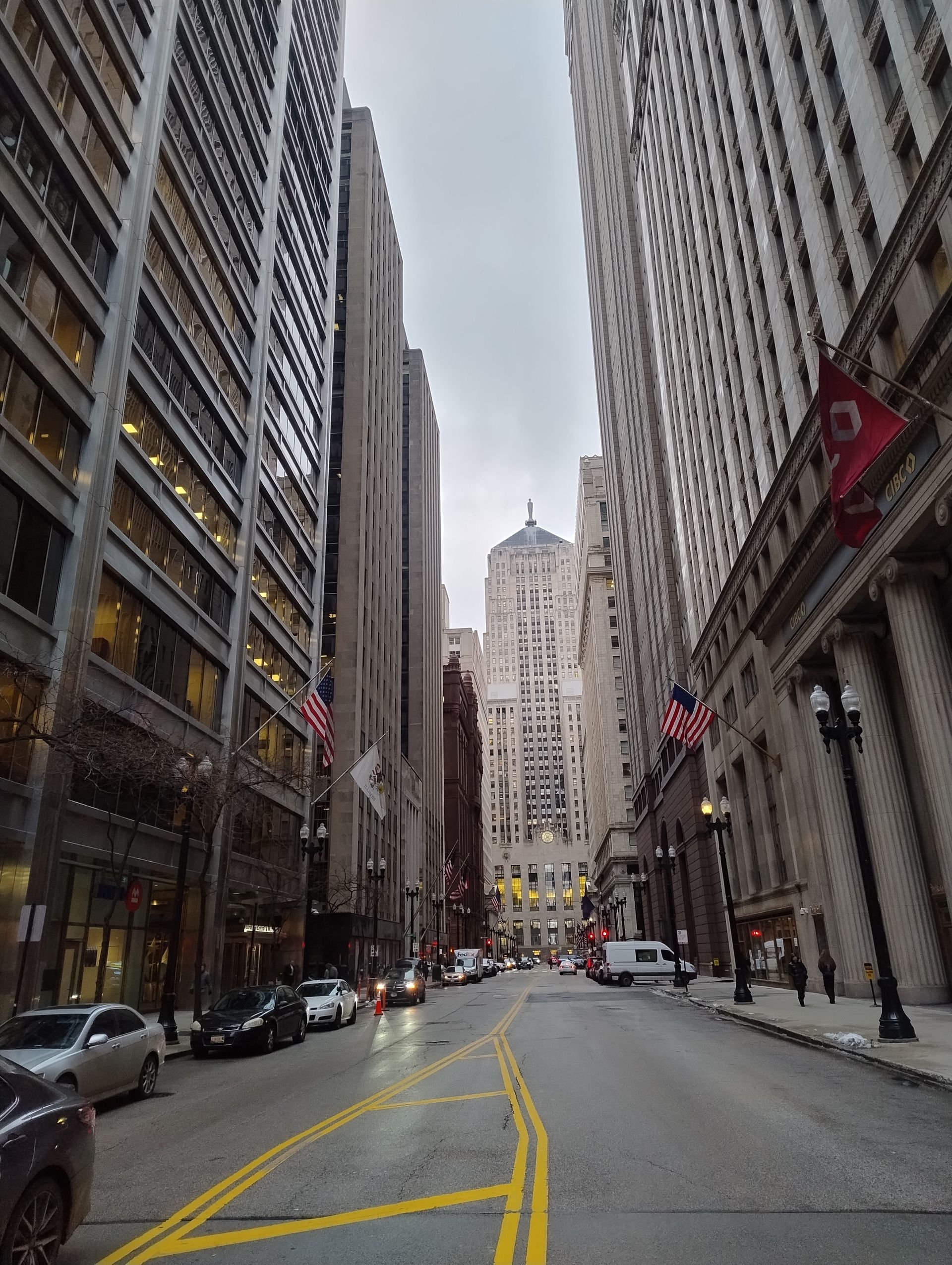
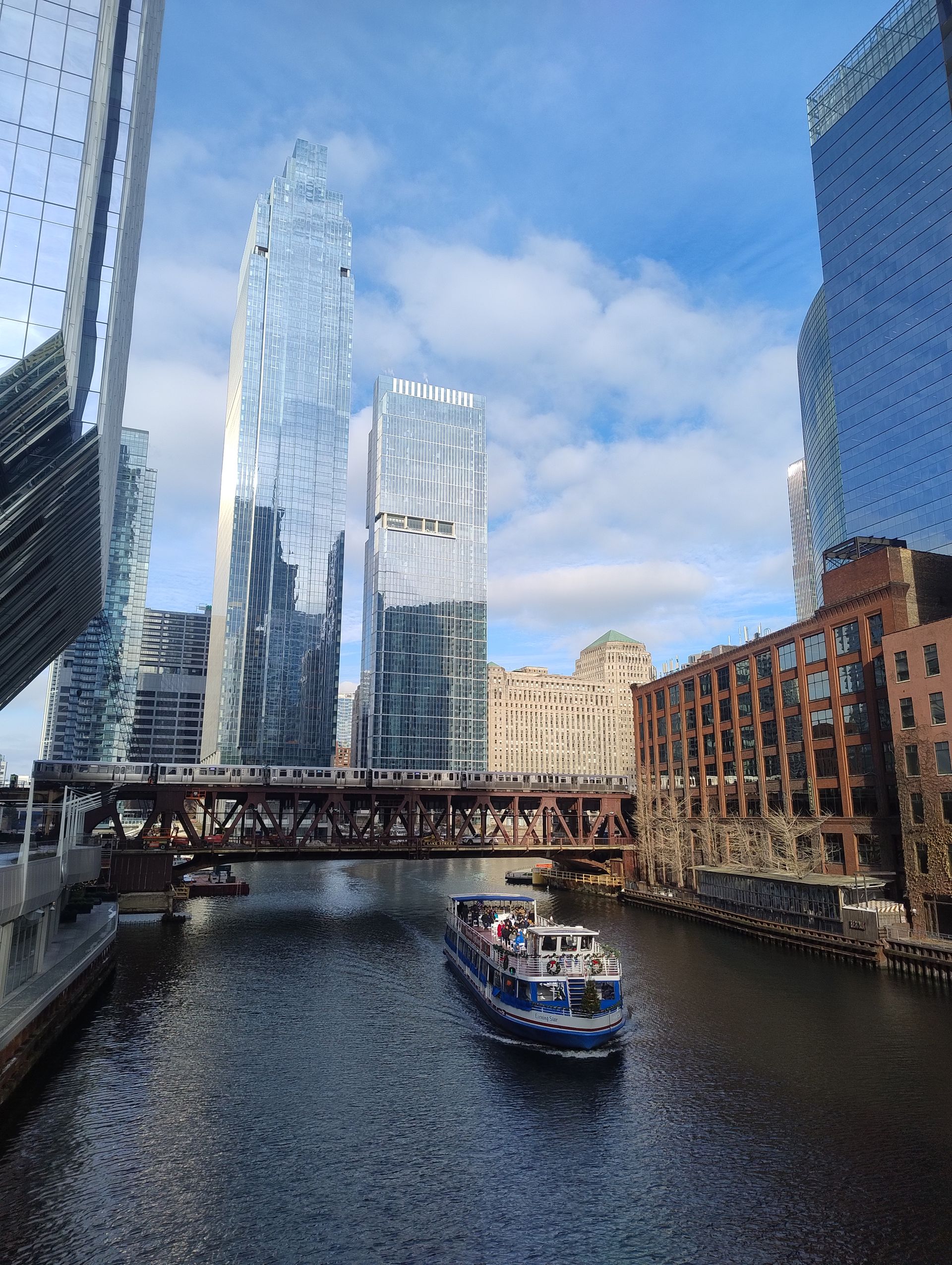
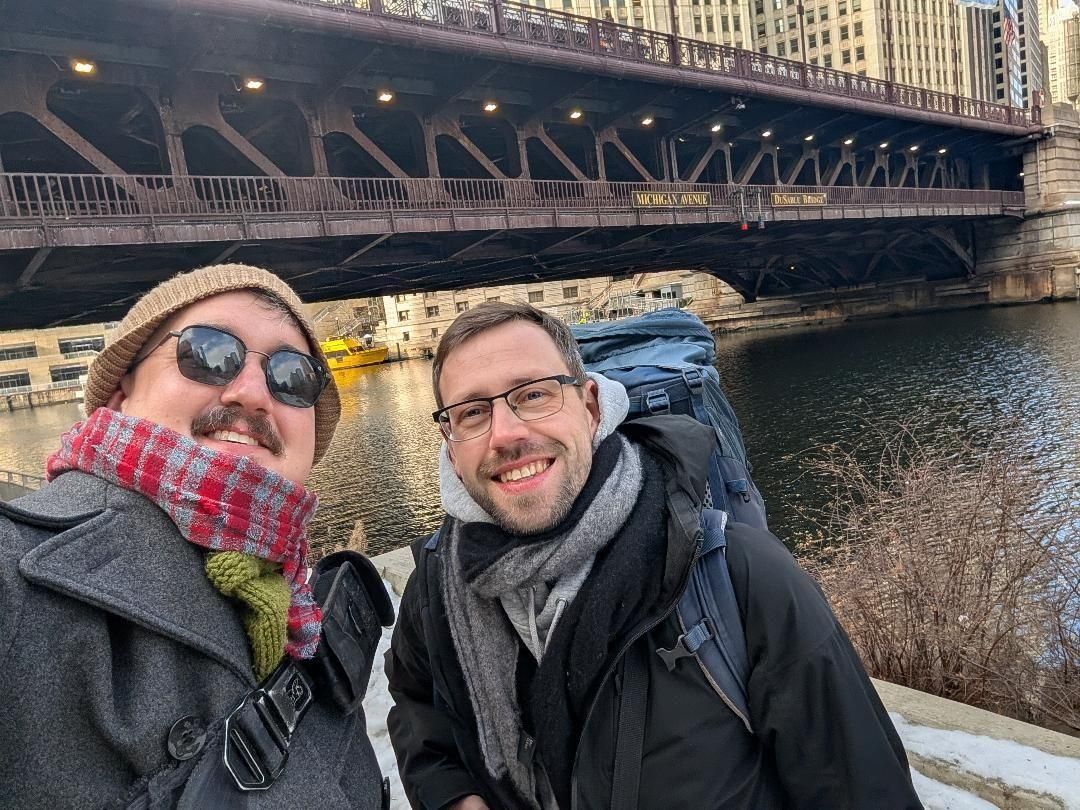
As he heads to his therapy session, I accompany him across Chicago and over bridges reminiscent of Hamburg. He explains the street system, what the numbers and names on the signs mean, and that the bridges open twice a year to let boats from and into Lake Michigan. Instead of an architectural boat tour, I get a Chicago walking tour.
'How are you, bro?', my driver Marco greets me kindly as I get in. He is originally from Chicago, 'born and raised,' and has never left the city for longer than a month. When I share stories from my eventful bar-hopping night in Palmer Square, he explains, 'That's Chicago for you. They don't want you to leave their town without having a great time.'