

Roman City Carnuntum #1 Südstraße
Between Vienna and Bratislava, along the Danube in Austria, lies the Roman city of Carnuntum. This consisted of two settlement areas, a military settlement as a legion camp and a...
Published: 23.07.2026
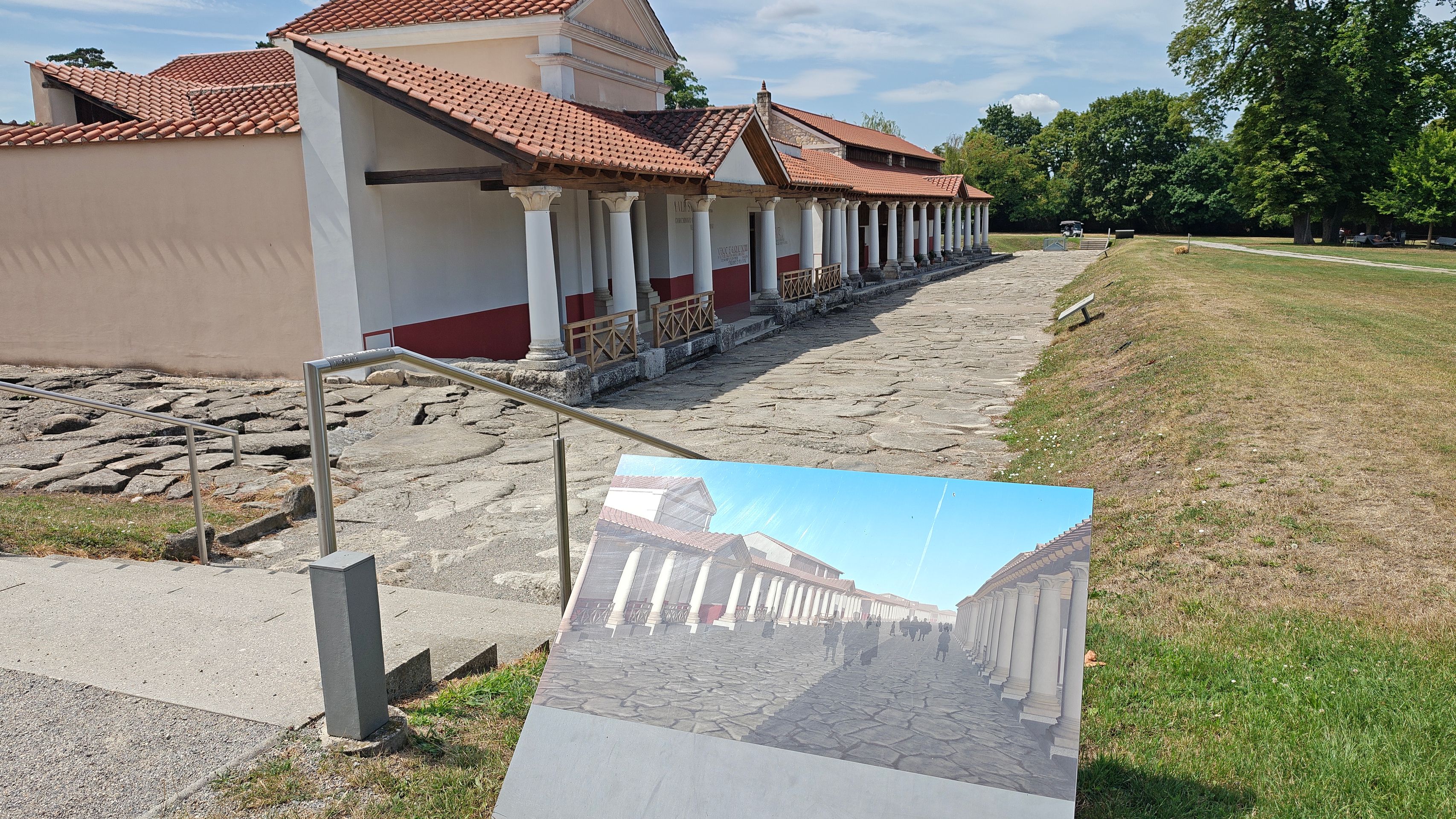
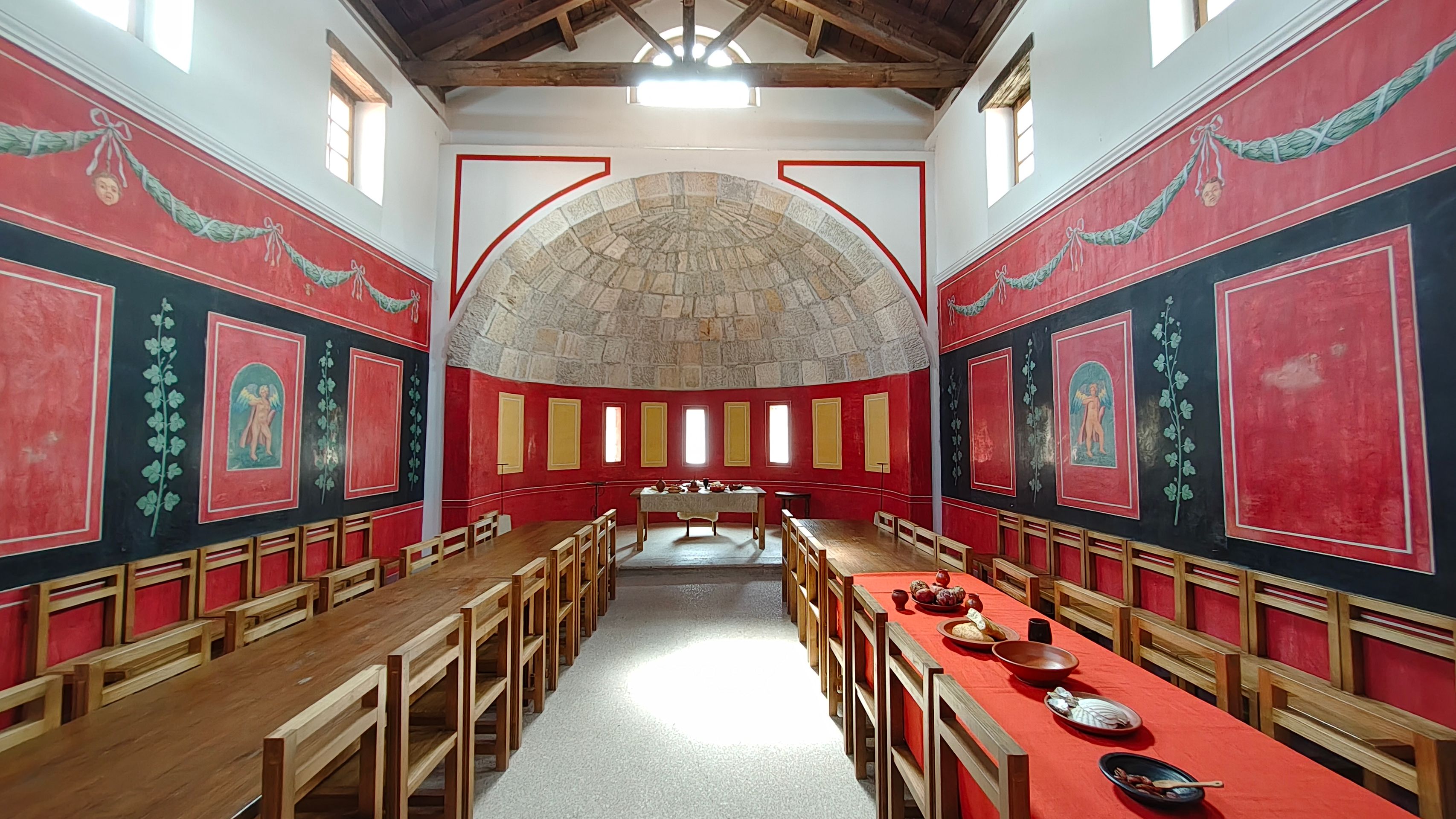
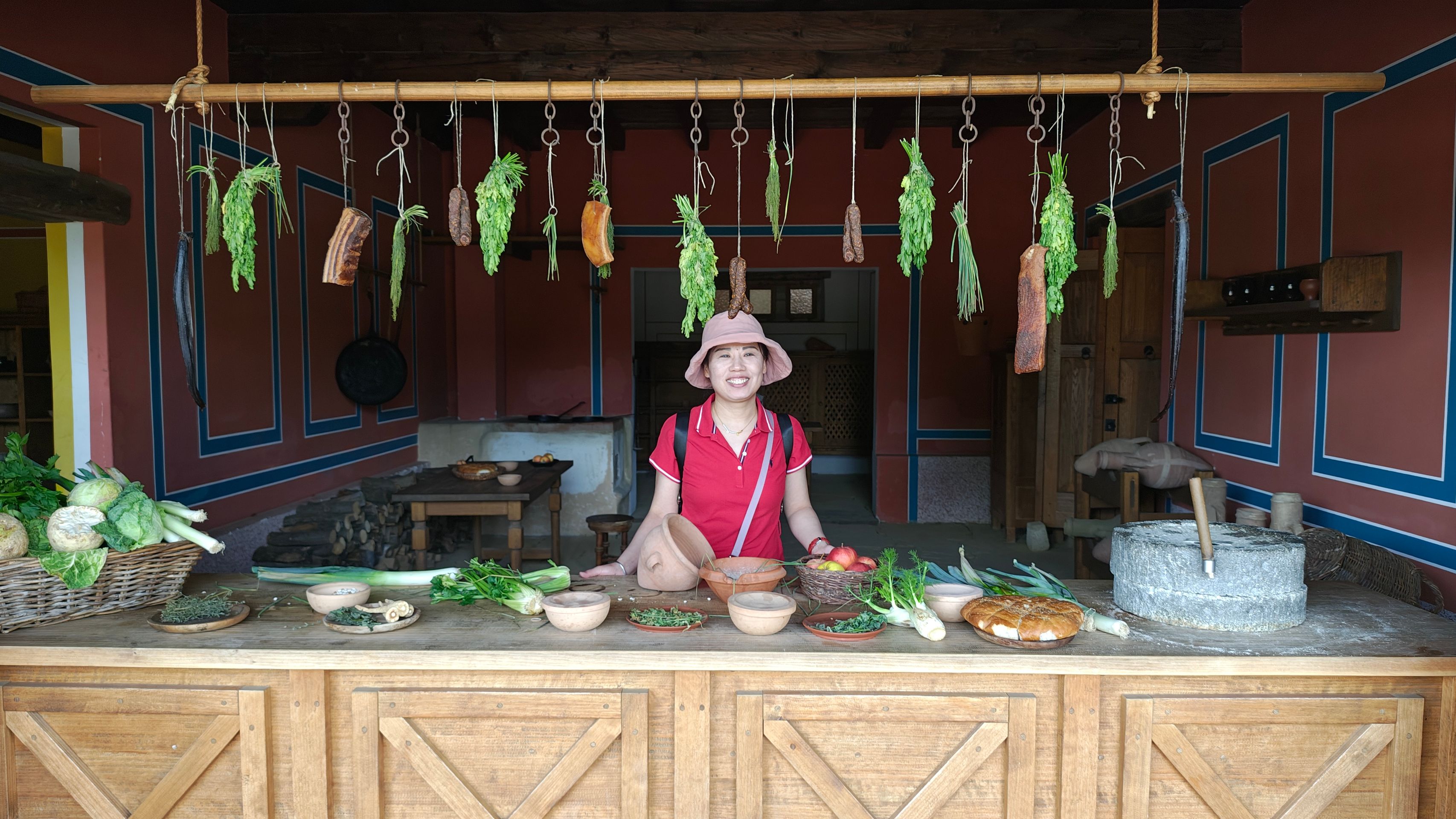
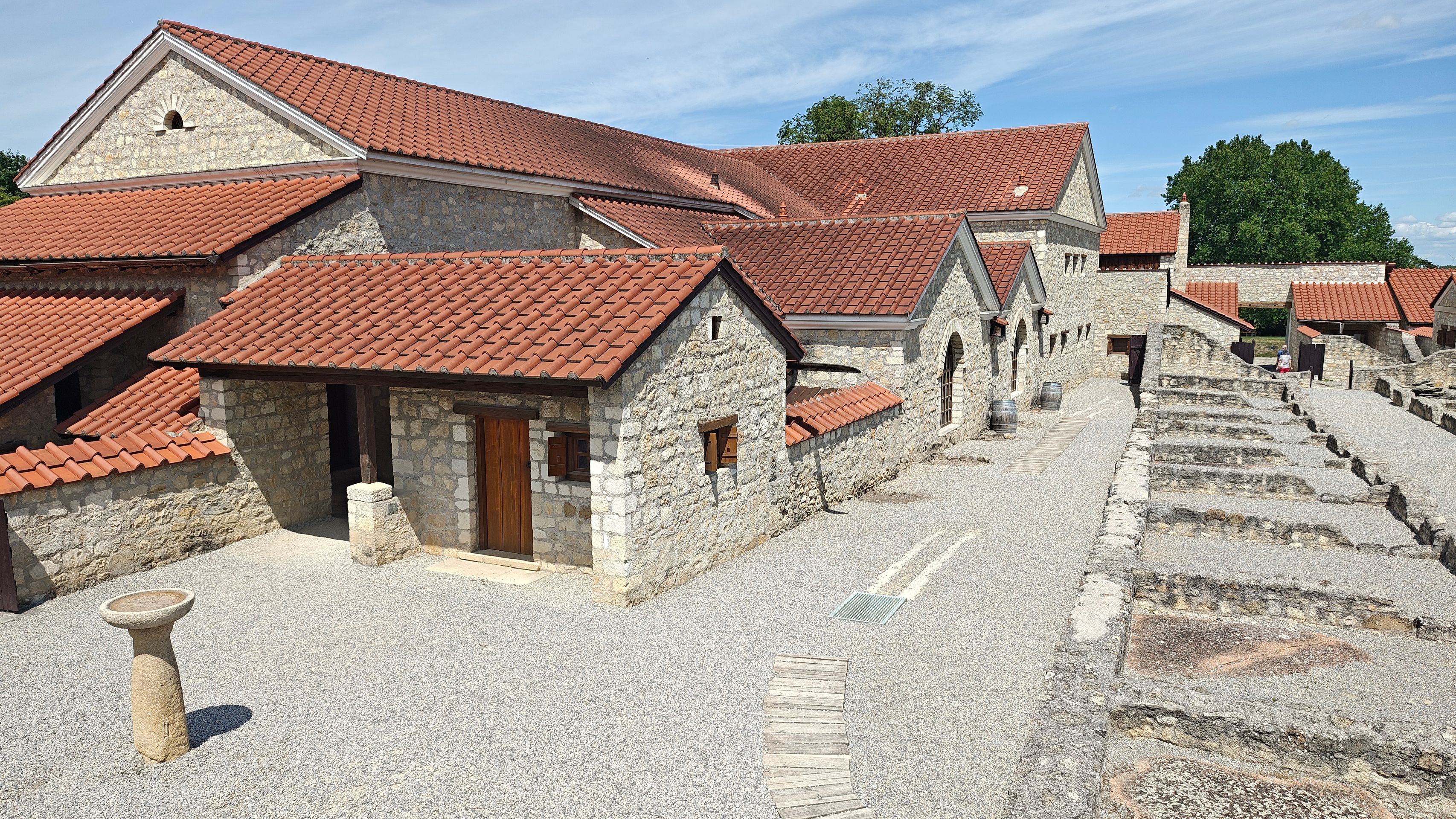
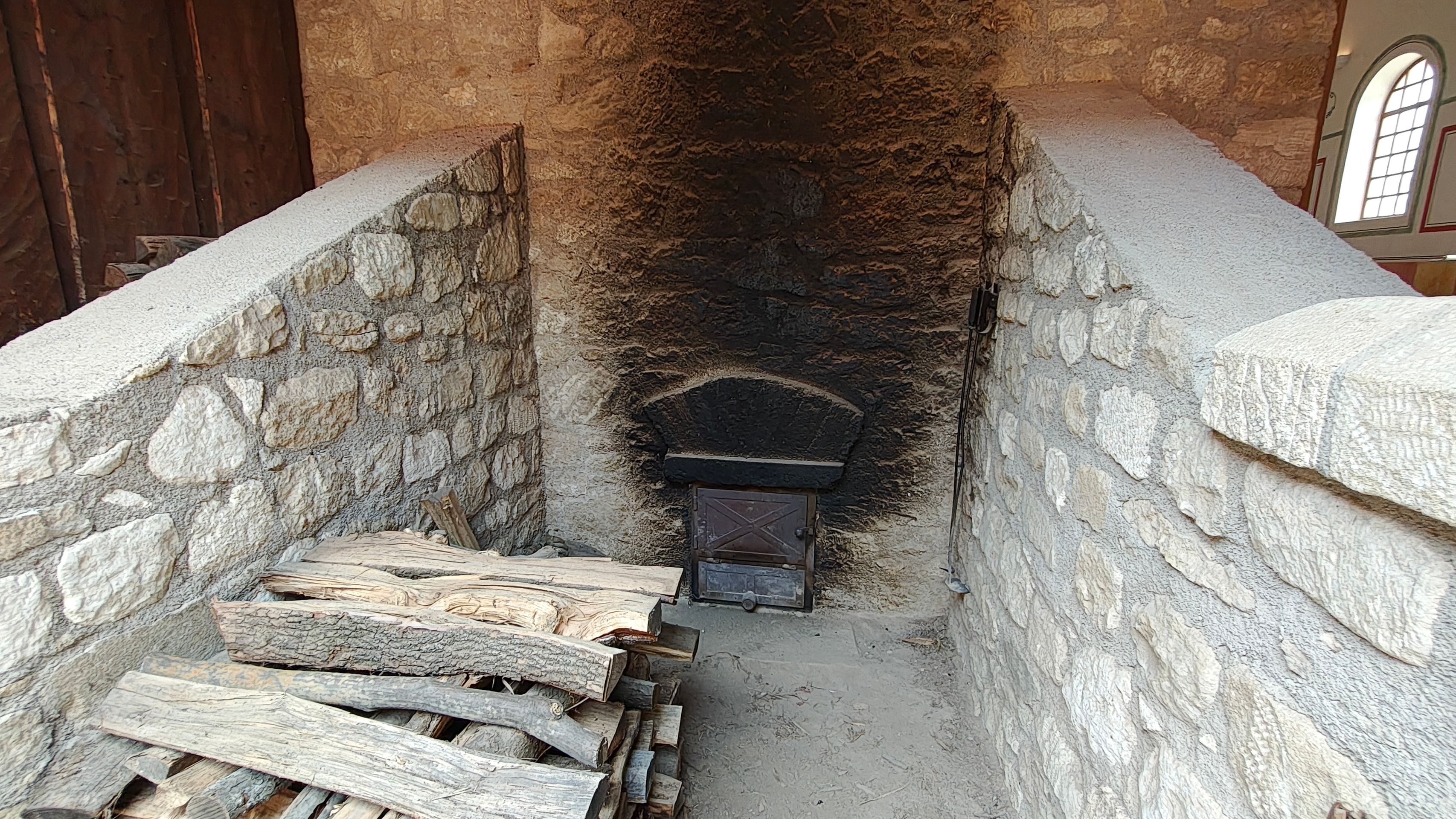
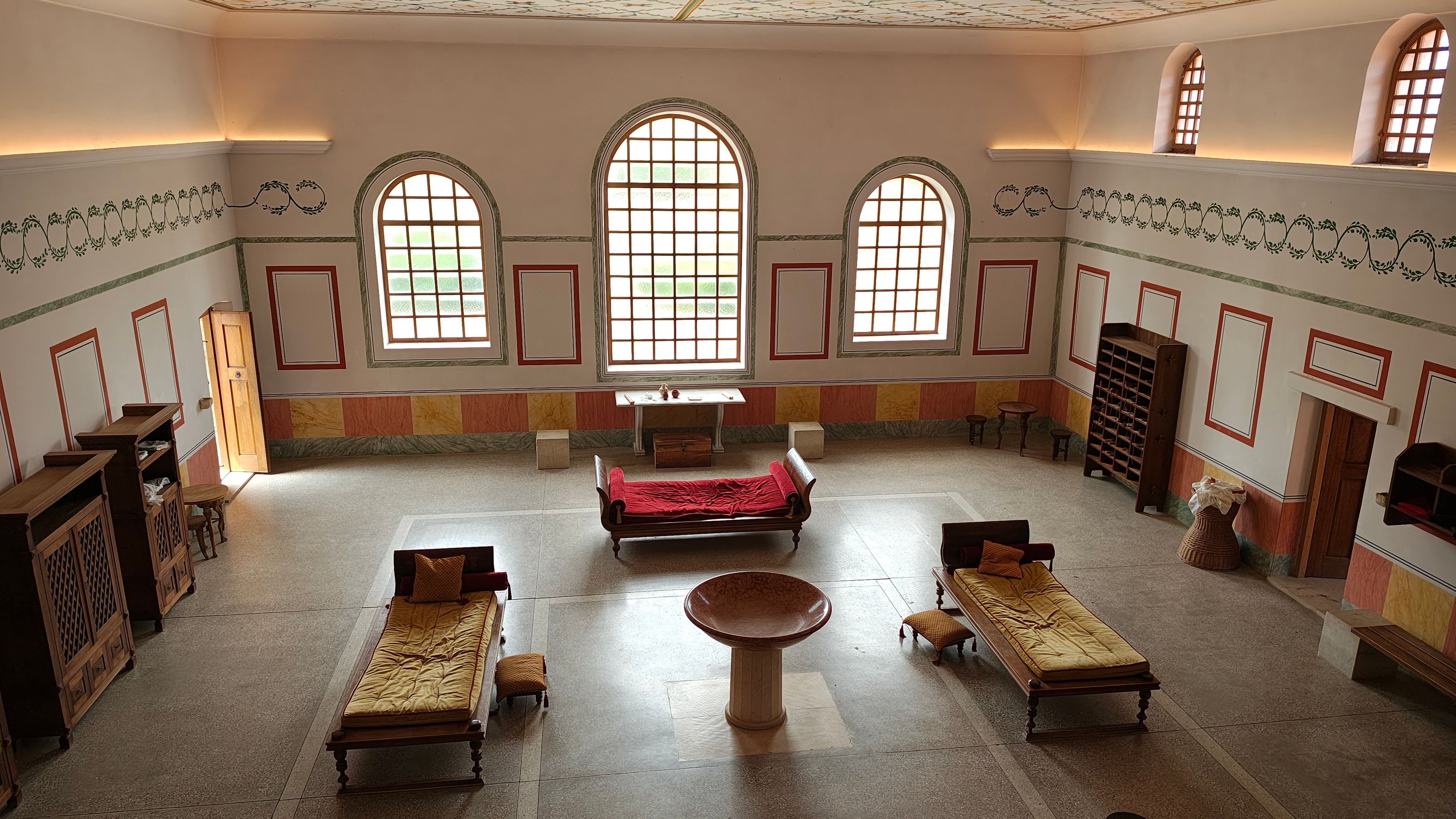
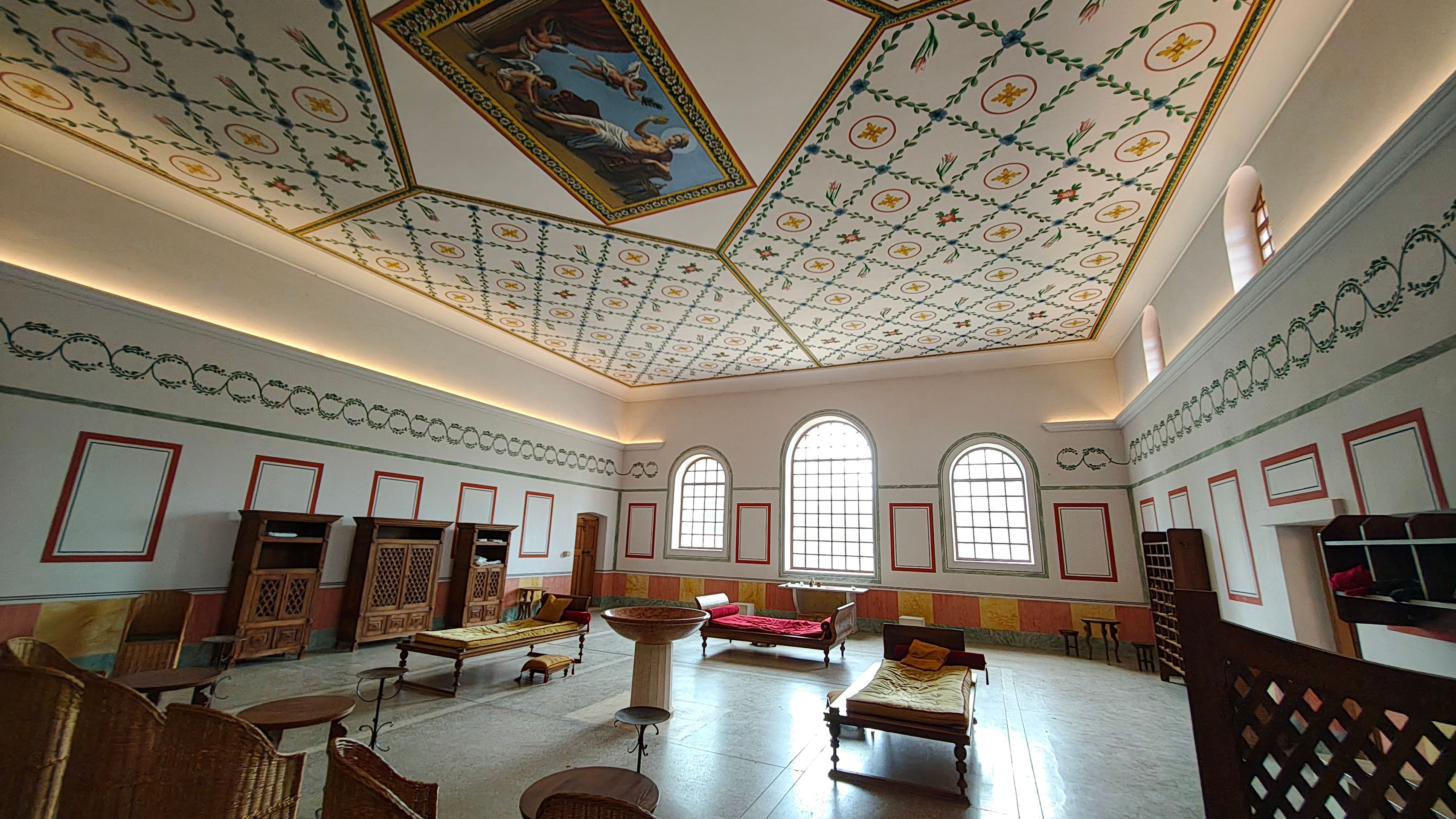
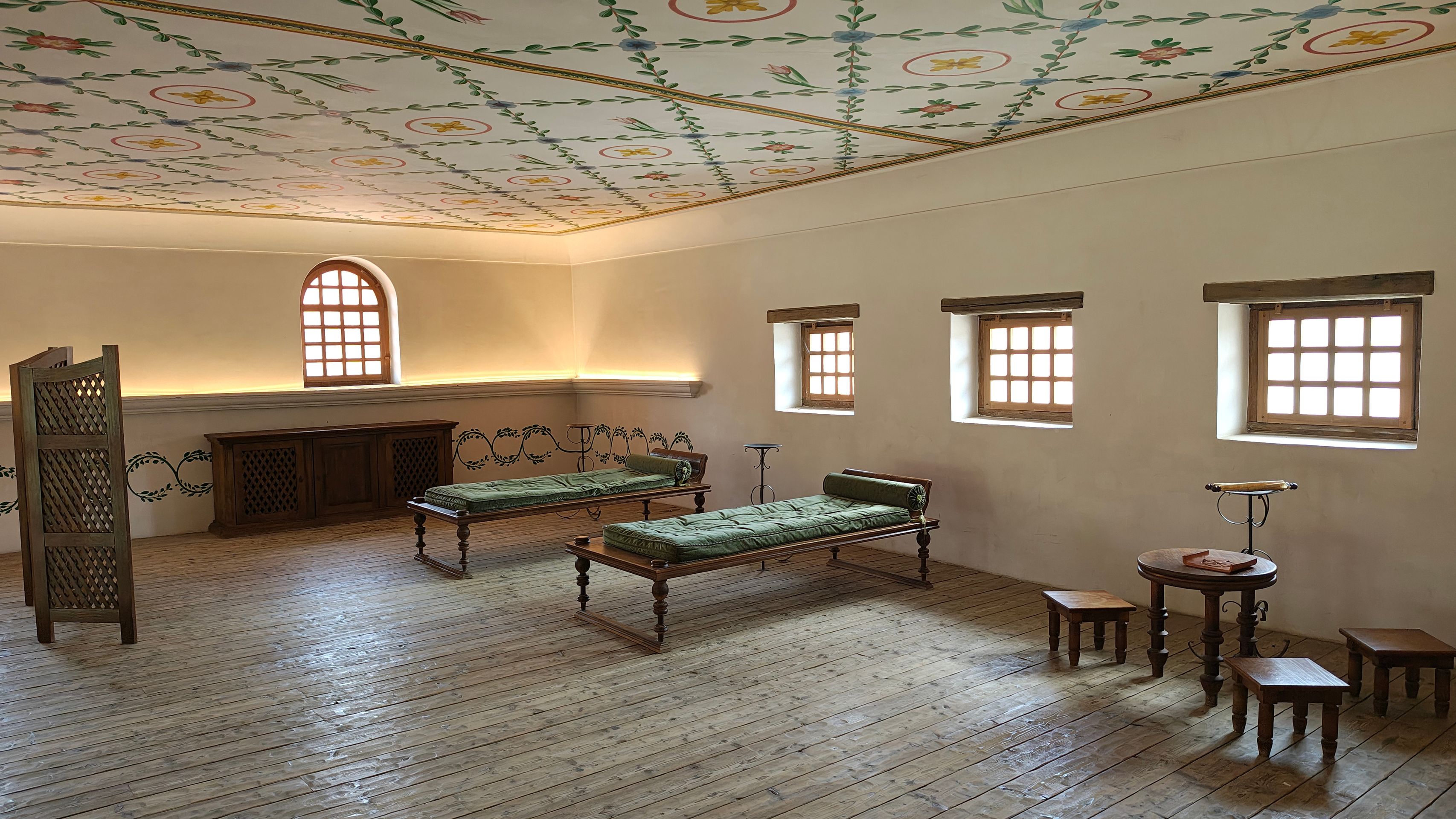
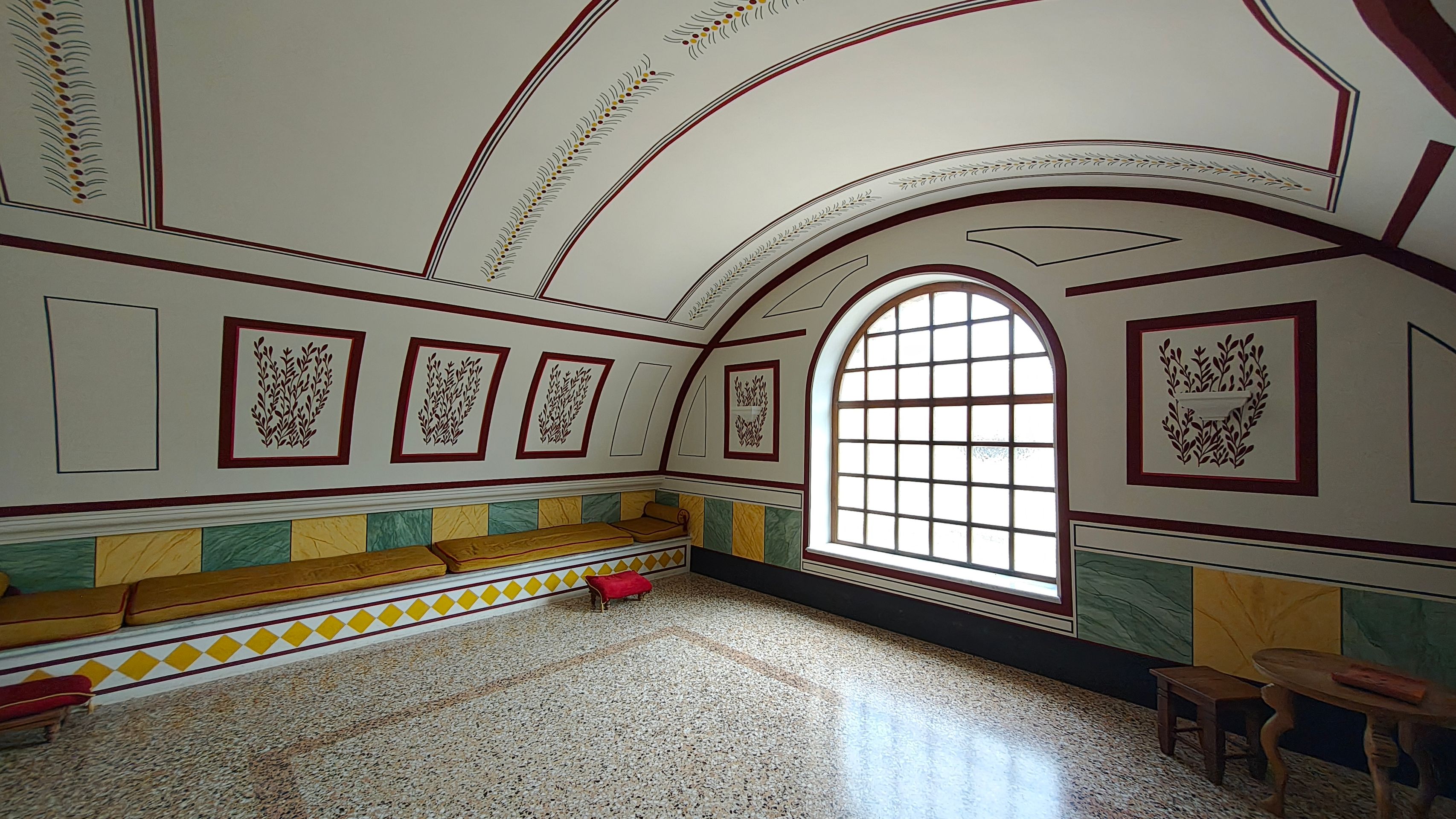
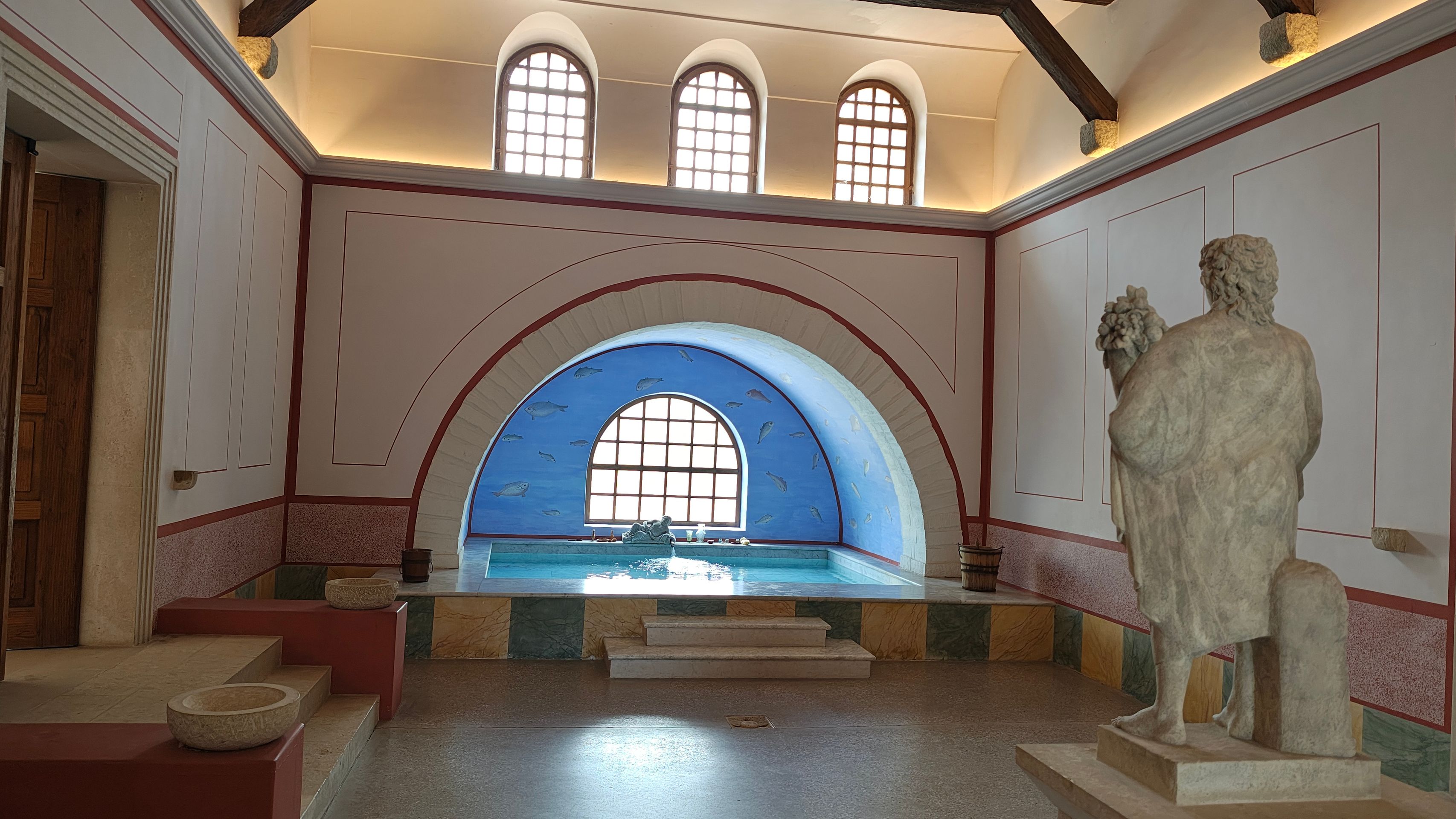
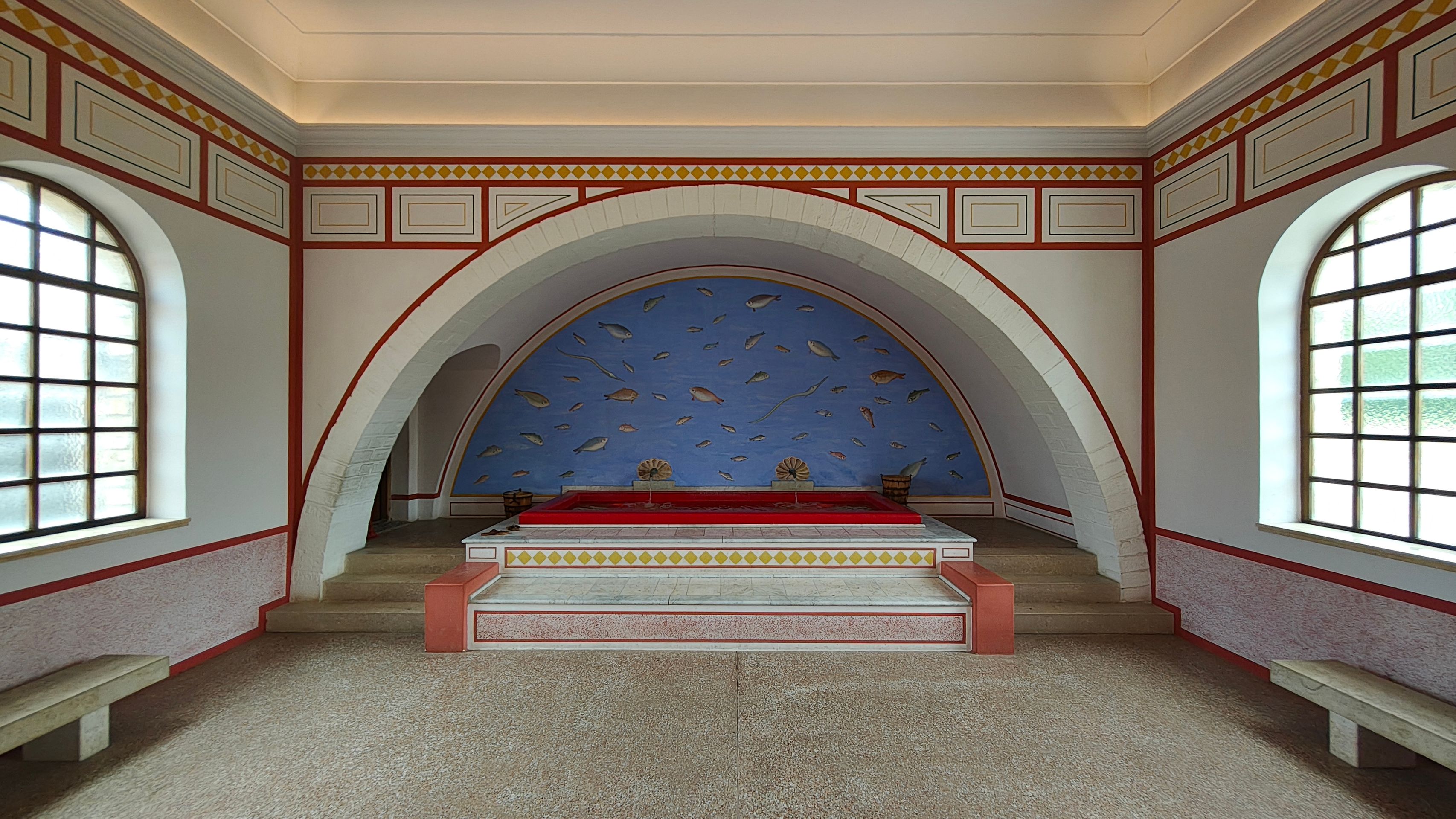
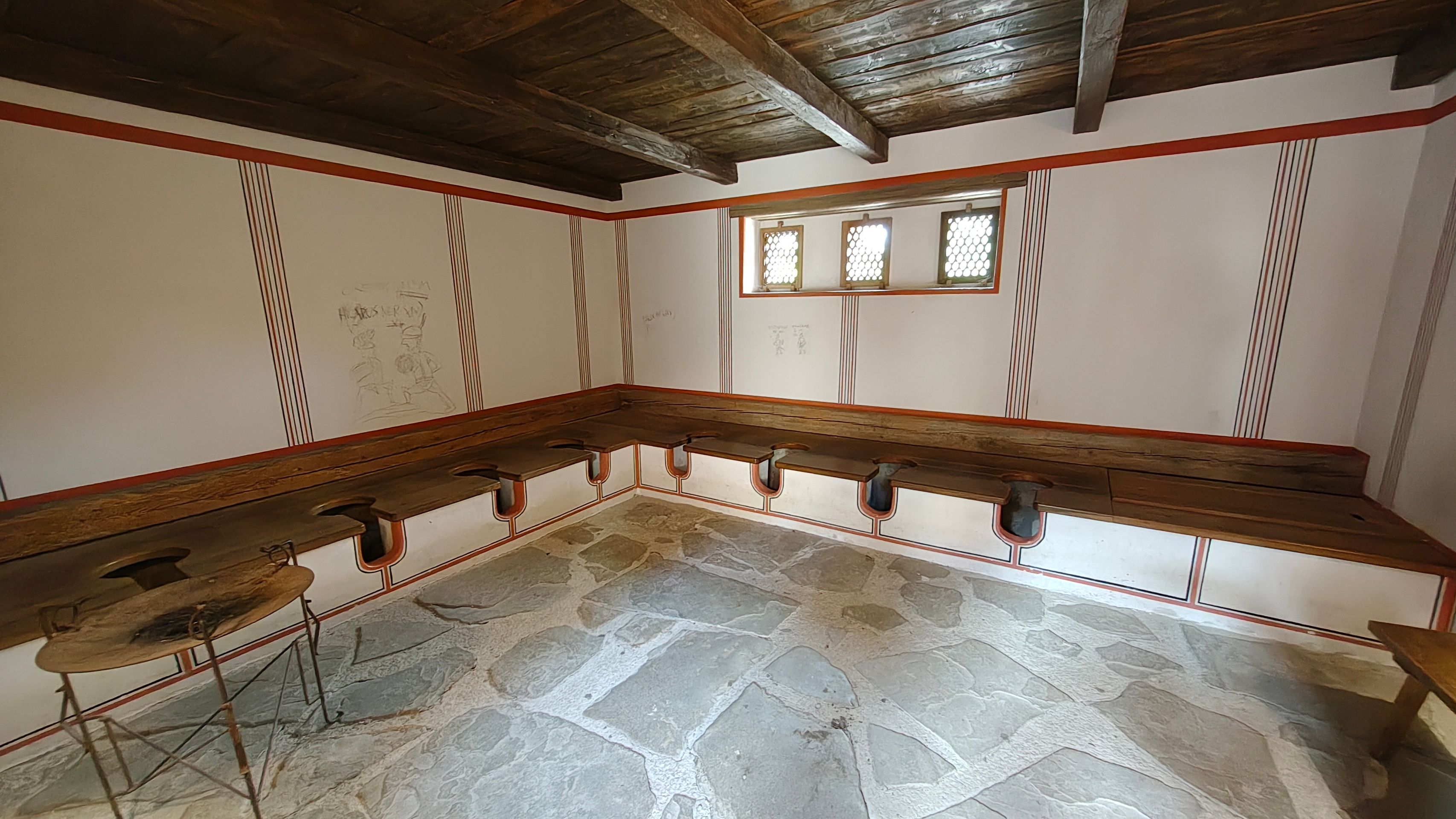
Behind this, we come to the main attraction of the entire complex: the Roman spa. Visiting such spas with their heated rooms and water basins was a key part of Roman life. This reconstructed building is the only Roman spa in the world that has been built to be fully functional at its original site using ancient construction techniques, complete with underfloor heating. During our visit, the underfloor heating is even operational, creating a sauna-like atmosphere in the rooms with the water basins. The two water basins are always located under an archway. I did not test if the toilet facilities functioned with the typical 'mass seating'. However, these 'restrooms' were often used during Roman times for business deals during 'extended sessions'. We were able to visit an original excavated example of such a sanitary facility in the ruins of Ostia, near Rome. Here is my blog post about it: The ancient port city of Ostia
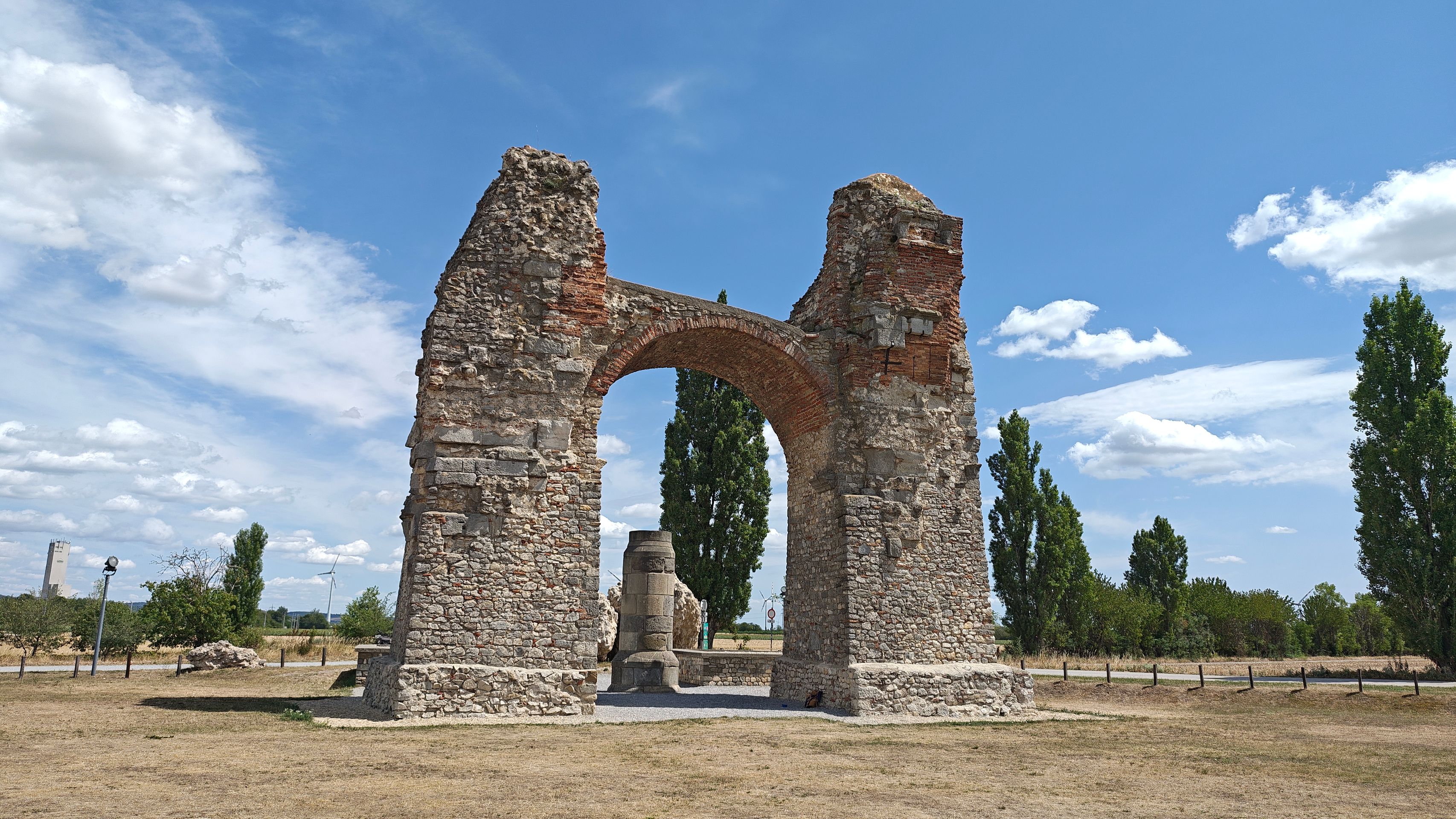
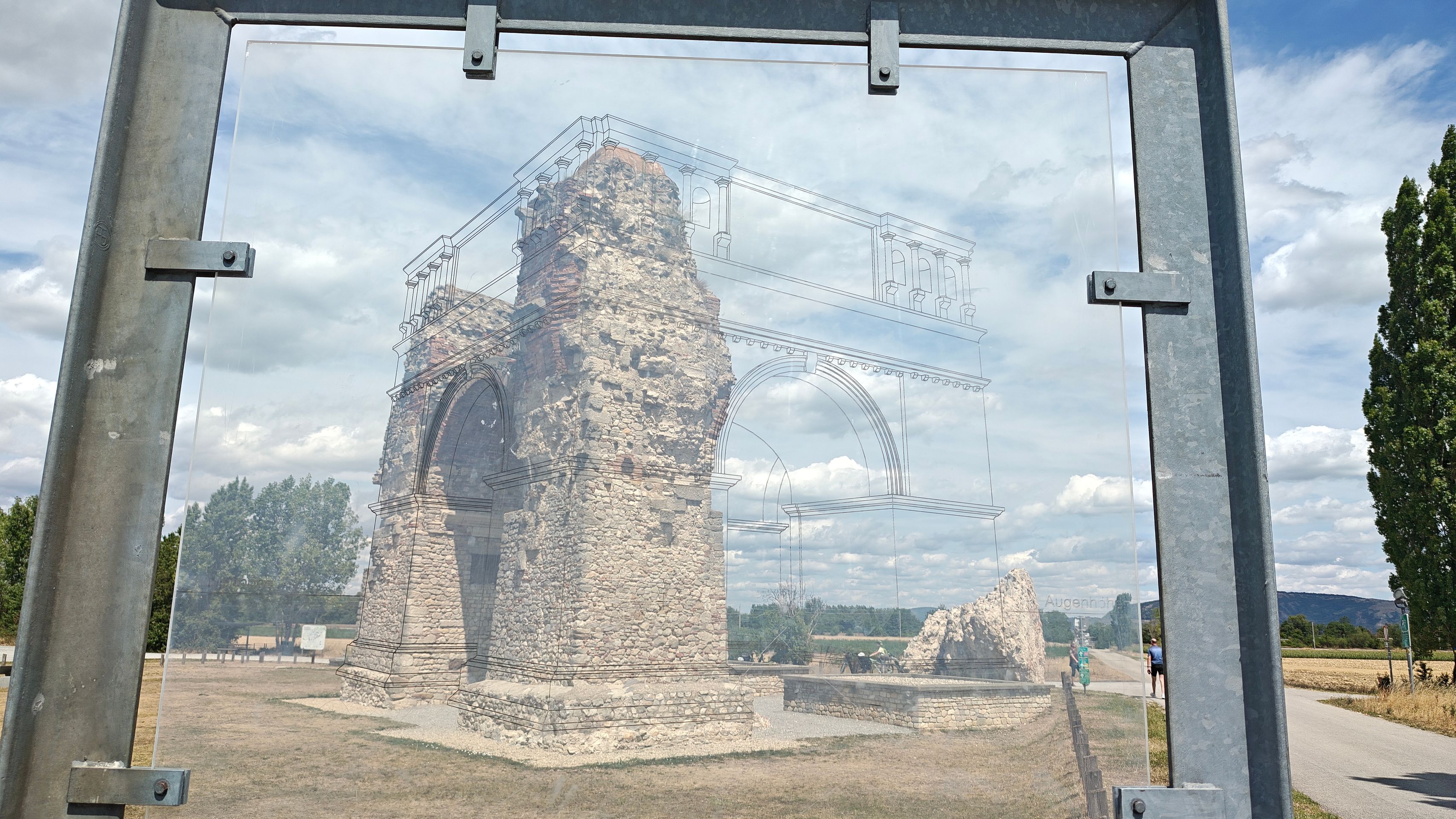
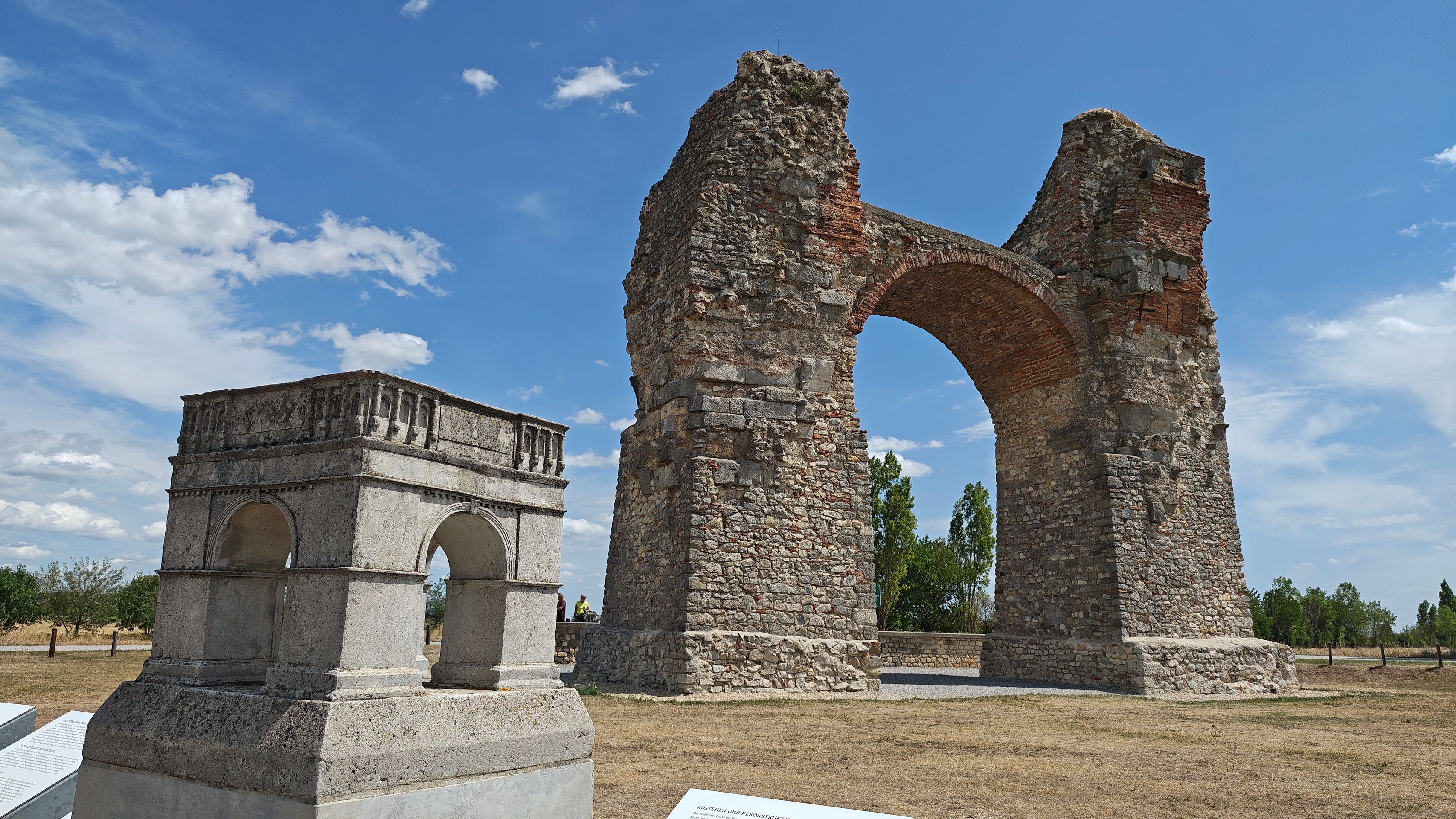
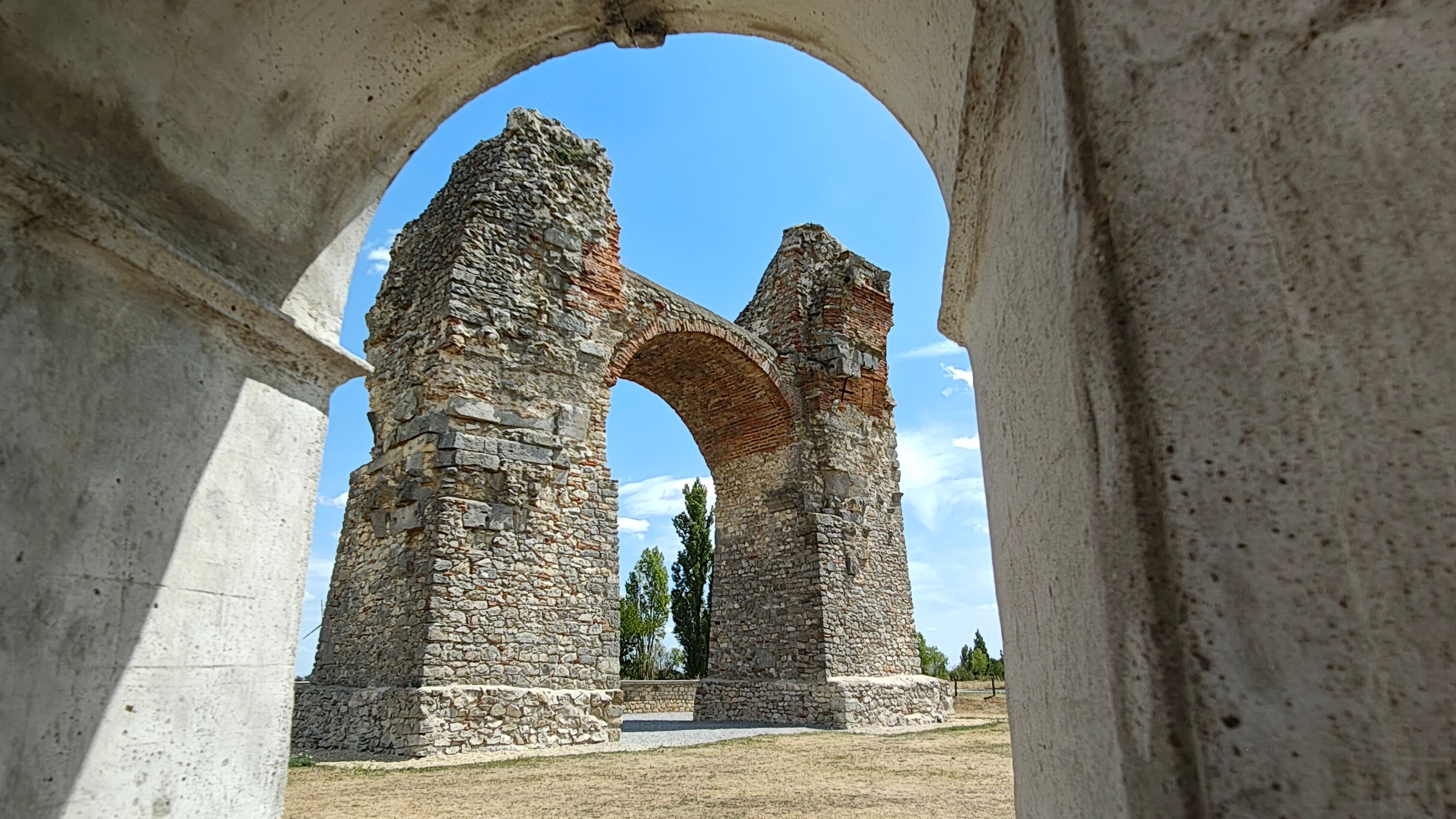
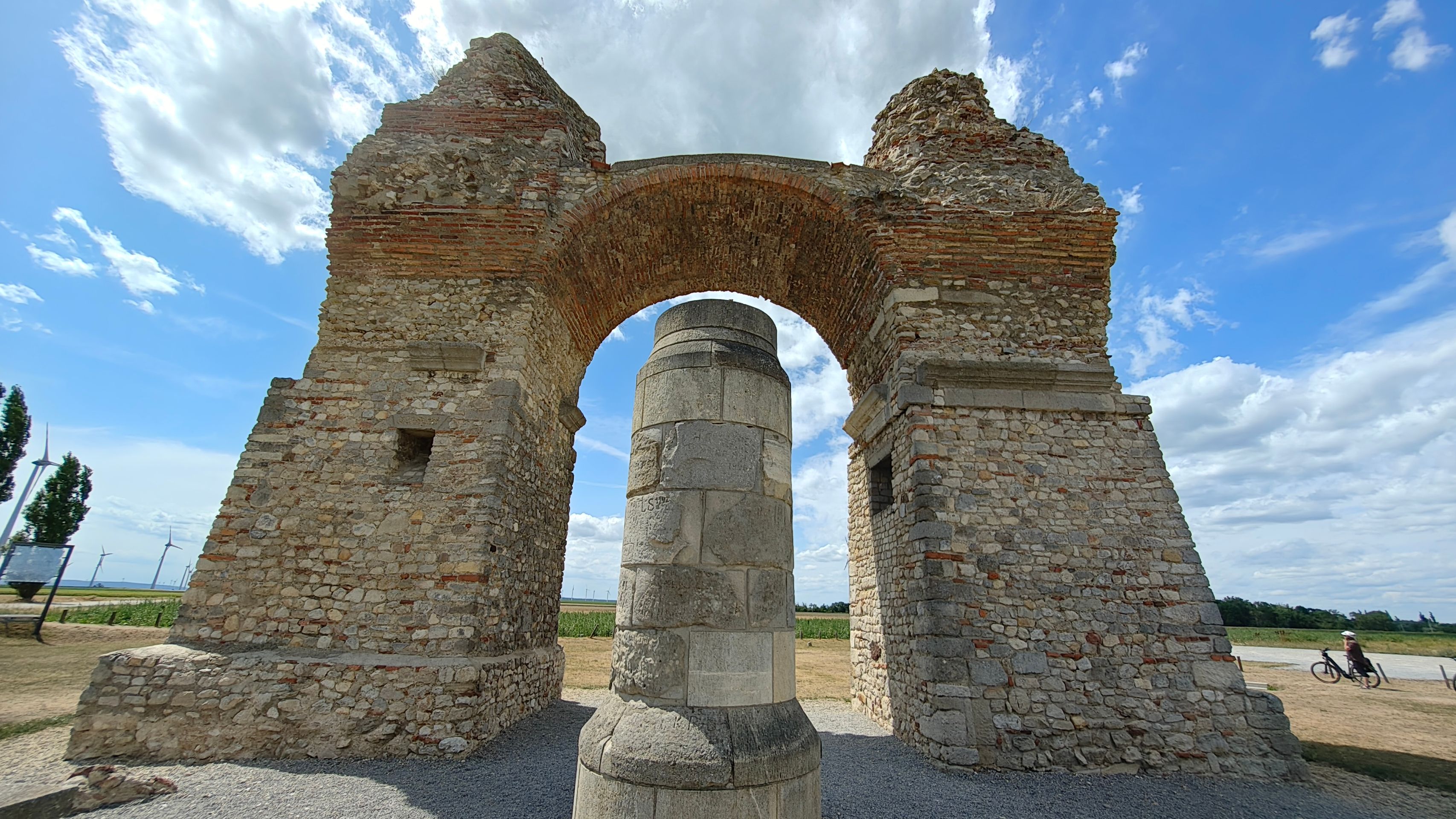
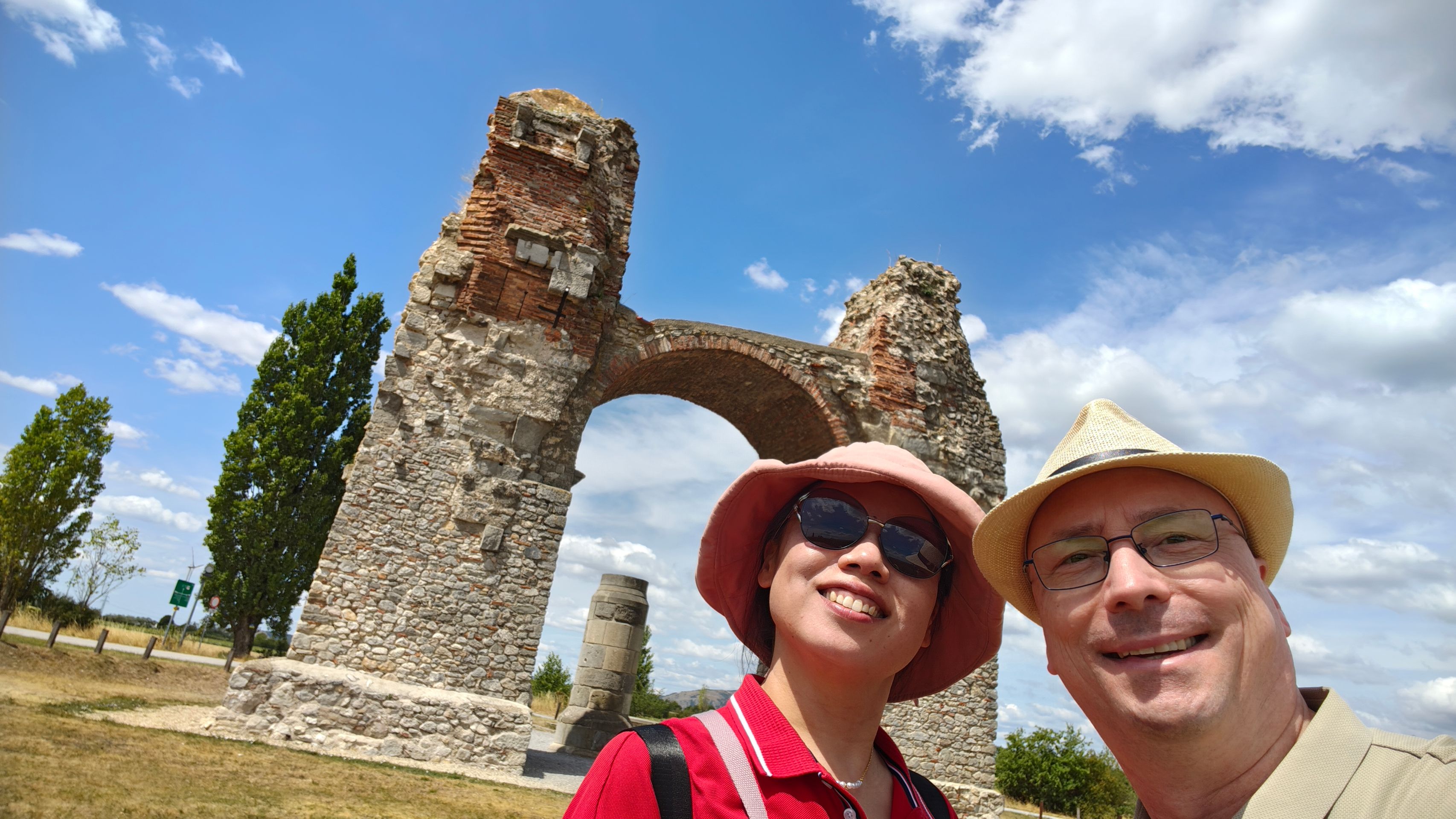
Our path then led us back through fields to the Heidentor, which still retains one arch. Originally, the arches connected four powerful square columns. Using a drawing on a glass panel, I captured this original form photographically. This glass panel is truly a great idea.
It is quite astonishing that these wall remnants have survived for such a long time. There is still disagreement among scholars regarding the origin and purpose of this gigantic structure. It is likely that the construction served as a monument in the second half of the 4th century during the reign of Emperor Valentinian I, whose reign was marked by the defense against Germanic raiders along the Limes at the Rhine and Danube. The figure pedestal, about four meters high, in the middle of the Heidentor also suggests it might have been a commemorative monument.
With another extensive walk, we now reach the train station and the bus for the rail replacement service. We still have some time, which we want to spend a bit in Vienna.
>> Continuation in the blog post Vienna Belvedere >>