

Over the rooftops of Frankfurt/M.
After visiting Goethe's birthplace and the small Schopenhauer exhibition (Schopenhauer in Frankfurt/M.), we take the
Published: 22.07.2026
'Indeed, there is no quieter and more undisturbed refuge for a person than his own soul, especially when he bears qualities within himself, the contemplation of which instantly brings him to a perfectly happy state, a state which I understand solely as moral order. Therefore, grant yourself always this retreat into the inner self and rejuvenate yourself!'
(Marcus Aurelius in the fourth book)
In late antiquity, with complex power dynamics in the Roman Empire, a significant imperial conference took place in the city in 308.
The final decline of Carnuntum was initiated in the middle of the 4th century by a severe earthquake in the region. Throughout the 5th century, Carnuntum was abandoned by its inhabitants.
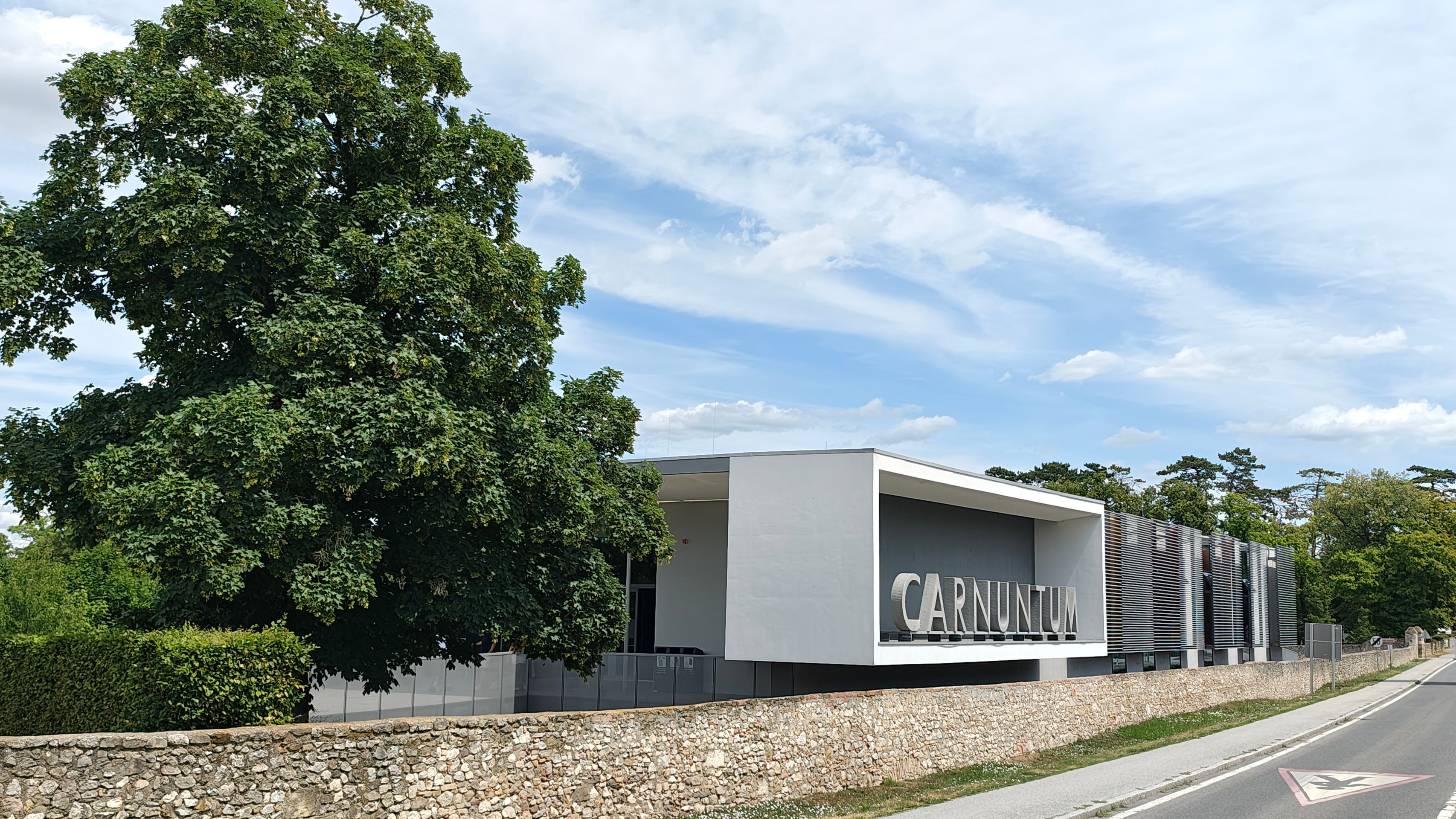
We begin our tour with a journey via the Austrian railway and arrive relaxed at the Roman outpost in Pannonia despite a replacement bus service for the last twelve miles. The SEV bus passes the Roman site until it reaches the station, the official stop, and we walk for a quarter of an hour back to the excavation site. The admission fee of 15 euros per person is not exactly cheap, as it also includes the museum for the legion camp, which, however, is over 5 km away in the neighboring town, making a visit there impractical. A lower, separate admission price would therefore be appropriate here.
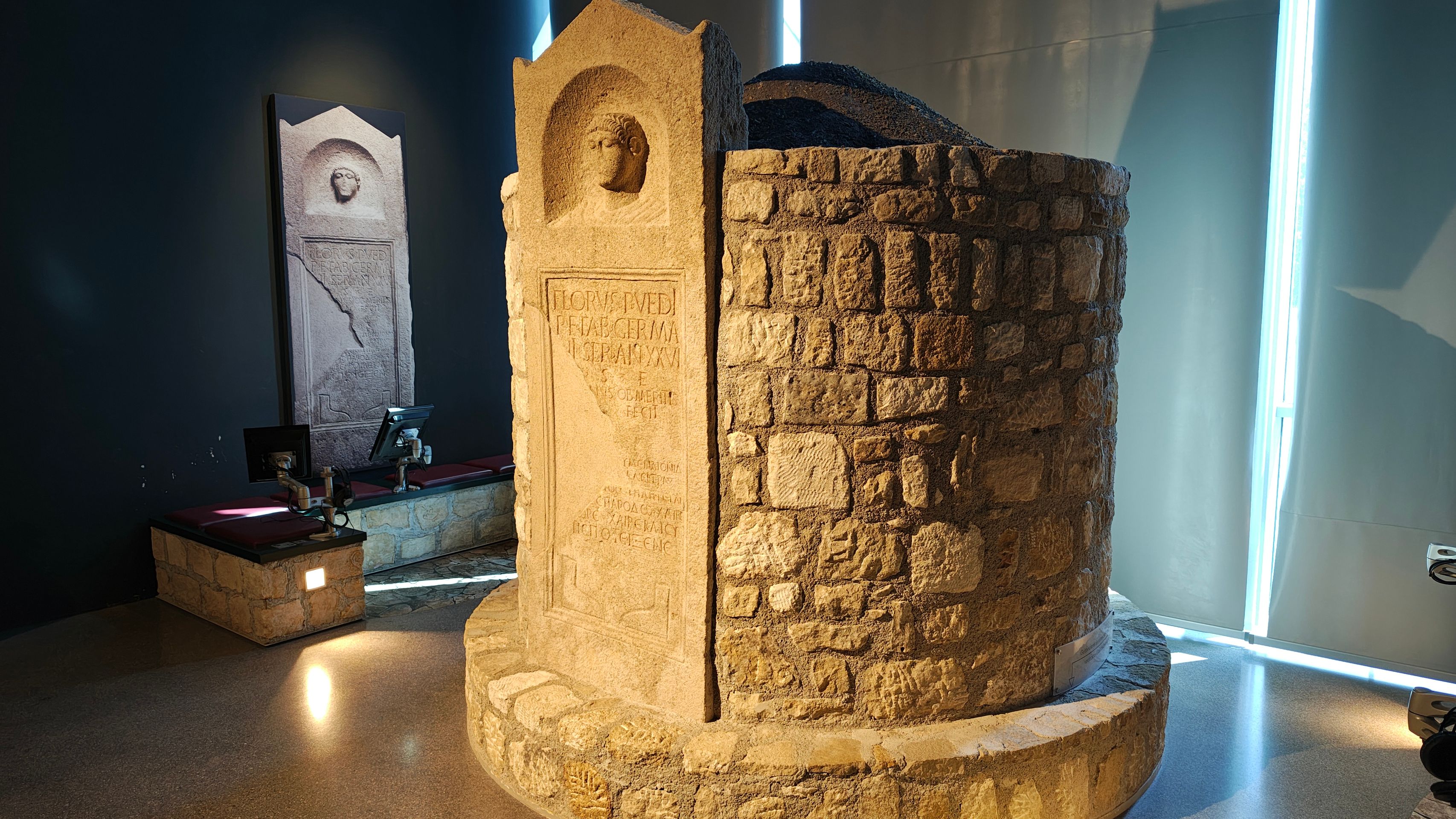
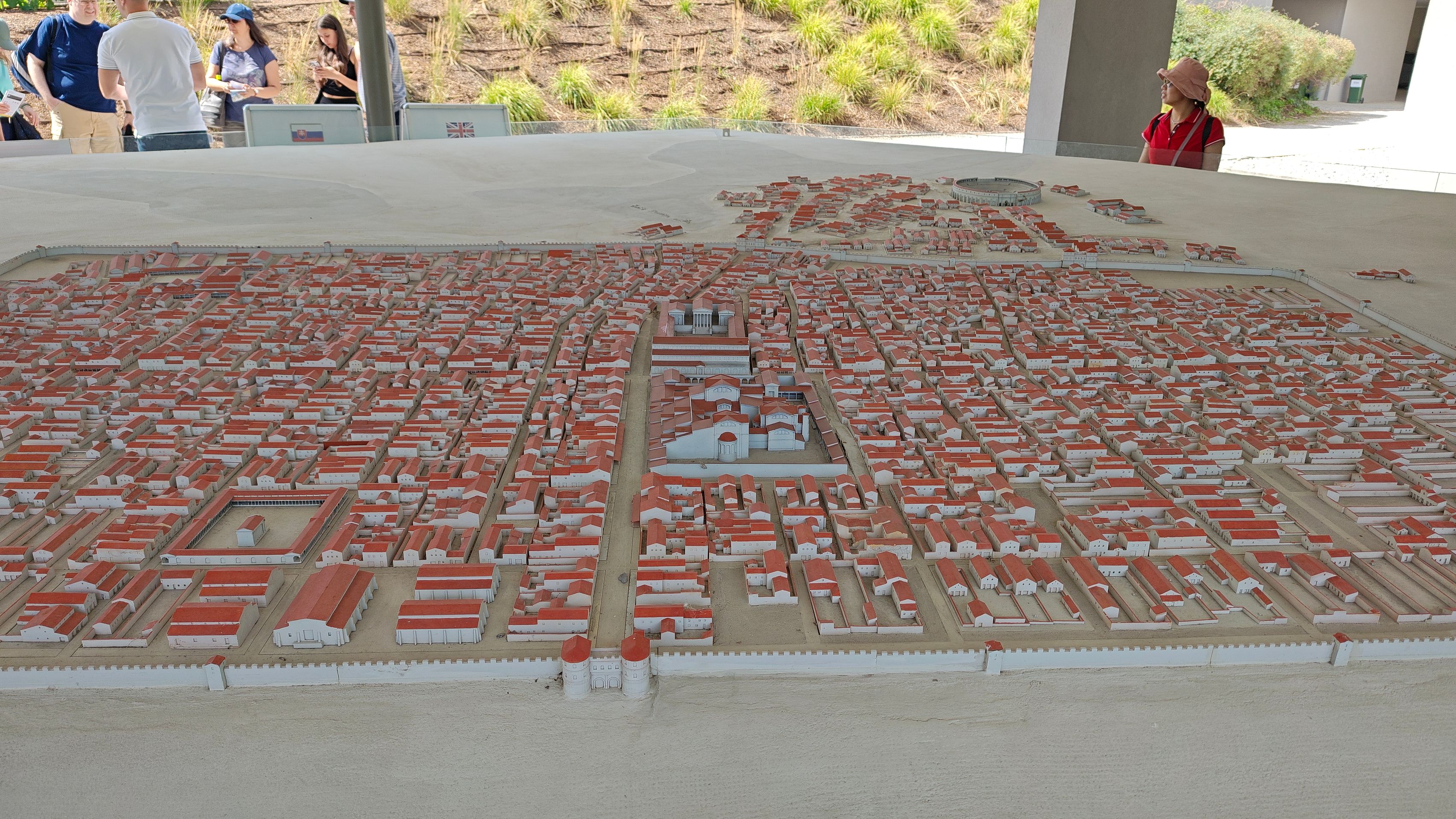
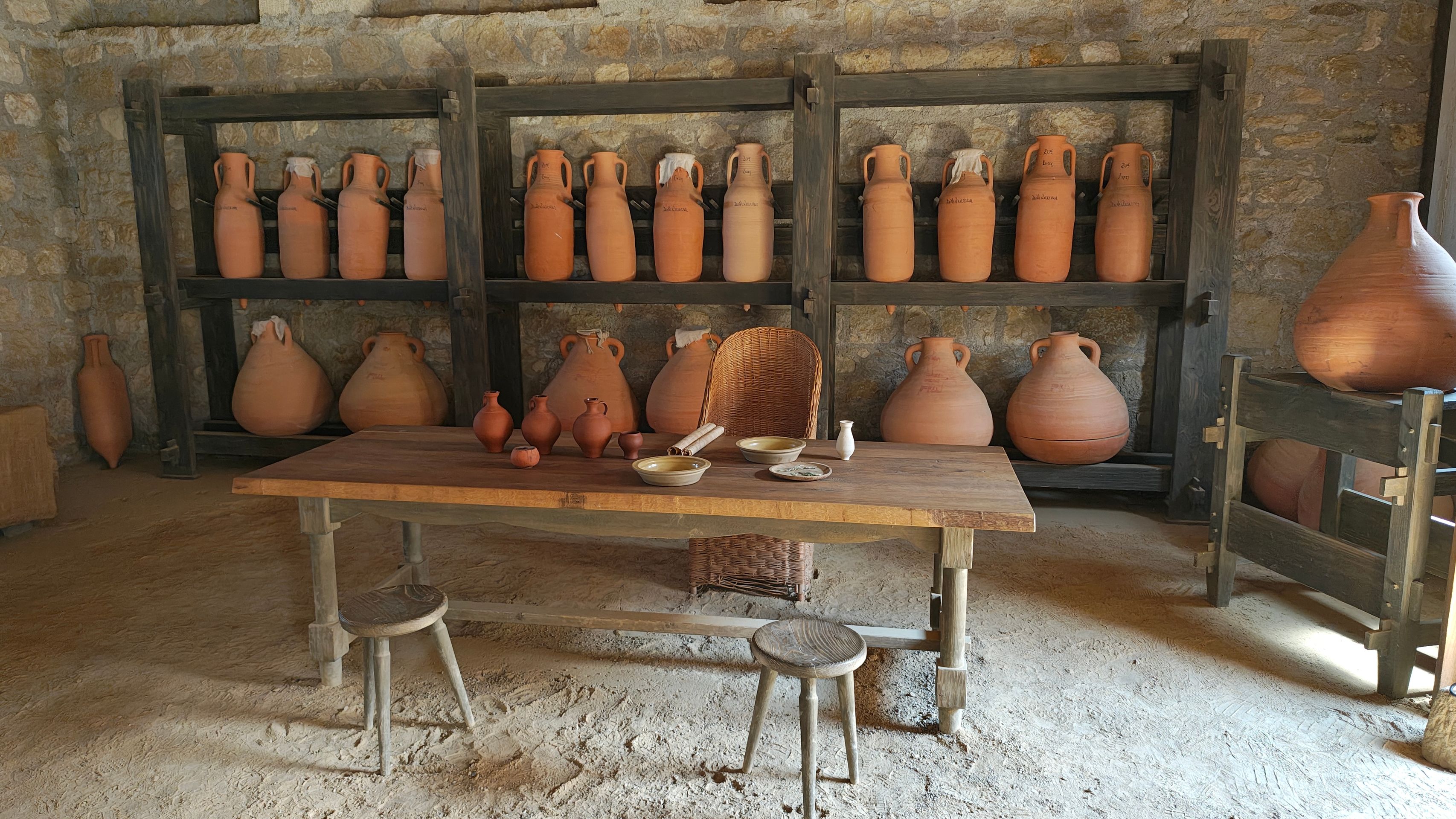
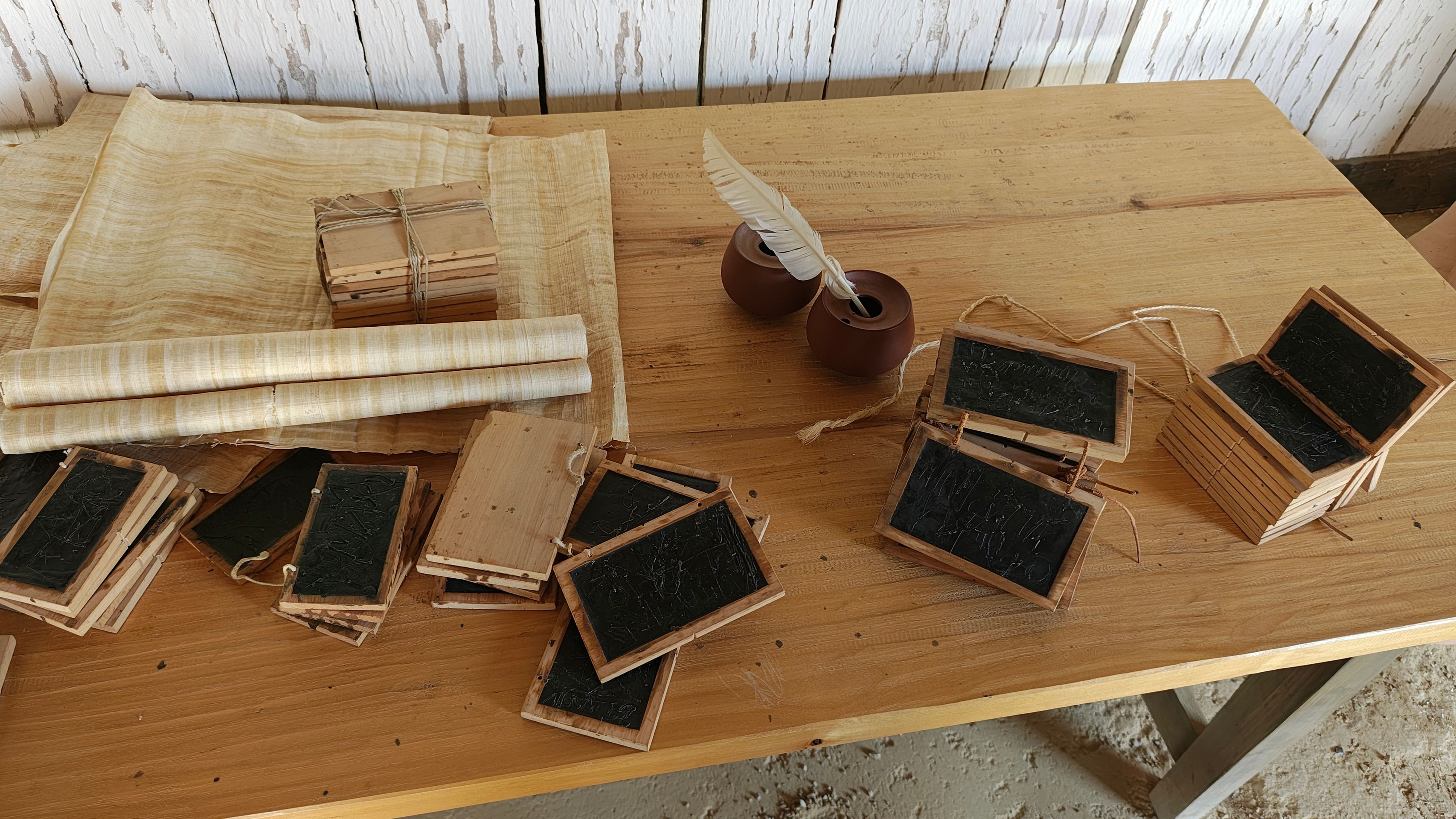
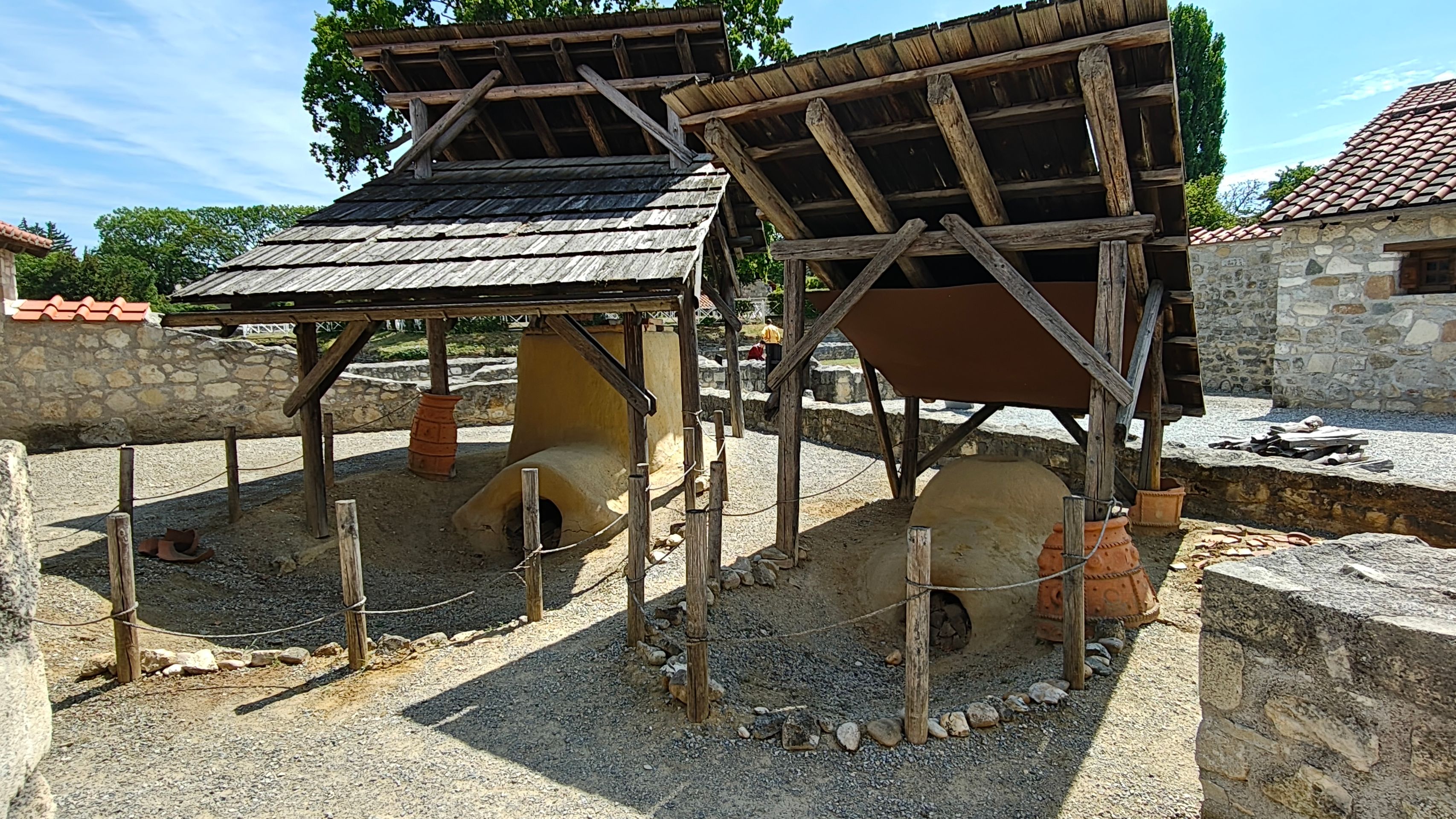
In the onsite museum, almost only the discovered graves are discussed. Thankfully, the grave inscriptions are fully translated. We then go outside to the open-air area, where a large model of the ancient Roman city is exhibited. After a small refreshment with the Austrian specialty Palatschinken in the museum café, we begin our visit to House I, which was inhabited by an olive oil merchant. In addition to amphorae, the typical wax tablets as writing boards can also be seen. Next door are two kilns for pottery.
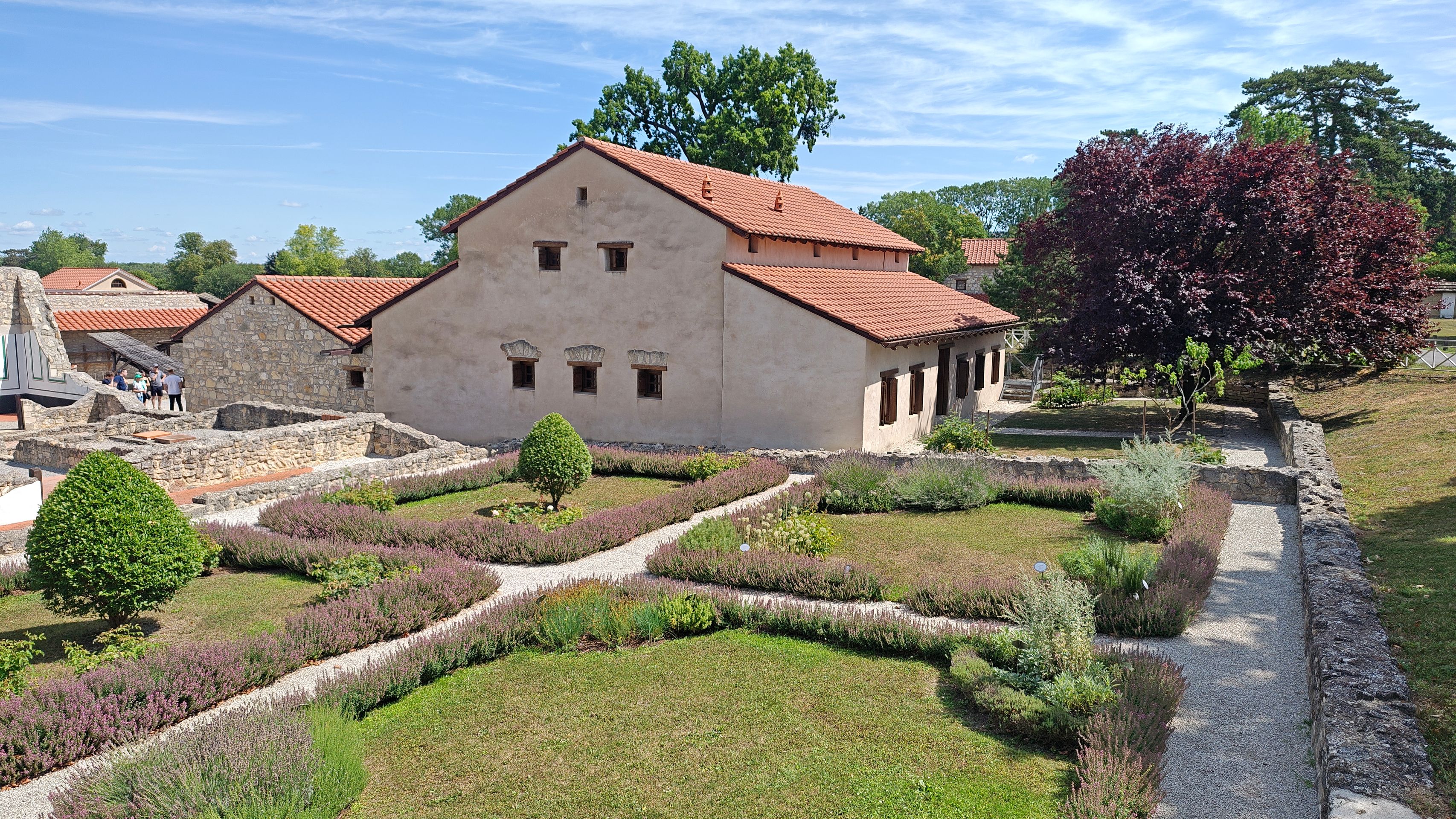
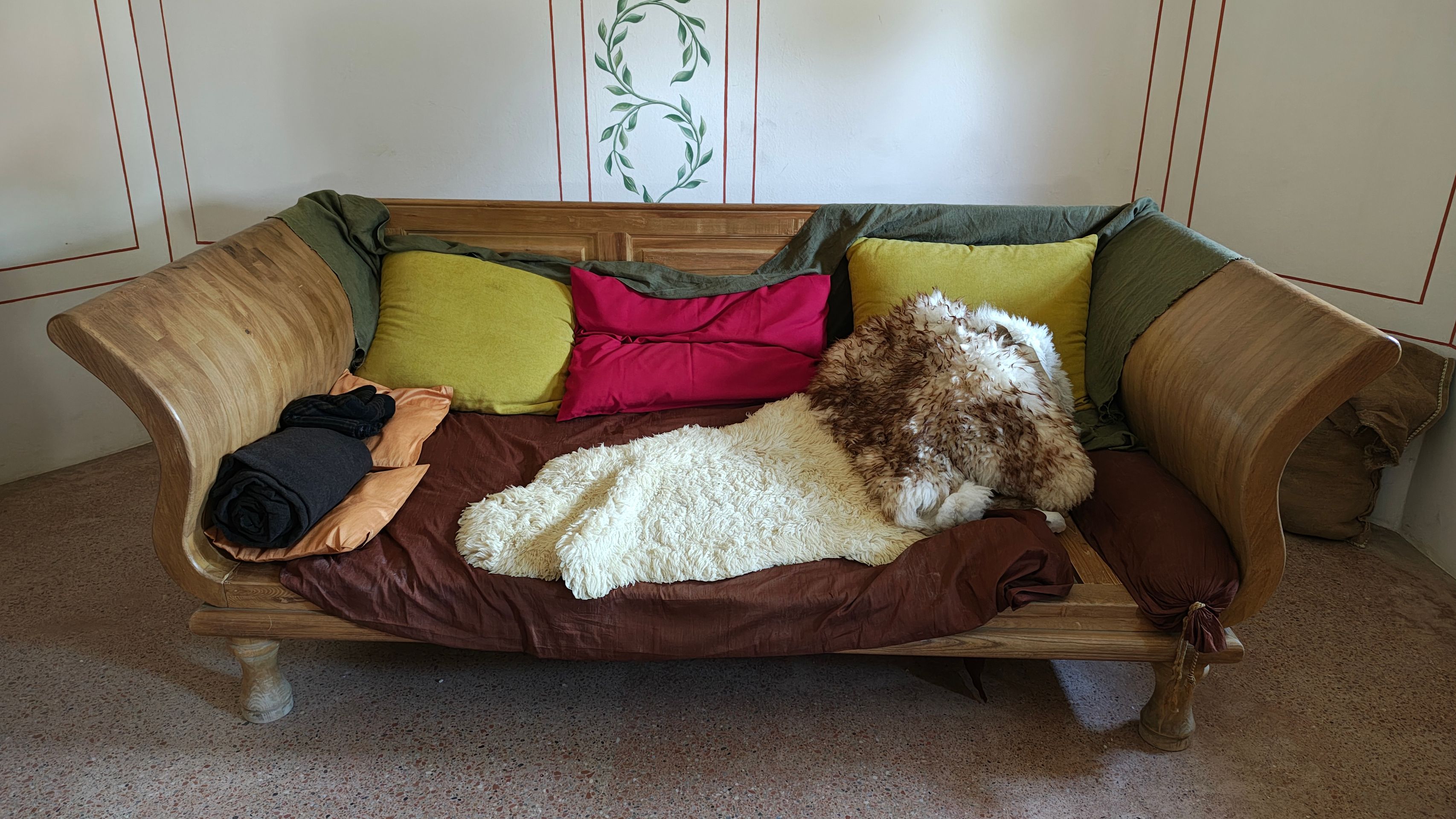
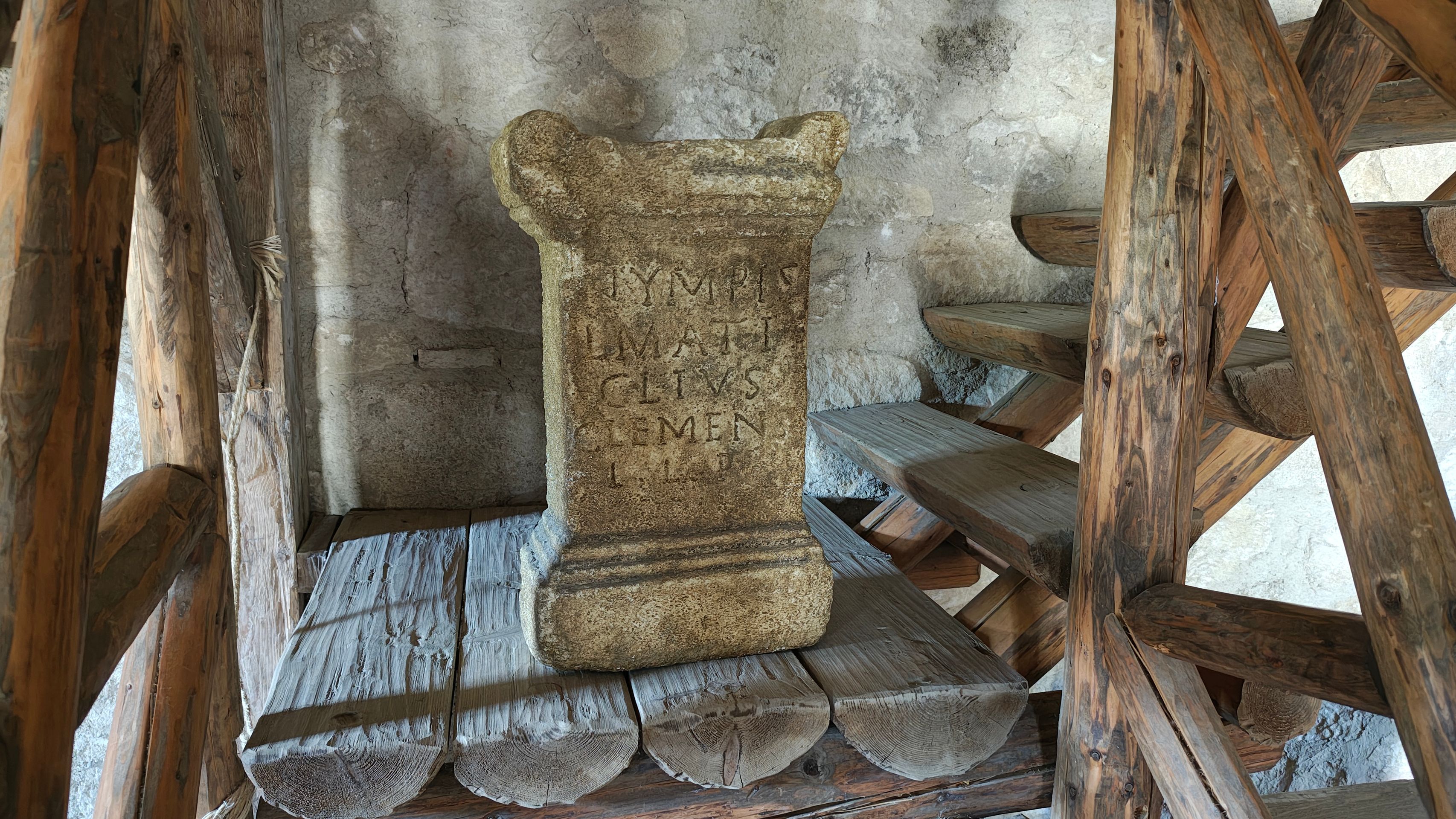
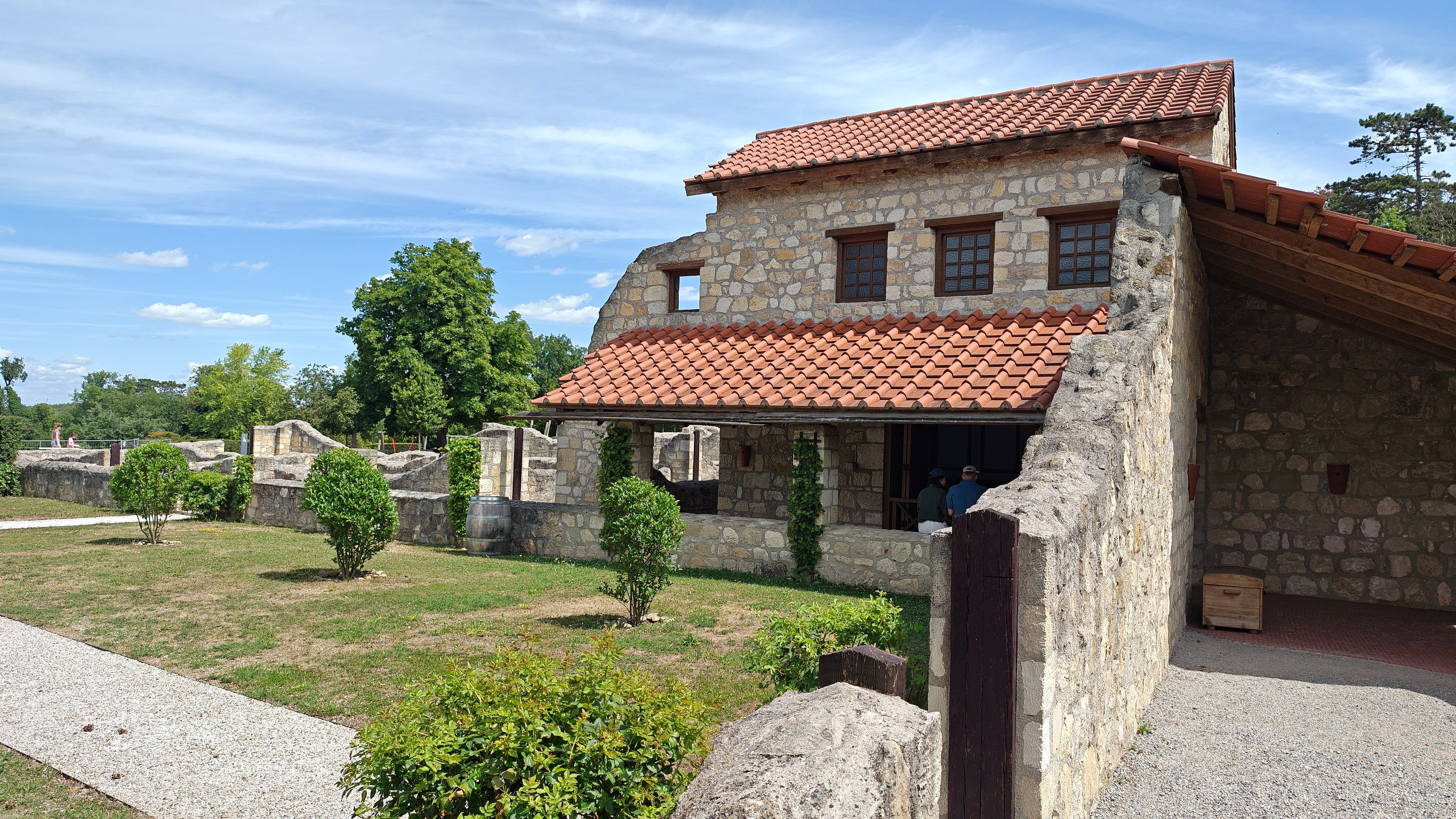
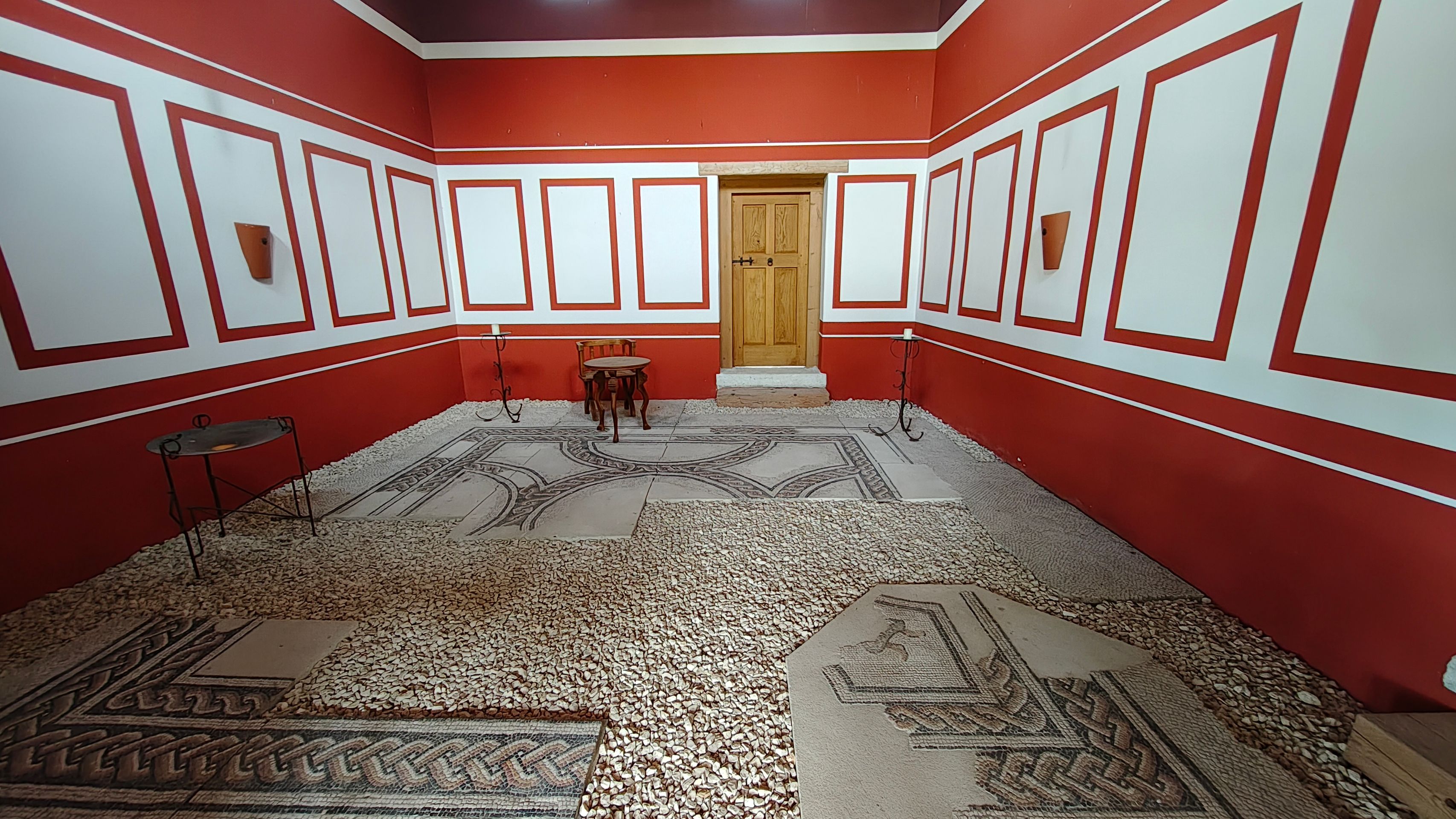
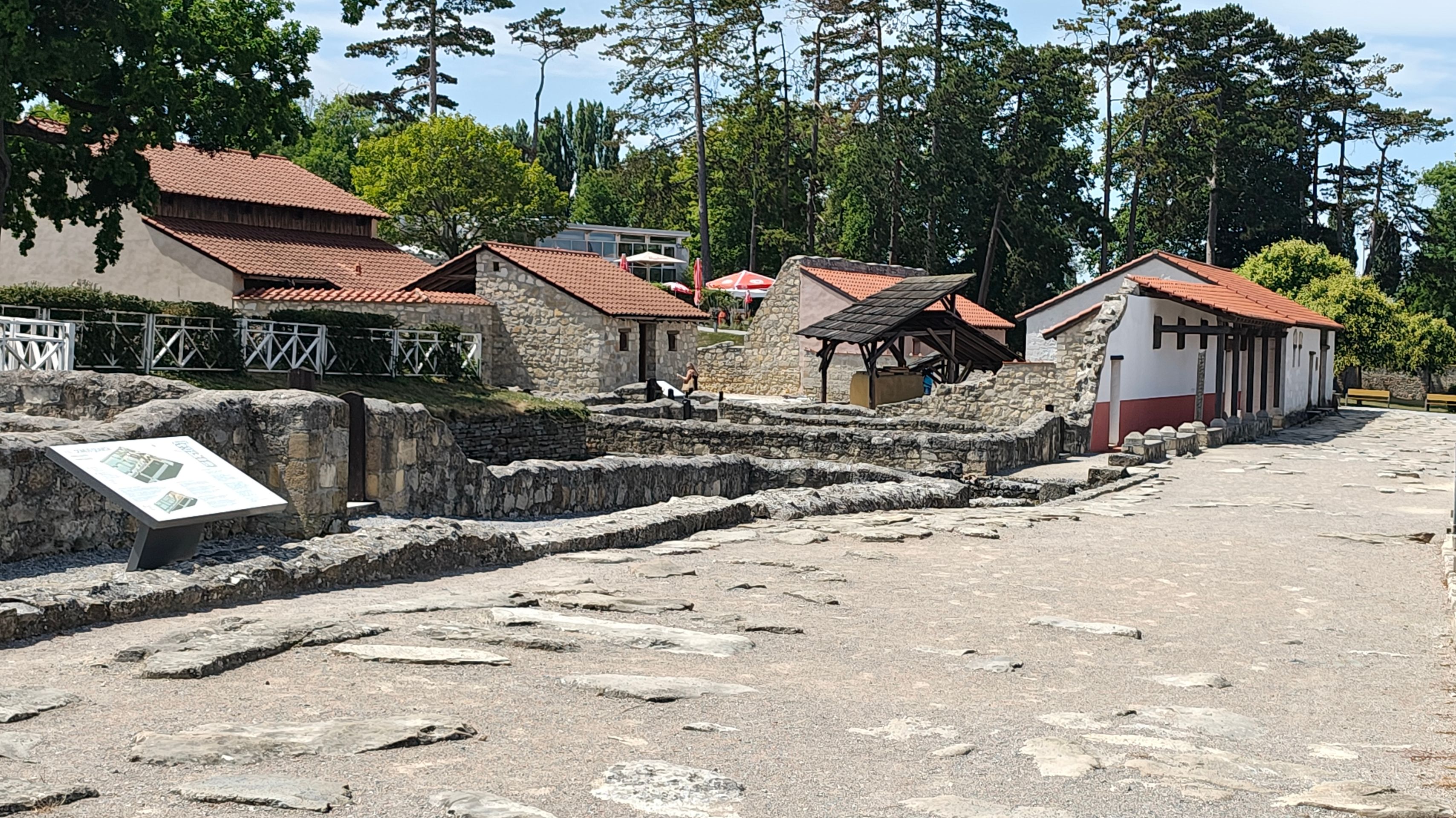
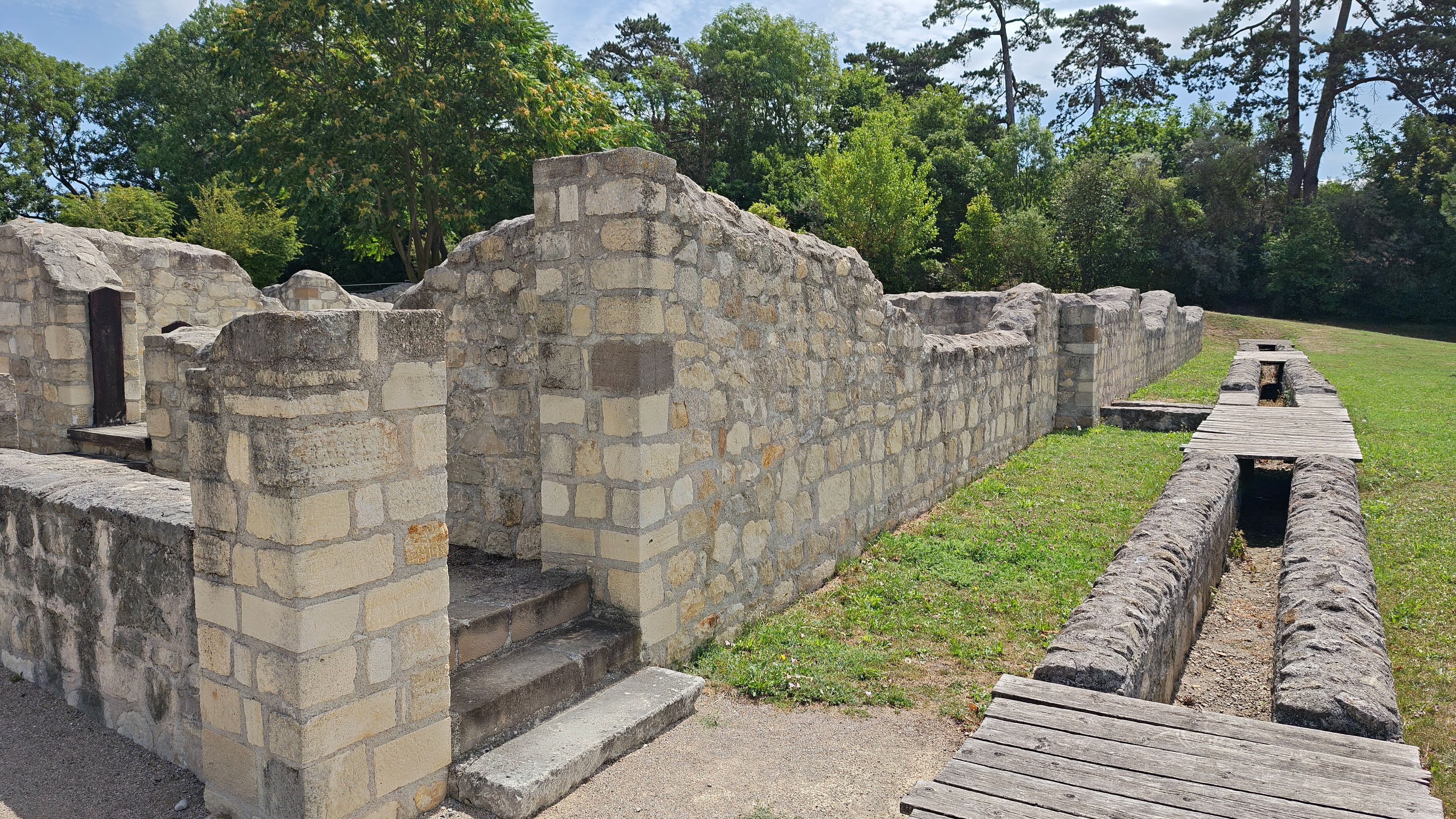
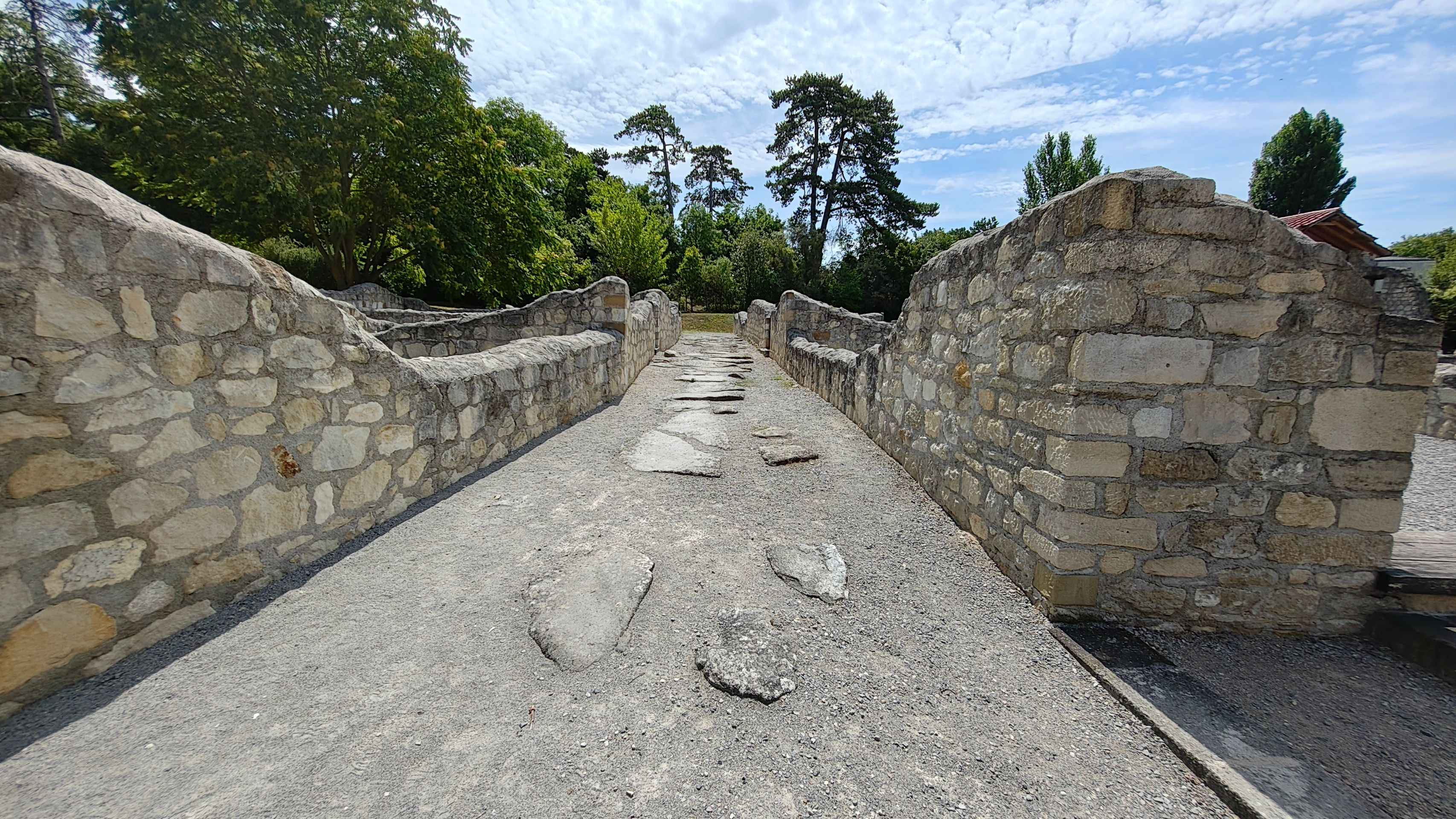
We then enter the house of Lucius, the first building on the site, which has been reconstructed as part of this experimental archaeology. The large sofa in the living room immediately catches the eye; the Romans have made themselves comfortable. A found stone with the inscription of the name Lucius Maticeius Clemens likely points to the former owner of the property. Next door in the Domus Quarta is the only original preserved floor mosaic in Carnuntum. The last excavated house on Südstraße is House V, where only the foundation walls and parts of the water infrastructure have been reconstructed or uncovered.
>> Continuation in the blog post 'Therme' follows >>