
Stone jars and cluster bombs in Laos
Vietnamese War
Published: 11.05.2026
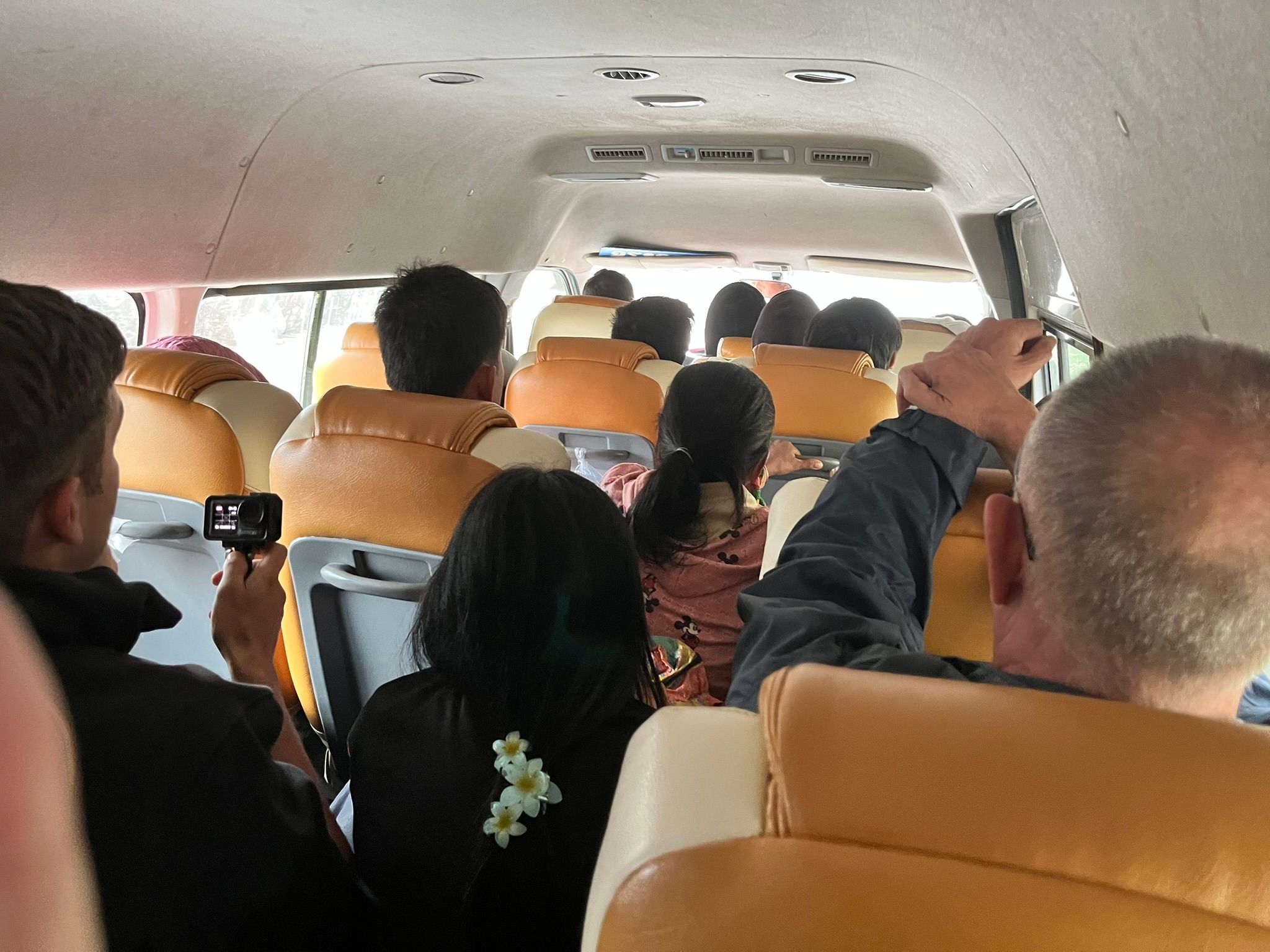
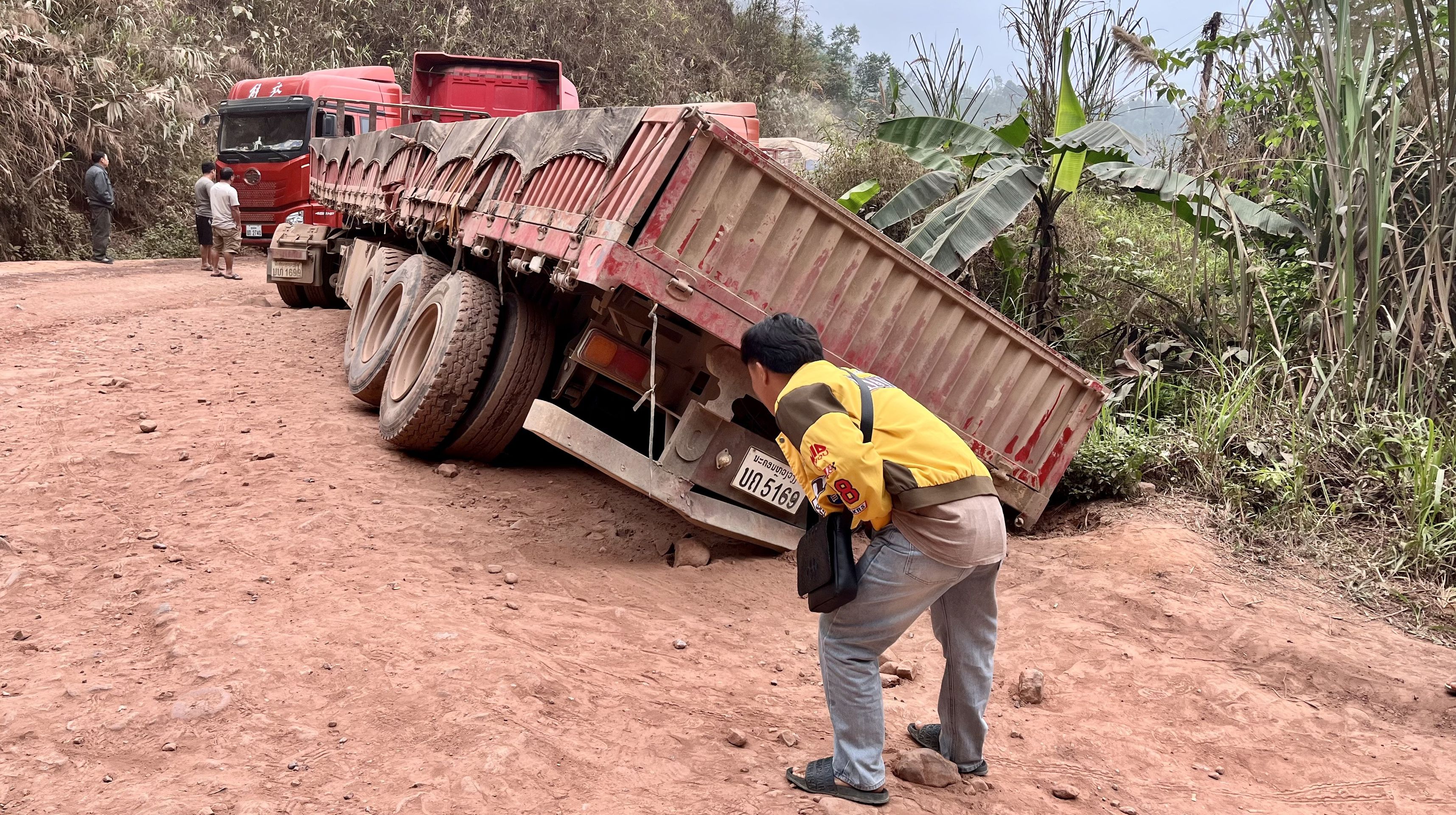
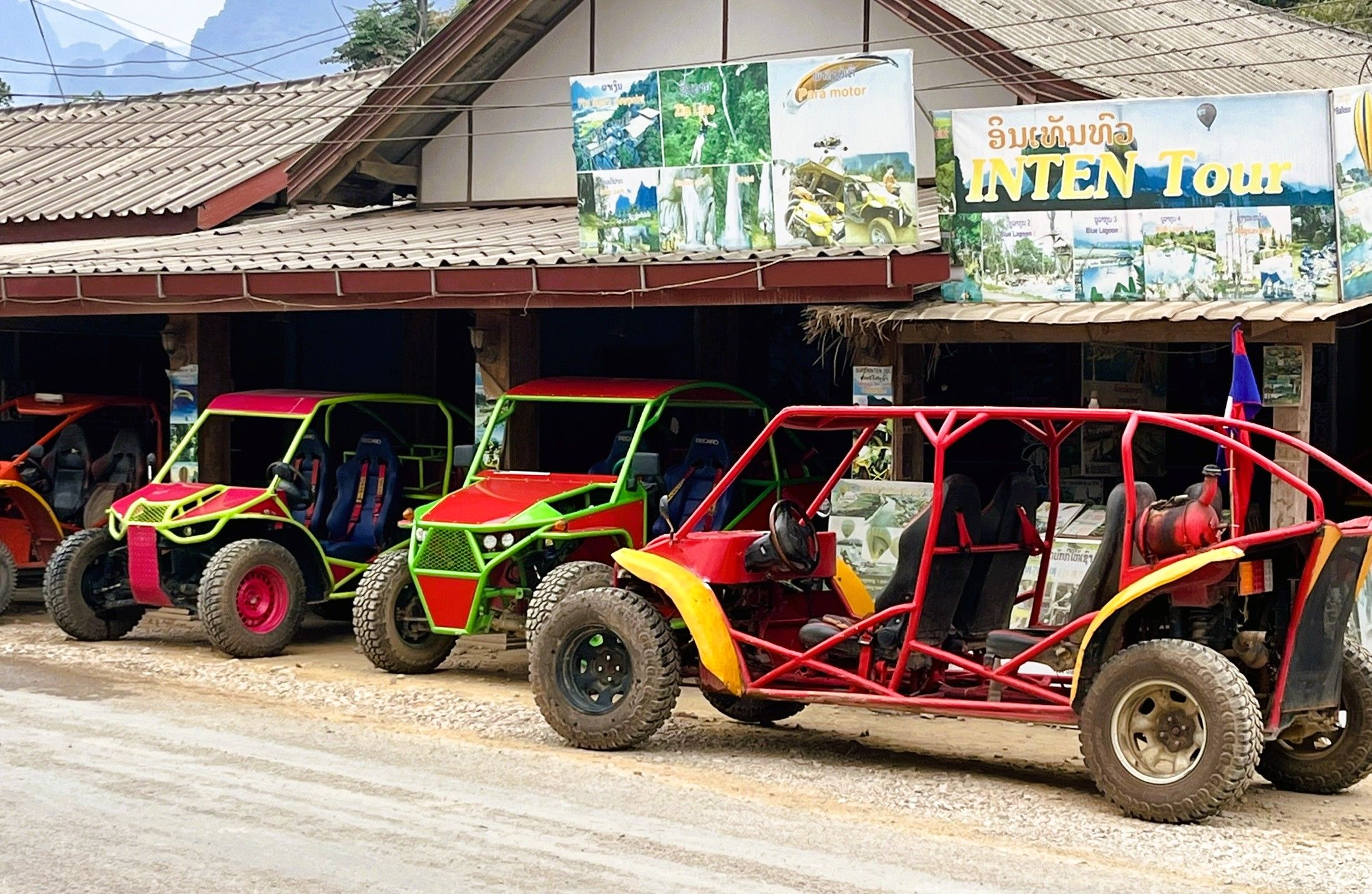
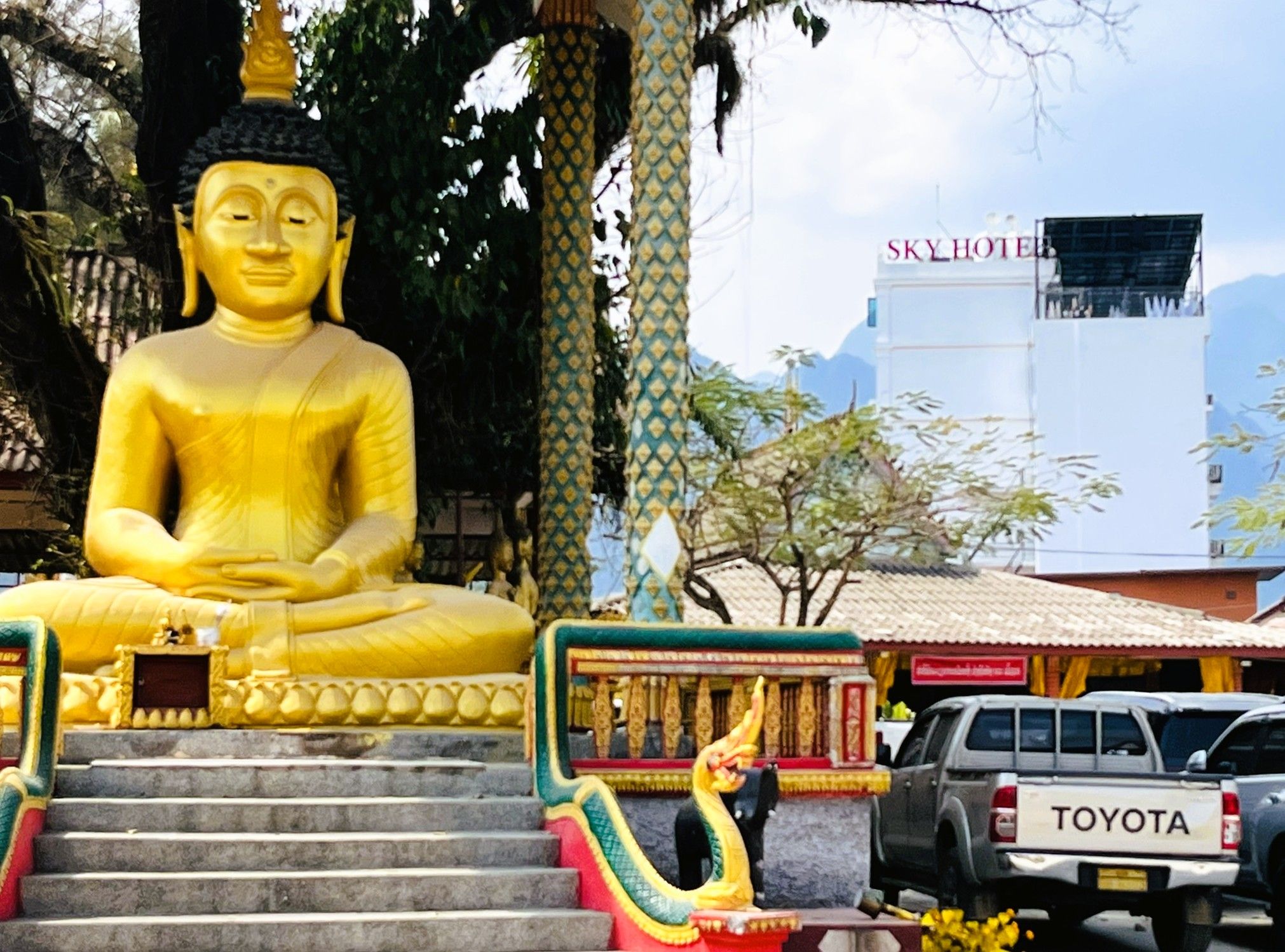
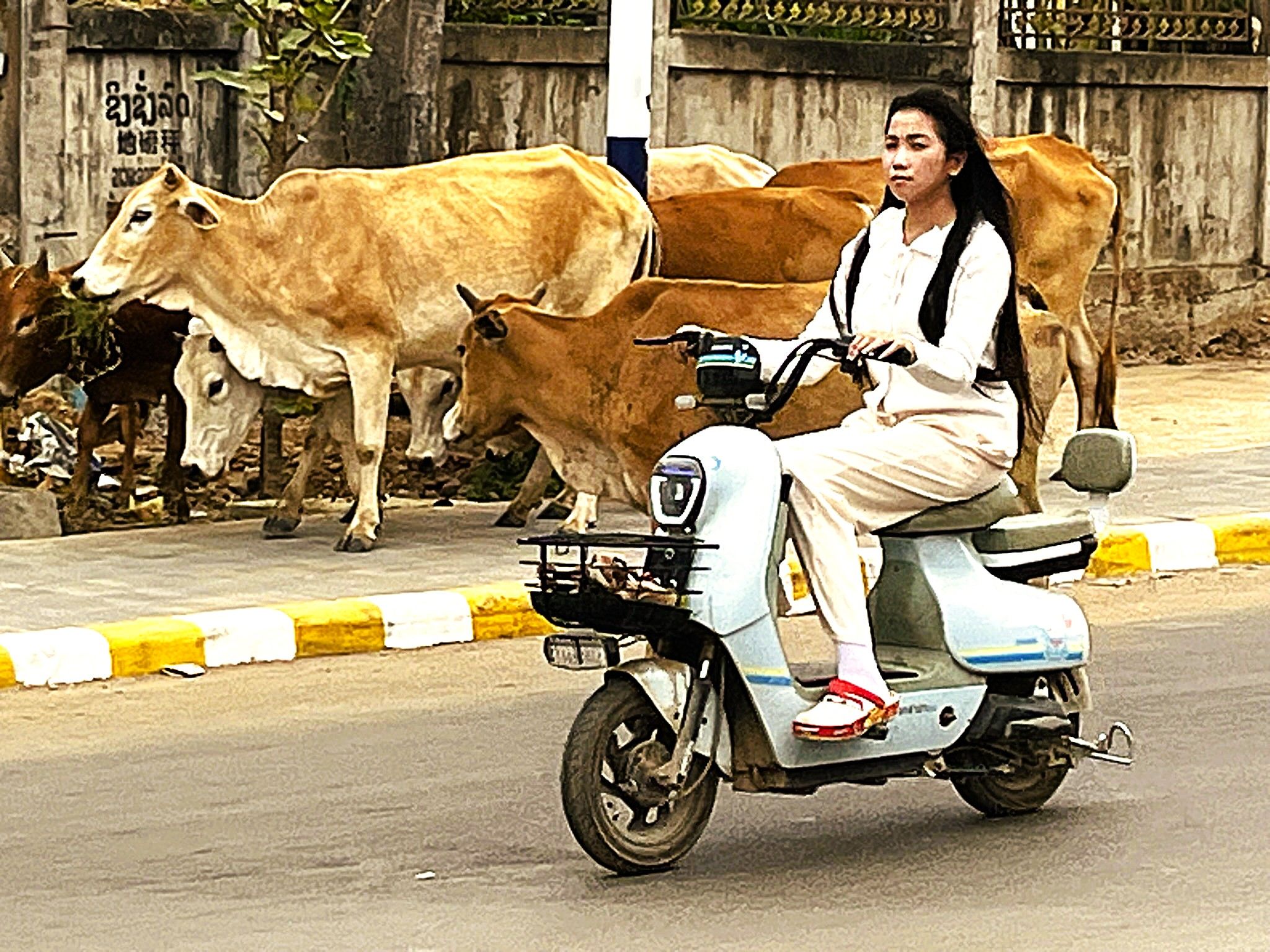
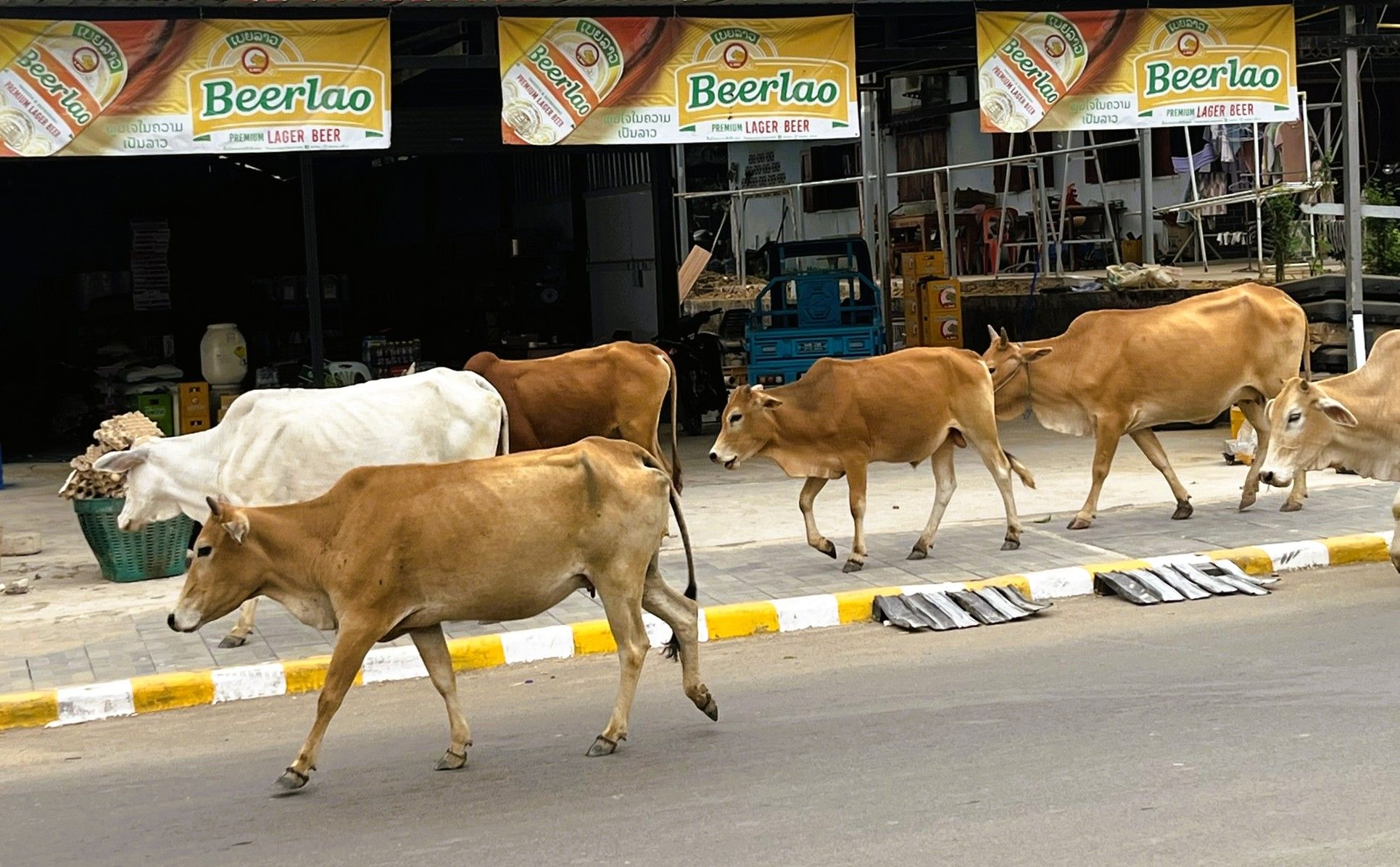
On March 18, 2025, I travel, still accompanied by the two Spaniards Enrique and Álvaro, in a minibus from Phonsavan in the depths of the Laotian province down to Vang Vieng. The journey is even more uncomfortable than that a few days earlier from Luang Prabang to Phonsavan: In the van with its 15 seats, 17 passengers squeeze in, including two children. Along the way, the driver has the brilliant idea of loading three extra passengers. Presumably, he earns a little extra on the side. Now, three more people crouch in the narrow aisle.
The road is just as damaged up to just before Vang Vieng as the one from Luang Prabang. Halfway there, we are further delayed by a traffic jam due to a cargo truck that has sunk in the road.
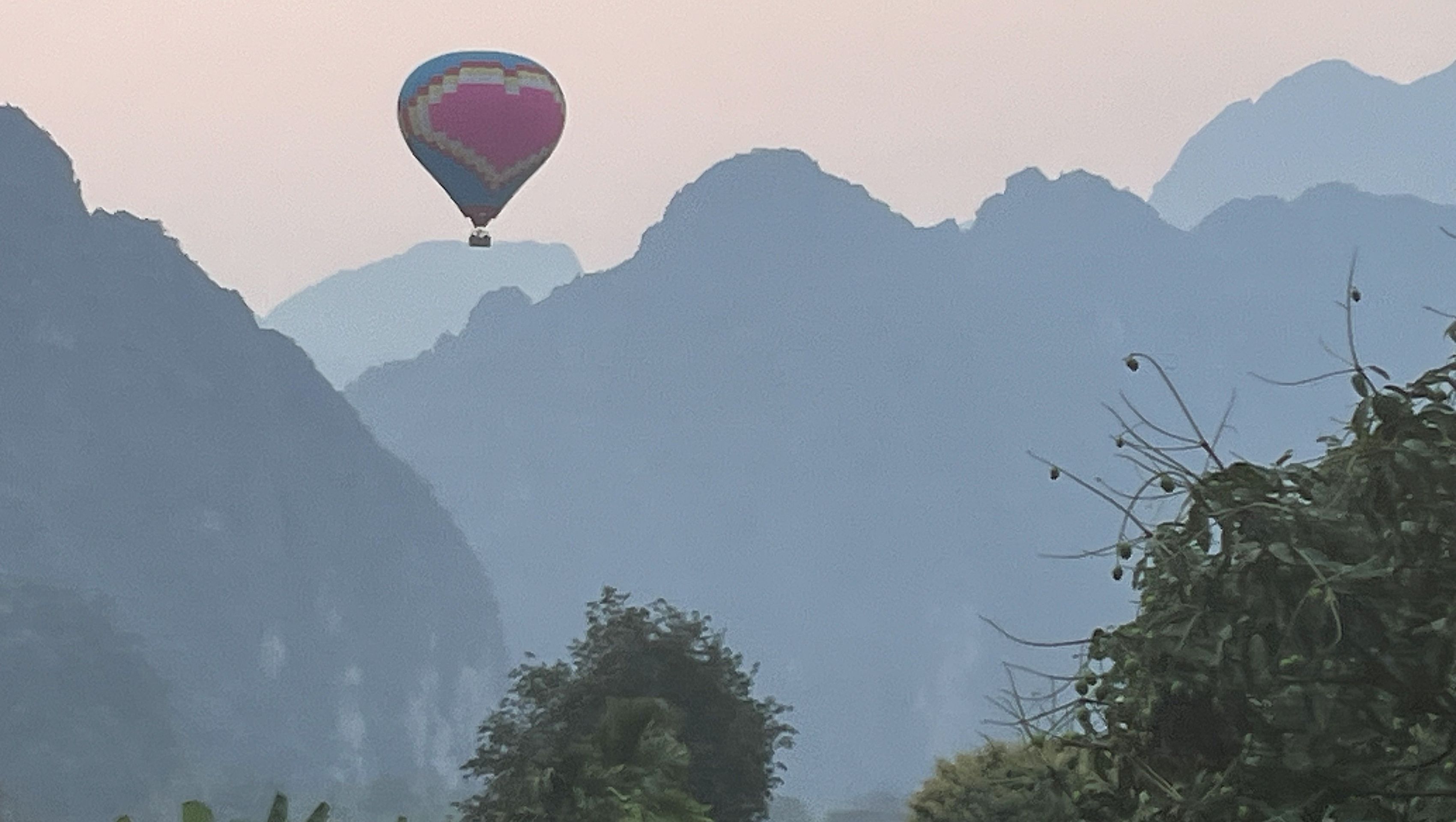
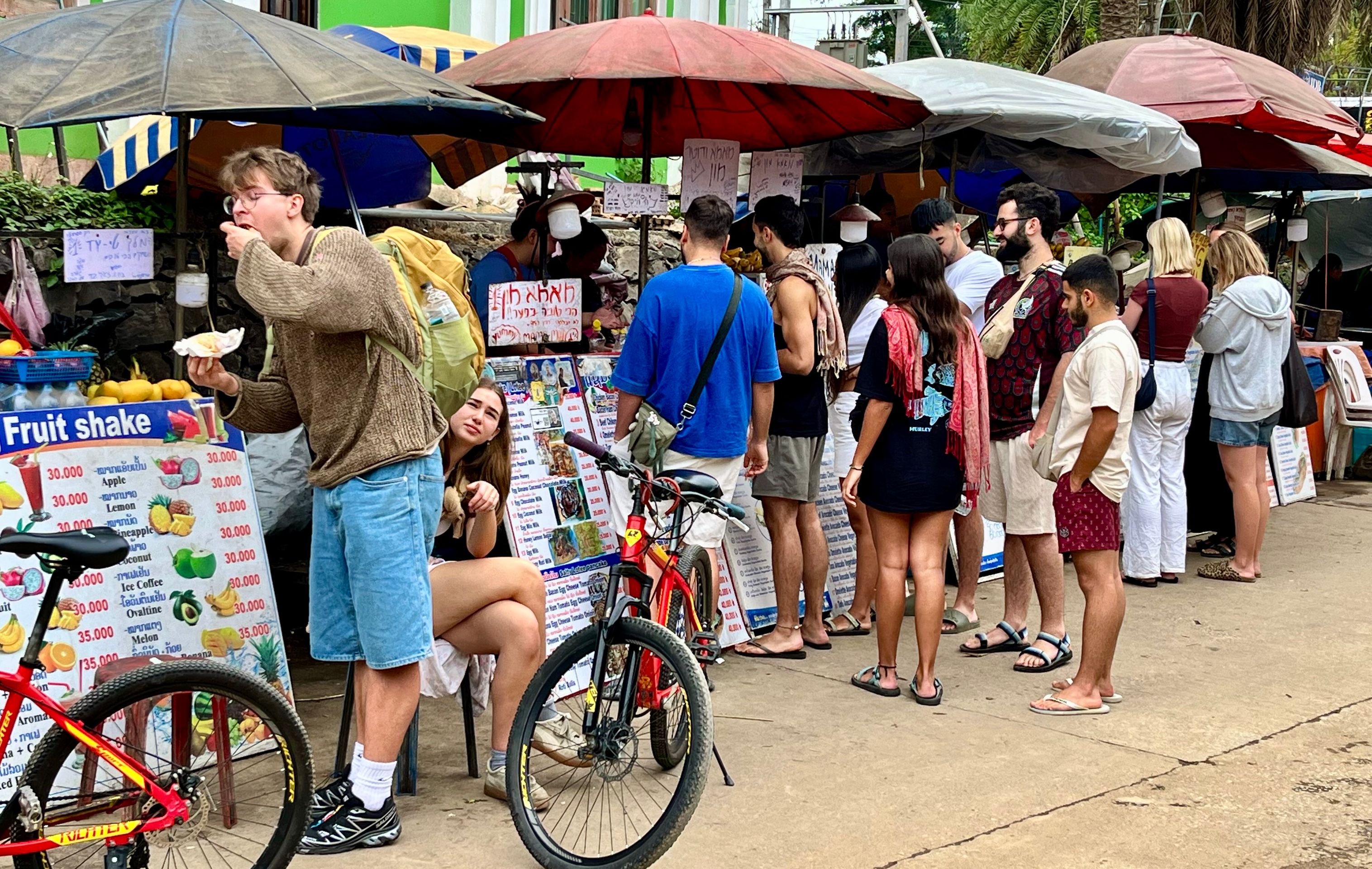
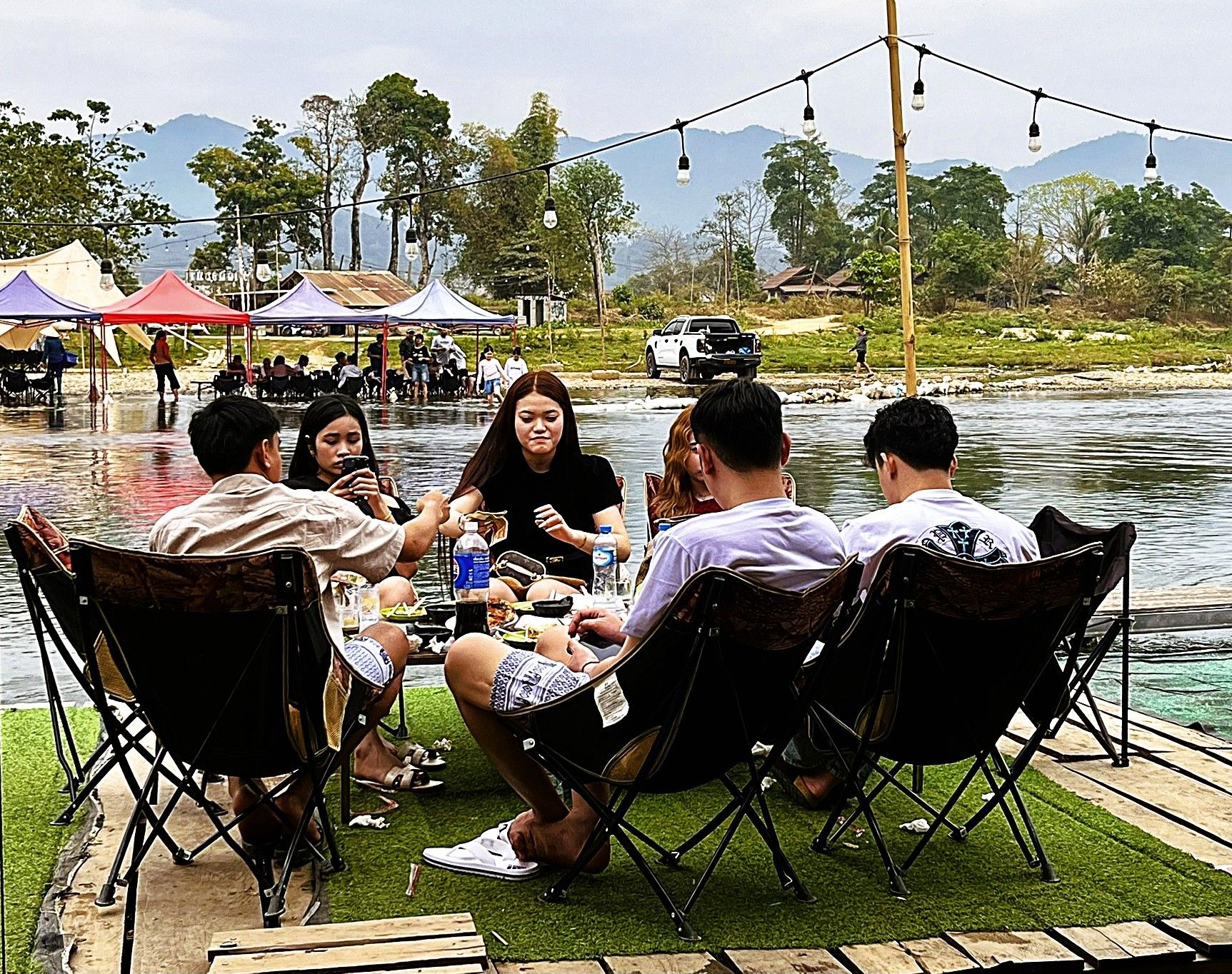
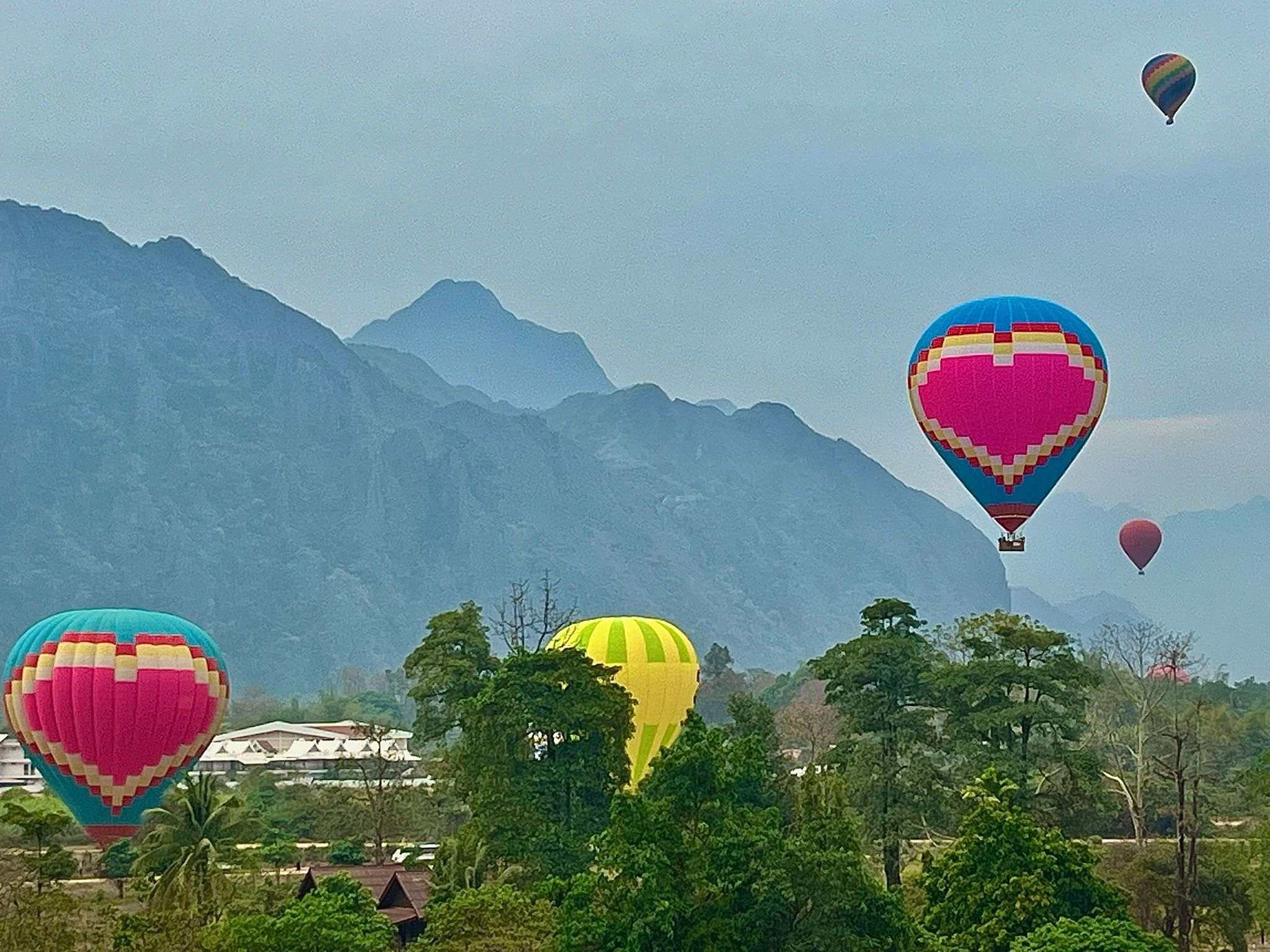
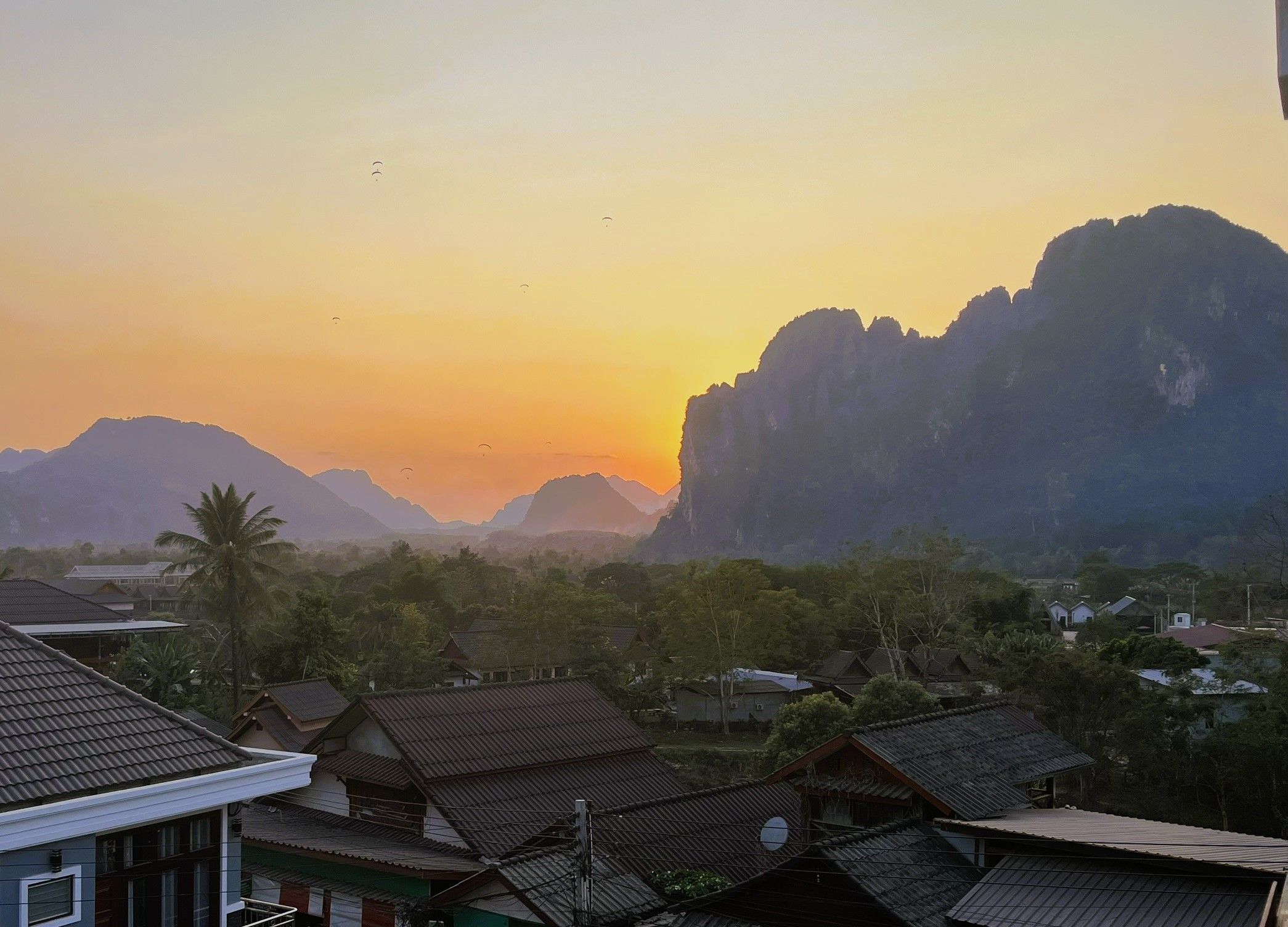
By evening, we finally arrive in Vang Vieng; the minibus abruptly brakes at an improvised, unpaved bus station. Dust swirls up and settles on the backpacks and suitcases on the roof of the car. But when you lift your gaze over the corrugated iron roofs of the shops, residential houses, and hostels, it wanders over the mighty karst rocks that rise from the plain. Almost vertically, the hills rise, covered in shrubs. The contrast between the shabby street front in the foreground and the landscape in which the place is nestled could hardly be greater.
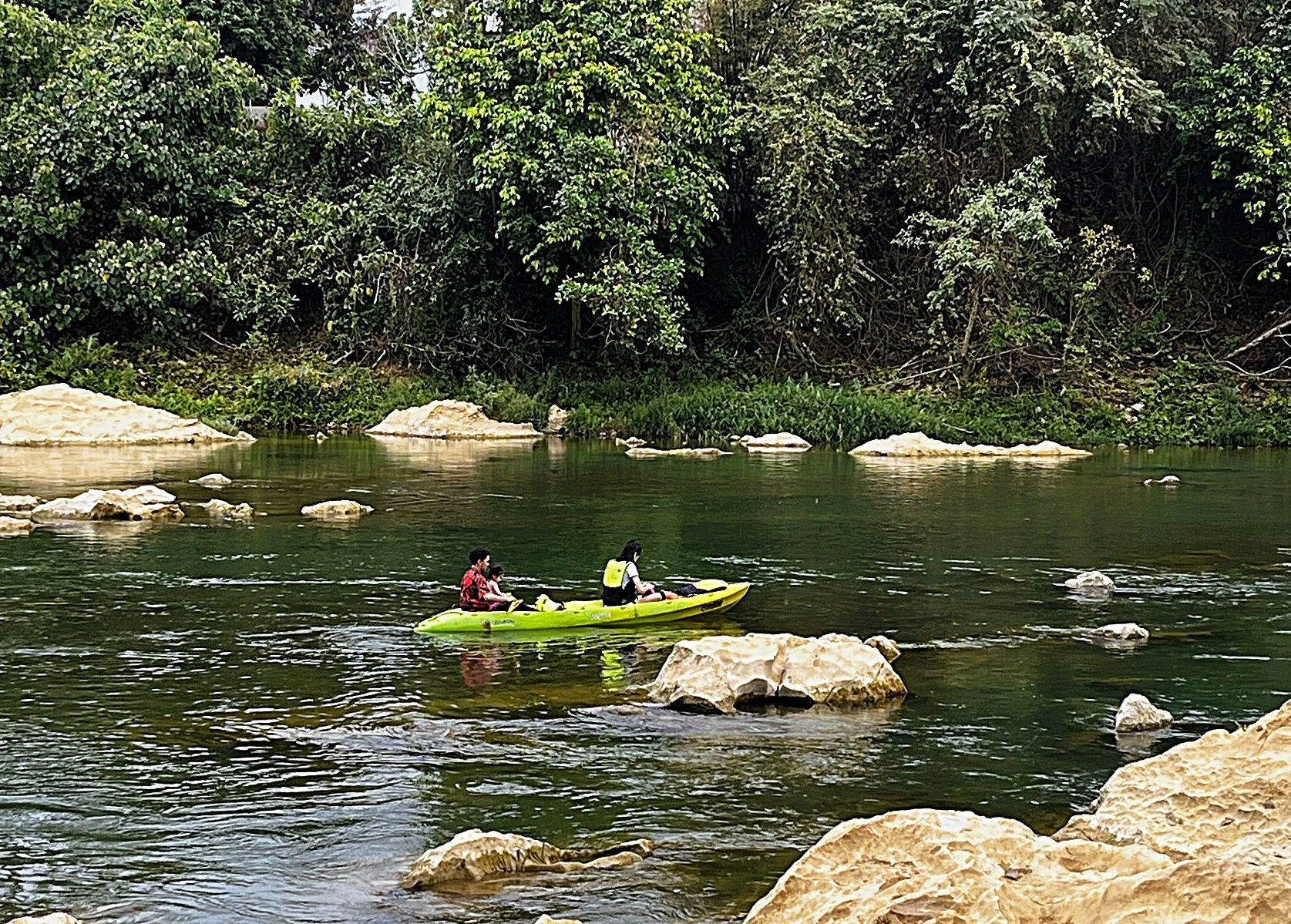
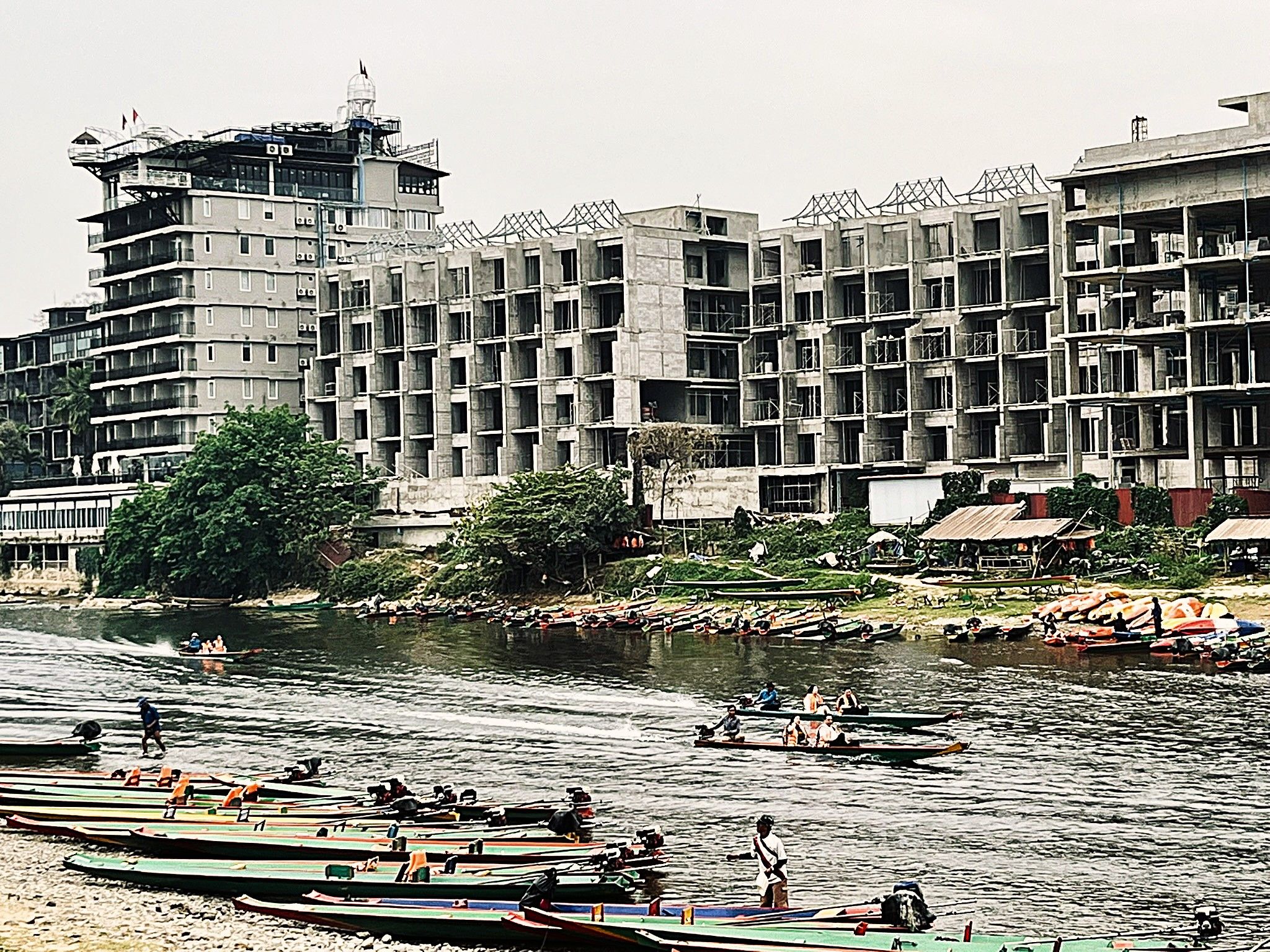
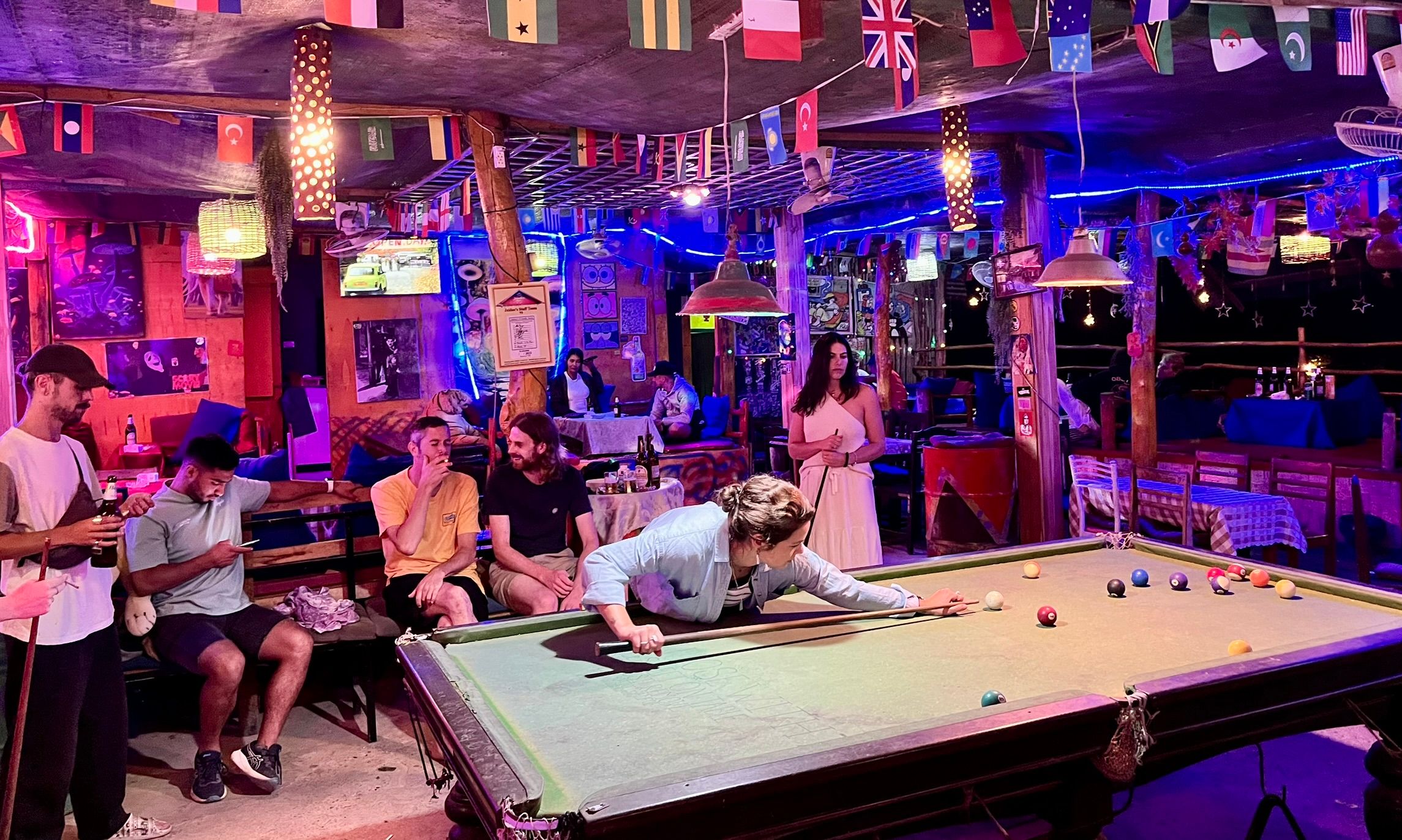
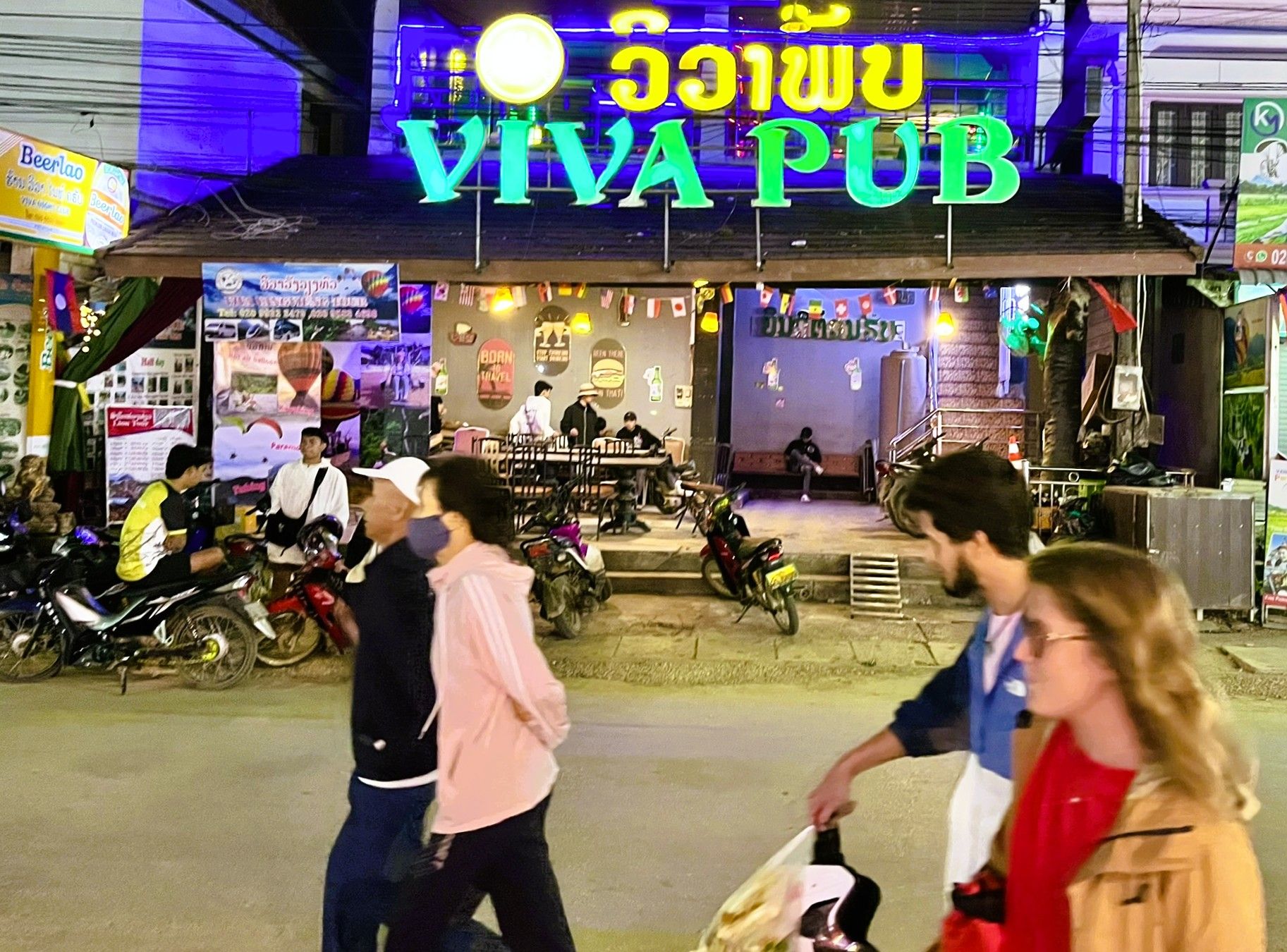
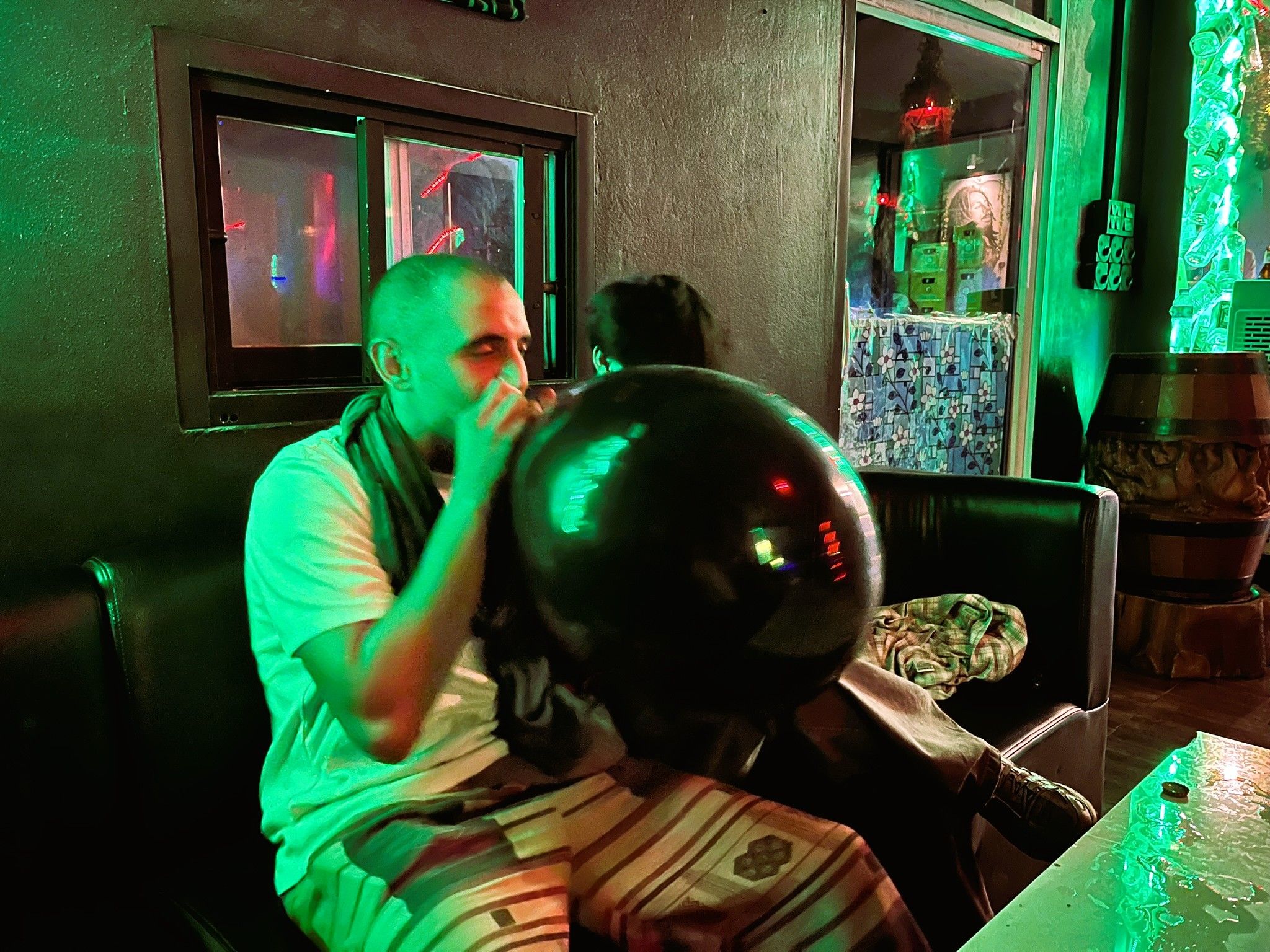
Once a sleepy farming village in a dramatic river and mountain landscape, Vang Vieng has been considered a paradise for backpackers for the past two to three decades. In November 2024, the place made headlines worldwide when two Australian women, two Danish women, an American, and an English woman who had stayed at the