

Vang Vieng, Backpacker Paradise
died after consuming adulterated alcohol served to them by the hotel owner. Outdoor Activities The incident has not diminished the place's popularity. The bars and nightclubs...
Published: 11.05.2026
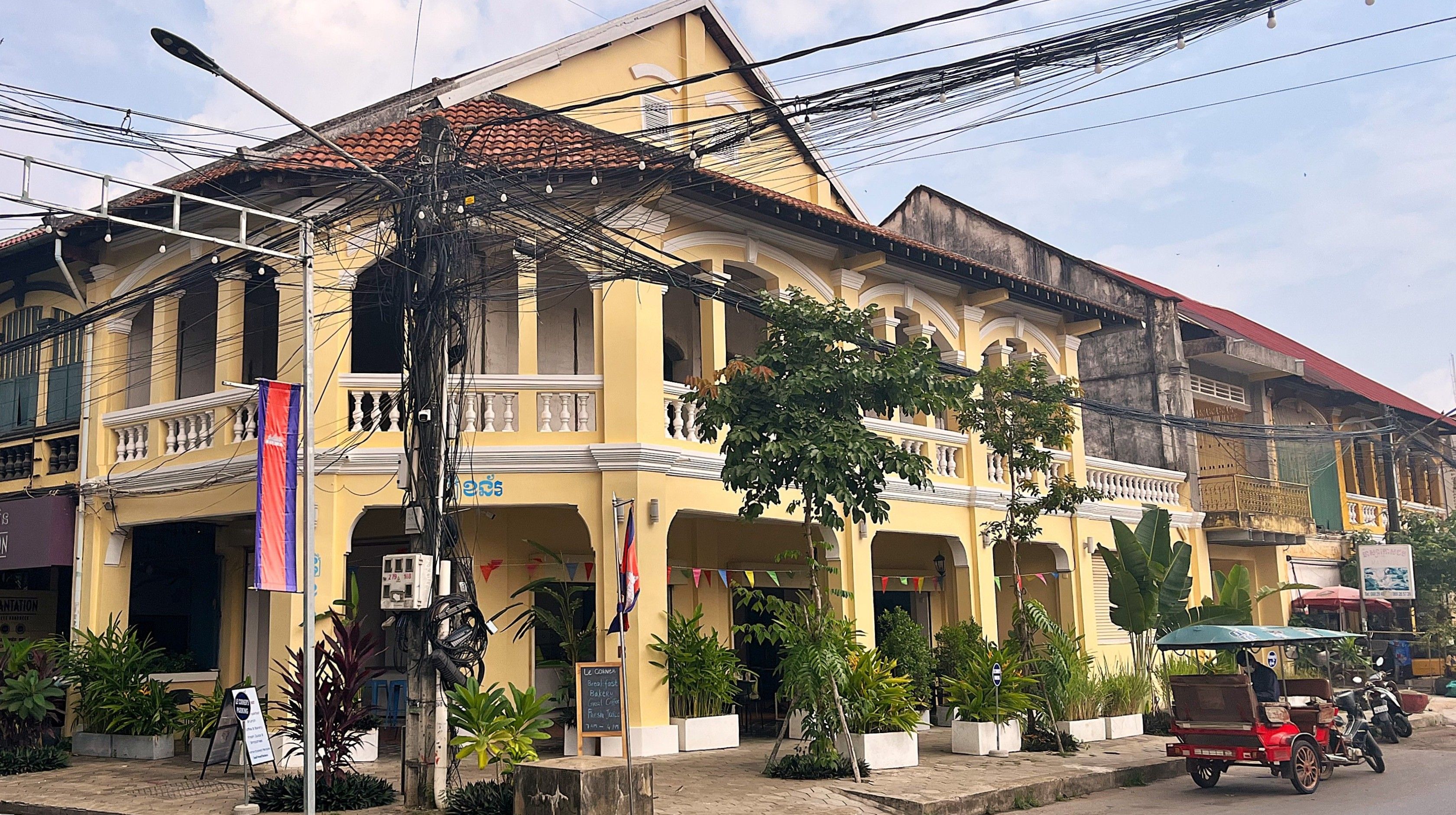
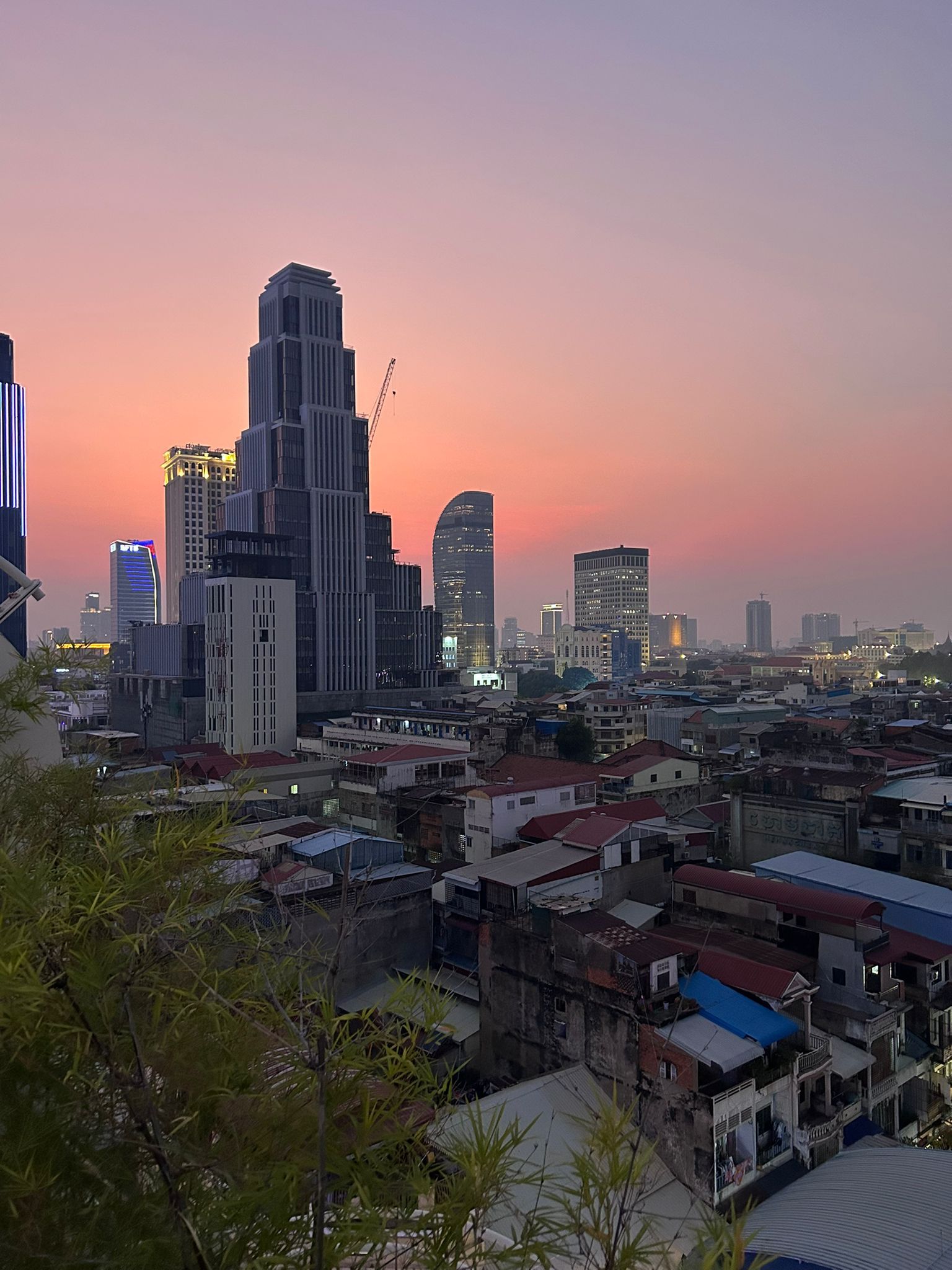
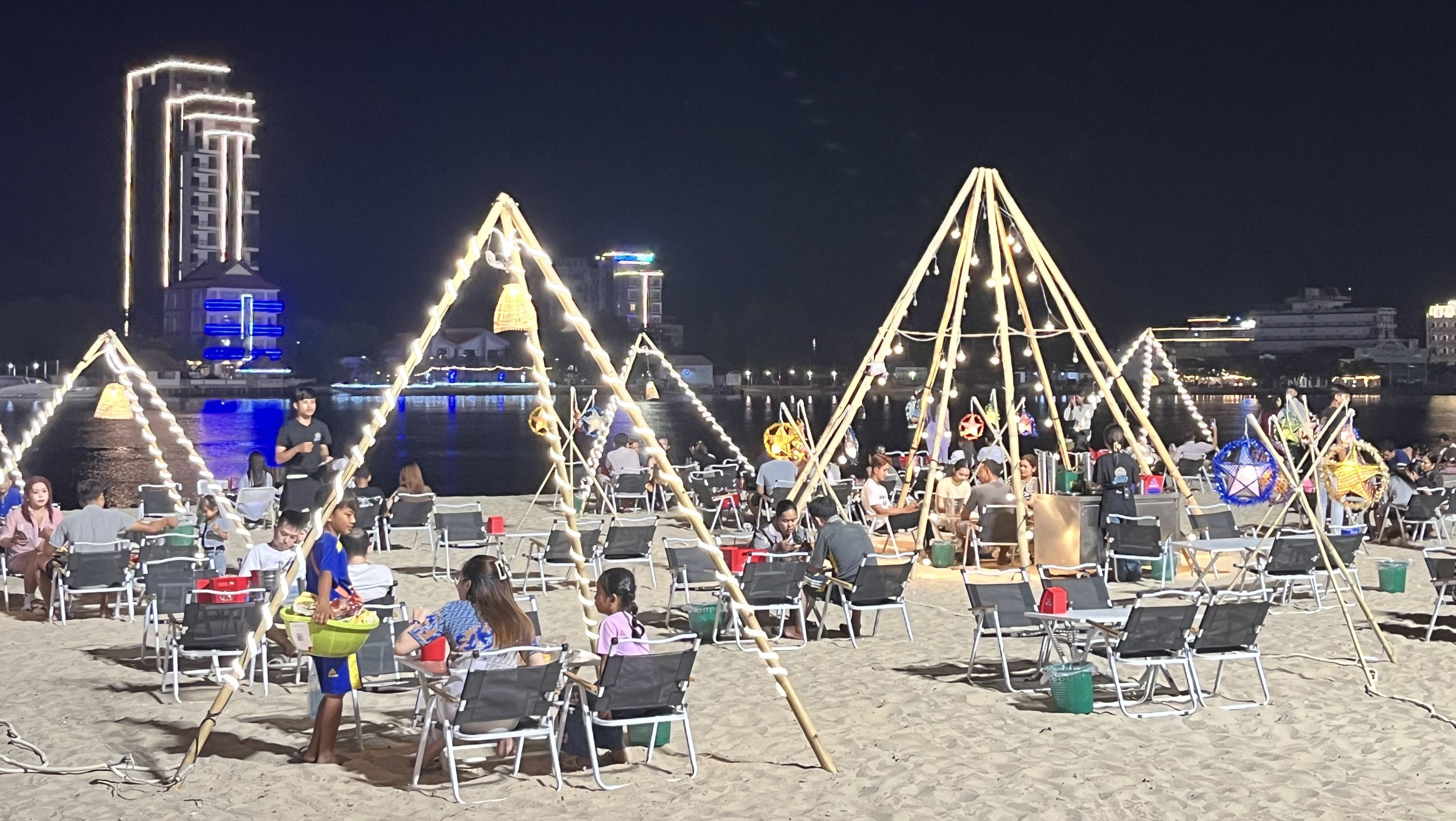
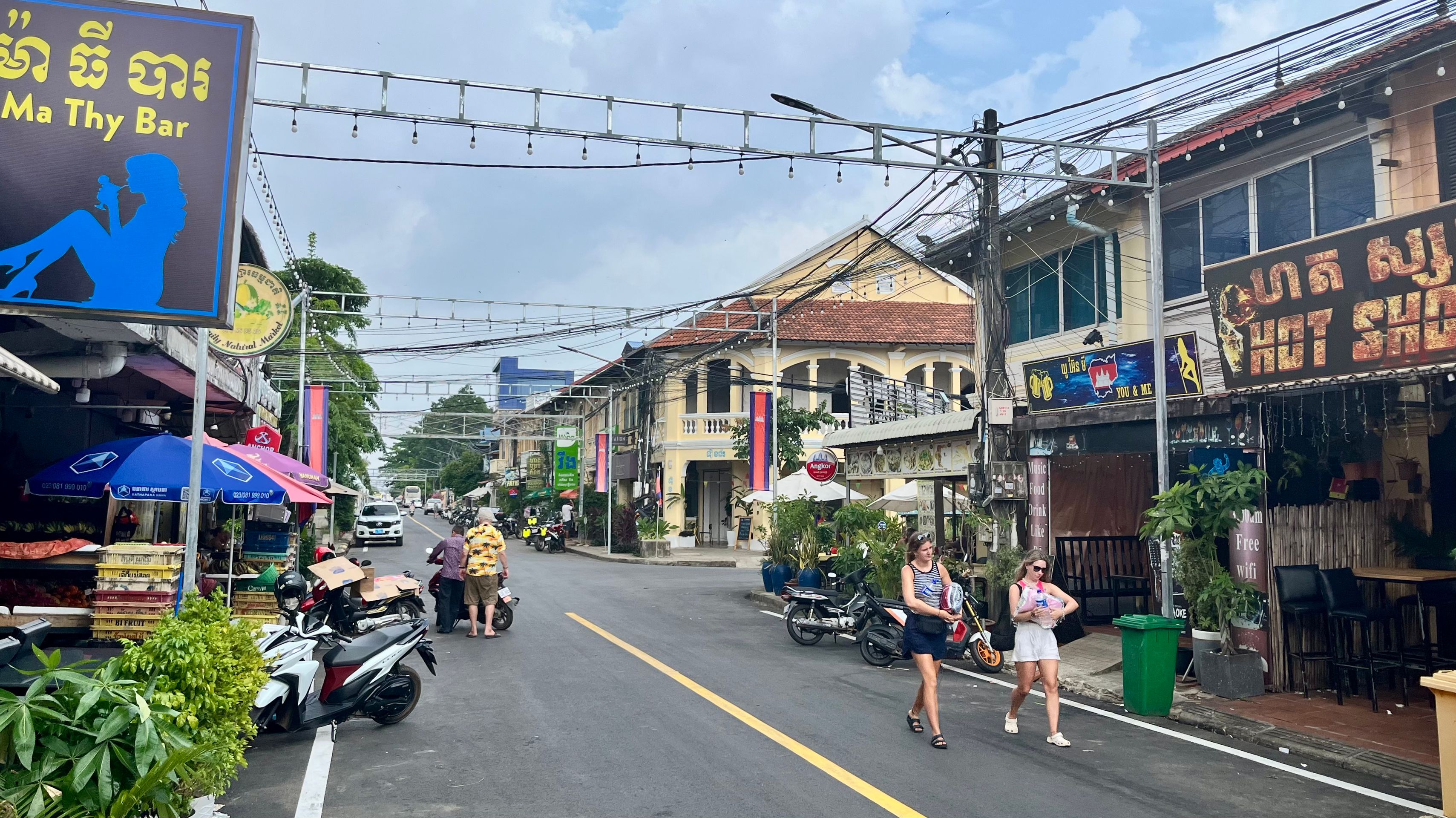
There are places that immediately draw me in. One of them is Kampot, a provincial capital in the southwest of the Kingdom of Cambodia with about 50,000 inhabitants. It lies on the Preaek Tuek Chhu River, where there is even a sandy beach right in the city. It is also characterized by well-preserved street layouts from the time of French colonization between 1863 and 1953.
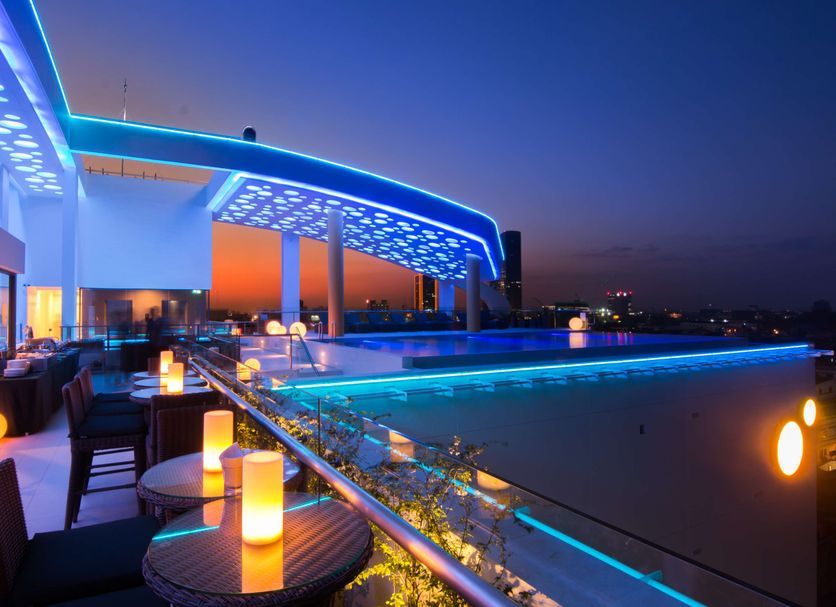
At the end of March, I traveled by minibus from Vang Vieng to Vientiane, the capital of Laos, spent only one night there, and flew to Phnom Penh the next morning, the city that had so impressed me months ago with its shocking history. This time, I indulged in pool billiards, frequented bars, and enjoyed the rooftop swimming pool at the “Sun and Moon Urban Hotel.” In other words: I dedicated myself to idleness for days.
On March 29, 2025, I finally set off on the bus to Kampot, about 150 km southwest of Phnom Penh. In Laos, Alan, a retired Australian living in Kampot with his Cambodian wife, had made the city sound appealing to me. For him, there is no better place in the world, he said. I had to see it for myself!
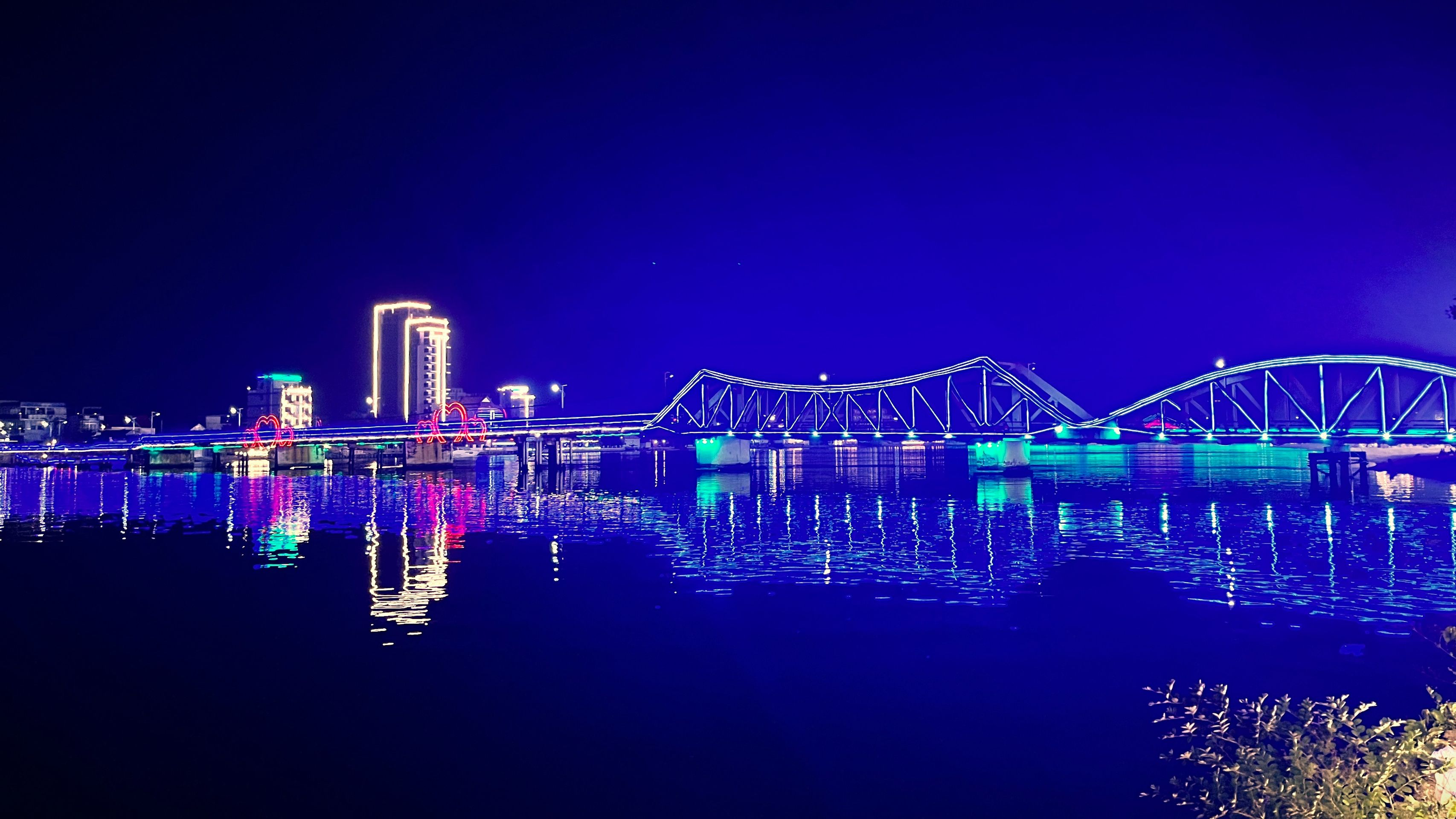
Kampot's districts on both sides of the river are connected by the historic Etanou Bridge, along with the “Vieux pont français,” which is accessible only to pedestrians, scooters, bicycles, and tuk-tuks. At night, the bridge, like the entire waterfront promenade, is festively lit (others might say: kitschy). The blue light it is bathed in creates a surreal effect.
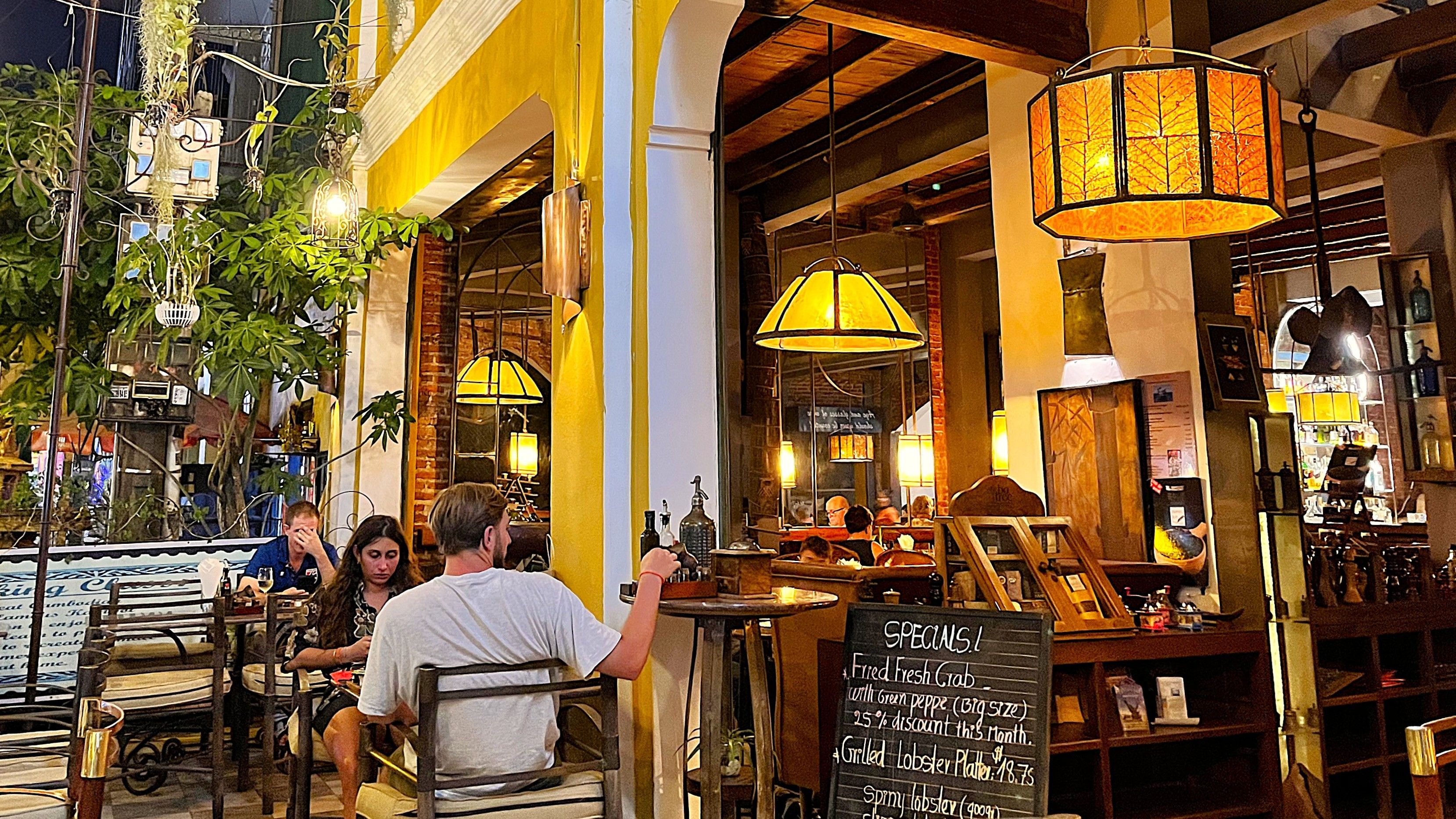
Kampot is not on the well-trodden paths of mass tourism. However, there are enough visitors as well as resident foreigners to support a vibrant restaurant and bar scene in the city center. I indulged in oysters and other seafood at the “Seafood and Pepper” restaurant in a magnificently renovated old town house. Then I strolled through the night streets. Here I took a drink, there I let a bar girl defeat me in pool billiards – it creates an unparalleled holiday feeling, even more so than if I were roasting myself on a palm-lined beach.
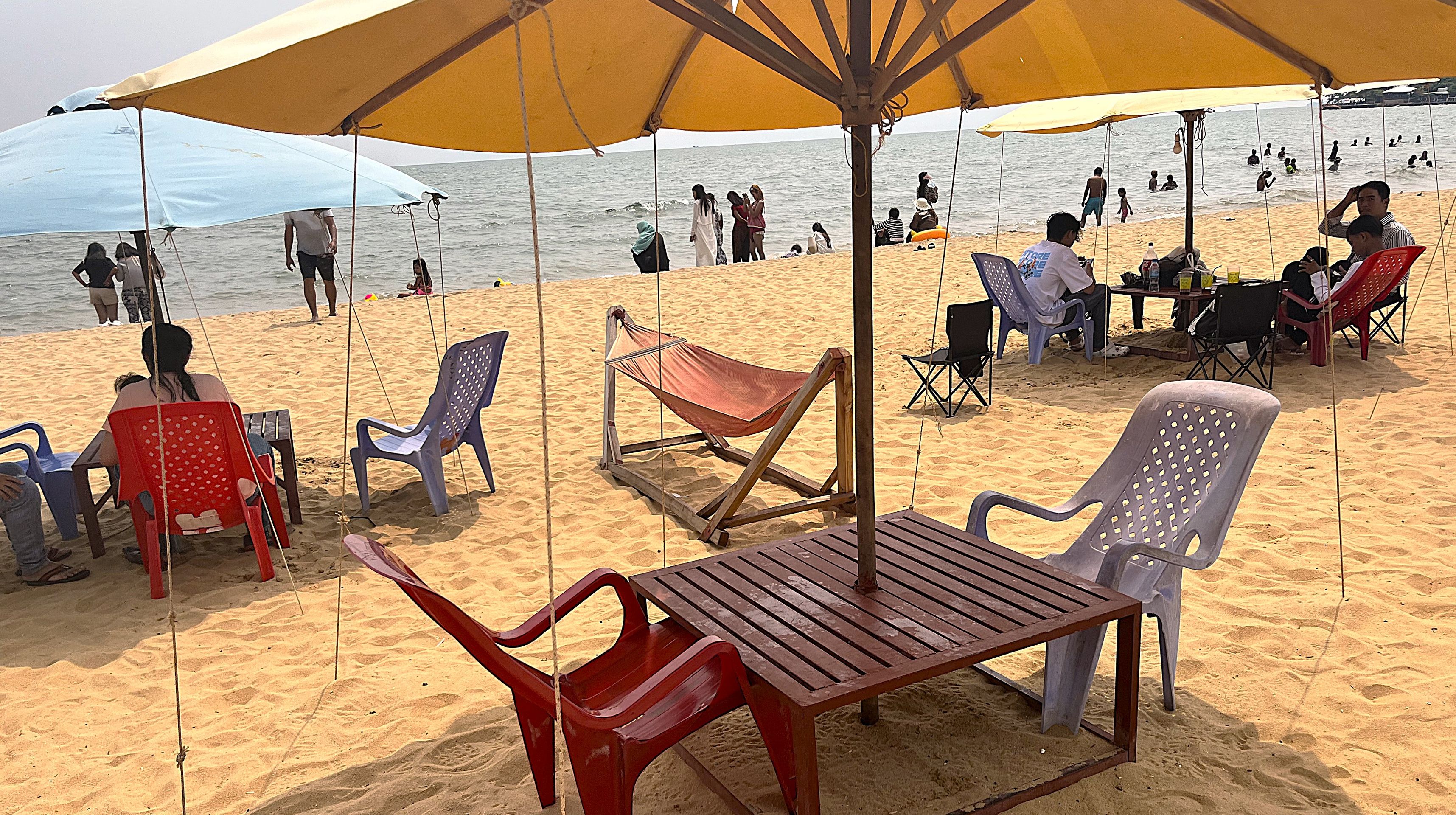
There is a beach anyway, about 25 kilometers south, in Kep on the Gulf of Thailand. What stands out immediately is that people swim here in clothes, not in swimsuits and bikinis. Instead of sun loungers, hammocks are rented out.
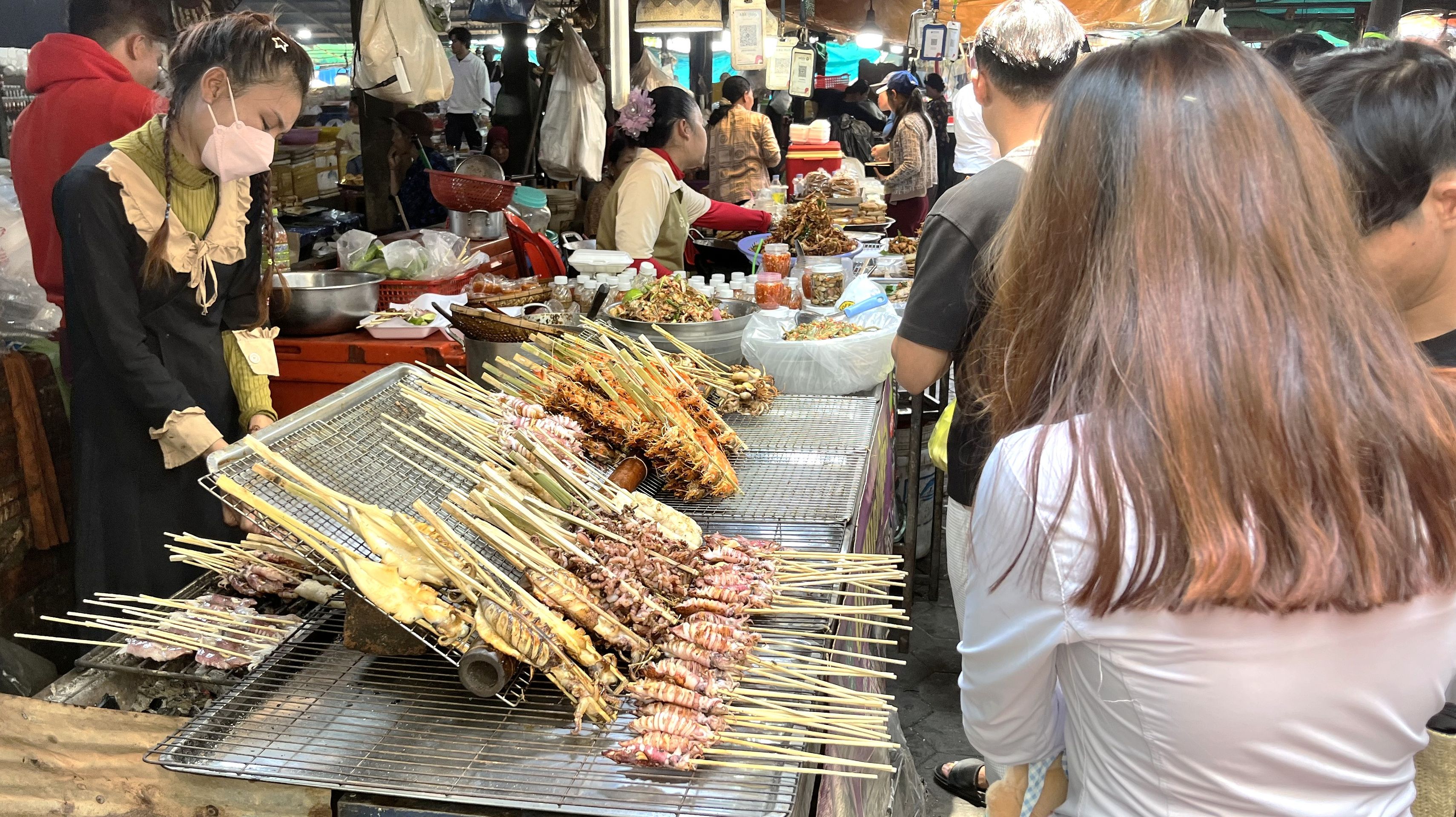
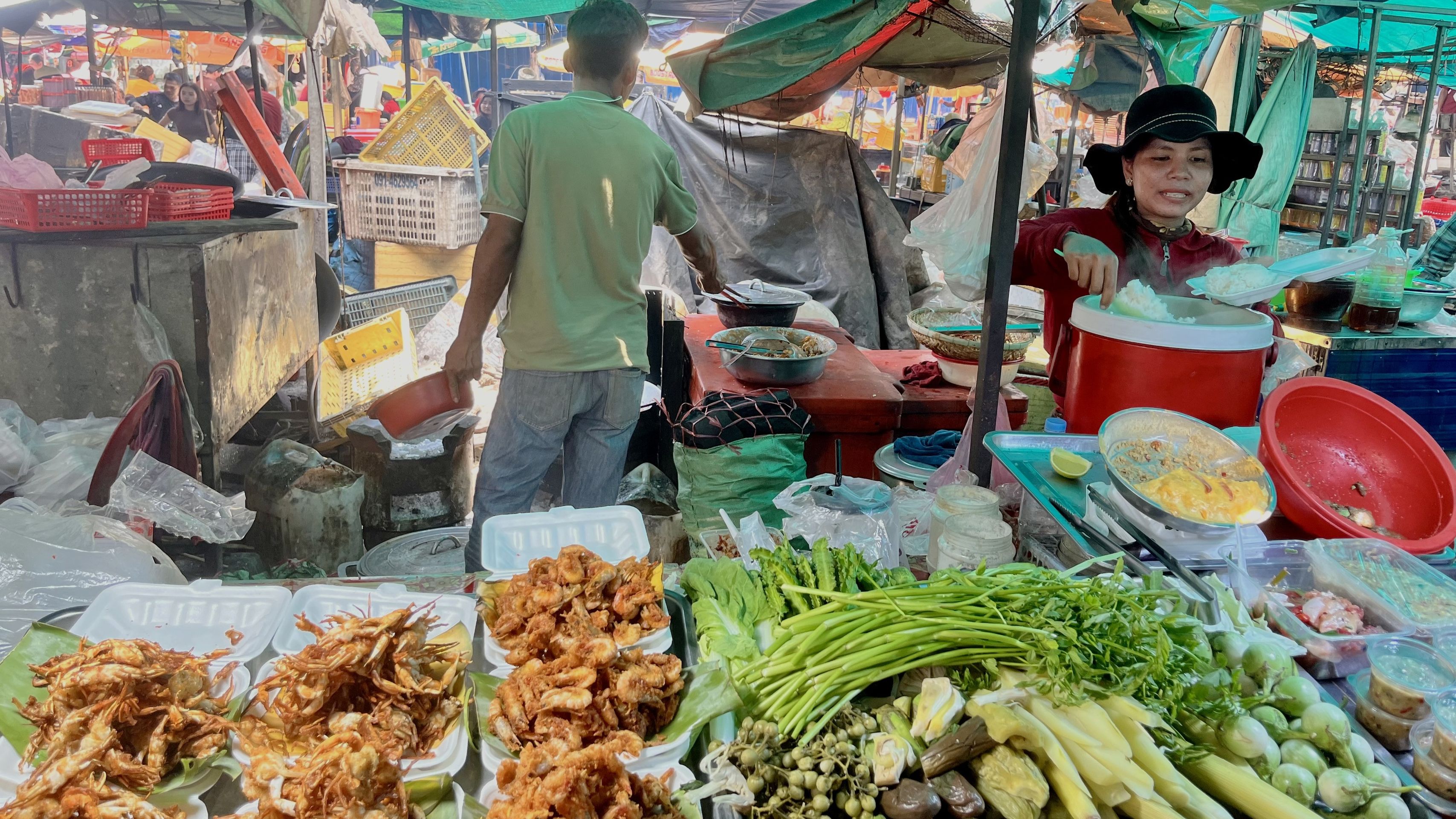
Kep also has a large market with food stalls offering excellent grilled or stewed seafood. It is covered with green plastic tarpaulins, under which it becomes scorching hot with outside temperatures well above 30 degrees, causing sweat to pour down in streams.
At the Pepper Farm
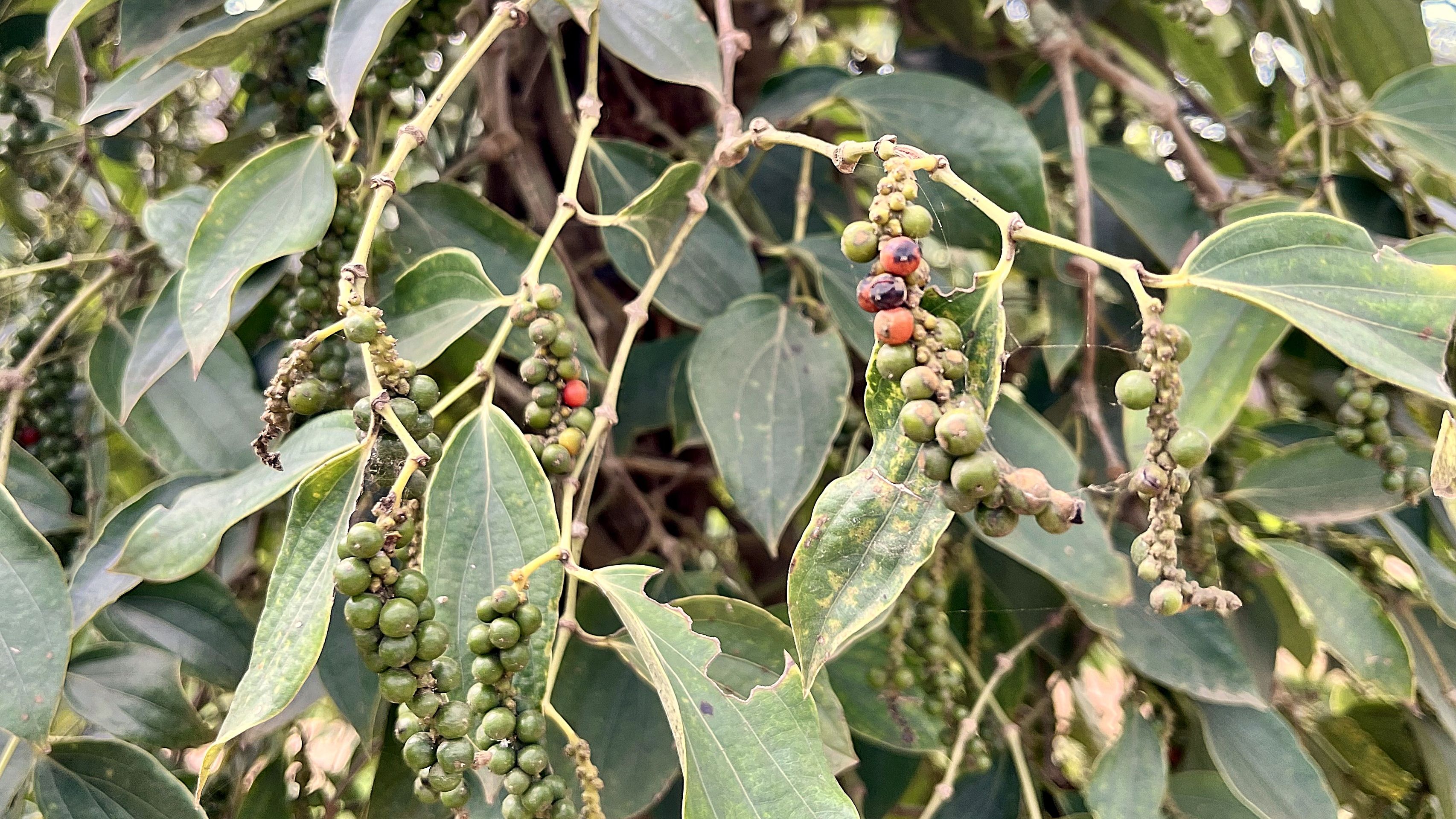
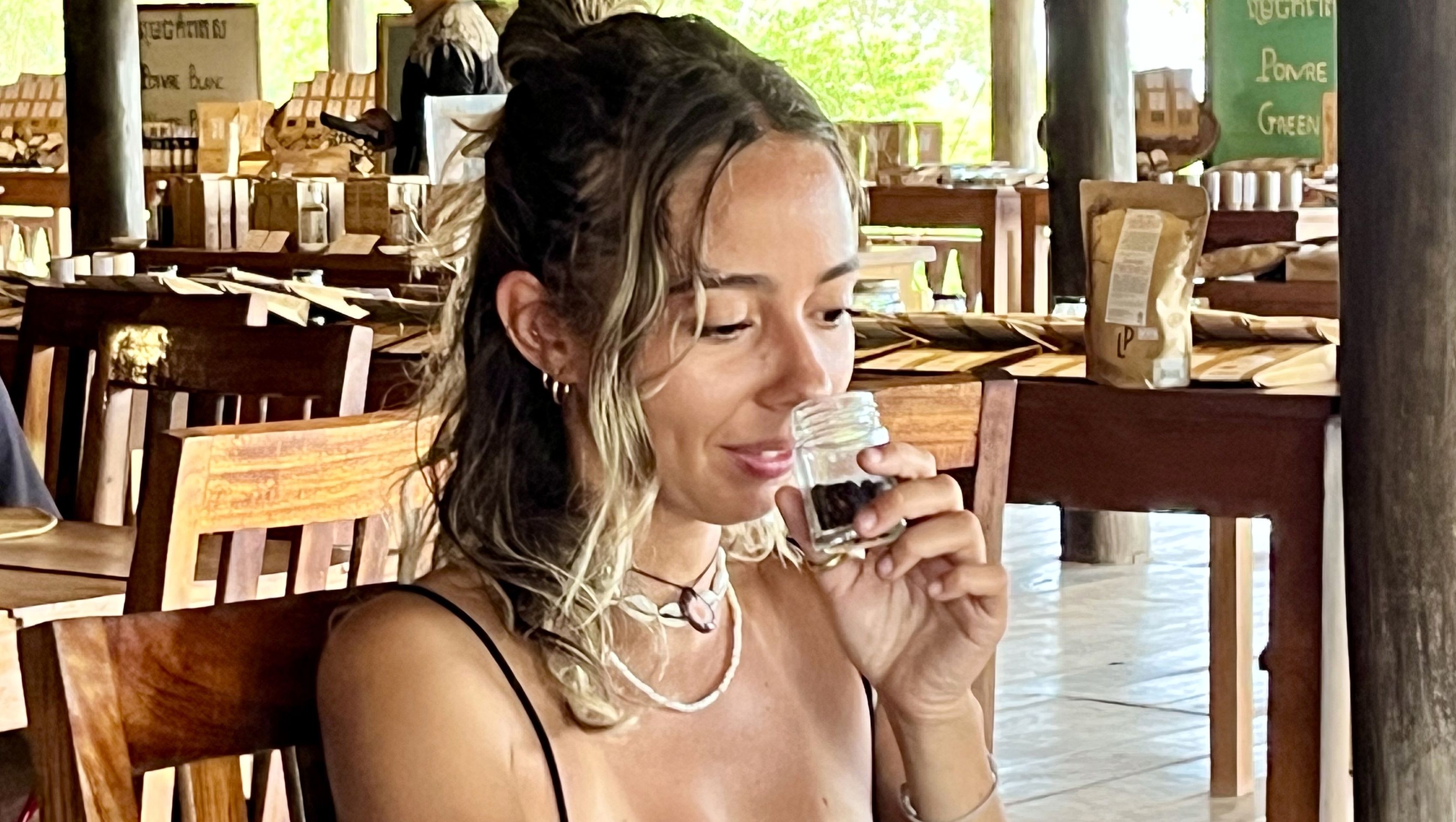
The region is mainly known for Kampot pepper. A ride in a tuk tuk to La Plantation, the largest pepper farm in the region, is a must. Guy Porré and Nathalie Chaboche, a French couple, founded the plantation twelve years ago. They had previously worked in the IT industry in London.
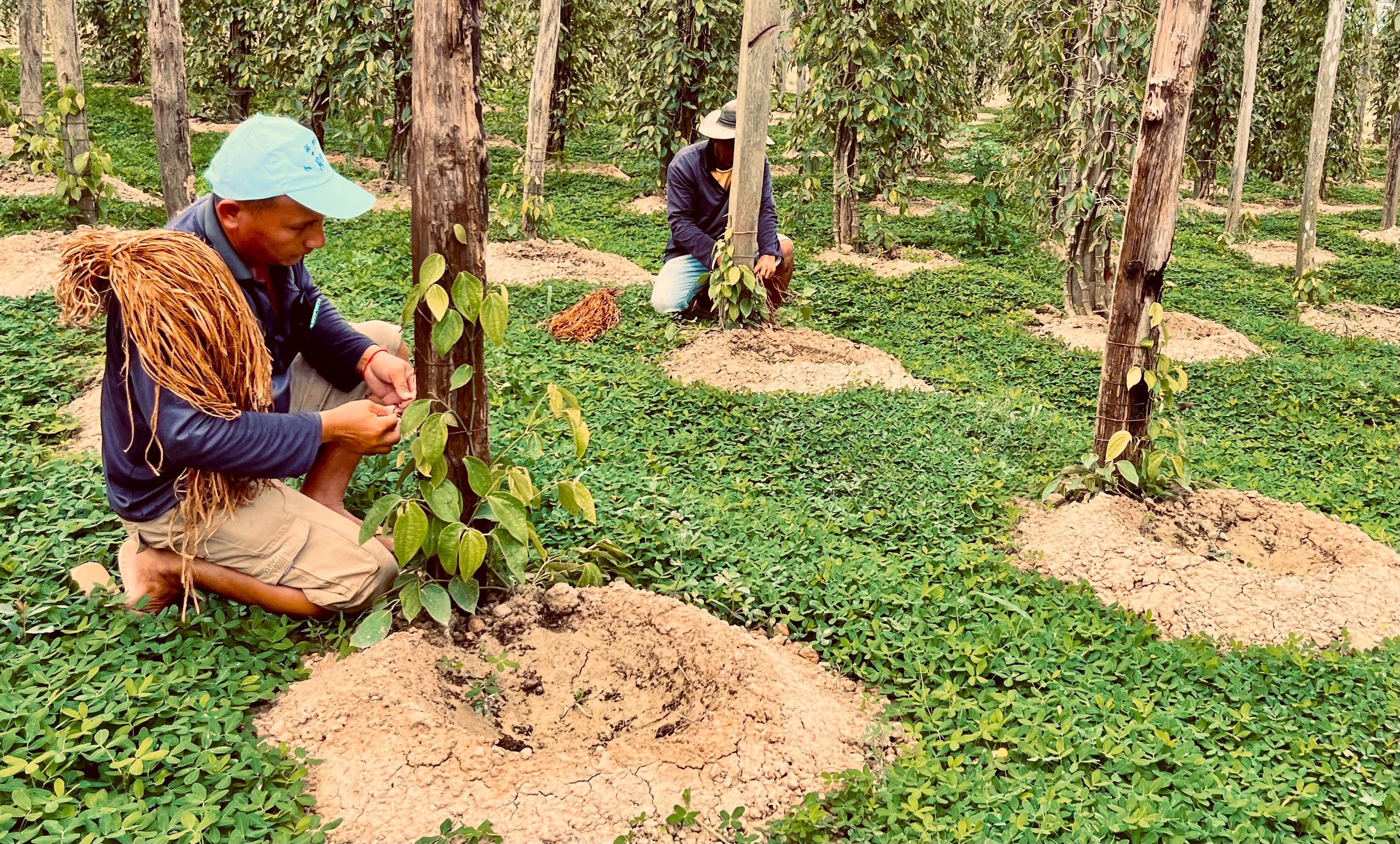
La Plantation is an exceptionally well-maintained establishment where not only pepper is cultivated using strictly organic methods, but also trees, shrubs, flower beds, and herb gardens have been planted. La Plantation is a showcase company: the working hours of its 300 employees are regulated; the wages are good in the Cambodian context. The precious Kampot pepper is exported worldwide, but when purchasing, one must be careful: the spice, like other expensive branded products, is often counterfeited.
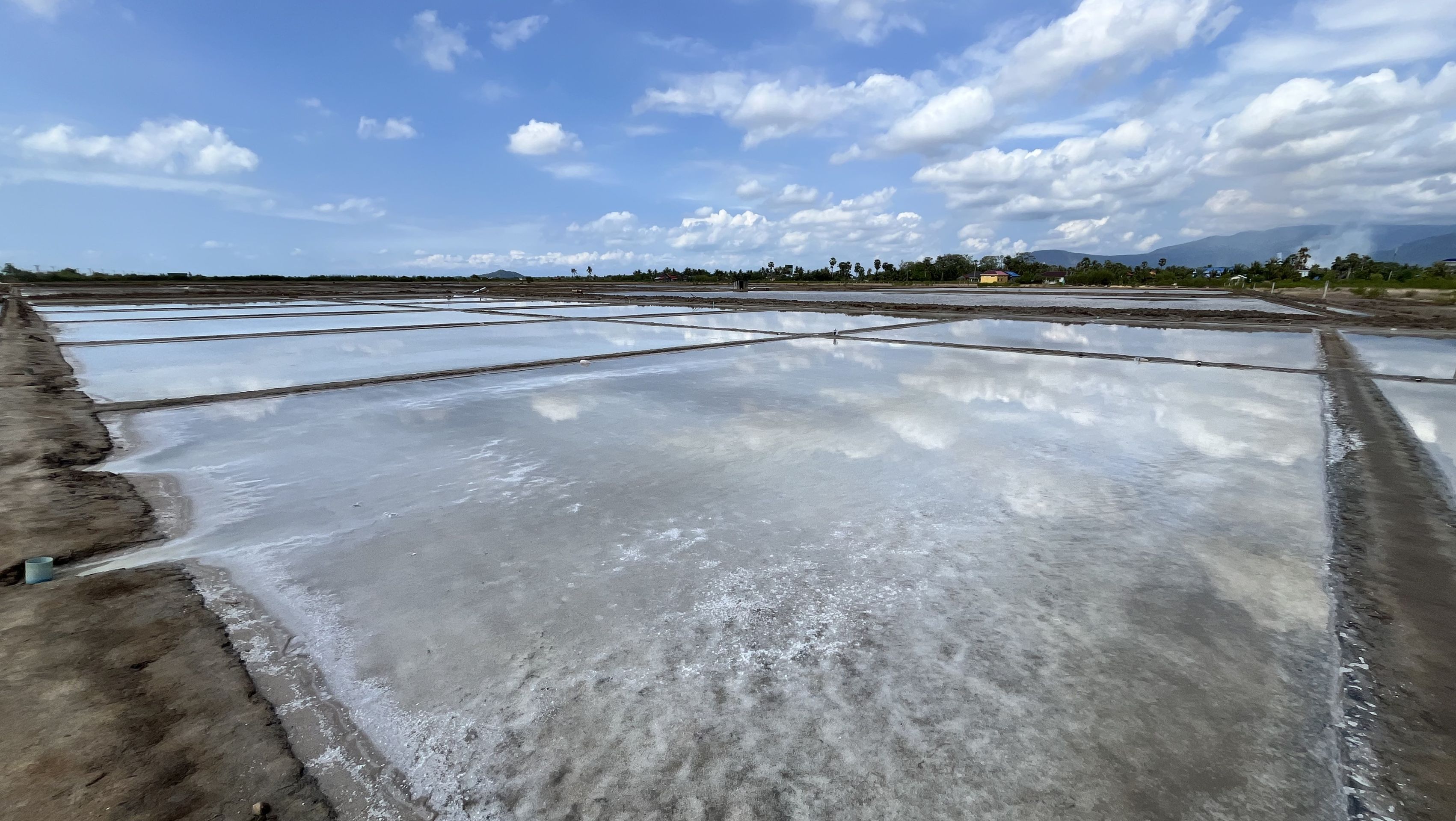
Among other things, La Plantation packs a combination of pepper and sea salt. This is also produced in large quantities around Kampot: seawater is pumped onto demarcated fields and dries out there. The remaining salt crust is washed and separated from other minerals like gypsum and lime, then dried and sifted. The entire process on the salt farms still occurs manually.
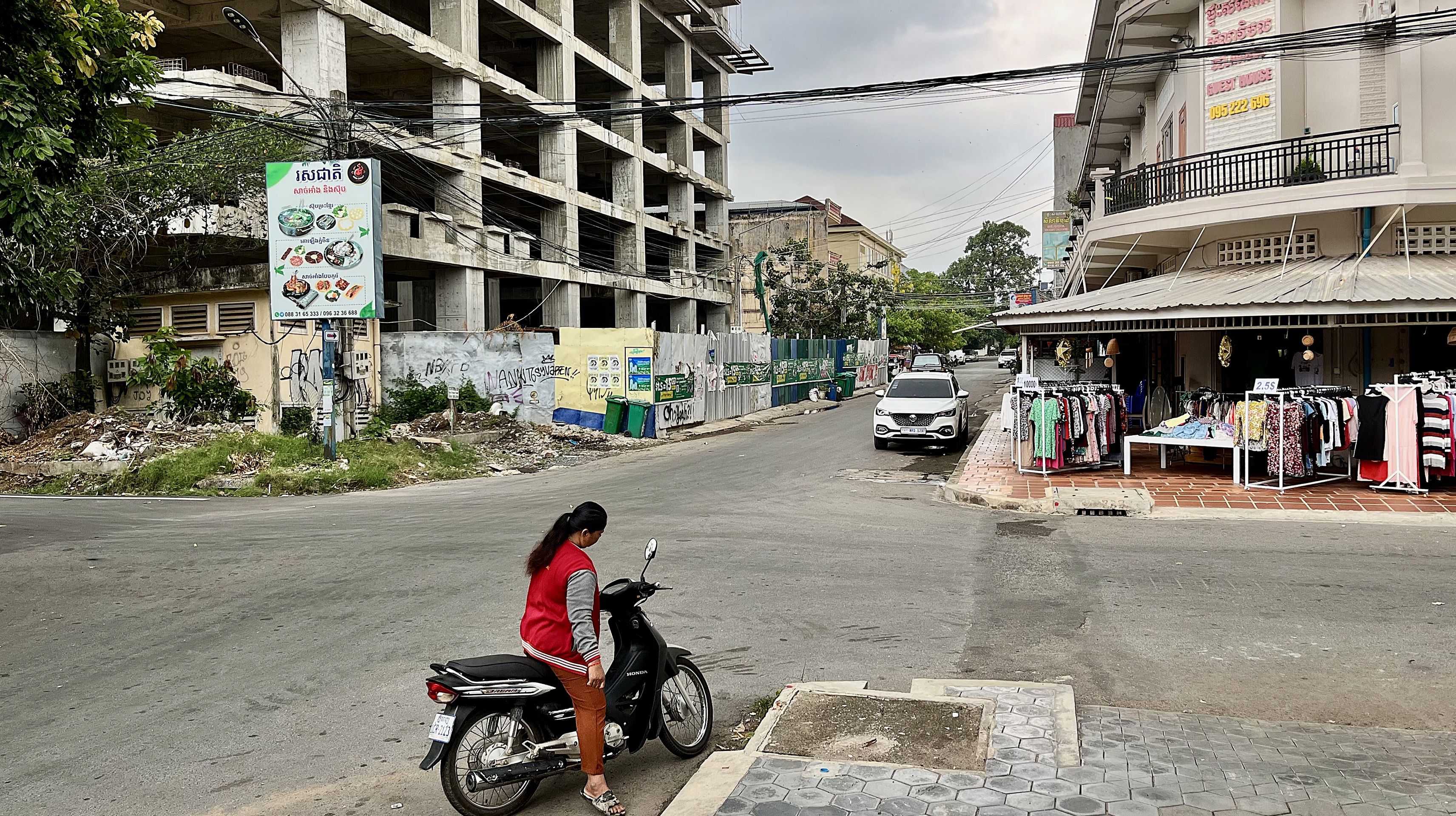
Of course, Kampot is not a pure idyll either. A whole block of buildings was torn down directly at the riverbank; standing there like an open sore is a half-finished concrete colossus. Compared to Sihanoukville, which is 75 km to the west, Kampot is still an intact place where I enjoy spending time. Even if I have stayed in a house whose name “Park Inn Boutique Hotel” promises more than it can deliver. The “Park Inn” is a mix of a simple hotel with double rooms and a hostel with larger dormitories.
But for 20 euros a night, one shouldn't expect five-star luxury, and I do not want to strain my budget with expensive accommodations. My greatest luxury is, in any case, priceless: that I have unlimited time and can freely choose which places I want to visit.