

Kampot, a city in the land of pepper
Back in Cambodia, this time in the southwest, I visited the city of Kampot, which pleasantly surprised me.

Published: 11.05.2026
On April 2, 2025, I traveled 75 km west from Kampot to a city called Sihanoukville. If, as mentioned in the previous blog, there are places that immediately draw you in, there are others that repel you right away. I admit that I arrived with prejudices (which were confirmed). The heavy rain upon arriving in Sihanoukville did nothing to improve the impression.
The city was founded in the mid-1950s by the French, who built a deep-sea port here. It was named after Norodom Sihanouk (1922–2012), who was king from 1941 to 1955 and from 1993 to 2004, also serving as prime minister in between, playing a dominant (and controversial) role in 20th century Cambodia.
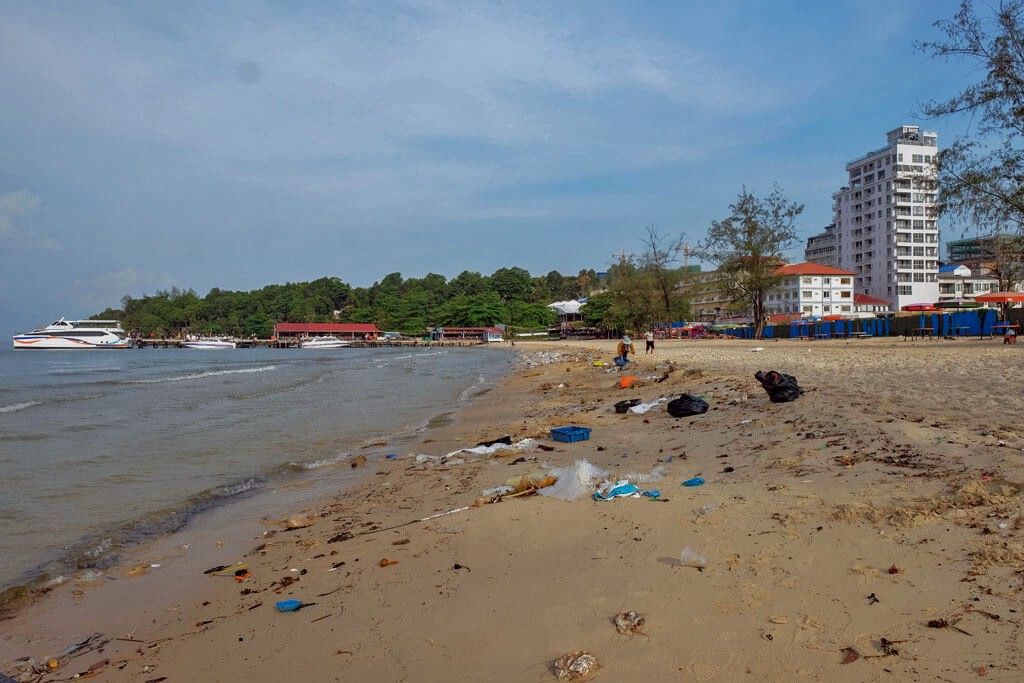
Travel reports from the early 1990s describe a relaxed seaside resort with plenty of green spaces, small houses, and endless, nearly untouched sandy beaches for those seeking peace and backpackers. During a visit to Serendipity Beach, there is nothing left of this idyll: huge buildings mar it, and it seems to have gone uncleaned for days, with trash accumulating.
However, it was already a bit dodgy in Sihanoukville earlier: thirty years ago, shady Russians were said to have frequented this place and engaged in some bloody feuds with each other.
Sold to the Chinese
In the new millennium, Chinese companies settled here, especially after the Cambodian and Chinese governments implemented their special economic zone project in 2006. In 2013, the Chinese integrated this into their “Belt and Road Initiative” (BRI), also known as the “New Silk Road.”
Chinese propaganda sells the BRI as a contribution to promoting world trade and economic development; skeptics see it as the plan of the People's Republic to conquer the world through peaceful means.
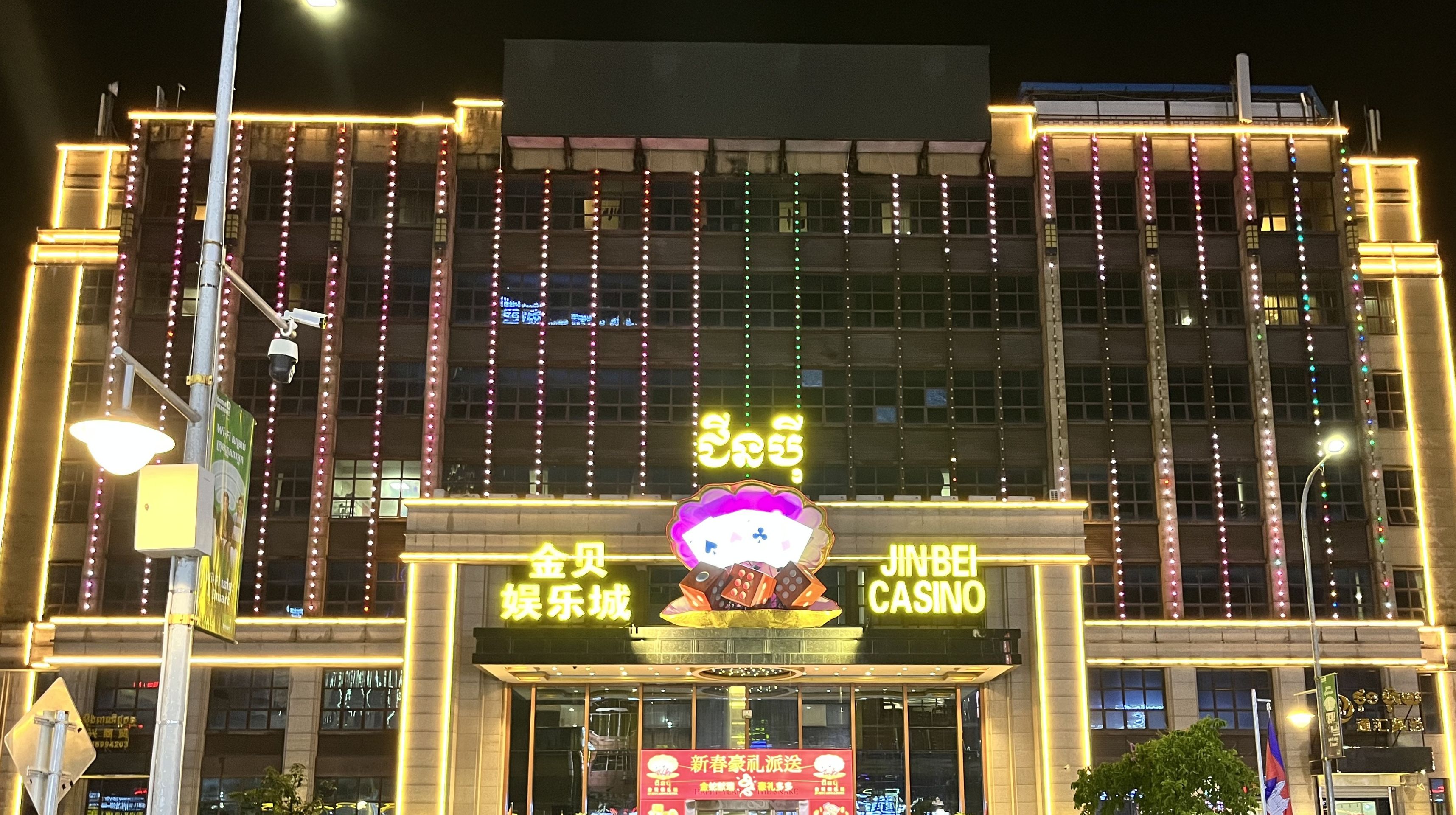
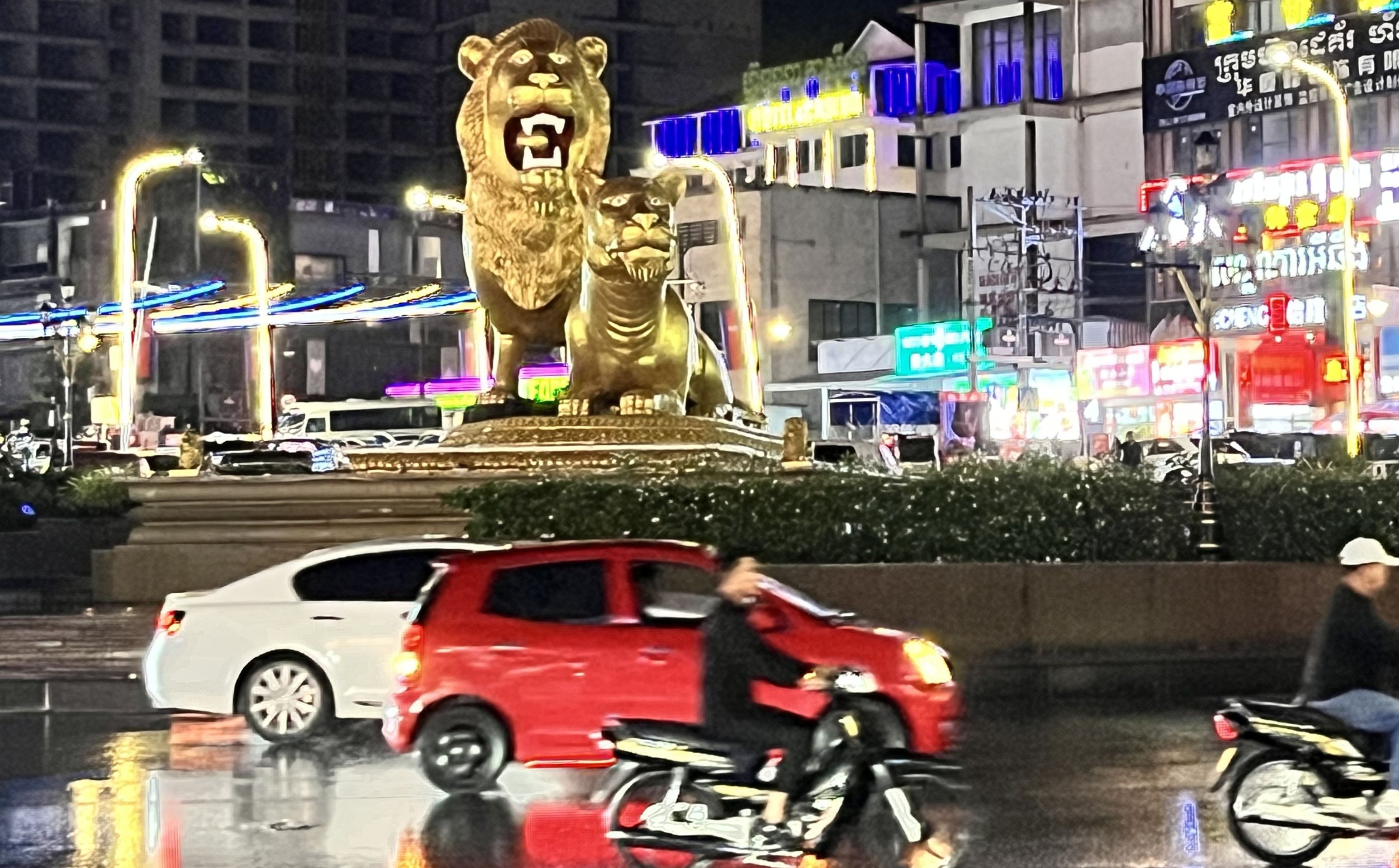
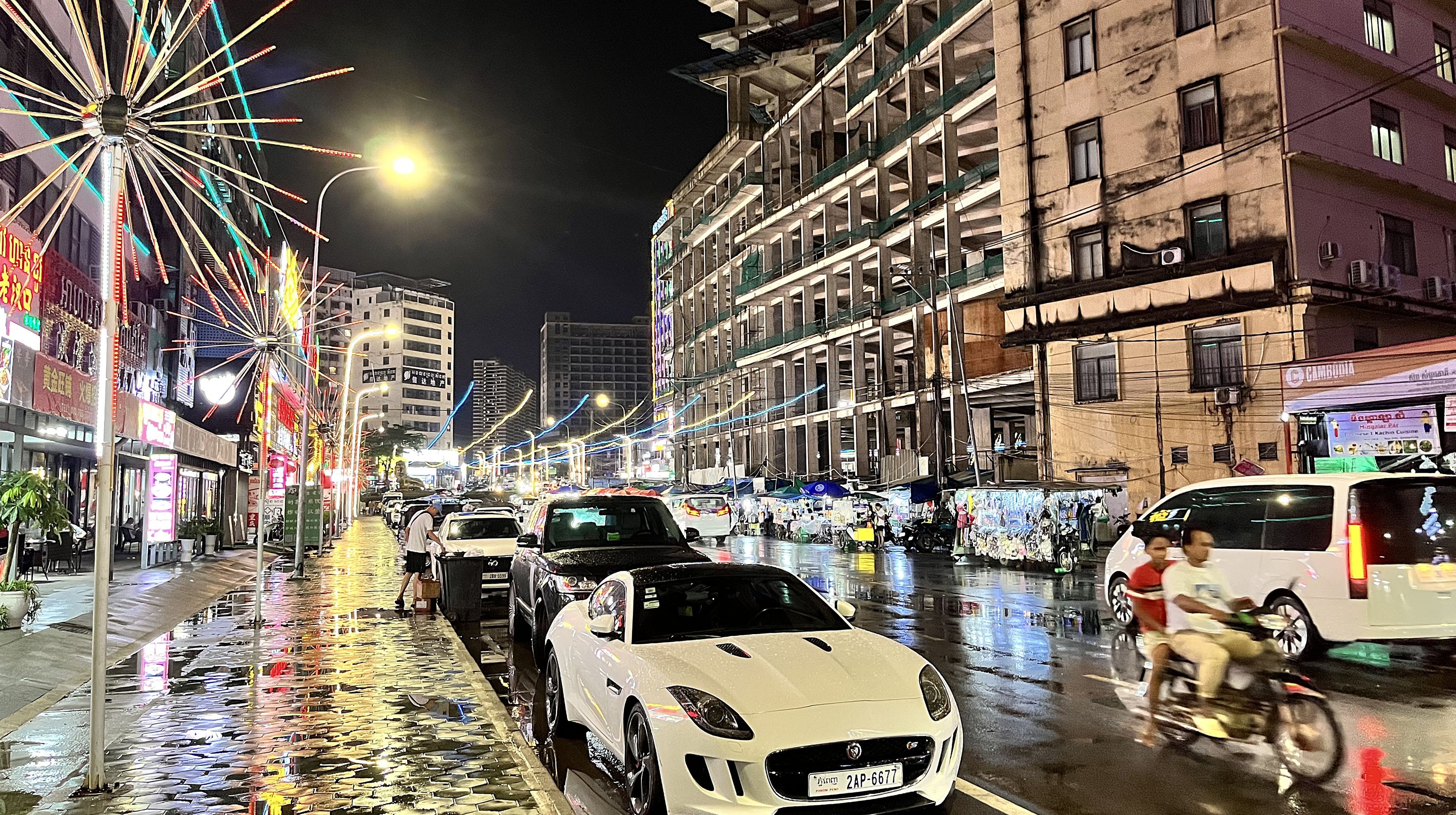
Dozens of new factories were established in Sihanoukville, creating tens of thousands of jobs. Hotels and restaurants, office buildings, residential blocks with condominiums, and several casinos were built. It is said there were around 100 already active and planned casinos at one point. Everything is geared toward the Chinese market; as a European, you stand out as an oddity; in most restaurants, only Mandarin is spoken, and the menus are exclusively in that language; you feel quite out of place as a European.
Legal and illegal businesses
By 2017, online gambling providers also arrived. The existing gambling industry, the local elite who became immensely wealthy thanks to the Chinese, and very lax law enforcement contributed to this development. The city changed dramatically. Huge concrete blocks were quickly erected, often of questionable construction quality. A drastic proof of this was the collapse of a building under construction in the city center on June 22, 2019. 28 workers and their families who lived at the construction site died.
The turning point came a few months after the fatal accident: On August 18, 2019, Hun Sen, Cambodia's long-term prime minister (in office from 1985 to 1993 and from 1998 to 2023) banned online gambling. As this was by far the most important source of income for Sihanoukville, the decline began. The Corona pandemic dealt the final blow to the city. Drastic travel restrictions in the People's Republic meant that Chinese players, Chinese employees, and Chinese mobsters could no longer travel.
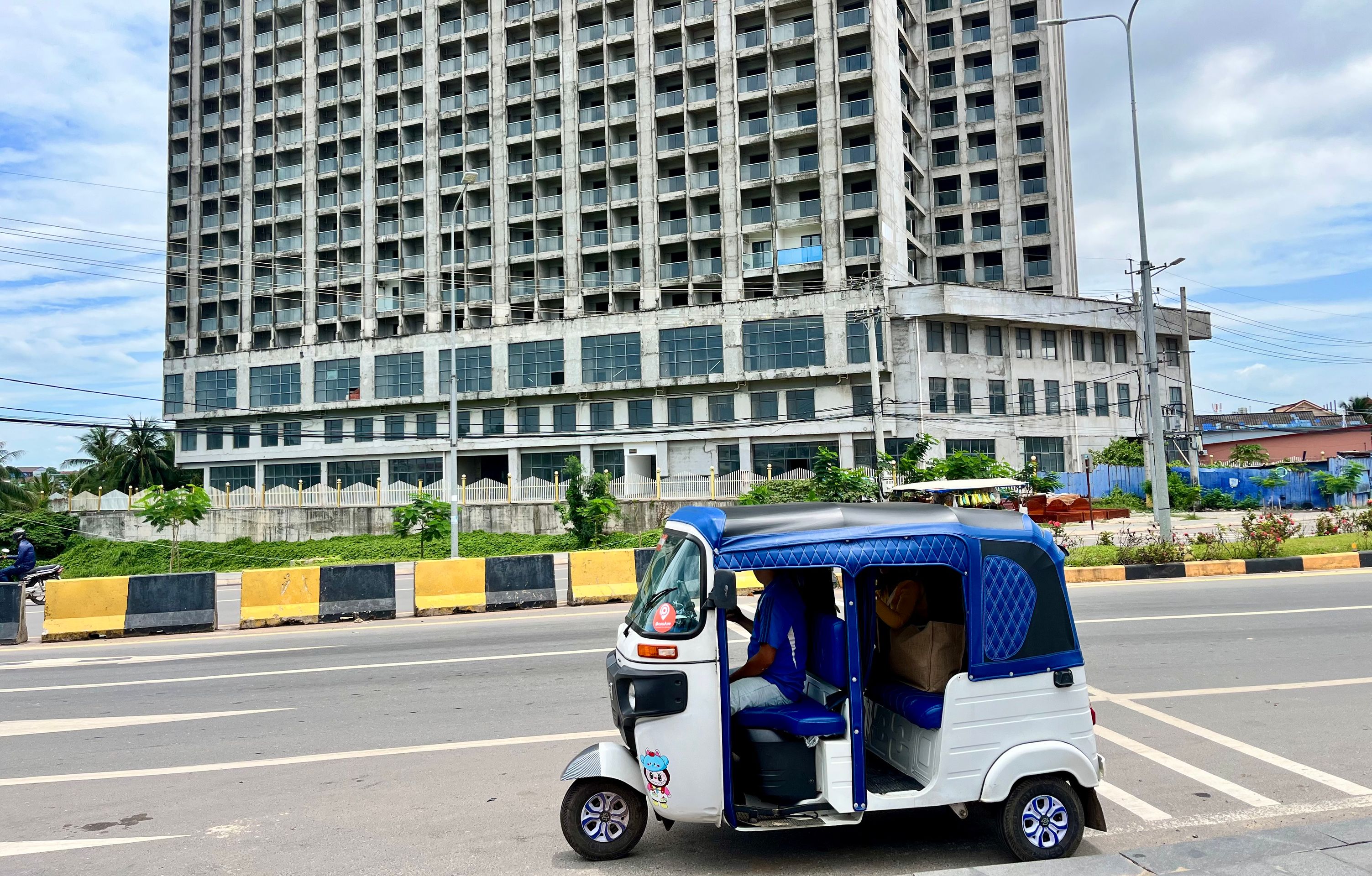
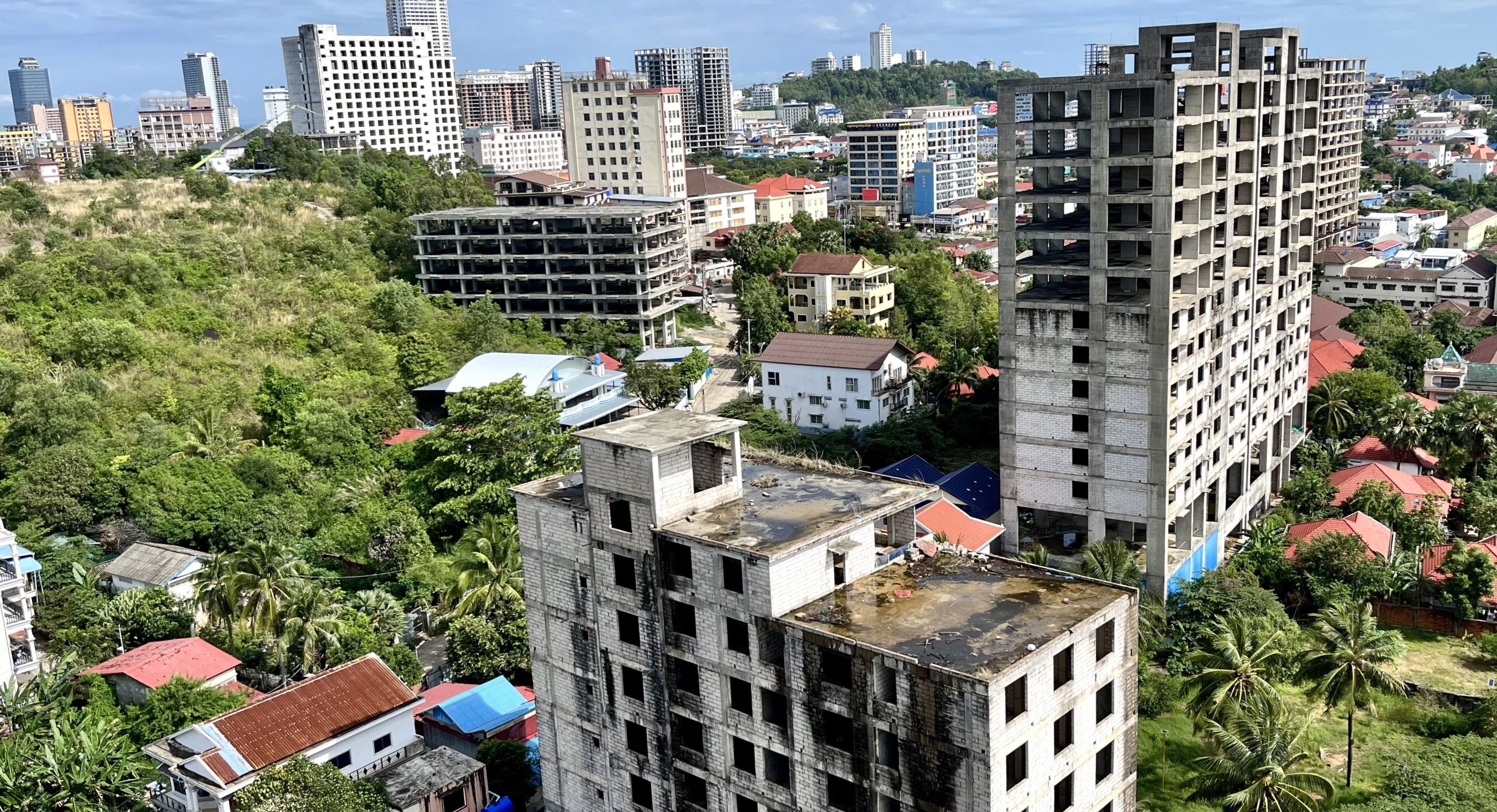
Many businesses closed, staff were withdrawn or laid off. Hundreds of thousands of Chinese left the kingdom; in Sihanoukville, over 7000 Cambodians became unemployed overnight; around 800 restaurants went bankrupt. The real estate bubble burst; construction magnates wrote off their losses, stopped building activity, and vanished. Workers were no longer paid, rents and bills went unpaid. In July 2022, there were more than 1150 unfinished constructions in the city.
Cyber crime instead of gambling
Some structures have since been completed; the majority have not. I stayed at the “Legend” hotel, a sparkling new building, whose casino on the ground floor apparently cross-finances the hotel operation, as my rather luxurious room only costs 14 euros a night. The pool and bar on the rooftop are also of high quality.
And yet, there is a palpable sadness here too, and I am leaving after just one night despite the budget-friendly price: From my room on the 14th floor, I look out at a decaying construction site, where puddles of water have formed on the roof. In the background, further large-caliber building ruins can be seen. The Chinese mafia has left this once-idyllic place in ruins.
There are reports that online fraud enterprises have now settled in many hotels, office buildings, and casinos. In this context, the term “human trafficking” also arises. Apparently, cyber criminals are allegedly working with employees who were lured in with false promises and are now held like slaves.
Of course, I cannot verify this information. I simply find Sihanoukville deeply unappealing; that has to be enough for a travel report.