
Kota Kinabalu, a cosmopolitan city by the sea
Scene change in North Borneo mid-May 2025: from the rather austere Sultanate of Brunei to the lively Malaysian port city of Kota Kinabalu.
Published: 22.05.2026

The Philippines are a popular destination for beach holidays and activities such as snorkeling, diving, boat trips, and fishing. It's also a wonderful place to relax. Boracay, one of Southeast Asia's most popular holiday destinations, isn't known for its miles of white sand beaches and wild parties. The long, narrow island of Palawan in the west of the Philippines, with its countless islets, boasts idyllic, often hidden and secluded beaches.
Of course, the temptation would have been great to laze around again in Palawan, which I already know. But I opted for the tougher route: Philippine cities have a reputation for being rather tedious and rough. But if I want to get to know a country better, I also have to visit cities. So I travel to Davao, Cebu, and Angeles City in succession. I'm skipping the greater Manila area with its roughly 15 million inhabitants this time.
From Kota Kinabalu, the capital of the Malaysian state of Sabah in northeastern Borneo, I flew over 1,000 kilometers east across the Celebes Sea on May 19, 2025. Davao, with almost two million inhabitants, is the third largest city in the Philippines and the most important on Mindanao, the second largest island in the Philippines.
Mindanao covers an area of approximately 94,600 square kilometers, making it almost twice the size of Switzerland and significantly larger than the German state of Bavaria. The Swiss Federal Department of Foreign Affairs (FDFA) advises against travel to Mindanao, citing ongoing clashes between the army and armed groups. Furthermore, there is a risk of attacks, robberies, and kidnappings.
The third largest city in the Philippines
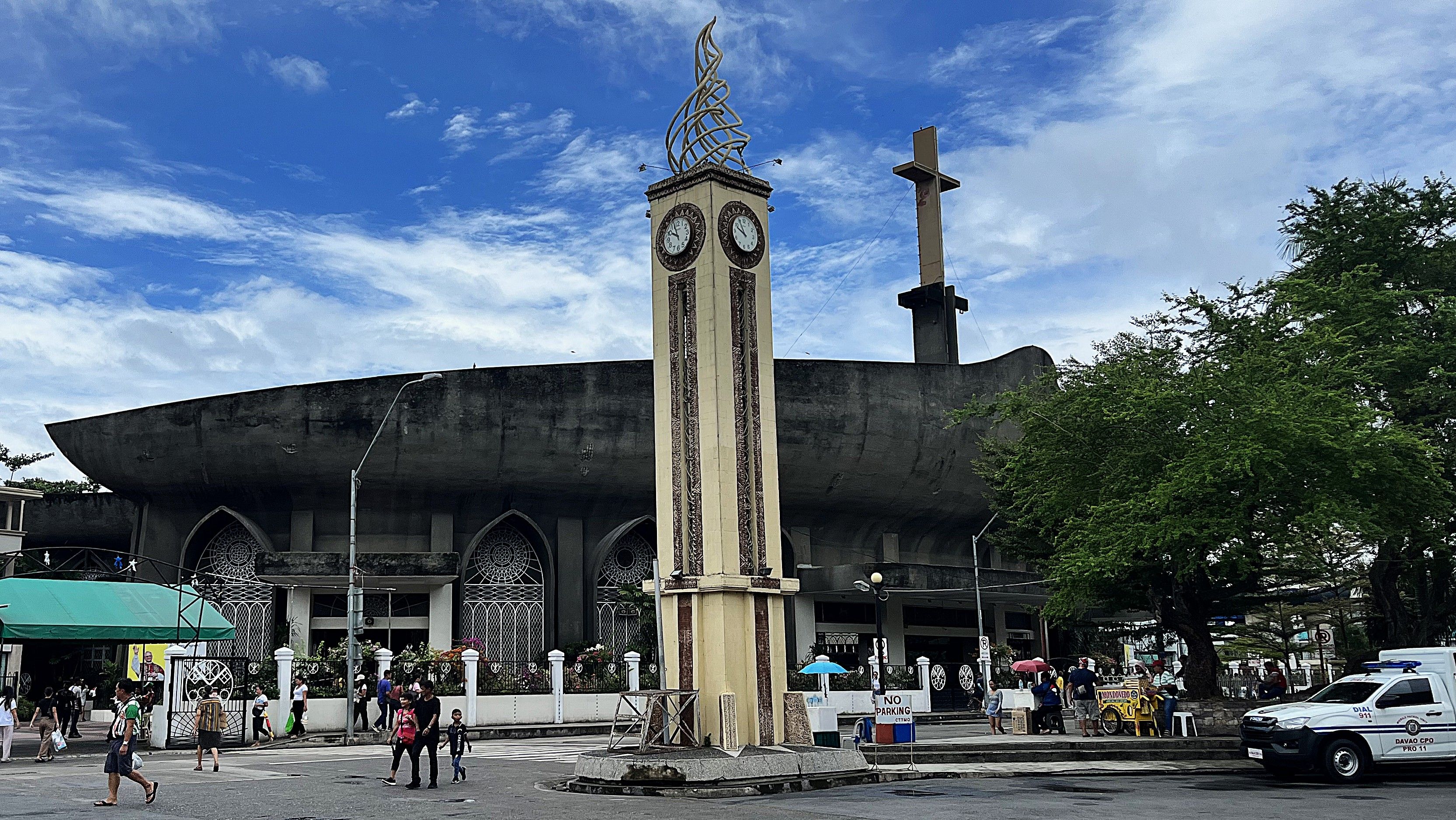
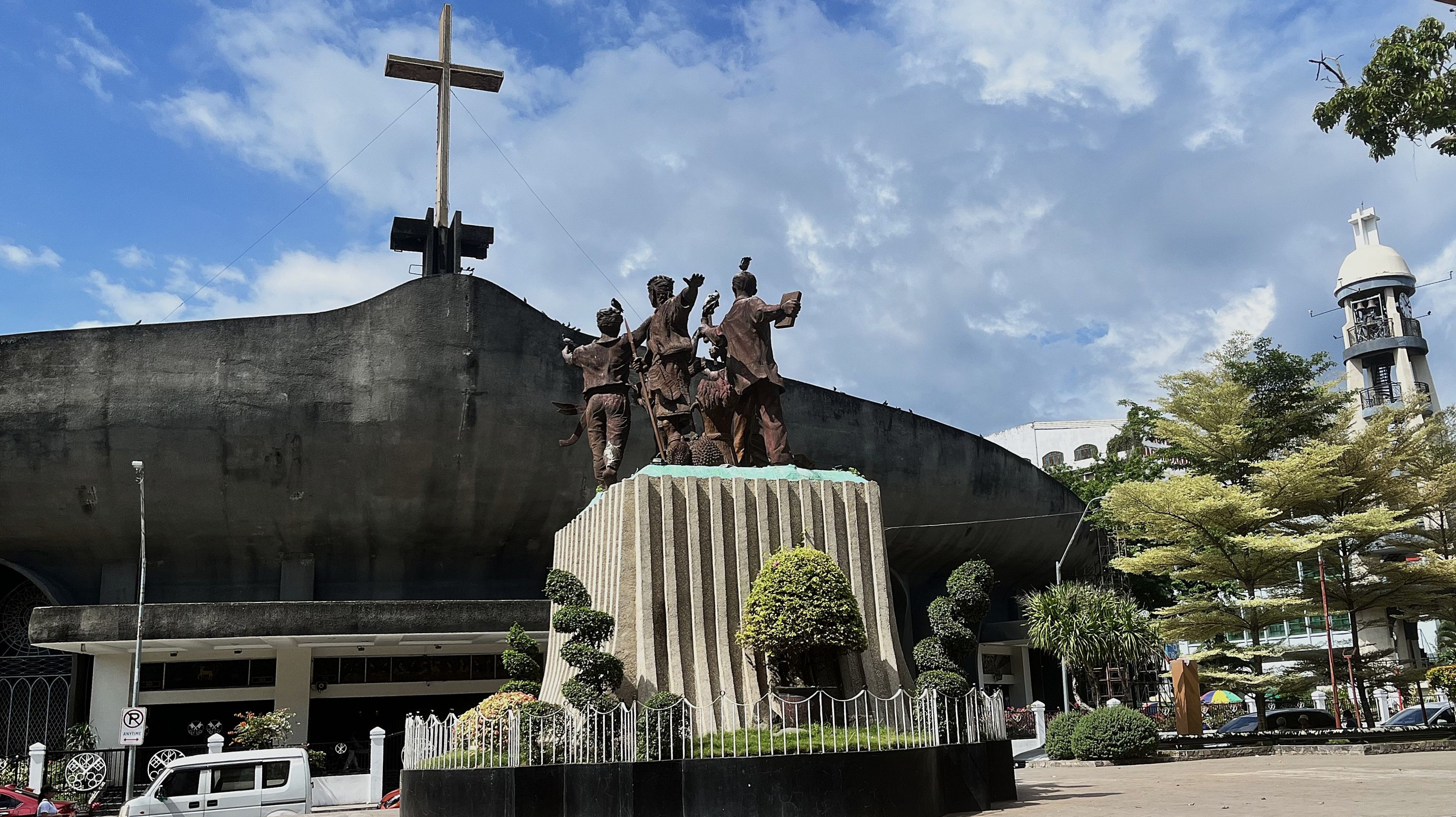
The Federal Department of Foreign Affairs (EDA) makes an explicit exception for Davao. Why should this particular metropolis be safer than its surrounding area? Searching for answers, I wander through the city for days. On Sunday, I visit the Cathedral of St. Peter, a brutalist concrete building from the 1960s. The Mass is not a solemn affair like it is back home. Worshippers come and go. There is chatter, laughter, and singing. Old women slide on their knees toward the altar. Joyful families present their newly baptized babies for photos and selfies.
The Philippines were ruled by Spain from 1565 to 1898 and underwent intensive missionary work. About four out of five Filipinos are Catholic. "Unlike in your country, there is still a widespread, genuine popular piety here," says a priest I speak to in front of the cathedral. He dismisses my suggestion that things are less civilized in the Philippines than, for example, in Buddhist Thailand.
Cathedral next to hourly hotels
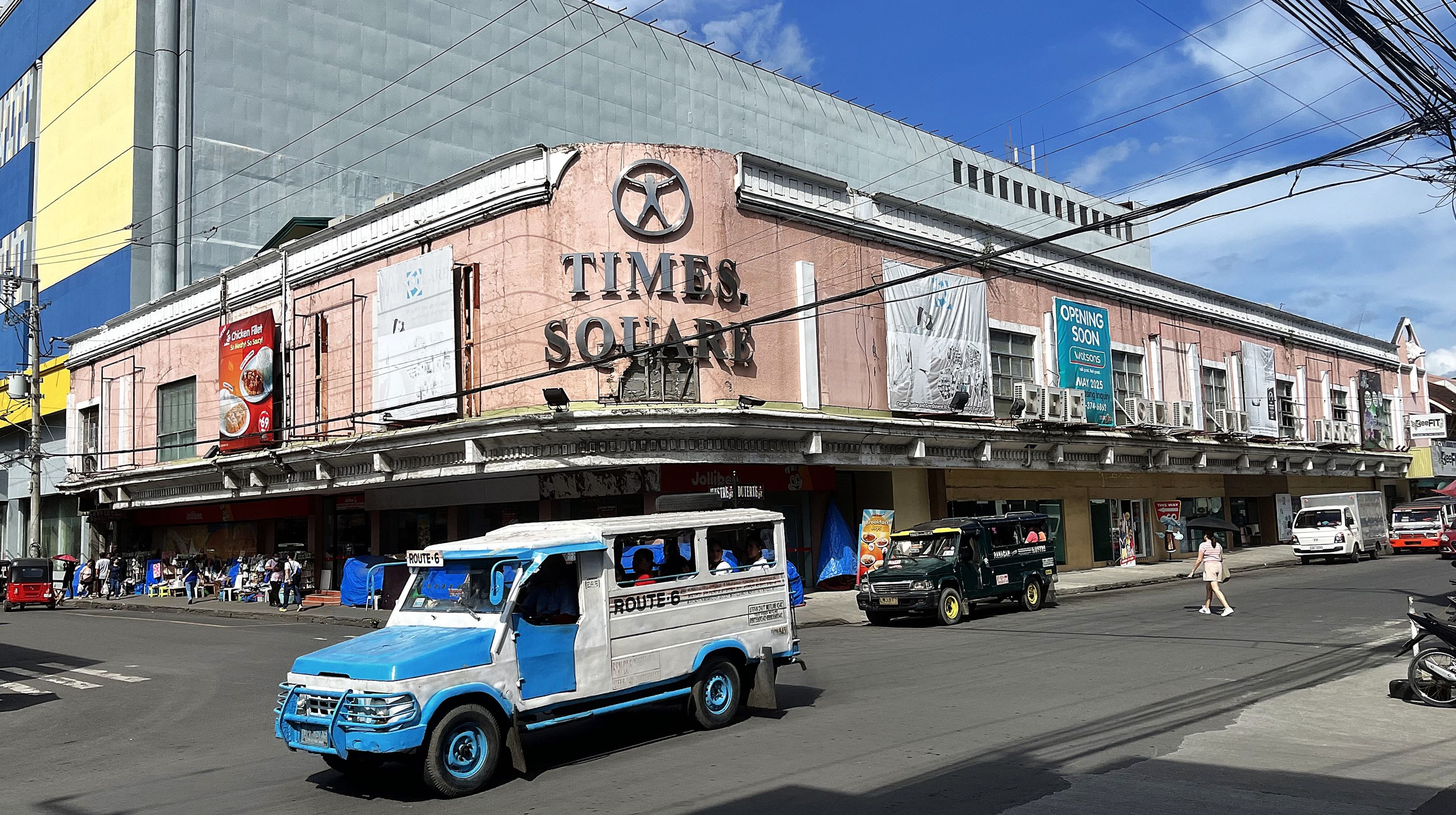
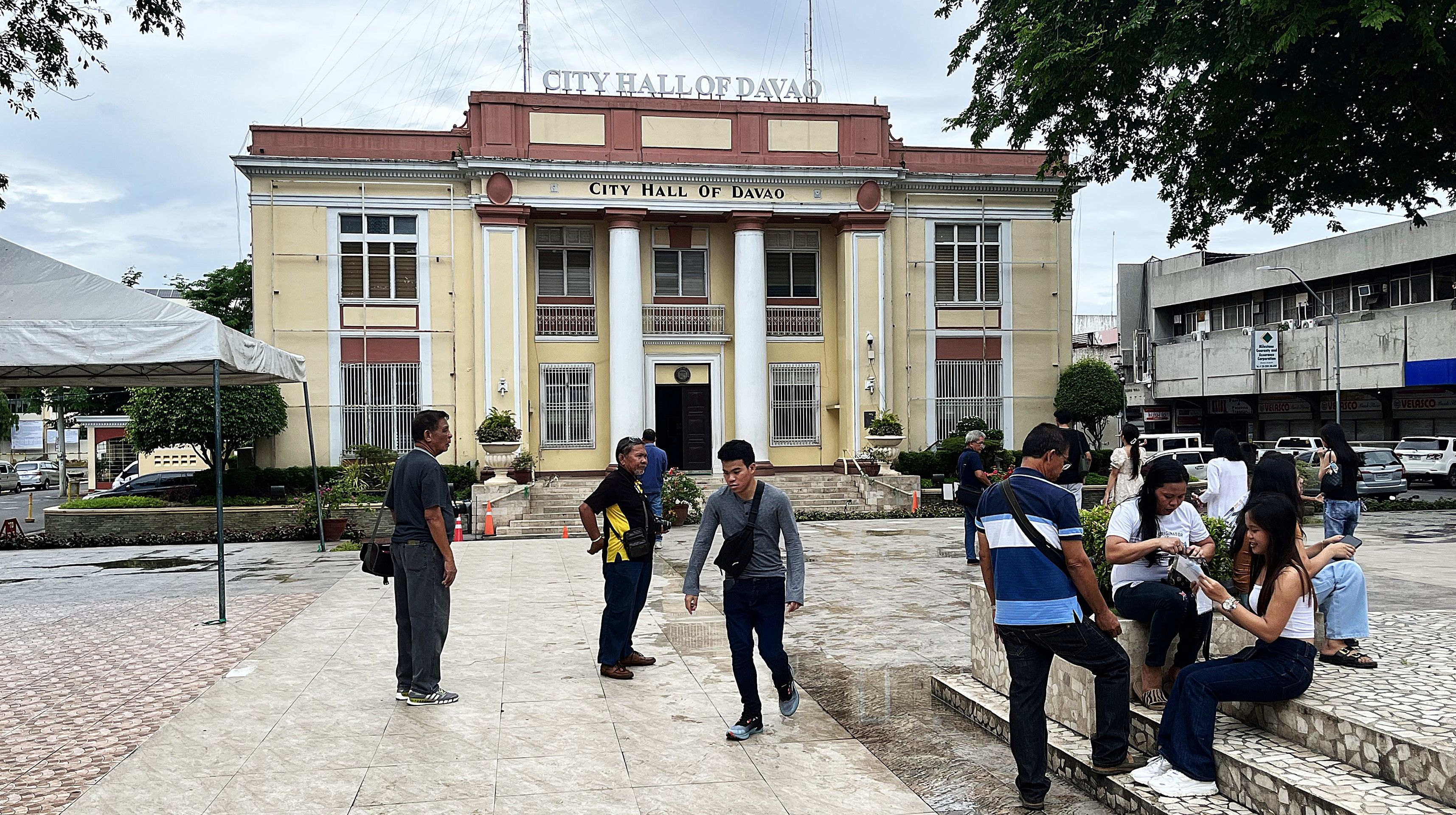
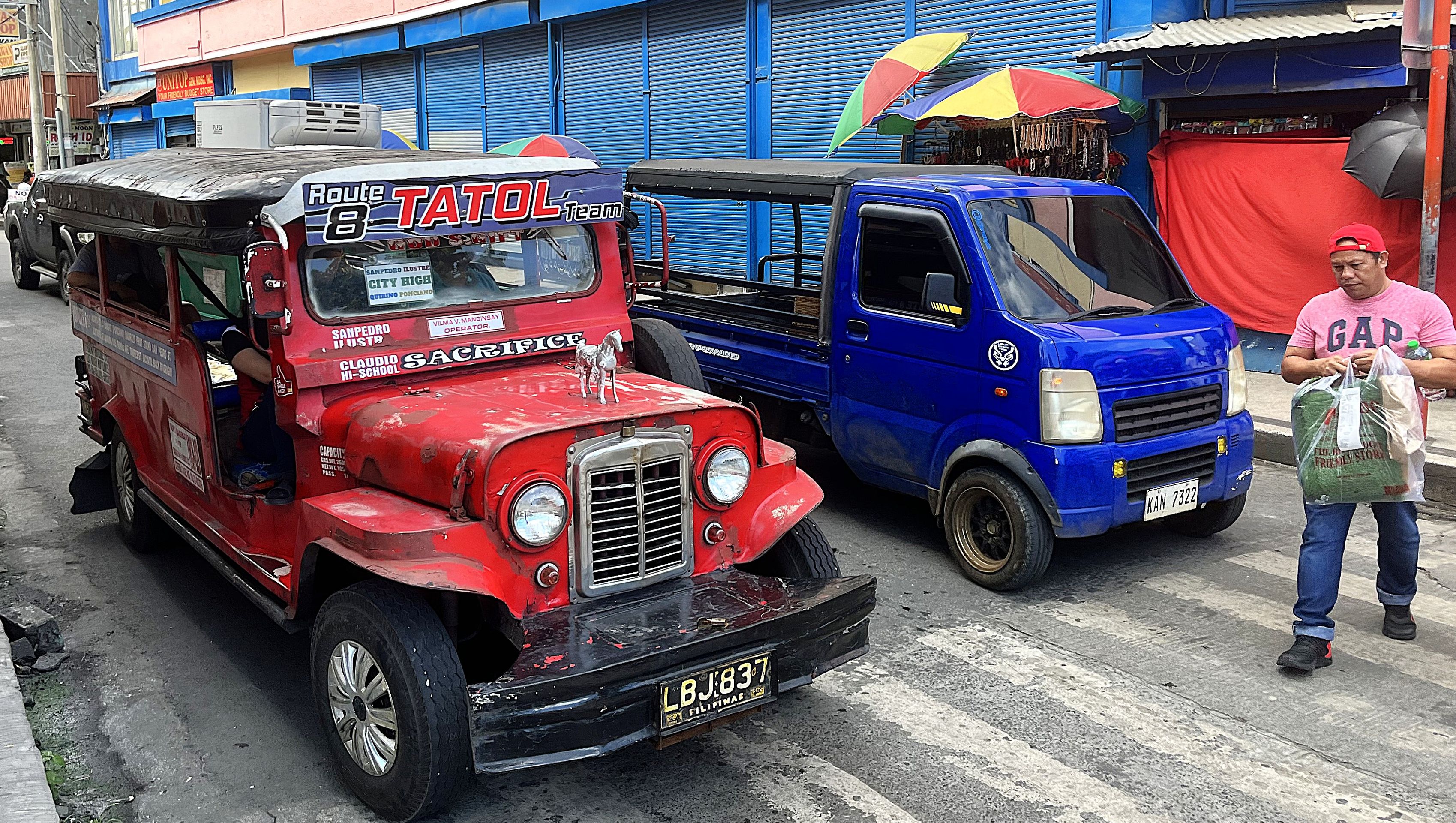
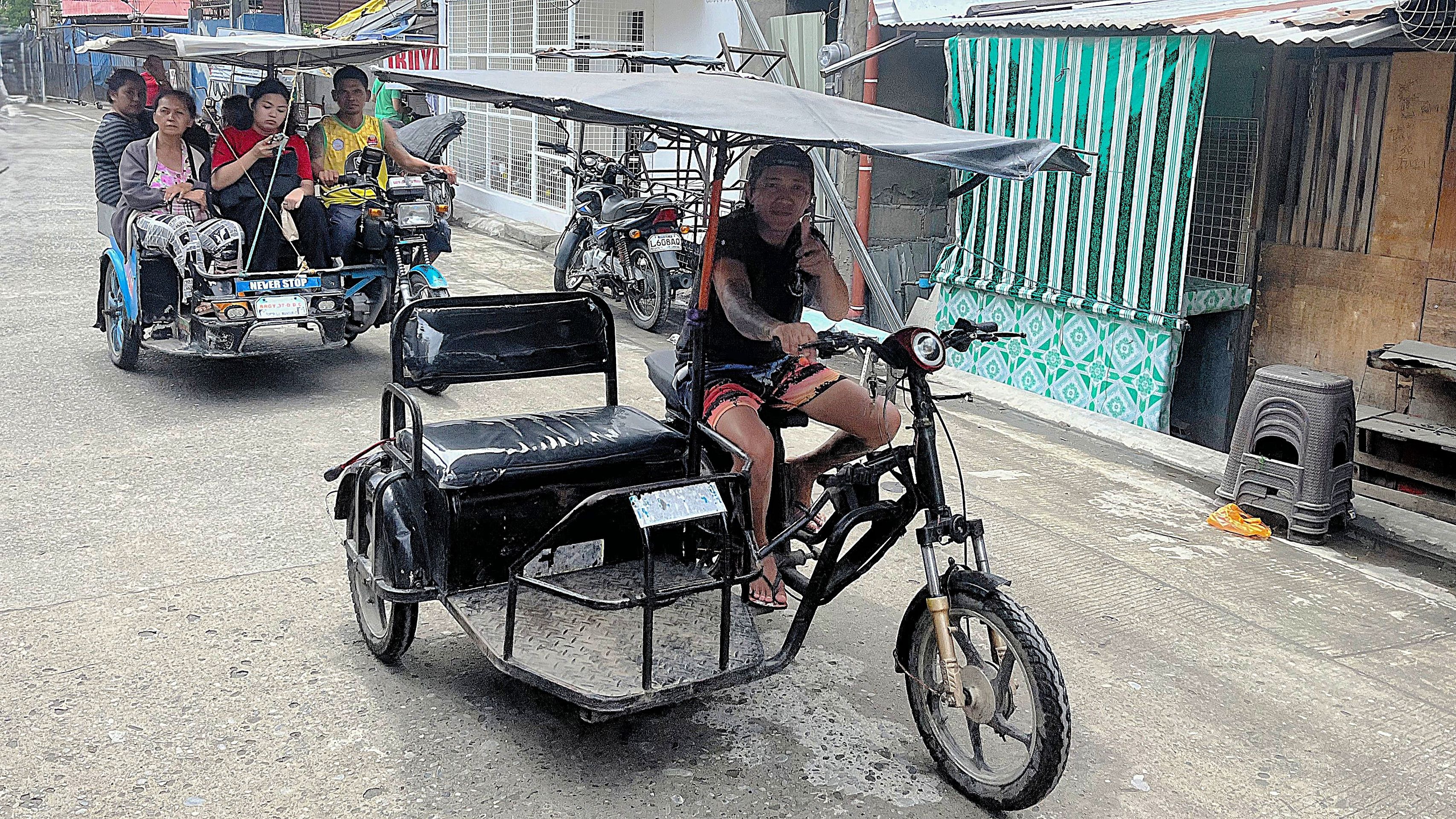
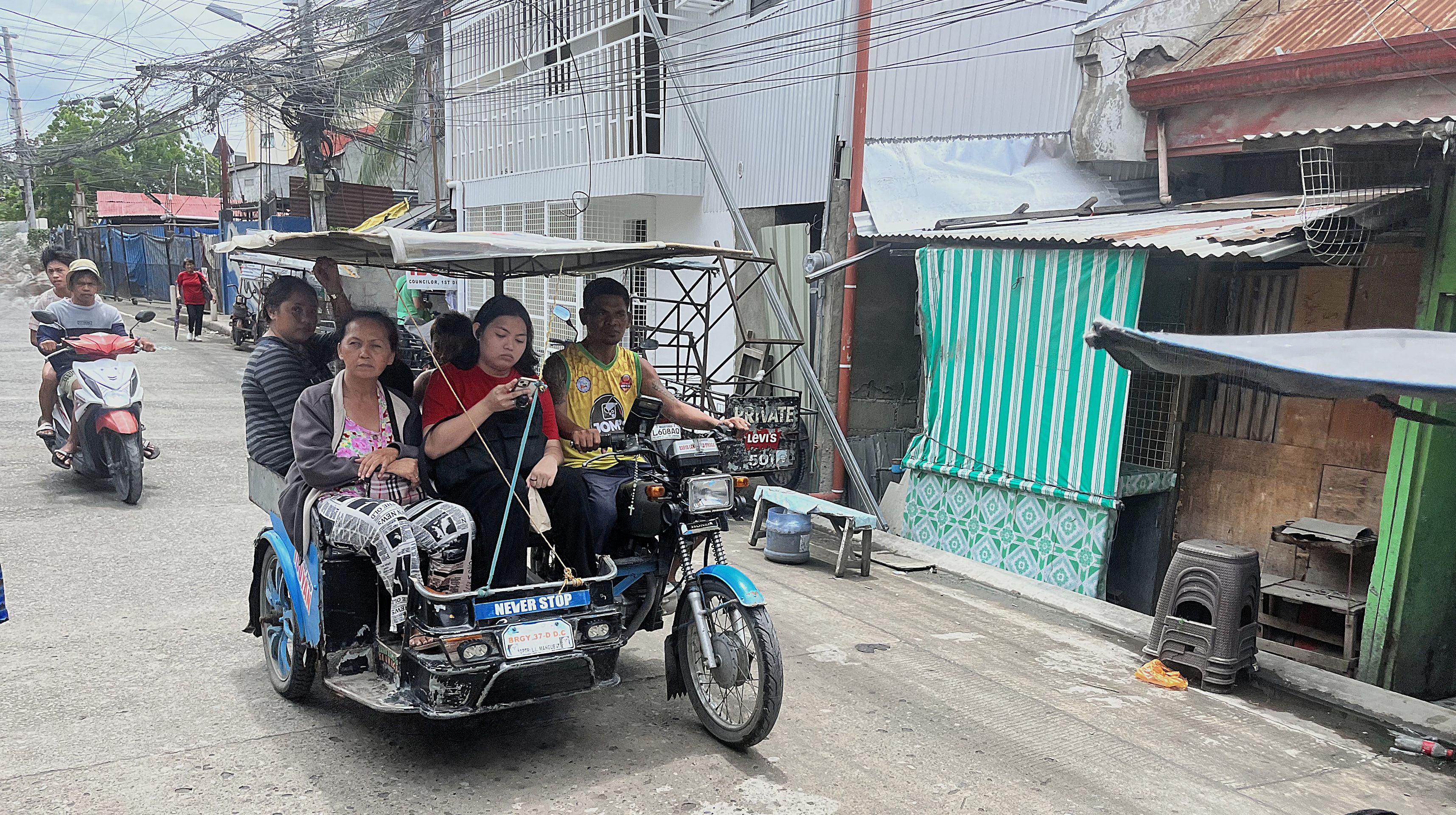
On San Pedro Street, the main street in the city center where the cathedral stands, the city council (the legislative branch) also meets, and the old city hall is located here as well. Three things strike me. First, the archaic means of transport: As everywhere in the Philippines, jeepneys, uncomfortable minibuses reminiscent of World War II jeeps from the USA, are common here; bicycle taxis, called redi-cabs, operate using the muscle power of their riders; most of these have been replaced by motorcycles with a rudimentary attached cabin for two to four passengers, called "tricycles."
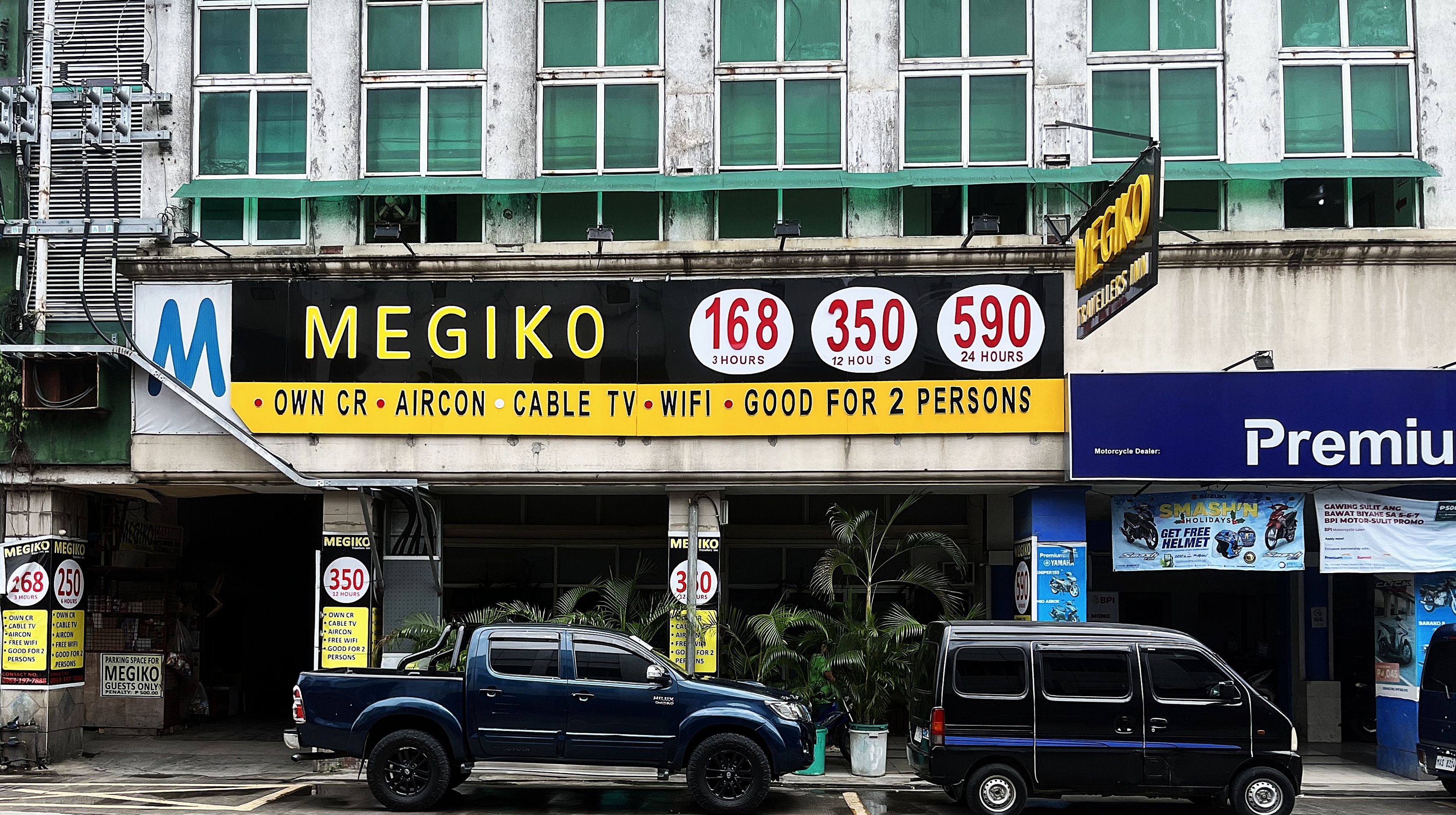
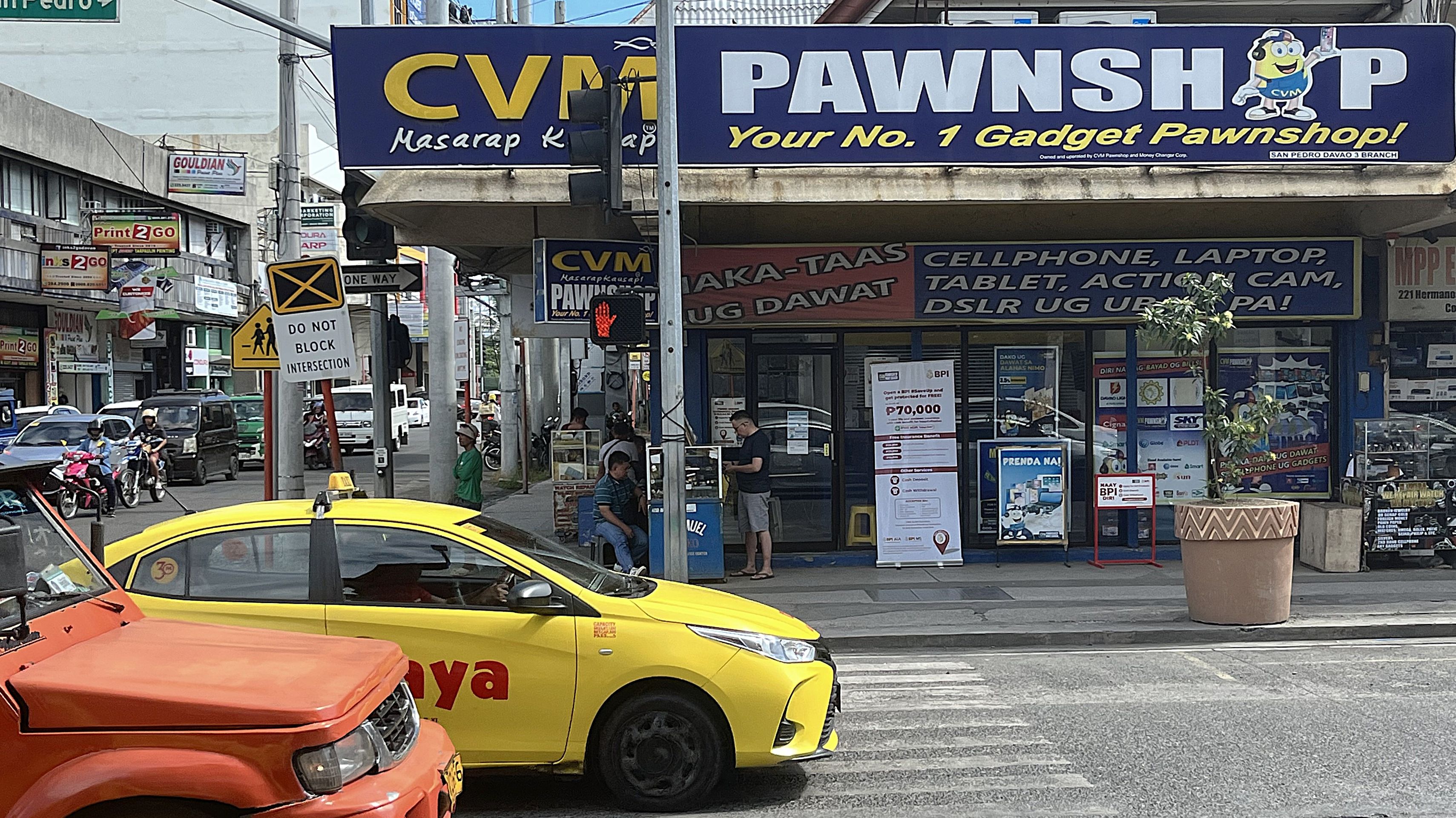
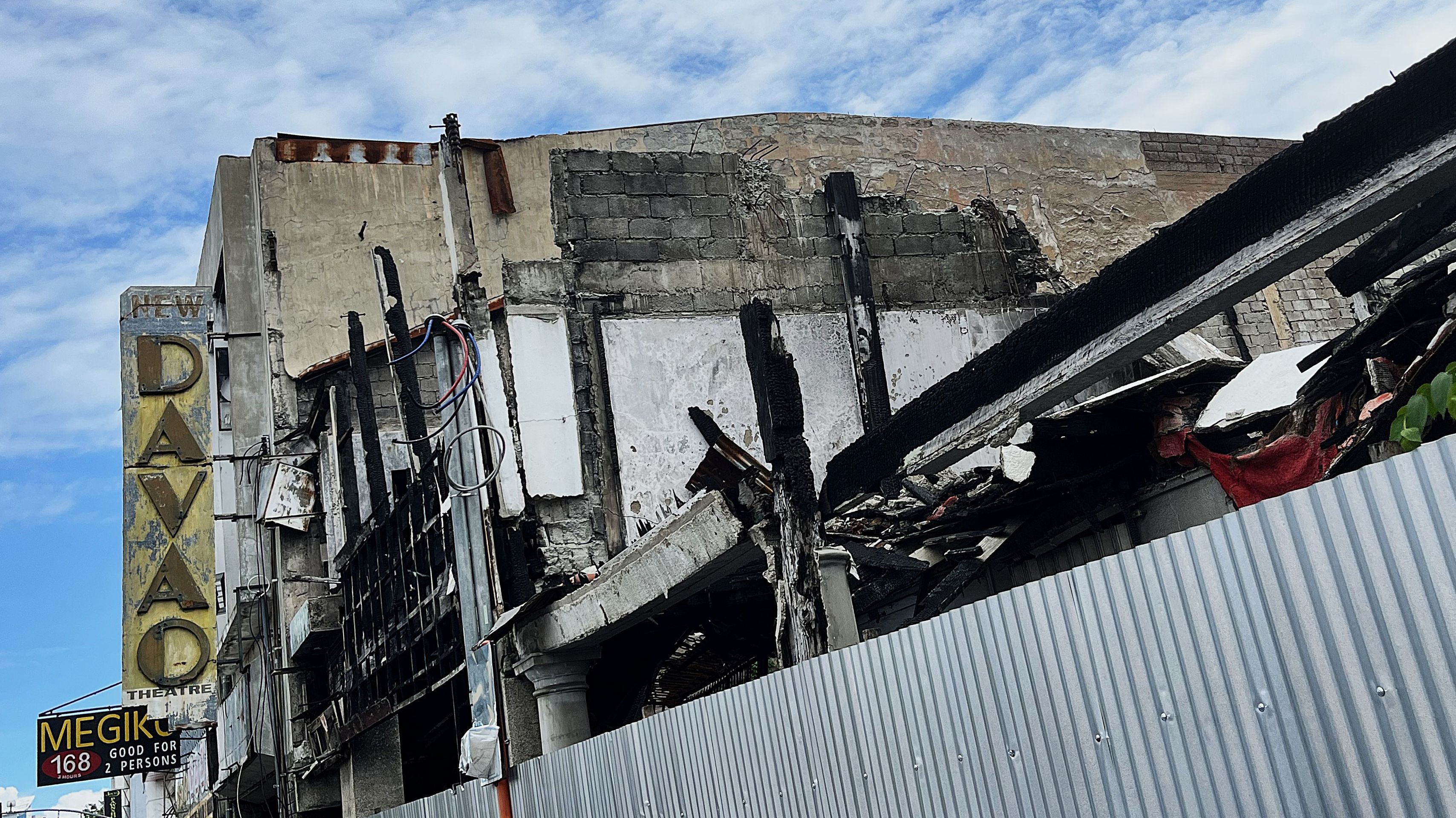
Secondly, hourly hotels advertise themselves, air-conditioned, with free Wi-Fi, three hours for 168 pesos, or the equivalent of two and a half euros. And thirdly, one "pawn shop" follows the next, shops where you can pawn belongings for a bit of cash. I enter one of them: cheap watches, jewelry, old cell phones and laptops, even clothes, pans, and dishes that their previous owners couldn't redeem are for sale.
Davao appears neglected in places, yet possesses a morbid charm. The New Davao Theatre, an abandoned movie theater on CM Recto Street, burned down at the end of May 2024, along with neighboring buildings such as the also-abandoned Davao Hotel. However, the burnt-out ruins remain untouched even after more than a year. Davao City is not considered a poor city by national standards. Yet, at night, I stumble across people sleeping on the sidewalks in dimly lit side streets of the city center.
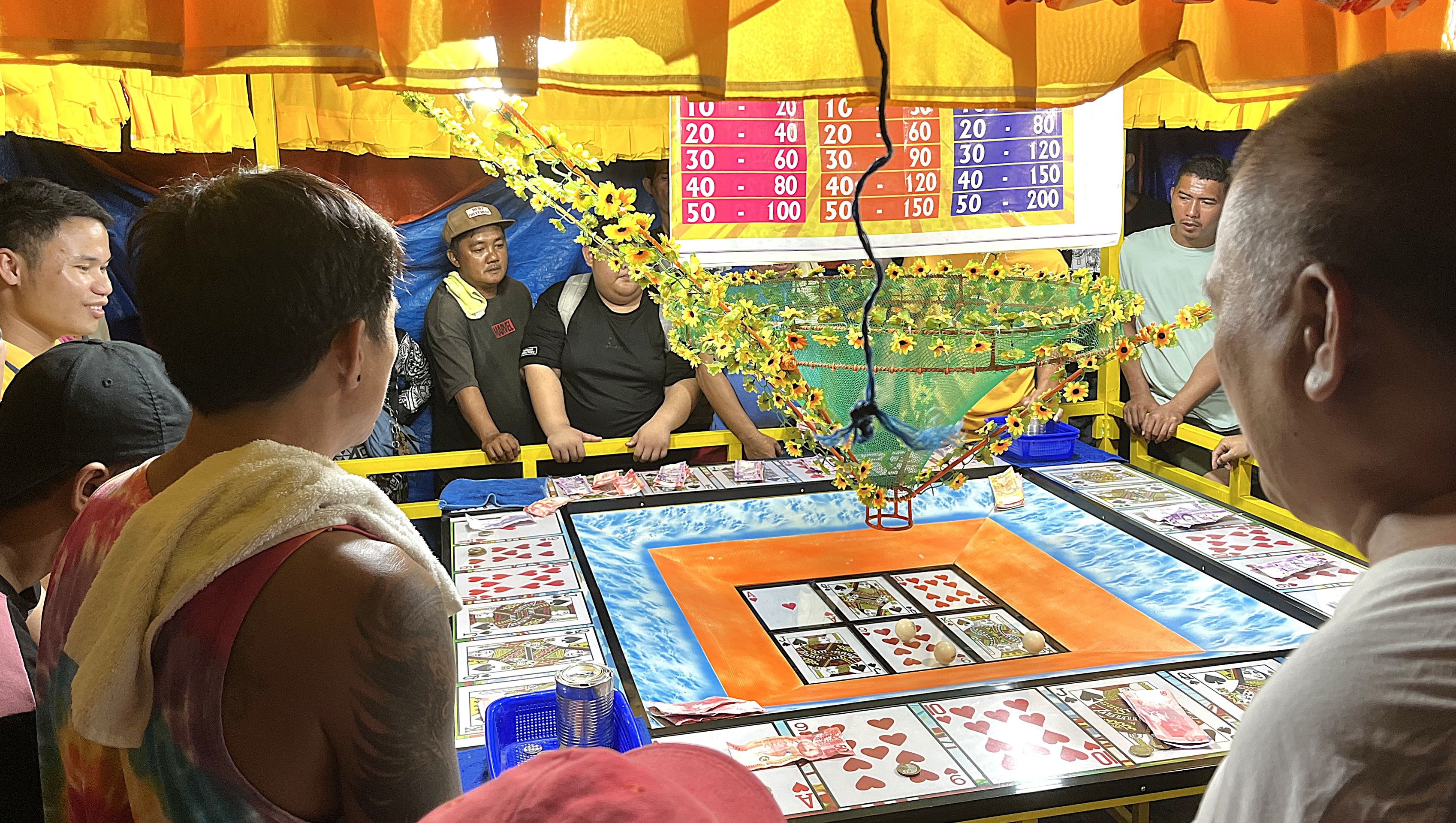
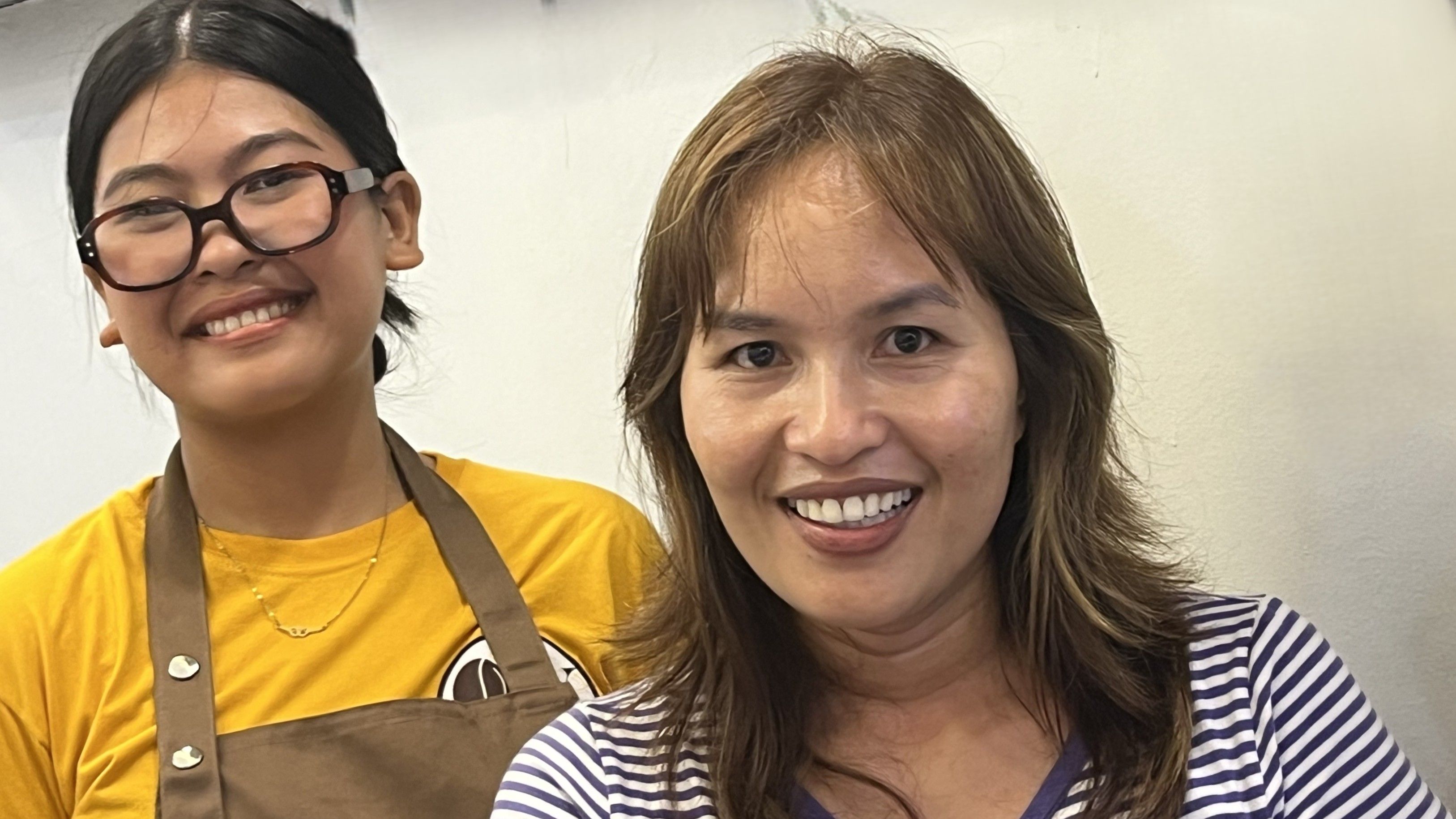
In the midst of the darkness, a dazzling oasis: men are playing an improvised card game at a table illuminated by gas lamps. They shout, gesticulate, and barely acknowledge me. A modern, brightly lit café stands out from the impoverished rows of houses in the nighttime neighborhood. The owner, Margie, is in her early forties; her 18-year-old niece, Kimberley, helps her. Since English is taught in primary school in the Philippines, conversations here are much easier than in many other Southeast Asian countries.
Mayor with an iron fist
Margie serves a perfect espresso, and we discuss how a tourist can stroll unmolested through the impoverished neighborhoods of a major city like Davao in the middle of the night. Margie responds with a name: Rody Duderte. In 1972, Philippine President Ferdinand Marcos declared a state of emergency and ruled dictatorially. There was a communist uprising on Mindanao; anti-communist vigilante groups tried to suppress it. And Islamist and ethnic rebel groups also wreaked havoc in the heart of Davao. "There were deaths every day," says Margie.
In 1988, a certain Rodrigo Duterte, a state prosecutor and the son of a former governor, was elected mayor. His message to criminals and gangs was simple: get lost, or I'll kill you. "Rody made Davao a safe city," says Margie. "That's why we love him." But didn't he have countless people killed and send out death squads? Margie gets carried away: "No innocent people were murdered, only bandits, terrorists, and drug dealers."
Duterte ruled Davao from 1988 to 1998, from 2001 to 2010, and from 2013 to 2016, when he was elected President of the Philippines. His successor in 2010 and 2016 was his daughter Sara Duterte-Carpio , who has been Vice President of the country since 2022. The current President is Ferdinand Marcos Jr., the son of the former dictator of the same name.
Extradition to The Hague
President Marcos and Vice President Duterte are locked in a bitter feud, culminating in the impeachment proceedings now underway against Sara Duterte. It was Marcos who ensured Rodrigo Duterte's arrest on March 11, 2025, and his extradition to the International Criminal Court in The Hague. He is currently imprisoned in the Netherlands, facing trial for crimes against humanity. Human rights groups estimate that his war on drugs and crime has claimed up to 30,000 lives.
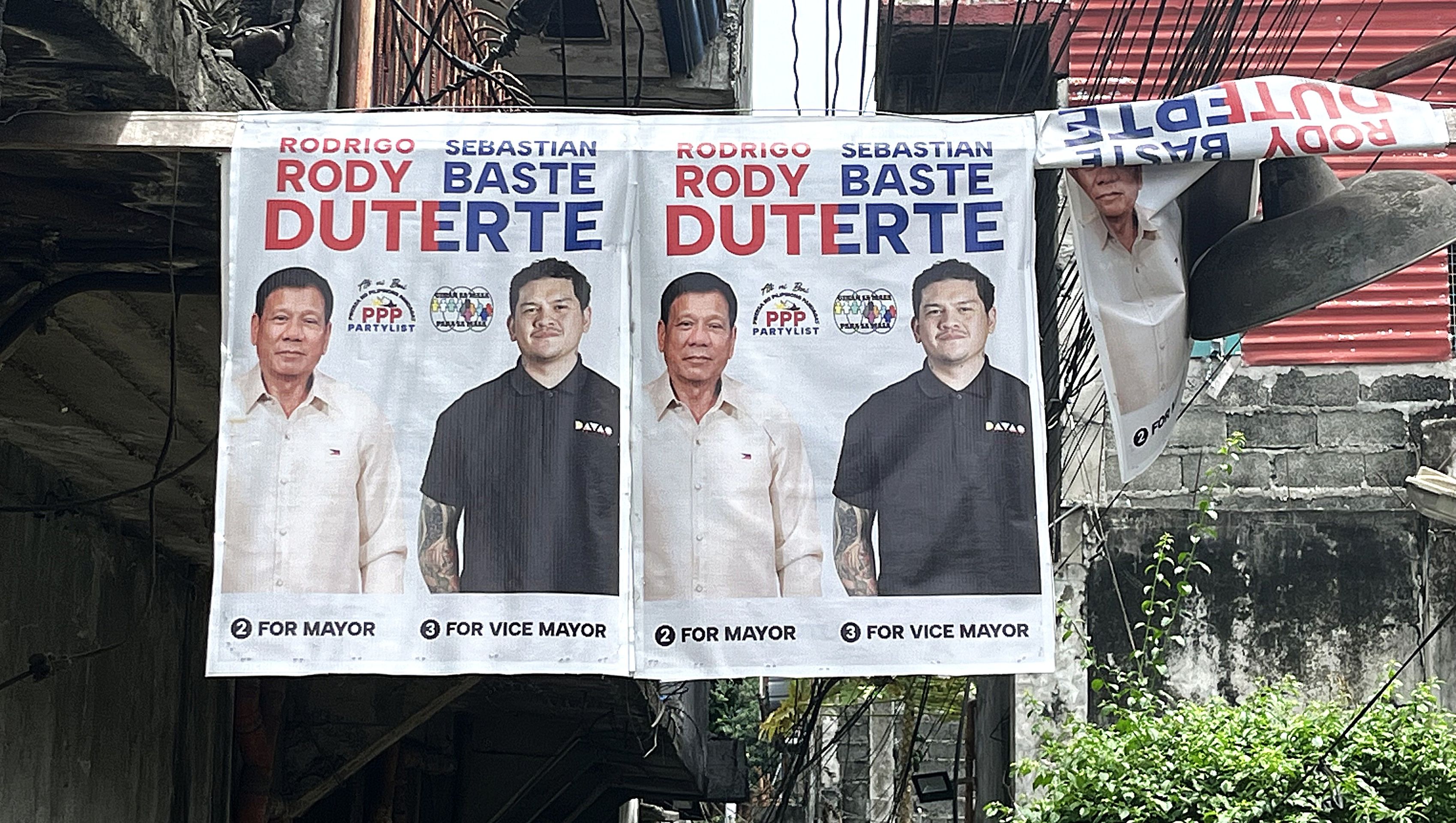
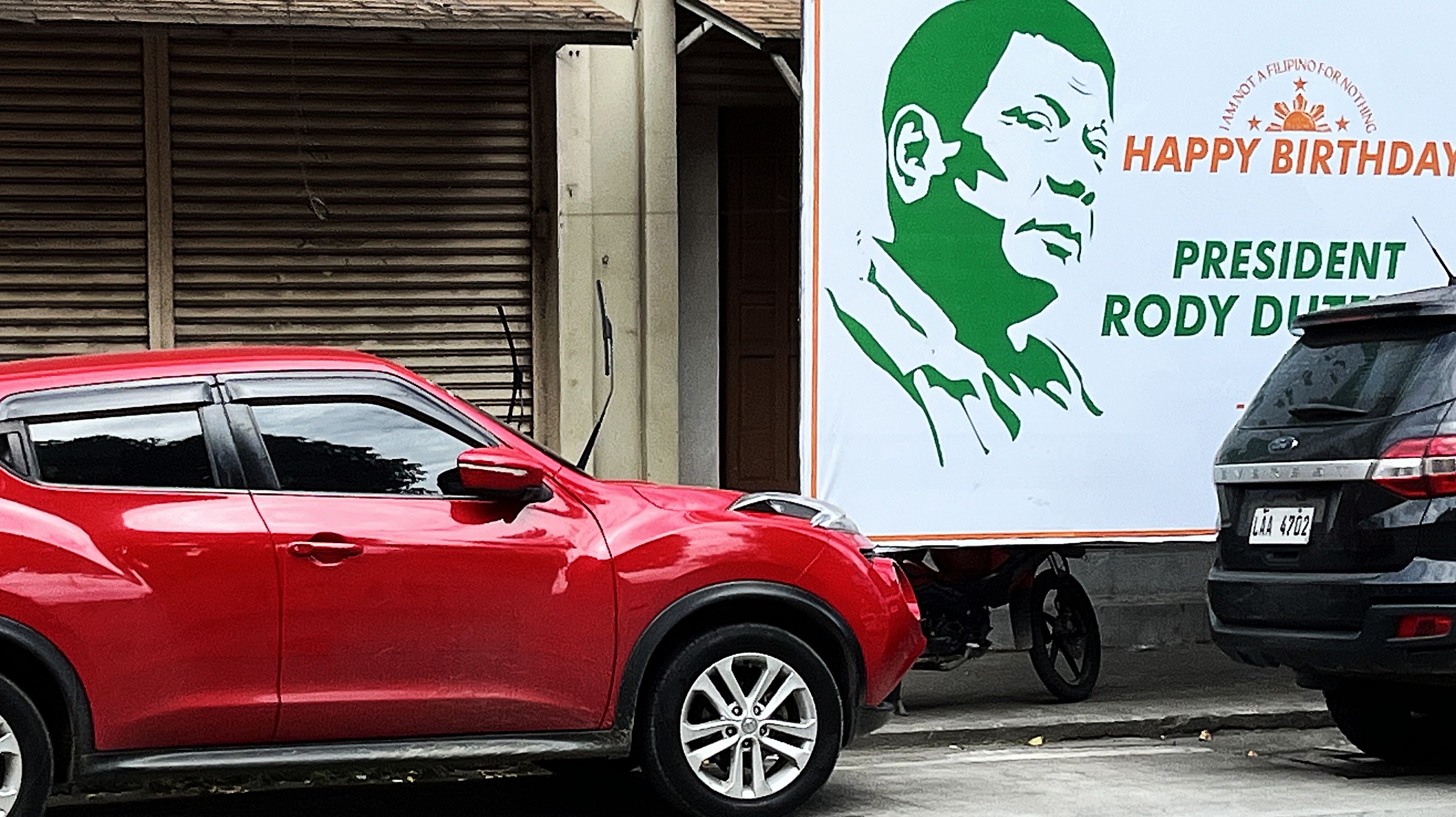
In Davao, his family's stronghold, this only solidified his reputation. While the former president, 79 years old, was already imprisoned in the Netherlands, he was re-elected mayor of Davao City on May 12, 2025 – with an overwhelming 89 percent of the vote – and his youngest son, Sebastian (37), was simultaneously elected deputy mayor. The elections are long over, but the posters for Rody and Baste are still up.
A service for Duterte is held every evening on a stage in front of the town hall. "Duterte is our messiah," a retired civil servant tells me. "He listened to us. He understood us. He took our problems seriously. He helped us." But whether the old man will ever return from the Netherlands is uncertain.