

Stilt houses and oil drillers in Brunei
Kampong Ayer
Published: 21.05.2026
From the Sultanate of Brunei, I flew in mid-May 2025 (due to the lack of a reasonable land connection) on a pristine Airbus A320neo of Royal Brunei Airlines 200 kilometers or half an hour by flight northeast to Kota Kinabalu. Brunei has such a modern and clean airport that a quote from James Joyce came to my mind: The writer remarked about Bahnhofstrasse in Zurich that it was so clean one could 'eat a spilled minestrone off the ground.'
This quote also applies to the quaint airport of Brunei, which is clearly oversized and practically empty for the few daily flights. Check-in, security, and passport control were completed in about three minutes. Enough time, not for a minestrone, but for a roti with chicken curry at a nice restaurant on the first floor of the departure hall.
Roti, a popular specialty in Thailand, Indonesia, and Malaysia, deserves a mention: thin, layered dough sheets with plenty of butter, crisp-fried on a hot plate. Roti is either served as a sweet dish, with fresh coconut or banana placed between two layers and drizzled with sweetened, thickened coconut milk sauce; or, like here, roti with curry, typically prepared with chicken, turmeric, cumin, chili, cardamom, and curry leaves.
Extroverted port city
The contrast between the rather austere Sultanate of Brunei and the lively city of Kota Kinabalu with its approximately 600,000 inhabitants could hardly be greater. The ethnic mix in the bustling port city denotes international relations towards the Philippines and Indonesia and beyond. Meanwhile, a worried gaze is cast upon the South China Sea outside the door, increasingly pressured by the People's Republic of China. (The disputed Spratly Islands, claimed by China and regarded as a future southern bastion at sea, are less than 400 kilometers away.)
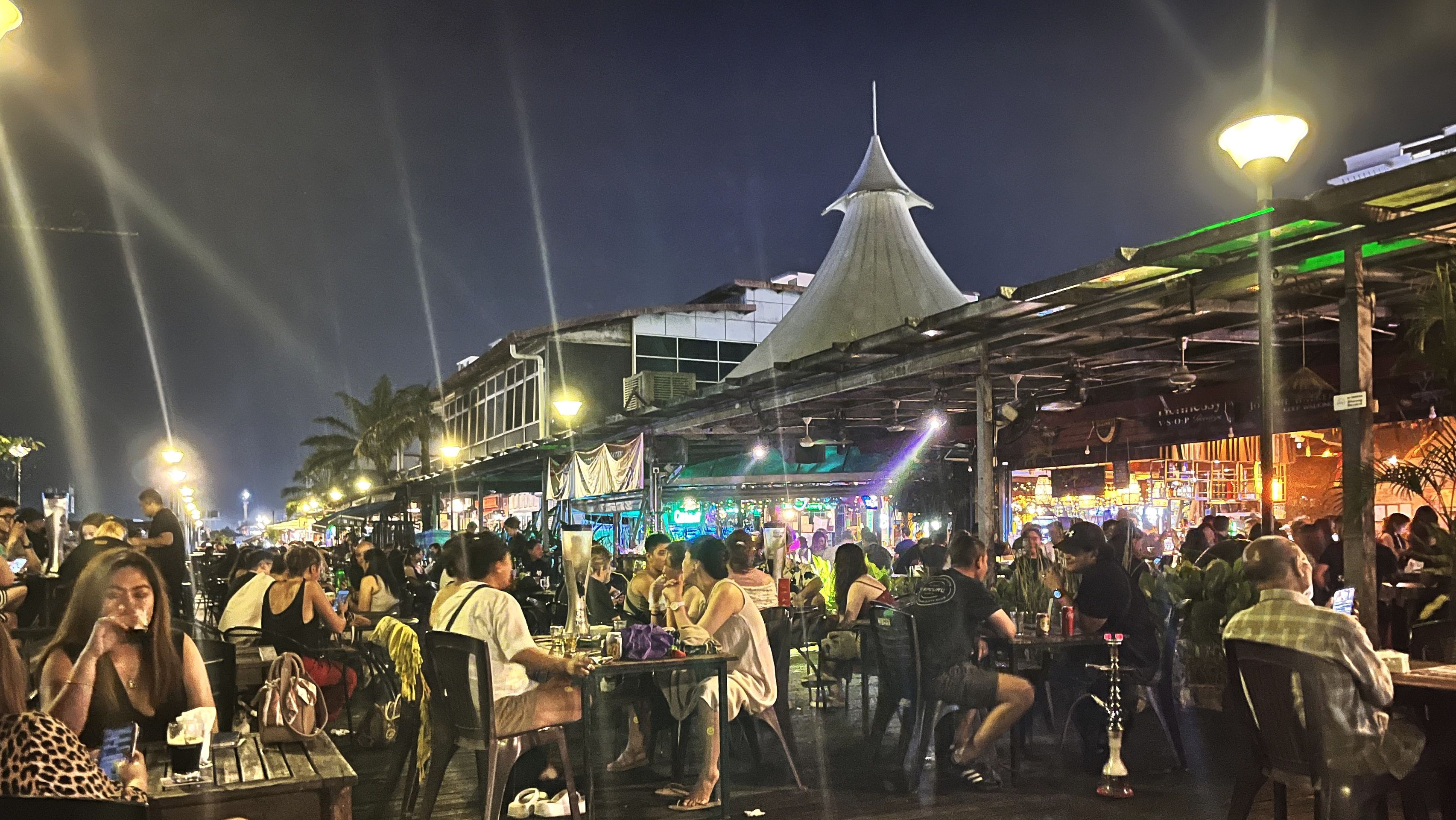
Kota Kinabalu’s cosmopolitanism is evident, among other things, in a particularly attractive bar and restaurant scene at the so-called Waterfront.
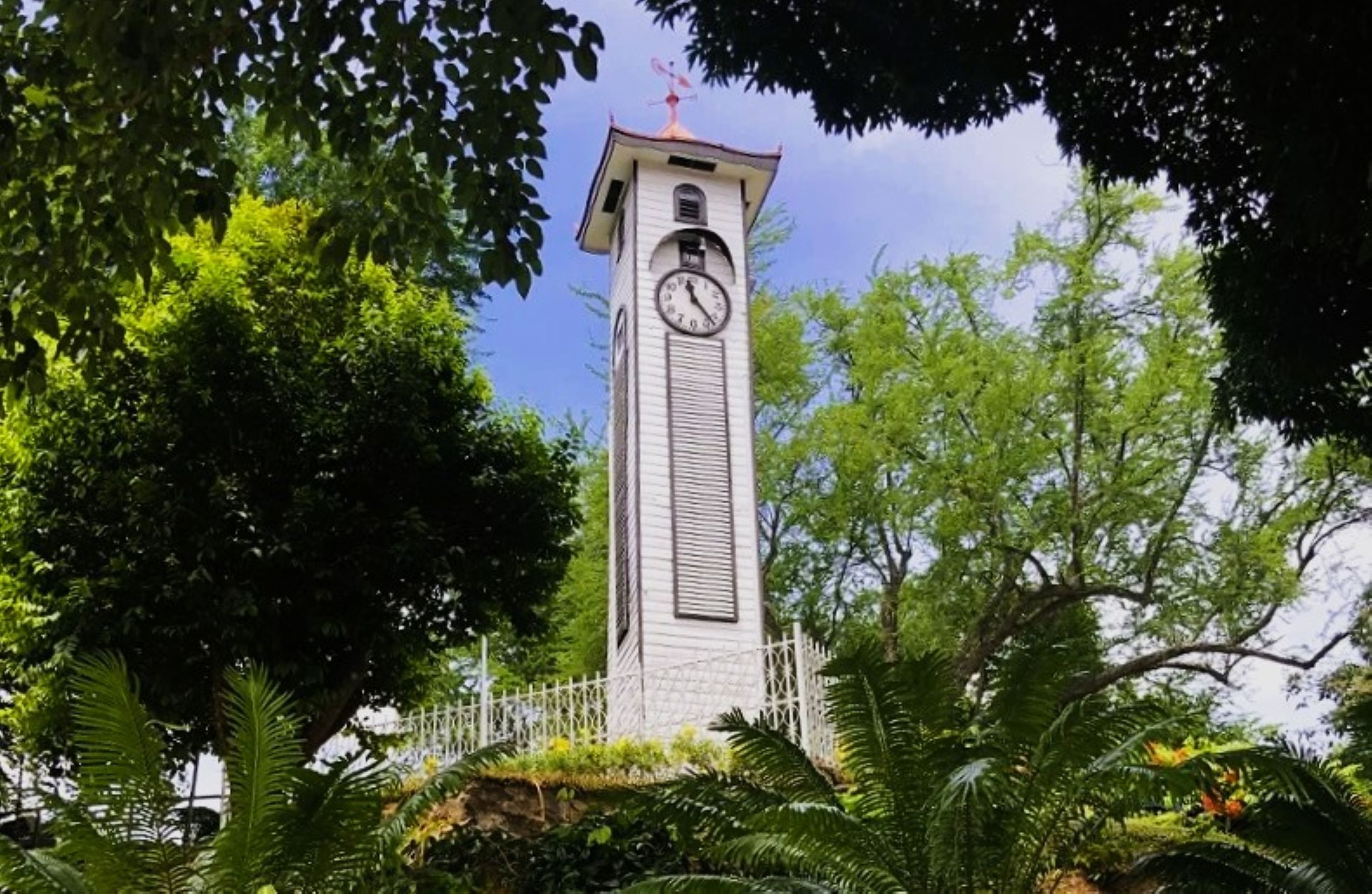
We tend to think that European cities suffered the most during World War II, keywords Dresden, Warsaw, Stalingrad, Coventry. This Eurocentric misinterpretation is refuted in Kota Kinabalu, which was known as Jesselton under British colonial rule. The city was more or less obliterated during the war (similarly to the Philippine metropolises Manila and Cebu); one of the few remaining structures is the Atkinson Clock Tower from 1905 in the city center.
Jesselton and the present Malaysian state of Sabah in northwestern Borneo, then British North Borneo, are located in a strategically significant area with a major seaport and airport and were heavily contested between the Allies and the Japanese. The city’s destruction occurred in three phases: before the Japanese troops invaded in December 1941, the fleeing British officials and forces destroyed parts of the infrastructure to leave the Japanese with a 'scorched earth.'
In October 1943, the local population rose up against the overwhelming Japanese military administration. The rebels freed Jesselton for a short time; after suppressing the uprising in the spring of 1944, the Japanese committed mass murders of the population and systematically burned entire city districts and surrounding villages.
The city was definitively destroyed starting late 1944 during massive Allied airstrikes to prepare for the reconquest of Borneo. Most buildings were made of wood at that time, which led to widespread fires when Jesselton was attacked with incendiary and explosive bombs.
Named after the highest mountain
From 1946, Jesselton, first again under British administration, was rebuilt as a state of the newly founded Federation of Malaysia in 1963. In 1967, the city shed its colonial name and renamed itself Kota Kinabalu ('City of Kinabalu'), named after the nearby Mount Kinabalu, which at nearly 4,100 meters is Borneo's highest mountain.
Interestingly, many people travel specifically for this mountain. Unlike most peaks over four thousand meters in the Alps, you can hike to its summit without mountaineering experience, without climbing, ropes, or crampons. 'You just need to have good stamina,' a local travel agent assured me. However, I still declined, as I carry quite a bit of luggage for my indefinite journey, but didn’t have the means for proper mountain gear.
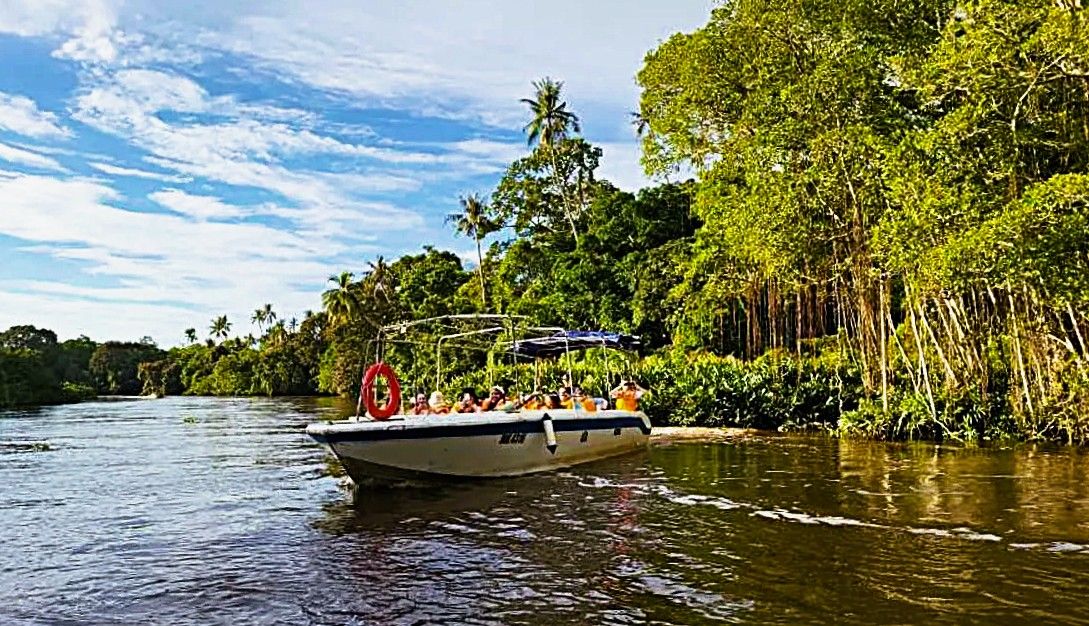
Instead, I booked a river cruise on the Klias, a river we reach after about an hour in a minibus. We were to see the famous proboscis monkeys, and with some luck, crocodiles, macaques, and then, after dusk, an incredible light ballet of millions of fireflies.
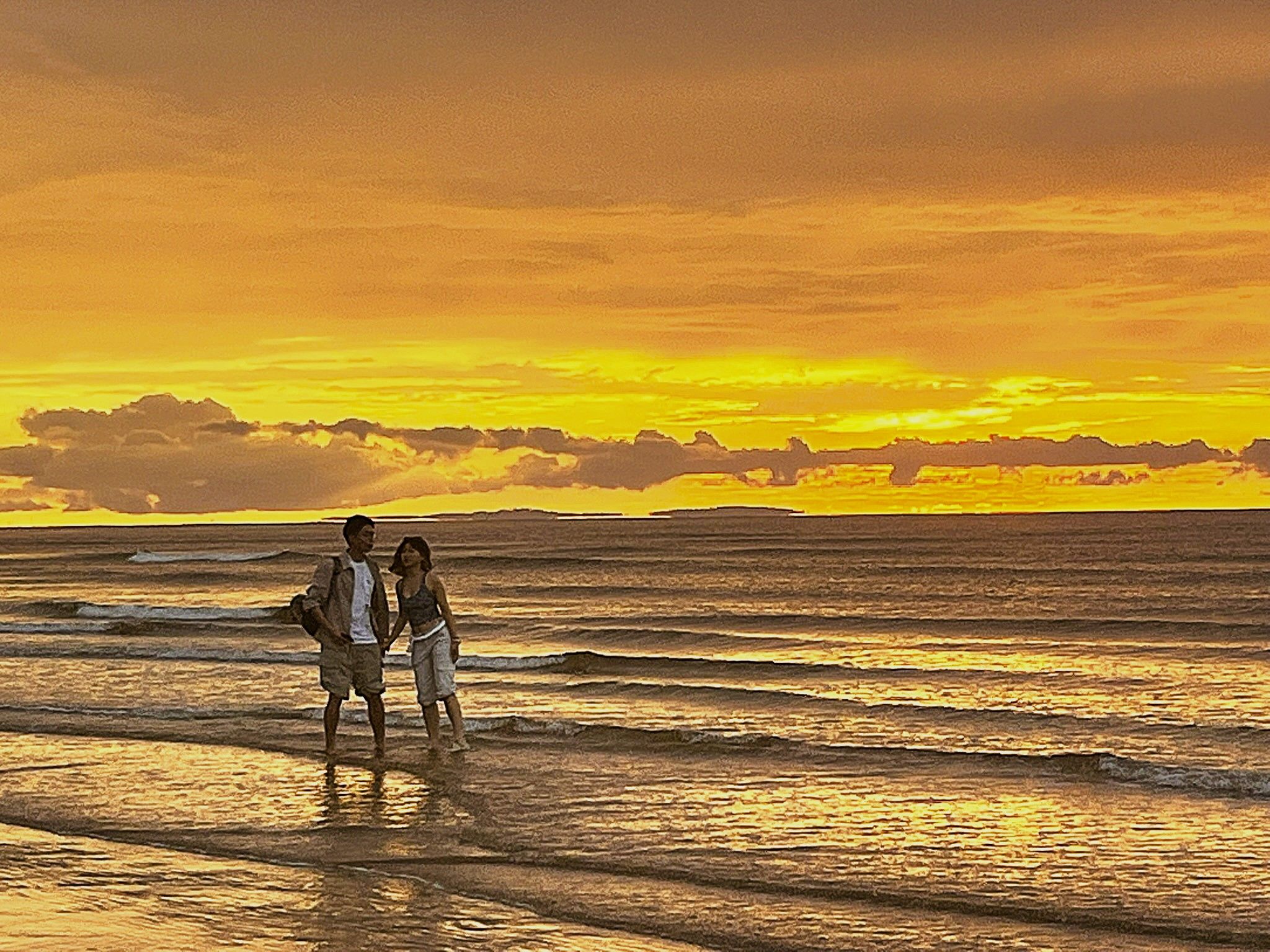
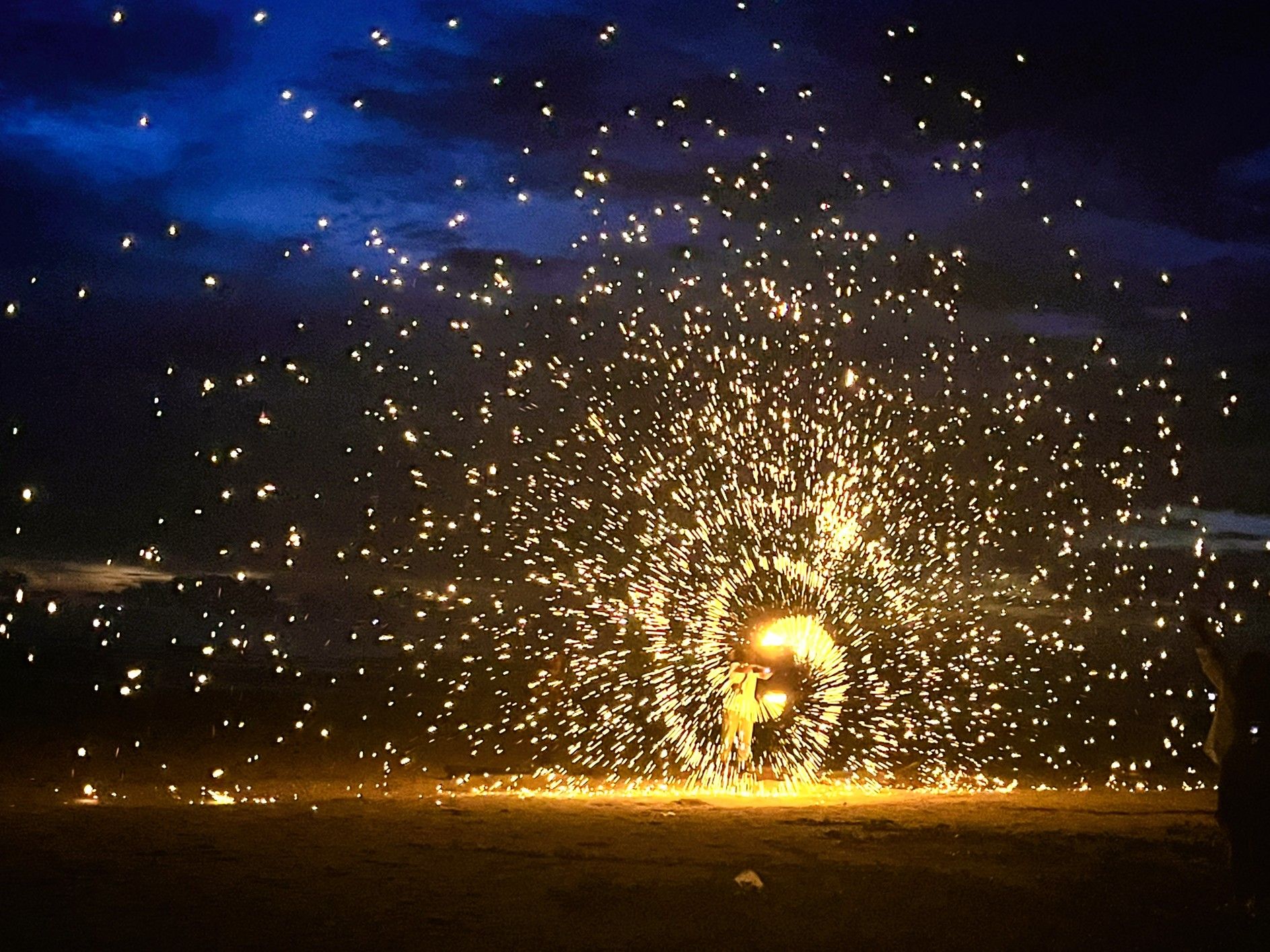
To make a long story short: no crocodiles, no proboscis monkeys, just a few bored macaques and indeed swarms of flashing fireflies at night that moved some participants on the boat tour to tears. In between, we had a stop at the mouth of the river at Menpakul Beach to witness an orgiastic sunset and a wild fire show.
Old tower, new mosque
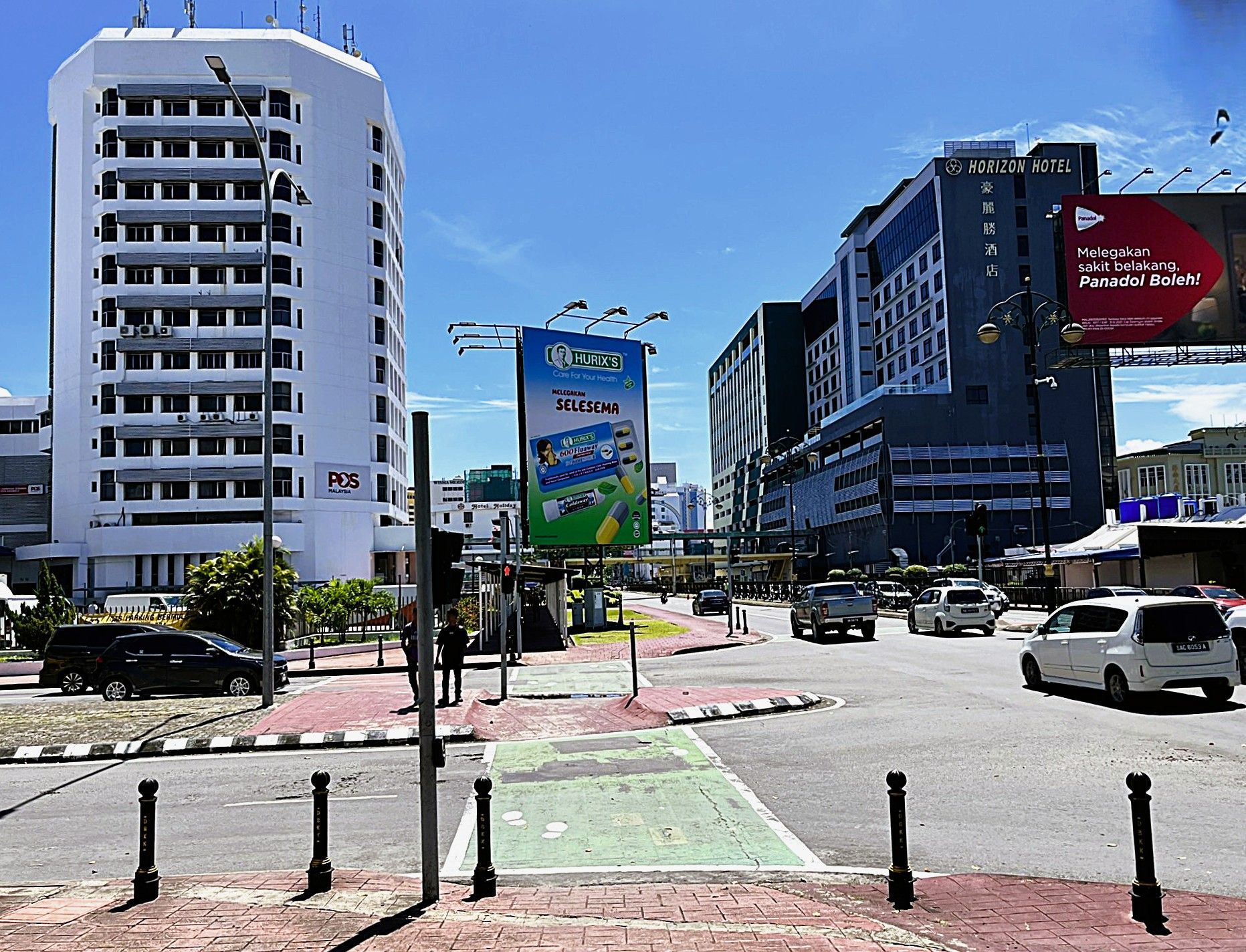
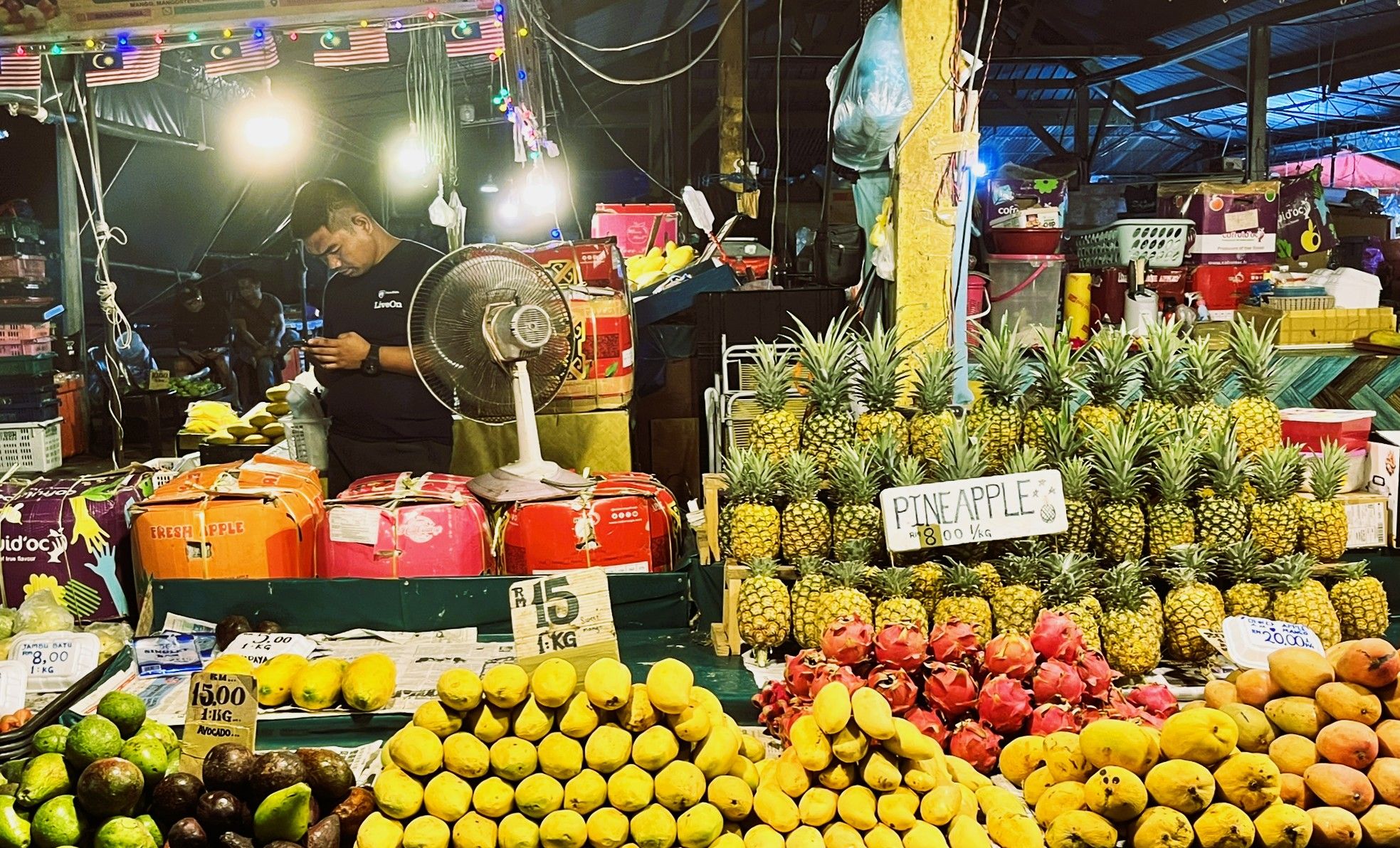
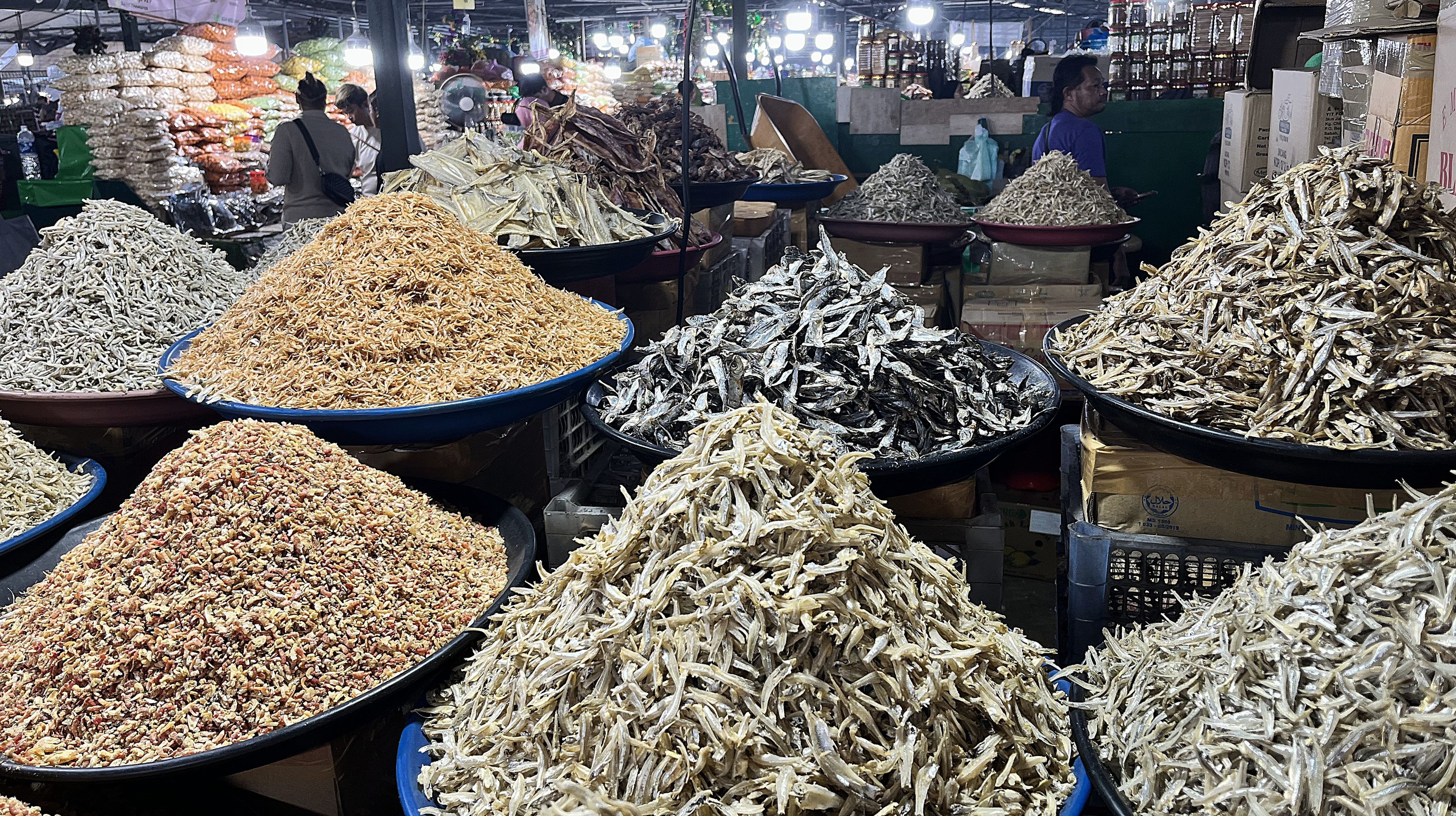
Because it is relatively new, the city center feels somewhat sterile: around the Atkinson Clock Tower as a centerpiece stretch streets with administrative and office buildings, shopping centers, and hotels. Not exactly inviting, if not for the Filipino Market on the waterfront, a central marketplace for fresh and dried fish and seafood, vegetables, everyday items, and handicrafts.
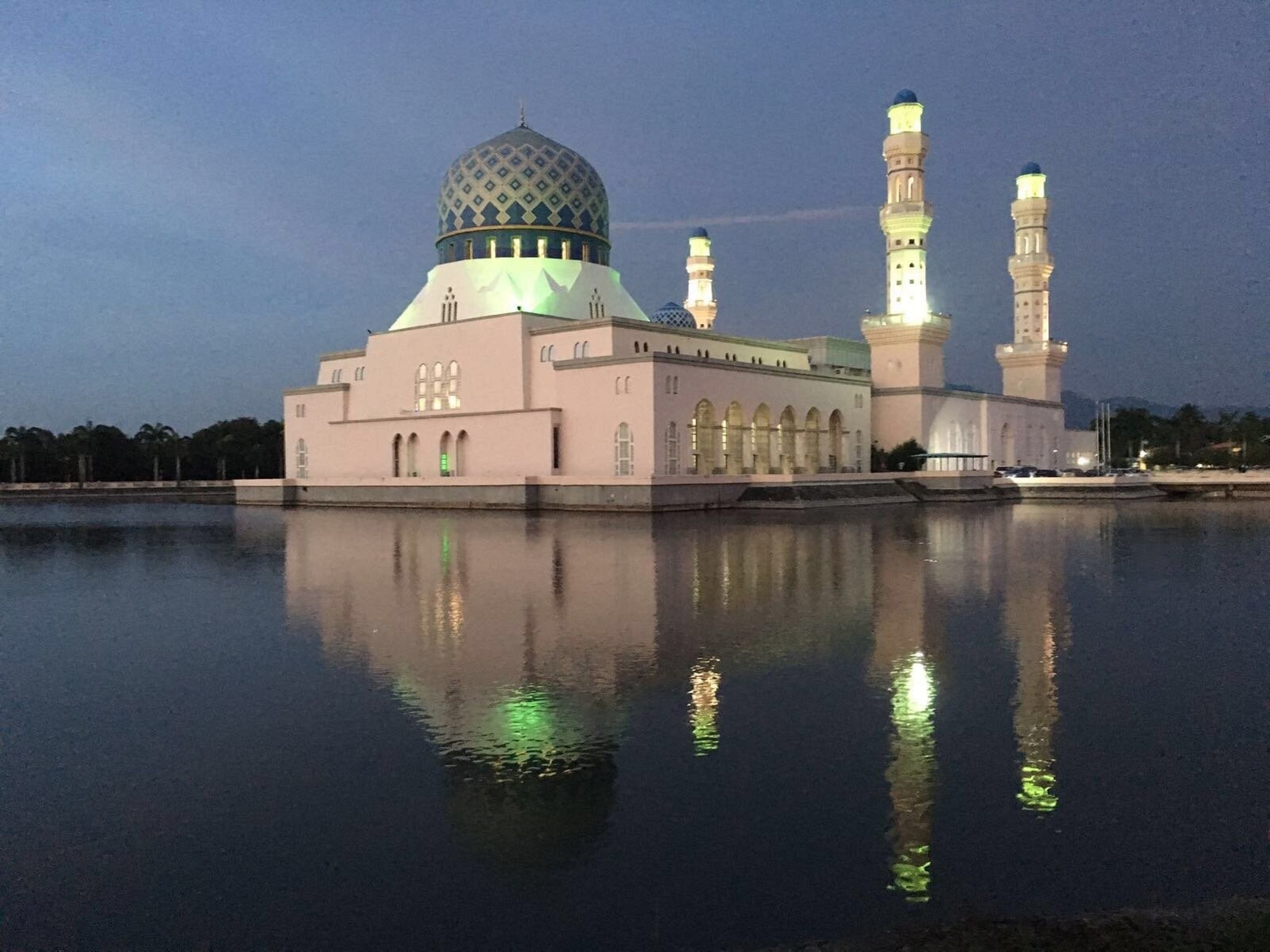
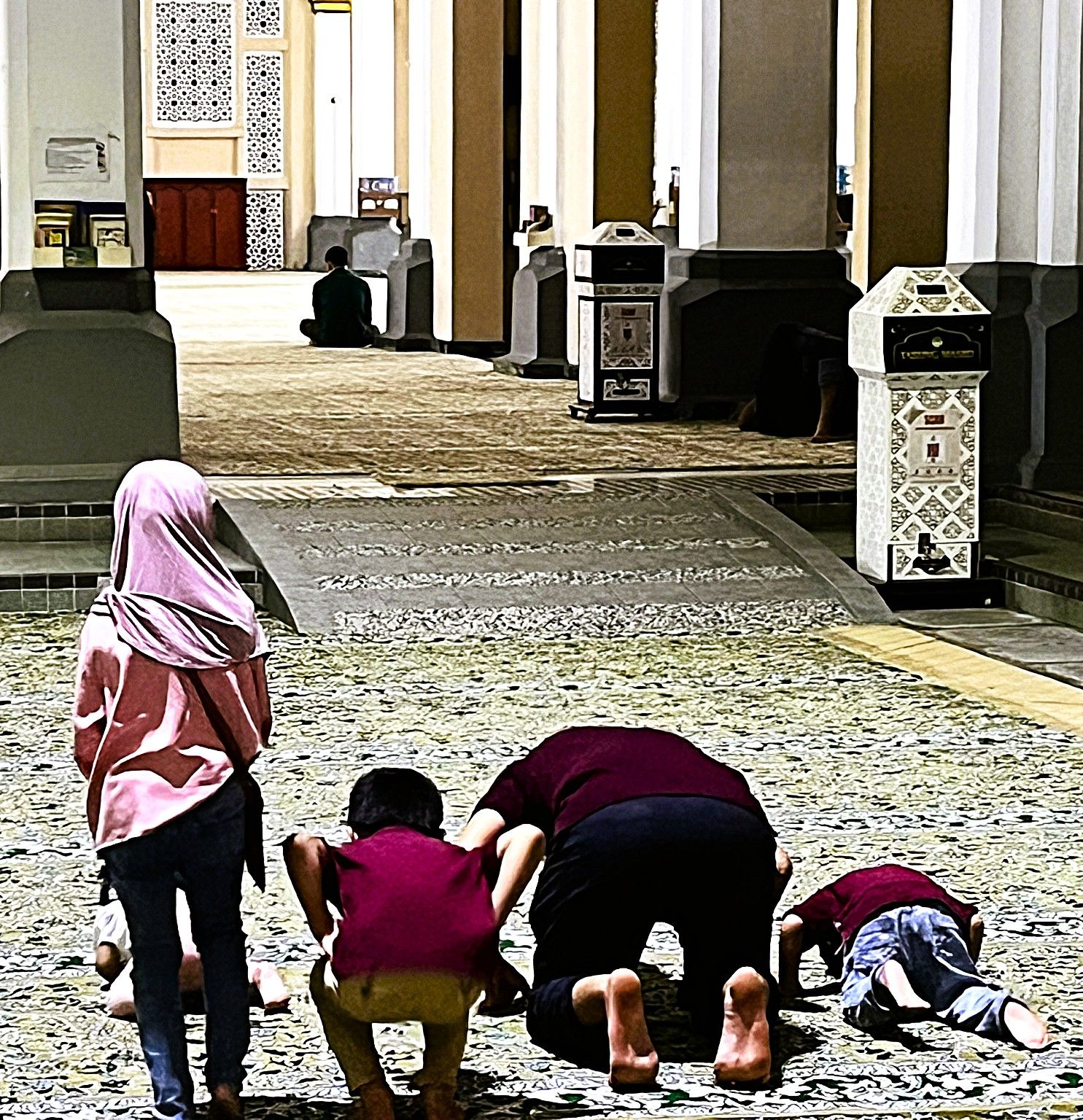
About two-thirds of the people in Kota Kinabalu are Muslims, a quarter are Christians, and the rest are Buddhists, Hindus, and so on. But Islam manifests itself here, as in all of Malaysia, in the most self-assured way. About three kilometers outside the center, I visit the impressive Masjid Bandaraya city mosque, designed for up to 12,000 worshippers.
The modern structure was opened in 2000 and is situated in an artificial lagoon. With its four impressive minarets, the huge blue dome, the bright exterior color, and the Arabic-inspired forms that reflect in the water and are beautifully illuminated at night, the mosque demonstrates the increasing power claims of Islam and even impresses me as a die-hard non-believer.
Paradise for divers
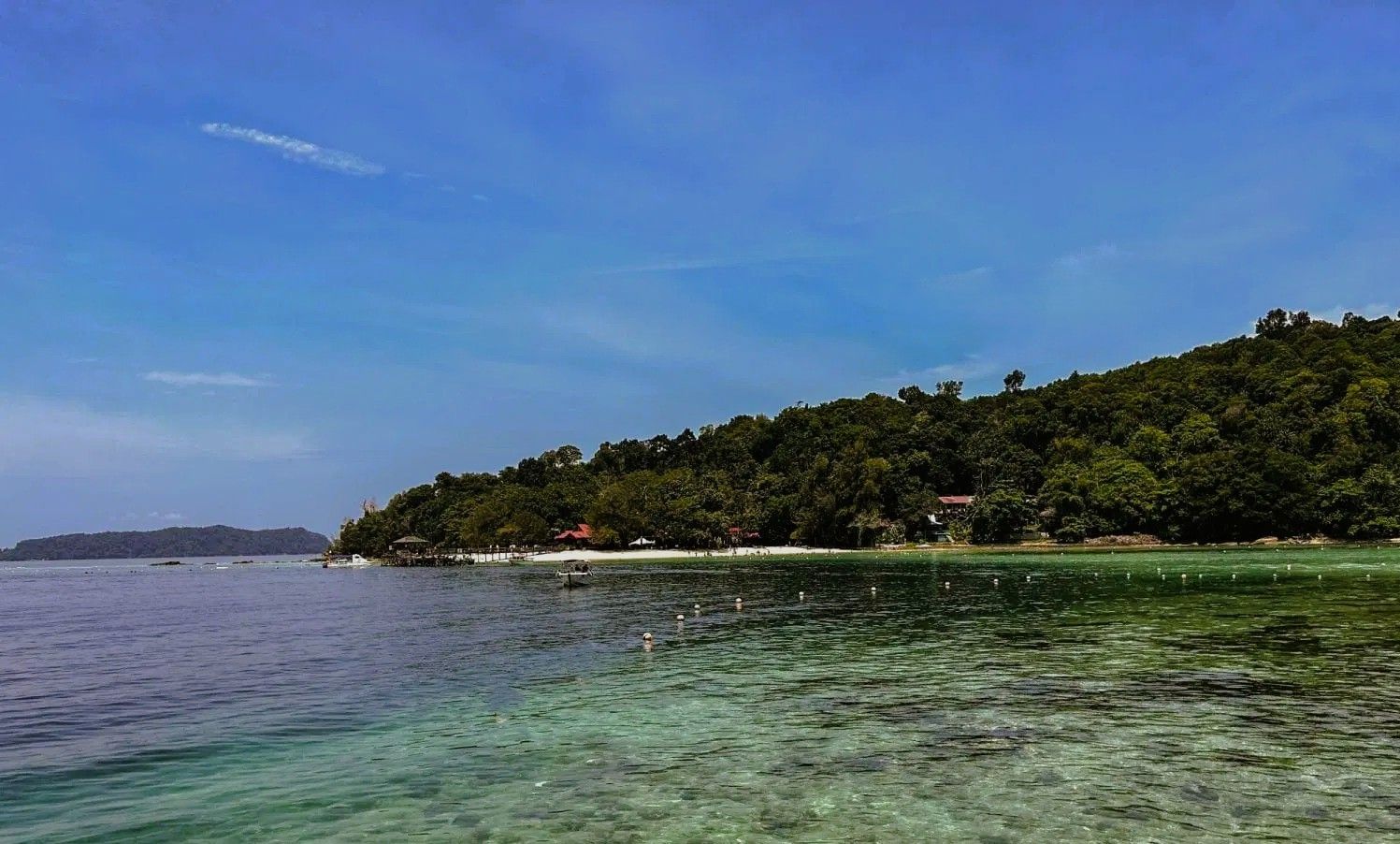
The northern coast of Sabah is among the biologically richest marine regions of Southeast Asia. There are tropical coral reefs, which make Kota Kinabalu and the five offshore islands of the Tunku Abdul Rahman Marine Parks a paradise for snorkelers and divers.
The islands of the marine park, named after the father of modern Malaysia, are partly visible from the city center and can be reached in just fifteen or twenty minutes by boats: they offer a tropical ideal picture with dreamy beaches lined with untouched rainforests, and the corals, schools of fish, and other marine life appear in the most exciting shapes and colors.
The sea is being plundered
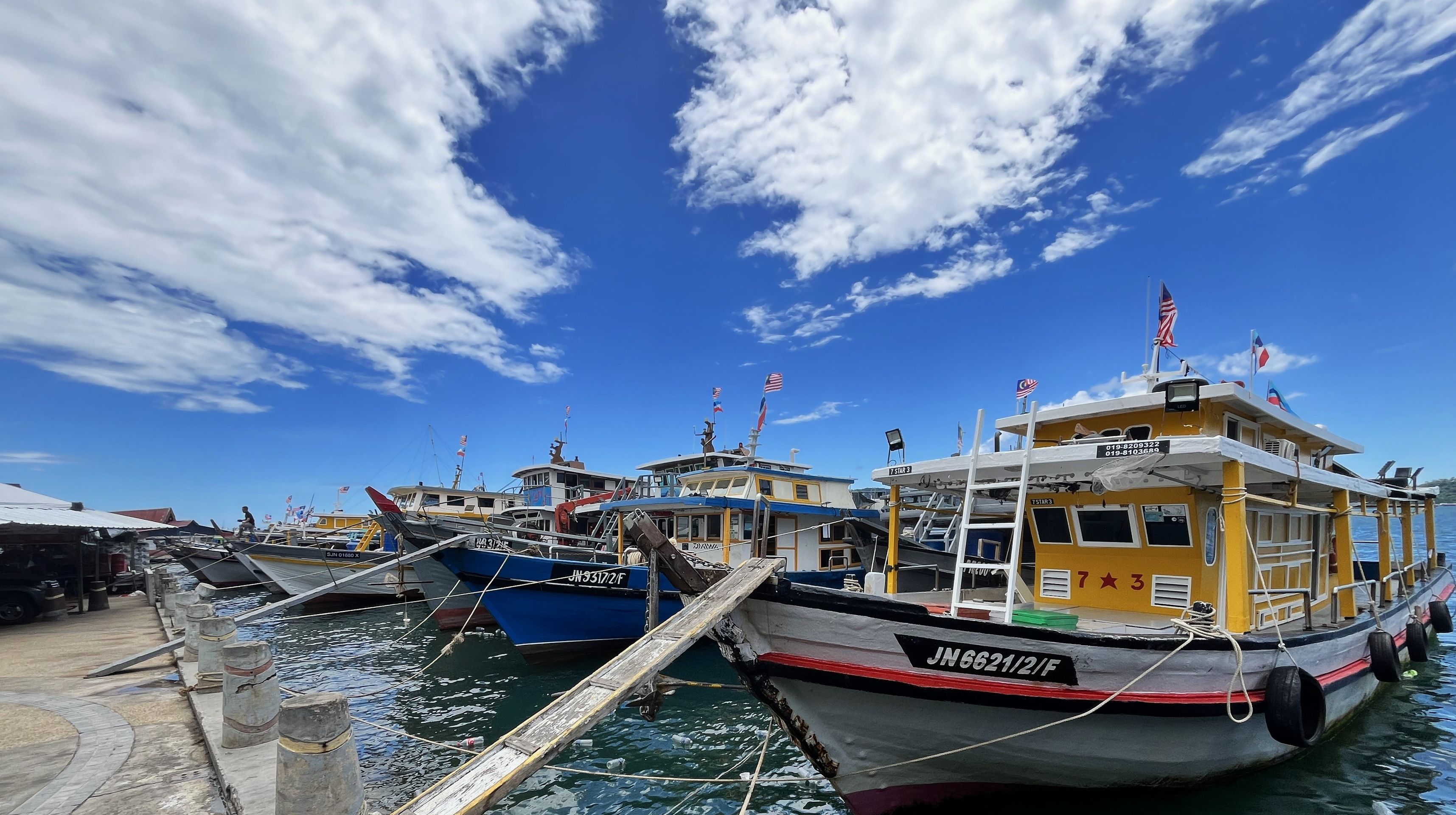
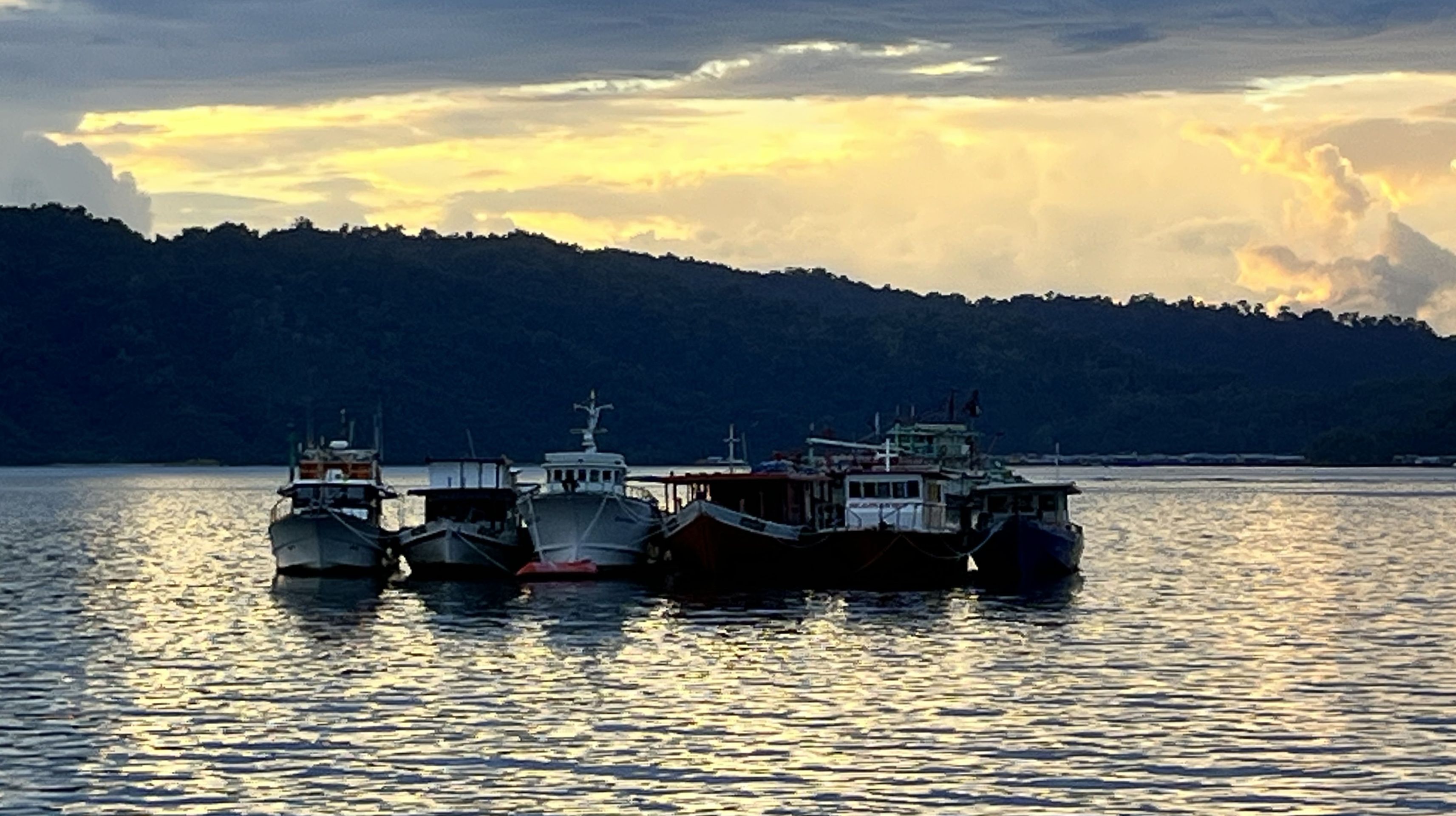
Traditionally, tuna and other pelagic fish, snapper and grouper, sardines, mackerel, and near the coast shrimp and crabs are fished in the South China Sea, as explained to me by fishermen who had gathered for a chat after returning from a night of fishing on the harbor pier. Expansive fish counters and mountains of dried fish and other seafood at many stalls in the Filipino Market attest to fruitful trips.
But according to the fishermen, who dock their traditional boats directly in the city center, the catch has significantly declined in recent years: China has the world's largest deep-sea fishing fleet and is systematically plundering the South China Sea. And the Chinese, an old man explains to me, also specifically fish in disputed waters and are often accompanied by navy or Chinese coast guard ships, which occasionally threaten or drive away fishing boats from other nations and in extreme cases even seize them.
In the photos, the fishing fleet of Kota Kinabalu looks like a perfect postcard motif. But what we tourists consume with pleasure often conceals a less idyllic reality.