

Lucerne – as a tourist in my hometown
In August 2025, I visited my birthplace, Lucerne, for the first time in years.
Published: 09.06.2026
Even during my stay in Switzerland in the summer and autumn of 2025, I did not want to completely give up traveling. So I was on a press trip from October 22 to 25. We flew from Zurich to the northern Greek city of Thessaloniki and then took a bus from there to Petrich in the southwestern tip of Bulgaria.
Just a few years ago, Bulgaria was a little-known country behind the Iron Curtain. Today, the capital Sofia, Plovdiv – European Capital of Culture 2019 – Veliko Tarnovo, and other places are considered exciting travel destinations. Plovdiv's old town is one of Europe's best-preserved historical quarters, and Veliko Tarnovo is famous for its intact old town and Tsar fortress.
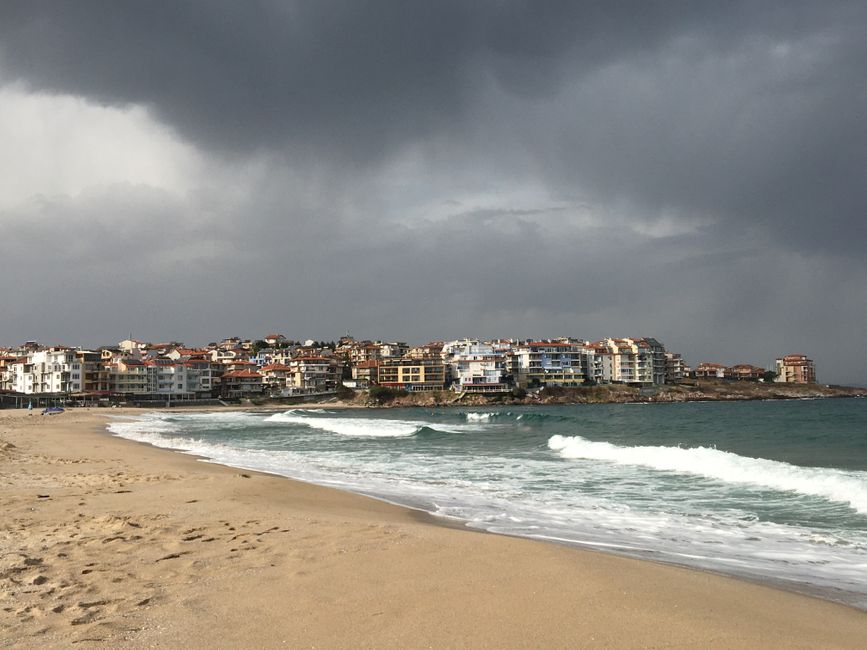
Bulgaria is also gaining significance as a destination for beach vacations. There are, at least in the summer, direct flights from Germany and Switzerland to Varna on the Black Sea. “The country impresses with an excellent price-performance ratio, pleasant temperatures, and a rapidly developing hotel infrastructure,” say travel brochures. In classic Mediterranean destinations such as Italy, Spain, Greece, and Turkey, prices have increased significantly in recent years. The Varna region is currently considered, along with Albania, the cheapest destination for beach holidays in Europe; demand has noticeably increased in recent times.
Unknown “Sunny Valley”
In contrast, the southwestern part of the country is located away from tourist paths, with the Struma Valley, also known as “Sunny Valley” due to its 330 sunny days a year. Petrich, a provincial town that includes 26 surrounding municipalities near the Greek border, has about 50,000 inhabitants. However, there is plenty to see in this region.
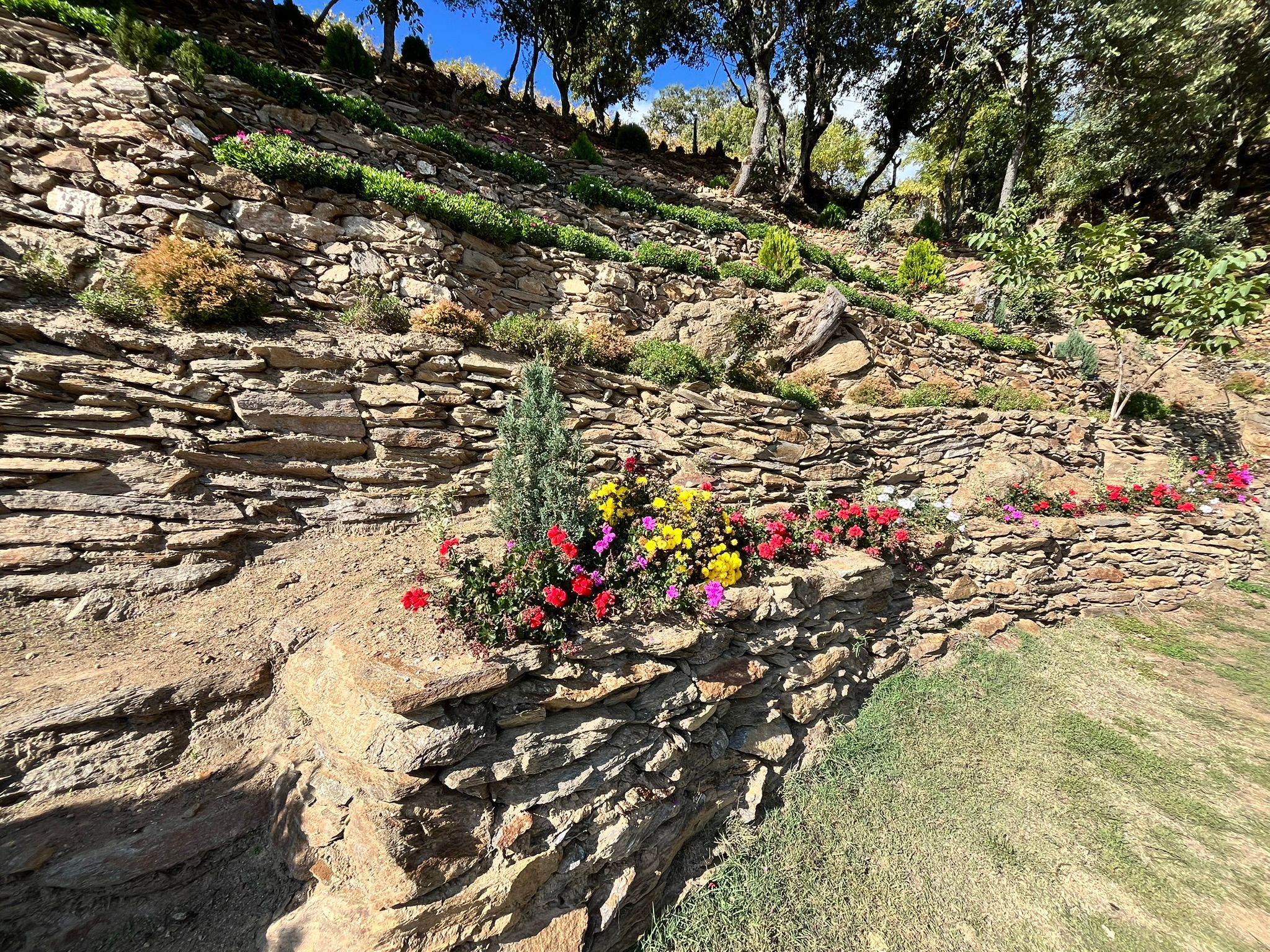
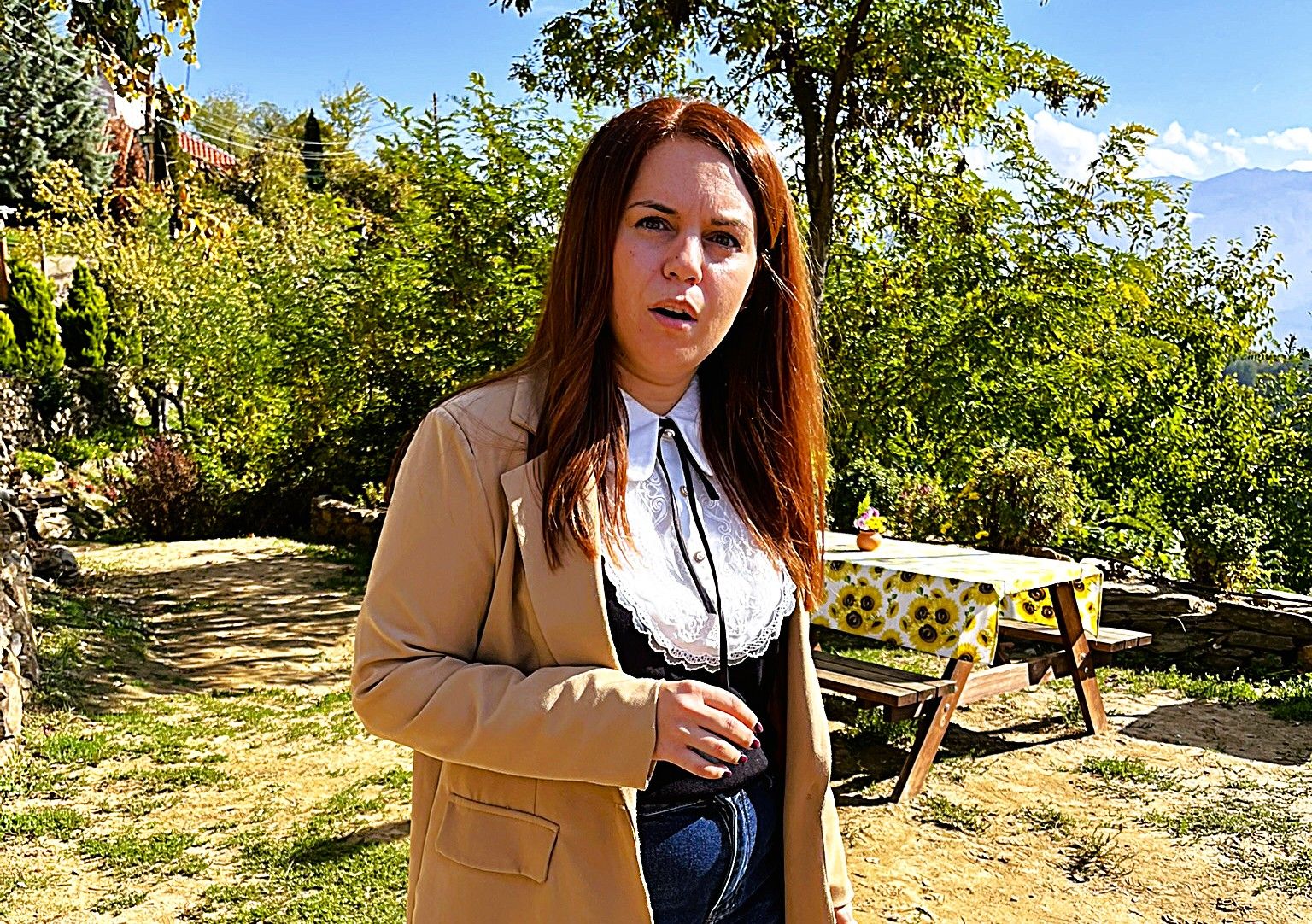
Take the village of Dolene, for example. Dry stone walls rise up, interspersed with colorful floral carpets and a view that stretches into the infinite expanse. “We have rebuilt all this in the last ten years,” says Borislava Lipiyska. Her father, Stefan, hails from the village, which once lay on a trade route and was a significant market place with up to 4,000 inhabitants.
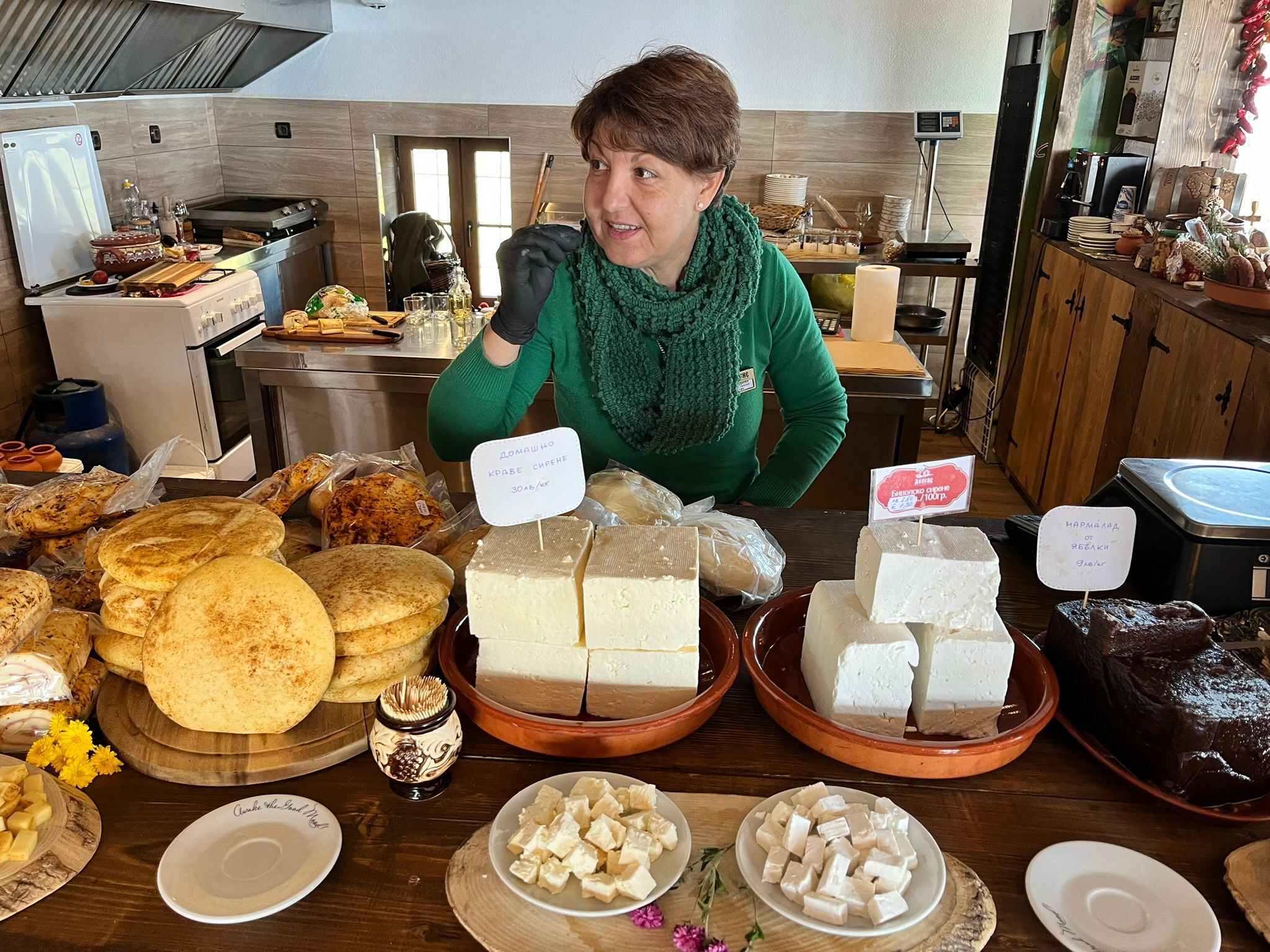
The village, situated in a remote part of the Petrich municipality, was nearly deserted when father, daughter, and dozens of volunteers began to breathe new life into it. Houses were renovated, walls were rebuilt, and every year 80,000 flowers are planted. There is a restaurant, shops for regional products and plants, where cheese and meat products can also be tasted, the healer's house with an impressive offering of medicinal herbs, and of course the 19th-century church of St. Mary. Currently, only four people live permanently in Dolene. However, as a tourist destination, the village offers insight into the former life in rural Bulgaria.
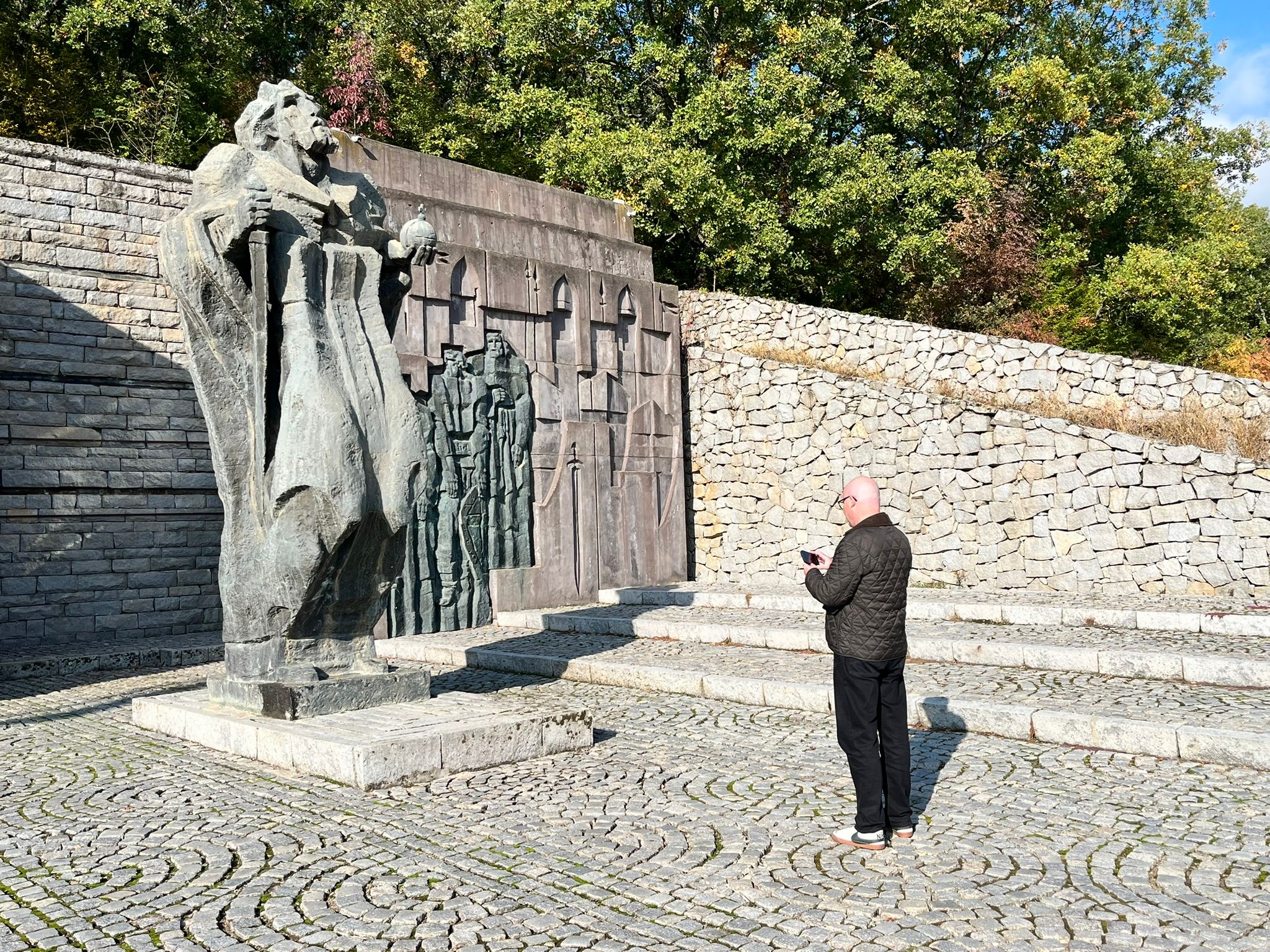
This place is full of history and stories. There has been a fierce rivalry between Greeks and Bulgarians since time immemorial. Near Kljutsch, close to Petrich, we visit the historic fortress of the Bulgarian king Samuil, who is immortalized here in an expressive statue. Samuil waged war against Byzantium for decades, was defeated in the Battle of Kleidion in 1014, and died shortly thereafter. Bulgaria fell but was reestablished in 1186 with Tarnovo as its capital and fell under Ottoman rule until 1908 at the end of the 14th century.
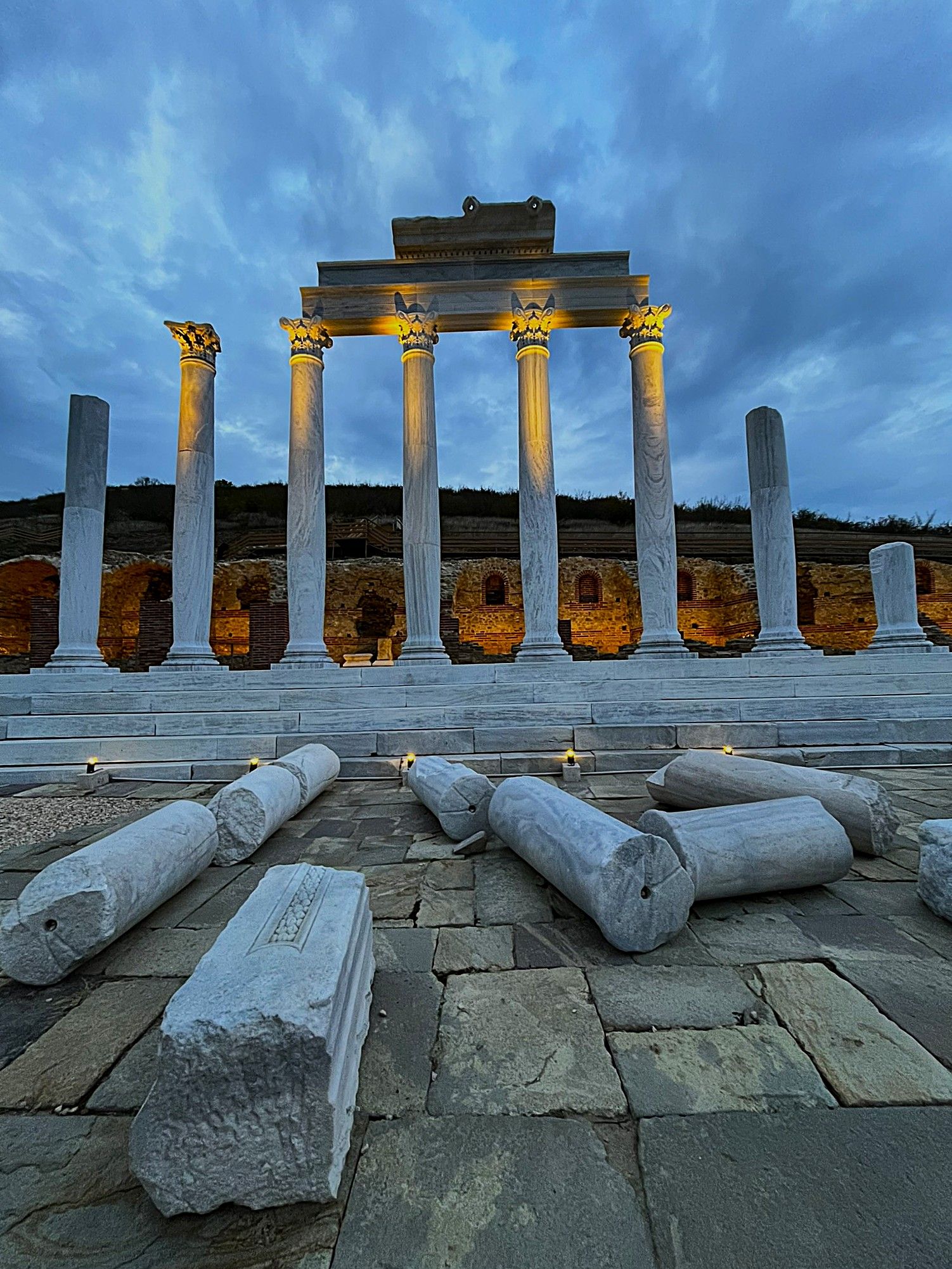
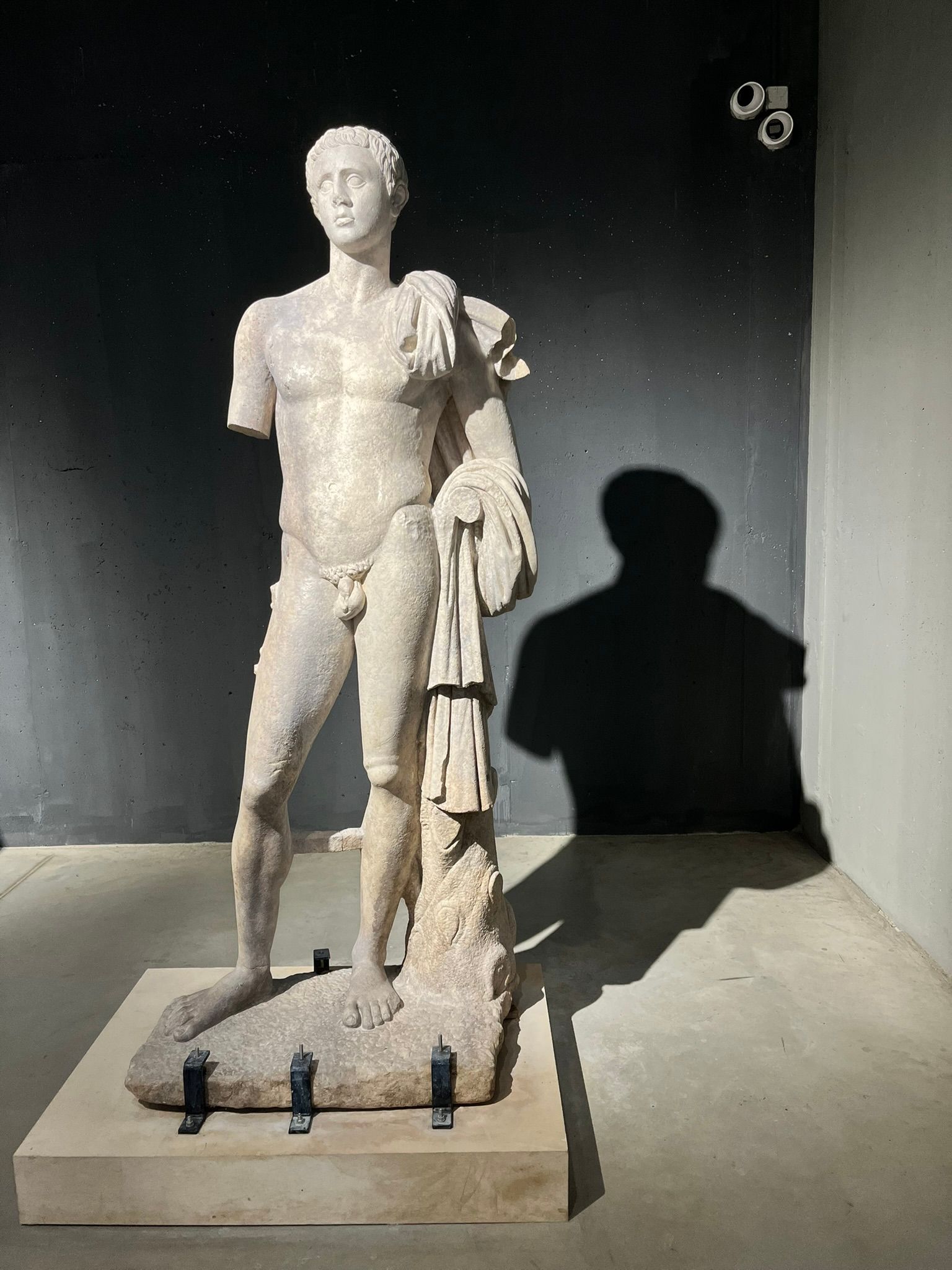
Long before, in Greek and Roman times, there was a large city in the Struma Valley, Heraclea Sintica. It was destroyed by an earthquake in the 6th century AD and buried under the debris of a flood. It is now being gradually excavated. In the small Historical Museum in Petrich, well-preserved Roman statues from Heraclea Sintica can be seen. The museum is located in a renovated former barracks.
Wine and Healing Water
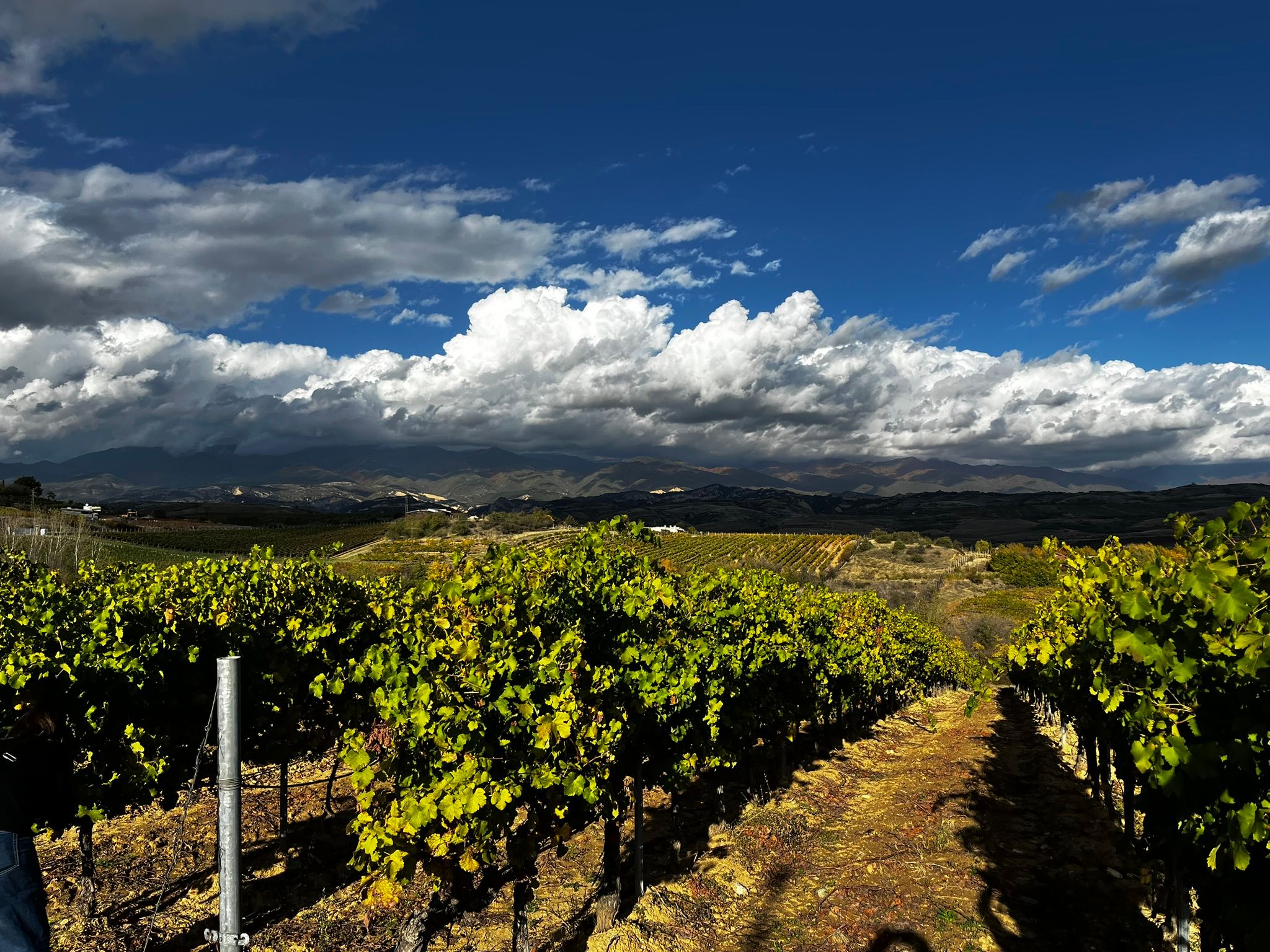
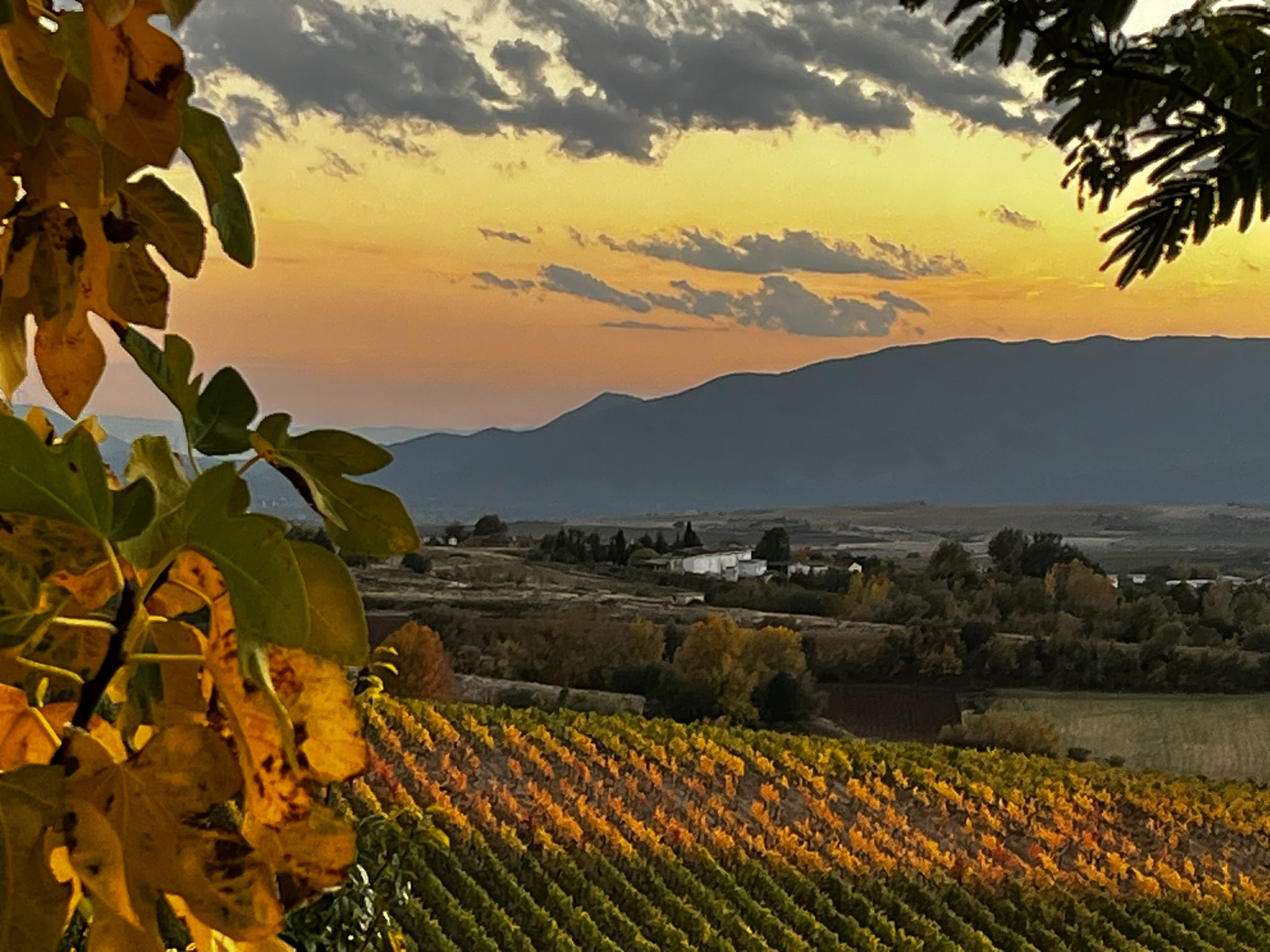
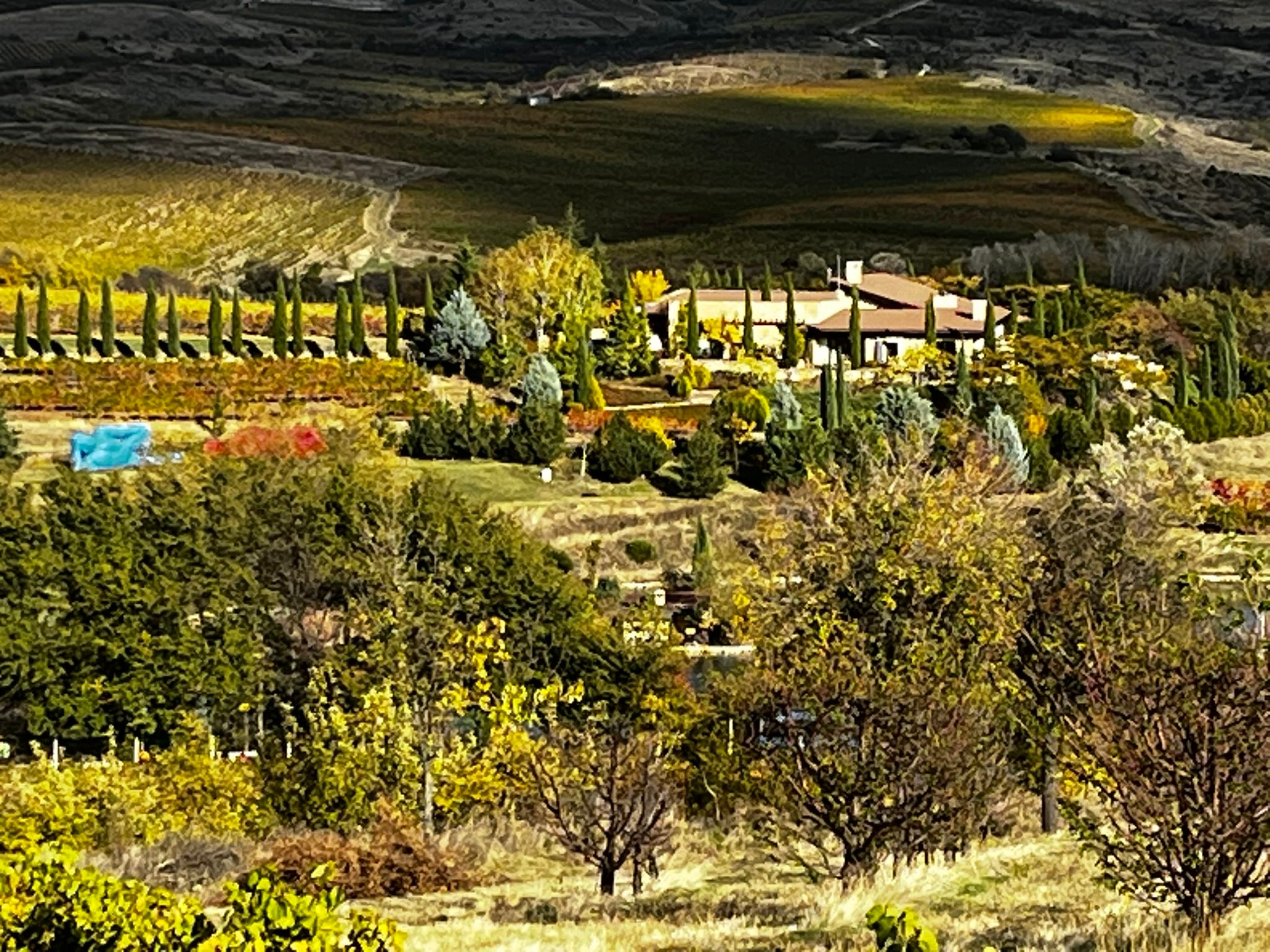
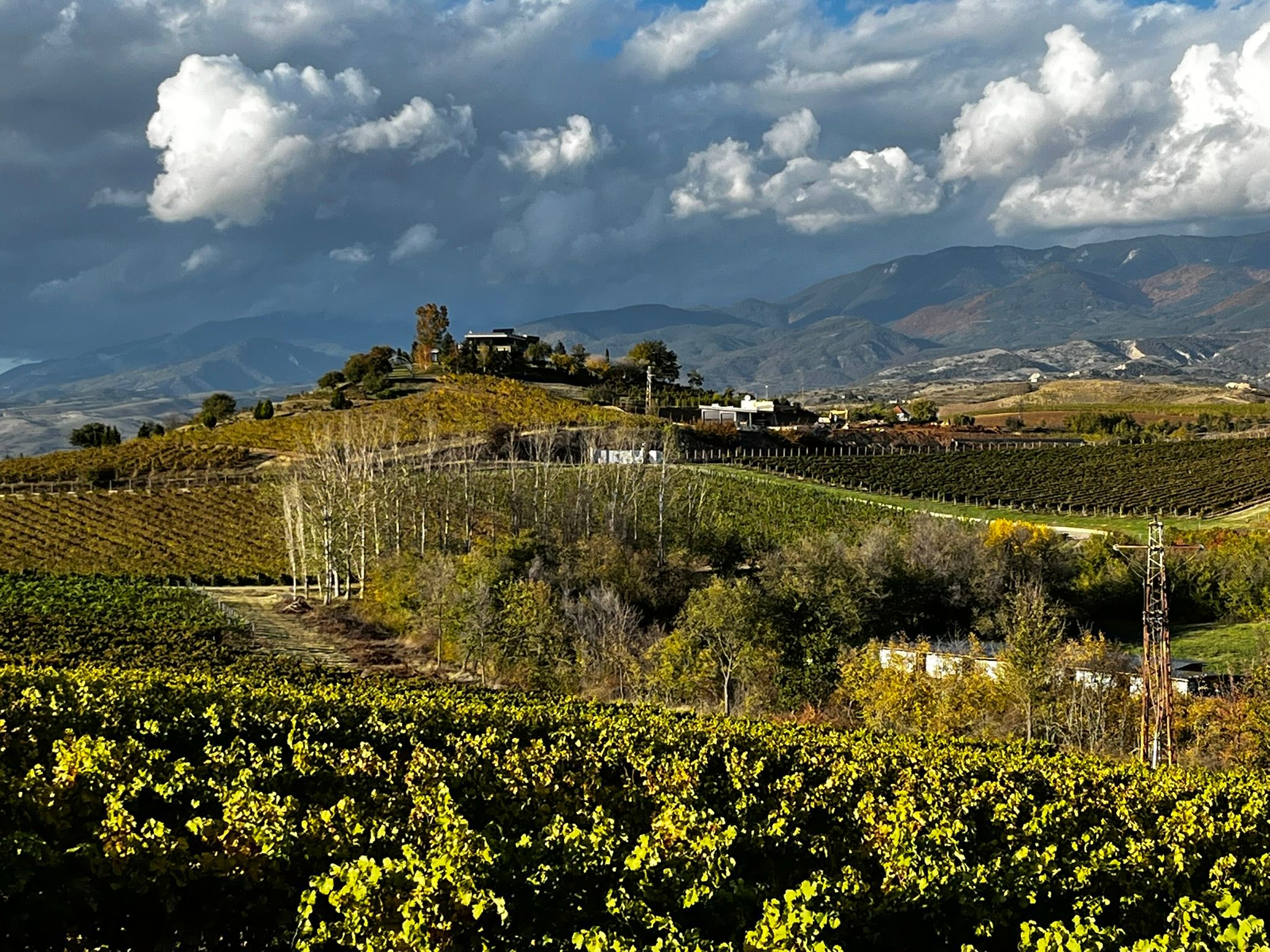
Like Tuscany, which the gentle hilly landscape of the Struma Valley resembles, the region is primarily known for its wine, which has been cultivated here for at least 5,000 years. Many wineries are prepared for visits. Villa Melnik, for example, a property owned by Lyubka and Nikola Zikatanov, produces about 200,000 bottles per year on roughly 30 hectares, almost exclusively from indigenous varieties like the white Sandanski Miskit or red wines from local Melnik family varieties.
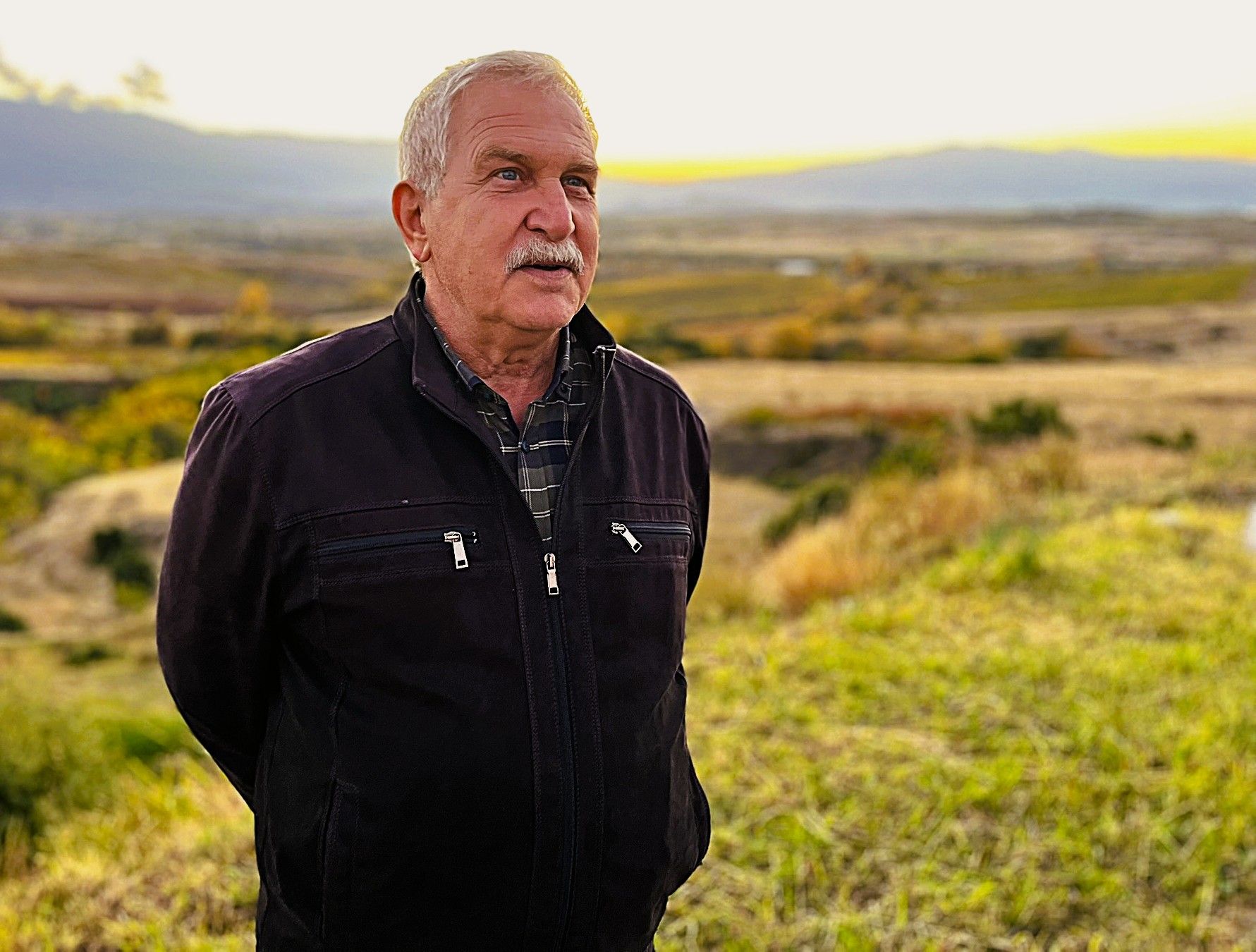
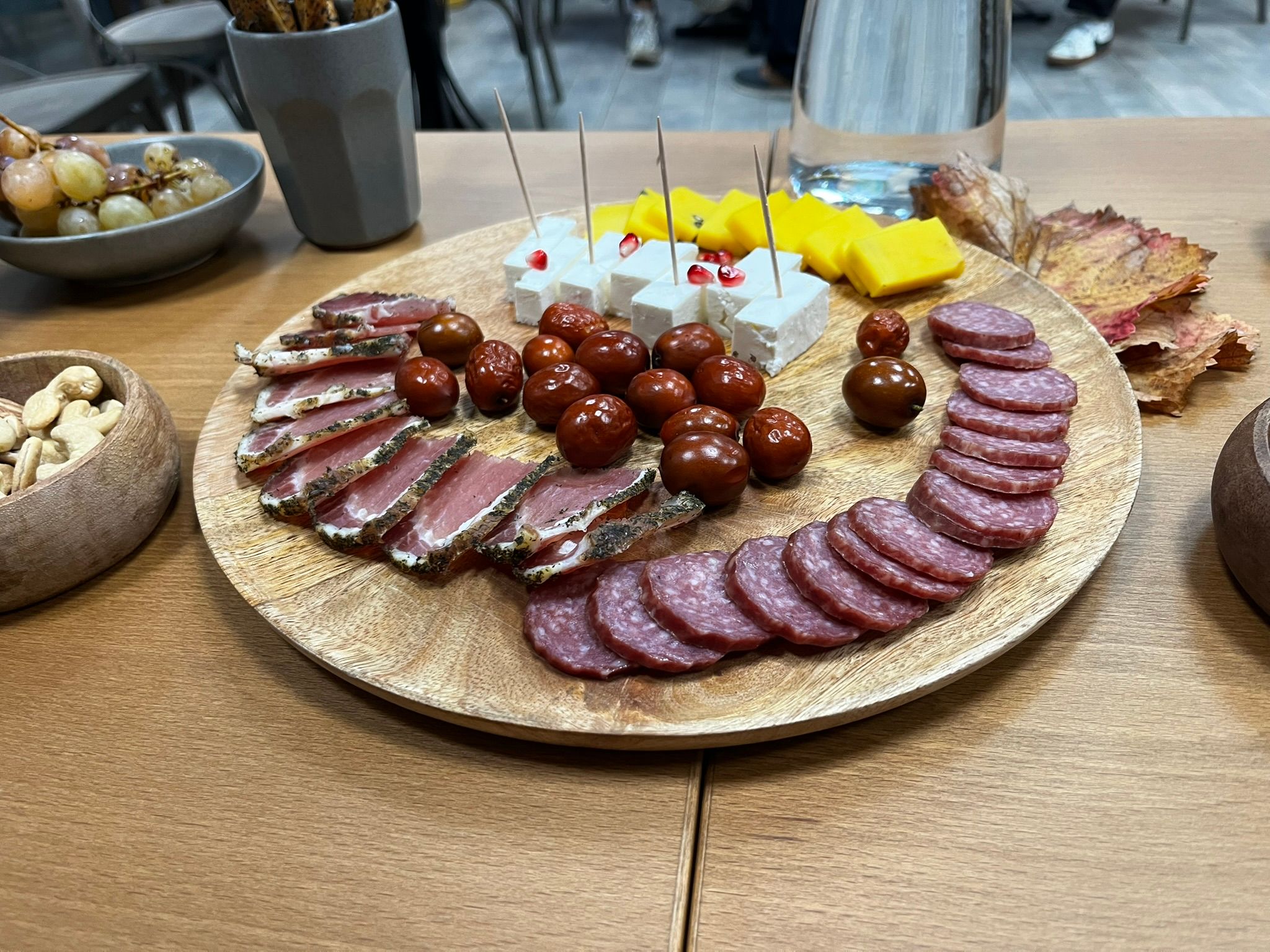
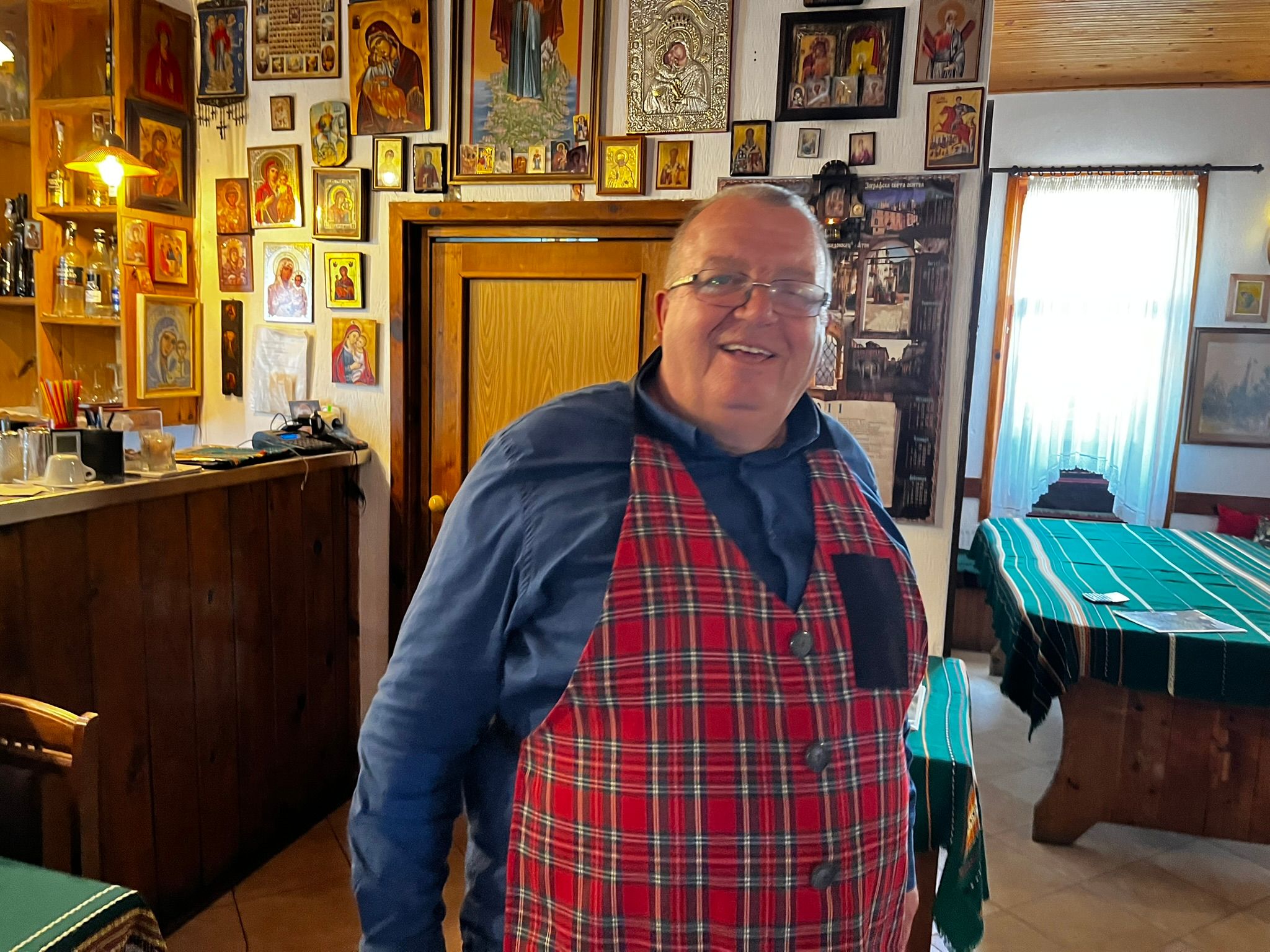
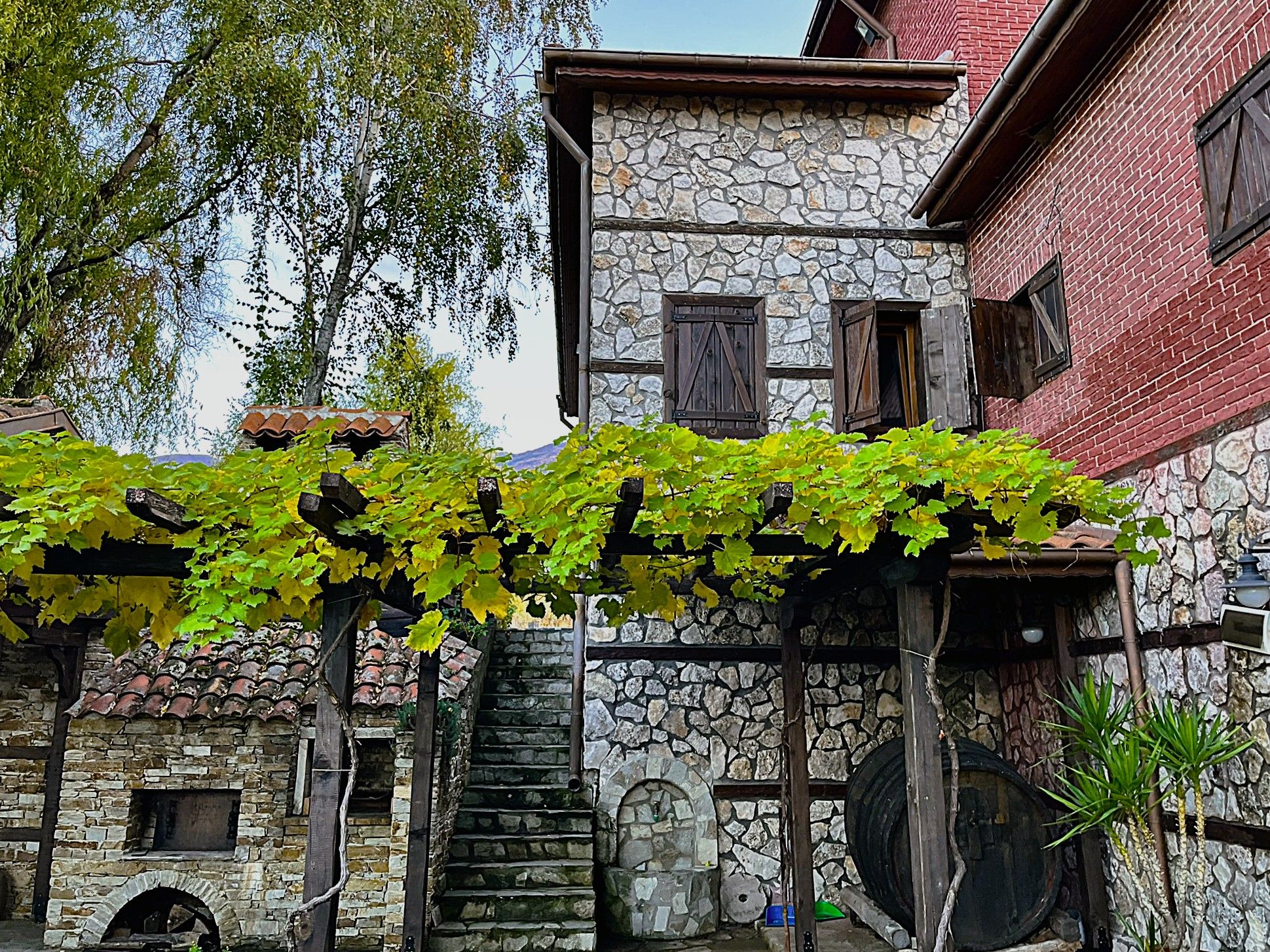
Nikola is an exceptionally friendly older gentleman and presents himself modestly. He doesn’t reveal to us that his winery is the only one in Bulgaria to make it onto the list of the 100 best wine producers in the world. Additionally, Lyubka and Nikola Zikatanov provide us with a snack that tastes good and is so plentiful that we hardly have any appetite left for dinner afterward. However, we will be dining in the cozy restaurant of Motel Rozhen near the town of Melnik, hosted by the impressive and friendly chef Blago, who celebrates traditional Bulgarian cuisine and offers a wide selection of local wines.
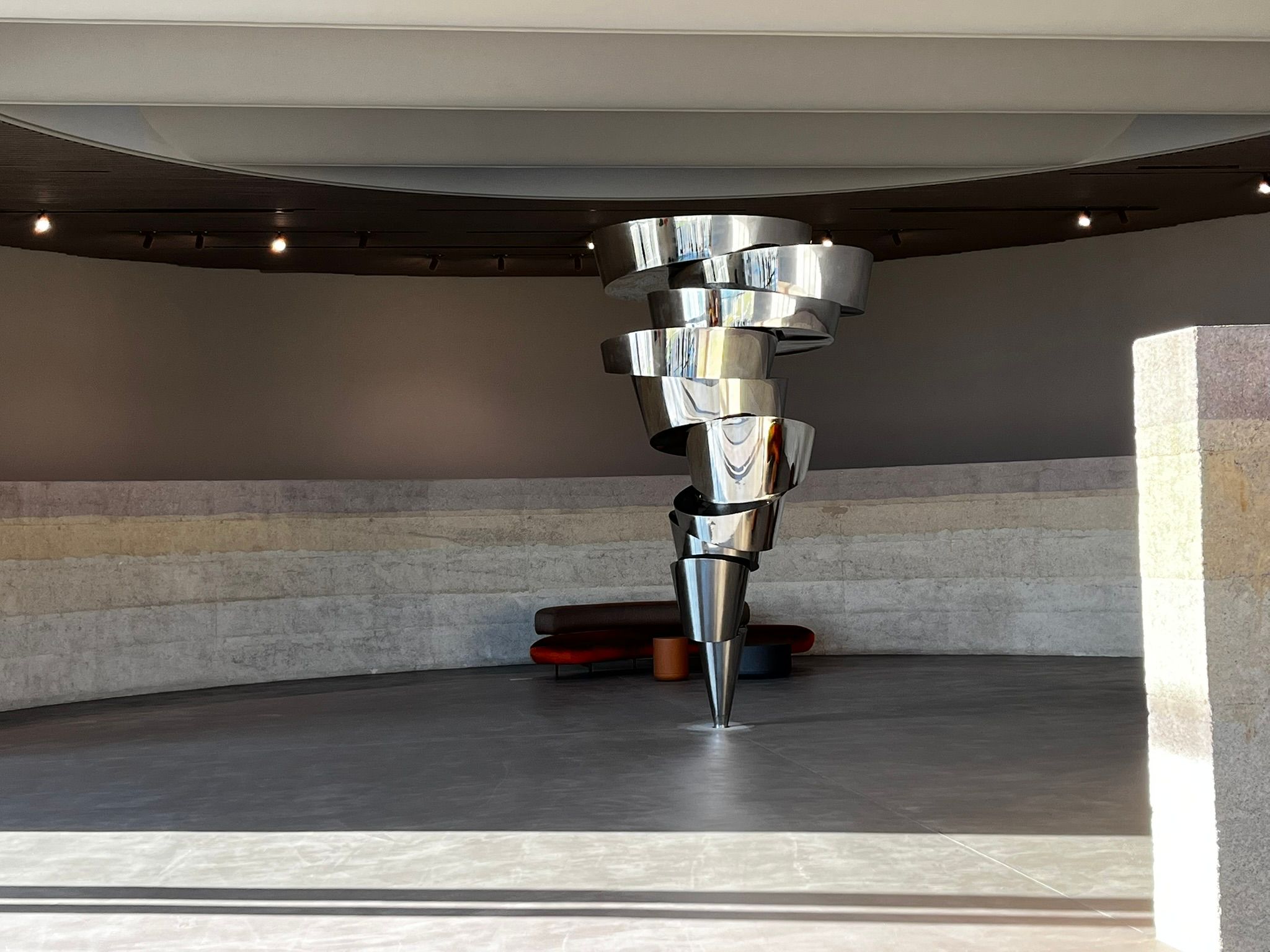
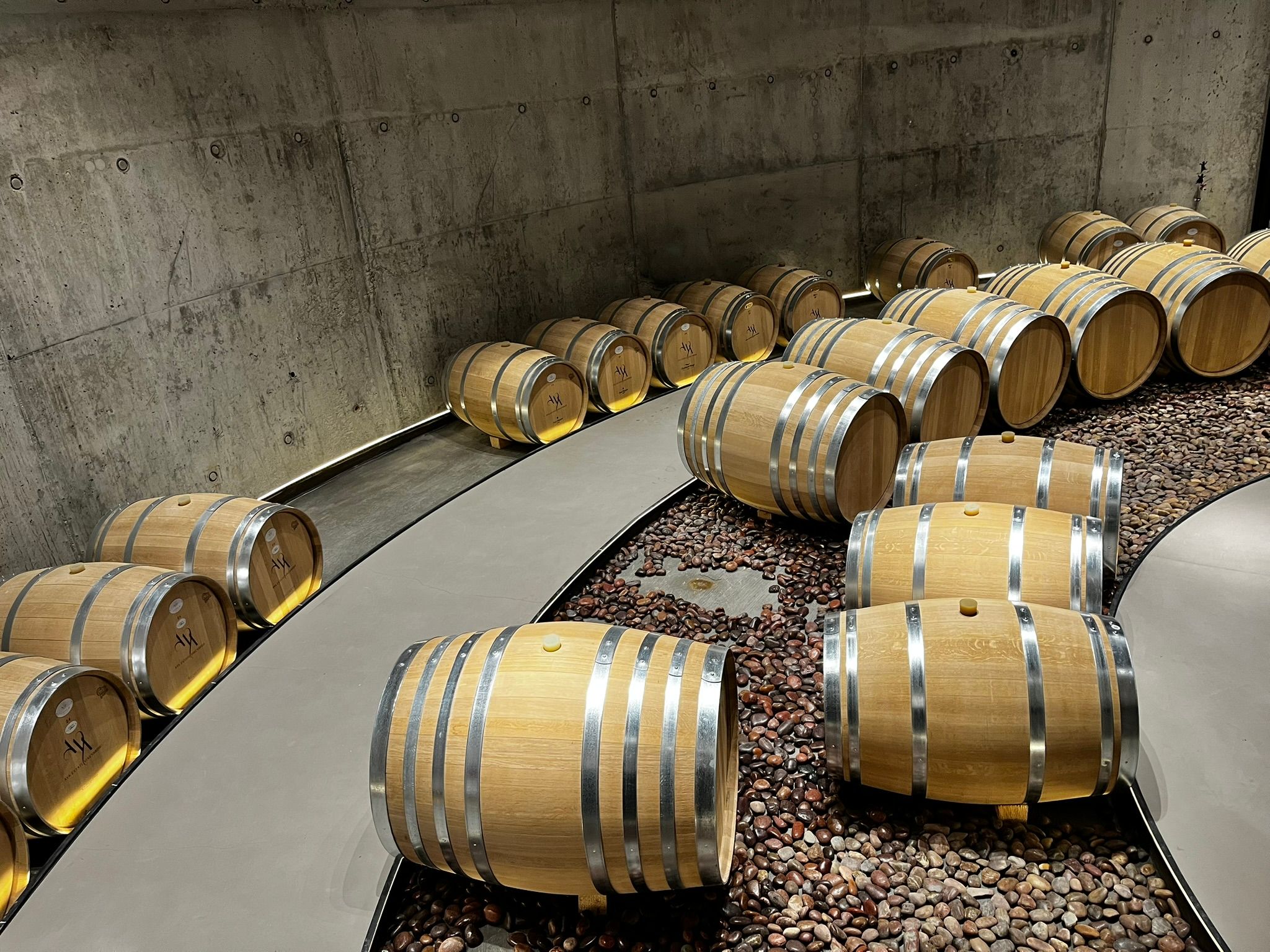
On the new Aya Estate, an organic winery owned by two bankers and their families, modern art, viticulture, and esoteric prices are combined. The barrels are arranged star-like on gravel, rather than stacked as in other wineries. And on the roof of the main building, a Japanese garden has been laid out. Moreover, a hotel is planned for the site. Two other facilities, a horse hotel and the five-star Zornitza Family Estate, a member of Relais & Châteaux, are also included.
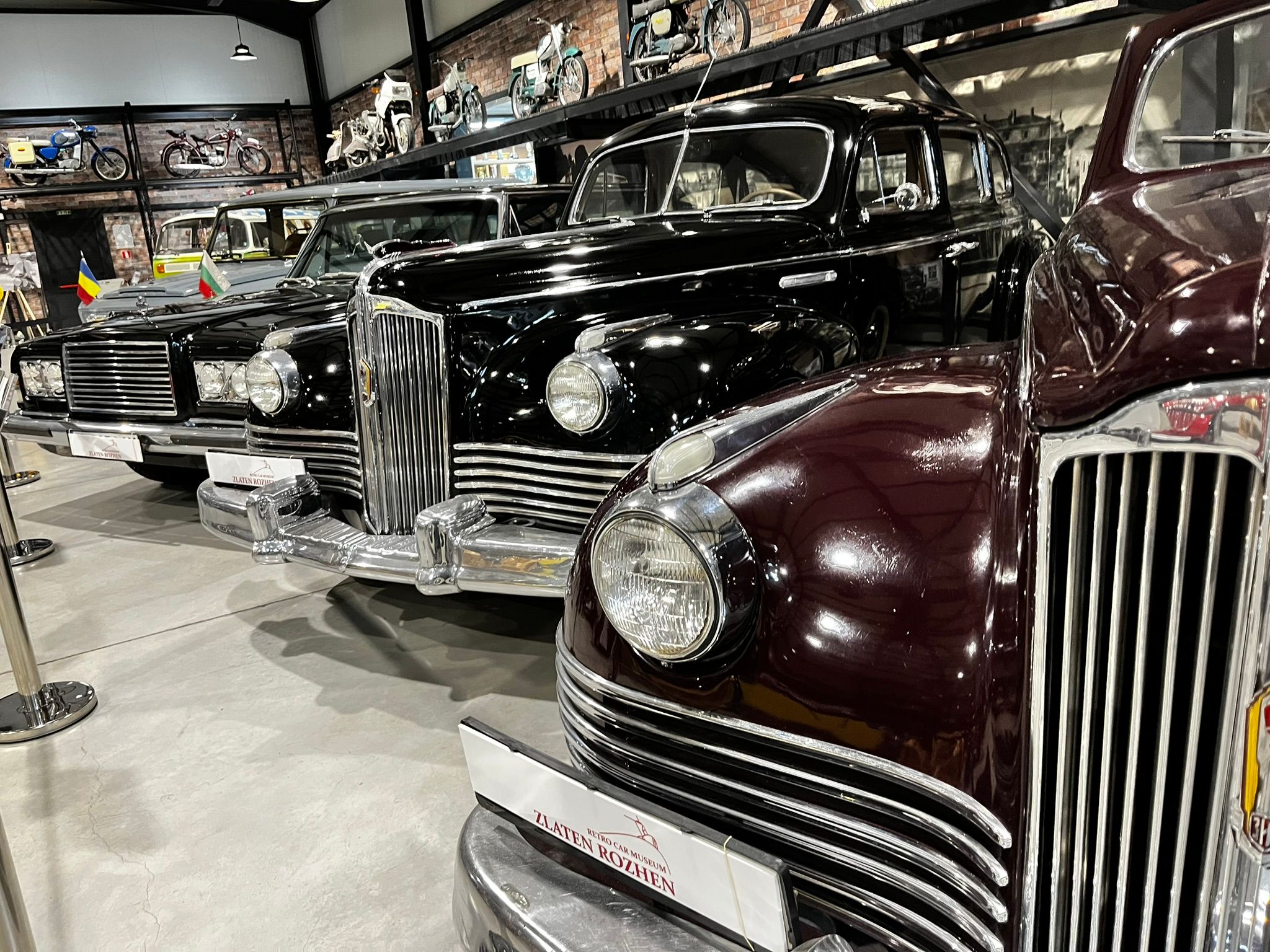
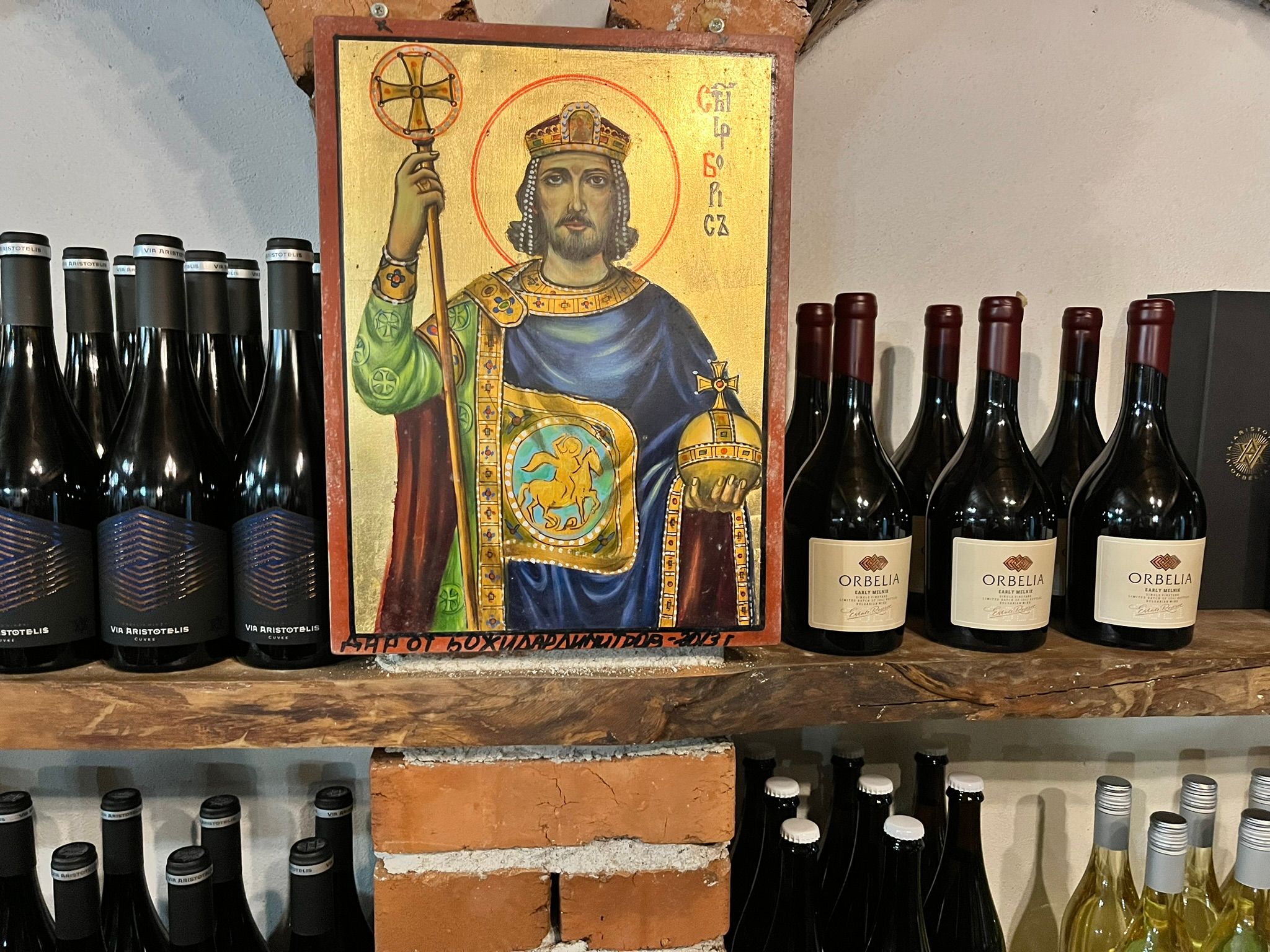
Less futuristic is the Orbelia winery, where traditional wine varieties are maintained. Finally, at the Zlaten Rozhen Winery of the Ossikovski family, in addition to viticulture, there is a museum with a remarkable collection of historical automobiles and motorcycles. Among rare Mercedes models from the 1950s and powerful communist state limousines stands a rather clumsy-looking but exclusive light blue off-road vehicle known as ARO 304, only three of which were built in Romania in 1981. In one of them, Romanian communist dictator Nicolae Ceausescu was driven, and in another his Bulgarian dictatorial counterpart Todor Zhivkov.
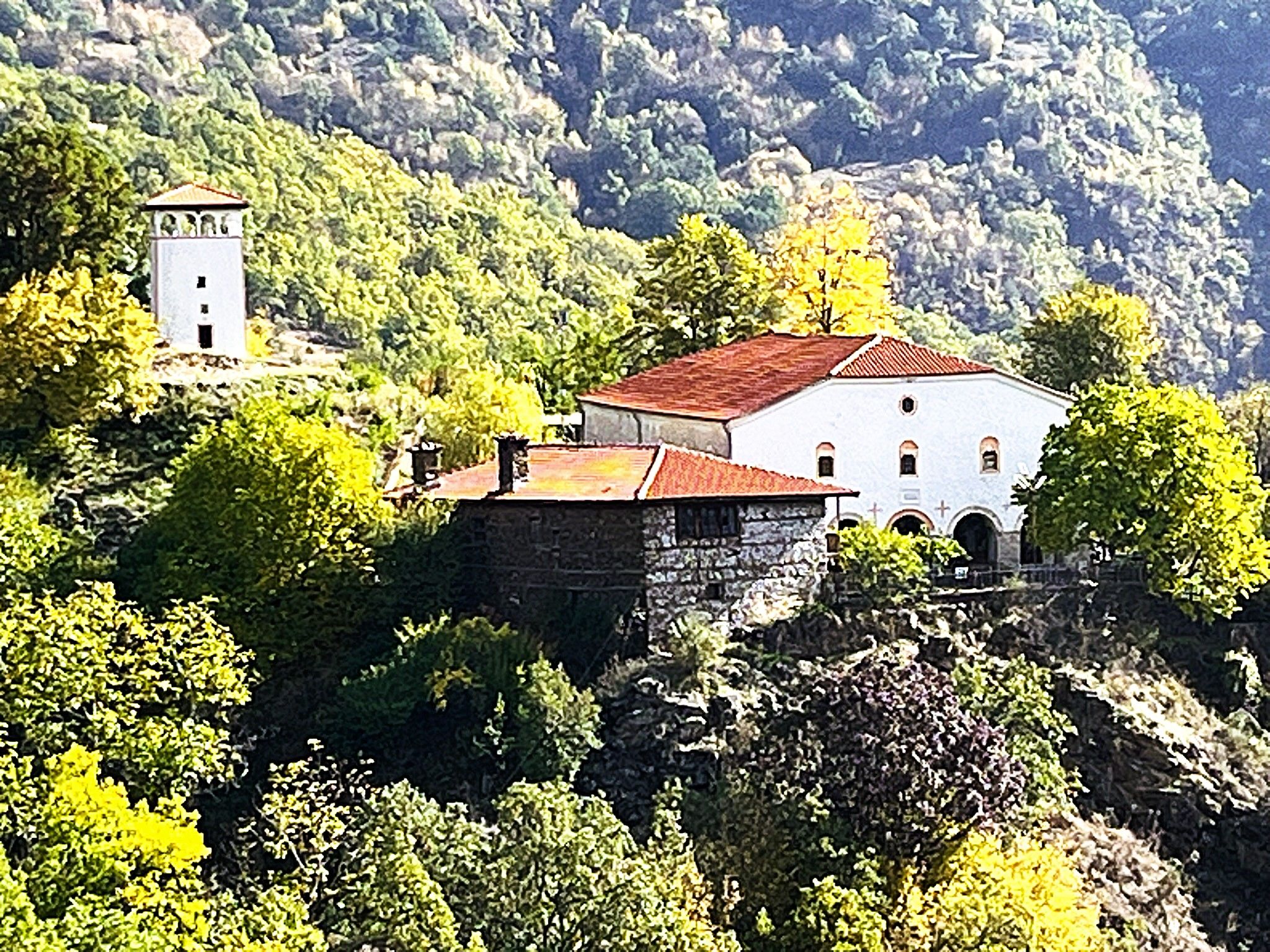
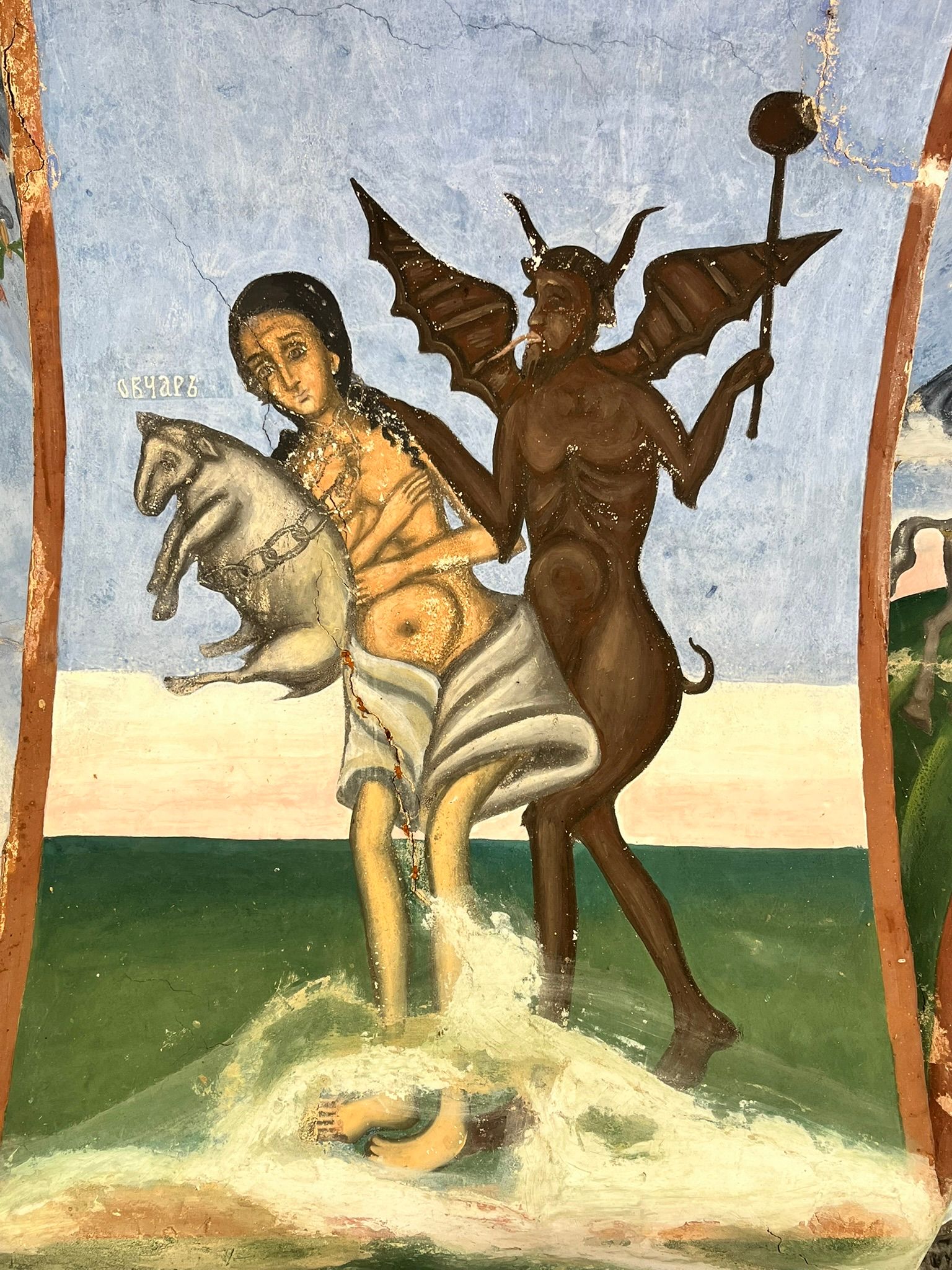
The “Bulgarian Tuscany” is a lovely area blessed by the sun. Tourists, however, are still quite rare, as hoteliers and politicians lament. Nevertheless, the Struma Valley would be an ideal year-round destination, insists Dimitar Brachkov, the mayor of Petrich. Especially since, in addition to wineries, ancient sites, monasteries like that of St. George, which is called the “Devil's Monastery” due to its frescoes, there are also hot springs bubbling up, whose water is said to have healing properties.
“We are ready for international tourism,” says Brachkov. I, on the other hand, selfishly, am glad that it has not yet arrived.