

«Bulgarian Tuscany» will be discovered
Ancient sites, ancient villages, wine-growing regions – the southwest of Bulgaria is still unknown. From October 22 to 25, I was in the area that is called “Bulgarian Tuscany”.
Published: 10.06.2026
The provincial town of Petrich in the far southwest of Bulgaria is, for many, a kind of pilgrimage site. Until 1990, the town was located in a military exclusion zone because it bordered NATO-member Greece during communist Bulgaria's rule. Petrich could only be visited with a special permit. However, this did not prevent countless Bulgarians and even visitors from abroad from making the pilgrimage here to be close to Baba Wanga (1911 to 1996).
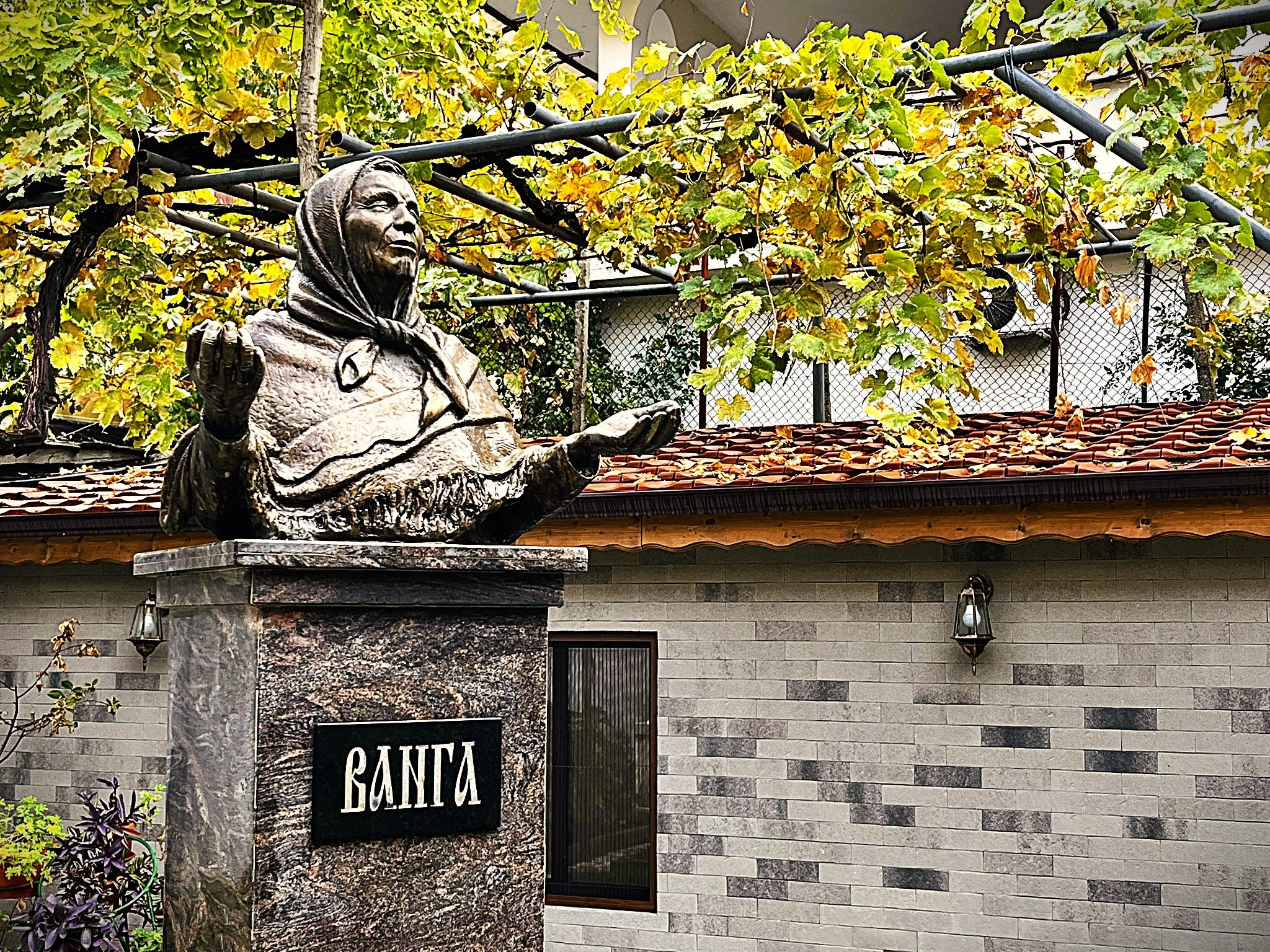
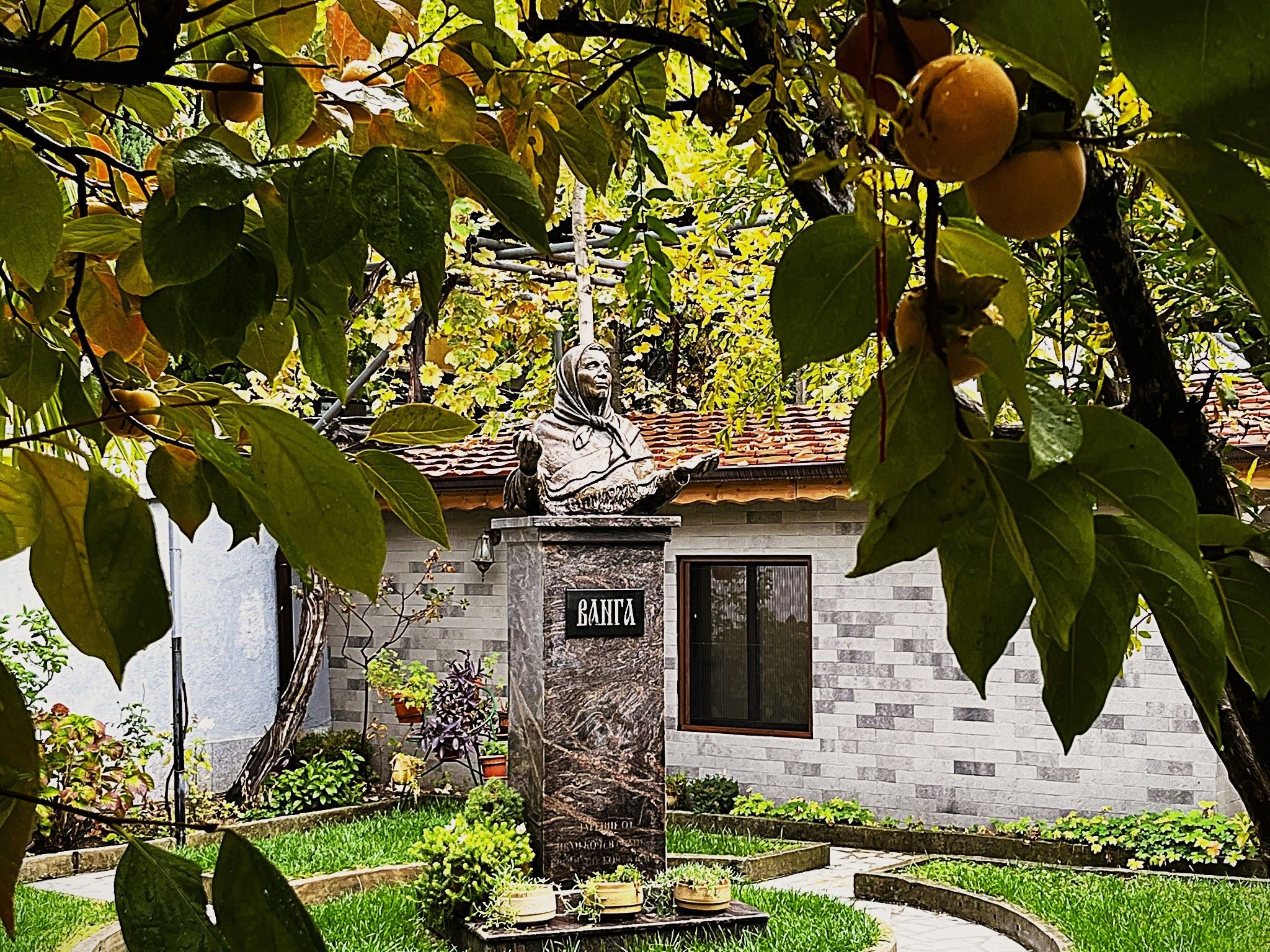
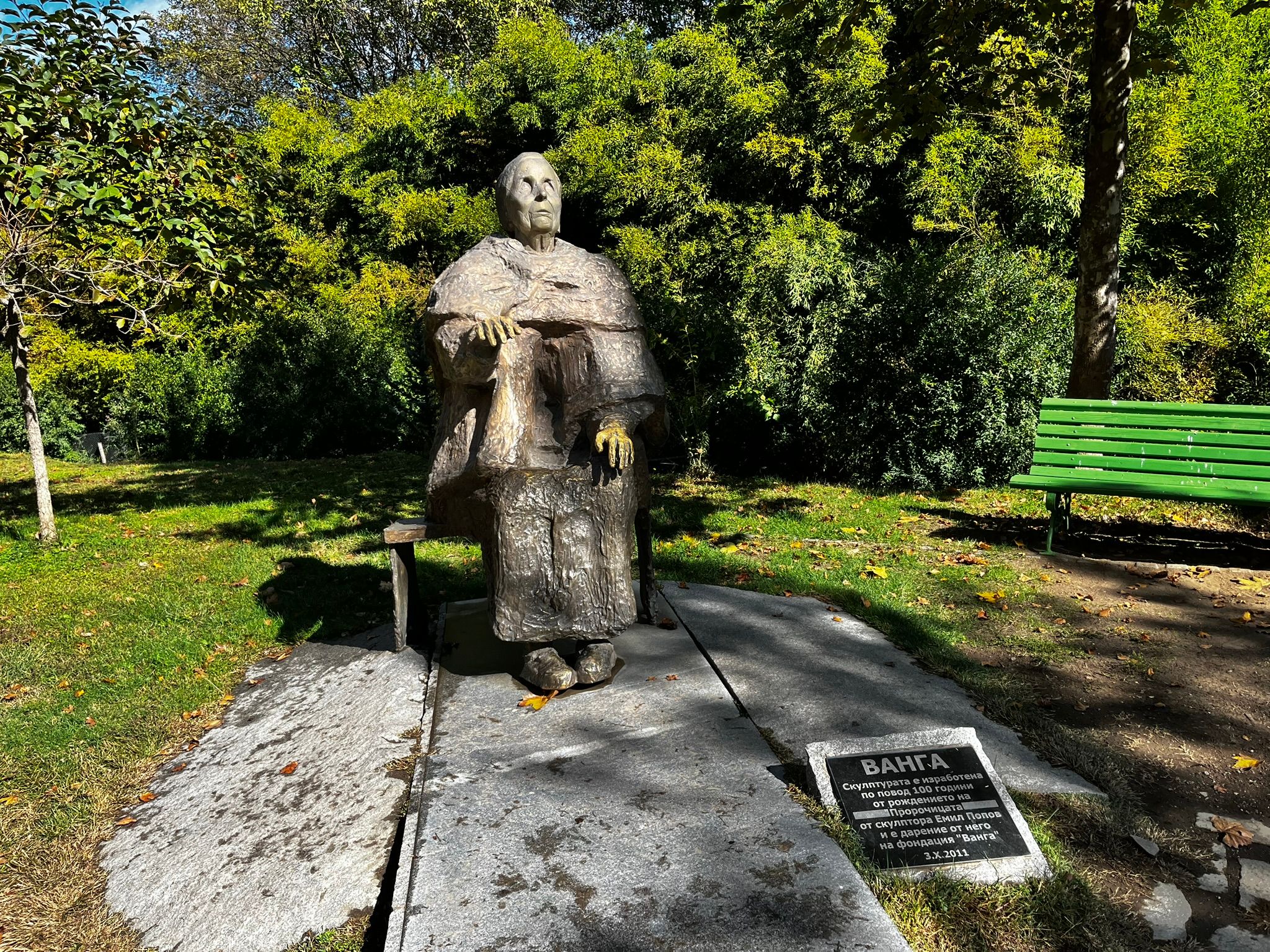
On October 23, 2025, we visited her home in Petrich, where, in a cozy garden, a bust of the seeress sits on a stone pedestal among lemon trees.
Wangelija Pandewa Dimitrowa, later known as Gutschterowa, was born in Strumica in 1911. The region dramatically reflects the tumultuous history of the Balkans: Strumica belonged to Bulgaria, to Byzantium, back to Bulgaria, then 500 years under the Ottoman Empire, after its downfall back to Bulgaria, then after World War I to the newly established Kingdom of Serbs, Croats, and Slovenes (later Yugoslavia), back to Bulgaria during World War II, again to Yugoslavia after the war, and finally, with its breakup, since 1991 to the Republic of North Macedonia.
How Wanga Went Blind
Wanga's childhood was marked by poverty. During World War I, her father fought in the Bulgarian Army, which entered the war on the side of the later losers—the Germans and Austrians. Her mother died young. The event that would shape her entire life occurred, according to tradition, when she was twelve years old. During a storm, she was caught by a whirlwind and thrown away. Days later, she was found severely injured with sand in her eyes. Since the family could not afford medical treatment, she subsequently became completely blind.
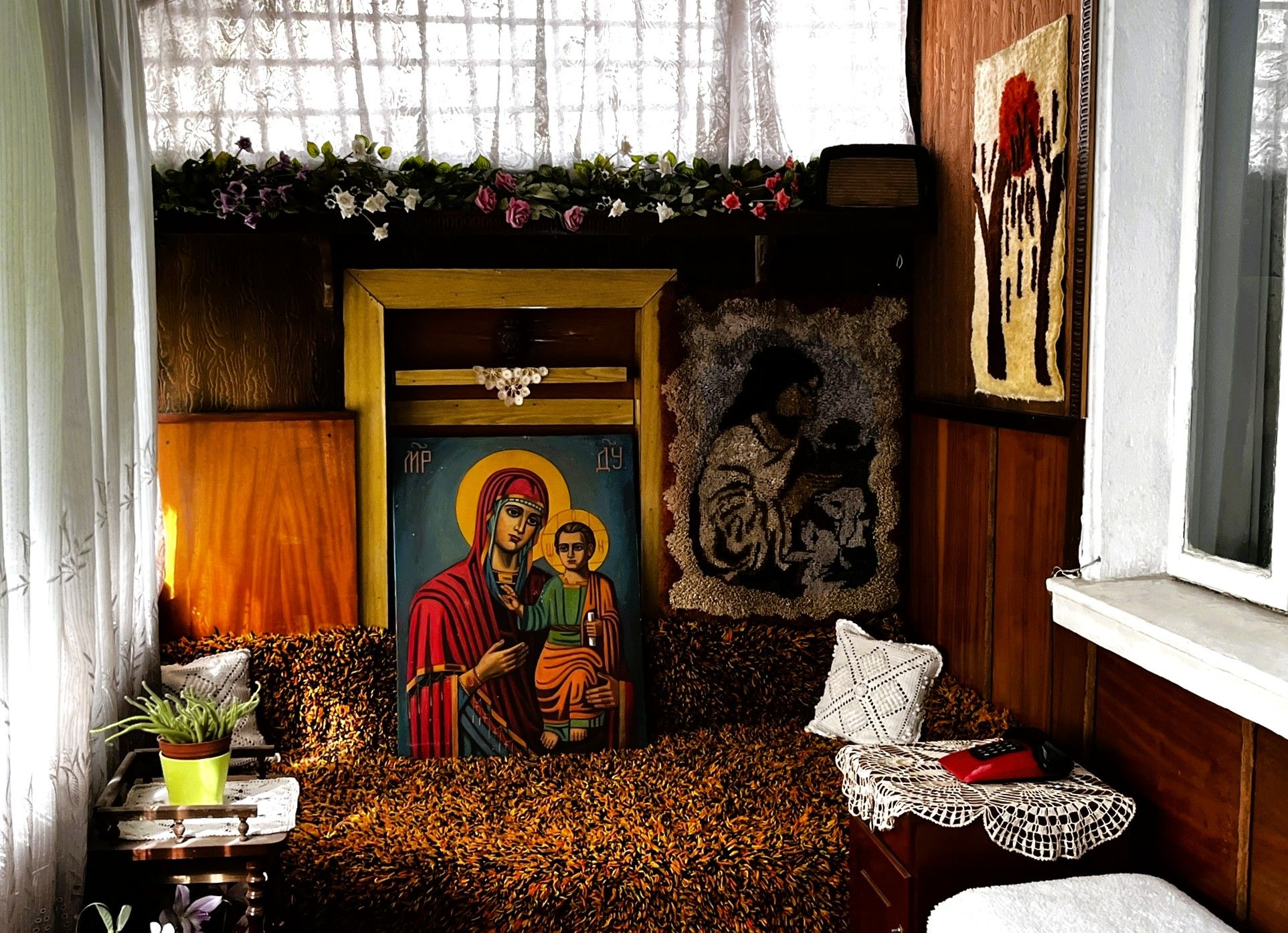
Between 1925 and 1928, Wanga attended a school for the blind in Zemun, Serbia, where she learned knitting, cooking, and Braille. After the death of her stepmother, she returned home to take care of her younger siblings. In 1942, she married and moved to Petrich. From 1947, she lived for almost 50 years in the small town house that her husband Dimitar Gutschterow had built for her. He passed away in 1962.
Baba Wanga's career as a healer and seer began during World War II. Visitors sought her out for information about the whereabouts of missing soldiers and relatives or for treatment of illnesses. Soon, politicians and heads of state also came to see her: In April 1942, Bulgarian King Boris III visited her, and Wanga soon gained immense popularity among the Soviet elite as well. Soviet leader and party chief Leonid Brezhnev sought her counsel.
Ljudmila Shiwkowa, the daughter of Bulgaria's long-standing communist dictator Todor Shiwkow, was the Minister of Culture and had a penchant for esotericism. She became a close friend and protector of Wanga, ensuring that the seeress was officially legitimized and financed by the state.
The officially recognized Soviet writer, poet, and mystic Valentina Mitrofanowitsch Sidorow, who developed a spiritually esoteric worldview, visited Wanga multiple times in the 1970s and 1980s. His later books and reports about these meetings significantly increased Wanga's cult status in Russia. Another highly decorated Soviet writer, Leonid Maximowitsch Leonow, also visited Wanga several times in Petrich.
Power Place in a Volcano Crater
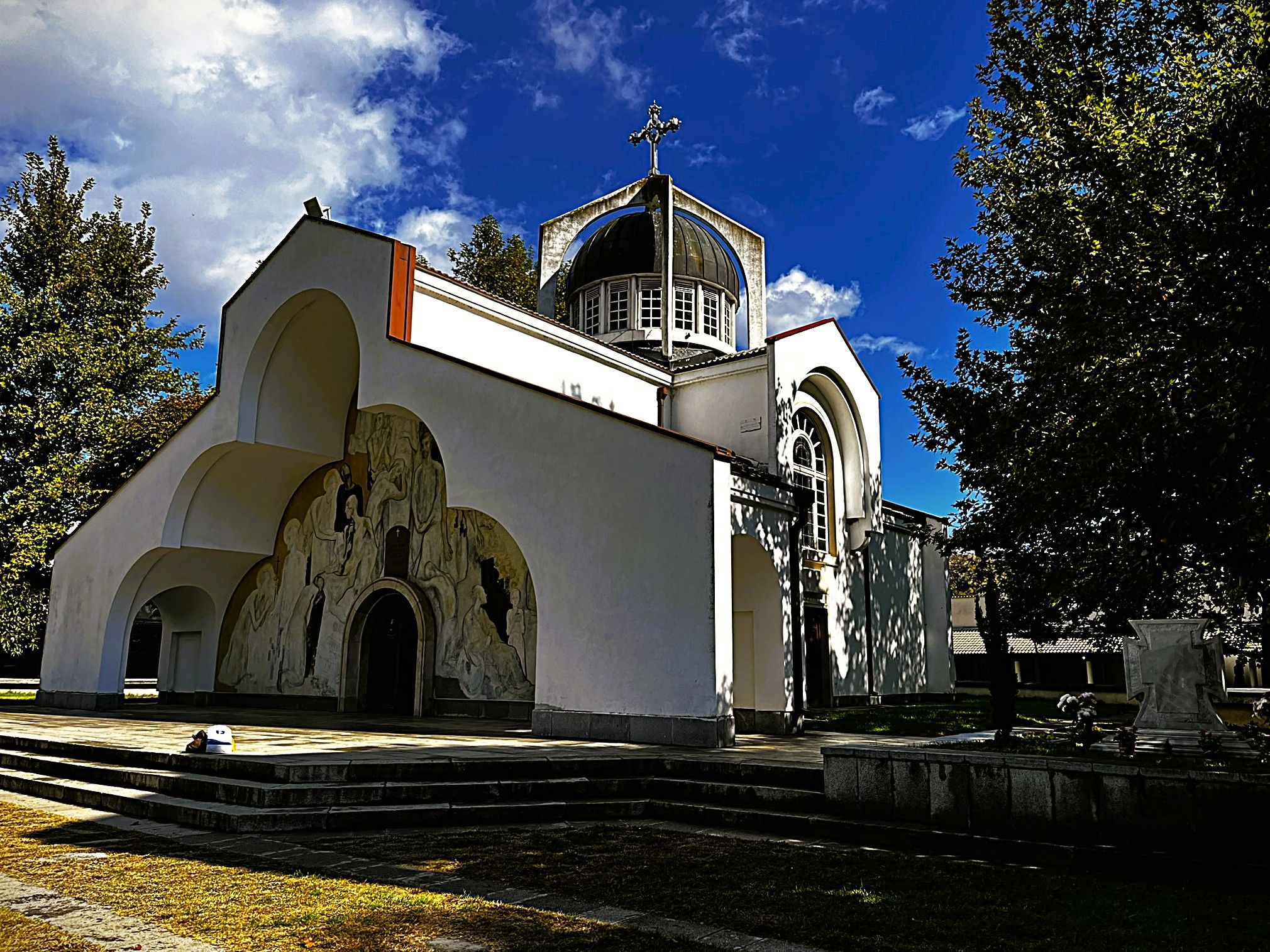
Outside of Petrich, in Rupite within the crater of the extinct Kozhuh volcano, Baba Wanga established another residence around 1970, where people queued daily until her death in 1996, hoping to be addressed by her. The house was later converted into a museum. Rupite was far more than just a residence for Wanga; she referred to it as a power place, built the Church of Saint Petka there, and her grave is also located in Rupite.
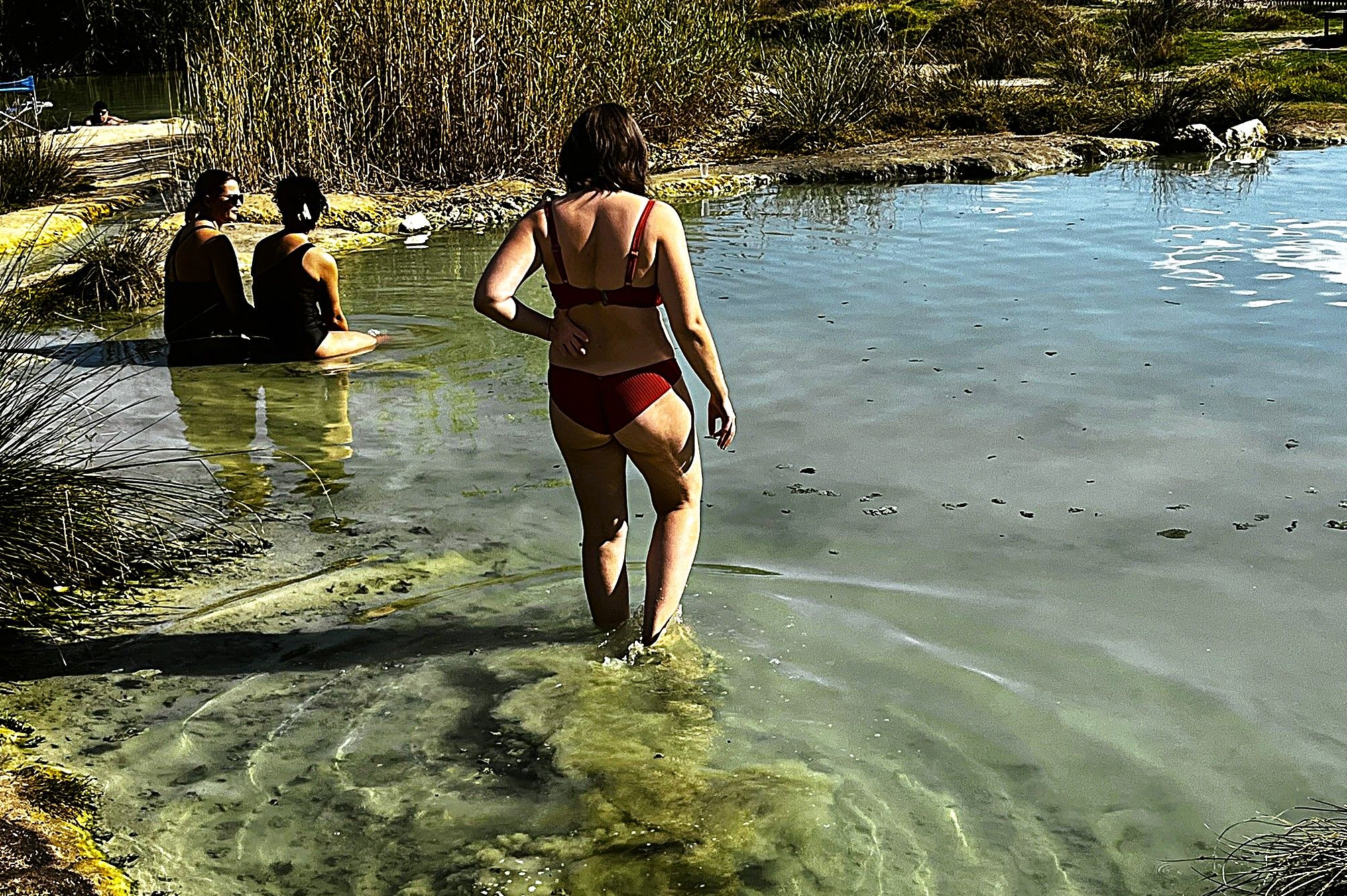
It is probably no coincidence that the mayor of Petrich, Dimitar Brachkov, chose Rupite to speak to our journalist group: Besides the wine from the “Sunny Valley” in the Petrich countryside, Baba Wanga—“Baba” simply means “grandmother”—is the most famous thing the region has to offer. Incidentally, there are also hot springs in the crater where people bathe in swimwear in its muddy waters.
According to legend, Baba Wanga was a kind of modern-day Nostradamus. In her house in Petrich, we hear that she predicted the Chernobyl disaster in 1986, the collapse of the Soviet Union in 1991, the death of Princess Diana in 1997, the September 11, 2001 attacks in the USA, and Russia's war against Ukraine. However, she was also said to have foretold the outbreak of World War III in 2010, which, as we know, did not occur.
How much of these tales is fact and how much is legend, I do not know, although I admit that I am, by nature and due to my decades-long work as a journalist, clearly among the skeptics. Critical observers point out that many of the predictions attributed to her were published only after the actual events occurred or were so vaguely worded that they could be interpreted retroactively. Furthermore, there are numerous lists of alleged prophecies on the internet that have been proven to be faked.
Either way, Wanga is still revered today like a saint. Her house in Petrich and her operating site in the Kozhuh crater keep her memory alive and are popular destinations, especially for Bulgarians and Russians.