

Back in Switzerland – temporarily
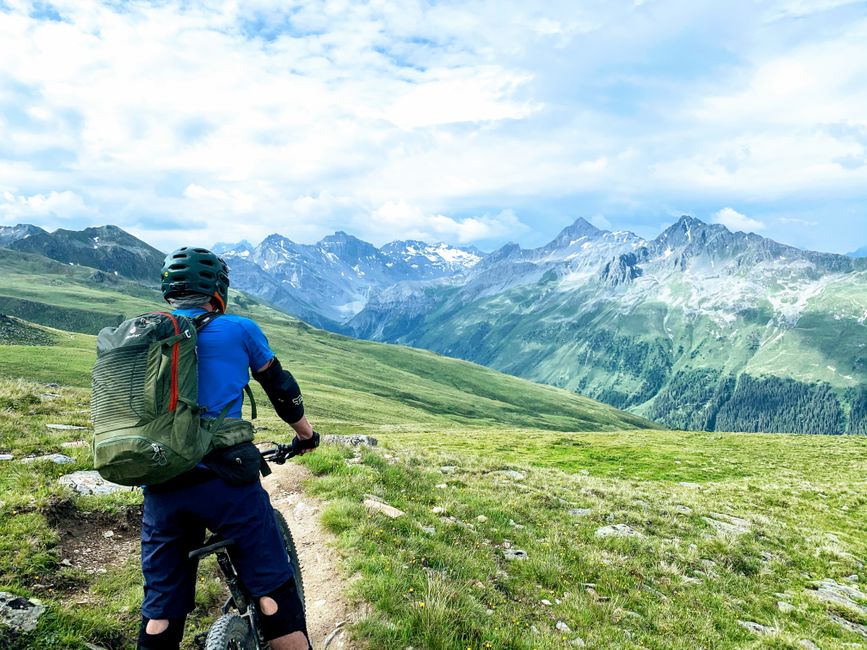
On June 20, 2025, I temporarily returned to Switzerland and was greeted by an extraordinary heat wave.
Published: 09.06.2026
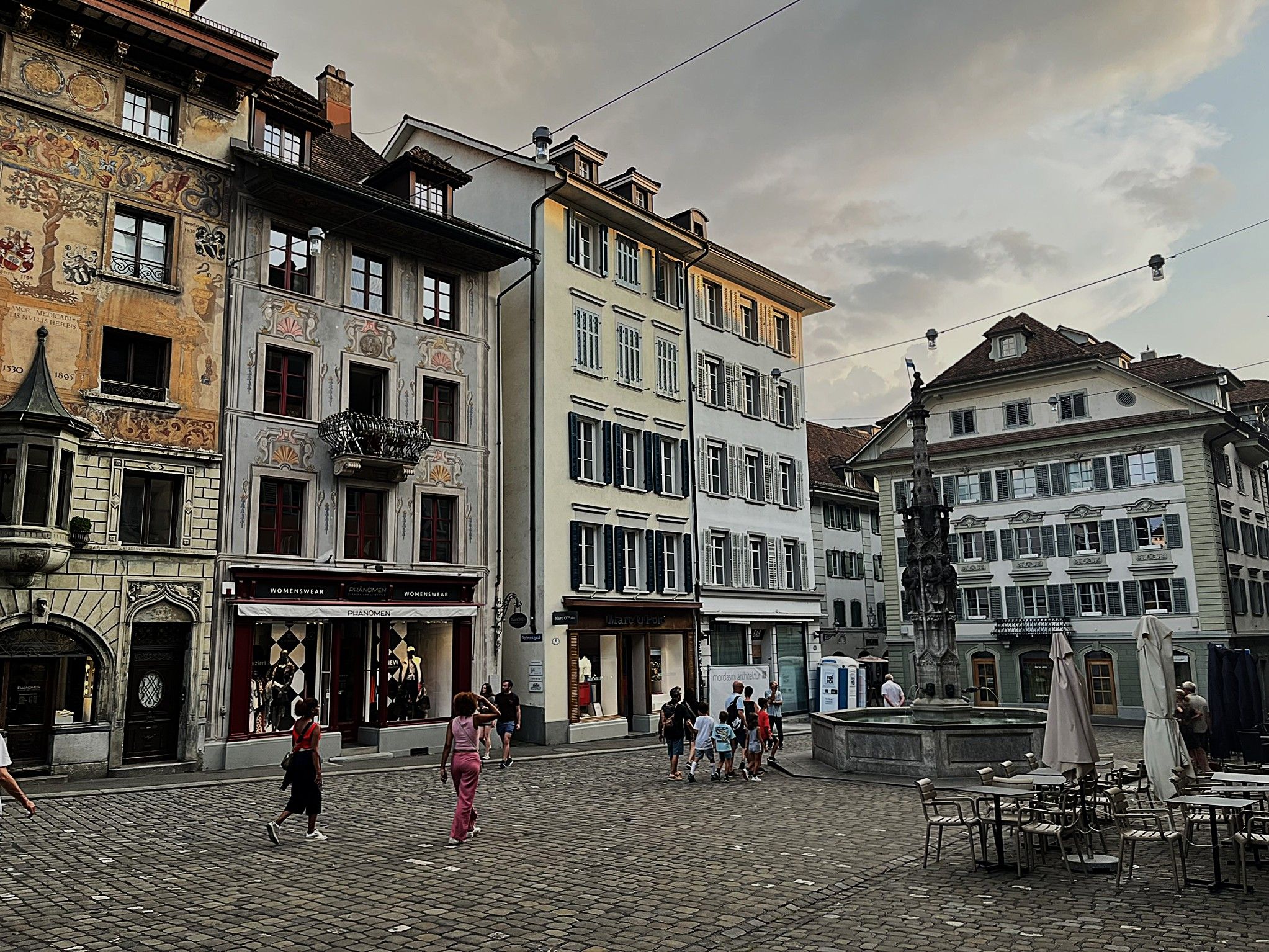
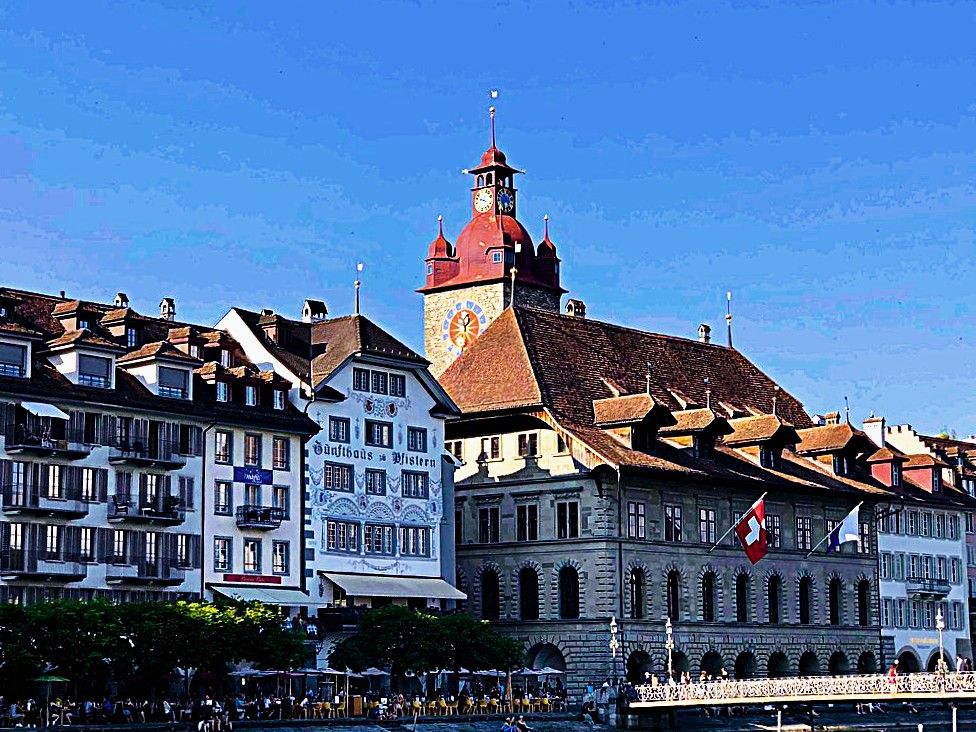
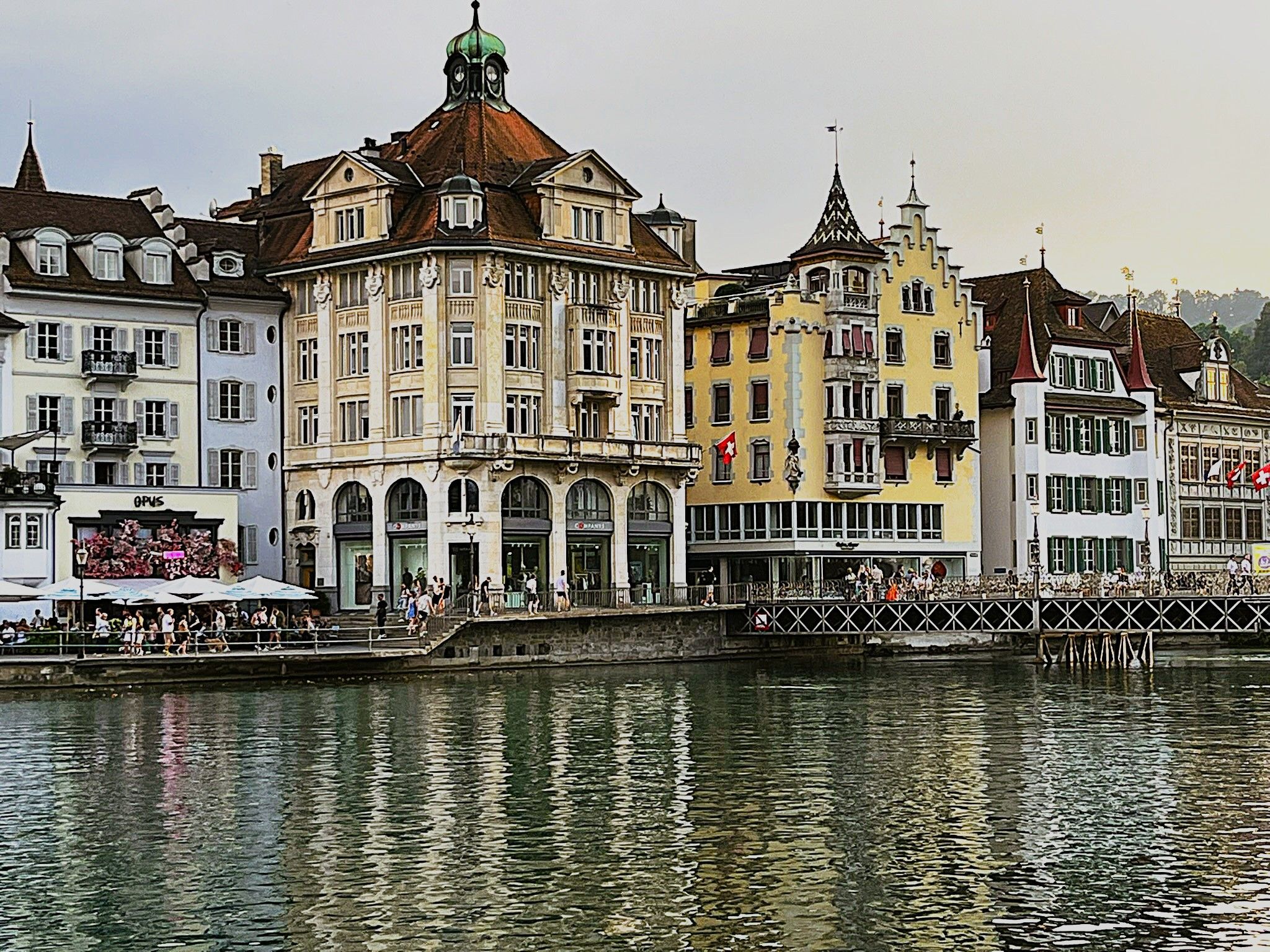
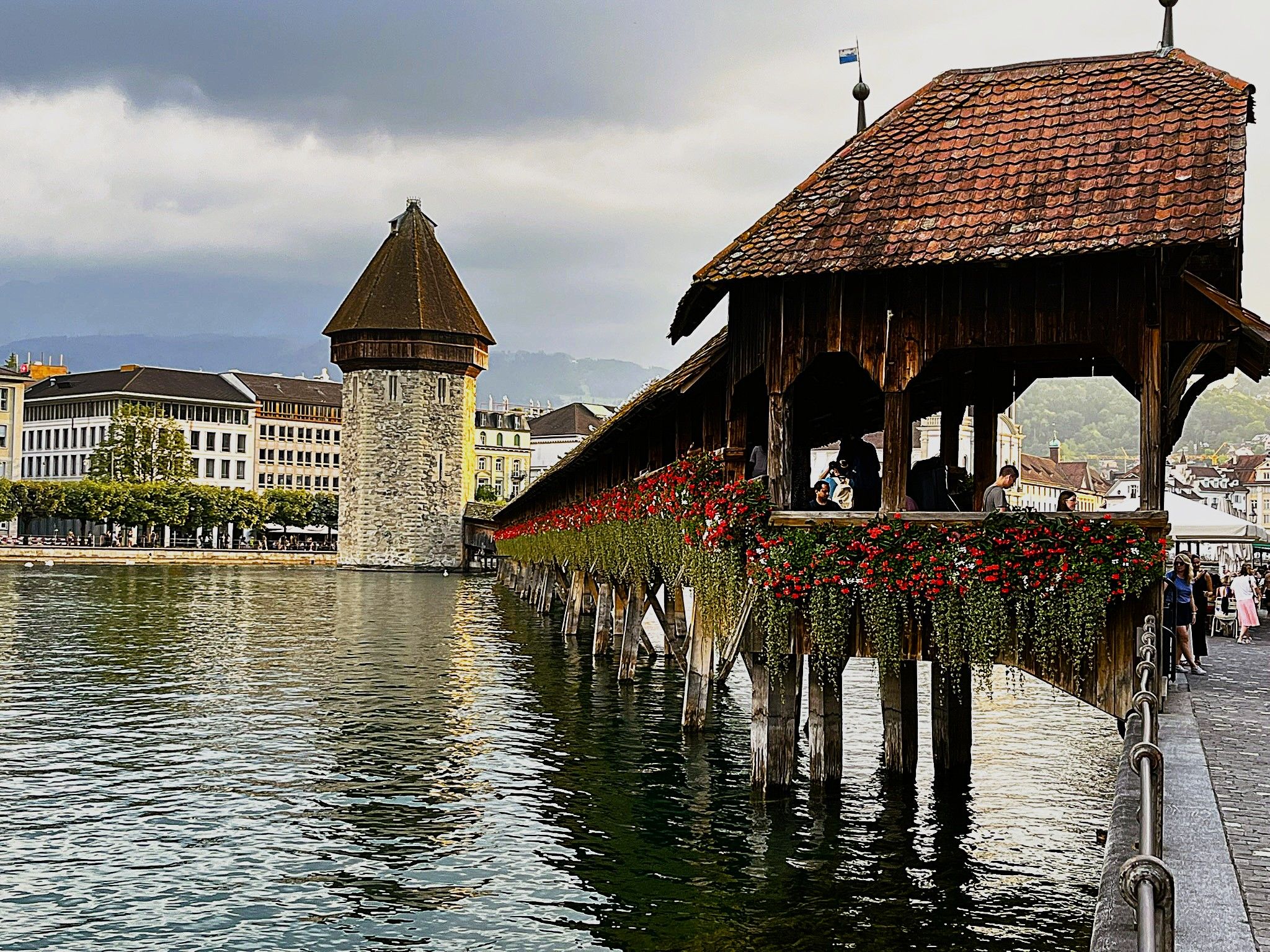
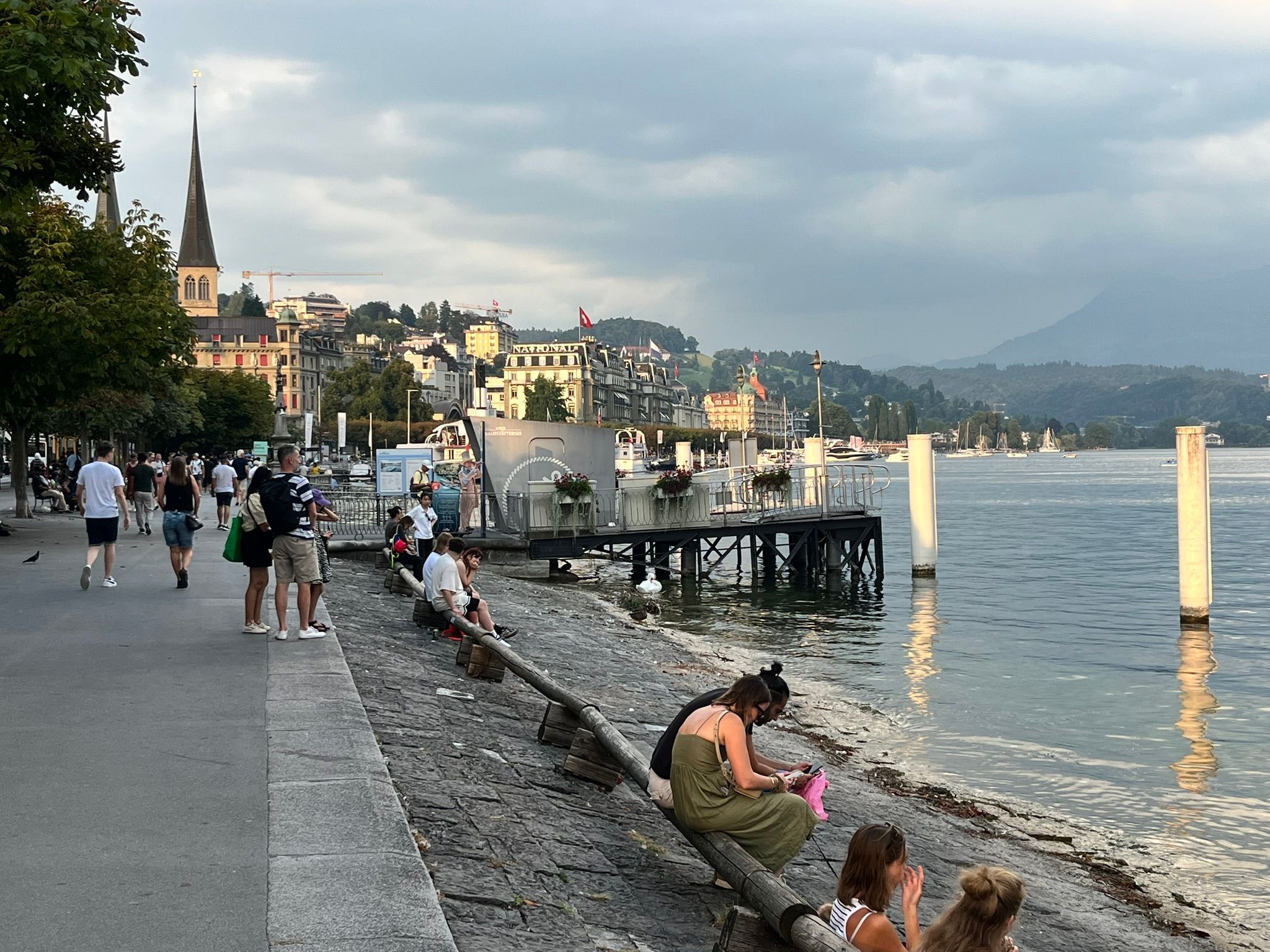
On August 2nd, and again on the 15th and 16th of August 2025, I visited my birthplace, Lucerne, for the first time in a long while. On August 2nd, the June heatwave had already subsided, and it was quite cool and overcast. By mid-August, another week-long heatwave was coming to an end; temperatures dropped from a maximum of 30 to 22 degrees.
On August 15th, Catholics celebrate the Assumption of Mary; in the predominantly Catholic Lucerne, this is a public holiday. It only occurred to me later that my mother would have been exactly one hundred years old on that day when my siblings shared corresponding messages in the family WhatsApp chat. My mother had said that autumn begins on her birthday, which unfortunately was often true during our childhood. This time felt the same, even though summer briefly returned in mid-October.
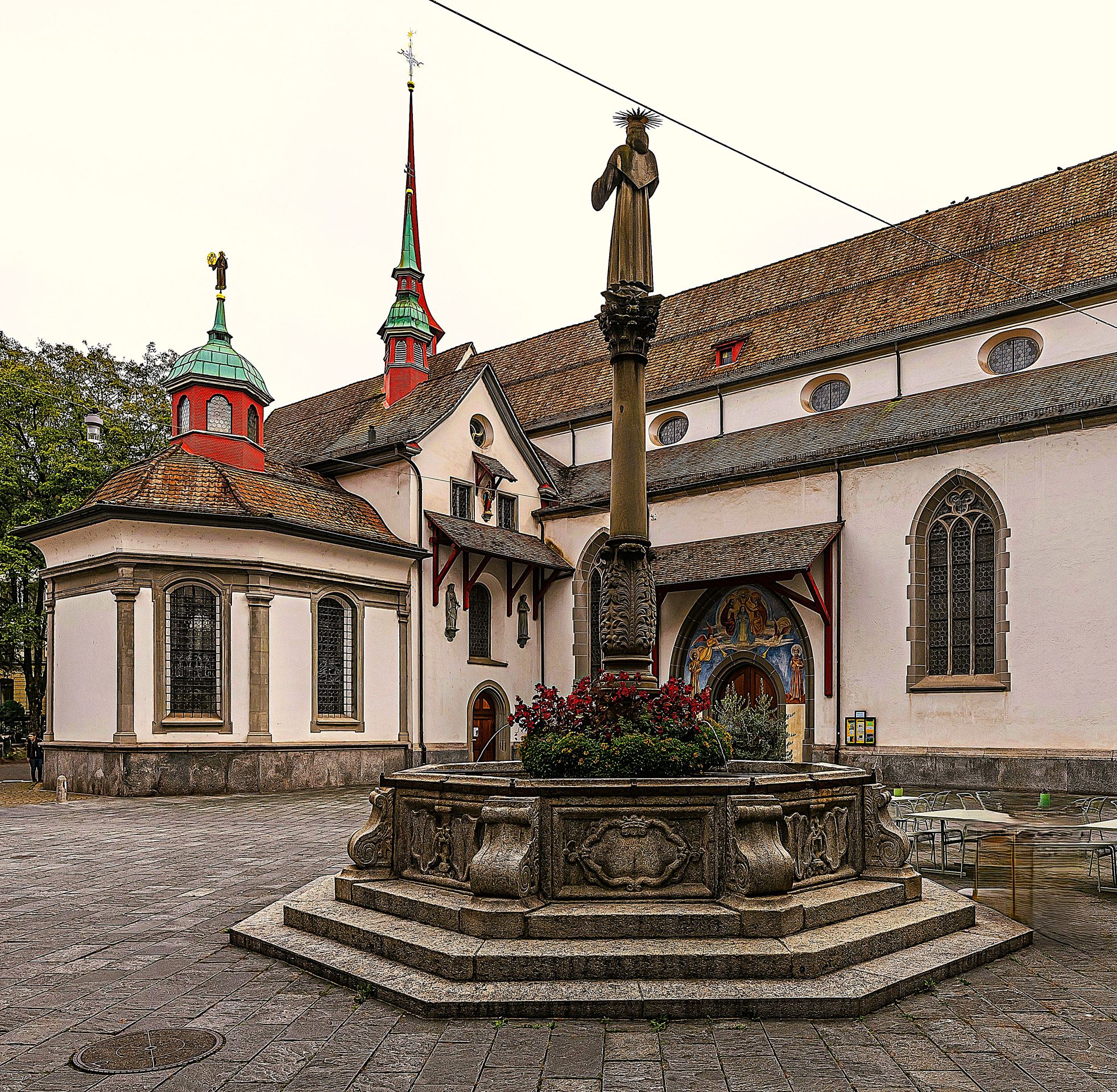
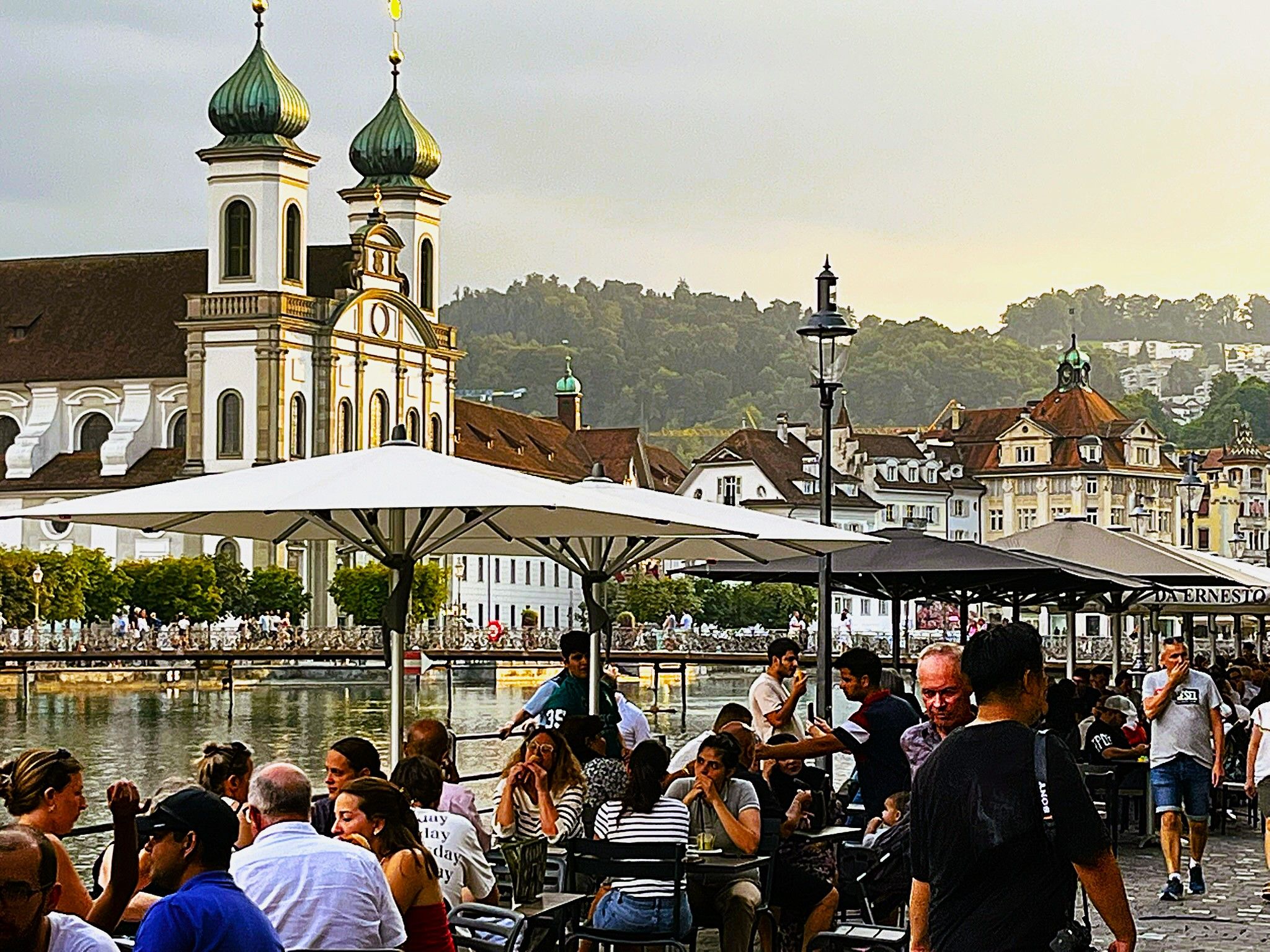
I visited the Gothic Franciscan Church, which is more than 750 years old in its origins, in memory of my mother; it is much older and far less known than the baroque Jesuit Church, which stands prominently along the banks of the Reuss River.
In the “Franciscans,” as it is called in Lucerne, also known as “St. Maria in der Au,” we held the funeral service for my mother in 2014. When you suddenly become the oldest member of a family after the death of your parents, the finiteness of your own existence is drastically brought to your attention: You could be next, so pull yourself together and make something out of your remaining life!
Like a Pair of Children’s Shoes
Coming to the city where I spent my first 20 years as a tourist gave me a sense of insider knowledge and familiarity that one does not have elsewhere. Although I lived in London from 1986 to 1988 and have certainly been to Hamburg, Paris, Cairo, Damascus, Beirut, and Bangkok ten times or more, I still navigate those cities as a traveler.
Not so in Lucerne, where I know every corner. Some people have asked me why I do not return to Lucerne as I age? For me, Lucerne is like a pair of children's shoes: They evoke memories, but you no longer fit into them.
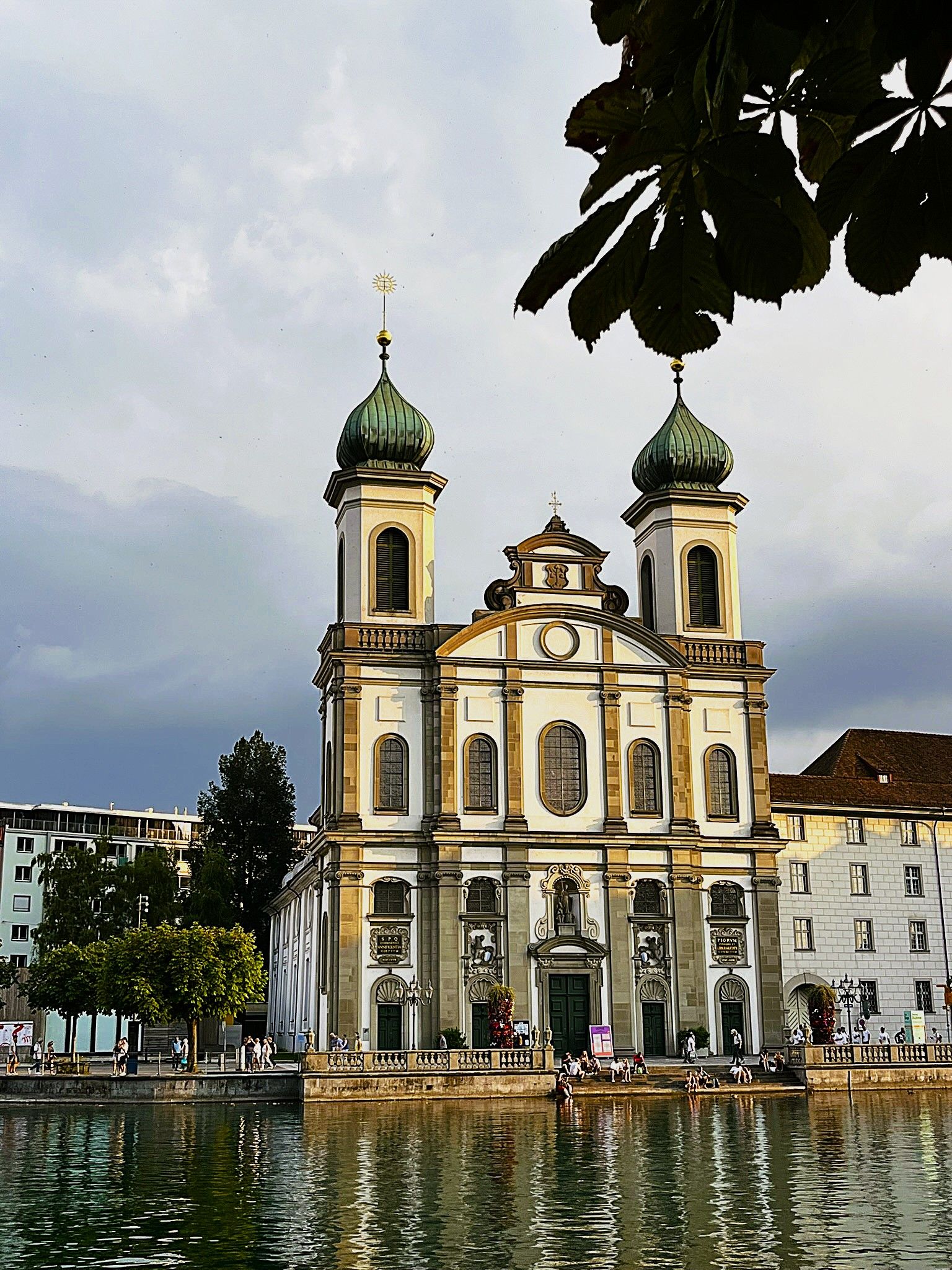
Let’s take the aforementioned Jesuit Church: We lived in a suburb with our own parish church since my eighth year, but we always went to the Jesuit Church in the city center for Sunday service as soon as my father owned the first car. It was a Citroën 2CV, also known as a “duck,” which I was teased about in school because it was considered a poor man's car. Back then, “one” drove Opel, VW, Ford, Renault, or, if one had made something of oneself, Mercedes or Chevrolet.
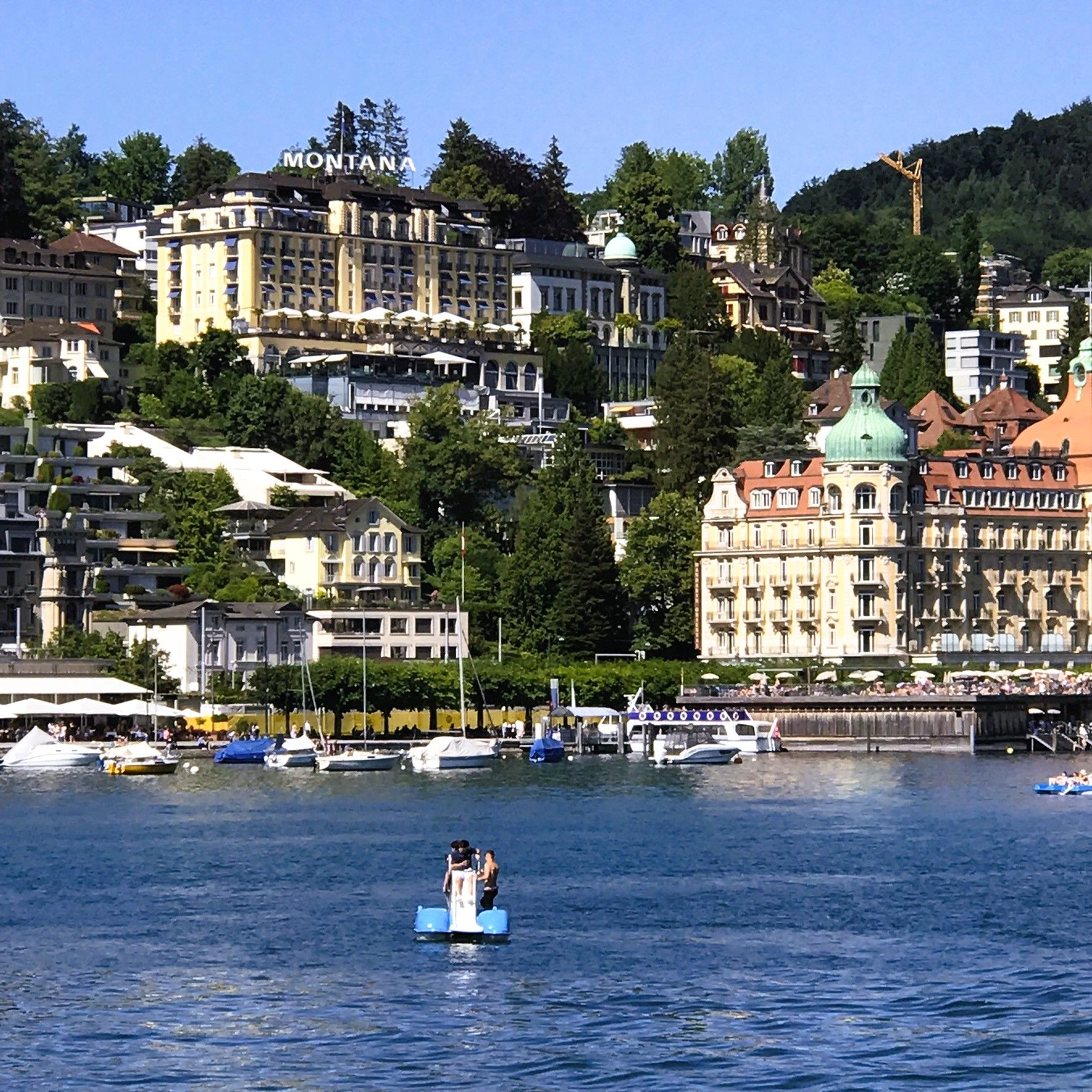
A Sunday walk belonged to the routine after mass, often under the horse chestnuts of the Schweizerhofquai and along its continuation, the Nationalquai, always in sight of the hotel palaces by the lake, which we would never have dreamed of entering: Schweizerhof, National, Palace, between them the Grand Casino, a splendid yellow building in neo-baroque style with a magnificent colonnade inspired by the Renaissance, and slightly elevated on the slope is the Montana, where I enjoy staying when I am in Lucerne. (The prices, starting at around 400 euros per night, are ten to twenty times higher than what I am used to paying in Southeast Asia.)
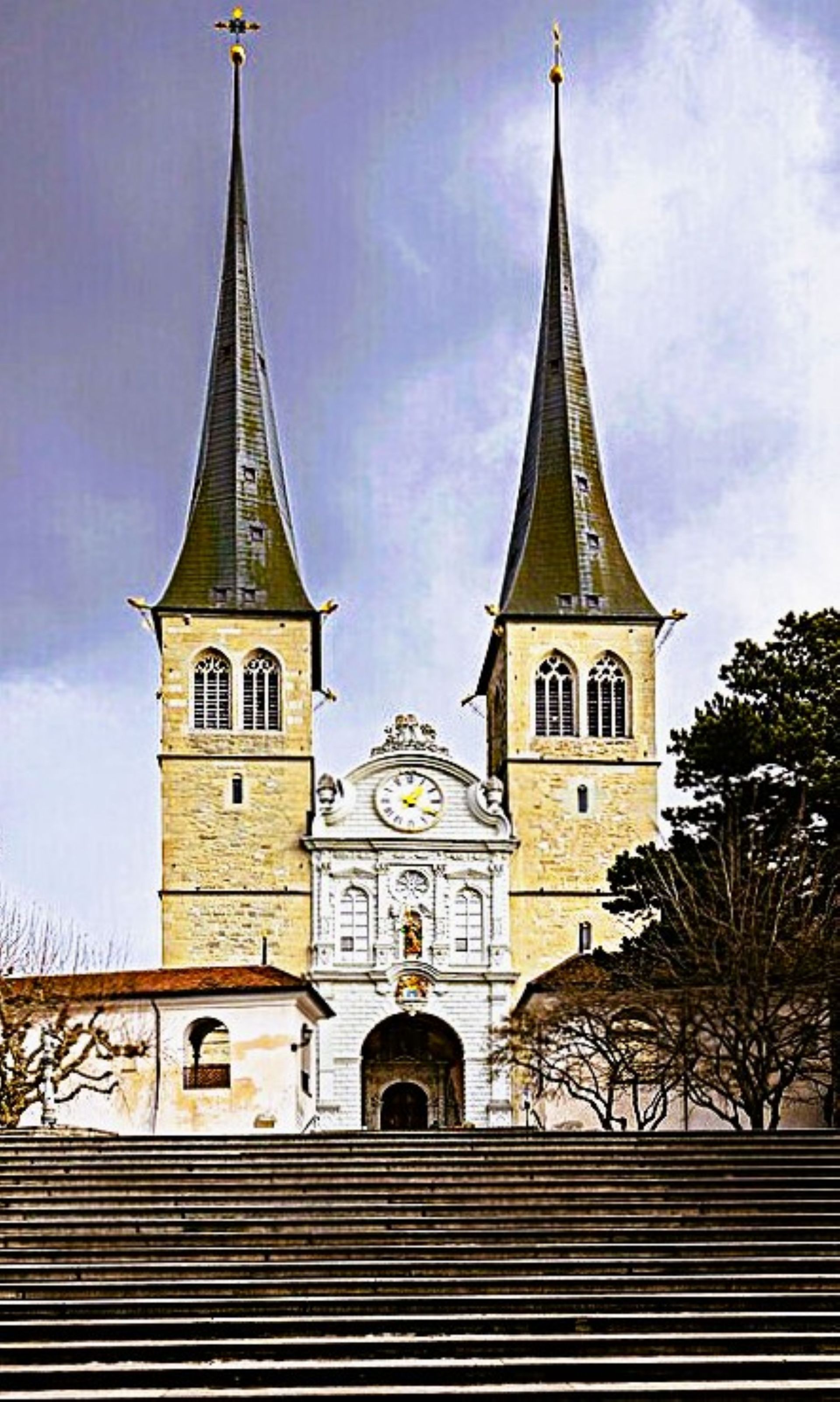
At the end of the Schweizerhofquai is the City Church of St. Leodegar, the Hofkirche, with two pointed towers above an expansive staircase. In Lucerne, during my youth (and perhaps still today; I have no idea), there were two scouting groups, one called “Luzerner Leu,” to which children from Catholic-conservative families—like us—were sent, and one called “Musegg” for the children of liberal, often Protestant or Christian-Catholic families.
Conservatives vs. Liberals
It was a sort of unwritten social apartheid because there were also cafes where one would go as a conservative and those one would never go to as a liberal; there was a conservative, a liberal, and a social democratic brass band. And there were four newspapers: a Catholic-conservative one, the “Vaterland,” which was read at our home, a liberal one, the “Tagblatt,” a social democratic one, the “Freie Innerschweiz” or from 1970 “Zentralschweizer AZ,” and an independent one, the “Luzerner Neuesten Nachrichten” LNN, where I took my first journalistic steps.
All long history: With the exception of the still independent “Neue Zürcher Zeitung” NZZ, almost all of German-speaking Switzerland is fed by two publishers with their journalistic uniformity.
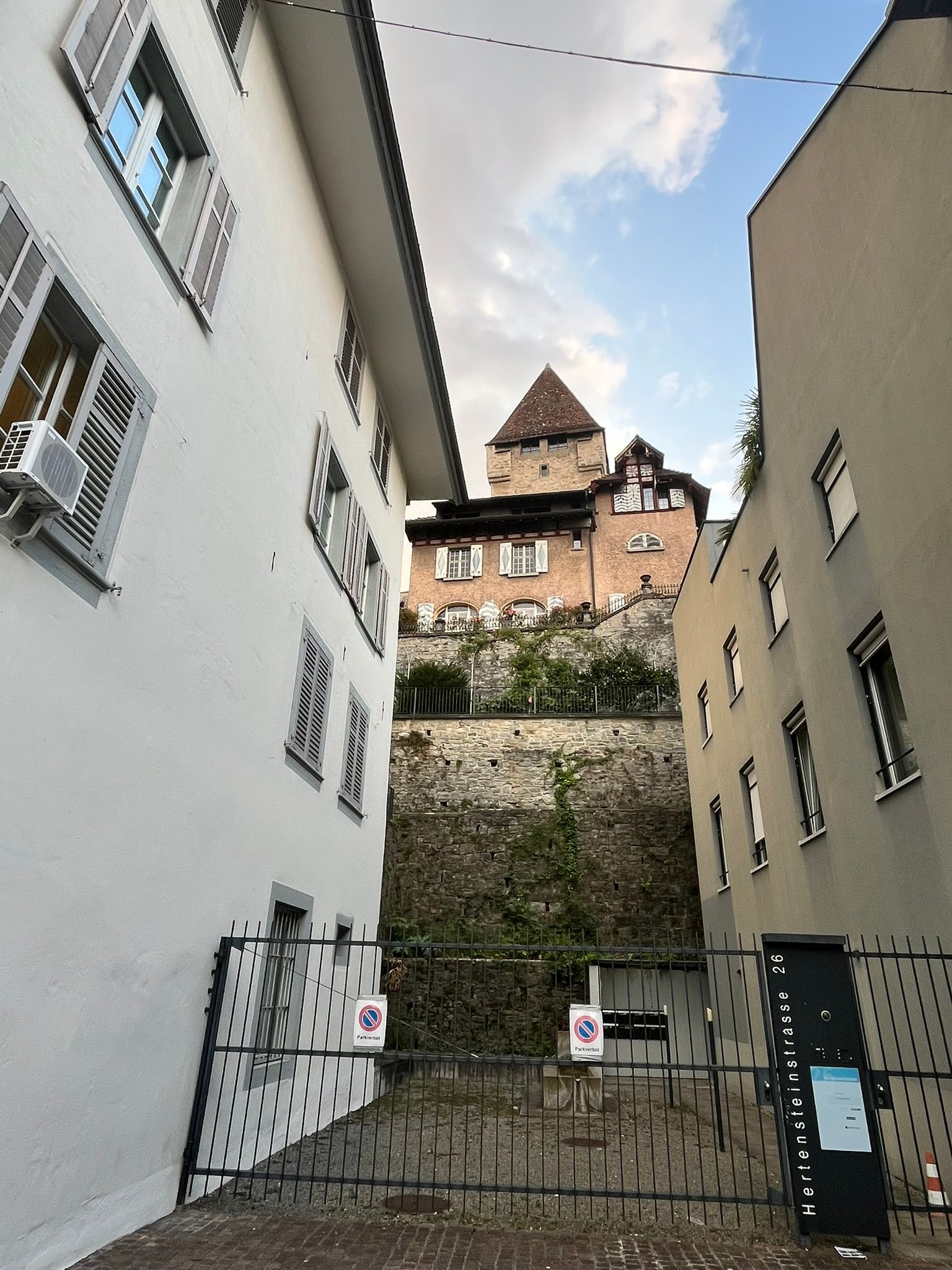
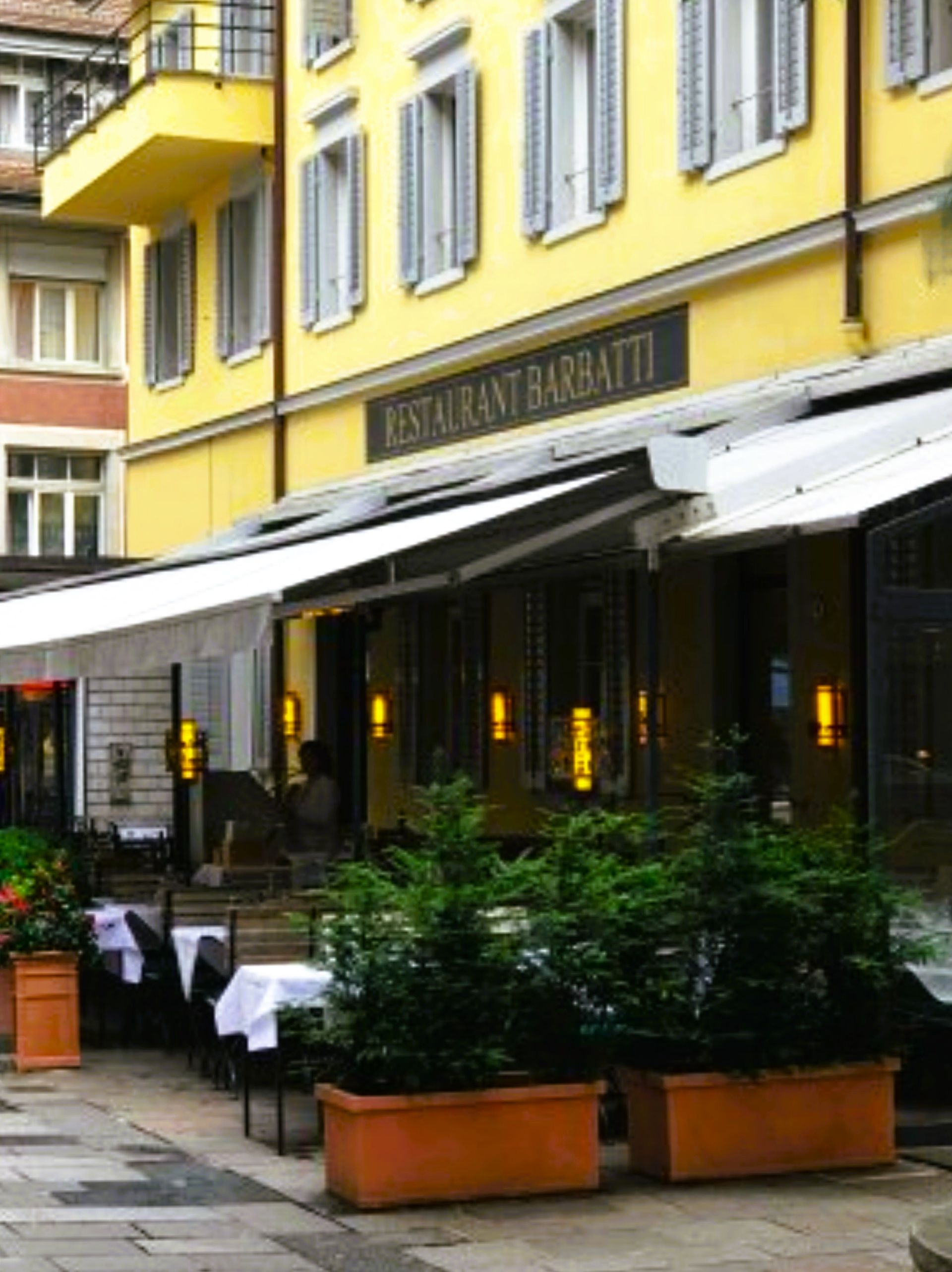
When I walk along Hertensteinstrasse, a shopping street just outside the old town parallel to the Schweizerhofquai, memories of my early journalism years from more than five decades ago resurface: At its end, at the corner of Töpferstrasse, is Restaurant Barbatti, a place where we journalists from LNN met each Friday for dinner, as the editorial deadline was earlier on that day. Our editorial office was just around the corner on Zürichstrasse.
The Barbatti is still there; it is still an Italian restaurant, but now owned by the Zurich restaurant chain Bindella and is no longer a cozy pub but a stylish and correspondingly high-priced venue.
“Hot Love” at Grendel
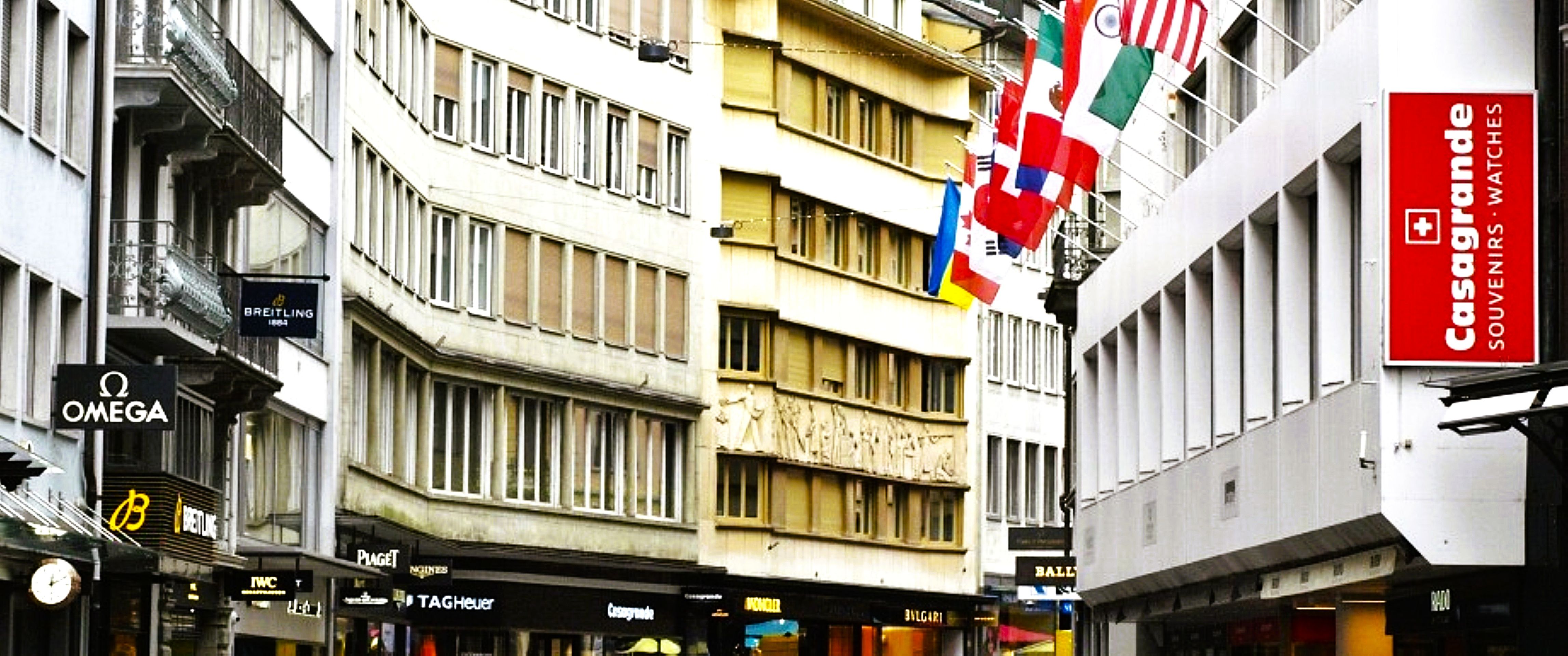
No nostalgia arises. I avoid the tourist crowds, many of Chinese origin, who all follow the same route: the wooden Chapel Bridge, the Lion Monument, and in between a watch purchase at Bucherer or Gübelin at Schwanenplatz or one of the watch stores that have pushed out almost all other businesses at Grendel. By the way, the strange name “Grendel” probably comes from the medieval term “Grindel,” which refers to a fortified ditch; indeed, a water ditch used to run here, which was only filled in in the 19th century.
At Grendel, there was one of the first “Mövenpick” restaurants in my youth. In this very cool place, if one had the courage and the pocket money—rarely the case—candidates were invited for a date with a “Coupe Hot Love,” a large glass bowl with various flavors of ice cream, topped with whipped cream and—the bonus—two spoons, as one should get closer while devouring this dessert.
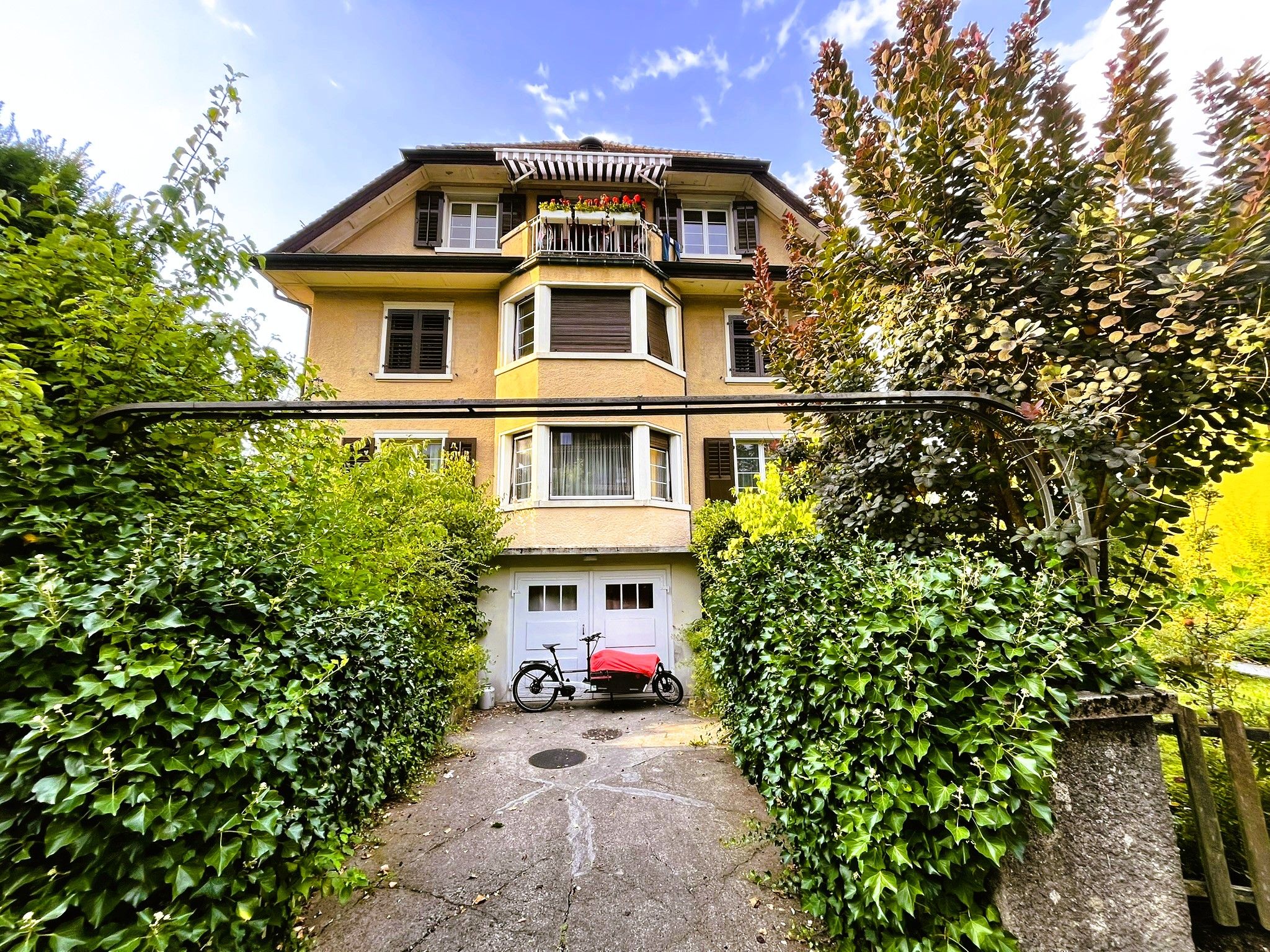
To conclude my visits to Lucerne, I stopped by my birthplace for the first time in decades, birthplace in the truest sense: I was born at home, like four of my five younger siblings; back then, you only went to the clinic if complications were imminent. I had to consult Google Maps to find the house where I lived from 1953 to 1961, but I could not find it: The street name, Ritterstrasse, has since been changed to “Sternau”; the house, however, still stands there, probably renovated by now.
I could fill hundreds of pages with reminiscences of Lucerne, but since this is a blog and not a book, I will stop for today. I put my children's shoes back in the memory box and return to the present.