
Medan
Off to Sumatra! Our supposedly short one-hour flight from KL turned out to be a day-long journey - first, it was delayed (luckily we noticed it just before we were about to leave...

Published: 09.03.2026
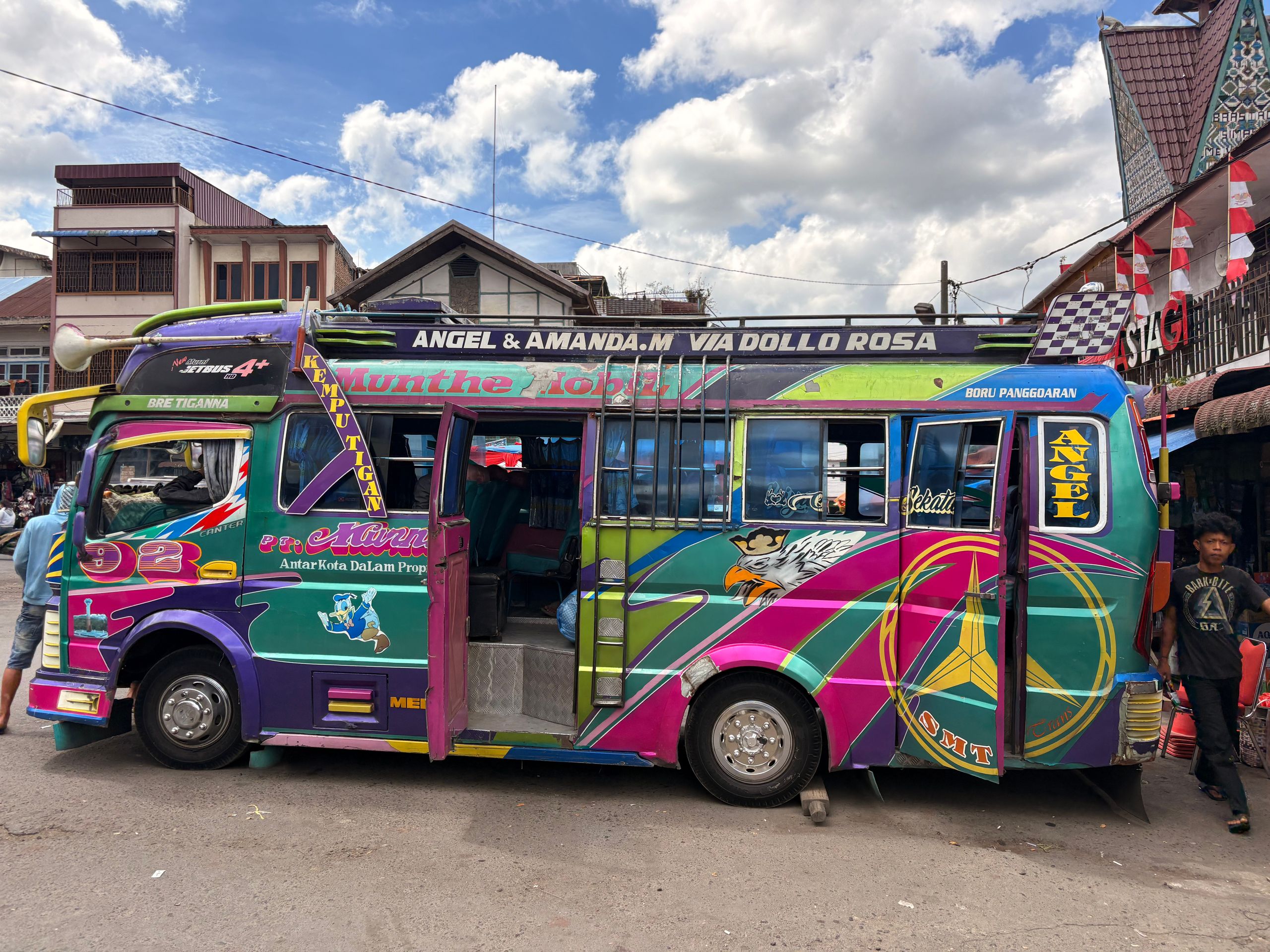
Our shared taxi took us relatively comfortably onward to Berastagi, even though the roads were really not great and we took almost 5 hours for 130 km.
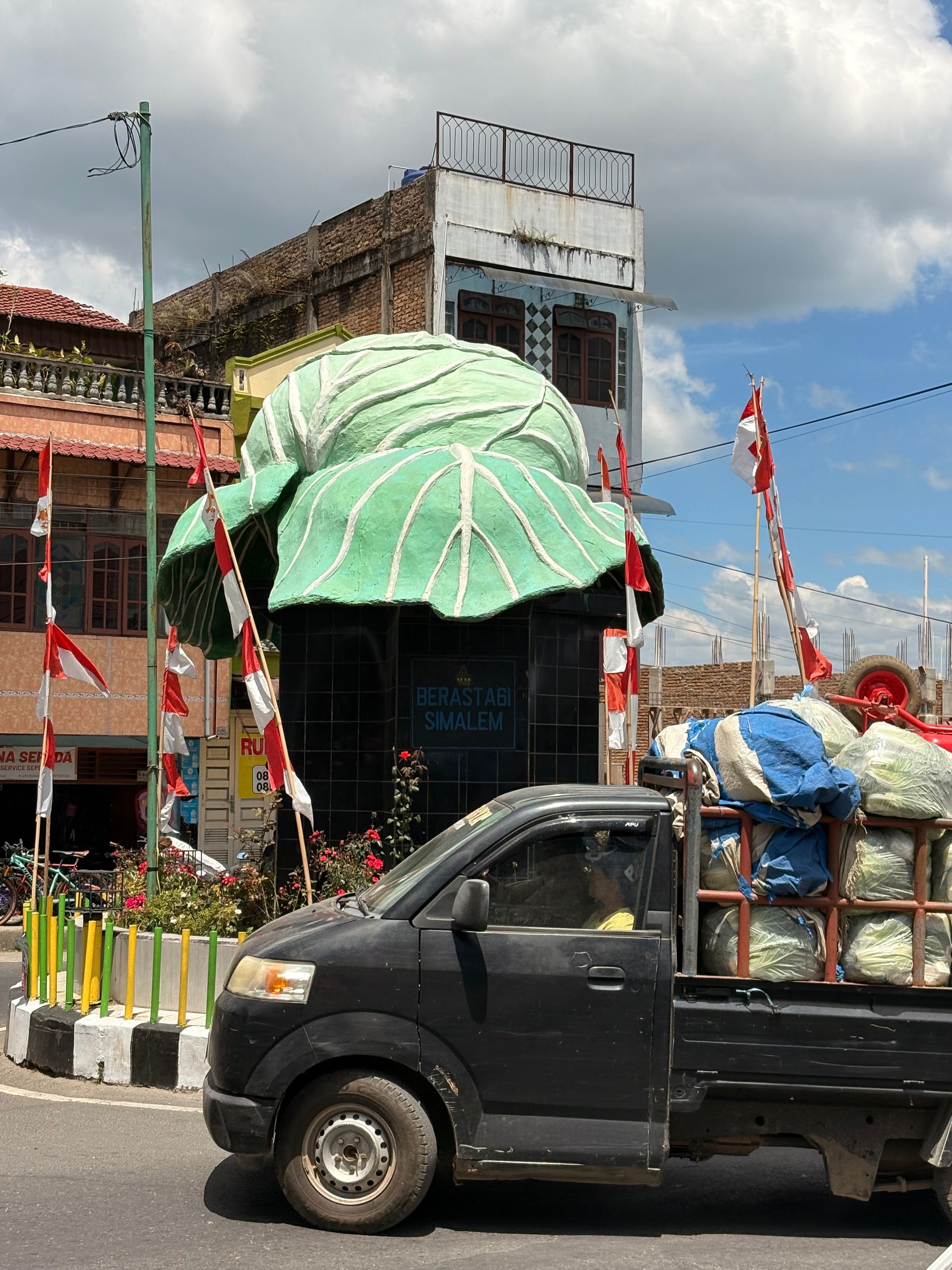
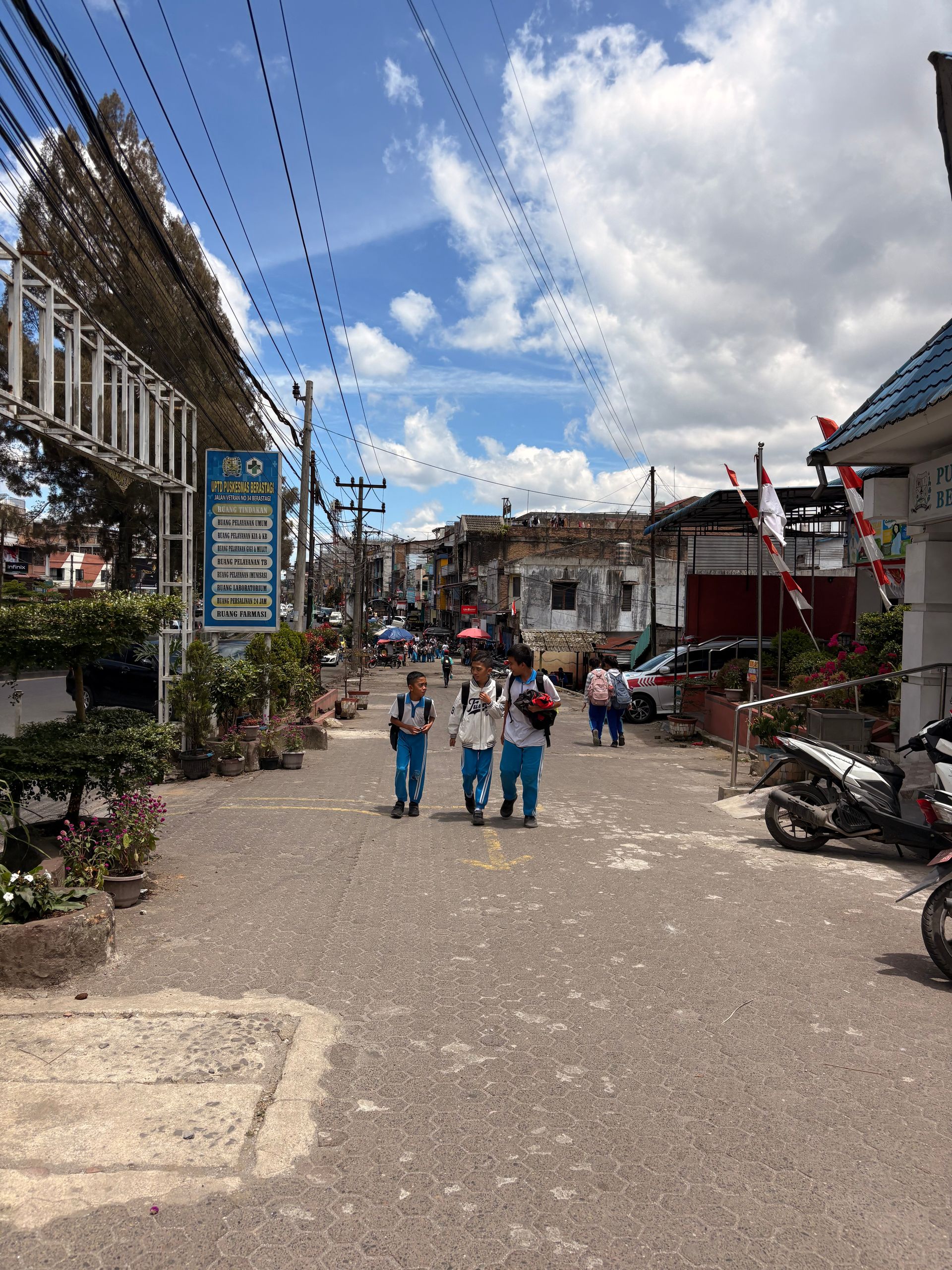
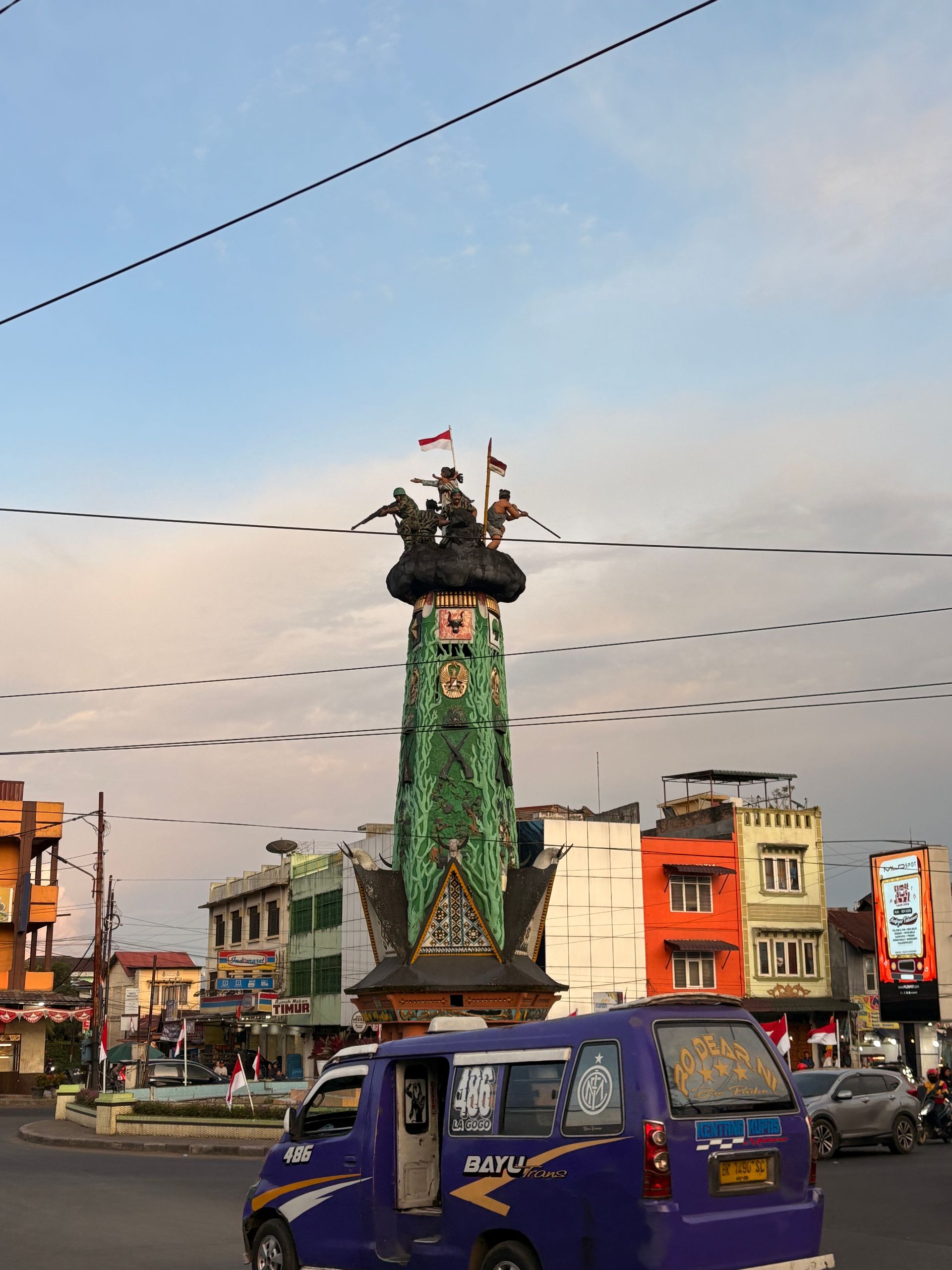
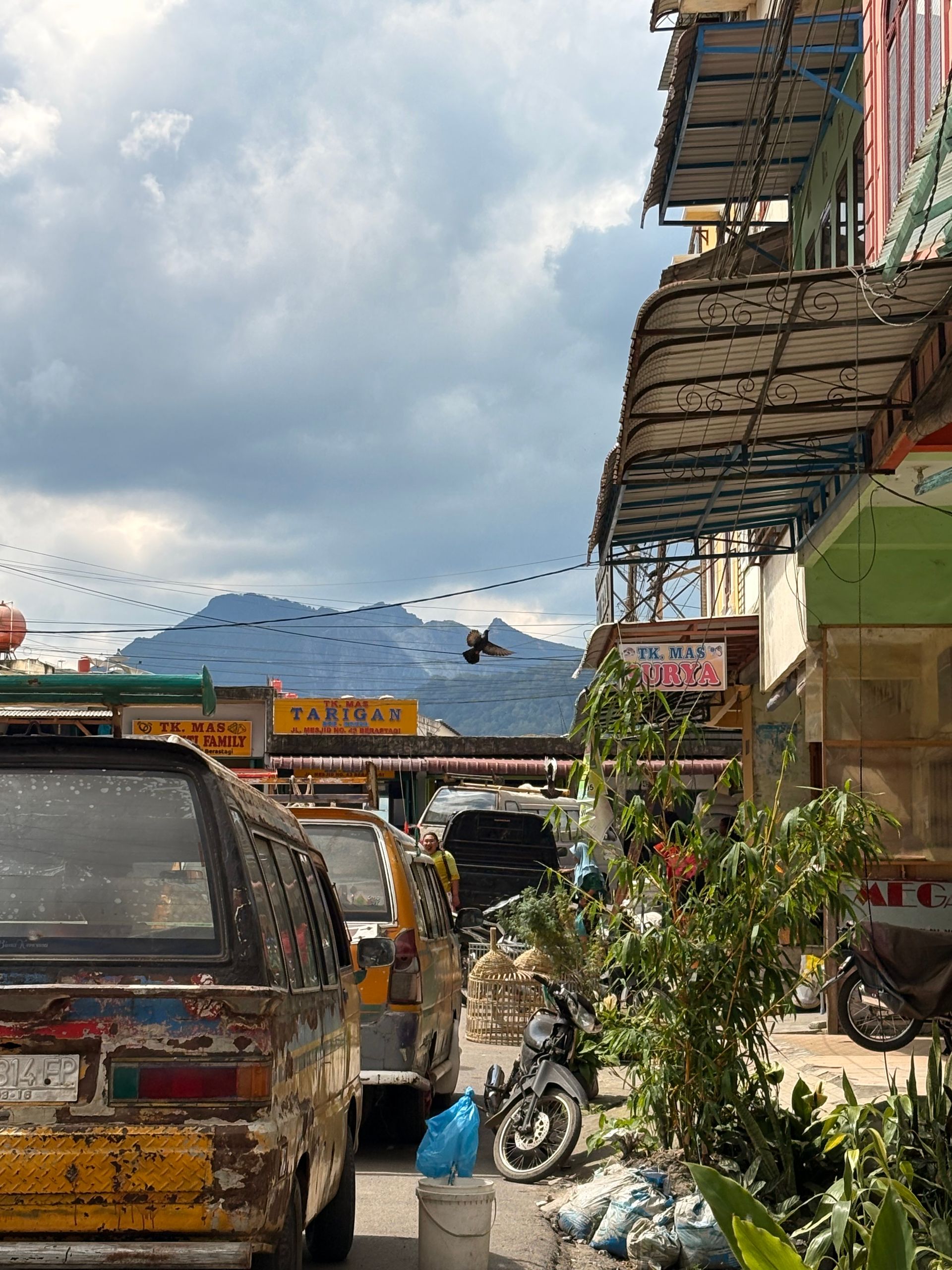
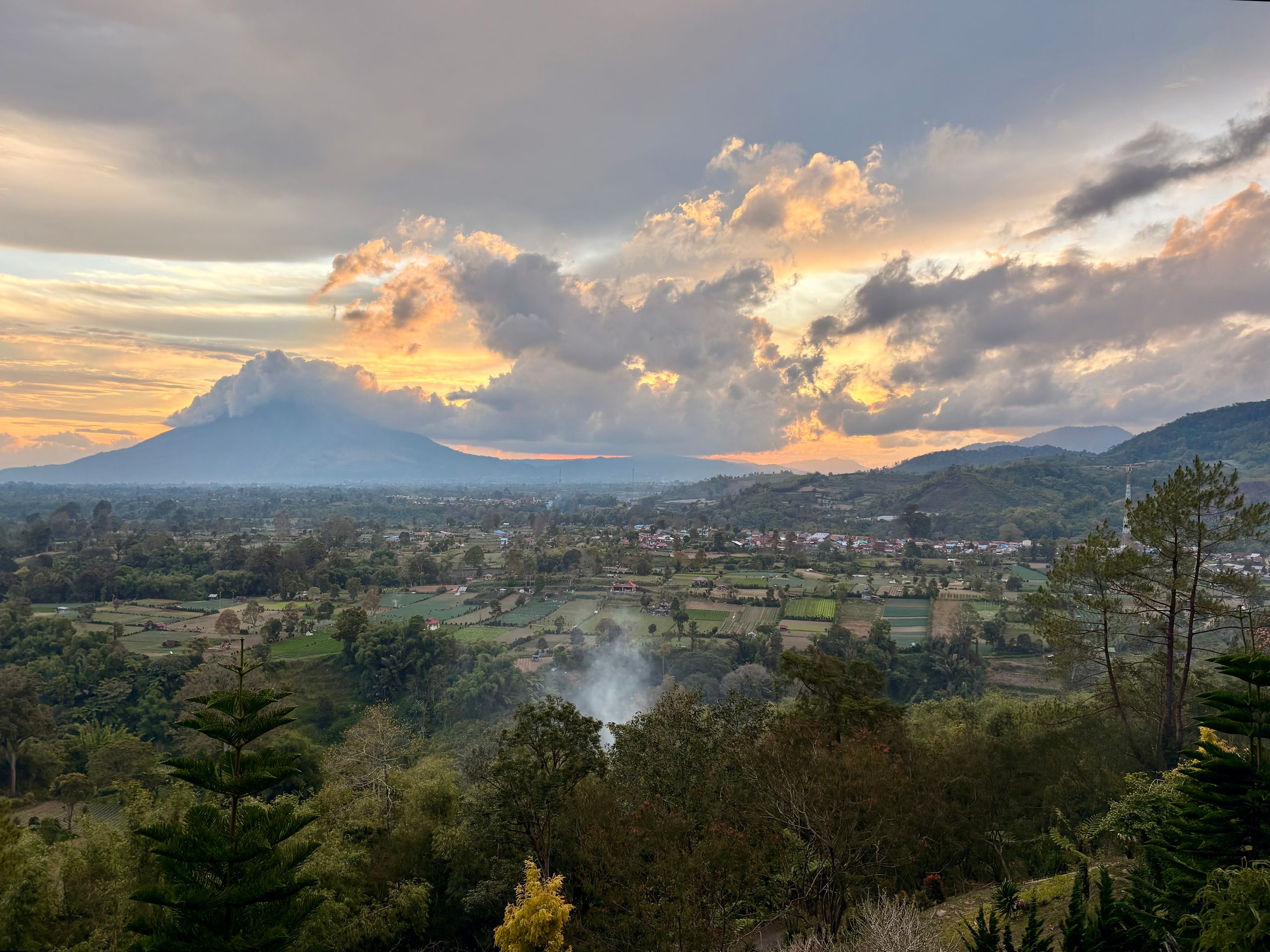
Berastagi is a popular getaway for people from Medan, as the climate here at a higher elevation is quite mild and not too hot. There are two active volcanoes in the area: Gunung Sibayak and Gunung Sinabung. The former can be climbed, while the latter has erupted more frequently in recent years (the last time was in 2021) and is therefore closed. There are reportedly ghost villages at its foot that can be visited, but we opted out of that (the regular villages seemed partially dilapidated and abandoned, so we felt we could pass on that). Climbing Sibayak was actually firmly planned, but since Freddy wasn’t feeling well after returning from the jungle, we decided against it, especially as one should reach the top by sunrise and thus would have had to get up quite early. After all, we had a few more volcanoes on our travel route!
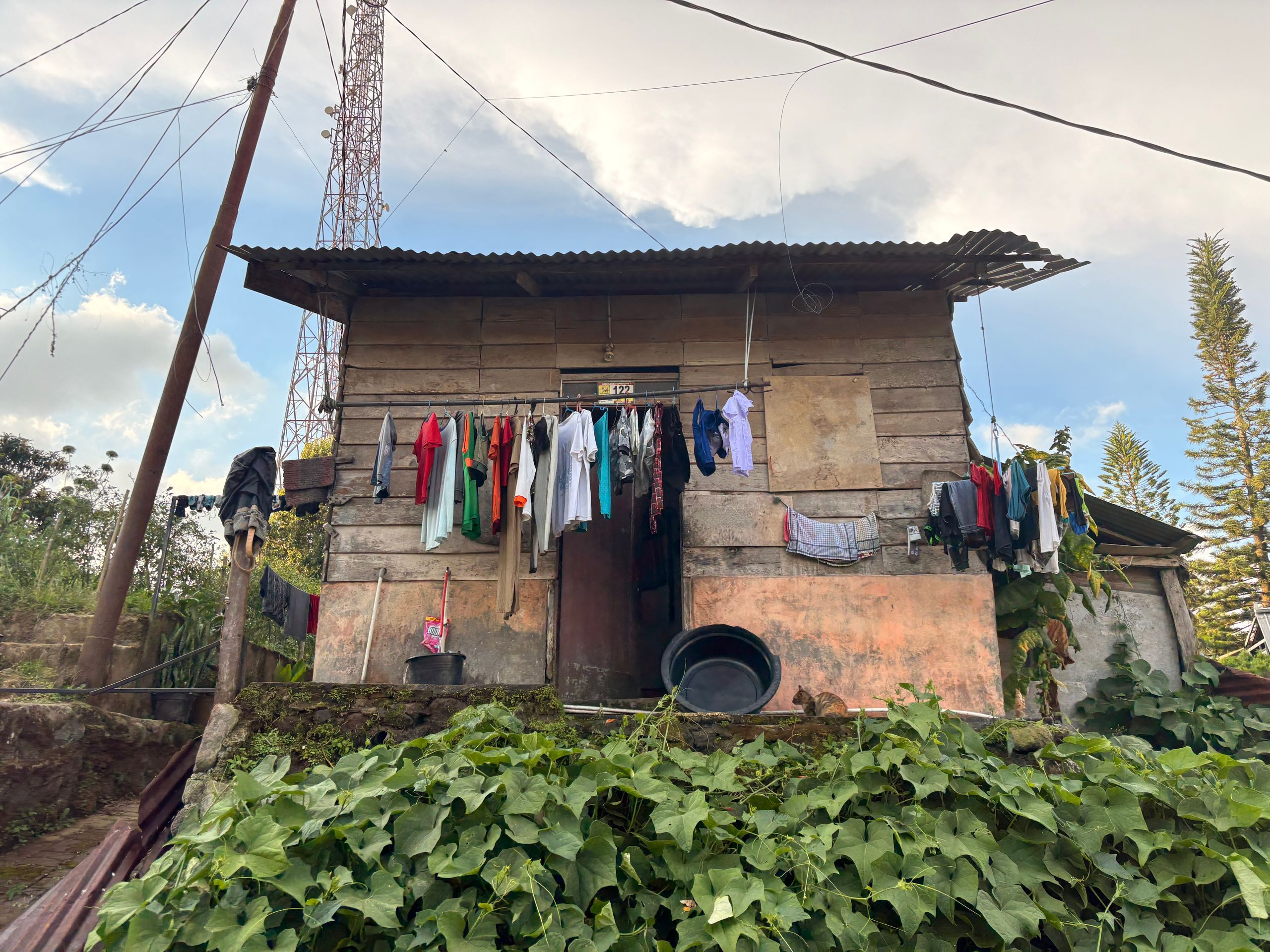
Nonetheless, there was plenty to experience in Berastagi. We spent the first evening with a nice group from the tourism authority in Medan, who were identifying and marketing new tourist spots. They invited us to a small street restaurant for dinner (roasted duck) and we had quite pleasant conversations, though mostly through three corners, as only part of the group spoke English. The accompanying interns (marketing students) were completely shocked that we were staying in such a simple hostel and hadn’t selected our accommodations on TikTok.
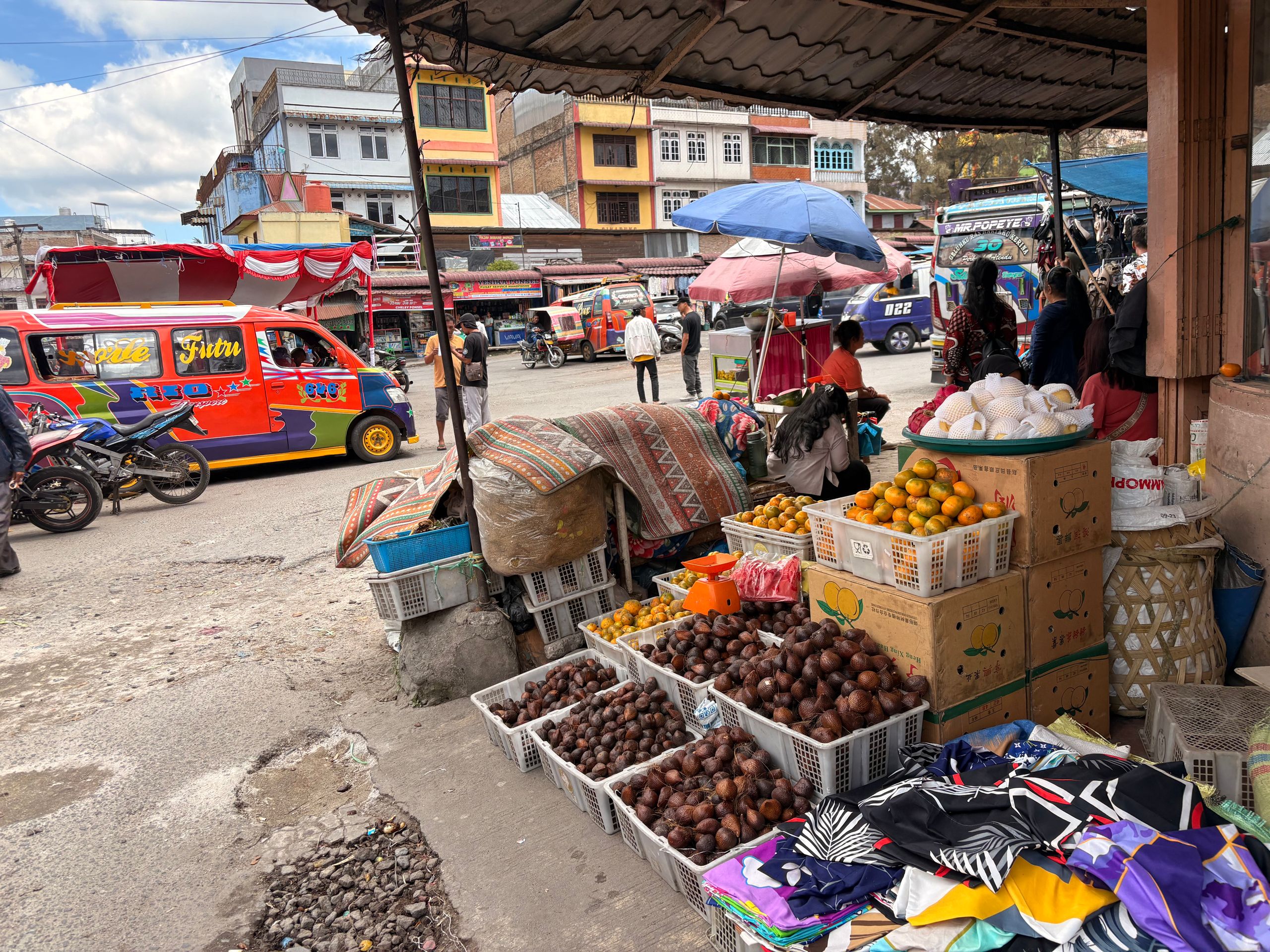
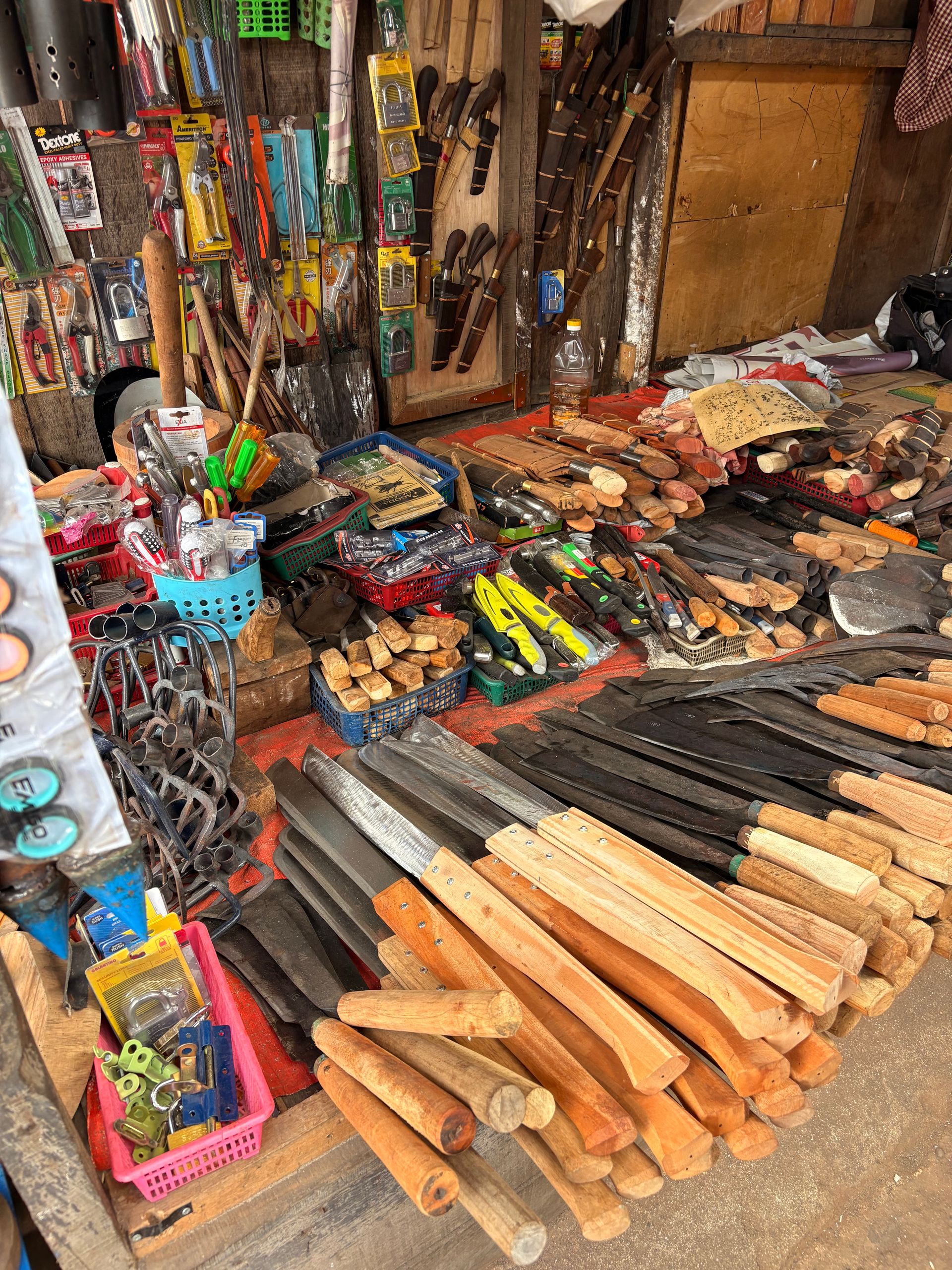
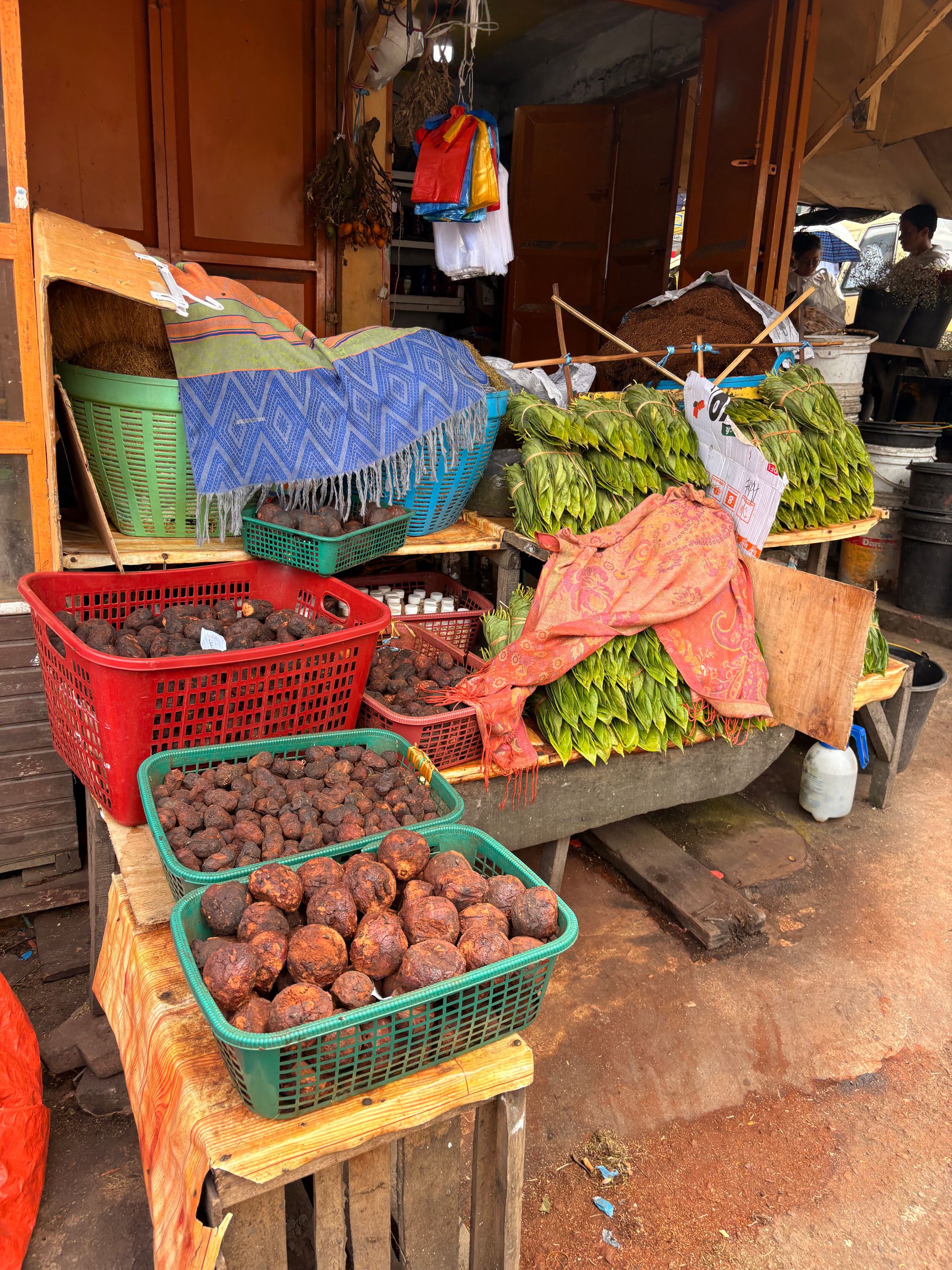
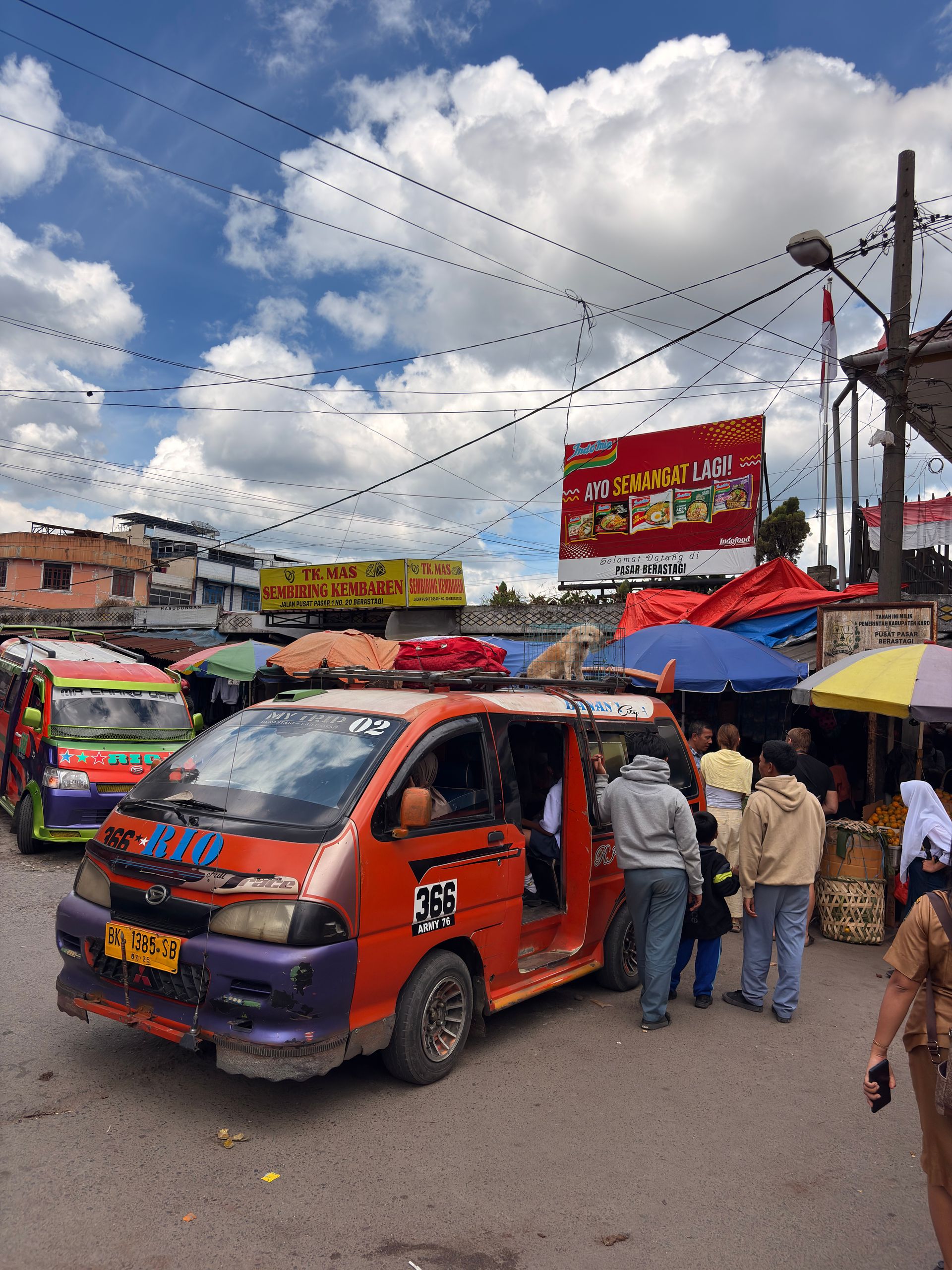
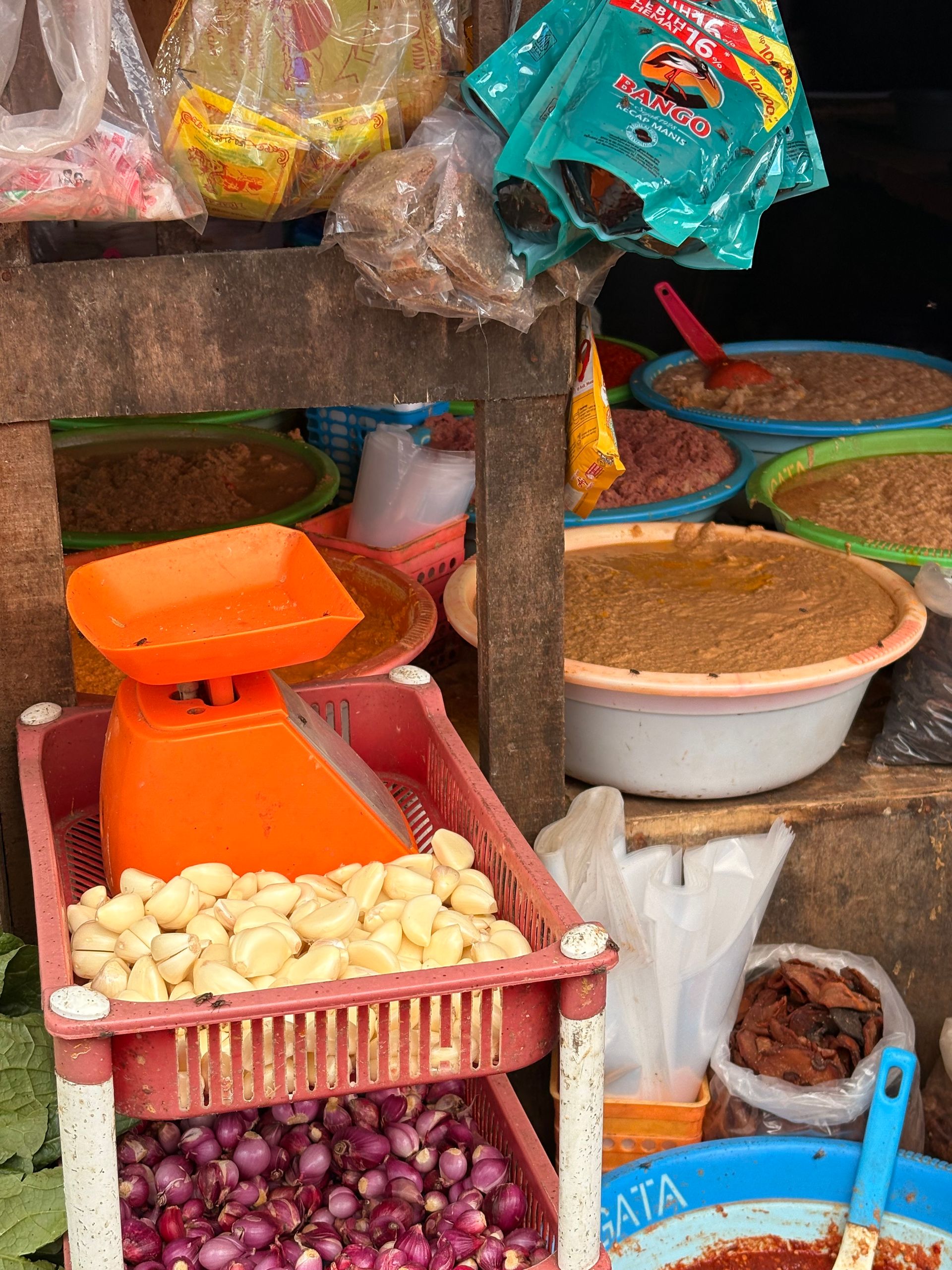
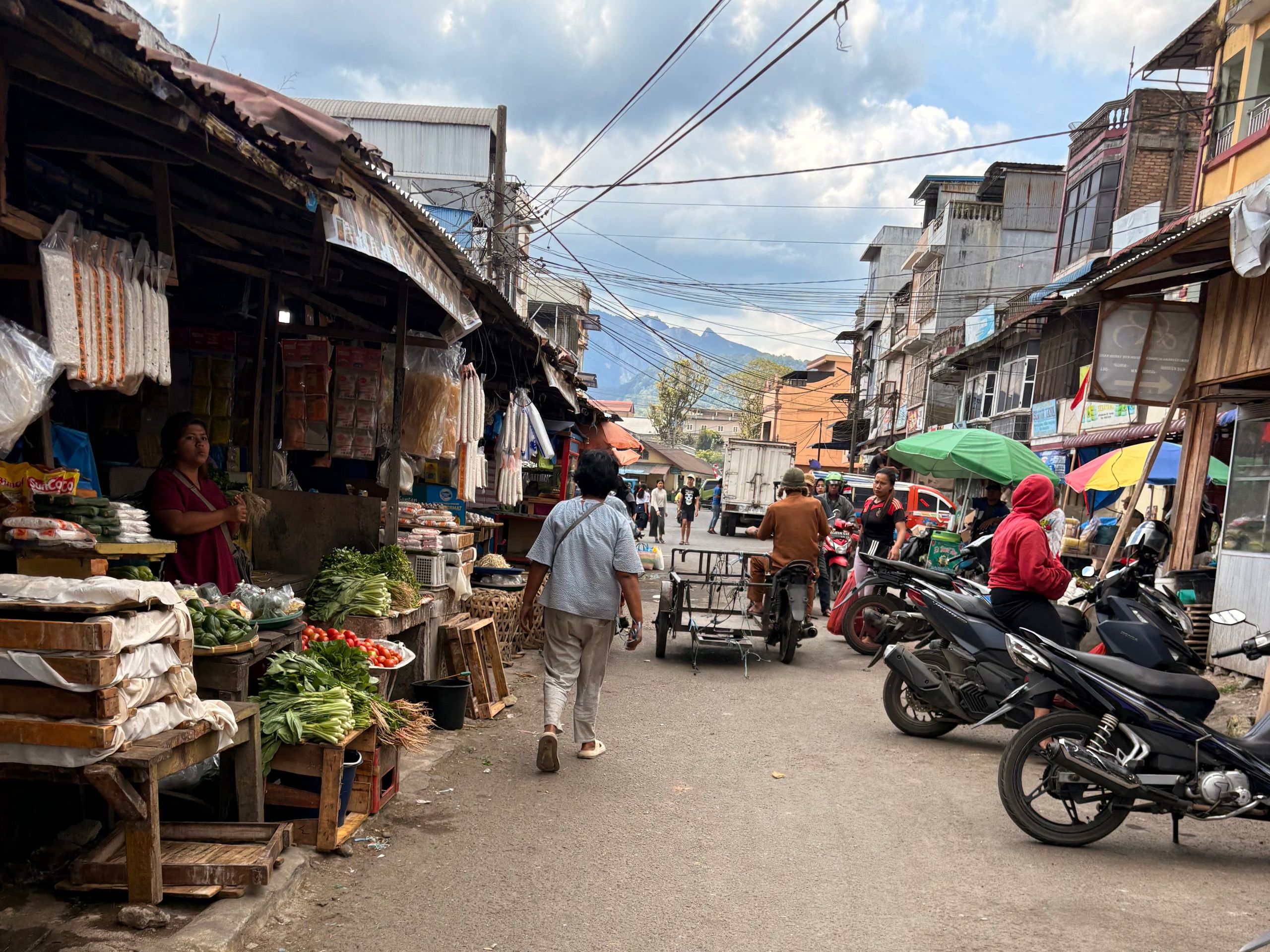
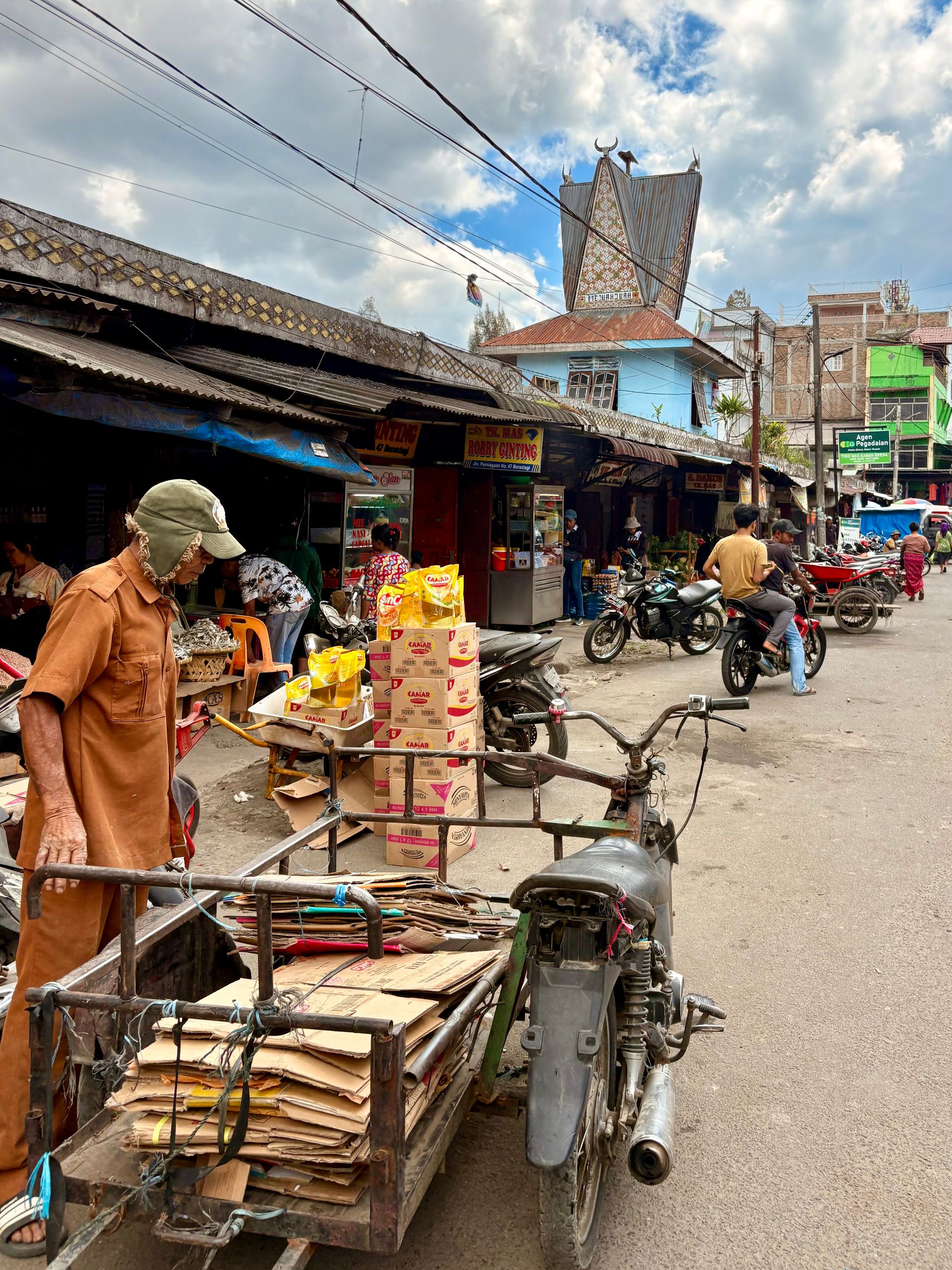
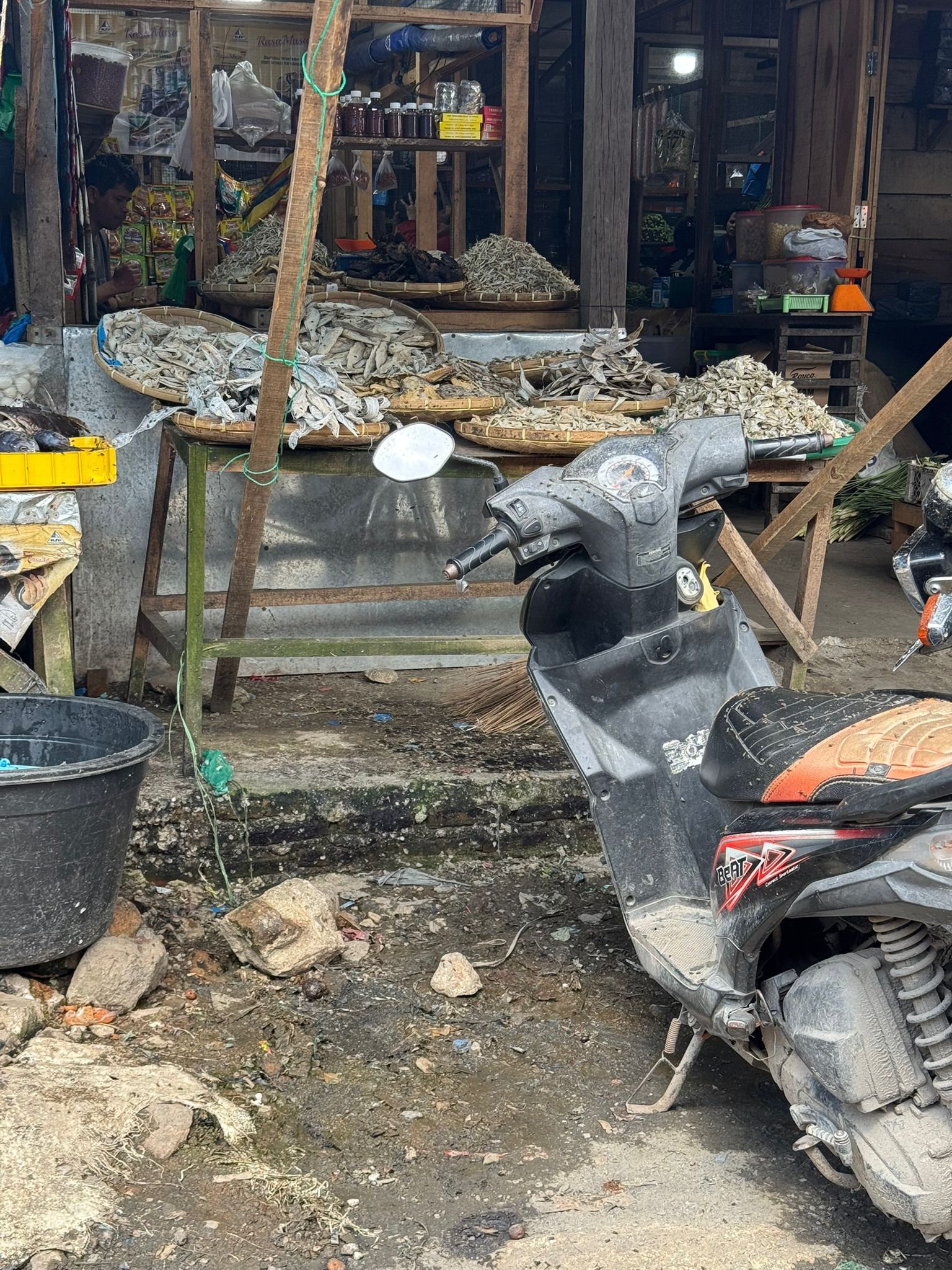
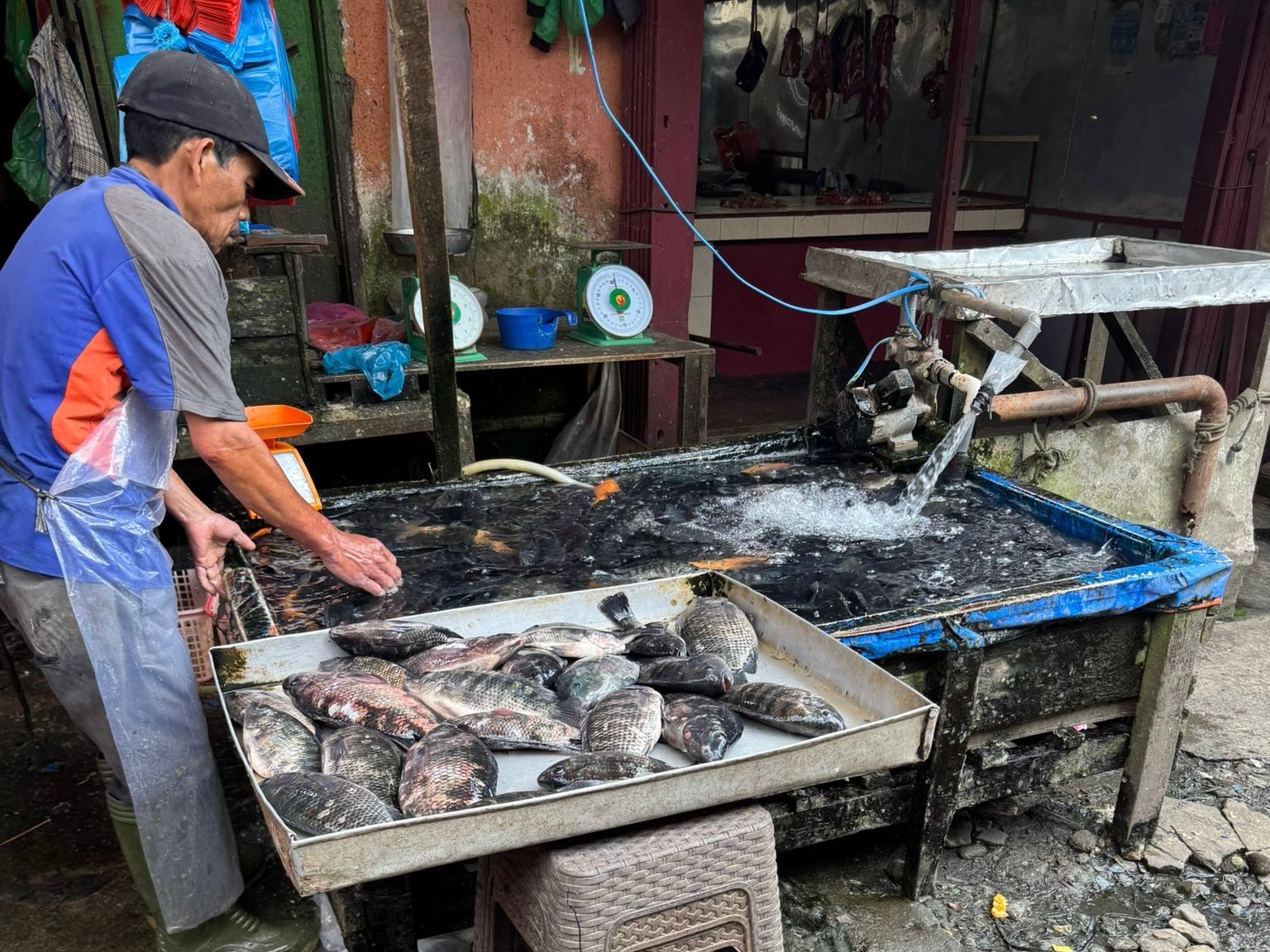
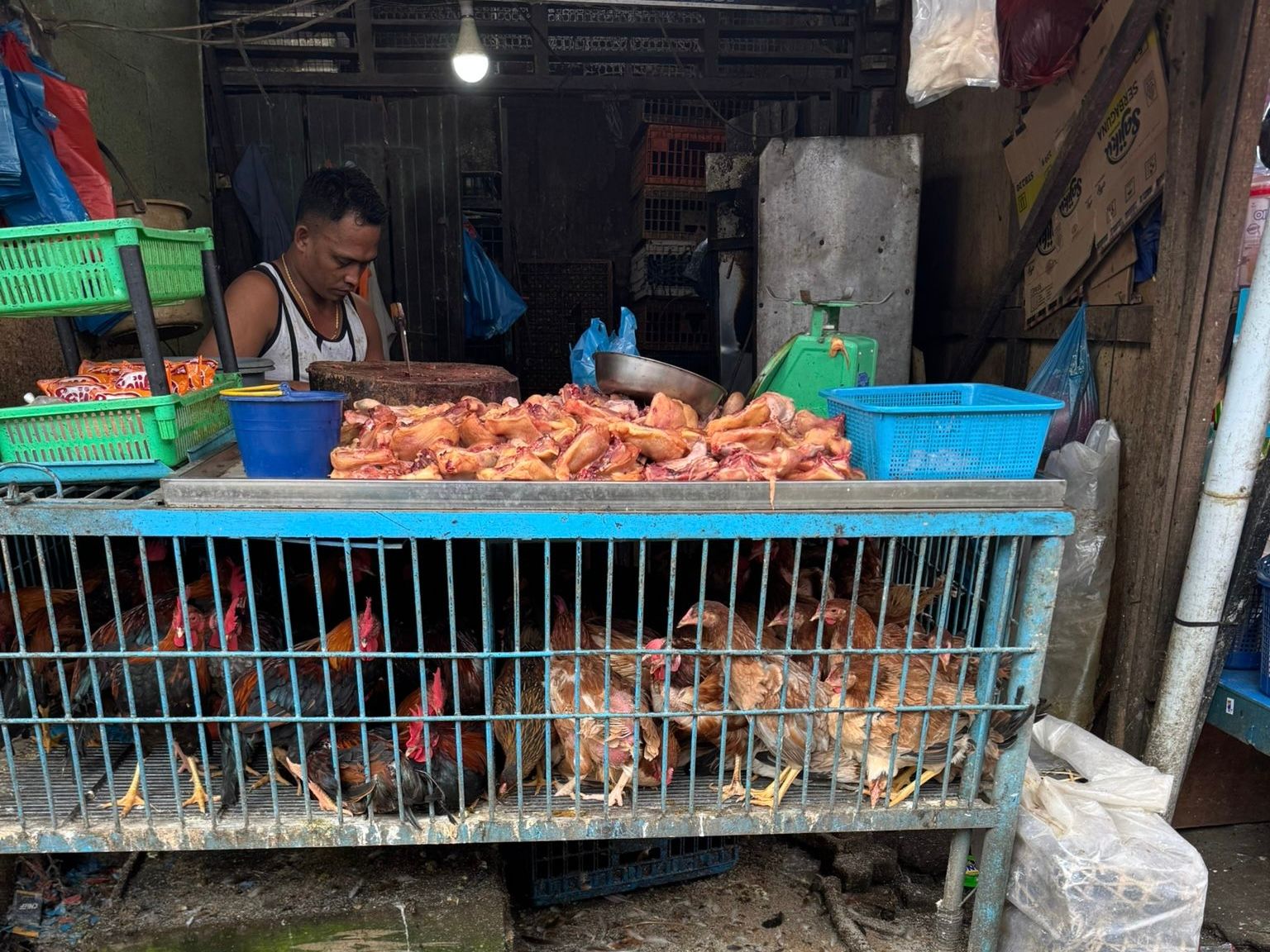
It was particularly enjoyable to wander through the various markets of the city and observe the people. The Berastagi Fruit Market is heavily promoted, as a lot of fruit and vegetables are grown in the area. It was full of nice people and we even found a seamstress who repaired one of Freddy’s pants. However, the Pajak Buah market was much more exciting, filled with second-hand clothes, pickled or still-living fish, vividly colored live chicks, meat in various degrees of freshness, tools, spicy chili sauces, and betel nuts. People from the whole region come here to shop, and you can find everything your heart desires (if you know where).
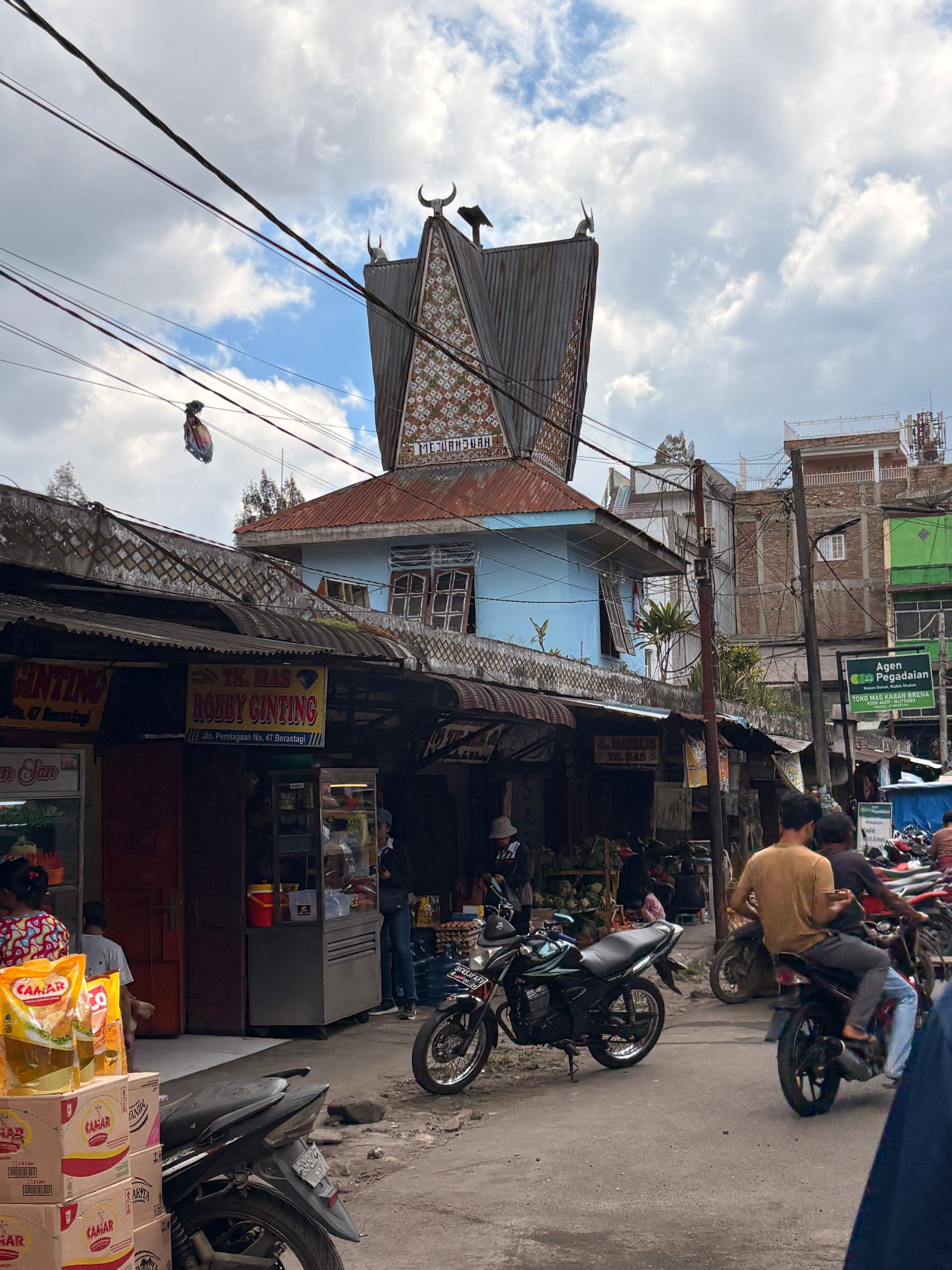
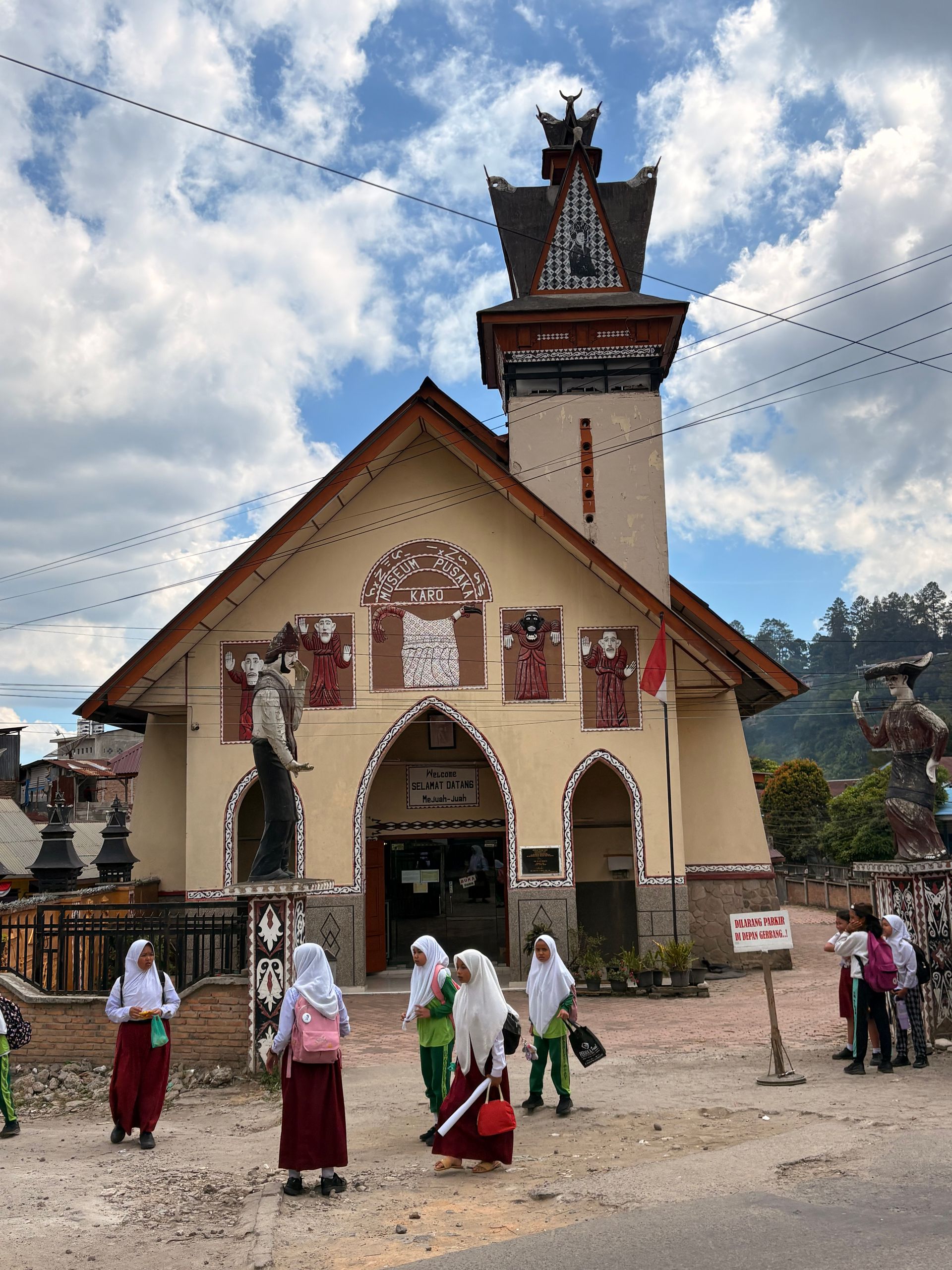
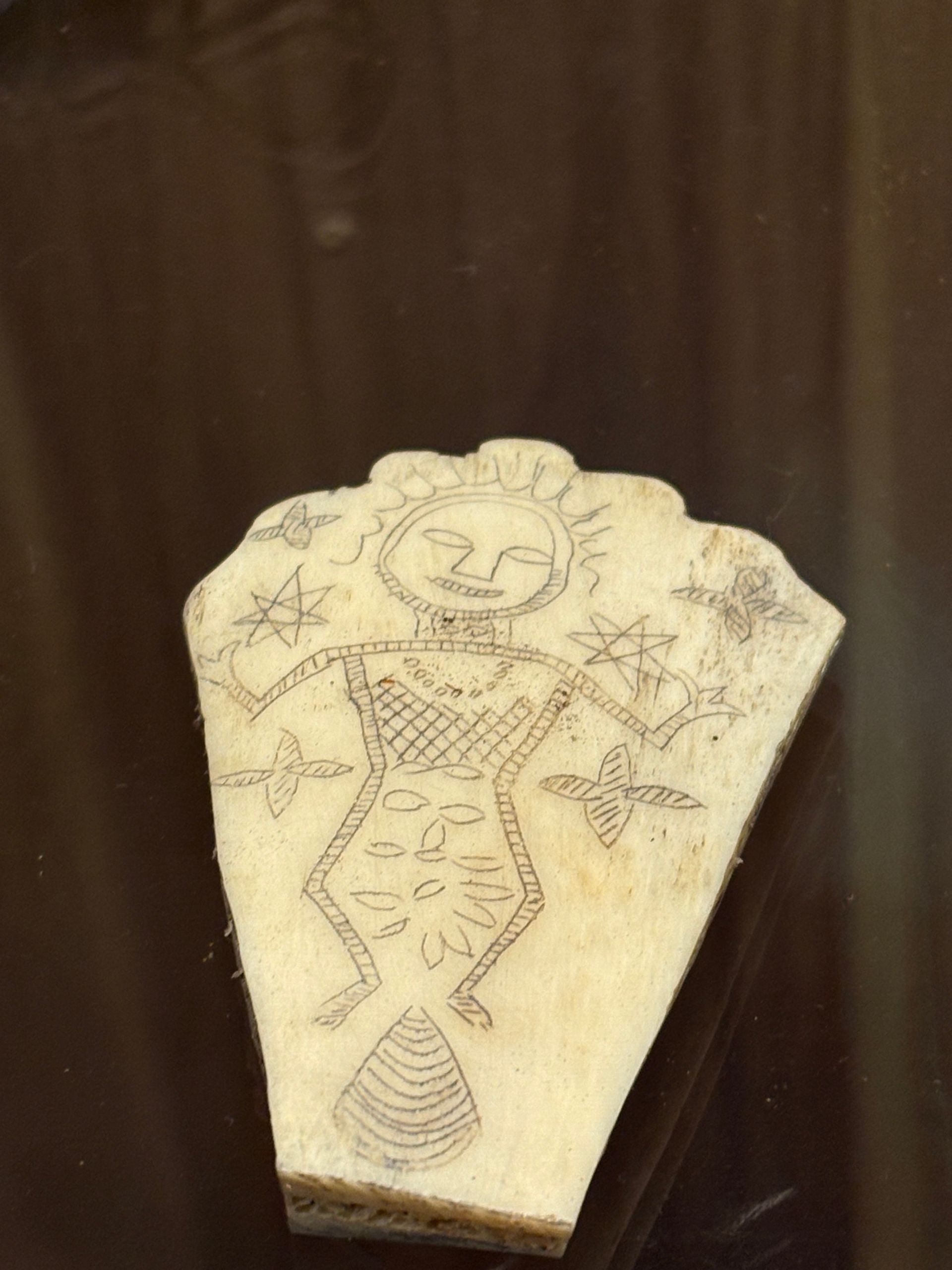
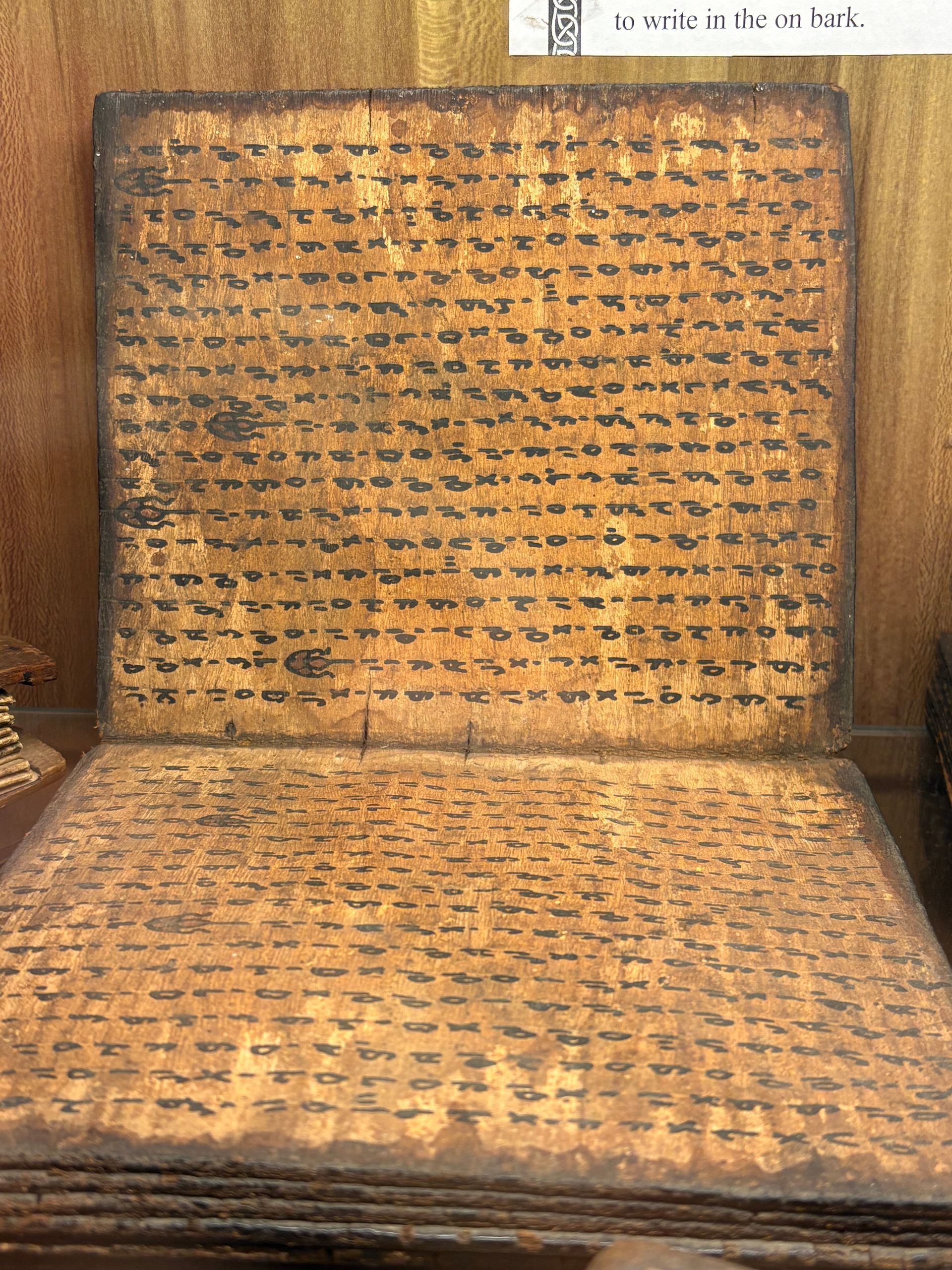
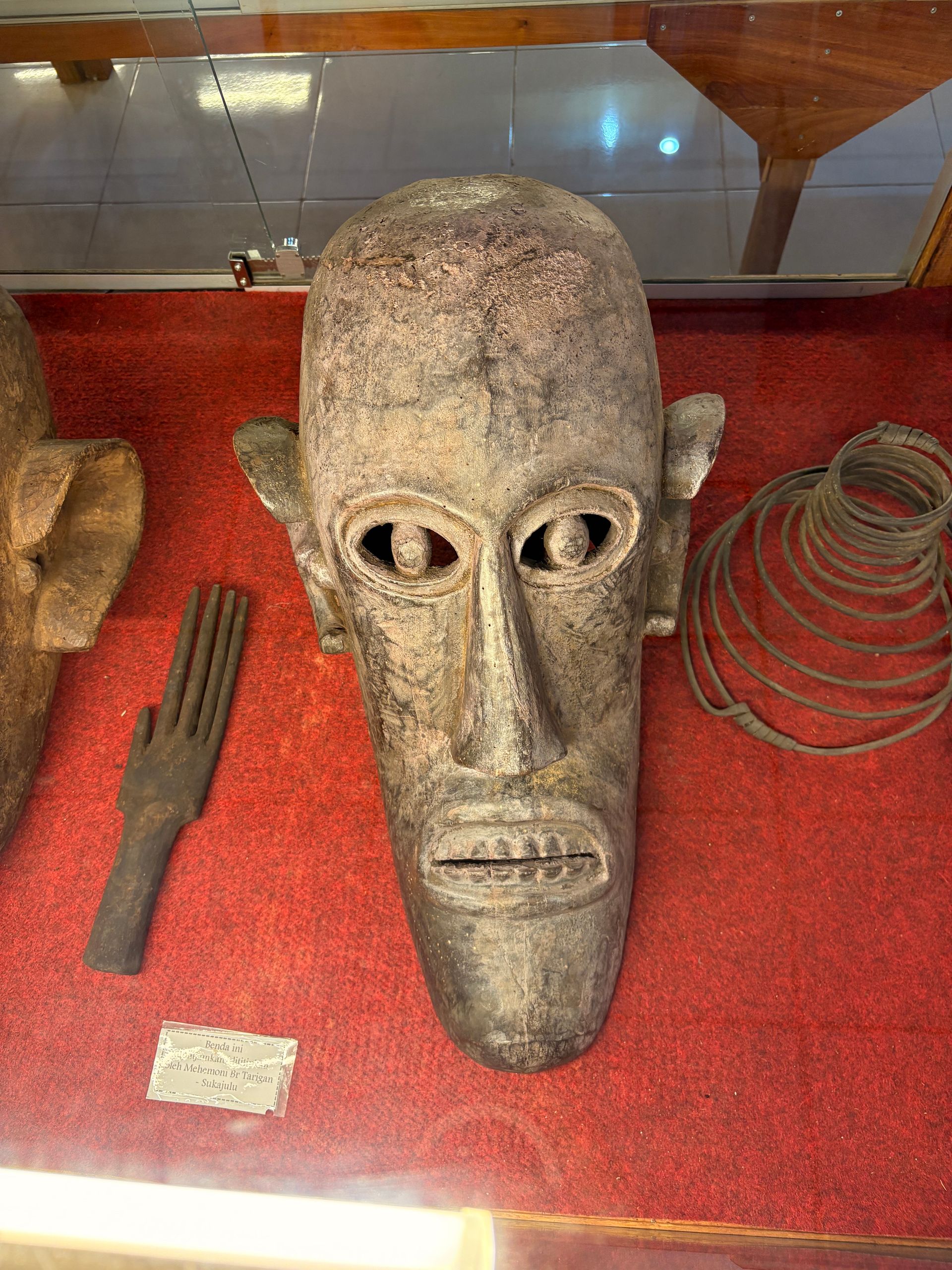
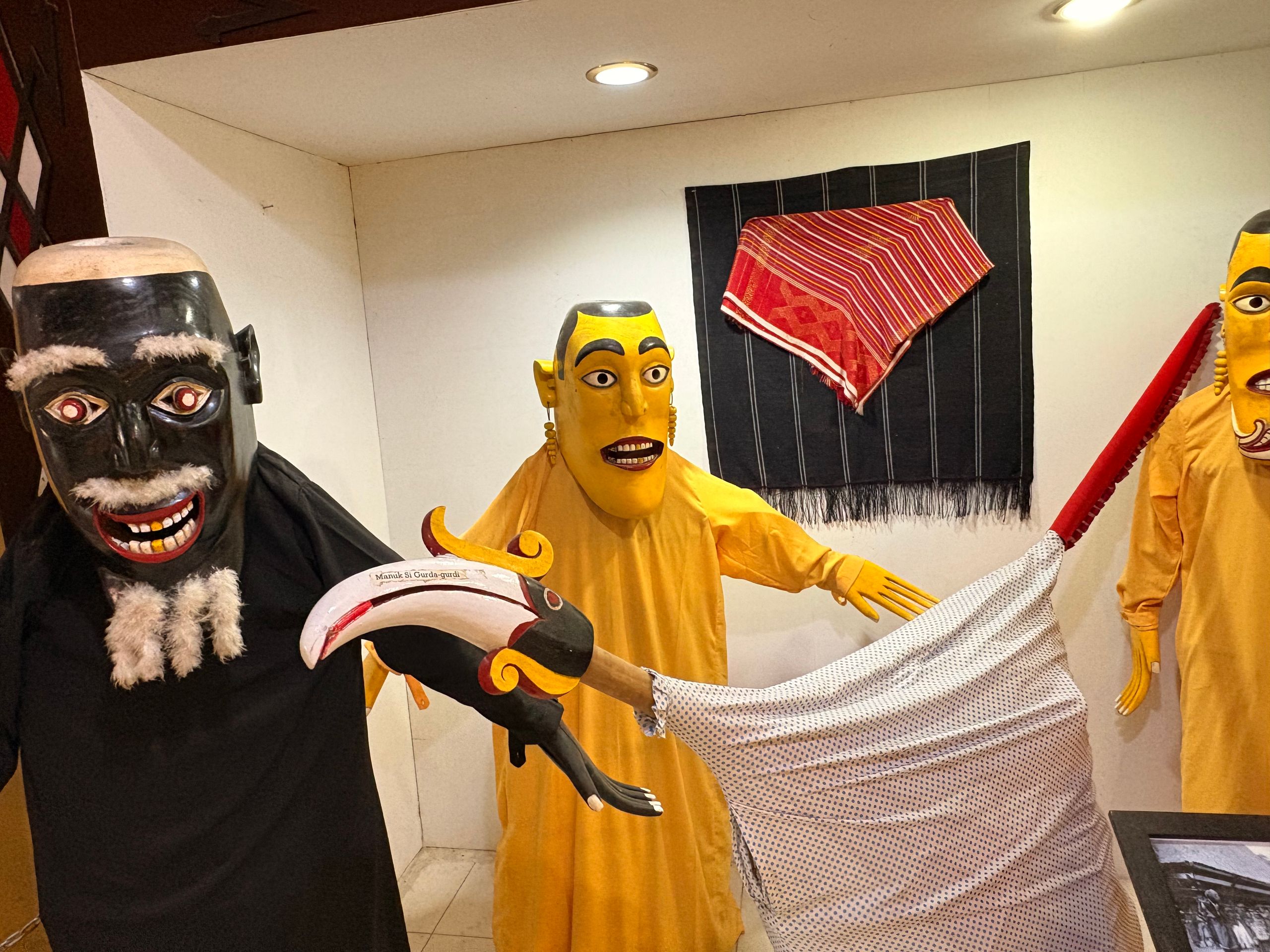
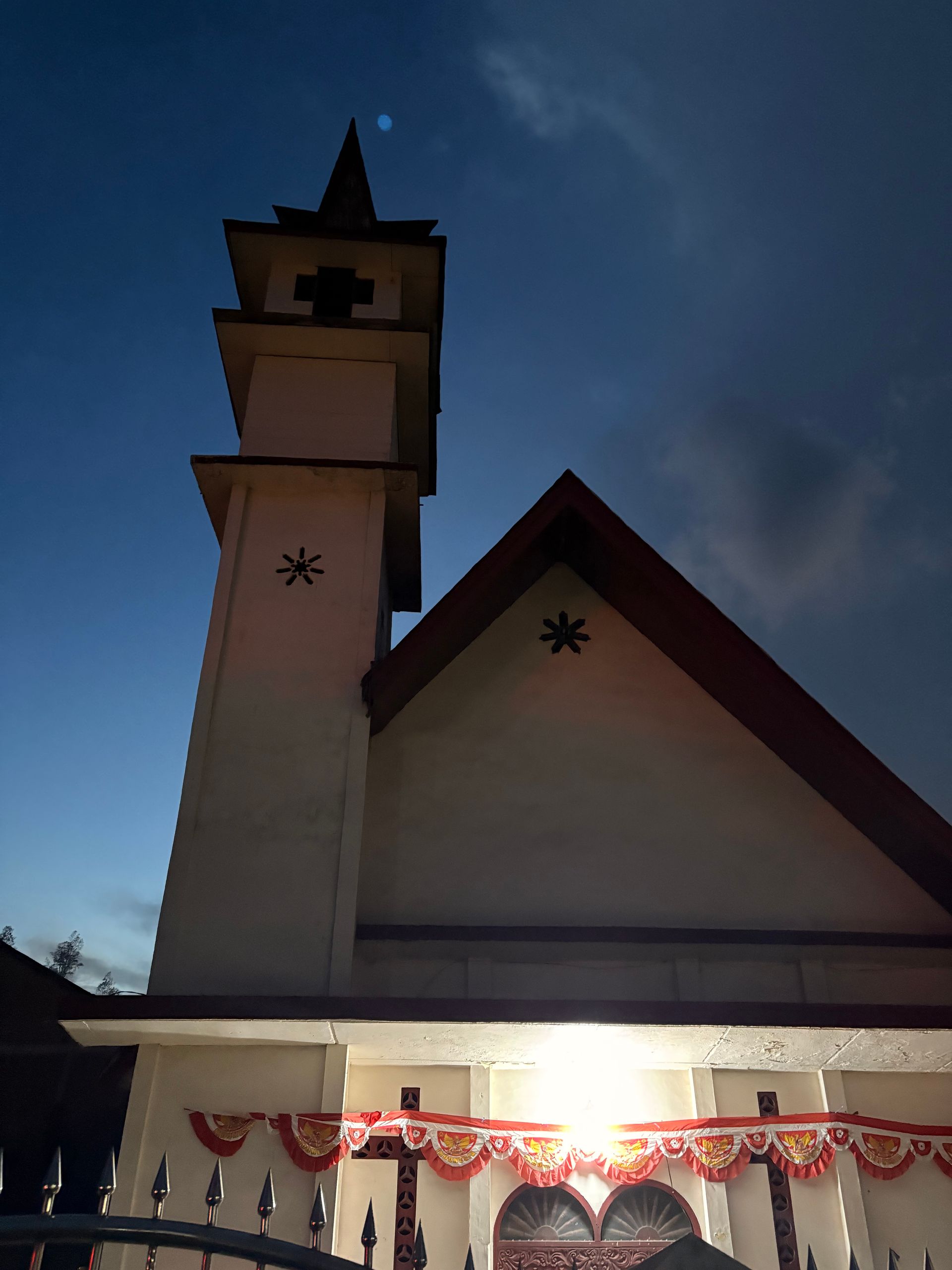
The Pusaka-Karo Museum wasn’t too bad and provided insights into Karo culture, one of the Batak peoples of Sumatra that reside in this area. They speak their own languages. Despite the Islamization of Indonesia, they remained faithful to their animistic beliefs for a long time. However, the Dutch conquered the area in the early 20th century and brought Christianity to the region. When the Indonesian government introduced an anti-blasphemy law that mandated the population to choose between one of the religions Islam, Catholicism, Protestantism, Hinduism, Buddhism, and Confucianism, people often opted for 'what was already there,' which was Christianity here, but certainly mixed with animistic rituals. Thus, you find many churches, and the culinary specialty that is highly promoted everywhere is BPK (Babi Pangang Karo), roasted pork. Not what we would expect in a country with nearly 90% Muslim population, and also not that pork apparently plays an important role in distinguishing oneself from being Muslim.
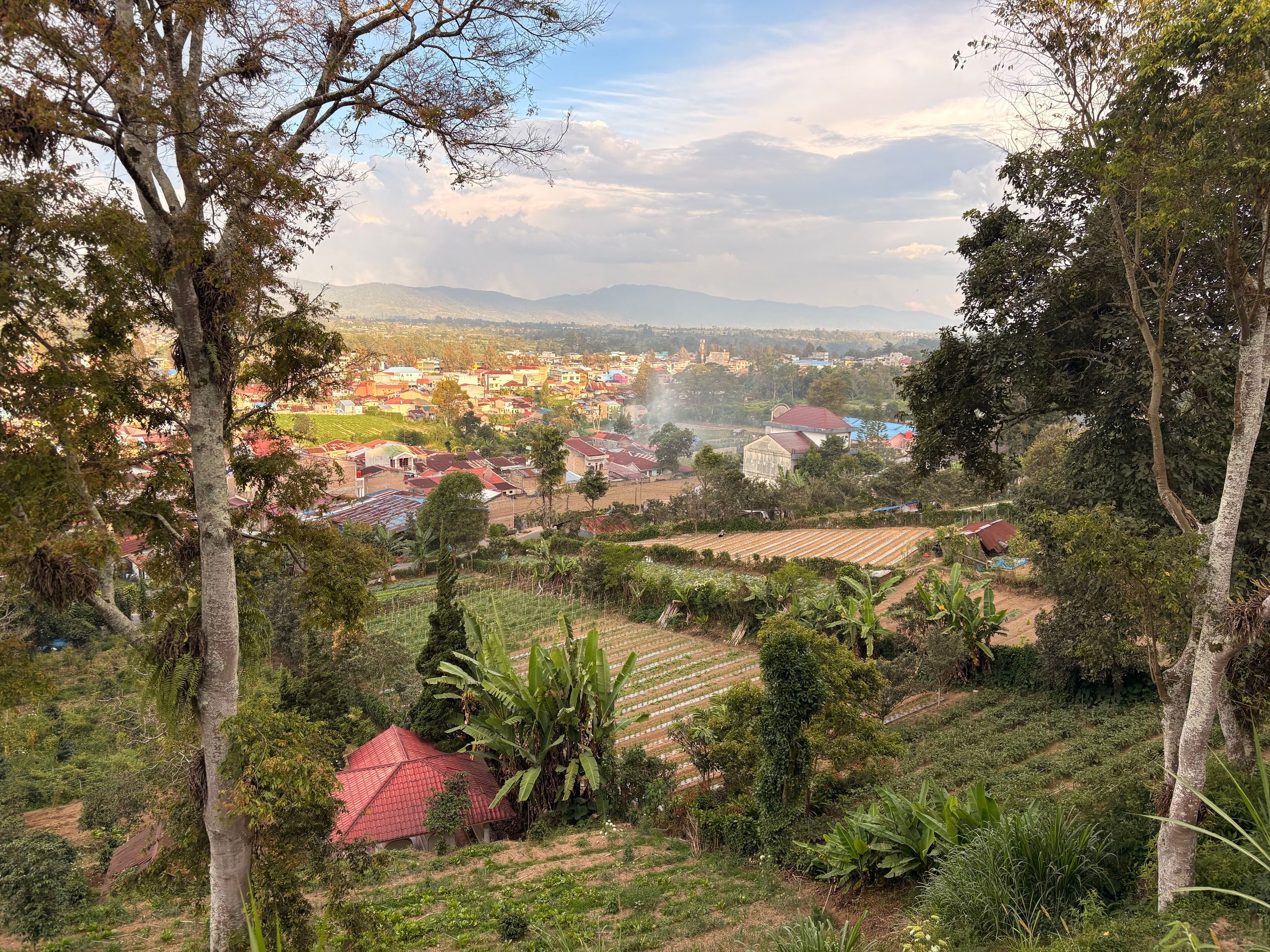
Otherwise, we climbed the hills of the city and could observe the agricultural and volcanic activities in the surroundings well. We were a bit worried about Freddy because it wasn’t entirely clear to us whether he was brewing a cold or had perhaps caught something in the jungle.