Dunhuang
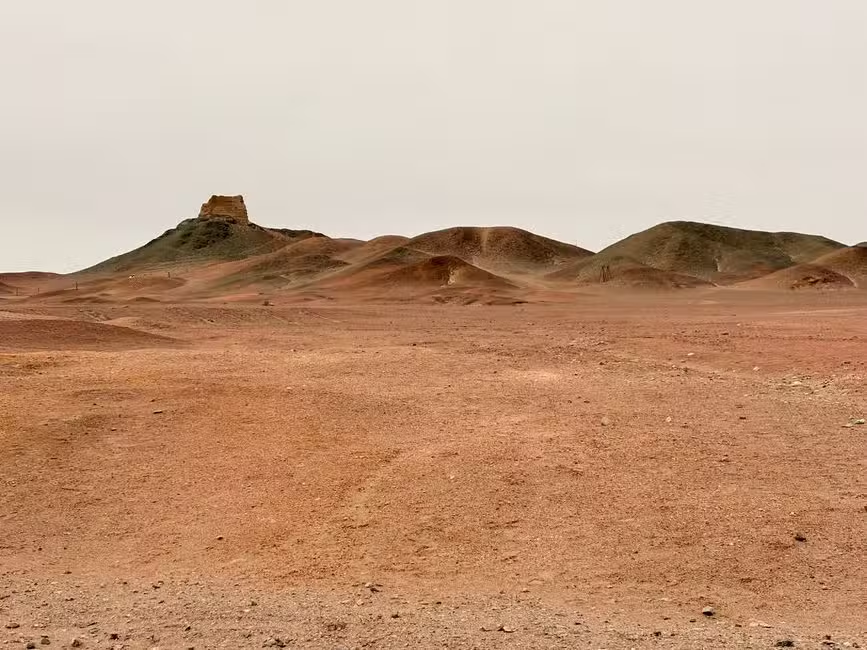
From Zhangye to Dunhuang, it was a short hop compared to the previous train journey - 600 km and 4 hours by train. The landscape became increasingly desert-like. Along the...

Published: 18.06.2026
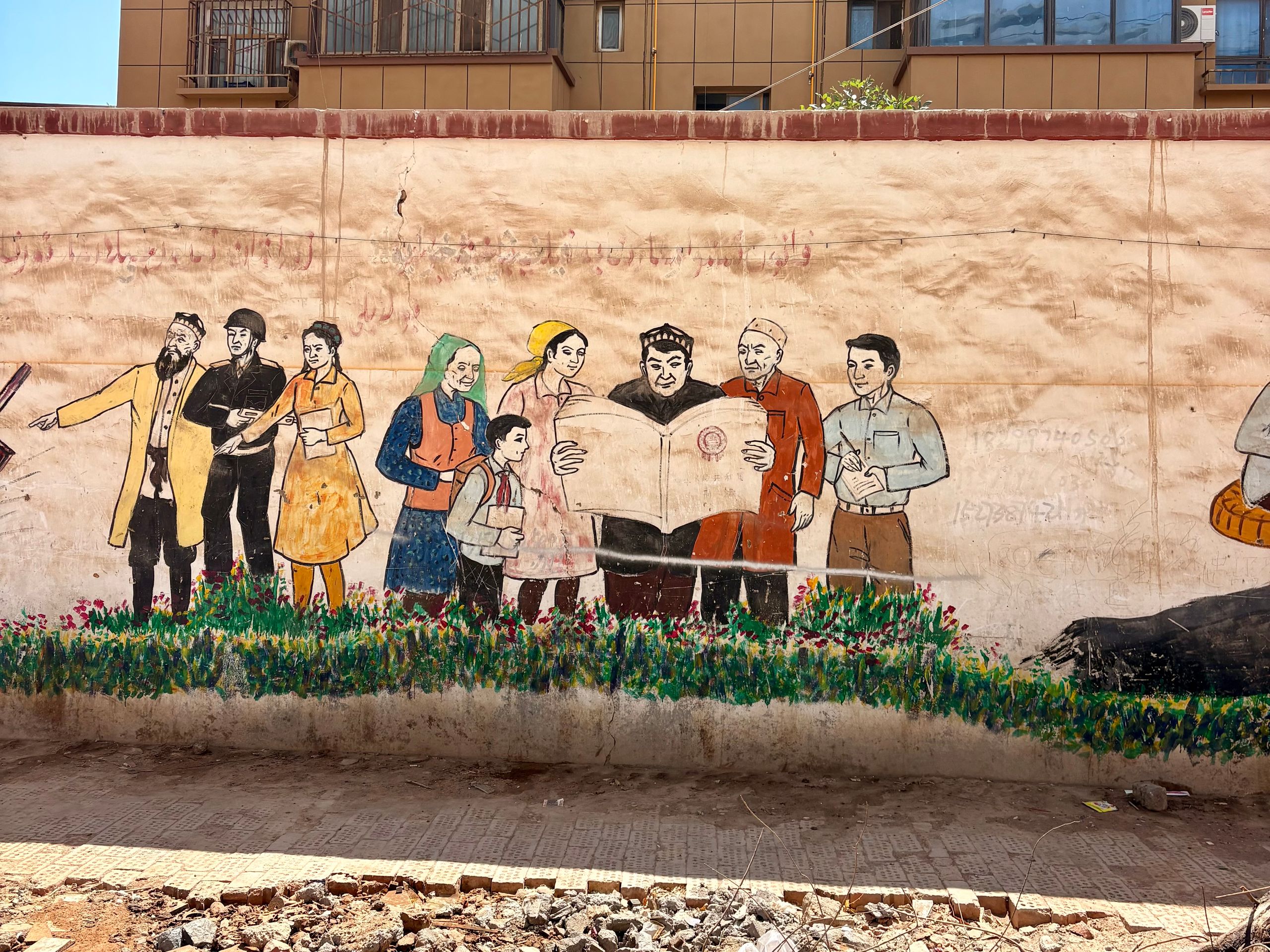
Everything summarized in this report by BPB seems very coherent to us based on our observations, experiences, and feelings, even if we do not claim to truly grasp the complex situation: https://www.bpb.de/themen/kriege-konflikte/dossier-kriege-konflikte/54592/china-xinjiang/
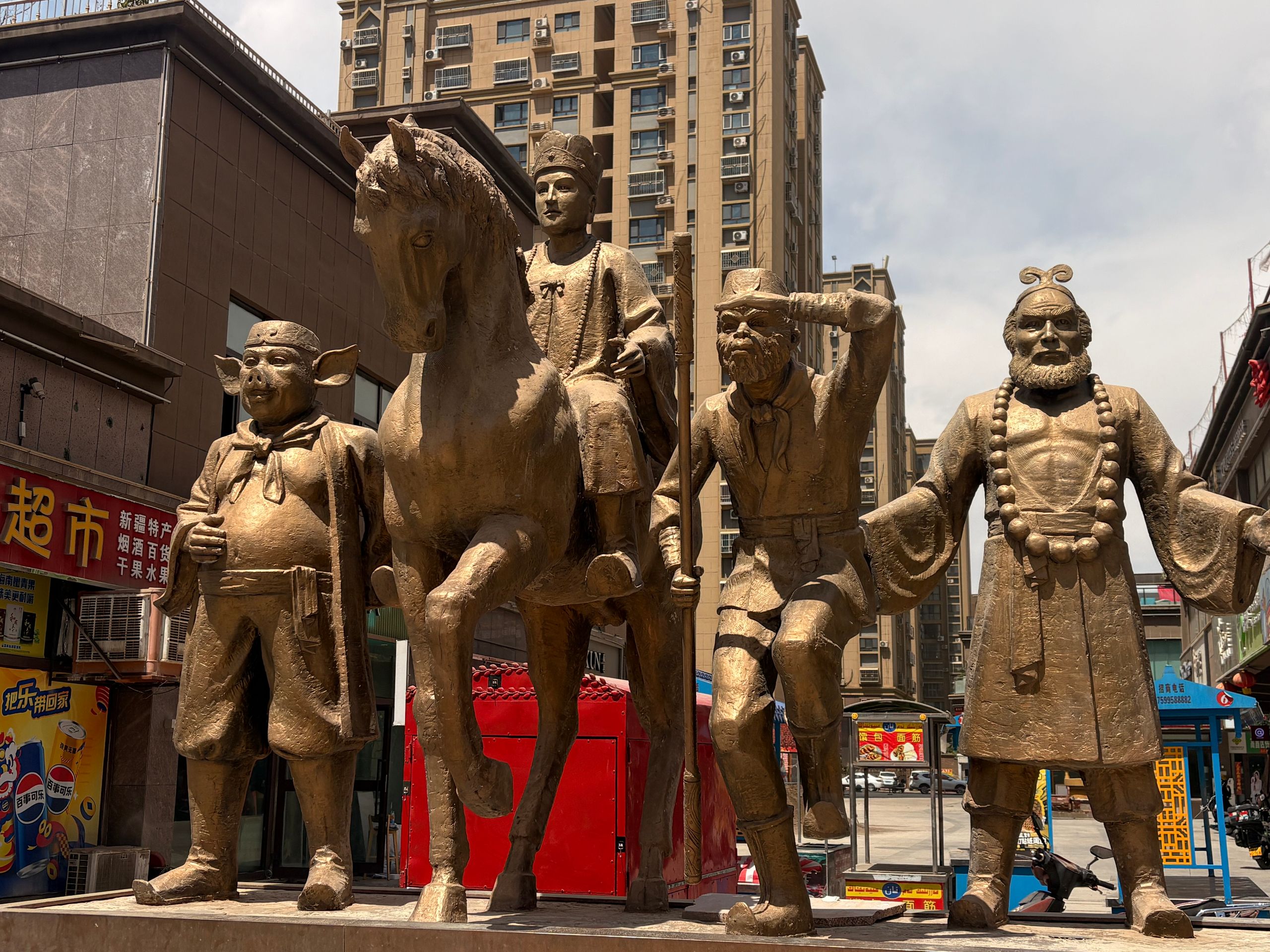
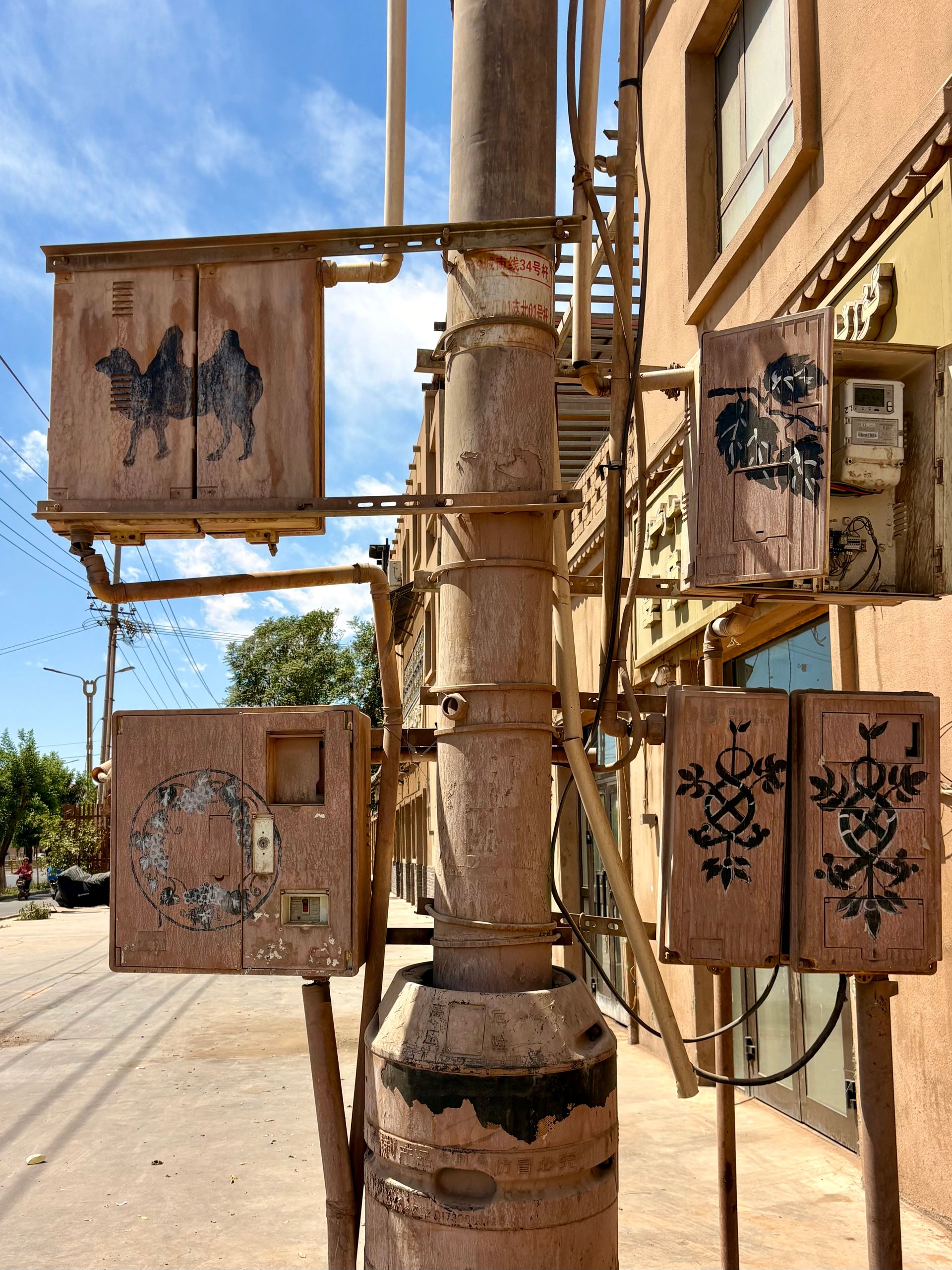
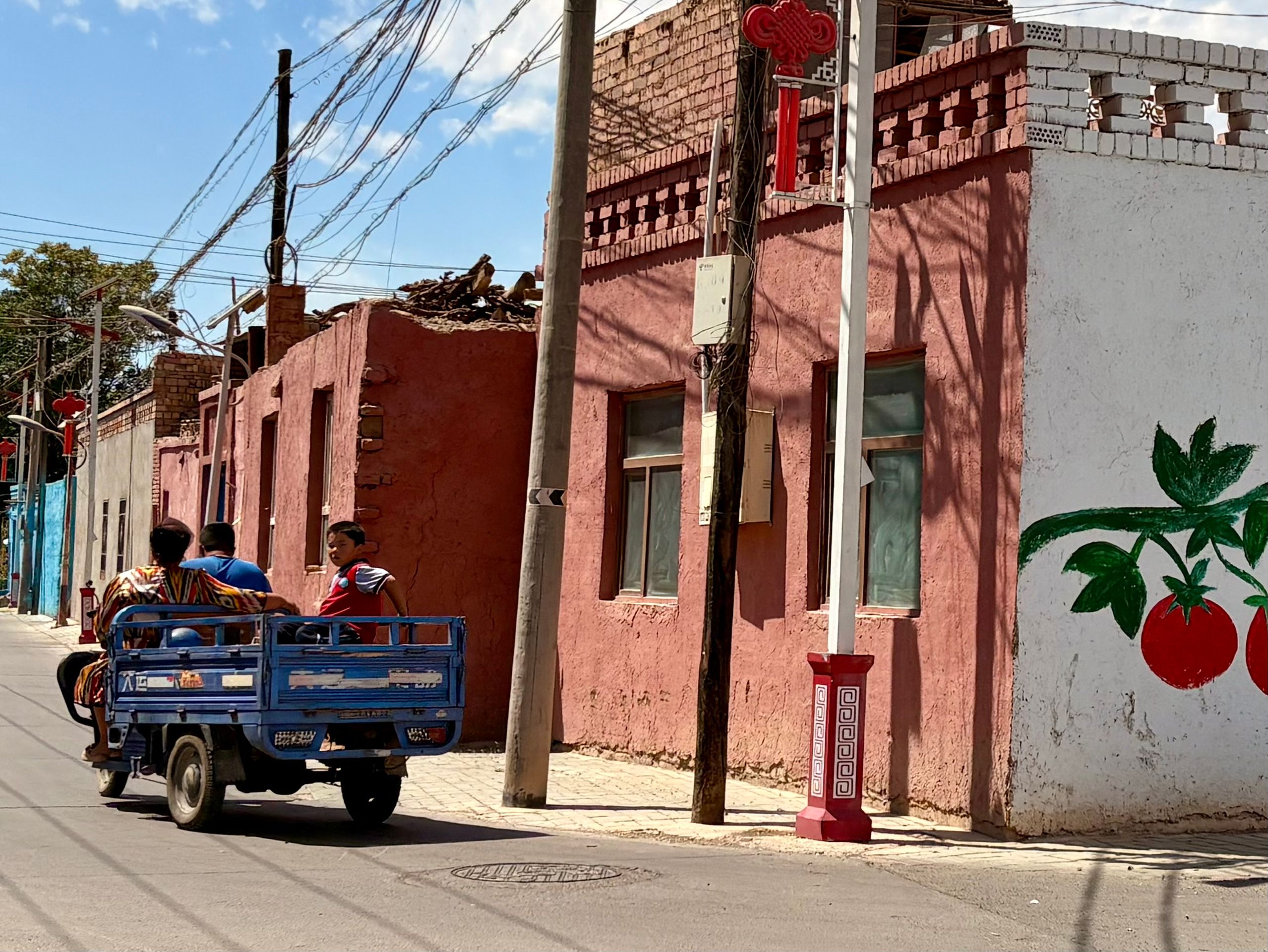
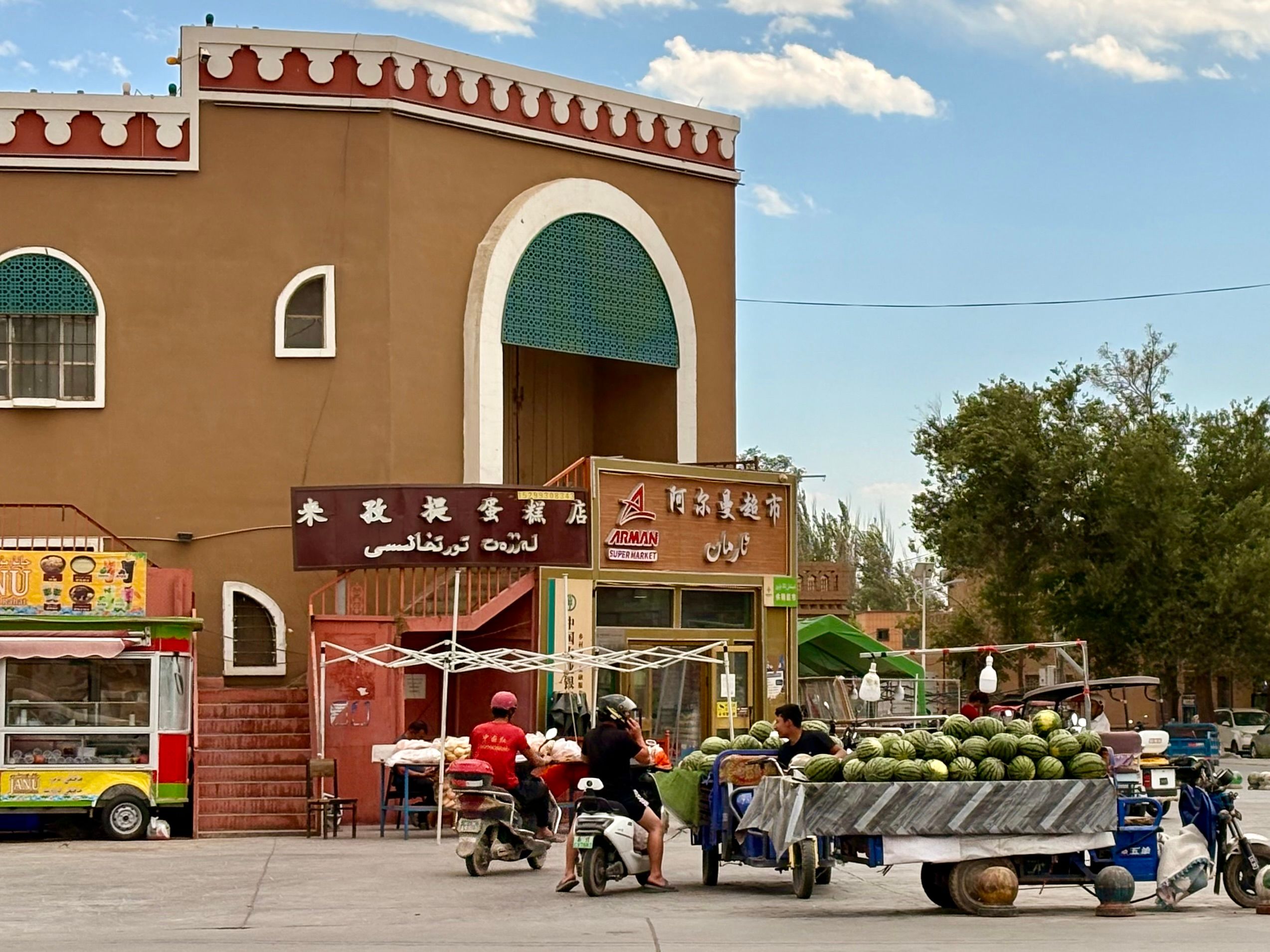
Turpan felt immediately more exotic, foreign, and untamed. For a moment, one thought they had already left China. On the one hand, it seemed to us that the massive surveillance with cameras at every corner and police presence was surprisingly less here (Spoiler: they had no idea what it would be like in other cities). We could even buy museum tickets without our passport numbers being registered, where does that happen? Suddenly, people were conversing among themselves no longer in Chinese, and communication became more challenging than it already was (up to that point, Marike could at least score a bit with her poor Chinese skills, but the accent/dialect was now so strong that it was hard to tell whether Chinese or Uyghur was being spoken. The children/teenagers were - as often is the case in the world - open and curious enough to want to chat with us, mostly more with hands and feet.
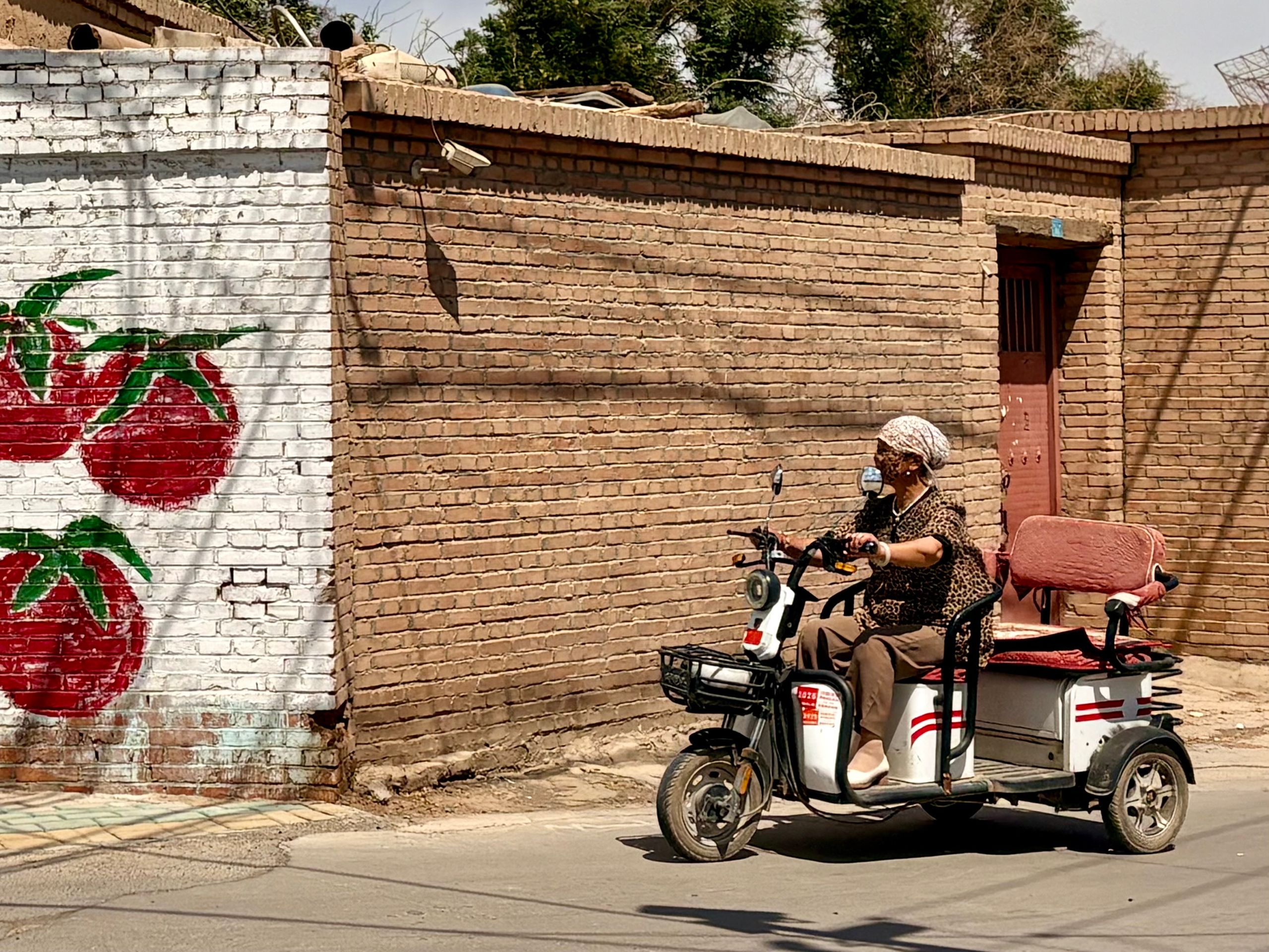
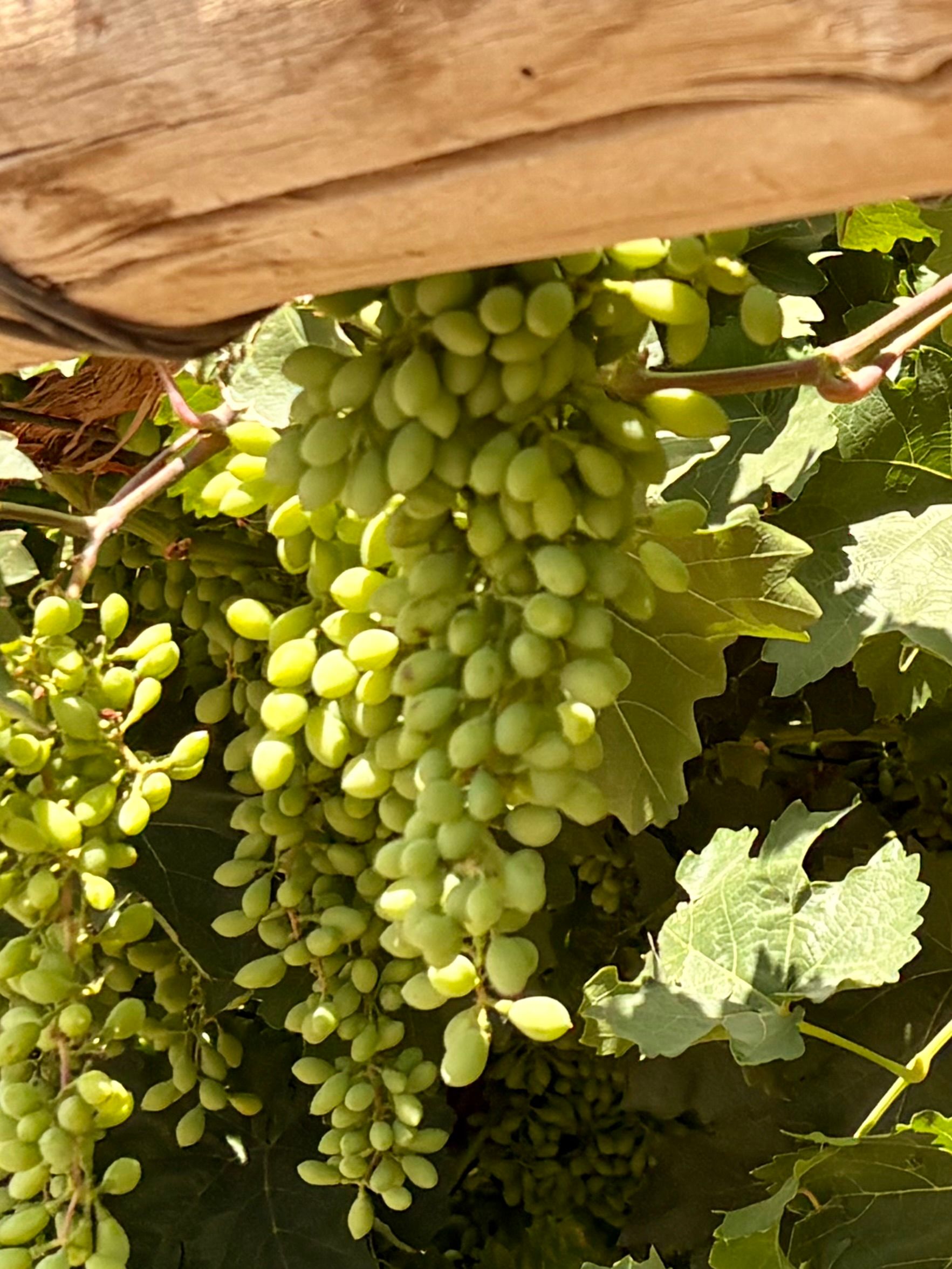
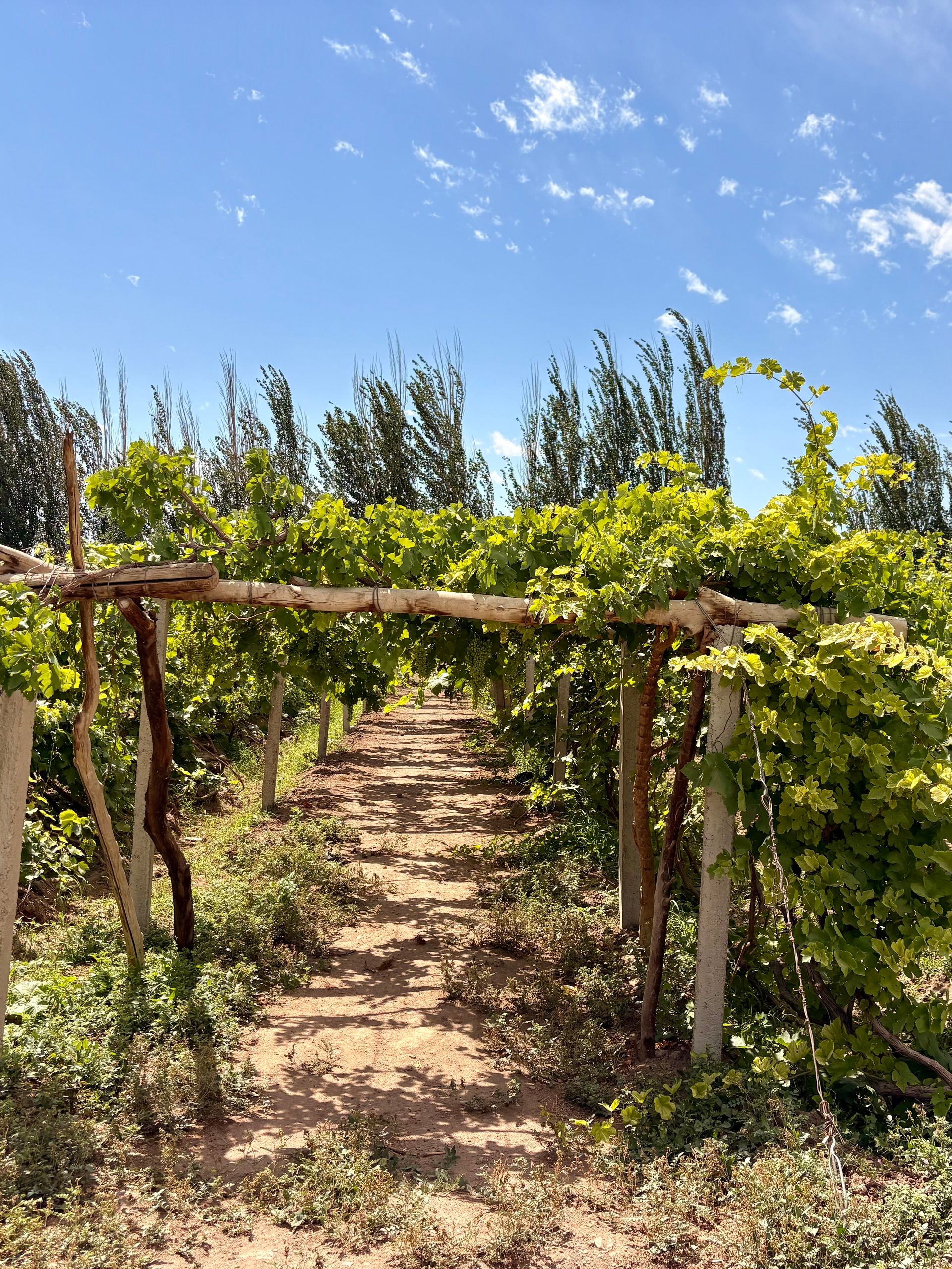
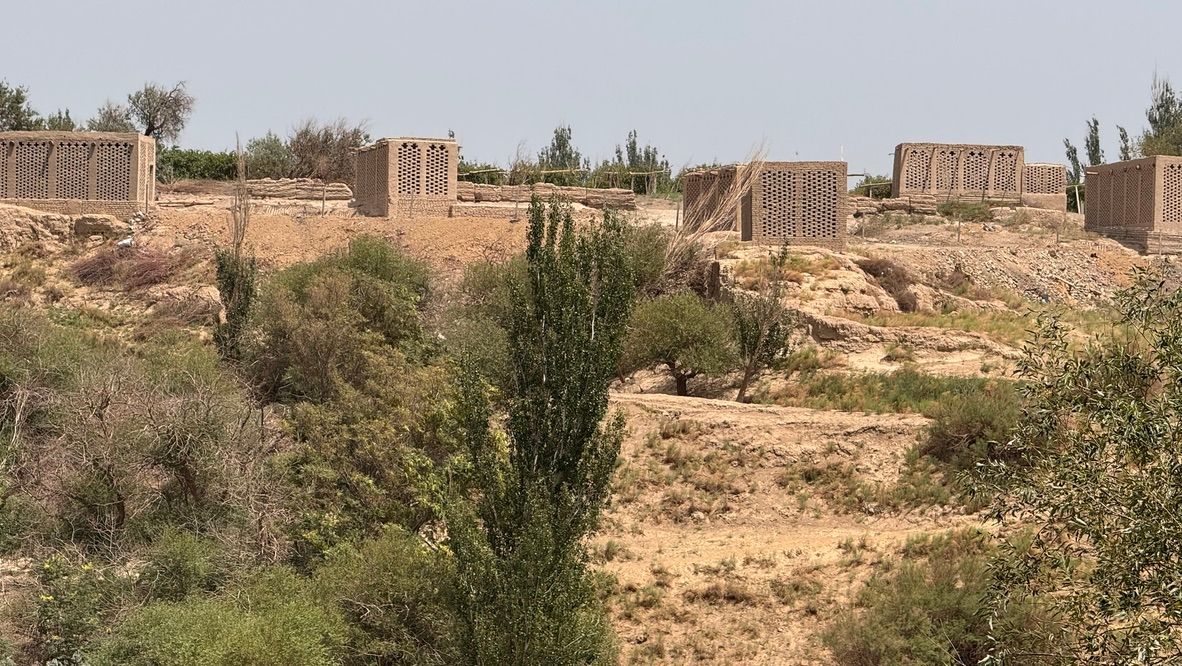
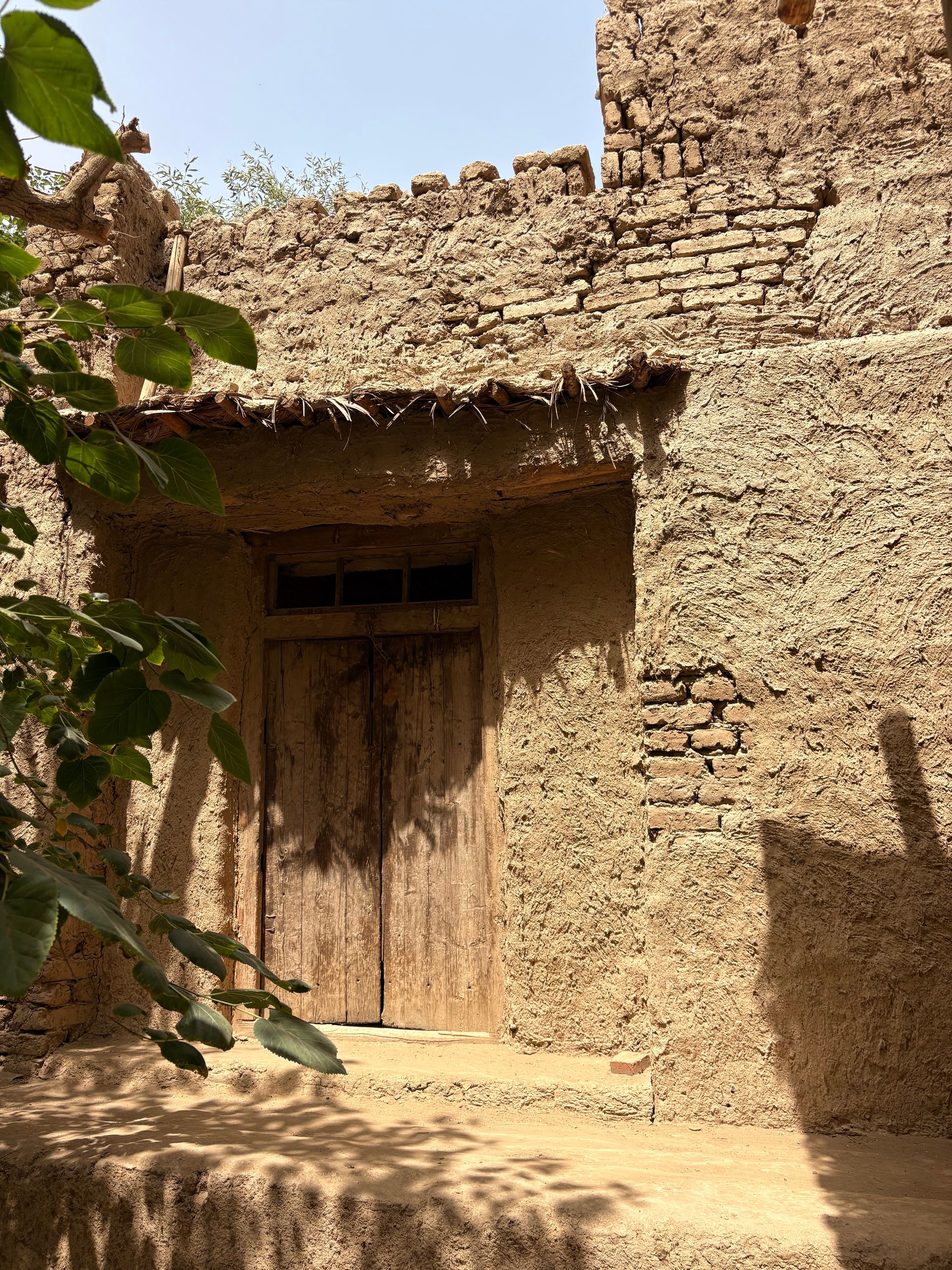
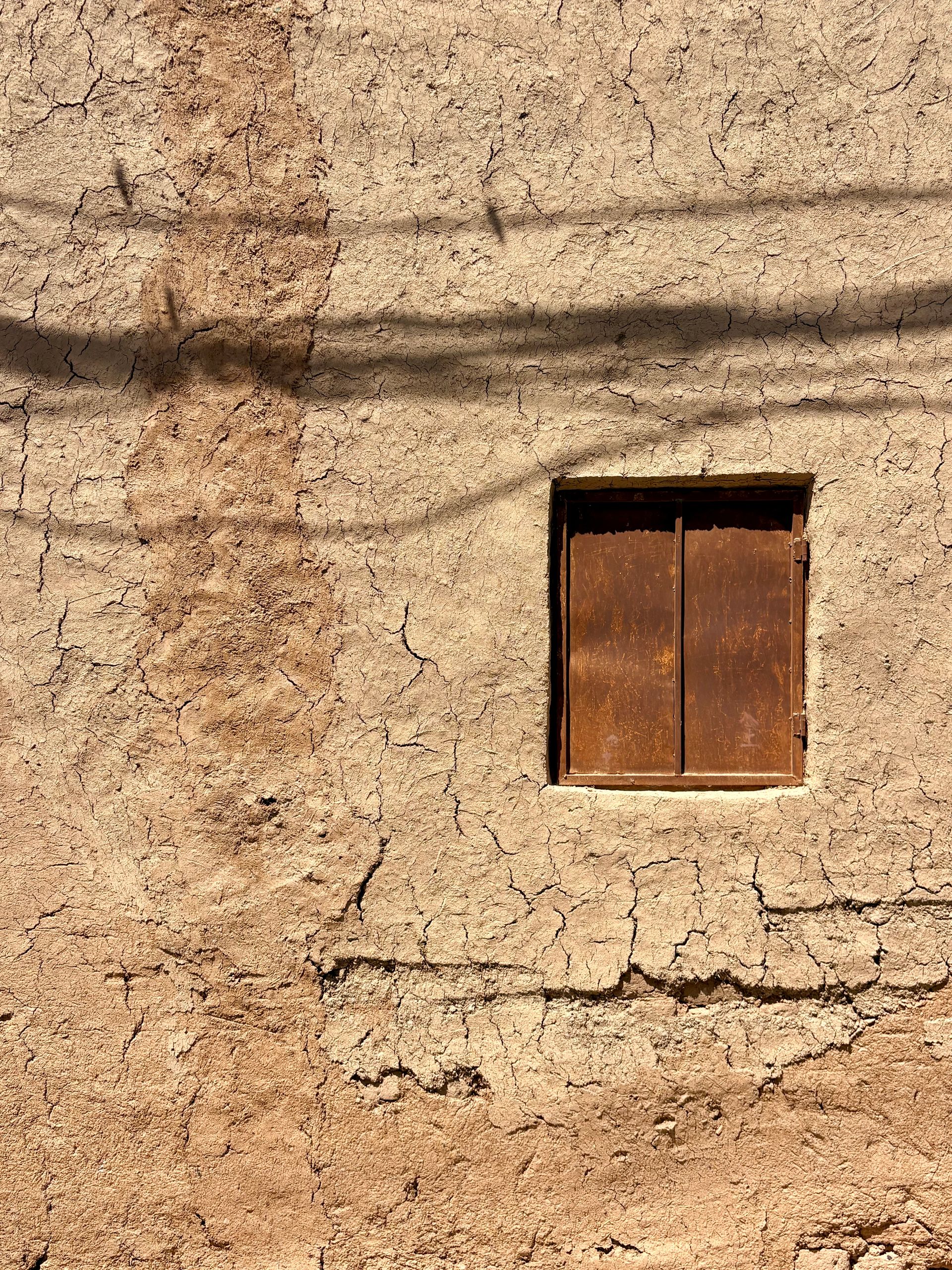
During the day, we strolled through the dry heat of the streets and were amazed at how many old adobe buildings were still standing and inhabited, with not so many typical Chinese high-rise neighborhoods. And at the edge of town, one could directly walk through the vineyards, whose grapes are primarily used for raisin production and dried in open houses (Chunche) in the hot desert wind.
The water for growing grapes and other fruits is channeled into the area through Karez well systems (well explained in a local museum). In the mountains, likely thousands of years ago, slightly sloping underground channels were dug, preventing extreme evaporation in the heat and transporting water to the flatter areas. These channels are regularly equipped with vertical shafts/wells for ventilation and maintenance. There are supposed to be over 5000 km of tunnels in the area, not all of which are still in use.
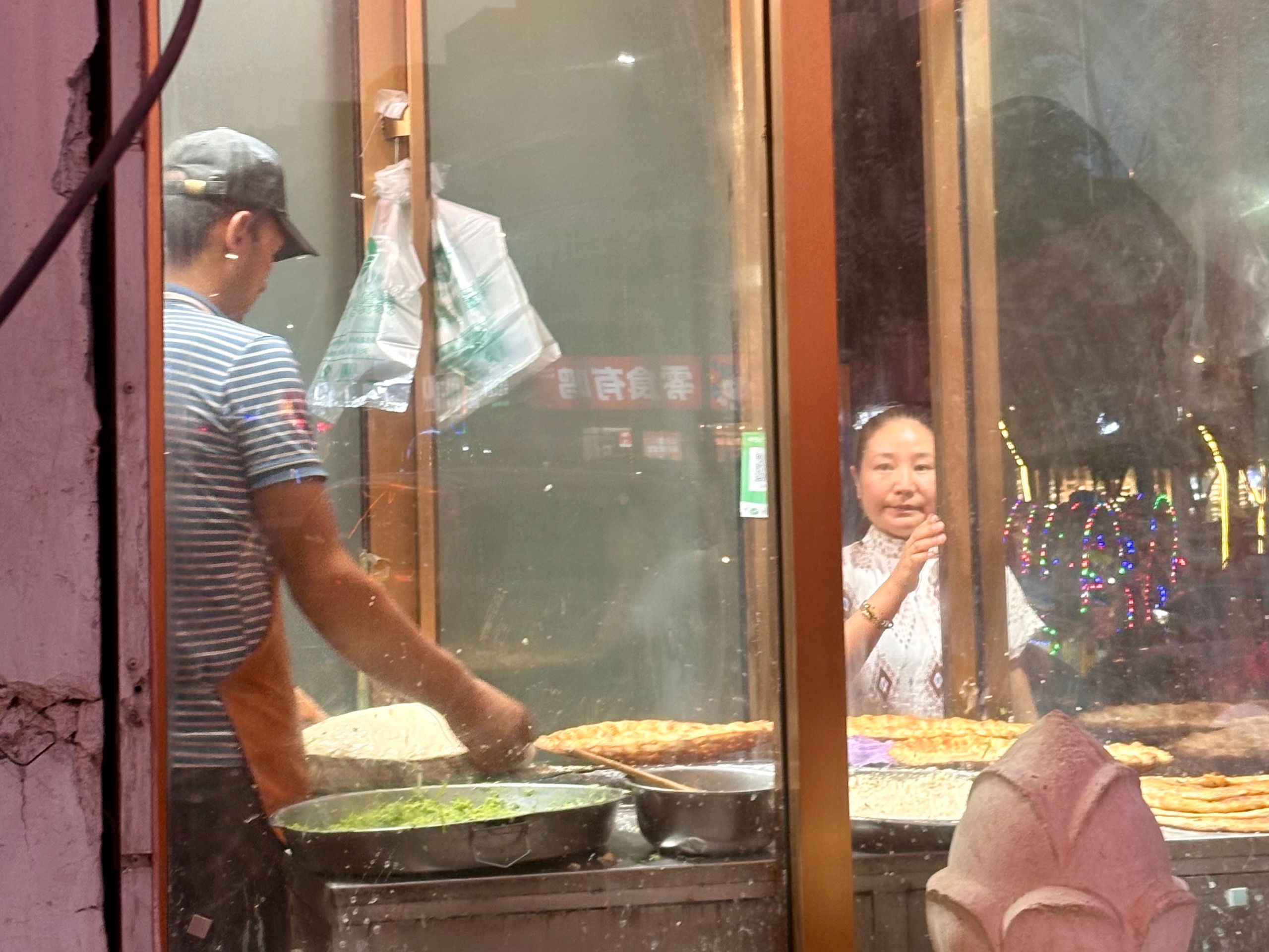
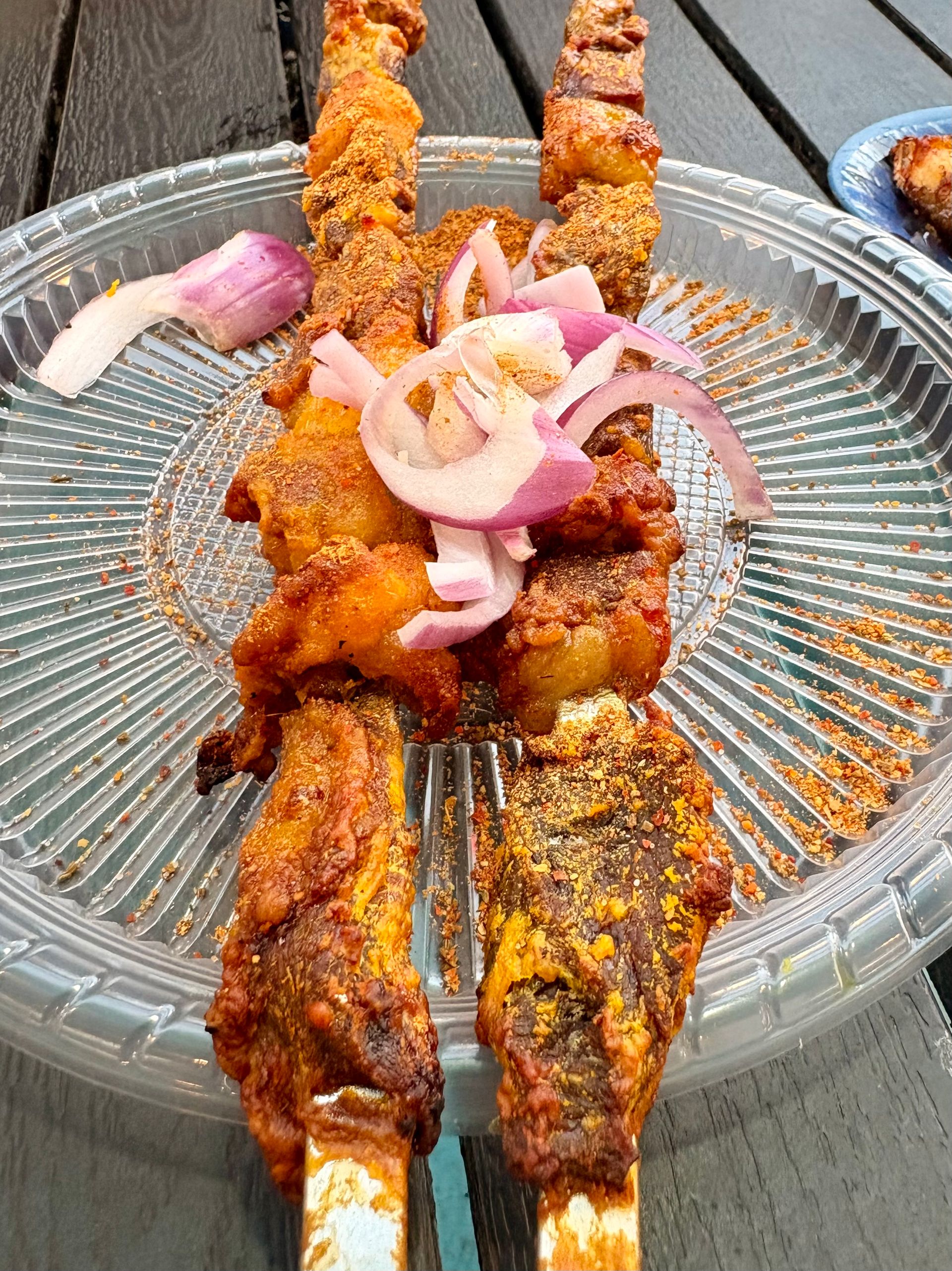
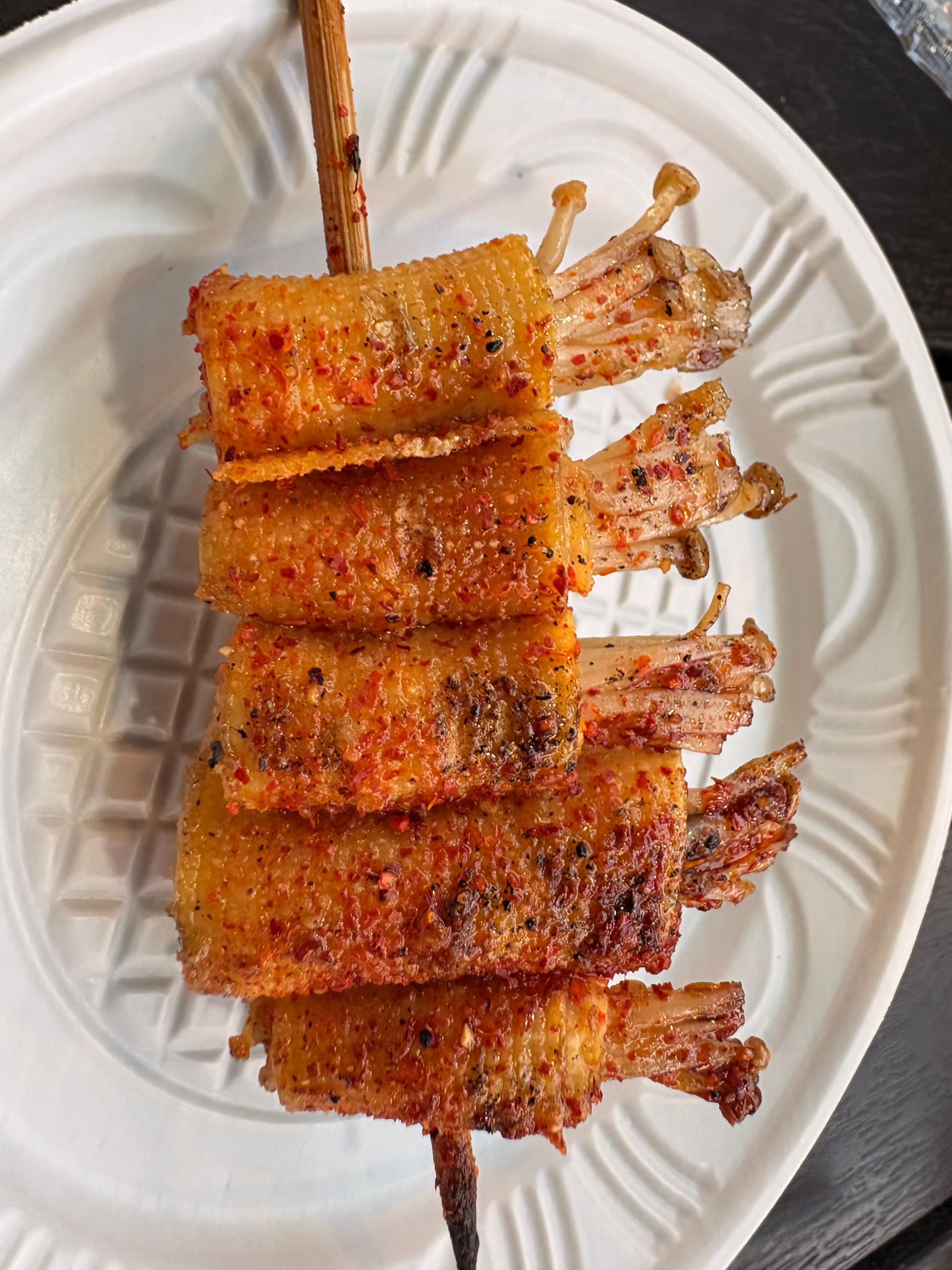
Late in the evening, the city came alive - the temperatures were more bearable, and everywhere kebabs were being grilled, children played, fruit vendors were peddling their goods, it smelled amazing!