Hotan City / Hetian
Initially, we intended to travel across the Taklamakan to Hotan, allegedly there was supposed to be a bus from Kuqa, but according to information at the bus station, such a...

Published: 25.06.2026
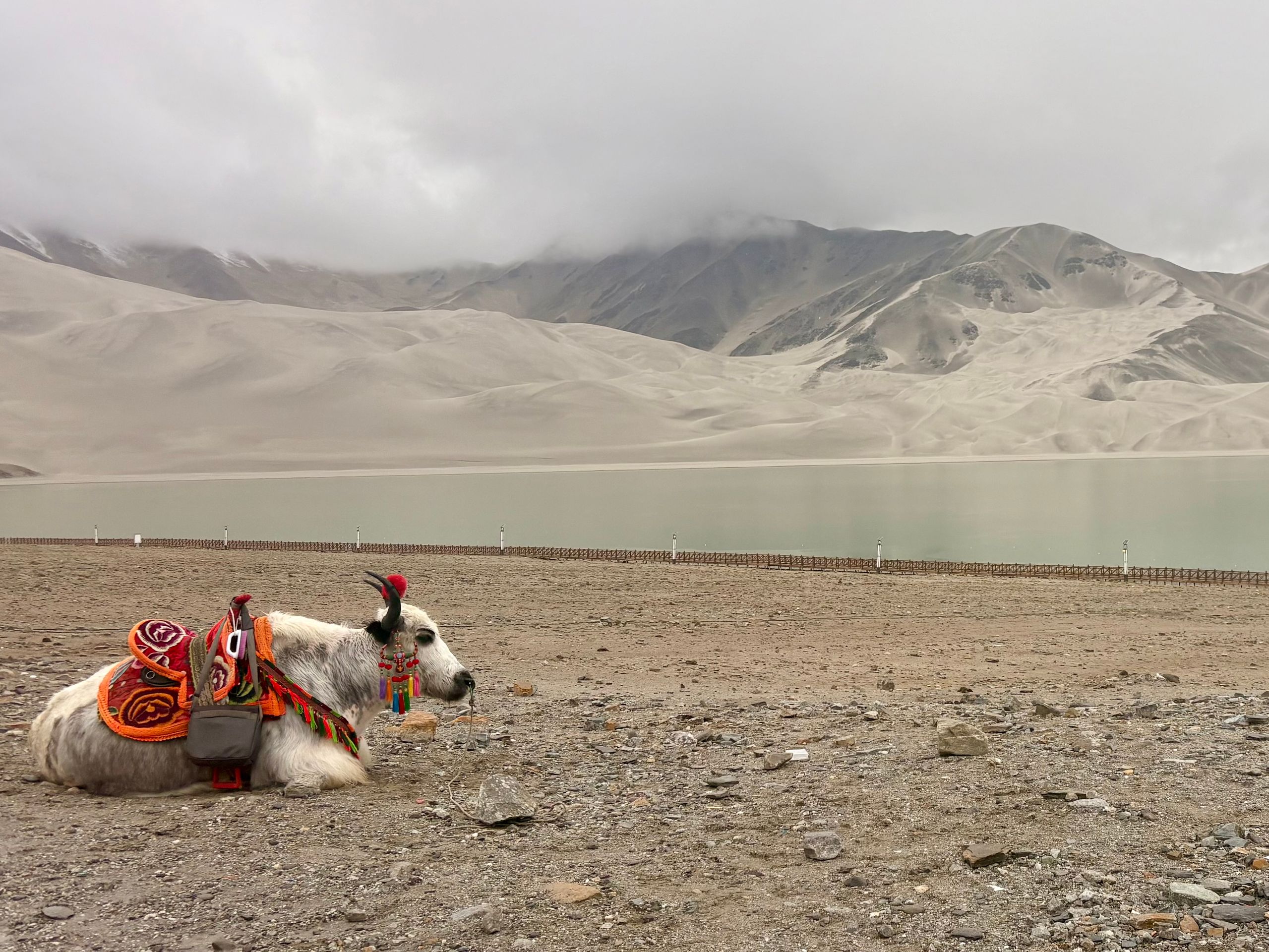
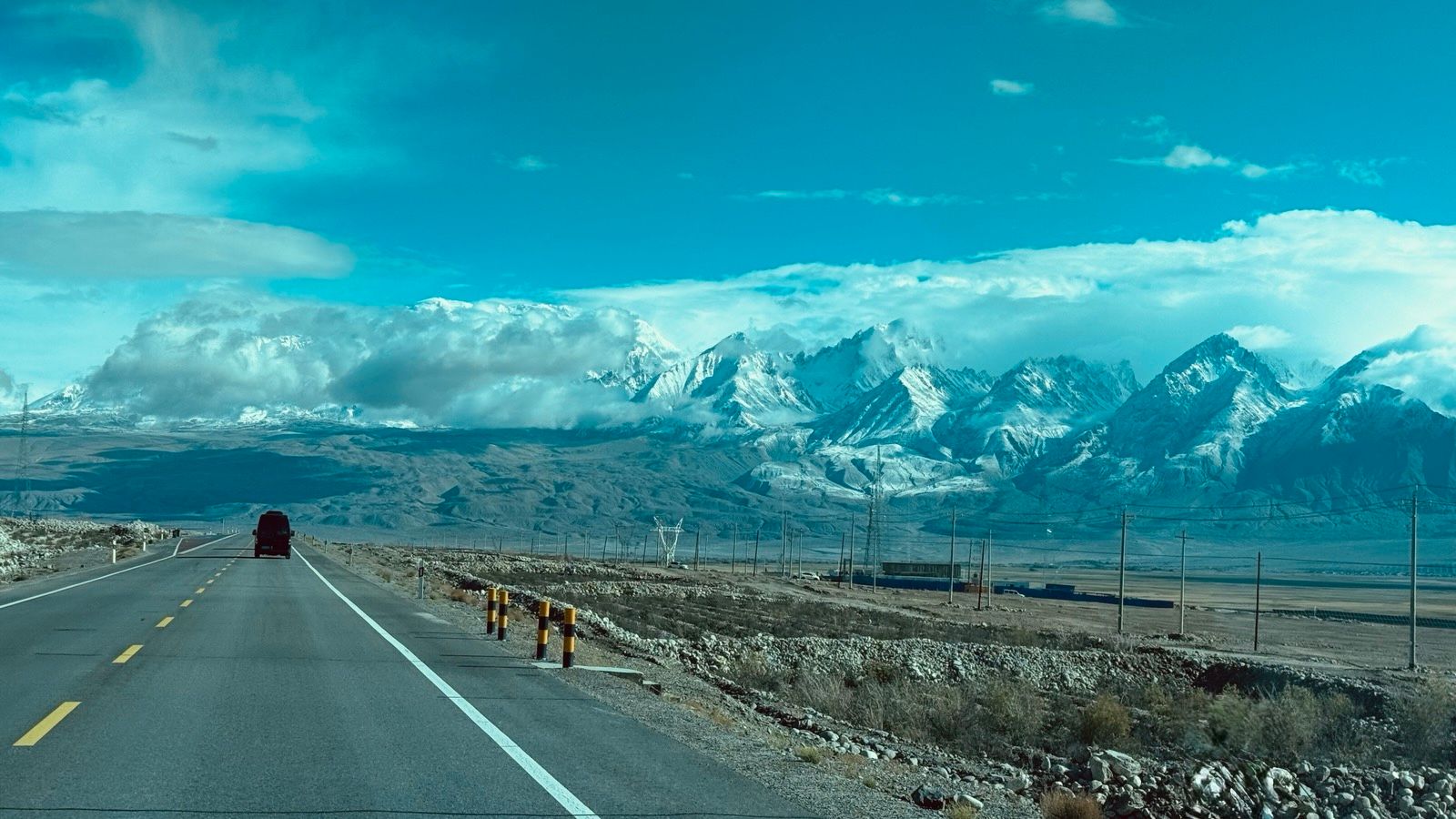
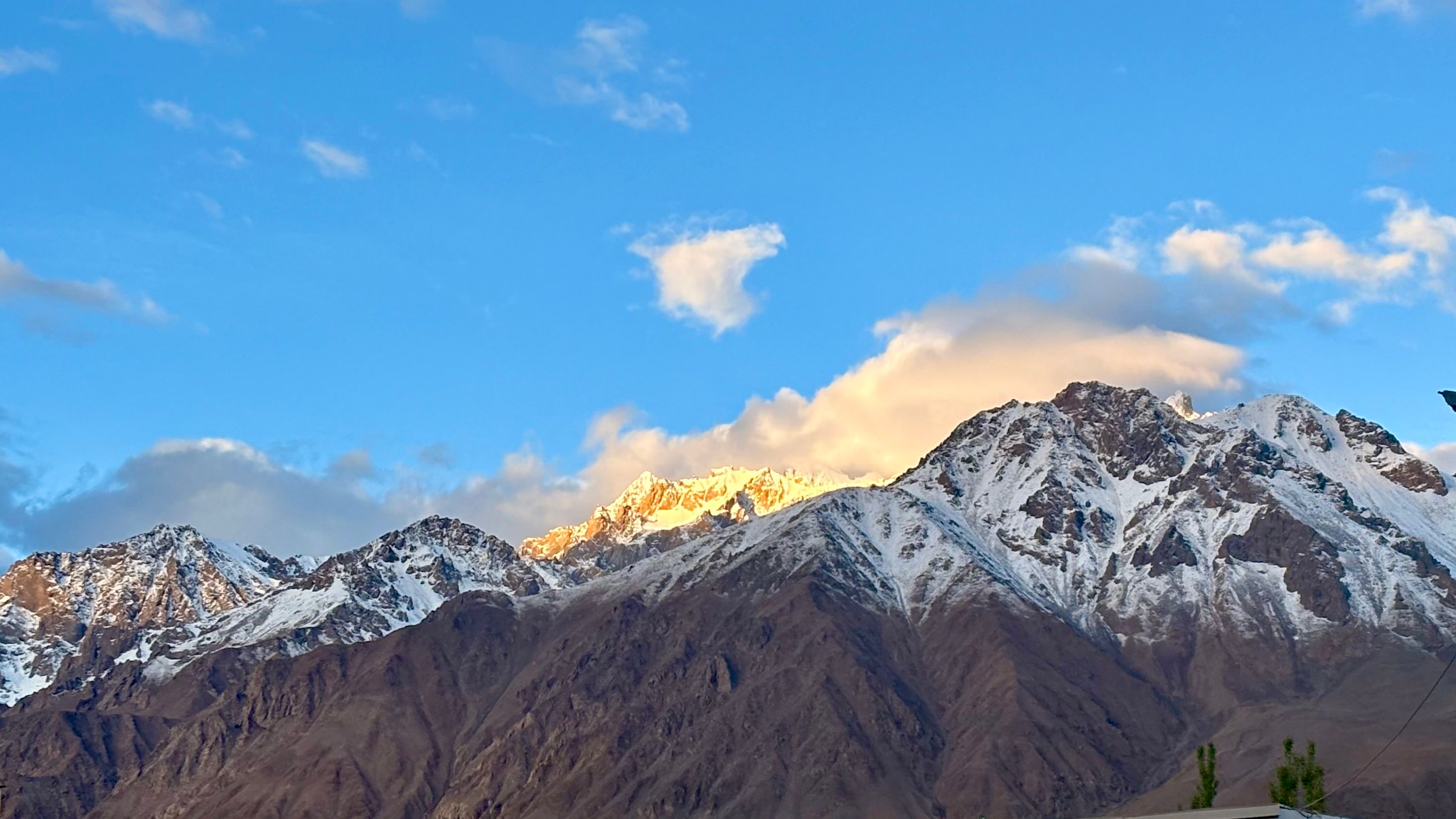
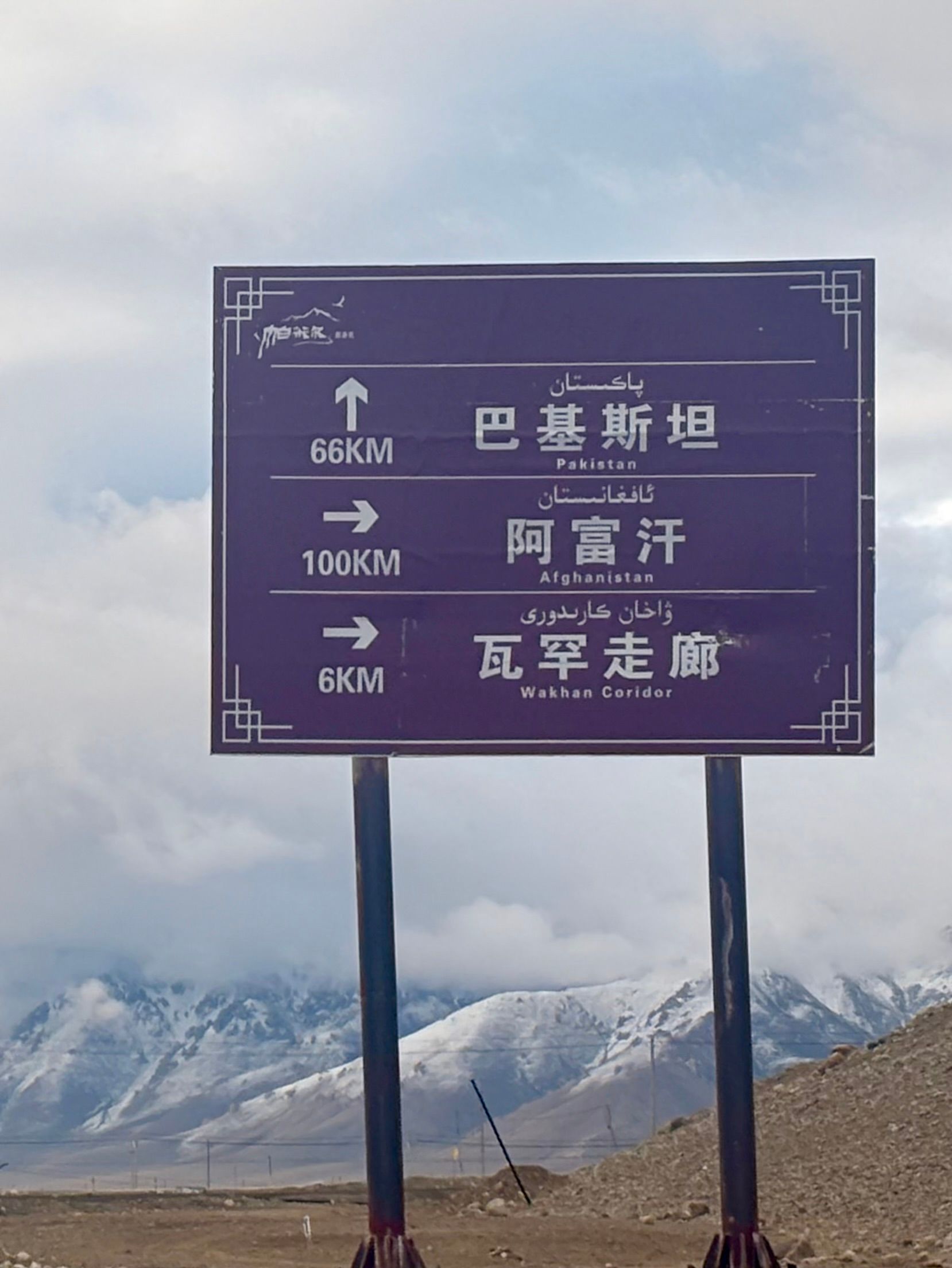
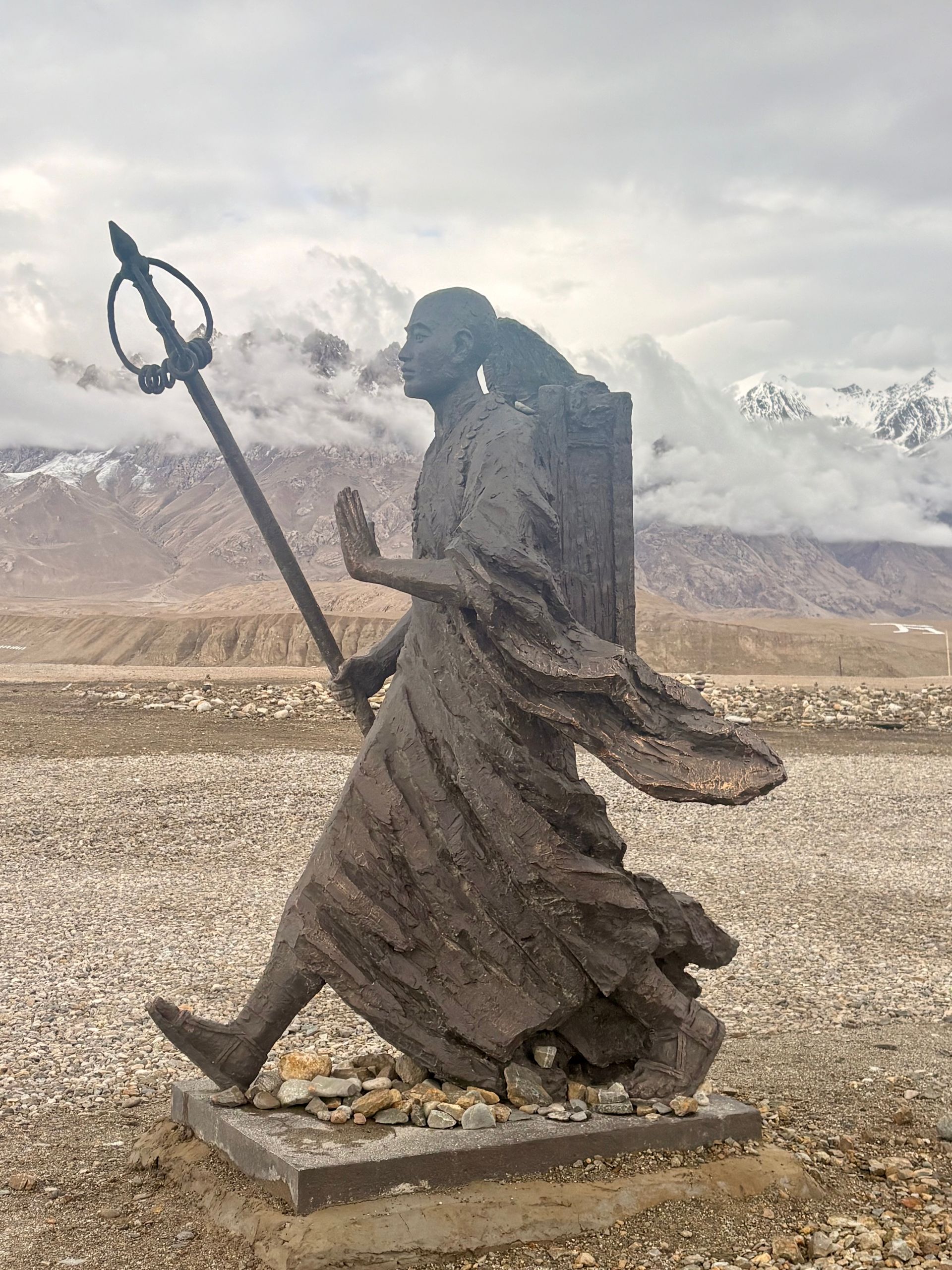
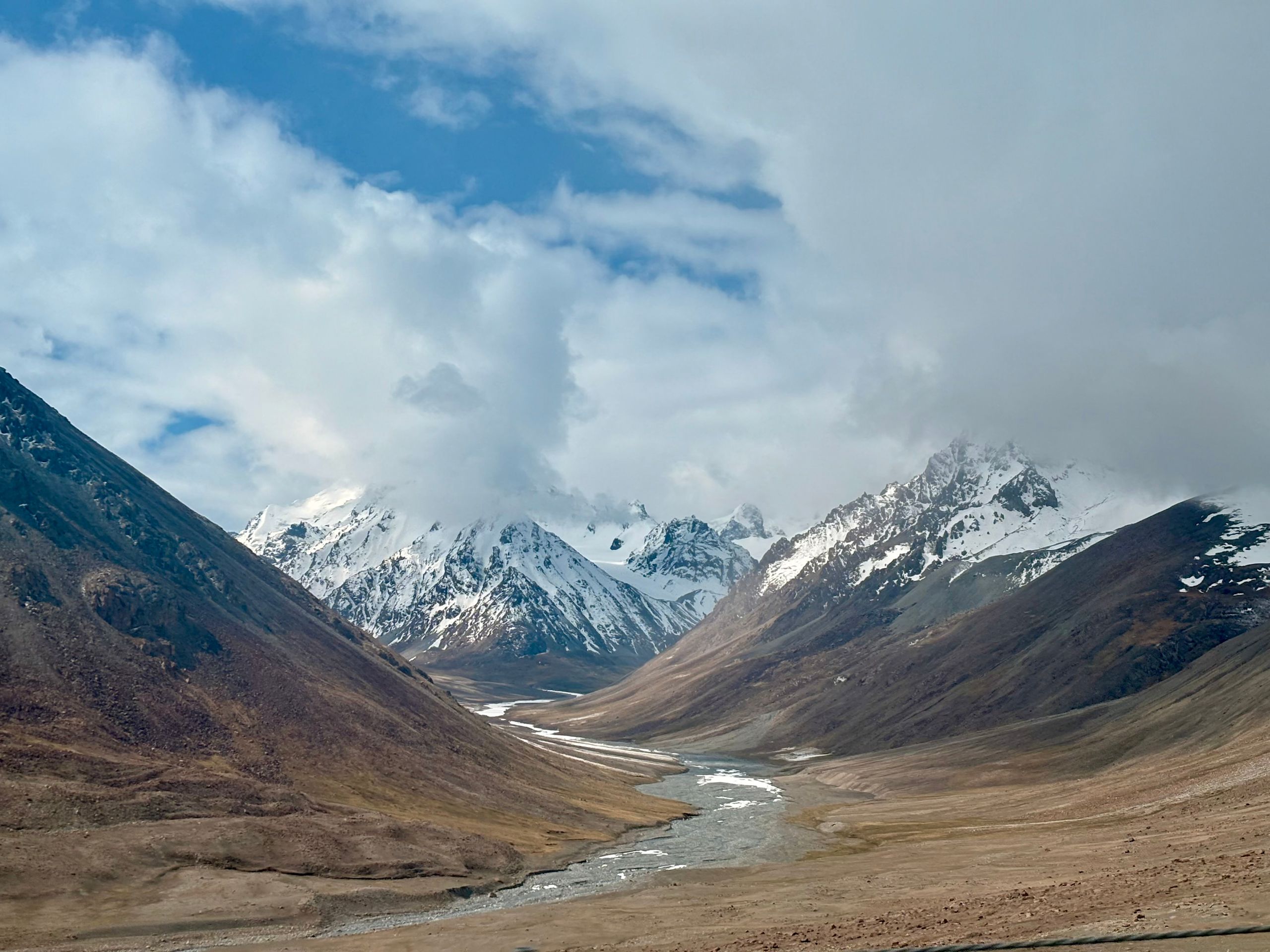
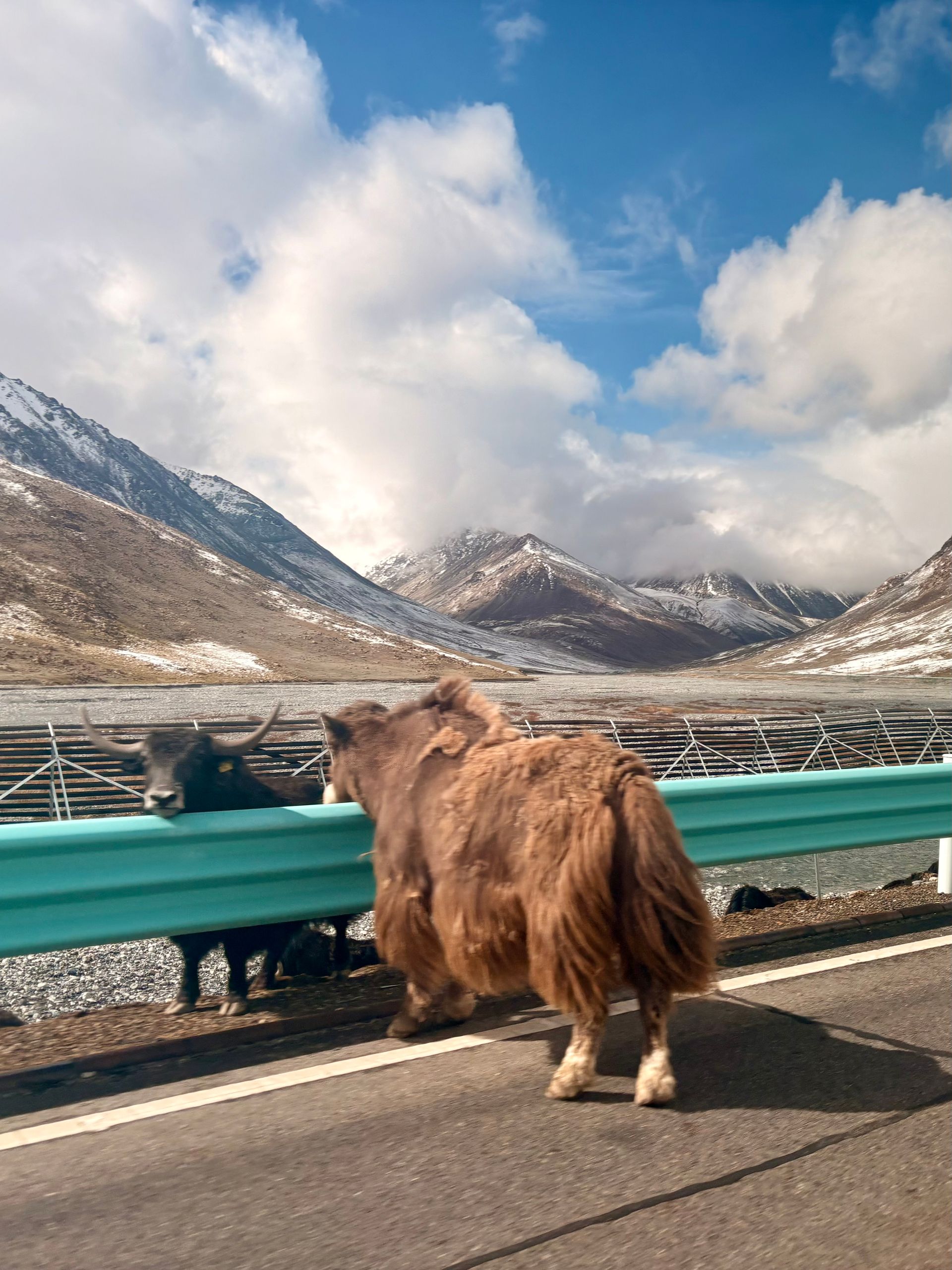
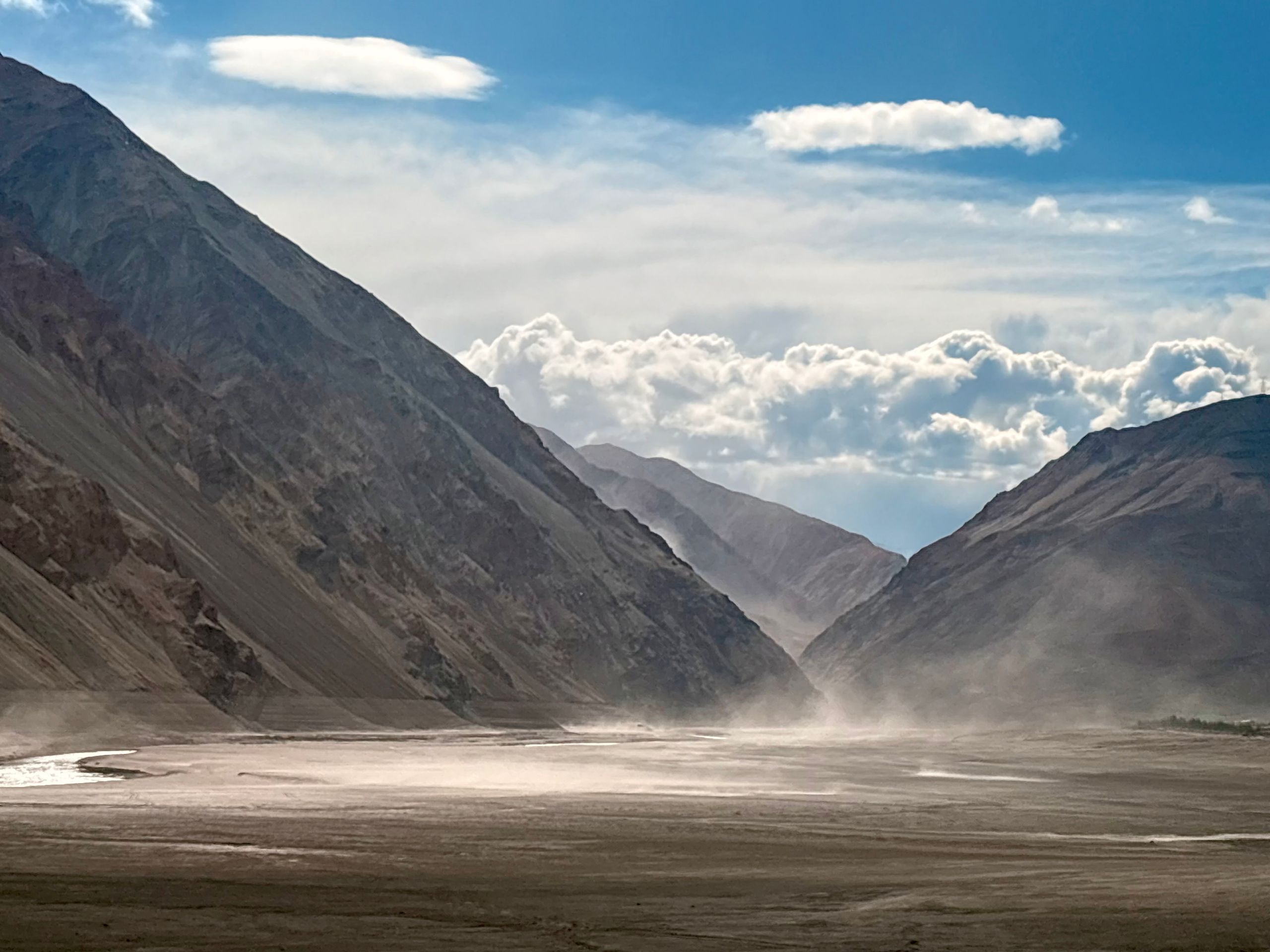
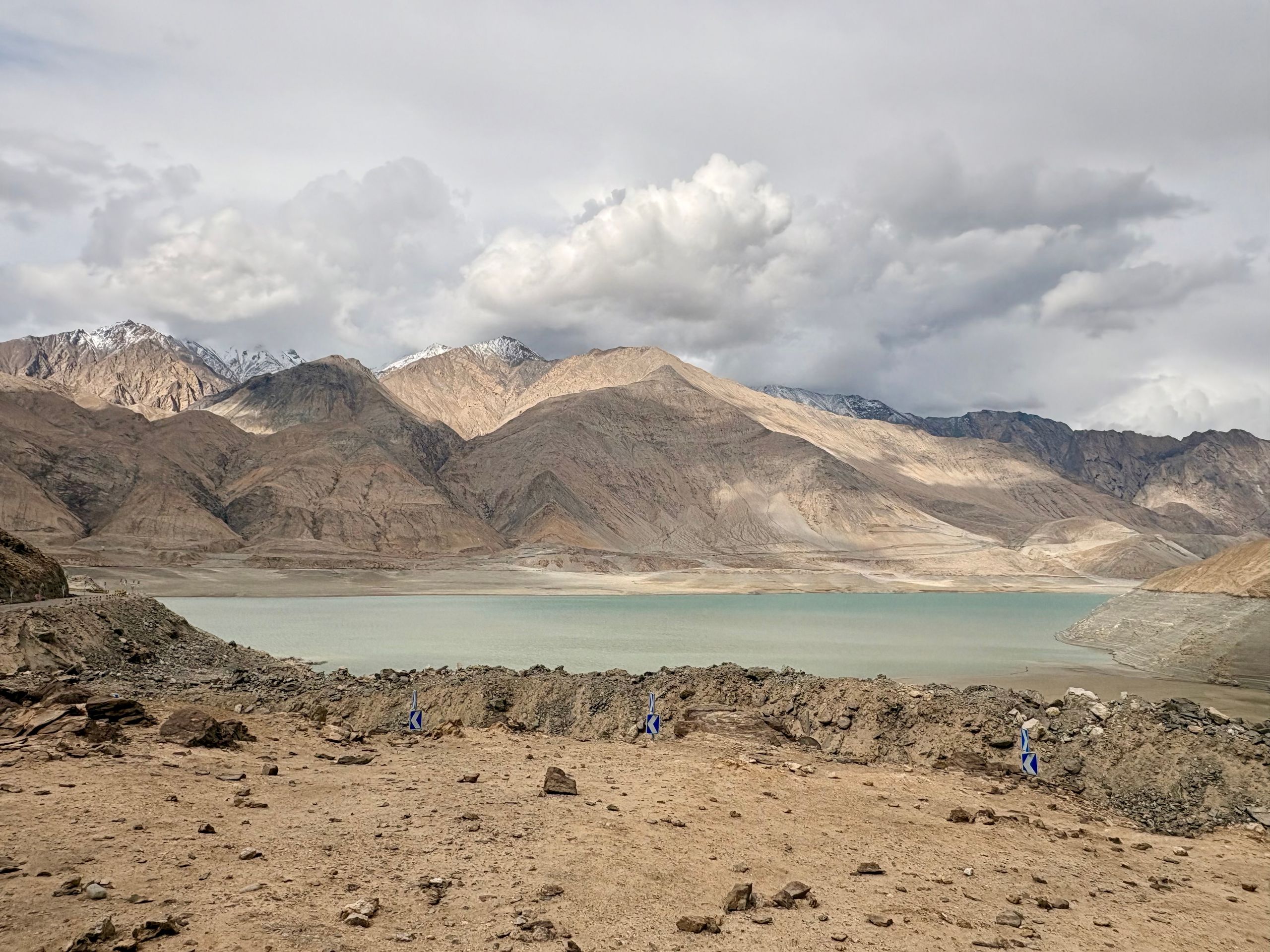
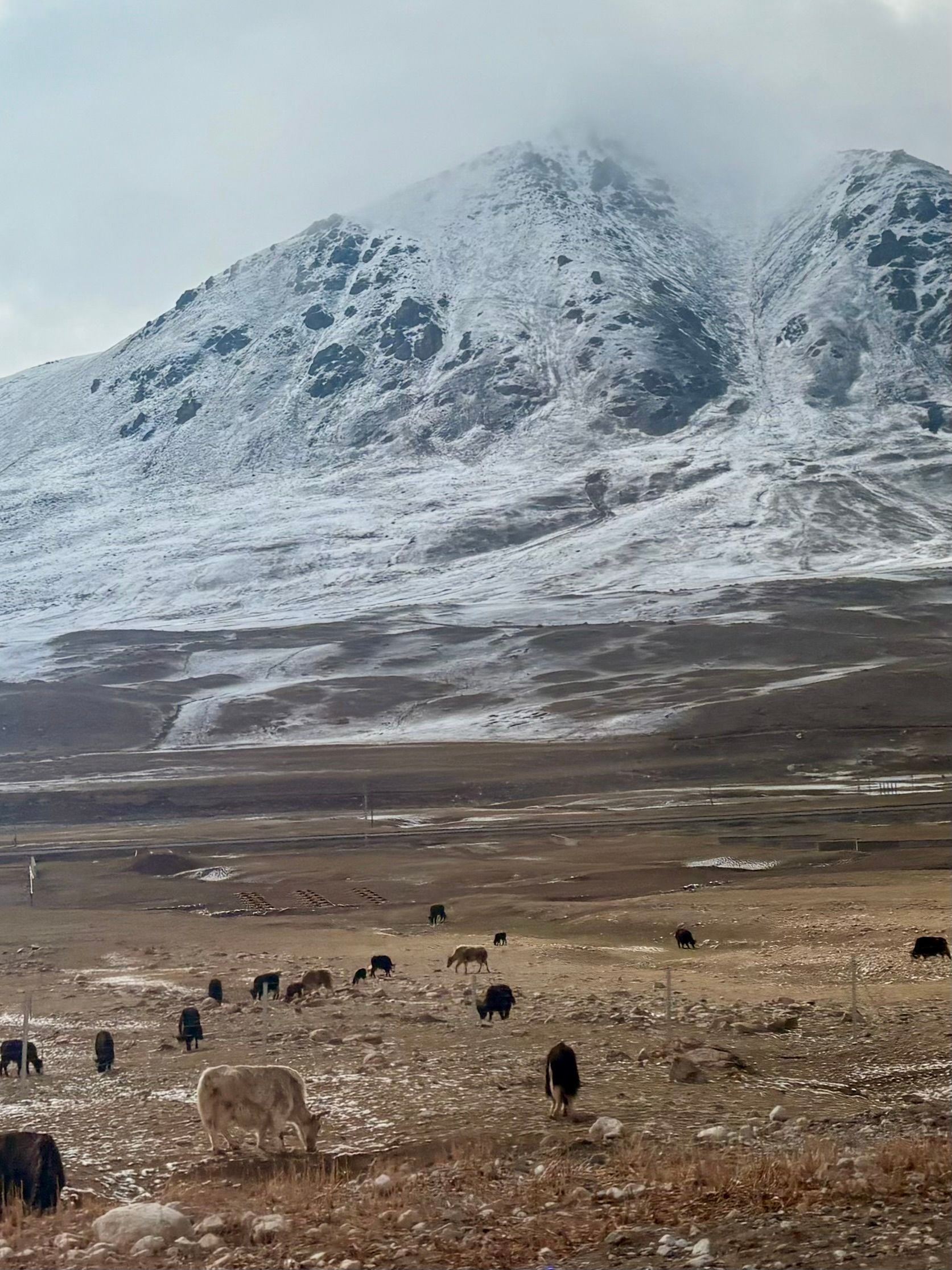
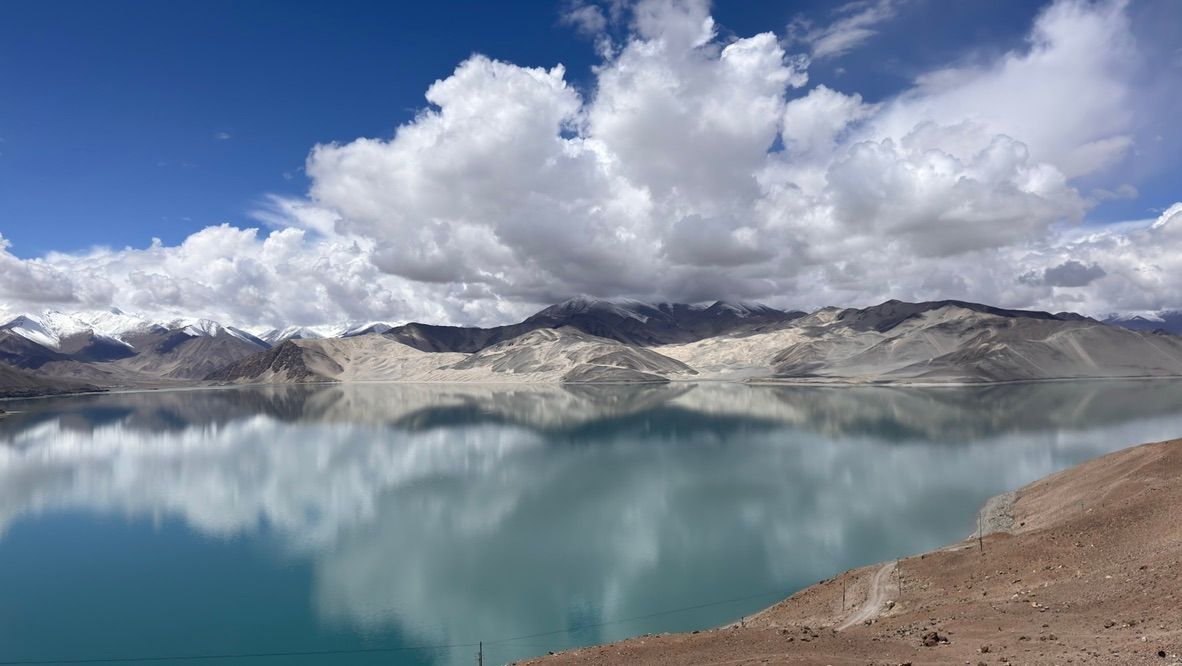
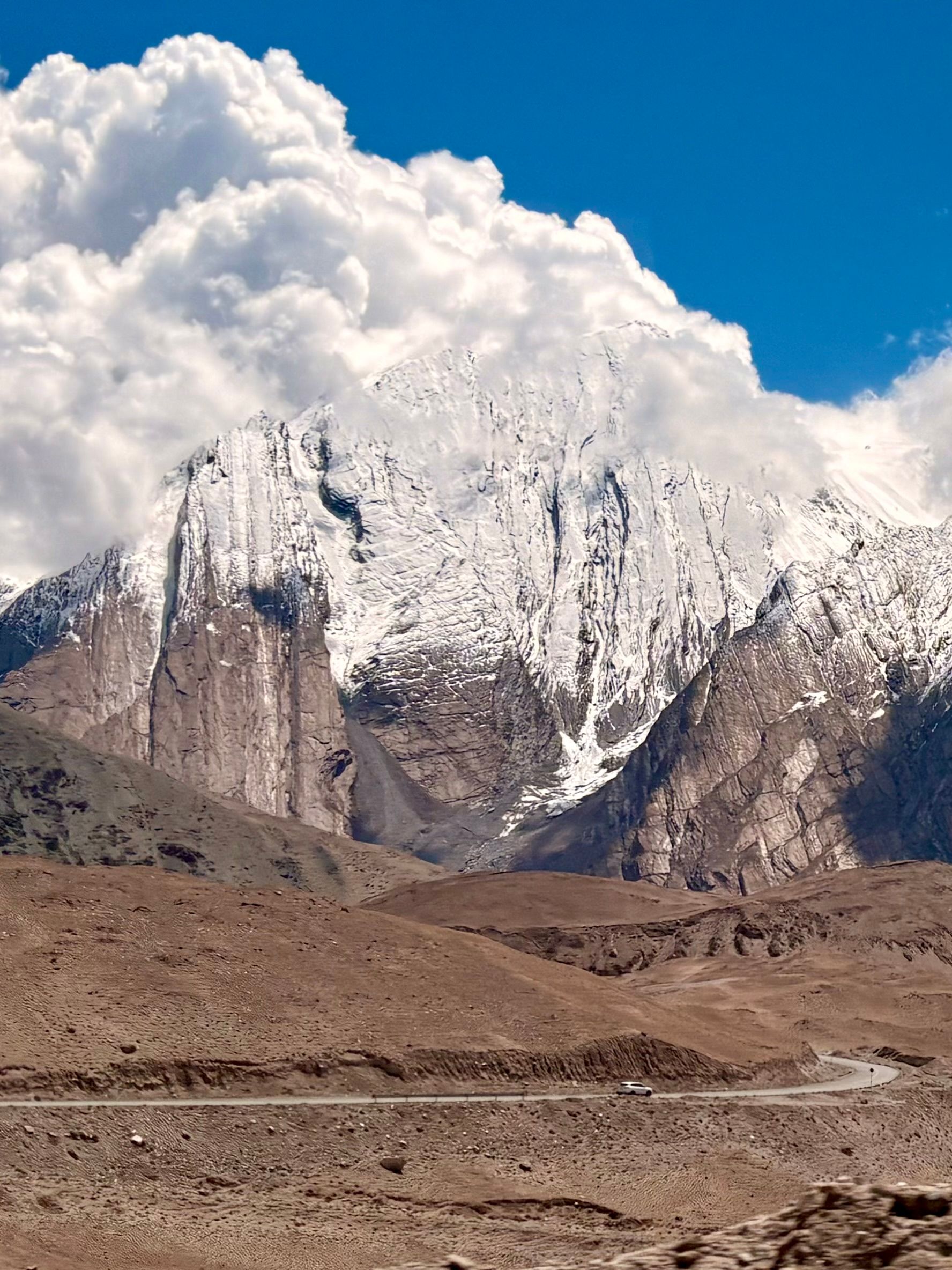
As a conclusion in Xinjiang, we wanted to go to the mountains once more, specifically to the Tashkurgan Tajik Autonomous County on the Pamir Plateau, a remote area near the borders of Tajikistan, Afghanistan, and Pakistan, on the Chinese side of the Karakoram Highway. Here, mainly people recognized by China as an ethnic minority of the Tajiks (Sarikolis and Wakhis) reside. However, they mostly belong to the Pamiris, an ethnic group originating from Eastern Iran.
Initially, we wanted to take a public bus to Tashkurgan, but since we weren’t sure how easy it would be to move around in this heavily supervised region, we booked a 3-day tour with a Chinese provider in Kashgar. Entirely in Chinese, but at a fraction of the cost of English-speaking offers found online. First, we had to go to the Public Security Bureau to get a travel permit. Then we set off with our group; along with our guide, there were also two Chinese couples who seemed a bit special and very demanding from our perspective. We could communicate exclusively in Chinese (and for very specific details via WeChat with a translation function). This worked quite well on the first day, but unfortunately deteriorated over time, likely due to a combination of Marike's brain being tired and our counterparts showing little interest in making an effort to communicate, such as repeating a sentence or expressing something differently. When it became apparent on the last day that our traveling companions actually had some English skills but only revealed them for instructions on taking photos, we had to wonder a bit. It’s a pity, though it was still a very special tour with breathtaking mountain scenery!
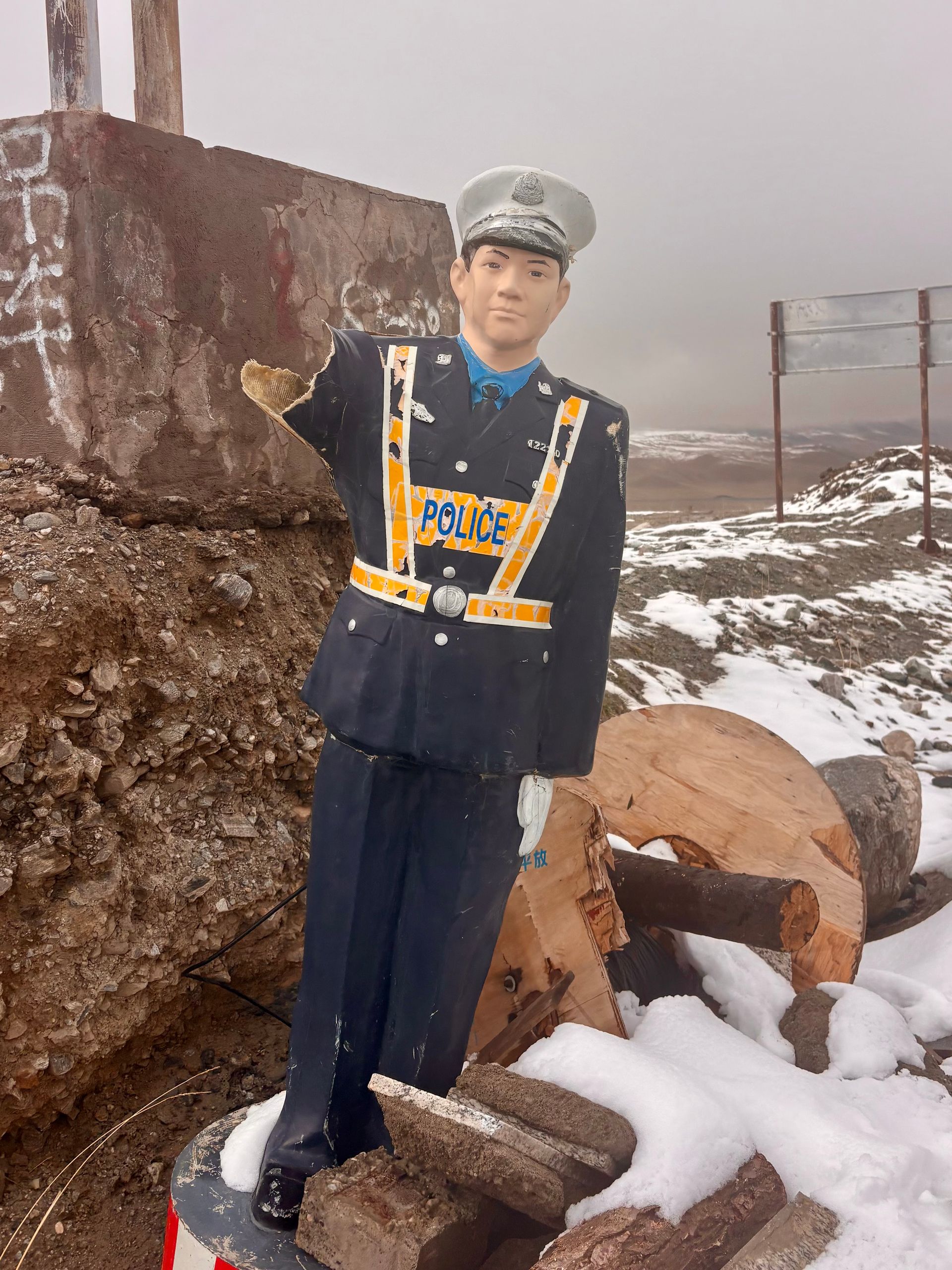
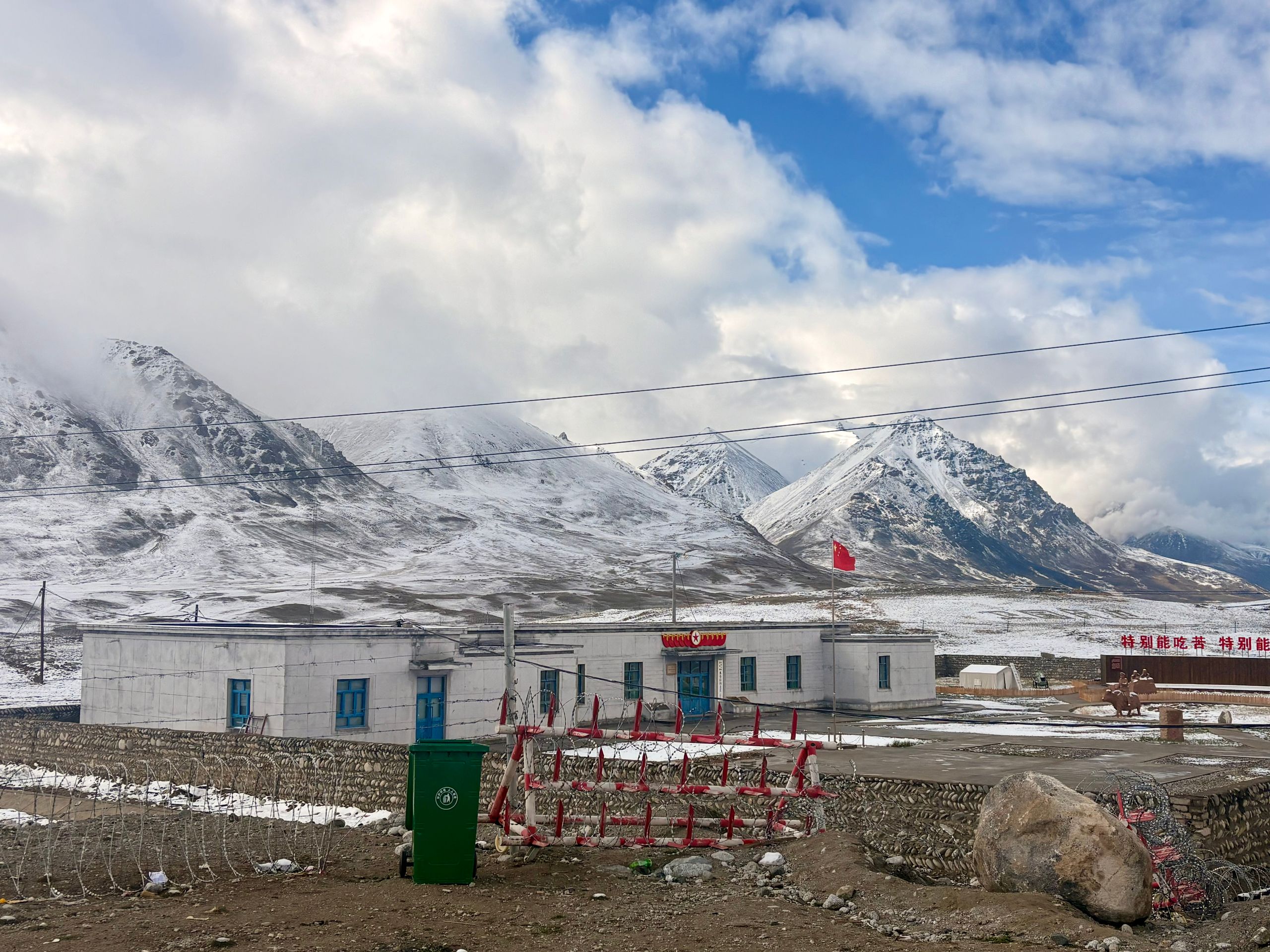
We didn’t get the permit for fun; there were indeed numerous road checks, where we as foreigners were particularly scrutinized. Upon closer inspection, these checks were quite ridiculous. There seemed to be no coordinated process. The inspectors became quite nervous; once a young woman even started to tremble. They took photos of the passports, flipped through them, and tried to identify the travel stamps, even bringing another official with more stripes who repeated this procedure. Several times, they couldn’t recognize which country we came from or where the passport number was. Who knows how many people will be busy in the coming months analyzing our movement profile in Xinjiang and compiling the countless photos of our passports, our train tickets, and our hotel bookings. Ultimately, we could always pass. Reasons for the strict surveillance could include smoldering border conflicts; we aren’t sure how well and amicably the border demarcation is clarified. India is definitely not in agreement with the border to Pakistan.
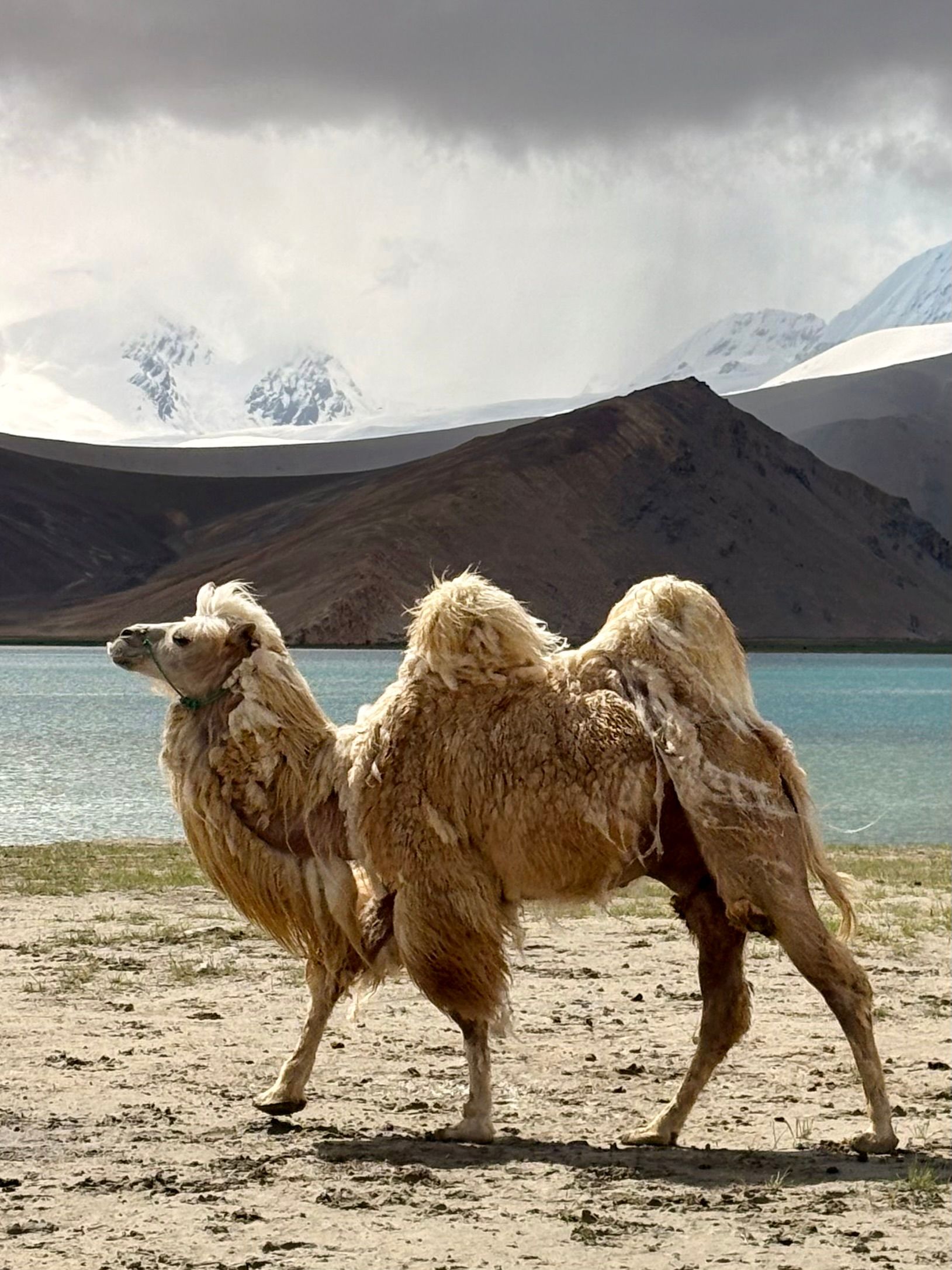
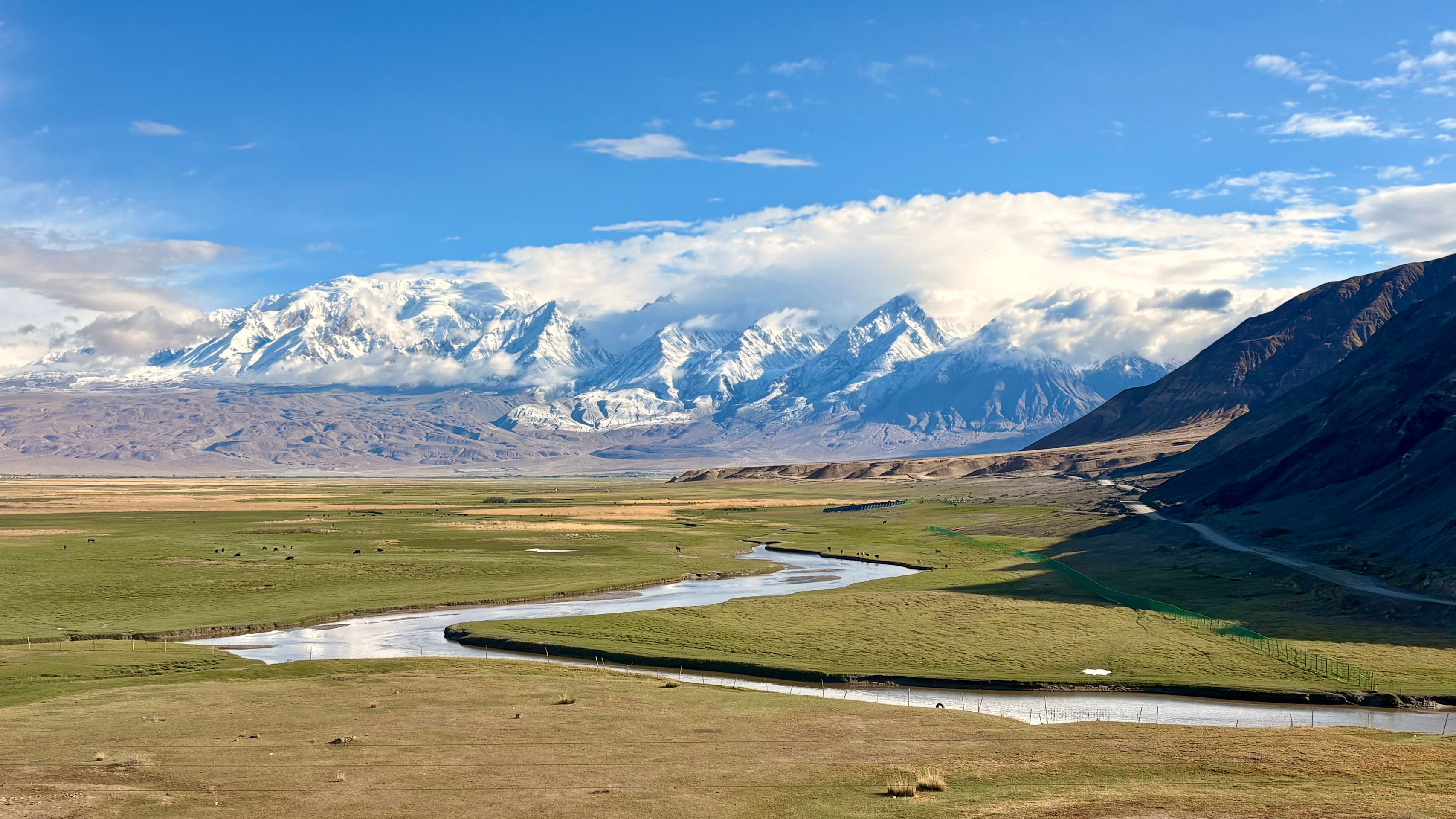
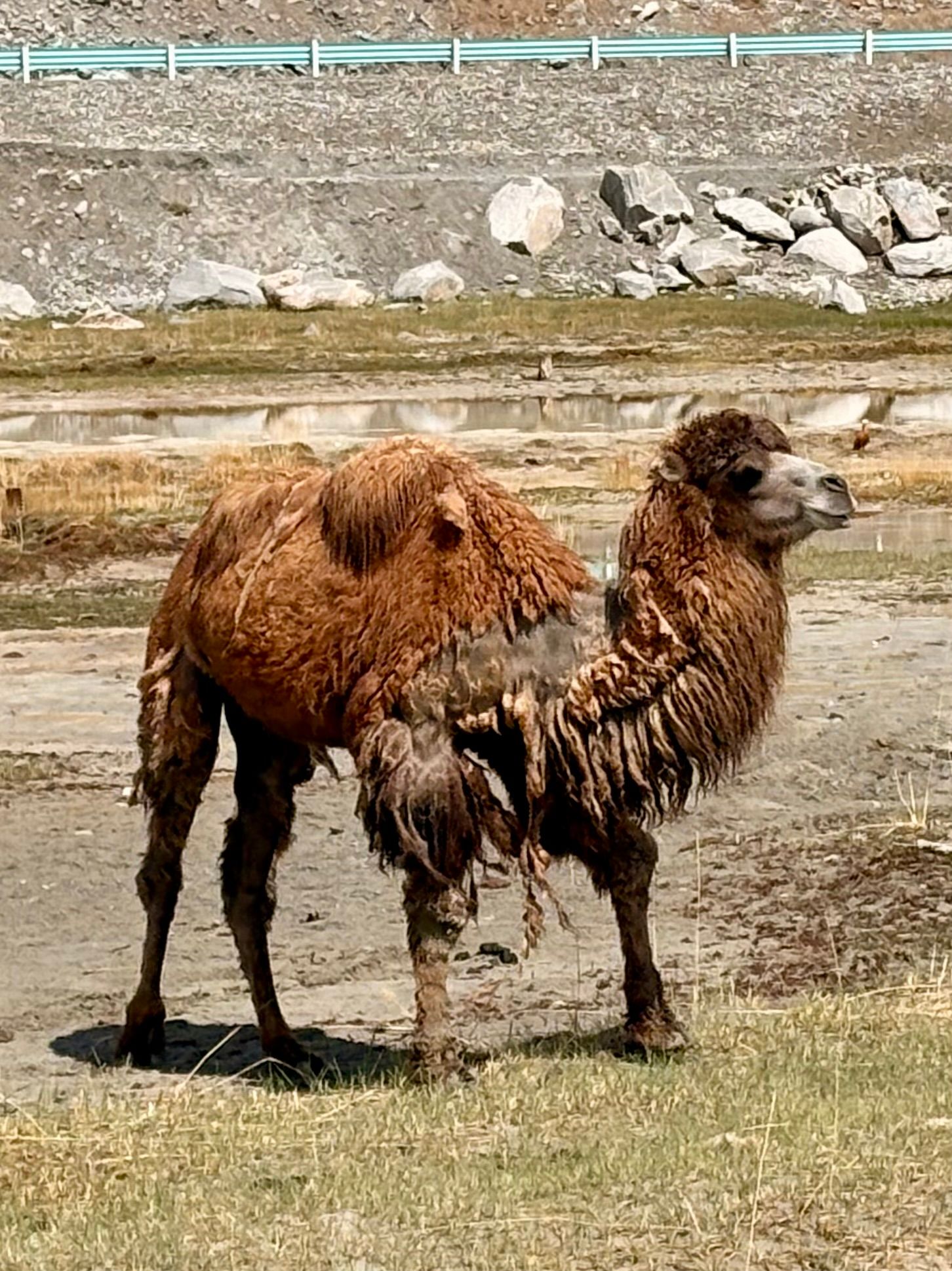
We continued steadily into the mountains, past Baisha Lake, Muji Crater, and herds of animals (goats, donkeys, camels, yaks, cows) grazing on the lush green wet meadows. Eventually, we reached heights where there was also snow, what a contrast to the desert weather in Kashgar! In the evening, we reached our accommodation in Tashkurgan at about 3100 m, surrounded by a beautiful mountain backdrop.
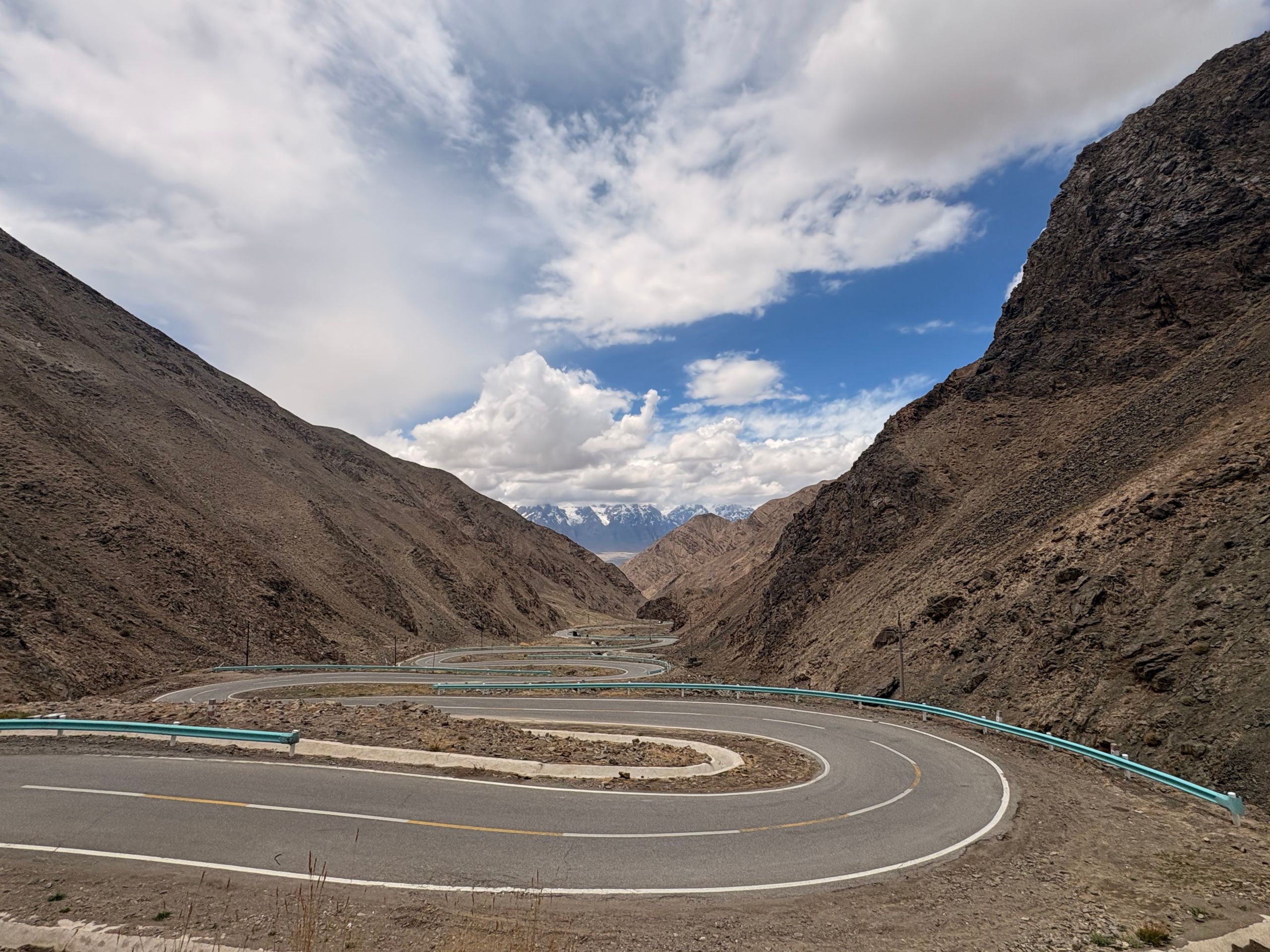
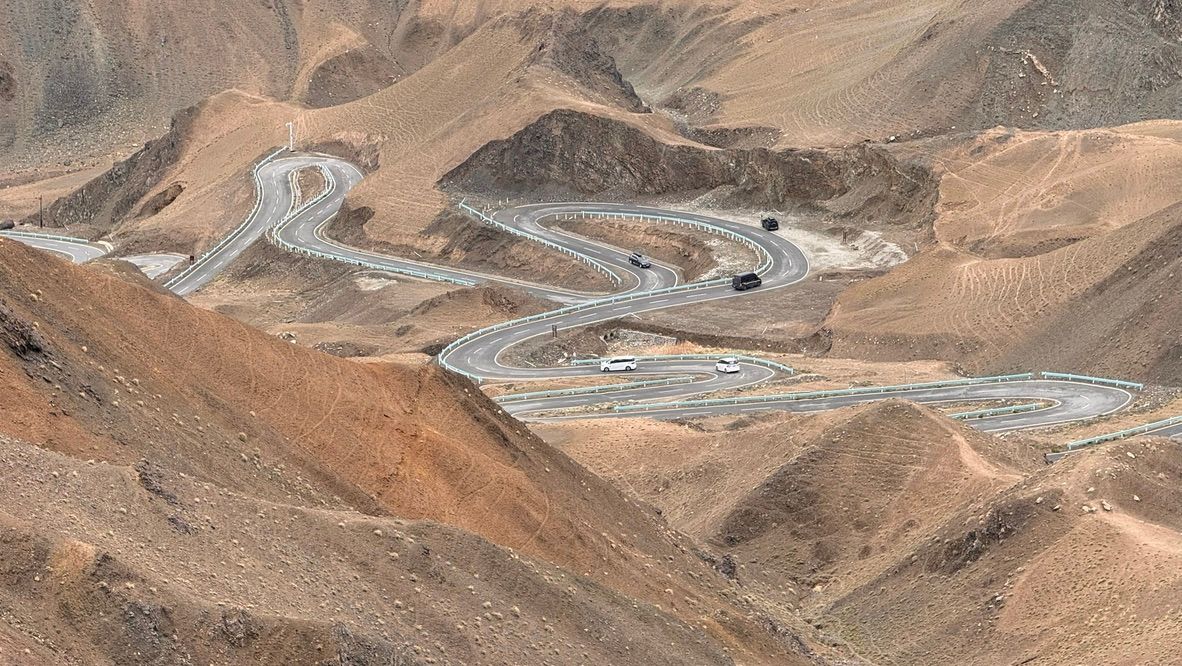
The next day, we ventured deeper into the mountains. We were able to peek into the Wakhan Corridor, very close to Afghanistan. When we reached the Khunjerab Pass at about 4500 m near the border with Pakistan, we learned that as non-Chinese, we were not allowed to proceed further on foot but had to wait by the car for our traveling companions. For whatever reason. At first, we were quite annoyed, as the scenery was truly spectacular, but there was nothing we could do. The atmosphere up there was strangely peculiar, though. Everything was filled with shops displaying Chinese flags that were doing brisk business. Chinese people proudly posing with their flags on Chinese territory, as if to make clear to the neighboring countries who the boss is. Well, we Germans don’t really have much of a thing with flags for various reasons. We were just happy about where we were, and we observed the whistling marmots while shivering. We then continued to the ancient Palong Pass, once an important pass road in the area, winding impressively with countless hairpin turns up and down the mountain for kilometers. The road is in super good condition but is likely used only for tourism, and accordingly, there were some corners where one could be filmed by drones. Many beautiful, sometimes very lonely areas with grazing land or mineral-rich mountain lakes (even though tourism is blooming here and you certainly won't be alone at the highlights). After a long day, we headed back to Tashkurgan in the evening.
On the last day, we set out on our return journey to Kashgar, this time with much more sunshine than on the way there. Another stop at the opposite shore of Baisha Lake and at the beautiful Karakol Lake, where the mountain backdrop was reflected. We were actually supposed to admire the glacier of the 7500 m high Muztaga at one stop, but one must acquire a ticket for the viewing platform. This wasn’t possible due to a power failure, what a chaos, but also funny!
It was indeed good for us that this trip came to an end. As breathtaking as the landscapes were, it was also exhausting in the long run with our China group. Of course, photographing is important to us, and we do it all the time, but this constant self-presentation in front of the camera seems to be the main purpose of traveling. Here it seems everyone of all ages wants to be or already is an influencer, which is annoying! But yes, we also felt compelled to suddenly jump into the picture with a meat skewer and do some silly poses, who knows where this video is circulating. Instead of enjoying the beauty and tranquility of nature, there were monotonous advertisements for coffee or noodle soup blaring through loudspeakers, even in the most remote corners. It wasn’t always easy to sufficiently retreat or ignore the commotion here.
A truly impressive area, as it is throughout Xinjiang, where a tremendous amount is underway, roads are being built, and other (tourism) infrastructure is being developed. It remains exciting to see how this develops!