Turpan/Turfan تۇرپان شەھىرى/ Tulufan 吐鲁番
We have finally made it to Xinjiang! A region that has primarily been in the headlines due to conflicts between the Chinese government and the Muslim Uyghur minority. To summarize...

Published: 22.06.2026
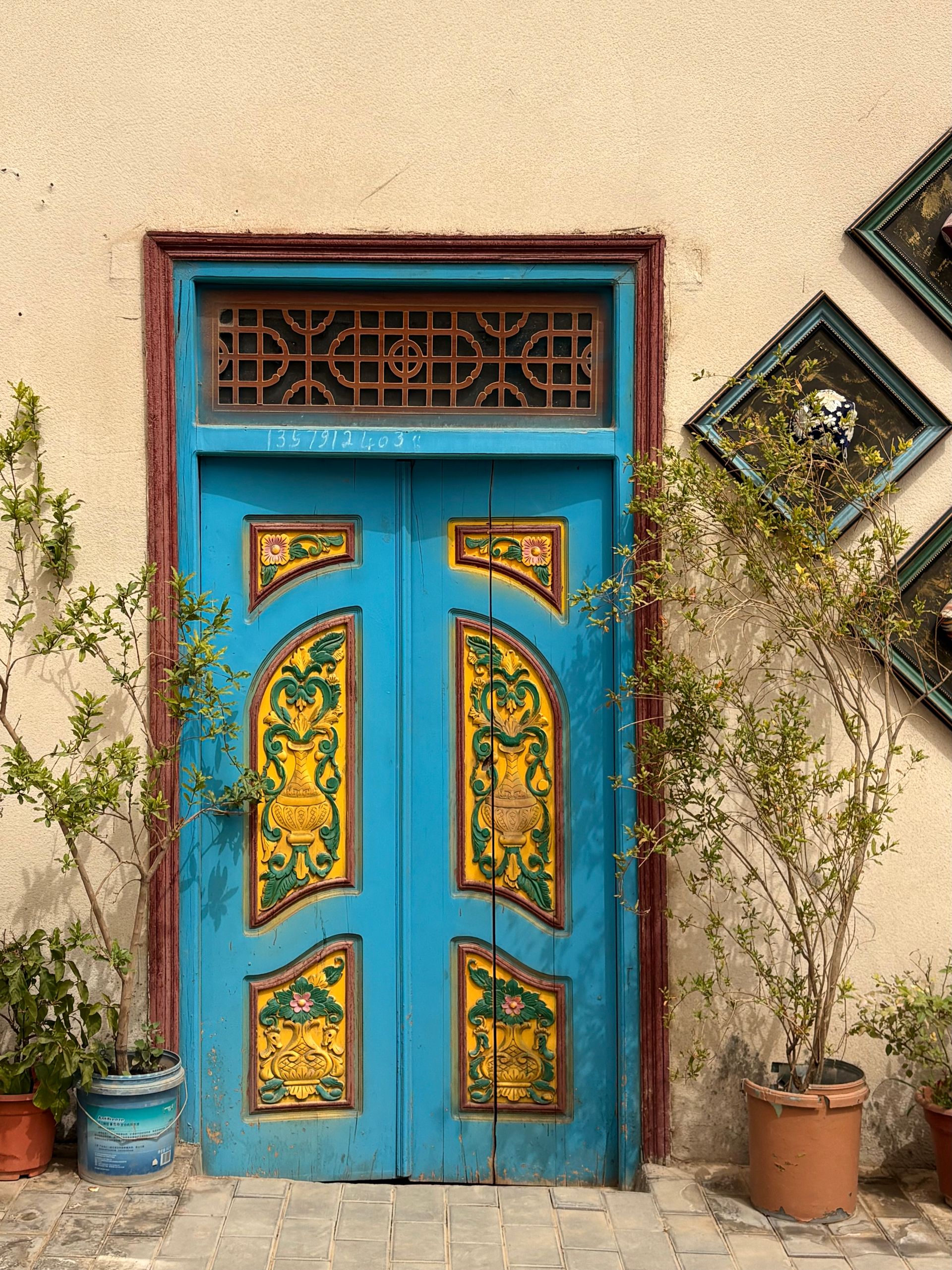
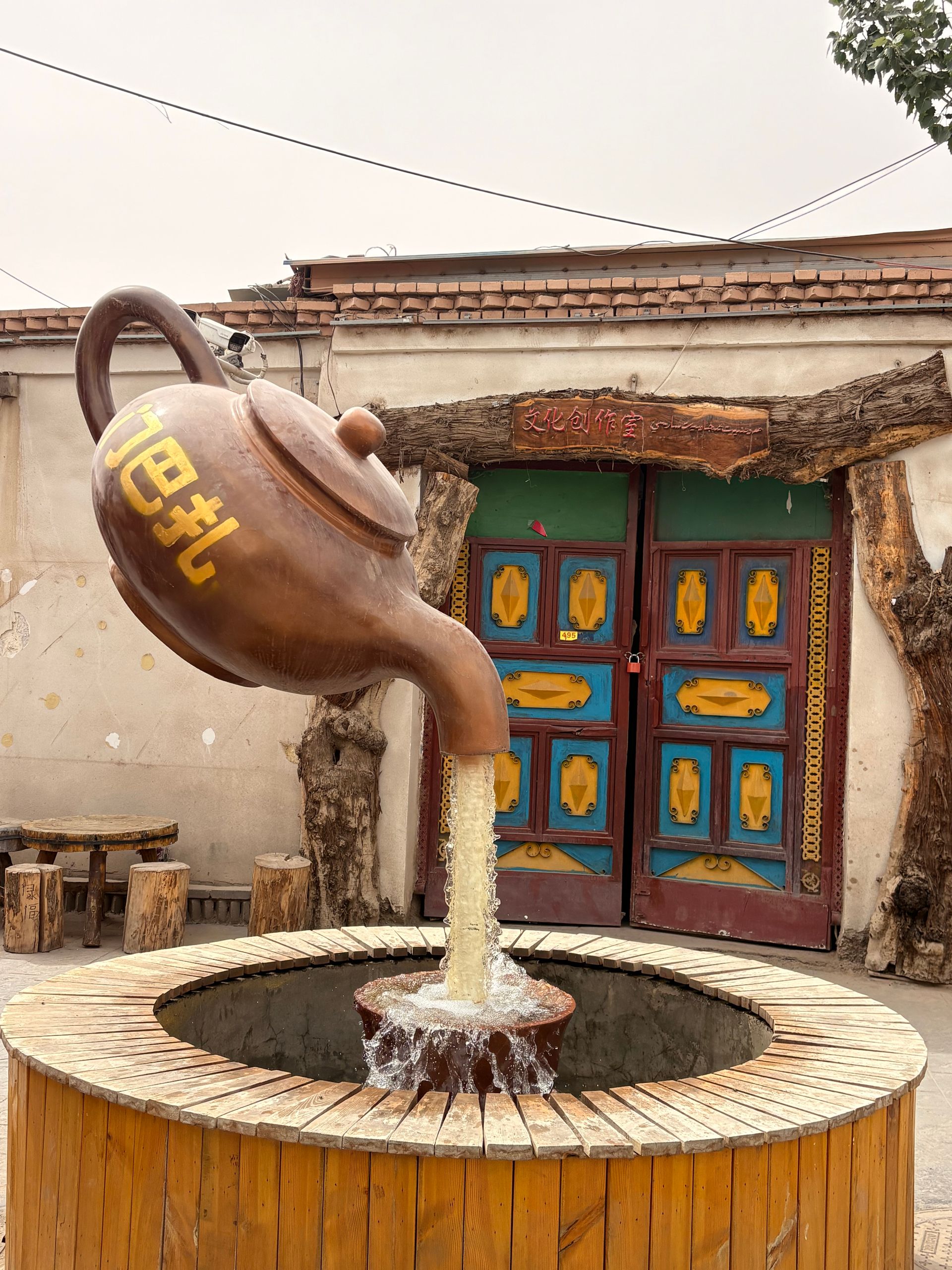
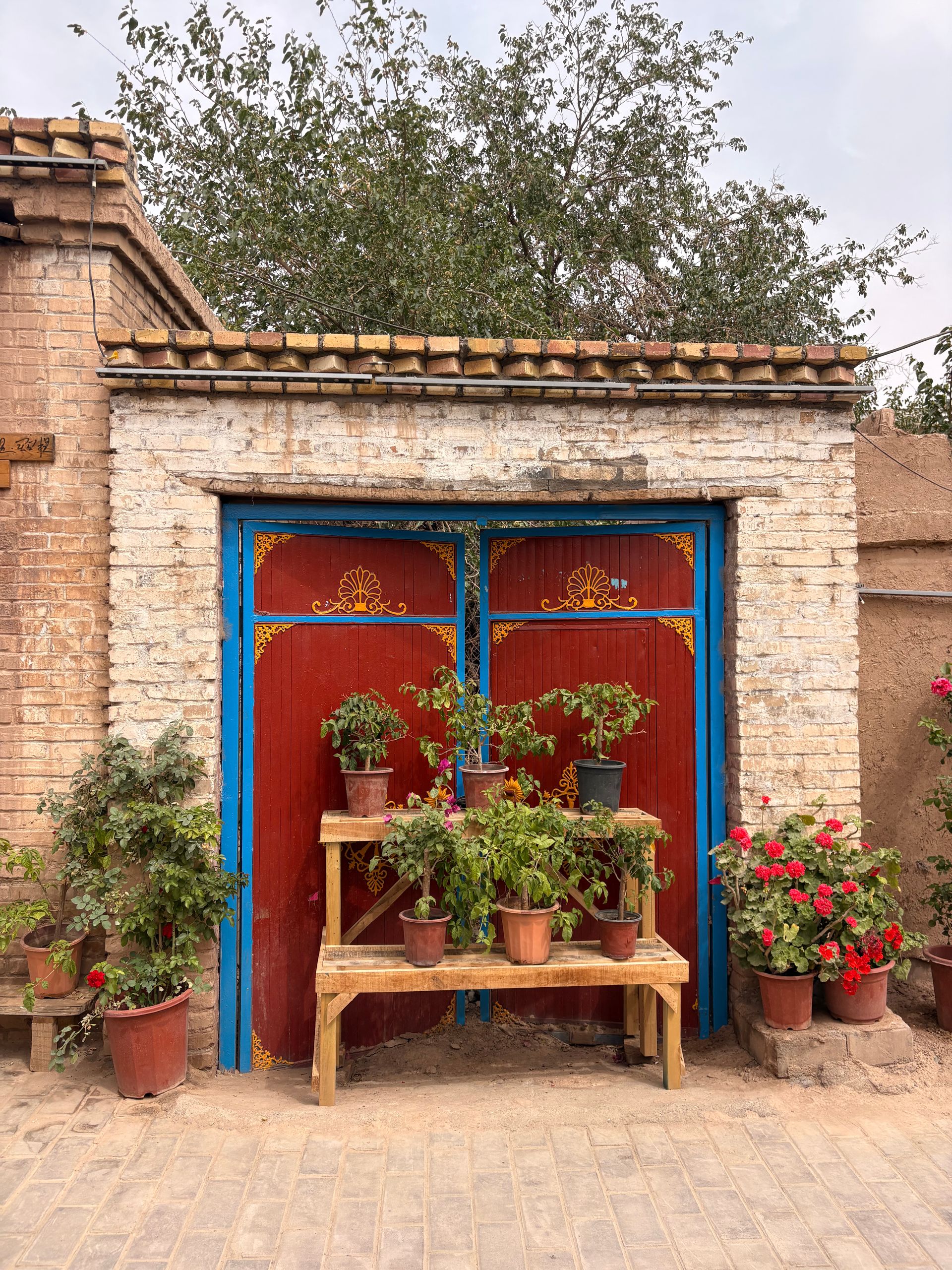
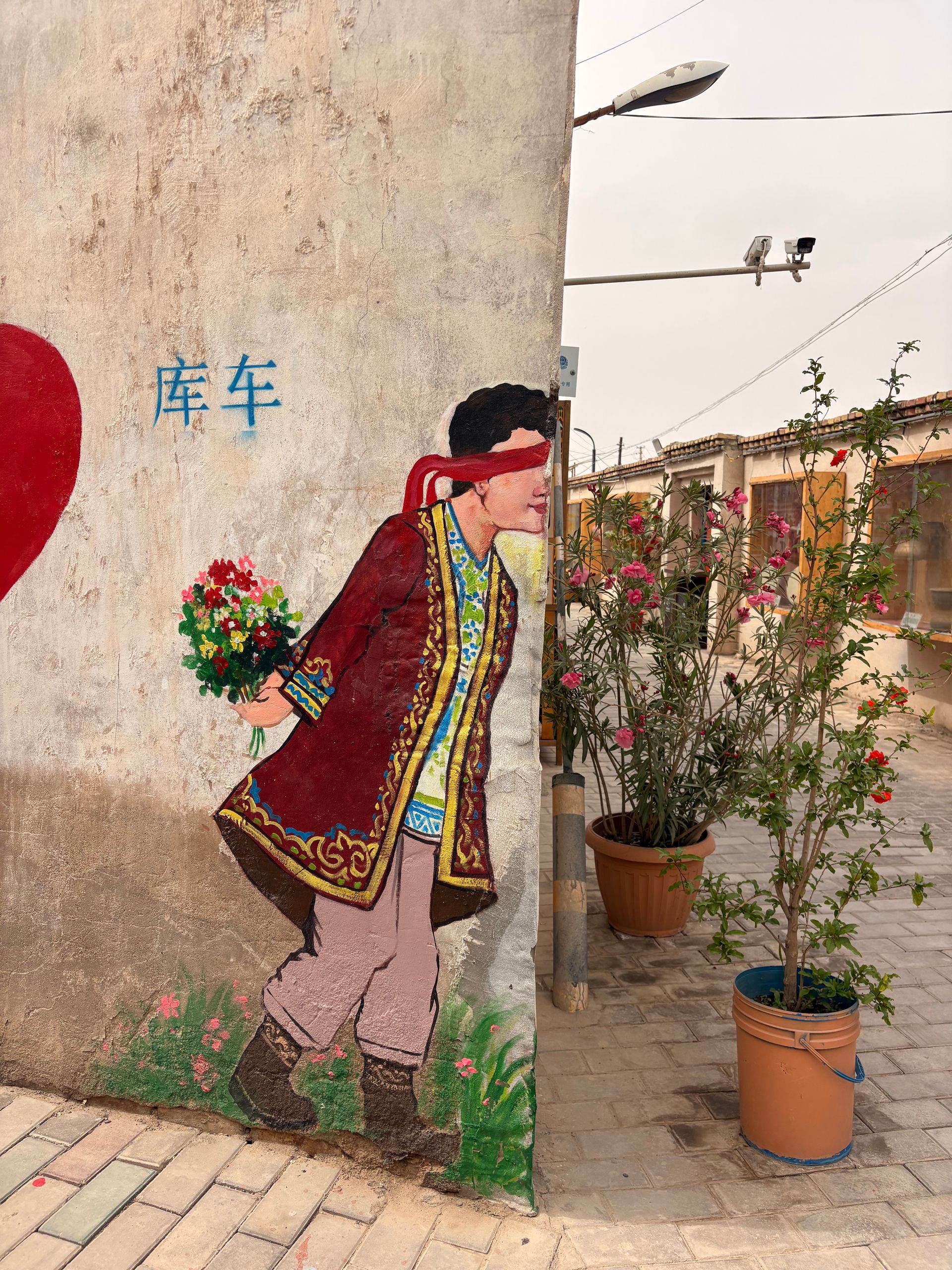
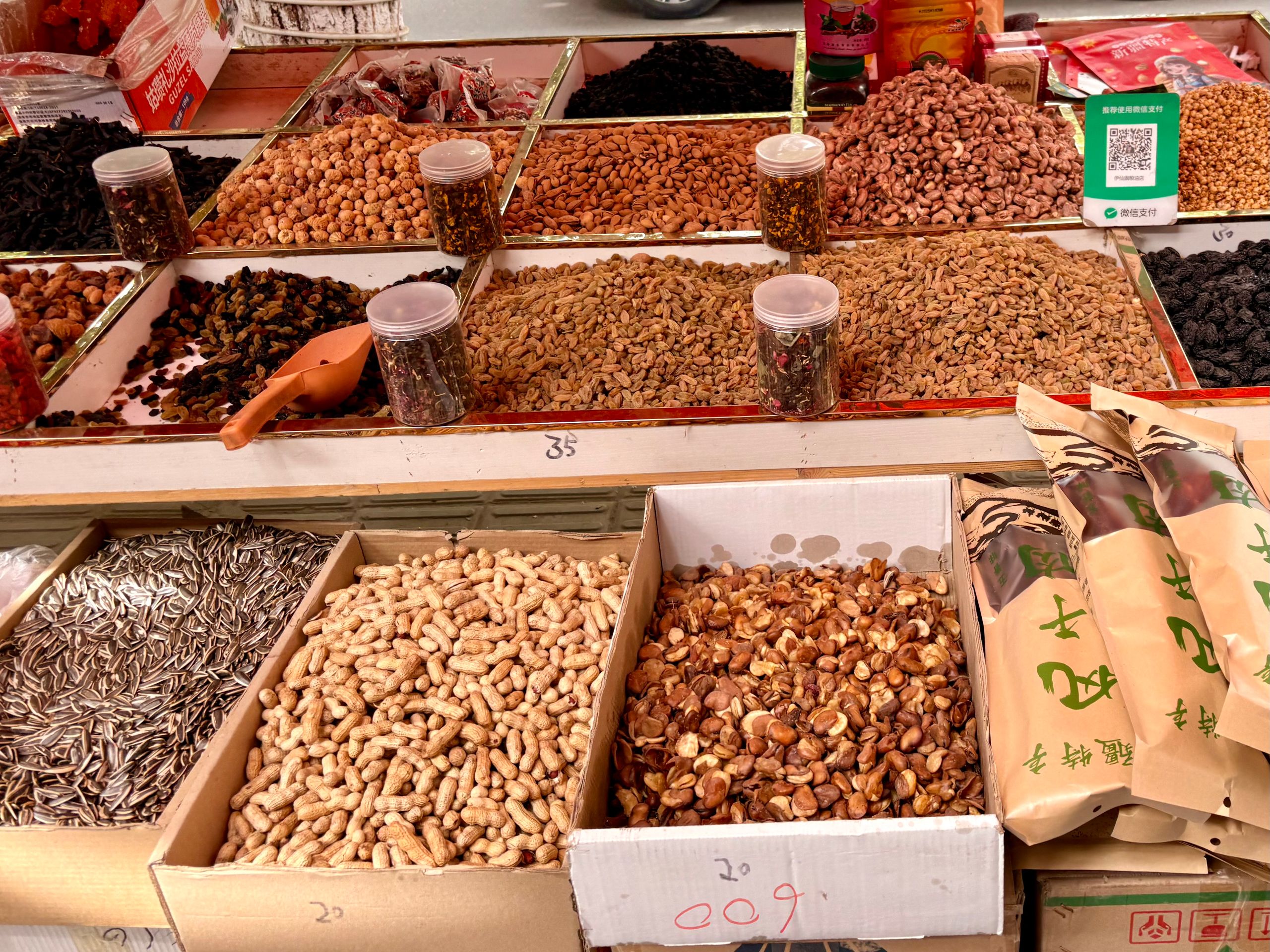
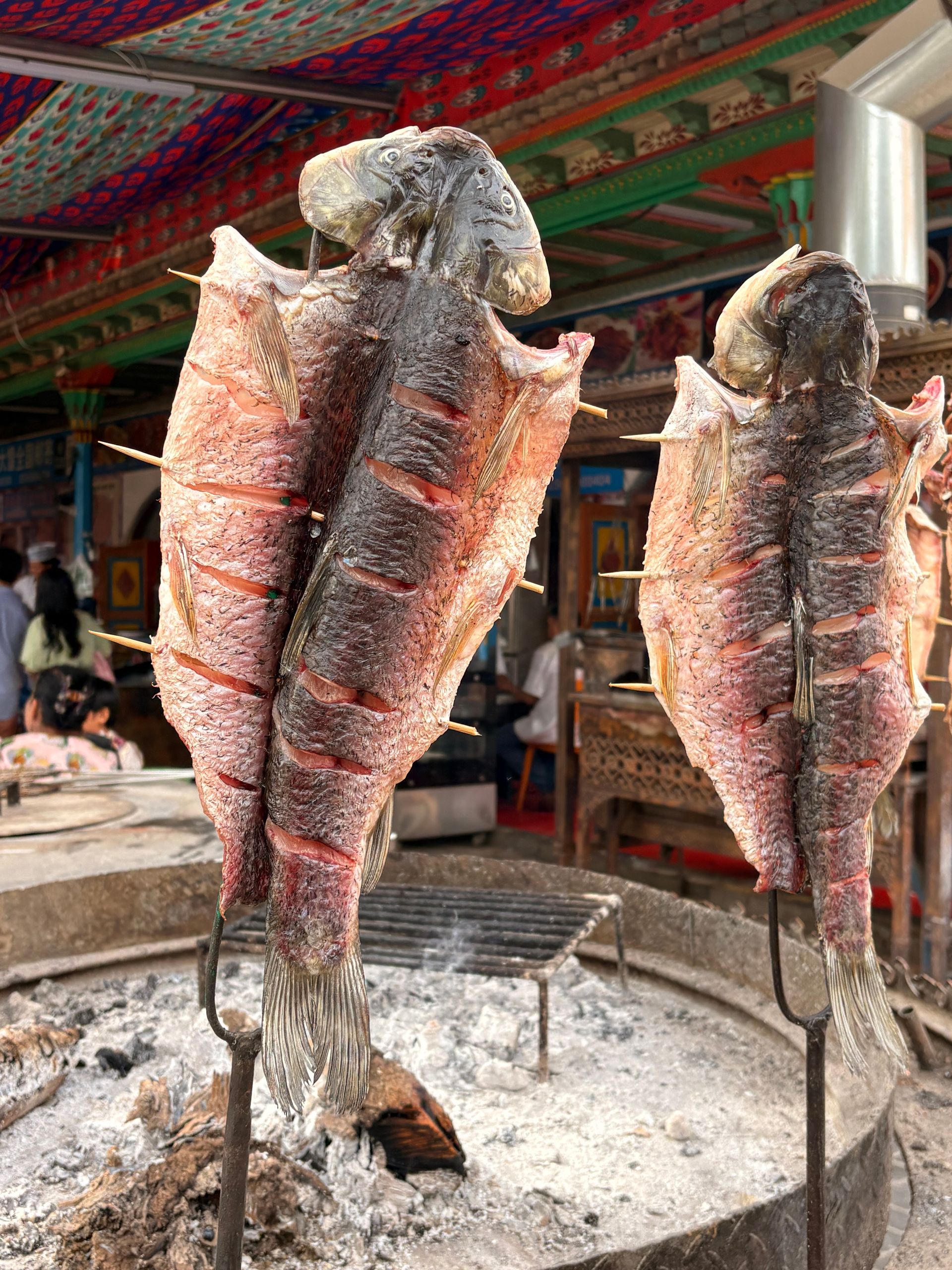
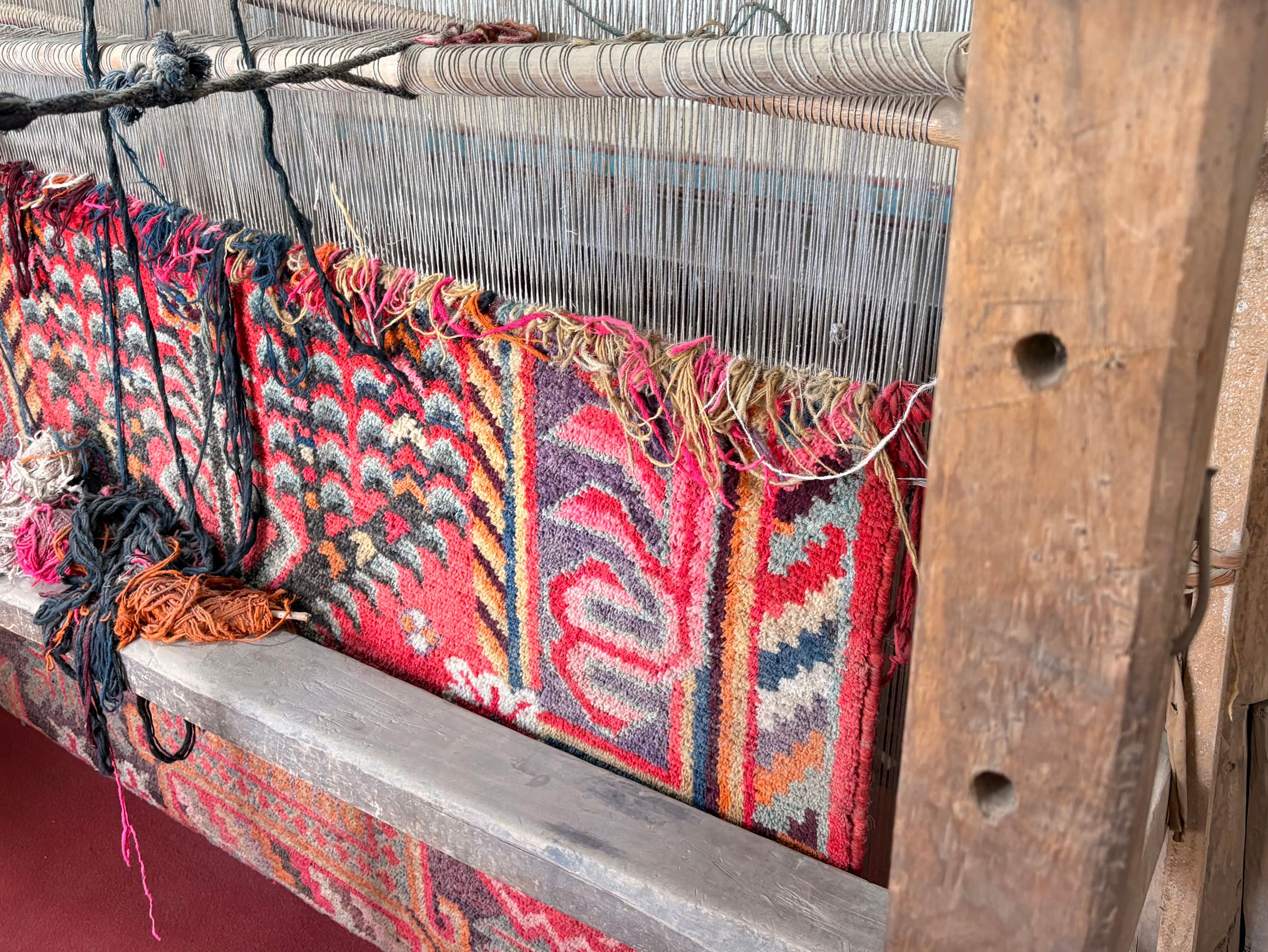
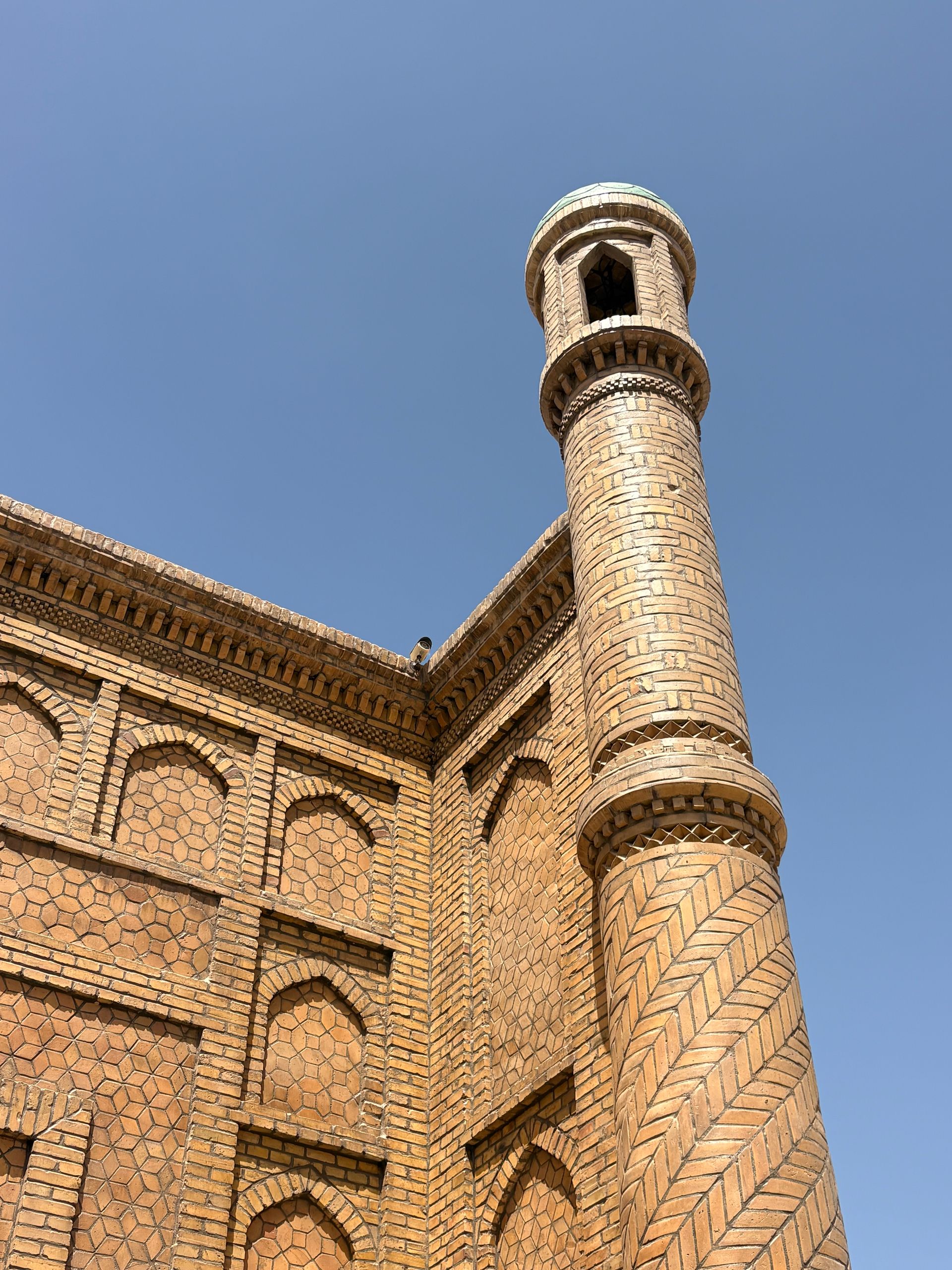
Unfortunately, we didn’t pick the best location for our hotel and were a bit far off the beaten path in a residential area (the maps from AMap can sometimes be a bit tricky to interpret, including what's worth seeing in a city), but that made us somewhat of a topic of conversation in the neighborhood, and from our perspective, taxi fares are quite reasonable.
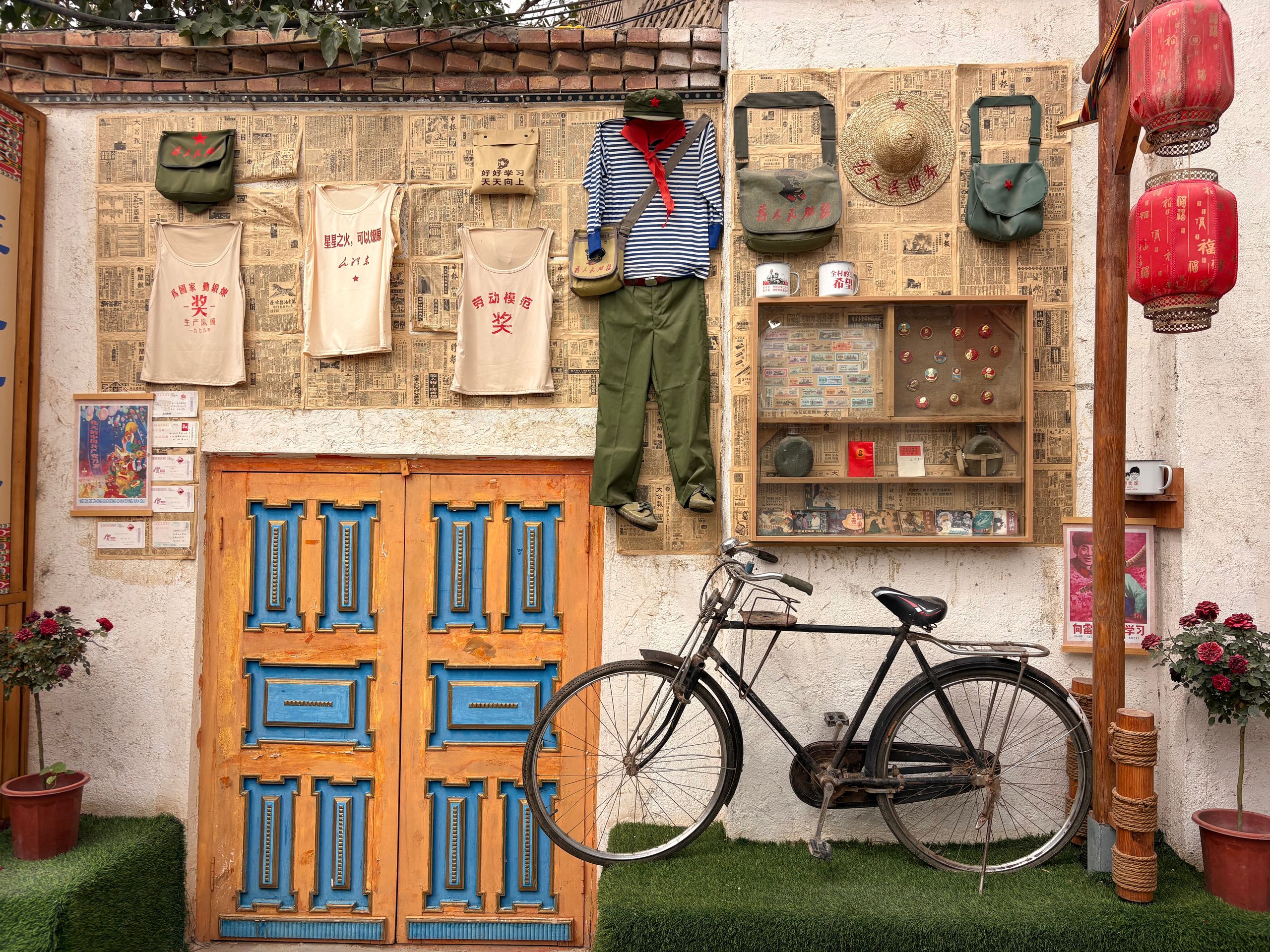
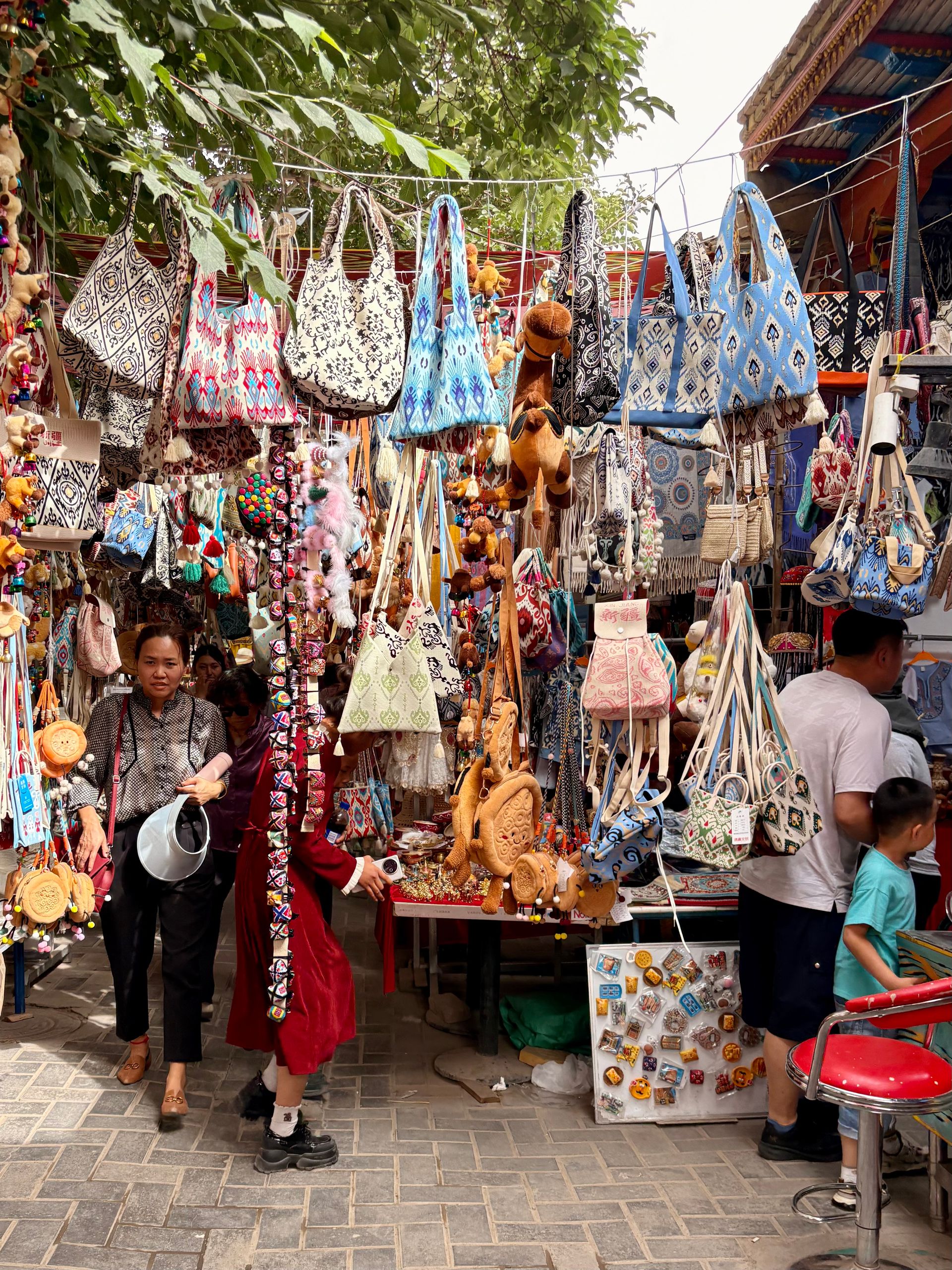
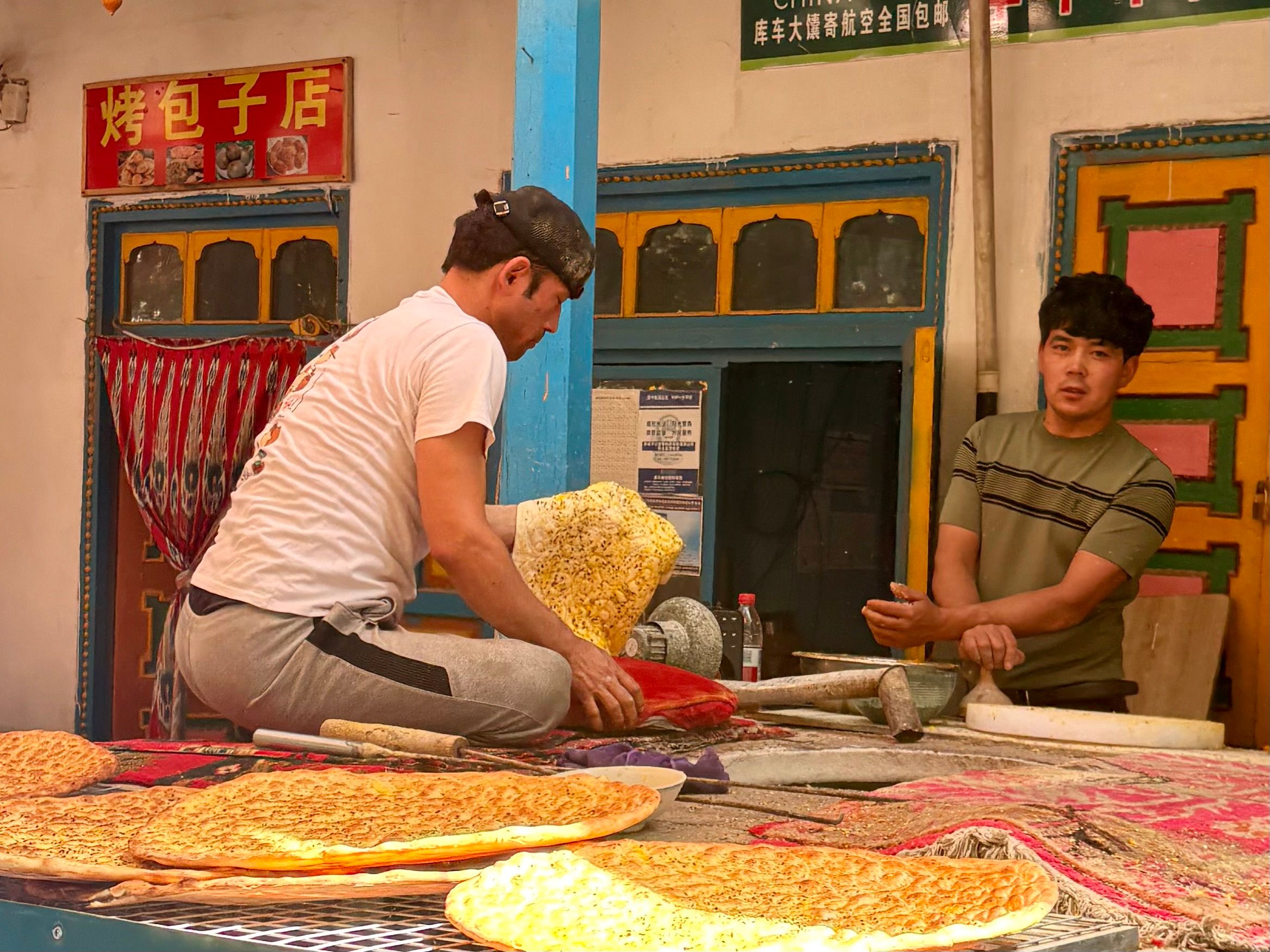
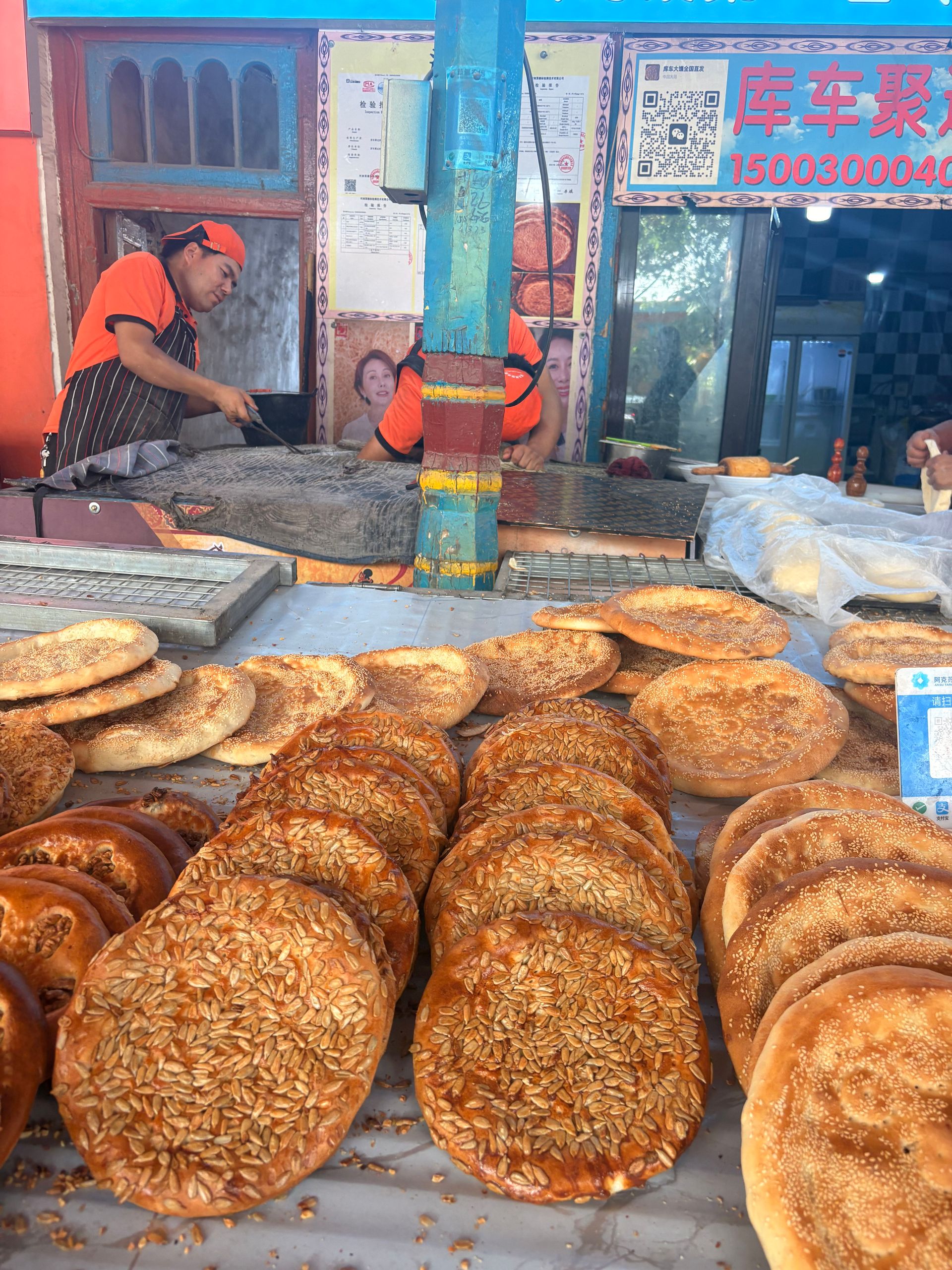
Kuqa also has a charming old town that still features some of the old structures and has been beautifully decorated with 'old stuff' in many places, making it very photogenic. While we have already seen similar setups in some cities during our travels, it's been well done here without destroying the charm of the old alleys. For the Chinese tourists, it seemed the two pancake-faced foreigners from Germany completed the ensemble, and we were photographed even more than usual, with shouts from various people instructing us on how to pose. But we’ve grown quite used to it by now; we willingly make fools of ourselves for our ever-growing fanbase...
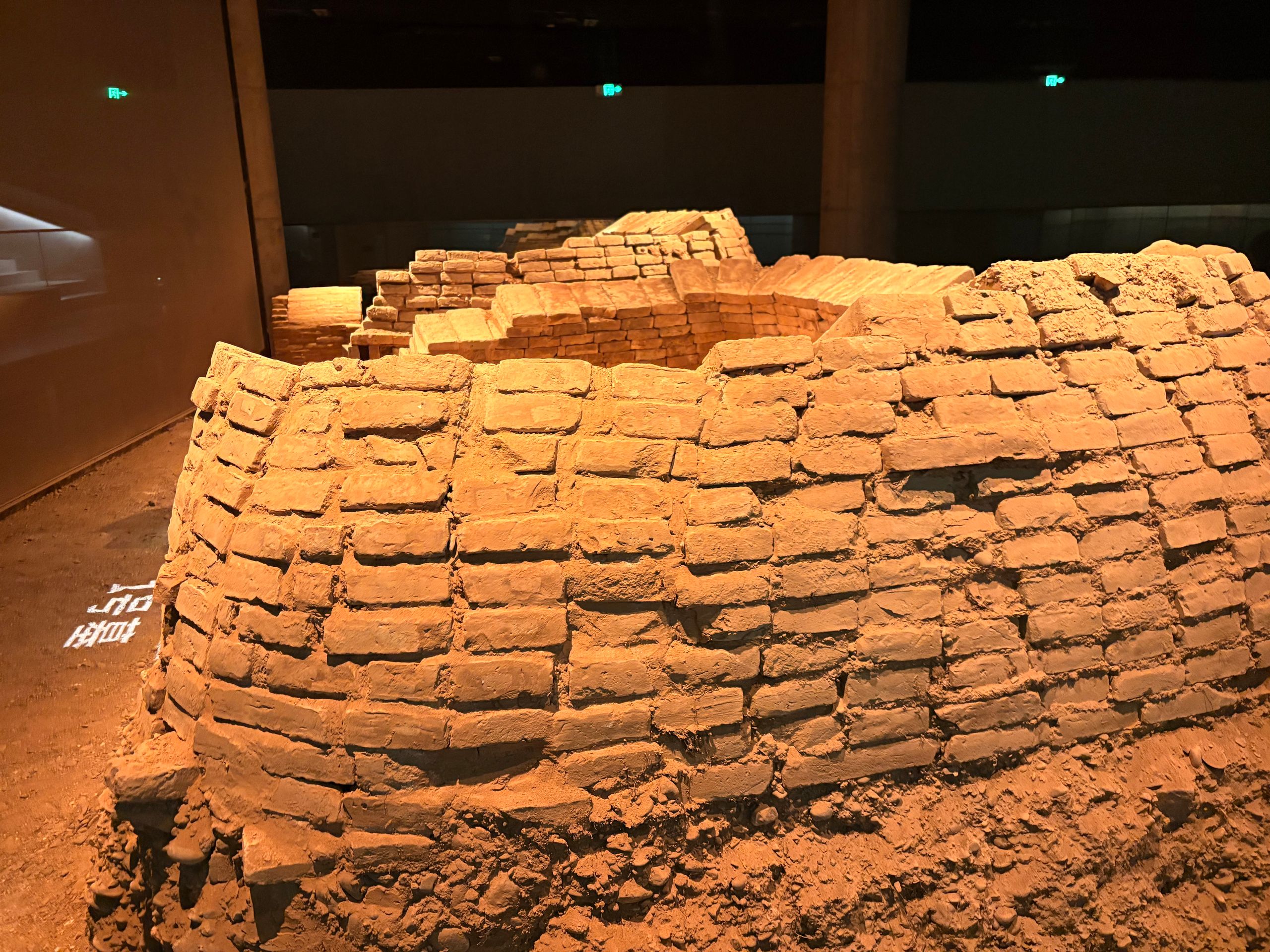
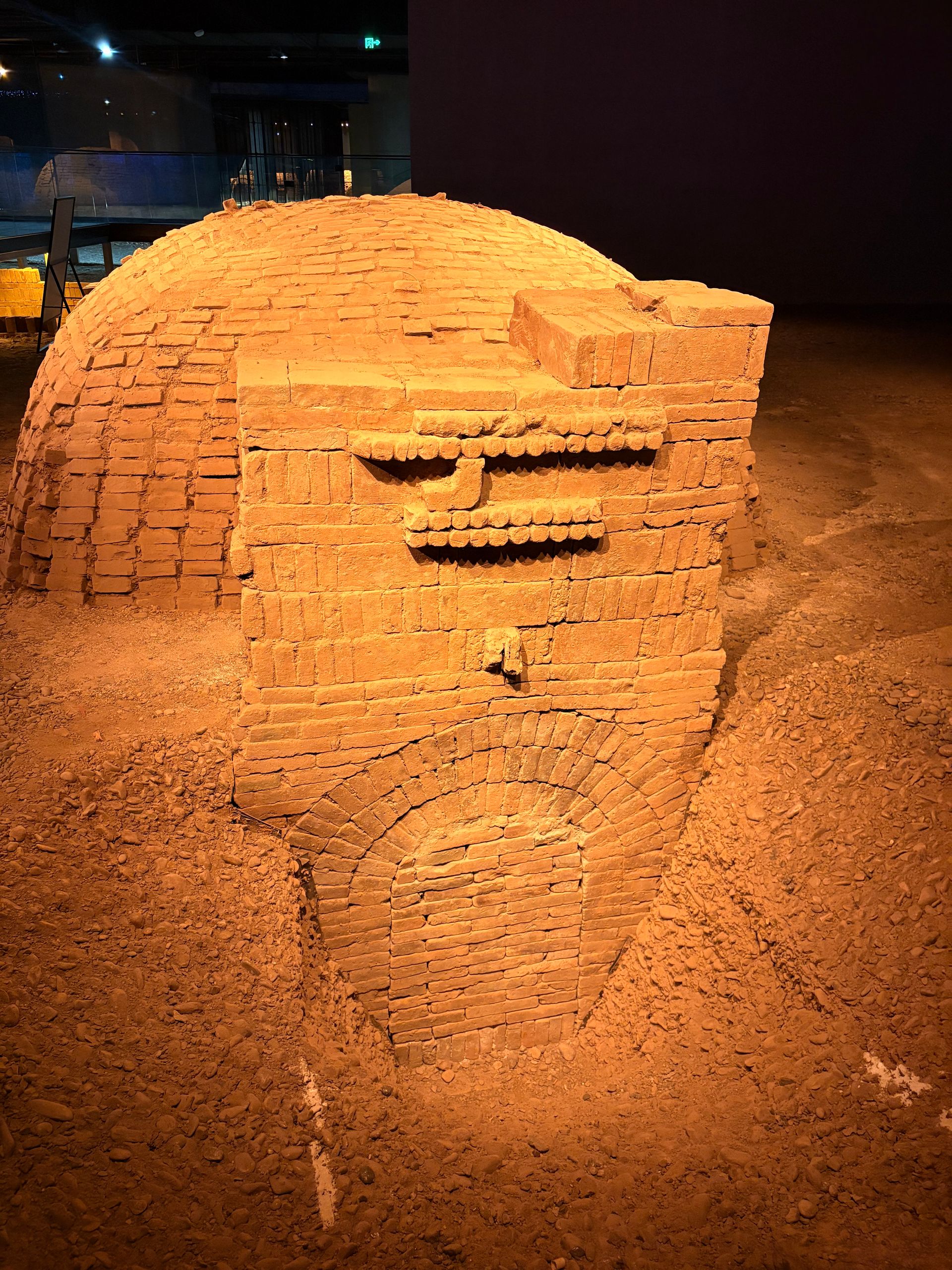
The Wei-Jin Tomb Museum was really cool. During roadwork in 2007, a cluster of ancient tomb chambers from the 3rd to 5th century was discovered right in the city, and they've been excavated with their contents since then. The museum, which opened only in 2024, was simply built over the archaeological site, allowing visitors to leisurely stroll past the graves. Even though the presentation seems a bit ideological and nationalistic as usual (at least as far as we can judge; the explanatory texts in the museums are unfortunately only patchily available in English, and the audio guides are excessively lengthy and not to the point), it was truly worth seeing!
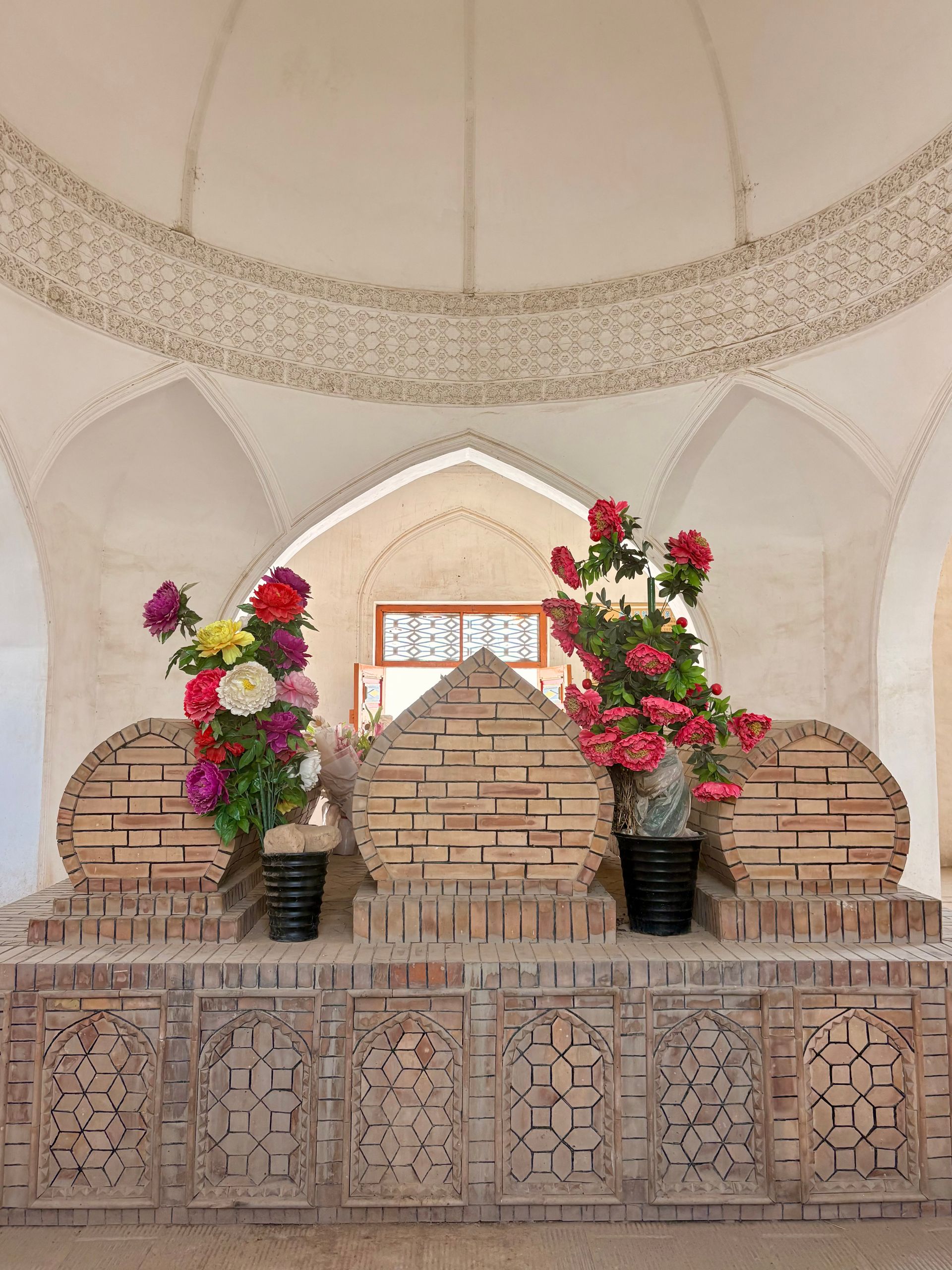
The Great Mosque, supposedly the last one in Xinjiang with traditional religious arbitration, was unfortunately closed for renovation, so we visited the royal palace instead. A mix of Islamic and Chinese architecture, alongside the private quarters of the ruling family (the last king of Kuqa, Dawut Makosuti, passed away in 2014 and lived in the palace until his death), there were also displayed Uyghur folk artifacts and everyday items. Some buildings, such as the princes' mausoleums at the edge of the museum or the small mosque, were in quite a dilapidated state.
Kuqa and its friendly locals welcomed us with curiosity, and we enjoyed our time!