
Chengdu 成都
From democratic China, we continued to socialist China. A country that we hadn't even considered at the start of our journey, but the now simplified entry (30 days without a visa)...

Published: 15.06.2026
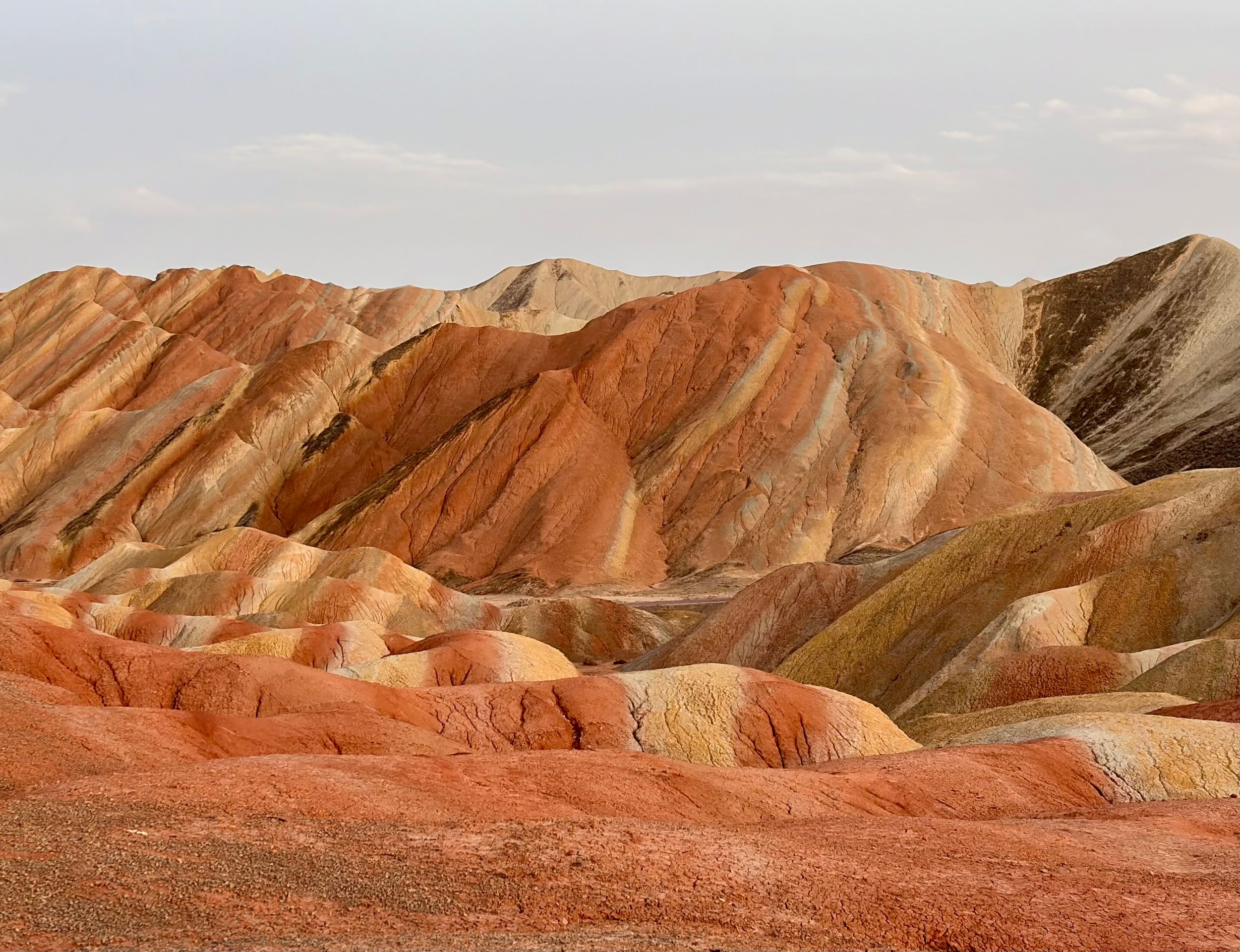
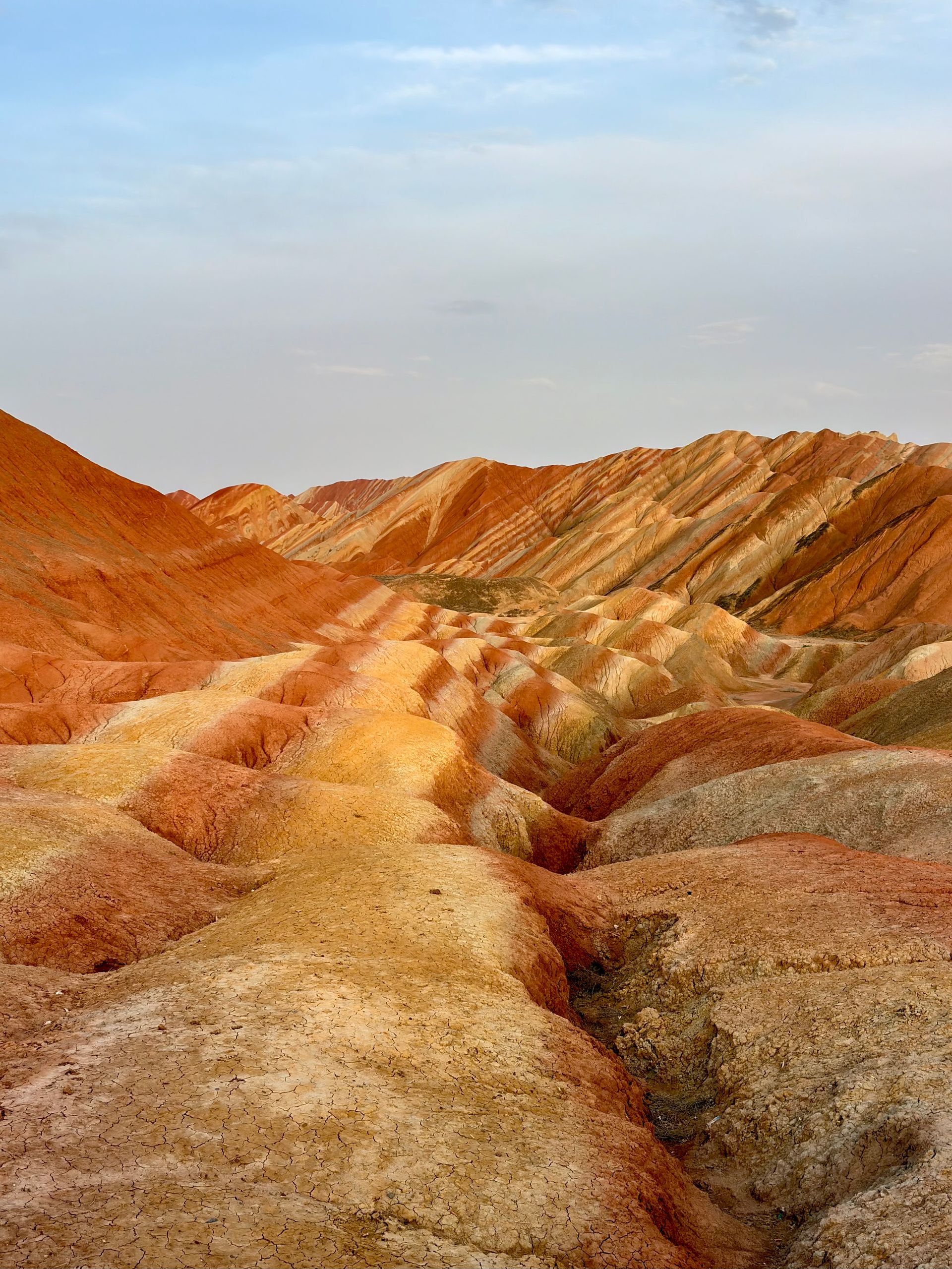
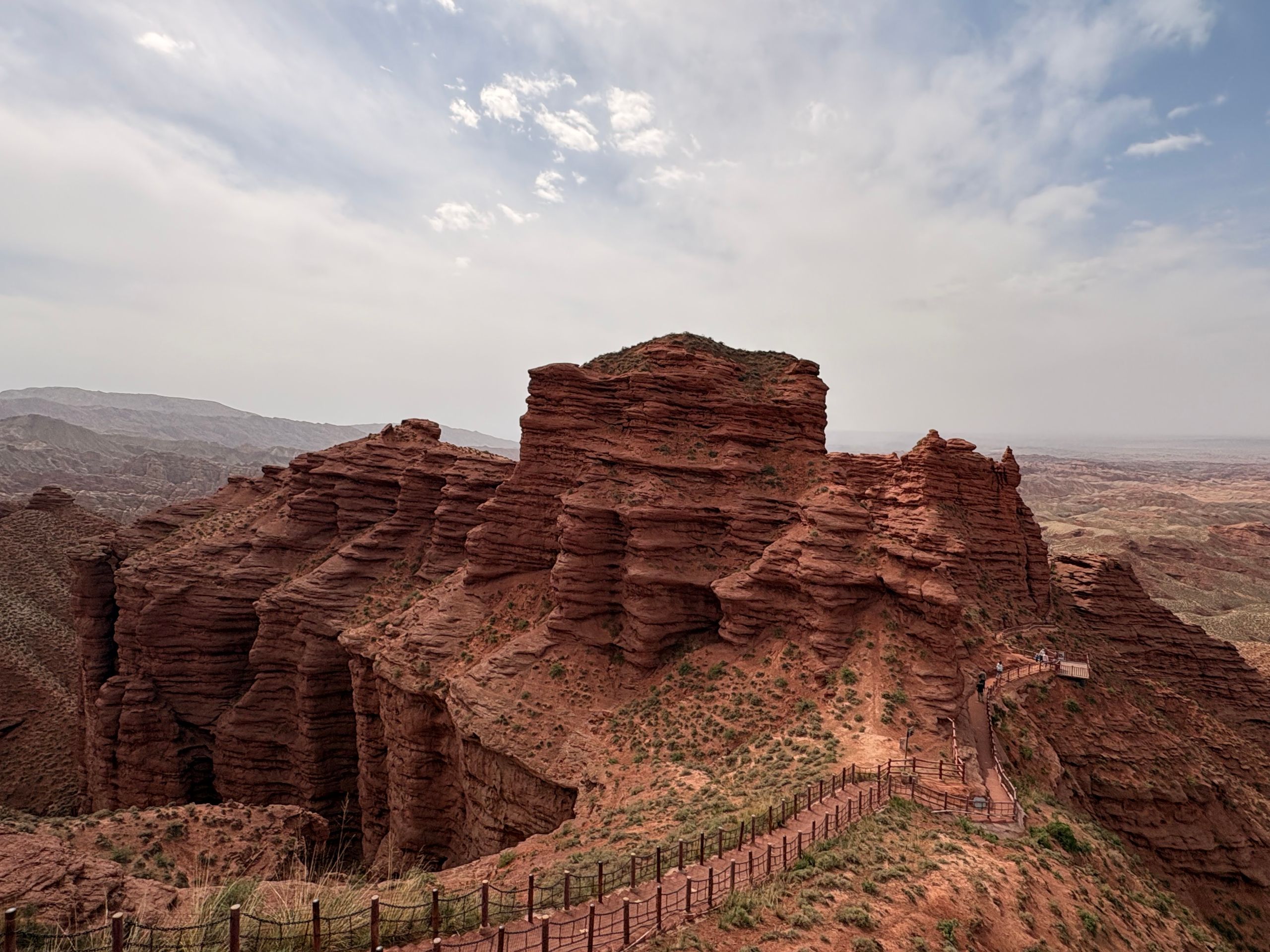
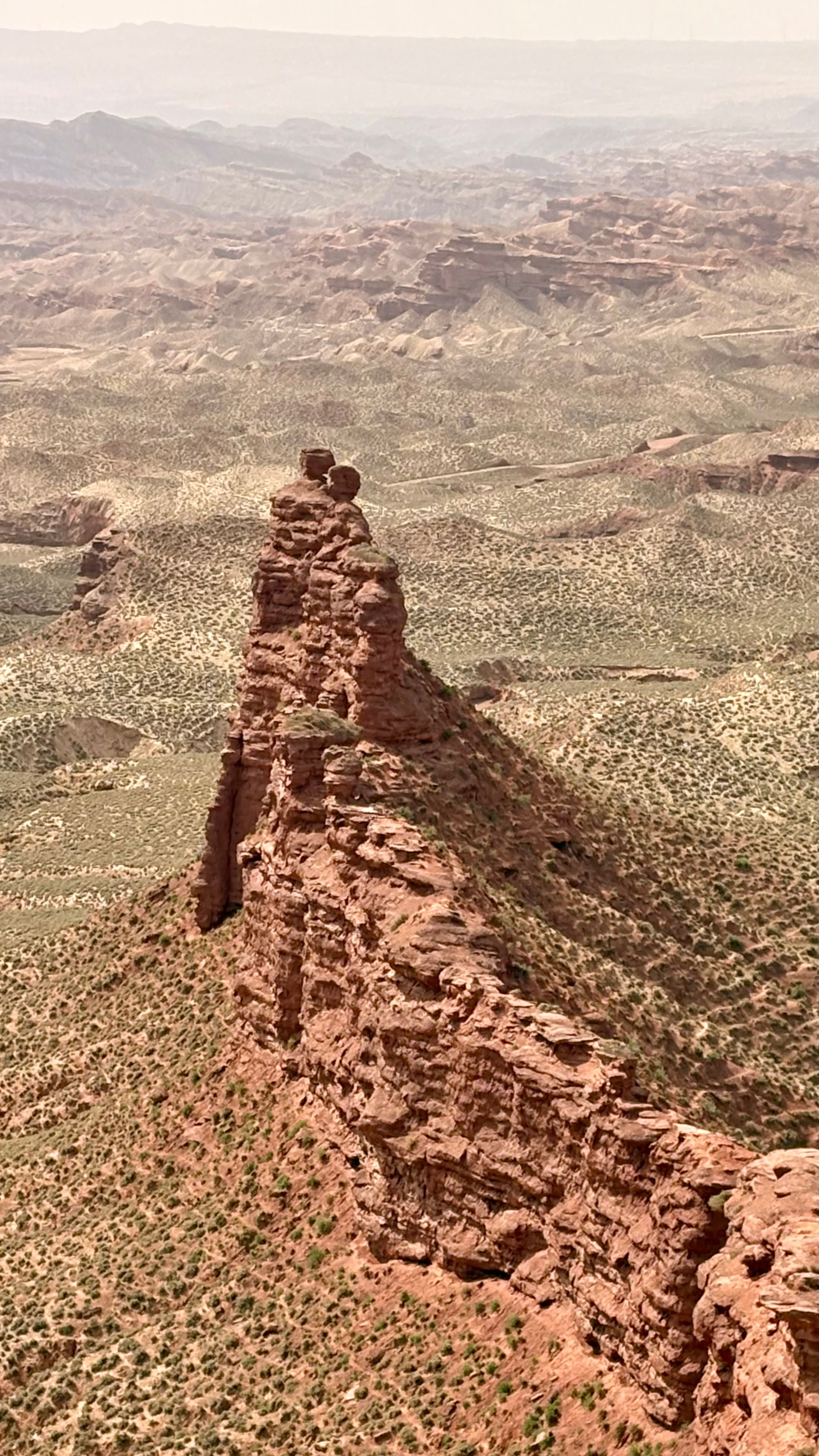
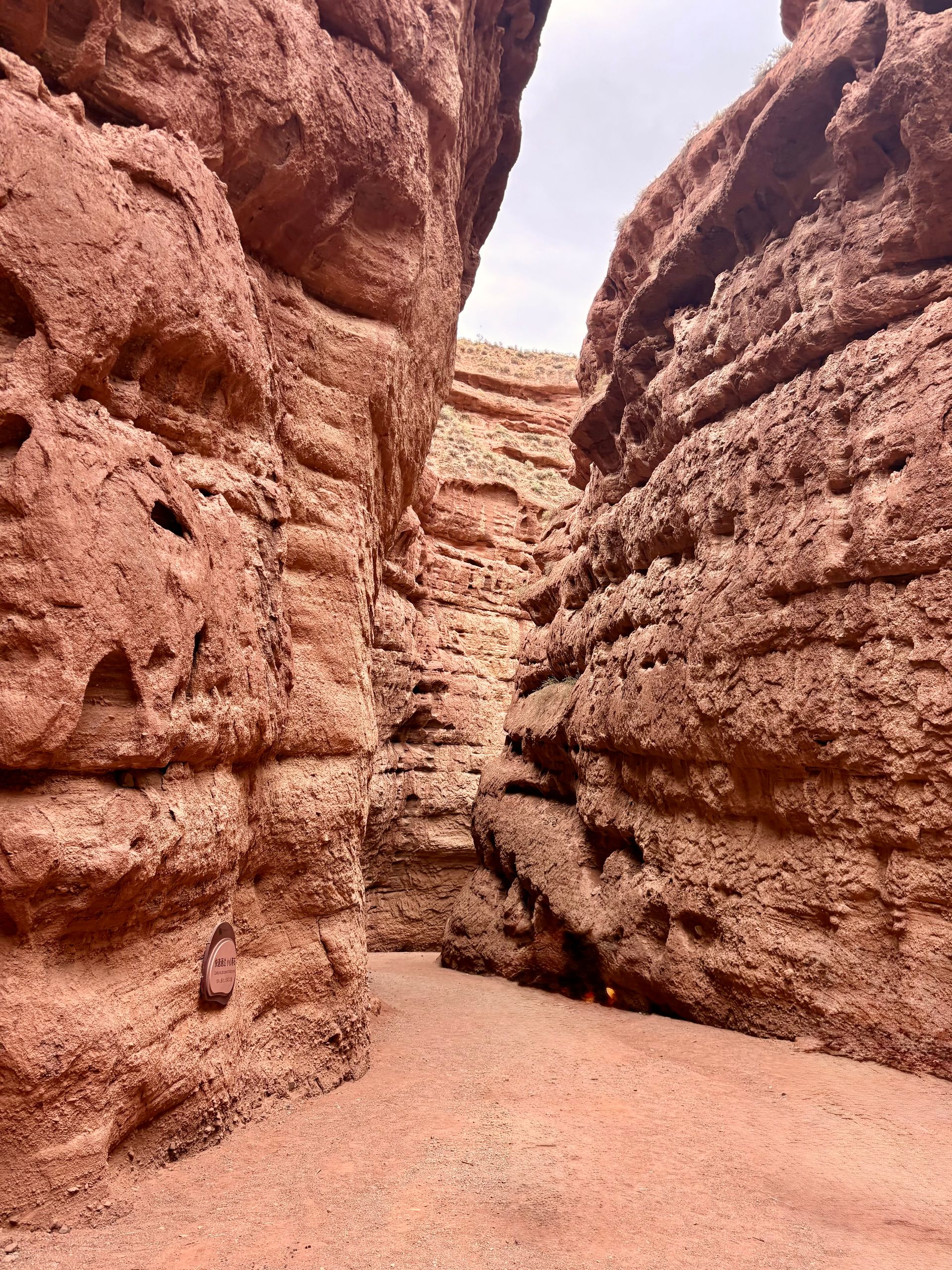
Those who think of the media-hyped high-speed trains when traveling by train in China might be mistaken – these have not yet reached the areas of the country we traveled in. Therefore, our train could be described as somewhat outdated and shabby. The narrow seats without armrests in the hard class were only moderately suitable for a restful night's sleep. Sleeping was out of the question anyway – luggage was constantly being rearranged, groups gathered for card games, the conductors walked through the compartment with body cams and loudly announced the next station or reprimanded passengers, and smokers filled the compartments with smoke from the aisles. During the sometimes very long stops at the stations, people surged onto the platform to stretch their legs or smoke even more. What a spectacle! Accordingly, we arrived, quite wrinkled, in the early morning, punctually in Zhangye, located in the Gansu province in the Hexi Corridor and along the ancient Silk Road. Allegedly, Marco Polo also spent some time here. The train stations in China are usually located a bit outside the city, so we took a bus to the center, which was much cozier and less touristy than we had imagined. However, our dedicated hostel owner immediately made it clear that there would be no time for lounging around. On the occasion of International Museum Day, the attractions in the area were free for two days, and she quickly organized the transportation for us. So, after freshening up a bit and resting, we set off for the Danxia Geopark, known primarily for its rainbow mountains (and the circulating images that exaggerated the color saturation a bit). The park was quite well organized, and it was clear that the infrastructure was really designed for large masses (mainly Chinese) tourists. Fortunately, it wasn't too crowded, and everything went quite smoothly. With mandatory shuttle buses, we moved to various viewpoints where we could follow different circular paths. The mountains and hills are primarily made of sandstone from various colored minerals that have been folded and shaped into an exotic landscape over millions of years by wind and rain. The different color stripes looked truly spectacular and became even more intense in the afternoon and evening sun. It was amusing to see the high number of Douyin bloggers (Chinese TikTok) jumping around in front of their cameras in sometimes peculiar outfits (cowboy hats are definitely a thing).
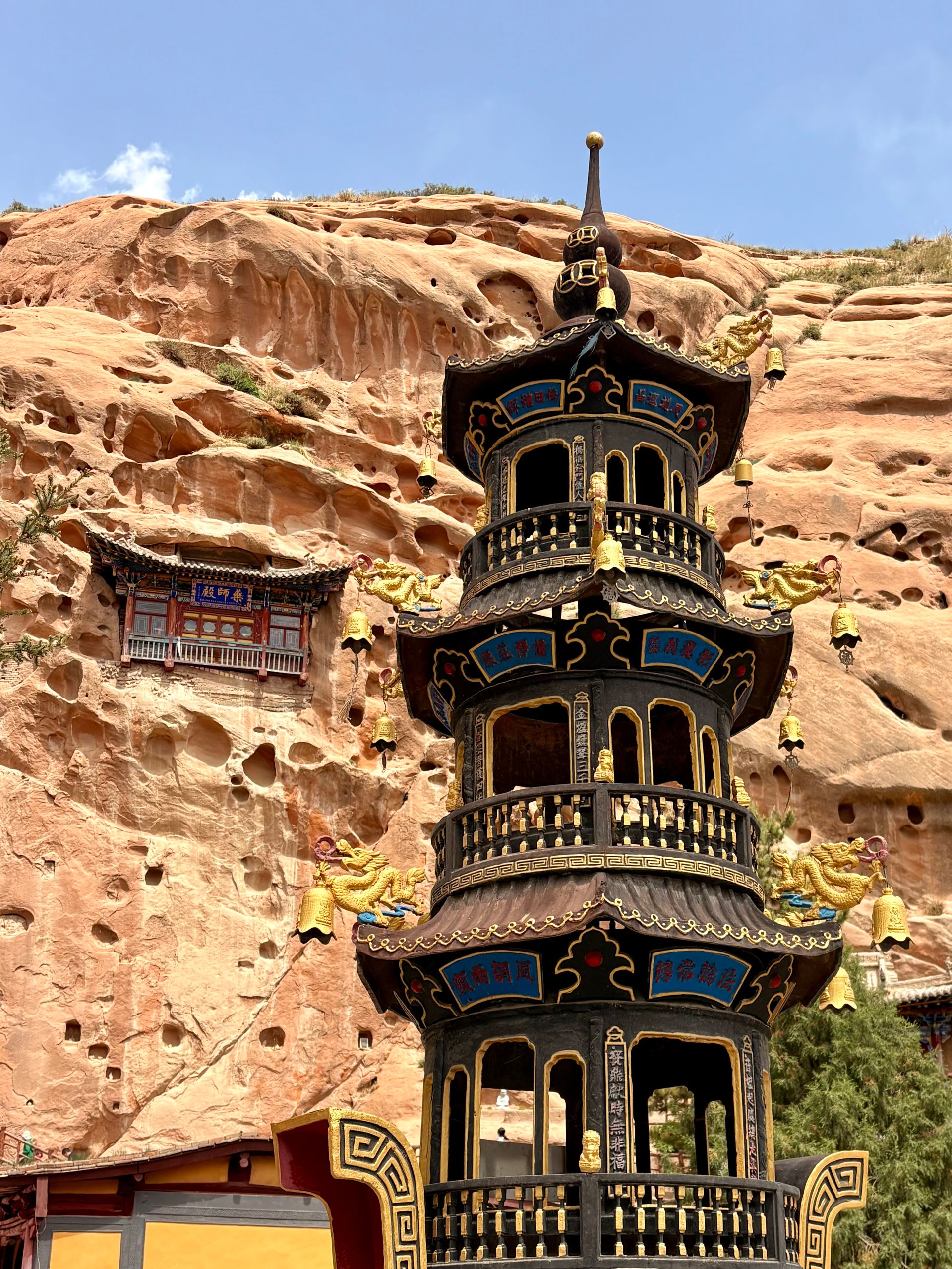
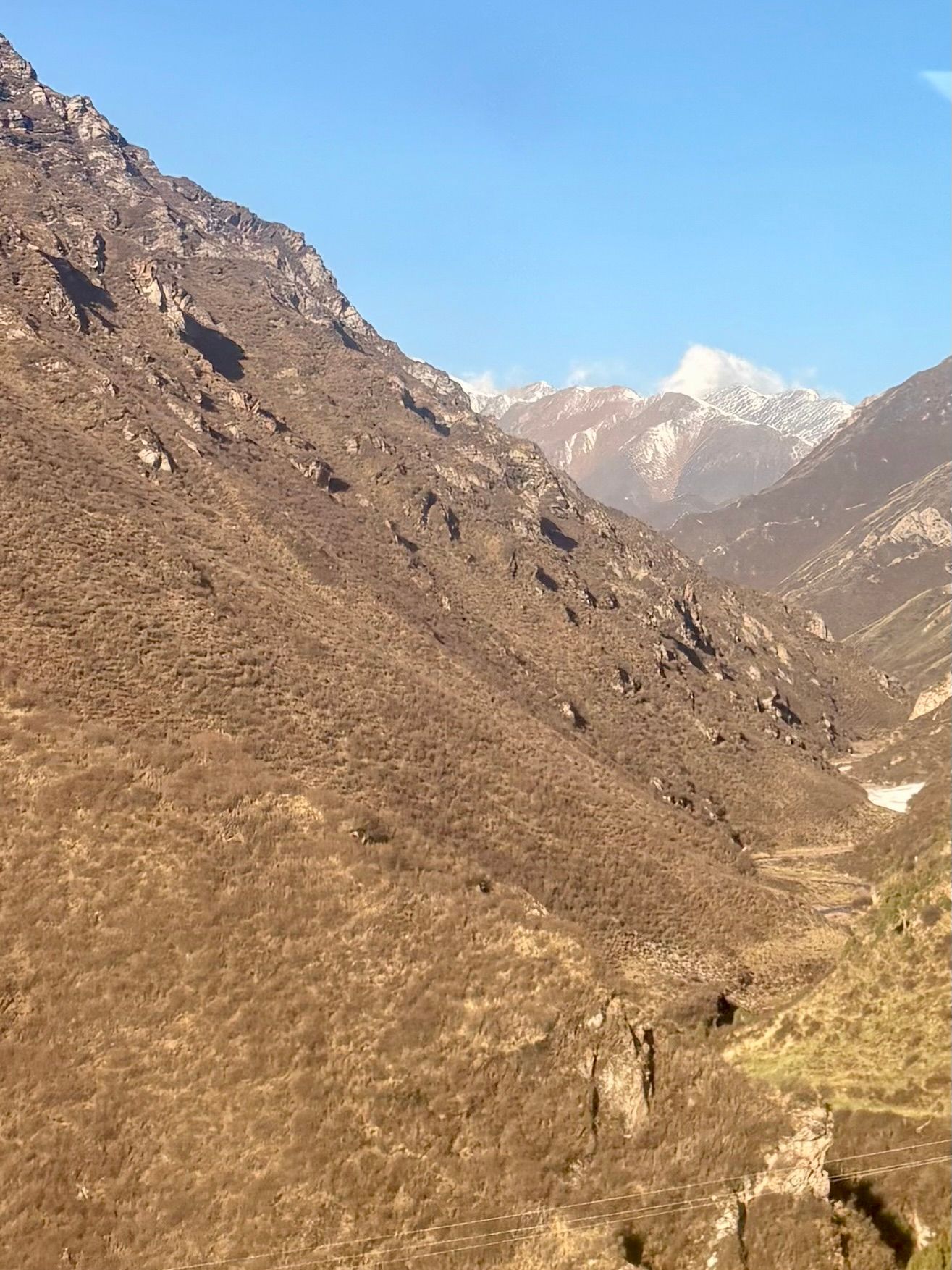
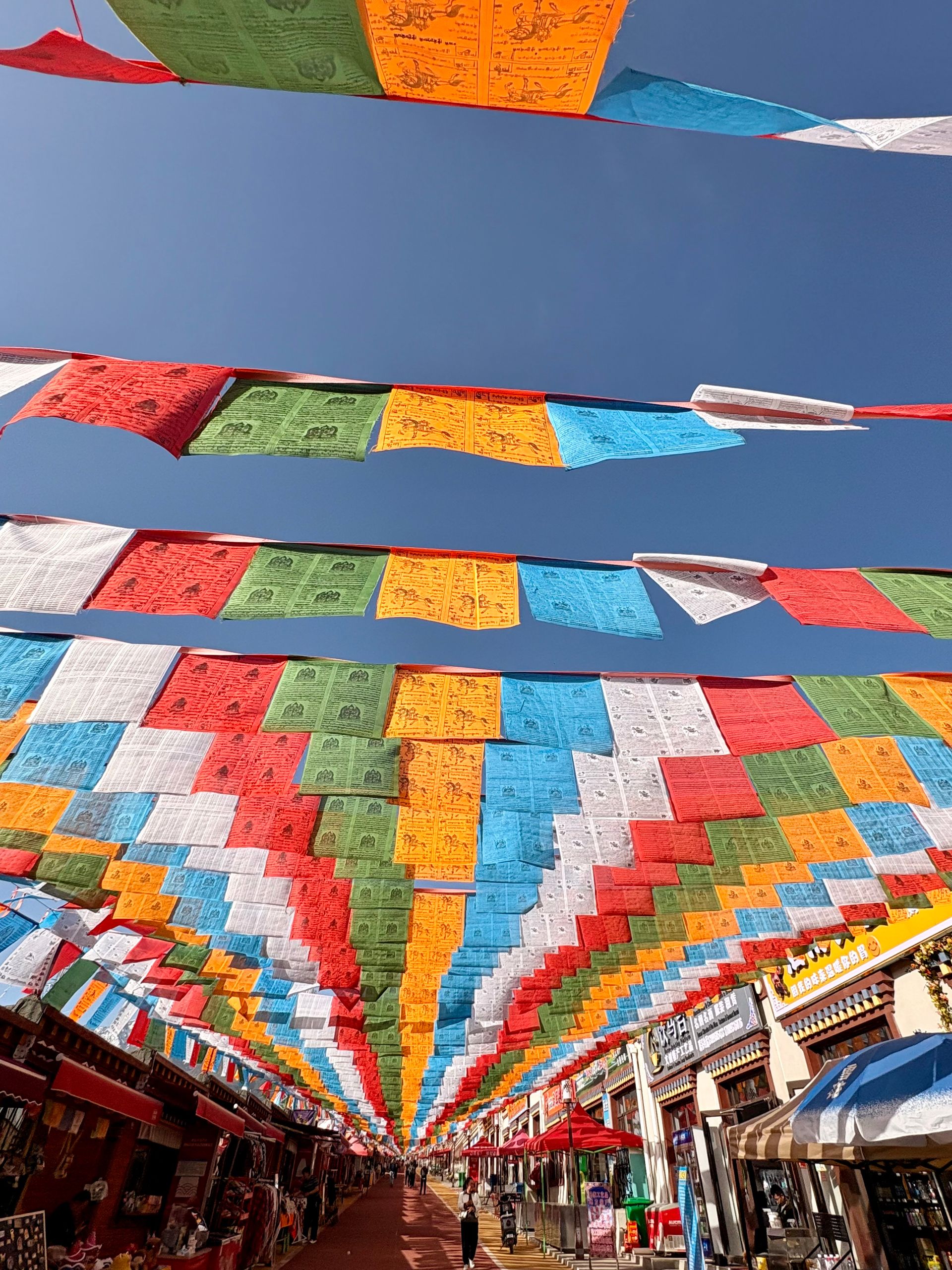
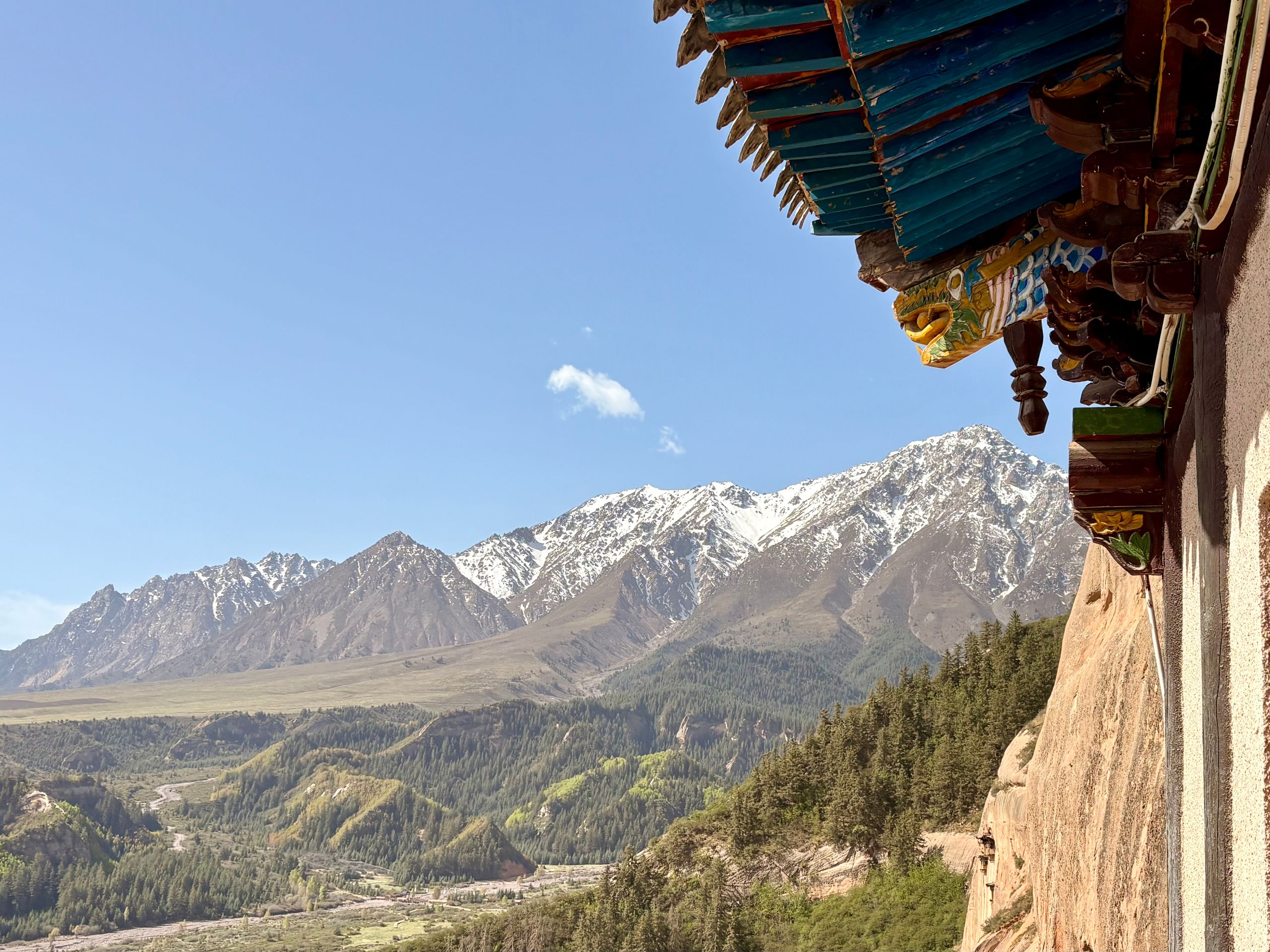
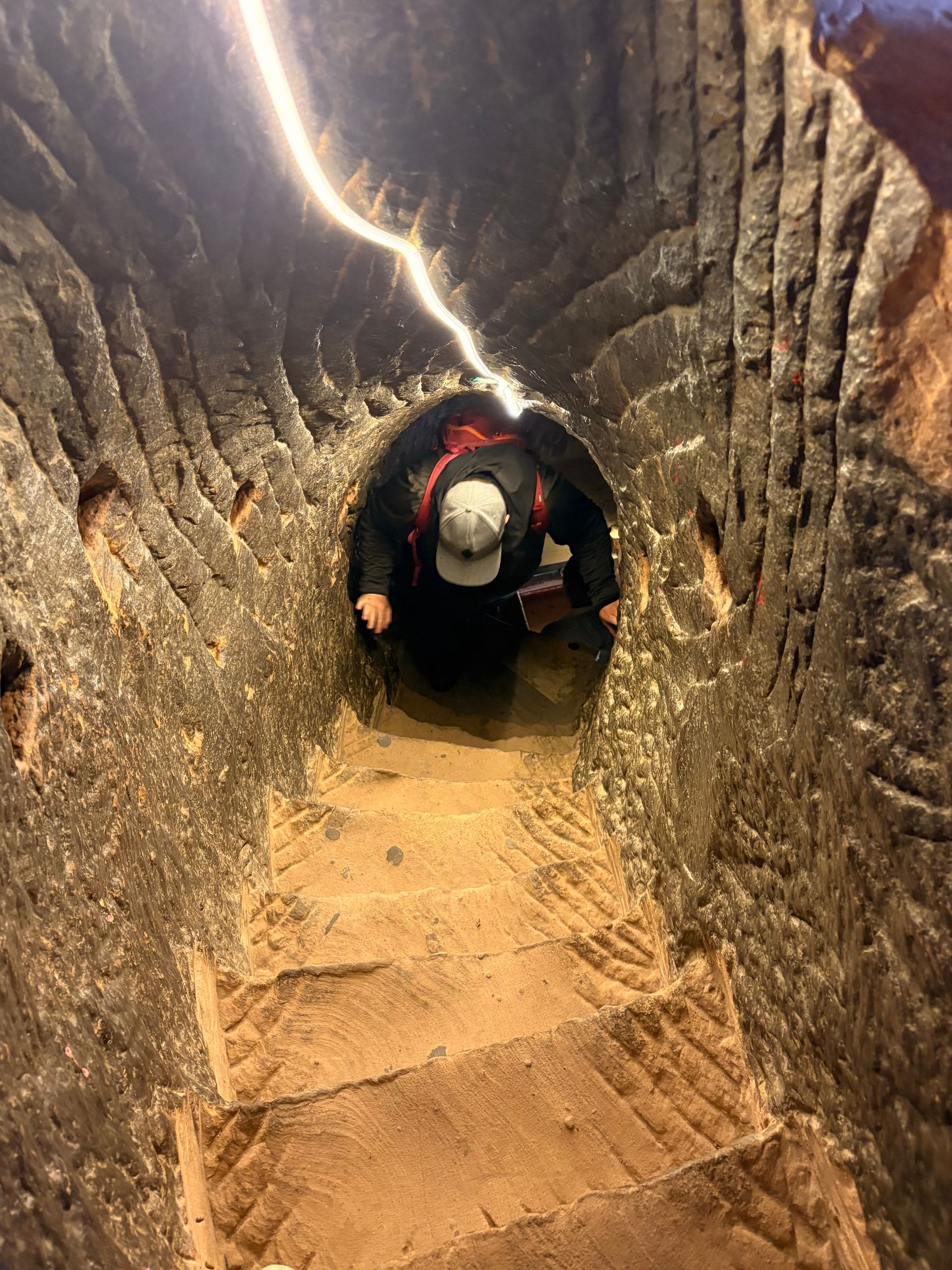
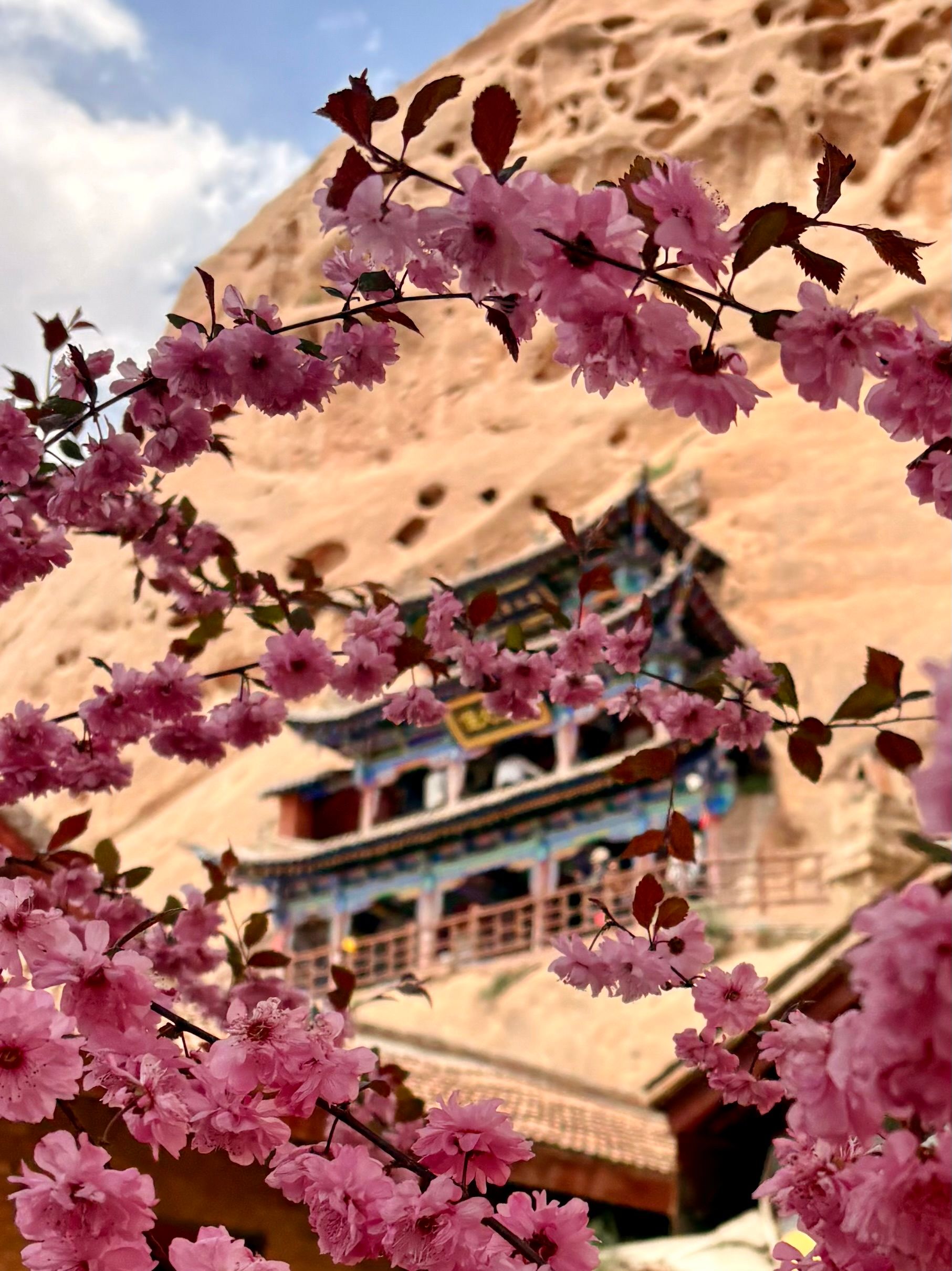
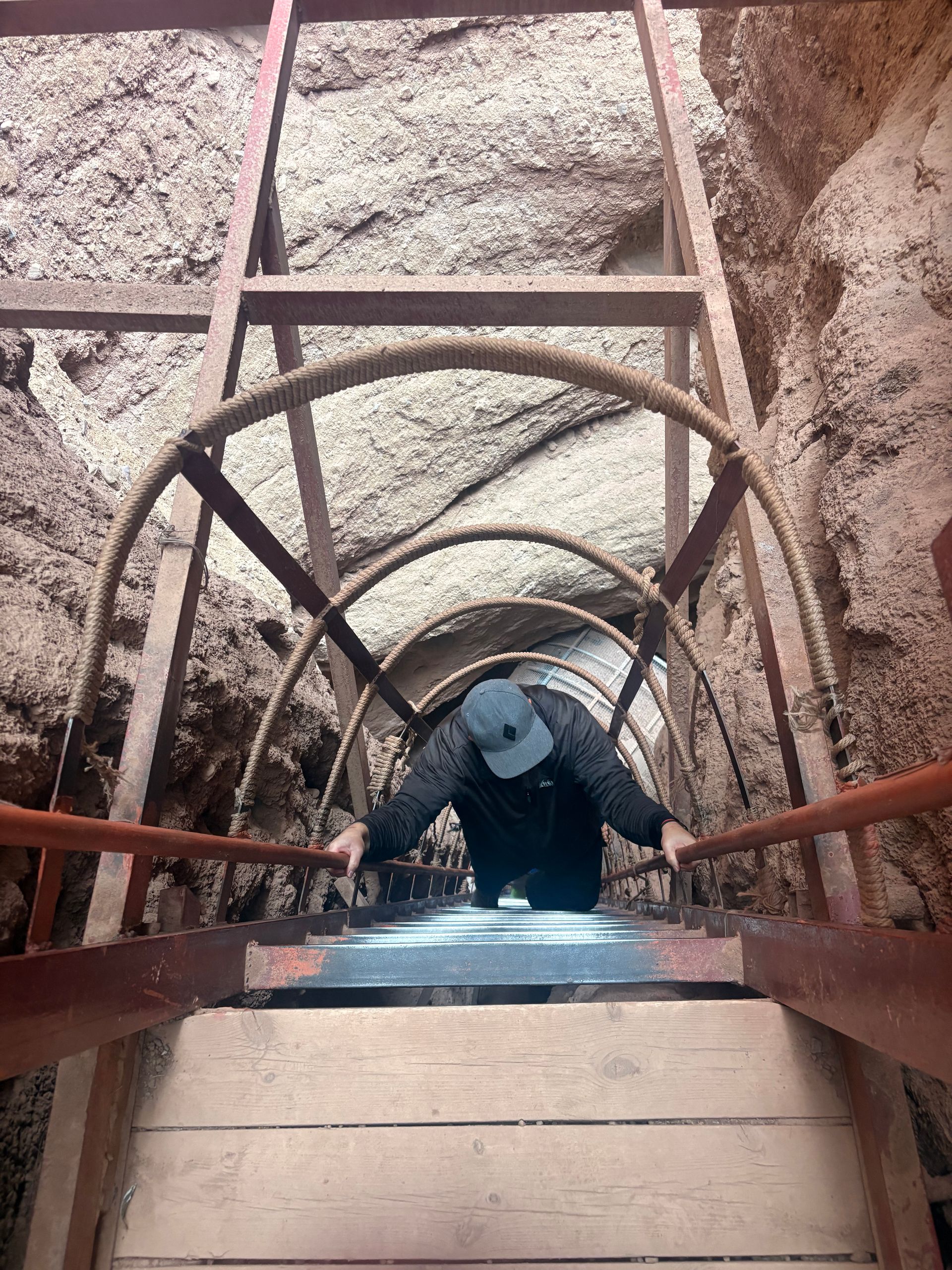
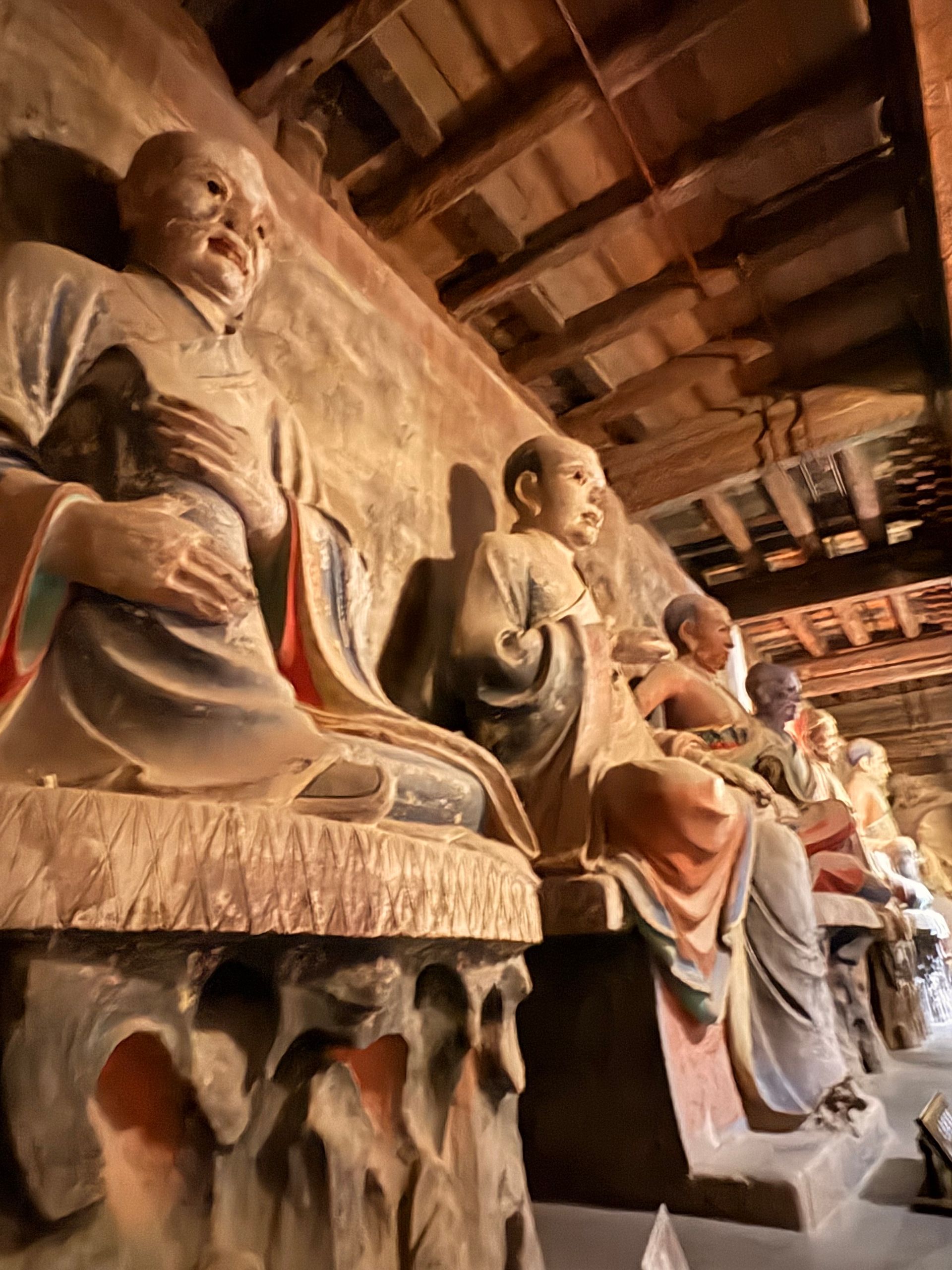
The next day, we went early in the morning to the Matisi Caves, a Tibetan cave temple complex in the midst of the Qilian Mountains, whose construction began about 1600 years ago. The hewn caves, where one had to navigate narrow ascents in the rocks to reach the different rooms with Buddha statues and paintings, were very diverse and fascinating. It was also enjoyable to stroll around the impressive mountain backdrop visiting the individual temples.
Then we took a small hike through the Pingshan Grand Canyon, another impressive landscape shaped from red sandstone – also very beautiful!
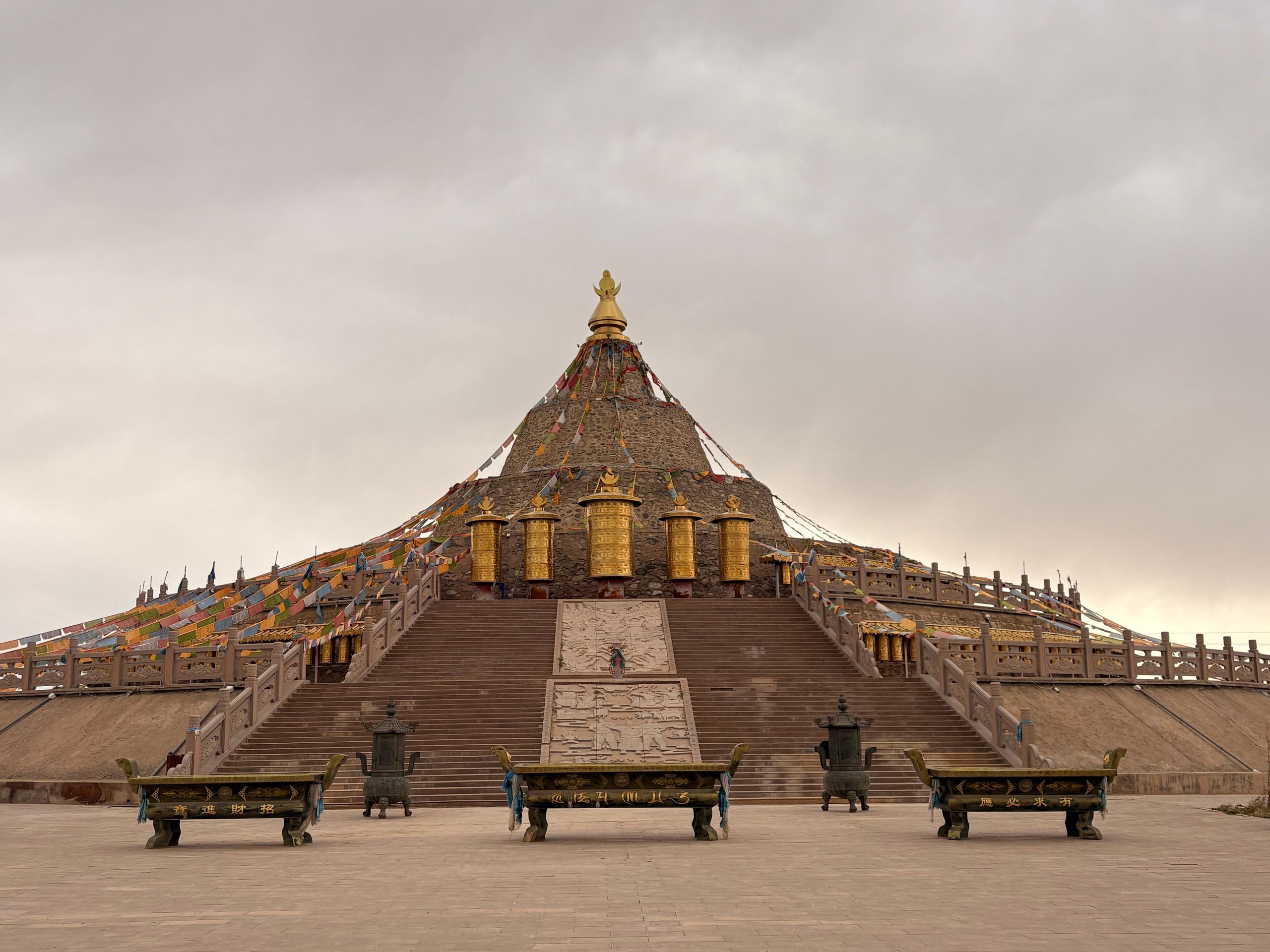
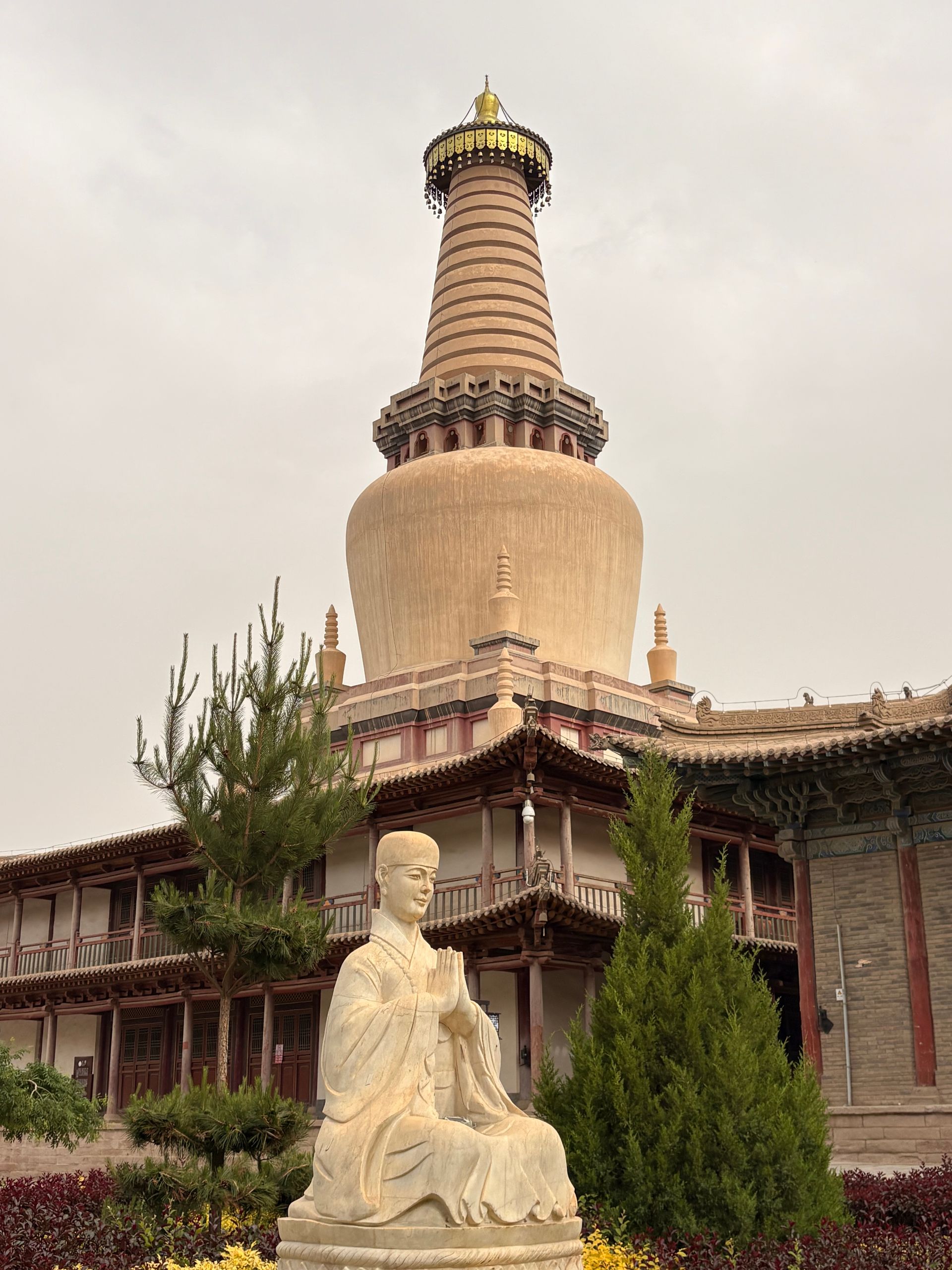
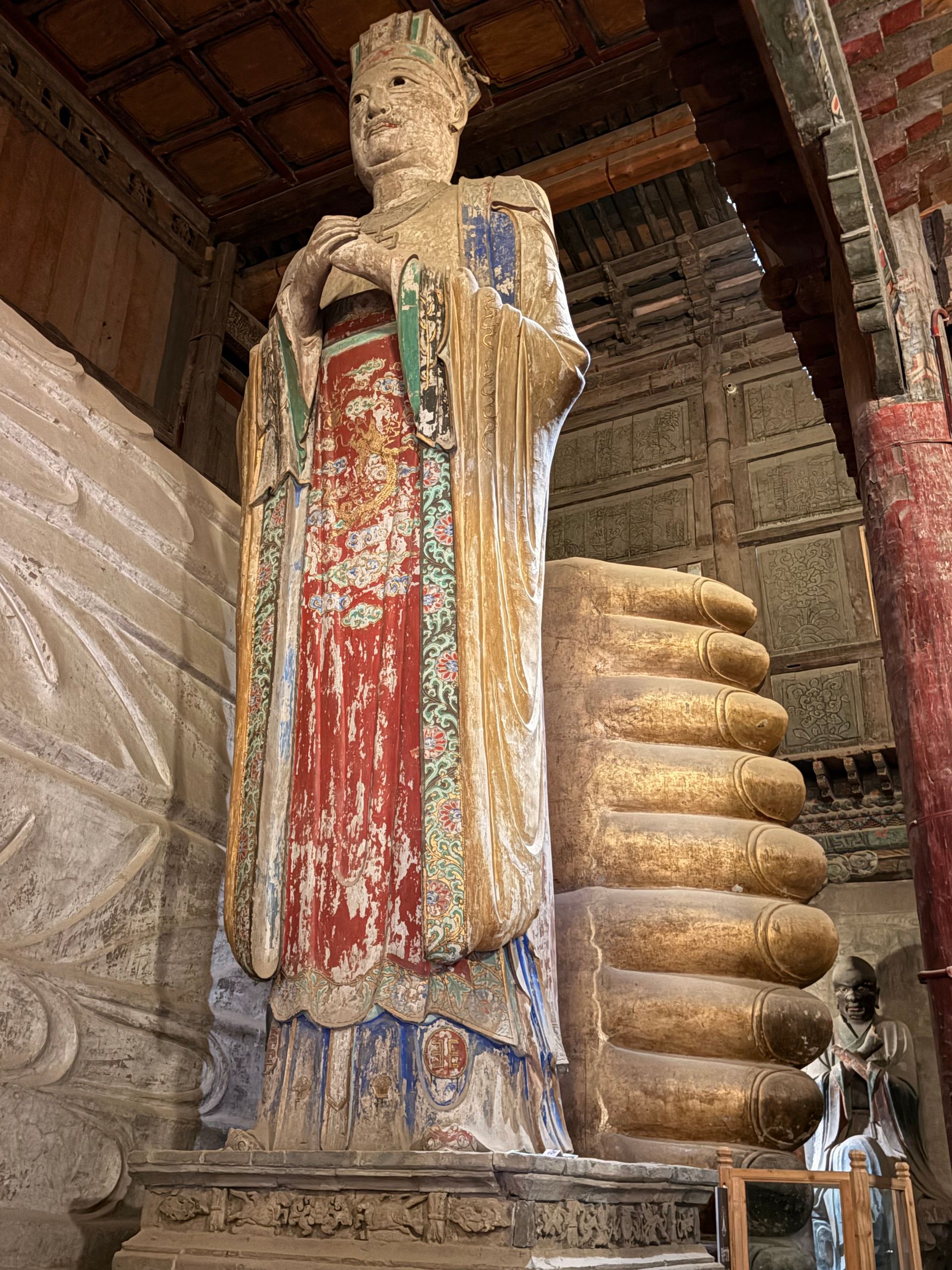
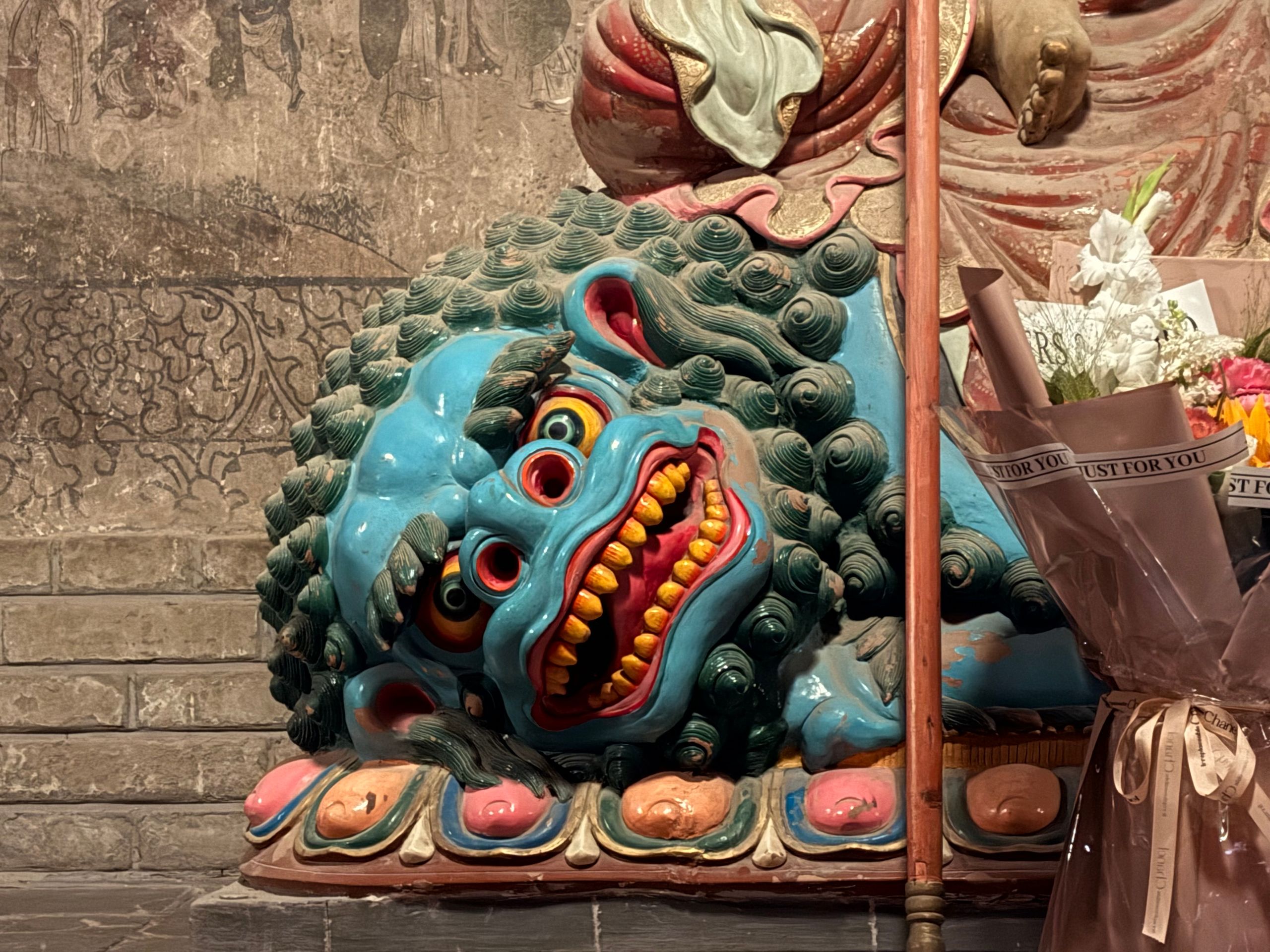
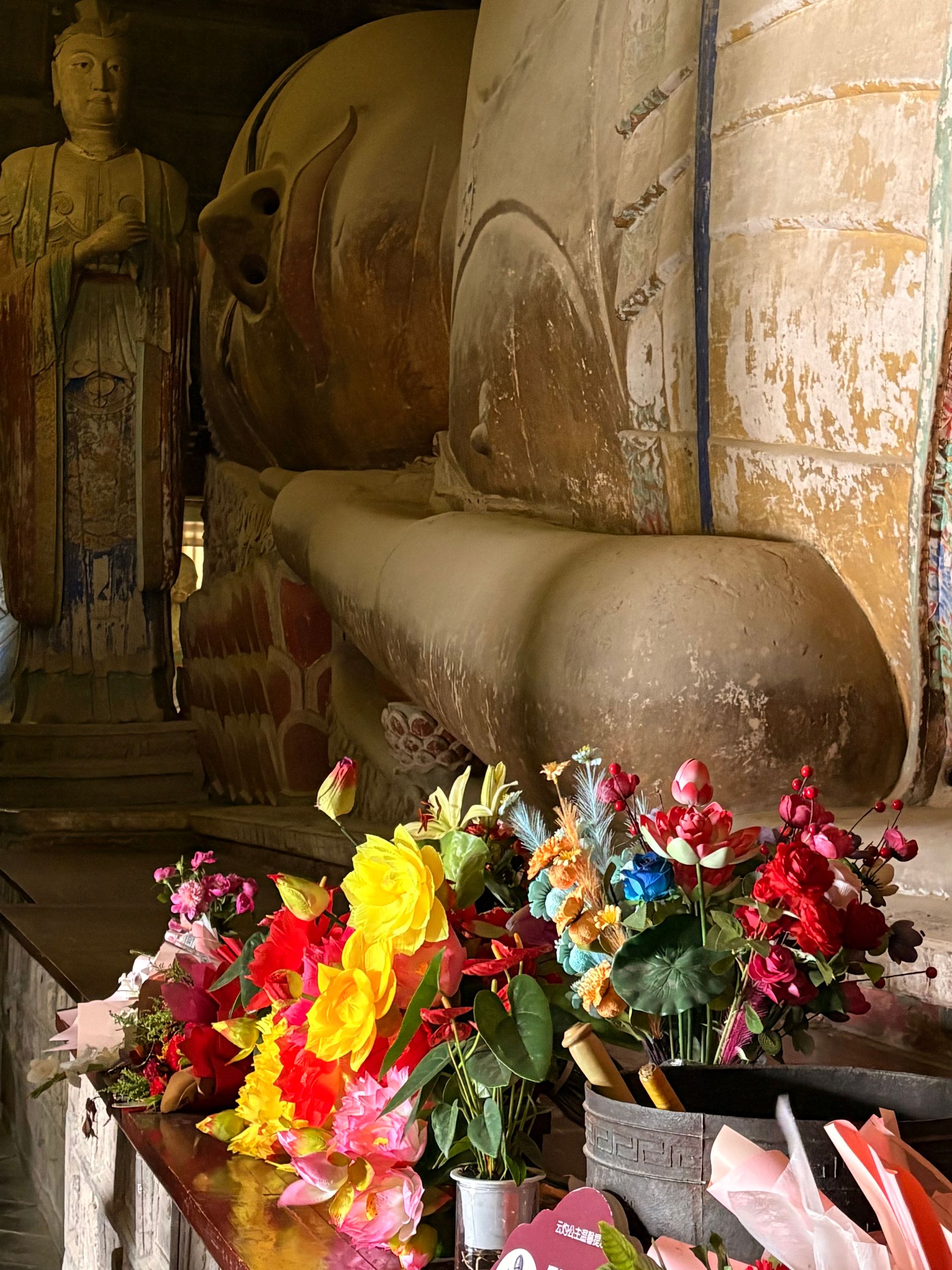
Within Zhangye, we were still surprised to see very few tourists. They all seem to be housed primarily in larger hotels near the train station and do not move around much within the city, which is good for us! The Dafu Temple, where the largest reclining Buddha statue in China, over 30 m long, is located, also impressed us a lot.
Culinary-wise, the food was flavored with a variety of spices such as cumin, star anise, cinnamon, chili, and garlic, just as one imagines the Silk Road. In an outdoor food court around the corner, there were really delicious restaurants and snacks; the noodle dishes were particularly tasty, and the portions were huge. Everyone was happy that we were there; there was even a round of liquor given out at times, and we were offered even more snacks.