

In Tana Toraja, the dead are alive
From August 15 to 18, 2026, I was in the Toraja region in South Sulawesi. Here a pronounced cult of the dead and ancestors has remained alive.
Published: 09.09.2026

On August 18, 2026, I return to Makassar, the largest city on Sulawesi, by night bus, accompanied by Mégane and Daniel from the Swiss town of Delsberg. After the emotionally intense days in Toraja and a hellish ride on a scooter along some of the worst roads I've ever traveled, I have decided that I deserve a few relaxing beach days.
After online consultations and an overnight stay in Makassar, I chose the resort of Bira at the far southeastern tip of Sulawesi and booked a place called 'Villa Panrang Luhu'. The minibus for the five-hour journey across southern Sulawesi, about 200 kilometers, costs twelve francs or Euros. Theoretically, ten passengers can ride on the worn faux-leather seats; in reality, the grumpy driver only carries two: a young local woman, with whom I can't converse due to a language barrier, and me.
The van takes me directly to the accommodation in Bira, and I marvel once again at the road construction in Sulawesi: the main road is indeed littered with potholes, some of which are currently being repaired, but it’s okay. However, the access road to 'Villa Panrang Luhu' is once again a washed-out and rutted dirt road, barely wide enough for the minibus. At the beach itself, it turns into a perfectly paved path made of concrete blocks—usage of which requires a toll.
A bungalow right on the beach
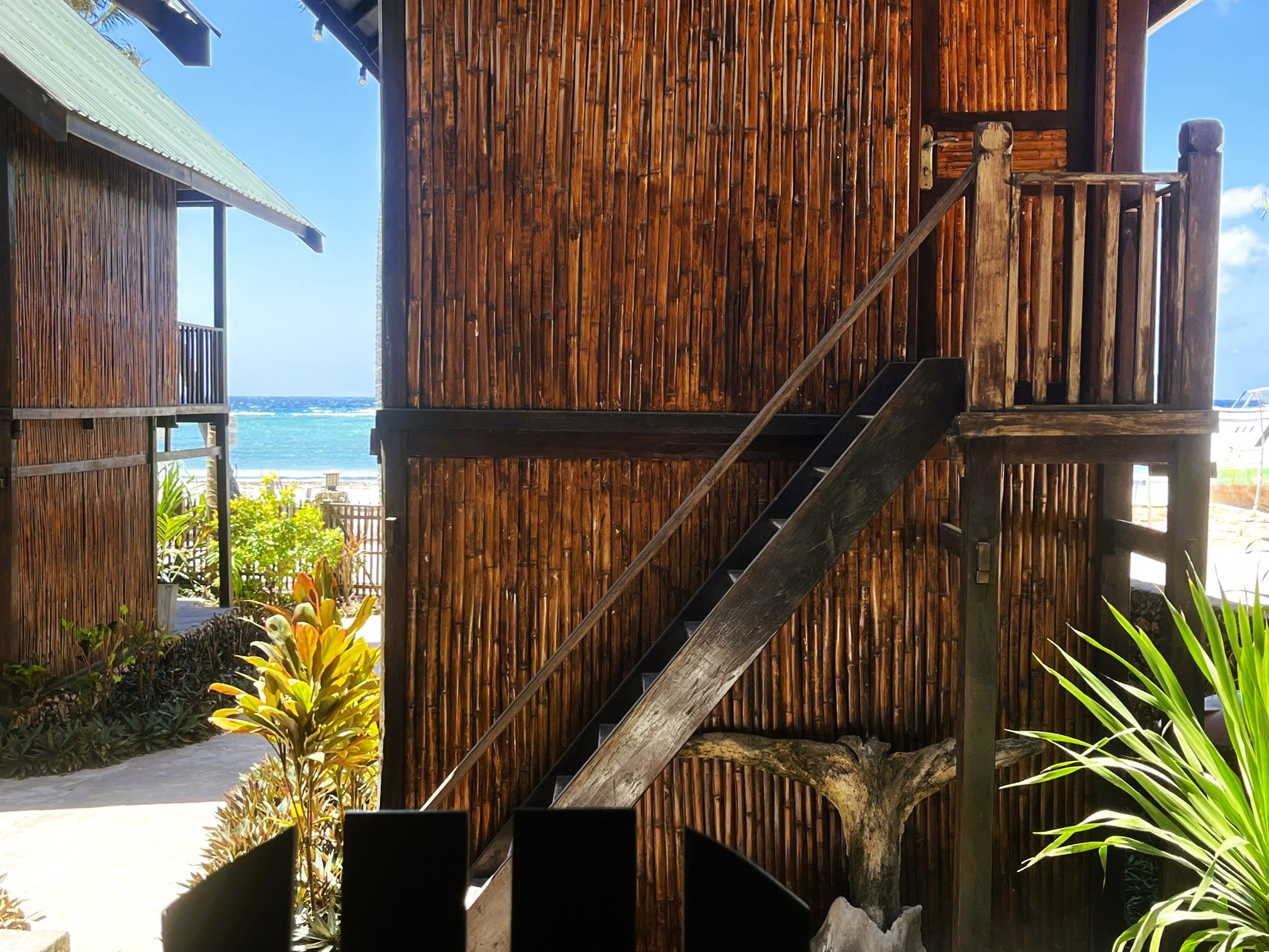
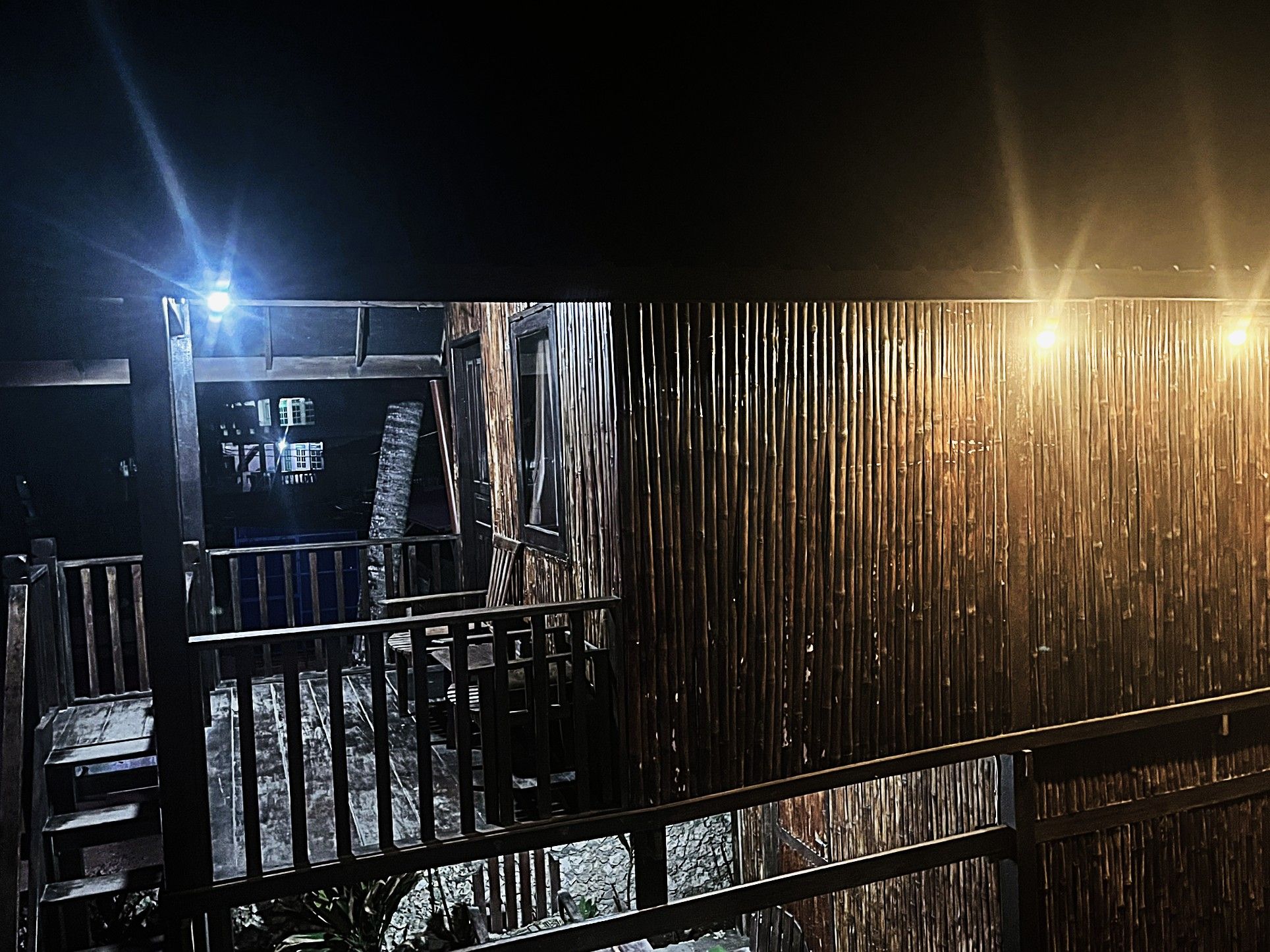
I read that the time has passed when you could get a bungalow right on the beach for twelve Euros. That referred to Thailand. Here, at the palm beach of Panrang Luhu, this offer still exists—almost: I pay the equivalent of 15 francs or Euros, which includes breakfast. Okay, it's not a luxury resort: the bungalow is almost completely filled by a double bed. The shower consists of a hose fed by a water tank. And you only get internet access if you ask Johan to turn on the hotspot.
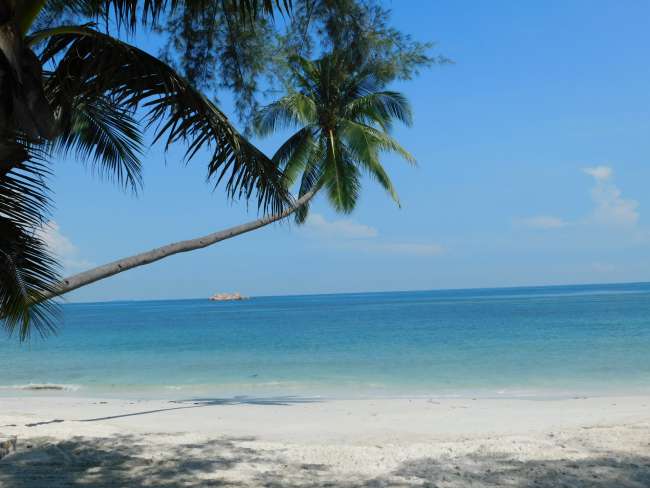
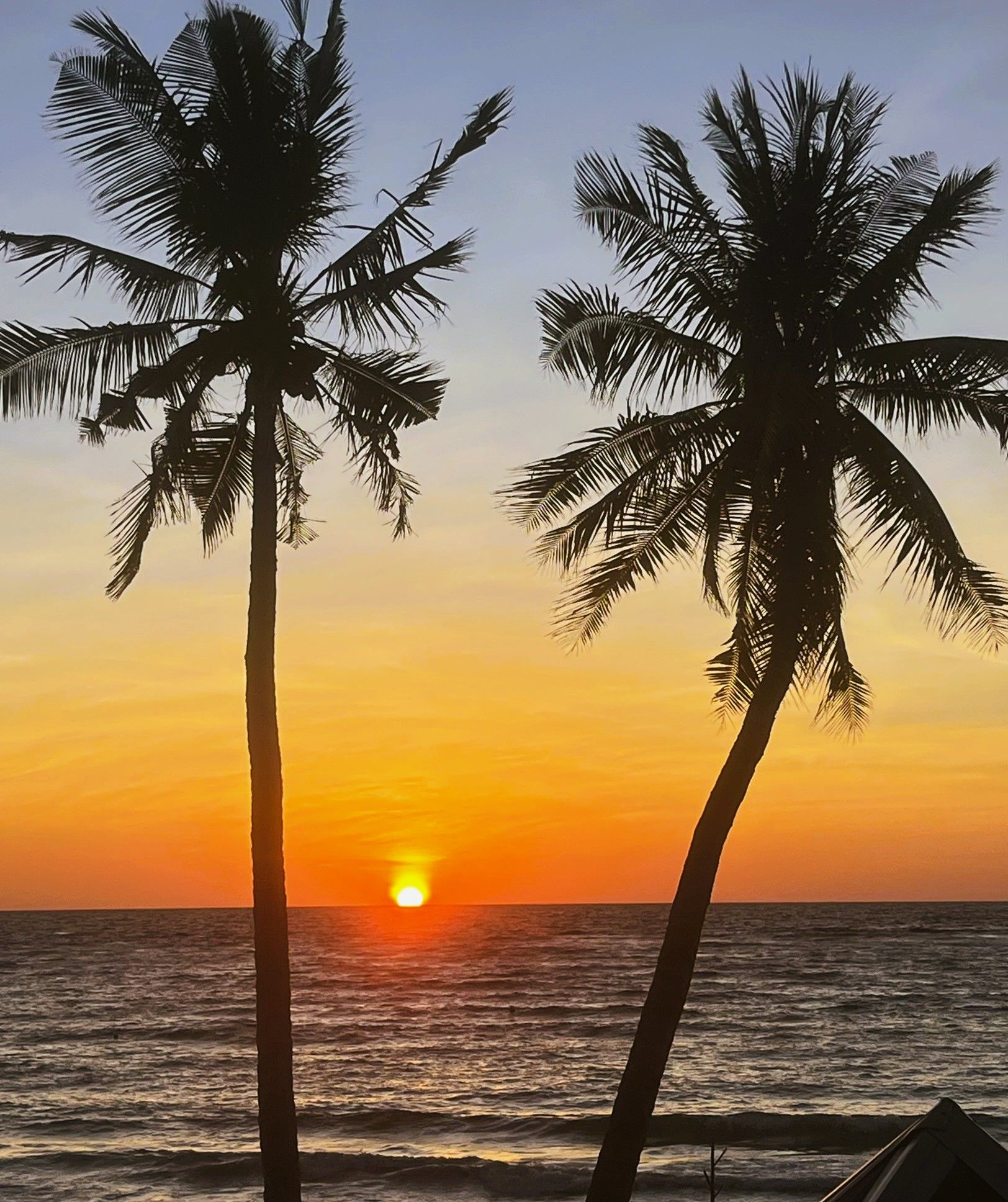
For that, I have a terrace with a table, two chairs, and an ashtray (which I don’t need). I wake up at half past five for three mornings to let the dawn work its magic on me, culminating in the sun rising exactly between two windblown palm trees that bend to the left and right, as if they want to enlarge the stage for the heartwarming spectacle.
Speaking of Johan: Johan Henrik Andersen is a Norwegian in his fifties. He owns 'Villa Panrang Luhu', which consists of simple bungalows clad in bamboo. Johan, nearly two meters tall, extensively tattooed, with a bald head, talkative and a chain smoker with a small, scruffy dog named Picasso, has been here for over twenty years and candidly shares stories about his complicated personal life and various businesses he has running in Southeast Asia.
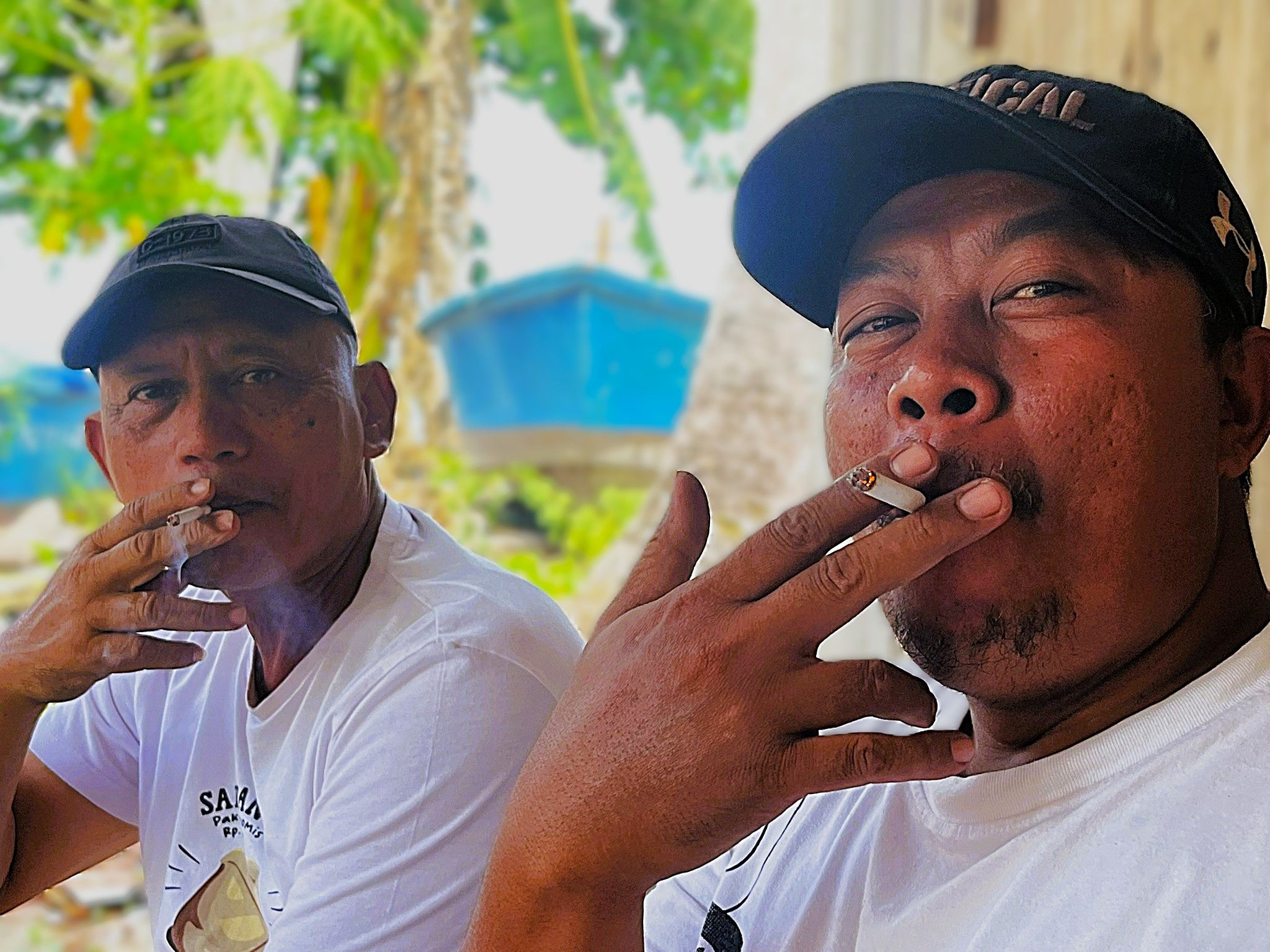
(By the way: On the list of countries with the highest number of people aged 15 and over who smoke, Indonesia ranks quite high at number ten. More than 30 percent of the population smoke, with the addiction unevenly distributed between the genders: only two percent of women, while two-thirds of men. Chicken butchers smoke while slaughtering chickens; boat builders smoke while crafting boats; taxi drivers smoke while driving. “Anyone who doesn’t smoke by age fifteen is laughed at by their peers,” explains a boy at the gas station who looks ten or twelve but claims to be sixteen and is naturally smoking as he fills up my scooter.)
Cemetery by the beach
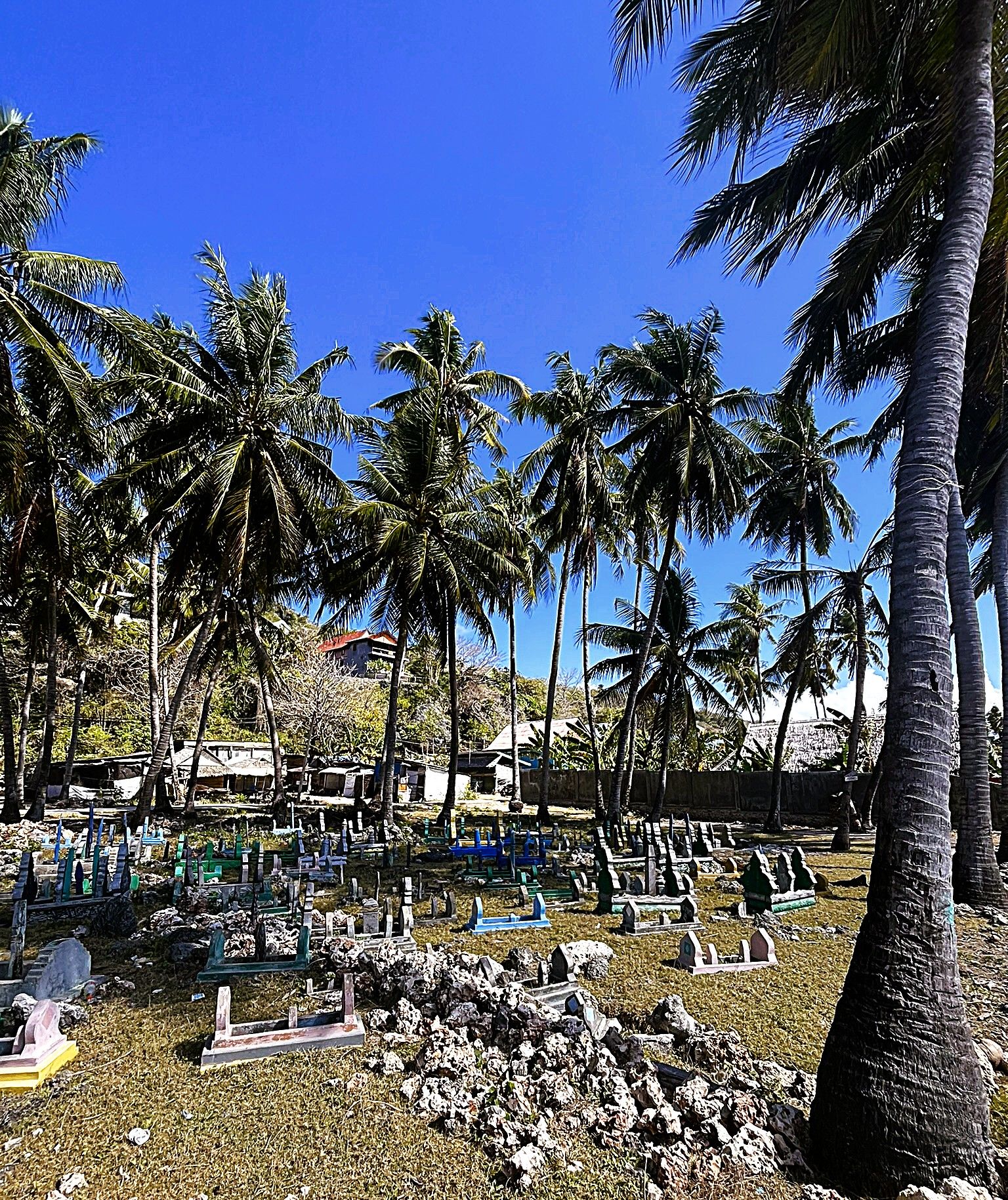
The name Panrang Luhu comes from Konjo, the local language, and means “graveyard of the people from Luwu.” Luwu was an ancient kingdom on Sulawesi a few hundred kilometers north of Bira. Indeed, there are some graves along the beach, even a cemetery in one location. Johan mentions that this is now going to be moved with great effort. “The plots directly by the sea are becoming more valuable here too.”
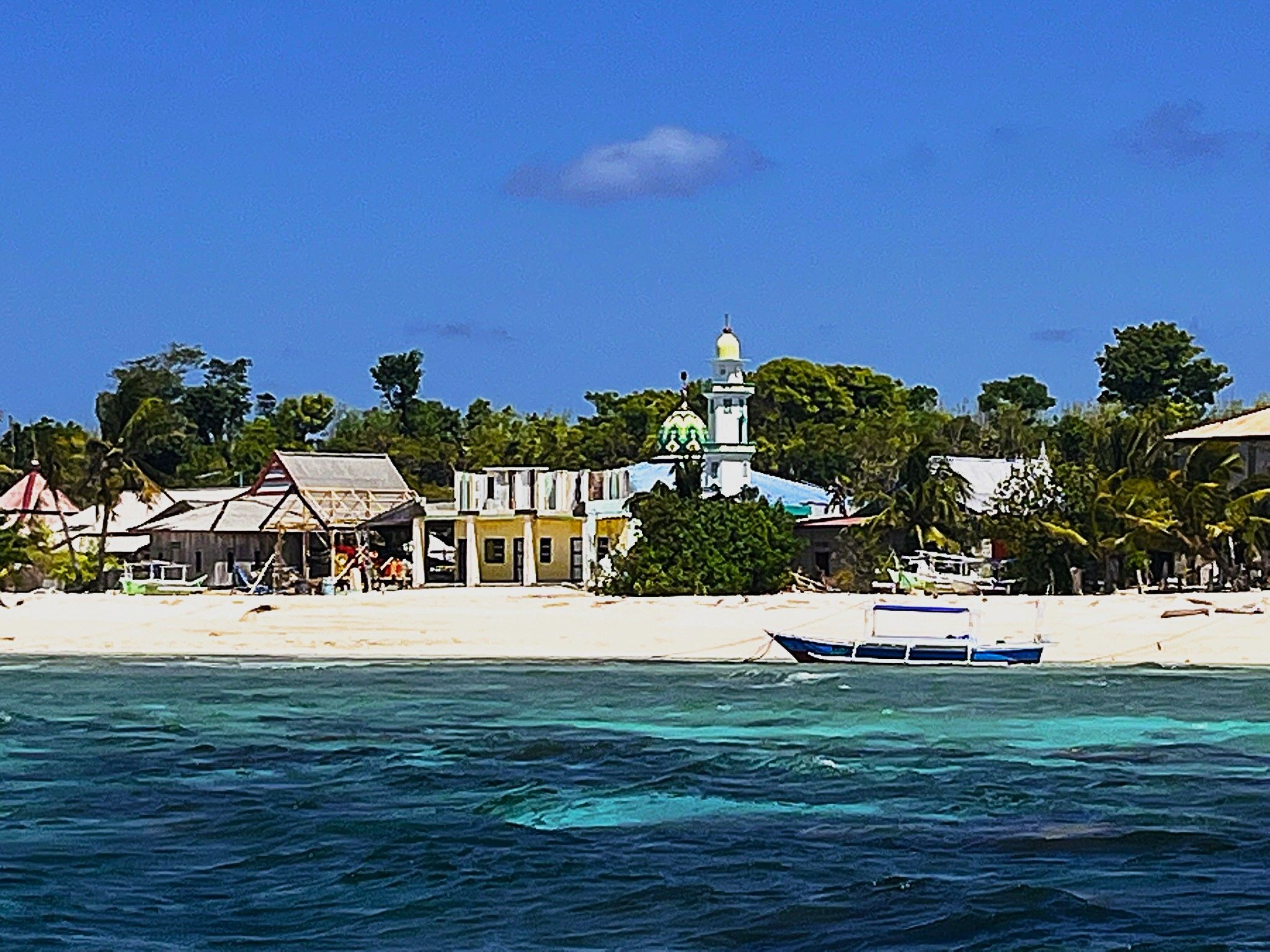
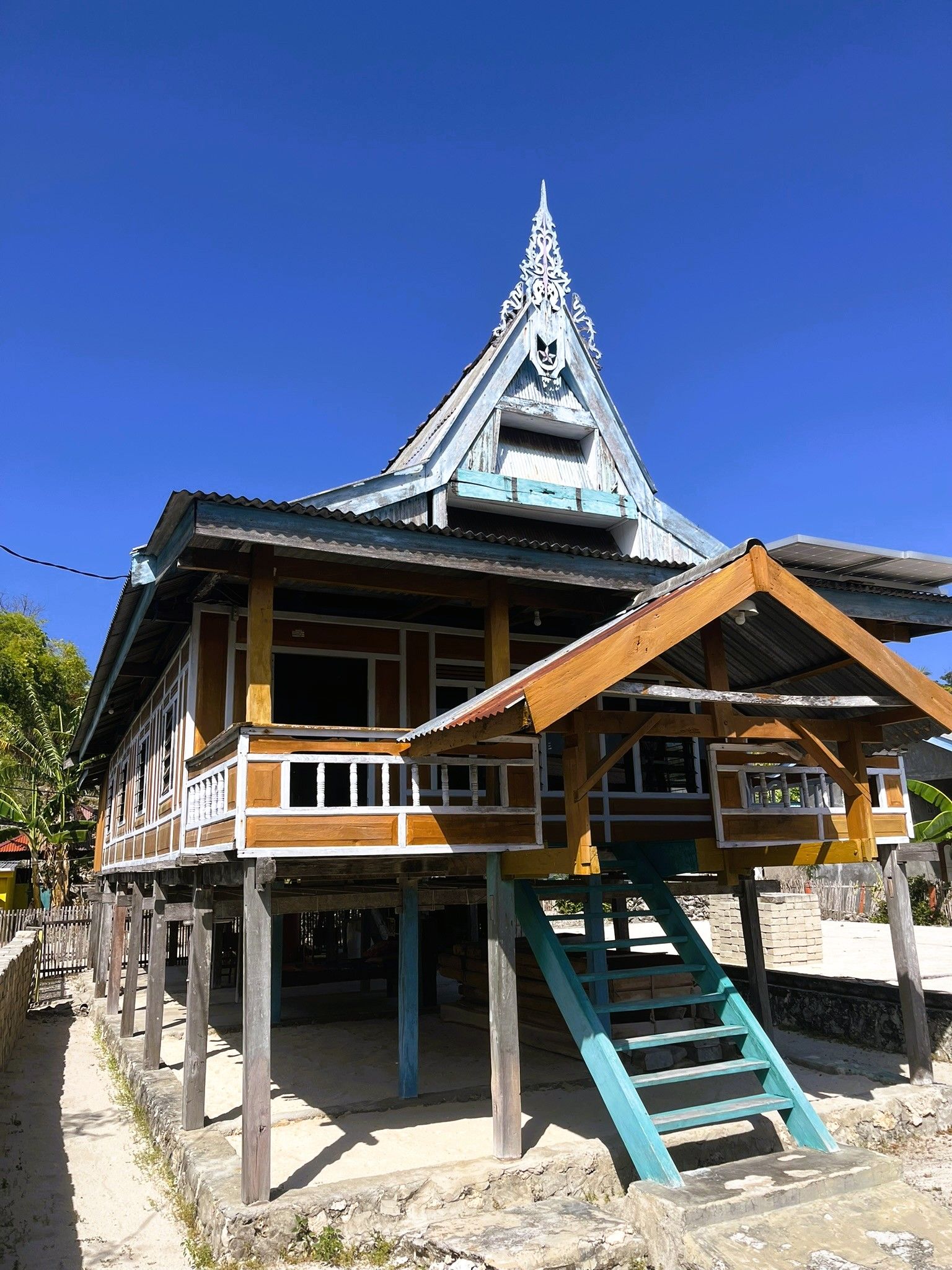
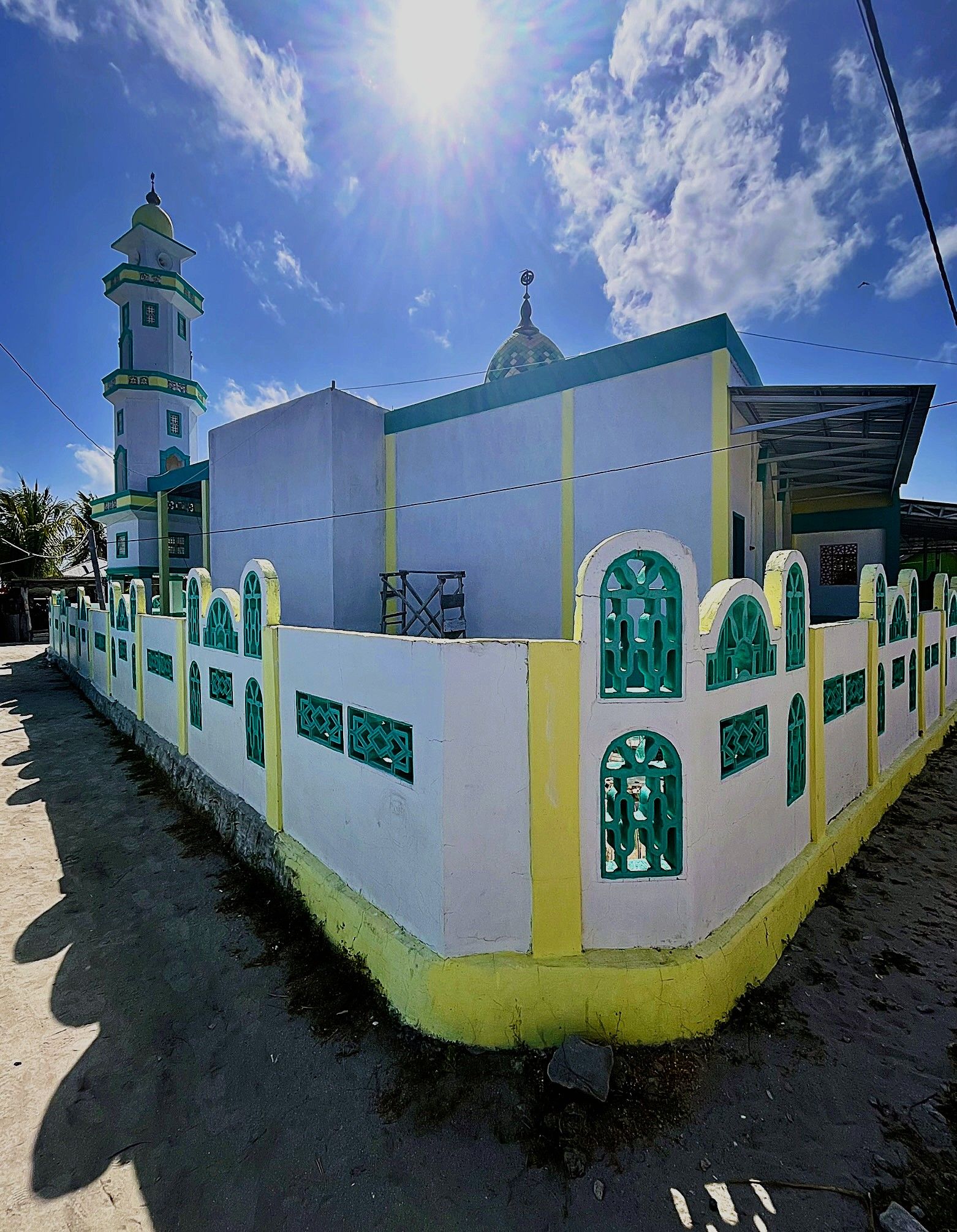
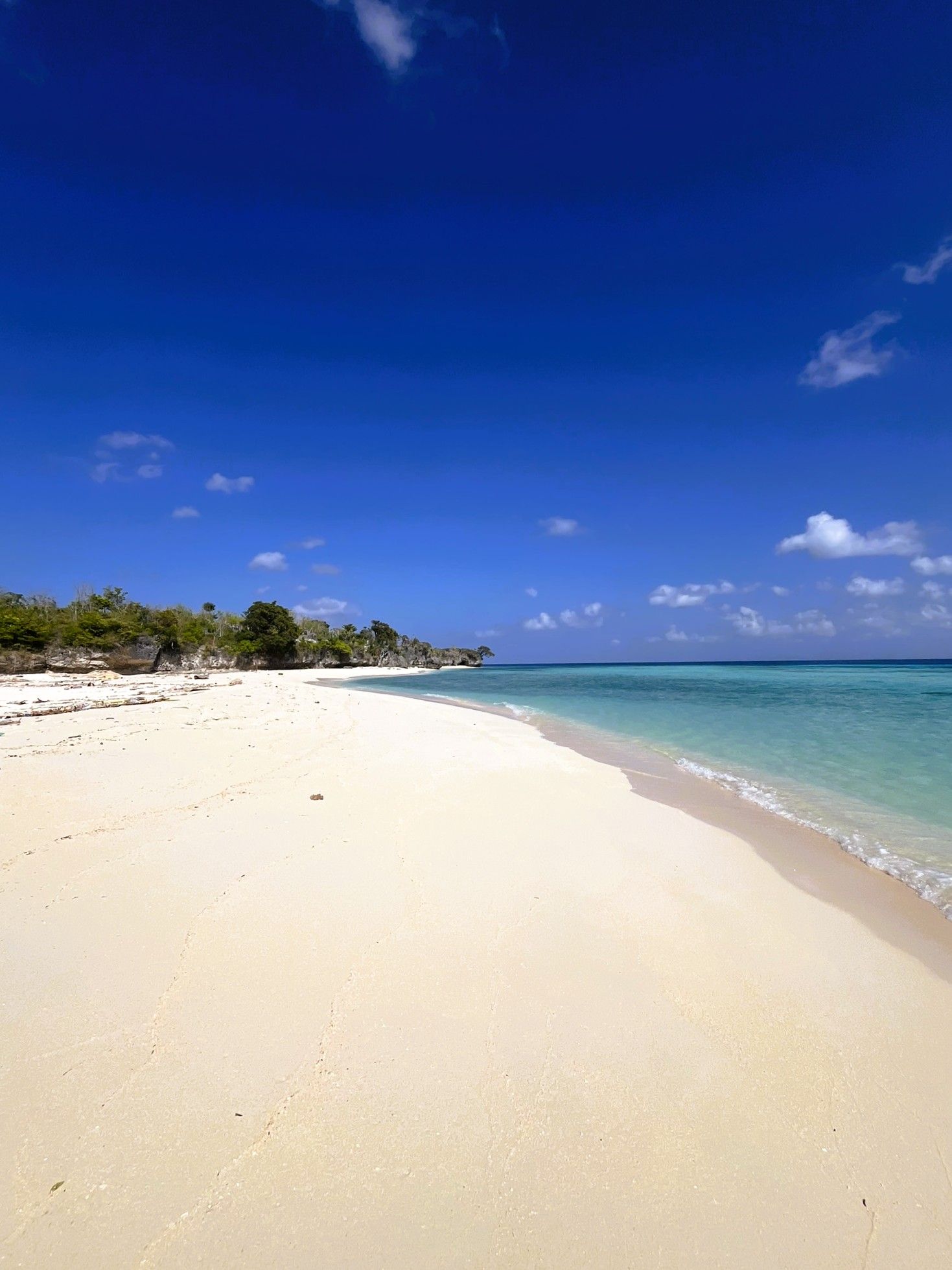
Johan is rightly described in online forums as a dedicated host. He organizes a full-day trip for me and a young English tourist to Liukang Island, with two ample snorkeling stops on the way there and back. On Liukang beach, there is a village with a colorful mosque and many traditional houses. Additionally, there is a kilometer-long beach here, which you can have all to yourself if you just walk five or ten minutes away from the village.
Day trip with Johan
On the last day of my far too short stay in Bira, Johan organizes a full-day trip for all his guests. Besides me, there are Carole, a Frenchwoman with her 17-year-old daughter Mia, and Berta and Traval, a friendly couple from Barcelona.
With four scooters, we head out, first up a narrow concrete road to a viewpoint. From up here, there is a panoramic view over Bira, located on the outermost land bridge, which means that some hotels and resorts face the rising sun, while others face the setting sun. Bira is nestled in lush green landscape, and the surrounding sea boasts deep blue tones in various shades.
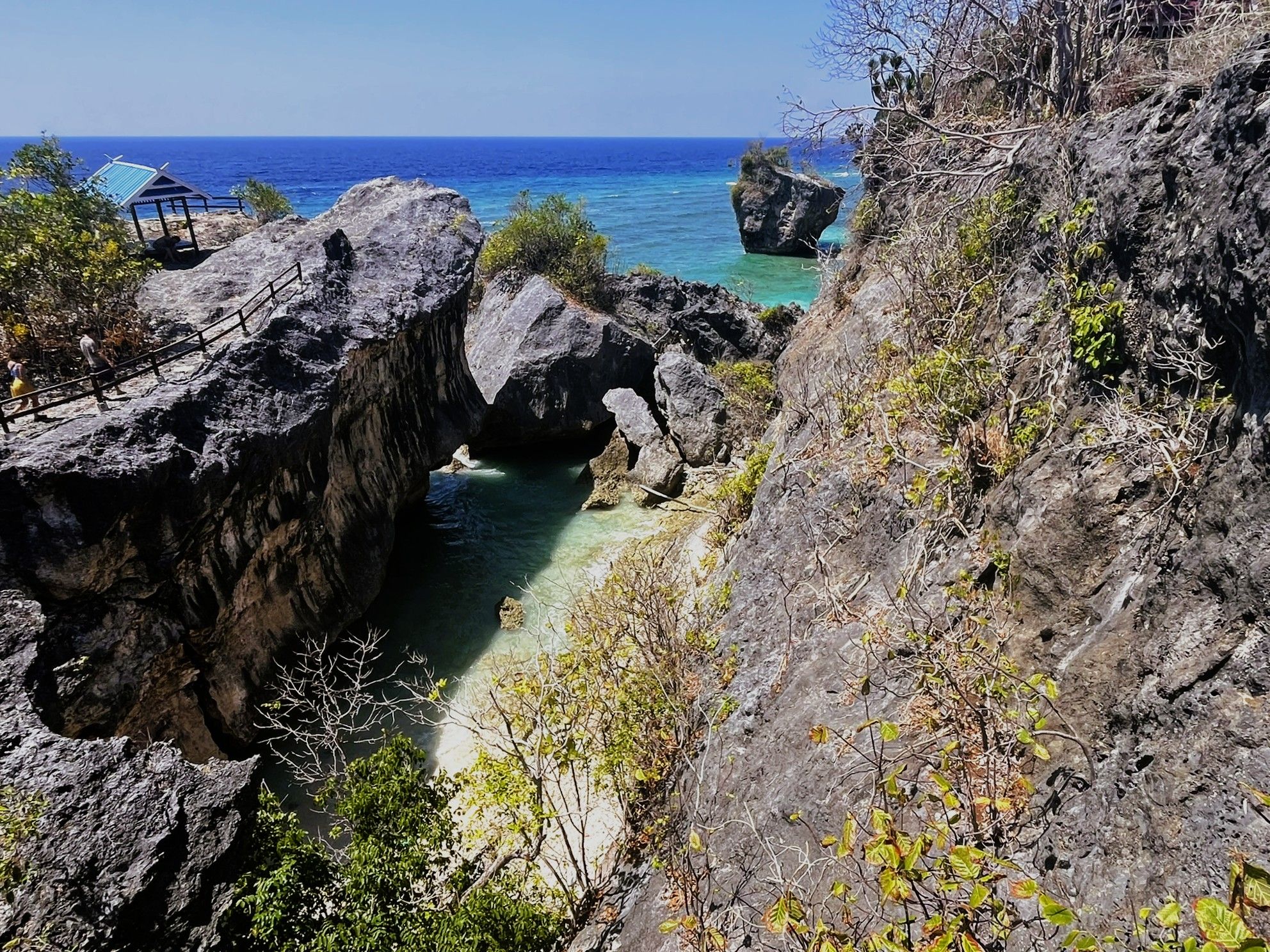
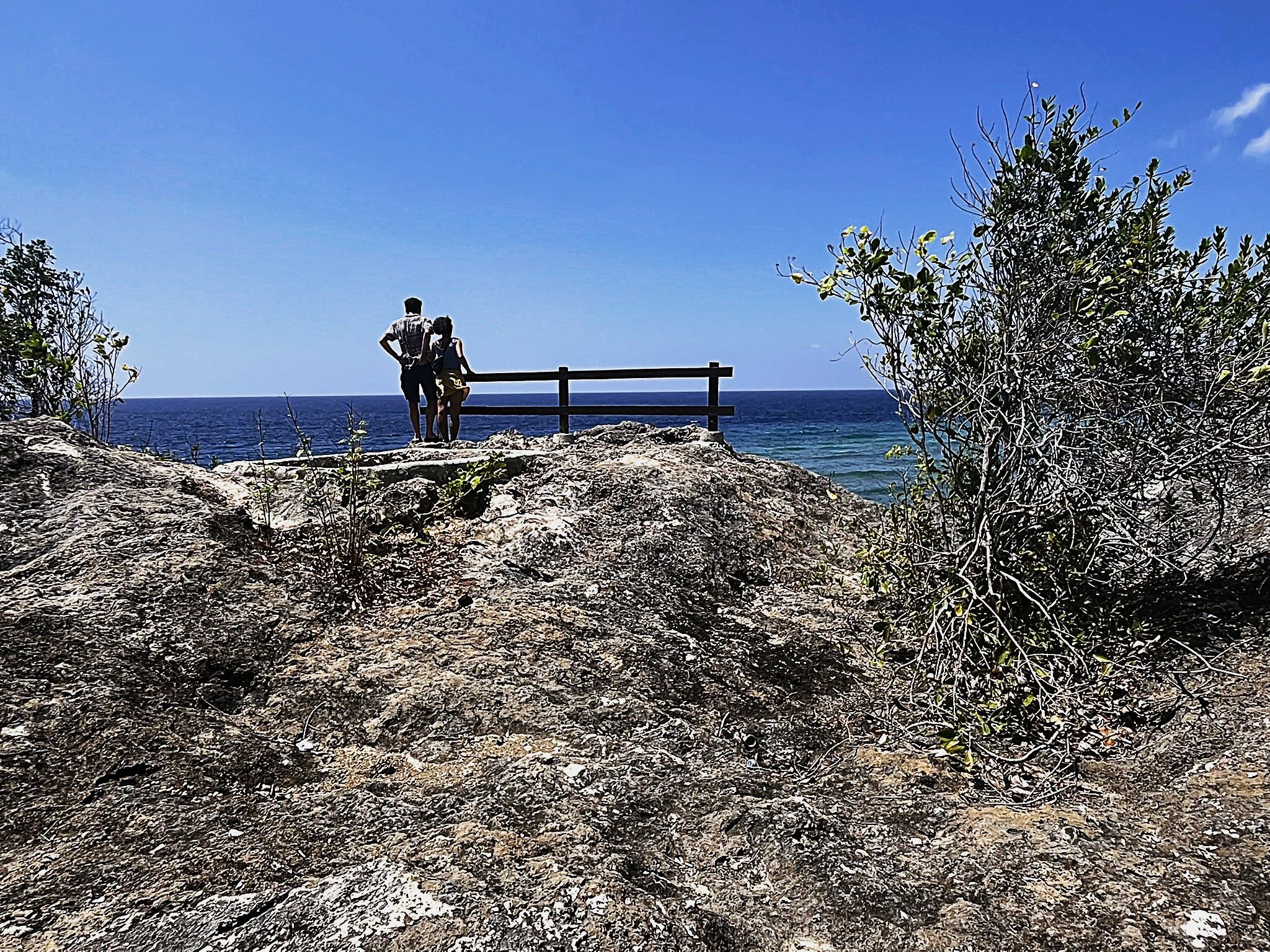
We continue to the Appalang cliffs. The steep, jagged rock formations rise dramatically from the water. Wooden walkways allow for a stroll along the cliffs; picnic areas invite you to linger: you can descend via a wooden staircase and refresh yourself in the not-so-cool water.
The area is supposed to be better developed for tourism, explains Johan. Initially, we are the only ones balancing over the cliffs. Later, a group of locals joins us, led by a carefully made-up and strikingly well-dressed young woman: “They’ve come to take wedding photos here,” says our Norwegian guide.
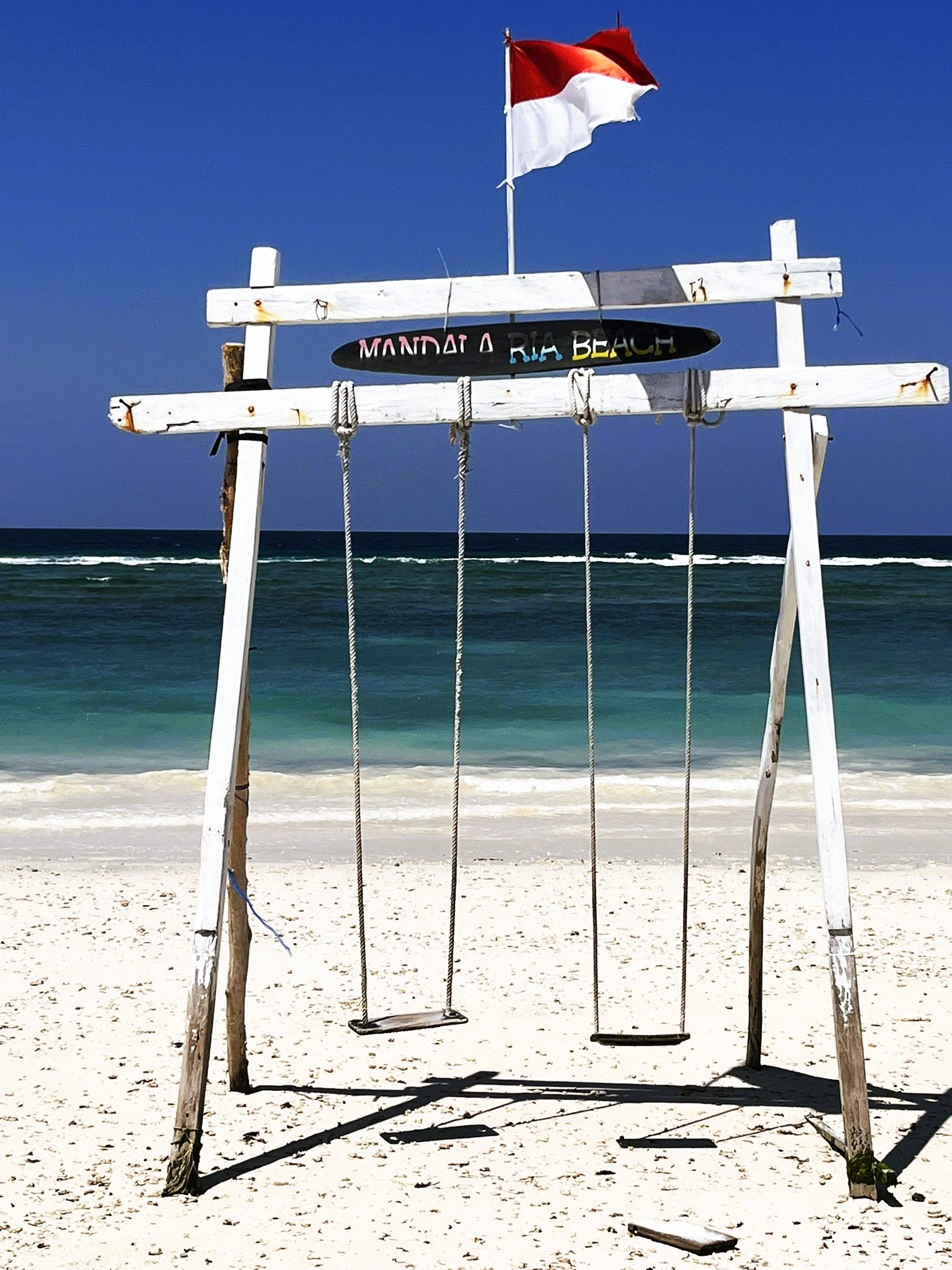
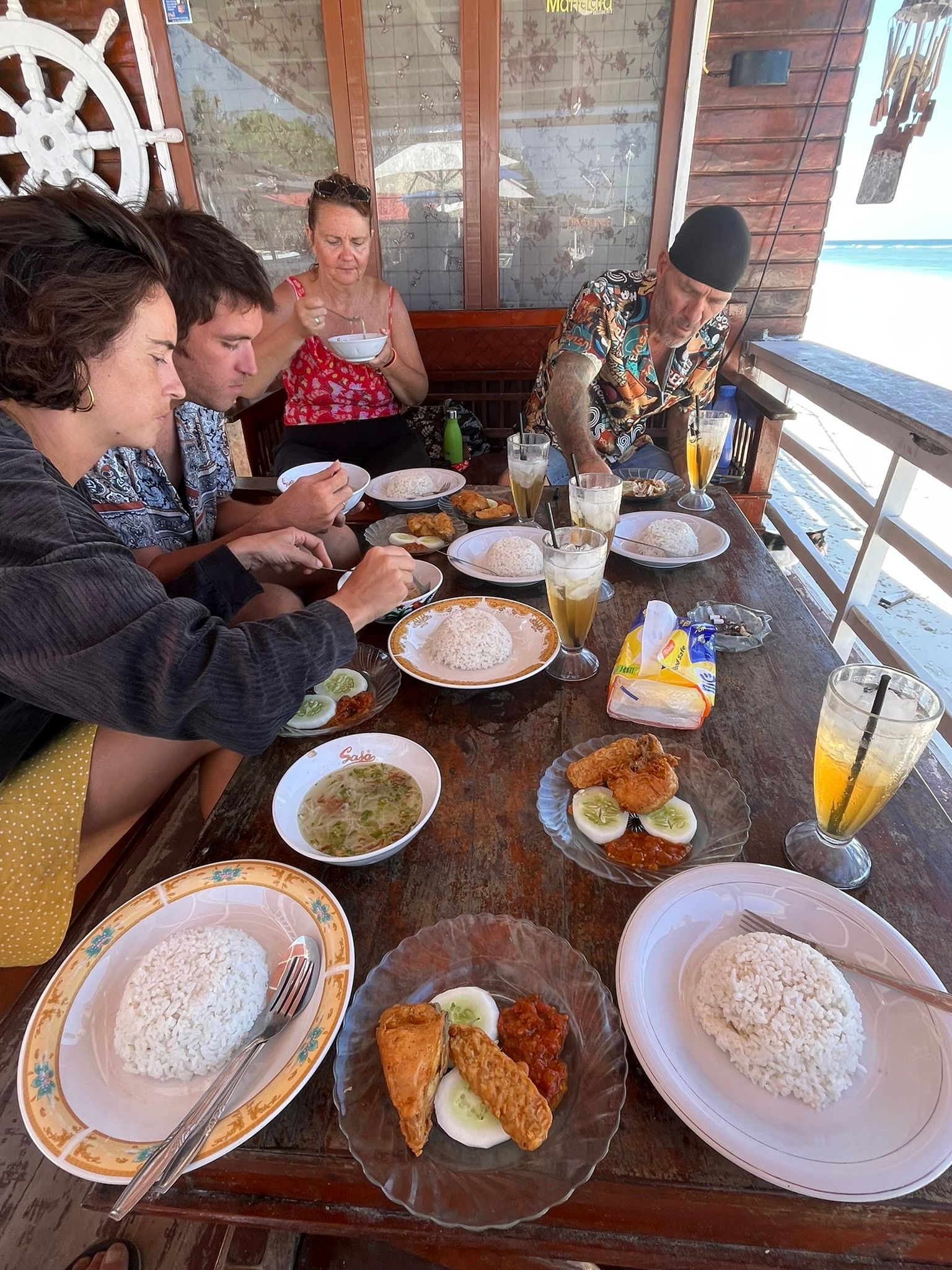
For lunch, we go to Mandala Ria Beach, another nearly deserted beach. In a simple yet cozy restaurant right by the water, we are served the standard Indonesian lunch: soup, rice, chicken, and sambal, the spicy dip made from tomato and chili. There is a huge swing on the beach.
Tana Beru and palm wine
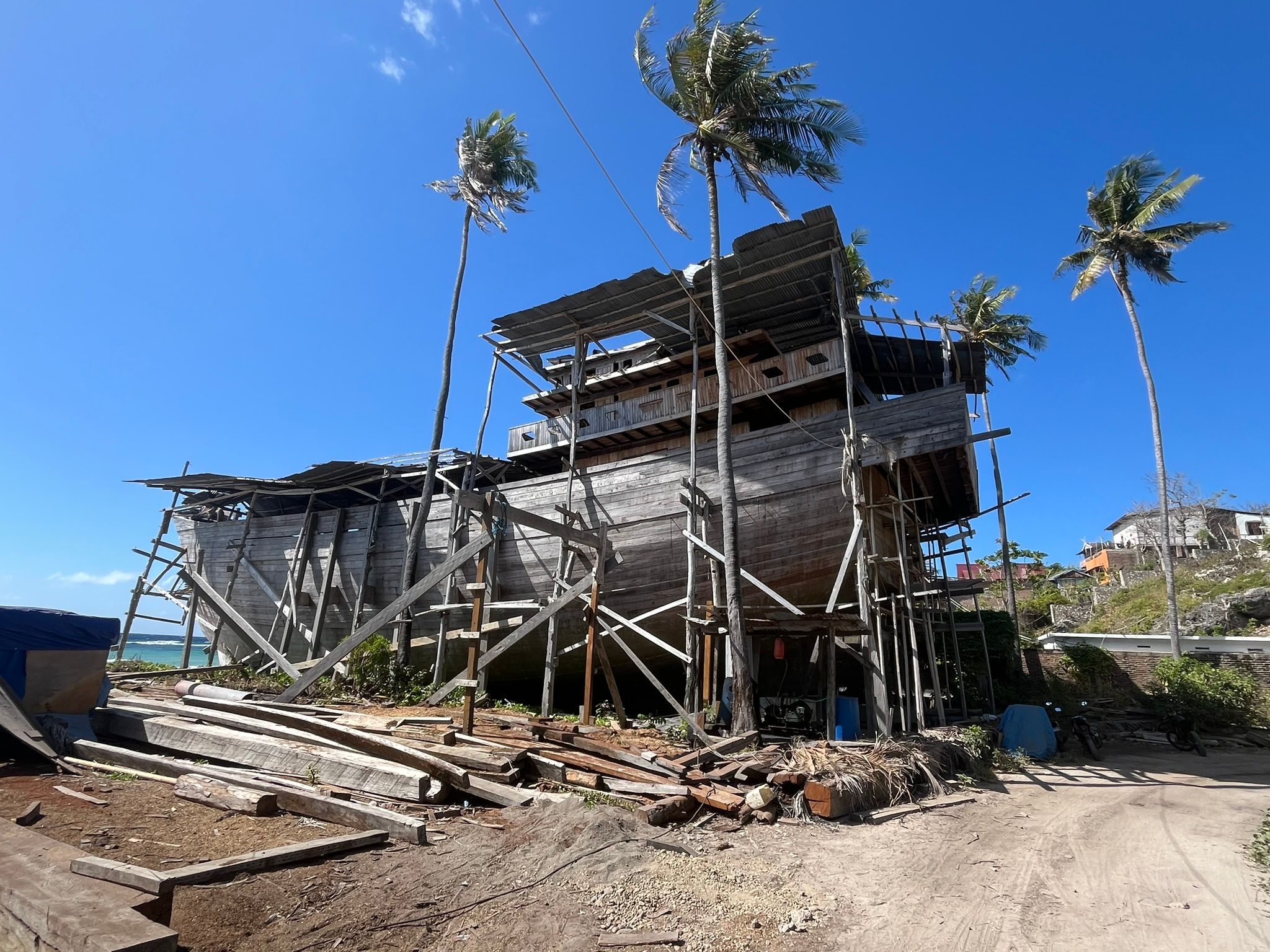
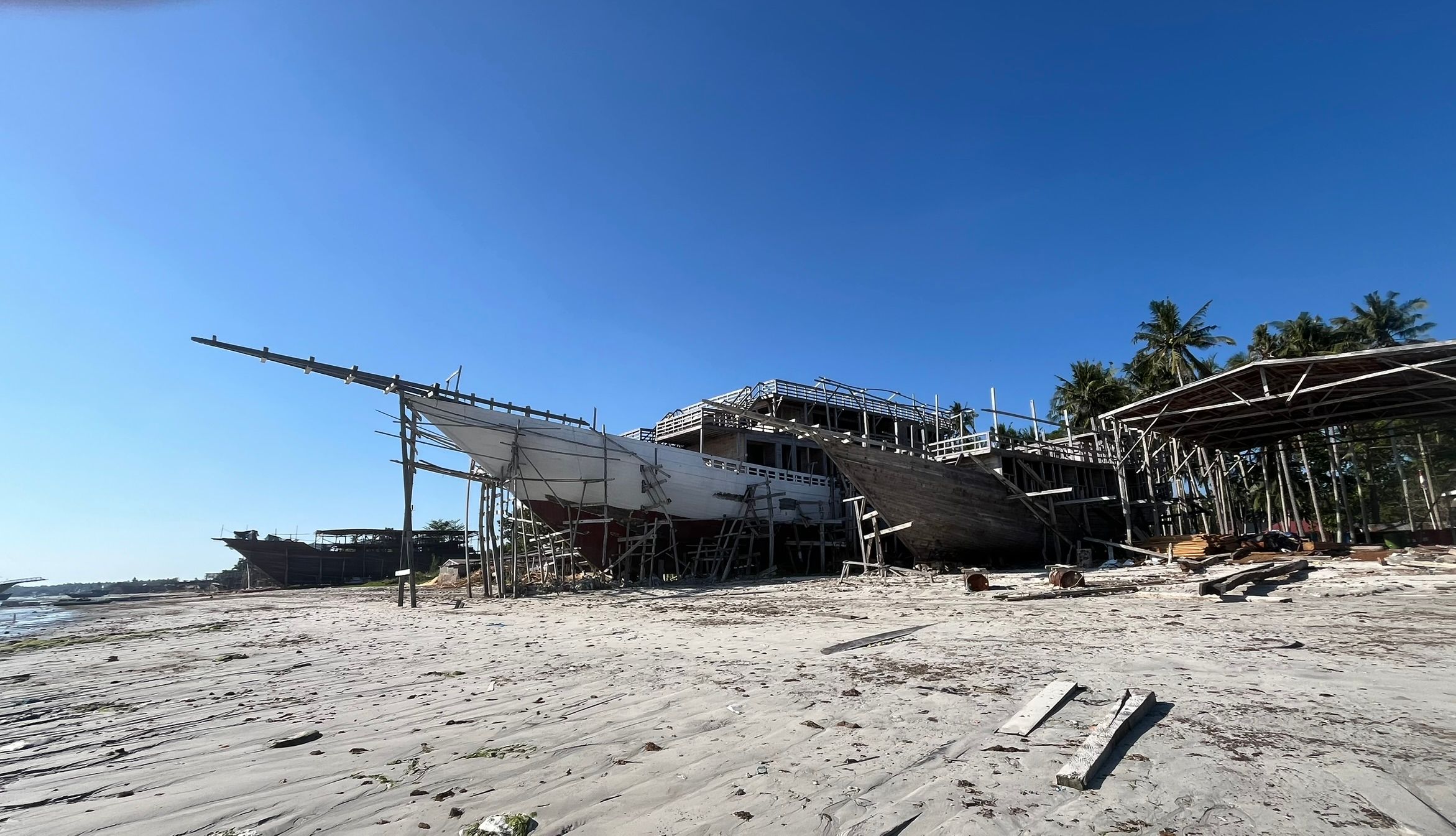
In the afternoon, we head to Tana Beru, the famous boat-building center. Right on the long beach, unfinished wooden ships named Phinisi stand side by side. The Phinisi are built according to a tradition that goes back at least 700 years, made from wood, without nails, and almost without machinery. Unesco listed “Pinisi, Art of Boatbuilding in South Sulawesi” as an intangible cultural heritage of humanity in 2017.
The boats are constructed for two very different purposes: In the port of Makassar, I saw Phinisi cargo ships transporting goods between islands. In Bali and especially in the Komodo National Park, better-equipped boats with dormitories and single cabins are used for short cruises.
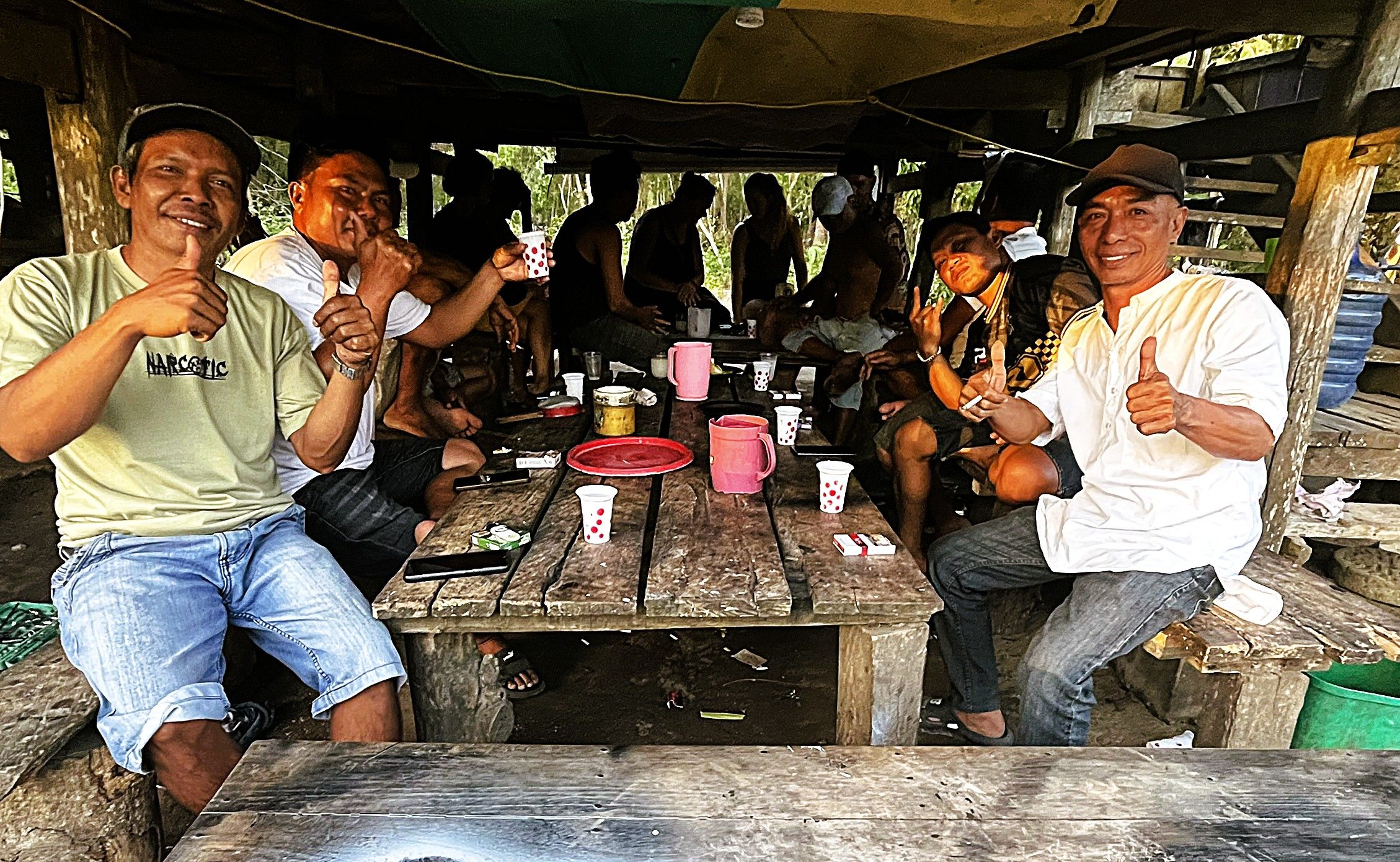
After visiting the shipyards, we proceed to the social part of the day: on the edge of a village, we enter an informal, roughly-constructed tavern where some already quite boisterous men are sitting and greet us loudly. They only serve one drink here: palm wine.
Johan explains how this is made: Male flower clusters of the sugar palm are beaten with a wooden mallet for several days, then cut open so that the sugary juice can flow out. The juice runs through a bamboo tube into a container. The fresh juice begins to ferment quickly and turns into the sweet palm wine with four to five percent alcohol within hours.
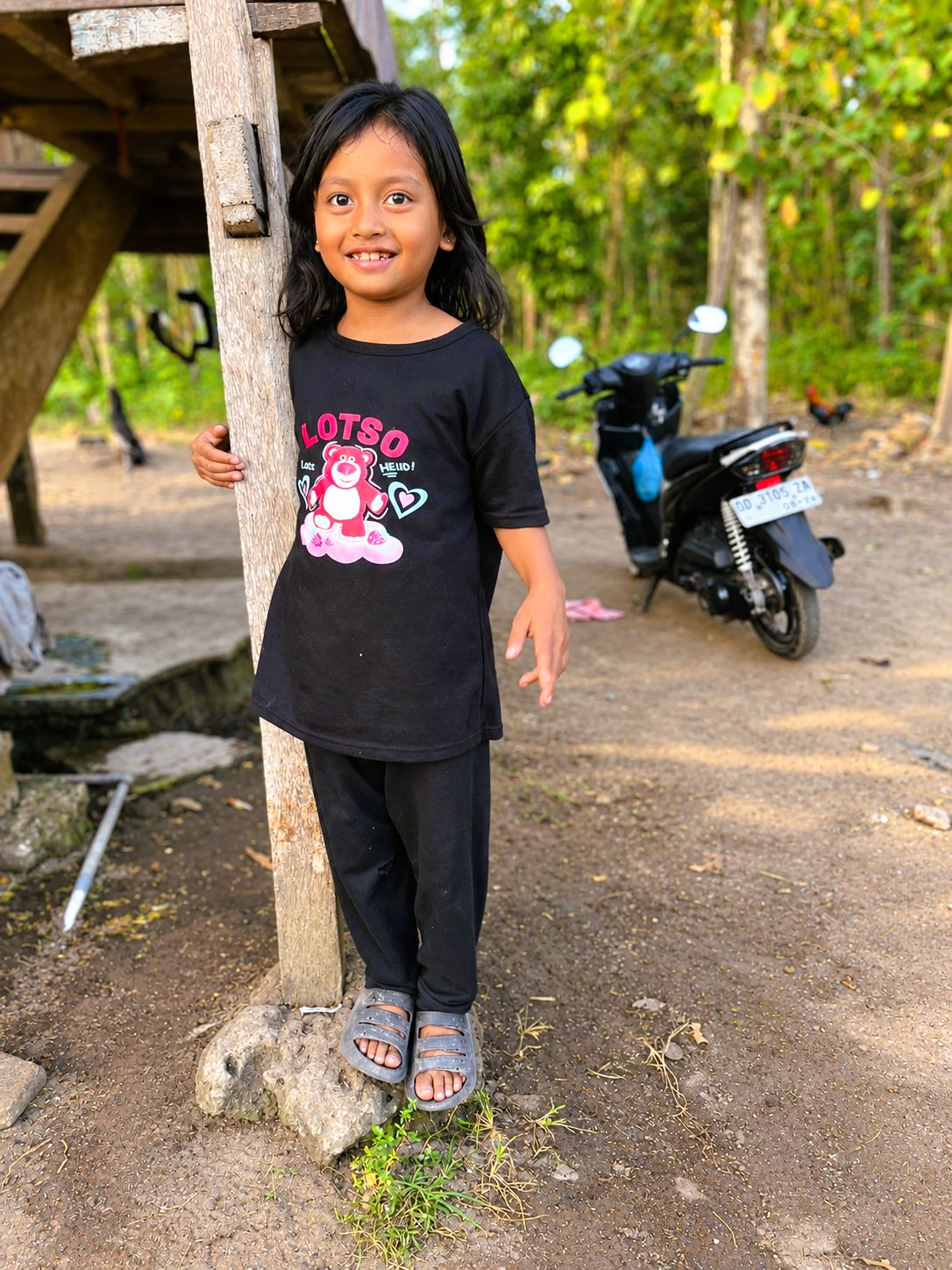
Although the palm wine is cheap, less than one euro per liter. But the tavern owner has earned enough to move from the wooden shack above the drinking establishment into a new stone house. His children are playing around.
However, the effects of the palm wine do not materialize, and just before dusk, we move on to a fish and seafood restaurant right by the beach, where we enjoy the sunset over the Flores Sea and then can choose which fish should be grilled for us.
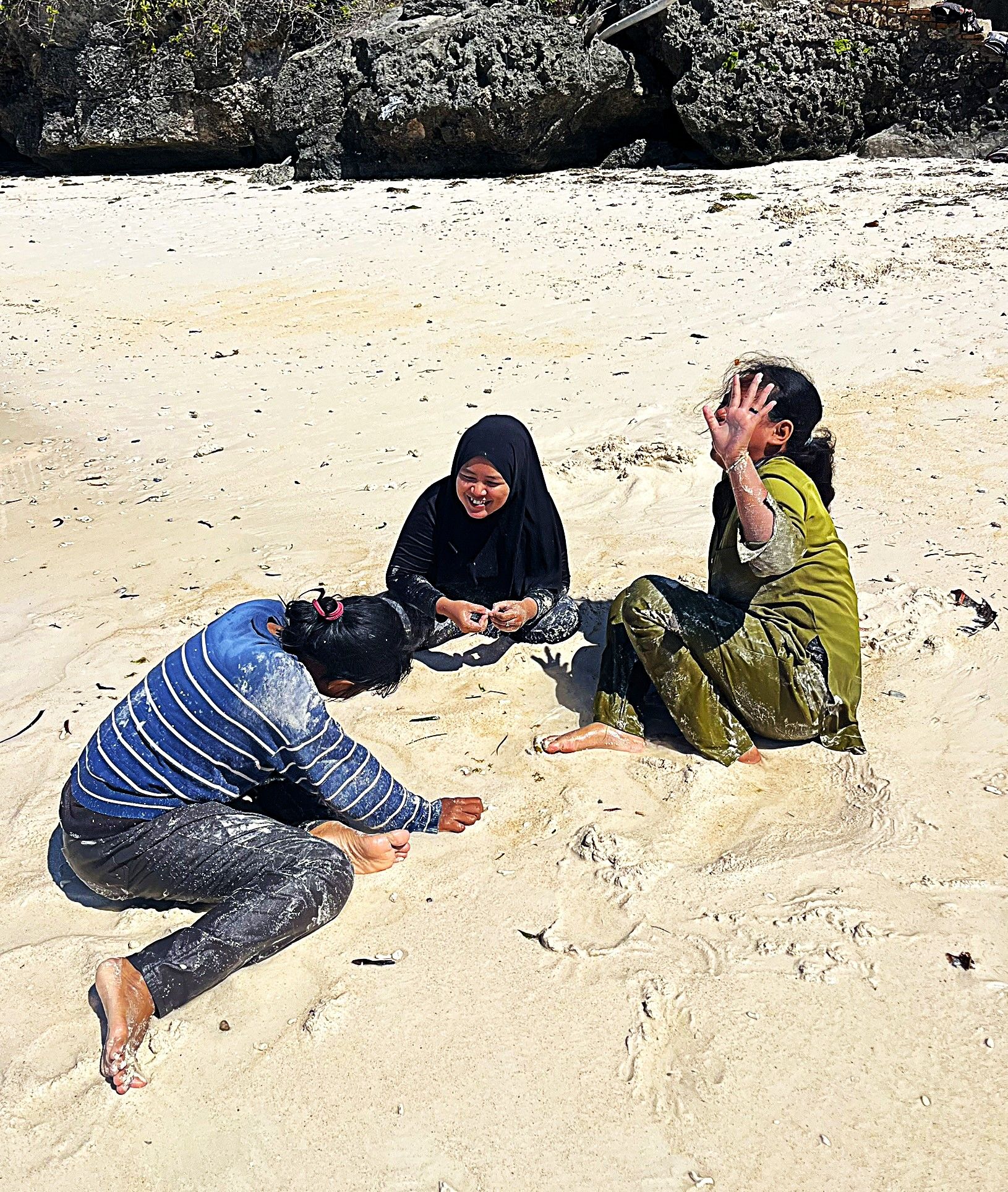
Bira is therefore beach life in its purest form, with tourists mainly coming from Sulawesi itself. Bira Beach, with countless warung, small food stalls, is quite lively; I have practically claimed the nearby Bara Beach with its powdery white sand for myself, aside from a few local families, until boats start arriving around noon, one after the other, and the divers, exhausted from morning activities, disembark with their heavy gear and climb the steps to their resorts.
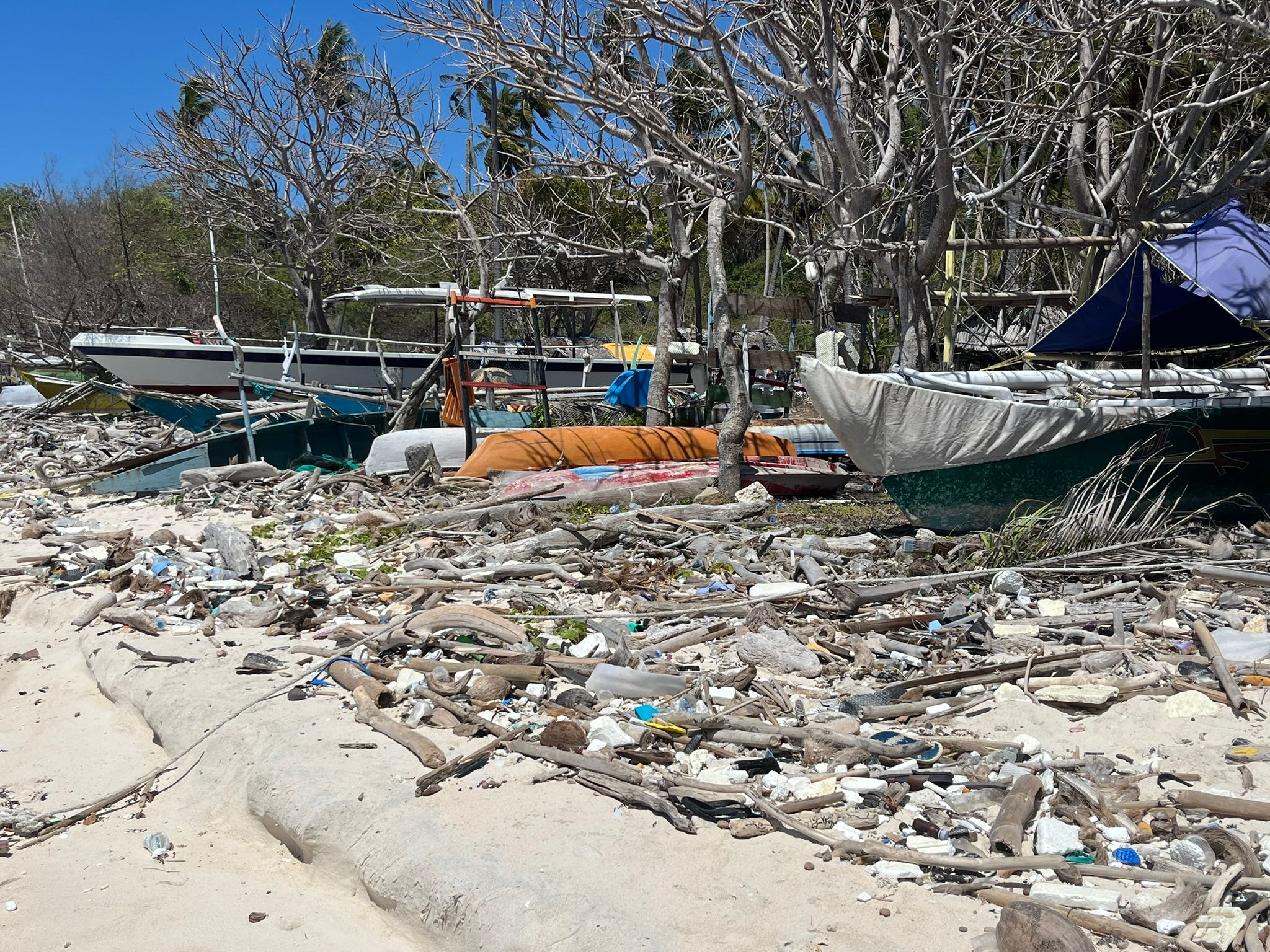
On another day, I rode down to Dego Dego Beach through bumpy field paths. Here too: almost no one, a few teenagers on the sand, a small mosque in the underbrush. But right behind the sandy beach, directly beneath the palms, is a dump with driftwood, discarded construction debris, and the rotting hulls of small ships that have been abandoned here.
One can escape civilization even in the most remote corner of South Sulawesi, but only temporarily.