
Hoi An, Vietnam
We booked two places (3.50 euros per person) at the “Duck Leader” via GetYourGuide – a small farm where you can feed ducks.

Pubblicato: 24.07.2026
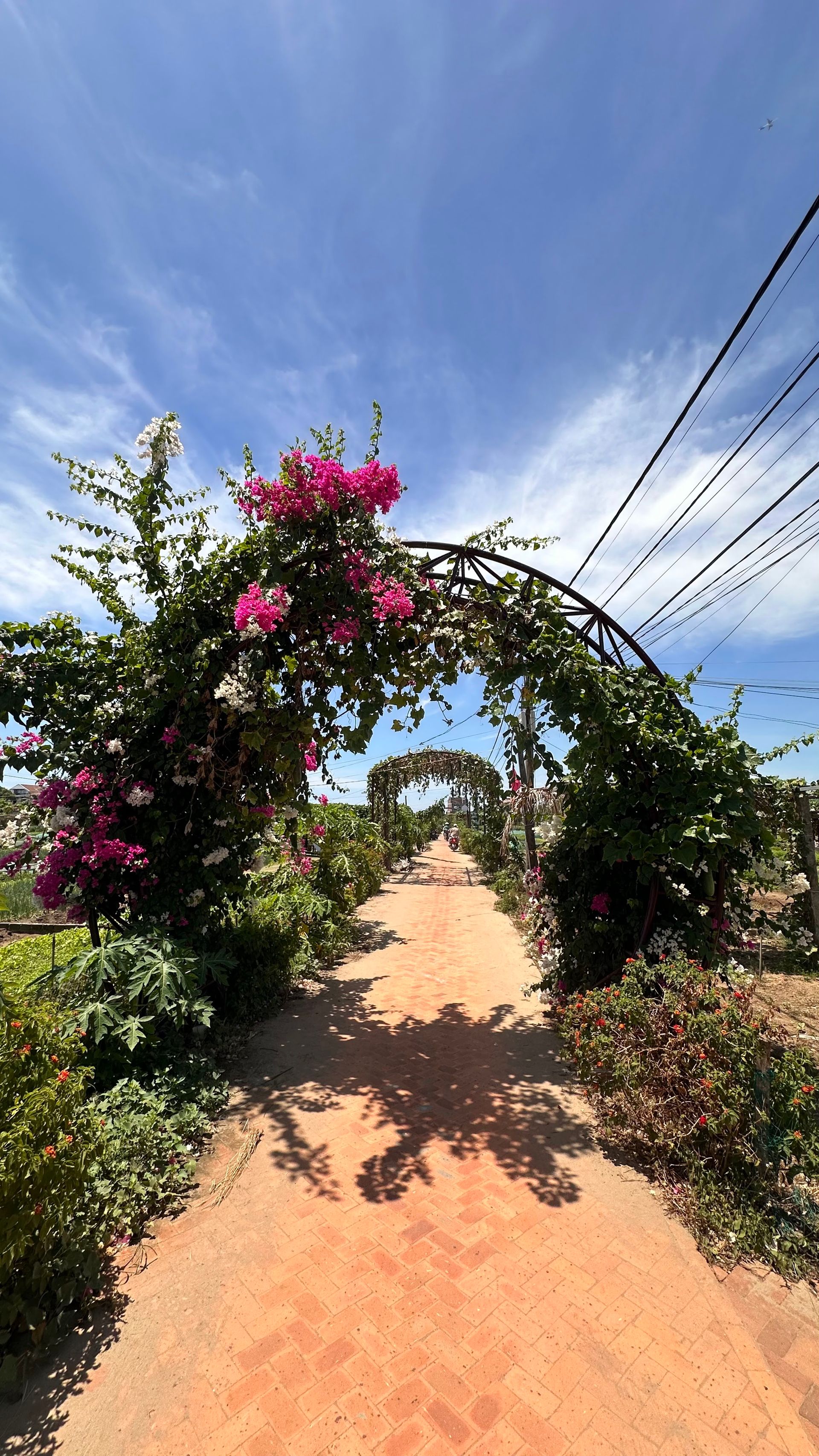
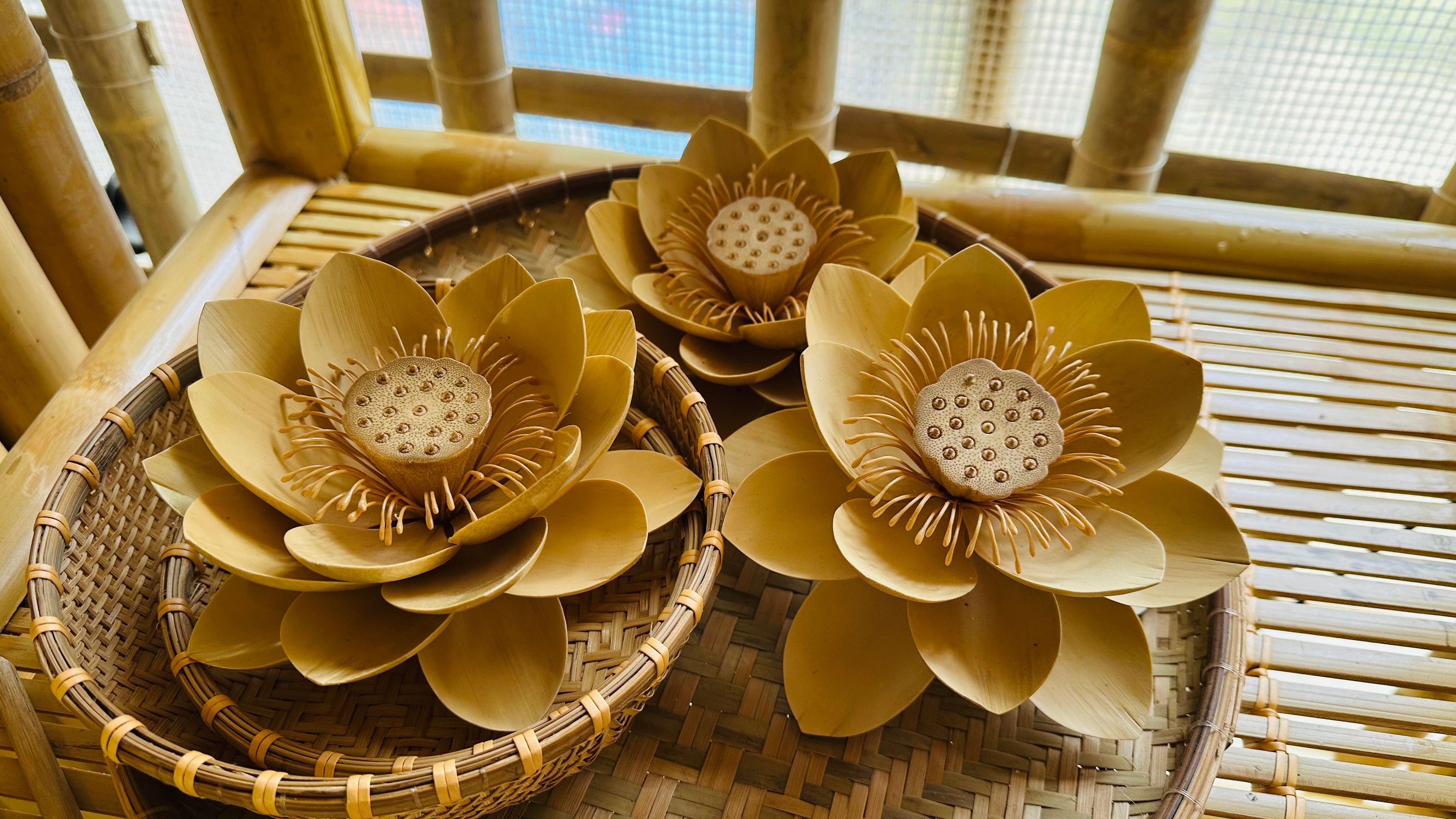
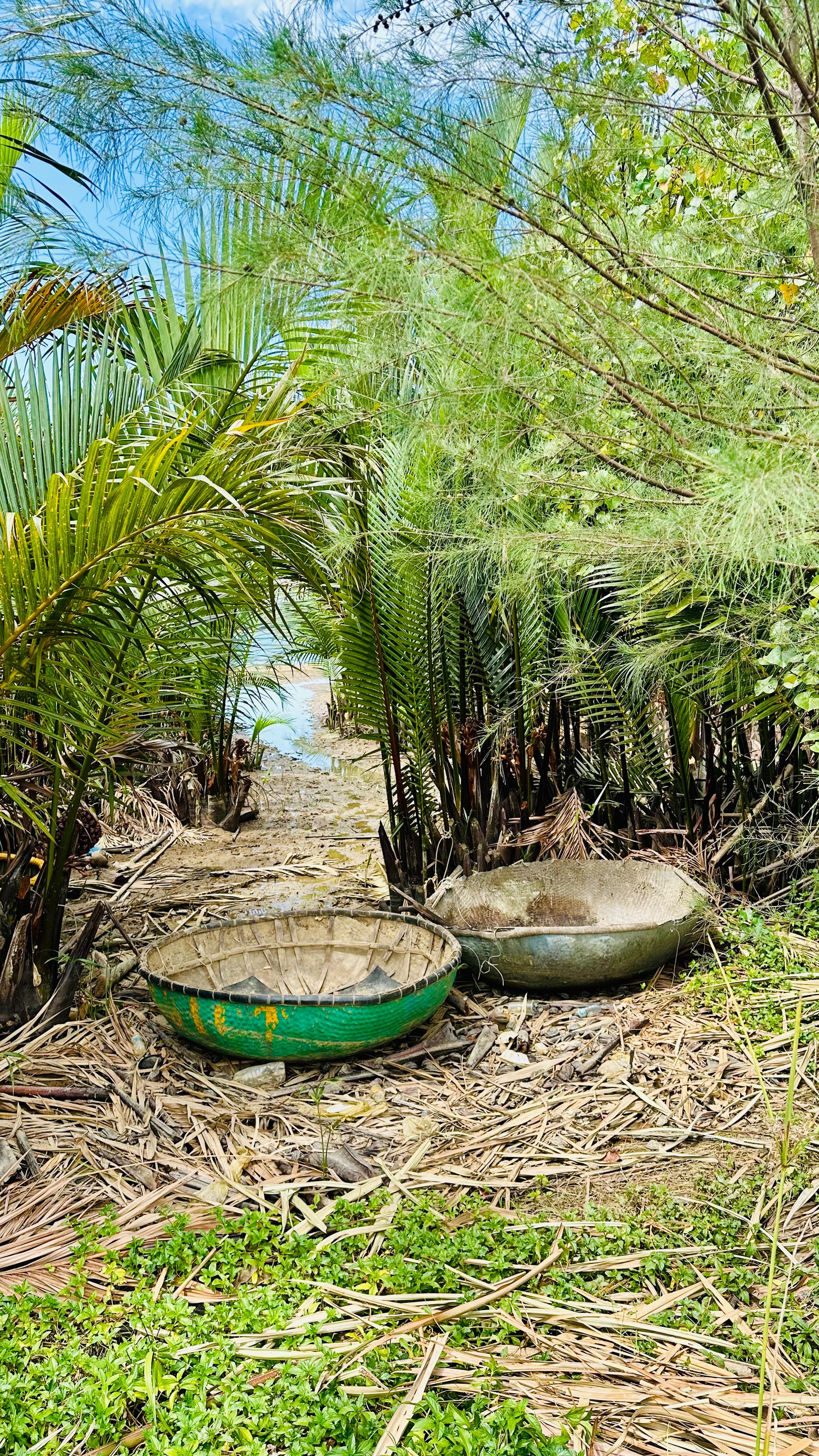
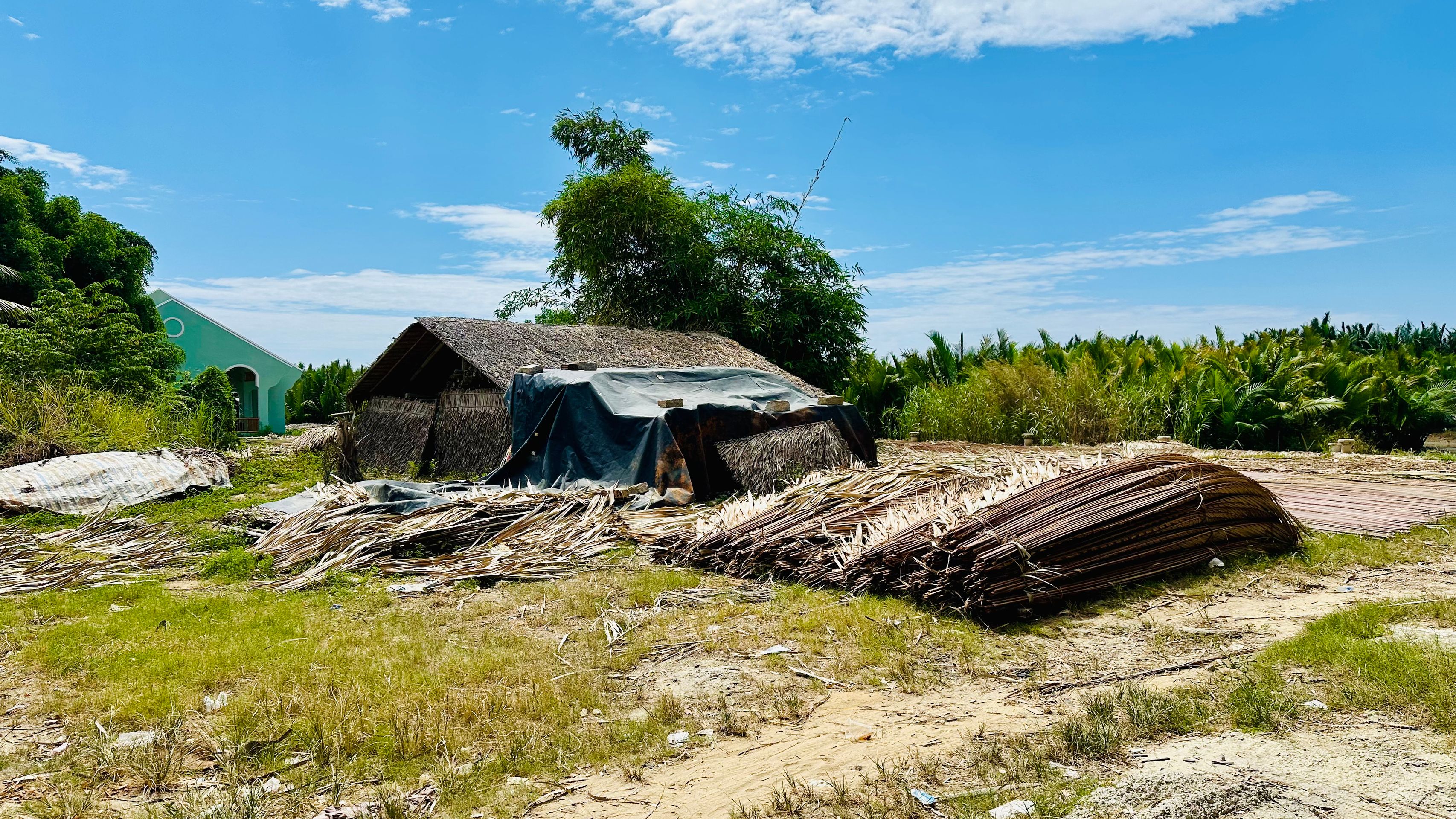
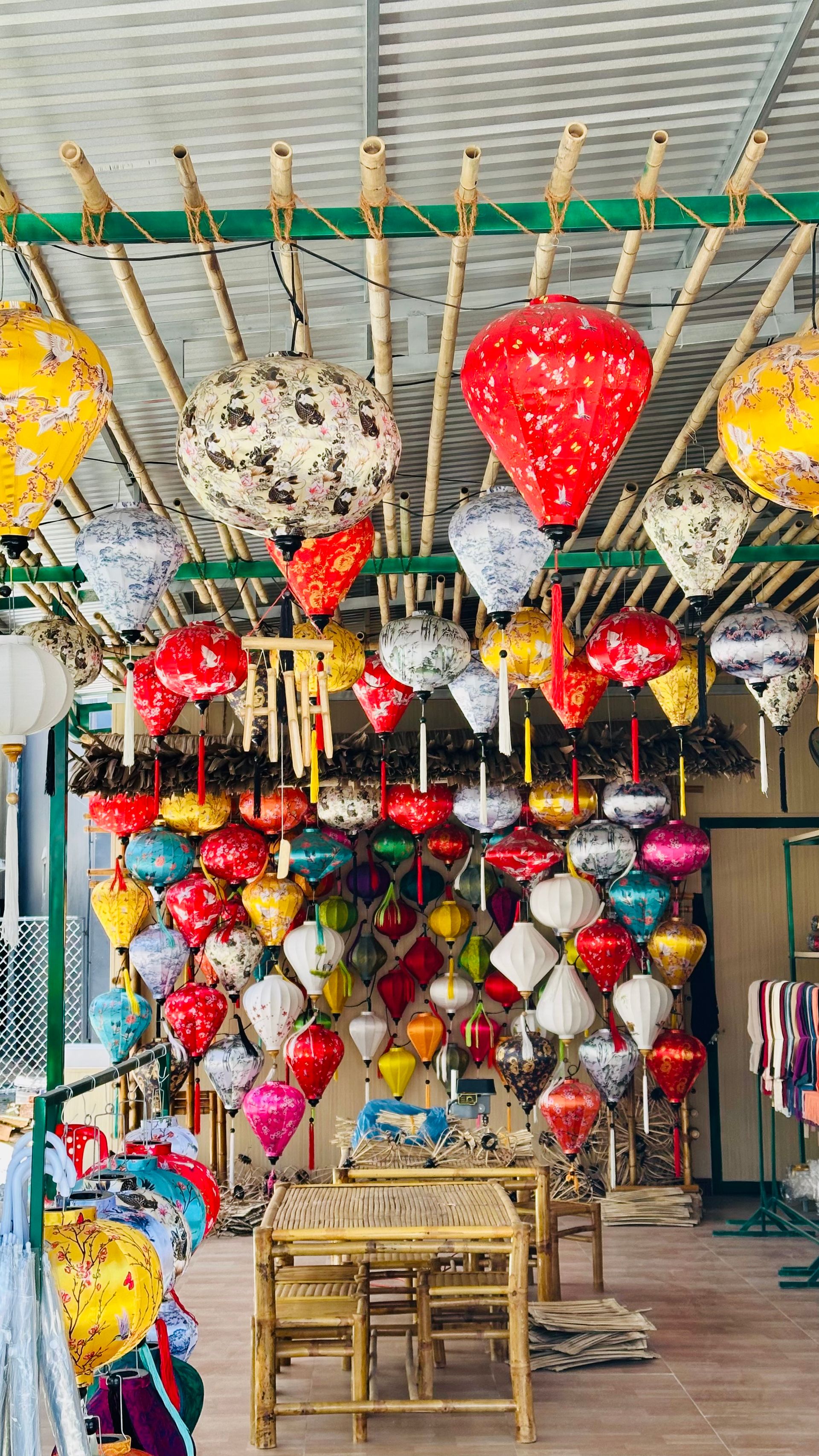
The UNESCO World Heritage Site includes not only the city of Hoi An, but also the craft villages surrounding the city.
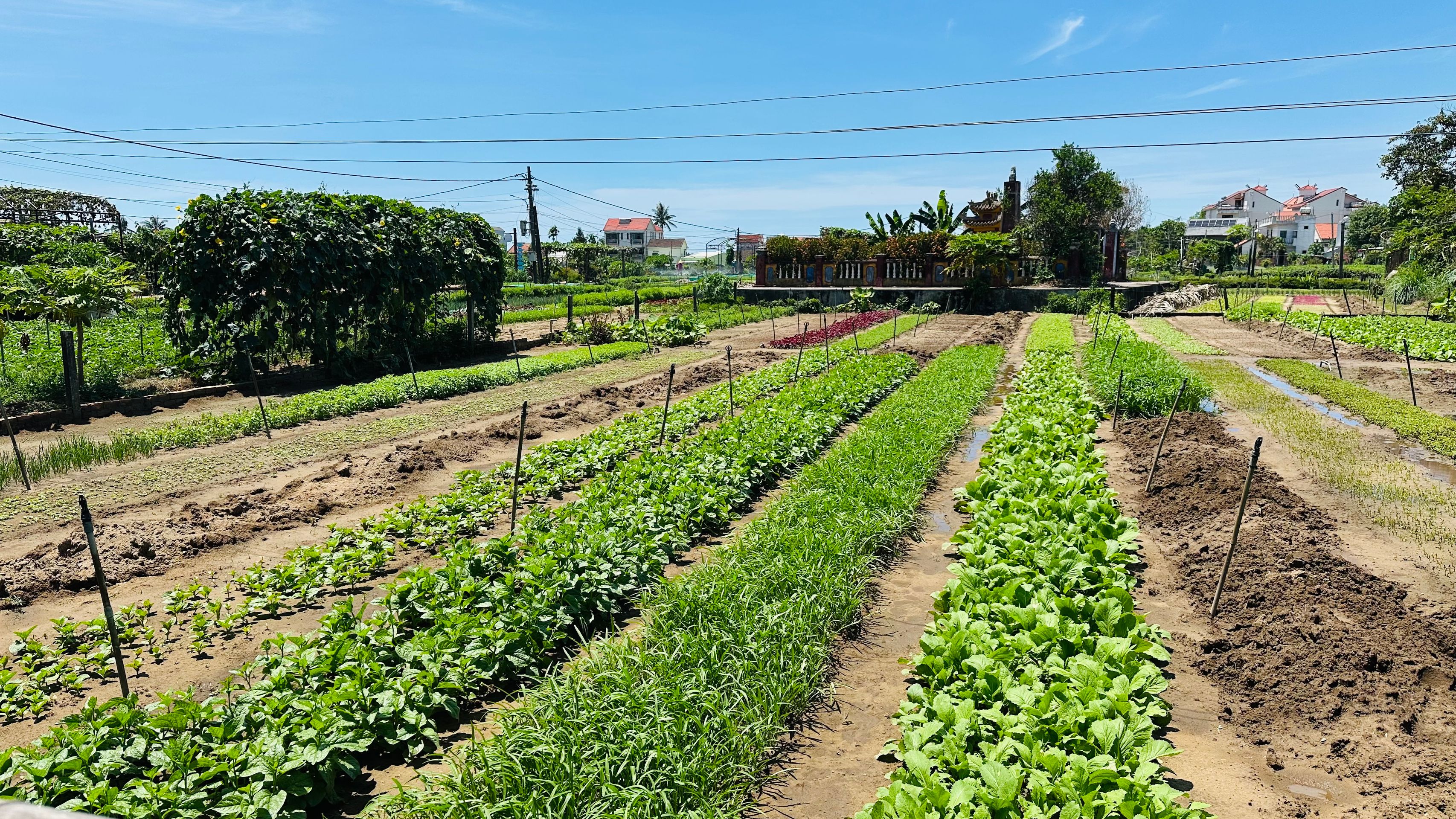
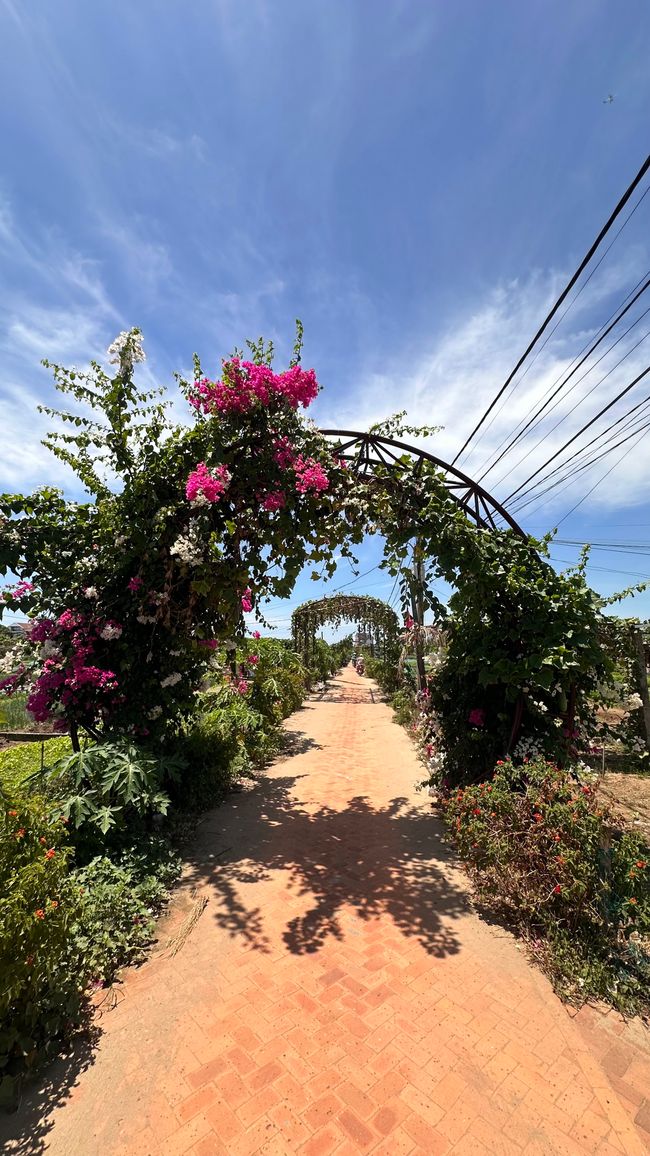
Our accommodation is located on the Tra Que Vegetable Village peninsula, a little away from the hustle and bustle of Hoi An, surrounded by rice paddies. Here, herbs and vegetables are primarily grown organically and supplied to the surrounding restaurants and cooking schools. They are fertilized with seaweed and irrigated traditionally with watering cans from specially constructed ponds nearby. There is no entrance fee.
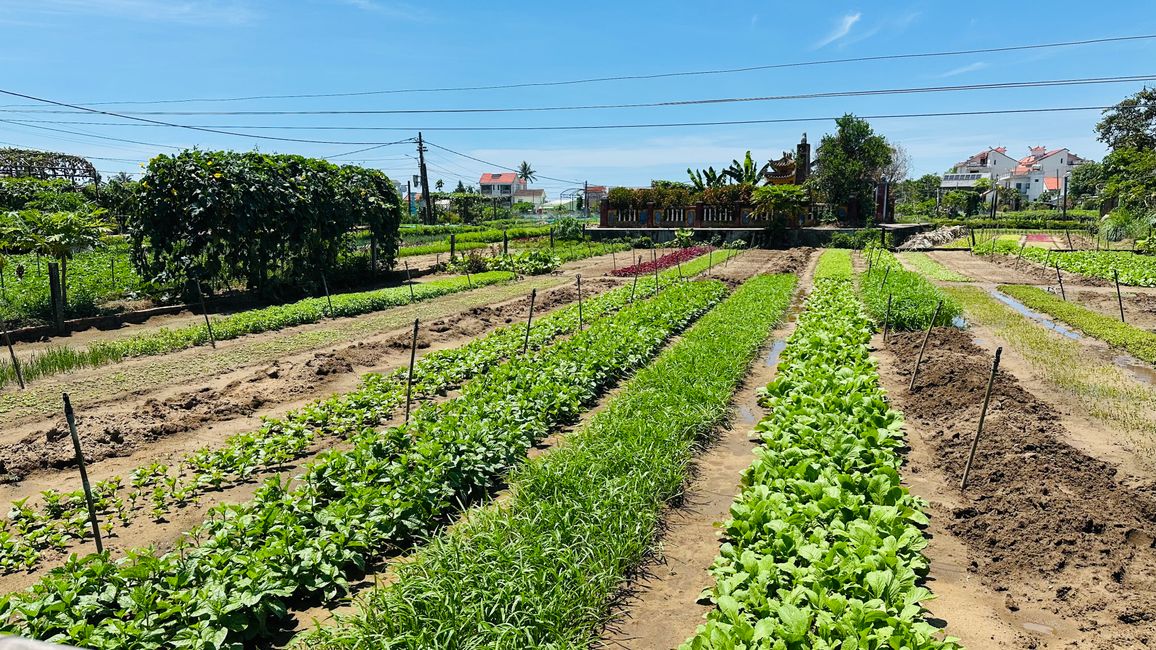
The village was founded in the 17th century by Vietnamese families from the north. It received its name later: Emperor Minh Mang of the Nguyen dynasty is said to have been so impressed by the intense, spicy herbal scent during a visit to Hoi An at the beginning of the 18th century that he henceforth called the village "Tra Que" – roughly translated as "(smells as good as) tea and cinnamon".
First, we visited Hoi An Fisher Village and, more importantly, Thanh Ha Pottery Village, both located right next to each other west of Hoi An. We arrived a bit too late at the fishermen's stall, and they were only selling leftovers – but there were many different species to see, as well as some well-stocked vegetable stands.
Entry to the Pottery Village costs 85,000 VND per person, but includes a discount at the museum's coffee stand and a ceramic pipe shaped like an animal as a souvenir.
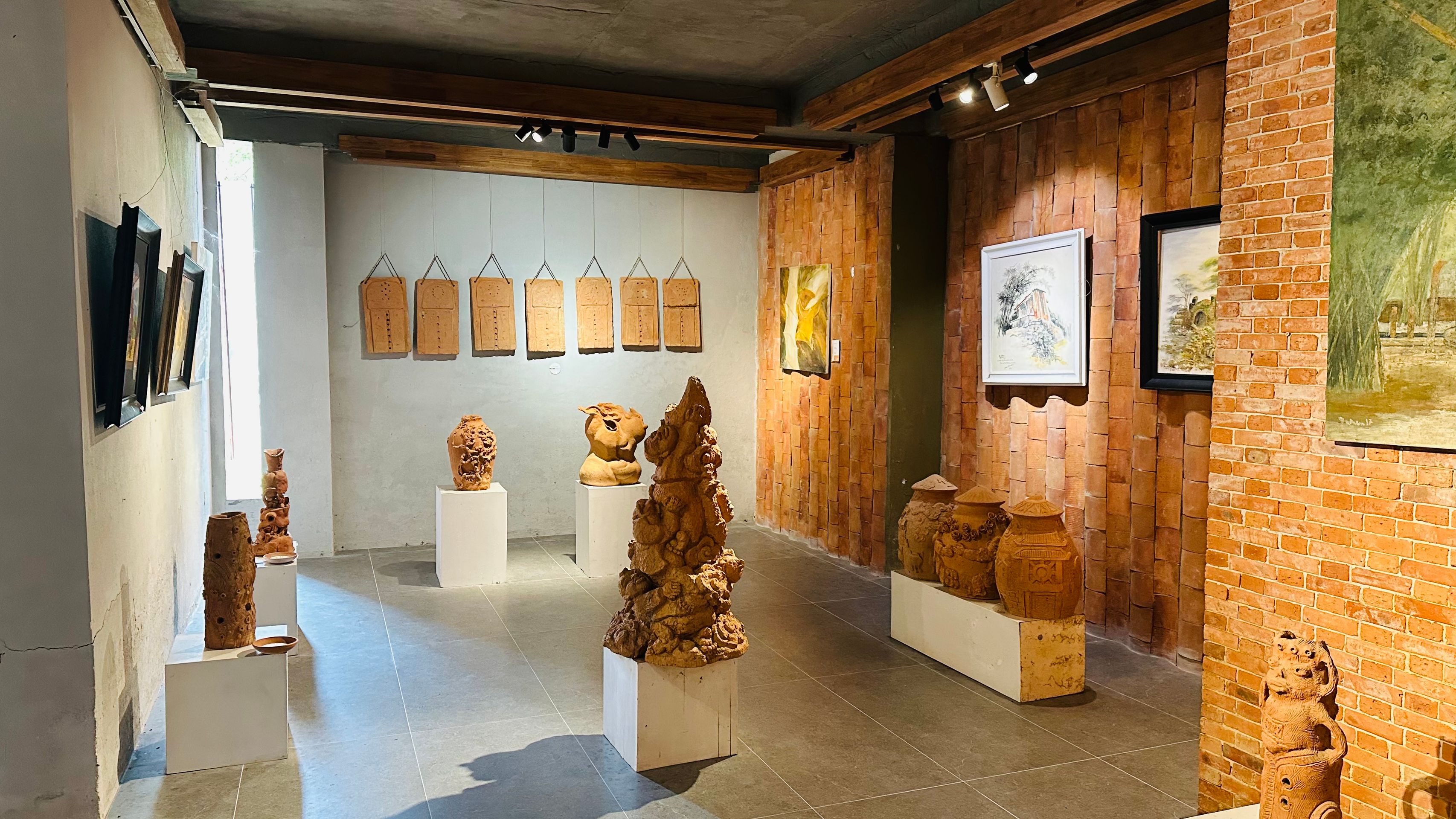
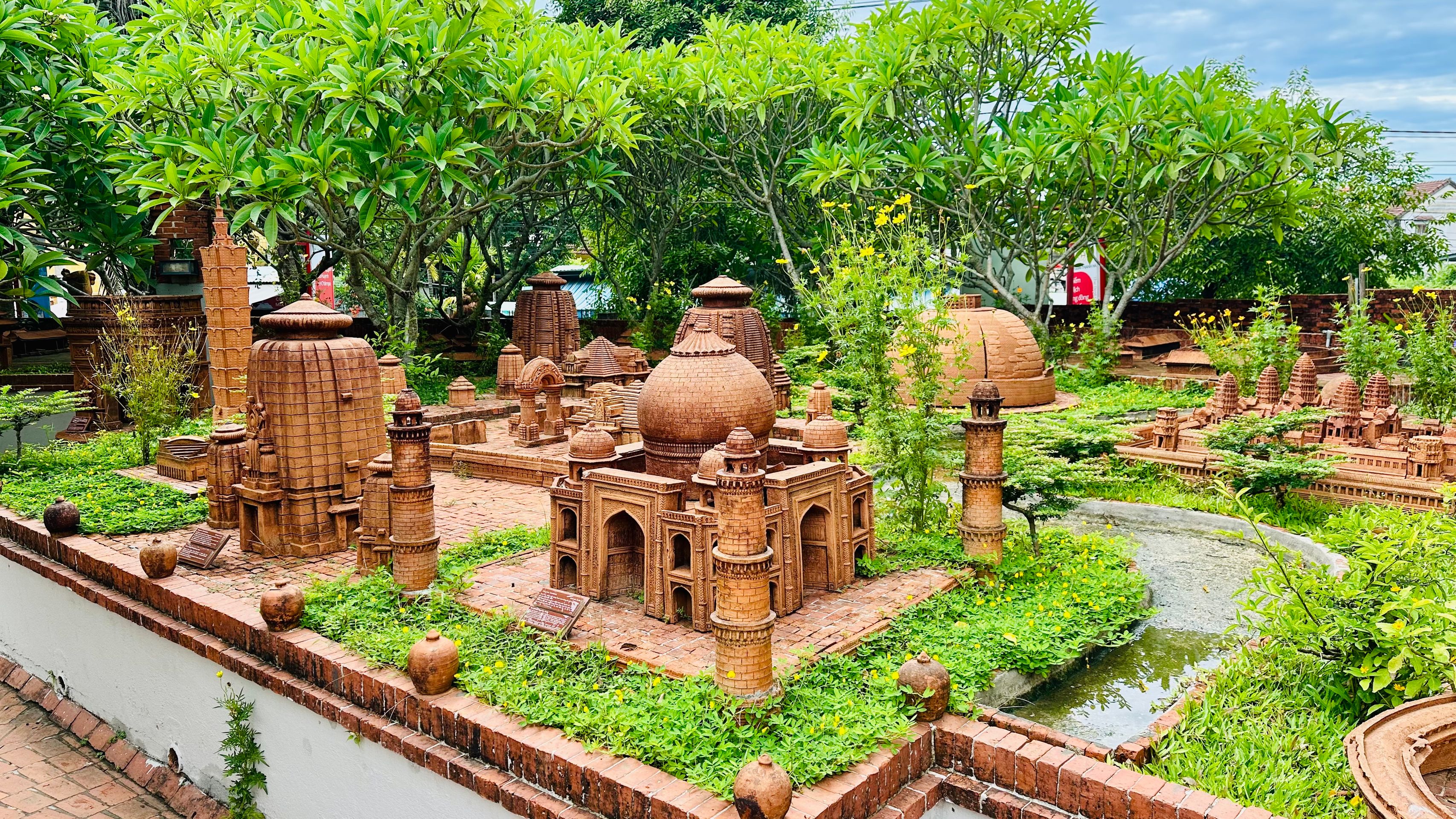
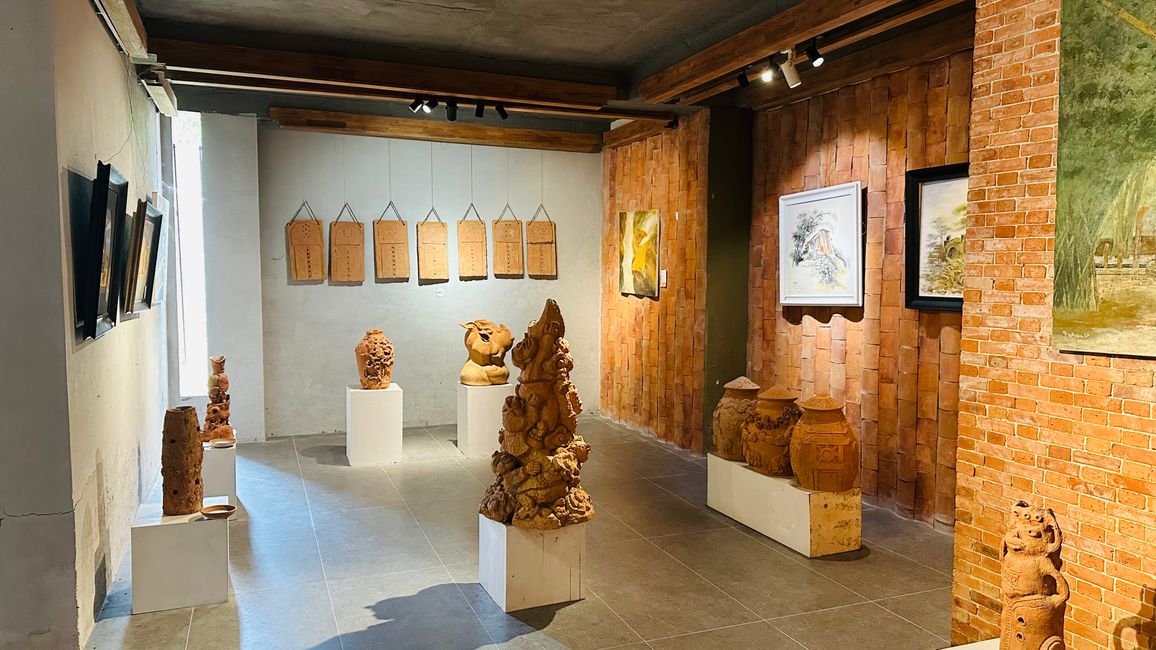
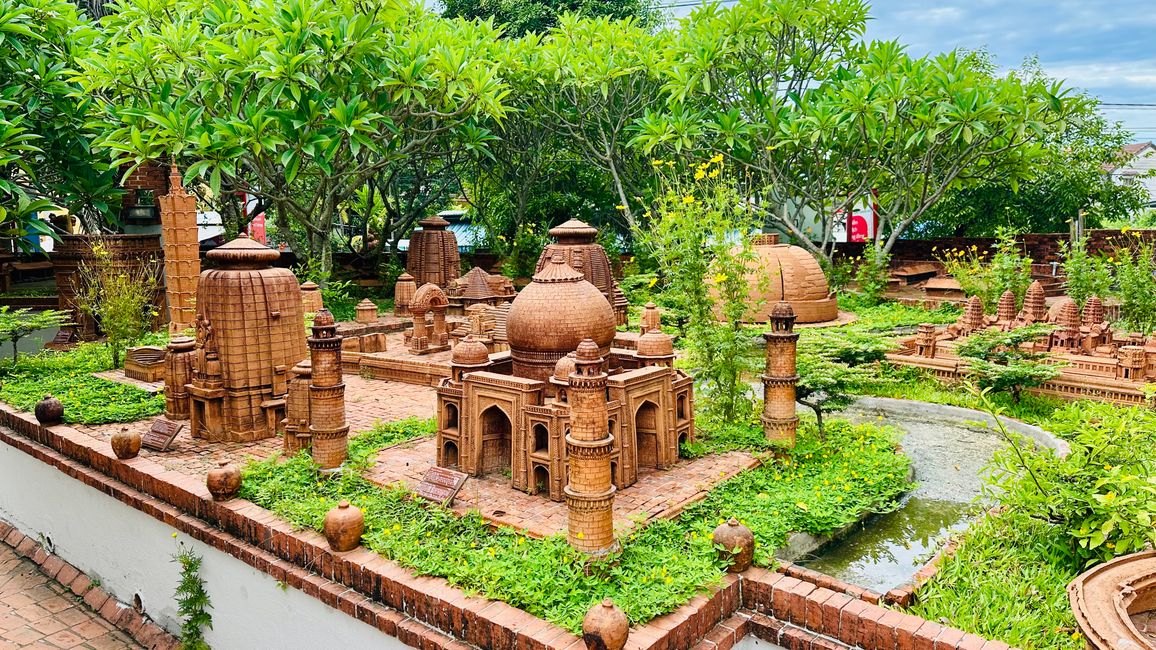
We started our day at the Sa Huynh Thanh Ha Pottery Museum, as we desperately needed a morning coffee. With a lovely view of a fountain adorned with ceramic figures and the beginning of the Terracotta Park – featuring famous ceramic buildings – it was a perfect start. The park was my personal favorite: there were many well-known structures from around the world to see, from St. Peter's Basilica and Angkor Wat to the Leaning Tower of Pisa, the Pyramids of Giza, and the Sagrada Família. Inside the museum, sculptures by numerous artists were displayed alongside paintings – a very diverse collection of both realistic and abstract artworks.
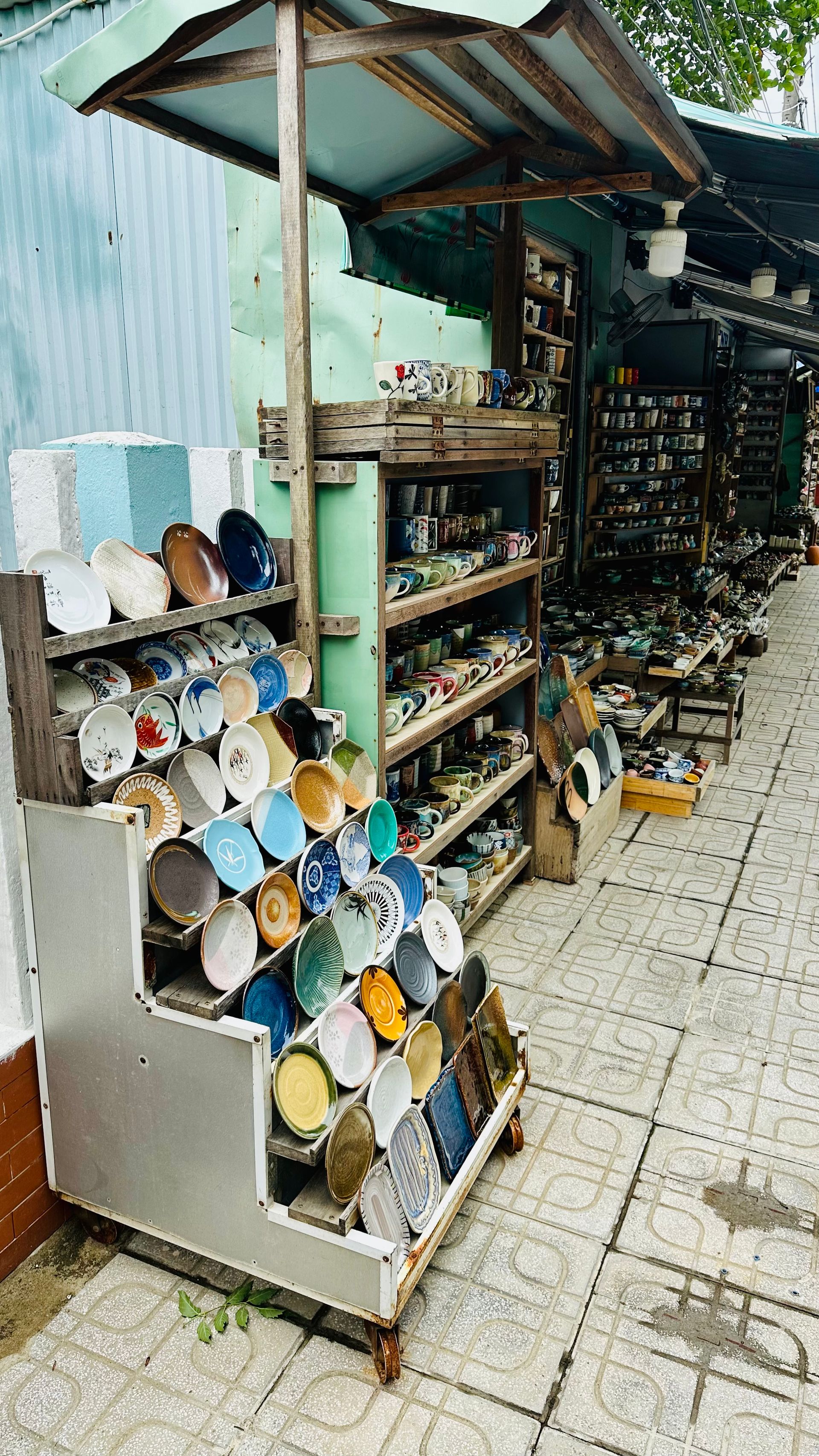
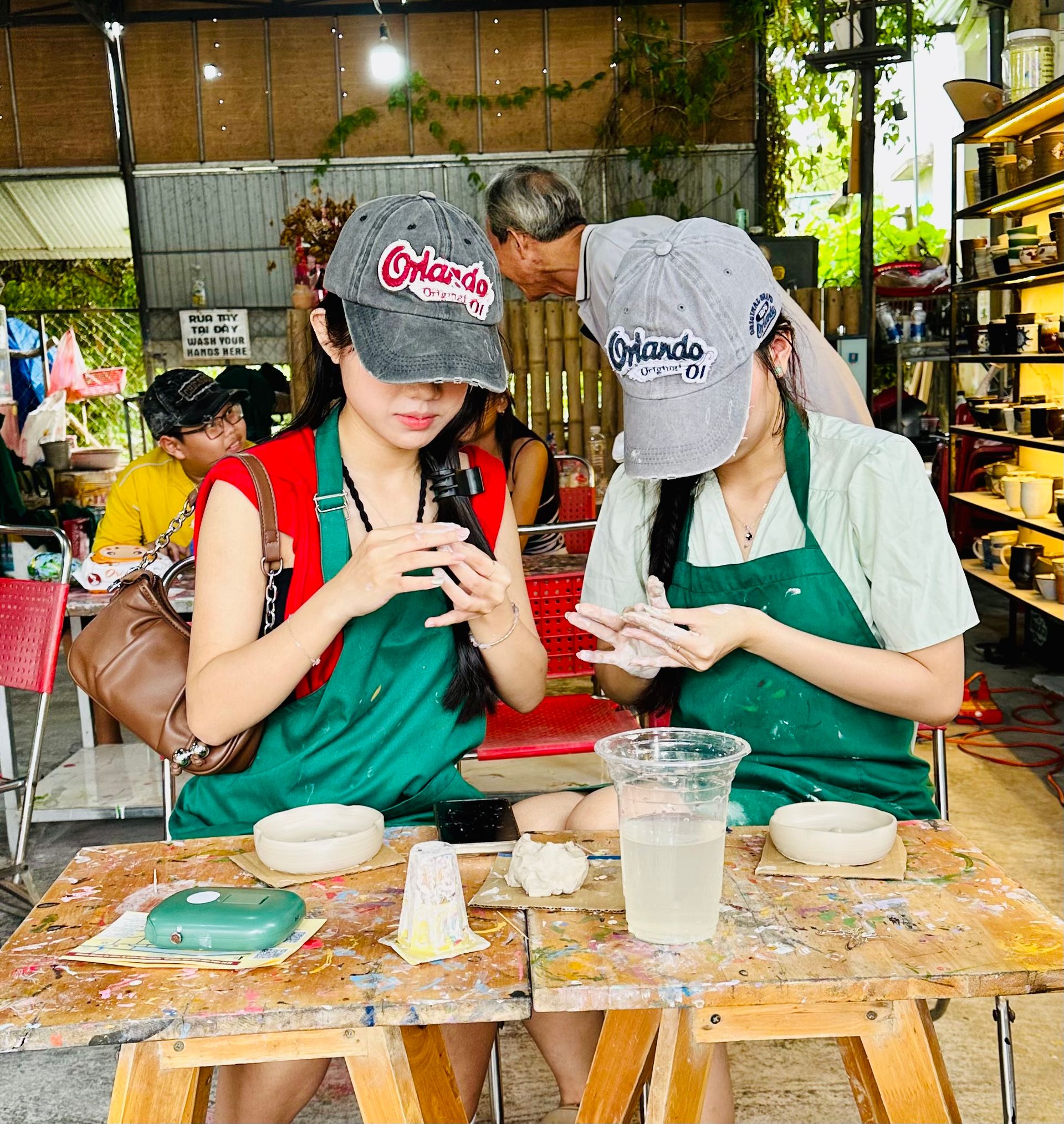
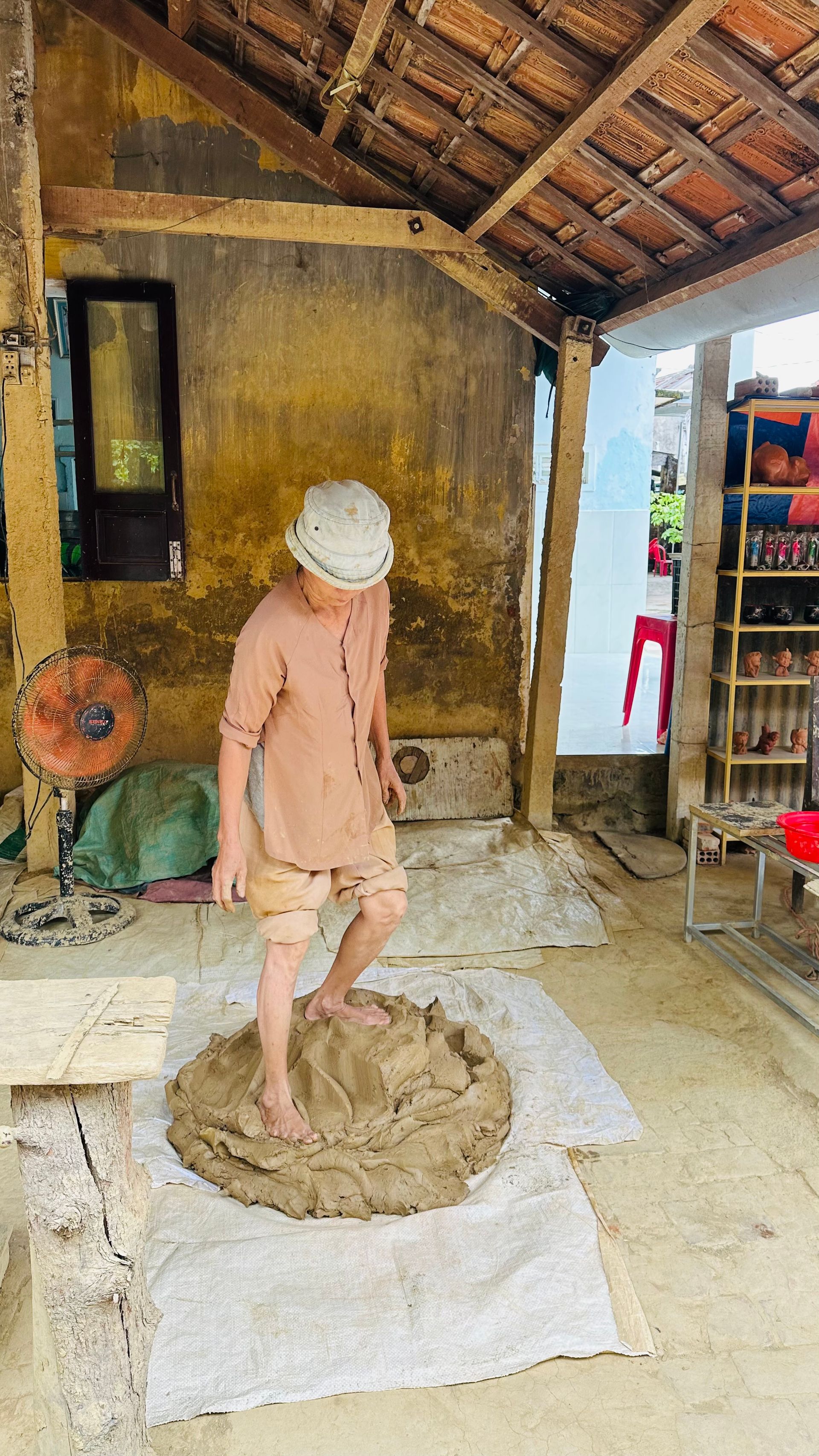
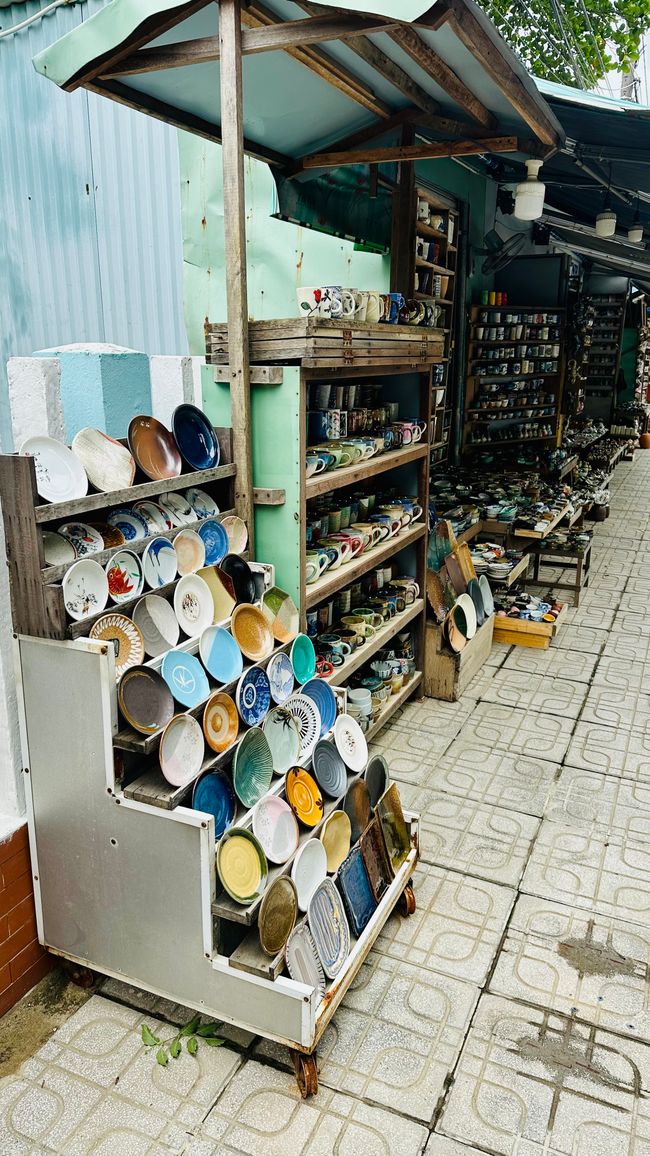
We continued through narrow streets lined with cafes and stalls selling handmade cups, plates, lanterns, and figurines. Almost every shop offered the opportunity to make your own bowl. Our neighbor Ben eagerly helped by compacting the raw clay and removing air bubbles – a process that involved systematically stamping bare feet on the clay for a while.
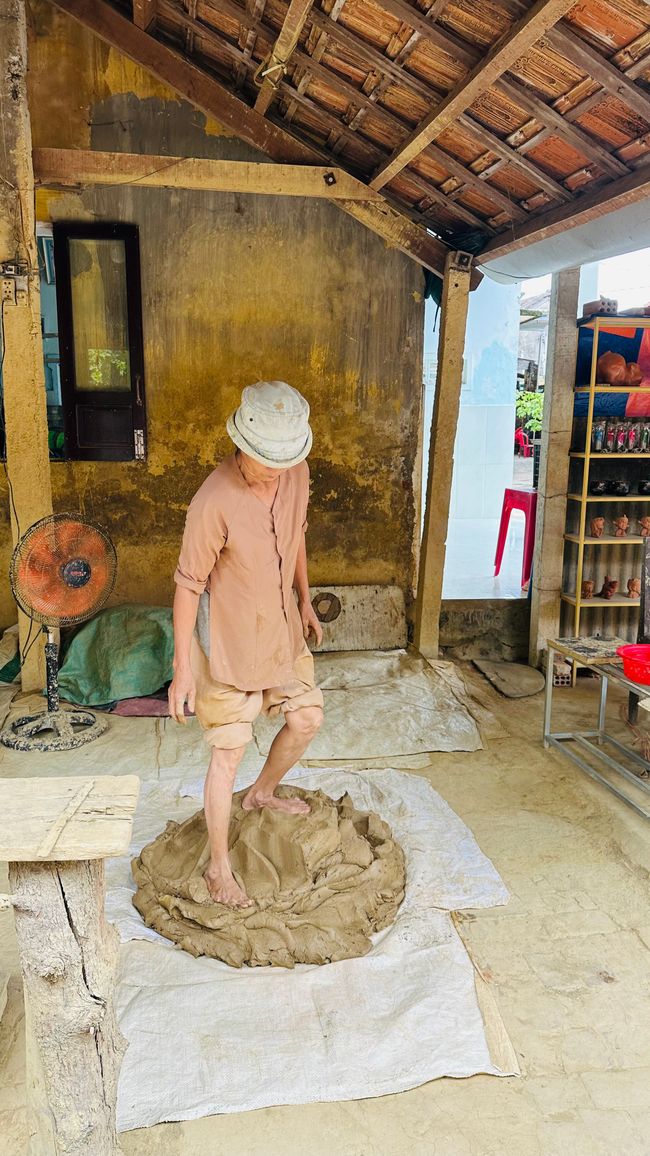
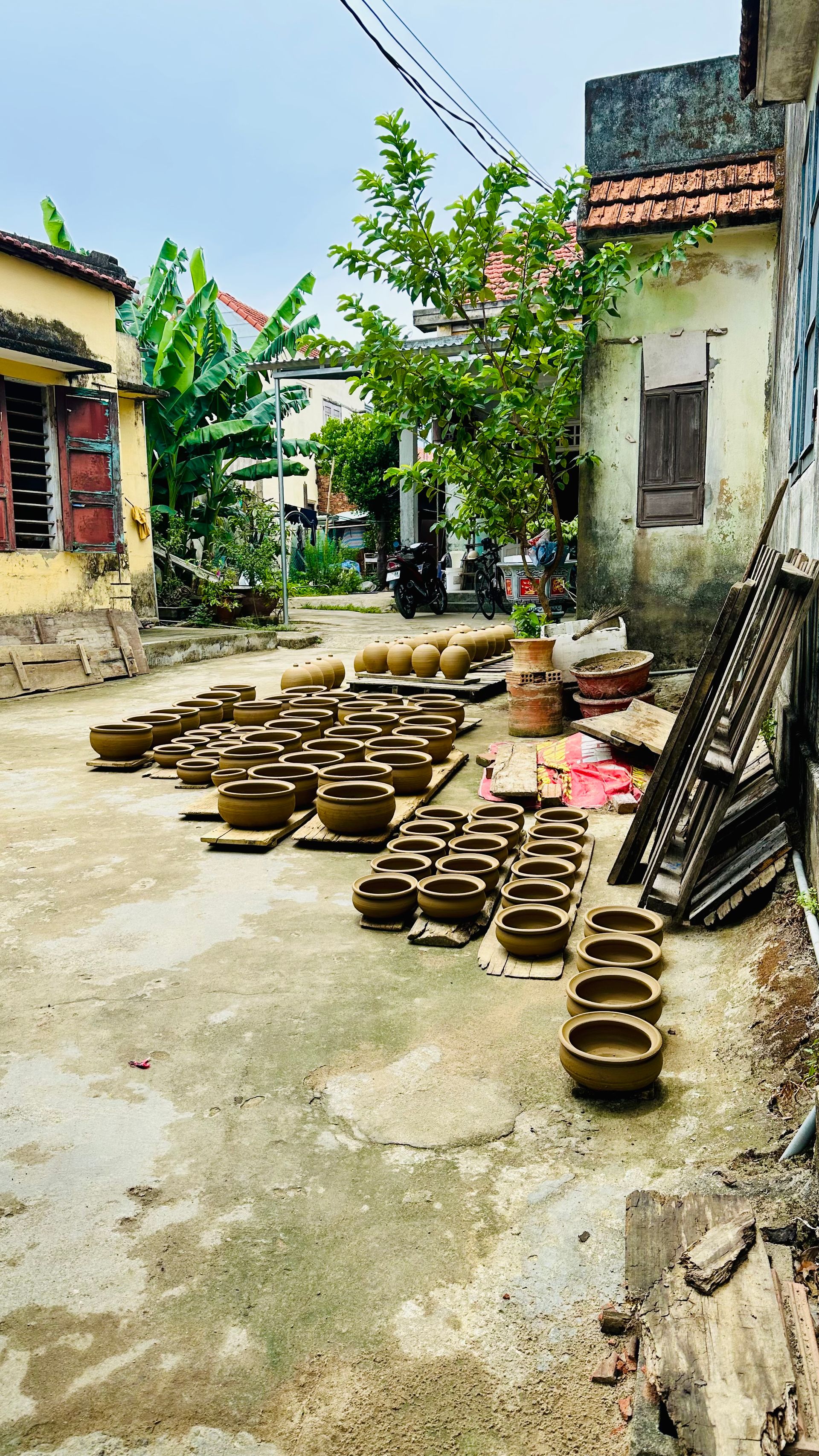
In some houses, one could observe the production of ceramics and watch unfired clay plates drying.
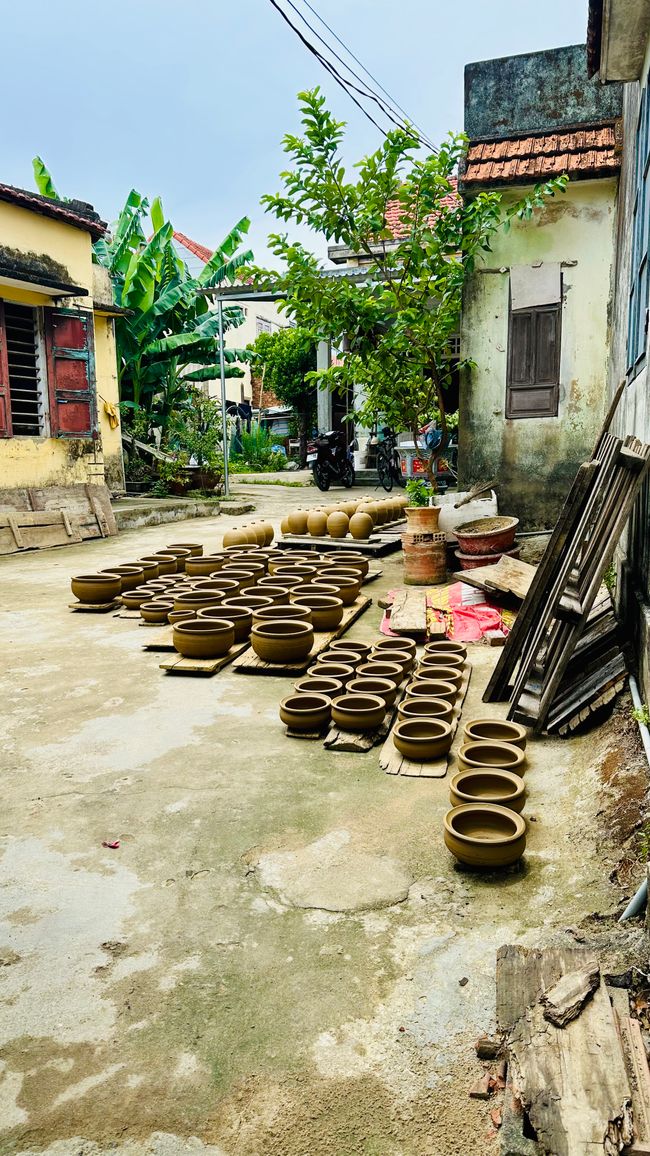
The craft has been practiced here since the late 15th century and is still carried out using the traditional hand-operated potter's wheel. Initially, high-quality ceramics were primarily produced for export; later, shingles and bricks for construction work within the city were added.
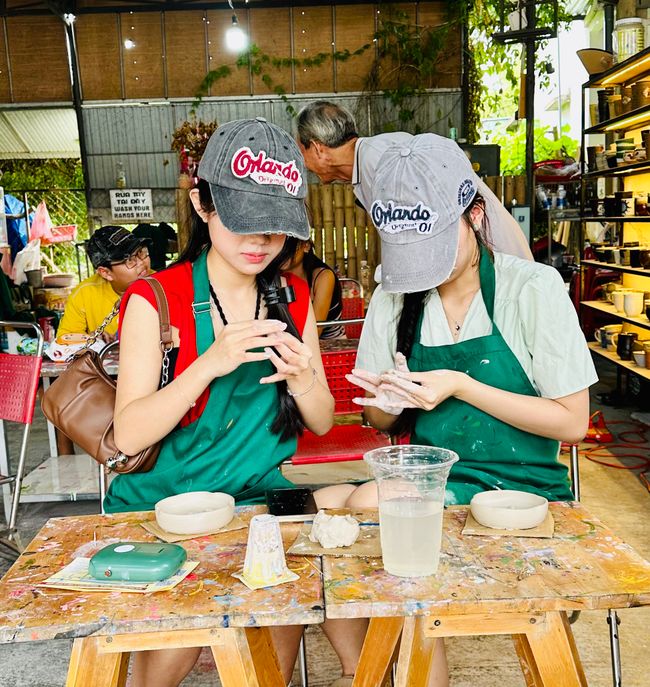
We spent a lovely morning here and even bought two beautifully glazed handmade cups – two more furnishings for the new place.
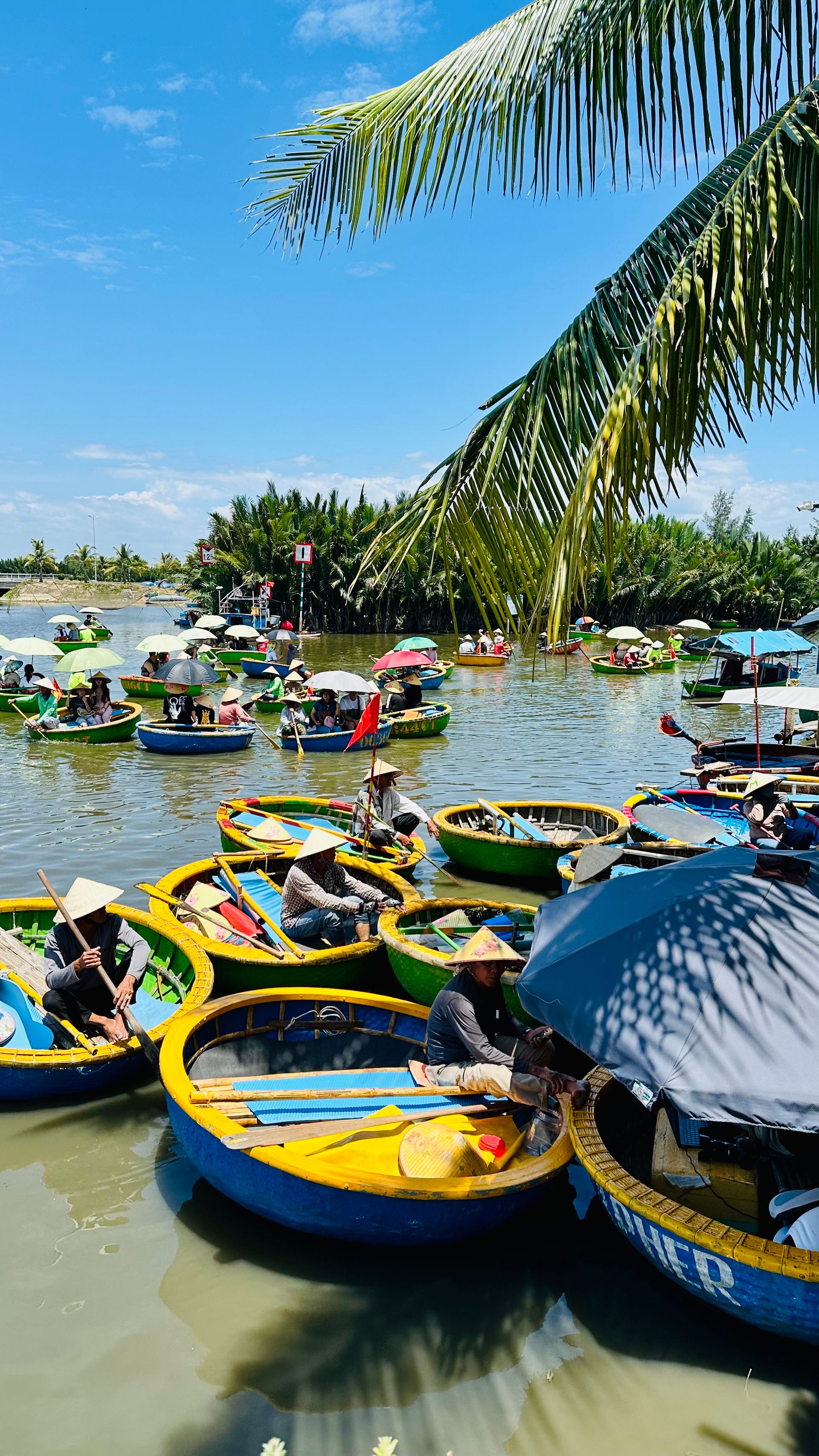
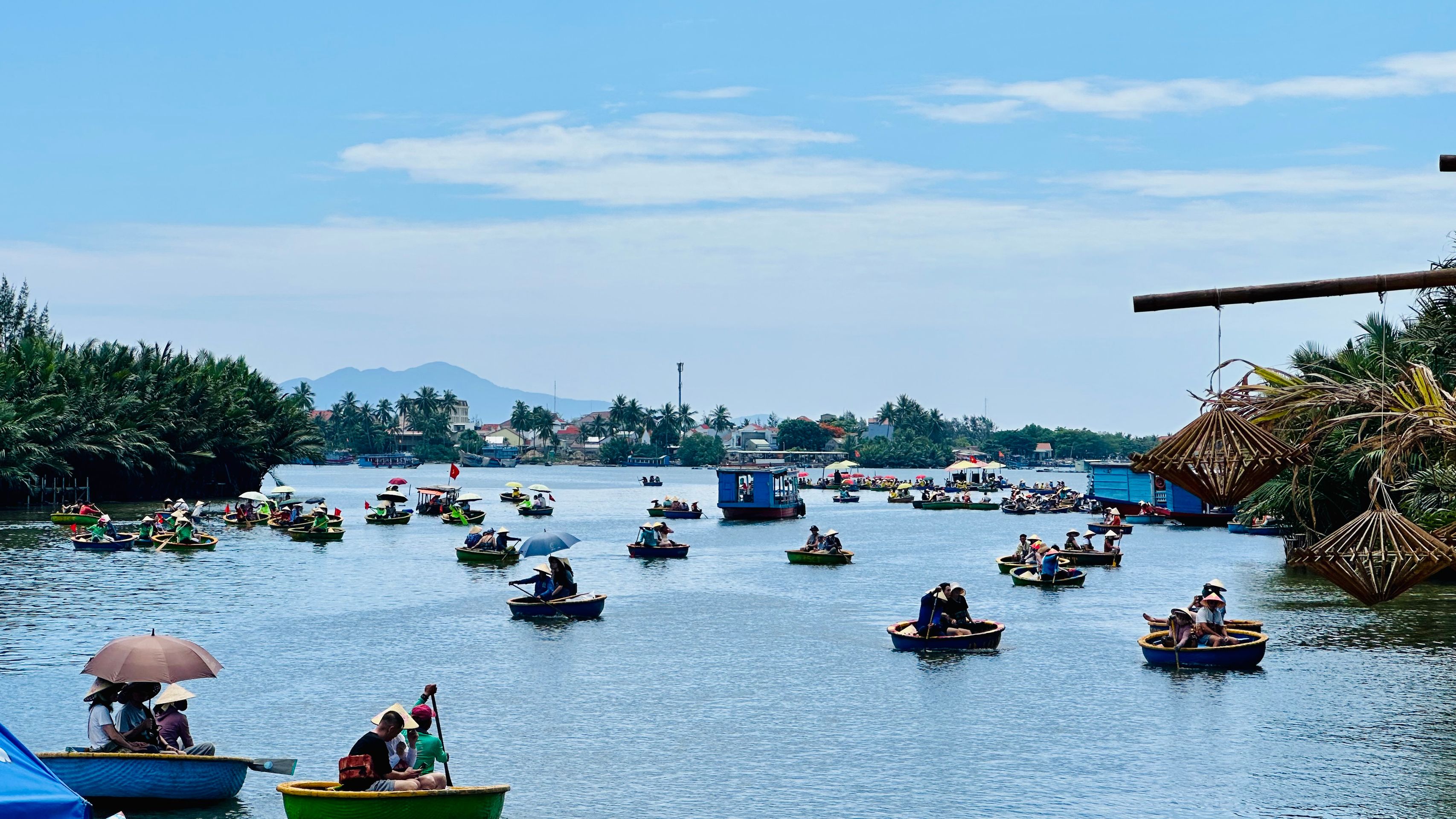
Cam Thanh Coconut Village lies east of Hoi An and is known for its ecotourism. The village actually consists of two villages, Thanh Tam and Van Lang. Here, you can drift through the Bay Mau water palm forest in round wicker boats, watch locals fishing, or attend a performance of the "wicker boat ballet"—where the boatmen skillfully rock and spin their boats. We relaxed and watched the activity from a café, observing the steady stream of wicker boats passing by.
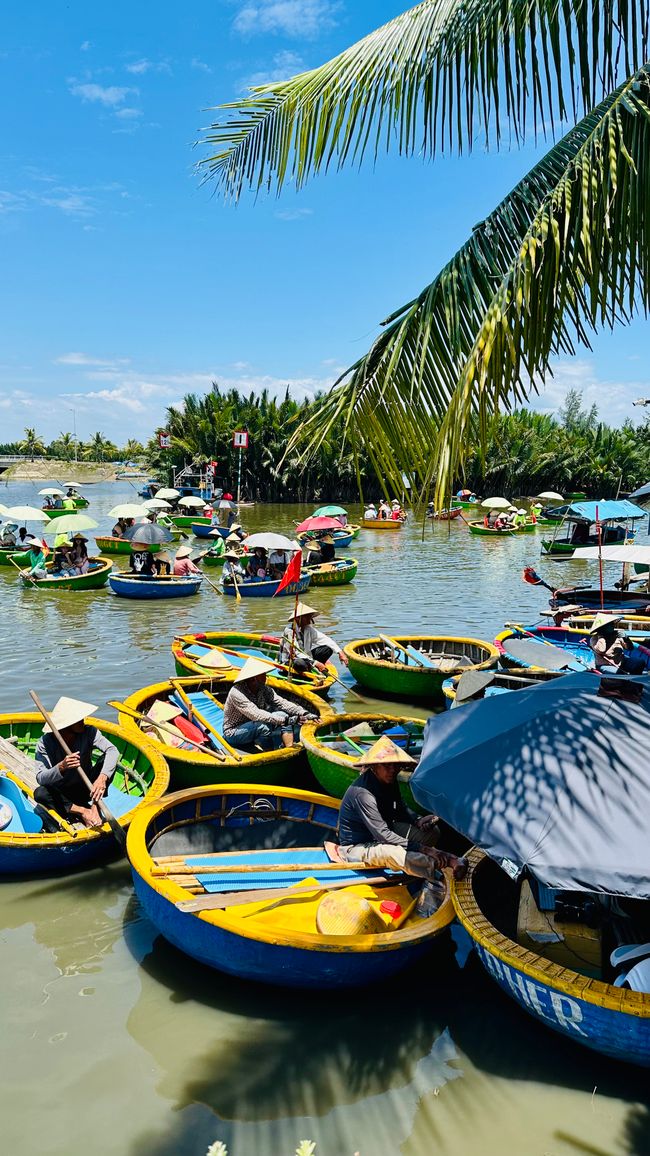
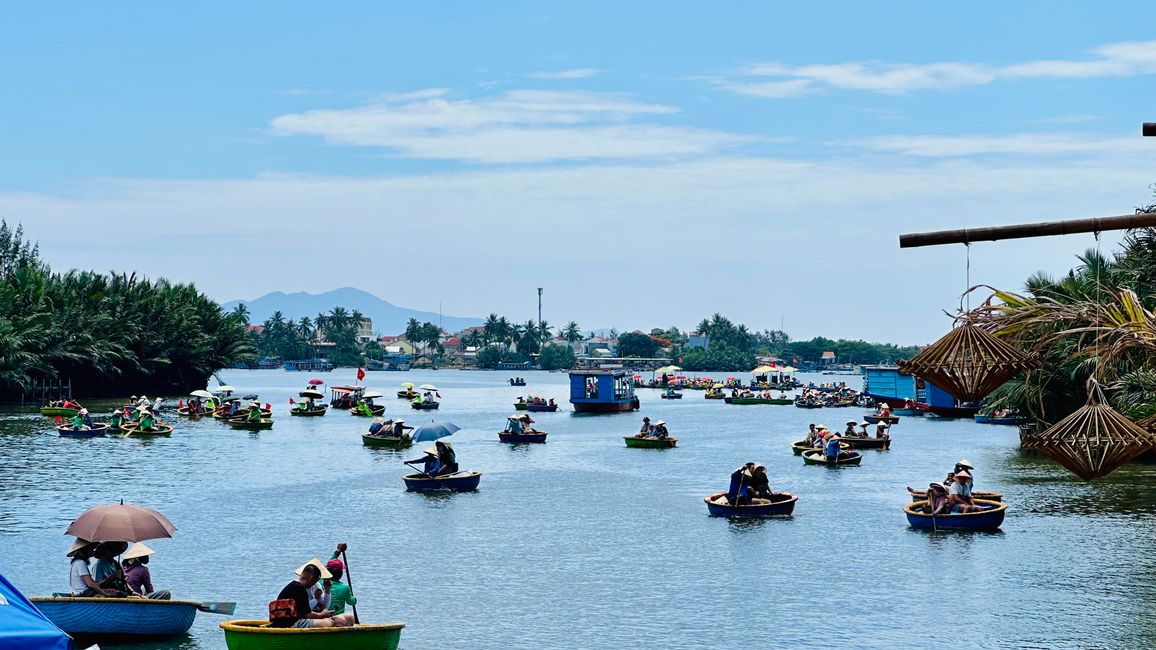
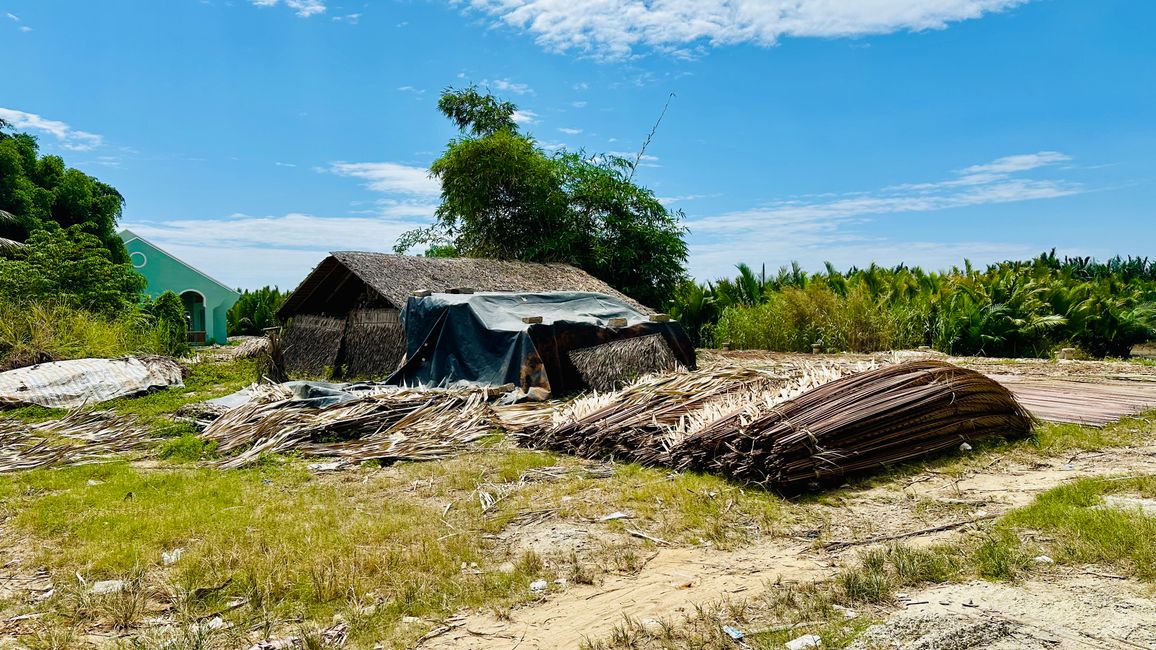
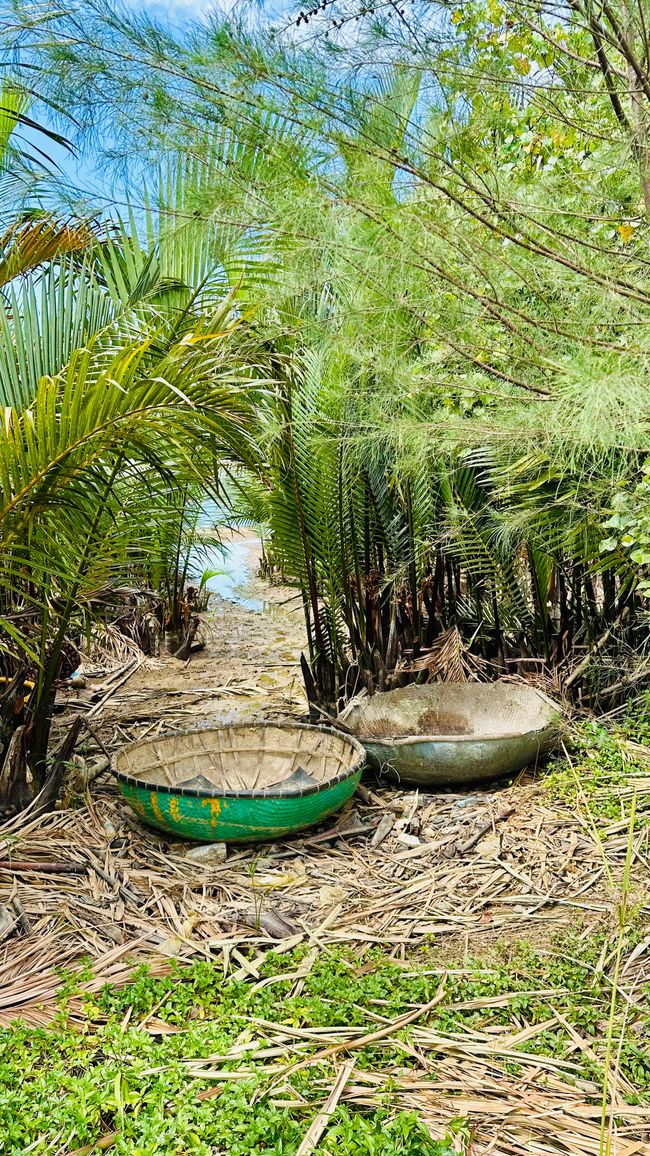
Away from the tourist spots, there are also quiet side streets where you can stroll along the nipa palm forest and watch the construction of various bamboo and palm frond structures.
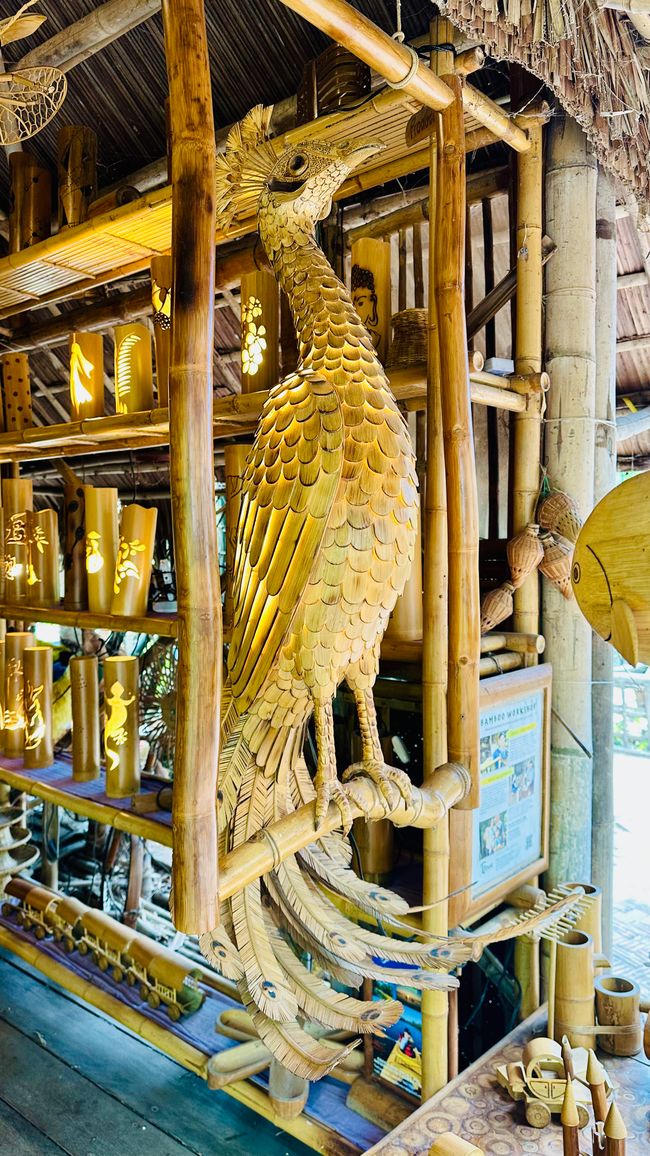
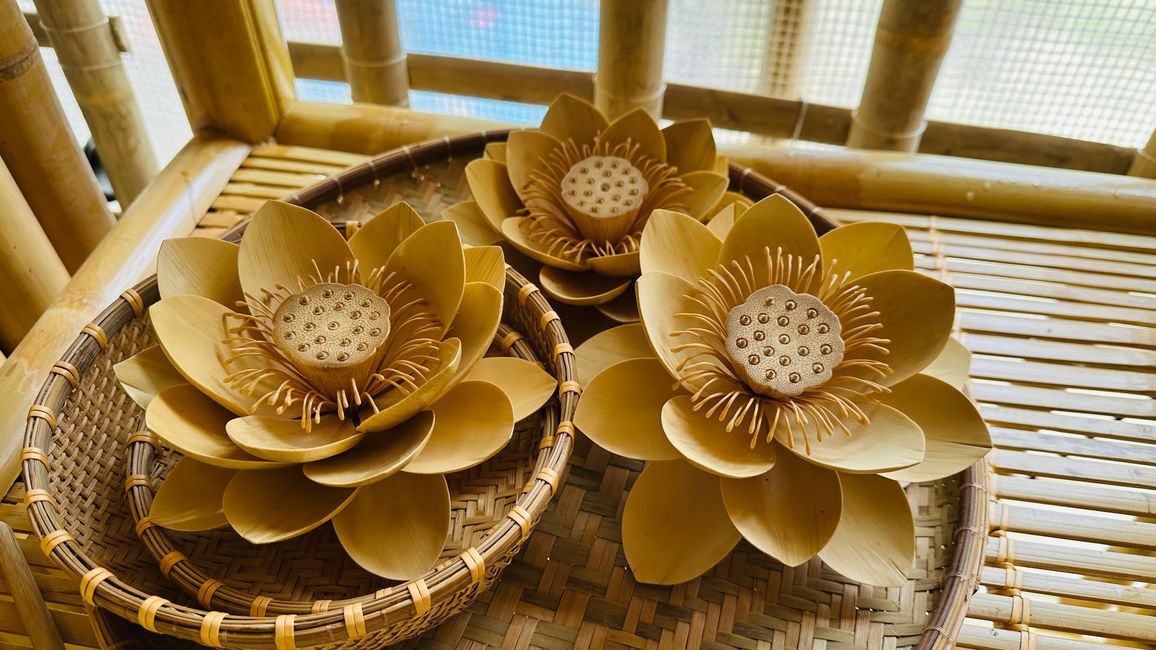
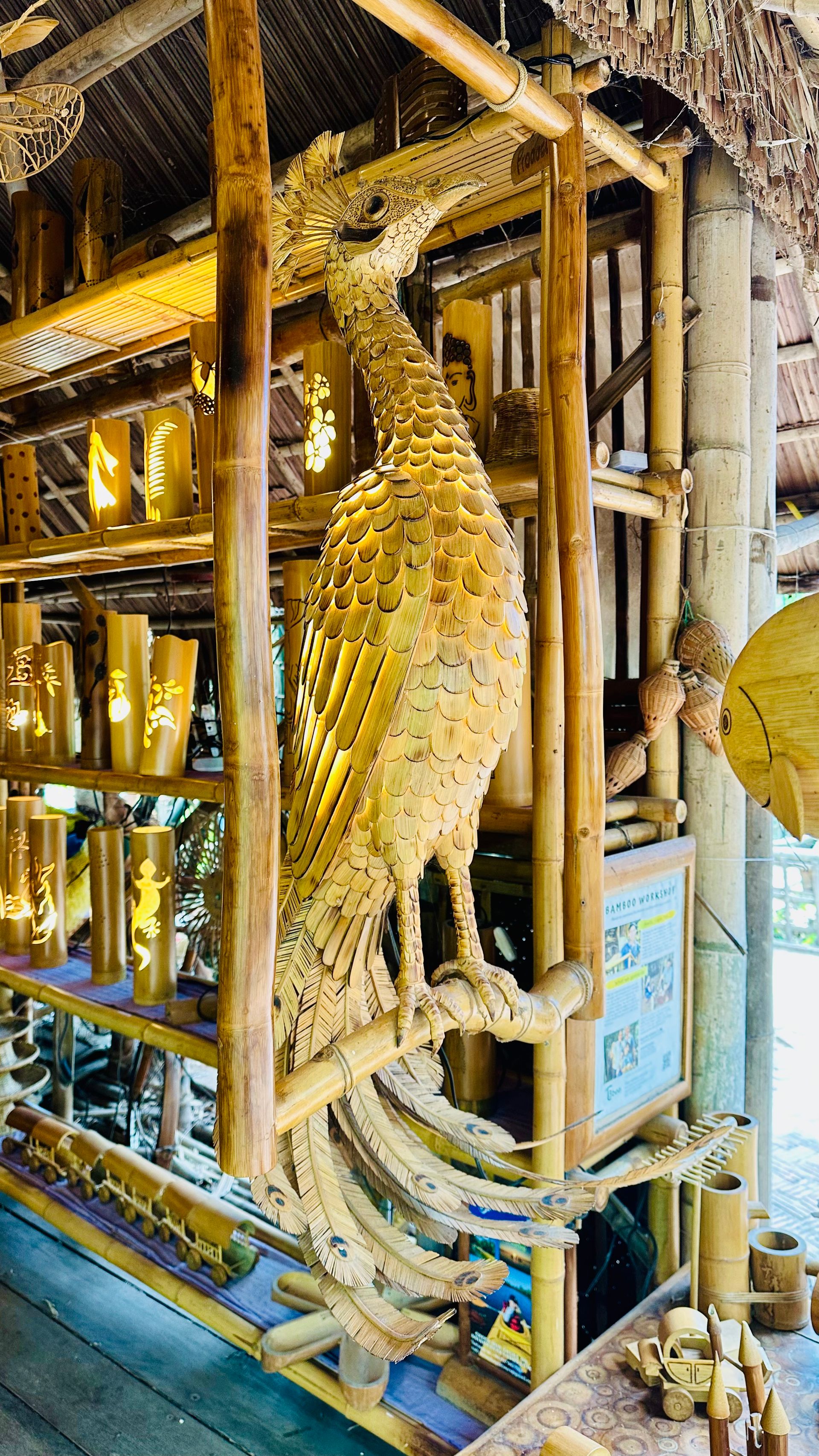
In a nearby bamboo workshop, the Bamboo Taboo, you can admire bamboo artworks and even create your own in a workshop.