
Tonle-Sap-See – Schleswig-Holstein sott'acqua
Il Tonle Sap è un lago davvero curioso, e anche il fiume omonimo, che sfocia nel Mekong a Phnom Penh, proprio di fronte al Palazzo Reale. Durante la stagione delle piogge, il...
Pubblicato: 08.07.2026
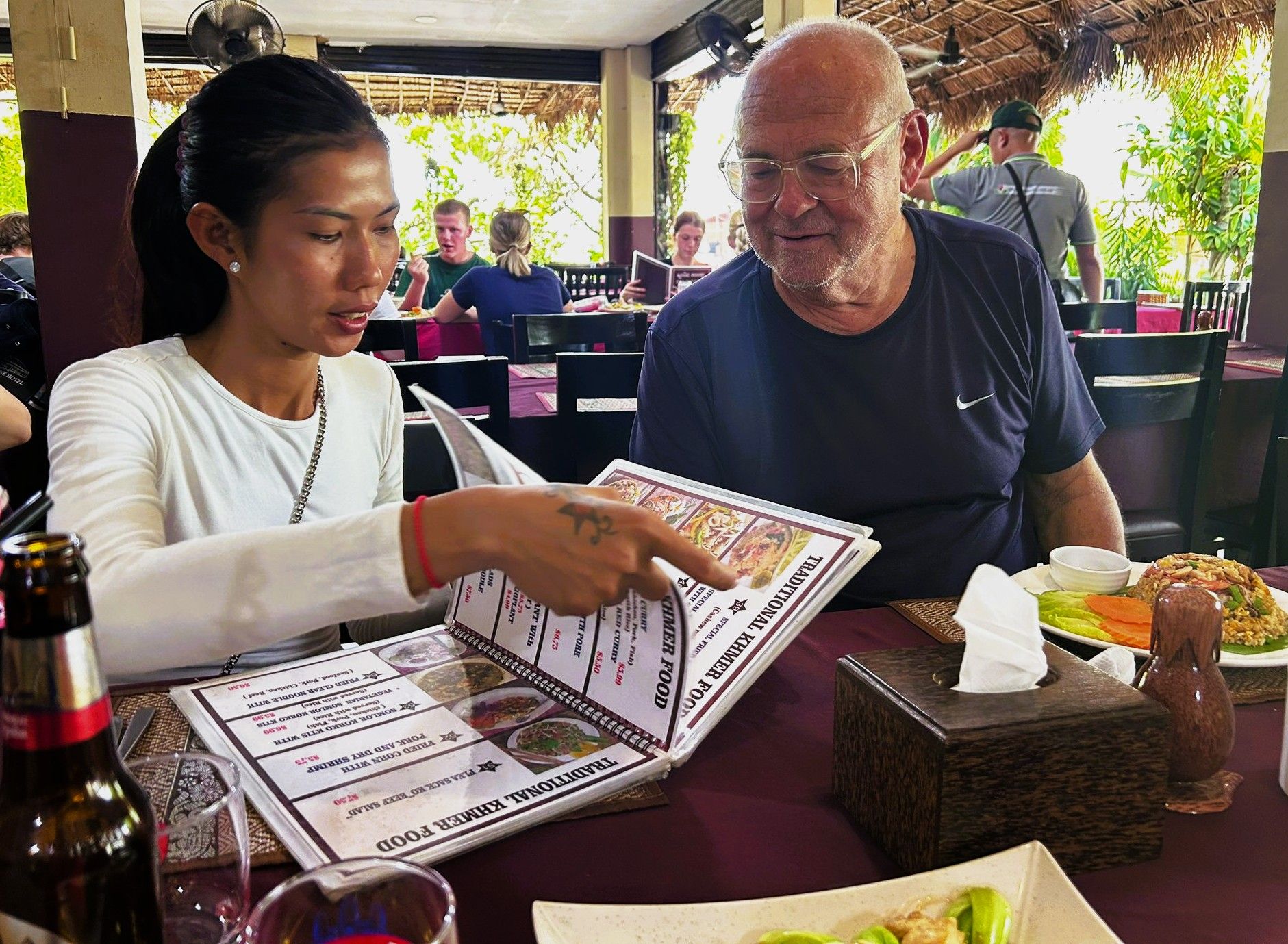
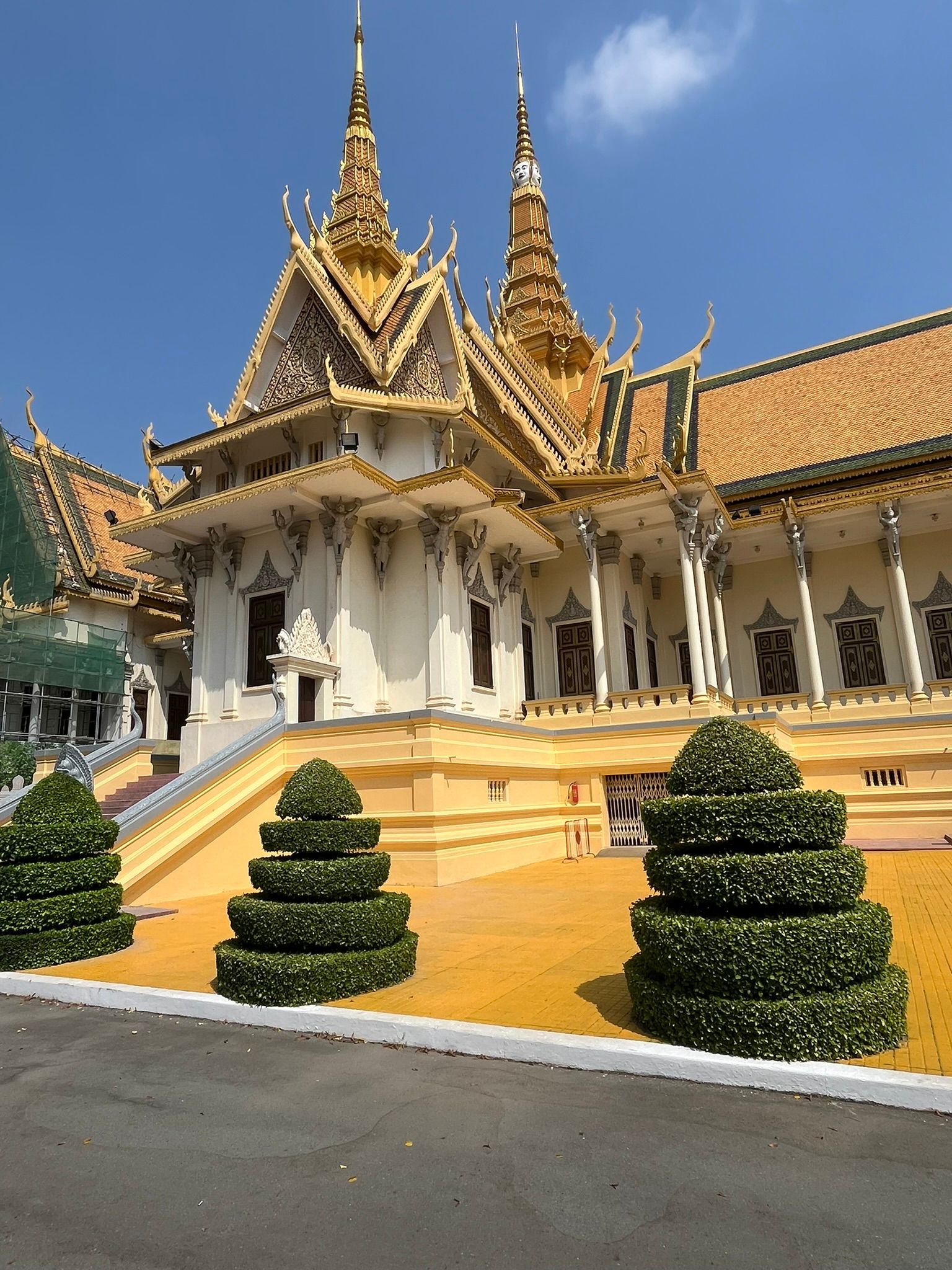
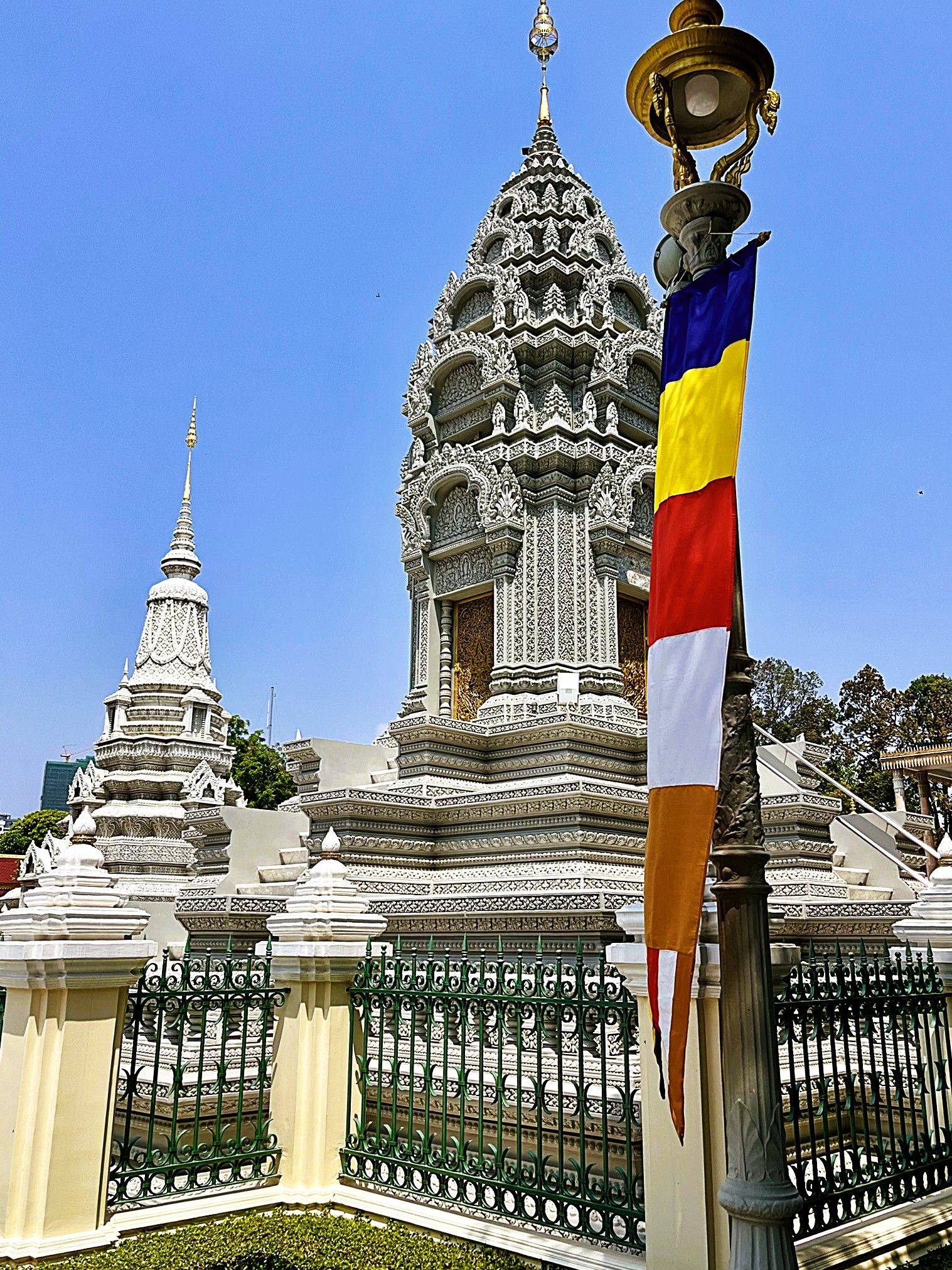
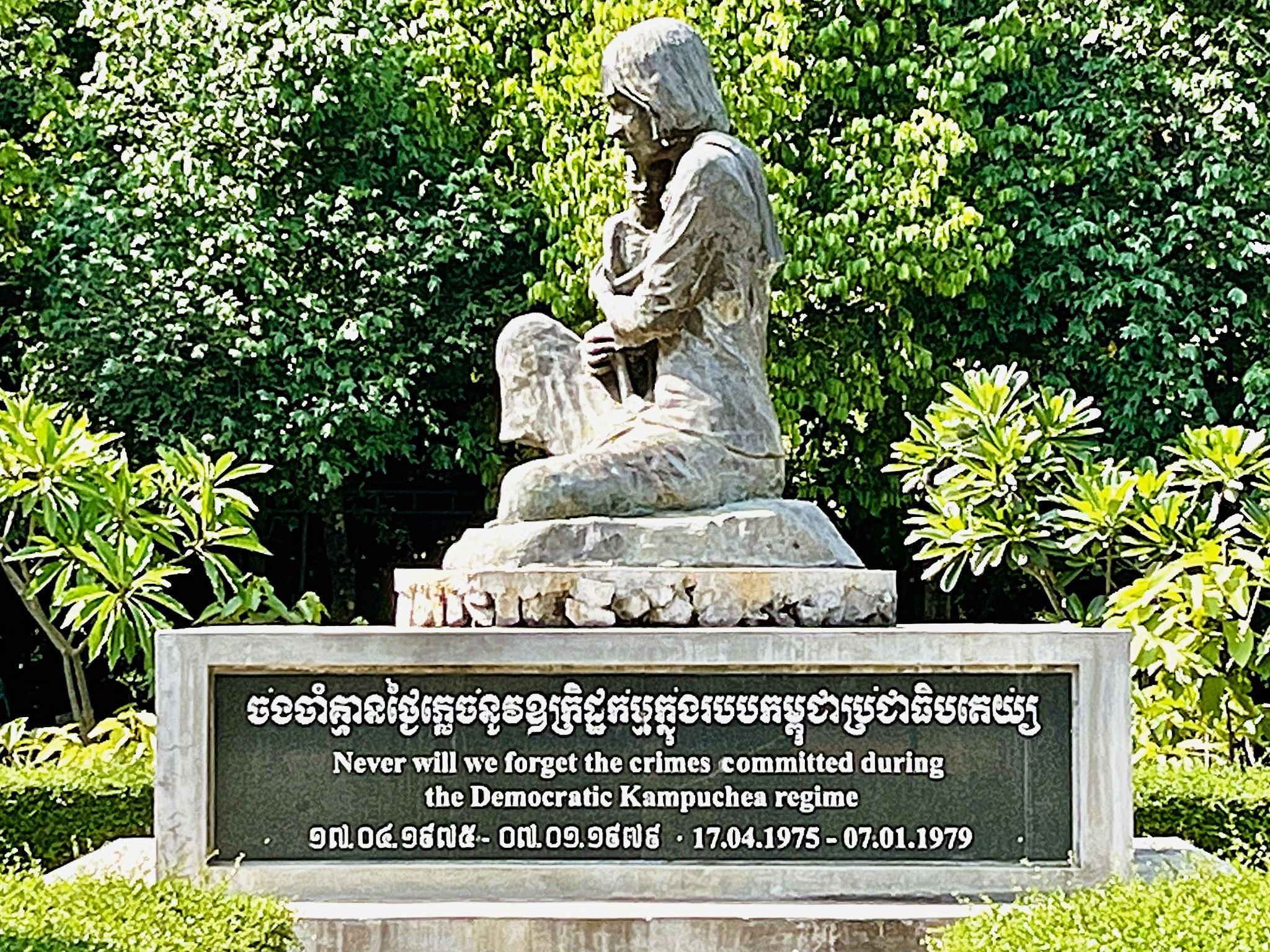


On April 9, 2026, Martin and I will travel from Siem Reap to Phnom Penh. Normally, I would cover the roughly 300 km distance in a minibus for a few dollars. But Martin wants to visit the town of Skun in the Kampong Cham province, which is on the way. So we rent a car with a driver. It used to cost around 70 to 75 US dollars; now taxi companies want 110 because gas has dramatically increased in price due to Donald Trump's war against Iran. In the end, we negotiate a fare of 100 US dollars.
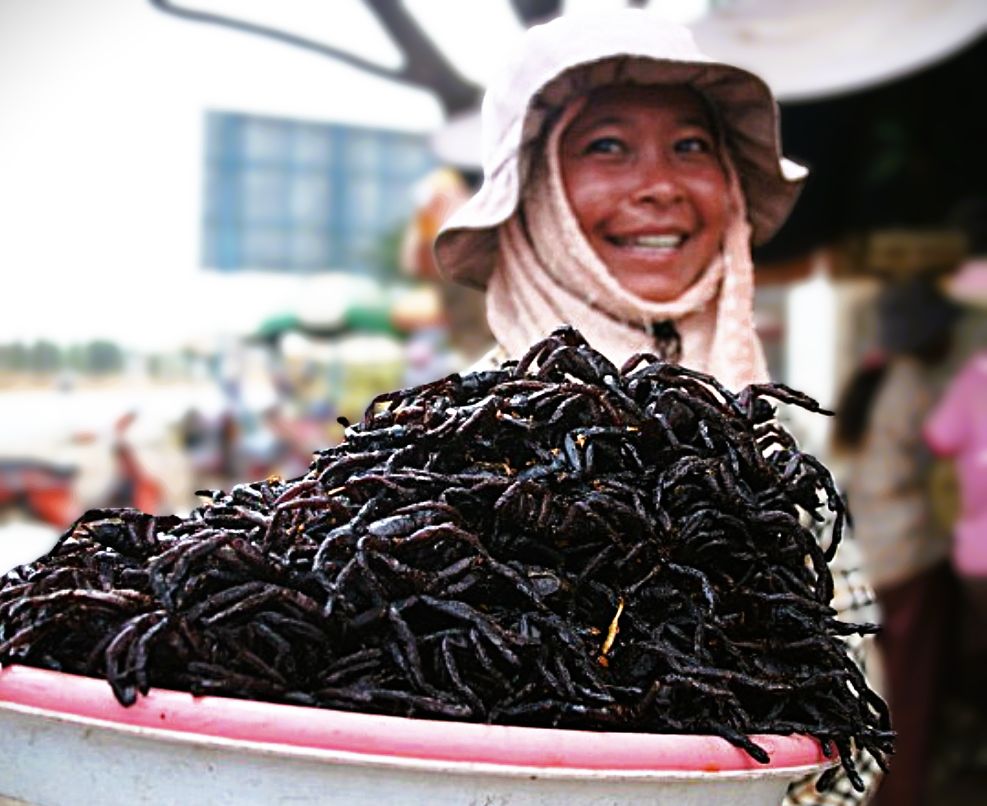
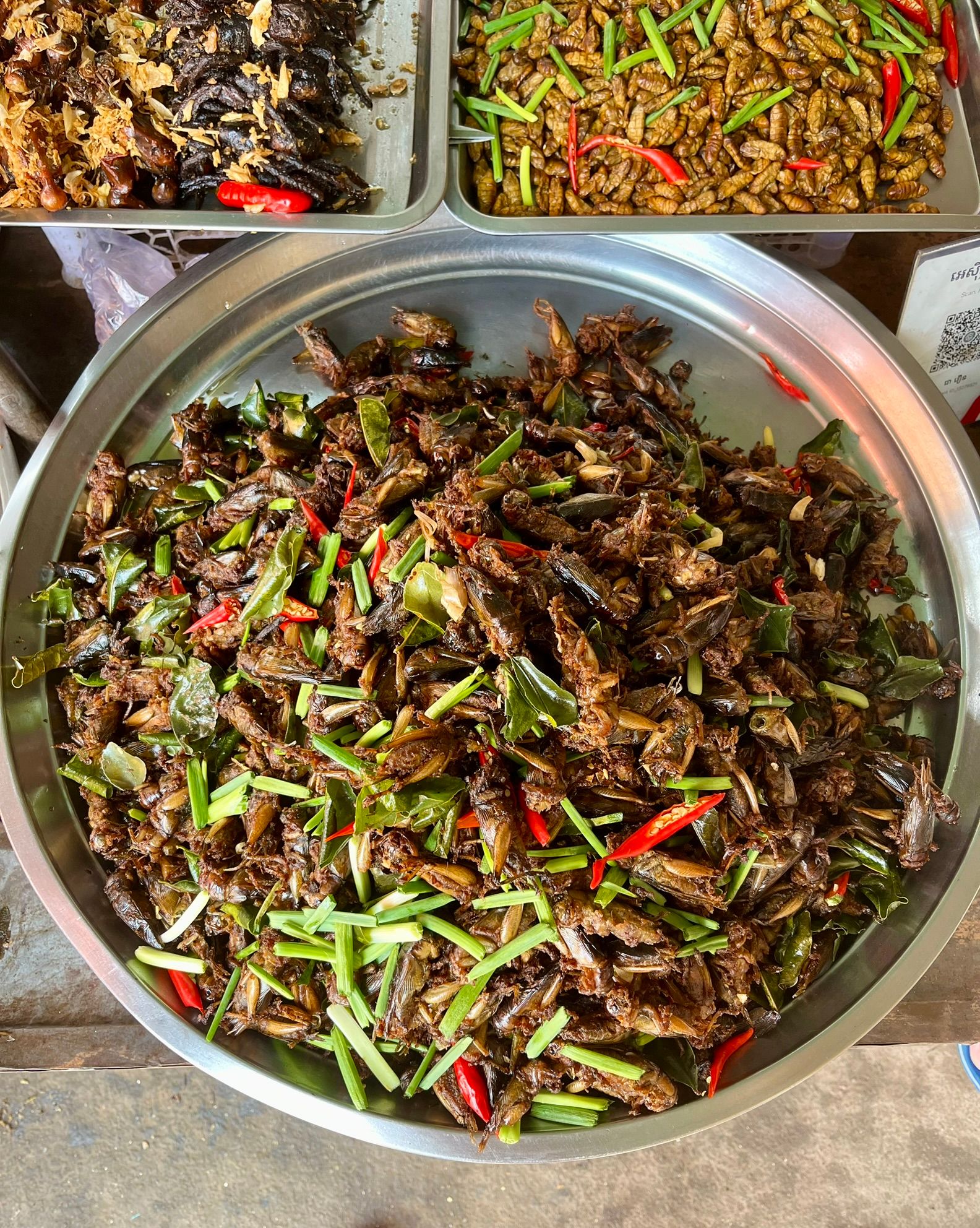
We planned to make a stop in Skun because of the spider market. Skun, also known as “Tarantula City,” has fried tarantulas and insects served as delicacies; tourists stop here for that reason. The special delicacy has a tragic background: During the reign of terror by the communist Khmer Rouge in the 1970s, the population suffered from extreme hunger. In desperation and in search of something edible, people began to dig up and consume the poisonous spiders in the surrounding forests.
Tarantulas are protected in our country; in the Skun region, they are becoming increasingly rare because forests are still being cleared in Cambodia, destroying their habitat, and because the animals are heavily hunted due to tourist demand. The spiders are often brought from far-away provinces to Skun. I will not be responsible for the extinction of the tarantula: Reports describe its flavor as mild and slightly meaty, similar to crabs or somewhere between chicken and fish. I found them simply disgusting.
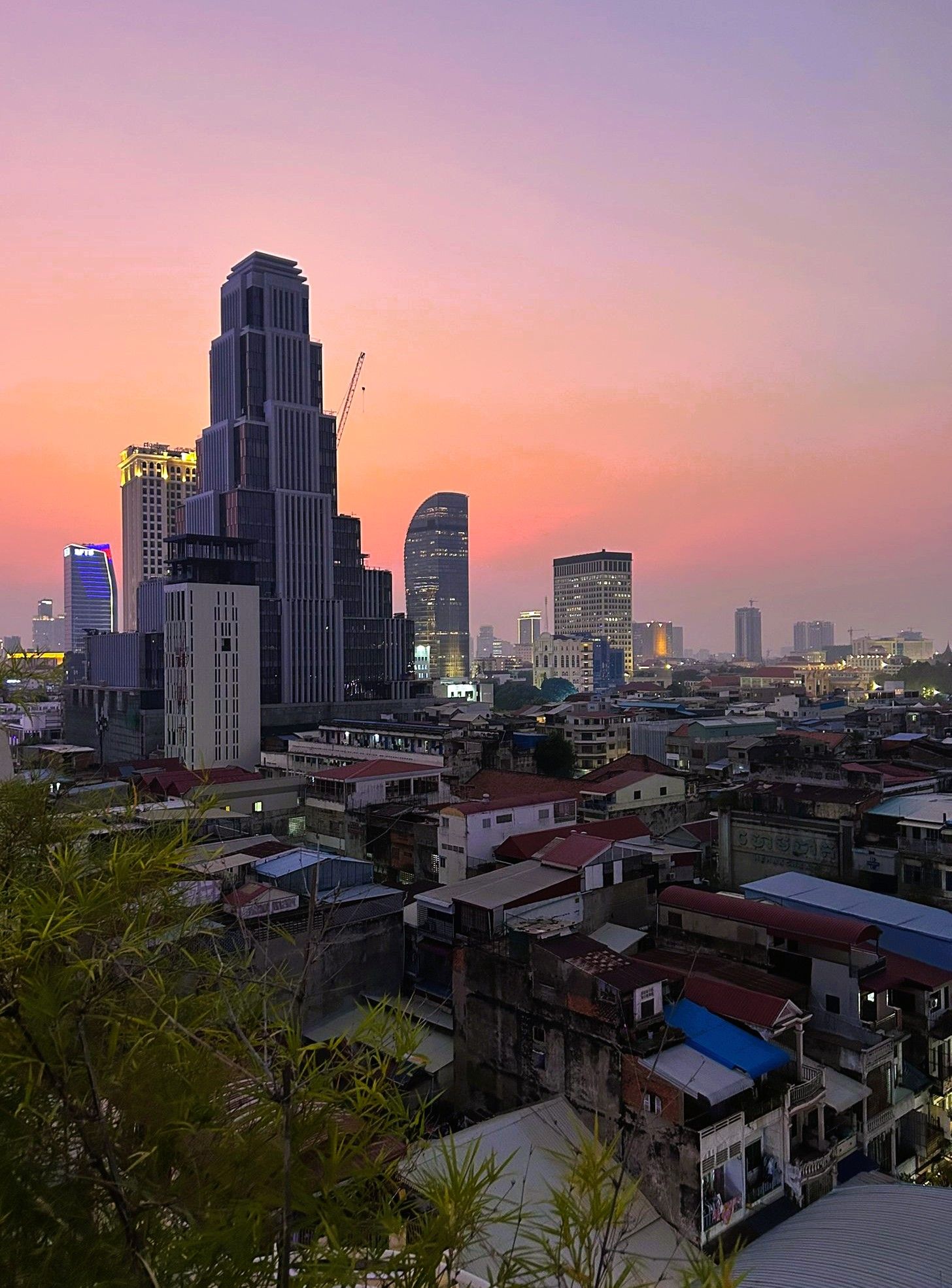
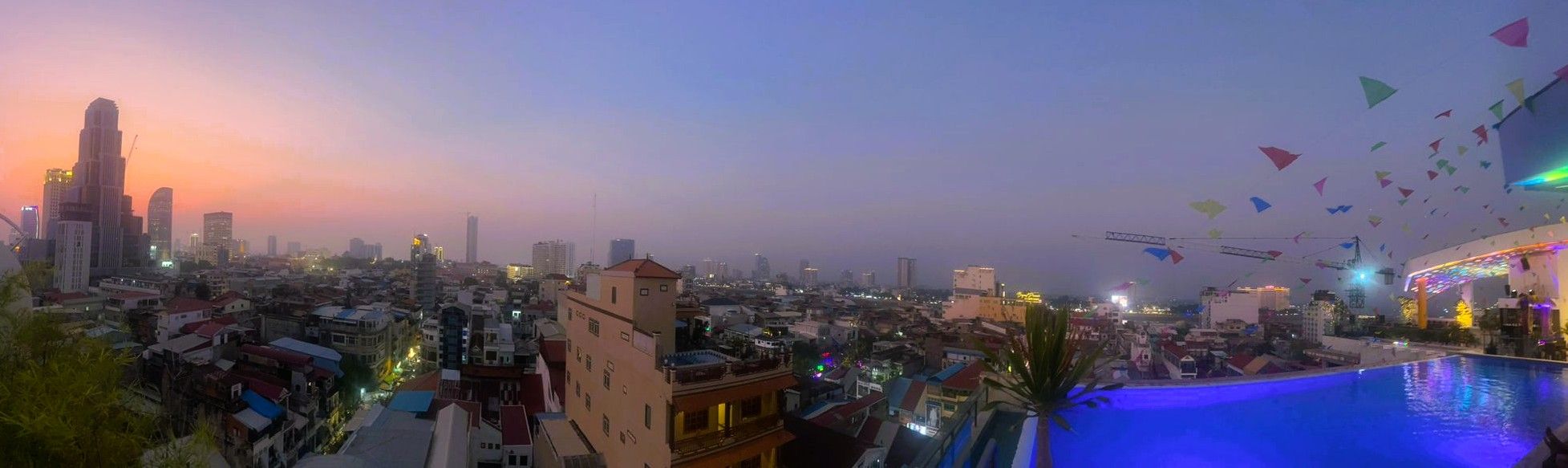
In Phnom Penh, we will again stay at the “Sun and Moon Urban Hotel,” located right in the nightlife district, from whose rooftop one can enjoy a panoramic view of the booming city of Phnom Penh. The next day, I arranged a guided tour with Sreykeo and her husband.
We want to visit the Royal Palace and the National Museum, but also those sites of horror where genocide against the Khmer people took place under the Khmer Rouge, namely the former Tuol Sleng schoolhouse, which became notorious as the torture prison S-21 and is now a museum, and the Killing Fields a bit outside the city, where thousands were murdered. I reported in more detail about that in my article “Cambodia’s Disturbing History” from December 2024.
Illiterate and Businesswoman
Sreykeo, 26 years old, is not a tour guide, but her own story is worth telling and commands respect. Usually, she walks through the streets of the nightlife district with a portable cart, selling fridge magnets, woven bracelets, small wallets, and similar items to foreign tourists. It's a tough job, and on the best days she doesn't earn more than 20 US dollars; on the worst, she has no income at all.
During my last visit to Phnom Penh, I noticed her due to her remarkable knowledge of the English language. What is particularly astonishing about this is that she picked up the foreign language in street sales interactions with her customers. Because Sreykeo never attended school; she is illiterate. Although I didn't buy anything from her, as I already have too much baggage with me while traveling, I found our conversations so fascinating that I invited her to lunch several times and now I ask her to accompany us through the exciting city of Phnom Penh.
When her parents separated and her father drove the family away, she came to Phnom Penh with her mother and siblings, having to sleep by the riverside at first - Sreykeo shows us the spot - until her mother found affordable accommodation. As a teenager, she was sold to China and forced into marriage until she managed to escape. (That's why she speaks Mandarin as well.)
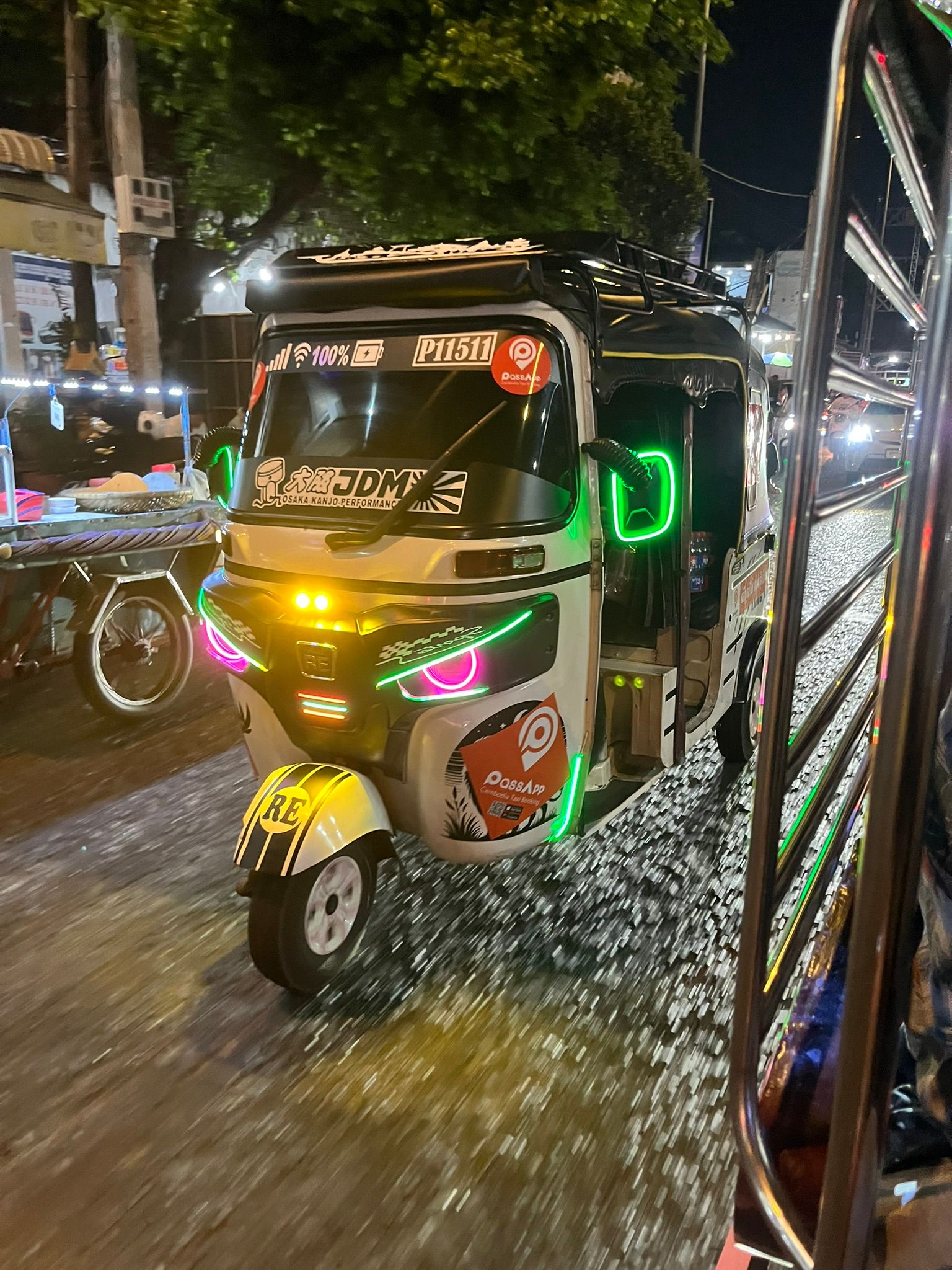
If Sreykeo had had better starting opportunities, she would have become a successful businesswoman. Even so, what she has achieved is remarkable: She was able to buy her husband a tuk-tuk, which he now drives, among other things, for the Grab ride service (the Asian equivalent of Uber). She has two children, with the older eight-year-old son having to sell from a portable cart on school-free days. She supports her mother, pays the rent on two apartments, and is working on financing her own house.
Political Boxing
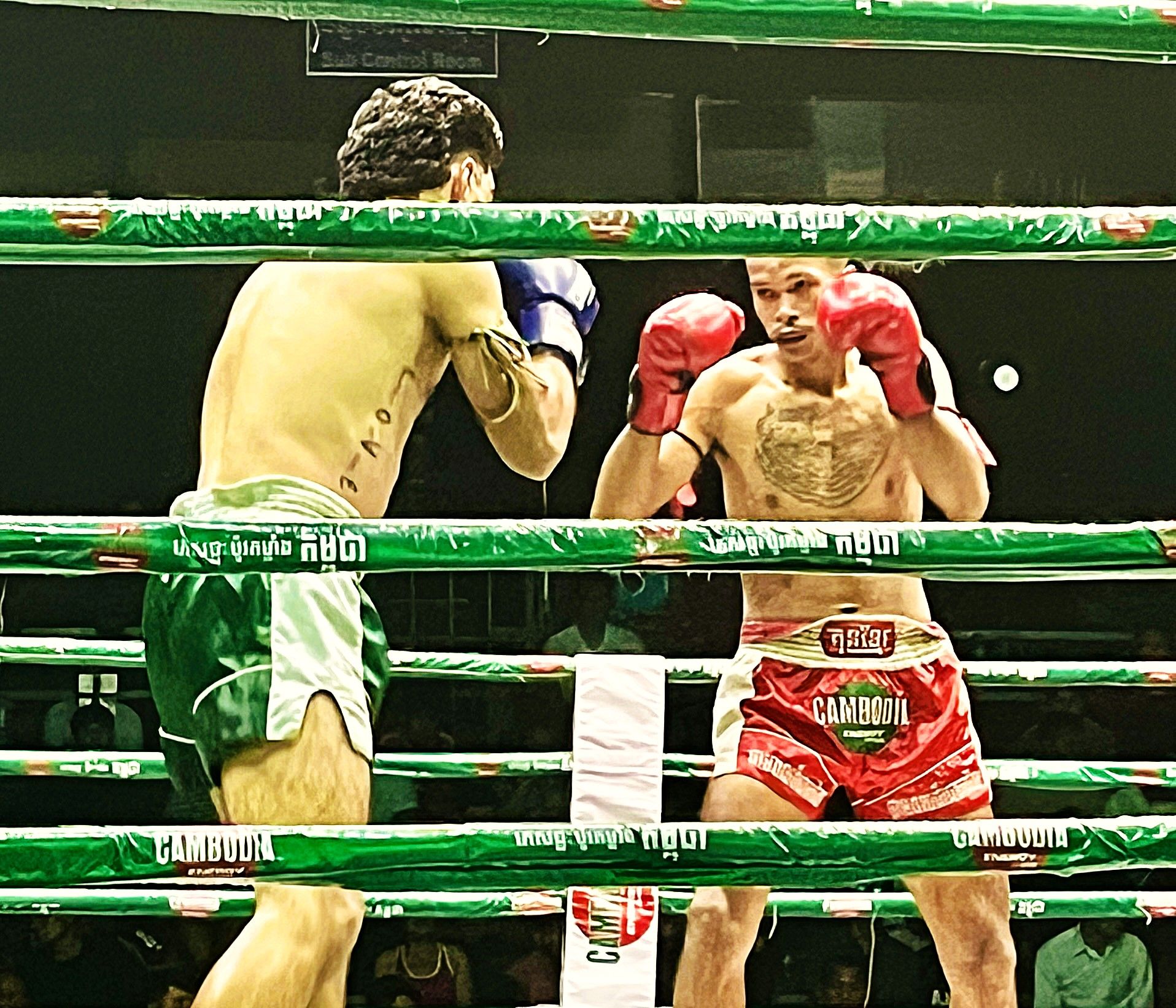
Martin also wanted to experience a kickboxing match. Cambodians place great importance on ensuring that Kun Khmer is an independent combat sport rooted in Khmer culture, not just a Cambodian variant of Thai boxing, which is also known as Muay Thai. The mutual distrust between many Thais and Cambodians, and the recurring wars between the two countries, make the distinction all the more understandable.
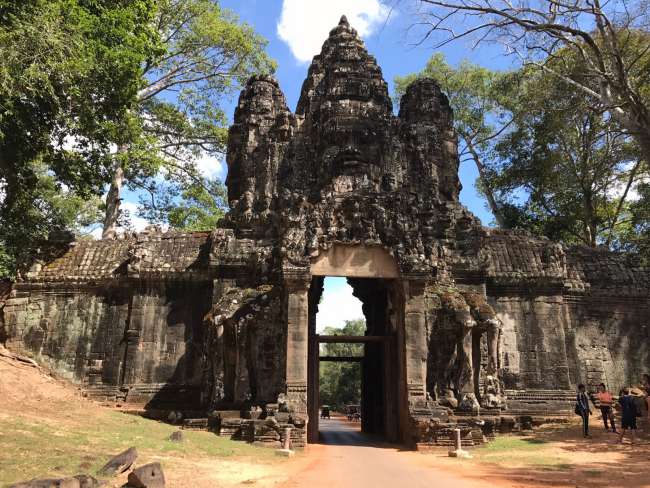
Our guide today (not Sreykeo) points to reliefs at the temples of Angkor, where battle scenes resembling today’s Kun Khmer were immortalized around 800 years ago. Thais and Cambodians each claim the true origin for themselves, which can also lead to diplomatic incidents: At the Southeast Asian Games in 2023 in Phnom Penh, Cambodia officially named the sport Kun Khmer, prompting the National Olympic Committee of Thailand and the Muay Thai associations to decide to boycott the kickboxing competitions.
Since I don't understand kickboxing, can't appreciate the sport, and only witnessed a boxing match once, years ago, in Patong, Phuket, I can't recognize the nuances that are supposed to exist between Thai boxing and Kun Khmer: While in Thai boxing, close combat in a clinch is often held for a long time, referees in Kun Khmer tend to separate opponents more quickly to allow for a smoother fight. In Kun Khmer, we learn, there is more emphasis on spectacular elbow strikes and continuous kicks. What they both have in common: In Cambodia, too, the fights are accompanied by booming music.
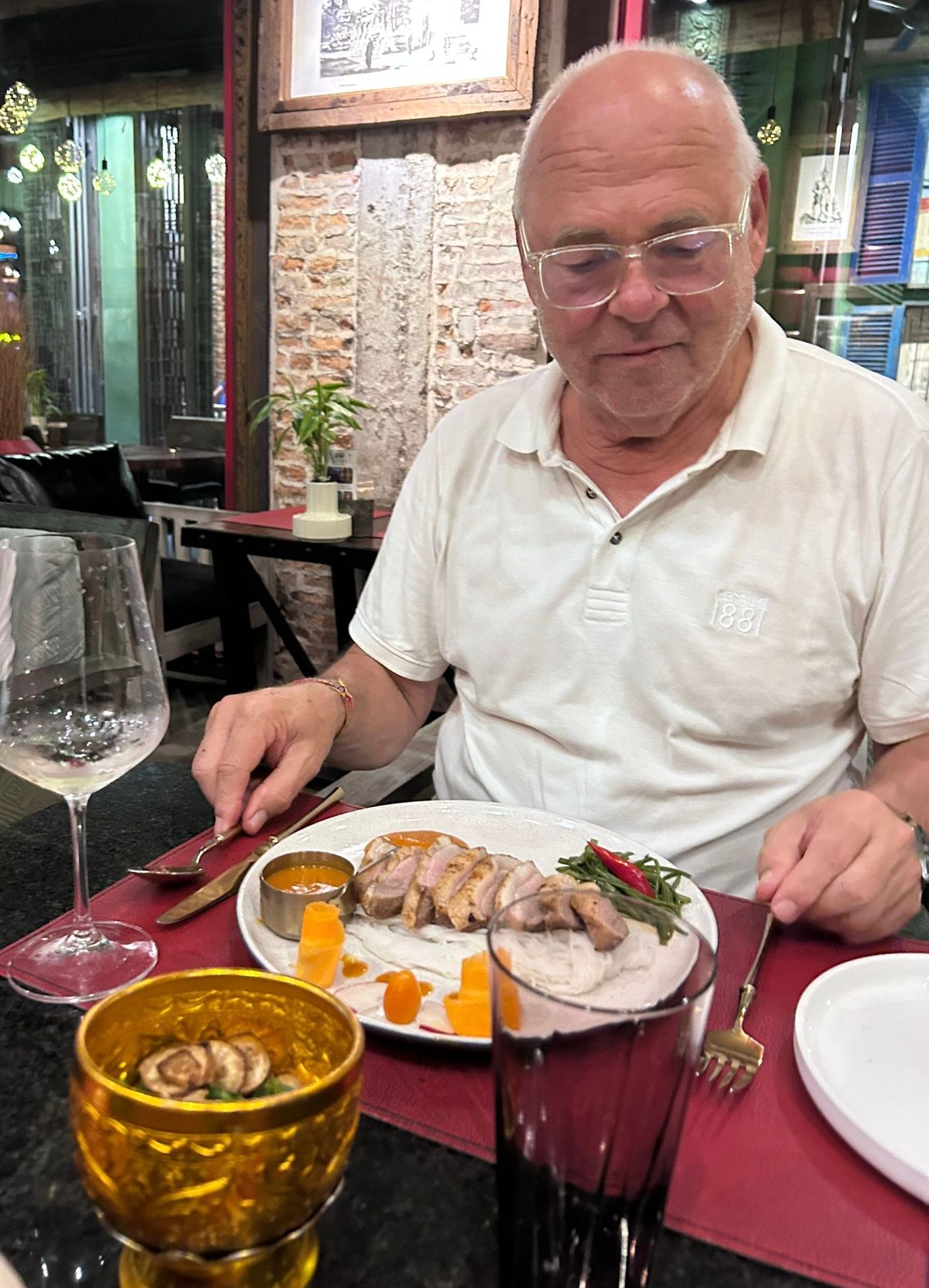
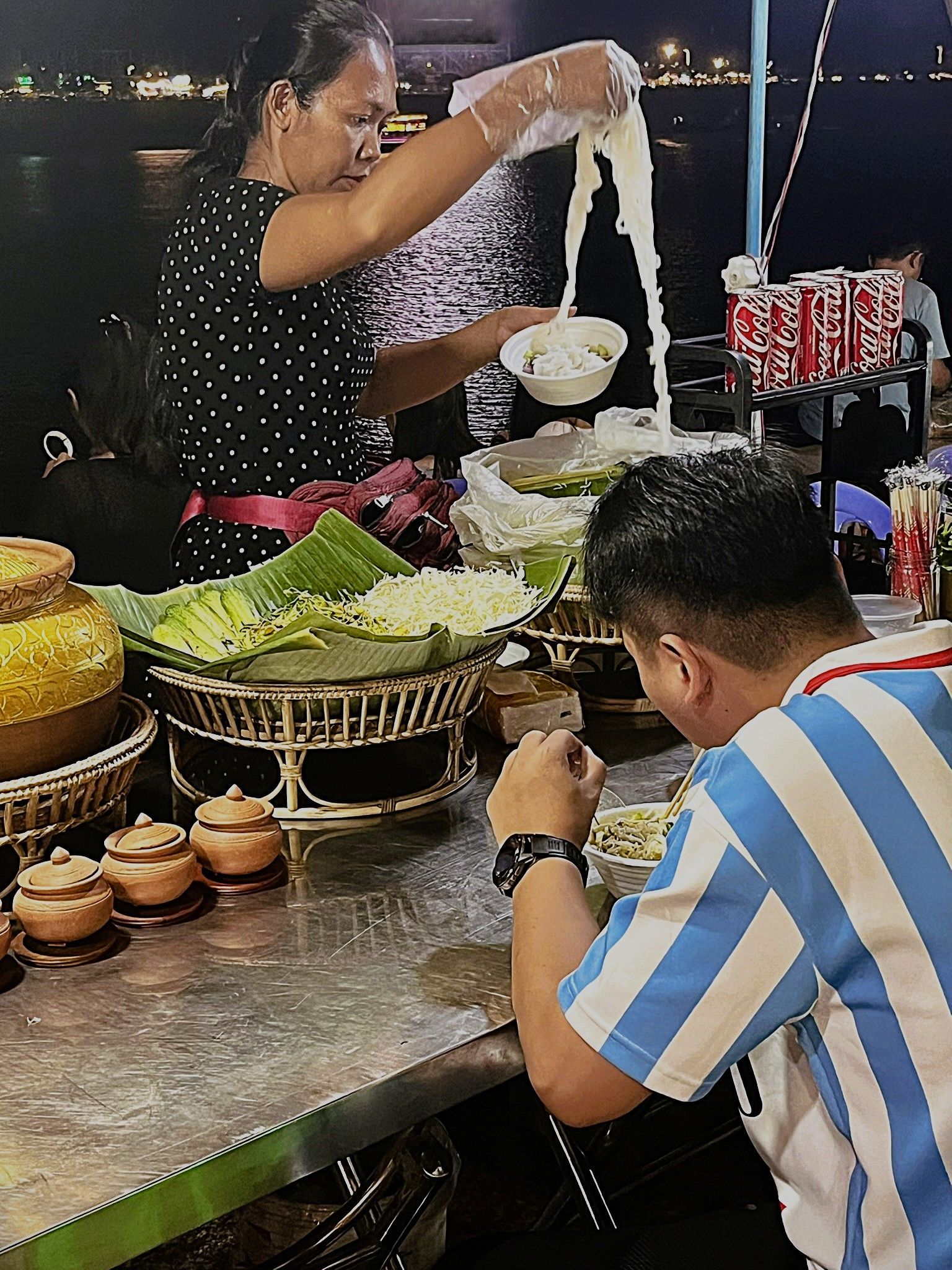
We spent our nights in Phnom Penh playing pool, with Martin still winning, though not as often as before. We explored the night markets and had meals in street kitchens and local restaurants.
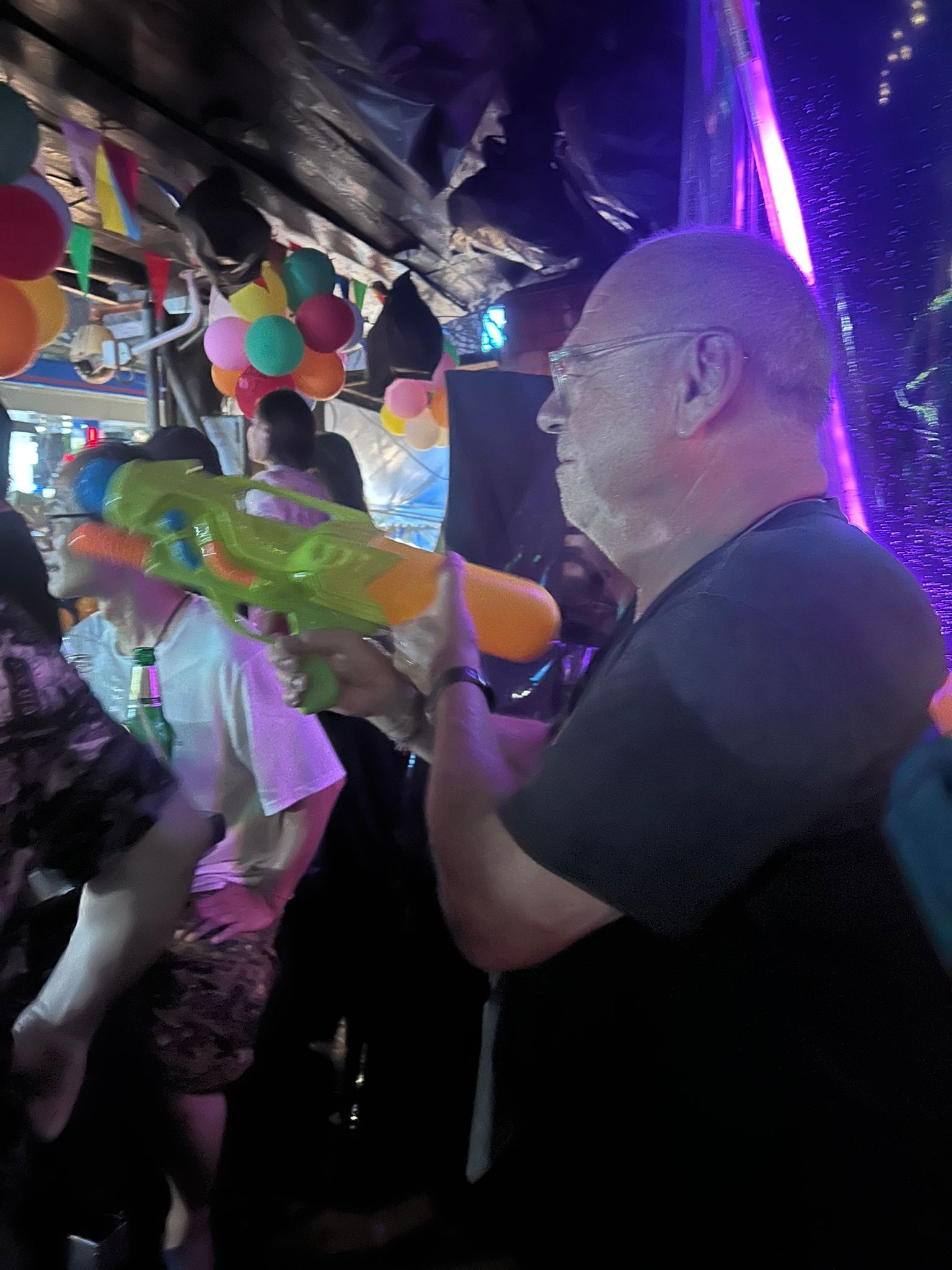
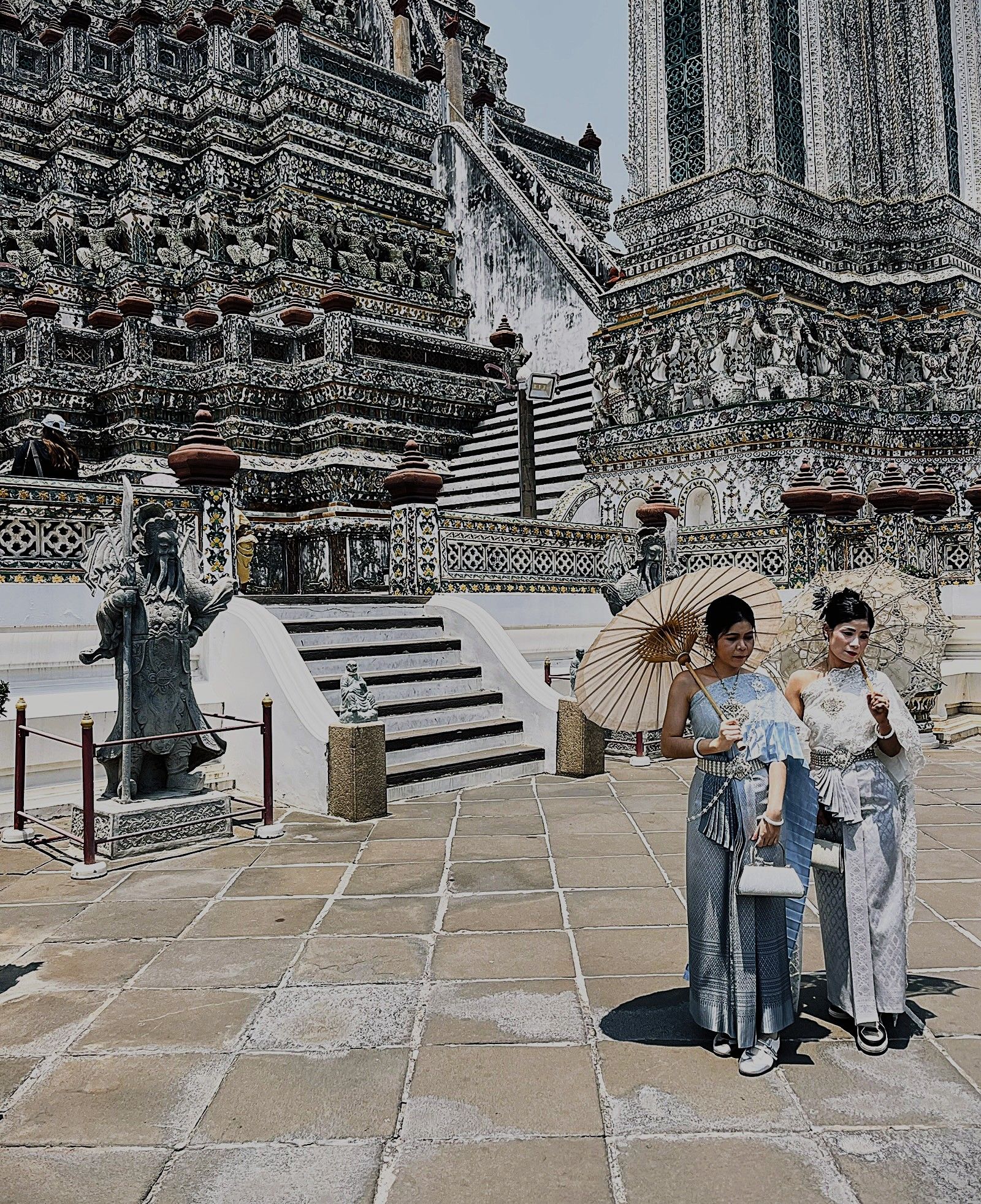
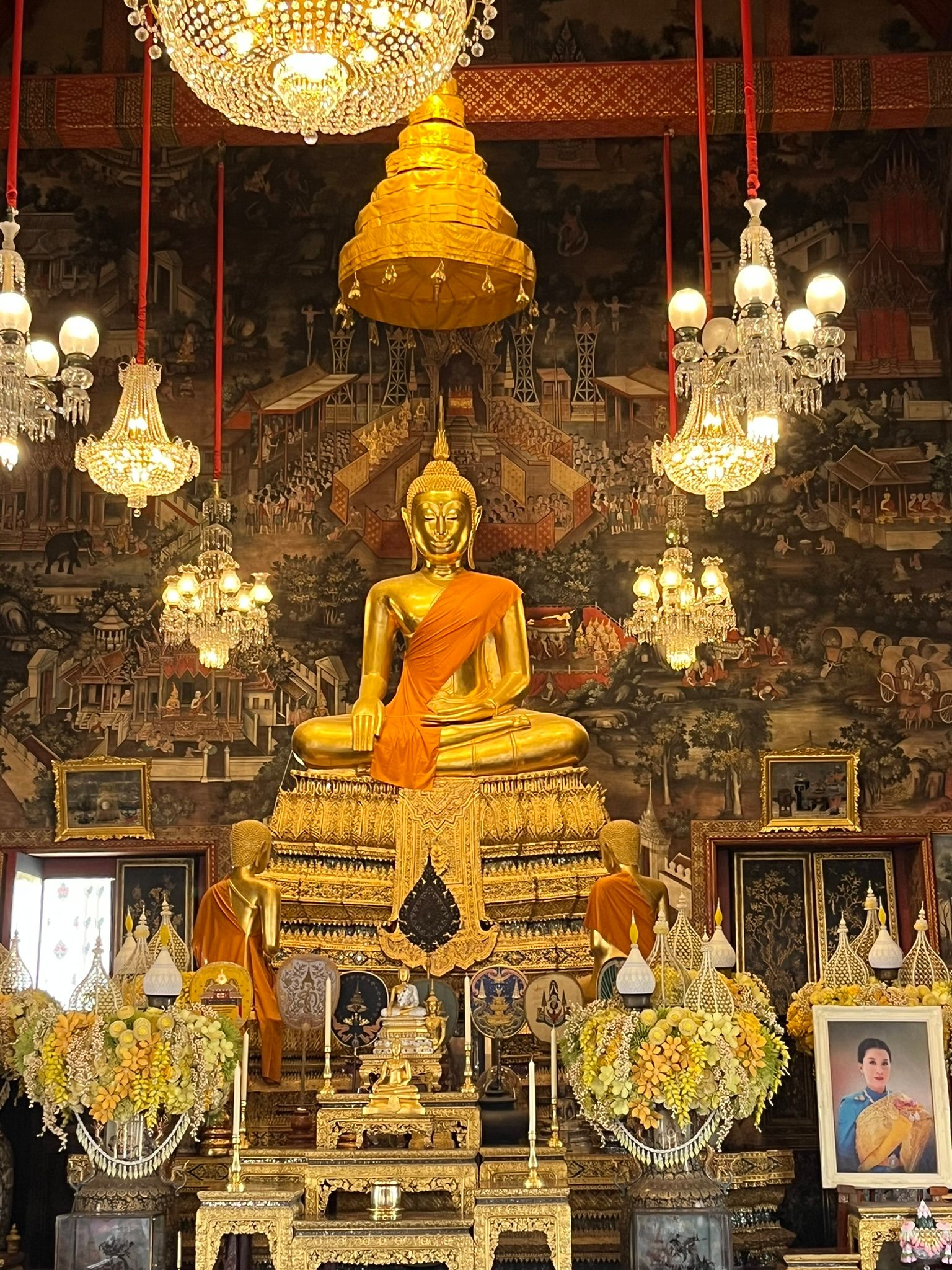
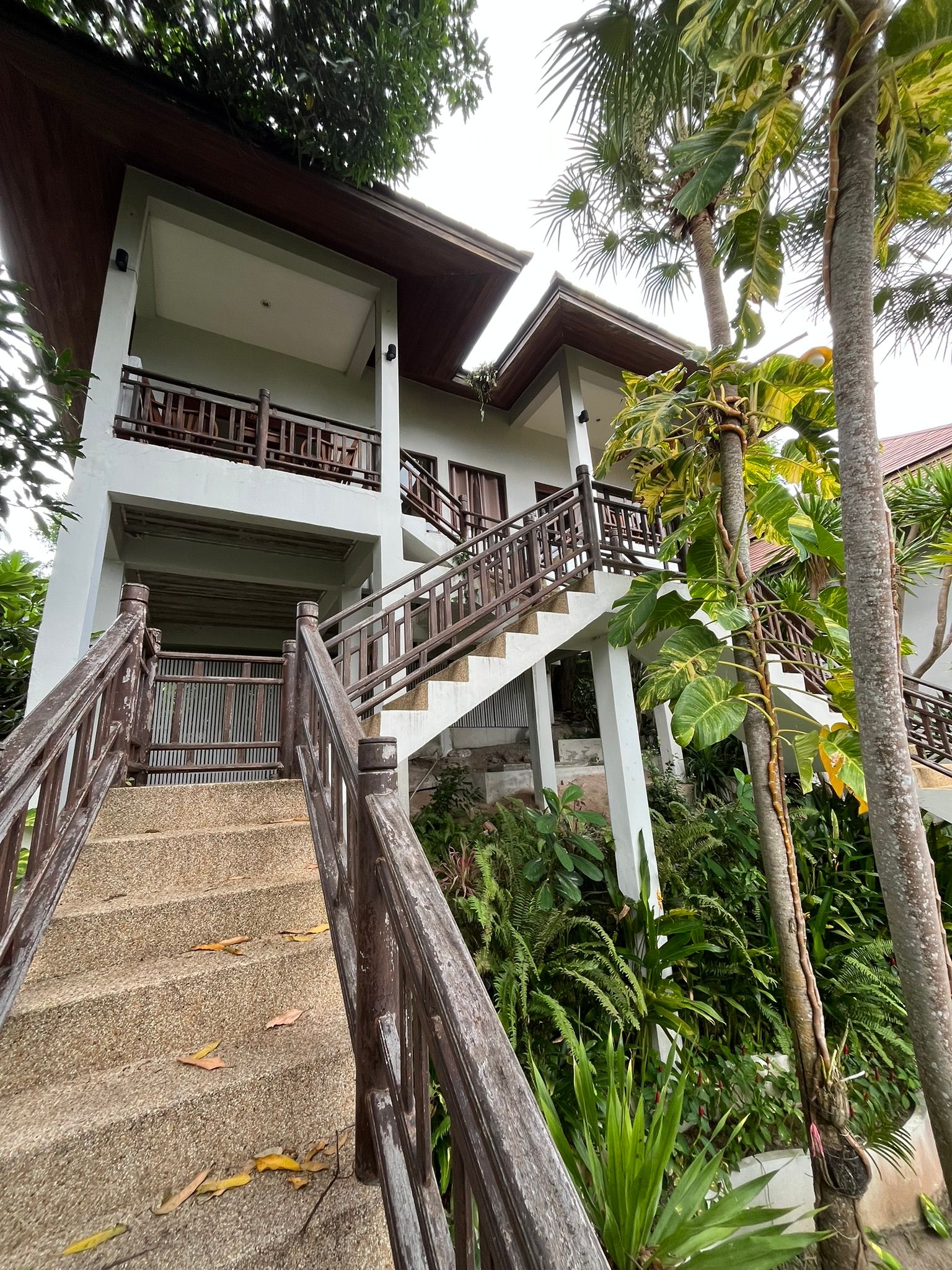
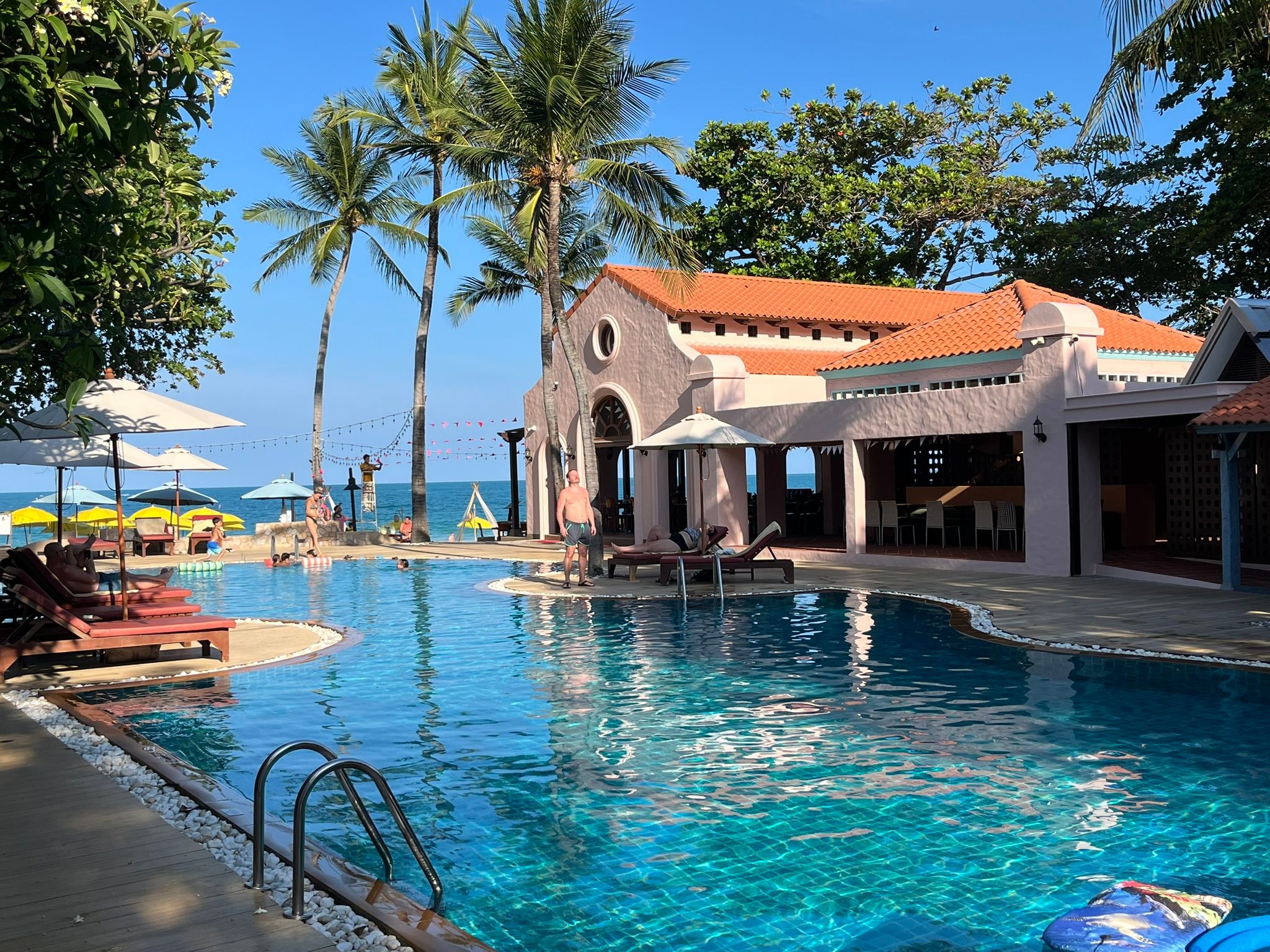
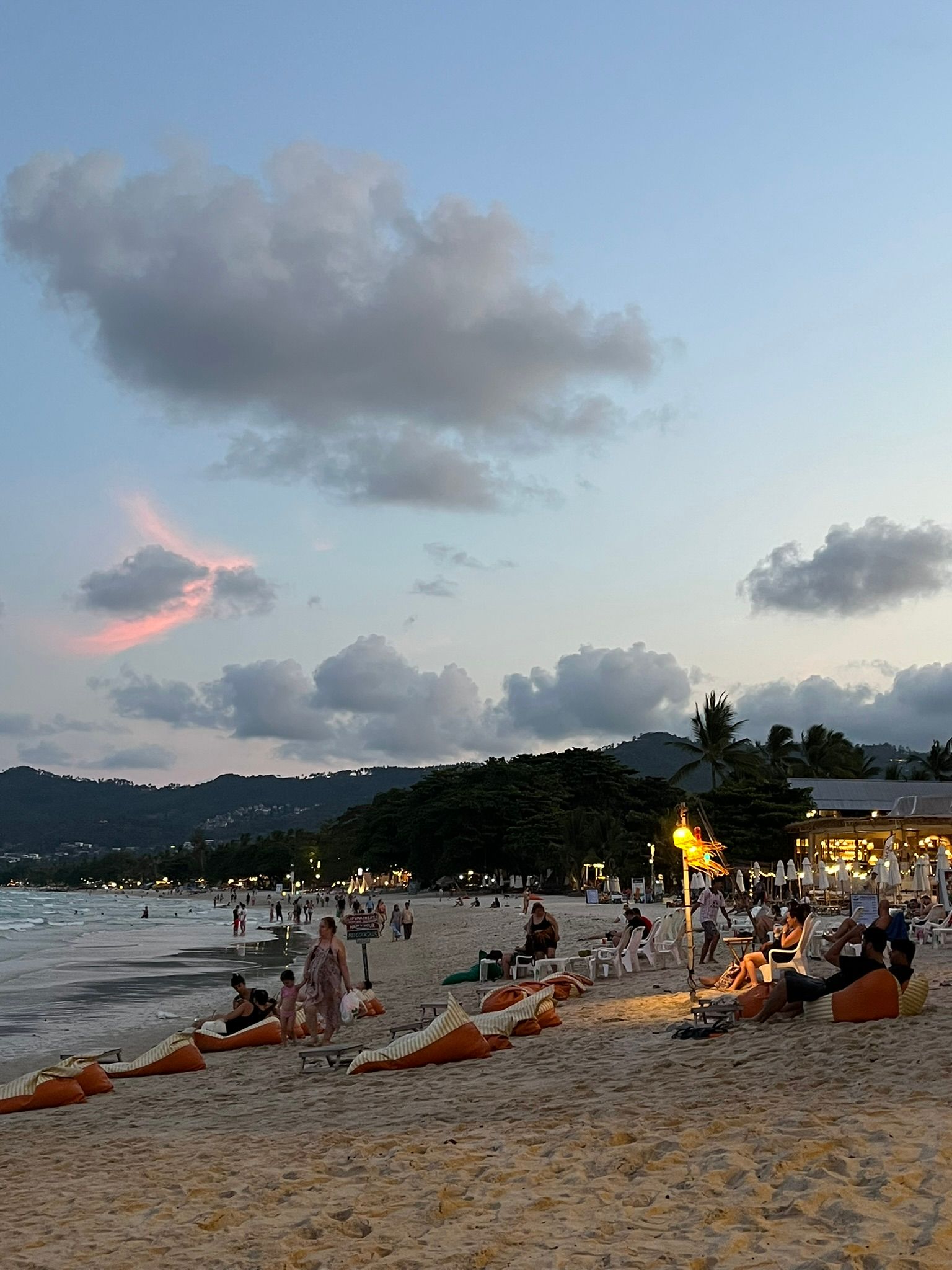
After a few days, we traveled further to Bangkok, where Songkran, the Buddhist New Year, was being celebrated, which means that there were fierce water fights in the streets. Afterwards, we flew to Surat Thani in southern Thailand, took the ferry to Koh Tao, and a few days later to Koh Samui. I have described Bangkok, Songkran, Koh Tao, and Koh Samui in detail in previous blogs, so I will refrain from that here.
On April 28, Martin flew from Koh Samui via Bangkok back to Switzerland. I stayed on the island for a few more days and then returned by ferry to Chumphon and from there by land bus to my base camp in Hua Hin.