
Alpen Hike Sarstein
On the Sarstein
Published: 09.07.2025
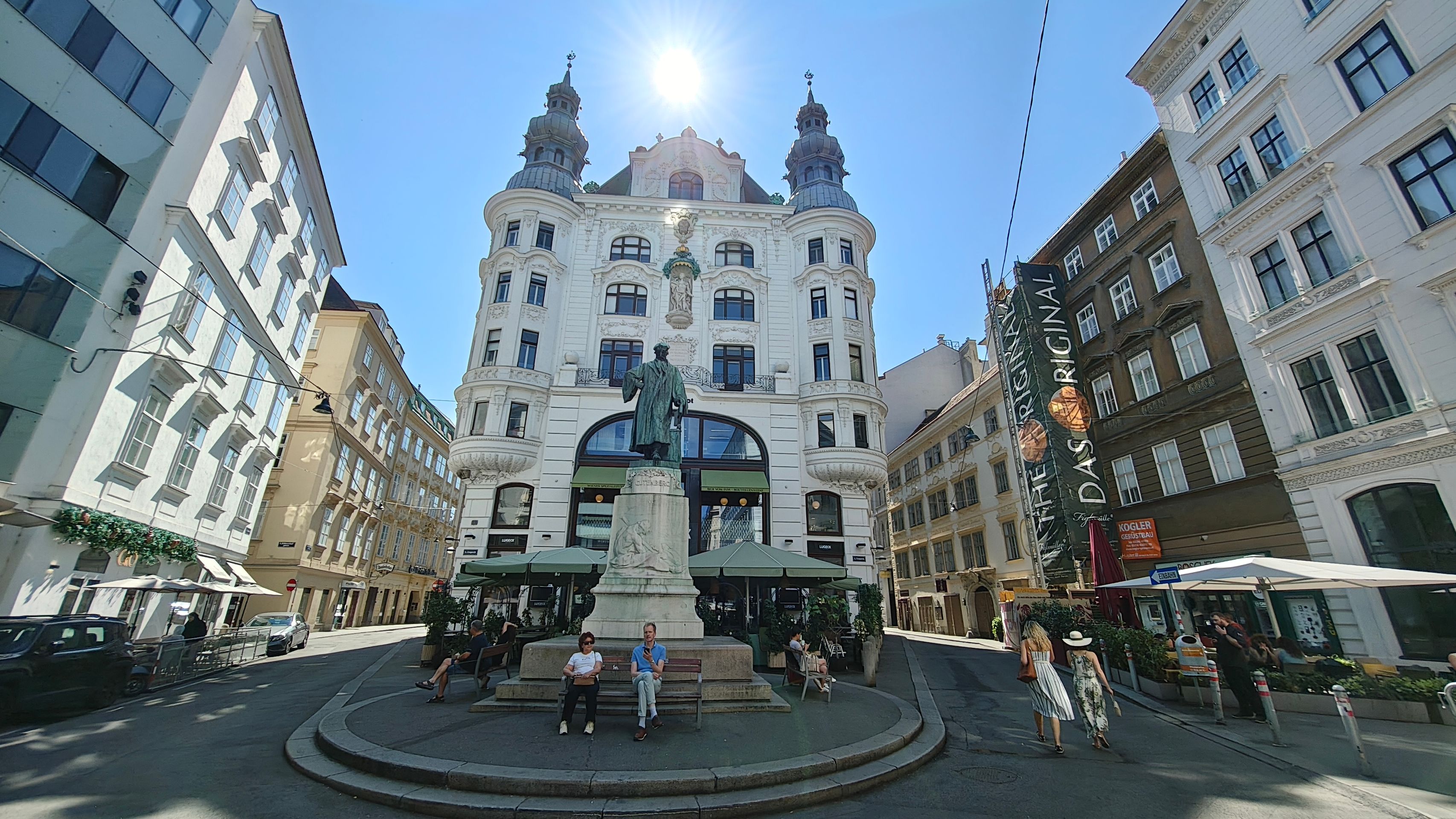
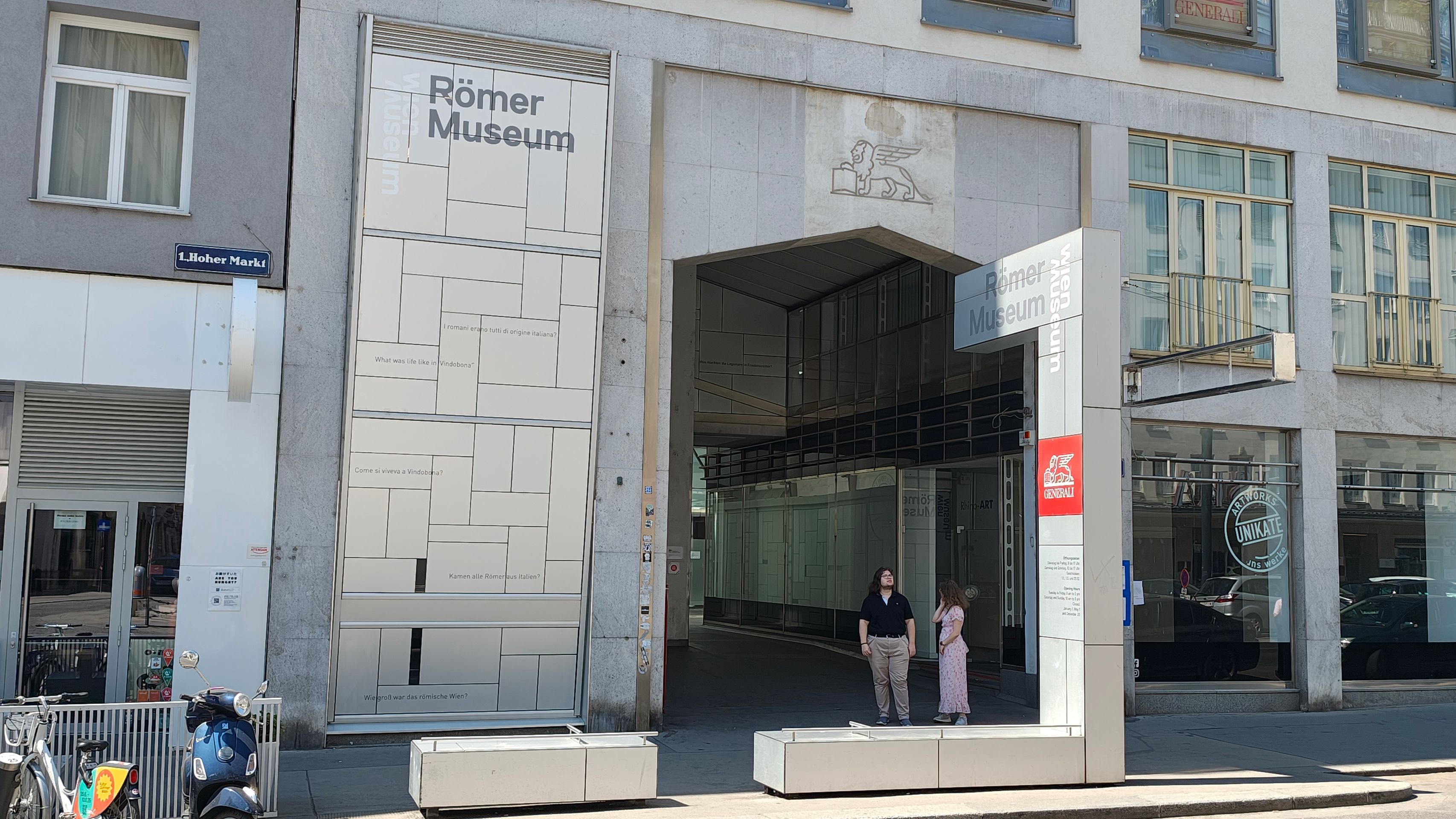
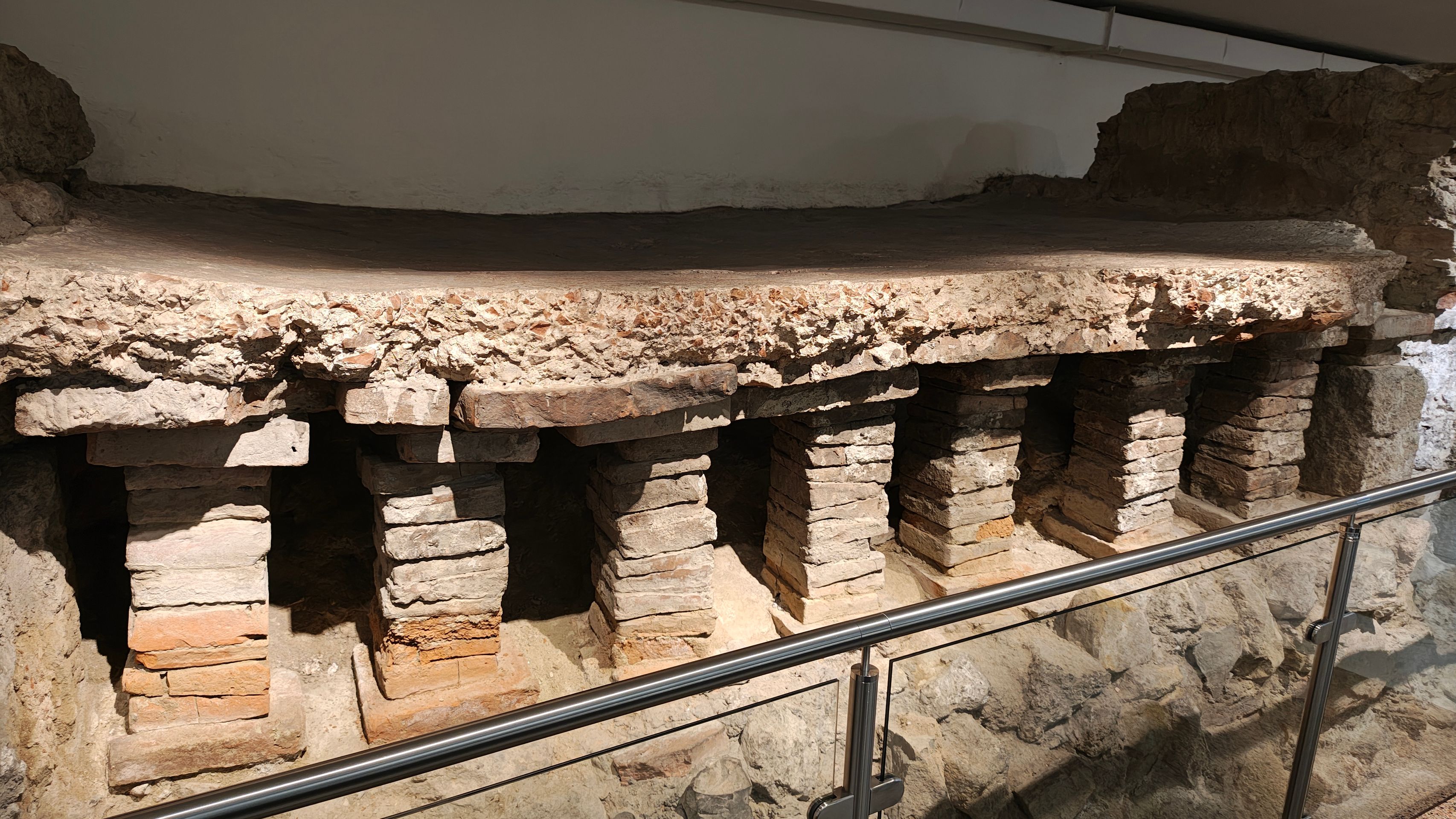
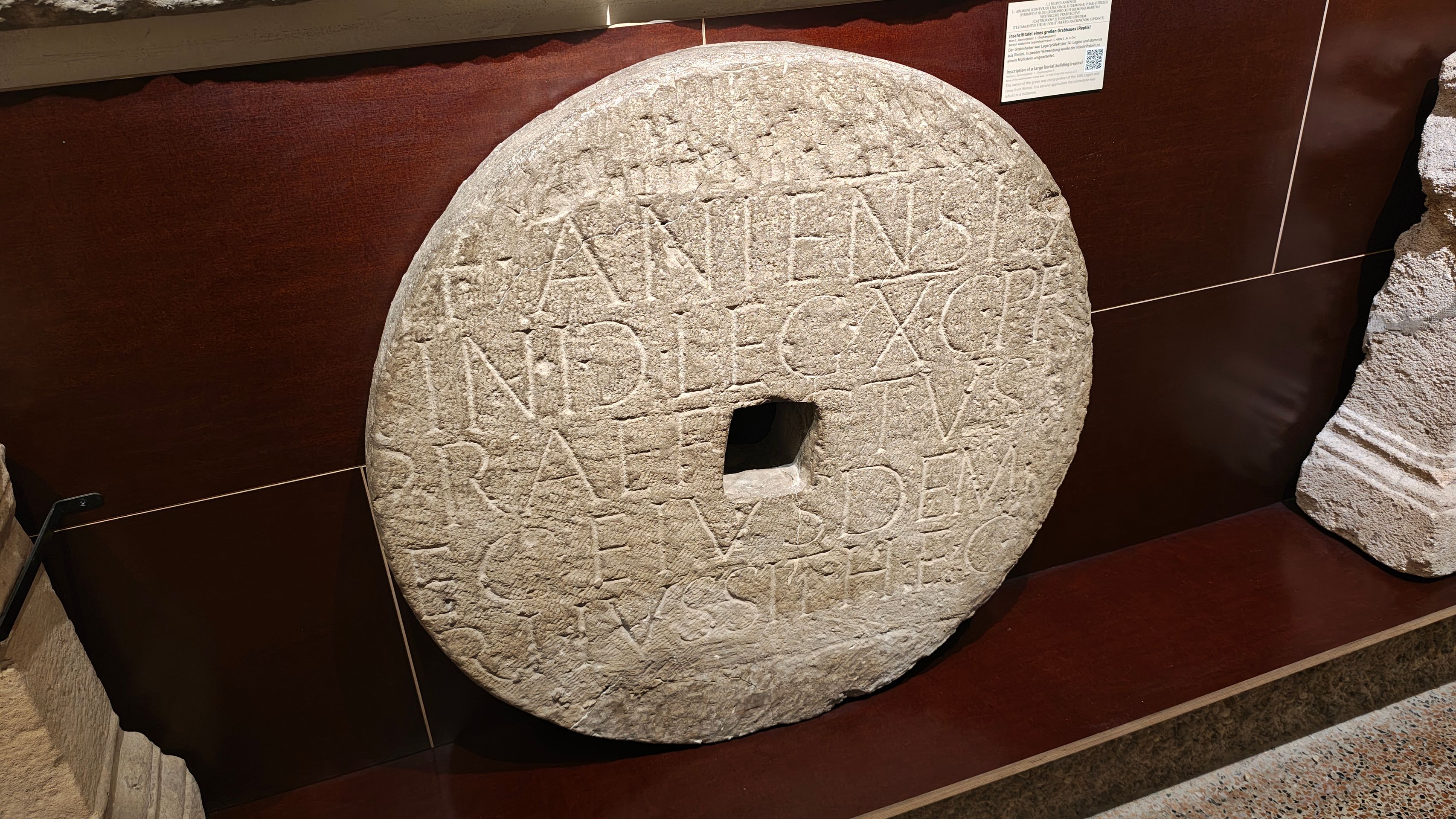
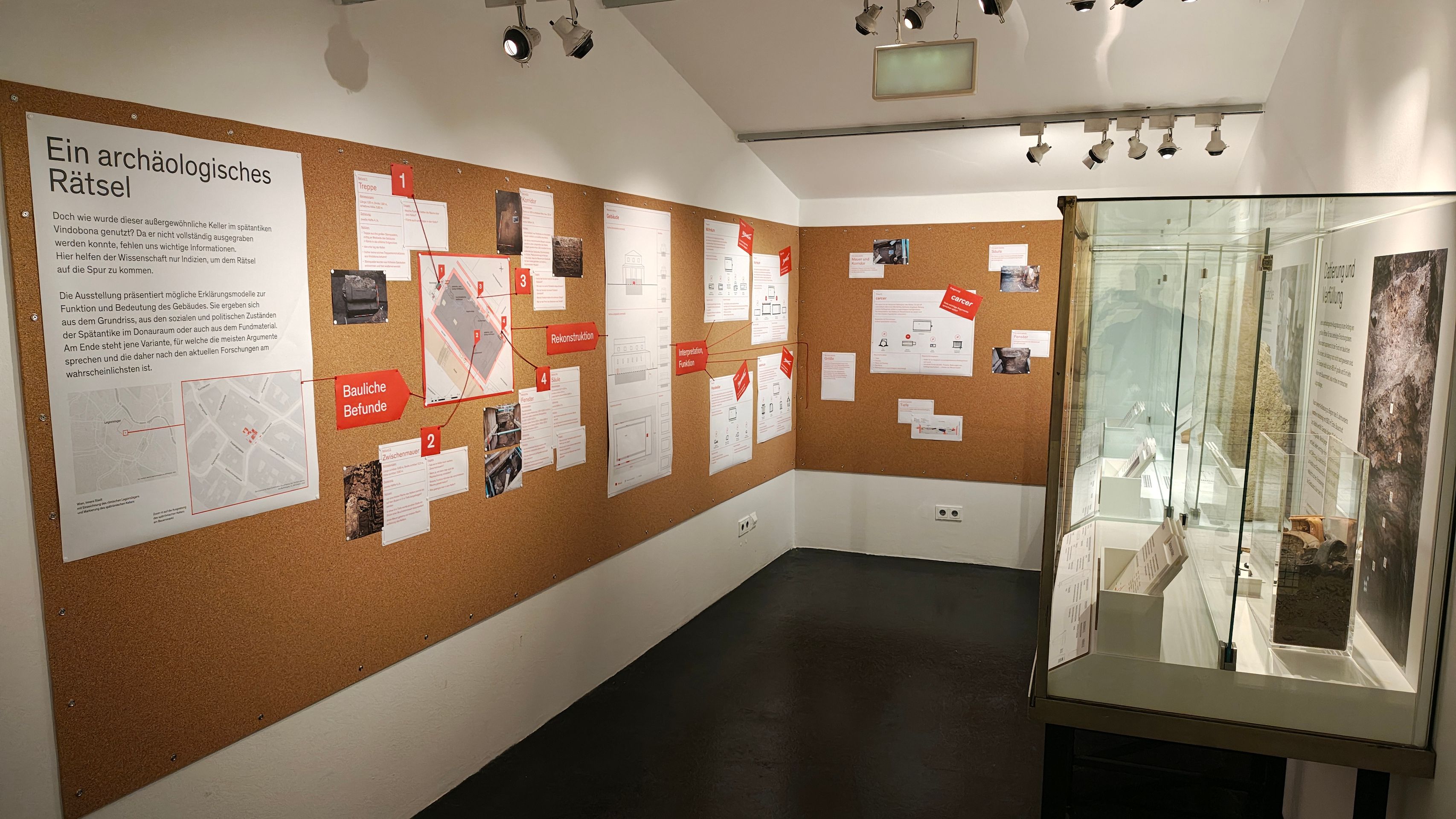
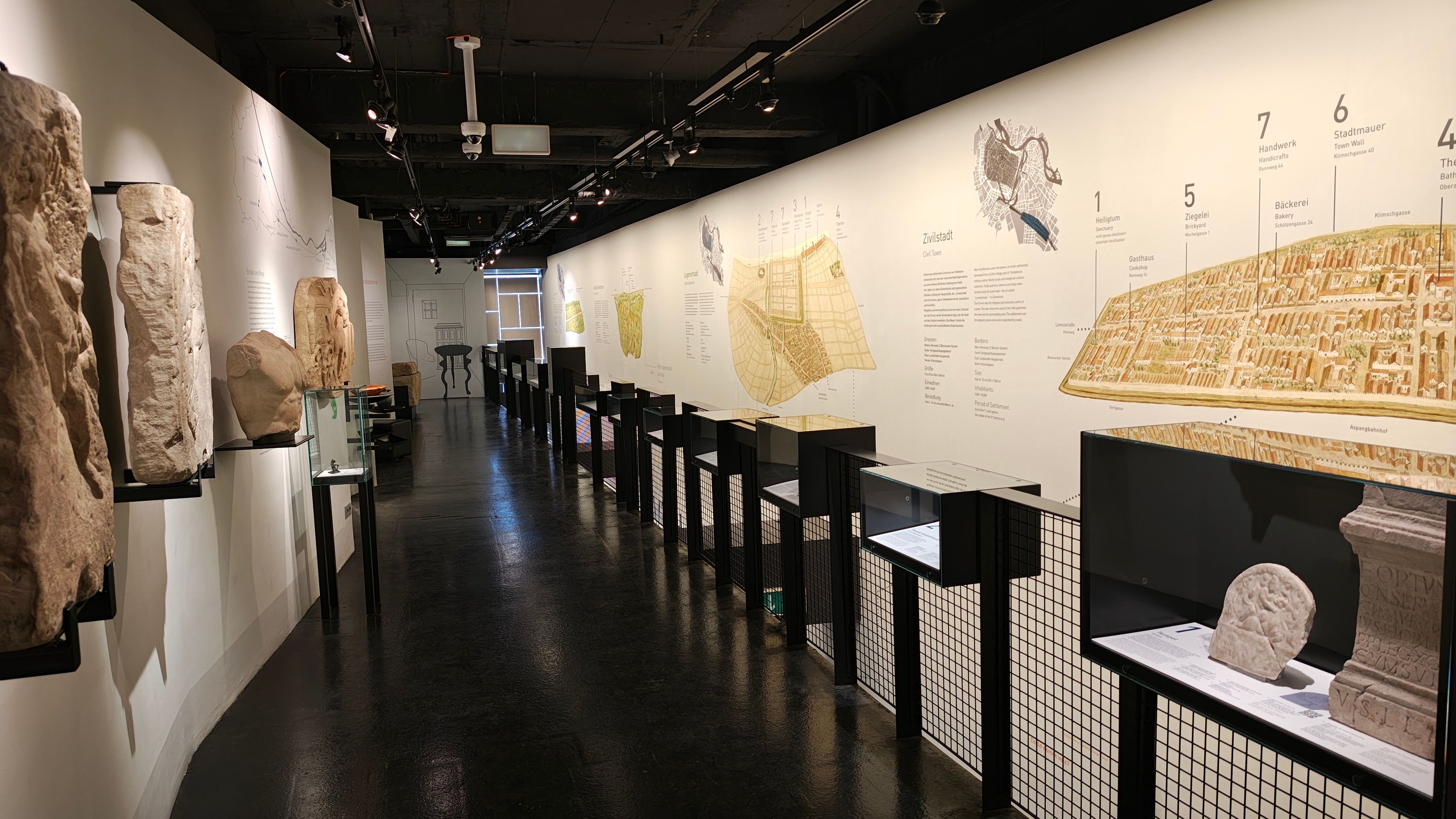
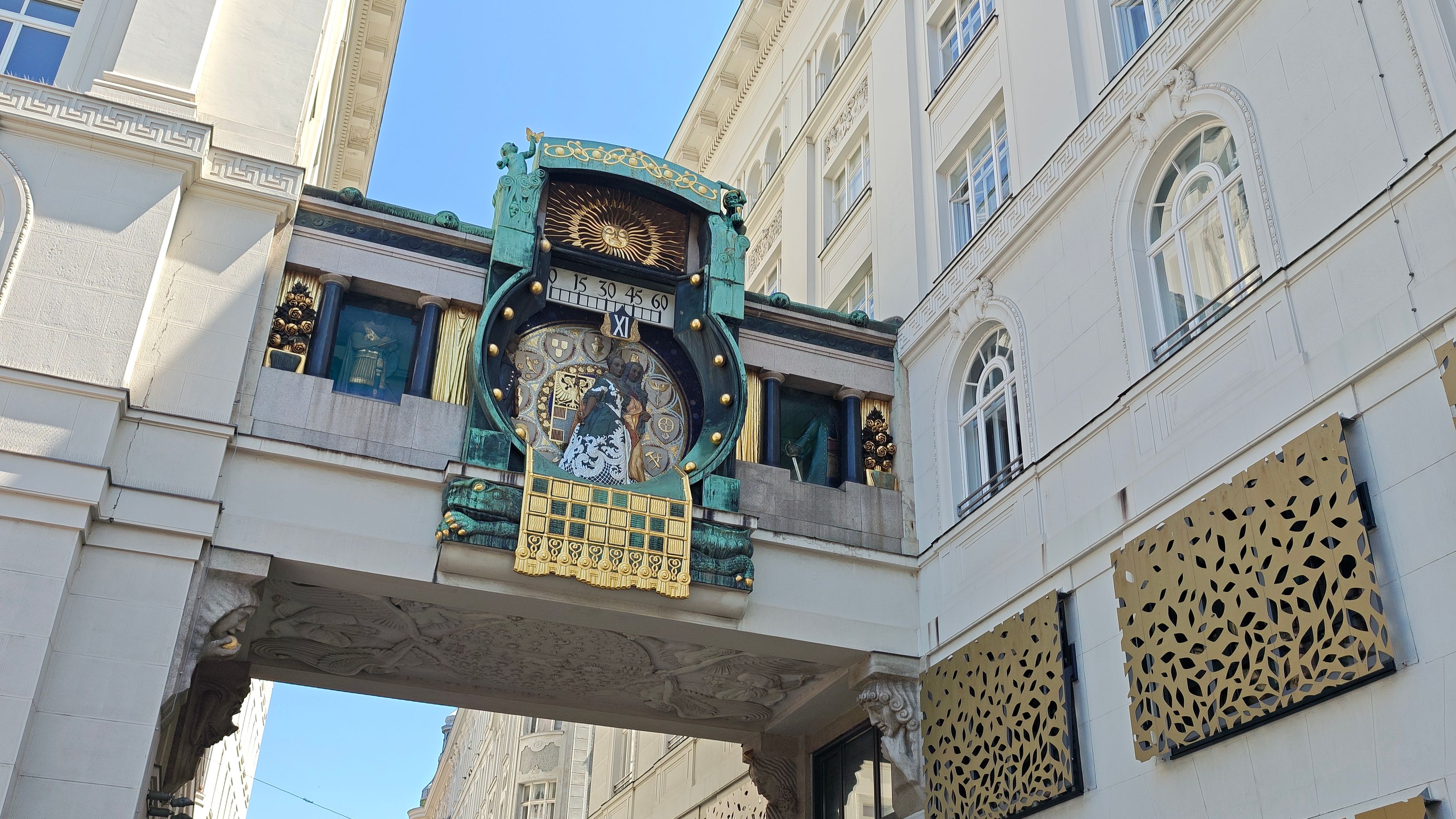
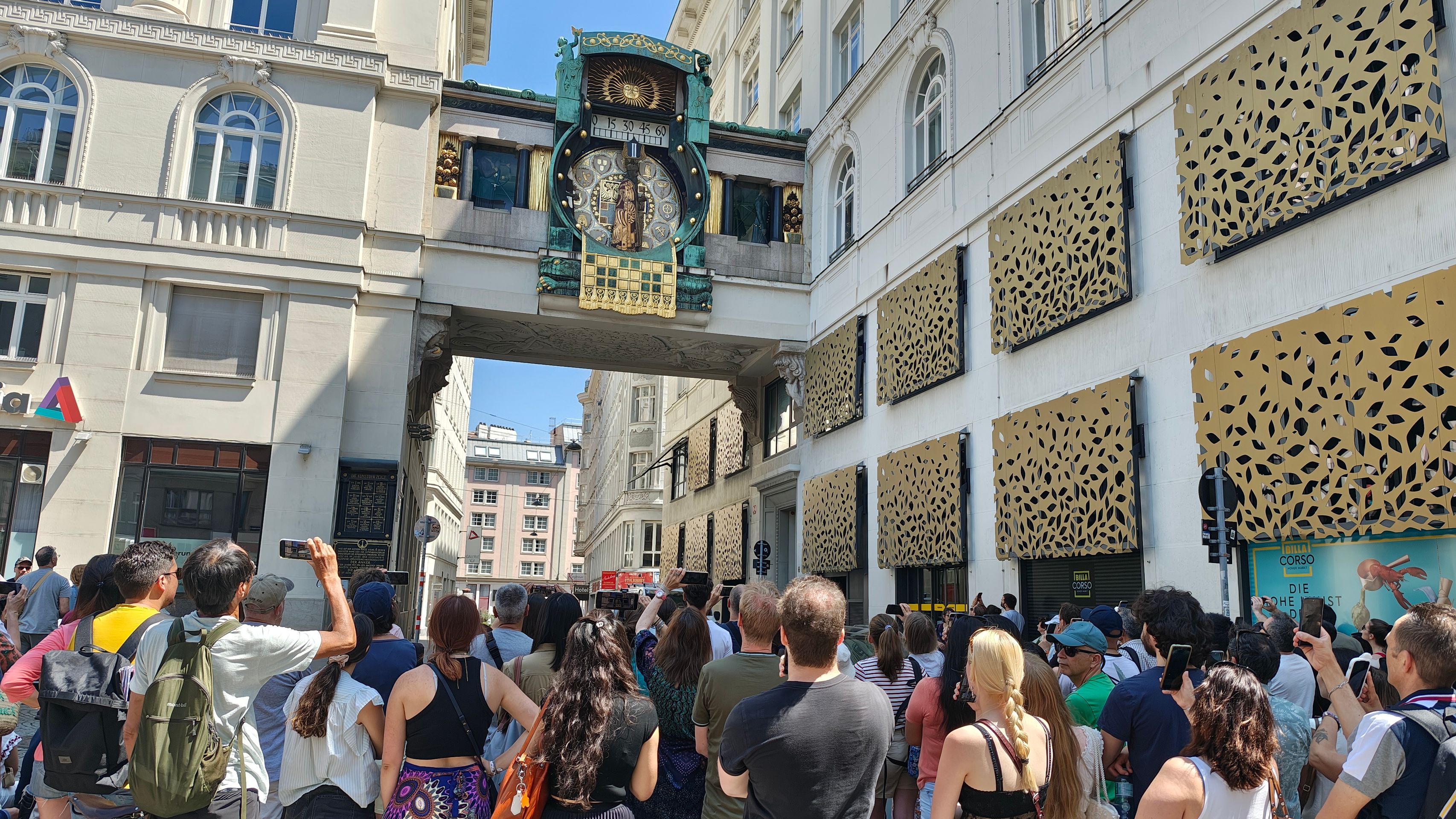
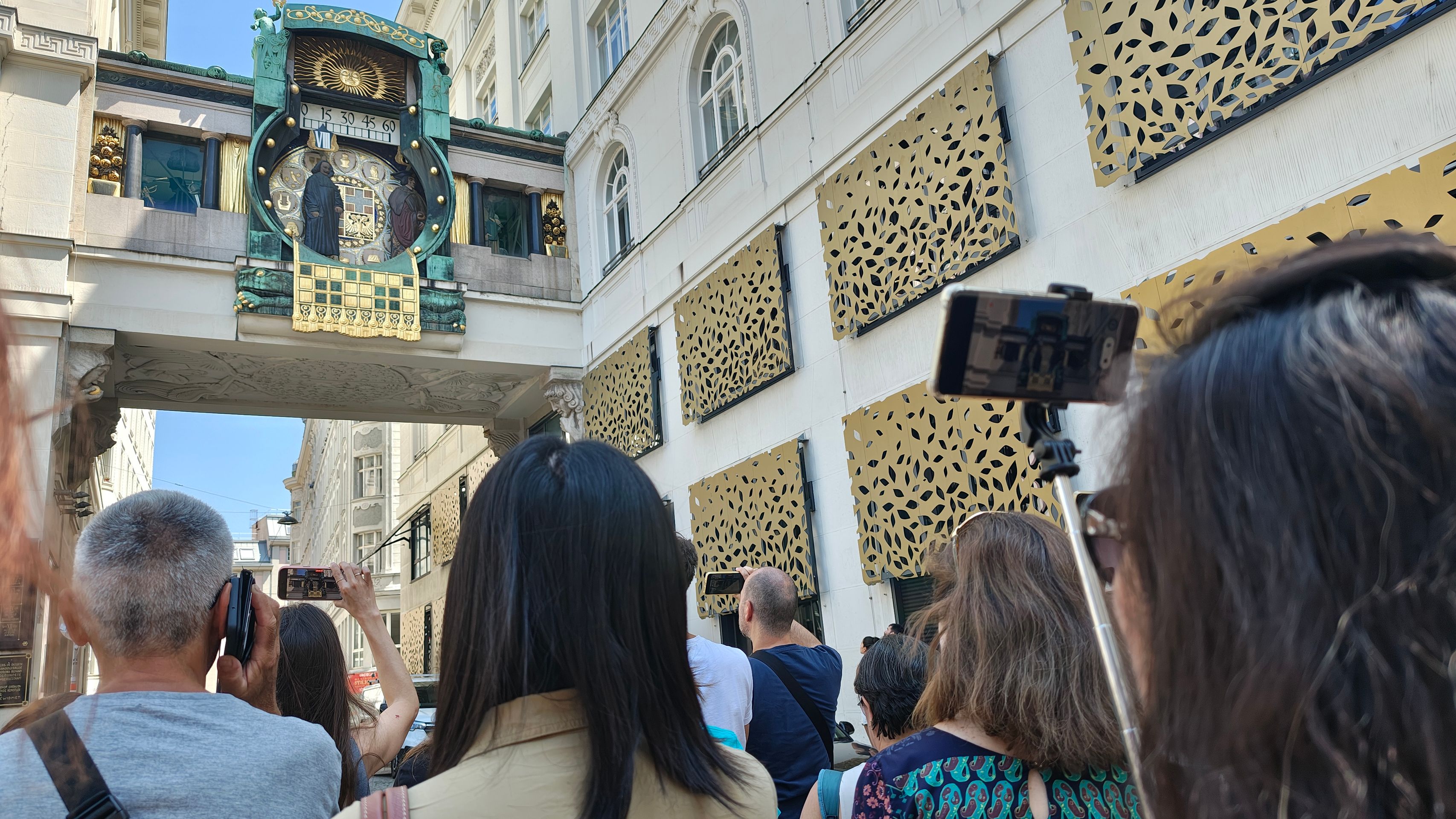
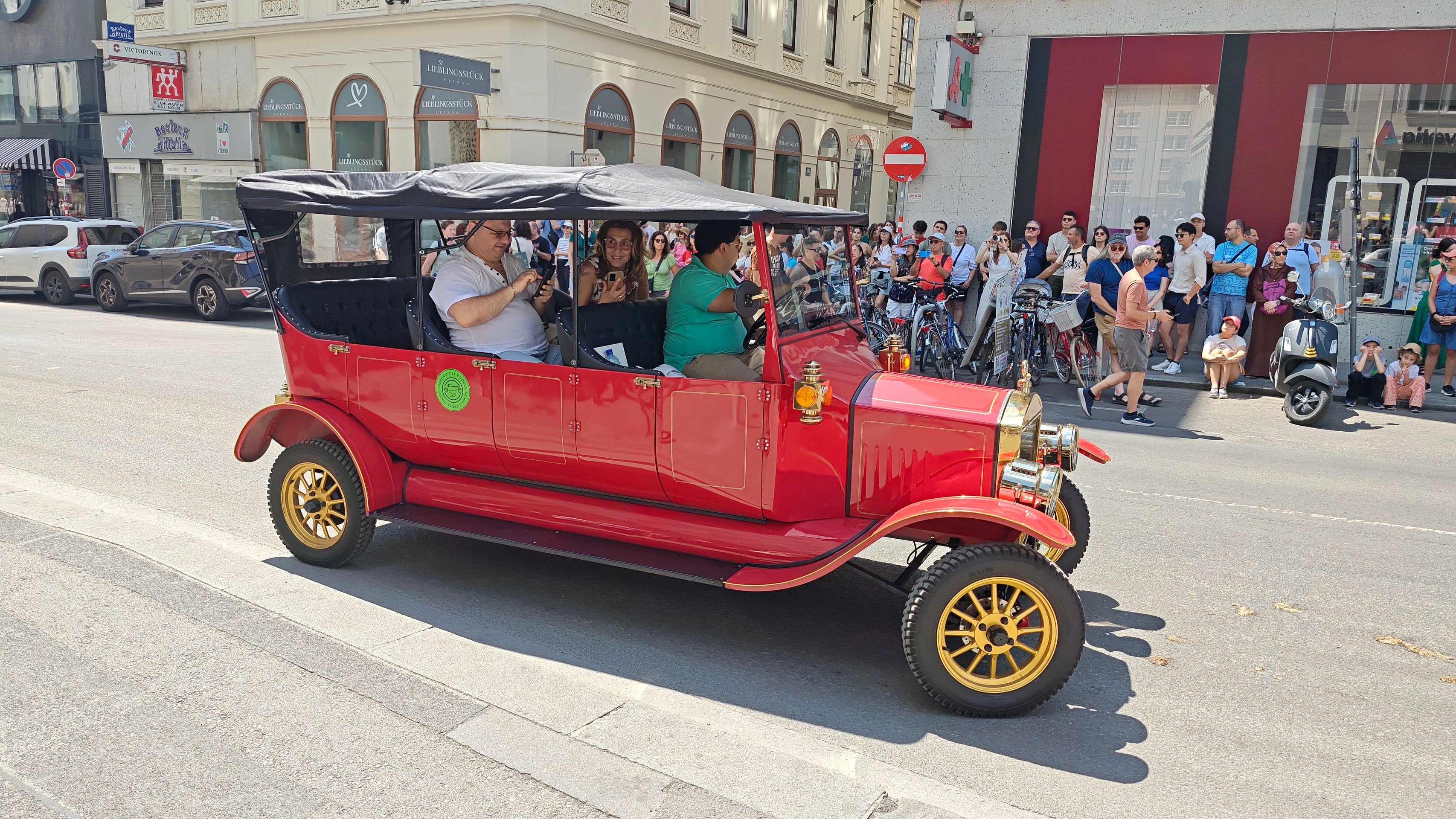
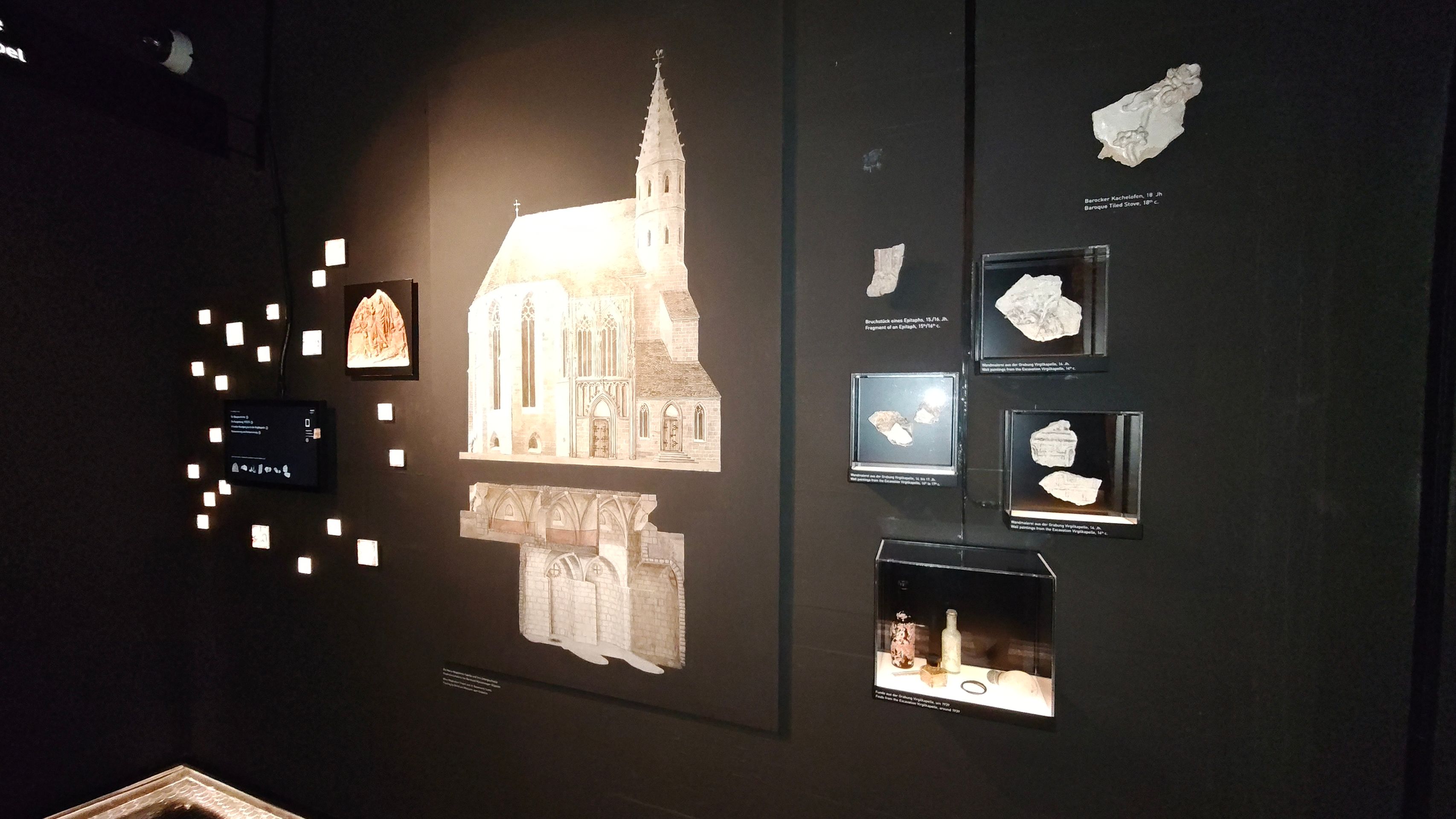
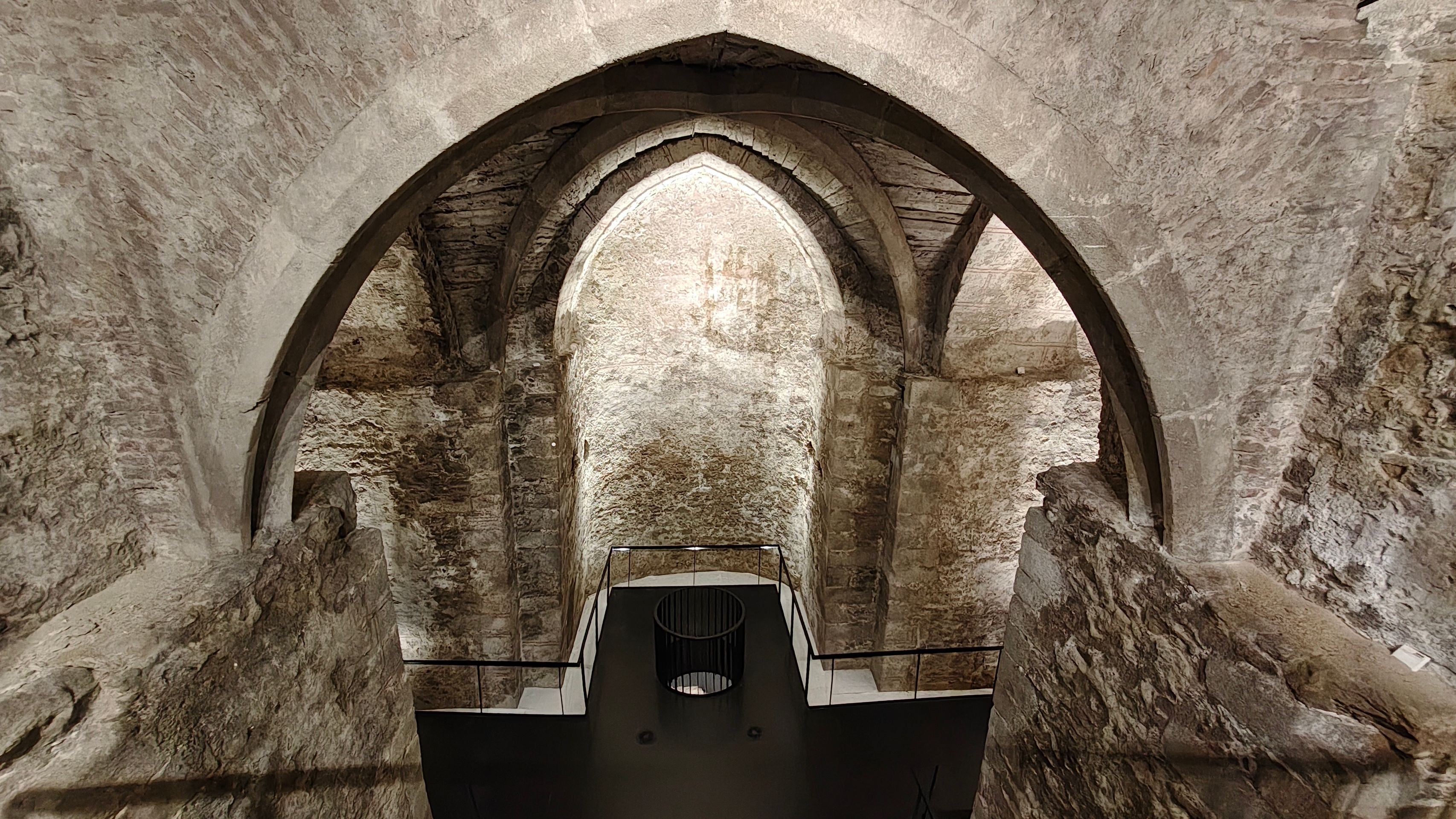
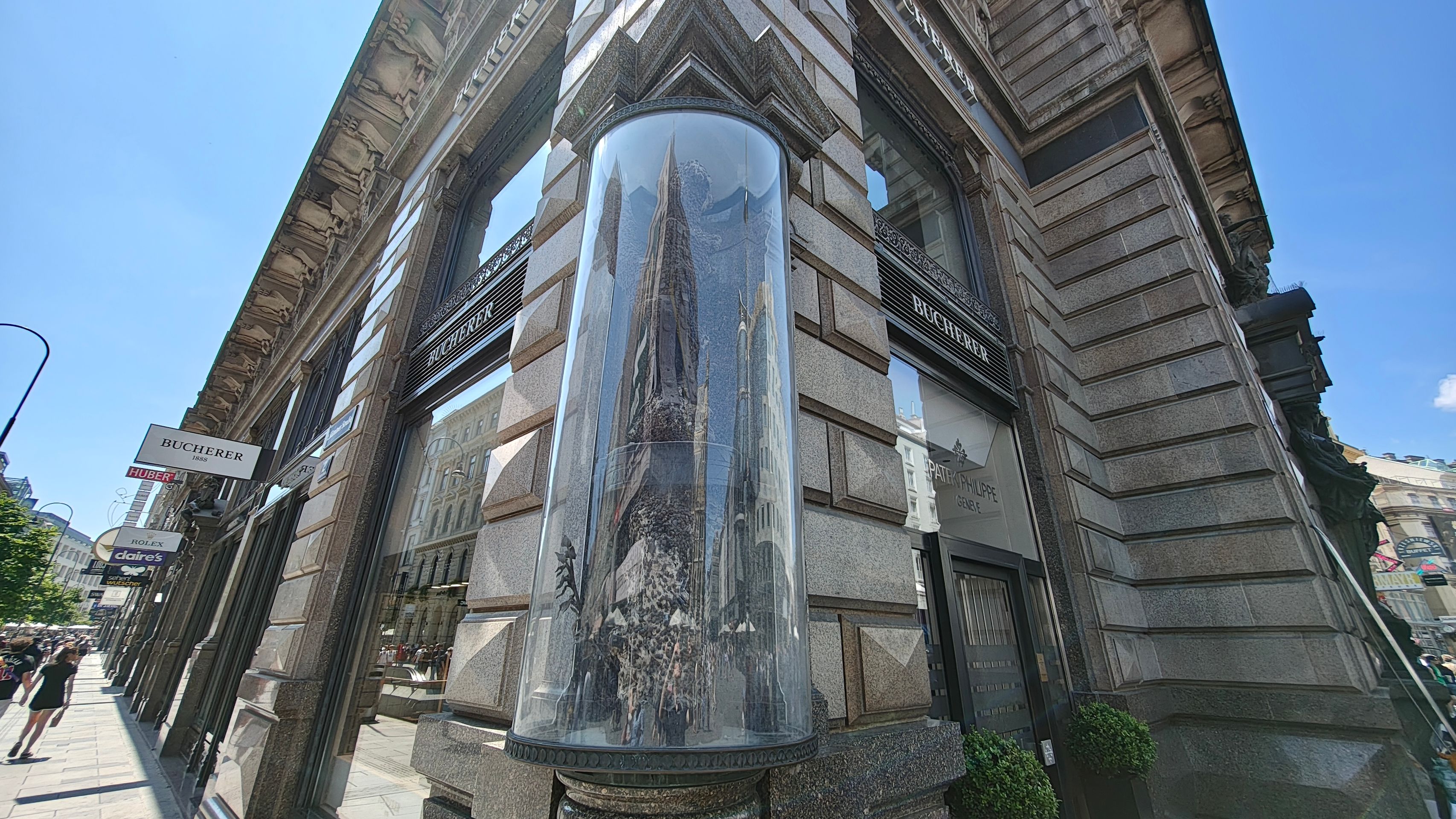
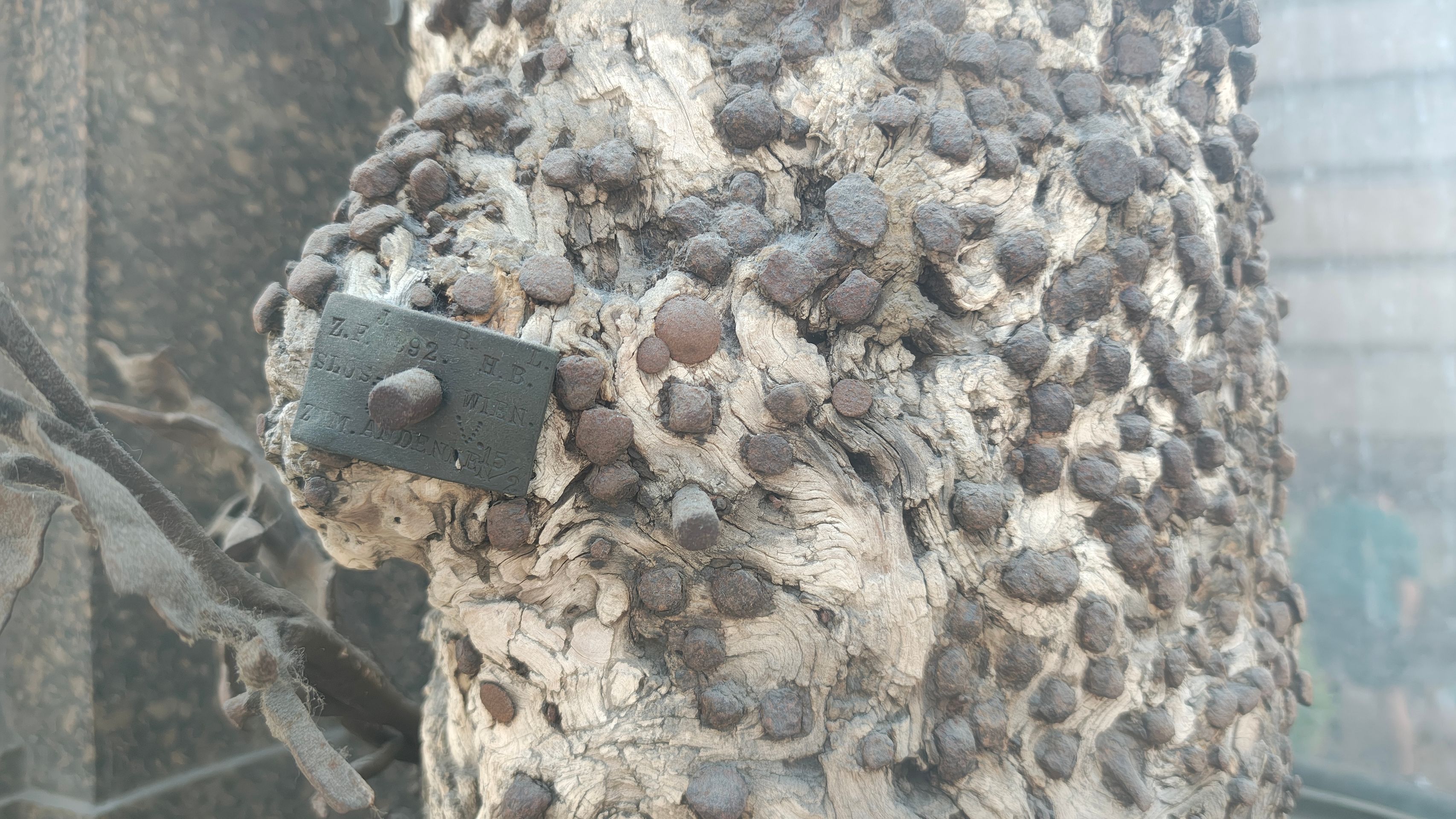
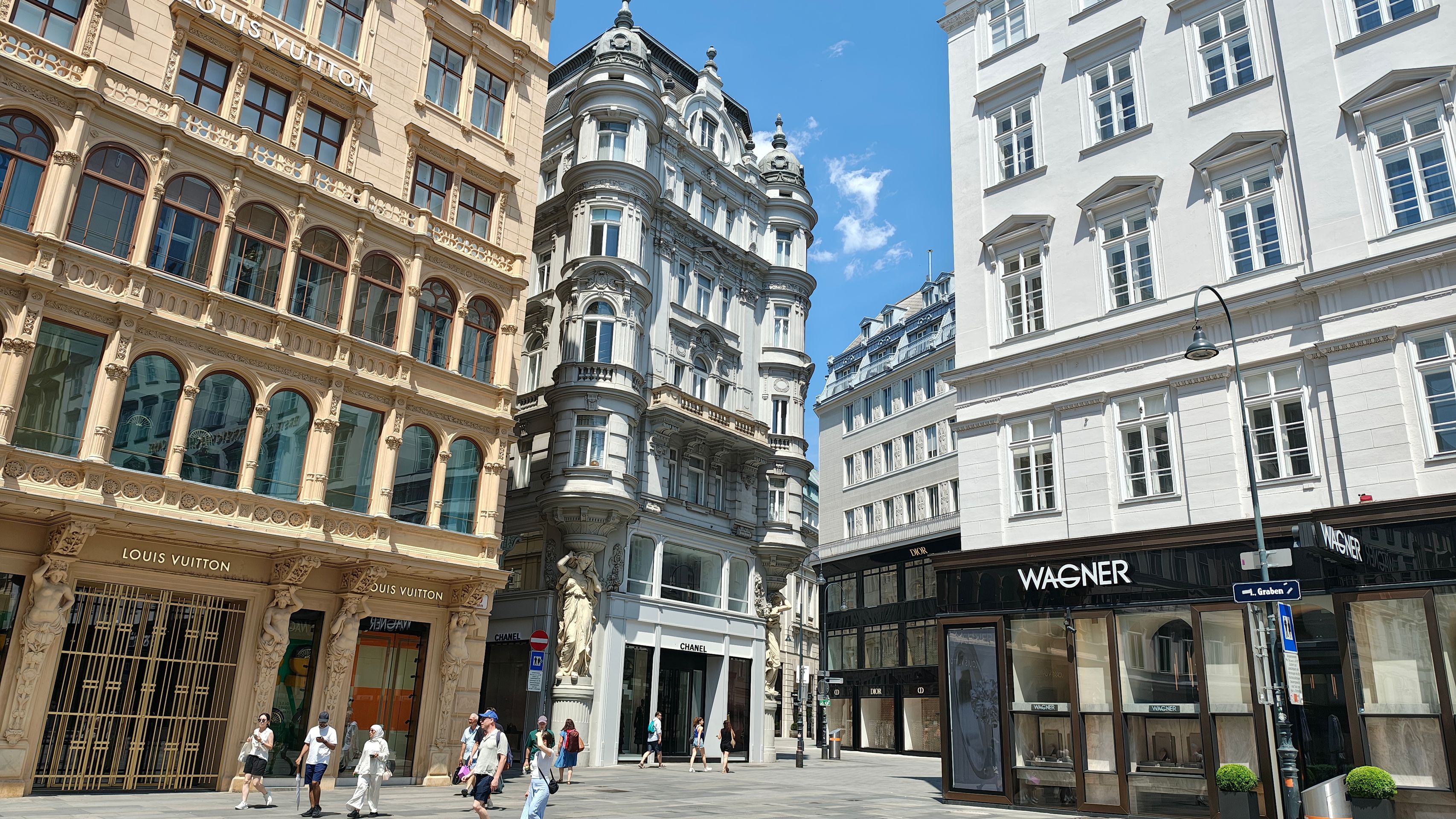
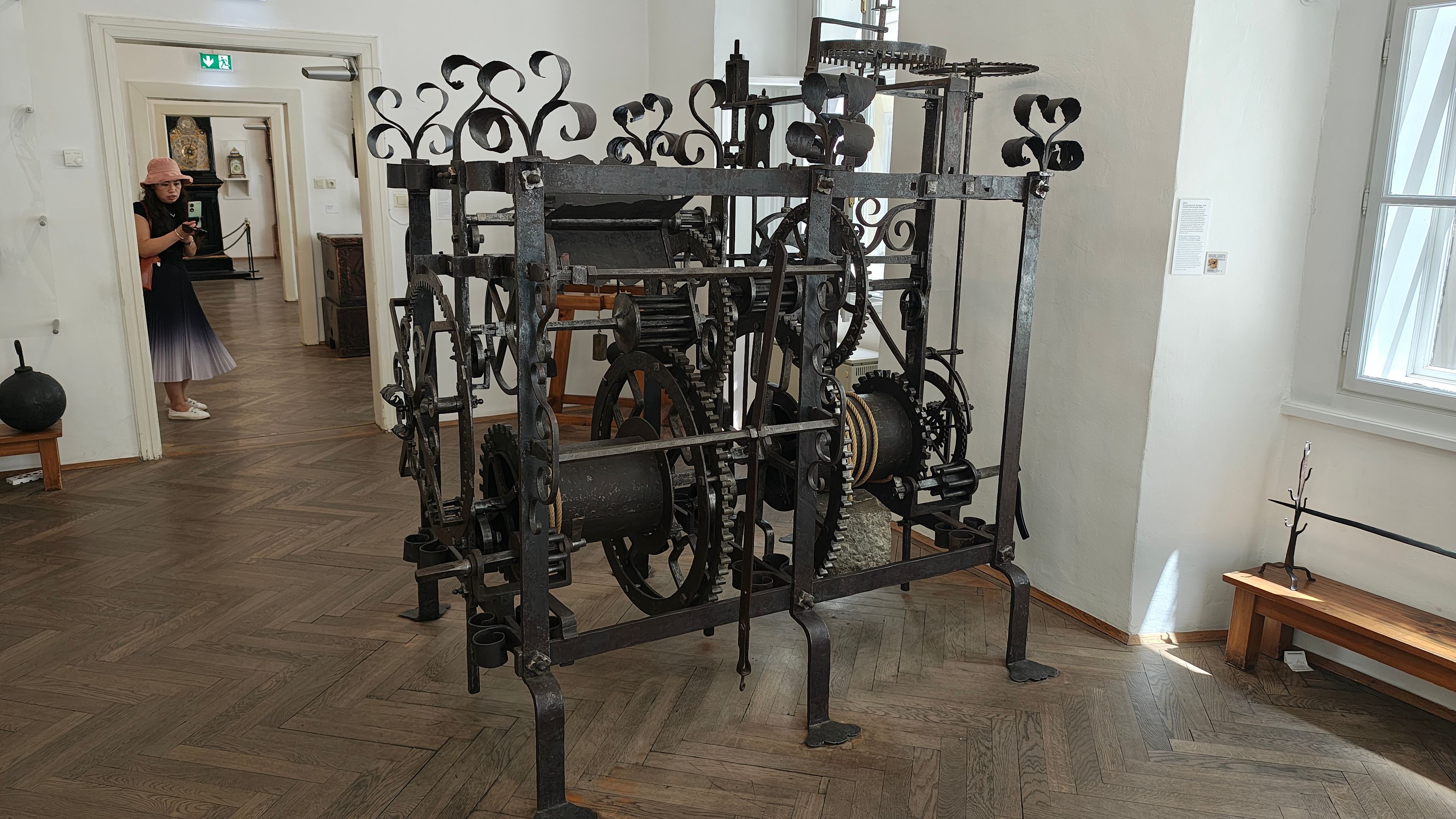
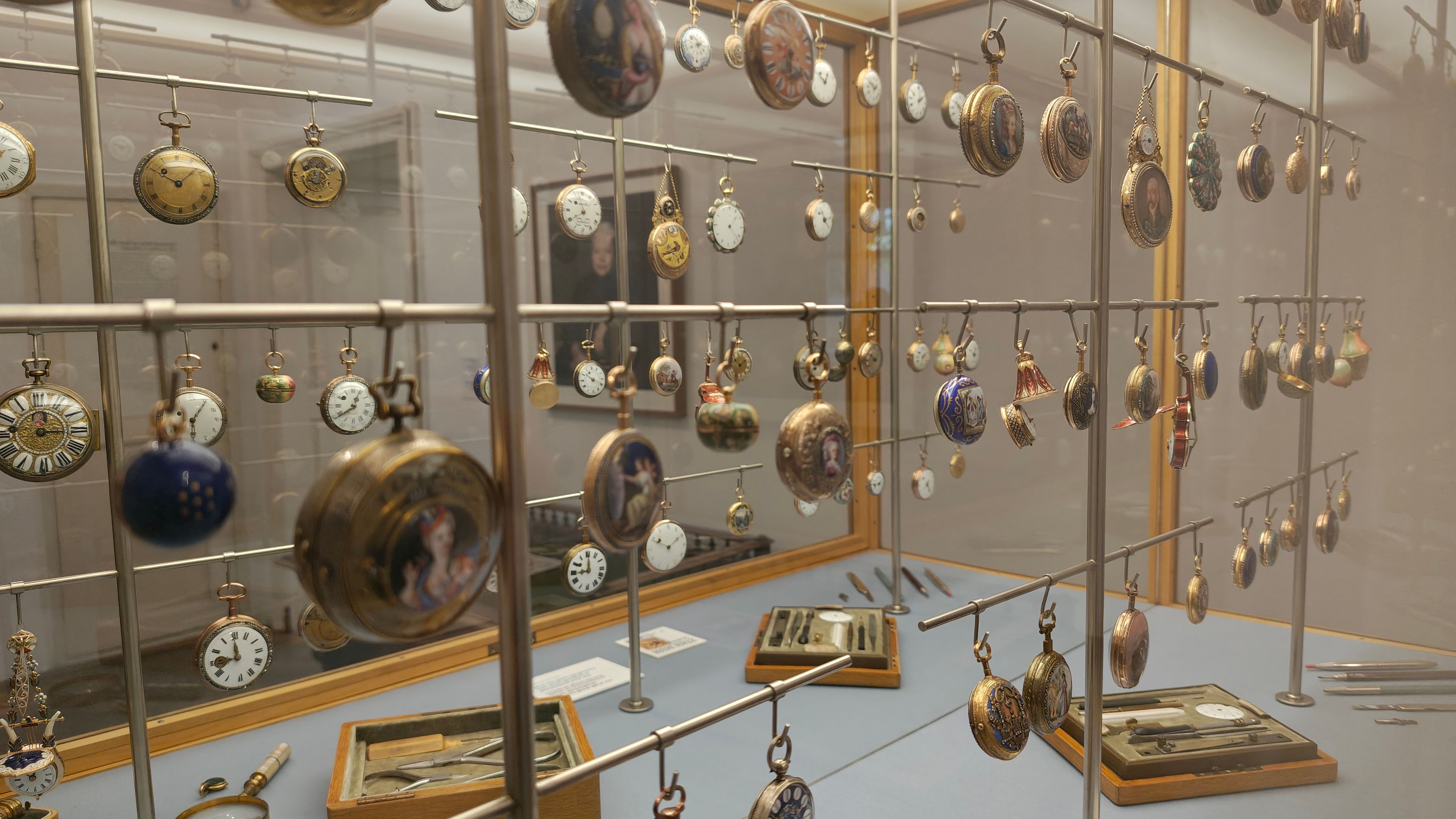
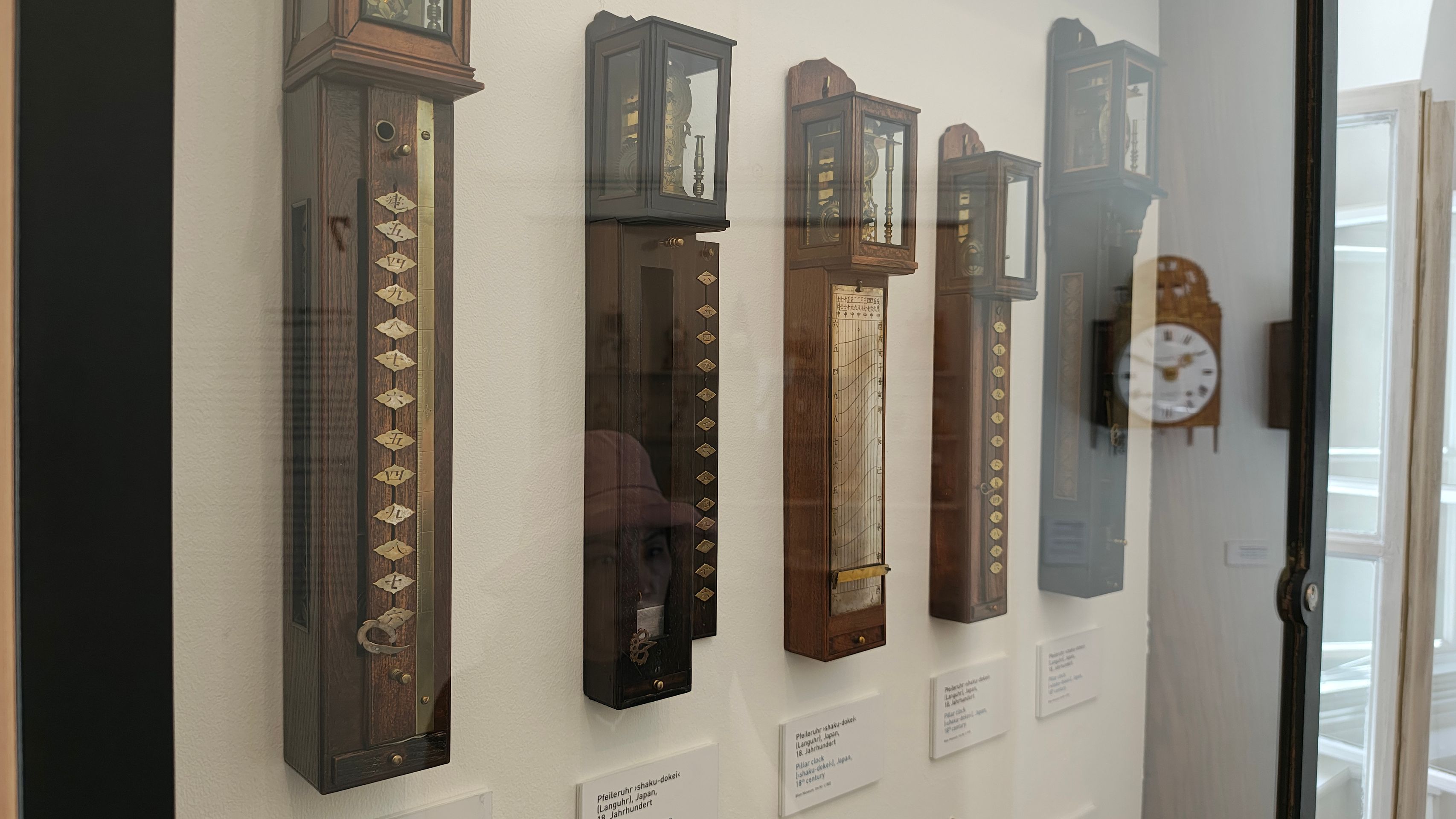
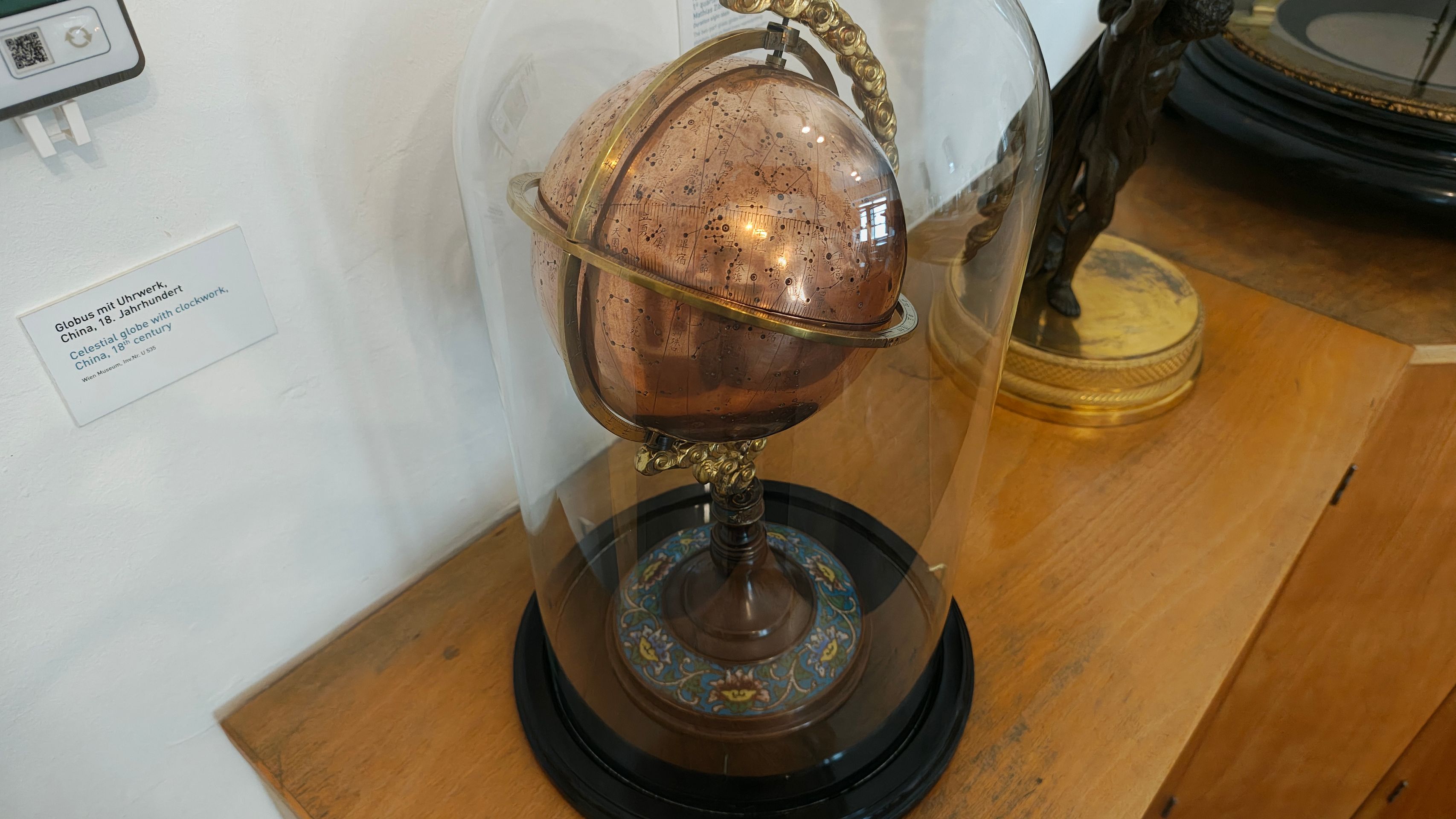
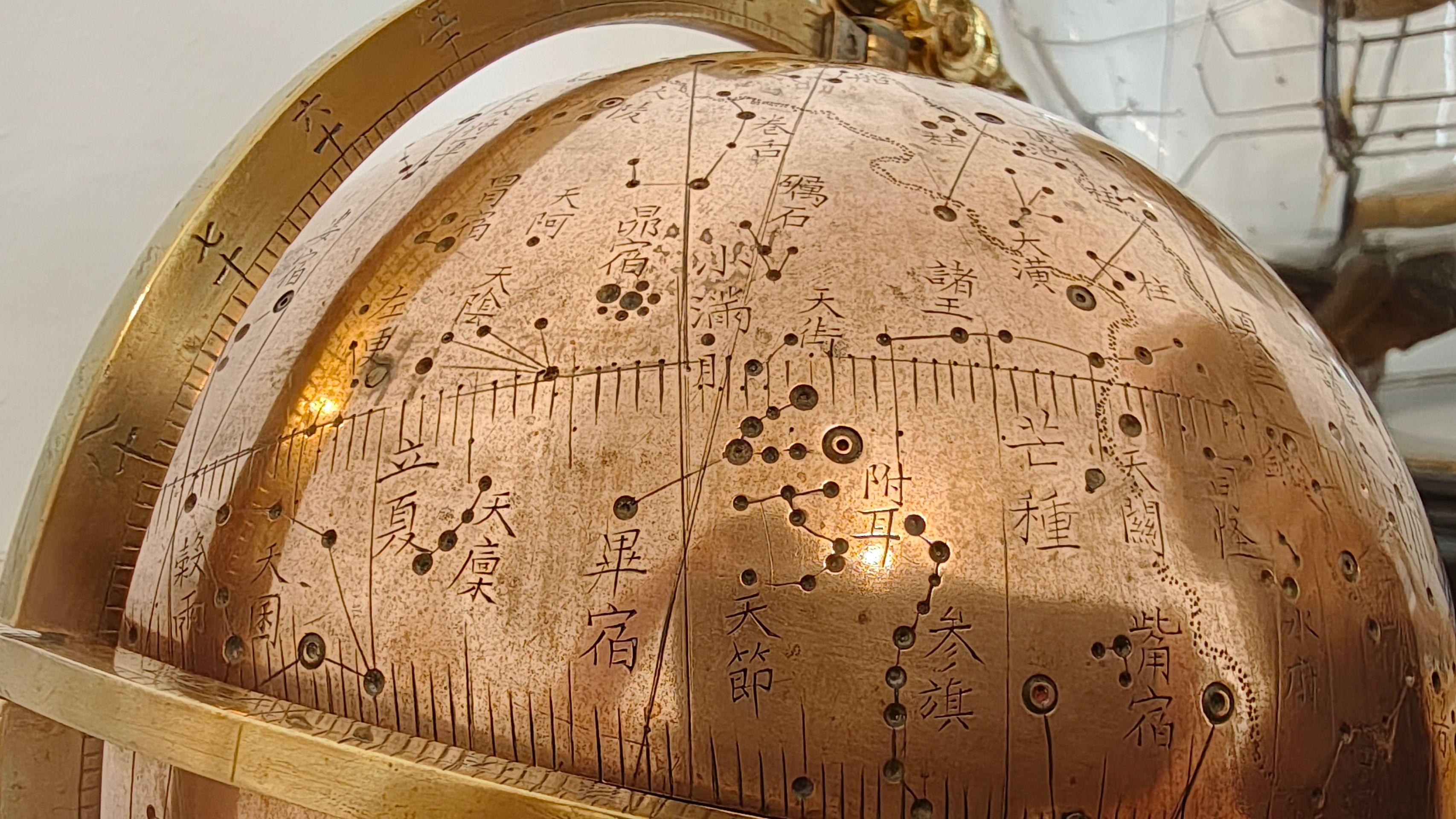
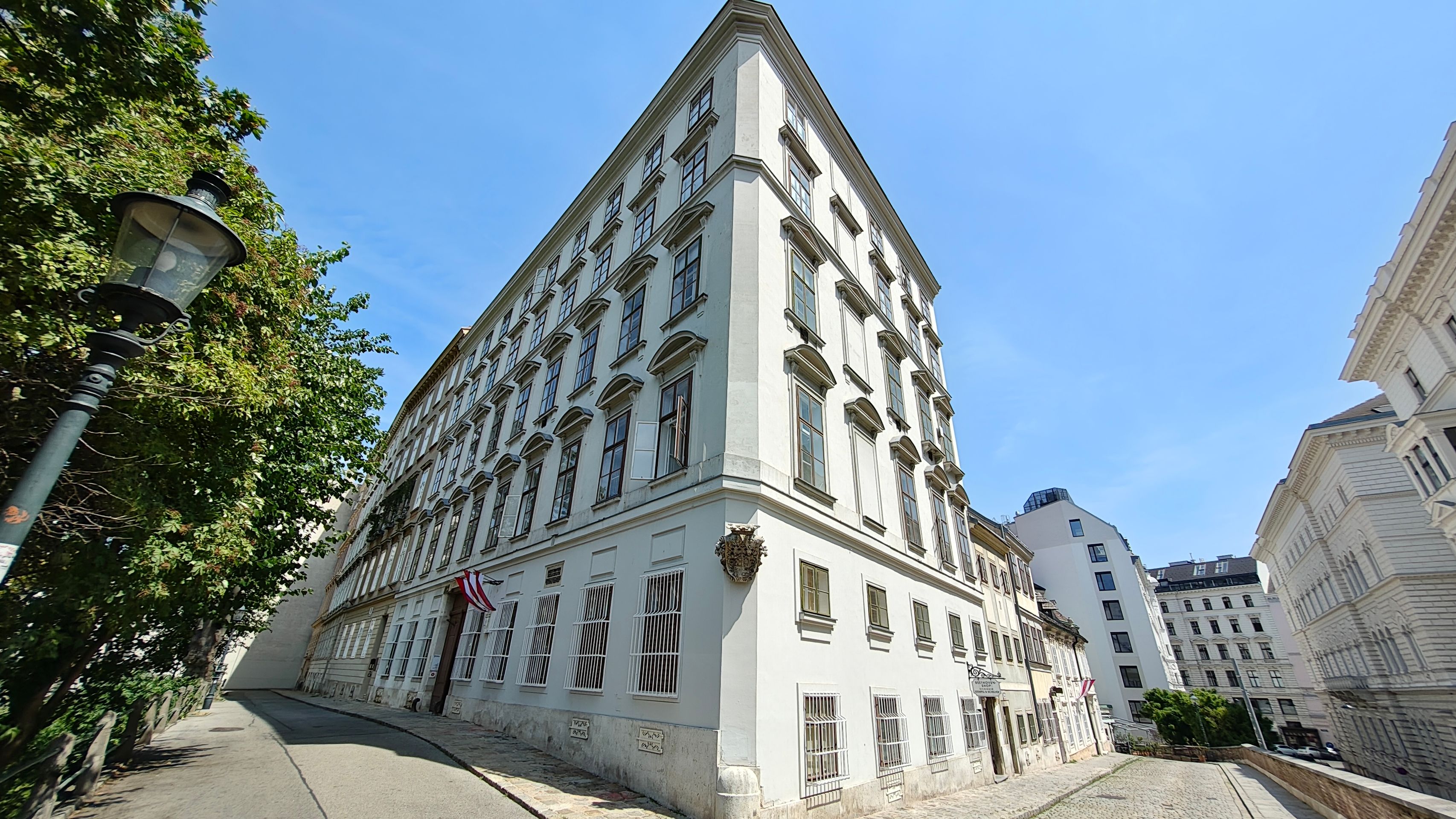
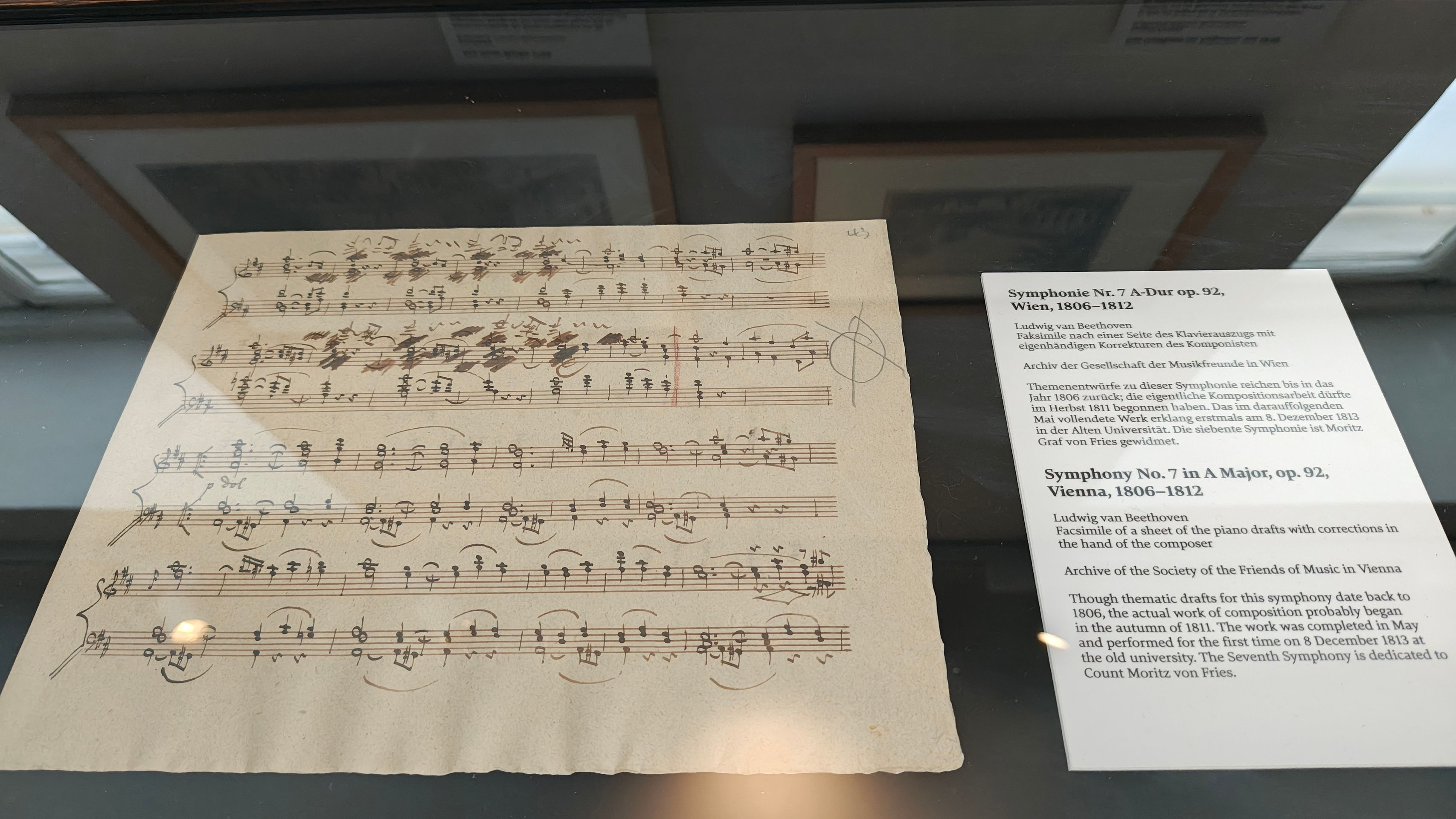
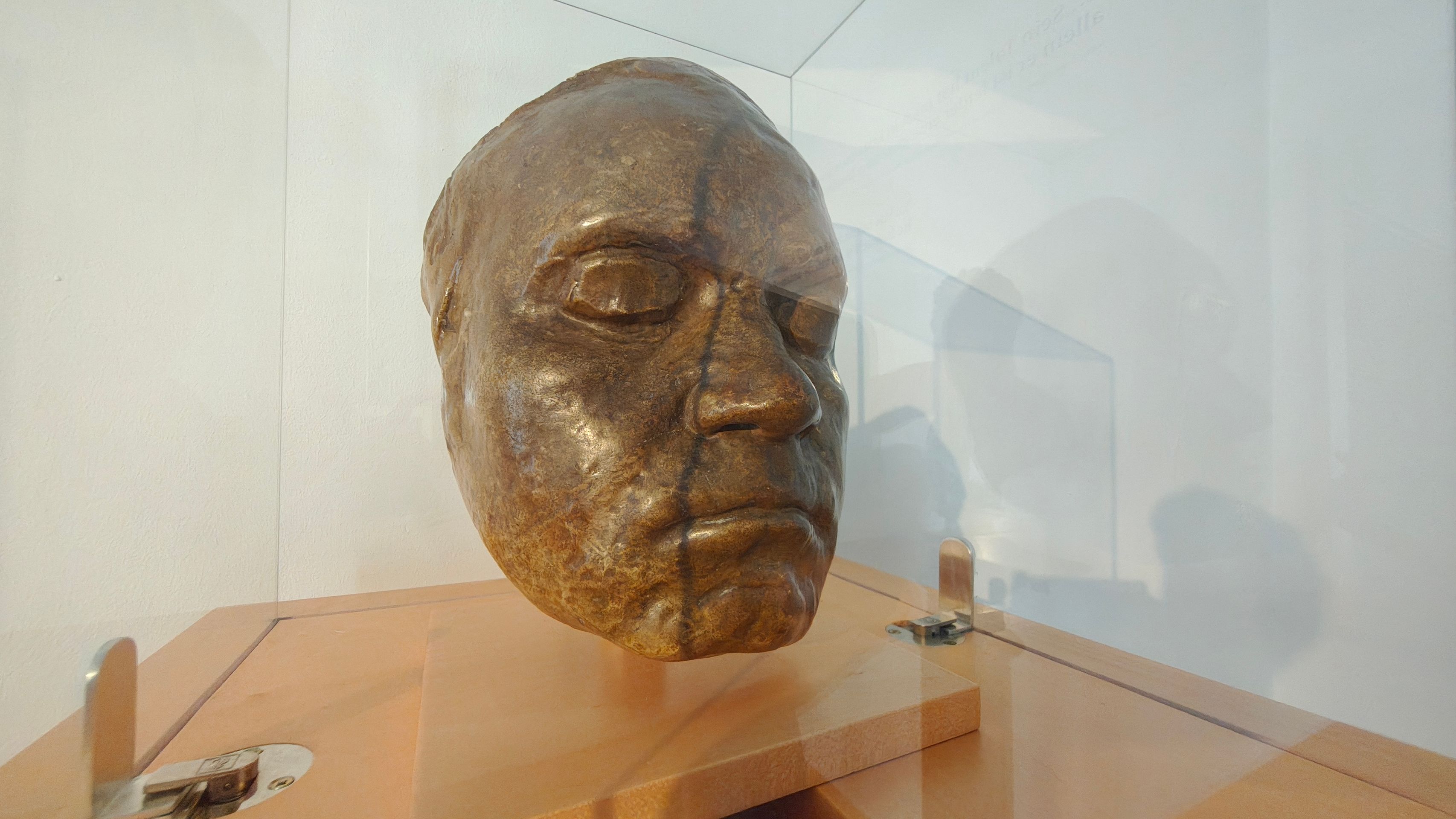
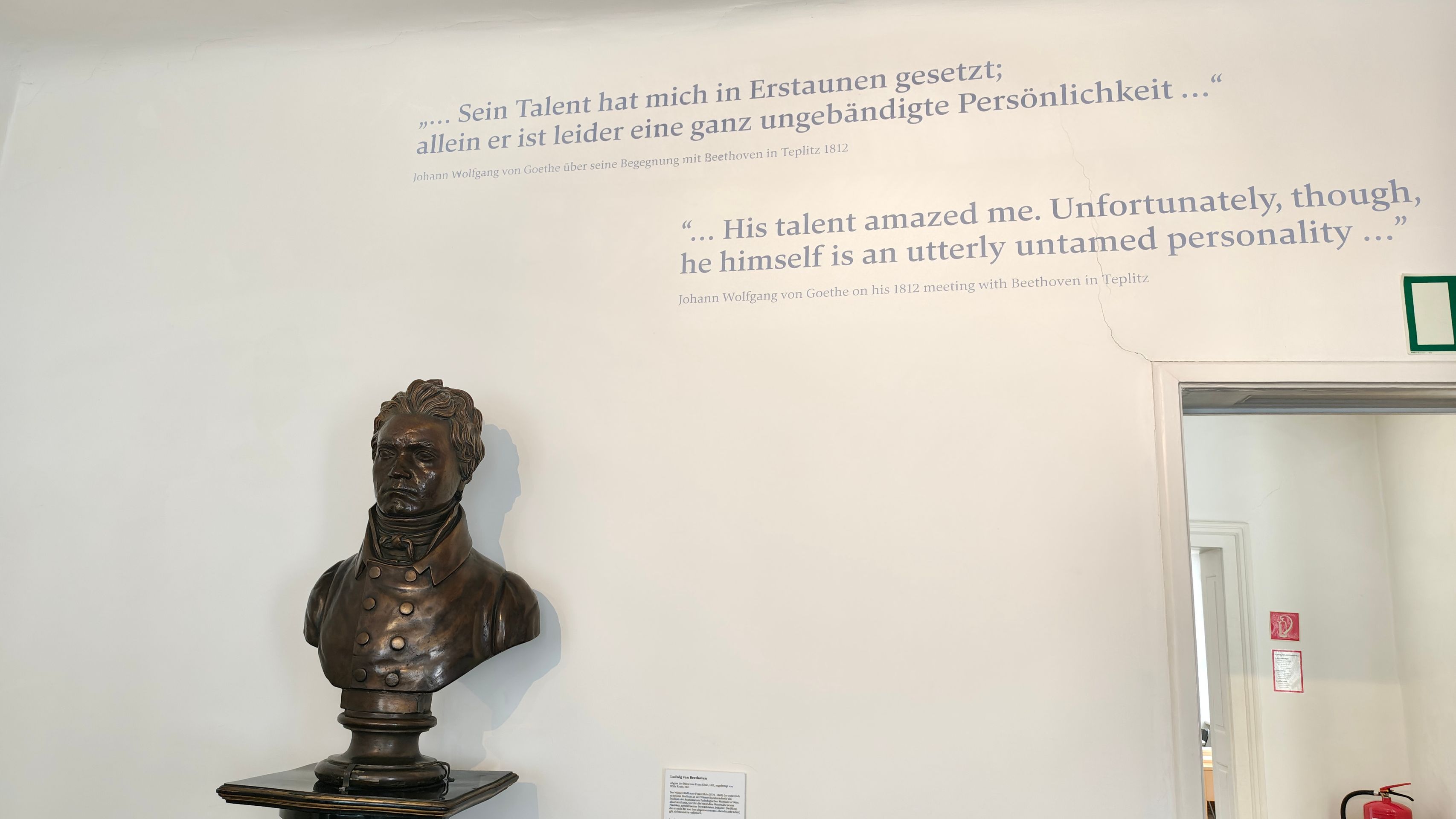
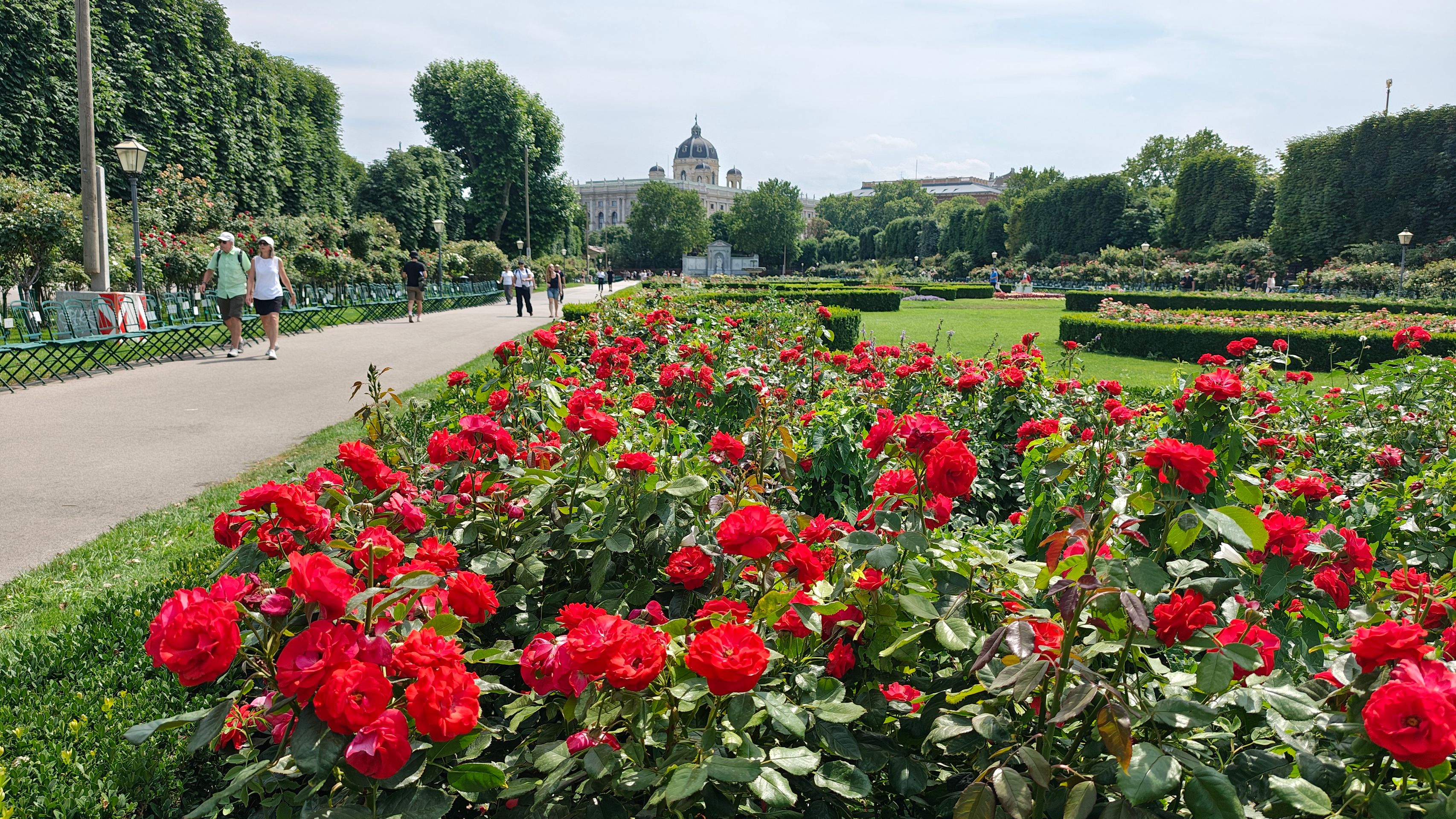
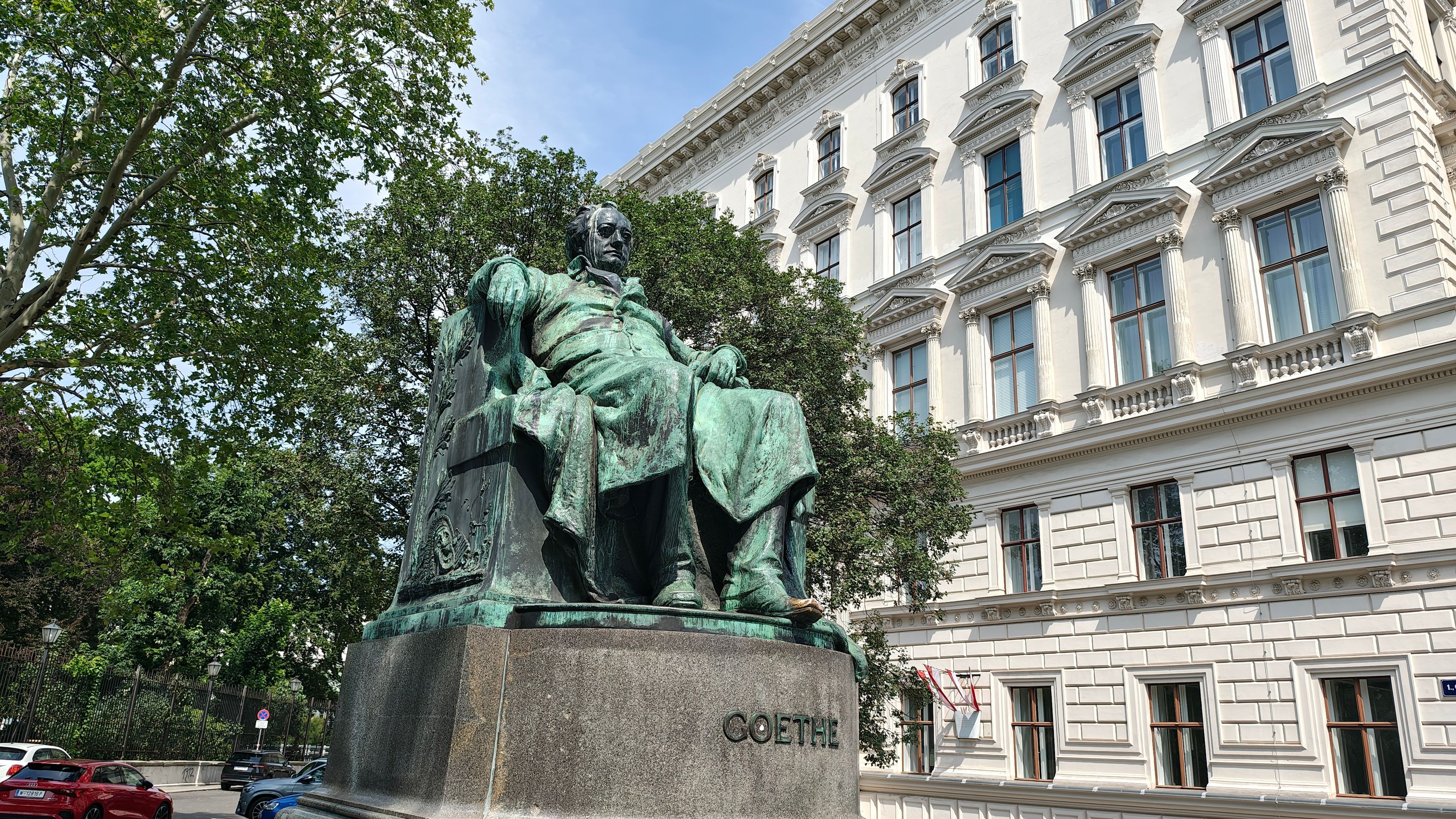
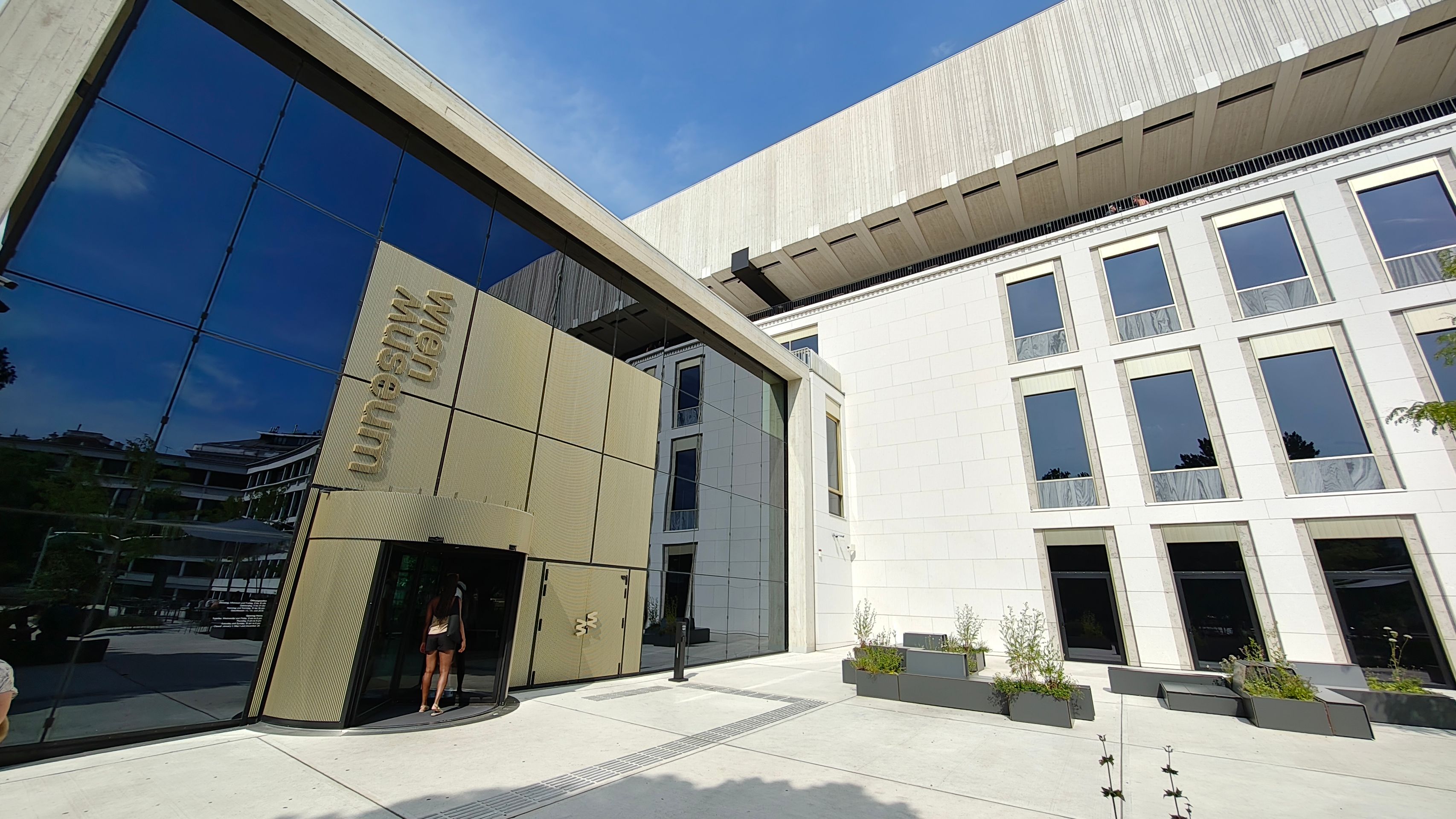
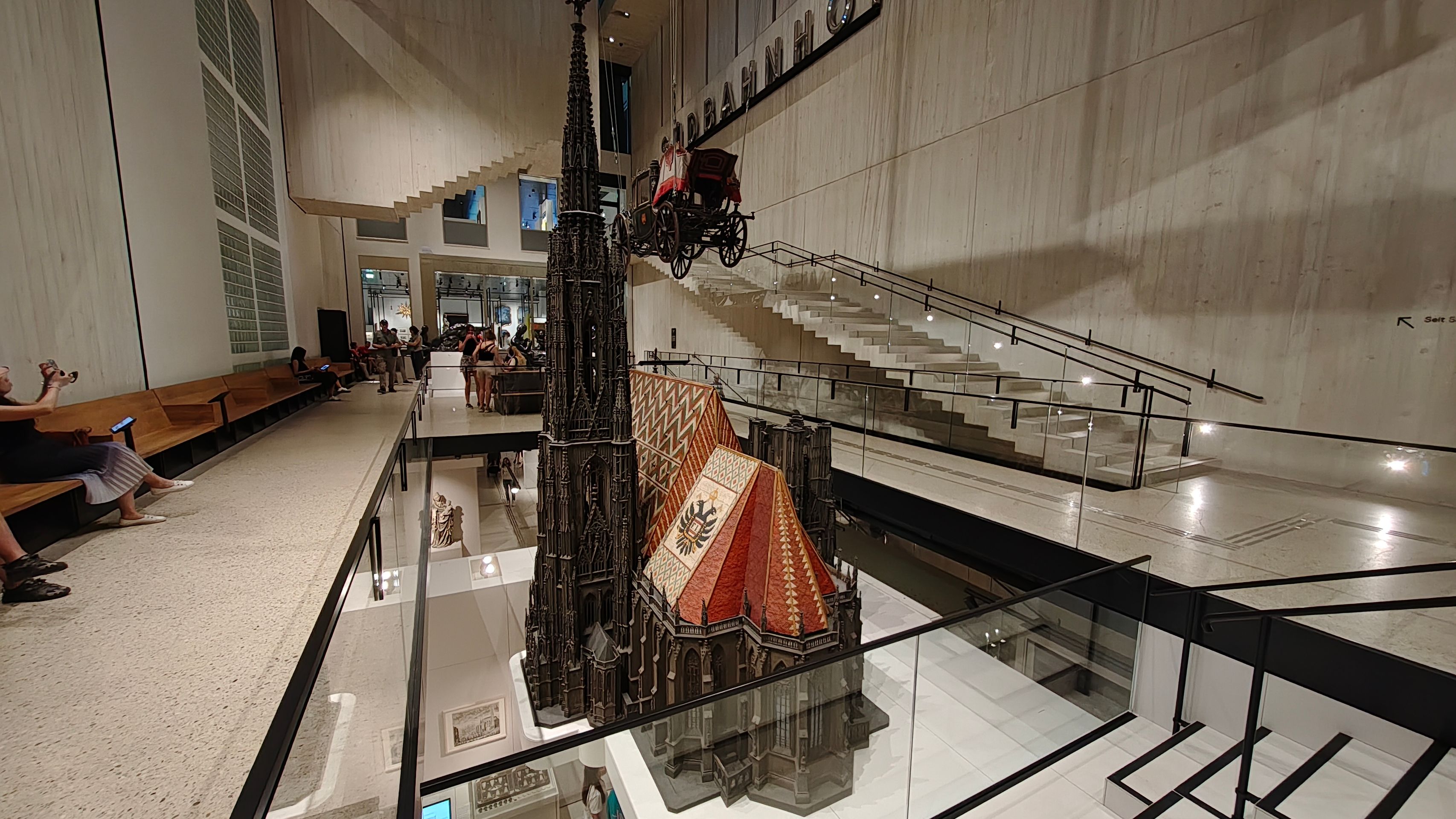
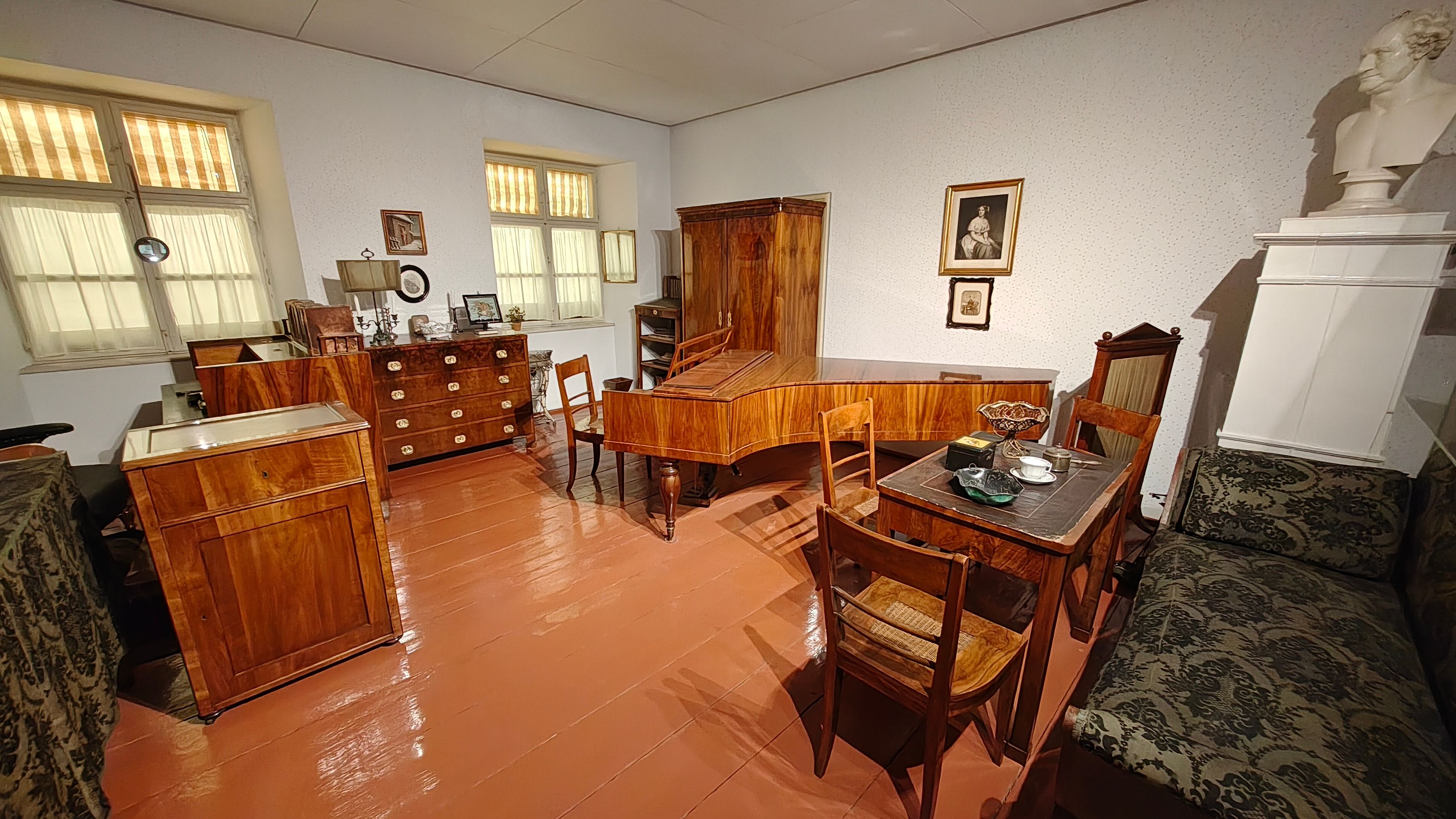
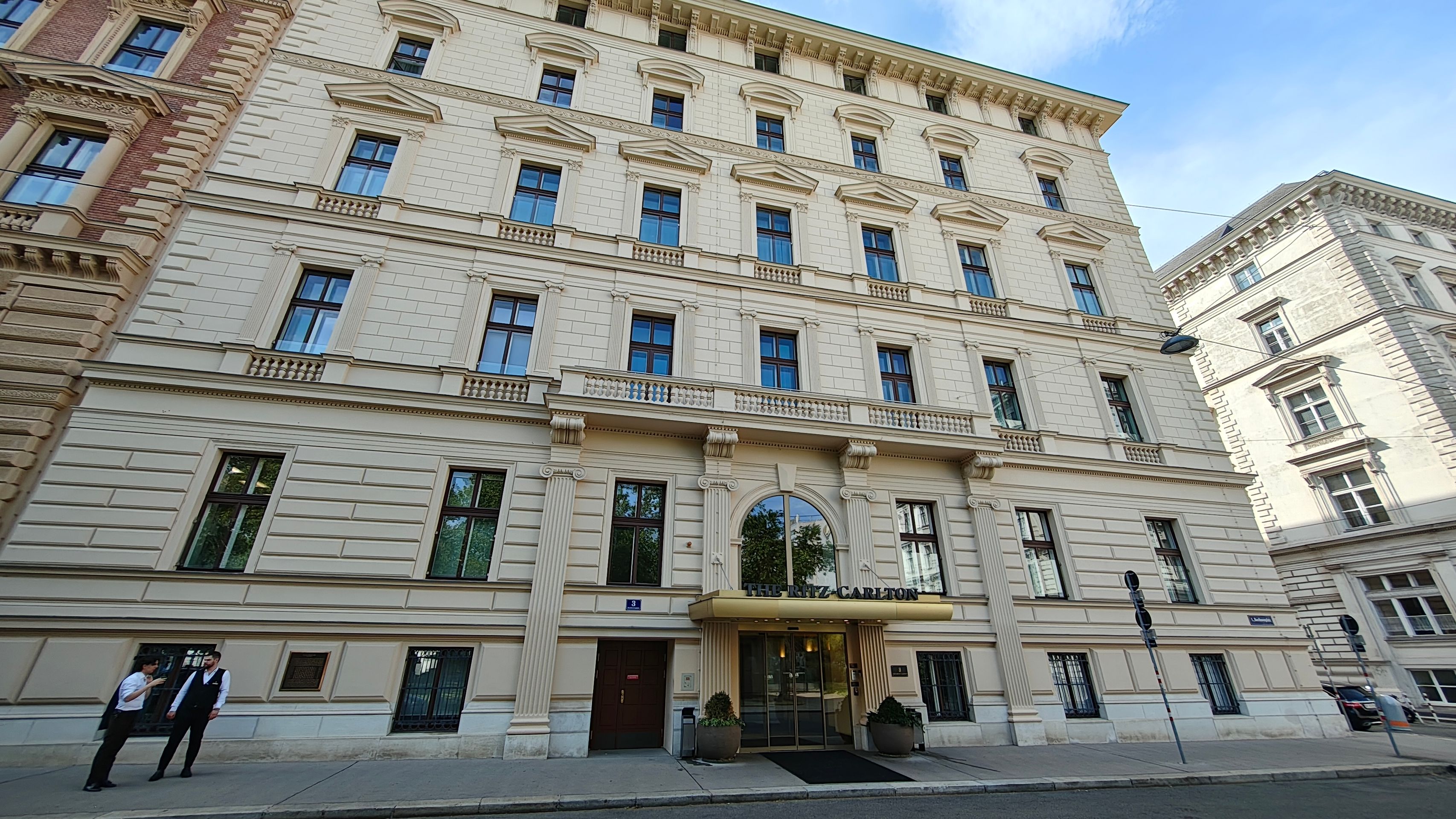
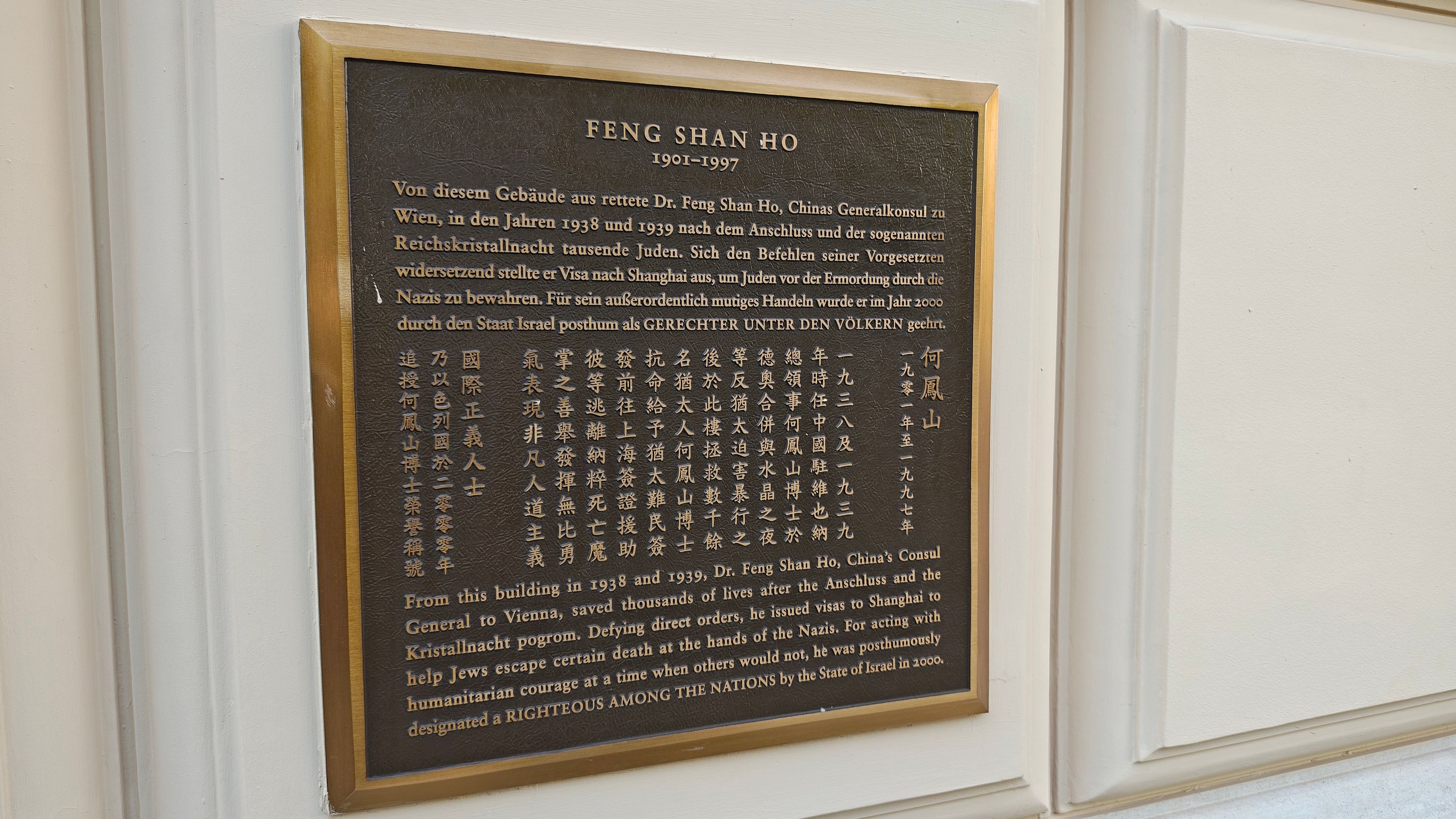
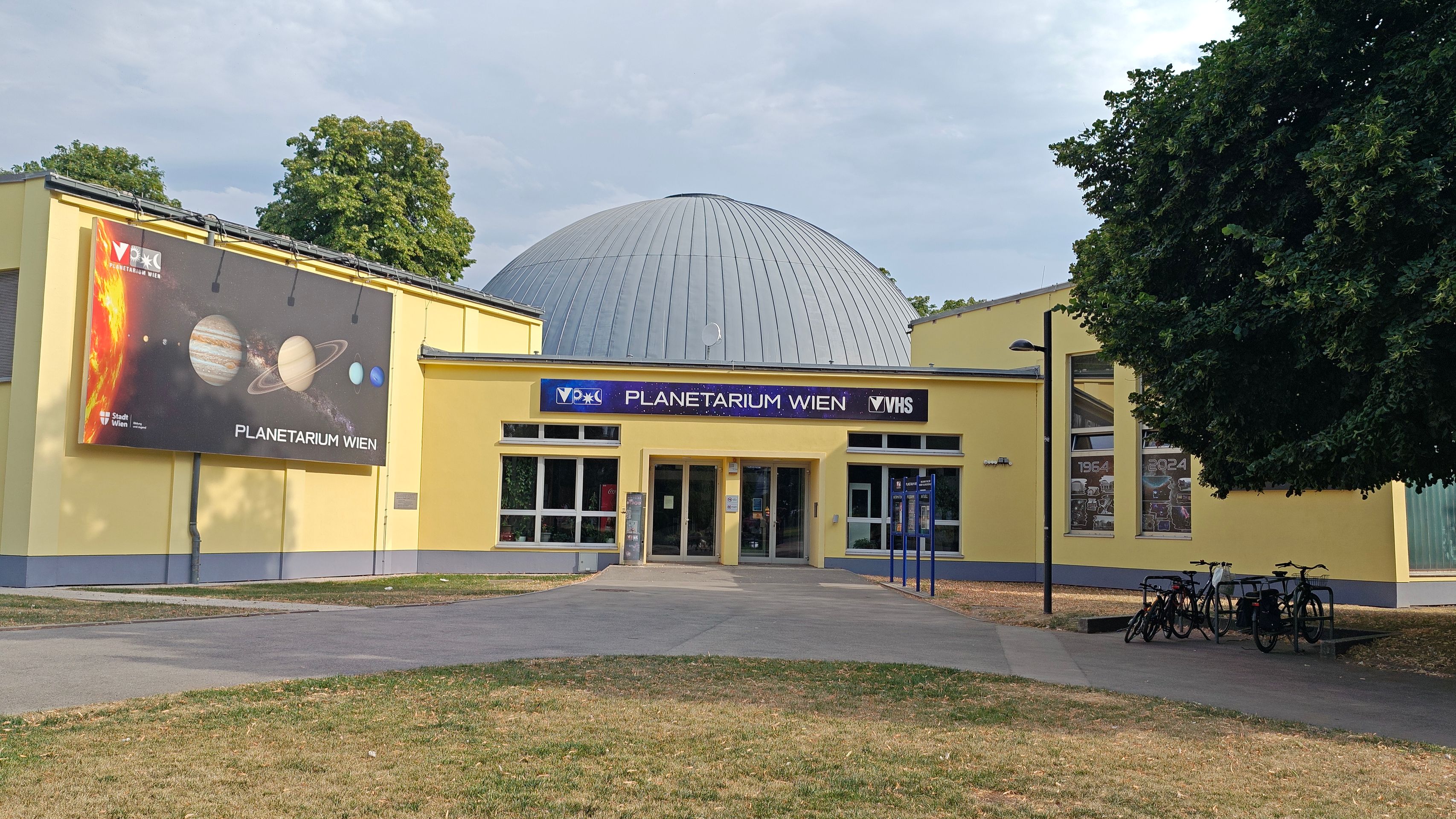
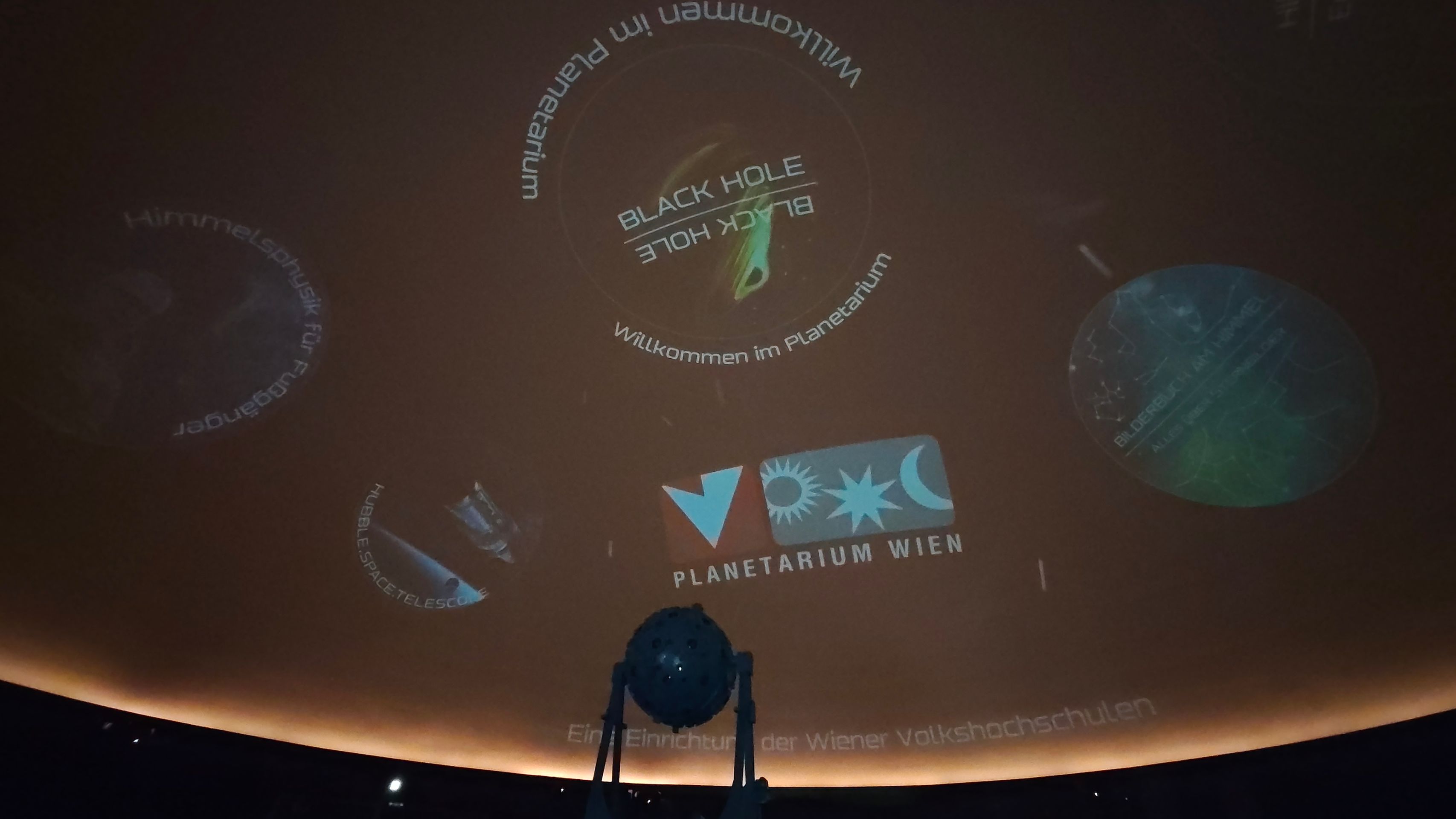
We are using our second free trip in Austria for a day trip to Vienna. Every first Sunday of the month, the municipal museums in the city of Vienna can be visited for free, which is why we chose this time for our trip. Accordingly, our focus during our visit to Vienna is on selected free museums. First, we visit the Roman Museum, which is very small but worth seeing. In the basement, we can view some foundation walls from the Roman era, and we get a close-up look at the architecture of the underfloor heating. An elaborately animated video explains the highly developed water systems of the Romans, which brought water from the Vienna Woods to Vindobona, today's Vienna, through aqueducts and stone water pipes. At the top of the museum, there is a beautiful causal chain representing the purpose of the Roman cellar viewed below, accompanied by a scientific exposition. I have only seen such a profound scientific presentation with various theories and considerations in this museum, making it a special museum dedicated to Roman times despite its small exhibition size. Upon arriving outside the museum, it is exactly 12 o'clock, and masses of tourists are filming the figures' parade of the opposite Anker Clock. After a budget-friendly snack at a Korean fast-food stand, we wander to St. Stephen's Cathedral; we do not visit this but descend via the subway station into the Virgil Chapel, a long-hidden structure from the Middle Ages beneath the cathedral. Once back on the surface, we briefly admire the 'Stock im Eisen'. Since the 15th century, nails have been driven into this spruce trunk. The custom, lasting until the 18th century, was that every traveling locksmith apprentice had to hammer such a nail into the wood. Now we walk behind the church to the Clock Museum, where the large medieval church clockworks are the most impressive exhibits. The colorful pocket watch collection of Marie von Ebner-Eschenbach stands out due to its ornate design. The Japanese pillar clocks are inscribed with Chinese characters, and the differing time measurement of hours for day and night depending on the season in Japan up to the 19th century is a curiosity. The pillar clocks were wound at sunset, and a driving weight causes a hand to move from top to bottom past the markers. These markers in Chinese characters were adjusted using a stencil to account for the changing lengths of day and night throughout the seasons. Another highlight is a copper globe with zodiac signs and Chinese inscriptions from the 18th century, which indicates the current star positions for various agricultural dates, like planting time, using a clockwork mechanism. An explanation that only my wife could provide since she could read the inscriptions on the globe. We continue to stroll through the baroque architecture of downtown Vienna and reach the Pasqualati House, where Beethoven lived for eight years with interruptions and in which he created famous compositions such as ‘Für Elise’. There is also a mask imprint of him and the corresponding bust on display. The bust is considered the most realistic depiction of the great composer because of the mask imprint used. The exhibition in the apartment primarily shines with handwritten music sheets by Beethoven himself. After visiting this historic site, we walk past the Burgtheater into the royal precincts and admire the blooming roses in the palace garden. Finally, we end up at the Vienna Museum at Resselpark, which, while the largest museum of the day for us, ultimately does not excite me about the history of Vienna, but perhaps I need to read Franz Grillparzer to connect with the Habsburg intellectual legacy. The museum is experiencing a surge of visitors today, which makes our quick tour even faster. Now, we direct ourselves to a historically significant building, which is now home to the Ritz Carlton Hotel. Previously, the Chinese Consul General Dr. Feng Shan Ho resided here, who, during the Nazi regime in 1938 and 1939, issued Chinese visas to Jews, allowing them to flee to Shanghai and thus save their lives from the Nazis. In the adjacent Stadtpark, it becomes particularly evident how ugly Vienna is disfigured in many places. Even large flower pots are covered in graffiti, which attests not only to the aesthetic tastelessness of the vandals but also to the indifference of the Viennese population towards the ubiquitous scribbles. We conclude the day in Vienna with a visit to the planetarium. Although the informative content regarding black holes is quite decent, the presentation fails to impress with primitive, constantly repeating animations, inappropriate music, and manual explanations. Compared to the numerous events I have attended at planetariums in Hamburg, Jena, Bochum, Los Angeles, and London, it is clearly the worst performance. But at least the presentation finishes on time, allowing us to catch the tightly scheduled train home. The Austrian Federal Railway then proves at the transfer station Linz that not only the German Railway has a miserable customer orientation, as they attempted to send off our connecting train without waiting for passengers despite delays on our Railjet. A bold sprint down the stairs and back up allows us to catch the train milliseconds before departure anyway. Other passengers were likely less fortunate. What remains from this day is the impression of impressive museum exhibits and a rather undistinguished impression of the Austrian capital.